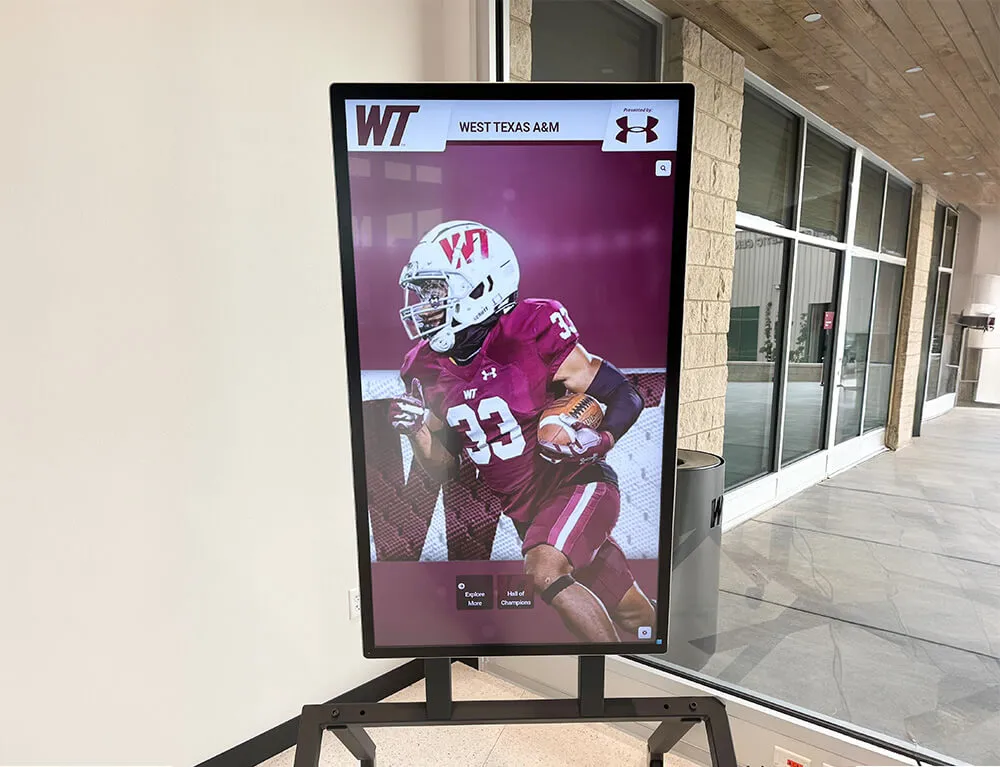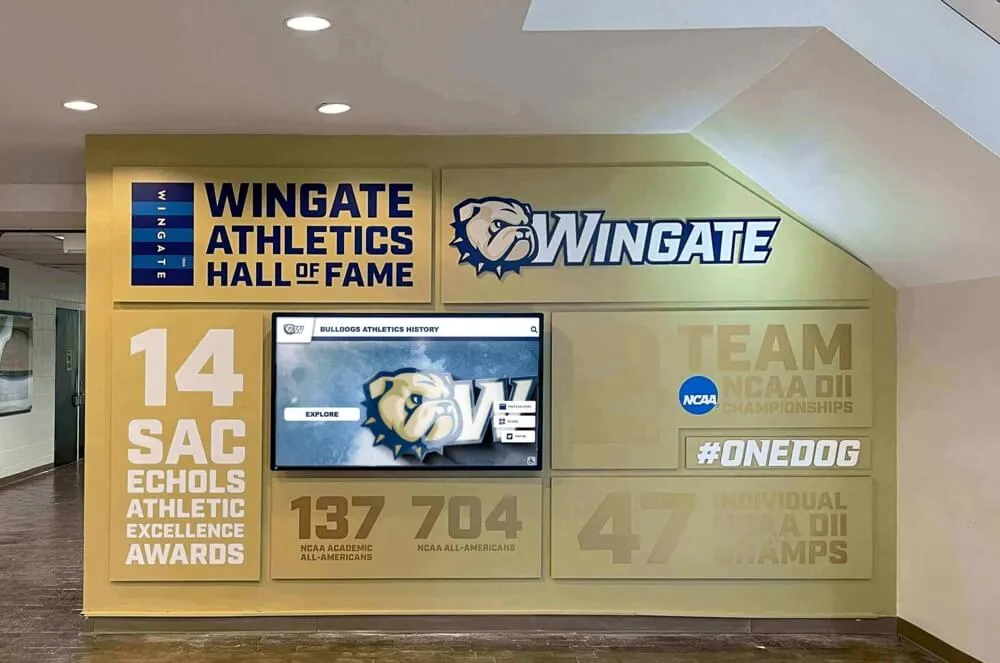




Intent: Define and demonstrate how modern digital tools transform historical recognition from static displays into engaging interactive experiences that preserve institutional heritage while creating meaningful connections across generations.
History comes alive when communities can explore, discover, and interact with stories from the past through intuitive digital experiences. Schools, museums, and organizations worldwide are discovering that digital tools—interactive touchscreens, searchable archives, multimedia displays, and cloud-based recognition platforms—transform how history is preserved, presented, and experienced by contemporary audiences expecting engagement rather than passive observation.
Traditional historical displays face inherent limitations that digital solutions address comprehensively. Physical plaques accommodate limited information, forcing difficult choices about whose stories receive recognition. Static exhibits become outdated quickly yet prove expensive to modify. Paper archives deteriorate while remaining inaccessible to those unable to visit physical locations. Most significantly, traditional approaches offer no path for exploration—visitors consume predetermined information without ability to search, filter, or discover based on personal interests.
This comprehensive guide explores the digital tools revolutionizing historical recognition programs, from interactive touchscreen displays and searchable databases to multimedia storytelling and cloud-based content management. Whether you’re preserving school heritage, documenting organizational achievements, or creating engaging museum-quality experiences, these proven strategies help institutions honor history appropriately while creating the interactive discovery experiences contemporary audiences expect.
Digital tools democratize history by making institutional memory accessible to anyone with internet access while creating engaging on-site experiences through touchscreen installations that invite exploration rather than demanding passive viewing. Schools implementing comprehensive digital recognition systems report dramatically increased engagement with historical content, stronger alumni connections, enhanced institutional pride, and sustainable preservation protecting heritage for future generations.

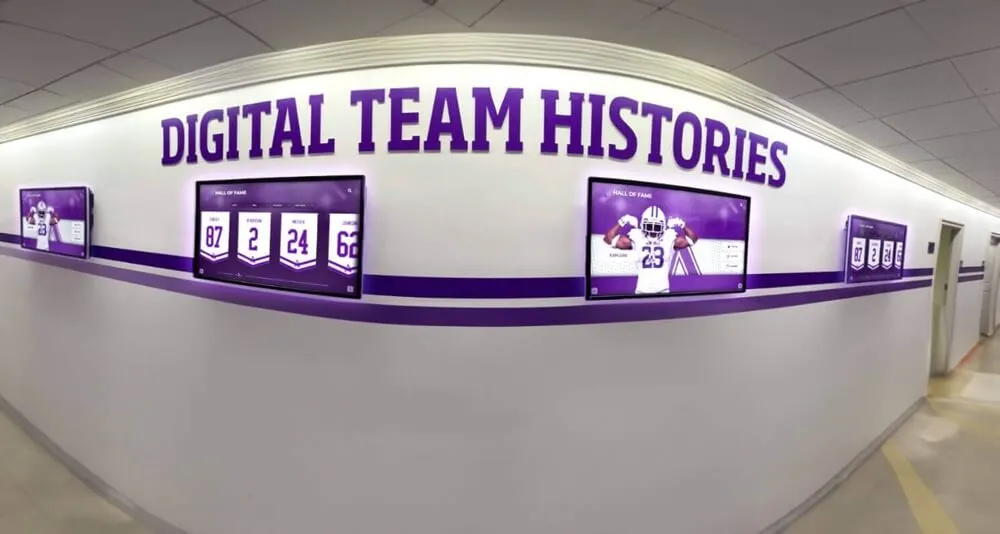
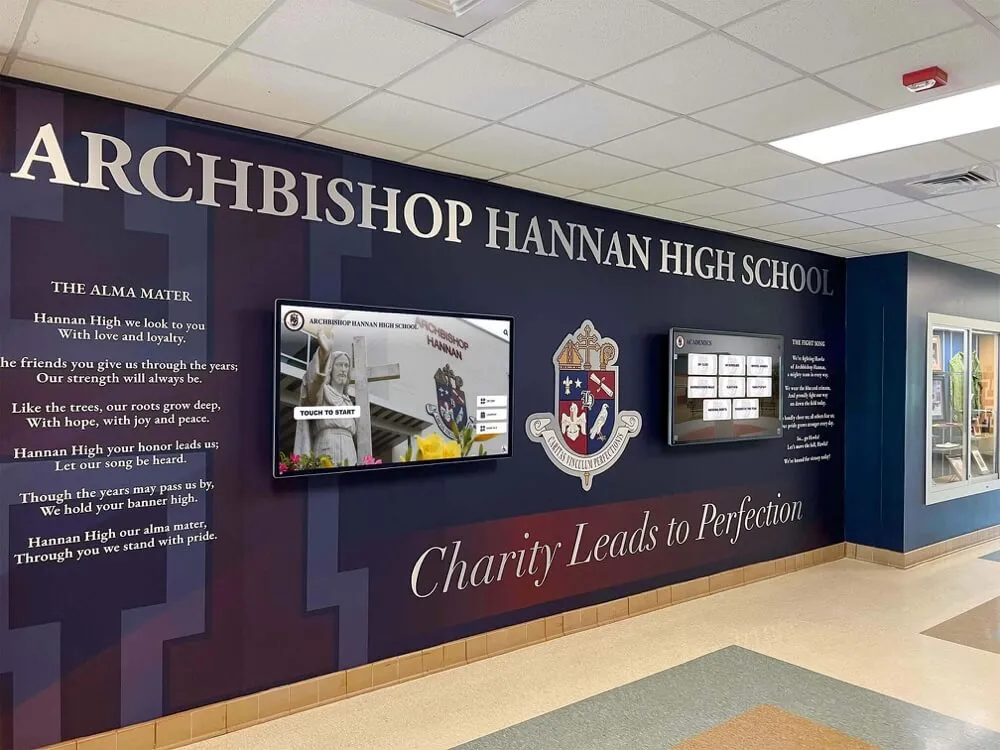
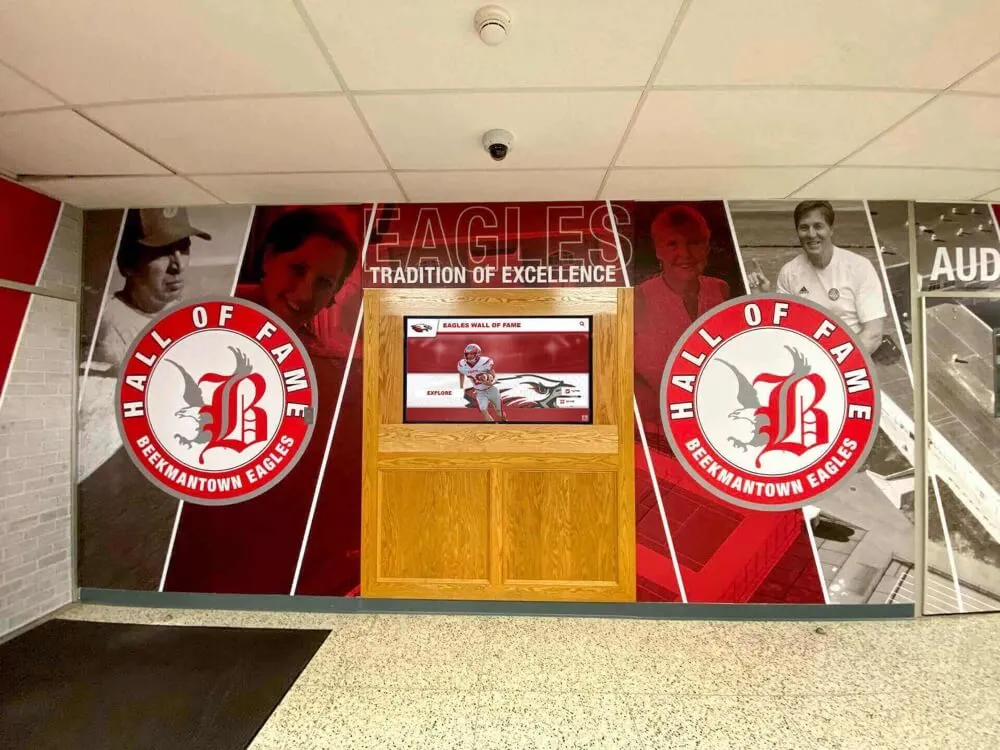
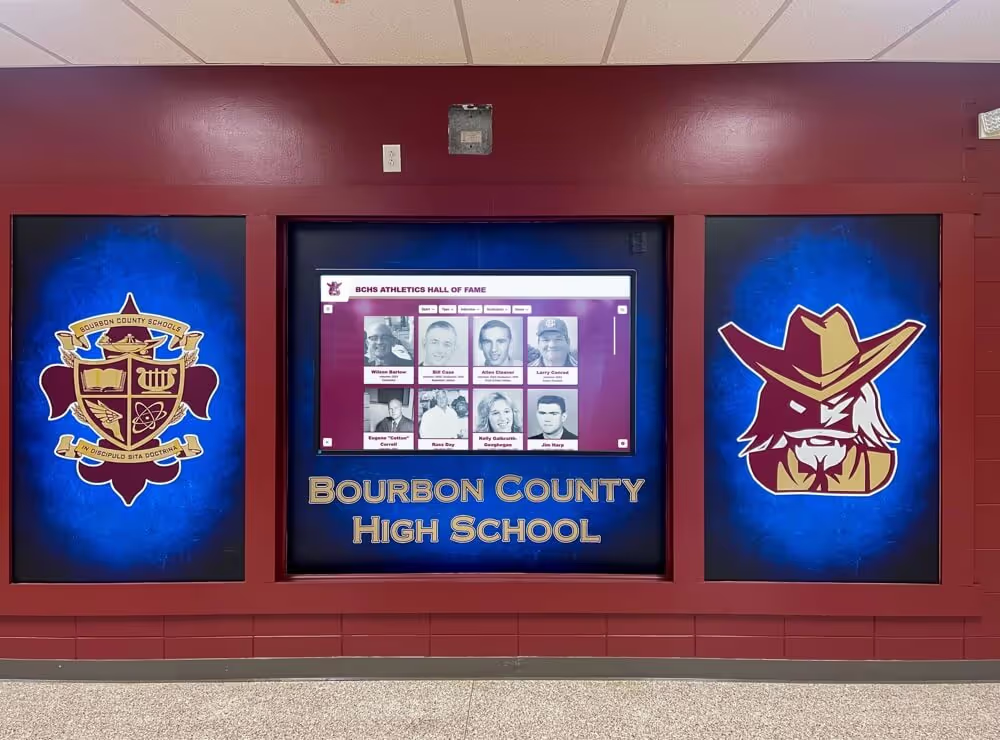
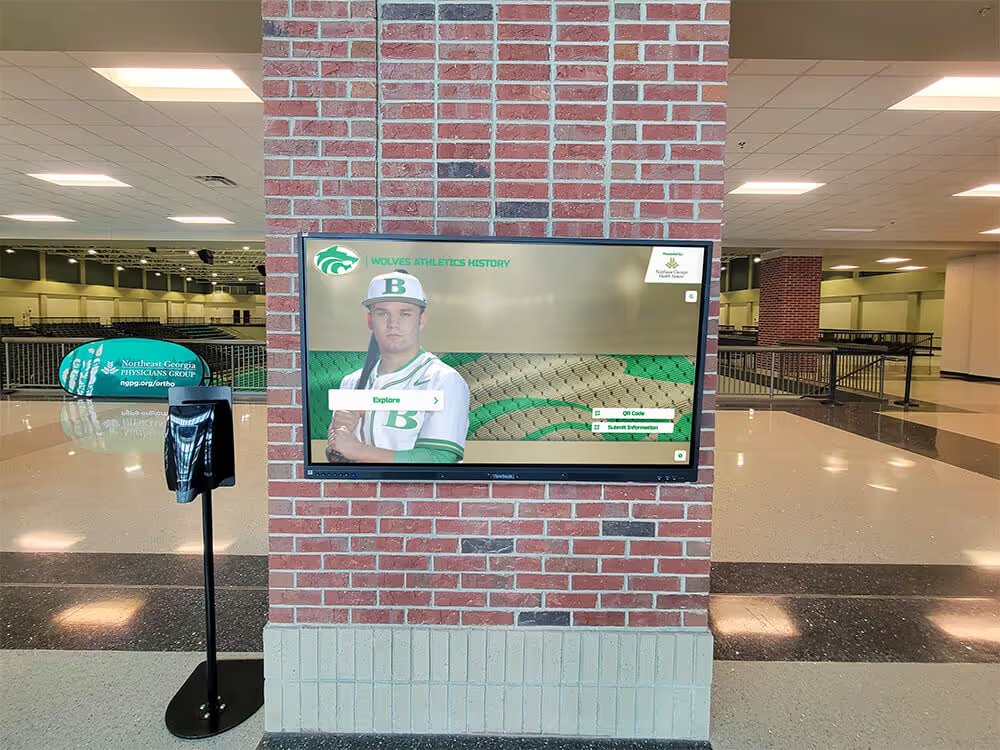
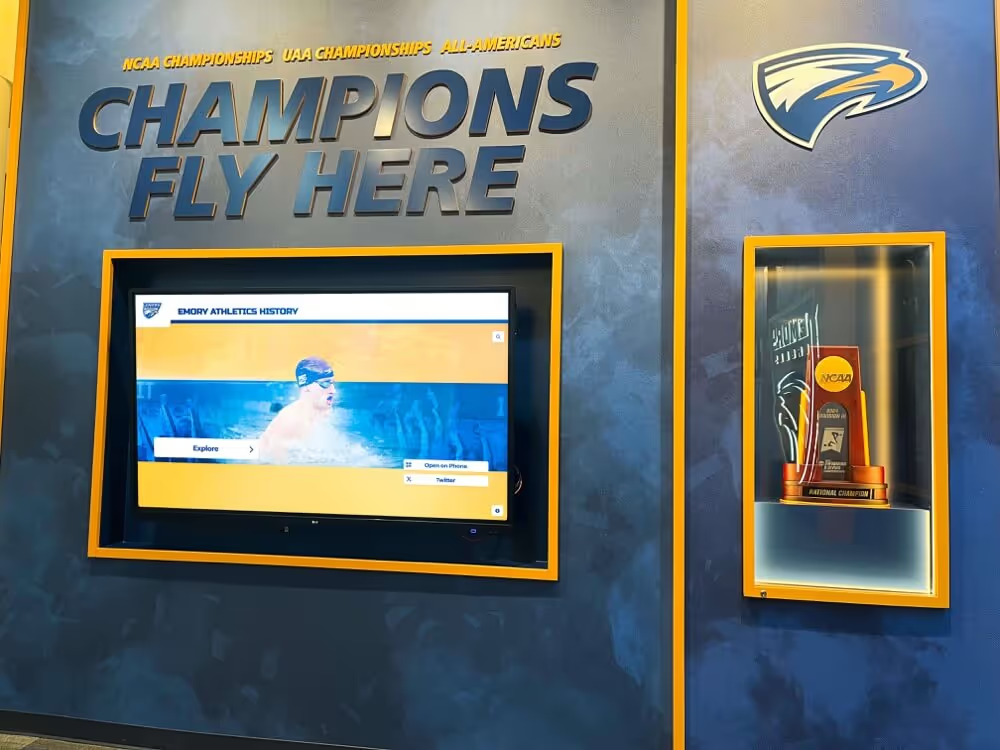
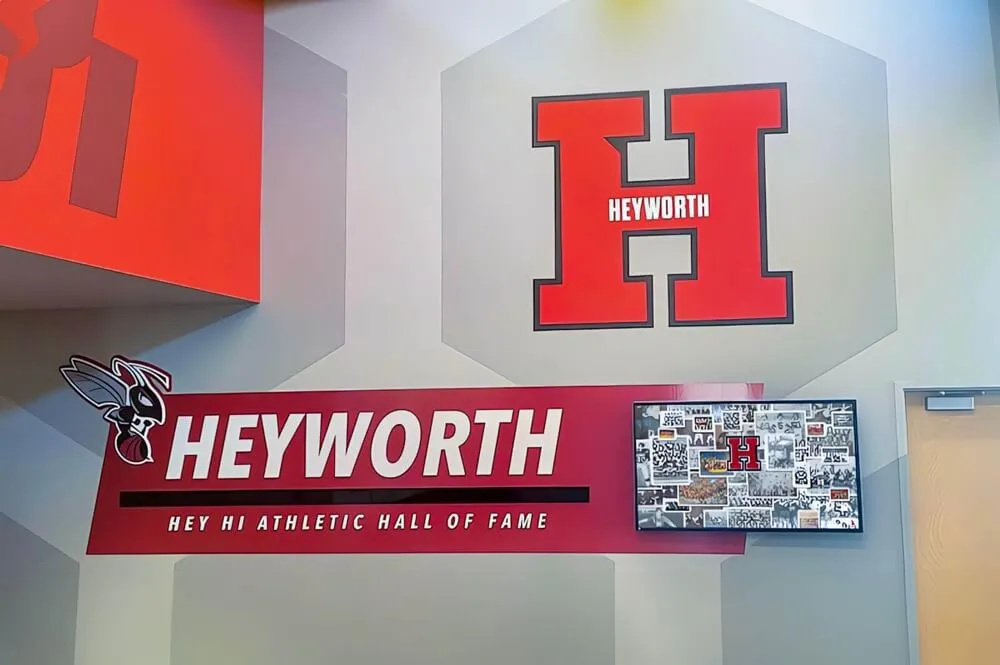
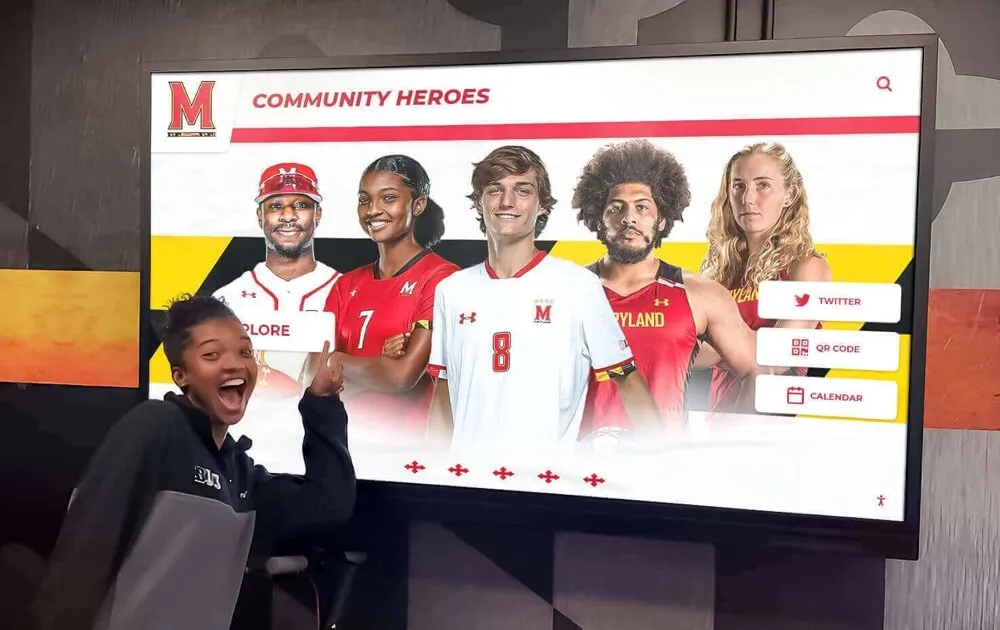
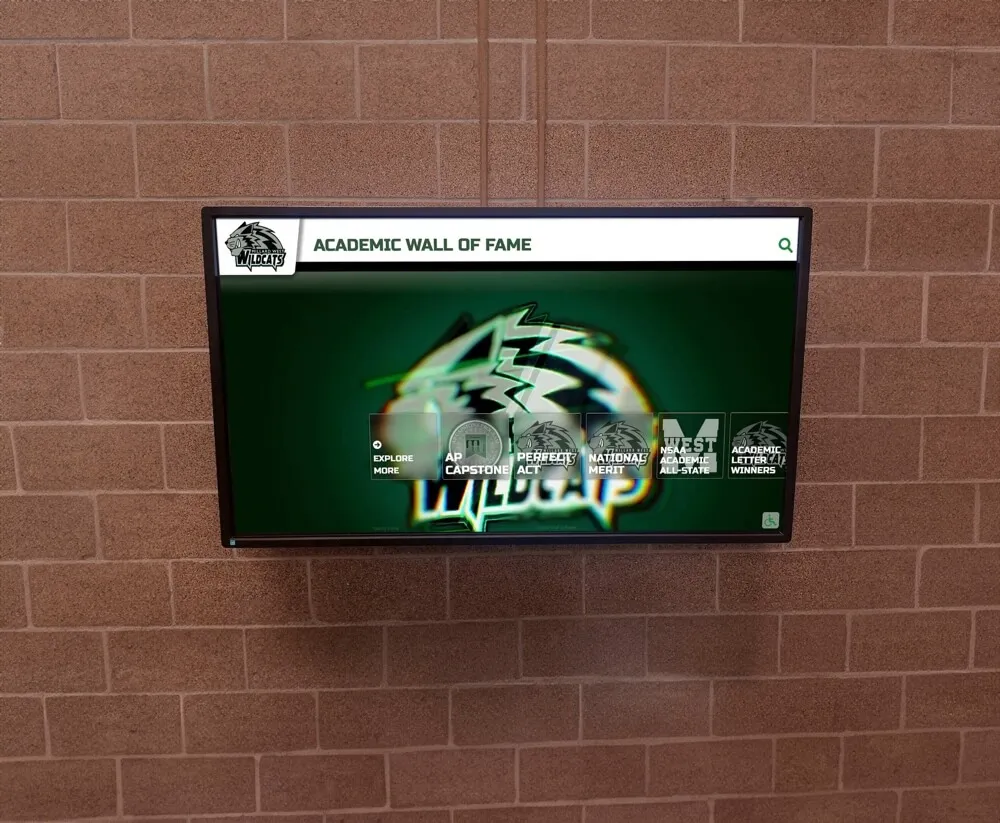
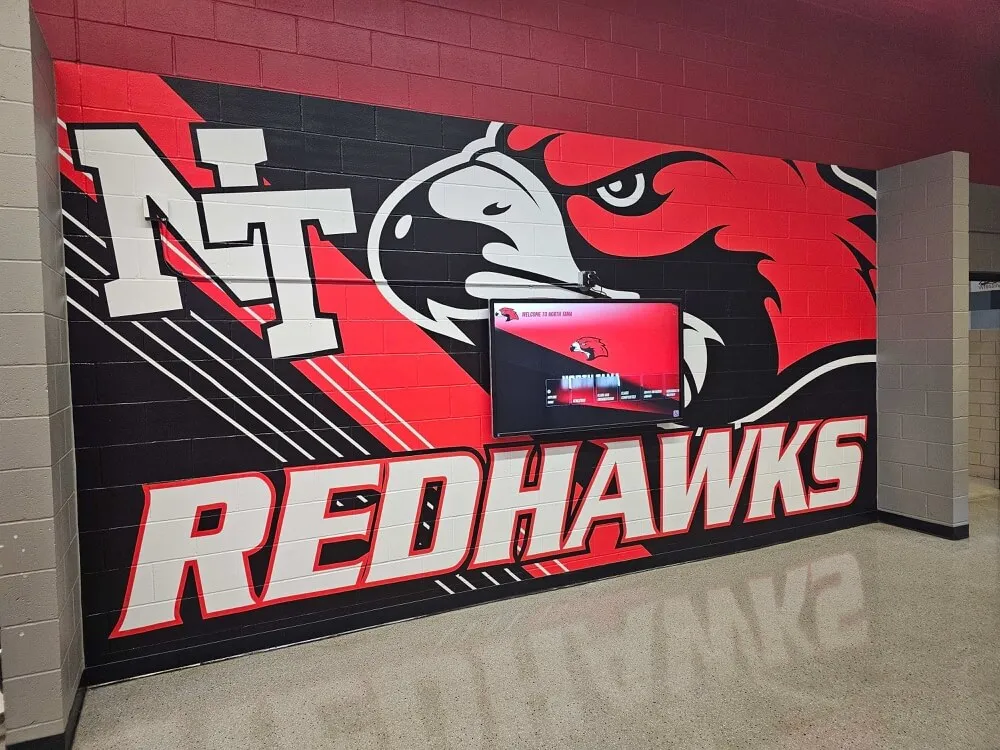
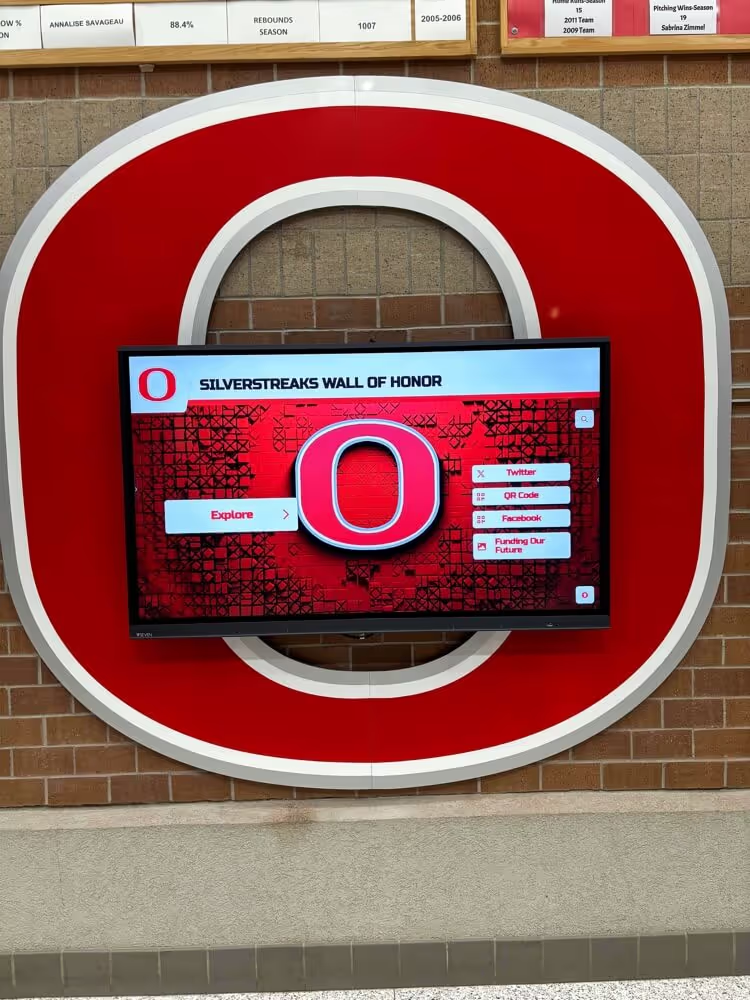
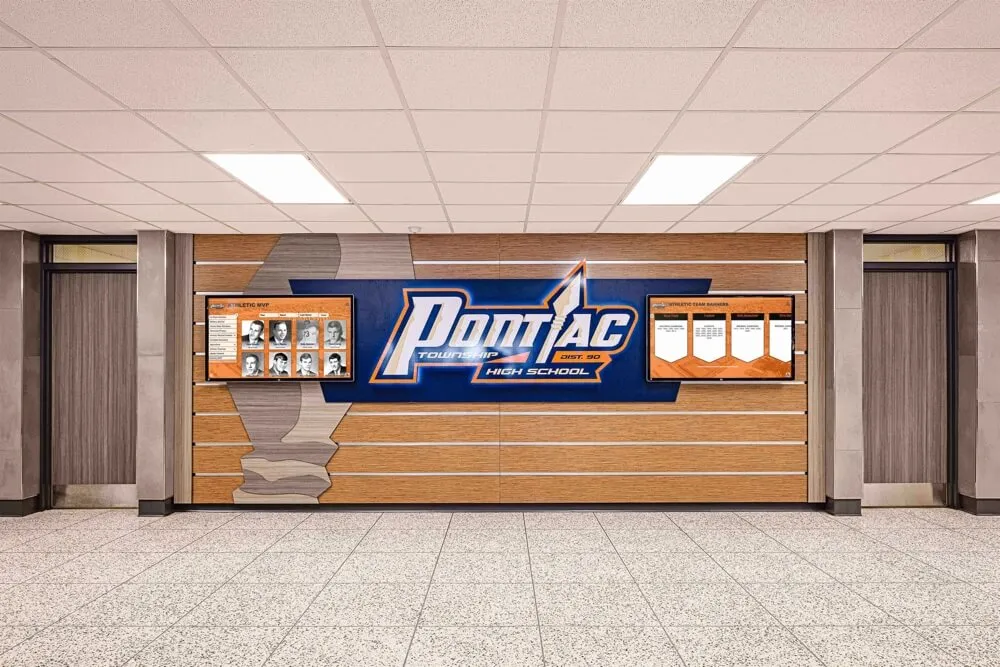
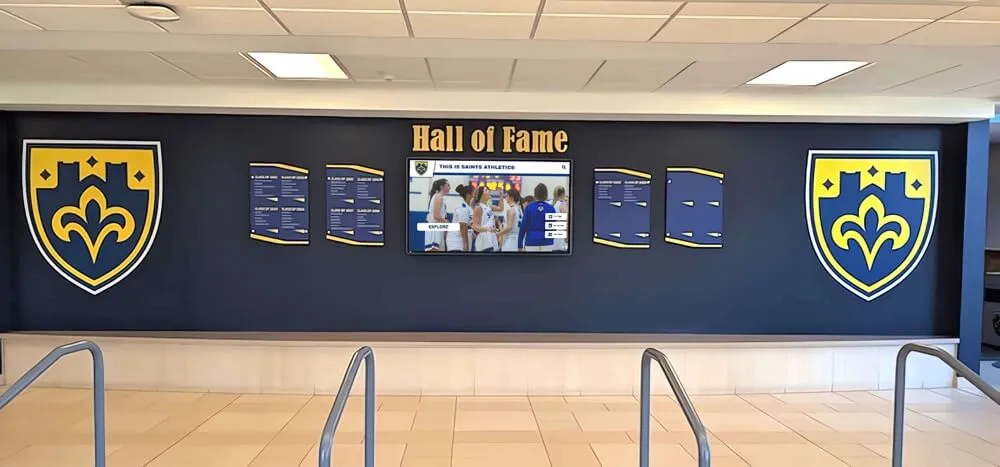
Modern digital tools create engaging historical experiences where visitors actively explore rather than passively view institutional heritage
Program Snapshot: Digital Historical Recognition Overview
Before exploring specific tools and implementation strategies, understanding the complete framework for digital historical recognition helps institutions plan comprehensive programs addressing preservation, accessibility, and engagement goals simultaneously.
| Program Component | Description | Key Benefits |
|---|---|---|
| Target Audience | Alumni, current students, prospective families, researchers, community members, donors | Reaches global audiences regardless of physical location |
| Primary Tools | Interactive touchscreen displays, searchable digital archives, multimedia content, cloud-based CMS, mobile-responsive websites | Creates multiple discovery pathways accommodating diverse preferences |
| Content Types | Historical photographs, biographical profiles, achievement records, video interviews, document scans, timeline narratives | Supports rich storytelling impossible with traditional displays |
| Desired Outcomes | Preserved institutional memory, enhanced engagement, strengthened community connections, sustainable recognition | Delivers measurable value justifying ongoing investment |
| Display Integration | On-campus touchscreen kiosks, online web platforms, mobile applications, social media sharing | Multi-channel approach maximizes content investment |
| Management Model | Cloud-based remote administration, collaborative workflows, scheduled publishing, analytics tracking | Eliminates technical barriers while enabling continuous improvement |
Content Architecture: Essential Digital Tools for Historical Recognition
Effective digital historical programs combine multiple complementary tools creating comprehensive ecosystems that preserve, organize, present, and enable discovery of institutional heritage.
Interactive Touchscreen Displays
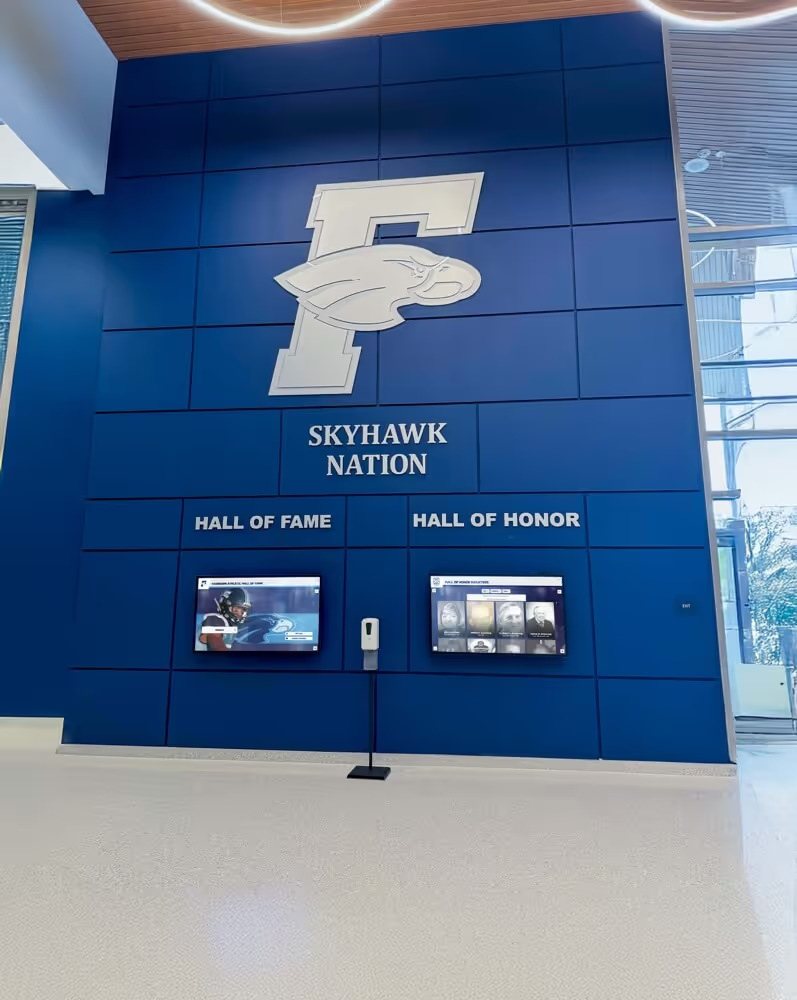
Physical touchscreen installations create impressive focal points in campus lobbies, hallways, alumni centers, and gathering areas where communities naturally encounter institutional history through engaging interactive experiences.
Intuitive Touch Interfaces
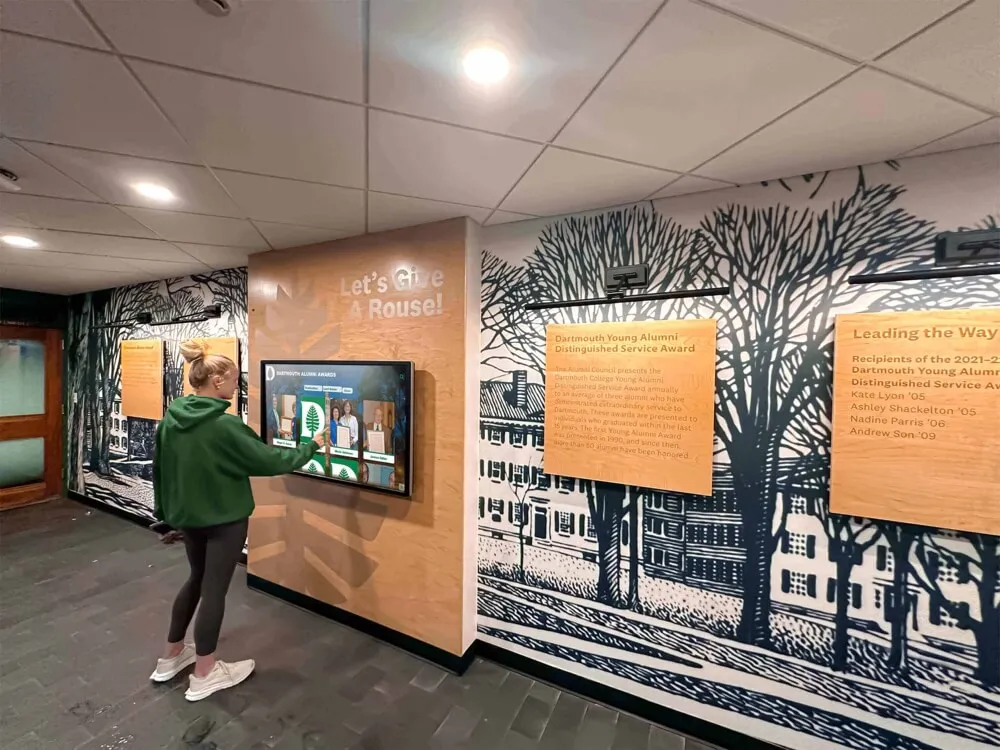
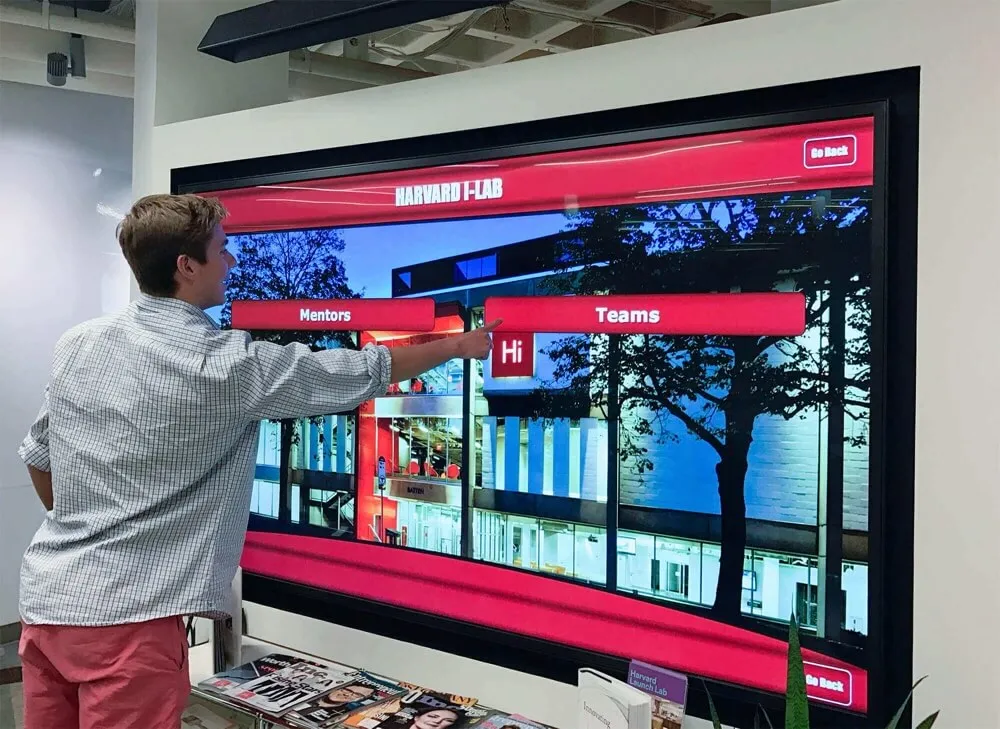
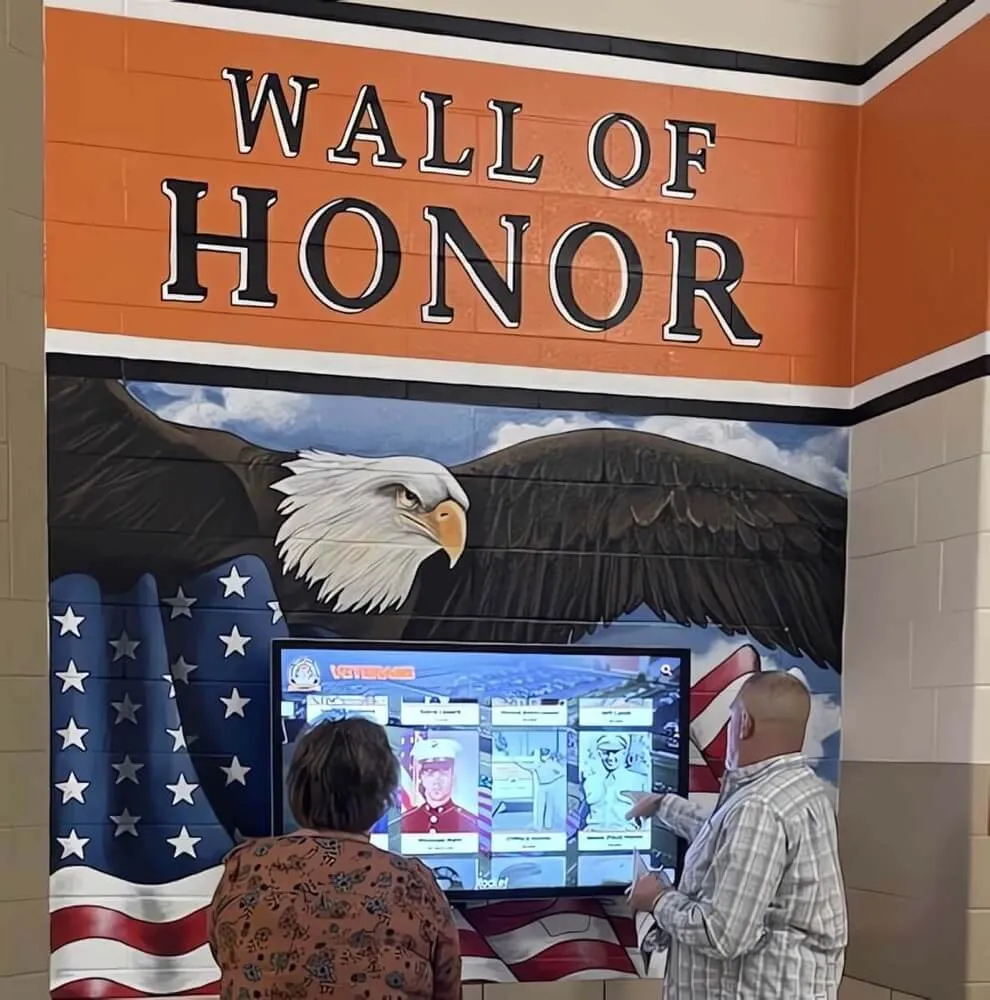
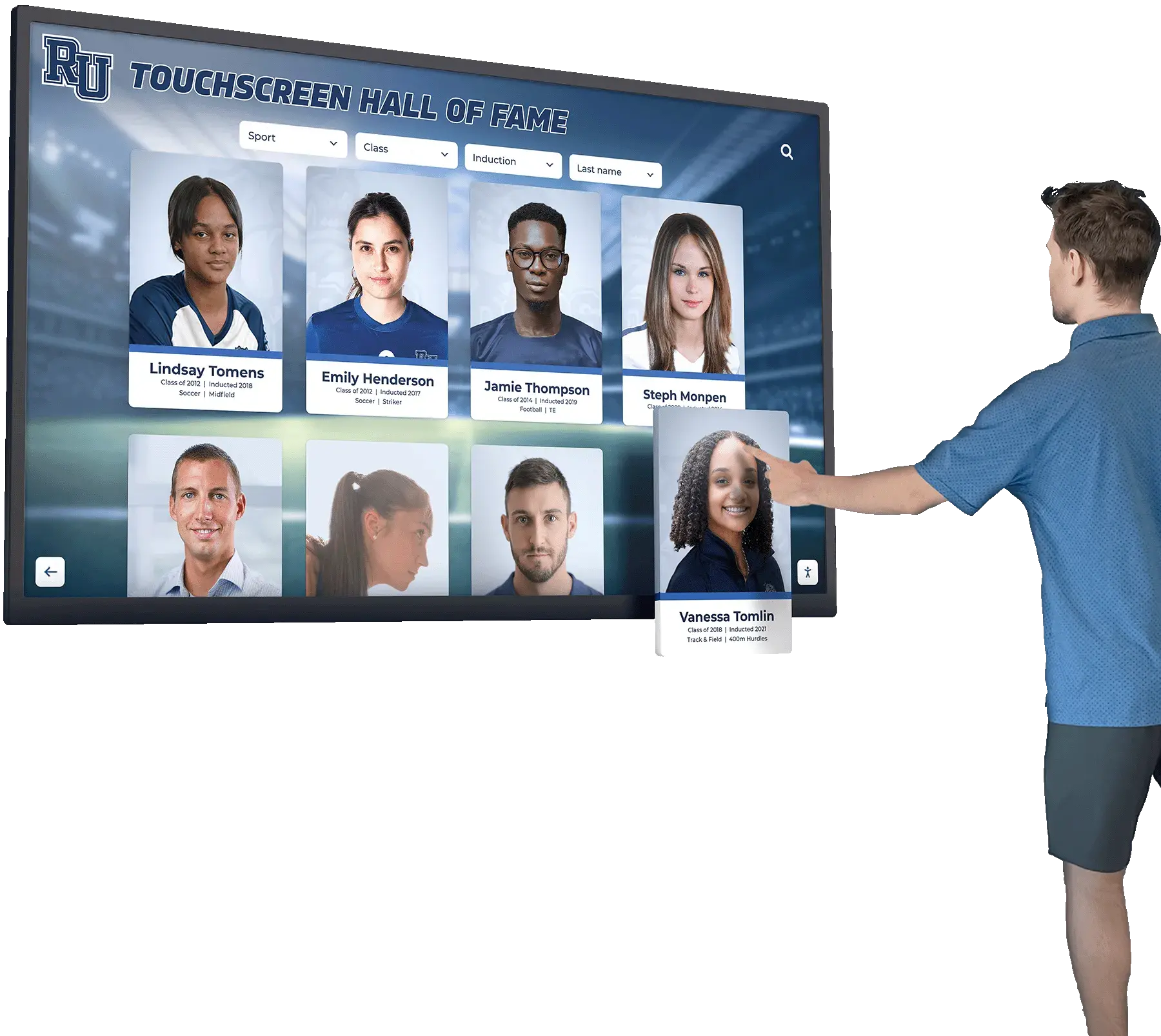
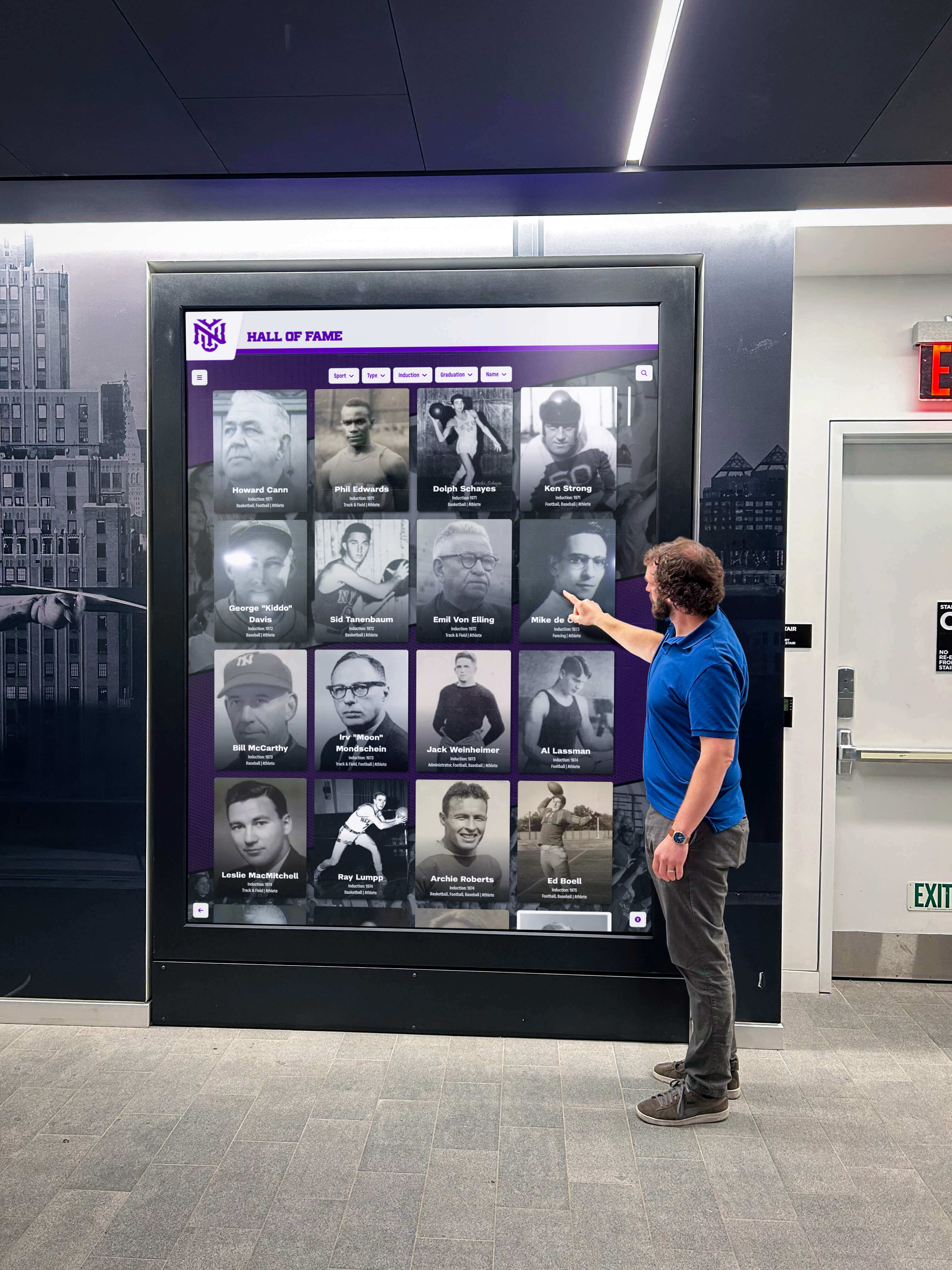
Modern touchscreen technology enables exploration through natural gestures—tapping to select, swiping to browse, pinching to zoom, and scrolling through content. These familiar interactions learned from smartphones and tablets require no instruction, making historical content accessible across all ages and technical comfort levels.
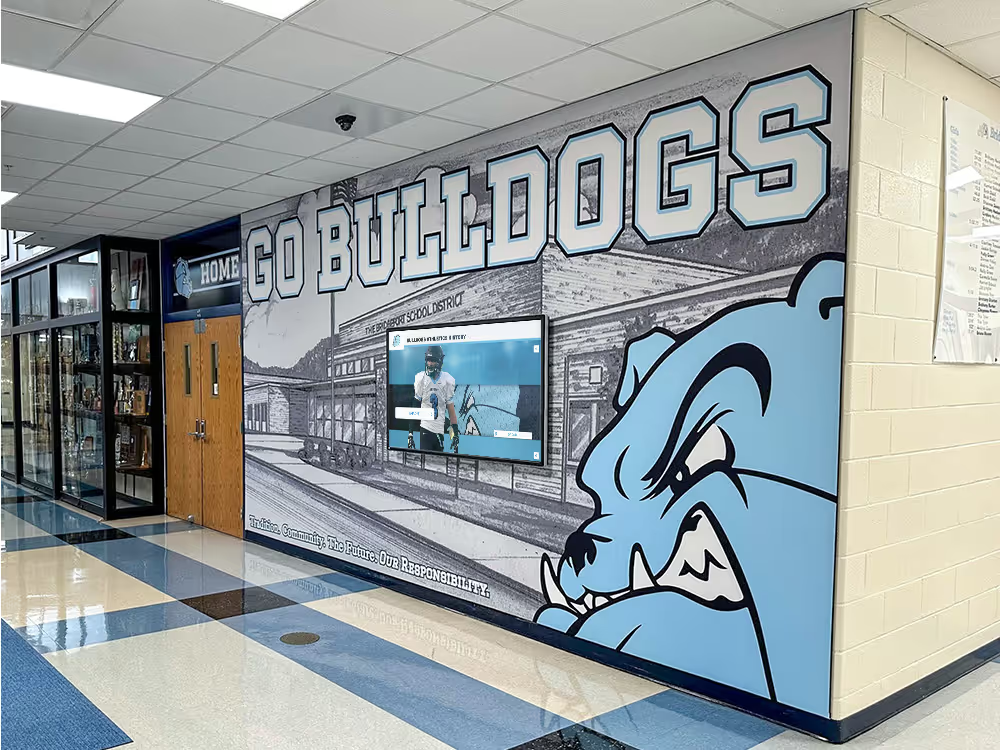
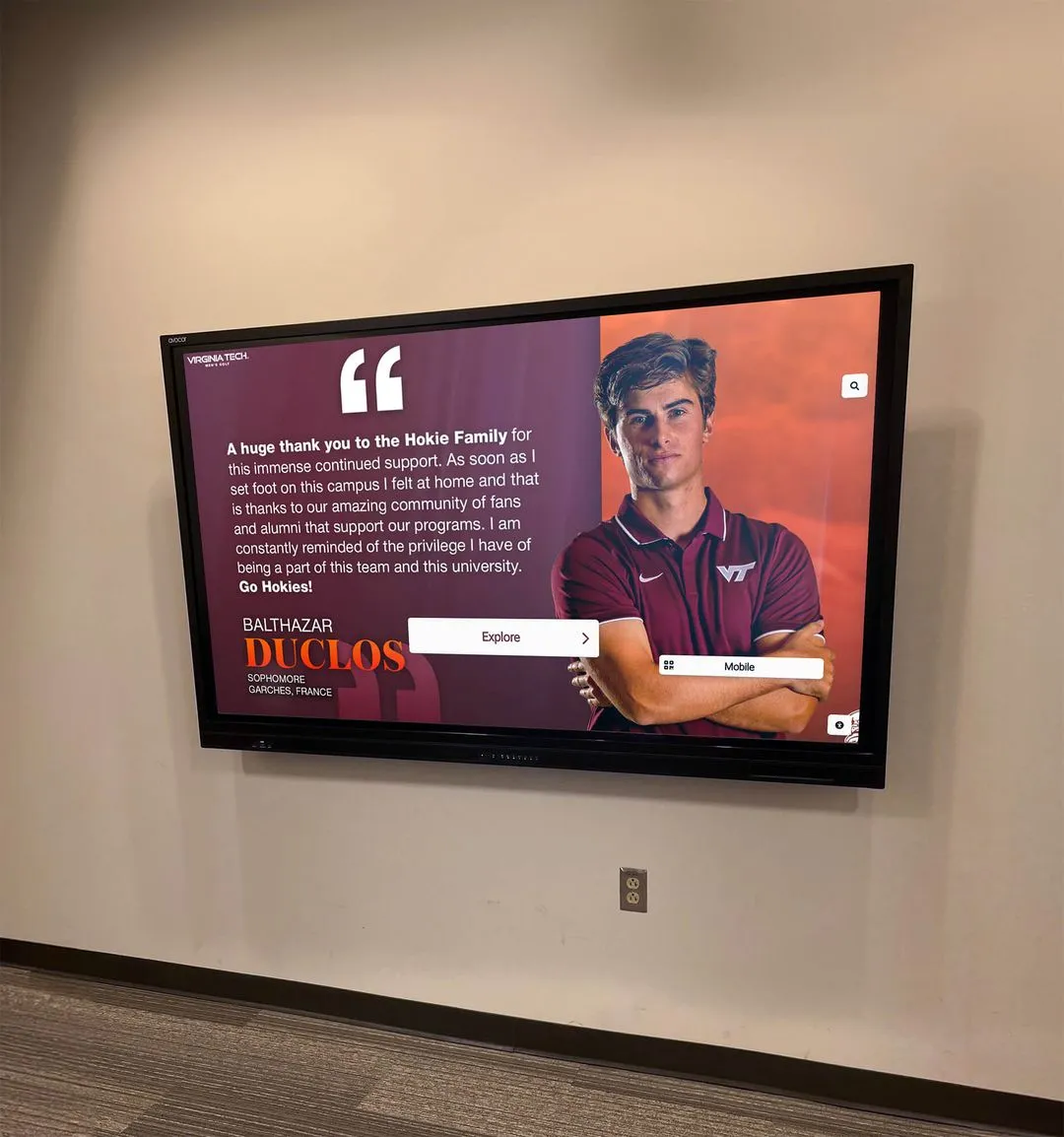
Large-format displays (typically 55-98 inches) accommodate group viewing while providing sufficient detail for extended exploration. Commercial-grade equipment designed for continuous operation in public spaces delivers reliability impossible with consumer electronics. Professional installations with secure mounting, cable management, and appropriate positioning create polished presentations reflecting institutional pride in heritage.
Multiple Discovery Pathways
Effective touchscreen interfaces provide diverse navigation options accommodating different visitor interests and browsing preferences. Search functionality enables quickly locating specific individuals, events, or keywords across decades of content. Timeline browsing allows chronological exploration showing institutional evolution year by year. Category filters organize content by achievement type, activity, department, or recognition category. Featured content highlights particularly significant individuals or events providing curated starting points for casual exploration.
This flexibility ensures that alumni searching for classmates, students researching school history, and prospective families exploring institutional heritage all find value through personalized discovery pathways matching their specific interests.
According to museum technology trends research, kiosk software and digital displays create interactive experiences including interactive maps, scenes, timelines, quizzes, and wayfinding tools that significantly increase visitor engagement compared to traditional static displays.
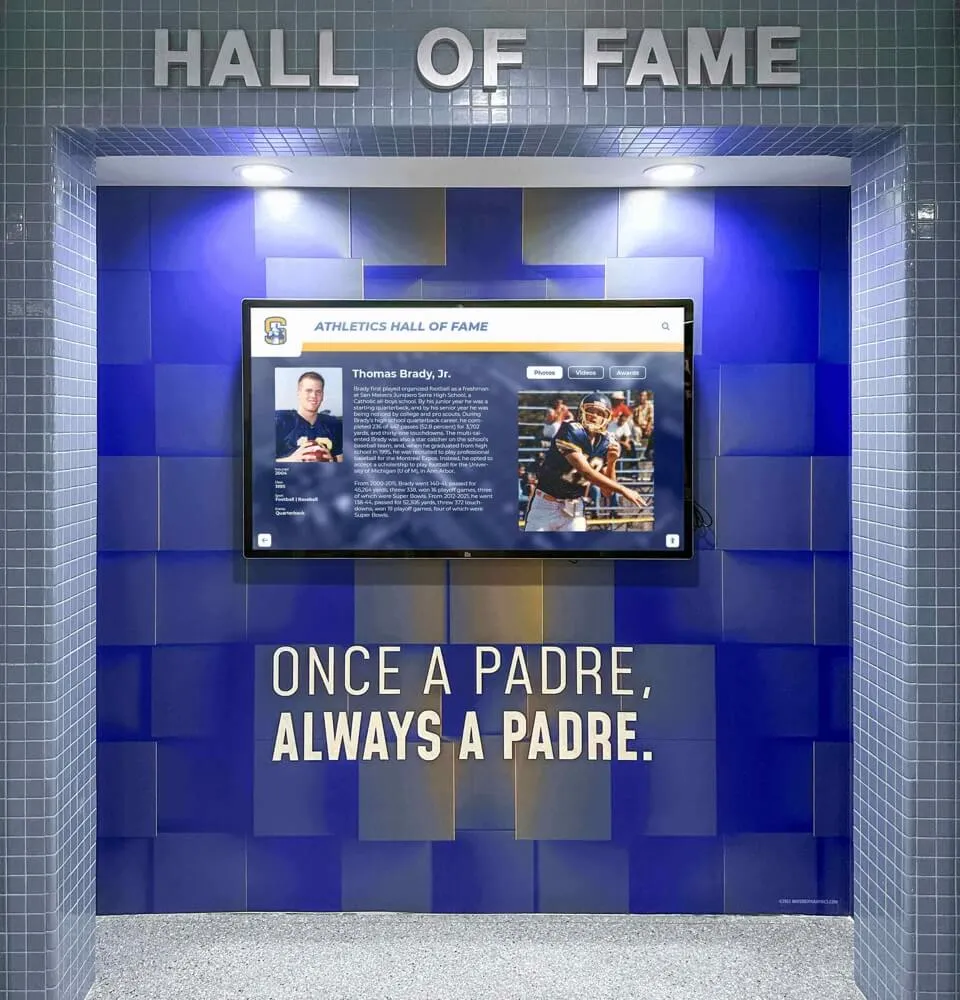
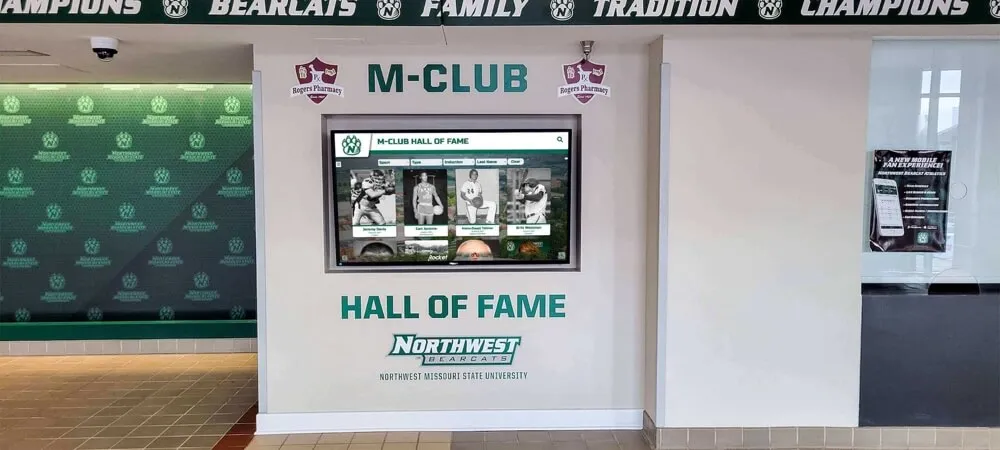
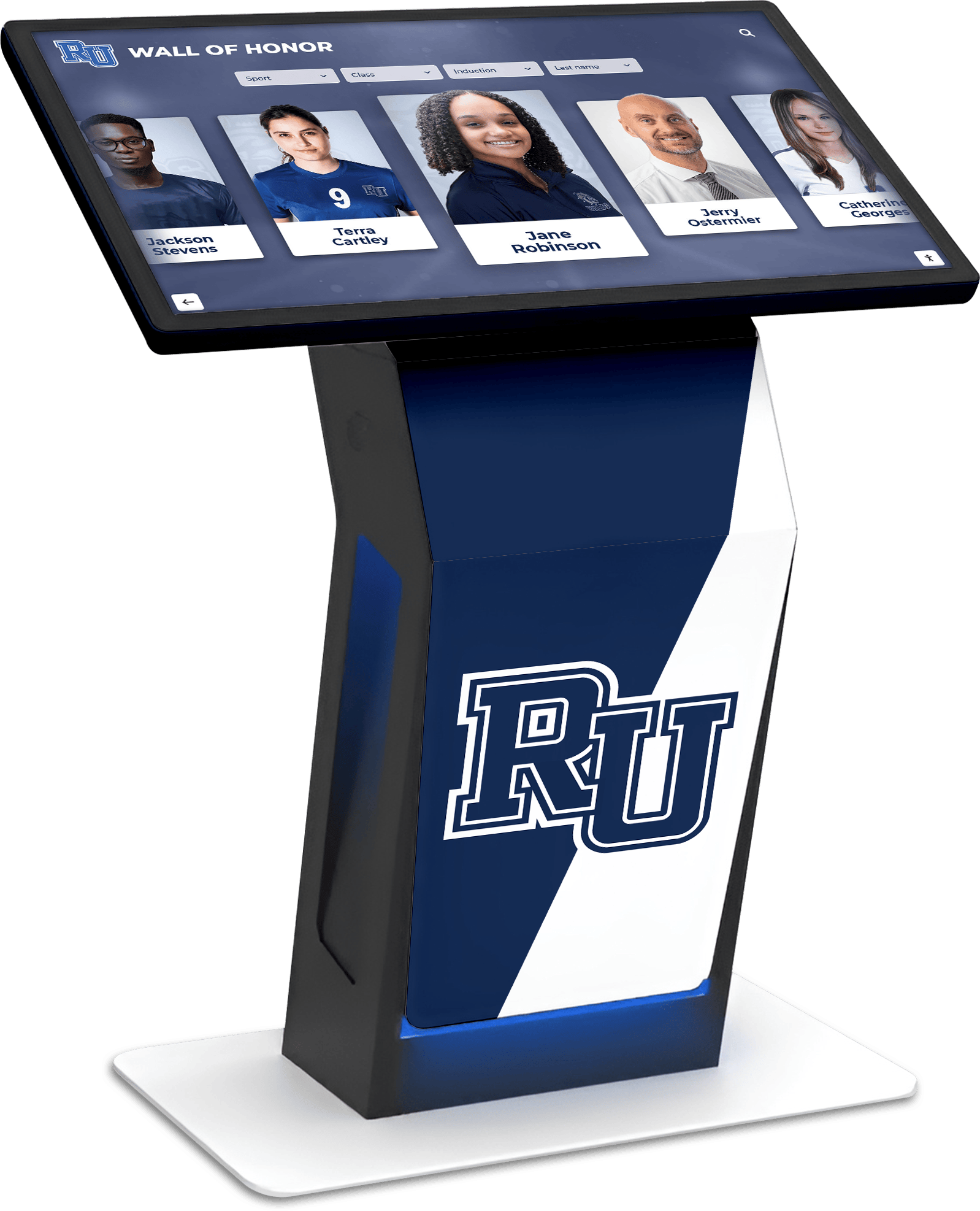
Solutions like digital hall of fame displays demonstrate how touchscreen technology transforms historical recognition from forgotten wall plaques into destinations that communities regularly explore and celebrate.
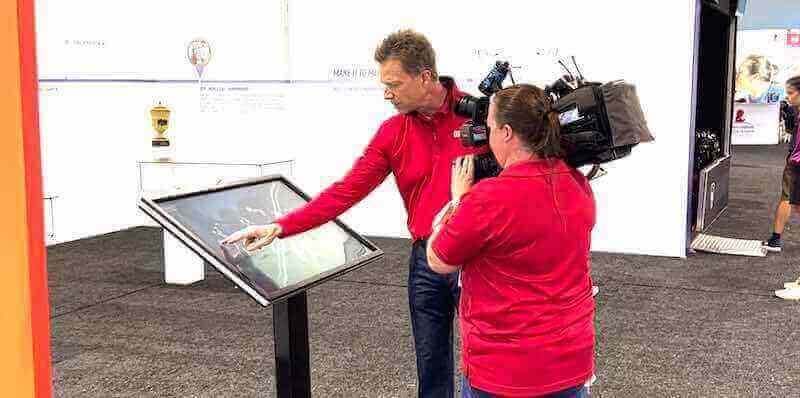
Professional touchscreen installations create interactive historical experiences accessible without instruction across all ages
Searchable Digital Archives
The single most transformative capability digital tools provide involves making decades or centuries of institutional history instantly searchable—eliminating hours of manual research through immediate keyword discovery.
Optical Character Recognition (OCR) Technology
OCR software analyzes scanned documents, photographs, and printed materials converting visual text into machine-readable content. Modern OCR achieves 95-99% accuracy on well-preserved materials, making historical documents fully searchable despite being created before digital technology existed.
This searchability proves invaluable for historical research, genealogical investigation, and personal discovery. Alumni can instantly locate all yearbook appearances across multiple years. Researchers find specific events or individuals across complete institutional archives. Families discover ancestors who attended generations earlier. This discovery capability transforms static historical materials into dynamic resources serving contemporary needs.
Metadata and Structured Organization
Beyond text recognition, comprehensive metadata makes historical content discoverable and contextual. Essential metadata includes dates, individuals, events, categories, and descriptive information enabling filtered browsing and contextual understanding. Enhanced metadata adds biographical details, achievement descriptions, historical context, and connections to related content.
Many institutions discover that community members possess detailed knowledge about historical content that archivists lack. Implementing contribution features enables users to suggest identifications, correct errors, provide context, and share memories enriching archives through crowdsourced enhancement. These collaborative approaches dramatically improve content quality while engaging contributors through meaningful participation.
Organizations implementing digital yearbook archives report that searchability increases historical content engagement by 20-30 times compared to physical collections requiring manual searching.
Cloud-Based Storage and Access
Cloud platforms provide secure, redundant storage protecting digitized historical content from physical disasters, hardware failures, or accidental loss. Multiple copies distributed across geographically separated data centers ensure permanent preservation impossible with single-location storage.
Cloud hosting enables global accessibility—anyone with internet access can explore institutional history regardless of geographic location or time zone. Alumni across the world reconnect with their heritage without requiring campus visits. Researchers access materials previously locked in physical archives with limited hours and restrictive access policies.
Multimedia Storytelling Capabilities
Digital platforms support rich media types creating compelling historical narratives impossible through text and static photographs alone.
Video Content Integration
Historical video footage, oral history interviews, performance recordings, and championship game footage bring history to life through motion and sound. Alumni sharing memories in video interviews create emotional connections that written biographies cannot match. Historical footage showing how campus looked, sounded, and felt decades ago provides context that still photographs cannot convey.
The Museums for Digital Learning platform demonstrates how video content transforms historical education, with museums contributing multimedia resource kits linked to educational standards making history engaging for contemporary students.
Audio Integration
Audio recordings of speeches, musical performances, radio broadcasts, or oral histories preserve voices from the past. Debate team presentations, musical concerts, graduation addresses, or podcast-style interviews create auditory connections to historical eras.
Interactive Timelines
Visual timelines organizing content chronologically enable exploring institutional evolution across decades or centuries. Interactive timelines allow zooming into specific periods, filtering by content type, and discovering connections between related events. This chronological organization helps contemporary audiences understand how institutions developed from founding through present day.
Comprehensive approaches to school historical timeline displays demonstrate how digital tools make institutional evolution understandable and engaging through visual chronological organization.
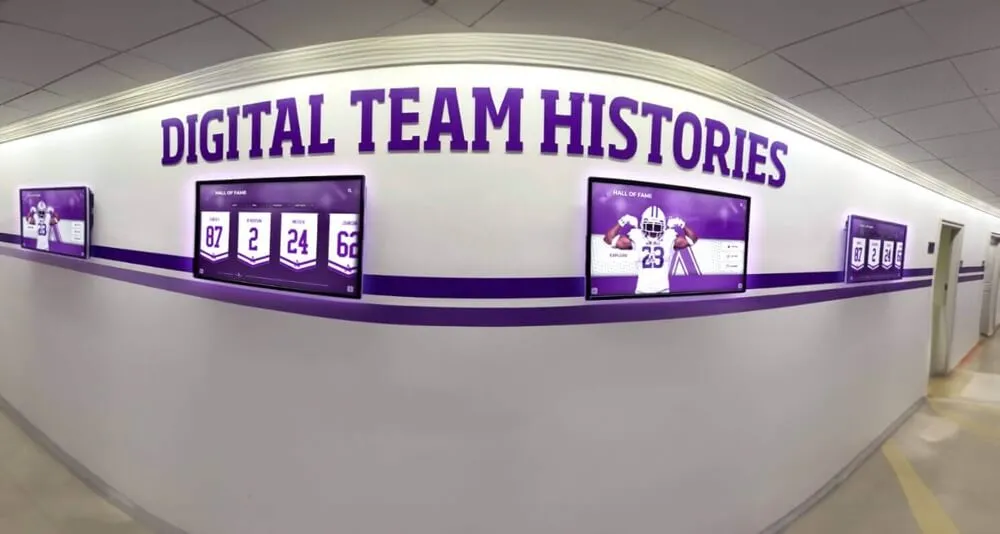
Interactive timelines organize decades of history chronologically enabling exploration of institutional evolution
Remote Content Management Systems
Cloud-based content management platforms eliminate technical barriers that previously made digital historical programs inaccessible to institutions without dedicated IT staff or technical expertise.
Intuitive Administrative Interfaces
Modern content management systems designed for non-technical users enable administrators to add historical content, create profiles, upload media, and organize information through straightforward web-based interfaces accessible from any internet-connected device. No coding, special software, or technical training required—if you can use email and word processors, you can manage comprehensive digital historical archives.
Template-based entry ensures consistent professional presentation automatically. Bulk upload tools enable efficient addition of multiple profiles or events simultaneously. Preview capabilities allow reviewing content before publication ensuring accuracy. Approval workflows support quality control when multiple contributors collaborate.
Scheduled Publishing and Content Rotation
Advanced platforms enable scheduling content publication for specific dates aligning with anniversaries, reunion events, or recognition ceremonies. Featured content rotation keeps displays fresh by automatically highlighting different historical content on regular schedules without requiring manual updates.
This scheduling capability supports strategic engagement campaigns—featuring specific graduating classes during reunion years, highlighting championship teams during sports seasons, or showcasing particular achievements during fundraising campaigns targeting those recognition areas.
Analytics and Engagement Tracking
Digital platforms provide insights impossible with traditional displays. Analytics reveal which historical content attracts most engagement, what search terms visitors use, how long users explore content, and which discovery pathways prove most popular. Geographic tracking shows whether historical archives reach distant alumni or primarily serve local audiences.
These insights guide continuous improvement—identifying underutilized content requiring better presentation, discovering popular content suggesting expansion opportunities, and understanding visitor behavior patterns informing interface optimization. Data-driven approaches ensure digital historical programs continually evolve delivering increasing value over time.
Solutions like Rocket Alumni Solutions provide purpose-built platforms specifically designed for institutional historical recognition, combining intuitive content management with professional display capabilities and comprehensive support ensuring successful long-term programs.
Mobile and Web Accessibility
Multi-platform access ensures historical content reaches audiences through their preferred devices and contexts.
Responsive Web Design
Web-based historical archives must function beautifully across desktop computers, tablets, and smartphones. Responsive design automatically adapts layouts, navigation, and media presentation to screen sizes and input methods ensuring excellent experiences regardless of device.
Given that substantial percentages of users access online content primarily through mobile devices, mobile experience quality proves essential rather than optional. Touch-optimized navigation accommodates finger inputs rather than mouse cursors. Simplified interfaces on smaller screens accommodate limited screen space without sacrificing core functionality.
Social Media Integration
Social sharing capabilities enable users to post favorite historical photographs, interesting discoveries, or nostalgic memories to Facebook, Instagram, Twitter, or other platforms. This viral distribution dramatically extends historical content visibility beyond direct institutional websites, reaching friends and family of alumni who share discoveries.
Shared content includes attribution and links back to complete archives, driving additional traffic from social networks. Many users who would never directly seek institutional historical archives discover them through friends’ shared photographs creating organic discovery patterns proving far more effective than paid advertising for building awareness and engagement.
Personal Collections and Bookmarking
Allowing users to create personal collections saving favorite content creates reasons for return visits as users continue building their historical portfolios over time. Alumni might compile all their appearances across multiple years. Genealogists could save pages referencing multiple family members across generations. Reunion planners might bookmark content relevant to specific graduating classes.
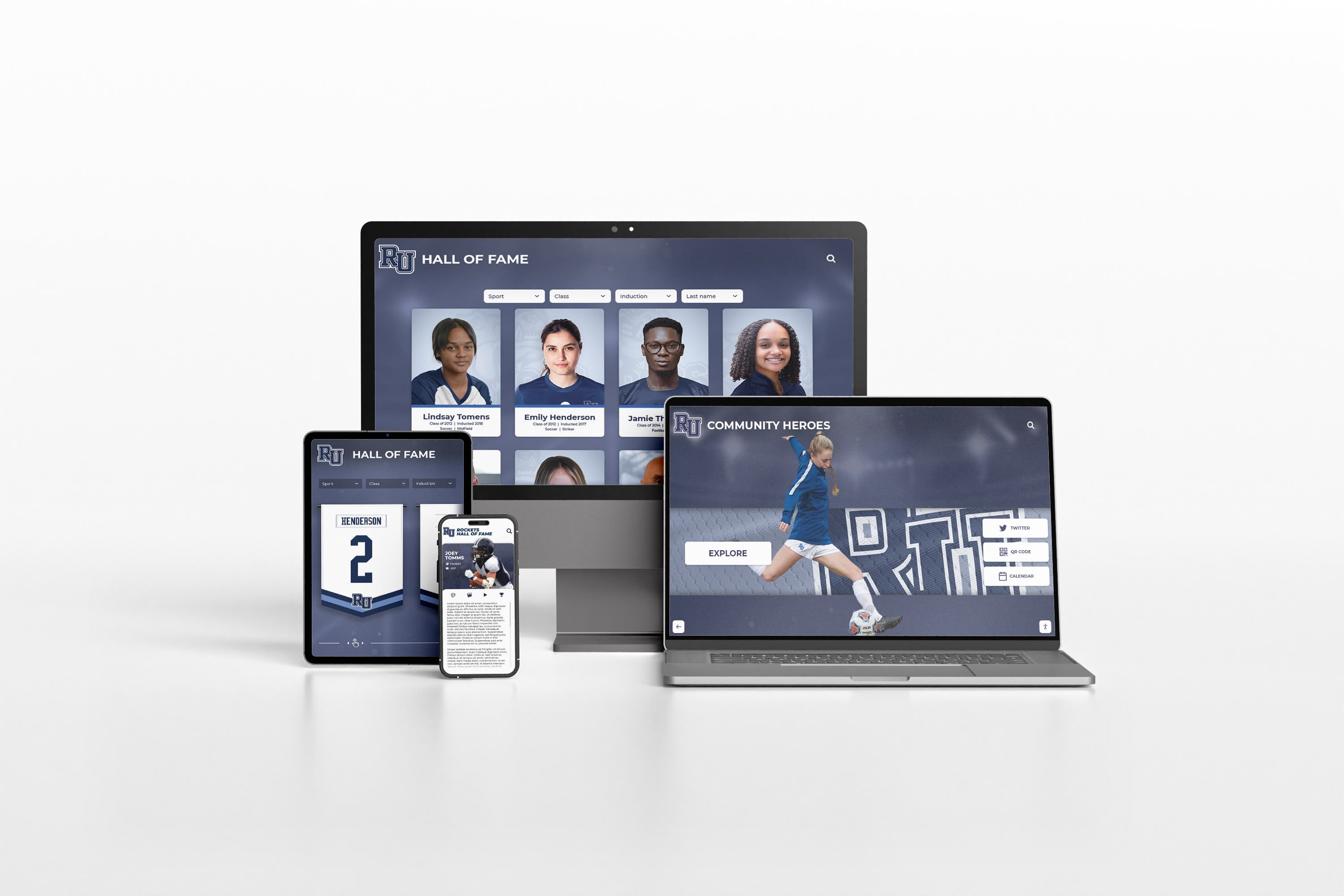
Cloud-based platforms deliver historical content seamlessly across desktop, tablet, and smartphone devices
Execution Timeline: Implementing Digital Historical Recognition
Successful digital historical programs require systematic planning addressing assessment, content development, platform selection, and ongoing management across multiple phases.
Phase 1: Assessment and Historical Inventory (Weeks 1-6)
Comprehensive Historical Audit
Begin with systematic inventory understanding what historical materials exist, their physical condition, current storage locations, and completeness. Survey all potential locations where historical materials might be stored including administrative archives, libraries, athletic departments, forgotten storage areas, and personal collections community members may possess.
Document findings including available yearbooks, photograph collections, achievement records, document archives, media recordings, and artifacts. Identify missing materials requiring acquisition efforts. Assess physical condition noting preservation urgencies requiring prioritized digitization before further deterioration.
This audit guides realistic planning about digitization scope, resource requirements, and completion timelines while revealing previously unknown materials enhancing historical coverage.
Define Program Goals and Priorities
Clarify objectives driving digital historical initiatives. Preservation-focused goals prioritize protecting most vulnerable materials first. Access-focused goals emphasize making high-interest content available quickly. Engagement-focused goals target specific alumni cohorts for reunion or fundraising campaigns.
Establish measurable success metrics including content digitized, platform engagement, community contributions, and advancement outcomes. These metrics demonstrate progress and value justifying continued investment across multi-year implementations.
Stakeholder Engagement
Assemble historical recognition committees with broad representation including administrators providing resources and authority, alumni offering historical knowledge and materials, current students ensuring contemporary relevance, faculty integrating historical content into curriculum, and technical staff supporting implementation.
Early stakeholder engagement builds support, distributes workload, and ensures programs serve diverse community needs rather than narrow interests.
Phase 2: Content Development and Digitization (Months 2-18)
Professional Digitization Standards
Quality digitization fundamentally determines archive value and longevity. Scan photographs and documents at 300-600 DPI resolution balancing quality with manageable file sizes. Use color scanning (24-bit depth minimum) even for black-and-white materials preserving all visual information. Create archival master files in uncompressed TIFF format with derivative JPEG files for web delivery.
Process optical character recognition during initial digitization making content searchable immediately rather than requiring retroactive text extraction. Generate comprehensive metadata including dates, individuals, events, categories, and descriptions enabling discovery and contextual understanding.
Organizations face decisions about in-house digitization versus professional services. In-house scanning provides control and potentially lower costs for smaller collections. Professional services offer specialized equipment, experienced handling preventing damage, integrated OCR processing, and substantially faster completion enabling comprehensive collections online within months rather than years.
Many institutions adopt hybrid approaches—professional services for bulk digitization of historical collections while handling current materials internally as routine annual processes.
Explore comprehensive historical photo archive digitization strategies applicable across diverse historical materials.
Content Organization and Enrichment
Systematic file organization prevents digital archives from becoming unusable chaos. Organize by decade, then year, then content type maintaining clear hierarchical structures. Adopt standardized file naming conventions before beginning digitization preventing confusion and enabling alphabetical sorting maintaining proper sequences.
Enhance raw digitized content with biographical narratives, achievement descriptions, historical context, and connections to related materials. These enrichments transform raw scans into engaging stories providing meaning beyond simple visual records.
Implement crowdsourced contribution systems enabling community members to identify individuals in photographs, correct errors, provide context, and share memories. Alumni possess detailed knowledge about historical content that professional archivists cannot match. These collaborative approaches dramatically improve archive quality while engaging contributors through meaningful participation.
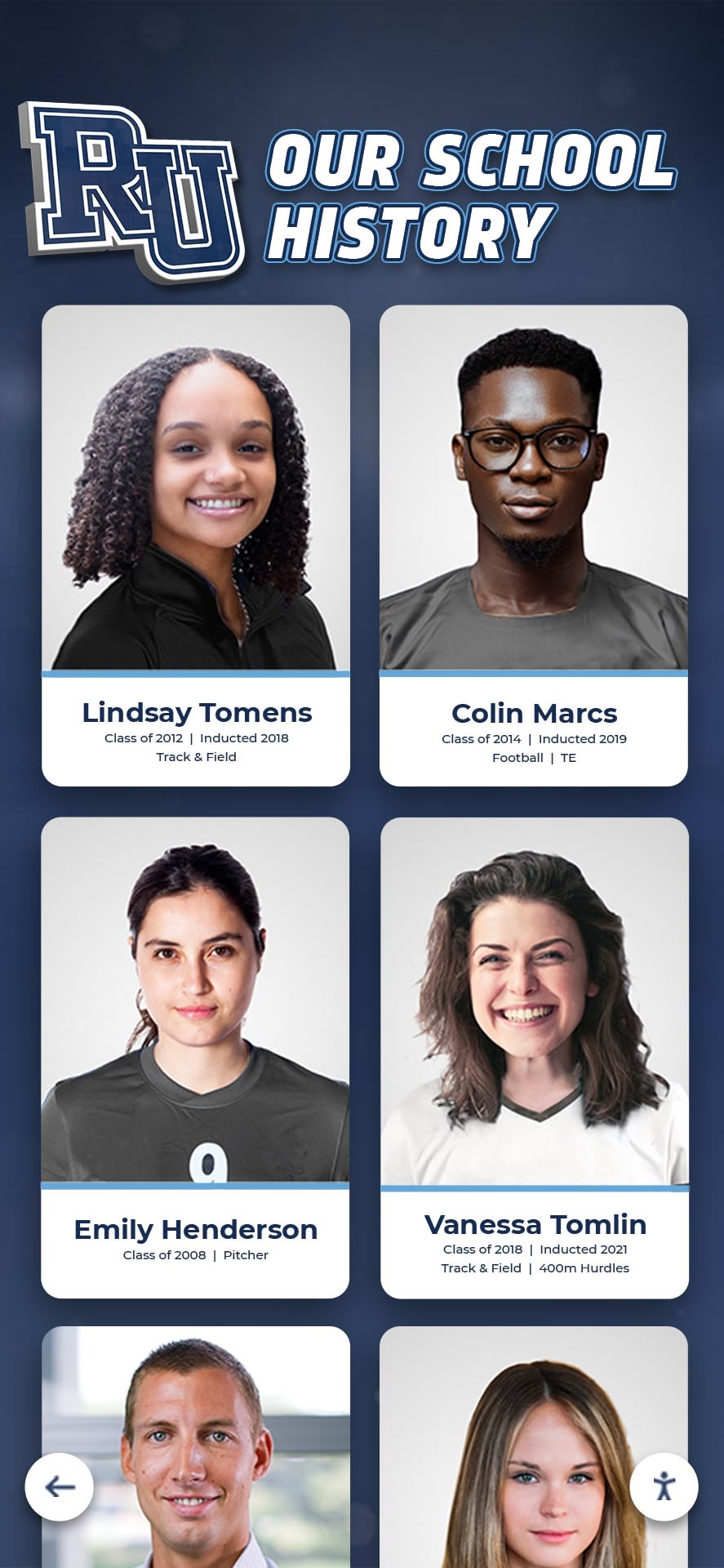
Professional digitization with comprehensive metadata transforms historical materials into searchable, accessible archives
Phase 3: Platform Selection and Implementation (Months 3-8)
Evaluating Digital Recognition Platforms
Platform selection significantly affects both administrative experience managing content and user experience accessing history. Generic document hosting services lack features essential for comprehensive historical programs including robust search functionality, metadata capabilities, professional presentation, institutional branding, and engagement analytics.
Purpose-built recognition platforms designed specifically for institutional historical programs offer substantial advantages including unlimited or high-capacity storage, OCR search enabling discovery, intuitive interfaces designed for historical browsing, customizable branding reflecting institutional identity, multimedia support for diverse content types, and usage analytics revealing engagement patterns.
Consider whether historical archives will exist as standalone resources or integrate with broader recognition programs. Integrated solutions connecting historical archives with current achievement recognition, alumni profiles, and interactive touchscreen installations create unified heritage platforms celebrating both historical memory and ongoing accomplishments through connected digital ecosystems.
Solutions like Rocket Alumni Solutions provide comprehensive platforms combining historical archives with current recognition displays, creating engaging experiences that honor past and present simultaneously while eliminating duplicate effort managing separate systems.
Hardware Specifications for Physical Installations
For institutions implementing on-campus touchscreen displays, hardware specifications affect user experience and long-term reliability. Large-format commercial-grade touchscreen displays (55-98 inches) rated for continuous operation in public spaces deliver reliability impossible with consumer electronics. Professional mounting systems ensure safety and stability. Cable management creates polished finished appearances. Network connectivity enables cloud-based content management and remote updates.
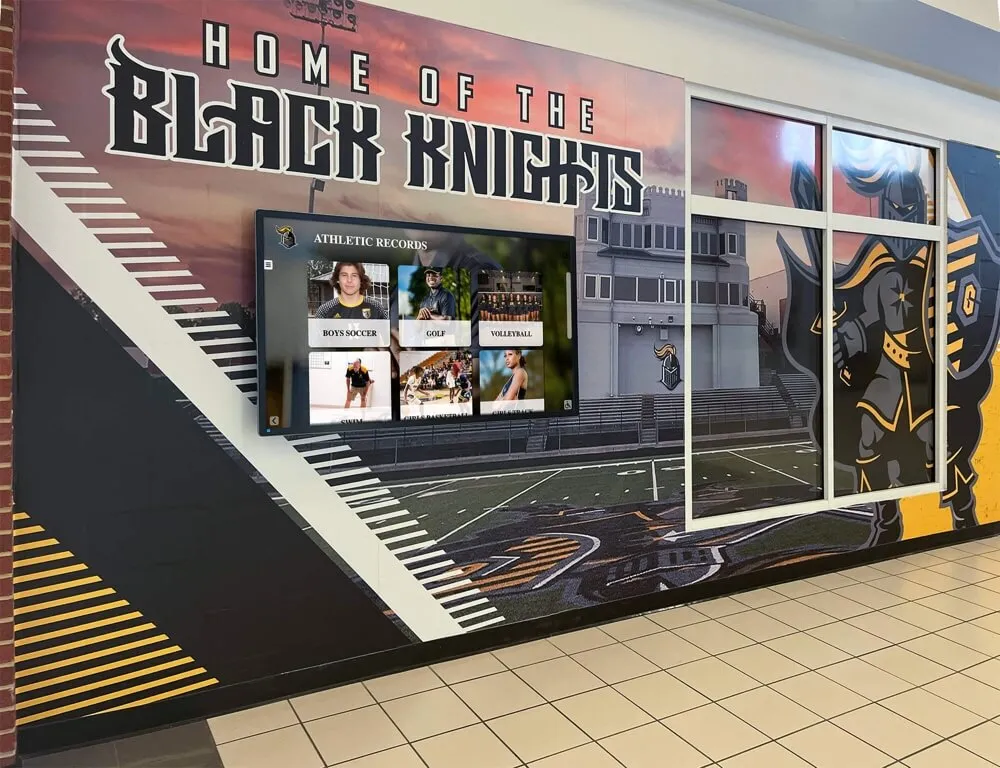
Optimal display locations include main lobbies greeting all visitors, alumni centers creating natural gathering points, libraries positioning heritage within educational contexts, and athletic facilities connecting historical achievements with ongoing programs. High-traffic areas with adequate space for group viewing and minimal glare ensure displays receive attention rather than remaining unused.
Professional installation services ensure optimal results while avoiding complications from DIY approaches. Many vendors provide comprehensive solutions bundling hardware, software, installation, training, and ongoing support from unified providers ensuring complete program sustainability.
Comprehensive guidance on touchscreen kiosk software selection helps institutions make informed hardware and platform decisions.
Training and Capability Development
Administrator training ensures institutional staff can confidently manage digital historical programs independently without requiring ongoing external support for routine operations. Hands-on training with actual content creation practice proves far more effective than passive demonstrations. Cover administrative functions including user management, approval workflows, scheduling, multimedia management, analytics interpretation, and troubleshooting.
Provide comprehensive documentation including step-by-step guides, video tutorials, and helpdesk contact information supporting ongoing operations. Establish clear responsibilities for content management, technical maintenance, and program promotion ensuring sustainable operations beyond initial launch enthusiasm.
Phase 4: Launch, Promotion, and Ongoing Enhancement (Months 9+)
Strategic Launch Campaigns
Historical archive launches deserve celebration and systematic promotion ensuring target audiences discover available resources. Create compelling announcements distributed through multiple channels including alumni email newsletters, social media platforms, website news sections, and institutional publications.
Feature specific content highlights encouraging exploration—notable alumni appearing in historic archives, championship teams, significant events, or interesting historical artifacts. Host launch events gathering alumni, students, and community members for demonstrations creating awareness while generating positive publicity through media coverage and attendee word-of-mouth.
Time launches strategically aligning with homecoming, reunions, or significant institutional anniversaries maximizing attendance and relevance. Consider phased launches celebrating completion of specific historical eras or collections maintaining sustained visibility over extended periods.
Community Engagement and Contribution
Transform historical archives from static resources into collaborative community projects. Enable alumni to contribute information enhancing archives through identification, corrections, contextual memories, and submission of additional materials. Publicly recognize valuable contributors encouraging continued participation.
Host dedicated identification events where groups of alumni from specific eras systematically review historical content collectively identifying individuals and sharing memories. Virtual events via video conferencing enable participation from distant alumni unable to visit campus. These focused efforts dramatically improve archive quality while creating engaging alumni activities strengthening institutional connections.
Approaches demonstrated through preserving fraternity and sorority history programs show how community collaboration enhances digital historical initiatives across organizational contexts.
Analytics-Driven Optimization
Monitor engagement analytics revealing which historical content attracts most interest, what search terms visitors use, how users navigate archives, and which discovery pathways prove most effective. Use these insights to feature popular content more prominently, enhance underutilized materials through improved presentation, and optimize interfaces based on actual usage patterns.
Track qualitative impact through testimonials, reunion attendance correlation, giving patterns, and stakeholder satisfaction. Document how historical archives support advancement efforts, enhance educational programs, and strengthen community connections demonstrating value beyond simple usage statistics.
Systematic Ongoing Capture
Establish processes ensuring current achievements and events join digital archives immediately rather than waiting for retrospective digitization decades later. This proactive approach proves far more efficient than attempting recovery when materials have scattered and institutional memory has faded.
Schools treating historical archiving as ongoing annual practice rather than periodic projects build comprehensive collections requiring substantially less intensive effort over time while ensuring permanent preservation of institutional memory.
Successful digital historical programs engage multiple generations creating connections across institutional heritage
Display Integration: Creating Comprehensive Historical Experiences
Maximum value emerges when digital historical tools integrate creating unified ecosystems rather than isolated standalone projects.
Connecting Historical and Current Recognition
Comprehensive strategies combine historical archives with current achievement recognition demonstrating continuing traditions while honoring both past and present. Students viewing today’s honor roll displays discover how academic recognition appeared decades earlier. Athletes featured in championship celebrations explore connections to historical teams competing before them.
This integration demonstrates that current achievements become tomorrow’s history, creating continuity strengthening institutional identity. Current students see themselves as parts of continuing stories rather than isolated individuals. Alumni viewing historical materials discover connections to ongoing institutional life rather than engaging with disconnected nostalgia.
Programs integrating alumni recognition with historical archives create comprehensive platforms celebrating institutional heritage across all time periods.
Physical and Digital Channel Integration
Multi-channel approaches ensure historical content reaches audiences through contexts and devices matching their preferences and circumstances. On-campus touchscreen installations serve students, visitors, prospective families, and reunion attendees encountering history through impressive physical presentations. Web-based platforms extend reach to global alumni, researchers, and community members unable to visit campus. Mobile applications provide location-aware historical information during campus tours.
Unified content management controlling all channels eliminates duplicate effort while ensuring consistency across touchpoints. Updates and additions made once appear simultaneously across all presentation channels maximizing content investment efficiency.
Supporting Educational Integration
Historical digital archives support educational objectives across multiple subject areas. History classes studying local heritage through institutional evolution, English classes analyzing changing language and social norms, media classes examining design trends across decades, and genealogy projects researching family histories all benefit from accessible comprehensive historical archives.
Document student projects incorporating historical content. Survey educators about educational value. These applications justify investment through tangible academic benefits beyond nostalgia or alumni engagement alone demonstrating how historical recognition serves institutional mission directly.
Museums worldwide are discovering similar educational benefits—according to educational technology research, digital tools make history engaging for contemporary students by enabling interactive exploration rather than passive consumption.
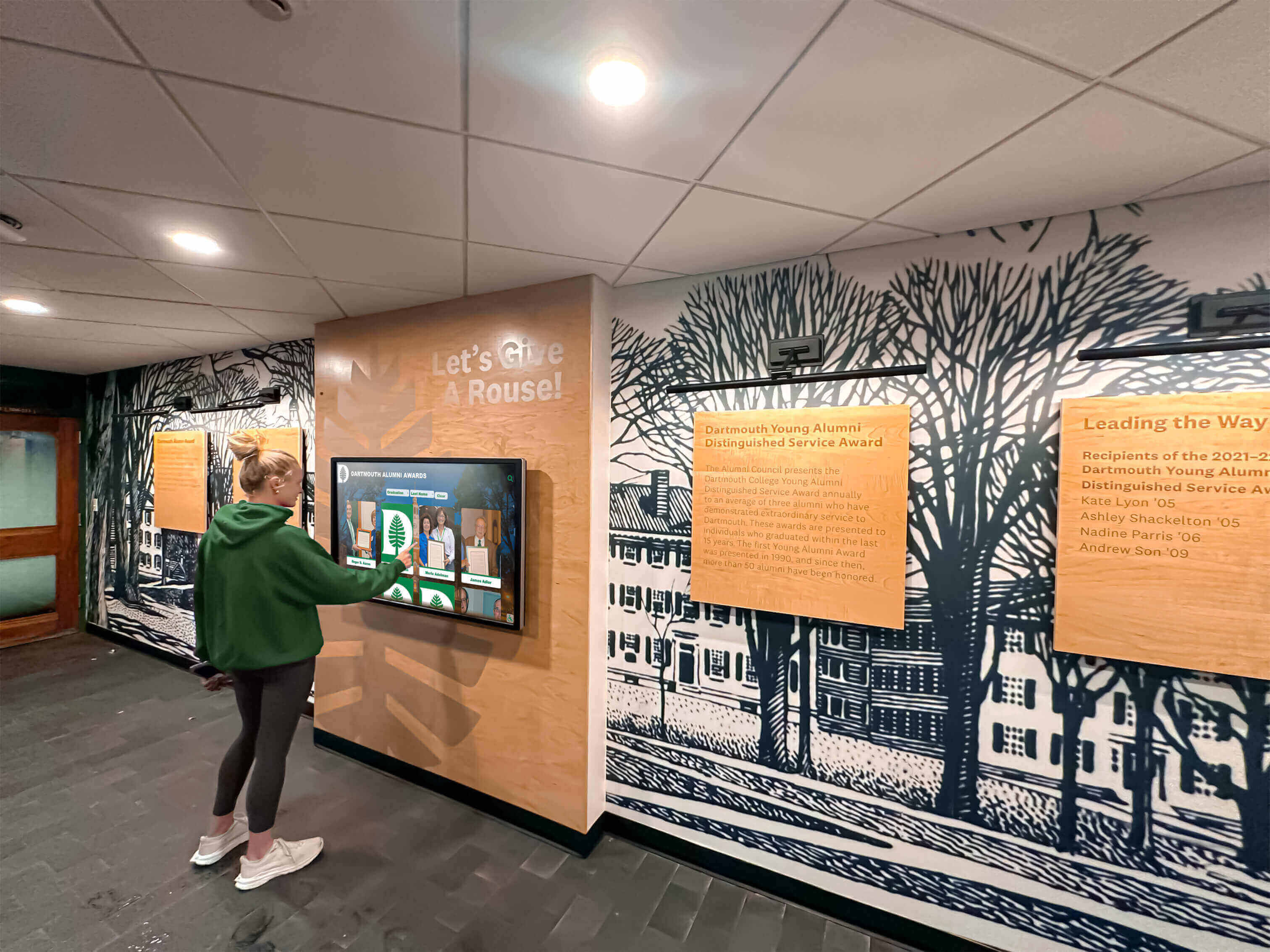
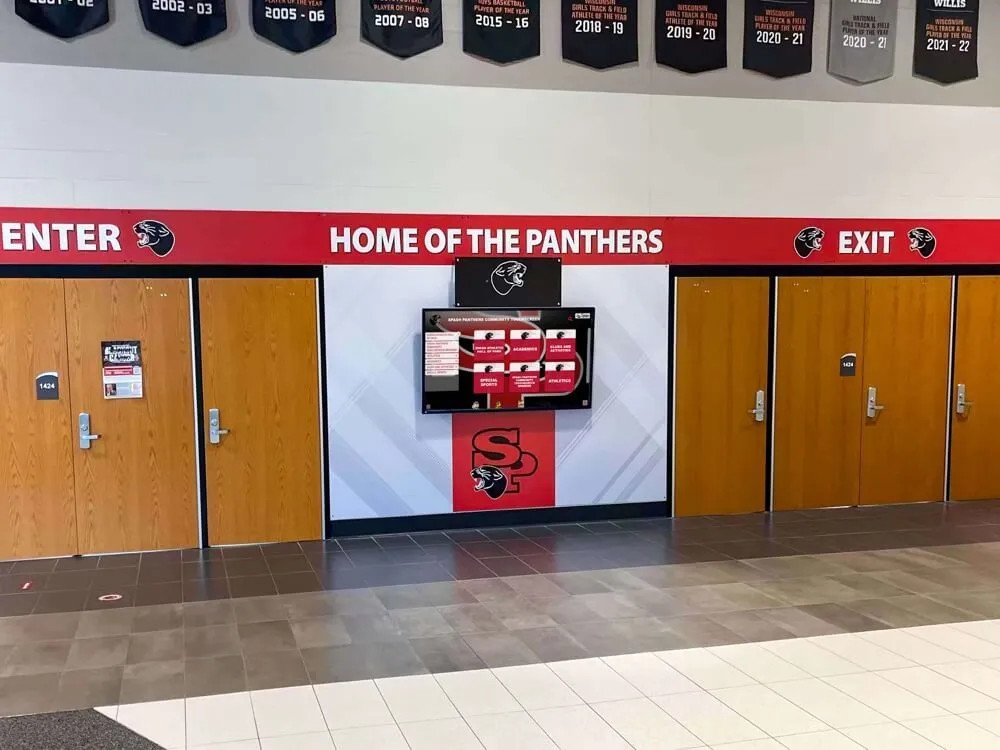
Intuitive digital tools enable students to independently explore institutional heritage without instruction
Advanced Features Enhancing Digital Historical Programs
Mature programs can implement advanced capabilities creating additional value and differentiation beyond foundational historical archives.
Augmented Reality Integration
Augmented reality (AR) overlays digital information onto real-world views through smartphone cameras or specialized devices. Point smartphones at historical building locations to see period photographs showing original appearances. View athletic facilities displaying championship teams that competed there. Explore campus spaces revealing historical events occurring at specific locations.
The National Museum of Natural History in Paris created an AR experience bringing extinct species back to life, demonstrating how augmented reality transforms historical content into immersive experiences. Similar approaches enable institutions to make history visible throughout campus environments connecting contemporary spaces with their historical contexts.
Facial Recognition Technology
Modern facial recognition AI analyzes historical photographs automatically identifying specific individuals across multiple years and contexts even without name captions. This technology enables “find me” features where users select one portrait photograph and the system locates all other appearances of that individual—in team photos, candid shots, or activity group pictures.
While privacy considerations require thoughtful implementation, facial recognition dramatically enhances personal discovery experiences. Alumni find photographs they’d completely forgotten about. Family researchers locate distant relatives across multiple generations. This capability transforms historical archives from passive documents into active discovery tools creating meaningful personal connections.
Interactive Mapping and Campus Evolution
Historical mapping features show campus evolution across decades or centuries. Interactive maps display building construction dates, former structures no longer existing, landscape changes, and facility repurposing. Users explore how campus transformed from founding through present day understanding physical development patterns.
Integrate historical photographs of buildings, locations, and campus views with map positions creating geographic organization of visual content. Connect historical events with locations where they occurred providing spatial context enhancing narrative understanding.
Oral History and Interview Collections
Video interviews with distinguished alumni, longtime educators, championship coaches, or community members preserve living memory before it disappears. These oral histories provide perspectives, context, and emotional connections that documents and photographs cannot convey. Graduates sharing memories about documented events explain how institutional life felt during their eras.
Systematically capture oral histories during reunion events, retirement celebrations, or dedicated interview projects. Professional production quality enhances presentation but shouldn’t delay capture—informal smartphone videos preserve valuable narratives when professional videography proves unfeasible.
Strategic approaches to alumni spotlights and interviews demonstrate how personal narratives enrich historical recognition programs.
Virtual Tours and Remote Experiences
Virtual tour capabilities enable distant audiences to explore historical spaces and exhibits without campus visits. 360-degree photography creates immersive environments where users navigate freely. Guided virtual tours provide curated experiences highlighting significant historical content with professional narration.
These virtual experiences prove particularly valuable during pandemic restrictions, for alumni unable to travel, and for international audiences discovering institutional heritage from anywhere worldwide. Extended reality technologies continue evolving, with museums developing metaverse experiences that create fully immersive historical environments.
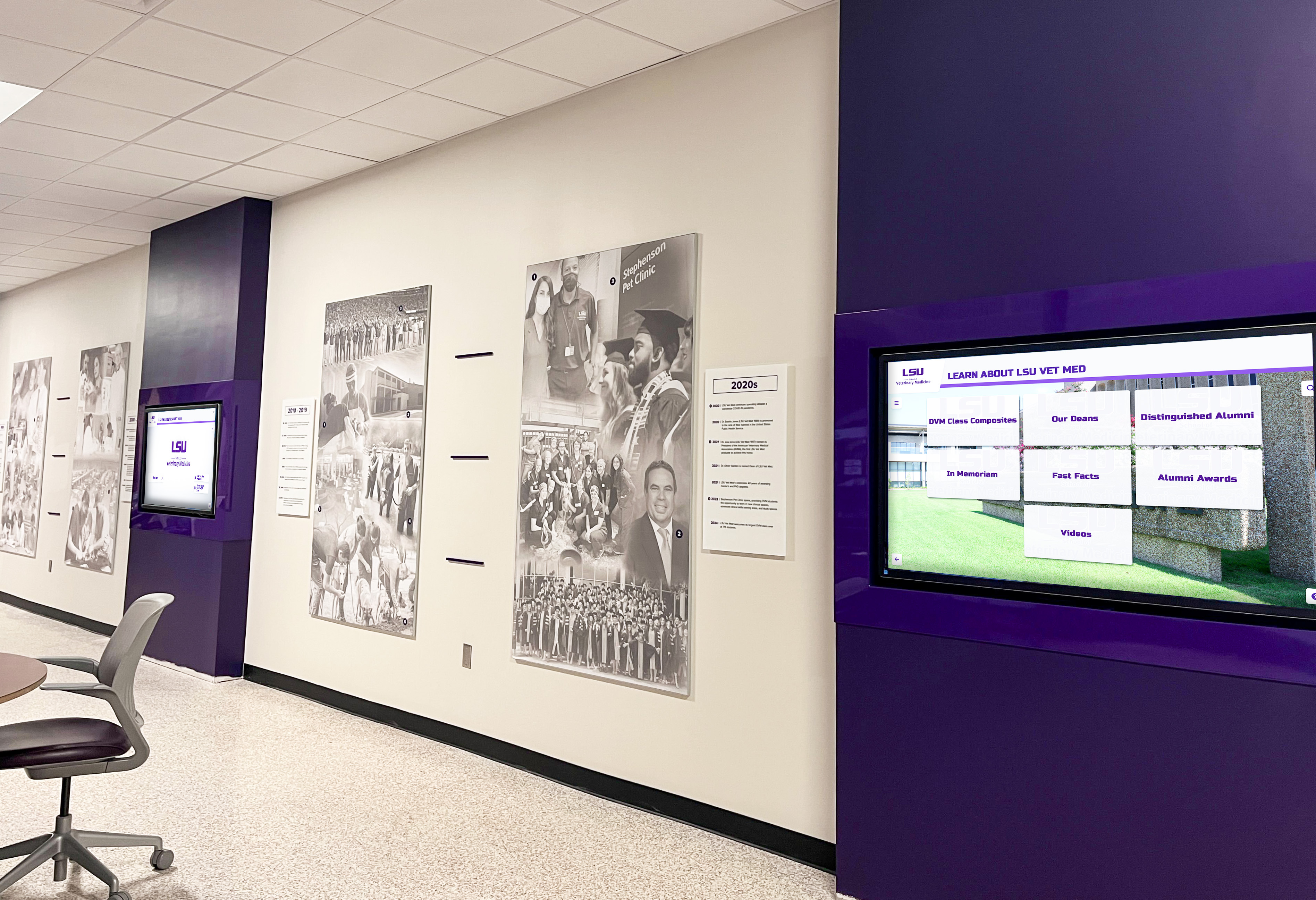
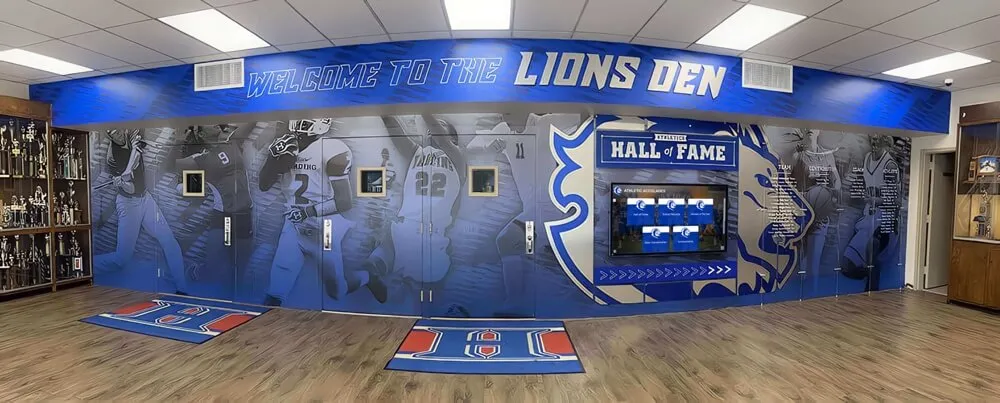
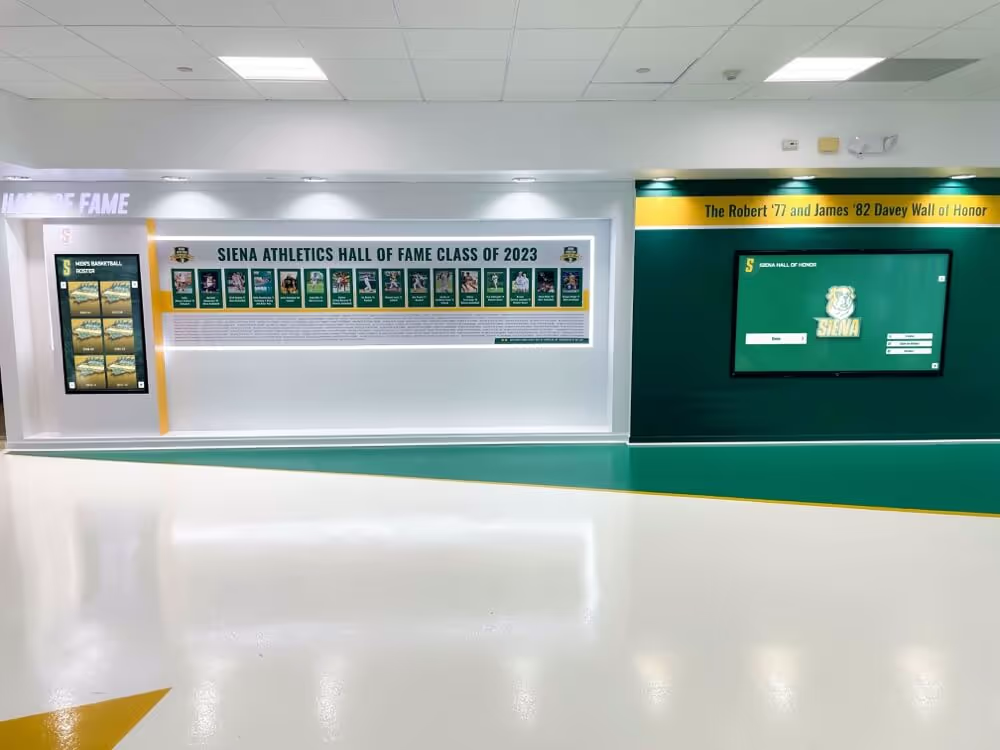
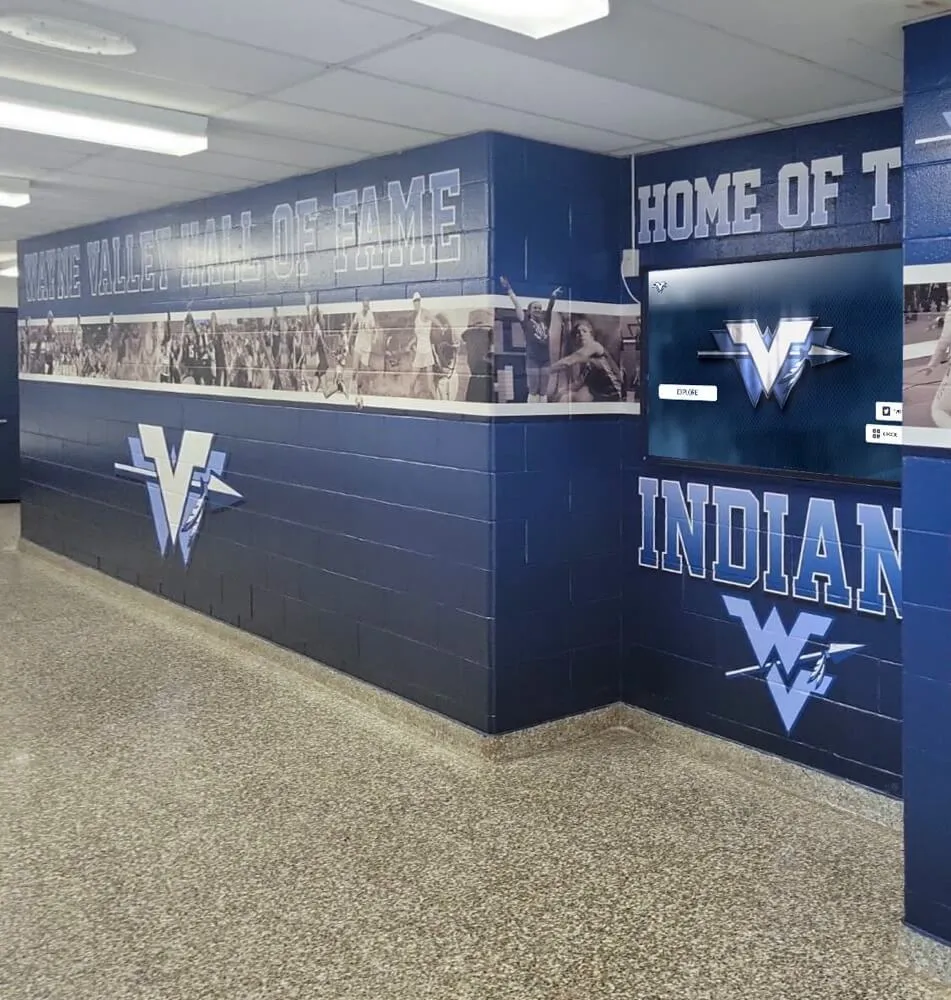
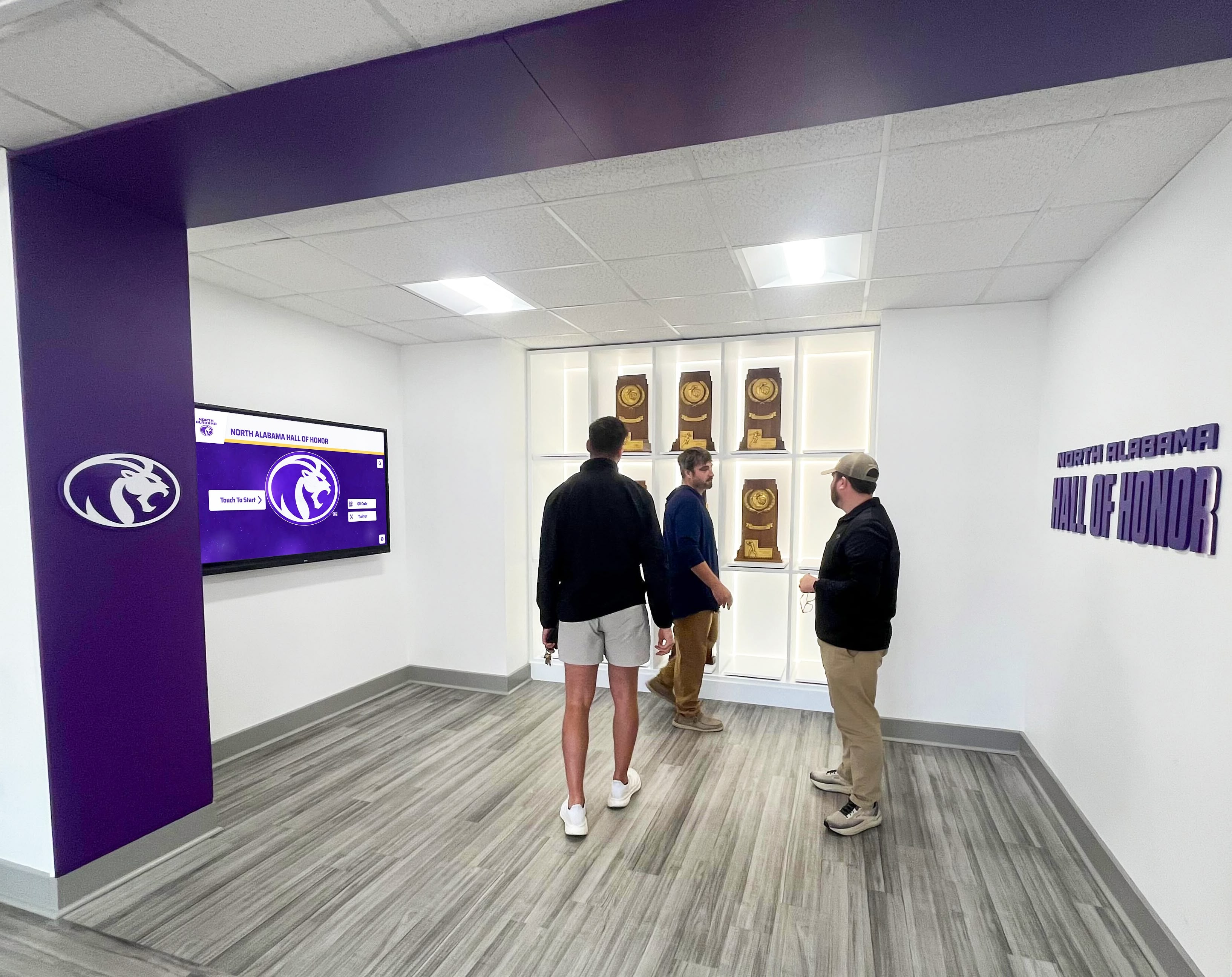
Professional installations integrate digital historical displays seamlessly with institutional architecture and branding
Measuring Success and Demonstrating Value
Regular assessment demonstrates digital historical program value justifying continued investment while guiding continuous improvement.
Quantitative Engagement Metrics
Track measurable indicators demonstrating archive usage and reach including unique visitors to online archives, page views and session duration indicating engagement depth, search queries revealing user interests, most-viewed content identifying popular materials, geographic distribution showing global reach, device types used informing optimization priorities, and social shares demonstrating viral distribution.
Physical touchscreen displays provide interaction counts, average engagement duration, content exploration patterns, and peak usage times. Compare metrics over time assessing whether promotional efforts increase usage, new content drives traffic, or engagement patterns shift as programs mature.
Qualitative Impact Assessment
Document impact through stakeholder feedback and observational insights quantitative metrics cannot capture. Collect testimonials from alumni discovering meaningful content or reconnecting with classmates through archives. Capture stories about emotional responses to rediscovering forgotten memories. Document how archives enabled family historical research, reunion planning, or memorial tributes.
Survey educators using historical archives for curriculum integration about educational value. Photograph student projects incorporating archival content showing how history supports learning objectives across subject areas.
Development offices should track whether archive access correlates with improved advancement metrics including reunion attendance, giving participation, gift sizes, and volunteer engagement. While attributing direct causation proves difficult, consistent correlations suggest meaningful relationships worth highlighting to leadership.
Advancement and Institutional Benefits
Calculate return on investment comparing implementation costs to measurable outcomes. If historical archives contribute to even modest increases in giving among engaged alumni, financial returns often exceed costs within 3-5 years justifying investment on purely financial grounds beyond intrinsic preservation value.
Document recruitment benefits when prospective families explore institutional heritage during campus visits. Track media coverage and institutional reputation enhancement resulting from high-quality historical presentations demonstrating commitment to tradition and excellence.
Comprehensive approaches to recognition program ROI measurement help institutions demonstrate value across multiple dimensions beyond simple usage statistics.
Common Challenges and Solutions
Understanding typical obstacles helps institutions avoid preventable problems while preparing realistic responses when difficulties arise.
Limited Resources and Competing Priorities
Many institutions struggle with resource constraints limiting comprehensive historical initiatives. Address this through phased implementations spreading costs and effort across multiple years. Begin with pilot projects digitizing high-value content demonstrating benefits before expanding to comprehensive efforts.
Leverage volunteer resources including retired educators, engaged alumni, and student service learning projects providing substantial capacity beyond internal staff. Partner with local libraries, historical societies, or universities sharing equipment and expertise.
Accept incremental progress toward comprehensive goals rather than attempting everything simultaneously. Steady addition of materials maintains momentum demonstrating value while avoiding overwhelming demands on resources.
Technical Expertise Concerns
Organizations worry about lacking technical skills required for digital implementations. Purpose-built platforms designed for non-technical users eliminate this barrier through intuitive interfaces requiring no coding or specialized knowledge. If you can use email and word processors, you can manage comprehensive digital historical archives.
Professional services provide implementation support, training, and ongoing assistance ensuring successful programs regardless of internal technical capabilities. Many vendors offer comprehensive solutions bundling hardware, software, training, and support from unified providers eliminating technical burden while ensuring sustainability.
Copyright and Privacy Considerations
Institutions hesitate about copyright or privacy implications of digitizing and sharing historical materials. Yearbooks and institutional publications typically constitute institutional works owned by publishing organizations enabling free digitization and sharing. Historical content created by institutions generally qualifies for educational fair use under copyright law.
From privacy perspectives, historical content already publicly distributed doesn’t create new concerns through digital sharing. Establish clear policies addressing removal requests while explaining that historical documentation serves legitimate institutional and community interest. Most individuals appreciate preservation efforts, but respecting those with concerns maintains trust.
Content Quality and Completeness Concerns
Organizations worry about launching with incomplete or imperfect content. Accept that comprehensive historical coverage develops over time rather than existing initially. Launch with substantial meaningful content, then expand systematically as time permits and additional materials emerge.
Not all content receives complete identification or description—accept partial metadata rather than waiting indefinitely for perfect information that may never materialize. Document uncertainty rather than speculating. Continue enhancing content as community members contribute knowledge over time.
Approaches demonstrated through developing comprehensive recognition programs show how systematic planning overcomes common implementation challenges.
Conclusion: Transforming How Institutions Honor History
Digital tools revolutionize historical recognition by making institutional memory accessible, engaging, and sustainable in ways traditional approaches cannot match. Interactive touchscreen displays create impressive physical presentations inviting exploration rather than demanding passive viewing. Searchable digital archives enable instant discovery eliminating hours of manual research. Multimedia capabilities bring history to life through video, audio, and rich visual storytelling. Cloud-based platforms eliminate technical barriers while enabling remote management from any internet-connected device.
The strategies explored throughout this comprehensive guide provide frameworks for implementing digital historical recognition programs serving preservation and engagement goals effectively. From initial historical inventories and content digitization through platform selection and ongoing community engagement, each decision affects long-term program success and institutional impact.
Ready to bring your institutional history to life through modern digital tools? Solutions like Rocket Alumni Solutions provide comprehensive platforms specifically designed for educational and organizational recognition, combining historical archives with current achievement displays, interactive touchscreen installations, and intuitive content management. These specialized solutions eliminate technical barriers while providing professional results worthy of institutional heritage.
Whether launching initial historical digitization efforts or enhancing existing archives, start with systematic inventory of available materials, define clear priorities balancing preservation urgency with engagement opportunities, implement professional digitization capturing adequate quality for long-term value, and establish sustainable management processes ensuring ongoing enhancement.
Request your free custom demo or schedule a consultation to explore how digital tools can transform historical recognition at your institution.
Your institutional history deserves presentation through technology making heritage accessible to current students discovering inspiring traditions, global alumni maintaining lifelong connections, researchers exploring institutional contributions, and future generations inheriting comprehensive documentation of your unique story.
Begin today with focused efforts that grow systematically—digitize one collection, implement pilot touchscreen installation, or launch online archive demonstrating value. Success builds momentum attracting resources, volunteers, and institutional support enabling expansion toward comprehensive digital historical recognition serving your community for generations to come. The tools exist, proven strategies guide implementation, and your institutional heritage awaits transformation from forgotten archives into engaging digital experiences bringing history to life.
Sources
- 7 Digital Tools That Help Bring History to Life | Edutopia
- 8 Top Technology Trends for Museums in 2025 | STQRY
- Museums for Digital Learning | Institute of Museum and Library Services
- Virtual Museum Maker: Crafting Immersive Digital Experiences | Wonderful Museums
- How emerging tech is enhancing the museum experience | blooloop