



Digital showcases for high school class officers provide comprehensive platforms celebrating student government leadership across all grade levels, transforming how schools honor elected representatives and building visible leadership cultures where civic participation receives appropriate institutional recognition. These modern recognition systems create permanent archives documenting every class president, vice president, secretary, treasurer, and representative throughout school history while inspiring future generations to pursue meaningful leadership roles serving their communities.
Traditional class officer recognition—limited yearbook pages that quickly become outdated, temporary hallway bulletin boards that fade within months, or complete absence of systematic acknowledgment beyond election day announcements—fails to honor the substantial commitment student leaders make to their schools and peers. Students dedicating hours weekly to meetings, planning schoolwide initiatives, representing constituent voices, and developing essential civic skills receive minimal lasting recognition for their representative service. Meanwhile, schools miss powerful opportunities to inspire broader student government participation by displaying visible leadership pathways demonstrating that elected positions are accessible, meaningful, and worthy of dedicated pursuit.
This comprehensive blueprint explores how digital showcases for high school class officers overcome fundamental recognition limitations through interactive technology, unlimited capacity documenting leadership across decades, rich multimedia profiles honoring individual service journeys, and systematic approaches ensuring sustainable programs that elevate student government prominence throughout educational communities.
Modern student leadership recognition demands systems celebrating comprehensive participation while remaining administratively sustainable and creating authentic community engagement. Digital showcase platforms achieve these goals through purpose-built technology specifically designed for educational recognition rather than generic digital signage repurposed for names and photographs.

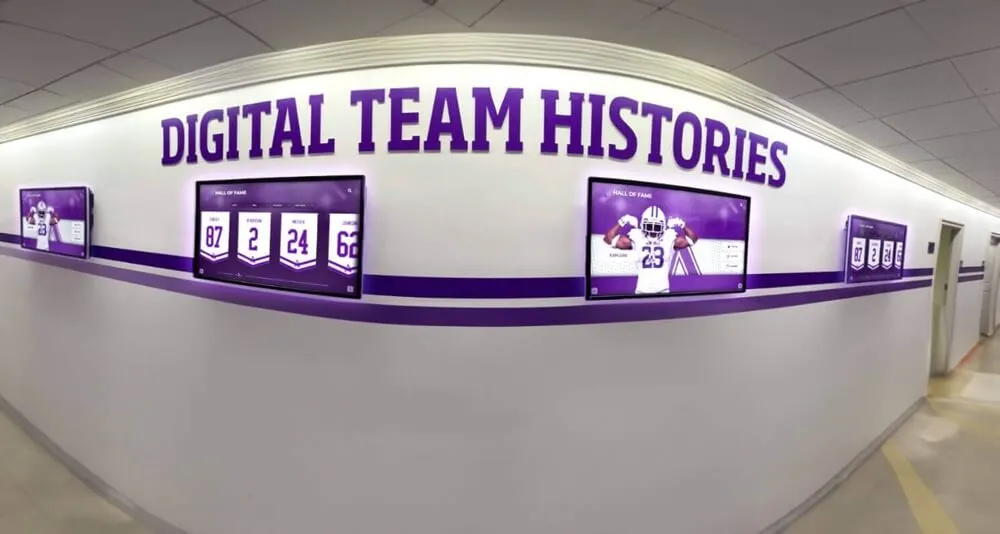
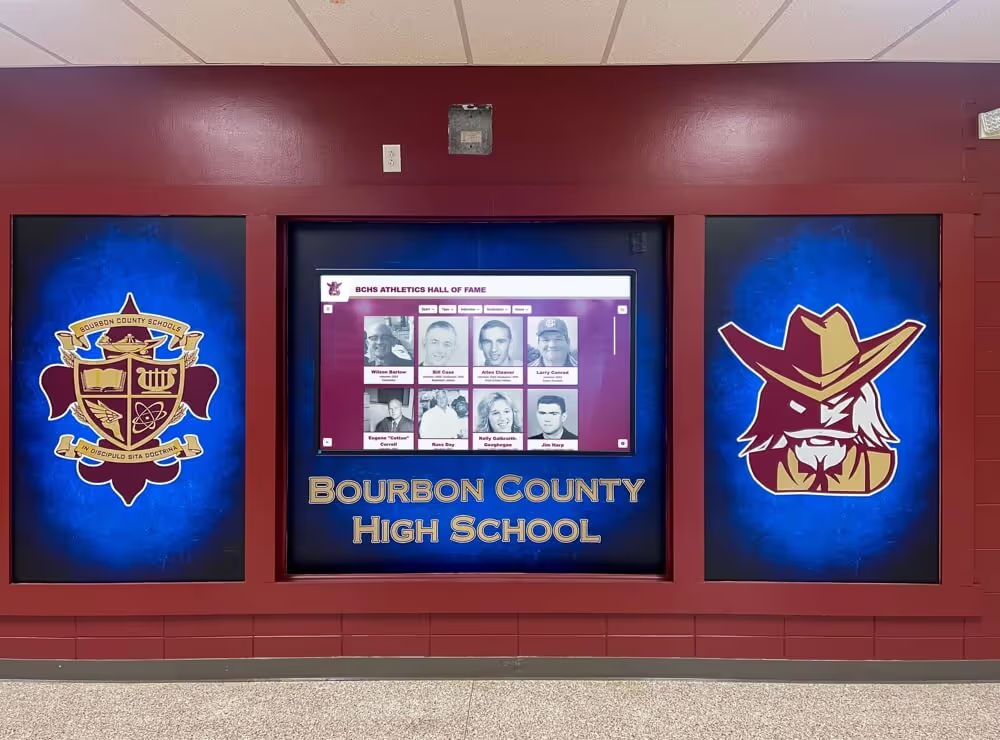
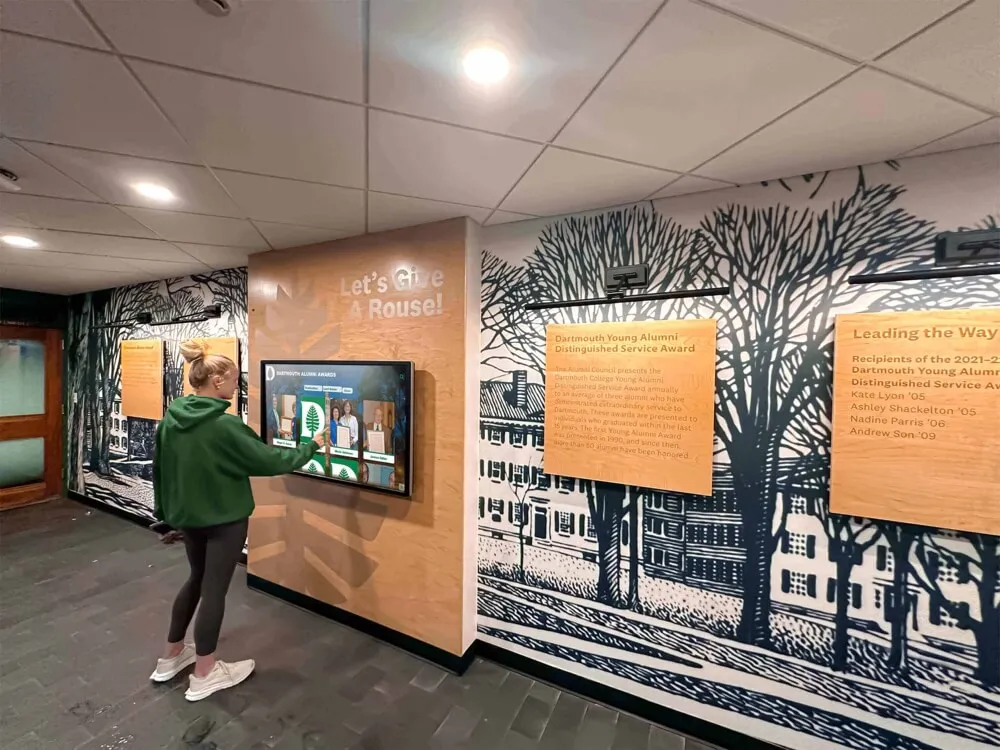
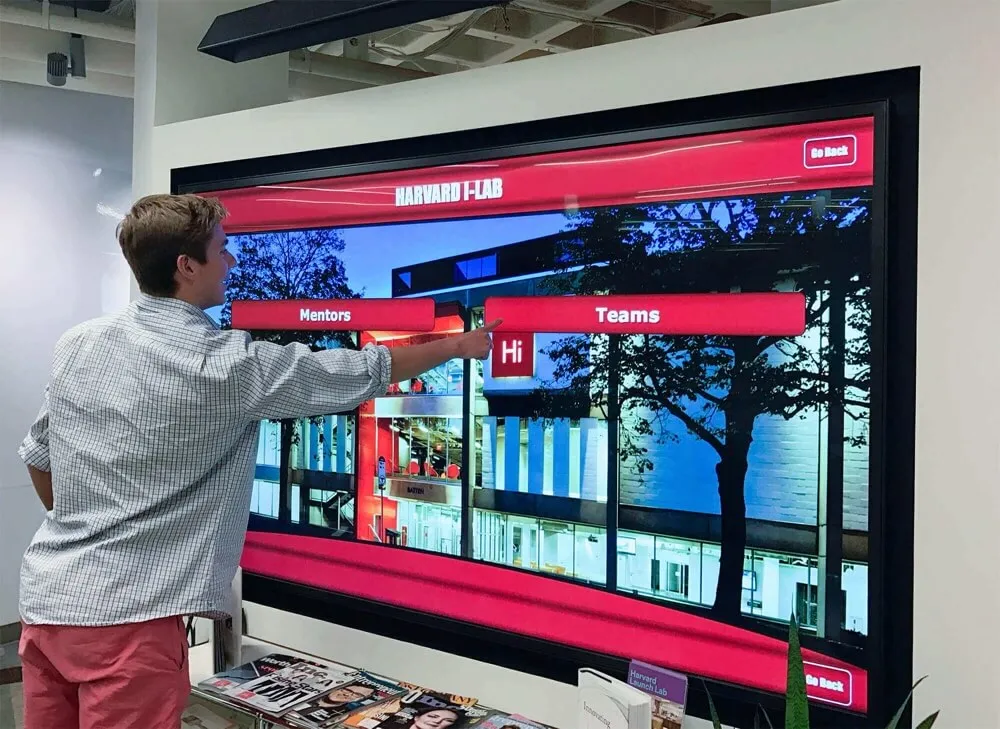
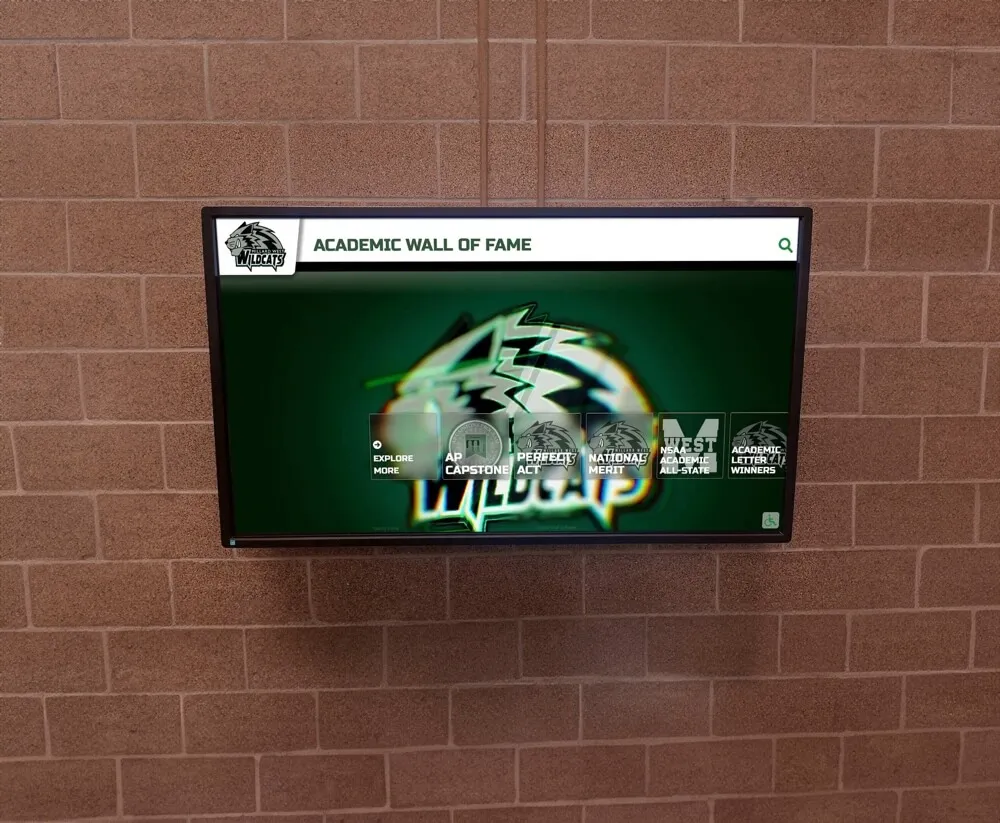
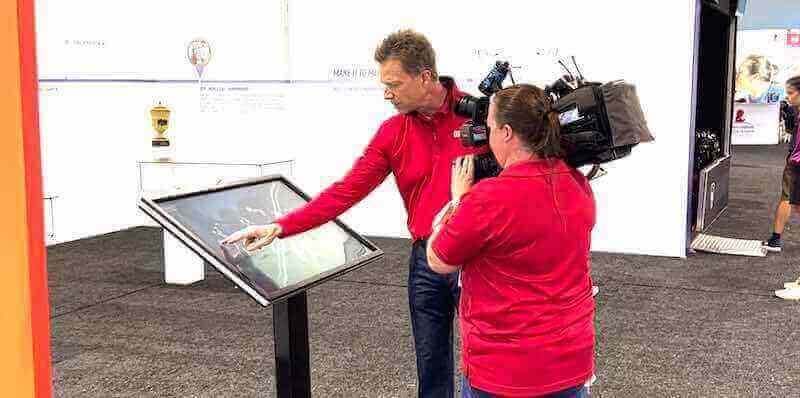
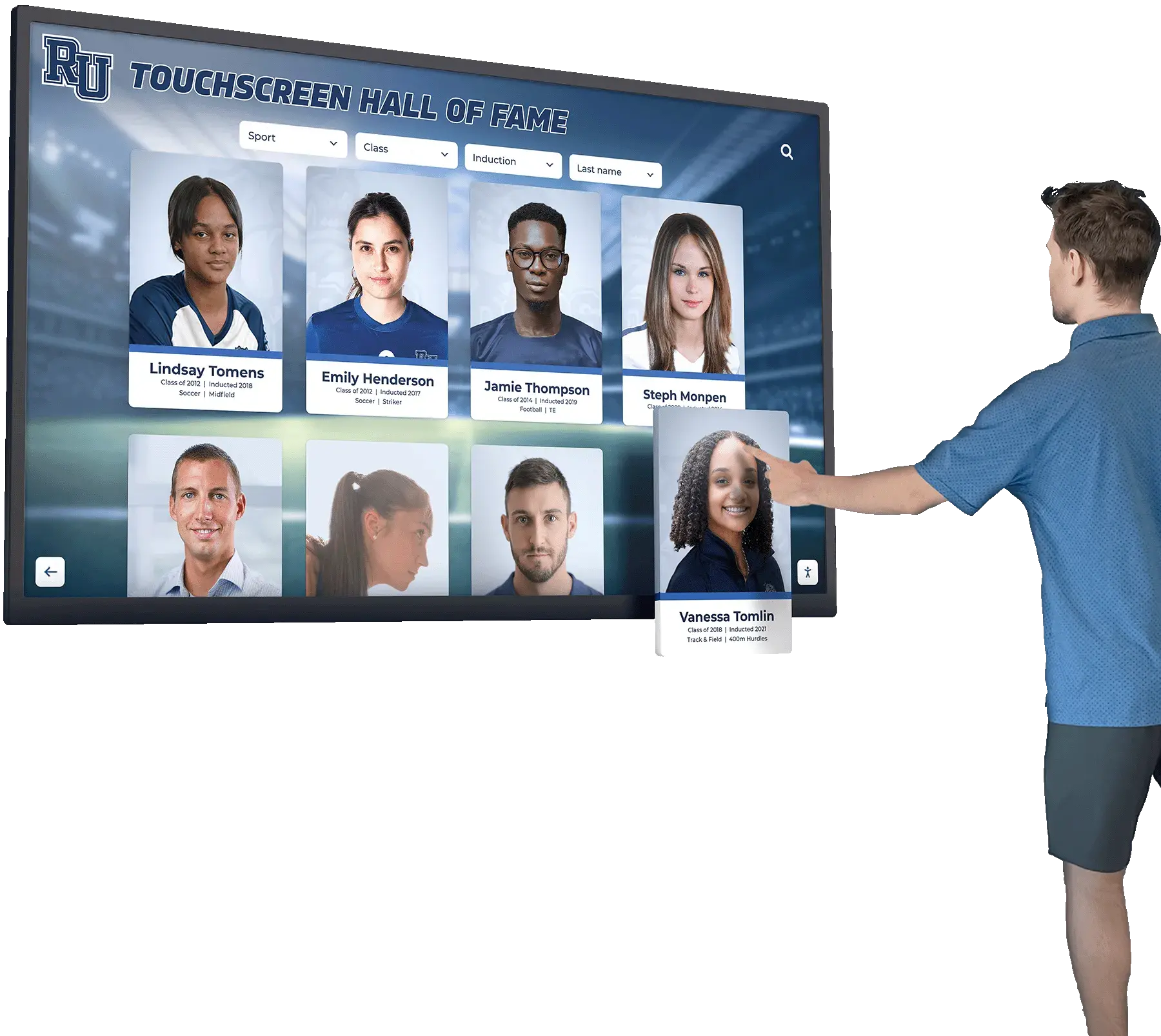
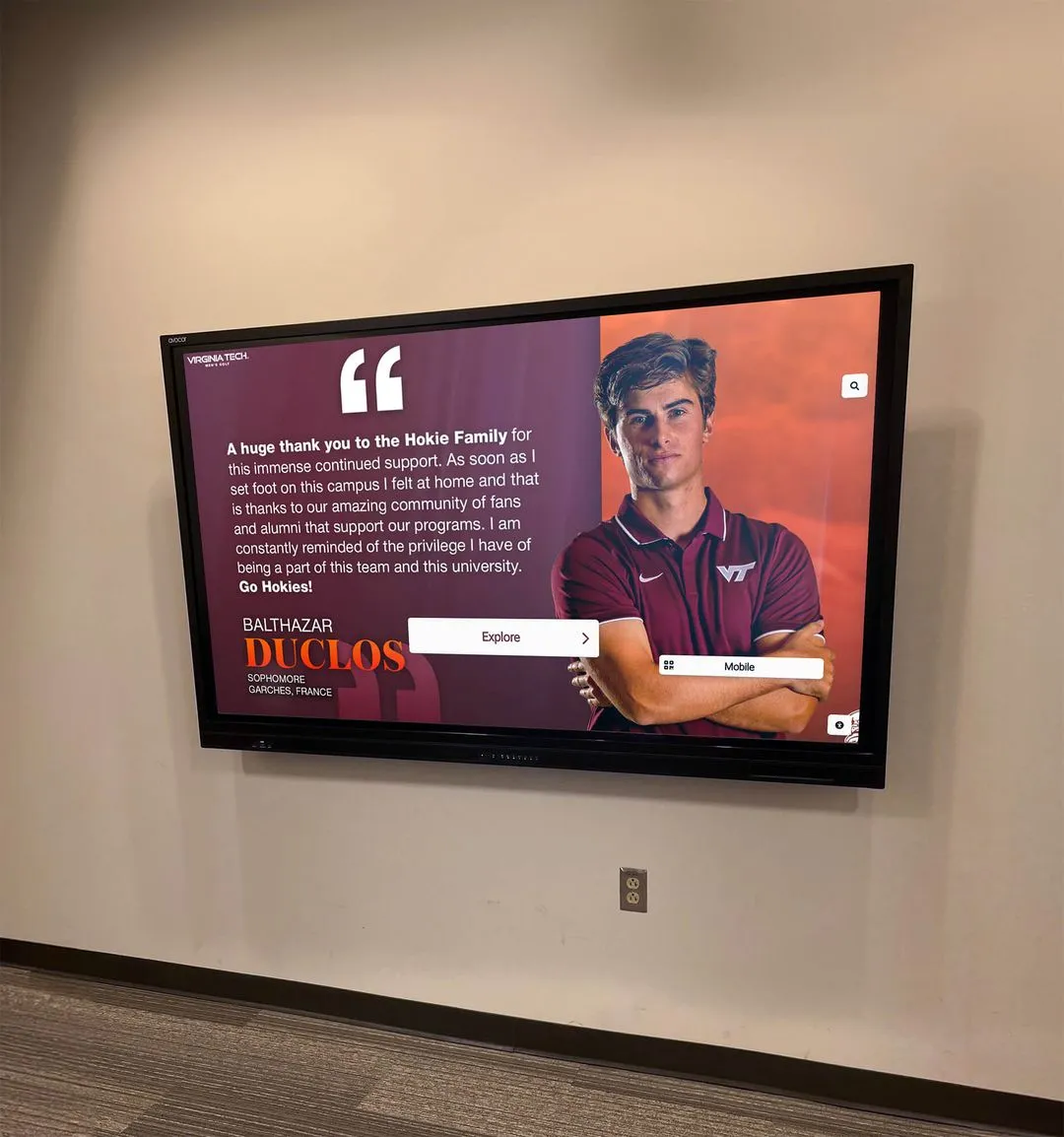
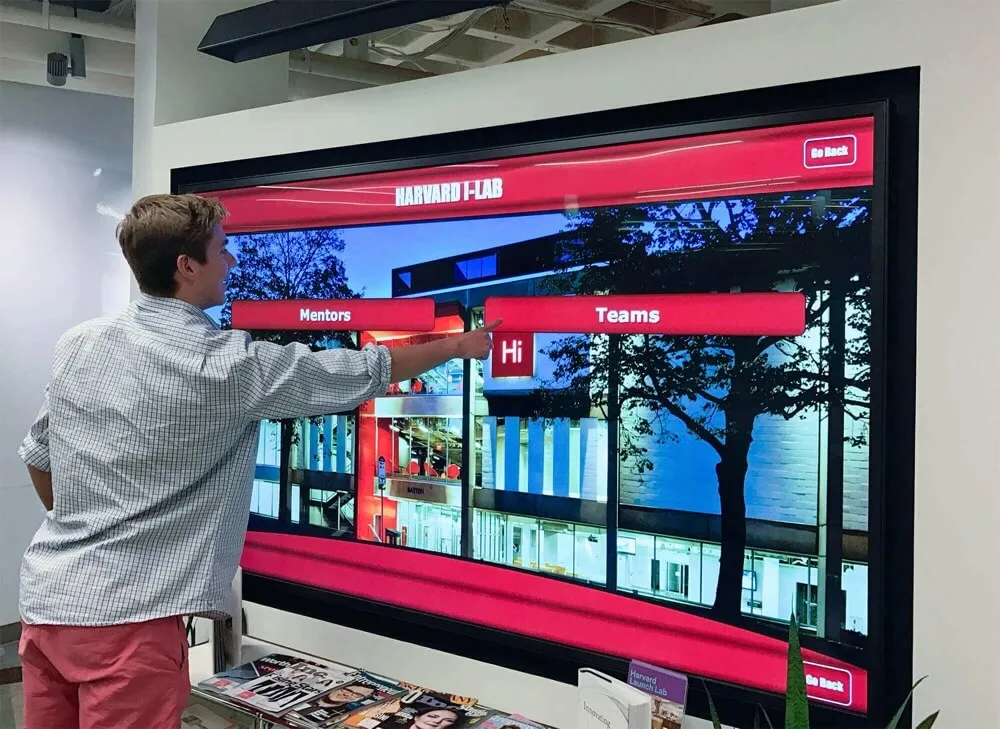
Interactive digital showcases enable students to explore leadership opportunities, discover officer responsibilities, and understand governance structures through engaging touchscreen experiences
Program Snapshot: Class Officer Digital Showcase Recognition
Before exploring implementation details and technology considerations, understanding complete program parameters helps schools plan recognition systems aligned with their leadership development and civic education priorities.
| Program Element | Specifications |
|---|---|
| Recognition Scope | All elected and appointed class officers across four grade levels (Freshman, Sophomore, Junior, Senior) plus cross-grade executive positions and student council representatives |
| Historical Coverage | Complete leadership rosters from school founding through present year, preserving institutional governance records |
| Content Components | Leadership profiles including photographs, position descriptions, term dates, campaign platforms, major initiatives, accomplishments, advice for future leaders, and post-graduation updates |
| Technology Platform | Interactive touchscreen displays in high-traffic areas plus web-accessible recognition portals extending reach beyond physical installations |
| Primary Audiences | Current students exploring leadership opportunities, prospective families evaluating school culture, alumni reconnecting with institutional heritage, community members celebrating youth civic engagement |
| Key Outcomes | Increased student government participation, enhanced civic education integration, strengthened alumni connections, visible democratic institution presence, leadership pipeline development |
| Administrative Requirements | Annual content updates coordinating with election cycles, ongoing profile enhancements, quarterly accuracy reviews, community promotion campaigns |
| Refresh Cadence | Major updates following spring and fall elections, continuous enhancements throughout academic year, historical archive expansion as resources permit |
This recognition structure ensures comprehensive leadership documentation while remaining administratively sustainable through efficient technology and systematic processes.
Understanding Class Officer Recognition Program Architecture
Effective digital showcases require thoughtful content organization mapping leadership structures to display capabilities that serve multiple stakeholder needs simultaneously.
Defining Comprehensive Class Officer Scope
High school student government typically encompasses several interconnected leadership components requiring systematic recognition:
Grade-Level Class Officers
The foundation of most student government structures includes elected positions serving each grade:
- Class Presidents providing overall grade-level leadership and representation
- Vice Presidents supporting presidential duties and managing specific initiatives
- Secretaries handling communications, record-keeping, and organizational documentation
- Treasurers managing class finances, fundraising oversight, and budget accountability
- At-Large Representatives ensuring broad student voice inclusion beyond executive positions
Traditional yearbook recognition often features only senior class officers or allocates minimal space to underclassmen, inadvertently communicating that certain grade levels matter less. Comprehensive digital showcases document complete leadership rosters across all four grades, honoring every elected representative equally regardless of class year or position prominence.
Cross-Grade Student Government Structures
Many schools operate additional governance layers beyond grade-level officers:
- Student Council or Executive Board coordinating schoolwide initiatives
- Standing committees addressing specific domains (spirit, service, communications, facilities)
- Special task forces formed to address particular challenges or opportunities
- Advisory positions liaising with administration or school board
- Representative assemblies including delegates from multiple grades or homerooms
Digital recognition platforms accommodate organizational complexity through hierarchical content structures and filtering capabilities enabling audiences to explore complete governance ecosystems rather than simplified leadership charts.
Historical Leadership Evolution
Student government structures change substantially over time as schools grow, philosophies shift, and student needs evolve:
- Position titles and responsibilities modified across decades
- New roles created addressing contemporary challenges
- Organizational restructuring reflecting governance philosophy changes
- Term length adjustments from annual to semester or quarterly cycles
- Participation scope expanding from small executive groups to representative assemblies
Effective digital showcases preserve historical accuracy through flexible categorization accommodating evolving structures without forcing historical leaders into contemporary organizational frameworks that didn’t exist during their terms.
Learn about comprehensive academic recognition programs that complement student government celebration in creating complete achievement cultures.
Content Architecture: Mapping Leadership Stories to Display Modules
Digital showcase effectiveness depends on translating complex leadership narratives into engaging, discoverable content organized around clear information architecture.
Core Profile Components
Each class officer profile should include essential elements creating meaningful recognition:
Identity and Position Information
- Full name and preferred name recognition
- Official position title and specific responsibilities
- Grade level during service term
- Academic year or specific dates for short-term positions
- Professional photograph capturing leadership identity
- Contact preferences for alumni networking when appropriate
Leadership Context and Accomplishments
- Campaign platform highlighting why they pursued leadership
- Major initiatives championed during their term
- Specific achievements and measurable outcomes when available
- Legislative or policy contributions they advanced
- Events coordinated or committees chaired
- Collaboration stories demonstrating teamwork and representative service
- Challenges faced and leadership lessons learned
- Advice for students considering future student government involvement
Multimedia Enhancements When resources allow, rich media substantially increases engagement:
- Video messages discussing leadership experiences and insights
- Audio interviews or podcast conversations about governance topics
- Photographs from major events, initiatives, or ceremonial moments
- Documents like proposed legislation, policy briefs, or planning materials
- Social media highlights showing community engagement
- Election campaign materials preserving democratic process artifacts
This comprehensive content transforms basic officer directories into inspiring leadership archives that educate, motivate, and preserve institutional knowledge across generations.
Touchscreen Module Organization
Interactive displays should organize content supporting multiple discovery pathways serving diverse user needs:
Browse by Grade Level
- Freshman class officers across all years
- Sophomore leadership teams throughout school history
- Junior class representatives and their accomplishments
- Senior class officers completing their high school leadership journeys
Search by Name or Year
- Direct lookup finding specific individuals quickly
- Graduating class exploration showing complete cohort leadership
- Decade views revealing leadership patterns across eras
- Alumni reunion support locating former classmates’ roles
Filter by Position Type
- All class presidents regardless of grade or year
- Vice presidential service across school history
- Specialized roles like treasurer or secretary
- Committee chairs and appointed positions
Explore by Initiative Area
- Community service leadership and volunteer coordination
- Spirit and school culture enhancement efforts
- Policy advocacy and institutional improvement campaigns
- Fundraising achievements and financial management
- Diversity and inclusion advancement initiatives
This flexible architecture enables prospective leaders to understand governance structures, current students to explore role models with similar interests, and alumni to reconnect with their leadership heritage through multiple intuitive pathways.
Discover digital recognition displays designed specifically for educational institutions and their unique recognition needs.
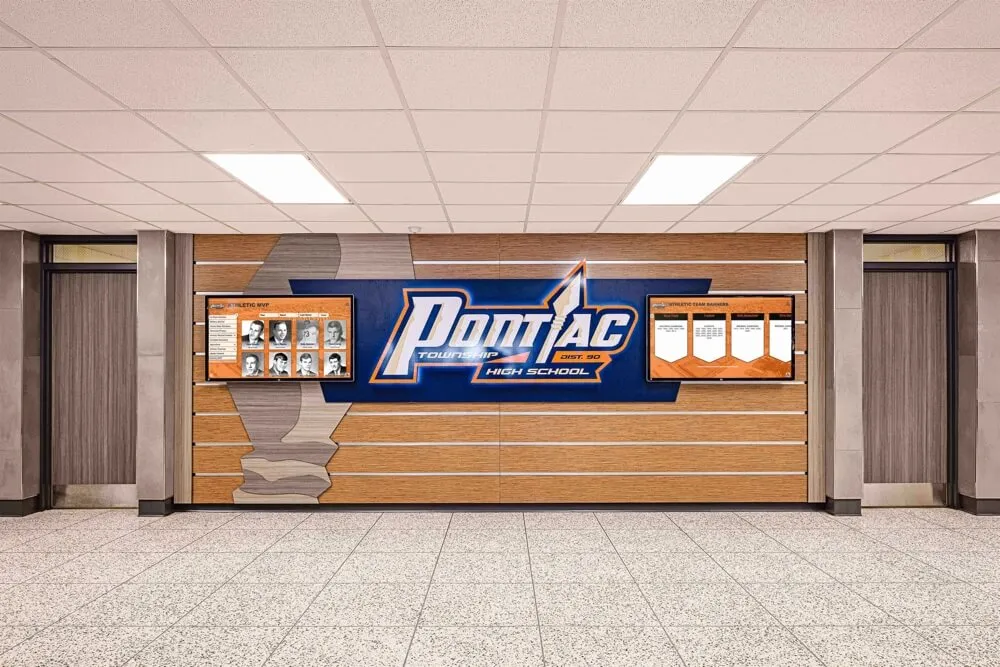
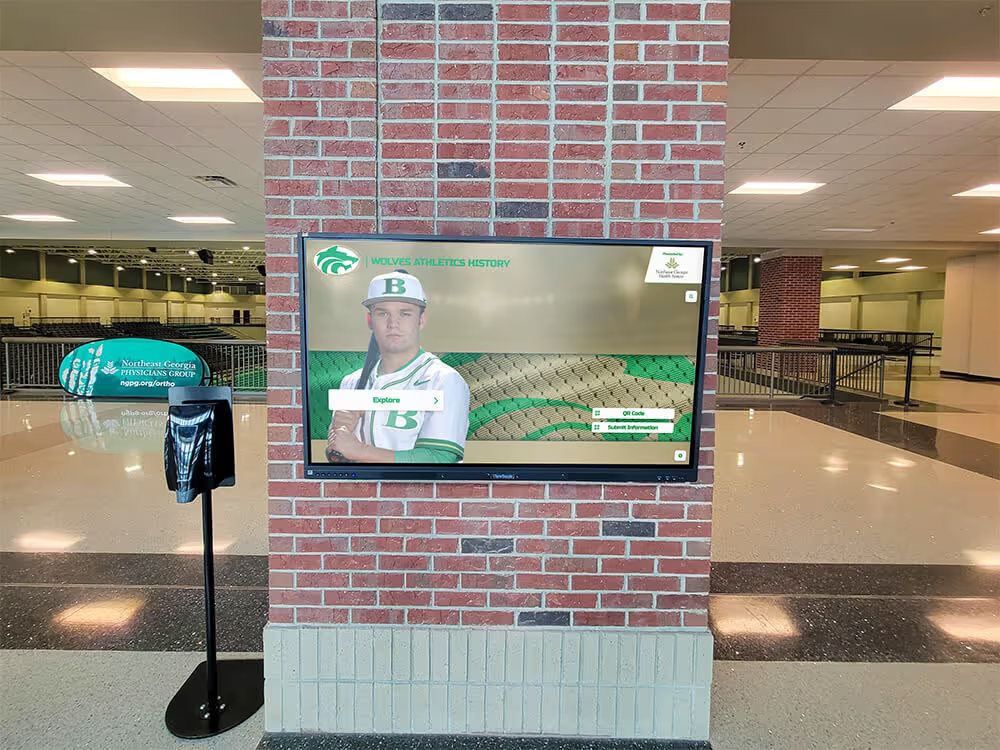
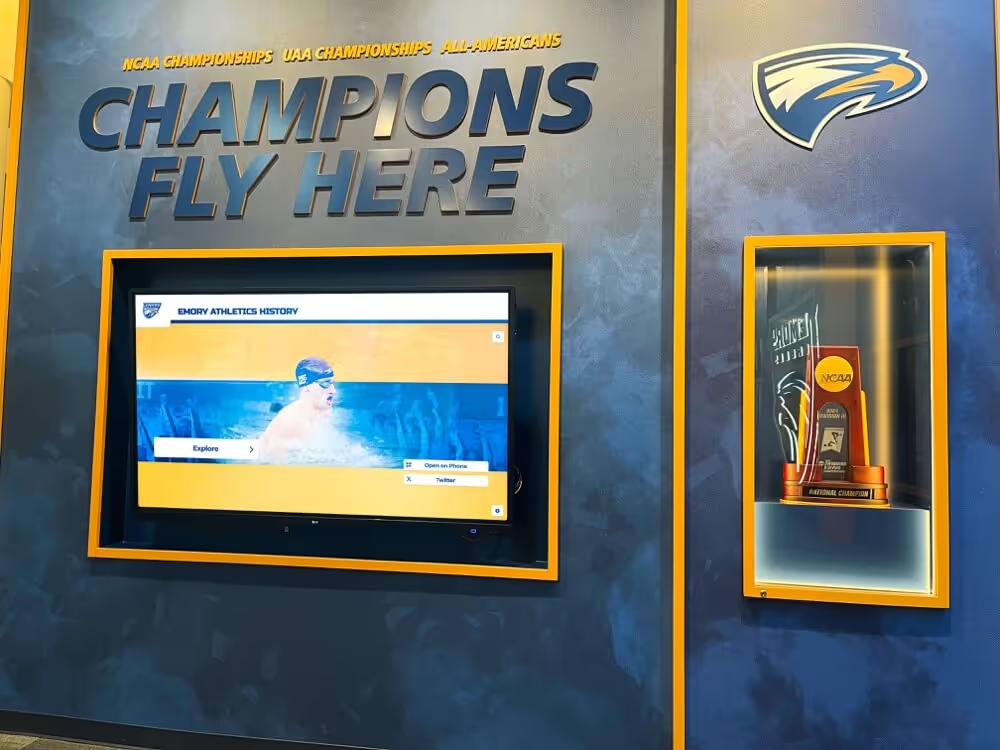
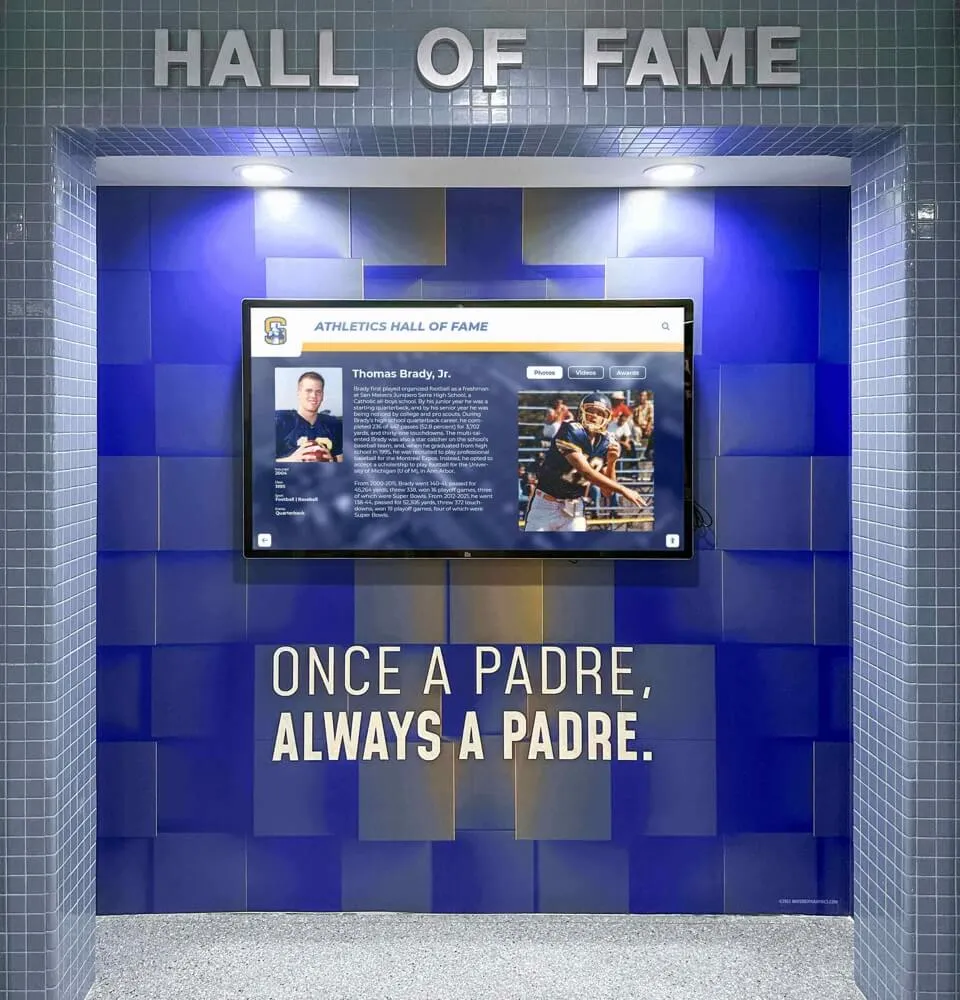
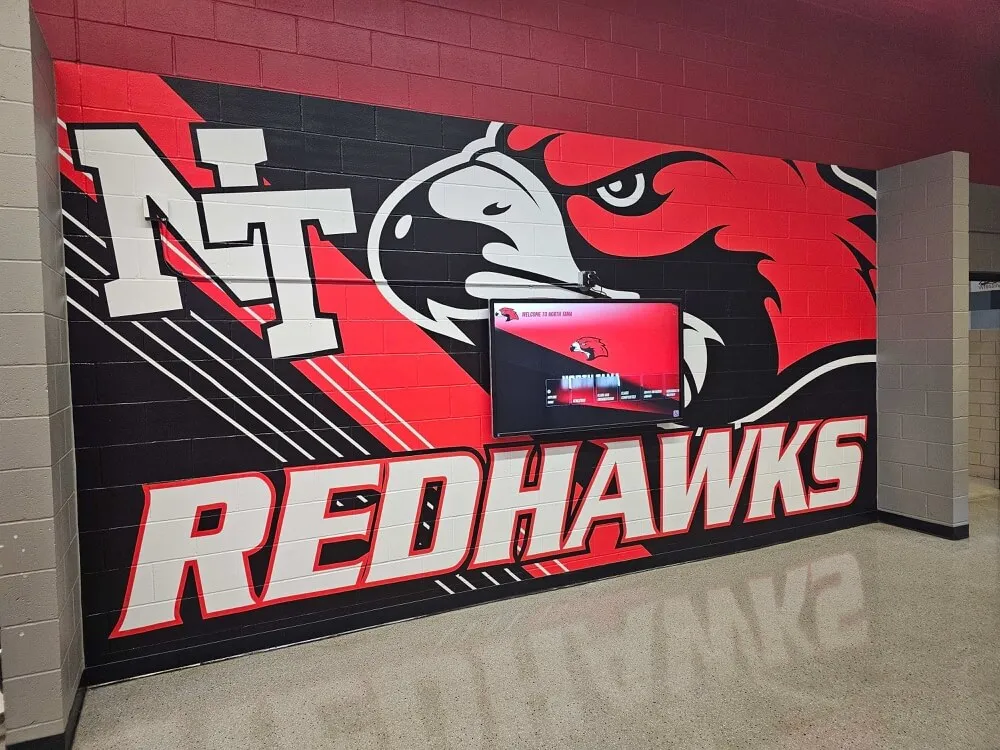
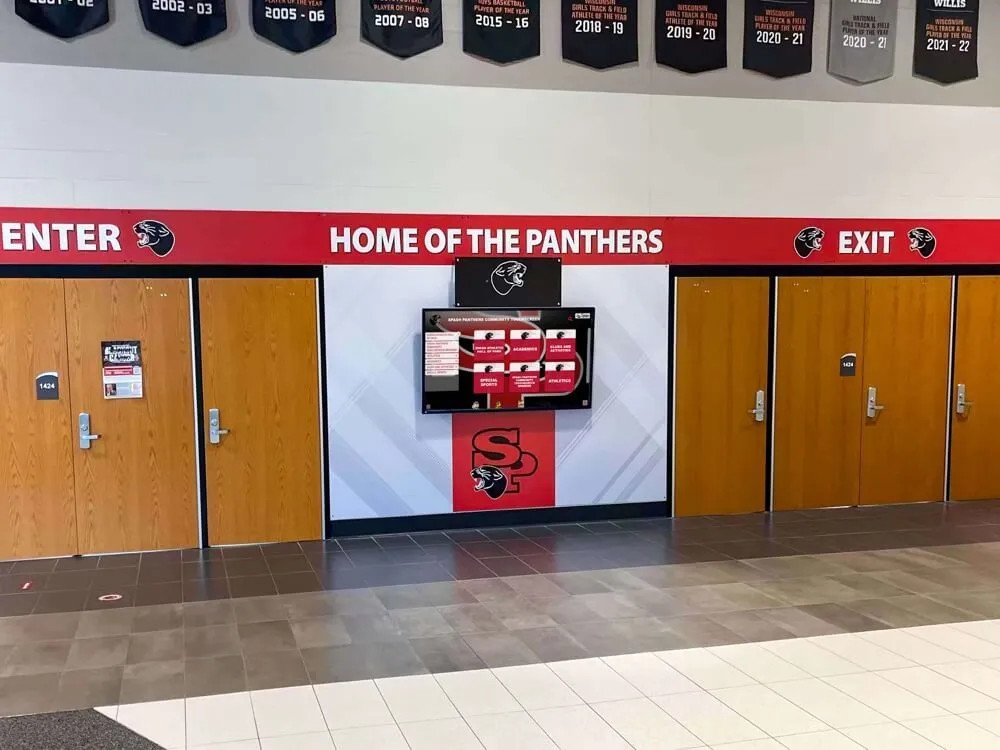
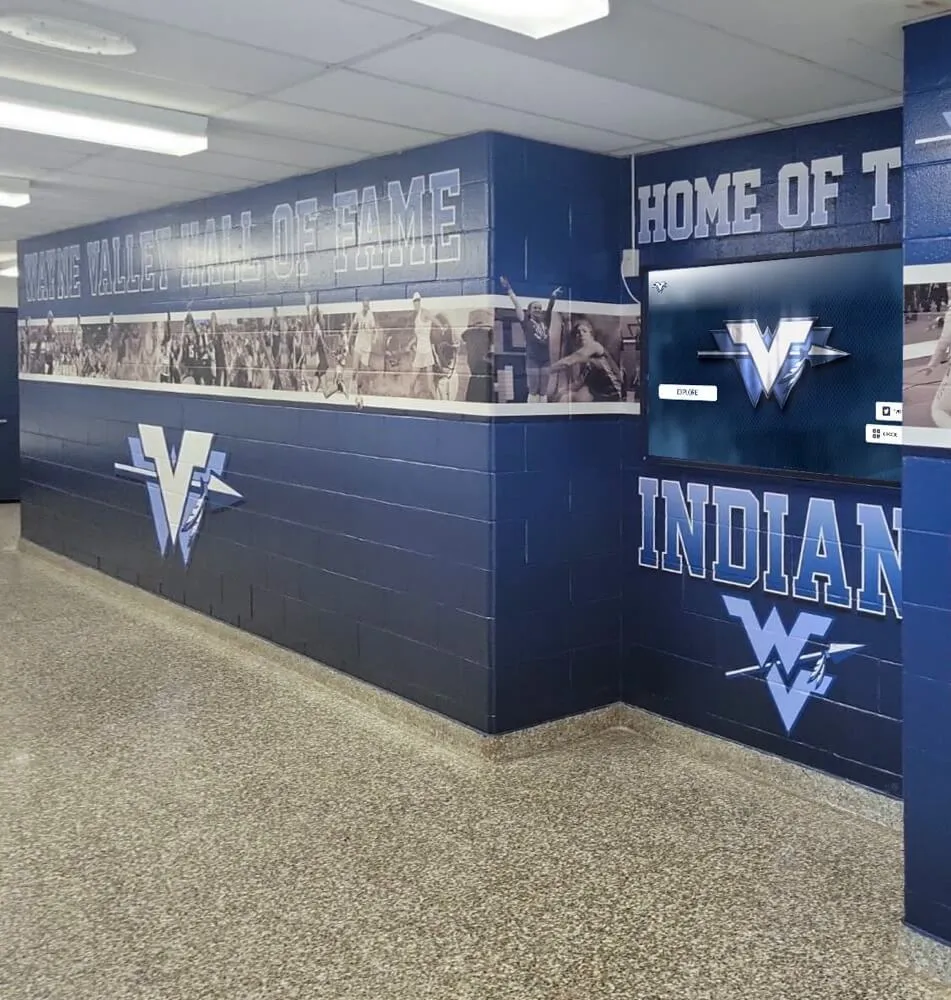
Strategic hallway placement ensures class officer digital showcases reach entire school populations, creating constant visibility for student government leadership throughout daily campus life
Execution Timeline: From Planning Through Launch and Beyond
Successful class officer digital showcase implementation requires systematic phasing ensuring thorough preparation, smooth deployment, and sustained recognition effectiveness.
Phase 1: Plan (Months 1-2)
The planning phase establishes strong foundations supporting long-term program success:
Define Recognition Objectives and Scope
- Clarify which positions warrant inclusion in comprehensive recognition
- Determine historical depth (current year only, five years, complete archives)
- Establish content standards ensuring consistent profile quality
- Set measurable goals for participation impact, alumni engagement, and civic education integration
- Identify budget parameters and potential funding sources
- Form planning committee representing diverse stakeholder perspectives
Stakeholder Engagement Activities
- Student government input sessions discussing recognition priorities and content preferences
- Faculty advisor consultations addressing workflow realities and sustainability concerns
- Administrative alignment ensuring recognition supports broader educational mission
- Technology coordinator involvement planning infrastructure and integration requirements
- Alumni relations coordination identifying community engagement opportunities
- Parent organization outreach exploring support and funding possibilities
Organizational Structure Documentation
- Map complete current student government structure with all positions and responsibilities
- Research historical leadership structures identifying organizational evolution
- Document term lengths, election timing, and transition processes
- Clarify appointed vs. elected position distinctions
- Establish position hierarchy and reporting relationships
- Create organizational charts supporting content architecture planning
This systematic planning prevents common implementation problems while building organizational support ensuring recognition programs receive sustained institutional commitment beyond initial launch enthusiasm.
Phase 2: Build (Months 3-4)
The build phase focuses on content development, technology procurement, and installation preparation:
Historical Content Development
- Digitize yearbook pages documenting historical class officers
- Extract names, positions, photographs, and available accomplishment information
- Contact notable alumni officers requesting enhanced biographical updates
- Compile institutional records preserving governance milestones and major initiatives
- Organize archival photographs and media documenting leadership moments
- Create consistent data structures accommodating varied historical information quality
Current Officer Profile Creation
- Collect comprehensive information from all current class officers
- Photograph sessions ensuring professional, consistent visual presentation
- Interview officers about their platforms, accomplishments, and leadership insights
- Document current-year initiatives with photographs and measurable outcome data
- Record video messages or audio reflections when resources permit
- Obtain necessary permissions and consent for public recognition and web accessibility
Technology Selection and Procurement
- Evaluate digital showcase platforms comparing capabilities against defined requirements
- Assess hardware options balancing display size, placement constraints, and budget
- Review content management system ease-of-use ensuring long-term administrative sustainability
- Confirm accessibility compliance meeting ADA and WCAG standards
- Verify mobile-responsive web platform extending recognition beyond physical displays
- Finalize procurement completing purchase orders and establishing implementation timelines
Installation Planning
- Conduct site surveys evaluating optimal placement for maximum visibility
- Coordinate with facilities teams addressing electrical, networking, and structural requirements
- Develop installation schedules minimizing disruption to school operations
- Plan professional photography documenting installation process and completed displays
- Prepare staff training ensuring advisors and administrators understand system operation
- Create student ambassador programs building ownership and promotional support
Comprehensive build phase execution ensures smooth deployment while maximizing initial content depth creating immediate recognition value rather than sparse displays requiring years to achieve meaningful impact.
Phase 3: Launch (Month 5)
The launch phase introduces digital showcases to school communities through strategic unveiling and promotion:
Dedication Ceremony Elements
- School leadership remarks emphasizing civic engagement and leadership development commitment
- Current class officer presentations discussing student government vision and priorities
- Alumni leader participation connecting historical and contemporary leadership
- Interactive demonstration sessions enabling attendees to explore showcase capabilities
- Recognition of planning committee, donors, and supporters making program possible
- Media coverage securing local press attention celebrating youth civic engagement
Community Awareness Campaigns
- Student newspaper and yearbook features highlighting new recognition capabilities
- Social media announcements with video tours and officer testimonials
- Email communications to families explaining program purpose and encouraging exploration
- Faculty meeting presentations discussing civic education integration opportunities
- Parent organization presentations building support and identifying promotional opportunities
- Alumni newsletter features encouraging former officers to reconnect and update profiles
Curricular Integration Activities
- Government and civics teacher professional development exploring showcase applications
- History teacher collaboration examining leadership evolution across school eras
- English composition integration using officer profiles for research and writing projects
- Leadership course incorporation as case studies for management and governance topics
- Student orientation sessions for incoming students highlighting leadership opportunities
- Advisory period activities enabling all students to explore governance structures
Strategic launch activities ensure digital showcases achieve immediate awareness and utilization rather than remaining invisible despite substantial investment.
Explore student government recognition strategies that create comprehensive achievement cultures celebrating diverse excellence.
Phase 4: Refresh (Ongoing)
Sustained recognition effectiveness requires systematic maintenance and continuous enhancement:
Annual Election Cycle Updates
- Add newly elected officers immediately following elections
- Update graduating senior profiles with post-secondary plans and continued civic engagement
- Archive departing officers ensuring historical preservation
- Refresh initiative documentation with final accomplishment summaries
- Update organizational charts reflecting any structural changes
- Conduct annual content quality reviews addressing outdated or incomplete information
Ongoing Enhancement Activities
- Quarterly alumni outreach requesting profile updates and career milestones
- Continuous historical archive expansion as additional resources become available
- Multimedia content additions including video interviews and event photography
- Initiative documentation enhancements capturing major accomplishments with rich detail
- Feature content rotation highlighting particular officers, eras, or accomplishment areas
- Integration improvements connecting recognition to broader school digital ecosystems
Community Engagement Maintenance
- Reunion promotion helping graduating classes reconnect through leadership networks
- Prospective family tours incorporating showcase demonstrations highlighting student voice
- Board presentation integration demonstrating civic education program excellence
- Alumni event integration featuring former officers discussing leadership impact on career success
- Community partnership acknowledgment when student government collaborates with external organizations
- Annual assessment reviewing participation metrics, engagement analytics, and stakeholder satisfaction
This systematic refresh approach ensures digital showcases remain current, accurate, and actively used rather than becoming static installations providing minimal ongoing value after initial implementation enthusiasm fades.
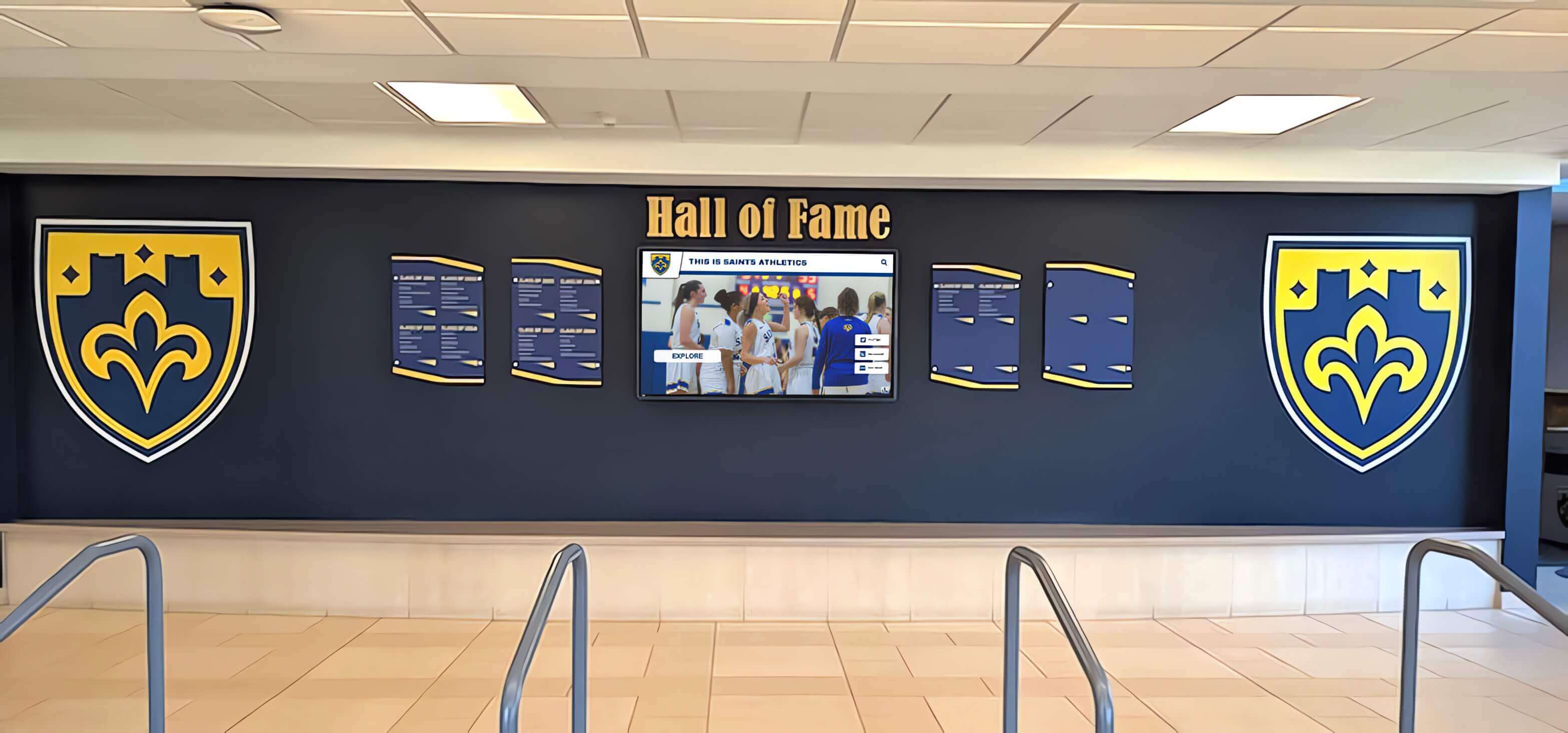
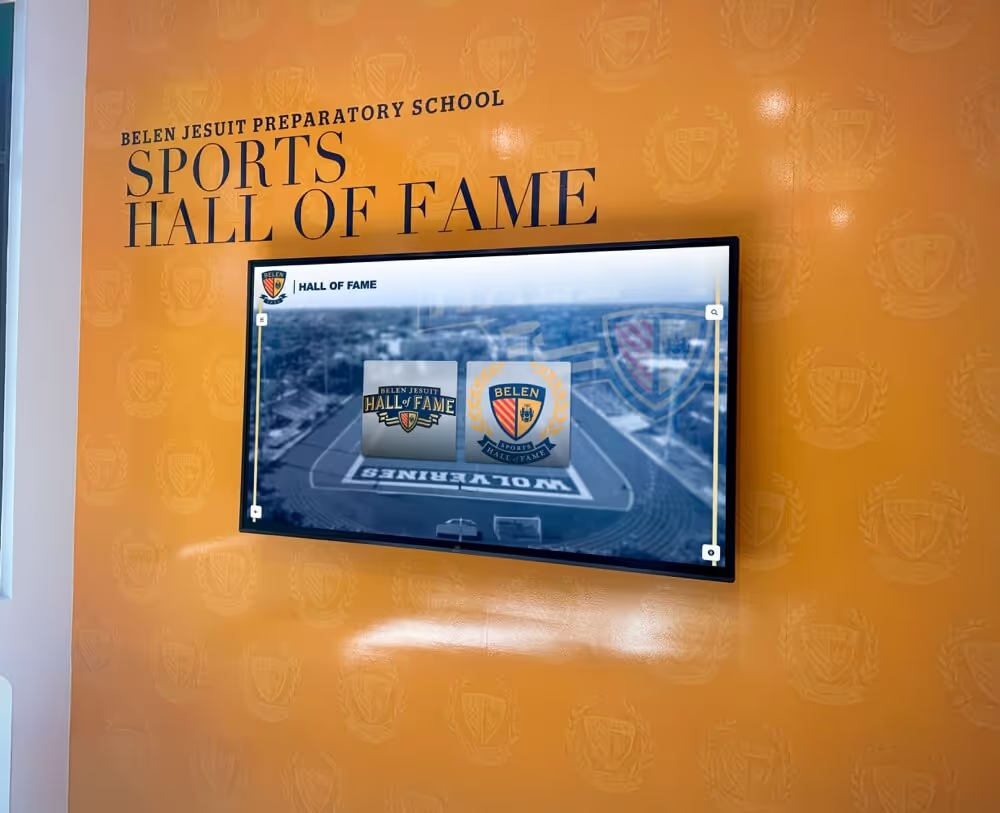
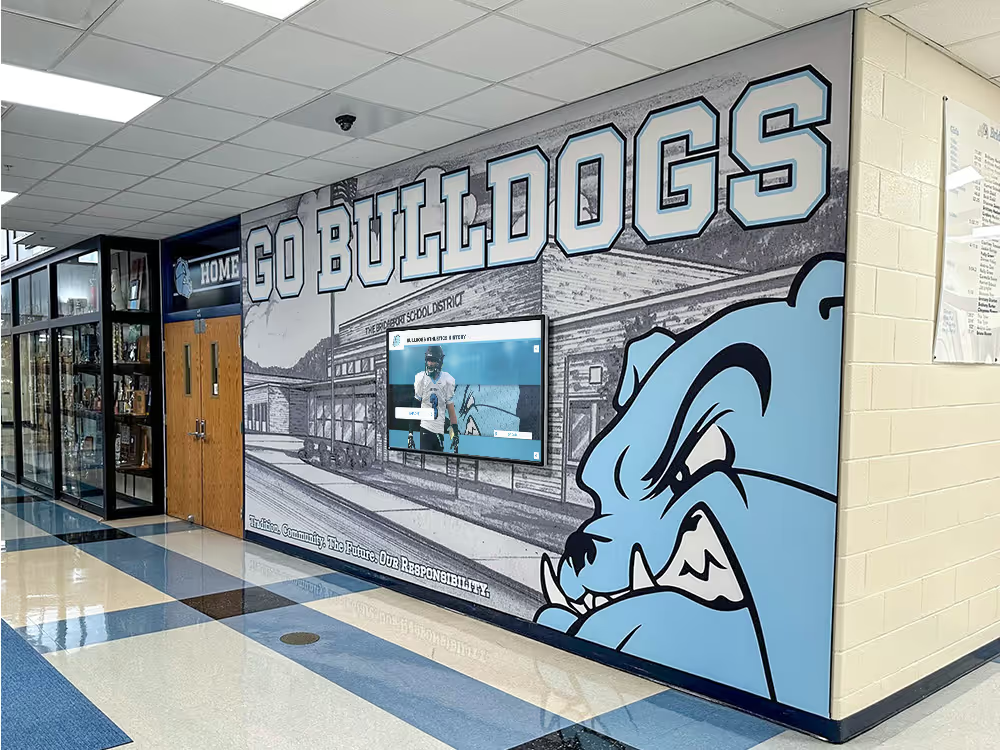
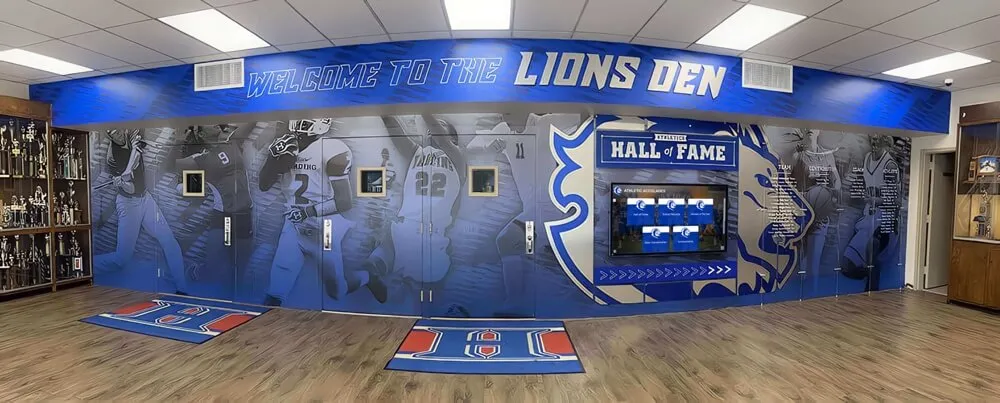
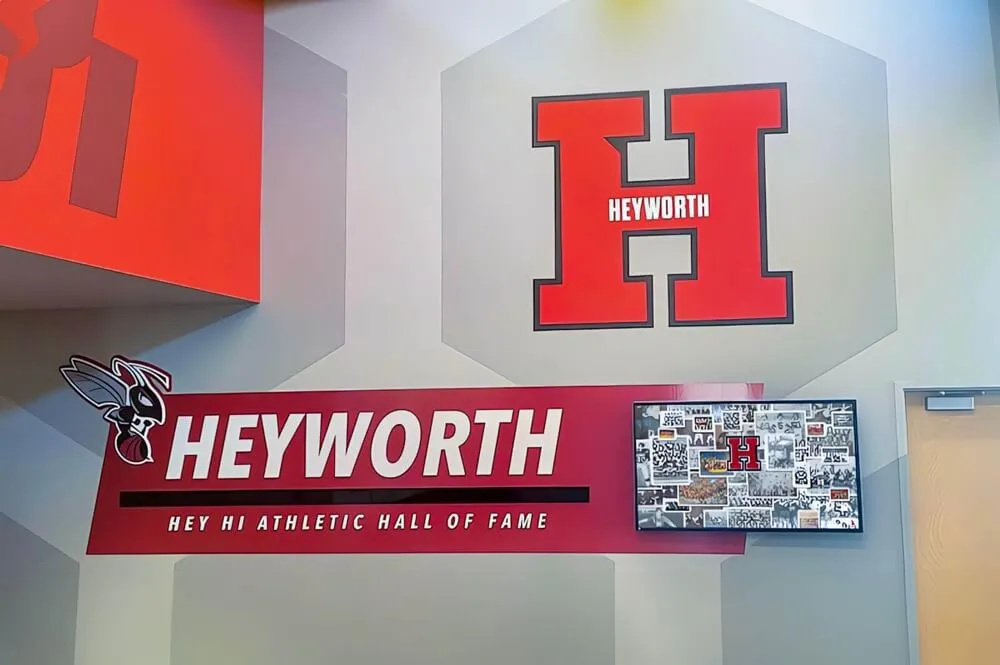
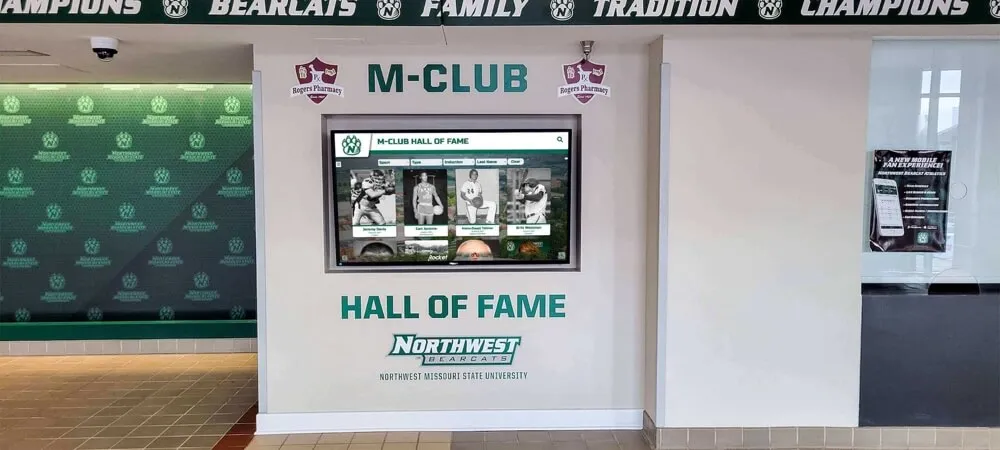
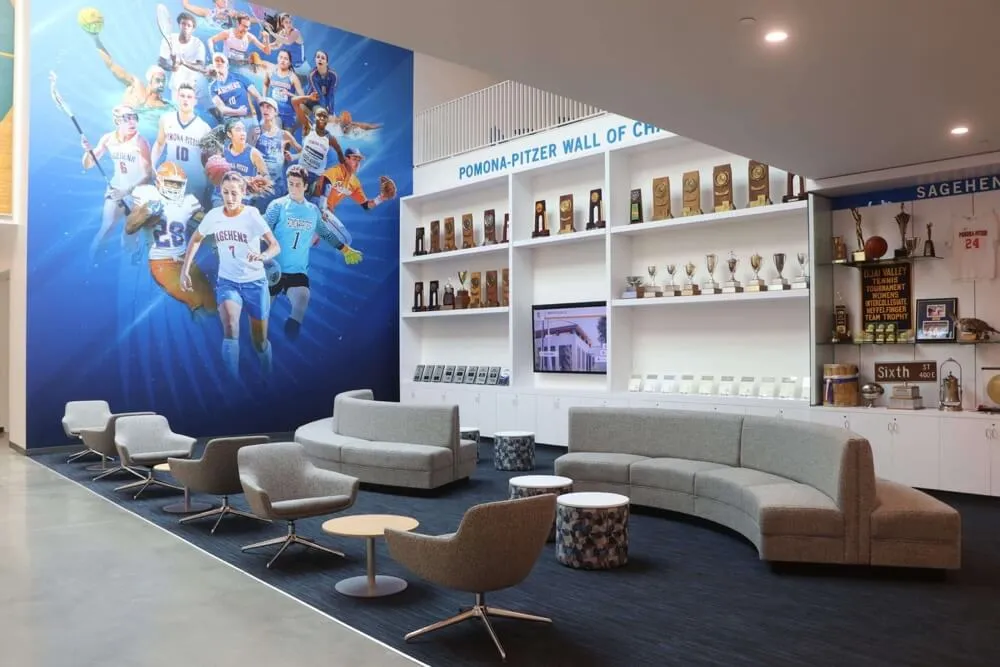
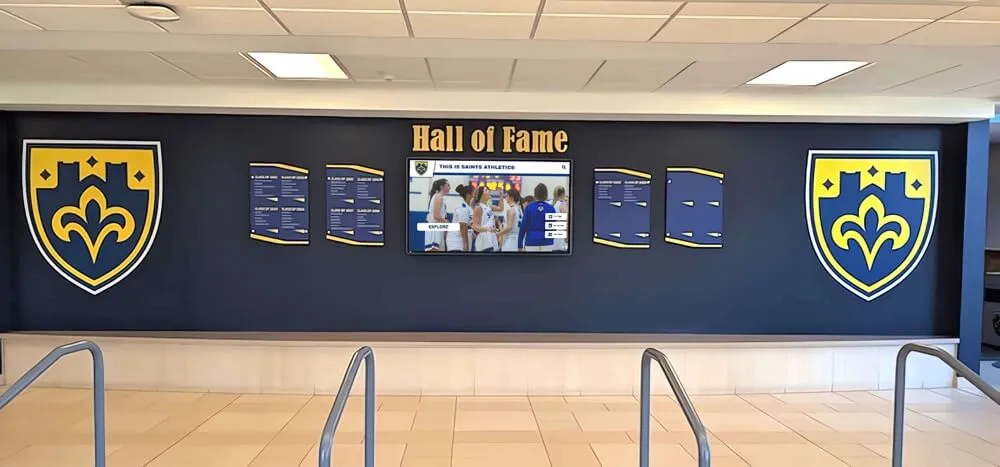
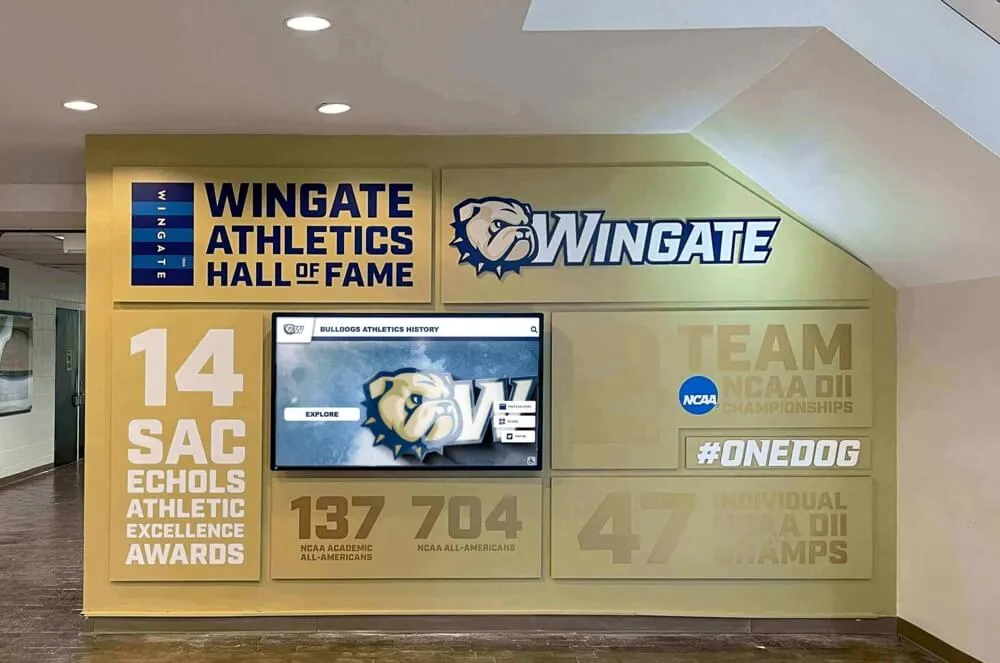
Professional installations integrate class officer digital showcases with overall school design language and recognition systems, demonstrating institutional commitment to student leadership celebration
Display Integration: Connecting Programs to Physical and Digital Infrastructure
Technology selection and deployment determine long-term recognition program sustainability, user experience quality, and overall leadership development impact.
Physical Display Considerations
Hardware and placement decisions significantly affect showcase visibility, accessibility, and community engagement:
Display Format Selection
Several physical configurations serve different space and budget parameters:
- Wall-mounted touchscreens in main lobbies maximizing student and visitor traffic
- Freestanding kiosks creating dedicated student government recognition stations in central locations
- Multiple distributed displays placing smaller screens in each grade-level wing or academic area
- Hybrid installations combining large gathering space displays with secondary exploration stations
Schools should evaluate traffic patterns, available wall space, budget constraints, and symbolic placement messages when selecting display formats—recognizing that central, prominent locations communicate institutional values about student government importance relative to other achievement dimensions.
Strategic Placement Planning
Location determines showcase reach and accessibility:
- Main entrance lobbies ensuring every student, family, and visitor encounters leadership recognition
- Student commons or cafeteria areas providing sustained viewing time during lunch and breaks
- Administrative office corridors connecting student government to institutional decision-making
- Library or media center placement supporting research and academic integration
- Alumni wall areas linking historical and contemporary leadership
- Student government office or meeting room proximity reinforcing identity and ownership
Placement should maximize visibility while ensuring ADA-compliant accessibility, appropriate lighting avoiding screen glare, comfortable viewing distances, and electrical/network infrastructure supporting reliable operation.
Professional Installation Requirements
Proper installation ensures long-term reliability and polished presentation:
- Licensed electrical contractors providing code-compliant power delivery
- Secure mounting preventing damage in high-traffic school environments
- Cable management creating clean, professional appearance
- Network configuration ensuring consistent cloud platform connectivity
- ADA-compliant height placement enabling wheelchair user access
- Integration with school security and environmental control systems
Schools should allocate appropriate budget for professional installation rather than attempting DIY approaches risking technical problems, safety concerns, or aesthetic issues requiring expensive remediation.
Learn about touchscreen kiosk software capabilities and selection criteria for interactive recognition applications.
Digital Platform Capabilities
Software determines functionality, administrative ease, and recognition program sustainability:
Essential Recognition Platform Features
Purpose-built student government recognition requires specific capabilities:
- Organizational hierarchy support accommodating grade-level structures, cross-grade councils, and evolving position frameworks
- Term and transition management handling annual elections, mid-year appointments, and graduated student archiving
- Position relationship tracking documenting students serving multiple roles across different years
- Initiative documentation connecting leaders to specific accomplishments, projects, and measurable outcomes
- Search and discovery tools enabling name lookup, year filtering, position browsing, and initiative exploration
- Timeline visualization showing leadership progression across decades
- Web accessibility extensions enabling mobile exploration beyond physical display limitations
Content Management Efficiency
Administrative sustainability requires intuitive update workflows:
- Template-based profile creation ensuring consistent presentation while minimizing data entry time
- Bulk import capabilities efficiently adding entire leadership cohorts annually
- Scheduled publishing coordinating content updates with election calendars automatically
- Role-based permissions enabling student officers, advisors, and administrators appropriate access levels
- Approval workflows when student government participates in content creation requiring review
- Cloud-based access allowing remote updates without physical display access requirements
- Automated backup systems preventing data loss through regular preservation
Schools implementing comprehensive class officer recognition typically report 80-90% reduction in administrative time compared to maintaining traditional yearbook pages and bulletin board approaches when using purpose-built digital platforms with efficient content management.
User Experience Excellence
Engaging showcases require thoughtful interaction design:
- Intuitive navigation enabling easy exploration without instructions or assistance
- Attractive idle states drawing attention when displays are inactive
- Fast search response providing immediate results for name and year lookups
- Filtering persistence maintaining user selections across navigation
- Social sharing capabilities enabling officers to celebrate recognition through personal networks
- Responsive design adapting seamlessly to various screen sizes from large touchscreens to mobile phones
- Accessibility compliance ensuring full functionality for users with diverse abilities
Solutions like Rocket Alumni Solutions provide comprehensive platforms combining all essential features with educational institution expertise, implementation support, and ongoing training ensuring long-term program success.
Remote Content Management and Cloud Capabilities
Modern recognition platforms eliminate physical access requirements through cloud-based administration:
Centralized Management Benefits
- Update multiple displays simultaneously from any internet-connected device
- Maintain consistent content across distributed installation locations
- Enable advisor collaboration from home, office, or anywhere with connectivity
- Support continuity when advisors transition or staffing changes occur
- Integrate institutional backup systems preserving recognition archives
- Connect displays to student information systems when available
- Schedule automated content updates coordinating with school calendars
Security and Privacy Protections
- Role-based access controls preventing unauthorized content modifications
- Encrypted communications protecting student information during transmission
- Compliance with FERPA and district data governance policies
- Audit trails documenting all content changes and system access
- Privacy controls enabling appropriate information sharing while respecting family preferences
- Graduated student consent management for continued alumni profile updates
Cloud platforms also enable straightforward software updates, feature enhancements, and technical support without disrupting school operations or requiring on-site technical expertise.
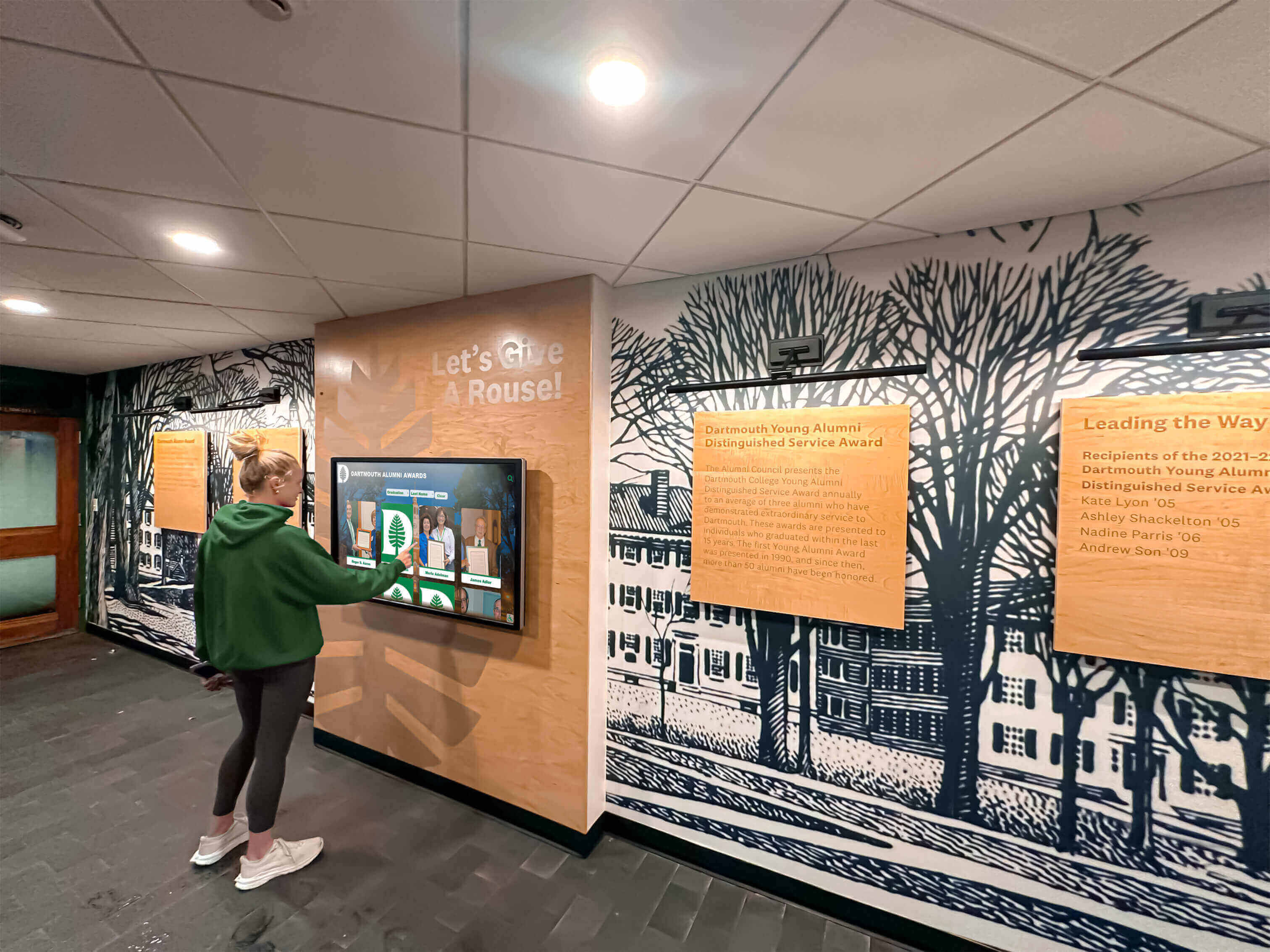
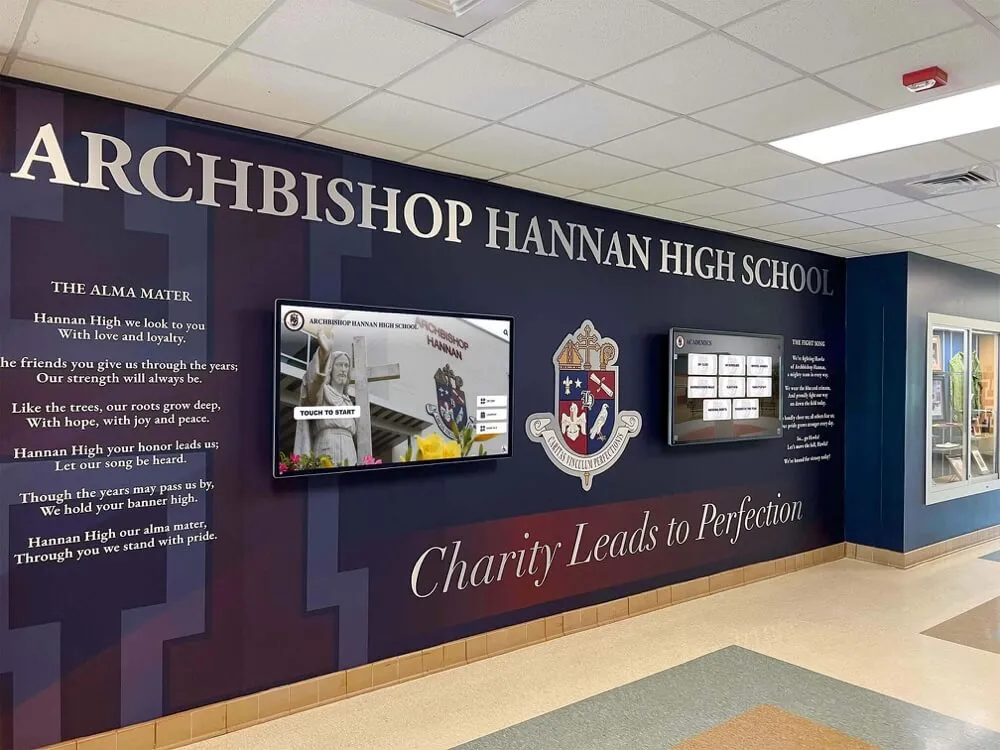
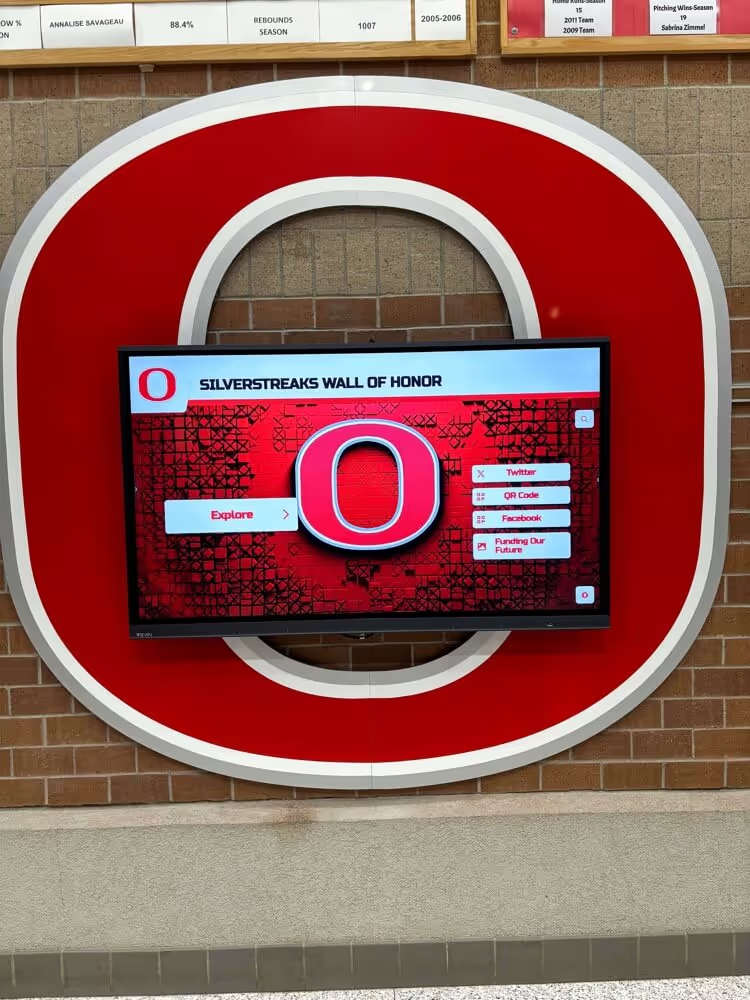
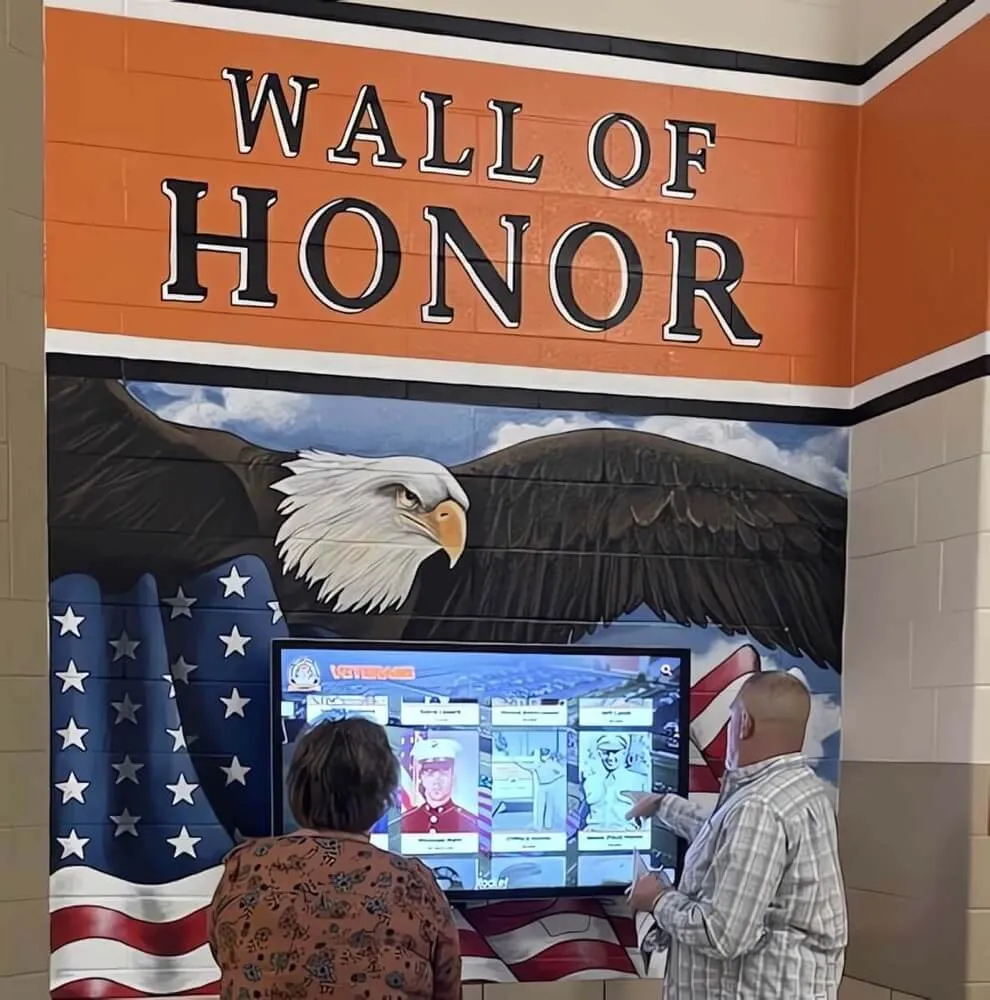
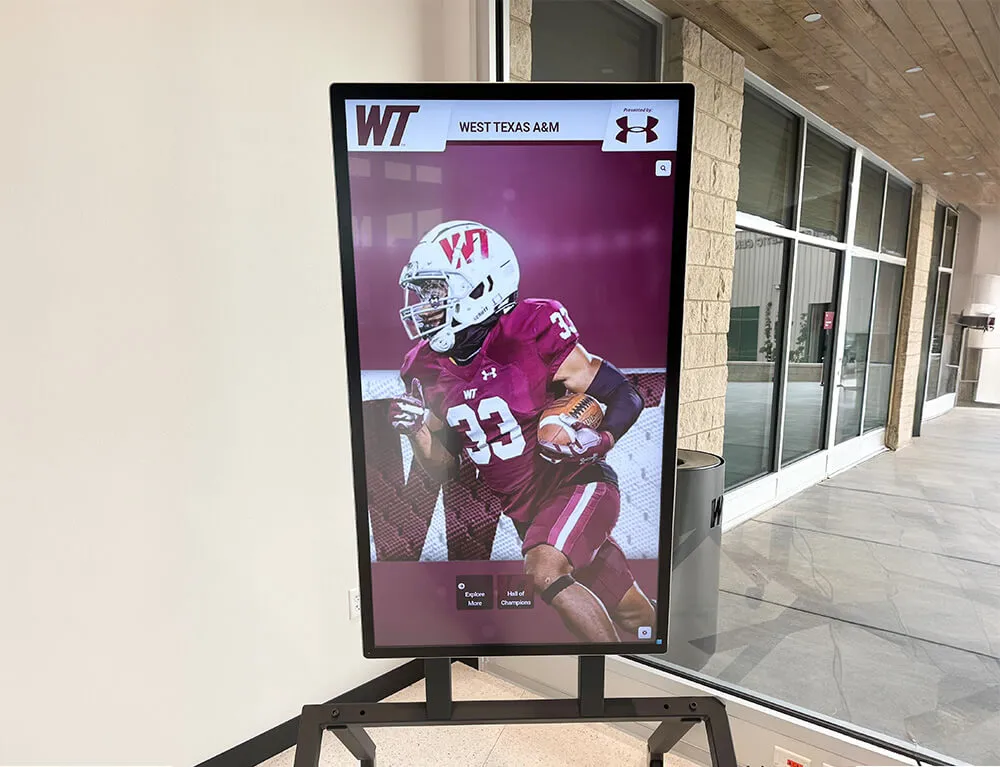
Intuitive touchscreen interfaces enable students to independently discover leadership opportunities, explore officer responsibilities, and understand pathways to student government involvement
Measurement: Evaluating Class Officer Showcase Effectiveness
Systematic assessment ensures recognition programs achieve intended leadership development and civic education outcomes while justifying continued investment.
Quantitative Participation Metrics
Measurable indicators reveal program impact on student government engagement:
Election and Involvement Data
- Number of students seeking elected class officer positions annually
- Candidate diversity across demographic dimensions and student population segments
- Voter turnout rates in student government elections across grade levels
- Student council meeting attendance and sustained participation patterns
- Year-over-year trends revealing recognition program influence on involvement
- Initiative participation rates as more students engage with visible government work
Schools implementing comprehensive class officer digital showcases typically report 35-50% increases in students seeking elected positions within two years of launch, with particularly significant improvements in participation from historically underrepresented populations who see themselves reflected in leadership recognition.
Recognition Engagement Analytics
- Touchscreen interaction frequency, session duration, and daily traffic patterns
- Web platform visits, profile views, and user behavior on mobile-accessible recognition portals
- Search query analysis revealing what users seek when exploring leadership archives
- Popular content identification showing which officers, eras, or initiatives attract most interest
- Geographic distribution of web access indicating alumni engagement levels
- Social media sharing frequency demonstrating officer pride and community celebration
Broader Impact Indicators
- Student awareness levels of student government structure, responsibilities, and activities
- Community perception surveys measuring understanding of youth civic engagement programs
- Alumni engagement rates among former class officers compared to general population
- Prospective family responses during campus tours when encountering leadership showcases
- College counselor observations about leadership documentation supporting student applications
Qualitative Stakeholder Feedback
Complement quantitative data with stakeholder perspectives revealing nuanced program impact:
Current Student Perceptions
- Recognition of class officer visibility and accessibility throughout school
- Understanding of pathways to student government involvement
- Perception that leadership positions are meaningful and create real impact
- Belief that student government reflects diverse student body perspectives
- Awareness of specific initiatives and accomplishments current officers achieve
- Inspiration to pursue future leadership roles based on showcase examples
Officer Experiences
- Personal reactions to public recognition of their representative service
- Perceived community support for student government work
- Motivation effects from visible accountability and accomplishment documentation
- Alumni connection experiences when former officers reach out through recognition platforms
- College application benefits from comprehensive leadership documentation
- Pride in institutional investment demonstrating student voice matters
Faculty and Staff Observations
- Civic education integration effectiveness and classroom utilization
- Student government culture changes and participation quality improvements
- Administrative workload reduction compared to previous recognition approaches
- Community awareness improvements during prospective family tours and events
- Alumni engagement changes among former student government members
Alumni Reflections
- Connection maintenance with institutional leadership heritage
- Professional career impacts of student government experience
- Continued civic engagement patterns influenced by early leadership formation
- Willingness to mentor current officers or support student government initiatives
- Reunion participation rates and leadership cohort social connections
Explore comprehensive approaches to digital hall of fame recognition extending beyond athletics to celebrate diverse achievement dimensions.
Continuous Improvement Processes
Use assessment data systematically to enhance recognition program effectiveness:
Annual Program Reviews
- Comprehensive analysis of participation trends, engagement analytics, and stakeholder feedback
- Content quality assessment identifying incomplete profiles or outdated information requiring updates
- Technology evaluation confirming platforms continue meeting evolving needs
- Accessibility review ensuring recognition serves all community members effectively
- Integration assessment examining connections to civic education, alumni engagement, and broader programs
- Budget analysis evaluating cost effectiveness and identifying optimization opportunities
Responsive Enhancements
- Content strategy refinements based on engagement patterns and stakeholder interests
- Feature additions addressing identified needs or integration opportunities
- Promotional campaign adjustments increasing awareness among underutilizing populations
- Historical archive expansion priorities guided by community requests and interest areas
- Stakeholder communication improvements building sustained program awareness and support
Regular assessment and continuous improvement ensure class officer digital showcases remain vital, relevant recognition assets creating measurable leadership development and civic education value rather than becoming static installations providing minimal ongoing benefit.
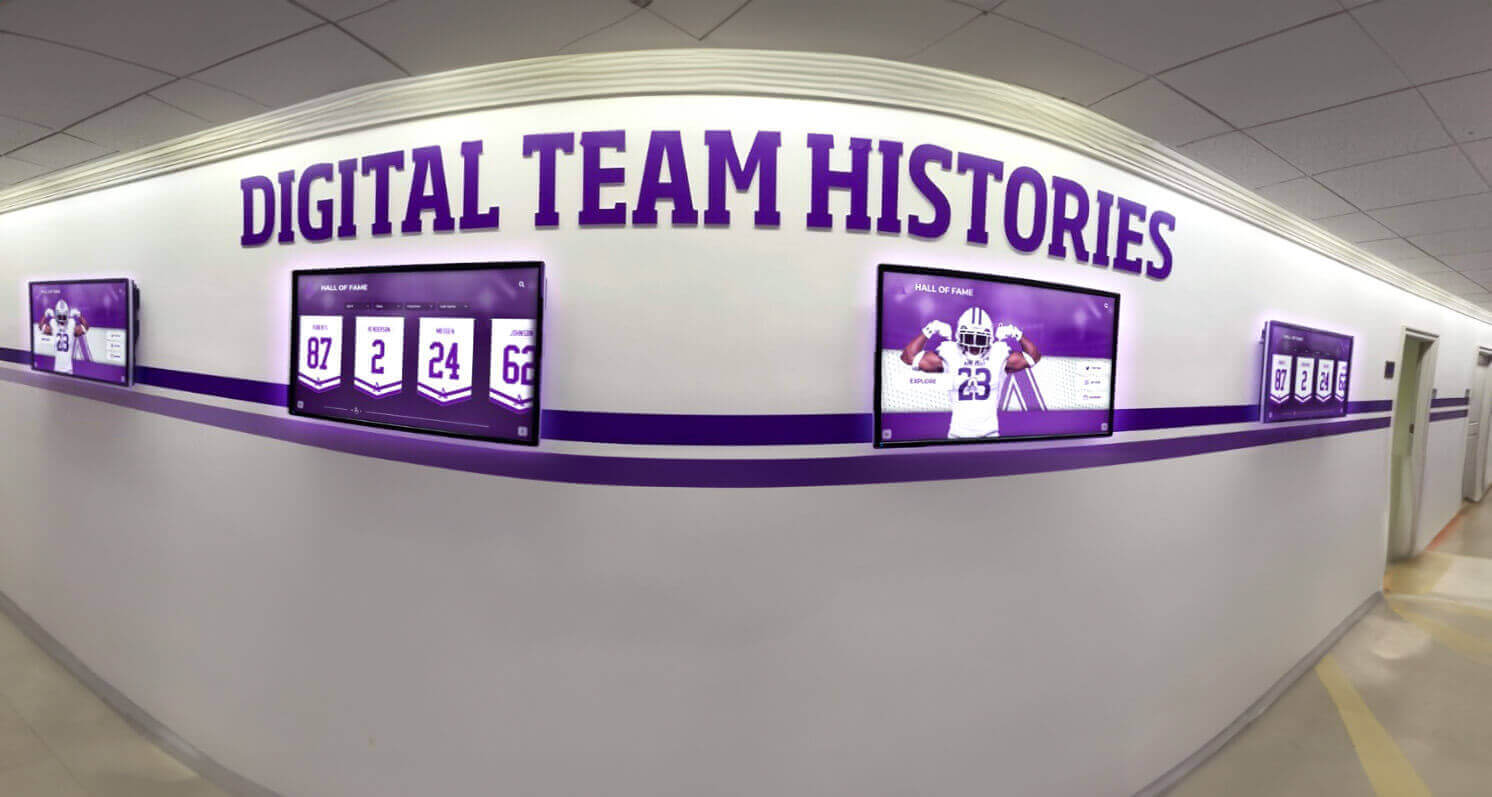
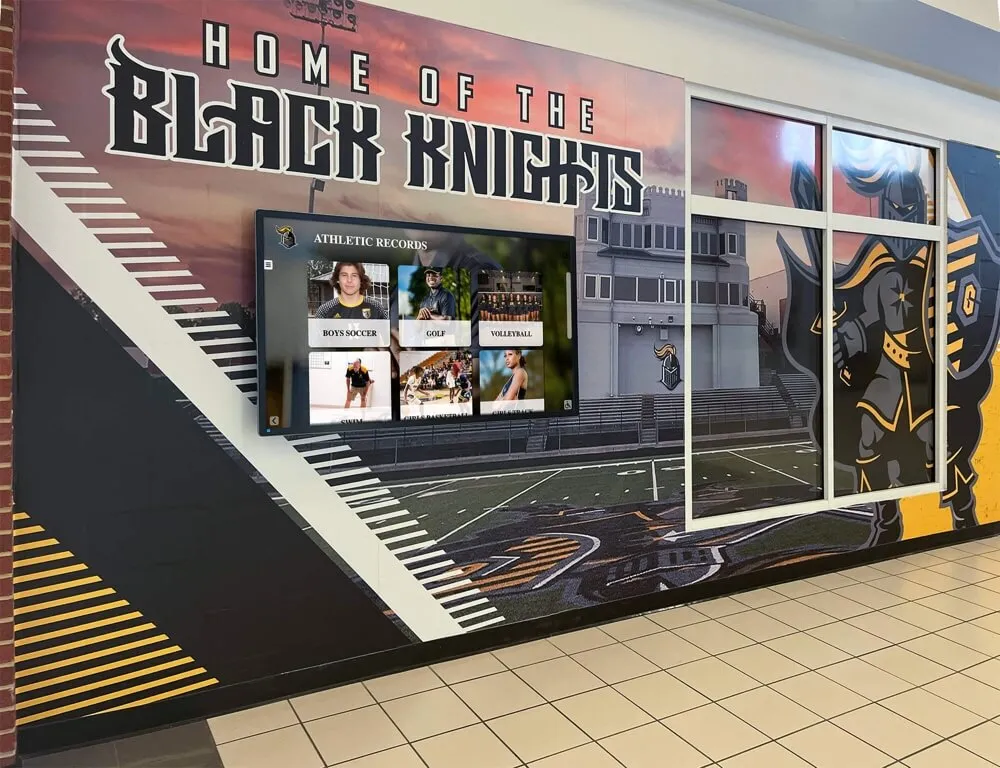
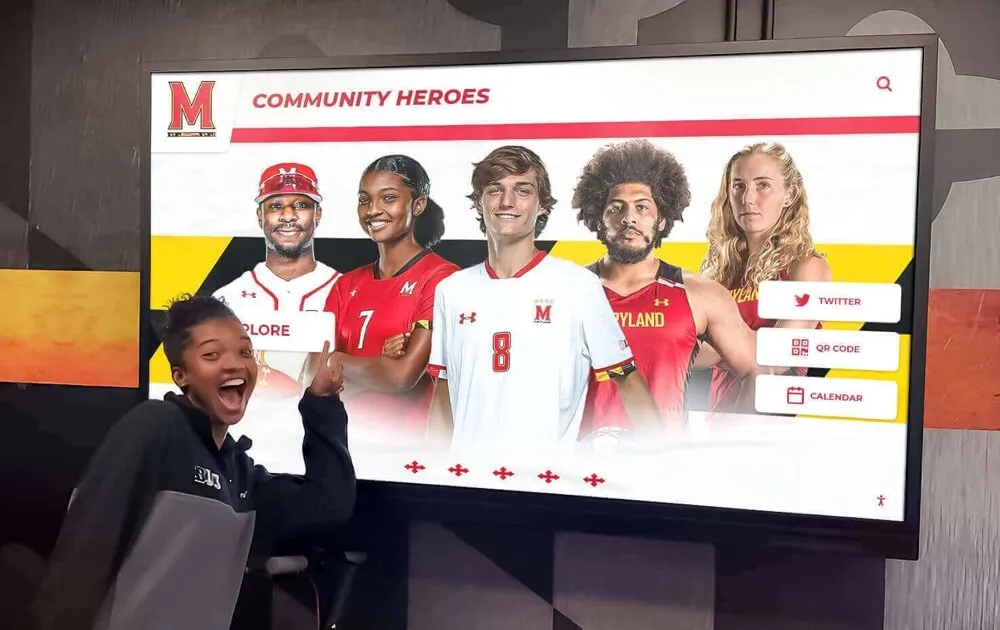
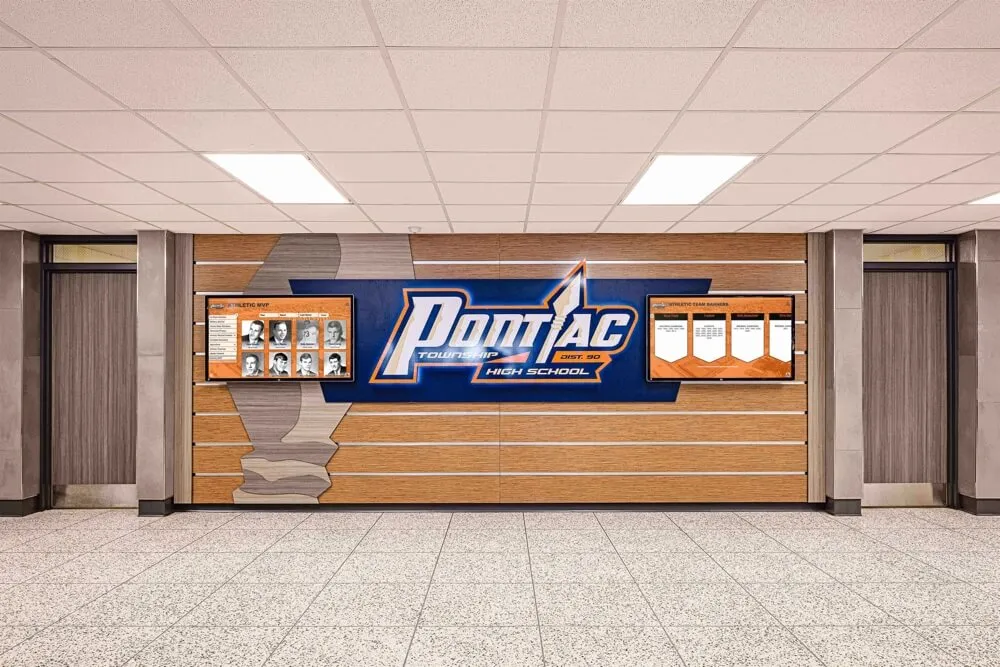
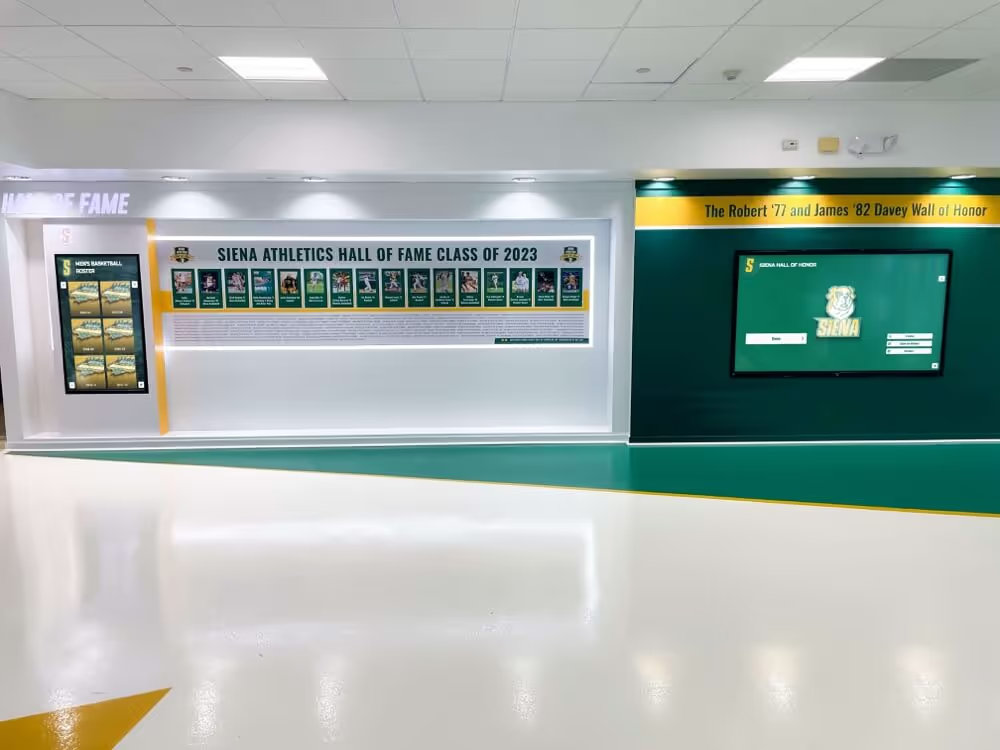
Distributed display networks extend class officer recognition reach throughout campus, ensuring sustained visibility and multiple engagement opportunities across diverse school locations
Special Considerations: Maximizing Class Officer Showcase Impact
Several strategic approaches amplify recognition effectiveness while addressing common implementation challenges.
Balancing Comprehensive Inclusion with Administrative Sustainability
Schools must thoughtfully define recognition scope preventing unsustainable administrative burden:
Position Selection Criteria
- Include all elected positions receiving student body votes (class presidents, vice presidents, secretaries, treasurers)
- Determine appointed position inclusion policies (do committee chairs warrant equal recognition?)
- Clarify short-term or ad hoc leadership acknowledgment approaches
- Establish minimum service duration requirements if necessary
- Define special recognition categories for exceptional leadership contributions
- Document inclusion criteria ensuring transparent, consistent application
Phased Implementation Strategies
When resource constraints limit immediate comprehensive recognition:
- Phase 1: Current year officers across all grades establishing recognition program foundation
- Phase 2: Rolling historical expansion adding previous 3-5 years of leadership rosters
- Phase 3: Deep historical archive development incorporating full institutional history
- Phase 4: Enhancement phase adding multimedia content, expanded accomplishment documentation, and integration features
Phased approaches enable schools to launch meaningful recognition within budget constraints while building toward comprehensive programs over time.
Ensuring Equitable Recognition and Inclusive Leadership Messaging
Digital showcases should actively promote broad participation rather than reinforcing existing barriers:
Demographic Monitoring
Regular analysis of leadership participation patterns:
- Class officer demographics compared to overall student body composition
- Position type distribution across demographic groups (are certain populations concentrated in specific roles?)
- Historical trends revealing representation improvements or persistent disparities
- Intersectional analysis examining multiple identity dimensions simultaneously
- Comparison with other leadership domains (athletics, performing arts, academic competitions)
Participation Barrier Analysis
When monitoring reveals disparate patterns, investigate contributing factors:
- Campaign and election processes inadvertently favoring certain groups
- Time demand conflicts with work or family responsibilities disproportionately affecting some students
- Social dynamics influencing who feels comfortable seeking elected positions
- Language or cultural factors affecting campaign effectiveness
- Existing leadership visibility creating self-fulfilling prophecy effects
- Institutional practices creating subtle participation obstacles
Recognition programs illuminate equity gaps requiring attention beyond recognition itself, informing broader student government accessibility and inclusion initiatives.
Inclusive Showcase Design
Ensure recognition communicates universal accessibility:
- Feature diverse class officers across all demographic dimensions
- Highlight varied leadership styles, contribution types, and pathway stories
- Showcase behind-the-scenes roles demonstrating multiple participation opportunities
- Celebrate growth and learning rather than suggesting innate leadership characteristics
- Connect student government to diverse student interests and identities
- Explicitly communicate that leadership positions serve all students, not select groups
Thoughtful attention to equity ensures digital showcases inspire broadened participation rather than inadvertently reinforcing narrow leadership definitions excluding significant student populations.
Connecting Recognition to Leadership Development Programming
Use showcases to strengthen systematic leadership preparation:
Leadership Pipeline Visualization
- Document progression stories showing students advancing from representatives to executive positions
- Highlight multi-year service demonstrating sustained commitment and skill development
- Feature diverse entry points illustrating that leadership is learned through practice
- Connect student government to other campus leadership opportunities creating comprehensive cultures
- Showcase alumni whose high school leadership influenced professional careers and continued civic engagement
Mentorship Program Integration
- Alumni class officer mentorship connecting current leaders with graduated predecessors
- Cross-grade mentorship pairing experienced representatives with newly elected officers
- Digital showcase content including mentor contact information when appropriate
- Best practice documentation preserving institutional knowledge across leadership transitions
- Success story archives providing practical guidance for initiative implementation
Skill Development Documentation
- Frame recognition emphasizing competency development rather than innate characteristics
- Highlight communication, collaboration, problem-solving, and project management skills
- Document civic knowledge gained through governance participation
- Connect leadership experience to college readiness and career preparation
- Provide language for application essays and interview discussions
This approach helps students understand concrete benefits beyond recognition, supporting recruitment while positioning student government as meaningful educational experience rather than merely résumé enhancement.
Discover interactive digital recognition approaches that enhance campus storytelling and community engagement.
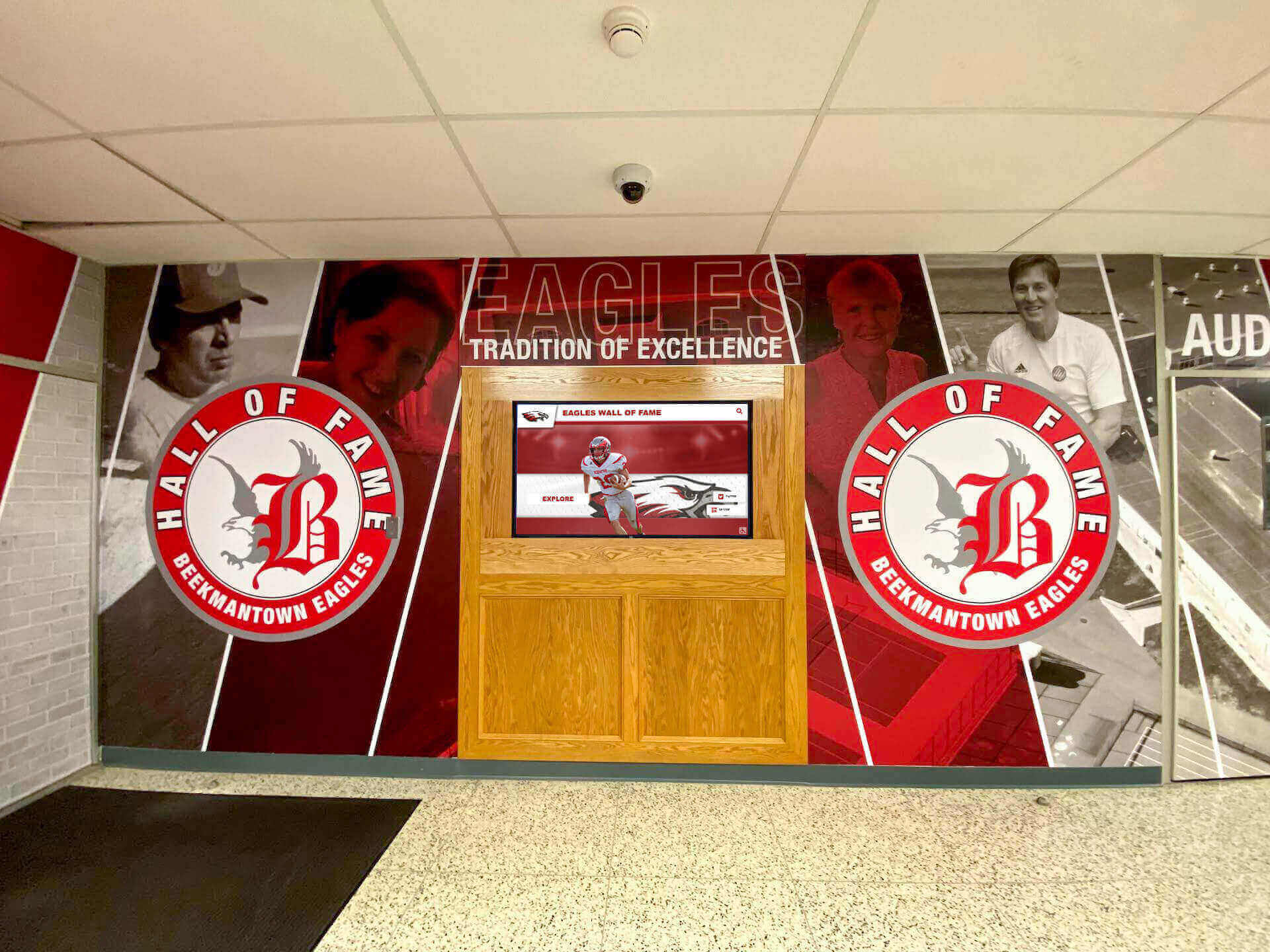
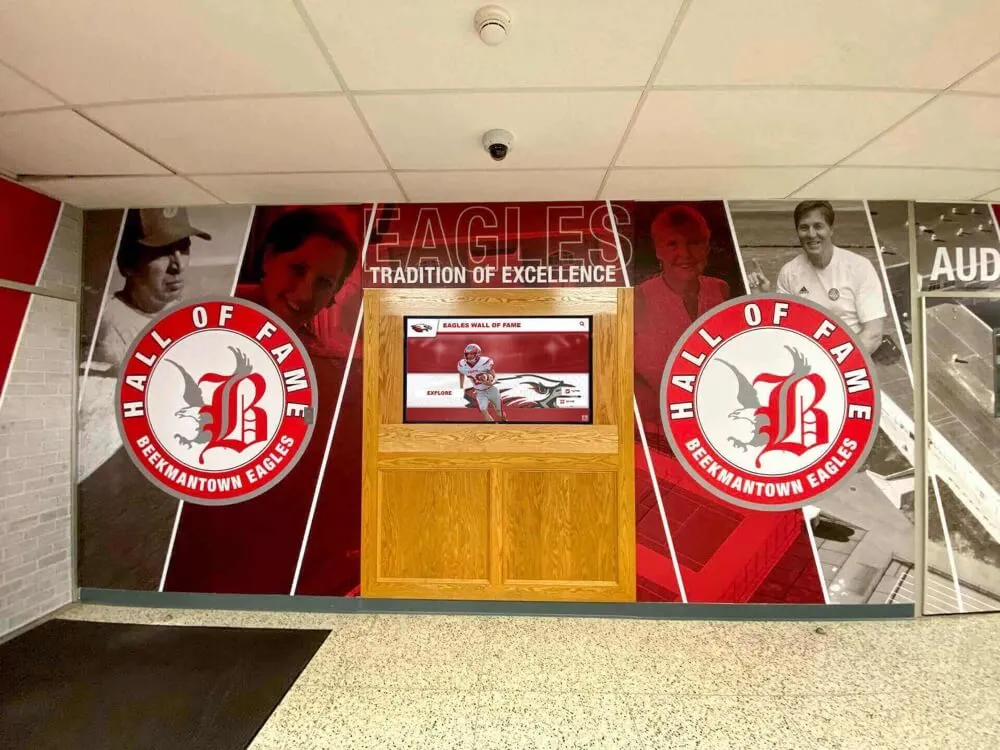
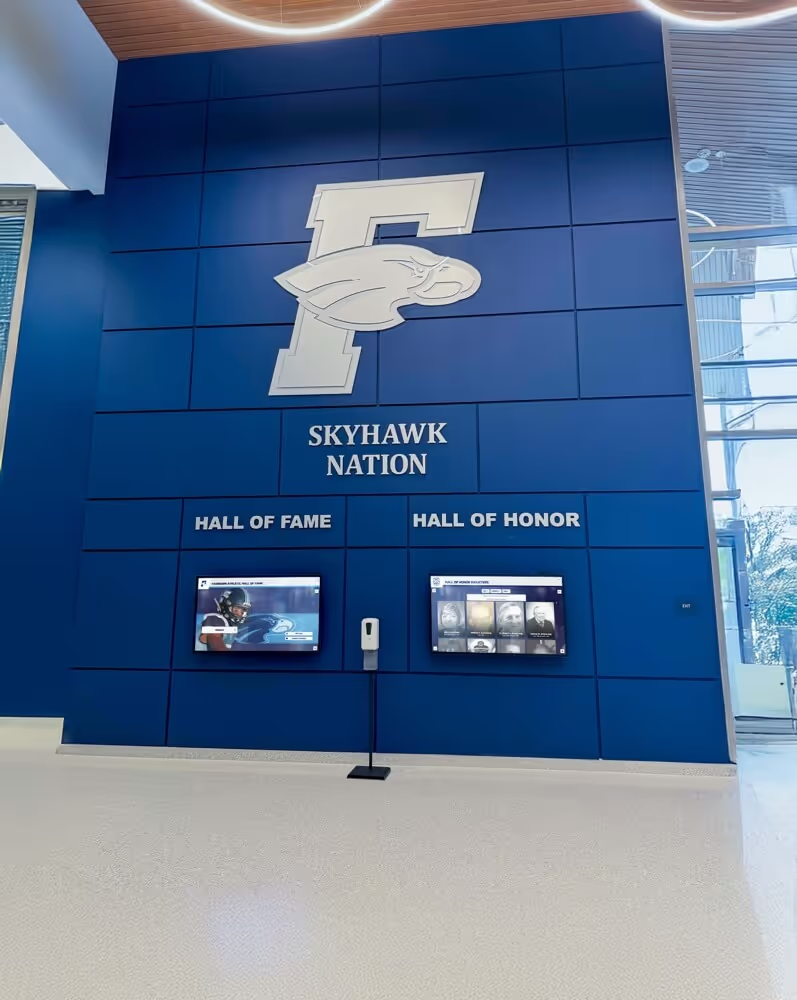
Strategic entrance lobby placement ensures all students, families, and community members immediately encounter class officer recognition upon entering school buildings, communicating institutional values through prominent placement
Conclusion: Building Leadership Cultures Through Digital Recognition
Digital showcases for high school class officers provide powerful platforms enabling schools to celebrate student government comprehensively while creating measurable civic engagement, leadership development, and democratic education outcomes impossible with traditional yearbook pages or forgotten bulletin boards. When schools implement interactive systems documenting unlimited leaders across decades, providing rich accomplishment narratives, enabling intuitive exploration, and extending recognition through web accessibility, they create environments where student government receives appropriate institutional prominence while inspiring sustained civic participation throughout educational communities.
The blueprint outlined in this guide provides complete frameworks for planning, implementing, and sustaining class officer recognition that honors diverse leadership while remaining administratively realistic, financially accessible, and aligned with educational missions. From defining comprehensive recognition scope and developing engaging content architecture to maximizing measurement approaches and ensuring equitable participation, these strategies transform occasional recognition into systematic celebration woven throughout school cultures and community identities.
Ready to transform how your school celebrates class officers and student government leadership? Modern digital showcase solutions enable schools to honor elected representatives comprehensively while inspiring future civic participation and building democratic cultures throughout educational communities. Solutions like Rocket Alumni Solutions provide purpose-built platforms specifically designed for educational recognition, offering unlimited historical capacity, rich multimedia profiles, intuitive interactive exploration, cloud-based content management, and web accessibility that extends class officer recognition impact far beyond traditional approaches.
Whether establishing your first systematic student government recognition program or modernizing existing yearbook and bulletin board methods, begin with thoughtful planning defining strong foundations, select technology matching your specific organizational needs and resource realities, develop engaging content celebrating individual leadership journeys meaningfully, and implement sustainable processes ensuring consistent program execution across election cycles and advisor transitions.
Your class officers deserve recognition appropriately honoring their representative service while inspiring peers to pursue similar civic engagement through dedicated commitment and sustained effort. With systematic planning, appropriate technology selection, comprehensive content development, and consistent implementation, you create digital showcases celebrating democratic participation as prominently as any other accomplishment—building leadership cultures where representative service is genuinely aspirational, student government visibility creates natural accountability and community support, and every student understands pathways to meaningful civic engagement serving their school communities.
The most critical success factors aren’t budget size, technology sophistication, or program history—they’re authentic institutional commitment to comprehensive leadership celebration, systematic implementation ensuring reliable execution year after year, and sustained effort positioning student government recognition centrally within school identity rather than peripheral acknowledgment. Your students invest substantial time and energy in representative service; investing appropriately in their recognition represents strategic commitment to civic education and democratic culture benefiting students for generations ahead.
Begin planning your class officer digital showcase implementation today. Explore comprehensive student recognition strategies or Book a demo to discover how purpose-built recognition platforms transform student leadership celebration and civic education integration throughout your school community.