



Intent: Define — Purchasing a digital hall of fame represents a significant investment for high schools—one that will either become a celebrated centerpiece of school pride for decades or a regretted expense that disappoints administrators, staff, and students alike. The difference between these outcomes rarely relates to budget size but rather to making informed decisions about technology selection, vendor partnerships, content strategy, and implementation approach.
High schools across the country face the same challenge: traditional recognition walls have reached capacity, championship banners crowd gymnasiums, trophy cases overflow with decades of achievement, and space limitations force impossible choices about whose accomplishments deserve visibility. Meanwhile, alumni visit campus hoping to find their names, current students need motivation through visible achievement examples, and prospective families evaluate school culture through recognition displays during facility tours.
This comprehensive buying guide walks high school administrators, athletic directors, and recognition committee members through every critical decision in the digital hall of fame procurement process—from defining your recognition goals and understanding technology options to evaluating vendors, planning budgets, developing content strategies, and ensuring successful long-term implementation that honors your community appropriately.
Purchasing a digital hall of fame without understanding critical distinctions between purpose-built recognition platforms and generic digital signage, or failing to evaluate total cost of ownership beyond initial hardware expenses, consistently leads to disappointment and regret. Schools that invest time in systematic evaluation, however, create recognition systems that become treasured institutional assets celebrating unlimited achievement across all programs.

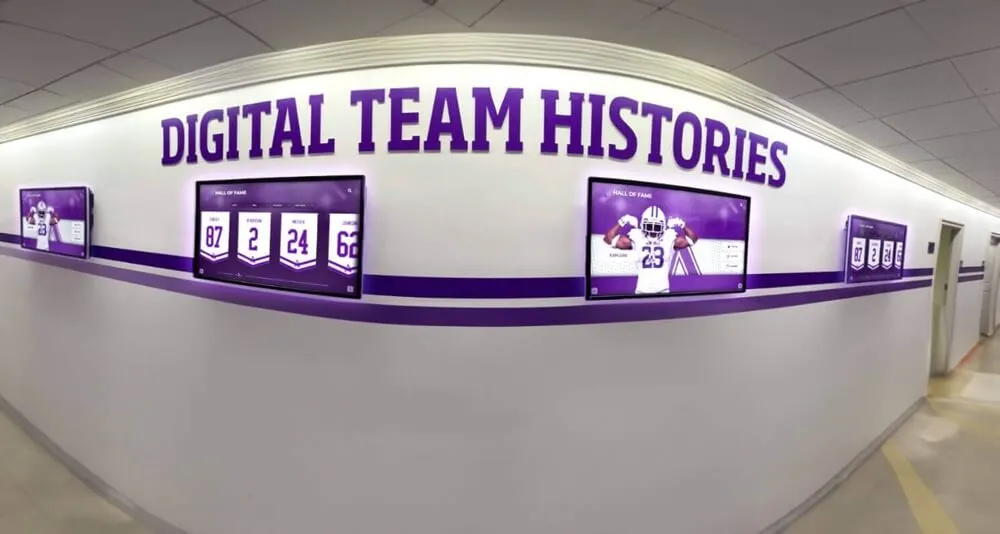
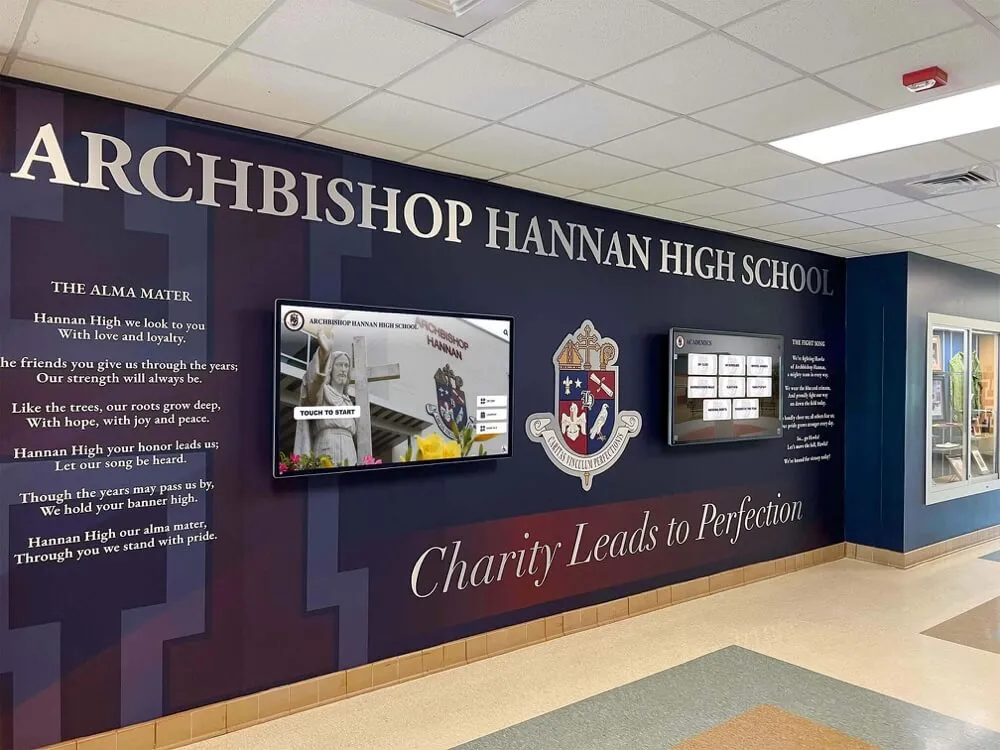
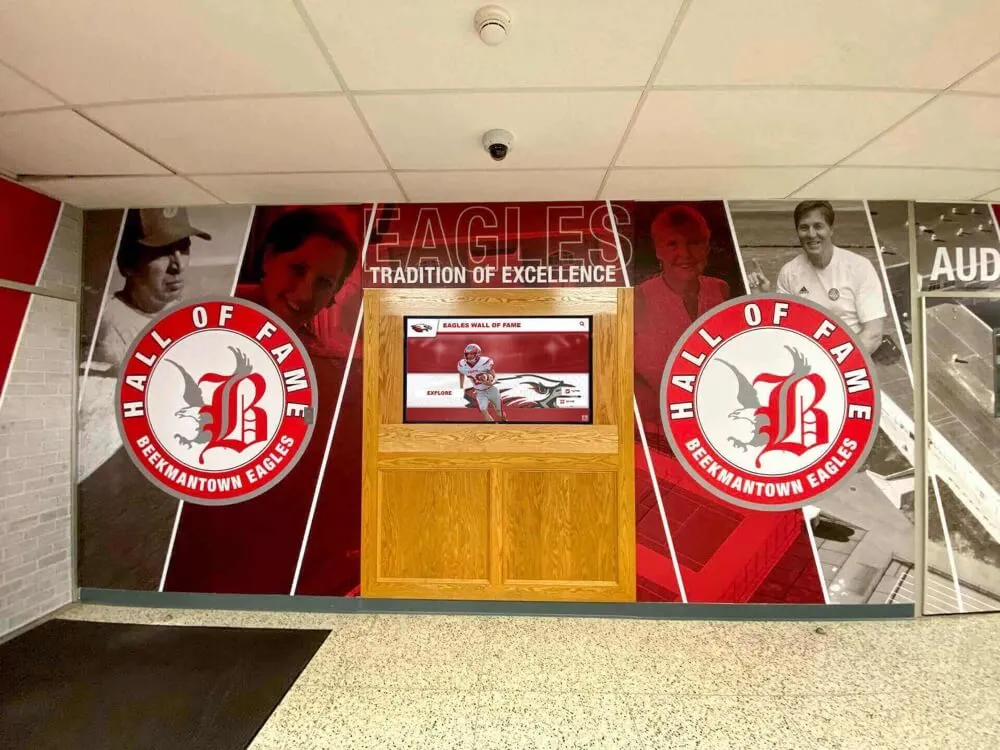
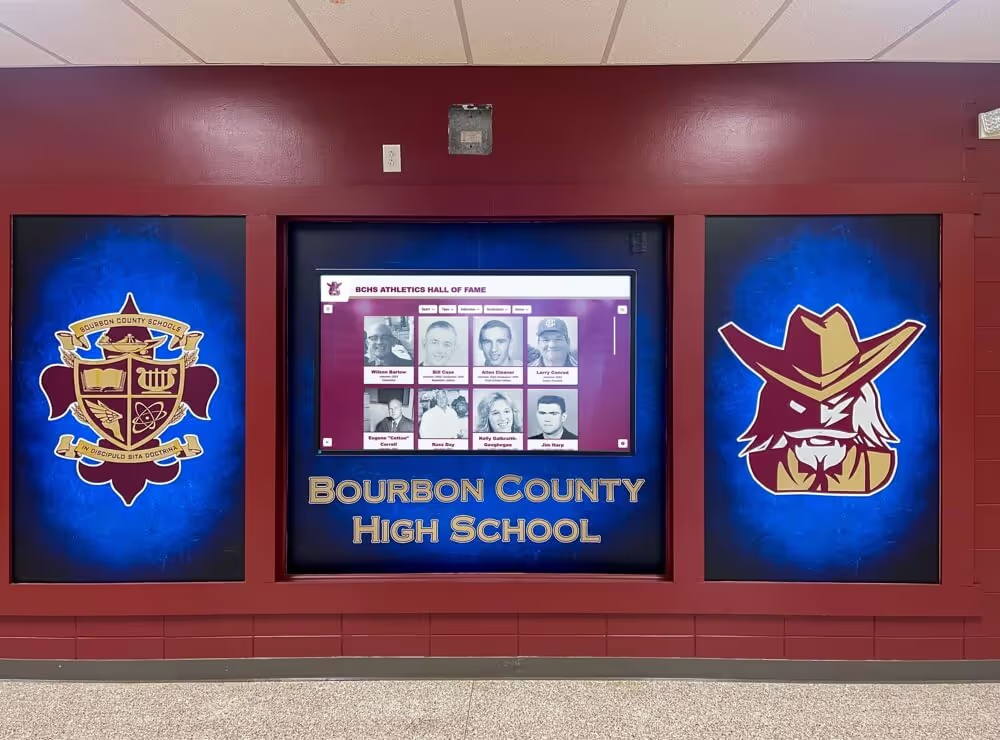
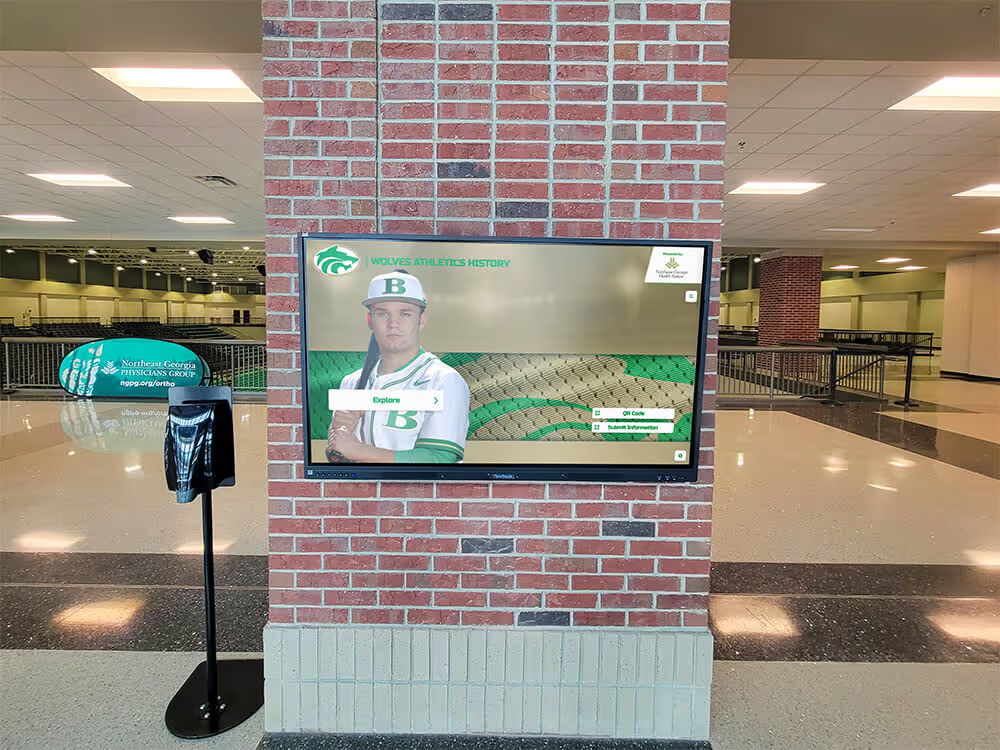
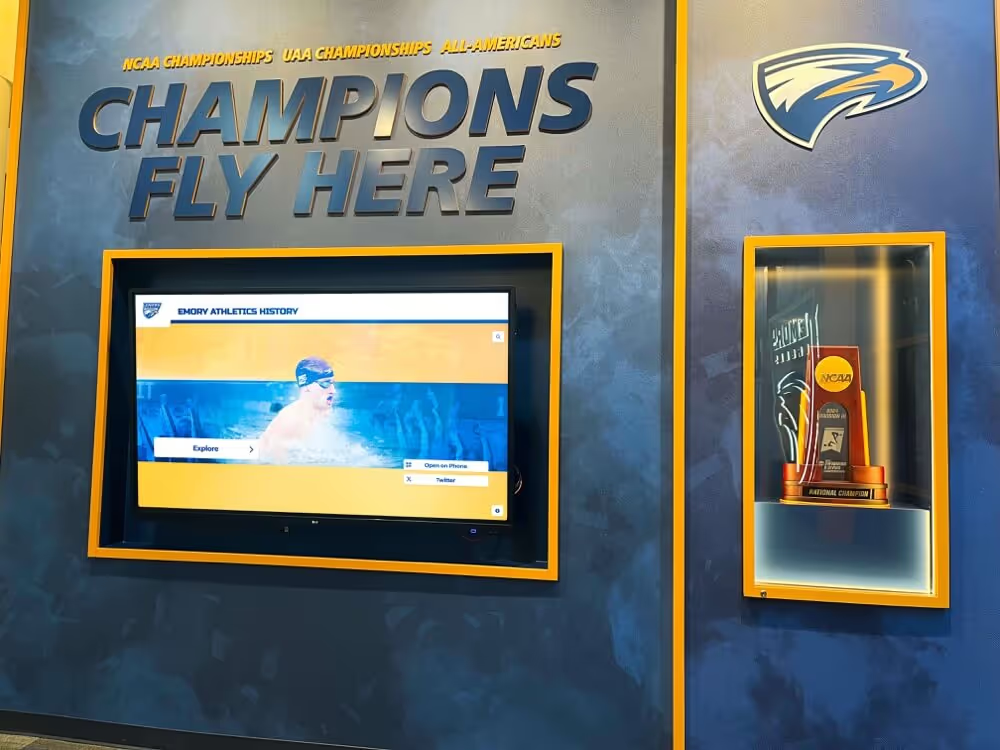
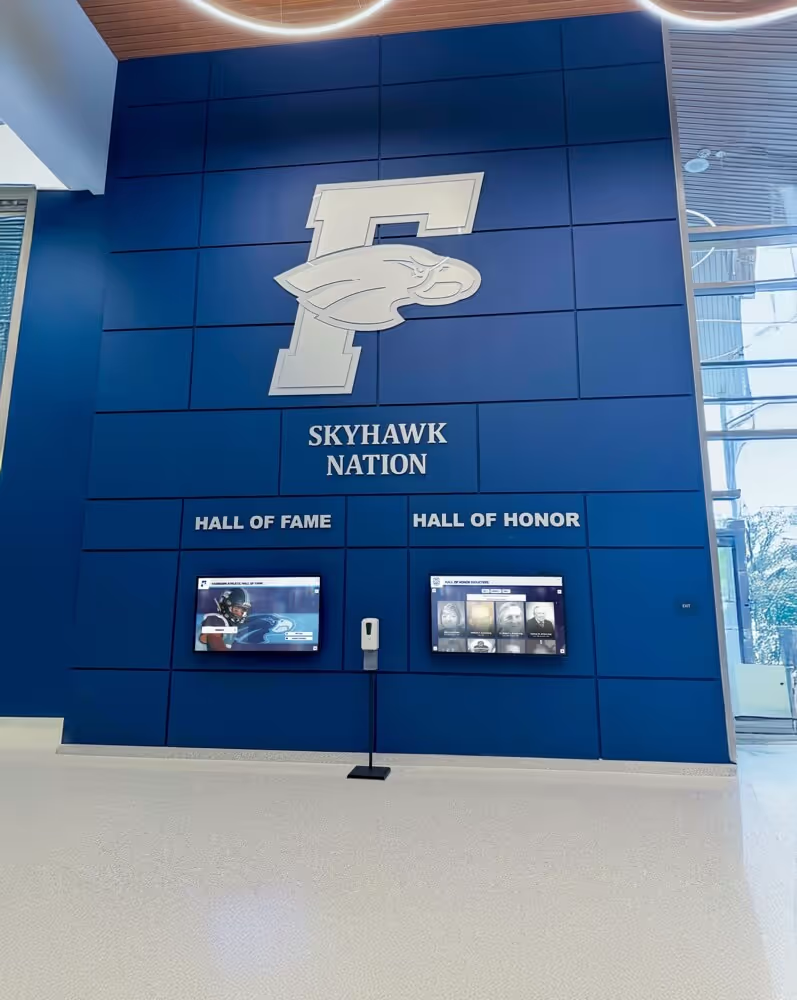
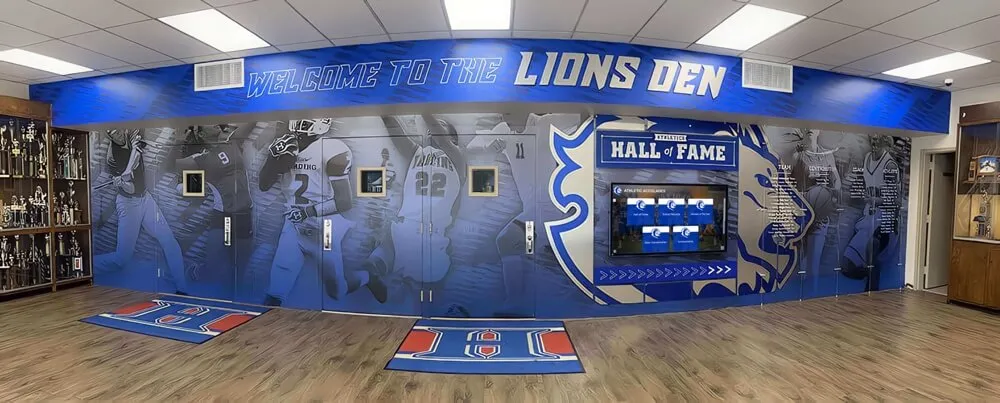
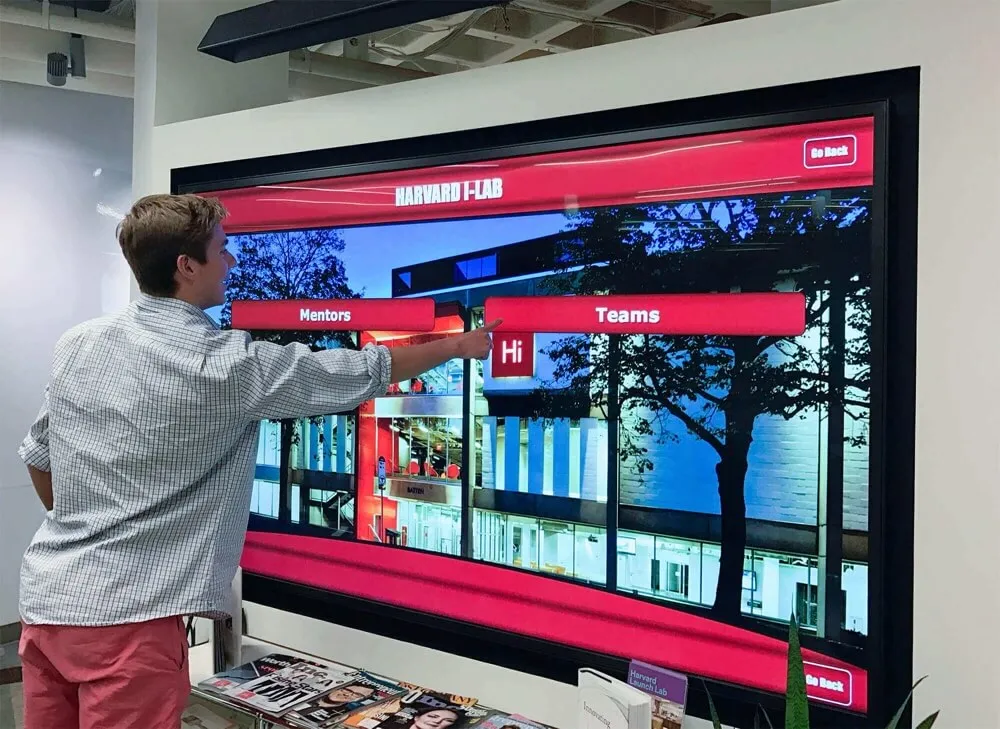
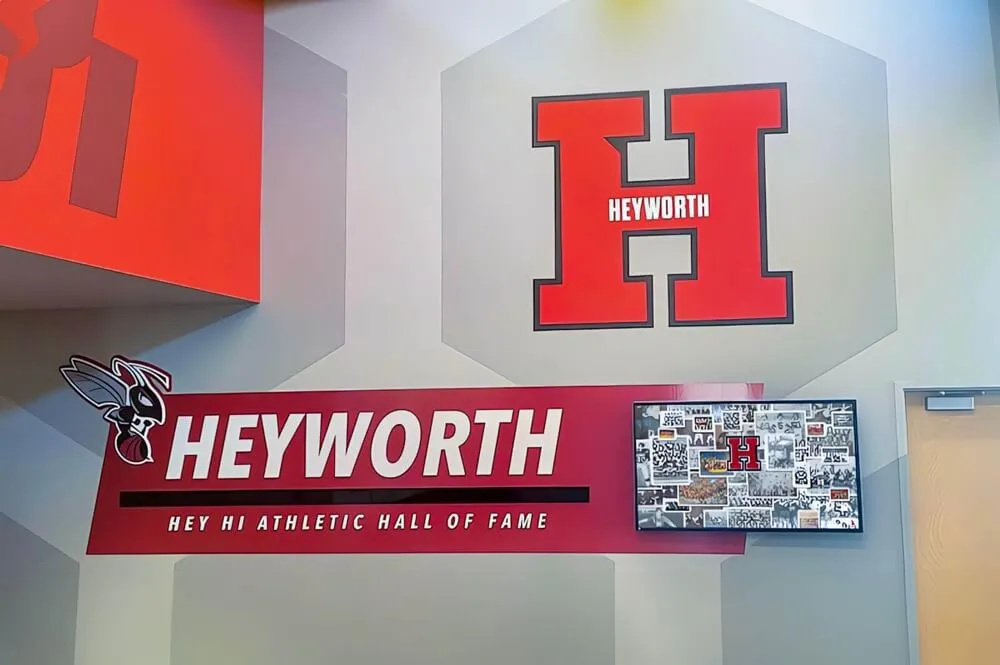
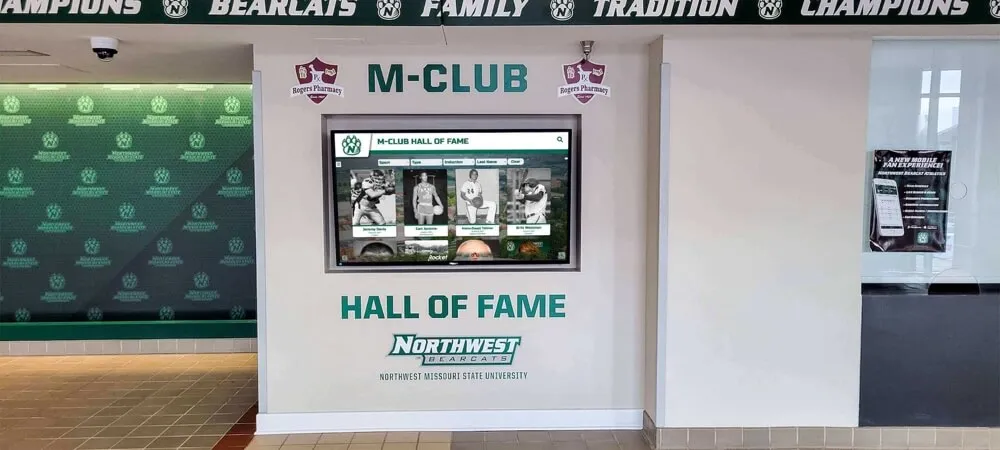
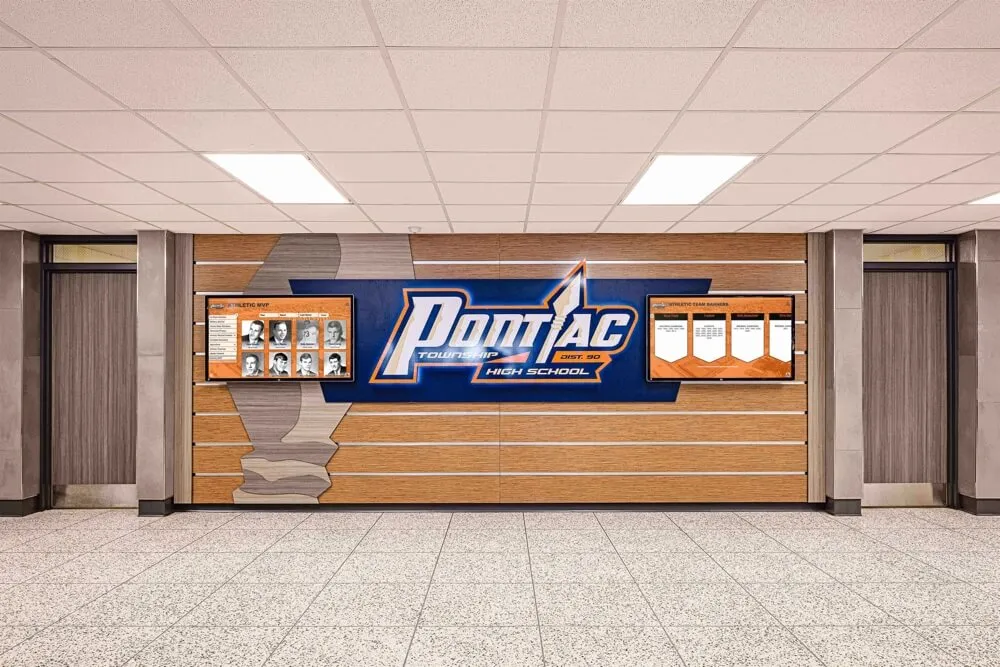
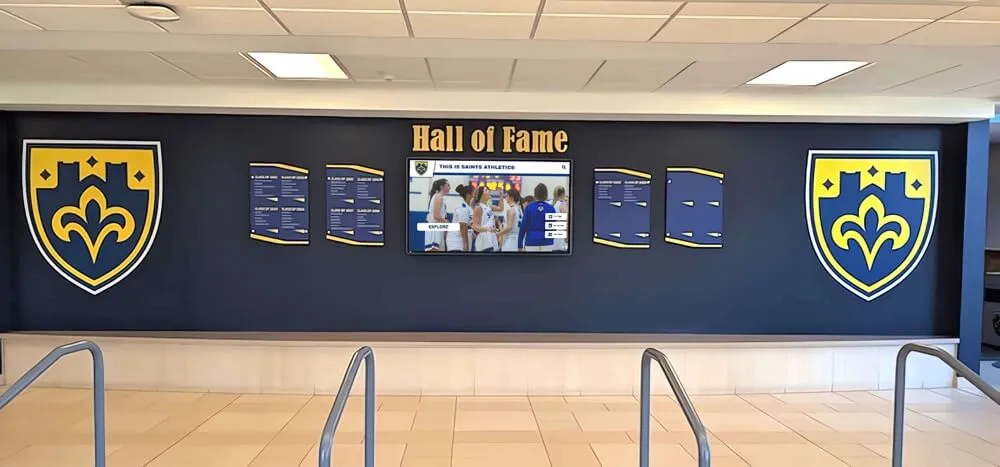
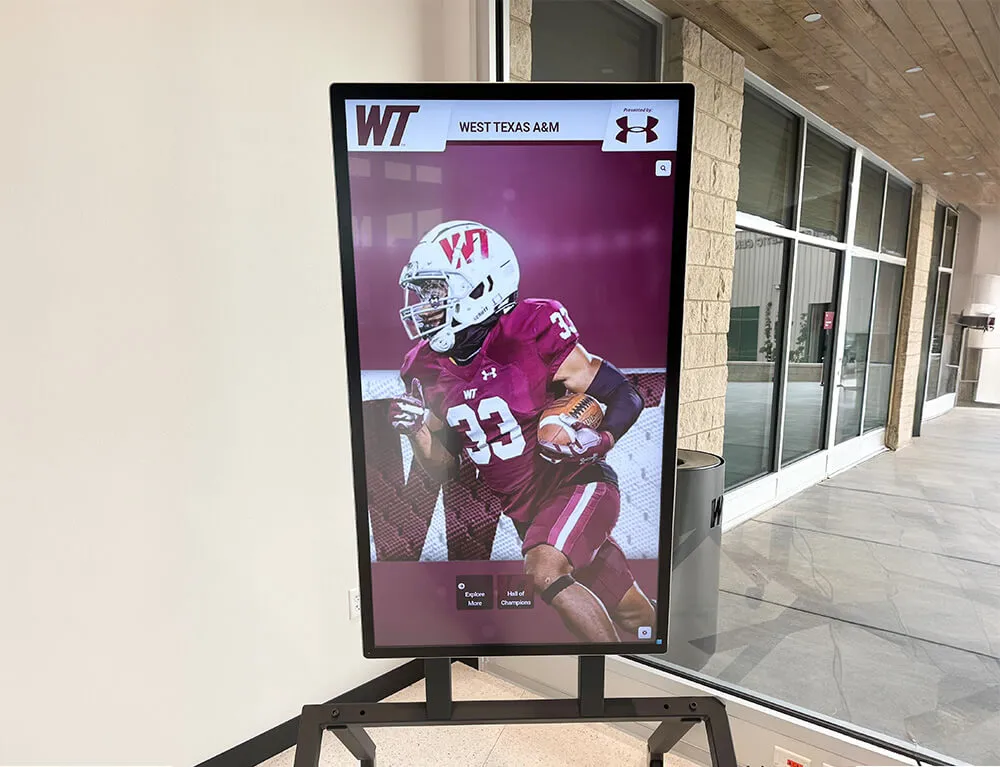
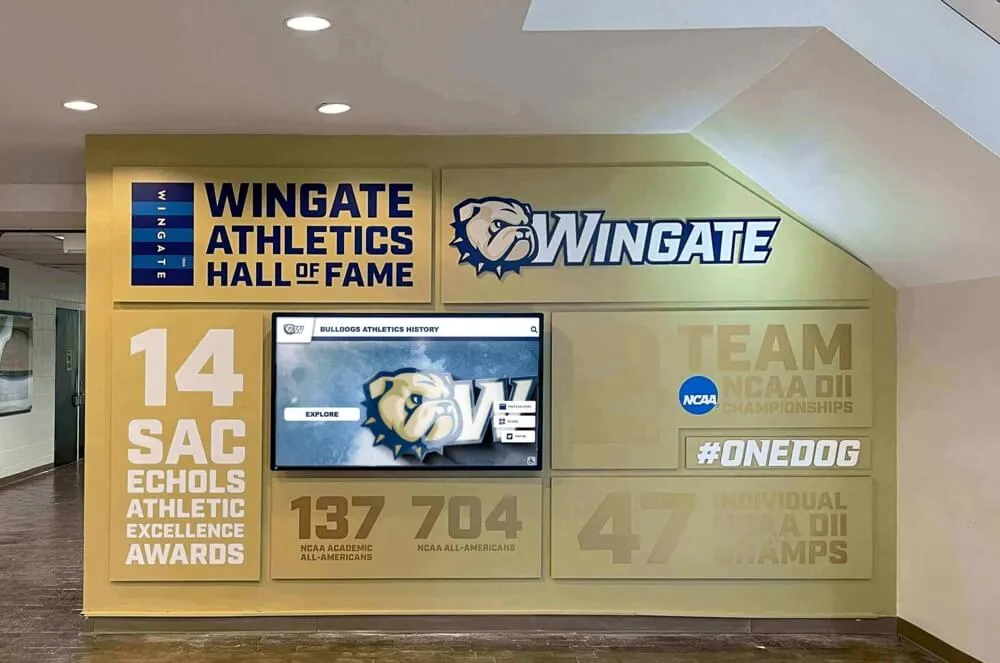
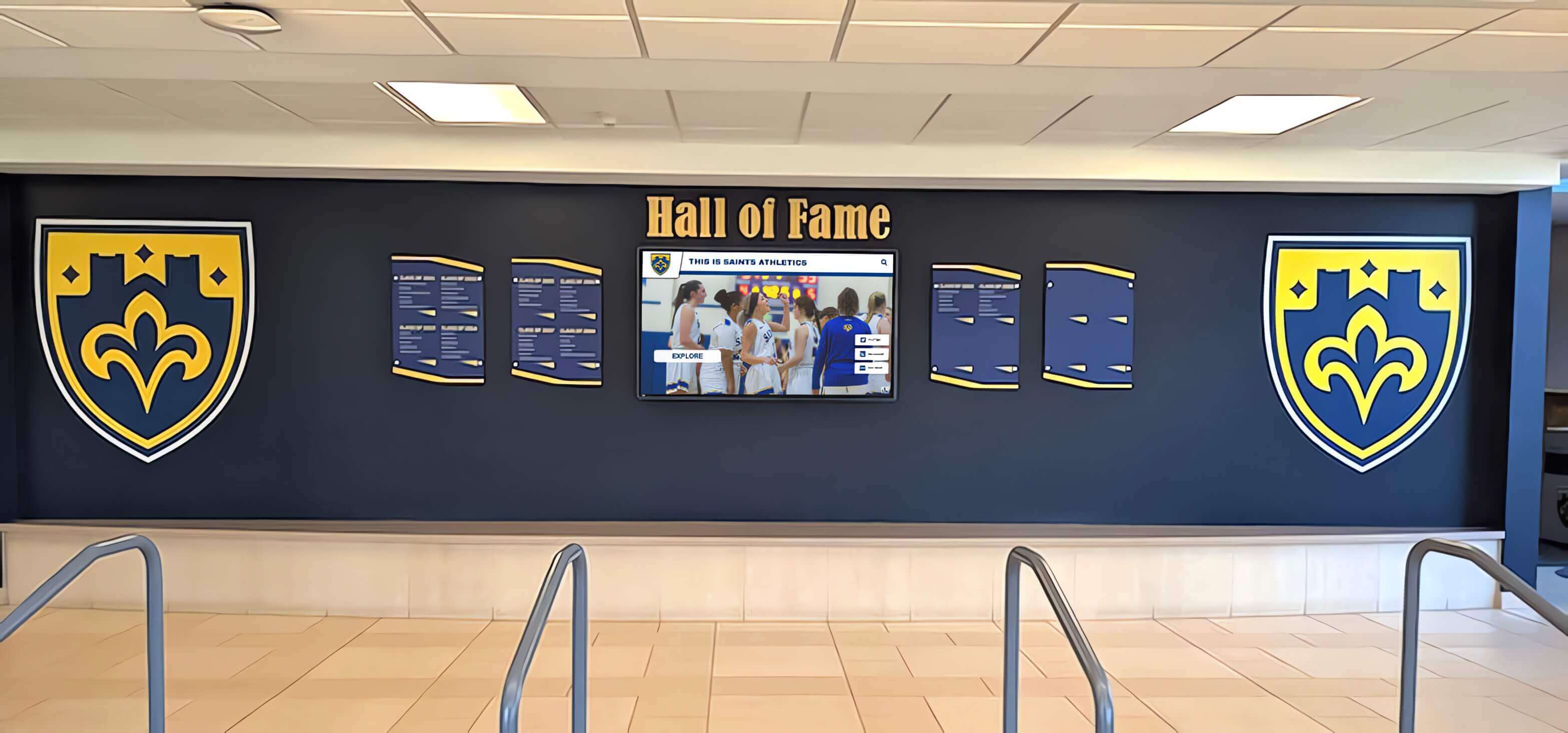
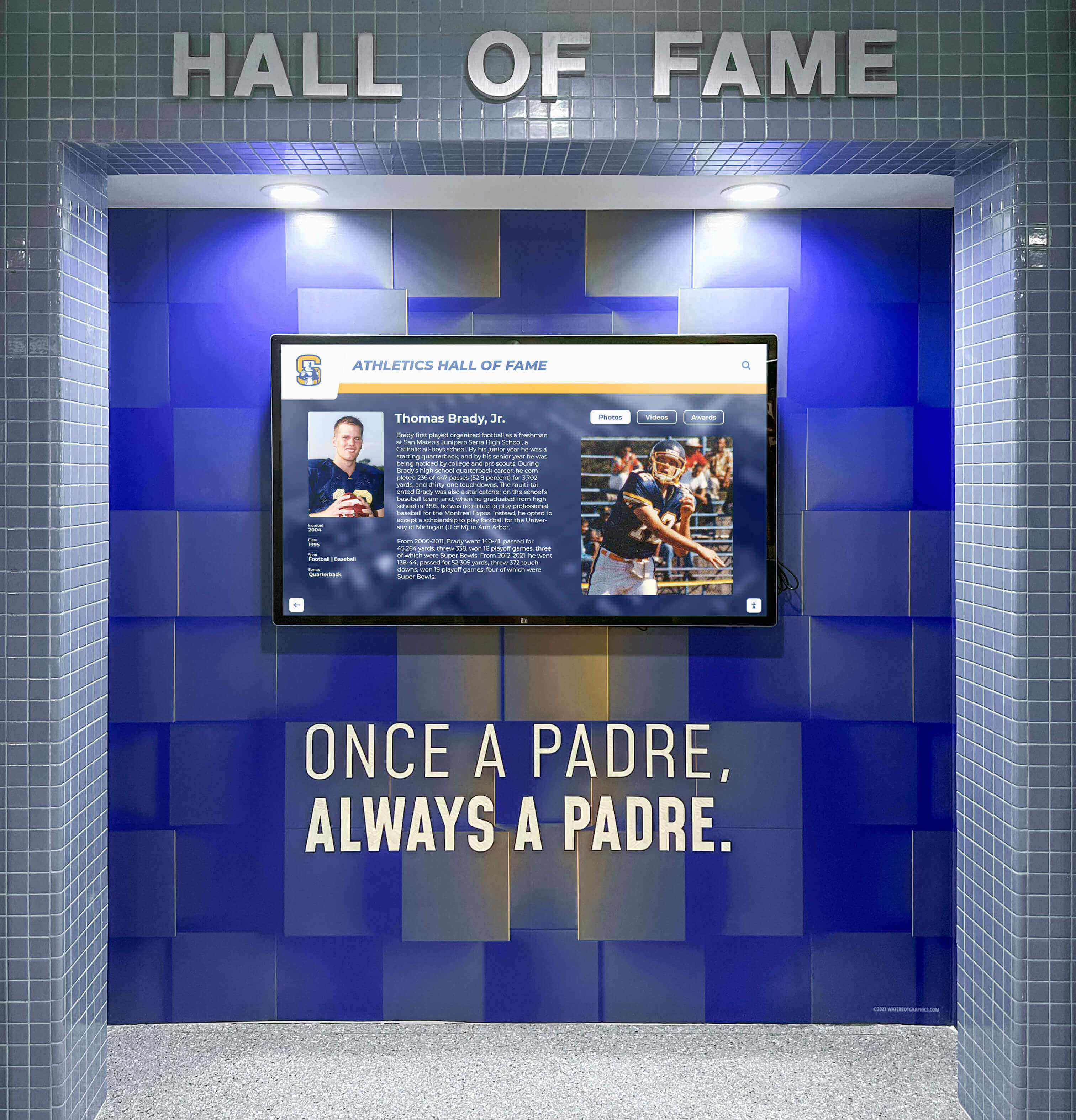
Professional digital hall of fame installations create impressive focal points celebrating school heritage and achievement
Program Snapshot: High School Digital Hall of Fame Planning
Before exploring detailed buying criteria, understanding the complete scope of digital hall of fame implementation helps schools assess readiness and resource requirements.
| Program Element | Description | Key Planning Considerations |
|---|---|---|
| Recognition Scope | Athletics, academics, fine arts, service, leadership, alumni achievements | Define which achievement categories receive inclusion to ensure appropriate platform capabilities |
| Target Audiences | Current students, alumni, prospective families, community members, staff | Different audiences require different content types and discovery features |
| Primary Objectives | Comprehensive achievement celebration, enhanced school pride, improved recruitment, preserved heritage | Clear goals drive technology selection and content strategy decisions |
| Budget Range | $8,000-$50,000+ for initial investment, $1,000-$8,000+ annually for ongoing operation | Total cost of ownership includes hardware, software, installation, training, content development, support |
| Technology Components | Interactive displays, cloud-based content management, web platforms, mobile accessibility | Purpose-built recognition platforms deliver superior results versus generic signage systems |
| Implementation Timeline | 3-6 months from procurement through public launch | Rushed implementations without adequate preparation consistently disappoint stakeholders |
| Content Development | Historical research, photography digitization, biographical writing, statistics compilation | Content development represents substantial investment often underestimated during planning |
| Ongoing Management | Monthly content updates, annual induction cycles, system maintenance, staff training | Sustainable operations require realistic staff capacity assessment and clear responsibility assignment |
Understanding Critical Technology Distinctions
The single most important buying decision involves choosing between purpose-built recognition platforms designed specifically for halls of fame versus generic digital signage systems intended for communications and announcements.
Purpose-Built Recognition Platforms vs. Digital Signage
Schools frequently make expensive mistakes by purchasing general-purpose digital signage believing it will work for recognition, discovering critical limitations only after installation when reversing decisions becomes difficult or impossible.
Purpose-Built Recognition Platforms Provide:
Searchable Databases and Individual Profiles
- Complete biographical information for each inductee or honoree
- Individual profile pages with photos, achievements, statistics, career information
- Full-text search enabling visitors to find specific individuals instantly
- Advanced filtering by year, sport, achievement type, or custom categories
- Related content linking teammates, classmates, coaches, and family members
Learn about comprehensive platform capabilities in digital hall of fame software designed specifically for recognition applications.
Interactive Exploration Features
- Touch-optimized interfaces enabling intuitive navigation across unlimited content
- Multiple discovery pathways supporting different user preferences and search behaviors
- Detailed statistics displays, photo galleries, video integration, and document archives
- Social sharing capabilities enabling honorees to celebrate with extended networks
- Mobile-responsive web access extending recognition beyond physical campus
Recognition-Specific Content Management
- Template-based profile creation ensuring consistent professional presentation
- Bulk upload tools for efficiently adding entire teams, classes, or induction groups
- Approval workflows supporting quality review before content publication
- Scheduled publishing coordinating releases with ceremonies and celebrations
- Comprehensive media libraries organizing thousands of photos and videos systematically
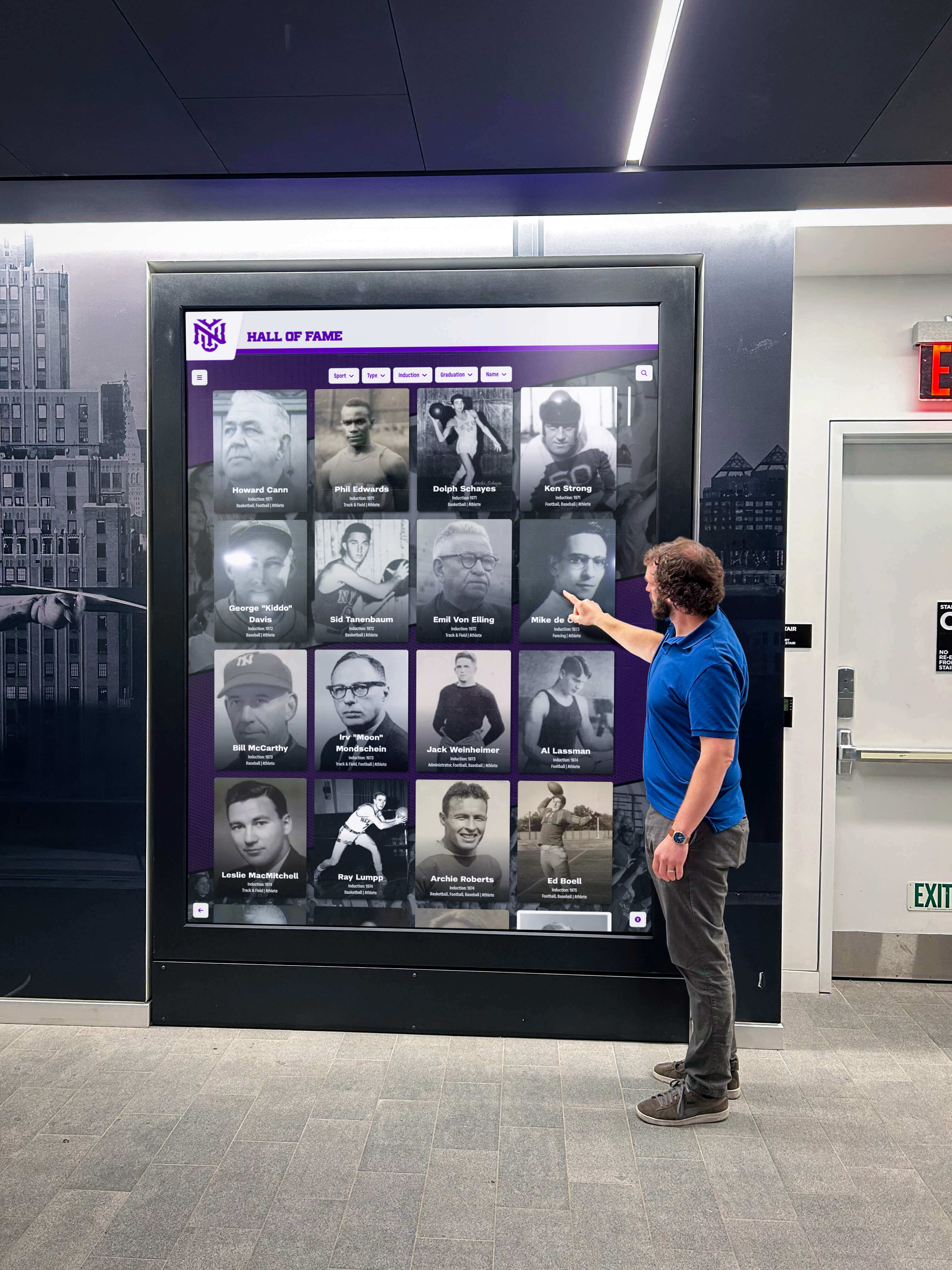
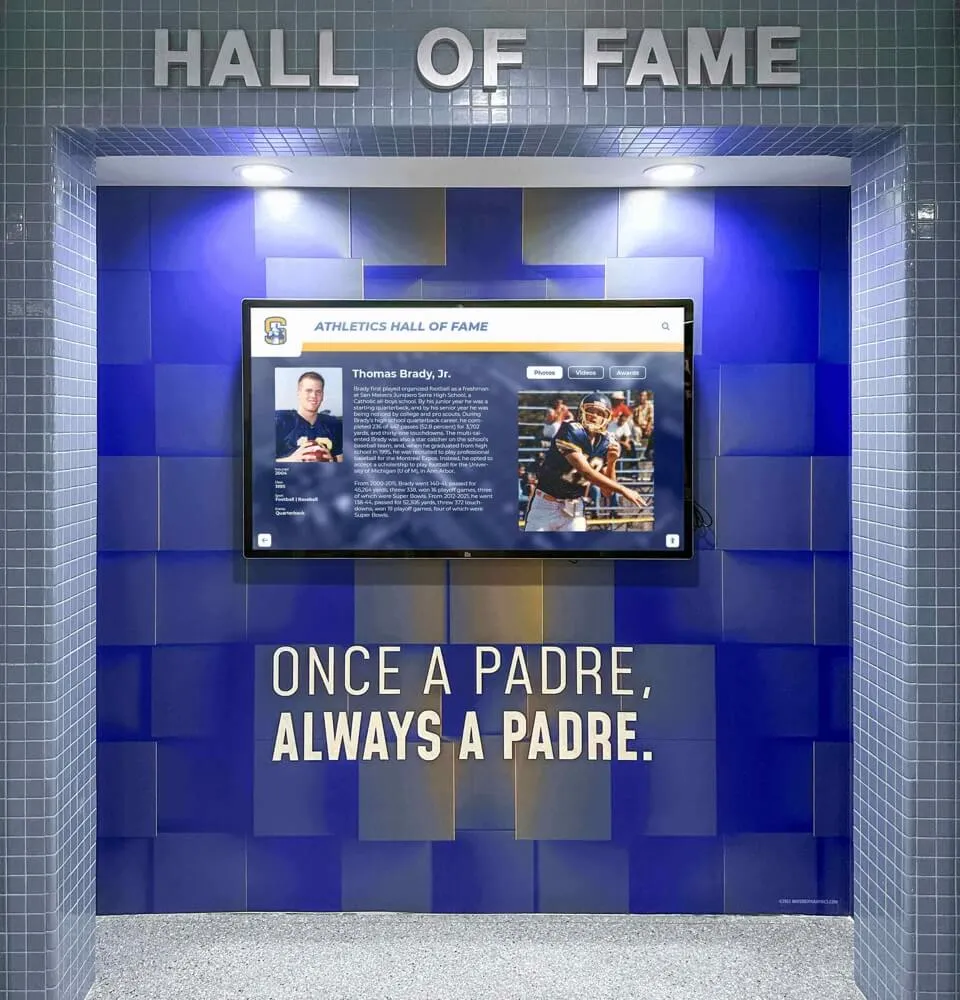
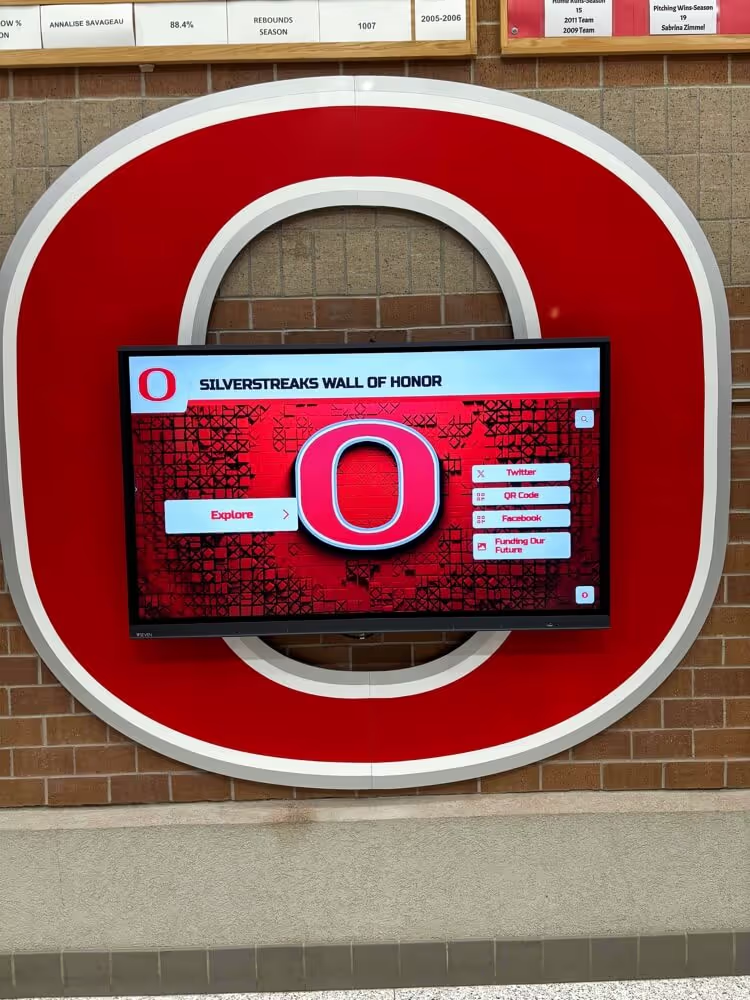
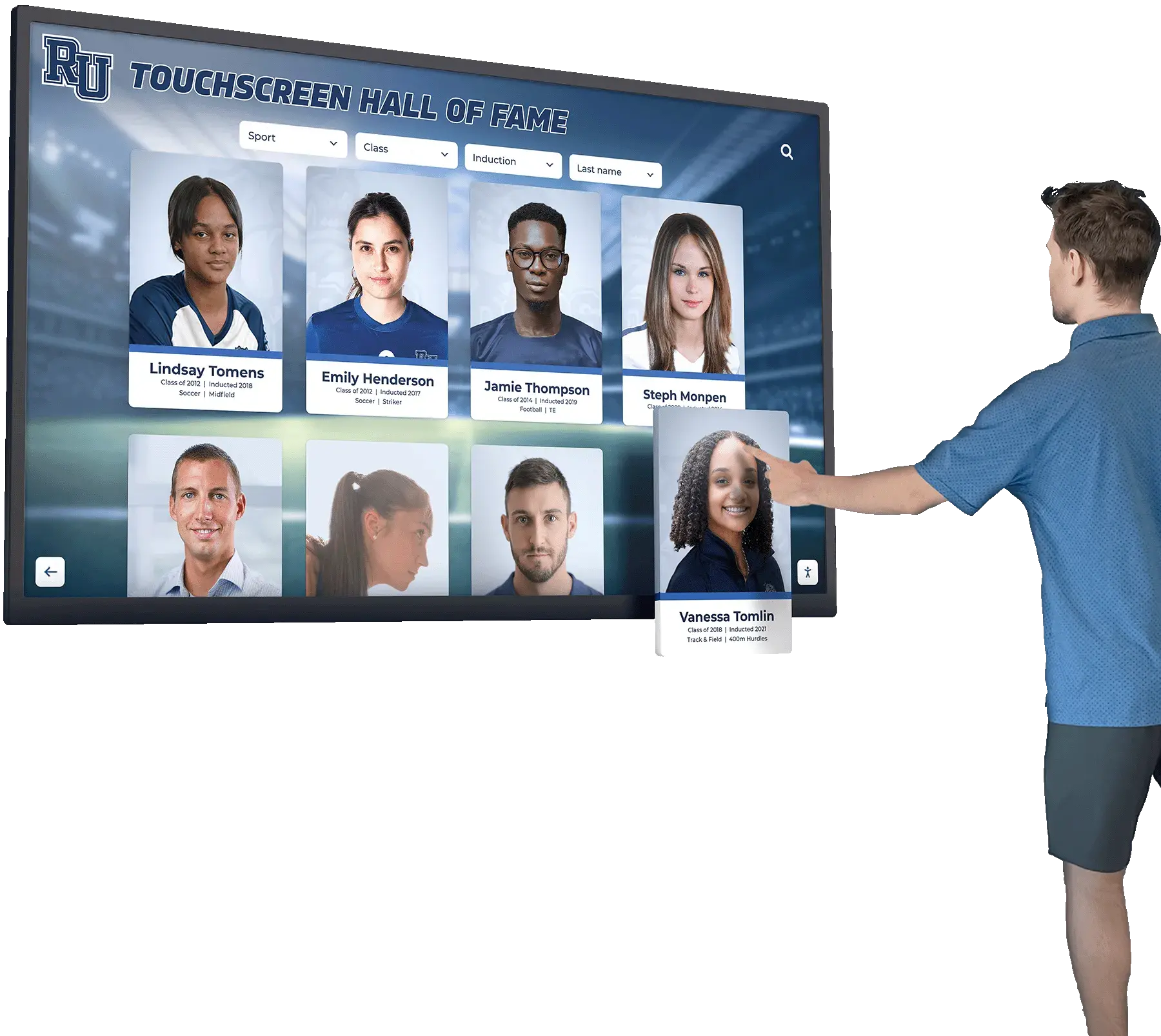
Interactive recognition platforms enable visitors to search for specific individuals and explore comprehensive achievement histories
Generic Digital Signage Systems Typically Provide:
Slideshow-Only Display Capabilities
- Rotating images and text without individual profile depth or searchability
- No ability for visitors to find specific individuals or explore achievements interactively
- Limited content capacity before slideshows become excessively long and boring
- Passive viewing experience rather than engaging exploration and discovery
Communication-Focused Management Tools
- Content management designed for temporary announcements, not permanent recognition
- Difficult profile creation requiring manual layout and design for each honoree
- No database structure connecting related achievements, teams, or individuals
- Limited multimedia integration capabilities
- No web platform extending recognition beyond physical displays
Critical Limitation Summary
Schools purchasing digital signage for recognition consistently discover these deal-breaking problems:
- Visitors cannot search for themselves, family members, or specific individuals
- No interactive exploration—just passive watching of rotating slides
- Adding comprehensive historical content becomes prohibitively time-consuming
- Statistics, detailed biographies, and related content lack appropriate presentation options
- No web access for alumni and families unable to visit campus physically
Understand why schools express regret about this mistake in why schools regret rushing digital hall of fame software decisions.
Cloud-Based vs. Local Software Solutions
Modern cloud-based recognition platforms offer substantial advantages over older local software installed on individual computers or display hardware.
Cloud-Based Platform Advantages:
Remote Management from Anywhere
- Update content from any internet-connected device without campus visits
- No special software installation or licensing required for content administrators
- Simultaneous multi-user access enabling collaborative content development
- Mobile-responsive admin interfaces supporting smartphone and tablet management
- Secure authentication protecting institutional recognition content
Automatic Updates and Backups
- Automatic software updates maintaining security and adding new features seamlessly
- Automatic cloud backups preventing permanent content loss from hardware failures
- No manual backup procedures or external storage device requirements
- Vendor-managed infrastructure eliminating server maintenance responsibilities
Multi-Location Display Management
- Centralized administration updating multiple displays across campus simultaneously
- Consistent content and coordinated scheduling across all institutional displays
- Remote troubleshooting and configuration without facility visits
- Performance monitoring identifying technical issues before they impact user experience
Explore comprehensive cloud-based management approaches in touchscreen software complete guide.
Local Software Limitations:
- On-campus presence required for content updates and system management
- Manual backup procedures risking content loss if not performed consistently
- Software updates requiring manual installation with potential compatibility issues
- Single-location access complicating collaborative content development
- Hardware failures potentially causing permanent content loss
- Limited vendor support for older discontinued software versions
Web-Based vs. Native App Technology
Recognition platforms built on web technologies deliver superior flexibility, accessibility, and longevity compared to native applications tied to specific operating systems.
Web-Based Platform Benefits:
Cross-Platform Compatibility
- Works on Windows, Mac, iOS, Android, and any device with modern web browsers
- No platform-specific development or testing ensuring consistent experience
- Future operating system updates don’t break recognition platforms
- Easy migration to new hardware as technology evolves
Universal Accessibility
- Same recognition platform accessible on displays, computers, phones, tablets
- Alumni and families worldwide can access full recognition content remotely
- Search engine indexing making achievements discoverable through Google searches
- Integration with school websites through seamless embedding
Learn about technology architecture advantages in best touchscreen software web-based vs native app.
Web-based platforms deliver consistent experiences across displays and personal devices enabling anywhere access
Native App Limitations:
- Platform-specific development required for different operating systems
- Operating system updates potentially causing compatibility problems
- Hardware replacement potentially requiring platform migration
- Limited accessibility beyond specific devices running particular operating systems
- Development and maintenance costs spread across fewer users increasing prices
Content Architecture: Mapping Recognition Needs to Platform Requirements
Understanding what content you need to showcase helps evaluate whether platforms provide appropriate organizational structures and presentation capabilities.
Core Content Categories for High Schools
Athletic Recognition Requirements
- Individual athlete profiles with complete statistical achievements
- Team recognition showing complete rosters with photos and positions
- Season records and championship documentation
- Coaching histories across program decades
- Conference, sectional, regional, state championship achievements
- Individual records in specific events, positions, or performance categories
Academic Achievement Recognition
- Honor roll recipients across all marking periods and years
- Valedictorian and salutatorian recognition with graduation year details
- National Merit Scholars and Academic All-Americans
- AP Scholar awards and recognition
- Academic competition achievements in quiz bowl, math contests, science olympiad
- Scholarship recipients and college destination highlights
Fine Arts and Activities Recognition
- Drama and theatre playbill displays with cast lists and production photos
- Music achievements including all-state musicians, competition awards, ensemble recognitions
- Debate team accomplishments and tournament results
- Student government leadership recognition
- Service organization leadership and achievement
- Club achievement and milestone celebrations
Alumni Recognition Content
- Alumni “Where Are They Now” spotlights showing career paths and accomplishments
- Distinguished alumni hall of fame inductees
- Alumni achievement updates and milestone celebrations
- Multi-generational family recognition showing legacy connections
- Alumni career diversity demonstrating varied student success pathways
Essential Platform Features Supporting Content
Evaluate whether platforms provide these critical capabilities supporting comprehensive recognition:
Profile Management Systems
- Individual profile templates with consistent field structures
- Flexible custom fields accommodating sport-specific or achievement-specific data
- Photo gallery capabilities showing multiple images per profile
- Video integration for highlights, interviews, or performance recordings
- Related content linking showing connections between individuals, teams, coaches
Statistics and Records Display
- Sport-specific statistical categories and record types
- School record designation with comparative historical data
- Season and career statistics presentation
- Conference and state record recognition
- Filterable record boards showing top performances across categories
Explore record display capabilities in track & field high school touch board digital display applications.
Team and Group Recognition
- Complete roster displays with individual profile links
- Season record documentation and tournament progression
- Team photos with individual identification
- Coach and support staff recognition
- Year-by-year team history timelines
Search and Discovery Features
- Full-text search across all content including names, achievements, years
- Multi-criteria filtering enabling complex searches
- Auto-complete search suggestions reducing errors and speeding discovery
- Recent additions highlighting newest recognition content
- Featured content curated highlights and interesting stories
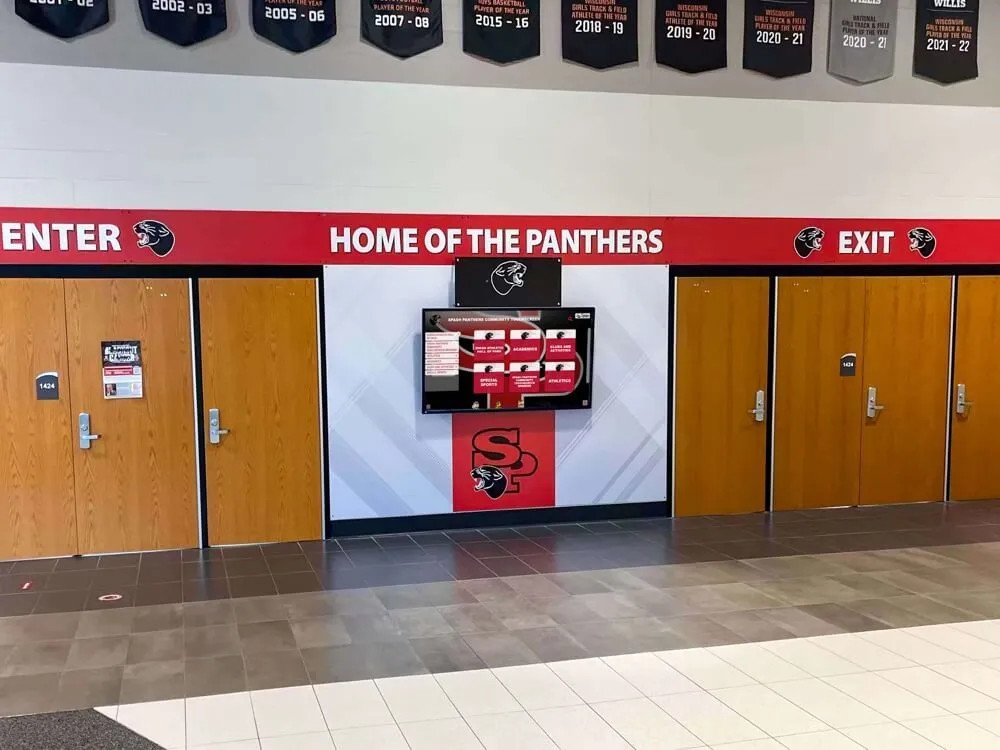
Strategic placement in high-traffic hallways creates natural engagement opportunities during passing periods and events
Vendor Evaluation Criteria: Choosing Recognition Partners
Selecting the right vendor relationship matters as much as choosing appropriate technology—poor vendor support ruins even excellent platforms while exceptional vendors maximize modest technology investments.
Critical Vendor Evaluation Questions
Technology and Platform Assessment
Ask vendors these essential questions during evaluation:
Recognition-Specific Capabilities
- “Is your platform purpose-built for hall of fame recognition or adapted from digital signage?”
- “Can visitors search for specific individuals by name, year, or achievement type?”
- “How many total inductees or honorees can your system accommodate?”
- “Does your platform provide web access so alumni can view recognition remotely?”
- “How do you handle sport-specific statistics and record displays?”
Content Management Evaluation
- “Can multiple staff members access content management simultaneously?”
- “Do you provide bulk upload tools for adding entire teams or induction classes?”
- “How long does creating a typical individual profile take?”
- “Can we schedule content publication to coordinate with ceremonies?”
- “Do you provide approval workflows before content goes live?”
Technical Infrastructure
- “Is your platform cloud-based or does it require on-premise servers?”
- “What happens to our content if our hardware fails?”
- “How do you handle software updates and security patches?”
- “What mobile devices and operating systems does your platform support?”
- “Do you provide analytics showing how community members engage with recognition?”
Customer Reference Conversations
Request contact information for current customers—specifically schools similar to yours in size, location, and recognition scope—and ask these critical questions:
Implementation Experience Assessment
- “How long did implementation take from purchase to public launch?”
- “What challenges did you encounter and how did the vendor respond?”
- “Was training adequate for your staff to manage the system confidently?”
- “Would you recommend this vendor to peer schools? Why or why not?”
Ongoing Support Evaluation
- “How responsive is vendor support when you encounter problems?”
- “Do support staff understand recognition applications or just generic digital signage?”
- “Have you experienced significant technical issues? How were they resolved?”
- “Does the vendor provide ongoing training as staff members change?”
Value and Satisfaction
- “Knowing what you know now, would you make the same purchase decision?”
- “What do you wish you had known before purchasing?”
- “Has the platform delivered the recognition value you expected?”
- “How much time do you spend maintaining your digital hall of fame monthly?”
Learn about comprehensive vendor evaluation in best platforms for building virtual hall of fame 2025.
Red Flags Indicating Problematic Vendors
Watch for these warning signs suggesting vendor relationships may become problematic:
Communication and Transparency Issues
- Reluctance to provide total cost of ownership projections across 5+ years
- Unwillingness to share current customer references
- Pressure tactics rushing purchase decisions without adequate evaluation time
- Vague or evasive responses to specific technical questions
- Limited product demonstrations showing only slideshow capabilities
Technical Capability Concerns
- Platforms lacking search functionality or interactive profile exploration
- Heavy reliance on custom design services for basic profile creation
- Complicated content management requiring extensive technical training
- No web-based administration requiring on-campus presence for updates
- Limited or no mobile accessibility for remote content viewing
Support and Service Warning Signs
- Customer references reporting poor support responsiveness
- No ongoing training for new staff members
- Support staff unfamiliar with recognition-specific applications
- Limited or no software update roadmap for platform enhancement
- Ownership changes, financial instability, or business uncertainty
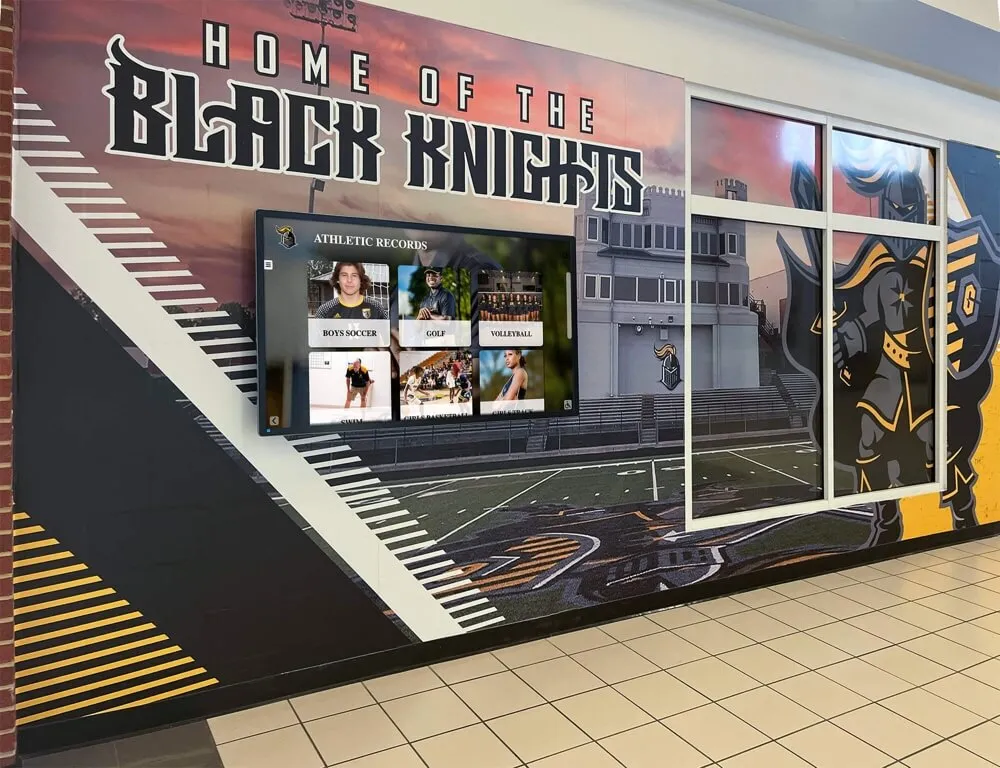
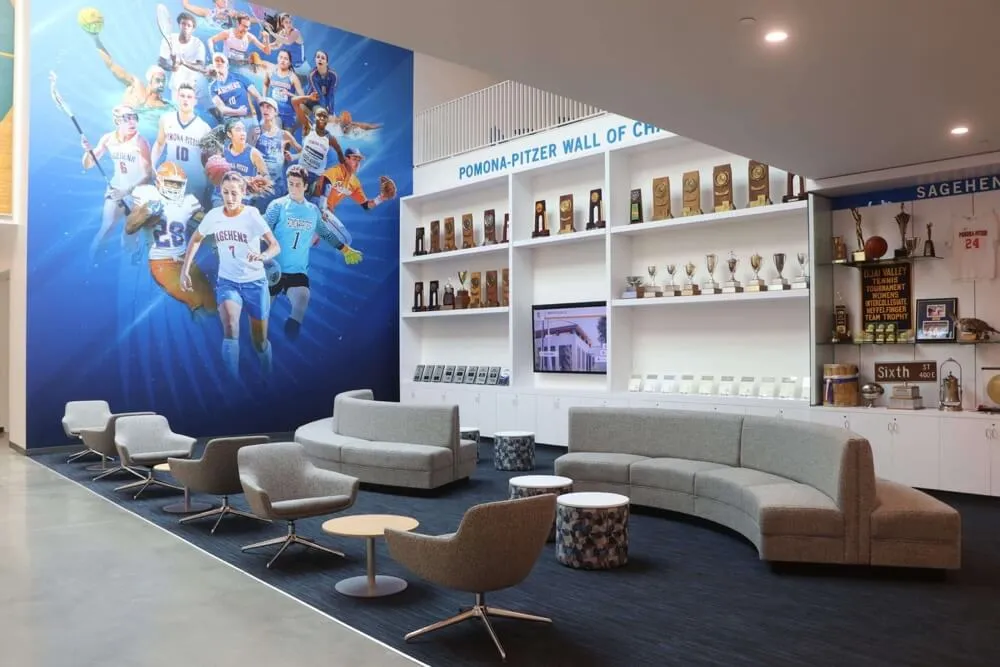
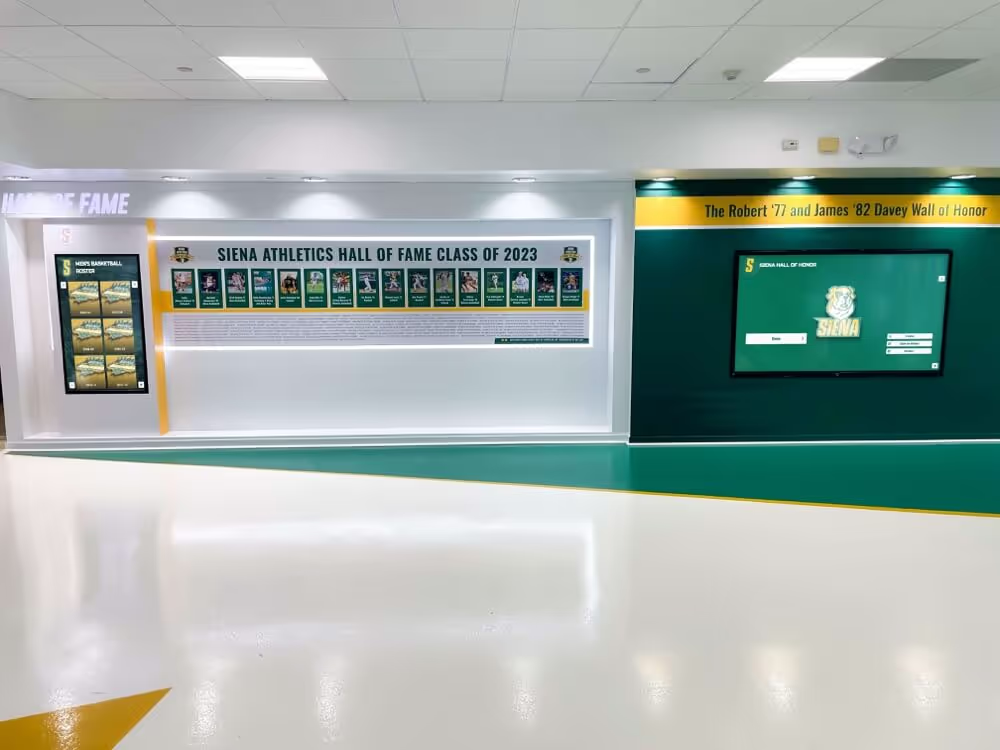
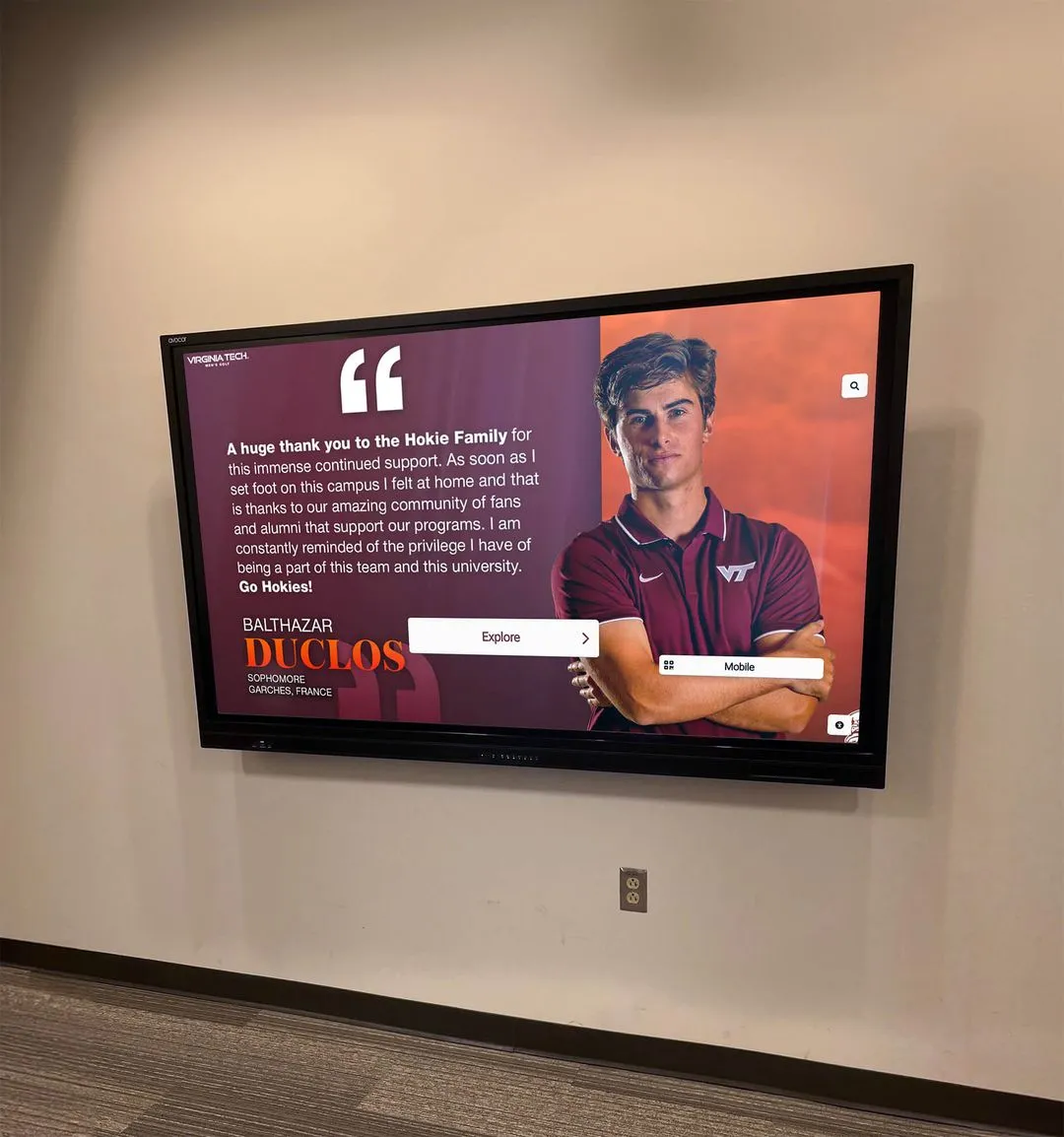
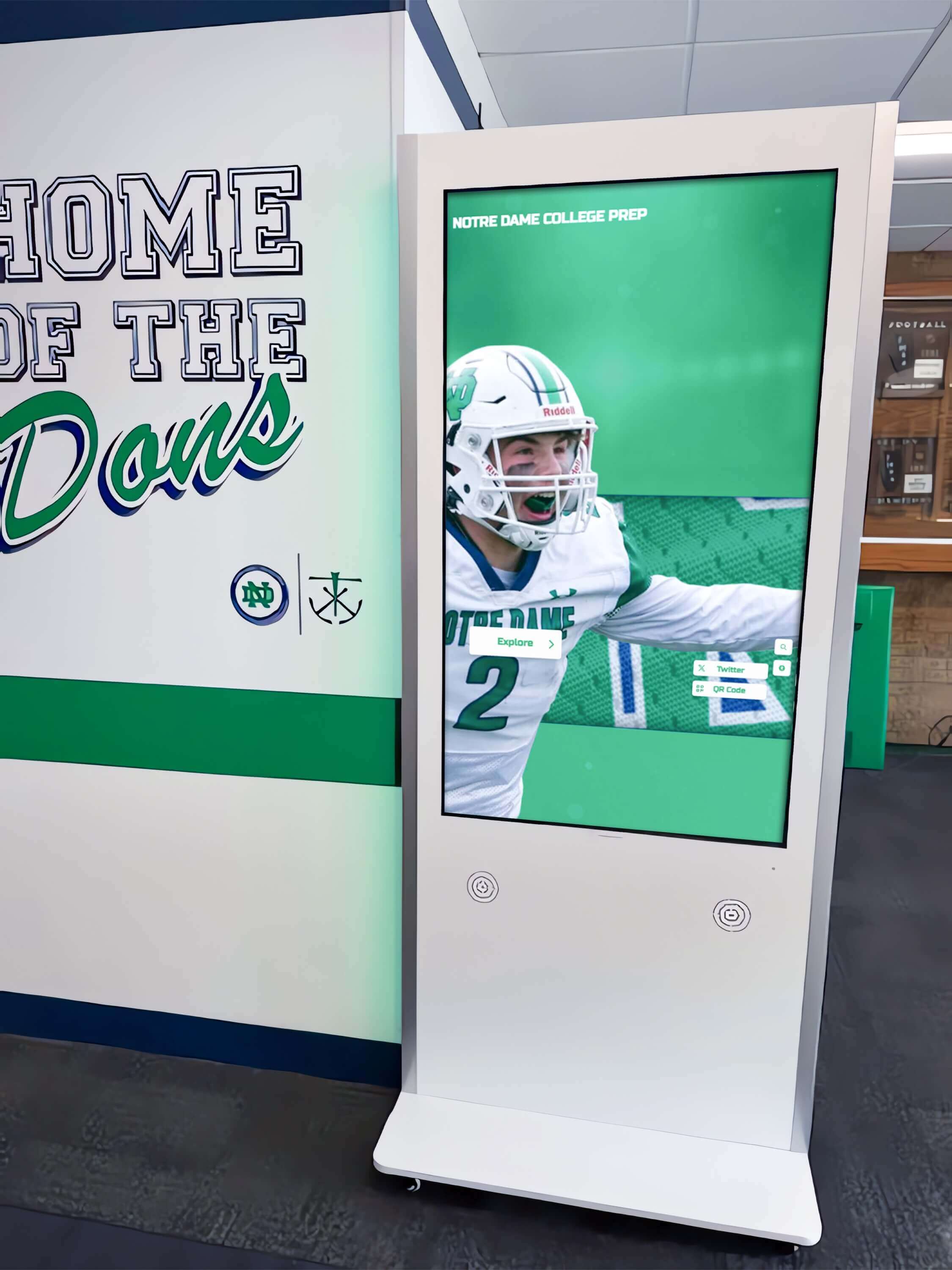
Athletic facility installations create natural thematic connections between historical achievement and current programs
Budget Planning: Understanding Total Cost of Ownership
Digital hall of fame expenses extend far beyond initial hardware purchases—comprehensive budget planning prevents financial surprises undermining program sustainability.
Initial Investment Components
Display Hardware Costs
Display technology represents the most visible expense:
Touchscreen Display Options
- 43-49" displays: $2,500-$4,500 per display (small spaces, individual sport focus)
- 55-65" displays: $4,000-$8,000 per display (standard installations, comprehensive content)
- 75-86" displays: $8,000-$15,000 per display (large lobbies, high-impact installations)
- Multiple display installations: Add 15-25% per additional display beyond the first
Display costs include commercial-grade touchscreen panels rated for continuous public operation, protective glass, built-in computers or media players, and mounting hardware.
Freestanding Kiosk Enclosures
- Standard powder-coated steel kiosks: $2,000-$4,000
- Custom-designed branded kiosks: $4,000-$8,000+
- ADA-compliant accessible kiosks: $3,000-$6,000
Kiosks provide professional finished appearance, equipment protection, cable management, and flexible placement options compared to wall-mounted installations.
Installation Expenses
Professional installation ensures reliable operation and finished appearance:
Standard Wall-Mount Installation
- Single display: $500-$1,500 (electrical, mounting, network connectivity)
- Multiple displays: $800-$2,000 per additional display
Freestanding Kiosk Installation
- Standard placement: $300-$800 (network connectivity, floor mounting if required)
- Complex installations: $1,000-$2,500+ (electrical upgrades, structural modifications)
Facility Infrastructure
- Electrical upgrades if required: $500-$2,000+
- Network connectivity installation: $200-$1,000+
- Painting and finish work: $300-$1,000+
Software and Platform Costs
Recognition platform expenses vary significantly based on capabilities and vendor business models:
Recognition Software Licensing
Purpose-Built Recognition Platforms
- Annual subscription: $1,500-$5,000+ per year (typical for cloud-based platforms)
- One-time licensing: $5,000-$15,000 (some vendors offer perpetual licenses)
- Per-display pricing: $1,000-$3,000 per display annually
Pricing typically varies based on recognition capacity (number of inductees), number of displays, feature access, and support level.
Generic Digital Signage Software
- Annual subscription: $500-$2,000 per display per year
- One-time licensing: $2,000-$5,000 per display
While initially appearing less expensive, generic signage lacks critical recognition features requiring expensive custom development or creating unsatisfactory solutions.
Web Platform Access
- Included with many recognition platforms at no additional cost
- Separate web hosting: $500-$2,000 annually if charged separately
- Custom website development: $3,000-$10,000+ if required
Verify whether web accessibility comes included or requires separate fees.
Explore comprehensive platform options in interactive touchscreen software guide.
Content Development Investment
Content creation represents substantial expense frequently underestimated during planning:
Historical Research and Archive Development
Comprehensive historical recognition requires significant effort:
Internal Staff Time Investment
- Yearbook and publication research: 40-80 hours
- Statistical research and verification: 20-60 hours
- Biographical information gathering: 30-100 hours
- Photo digitization and organization: 40-120 hours
- Content writing and profile creation: 60-200+ hours
Total staff time for comprehensive historical archives typically ranges 200-500+ hours depending on recognition scope, record quality, and content depth standards.
External Content Development Services
Many schools engage professional content development assistance:
- Historical research services: $3,000-$10,000+
- Professional photography and digitization: $2,000-$8,000+
- Biographical writing services: $5,000-$15,000+ (for extensive historical archives)
- Complete content development packages: $10,000-$40,000+
Some vendors include content development assistance in initial implementation packages while others charge separately.
Ongoing Content Creation
Annual recognition additions require sustained effort:
- New inductee profile creation: 1-3 hours per inductee
- Team recognition development: 3-8 hours per team
- Photo management and organization: 10-20 hours annually
- Content quality review and approval: 10-30 hours annually
Budget realistic staff time for sustainable ongoing content management.
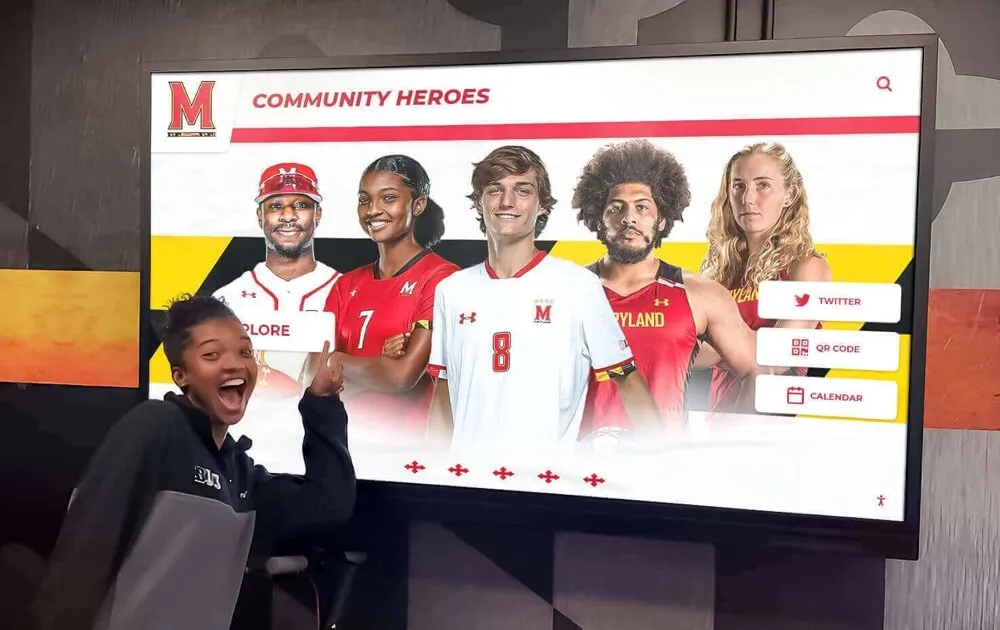
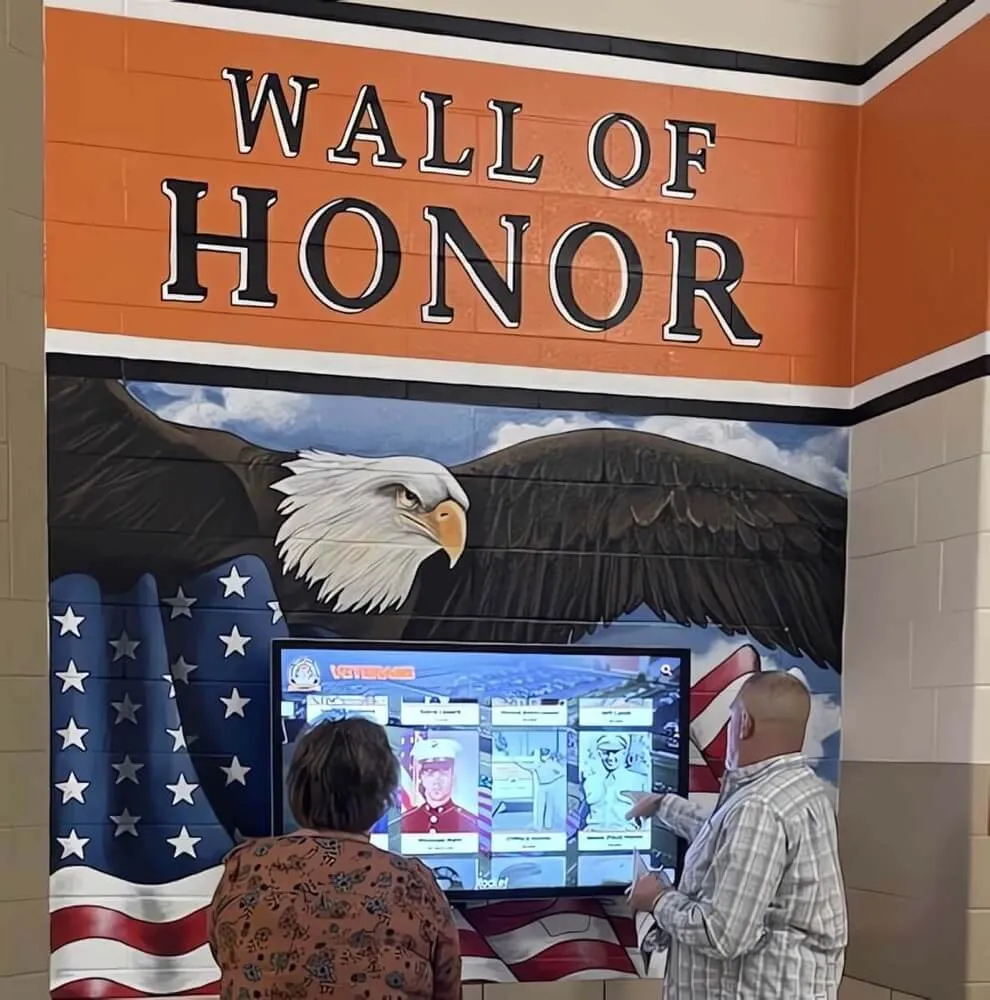
Intuitive interfaces enable students of all ages to explore recognition content independently without instruction
Annual Ongoing Costs
Sustainable programs require budgeting for recurring expenses beyond initial investment:
Software Subscription and Hosting
- Recognition platform subscription: $1,500-$5,000+ annually
- Web platform hosting if charged separately: $500-$2,000 annually
- Cloud storage for media libraries: $200-$1,000 annually
Technical Support and Training
- Annual support contracts: $500-$2,000+ annually
- Staff training for new personnel: $500-$1,500 per training session
- Content development assistance: $1,000-$5,000+ annually if outsourced
Hardware Maintenance and Replacement
- Display warranty extensions: $300-$800 per display annually
- Routine maintenance and cleaning: $200-$500 annually
- Hardware replacement reserve: $1,000-$3,000 annually (displays typically last 5-7 years)
Comprehensive Annual Budget Projection
Typical annual ongoing costs for sustainable high school digital hall of fame programs:
- Small implementation (1-2 displays, modest content): $3,000-$8,000 annually
- Medium implementation (2-4 displays, comprehensive content): $6,000-$15,000 annually
- Large implementation (4+ displays, extensive content): $10,000-$25,000+ annually
Five-Year Total Cost of Ownership Example
Scenario: Medium-Sized High School Implementation
Initial Investment (Year 0)
- Two 55" touchscreen displays with mounting: $12,000
- Professional installation and setup: $3,000
- Recognition software setup and initial licensing: $4,000
- Staff training and onboarding: $2,000
- Content development (200 hours internal + $8,000 external): $16,000
- Year 0 Total: $45,000
Annual Recurring Costs (Years 1-5)
- Software subscription and platform access: $3,500
- Technical support and updates: $1,500
- New content development (40 hours internal time): $2,000
- Hardware maintenance and warranties: $800
- Annual Total: $7,800
Five-Year Total Cost of Ownership: $84,000 Average Annual Cost: $16,800
Planning comprehensive budgets prevents financial surprises and ensures sustainable recognition programs.
Display Placement Strategy: Maximizing Community Engagement
Strategic physical placement dramatically affects recognition visibility, community engagement, and program success.
High-Traffic Location Selection
Main Entrance Lobbies Primary benefits of entrance placement:
- Greeting all visitors establishing immediate institutional priority signals
- Maximum visibility during prospective family campus tours
- Natural gathering spaces during events and ceremonies
- High community member traffic throughout school days
Entrance lobbies create natural alumni welcome area focal points for returning graduates and visitors.
Athletic Facilities and Gymnasiums Athletic space advantages:
- Thematic connection between historical achievement and current programs
- High visibility during games, matches, tournaments, and competitions
- Sustained viewing time between events and during warmups
- Natural focus during high school spirit week events and pep rallies
Cafeterias and Student Commons Common area benefits:
- Broad daily student exposure during lunch periods
- Extended viewing time compared to hallway passing
- Social gathering spaces encouraging group exploration
- Multi-purpose facility use for ceremonies and celebrations
Athletic Hallways and Trophy Corridors Specialized recognition space advantages:
- Integration with existing physical recognition and trophy cases
- Thematic coherence creating comprehensive recognition environments
- Frequent traffic from student-athletes reinforcing achievement examples
- Natural locations for homecoming recognition displays
Learn about effective facility recognition planning in trophy case capacity planning guide.
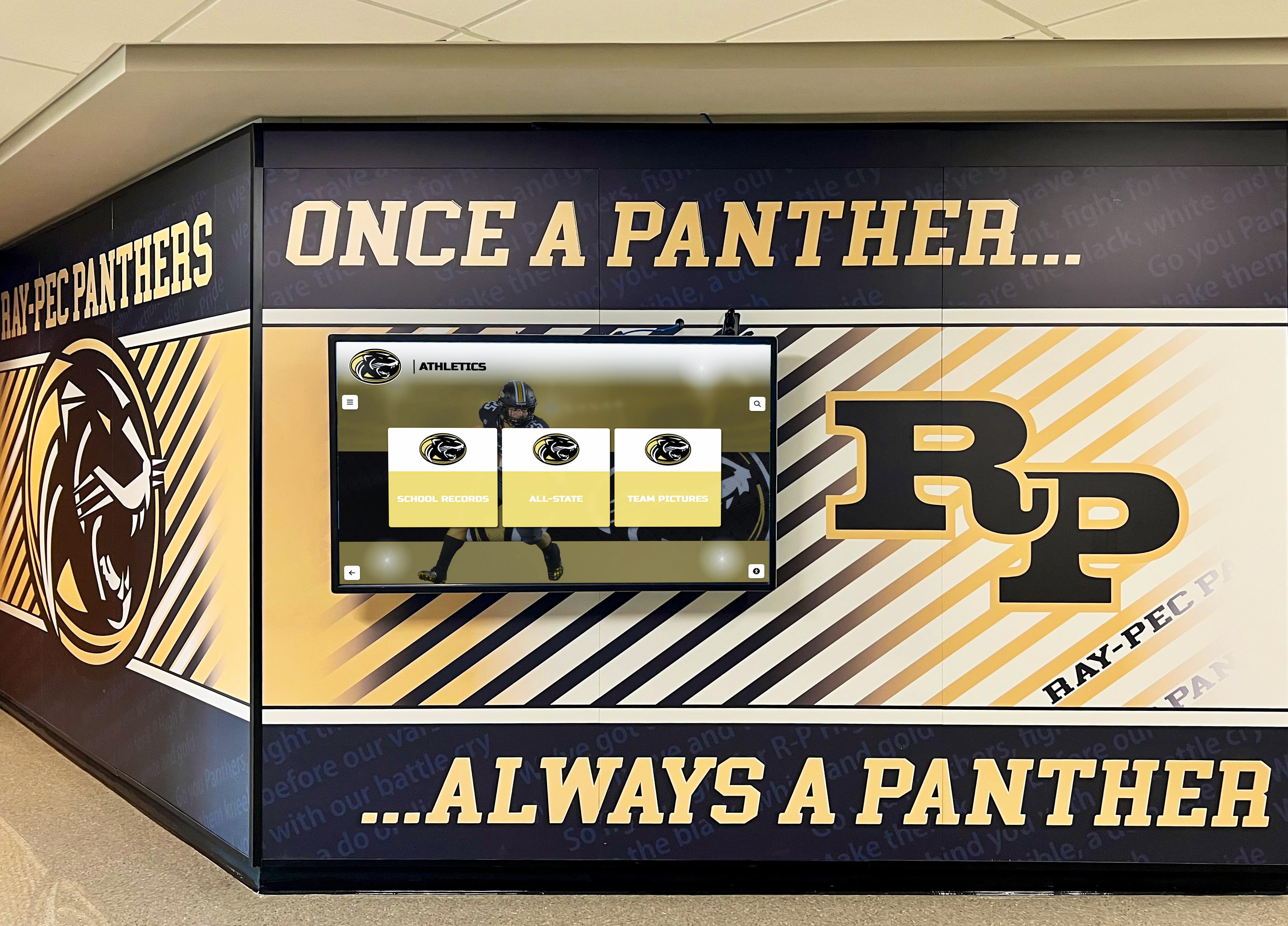
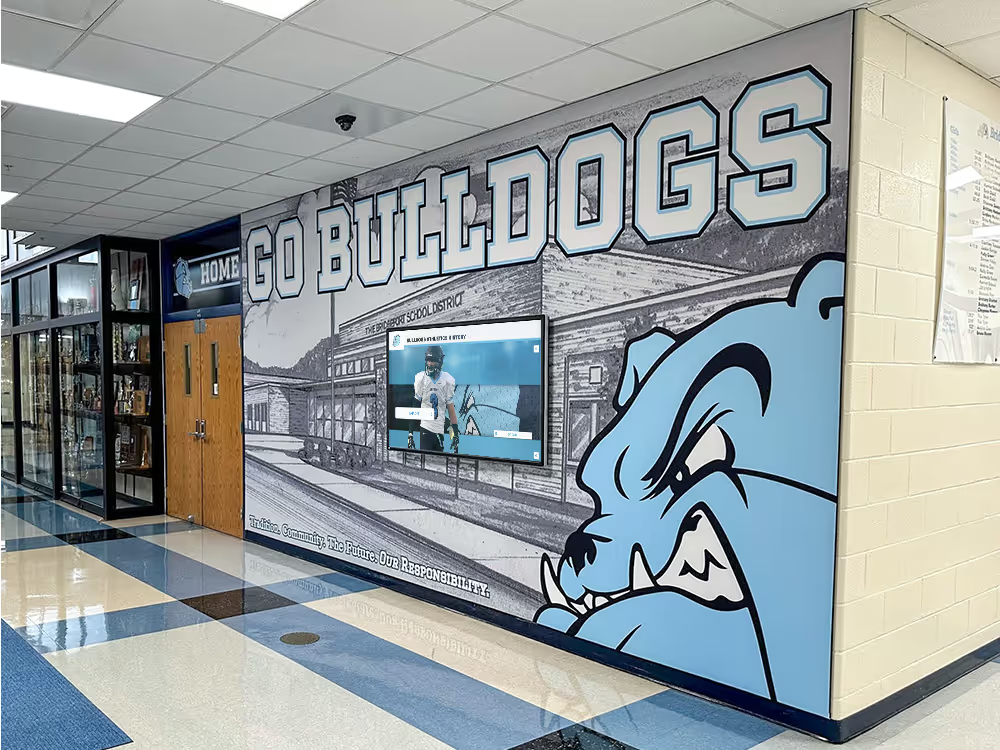
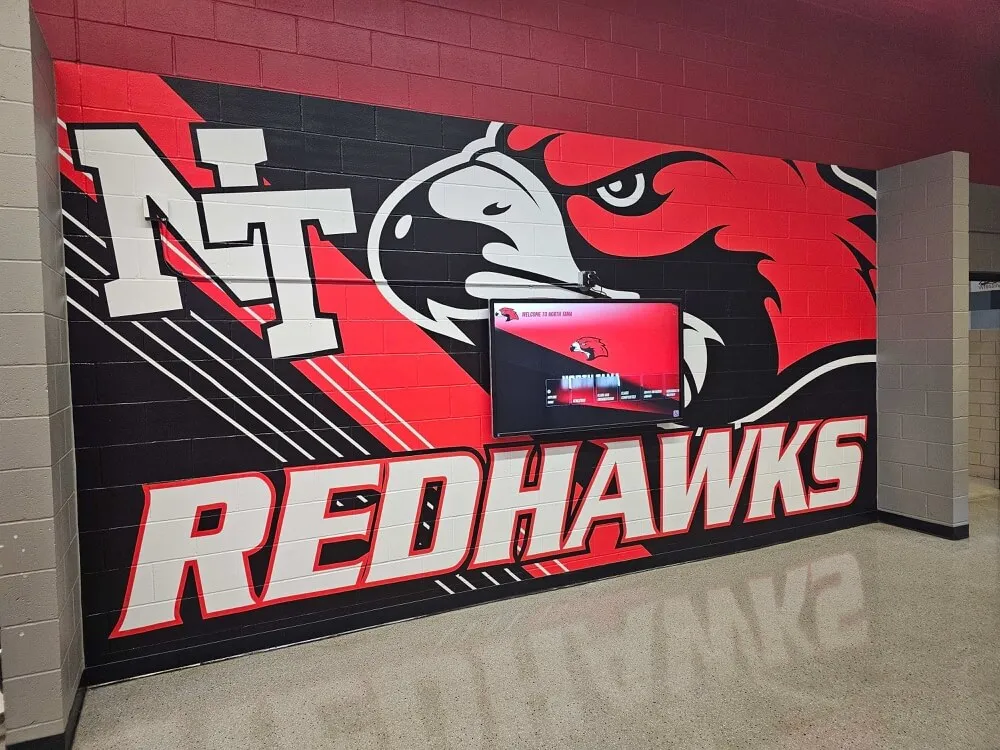
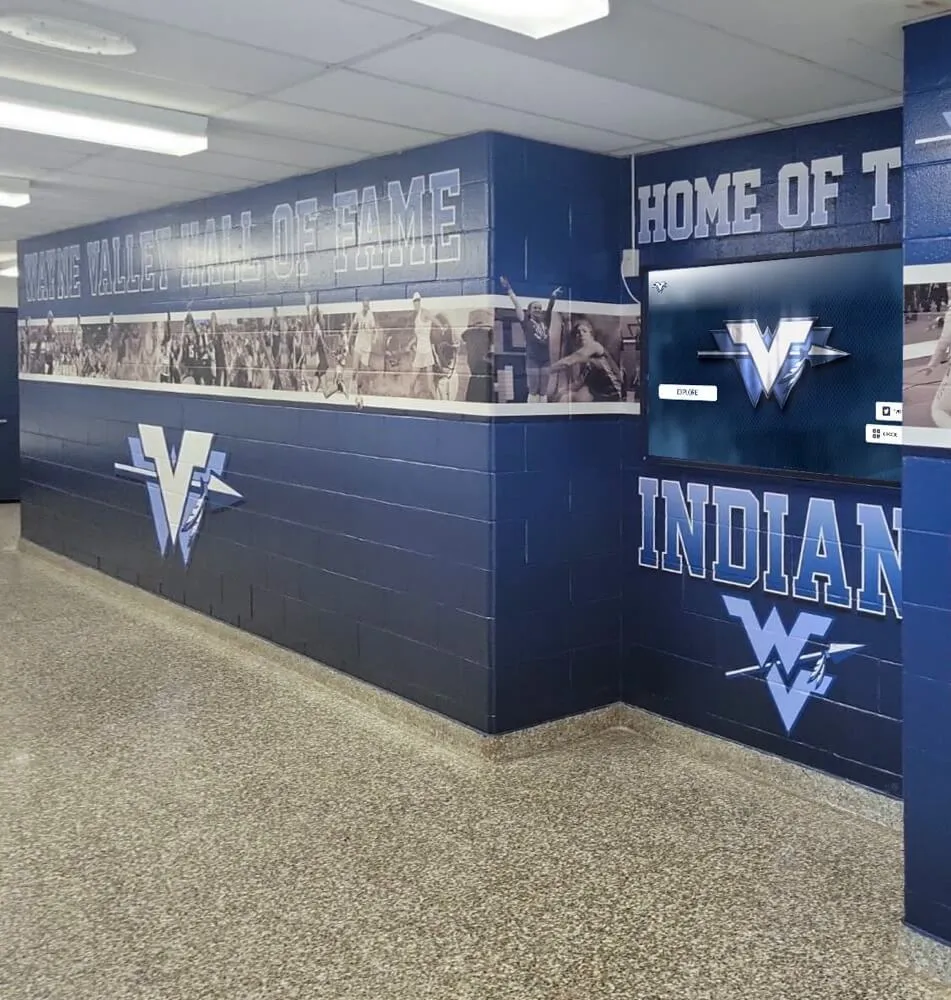
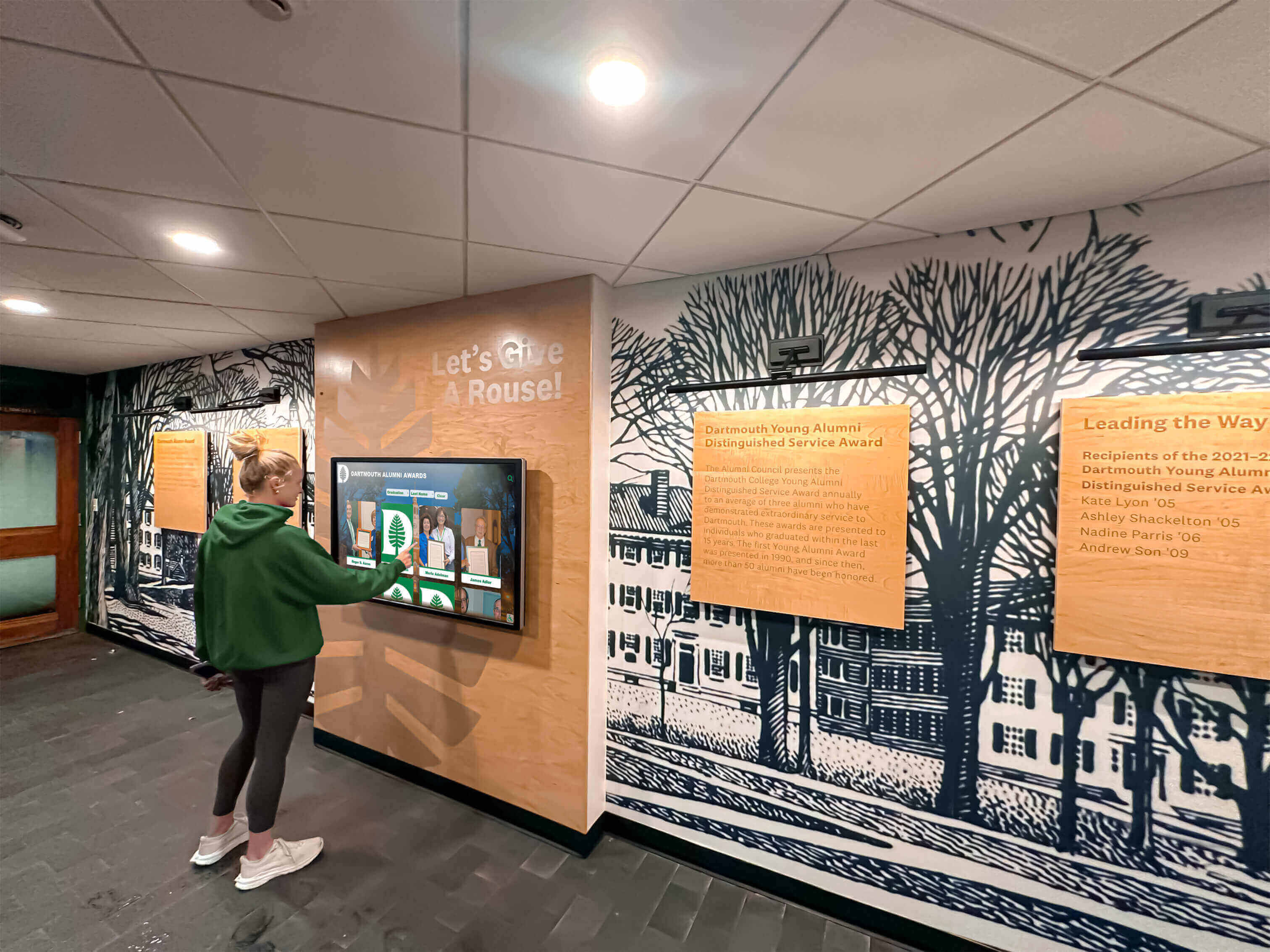
Integration with existing school branding and murals creates cohesive recognition environments celebrating institutional identity
Environmental Considerations
Lighting and Glare Management
- Assess direct sunlight exposure at different times throughout days and seasons
- Evaluate artificial lighting creating screen washout or reflection problems
- Consider window treatments or display orientation adjustments
- Specify commercial displays with high brightness ratings (400-700 nits minimum)
- Test displays in actual locations before permanent installation
Viewing Space and Accessibility
- Provide 6-10 feet of clearance in front enabling group viewing
- Ensure wheelchair accessibility meeting ADA mounting height requirements
- Avoid placement blocking hallway traffic or creating circulation problems
- Consider viewing angles from multiple approach directions
- Plan for comfortable extended viewing without physical strain
Climate and Environmental Protection
- Climate-controlled spaces for standard consumer-grade displays
- Commercial/industrial-rated displays for gymnasiums without full HVAC
- Protective enclosures for high-traffic areas with potential impact risks
- Dust and cleaning considerations in maintenance areas or near exterior doors
- Security considerations in spaces accessible outside school hours
Multiple Display Strategies
Coordinated Multi-Location Implementation
Schools with adequate budgets benefit from strategic multiple display placement:
Distributed Recognition Approach
- Main entrance lobby: Comprehensive all-school recognition
- Athletic facility: Sports-specific focused content
- Academic wing: Academic achievement and scholar recognition
- Fine arts areas: Drama, music, art achievement displays
Centralized cloud management enables updating all displays simultaneously while customizing content appropriately for each location.
Phased Implementation Strategy
Schools with limited initial budgets can implement systematically:
Year 1: Single display in highest-traffic location with comprehensive content Year 2: Add athletic facility display focusing on sports recognition Year 3: Expand to academic wing or commons area Year 4+: Add specialized displays in fine arts or activity-specific areas
Phased approaches spread costs over multiple budget cycles while demonstrating value justifying expansion investment.
Implementation Planning: Execution Timeline and Success Factors
Systematic implementation following proven processes dramatically increases digital hall of fame success rates.
Execution Timeline: From Purchase to Launch
Phase 1: Planning and Requirements Definition (Weeks 1-4)
Stakeholder Engagement
- Assemble hall of fame committee with broad representation across programs
- Define recognition scope determining included achievement categories
- Establish selection criteria and eligibility requirements
- Set success metrics defining program effectiveness measures
- Secure administrative support and complete budget authorization
Technical Assessment
- Evaluate facility locations identifying optimal display placement
- Assess network infrastructure and connectivity requirements
- Review electrical capacity and installation requirements
- Identify staff members responsible for ongoing content management
- Inventory existing recognition archives requiring digitization
Learn comprehensive planning approaches in academic recognition programs guide.
Phase 2: Vendor Selection and Procurement (Weeks 5-8)
Vendor Evaluation Process
- Request comprehensive proposals from 3-5 qualified vendors
- Schedule platform demonstrations and ask specific capability questions
- Contact customer references at similar schools
- Compare total 5-year cost of ownership across vendors
- Verify training comprehensiveness and support quality
Purchase Authorization
- Present recommended vendor selection to school leadership
- Complete procurement processes following district purchasing requirements
- Finalize contracts including all hardware, software, services, training
- Establish implementation timeline and milestone schedule
- Assign project leadership and accountability
Phase 3: Content Development and Preparation (Weeks 9-20)
This phase typically requires most time investment:
Historical Research
- Research yearbooks, newspapers, publications identifying qualifying honorees
- Compile biographical information from institutional records and alumni outreach
- Digitize historical photographs ensuring adequate resolution
- Research missing information closing documentation gaps
- Organize statistics and quantitative achievement data
Profile Creation
- Write engaging biographical narratives for initial launch honorees
- Create individual profiles using platform templates and structures
- Upload and organize photography with proper identification
- Integrate video content including interviews, highlights, historical footage
- Develop team pages with complete rosters and season information
Explore content development strategies in digital storytelling athletic programs guide.
Quality Assurance
- Establish approval workflows ensuring accuracy before publication
- Proofread all content preventing errors in public recognition
- Verify photo permissions and releases for public display
- Test content on actual hardware ensuring proper appearance
- Obtain inductee or family approval where appropriate
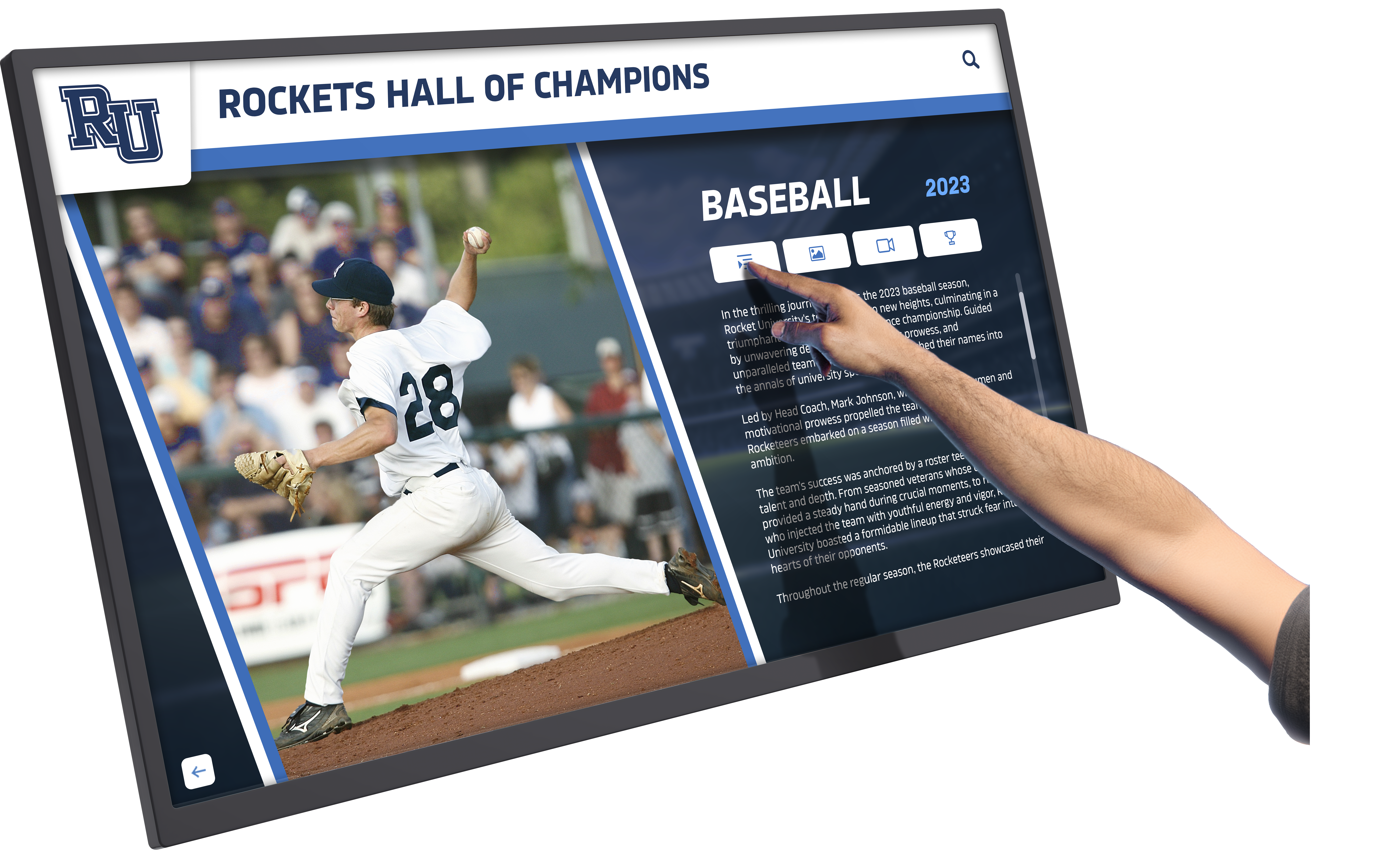
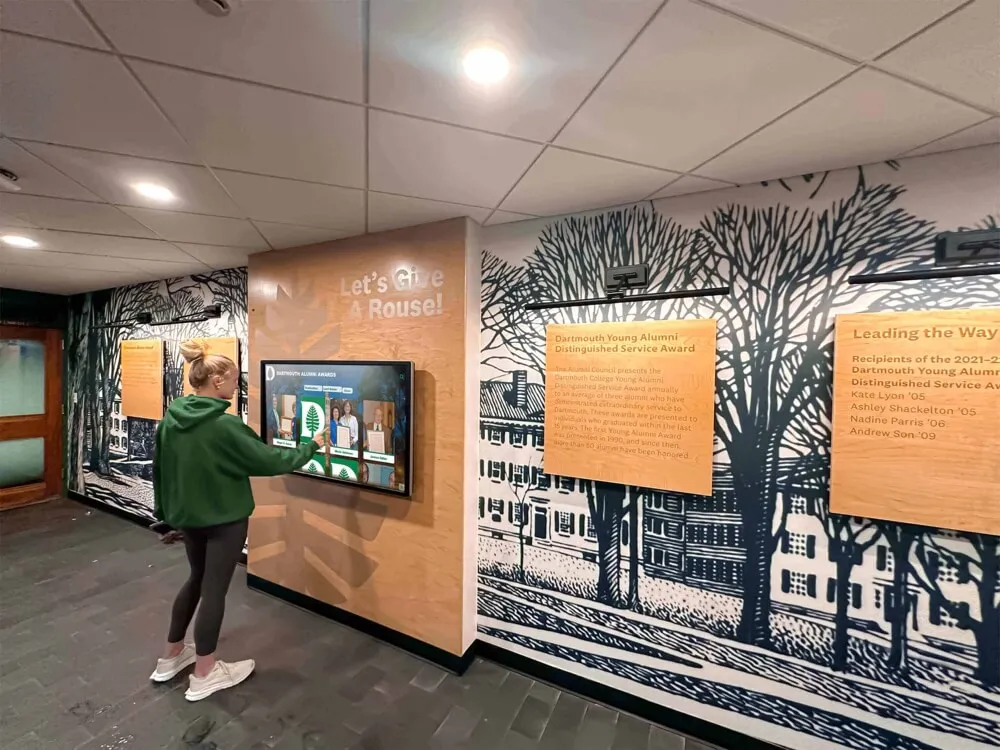
Touch-optimized interfaces make exploring individual profiles and detailed achievements intuitive across all age groups
Phase 4: Installation and Training (Weeks 21-24)
Professional Display Installation
- Complete electrical and network infrastructure work
- Mount displays with ADA-compliant positioning ensuring accessibility
- Install professional cable management creating finished appearance
- Configure displays including network connectivity, brightness, touch calibration
- Test all interactive functions verifying responsive reliable operation
Administrator Training
- Provide hands-on content management training with actual profile creation
- Cover administrative functions including user management and approval workflows
- Demonstrate multimedia management for photos, videos, documents
- Train on bulk upload tools for efficient team and class additions
- Review analytics showing engagement patterns and popular content
Testing and Verification
- Conduct complete system testing across all features
- Verify search and filtering deliver expected discovery capabilities
- Test content updates through complete creation-to-publication workflow
- Review web platform ensuring consistent cross-device experience
- Confirm analytics tracking providing accurate engagement measurement
Phase 5: Launch and Community Engagement (Week 25+)
Public Launch Planning
- Schedule unveiling ceremony during high-visibility event or dedicated celebration
- Invite previous inductees creating cross-generational connections
- Arrange media coverage generating community awareness
- Provide facility tours and display demonstrations
- Create commemorative elements marking institutional milestone
Promotion and Awareness
- Announce launch through website, social media, email, newsletters
- Create promotional content featuring highlighted inductees and stories
- Integrate displays into facility tours for prospective families
- Train staff and volunteers to demonstrate features and encourage exploration
- Share honoree profiles through social media creating viral awareness
Early Assessment and Optimization
- Track engagement analytics from launch through first months
- Gather stakeholder feedback from inductees, administrators, students, visitors
- Monitor technical performance identifying reliability or usability issues
- Assess whether content scope and quality meet expectations
- Identify enhancement opportunities based on community response
Critical Success Factors
Leadership Commitment and Vision
Successful programs require sustained executive support:
- Administrative championship maintaining recognition as institutional priority
- Adequate budget allocation for both initial investment and ongoing operation
- Staff time protection preventing recognition management from becoming overwhelming burden
- Regular communication celebrating program success and community impact
Appropriate Technology Selection
Choosing purpose-built platforms versus generic alternatives determines long-term satisfaction:
- Recognition-specific capabilities supporting comprehensive achievement celebration
- Intuitive content management enabling sustainable staff operation
- Vendor partnership quality ensuring responsive support and ongoing training
- Platform scalability accommodating future recognition expansion
Comprehensive Content Development
Recognition quality depends on content depth and professionalism:
- Adequate time allocation for historical research and profile creation
- Professional writing and presentation standards throughout all content
- Complete statistical documentation and achievement verification
- Quality photography with proper identification and categorization
- Regular content updates maintaining currency and community interest
Sustainable Management Commitment
Long-term success requires realistic ongoing capacity:
- Clear responsibility assignment with adequate time allocation
- Training for multiple staff members ensuring continuity through transitions
- Systematic induction processes adding new honorees annually
- Regular content review and quality maintenance
- Community engagement sustaining visibility and utilization
Learn about comprehensive implementation in how to effectively implement digital wall of fame.
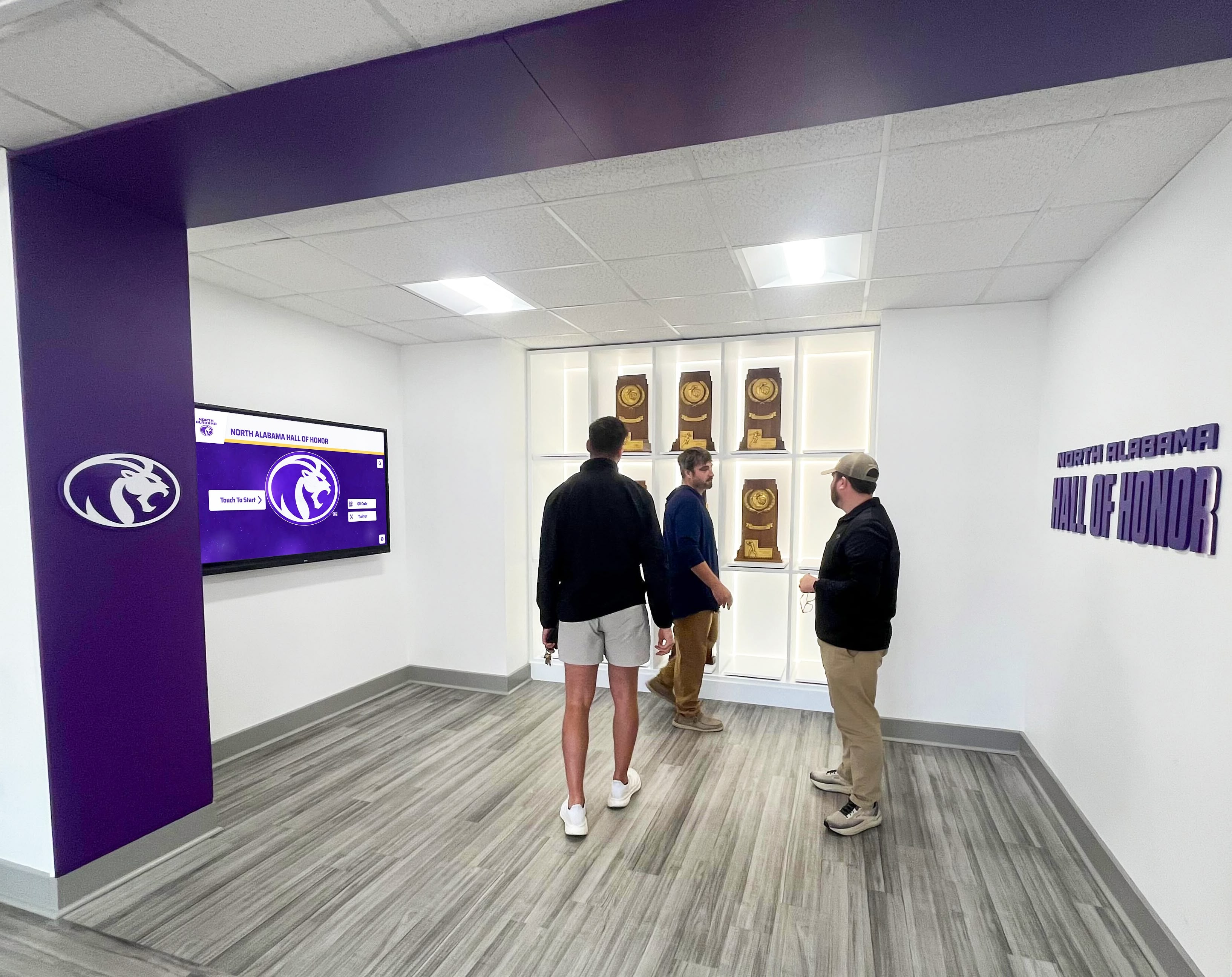
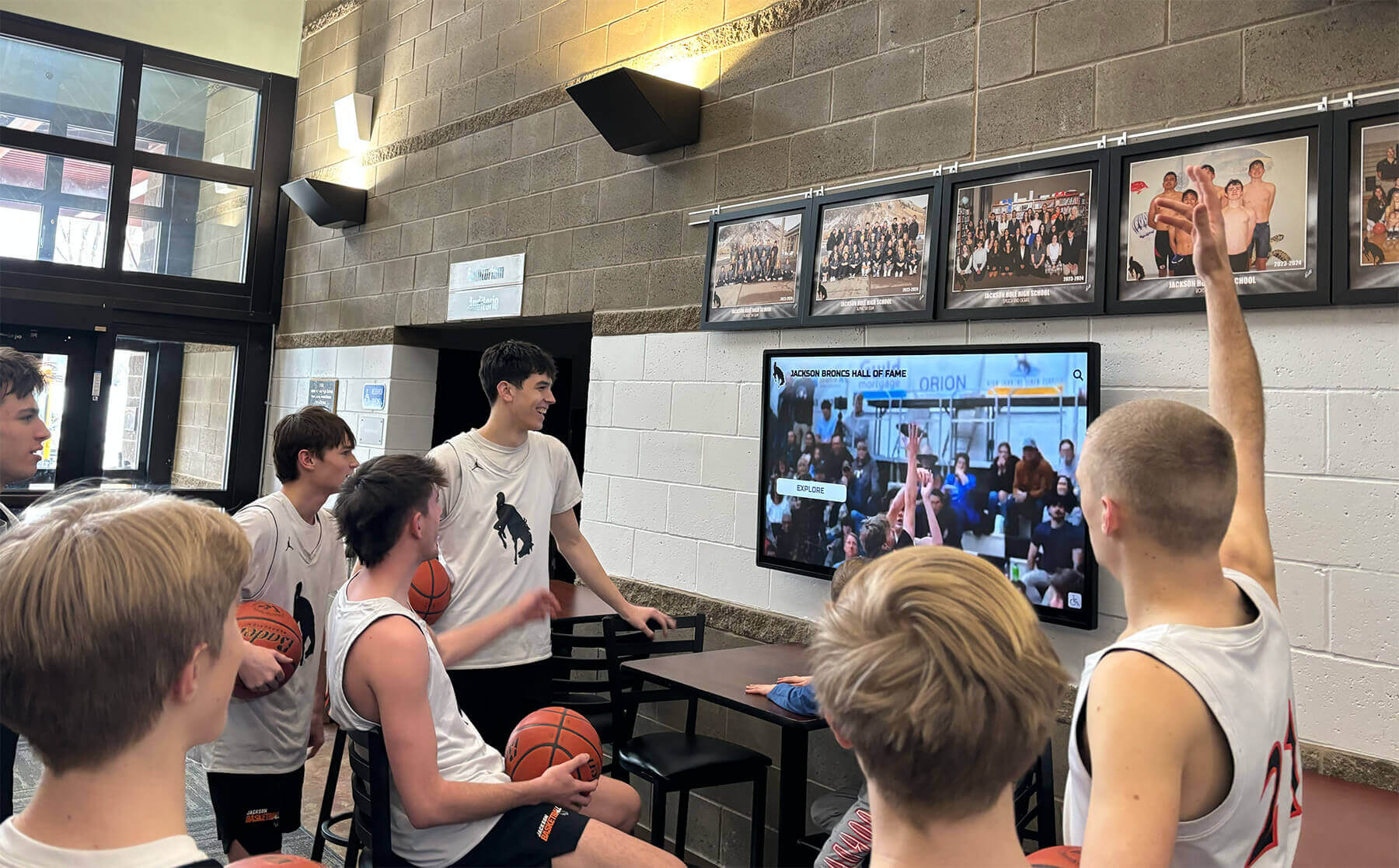
Digital halls of fame create social gathering points where communities explore achievements together and celebrate school heritage
Content Strategy: Building Comprehensive Recognition Archives
Effective digital halls of fame require systematic content strategies ensuring meaningful achievement celebration across all programs and historical periods.
Phased Content Development Approach
Most schools cannot develop complete historical archives before launch—phased strategies balance meaningful debuts with realistic workload management.
Phase 1: Recent and Well-Documented Recognition (Launch Content)
Begin with content requiring minimal research:
- Current year inductees with readily available information
- Previous 5-10 years with comprehensive yearbook documentation
- Recent championship teams with photos and rosters available
- Current hall of fame inductees if transitioning from physical displays
Launch with 100-300 profiles demonstrating platform capabilities while managing development workload.
Phase 2: Systematic Historical Expansion (Years 1-2)
Add historical content systematically:
- Priority decades based on available documentation and alumni interest
- Major championship teams and significant achievement milestones
- Distinguished alumni and notable historical figures
- Fill gaps in recent content ensuring comprehensive modern coverage
Expand to 500-1,000+ profiles creating substantial recognition depth.
Phase 3: Comprehensive Archive Completion (Years 2-5)
Complete historical recognition:
- Earlier decades requiring more extensive research
- Lesser-known achievements deserving recognition
- Comprehensive team rosters and statistics across all sports and activities
- Academic, fine arts, and activity achievements receiving equal depth
Develop complete archives with 1,000-5,000+ profiles depending on school history and recognition scope.
Ongoing Annual Additions
Sustain recognition currency:
- Annual induction ceremonies adding new hall of fame members
- Graduating senior classes and their cumulative achievements
- Championship teams and individual achievements from concluded seasons
- Alumni accomplishment updates and career milestone celebrations
Add 50-200+ new profiles annually maintaining recognition relevance.
Content Quality Standards
Consistent professional presentation creates credibility and respect:
Photography Requirements
- Minimum resolution standards ensuring clear display presentation (1920x1080 minimum)
- Proper identification including names, years, positions, teammates
- Appropriate historical photo restoration when digitizing older images
- Permissions and releases for public display and web publication
- Consistent cropping and presentation formats across all profiles
Biographical Writing Standards
- Third-person professional tone maintaining appropriate formality
- Complete sentences and proper grammar throughout all content
- Achievement focus emphasizing accomplishments and significance
- Contextual information explaining achievement importance
- Consistent length targeting 100-300 words for individual profiles
Statistical Documentation
- Verification from official records and reliable sources
- Consistent format and presentation across all sports and categories
- Context explaining achievement significance and historical comparison
- Clear designation of school, conference, sectional, regional, state records
- Year and opponent documentation for major achievements
Approval Workflows
Implement quality assurance preventing errors:
- Multiple staff member review before content publication
- Subject matter expert verification for sport-specific or technical content
- Administrative approval for sensitive or controversial recognition
- Inductee or family review when feasible and appropriate
- Correction procedures for errors discovered after publication
Common Buying Mistakes and How to Avoid Them
Learning from frequent pitfalls helps schools make informed decisions avoiding expensive regrets.
Mistake 1: Purchasing Based Primarily on Hardware Cost
The Problem: Schools compare vendor proposals focusing primarily on display size and initial hardware costs without adequate evaluation of software capabilities, ongoing expenses, content management difficulty, or vendor support quality. The cheapest initial purchase often becomes the most expensive long-term investment when platform limitations require replacement or extensive workarounds.
The Solution: Evaluate total five-year cost of ownership including all hardware, software, installation, training, content development, support, and ongoing operational expenses. Prioritize platform capabilities and vendor support quality over hardware specifications. Verify software provides recognition-specific features rather than generic digital signage. Request customer references and speak directly with schools about long-term satisfaction.
Mistake 2: Underestimating Content Development Requirements
The Problem: Schools purchase impressive displays assuming existing staff will develop comprehensive historical archives “when they have time,” discovering that complete recognition content requires 200-500+ hours of effort they hadn’t allocated. Displays sit empty or contain minimal sparse content disappointing stakeholders and wasting technology investments.
The Solution: Assess content development requirements realistically during planning. Allocate dedicated staff time, engage external content development assistance, implement phased approaches starting with well-documented recent recognition, or adjust scope expectations matching available resources. Never launch with inadequate sparse content creating disappointing first impressions that persist regardless of later improvements.
Mistake 3: Choosing Generic Digital Signage for Recognition Applications
The Problem: Schools purchase general-purpose communication systems believing they’ll work adequately for recognition, discovering too late that slideshow-only displays, missing search capabilities, difficult content management, and passive viewing experiences create disappointment. Generic signage designed for temporary announcements lacks specialized features required for permanent comprehensive recognition programs.
The Solution: Verify platforms provide searchable databases, individual profile pages, interactive exploration, statistics integration, and recognition-specific content management. Evaluate purpose-built recognition platforms specifically designed for halls of fame rather than adapting communication tools. Request demonstrations showing interactive profile exploration, not just passive slideshows. Speak with customer references about whether platforms meet recognition-specific needs.
Mistake 4: Inadequate Training and Support Planning
The Problem: Staff receives minimal training or generic instruction unrelated to recognition applications, leaving administrators confused and unable to manage systems confidently. Unresponsive or unhelpful vendor support when problems arise leads to frustration and eventual abandonment regardless of underlying platform quality.
The Solution: Evaluate training comprehensiveness and ongoing support quality as thoroughly as platform features. Verify training includes hands-on practice creating actual profiles, recognition-specific content strategy guidance, and multiple sessions beyond single demonstrations. Speak directly with current customers about vendor support responsiveness, knowledge, and helpfulness. Ensure support staff understand recognition applications specifically rather than just generic digital signage uses.
Mistake 5: Focusing Exclusively on Athletic Recognition
The Problem: Schools implement digital halls of fame focusing exclusively on athletic achievements while neglecting academic excellence, fine arts accomplishments, service recognition, and activity achievements. This narrow focus reinforces problematic cultural messaging that athletics matter more than other student accomplishments while missing opportunities to motivate broader student populations.
The Solution: Plan comprehensive recognition strategies celebrating achievements across all school programs including academics, athletics, fine arts, service, leadership, and activities. Ensure platform capabilities support diverse achievement types with appropriate statistics, media, and presentation options for each category. Allocate content development time proportionally across programs. Learn about comprehensive approaches in National Honor Society digital recognition display guide.
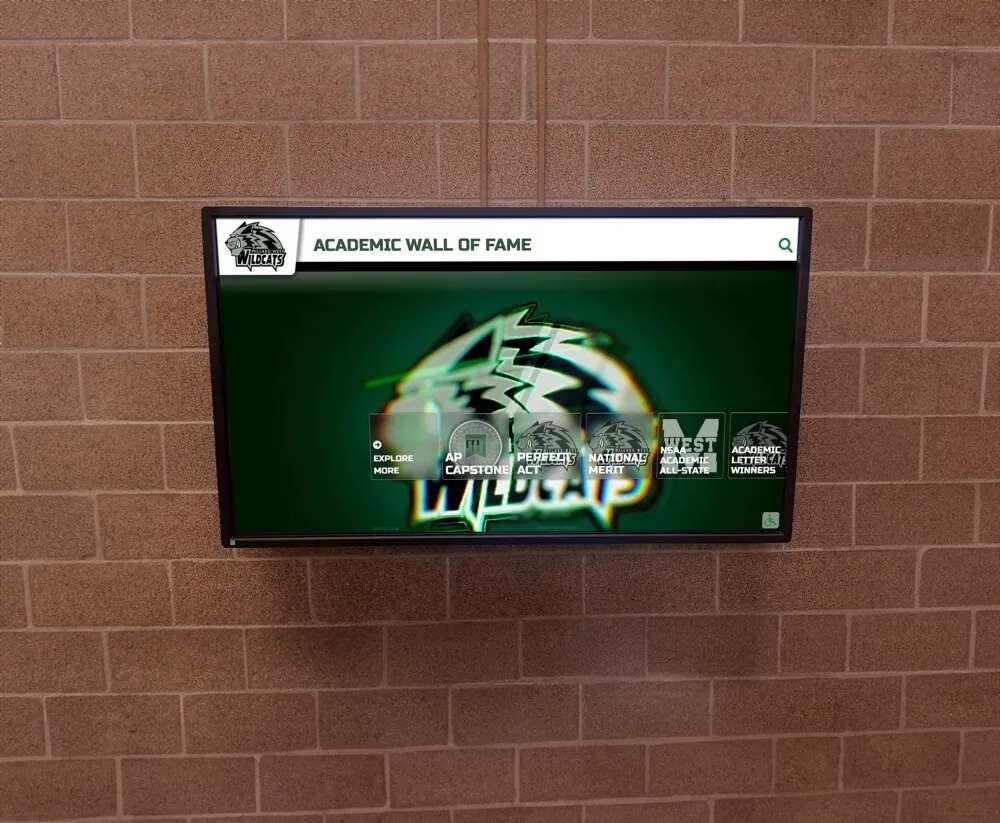
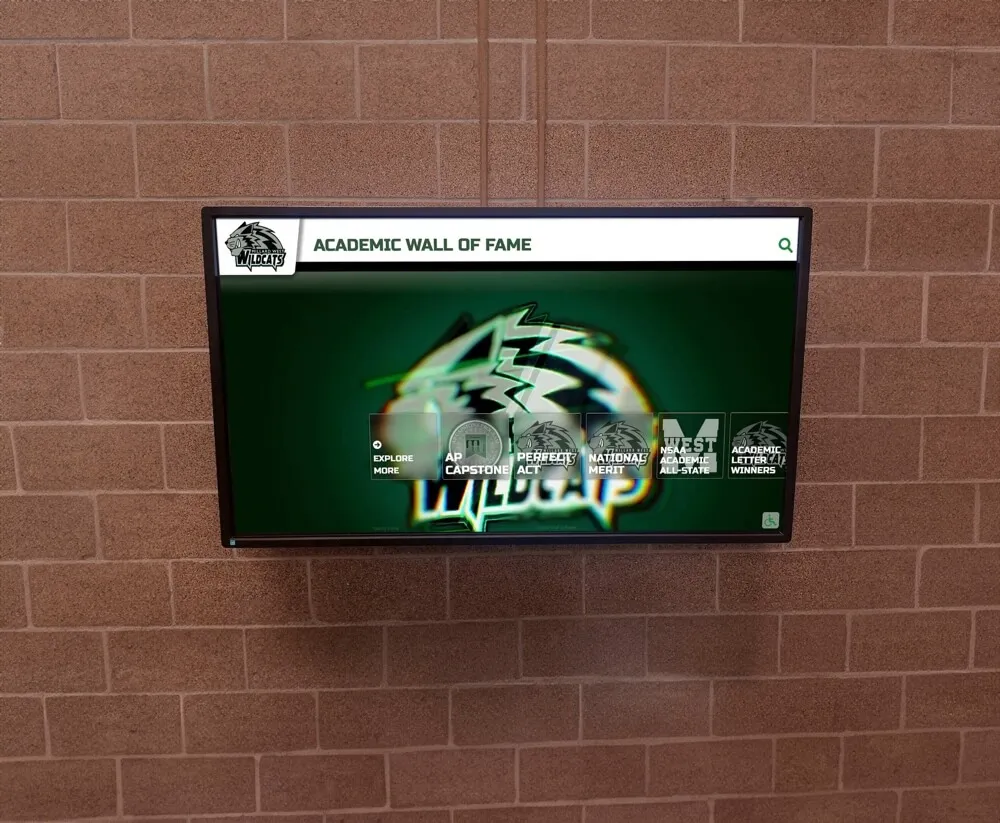
Comprehensive recognition systems celebrate achievements across all school programs including academics, athletics, and fine arts
Advanced Considerations for Informed Purchasing
Schools conducting thorough evaluation should assess these additional considerations affecting long-term success.
Integration Capabilities and Ecosystem Connections
School System Integrations
Modern platforms may integrate with existing school systems reducing duplicate data entry:
- Student information systems for automatic roster and enrollment data
- Athletic management software connections importing schedules, scores, statistics
- Alumni database integration enriching recognition with current contact and career information
- Website content management systems displaying recognition on institutional sites
- Social media publishing automating profile sharing across platforms
Evaluate whether vendors provide existing integrations or custom development capabilities connecting your specific school systems.
Data Import and Export Flexibility
Assess platform capabilities for content migration and portability:
- Spreadsheet import enabling migration from existing databases or records
- Bulk photo upload supporting historical archive digitization projects
- Statistics import from athletic management systems
- Export capabilities creating printed programs, certificates, marketing materials
- Backup downloads ensuring organizational ownership of all recognition content
Scalability and Future Expansion
Recognition Capacity and Growth
Verify platforms accommodate anticipated long-term growth:
- Total inductee or honoree capacity limits (many platforms allow unlimited)
- Additional display licensing costs if expanding to new locations
- Additional sport or activity category limitations
- Storage capacity for photos, videos, and multimedia content
- User account limitations for content administrators
Feature Roadmap and Platform Evolution
Evaluate vendor commitment to ongoing platform enhancement:
- Published feature roadmap showing planned improvements
- Regular software update frequency maintaining platform currency
- Customer input processes influencing development priorities
- Track record of platform enhancement over recent years
- Financial stability suggesting sustained business operation
Accessibility and Compliance Requirements
ADA Compliance Considerations
Ensure recognition displays meet accessibility requirements:
- Physical mounting heights enabling wheelchair user reach and operation
- Screen reader compatibility for visually impaired accessibility
- High-contrast viewing modes and text magnification options
- Keyboard navigation alternatives to touch-only interfaces
- Captioning for video content serving hearing-impaired users
Learn about comprehensive accessibility requirements in digital wall of fame accessibility guide.
Privacy and Data Protection
Consider student data privacy requirements:
- FERPA compliance for educational record protection
- Photo permission and release documentation requirements
- Opt-out procedures for students or families declining recognition
- Data security measures protecting sensitive information
- Retention policies and procedures for removing outdated content
Analytics and Measurement Capabilities
Engagement Tracking Features
Comprehensive analytics demonstrate program value and guide improvement:
- Total display interactions showing engagement frequency
- Average session duration indicating exploration depth versus brief glances
- Search queries revealing what visitors seek and popular content
- Geographic distribution tracking web platform access locations
- Popular profile identification showing which honorees attract most interest
- Year-over-year trends demonstrating whether engagement grows or declines
Assessment and Continuous Improvement
Use analytics informing content and placement strategies:
- Identify underutilized displays requiring placement adjustments or promotion
- Discover achievement categories attracting most community interest
- Recognize content gaps where additional development would increase engagement
- Understand seasonal patterns optimizing content scheduling
- Measure return on investment demonstrating program value
Special Recognition Program Considerations
Different recognition approaches require specific platform capabilities and planning considerations.
Athletic Hall of Fame Recognition
Athletic recognition represents the most common digital hall of fame application:
Sport-Specific Requirements
- Customizable statistical categories by sport (rushing yards, batting average, points scored)
- Record designation and historical comparison capabilities
- Position and classification tracking (varsity, junior varsity, freshman)
- Tournament and championship documentation with progression records
- Conference, sectional, regional, state achievement designations
Learn about athletic-specific implementations in high school football playoff awards recognition guide.
Team Recognition Features
- Complete roster displays linking individual athlete profiles
- Season record documentation and game-by-game results
- Team photos with individual player identification
- Coaching staff recognition across program decades
- Championship banners and trophy documentation
Academic Recognition Programs
Academic achievement deserves equal visibility and celebration:
Academic Achievement Categories
- Honor roll recognition by marking period and academic year
- Valedictorian and salutatorian designation with graduation details
- National Merit Scholars and Academic All-American recognition
- Advanced Placement and International Baccalaureate accomplishments
- Academic competition achievements across subject disciplines
Explore comprehensive academic recognition in academic honor roll recipients recognition guide.
College and Career Recognition
- College acceptance and destination highlights
- Scholarship recipient recognition
- Academic major and career pathway tracking
- Alumni career accomplishment updates
- Distinguished alumni academic achievement spotlights
Fine Arts and Activities Recognition
Comprehensive recognition celebrates excellence across all programs:
Performing Arts Recognition
- Theatre cast lists and production histories
- All-state musician and ensemble recognition
- Competition achievements and superior ratings
- Student director and technical achievement
- FFA awards digital display and agricultural education recognition
Student Activities and Leadership
- Student government leadership recognition
- Service organization achievements and milestone celebrations
- Club leadership and significant accomplishments
- Debate and forensics competition success
- Career and technical education certifications
Conclusion: Making Informed Digital Hall of Fame Investments
Purchasing a digital hall of fame represents a significant institutional investment that will either create lasting value celebrating your school community appropriately for decades or become an expensive disappointment requiring eventual replacement. The difference between these outcomes rarely depends on budget size but rather on making informed decisions about technology selection, vendor partnerships, content strategy, implementation approach, and ongoing management commitment.
The comprehensive evaluation framework presented throughout this buying guide provides high school administrators, athletic directors, and recognition committees with systematic approaches for assessing critical distinctions between purpose-built recognition platforms and inadequate generic alternatives, understanding total cost of ownership beyond initial hardware expenses, evaluating vendor support quality and customer satisfaction, planning realistic content development strategies, and ensuring successful implementation through proven processes.
Ready to explore digital hall of fame solutions designed specifically for high school recognition? Solutions like Rocket Alumni Solutions provide comprehensive platforms purpose-built for educational recognition, combining searchable databases with unlimited inductee capacity, intuitive content management enabling sustainable staff operation, web accessibility extending recognition beyond campus, professional hardware recommendations and installation coordination, comprehensive training ensuring confident system management, and responsive ongoing support maintaining program success throughout decades of operation.
Your implementation journey begins with clear recognition goal definition, continues through systematic vendor evaluation using criteria explored throughout this guide, advances with realistic budget planning accounting for complete five-year cost of ownership, and succeeds through adequate content development time allocation and sustained management commitment. Request your free custom demo or schedule a consultation to explore how purpose-built recognition platforms can appropriately honor your school community’s achievements and heritage.
Your students, alumni, and community deserve recognition technology celebrating accomplishments appropriately while creating meaningful engagement and lasting institutional pride. The most important consideration isn’t selecting the most expensive hardware or most sophisticated software—it’s choosing solutions aligned with your recognition values, sustainable within your resources, and designed to serve your specific community needs effectively throughout decades of operation.
Avoid common mistakes by prioritizing recognition-specific platform capabilities over generic digital signage, evaluating total cost of ownership beyond initial hardware expenses, allocating adequate time and resources for comprehensive content development, ensuring vendor support quality through customer reference conversations, and planning comprehensive recognition across all achievement categories rather than narrow athletic-only focus.
Begin your digital hall of fame procurement journey today by assembling your planning committee, defining recognition scope and standards, requesting comprehensive proposals from qualified vendors following evaluation criteria explored throughout this guide, speaking directly with customer references at similar schools, and committing to systematic implementation ensuring your investment delivers the meaningful achievement celebration and community engagement your programs deserve. The blueprint provided throughout this comprehensive buying guide offers proven pathways to procurement success—transform vision into informed reality and create the lasting recognition legacy your school community deserves.