Intent: Plan — Design modern digital donor wall programs that honor contributors meaningfully while building sustainable fundraising cultures.
Schools, nonprofits, and mission-driven organizations face a critical challenge: how do you honor every generous supporter when traditional brass plaques and static recognition walls impose severe space limitations? How can your recognition adapt when donor levels change, campaigns evolve, or you need to tell compelling stories about philanthropic impact? Most importantly, how do you create recognition experiences that genuinely inspire continued giving rather than simply listing names on a wall?
Digital donor walls solve these challenges by transforming recognition from static acknowledgment into dynamic, engaging experiences that honor unlimited contributors while creating meaningful connections between donors and mission impact. When organizations implement thoughtful digital recognition programs, they eliminate capacity constraints, reduce long-term costs, and build donor engagement that traditional approaches simply cannot match.
This comprehensive guide explores creative digital donor wall ideas, proven design strategies, implementation best practices, and recognition programs that honor every supporter appropriately while advancing fundraising objectives for years to come.
Effective donor recognition represents far more than polite acknowledgment—it serves as strategic infrastructure for retention, cultivation, and sustained philanthropic partnership. Organizations that embrace modern digital recognition gain powerful capabilities for celebrating community support while building cultures where generosity thrives across generations.
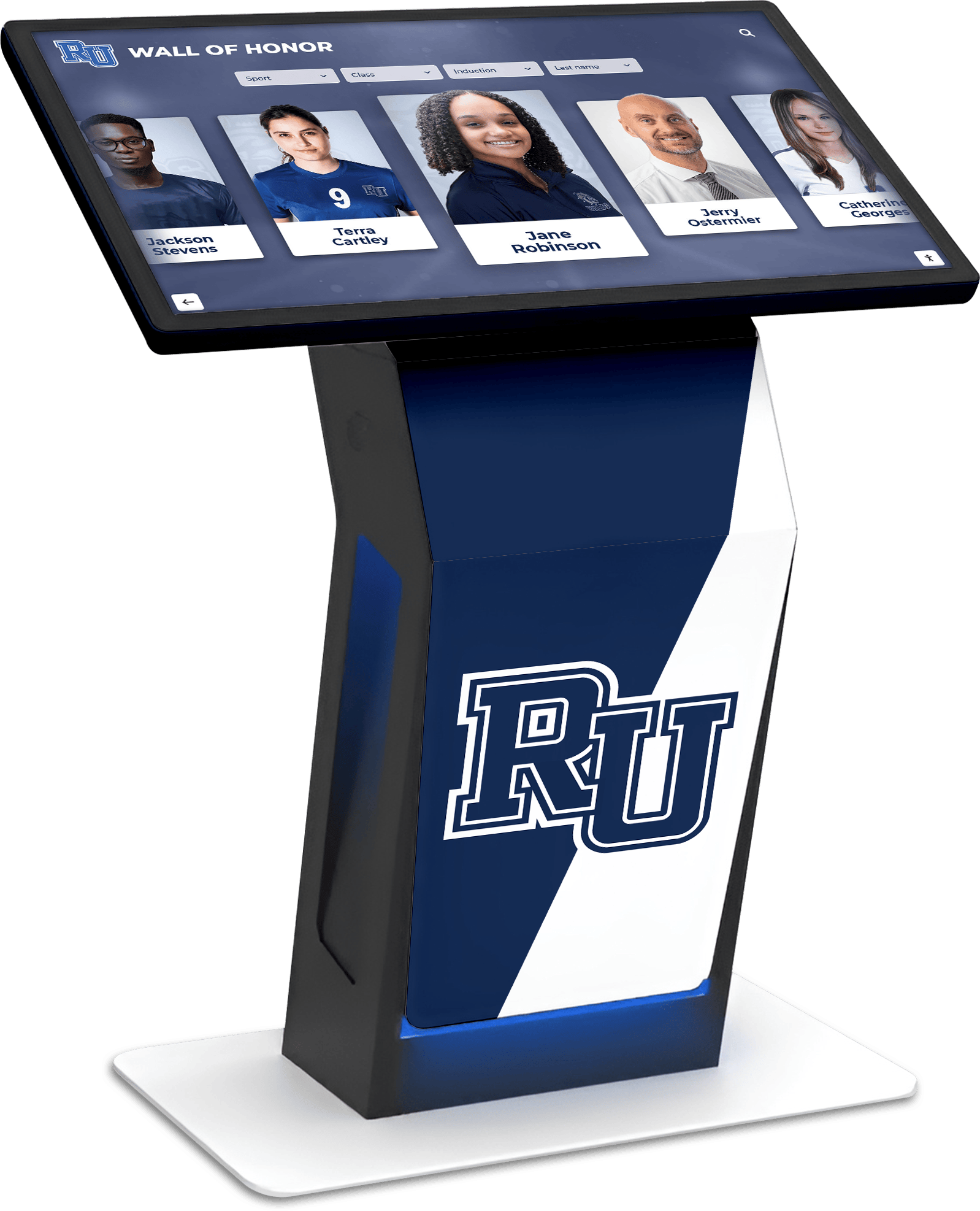
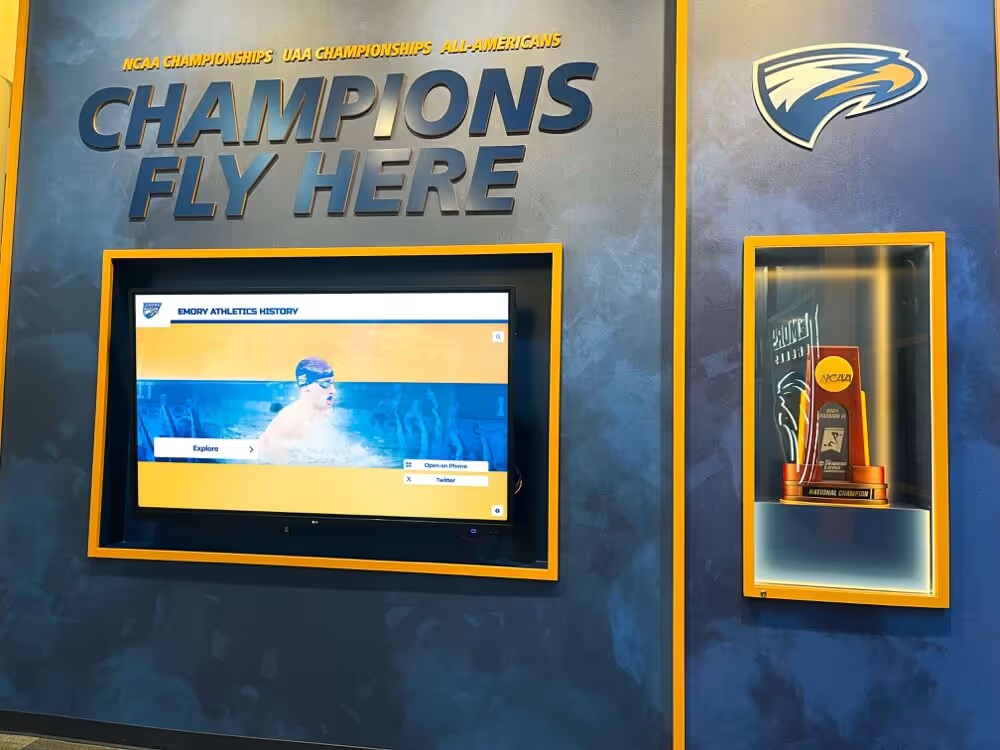
Digital donor walls provide unlimited recognition capacity while creating engaging experiences that honor every contributor meaningfully
Program Snapshot: Digital Donor Recognition Systems
Primary Audience
- Development directors planning recognition programs
- School administrators managing capital campaigns
- Nonprofit leaders seeking stewardship solutions
- Fundraising professionals evaluating options
- Facilities managers implementing displays
Key Outcomes
- Unlimited donor recognition capacity across all giving levels
- 40-60% improvement in donor retention rates
- Instant content updates eliminating contractor fees
- Rich multimedia storytelling creating emotional connections
- Real-time campaign integration maintaining engagement
- Comprehensive archives preserving philanthropic history
Recognition Scope
- Annual fund contributors at all levels
- Capital campaign leadership donors
- Scholarship and endowment supporters
- Memorial and tribute gift recognition
- Planned giving society membership
- Corporate and foundation partners
- Multi-year pledge acknowledgment
- Volunteer leadership celebration
Timeline Phases
- Planning: 2-3 months (criteria development, vendor selection)
- Design: 1-2 months (content architecture, visual identity)
- Build: 2-4 weeks (hardware installation, content migration)
- Launch: Recognition unveiling celebration
- Refresh: Monthly updates, quarterly content enhancement
Content Architecture: Mapping Donors to Touchscreen Modules
Effective digital donor walls organize recognition through structured content frameworks that honor contributions comprehensively while enabling intuitive exploration:
Recognition Content Structure
Donor Directory Module
- Alphabetical browsing enabling quick name location
- Giving level filters displaying leadership circles and societies
- Campaign-specific views showing initiative supporters
- Year-based organization documenting historical recognition
- Search functionality finding donors instantly by name
- Memorial designation identifying tribute gifts
- Anonymous donor accommodation maintaining privacy while showing support breadth
Individual Donor Profiles
Your digital donor wall should present rich information impossible with static plaques:
- High-resolution donor photography personalizing recognition
- Biographical information and connection stories
- Complete giving history showing sustained partnership
- Specific programs or facilities supported
- Donor testimonials explaining philanthropic motivation
- Recognition society membership and giving level progression
- Related family giving connecting multi-generational support
Organizations implementing comprehensive profiles report significantly higher donor satisfaction and retention compared to basic name-only recognition.
Campaign Recognition Boards
Real-Time Fundraising Integration
Digital platforms enable campaign support impossible with traditional walls:
- Live fundraising thermometers visualizing progress toward goals
- Leadership gift announcements building campaign momentum
- Matching gift countdowns creating urgency and participation
- Milestone celebrations recognizing achievement increments
- Donor testimonials encouraging community involvement
- Challenge period tracking generating competitive engagement
This real-time integration creates silent solicitation effects, with prospective donors witnessing community support and feeling inspired to contribute.
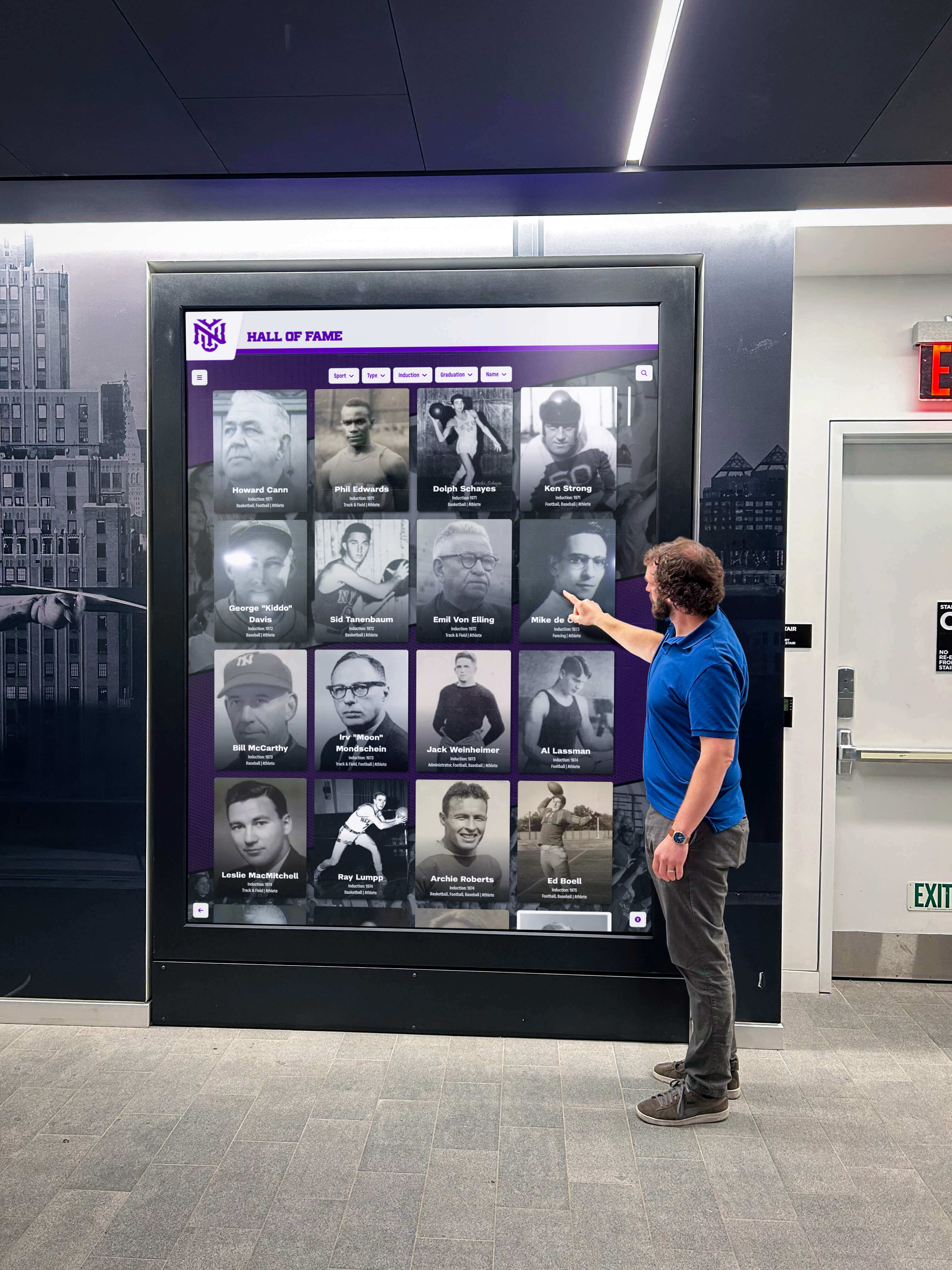
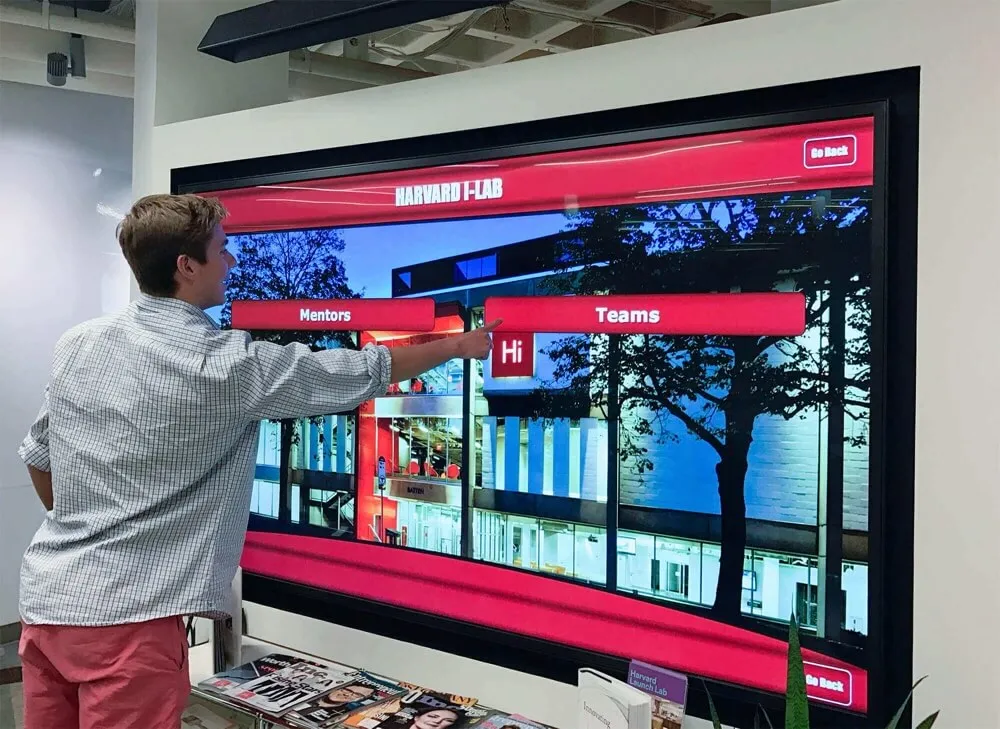
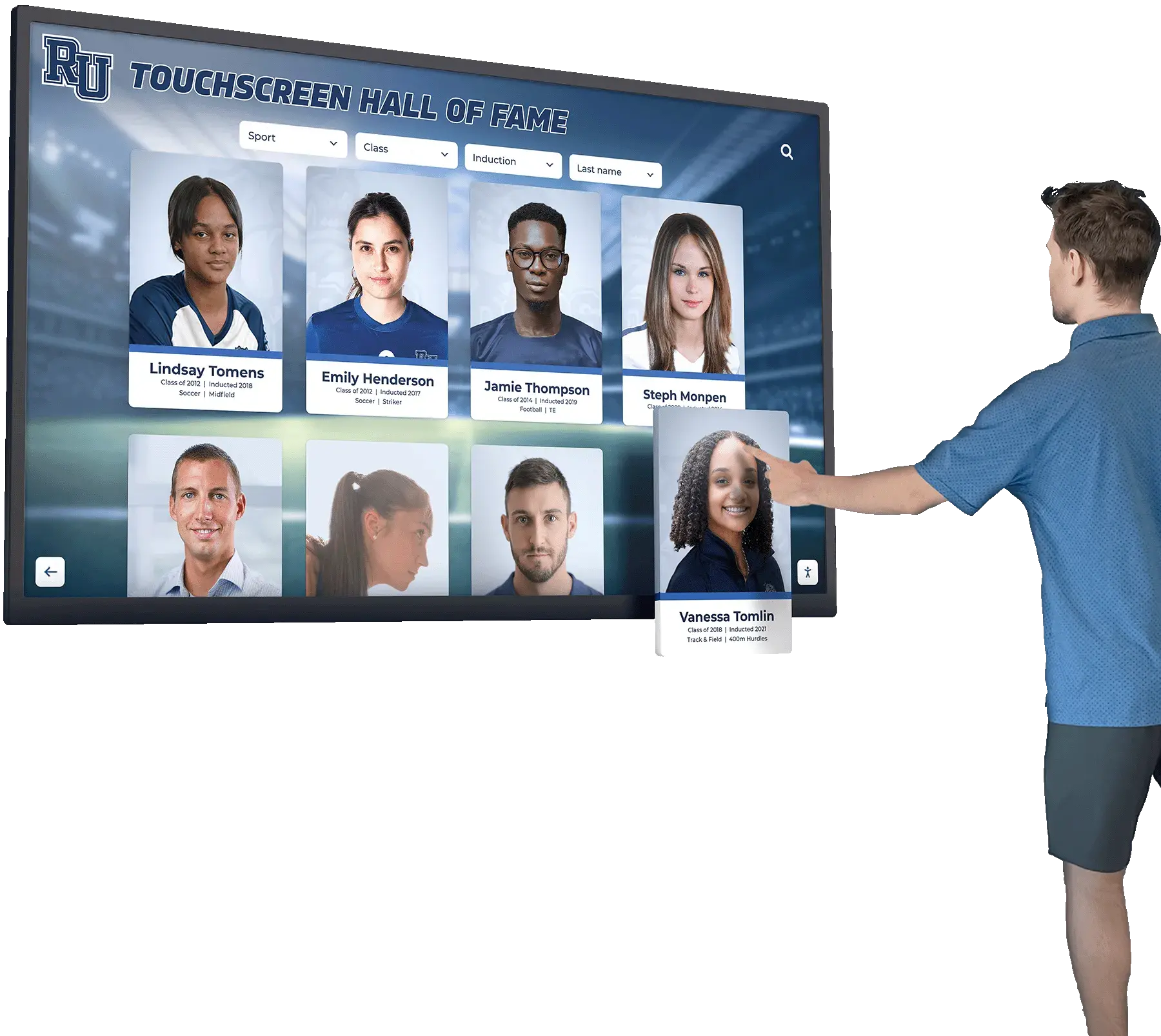
Interactive exploration transforms passive viewing into meaningful engagement with donor recognition and organizational mission
Giving Society Recognition
Tiered acknowledgment honoring contribution levels:
- Leadership circles recognizing transformational gifts ($100,000+)
- Major donor societies celebrating significant support ($25,000-$99,999)
- Sustainer groups honoring consistent annual giving ($10,000-$24,999)
- Loyalty recognition celebrating multi-year commitment ($5,000-$9,999)
- Community partners acknowledging entry-level support ($1,000-$4,999)
- Planned giving society membership recognizing estate commitments
- Customizable thresholds adapting to organizational context
Research demonstrates that prominent giving society recognition motivates donor progression, with contributors increasing gifts to reach next recognition tier.
Impact Storytelling Modules
Mission Connection Content
Effective digital donor walls communicate what contributions accomplish:
- Project documentation showing facilities or programs funded
- Before-and-after imagery demonstrating transformation enabled
- Beneficiary testimonials describing services received through support
- Quantified impact metrics illustrating outcomes achieved
- Program descriptions explaining funded initiatives
- Historical context connecting donors to organizational legacy
- Video content bringing impact stories to life authentically
According to fundraising research, donors cite “seeing impact” as the second most important factor influencing continued giving, making impact storytelling essential recognition content.
Explore comprehensive nonprofit donor recognition strategies that integrate acknowledgment with stewardship effectively.
Sponsor Recognition Ribbons
Many campaigns include corporate and business support:
- Prominent sponsor logos and branding
- Sponsorship level acknowledgment
- Business descriptions and contact information
- Partnership duration recognition
- Community impact statements
- Employee giving program recognition
- In-kind contribution acknowledgment
Digital platforms accommodate unlimited sponsors without the capacity constraints forcing difficult prioritization decisions with physical displays.
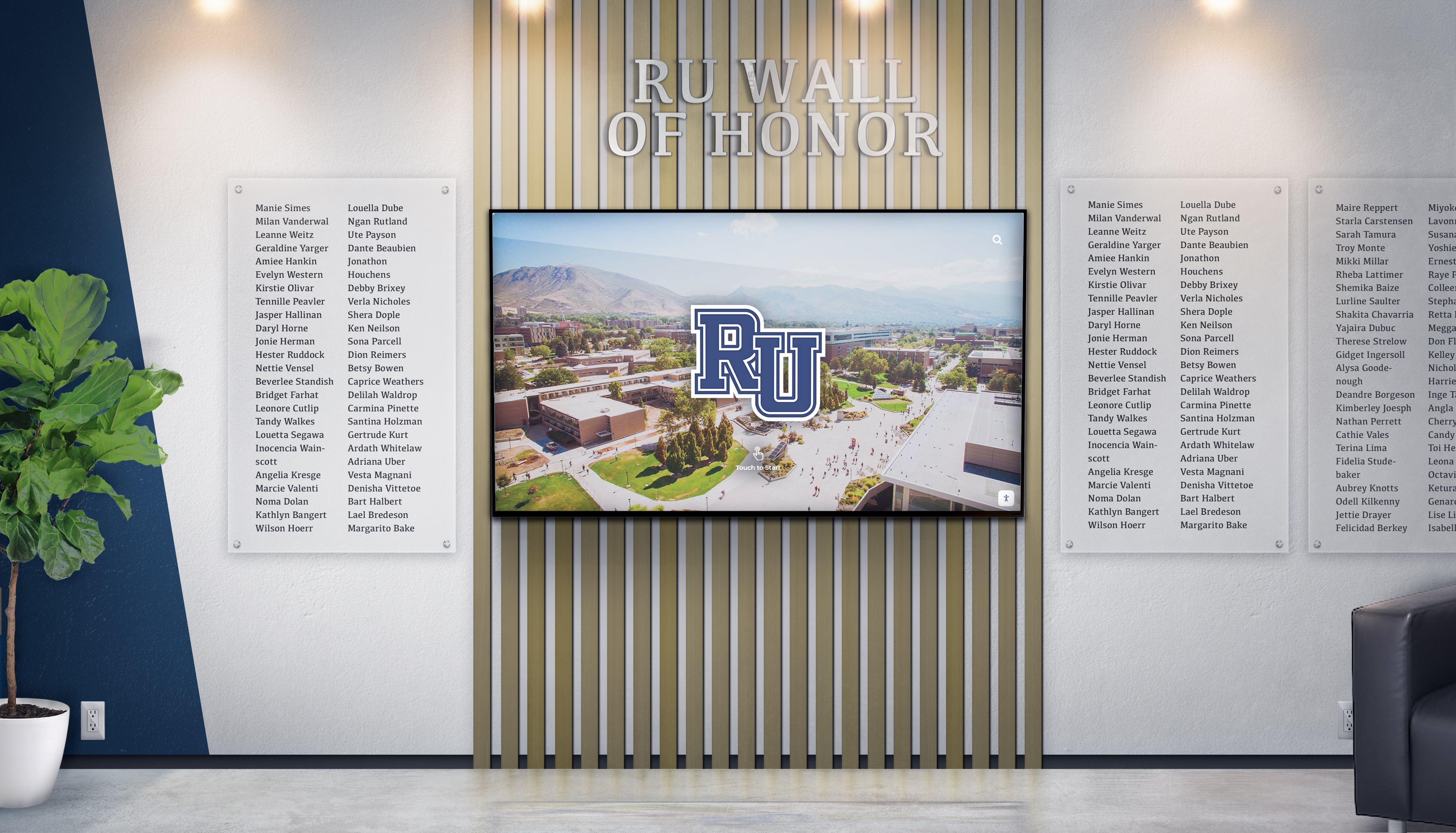
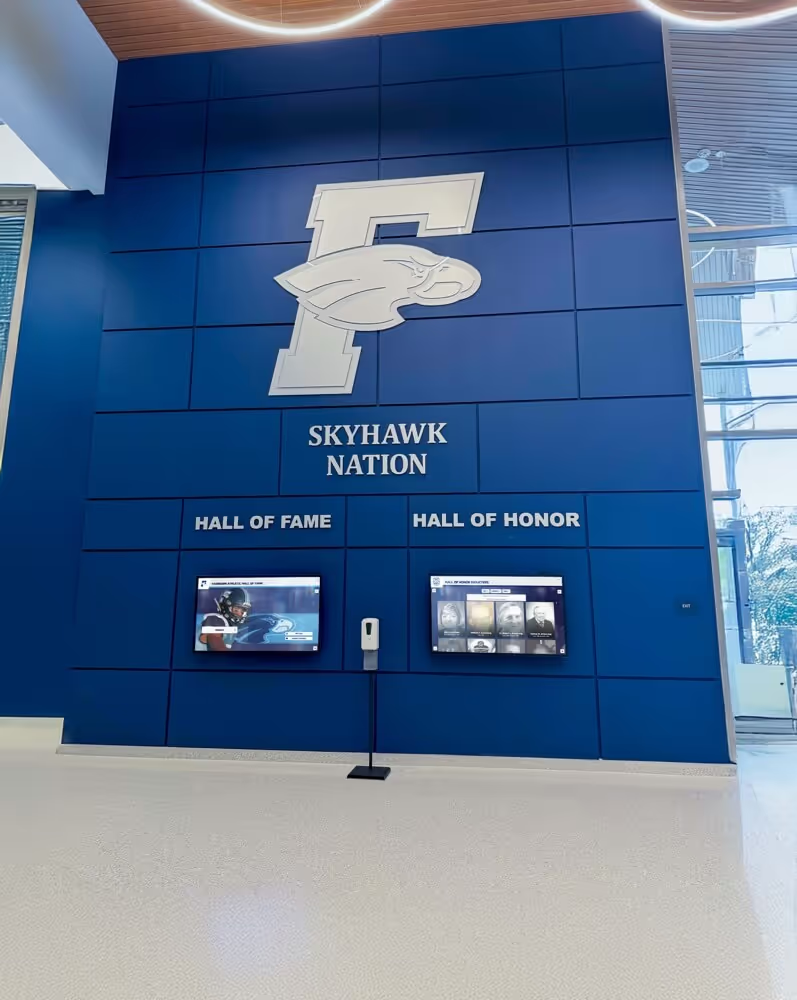
Hybrid approaches blend permanent physical recognition for major donors with digital capacity for comprehensive community acknowledgment
Social Engagement Features
Community Connection Tools
Modern recognition enables broader participation:
- Social sharing buttons enabling one-click celebration
- QR codes linking physical recognition to detailed online profiles
- Photo galleries from donor appreciation events
- User-generated content opportunities
- Donor anniversary celebrations
- Milestone recognition for cumulative giving totals
- Interactive timelines documenting philanthropic history
Organizations discover that social sharing creates viral recognition effects, with donors celebrating inclusion and inadvertently marketing organizational philanthropic culture to extensive networks.
Learn about implementing exciting hallway displays that engage visitors and celebrate community support prominently.
Execution Timeline: Implementing Digital Donor Recognition
Successful recognition requires systematic planning addressing design, content, technology selection, and long-term administration.
Phase 1: Plan (Months 1-2)
Recognition Philosophy Development
Establish guiding principles before selecting technology:
Gather nominees and stakeholders to define:
- Recognition purpose (appreciation, stewardship, inspiration, transparency)
- Values reflected through acknowledgment approach
- Balance between individual and collective achievement
- Anonymous giving accommodation and privacy respect
- Inclusive recognition honoring contributions at all levels
- Long-term vision for recognition as fundraising programs grow
Many organizations find that planning committees including development staff, board members, major donors, and communications professionals create comprehensive perspectives that individual decision-makers miss.
Recognition Criteria and Levels
Stage clear, equitable standards preventing future conflicts:
Establish policies addressing:
- Giving thresholds for recognition inclusion
- Donor society structures and level progression
- Multi-year pledge acknowledgment timing
- Corporate and foundation recognition protocols
- In-kind donation equivalency standards
- Recognition duration for different gift types
- Anonymous donor accommodation approaches
- Family giving attribution guidelines
- Memorial and tribute gift policies
Organizations implementing clear policies proactively prevent donor relations challenges while ensuring consistent treatment across time.
Explore donor recognition ideas that balance appreciation with strategic fundraising objectives.
Content Collection and Migration
Compile historical donor information for launch:
- Historical campaign records and complete donor lists
- Giving level verification with financial systems
- Biographical information when available from records
- Photos and multimedia content from archives
- Deceased donor identification for memorial designation
- Anonymous donor coding preserving privacy appropriately
- Duplicate identification and record consolidation
- Multiple review cycles ensuring accuracy before publication
Quality data compilation enables comprehensive launch recognition rather than disappointing early users with incomplete content.
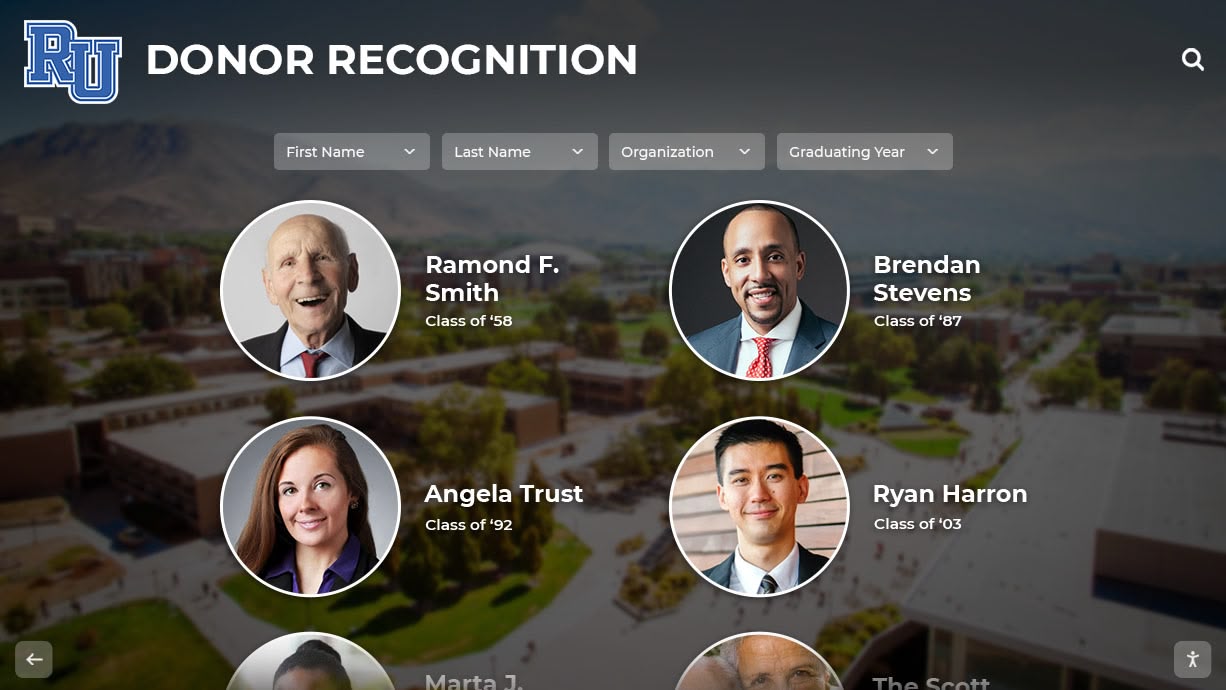
Comprehensive recognition honors entire philanthropic community rather than limiting acknowledgment to select few
Phase 2: Build (Months 2-3)
Technology Selection
Choose platforms specifically designed for donor recognition rather than generic digital signage:
Evaluate recognition-specific capabilities:
- Purpose-built donor acknowledgment features
- Unlimited donor capacity without content restrictions
- Intuitive content management requiring no programming
- Donor database integration for automated updates
- Multi-display coordination for larger installations
- Web portal inclusion extending recognition online
- Search and navigation functionality quality
- Analytics and engagement reporting features
- Total cost of ownership including ongoing licensing
- Vendor support, training, and implementation assistance
Solutions like Rocket Alumni Solutions provide comprehensive platforms specifically designed for donor recognition, with features addressing unique requirements that general digital signage cannot accommodate effectively.
Hardware and Display Selection
Physical installation determines recognition visibility and engagement:
Consider specifications including:
- Screen size based on viewing distance and space (typically 43-75 inches)
- Commercial-grade displays rated for continuous operation
- Touchscreen capability enabling interaction versus passive viewing
- Portrait versus landscape orientation matching design preferences
- Brightness ensuring visibility in naturally lit spaces
- Mounting approach (wall-mounted, freestanding kiosk, recessed installation)
- Network connectivity requirements (wired Ethernet preferred)
- ADA-compliant placement and approach distances
- Physical security in public spaces
- Maintenance accessibility for cleaning and service
Organizations should prioritize touchscreen interactive displays over passive digital signage, as research demonstrates 5-10 times longer engagement duration with interactive exploration compared to static viewing.
Design Development
Create professional visual identity reflecting organizational excellence:
Develop comprehensive design specifications:
- Color palette coordinating with institutional branding
- Typography consistent with organizational communications
- Layout templates ensuring consistent presentation
- Photography and media quality standards
- Mission statement and values integration
- Recognition level visual differentiation
- Navigation hierarchy and information architecture
- Accessibility compliance meeting WCAG 2.1 AA standards
- Animation and transition guidelines
- Content display timing and rotation schedules
Quality design communicates that donor recognition receives appropriate organizational priority and investment.
Review donor highlight board design principles that maximize impact and engagement.
Phase 3: Launch (Month 3)
Installation and Configuration
Professional implementation ensures reliable operation and positive first impressions:
Complete site preparation including:
- Electrical and network infrastructure installation
- Display mounting hardware installation securing equipment
- Physical security measures protecting investment
- Lighting adjustments ensuring visibility without glare
- Accessibility verification meeting ADA requirements
- Safety inspection and code compliance confirmation
- System configuration and software installation
- Content loading and organization
- Interactive feature testing across all modules
- Staff training on content management platforms
Organizations should plan soft launch periods allowing internal stakeholders to identify issues before public unveiling.
Recognition Unveiling Event
Celebrate completion while thanking donors:
Plan ceremonial launch including:
- Donor invitations to recognition celebration
- Leadership remarks expressing organizational gratitude
- Interactive demonstration of touchscreen features
- Photography documenting launch and attendees
- Media coverage generating publicity value
- Tour integration incorporating recognition showcase
- Communications announcing recognition to broader community
- Social media promotion extending reach beyond physical attendance
Thoughtful launch creates excitement while educating stakeholders about recognition capabilities and organizational appreciation culture.
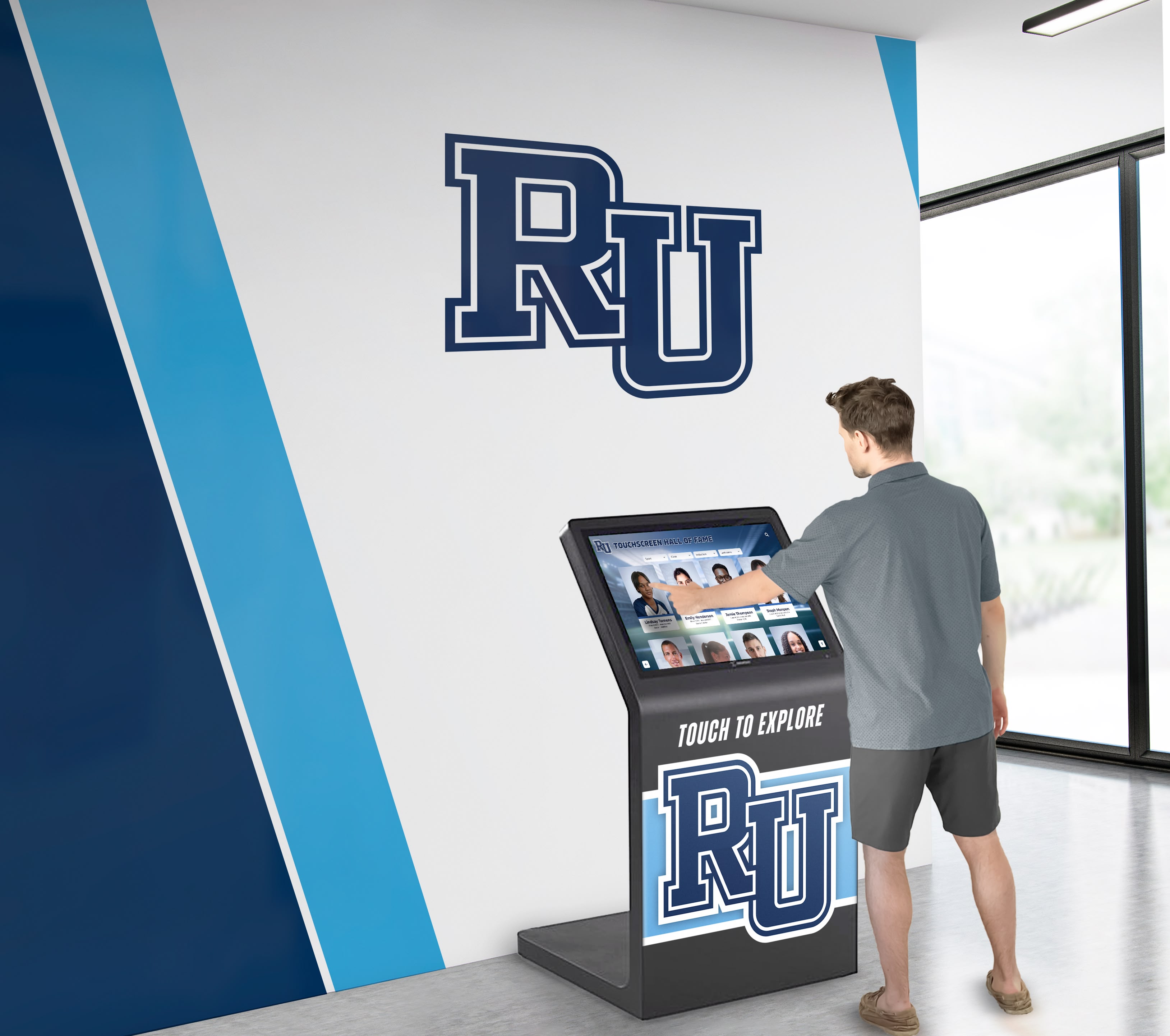
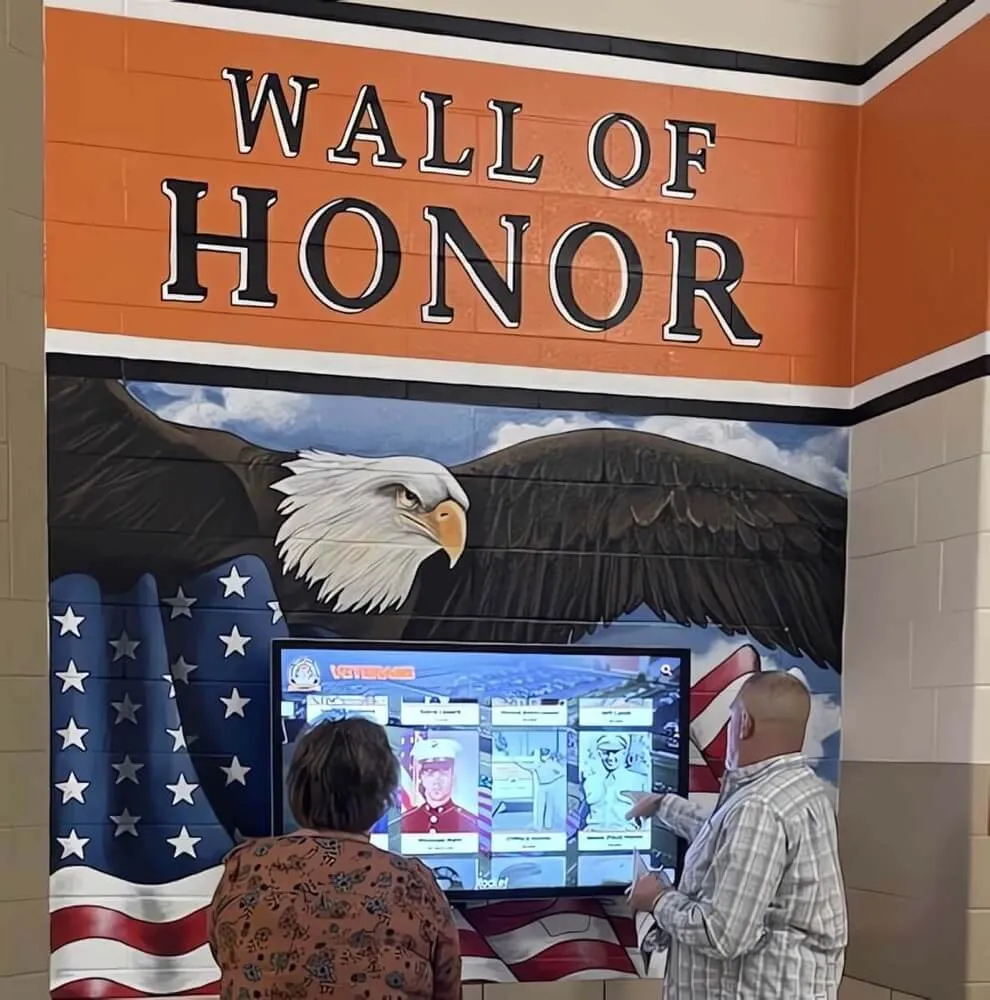
User-friendly touchscreen interfaces ensure visitors of all ages can explore donor recognition comfortably and independently
Phase 4: Refresh (Ongoing)
Content Update Workflows
Maintain current, accurate recognition through systematic administration:
Establish regular schedules for:
- Weekly or monthly new donor additions as gifts process
- Quarterly comprehensive reviews ensuring accuracy
- Annual recognition refresh for giving societies
- Campaign milestone updates during active fundraising
- Memorial designations honoring deceased donors promptly
- Giving level progression reflecting increased contributions
- Impact story updates showing program progress
- Event photo additions from donor gatherings
- Video testimonials collected systematically
- Seasonal content reflecting organizational calendar
Organizations report 80-90% reduction in administrative time spent on recognition after implementing digital systems compared to traditional physical updates requiring contractor engagement.
Quality Control and Accuracy
Prevent errors that undermine donor confidence:
Implement verification processes including:
- Donor verification before publication
- Multiple staff review cycles catching mistakes
- Automated error detection for incomplete records
- Approval workflows requiring authorization
- Documentation of update history
- Regular comprehensive audits
- Rapid correction protocols for visible errors
- Root cause analysis preventing recurring problems
Systematic quality control protects organizational reputation while demonstrating appropriate stewardship of donor relationships.
Learn about digital donor walls maintenance and administration best practices.
Display Integration: Connecting Recognition to Touchscreen Layouts
Strategic display planning ensures recognition receives visibility and engagement necessary for donor appreciation and cultivation impact.
Placement and Positioning Strategy
High-Traffic Location Selection
Position recognition where stakeholders encounter it naturally:
- Main entrance lobbies ensuring every visitor sees acknowledgment
- Reception areas where guests wait and explore surroundings
- High-traffic corridors connecting frequently-used spaces
- Event spaces hosting donor cultivation functions
- Development office areas where prospective donors meet staff
- Building dedication spaces commemorating capital projects
- Alumni centers creating connection opportunities
Research indicates that recognition placement in primary traffic paths generates 5-10 times more engagement than secondary hallways or peripheral locations.
Accessibility and Universal Design
Ensure recognition serves entire community inclusively:
- ADA-compliant mounting heights enabling wheelchair viewing
- Clear floor space in front of displays allowing close approach
- Adequate lighting ensuring readability without glare or shadows
- Intuitive touchscreen interfaces requiring no technical expertise
- Timeout features returning to home screen automatically
- Online recognition portals ensuring remote accessibility
- Simple navigation patterns accommodating all ages and abilities
Universal design principles ensure every stakeholder can engage with recognition meaningfully regardless of physical abilities or technical comfort.
Explore donor recognition screen placement strategies maximizing visibility and impact.
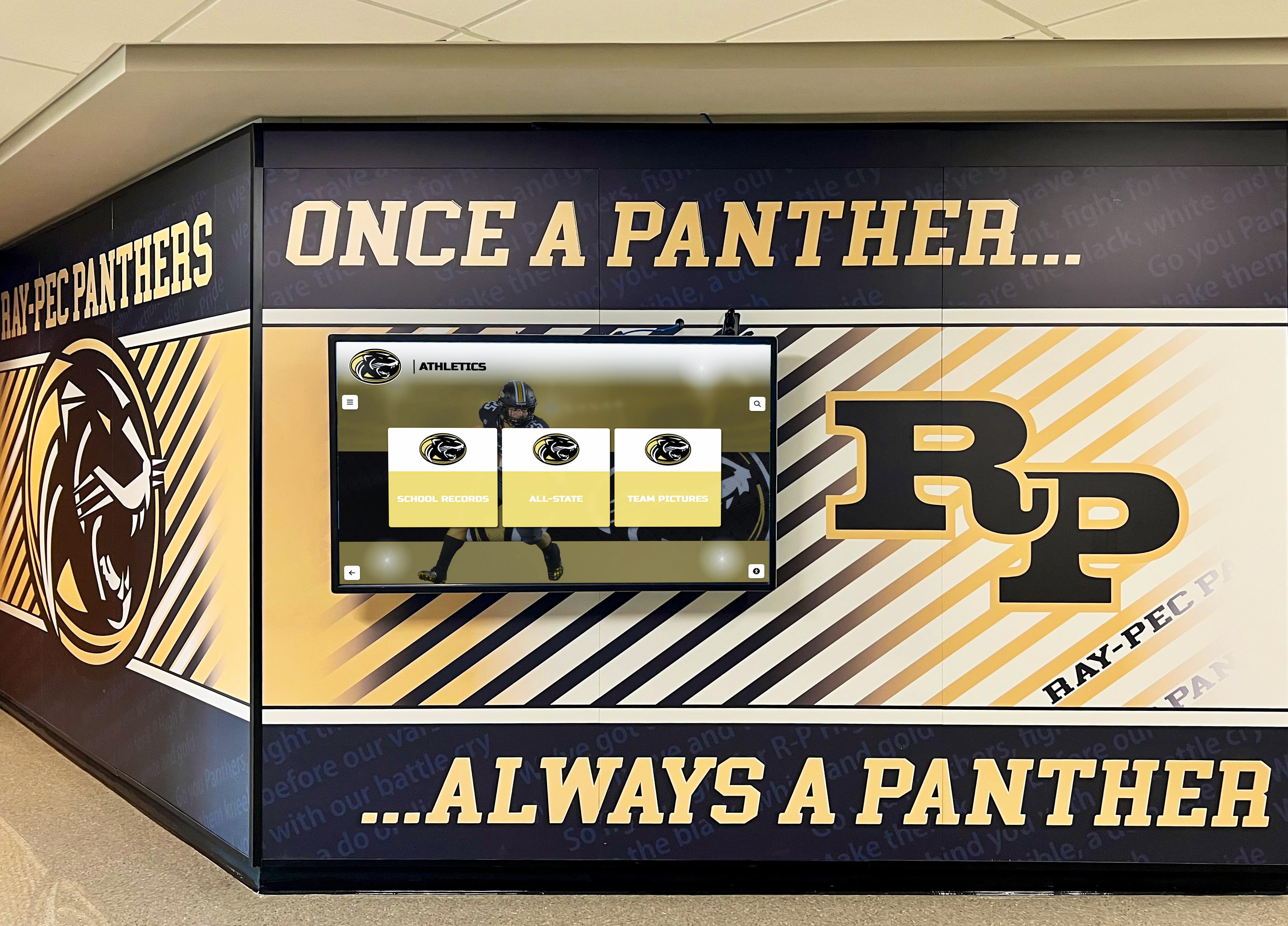
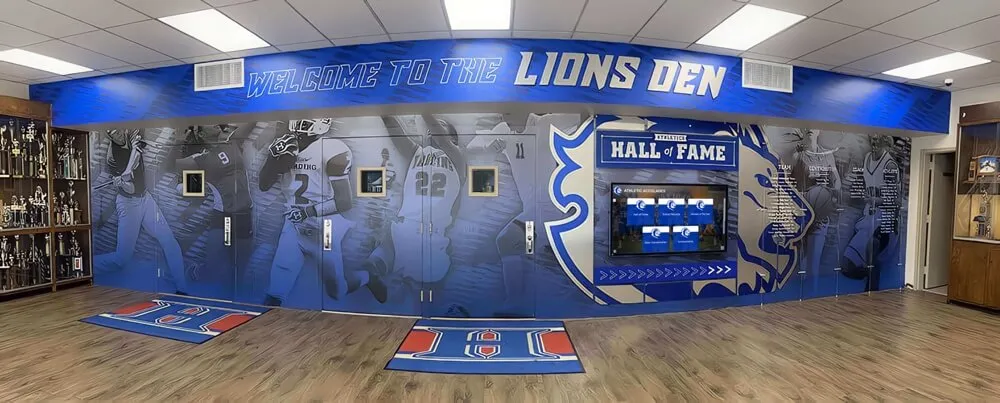
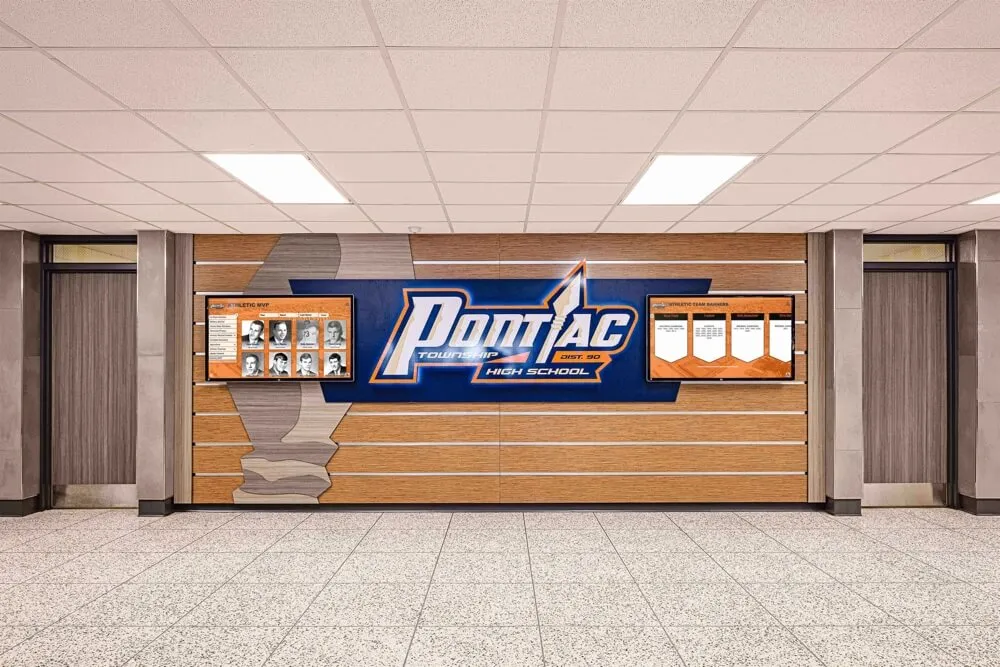
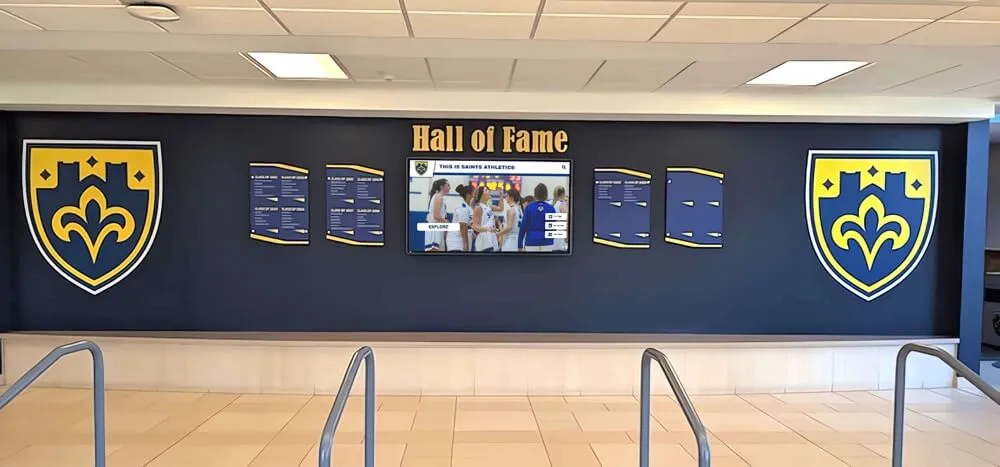
Strategic integration with architectural context creates cohesive recognition that enhances rather than clutters spaces
Multi-Display Coordination
Campus-Wide Recognition Networks
Larger institutions benefit from coordinated display systems:
Implement networked displays across:
- Multiple building lobbies on educational campuses
- Athletic facilities and competition venues
- Performing arts centers and cultural spaces
- Healthcare facilities spanning multiple locations
- Regional nonprofit offices and service centers
Cloud-based management enables consistent recognition across all locations while accommodating location-specific content when appropriate.
Content Distribution Strategies
Coordinate recognition thoughtfully across multiple displays:
- Consistent core content appearing on all displays
- Location-specific recognition relevant to individual buildings
- Rotation schedules preventing stagnant content
- Campaign-specific promotion during active fundraising
- Event coordination promoting cultivation activities
- Analytics comparing engagement across locations
- Centralized management enabling efficient administration
Organizations discover that networked displays create comprehensive recognition presence rather than isolated acknowledgment in single location.
Online and Mobile Extensions
Web-Accessible Recognition Portals
Extend appreciation beyond physical displays through digital platforms:
Provide online recognition including:
- Responsive design ensuring smartphone and tablet compatibility
- Complete donor directory accessible globally
- Search and filter capabilities matching physical displays
- Direct links to individual donor pages for social sharing
- Integration with organizational websites and donor portals
- Email signature links celebrating recognition inclusion
- Virtual tour integration for prospective donor cultivation
Research indicates that online recognition extensions receive 10-20 times more views than physical display interactions, dramatically expanding recognition reach and impact.
Learn about creating online hall of fame websites that extend recognition comprehensively.
Social Media Integration
Facilitate broader sharing amplifying appreciation:
- Social share buttons enabling one-click posting
- Pre-populated messages making sharing effortless
- Donor profile images optimized for social networks
- Hashtag campaigns connecting recognition to conversations
- User-generated content opportunities encouraging participation
- Social proof demonstrating community support breadth
Many organizations discover that social sharing creates viral recognition effects, with donors celebrating inclusion and inadvertently marketing philanthropic culture to extensive networks.
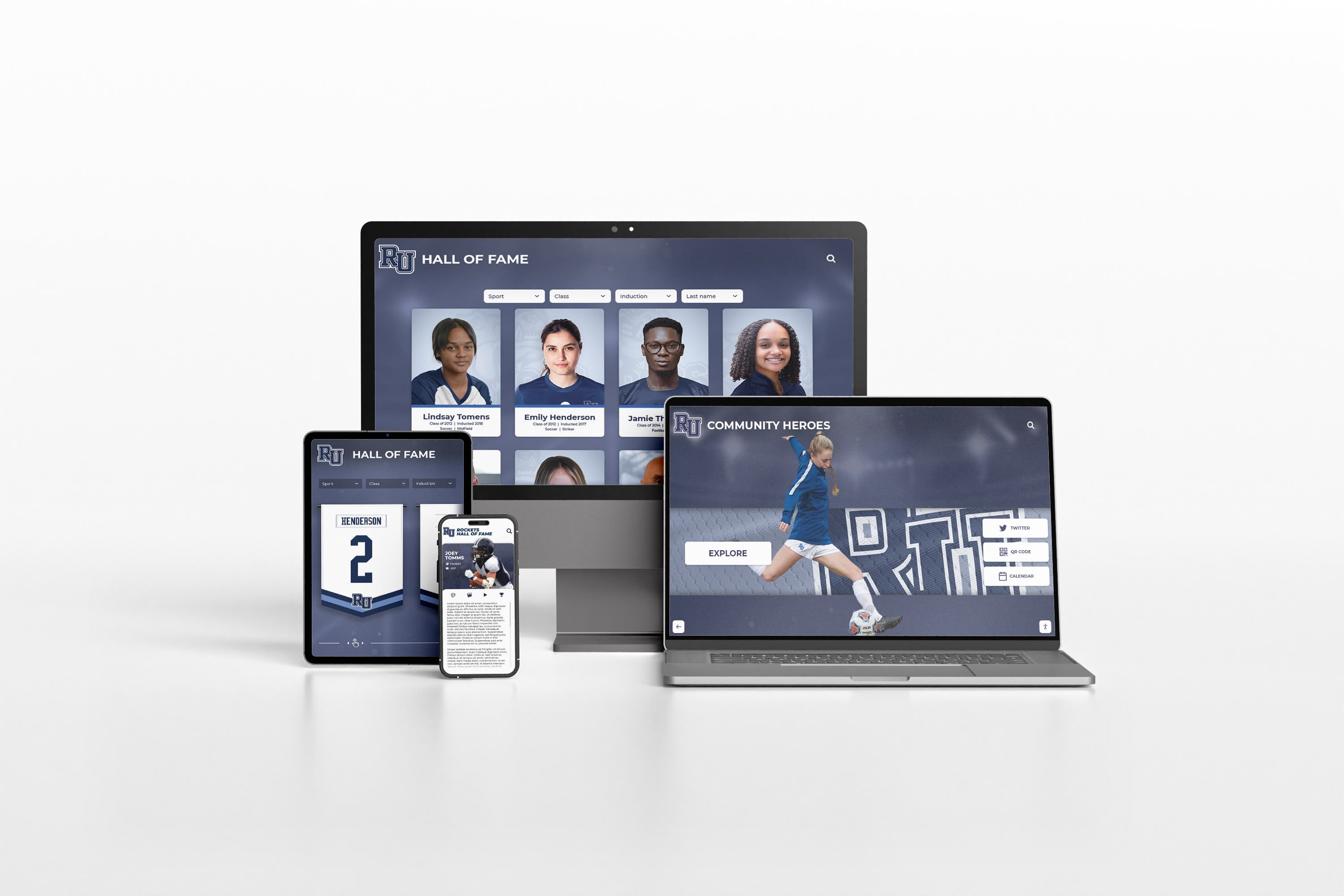
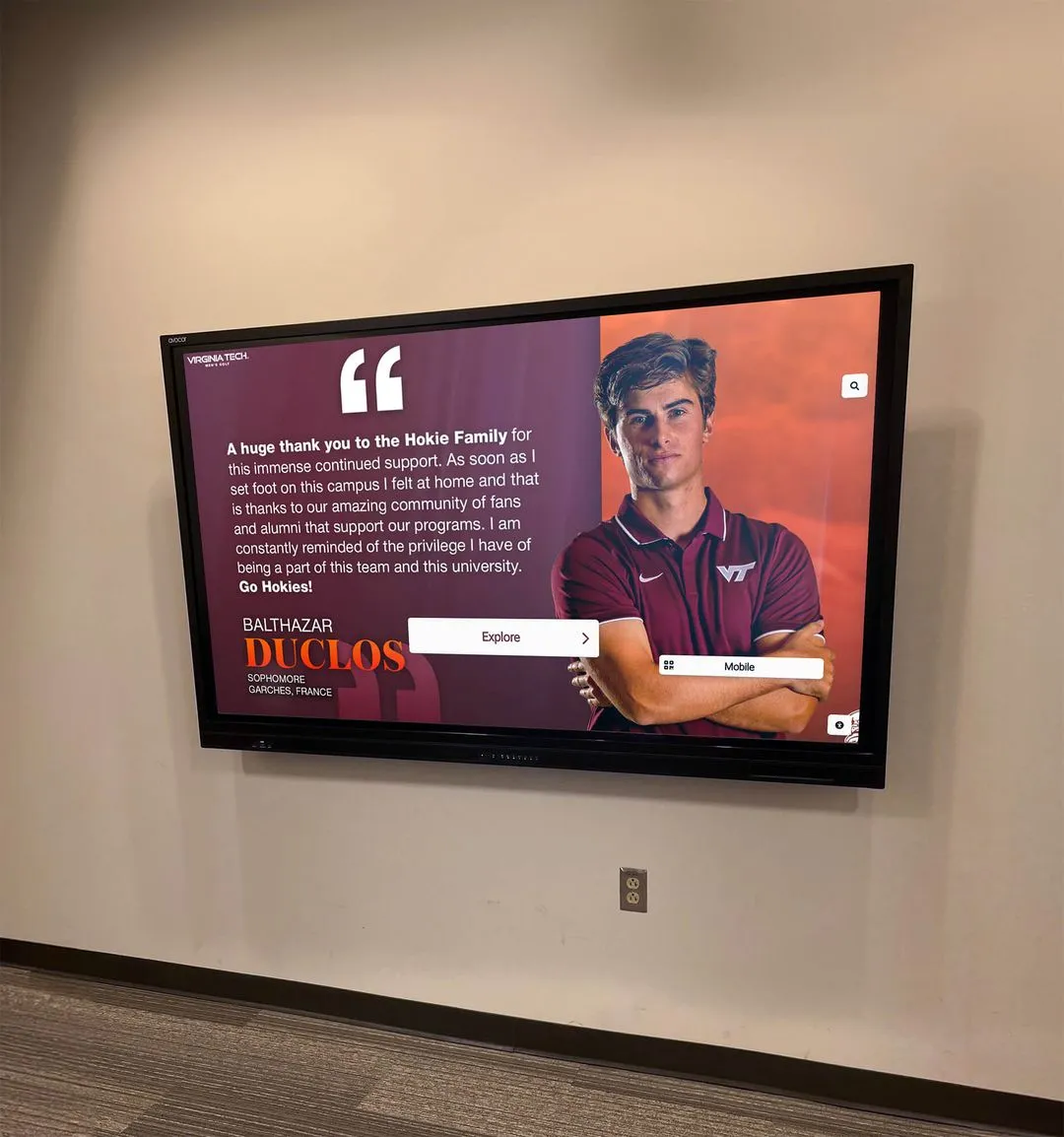
Multi-platform accessibility ensures recognition reaches donors wherever they connect with organizational communications
Analytics and Engagement Measurement
Interaction Tracking and Analysis
Understand how visitors engage with recognition:
Monitor key metrics including:
- Display usage frequency and daily/weekly patterns
- Average session duration and exploration depth
- Popular search terms revealing donor interests
- Most-viewed donor profiles and content
- Navigation pathways showing exploration patterns
- Drop-off points indicating confusing areas
- Demographic information when available (age ranges, usage times)
- Comparison data across multiple displays or locations
- Online portal traffic and page view analytics
- Social sharing rates and viral reach
These insights enable evidence-based recognition optimization rather than assumptions about what donors and visitors value.
Strategic Optimization
Use data to improve recognition continuously:
- Content enhancement based on popularity patterns
- Interface refinements improving usability
- Promotion of underutilized valuable content
- Technical improvements addressing performance issues
- Campaign integration adjustments maximizing impact
- Training addressing staff knowledge gaps
- Donor cultivation insights informing development strategy
Organizations committed to recognition excellence use insights to continuously refine approaches based on actual behavior rather than maintaining static programs.
Measurement: Assessing Recognition Program Impact
Evaluation ensures recognition investments achieve intended appreciation and fundraising objectives.
Donor Retention and Engagement Metrics
Primary Success Indicators
Track outcomes demonstrating recognition effectiveness:
- Year-over-year donor retention rates improvement
- First-time donor renewal rates after recognition implementation
- Multi-year giving pattern development showing sustained engagement
- Donor reactivation rates among previously lapsed contributors
- Average gift size progression among recognized donors
- Major gift conversion rates relative to recognition visibility
- Planned giving inquiry rates correlation with legacy society recognition
- Campaign participation comparing recognized versus unrecognized donors
Organizations implementing comprehensive digital recognition report 40-60% improvement in donor retention and 15-25% increase in average gift sizes within 2-3 years of implementation.
Engagement Quality Assessment
Measure relationship strength beyond transaction metrics:
- Donor satisfaction survey results regarding recognition
- Event attendance rates at appreciation gatherings
- Digital recognition platform engagement duration
- Social media sharing and interaction with recognition content
- Unsolicited donor feedback and testimonial rates
- Volunteer recruitment from donor pools
- Advocacy and peer-to-peer fundraising participation
Research demonstrates that engagement quality predicts long-term donor value more reliably than short-term giving patterns.
Learn about donor recognition wall ideas that maximize retention and cultivation impact.
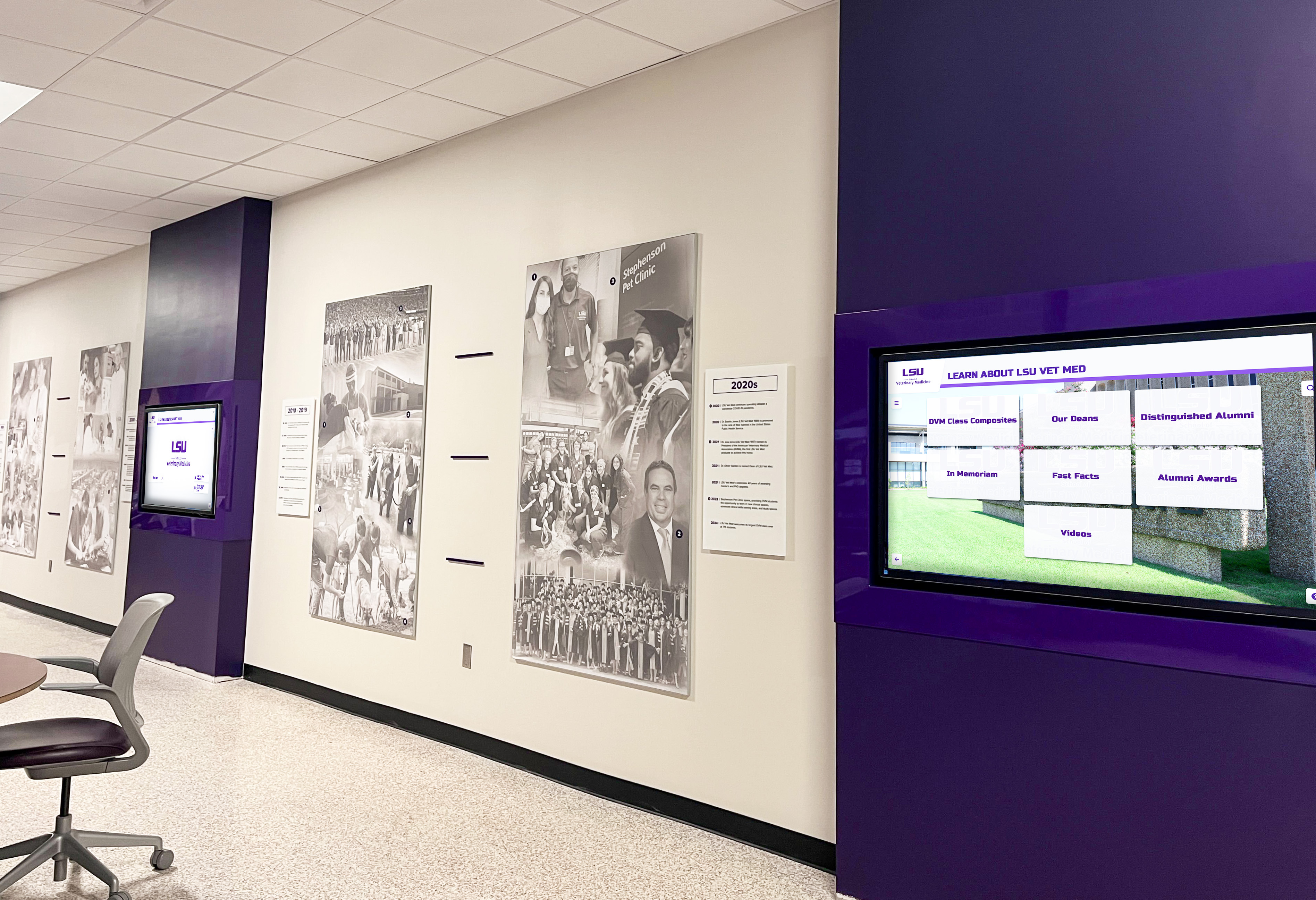
Quality recognition systems serve organizations effectively for decades while accommodating unlimited growth and evolution
Cost-Effectiveness Analysis
Return on Investment Assessment
Compare recognition costs against retention benefits:
Traditional Recognition 10-Year Cost
- Initial wall installation: $15,000-$40,000
- Annual plaque additions (average 30 donors): $3,000-$9,000/year = $30,000-$90,000
- Expansion project (year 8): $15,000-$50,000
- Total 10-year cost: $60,000-$180,000
- Recognition capacity: 200-500 donors maximum
- Ongoing inflexibility requiring reconstruction for modifications
Digital Recognition 10-Year Cost
- Initial implementation: $15,000-$30,000
- Annual software and maintenance: $2,500-$5,000/year = $25,000-$50,000
- Hardware refresh (year 7): $5,000-$10,000
- Total 10-year cost: $45,000-$90,000
- Recognition capacity: Unlimited donors
- Instant updates eliminating contractor fees
Digital recognition often delivers superior long-term value while providing dramatically greater capacity, flexibility, and engagement capabilities.
Retention Value Calculation
Quantify recognition impact on fundraising revenue:
- Increased retention generating higher lifetime donor value
- Larger average gifts among recognized contributors
- Major gift pipeline development from acknowledged donors
- Planned giving commitments influenced by legacy recognition
- Staff time savings redirected to cultivation activities
- Reduced acquisition costs through improved retention
Many organizations find digital recognition achieves return on investment within 3-5 years through retention improvements alone, before accounting for capacity and flexibility benefits.
Stakeholder Satisfaction Assessment
Donor Feedback Collection
Understand recognition effectiveness from contributor perspective:
- Annual donor satisfaction surveys assessing acknowledgment quality
- Focus groups exploring recognition preferences and impact
- Exit interviews with donors who discontinue giving
- Donor advisory committees providing ongoing input
- Comparative research benchmarking against peer organizations
- Unsolicited feedback documentation and analysis
Organizations committed to recognition excellence continuously refine approaches based on donor feedback rather than maintaining programs unchanged.
Internal Stakeholder Evaluation
Assess recognition program manageability:
- Development staff evaluation of administration efficiency
- Board member assessment of recognition appropriateness
- Volunteer leader feedback on recognition effectiveness
- Facilities and IT assessment of technical reliability
- Communications team evaluation of brand alignment
- Leadership satisfaction with stewardship capabilities
Comprehensive evaluation ensures recognition serves both donor appreciation and internal operational needs effectively.
Creative Digital Donor Wall Ideas for Different Organization Types
Recognition requirements vary across institution types, necessitating tailored approaches.
Educational Institution Recognition
K-12 School Digital Donor Walls
Primary and secondary schools should emphasize:
- Capital campaign recognition for facility improvements
- Annual fund supporter acknowledgment encouraging patterns
- Scholarship donor recognition connecting to beneficiaries
- Athletic booster and program supporter acknowledgment
- PTA/PTO contributor recognition
- Alumni donor inspiration for current students
- Legacy family recognition celebrating multi-generational support
- Building dedication recognition for major construction projects
Schools implementing digital recognition discover that student awareness of philanthropic support creates future giving patterns and appreciation for community investment.
Learn about high school wall of fame recognition that complements donor acknowledgment.
Higher Education Digital Donor Recognition
Colleges and universities require comprehensive systems addressing:
- Major gift recognition for transformational investments
- Endowment donor acknowledgment creating permanent legacies
- Research and academic program supporter recognition
- Alumni giving societies across class years and levels
- Athletics donor recognition for sports programs and facilities
- Capital campaign acknowledgment for buildings and renovations
- Planned giving society membership celebrating estate commitments
- Scholarship fund recognition connecting donors to recipients
Universities report that prominent digital recognition in high-traffic campus locations creates cultivation opportunities during prospective donor tours while inspiring current students to become future contributors.
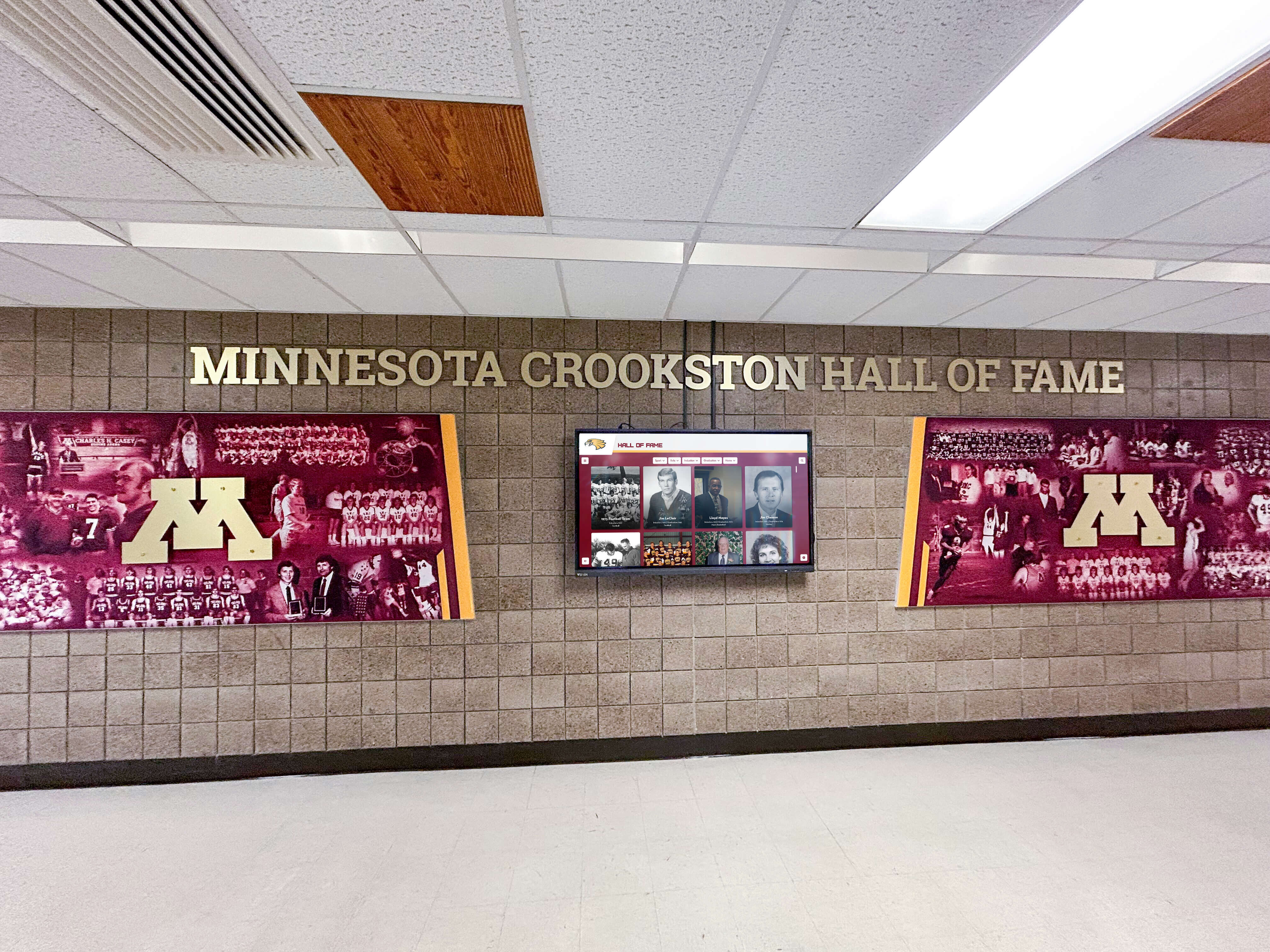
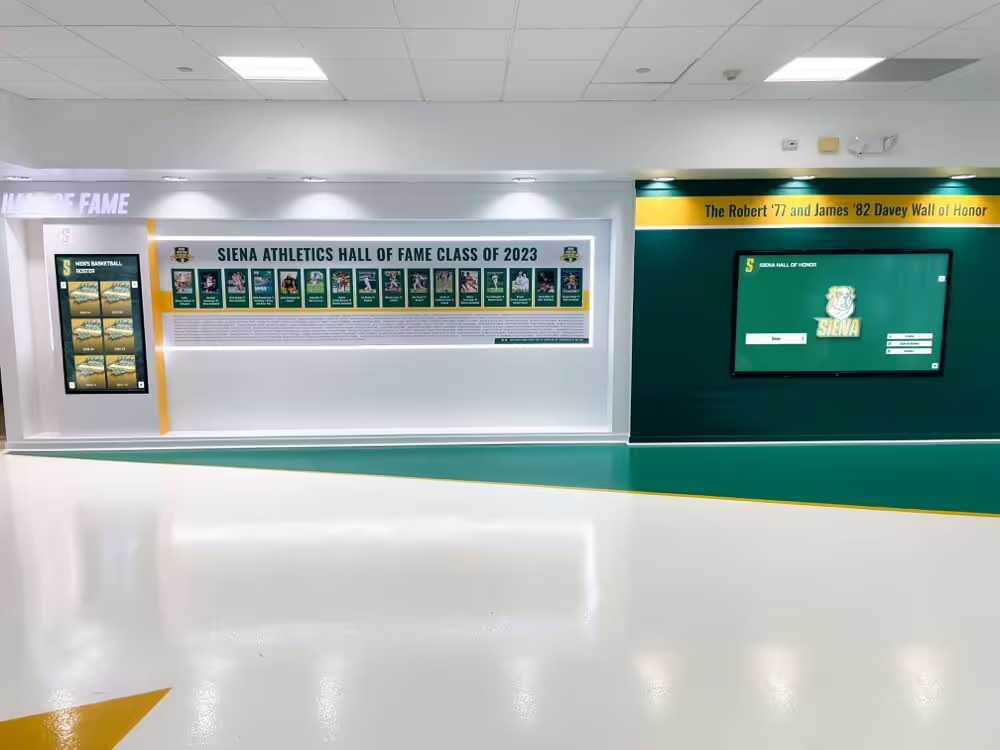
Educational institutions benefit from recognition accommodating diverse donor constituencies and multiple campaigns simultaneously
Healthcare Organization Recognition
Hospital and Medical Center Donor Walls
Healthcare institutions should focus on:
- Patient care and medical equipment donor recognition
- Research and innovation supporter acknowledgment
- Facility and capital campaign recognition
- Grateful patient giving opportunities and acknowledgment
- Memorial and tribute giving honoring loved ones
- Department and service line recognition
- Volunteer and non-financial contribution acknowledgment
- Provider appreciation alongside donor recognition
Healthcare donors often give in response to personal experiences, making patient stories and clinical outcome storytelling particularly meaningful recognition content.
Medical Research and Academic Health Recognition
Research-focused institutions emphasize:
- Research program and laboratory funding recognition
- Clinical trial and study support acknowledgment
- Equipment and technology donor recognition
- Fellowship and training program supporters
- Breakthrough and discovery celebration
- Collaboration and partnership recognition
- Long-term outcome documentation
Recognition connecting donations to medical advances and patient outcomes resonates powerfully with healthcare philanthropists.
Nonprofit Organization Recognition
Community Nonprofit Digital Donor Walls
Mission-driven organizations emphasize impact demonstration:
- Service area demographic reflection in recognition
- Mission impact prominently featured showing outcomes
- Volunteer recognition alongside financial contributions
- Local business partner acknowledgment
- Beneficiary stories demonstrating transformation
- Program-specific recognition connecting gifts to services
- Campaign recognition for capacity-building initiatives
- In-kind contribution acknowledgment
Nonprofit research indicates that donors cite “seeing beneficiaries helped” as most compelling recognition they receive.
Explore nonprofit donor recognition strategies integrating acknowledgment with stewardship.
Arts and Cultural Institution Recognition
Museums, theaters, and cultural organizations should emphasize:
- Exhibition and program funding recognition
- Collection acquisition supporter acknowledgment
- Facility and renovation campaign recognition
- Membership society recognition for sustaining supporters
- Event sponsorship acknowledgment
- Artistic design elements reflecting organizational mission
- Behind-the-scenes access opportunities for major donors
- Interactive content celebrating cultural impact
Artistic excellence in recognition design demonstrates organizational quality while honoring contributors appropriately.
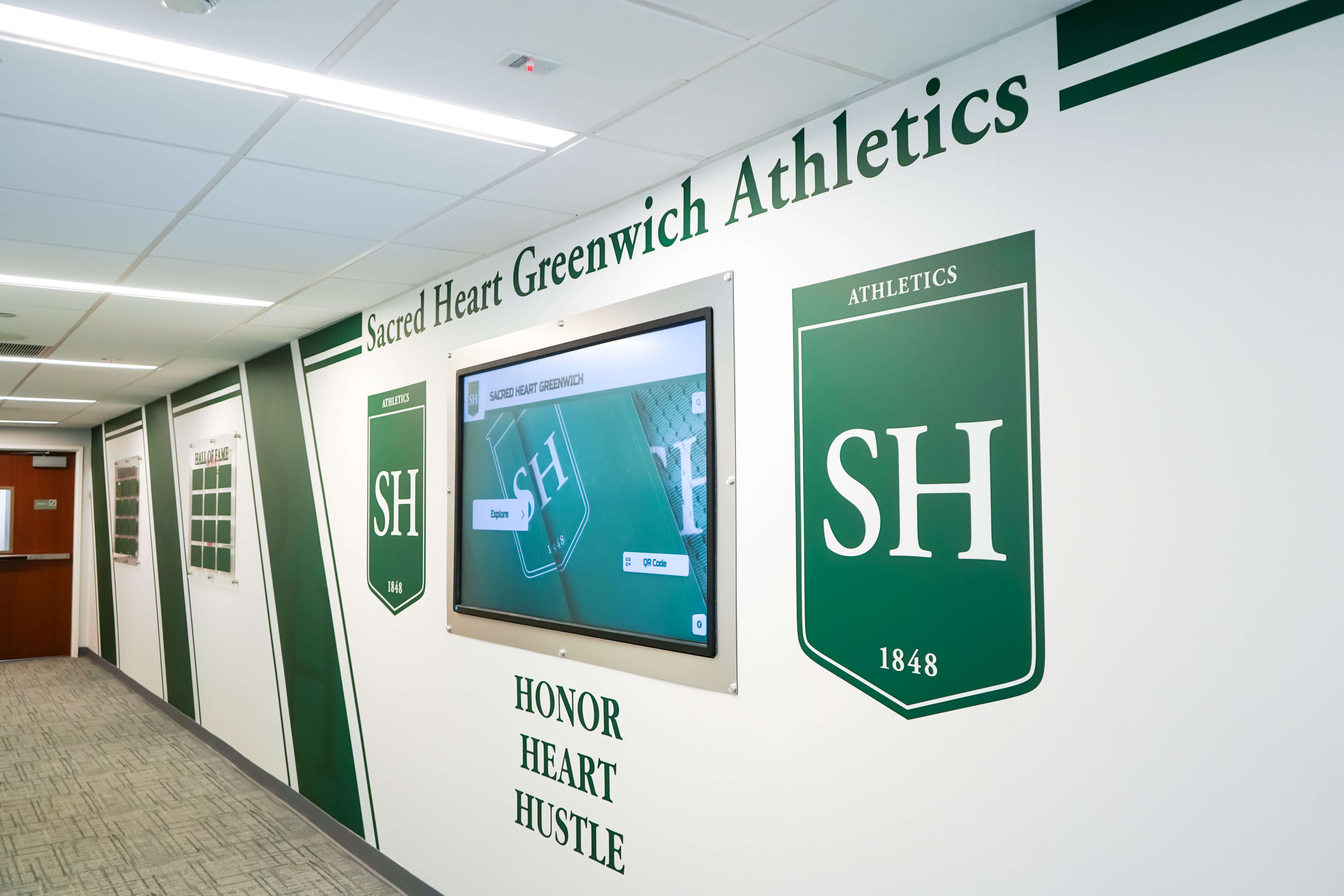
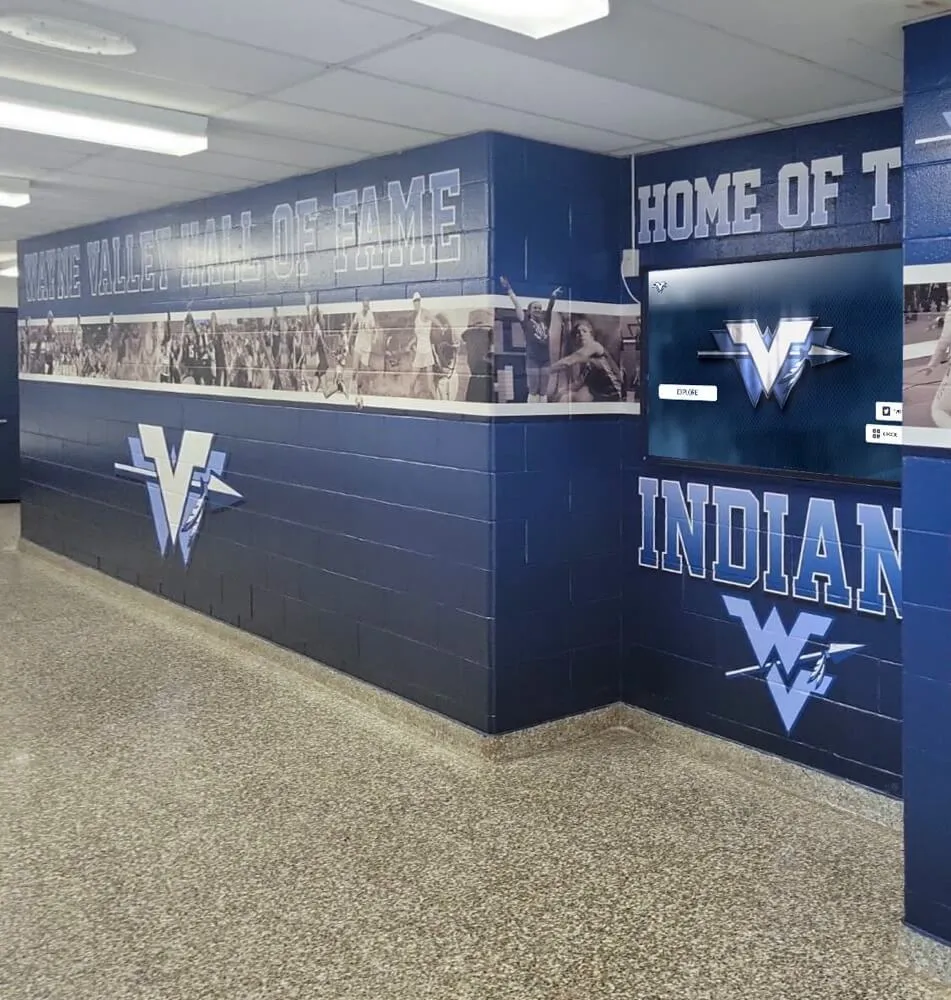
Recognition design should reflect organizational character and values while celebrating philanthropic partnership authentically
Religious Organization Recognition
Faith-Based Digital Donor Walls
Houses of worship require appropriate reverence:
- Building and renovation campaign recognition
- Sacred object and furnishing donor acknowledgment
- Ministry and outreach program supporter recognition
- Memorial and tribute giving honoring deceased members
- Theological and design sensitivity reflecting tradition
- Mission primacy ensuring recognition supports rather than overshadows purpose
- Stewardship demonstration honoring donor trust
- Values alignment reflecting organizational faith foundation
Religious organizations should ensure recognition enhances worship environment rather than creating commercial atmosphere inconsistent with sacred space.
Faith-Based Nonprofit Recognition
Religious charities serving communities balance:
- Mission impact demonstration showing real-world change
- Inclusive recognition welcoming supporters across faith backgrounds
- Service and compassion storytelling
- Volunteer leadership recognition
- Community partnership acknowledgment
- Beneficiary testimonials with appropriate sensitivity
Recognition should reflect organizational religious foundation while remaining accessible and welcoming to diverse donor community.
Future-Proofing Your Digital Donor Recognition Investment
Long-term planning ensures recognition serves organizations effectively across decades.
Technology Refresh and Upgrade Planning
Hardware Lifecycle Management
Plan for equipment replacement and upgrading:
- Commercial displays typically function effectively 7-10 years
- Technology refresh budgeting enabling periodic upgrades
- Backward compatibility ensuring content remains usable
- Scalability accommodating organizational growth
- Vendor relationships providing ongoing support
- Spare parts availability ensuring continued operation
Organizations should budget 10-15% of initial hardware investment annually for maintenance, eventual replacement, and technology advancement.
Software Evolution and Platform Selection
Choose platforms committed to continuous improvement:
- Regular feature enhancements adding capabilities
- Security updates maintaining protection
- Compatibility updates ensuring integration
- User interface improvements based on feedback
- New module development addressing emerging needs
- Vendor roadmap transparency enabling planning
Purpose-built recognition platforms like Rocket Alumni Solutions invest continuously in product enhancement rather than treating software as static commodity.
Content Strategy and Archive Management
Historical Preservation
Maintain comprehensive philanthropic documentation:
- Complete donor archives preserving recognition history
- Multi-generational family giving documentation
- Campaign history and milestone documentation
- Impact story archives demonstrating outcomes
- Event and celebration photo galleries
- Video testimonial collections
- Organizational evolution documentation
Digital systems enable preserving complete philanthropic history rather than capacity constraints forcing difficult removal decisions.
Growth Accommodation
Plan for program expansion without constraint:
- Unlimited donor capacity eliminating space concerns
- Multiple campaign recognition simultaneously
- New giving society addition without reconstruction
- Threshold adjustment reflecting organizational growth
- Recognition policy evolution as programs mature
- International donor accommodation for global organizations
Digital recognition scales effortlessly as organizations grow, eliminating the painful capacity planning required with physical displays.
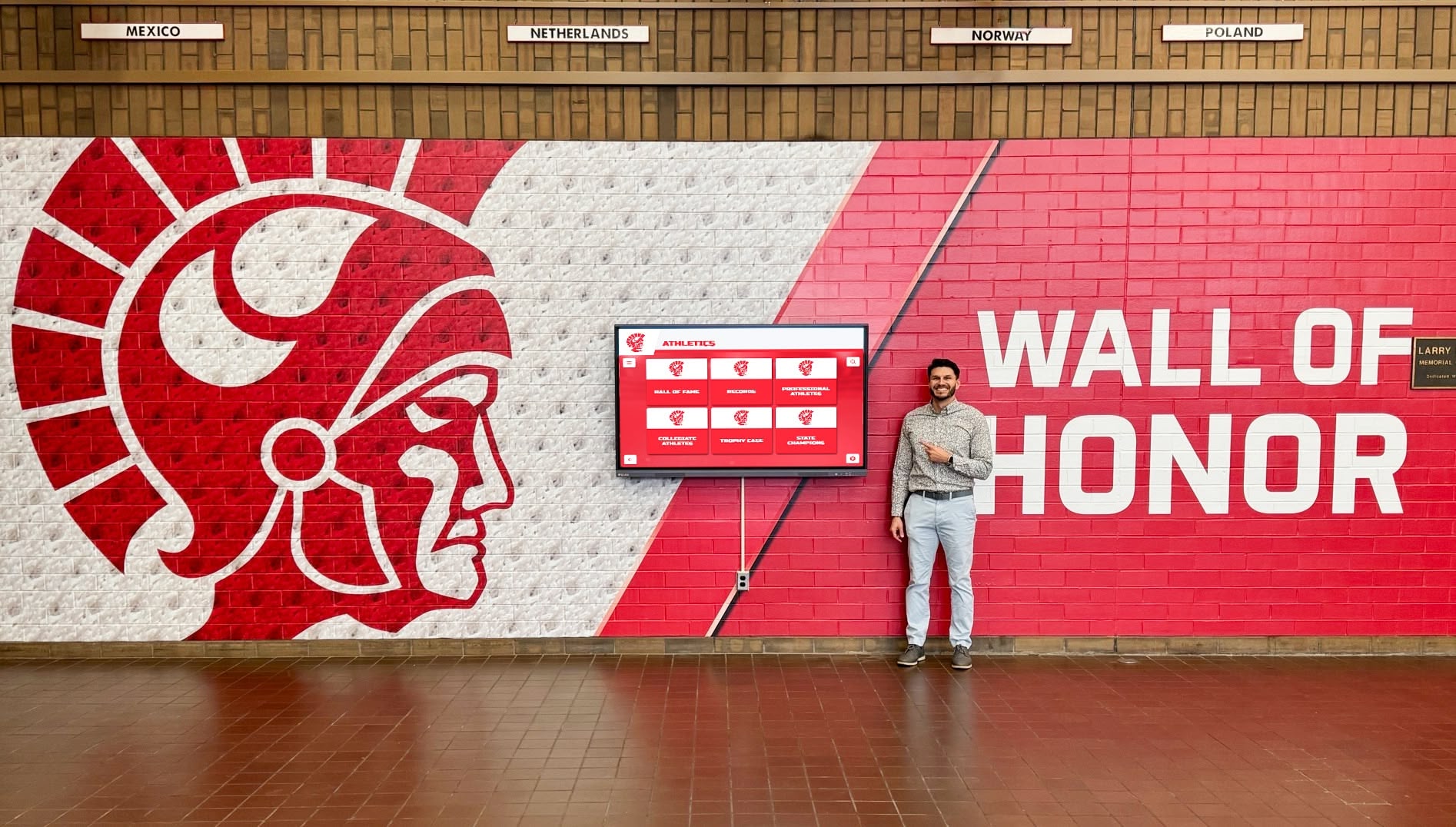
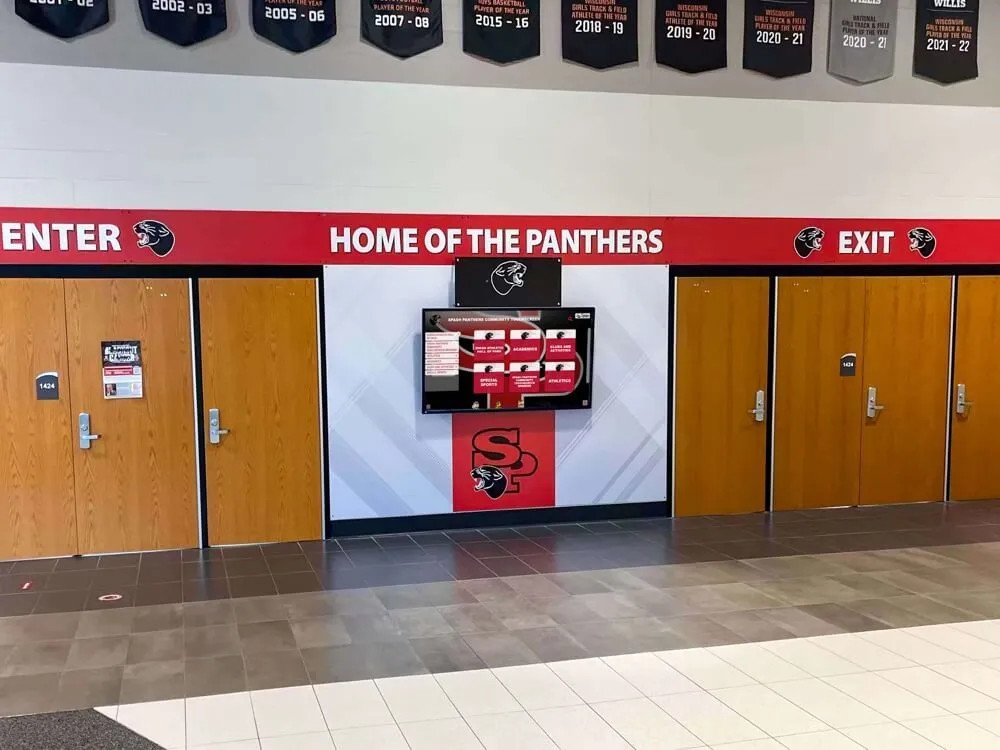
Prominent placement ensures donor recognition receives visibility necessary for appreciation and cultivation impact
Conclusion: Building Recognition Programs That Honor Generosity and Inspire Giving
Digital donor walls represent transformative advancement in how organizations honor supporters, steward relationships, and cultivate sustainable fundraising programs. When schools, nonprofits, universities, hospitals, and mission-driven organizations thoughtfully implement recognition systems that celebrate every contributor meaningfully while telling compelling impact stories, they create environments where philanthropy thrives and generous communities sustain missions across generations.
The strategies explored throughout this implementation guide provide comprehensive frameworks for designing recognition that serves both donor appreciation and strategic fundraising objectives. From developing content architecture that honors diverse contribution types to selecting technology platforms offering unlimited capacity and flexibility, these approaches enable organizations to build recognition programs worthy of their generous supporters.
Ready to explore digital donor wall solutions for your organization? Modern recognition platforms help schools, nonprofits, and institutions honor every contributor while creating engaging experiences that strengthen donor relationships and inspire continued generosity. Solutions like Rocket Alumni Solutions provide comprehensive platforms specifically designed for donor recognition, combining intuitive content management with professional hardware guidance and implementation support ensuring successful long-term programs.
Whether you’re planning capital campaign recognition, enhancing annual giving acknowledgment, or replacing outdated physical donor walls, digital recognition offers capabilities that traditional approaches cannot match—unlimited capacity as communities grow, instant updates eliminating contractor fees, and rich multimedia connecting contributions to impact meaningfully.
The most successful recognition programs share common characteristics: they honor contributions authentically, communicate impact compellingly, remain sustainable administratively, and inspire continued philanthropic engagement. Digital donor walls enable these outcomes while eliminating the capacity constraints, update costs, and storytelling limitations inherent in traditional brass plaques and static physical displays.
Your supporters make your mission possible through generous contributions deserving recognition that celebrates their partnership appropriately while inspiring others to join your philanthropic community. With thoughtful planning, quality technology, and genuine commitment to donor appreciation, you can implement recognition systems that serve fundraising programs effectively for decades while building grateful, engaged communities where missions flourish.
The transition from traditional to digital recognition represents investment in stewardship infrastructure that pays dividends through improved retention, increased giving, and stronger relationships sustaining organizations across generations. Organizations embracing modern digital donor walls position themselves at philanthropy’s forefront, equipped with tools that honor the past while embracing the future of donor engagement and appreciation.
Start planning your digital donor recognition program today—your donors deserve acknowledgment that celebrates their generosity as meaningfully as they support your mission.