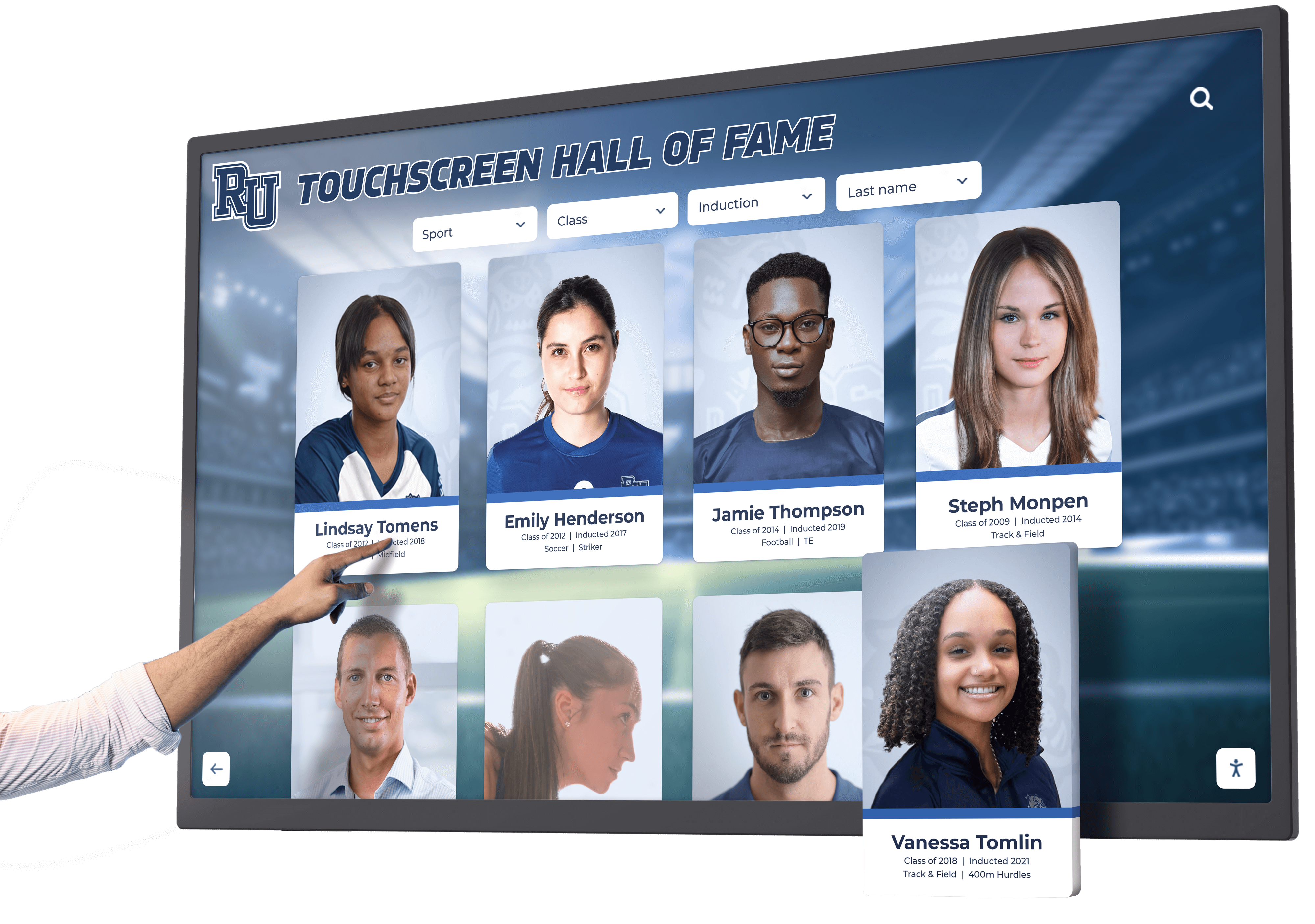




Debate team achievement boards serve as powerful recognition platforms celebrating the exceptional intellectual rigor, public speaking excellence, critical thinking skills, and competitive dedication that define successful forensics programs. As debate and speech competitions gain prominence in educational institutions—with the National Speech & Debate Association reporting over 150,000 student members nationwide—the importance of systematically recognizing debate team achievements grows essential for honoring excellence, inspiring continued participation, building program prestige, and preserving the rich competitive traditions that forensics programs establish throughout their histories.
Traditional debate recognition approaches—paper certificates filed away in folders, tournament trophies stored in cluttered trophy cases where individual achievements become invisible, or printed honor roll lists that quickly become outdated—fail to create the lasting visibility and motivational impact that debate excellence deserves. Meanwhile, schools struggle with limited display space that forces difficult decisions about whose achievements receive recognition, administrative burden updating static displays after each tournament, and recognition inequity where forensics accomplishments receive minimal permanent visibility compared to athletic achievements displayed prominently throughout campuses.
This comprehensive guide explores evidence-based strategies for implementing debate team achievement boards through interactive digital recognition systems, systematic documentation approaches, engaging celebration methods, and sustainable management processes that honor forensics excellence while positioning debate achievements alongside all academic and competitive accomplishments as legitimate excellence worthy of institutional recognition and community celebration.
Effective debate team achievement boards extend beyond simple tournament result listings—they create comprehensive platforms documenting individual speaker development, team competitive progression, diverse event participation across multiple forensics categories, and the intellectual discipline that transforms students into confident communicators, analytical thinkers, and civic leaders prepared for academic and professional success.

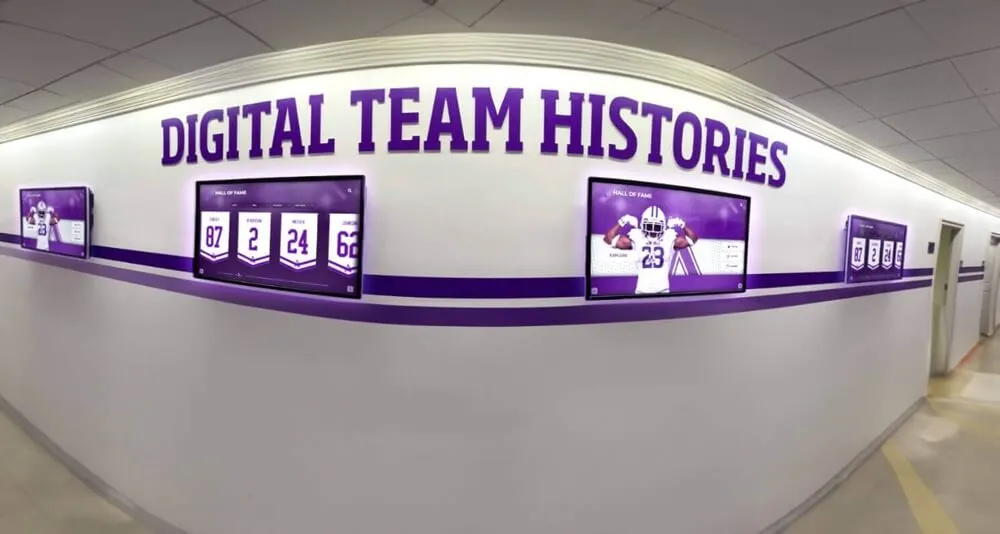
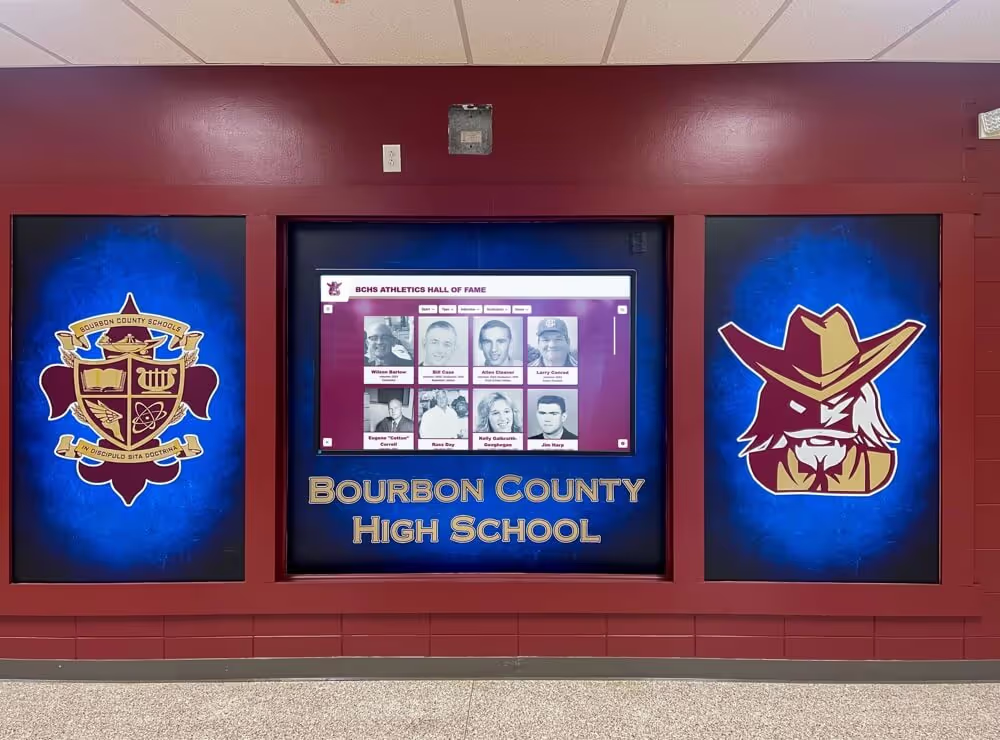
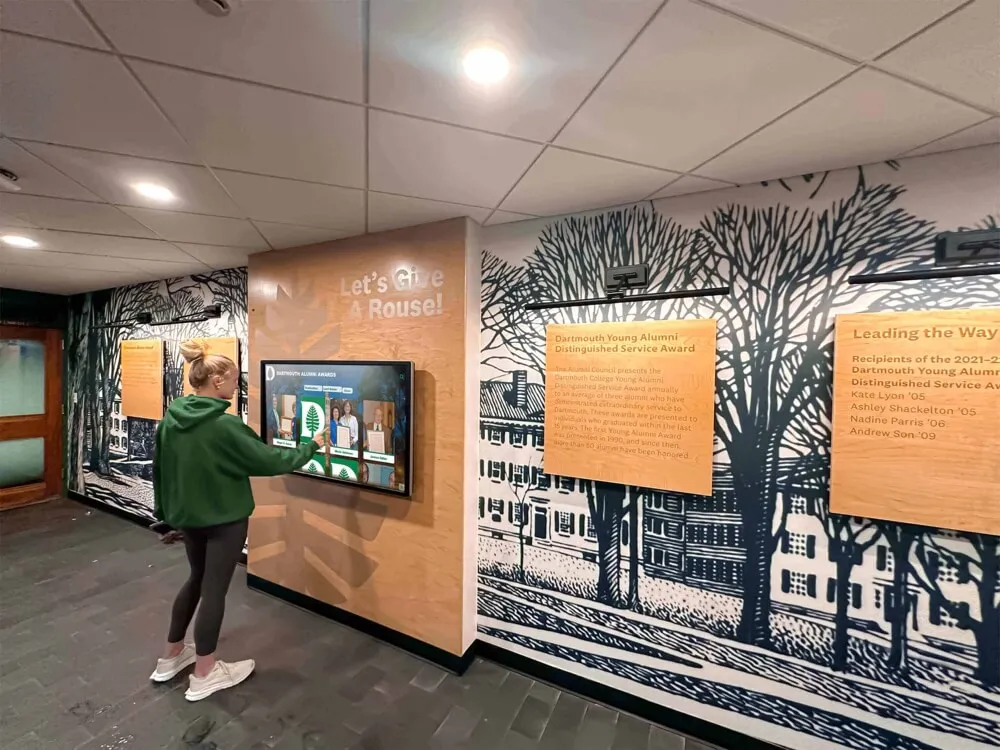
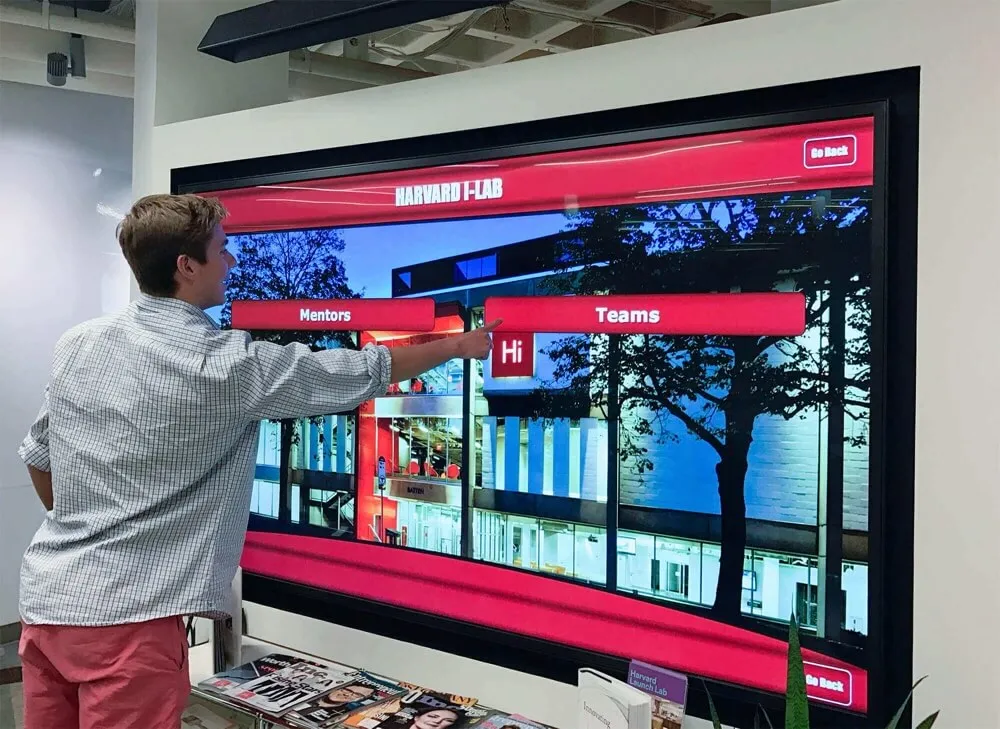
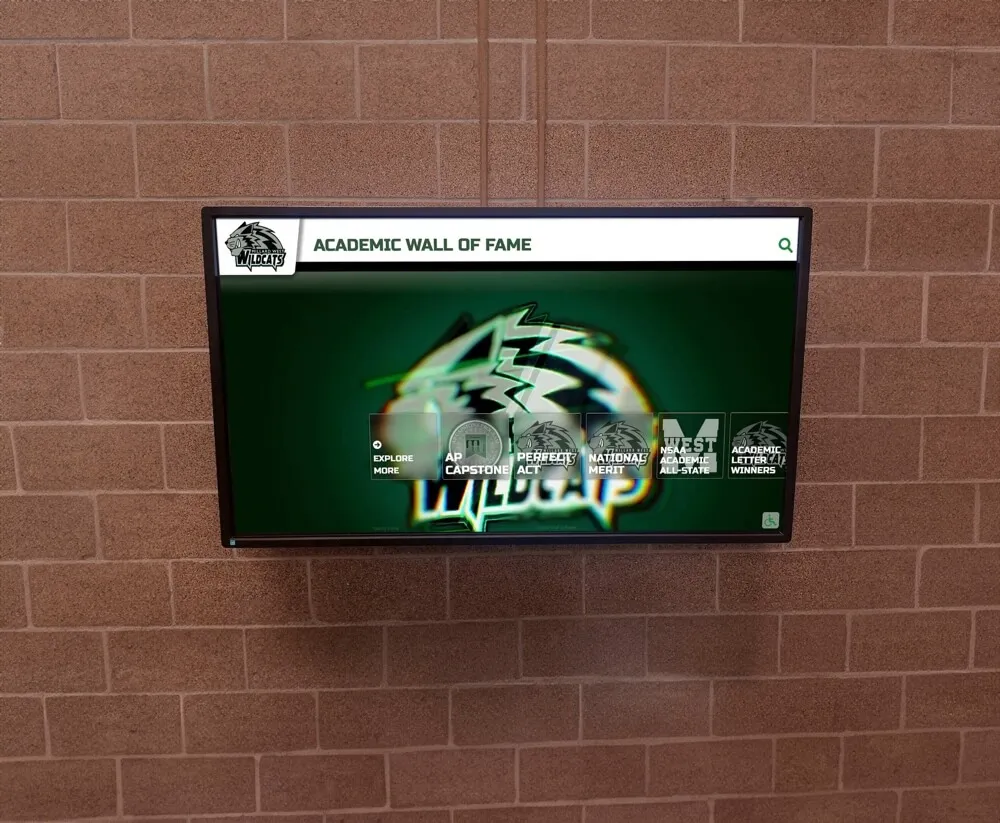
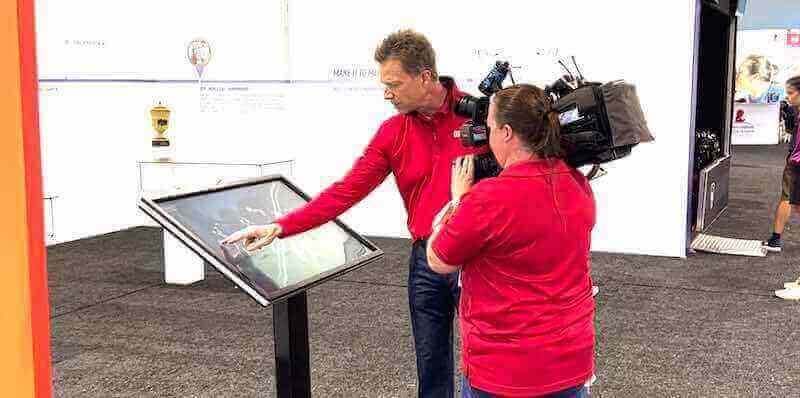
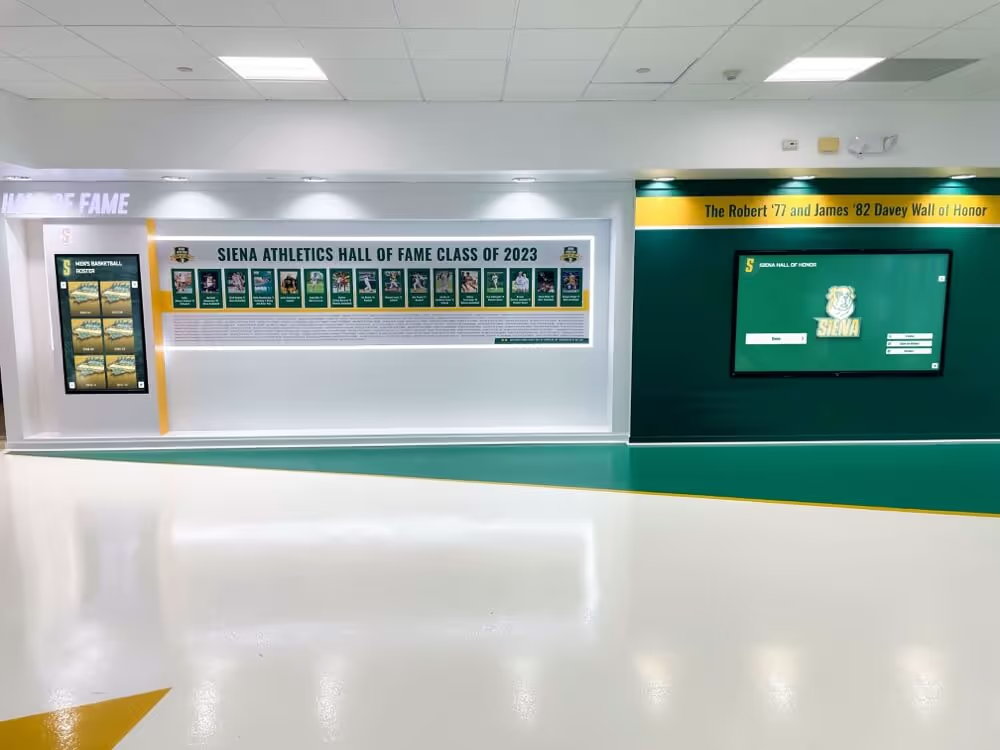
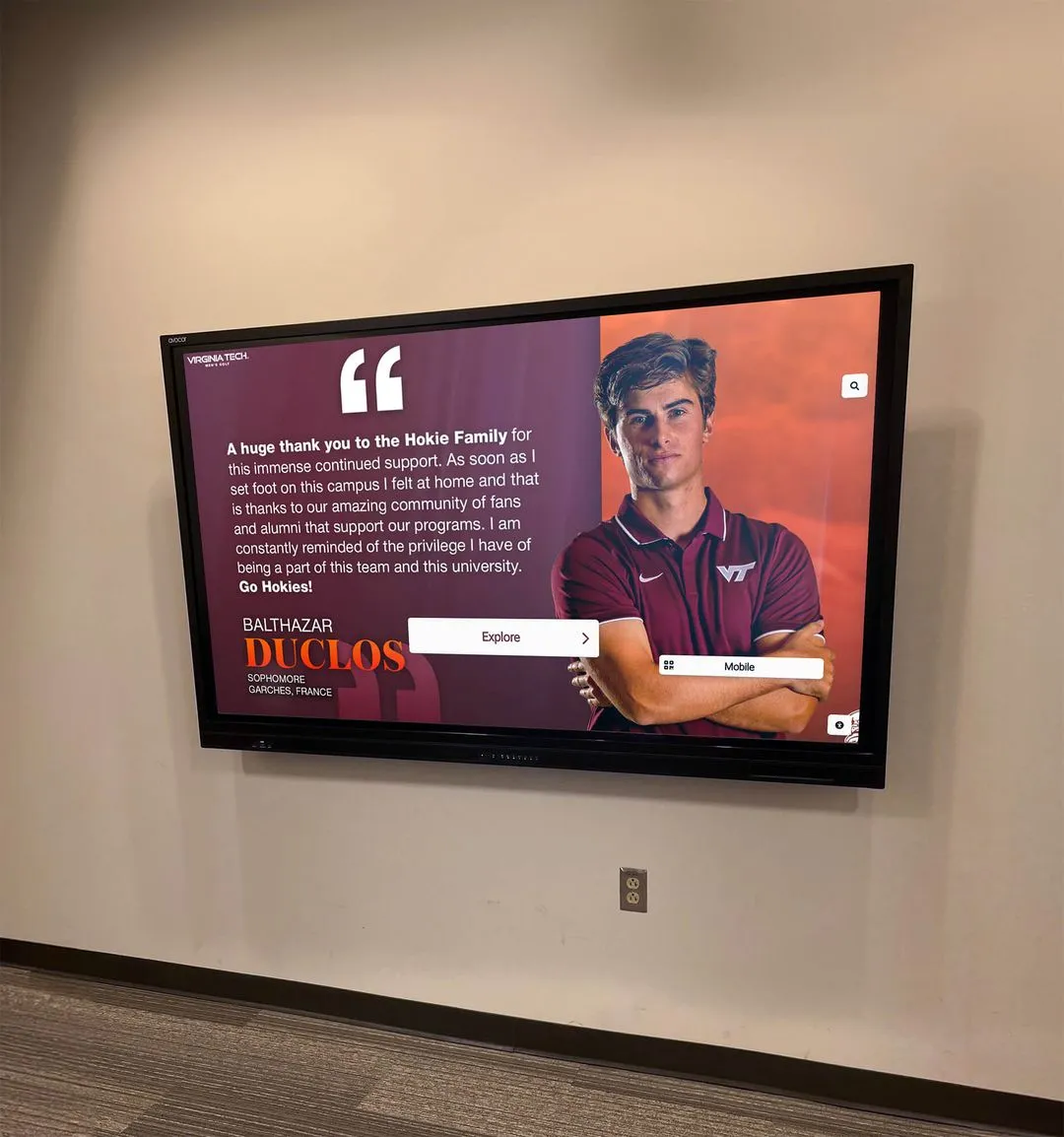
Interactive digital displays enable comprehensive debate team recognition including tournament results, individual speaker records, event categories, and team achievement progression across competitive seasons
Understanding Debate and Forensics Achievement Landscape
Before implementing recognition systems, understanding the competitive structure and achievement categories within speech and debate helps schools create appropriate boards that accurately reflect accomplishment significance and community values.
Speech and Debate Competition Structure
National Speech & Debate Association Framework
The National Speech & Debate Association (NSDA) serves as the leading organization for competitive forensics:
- Founded in 1925, NSDA has grown to over 150,000 student members across 3,900+ schools nationwide
- Offers comprehensive student recognition programs including point systems, honor societies, and achievement awards
- Hosts the National Speech & Debate Tournament annually, attracting thousands of competitors
- Administers degree system recognizing cumulative achievement through Merit, Honor, Excellence, Distinction, Special Distinction, Superior Distinction, and Outstanding Distinction levels
- Provides All-American recognition for top student point earners based on competitive and service contributions
- Awards prestigious Four-Time Competitor recognition to students attending the National Tournament across four contiguous high school years
State and Regional Competition Circuits
Beyond national structures, state and regional competition provides regular achievement opportunities:
- State speech and debate associations organizing seasonal tournaments
- Regional leagues creating local competitive opportunities with consistent competition
- Invitational tournaments hosted by schools building reputation and tradition
- Congressional debate circuits providing legislative simulation competition
- Public forum and policy debate leagues offering team-based argumentation events
- Individual events circuits showcasing interpretation, original oratory, and extemporaneous speaking
Diverse Forensics Event Categories
Debate and speech competitions encompass multiple distinct event types requiring different skill sets:
Debate Events
- Policy debate: Traditional two-person team debate requiring extensive research and evidence
- Lincoln-Douglas debate: Value-focused philosophical argumentation emphasizing ethical reasoning
- Public forum debate: Accessible team debate on current events and contemporary issues
- Congressional debate: Legislative simulation requiring speech writing and parliamentary procedure
- World Schools debate: International format emphasizing persuasive speaking and structured argumentation
Speech Events
- Original oratory: Self-written persuasive speeches addressing significant topics
- Dramatic interpretation: Solo performance of published dramatic literature
- Humorous interpretation: Comedic solo performance showcasing timing and character work
- Duo interpretation: Two-person collaborative performance without props or physical contact
- Extemporaneous speaking: Limited-preparation speeches on current events
- Impromptu speaking: Minimal-preparation speeches demonstrating quick thinking
- Informative speaking: Educational presentations requiring research and clarity
- Prose interpretation: Solo performance of non-dramatic published literature
- Poetry interpretation: Performance of published poetic works
Understanding this diverse landscape helps schools design achievement boards that appropriately recognize accomplishments across all events rather than privileging particular debate or speech formats based on coaching familiarity or institutional tradition.
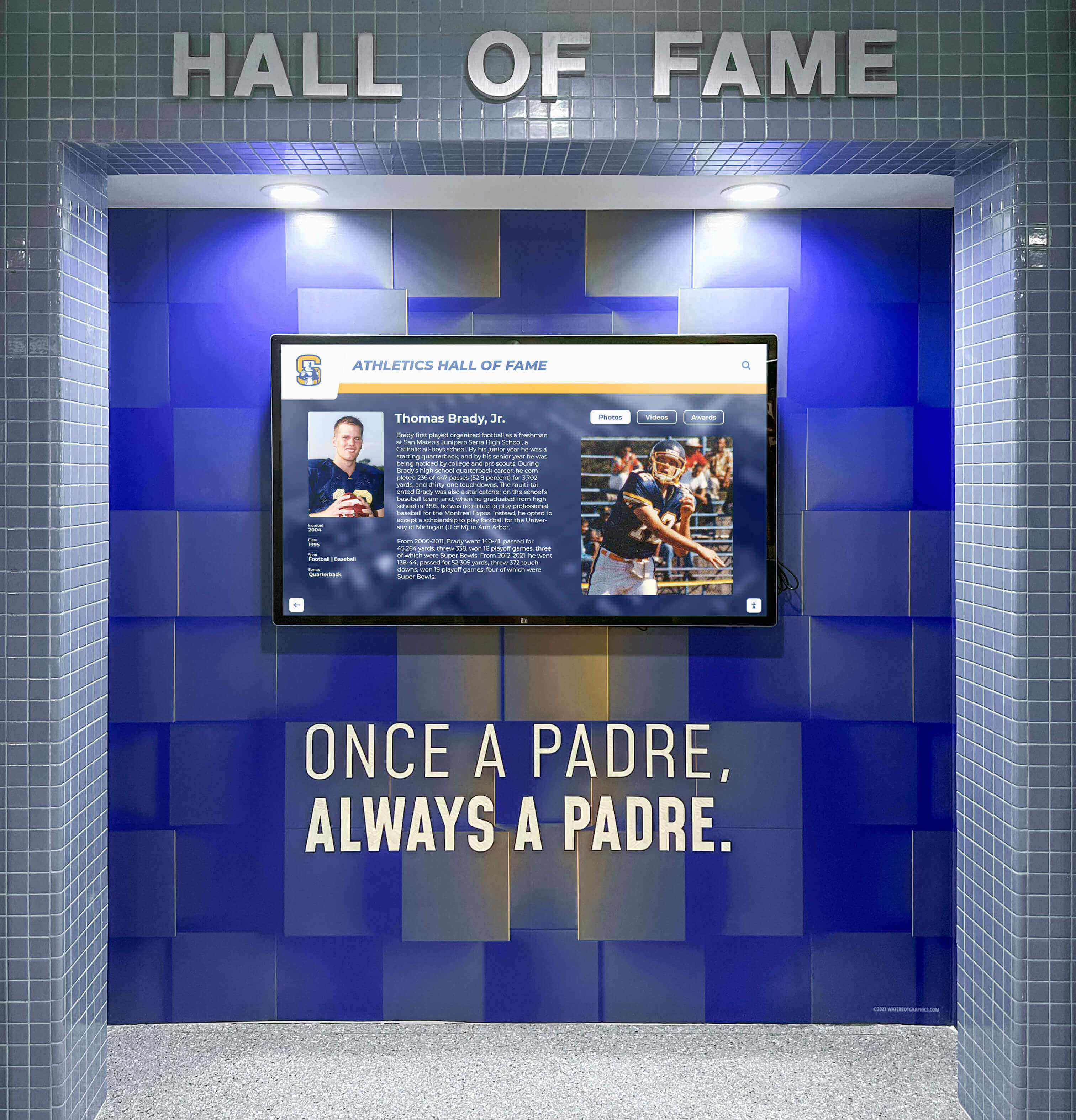
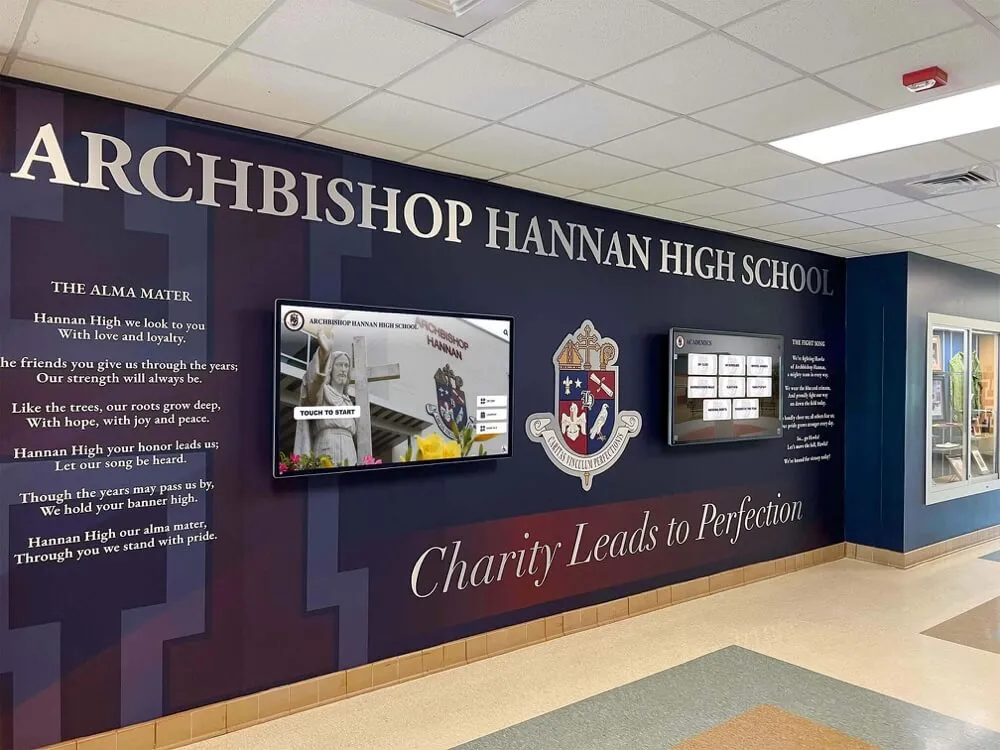
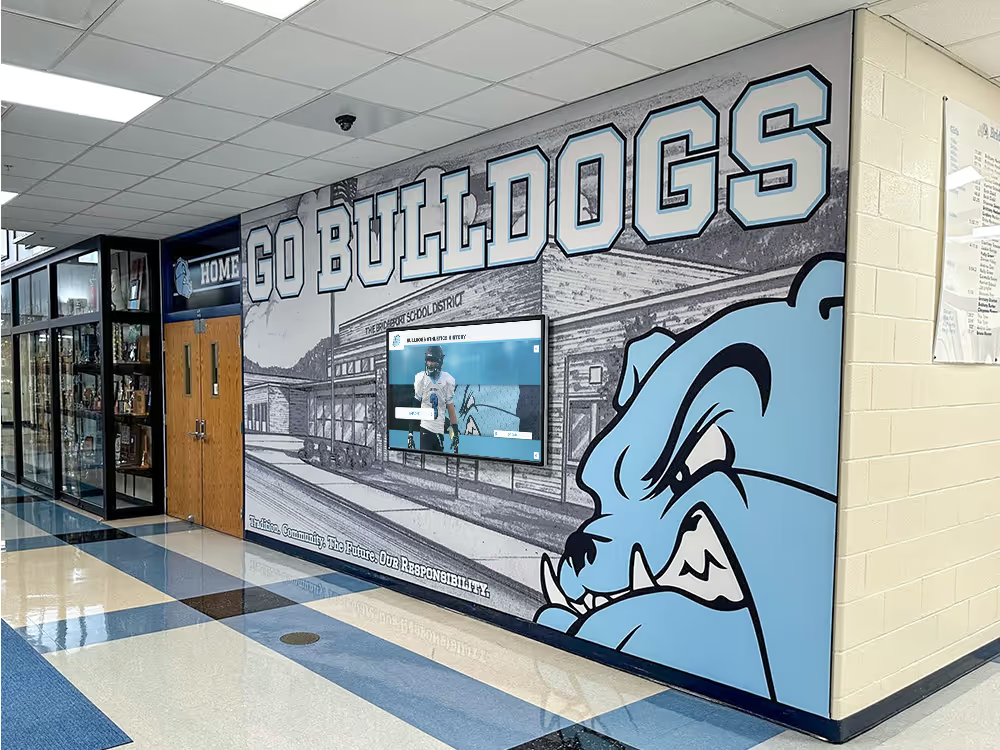
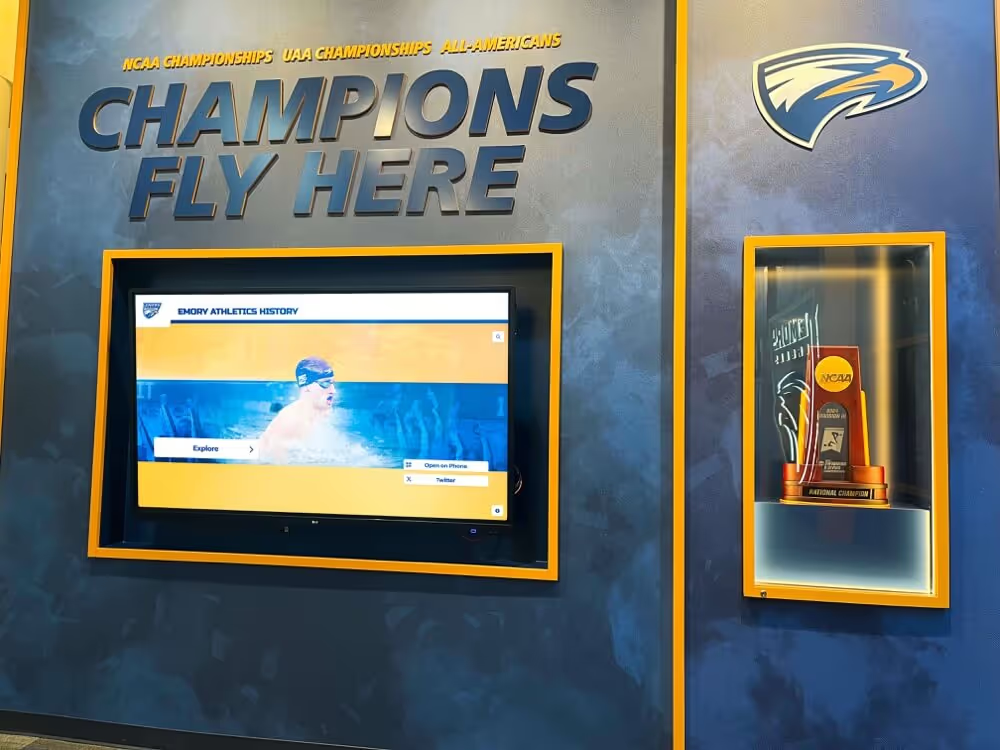
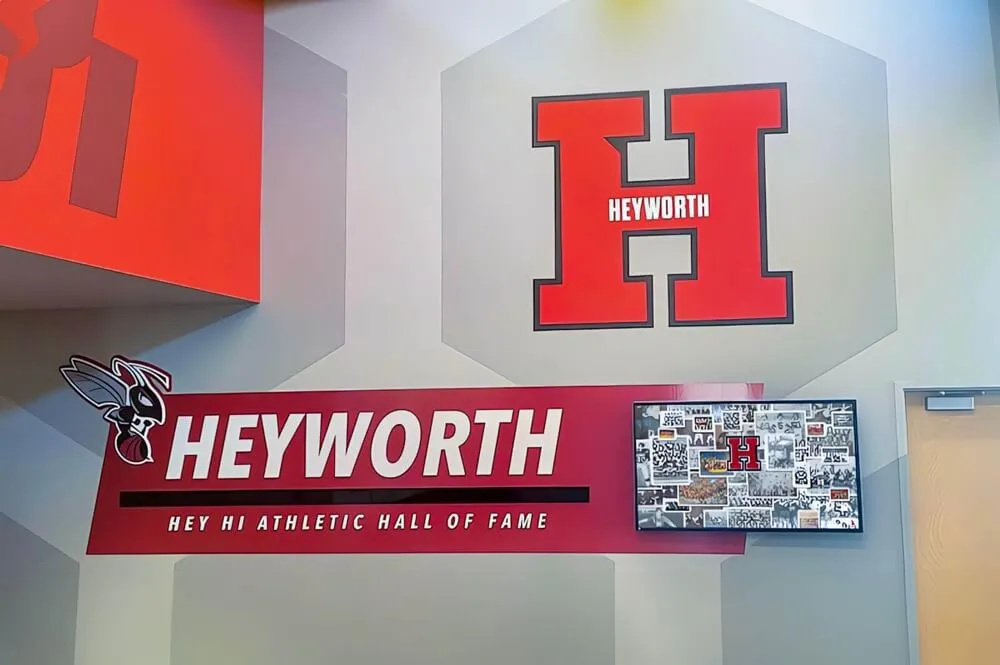
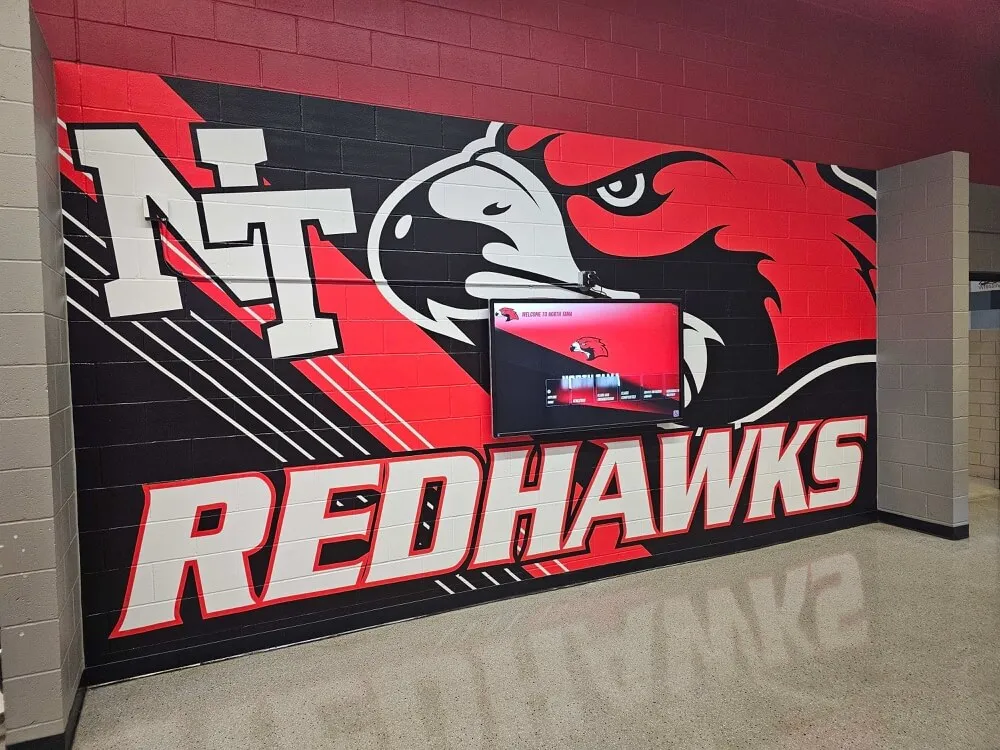
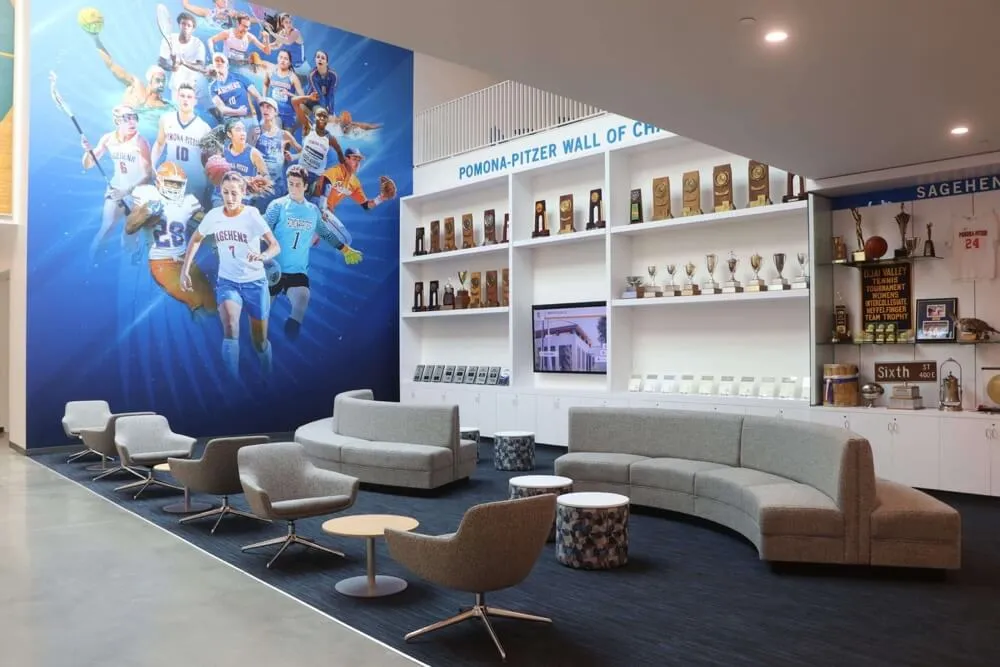
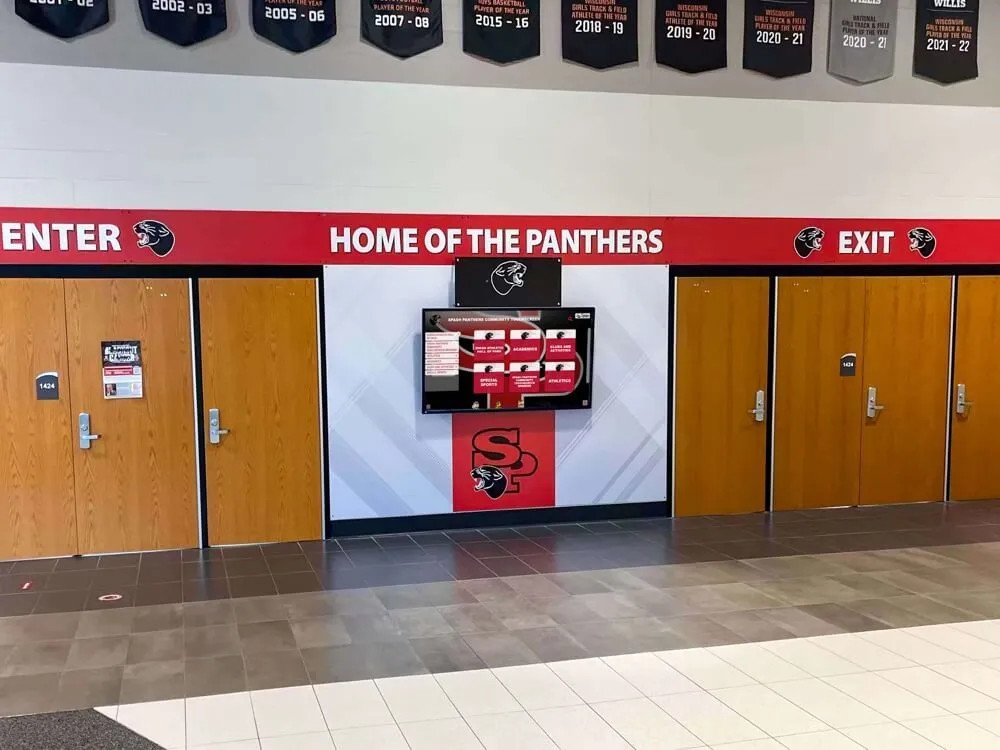
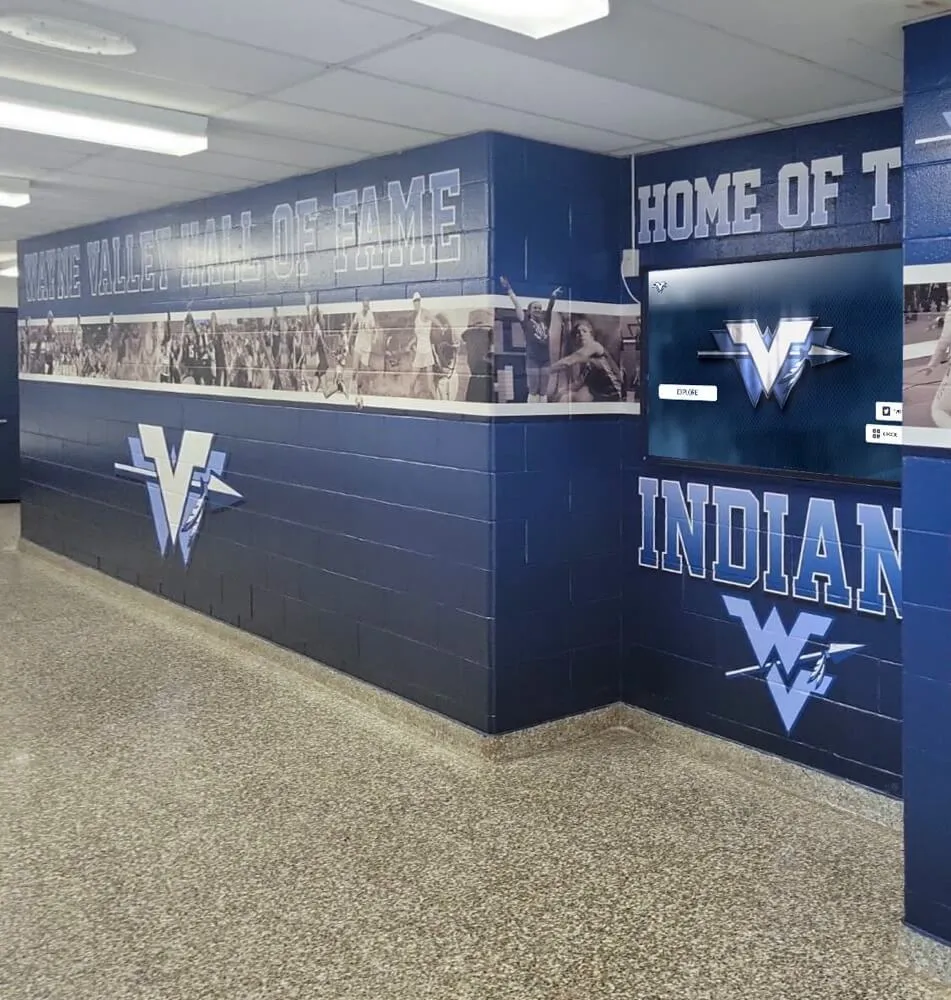
Strategic placement of debate team achievement boards in prominent school locations ensures forensics excellence receives visibility comparable to athletic and other academic accomplishments
Achievement Categories for Debate Team Recognition
Individual Competitive Achievements
Debate achievement boards should document diverse individual accomplishments:
Tournament Performance Recognition
- Tournament championships in specific events and categories
- Final round participation (semifinals, finals) demonstrating consistent excellence
- Speaker awards recognizing superior performance within tournaments
- Elimination round victories showing competitive advancement
- Preliminary round records establishing tournament seeding
- Head-to-head victories against highly-ranked opponents
- Consistent performance across multiple tournament appearances
Cumulative Achievement Documentation
- NSDA degree levels earned through point accumulation
- Season win-loss records across different event categories
- Speaker points averages indicating performance quality
- Tournament participation frequency demonstrating program commitment
- Event diversity showing well-rounded forensics development
- Improvement progression tracking growth from novice to varsity levels
- Multi-year participation establishing sustained program involvement
Honor Society and Special Recognition
- National Honor Society induction based on point thresholds
- All-American designation for top national point earners
- Four-Time Competitor recognition for multiple national tournament appearances
- Student of the Year nominations recognizing leadership and character
- State association recognition and awards
- Academic All-American status combining forensics with GPA requirements
Team-Based Achievements
Collective accomplishments deserve systematic recognition:
Team Competition Success
- Team sweepstakes awards at tournaments recognizing overall program performance
- Squad-based event victories (policy debate, public forum teams)
- Congress chamber achievements and awards
- Team tournament championships across multiple events
- State championship team titles
- Regional or national team qualification achievements
- Team improvement progression demonstrating program growth
Program Milestones and Traditions
- First tournament championship in program history
- Consecutive years of national tournament qualification
- Total number of national qualifiers per season
- Season total team points accumulation
- Historical win-loss records across different eras
- Alumni achievement legacy showcasing post-graduation success
- Program coaching tenure and leadership recognition
Understanding these diverse achievement categories enables comprehensive recognition systems celebrating excellence across all dimensions of forensics participation rather than narrow focus on single achievement types that exclude substantial student accomplishment.
Designing Effective Debate Team Achievement Boards
Creating impactful recognition requires thoughtful design addressing space constraints, administrative sustainability, content comprehensiveness, and community engagement while honoring debate’s unique characteristics and competitive culture.
Traditional vs. Digital Achievement Board Approaches
Physical Display Board Limitations
Conventional debate recognition confronts significant challenges:
Space and Capacity Constraints
- Bulletin boards accommodate limited names and achievements before becoming cluttered
- Physical plaques become economically impractical for large programs with dozens of competitors
- Wall space limitations force difficult decisions about which achievements display permanently
- Historical recognition must be removed to accommodate current season achievements
- Tournament results documentation becomes overwhelming in text-only formats
- Individual event achievement tracking becomes impossible with space limitations
Administrative Burden and Sustainability
- Manual updates required after every weekend tournament create substantial staff workload
- Physical posting and removal consume valuable teacher preparation time
- Maintaining current, accurate information becomes unsustainable as season progresses
- Recognition often falls months behind actual achievements due to update burden
- Errors and omissions occur frequently with manual tracking systems
- Recognition programs fade over time as maintenance burden overwhelms available capacity
Limited Engagement and Impact
- Static displays generate minimal student interaction or exploration
- Recognition visibility limited to those physically passing specific hallway locations
- No ability for families and community to view achievements remotely
- Difficult to showcase tournament progression, speaker development, or cumulative achievement
- Printed lists feel impersonal compared to rich, detailed achievement documentation
Learn about comprehensive approaches to academic recognition programs that address similar challenges across different achievement contexts.
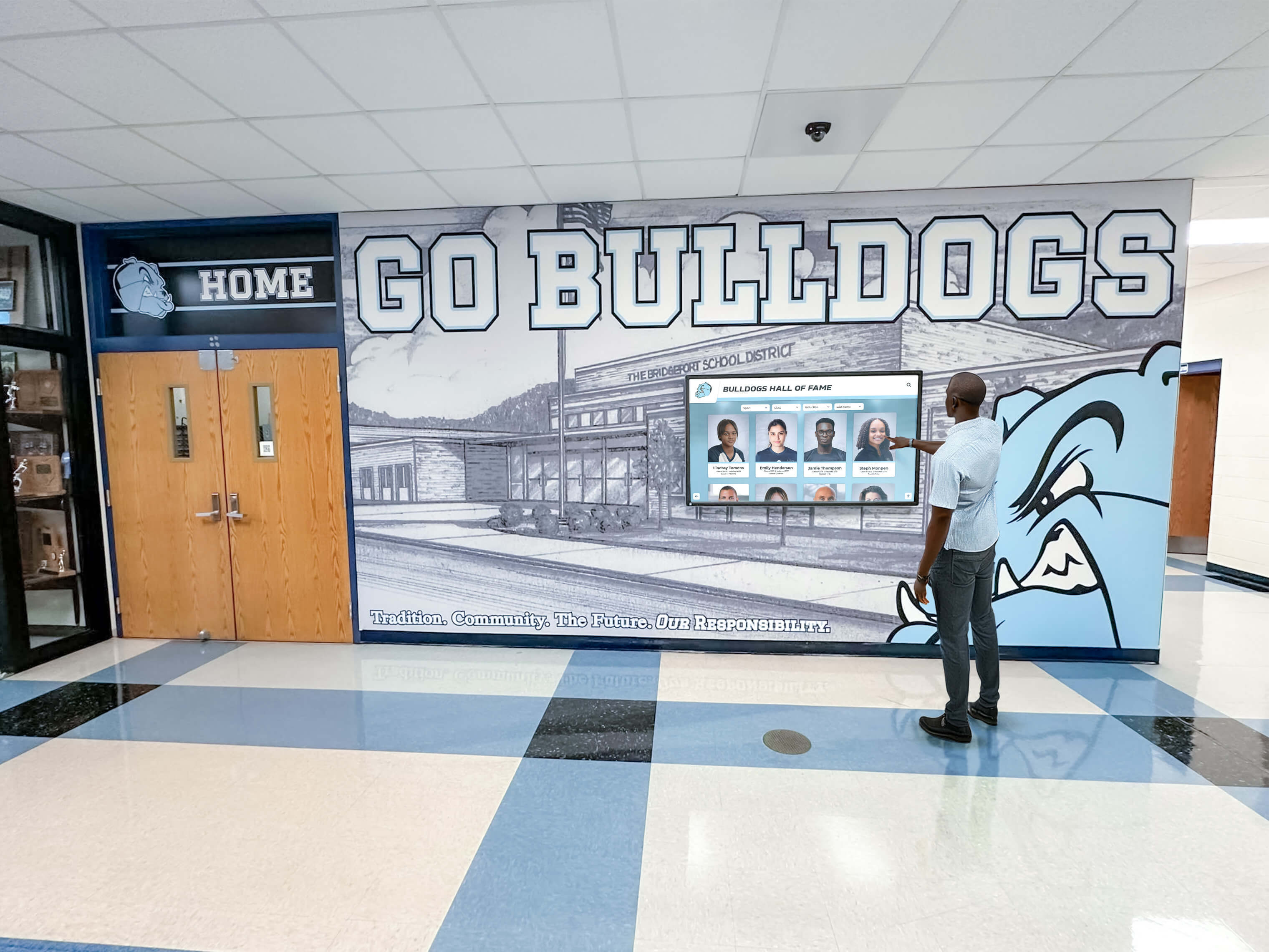
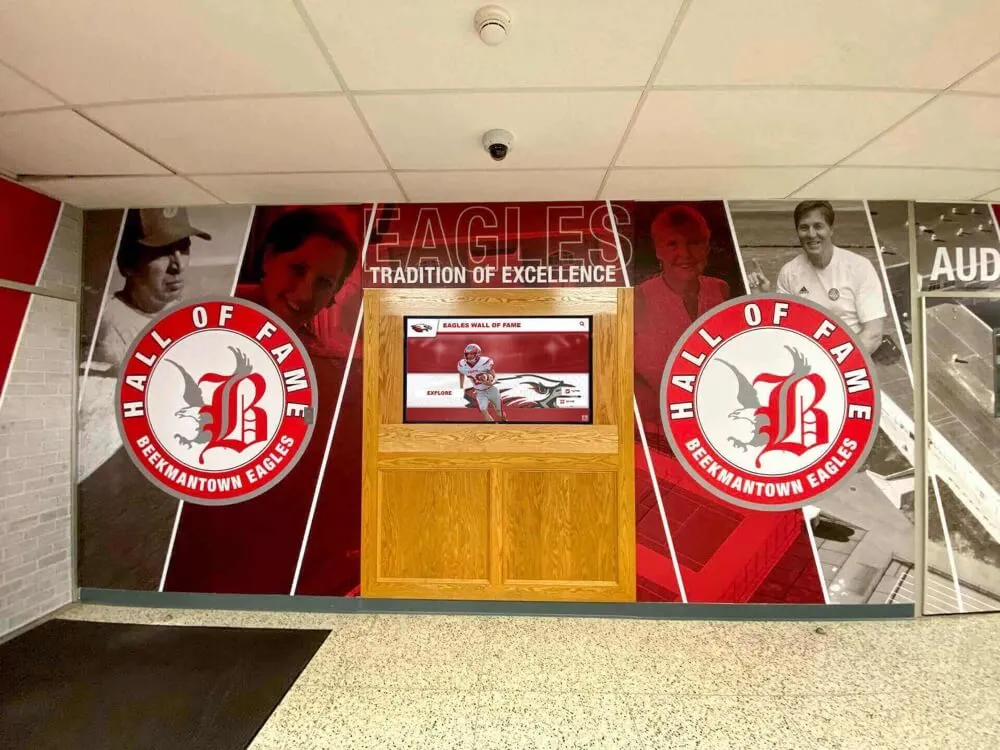
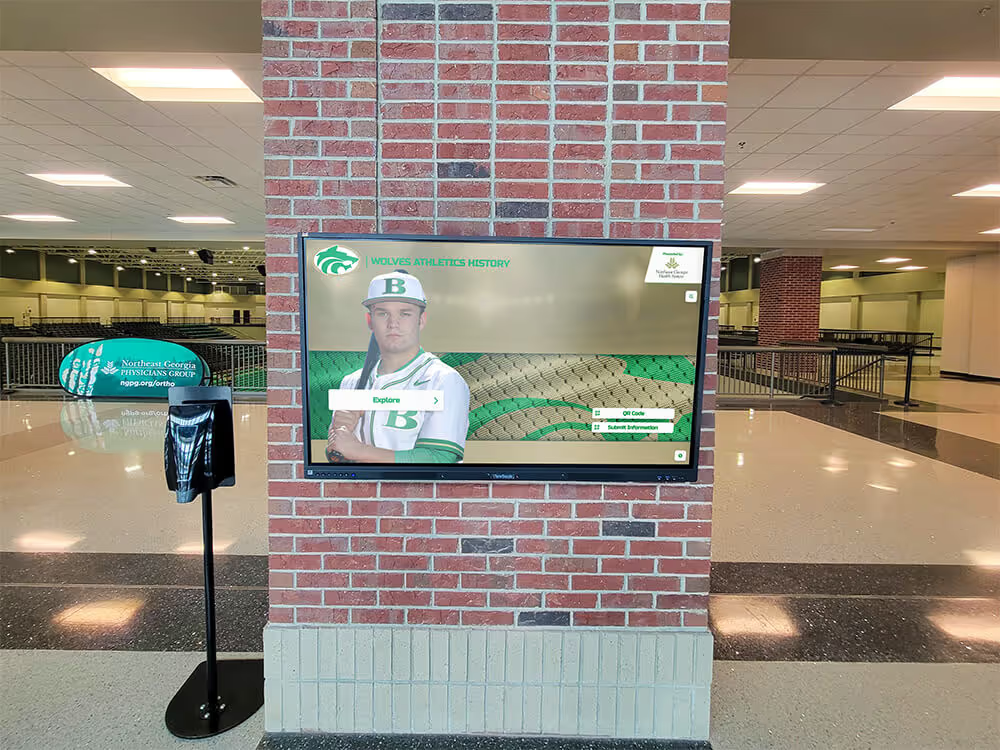
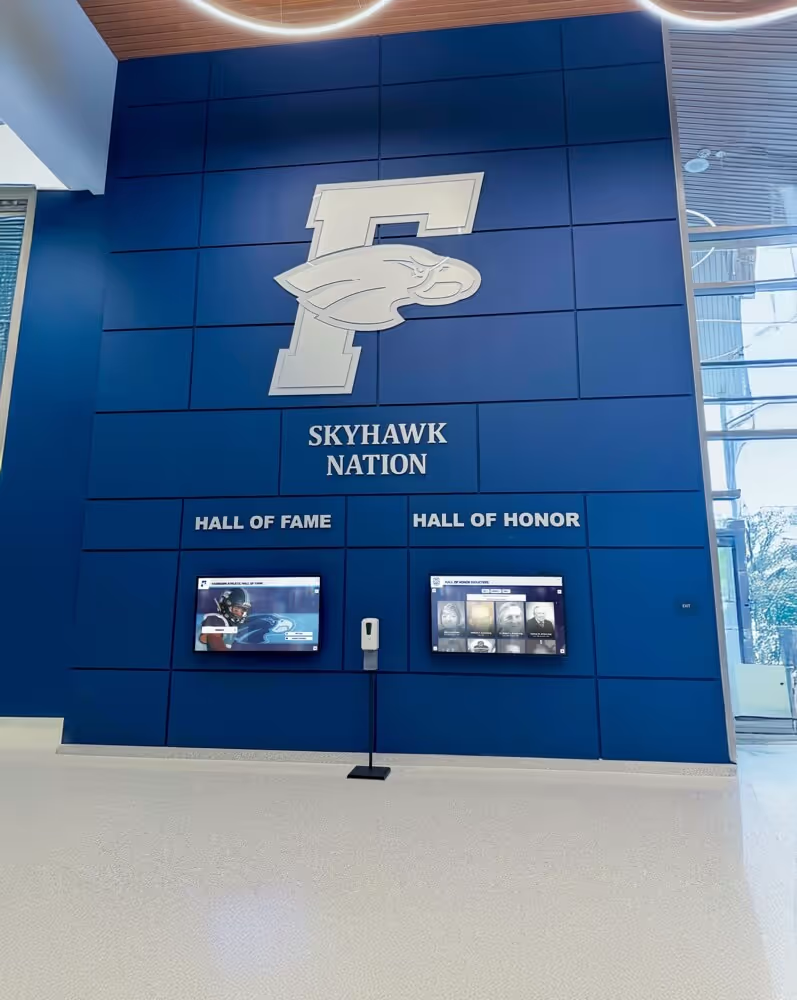
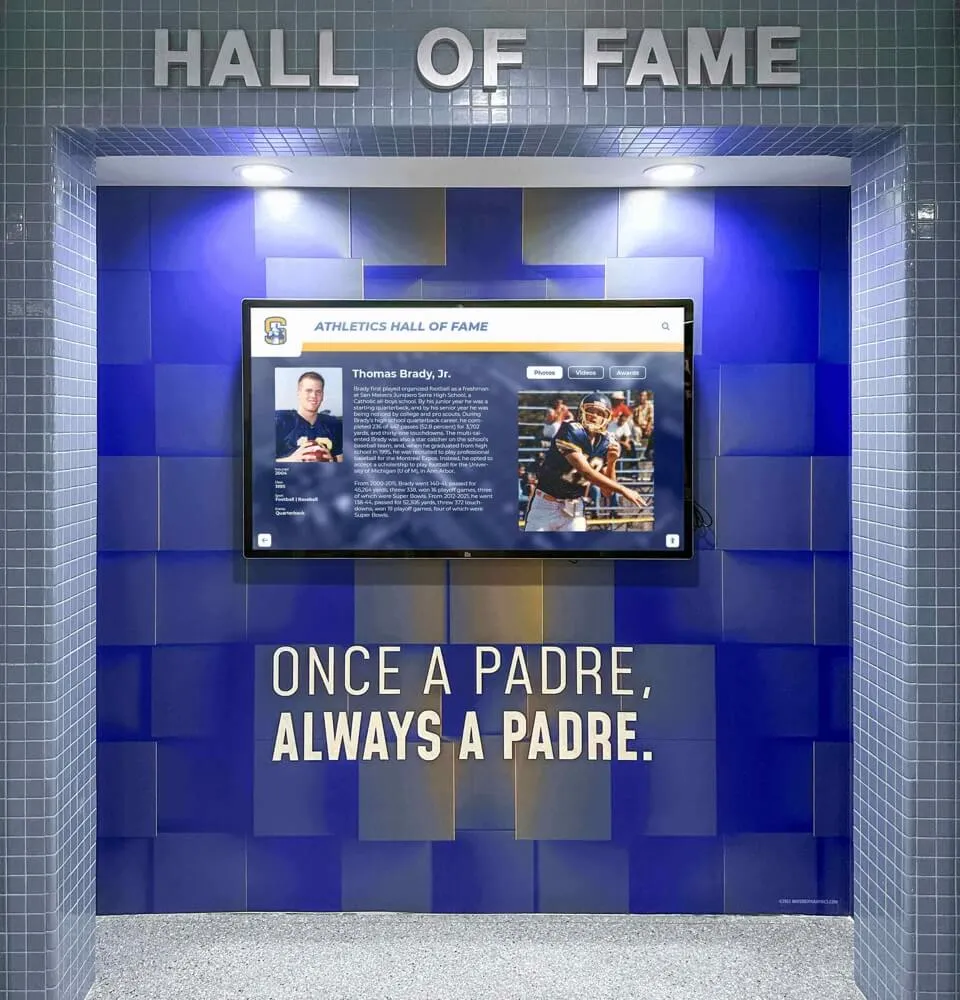
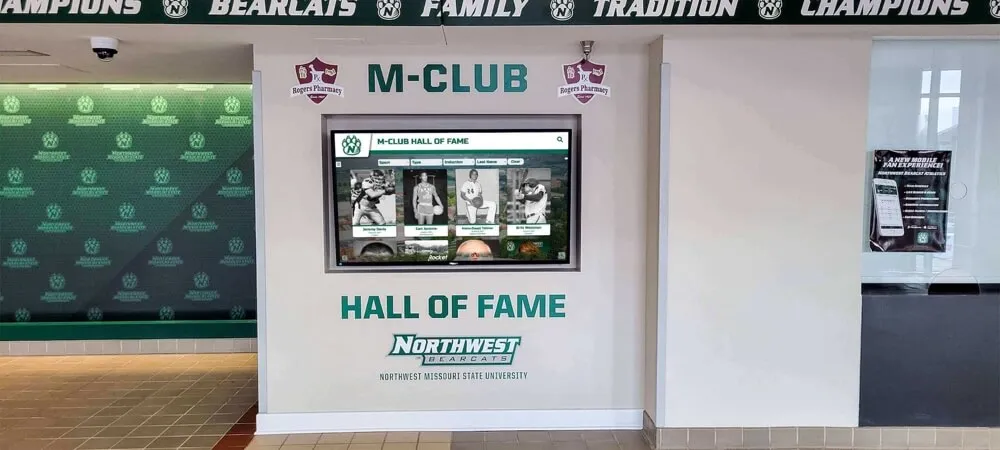
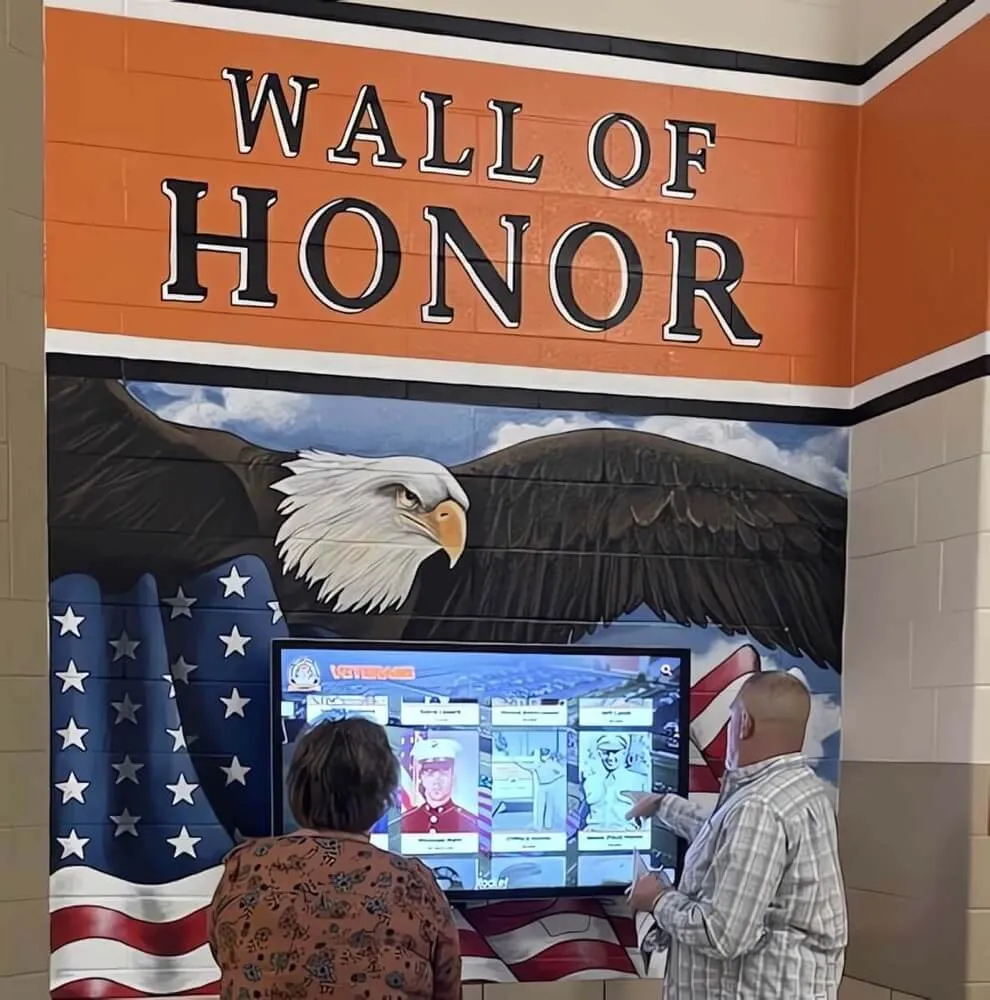
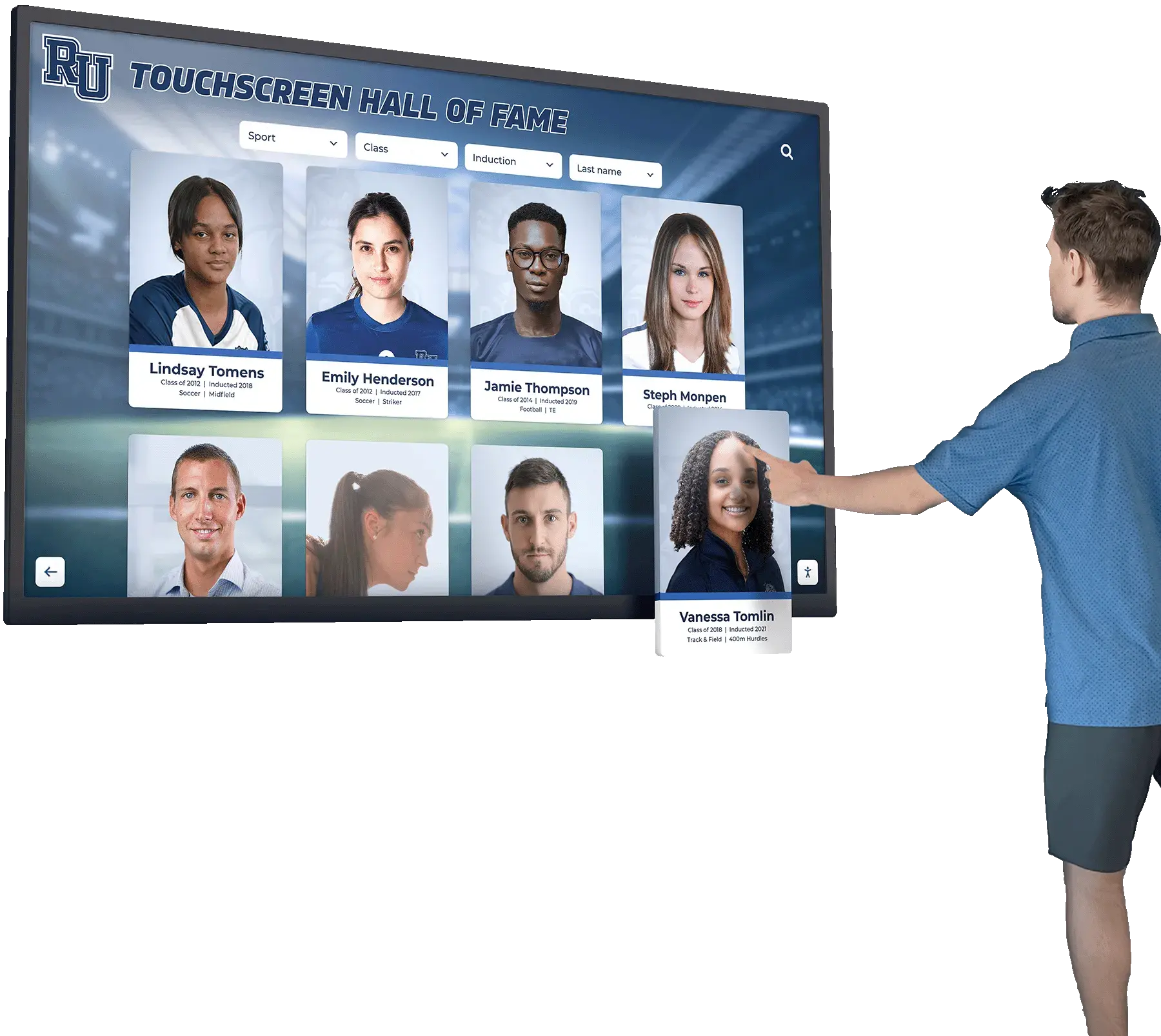
Intuitive touchscreen interfaces enable students to independently explore debate team achievements, tournament results, and individual speaker progressions throughout competitive seasons
Digital Recognition Platform Advantages
Unlimited Recognition Capacity
Digital achievement boards eliminate traditional space constraints:
- Single display system showcases unlimited debaters across all events without capacity limitations
- Complete historical archives documenting program legacy across decades of competition
- Every achievement level receives equal display capacity and access
- No requirement to remove previous seasons’ accomplishments to add current recognition
- Comprehensive documentation creating permanent institutional forensics record
- Economically sustainable recognition for large programs with extensive participation
- All event categories receive equitable representation regardless of coaching emphasis
Schools implementing digital debate achievement boards consistently report that unlimited capacity represents the most transformative benefit, enabling genuinely comprehensive recognition where every deserving competitor receives appropriate celebration rather than selective acknowledgment constrained by physical display space availability.
Interactive Exploration Capabilities
Touchscreen technology creates engaging experiences impossible with static displays:
- Search functionality enabling students to find teammates, competitors, and personal records instantly
- Filtering by event category exploring achievements in specific forensics disciplines
- Tournament result browsing examining performance across different competitions
- Individual competitor profiles documenting complete forensics journey across seasons
- Season comparison features tracking improvement progression over time
- Related content discovery connecting similar achievements and competitors
- Multiple navigation pathways accommodating different user preferences and interests
Research demonstrates that interactive displays generate 4-8 minutes of average engagement time compared to brief glances at printed lists—dramatically increasing recognition awareness, peer modeling effects, and motivational impact that inspires continued competitive participation and excellence.
Comprehensive Multimedia Content
Digital platforms enable rich documentation impossible with physical boards:
- High-resolution competitor photographs creating personal connection and recognition
- Tournament bracket visualizations showing competitive progression through elimination rounds
- Performance statistics documenting speaker points, win records, and achievement progression
- Video clips of championship speeches or debate rounds showcasing competitive excellence
- Event diversity visualization highlighting participation across multiple forensics categories
- Team photos documenting squad composition and collaborative achievement
- Coach commentary and testimonials contextualizing achievement significance
Administrative Efficiency and Sustainability
Cloud-based management systems dramatically reduce recognition burden:
- Remote updates from any internet-connected device without campus presence requirement
- Bulk data import efficiently adding tournament results for entire squads simultaneously
- Template-based profile creation ensuring consistent presentation automatically
- Scheduled publishing coordinating with tournament calendars and competitive schedules
- Role-based permissions enabling coaches and student managers to contribute content
- Automated backups eliminating manual record preservation requirements
- Analytics tracking engagement patterns and popular content informing future recognition strategies
Schools report 80-90% reduction in administrative time maintaining debate recognition after implementing digital systems—typically 30-60 minutes per tournament compared to several hours for physical display updates. This efficiency enables more comprehensive recognition while making programs sustainable despite demanding tournament schedules and limited coaching resources.
Web and Mobile Accessibility
Recognition extends beyond physical campus displays:
- Web platforms accessible globally enabling families to view achievements remotely
- Mobile-responsive designs ensuring excellent smartphone and tablet experiences
- Social sharing capabilities enabling students to celebrate tournament success broadly
- College admissions representatives reviewing documented competitive achievement
- Alumni exploring current team accomplishments maintaining program connections
- Prospective families evaluating debate program quality during school selection
This extended accessibility multiplies recognition reach from hundreds of campus visitors to thousands of web viewers, amplifying motivational impact while providing practical documentation supporting college applications, scholarship submissions, and competitive resume development.
Explore comprehensive approaches to touchscreen software for interactive displays that enable effective debate team achievement board implementation.
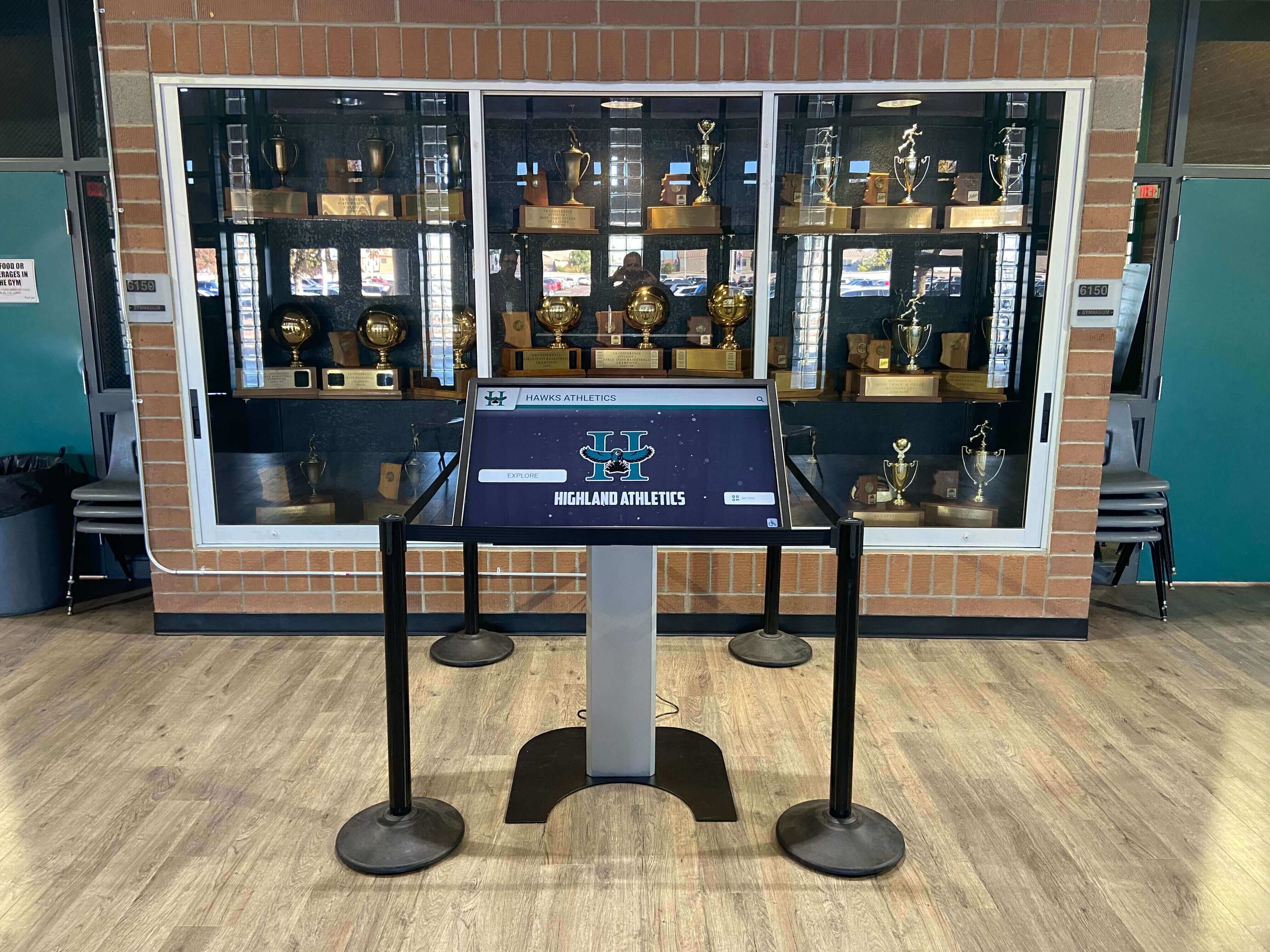
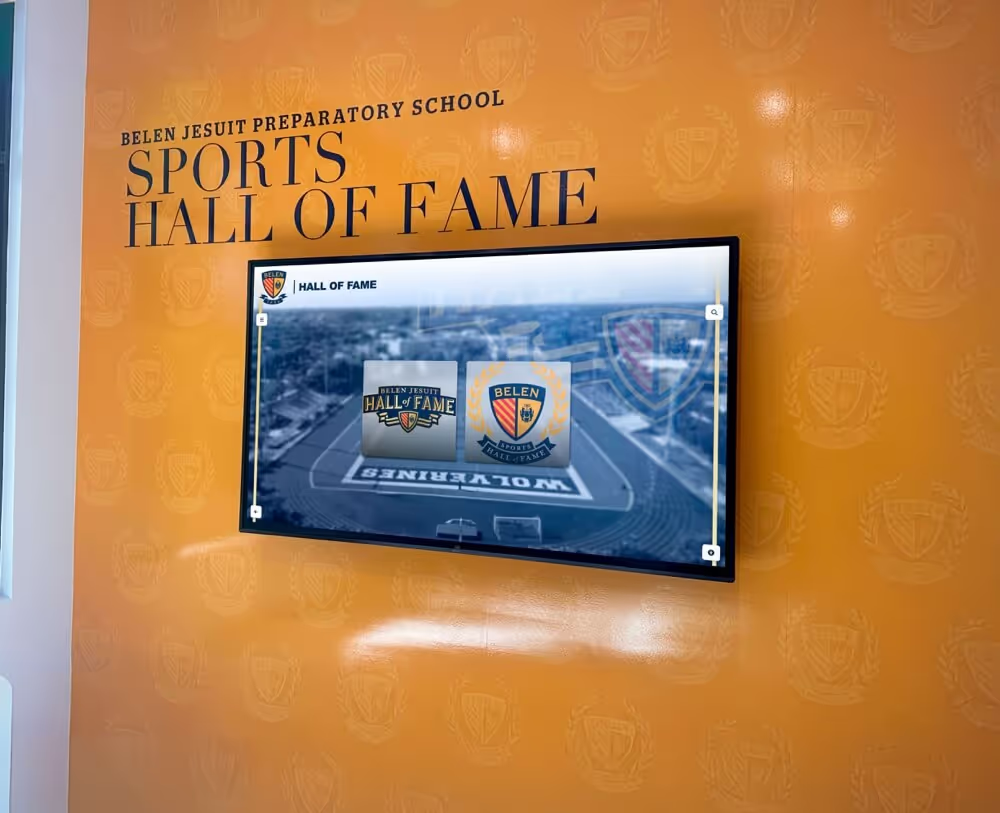
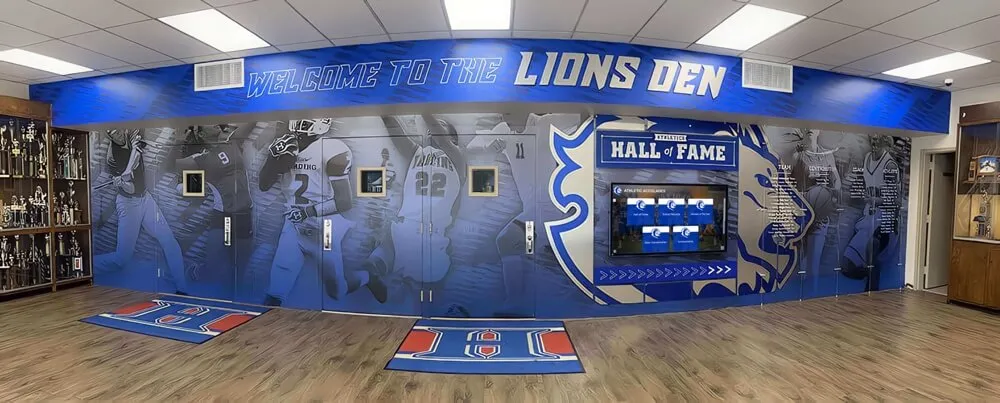
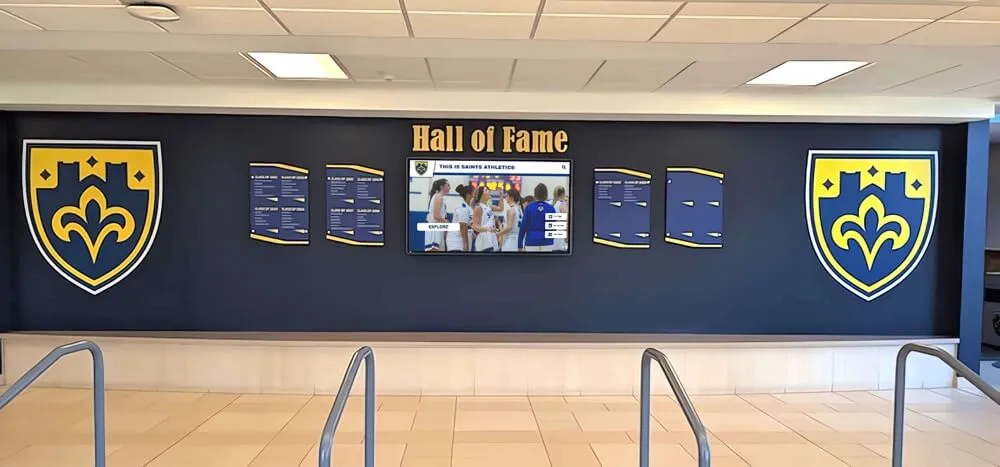
Digital achievement boards complement physical tournament trophies, combining tangible awards with comprehensive multimedia documentation of forensics excellence and competitive progression
Content Development for Debate Achievement Boards
Creating meaningful recognition requires comprehensive content that honors individual journeys, documents team success, preserves competitive history, and inspires future participants through accessible, engaging presentation.
Individual Debater and Speaker Profiles
Essential Profile Information
Comprehensive individual recognition should include:
Basic Biographical Content
- Student name and graduation year establishing program membership timeframe
- Current grade level indicating competitive experience and development stage
- Professional portrait photograph creating personal visual connection
- Primary event categories identifying forensics specialization areas
- Years of program participation demonstrating sustained commitment
Competitive Achievement Documentation
- Tournament victories listing specific competitions and event categories
- Final round appearances documenting consistent competitive excellence
- Speaker awards recognizing superior performance quality
- NSDA degree level indicating cumulative achievement through point system
- Season win-loss records establishing performance consistency
- Notable victories against highly-ranked opponents demonstrating competitive strength
- Qualification achievements for prestigious invitational or championship tournaments
Achievement Progression Tracking
- Multi-season performance comparison showing improvement trajectories
- Event expansion documentation revealing forensics breadth development
- Speaker point averages indicating performance quality evolution
- Tournament participation frequency demonstrating program commitment
- Leadership roles including team captaincy and novice mentorship
- Service contributions supporting program operations and community building
Personal Narrative Elements
When resources permit, rich profile content creates stronger connections:
- Brief personal statements about debate/speech experience and impact
- Favorite tournament memories or most meaningful competitive moments
- Advice for novice debaters or speakers entering forensics programs
- Academic interests and career aspirations showing forensics application
- Acknowledgments of coaches, teammates, and family support systems
- Post-graduation plans and continued public speaking or advocacy goals
This comprehensive content transforms impersonal result listings into meaningful celebrations honoring individual forensics journeys while providing inspiration, practical guidance, and relatable peer models for students aspiring to similar competitive excellence.
Statistical Visualization and Performance Dashboards
Data-driven content resonates with analytically-minded forensics communities:
- Win-loss record charts showing performance across seasons
- Speaker point progression graphs tracking improvement over time
- Event participation matrices displaying forensics breadth
- Tournament performance heat maps indicating competitive strengths
- Head-to-head records against specific opponents or schools
- Elimination round advancement visualization showing deep tournament runs
- Cumulative point accumulation toward NSDA degree milestones
Team-Based Content and Program History
Seasonal Team Recognition
Collective achievement documentation celebrates collaborative success:
Team Performance Metrics
- Season team sweepstakes points totals from tournament competitions
- Total number of team members qualifying for state or national championships
- Squad-specific records for policy teams, public forum partnerships, or congress chambers
- Team improvement statistics comparing current and previous seasons
- Participation diversity metrics showing engagement across multiple event categories
- Team GPA averages demonstrating academic-competitive balance
- Community service hours contributed by debate team members
Tournament Result Documentation
- Complete tournament result listings with date, location, and achievements
- Team sweepstakes placings at major invitational competitions
- Individual event champions from each tournament across all categories
- Finalist recognition documenting students reaching elimination rounds
- Speaker award recipients organized by tournament and event
- Visual tournament calendars showing participation frequency and competitive scope
Historical Program Archives
Long-term documentation preserves institutional forensics legacy:
- All-time program records including most wins, highest speaker points, most tournaments attended
- Historical championship documentation from program inception to present
- Decade-by-decade achievement summaries showing program evolution
- Notable alumni profiles highlighting post-graduation success in law, politics, education, journalism, and other fields where forensics skills prove invaluable
- Coaching tenure recognition honoring directors who built program traditions
- Program milestone celebrations including founding year, major championships, and growth achievements
- Historical tournament participation tracking showing competitive circuit engagement evolution
Understanding best practices for building school history displays provides frameworks applicable to debate program archival recognition.
Multimedia Content for Enhanced Engagement
Video Integration
Video content brings competitive achievements to life:
- Championship speech recordings showcasing oratory and interpretation excellence
- Debate round highlights featuring strong argumentation and refutation
- Post-tournament interviews capturing competitor reflections and emotions
- Season recap videos documenting program year progression
- Instructional content from experienced debaters teaching novice competitors
- Tournament day-in-the-life documentation showing preparation and competition experience
- Award ceremony footage preserving recognition moment memories
Photography Standards
Quality visual content enhances recognition impact:
- Professional individual portraits in business attire reflecting forensics professionalism
- Action photographs from tournament competition capturing engagement intensity
- Team photos documenting squad membership and collaborative spirit
- Trophy presentation images celebrating tangible achievement recognition
- Tournament venue photography providing competitive context
- Practice session documentation showing preparation and coaching dynamics
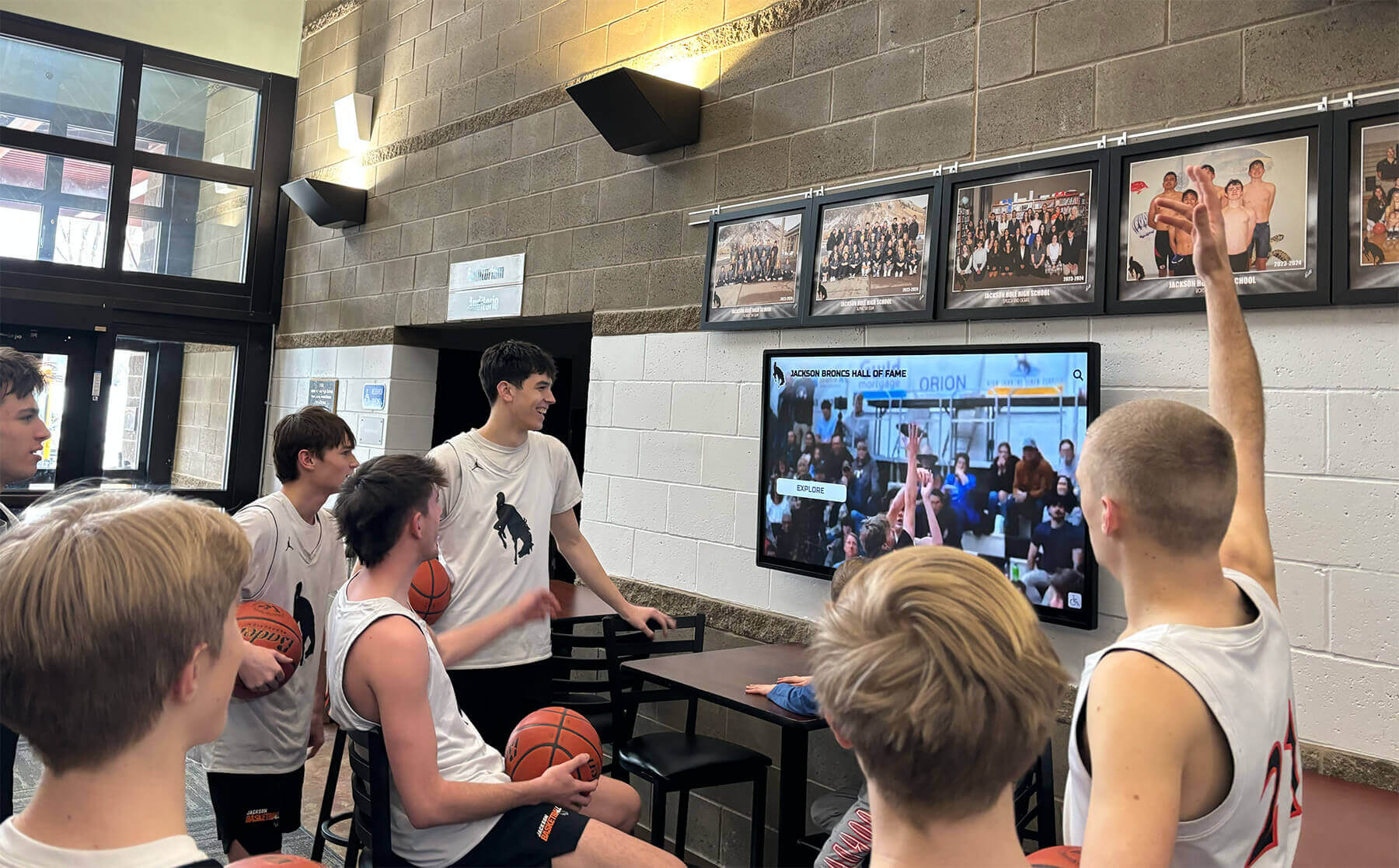
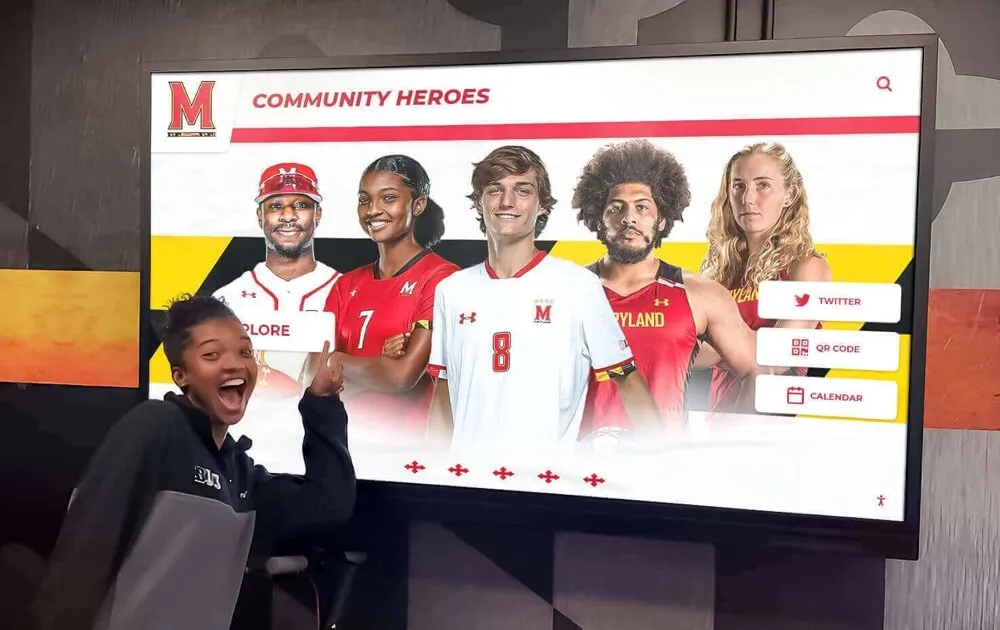
Social viewing experiences create natural gathering points where students explore forensics achievements together, normalizing competitive excellence and building program pride
Tournament Bracket and Result Visualizations
Graphic content communicates competitive progression effectively:
- Visual elimination brackets showing advancement through tournament rounds
- Results tables organizing performance data across multiple competitors and events
- Statistical comparison charts highlighting standout performances
- Timeline graphics documenting season progression and achievement milestones
- Geographic maps showing tournament locations and competitive circuit scope
- Point accumulation visualizations tracking progress toward NSDA degrees
This diverse multimedia content creates comprehensive recognition that educates audiences about forensics competitive structure, documents individual and team achievements meaningfully, and preserves program history for current and future community members.
Implementing Digital Debate Team Achievement Boards
Successful implementation requires systematic planning addressing technology selection, content development, display placement, launch strategies, and ongoing management ensuring recognition programs serve forensics communities effectively while remaining sustainable long-term.
Technology Platform Selection
Hardware Display Options
Appropriate equipment ensures effective recognition:
Display Format Considerations
- Wall-mounted touchscreens in main hallways or academic commons areas
- Freestanding kiosk systems creating dedicated debate program recognition stations
- Display sizes from 55 to 75 inches balancing visibility with space constraints
- Commercial-grade components ensuring durability in high-traffic school environments
- High-resolution 4K screens providing crisp text and image quality
- Capacitive touch technology enabling responsive, smartphone-like interaction
- Protective enclosures for displays in unsupervised locations
Installation Requirements
- Strategic placement in high-traffic areas maximizing visibility and engagement
- Proximity to existing debate program spaces when possible
- Reliable network connectivity supporting cloud-based content management
- Professional electrical installation meeting code requirements and safety standards
- ADA-compliant mounting heights ensuring accessibility for all community members
- Secure mounting systems preventing theft or vandalism
- Cable management creating polished, professional appearance
Software Platform Features
Recognition software determines functionality and administrative experience:
Essential Platform Capabilities
- Intuitive content management requiring no technical expertise to operate
- Unlimited competitor capacity accommodating program growth without licensing limits
- Comprehensive search and filtering by event, season, achievement type, and other criteria
- Template systems creating consistent, professional presentation automatically
- Bulk data import enabling efficient tournament result additions
- Role-based permissions allowing coaches and student managers appropriate access
- Mobile-responsive web design ensuring excellent smartphone and tablet experiences
Advanced Features for Forensics Recognition
- Tournament bracket visualization tools displaying elimination round progression
- Statistical dashboard creation for performance tracking and comparison
- Video hosting for speech and debate round documentation
- Social media integration enabling content sharing and promotion
- Analytics tracking engagement patterns and popular content
- Calendar integration for tournament schedules and recognition event coordination
- Automated notifications alerting families when students achieve recognition milestones
Solutions like Rocket Alumni Solutions provide comprehensive platforms specifically designed for educational achievement recognition, combining essential debate team board features with sustainable content management, engaging interactive experiences, and extended web accessibility that amplifies recognition impact beyond physical campus displays.
Learn about touchscreen kiosk software considerations for debate achievement board implementations.
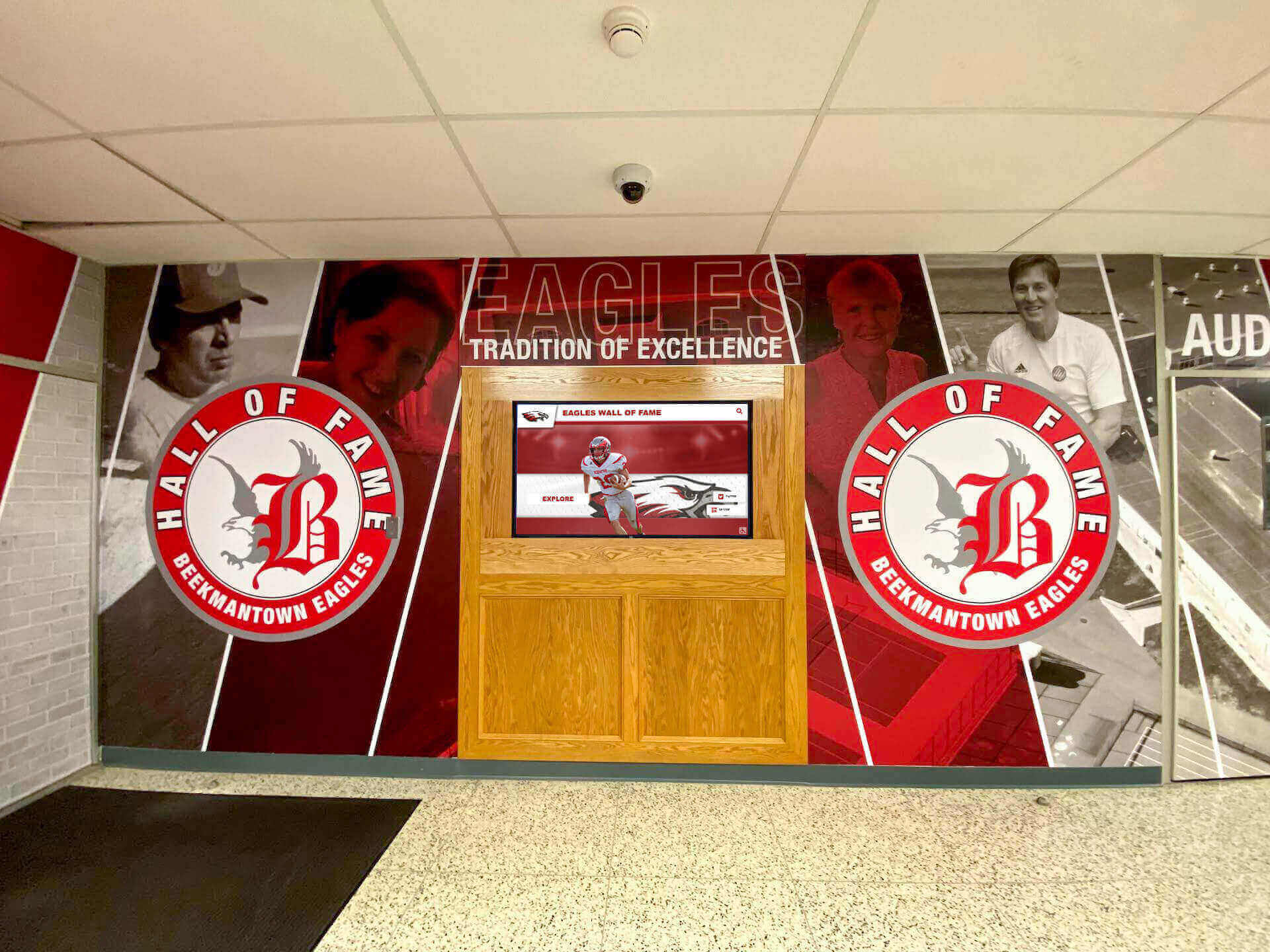
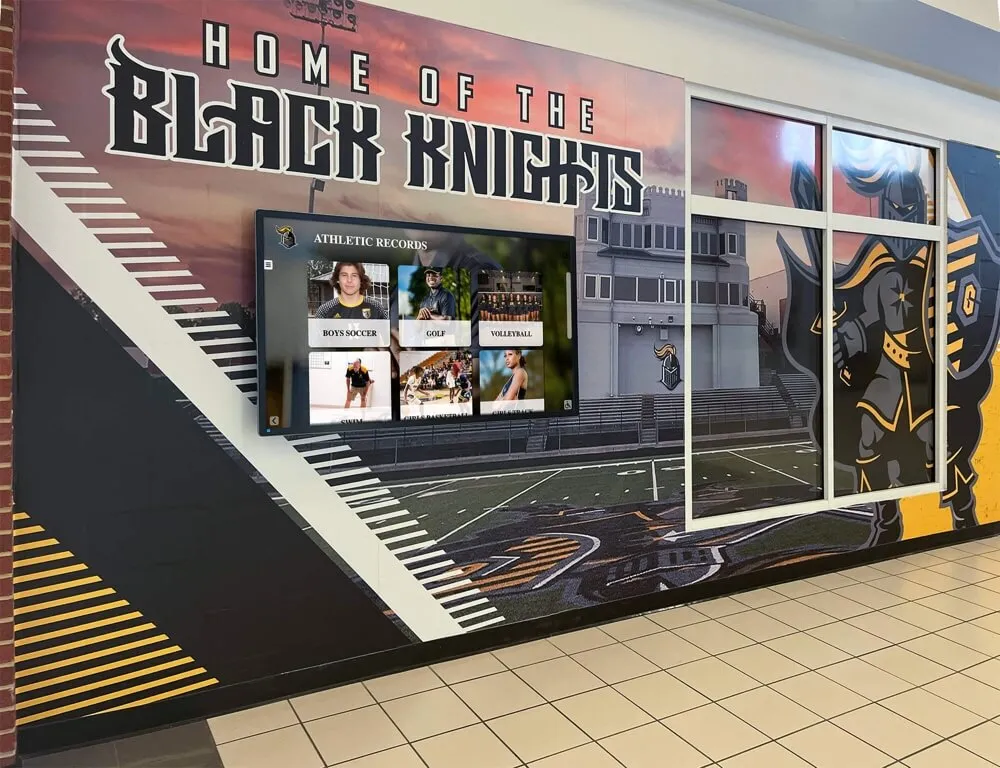
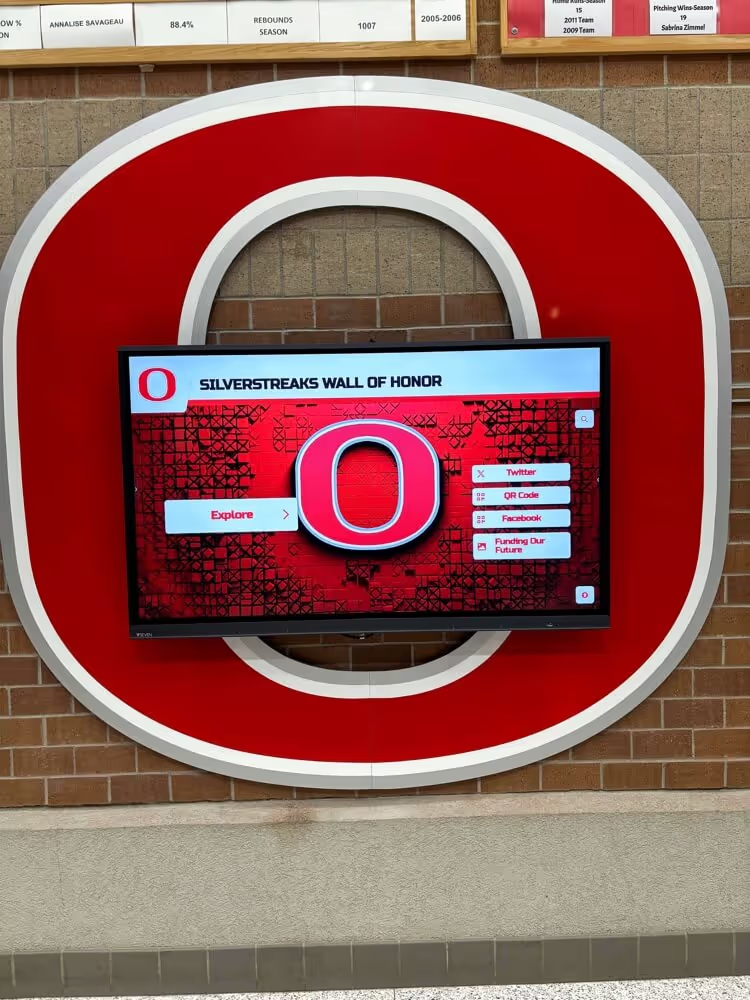
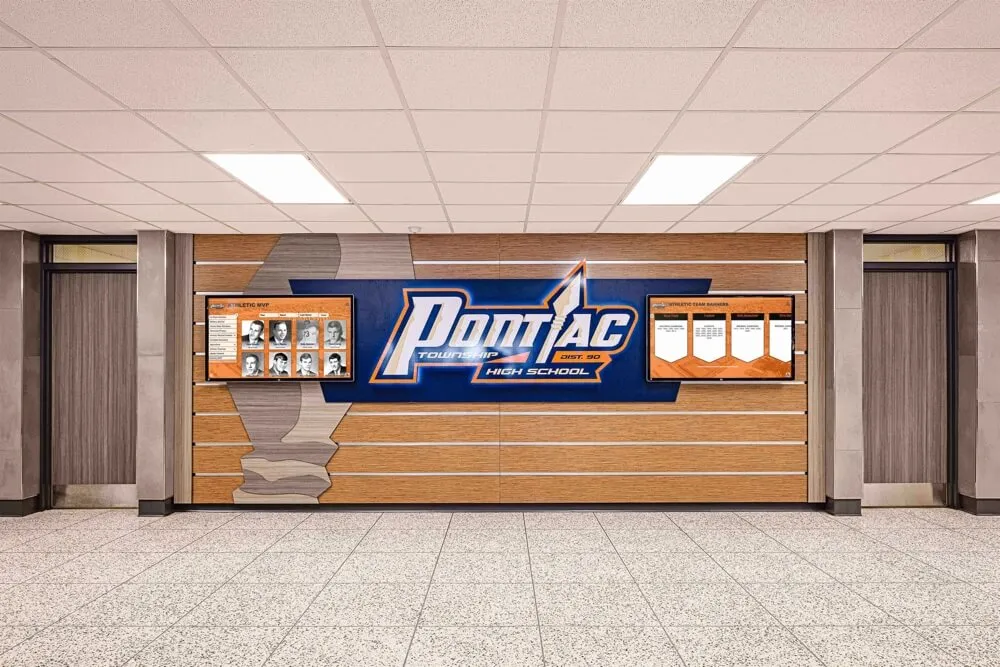
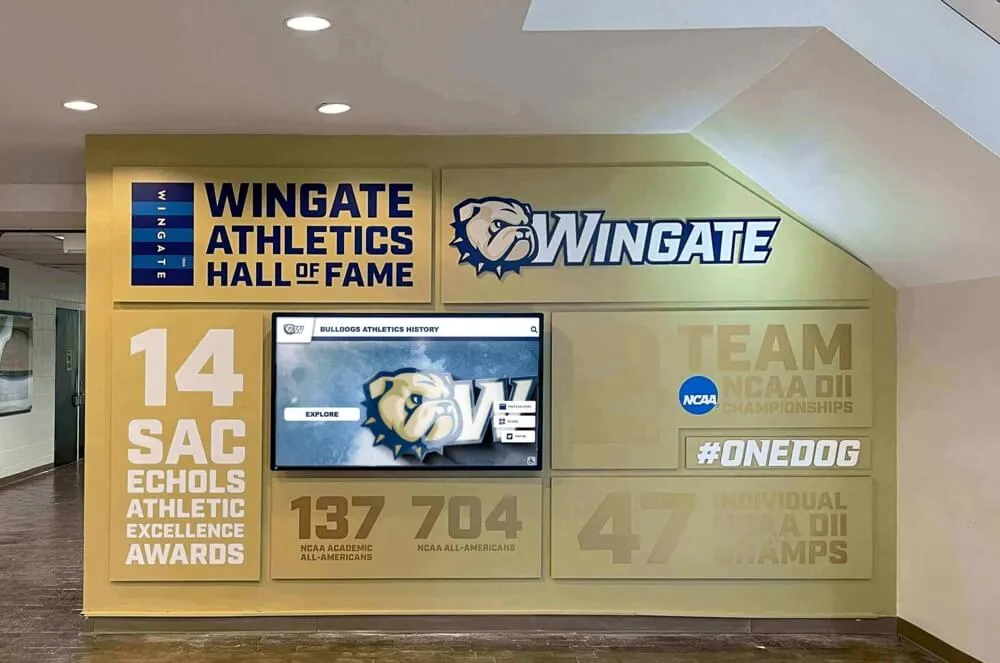
Professional installations integrate debate achievement boards seamlessly with existing school environments, creating impressive focal points celebrating forensics excellence alongside other institutional accomplishments
Strategic Display Placement and Visibility
Primary Installation Locations
Display placement significantly impacts recognition effectiveness:
High-Priority Locations
- Main entrance lobbies greeting all campus visitors and establishing forensics prominence
- Academic hallways connecting debate excellence with intellectual achievement culture
- Library or media center areas frequented by academically engaged students
- Student commons or cafeteria spaces with consistent daily traffic
- Near existing trophy cases or recognition areas establishing competitive achievement parity
- Adjacent to debate team practice spaces reinforcing program identity
Strategic Placement Considerations
- Visibility from primary traffic flows ensuring maximum community exposure
- Traffic patterns enabling extended viewing time rather than brief passing glances
- Lighting conditions ensuring screen visibility without glare interference
- Proximity to power and network infrastructure supporting reliable operation
- Security assessment protecting equipment in unsupervised areas
- Integration with existing school aesthetics and architectural features
Multi-Display Coordination
Larger programs may implement coordinated display networks:
- Debate classroom displays focusing on current season achievements and upcoming tournaments
- Main lobby displays featuring historical program excellence and major accomplishments
- Trophy case area displays combining physical awards with digital achievement documentation
- Rotating content across locations maintaining fresh, engaging presentation
- Hierarchical information architecture showing recent achievements prominently with deeper historical archives accessible through navigation
Content Development Workflow
Initial Content Creation
Launching recognition boards requires systematic content development:
Historical Archive Compilation
- Gathering tournament results from previous seasons establishing program legacy
- Identifying notable alumni achievements demonstrating long-term program impact
- Collecting historical photographs and documentation from past competitions
- Documenting program milestones, coaching history, and tradition development
- Compiling all-time records and cumulative statistics
- Organizing content chronologically and by achievement category
Current Season Content Development
- Creating individual competitor profiles with photographs and biographical information
- Documenting current season tournament results systematically after each competition
- Tracking cumulative statistics including win-loss records, speaker points, and degree progress
- Photographing team activities, tournament competitions, and recognition ceremonies
- Recording video content when resources permit including speeches and interviews
- Maintaining up-to-date tournament calendars and upcoming competition information
Ongoing Content Management
Sustainable programs require efficient update processes:
Tournament Result Updates
- Establishing post-tournament update workflow ensuring timely content additions
- Using bulk import tools when available to add multiple competitor results efficiently
- Documenting both placement results and speaker awards systematically
- Updating individual competitor statistics automatically when platform capabilities permit
- Adding tournament photographs and documentation within week of competition
- Communicating achievements to families through automated notifications when available
Seasonal Maintenance Activities
- Beginning-of-season roster updates adding new team members and removing graduates
- Mid-season statistical reviews ensuring accuracy and completeness
- End-of-season comprehensive documentation preserving annual program history
- Summer profile enhancement adding multimedia content and narrative elements
- Annual historical archive expansion preserving institutional forensics memory
- Platform technical updates maintaining security and performance optimization
Explore digital recognition content strategies applicable to debate achievement board management.
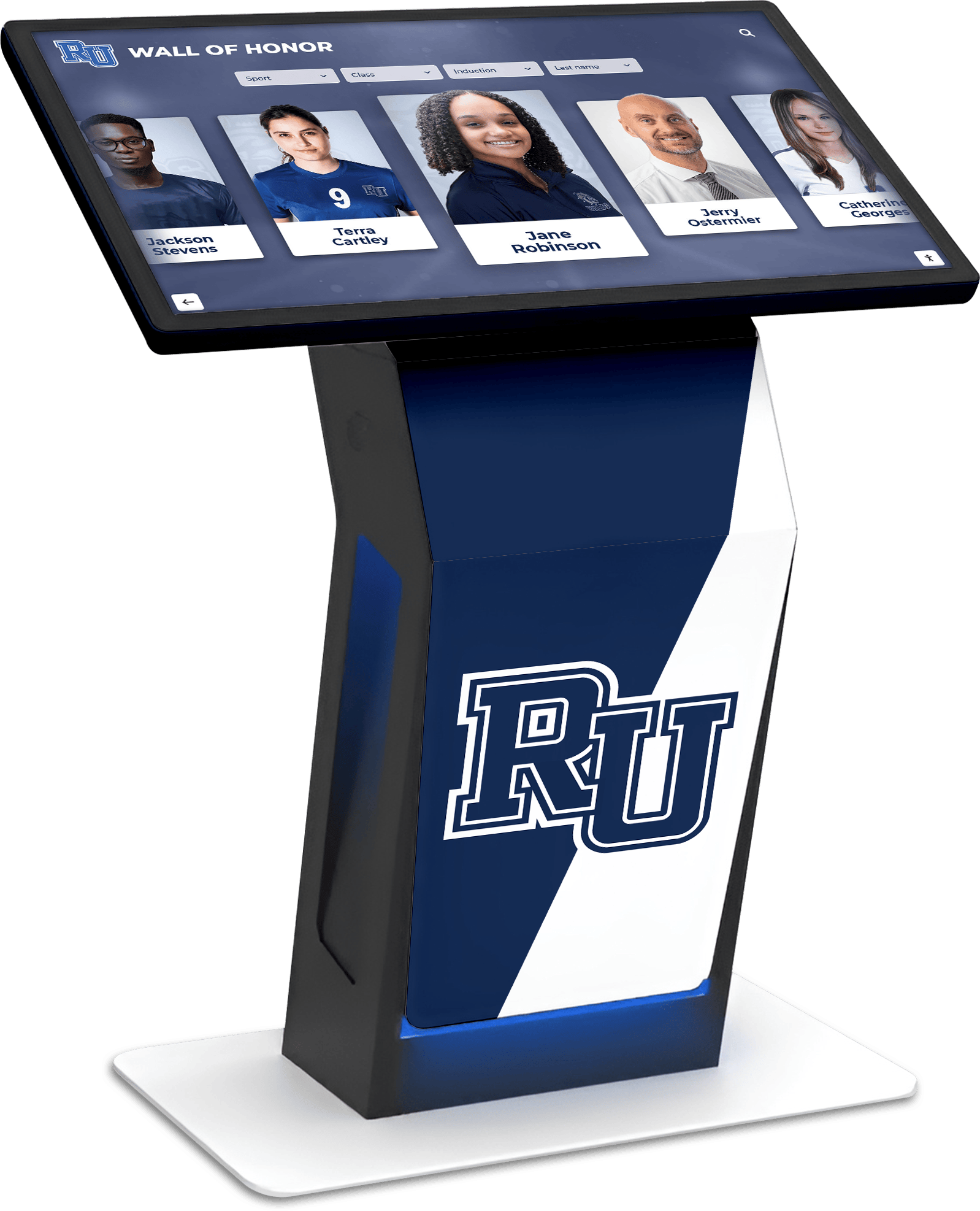
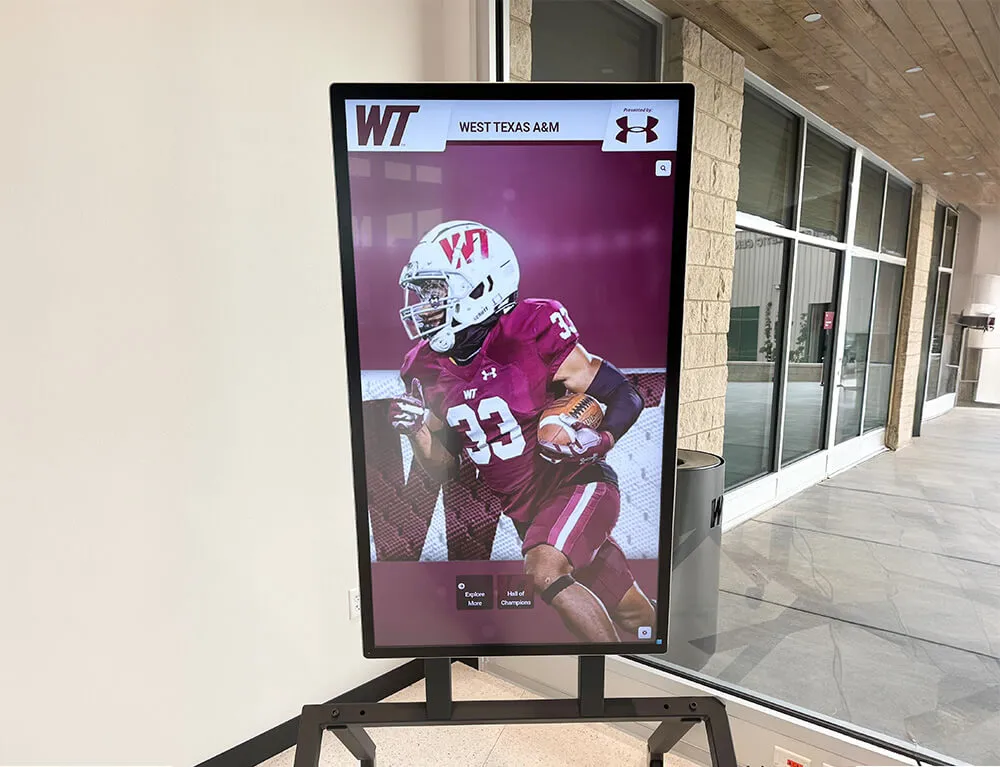
Professional kiosk installations provide complete debate achievement board solutions without requiring wall mounting or extensive construction, enabling flexible placement in optimal high-traffic locations
Maximizing Debate Achievement Board Impact
Beyond basic implementation, strategic approaches amplify recognition effectiveness while supporting broader forensics program goals including recruitment, retention, fundraising, and community building.
Connecting Recognition to Program Growth
Recruiting Applications
Achievement boards support program development:
- Prospective students exploring debate program success during school visits and open houses
- Display content demonstrating competitive achievement and program prestige during campus tours
- Historical documentation showing consistent excellence rather than isolated tournament victories
- Diverse event representation illustrating forensics breadth and participation opportunities
- Alumni success profiles demonstrating long-term value of forensics participation
- Web-accessible platforms enabling remote exploration by prospective families researching schools
Schools implementing comprehensive debate achievement boards report measurable increases in program interest, tryout participation, and enrollment from students attracted by visible competitive excellence and systematic recognition culture demonstrating institutional commitment to forensics programs.
Retention and Motivation
Recognition sustains competitive engagement:
- Visible achievement creates positive peer pressure supporting continued participation
- Multiple recognition pathways ensuring diverse competitors find success opportunities
- Progress tracking helping students monitor improvement and set achievable goals
- Historical context showing that excellence develops through sustained effort over multiple seasons
- Peer modeling providing relatable examples of achievement progression from novice to varsity levels
- Public celebration of improvement and effort alongside ultimate competitive success
Educational psychology research consistently demonstrates that visible, meaningful recognition significantly increases student motivation, persistence through challenges, and sustained program engagement across multiple years—critical factors in developing the deep competitive excellence that forensics programs aspire to achieve.
Community and Parent Engagement
Achievement boards build program support:
- Family access to tournament results and achievements through web platforms
- Concrete conversation points about forensics participation and competitive progress
- Pride and belonging strengthening family support for demanding practice and tournament schedules
- Visible evidence of program quality and institutional investment justifying participation commitment
- Social sharing capabilities enabling families to celebrate achievements with extended networks
- Alumni engagement opportunities reconnecting graduates with current program accomplishments
Understanding parent engagement strategies for recognition programs provides frameworks for leveraging debate achievement boards to strengthen community connections and program support.
Integration with Academic and College Preparation
Academic Achievement Connection
Link forensics excellence with broader educational goals:
- Research demonstrating correlation between debate participation and academic performance
- Academic recognition program integration showing forensics alongside honor roll and other intellectual achievements
- College preparation narrative emphasizing critical thinking, research, and communication skill development
- Advanced coursework connection highlighting how debate supports AP and honors class success
- Standardized test preparation benefits from extemporaneous speaking and analytical thinking practice
College Application Support
Achievement boards provide practical college admissions value:
- Comprehensive documentation of competitive accomplishment for college applications
- Specific tournament results and speaker awards demonstrating competitive depth
- NSDA degree levels and honor society membership providing nationally-recognized credentials
- Leadership documentation including team captain roles and novice mentorship responsibilities
- Service hour tracking supporting scholarship applications requiring community engagement
- Coach recommendation letter support through detailed achievement documentation readily accessible
Scholarship and Resume Development
Recognition systems support student advancement:
- Printed or digital achievement portfolios for scholarship submissions
- Resume content detailing specific forensics accomplishments with appropriate context
- LinkedIn profile information showcasing public speaking and analytical skills
- Interview talking points about competitive experience and skill development
- Achievement verification for scholarship programs requiring documented accomplishment
- Alumni network connections supporting internship and career opportunity access
Many prestigious colleges actively recruit accomplished debaters, and comprehensive achievement documentation through recognition boards supports students in presenting their forensics excellence effectively throughout admissions processes.
Fundraising and Advancement Applications
Donor Recognition Opportunities
Achievement boards support program fundraising:
- Prominent display sponsorship opportunities for local businesses and alumni donors
- Named recognition for major contributors supporting program operations
- Tournament sponsorship acknowledgment on achievement board content
- Scholarship program documentation showing donor impact on student opportunities
- Campaign progress tracking for facility improvement or equipment fundraising
- Legacy recognition for long-time program supporters and benefactors
Alumni Engagement and Giving
Historical content reconnects graduates with programs:
- Alumni achievement profiles demonstrating program legacy and tradition
- Historical archive exploration creating nostalgia and emotional connection
- Alumni career success documentation showing debate program long-term value
- Reunion coordination around major tournaments or recognition ceremonies
- Mentorship program connections between accomplished alumni and current competitors
- Alumni giving campaigns leveraging recognition board visibility and prestige
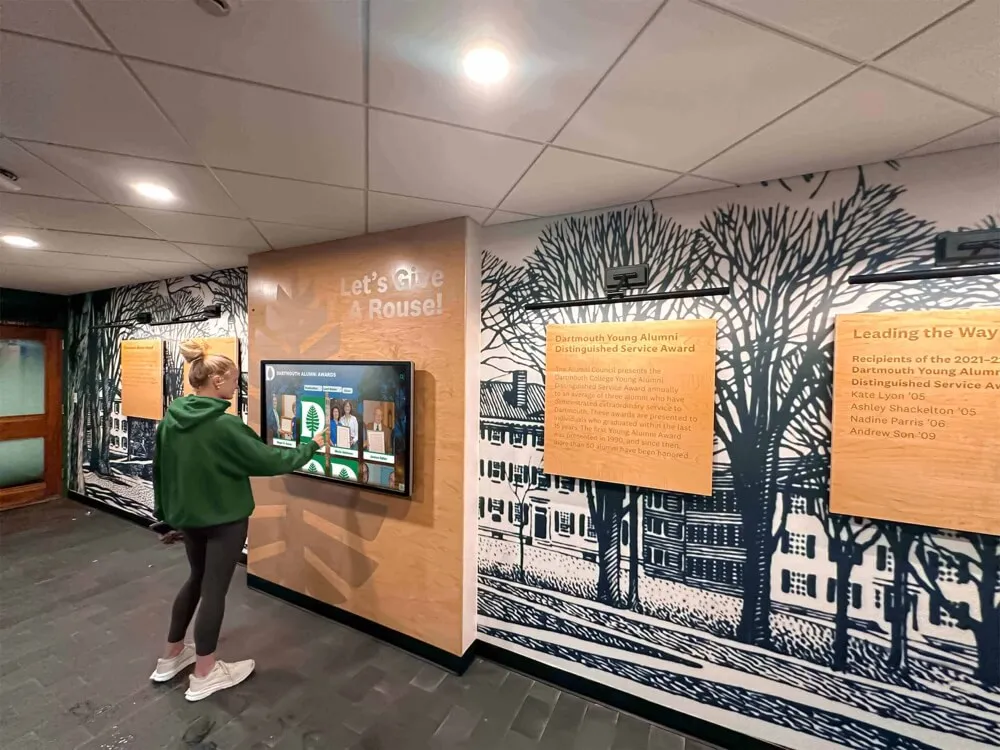
Strategic placement enables broad community engagement with debate achievements, extending recognition impact beyond current team members to families, alumni, and prospective students
Understanding donor recognition best practices provides frameworks for incorporating fundraising elements into debate achievement board implementations.
Measuring Recognition Program Success
Quantitative Assessment Metrics
Objective measurement demonstrates program value:
Participation and Engagement Data
- Tournament participation rates compared pre and post-implementation
- Program enrollment trends showing recruitment impact
- Display interaction frequency and session duration from analytics
- Web platform visits demonstrating extended recognition reach
- Social media engagement with achievement content
- Achievement board feature utilization identifying popular content types
Program Performance Indicators
- Competitive results trends showing program strength evolution
- NSDA degree achievement rates indicating sustained excellence
- National and state tournament qualification numbers
- Team sweepstakes performance across seasons
- Speaker award frequency demonstrating individual excellence
- Alumni career success in fields valuing public speaking and analytical skills
Stakeholder Satisfaction Assessment
Qualitative feedback complements quantitative metrics:
- Student surveys about recognition awareness, motivational impact, and program pride
- Family perception of program quality and achievement visibility
- Coach assessment of administrative burden, content management ease, and recognition effectiveness
- Alumni reflection on how achievement recognition influenced their forensics experience
- Administrator evaluation of program prestige and community visibility
Continuous Improvement Processes
Regular assessment informs ongoing enhancement:
- Annual quantitative metric review identifying trends and patterns
- Stakeholder feedback analysis highlighting strengths and improvement opportunities
- Content strategy refinement based on engagement analytics and popular content identification
- Technology assessment evaluating platform performance and feature adequacy
- Recognition criteria review ensuring appropriateness and equity
Systematic assessment ensures debate achievement boards remain effective, equitable, and aligned with evolving program goals while demonstrating return on investment to administrators, boards, and community stakeholders.
Special Considerations for Debate Team Recognition
Several unique factors require thoughtful approaches specific to forensics achievement celebration contexts.
Balancing Individual and Team Recognition
Individual Achievement Emphasis
Debate differs from many team sports through individual event focus:
- Most forensics events feature individual competition rather than team scoring
- Speaker awards and round records belong to individuals not collective teams
- College recruiting focuses on individual competitor accomplishment rather than team success
- NSDA degree system tracks personal cumulative achievement across seasons
- Career benefits from forensics emphasize individual skill development in communication and analysis
Achievement boards must prominently feature individual profiles, tournament results, and competitive progression while avoiding overemphasis on team metrics that misrepresent the primarily individual nature of most forensics competition.
Team Culture and Collaboration
Despite individual competition focus, team elements remain essential:
- Team sweepstakes awards recognizing collective program strength at tournaments
- Squad-based events including policy debate teams and public forum partnerships
- Practice partner relationships supporting individual competitor development
- Collaborative preparation for congressional debate and other team-oriented events
- Program culture and tradition transcending individual competitive achievement
- Shared sacrifice through weekend tournaments and extensive practice time commitments
Effective recognition balances individual achievement celebration with acknowledgment of collaborative team culture, coaching relationships, and program community that enables individual success while building collective forensics identity.
Equity Across Event Categories
Programs must ensure recognition parity:
- Equal prominence for debate and speech events avoiding implicit hierarchy
- Representation across all competitive categories offered by program
- Recognition for diverse achievement levels from novice to varsity divisions
- Acknowledgment of improvement and effort alongside ultimate competitive success
- Service and leadership recognition complementing competitive achievement
- Inclusive language and imagery representing diverse forensics community
Learn about approaches to inclusive academic recognition applicable to debate team contexts.
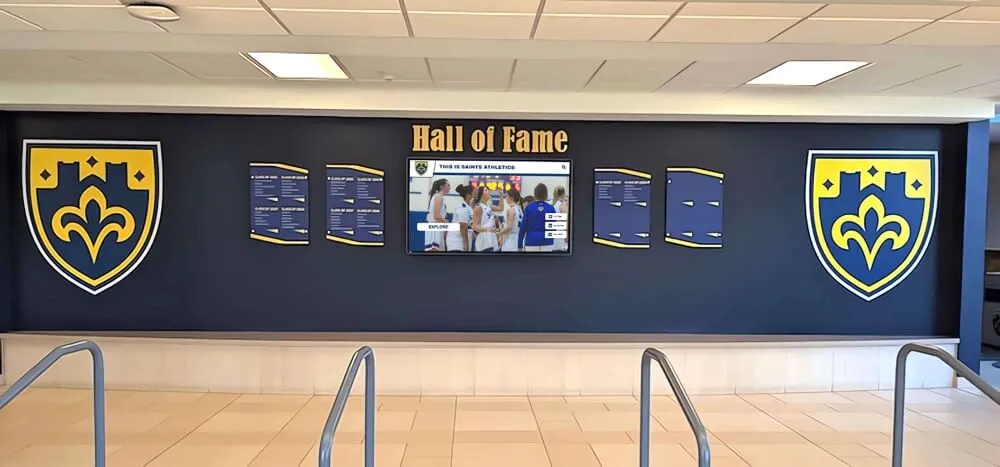
Integrated recognition systems celebrate forensics achievement alongside other institutional accomplishments, positioning debate excellence within broader academic and competitive culture
Privacy and Consent Considerations
Student Privacy Protection
Achievement recognition requires appropriate permissions:
Required Authorizations
- Photo release forms authorizing public display of student images
- General recognition consent allowing name and achievement publication
- Social media sharing permissions for promotional use when applicable
- FERPA compliance ensuring proper handling of educational records
- Minor consent protocols following district policies and legal requirements
Accommodation for Privacy Preferences
Respect varying comfort levels with public recognition:
- Opt-out procedures for students or families preferring privacy
- Partial participation options limiting specific content types while enabling basic recognition
- Name-only recognition without photographs when families prefer
- Internal display access without web publication for privacy-concerned families
- No academic or program penalties for students choosing limited recognition visibility
Online Safety Awareness
Digital recognition requires special consideration:
- Protection against potential cyberbullying or negative online attention
- Content moderation if platforms include commenting or interactive features
- Privacy settings limiting access to certain profile elements
- Support systems for students experiencing negative responses to recognition
- Education about appropriate social media sharing and online conduct
Schools should work with legal counsel and privacy officers ensuring complete compliance while respecting individual preferences about public recognition, creating programs that celebrate willing participants without pressuring hesitant students or families into uncomfortable visibility.
Addressing Competitive Culture and Sportsmanship
Positive Recognition Messaging
Achievement boards should emphasize constructive values:
Sportsmanship and Character Recognition
- Acknowledgment of ethical competition and respectful opponent treatment
- Recognition of students exemplifying NSDA Code of Honor values
- Celebration of improvement and effort alongside ultimate tournament success
- Mentorship recognition for experienced competitors supporting novice development
- Service acknowledgment for students contributing to program operations and community
Avoiding Unhealthy Competitive Dynamics
Recognition design should prevent negative outcomes:
- Appropriate contextualization preventing unhealthy comparison or status obsession
- Multiple pathway recognition ensuring diverse students find success opportunities
- Growth mindset messaging emphasizing skill development over innate ability
- Balanced life recognition acknowledging well-rounded achievement beyond forensics
- Educational messaging about healthy competition, handling losses, and resilience
Celebrating Competitive Excellence Appropriately
Achievement boards can inspire excellence without fostering toxic environments:
- Factual documentation of accomplishment without exaggeration or hyperbole
- Historical context showing that excellence develops through sustained effort over time
- Alumni examples demonstrating how competitive skills translate to career success
- Team culture emphasis showing how collaboration supports individual achievement
- Coach and mentor recognition acknowledging guidance relationships enabling success
Understanding teaching recognition programs provides frameworks for emphasizing positive values through achievement celebration.
Conclusion: Building Lasting Forensics Recognition Traditions
Debate team achievement boards represent strategic investments in program culture, student motivation, competitive excellence celebration, and institutional commitment to forensics education that develops critical thinking, effective communication, ethical reasoning, and civic engagement essential for informed citizenship and professional success. When schools implement comprehensive recognition systems documenting individual competitive achievement, team program success, diverse event participation, and sustained excellence across multiple seasons, they create environments where forensics accomplishment receives appropriate visibility while inspiring continued participation, preserving program history, and positioning debate excellence alongside all academic and competitive achievements.
The strategies explored throughout this guide provide comprehensive frameworks for creating debate team achievement boards through interactive digital recognition platforms, systematic content development processes, engaging celebration approaches, and sustainable management systems. From understanding the diverse competitive landscape including multiple event categories and achievement types to selecting appropriate technology balancing functionality with administrative ease to developing comprehensive content honoring individual journeys and team traditions to maximizing recognition impact supporting recruitment, retention, and program growth, these approaches transform achievement board concepts into impactful recognition programs serving forensics communities effectively.
Ready to establish or enhance debate team achievement recognition at your school? Modern digital recognition solutions like Rocket Alumni Solutions provide ideal platforms for forensics achievement boards, combining unlimited recognition capacity accommodating growing programs with comprehensive profile systems documenting individual competitive journeys, interactive exploration matching student engagement preferences, multimedia integration showcasing speeches and debates, and web accessibility extending recognition beyond campus to families and community members worldwide.
Whether establishing new recognition systems or modernizing existing approaches, success requires understanding forensics achievement diversity across events and competition levels, selecting technology serving program-specific needs effectively, developing comprehensive content celebrating individual and team accomplishments meaningfully, and implementing sustainable management processes ensuring recognition remains current and engaging throughout competitive seasons and across multiple years.
Your debate team members deserve recognition celebrating their exceptional intellectual dedication, competitive excellence, communication skill development, and commitment to the demanding practice and tournament schedules that forensics programs require. With thoughtful planning addressing forensics-specific recognition needs, engaging displays leveraging digital technology advantages over traditional static boards, meaningful content documenting diverse achievements comprehensively, and sustainable processes supporting consistent recognition year after year, you can create achievement board systems that honor your competitive legacy while inspiring future generations to pursue forensics excellence.
The essential elements aren’t budget size, facility quality, or program competitive history—they’re genuine institutional commitment to recognizing debate and speech excellence as legitimate achievement worthy of prominent celebration, systematic approaches ensuring all competitors receive appropriate acknowledgment regardless of event category or achievement level, sustainable processes making recognition programs endure despite coaching changes and administrative turnover, and continuous improvement ensuring recognition remains effective and aligned with evolving community expectations and program goals.
Start planning your debate team achievement board implementation today. Explore comprehensive approaches to student achievement recognition or learn more about digital recognition technology to begin transforming forensics achievement celebration at your institution.
Sources
Research and information for this guide drew from multiple authoritative sources: