Dance Team Names: Identity, Tradition, and Spirit Squad Recognition Walls
- Home /
- Digital Hall of Fame Insights & Resources /
- Dance Team Names: Identity, Tradition, and Spirit Squad Recognition Walls
The Easiest Touchscreen Solution




Live Example: Rocket Alumni Solutions Touchscreen Display
Interact with a live example (16:9 scaled 1920x1080 display). All content is automatically responsive to all screen sizes and orientations.
A dance team’s name does more than appear on a warm-up jacket. It shapes identity, signals tradition, and anchors how the squad sees itself from the first rehearsal of the season through the final performance. Whether a program is brand new and building its culture from scratch or decades old and preparing to honor its history, the right name carries weight—and the right recognition infrastructure makes that name permanent.
This guide delivers more than 75 dance team names organized by style, spirit, and school fit. It also covers the traditions schools build around dance team identity and the recognition wall systems that preserve squad history for every class that follows.
Dance team names sit at the crossroads of school spirit, athletic identity, and performing arts tradition. Unlike mascot-driven names for football or basketball teams, dance team names often reflect the squad’s performance style, energy level, and relationship to the broader school community. Getting the name right—and honoring it properly—is the foundation of a program that endures.

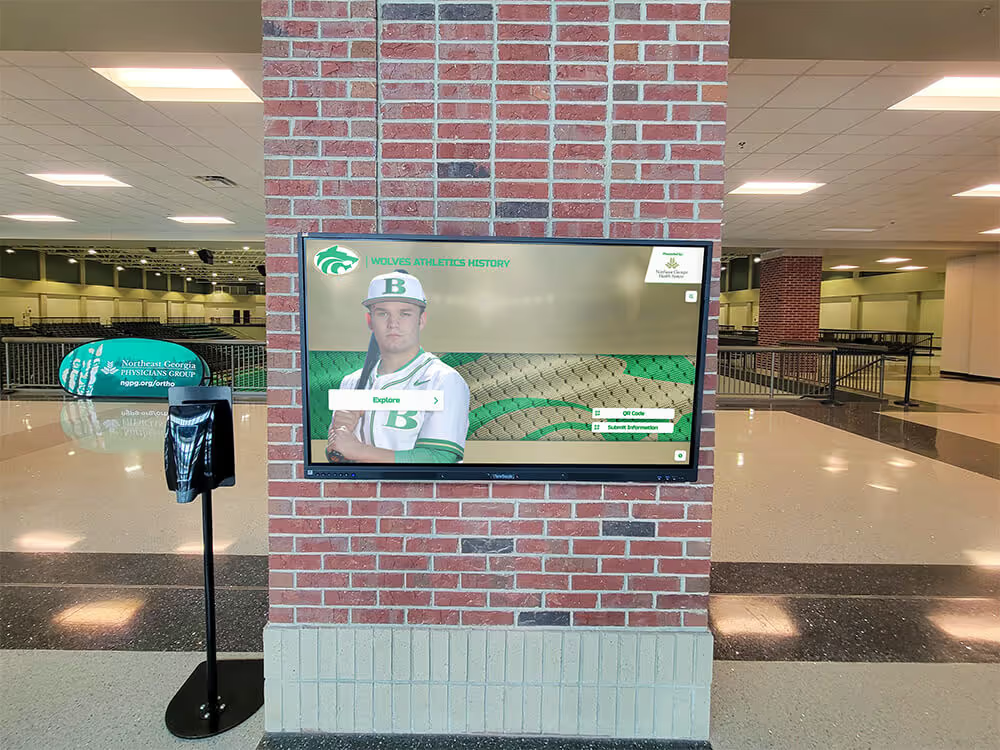
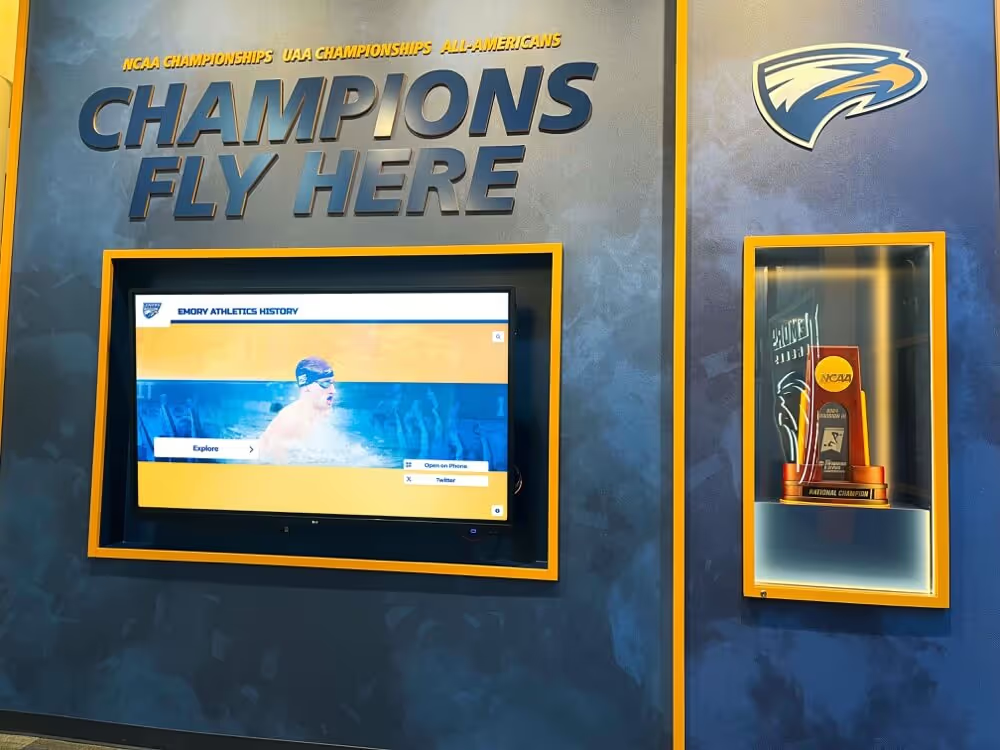
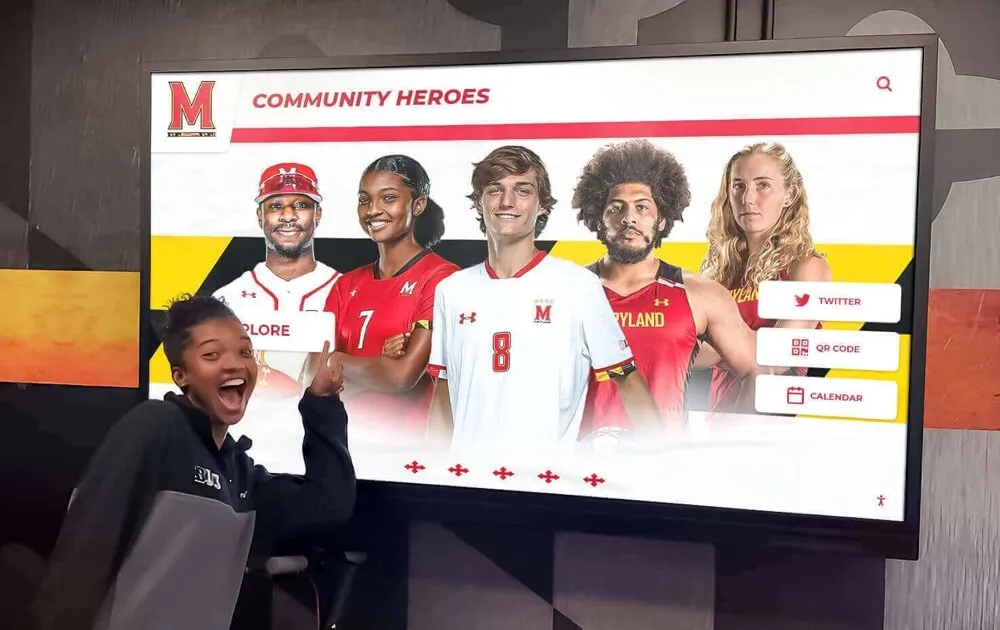
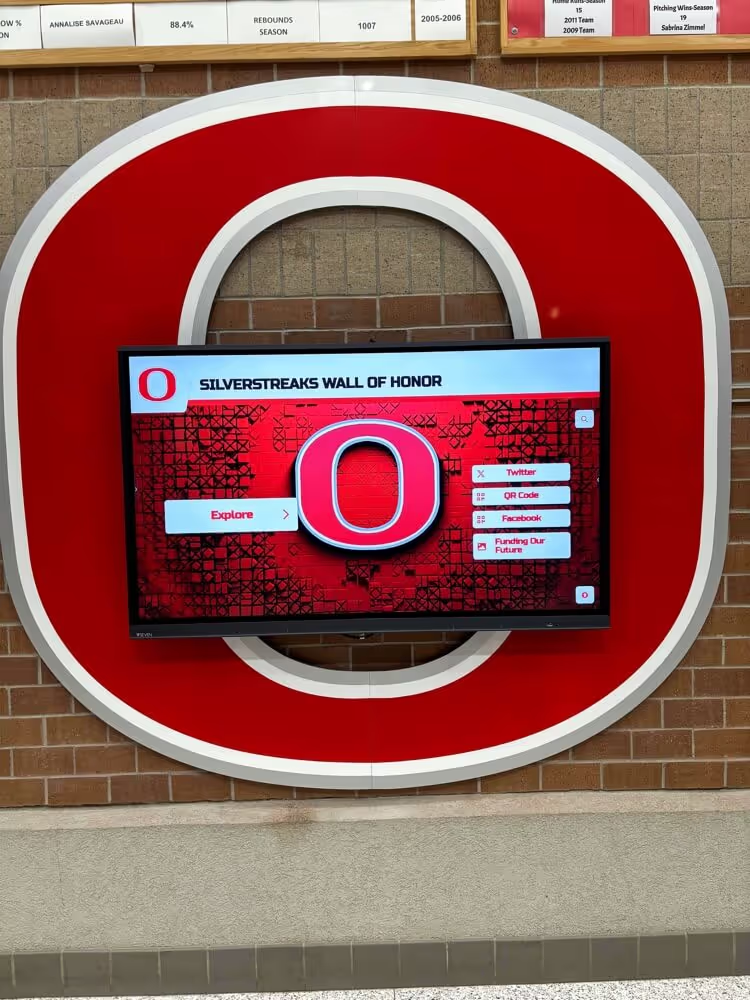
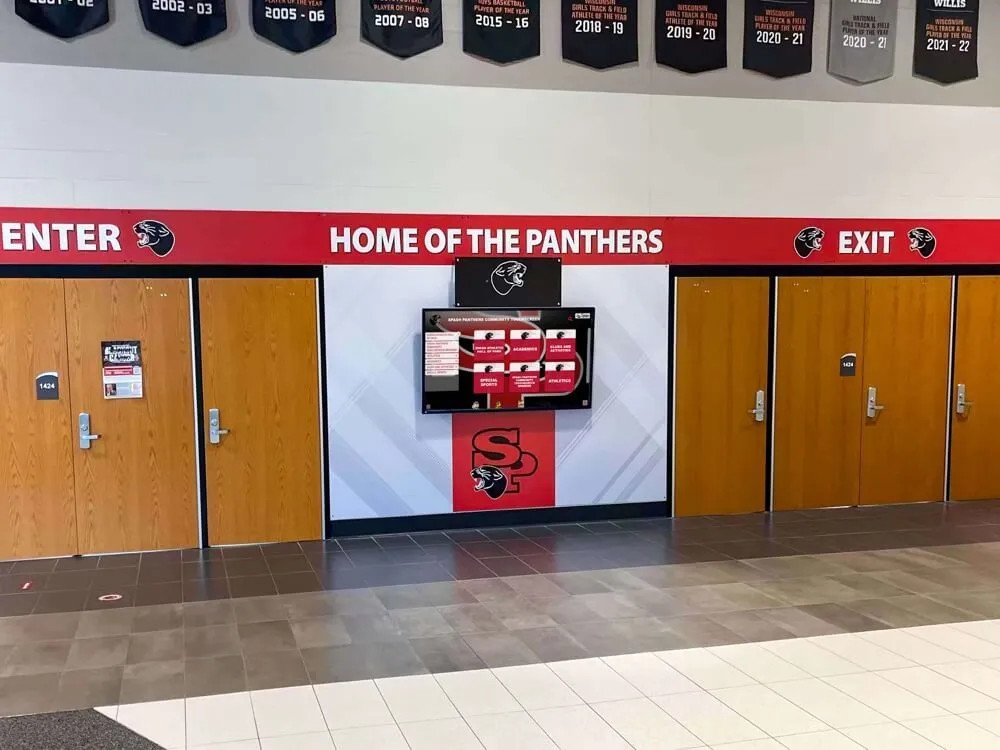
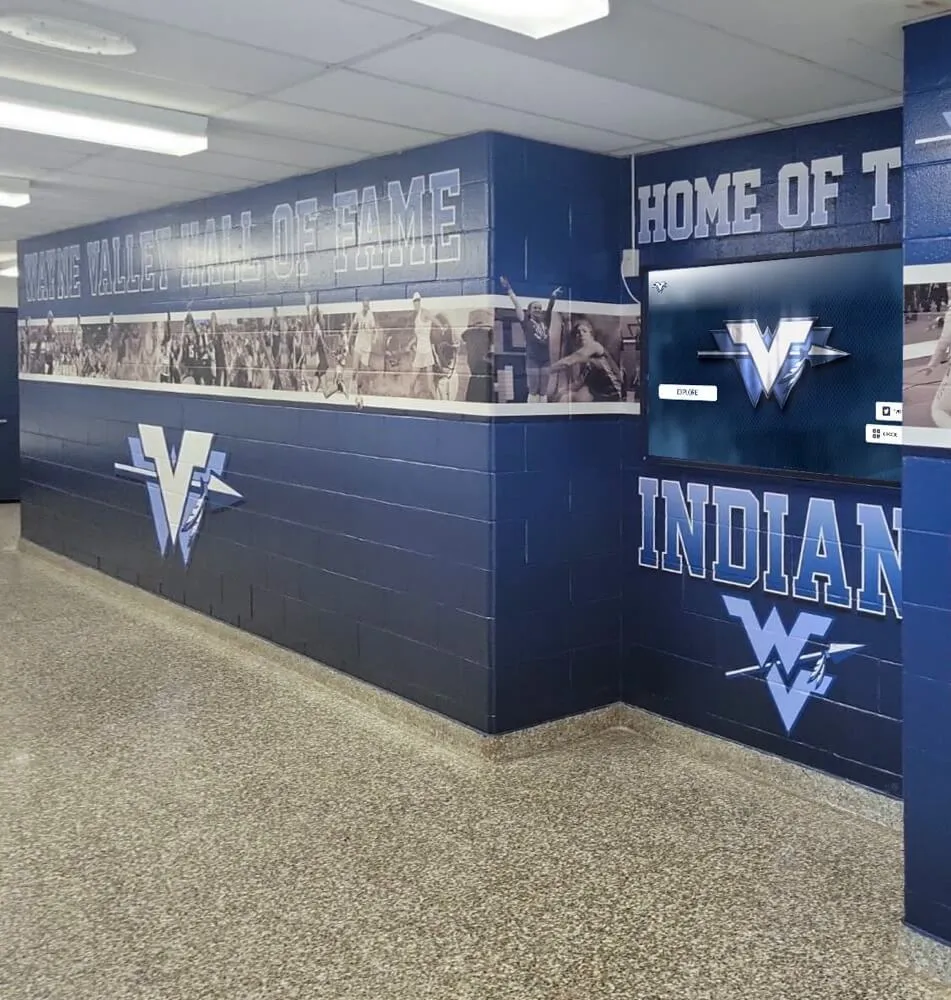
Schools that treat dance teams as a core part of athletic identity display their squads alongside every other program in hallway recognition systems
Program Snapshot: Dance Team Identity and Recognition
| Program Element | Details |
|---|---|
| Primary audience | Current dancers, alumni, parents, school community |
| Name categories | Classic, mascot-integrated, performance style, spirit energy |
| Recognition formats | Nameplate displays, photo walls, digital touchscreens, trophy cases |
| Key content to preserve | Squad name, season years, roster, competition results, signature performances |
| Recognition trigger | End of each season; annual update for legacy walls |
| Display locations | Main lobby, performing arts hallway, gymnasium, fine arts wing |
| Alumni engagement | Past squad members contribute photos, milestone updates, and program history |
| Digital advantage | Unlimited seasons archived without physical space constraints |
Dance teams occupy a unique space in school activities—they are simultaneously a competitive athletic program, a performing arts ensemble, and a spirit organization. Recognition systems built specifically for dance teams honor all three dimensions at once.
Why Dance Team Names Matter for Program Identity
A strong name does specific work. It gives current dancers something to rally behind, gives alumni something to identify with for decades after graduation, and gives administrators something concrete to feature in recognition displays and recruitment materials.
Pep rally traditions demonstrate this clearly—the moments when dance teams take the floor carry the full weight of whatever identity the team has built over time. A squad named the Precision Line performs that identity differently than one called the Voltage Dancers or the Silver Steppers.
What Makes a Dance Team Name Work
The most effective dance team names share several characteristics:
Distinctiveness from other school programs The name should read clearly as belonging to the dance team specifically, not to the cheerleading squad, color guard, or drill team. Schools with multiple spirit squads benefit from names that carve out clear identity for each group.
Connection to school culture Names that echo school colors, the mascot, or a longstanding school nickname build instant connection to the broader community. A school whose mascot is the Falcons has natural material to work with: the Falcon Flight Team, the Flying Falcons Dance Company, the Falcon Elite.
Performance style clarity Names that signal what kind of performance the team delivers—precision drilling, jazz, hip-hop, lyrical, or high-energy pom—help audiences and recruits understand what the program prioritizes.
Longevity Trendy names date quickly. Names rooted in tradition, school imagery, or performance values hold up over decades and give alumni a shared identity regardless of which era they danced in.
75+ Dance Team Names by Category
Classic and Traditional Names
These names have anchored dance programs for generations. They signal established tradition and broad recognition:
- The Dance Line
- The Precision Dancers
- The Drill Team
- The Dance Corps
- The Pom Squad
- The Dance Company
- The Performance Ensemble
- The Spirit Dancers
- The Dance Troupe
- The Step Squad
- The Show Dancers
- The Varsity Dance Team
- The Dance Line Express
- The Elite Dance Corps
- The Performance Company
Mascot-Integrated Names
Build the mascot directly into the identity. Replace [Mascot] with your school’s specific name:
- The Dancing [Mascots]
- The [Mascot] Dance Crew
- The [Mascot] Steppers
- The [Mascot] Precision Line
- The [Mascot] Dance Company
- The [Mascot] Elite Dancers
- The [Mascot] Pom Squad
- The [Mascot] Performance Team
- The Flying [Mascots] Dance Team
- The [Mascot] Express
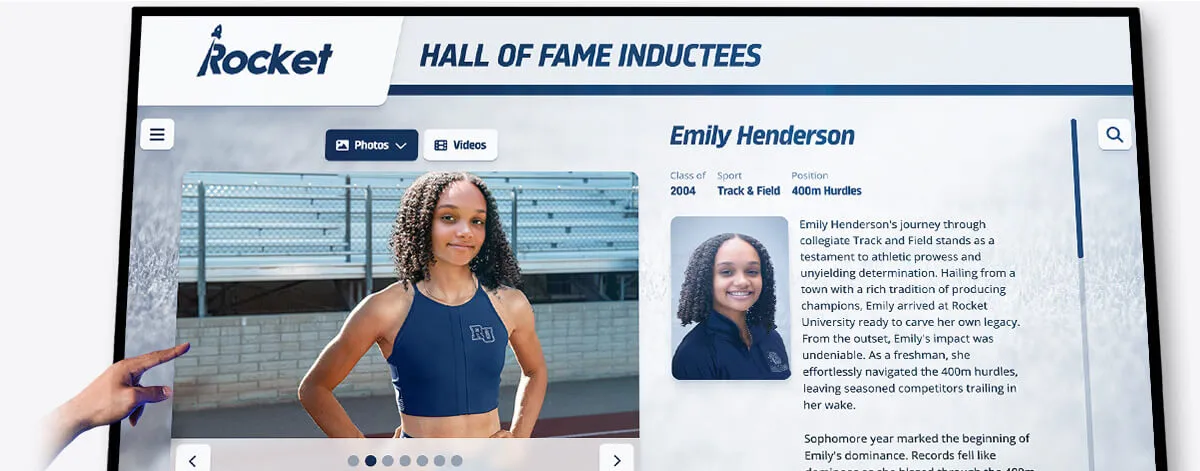
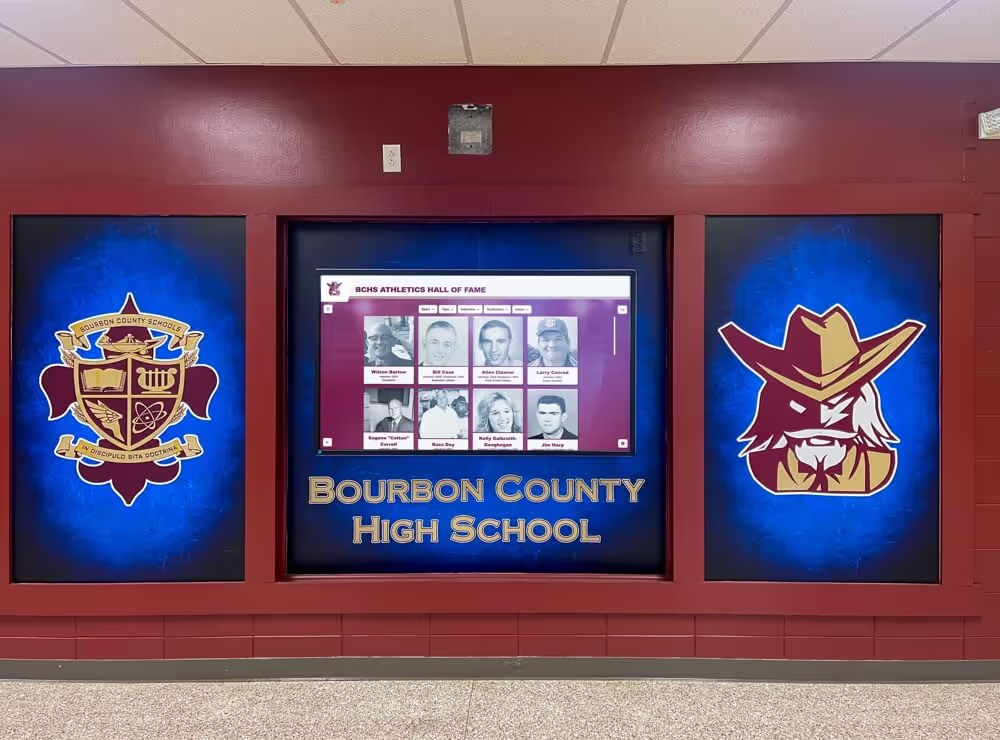
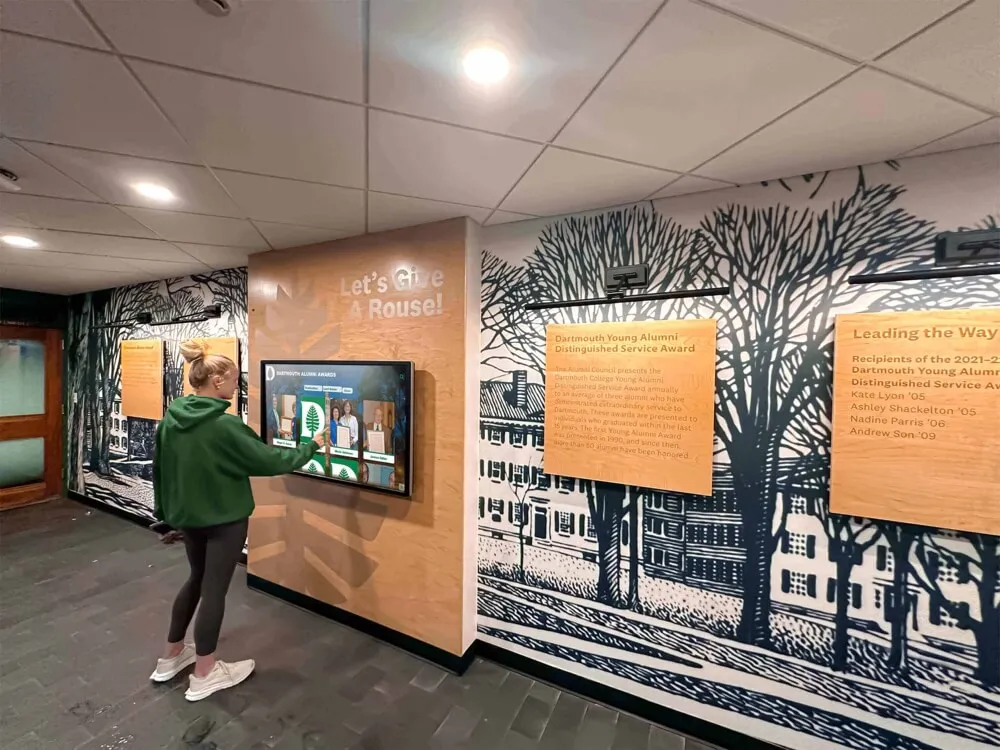
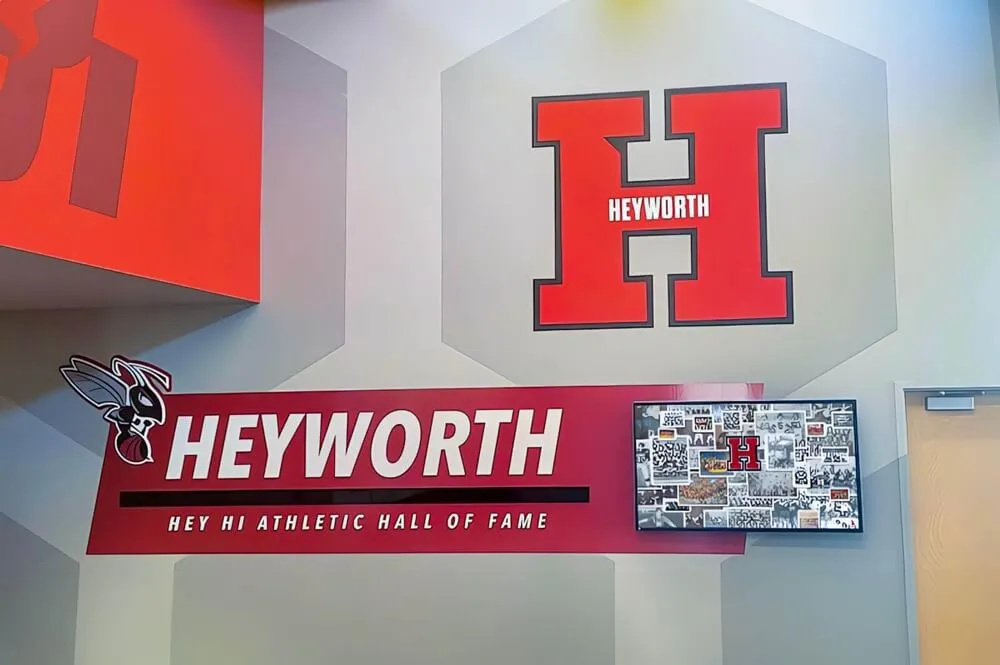
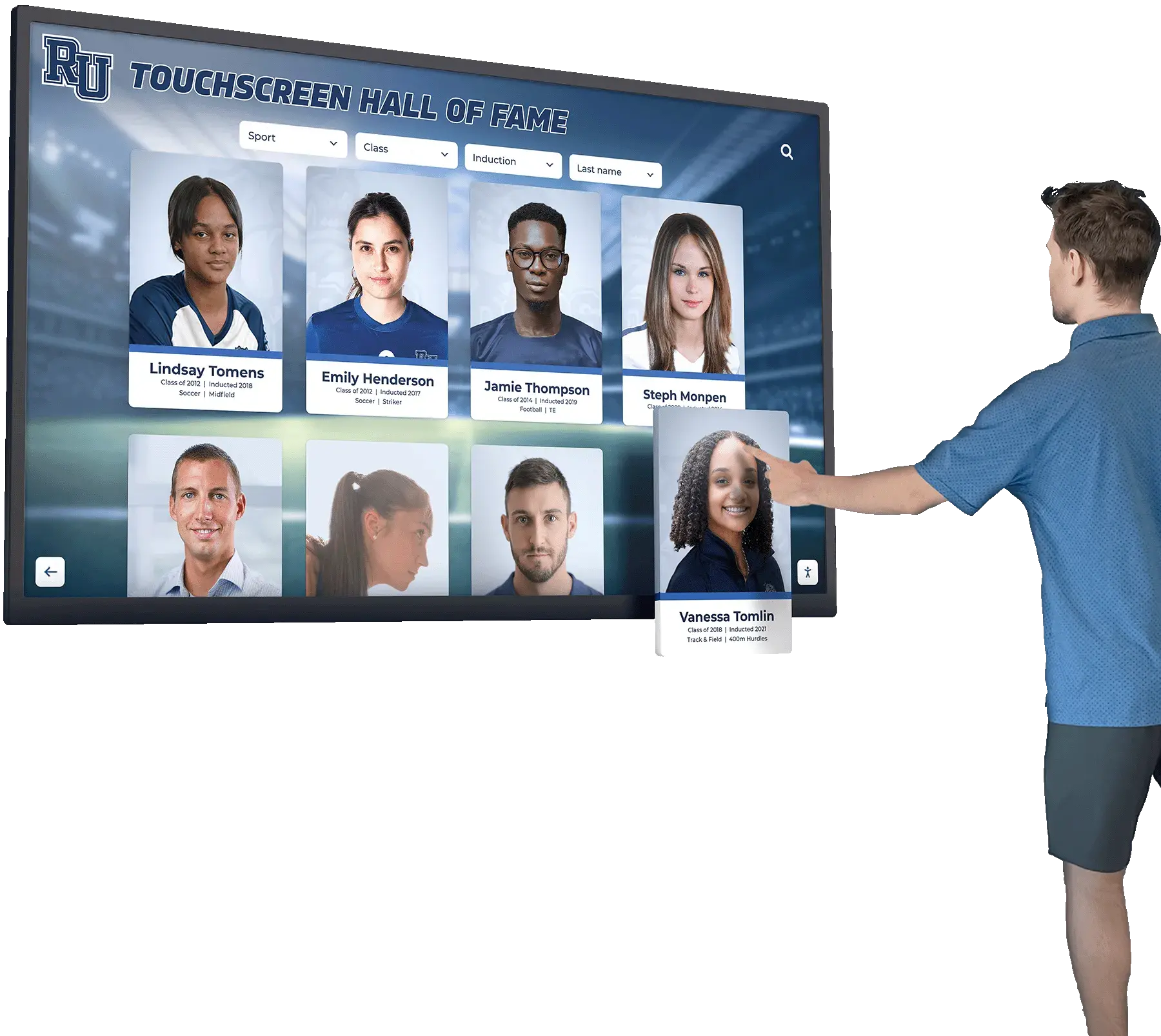
Individual dancer recognition profiles on digital displays give each squad member permanent recognition tied to their specific season and contributions
Power and Energy Names
High-energy names that match programs built around explosive performance, hip-hop, and crowd engagement:
- The Thunder Dancers
- The Blaze Dance Crew
- The Surge Dancers
- The Voltage Dancers
- The Force Dance Team
- The Fury Dance Company
- The Blitz Dancers
- The Storm Steppers
- The Lightning Dance Team
- The Power Performers
- The Impact Dance Team
- The Shockwave Dancers
- The Ignite Dance Company
- The Combustion Dance Crew
- The Kinetic Steppers
Elegance and Grace Names
For programs anchored in lyrical, contemporary, or jazz technique where artistry leads:
- The Grace Dance Company
- The Silk Performers
- The Lyrical Lines
- The Poise Dance Team
- The Velvet Steppers
- The Pearl Dance Ensemble
- The Flow Dance Company
- The Serenity Dancers
- The Aria Dance Team
- The Luminary Dancers
- The Ethereal Dance Company
- The Reverie Performers
- The Harmony Dance Ensemble
- The Elevation Dance Team
- The Clarity Dance Company
School Color and Spirit Names
Names built around school colors translate easily to branding, uniforms, and display infrastructure:
- The Gold Wave Dancers
- The Blue Steel Dance Team
- The Crimson Dance Company
- The Silver Performers
- The Black Diamond Dancers
- The Royal Blue Dance Crew
- The Green Machine Dancers
- The Red Fire Dance Team
- The Purple Reign Dancers
- The Scarlet Dance Company
Modern and Contemporary Names
Forward-facing names for programs positioning themselves as innovative and current:
- The Fusion Dance Company
- The Edge Dance Team
- The Catalyst Performers
- The Evolve Dance Crew
- The Vanguard Dancers
- The Apex Dance Company
- The Zenith Performers
- The Pinnacle Dance Team
- The Ascend Dance Crew
- The Radiance Dance Company
- The Visionary Steppers
- The Momentum Dancers
- The Pulse Dance Ensemble
- The Vibrance Performers
- The Sovereign Dance Company
Pep rally planning guides include dance team performance as a cornerstone of every successful rally format—which means the team’s name and identity get put in front of the entire student body at the highest-energy moments of the school calendar.
Choosing the Right Dance Team Name for Your Program
The selection process matters as much as the final name. Programs that involve the current squad, consult alumni, and run the name past school administration before announcing it avoid the awkward rebranding conversations that can fragment program culture.
A Practical Selection Framework
Start with what you already have If the team has an informal name it has used for years—even just “the dance team”—that familiarity has value. A formal name should feel like an evolution, not a replacement.
Survey current dancers and recent alumni Current dancers know what the team aspires to be. Recent alumni know what it actually felt like to be part of it. Both perspectives are essential for a name that feels authentic rather than imposed.
Test against the recognition wall question Ask: if this name appeared on a physical or digital recognition wall alongside championship banners from fifty years ago and roster plaques from five years ago, would it fit? Names that pass that test tend to have staying power.
Run a soft launch before committing Use the proposed name in one internal context—a season program, a practice T-shirt run, a team social media post—before ordering permanent signage or display panels.
Spirit Squad Recognition Walls: Honoring Dance Team History
The name alone doesn’t build a legacy. Recognition infrastructure does. Schools that build systematic recognition programs for their dance teams create something no individual season can—a continuous record of who performed, what they achieved, and what the program stood for across decades.
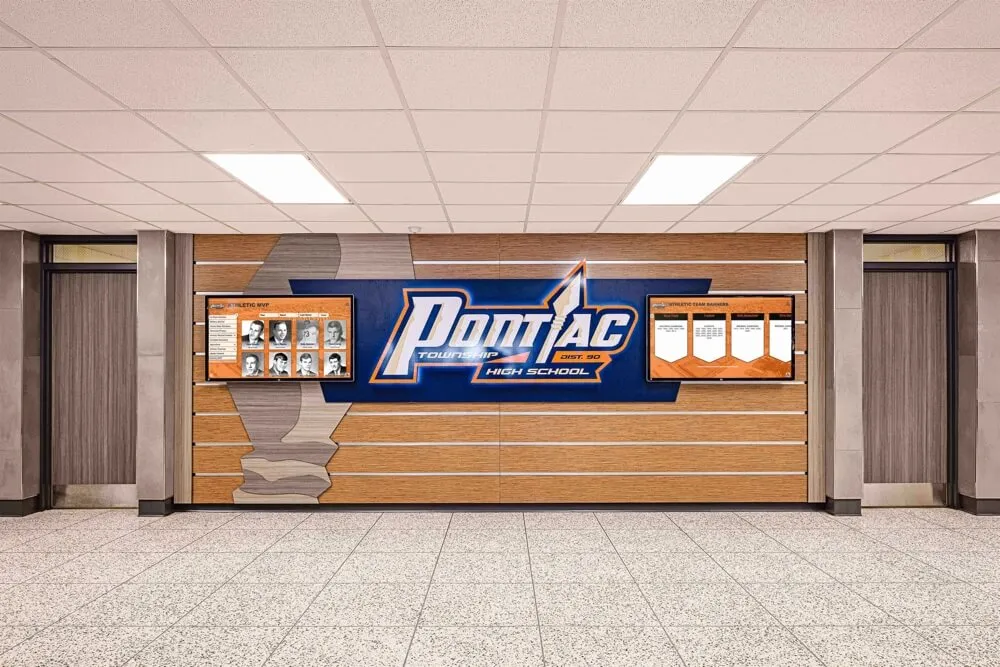
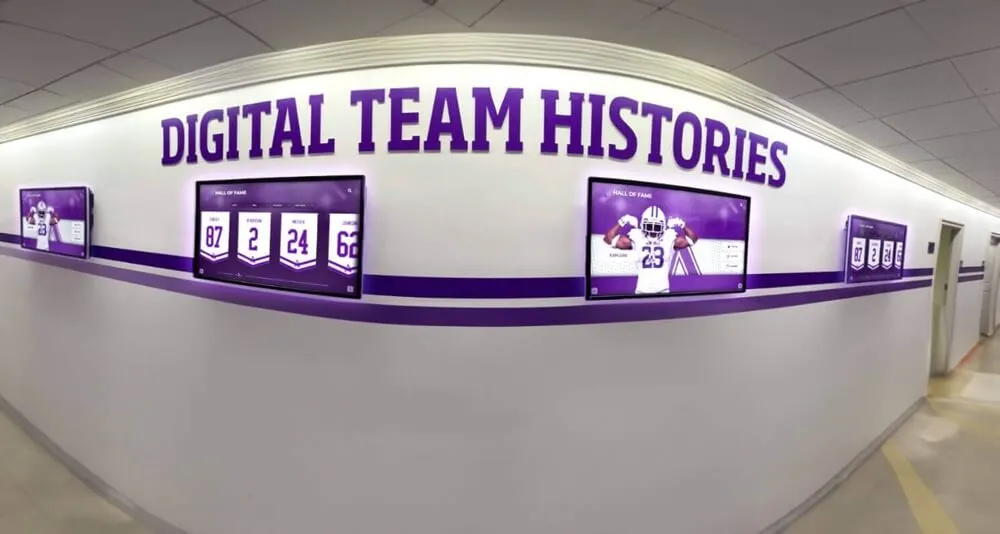
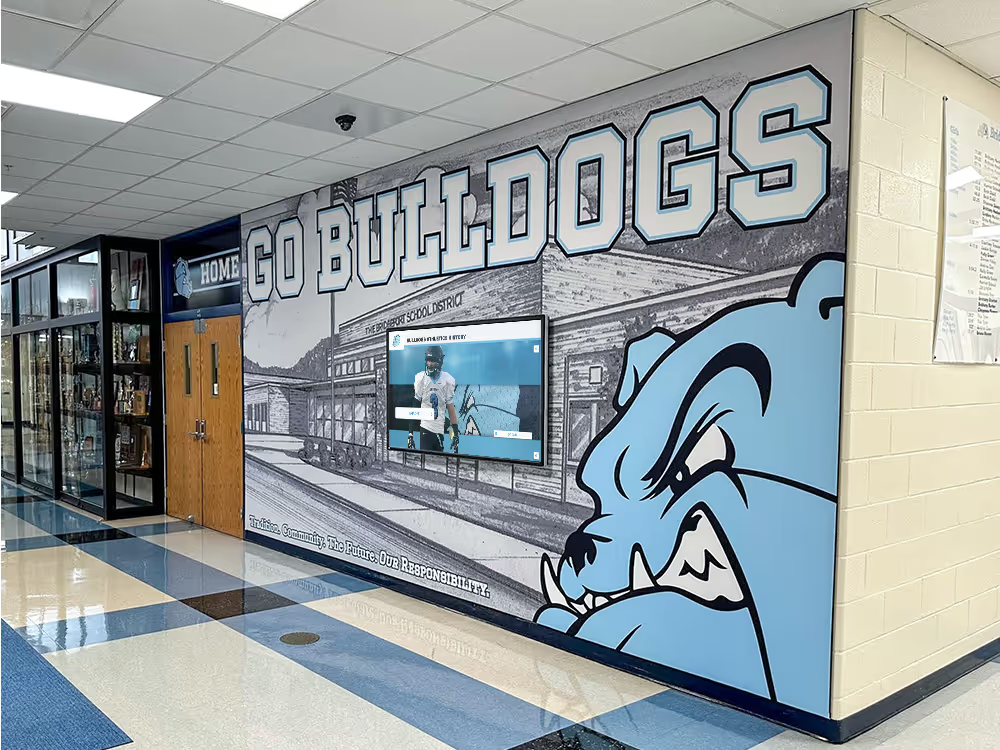
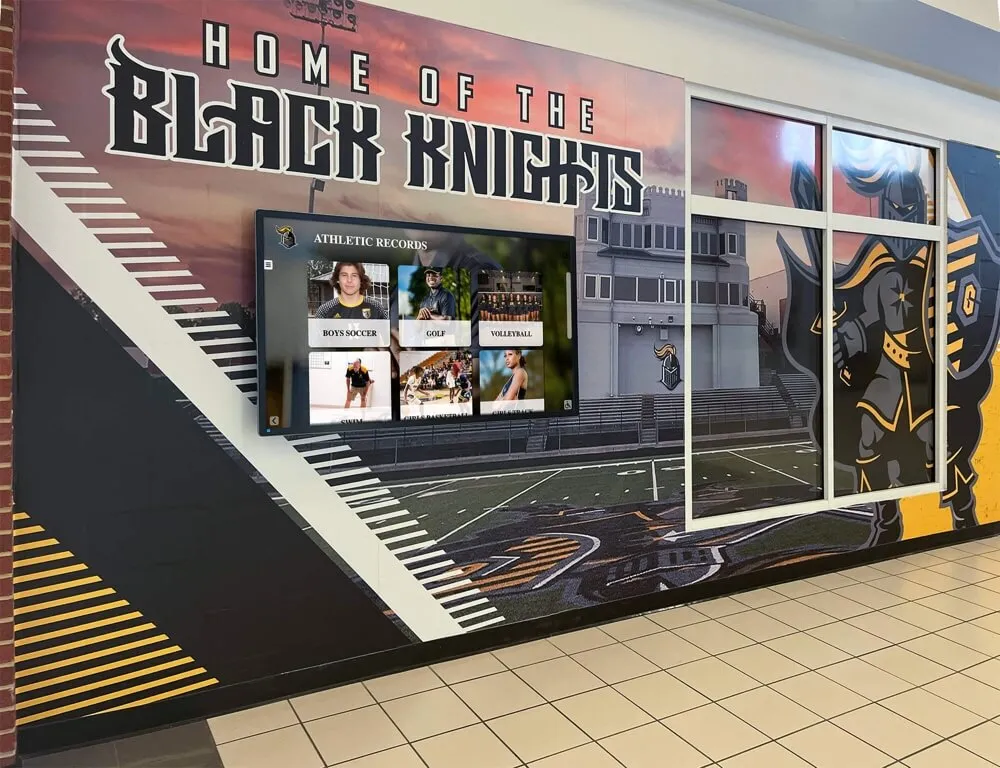
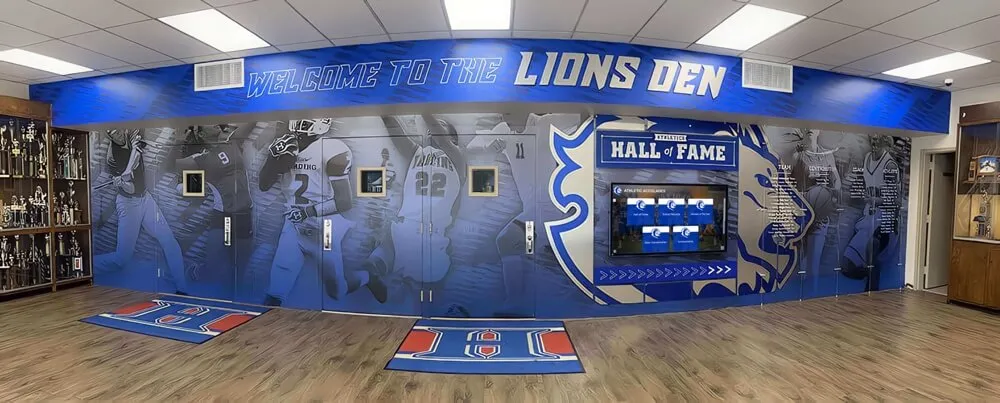
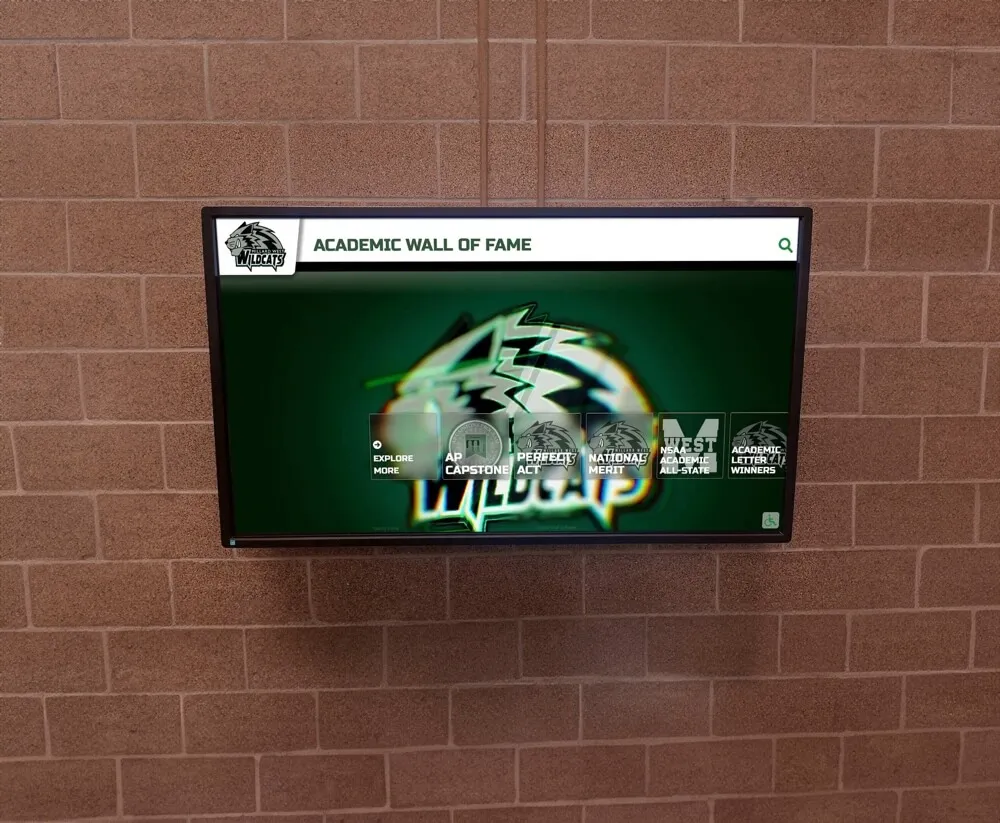
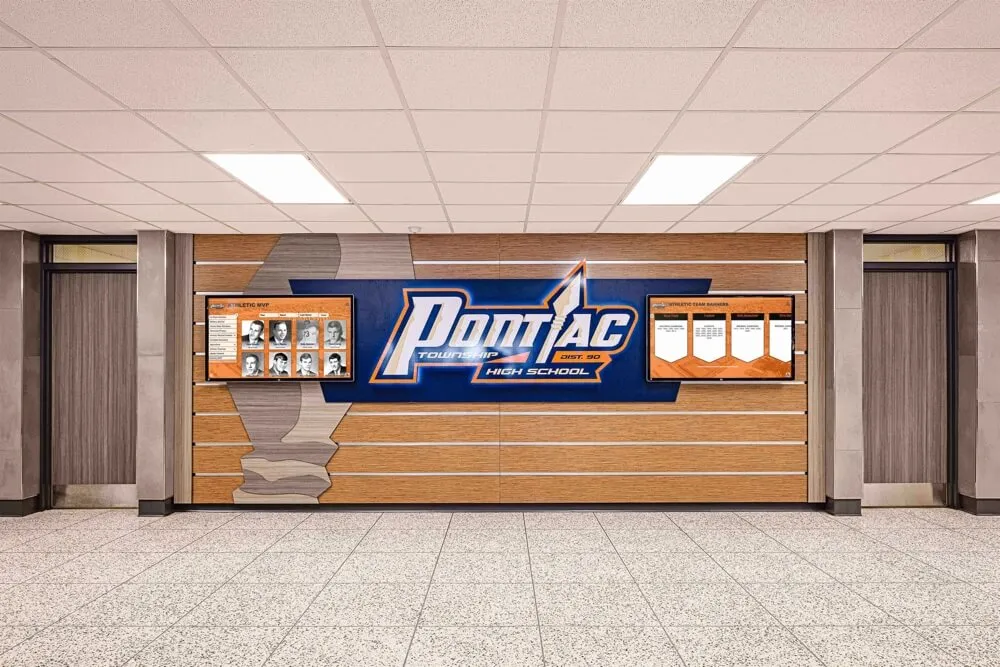
Hallway honor walls treat dance team achievement with the same institutional permanence as any varsity sport—which is exactly the signal programs need to send to potential dancers and their families
Legacy wall design principles apply directly to dance team recognition—the goal is to create a physical or digital space where every generation of dancers can find their squad’s name, their faces, and their contributions preserved permanently.
What a Dance Team Recognition Wall Should Include
Squad identity elements
- Official team name and any name changes across program history
- School year or season designation for each roster
- Team photo for each season
- Coach name and tenure
Performance and competition record
- Competition placement at regional, state, and national circuits (NFHS Spirit, UDA, NDA, state associations)
- Halftime and pep rally performances logged by season
- Notable appearances: special events, community performances, invitational showcases
Individual recognition
- Captain and co-captain designations by year
- All-state and all-conference individual honors
- Senior recognition panels for graduating dancers
- Scholar-athlete recognition for academic achievement alongside performance
Program milestones
- First competition entry year
- First state qualifier or champion
- Program founding year and founding coach
- Significant anniversaries or rebrandings
Physical vs. Digital Recognition Options
Traditional physical displays—framed photos, engraved plaques, trophy cases—anchor dance team history in permanent physical space. They work well for programs with the budget, wall space, and facilities staff to maintain them. High school hallway design principles show how schools integrate athletic and performing arts recognition into cohesive corridor experiences.
Digital recognition systems eliminate the physical space constraint entirely. A touchscreen display can archive every roster from the program’s founding to the present day, surface competition records without taking up linear wall footage, and allow alumni dancers to update their profiles years after graduation.
Modernizing traditional school halls of fame addresses precisely this transition—programs with decades of history that have outgrown physical display space find digital solutions allow them to honor every generation without compression or omission.
Building a Digital Dance Team Legacy Archive
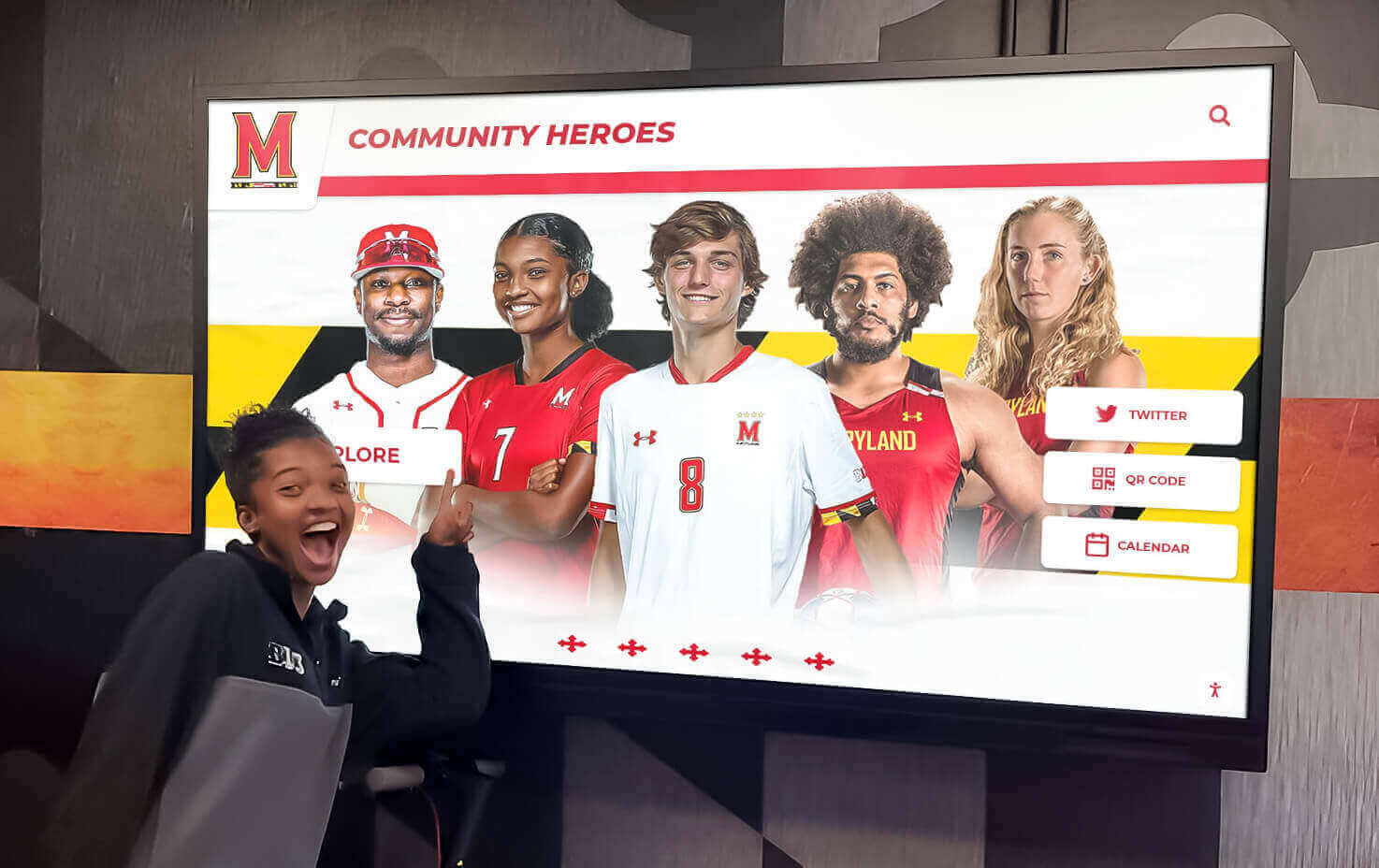
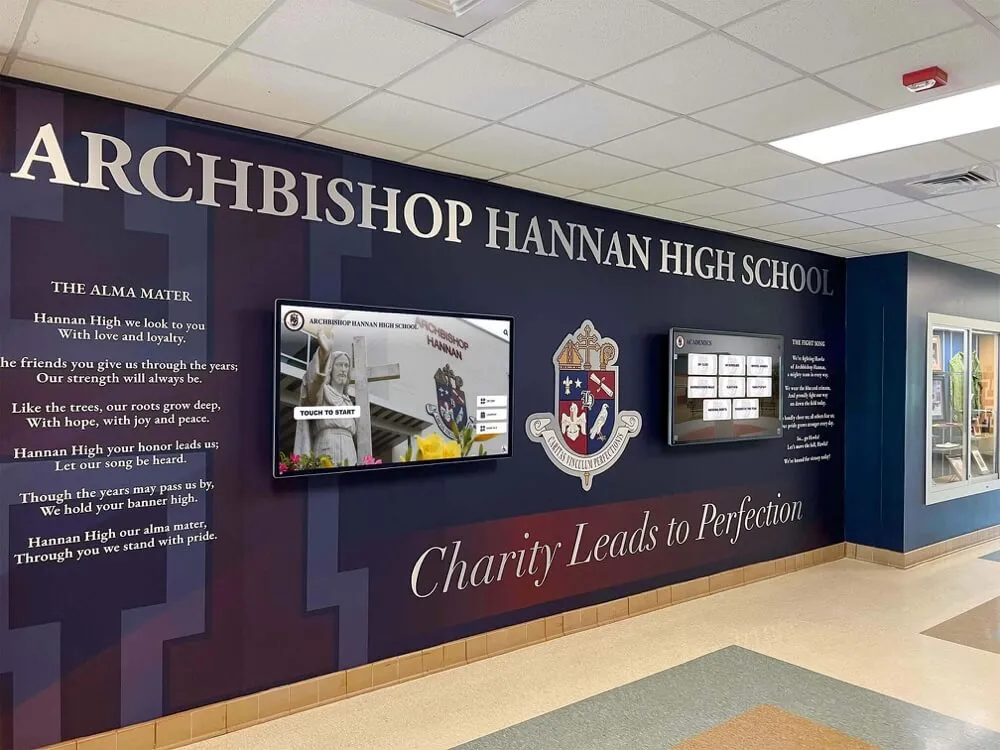
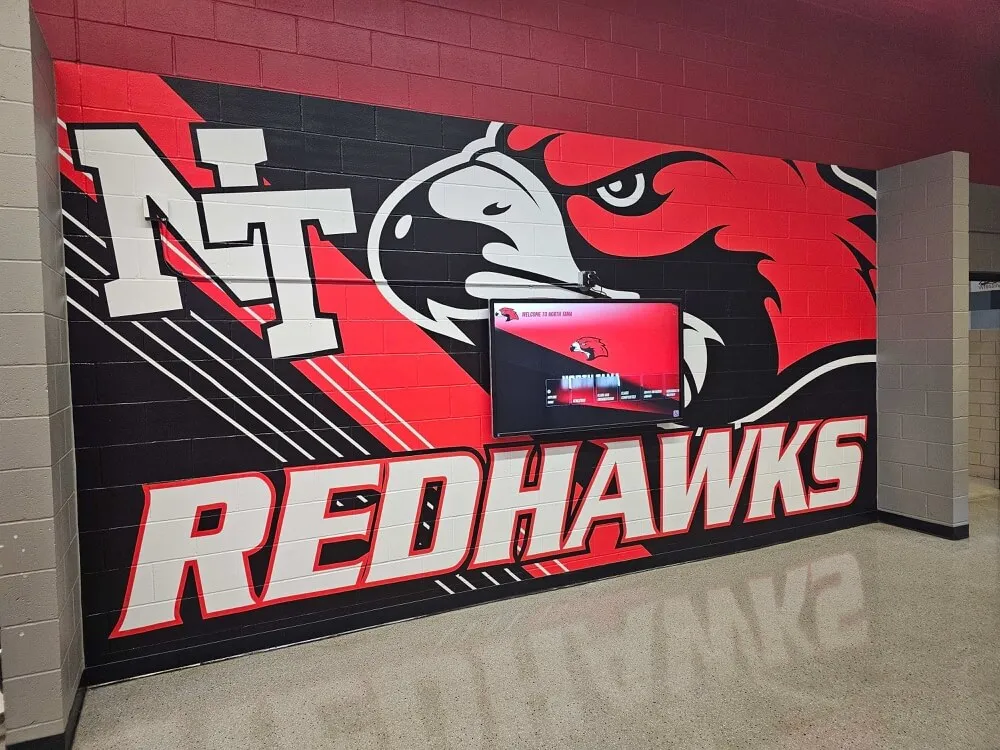
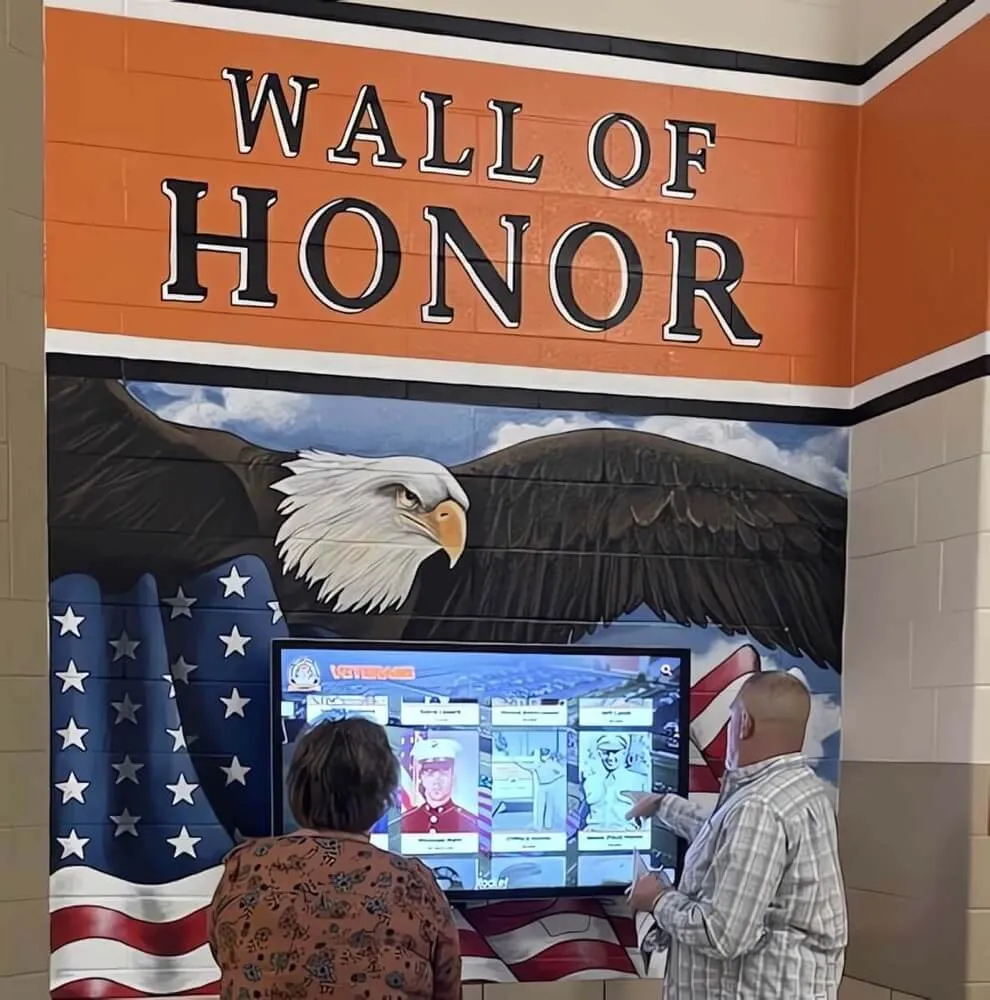
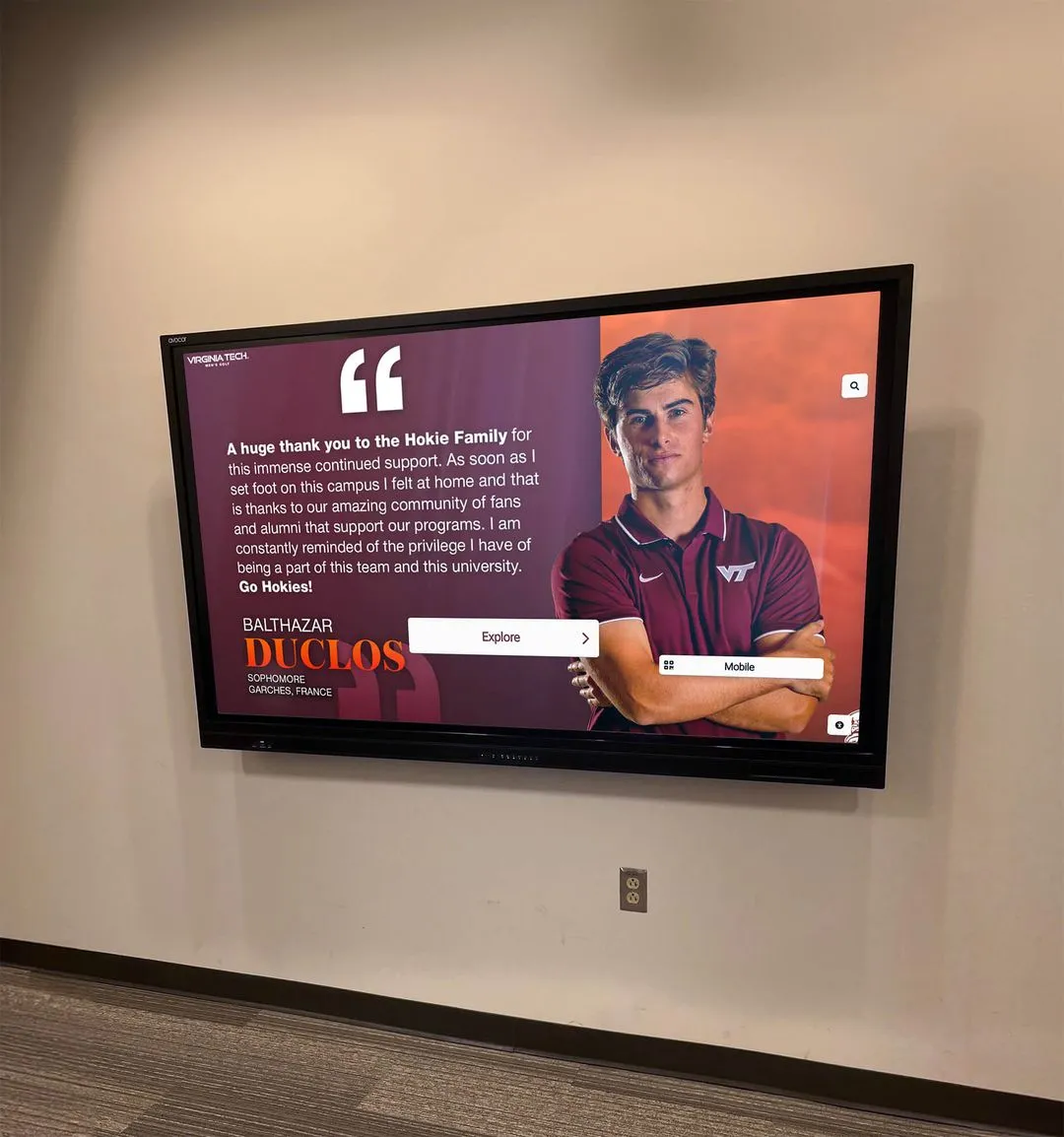
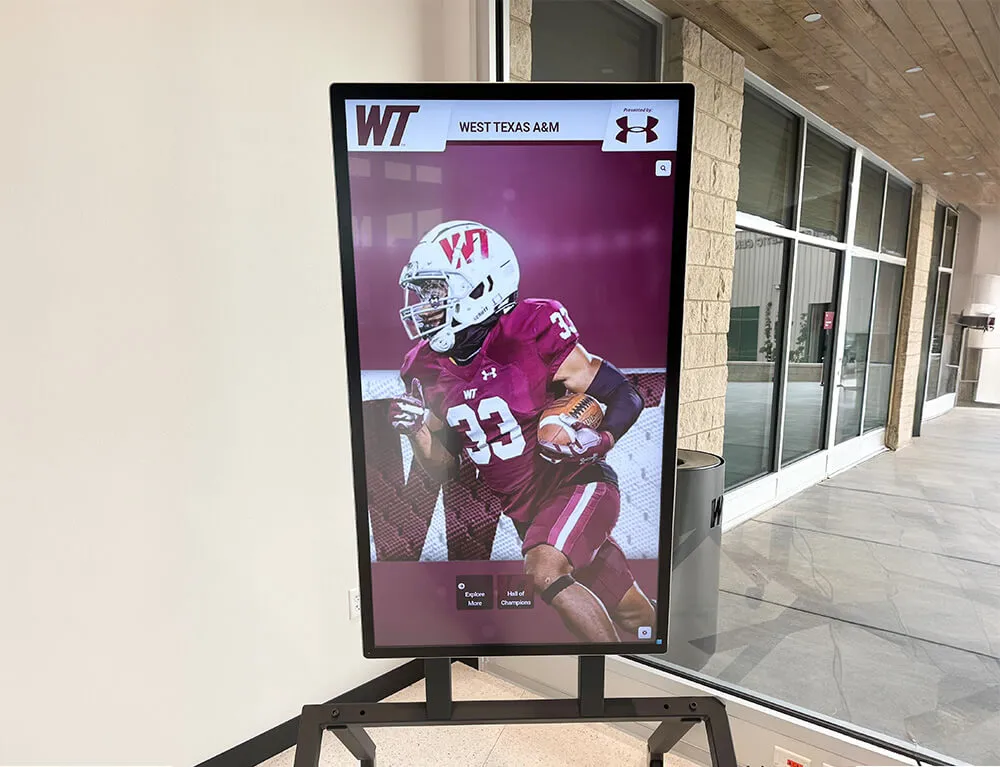
Interactive digital displays invite students to explore recognition content at their own pace—making dance team history as accessible as any other program archived in the system
Dance programs that build digital archives early give themselves a significant long-term advantage. Digitizing historical records—scanning old photos, logging competition results from paper records, capturing alumni profiles—is exponentially easier to do over several seasons than to reconstruct decades later when memory and materials have scattered.
Hall of fame induction criteria and display guidelines offer a framework adaptable to dance team recognition—criteria like seasons competed, competitive achievement, and contribution to program culture translate directly from athletic halls of fame to performing arts recognition structures.
Content Architecture for a Dance Team Digital Display
Organize the digital display in layers so visitors can navigate by era, individual, or achievement type:
Top-level navigation
- Team History (program timeline from founding)
- Rosters by Season (searchable by name and year)
- Competition Record (results organized by circuit and year)
- Notable Performances (halftime shows, special events, signature routines)
- Individual Honors (all-state, captain designations, senior panels)
Individual dancer profiles Each profile should include: photo, years on the team, captain status if applicable, competitive achievements, and an optional quote or reflection submitted by the dancer. Alumni can update profiles through a simple submission process managed by the school’s athletic or fine arts office.
Program timeline A visual timeline anchoring major milestones—program founding, first competition, first state appearance, name changes, coaching transitions—gives visitors context for individual seasons and achievements.
Interactive sorority history walls demonstrate how organizations use similar timeline and roster structures to preserve multi-decade histories in formats that engage current members and alumni simultaneously.
Connecting Dance Team Names to Long-Term Recognition Strategy
The name a program chooses today will appear on recognition walls, digital displays, alumni directories, and competition records for decades. That durability is a feature, not a side effect—and it argues for choosing a name with the recognition wall already in mind.
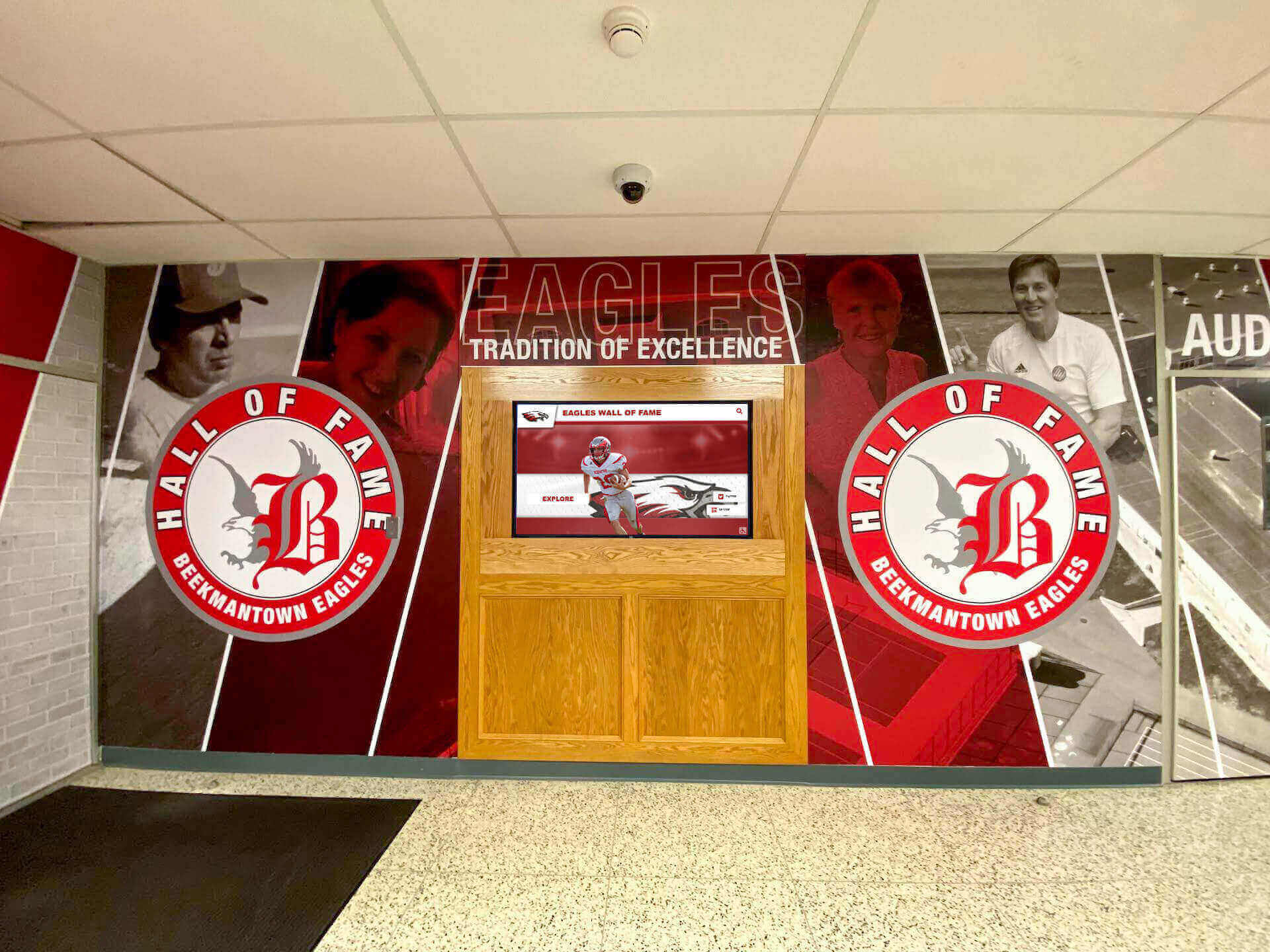
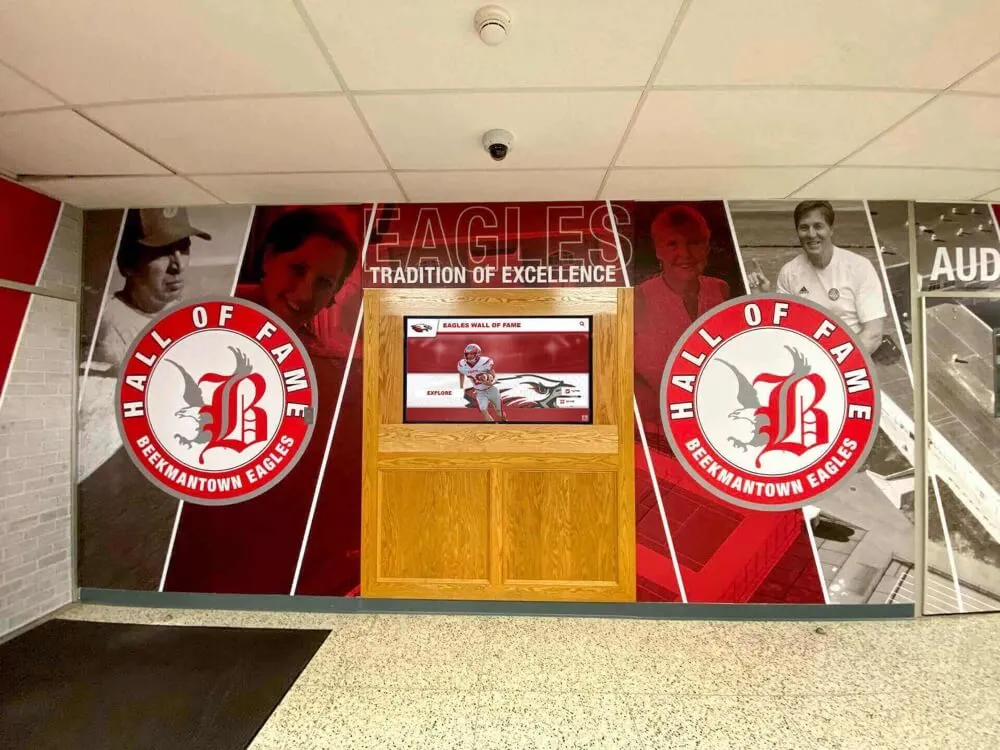
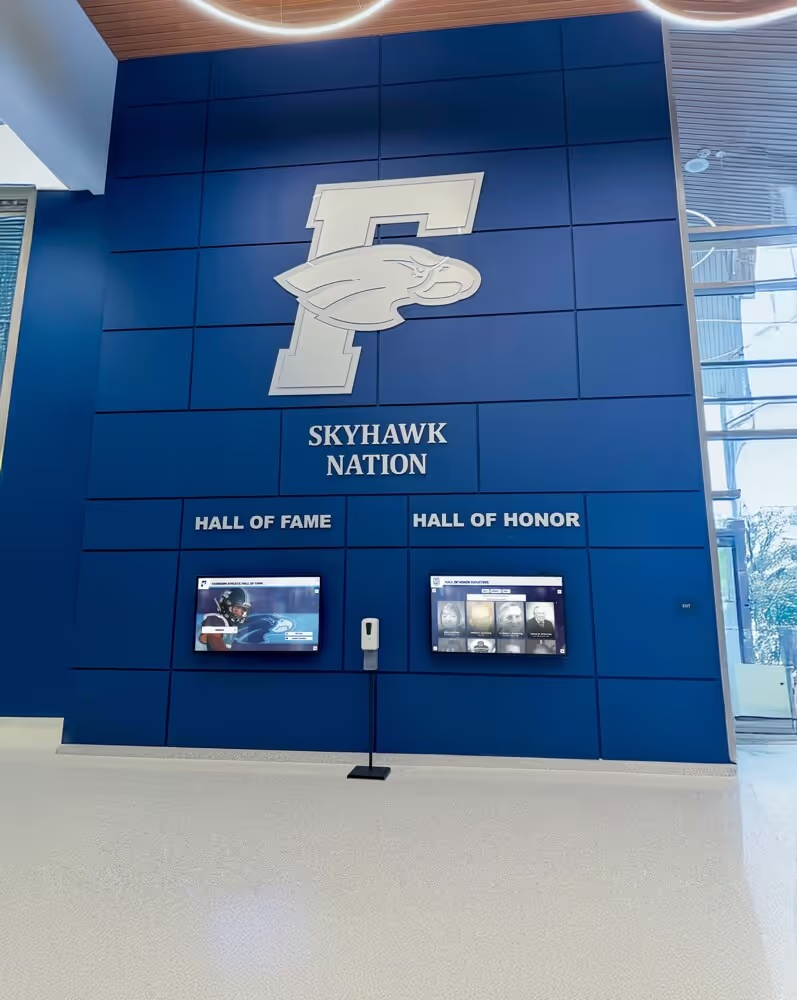
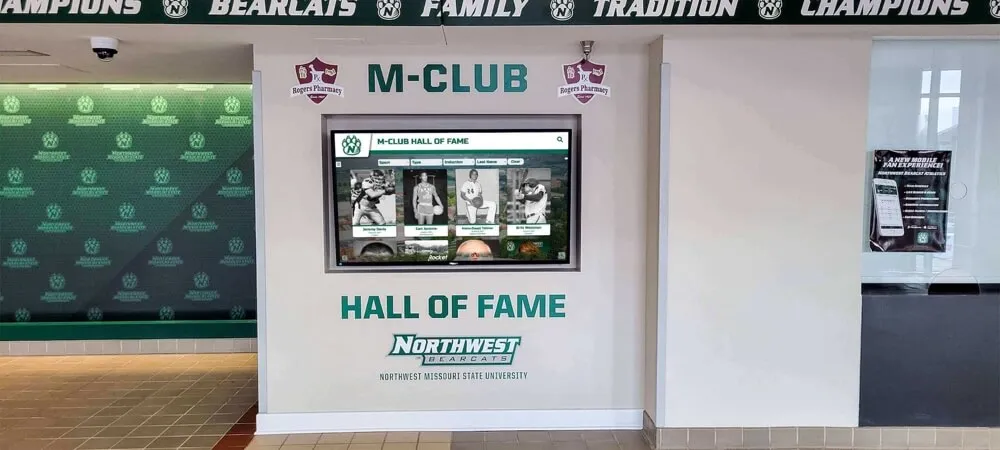
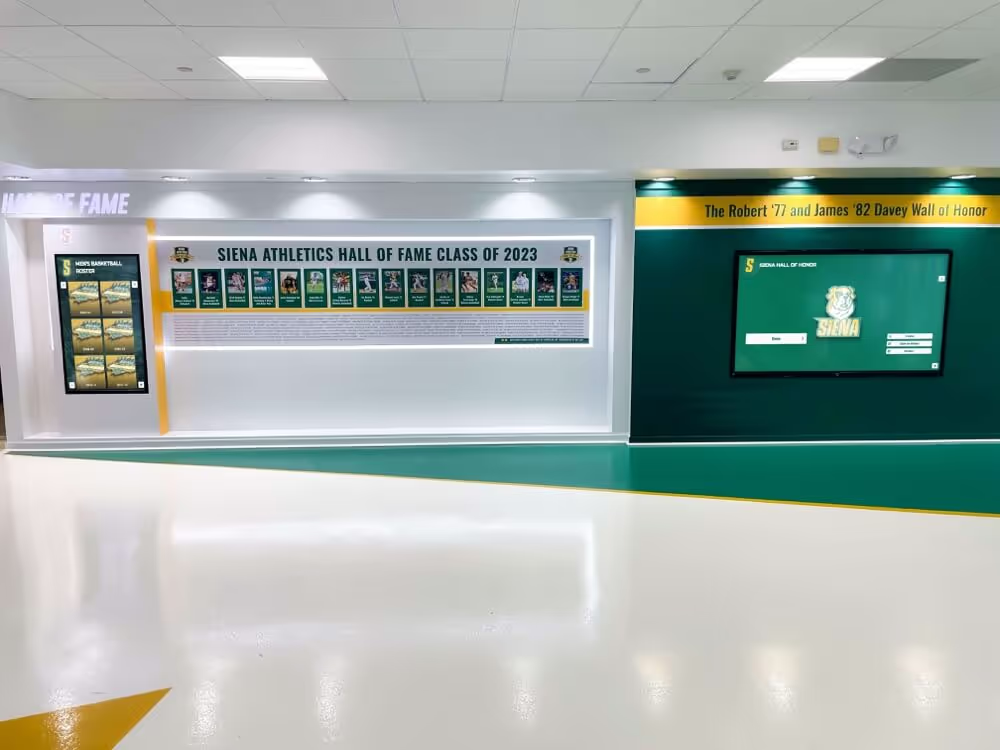
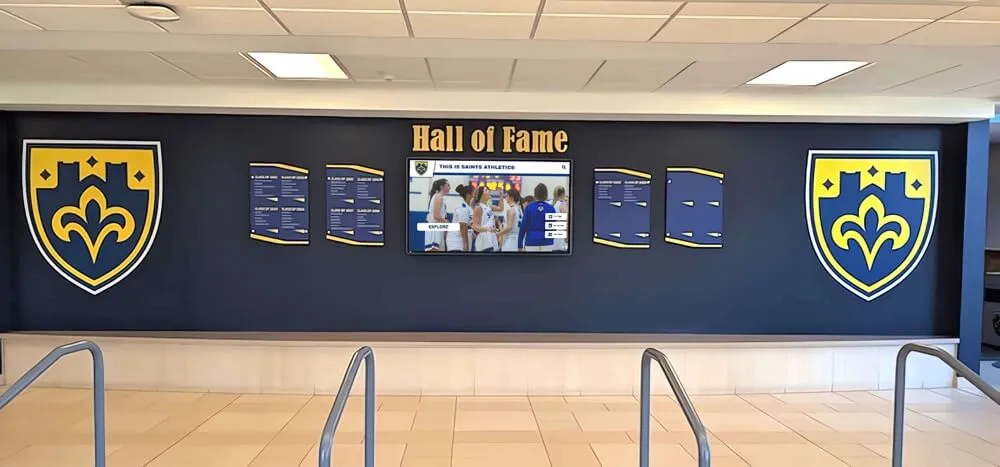
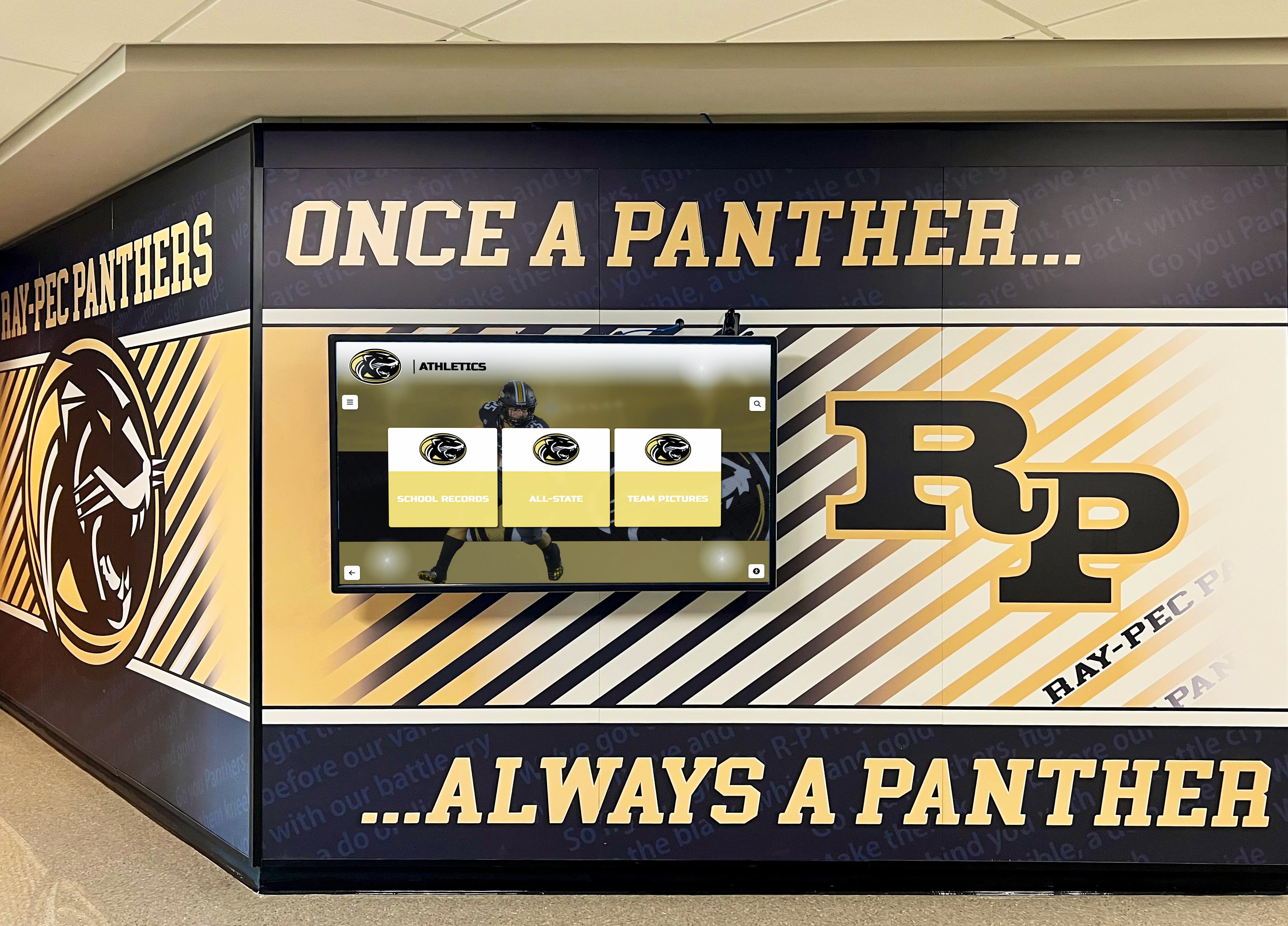
Lobby hall of fame installations give dance teams the same permanent institutional visibility that athletic hall of fame programs have delivered for championship sports teams for generations
Athletic team photo wall ideas translate directly to dance programs—the same grid-based display system that makes football team photos compelling works equally well for showcasing dance team season photos organized chronologically.
Schools that invest in formal recognition infrastructure for their dance teams—dedicated display space, annual update protocols, and digital archive systems—report several downstream benefits: easier recruitment because prospective dancers can see the program’s history and trajectory, stronger alumni engagement because former dancers can find their names and faces in permanent displays, and higher retention because current dancers understand they are building something that will outlast their time on the team.
Digital hall of fame software options for schools cover the technical infrastructure that supports these recognition systems—from cloud-based content management to touchscreen hardware options sized for hallways, lobbies, and fine arts corridors.
Honoring Dance Team Coaches and Directors
Coach recognition belongs in any comprehensive dance team legacy system. Directors who build programs over multiple decades shape hundreds of dancers’ experiences and competitive trajectories. Recognition panels dedicated to long-tenured coaches—featuring their years of service, competitive record, and a brief program biography—give alumni a specific anchor point for the era in which they danced.
Cheer coach gift ideas and recognition approaches offer related frameworks—many of the recognition categories that work for cheer directors adapt directly to dance team coaches, particularly for end-of-season and retirement recognition.
Frequently Asked Questions About Dance Team Names
What should I name a dance team? Start with three questions: What performance style defines the team? What is the team’s relationship to the school mascot and colors? What tone does the program want to project—powerful, elegant, spirited, or prestigious? Names that answer all three questions clearly tend to generate immediate buy-in from both current dancers and school administrators.
What are good names for a school dance team? School dance team names that work consistently include mascot-integrated options (The [Mascot] Elite, The Flying [Mascots] Dance Company), color-anchored names (The Gold Wave, The Crimson Line), performance style names (The Precision Corps, The Lyrical Ensemble), and energy names (The Surge Dancers, The Voltage Team). Avoid names that are trendy-sounding in the current year but will feel dated within a decade.
How do schools honor dance team history? The most effective schools build dedicated recognition wall sections—physical or digital—that archive every season’s roster, competition record, and key milestones. Digital displays have become the preferred solution for programs with multi-decade histories because they can hold unlimited content without physical space constraints and can be updated remotely as new seasons complete and alumni submit profile updates.
Can a dance team name be changed? Yes—but with care. Programs that rebrand should maintain a clear record of previous names in their recognition archive so that alumni who danced under the original name retain a visible connection to the program’s history. Digital recognition systems make this easy: the program timeline can include a clear notation of the name change year, what prompted it, and which seasons operated under each identity.
Conclusion: From Name to Legacy
A dance team’s name is the seed from which its entire institutional identity grows. The names listed in this guide—more than 75 of them organized by style, energy, and school fit—offer programs at every stage a starting point. But the name becomes meaningful only when it is backed by the recognition infrastructure that preserves it: seasonal rosters on display, competition records archived, individual dancers honored by name, and coaching tenures acknowledged as the program-shaping contributions they are.
Schools that build that infrastructure early give every generation of dancers a reason to stay connected to the program long after graduation. That connection is what transforms a name into a legacy.
Ready to build a recognition wall that honors your dance team’s identity and history for every class that follows? Rocket Alumni Solutions designs interactive digital displays for schools that preserve performing arts program history alongside athletic achievement—touchscreen systems that make every season’s roster, competition record, and individual honor permanently accessible to current students, alumni, and the entire school community.
Live Example: Rocket Alumni Solutions Touchscreen Display
Interact with a live example (16:9 scaled 1920x1080 display). All content is automatically responsive to all screen sizes and orientations.