



Creating a collegiate experience for high school student-athletes has become a priority for athletic programs seeking to prepare athletes for the next level, attract top talent, and build program cultures that emphasize excellence. When high school programs adopt professional standards in branding, recognition, facilities, and athlete development, they create environments where student-athletes thrive academically and athletically while gaining valuable preparation for college competition.
The benefits extend far beyond recruitment advantages. High school programs that establish collegiate-level experiences report increased athlete motivation, stronger team culture, improved community support, higher athlete retention rates, and better preparation for the academic and athletic demands of college sports. These programs demonstrate that professionalism and tradition matter at every competitive level, not just in college athletics.
This comprehensive guide explores practical strategies for elevating your high school athletic program through professional branding, digital recognition systems, facility improvements, athlete development programs, and community engagement initiatives that create experiences matching the quality and professionalism of college athletics.
High schools across the country recognize that modern student-athletes expect more from their athletic programs than previous generations. Today’s athletes grow up watching college and professional sports through streaming platforms, follow college programs on social media, and understand what elite athletic experiences look like. Meeting these expectations requires intentional investment in program elements that professionalize the high school athletic experience while maintaining the educational mission and appropriate scope for secondary school athletics.

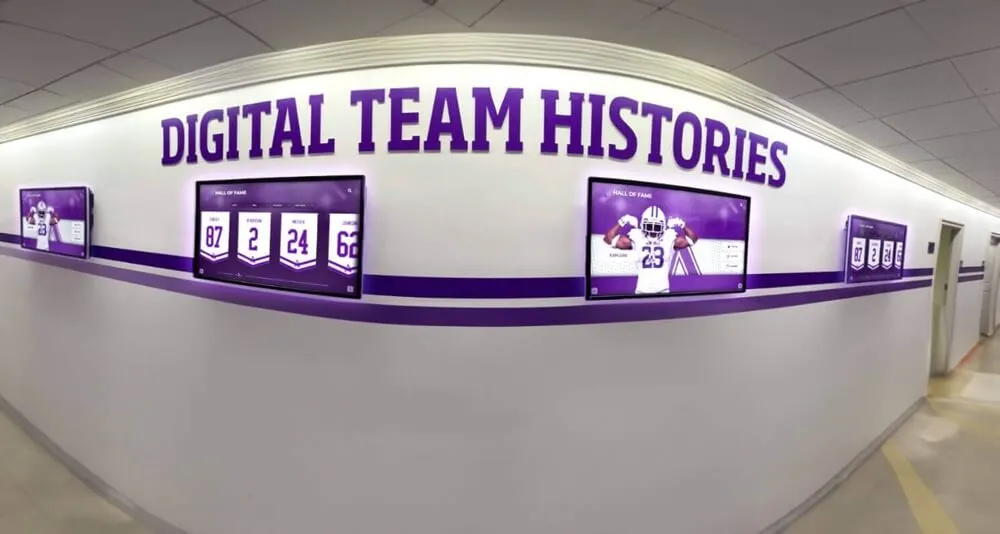
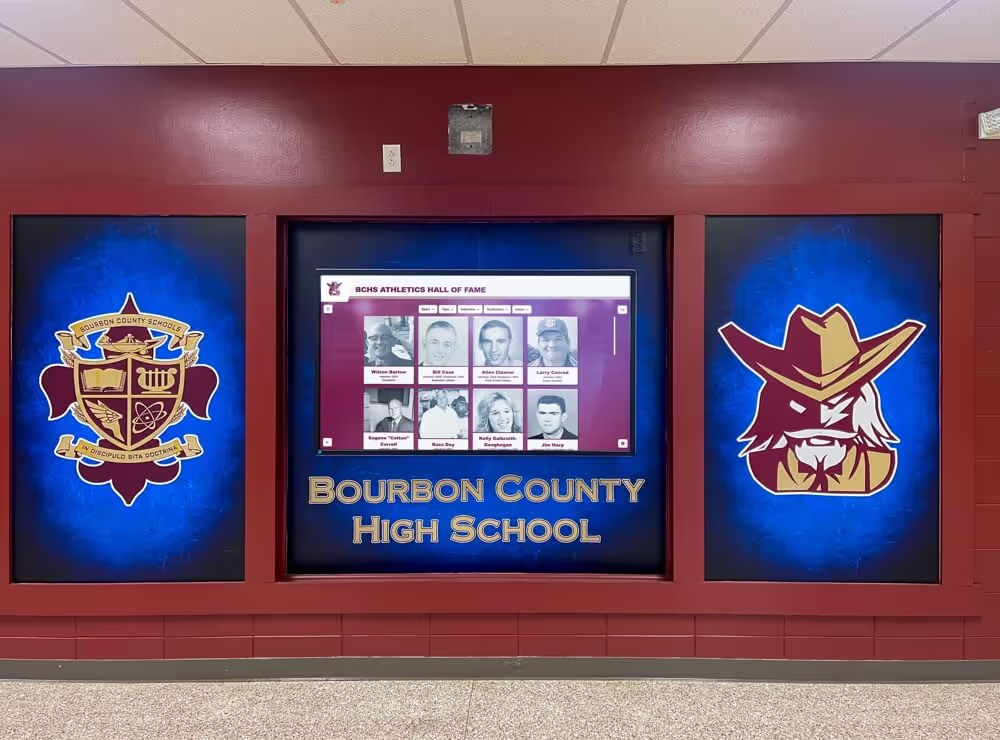
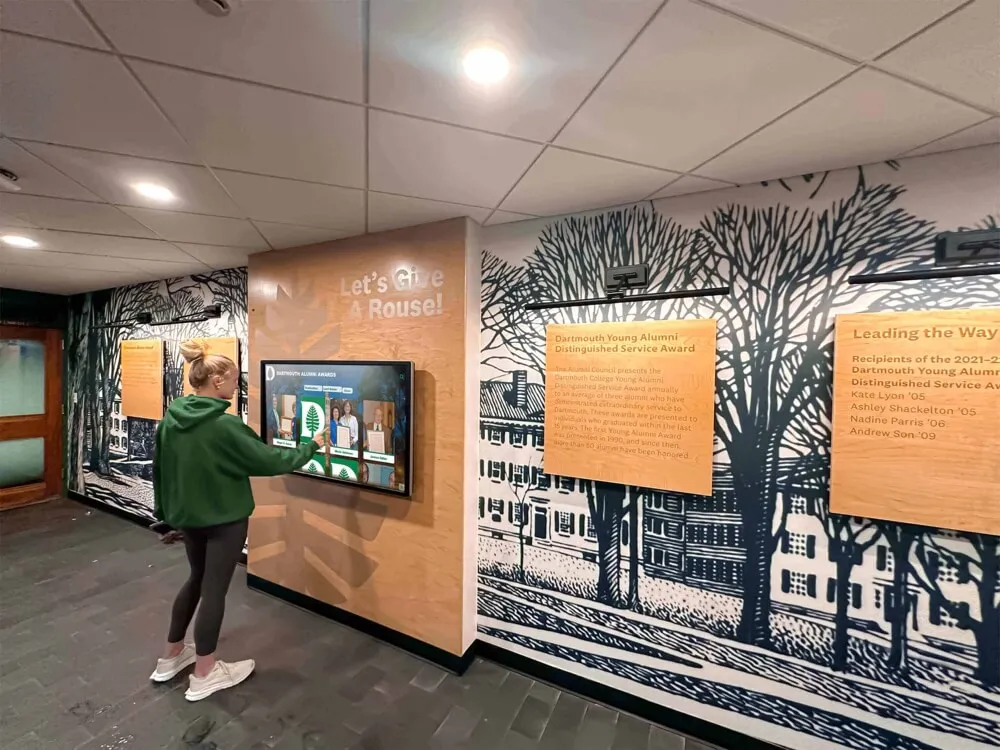
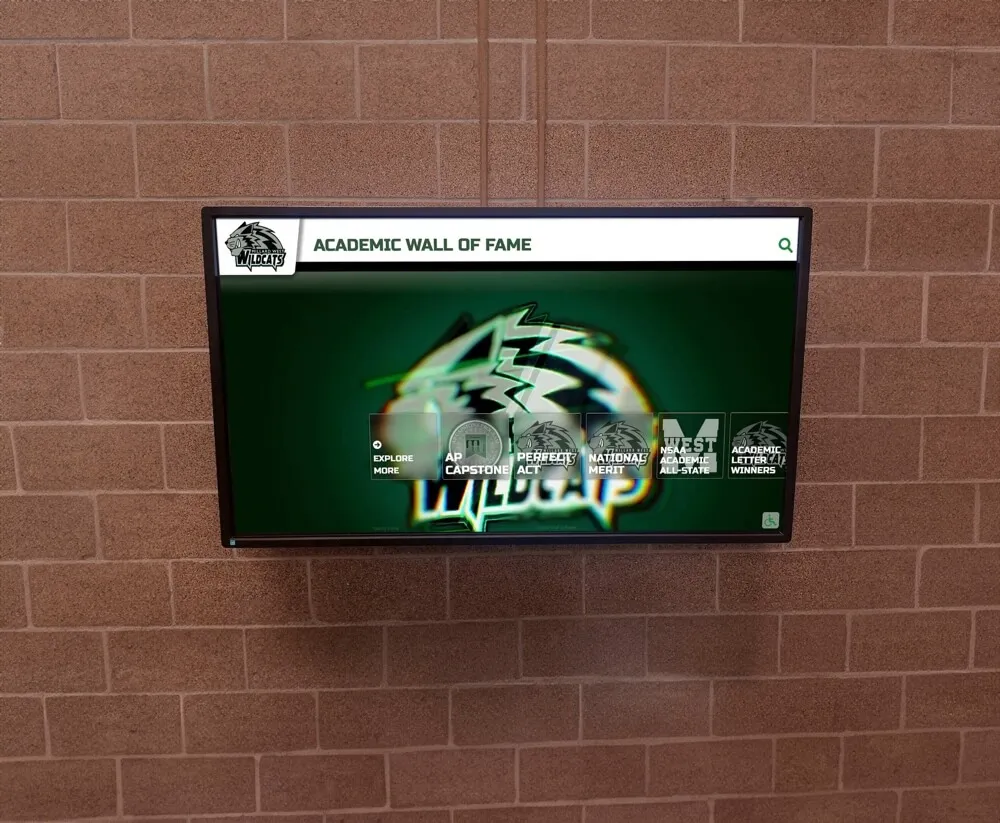
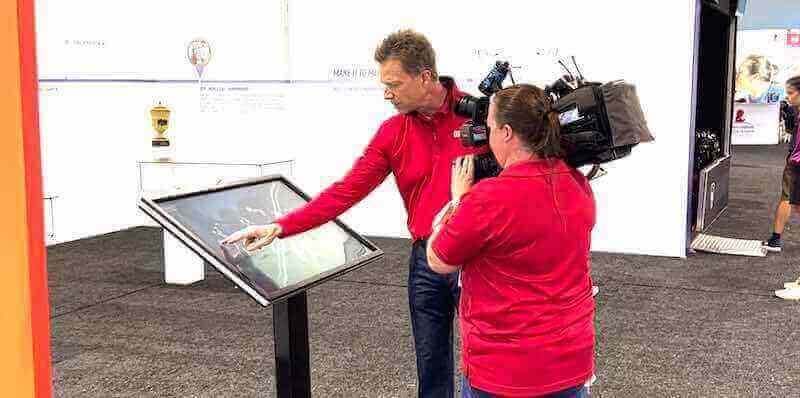
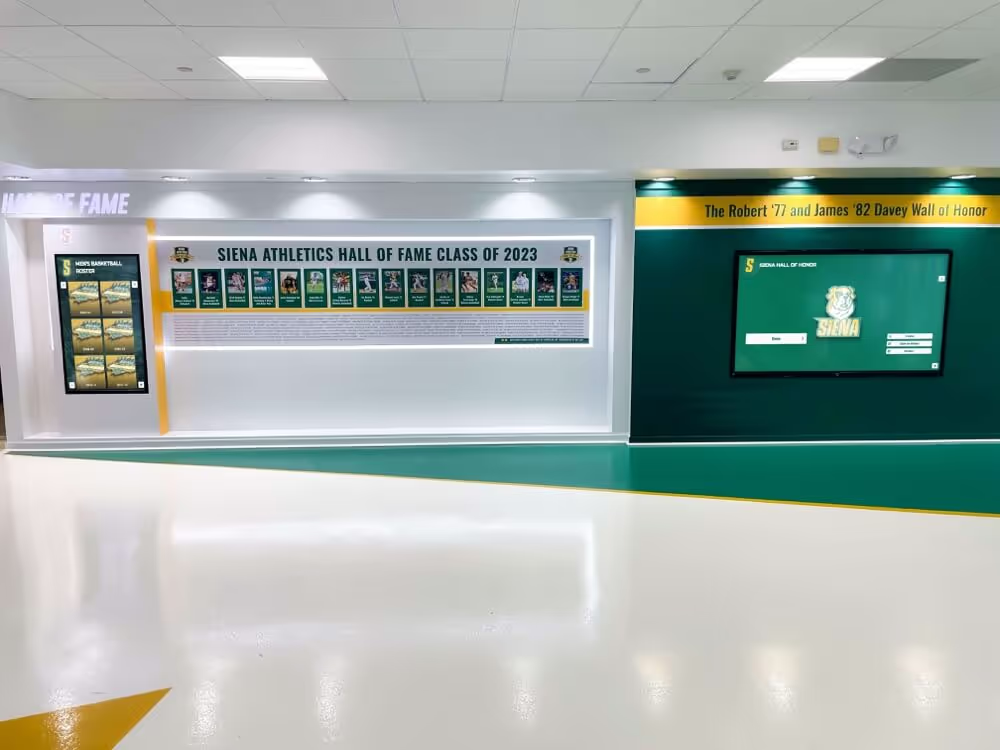
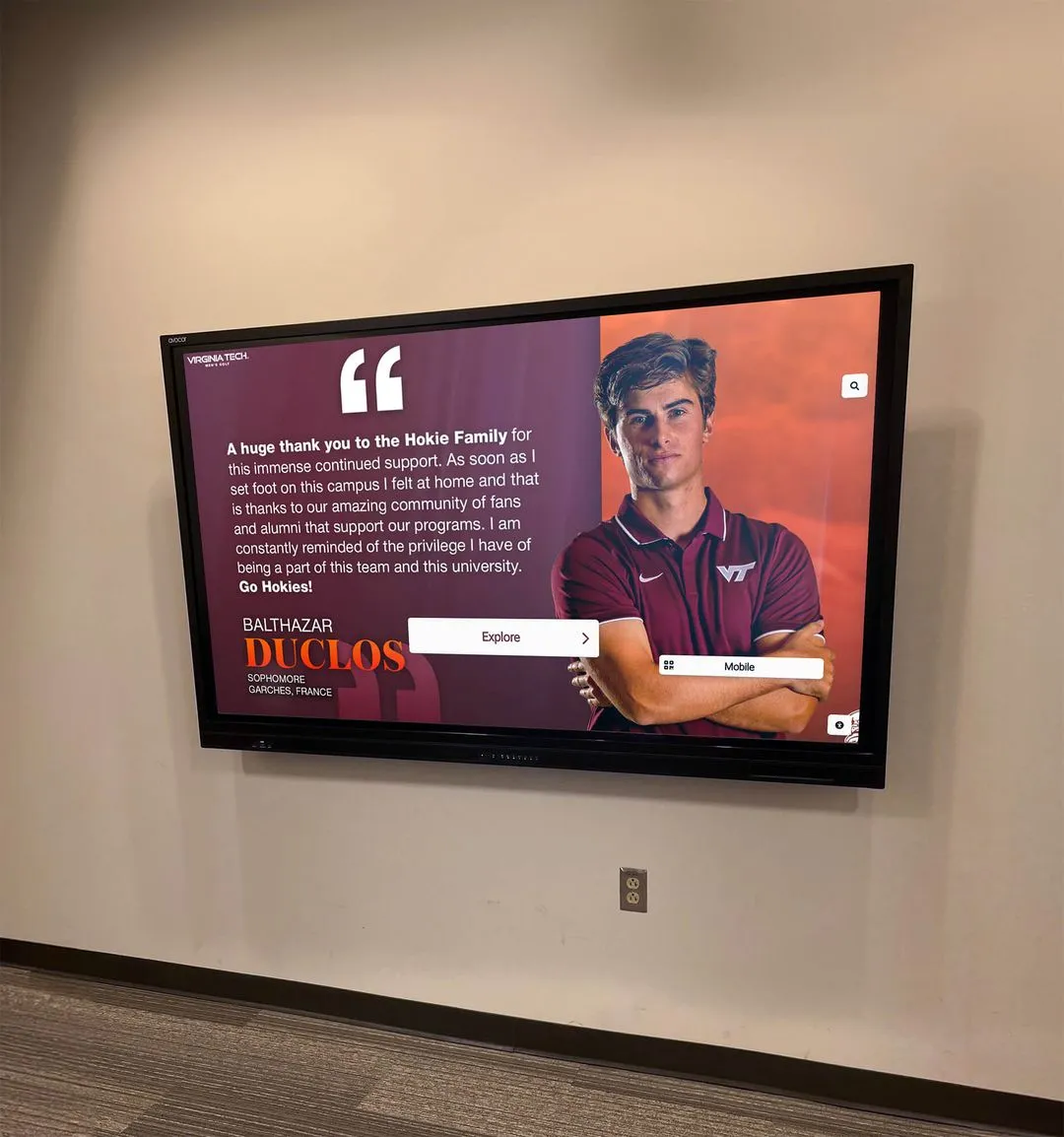
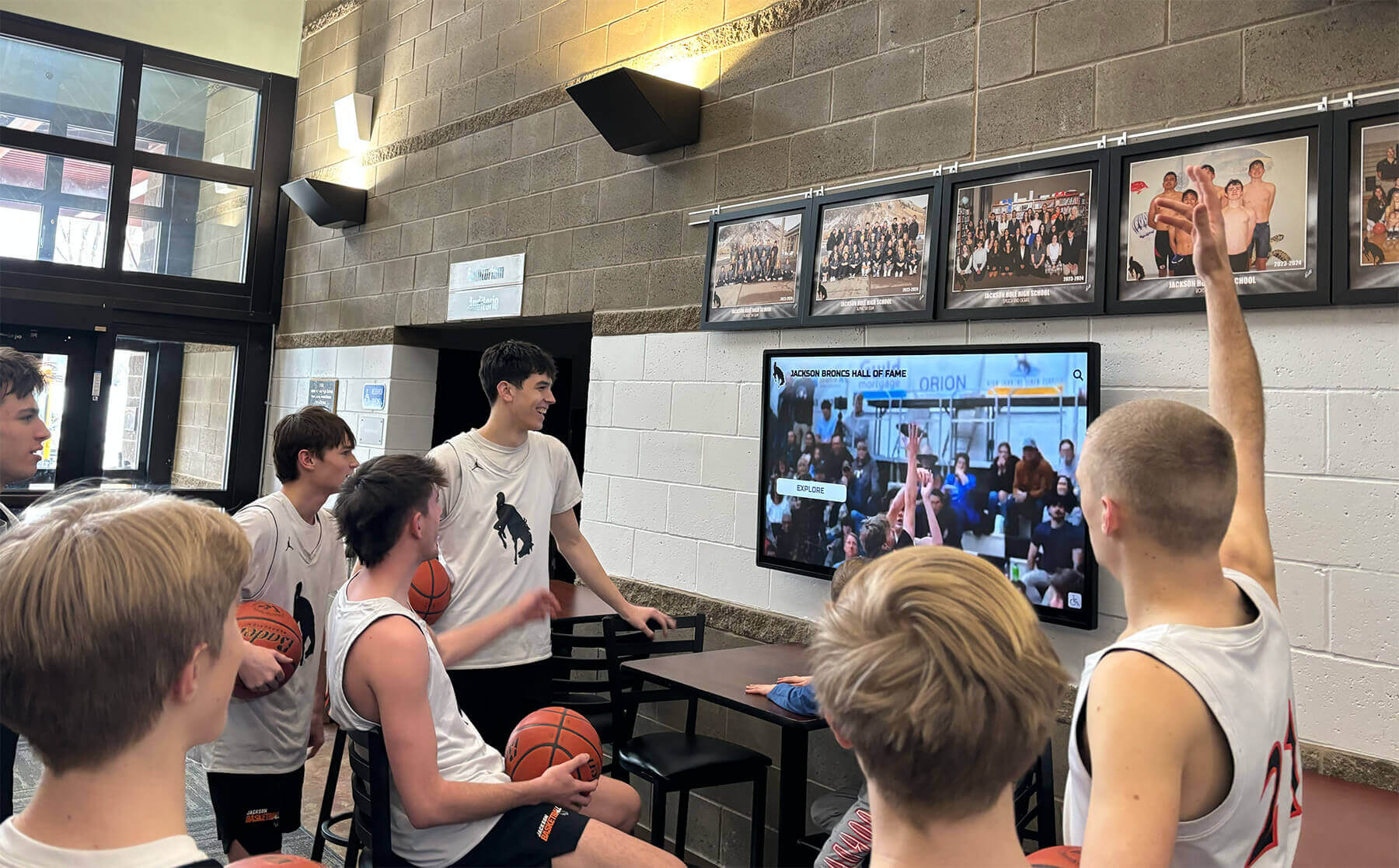
Modern high school programs create professional experiences through digital displays and recognition systems
Understanding the Collegiate Athletic Experience
Before implementing collegiate-level elements, understanding what defines this experience helps programs identify priority areas for development:
Key Elements of Collegiate Athletics
College athletic programs share common characteristics that create distinctive experiences:
Professional Branding and Identity
Collegiate programs maintain consistent visual identities across all touchpoints:
- Unified color schemes, logos, and typography across facilities, uniforms, and marketing materials
- Professional graphic design standards for social media, publications, and promotional content
- Brand guidelines ensuring consistency regardless of who creates content
- Pride in institutional identity visible throughout athletic facilities
- Recognition that branding communicates program values and professionalism
- Marketing materials matching quality standards of academic departments
College athletic departments employ full-time creative staff or agencies maintaining brand consistency. High schools can achieve similar results through templates, brand guidelines, and strategic partnerships without requiring dedicated staff.
Comprehensive Recognition Systems
College programs systematically celebrate athletic achievement:
- Digital halls of fame preserving program history and honoring distinguished athletes
- Record boards tracking performance standards and inspiring current competitors
- Championship recognition displays celebrating team success
- Individual award acknowledgment for all-conference, all-state, and special honors
- Statistical archives providing historical context for current achievements
- Alumni athlete features connecting past excellence to present tradition
These recognition systems create institutional memory, motivate current athletes through visible standards, and demonstrate that achievement receives lasting acknowledgment rather than fading from memory after graduation.
Professional Communication and Media
Collegiate athletics prioritize professional communication:
- Regular game previews, recaps, and feature stories
- Social media content showcasing athletes, teams, and program culture
- Email newsletters keeping stakeholders informed and engaged
- Professional photography and videography documenting competitions
- Media guides providing comprehensive athlete and program information
- Statistics and historical records readily accessible to media and fans
High schools implementing similar communication strategies find that professionalism attracts media coverage, engages communities, and demonstrates organizational commitment to athletics.
Athlete Development Programming
College programs support comprehensive athlete development:
- Strength and conditioning programs tailored to sport-specific needs
- Sports medicine and athletic training services
- Mental performance coaching and sports psychology resources
- Academic support and study halls ensuring educational success
- Leadership development and life skills programming
- Career preparation and networking opportunities with alumni
While high schools cannot replicate full collegiate support services, scaled programs addressing these areas significantly enhance athlete experiences and preparation for college demands.
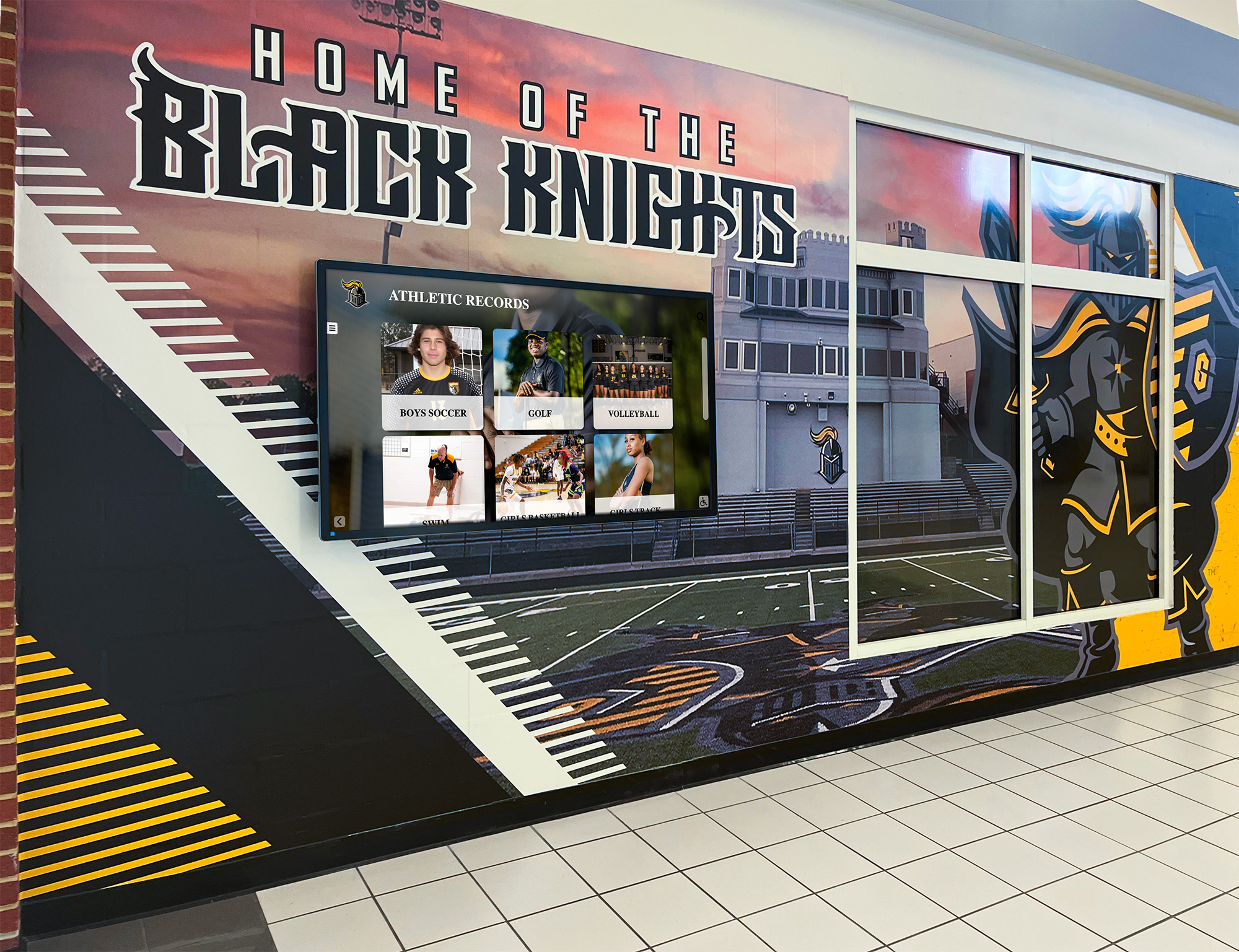
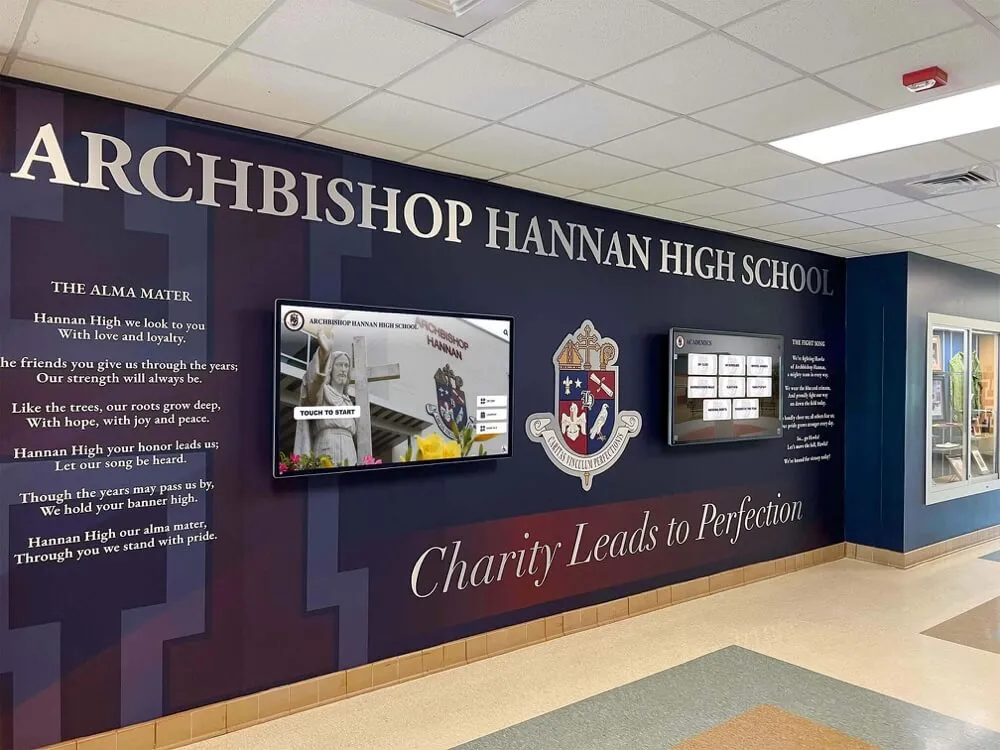
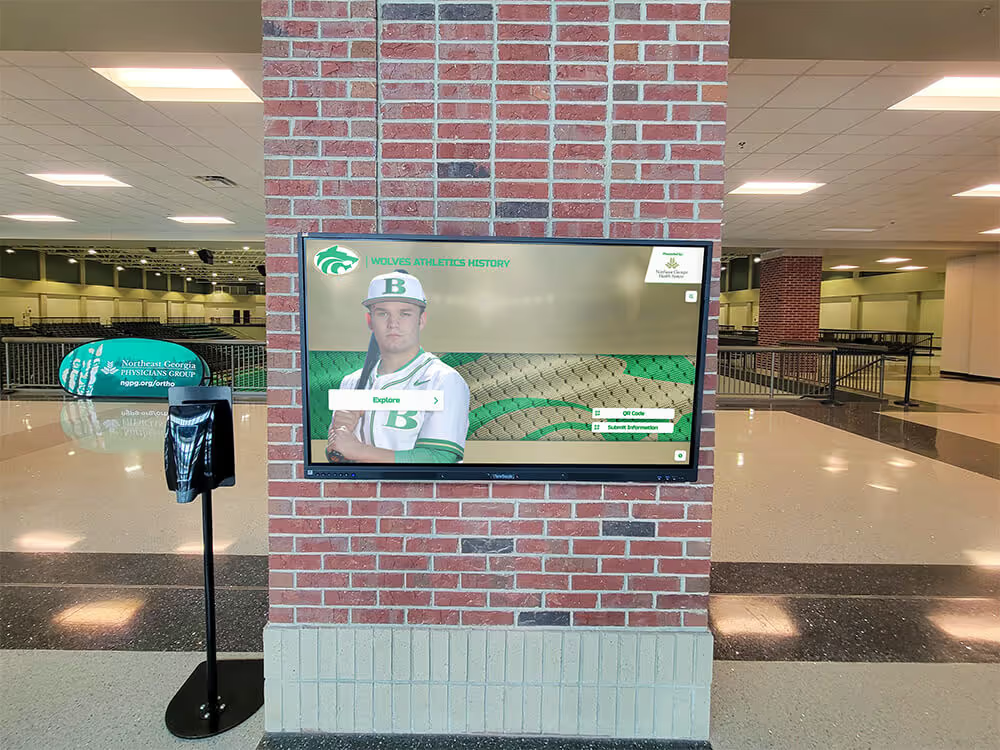
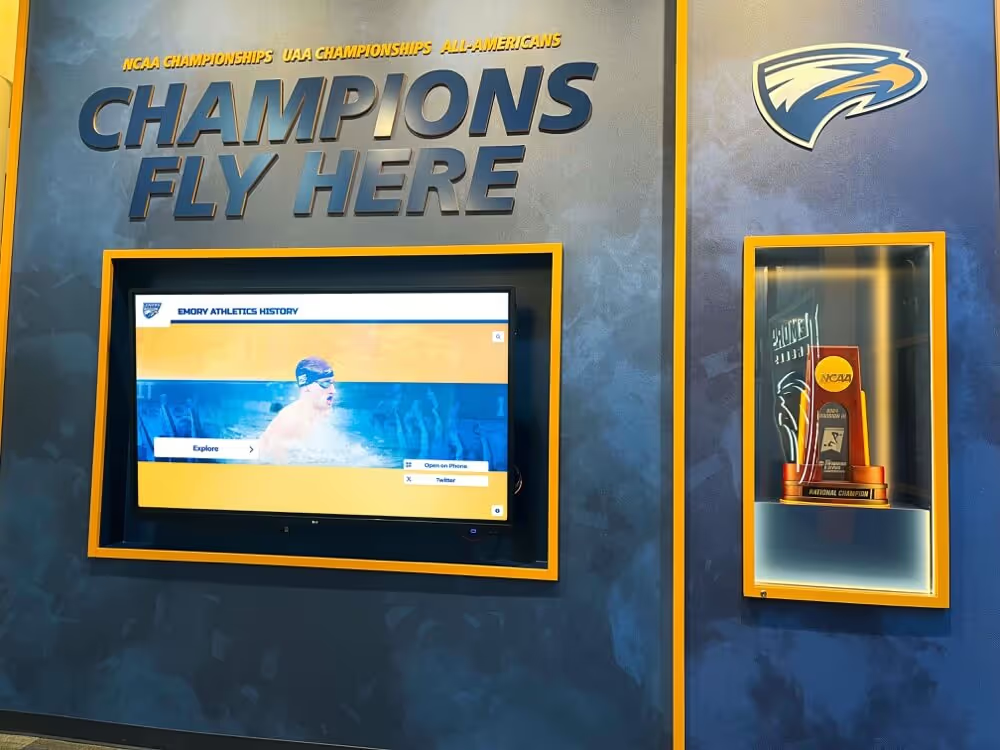
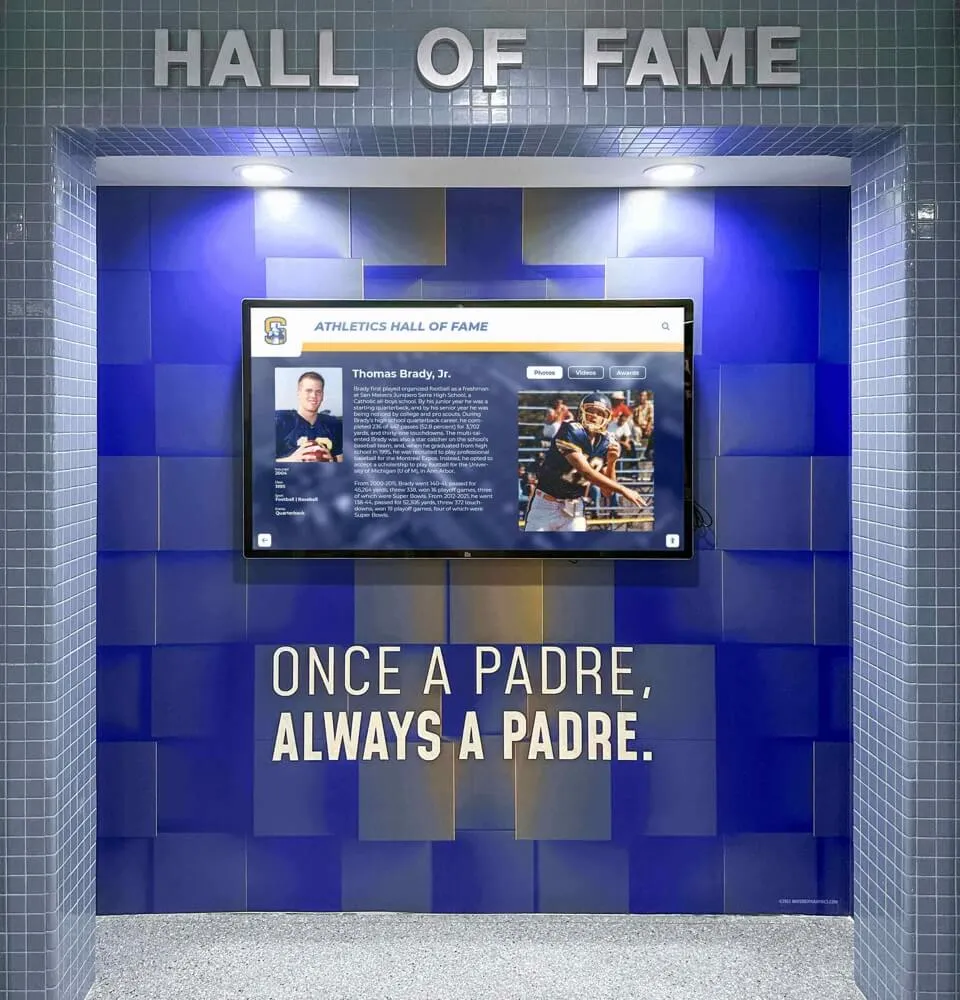
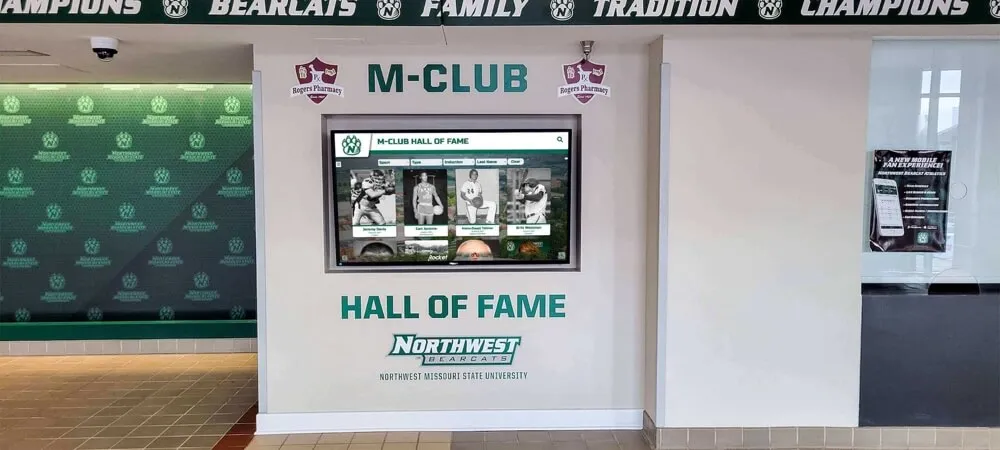
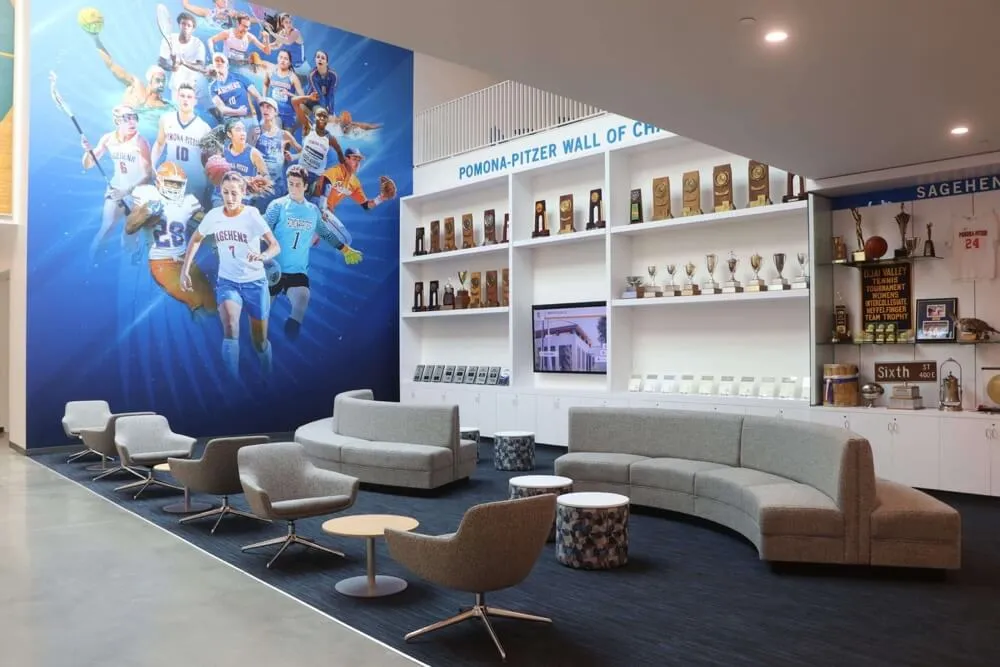
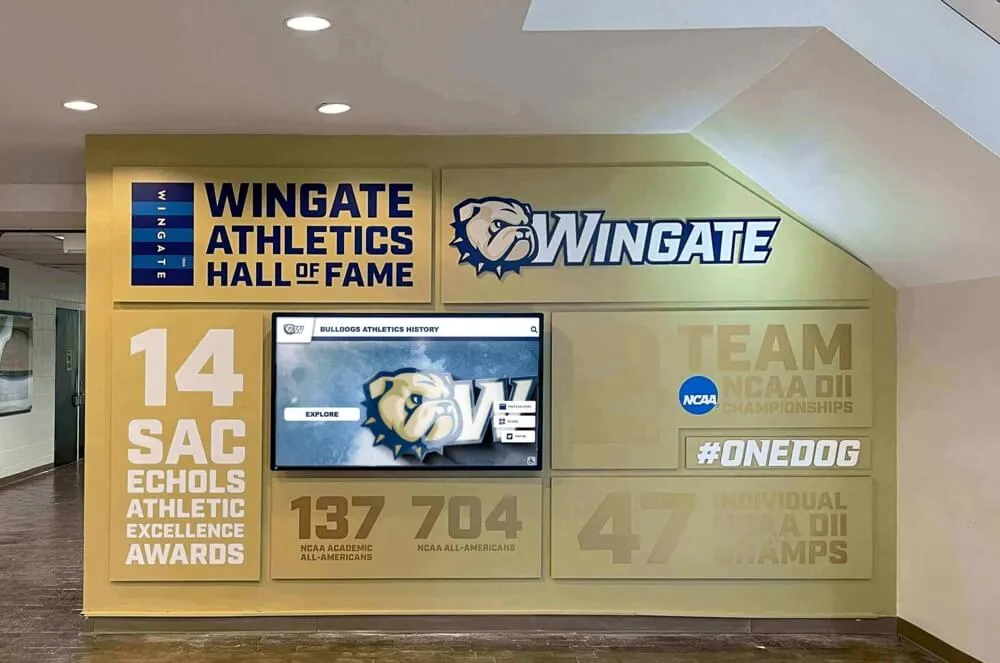
Professional facilities and recognition displays create collegiate-level environments
Benefits of Collegiate-Level Experiences in High School
Investing in professional athletic experiences produces measurable benefits:
Enhanced Athlete Recruitment and Retention
Quality programs attract and retain talented athletes:
- Prospective athletes and families impressed by professional facilities and programs
- Athletes less likely to transfer to other schools or leave sports entirely
- Positive word-of-mouth recruiting from satisfied current athletes
- Reputation for quality attracting athletes from broader geographic areas
- Program culture that retains athletes through senior year rather than losing participants
- Appeal to multi-sport athletes who appreciate professional experiences across programs
Athletic directors report that visible investments in professional experiences significantly influence family decisions during open enrollment and help retain athletes through increasingly demanding training schedules.
Improved College Athletic Preparation
Professional high school programs prepare athletes for collegiate demands:
- Familiarity with professional standards and expectations
- Exposure to college-level communication and organization
- Understanding of performance standards and statistical tracking
- Experience with media interaction and public visibility
- Mental preparation for higher competition levels
- Academic habits supporting student-athlete responsibilities
College coaches frequently note that athletes from professionally-run high school programs adjust more quickly to collegiate athletics, requiring less orientation to standards and culture.
Stronger Program Culture and Pride
Professional experiences build positive team cultures:
- Visible standards communicating that excellence matters
- Pride in program tradition and institutional identity
- Motivation from recognition systems celebrating achievement
- Accountability to standards matching professional environments
- Community support strengthened by professional presentation
- Multi-generational tradition building as alumni see their legacy preserved
Understanding athletic program culture development helps programs build traditions that sustain excellence across coaching changes and athlete generations.
Increased Community and Financial Support
Professional programs generate stronger stakeholder engagement:
- Community pride in quality athletic programs
- Increased attendance at competitions and events
- Stronger booster club participation and fundraising
- Business sponsorships attracted by professional presentation
- Alumni engagement and support for programs
- Positive public relations benefiting entire school district
Schools implementing professional standards report that initial investments in facilities, technology, and programs generate returns through increased community support and fundraising success.
Developing Professional Brand Identity
Consistent, professional branding establishes immediate credibility and pride:
Creating Visual Identity Standards
Professional brands begin with clear visual standards:
Logo and Wordmark Development
Establish primary visual elements:
- Primary logo used for official athletic department identity
- Athletic wordmarks for specific applications and uses
- Secondary marks providing versatility for different spaces
- Sport-specific variations maintaining consistent design language
- Mascot illustrations reflecting school character and tradition
- Proper usage guidelines preventing inconsistent application
Schools can work with design professionals to create comprehensive brand packages including multiple logo variations, ensuring versatility for different applications while maintaining consistency.
Color Palette Standardization
Define exact colors for all applications:
- Primary school colors with specific color codes (Pantone, CMYK, RGB, HEX)
- Secondary or accent colors complementing primary palette
- Color usage guidelines for different applications
- Approved color combinations maintaining visibility and brand recognition
- Black, white, and neutral usage standards
- Prohibited color combinations preventing brand dilution
Precise color specifications ensure consistency whether printing materials, designing digital graphics, or selecting uniform colors.
Typography and Design Elements
Establish text and graphic standards:
- Primary typefaces for headlines and emphasis
- Secondary typefaces for body copy and supporting text
- Web-safe and print typeface specifications
- Text treatment guidelines for athlete names, statistics, and information
- Design patterns and graphic elements supporting brand identity
- Photography and imagery style guidelines
These standards enable multiple people to create content maintaining consistent quality and appearance.
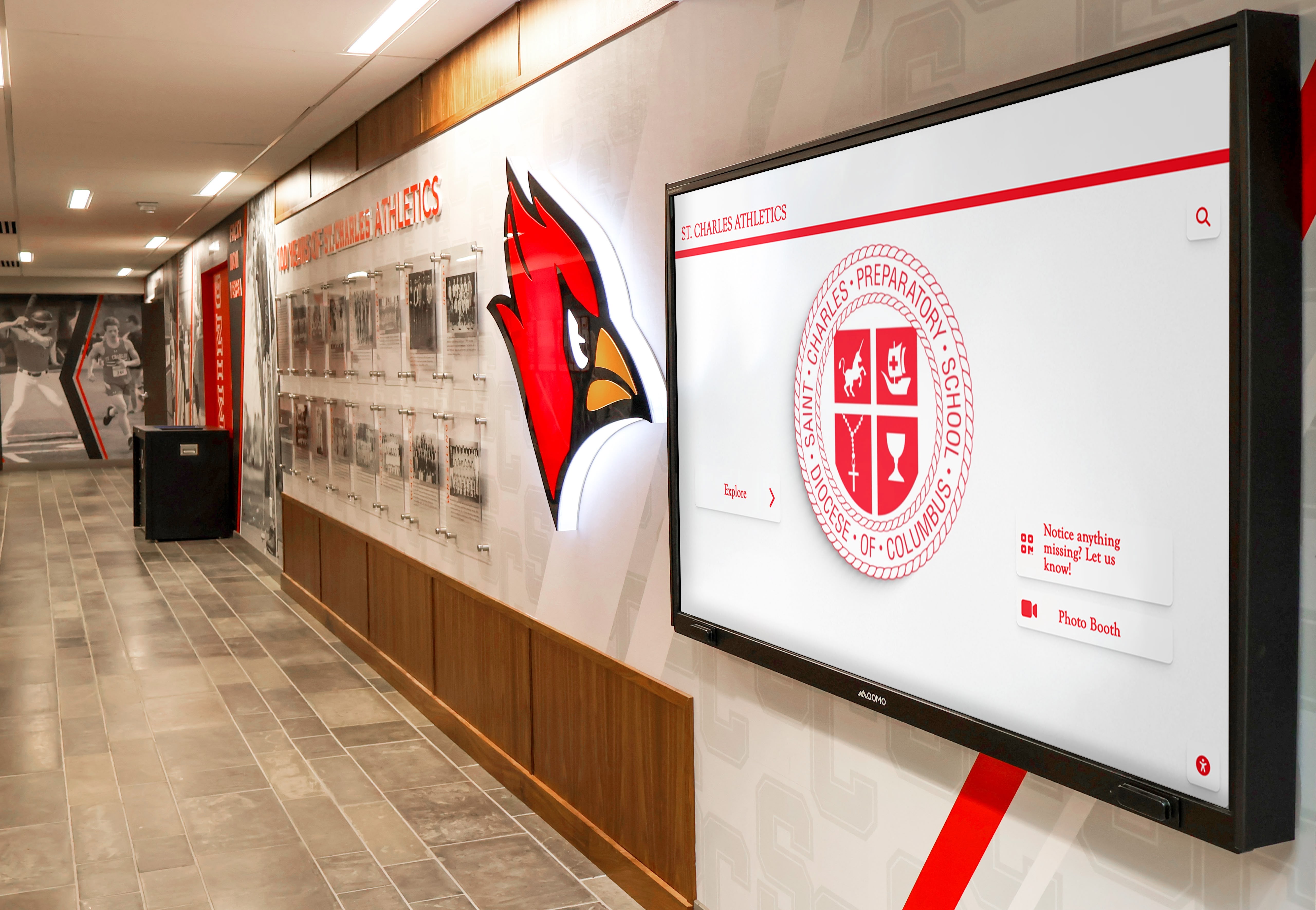
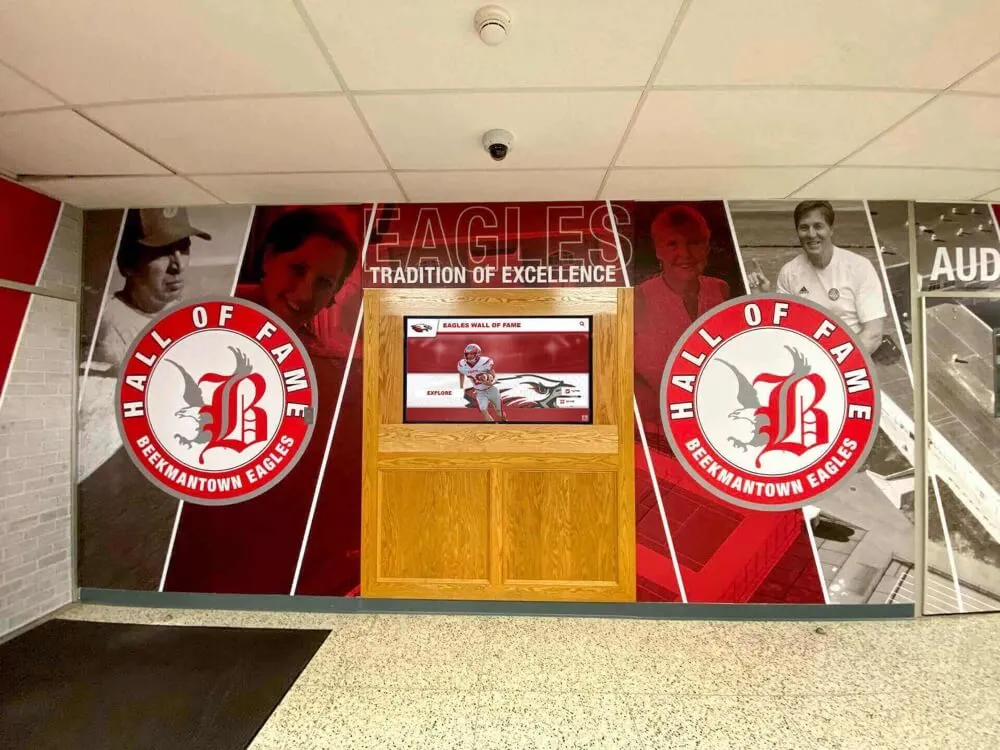
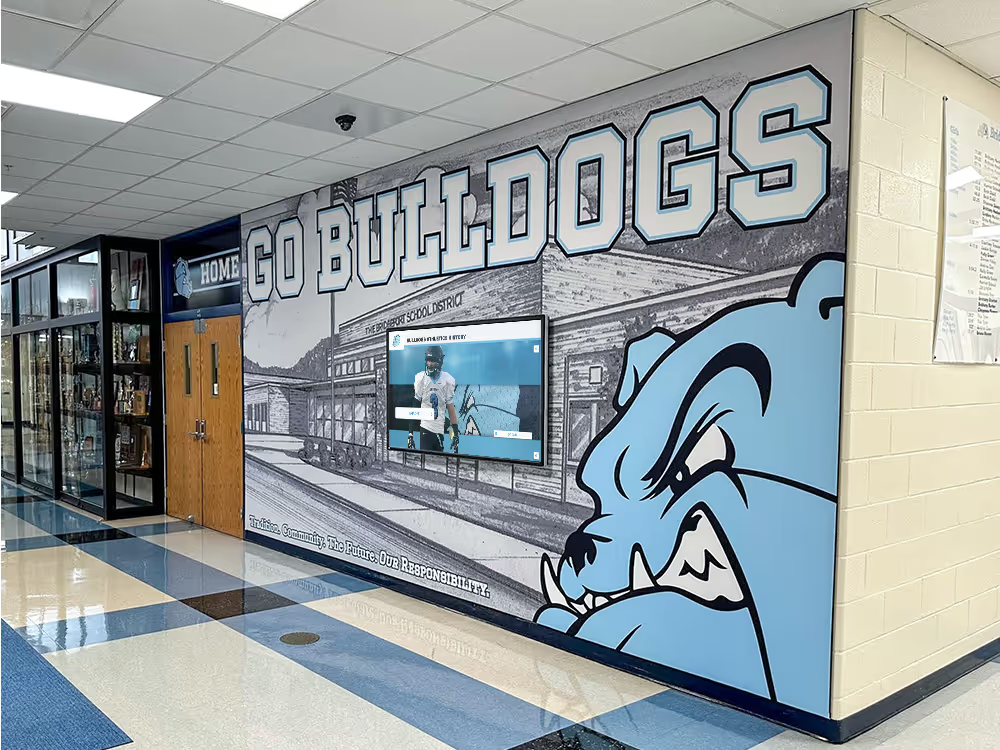
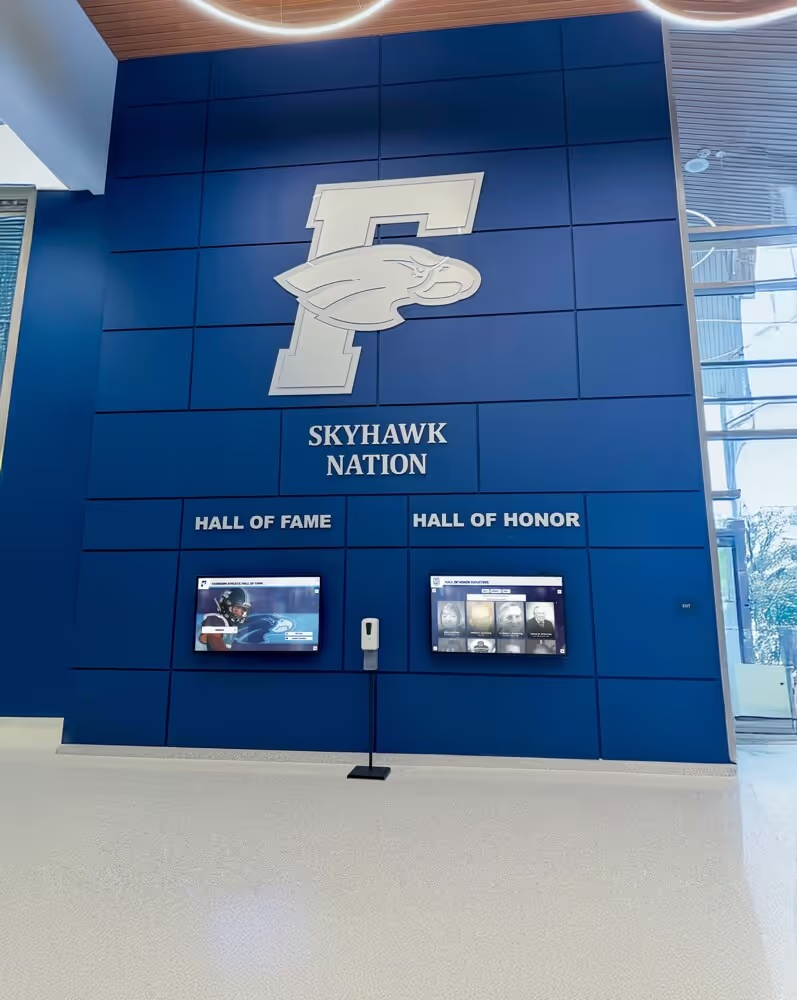
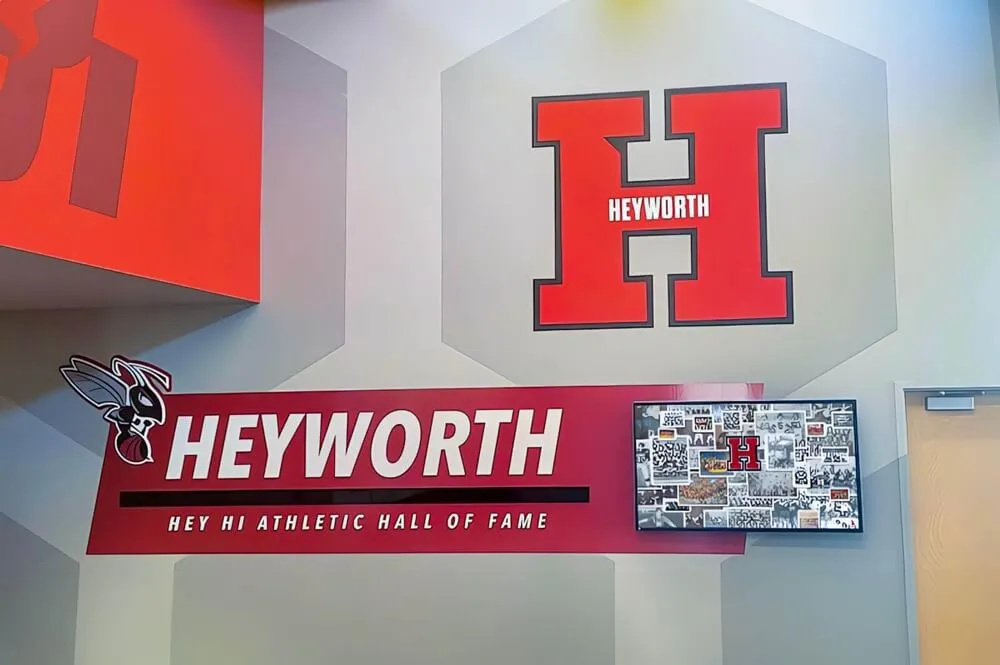
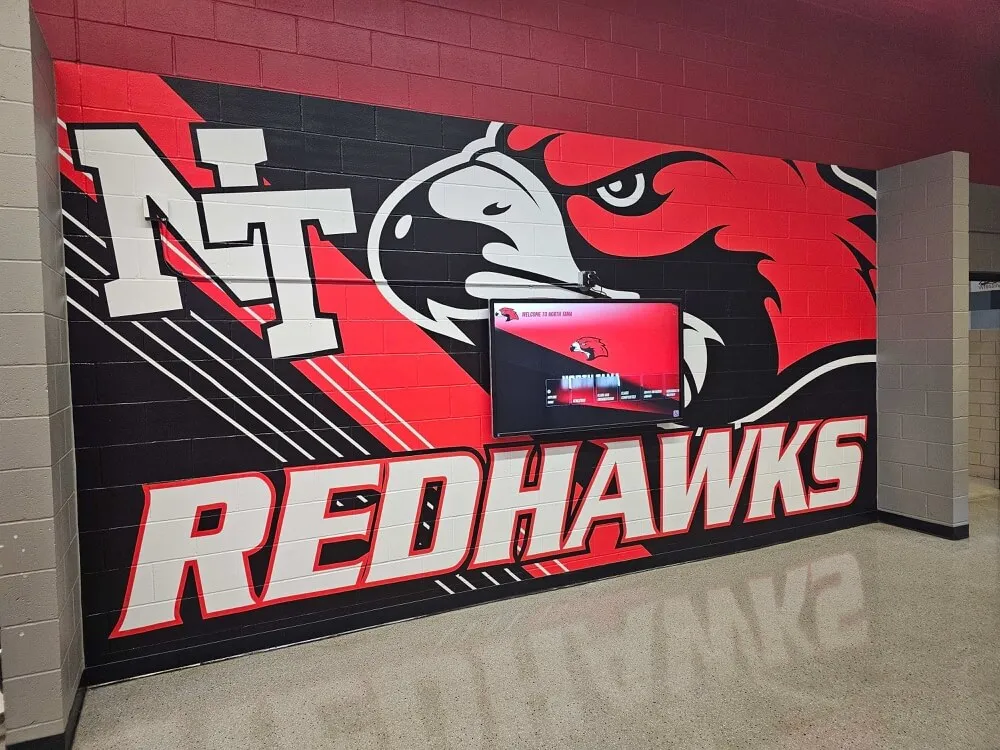
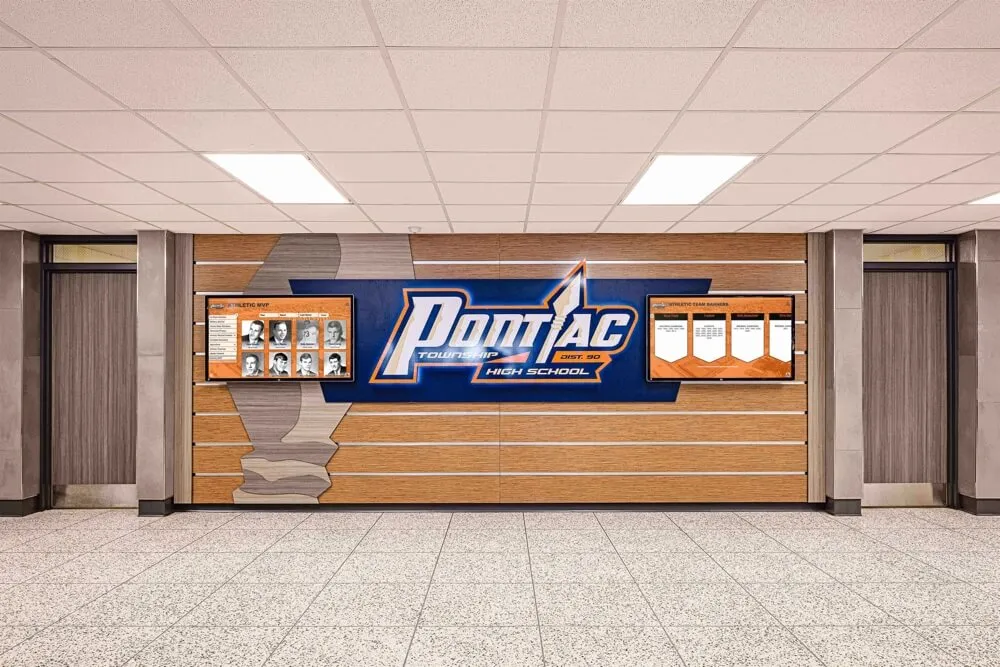
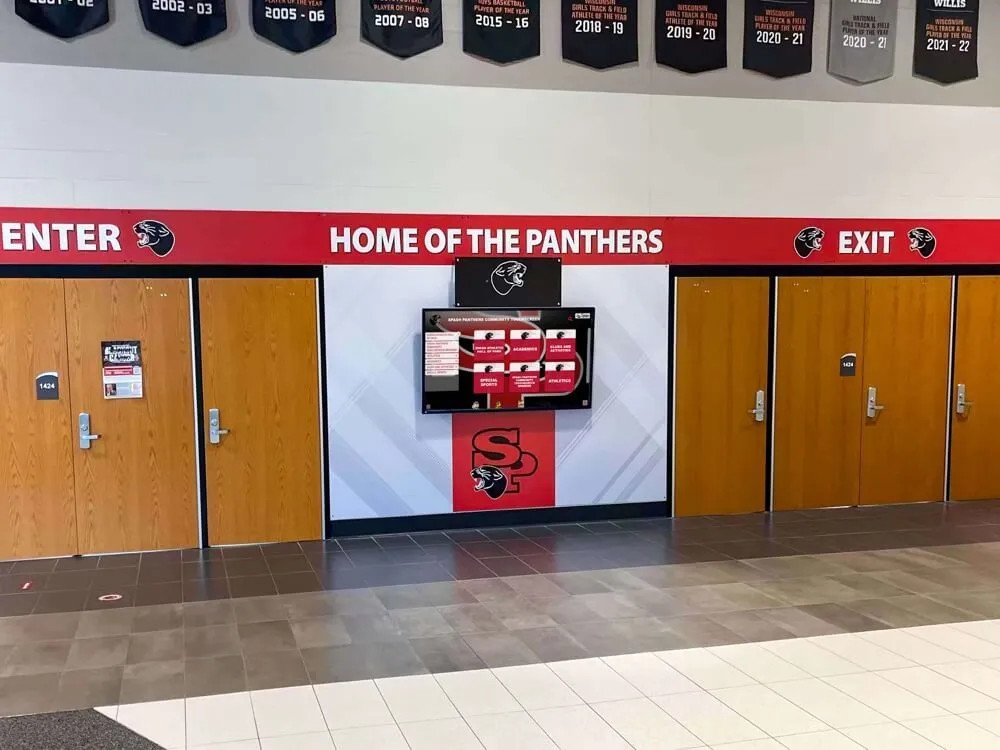
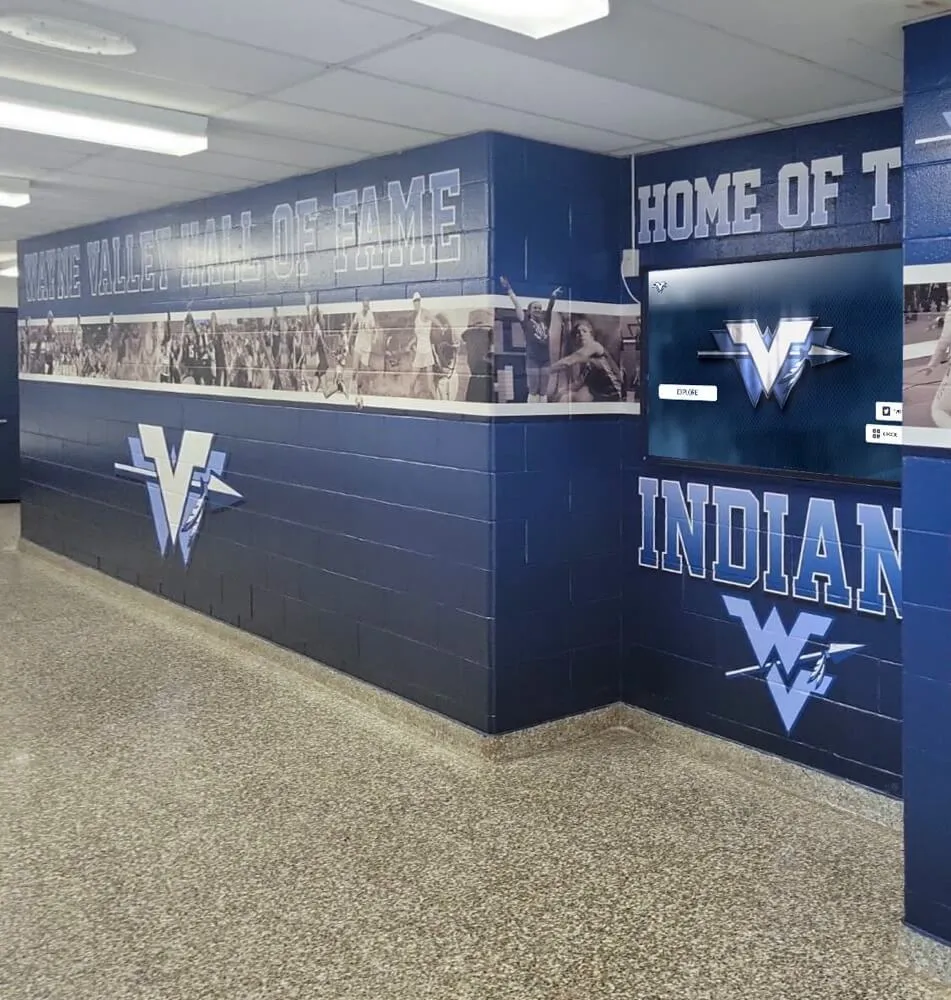
Consistent branding throughout facilities reinforces program identity and professionalism
Implementing Brand Across Touchpoints
Consistent application across all program elements creates cohesive identity:
Facility Branding and Signage
Transform athletic spaces through professional branding:
- Entrance signage establishing program identity and pride
- Hallway graphics celebrating championships, records, and distinguished athletes
- Locker room branding creating motivational environments
- Competition venue signage for spectator wayfinding and atmosphere
- Training facility graphics emphasizing performance and development
- Outdoor facility banners and recognition displays
Well-branded facilities immediately communicate professionalism to athletes, families, opponents, and community members while creating environments that inspire pride and performance.
Uniforms and Apparel Standards
Professional appearance standards apply to all athletic contexts:
- Competition uniforms reflecting brand standards and quality
- Practice gear maintaining professional appearance during training
- Warm-up attire presenting cohesive team image
- Coach and staff apparel aligning with program brand
- Spirit wear for athletes, students, and community members
- Branded gear for specific events and championships
High schools should balance quality with budget constraints, recognizing that professional appearance influences athlete pride and community perception.
Digital and Social Media Presence
Online presence extends brand reach and engagement:
- Website design reflecting athletic brand identity
- Social media profile consistency across platforms
- Graphic templates for game day content, athlete features, and announcements
- Photography style maintaining brand standards
- Video production quality appropriate to program standards
- Email newsletter design reinforcing brand identity
Learn about comprehensive digital recognition programs that extend program branding through interactive technology.
Print Materials and Publications
Traditional materials maintain professional standards:
- Media guides providing comprehensive program information
- Game programs for major competitions and events
- Posters and schedule cards for community distribution
- Banquet programs and recognition materials
- Recruiting materials for prospective athletes
- Parent and athlete handbooks
Quality print materials demonstrate organizational professionalism while providing useful information to stakeholders.
Implementing Comprehensive Digital Recognition
Modern recognition systems provide unlimited capacity for celebrating athlete achievement:
Digital Hall of Fame Platforms
Interactive recognition systems transform how programs honor excellence:
Unlimited Recognition Capacity
Digital platforms eliminate space constraints limiting traditional recognition:
- Comprehensive athlete profiles for all letter winners across all sports
- Complete team season archives preserving program history
- Championship team recognition with rosters, statistics, and stories
- Individual record holder acknowledgment with historical context
- Coach and contributor recognition honoring program builders
- Historical archives extending back decades without physical space limitations
Solutions like Rocket Alumni Solutions provide purpose-built platforms specifically designed for high school athletics, combining professional presentation with intuitive management accessible to coaches and athletic staff rather than requiring technical expertise.
Multimedia Storytelling Capabilities
Digital systems support rich content beyond names and dates:
- Athlete photographs and biography information
- Game highlights and season video archives
- Statistics and performance data with historical comparison
- Interview content capturing athlete and coach perspectives
- Team photos and celebration documentation
- Historical materials digitized and preserved permanently
This multimedia richness creates engaging experiences that athletes, families, and community members explore extensively rather than glancing at static plaques.
Search and Interactive Features
Modern platforms enable intuitive content exploration:
- Name search finding specific athletes across any era
- Year filtering exploring particular graduating classes
- Sport filtering focusing on specific programs
- Achievement filtering by all-state, records, or championships
- Statistical comparisons across eras and athletes
- Mobile accessibility enabling anywhere access
Interactive capabilities transform recognition from passive observation to active exploration, increasing engagement and time spent with content.
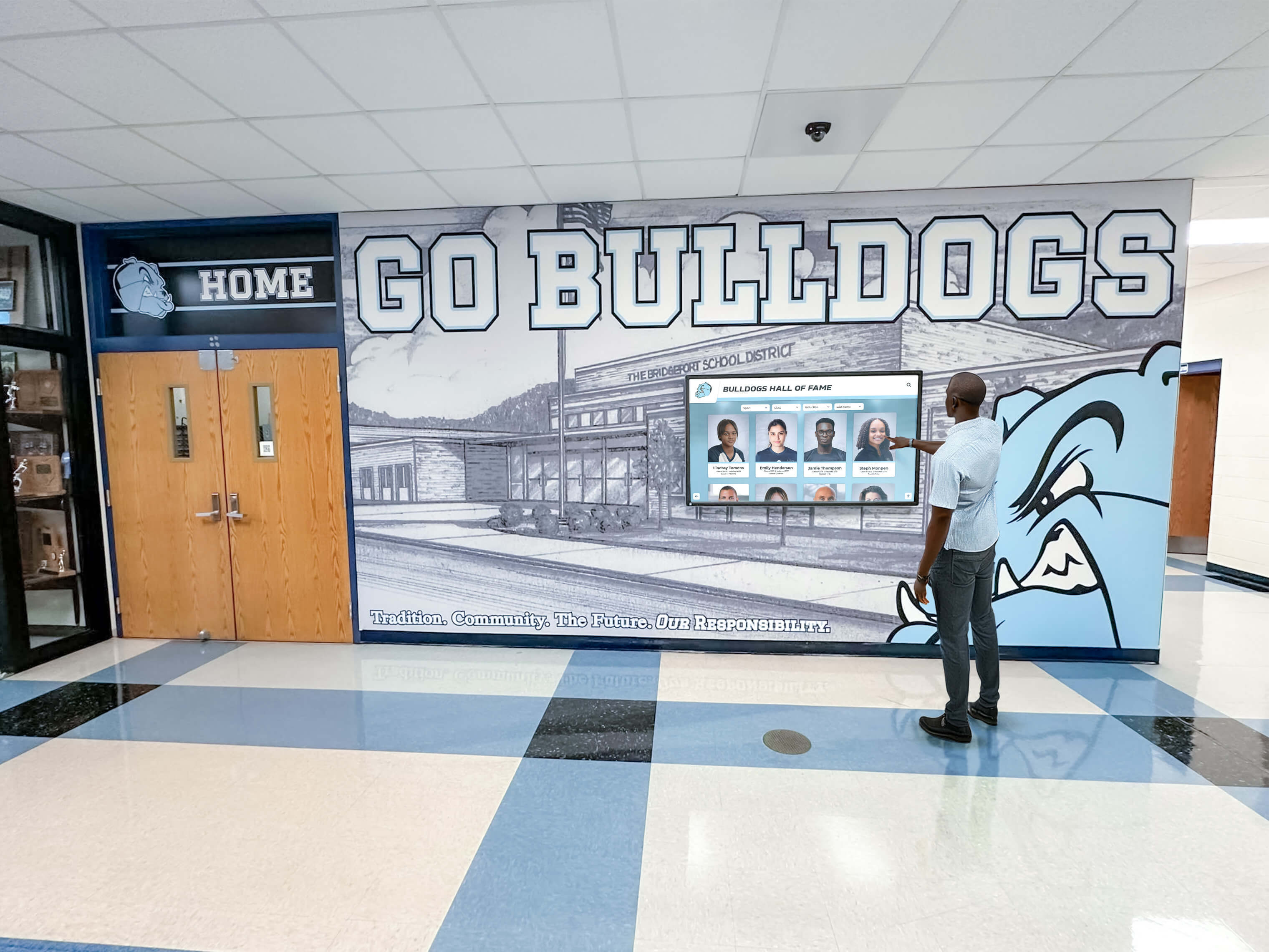
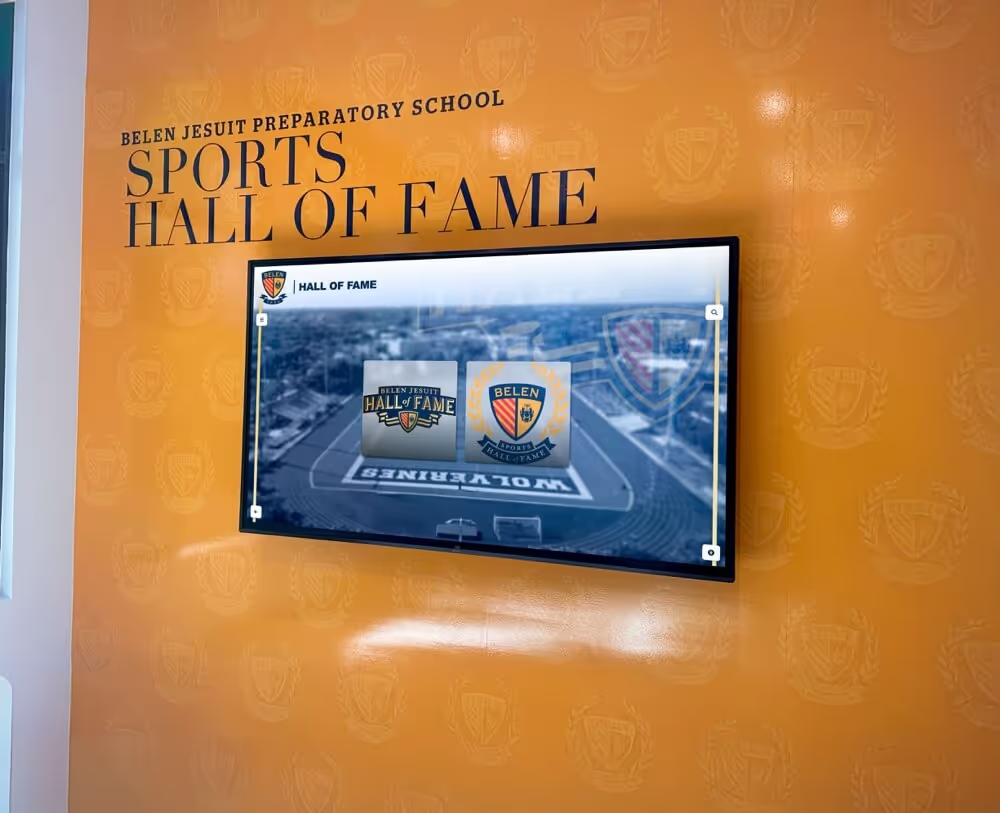
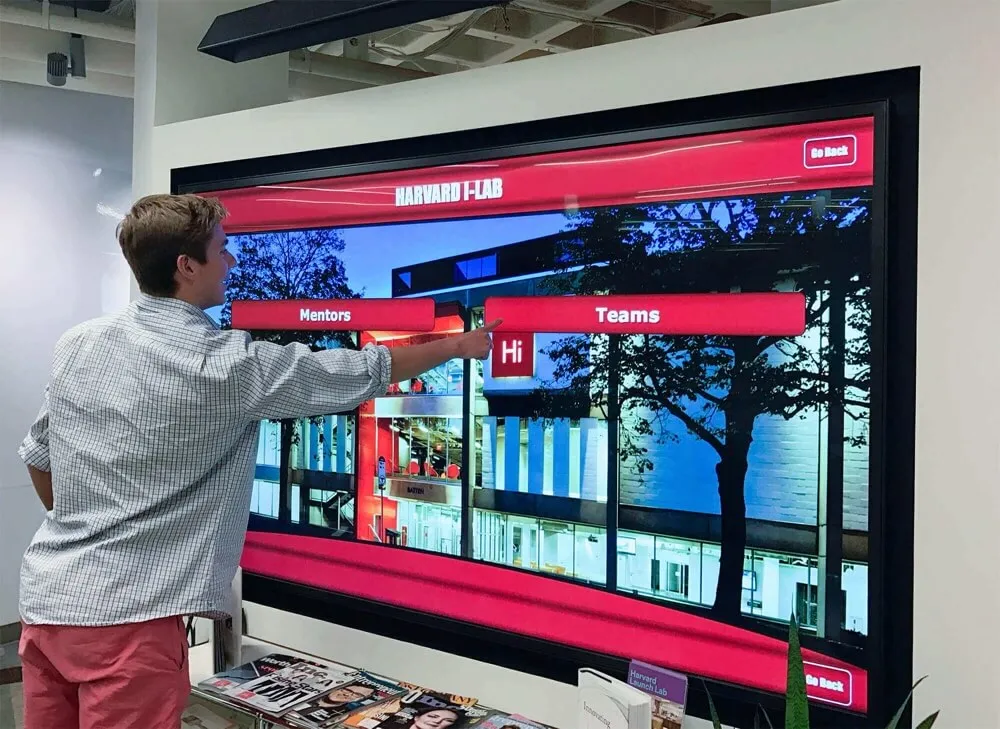
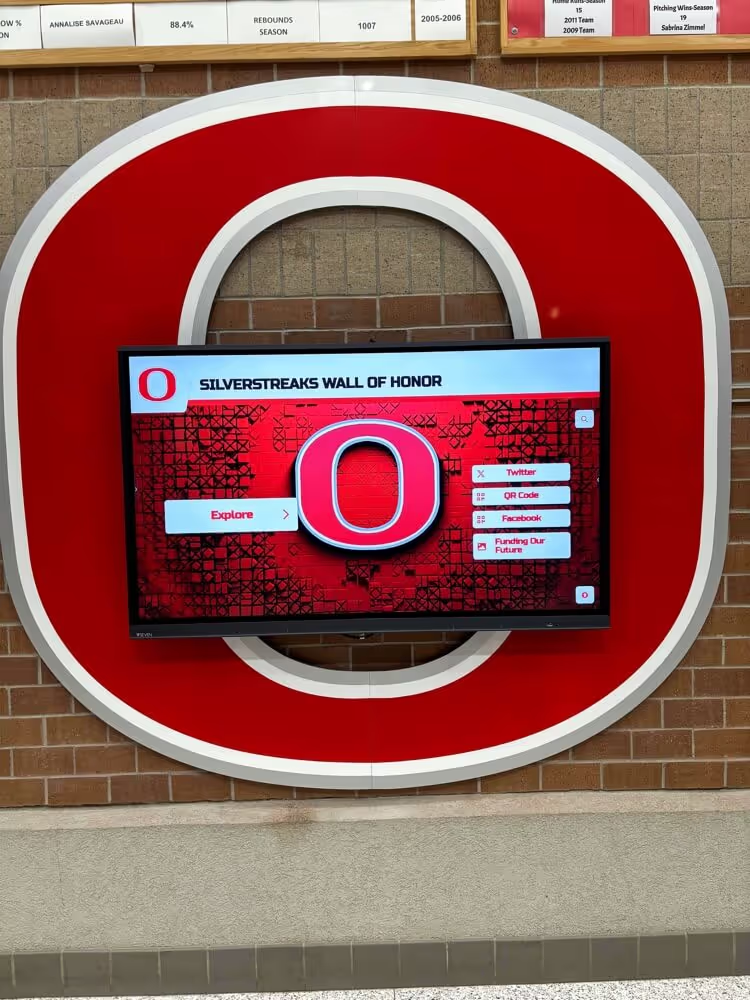
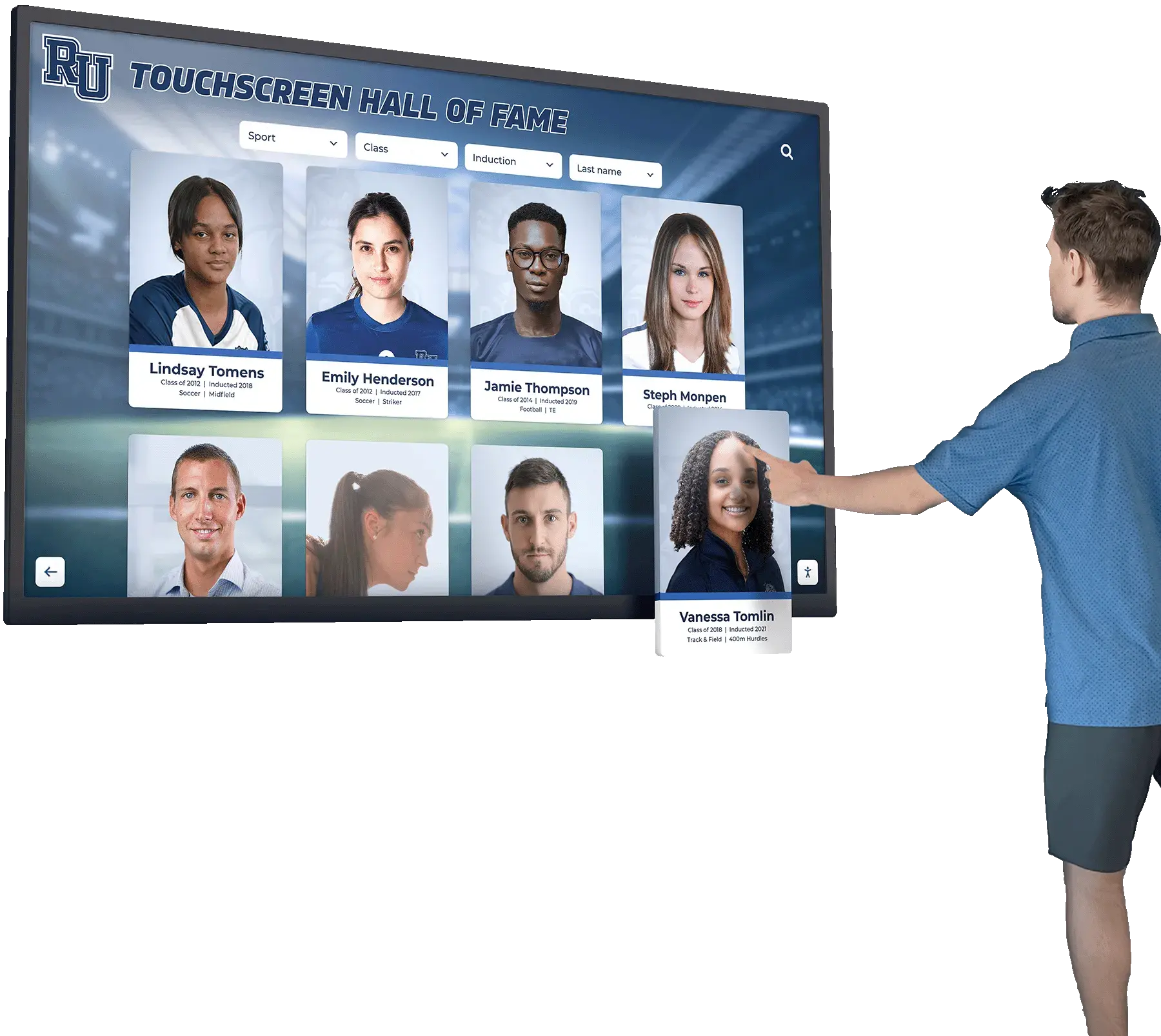
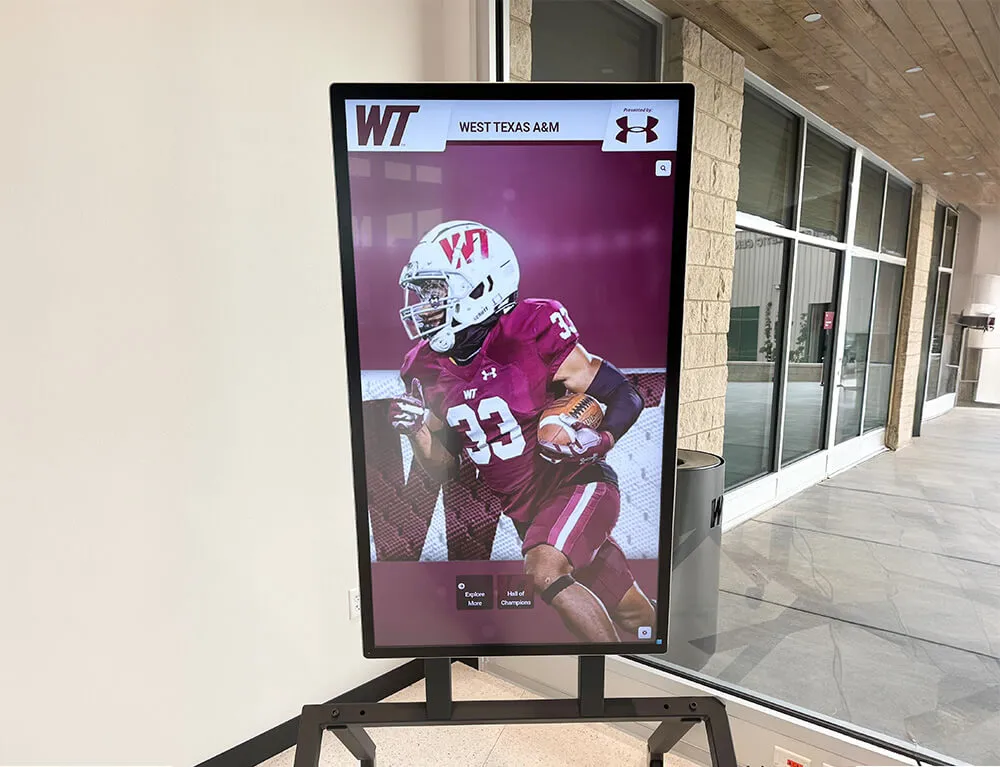
Interactive touchscreens enable visitors to explore program history at their own pace
Digital Record Boards and Achievement Tracking
Real-time performance tracking connects current athletes to program history:
Sport-Specific Record Displays
Comprehensive records establish performance standards:
- Individual event or position records across program history
- Team season records for wins, scoring, championships, and achievements
- Single-game performance records for memorable individual efforts
- Career achievement records for athletes across multiple seasons
- All-time statistical leaders in relevant categories
- Records organized by gender, level (varsity/JV), and era when appropriate
Digital record boards update immediately as records fall, creating excitement and motivation while eliminating expensive re-engraving or reprinting.
Real-Time Season Statistics
Current athlete recognition motivates ongoing performance:
- Season statistical leaders in real-time as competitions occur
- Team standings and championship race progress
- Individual achievement milestones approaching records
- Comparison to historical standards and pace
- Multi-sport athlete seasonal accomplishments
- Academic-athletic recognition combining classroom and competition success
This real-time recognition demonstrates that achievement receives immediate acknowledgment rather than waiting for end-of-season awards.
Championship and Award Recognition
Systematic celebration of team and individual honors:
- State, conference, and district championship recognition
- Individual all-state, all-conference, and all-district selections
- Academic all-state and scholar-athlete acknowledgment
- Special awards and honors from external organizations
- National recognition and rankings when applicable
- College signing day recognition celebrating next-level opportunities
Explore national college signing day displays that celebrate athlete advancement to collegiate competition.
Implementation and Management
Effective recognition requires systematic approaches:
Content Development and Collection
Build comprehensive athlete databases:
- Historical research gathering legacy athlete information
- Systematic current athlete data collection
- Photography and media asset organization
- Statistical data compilation and verification
- Alumni outreach gathering missing information
- Continuous updating as new achievements occur
Platform Selection and Deployment
Choose appropriate technology solutions:
- Purpose-built recognition software rather than generic digital signage
- Hardware appropriate to installation environment and usage
- Cloud-based management enabling remote updates
- Mobile-responsive design for smartphone and tablet access
- Integration capability with existing athletic management systems
- Vendor support and training for non-technical staff
Ongoing Maintenance and Updates
Sustain recognition quality over time:
- Regular content updates as seasons progress
- Record verification when performances approach standards
- Error correction and information accuracy
- Seasonal refreshes highlighting current athletes and programs
- Historical additions as research uncovers information
- Technology updates maintaining contemporary capabilities
Schools should designate specific staff or volunteers responsible for recognition platform management, ensuring consistent attention rather than neglected systems becoming outdated.
Building Professional Communication Systems
Consistent, quality communication engages stakeholders and markets programs:
Social Media Strategy and Execution
Strategic social media presence extends program reach:
Platform Selection and Optimization
Focus efforts on platforms matching target audiences:
- Instagram for visual storytelling and athlete engagement
- Twitter/X for game updates, media relations, and real-time content
- Facebook for community connection and parent communication
- YouTube for video highlights and feature content
- TikTok for short-form entertainment and cultural relevance
- LinkedIn for alumni networking and career connection
Schools should prioritize 2-3 platforms managed consistently rather than maintaining superficial presence across all platforms.
Content Calendar Development
Systematic planning ensures consistent posting:
- Pre-season introductions and schedule announcements
- Game day previews building anticipation
- In-game updates and scoring summaries
- Post-game recaps with statistics and highlights
- Mid-week feature content on athletes, coaches, or program elements
- Off-season historical content and tradition celebration
Regular posting schedules train audiences to expect content, increasing engagement compared to sporadic posting.
Visual Content Standards
Professional graphics distinguish quality programs:
- Branded templates for consistent appearance
- High-quality photography from games and practices
- Graphic design incorporating brand elements
- Video content with editing and production value
- Athlete feature graphics celebrating achievement
- Interactive content encouraging audience participation
Schools can develop template libraries enabling multiple people to create on-brand content quickly without requiring design expertise for every post.
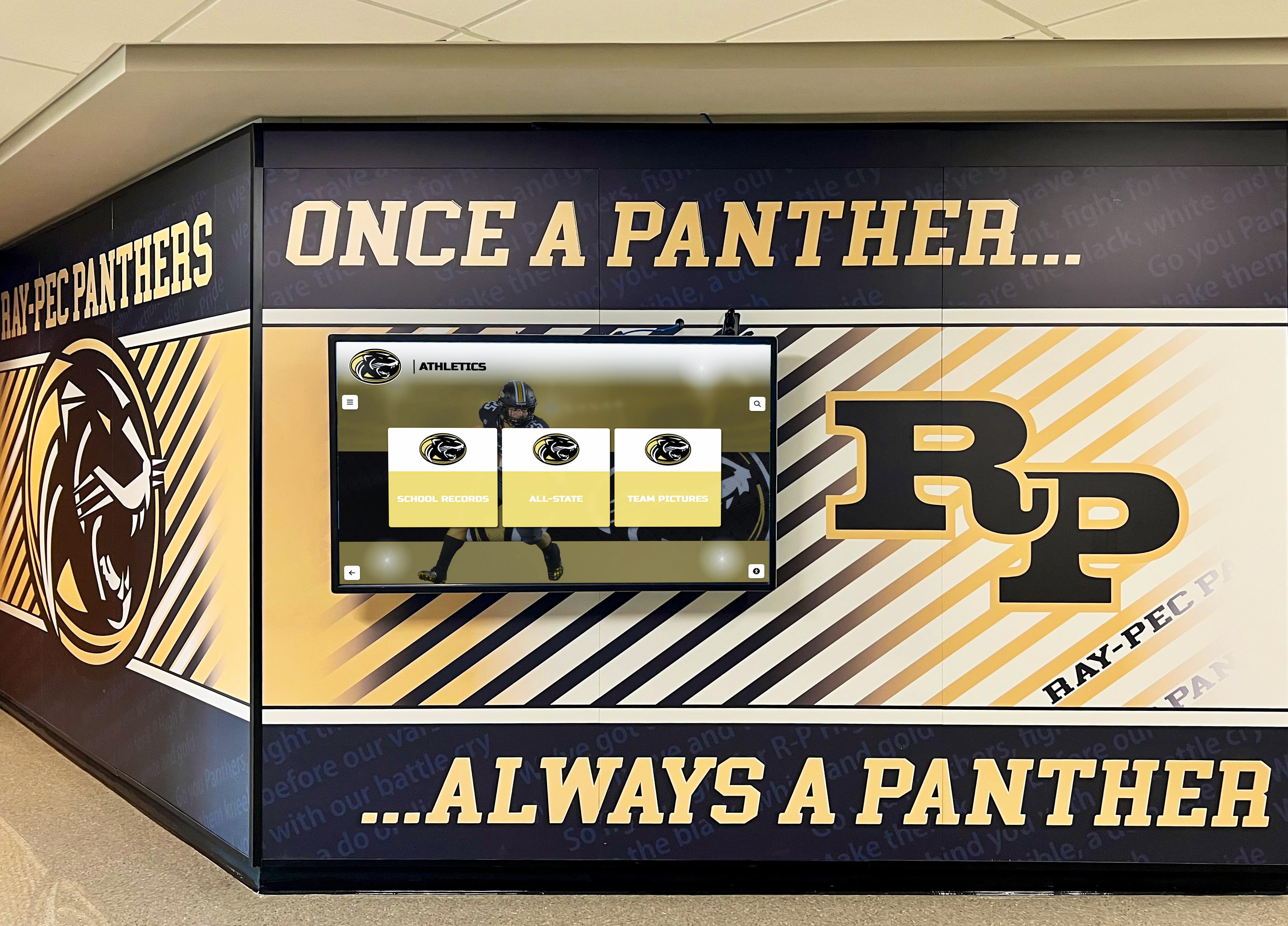
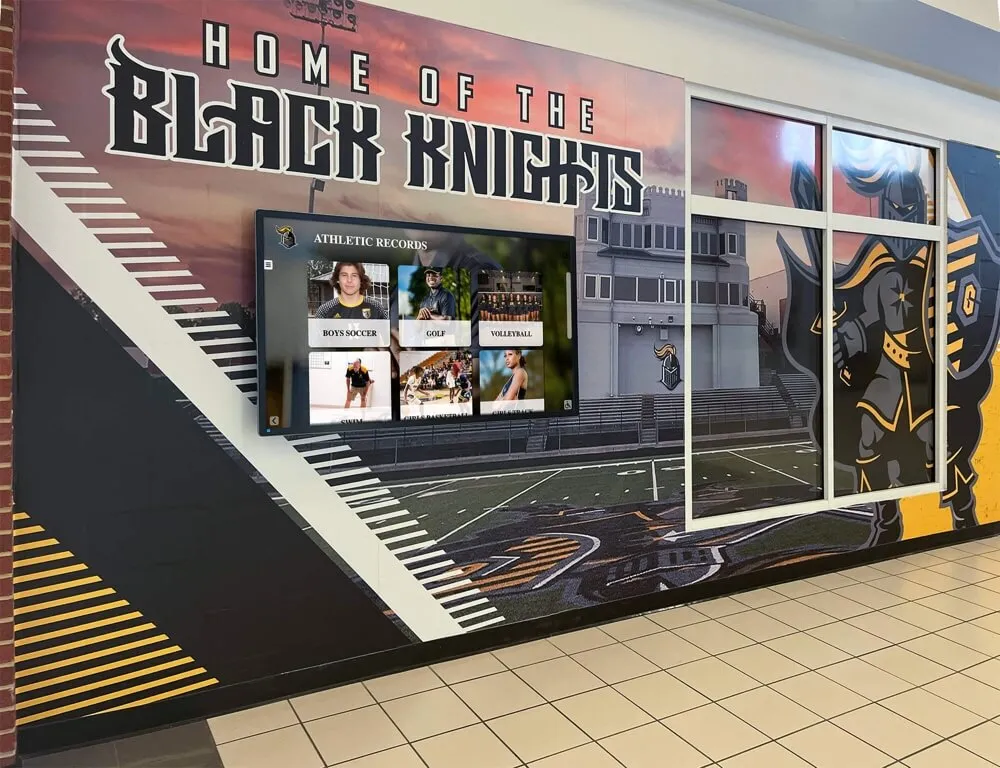
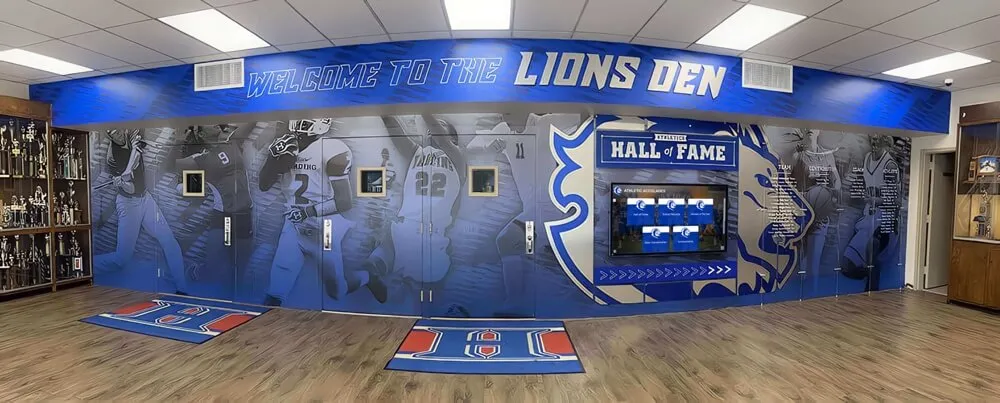
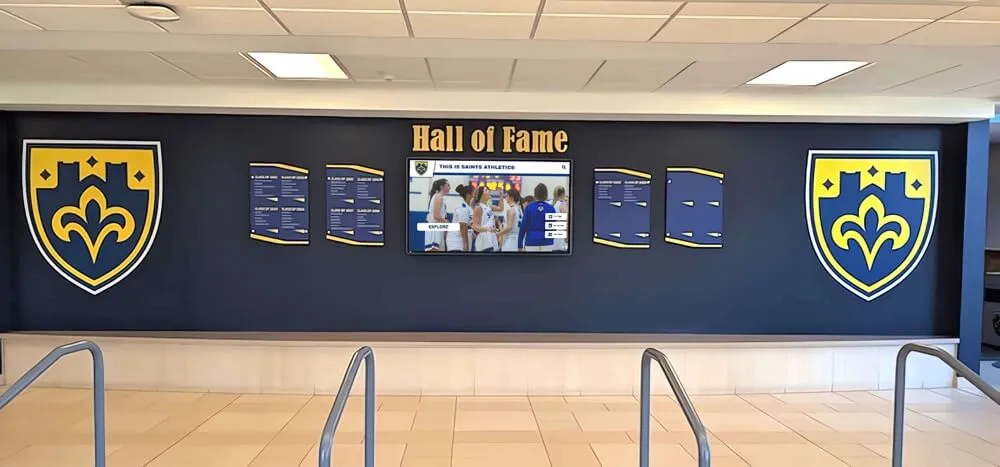
Integrated digital and physical branding creates immersive athletic environments
Email Newsletter Programs
Direct communication maintains engaged stakeholder relationships:
Newsletter Structure and Content
Comprehensive updates delivered regularly:
- Weekly or bi-weekly schedule with upcoming competitions
- Recent results summaries with statistical highlights
- Athlete and team spotlights with feature content
- Championship standings and qualification scenarios
- Recognition announcements for awards and honors
- Volunteer opportunities and community engagement invitations
Email newsletters reach audiences who don’t actively follow social media while providing more depth than social posts allow.
Audience Segmentation
Targeted communication serves specific groups:
- Current athlete families receiving sport-specific updates
- Alumni receiving historical content and reunion information
- Community members interested in general program news
- Media and boosters receiving comprehensive information
- Prospective families evaluating program quality
- Specific sport audiences for targeted updates
Segmentation enables relevant communication without overwhelming recipients with irrelevant content.
Measurement and Improvement
Track performance and refine approaches:
- Open rates indicating subject line and timing effectiveness
- Click-through rates showing content interest
- Unsubscribe patterns revealing dissatisfaction
- Survey feedback gathering audience preferences
- Comparison to benchmark standards
- Continuous testing and improvement
Professional Photography and Videography
Visual documentation creates shareable content and lasting memories:
Competition Coverage Standards
Systematic documentation of athletic events:
- Professional or trained volunteer photographers at all competitions
- Multiple photographers covering different sports simultaneously
- Video recording of competitions for highlight creation
- Candid moments capturing emotion and team culture
- Championship events receiving enhanced coverage
- Action photography suitable for marketing and recognition
Schools can train parent volunteers or student media programs to provide quality coverage without hiring professional photographers for every event.
Content Library Development
Organized asset management enables easy access:
- Cloud storage with logical organization structure
- Tagging and metadata for searchability
- Permission documentation for usage rights
- Archival standards ensuring long-term preservation
- Quality standards preventing poor content inclusion
- Access protocols for authorized users
Well-organized libraries enable quick content retrieval for recognition platforms, publications, and social media rather than requiring extensive searching.
Athlete and Team Feature Production
Storytelling beyond competition documentation:
- Pre-season video profiles introducing athletes and teams
- Behind-the-scenes training and preparation content
- Senior tribute videos celebrating graduating athletes
- Championship documentary-style recaps
- Facility tours showcasing program resources
- Alumni interview features connecting past to present
Understanding digital storytelling for athletic programs provides frameworks for creating compelling narratives that engage audiences beyond basic game coverage.
Enhancing Facilities and Athlete Resources
Physical environments significantly influence athlete experience and program perception:
Athletic Facility Improvements
Strategic enhancements create professional training and competition environments:
Competition Venue Upgrades
Professional venues enhance home-field advantage and community pride:
- Stadium and gymnasium seating improvements
- Lighting upgrades enabling night competitions and improved visibility
- Sound system enhancements for announcements and atmosphere
- Scoreboard and video board installations
- Press box and media facilities supporting coverage
- Concession and restroom improvements enhancing spectator experience
Major facility projects require significant investment but dramatically transform program capability and community perception.
Training Facility Development
Dedicated athlete development spaces support performance:
- Strength and conditioning rooms with appropriate equipment
- Sports medicine and athletic training facilities
- Team meeting rooms for strategy and film review
- Equipment storage and organization systems
- Practice facility improvements and equipment
- Technology integration for performance analysis
These facilities enable comprehensive athlete development programs previously requiring offsite partnerships.
Locker Room and Team Spaces
Professional team environments build culture:
- Renovated locker rooms with individual athlete storage
- Team meeting spaces with media capabilities
- Motivational graphics and recognition displays
- Comfortable furniture and amenities
- Cleanliness and maintenance standards
- Pride in spaces reflecting program professionalism
Athletes spend significant time in team spaces. Quality environments communicate organizational commitment to athlete experience.
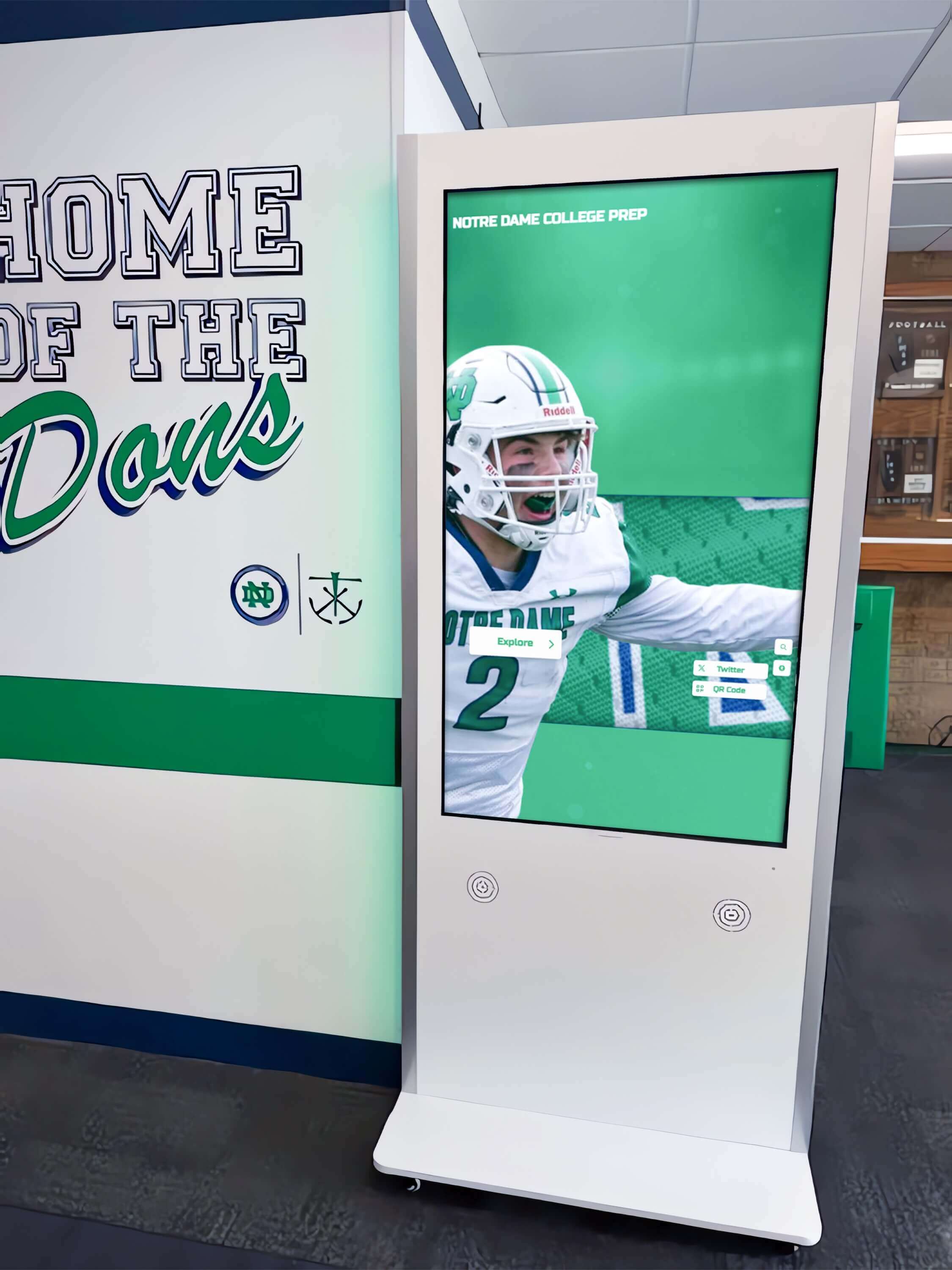
Professional facilities demonstrate commitment to athletic excellence and athlete development
Technology Integration
Modern technology enhances training, analysis, and communication:
Video Analysis Systems
Film study capabilities support tactical development:
- Competition recording for post-game analysis
- Practice video for technique refinement
- Opponent scouting and preparation
- Cloud-based film sharing with coaches and athletes
- Editing software for highlight creation
- Statistical integration connecting data to video
Video analysis represents one of the most impactful technology investments, enabling coaching instruction impossible without visual documentation.
Performance Tracking Technology
Data-driven approaches optimize training:
- Wearable technology monitoring training loads and fatigue
- Timing systems providing accurate performance measurement
- Statistical tracking software during competitions
- Strength and conditioning progress monitoring
- Injury prevention screening and movement analysis
- Benchmark testing tracking development over time
Schools should prioritize technologies with clear performance benefits rather than adopting every available system.
Communication and Organization Platforms
Digital tools streamline program management:
- Team management apps for scheduling and communication
- Compliance and eligibility tracking systems
- Equipment inventory and management software
- Facility reservation and scheduling platforms
- Emergency communication systems
- Parent and athlete engagement portals
Technology reducing administrative burden enables coaches and staff to focus on athlete development and program quality.
Developing Athlete Support Programs
Comprehensive support systems prepare athletes for college demands:
Academic Support and Monitoring
Athletic success requires academic eligibility and preparation:
Academic Monitoring Systems
Proactive intervention prevents eligibility issues:
- Regular grade checks and progress monitoring
- Communication with classroom teachers about athlete performance
- Study hall requirements for athletes below standards
- Tutoring services addressing specific academic needs
- Time management and organization skill development
- College prep and standardized test preparation
Schools should establish clear academic standards exceeding minimum eligibility requirements, communicating that education remains the primary purpose of school athletics.
College Preparation Programming
Prepare student-athletes for next-level demands:
- College search and selection guidance
- Athletic recruiting process education
- Financial aid and scholarship information
- Campus visit preparation and evaluation
- National Letter of Intent understanding
- Academic major exploration and career planning
Many student-athletes and families lack understanding of college athletic recruiting processes. Systematic education helps athletes make informed decisions.
NCAA Eligibility and Compliance
Navigate complex regulatory requirements:
- NCAA Eligibility Center registration and requirements
- Core course requirements and GPA calculation
- Standardized testing requirements and timing
- Amateurism regulations and prohibited benefits
- Recruiting contact rules and communication
- Official and unofficial visit protocols
Athletic directors should provide clear guidance helping families understand NCAA requirements long before senior year decisions.
Athletic Training and Sports Medicine
Professional athlete healthcare supports injury prevention and management:
Athletic Training Services
Professional medical support for athlete health:
- Certified athletic trainer presence at practices and competitions
- Injury evaluation, treatment, and rehabilitation
- Emergency action planning and management
- Heat illness prevention and monitoring
- Concussion management and return-to-play protocols
- Communication with physicians and healthcare providers
Athletic training represents critical risk management and athlete care, distinguishing professional programs from those treating injuries as afterthoughts.
Strength and Conditioning Programming
Systematic training supporting performance and injury prevention:
- Sport-specific strength and conditioning programs
- Certified strength and conditioning specialist supervision
- Progressive program development building capacity safely
- Technique instruction preventing training injuries
- Performance testing establishing baselines and measuring progress
- Nutrition education supporting training demands
Quality strength programs dramatically improve athletic performance while reducing injury risk through proper physical preparation.
Mental Performance and Wellness
Comprehensive athlete support addresses psychological needs:
- Sports psychology resources and consultation
- Mental skills training for performance under pressure
- Stress management and healthy coping strategies
- Team building and communication skill development
- Leadership development programming
- Life balance education managing academic, athletic, and personal demands
Mental performance increasingly receives attention in elite athletics. High school programs addressing psychological preparation give athletes competitive advantages.
Leadership Development and Life Skills
Athletic participation provides opportunities for growth beyond competition:
Captain and Leader Training
Prepare athletes for leadership responsibilities:
- Selection processes identifying team leaders
- Leadership skill development and training
- Communication and conflict resolution education
- Goal setting and accountability systems
- Mentorship programs connecting leaders and younger athletes
- Community service and citizenship expectations
Formal leadership development transforms team captains from title holders to effective leaders driving program culture.
Life Skills Programming
Prepare athletes for life beyond sports:
- Time management and organization skills
- Communication and public speaking practice
- Professional behavior and social skills
- Financial literacy and resource management
- Network building and relationship development
- Character development and ethical decision-making
These programs fulfill educational mission while preparing athletes for college and career success.
Community Service and Citizenship
Athletic visibility creates leadership opportunities:
- Team community service projects and requirements
- Youth sports clinics and mentorship programs
- School leadership and role modeling
- Community event participation and support
- Fundraising for charitable causes
- Representation of school values in public settings
Community engagement demonstrates that athletic privilege includes service responsibility while connecting programs to broader communities.
Building Community Support and Engagement
Strong community connections sustain programs through increased participation and support:
Fan Experience Enhancement
Professional presentation attracts and retains spectators:
Game Day Atmosphere
Create engaging competition environments:
- Professional announcing and game management
- Music and entertainment during breaks and timeouts
- Halftime programming and community recognition
- Concessions and hospitality meeting quality standards
- Clean, safe, and accessible facilities
- Parking and traffic management reducing friction
- Spirit squads and student sections enhancing atmosphere
Learn about creating exciting hallway displays that extend athletic branding and tradition throughout school facilities.
Ticketing and Entry Systems
Professional access management improves experience:
- Online ticket sales reducing lines and cash handling
- Reserved seating options for premium experiences
- Season passes encouraging attendance commitment
- Digital tickets eliminating printing and lost tickets
- Express entry lanes for pre-purchased tickets
- Pricing strategies balancing revenue and accessibility
Modern ticketing technology provides convenience for spectators while generating valuable attendance data.
Marketing and Promotion
Systematic promotion builds attendance:
- Schedule distribution through multiple channels
- Event promotion highlighting rivalries and championships
- Community partner outreach and complimentary tickets
- Social media promotion with graphics and videos
- Email promotion to season ticket holders and past attendees
- Local media partnership for coverage and promotion
Consistent promotion trains community members to attend regularly rather than occasionally hearing about events.
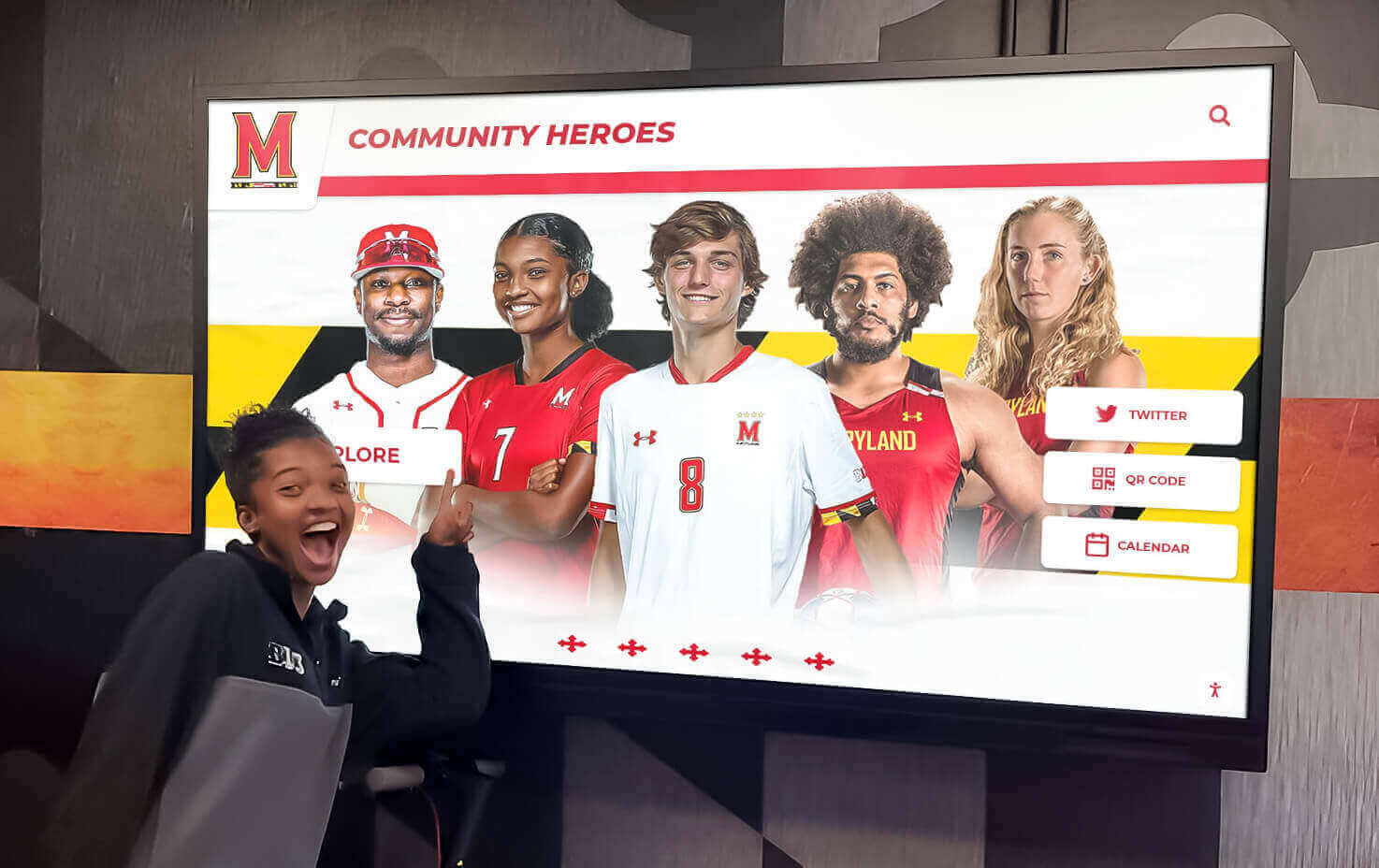
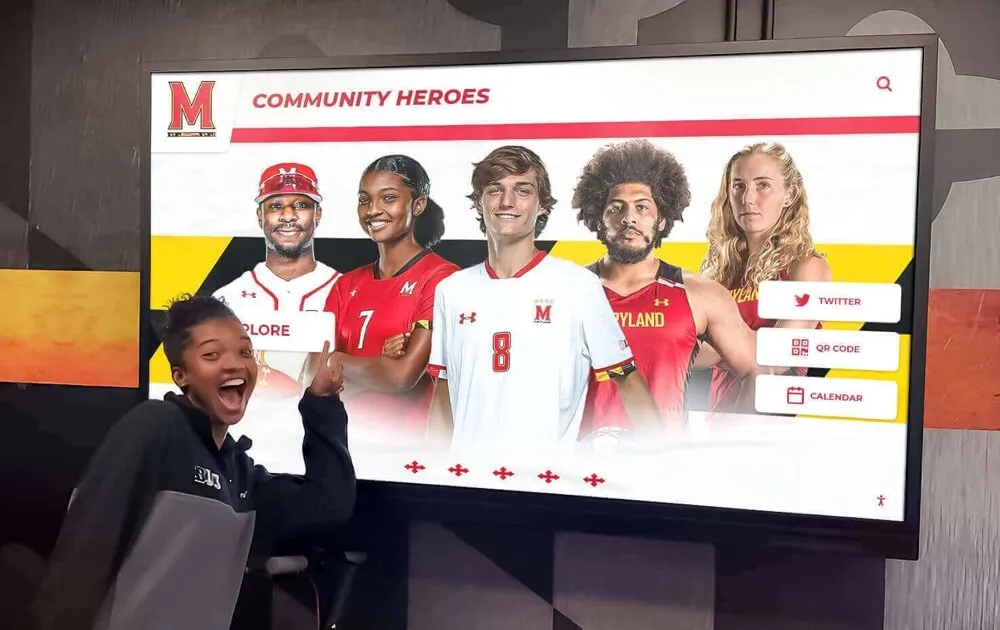
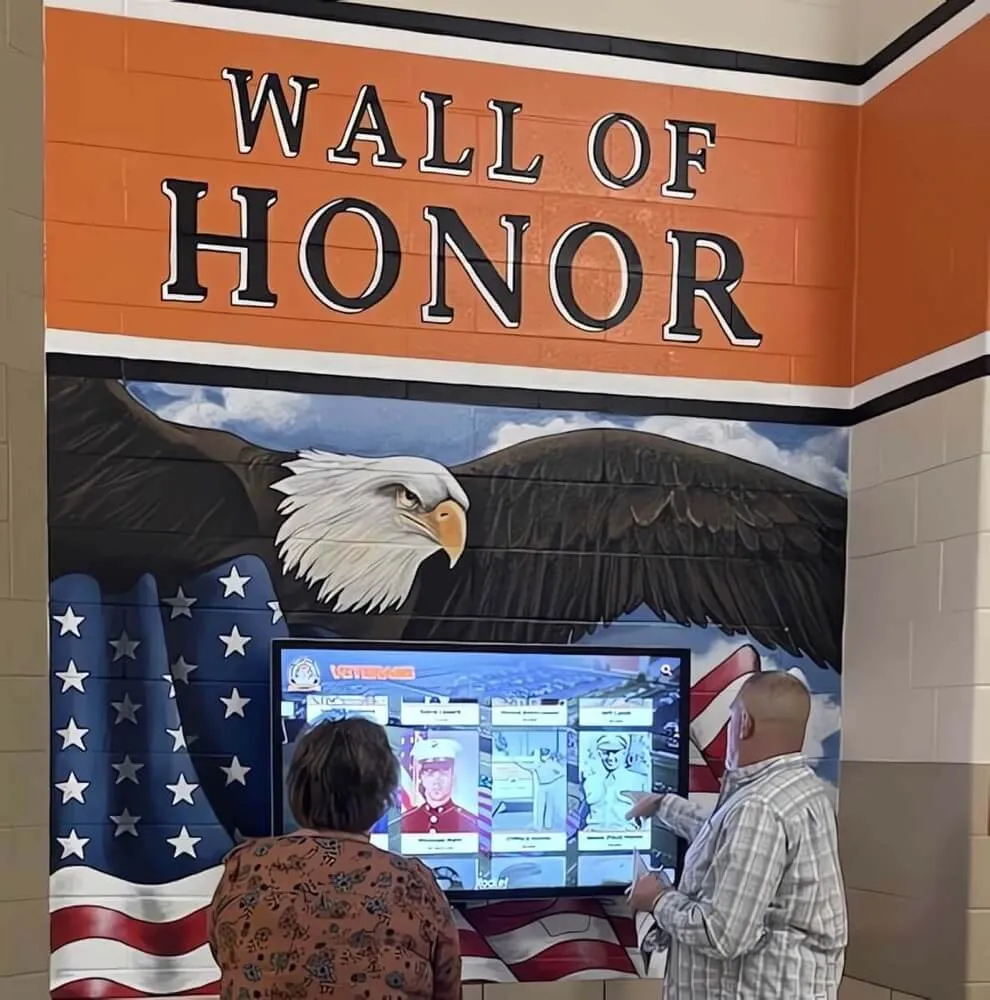
Recognition displays engage students and community members while celebrating athletic achievement
Booster Club and Volunteer Organization
Structured support organizations amplify program capacity:
Booster Club Development
Organized fundraising and support systems:
- Clear organizational structure with elected leadership
- Defined mission and scope aligned with athletic department
- Fundraising programs supporting program needs
- Volunteer coordination for events and operations
- Communication systems engaging membership
- Recognition programs acknowledging supporter contributions
Understanding donor recognition displays for booster clubs helps programs acknowledge supporter contributions systematically.
Sponsorship and Partnership Development
Business relationships providing financial and in-kind support:
- Sponsorship packages with clear benefits and pricing
- Local business outreach and relationship building
- Sponsor recognition and visibility fulfillment
- Multi-year agreements providing stability
- In-kind partnerships reducing expenses
- Corporate volunteer engagement beyond financial support
Professional sponsorship programs generate revenue while building business relationships benefiting broader school needs.
Alumni Engagement Programs
Former athletes supporting current programs:
- Alumni database development and communication
- Reunion events during homecoming or championships
- Mentorship programs connecting alumni to current athletes
- Alumni participation in recognition systems and traditions
- Fundraising campaigns targeting graduated athletes
- Career networking opportunities for current athletes
Alumni represent untapped resources for many programs. Systematic engagement builds support networks sustaining programs across generations.
Media Relations and Coverage
Professional media relationships amplify program visibility:
Local Media Partnership Development
Build productive relationships with journalists:
- Regular communication providing schedule and information
- Game statistics and information immediately after competitions
- Feature story ideas and athlete access
- Photography and video sharing
- Press releases for significant achievements and events
- Media credential systems for facility access
Media coverage significantly influences community perception and athlete recruitment. Professional media relations generate consistent coverage.
Digital Media Production
Create compelling content directly:
- Game broadcasts through streaming platforms
- Podcast programming featuring athletes and coaches
- Social media stories providing behind-scenes access
- Highlight packages and seasonal reviews
- Promotional videos for recruiting and marketing
- Alumni feature content preserving program history
Schools producing quality content control narratives and timing rather than depending entirely on external media.
Measuring Success and Continuous Improvement
Systematic assessment enables evidence-based program enhancement:
Performance Metrics and Indicators
Track program health across multiple dimensions:
Athletic Performance Outcomes
Traditional measures of competitive success:
- Win-loss records and winning percentages
- Conference and state championship achievements
- Individual athlete accomplishments and records
- All-state and all-conference recognition rates
- College athletic placement and participation
- Program improvement trajectories over time
While competitive success matters, comprehensive assessment includes broader indicators.
Participation and Retention Rates
Measure program accessibility and satisfaction:
- Total athlete participation across all sports
- Retention rates from freshman to senior year
- Multi-sport participation and specialization patterns
- Geographic diversity of athlete residences
- Participation across demographic groups
- Team size stability and roster depth
High participation and retention indicate positive culture and athlete satisfaction.
Community and Stakeholder Engagement
Assess program connection to constituencies:
- Competition attendance and trends
- Booster club membership and participation
- Sponsor support and revenue
- Social media engagement and growth
- Alumni connection and contribution
- Community perception and satisfaction
Strong engagement indicates effective communication and valued programs.
College Preparation and Placement
Evaluate college readiness outcomes:
- College athletic participation rates
- Athletic scholarship awards
- Academic eligibility maintenance
- College graduation rates
- Post-athletic career success
- Athlete and parent satisfaction with preparation
These outcomes demonstrate fulfillment of preparation mission beyond high school success.
Continuous Improvement Processes
Use data and feedback to enhance programs systematically:
Stakeholder Feedback Collection
Gather perspectives from multiple groups:
- Athlete surveys and focus groups
- Parent satisfaction assessments
- Coach evaluation and input
- Alumni perspective gathering
- Community perception surveys
- Official and referee feedback
Regular feedback collection identifies improvement opportunities and demonstrates responsiveness to stakeholder needs.
Competitive Benchmarking
Compare to peer programs and standards:
- Similar school program comparisons
- State and national program examples
- College program best practices scaled appropriately
- Industry trend awareness and adoption
- Conference and regional standard evaluation
- Resource allocation efficiency assessment
Benchmarking prevents insularity while identifying practical improvement opportunities.
Strategic Planning and Priority Setting
Systematic program development over time:
- Multi-year facility improvement plans
- Technology adoption roadmaps
- Staff development and capacity building
- Program expansion and sport addition evaluation
- Budget development aligned with priorities
- Phased implementation of major initiatives
Strategic planning prevents reactive decision-making while ensuring resources support highest-priority needs.
Conclusion: Building Excellence Through Professional Experiences
Creating collegiate-level experiences for high school student-athletes represents strategic investment in athlete development, program culture, and community connection. When high schools adopt professional standards in branding, recognition, communication, facilities, and athlete support, they create environments where athletes prepare effectively for college demands while building program traditions that inspire pride and attract talented participants.
The strategies explored in this comprehensive guide provide practical frameworks for elevating athletic programs systematically across multiple dimensions. From digital recognition preserving program legacy to professional communication engaging communities, from facility improvements creating development environments to athlete support programs preparing for life beyond sports—these elements collectively transform high school athletics from extracurricular activities into comprehensive educational experiences matching the professionalism of collegiate competition.
Ready to create a collegiate-level experience for your high school athletes through professional recognition and program presentation? Modern digital platforms help schools of all sizes implement comprehensive recognition systems that preserve tradition, motivate current athletes, and engage communities. Solutions like Rocket Alumni Solutions provide purpose-built athletic recognition technology specifically designed for high school programs, combining unlimited recognition capacity with intuitive management and professional presentation that elevates your program’s image and culture.
Whether implementing comprehensive facility renovations or beginning with focused improvements in specific areas, remember that creating collegiate experiences requires commitment to professionalism, attention to detail, and genuine investment in athlete development beyond competitive outcomes. Start with priority areas producing maximum impact, build systematically over time, and create programs where today’s high school athletes receive experiences preparing them for tomorrow’s collegiate and life opportunities.
Your student-athletes deserve programs matching their dedication and investment. With strategic planning, community support, and systematic implementation of professional standards across branding, recognition, facilities, and programming, you can transform your high school athletic department into a comprehensive development program that prepares athletes for the next level while building traditions and culture that sustain excellence for generations.
The distinction between programs that merely participate and those that prepare athletes for collegiate success lies not in budget size or enrollment numbers but in commitment to professionalism, systematic recognition of achievement, and investment in comprehensive athlete development. Every improvement, from digital recognition platforms to enhanced communication systems, from facility upgrades to athlete support programs, contributes to creating the collegiate-level experience that modern student-athletes need and deserve.
Begin where you are, use the resources available, and build strategically toward the comprehensive program your community and athletes deserve. The journey toward collegiate-level high school athletics starts with a single step—commit today to elevating one aspect of your program, celebrate that progress, and continue building the excellence that transforms athletic programs from good to exceptional. Talk to our team to learn how digital recognition can elevate your athletic program.