



Color guard transforms flags, rifles, and sabres into dynamic visual storytelling that adds breathtaking artistry to marching band performances and stands alone as competitive indoor winter guard. Yet these dedicated athletes—who combine dance technique, equipment manipulation, theatrical performance, and military precision—often receive far less recognition than their contributions warrant.
Color guard members spend countless hours perfecting synchronized tosses, mastering complex choreography, and developing the physical stamina required for sustained performances. They face the same competitive pressures as traditional athletes while adding theatrical expression and artistic interpretation to athletic execution. Despite this dedication, many schools struggle to provide color guard performers with recognition matching the significance of their achievements.
This comprehensive guide explores color guard fundamentals, membership pathways, competition strategies, and recognition approaches that honor color guard excellence appropriately. Whether you’re a student considering joining color guard, a parent seeking information, or a program director building recognition systems, this guide provides everything needed to understand and celebrate this unique performing art form.
Color guard deserves systematic recognition celebrating the discipline, athleticism, and artistry members demonstrate throughout demanding competitive and performance seasons.

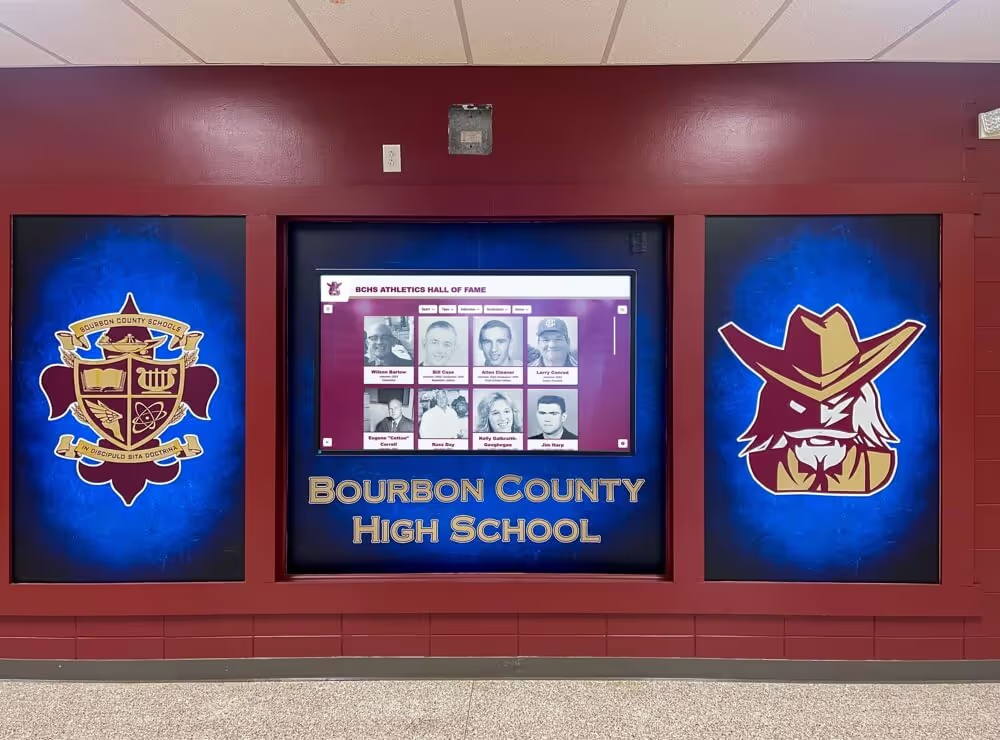
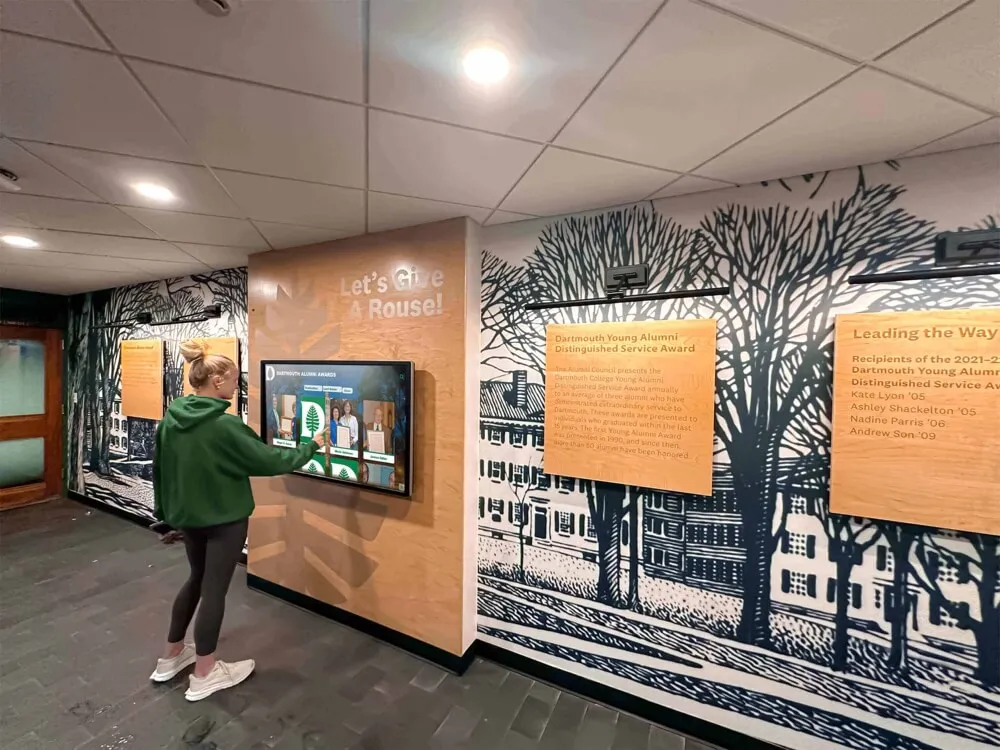
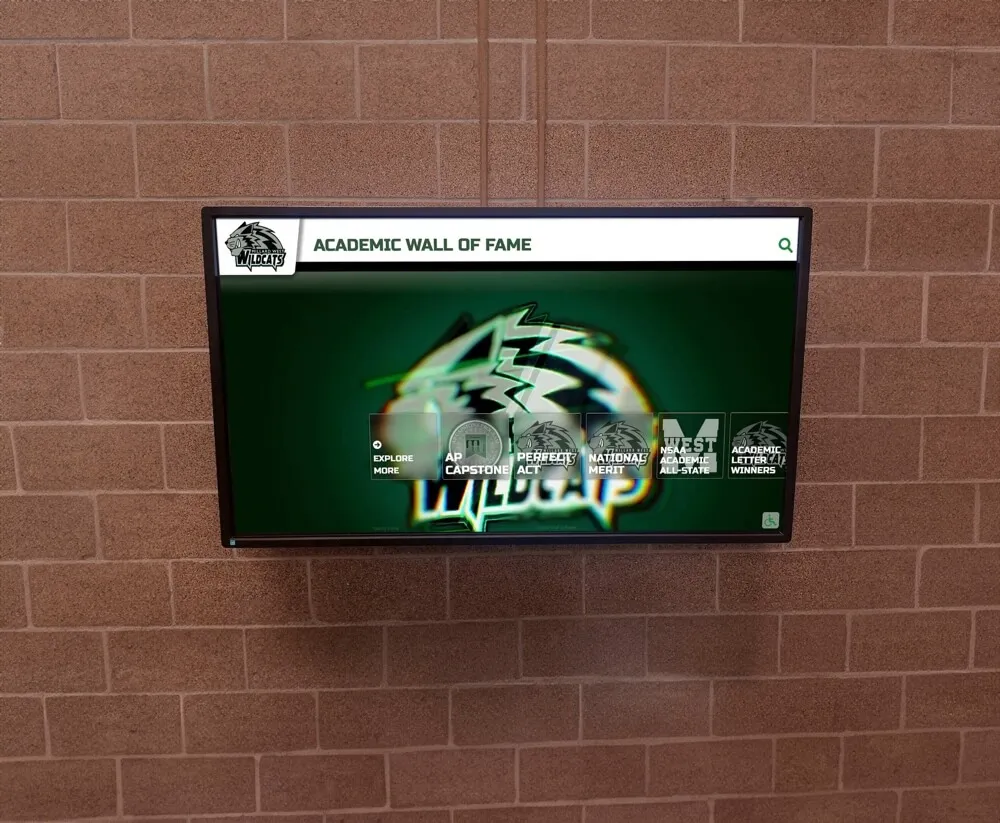
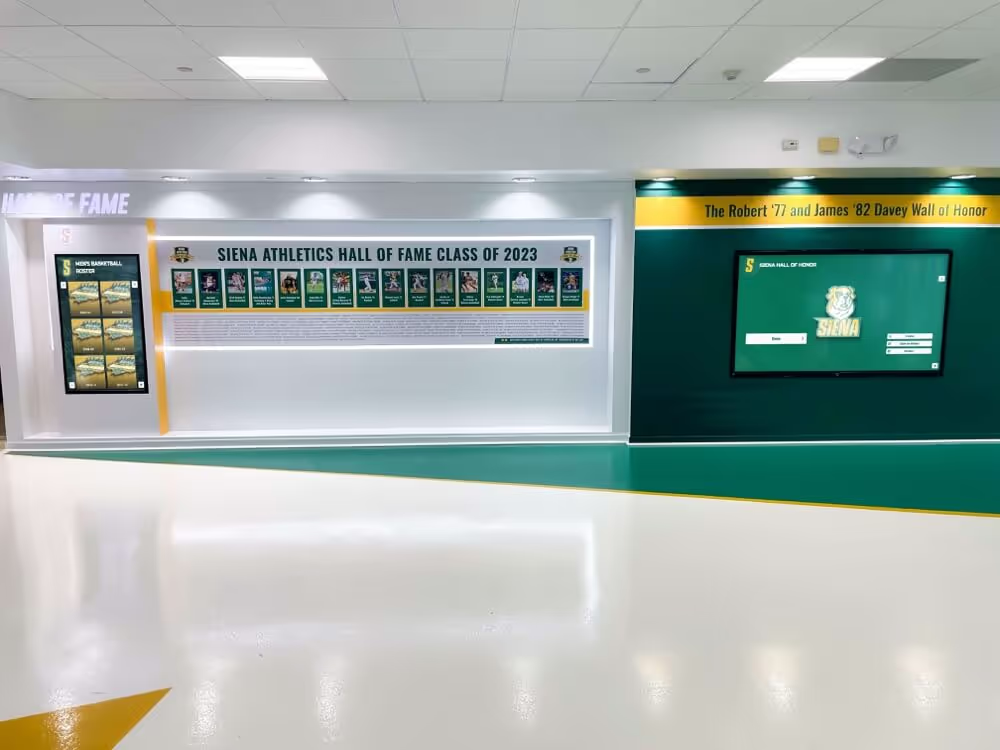
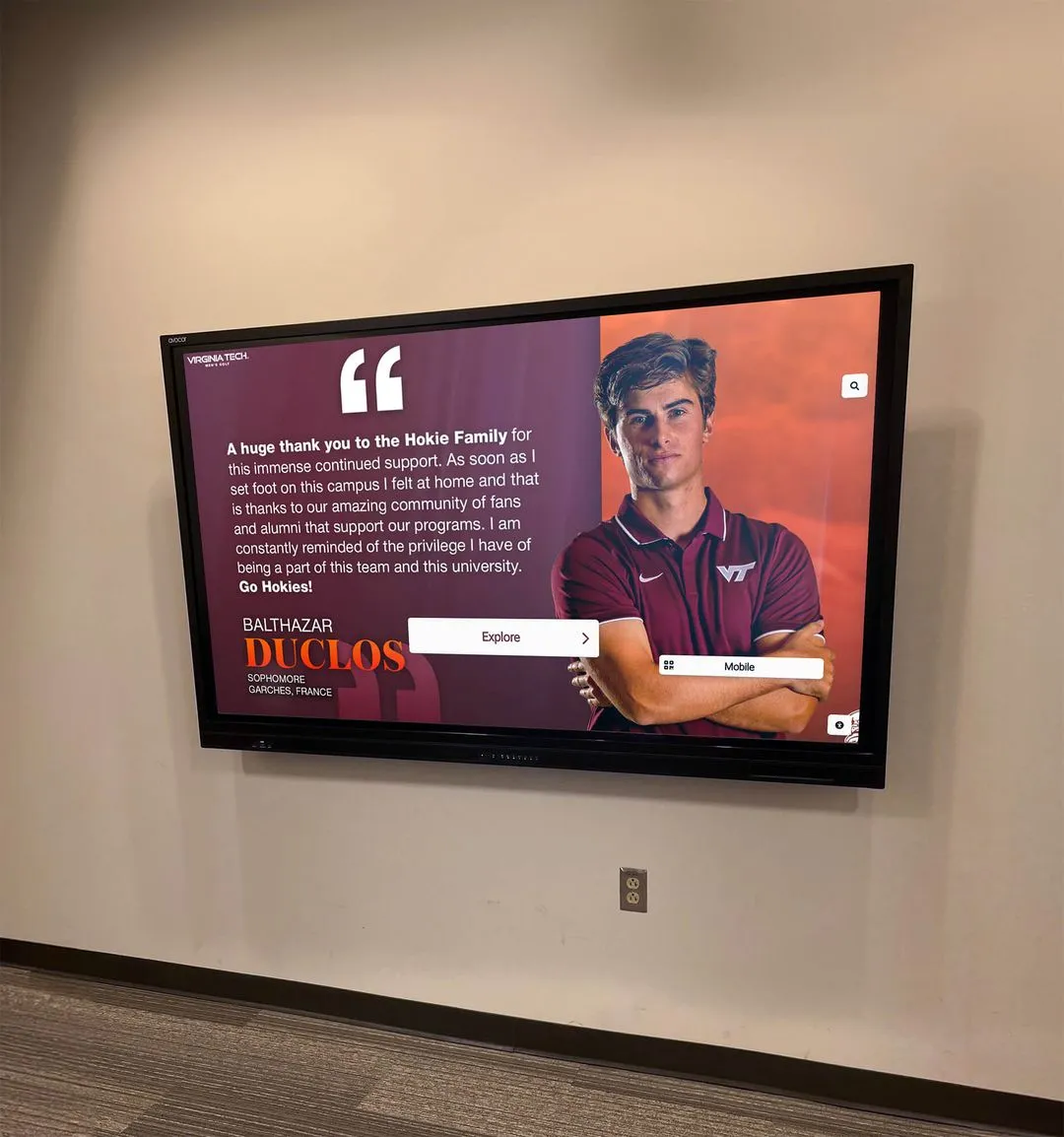
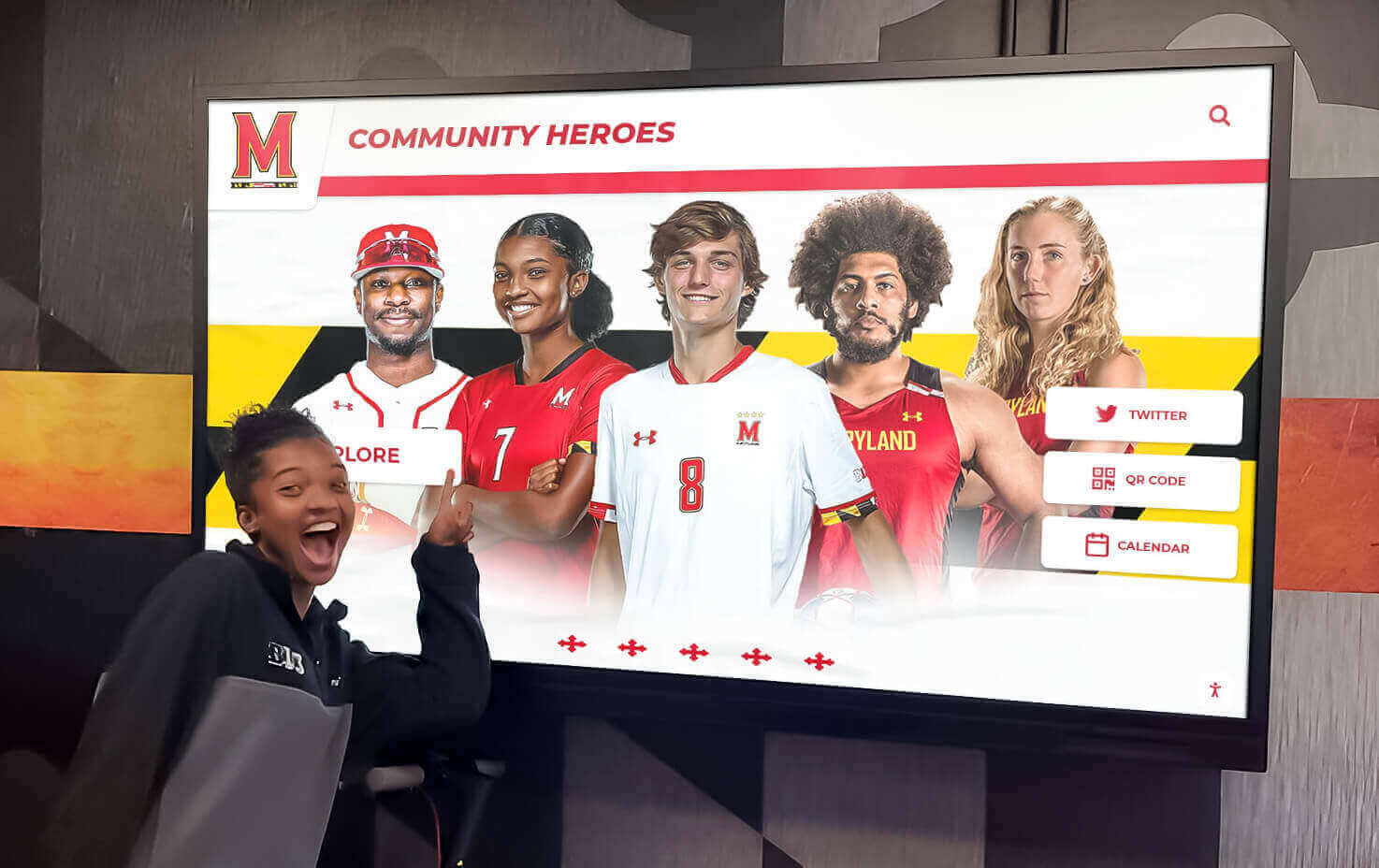
Modern recognition systems ensure color guard achievements receive prominent celebration alongside traditional athletic programs
Understanding Color Guard: Definition, History, and Essential Components
Color guard has evolved from military ceremonial units into sophisticated performing arts teams combining dance, equipment manipulation, and theatrical storytelling.
What Color Guard Is and How It Differs from Other Activities
Core Definition and Purpose
Color guard represents the visual performance component of marching arts programs, using flags, rifles, sabres, and other equipment to interpret music through choreographed movement. Unlike traditional athletic teams focused purely on physical competition or musical ensembles emphasizing auditory performance, color guard uniquely blends:
- Athletic movement execution requiring strength, flexibility, and endurance
- Artistic expression through dance technique and theatrical performance
- Equipment manipulation demanding precision hand-eye coordination
- Musical interpretation translating sound into visual narratives
- Ensemble synchronization creating unified visual impact
This multidimensional nature places color guard at the intersection of athletics, dance, theater, and visual arts—making it distinct from any single category.
The Military Origins and Modern Evolution
Historical color guard units served military functions carrying and protecting regimental flags during battles and ceremonies. Modern scholastic color guard maintains ceremonial connections while evolving into sophisticated performance art:
- Military honor guards still perform traditional ceremonial duties at formal events
- Marching band color guards enhance fall football season halftime shows
- Winter guard competition teams perform independent competitive programs
- Collegiate and independent groups push artistic and technical boundaries
- Professional touring groups demonstrate elite performance capabilities
Understanding how different performance programs receive recognition helps schools develop comprehensive approaches celebrating color guard alongside other performing arts.
Fall Season vs. Winter Guard Season Differences
Color guard typically operates across two distinct competitive seasons with different formats, performance contexts, and judging criteria.
Fall Marching Band Season (August-November)
During fall season, color guard functions as integral component of marching band:
- Performances occur outdoors on football fields during halftime shows
- Guard coordinates with band and drumline creating unified production
- Equipment selections complement musical themes and band arrangements
- Judging evaluates guard as component of complete marching band program
- Weather challenges including rain, wind, heat, and cold affect performances
- Weekly performances throughout football season plus regional competitions
- Season culminates in state championships and national competitions like Bands of America
Fall season emphasizes teamwork and integration with larger musical ensemble while adapting performances to outdoor conditions and stadium environments.
Winter Guard Season (January-April)
Winter guard competes independently in indoor venues with theatrical presentation:
- Performances occur in gymnasiums and arenas on standardized floors
- Guard operates as standalone unit without musical ensemble accompaniment
- Recorded music provides soundtrack enabling sophisticated audio design
- Judging focuses exclusively on guard execution, design, and effect
- Controlled indoor environments eliminate weather variables
- Competitive circuits include WGI, state associations, and regional circuits
- Season builds toward regional championships and WGI World Championships
Winter guard allows for more theatrical staging, complex equipment work, and innovative choreography without constraints of outdoor environments or coordination with live musical ensembles.
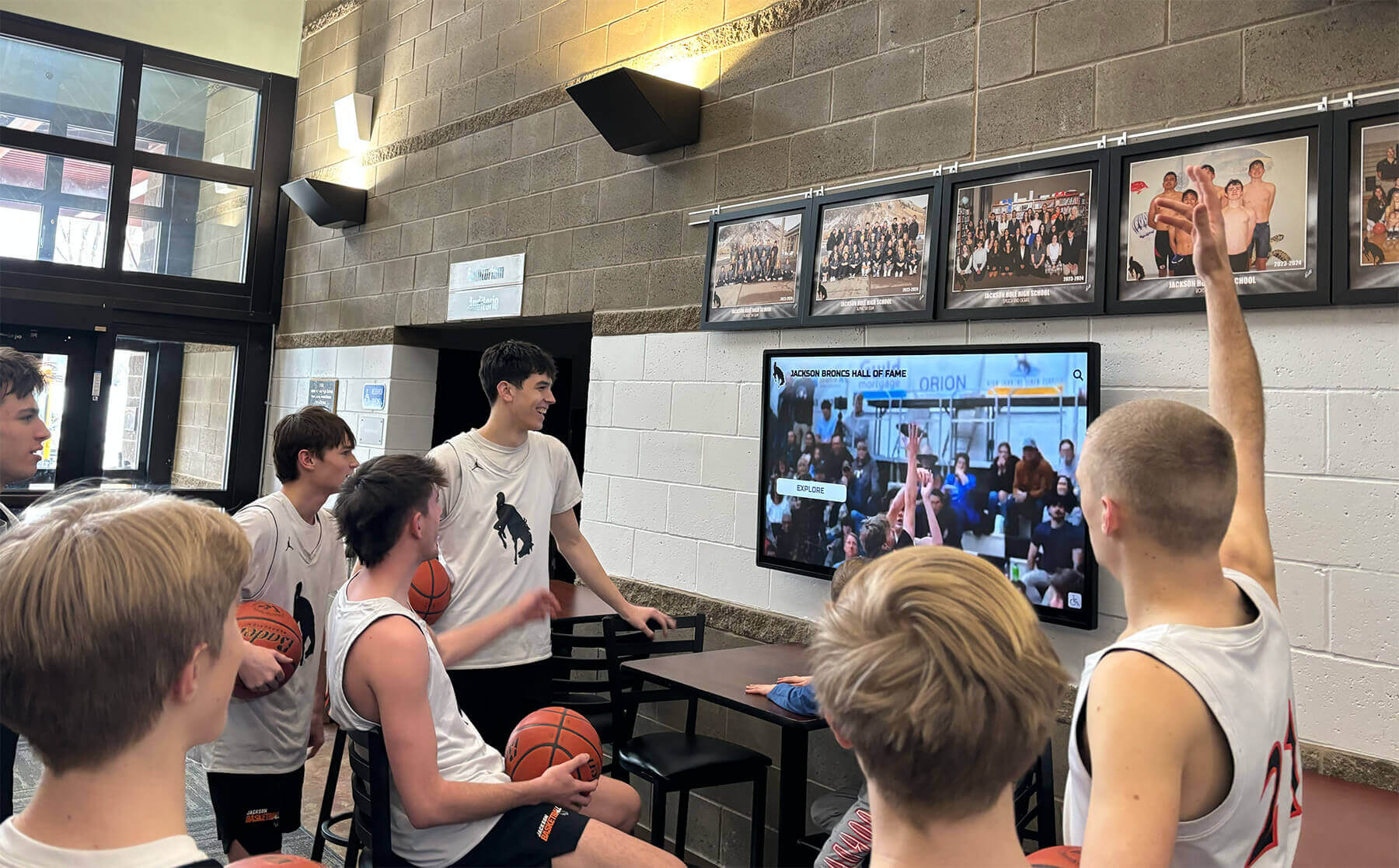
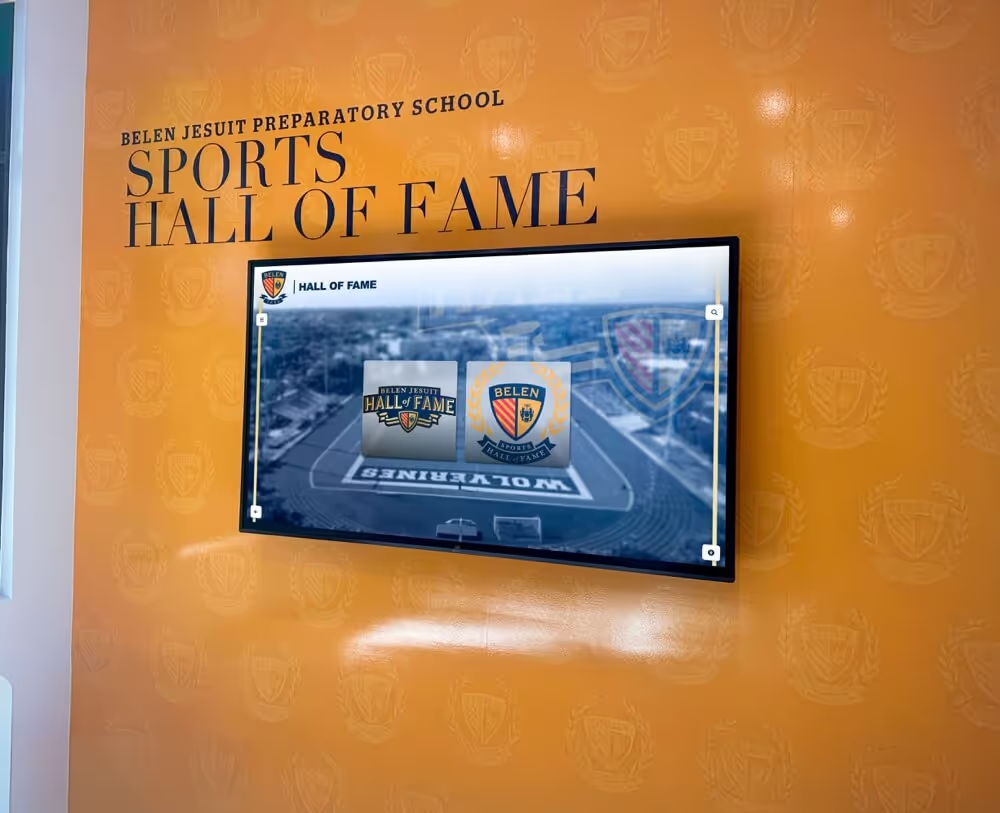
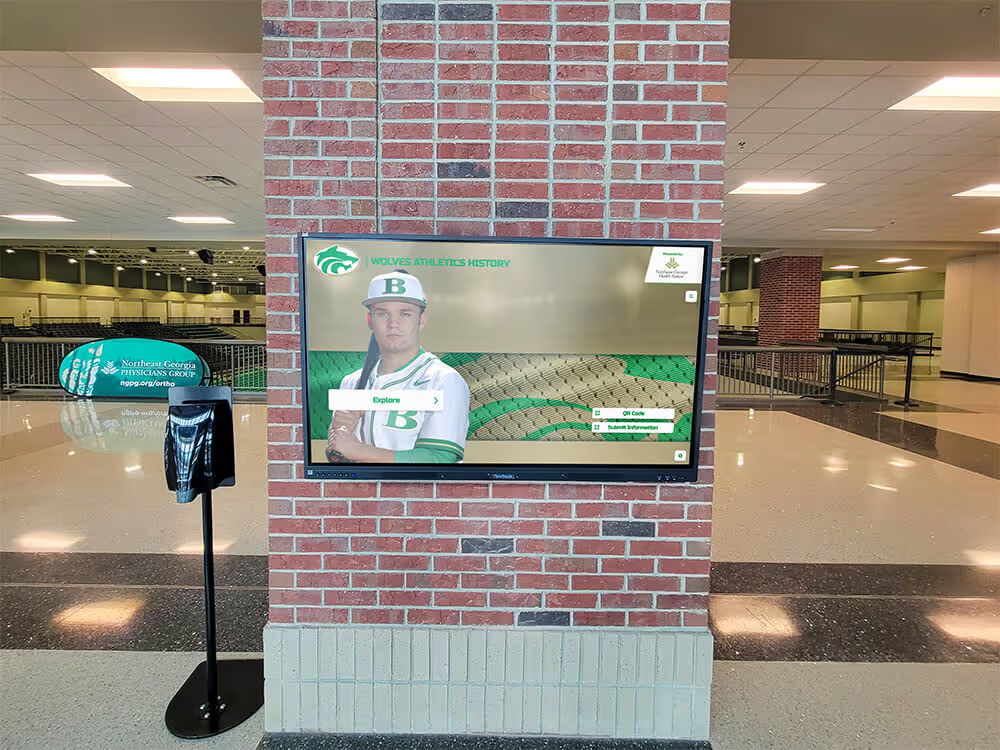
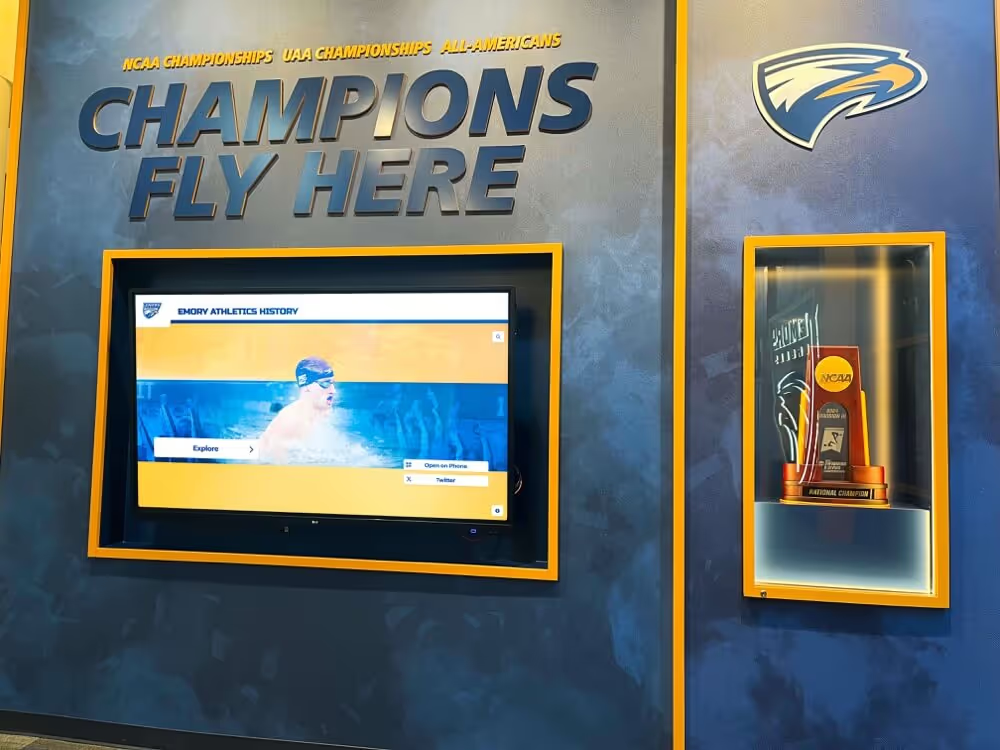
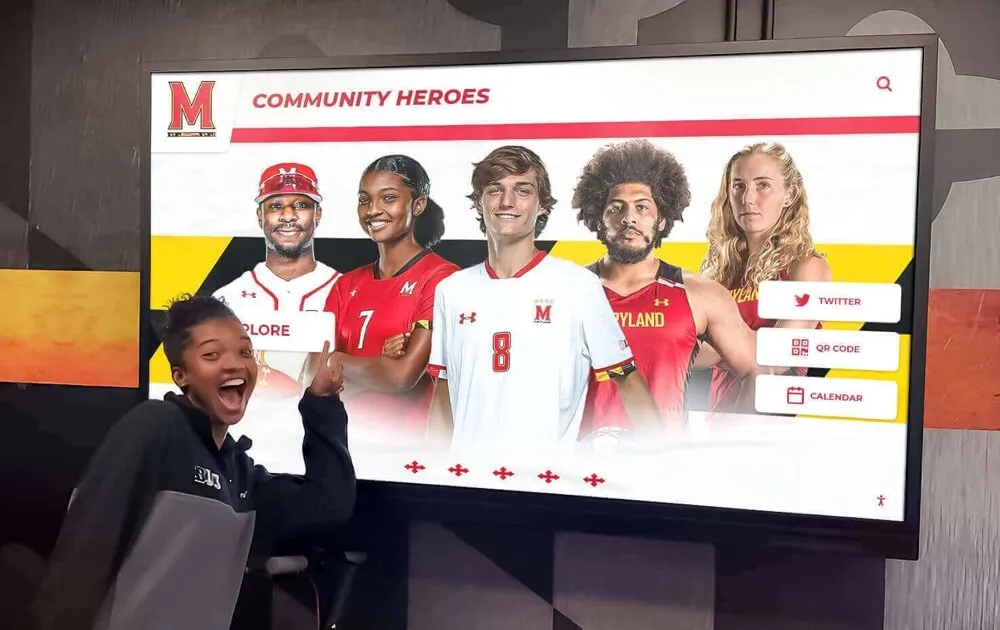
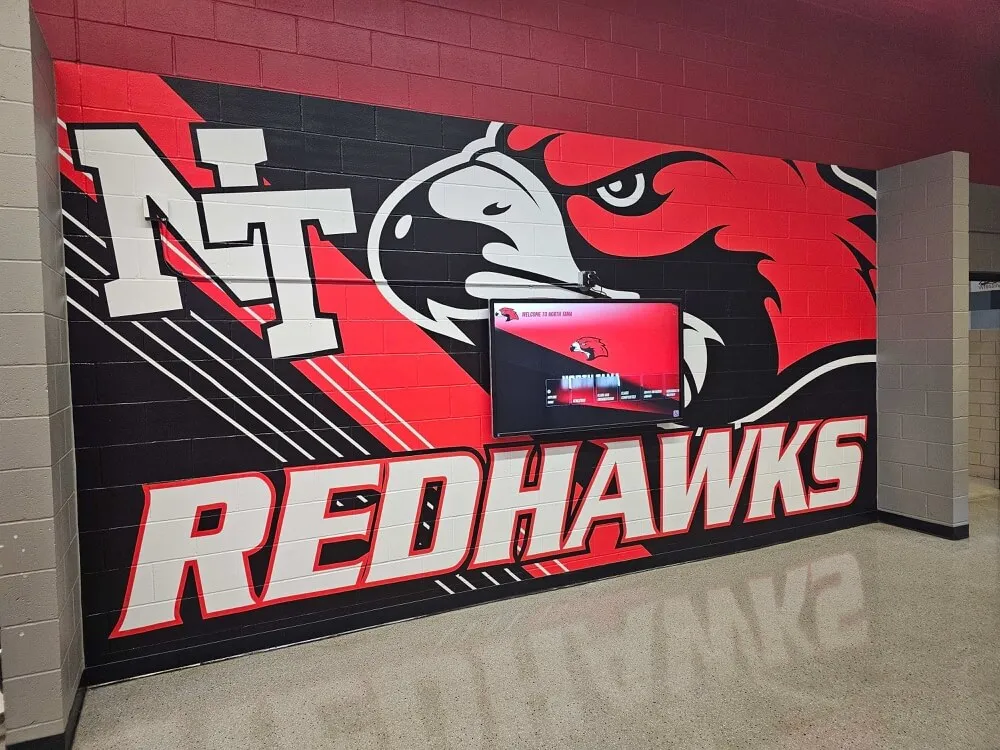
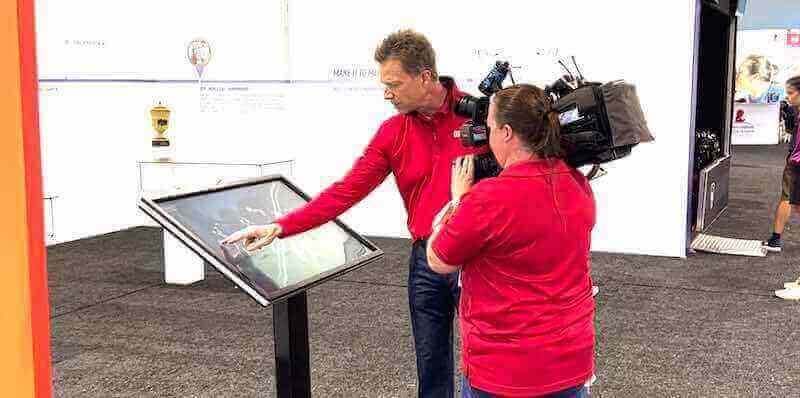
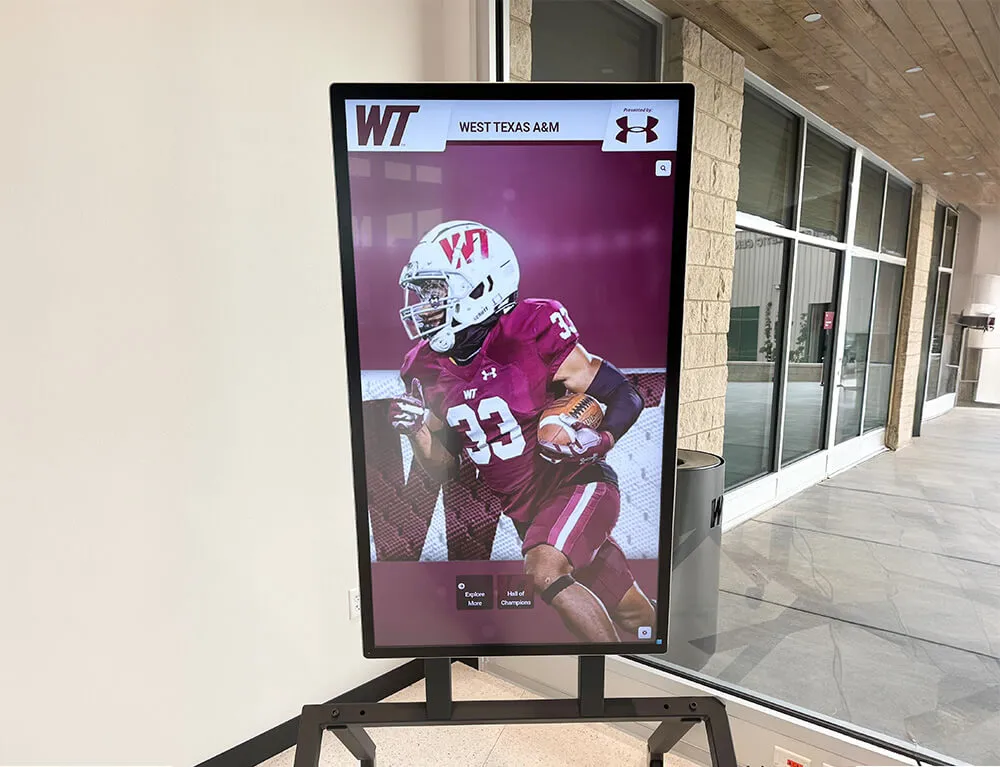
Digital displays enable color guard programs to showcase performance highlights, competition achievements, and individual member profiles year-round
Equipment Overview: Flags, Rifles, Sabres, and Props
Color guard equipment serves both practical and symbolic purposes while requiring specialized manipulation techniques.
Flag Equipment and Techniques
Flags remain the foundational color guard equipment:
- Standard sizes typically range from 5’ to 6’ silks mounted on poles
- Silk fabrics feature printed or painted designs complementing show themes
- Pole lengths average 6 feet with metal or fiberglass construction
- Manipulation techniques include tosses, spins, exchanges, and ground work
- Different flag sizes create visual variety and accommodate performer skill levels
- Swing flags, swing silks, and flag runners expand equipment vocabulary
- Silk designs often tell visual stories connecting to musical themes
Flag work forms the foundation of color guard training, with members progressing from basic spins to complex multi-rotation tosses and intricate choreographed sequences.
Rifles and Sabres: Wooden Equipment
Wooden rifles and sabres add percussive sound and dynamic visual elements:
Rifles - Wooden replicas weighing approximately 5 pounds each
- Standard length measures roughly 36 inches
- No moving parts distinguishing them from actual firearms
- Painted finishes coordinate with show themes and visual designs
- Manipulation includes tosses, spins, ground work, and partner exchanges
- Create distinctive sounds when striking floors or catching
Sabres - Curved wooden blades inspired by cavalry swords
- Lighter than rifles enabling faster spins and more intricate work
- Metallic finishes create different visual effects under lighting
- Curved shape produces unique rotation patterns and tosses
- Often feature wrapped handles for improved grip control
Contemporary Props and Set Pieces
Modern color guard incorporates innovative equipment expanding creative possibilities:
- Dance poles and aerial silks for vertical movement vocabulary
- Set pieces including platforms, stairs, and structural elements
- Fabric panels and scenic elements creating stage environments
- Body equipment like fans, hoops, and hand props
- Integrated technology including LED elements and projection surfaces
- Custom-designed equipment supporting specific show concepts
Equipment selection balances technical challenge with thematic appropriateness, safety considerations, and ensemble skill levels.
The Physical Demands and Athletic Nature of Color Guard
Strength, Flexibility, and Endurance Requirements
Color guard demands comprehensive physical fitness:
- Upper body strength for equipment tosses and extended flag work
- Core stability maintaining posture during spins and turns
- Cardiovascular endurance sustaining energy throughout 5-7 minute shows
- Flexibility enabling dance technique and floor work
- Coordination integrating equipment manipulation with choreographed movement
- Mental stamina maintaining focus during long rehearsals and competitions
Successful color guard performers train year-round developing physical capabilities supporting technical and artistic excellence.
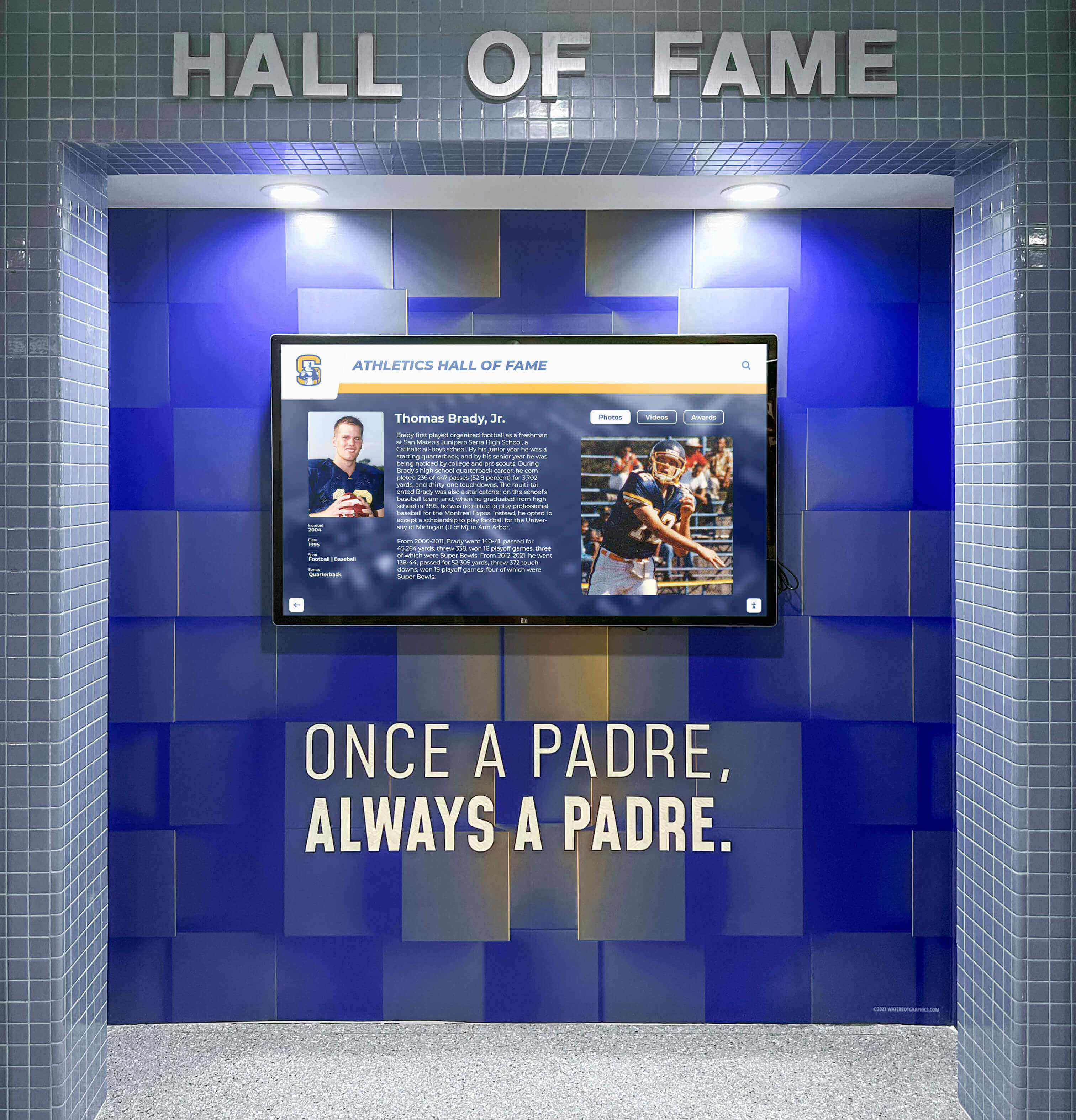
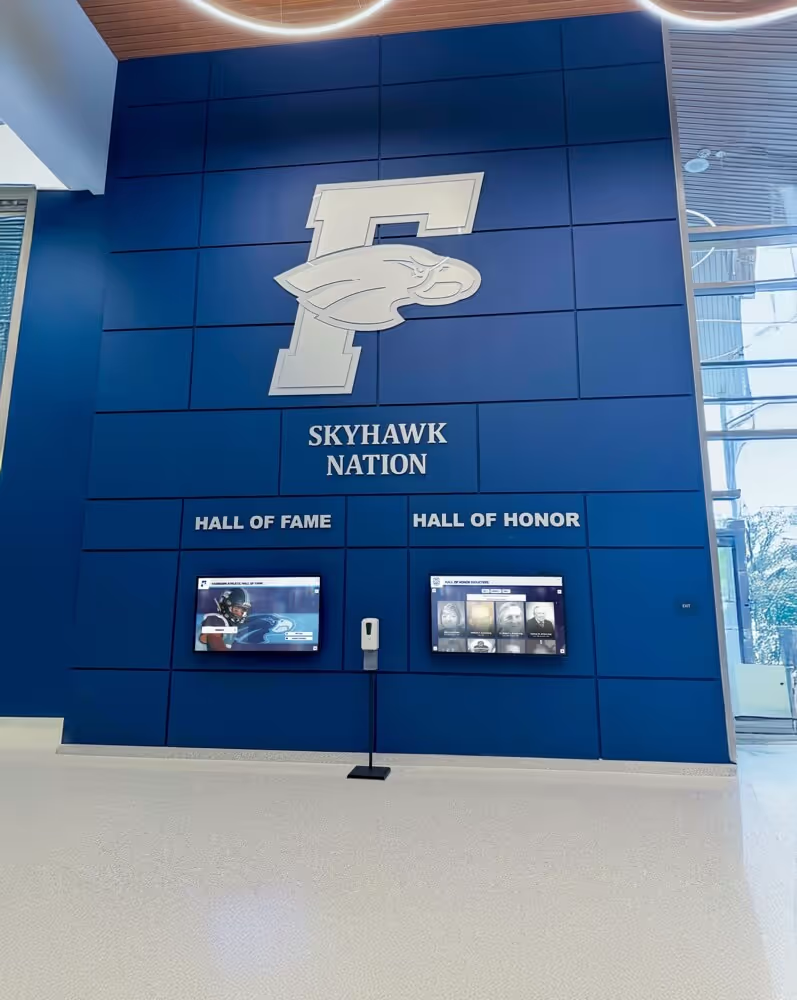
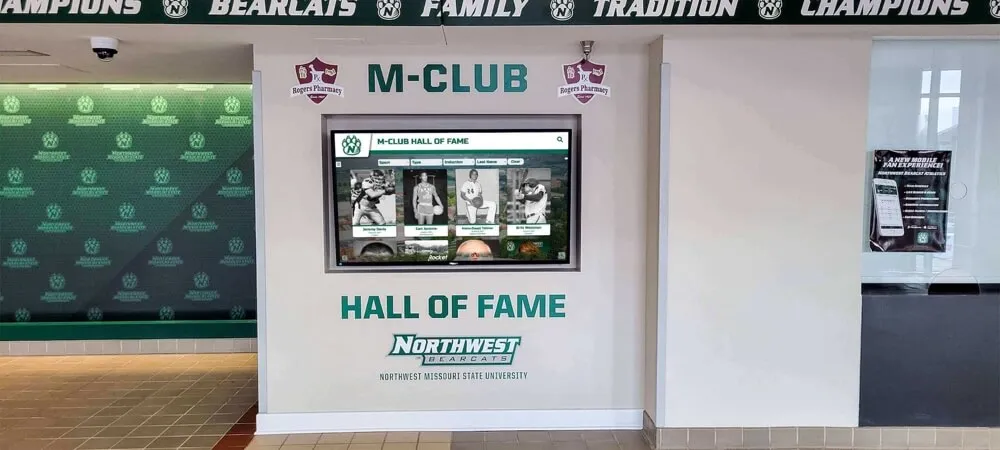
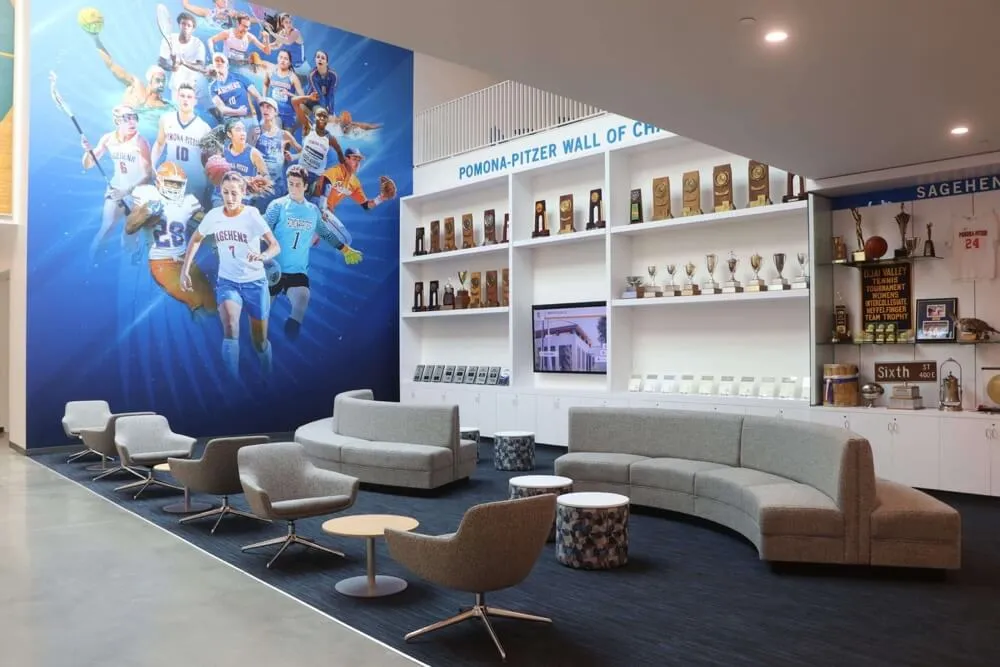
Comprehensive recognition systems celebrate color guard alongside traditional athletics, acknowledging performing artists as competitive athletes
Injury Risks and Safety Considerations
Like traditional sports, color guard involves injury risks requiring proper training:
- Equipment strikes from dropped tosses or partner work mishaps
- Repetitive motion injuries including tendonitis and joint strain
- Floor work injuries from rolls, slides, and impact movements
- Overuse injuries from extended rehearsal schedules
- Dehydration and heat exhaustion during outdoor fall season
- Collision risks during ensemble movements and formations
Quality programs implement safety protocols including proper warm-ups, progressive skill development, equipment maintenance standards, and injury prevention education.
Understanding how schools recognize athletic achievement provides frameworks applicable to color guard recognition programs.
How to Join Color Guard: Requirements, Tryouts, and Getting Started
Joining color guard requires understanding program structures, meeting eligibility requirements, and preparing for audition processes.
Typical Grade Level and Experience Requirements
School-Based Program Eligibility
Most scholastic color guard programs establish basic membership criteria:
- Grade level requirements typically beginning freshman year (grade 9)
- Some programs accept middle school participation (grades 7-8)
- Academic eligibility standards matching athletic and activity requirements
- Physical examination clearances similar to sports participation
- Time commitment acknowledgment for rehearsals and competitions
- Equipment fee agreements or fundraising participation expectations
Programs occasionally make exceptions for younger students demonstrating exceptional skill or when filling specific membership needs.
Experience Level Expectations
Color guard programs accommodate varying experience levels:
Beginner-Friendly Programs - Welcome members with no prior experience, providing fundamental training from basics through advanced techniques progressively
Intermediate Programs - May prefer previous marching band, dance, or color guard experience while remaining open to dedicated newcomers willing to accelerate learning
Advanced Competitive Programs - Often expect prior color guard experience, dance training, or demonstrated athleticism enabling rapid skill acquisition
Beginning color guard in middle school or early high school provides optimal development time, though dedicated students successfully join programs at any grade level.
What Happens at Color Guard Tryouts and Auditions
Typical Audition Components
Color guard auditions assess multiple skill dimensions:
Physical Fitness and Movement Quality
- Basic stretching demonstrating flexibility
- Conditioning exercises showing stamina and strength
- Dance technique including turns, leaps, and basic choreography
- Body awareness and movement quality assessment
- Following choreography and retaining combinations quickly
Equipment Skills Evaluation
- Flag basics including spins, tosses, and catches
- Drop-spin technique and equipment control fundamentals
- Ability to learn and execute taught sequences
- Safety consciousness and spatial awareness
- Existing skills for experienced members
Performance Quality and Presence
- Facial expressions and performance energy
- Musicality and rhythm accuracy
- Confidence and stage presence
- Coachability and response to corrections
- Ensemble awareness and collaboration
Personality and Team Fit Assessment
- Attitude toward coaching and feedback
- Interaction with other audition participants
- Questions asked and engagement level shown
- Work ethic and determination displayed
- Potential contribution to team culture

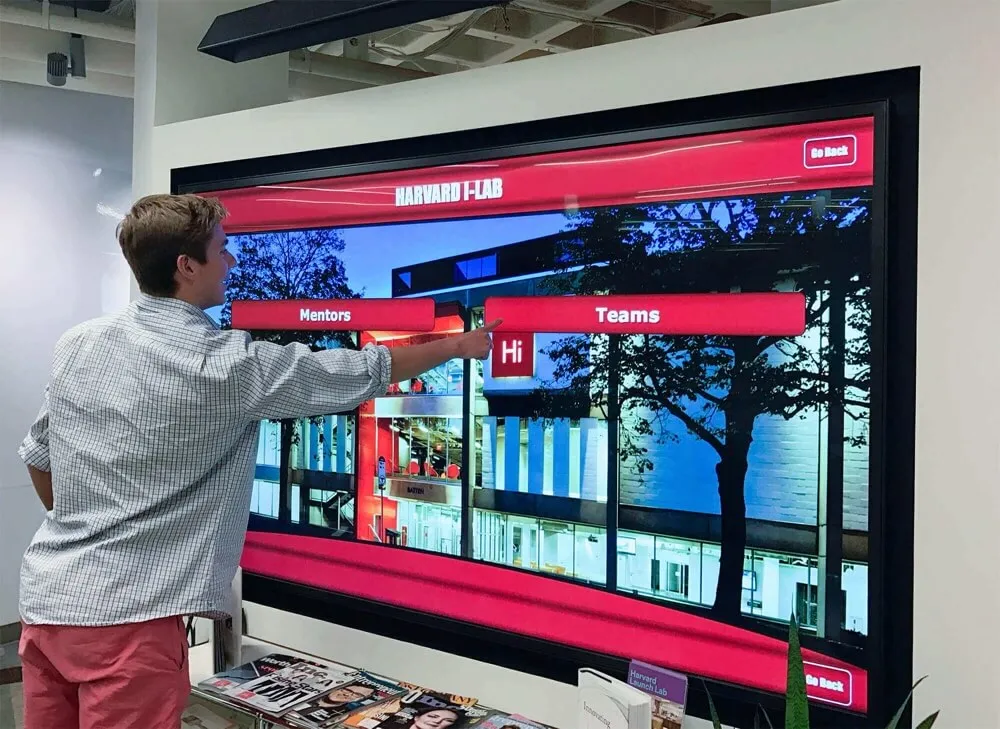
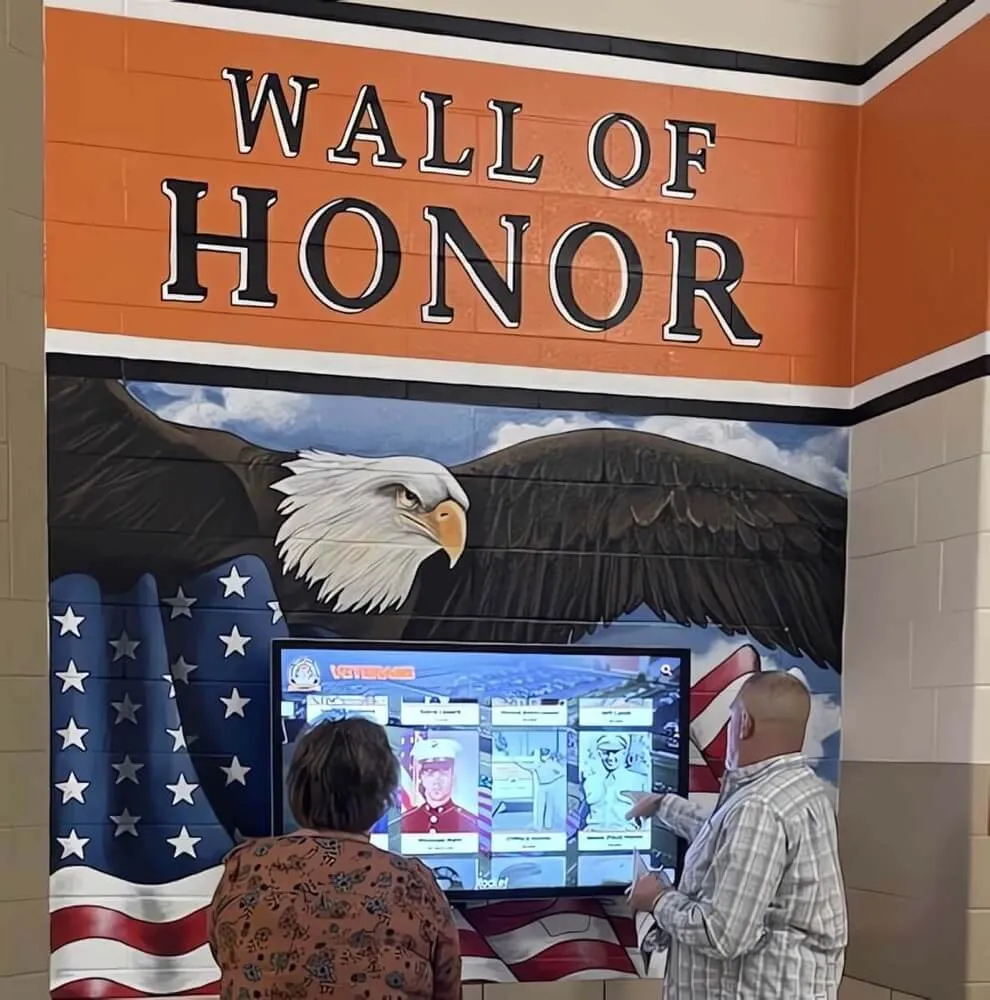
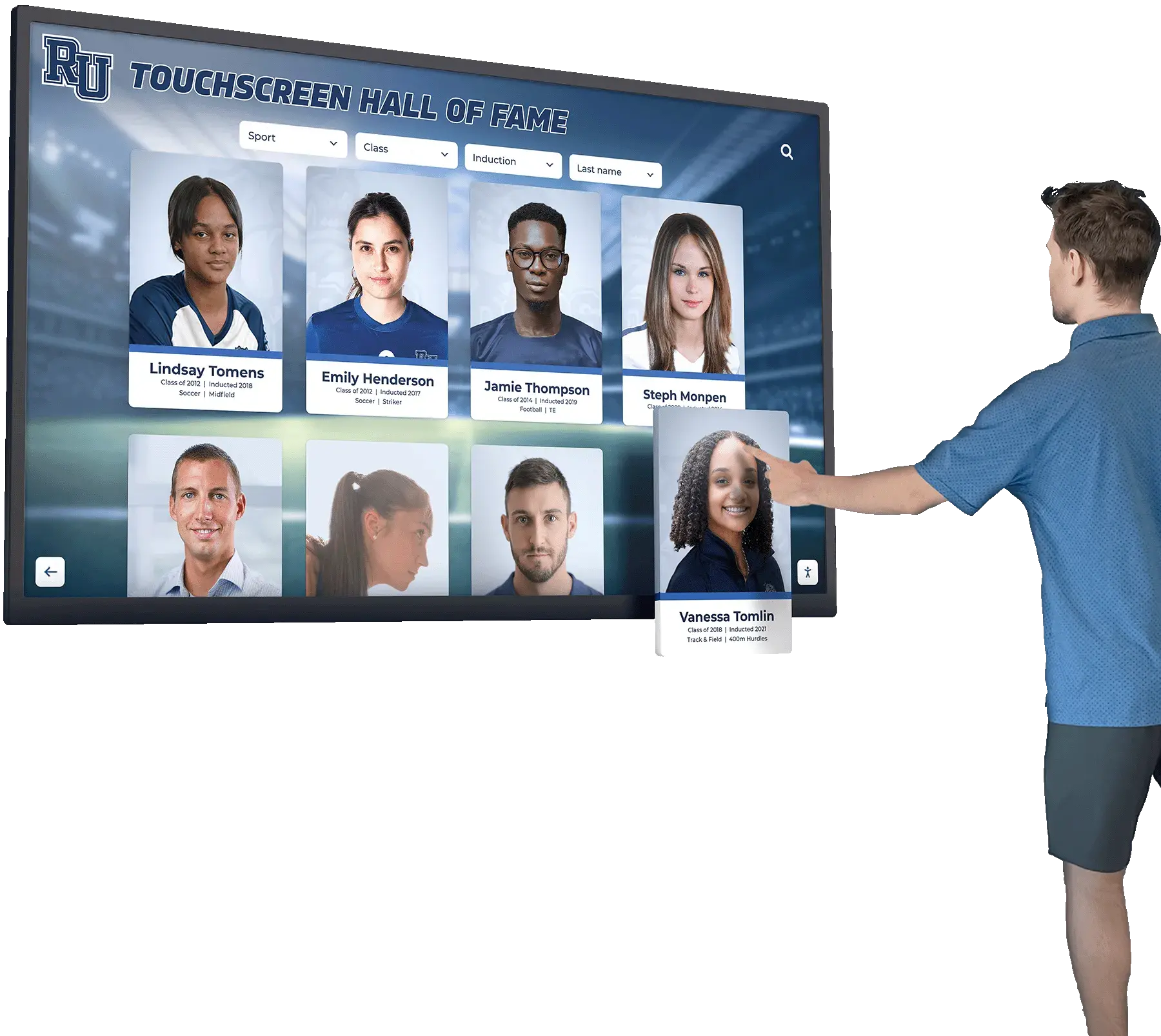
Touch-enabled displays allow students to explore color guard member profiles, achievement progressions, and performance highlights
Preparing for Your First Color Guard Audition
Physical Preparation Strategies
Maximize audition success through targeted preparation:
- Begin stretching routines 2-3 weeks before auditions improving flexibility
- Practice basic dance movements including turns, leaps, and combinations
- Build cardiovascular endurance through running, cycling, or aerobic exercise
- Develop upper body strength with push-ups, planks, and arm exercises
- Practice balance and body control through yoga or dance classes
- Watch color guard performances online studying movement quality and style
Equipment Familiarization
Even beginners benefit from basic equipment exposure:
- Watch instructional videos demonstrating fundamental flag technique
- Create practice flag from broom handle and pillowcase gaining feel for equipment weight
- Visit sporting goods stores examining flag poles understanding construction
- Attend local color guard performances observing equipment manipulation up close
- Connect with current color guard members asking advice and gathering insights
Mental and Emotional Preparation
Audition anxiety affects most candidates regardless of experience:
- Remember that most programs welcome beginners and teach foundational skills
- Focus on demonstrating coachability, positive attitude, and work ethic
- Understand that perfection isn’t expected—improvement potential matters more
- Prepare questions showing genuine interest and engagement
- Visualize successful performance building confidence
- Rest adequately before auditions ensuring peak physical and mental state
Time Commitment and Scheduling Considerations
Typical Rehearsal Schedules
Color guard demands substantial time investment:
Fall Season Schedule
- Weekday rehearsals 2-4 times weekly (2-3 hours each)
- Combined marching band rehearsals 1-2 times weekly
- Weekend rehearsals before competitions (4-6 hours)
- Friday night football games (4-5 hours including preparation)
- Saturday competitions (all-day events 8-12 hours)
Winter Guard Schedule
- Weekday rehearsals 3-5 times weekly (2-4 hours each)
- Weekend rehearsals every week (4-8 hours)
- Weekend competitions approximately twice monthly (all-day events)
- Additional practice leading to championship events
- Optional summer camps and clinics
Academic Balance Strategies
Successful color guard members develop time management skills:
- Utilize study halls and free periods for homework completion
- Communicate with teachers about competition travel affecting attendance
- Maintain organized assignment tracking systems
- Prioritize high-stakes assessments and deadlines
- Form study groups with other color guard members
- Develop efficient homework routines maximizing limited time
Schools implementing academic recognition alongside performing arts programs demonstrate that color guard participation correlates with strong academic performance when students develop effective time management approaches.
Essential Color Guard Skills and Training Progression
Developing color guard excellence requires systematic skill progression across multiple technical and artistic dimensions.
Fundamental Flag Work and Equipment Basics
Progressive Flag Technique Development
Color guard training follows logical skill sequences:
Beginning Skills (First 3-6 Months)
- Proper grip and hand positions for flag control
- Drop-spins creating flag rotation through wrist motion
- Basic tosses including singles, doubles, and triples
- Catching techniques and recovery from missed catches
- Foundational spins including flat spins and cone spins
- Basic choreography integration combining movement and equipment
Intermediate Skills (6-18 Months)
- Multi-rotation tosses up to quads and quints
- One-handed work and hand exchanges during spins
- Floor work including slides, kneels, and ground-based manipulation
- Partner exchanges and group equipment work
- Velocity control for tosses and spins
- Silk control managing fabric during spins and tosses
Advanced Skills (18+ Months)
- High-difficulty tosses including six rotations and beyond
- Complex choreographed sequences integrating multiple elements
- Behind-the-back and blind catches
- Running tosses and moving equipment work
- Layered silk manipulation creating visual depth
- Performance-quality execution with musical interpretation
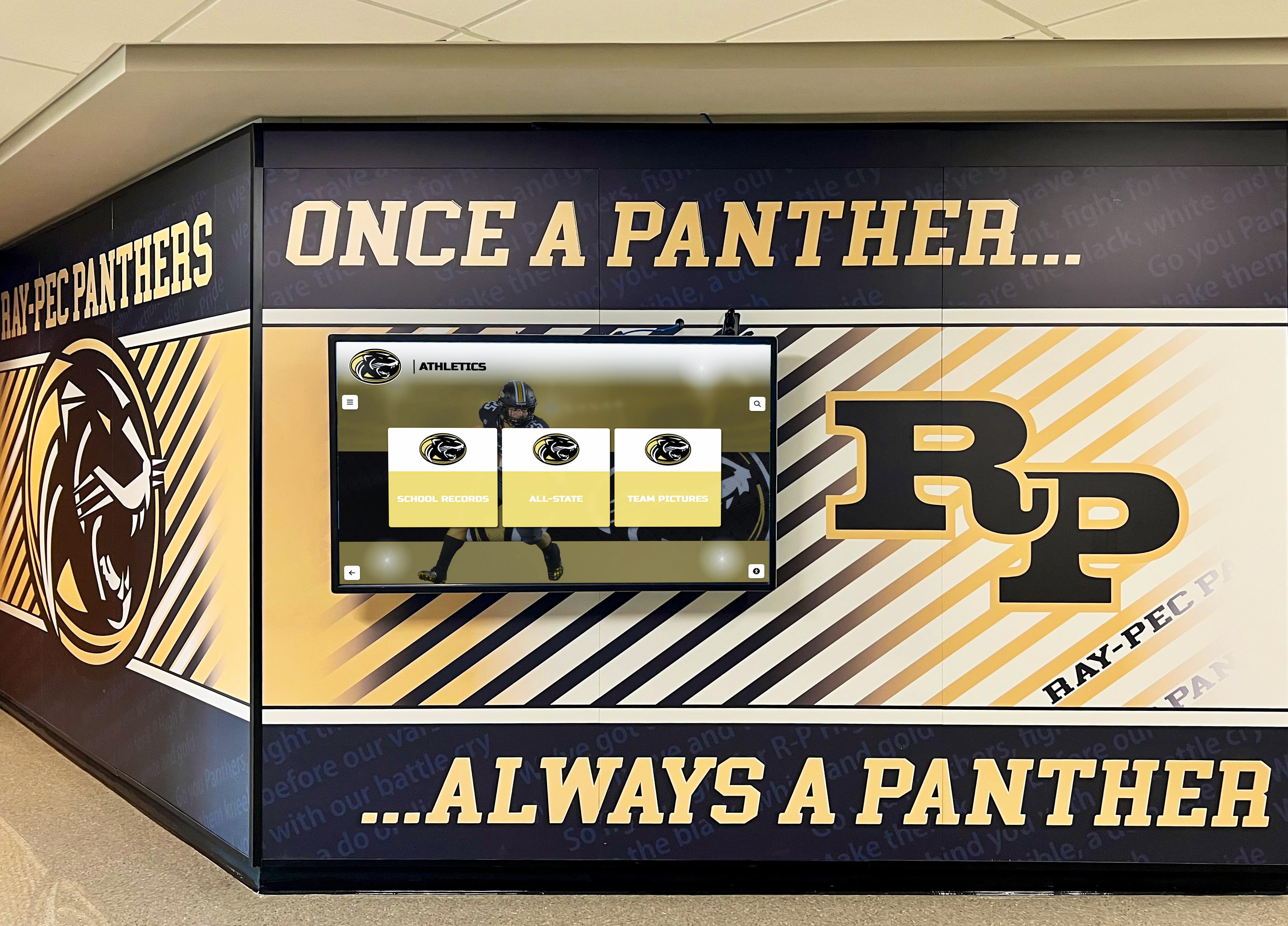
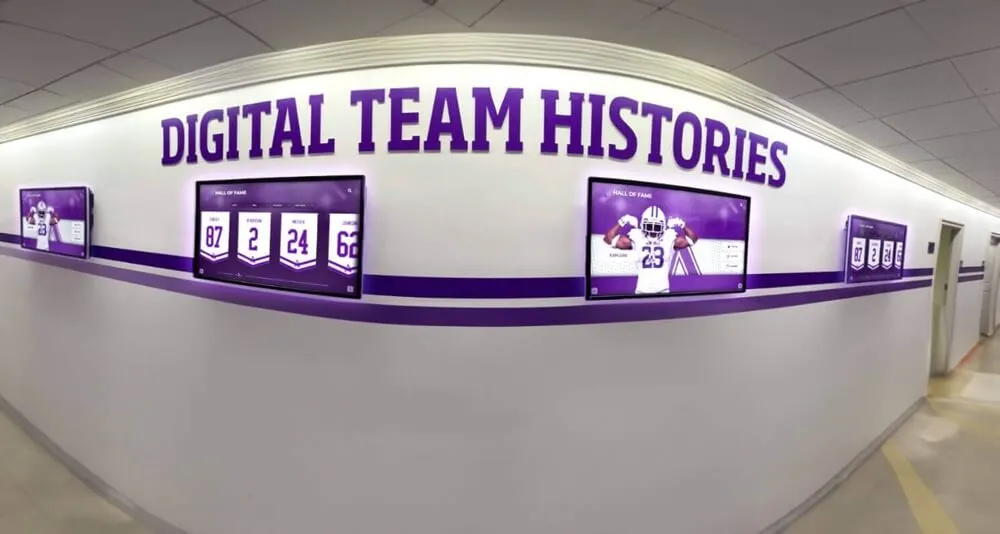
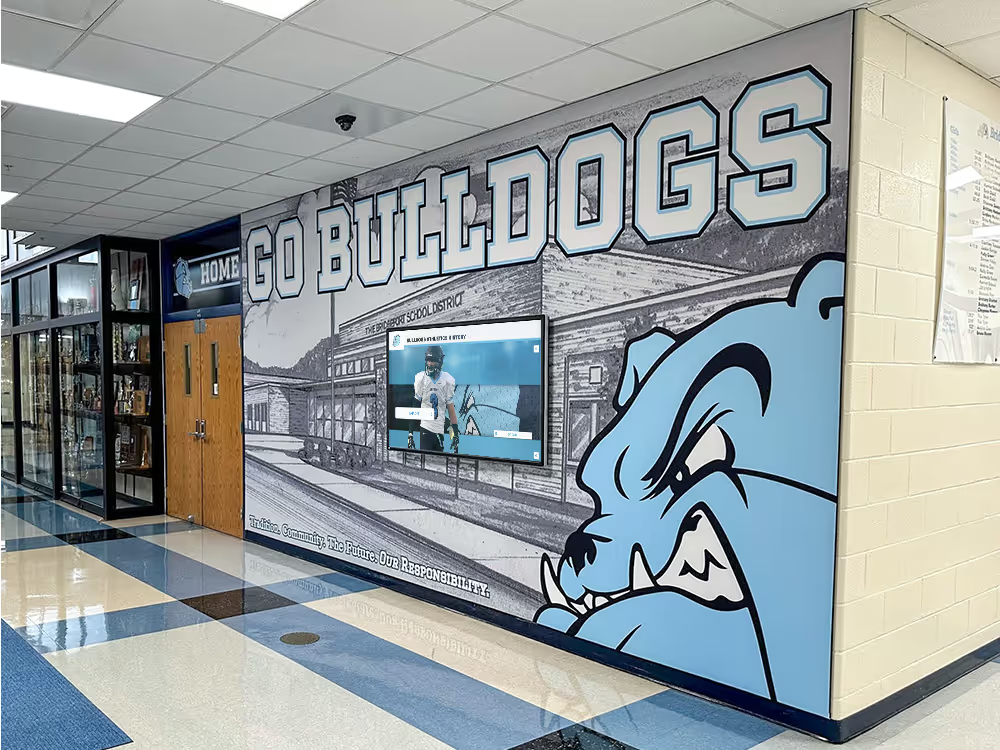
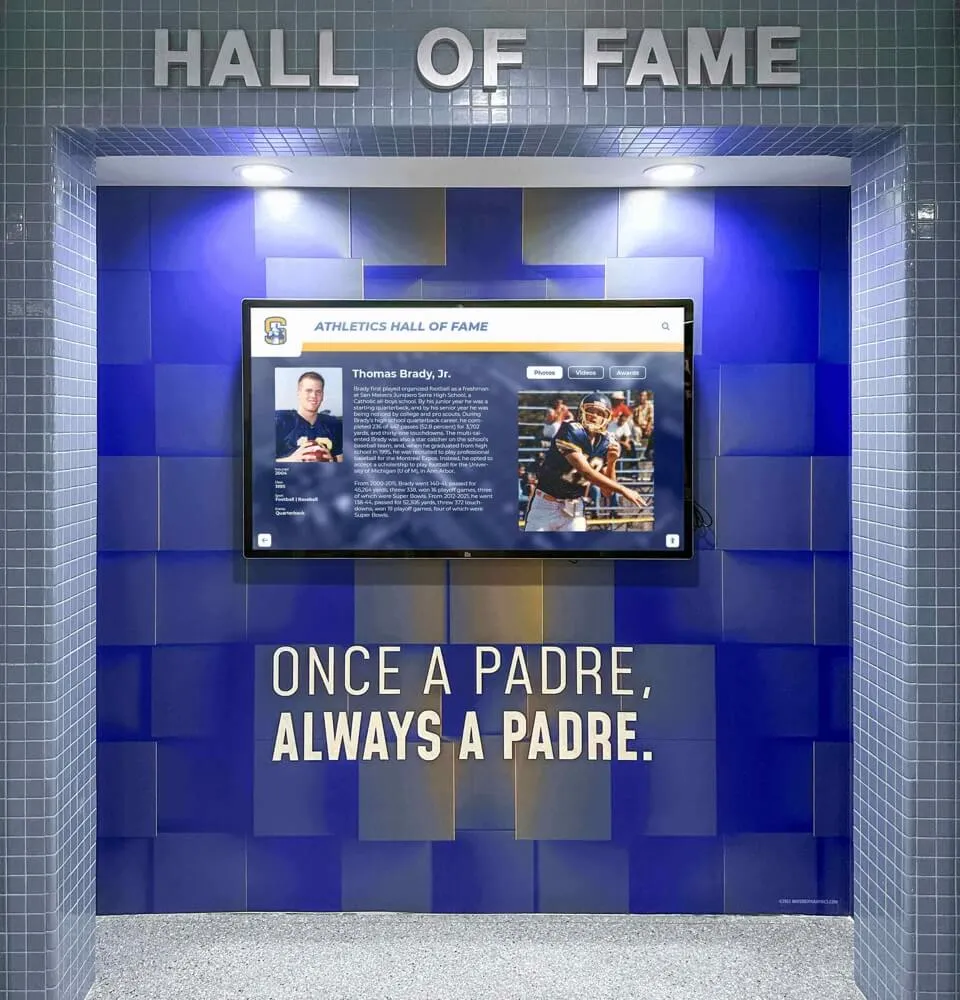
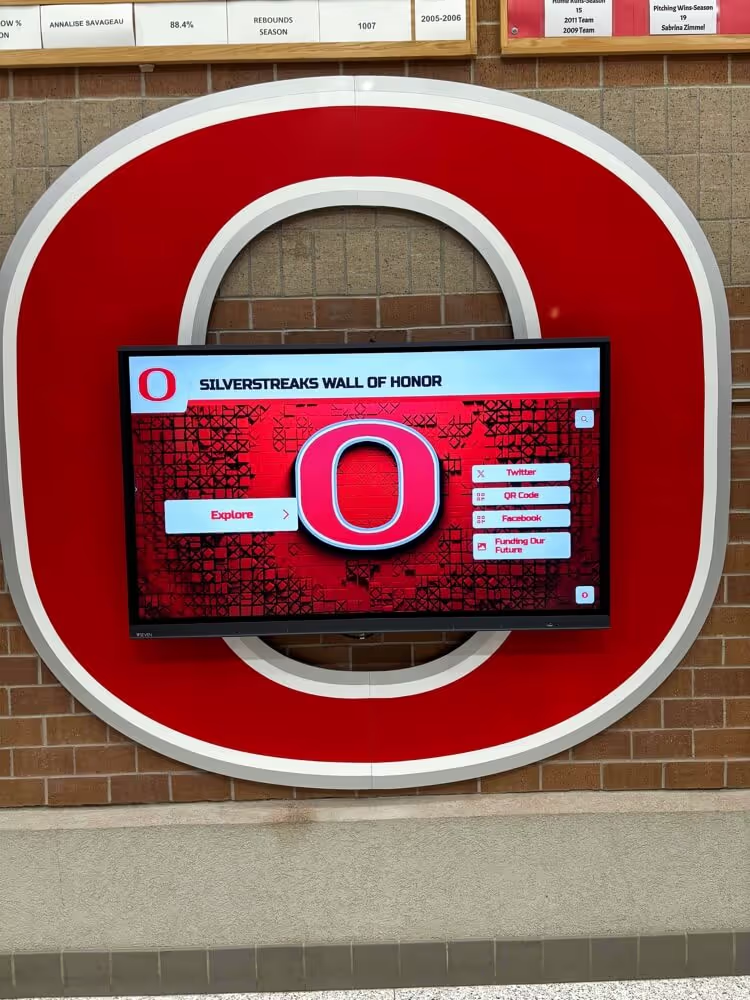
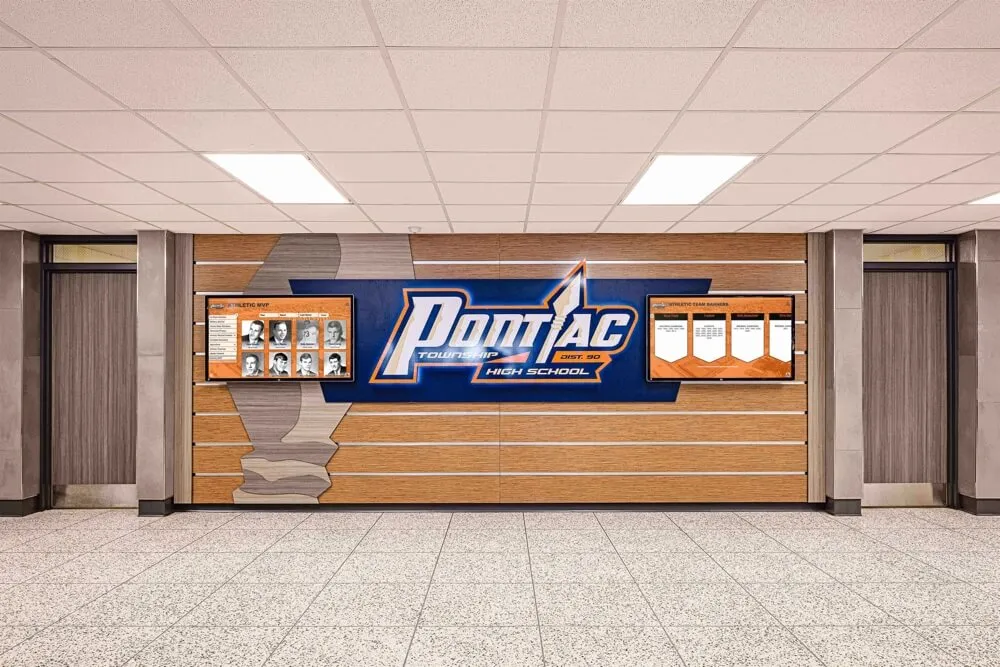
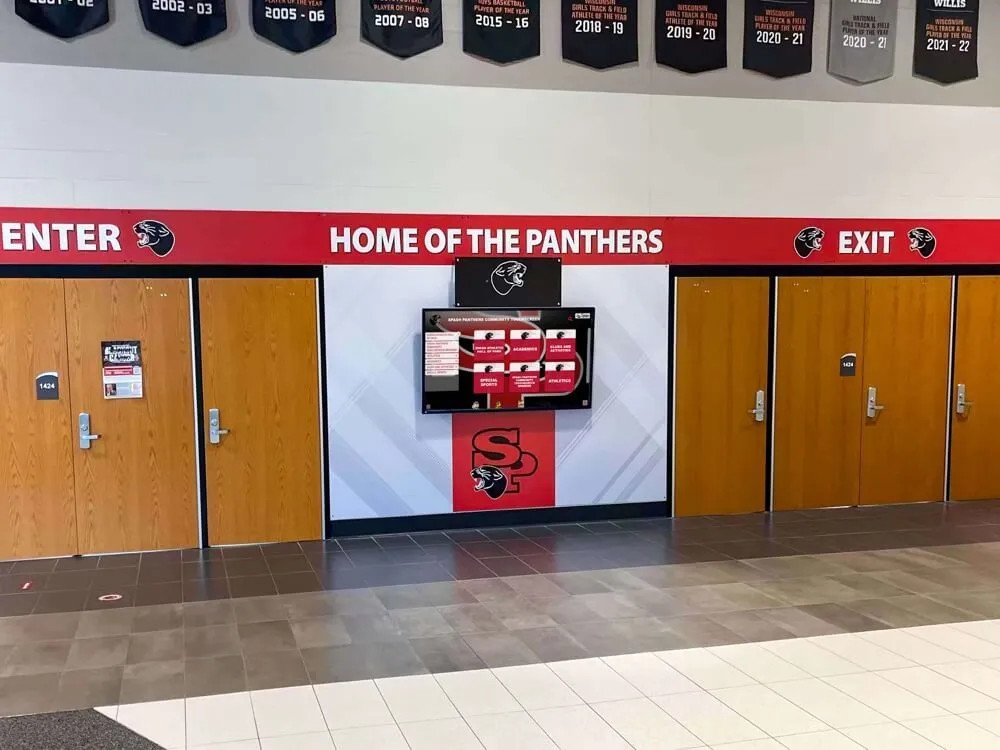
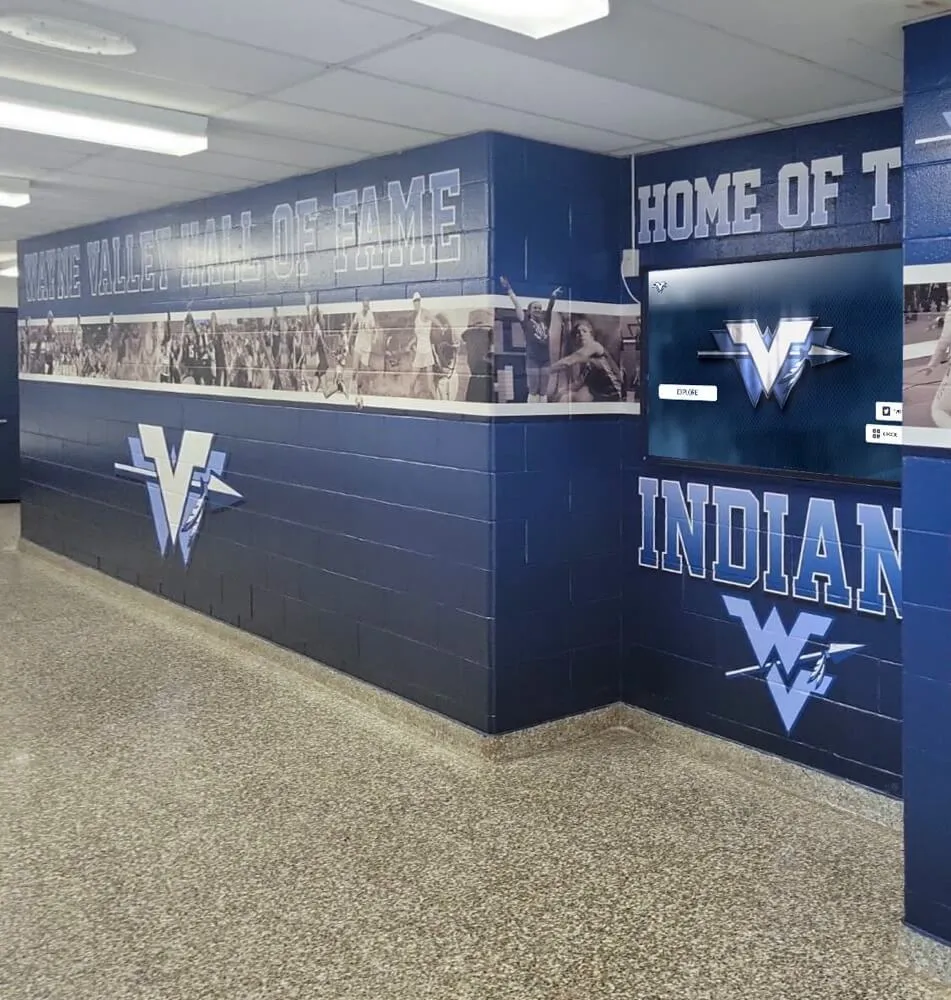
Prominent hallway installations ensure color guard achievements contribute to school-wide performing arts pride and recognition
Dance Technique and Body Movement Fundamentals
Essential Dance Skills for Color Guard
Comprehensive color guard training incorporates formal dance technique:
Ballet Foundations
- Turnout and proper alignment principles
- Pliés and tendus building strength and control
- Relevés developing ankle strength and balance
- Basic positions and port de bras establishing proper form
- Turns including chaînés, piques, and pirouettes
Jazz and Contemporary Movement
- Sharp, dynamic movements contrasting with sustained phrases
- Isolations separating body parts for articulation
- Leaps and jumps including grand jetés and switch leaps
- Floor work and level changes creating visual variety
- Style variations from lyrical to aggressive contemporary
Performance Quality Elements
- Facial expressions connecting with audiences emotionally
- Energy projection maintaining engagement throughout performances
- Musicality interpreting rhythmic and melodic elements through movement
- Character development when shows include narrative elements
- Confidence and stage presence commanding attention
Many successful color guard programs require or strongly recommend that members take dance classes supplementing guard-specific training.
Competition Categories and Skill Classification Systems
Understanding Competitive Class Structures
Major circuits like Winter Guard International organize competitions by skill level and ensemble size:
Skill Classification Levels
- Scholastic Regional A - Beginning groups learning foundational skills
- Scholastic A - Developing groups with basic technical proficiency
- Scholastic Open - Intermediate groups demonstrating solid technical foundations
- Scholastic World - Advanced scholastic groups with sophisticated programs
- Independent Regional A / A / Open / World - Non-school affiliated groups at comparable skill levels
Classification systems ensure groups compete against peers with similar resources and experience, making competitions meaningful at all skill levels.
Ensemble Size Categories
- Small groups typically consist of 8-14 members
- Medium groups range from 15-24 members
- Large groups include 25+ members
Size categories acknowledge that larger ensembles face different design challenges and create different visual effects than smaller groups.
Comprehensive recognition approaches like digital showcase programs for competitive teams ensure color guard receives celebration appropriate to competitive achievement levels.
Color Guard Competition: Scoring, Judging, and Performance Success
Understanding competition structure helps performers and programs maximize competitive success.
How Color Guard Competitions Are Judged
The Caption System and Scoring Rubrics
Color guard competitions evaluate performances across multiple judging captions:
Equipment Analysis Caption
- Technical execution quality of tosses, catches, and manipulation
- Difficulty level of equipment work relative to skill class
- Variety and complexity of equipment vocabulary
- Synchronization and ensemble accuracy
- Drop management and recovery quality
Movement Analysis Caption
- Dance technique quality and proper execution
- Body movement difficulty and complexity
- Choreographic variety and dynamic range
- Formation clarity and staging effectiveness
- Ensemble unity and precision
Design Analysis Caption
- Visual program concept and thematic development
- Choreographic creativity and originality
- Equipment staging and transitions
- Musical interpretation and program pacing
- Use of floor space and staging depth
General Effect Captions
- Visual impact and audience connection
- Program achievement relative to design intent
- Performance quality and energy
- Emotional resonance and artistic communication
- Overall program effectiveness and memorability
Judges assign numerical scores typically ranging from 0-20 per caption, with total scores determining competitive placements.
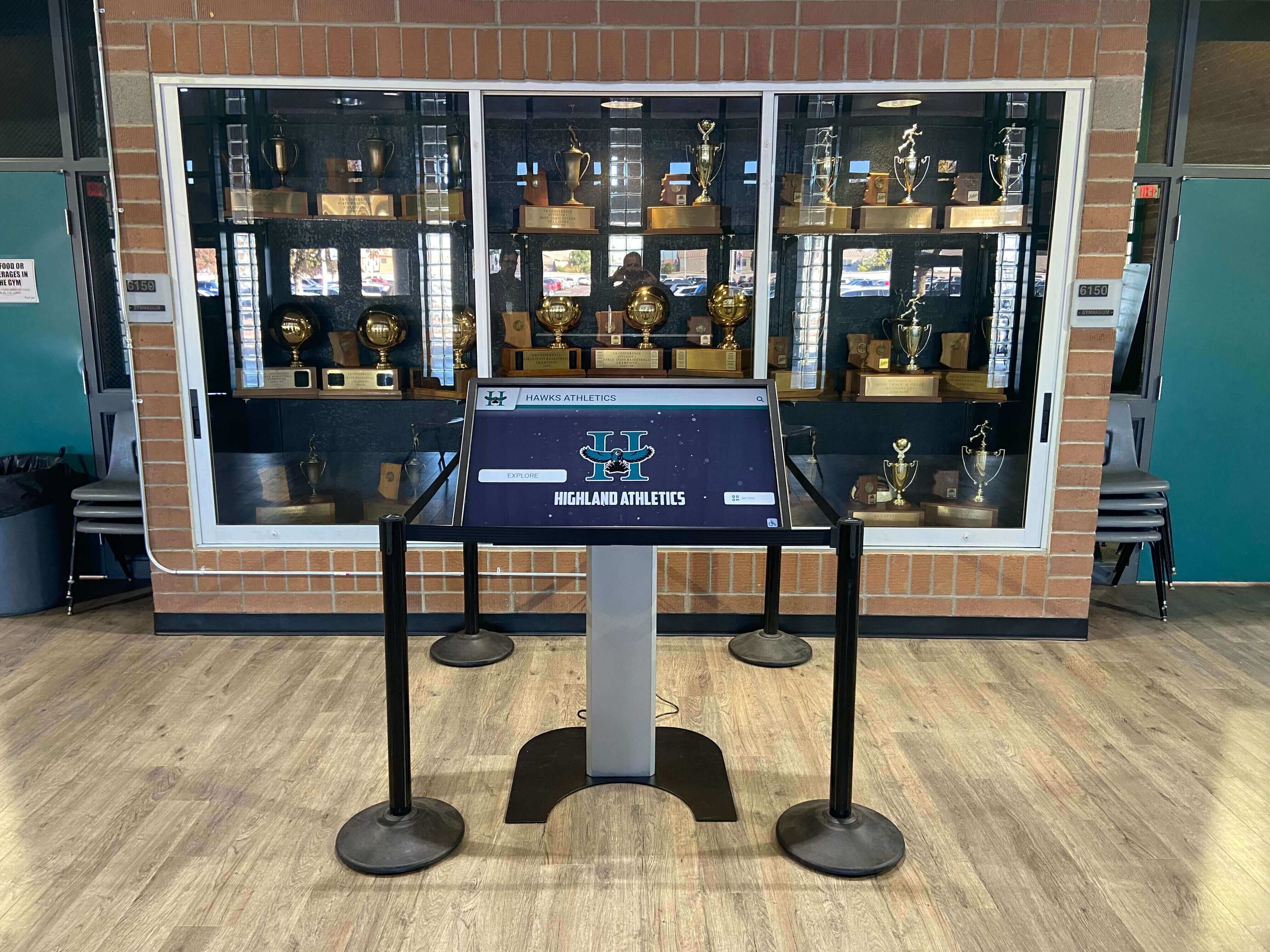
Interactive systems complement traditional trophy cases, providing unlimited capacity for documenting complete color guard competitive histories
Preparing for Competition Day Success
The Week Before Competition
Final preparation requires strategic focus:
Physical Preparation
- Maintain regular practice schedules avoiding overtraining fatigue
- Focus on cleaning details and polishing execution
- Address specific problem areas identified in rehearsals
- Rest adequately prioritizing sleep for recovery
- Stay hydrated and maintain proper nutrition
Mental Preparation
- Visualize successful performance with positive outcomes
- Practice mental routines for managing competition anxiety
- Review program sequences mentally reinforcing memory
- Focus on controllable elements like attitude and effort
- Build confidence through peer support and team bonding
Logistical Preparation
- Confirm travel arrangements and departure times
- Organize costumes ensuring proper fit and completeness
- Pack personal supplies including water, snacks, and medications
- Review competition schedule and performance times
- Coordinate equipment loading and transportation
Competition Day Routine and Performance Excellence
Structured competition day routines optimize performance:
Morning Preparation
- Arrive early allowing adequate preparation time
- Engage in team warm-up establishing focus and energy
- Review program mentally walking through sequences
- Support teammates creating positive team atmosphere
- Complete costume and makeup preparation systematically
Pre-Performance Warm-Up
- Physical warm-up increasing heart rate and body temperature
- Equipment familiarization with flags, rifles, or sabres
- Mental centering through visualization or meditation
- Team huddle reinforcing unity and positive energy
- Final costume checks ensuring performance readiness
Performance Execution
- Focus on present moment avoiding future or past thinking
- Trust training and preparation rather than overthinking
- Maintain performance energy regardless of mistakes
- Project confidence and commitment throughout
- Support ensemble members through unified presence
Post-Performance Response
- Exit performance space professionally regardless of outcome
- Avoid immediate self-criticism allowing emotional processing
- Support teammates with positive reinforcement
- Listen to coach feedback with open mindset
- Celebrate effort and commitment independent of competitive results
Common Mistakes and How to Avoid Them
Technical Execution Errors
Frequent technical mistakes and prevention strategies:
Drop Management
- Mistake: Panicking after drops, losing focus for remainder of program
- Prevention: Practice drop recovery drills, develop mental resilience, focus on next element
Synchronization Issues
- Mistake: Watching equipment or teammates rather than trusting training
- Prevention: Consistent counting practice, trusting peripheral vision, internalizing timing
Energy Management
- Mistake: Starting too strong, depleting energy before program conclusion
- Prevention: Pacing practice, cardiovascular conditioning, strategic energy distribution
Musical Timing
- Mistake: Rushing ahead or falling behind musical phrasing
- Prevention: Mental counting, musical internalization, practicing with recording constantly
Formation Clarity
- Mistake: Imprecise spacing creating unclear visual pictures
- Prevention: Reference point systems, spatial awareness training, formation responsibility clarity
Understanding how successful teams manage recognition and motivation helps color guard programs build positive cultures supporting competitive excellence.
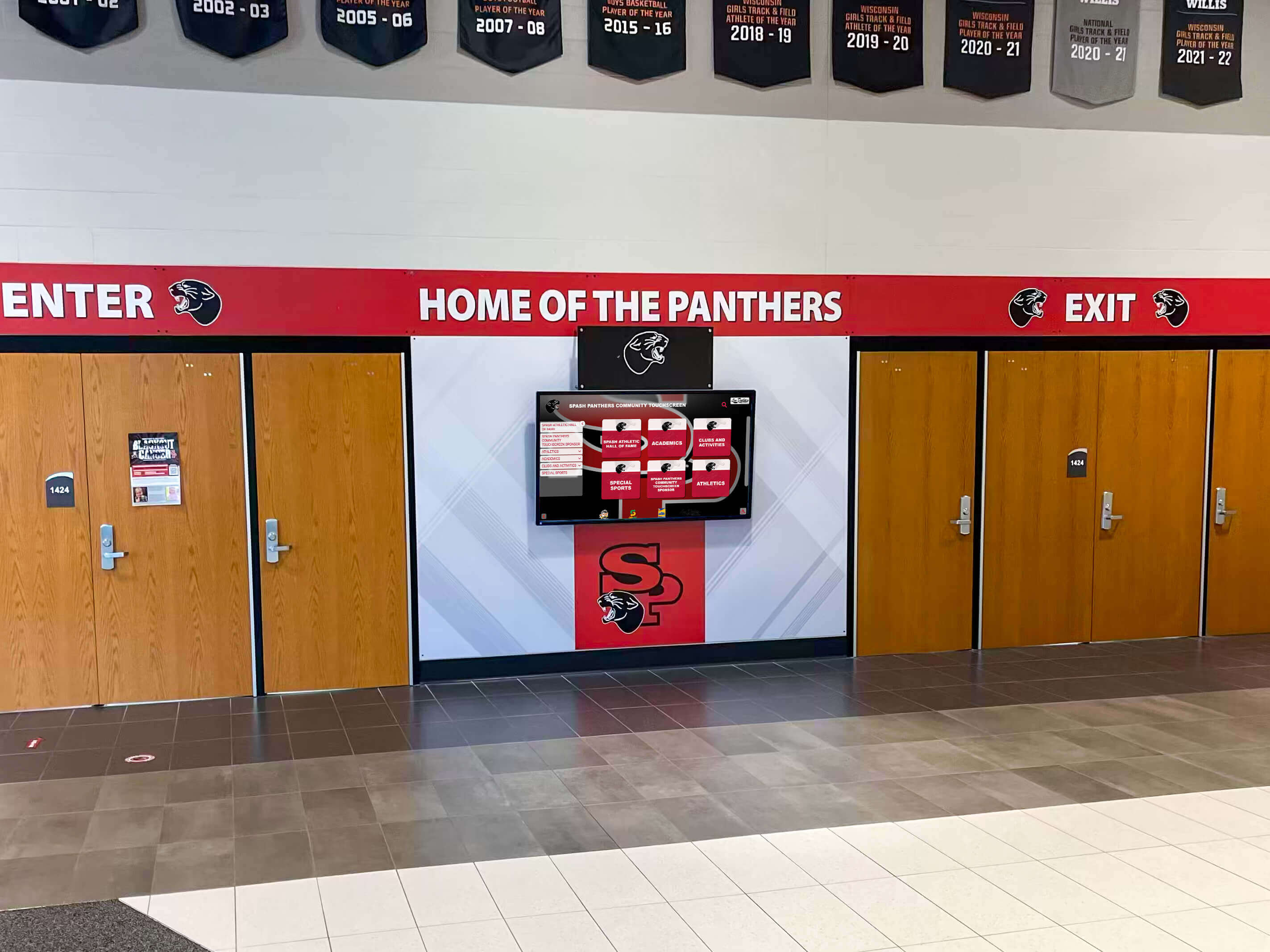
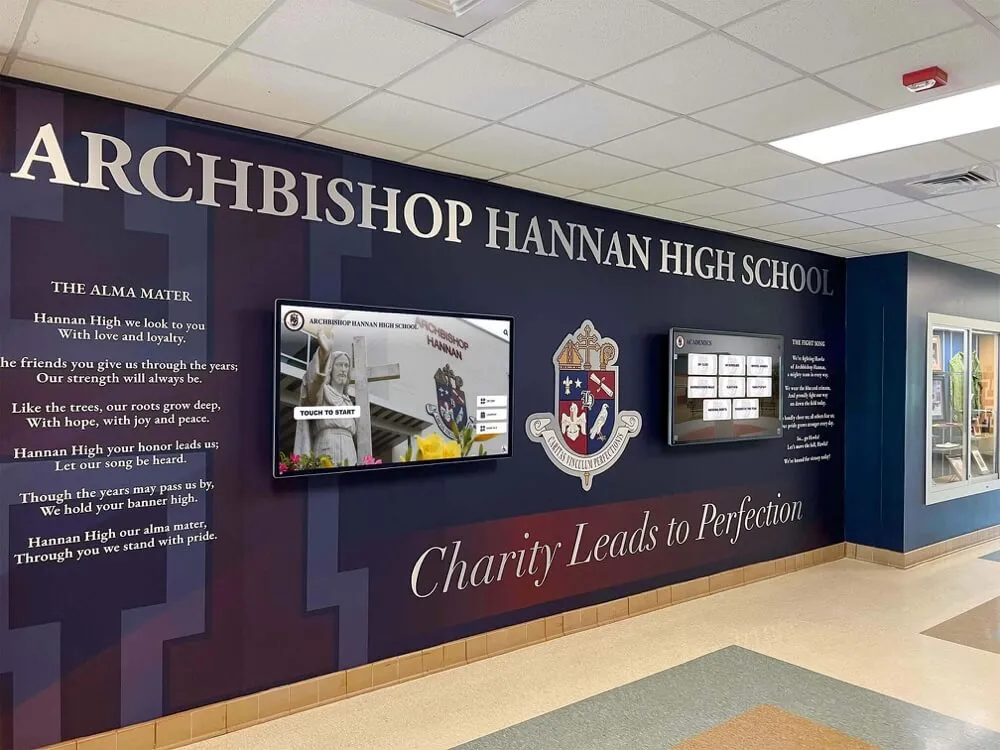
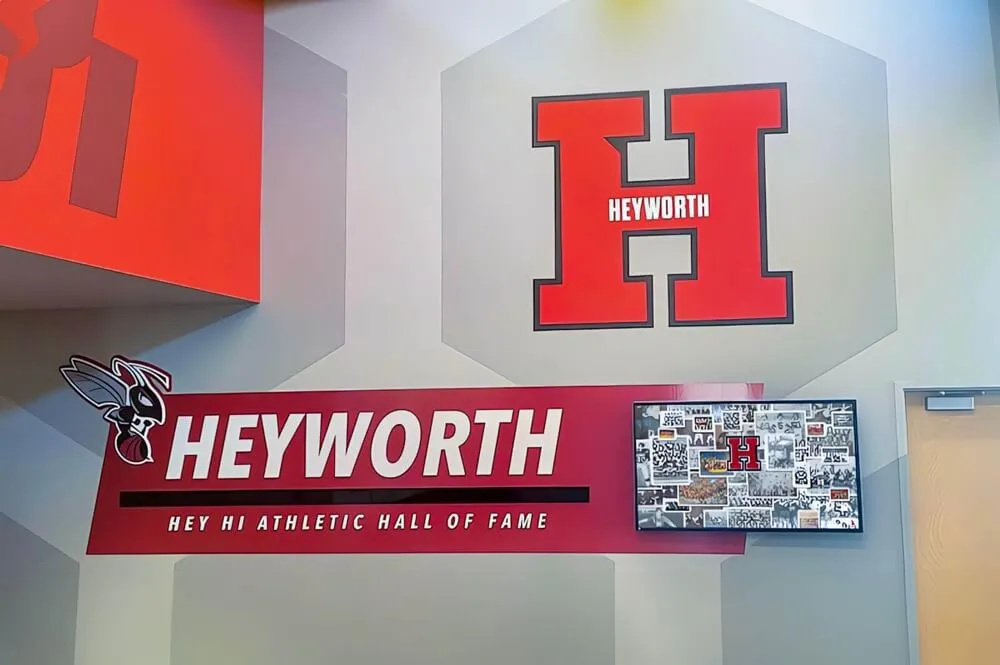
Entrance displays ensure color guard recognition greets students, families, and visitors daily, building program visibility and pride
Building a Successful Color Guard Career and Recognition Program
Long-term color guard success requires progression pathways, recognition systems, and post-high school opportunities.
Progression from Beginner to Leadership Positions
Multi-Year Development Pathways
Successful color guard members progress through developmental stages:
First Year Focus
- Master fundamental equipment and movement techniques
- Develop rehearsal discipline and time management skills
- Build physical conditioning supporting demanding schedules
- Learn program choreography and performance expectations
- Establish positive relationships with teammates and instructors
Second Year Development
- Refine technique achieving more consistent execution
- Accept increased choreographic difficulty and responsibility
- Develop performance quality and artistic maturity
- Begin informal mentorship of newer members
- Expand equipment vocabulary with weapons or specialized props
Third Year Leadership Emergence
- Pursue formal leadership positions like captain or section leader
- Mentor younger members through active teaching and support
- Contribute creative ideas to program development
- Demonstrate exceptional work ethic modeling program values
- Maintain high performance standards under pressure
Fourth Year Leadership and Legacy
- Lead ensemble through captain or veteran leadership roles
- Shape program culture through example and active guidance
- Support staff with administrative and organizational tasks
- Perform with artistry and technical excellence inspiring others
- Leave positive lasting impact on program trajectory
Recognition Systems Honoring Color Guard Excellence
Comprehensive Recognition Categories
Effective color guard recognition celebrates diverse achievements:
Performance and Competition Recognition
- Championship placements and competitive success
- Outstanding performer awards at competitions
- Technical excellence in equipment manipulation
- Artistic performance quality and stage presence
- Most improved performer development
Leadership and Character Recognition
- Captain and section leader acknowledgment
- Mentorship and teaching contributions
- Positive attitude and team support
- Reliability and commitment demonstration
- Program ambassador representation
Specialized Achievement Recognition
- Equipment specialty mastery (flags, rifles, sabres)
- Choreography contributions and creative input
- Technical difficulty achievement milestones
- Multi-year participation and loyalty
- Academic excellence while maintaining color guard commitment
Solutions like Rocket Alumni Solutions provide specialized performing arts recognition platforms combining unlimited capacity with intuitive management, enabling color guard programs to showcase achievements comprehensively without physical space constraints limiting traditional displays.
Post-High School Color Guard Opportunities
Collegiate Color Guard Programs
Many colleges and universities maintain competitive color guard teams:
- Indoor winter guard programs competing WGI Collegiate divisions
- Marching band color guard sections in fall seasons
- Club sport structures or athletic department affiliations
- Scholarship opportunities at select institutions
- National championship competition opportunities
Collegiate color guard provides continued competitive involvement while pursuing higher education.
Independent Color Guard Organizations
Non-school affiliated groups offer elite competitive opportunities:
World Class Independent Groups - Top-tier organizations competing at highest WGI levels with sophisticated productions rivaling professional standards
Open Class Independent Groups - Competitive ensembles welcoming various age ranges and experience levels
Regional Independent Groups - Local organizations providing competitive opportunities without extensive travel
Independent guard participation requires greater time and financial commitment but offers access to elite instruction, ambitious programming, and potential professional pathways.
Professional Performing Opportunities
Elite color guard skills translate to various professional contexts:
- Drum Corps International color guard sections (summer touring)
- Professional marching arts ensembles and shows
- Theatrical productions requiring movement and prop specialists
- Pageantry and entertainment industry choreography
- Education and instruction roles teaching color guard
Understanding how to showcase performing arts achievement digitally helps programs build recognition systems that honor color guard appropriately while inspiring continued participation.
Implementing Digital Recognition for Color Guard Programs
Modern Recognition Display Capabilities
Digital platforms provide comprehensive color guard recognition:
Content Organization for Color Guard
- Individual member profiles with photos and achievements
- Season rosters showing complete team membership
- Competition results and championship documentation
- Performance videos from competitions and shows
- Award recipient listings with achievement descriptions
- Historical archive showing program evolution across years
- Equipment specialization and technical skill documentation
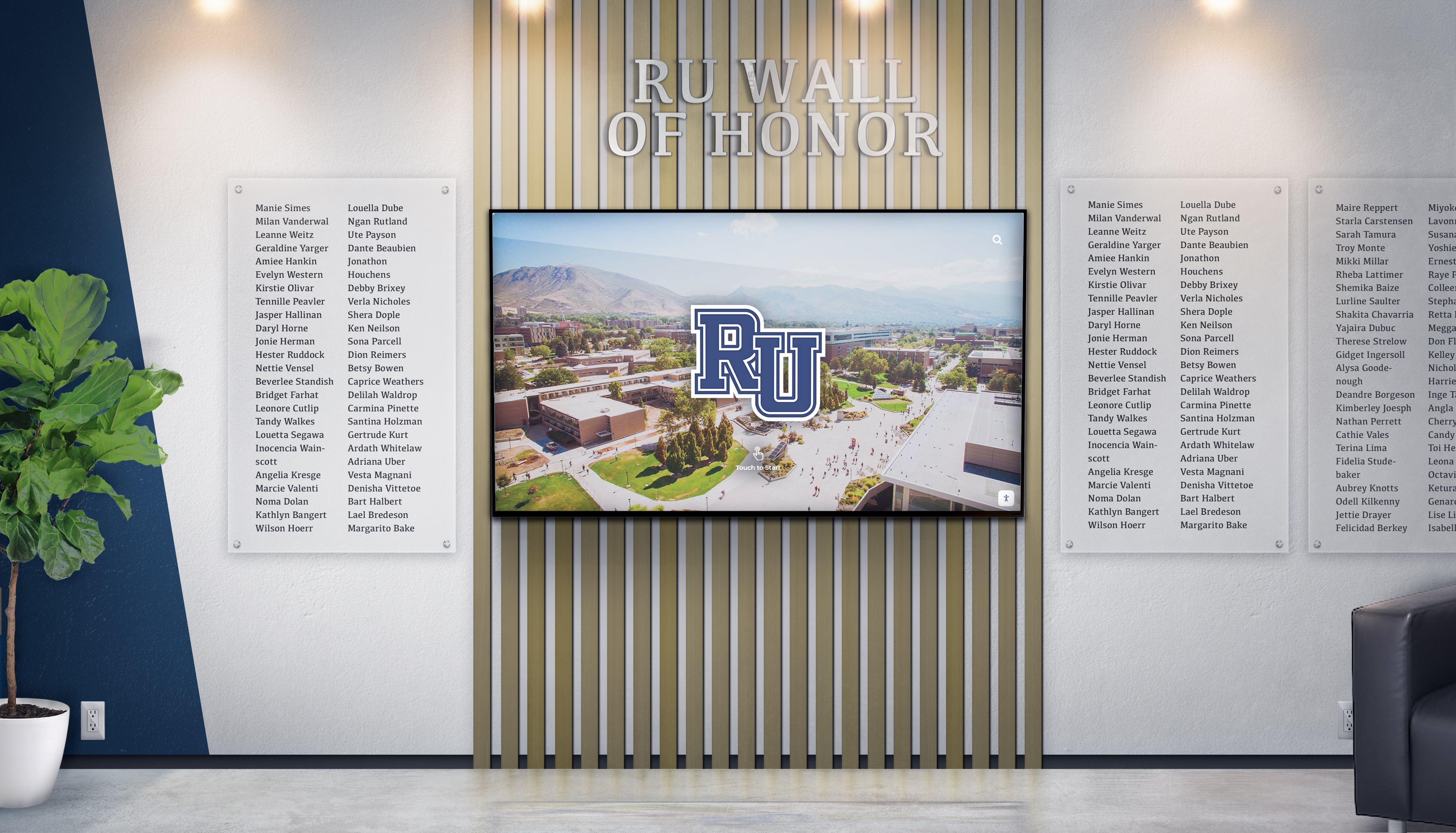
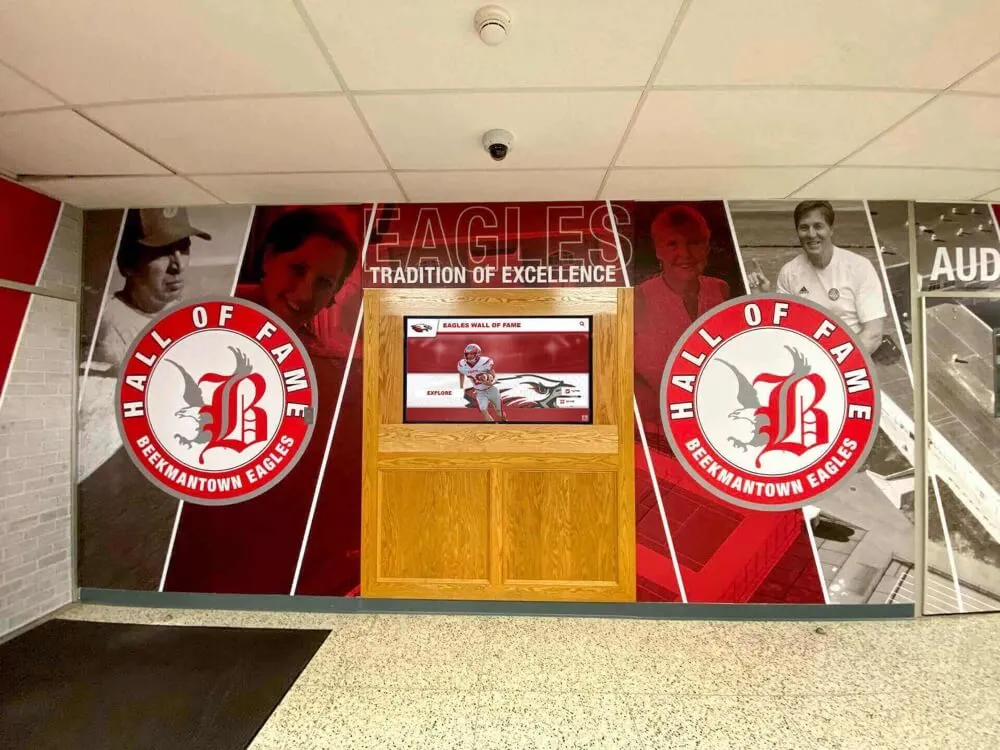
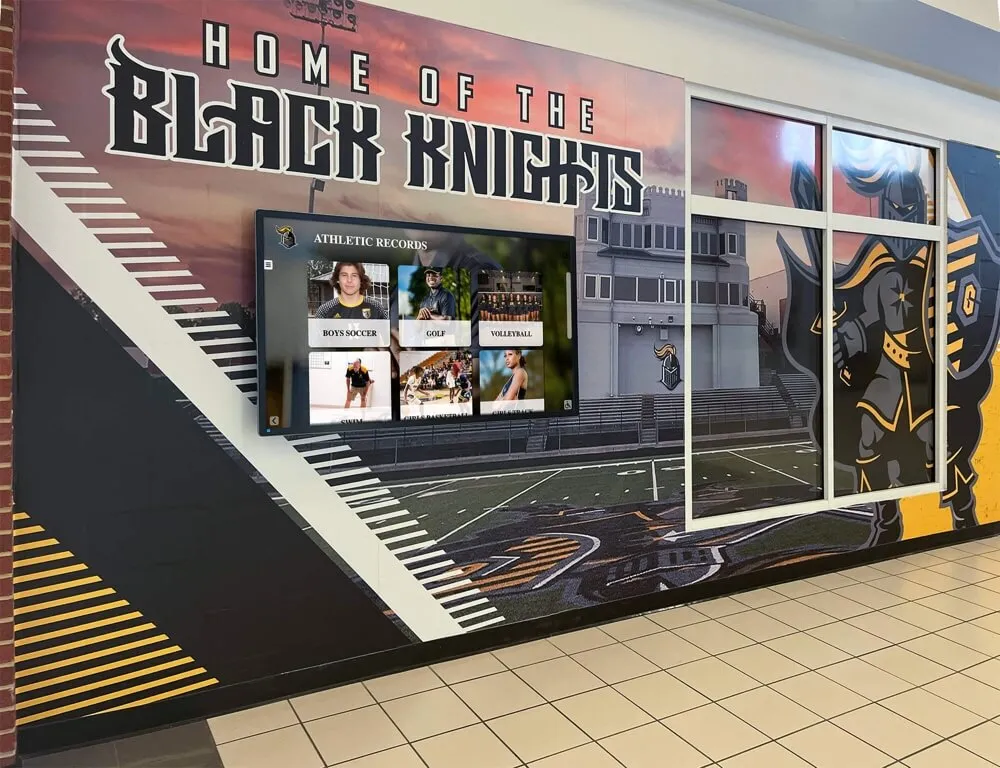
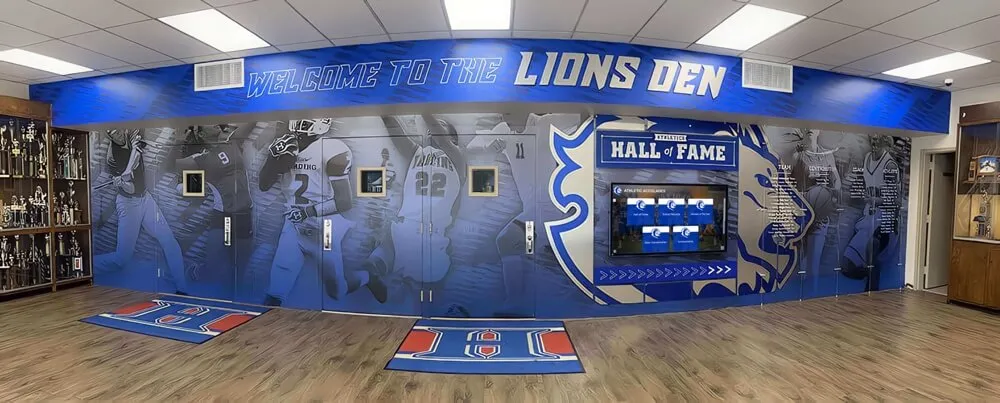
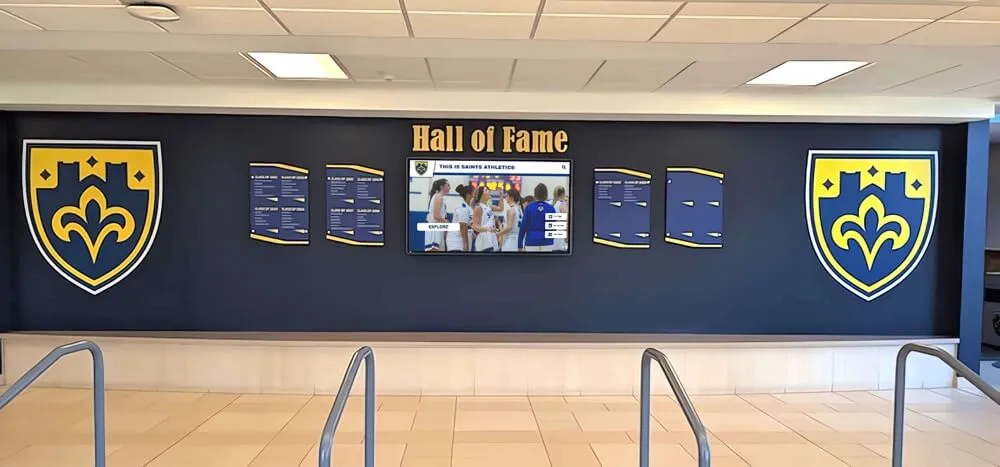
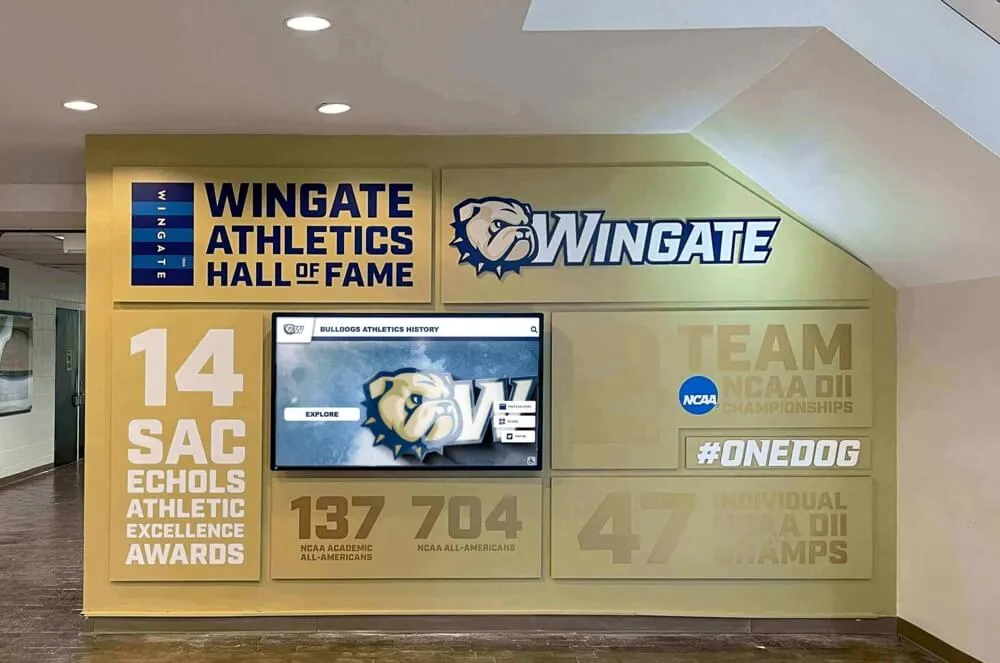
Integrated systems combining digital displays with traditional elements create comprehensive recognition spaces celebrating complete program histories
Display Placement Strategies for Maximum Impact
Strategic placement ensures color guard recognition visibility:
- Performing arts facility entrances and lobbies
- Main school hallways with consistent student traffic
- Gym entrances connecting with athletic recognition
- Competition venue displays during hosted events
- Web-based platforms providing remote family access
- Mobile-responsive designs enabling smartphone viewing
Multimedia Recognition Enhancement
Rich content brings color guard achievements to life:
- Competition performance recordings showcasing technical excellence
- Behind-the-scenes rehearsal footage demonstrating dedication
- Award ceremony documentation preserving recognition moments
- Highlight reels featuring spectacular equipment work and choreography
- Photo galleries from competitions, performances, and team activities
- Social media integration enabling achievement sharing and celebration
Digital recognition extends beyond single trophy case or plaque wall limitations, creating dynamic, engaging presentations that honor color guard appropriately while building program prestige throughout school communities.
Conclusion: Celebrating Color Guard Excellence Through Comprehensive Recognition
Color guard represents extraordinary achievement combining athletic execution, artistic expression, and unwavering dedication to ensemble excellence throughout demanding competitive seasons. These performers deserve recognition systems matching the significance of their accomplishments—systems that celebrate technical mastery, competitive success, leadership development, and the character qualities distinguishing exceptional color guard members.
Whether you’re a prospective member considering joining color guard, a current performer seeking to elevate your skills, or a program director building recognition systems, understanding color guard fundamentals and creating comprehensive celebration approaches ensures this unique performing art receives appropriate honor.
Ready to establish or enhance color guard recognition in your program? Modern digital recognition solutions provide ideal platforms for celebrating color guard achievement, combining unlimited recognition capacity accommodating complete rosters with comprehensive profile systems documenting individual journeys, interactive exploration engaging teams and families, multimedia integration showcasing performances and achievements, and web accessibility extending recognition beyond facilities to communities worldwide.
Whether establishing new recognition systems or modernizing existing approaches, success requires understanding complete range of color guard contributions deserving acknowledgment, selecting diverse recognition categories reflecting program values beyond competition results, creating meaningful celebration experiences appropriate to team culture, and implementing year-round visibility through displays building program prestige continuously.
Discover how Rocket Alumni Solutions can help your color guard program create professional recognition displays that showcase team excellence year-round, inspire continued dedication, and build program prestige throughout your school and community.
Your color guard members deserve recognition celebrating athletic excellence, artistic achievement, leadership development, and commitment to representing schools with pride throughout demanding seasons. With thoughtful program development addressing skill progression needs, competition preparation strategies, and comprehensive recognition through digital displays, you can create environments where performers thrive while building performing arts programs that honor dedication authentically.
The essential elements aren’t budget size, equipment expense, or trophy collection—they’re genuine commitment to recognizing diverse contributions beyond competition placements, systematic skill development approaches ensuring all members progress appropriately, meaningful team culture valuing both technical and artistic growth, and year-round visibility ensuring achievements remain celebrated long after seasons conclude.
Start planning your color guard program enhancement today, transforming participation into celebrated excellence that honors member dedication while building lasting performing arts culture throughout your school community.