



Intent: Plan — College residence halls serve as home for millions of students nationwide, creating vibrant living-learning communities where academic success, personal development, and social connection intersect throughout undergraduate years. Yet despite housing’s central role in student experience and retention, most residence halls struggle with fragmented communication systems that scatter essential information across bulletin boards, email lists, social media accounts, printed flyers, and verbal announcements—leaving students confused about building policies, unaware of community events, disconnected from resources, and frustrated by outdated ineffective communication methods that fail to meet contemporary expectations for accessible digital information.
This communication challenge extends beyond minor inconvenience to impact student satisfaction, community engagement, and housing operations effectiveness. Residence life professionals spend countless hours creating printed materials students ignore, repeating information through multiple channels without confirmation anyone receives messages, responding to preventable questions about policies already communicated through inaccessible formats, and struggling to build floor communities when residents lack shared information spaces fostering connection. Meanwhile, students express consistent frustration with communication gaps that prevent full engagement with residence hall programming, services, and community-building opportunities essential for successful college transitions and continued academic persistence.
This comprehensive guide provides a complete blueprint for implementing informational interactive displays specifically designed for college residence halls and campus housing environments. These displays consolidate essential building information, showcase community events and programming, provide instant access to services and resources, display real-time updates and emergency notifications, and create engaging digital hubs where residents naturally gather to explore housing information while connecting with floor communities—transforming scattered communication chaos into streamlined accessible information delivery that serves both resident needs and housing operations excellence.
College residence halls represent unique communication environments where transient populations with diverse backgrounds and varying technology preferences require consistent reliable access to building-specific information, community programming details, campus resources, and emergency communications. Digital interactive displays overcome the limitations inherent in traditional communication methods while creating modern engaging information experiences that contemporary students expect from residential environments throughout their undergraduate housing journeys.

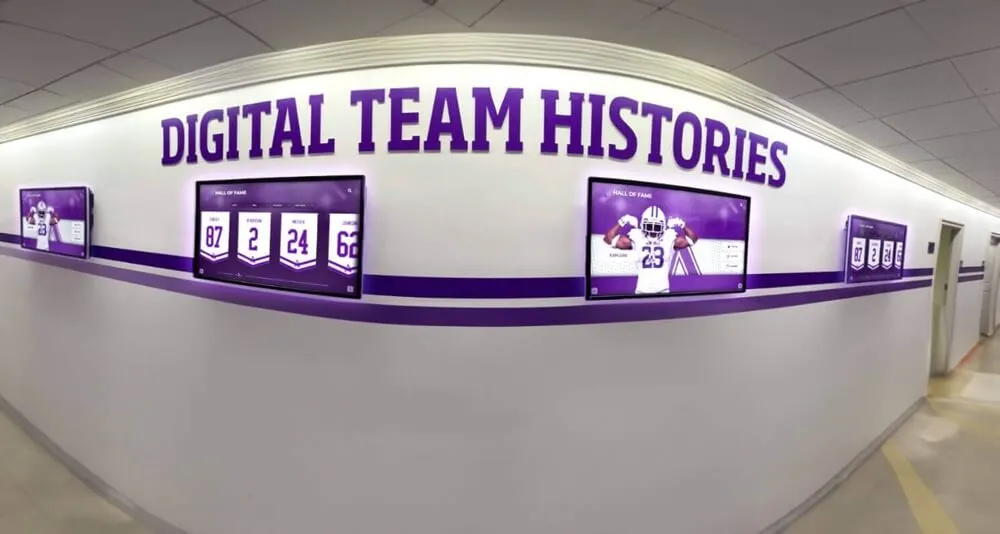
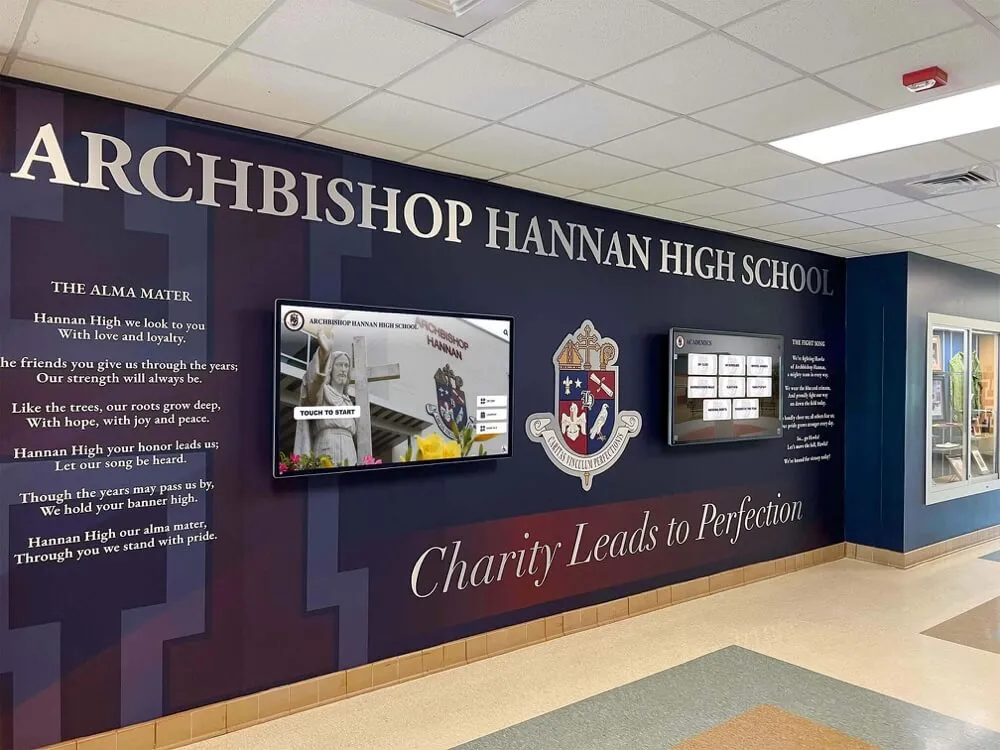
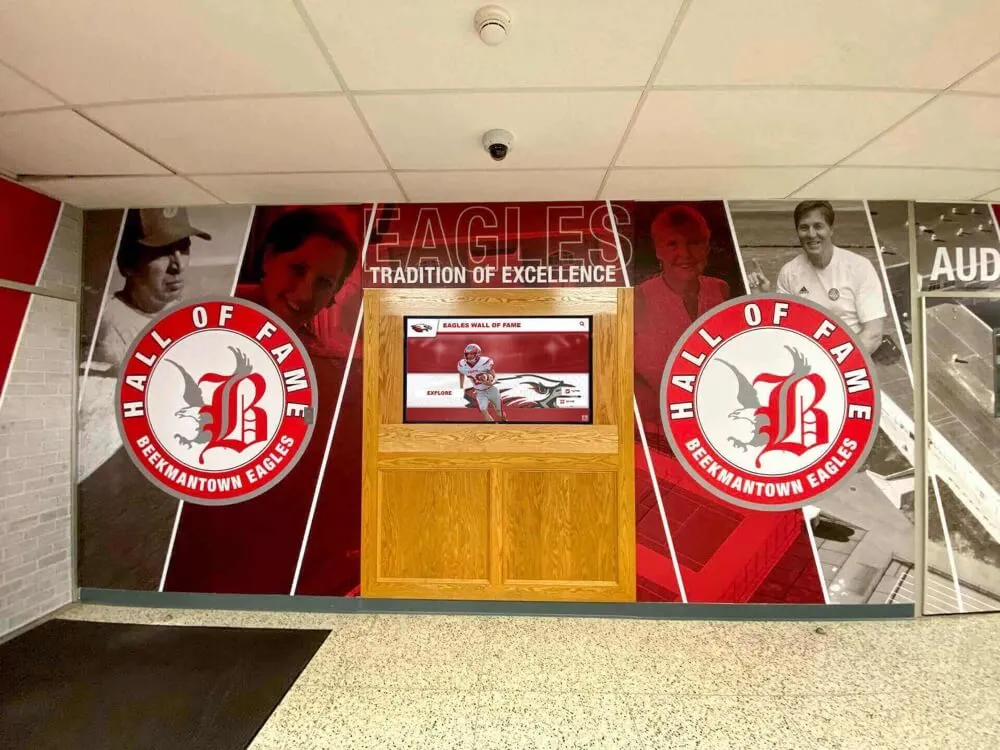
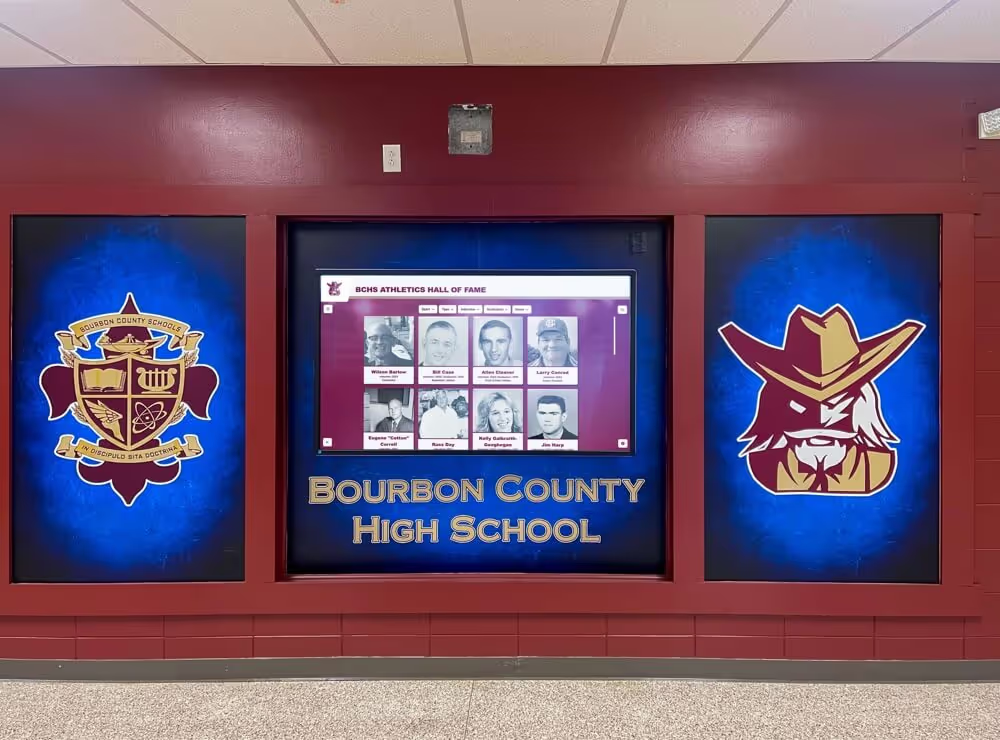
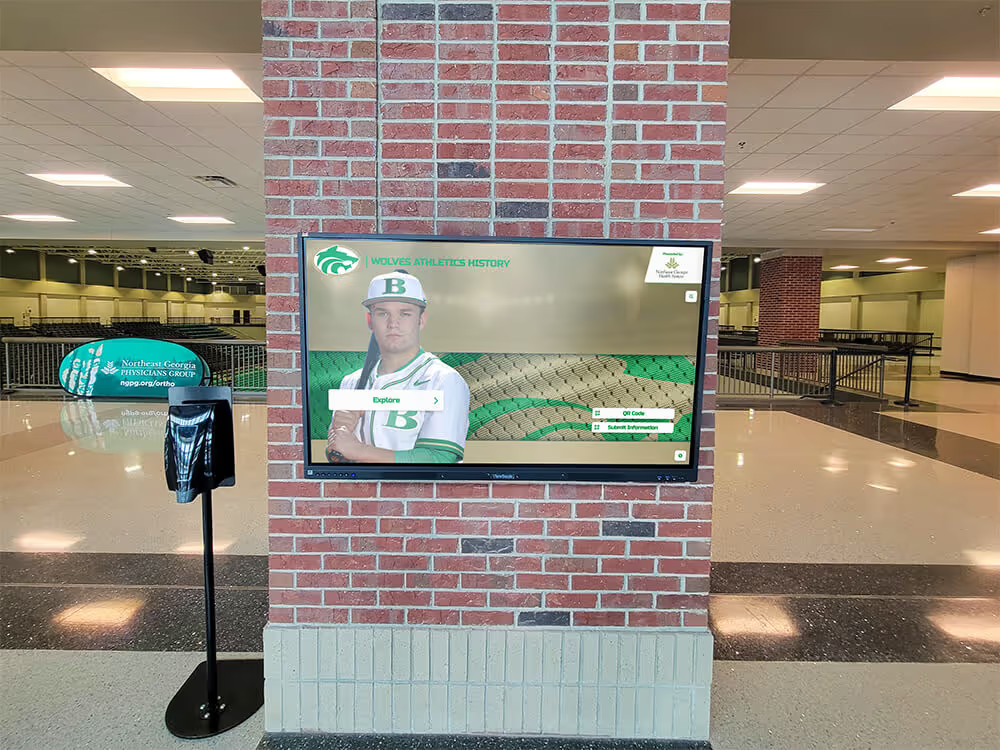
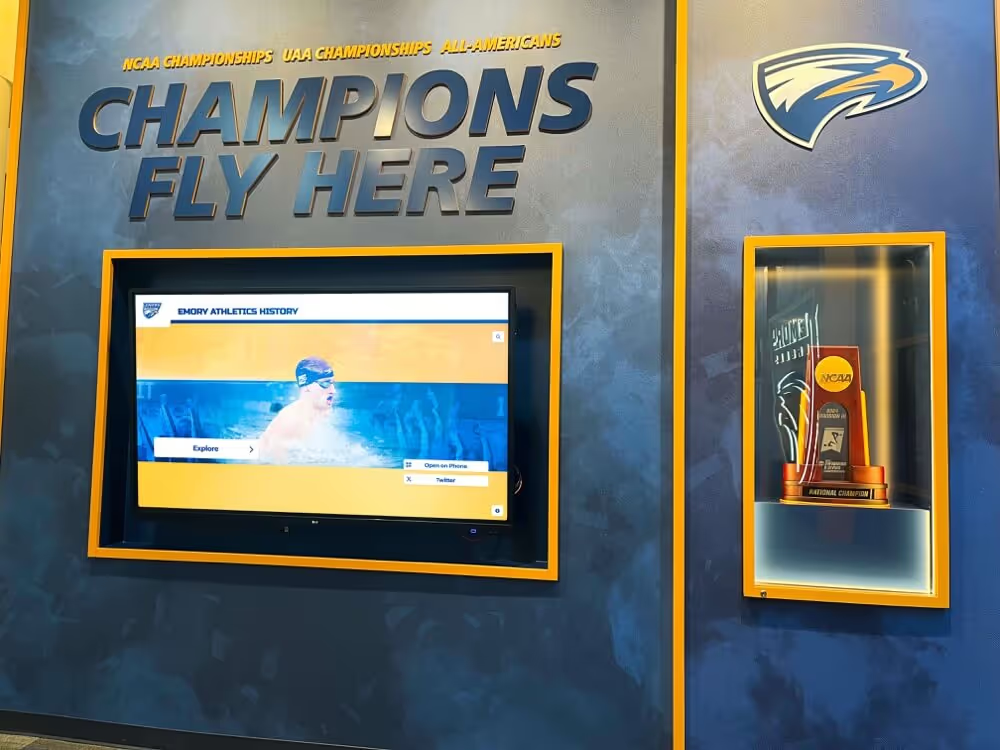
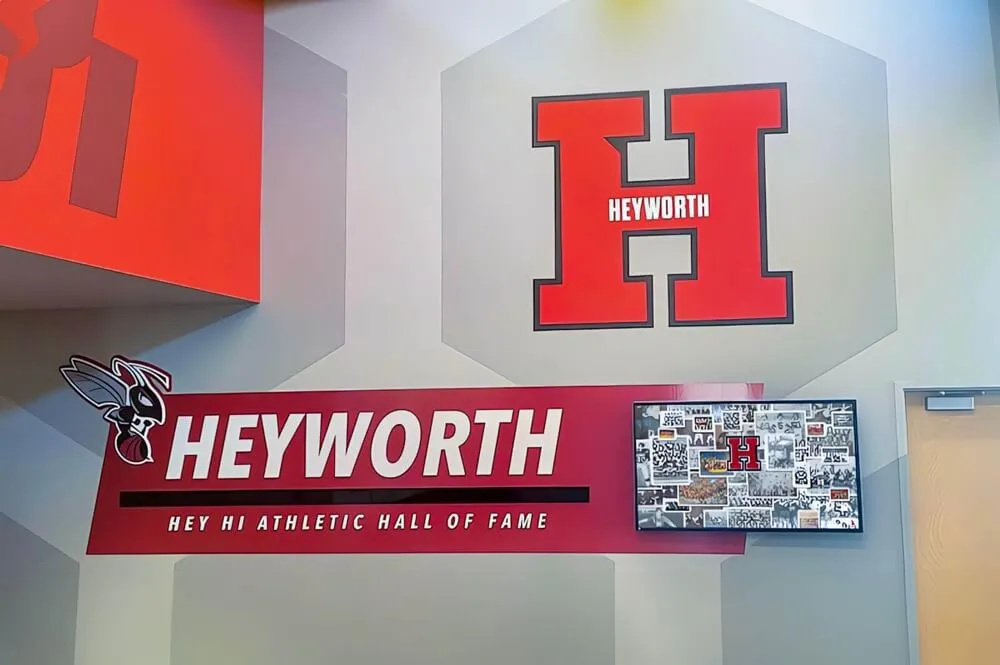
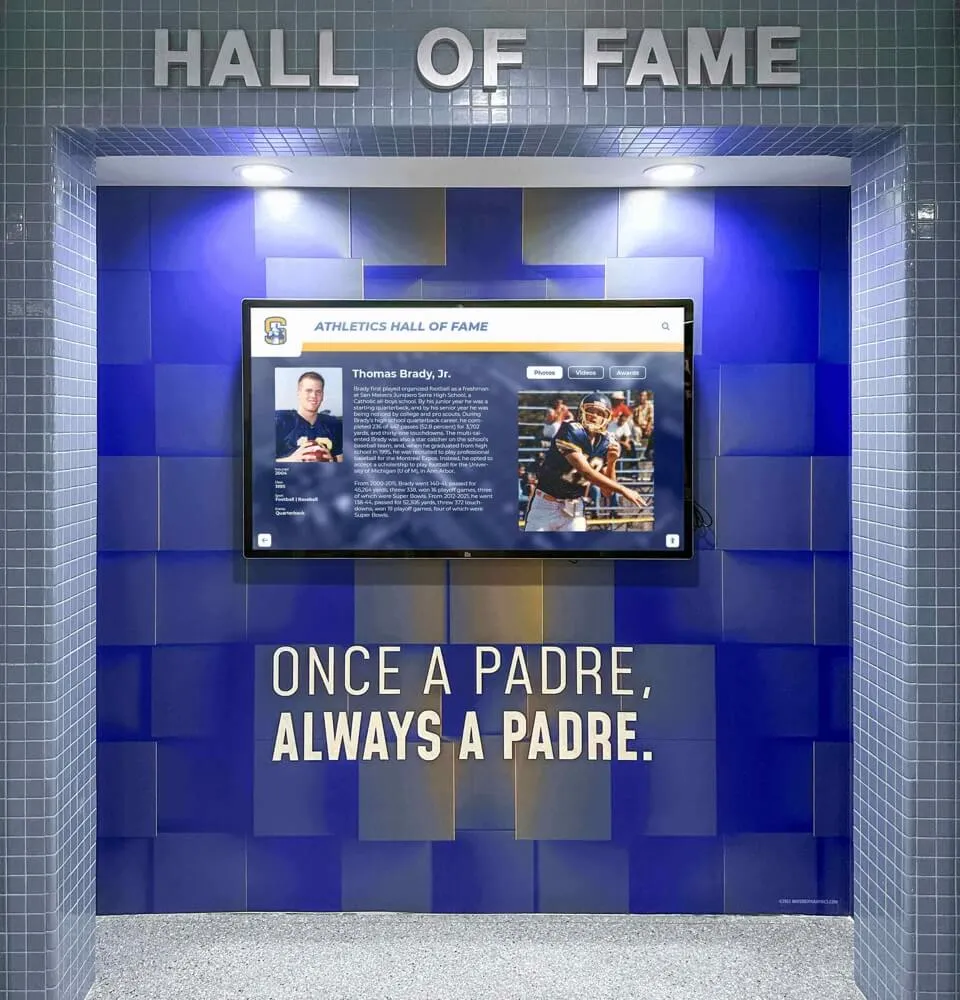
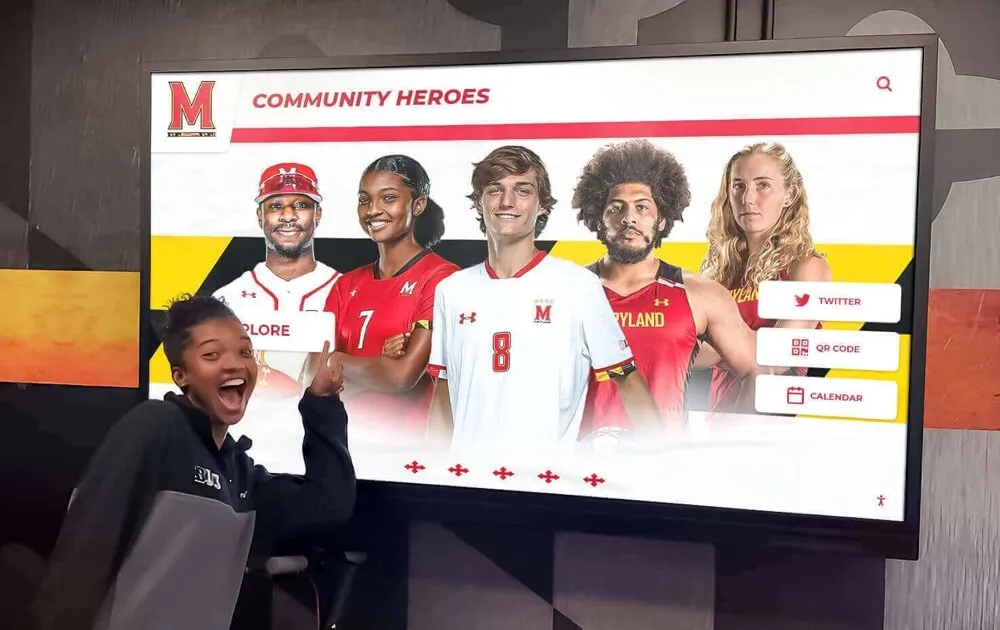
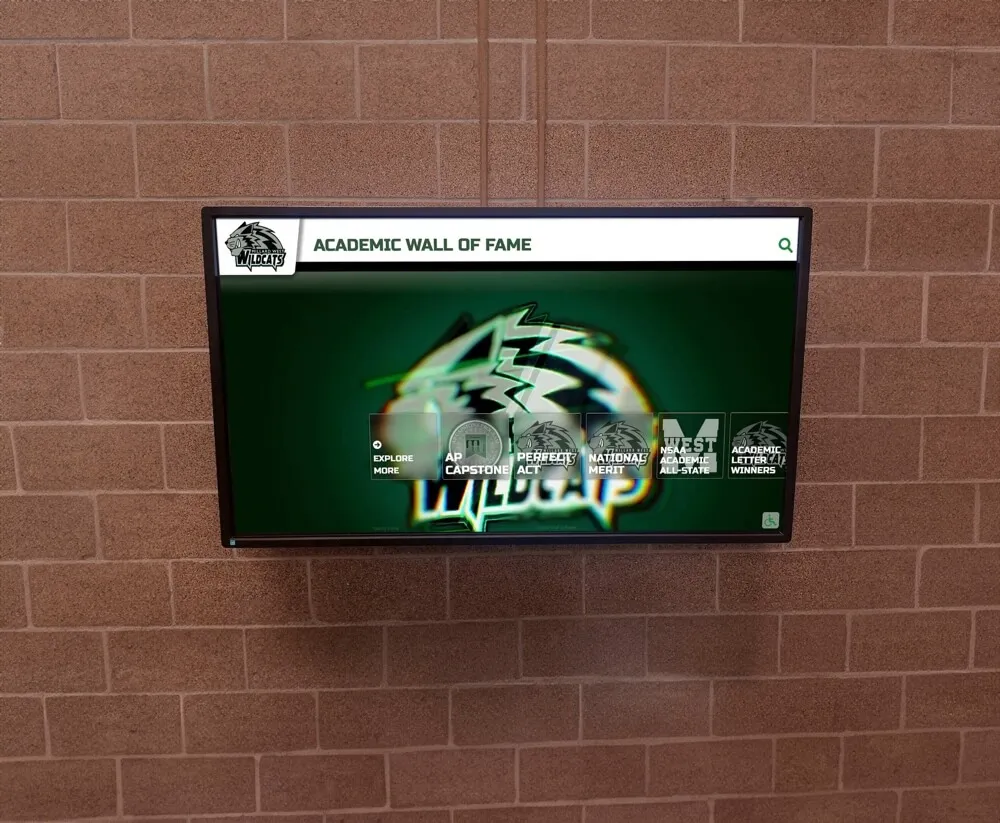
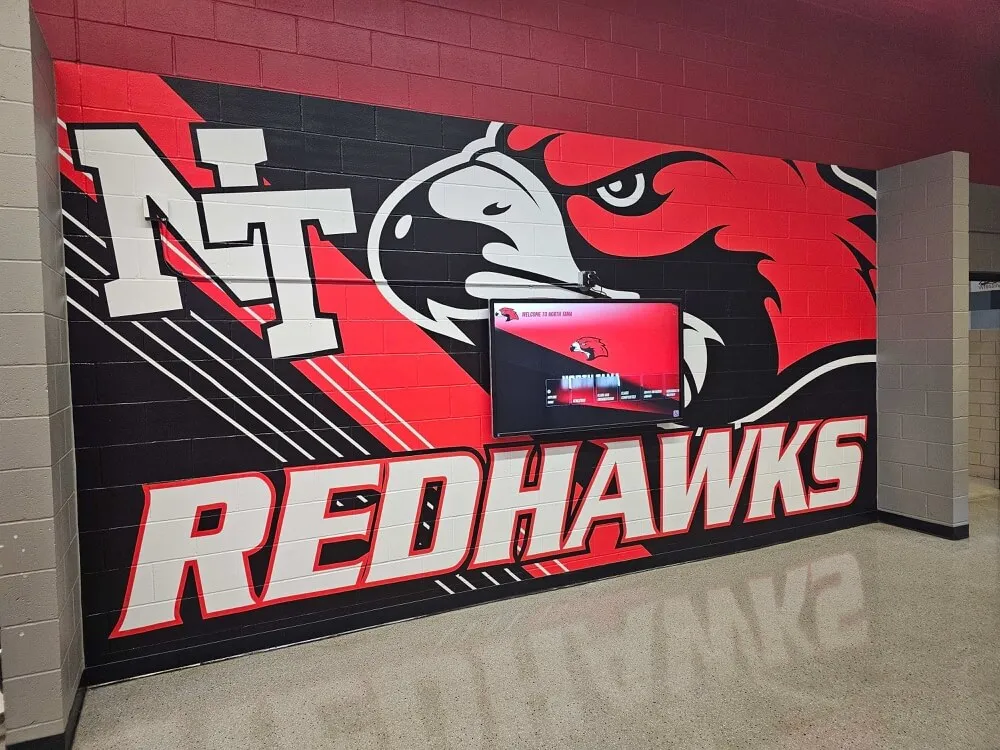
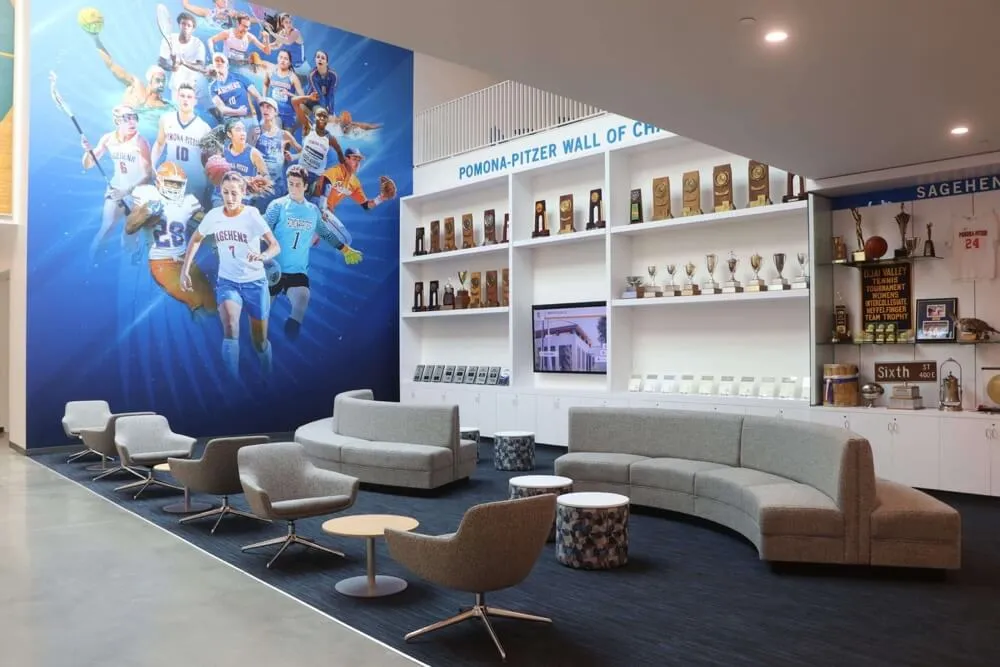
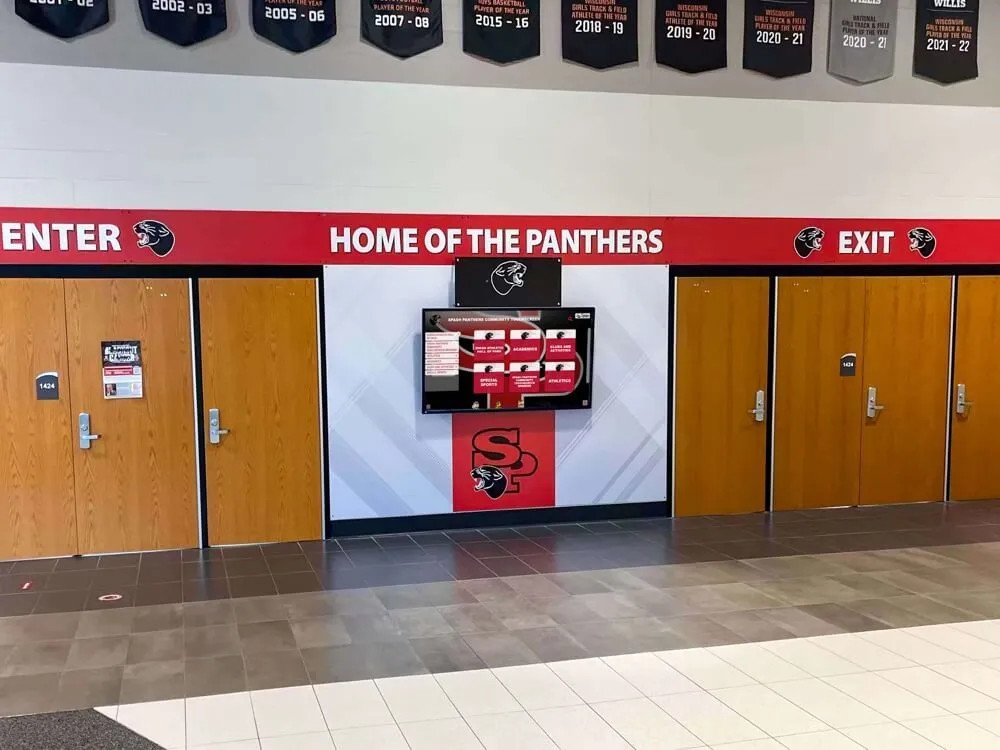
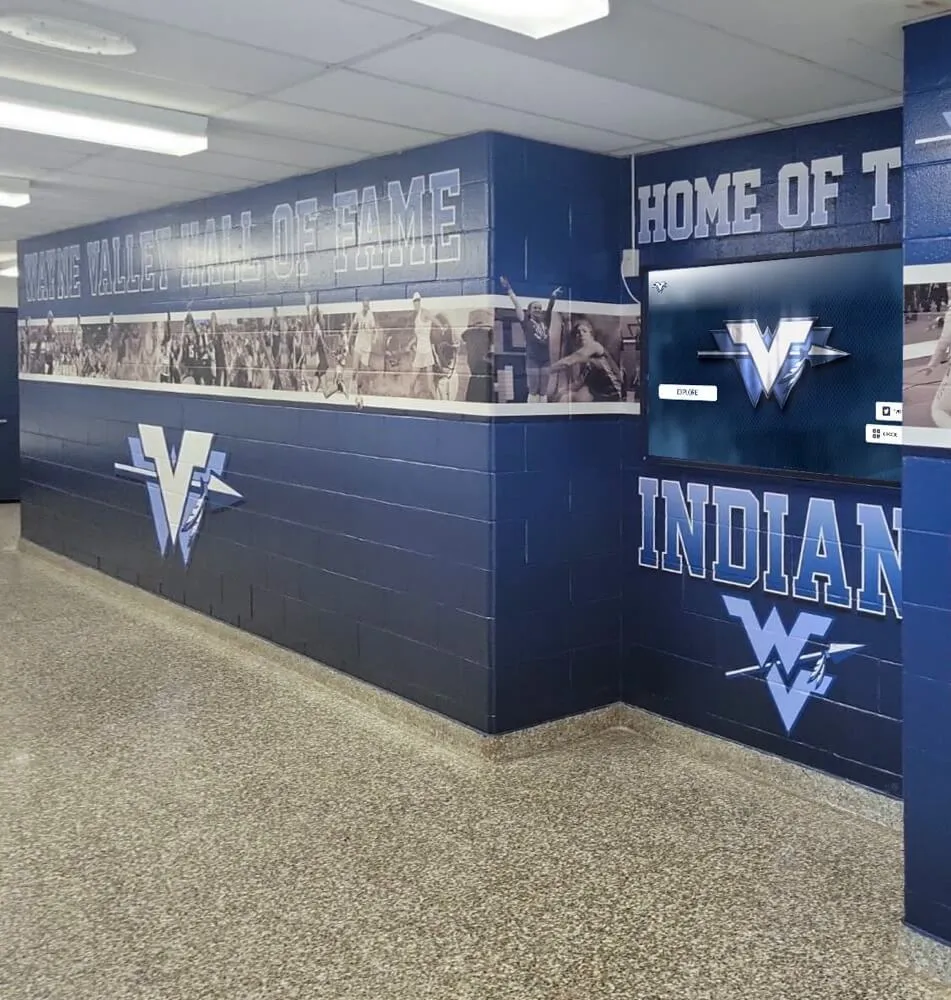
Interactive displays create accessible information hubs where residence hall students discover building policies, community events, campus resources, and emergency updates through intuitive digital interfaces
Program Snapshot: Residence Hall Informational Interactive Displays
Understanding the complete scope of residence hall interactive display implementation helps housing professionals assess whether this communication approach aligns with student needs and operational capabilities:
| Program Element | Description | Key Considerations |
|---|---|---|
| Target Audience | Current residents, resident advisors, housing staff, visiting family members, prospective students on housing tours | Diverse audiences require intuitive interfaces accessible without training or technical expertise |
| Information Categories | Building policies, floor directories, community events, campus services, dining information, safety protocols, housing resources | Comprehensive content requires systematic organization preventing overwhelming information density |
| Primary Outcomes | Improved resident awareness, increased event participation, reduced staff communication burden, enhanced community connection, streamlined information access | Success requires measuring outcomes beyond simply having displays installed |
| Technology Components | Interactive touchscreen displays, content management systems, network connectivity, mobile integration capabilities | Purpose-built solutions deliver superior results versus generic digital signage lacking housing-specific features |
| Deployment Locations | Residence hall lobbies, floor common areas, elevator landings, laundry rooms, mail centers | Strategic placement ensures students encounter information during natural daily building navigation |
| Launch Timeline | Typically 2-4 months from planning through operational deployment for pilot building implementations | Rushed installations without adequate content development consistently disappoint |
| Ongoing Management | Daily content updates during active semesters, real-time event changes, continuous policy information maintenance | Requires dedicated staff time or clear RA responsibilities for sustainable operation |
Content Architecture: Organizing Residence Hall Information for Digital Discovery
College residence hall interactive displays structure essential housing information through specialized content modules designed for quick discovery and intuitive student exploration:
Essential Building Information
Resident Services and Policies
Core housing information students need regularly includes:
- Building access hours and guest policy details with specific registration requirements
- Quiet hours enforcement schedules varying by exam periods and regular semester weeks
- Laundry room locations, hours, machine availability, and mobile payment instructions
- Mail center operations including package pickup procedures and notification systems
- Maintenance request procedures with online portal access and emergency contact protocols
- Room inspection schedules with preparation checklists and compliance requirements
- Move-out procedures and timelines preventing last-minute confusion during final exam stress
Floor and Building Directories
Comprehensive resident information enhances community connection:
- Floor directories showing resident names, room numbers, and hometowns when permitted by privacy preferences
- Resident advisor contact information with office hours, phone numbers, and emergency protocols
- Building staff directories including front desk hours, custodial schedules, and administrative contacts
- Floor government representatives and community council information
- Resource room locations including study spaces, kitchens, recreation areas, and specialized facilities
- Common area reservation procedures for floor programming and study groups
- Building amenity guides covering fitness rooms, music practice spaces, and specialized equipment
Campus Resource Integration
Connecting residents to broader institutional support:
- Campus dining hall locations, hours, menus, and dietary accommodation information
- Health and wellness services including counseling availability, medical center hours, and crisis resources
- Academic support services highlighting tutoring centers, writing labs, library hours, and study resources
- Transportation information covering campus shuttle routes, schedules, parking options, and ride-sharing coordination
- Campus recreation programs featuring fitness classes, intramural sports, and outdoor adventure opportunities
- Student involvement resources showcasing clubs, organizations, leadership development, and volunteer opportunities
- Career services information promoting internship support, resume assistance, and professional development programming
According to research from campus housing professionals, students living in residence halls with comprehensive digital information systems report significantly higher satisfaction with housing communication and demonstrate increased engagement with floor programming and campus resources compared to buildings relying exclusively on traditional communication methods that scatter information across multiple disconnected channels requiring constant student initiative to discover essential housing details.
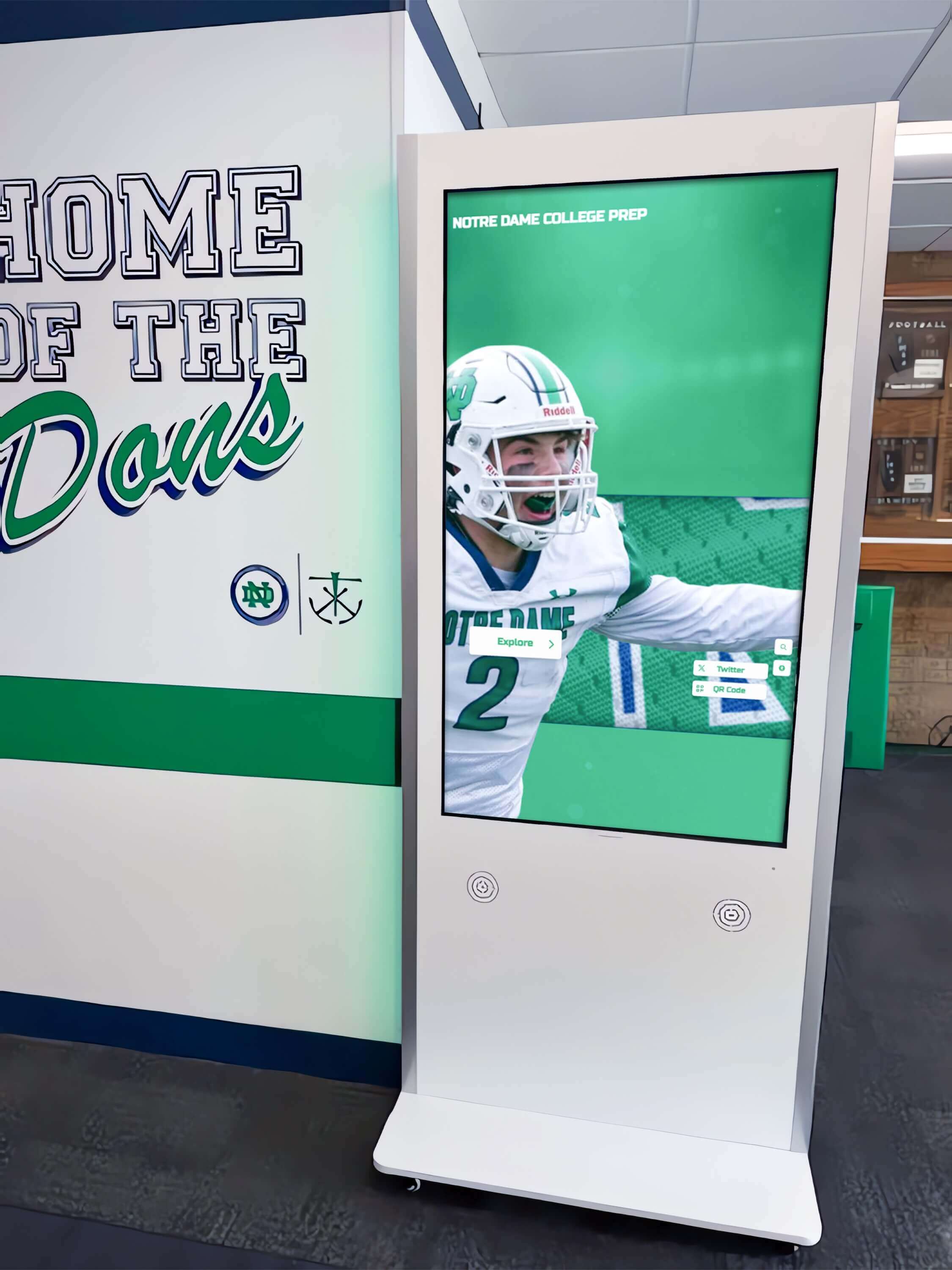
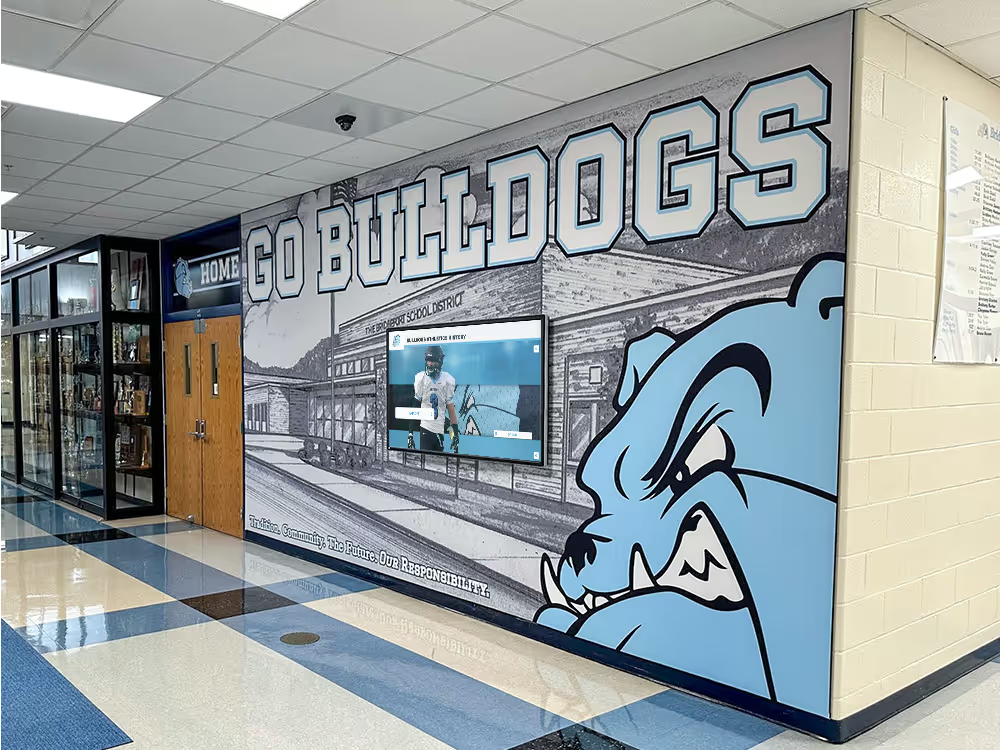
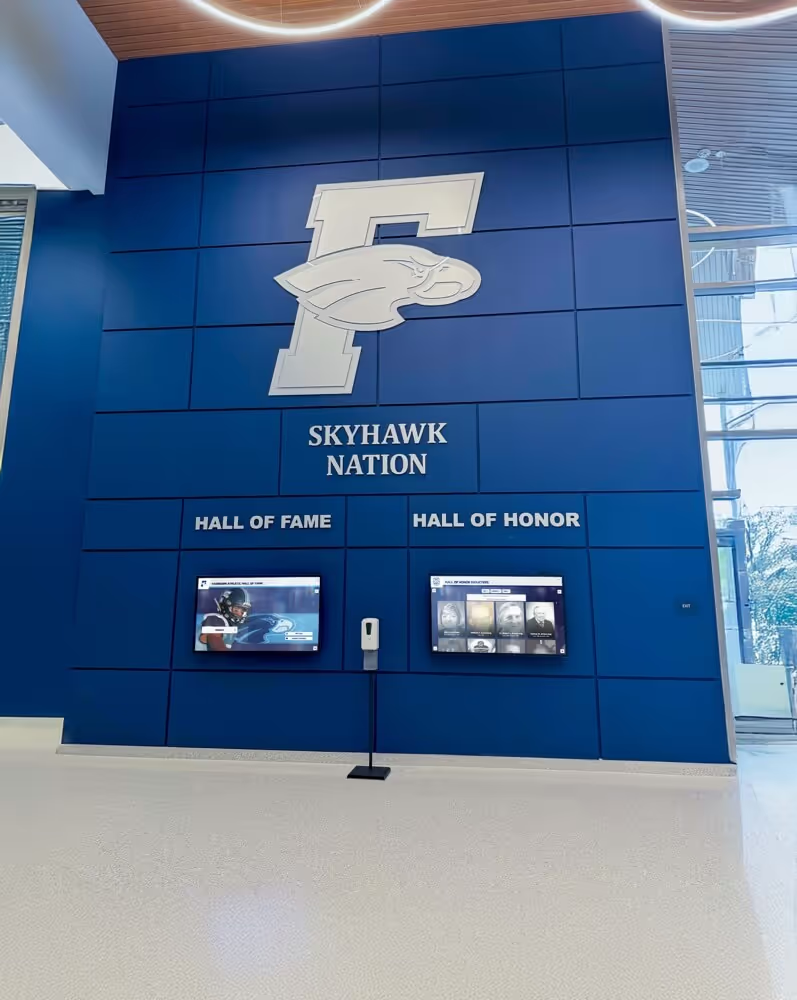
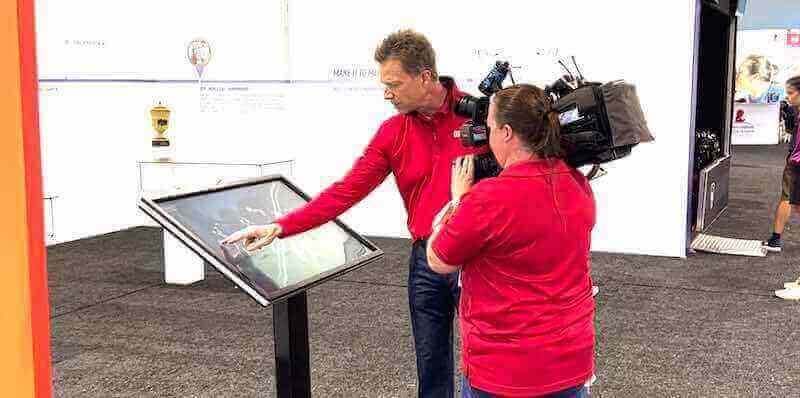
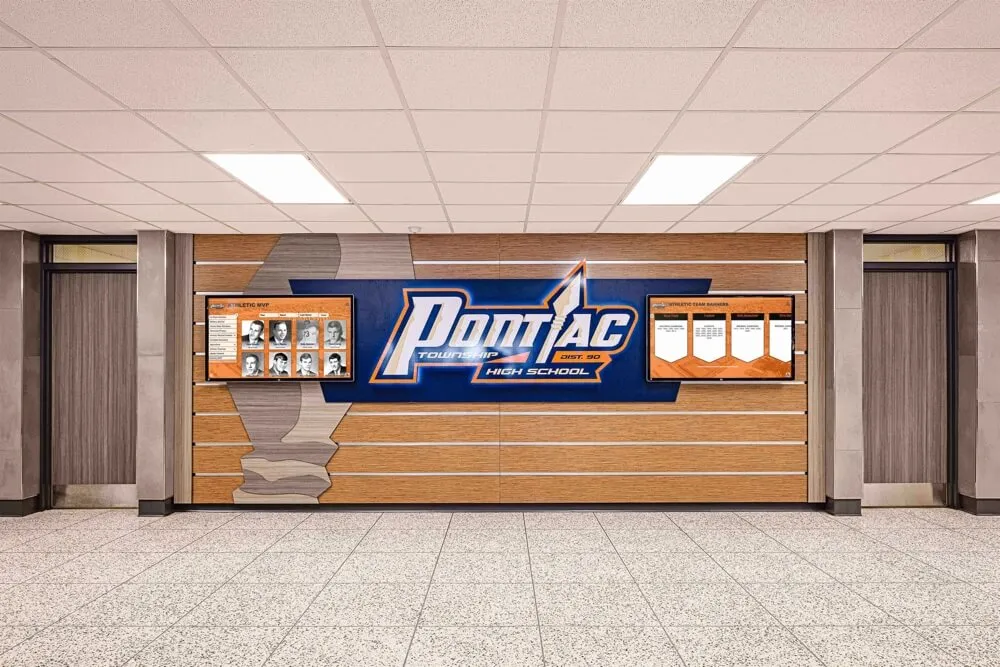
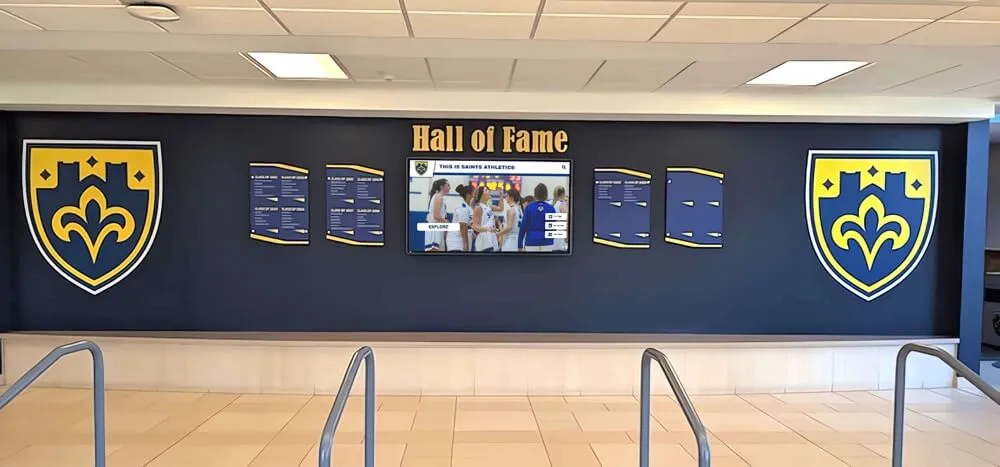
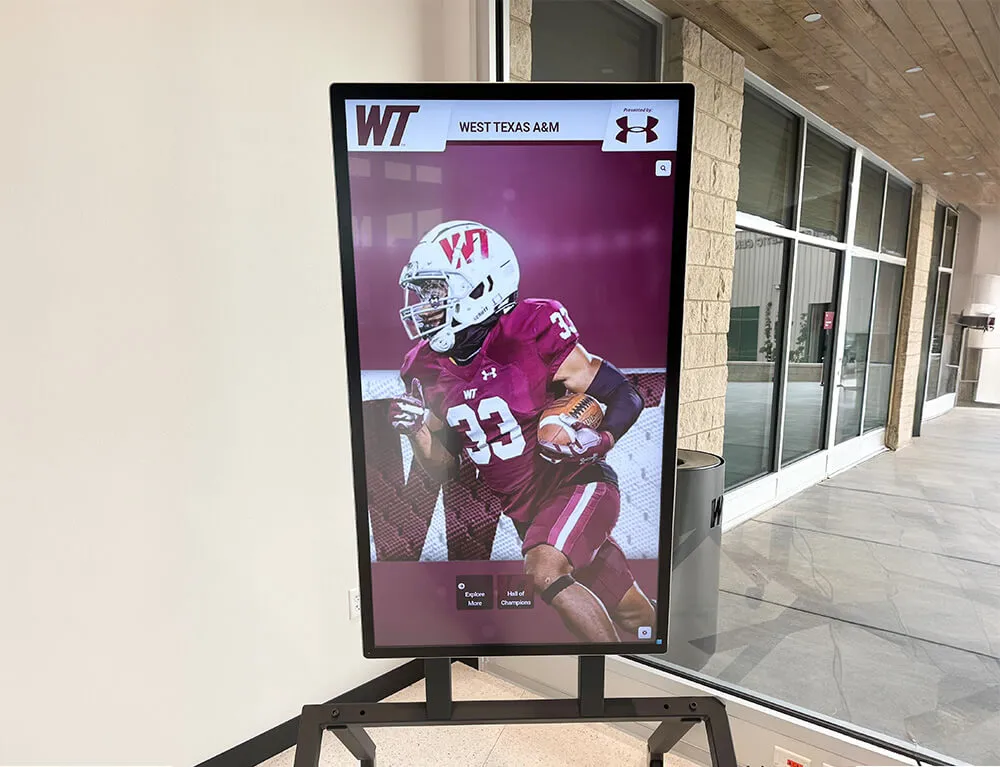
Freestanding kiosk installations provide flexible placement options accommodating various lobby configurations without requiring wall mounting or facility modifications
Community Programming and Events
Residence Hall Programming Calendar
Dynamic event information supports community building:
- Floor meeting schedules with agenda previews and required attendance notifications
- Social programming including movie nights, game tournaments, cultural celebrations, and community dinners
- Educational workshops covering study skills, stress management, financial literacy, and career preparation
- Wellness activities promoting fitness classes, meditation sessions, outdoor adventures, and healthy living
- Service opportunities connecting residents to campus and community volunteer projects
- Special event countdowns building anticipation for major residence hall traditions
- Past event photo galleries showcasing community memories and encouraging future participation
Building Competition and Recognition
Fostering healthy floor pride and engagement:
- Intramural sports schedules and team standings for residence hall leagues
- Spirit week competitions and point standings across floors or buildings
- Sustainability challenges tracking recycling participation and energy conservation achievements
- Academic recognition celebrating Dean’s List residents and honor roll achievements
- Community service leaderboards acknowledging volunteer hours and philanthropic contributions
- Building traditions timelines preserving residence hall heritage and annual celebrations
- Student spotlight features recognizing resident achievements, leadership, and community contributions
Campus-Wide Event Integration
Extending awareness beyond housing boundaries:
- Student organization meetings, performances, and cultural programming across campus
- Athletic event schedules with ticket information and Residence Hall spirit section coordination
- Lecture series, guest speakers, and academic enrichment opportunities
- Career fairs, networking events, and professional development programming
- Campus recreation intramural deadlines and facility reservation information
- Multicultural center programming celebrating diversity and promoting inclusion
- Greek life events relevant to residence hall communities
Solutions like Rocket Alumni Solutions provide comprehensive platforms that extend beyond simple calendar displays to create integrated community engagement systems connecting residence hall programming with broader campus involvement opportunities while maintaining building-specific identity and floor community celebration throughout academic years.
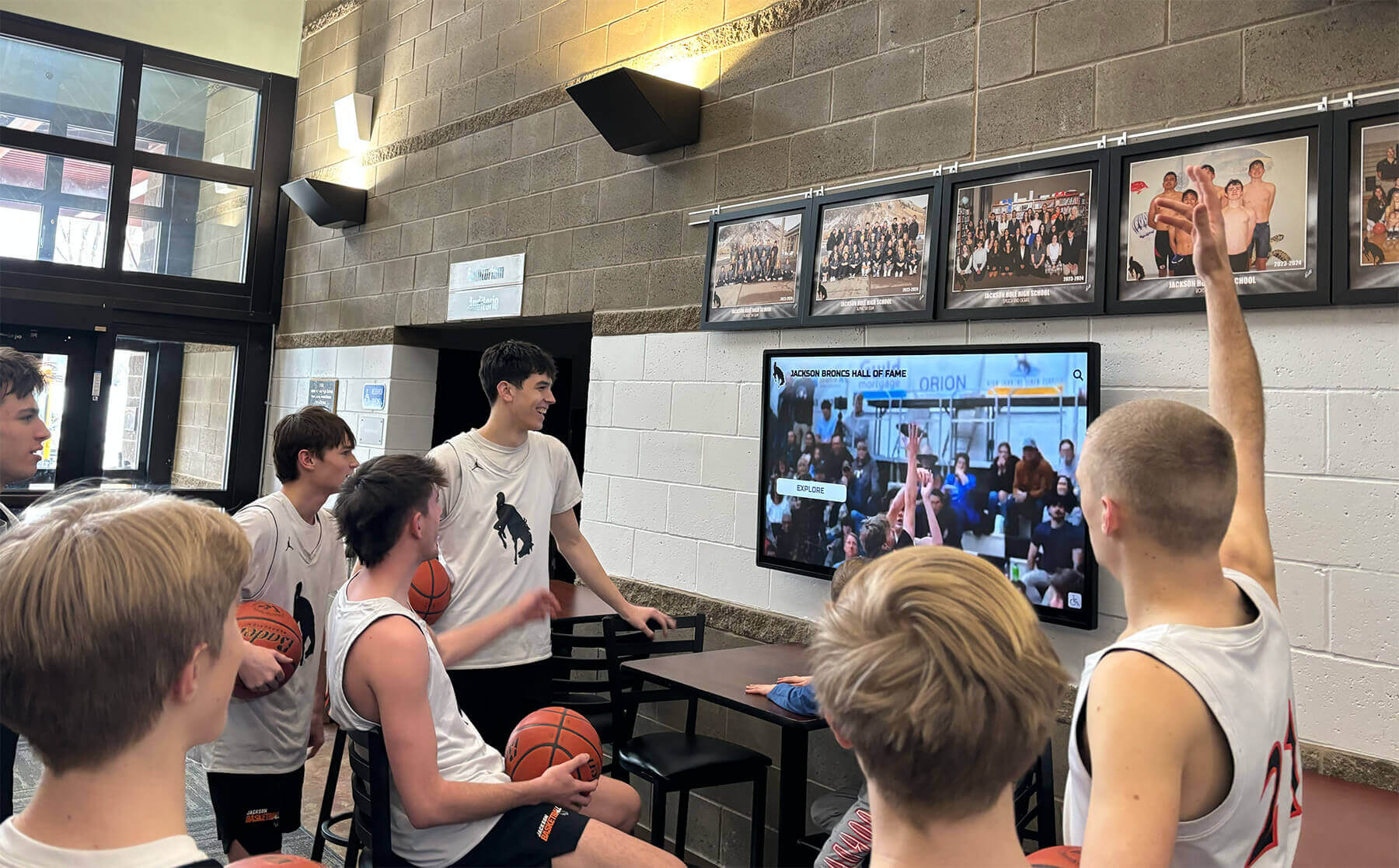
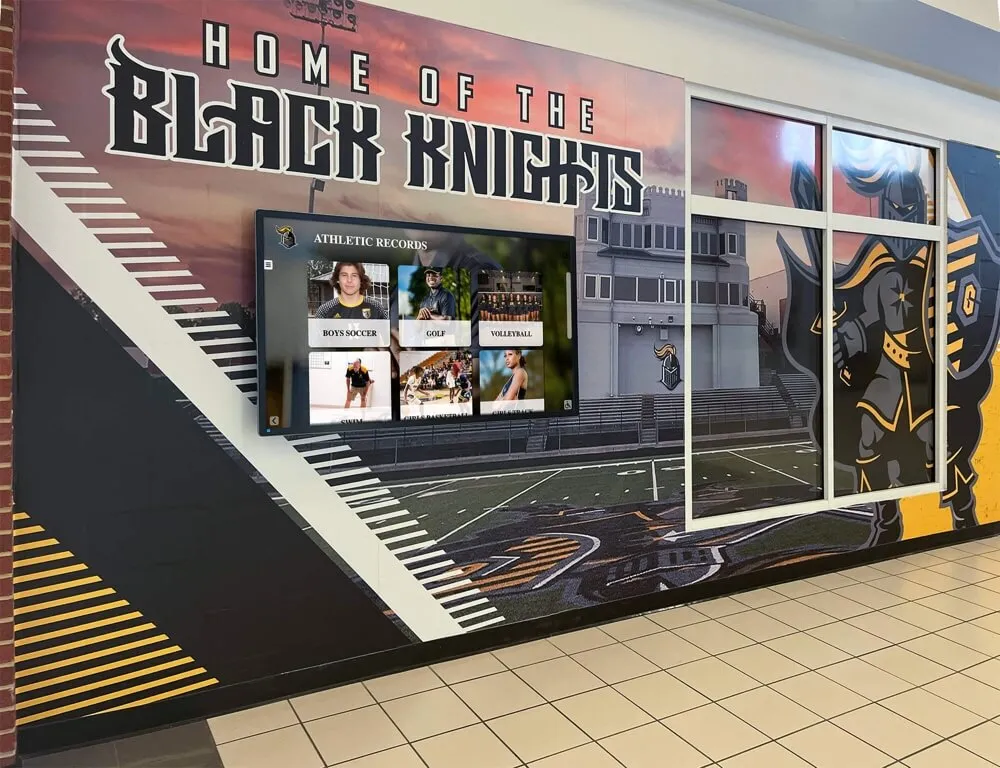
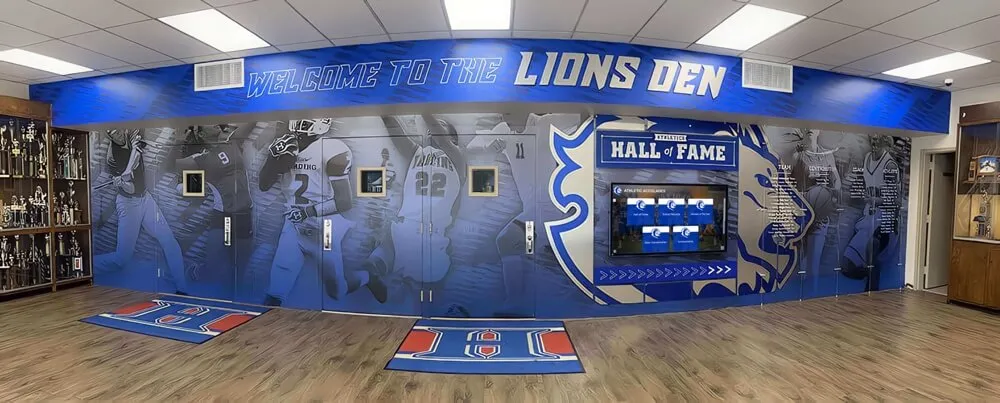
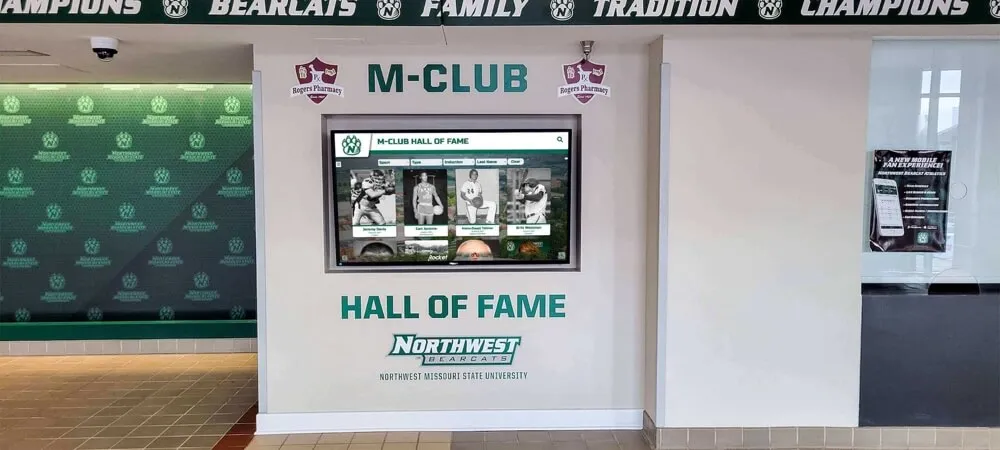
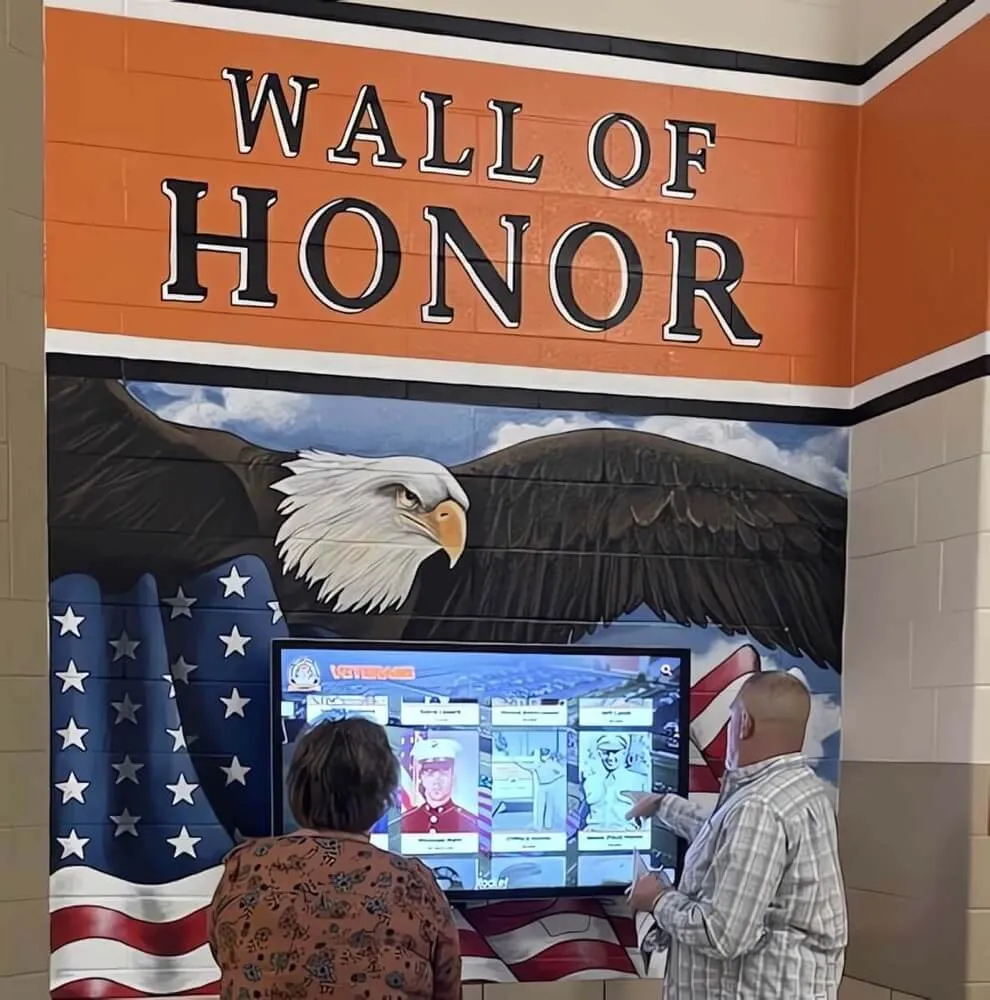
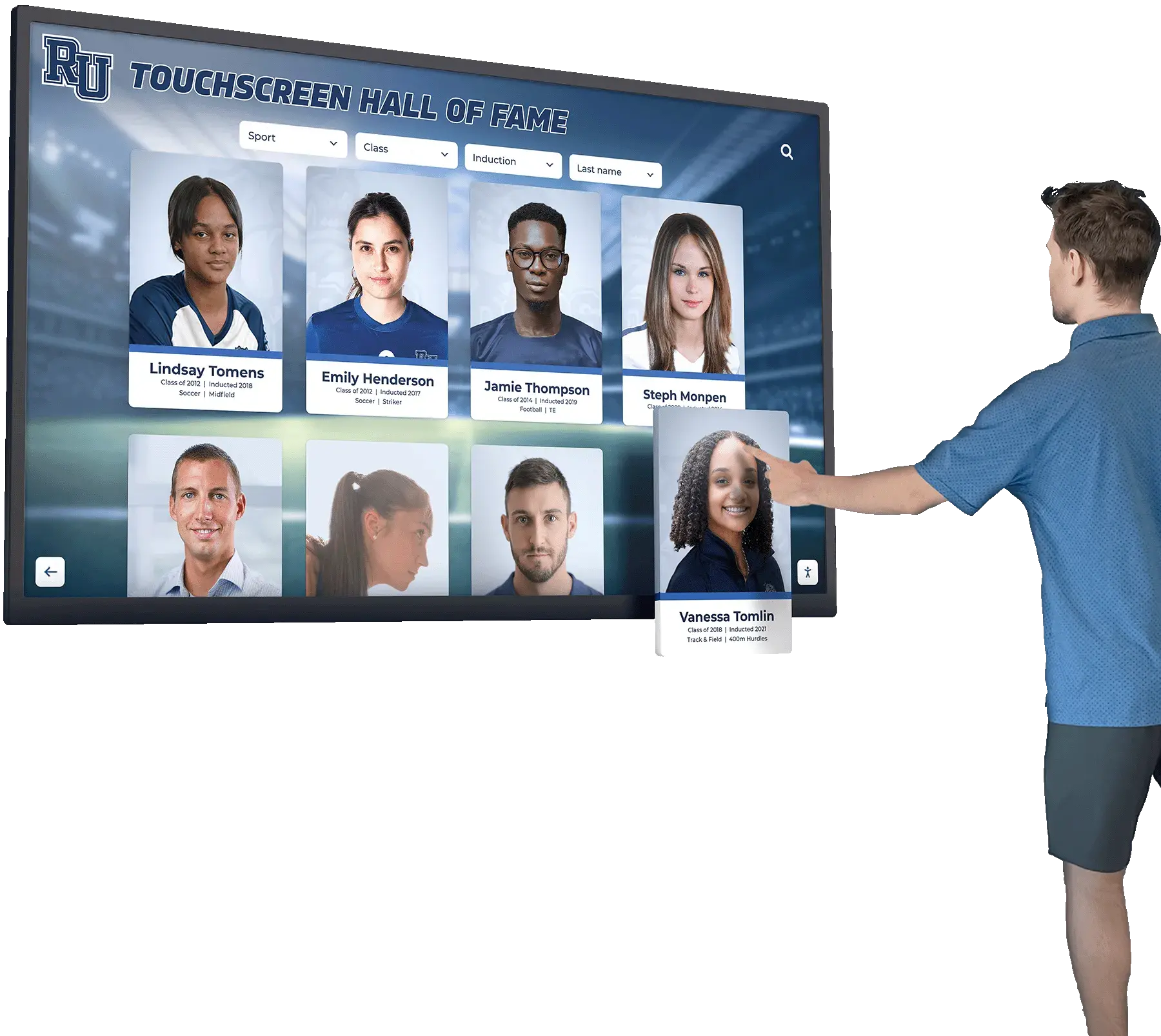
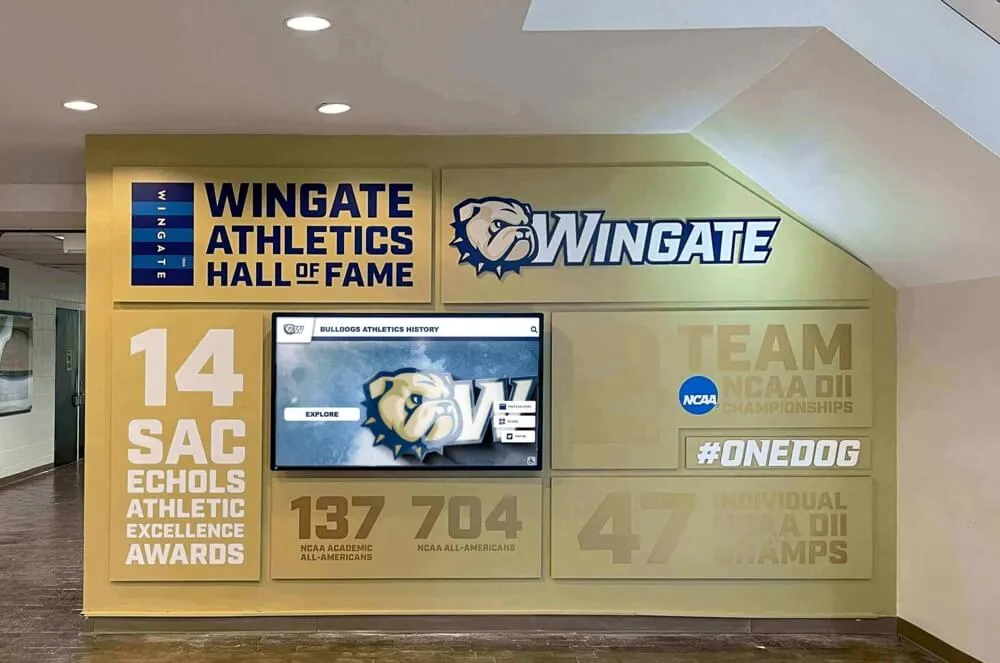
Interactive displays create natural gathering points where residents explore community information together, fostering social connection and floor identity
Real-Time Updates and Emergency Communications
Immediate Information Delivery
Time-sensitive communication requires instant access:
- Weather alerts including severe storm warnings, campus closures, and safety precautions
- Facilities updates covering elevator outages, water shutdowns, construction impacts, and temporary access changes
- Dining service modifications showing menu changes, special meal events, and temporary closures
- Transportation disruptions affecting campus shuttles, parking availability, and route modifications
- Campus security alerts providing safety information and emergency response instructions
- Health notifications including illness outbreaks, prevention guidance, and campus health center updates
- Academic calendar reminders highlighting registration deadlines, exam schedules, and break transitions
Emergency Notification Integration
Critical safety communications deserve prominent visibility:
- Campus emergency alert system integration displaying urgent warnings immediately across all residence hall displays
- Severe weather protocols with shelter-in-place instructions and safe area locations within buildings
- Building evacuation procedures showing exit routes, assembly points, and accountability protocols
- Fire alarm system information explaining expected responses and false alarm prevention
- Public safety contact information including emergency numbers, campus police locations, and escort services
- Medical emergency procedures with campus health center locations and urgent care options
- Mental health crisis resources providing immediate support contact information and counseling availability
Building Operations Communications
Keeping residents informed about facility management:
- Scheduled maintenance notifications preventing surprise disruptions during room inspections or repairs
- Fire drill schedules preparing residents for required evacuations and accountability procedures
- Pest control treatments requiring temporary room access or resident preparation
- Cleaning schedules for common areas, bathrooms, and public spaces
- Temperature control explanations during seasonal transitions or system maintenance
- Water quality testing notifications and temporary supply disruptions
- Construction project updates affecting noise, access, or amenities availability
Discover comprehensive approaches to building directory and wayfinding systems that enhance navigation and information accessibility across campus facilities including residence halls.
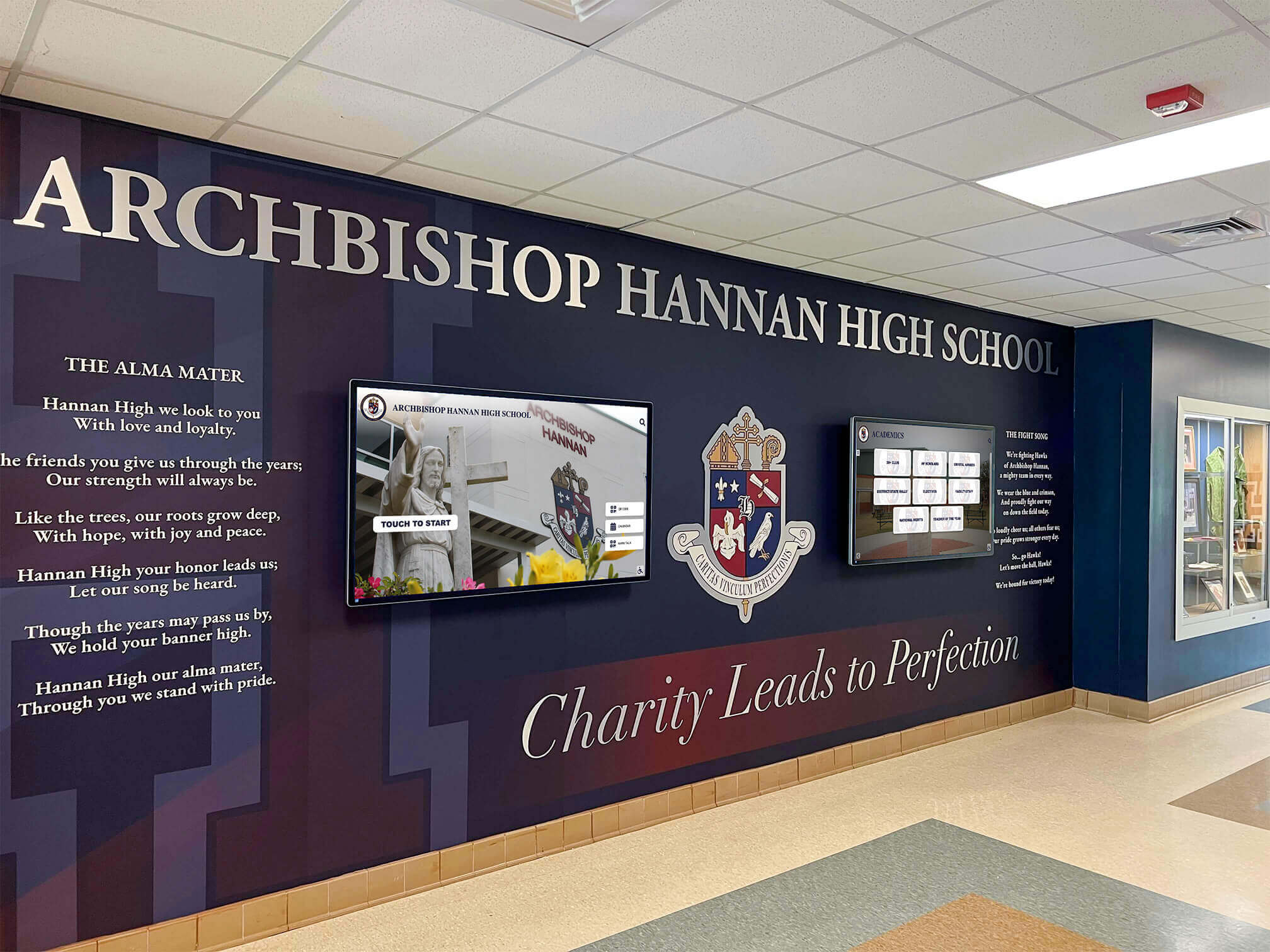
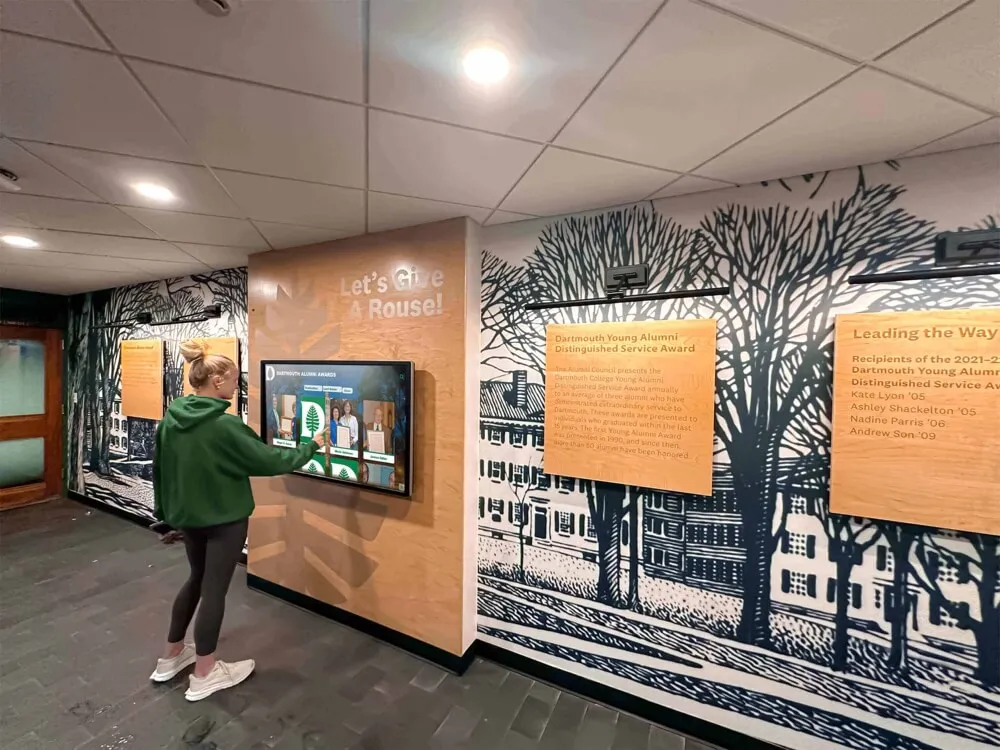
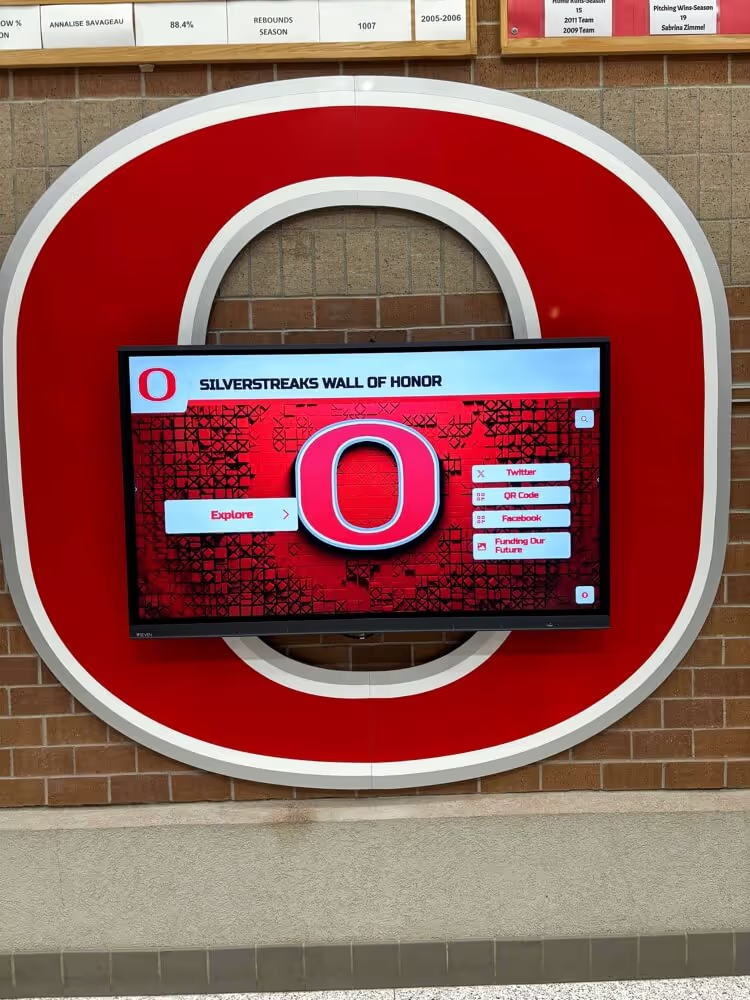
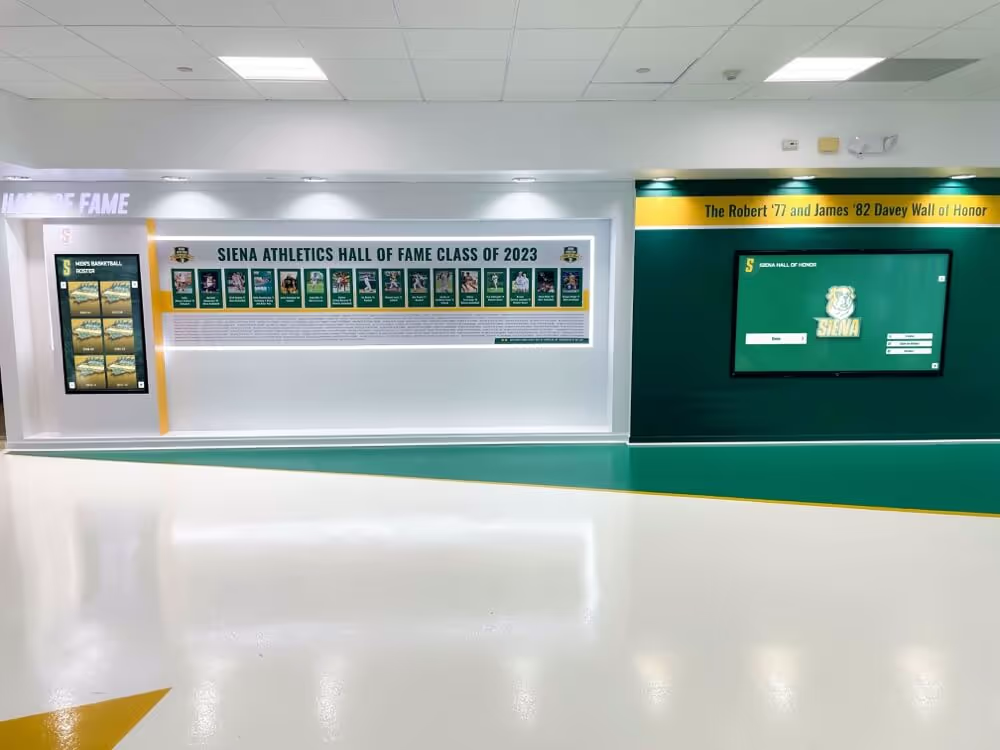
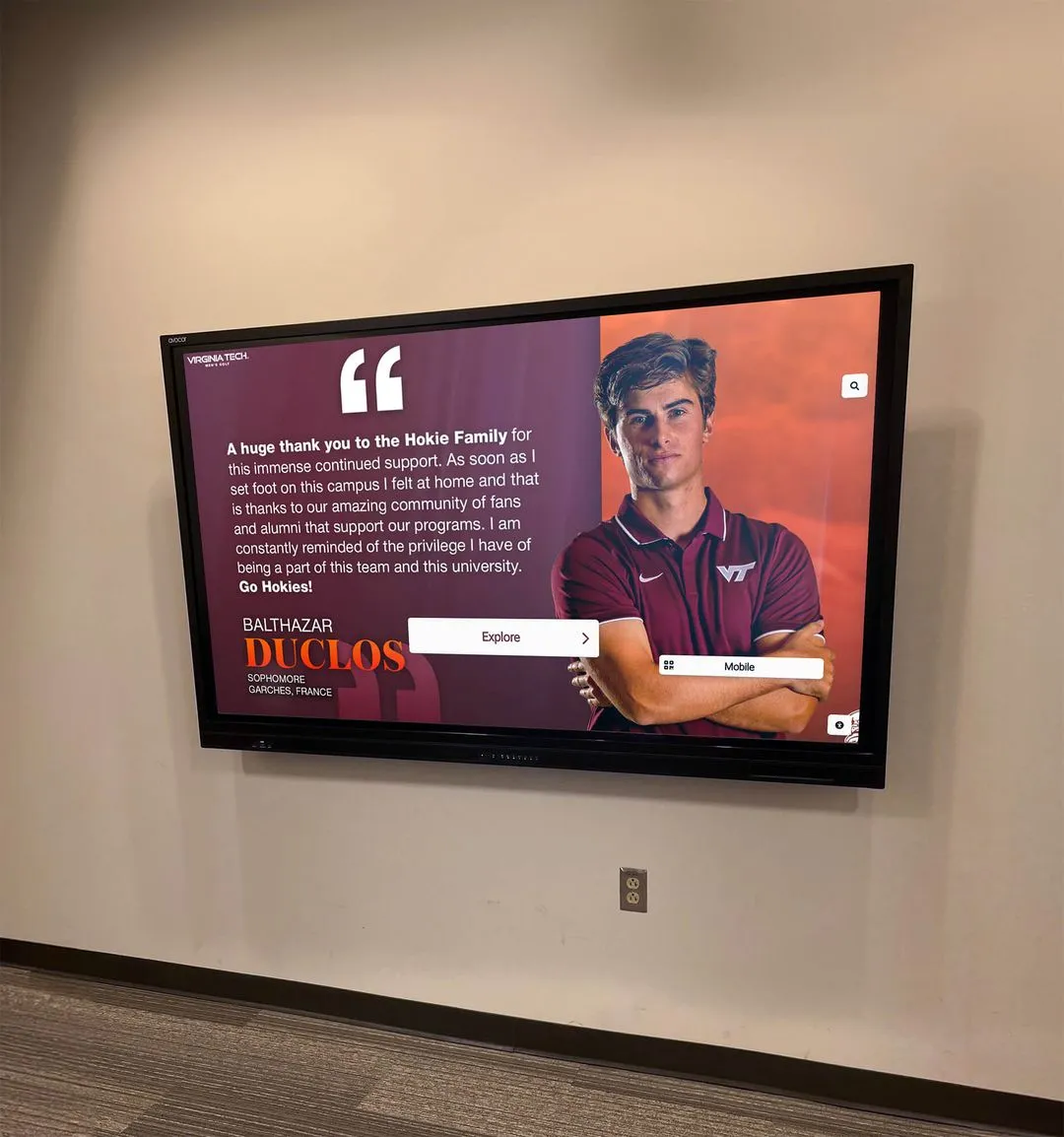
Professional installations integrate emergency notification capabilities with standard information display ensuring critical communications reach residents immediately
Display Integration: Strategic Placement and Interface Design
Effective residence hall information systems combine thoughtful physical placement with intuitive interface design optimizing resident engagement and information discovery:
Optimal Display Locations
Primary High-Traffic Areas
Strategic placement maximizes resident exposure:
- Main lobby entrances where all residents enter and exit buildings multiple times daily
- Elevator landing areas on each floor providing sustained viewing time during brief waiting periods
- Mail center locations where residents check mailboxes and retrieve packages daily
- Laundry room spaces offering extended viewing opportunities during washing cycles
- Floor common areas including lounges, kitchens, and study spaces where residents naturally gather
- Building front desks integrating information displays with staff assistance points
- Stairwell landings on high-traffic floors creating information touchpoints during vertical building navigation
Secondary Strategic Locations
Extended coverage enhances accessibility:
- Residence hall entrance security checkpoints where residents pause during swipe-in processes
- Computer lab and study room entrances promoting academic resource awareness
- Fitness room entrances showcasing wellness programming and recreation opportunities
- Building conference rooms displaying reservation calendars and usage policies
- Outdoor gathering spaces with weatherproof displays for courtyard or patio areas
- Parking garage connections where commuter residents enter residential buildings
- Tunnel or skyway systems connecting multiple residence halls enabling shared information distribution
Accessibility and Viewing Optimization
Technical considerations ensure effective operation:
- ADA-compliant mounting heights accommodating wheelchair users and ensuring universal access
- Adequate lighting conditions preventing glare while maintaining visibility throughout daily cycles
- Sufficient viewing space enabling group exploration and multiple simultaneous users
- Network connectivity supporting cloud-based content management and real-time updates
- Power infrastructure providing reliable electricity without unsightly extension cords
- Climate considerations for displays in non-conditioned spaces like stairwells or semi-outdoor areas
- Security features protecting expensive equipment in public unsupervised environments
Learn about effective campus tour directory systems that apply similar wayfinding and information principles to residence hall contexts.
Interface Design for Student Engagement
Intuitive Navigation Patterns
User experience determines information accessibility:
- Large clearly-labeled navigation buttons enabling quick section discovery
- Visual hierarchy emphasizing most frequently accessed information categories
- Search functionality allowing residents to find specific policies, events, or resources instantly
- Consistent navigation patterns throughout all sections reducing learning curve
- Home button returning to main menu from any location within deep content exploration
- Breadcrumb trails showing current location within information architecture
- Back button functionality enabling efficient content browsing without starting over
Mobile-Responsive Integration
Contemporary students expect cross-device access:
- QR code generation linking physical displays to mobile-accessible web content
- SMS notification options sending event reminders and important updates to personal phones
- Mobile web interfaces providing residence hall information accessible from anywhere on campus or beyond
- Calendar integration syncing housing events to personal smartphone calendars
- Social media connectivity enabling sharing of events and programming to extended networks
- Campus app integration connecting housing information to broader institutional mobile platforms
- Offline content access ensuring critical information remains available during network disruptions
Attractive Idle-State Content
Drawing attention when displays sit unused:
- Rotating photo galleries showcasing recent floor events and building community celebrations
- Video content highlighting residence hall traditions and campus resources
- Scrolling announcements featuring upcoming events and important deadline reminders
- Weather and time displays providing practical utility encouraging habitual checking
- Campus news feeds connecting residents to broader institutional happenings
- Student achievement recognition celebrating resident academic and leadership accomplishments
- Inspirational quotes or community messages fostering positive residential culture
Explore comprehensive interactive display software options designed specifically for educational applications including residence hall information systems.
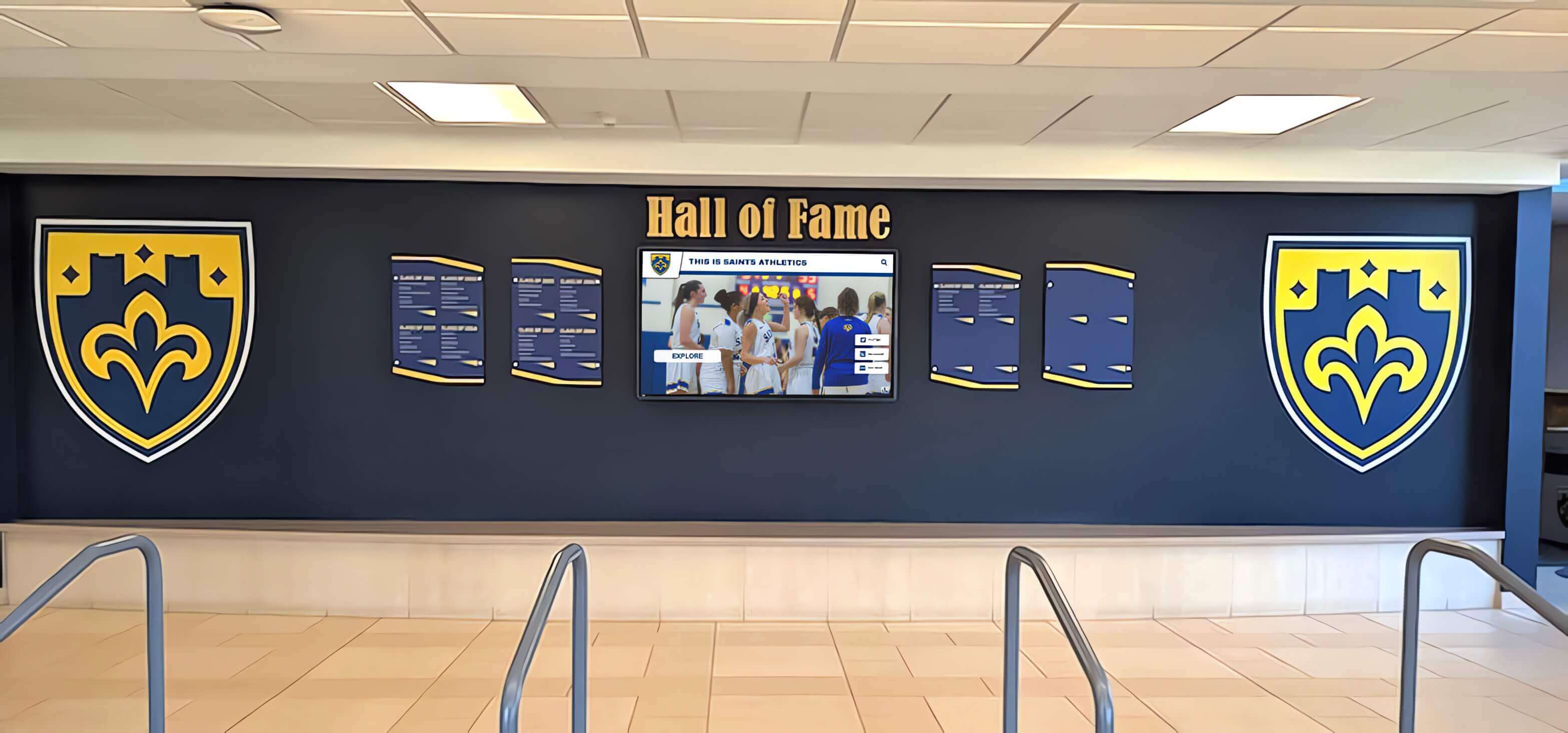
Professional installations complement existing lobby aesthetics while providing modern information access residence hall students expect
Execution Timeline: From Planning to Launch
Successful residence hall interactive display implementation follows systematic phases ensuring thoughtful decision-making and effective deployment:
Phase 1: Assessment and Planning (Weeks 1-3)
Needs Analysis and Goal Setting
Foundation work establishes clear direction:
- Identify current communication pain points through resident surveys, RA feedback, and staff input
- Determine information categories requiring display prominence versus lower-priority content
- Assess target audience needs across first-year students, upperclass residents, and visiting families
- Evaluate existing communication methods identifying which remain effective versus obsolete approaches requiring replacement
- Define success metrics measuring resident awareness, event attendance, policy compliance, and satisfaction improvements
- Secure housing administration support and budget authorization for pilot implementation
- Establish governance structure assigning content management responsibilities across housing staff and RAs
Building Selection and Location Planning
Strategic pilot deployment demonstrates value:
- Choose pilot building representing typical residence hall population and communication challenges
- Identify optimal display locations balancing high traffic, power access, network connectivity, and viewing conditions
- Assess facility constraints including mounting options, climate control, and security considerations
- Determine display quantity providing adequate coverage without overwhelming budget or management capacity
- Plan phased expansion to additional buildings contingent on pilot success demonstration
- Coordinate with facilities management and IT departments for infrastructure support
- Establish installation timelines minimizing disruption during academic calendar transitions
Phase 2: Technology Selection and Procurement (Weeks 4-6)
Platform Research and Vendor Evaluation
Critical considerations for housing applications:
- Distinguish purpose-built information display platforms from generic digital signage lacking housing-specific features
- Evaluate content management interfaces ensuring resident advisors or housing coordinators can update information without technical expertise
- Assess mobile integration capabilities connecting physical displays to smartphone-accessible content
- Review emergency notification compatibility ensuring displays integrate with campus alert systems
- Verify calendar integration connecting to campus event management and housing reservation systems
- Compare analytics capabilities tracking resident engagement and popular content categories
- Speak with current customers at peer institutions about vendor support responsiveness and platform reliability
Hardware Specification and Procurement
Equipment decisions impact long-term success:
- Commercial-grade touchscreen displays rated for continuous operation in public environments
- Appropriate display sizes balancing visibility, cost, and space constraints (typically 43-55 inches for residence halls)
- Wall-mount versus freestanding kiosk configurations based on available space and mounting feasibility
- Network connectivity requirements supporting cloud-based management and real-time updates
- Electrical specifications and installation coordination with facilities management
- Warranty coverage and maintenance agreements protecting institutional investments
- Delivery timelines aligned with installation schedules and academic calendar considerations
Learn about comprehensive touchscreen kiosk software options specifically designed for public information applications in educational settings.
Phase 3: Content Development and System Configuration (Weeks 7-10)
Initial Information Architecture
Launch content typically includes:
- Complete building policy documentation formatted for digital display and quick reference
- Current semester programming calendar with comprehensive event details and registration information
- Campus resource directories with locations, hours, contact information, and service descriptions
- Floor directories respecting privacy preferences while fostering community connection
- Building staff contact information including RAs, desk workers, custodians, and administrative leadership
- Frequently asked questions addressing common resident inquiries about policies, procedures, and services
- Emergency procedures and safety protocols accessible during crisis situations
- Photo galleries showcasing recent floor events and building community celebrations
Administrative Training and Workflow Establishment
Sustainable operation requires capable management:
- Comprehensive content management training for housing coordinators and designated staff
- RA training covering basic content updates for floor-specific information and event promotion
- Approval workflows ensuring policy information accuracy before publication
- Content style guides maintaining consistent professional presentation quality
- Update schedules establishing regular review cycles preventing outdated information
- Emergency communication protocols enabling immediate critical information distribution
- Technical support contact information and troubleshooting resources for common issues
- Backup procedures ensuring continued operation during staff transitions or unexpected absences
Phase 4: Installation and Testing (Weeks 11-12)
Professional Display Installation
Technical implementation requires expertise:
- Licensed electrical work meeting code requirements and university standards
- Secure display mounting with professional cable management and finished appearance
- Network configuration ensuring reliable connectivity and remote management capability
- Touchscreen calibration and display settings optimization for lobby lighting conditions
- Content loading and initial display function testing
- ADA compliance verification ensuring wheelchair user accessibility
- Staff walkthrough confirming proper operation before resident introduction
- Backup plan establishment addressing potential technical failures during initial deployment
Pilot Testing and Refinement
Validation ensures effective launch:
- Soft launch period allowing staff observation and issue identification before promotion
- Resident testing with diverse student volunteers gathering usability feedback
- Content accuracy verification confirming all information displays correctly
- Navigation flow assessment identifying confusing interface elements requiring adjustment
- Mobile integration testing ensuring QR codes and links function properly
- Analytics baseline establishment measuring engagement during initial deployment
- Issue resolution addressing any technical problems or content gaps discovered during testing
- Final quality assurance confirming readiness for official public launch and promotional efforts
Discover strategies for exciting hallway displays that capture student attention and encourage information exploration.
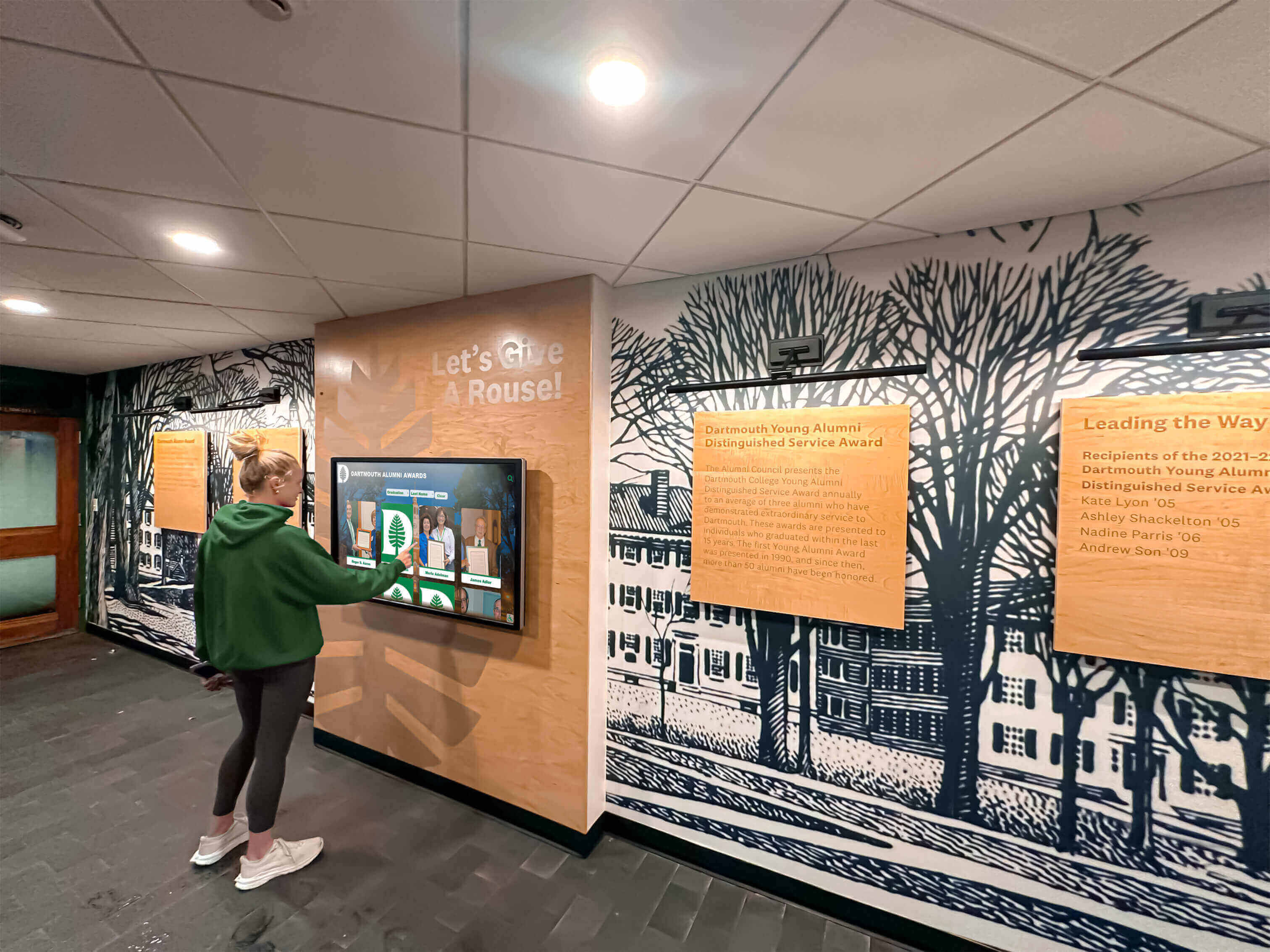
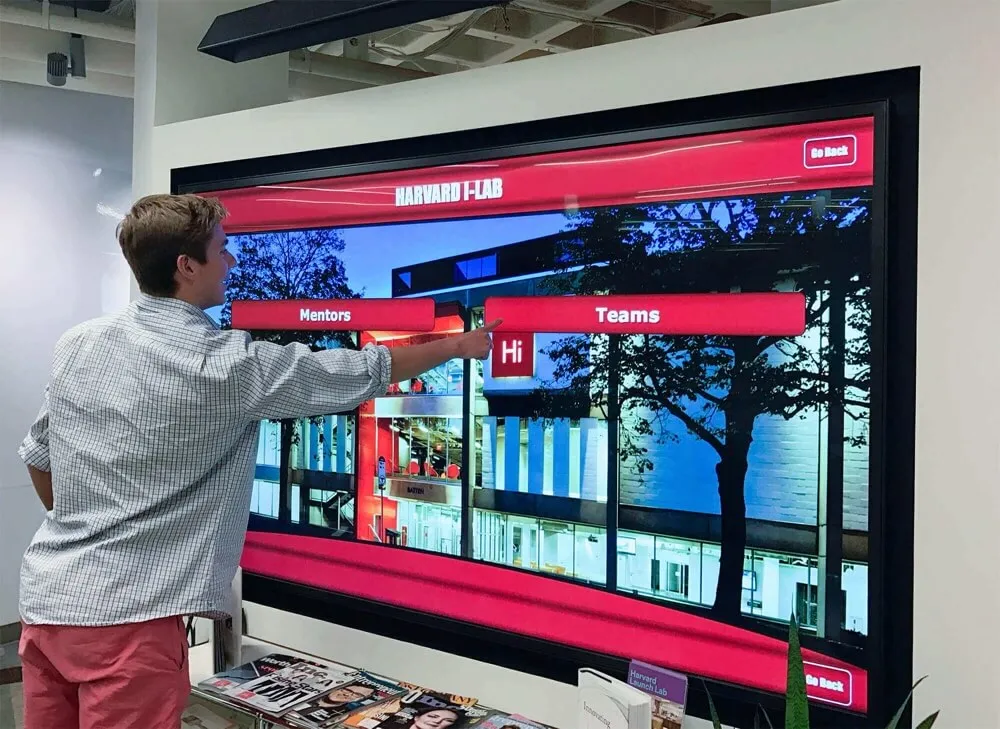
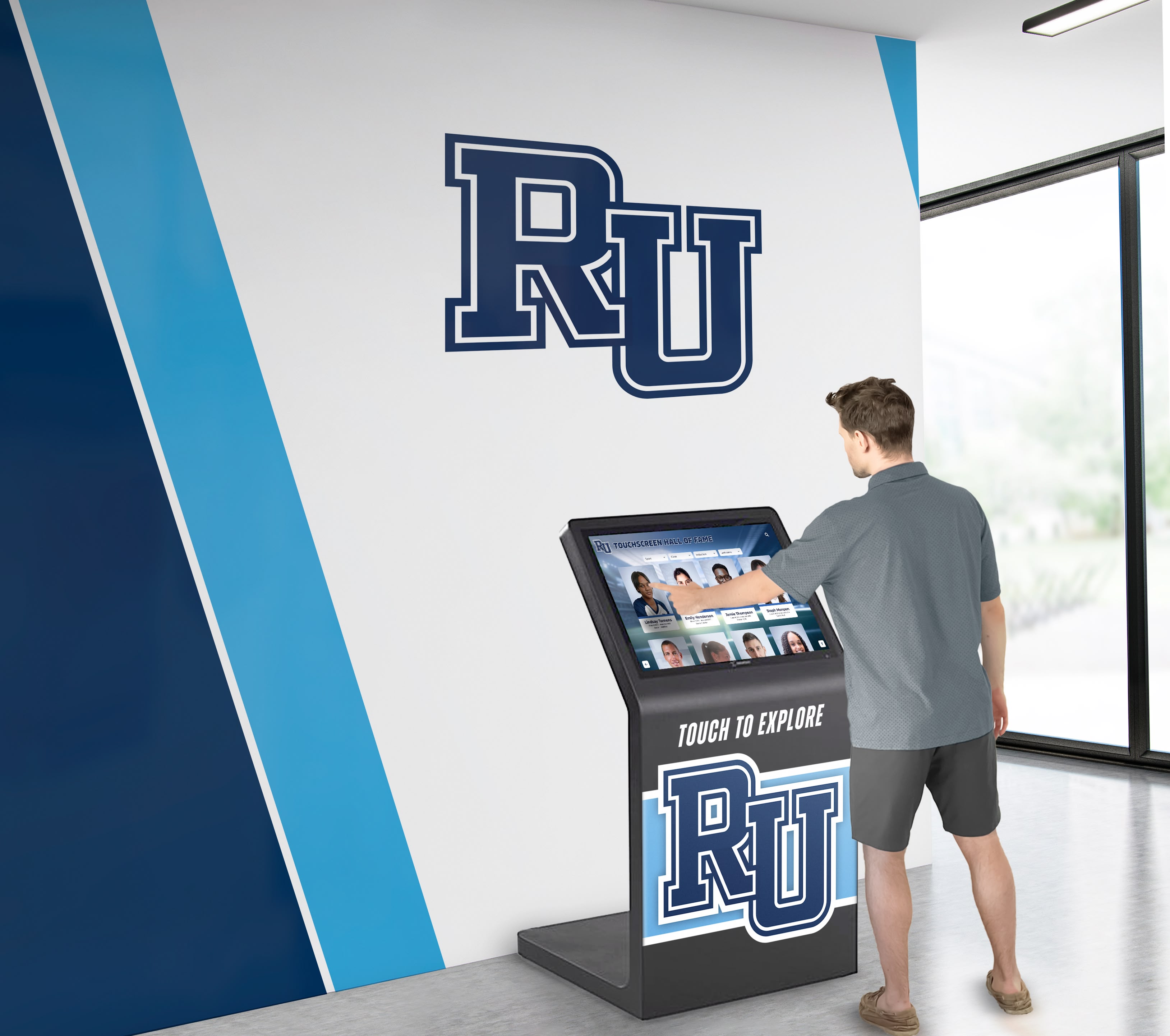
Intuitive interfaces enable independent information discovery across all student populations without requiring instruction or technical assistance
Phase 5: Launch and Promotion (Week 13+)
Resident Awareness Campaign
Driving adoption requires active promotion:
- Email announcements introducing new information displays with photos and usage instructions
- Floor meeting demonstrations by RAs showing residents how to access building information
- Promotional signage directing students to display locations throughout buildings
- Social media content featuring display highlights and encouraging exploration
- Incentive programs rewarding early adoption and feedback contribution
- RA contest promoting creative floor-specific content development and event promotion
- Family communication during parent weekends showcasing housing communication improvements
Ongoing Engagement and Improvement
Sustained success requires continuous attention:
- Regular content updates maintaining currency and preventing stale outdated information
- Resident feedback collection through surveys, suggestion boxes, and informal conversations
- Analytics review identifying popular content and underutilized information categories
- Seasonal content adjustments reflecting programming cycles and academic calendar changes
- Feature enhancement adoption implementing new platform capabilities as vendors release updates
- Benchmark comparison with peer institutions identifying improvement opportunities
- Expansion planning for additional buildings based on pilot success demonstration
Measuring Residence Hall Display Program Success
Systematic evaluation demonstrates value and guides continuous improvement across information delivery, community engagement, and operational efficiency dimensions:
Resident Awareness and Satisfaction Metrics
Information Access Indicators
Measuring improved communication effectiveness:
- Resident surveys comparing awareness of policies, events, and resources before and after display implementation
- Reduction in “I didn’t know about that” responses when surveying students about well-promoted opportunities
- Decreased front desk inquiries about information already available on displays
- Policy violation reduction potentially attributable to improved awareness of building regulations
- Resident satisfaction improvements in housing communication effectiveness ratings
- RA feedback about reduced time spent answering repetitive information questions
- Comparative awareness levels between buildings with displays versus those using traditional communication only
Engagement Analytics
Quantitative usage measurement:
- Total display interactions tracking how frequently residents engage information systems
- Average session duration indicating depth of exploration versus superficial glancing
- Popular content identification revealing which information categories attract most interest
- Time-of-day usage patterns informing optimal content scheduling for high-traffic periods
- Seasonal engagement variations correlating with programming cycles and academic calendar events
- Search query patterns showing what information residents seek most frequently
- Return visitor rates demonstrating habitual usage versus one-time exploration
Community Participation Outcomes
Programming Impact Measures
Evaluating event attendance and involvement:
- Floor meeting attendance rates comparing pre- and post-display implementation
- Residence hall programming participation increases potentially attributable to improved awareness
- Event registration efficiency with online sign-up links accessed through displays
- Last-minute attendance improvements from real-time event reminders and countdowns
- Diversity of participants across resident demographics indicating equitable information access
- Student organization attendance from campus groups promoted through residence hall displays
- Intramural sport participation rates for teams promoted via housing communication systems
Community Connection Indicators
Assessing floor cohesion improvements:
- Resident relationship survey responses about knowing neighbors and feeling community connection
- Floor common area usage frequency potentially increasing from promoted amenities awareness
- Community standards compliance improvements from enhanced policy awareness
- Retention rates comparing buildings with modern communication versus traditional methods
- Student success outcomes including GPA and persistence potentially influenced by improved campus resource awareness
- Floor government participation in buildings with enhanced communication supporting engagement
- Building pride indicators measured through resident feedback and external perception surveys
Explore comprehensive approaches to student engagement strategies applicable across residential and academic campus environments.
Operational Efficiency Gains
Staff Time Savings
Quantifying administrative benefits:
- Reduced RA time spent creating and distributing printed flyers for floor events
- Decreased housing coordinator hours responding to emails about information available on displays
- Front desk staff time savings from reduced repetitive information questions
- Facilities notification efficiency through immediate maintenance update distribution
- Emergency communication speed eliminating need for door-to-door notifications during crises
- Policy communication effectiveness reducing follow-up clarification requirements
- Training simplification for new staff with centralized information management versus fragmented systems
Communication Cost Reductions
Financial impact measurement:
- Printing and copying expense reductions from decreased flyer and poster production
- Physical bulletin board maintenance cost savings including materials and labor
- Paper waste reduction supporting institutional sustainability goals
- Reduced communication redundancy eliminating duplicate efforts across multiple traditional channels
- Technology efficiency leveraging single platform for multiple information categories
- Scalability advantages managing multiple buildings from centralized administrative interfaces
- Long-term return on investment calculations comparing display costs to eliminated traditional communication expenses
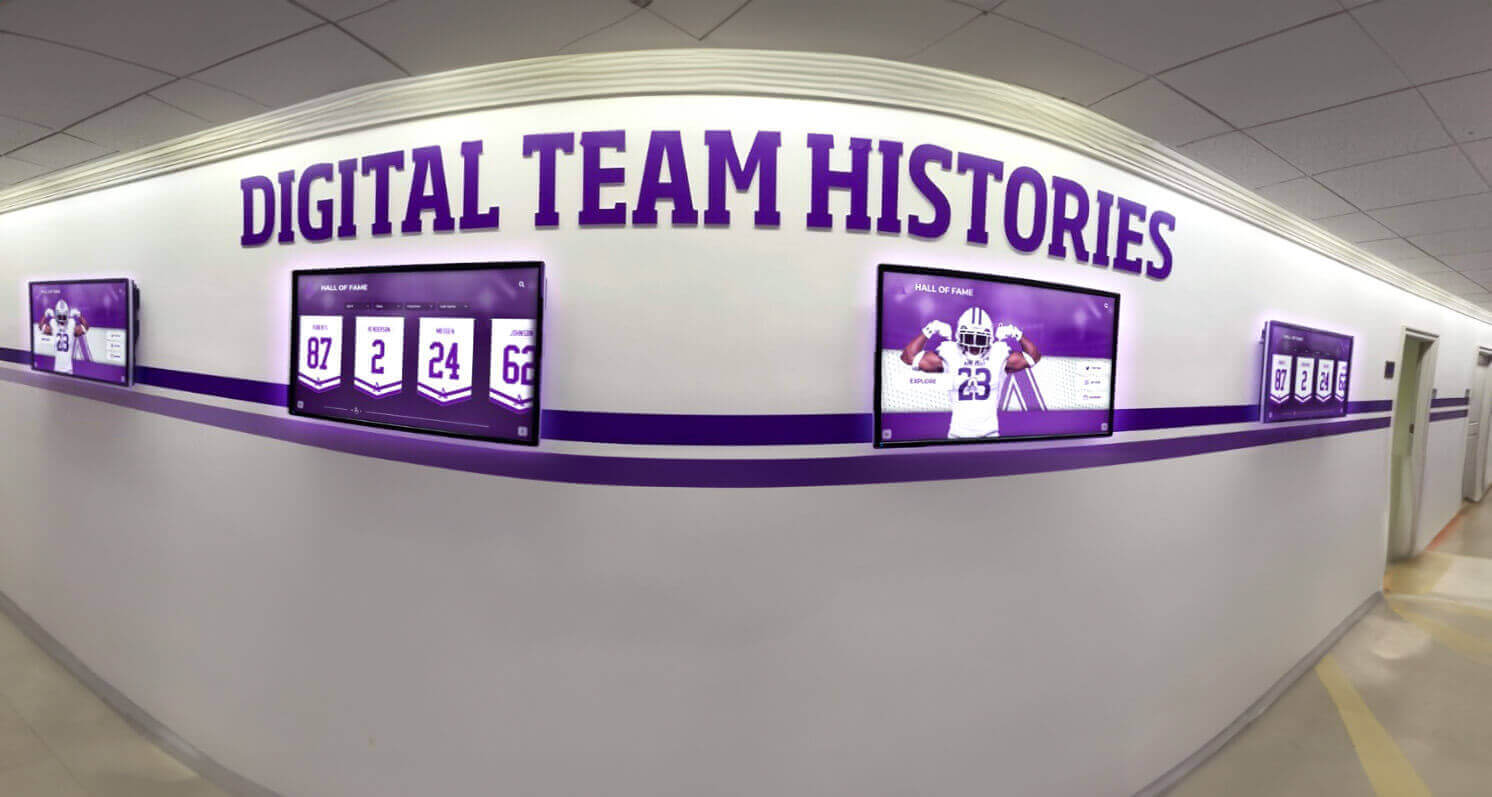
Comprehensive installations coordinate multiple displays across buildings ensuring consistent information access throughout large residence hall complexes
Advanced Implementation Strategies
Mature residence hall display programs enhance effectiveness through sophisticated approaches:
Personalized Content Delivery
Floor-Specific Information Modules
Tailoring content to building subdivisions:
- Individual floor sections featuring RA contact information, floor government details, and community-specific programming
- Wing or suite-specific content in buildings with architectural divisions creating natural communities
- Living-learning community information for specialized residential programs
- Floor competition standings and recognition celebrating unique accomplishments
- Community standards specific to floor populations with specialized expectations
- Photo galleries showcasing floor-specific events separate from building-wide programming
- Custom content permissions enabling RAs to manage floor information independently
Demographic-Targeted Content
Addressing diverse population needs:
- First-year student transition resources highlighting orientation programming and success strategies
- Upperclass student information emphasizing leadership opportunities and career preparation
- International student content including cultural programming and practical adjustment resources
- Transfer student materials connecting to specialized transition support services
- Honors program content for specialized residential communities
- Graduate student information in buildings housing advanced degree populations
- Student-athlete resources for residence halls with concentrated athletic populations
Learn about high school touchscreen admissions tours that demonstrate similar personalization strategies applicable to residence hall prospective student showcasing.
Community Contribution Systems
Resident-Generated Content
Empowering student voices:
- Photo submission portals enabling residents to contribute event documentation and community celebrations
- Student organization promotion allowing clubs to advertise meetings and recruit members
- Resident spotlight features showcasing student achievements, research, and creative work
- Anonymous suggestion systems gathering feedback about housing services and programming
- Community questions and answers creating peer-to-peer information sharing
- Resident artistic contributions displaying student creative work throughout lobby spaces
- Floor tradition documentation preserving community history through resident narratives
RA Content Management Tools
Streamlining staff communication responsibilities:
- Simplified content creation interfaces designed for non-technical RA users
- Template-based event promotion ensuring consistent professional presentation without design expertise
- Scheduled publishing enabling advance content preparation during less busy periods
- Mobile content management allowing RAs to update information from phones during rounds or events
- Approval workflows when necessary for policy-sensitive information requiring coordinator review
- Analytics dashboards showing RAs which floor information attracts resident engagement
- Peer collaboration features enabling RA teams to share successful content strategies
Integration with Campus Systems
Institutional Technology Connections
Leveraging existing infrastructure:
- Campus emergency notification system integration ensuring residence hall displays show critical alerts immediately
- Dining services menu systems feeding real-time meal information to residence hall lobbies
- Campus calendar integrations automatically populating relevant university events
- Athletic ticketing systems enabling ticket purchase through residence hall displays
- Campus transportation real-time shuttle tracking showing estimated arrival times
- Library system connections displaying hours, study room availability, and resource information
- Academic calendar synchronization highlighting registration deadlines, exam schedules, and break dates
Housing Management Software Integration
Streamlining administrative workflows:
- Room selection system connections displaying available spaces during housing selection periods
- Maintenance request platforms linking displays to work order submission interfaces
- Check-in and check-out procedure information dynamically updating during move transitions
- Billing system integration allowing students to view meal plan balances and make payments
- Contract renewal deadline reminders automatically scheduling from housing management systems
- Occupancy status dashboards helping staff monitor building population during breaks
- Amenity reservation systems booking common spaces, equipment, and facilities directly through displays
Discover comprehensive interactive digital wayfinding guides applicable to residence hall navigation and campus-wide information systems.
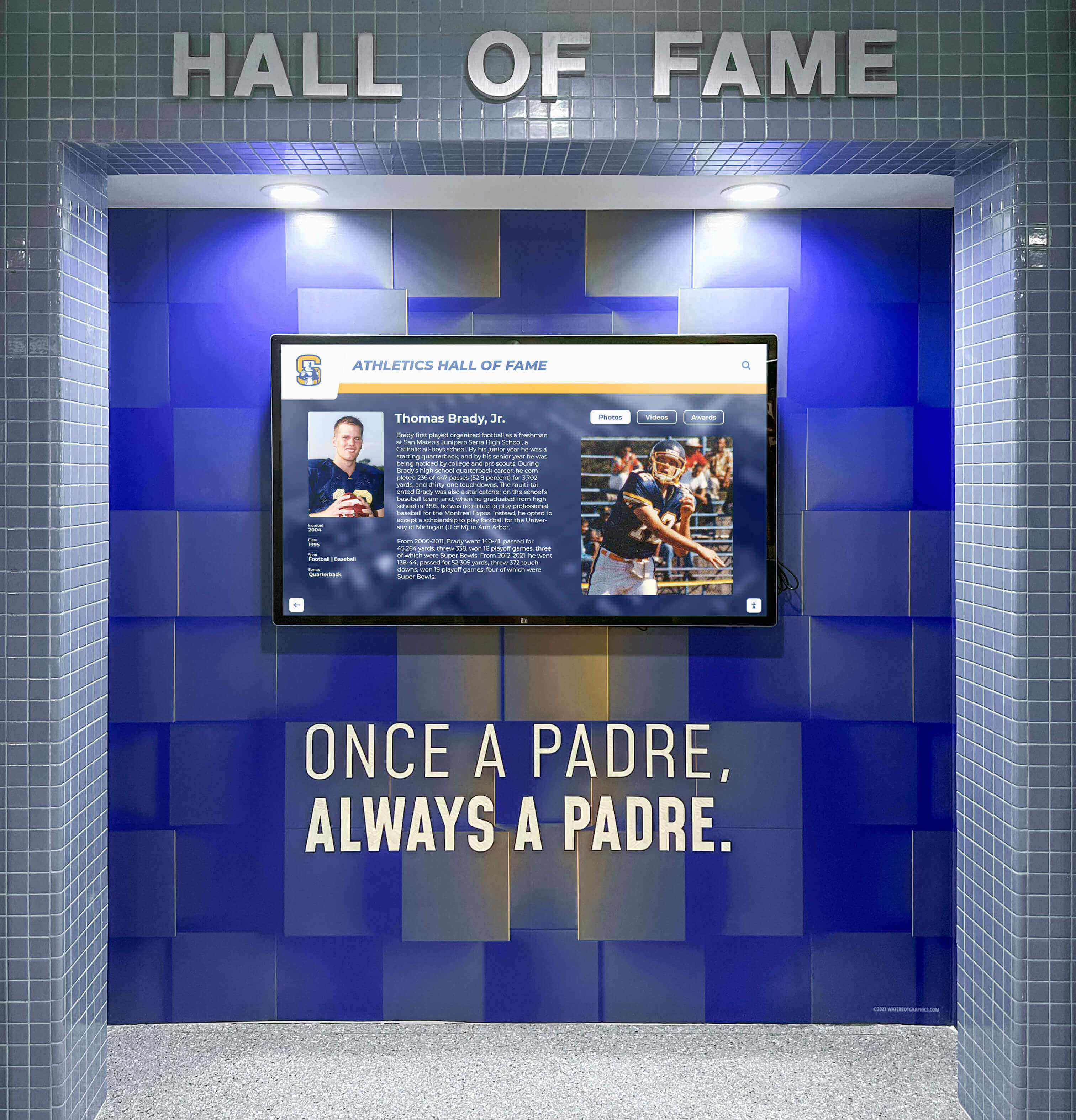
Professional installations integrate seamlessly with existing residence hall aesthetics while providing modern information capabilities students expect
Special Considerations for Residence Hall Applications
Several factors specifically affect residence hall interactive display effectiveness:
Privacy and Safety Considerations
Student Information Protection
Balancing community connection with privacy rights:
- Opt-in floor directory systems respecting students declining public name display
- FERPA compliance ensuring academic information remains confidential
- Photograph permission protocols obtaining consent before displaying resident images
- Contact information limitations preventing exposure of personal phone numbers or emails
- Social media integration guidelines protecting student posts from unauthorized display
- Emergency contact protection ensuring family information remains properly secured
- Visitor information restrictions preventing unauthorized access to resident details
Campus Security Coordination
Supporting safe residential environments:
- Building access policy promotion reinforcing security expectations and guest registration requirements
- Suspicious activity reporting information connecting residents to campus police
- Late-night escort service promotion highlighting safe transportation options
- Emergency assembly point information showing evacuation locations and procedures
- Active threat procedures displaying run-hide-fight protocols and lockdown expectations
- Weather safety protocols highlighting shelter locations during severe storms
- Sexual assault prevention resources promoting awareness and reporting procedures
Accessibility and Inclusion
Universal Design Implementation
Ensuring equitable information access:
- Screen reader compatibility for visually impaired residents
- High-contrast display modes accommodating low vision users
- Text size adjustment options supporting various visual needs
- Alternative text descriptions for all images enabling audio accessibility
- Captioning for video content serving deaf and hard-of-hearing residents
- Multilingual content options supporting international student populations
- Simplified language alternatives accommodating diverse reading levels
Cultural Responsiveness
Fostering inclusive residential communities:
- Multicultural programming prominence celebrating diverse heritage months and cultural traditions
- Religious observance information respecting varied faith practices and holy days
- Dietary accommodation resources highlighting options for various nutritional requirements
- Pronoun respect in all displayed materials modeling inclusive community standards
- Accessibility resource promotion connecting residents to disability support services
- Identity-based student organization content promoting affinity groups and support communities
- Anti-bias training promotion supporting diversity education and inclusive community development
Explore student recognition programs that celebrate diverse resident achievements and contributions to residence hall communities.
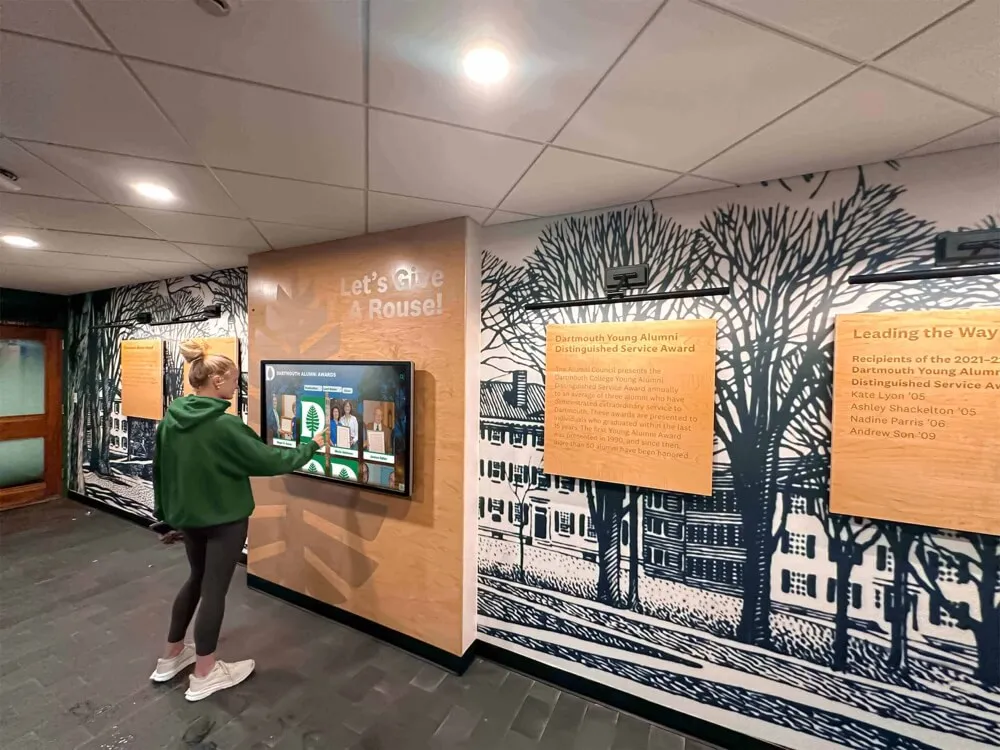
ADA-compliant installations ensure all residents can access housing information regardless of physical abilities or assistive technology requirements
Conclusion: Creating Connected Campus Housing Through Digital Communication
College residence hall informational interactive displays represent strategic investments that simultaneously improve student awareness, enhance community engagement, streamline housing operations, and demonstrate institutional commitment to modern communication meeting contemporary student expectations. When universities implement comprehensive systems—combining building-specific information with campus-wide resources, emergency notification capabilities, and community celebration—they transform residence hall communication from scattered frustrating fragmentation into streamlined accessible information delivery serving both resident needs and housing professional effectiveness goals.
The strategies explored throughout this guide provide complete blueprints for developing residence hall information display systems serving diverse institutional contexts—from understanding unique housing communication requirements and content organization challenges to implementing sustainable management workflows and measuring outcomes demonstrating investment value. Whether establishing first-ever digital communication systems or modernizing existing approaches, the fundamental principles remain consistent: organize information intuitively matching how students naturally seek building details, leverage technology overcoming traditional communication limitations, integrate seamlessly with broader campus systems preventing isolated information silos, and sustain commitment ensuring content remains current and relevant throughout academic years.
Ready to transform residence hall communication at your institution? Modern digital information display solutions help universities create connected housing communities while supporting operational excellence and student success. Solutions like Rocket Alumni Solutions provide comprehensive platforms specifically designed for educational environments, combining purpose-built software with professional implementation support ensuring successful long-term programs that become essential residence hall infrastructure students rely upon throughout undergraduate housing experiences.
Your implementation journey begins with assessing current communication challenges through resident and staff feedback, continues through selecting purpose-built technology designed specifically for housing applications rather than generic digital signage, advances with systematic content development organized around resident information needs, and sustains through clear management workflows distributing responsibilities appropriately across housing staff and resident advisors. Request your free custom demo or schedule a consultation to explore how informational interactive displays can appropriately serve your residence hall communities while addressing operational challenges limiting communication effectiveness.
Your residence hall students deserve communication infrastructure that provides accessible reliable information access while fostering community connections essential for successful college transitions and continued academic persistence. The most important consideration isn’t selecting the most expensive hardware or most sophisticated software—it’s choosing solutions aligned with your communication philosophy, sustainable within available staff resources, and designed to serve your specific student population needs effectively throughout years of operation.
Begin your residence hall communication transformation today by assembling your planning team including housing administrators, resident advisors, and student representatives, defining information priorities balancing building policies with community programming and campus resources, evaluating platforms designed specifically for housing rather than generic displays, developing content strategies ensuring comprehensive accessible information organization, and committing to systematic implementation creating the modern communication infrastructure your residential communities deserve. The blueprint provided throughout this guide offers proven pathways to success—transform vision into reality and create the connected engaging residence hall environments where students thrive academically, socially, and personally throughout undergraduate journeys.
Sources: