



Intent: Plan — College intramural sports programs serve thousands of students annually at Power 4 universities, providing recreational athletic opportunities that foster community, promote wellness, and create memorable college experiences outside varsity competition. Yet despite serving significantly larger participant populations than varsity athletics—with programs at universities like Gonzaga averaging over 12,000 total participants annually—intramural programs rarely receive recognition infrastructure comparable to their varsity counterparts, leaving championship teams unacknowledged, program histories undocumented, and participant achievements uncelebrated.
This recognition gap extends beyond ceremonial concerns to practical operational challenges. Intramural administrators struggle with scattered communication channels for schedules and sign-up information, limited visibility reducing program participation, and minimal fundraising infrastructure to support program expansion and equipment needs. Meanwhile, students who dedicate significant time to intramural competition—forming teams, practicing regularly, and competing seriously across multiple sports—graduate without any permanent record of their recreational athletic achievements or connections to their intramural communities.
This comprehensive guide provides a complete blueprint for implementing digital recognition displays specifically designed for college intramural sports programs at Power 4 universities and other large institutions. These displays address both recognition and operational needs by showcasing championship teams and individual achievements, housing sign-up information and tournament schedules, providing real-time bracket updates and standings, and serving as donation portals enabling alumni and supporters to contribute directly to intramural program funding—transforming static recognition into comprehensive program hubs that celebrate achievement while supporting operational excellence.
Power 4 universities—comprising the Big Ten, Big 12, SEC, and ACC conferences—operate some of the nation’s most comprehensive intramural sports programs, with facilities, staffing, and participation rates rivaling many Division III varsity athletics departments. These programs deserve recognition infrastructure that honors their scale, celebrates participant achievement, and provides the operational support that recreational athletics programs need to serve diverse student populations effectively throughout the academic year.

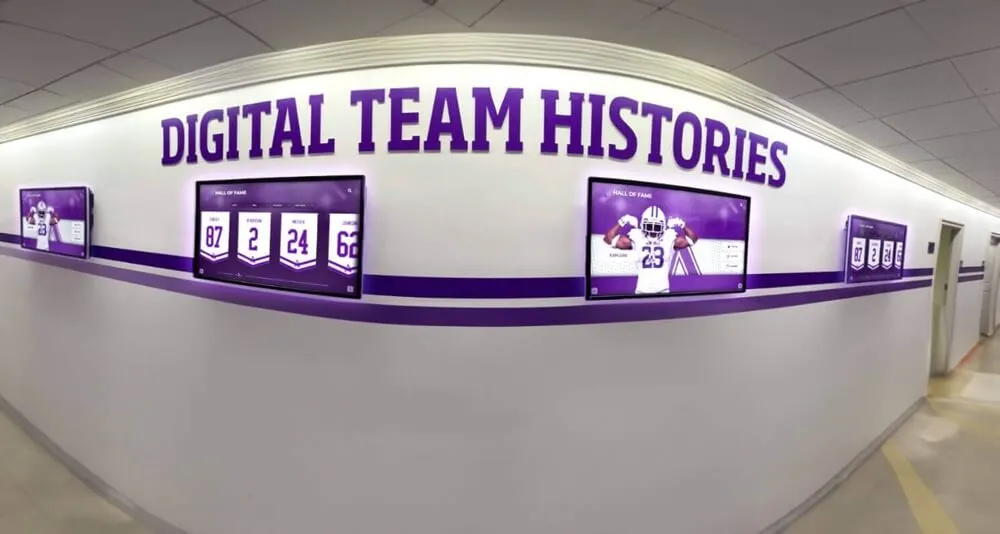
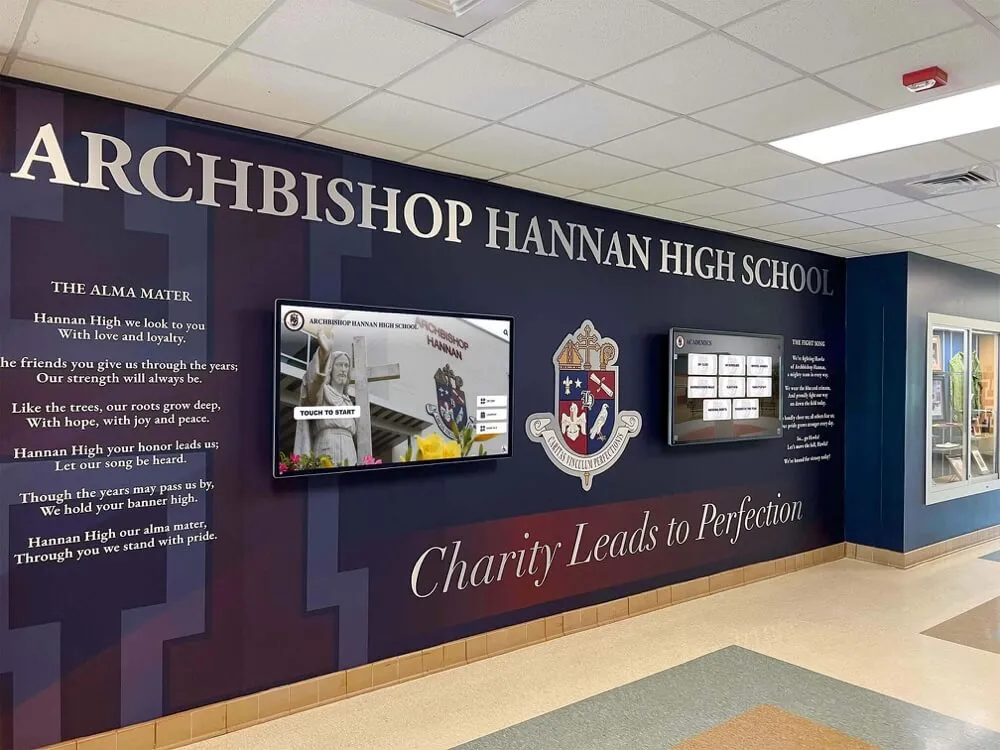
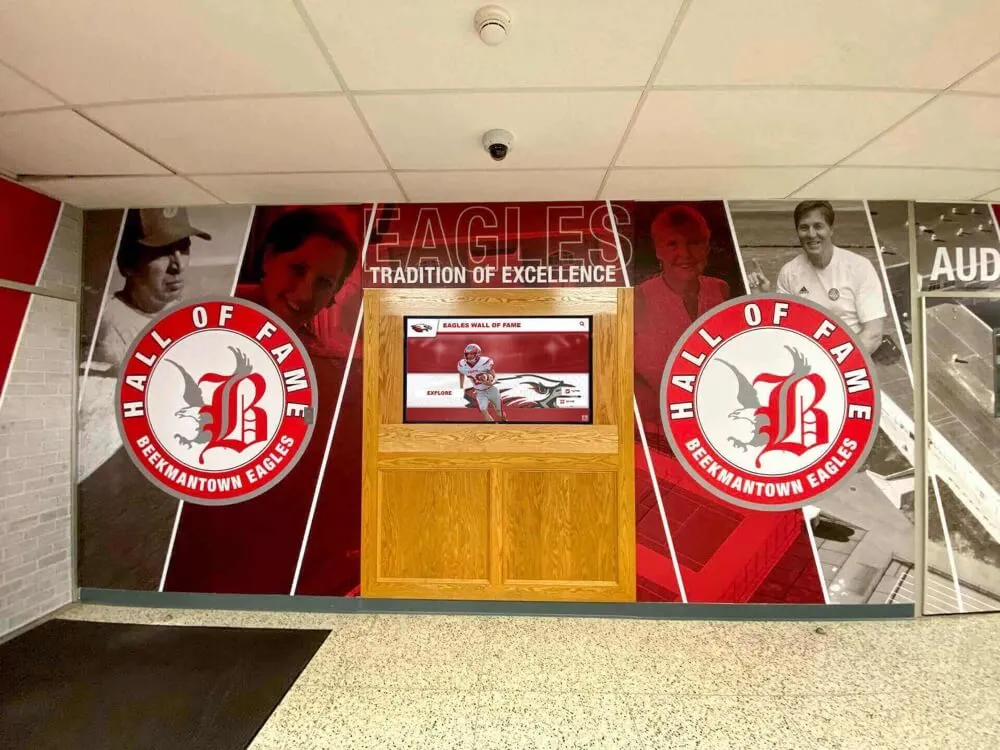
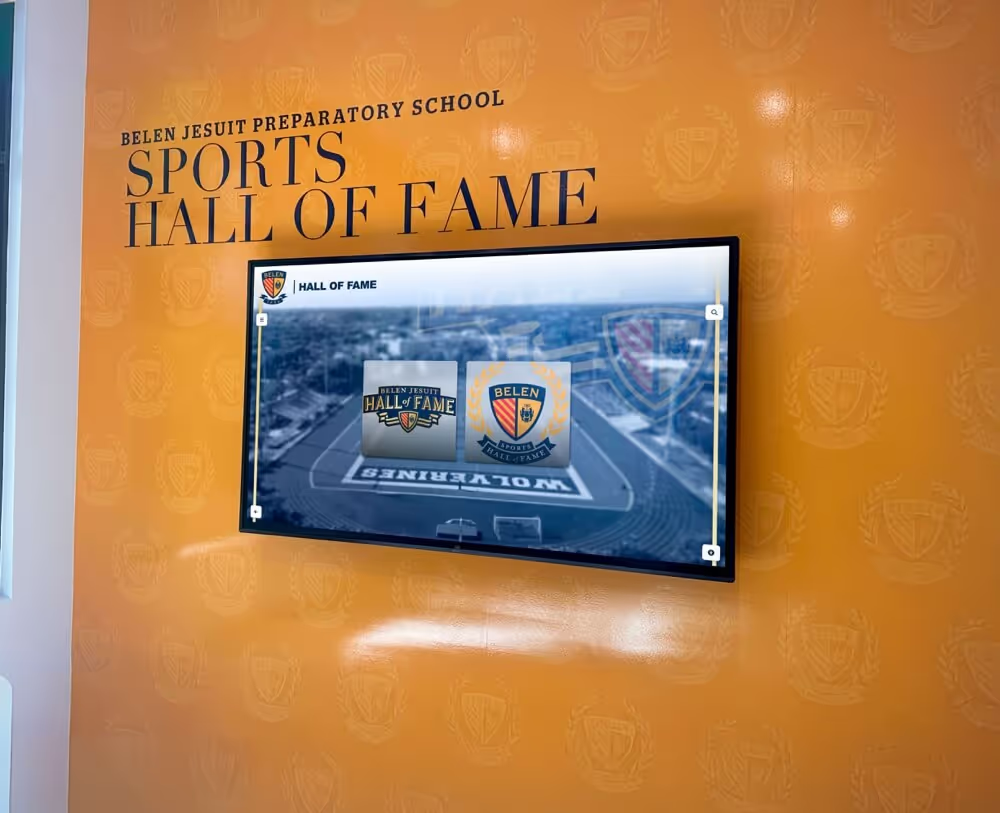
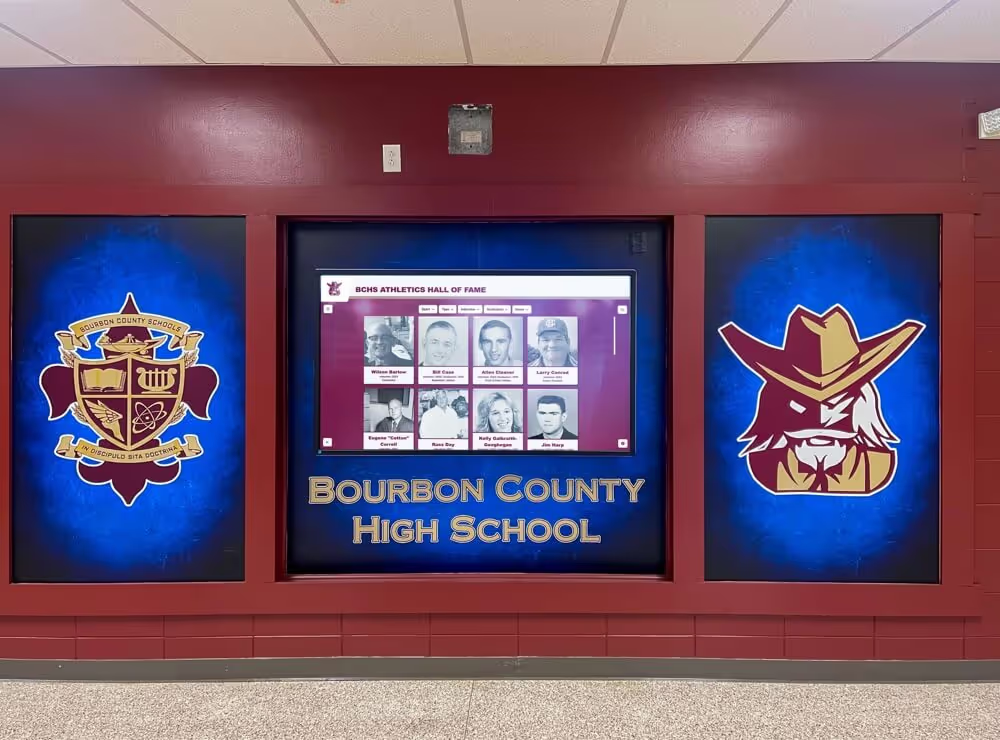
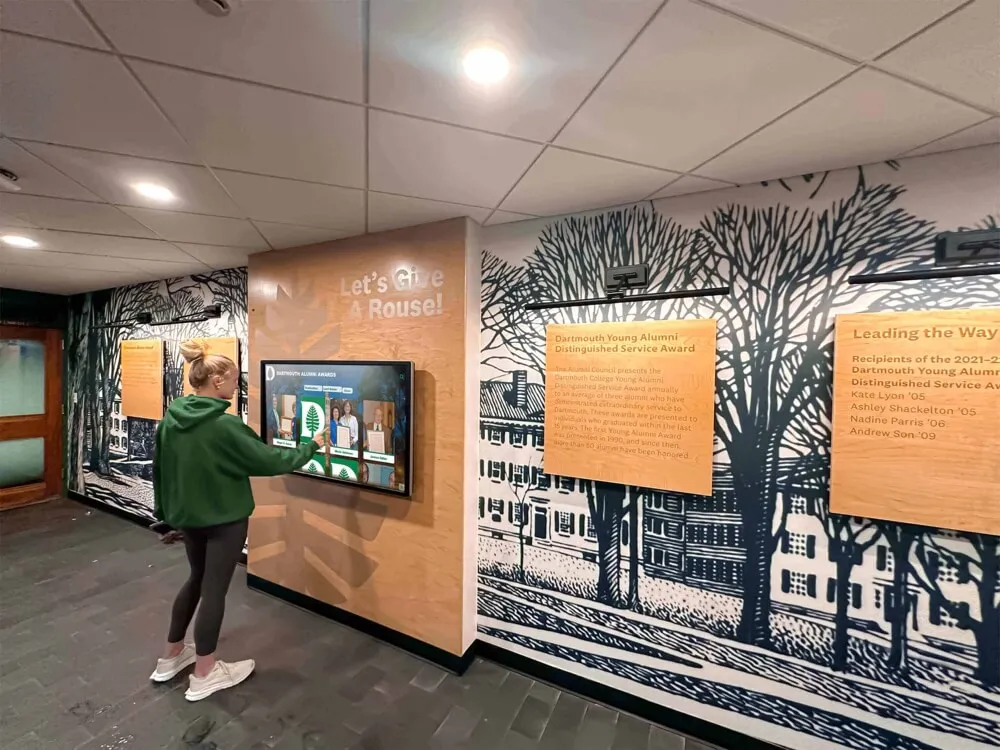
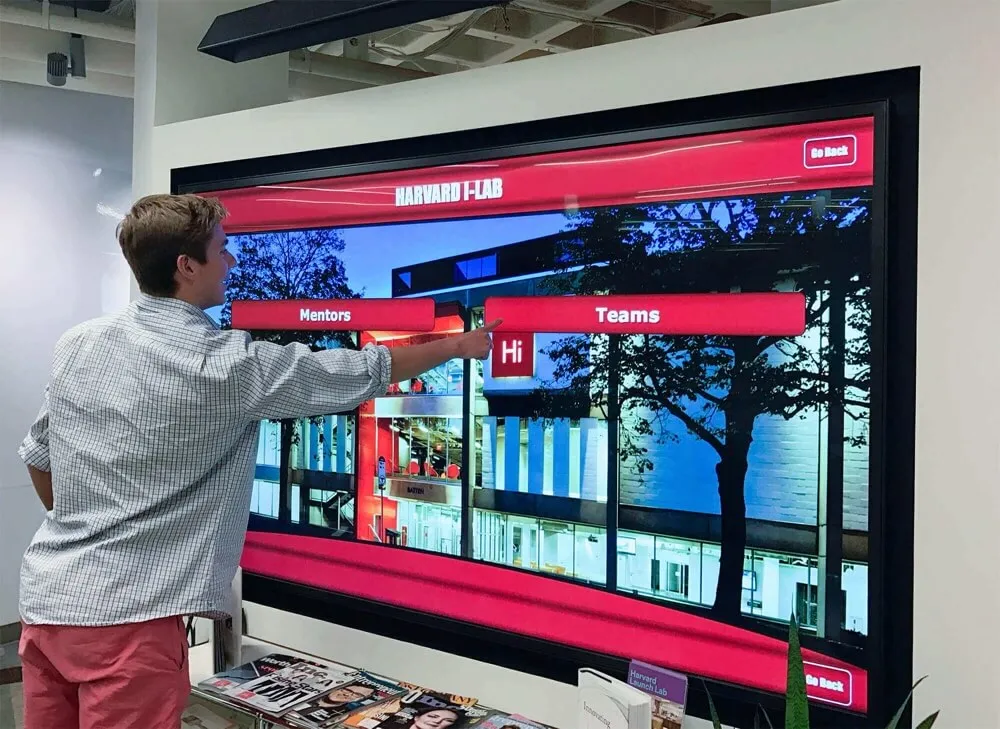
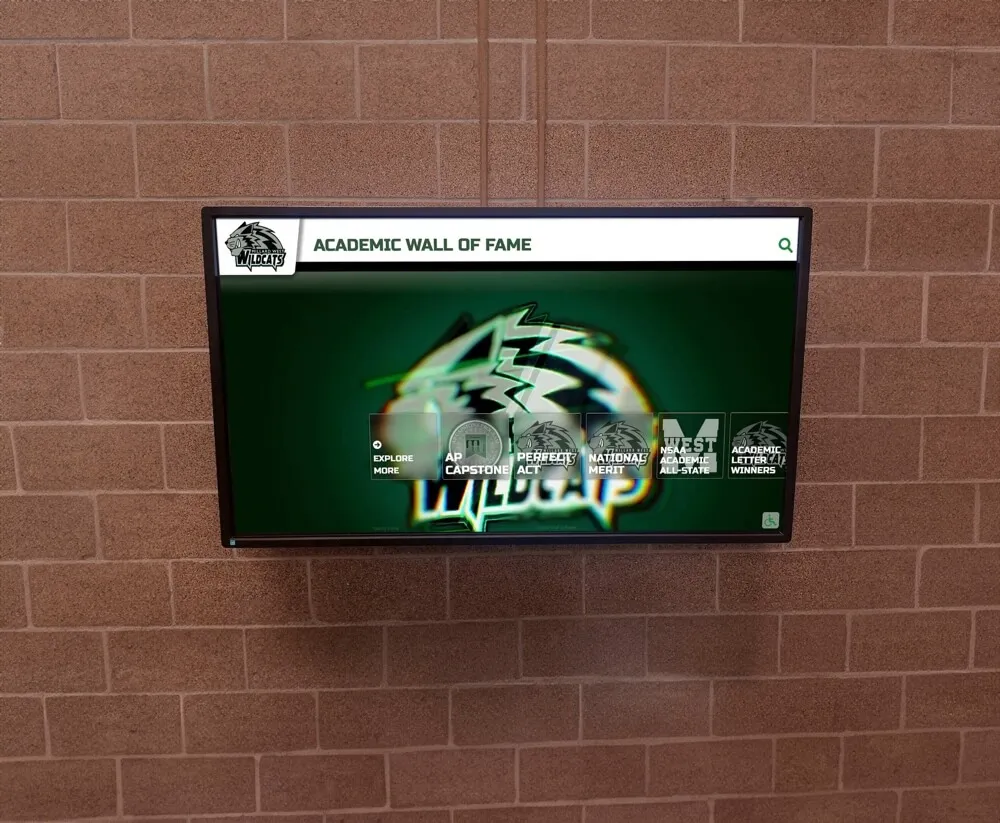
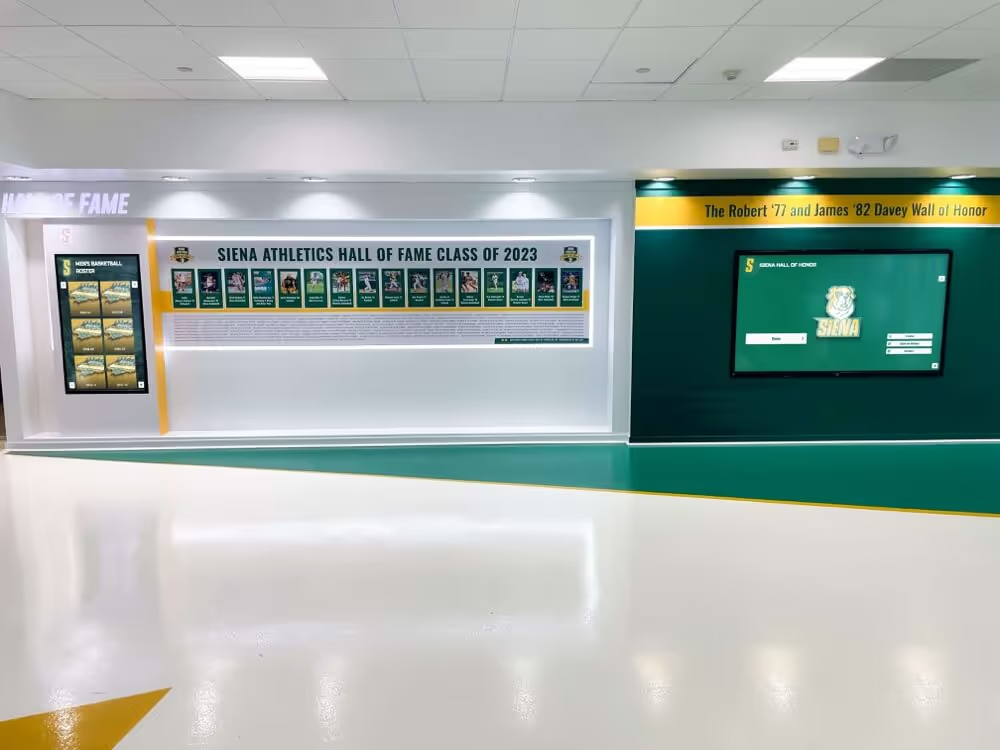
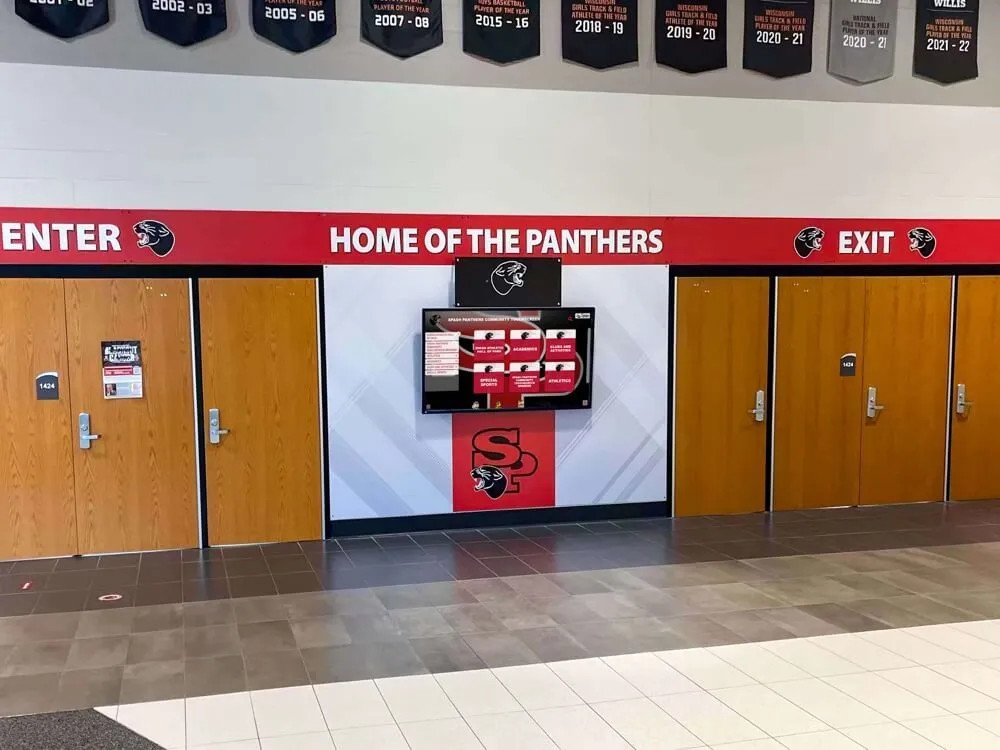
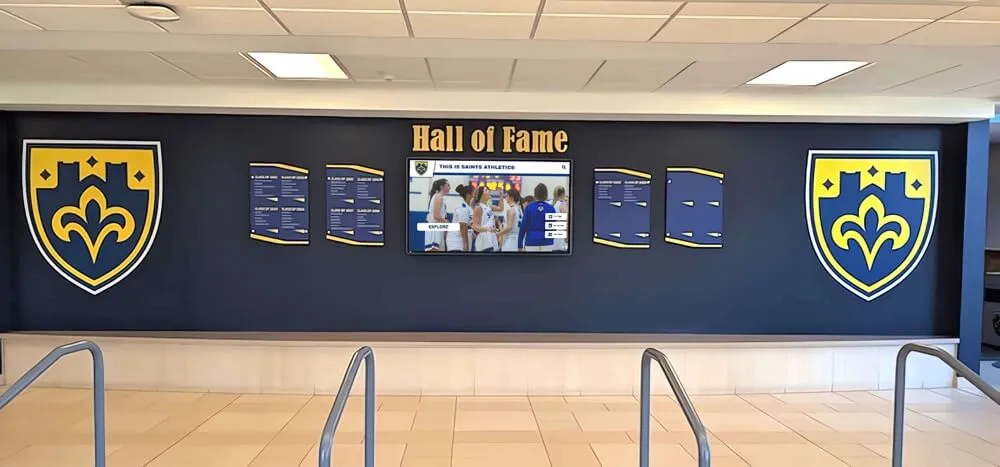
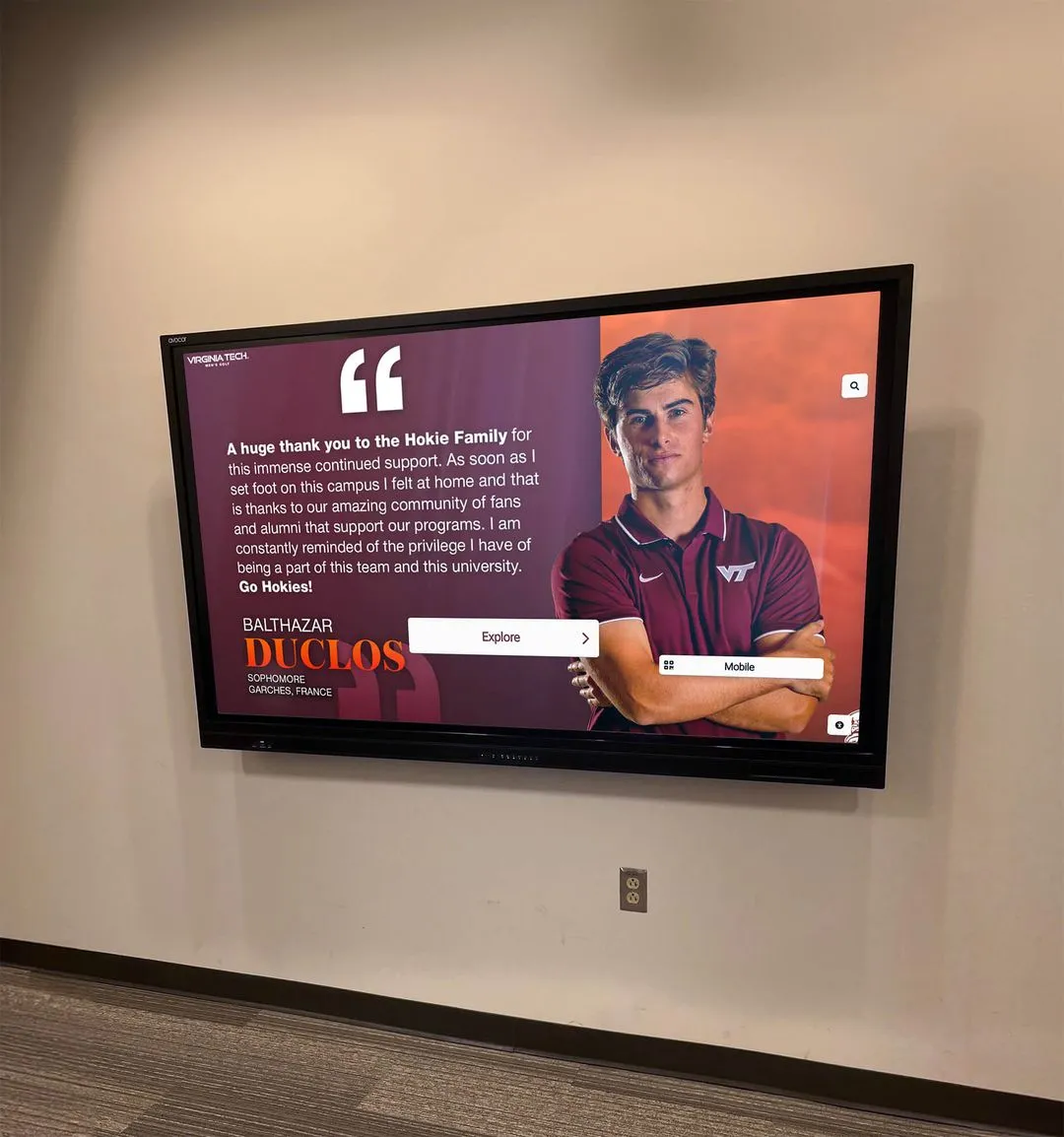
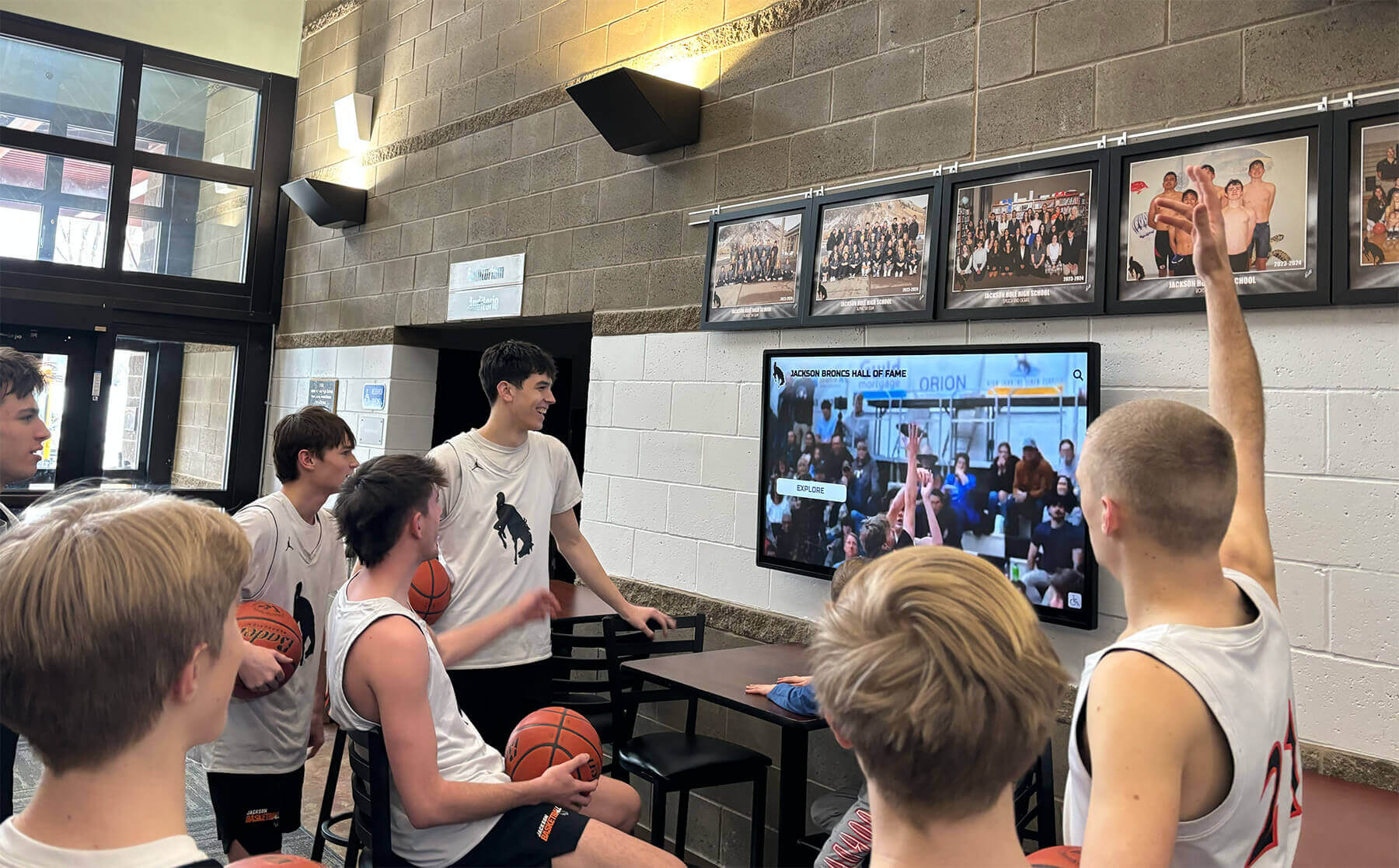
Digital displays create engaging gathering points where intramural participants explore achievements, check schedules, and connect with recreational athletics communities
Program Snapshot: College Intramural Sports Digital Recognition
Understanding the complete scope of intramural sports digital recognition helps universities assess whether this approach aligns with recreational athletics goals and available resources:
| Program Element | Description | Key Considerations |
|---|---|---|
| Target Audience | Current students, intramural alumni, prospective participants, recreational sports staff, campus recreation donors | Diverse audiences require multiple discovery pathways and content types |
| Recognition Capacity | Unlimited championship teams, individual award winners, milestone achievers across all sports and years | Eliminates space constraints that force selective recognition of only recent championships |
| Operational Functions | Tournament schedules, league standings, sign-up portals, facility information, rules and regulations | Combines recognition with practical program information students need daily |
| Fundraising Integration | Direct donation portals, equipment wish lists, program sponsorship opportunities, alumni giving campaigns | Transforms displays into active fundraising tools supporting program sustainability |
| Primary Outcomes | Comprehensive achievement celebration, increased program visibility, streamlined participant communication, sustainable funding development | Success requires integration across recognition and operational dimensions |
| Technology Components | Interactive touchscreen displays, web-accessible platforms, cloud-based content management, donation processing integration | Purpose-built solutions deliver superior results versus generic digital signage |
| Launch Timeline | Typically 2-4 months from planning through operational deployment | Faster implementation than varsity athletics due to less historical content requirements |
| Ongoing Management | Weekly content updates during competitive seasons, real-time schedule changes, continuous donation campaign management | Requires dedicated staff time but significantly less than traditional communication methods |
Content Architecture: Mapping Intramural Recognition to Digital Platforms
College intramural sports digital recognition displays organize content through structured modules specifically designed for recreational athletics contexts and operational requirements:
Core Recognition Elements
Championship Team Celebration
Each championship team receives comprehensive digital recognition including:
- Team photographs with all roster members and recreational sports staff identified
- Season records, tournament brackets, and championship game documentation
- Individual roster information showing each team member’s class year and major
- Championship narrative describing memorable moments, competitive journey, and team chemistry
- Post-season quotes from team captains about the intramural experience and community
- Historical context connecting championships to program traditions and rivalries
- Related content linking to other championship teams from the same sport or academic year
Individual Achievement Recognition
Outstanding individual participants deserve systematic acknowledgment:
- All-tournament team selections across multiple sports
- Sportsmanship award recipients demonstrating intramural program values
- Free throw contest winners, home run derby champions, and skills competition achievers
- Milestone participation recognition (50+ games played, 10 seasons participated)
- Officials and supervisors receiving excellence recognition for program support
- Student administrators and program leaders contributing beyond participation
- Recreational sports club officers and campus recreation advocates
Historical Program Documentation
Comprehensive displays preserve complete intramural heritage:
- Program timelines showing evolution from founding through present offerings
- Sport addition history tracking how program expanded competitive opportunities
- Facility development documenting where intramural activities occur
- Participation statistics showing program growth and student engagement trends
- Format evolution explaining how tournament structures and rules changed over time
- Notable moments archive preserving memorable games, upsets, and competitive stories
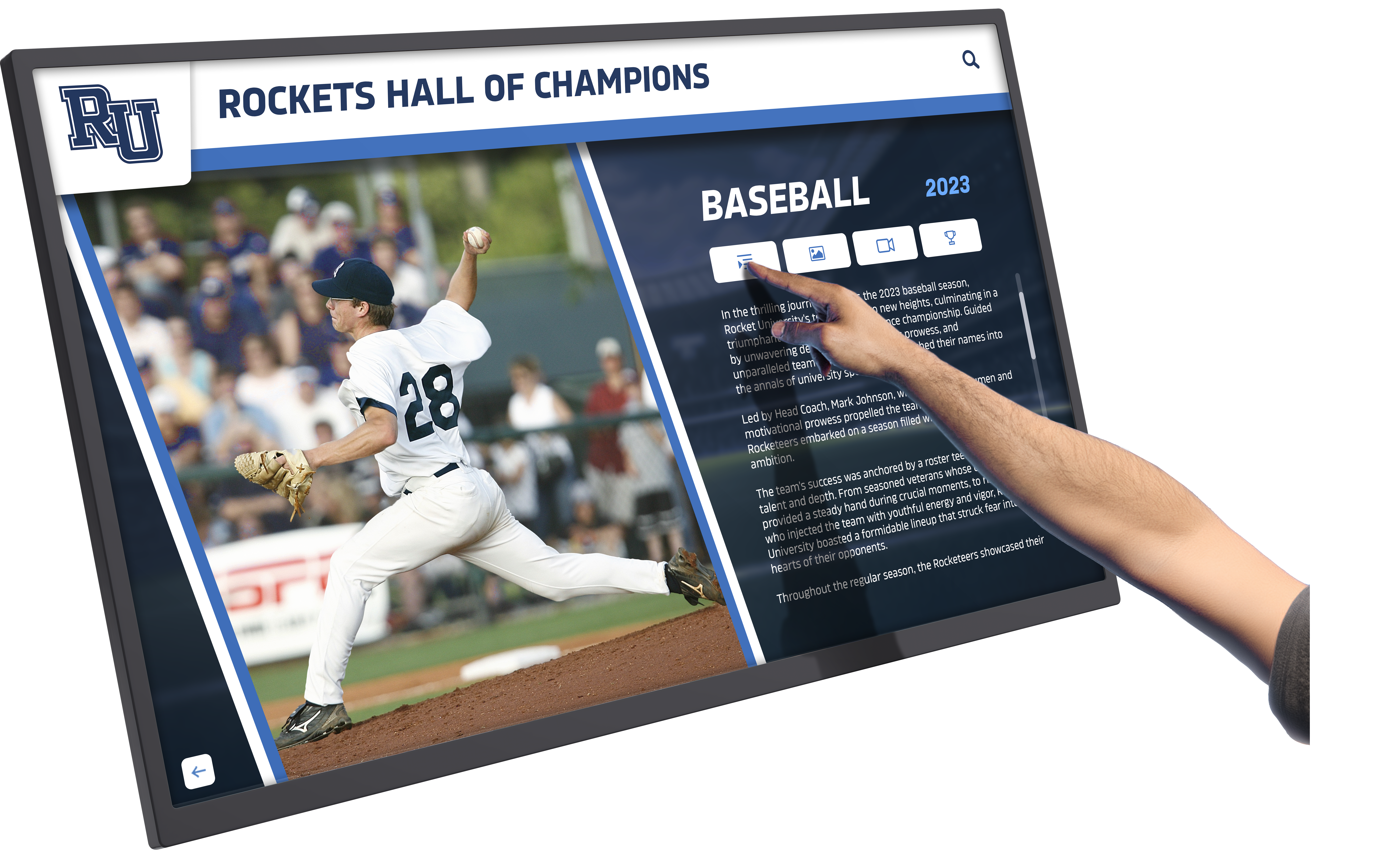
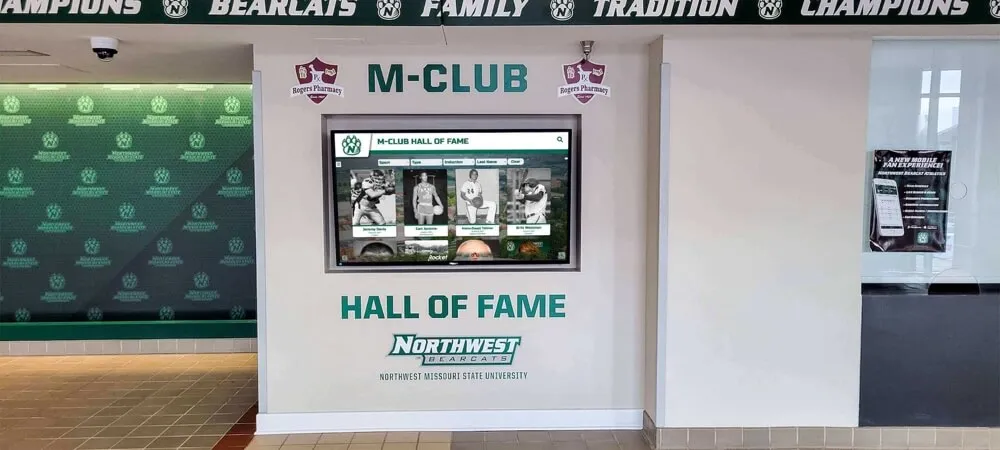
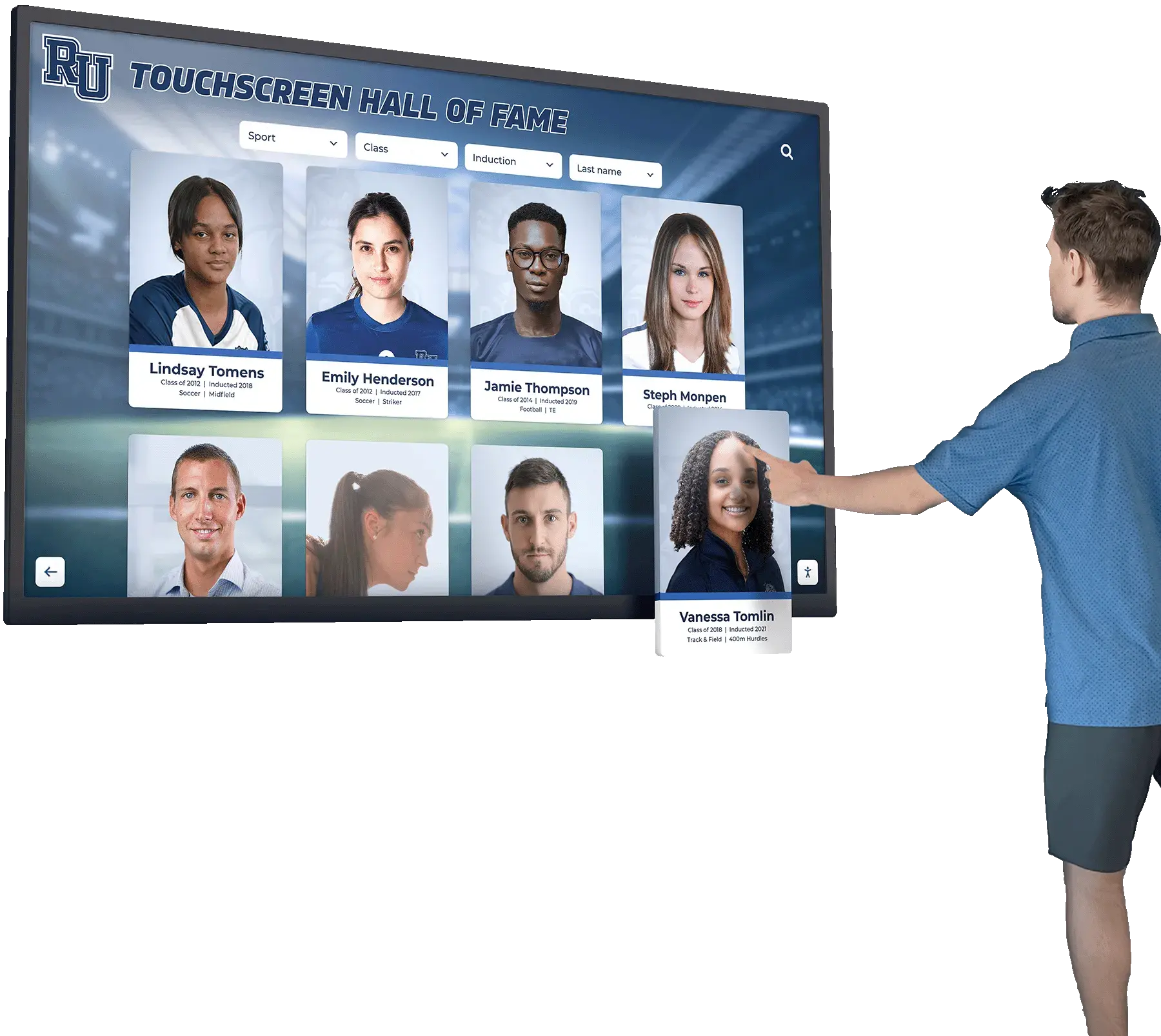
Interactive interfaces enable detailed exploration of team rosters, season records, and individual player contributions
Operational Information Modules
Real-Time Schedule and Registration
Dynamic content supports active program participation:
- Current week tournament schedules across all offered sports
- League standings updated after each game night
- Live tournament brackets during playoffs and championship weeks
- Registration deadlines and sign-up links for upcoming seasons
- Facility availability calendars showing gym, field, and court reservations
- Weather updates and schedule changes pushed immediately to displays
- IM sports app integration connecting physical displays to mobile engagement
Rules and Program Information
Essential program details remain accessible:
- Sport-specific rules and regulations for all offered activities
- Eligibility requirements and roster composition guidelines
- Sportsmanship expectations and conduct policies
- Protest procedures and game dispute resolution processes
- Equipment checkout information and recreational sports services
- Contact information for intramural coordinators and sport supervisors
- Frequently asked questions addressing common participant concerns
Facility and Resource Guides
Practical information supports participant experience:
- Recreation center layouts with intramural space identification
- Locker room locations and facilities amenities
- Equipment available for checkout and rental procedures
- First aid and emergency procedure information
- Parking and transportation to off-campus intramural venues
- Campus recreation membership requirements and pricing
- Additional recreational sports offerings beyond traditional intramurals
Solutions like Rocket Alumni Solutions provide comprehensive platforms combining recognition elements with operational information modules through cloud-based systems specifically designed for recreational athletics applications. Digital displays overcome the fragmented communication challenges that force intramural programs to scatter information across physical bulletin boards, social media accounts, email lists, and multiple websites—creating unified hubs where participants find everything they need in single locations.
Interactive Discovery Features
Modern intramural sports displays enable multiple exploration pathways supporting diverse user needs:
Search and Filter Capabilities
- Full-text search across team names, individual participants, sports, and championship years
- Sport-specific filtering showing only basketball, soccer, or flag football championships
- Academic year navigation enabling exploration by semester and season
- Championship bracket reconstruction showing complete tournament progressions
- Individual participant lookup finding all teams and achievements for specific students
- Related team suggestions connecting participants to their complete intramural histories
Engagement and Sharing Functions
- Social media sharing enabling championship teams to celebrate accomplishments broadly
- QR code generation linking physical displays to specific team profiles
- Analytics tracking which sports and championships attract most community interest
- Photo upload portals allowing teams to contribute their own championship images
- Reunion facilitation connecting former teammates years after graduation
- Alumni engagement tools maintaining intramural community beyond undergraduate years
Explore comprehensive approaches to digital storytelling for athletic programs that apply directly to intramural sports contexts celebrating recreational achievement alongside competitive excellence.
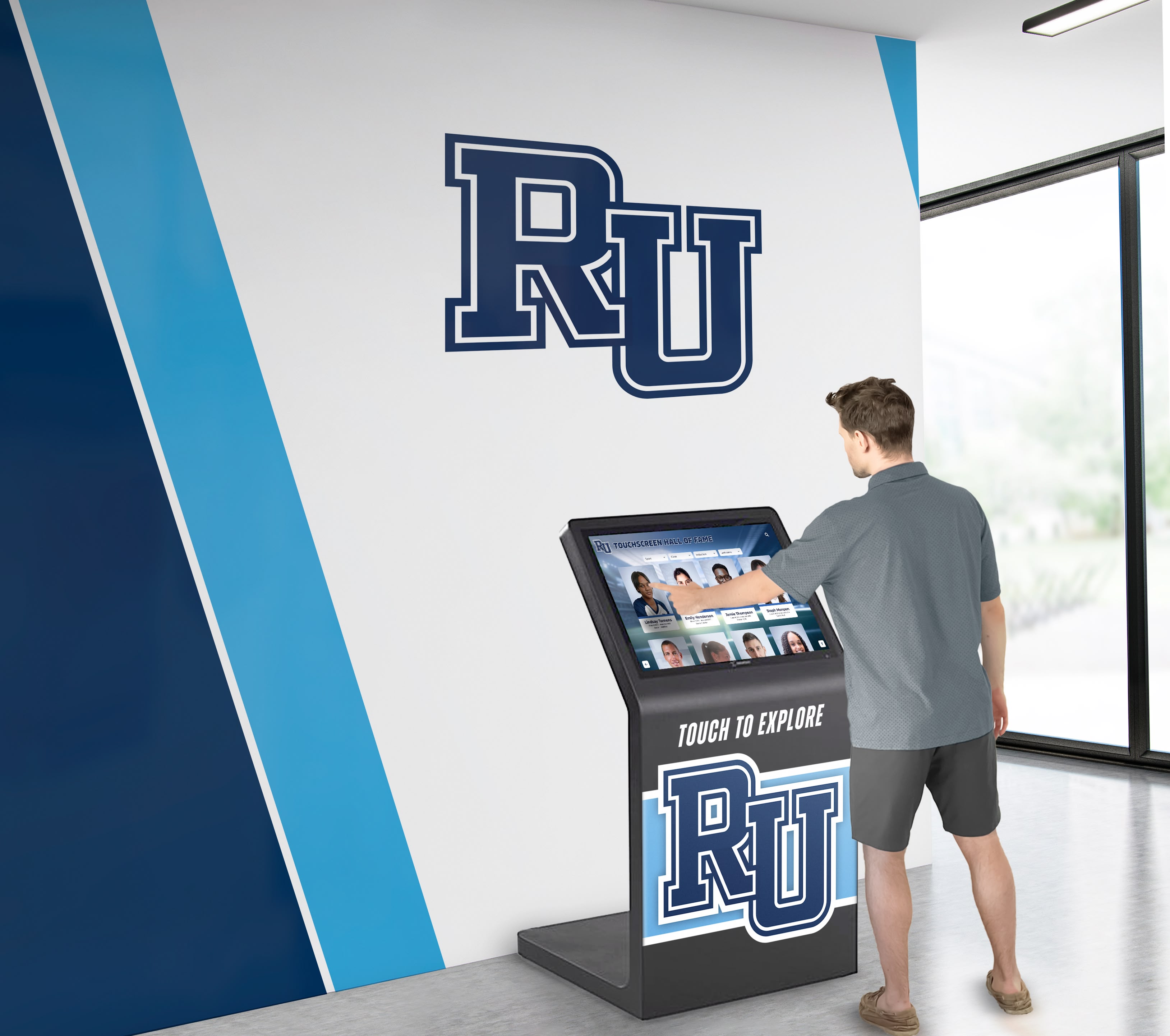
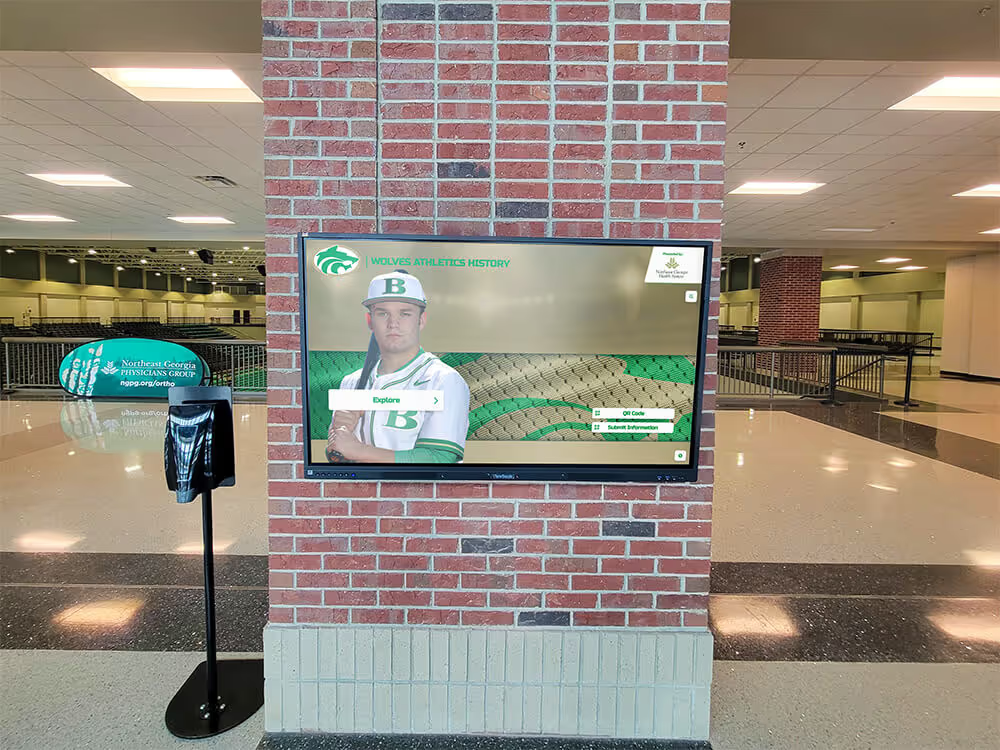
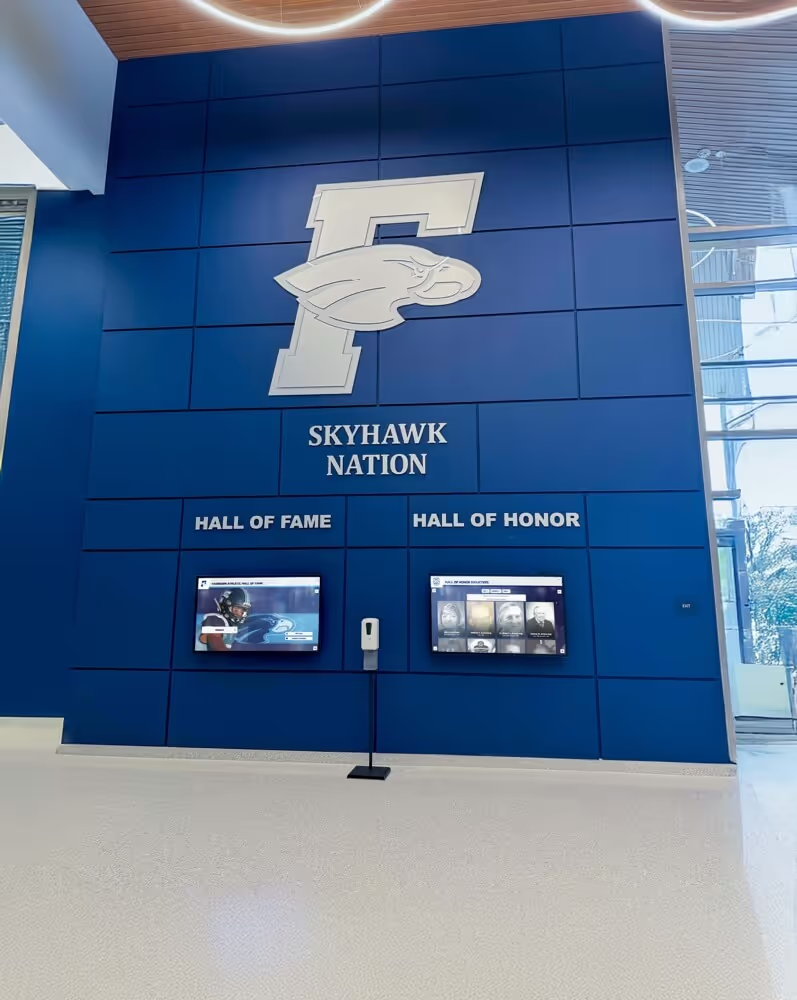
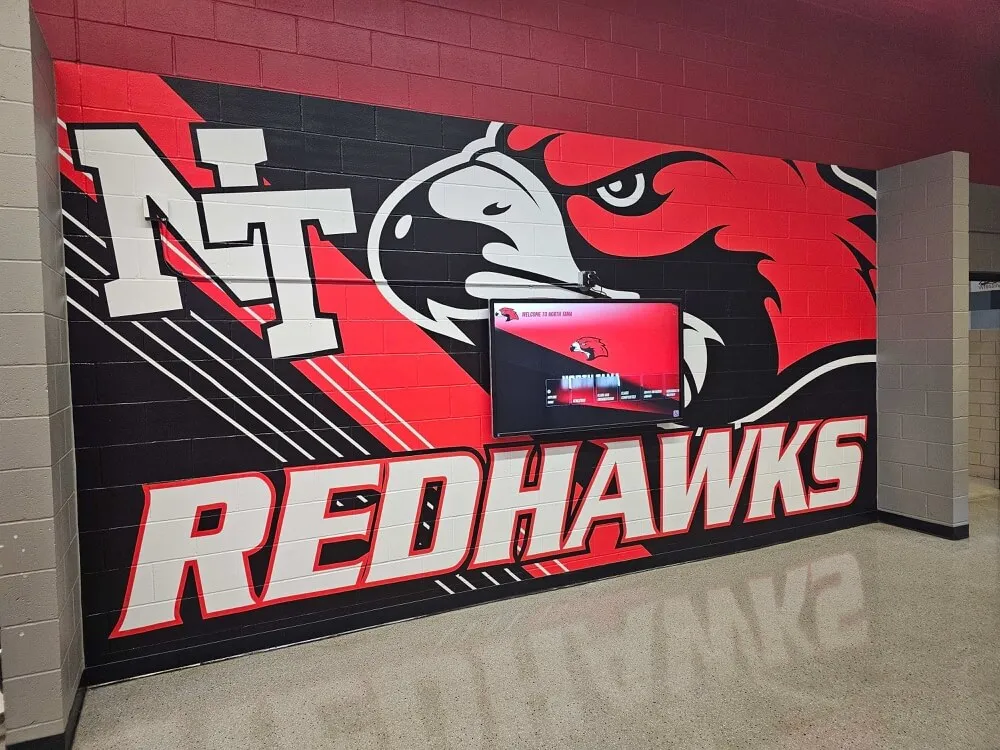
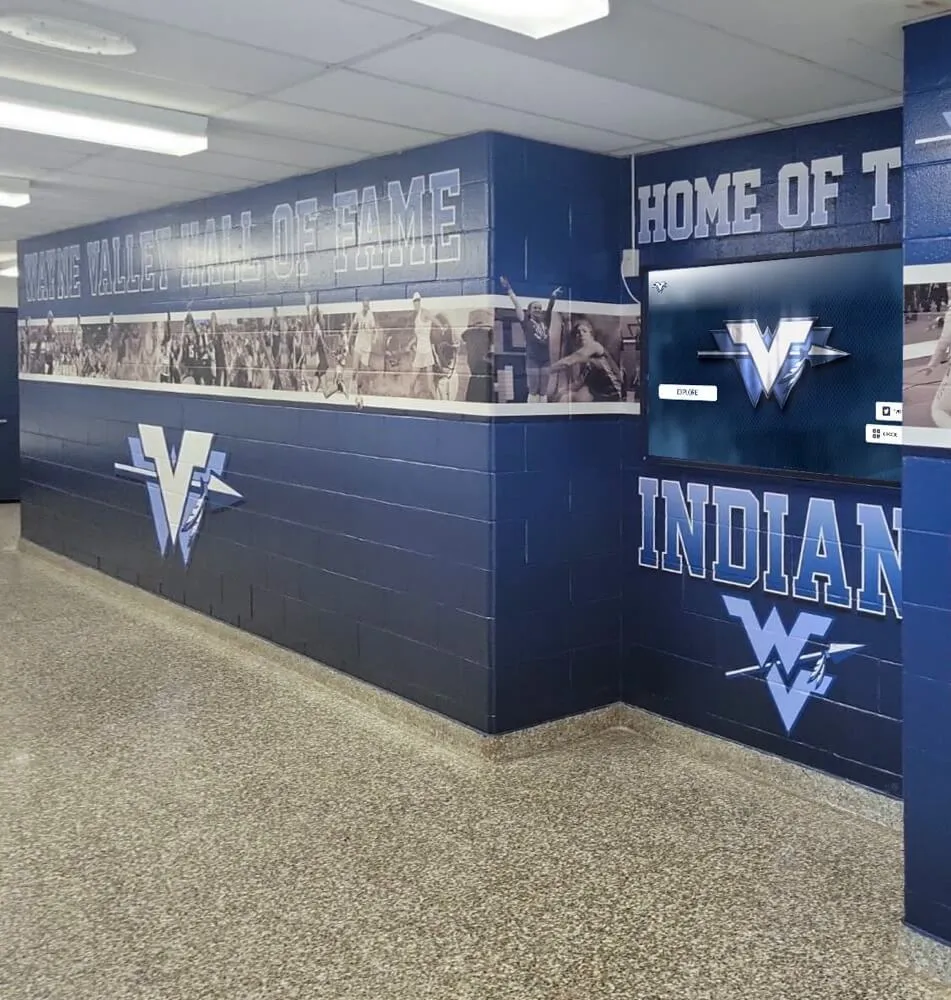
Strategic placement in recreation center lobbies ensures displays reach active participants during facility visits
Fundraising Integration: Digital Displays as Donation Portals
College intramural programs increasingly face budget constraints requiring creative funding solutions beyond institutional allocations. Digital recognition displays transform from passive celebration into active fundraising tools supporting program sustainability:
Direct Donation Portal Implementation
Integrated Giving Platforms
Recognition displays incorporate donation functionality enabling immediate giving:
- Prominent donation buttons accessible from main display interfaces
- Specific giving options (general program fund, equipment purchases, championship t-shirts, facility improvements)
- Matching gift coordination connecting corporate matching programs to intramural donations
- Recognition tiers defining how donations translate to acknowledgment (donor honor boards, named tournaments)
- Mobile-optimized donation pages ensuring seamless transitions from touchscreen to smartphone completion
- Thank you messages and immediate acknowledgment enhancing donor experience
- Annual giving campaigns timed with alumni weekend, homecoming, and reunion events
Equipment Wish Lists and Specific Needs
Transparency about program needs increases giving effectiveness:
- Detailed equipment lists showing exactly what programs need (new soccer goals, basketball jerseys, scoreboards)
- Specific cost breakdowns enabling donors to fund complete items ($500 covers 20 flag football flags)
- Progress tracking showing community contributions toward larger goals (new volleyball net system)
- Visual representations displaying how donations translate to tangible program improvements
- Student testimonials explaining how better equipment enhances intramural experience
- Impact reporting demonstrating outcomes from previous donor support
- Year-end program summaries showing how donation revenue supported operations
According to Duke University’s Recreation & Physical Education department, gifts support day-to-day operations and provide critical funding for facility expansions, fitness and aquatics programs, outdoor adventure trips, and new equipment for intramural and sport club teams. Digital displays create always-accessible giving portals connecting donors directly to programs they want to support.
Alumni Intramural Giving Programs
Former participants represent untapped fundraising potential:
- Championship team reunion giving campaigns encouraging collective donations
- “Give back to the sport you loved” targeted appeals to former basketball, softball, or soccer participants
- Legacy naming opportunities for donors making significant program contributions
- Alumni intramural networks building giving communities around recreational sports nostalgia
- Class-based challenges encouraging friendly competition through donation totals
- Career success stories connecting intramural participation to professional development
- Endowment building securing permanent funding for program sustainability
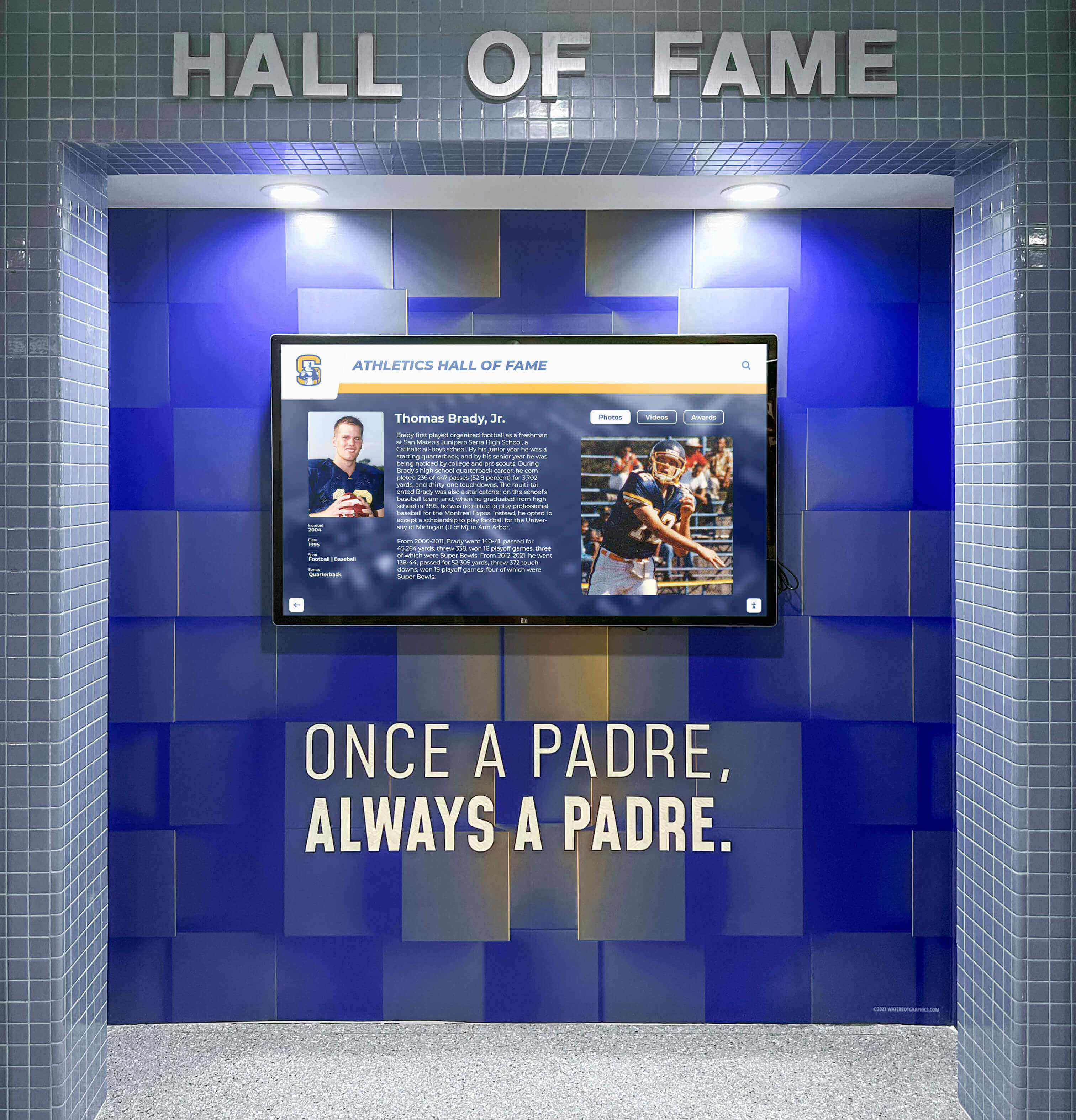
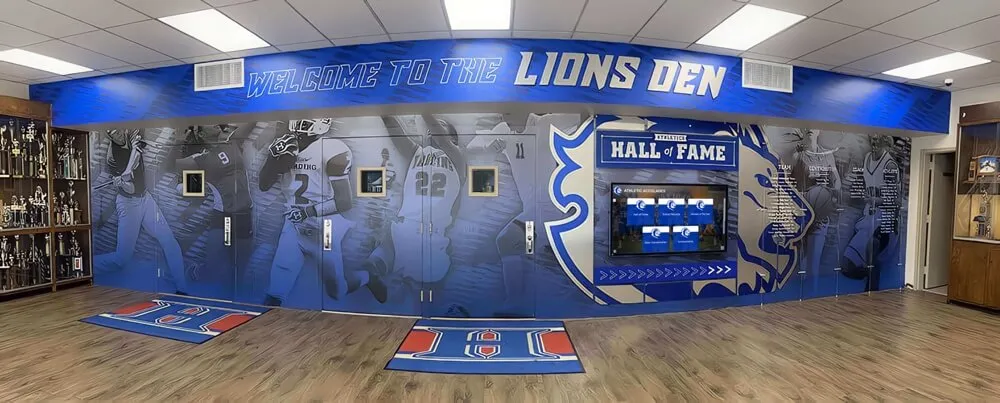
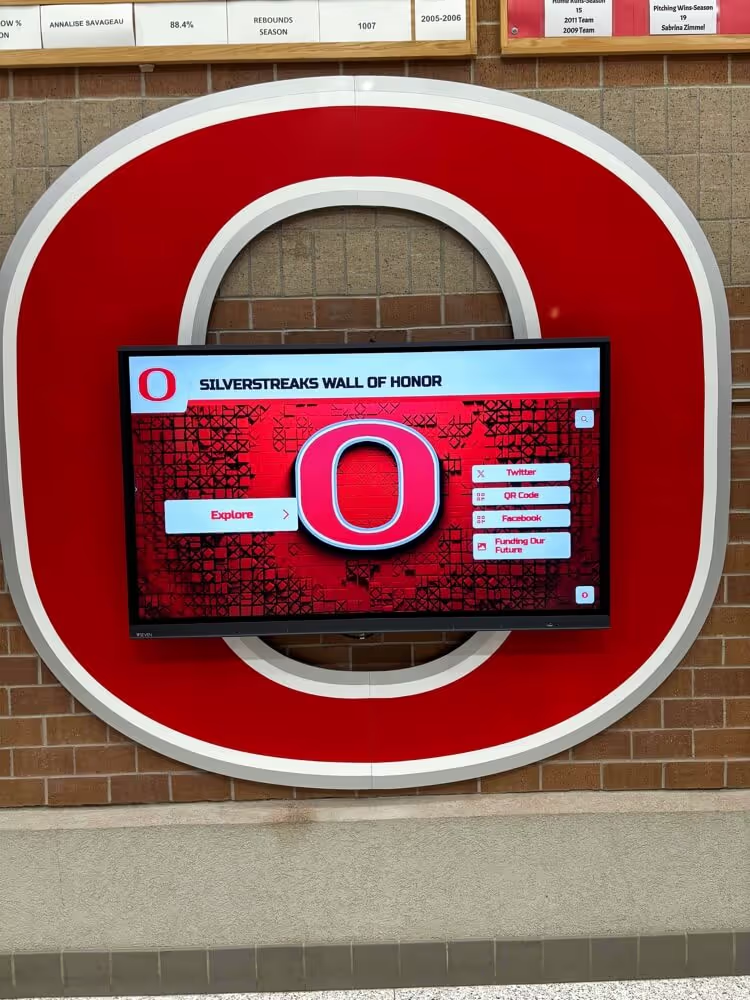
Displays seamlessly combine achievement recognition with donor acknowledgment creating comprehensive program celebration
Sponsorship and Partnership Programs
Local Business Engagement
Community connections provide sustainable funding streams:
- Tournament sponsorships enabling businesses to support specific sports or leagues
- Championship banner sponsorships providing season-long visibility
- Display advertisement rotation during idle states generating ongoing revenue
- Named tournaments honoring major sponsors (Annual Main Street Pizza 3-on-3 Tournament)
- Equipment donations from sporting goods retailers and manufacturers
- Facility naming rights for significant multi-year commitments
- Student discount programs creating mutual value between sponsors and participants
Campus Department Partnerships
Internal collaborations expand funding sources:
- Student affairs allocation highlighting intramural program value for retention and wellness
- Health and wellness program integration connecting recreation to institutional wellness goals
- Alumni association coordination promoting intramural nostalgia in broader alumni engagement
- Development office collaboration incorporating intramural giving into comprehensive campaigns
- Academic department connections highlighting research on recreation benefits
- Student government funding recognizing intramural programs serve broad student populations
- Greek life coordination connecting fraternity and sorority participation to institutional support
Learn about comprehensive approaches to showcasing community partnerships and local sponsors through digital recognition displays that benefit both programs and supporters.
Impact Measurement and Donor Stewardship
Demonstrating Fundraising ROI
Systematic tracking proves donation impact:
- Participation metrics showing student engagement supported by donor funding
- Equipment replacement schedules demonstrating how donations maintain program quality
- New sport additions made possible through donor support
- Facility improvement documentation with before and after comparisons
- Participant satisfaction surveys highlighting recreation experience quality
- Competitive success metrics showing program excellence enabled by resources
- Cost-per-participant calculations demonstrating intramural program efficiency
Ongoing Donor Engagement
Recognition maintains giving relationships:
- Annual reports delivered digitally and displayed on recognition screens
- Personal thank you messages from program directors and student participants
- Invitation to championship games and intramural events
- Behind-the-scenes program tours showing exactly where donations make impact
- Student athlete panels discussing how intramural sports shaped college experience
- Legacy planning conversations about sustained giving through planned gifts
- Recognition evolution updating acknowledgment as giving relationships deepen
Display Integration: Connecting Recognition to Campus Spaces
Effective intramural recognition combines strategic physical placement with interface design optimizing student engagement:
Optimal Display Locations
Recreation Center Placement
Primary facilities offer highest visibility:
- Main entrance lobbies greeting all facility users immediately
- Court-side locations visible during intramural games and leagues
- Locker room corridor areas where participants transition before and after games
- Fitness center spaces reaching broader recreation center membership
- Information desk areas where students ask questions and seek program details
- Tournament check-in zones where participants register and receive schedules
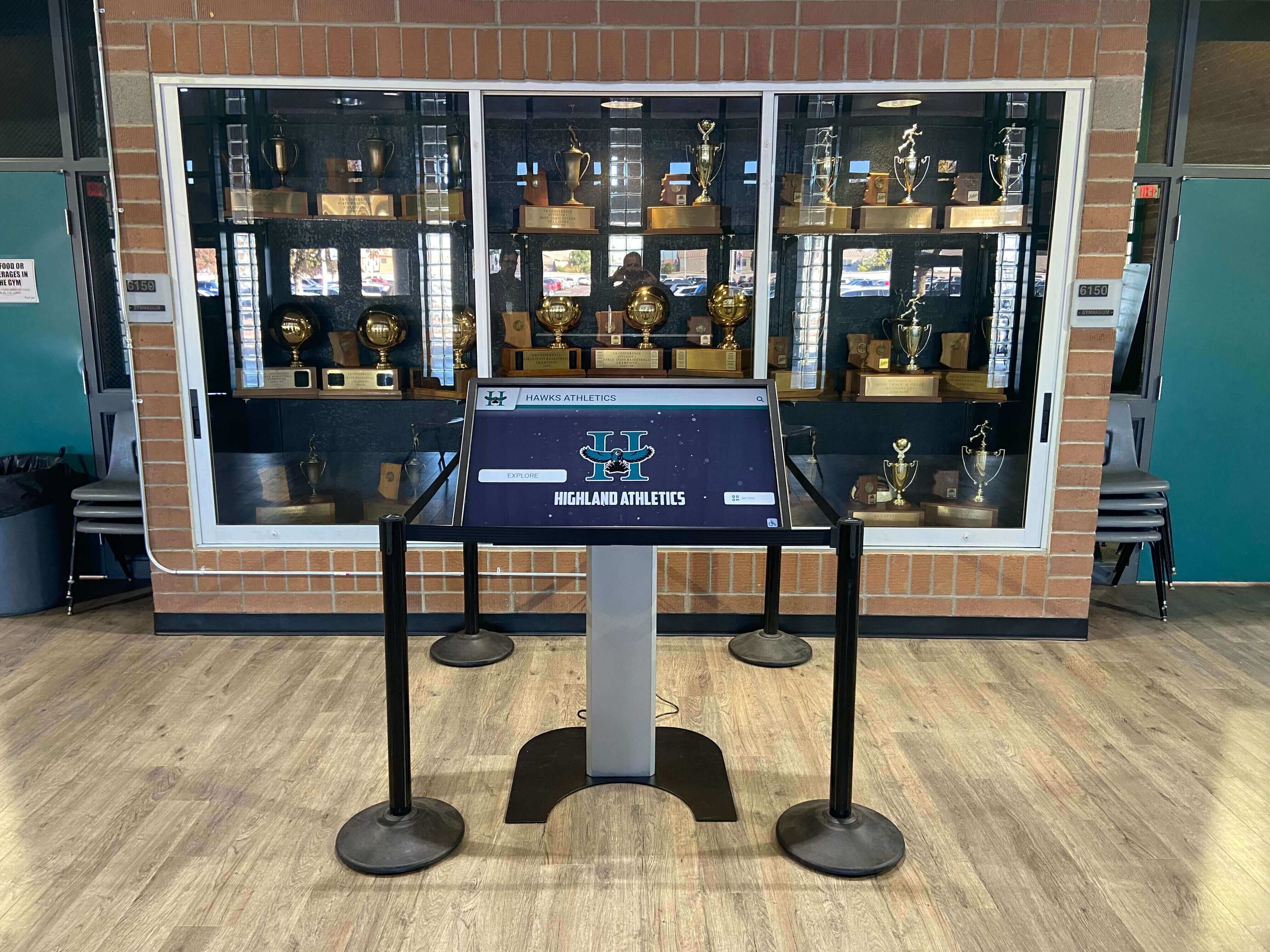
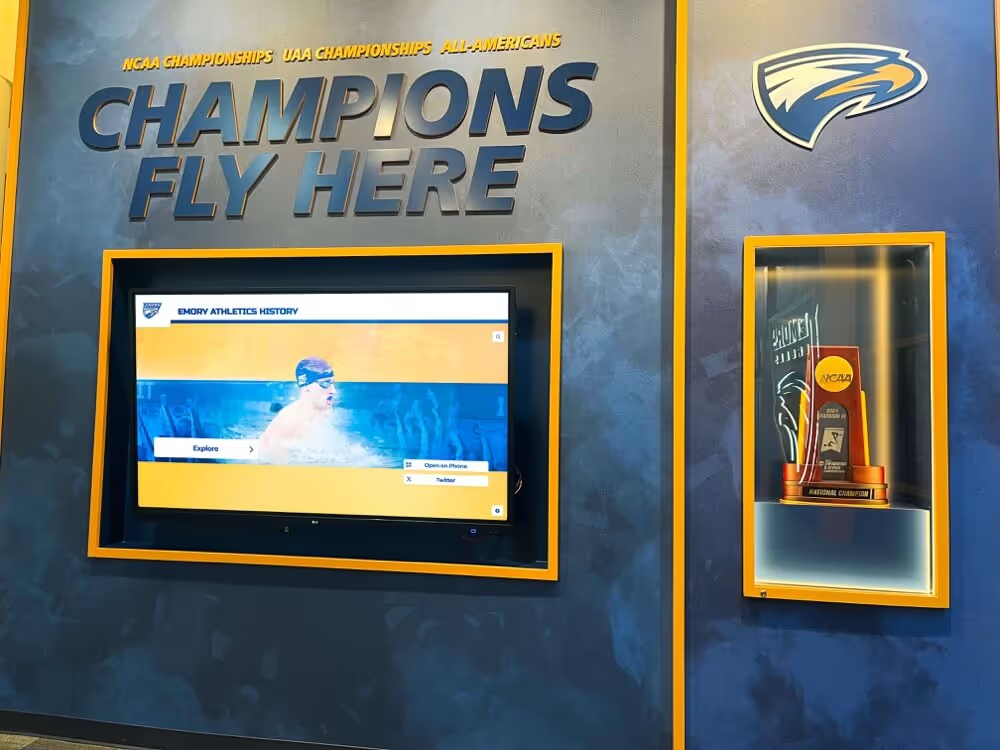
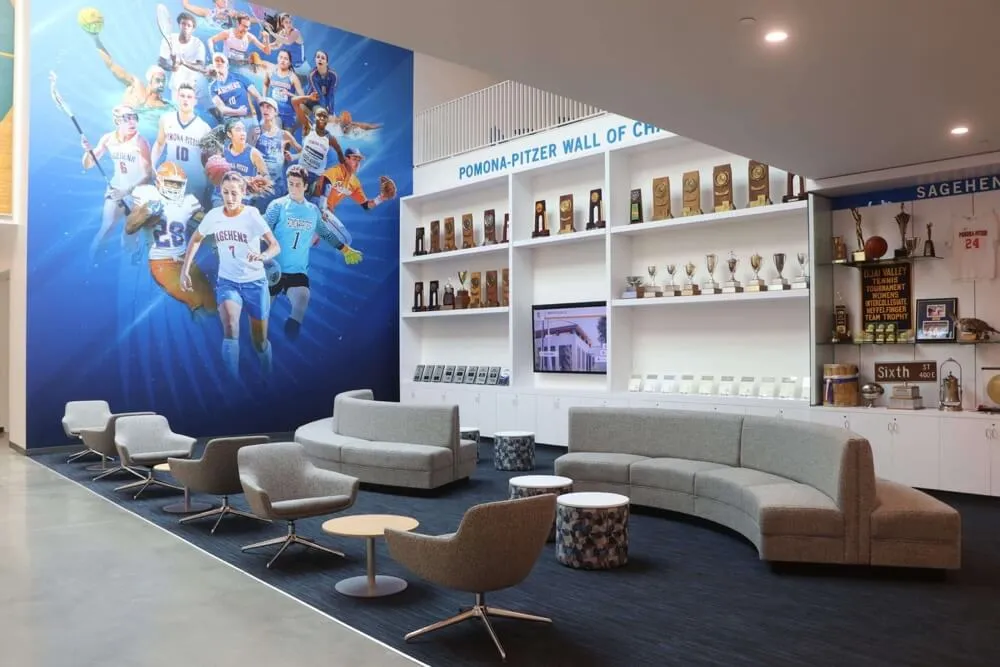
Combining digital displays with physical championship trophies creates comprehensive recognition spaces
Campus-Wide Strategic Locations
Extended placement maximizes program visibility:
- Student union buildings reaching students who don’t regularly visit recreation centers
- Residence hall lobbies connecting with students in living spaces
- Dining hall common areas providing sustained viewing time during meals
- Greek life housing facilities targeting fraternities and sororities as major participants
- Academic buildings frequented by target participation demographics
- Campus center gathering spaces where student organizations and activities concentrate
- Athletic facility overlaps where varsity and intramural communities intersect
Accessibility and Environmental Optimization
Technical considerations ensure effective operation:
- ADA-compliant mounting heights enabling wheelchair user access and operation
- Adequate lighting conditions preventing glare while maintaining visibility
- Climate-controlled environments protecting equipment from weather exposure
- Sufficient electrical and network infrastructure supporting cloud connectivity
- Space for group viewing enabling teams to explore championships together
- Minimal competing visual distractions maintaining focus on intramural content
- Integration with existing campus wayfinding and information systems
Discover strategies for creating effective recognition spaces that maximize community engagement across diverse campus locations and participant populations.
Execution Timeline: From Planning to Launch
Successful intramural sports digital recognition follows systematic implementation phases ensuring thoughtful decision-making and professional execution:
Phase 1: Planning and Requirements (Weeks 1-2)
Program Assessment and Goal Setting
- Identify recognition gaps in current intramural program operations
- Determine priority sports and achievement categories requiring celebration
- Assess operational information needs (schedules, rules, registration) requiring centralized access
- Evaluate fundraising goals and donation portal requirements
- Define target audiences (current students, alumni, prospective participants, donors)
- Secure recreational sports administrative support and budget authorization
- Establish success metrics defining program effectiveness measurement
Resource and Content Inventory
- Review existing championship documentation and historical archives
- Inventory available photographs, rosters, and historical records
- Identify content gaps requiring research or collection
- Assess staff capacity for ongoing content management and updates
- Determine schedule integration requirements with existing registration systems
- Evaluate current donation processing capabilities and giving infrastructure
- Plan budget covering initial investment and ongoing operational costs
Phase 2: Technology Selection and Vendor Partnership (Weeks 3-4)
Platform Research and Evaluation
Critical considerations for intramural applications:
- Purpose-built recognition platforms versus generic digital signage systems
- Content management interfaces simple enough for recreational sports staff daily use
- Schedule integration capabilities connecting to existing intramural management software
- Donation portal functionality processing giving securely and acknowledging contributors
- Mobile-responsive web platforms extending access beyond physical displays
- Analytics capabilities tracking engagement, popular content, and giving patterns
- Vendor support quality ensuring responsive assistance when issues arise
Hardware Specification
- Commercial-grade touchscreen displays rated for continuous public use
- Appropriate display sizes based on viewing distances and installation locations
- Wall-mount versus freestanding kiosk configurations for different spaces
- Network connectivity requirements supporting cloud-based content management
- Electrical specifications and installation coordination
- Maintenance agreements and long-term support considerations
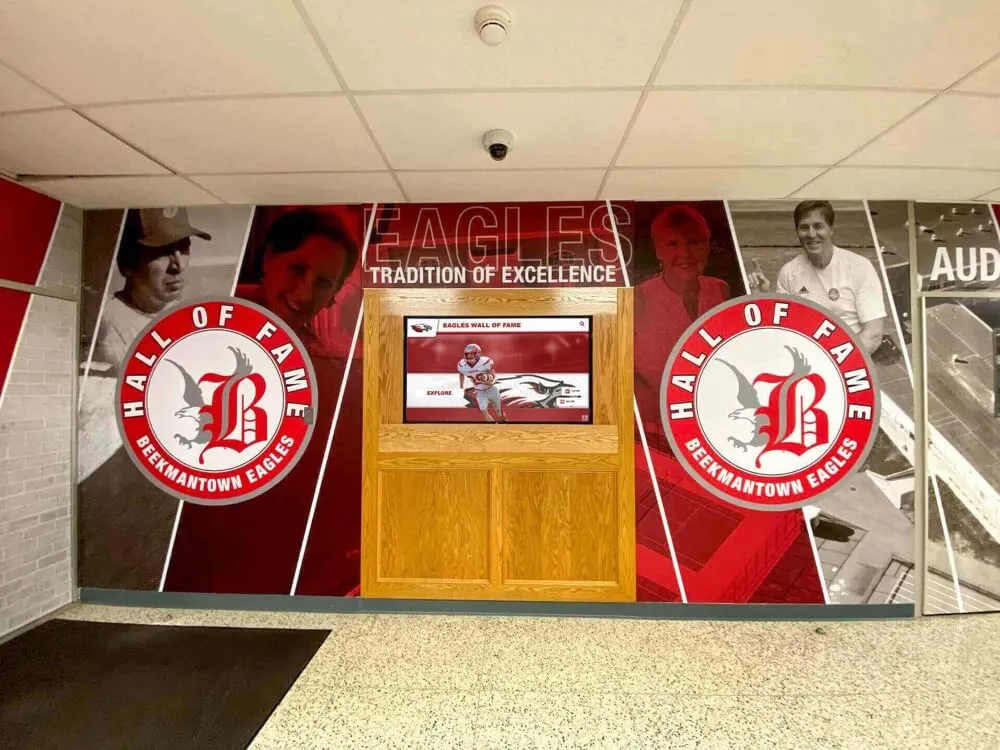
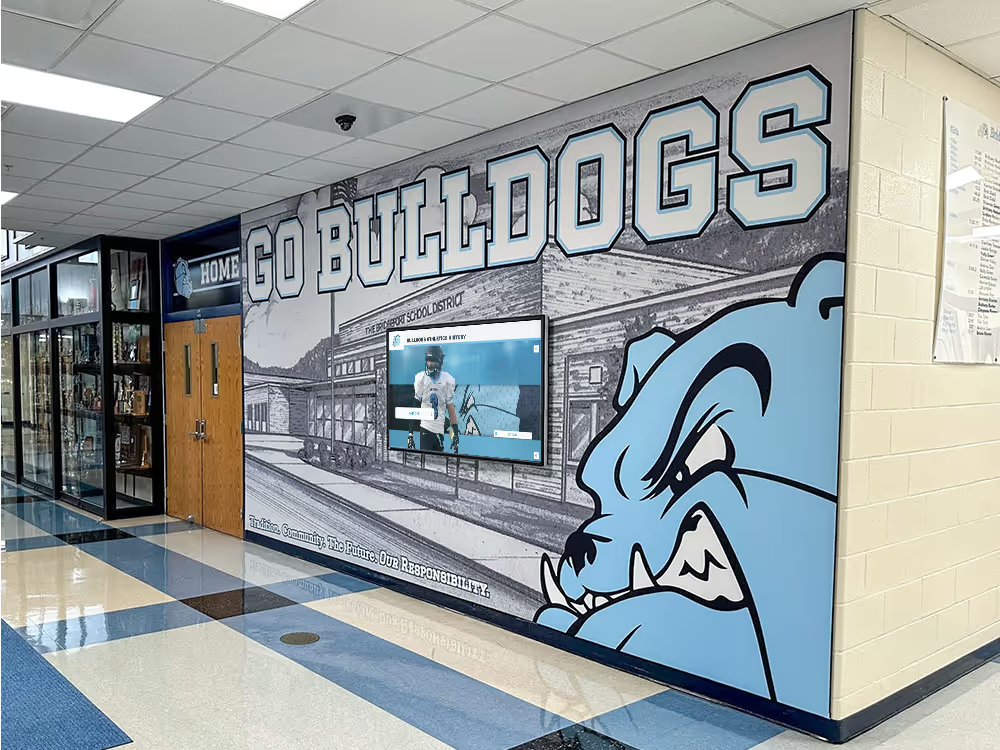
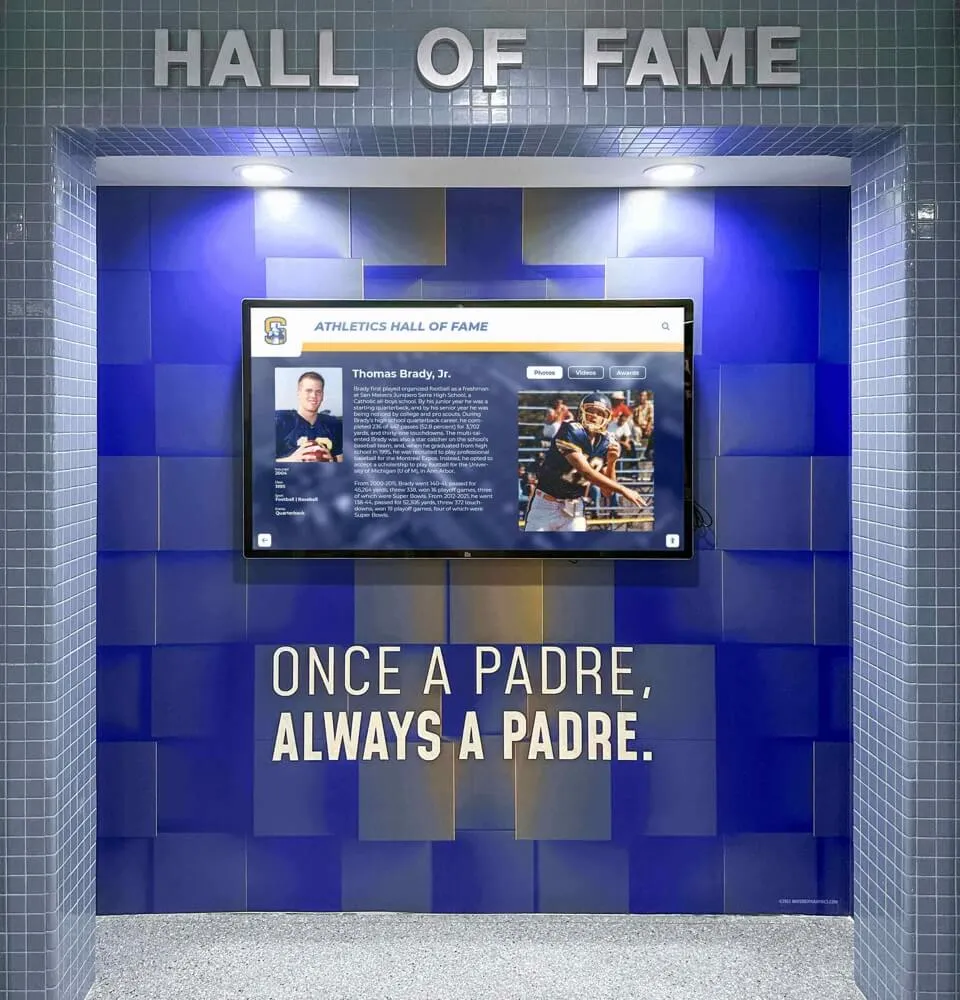
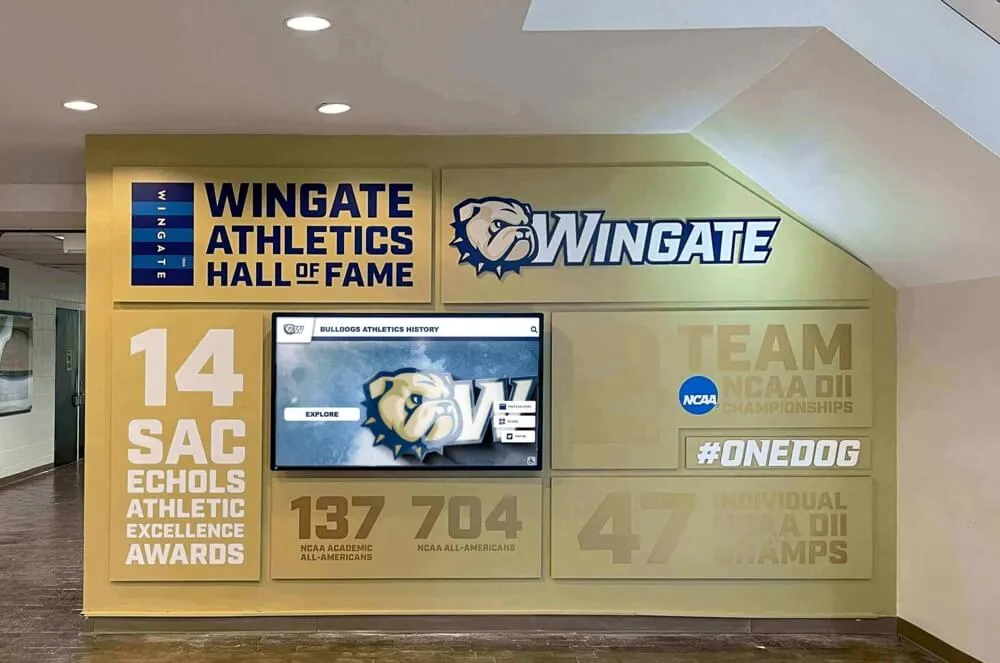
Professional installations create impressive focal points celebrating program excellence and competitive traditions
Phase 3: Content Development and System Configuration (Weeks 5-8)
Historical Recognition Content Creation
Initial launch content typically includes:
- Recent championship teams (last 3-5 years providing strong starting foundation)
- Current season schedules and tournament brackets across all sports
- Program overview information explaining intramural offerings and participation requirements
- Individual award winners and milestone achievers from recent years
- Historical program summary providing context for intramural traditions
- Featured sport highlights rotating through all competitive offerings
- Initial donor recognition acknowledging early giving program supporters
Operational Information Development
- Sport-specific rules and regulations formatted for digital display
- Registration procedures and eligibility requirements clearly explained
- Facility guides with maps, amenities, and reservation procedures
- Contact directories for intramural coordinators and program staff
- FAQ compilations addressing common participant questions
- Safety protocols and emergency procedures
- Equipment checkout policies and recreational services information
Donation Portal Configuration
- Giving categories and fund designations clearly defined
- Donation amounts suggested with specific impact examples
- Payment processing integration ensuring secure transaction handling
- Thank you messages and acknowledgment workflows configured
- Donor recognition tiers established with corresponding benefits
- Tax documentation and receipt generation automated
- Integration with institutional advancement systems when applicable
Phase 4: Installation and Launch (Weeks 9-10)
Professional Display Installation
- Electrical and network infrastructure work meeting code requirements
- Secure display mounting with professional cable management
- Touchscreen calibration and display configuration
- Network connectivity testing and performance verification
- ADA compliance confirmation ensuring accessibility
- Content loading and display function testing
- Staff training on content management and system operation
Launch Communication and Promotion
- Student email announcements introducing new recognition displays
- Social media campaigns highlighting featured championships and achievements
- Signage directing students to display locations
- Open house events demonstrating features and encouraging exploration
- Press releases for campus media generating awareness
- Greek life coordination encouraging fraternity and sorority engagement
- Alumni communications promoting giving portal functionality
Explore comprehensive implementation approaches in Division III athletics digital recognition system guides that parallel intramural program needs despite different competitive contexts.
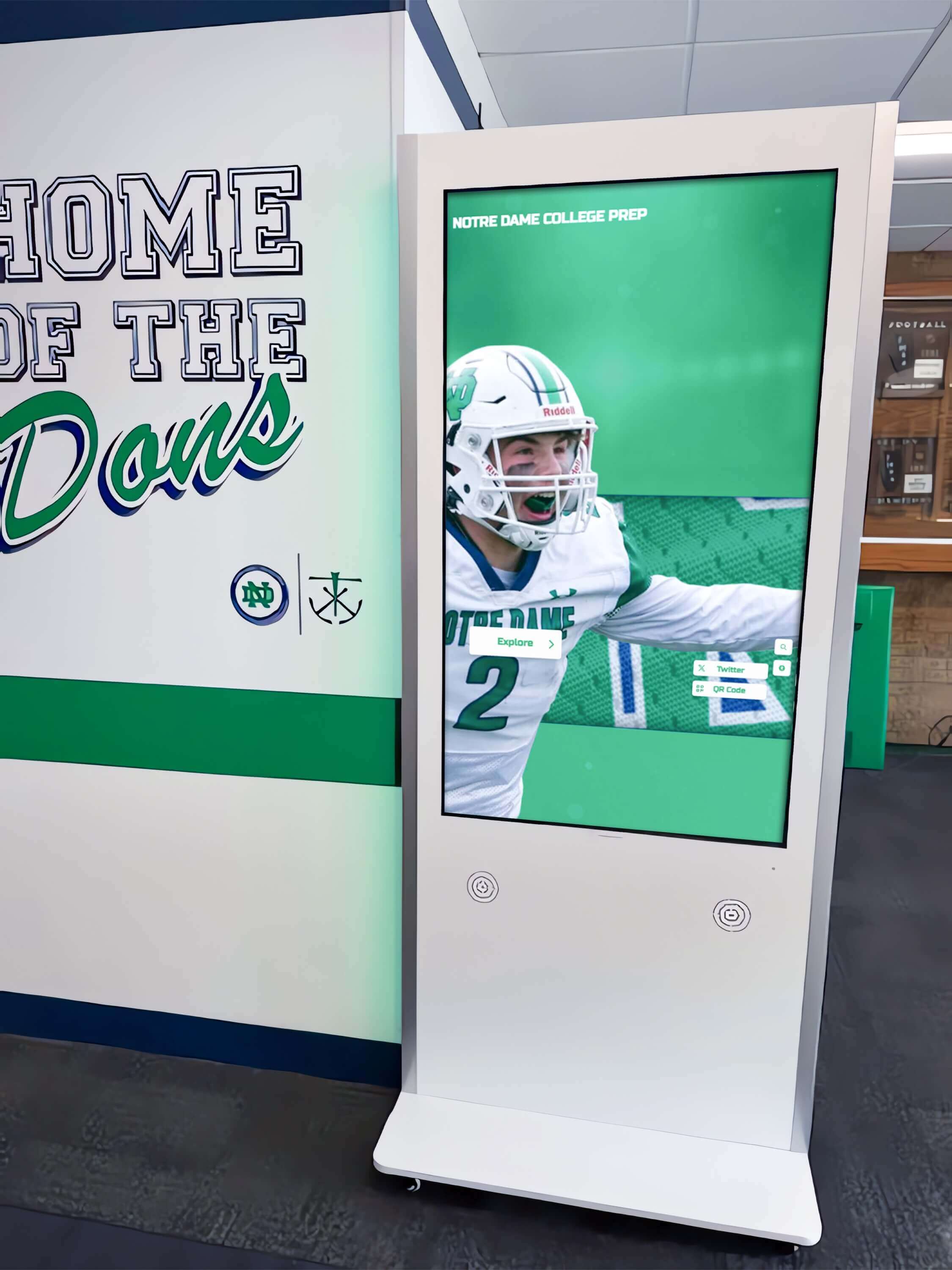
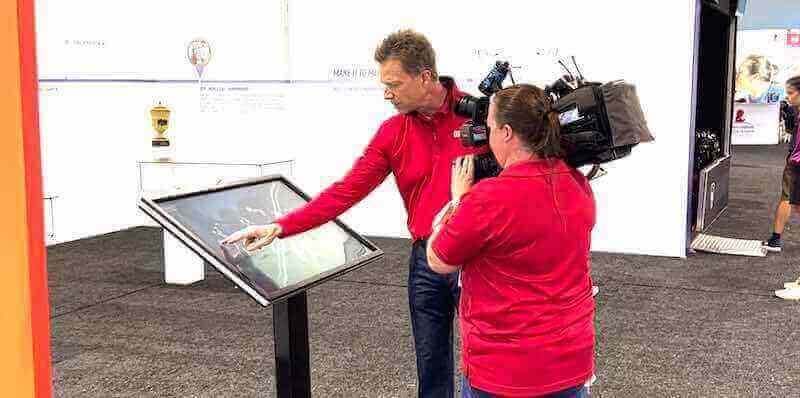
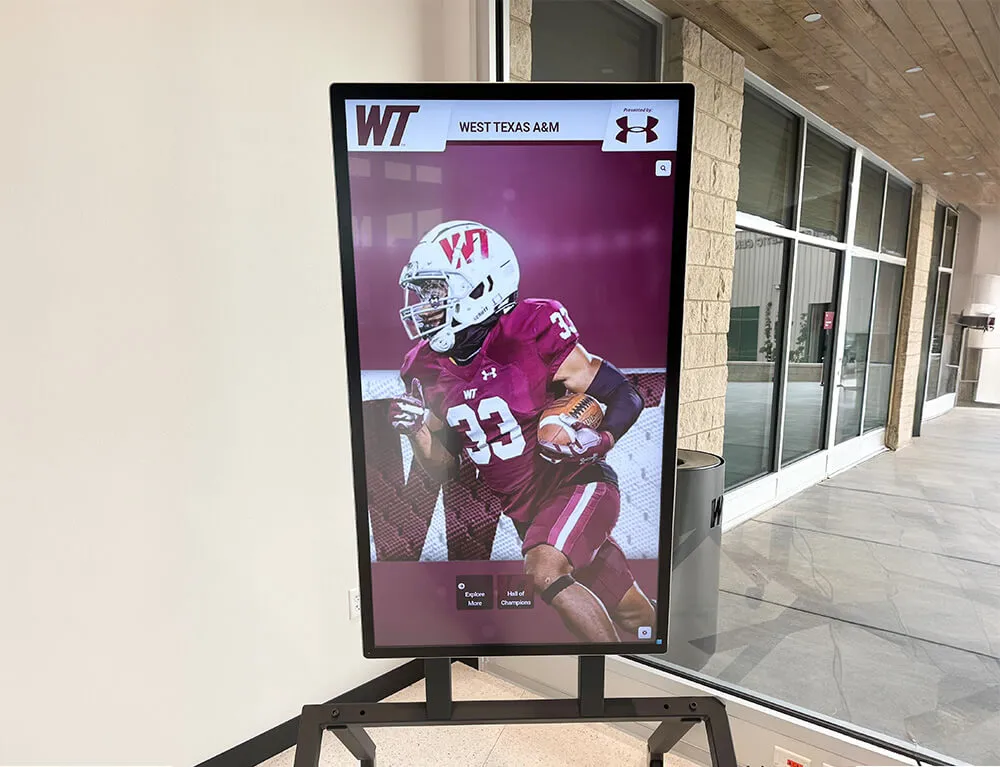
Freestanding kiosks provide flexible installation options for spaces where wall mounting isn't feasible
Program-Specific Implementation: Intramural Sports Recognition by Activity
Different intramural sports require tailored recognition approaches reflecting unique competitive structures and participant cultures:
Team Sports Recognition
Basketball, Volleyball, and Indoor Sports
High-participation team sports benefit from comprehensive documentation:
- League division recognition (A-League champions, B-League champions, recreational division)
- Season records and playoff progression documentation
- Roster information showing positions, class years, and team chemistry
- Championship game highlights and memorable moments
- Tournament MVP and all-tournament team selections
- Historical program context showing championship traditions
- Related content connecting teams from same academic years or residence halls
Flag Football and Outdoor Sports
Fall and spring outdoor intramurals create seasonal celebration opportunities:
- Weather challenges and field condition stories adding character to championships
- Rivalry documentation between returning teams competing across multiple years
- Position-specific achievement recognition (most touchdowns, interceptions, sacks)
- Tournament bracket progression showing path to championships
- Team formation stories (residence halls, Greek organizations, friend groups, academic departments)
- Season statistics and competitive records
- Post-graduation reunions maintaining team connections years later
Learn about comprehensive athletic recognition in digital touchscreen athletic building team records displays applicable to intramural facilities showcasing recreational sports achievements alongside varsity programs.
Individual and Dual Sports Recognition
Tennis, Racquetball, and Singles Competition
Individual sports require different recognition structures:
- Singles and doubles champions documented separately
- Match records and tournament progression brackets
- Head-to-head competition histories between frequent competitors
- Skill progression across multiple semesters and years
- Participation milestones recognizing sustained engagement
- Tournament format evolution showing rule and structure changes
- Competitor testimonials about intramural tennis community
Table Tennis, Billiards, and Recreation Sports
Non-traditional sports deserve equivalent recognition:
- Tournament champions across different skill divisions
- Participation documentation normalizing diverse athletic interests
- Skill demonstration videos showing competitive excellence
- Community-building aspects highlighting social recreational benefits
- Equipment and facility information encouraging new participant recruitment
- Historical context showing when sports joined intramural offerings
- Student organization connections linking clubs to intramural leagues
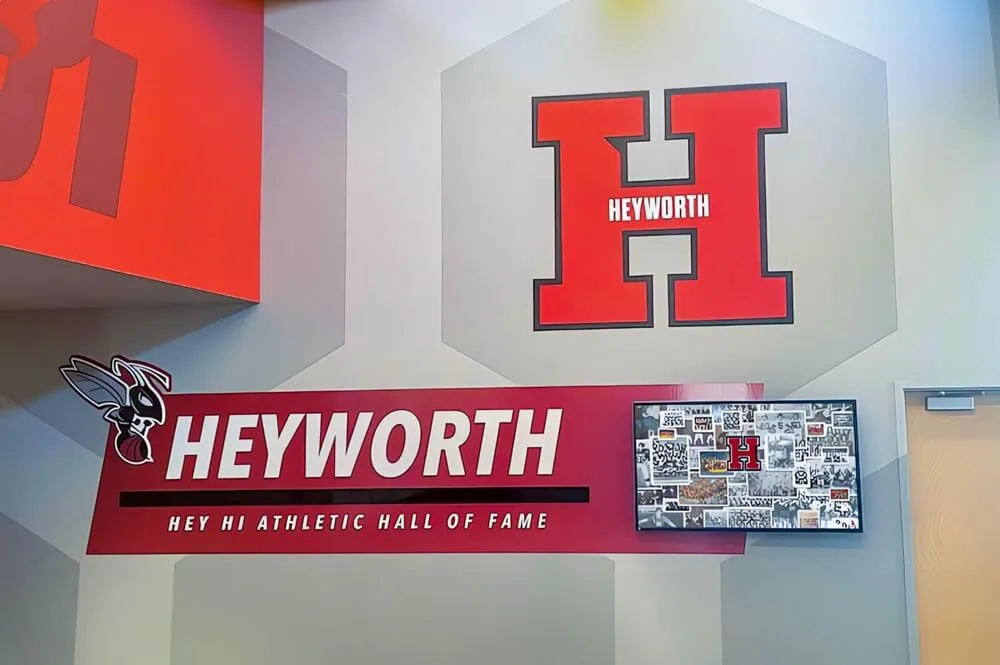
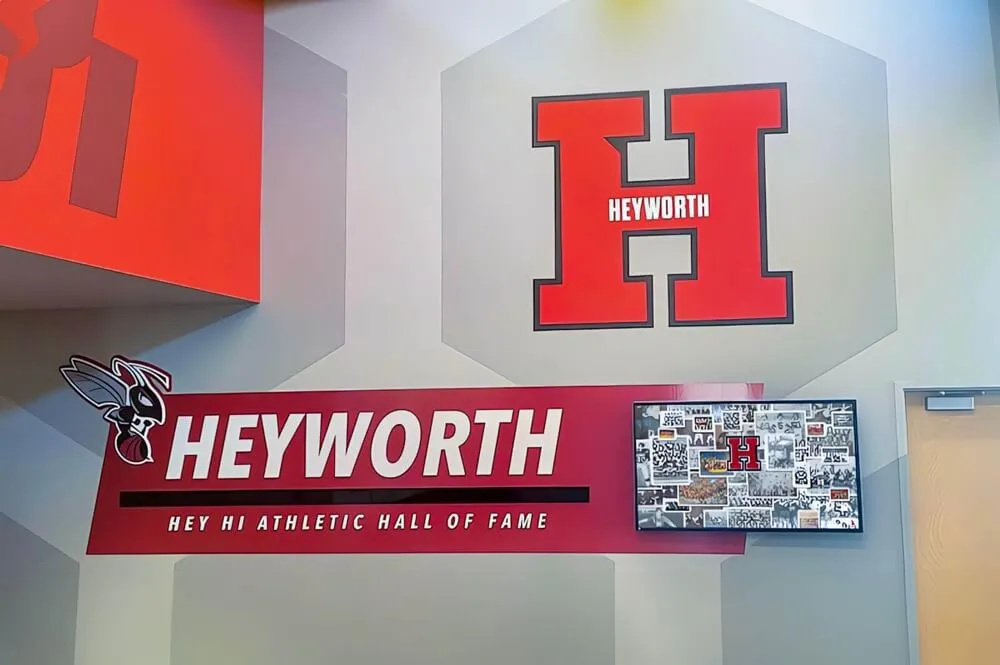
Clear signage and dedicated recognition spaces establish intramural programs as valued institutional priorities
Specialty Events and Tournaments
Special Event Recognition
One-time and annual special events create unique recognition opportunities:
- Homecoming tournaments and alumni participation events
- Greek Week intramural competitions and point standings
- Residence hall challenges and floor competitions
- Faculty-staff versus student exhibition games
- Charity tournaments raising funds for causes
- End-of-year championship showcases across all sports
- Holiday break tournaments and special format competitions
Skills Competitions and Contests
Individual achievement events beyond league play:
- Three-point shooting contests and accuracy challenges
- Home run derbies and hitting competitions
- Soccer penalty kick tournaments
- Volleyball serving accuracy contests
- Football throwing distance and accuracy challenges
- Free throw competitions and endurance events
- Relay races and team coordination challenges
Measuring Intramural Recognition Program Success
Systematic evaluation demonstrates program value and guides continuous improvement across recognition, operational, and fundraising dimensions:
Recognition Engagement Metrics
Display Interaction Analytics
- Total touchscreen interactions measuring community engagement frequency
- Average session duration indicating depth versus superficial exploration
- Popular content identification revealing which sports and teams attract interest
- Search query patterns showing what participants seek most frequently
- Time-of-day usage patterns informing content scheduling strategies
- Seasonal engagement variations correlating with competitive schedules
- Year-over-year trends demonstrating sustained versus declining interest
Web Platform Extension
- Online recognition portal visits from off-campus locations
- Mobile device usage patterns showing smartphone engagement
- Social media shares and recognition content virality
- Alumni engagement from former intramural participants globally
- Geographic distribution revealing program reach beyond local campus
- Referral sources indicating how audiences discover content
- Returning visitor rates showing sustained community connection
Operational Effectiveness Measures
Communication Efficiency Indicators
- Reduced email volume as displays address common information questions
- Decreased phone inquiries about schedules and registration
- Lower no-show rates from improved schedule visibility
- Faster registration completion through streamlined processes
- Fewer rule clarification questions during competitions
- Improved participant satisfaction with information accessibility
- Staff time savings redirected to program quality improvements
Program Participation Impact
- New participant recruitment attributed to enhanced visibility
- Registration increases in historically lower-participation sports
- Diverse student demographic engagement across all offerings
- Retention rates showing participants returning semester after semester
- Team formation rates indicating social community development
- League expansion enabled by higher participation levels
- Student organization collaboration increasing through coordination
Explore comprehensive measurement approaches in measuring hall of fame ROI guides applicable to intramural recognition investment evaluation and continuous improvement planning.
Fundraising Performance Tracking
Donation Portal Metrics
- Total donations received through display-driven giving
- Average gift size and donor acquisition patterns
- Conversion rates from display interaction to completed donations
- Equipment wish list completion tracking specific goal achievement
- Alumni versus current student giving patterns
- Recurring donation establishment building sustainable support
- Matching gift coordination maximizing donation impact
- Campaign effectiveness comparing different appeals and timing
Donor Engagement Indicators
- First-time donor cultivation building new giving relationships
- Donor retention showing sustained support across years
- Giving progression as initial donors increase contribution levels
- Participation rates among target audiences (alumni, parents, community)
- Thank you message open rates and stewardship communication effectiveness
- Event attendance among donors creating deeper connections
- Planned giving conversations initiated through recognition engagement
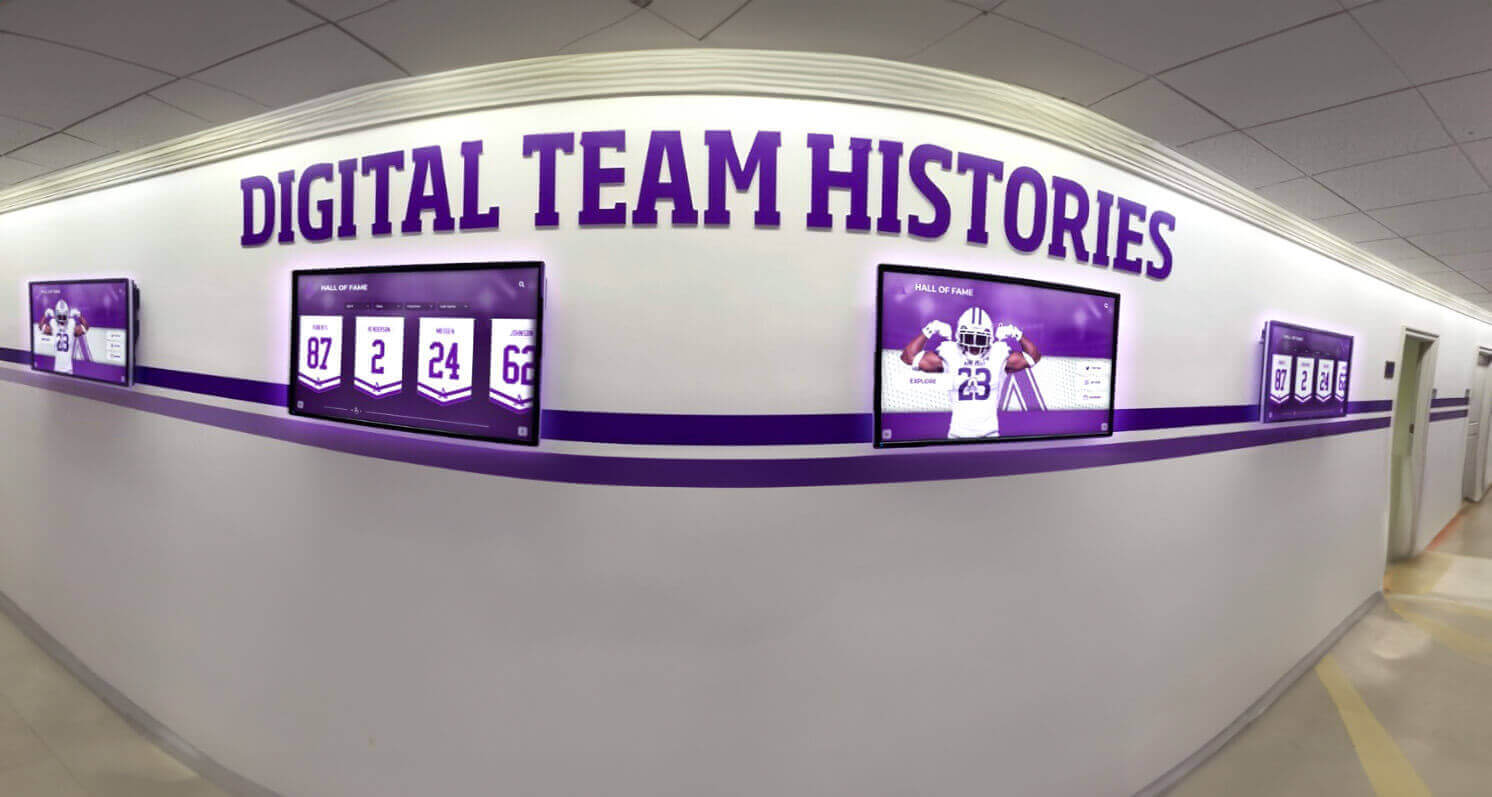
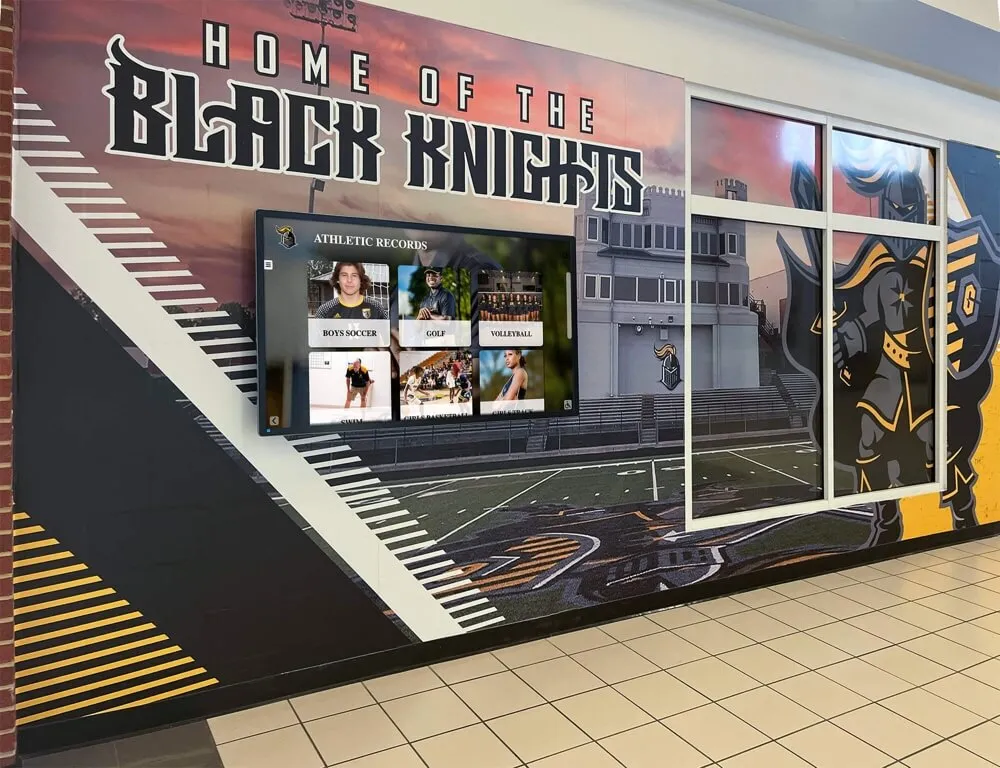
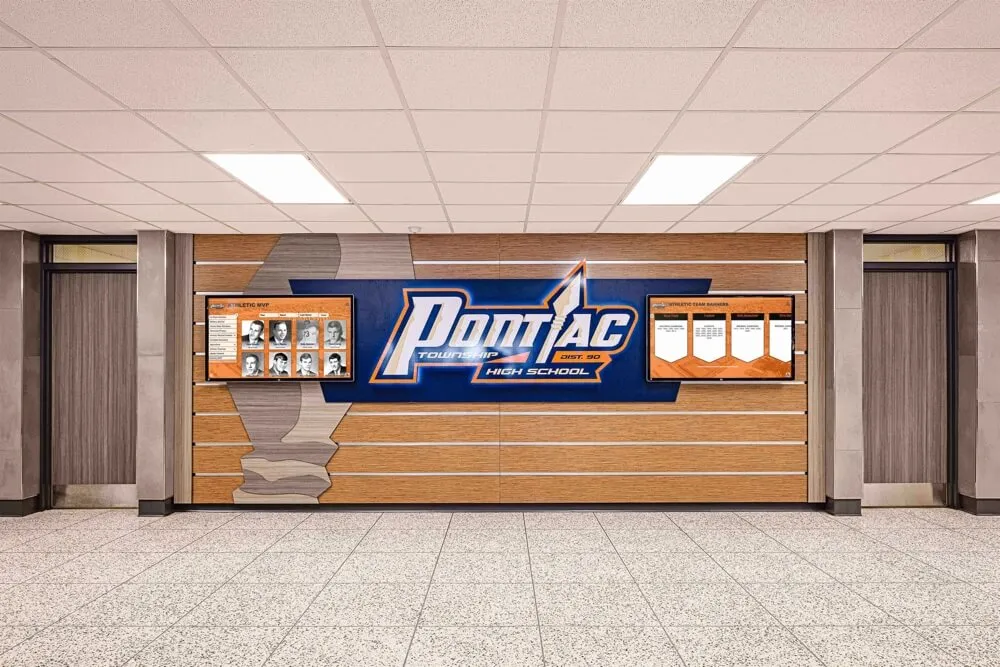
Multiple coordinated displays enable simultaneous showcase of different sports, seasons, or functional content categories
Special Considerations for Power 4 College Implementation
Large university intramural programs present unique opportunities and challenges requiring thoughtful approaches:
Scale Management for High-Participation Programs
Organizing Massive Championship Archives
Programs serving 10,000+ annual participants generate substantial content:
- Sport-specific sections preventing overwhelming consolidated displays
- Season-based organization enabling focused championship exploration
- Searchability becomes essential rather than optional feature
- Regular content archiving moving historical championships to dedicated sections
- Featured content rotation ensuring all sports receive prominence periodically
- Balance between comprehensive documentation and interface simplicity
- Progressive disclosure showing summaries with drill-down detail access
Managing Multiple Facilities and Locations
Large campus recreation programs operate across numerous venues:
- Coordinated display networks showing consistent content across locations
- Location-specific customization featuring relevant sports and schedules
- Centralized management updating all displays simultaneously
- Facility-specific information (gym locations, field maps, parking)
- Network connectivity ensuring reliable operation across campus
- Technical support coordination addressing issues quickly
- Consistent branding reinforcing unified intramural program identity
Greek Life Integration
Fraternity and Sorority Participation Recognition
Greek organizations represent major intramural participant populations:
- Chapter championship tracking across all sports and semesters
- Intramural participation as recruitment selling point for prospective members
- All-sports trophies recognizing comprehensive competitive excellence
- Individual member achievement alongside chapter team recognition
- Greek Week tournament documentation and special event coverage
- Alumni engagement leveraging Greek network connections
- Friendly rivalry documentation between competing chapters
Residence Hall Connections
Living Community Competition
Residence halls create natural team affiliations:
- Floor-based teams and residence community championships
- Residence hall championship banners and year-end standings
- RA and residence life staff recognition for program coordination
- Returning hall traditions across academic years
- First-year student engagement through residence-based participation
- Community-building outcomes beyond competitive results
- Facility-specific challenges and unique competition formats
Discover comprehensive campus recognition strategies in high school touchscreen admissions tours guides that translate to college contexts showcasing intramural programs as student life differentiators during recruitment and campus visits.
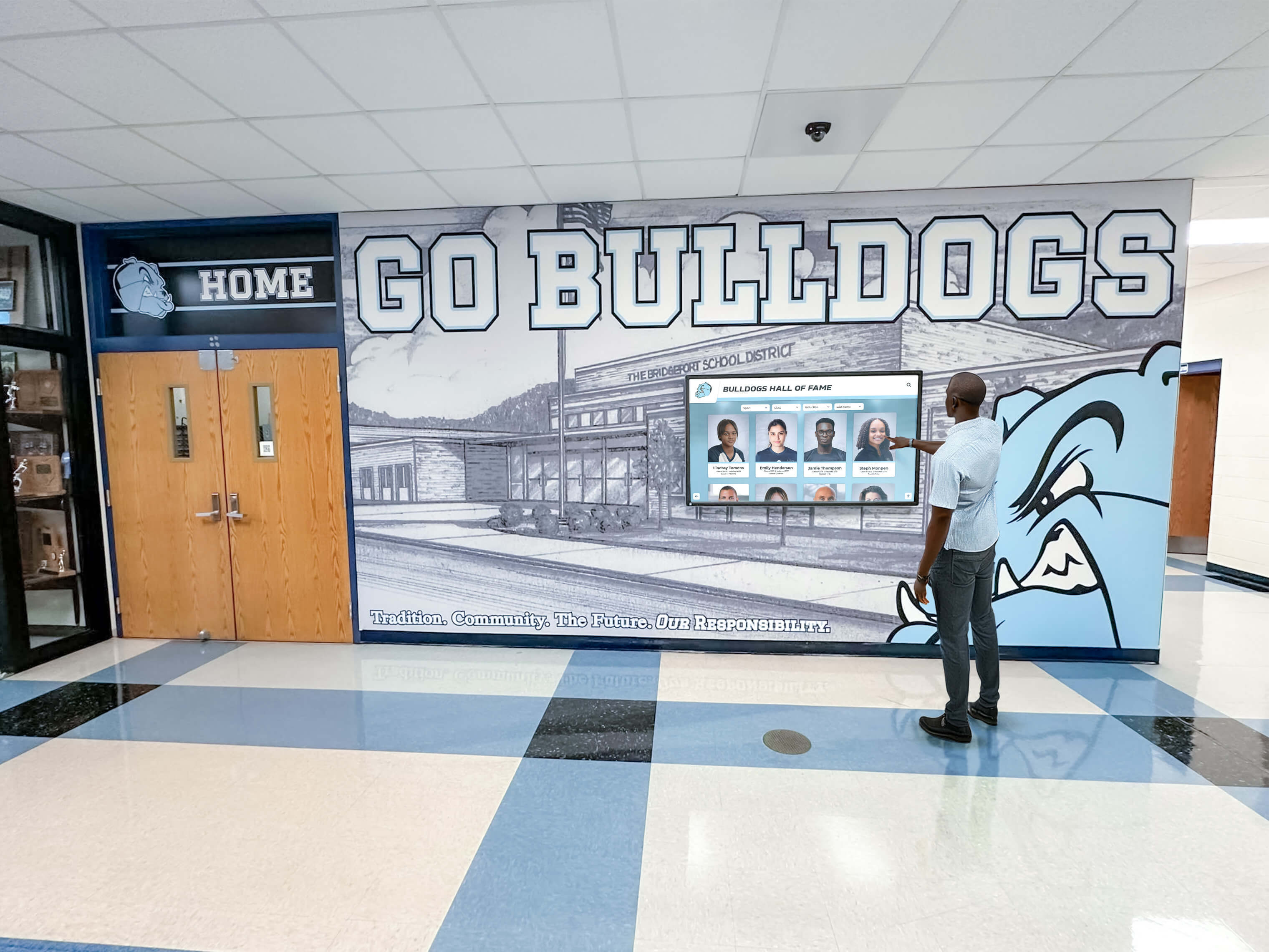
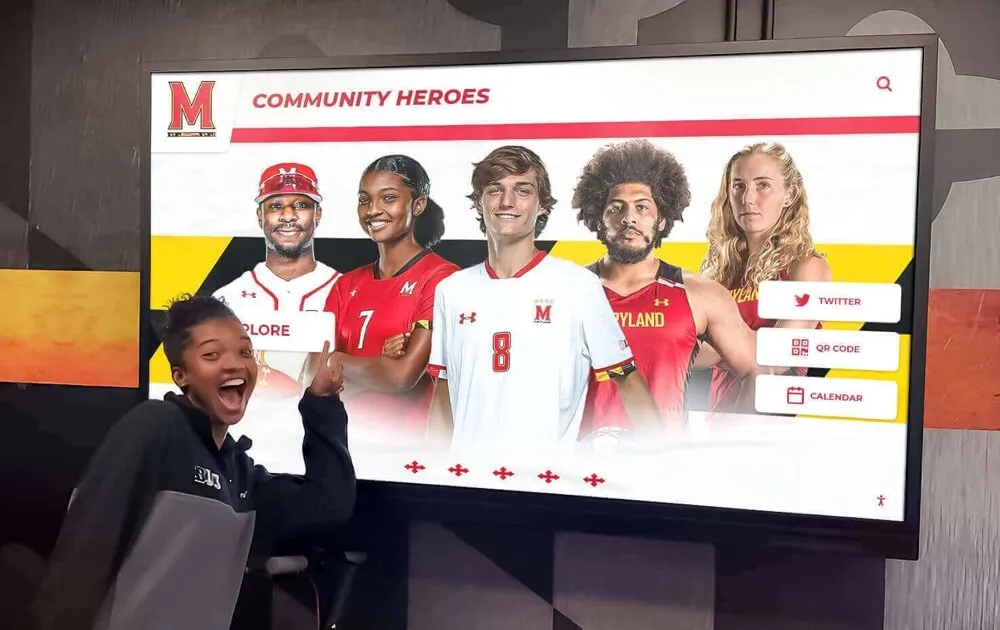
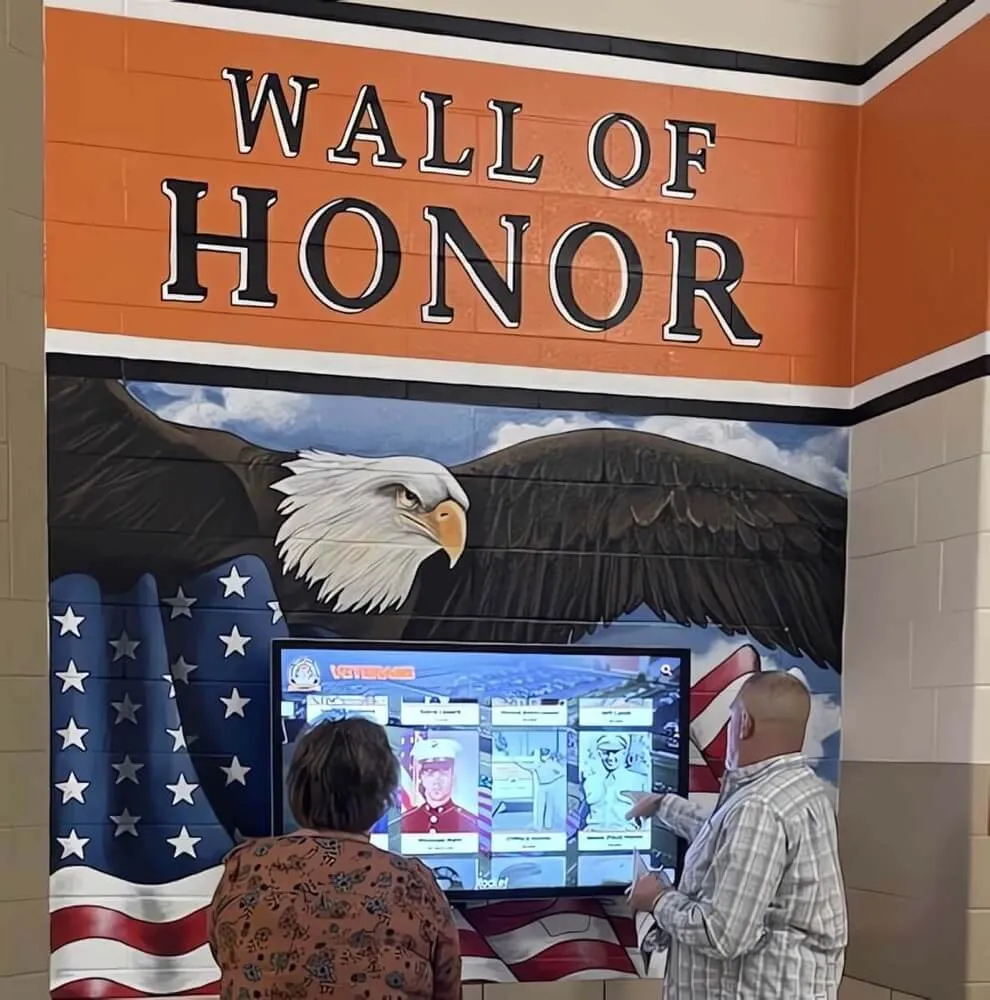
User-friendly interfaces encourage spontaneous exploration and extended engagement with program content
Conclusion: Creating Comprehensive Intramural Recognition Ecosystems
College intramural sports digital recognition displays represent strategic investments that simultaneously honor recreational athletics achievement, streamline operational communication, and develop sustainable funding supporting program growth and excellence. When Power 4 universities and other large institutions implement comprehensive systems—combining championship celebration with schedule accessibility, registration streamlining, and donation portal functionality—they transform intramural recognition from occasional acknowledgment into systematic celebration woven throughout campus recreation infrastructure while addressing practical operational needs that scattered communication methods fail to solve effectively.
The strategies explored throughout this comprehensive guide provide complete blueprints for developing intramural recognition displays serving diverse institutional contexts—from understanding unique recreational athletics recognition requirements and operational information needs to implementing donation portals that fund program sustainability and measuring engagement demonstrating investment value. Whether establishing first-ever intramural recognition systems or modernizing existing approaches, the fundamental principles remain consistent: celebrate achievement comprehensively across all sports and participation levels, leverage technology addressing both ceremonial and operational needs, integrate fundraising naturally within recognition contexts, and sustain commitment ensuring systems remain current and relevant throughout academic years.
Ready to transform intramural recognition at your university? Modern digital recognition solutions like Rocket Alumni Solutions provide comprehensive platforms specifically designed for college recreational athletics programs, combining unlimited recognition capacity with operational information management, donation portal integration, and professional support ensuring successful implementation that serves both ceremonial and practical program needs effectively.
Your implementation journey begins with assessing current recognition gaps and operational challenges, continues through selecting purpose-built technology designed specifically for intramural contexts rather than generic displays, advances with systematic content development celebrating existing championships while planning sustainable ongoing management, and sustains through integrated fundraising securing resources supporting program excellence for future student generations. Request your free custom demo or schedule a consultation to explore how digital recognition displays can appropriately honor your intramural community’s excellence while addressing operational and funding challenges that limit program potential.
Your intramural participants deserve recognition infrastructure that celebrates their recreational athletics achievements while supporting the program operations enabling their competitive experiences. The most important consideration isn’t selecting the most expensive hardware or most sophisticated software—it’s choosing solutions aligned with recreational sports values, sustainable within available resources, addressing operational needs alongside ceremonial recognition, and designed specifically for intramural contexts serving diverse student populations pursuing athletic excellence outside varsity competition structures.
Begin your intramural recognition transformation today by assembling your planning team including recreational sports administrators, facilities managers, and student participants, defining recognition priorities balancing historical documentation with current season needs, evaluating platforms designed specifically for combined recognition and operational applications, developing fundraising strategies leveraging alumni nostalgia and community support, and committing to systematic implementation creating the comprehensive intramural ecosystem your program and participants deserve. The blueprint provided throughout this guide offers proven pathways to success—transform vision into reality and create the lasting recognition and operational excellence your campus recreation community has earned through thousands of hours of competitive dedication, sportsmanship, and recreational athletics participation.