Coaching Resume Template: How to Write a Winning Athletic Coach Resume
- Home /
- Digital Hall of Fame Insights & Resources /
- Coaching Resume Template: How to Write a Winning Athletic Coach Resume
The Easiest Touchscreen Solution




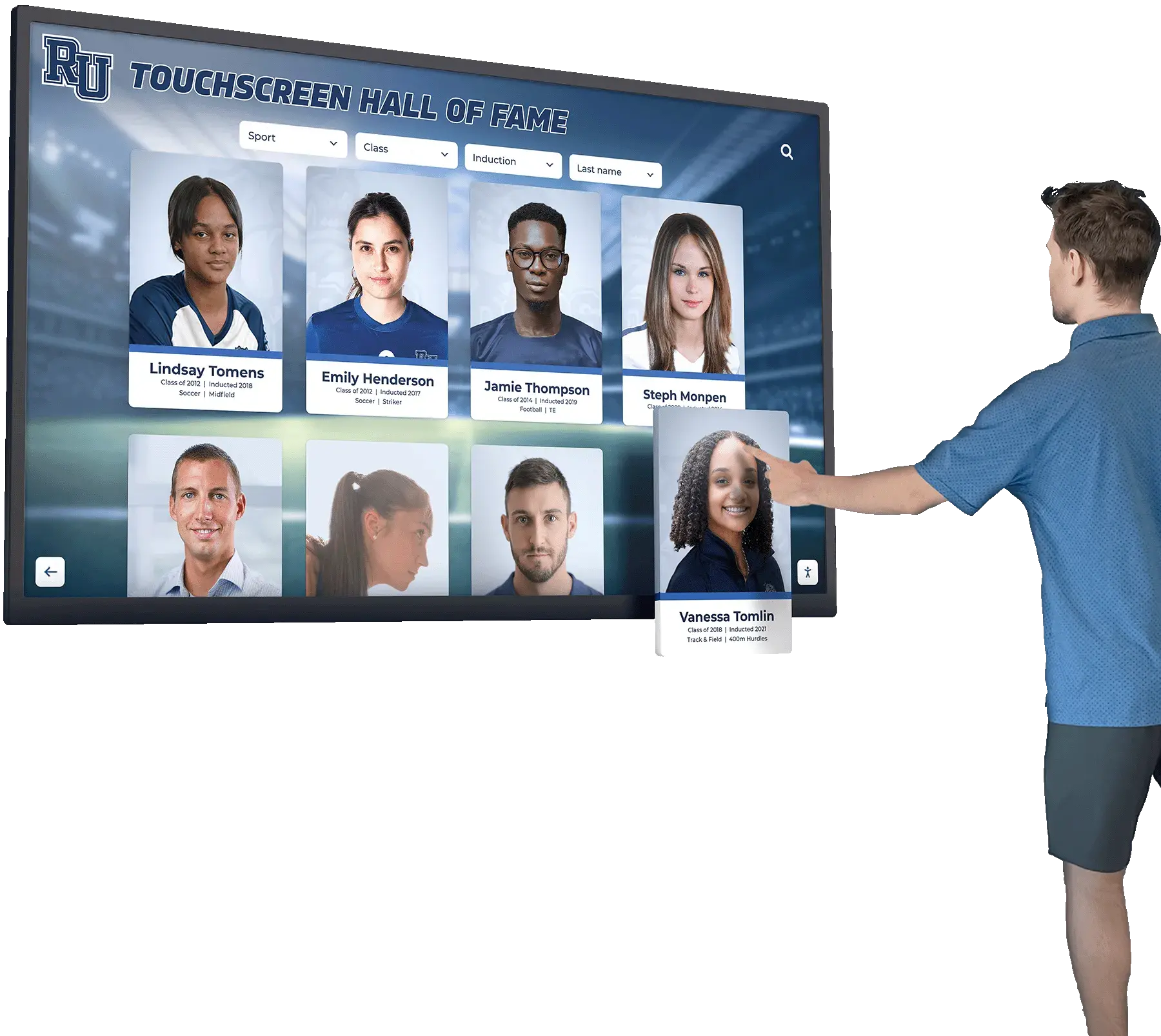
Live Example: Rocket Alumni Solutions Touchscreen Display
Interact with a live example (16:9 scaled 1920x1080 display). All content is automatically responsive to all screen sizes and orientations.
Landing a coaching position—whether your first assistant role or a head coaching opportunity—requires more than just athletic knowledge and passion for developing young athletes. Athletic directors reviewing coaching applications face stacks of resumes from qualified candidates, making your coaching resume the critical screening tool determining whether you receive interview consideration or immediate rejection.
Unlike resumes for corporate positions, coaching resumes must demonstrate a unique combination of athletic expertise, educational philosophy, leadership capabilities, technical skills, and measurable program impact. Many talented coaches undermine their candidacy with generic resumes that list job duties without showcasing achievements, fail to quantify results, or overlook the specific competencies athletic directors prioritize when building coaching staffs.
This comprehensive guide provides proven coaching resume templates, formatting strategies, content frameworks, achievement documentation techniques, and insider perspectives on what hiring committees actually evaluate when reviewing coach applications. Whether you’re building your first coaching resume or refining an established career document, these strategies will help you create application materials that consistently earn interview invitations.
Writing an effective coaching resume requires understanding the distinct evaluation criteria athletic directors use compared to other hiring contexts. Schools seek coaches who can develop athletes technically, build positive team cultures, communicate effectively with diverse stakeholders, manage logistics competently, and contribute to broader program and institutional missions beyond just winning games.

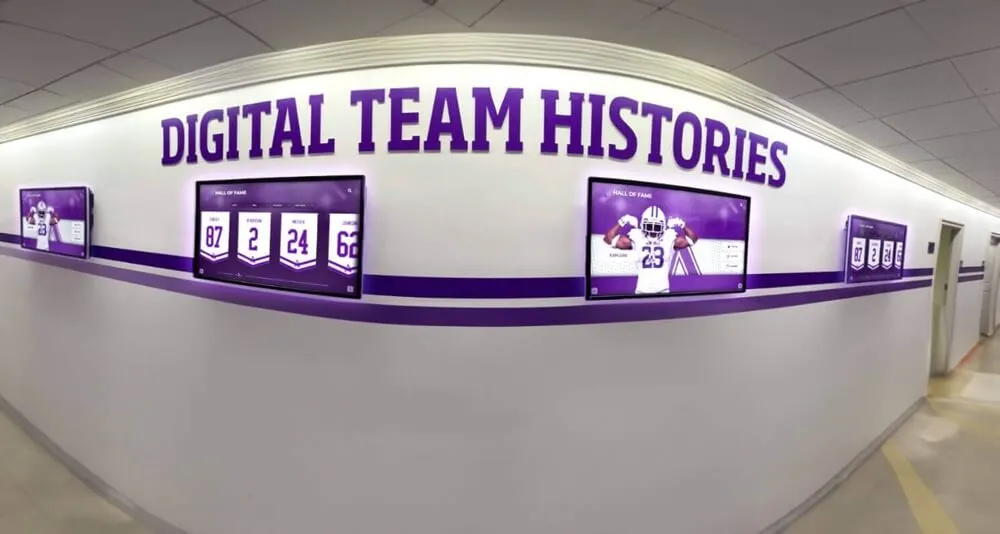
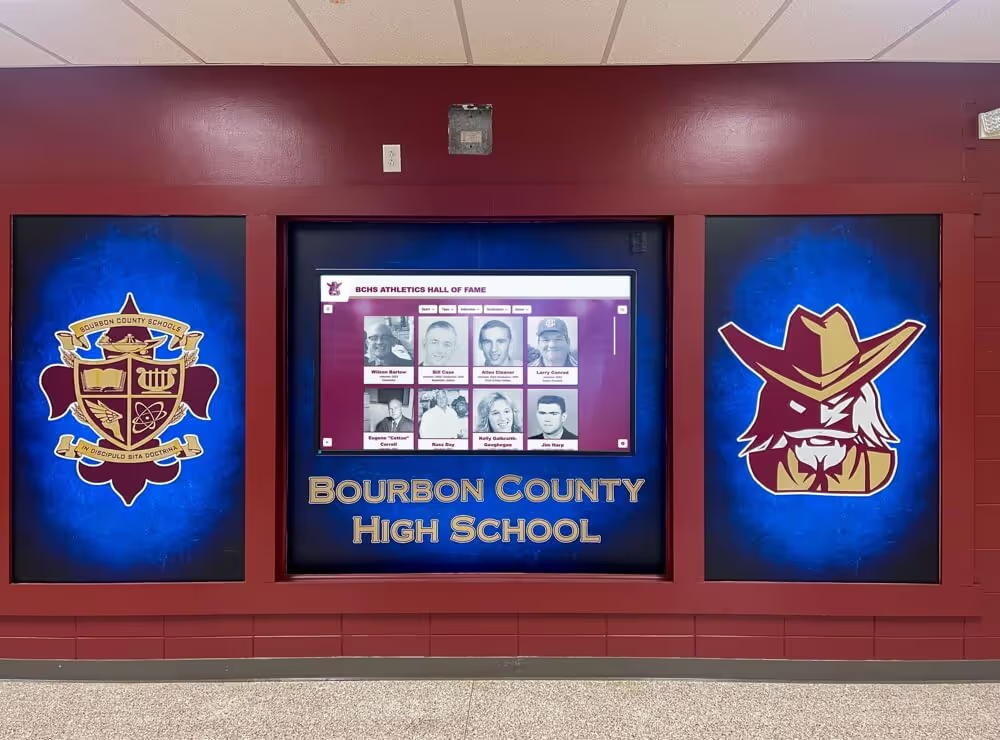
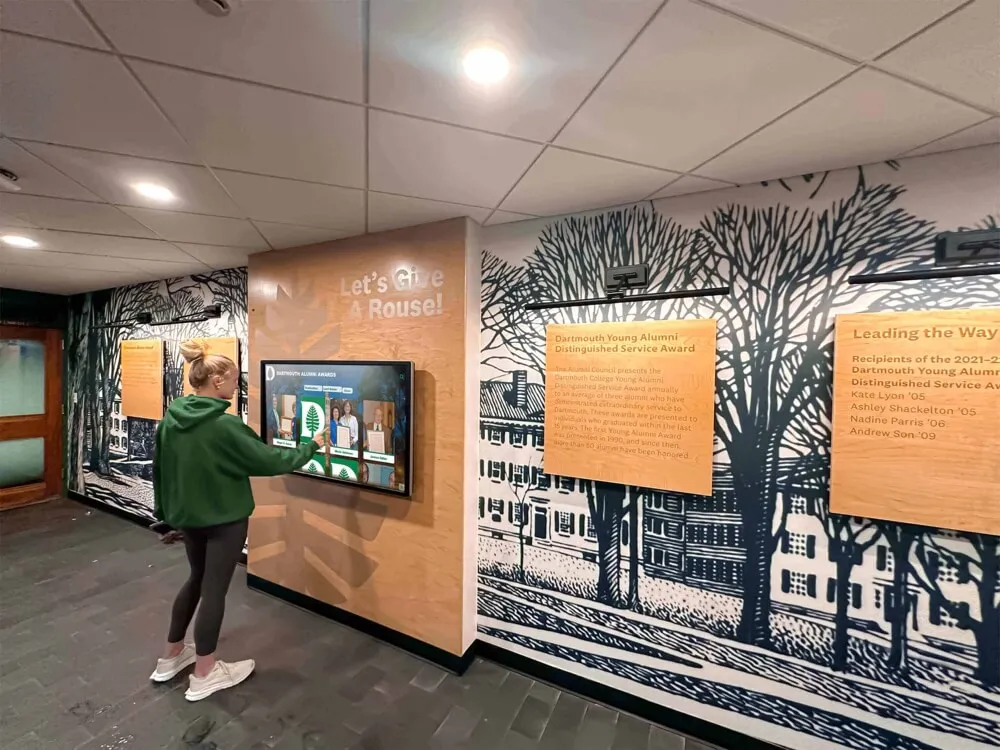
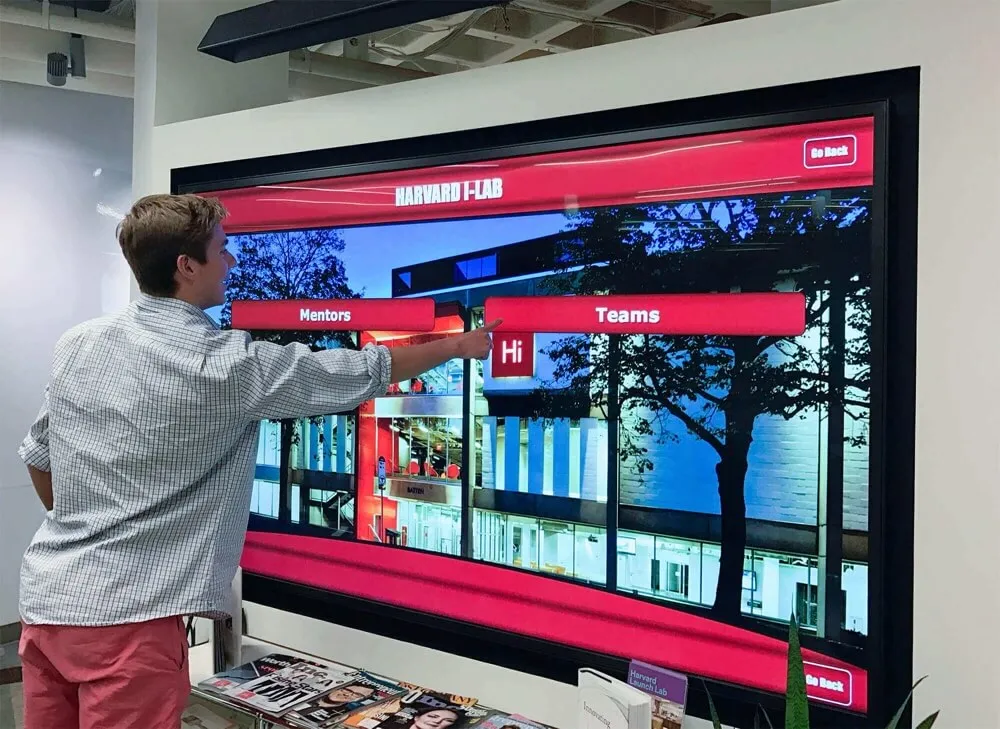
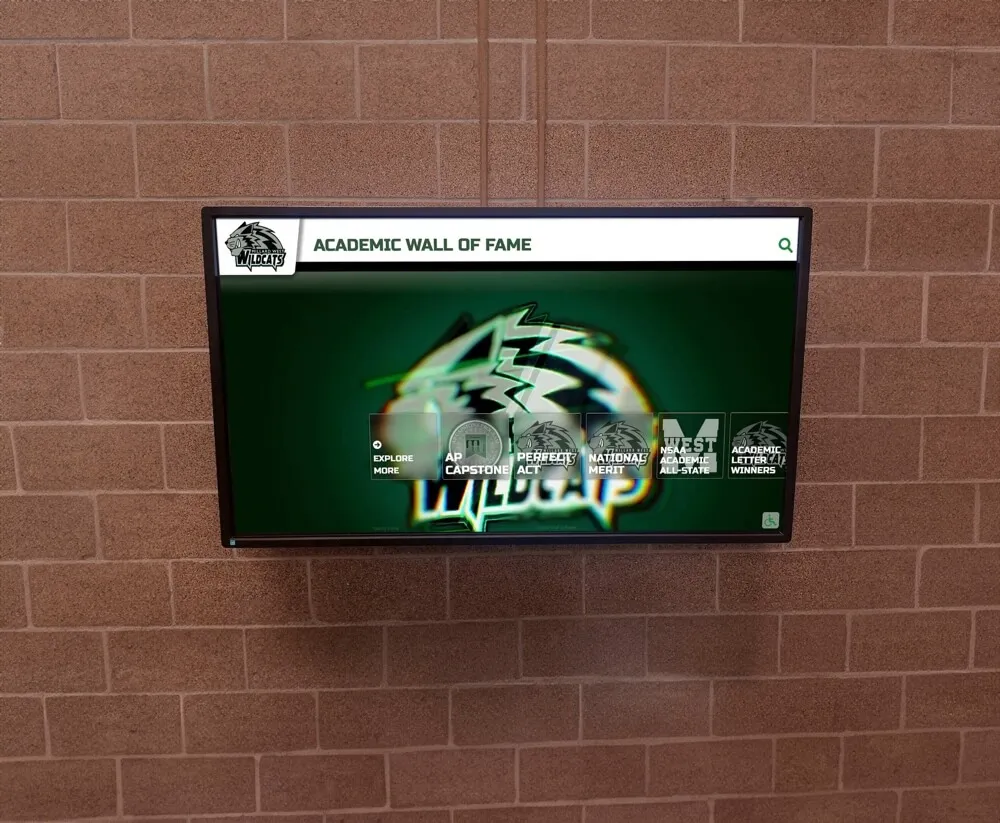
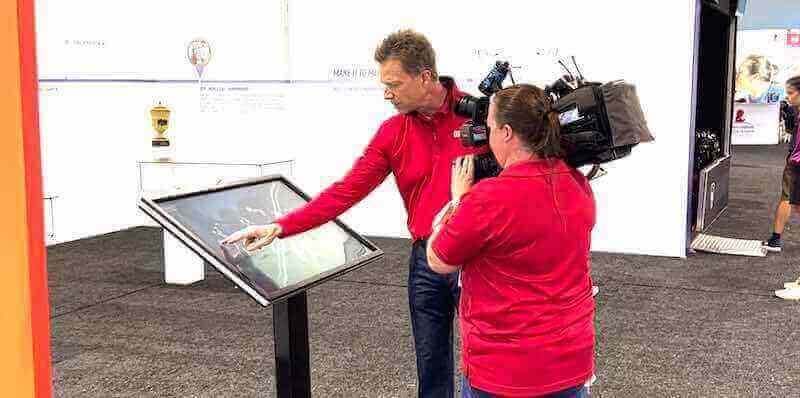
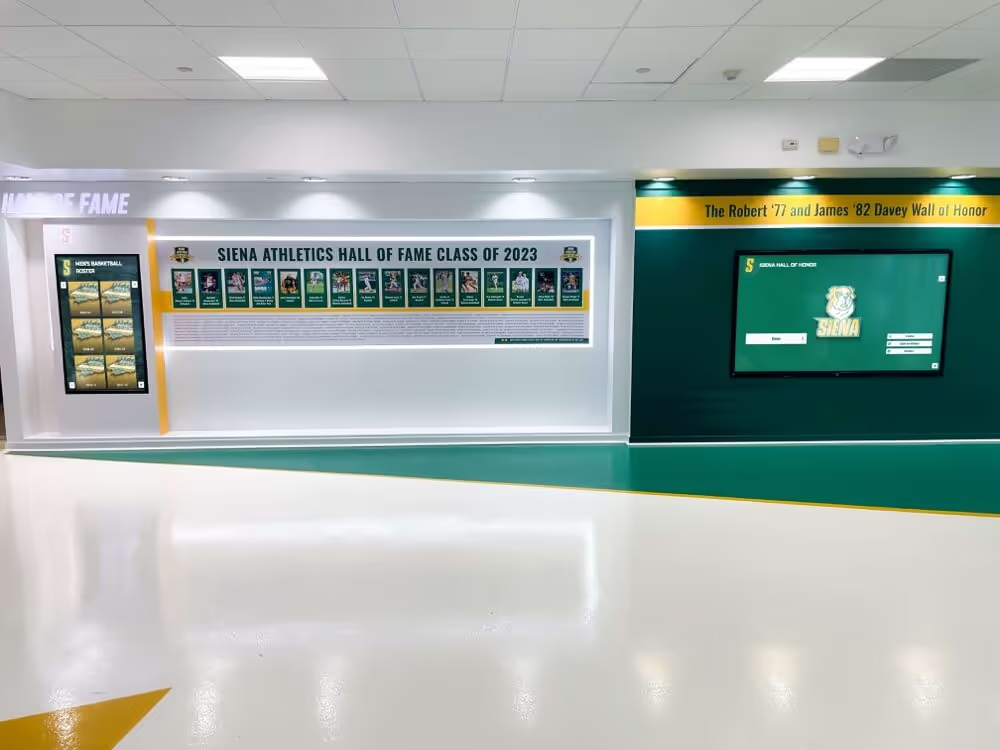
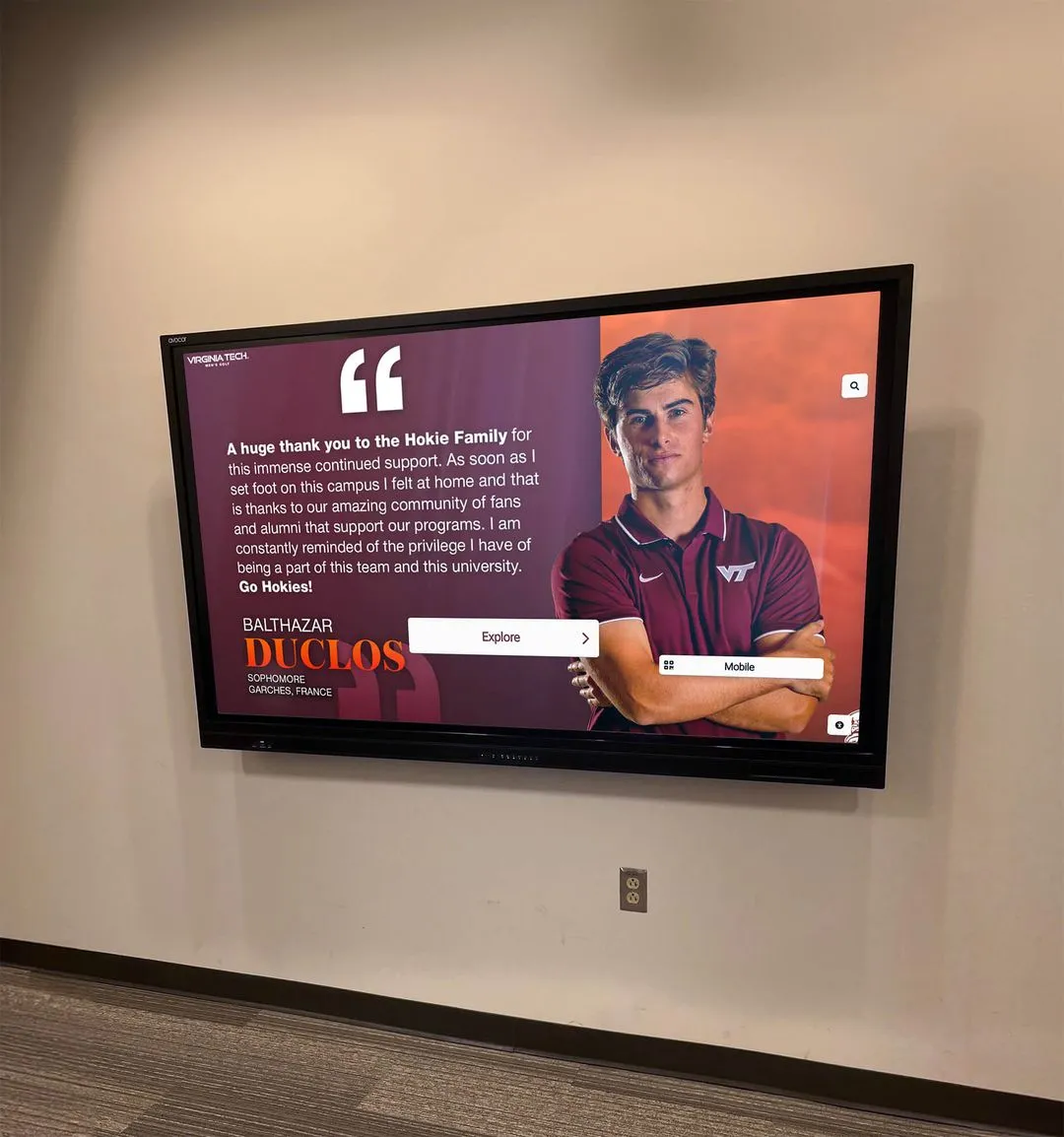
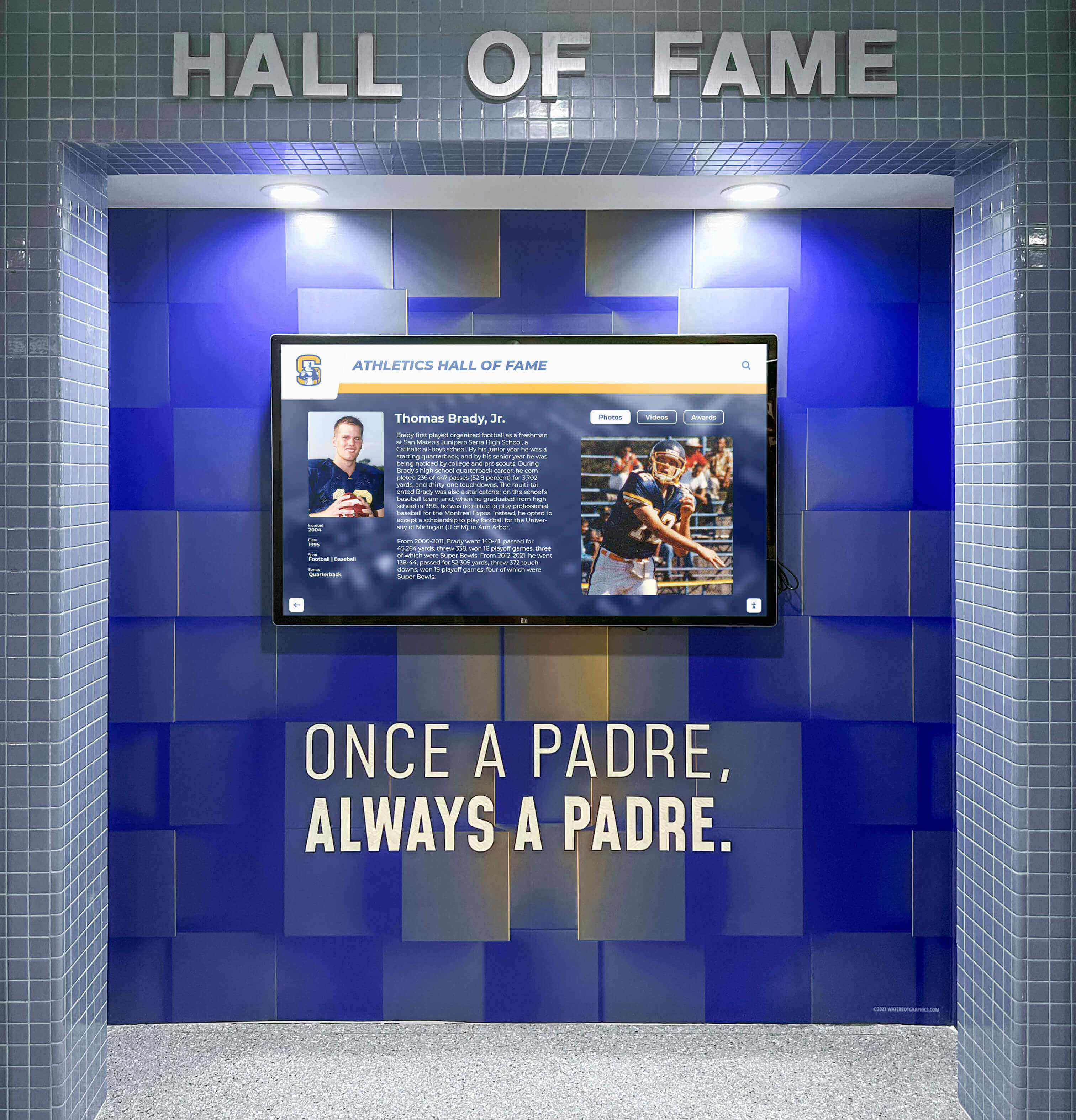
Modern athletic programs recognize coaching excellence through permanent displays celebrating achievements and program building that extends beyond individual seasons
Essential Coaching Resume Components
Understanding fundamental resume elements ensures you include all critical information while maintaining professional standards hiring committees expect.
Professional Header and Contact Information
Your resume header establishes immediate credibility and accessibility:
Required Header Elements
Include complete, professional contact information:
- Full name prominently displayed at top
- Current professional title (Head Basketball Coach, Assistant Track Coach, etc.)
- Phone number with professional voicemail greeting
- Professional email address (firstname.lastname@email.com format)
- City and state (full street address optional)
- LinkedIn profile URL if professionally maintained
- Personal coaching website or portfolio if applicable
Avoid unprofessional email addresses that undermine credibility before committees read your first qualification. CoachMike1985@email.com works; partytime_coach@email.com eliminates you immediately regardless of experience.
Professional Title Optimization
Your title line should immediately communicate your coaching identity:
- “Varsity Soccer Coach with 8 Years Experience Building Championship Programs”
- “Assistant Basketball Coach Specializing in Player Development and Skill Instruction”
- “Head Track & Field Coach | USTFCCCA Certified | Former Division I Athlete”
Strategic titles provide instant context about your experience level, coaching specialty, and relevant credentials—helping reviewers quickly categorize your candidacy.
Professional Summary or Objective Statement
A compelling opening section immediately captures attention and establishes your value proposition.
Professional Summary for Experienced Coaches
Experienced coaches should use summary statements highlighting measurable achievements:
“Accomplished varsity basketball coach with 12 years developing competitive programs at 3A and 4A schools. Led teams to 4 conference championships and 2 state tournament appearances while maintaining 94% athlete retention rate and 100% college placement for interested seniors. Known for building positive team cultures emphasizing character development alongside competitive excellence. Certified in Positive Coaching Alliance methods and experienced with modern analytics platforms.”
Effective summaries include:
- Years of experience and level coached
- Specific, quantified achievements (championships, records, placements)
- Coaching philosophy preview
- Relevant certifications or specializations
- Key competencies athletic directors value
Objective Statement for Entry-Level Coaches
New coaches or those transitioning from playing careers should use objective statements emphasizing potential and commitment:
“Former Division II volleyball player seeking assistant coaching position to develop high school athletes through technical skill instruction, positive mentorship, and team-building leadership. Completed AVCA coaching certification and gained hands-on experience through two seasons assisting with club program serving 45 athletes. Committed to creating inclusive, development-focused environments where all athletes improve while building confidence and character.”
Entry-level objectives should address:
- Your transition context (recent playing career, career change, etc.)
- Relevant training and certifications completed
- Hands-on experience gained (volunteer, assistant, club coaching)
- Coaching philosophy and athlete development approach
- Specific position type sought
Understanding how schools approach athletic program recognition demonstrates appreciation for comprehensive program building that extends beyond competitive results.
Coaching Experience Section
Your experience section forms the resume core—where you demonstrate actual coaching impact through specific roles and achievements.
Experience Entry Structure
Each coaching position should follow consistent formatting:
Position Title | School/Organization Name | City, State | Dates
- Achievement bullet point using action verb and quantified result
- Achievement bullet point using action verb and quantified result
- Achievement bullet point using action verb and quantified result
- Achievement bullet point using action verb and quantified result
Head Varsity Soccer Coach | Lincoln High School | Springfield, IL | August 2019 - Present
- Led program to 3 consecutive conference championships after 8-year title drought, compiling 67-23-4 overall record
- Increased roster participation from 28 to 52 athletes through inclusive JV program and modified team additions
- Implemented player development curriculum reducing season-ending injuries by 40% through proper conditioning protocols
- Established alumni mentorship program connecting current athletes with 15 college-playing graduates
- Coordinated fundraising initiatives generating $18,000 annually for equipment, travel, and program enhancements
Effective Achievement Documentation
Transform duty lists into impact statements:
Weak: “Responsible for coaching varsity baseball team”
Strong: “Coached varsity baseball program to 89-34 record over 5 seasons including school’s first regional championship in 22 years”
Weak: “Taught fundamental skills to athletes”
Strong: “Developed comprehensive skill progression curriculum improving team batting average from .247 to .312 over three seasons”
Weak: “Managed team operations”
Strong: “Coordinated all logistical operations for 35-athlete program including scheduling, travel arrangements, equipment management, and budget administration of $12,000 annual allocation”
Specific numbers, measurable outcomes, and concrete achievements demonstrate capability far more effectively than generic responsibility statements.
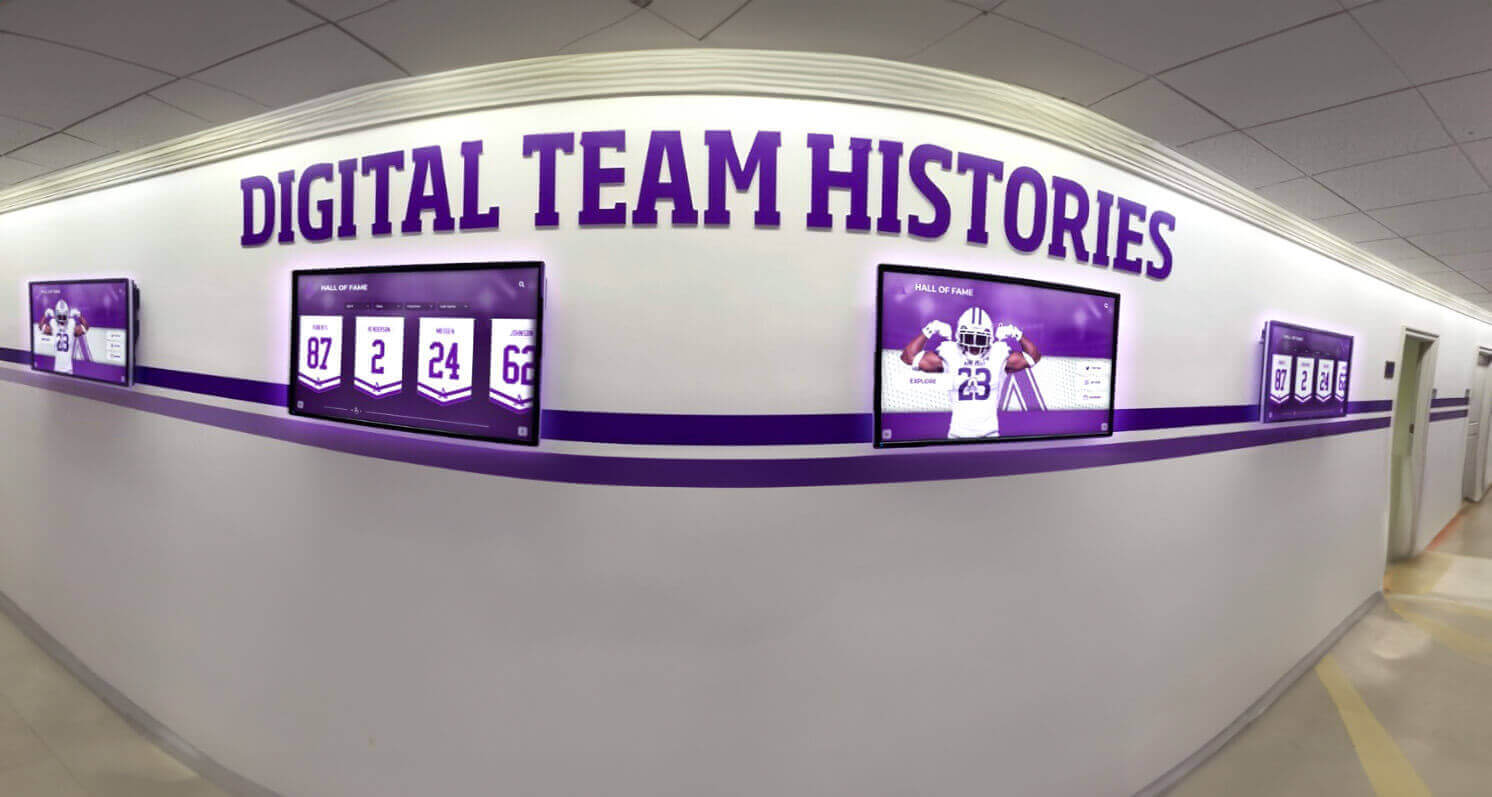
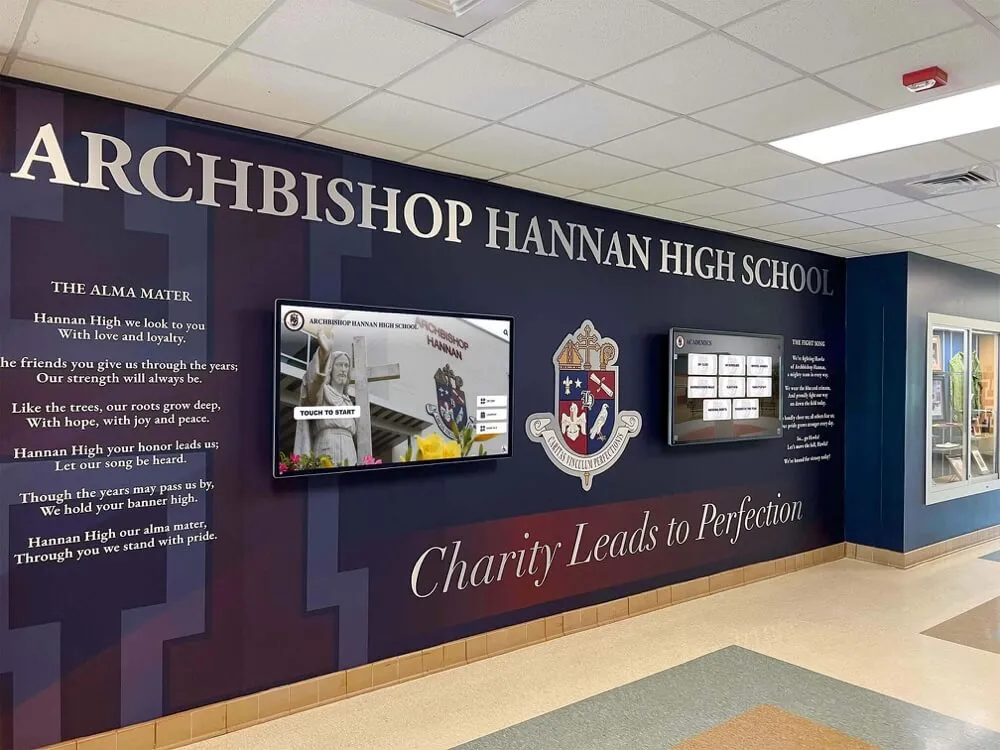
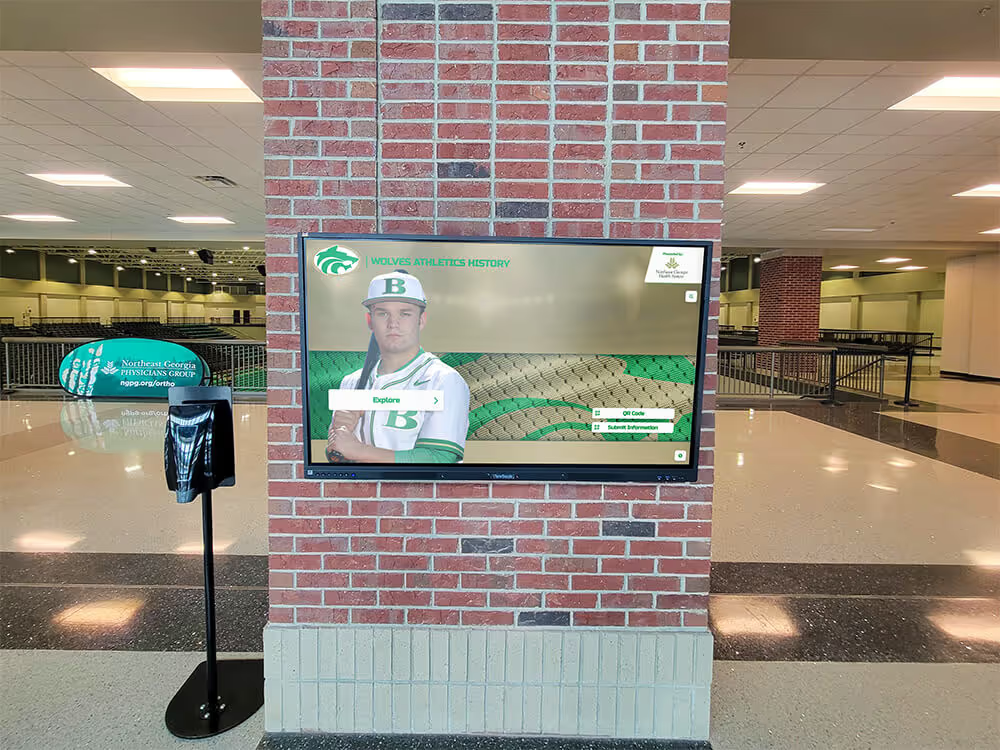
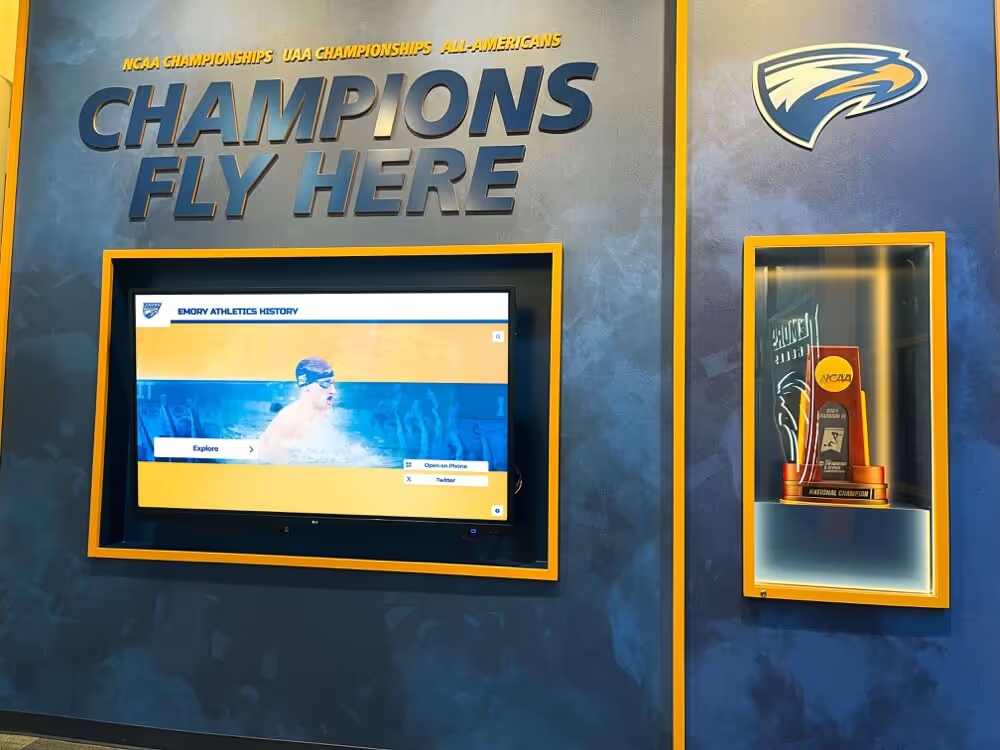
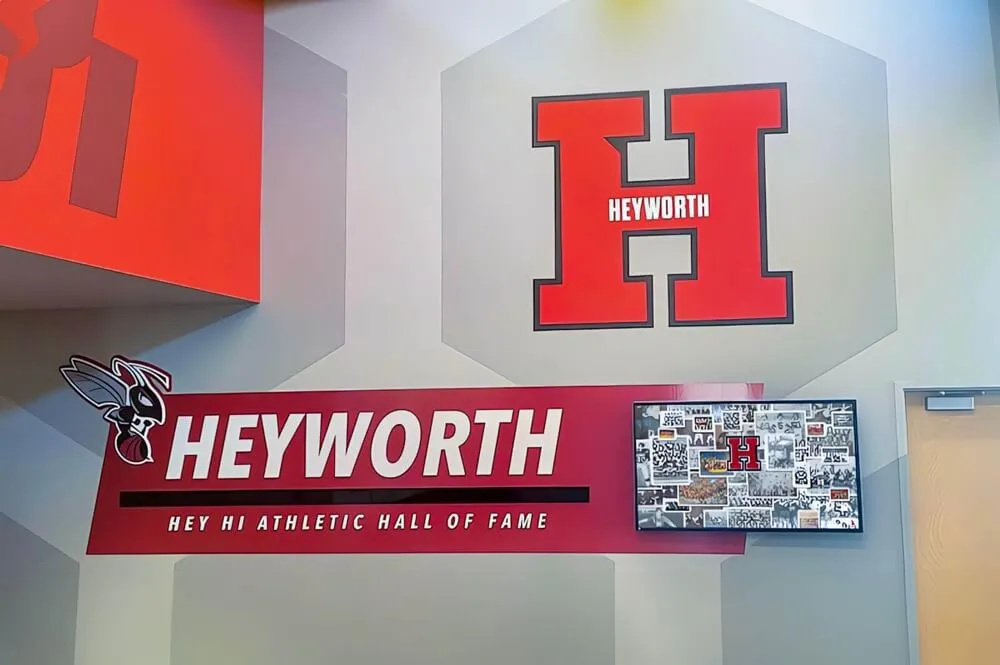
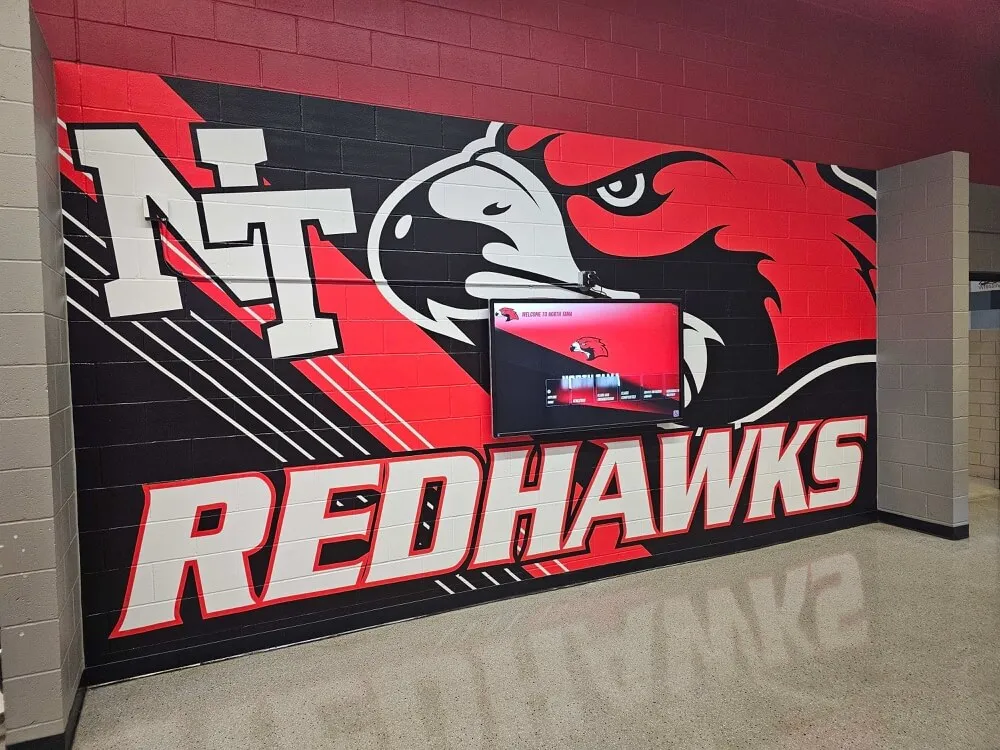
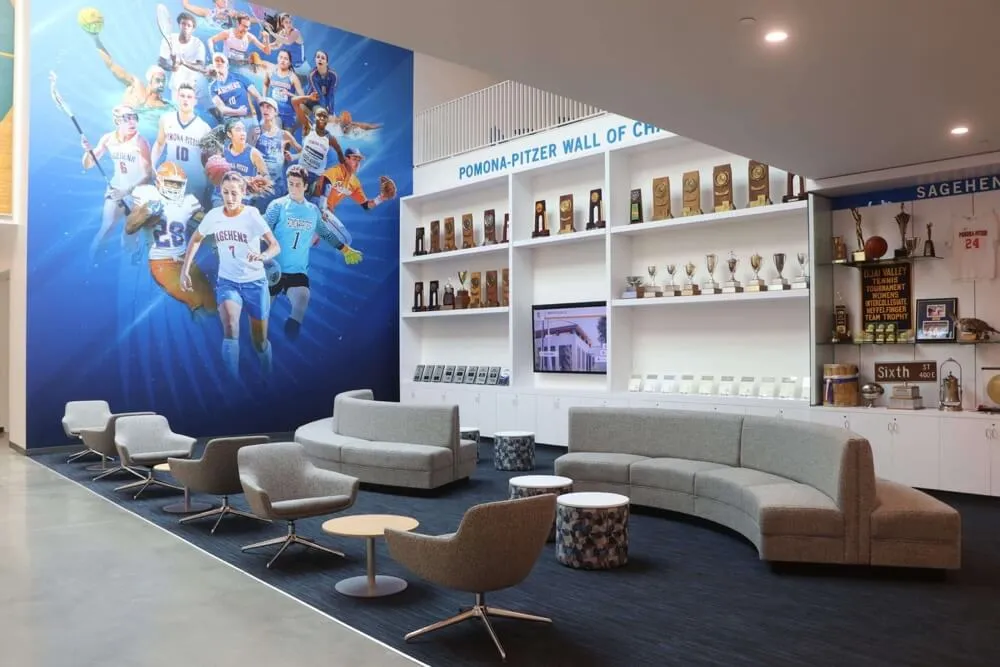
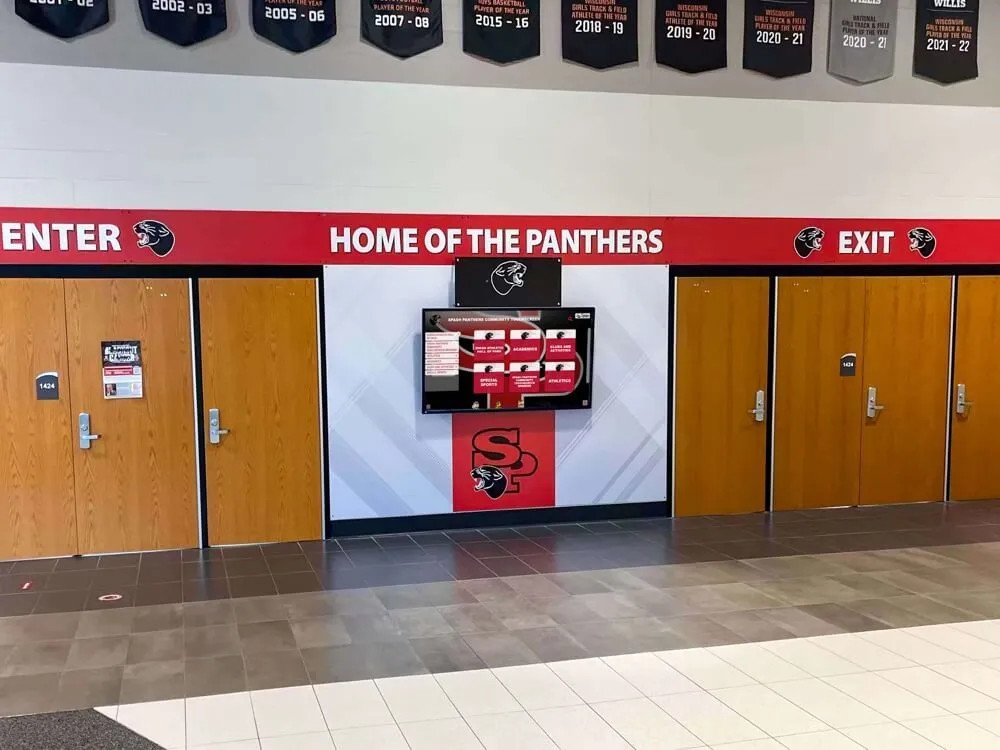
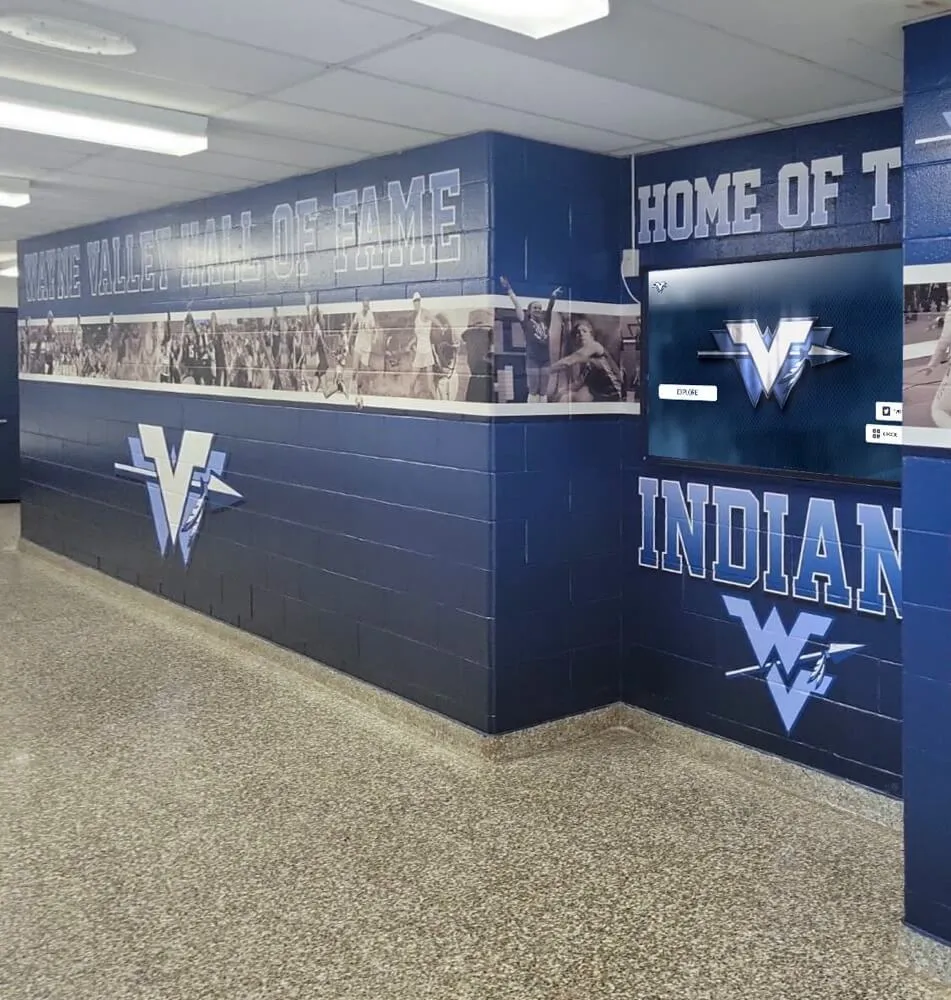
Comprehensive coaching legacies encompass both competitive achievements and program building that schools preserve through permanent recognition displays
Quantifying Coaching Achievements
Athletic directors prioritize measurable results:
Win-Loss Records and Competitive Success
- Overall record with winning percentage
- Conference championships and tournament appearances
- Improvement trajectories (inherited 3-17 program, built to 18-6 in four years)
- Notable victories or breakthrough achievements
- All-conference, all-state, or all-region athlete selections produced
Program Growth and Participation
- Roster size increases demonstrating program appeal
- Retention rates showing athlete satisfaction
- Multi-sport athlete participation you’ve encouraged
- Feeder program development expanding talent pipeline
Athlete Development and Placement
- College placement numbers and scholarship totals
- Individual athlete improvement metrics (times, statistics, skill assessments)
- Academic achievement rates (team GPA, honor roll percentages)
- Leadership development (captains who became coaches, community leaders)
Program Operations and Management
- Budget sizes managed and revenue generated
- Fundraising totals from initiatives you coordinated
- Facility improvements you led or advocated for
- Technology implementations you championed
- Community partnerships you established
Exploring modern approaches to celebrating athletic excellence shows understanding of comprehensive program building that extends beyond game day.
Education and Certifications
Athletic positions increasingly require specific educational credentials and coaching certifications.
Education Section Format
List degrees in reverse chronological order:
Master of Education in Athletic Administration | May 2020 University of Illinois | Champaign, IL | GPA: 3.8/4.0
Bachelor of Science in Kinesiology | May 2015 Illinois State University | Normal, IL | GPA: 3.6/4.0 | Dean’s List 6 semesters
Include relevant coursework if recently graduated:
- Relevant Coursework: Exercise Physiology, Sport Psychology, Coaching Theory, Biomechanics, Athletic Training
Coaching Certifications and Licenses
Create dedicated certifications section highlighting credentials:
Certifications & Licenses
- Illinois Professional Educator License with Physical Education Endorsement (Current)
- NFHS Fundamentals of Coaching Certification (2024)
- USA Track & Field Level 2 Coaching Certification (2023)
- Positive Coaching Alliance Double-Goal Coach Certification (2022)
- First Aid and CPR/AED Certified (Current through June 2027)
- SafeSport Trained (Annual renewal current)
- IHSA Rules Clinic Completion (Annual - Current)
Certifications demonstrate professional commitment and ensure compliance with state and institutional requirements. Many positions require specific credentials, making this section critical for application screening.
Additional Relevant Training
Include professional development demonstrating continuous improvement:
- Coaching clinics attended (specific sport associations)
- Technology training (Hudl, MaxPreps, athletic management platforms)
- Leadership programs completed
- Specialized instruction workshops (strength training, sport psychology, nutrition)
Understanding how to implement comprehensive recognition programs demonstrates appreciation for celebrating achievement across all program participants.
Coaching Resume Templates by Experience Level
Different career stages require adapted resume approaches emphasizing relevant strengths.
Entry-Level Coaching Resume Template
New coaches should emphasize education, playing experience, and transferable skills:
SARAH JOHNSON Assistant Volleyball Coach Candidate (555) 123-4567 | sarah.johnson@email.com | LinkedIn.com/in/sarahjohnson | Chicago, IL
OBJECTIVE Former Division II volleyball player seeking assistant coaching position developing high school athletes through technical instruction, positive mentorship, and competitive program building. Completed AVCA coaching education and gained hands-on experience assisting club program. Committed to creating inclusive environments emphasizing skill development, character growth, and team culture.
RELEVANT COACHING EXPERIENCE
Assistant Coach | Chicago Elite Volleyball Club | Chicago, IL | Sept 2024 - Present
- Assist head coach with 16U team of 12 athletes competing in regional tournament circuit
- Develop and deliver position-specific skill instruction for setters and middle blockers
- Coordinate team communication with athletes and parents through TeamSnap platform
- Organize practice plans, drill progressions, and competitive scouting reports
Volunteer Assistant Coach | Lincoln High School JV Volleyball | Chicago, IL | Aug 2023 - Nov 2023
- Supported head coach with team of 18 athletes, providing individual technique feedback
- Led position group practices focusing on passing mechanics and defensive positioning
- Assisted with match preparation, substitution patterns, and in-game adjustments
PLAYING EXPERIENCE
Outside Hitter | Illinois Wesleyan University | Bloomington, IL | 2019-2023
- Four-year varsity letter winner with .285 career hitting percentage
- Team captain senior year leading squad to conference tournament appearance
- Academic All-Conference selection three consecutive years
- Participated in AVCA student-athlete leadership summit
EDUCATION
Bachelor of Science in Exercise Science | May 2023 Illinois Wesleyan University | Bloomington, IL | GPA: 3.7/4.0 | Dean’s List all semesters
CERTIFICATIONS
- AVCA Coaching Education Program - Level 1 (2024)
- USAV IMPACT Coaching Certification (2024)
- First Aid and CPR/AED Certified (Current)
- SafeSport Trained (Current)
RELEVANT SKILLS
- Video Analysis: Hudl experience with match breakdown and highlight creation
- Athlete Development: Strength training design and injury prevention protocols
- Communication: Experience presenting to groups and individual athlete mentoring
- Technology: Proficient in TeamSnap, MaxPreps, Google Workspace
Entry-level resumes succeed by:
- Emphasizing recent playing experience demonstrating sport knowledge
- Highlighting educational credentials and certifications
- Showcasing volunteer or assistant coaching experience gained
- Demonstrating transferable skills from playing career
- Expressing genuine enthusiasm and development-focused philosophy
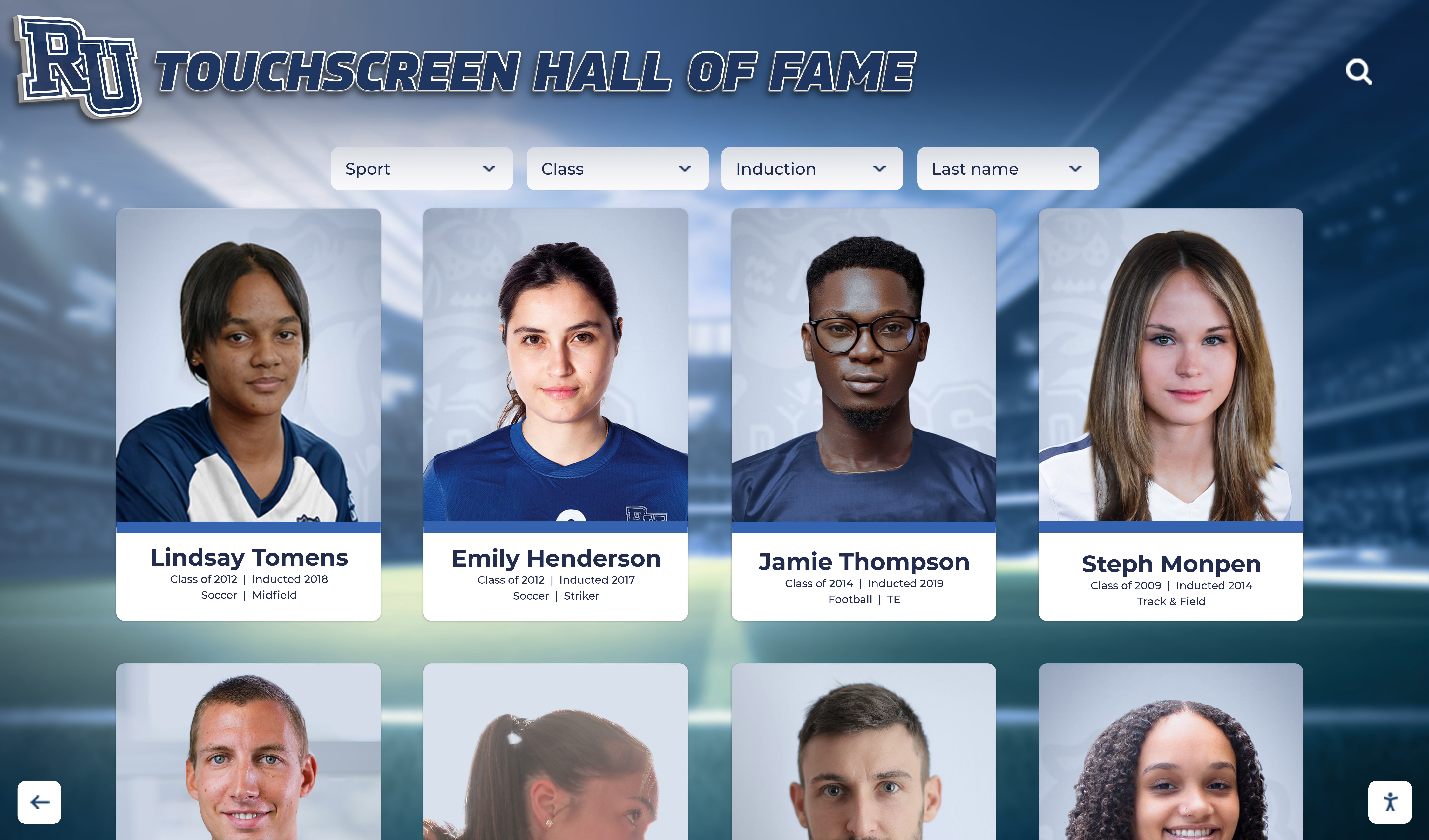
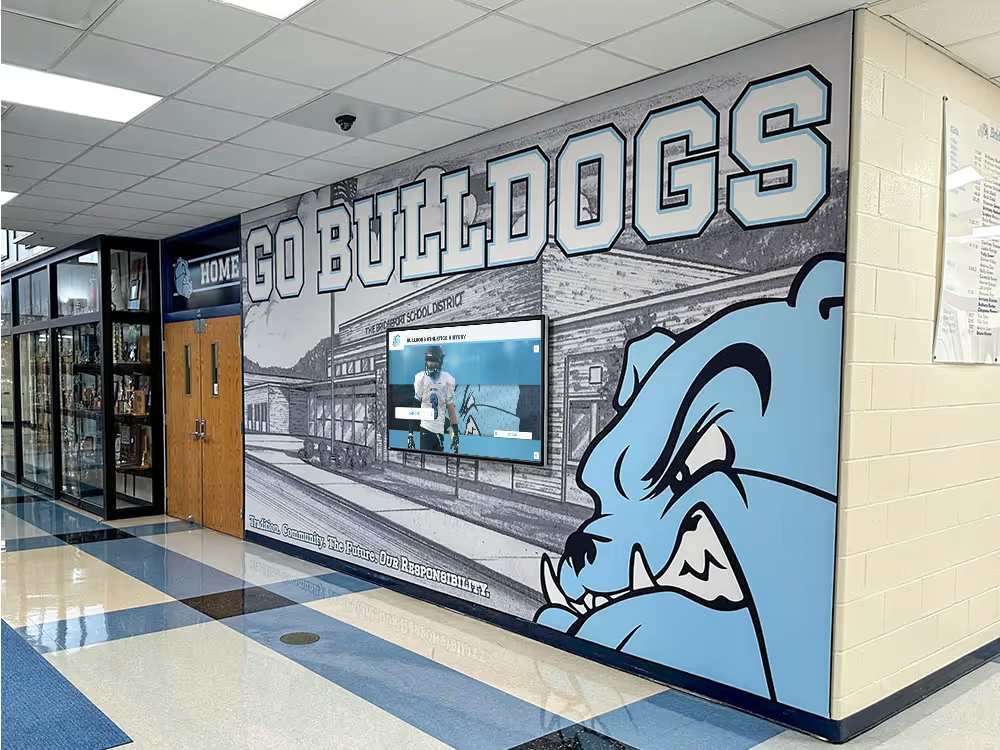
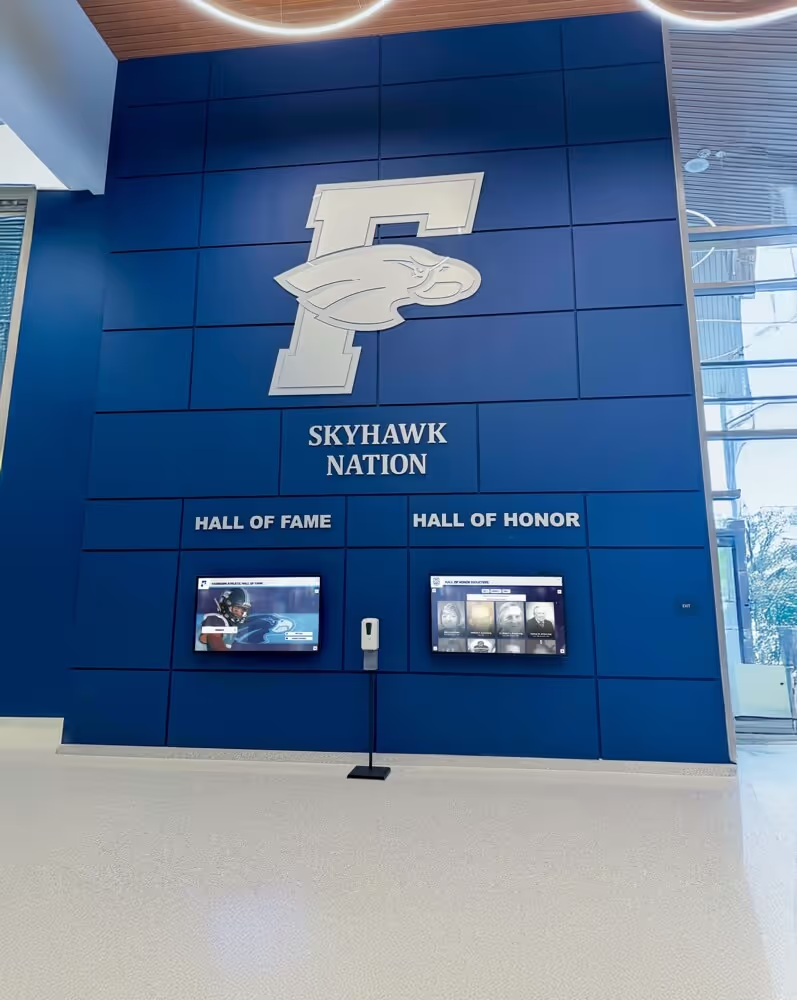
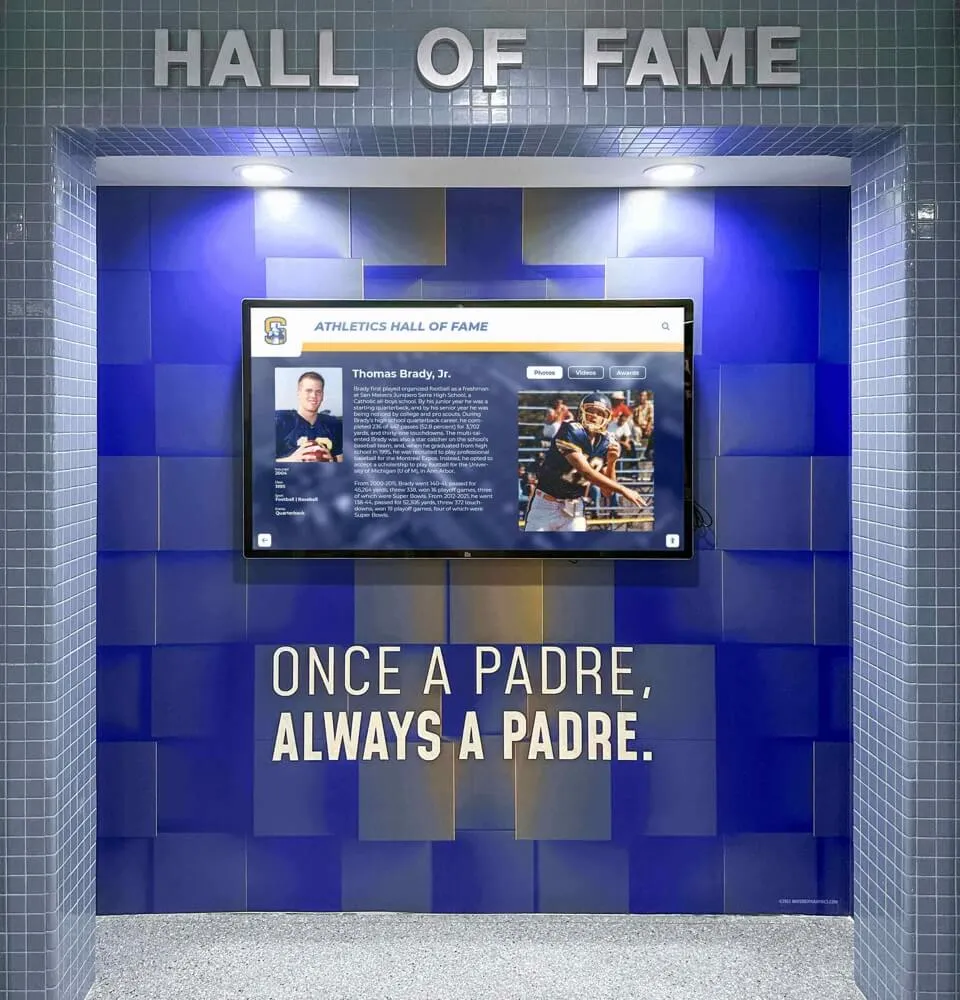
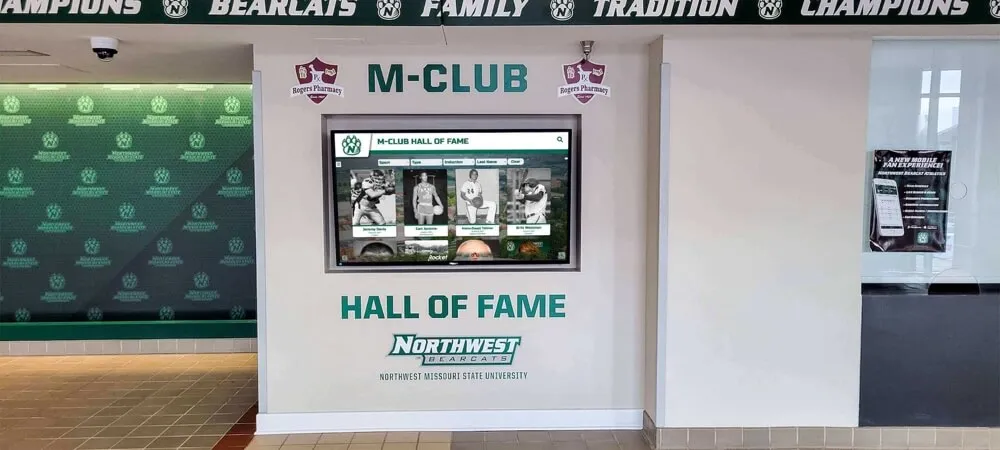
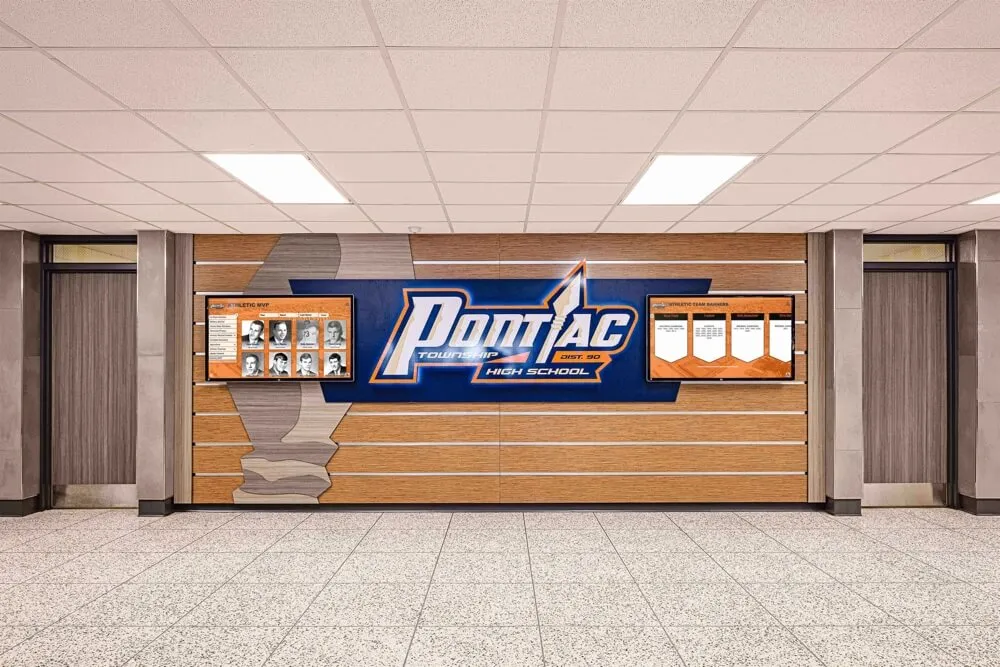
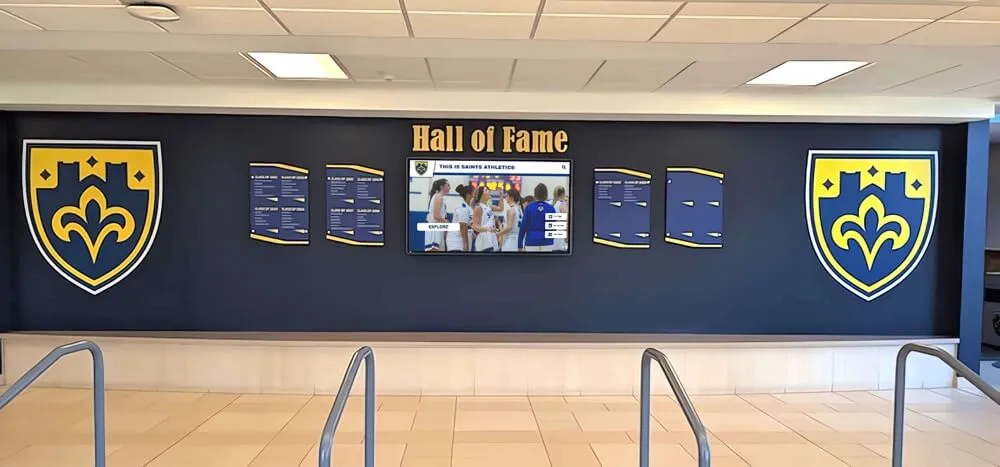
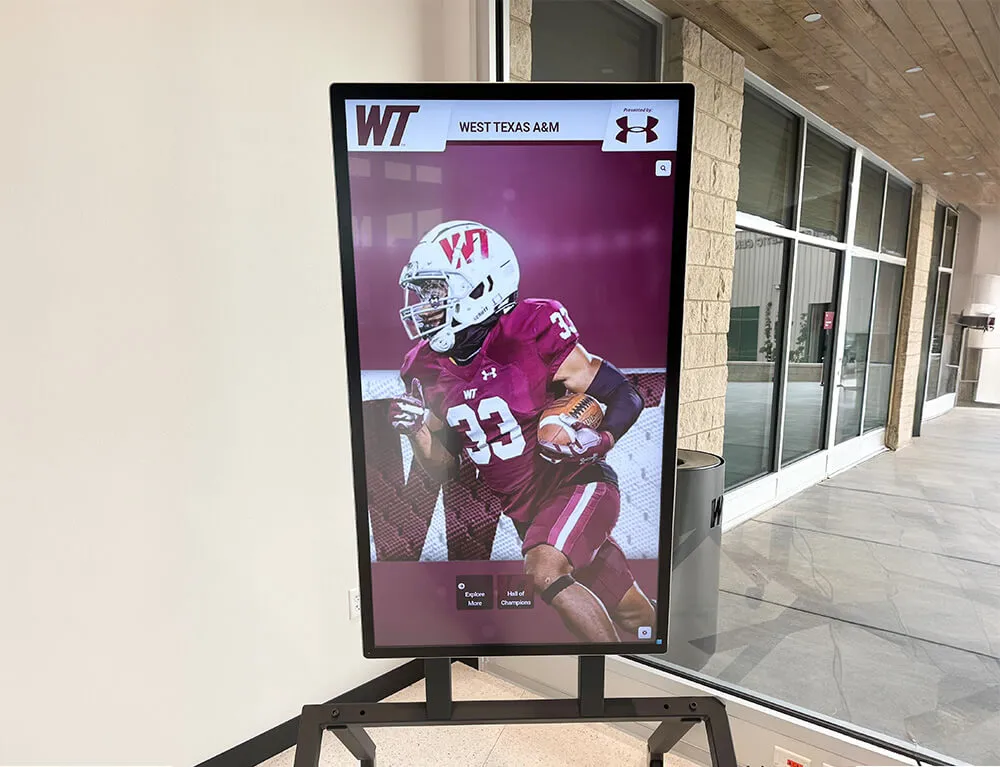
Modern programs celebrate individual athlete achievements and coach contributions through comprehensive digital recognition systems documenting program history
Mid-Career Coaching Resume Template
Experienced coaches should emphasize measurable achievements and program building:
MICHAEL ANDERSON Head Basketball Coach | Program Developer | Player Development Specialist (555) 234-5678 | m.anderson@email.com | LinkedIn.com/in/michaelanderson | Springfield, IL
PROFESSIONAL SUMMARY Accomplished basketball coach with 10 years developing competitive programs at 2A and 3A schools. Led teams to 3 conference championships and 1 regional title while maintaining 96% athlete retention rate. Known for building positive team cultures, developing fundamental skills, and advancing 15 athletes to college basketball programs. Expertise in game strategy, player development systems, and comprehensive program operations.
COACHING EXPERIENCE
Head Varsity Basketball Coach | Central High School | Springfield, IL | June 2018 - Present
- Compiled 132-58 overall record (.695 winning percentage) with 3 conference championships in 6 seasons
- Advanced to IHSA regional championship game 4 consecutive years, winning title in 2024
- Increased program participation from 42 to 68 athletes through inclusive freshman and JV team development
- Produced 8 all-conference selections and 12 athletes who continued playing collegiately
- Implemented player development curriculum improving team free throw percentage from 64% to 78%
- Coordinated fundraising initiatives generating $65,000 over 6 years for facility improvements and equipment
- Established youth basketball camp serving 120 elementary students annually, building program pipeline
Assistant Varsity Basketball Coach | Lincoln High School | Lincoln, IL | Aug 2014 - May 2018
- Assisted head coach with program that won conference championship in 2017
- Coordinated individual player development sessions focusing on skill fundamentals
- Managed JV program to 58-32 record over 4 seasons with 89% varsity advancement rate
- Coordinated film breakdown and scouting reports for 25-game conference schedule
- Supervised strength and conditioning program during off-season training
EDUCATION
Master of Science in Education - Educational Leadership | May 2019 Illinois State University | Normal, IL | GPA: 3.8/4.0
Bachelor of Science in Physical Education | May 2014 Eastern Illinois University | Charleston, IL | GPA: 3.5/4.0
CERTIFICATIONS & PROFESSIONAL DEVELOPMENT
- Illinois Professional Educator License with Physical Education Endorsement (Current)
- NFHS Fundamentals of Coaching (Current)
- Positive Coaching Alliance Double-Goal Coach (2023)
- USA Basketball Gold License Coach (2022)
- CPR/First Aid/AED Certified (Current)
- SafeSport Trained (Annual - Current)
- IHSA Basketball Rules Clinic (Annual attendance 2014-Present)
PROFESSIONAL AFFILIATIONS
- Illinois Basketball Coaches Association - Member since 2014
- National High School Basketball Coaches Association - Member since 2018
- Regular attendee: IBCA All-State Clinic, Nike Coach of the Year Clinic
TECHNICAL SKILLS
- Video Analysis: Advanced Hudl user for game breakdown and skill development
- Analytics: Synergy Sports and Kenpom metrics for strategic planning
- Management: MaxPreps, ArbiterSports, TeamSnap, FinalForms
- Technology: Proficient in Microsoft Office, Google Workspace, social media management
Mid-career resumes succeed by:
- Leading with quantified achievements and competitive success
- Demonstrating clear program growth and development trajectories
- Showing progression from assistant to head coaching responsibilities
- Highlighting athlete placement and development outcomes
- Proving operational competence through program management examples
Understanding approaches to preserving coaching legacies demonstrates appreciation for long-term program building that extends beyond individual seasons.
Veteran/Senior-Level Coaching Resume Template
Veteran coaches transitioning to athletic director roles or prestigious head coaching positions should emphasize leadership breadth:
ROBERT MARTINEZ Veteran Athletic Leader | Program Developer | Multi-Sport Coordinator (555) 345-6789 | r.martinez@email.com | LinkedIn.com/in/robertmartinez | Champaign, IL
EXECUTIVE SUMMARY Transformational athletic leader with 18 years building championship-caliber programs while developing coaches and advancing institutional athletic missions. Directed football programs to 5 conference championships and 3 playoff appearances while serving as assistant athletic director coordinating recognition programs, facilities management, and community partnerships. Known for developing sustainable program systems, mentoring coaching staff, and creating cultures where athletes thrive competitively and personally. Seeking athletic director position leveraging comprehensive program leadership experience.
LEADERSHIP EXPERIENCE
Head Football Coach & Assistant Athletic Director | Riverside High School | Riverside, IL | 2014 - Present
- Led football program to 112-48 record (.700) with 5 conference championships and 3 playoff appearances
- Coordinated athletic recognition programs celebrating 400+ athletes across 18 sports annually
- Managed $45,000 football budget while assisting AD with $1.2M overall athletic department allocation
- Mentored 6 assistant coaches who advanced to head coaching positions at other schools
- Implemented comprehensive player development system producing 28 college football players
- Established booster organization growing from 25 to 180 active members generating $35,000 annually
- Oversaw $280,000 stadium renovation including press box, lighting, and digital scoreboard installation
- Coordinated Title IX compliance monitoring and facility equity assessments
Head Football Coach | Central High School | Springfield, IL | 2006 - 2014
- Built program from 2-7 inherited record to 8-2 and conference championship in 5 seasons
- Compiled 47-43 overall record at traditionally non-competitive program
- Increased participation from 38 to 67 athletes through inclusive program culture
- Developed strength and conditioning program reducing season-ending injuries by 50%
- Coordinated youth football camp serving 200 participants annually
Assistant Football Coach | Lincoln High School | Lincoln, IL | 2002 - 2006
- Coached defensive backs for program winning 2 state championships
- Coordinated recruiting coordination connecting athletes with college programs
- Managed film breakdown and opponent scouting for playoff-bound teams
EDUCATION
Master of Education in Athletic Administration | May 2012 University of Illinois | Champaign, IL | GPA: 3.9/4.0
Bachelor of Science in Physical Education | May 2002 Illinois State University | Normal, IL | GPA: 3.6/4.0
CERTIFICATIONS & CREDENTIALS
- Illinois Professional Educator License - Administrative Endorsement (Current)
- NIAAA Certified Athletic Administrator (CAA) - 2020
- NFHS Coaching Certification - All Levels (Current)
- USA Football Master Coach Certification (2019)
- Positive Coaching Alliance Trainer Certification (2018)
- CPR/First Aid/AED Instructor Certification (Current)
- SafeSport Trained Facilitator (Current)
PROFESSIONAL LEADERSHIP
- Illinois High School Football Coaches Association - Board Member (2020-Present)
- IHSA Football Advisory Committee - Member (2018-2022)
- Regional Coaching Clinic - Lead Presenter on Program Development (2019, 2021, 2023)
- NFHS Network Commentary - Regular analyst for playoff broadcasts
CORE COMPETENCIES
- Program Development: Building sustainable systems, culture creation, tradition establishment
- Staff Leadership: Coaching mentorship, professional development, delegation and accountability
- Operations Management: Budget oversight, facility coordination, compliance monitoring, technology integration
- Community Relations: Booster development, parent communication, media relations, partnership building
- Athlete Development: College placement, character education, leadership cultivation, holistic growth
- Strategic Planning: Long-range program development, competitive analysis, resource allocation
Senior-level resumes succeed by:
- Emphasizing leadership breadth beyond individual team coaching
- Demonstrating mentorship of other coaches and staff development
- Highlighting operational competencies (budget, compliance, facilities)
- Showing community engagement and stakeholder relations abilities
- Proving sustained success across multiple contexts and challenges
Learning about comprehensive athletic recognition approaches demonstrates understanding of program building that celebrates all contributors.
Resume Formatting and Presentation Best Practices
Professional presentation significantly impacts how hiring committees perceive your candidacy.
Format Specifications and Standards
Technical formatting details matter:
Document Format Standards
- Microsoft Word (.docx) or PDF format for electronic submissions
- PDF preserves formatting across different systems and platforms
- File name convention: LastName_FirstName_CoachingResume.pdf
- One or two pages maximum depending on experience level
- New coaches: one page; experienced coaches with 10+ years: maximum two pages
Typography and Layout
- Standard professional fonts: Calibri, Arial, Times New Roman, or Garamond
- Font size: 10-12pt for body text, 14-16pt for name header
- Consistent formatting throughout (same bullet style, same spacing)
- Adequate white space preventing dense, overwhelming appearance
- Clear section headers using bold or slightly larger font
- Margins: 0.5 to 1 inch on all sides maximizing space without cramping
Visual Hierarchy and Organization
- Most important information (name, contact, summary) at top
- Clear section divisions with consistent heading styles
- Reverse chronological order (most recent experience first)
- Bullet points for achievements (easier scanning than paragraphs)
- Bold or italics for emphasis on key achievements (use sparingly)
- No graphics, photos, or unconventional design elements
Athletic directors review dozens of resumes—professional, scannable formatting helps your qualifications stand out rather than your design choices.
Action Verbs and Achievement Language
Word choice significantly impacts how committees perceive your contributions.
Powerful Coaching Action Verbs
Lead with strong verbs demonstrating initiative and impact:
- Program Building: Established, developed, created, launched, built, founded, instituted
- Athlete Development: Coached, mentored, trained, developed, cultivated, taught, instructed
- Results Achievement: Led, directed, guided, produced, achieved, delivered, secured, won
- Operations Management: Coordinated, organized, managed, supervised, administered, executed
- Improvement: Increased, improved, enhanced, strengthened, elevated, advanced, expanded
- Innovation: Implemented, introduced, pioneered, designed, initiated, transformed, modernized
Weak vs. Strong Achievement Statements
Transform passive descriptions into active accomplishments:
Weak: “Was responsible for the varsity soccer program” Strong: “Led varsity soccer program to 3 consecutive conference championships”
Weak: “Worked with athletes on skill development” Strong: “Developed comprehensive skill progression curriculum improving team shooting percentage from 38% to 51%”
Weak: “Helped with team fundraising” Strong: “Coordinated fundraising initiatives generating $22,000 for equipment upgrades and travel expenses”
Weak: “Communicated with parents about team activities” Strong: “Established comprehensive parent communication system using TeamSnap, reducing conflicts and improving participation by 35%”
Action-oriented language demonstrates agency and impact rather than mere presence or participation.
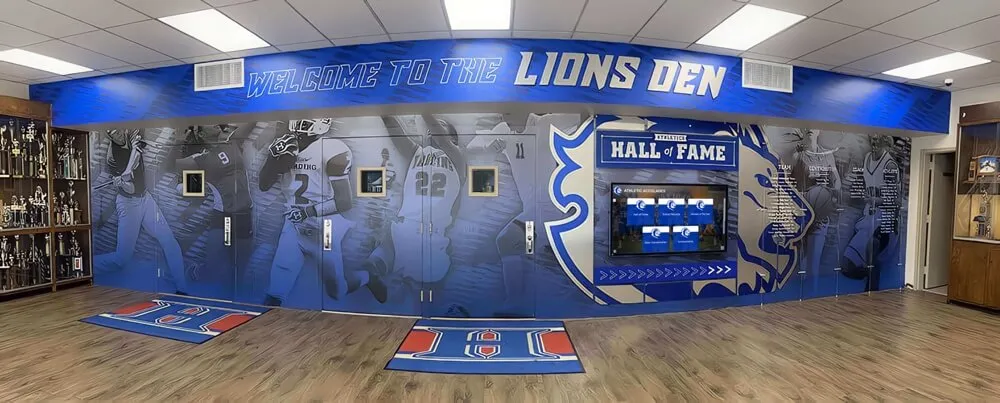
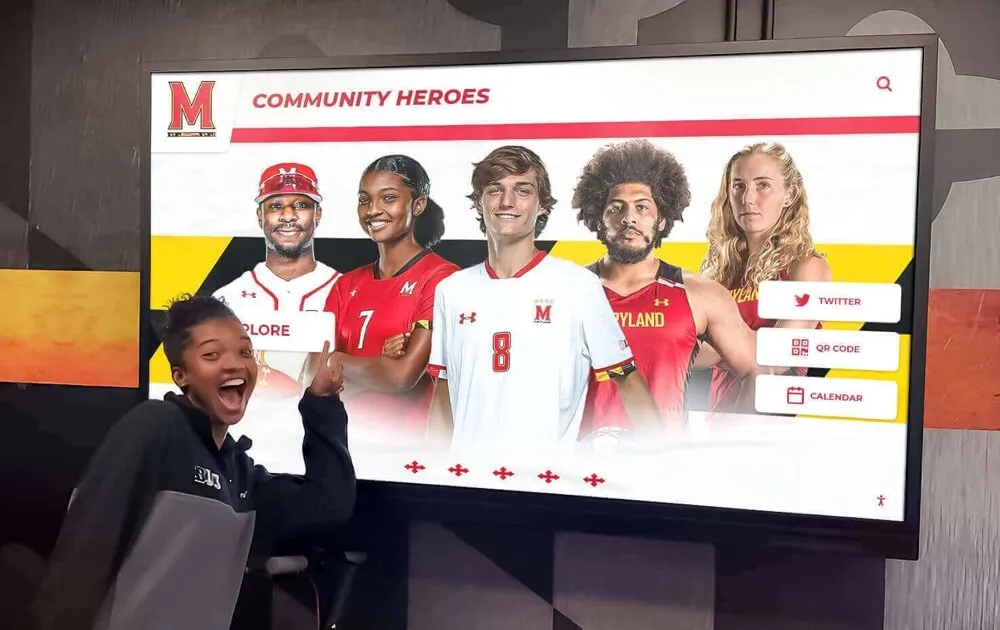
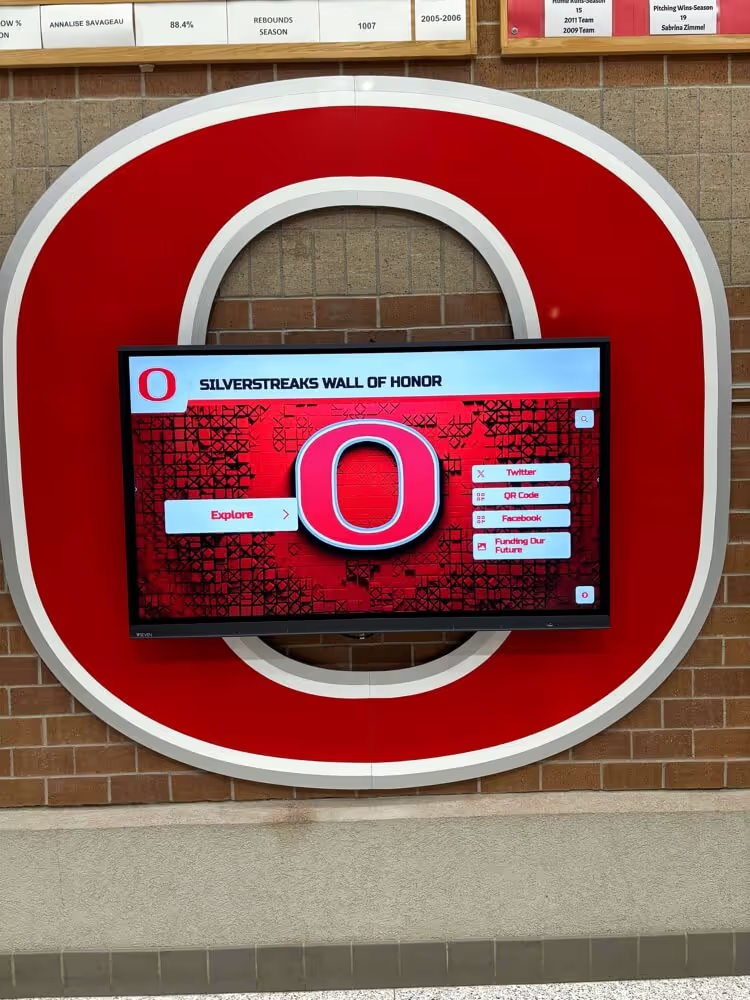
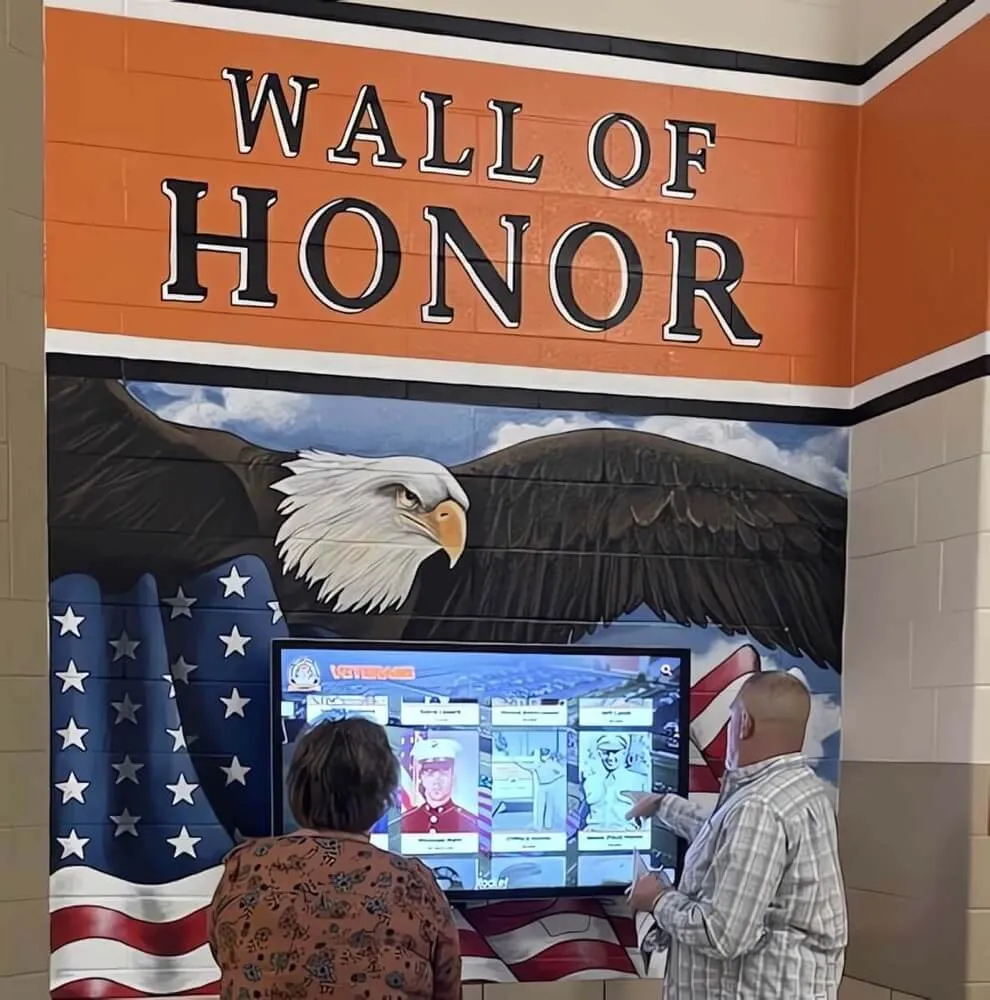
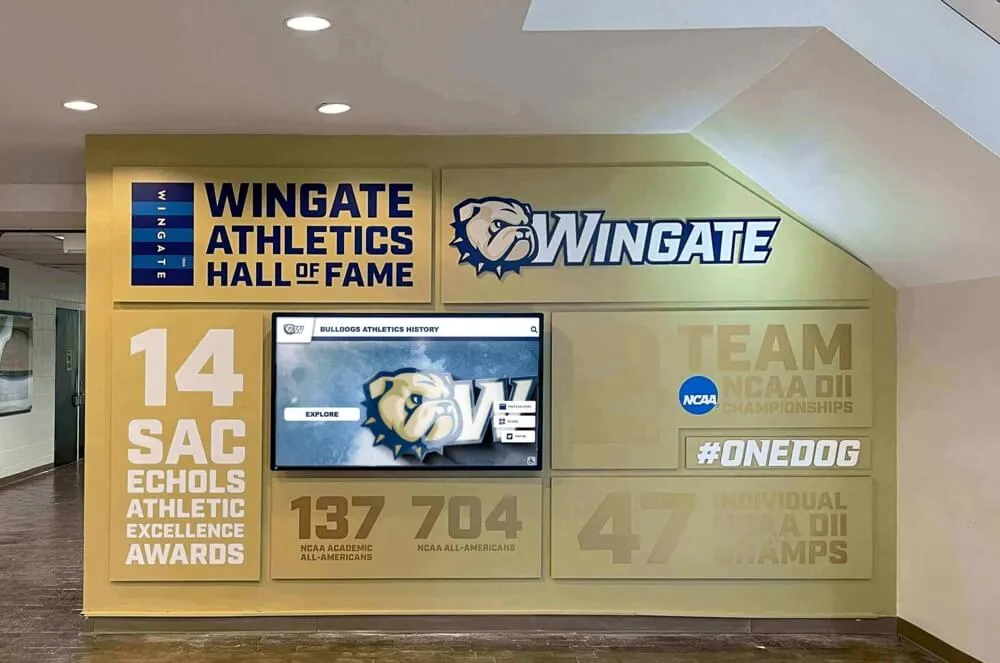
Comprehensive programs document coaching excellence and team achievements through permanent recognition displays celebrating program history across decades
Tailoring Your Coaching Resume for Specific Positions
Generic resumes rarely succeed—customization demonstrates genuine interest and strategic thinking.
Researching Target Programs and Schools
Effective customization requires substantive research:
Essential Research Sources
Gather specific information from:
- School Website: Enrollment, demographics, mission statements, recent news
- Athletic Department Pages: Current programs, recent achievements, coaching staff, facility descriptions
- State Athletic Association Records: Championship history, conference affiliations, competitive performance
- Local News Coverage: Recent stories about the school, athletic programs, community context
- Social Media: Athletic department and team accounts showing program culture
- MaxPreps/Other Databases: Historical records, statistics, roster trends
This research should yield specific details you can reference in cover letters while informing resume emphasis areas.
Understanding Program Context
Different contexts require different resume emphasis:
Small School Positions Emphasize:
- Versatility and willingness to coach multiple sports or levels
- Experience with limited resources and creative solutions
- Community connection and relationship building
- Teaching credentials if position includes classroom responsibilities
- Multi-role capabilities (coaching, activities coordination, facilities)
Large School Positions Emphasize:
- Experience managing large rosters and multiple team levels
- Systematic program development and delegation capabilities
- Technology platform experience managing complex operations
- Specialization in specific coaching areas or position groups
- Competitive success at similar enrollment/classification levels
Private School Positions Emphasize:
- Alignment with institutional mission and values
- Experience with diverse student populations or specific demographics
- Character development and holistic athlete education philosophy
- College placement focus and recruiting coordination experience
- Alumni engagement and tradition preservation
Understanding how schools celebrate athletic achievements demonstrates appreciation for comprehensive recognition programs valuing all contributors.
Highlighting Relevant Competencies
Match your resume emphasis to position requirements:
Position Description Analysis
Job postings reveal priorities through:
- Required vs. preferred qualifications (required items are non-negotiable)
- Order of responsibilities (early items typically more important)
- Specific skills or platforms mentioned (Hudl, MaxPreps, specific certifications)
- Emphasized values or cultural elements (character development, competitive excellence)
- Reporting relationships (indicates position scope and autonomy)
Strategic Resume Adaptation
If posting emphasizes:
“Building positive team culture and character development” Highlight:
- Athlete retention rates and program participation growth
- Leadership development initiatives and team community service
- Academic achievement rates and scholar-athlete recognition
- Parent and community feedback (if available through surveys)
- Team traditions and culture-building initiatives you’ve established
“Competitive success and championship-level performance” Highlight:
- Win-loss records and championship achievements
- Individual athlete accolades (all-conference, all-state selections)
- Tournament advancement and playoff success
- Improvement trajectories demonstrating program elevation
- Competitive analysis and strategic game planning capabilities
“Technology integration and modern coaching methods” Highlight:
- Video analysis platform experience (Hudl, Krossover, etc.)
- Athletic management system proficiency (TeamSnap, FinalForms, ArbiterSports)
- Social media and program marketing experience
- Data analytics usage for performance improvement
- Online communication and remote coaching during pandemic
“Program operations and administrative responsibilities” Highlight:
- Budget management experience with specific dollar amounts
- Fundraising coordination and revenue generation
- Facility oversight and equipment management
- Compliance monitoring and eligibility verification
- Schedule coordination and travel logistics
Customization doesn’t mean fabricating qualifications you lack—it means strategically emphasizing the relevant experience you possess that aligns with stated priorities.
Common Coaching Resume Mistakes to Avoid
Understanding frequent errors helps you create more effective application materials.
Content and Structure Mistakes
Problematic approaches that undermine applications:
Listing Duties Instead of Achievements
Weak resumes describe what you were supposed to do; strong resumes demonstrate what you actually accomplished:
Duty-Focused: “Responsible for coaching varsity volleyball team and managing program operations”
Achievement-Focused: “Led volleyball program to 76-34 record over 5 seasons with 2 conference championships while managing $8,000 budget and coordinating 15-member booster organization”
Every bullet point should demonstrate impact, not just presence.
Including Irrelevant Information
Focus exclusively on coaching-relevant content:
- Avoid: Unrelated work experience (retail jobs, non-athletic positions from years ago)
- Avoid: Excessive personal information (marital status, children, hobbies unrelated to coaching)
- Avoid: High school athletic achievements if you’re 5+ years post-college
- Avoid: References to controversial topics (politics, religion unless applying to faith-based schools)
- Include: Only experience demonstrating coaching capability, leadership, or athlete development
Poor Organization and Unclear Hierarchy
Reviewers scan resumes quickly—unclear organization causes them to miss key qualifications:
- Present experience in reverse chronological order (most recent first)
- Group similar roles together (all head coaching positions, then assistant positions)
- Create clear sections with consistent formatting and headers
- Place most important information (relevant coaching experience) prominently
- Bury or omit tangential content that doesn’t advance candidacy
Excessive Length and Unnecessary Detail
Respect reviewers’ time:
- One page for coaches with less than 10 years experience
- Maximum two pages even for extensive careers
- Include 4-6 bullet points per position (not exhaustive duty lists)
- Omit obvious responsibilities everyone knows coaches handle
- Focus on differentiating achievements and unique contributions
Understanding modern digital recognition systems shows appreciation for comprehensive program documentation athletic directors value.
Technical and Professional Errors
Mistakes signaling lack of attention to detail:
Spelling and Grammar Issues
Proofread meticulously:
- Misspelled school names, administrator names, or organization names
- Basic grammatical errors suggesting carelessness
- Inconsistent verb tenses (past tense for previous positions, present for current)
- Typos from copying and pasting between applications
- Punctuation errors and formatting inconsistencies
Have multiple people review your resume before submission—errors in a coaching resume suggest inability to manage detailed program operations.
Unprofessional Contact Information
Your contact details create first impressions:
- Professional email addresses only (firstname.lastname@gmail.com)
- Voicemail greeting that sounds professional and appropriate
- LinkedIn profile that’s actually maintained and professional
- Remove: Unprofessional email handles, outdated contact information, broken links
Inconsistent or Inaccurate Information
Accuracy matters:
- Dates that don’t align with actual employment periods
- Titles that inflate actual responsibilities
- Win-loss records that don’t match public databases
- Credentials claimed but not actually held
- References to achievements that didn’t occur
Athletic directors verify information—inconsistencies destroy credibility and eliminate candidacy immediately.
Generic, Template Language
Personalization demonstrates genuine interest:
- Avoid: “Objective: To obtain a coaching position where I can utilize my skills”
- Avoid: Resume that could apply to any coaching position in any sport
- Avoid: Generic achievement statements lacking specific details
- Include: Sport-specific terminology demonstrating deep knowledge
- Include: School research reflected in cover letter (not resume itself)
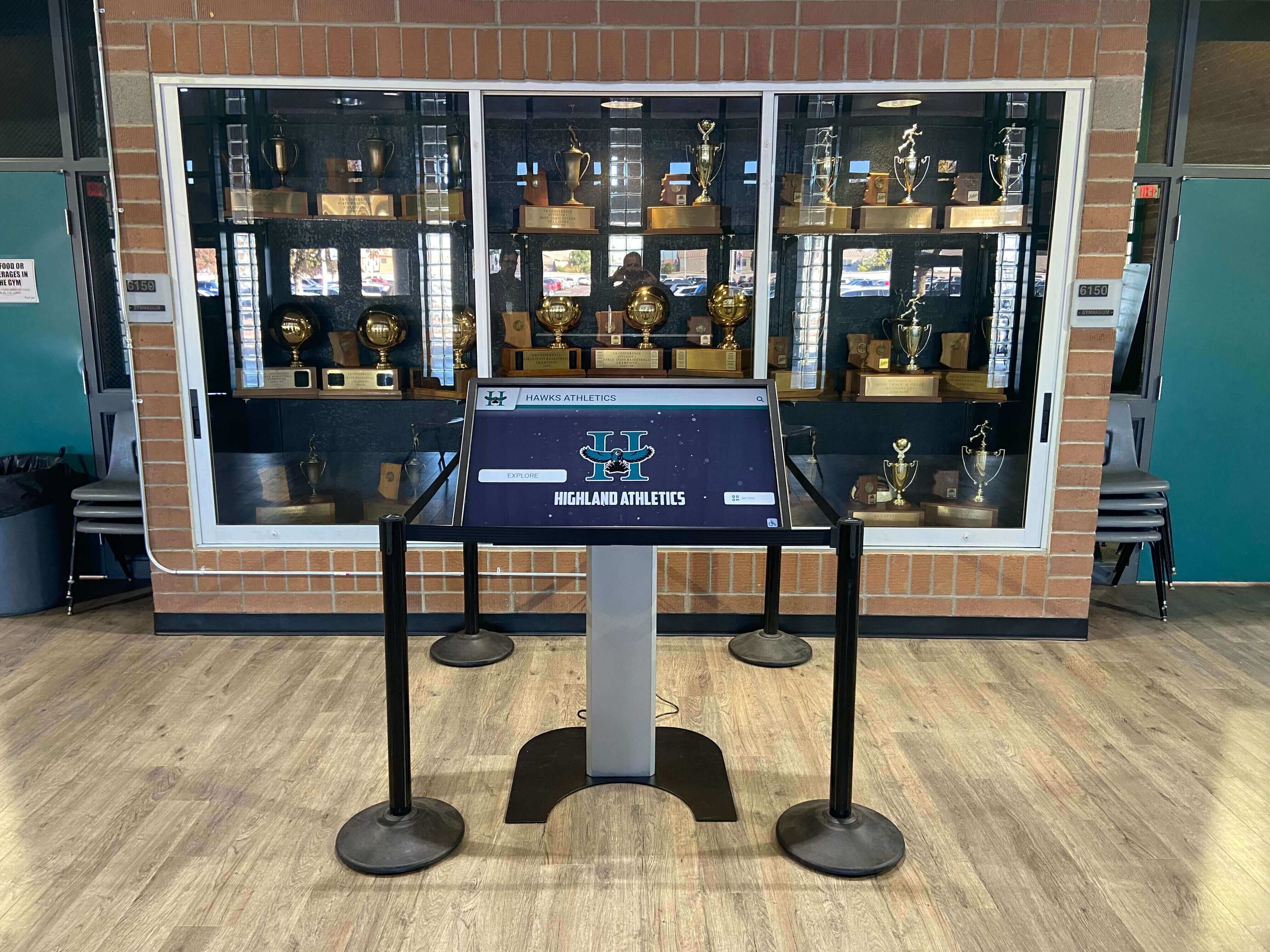
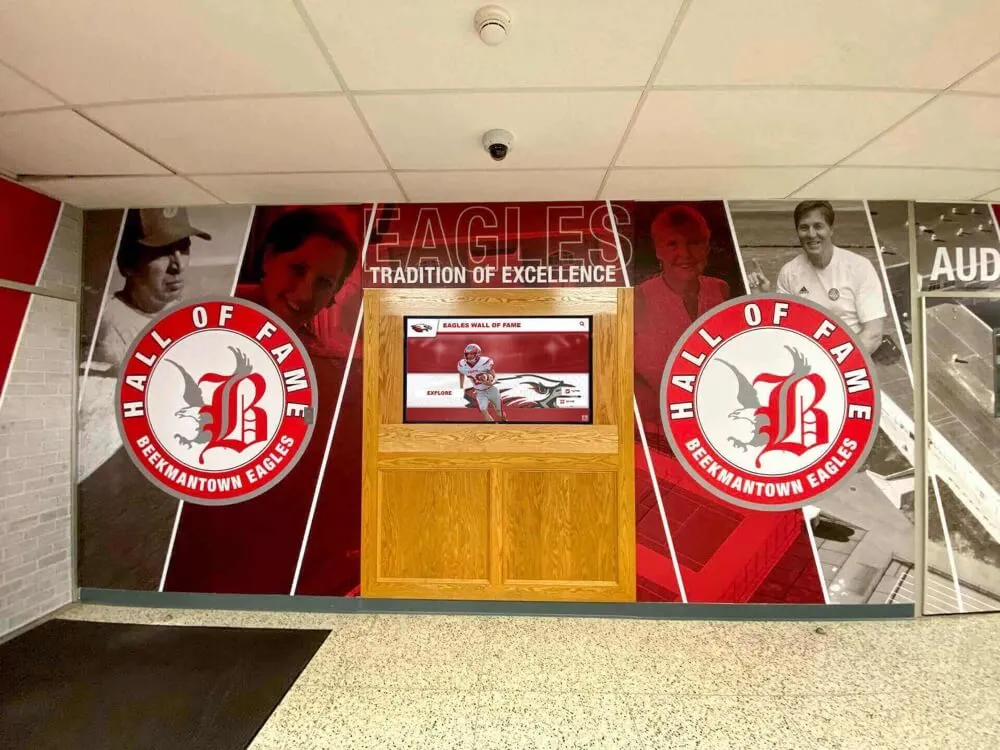
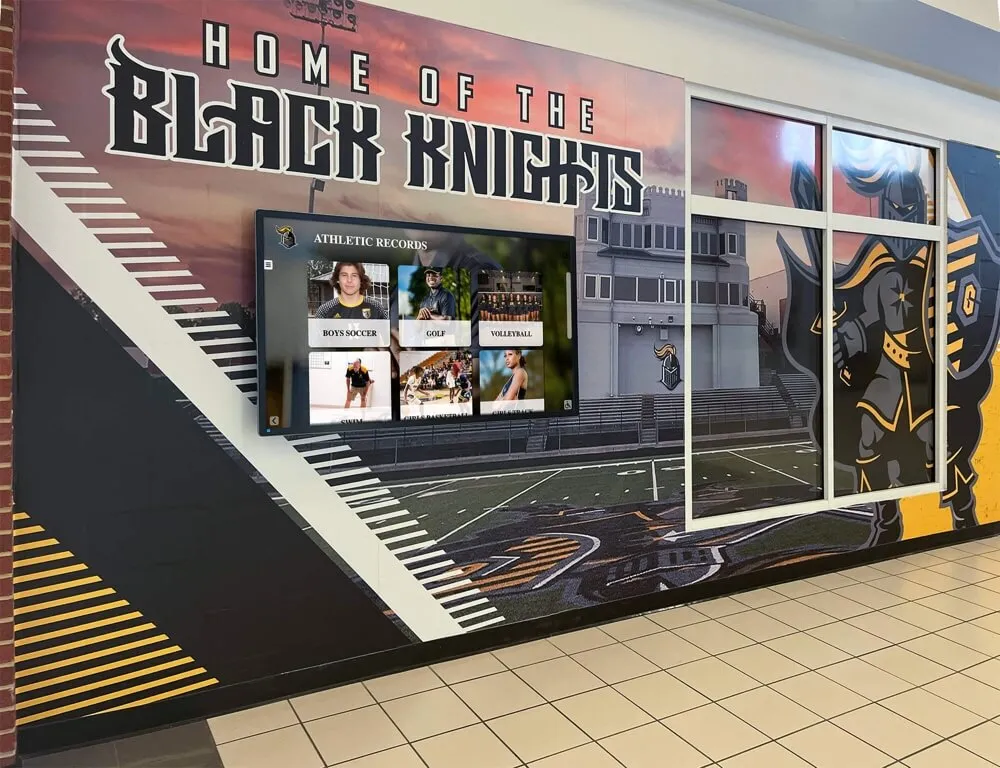
Modern programs integrate traditional trophy displays with interactive technology documenting coaching excellence and athlete achievements comprehensively
Supplementary Application Materials
Strong coaching applications extend beyond resumes to supporting documents.
Cover Letter Coordination
Your cover letter and resume should function as integrated package:
Cover Letter Purpose
While resumes present credentials, cover letters:
- Demonstrate specific interest in this particular position
- Explain how your experience aligns with stated needs
- Provide context for career transitions or unique circumstances
- Express coaching philosophy and approach
- Request interview consideration
Learning how to write effective athletic director cover letters provides insights into administrative application strategies for career advancement.
Resume and Cover Letter Integration
Ensure consistency:
- Dates, titles, and school names match precisely across documents
- Cover letter highlights most relevant resume achievements
- Cover letter explains any resume gaps or unusual elements
- Both documents present coherent narrative about your coaching career
- Professional formatting and tone consistent across materials
Coaching Philosophy Statement
Many positions request formal philosophy statements:
Philosophy Statement Components
Effective statements address:
- Your fundamental beliefs about coaching purpose and athlete development
- How you balance competitive success with educational mission
- Your approach to building team culture and individual relationships
- Specific methods and strategies you employ
- How you measure success beyond win-loss records
- Real examples demonstrating philosophy in action
Philosophy Statement Length and Format
Typical expectations:
- 1-2 pages maximum (some applications specify length)
- Professional business document formatting
- Clear section organization addressing different philosophical elements
- Specific examples grounding abstract beliefs in concrete practices
- Genuine voice reflecting your actual approach, not idealized platitudes
Sample Philosophy Excerpt
“I believe coaching excellence requires balancing competitive drive with genuine care for athletes as complete people. While I pursue championships relentlessly and prepare teams to compete at highest levels, I measure my true success by whether athletes leave our program more confident, resilient, and capable than when they arrived—regardless of their playing time or statistical contributions.
This philosophy translates to specific practices: every roster member receives individual development attention, not just starters. We celebrate improvement as enthusiastically as victories. We emphasize controllable behaviors (effort, attitude, communication) over uncontrollable outcomes. And we maintain non-negotiable standards for academic achievement, treating classroom performance as prerequisite to athletic participation.
At Central High School, this approach produced 3 conference championships while maintaining 96% athlete retention and advancing 12 players to college programs—demonstrating that developmental focus and competitive excellence aren’t contradictory goals but complementary priorities.”
Reference List and Letters of Recommendation
Strategic reference selection strengthens applications:
Reference Selection Strategy
Choose references who can address:
- Direct supervisor (athletic director, principal) evaluating your coaching performance
- Fellow coach who can speak to your collaboration and program contribution
- Parent or booster leader addressing community relations and communication
- Athletic conference commissioner or official providing external perspective
- Former athlete (if several years post-graduation) discussing your mentorship impact
Reference List Format
Professional presentation:
REFERENCES for Michael Anderson
Dr. Sarah Martinez, Athletic Director Central High School (555) 123-4567 | smartinez@centralhs.edu Relationship: Direct supervisor for 6 years as head basketball coach
Coach Jennifer Williams, Head Volleyball Coach Central High School (555) 234-5678 | jwilliams@centralhs.edu Relationship: Colleague collaborating on multi-sport athlete development and facility coordination
Robert Thompson, Booster Club President Central High School Basketball Boosters (555) 345-6789 | rthompson@email.com Relationship: Community partner in fundraising and program support initiatives
Preparing References
Professional reference management:
- Ask permission before listing someone as reference
- Provide references with your resume and position description
- Brief them on specific position and why you’re interested
- Thank them after they provide references
- Keep them updated on application outcomes
Understanding comprehensive interactive recognition systems demonstrates appreciation for modern program documentation approaches.
Digital Presence and Online Portfolios
Modern coaching applications increasingly include digital components:
LinkedIn Profile Optimization
Professional LinkedIn presence enhances applications:
Essential LinkedIn Elements for Coaches
Optimize your profile:
- Professional headshot (not selfie or casual photo)
- Headline identifying you as coach with specialization
- Summary section expanding on resume professional summary
- Detailed experience entries matching resume (but can include more detail)
- Skills section including coaching-specific competencies
- Recommendations from supervisors, colleagues, parents, or athletes
- Activity demonstrating engagement with coaching profession
LinkedIn Best Practices
Maintain professional presence:
- Post occasionally about coaching topics, professional development, or program achievements
- Share relevant articles about coaching, athlete development, or education
- Engage with coaching community content appropriately
- Avoid controversial political or social posts that could concern hiring committees
- Ensure all profile information matches resume precisely
Personal Coaching Website or Portfolio
Advanced candidates may maintain personal sites:
Portfolio Components
Effective coaching portfolios include:
- Professional biography and coaching philosophy
- Career highlights and achievements documentation
- Sample practice plans or skill development progressions
- Video clips of coaching (if permission secured from athletes and schools)
- Testimonials from athletes, parents, or fellow coaches
- Contact information and resume download
Portfolio Cautions
Maintain appropriate boundaries:
- Never include identifiable athlete information without explicit permission
- Avoid posting anything current employer might consider proprietary
- Ensure all content reflects positively on you and institutions you’ve served
- Keep content updated and remove outdated information
- Ensure site is professionally designed (not amateur appearance)
Social Media Considerations
Public social media profiles impact candidacy:
Social Media Audit
Before applying:
- Review all public posts for anything potentially concerning
- Adjust privacy settings limiting what hiring committees can see
- Remove or hide posts involving alcohol, controversial topics, or unprofessional content
- Ensure profile pictures are appropriate and professional
- Consider temporarily deactivating accounts with problematic content
Athletic directors increasingly review candidates’ social media—clean, professional digital presence prevents disqualification before interviews.
Application Submission and Follow-Up Strategies
Strategic application processes extend beyond document preparation:
Application Submission Best Practices
Professional submission matters:
Application Timing
Strategic timing considerations:
- Submit early in application window demonstrating strong interest
- Avoid submitting on deadline day (suggests last-minute, less committed)
- Follow all stated submission procedures precisely
- Include all requested materials (incomplete applications screened out immediately)
- Confirm application receipt if system provides confirmation
File Naming and Organization
Professional file management:
- LastName_FirstName_Resume.pdf
- LastName_FirstName_CoverLetter.pdf
- LastName_FirstName_Philosophy.pdf
- LastName_FirstName_References.pdf
- Avoid: generic names like “Resume.docx” or “coaching_app.pdf”
Application Package Review
Final checklist before submission:
- All documents spell school/administrator names correctly
- Dates and titles match across all documents
- No spelling or grammatical errors anywhere
- All requested materials included
- Contact information current and professional
- Files open correctly and display properly
Professional Follow-Up
Appropriate post-submission engagement:
Follow-Up Timeline
Strategic communication:
- Wait 1-2 weeks after application deadline before following up
- Send brief email confirming application receipt and reiterating interest
- Reference specific position and application date
- Avoid being pushy or demanding timeline information
- Accept if school indicates they’ll contact selected candidates only
Sample Follow-Up Email
Subject: Application Follow-Up - Head Basketball Coach Position
Dear Mr. Johnson,
I am writing to confirm receipt of my application materials for the Head Basketball Coach position at Lincoln High School submitted on April 5, 2026. I remain very interested in this opportunity and excited about the possibility of contributing to your athletic program’s continued development.
Please let me know if you need any additional information or materials to support my application. I look forward to the opportunity to discuss how my experience developing competitive programs while maintaining strong academic and character standards aligns with Lincoln’s athletic mission.
Thank you for your consideration.
Sincerely, Michael Anderson (555) 234-5678
Networking and Connections
Leverage relationships appropriately:
- Mention connections or referrals in cover letter if appropriate
- Ask connections to speak on your behalf after formal application
- Attend public events (games, open houses) if geographically feasible
- Avoid appearing to circumvent formal process or pressure decision-makers
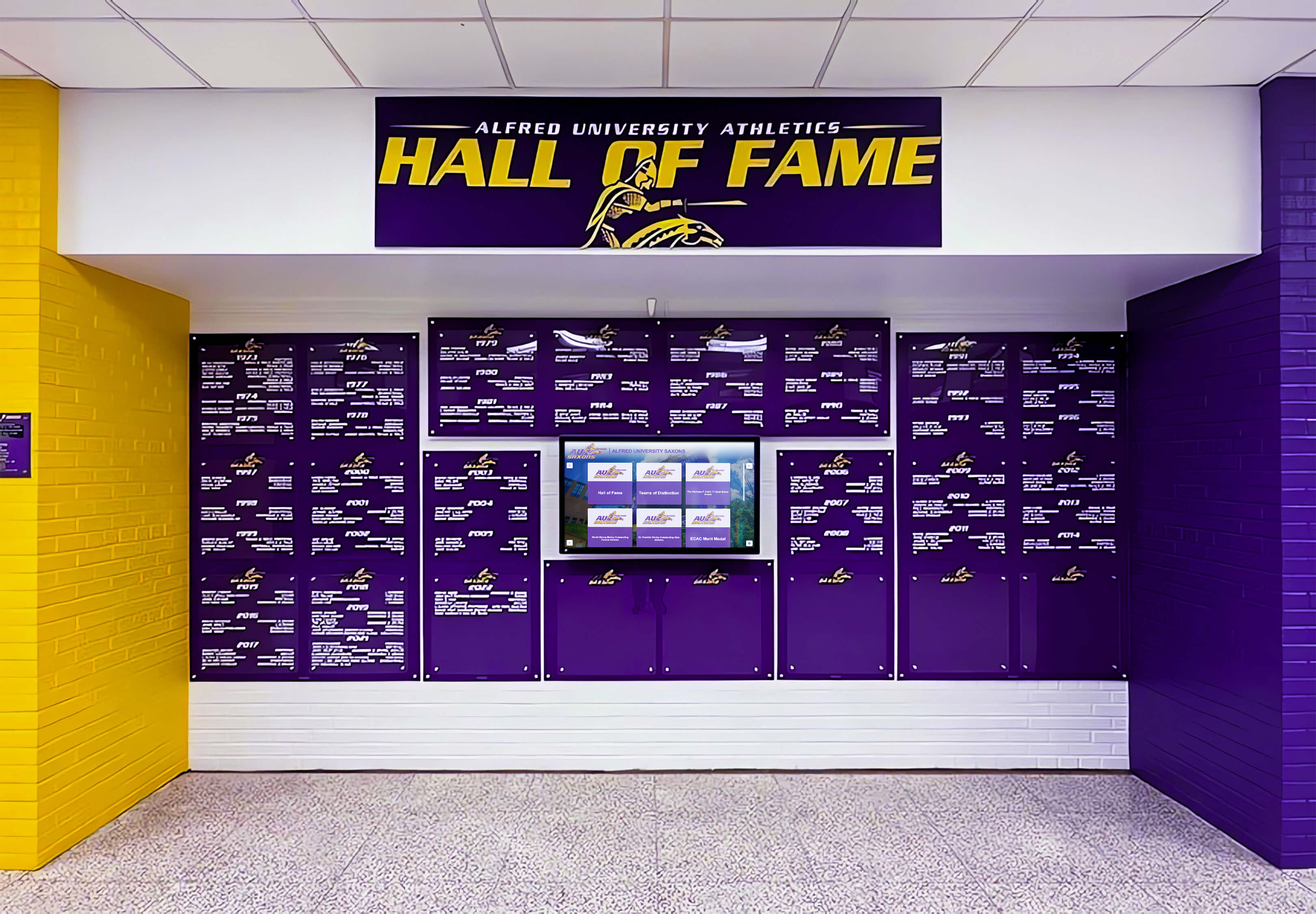
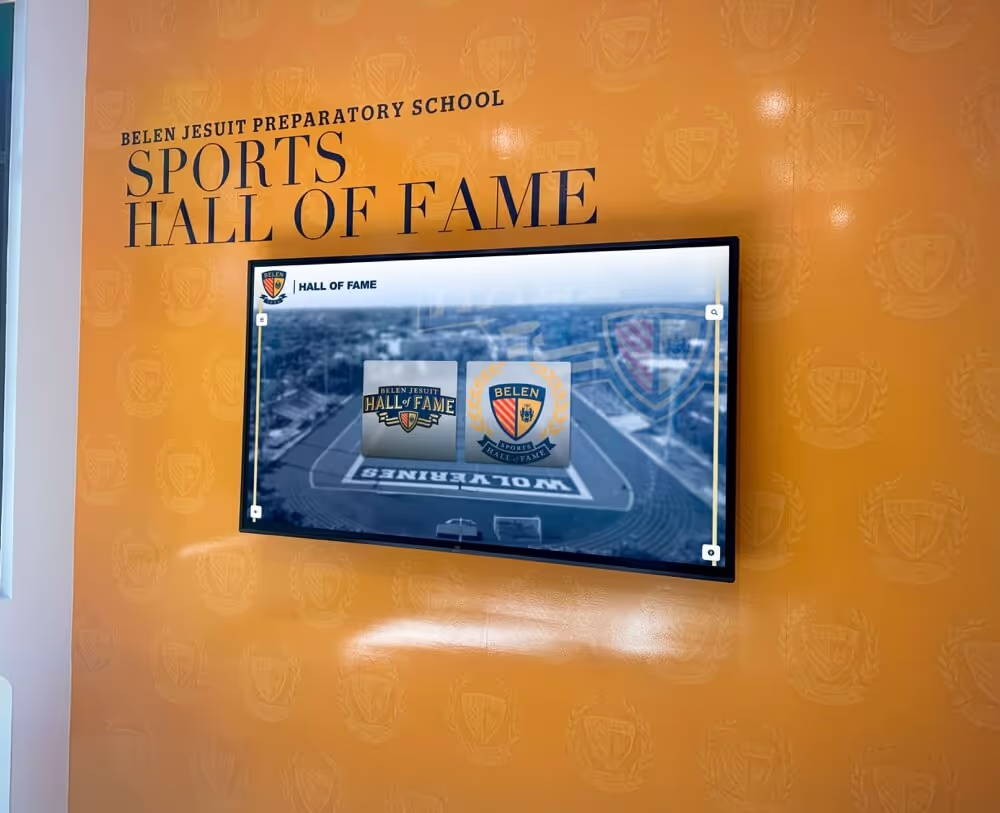
Comprehensive recognition programs celebrate coaching excellence alongside athlete achievements, documenting program history that inspires current and future generations
Interview Preparation Following Resume Success
Your resume’s purpose is securing interviews—prepare for next steps:
Anticipating Interview Questions
Expect to elaborate on resume content:
Common Coaching Interview Questions
Prepare for:
- “Walk us through your coaching philosophy and how it translates to practice”
- “Describe your most significant coaching achievement and why it matters”
- “How do you handle conflicts with parents or athletes?”
- “Tell us about a difficult season and what you learned from it”
- “How do you balance competitive success with athlete development?”
- “What makes you specifically interested in our program?”
- “How would you approach building our team culture?”
- “Describe your experience with [specific responsibility from job description]”
Resume-Based Questions
Be prepared to discuss:
- Every position, achievement, and detail listed on your resume
- Gaps in employment or unexplained transitions
- Specific statistics or metrics you’ve claimed
- Certifications and how you apply training practically
- Why you’re leaving current position (if applicable)
Your resume creates the interview agenda—every claim you make should have supporting evidence and examples ready.
Researching Beyond Initial Application
Deepen institutional knowledge:
Comprehensive School Research
Before interviews, research:
- Recent athletic department news and achievements
- School board minutes mentioning athletics
- Community demographics and socioeconomic context
- Facility conditions and capital improvement plans
- Conference competitive landscape and realignment
- Administrative leadership and decision-making structure
Interview preparation should produce substantially deeper knowledge than initial application research required.
Preparing Your Own Questions
Strategic questions demonstrate engagement:
Questions Showing Strategic Thinking
Ask:
- “What do you see as the most critical priorities for this position in year one?”
- “How does this coaching position integrate with broader athletic department and school missions?”
- “What does success look like for this program three years from now?”
- “What resources and support systems exist for coaching staff?”
- “How is coaching performance evaluated, and what metrics define success?”
Thoughtful questions prove you’re seriously evaluating the opportunity, not just seeking any coaching job.
Ready to build lasting recognition programs that celebrate coaching excellence alongside athlete achievements? Modern recognition technology enables comprehensive documentation and display of program history, coaching milestones, and athletic accomplishments in ways that inspire current athletes while honoring those who established program foundations.
Interactive digital platforms accommodate unlimited coach profiles with rich multimedia content—career highlights, championship documentation, philosophy statements, team photos, and athlete testimonials telling complete stories about program evolution. Unlike traditional plaques with severe space limitations, modern systems grow with programs while remaining easily updateable as new achievements occur.
Whether you’re establishing your program’s first formal recognition infrastructure or modernizing existing displays with contemporary technology, comprehensive platforms create permanent legacies inspiring athletes, engaging alumni, and honoring the coaches who dedicated careers to developing young people through sport.
Request your free custom demo to explore how purpose-built recognition technology can help preserve and celebrate the coaching achievements you’re building throughout your career.
Building Your Coaching Career Strategically
Your resume represents one element of comprehensive career development:
Gaining Relevant Experience
Position yourself for advancement:
Entry Points Into Coaching
Build foundations through:
- Volunteer assistant coaching while completing education
- Club or travel team coaching gaining hands-on experience
- Substitute teacher positions providing school environment exposure
- Intramural or recreational league coaching developing skills
- Student teaching or internship placements at schools with strong programs
- Graduate assistant positions at colleges gaining advanced experience
Progressive Responsibility
Strategic career progression:
- Assistant coaching roles learning from experienced mentors
- Position-specific coaching developing specialized expertise
- JV or lower-level head coaching gaining leadership experience
- Varsity assistant with expanded responsibilities
- Head coaching at smaller programs or lower classifications
- Head coaching at larger programs or higher competitive levels
- Athletic director roles for those seeking administrative advancement
Most successful head coaches spent years as assistants learning program operations, developing coaching skills, and building reputations before advancement.
Professional Development and Networking
Continuous improvement distinguishes successful coaches:
Essential Professional Development
Invest in:
- Coaching education certifications (NFHS, sport-specific associations)
- Coaching clinics and conferences (state, regional, national levels)
- Graduate education in coaching, athletic administration, or education leadership
- Technology training (Hudl, analytics platforms, management systems)
- Specialized workshops (strength training, sport psychology, injury prevention)
- Leadership development programs (Positive Coaching Alliance, etc.)
Strategic Networking
Build professional relationships:
- Join state coaching associations attending conferences and workshops
- Volunteer for association committees or task forces
- Present at clinics sharing successful initiatives
- Maintain relationships with college coaches for athlete placement
- Connect with athletic directors, administrators, and fellow coaches
- Engage professionally on LinkedIn and coaching forums
Many coaching opportunities arise through professional networks before public posting—strategic networking creates access to opportunities generic applications miss.
Understanding Career Timing
Realistic expectations about coaching career progression:
Typical Timeline Expectations
Understand common patterns:
- 2-5 years as assistant before head coaching consideration
- Multiple applications typically required before landing desired positions
- Geographic flexibility expanding available opportunities significantly
- Smaller schools or lower classifications often provide initial head coaching opportunities
- Larger programs typically require proven head coaching success elsewhere
- Athletic director positions usually require extensive coaching experience plus administrative background
Learning From Rejection
Productive approaches to unsuccessful applications:
- Request feedback from hiring committees when appropriate
- Identify qualification gaps or areas needing development
- Refine application materials based on what you learn
- Maintain relationships with administrators for future opportunities
- View each application as practice improving your process
- Stay persistent without becoming discouraged
Most successful coaches applied for numerous positions before landing ideal opportunities—persistence and continuous improvement eventually produce results.
Coaching Resume Success Framework
Effective coaching resumes distinguish qualified candidates in competitive hiring processes by translating credentials into compelling achievement narratives demonstrating specific value for athletic programs.
Successful resumes follow professional formatting standards, include complete contact information and relevant certifications, emphasize measurable achievements over duty lists, quantify results with specific numbers and outcomes, demonstrate progressive responsibility and career growth, and customize content emphasizing qualifications matching stated position requirements.
Common mistakes eliminating candidates include listing generic duties without achievement context, including irrelevant information that doesn’t advance candidacy, poor organization making qualifications difficult to identify, excessive length failing to respect reviewers’ time, spelling and grammar errors suggesting carelessness, and generic template language that could apply to any coaching position.
Strategic application processes recognize resumes as screening tools determining which candidates merit interview consideration from large applicant pools. Every line should advance your candidacy by demonstrating specific coaching competencies, measurable program impact, relevant credentials, or unique qualifications distinguishing you from other applicants.
Coaching positions require demonstrating unique combinations of athletic expertise, educational philosophy, leadership capabilities, operational competence, and stakeholder communication skills. Your resume must prove not just that you know your sport, but that you can develop athletes, build programs, manage operations, and contribute positively to institutional missions.
The most effective coaching resumes transform dry credential lists into compelling stories showing how your specific experience prepares you to address specific program needs and opportunities. When athletic directors finish reading your resume, they should think: “We need to interview this candidate—they have exactly the background and achievements we’re seeking.”
Your coaching resume opens doors to opportunities where you can make lasting impact on young athletes’ lives, build sustainable programs, contribute to school communities, and pursue your passion for athletic competition and youth development. Invest the time creating application materials worthy of the coaching opportunities you seek—your future athletes and programs deserve your most professional, strategic, and compelling presentation of the qualifications you’ve worked years to develop.
Live Example: Rocket Alumni Solutions Touchscreen Display
Interact with a live example (16:9 scaled 1920x1080 display). All content is automatically responsive to all screen sizes and orientations.