



Great coaches understand that their true legacy extends far beyond championship banners and winning records. While victories matter and competitive success brings immediate satisfaction, the coaches who leave lasting impacts on their sports, communities, and athletes are those who recognize that coaching legacy is built through the lives they shape, the values they instill, the culture they create, and the traditions they establish that endure long after their final whistle.
Every coach who steps onto a field, court, mat, or pool deck faces a fundamental choice: pursue short-term wins at any cost, or invest in building something sustainable that benefits athletes, programs, and communities for generations. The difference between forgettable seasons and transformative coaching careers lies not in talent development alone, but in the intentional cultivation of legacy through mentorship, character development, systematic program building, and thoughtful preservation of the traditions and achievements that define program excellence.
This comprehensive guide explores practical strategies for building a coaching legacy that transcends individual seasons and creates lasting positive impact on youth sports. Whether you’re a first-year coach establishing program foundations or a veteran leader cementing decades of work, these approaches help you create meaningful, enduring influence that continues inspiring athletes, fellow coaches, and communities long after you’ve moved on.
The most memorable coaches in youth sports aren’t necessarily those with the most wins—they’re the ones who fundamentally changed how athletes see themselves, elevated entire programs to new standards of excellence, mentored the next generation of coaches, and created cultures where young people developed character alongside athletic skill. Building this kind of coaching legacy requires intentional effort across multiple dimensions of program leadership.

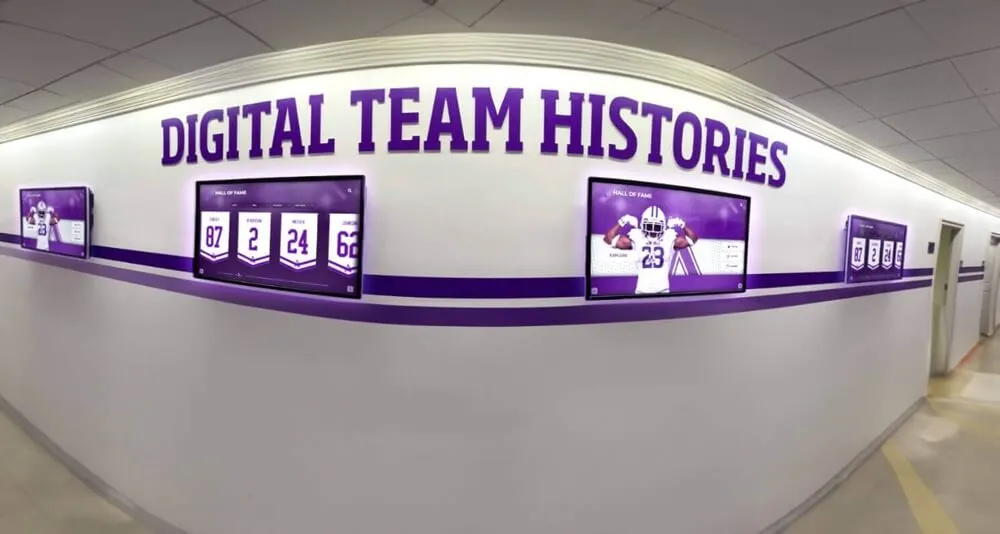
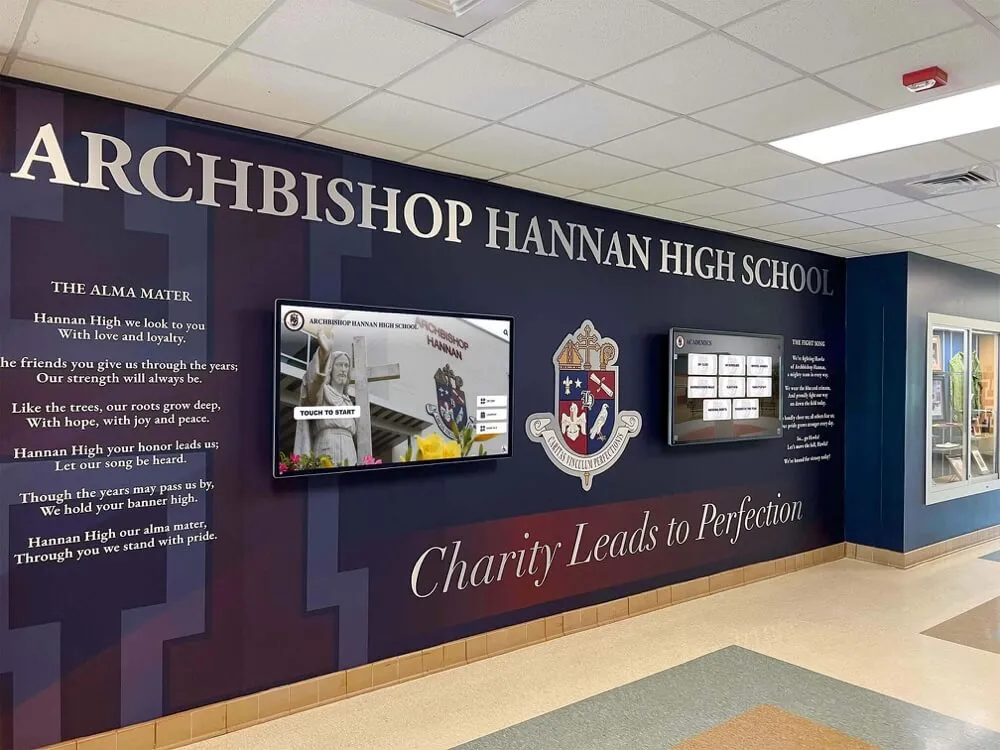
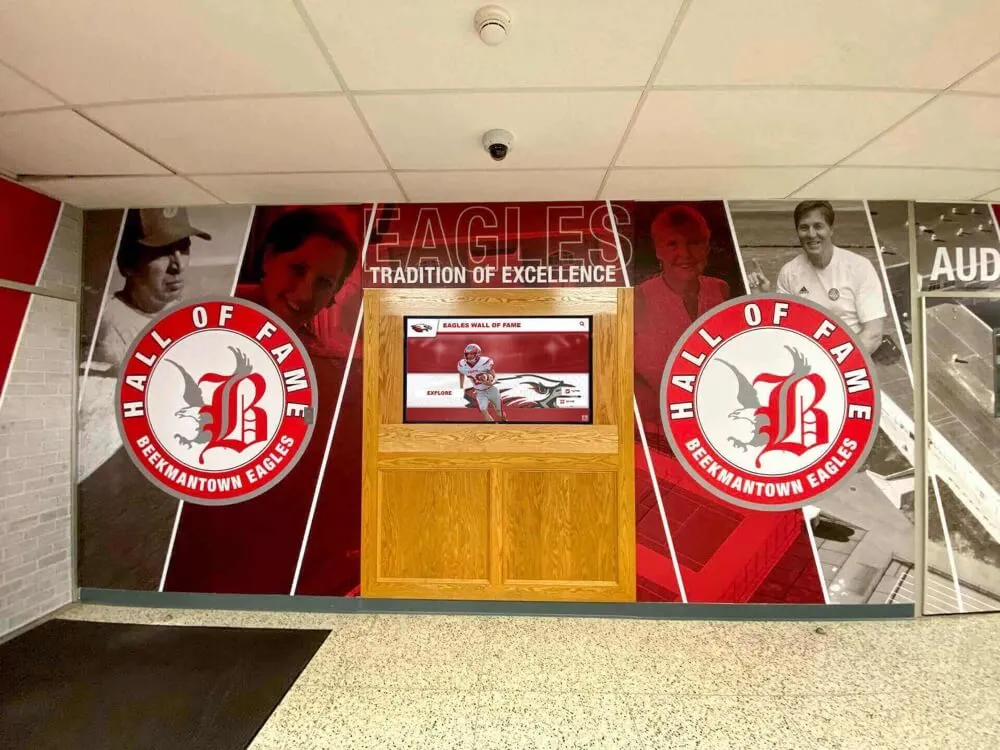
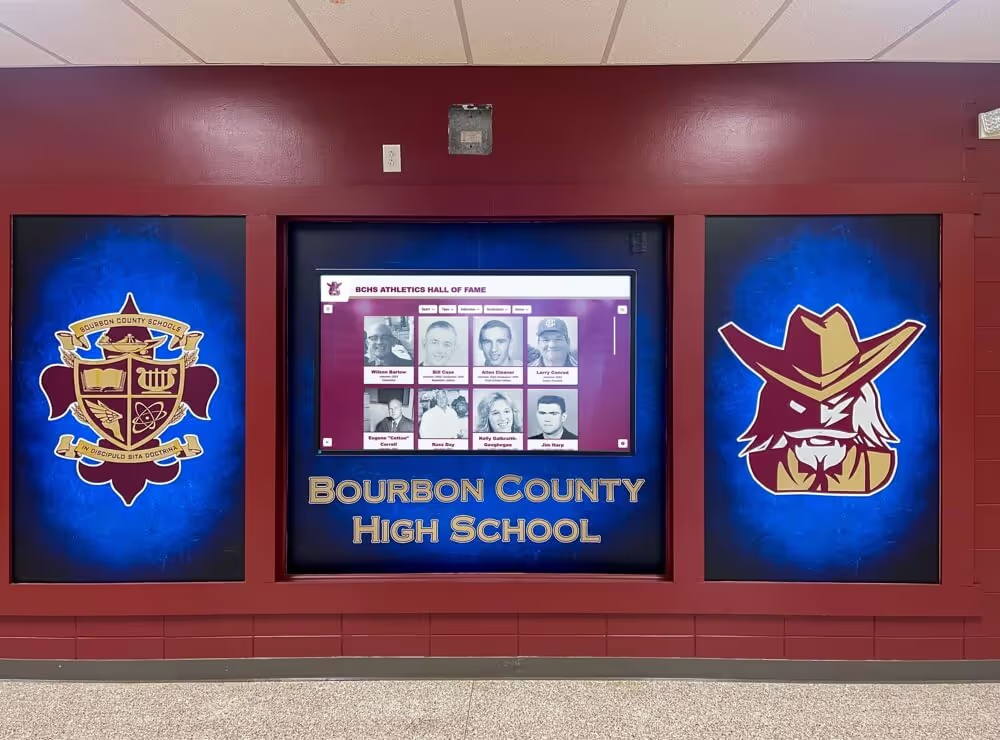
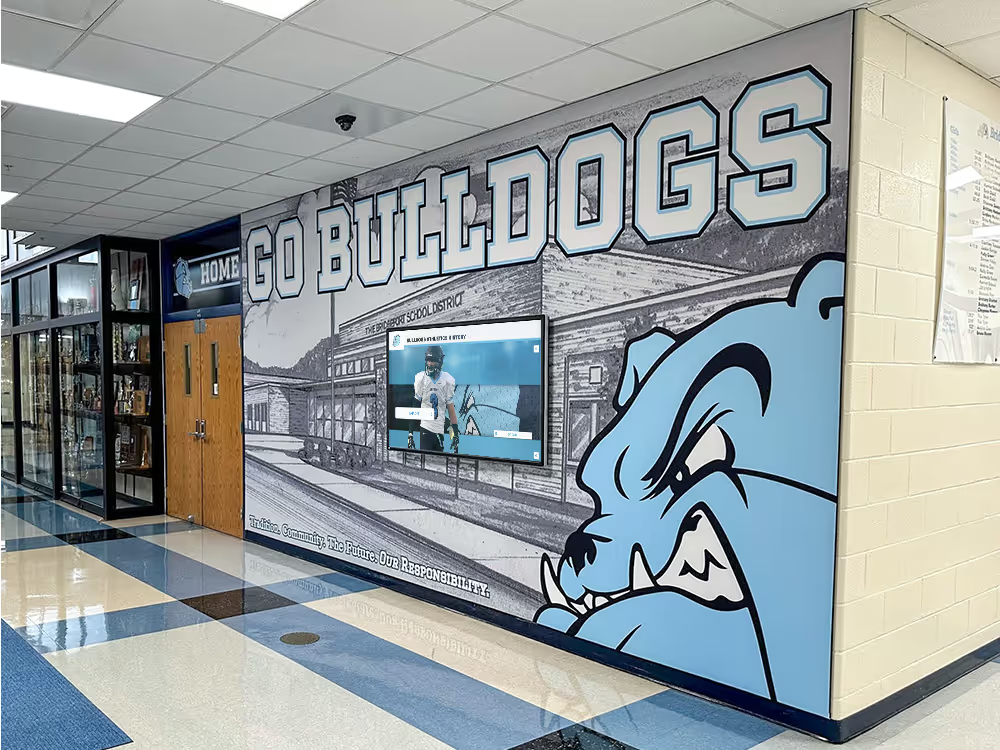
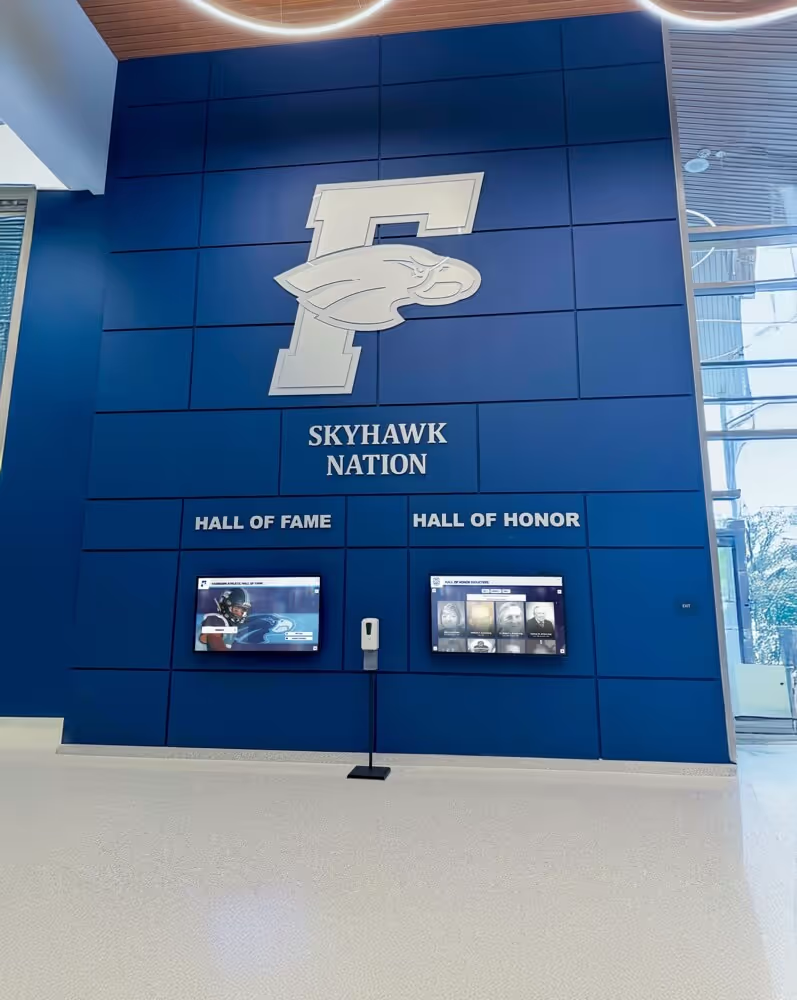
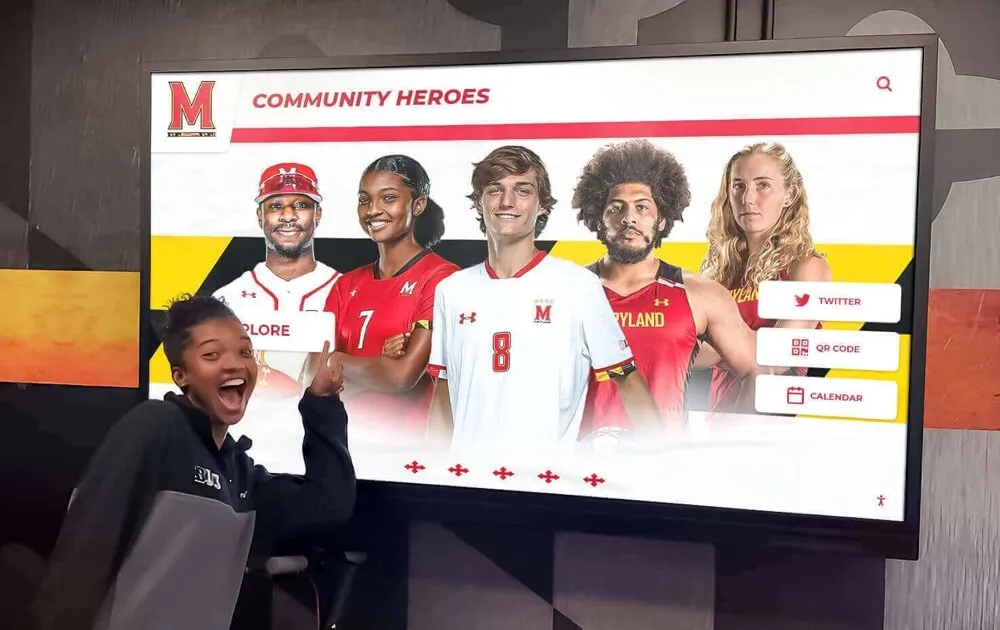
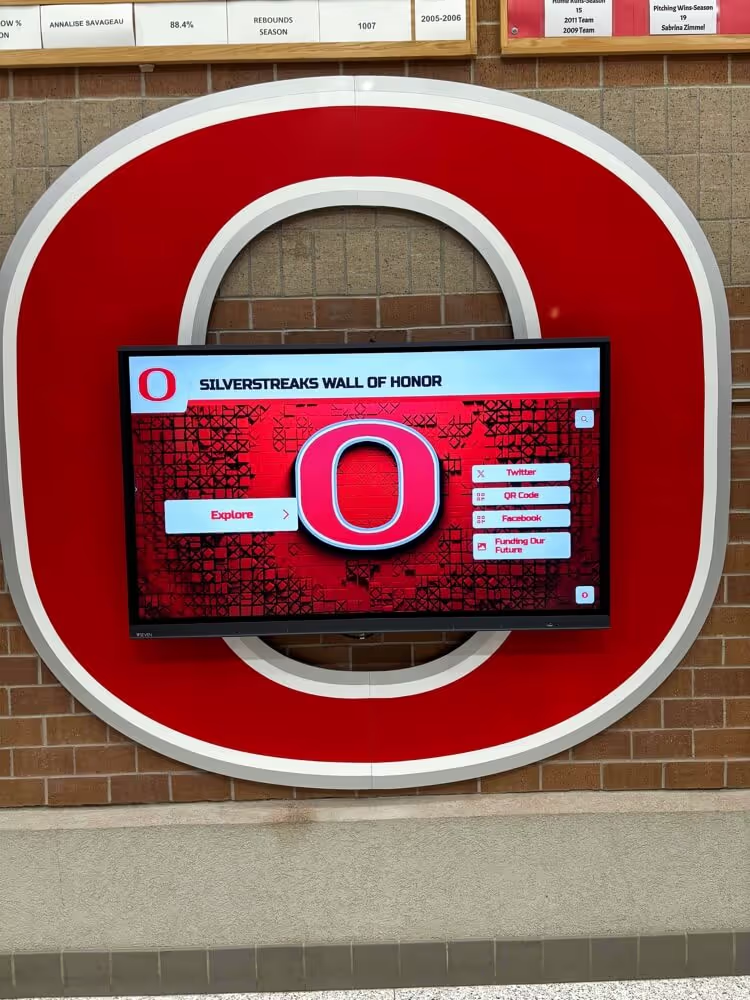
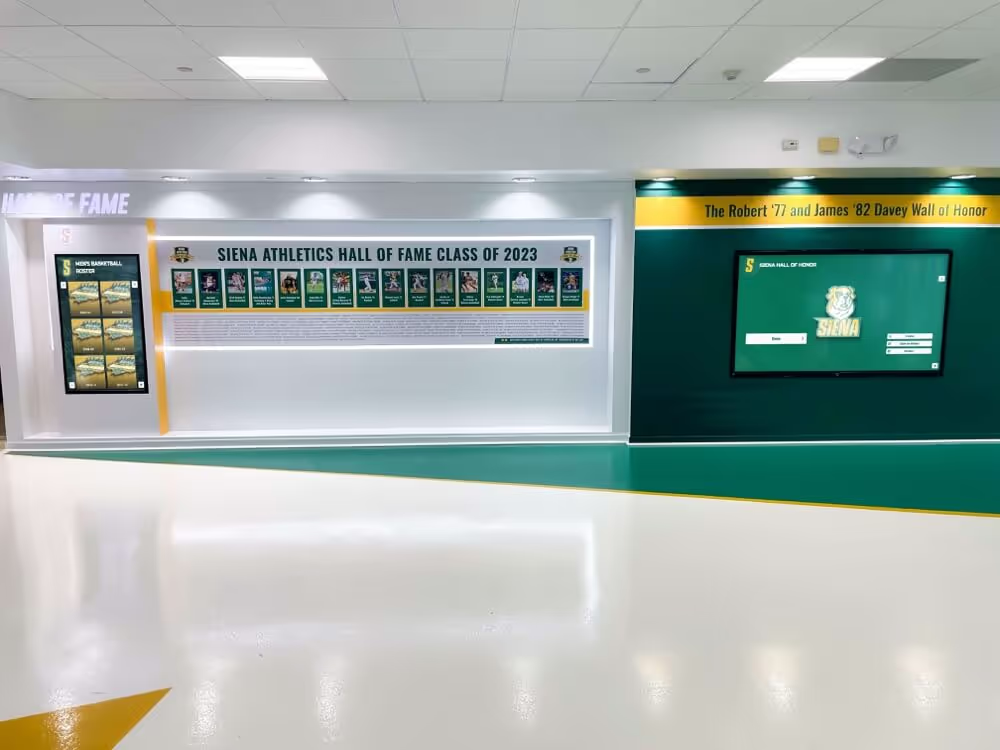
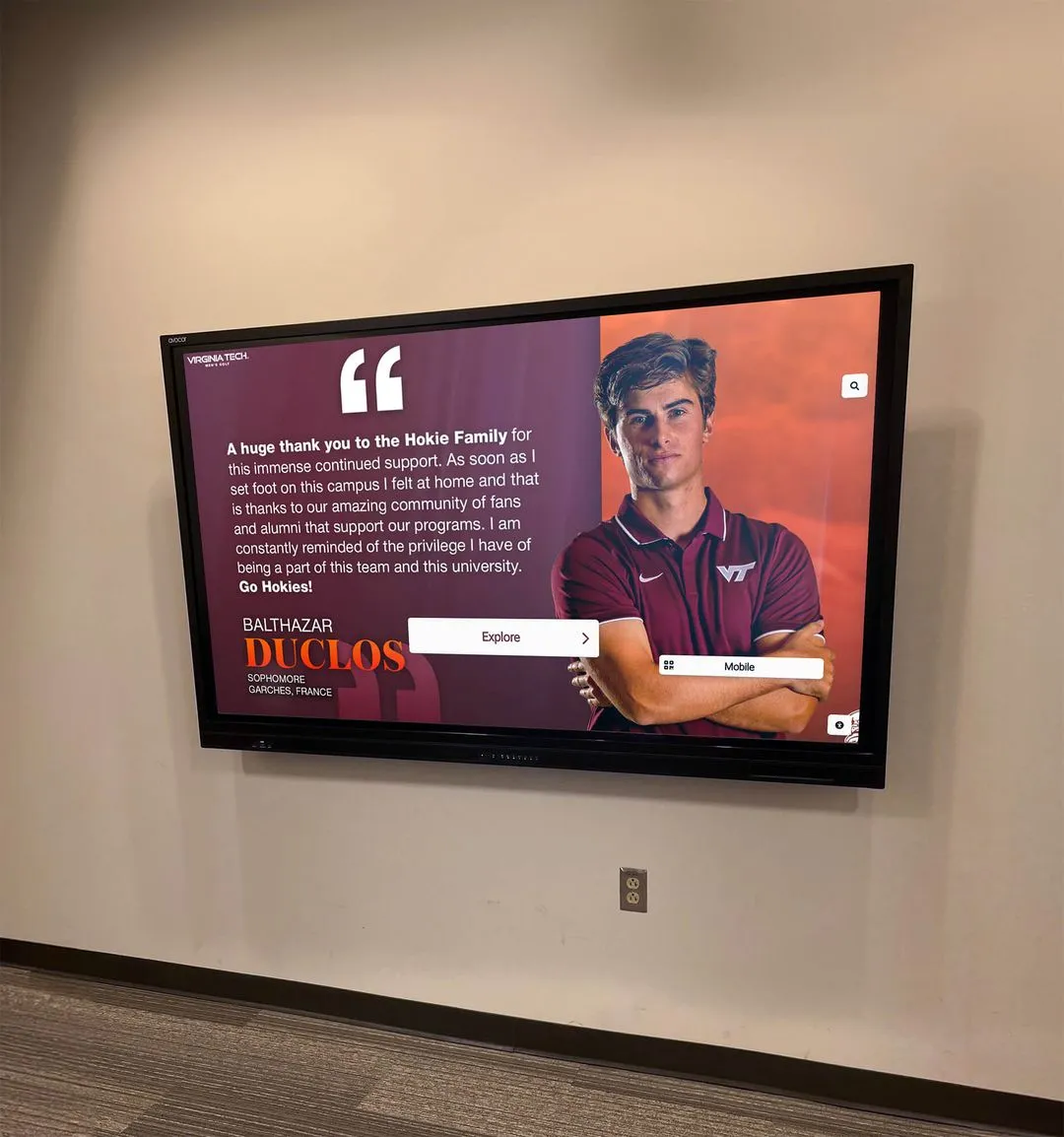
Permanent recognition displays preserve coaching achievements and program history, ensuring that the legacy of great coaches continues inspiring future generations of athletes
Defining Your Coaching Philosophy and Values
The foundation of any enduring coaching legacy begins with a clearly articulated philosophy that guides every decision, interaction, and program element. Coaches who build lasting impact understand precisely what they stand for and communicate those values consistently through words and actions.
Articulating Core Principles
Your coaching philosophy represents the non-negotiable beliefs that guide your program regardless of circumstances, personnel, or competitive pressures:
Identify Your Foundational Values Determine the 3-5 core principles that define your approach to coaching young athletes. These might include concepts like effort over outcome, team over individual, character development alongside skill acquisition, inclusive participation, competitive excellence, or academic achievement as prerequisite to athletic participation. Clear values provide decision-making frameworks when facing difficult choices.
Write Your Philosophy Statement Document your coaching philosophy in a concise written statement that you can share with athletes, parents, administrators, and fellow coaches. Written philosophies create accountability while ensuring consistency across seasons and situations. Revisit and refine this statement periodically as you gain experience and perspective.
Align Actions With Stated Values The true test of coaching philosophy comes in consistent application during challenging moments. Athletes notice instantly when coaches’ actions contradict stated values—whether that’s benching a star player for missing practice when you’ve emphasized accountability, or maintaining composure after tough losses when you’ve preached resilience. Alignment between philosophy and behavior builds credibility and trust.
Share Philosophy Transparently Communicate your coaching philosophy early and often with all program stakeholders. Hold preseason meetings explaining your values to athletes and parents. Reference your principles when making lineup decisions, addressing conflicts, or celebrating successes. Transparent philosophy removes confusion about program priorities and expectations.
Understanding how to honor athletic leaders effectively helps coaches think through the values and behaviors that warrant recognition within their programs.
Balancing Winning With Development
Lasting coaching legacies balance competitive success with athlete development in ways that serve young people’s long-term interests:
Define Success Beyond Scoreboard Establish clear metrics for program success that include but extend beyond win-loss records. Consider athlete retention rates, skill development trajectories, academic achievement, college placement, community service participation, leadership development, and athlete feedback when evaluating seasons. Comprehensive success definitions prevent overemphasis on any single measure.
Prioritize Age-Appropriate Competition Match competitive intensity to athletes’ developmental stages. Youth programs should emphasize skill acquisition and enjoyment. Middle school teams can introduce competition while maintaining broad participation. High school varsity programs can pursue championships while still valuing player development. Age-appropriate approaches prevent burnout and premature specialization.
Develop Every Roster Member Resist the temptation to focus exclusively on top performers while neglecting athletes with less immediate impact. Legendary coaches understand that JV players, practice squad members, and developing athletes deserve quality instruction and meaningful roles. Comprehensive development demonstrates genuine care for all team members rather than viewing some athletes as expendable.
Maintain Long-Term Perspective Make decisions considering what benefits athletes years from now, not just next game. Sometimes this means limiting a developing pitcher’s innings despite playoff implications, sitting an injured player despite their protests, or emphasizing fundamental technique over short-term results. Long-term thinking protects young athletes while building sustained program excellence.
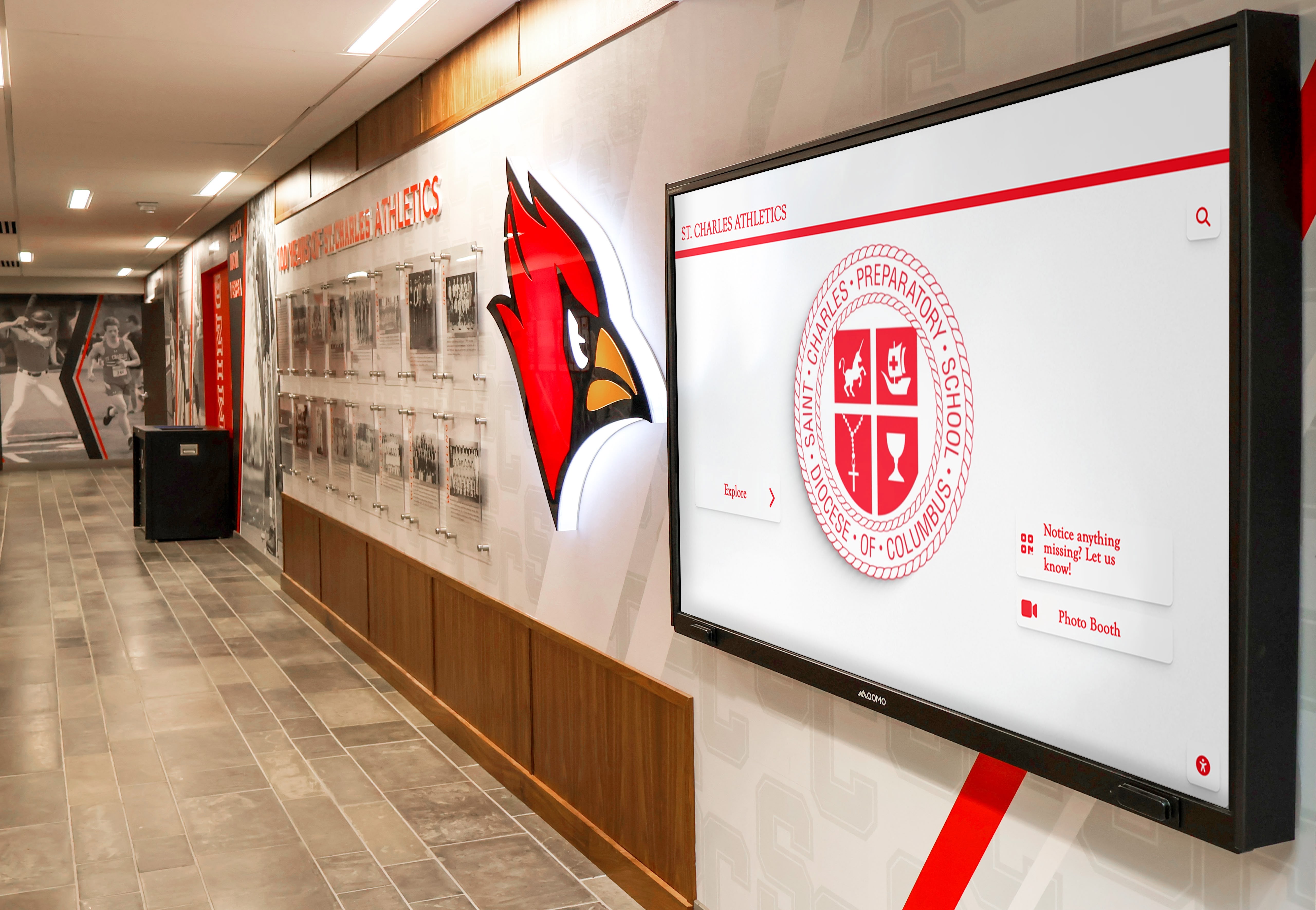
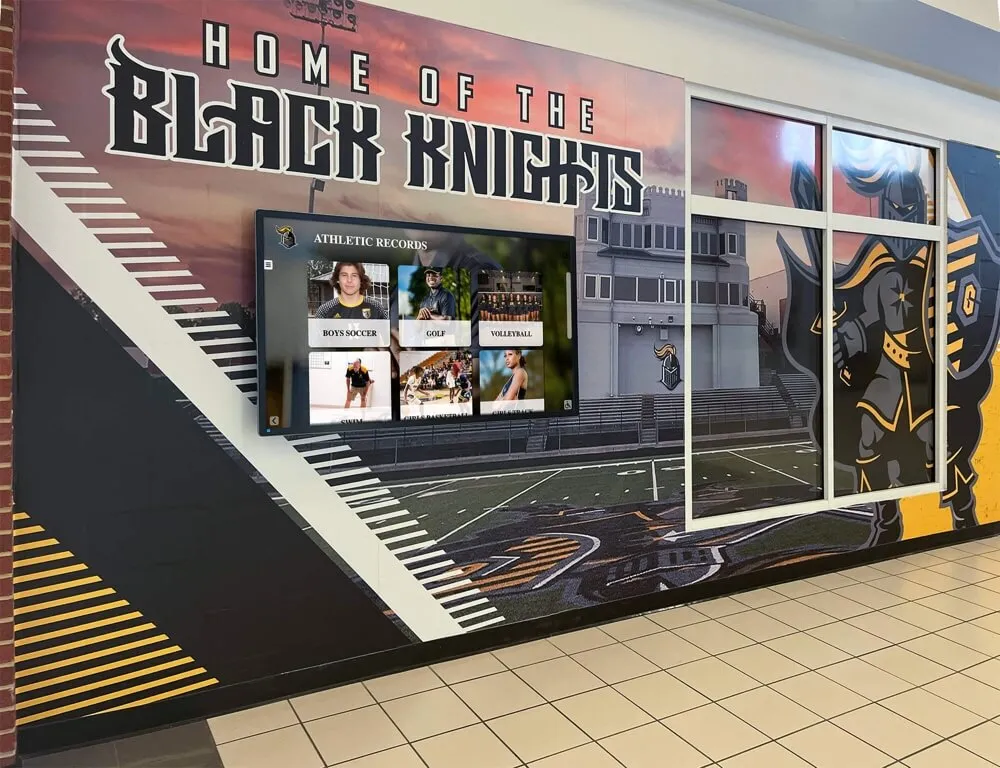
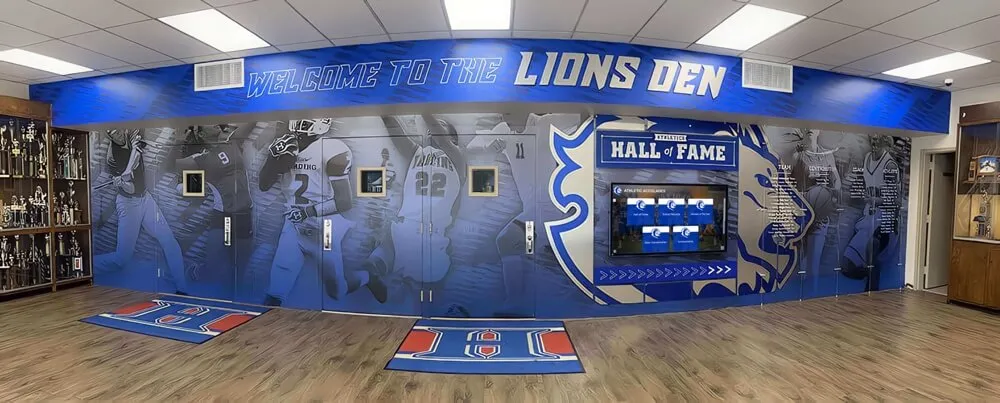
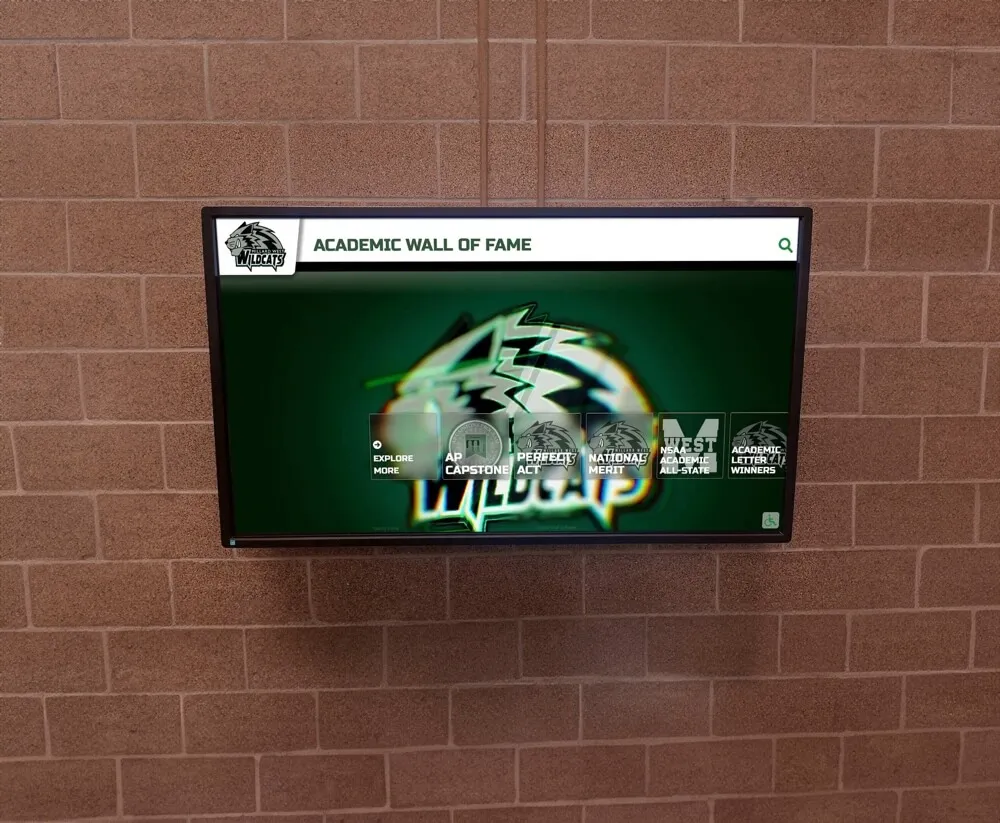
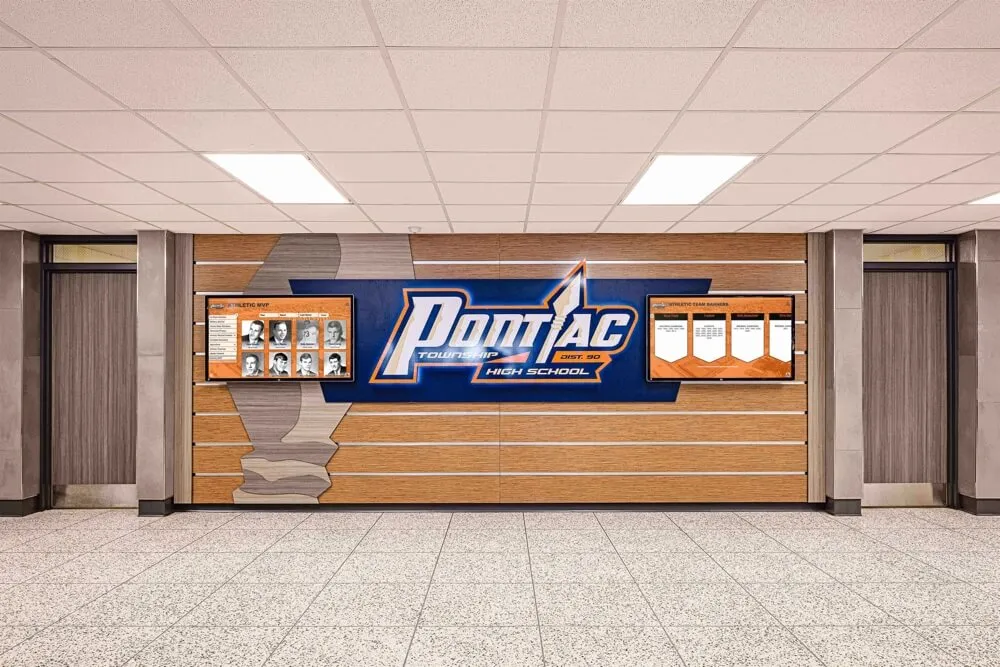
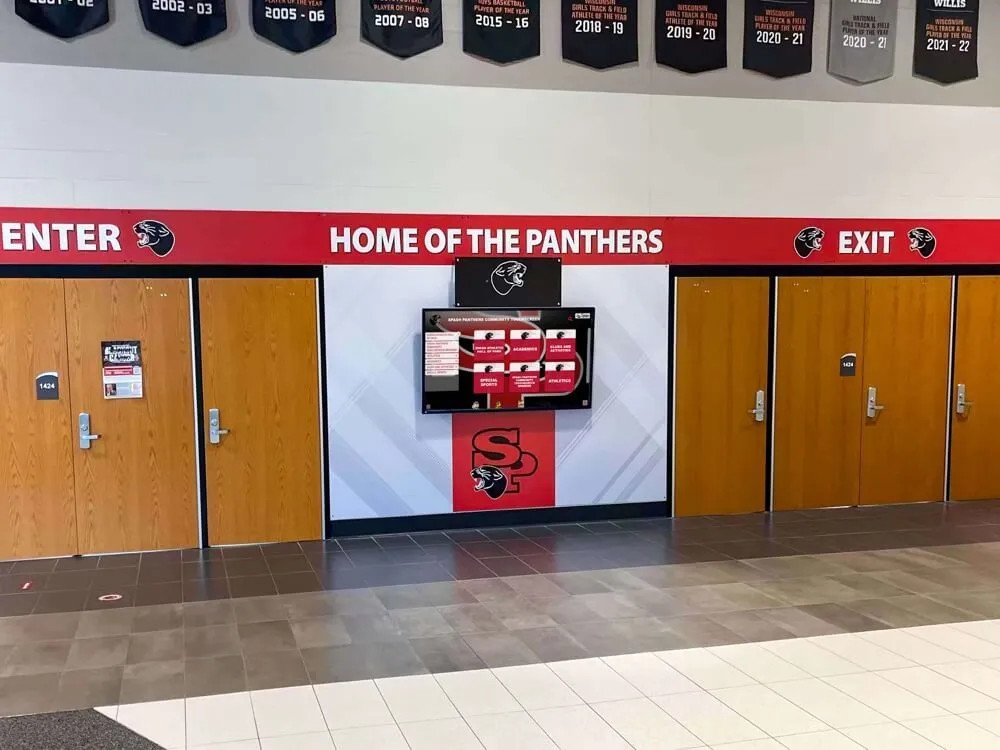
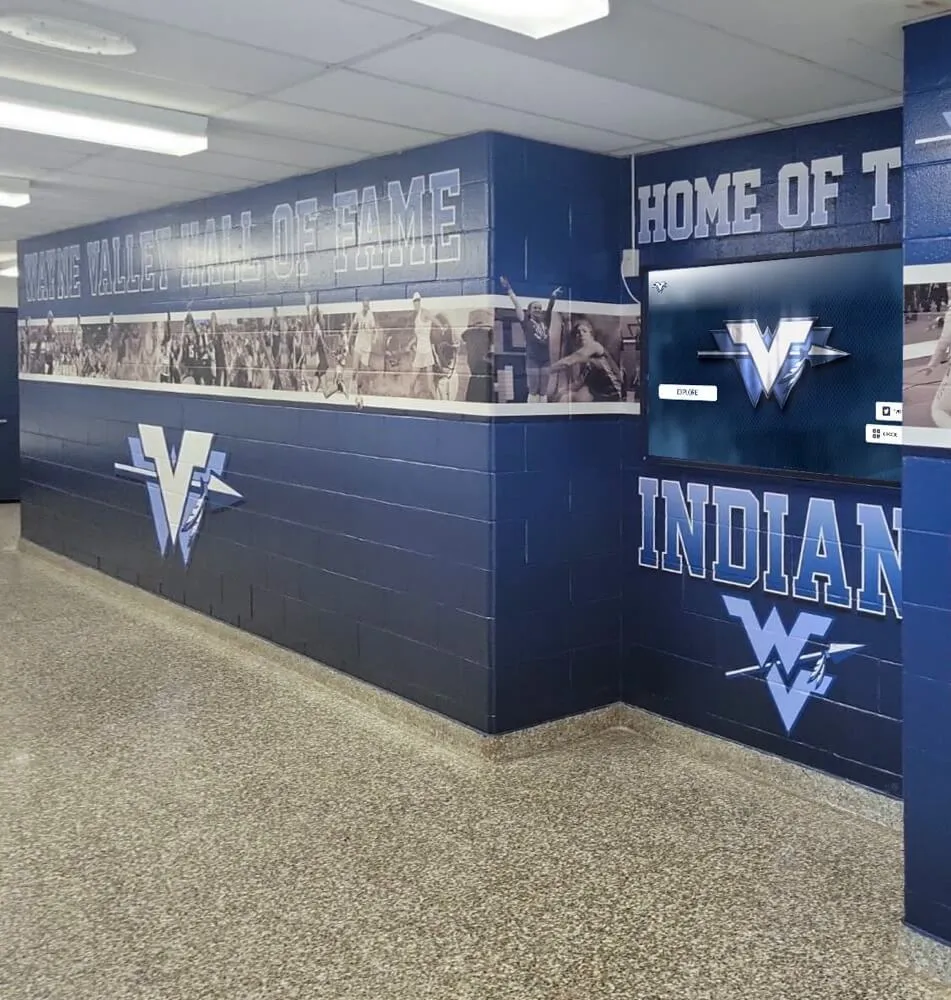
Strategically placed recognition displays in athletic facilities celebrate coaching achievements alongside athlete accomplishments, preserving program history and inspiring current teams
Building Relationships That Last
The heart of coaching legacy lies in meaningful relationships with athletes that extend well beyond their playing careers. Coaches remembered decades later are those who genuinely cared about athletes as complete people, not just as competitors contributing to win totals.
Investing in Individual Athletes
Great coaches recognize that effective mentorship requires understanding each athlete’s unique background, personality, motivations, and needs:
Learn Athletes’ Stories Take time to know each team member as an individual person beyond their athletic identity. Understand their family situations, academic interests, personal challenges, career aspirations, and what motivates them. This knowledge enables personalized coaching approaches that resonate with different personalities and circumstances.
Create Individual Development Plans Work with each athlete to establish personal goals spanning athletic skill, physical development, mental approach, leadership capacity, and academic achievement. Document these plans and regularly revisit progress through individual meetings throughout seasons. Personalized attention demonstrates genuine investment in each athlete’s growth.
Be Present Beyond Practice Attend athletes’ performances in other activities—concerts, plays, academic competitions, community service events. Show up when they experience family losses, personal challenges, or significant life moments. Presence during non-athletic moments communicates that you value them as complete people, not just as contributors to team success.
Maintain Post-Career Connections Continue relationships after athletes graduate or move on from your program. Attend their college games, provide recommendation letters, offer career advice, celebrate life milestones. Coaches who maintain genuine lifelong connections demonstrate authentic care that transcends their organizational roles.
Implementing thoughtful recognition for achievements creates memorable moments that athletes remember long after their playing careers end.
Developing Leadership in Athletes
Sustainable programs don’t depend entirely on coaching staff—they develop athlete leaders who perpetuate positive culture:
Create Leadership Opportunities Establish formal leadership roles like team captains, position leaders, or committee chairs that give athletes genuine responsibility for program elements. Real leadership opportunities with actual decision-making authority develop capabilities that serve athletes throughout their lives.
Teach Leadership Skills Explicitly Don’t assume athletes naturally know how to lead peers effectively. Provide specific instruction on communication, conflict resolution, motivation, accountability, and leading by example. Leadership development creates program sustainability while teaching transferable life skills.
Model Leadership Behaviors Demonstrate the leadership qualities you want athletes to develop. Show vulnerability when you make mistakes, communicate with clarity and respect, maintain composure under pressure, hold yourself accountable to high standards, and treat all people with dignity. Athletes learn more from watching your behavior than from hearing your words.
Recognize Leadership Growth Celebrate leadership development as enthusiastically as athletic achievement. Create awards honoring athletes demonstrating exceptional leadership, feature leadership stories in team communications, and publicly acknowledge specific leadership behaviors you observe. Recognized behaviors multiply throughout team culture.
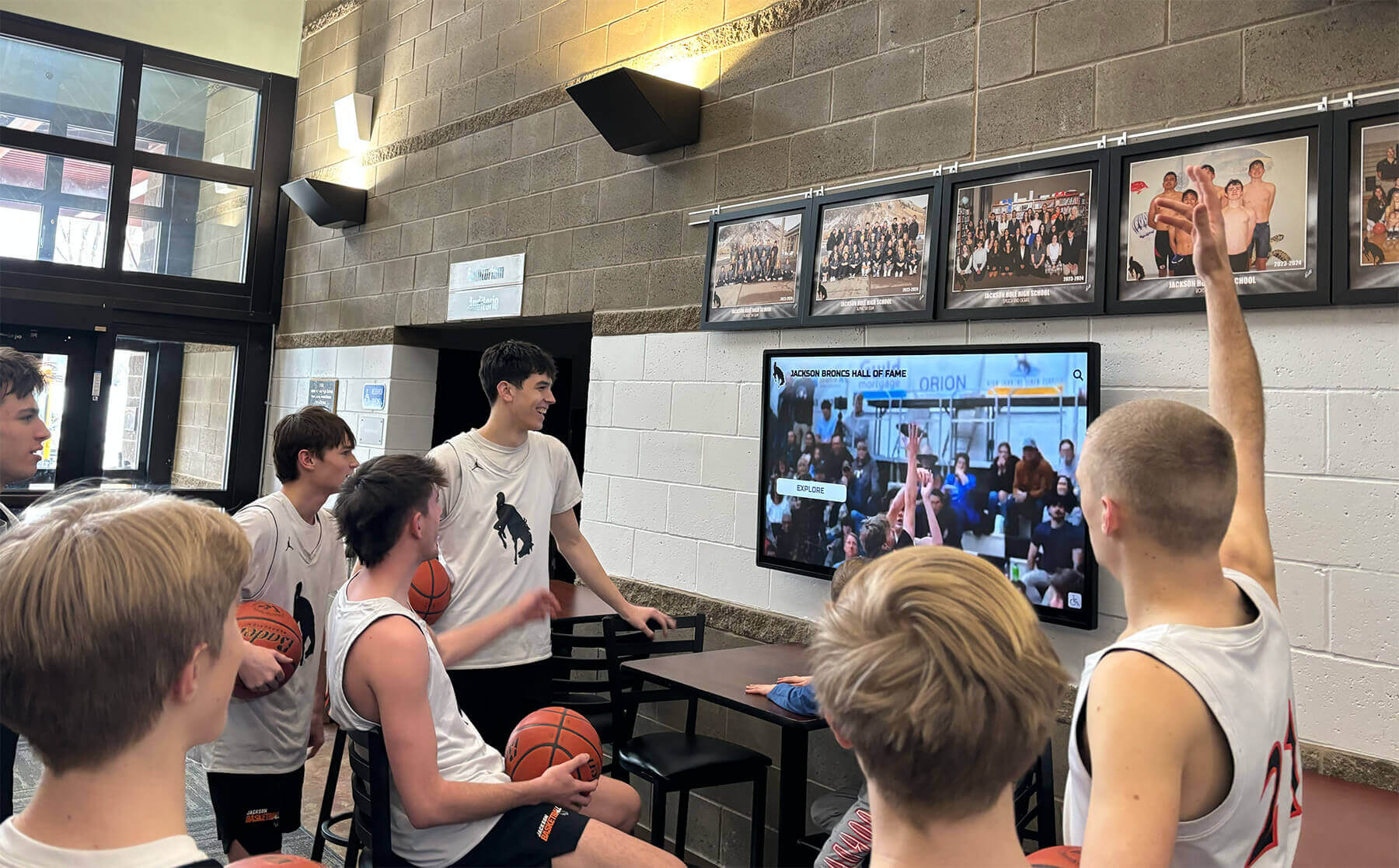
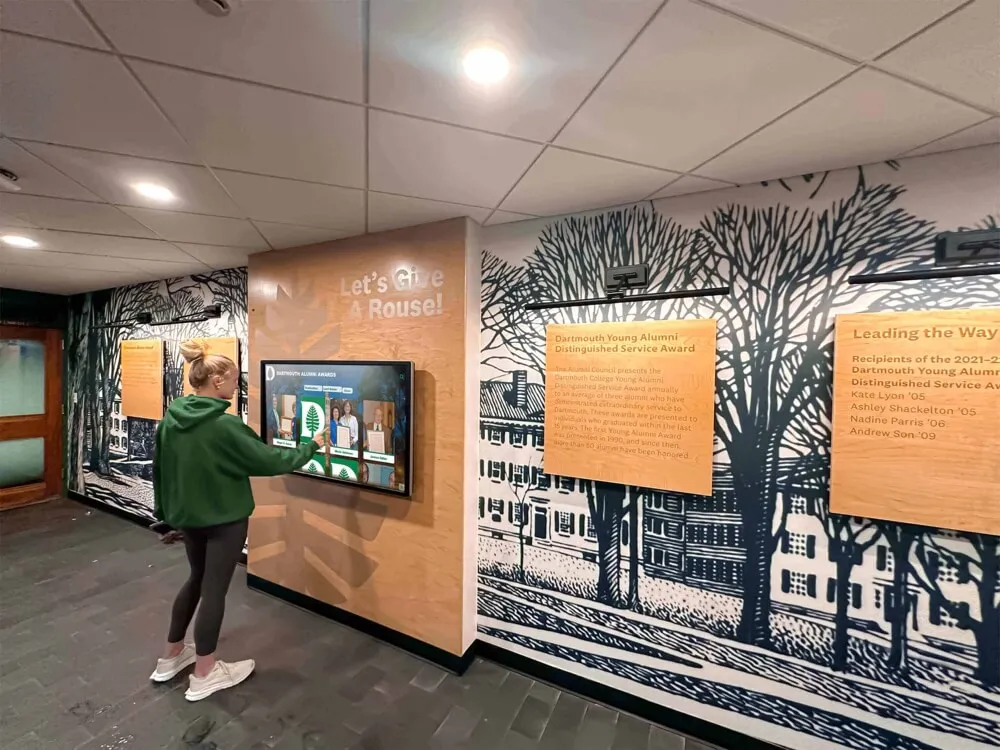
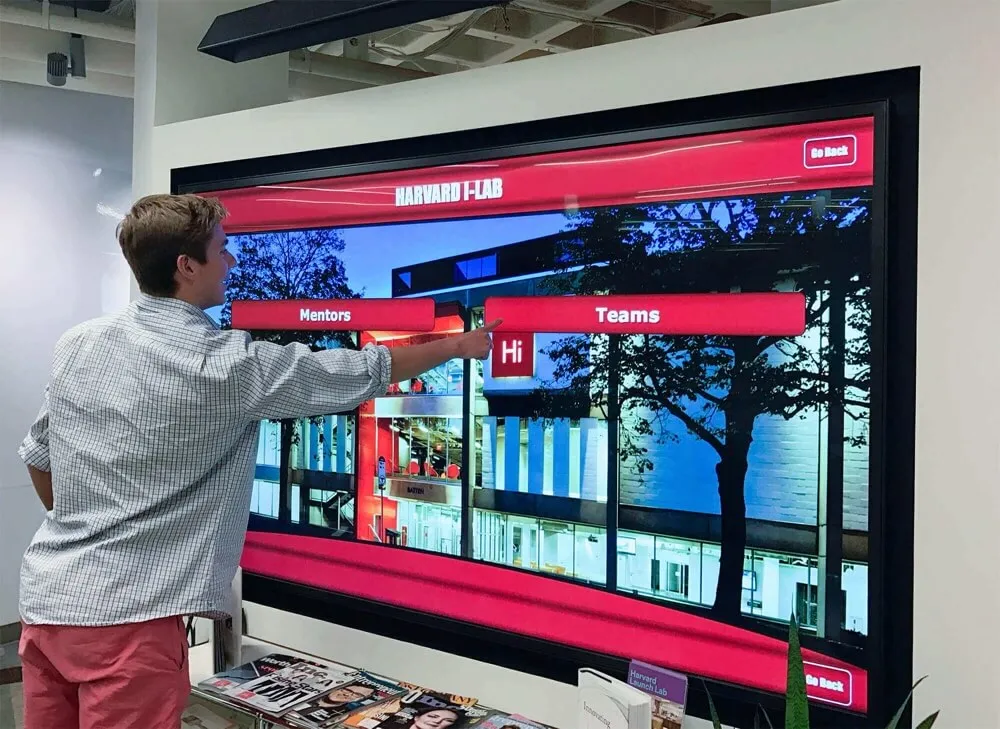
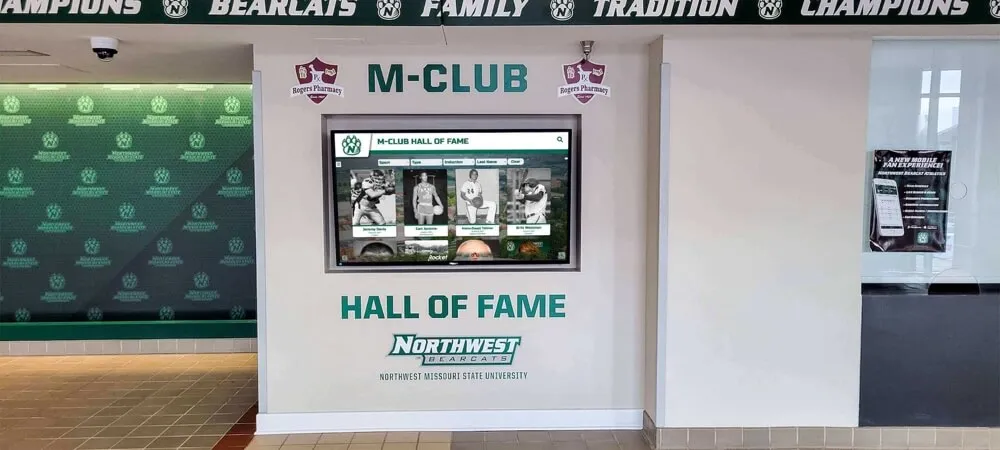
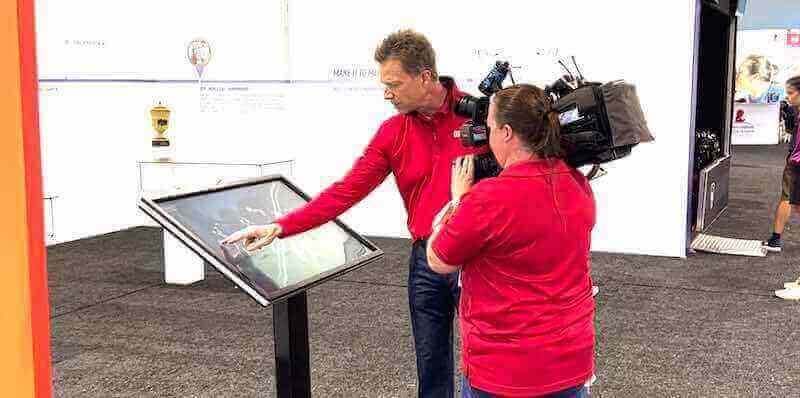
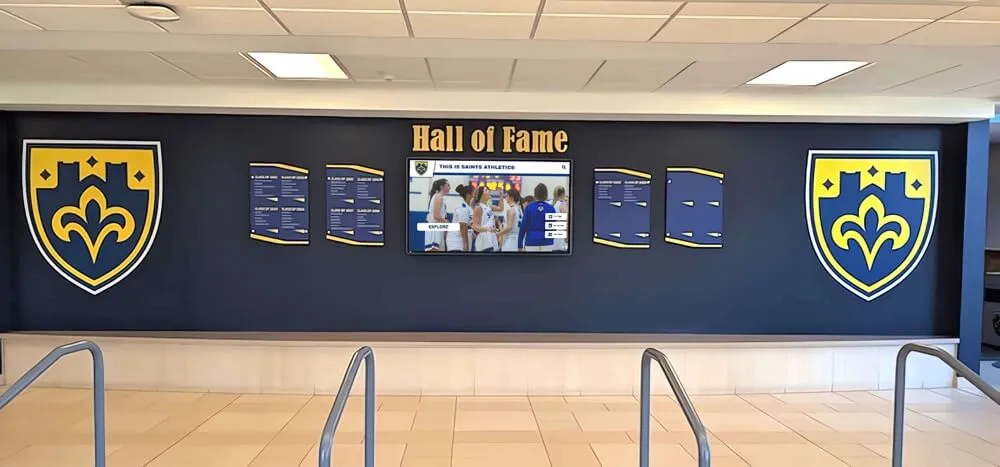
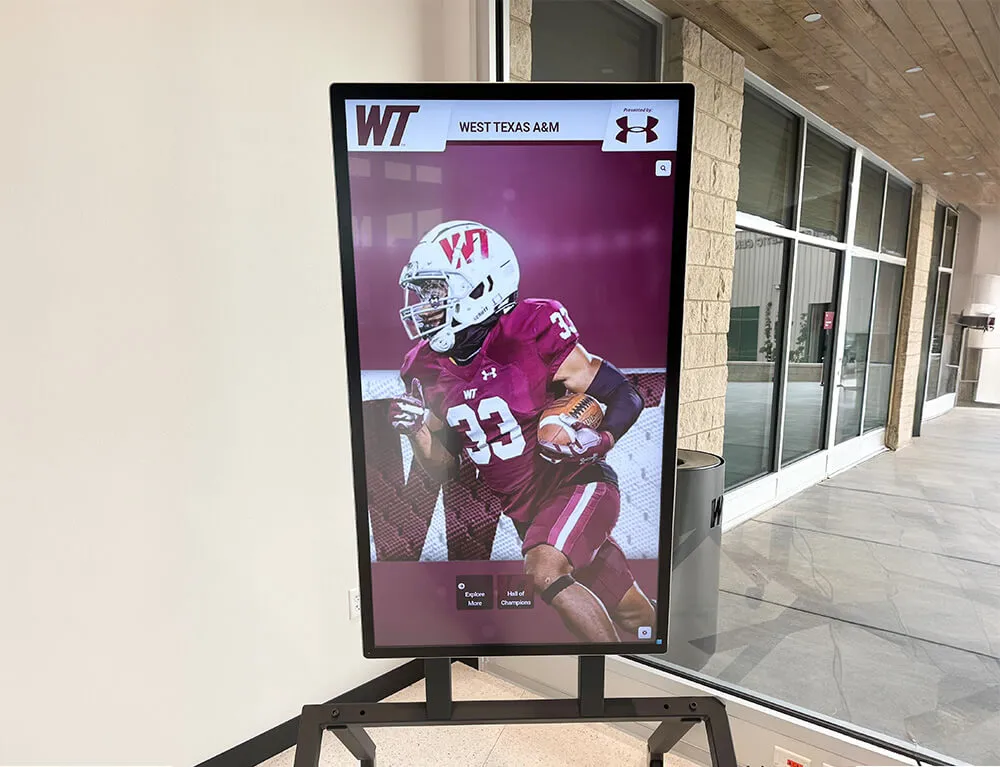
Modern recognition technology enables coaches to share game highlights, celebrate achievements, and build team culture through engaging visual displays that athletes naturally gravitate toward
Creating Sustainable Program Systems
Coaching legacies that outlast individual tenures are built on sustainable systems rather than the charisma or talent of single leaders. Systematic approaches ensure program excellence continues regardless of personnel changes.
Establishing Program Infrastructure
Durable programs require thoughtful infrastructure spanning operations, culture, and traditions:
Document Program Procedures Create comprehensive documentation covering tryout processes, practice structures, strength training protocols, game preparation routines, travel procedures, equipment management, communication systems, and emergency protocols. Written procedures ensure consistency and enable smooth transitions when assistant coaches or head coaches change.
Develop Feeder System Relationships Build strong connections with youth programs, middle schools, and recreational leagues that feed into your program. Offer coaching education, coordinate skill development progressions, establish shared philosophies, and create welcoming pathways from lower levels to your teams. Strong feeder systems ensure sustained talent pipelines.
Create Mentorship Programs Establish formal systems where experienced athletes mentor younger team members, creating knowledge transfer and cultural continuity. Structured mentorship prevents the loss of program wisdom when senior classes graduate while helping younger athletes integrate into team culture.
Implement Data-Driven Improvement Track meaningful program metrics including participation rates, retention percentages, injury rates, academic performance, college placement, skill testing results, and athlete satisfaction. Regular data review identifies trends, reveals opportunities, and enables evidence-based program refinement.
Understanding how to effectively showcase athletic records and achievements helps coaches build systems that properly recognize and preserve program milestones.
Building Positive Team Culture
Intentional culture development creates program environments that athletes want to be part of and that sustain excellence across roster turnover:
Define Cultural Expectations Clearly articulate the behavioral standards, effort expectations, communication norms, and interpersonal values that define your program culture. Specific expectations prevent confusion about what constitutes acceptable behavior and provide clear accountability standards.
Celebrate Cultural Exemplars Recognize athletes who embody program values through their actions, not just those contributing most statistically. Public celebration of character, effort, leadership, and sportsmanship signals that these qualities matter as much as athletic performance in defining program success.
Address Cultural Violations Promptly Confront behaviors that contradict program values immediately and consistently regardless of athlete status. Swift, fair accountability for cultural violations prevents erosion of standards while demonstrating that stated values aren’t merely aspirational rhetoric.
Create Cultural Rituals Establish meaningful traditions that reinforce program identity and values—whether pregame routines, victory celebrations, service projects, team meals, or recognition ceremonies. Repeated rituals create shared experiences that bond athletes across years and classes.
Exploring comprehensive recognition programs provides ideas for celebrating the cultural achievements and character qualities that define program excellence.
Developing Assistant Coaches
Sustainable programs invest in developing assistant coaches and future program leaders:
Delegate Real Responsibilities Give assistant coaches genuine authority over program elements like position groups, strength training, special teams, or strategic areas. Meaningful responsibilities develop coaching skills while demonstrating trust in assistant coaches’ capabilities.
Provide Mentorship and Feedback Regularly discuss coaching philosophy, technique instruction, athlete management, and program leadership with assistant coaches. Offer specific feedback on their coaching performance and create development plans addressing growth areas. Intentional mentorship prepares assistants for future head coaching roles.
Encourage Professional Development Support assistant coaches attending clinics, earning certifications, joining coaching associations, and networking with peers. Professional development investment improves current program quality while preparing coaches for career advancement.
Create Succession Plans Thoughtfully consider and prepare potential successors from within your coaching staff or program alumni. Transparent succession planning ensures program continuity while giving ambitious coaches concrete advancement pathways.
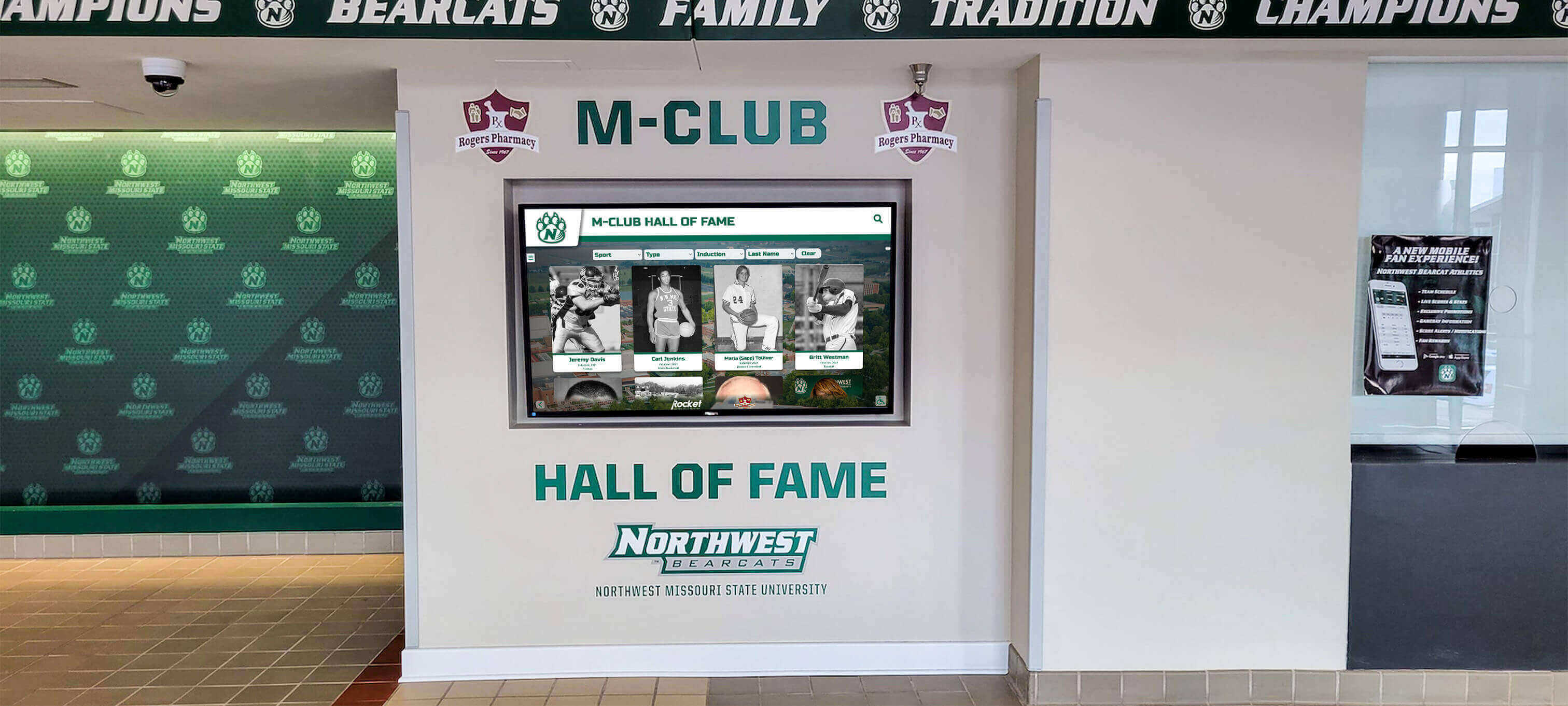
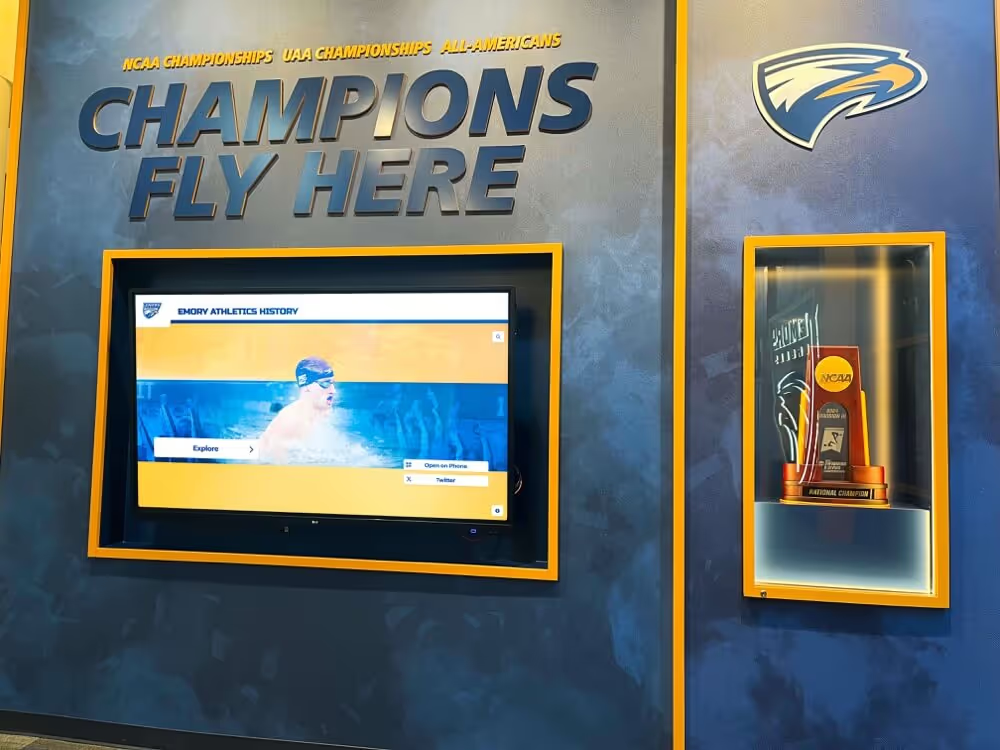
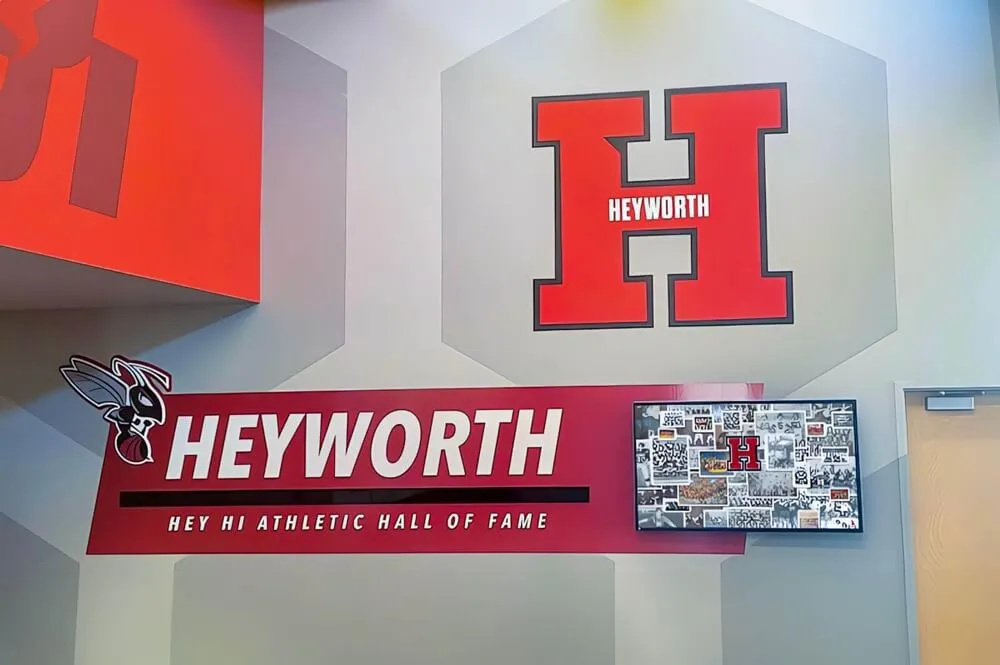
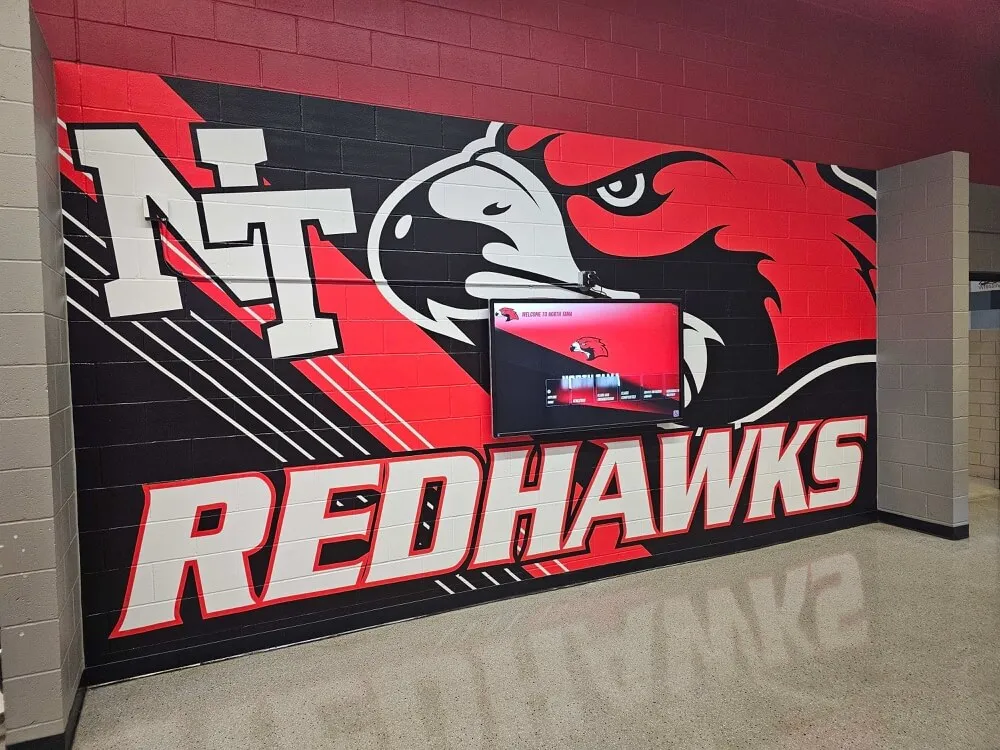
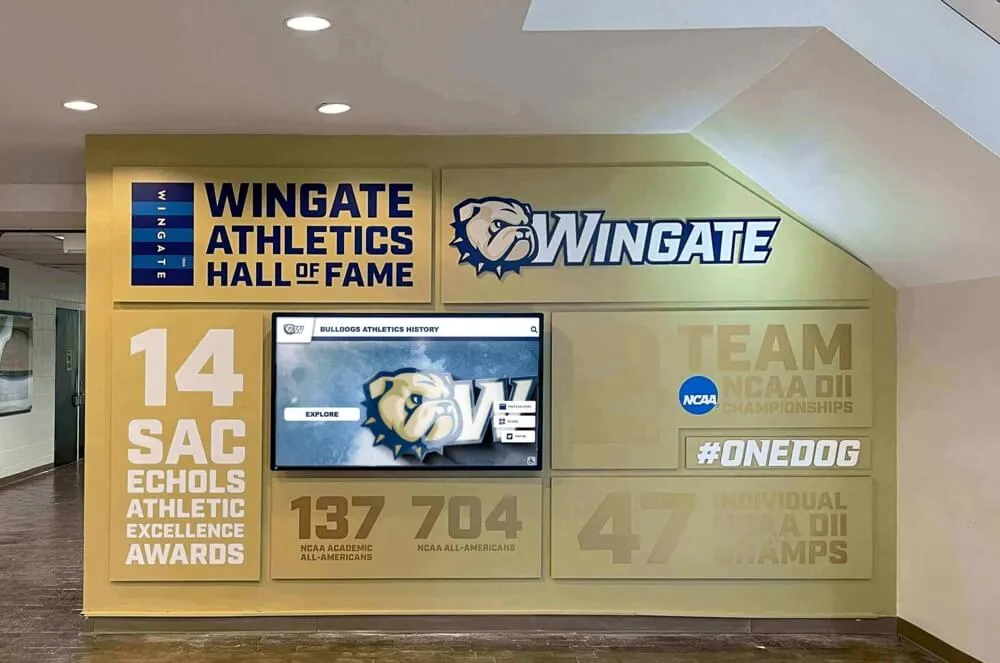
Purpose-built recognition displays honor coaching achievements alongside athlete accomplishments, creating comprehensive program histories that inspire pride across generations
Character Development Through Sports
Coaches building lasting legacies recognize that youth sports provide unique opportunities for character formation that impacts how athletes navigate life long after their playing careers end.
Teaching Life Skills Through Athletics
Athletic participation naturally creates opportunities to develop capabilities serving athletes throughout their lives:
Emphasize Work Ethic Help athletes understand that consistent effort, deliberate practice, and sustained commitment produce results in athletics and all life endeavors. Athletic settings provide immediate feedback showing how preparation translates to performance, teaching work ethic lessons that transfer to academic, professional, and personal pursuits.
Develop Resilience Through Adversity Frame losses, injuries, setbacks, and disappointments as character-building opportunities rather than failures. Guide athletes through processing adversity, learning from mistakes, maintaining perspective, and persevering through difficulty. Resilience developed through sports helps athletes navigate inevitable life challenges.
Build Time Management Skills Help student-athletes balance academic responsibilities, athletic commitments, family obligations, and personal time. Explicit instruction on prioritization, scheduling, and efficient time use develops organizational capabilities serving athletes throughout education and careers.
Foster Communication Abilities Create environments requiring athletes to communicate effectively with peers, authority figures, and diverse personalities. Teach skills like giving and receiving feedback, resolving conflicts constructively, speaking up appropriately, and listening actively. Communication capabilities developed through team sports enhance personal and professional relationships.
Understanding how to build cohesive teams provides coaches with practical activities that develop interpersonal skills and character alongside athletic ability.
Modeling Sportsmanship and Integrity
Coaches’ behavior sets standards for how athletes compete, win, lose, and treat opponents:
Demonstrate Respect for Opponents Consistently show respect for opposing teams, coaches, and officials through your words and actions. Acknowledge good play by opponents, greet opposing coaches professionally, accept officiating decisions gracefully, and discourage trash talk or unsportsmanlike behavior. Modeled respect shapes athletes’ competitive character.
Handle Victory With Humility Celebrate wins enthusiastically but without demeaning defeated opponents. Teach athletes to acknowledge their opponents’ effort, recognize the role of preparation and luck in outcomes, and remain humble in success. Gracious winners earn respect while maintaining internal drive.
Accept Defeat With Dignity Model appropriate responses to losses by maintaining composure, congratulating winning opponents sincerely, taking responsibility without making excuses, and focusing on learning opportunities. How coaches handle defeat teaches athletes more about character than how they handle victory.
Maintain Ethical Standards Operate programs with unwavering integrity regarding recruiting, eligibility, safety, and competitive fairness. Resist pressures to cut ethical corners for competitive advantage. Demonstrated integrity teaches athletes that how you win matters as much as whether you win.
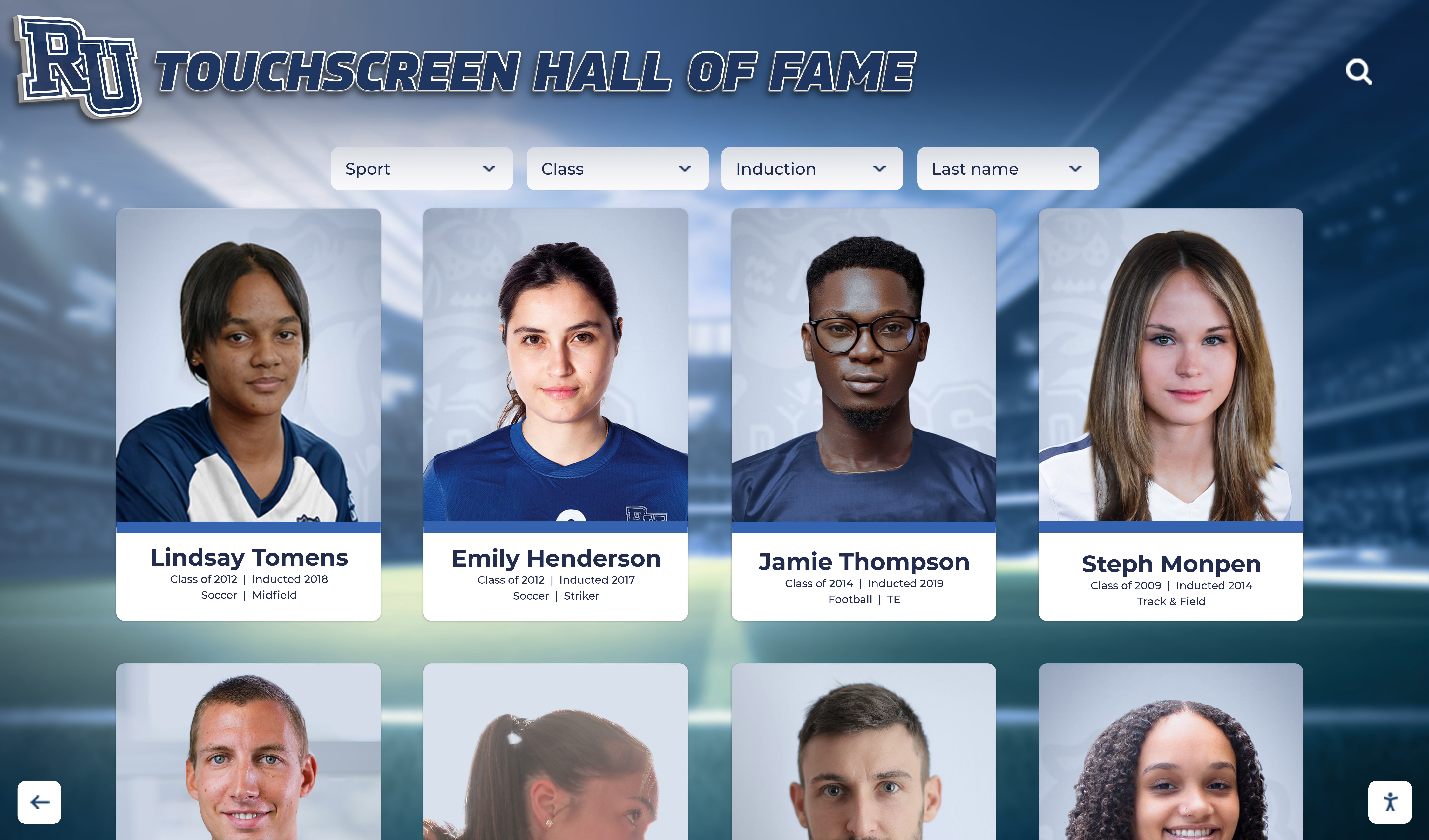
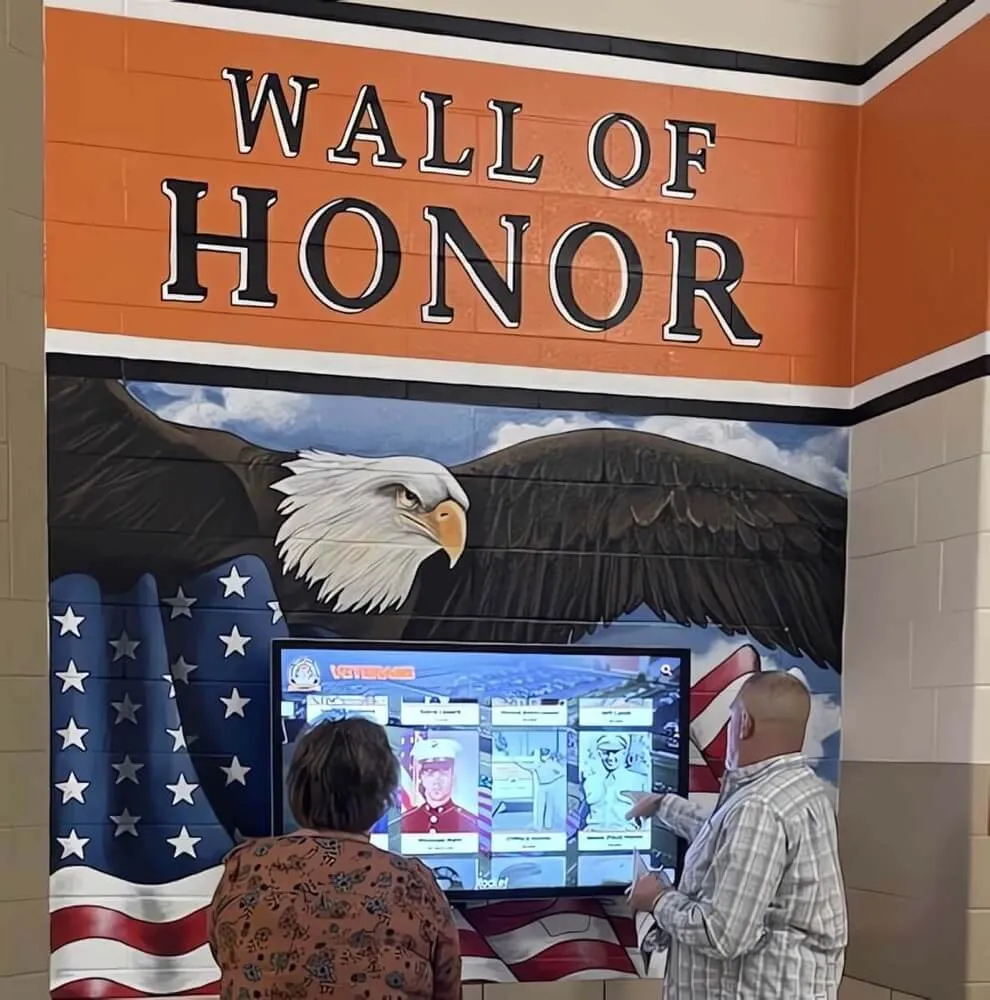
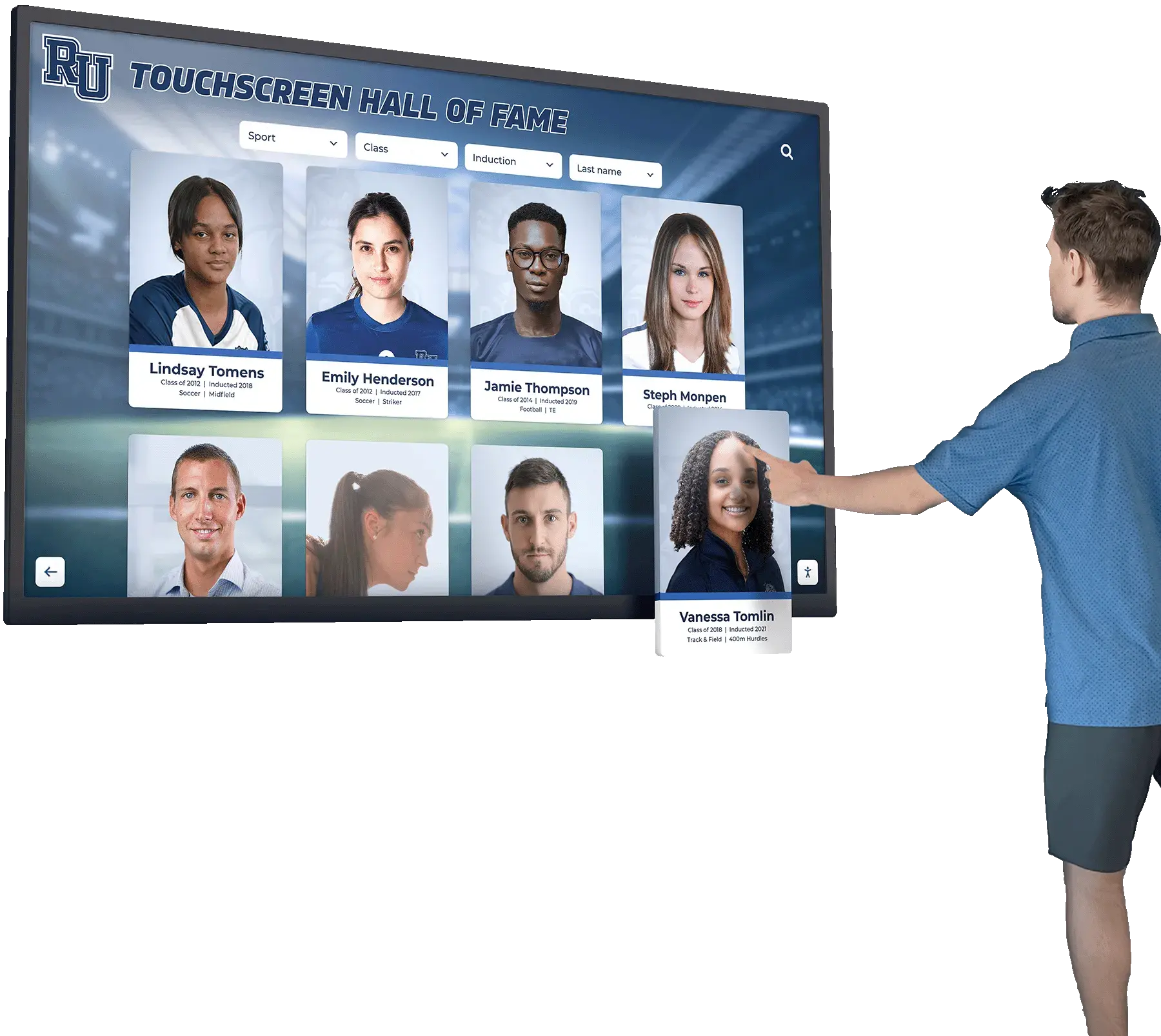
Interactive recognition technology enables comprehensive storytelling about coaching philosophies, program values, and the character development that defines lasting athletic legacies
Preserving and Celebrating Program History
Thoughtful preservation of program history, traditions, and achievements creates institutional memory that connects current athletes to those who came before while inspiring future generations.
Documenting Program Milestones
Systematic documentation ensures that significant achievements, memorable moments, and program evolution don’t fade from memory:
Maintain Comprehensive Records Document season results, individual achievements, team records, roster information, coaching staff, significant games, and program milestones. Thorough record-keeping preserves program history while providing historical context for current achievements and future goals.
Capture Compelling Stories Collect narratives about memorable seasons, exceptional athletes, defining moments, tradition origins, and program transformations. Rich storytelling humanizes historical records and creates emotional connections between current athletes and program legacy.
Preserve Visual History Systematically archive photographs, videos, news clippings, programs, uniforms, and memorabilia representing program evolution. Visual artifacts bring history to life in ways that statistics alone cannot achieve.
Create Digital Archives Digitize historical materials ensuring long-term preservation and easy access for current and future program members. Digital archives prevent physical degradation while enabling sharing across generations and geographies.
Learning about effective visual documentation approaches helps coaches create compelling visual records of their programs’ histories and achievements.
Creating Recognition Infrastructure
Permanent recognition systems honor achievement while inspiring current and future athletes:
Hall of Fame Programs Establish formal processes for inducting exceptional athletes, coaches, and contributors into program halls of fame. Clear criteria, nomination processes, selection committees, and induction ceremonies create prestigious honors that recognize outstanding achievement while setting aspirational standards.
Record Boards and Displays Showcase program records, championship teams, individual achievements, and coaching milestones through prominent displays that athletes encounter daily. Visible recognition creates aspirational targets while honoring those who established excellence standards.
Digital Recognition Platforms Implement interactive technology enabling comprehensive recognition without physical space limitations. Digital systems accommodate unlimited profiles, rich multimedia content, and cloud-based updates ensuring current information. Modern platforms like Rocket Alumni Solutions provide purpose-built infrastructure for preserving and celebrating program legacy permanently.
Annual Awards Programs Establish prestigious annual awards recognizing exceptional performance, character, leadership, improvement, and embodiment of program values. Consistent recognition ceremonies become traditions that athletes aspire toward while creating program continuity across generations.
Exploring championship celebration approaches provides ideas for honoring program achievements in ways that build lasting pride and motivation.
Maintaining Tradition and Ritual
Meaningful traditions create program identity and connect athletes across generations:
Establish Signature Traditions Create unique program rituals around pregame preparation, victory celebrations, season milestones, senior recognition, or community service. Distinctive traditions differentiate your program while creating shared experiences that bond athletes across years.
Honor Program Founders Regularly acknowledge coaches, athletes, and supporters who established your program or contributed to significant milestones. Historical recognition connects current participants to those whose work created opportunities they now enjoy.
Alumni Engagement Create structured opportunities for program alumni to stay connected through reunions, mentorship programs, game attendance, or special recognition events. Active alumni communities preserve institutional memory while providing current athletes with role models and connections.
Pass Down Program Lore Deliberately share stories about legendary athletes, memorable games, tradition origins, and program evolution with each new team. Oral histories ensure that current athletes understand and appreciate the legacy they’re part of extending.
Community and Relationship Building
Coaching legacies extend beyond team boundaries into broader communities when coaches invest in building positive relationships with diverse stakeholders.
Engaging Families Effectively
Strong family partnerships enhance athlete experience while building community support:
Communicate Proactively Provide regular updates about schedules, expectations, athlete development, and program news through multiple channels. Transparent communication prevents misunderstandings while keeping families informed and engaged.
Educate Parents About Development Help families understand age-appropriate expectations, long-term athlete development principles, and the balance between support and pressure. Parent education creates aligned expectations preventing conflicts that undermine athlete experience.
Create Family Involvement Opportunities Offer meaningful ways for families to contribute to program success through volunteering, fundraising, travel coordination, or hospitality. Purposeful involvement builds community while distributing program workload.
Handle Conflicts Professionally Address parent concerns with patience, empathy, and clear communication while maintaining appropriate boundaries. Professional conflict management preserves relationships while protecting program integrity.
Understanding comprehensive recognition programs provides insights into building cultures of appreciation that extend throughout communities.
Building Administrative Support
Strong administrative relationships provide resources and backing necessary for program sustainability:
Align With Institutional Goals Demonstrate how your program advances broader institutional objectives around student development, community engagement, institutional visibility, or educational mission. Strategic alignment positions athletics as contributing to overall success rather than competing for resources.
Communicate Program Value Regularly share program successes, athlete achievements, character development outcomes, and community impact with administrators. Visibility ensures that decision-makers understand program contributions beyond win-loss records.
Advocate for Program Needs Clearly articulate facilities, equipment, staffing, and resource needs while demonstrating responsible stewardship of existing resources. Professional advocacy secures necessary support while building administrative trust.
Collaborate With Colleagues Build positive relationships with fellow coaches, athletic directors, academic staff, and support personnel. Collegial relationships create collaborative environments benefiting all programs while preventing destructive competition for resources.
Serving Broader Community
Coaches building lasting legacies extend their influence beyond immediate team boundaries:
Mentor Young Coaches Share knowledge and experience with coaching peers through clinics, mentorship relationships, coaching associations, or educational presentations. Generosity with knowledge elevates entire coaching profession while extending your positive influence.
Promote Sport Broadly Contribute to youth leagues, camps, clinics, and development programs that introduce young people to your sport. Grassroots development grows future participation while demonstrating commitment to sport beyond your immediate program’s success.
Community Service Integration Incorporate community service into program culture through volunteer projects, youth mentorship, or charitable initiatives. Service demonstrates that athletic programs exist within and contribute to broader communities rather than existing as isolated entities.
Serve in Leadership Roles Contribute to coaching associations, sport governance organizations, or educational committees advancing coaching profession and youth sports broadly. Leadership service extends impact beyond your immediate program while developing your own expertise.
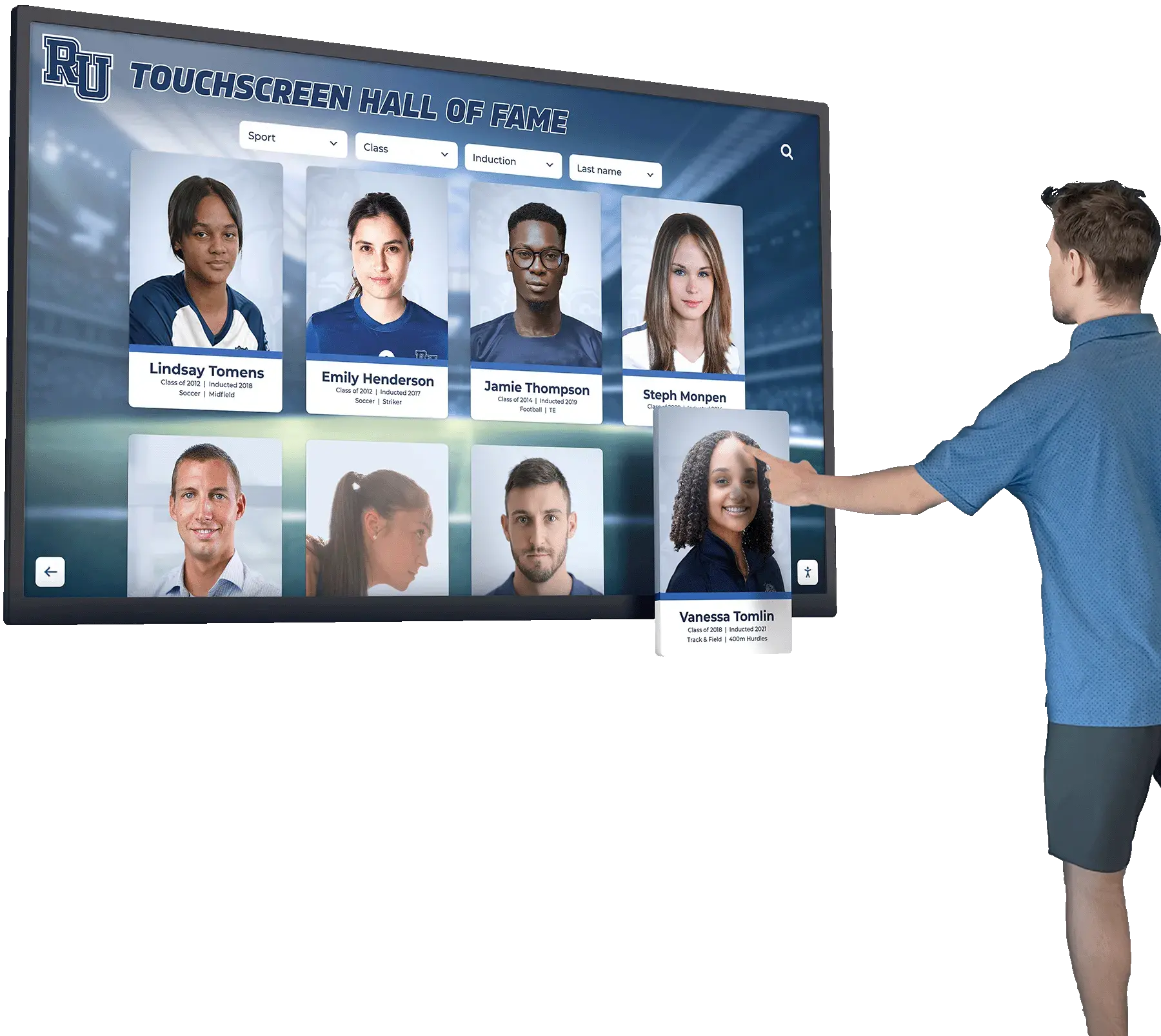
Interactive recognition platforms enable visitors, alumni, and current athletes to explore program history at their own pace, discovering coaching legacies and athletic achievements that inspire continued excellence
Transitioning and Succession Planning
Coaches serious about lasting legacy think carefully about how their programs will continue after their tenure ends, whether through retirement, career advancement, or other transitions.
Preparing for Transition
Thoughtful preparation ensures smooth transitions that preserve program momentum:
Document Institutional Knowledge Create comprehensive documentation covering program philosophy, practice structures, playbooks, recruitment processes, tradition explanations, key relationships, and operational procedures. Thorough documentation enables successors to understand program foundations while adding their own contributions.
Develop Internal Successors Identify and prepare potential successors from within your coaching staff or program alumni. Transparent development and succession consideration rewards loyalty while ensuring program continuity.
Build Administrator Relationships Ensure that administrators understand program philosophy, achievements, challenges, and future opportunities. Strong administrative relationships help them select successors aligned with program values.
Strengthen Program Foundation Leave programs in strong condition with solid participation, positive culture, appropriate resources, capable staff, and sustainable systems. Strong foundations enable successors to build on your work rather than needing to rebuild.
Defining Success Beyond Your Tenure
True coaching legacy is measured by what continues after you’re gone:
Program Sustainability The ultimate measure of coaching success is whether programs maintain excellence, positive culture, and meaningful athlete development after leadership transitions. Sustainable programs demonstrate that you built systems rather than creating personality-dependent success.
Athlete Impact Your lasting legacy lives primarily through how the athletes you coached live their lives—the values they demonstrate, the leadership they provide, the mentorship they offer others, and the positive influence they have in their families, careers, and communities.
Coaching Tree Development Coaches who mentor other coaches multiply their positive impact exponentially as those they’ve developed go on to lead their own programs while passing forward lessons they learned from you.
Cultural Influence The most enduring coaching legacies shift culture within sports, schools, or communities toward more positive approaches to competition, athlete development, and the role of athletics in young people’s lives.
Conclusion: Building Legacies That Endure
Coaching legacy transcends championship trophies and record books—though those accomplishments certainly matter and provide satisfaction. The coaches truly worth remembering are those who fundamentally influenced how athletes saw themselves and their potential, who built program cultures where young people thrived as competitors and humans, who mentored the next generation of coaching leaders, and who demonstrated daily that youth sports can be vehicles for positive character formation and life preparation when led by adults committed to serving young people’s genuine long-term interests.
Building this kind of lasting coaching legacy requires intentional effort across the multiple dimensions explored throughout this comprehensive guide. It means articulating clear philosophy and values while consistently aligning actions with stated principles. It requires investing in deep relationships with individual athletes that extend beyond their playing careers. It demands creating sustainable program systems and positive team cultures that outlast individual tenures. It involves character development that prepares young people for life beyond sports. And it necessitates thoughtful preservation of program history and traditions that connect current participants to those who came before while inspiring those who will follow.
Ready to preserve and celebrate the coaching legacy you’re building? Modern recognition technology enables comprehensive documentation and display of program history, coaching achievements, and athletic excellence in ways that inspire current athletes while honoring those who established program foundations.
Interactive digital platforms accommodate unlimited profiles with rich multimedia content—coaching biographies, philosophy statements, career highlights, team photos, championship documentation, and athlete testimonials that tell complete stories about your program’s evolution and impact. Unlike traditional plaques with space limitations, modern systems grow with your program while remaining easily updateable as new achievements occur.
Whether you’re establishing your program’s first formal recognition infrastructure or modernizing existing displays with contemporary technology, comprehensive recognition platforms create permanent legacies that inspire athletes, engage alumni, and honor the coaches who dedicated careers to developing young people through sport.
Request your free custom demo to explore how purpose-built recognition technology can help you preserve and celebrate the coaching legacy you’re building for generations to come.
The measures of lasting coaching impact become clear years and decades after careers end—when former athletes reach out to share how lessons learned in your program influenced their lives, when programs you built continue thriving under new leadership while maintaining the values and systems you established, when coaches you mentored lead their own successful programs while passing forward wisdom they gained from you, and when communities remember not just the championships you won but the young people you helped become capable, confident, contributing adults.
Every practice you plan, every athlete conversation you have, every cultural standard you set, every tradition you establish, and every decision you make either contributes to or detracts from the legacy you’re building. The difference between coaches quickly forgotten and those remembered for generations lies in recognizing that your work extends beyond immediate seasons into the lives you shape and the programs you build.
Begin today by clearly articulating the coaching philosophy and values that will guide your career. Invest deeply in relationships with individual athletes seeing them as complete people deserving genuine care and development. Build sustainable program systems and positive cultures that will endure beyond your tenure. Develop character alongside athletic skill recognizing that sports provide unique laboratories for life preparation. Preserve and celebrate program history creating connections across generations. And engage families, administrators, and communities as partners in serving young athletes’ best interests.
Your coaching legacy is being written through thousands of small decisions and interactions across seasons and years. Make each one count. The athletes whose lives you influence, the programs you strengthen, the coaching profession you enhance, and the communities you serve deserve nothing less than your most intentional effort to build something truly lasting and meaningful.
Start building the coaching legacy you want to leave—one that inspires athletes long after they’ve moved on, sustains programs across leadership transitions, influences fellow coaches toward more positive approaches, and demonstrates that youth sports, when properly led, remain among the most powerful vehicles for developing capable, confident, character-driven young people ready to make positive contributions in whatever they pursue.