



Chess club presidents and tournament winners represent a unique category of student achievement—demonstrating strategic thinking, intellectual discipline, competitive excellence, and leadership capabilities that distinguish them academically and prepare them for future success. Yet these accomplishments often receive minimal recognition compared to athletic achievements, despite requiring comparable dedication, skill development, and competitive performance at local, regional, state, and even national levels.
Traditional approaches to chess recognition—listing tournament results in newsletters that quickly disappear, displaying aging plaques in overlooked hallway corners, or maintaining trophy cases that fill rapidly and become outdated—fail to create the lasting visibility and celebration these intellectual accomplishments deserve. Chess club presidents who dedicate countless hours to organizing meetings, coordinating tournaments, mentoring newer players, and building club culture rarely receive acknowledgment comparable to athletic team captains. Tournament winners who represent schools in competitive events often see their achievements recognized briefly if at all, creating missed opportunities for inspiring broader student participation in chess programs.
This comprehensive guide explores how schools can appropriately honor chess club leadership and competitive excellence through modern digital recognition systems that showcase unlimited achievements, preserve program history, create engaging interactive experiences, and position chess accomplishments as prominently as any other student achievement throughout educational communities.
Chess programs at schools, colleges, and universities provide students with valuable opportunities to develop critical thinking, strategic planning, pattern recognition, and competitive skills that translate directly to academic and professional success. Recognizing both the student leaders who build these programs and the competitors who excel in tournaments creates visible cultures where intellectual achievement receives appropriate celebration while inspiring continued participation and excellence.

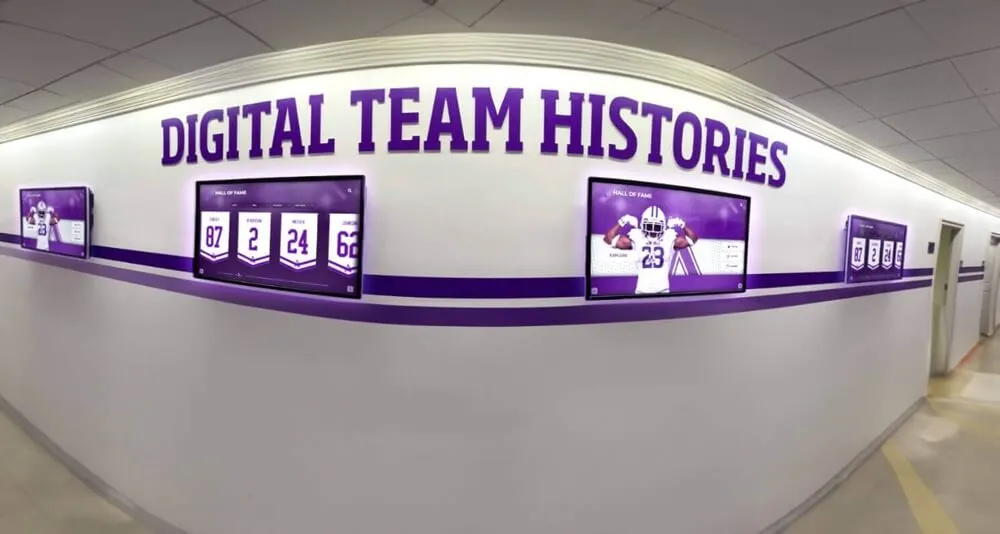
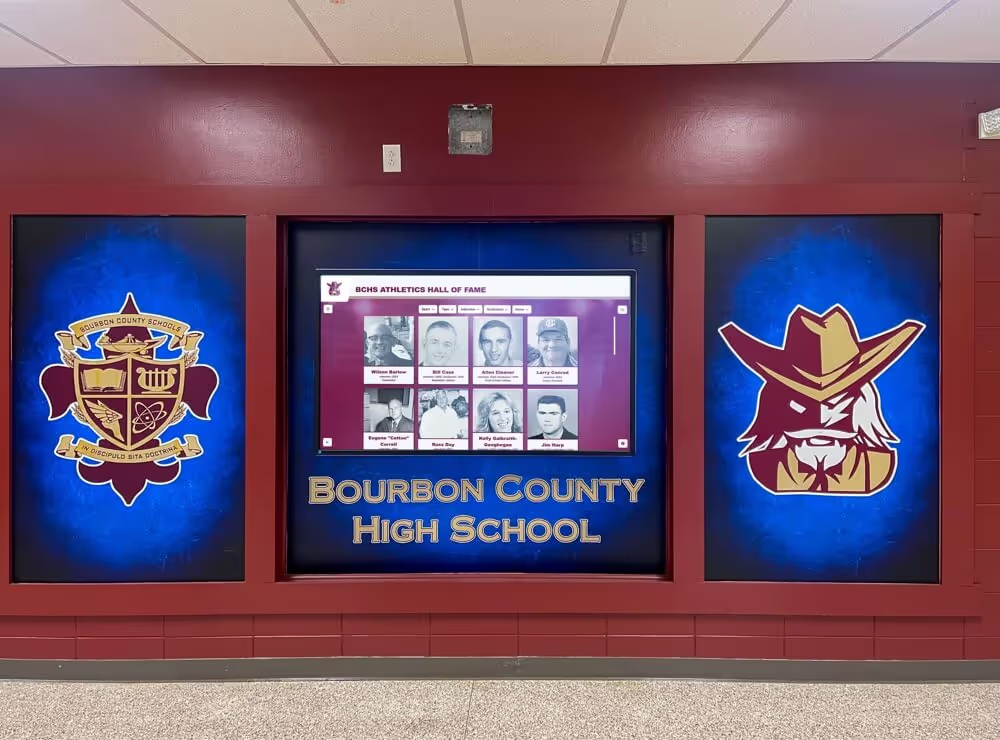
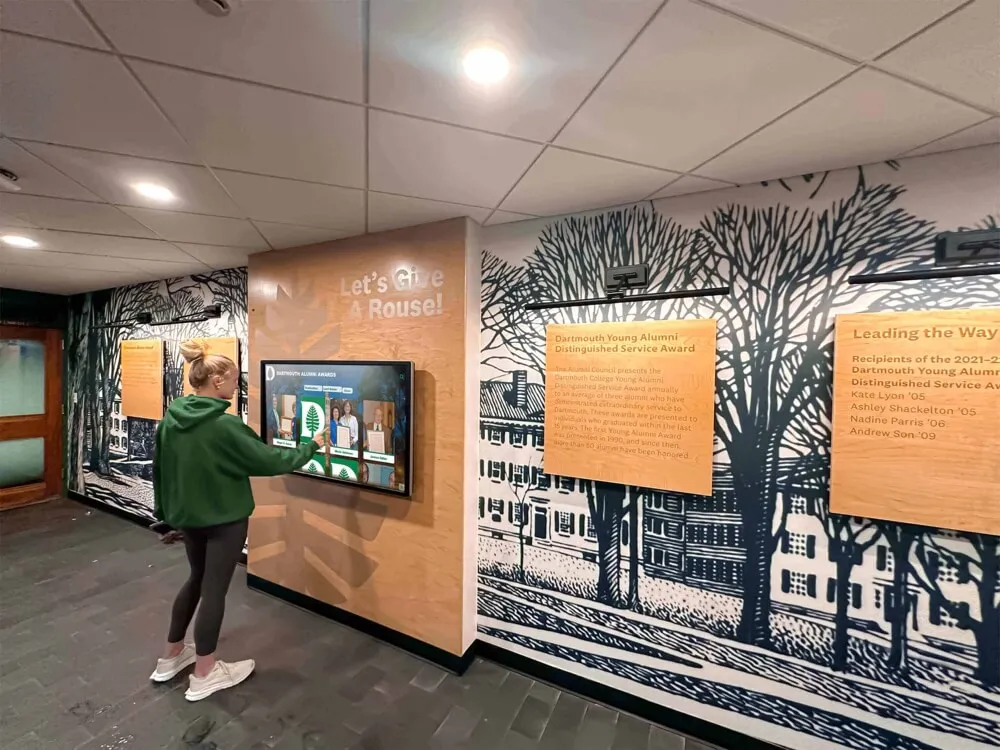
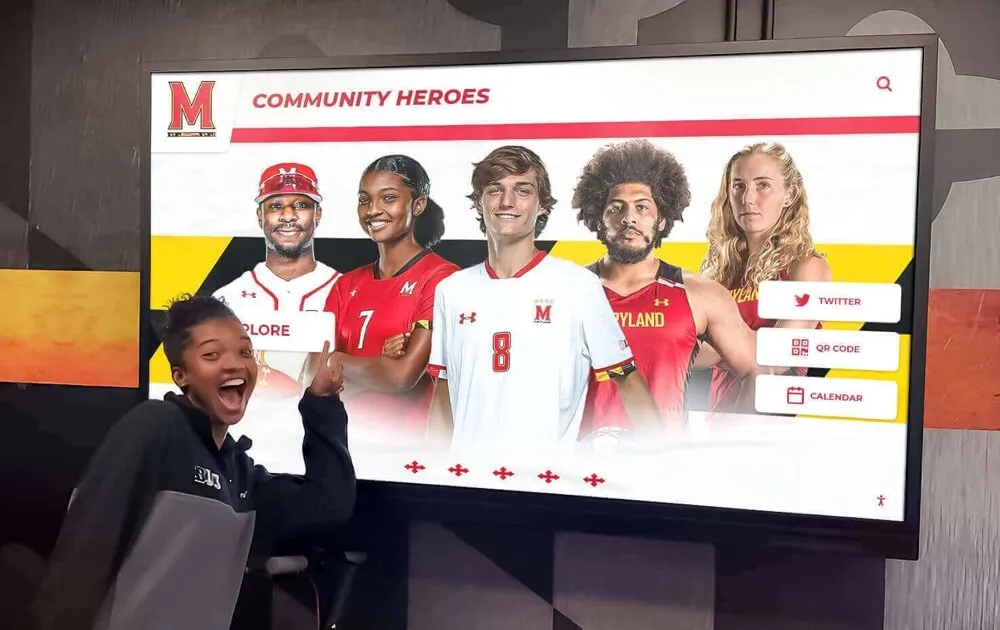
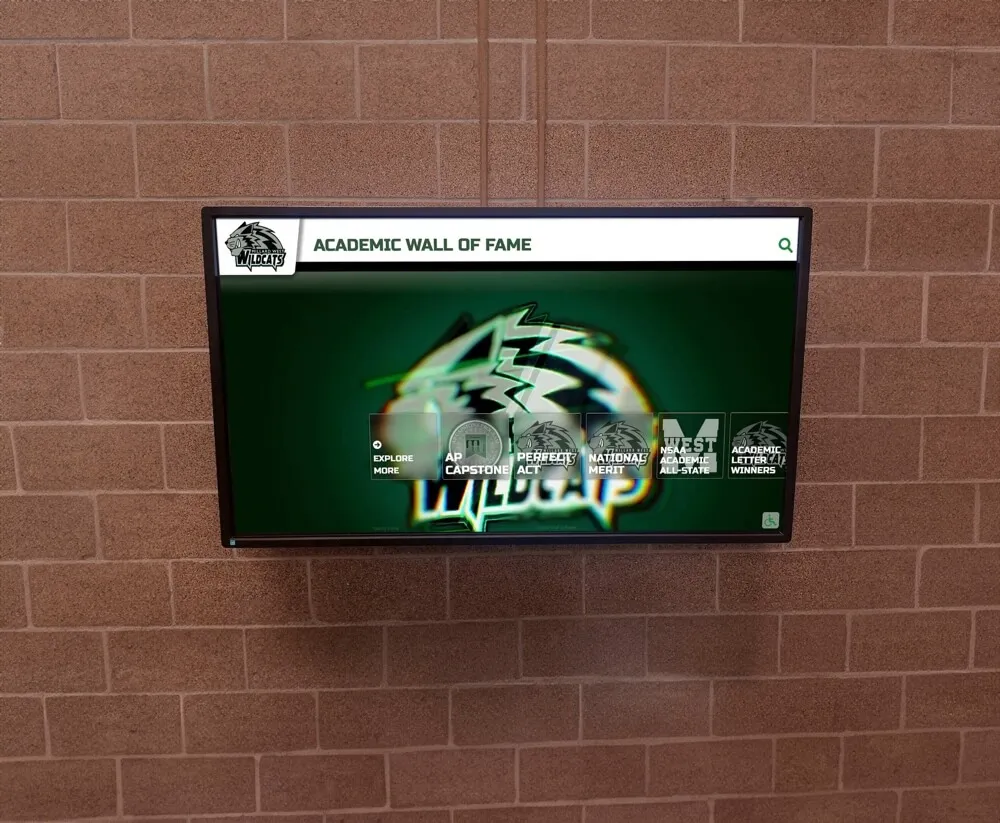
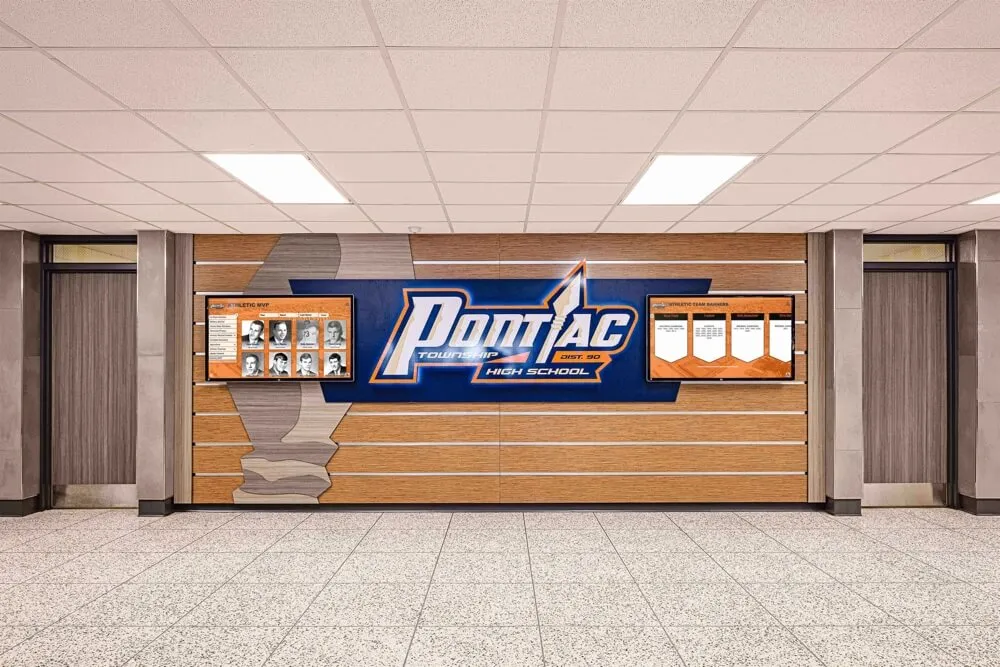
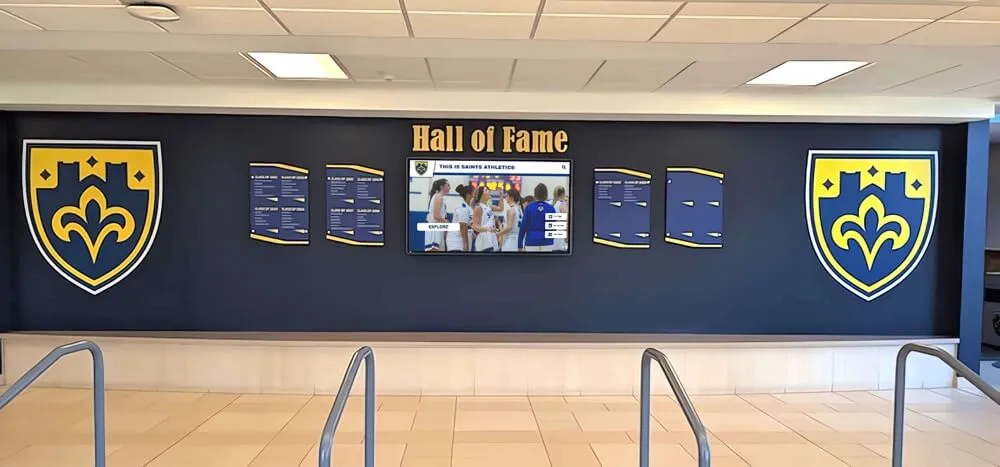
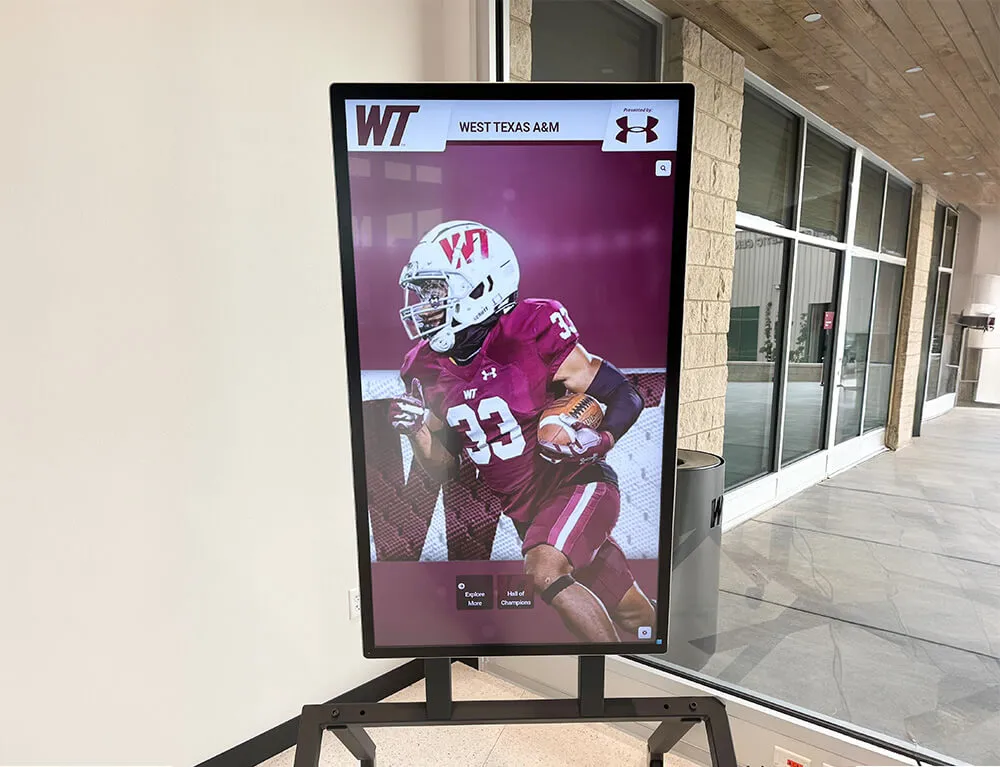
Modern digital recognition displays provide comprehensive platforms for celebrating chess club leadership and competitive achievements
Understanding Chess Club Leadership and Tournament Achievement
Before exploring recognition strategies, understanding what chess club presidents do and what tournament success represents helps schools develop appropriate celebration approaches.
The Role of Chess Club Presidents
Chess club presidents fulfill diverse responsibilities requiring substantial dedication:
Organizational Leadership
Club presidents manage day-to-day operations:
- Scheduling regular meetings coordinating with facility availability and member schedules
- Planning tournament participation including registration, transportation, and logistics coordination
- Organizing internal club events, ladder competitions, and casual play sessions
- Managing club communication through email, social media, or messaging platforms
- Coordinating with faculty advisors ensuring institutional requirements are met
- Maintaining roster and membership records tracking participation
- Recruiting new members through promotion and outreach activities
Program Development
Presidents build club culture and capability:
- Mentoring newer players helping them develop skills and understanding
- Organizing skill-building sessions and instructional activities
- Creating inclusive environments welcoming players at all skill levels
- Developing club traditions and identity building community
- Establishing club goals and strategic direction
- Fundraising for equipment, tournament fees, or travel expenses
- Building relationships with other chess clubs for joint activities
Competitive Coordination
When clubs participate in competitive chess:
- Identifying tournament opportunities at appropriate competitive levels
- Managing team registration and entry processes
- Coordinating transportation and logistics for away tournaments
- Determining team composition and lineup decisions
- Serving as team captain during competitive events
- Managing communication between coaches, advisors, and participants
- Celebrating achievements and supporting players through competitive challenges
These multifaceted responsibilities require leadership, organization, communication skills, and sustained commitment throughout academic years—capabilities highly valued in academic and professional contexts yet often receiving minimal formal recognition compared to athletic team captaincy.
Chess Tournament Competition and Achievement Levels
Understanding competitive chess structures helps schools recognize appropriate achievement tiers:
School-Level Competition
Internal and local tournaments:
- Club championships determining top school players
- Ladder competitions tracking ongoing performance
- Friendly matches with nearby schools
- District or regional scholastic tournaments
- Beginning competitive opportunities for developing players
State and Regional Championships
More selective competitive levels:
- State scholastic championships with multiple sections by grade or skill level
- Regional tournaments drawing competitors from multiple states
- Qualification requirements for higher-level competition
- USCF rating-based sections ensuring competitive balance
- Team and individual competition categories
National Competition
Elite tournament opportunities:
- National scholastic championships organized by US Chess Federation
- National high school championships
- K-12 grade championship tournaments
- SuperNationals—massive events drawing thousands of competitors
- Invitation-only elite events for top-rated scholastic players
International Competition
Highest competitive levels:
- World Youth Chess Championships
- Pan-American Youth Championships
- International scholastic team championships
- FIDE-rated tournaments building international rankings
- Olympic team and world championship preliminary events
Each competitive level represents significant achievement requiring extensive preparation, skill development, and performance under pressure—accomplishments deserving recognition comparable to athletic tournament success at similar competitive tiers.
Learn about comprehensive approaches to recognizing diverse achievements through club highlights and digital recognition strategies.

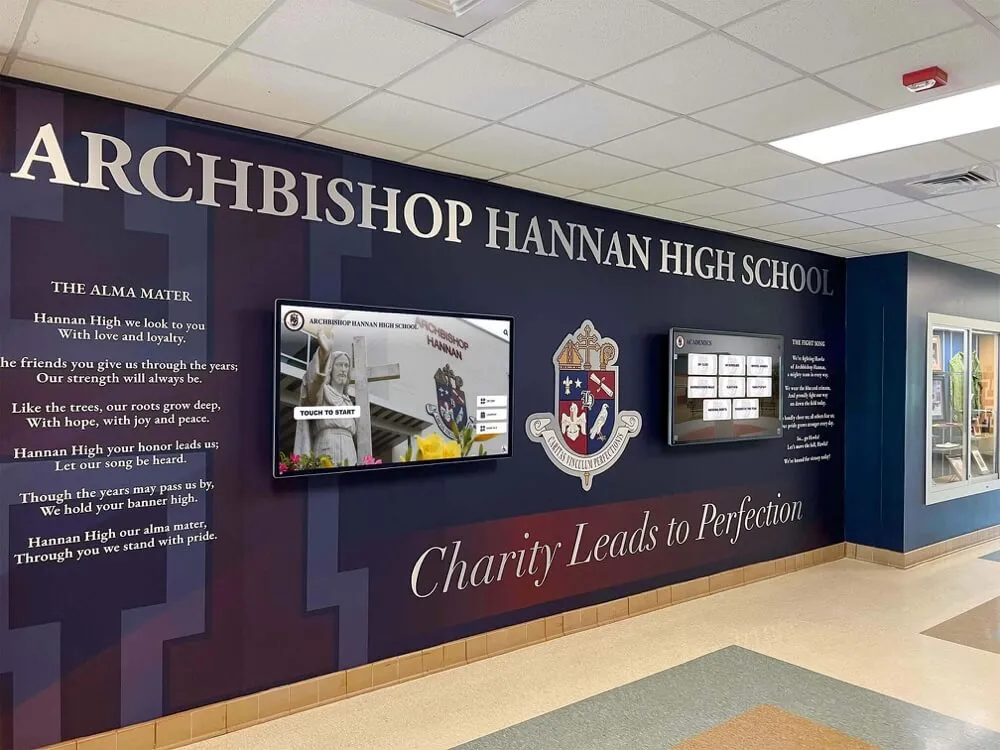
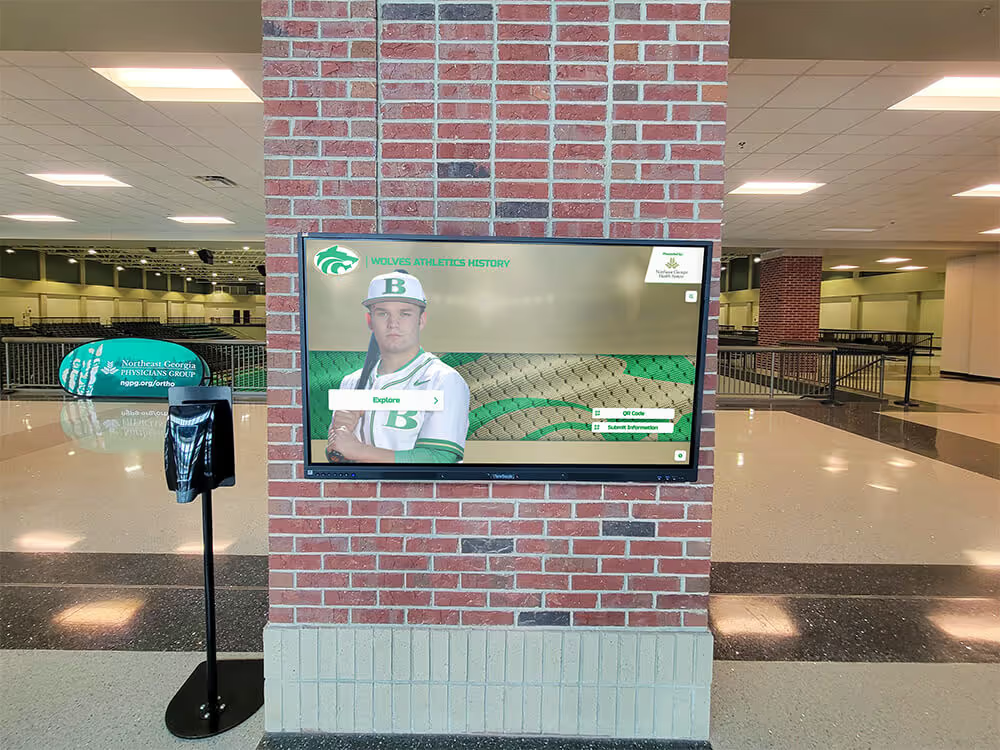
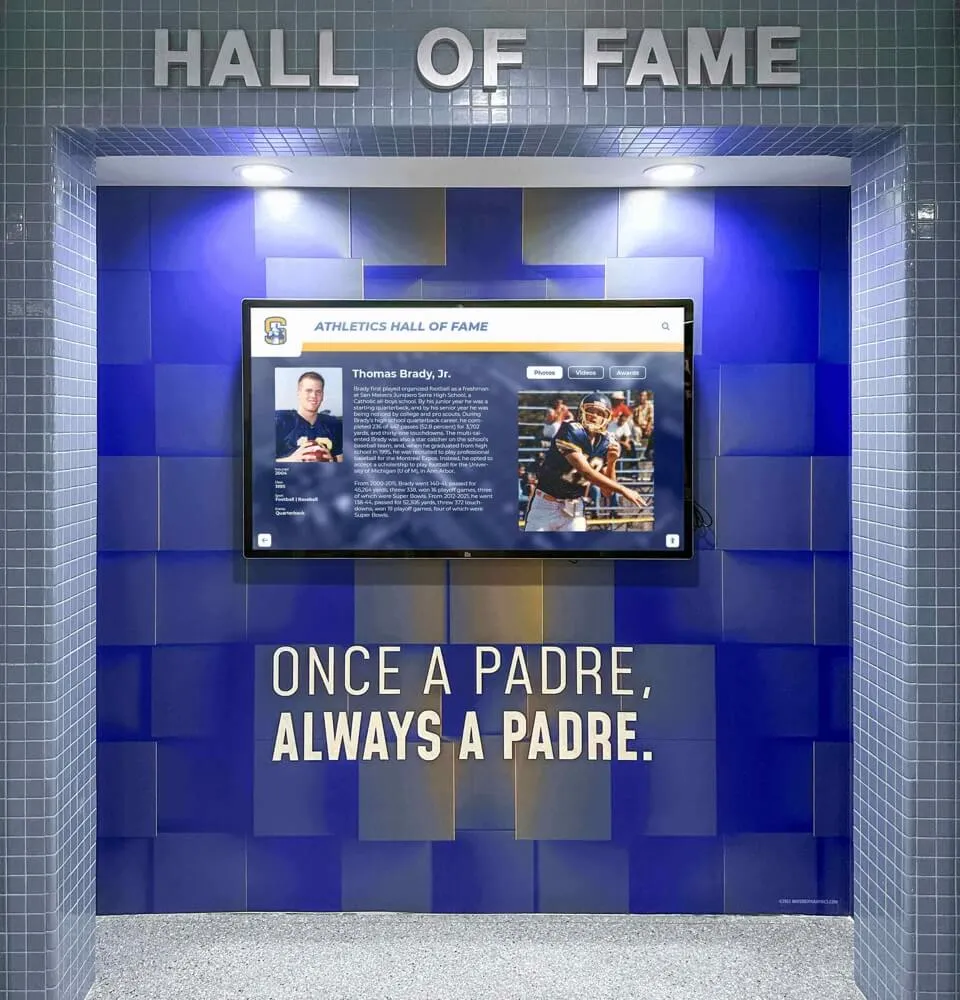
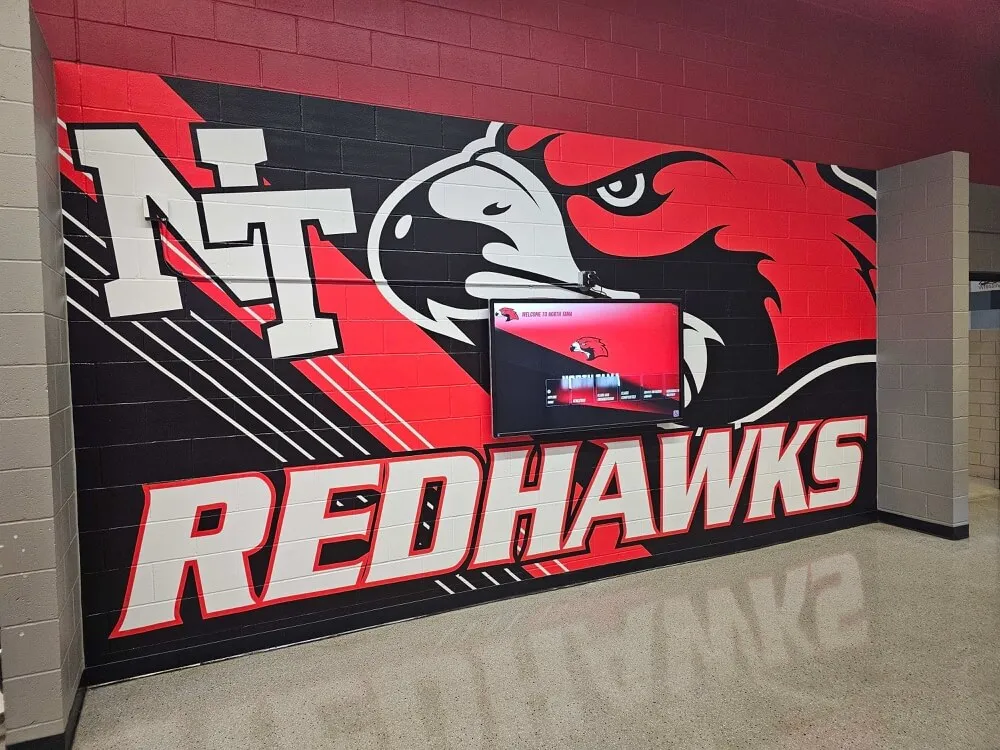
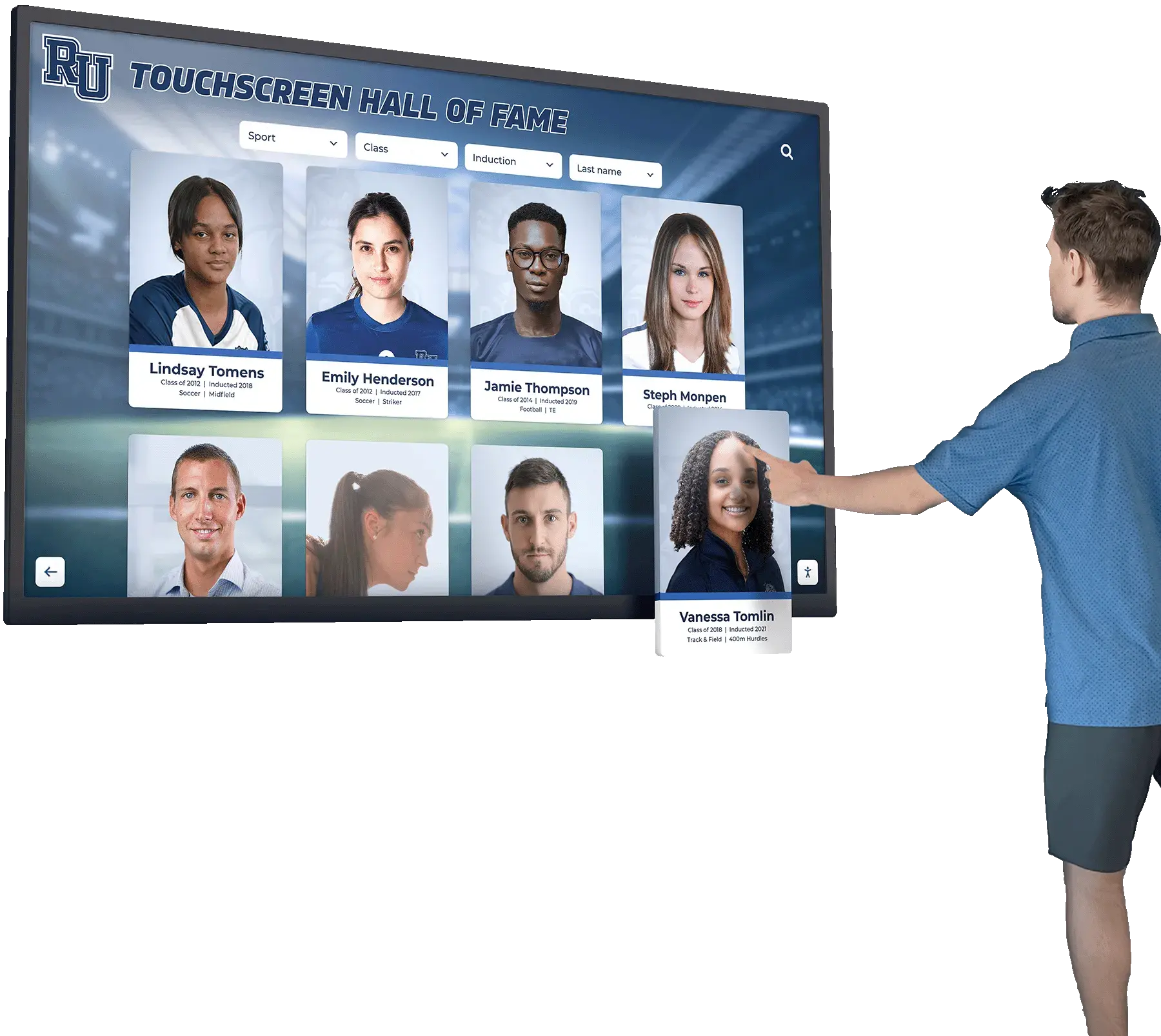
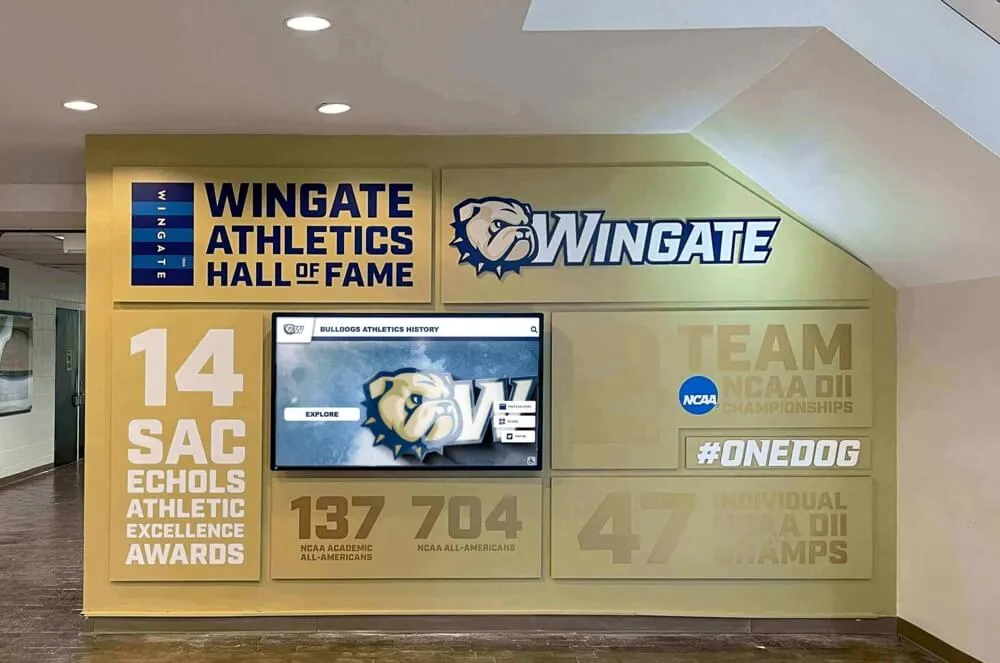
Individual achievement profiles celebrate accomplishments with photos, details, and comprehensive information honoring student success
Why Chess Recognition Matters for School Communities
Appropriate chess recognition delivers benefits extending far beyond acknowledging individual accomplishments.
Promoting Intellectual Achievement Culture
Chess recognition contributes to broader academic excellence messaging:
Balancing Athletic and Academic Visibility
Many schools unintentionally create imbalanced recognition:
- Extensive trophy cases dedicated entirely to athletic championships
- Prominent athletic halls of fame in main lobbies
- Digital displays showing sports highlights and athlete profiles
- Banner displays throughout gymnasiums celebrating athletic success
- Minimal comparable recognition for intellectual competitions and academic achievements
This imbalance creates implicit messaging suggesting physical achievement matters more than intellectual accomplishment, potentially discouraging academically-oriented students while undermining institutional claims that academic excellence represents the primary educational mission.
Prominent chess recognition helps restore balance:
- Intellectual competition receiving visibility comparable to athletic tournaments
- Strategic thinking and mental discipline honored alongside physical skills
- Diverse achievement pathways celebrated equally throughout facilities
- Students recognizing that schools value multiple forms of excellence
- Prospective families seeing authentic commitment to comprehensive student development
Normalizing Academic Competition
Visible chess recognition helps change perceptions:
- Academic competitions becoming as familiar as athletic events
- Intellectual achievement discussed and celebrated openly
- Students feeling pride in academic accomplishments rather than hiding them
- Chess participation viewed as cool or desirable rather than stigmatized
- Younger students aspiring to chess achievement through visible role models
- Families understanding competitive intellectual opportunities available
Research on academic motivation consistently demonstrates that visible recognition of intellectual achievement creates cultural shifts that elevate academic engagement across entire student populations, not just participants in recognized programs.
Inspiring Broader Chess Program Participation
Recognition drives program growth and engagement:
Recruitment Through Visibility
Prominent chess recognition attracts participation:
- Students discovering chess programs through visible achievement displays
- Recognition demonstrating active, successful programs worth joining
- Diverse achievers shown at various skill levels making participation accessible
- Tournament opportunities and competitive pathways becoming clear
- Leadership positions and roles creating aspiration opportunities
- Visual evidence of program history and tradition building credibility
Schools implementing comprehensive chess recognition consistently report measurable increases in program participation as visibility creates awareness and aspiration among students who previously didn’t consider chess involvement.
Retention and Continued Engagement
Recognition encourages sustained participation:
- Achievable recognition goals motivating continued involvement
- Visible progression pathways showing advancement opportunities
- Celebration of improvement and growth not just winning
- Leadership recognition creating positions students aspire to fill
- Community building through shared recognition and celebration
- Historical archives demonstrating program value and permanence
Programs with consistent, visible recognition maintain higher participation rates and develop deeper competitive capability as experienced players remain engaged through secondary school or college rather than discontinuing participation when achievement goes unrecognized.
Explore strategies for showcasing student achievements comprehensively across academic and extracurricular programs.
Developing Leadership Skills and College Application Strength
Chess club presidency and tournament success provide valuable credentials:
Leadership Development Evidence
Club presidents develop capabilities colleges and employers value:
- Organizational skills managing meetings, events, and logistics
- Communication abilities coordinating members and stakeholders
- Mentoring experience teaching and supporting skill development
- Strategic planning setting club direction and priorities
- Team building creating inclusive, effective group environments
- Problem-solving navigating challenges and conflicts
- Sustained commitment maintaining leadership throughout academic years
Documented chess club presidency—particularly when supported by visible institutional recognition—provides concrete evidence of leadership capabilities that strengthen college applications, scholarship submissions, and eventually professional credentials.
Competitive Achievement Credentials
Tournament success demonstrates valuable qualities:
- Strategic thinking and pattern recognition abilities
- Performance under pressure during timed competition
- Sustained preparation and skill development discipline
- Competitive excellence at documented achievement levels
- Intellectual capabilities complementing academic transcripts
- Extracurricular depth beyond classroom performance
Many selective colleges specifically value chess achievement as evidence of intellectual capability, discipline, and competitive excellence. Comprehensive digital recognition provides easily accessible documentation students and counselors reference when completing applications or building scholarship portfolios.
Differentiation in Competitive Application Processes
In increasingly competitive college admissions:
- Chess accomplishments provide distinguishing achievements
- Leadership roles demonstrate initiative and capability
- Tournament success at state or national levels stands out
- Sustained multi-year participation shows commitment
- Combination of leadership and competitive achievement creates compelling narratives
- Digital recognition creates shareable documentation
Schools supporting students through comprehensive recognition contribute directly to college and scholarship success while preparing students for professional environments where strategic thinking, leadership, and competitive excellence create career opportunities.
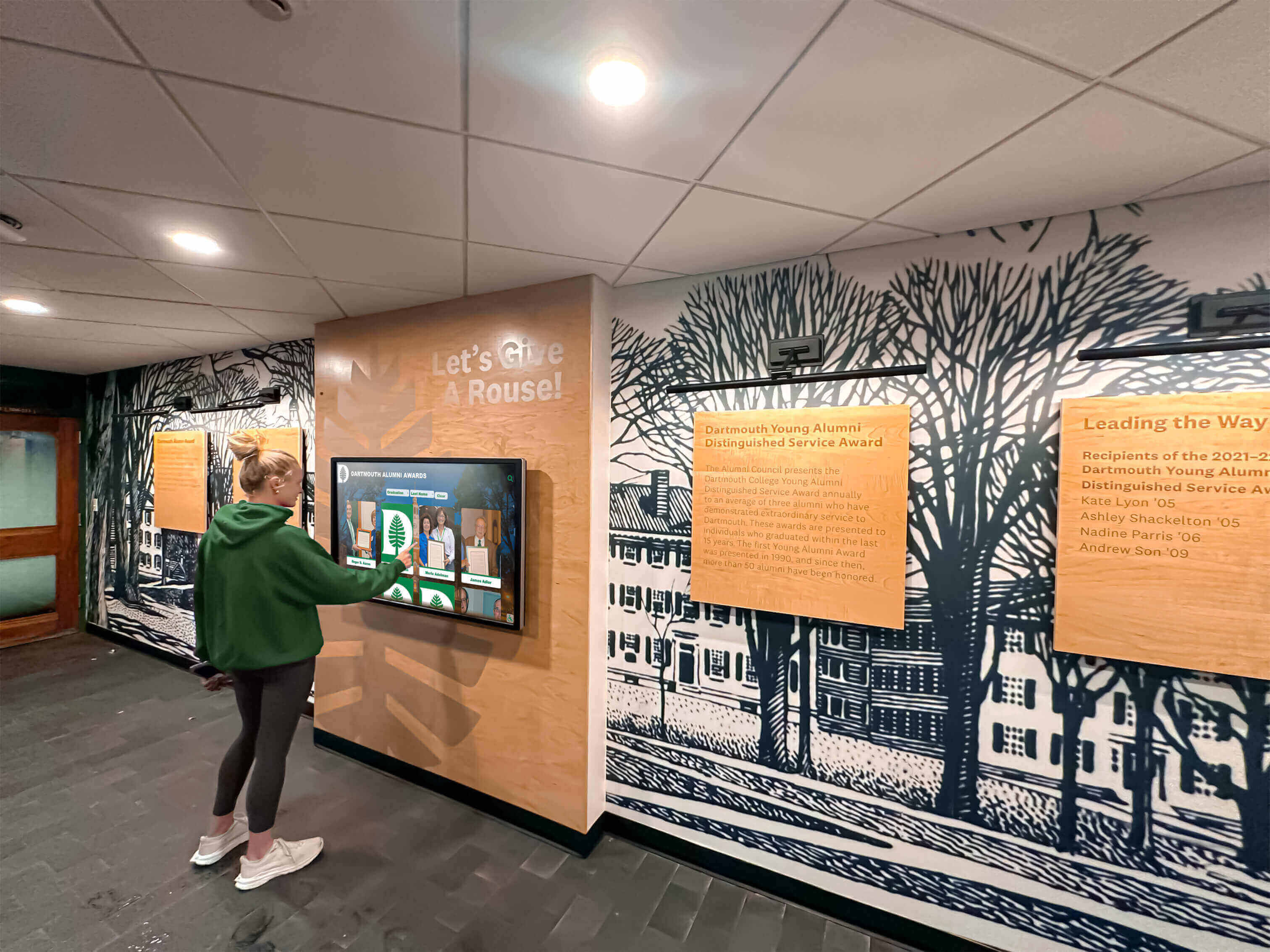
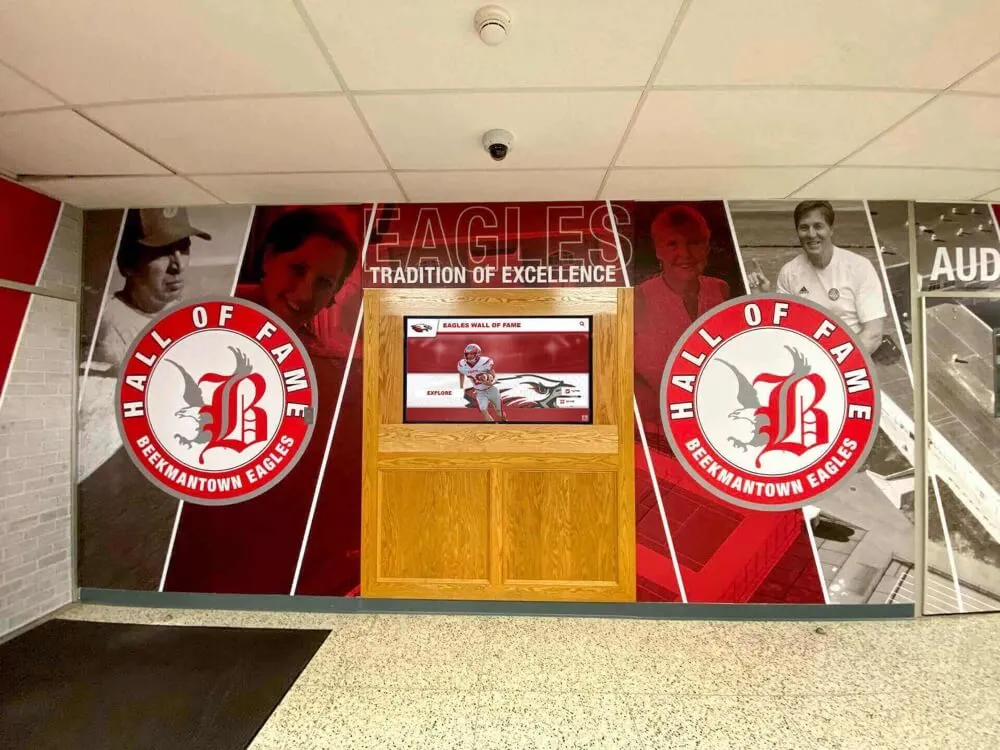
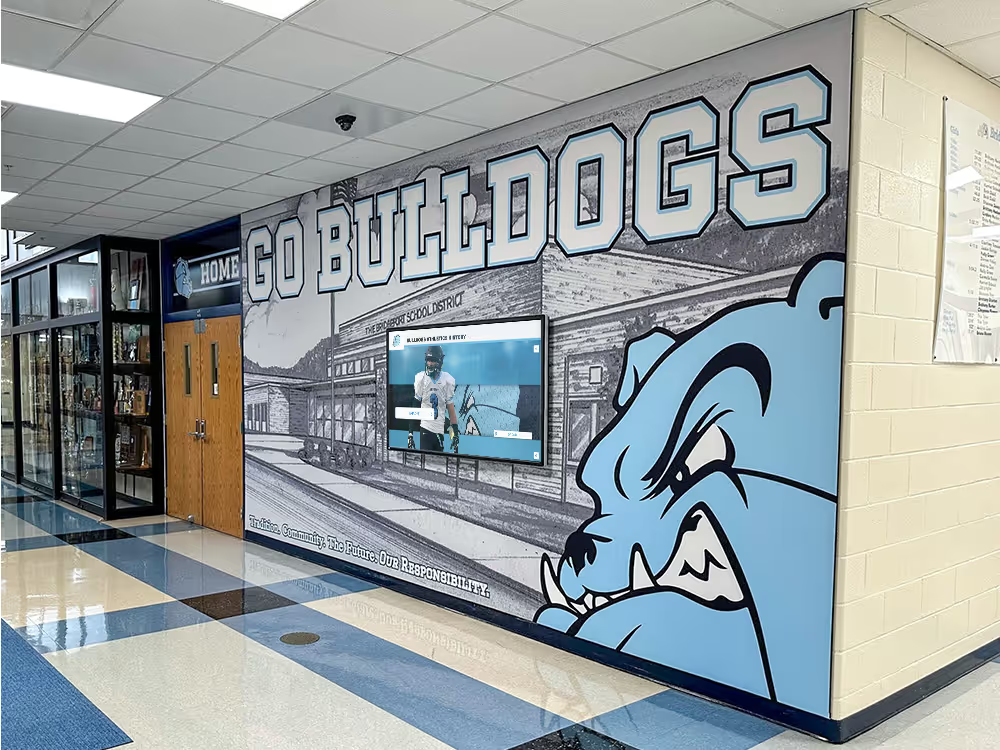
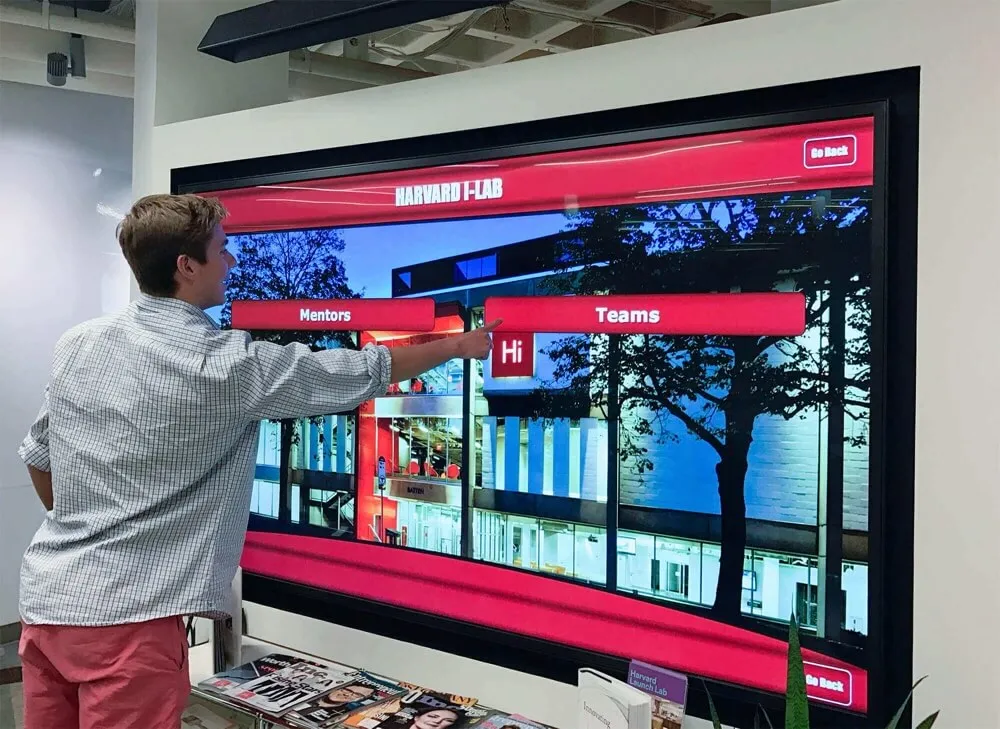
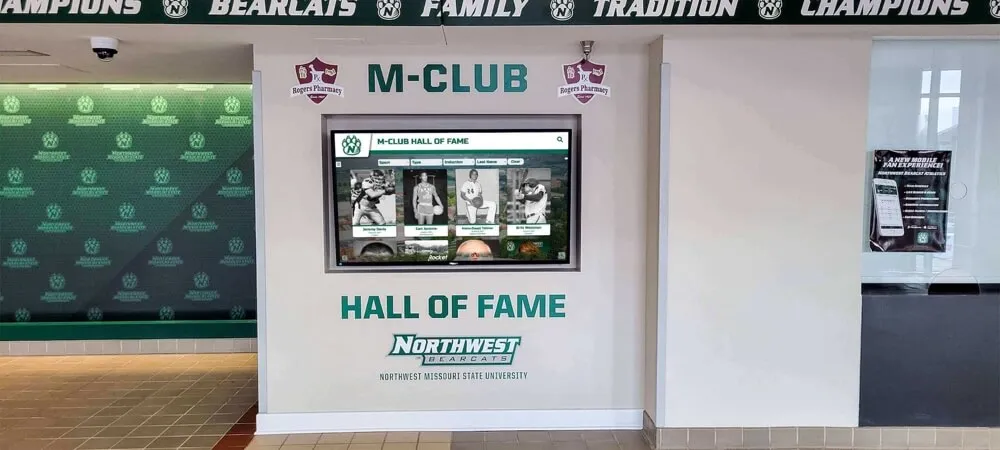
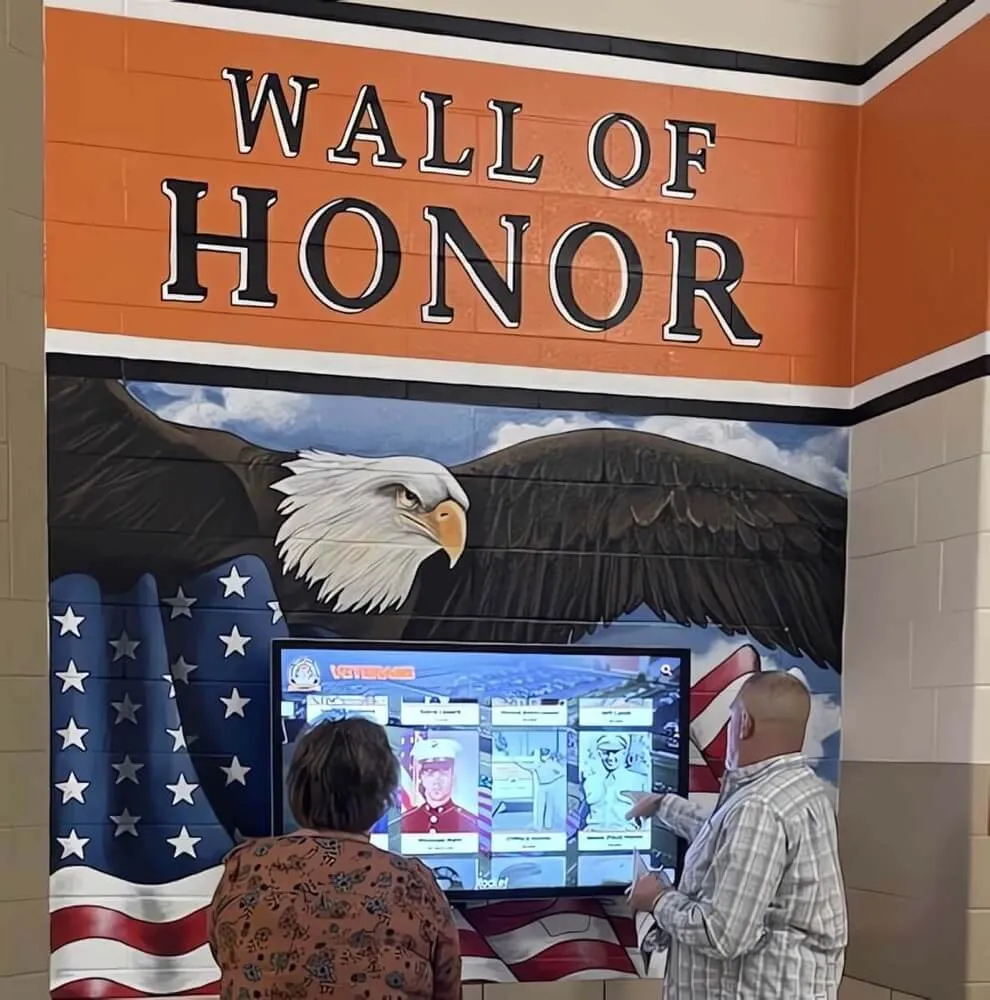
Interactive displays enable students to explore chess achievements, leadership histories, and program information through intuitive touch interfaces
Recognition Challenges Specific to Chess Programs
Chess programs face unique recognition obstacles requiring thoughtful solutions:
Space Limitations and Trophy Case Capacity
Physical recognition encounters severe constraints:
Accumulated Achievement Volume
Successful chess programs generate substantial recognition needs:
- Annual club presidents across multiple years quickly filling display space
- Tournament participants at individual, team, and various competitive levels
- Multiple achievement categories including club championships, external tournaments, and special awards
- Historical archives documenting program legacy across decades
- Recognition equity across all achievement levels not just top competitors
Traditional trophy cases or plaque walls accommodate only tiny fractions of deserving recognition before space fills completely, forcing difficult decisions about whose achievements display permanently and whose recognition disappears after brief acknowledgment.
Tournament Structure Creating Multiple Recognition Categories
Chess tournament results include numerous honorees:
- Individual competition winners at each grade or rating section
- Team competition results recognizing entire rosters
- Top finishers receiving recognition (often top 10-20% of section)
- Special awards for improvement, sportsmanship, or tactical excellence
- Qualification achievements for higher-level tournaments
- Rating milestone accomplishments
This structure means successful programs generate dozens or even hundreds of recognition-worthy achievements annually—far exceeding capacity of physical plaques or trophy cases designed for smaller recognition volumes.
Multi-Year Leadership Recognition
Club presidency recognition presents specific challenges:
- Limited positions (typically one president per year) but sustained recognition importance
- Need to honor every president across program history
- Desire to document presidential accomplishments and club development
- Leadership succession and program continuity messaging
- Equal prominence for all presidents regardless of when they served
Physical plaques typically accommodate 20-30 presidents before space fills, forcing schools to limit historical recognition or crowd names into unreadable displays lacking individual prominence.
Limited Awareness and Understanding of Chess Achievement
Chess faces visibility challenges other activities avoid:
Competition Structure Complexity
Chess tournaments confuse unfamiliar audiences:
- Multiple sections based on grade, age, or rating creating numerous winners
- Swiss system pairings and scoring systems unlike familiar brackets
- USCF ratings and titles (Expert, Master, etc.) requiring explanation
- Team and individual competition occurring simultaneously
- Time controls and format variations affecting competitive significance
Without explanation and context, tournament achievements can seem unclear or unimpressive to audiences unfamiliar with chess competition—unlike athletic tournaments where championship status and competitive level are immediately apparent.
Geographic Distance and Tournament Location
Chess tournaments often occur far from school communities:
- Weekend tournaments in distant cities limiting spectator attendance
- State championships centrally located hours from many participants
- National events requiring substantial travel
- Limited real-time awareness of competitive performance
- Challenges documenting achievements through photos or video
This physical distance means chess achievement often occurs invisibly to broader school communities, reducing recognition impact and awareness compared to athletic events occurring on campus with substantial spectator attendance.
Timing and Academic Calendar Conflicts
Tournament schedules create visibility challenges:
- Weekend competitions missing school day announcements
- Summer tournaments during school breaks
- Long tournament days (often 6-8 hours) making attendance difficult
- Results finalized late in days after school announcements occur
- Multi-day events extending across weekends
These timing factors mean even significant chess achievements may never receive school announcements or recognition that timelier accomplishments automatically generate.
Explore approaches to recognizing academic and intellectual achievements that overcome visibility challenges effectively.
Recognition Equity Across Skill Levels
Chess programs serve diverse participant populations:
Beginner and Developing Player Recognition
Inclusive programs support players at all levels:
- Beginners learning rules and basic strategy
- Intermediate players developing tactical understanding
- Advanced players competing in rated tournaments
- Expert-level players pursuing rating titles and national competition
Recognition focusing exclusively on tournament champions or top-rated players can discourage broader participation, suggesting only elite-level achievement matters. Effective recognition celebrates improvement, sustained participation, and achievement relative to individual starting points—not just absolute competitive success.
Participation vs. Competition Recognition
Programs must balance multiple recognition approaches:
- Participation recognition celebrating sustained involvement
- Improvement recognition honoring skill development regardless of absolute level
- Competitive achievement recognizing tournament performance
- Leadership recognition celebrating presidents and other contributors
- Special recognition for sportsmanship, mentorship, or community building
Schools focusing exclusively on competitive results miss opportunities to honor the diverse contributions that build successful, inclusive programs attracting broad participation rather than only serving elite competitors.
Modern Digital Recognition Solutions for Chess Programs
Purpose-built digital recognition systems overcome traditional limitations while creating engaging celebration:
Unlimited Capacity for Comprehensive Recognition
Digital platforms eliminate space constraints entirely:
Complete Historical Archives
Digital recognition accommodates unlimited content:
- Every club president across program history receiving equal, prominent recognition
- All tournament participants and achievements at every competitive level
- Complete documentation of program evolution and milestone moments
- Club championship results preserved across decades
- Special recognition categories without space limitations
- Unlimited photographic and video content supporting recognition
This comprehensive capacity enables genuinely equitable recognition where every deserving achievement receives appropriate celebration rather than selective display forced by physical space constraints.
Multi-Dimensional Achievement Profiles
Digital platforms present rich content impossible with physical plaques:
- High-resolution photos of club presidents and tournament winners
- Complete biographical information and achievement details
- Tournament results with competition context and significance explanation
- Video content showing games, tournament moments, or player interviews
- Career progression showing multi-year achievement trajectories
- Leadership accomplishments documented for club presidents
- Related achievements and team connections
This depth transforms simple name lists into comprehensive celebrations honoring individual chess journeys while providing context helping unfamiliar audiences understand achievement significance.
Flexible Organization and Navigation
Interactive systems enable multiple exploration pathways:
- Search functionality finding specific individuals instantly
- Filter by year, competitive level, or achievement category
- Browse club presidents chronologically understanding leadership succession
- Explore tournament winners by event type or significance
- Sort by rating achievement or competitive accomplishment level
- Random discovery features highlighting diverse achievers
This flexibility ensures every recognized individual remains discoverable and celebrated rather than becoming invisible in massive name lists typical of physical displays attempting comprehensive recognition.
Learn about digital recognition platform capabilities specifically designed for chess program needs.
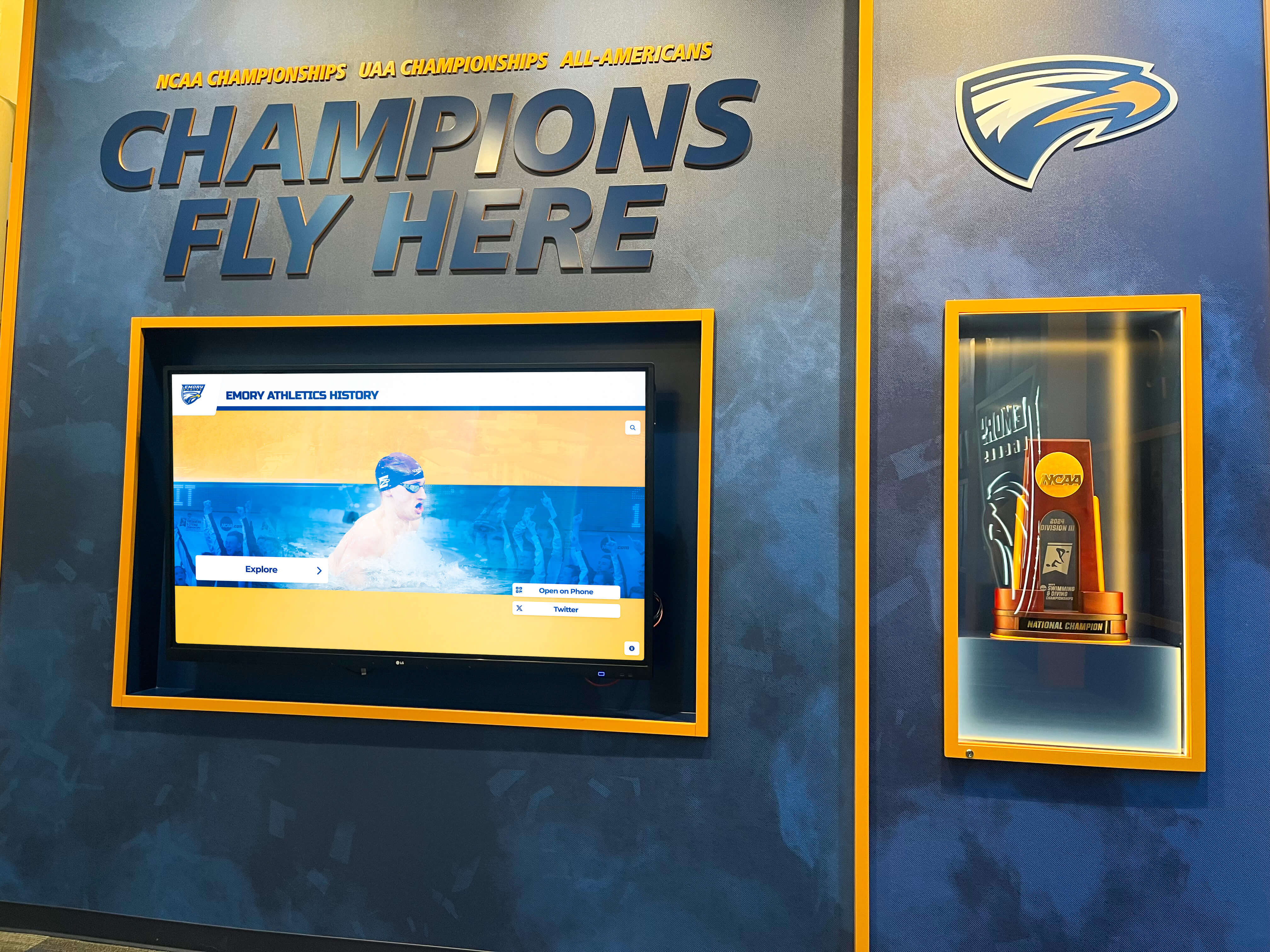
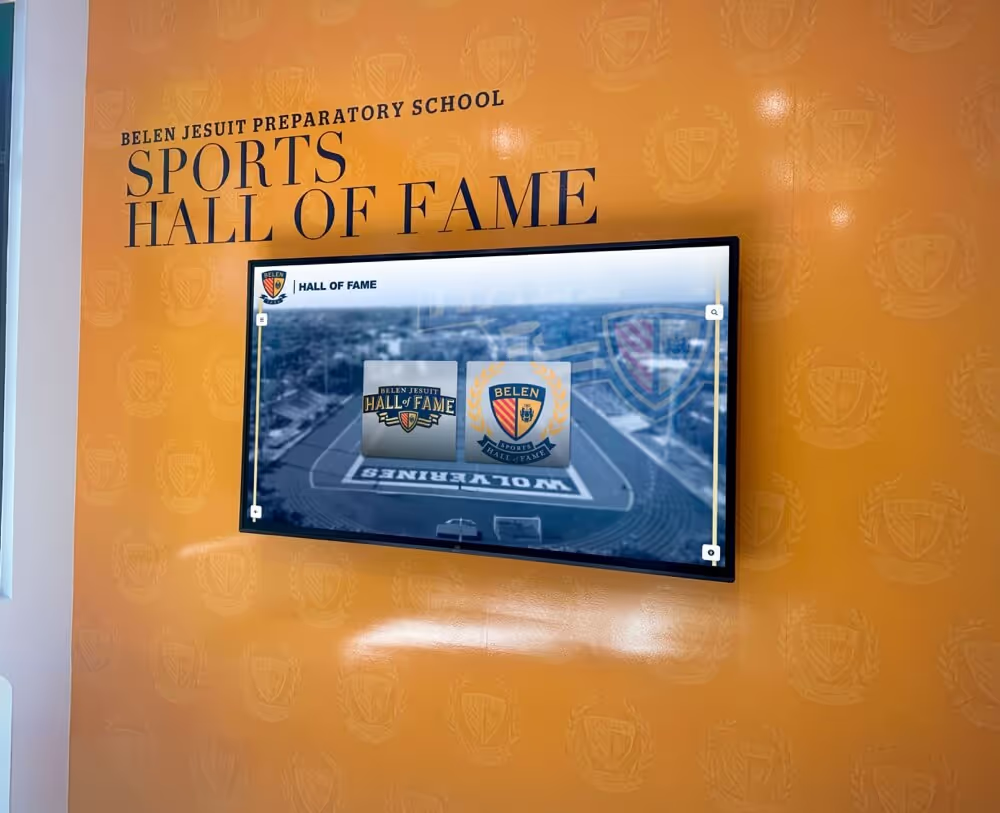
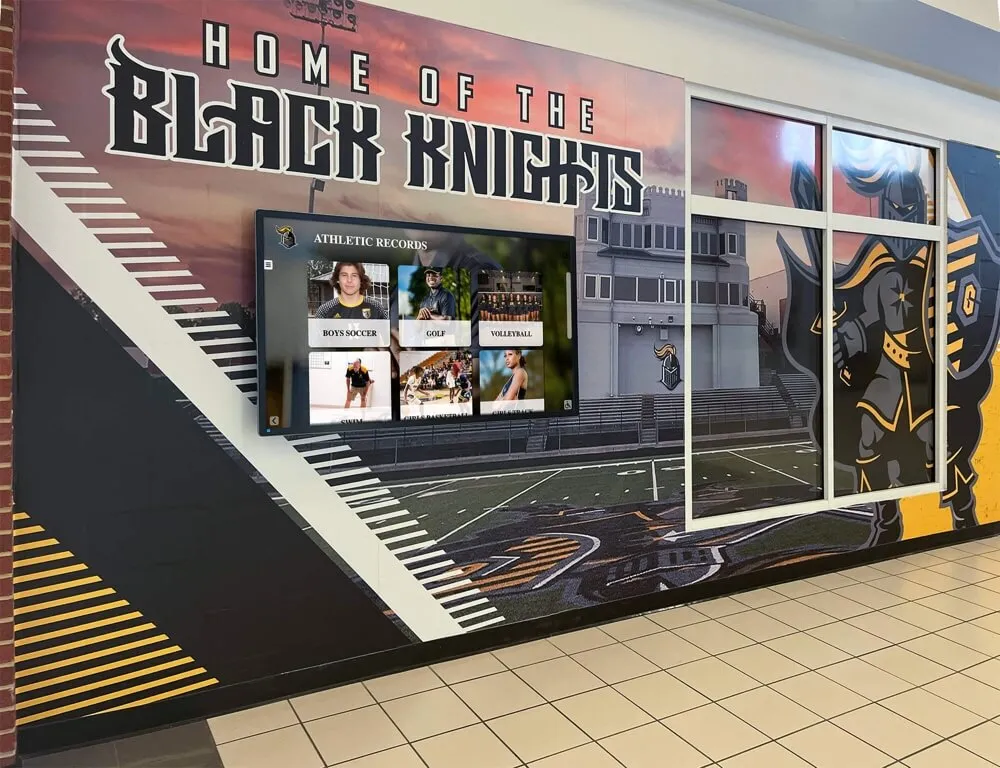
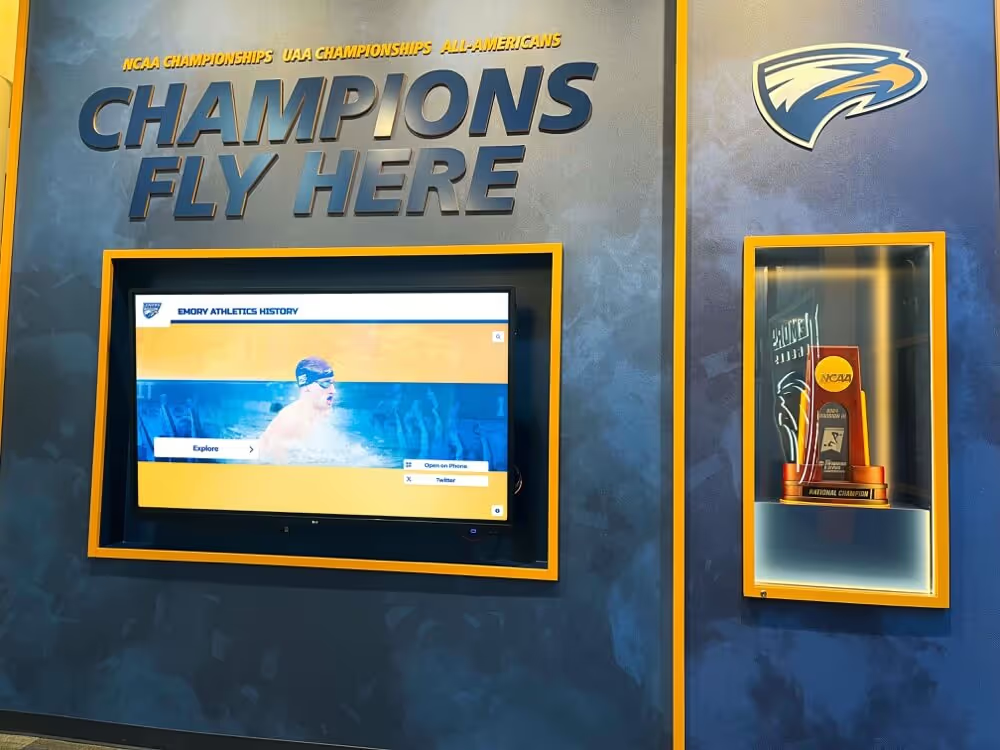
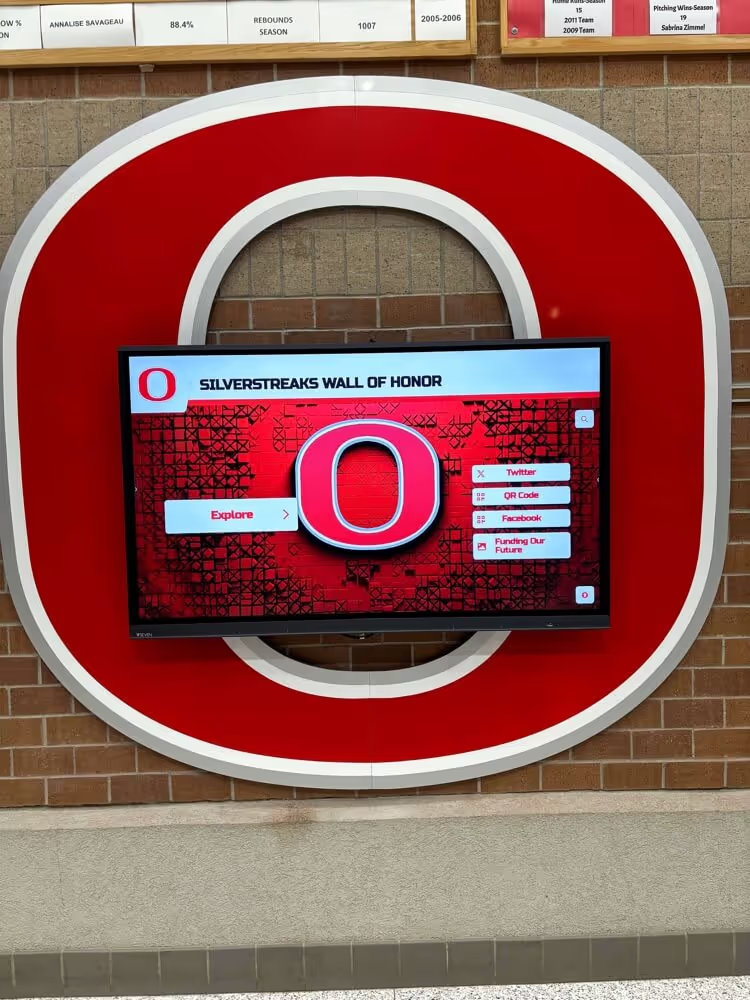
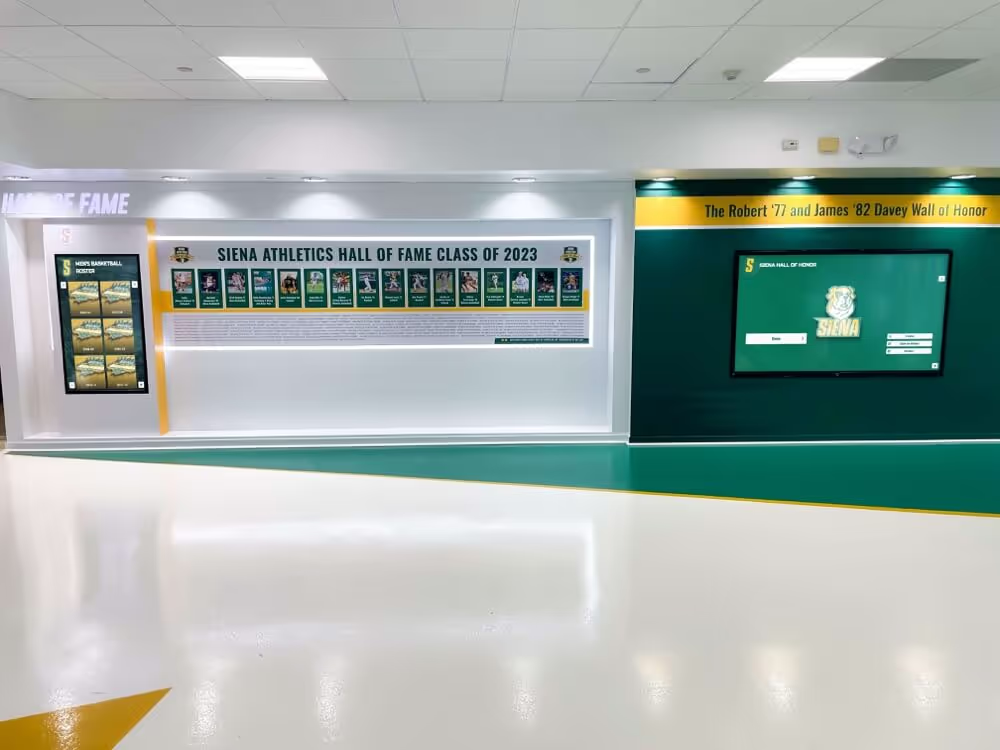
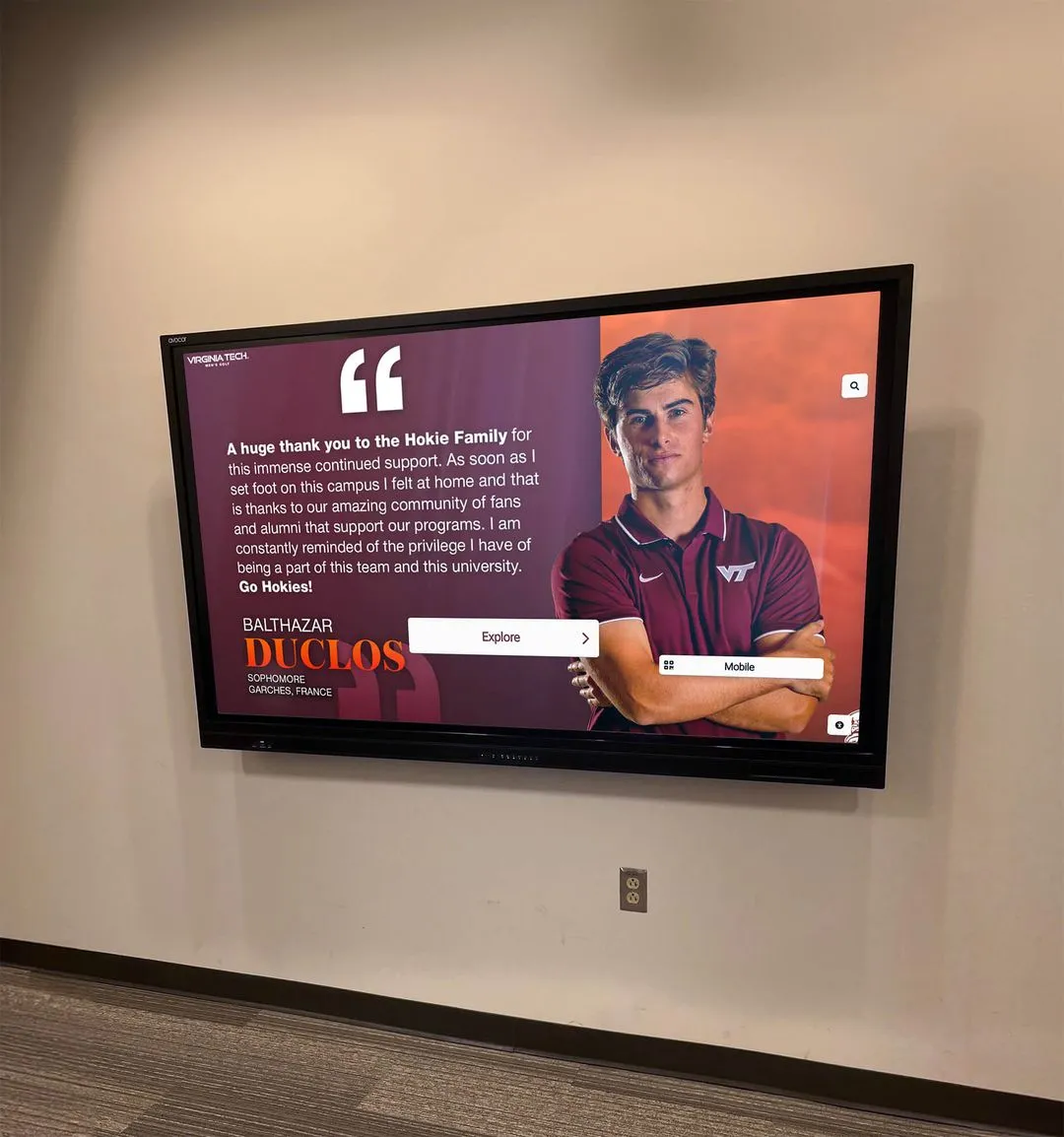
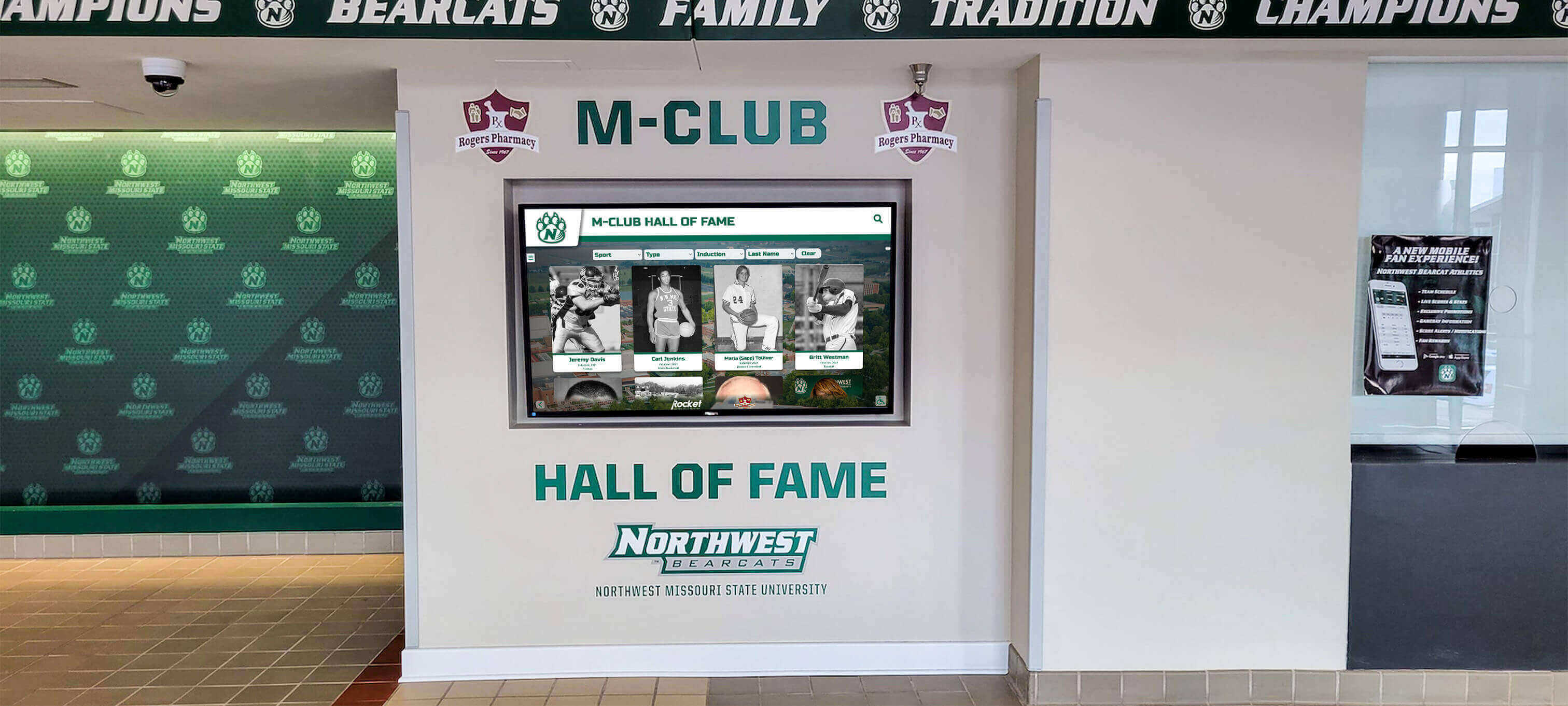
Digital recognition can showcase championship moments and competitive excellence while maintaining unlimited capacity for comprehensive historical archives
Interactive Engagement Creating Deeper Connection
Touchscreen displays transform recognition from passive viewing to active exploration:
Touchscreen Exploration
Interactive displays invite participation:
- Students actively navigate chess recognition via intuitive touch interface
- Immediate search finding friends, classmates, or relatives who participated
- Detailed profile exploration revealing complete achievement stories
- Related content discovery connecting teammates and tournament groupings
- Photo galleries showing tournament moments and club activities
- Video playback of memorable games or championship moments
Research on museum exhibit engagement demonstrates that interactive displays generate 5-10 times longer visitor engagement compared to static recognition, with interactive features transforming brief glances into meaningful exploration sessions.
Educational Context and Explanation
Digital platforms can explain chess achievement effectively:
- Tournament structure explanations helping audiences understand significance
- Rating system information clarifying titles and achievement levels
- Competition tier context explaining local, state, regional, and national events
- Chess terminology glossaries making content accessible to non-players
- Strategic position analysis showing key moments from tournament games
- Historical program information demonstrating tradition and legacy
This educational content helps broader school communities understand and appreciate chess achievement rather than viewing results as incomprehensible strings of names and numbers.
Social and Community Experience
Interactive recognition creates shared experiences:
- Groups gathering to explore chess achievements together
- Students showing friends and family their own recognition
- Alumni returning to discover current program participants
- Prospective families evaluating programs through authentic achievement evidence
- Tournament teams celebrating collective accomplishments
- Club members discovering predecessors and program history
This social dimension amplifies recognition impact beyond individual acknowledgment to create community connection and program pride.
Strategic Placement Maximizing Visibility
Digital displays can be positioned for optimal impact:
High-Traffic Location Options
Effective placement includes:
- Main entrance lobbies ensuring all visitors encounter chess recognition
- Library or academic areas emphasizing intellectual achievement
- Chess club meeting room creating dedicated program space
- Cafeteria or commons areas with sustained student traffic
- Academic achievement hallways grouped with honor roll and academic recognition
- Performing arts or special activities wing connecting to extracurricular programs
Strategic placement ensures chess recognition achieves visibility comparable to athletic trophies or academic honor rolls rather than relegation to overlooked corners suggesting secondary importance.
Integration with Broader Recognition Systems
Chess recognition connects to comprehensive celebration:
- Combined displays celebrating diverse achievement categories
- Academic recognition systems including chess alongside honor roll and awards
- Extracurricular achievement platforms showcasing all non-athletic programs
- Leadership recognition highlighting presidents across all clubs and organizations
- Historical archives documenting complete school or institutional program legacy
This integration positions chess within broader achievement ecosystems rather than isolated displays suggesting disconnection from mainstream school culture and priorities.
Explore comprehensive approaches to athletic and academic recognition that create balanced visibility throughout school facilities.
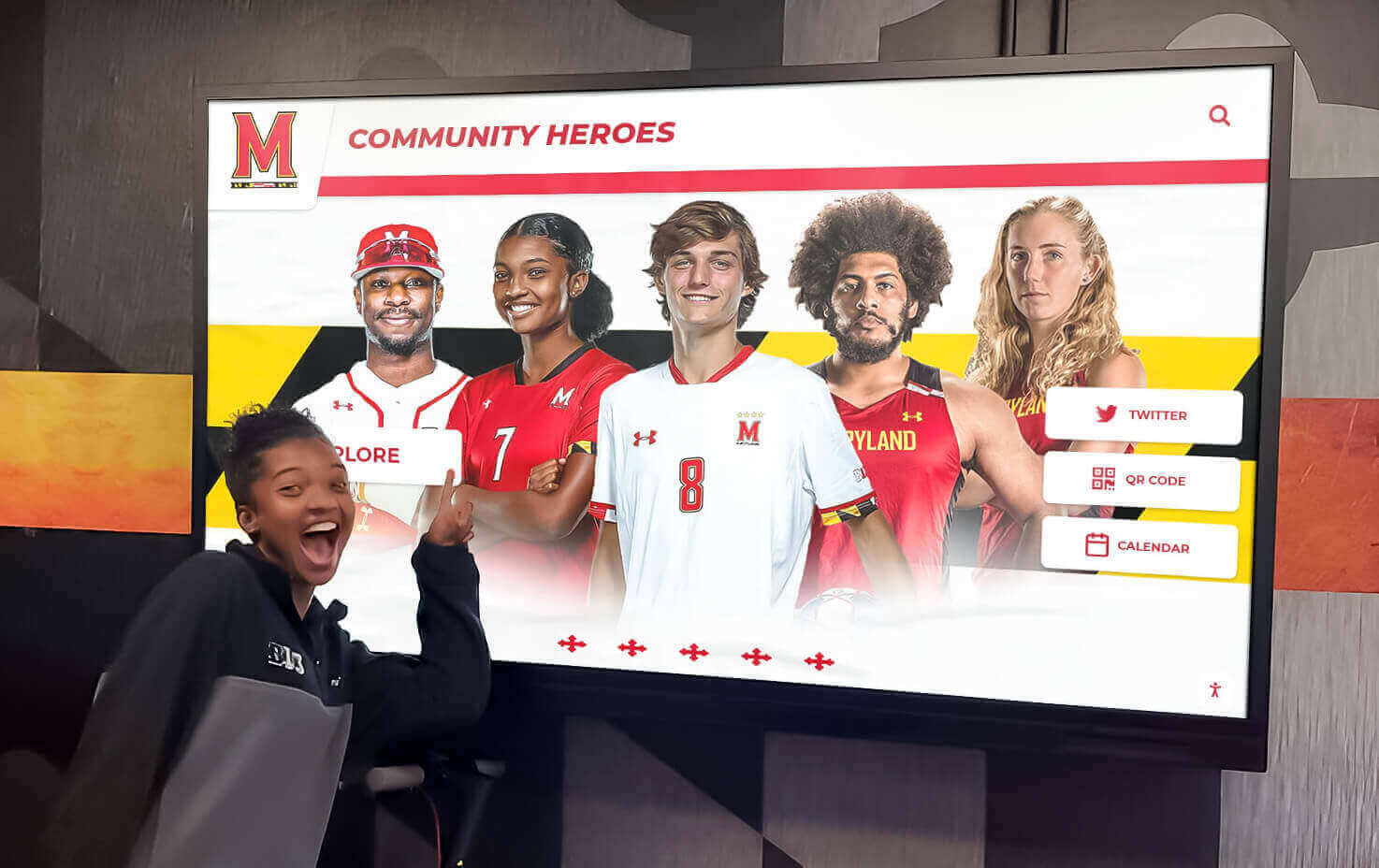
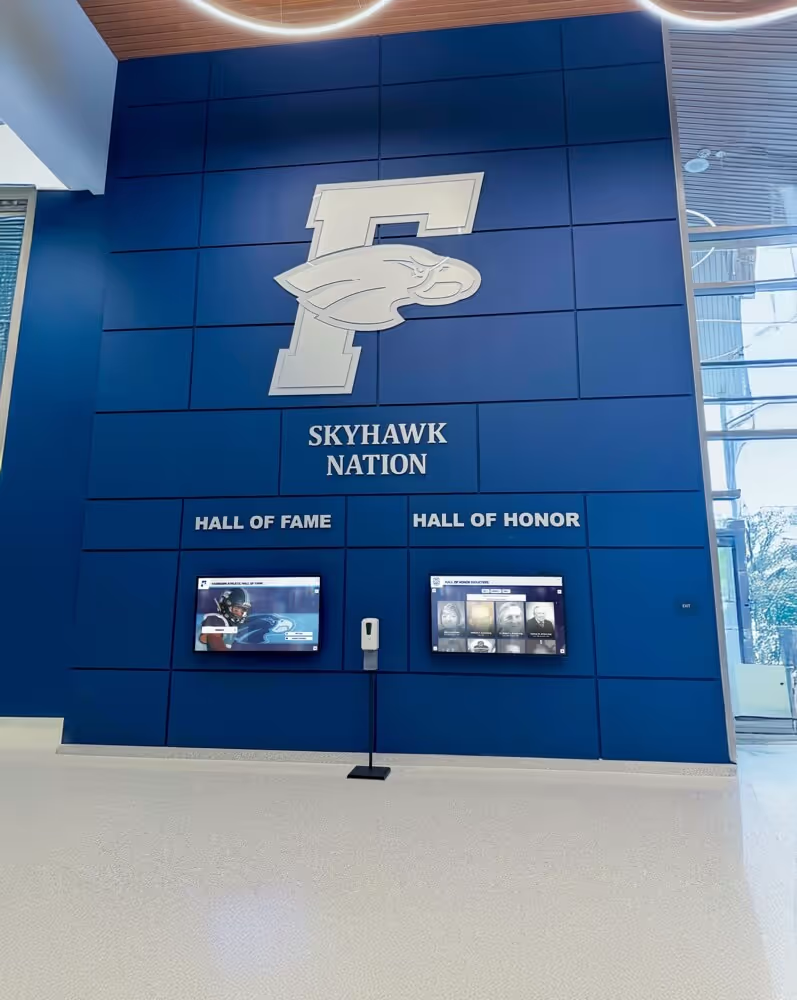
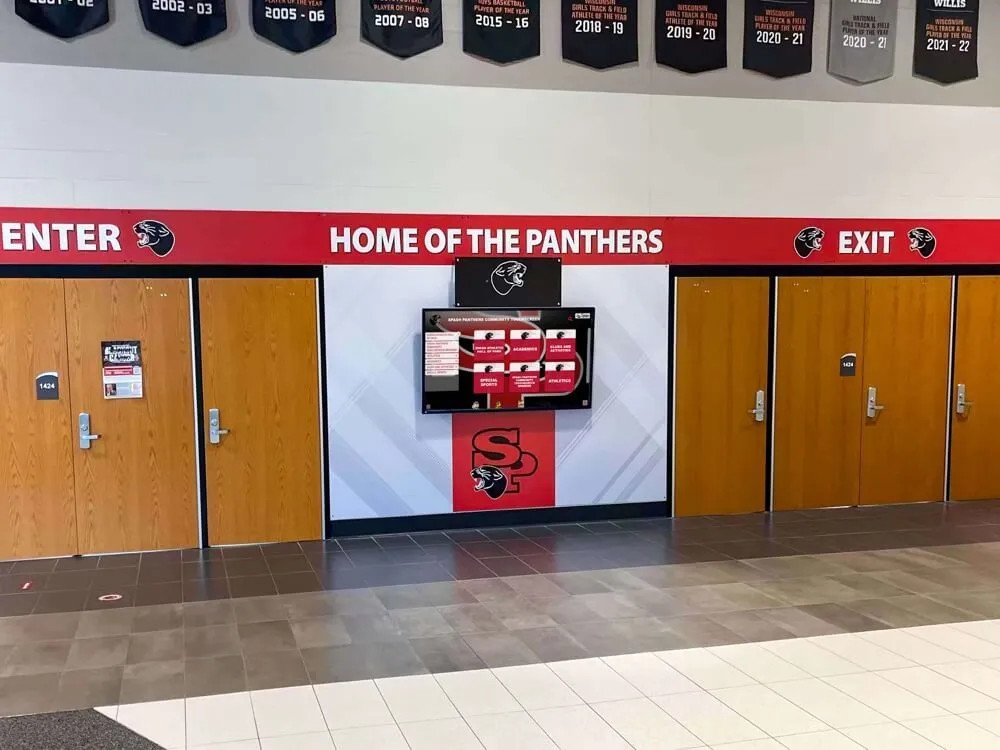
Strategic placement in high-traffic areas ensures chess recognition reaches entire school communities rather than only current club participants
Implementing Effective Chess Recognition Programs
Successful recognition requires systematic planning and thoughtful execution:
Defining Recognition Categories and Criteria
Clear frameworks ensure appropriate, equitable recognition:
Club Leadership Recognition
Presidential recognition might include:
- Name, photo, and years served as club president
- Notable accomplishments during presidency (membership growth, tournament success, special events)
- Club development initiatives and program improvements
- Leadership philosophy or message to future members
- Post-graduation outcomes showing long-term success
- Contact information for alumni networking when appropriate
Additional leadership positions deserving recognition:
- Vice presidents supporting club operations
- Tournament coordinators managing competitive participation
- Instructional coordinators organizing skill development
- Publicity coordinators building program awareness
- Founding members establishing programs
Tournament Achievement Recognition
Competitive recognition categories:
- State championship participants and top finishers
- National tournament qualifiers and competitors
- Regional tournament podium finishers
- School team championship participants
- Individual section winners at various competitive levels
- Rating milestone achievements (reaching Expert, Master, or other titles)
- Sustained competitive excellence across multiple years
Special Recognition Categories
Additional meaningful recognition:
- Most improved player awards
- Sportsmanship recognition
- Mentorship awards for players supporting teammates
- Longevity recognition for sustained participation
- Club championship winners
- Perfect tournament scores or special tactical achievements
Clear criteria help schools recognize achievement equitably while ensuring recognition remains meaningful rather than diluted through excessive inclusion.
Content Development and Profile Creation
Comprehensive recognition requires quality content:
Gathering Information Systematically
Effective data collection includes:
- Official tournament records and results from USCF or tournament organizers
- Club records documenting leadership and participation
- Student biographical information and achievement narratives
- Professional photographs or high-quality portraits
- Permission forms for photo and information publication
- Context about competitive levels and significance
- Quotes or reflections from recognized individuals when possible
Creating Engaging Individual Profiles
Strong profiles include:
- High-resolution professional or action photographs
- Complete names and years of achievement or leadership
- Specific tournament results with competition level context
- Rating information and progression over time
- Leadership accomplishments and club contributions
- Academic achievements and college outcomes when appropriate
- Personal reflections on chess participation and impact
Rich, detailed content creates meaningful recognition rather than simple name lists providing minimal information or celebration depth.
Explaining Achievement Context
Help audiences understand significance:
- Brief explanations of tournament structures and competitive levels
- Comparison to other competitive achievements for context
- Rating system information clarifying Expert, Master, and other titles
- Team vs individual competition distinction
- Qualification requirements for selective tournaments
- Historical perspective on particularly significant achievements
This context transforms confusing results into understandable celebrations accessible to entire school communities rather than only chess-knowledgeable audiences.
Learn about effective content strategies for digital recognition programs that maximize engagement and understanding.
Historical Archive Development
Comprehensive recognition documents complete program legacies:
Researching Program History
Historical development requires:
- Reviewing old yearbooks for club photos and member lists
- Examining school newspapers for tournament coverage
- Consulting institutional archives for program documentation
- Interviewing alumni about historical participation and leadership
- Gathering tournament records from organizational archives
- Collecting historical photographs and memorabilia
- Documenting program founding and significant milestones
Digitizing Historical Materials
Archive creation involves:
- Scanning historical photographs and documents
- Transcribing or OCR-processing text materials
- Organizing content chronologically and by category
- Tagging individuals and events for searchability
- Preserving original materials while creating digital access
- Filling information gaps through research and interviews
- Creating historical narrative connecting individual achievements
Progressive Implementation Strategies
Schools shouldn’t delay recognition waiting for complete archives:
- Begin with current recognition launching programs immediately
- Add historical recognition progressively as research completes
- Prioritize recent history working backward through decades
- Engage alumni in historical content contribution
- Set realistic timelines for comprehensive archive completion
- Celebrate incremental progress and additions
Starting with current recognition creates immediate value while historical development continues, preventing perfect from becoming enemy of good.
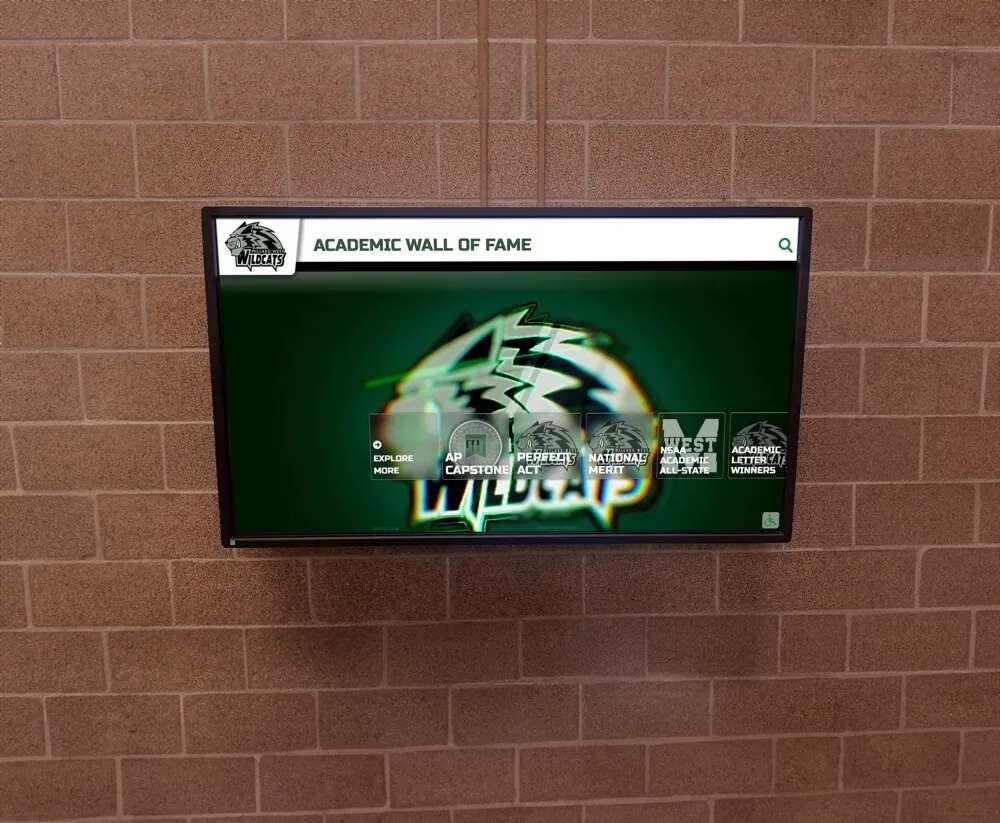
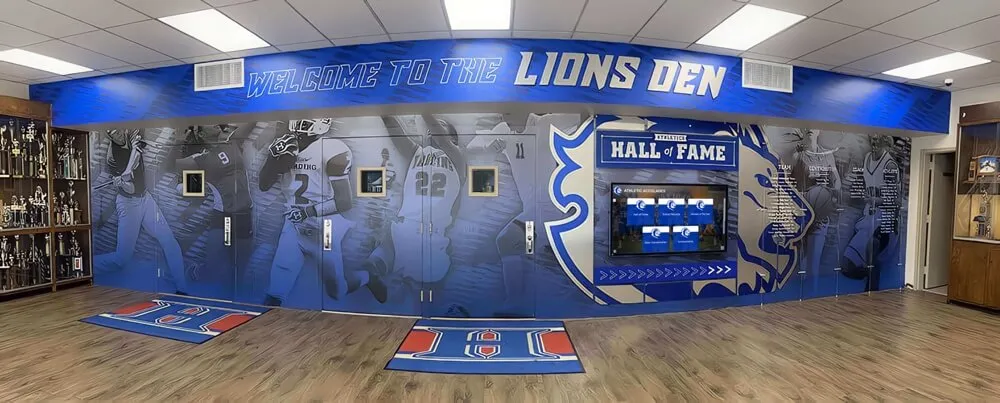
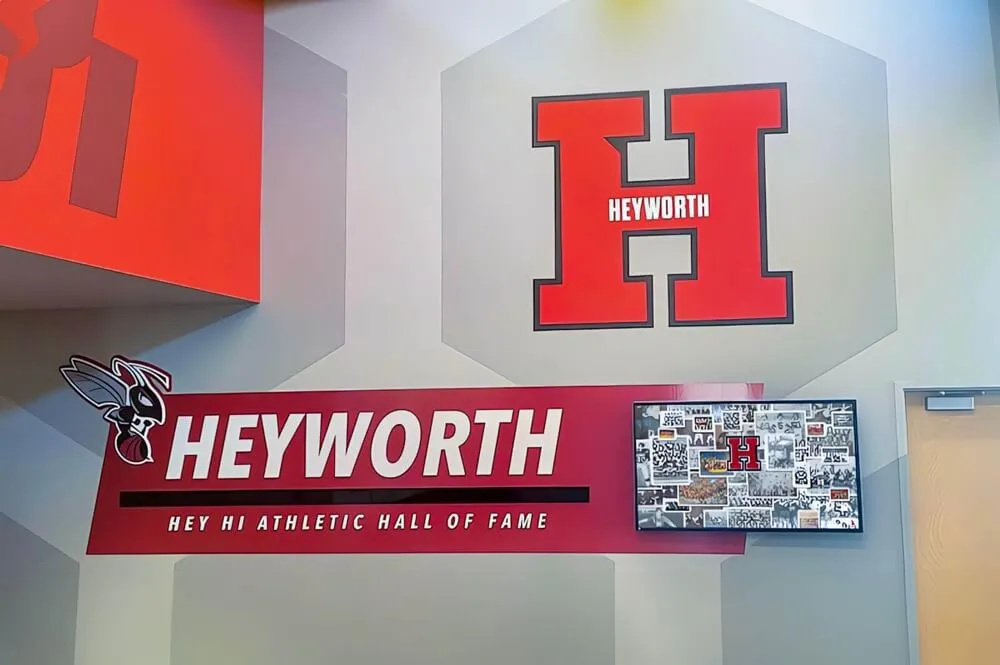
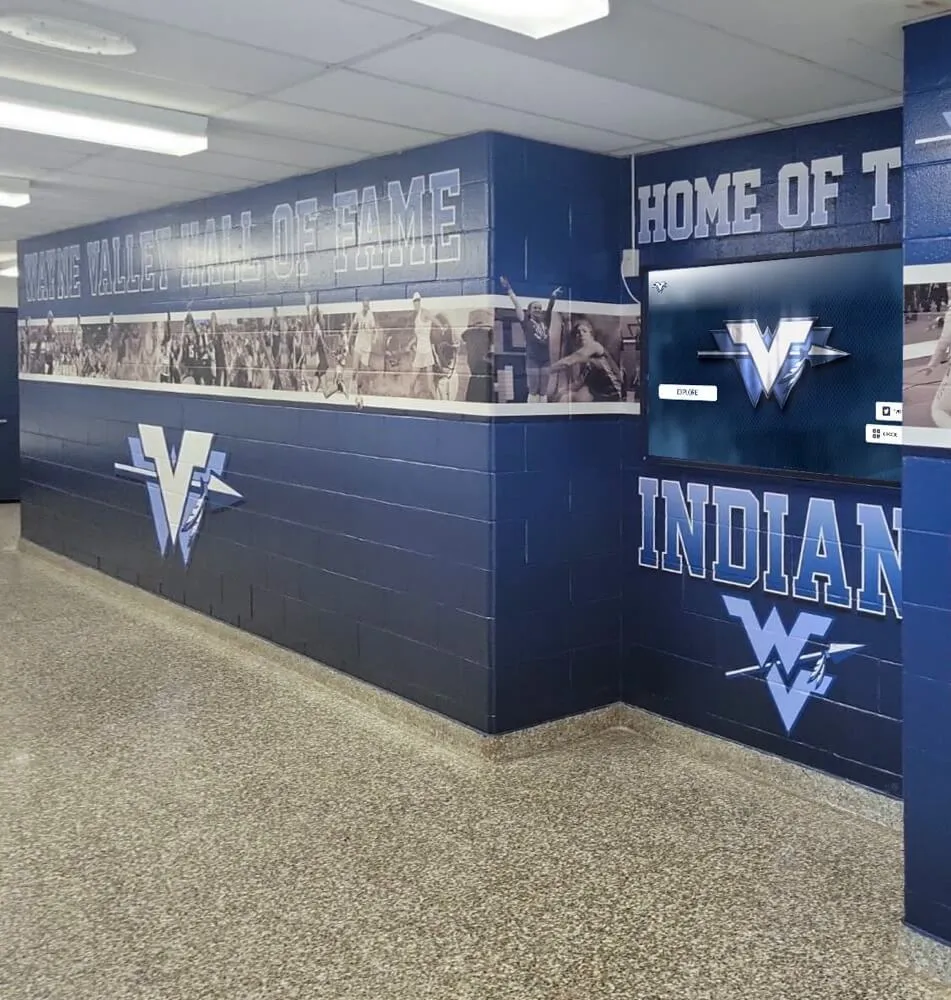
Professional installations integrate recognition displays into school environments creating focal points celebrating intellectual achievement
Specific Recognition Approaches for Chess Club Presidents
Presidential recognition deserves particular attention given leadership significance:
Comprehensive Presidential Profiles
Effective president recognition includes:
Core Biographical Information
Essential elements:
- Full name and preferred name
- High-quality professional photograph or candid leadership photo
- Years served as president (e.g., “2022-2023 Academic Year”)
- Grade level during presidency
- Additional club roles before presidency showing progression
- Post-graduation outcomes (college attended, major, career)
Presidential Accomplishments
Document leadership impact:
- Membership statistics showing growth or sustained participation
- Tournament participation organized and results achieved
- Club events, special activities, or innovations introduced
- Fundraising or resource development accomplishments
- External partnerships or relationships developed
- Club culture improvements or inclusive practice implementation
- Mentorship and instruction provided to members
Presidential Reflections
Personal perspective adds depth:
- What chess participation meant personally
- Leadership lessons learned through club presidency
- Advice for future club members and leaders
- Memorable moments or highlights from presidential term
- How chess preparation influenced academic or professional success
- Gratitude to mentors, advisors, or supporters
Visual Documentation
Rich media content includes:
- Professional leadership photos
- Action shots from meetings or tournaments
- Group photos with presidential cohorts or club members
- Tournament achievement photos during presidential term
- Video messages to future members when possible
Comprehensive profiles transform simple name lists into meaningful celebrations honoring sustained leadership contributions appropriately.
Presidential Timeline and Succession Display
Visual representation of leadership history:
Chronological Leadership Display
Timeline features might include:
- Complete list of all club presidents chronologically
- Photos and basic information for each president
- Presidential term lengths and overlap (if applicable)
- Club milestones and achievements during each presidency
- Membership statistics showing program growth
- Transition connections showing leadership succession
This visual representation helps current members understand program legacy while demonstrating sustained institutional commitment to chess programs across years or decades.
Leadership Legacy Stories
Connecting presidential contributions:
- Founding presidents establishing programs
- Growth presidents expanding membership significantly
- Competitive presidents achieving tournament success
- Innovation presidents introducing new programs or approaches
- Sustained excellence presidents maintaining strong programs
Narrative connections help audiences understand how individual presidents built cumulative program strength rather than viewing leadership as disconnected individual terms.
Connecting Presidential Recognition to College Success
Document outcomes demonstrating value:
Post-Graduation Achievement Tracking
When possible and appropriate:
- Colleges attended by former club presidents
- Academic majors and career paths pursued
- Professional achievements and recognitions
- Continued chess involvement at college or adult levels
- Leadership roles in college or professional contexts
- Alumni reflections on how chess leadership prepared them
This outcome documentation demonstrates that chess leadership develops capabilities contributing to long-term success, strengthening program value proposition for current students considering participation.
Explore strategies for recognizing student leadership comprehensively across academic and extracurricular contexts.
Recognition Strategies for Tournament Winners
Competitive achievement recognition requires thoughtful approaches:
Organizing Tournament Recognition by Competitive Level
Clear structure helps audiences understand significance:
National Competition Recognition
Highest competitive tier:
- SuperNationals participants and top finishers
- National scholastic championship competitors
- Pan-American or international tournament participants
- National team championship representatives
- Invitation-only elite tournament competitors
Prominent positioning and detailed recognition appropriate for these highly selective accomplishments.
State Championship Recognition
Regional competitive excellence:
- State championship tournament participants
- Section winners and top finishers at state events
- State team championship members
- Qualification achievements for national competition
- Multi-year state tournament competitors
Strong recognition demonstrating sustained competitive excellence at selective levels.
Regional and Local Tournament Recognition
Broader competitive participation:
- Regional scholastic tournament top finishers
- District or county championship results
- Scholastic league participation and results
- Club championship winners
- Beginning competitive achievement recognition
Inclusive recognition celebrating developing competitive capability and early tournament success.
Rating-Based Achievement Recognition
Individual development milestones:
- Reaching Expert rating (2000 USCF)
- Achieving Master rating (2200 USCF)
- Earning FIDE titles when applicable
- Significant rating improvement achievements
- Sustaining high ratings over time
Rating achievements provide objective measures of individual skill development complementing tournament results.
Team vs Individual Achievement Recognition
Chess includes both competitive formats:
Team Competition Recognition
School team achievements:
- State team championship participants and results
- Regional team tournament top finishes
- Multi-school league team competitions
- Team composition and individual board assignments
- Team captain leadership recognition
- Cumulative team records across tournaments
Team recognition celebrates collaborative preparation and collective representation of schools in external competition.
Individual Competition Recognition
Personal achievement celebration:
- Individual section winners and top finishes
- Personal best tournament performances
- Rating achievements and progression
- Sustained individual competitive excellence
- Qualification achievements based on individual performance
Individual recognition honors personal skill development and competitive achievement independent of team contexts.
Balancing Team and Individual Focus
Both deserve appropriate recognition:
- Team achievements building school identity and collective pride
- Individual accomplishments honoring personal skill development
- Recognition showing how individual excellence contributes to team success
- Celebrating both formats demonstrating program comprehensive value
Balanced recognition avoids overemphasis on either individual or team achievement at expense of the other.
Providing Context for Non-Chess Audiences
Recognition must communicate effectively to broad audiences:
Tournament Structure Explanation
Help viewers understand:
- Swiss system tournament formats and how they differ from elimination brackets
- Section organization by rating, grade, or age
- Point scoring systems and tiebreak procedures
- Time controls and their competitive significance
- Multiple winners in different sections at same tournament
Brief educational content integrated into recognition helps entire school communities appreciate achievement rather than confusing unfamiliar audiences.
Competitive Level Significance
Clarify achievement selectivity:
- Number of participants or competitors at various levels
- Qualification requirements for selective tournaments
- Geographic scope (local, state, regional, national, international)
- Comparison to familiar athletic competition structures
- Historical context for particularly significant achievements
This context helps audiences understand that state or national chess championships represent achievement comparable to similar-level athletic tournaments rather than assuming chess competition lacks selectivity or significance.
Rating System Explanation
Demystify USCF ratings:
- Brief explanation of rating system and how it works
- Rating ranges and what they indicate about skill level
- Expert and Master titles and their significance
- Comparison to academic achievement for context (e.g., “Expert rating is like graduating with honors”)
- Approximately what percentage of tournament players achieve various levels
Educational content prevents audiences from dismissing rating achievements they don’t understand while helping celebrate these meaningful milestones appropriately.
Explore approaches to competitive achievement recognition across academic and intellectual competitions.

Recognition installations can celebrate championship achievement and sustained excellence while maintaining professional appearance and unlimited capacity
Technology and Platform Selection for Chess Recognition
Appropriate technology selection ensures long-term program success:
Purpose-Built Recognition vs Generic Digital Signage
Distinguish between platform types:
Recognition-Specific Platforms
Specialized solutions provide:
- Interactive touchscreen interfaces optimized for achievement exploration
- Comprehensive profile databases organizing individuals and accomplishments
- Robust media management for photos, videos, and documents
- Search and filtering enabling discovery across large archives
- Historical archive management preserving decades of recognition
- Web accessibility extending recognition beyond physical displays
- Administrative tools designed for recognition workflows
Solutions like Rocket Alumni Solutions offer purpose-built platforms specifically designed for educational recognition, with features addressing chess programs’ unique needs for comprehensive historical archives, diverse achievement categories, and explanatory context helping broad audiences understand competitive significance.
Generic Digital Signage Limitations
Standard signage platforms serve different purposes:
- Designed for announcements, menus, and time-sensitive information
- Poor support for interactive exploration and database navigation
- Inadequate profile management for biographical recognition
- Missing features for organizing multi-year historical content
- Limited interactivity preventing engaged exploration
Schools attempting to force chess recognition into generic signage platforms consistently encounter frustration as content management becomes overwhelming while user experiences fall far short of what purpose-built recognition platforms deliver.
Learn about recognition software selection considerations and platform evaluation criteria.
Essential Features for Chess Recognition
Evaluate platforms based on capabilities critical for chess programs:
Database and Profile Management
Required functionality:
- Individual profile pages for presidents and competitors
- Flexible data fields accommodating diverse achievement types
- Relationship mapping connecting team members and tournament groupings
- Multi-year tracking showing competitive progression
- Import tools for efficiently adding historical archives
- Category tagging enabling filtering by achievement type, year, or competitive level
Media Management Capabilities
Visual content requirements:
- Photo libraries organizing hundreds or thousands of images
- Video hosting for games, interviews, or tournament moments
- Gallery features showing multiple images per profile
- Automatic optimization for various display sizes
- Batch upload capabilities for efficiency
- Cloud storage eliminating capacity constraints
Search and Navigation Features
Discovery capabilities:
- Text search finding individuals by name instantly
- Filtering by year, achievement category, or competitive level
- Chronological browsing for historical exploration
- Random discovery highlighting diverse achievers
- Related content connections linking teammates or co-participants
- Multiple view options accommodating different user preferences
Educational Content Integration
Context and explanation features:
- Custom page capabilities for tournament structure explanation
- Glossary or definition features for chess terminology
- Historical narrative sections documenting program evolution
- Video or multimedia educational content
- Statistical displays showing program growth and achievement trends
Web and Mobile Accessibility
Extended reach capabilities:
- Responsive web design ensuring smartphone and tablet compatibility
- Social sharing enabling celebration across networks
- Remote access for alumni, families, and community members
- Integration options with existing school websites
- Multiple simultaneous display and web platform synchronization
Comprehensive feature sets ensure recognition platforms serve chess programs’ specific needs effectively rather than forcing compromises that limit recognition scope or engagement quality.
Display Hardware and Installation
Physical presentation affects recognition effectiveness:
Display Size and Format
Common configurations:
- 43-55 inch displays suitable for club rooms or smaller spaces
- 55-65 inch displays ideal for hallways and general locations
- 65-75+ inch displays creating impressive focal points in lobbies
- Multiple displays showing different recognition categories simultaneously
- Vertical or horizontal orientation depending on content and space
Mounting Options
Installation approaches:
- Wall-mounted displays in hallways or lobbies
- Freestanding kiosk enclosures not requiring wall mounting
- Table-mounted displays for club rooms or meeting spaces
- Built-in installations integrated with existing architectural features
Location and Placement
Strategic positioning:
- Main entrance lobbies maximizing visibility to all visitors
- Library or academic wing emphasizing intellectual achievement
- Chess club meeting room creating dedicated program space
- Cafeteria or commons areas reaching broad student populations
- Positioning ensuring chess recognition achieves prominence comparable to athletic displays
Professional installation and strategic placement ensure chess recognition creates intended impact rather than appearing as afterthought relegated to secondary locations.
Explore comprehensive interactive display selection and installation guidance for recognition programs.
Launching and Promoting Chess Recognition Programs
Effective launch and promotion maximize awareness and engagement:
Unveiling Events and Dedication Ceremonies
Formal launches create memorable experiences:
Launch Event Planning
Successful unveiling includes:
- Timing coordinated with chess club meetings or tournament celebration events
- Invitations to current and historical club presidents
- Recognition of recent tournament winners and competitors
- School leadership remarks emphasizing intellectual achievement commitment
- Interactive demonstrations enabling attendees to explore recognition
- Photo opportunities with new displays
- Media coverage generating awareness
Community Engagement
Broader participation:
- Alumni outreach inviting former presidents and competitors
- Parent attendance celebrating student achievements
- Faculty and advisor recognition honoring program support
- Community member invitations demonstrating public commitment
- Student body awareness creating peer celebration
Launch events position chess recognition as significant institutional investments celebrating intellectual achievement prominently rather than quietly adding displays without fanfare.
Ongoing Promotion and Awareness
Sustained communication maintains recognition visibility:
Social Media Campaigns
Digital promotion:
- Individual feature posts highlighting presidents and tournament winners
- “This Week in Chess History” highlighting past achievements
- Tournament result celebrations with photos and details
- Behind-the-scenes content about recognition development
- Video tours demonstrating display features and content
School Communications
Internal messaging:
- Newsletter features introducing recognition and celebrating achievements
- Morning announcements directing students to explore displays
- Email notifications to families when students receive recognition
- Website features linking to web-accessible recognition
- Integration into school tours for prospective families
Chess Community Engagement
Targeted outreach:
- Club meeting discussions encouraging members to explore recognition
- Tournament announcements mentioning upcoming recognition inclusion
- President transition ceremonies at recognition displays
- Alumni networking events centered around recognition exploration
- Challenge campaigns encouraging students to work toward recognition goals
Multi-channel promotion ensures entire school communities discover and engage with chess recognition rather than displays remaining unknown despite substantial investment.
Measuring Impact and Program Evaluation
Assessment demonstrates recognition value:
Quantitative Metrics
Measurable outcomes:
- Chess club membership growth after recognition implementation
- Tournament participation increases
- Display interaction analytics showing engagement frequency and duration
- Web platform traffic and social sharing metrics
- Prospective family interest and enrollment impacts
Qualitative Assessment
Stakeholder feedback:
- Student surveys about recognition awareness and motivational impact
- Parent feedback on celebration visibility and appropriateness
- Alumni engagement and connection to current programs
- Faculty and advisor observations about cultural shifts
- Community perception of institutional priorities and program quality
Regular evaluation demonstrates recognition effectiveness while identifying improvement opportunities ensuring programs continue delivering intended outcomes.
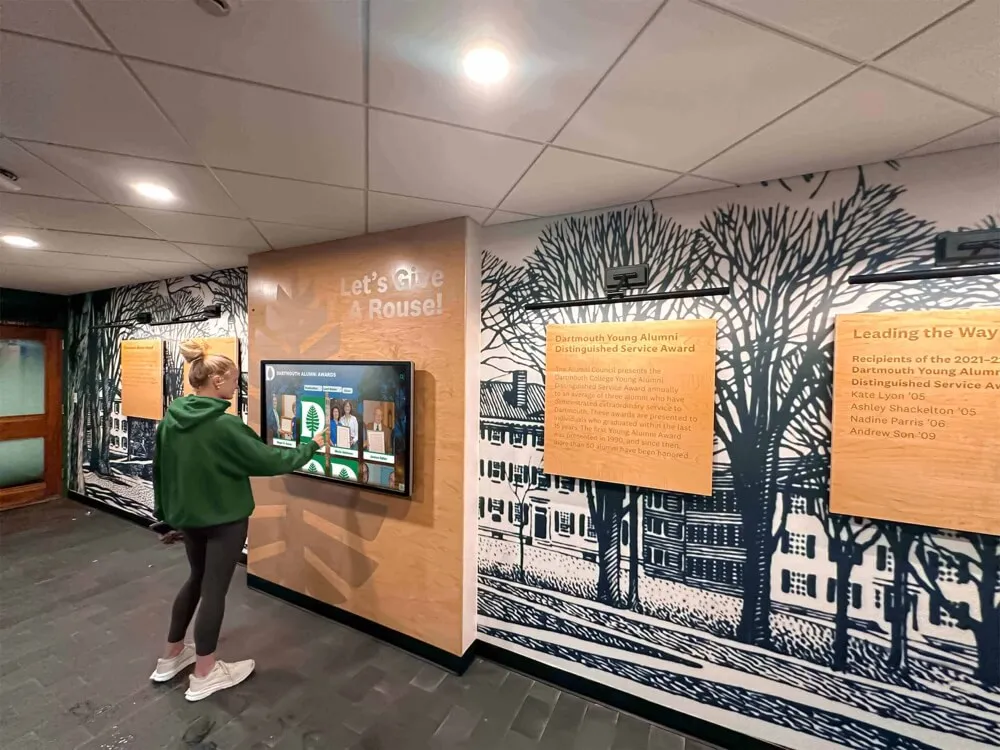
Intuitive interfaces enable easy exploration ensuring recognition reaches broad audiences regardless of chess knowledge or technical comfort
Special Considerations and Best Practices
Several additional factors enhance chess recognition effectiveness:
Balancing Competition and Participation Recognition
Inclusive programs celebrate diverse contributions:
Competitive Excellence Recognition
Tournament and rating achievements:
- State and national tournament success
- Rating milestones and titles
- Championship team participation
- Sustained competitive excellence
Participation and Improvement Recognition
Broader celebration:
- Years of sustained involvement regardless of competitive success
- Significant rating improvement or skill development
- Club championship participation showing internal engagement
- Mentorship and peer teaching contributions
- Leadership in non-president roles
Comprehensive recognition avoids suggesting only elite competitive achievement matters while celebrating the diverse contributions building successful, inclusive programs.
Connecting Chess to Broader School Achievement
Integration creates comprehensive messaging:
Academic Achievement Connections
Highlighting relationships:
- Chess participants’ academic performance and honor roll achievement
- College acceptance outcomes for club presidents and competitors
- Academic awards and recognition alongside chess accomplishments
- Professional success stories from chess alumni
- Research on chess participation and academic performance correlation
These connections help skeptical audiences understand chess program value while reinforcing that intellectual competition supports broader academic mission.
Leadership Development Integration
Comprehensive student development:
- Chess club presidency alongside other leadership roles
- Skill development applicable across contexts
- Character development through competitive experience
- Teamwork and collaboration in team competition contexts
Positioning chess within comprehensive student development frameworks rather than isolated activity strengthens program credibility and institutional support.
Maintaining Recognition Currency and Accuracy
Sustainable programs require ongoing management:
Regular Content Updates
Keeping recognition current:
- Annual addition of new club presidents promptly after transitions
- Tournament result updates following major competitions
- Photo updates ensuring current, high-quality images
- Biographical information updates as students graduate and continue education
- Historical research adding newly-discovered archival content
Regular updates maintain recognition relevance and accuracy while demonstrating sustained institutional commitment.
Quality Assurance Processes
Ensuring accuracy:
- Result verification with official tournament records
- Information confirmation with recognized individuals
- Photo quality and appropriateness review
- Privacy and permission compliance checking
- Link validation ensuring all connections work properly
Quality processes maintain recognition professionalism and credibility rather than allowing errors and outdated information to undermine program value.
Explore comprehensive digital recognition management strategies ensuring long-term program effectiveness.
Privacy and Permission Considerations
Appropriate practices protect student information:
Photo and Information Permissions
Required consents:
- Photo release forms authorizing public display of student images
- Recognition consent allowing name and achievement publication
- Annual permission renewal as students mature
- Clear opt-out procedures for families with privacy concerns
- FERPA compliance in all information sharing practices
Age-Appropriate Information
Developmental considerations:
- Limited personal information for younger students
- More comprehensive biographical content for older students and alumni
- Sensitive information exclusion (addresses, contact details)
- Privacy default approaches requiring opt-in for extended information
- Parent control over content for minor students
Balancing celebration with privacy protection ensures recognition enhances rather than complicates student and family experiences.
Conclusion: Elevating Chess Recognition to Appropriate Prominence
Chess club presidents and tournament winners demonstrate intellectual discipline, competitive excellence, strategic thinking, and leadership capabilities deserving recognition comparable to any other student achievement. When schools implement comprehensive digital recognition showcasing unlimited accomplishments, providing rich historical archives, creating engaging interactive experiences, and positioning chess prominently throughout facilities, they send clear messages that intellectual competition matters as much as athletic achievement while inspiring broader participation in programs developing valuable cognitive and competitive capabilities.
The strategies explored in this guide provide frameworks for developing chess recognition that appropriately honors club leadership and tournament success while overcoming the unique challenges chess programs face with visibility, understanding, and traditional recognition limitations. From unlimited digital capacity and interactive exploration to strategic placement and comprehensive content, modern recognition approaches transform occasional chess announcements into systematic celebration woven throughout institutional culture.
Ready to transform how your school recognizes chess achievement? Modern digital recognition solutions help schools honor chess club presidents and tournament winners comprehensively while inspiring continued participation and building cultures where intellectual competition receives appropriate celebration. Solutions like Rocket Alumni Solutions provide comprehensive platforms specifically designed for club and competitive recognition, offering unlimited capacity, rich multimedia profiles, interactive exploration, and web accessibility that extends chess recognition impact far beyond traditional trophy cases and printed announcements.
Whether establishing your first comprehensive chess recognition program or modernizing existing approaches, start with clear planning establishing appropriate categories and criteria, select technology matching your specific needs and resources, develop engaging content celebrating achievements with context helping broad audiences understand significance, and implement systematic processes ensuring long-term sustainability and continued effectiveness.
Your chess club presidents and tournament winners deserve recognition that appropriately honors their intellectual achievement, competitive excellence, and leadership dedication while inspiring peers to pursue similar accomplishment. With thoughtful planning, appropriate technology selection, comprehensive content development, and consistent implementation, you can create digital recognition systems that celebrate chess as prominently as any other achievement—building intellectual excellence cultures where strategic thinking is valued, mental competition is celebrated, and every student understands that schools recognize diverse forms of achievement and excellence equally.
The most important considerations aren’t budget size, facility quality, or program history—they’re genuine commitment to comprehensive intellectual achievement celebration, systematic implementation ensuring consistent execution year after year, and sustained effort positioning chess recognition prominently rather than relegating it to overlooked corners. Your chess participants invest countless hours developing strategic thinking, competitive capability, and leadership skills; investing appropriately in their recognition represents not just acknowledgment but strategic investment in academic culture benefiting students for generations to come.
Start planning your chess recognition implementation today, and create the intellectual achievement culture your students deserve. Explore comprehensive approaches to recognizing club leadership or learn more about digital display technology for student achievement to begin your recognition transformation journey.