



Successful charity events do more than raise funds—they build community, inspire generosity, create memorable experiences, and establish lasting relationships with supporters who become invested in your mission. Whether you’re planning your organization’s first fundraising gala or reimagining an established annual event, the right event format combined with thoughtful donor recognition transforms single-evening fundraisers into sustainable revenue streams that grow year after year.
The challenge many nonprofits, schools, and community organizations face involves selecting event formats that resonate with their specific communities, managing logistics with limited volunteer capacity, engaging sponsors who expect meaningful visibility, and—perhaps most critically—implementing recognition systems that honor supporters appropriately while encouraging continued engagement beyond the event itself.
This comprehensive guide explores proven charity event ideas across multiple formats, strategic planning frameworks that maximize both attendance and revenue, volunteer coordination approaches that prevent burnout, sponsor engagement strategies that deliver value, and modern recognition solutions that celebrate supporters not just on event night but throughout the year, building the lasting relationships that transform occasional donors into committed advocates.
Effective charity events serve multiple strategic purposes: they generate immediate revenue supporting programs and operations, build awareness of organizational missions within broader communities, create opportunities for meaningful donor engagement beyond transactional giving, establish volunteer leadership pipelines, and provide tangible moments when supporters see their contributions making visible impact. Organizations approaching event planning strategically create fundraising programs that compound value over time rather than requiring constant reinvention.

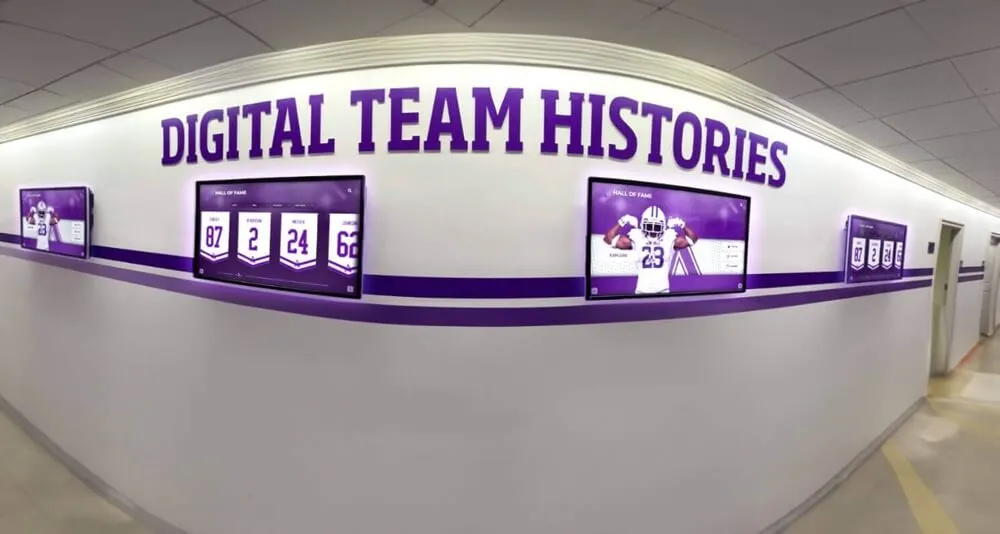
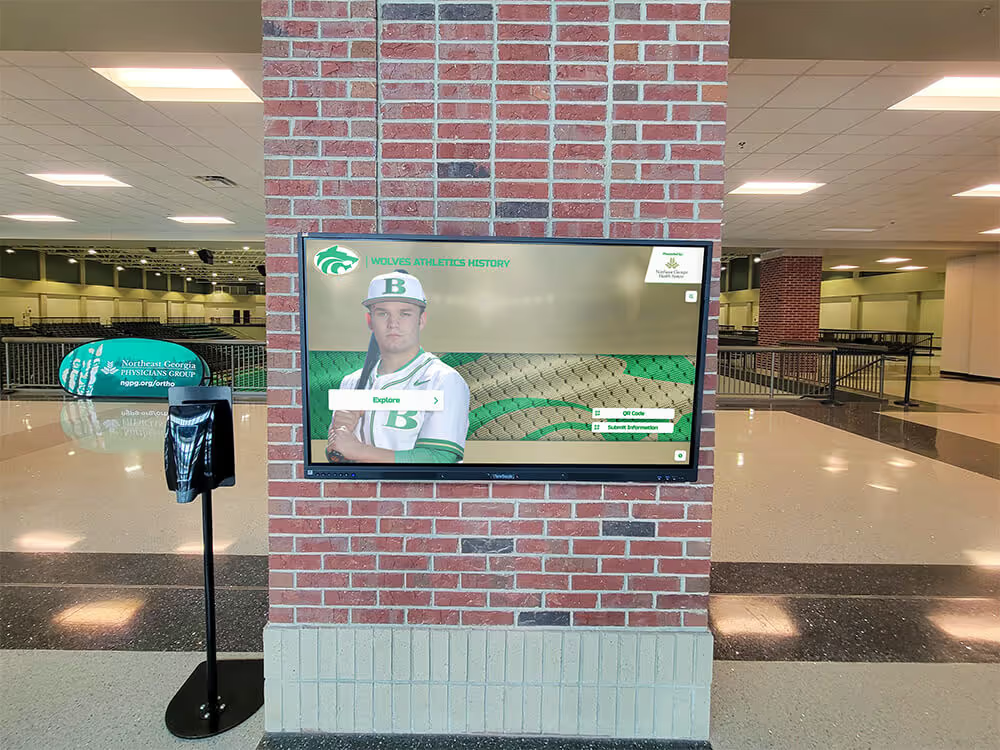
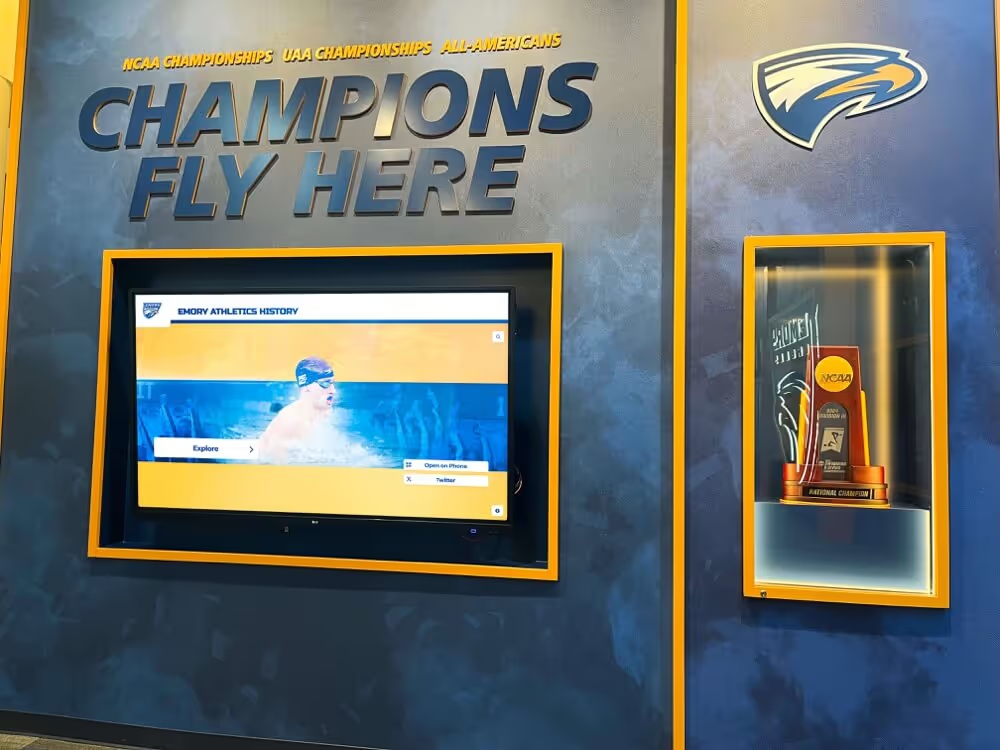
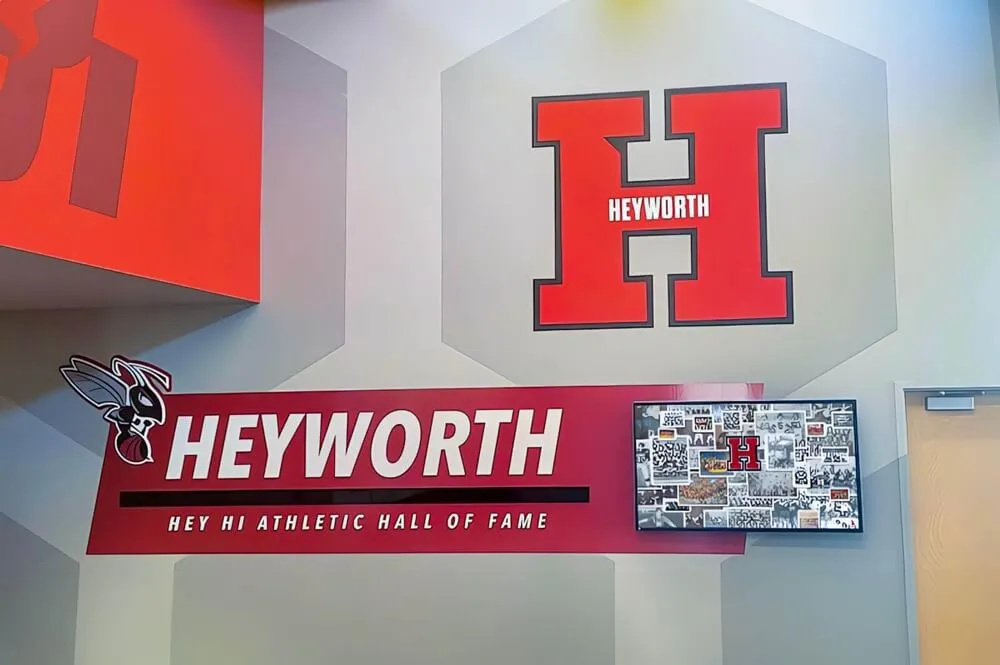
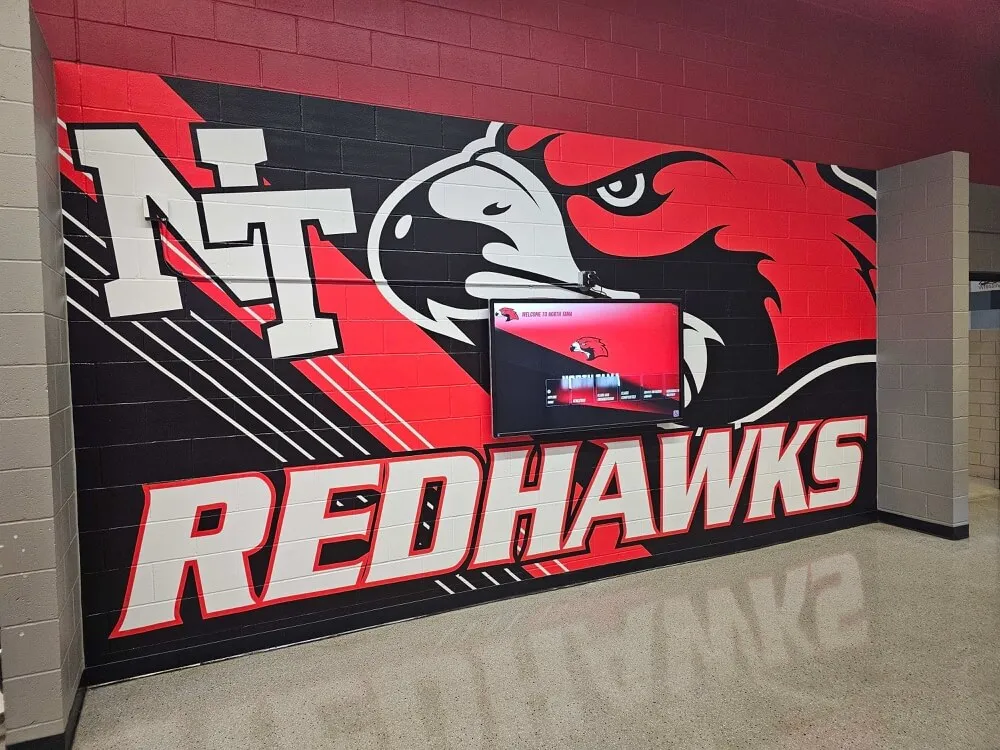
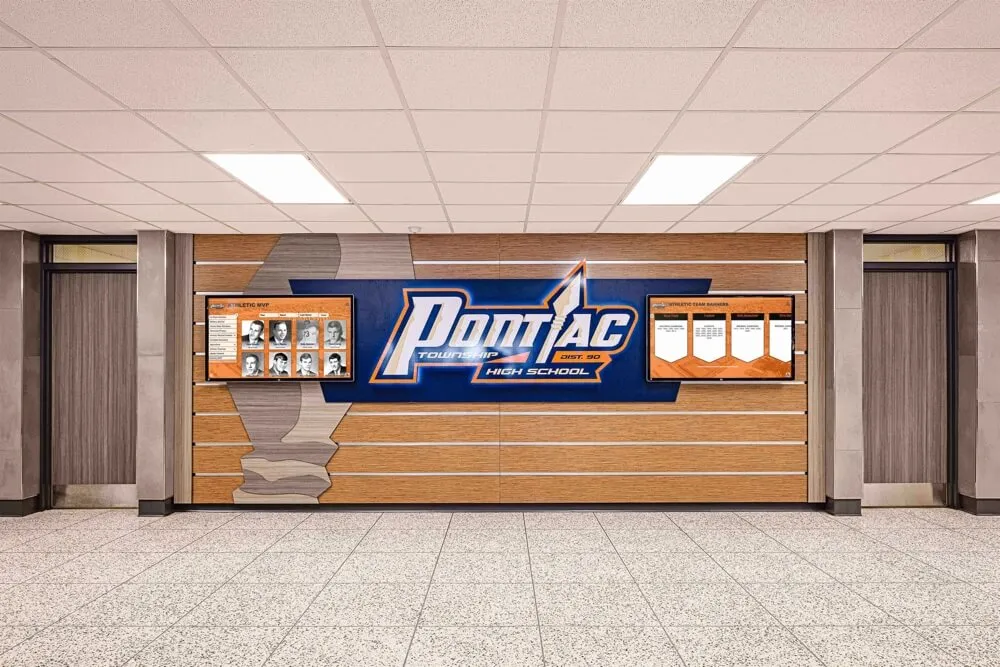
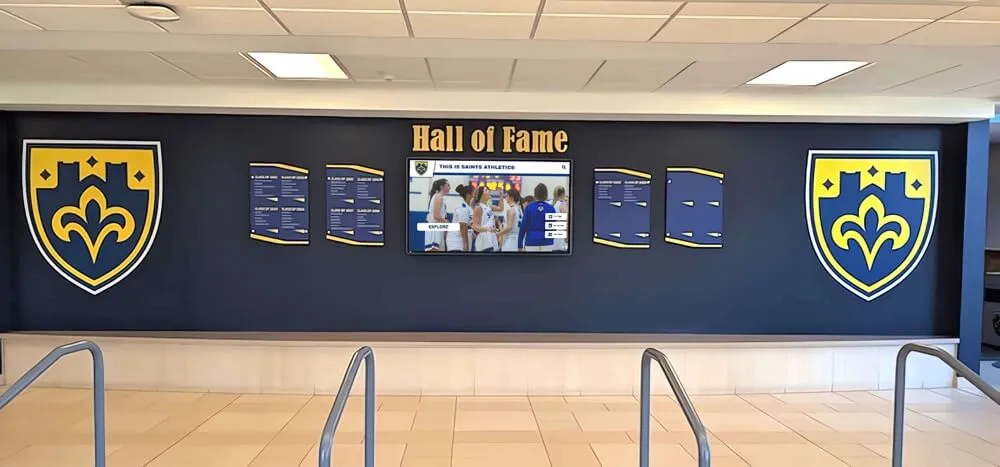
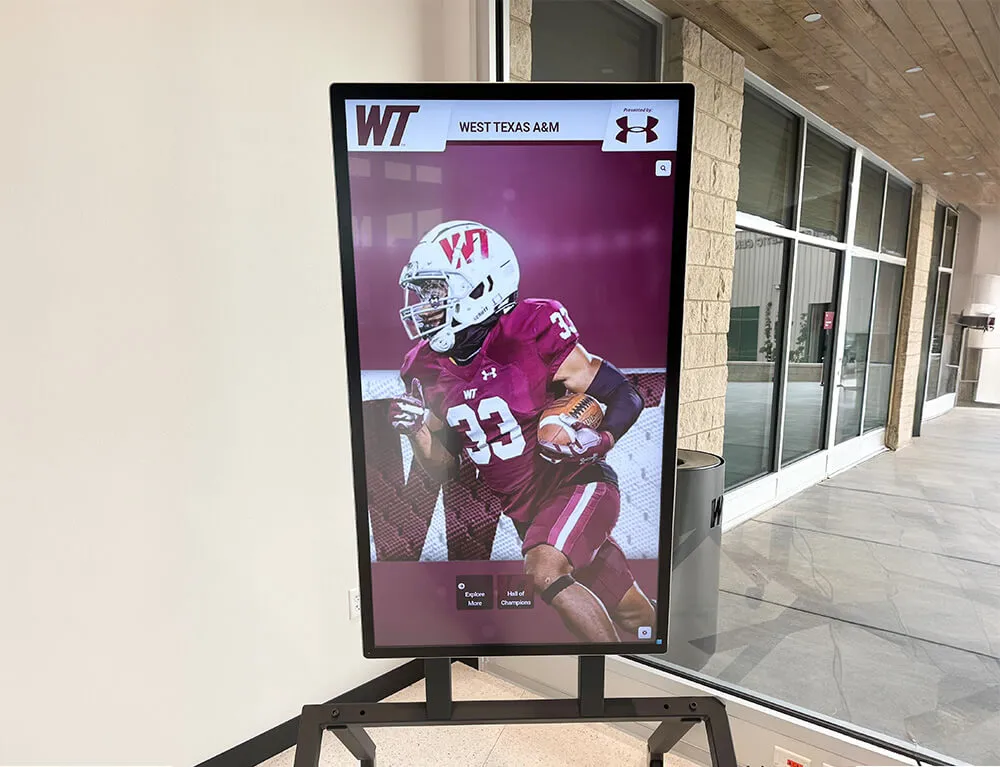
Year-round recognition displays celebrate event supporters long after fundraising nights conclude, building lasting community connections
Program Snapshot: Charity Event Planning Framework
Understanding the complete event ecosystem helps organizations implement comprehensive approaches that maximize both immediate fundraising and long-term relationship building.
| Program Element | Description | Recognition Opportunities |
|---|---|---|
| Event Formats | Galas, auctions, walks/runs, golf tournaments, peer-to-peer campaigns, virtual events | Title sponsors, presenting partners, table hosts, top fundraisers, volunteer leaders |
| Planning Timeline | 6-12 months advance planning for major events; 3-6 months for smaller programs | Planning committee recognition, early commitment acknowledgment, milestone celebrations |
| Volunteer Teams | Event chairs, committees, day-of volunteers, ambassador programs | Leadership spotlights, service hour tracking, multi-year volunteer honors |
| Sponsor Engagement | Corporate partnerships, in-kind donations, media sponsors, venue partners | Logo visibility, speaking opportunities, VIP experiences, year-round facility displays |
| Attendee Experience | Registration, arrival, program flow, auction/activities, checkout, follow-up | Attendee appreciation, repeat participant recognition, giving society induction |
| Post-Event Stewardship | Thank-you communications, tax receipts, impact reporting, next-event invitations | Donor walls, digital recognition displays, impact showcases, annual reports |
Proven Charity Event Formats and Ideas
Different event types attract varied audiences and serve distinct organizational needs—selecting formats aligned with your mission, community, and capacity ensures success.
Formal Galas and Dinner Events
Traditional evening events combining dining, program elements, and fundraising appeals:
Gala Event Components
Effective formal events typically include:
- Cocktail Reception - Pre-dinner networking creating warm, social atmosphere
- Silent Auction - Items displayed throughout venue generating competitive bidding
- Dinner Service - Plated meals enabling program presentations during seated time
- Live Auction - High-value items or experiences generating significant revenue
- Program Elements - Mission moments, impact stories, honoree recognition, entertainment
- Fund-a-Need Appeal - Direct giving opportunity supporting specific programs or needs
- Entertainment - Live music, performances, or speakers enhancing experience value
According to fundraising research, well-executed galas generate $75-150 per attendee on average, with events incorporating compelling mission storytelling and strategic fund-a-need appeals often exceeding $200 per person.
Gala Planning Essentials
Key considerations for formal events:
- Venue selection balancing capacity, ambiance, accessibility, and budget
- Ticket pricing structures with individual tickets and table packages
- Sponsorship opportunities providing business visibility and VIP experiences
- Auction procurement through donated items, experiences, and packages
- Program flow maintaining energy while allowing adequate fundraising time
- Audio-visual needs supporting presentations, videos, and live auction displays
- Volunteer roles including greeters, registration, auction support, checkout
- Post-event follow-up with timely thank-yous and impact communication
Organizations implementing galas report that consistent annual events build tradition and attendance momentum, with mature programs often selling out months in advance as communities mark calendars for signature fundraising celebrations.
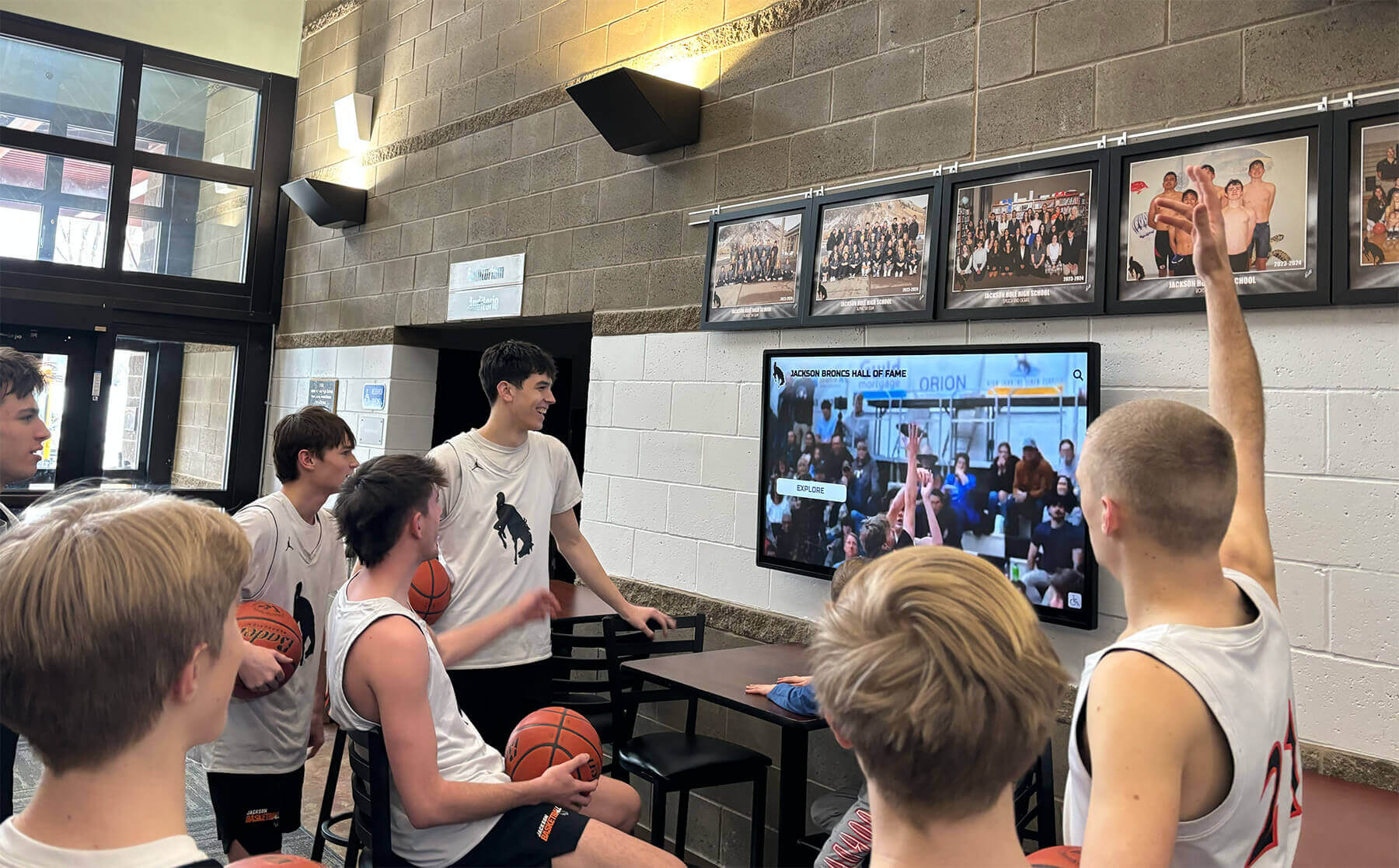
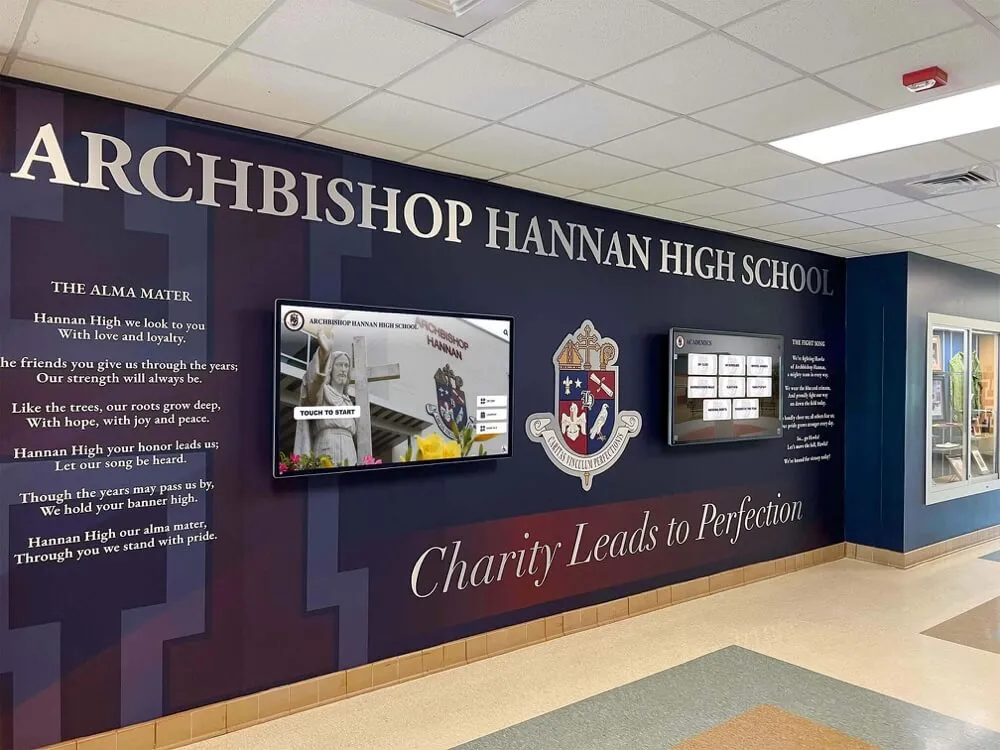
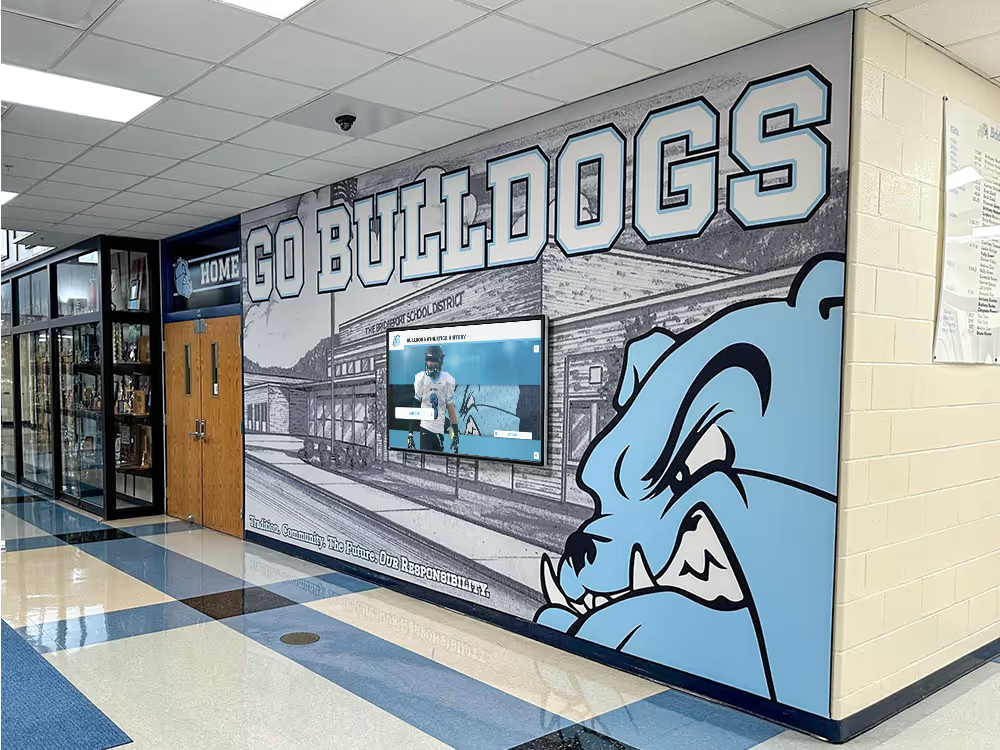
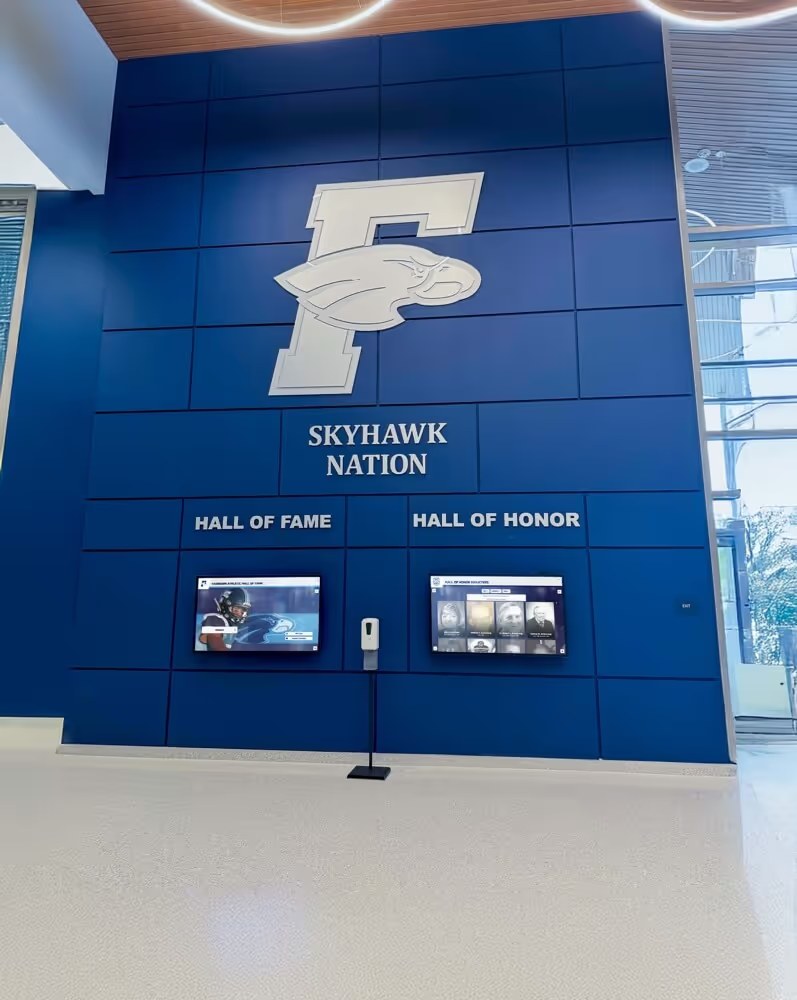
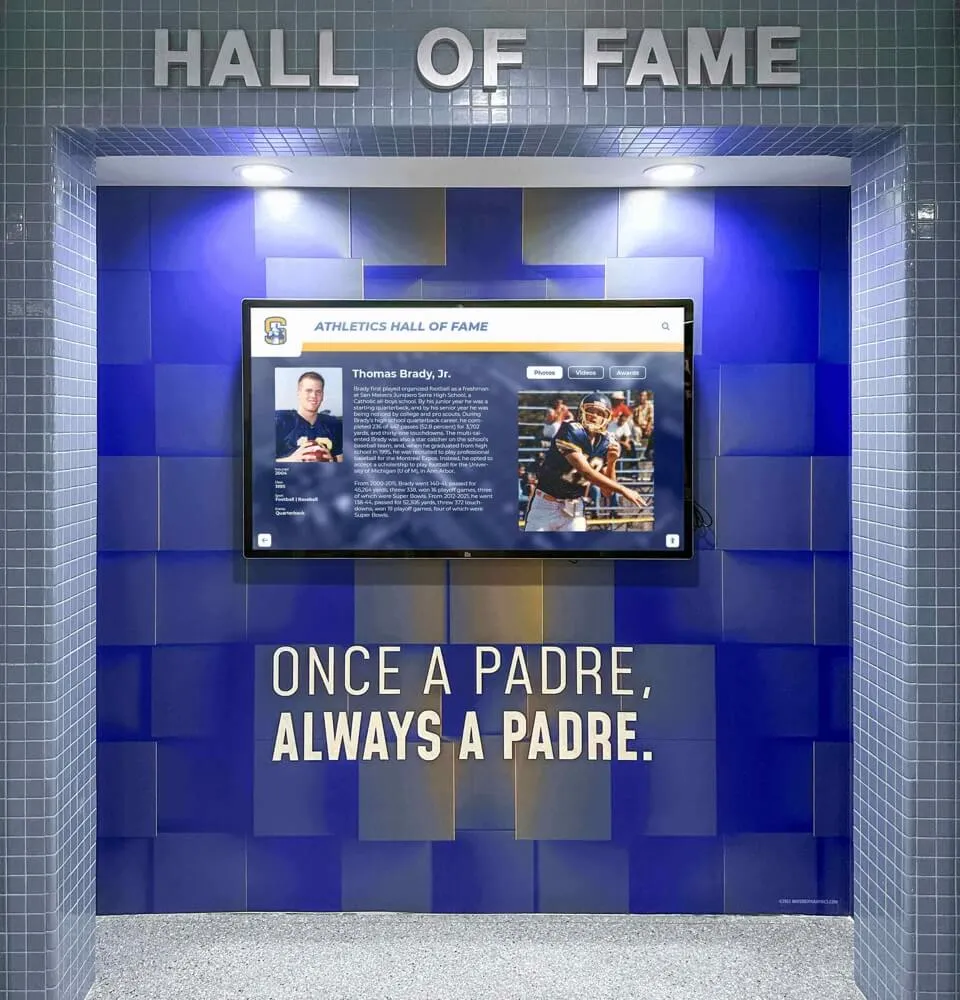
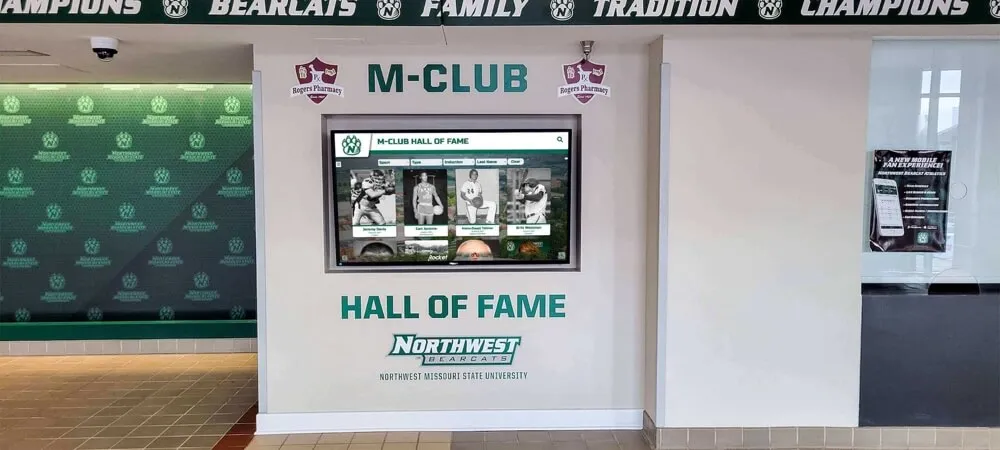
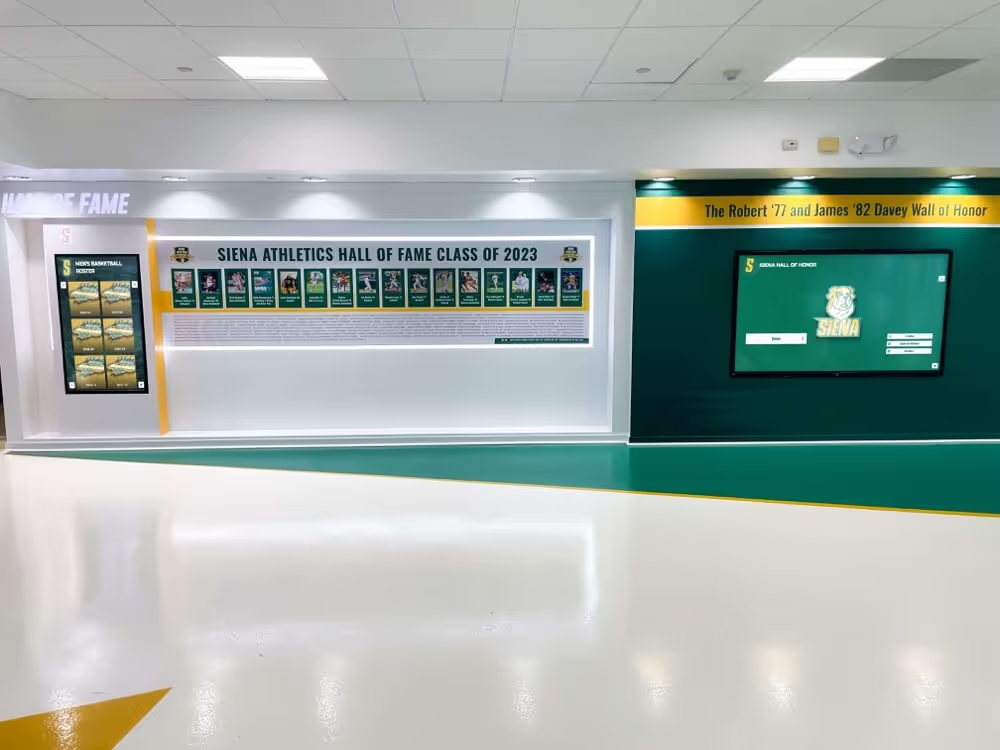
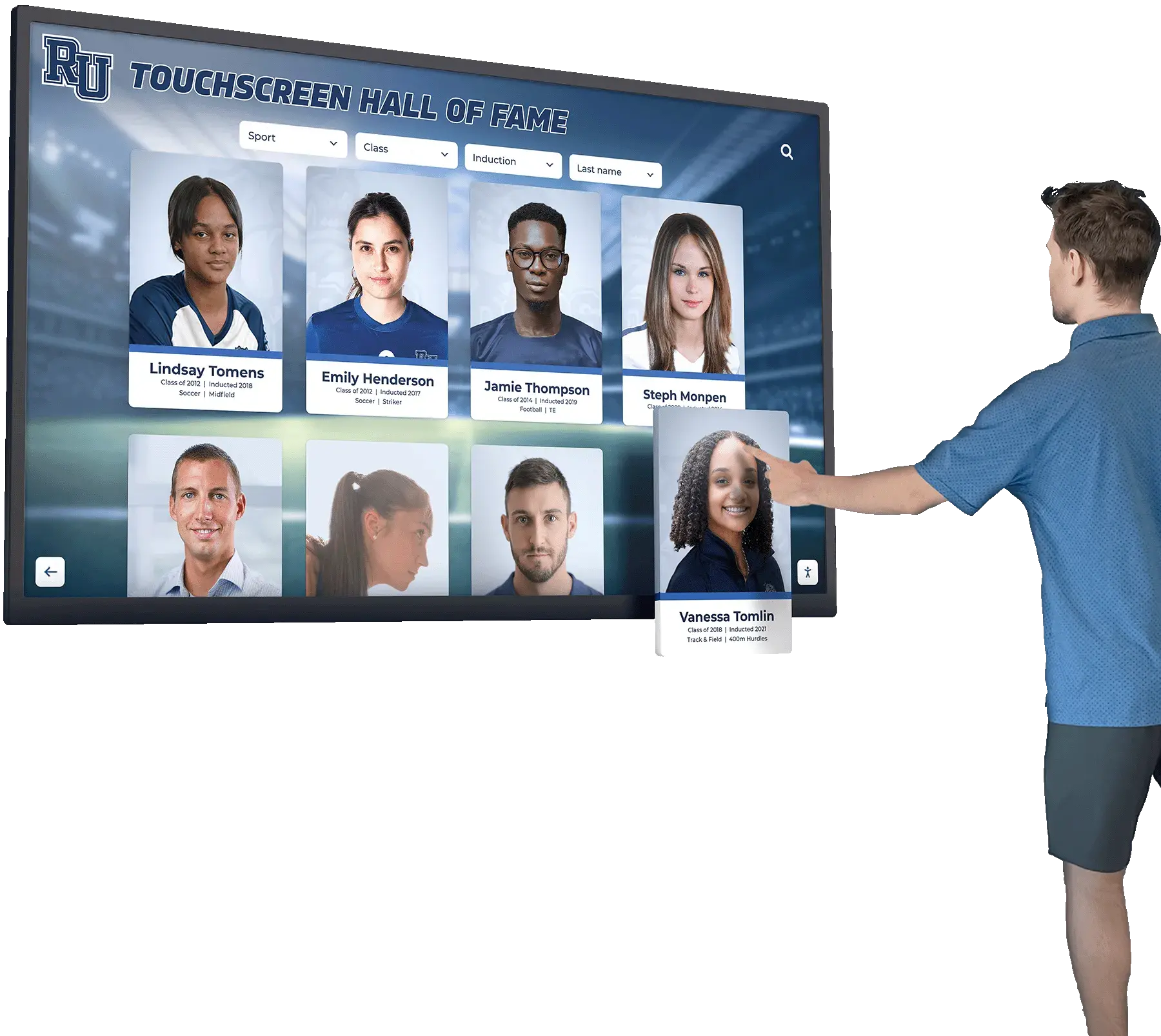
Digital displays in facilities showcase event highlights and supporter recognition throughout the year
Active Participation Events
Walk-a-thons, run races, bike rides, and similar activity-based fundraisers:
5K Runs, Walks, and Team Challenges
Participatory events create inclusive fundraising opportunities:
Event Structure Elements
- Registration including individual participants and team formations
- Fundraising minimums or suggested targets for participants
- Race-day activities with timed races, family walks, kids’ dashes
- Community festival atmosphere with vendors, activities, entertainment
- Recognition for top fundraising individuals and teams
- Corporate team challenges encouraging business participation
- Virtual participation options expanding geographic reach
- Post-race celebrations building community connection
Schools and nonprofits frequently adopt annual 5K events as signature fundraisers, with established programs generating $25,000-$100,000+ depending on community size and organizational reach.
Learn comprehensive strategies for annual 5K school fundraiser recognition programs that celebrate participants, donors, and volunteers year after year.
Activity Event Benefits
Participatory formats offer distinct advantages:
- Inclusive Participation - All fitness levels can walk or participate in family-friendly ways
- Team Building - Corporate teams and family groups create natural fundraising units
- Healthy Mission Alignment - Active events complement health-related nonprofit missions
- Sponsorship Appeal - Businesses value visible community presence at popular events
- Recurring Revenue - Annual events build participant loyalty and registration growth
- Family Engagement - Activities accommodate children creating multi-generational events
- Lower Ticket Barriers - Registration fees lower than gala tickets enable broader participation
Organizations implementing activity events report strong volunteer satisfaction, as outdoor festivals feel less formal than evening galas while still generating substantial revenue through registration, sponsorship, and fundraising minimums.
Golf Tournaments and Sporting Events
Golf outings remain popular fundraising formats particularly effective for corporate engagement:
Golf Tournament Structure
Successful events typically incorporate:
- Shotgun Start Format - All foursomes beginning simultaneously creating defined schedule
- Team Scramble Rules - Accessible format enabling mixed-skill participation
- Corporate Foursomes - Business teams purchasing entries as client entertainment
- Hole Sponsorships - Course signage providing visible sponsor recognition
- Contest Holes - Closest-to-pin, longest drive, hole-in-one opportunities
- On-Course Activities - Food stations, beverage carts, interactive sponsor booths
- Awards Reception - Post-round gathering with dinner, prizes, program elements
- Silent or Live Auctions - Additional revenue through item bidding
Golf events excel at corporate engagement, with businesses valuing client entertainment opportunities while supporting community causes, often generating $500-2,000+ per foursome through entry fees and sponsorships.
Alternative Sporting Events
Other athletic formats gaining popularity:
- Softball or Kickball Tournaments - Team competitions with bracket formats
- Pickleball Events - Rapidly growing sport attracting enthusiastic participants
- Bowling Tournaments - Indoor options weather-independent with broad appeal
- Cycling Events - Road rides or mountain bike courses for cycling communities
- Tennis or Volleyball - Tournaments or round-robin formats
- Obstacle Course Challenges - Adventure-style events attracting younger demographics
Explore how schools implement annual alumni golf event management creating lasting supporter relationships.
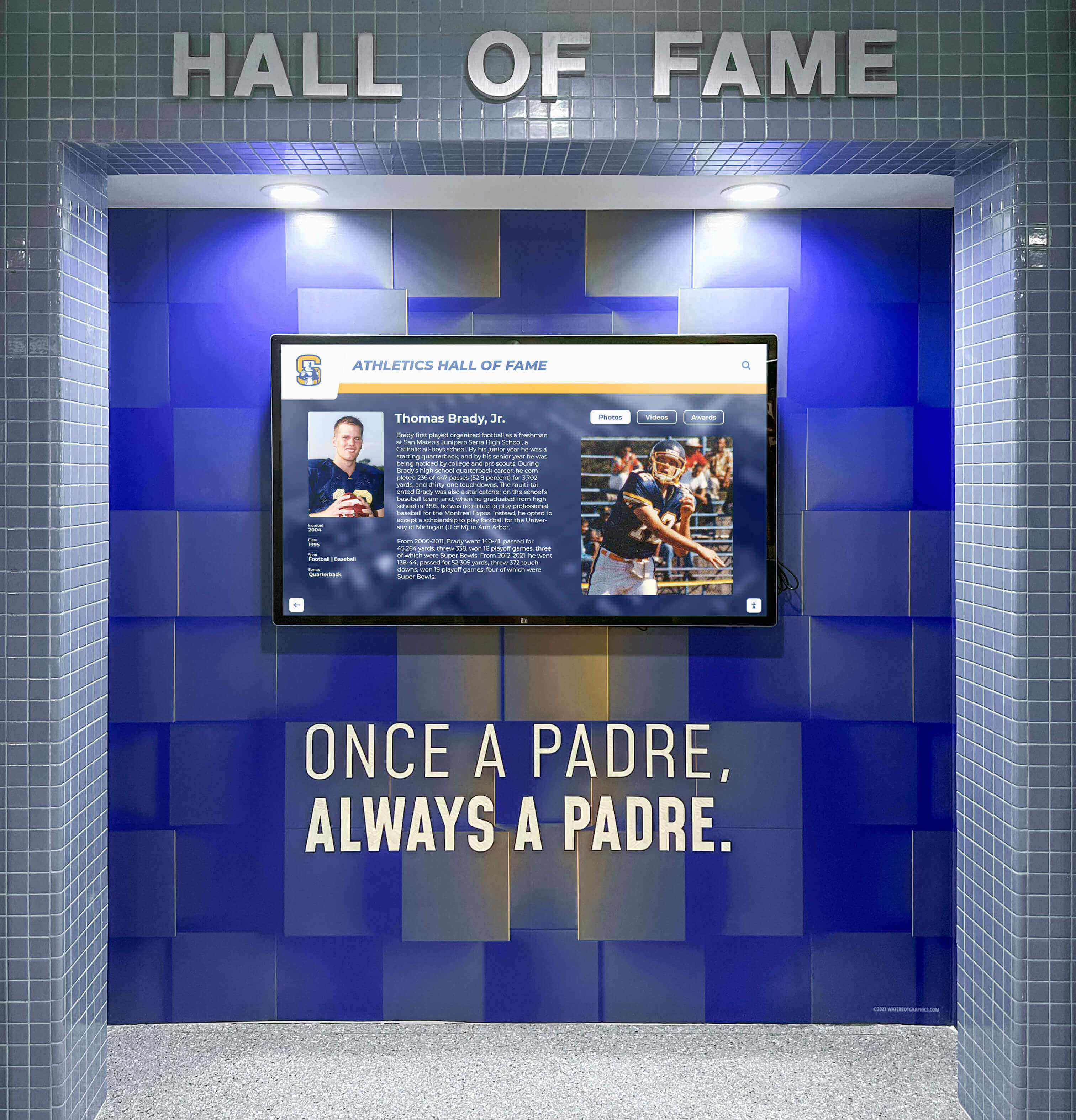
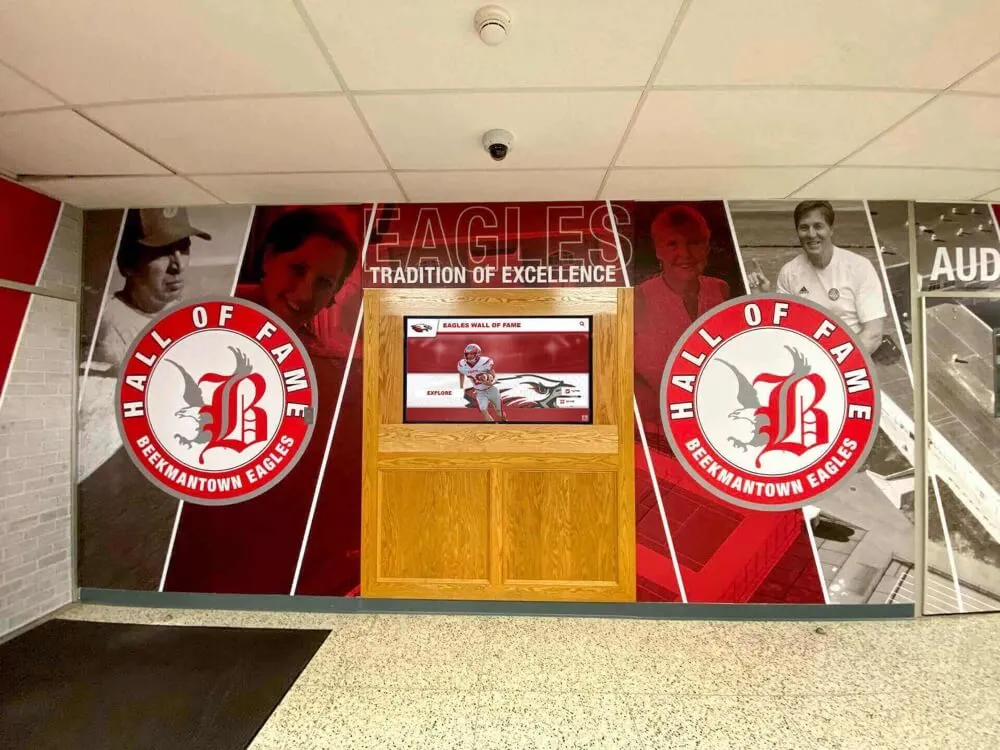
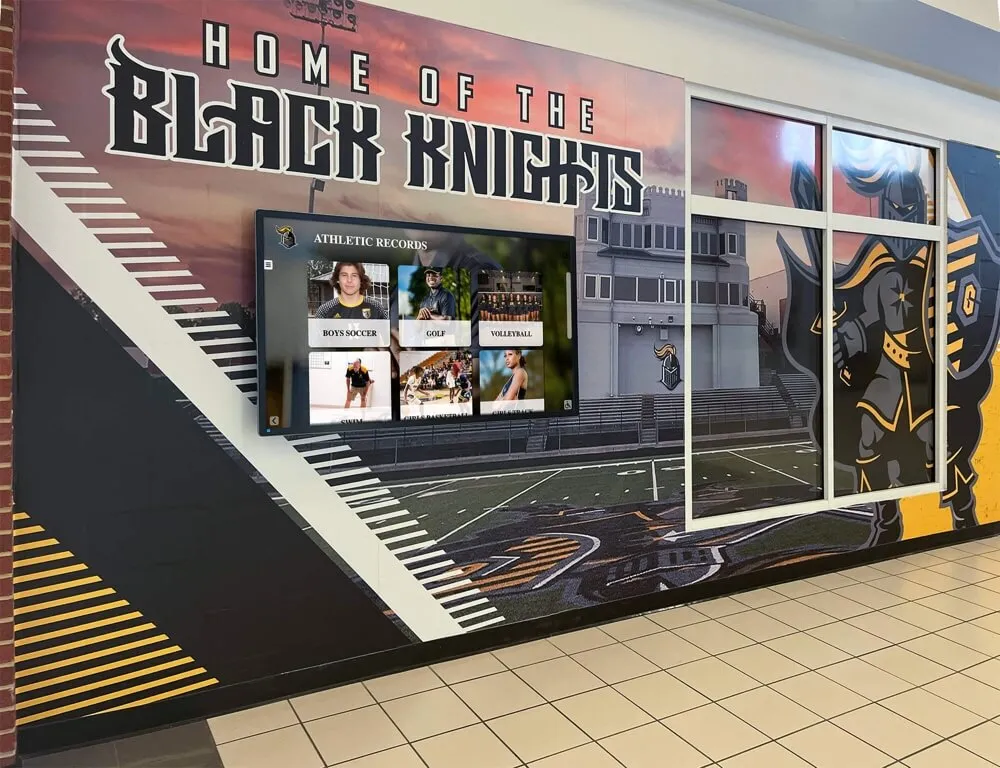
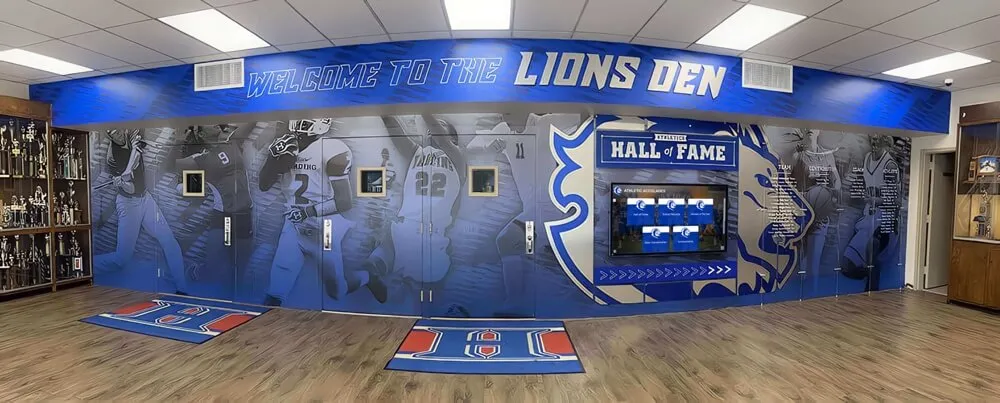
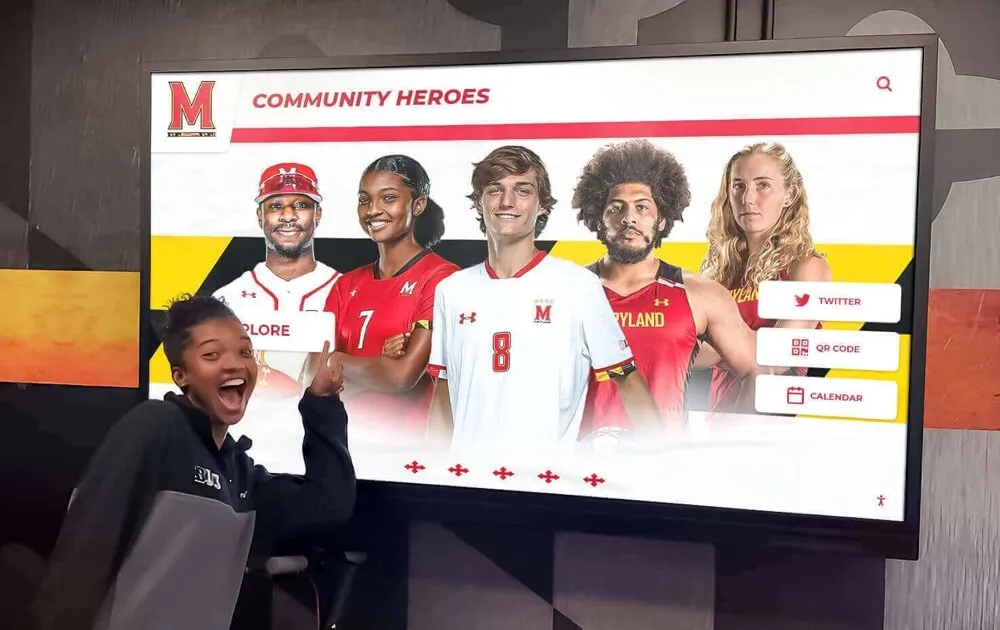
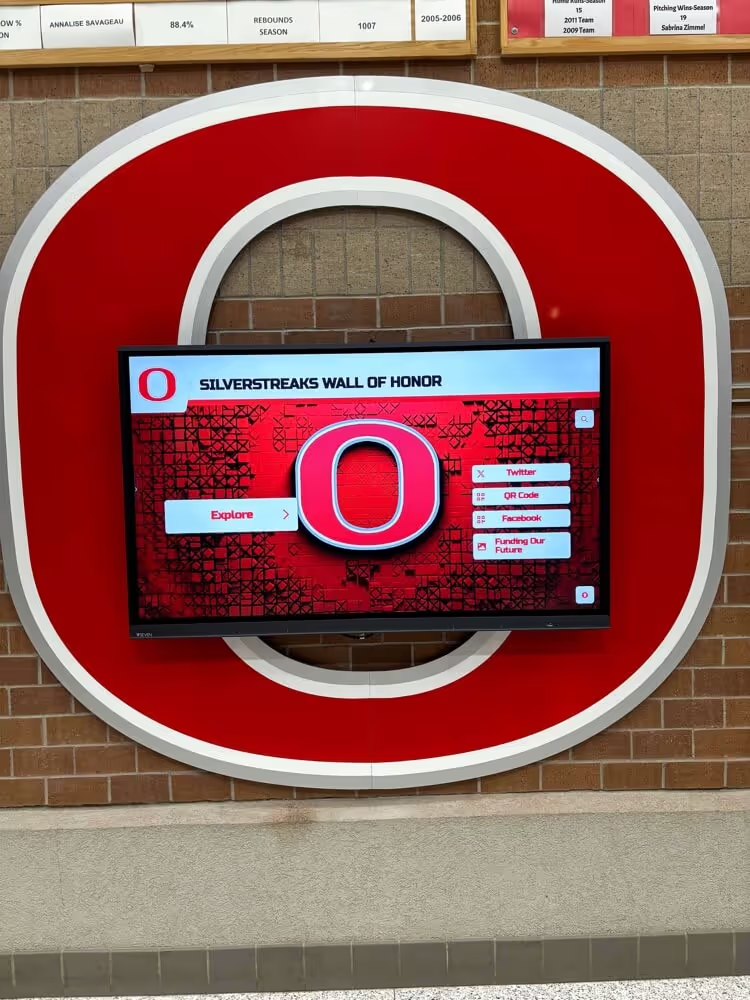
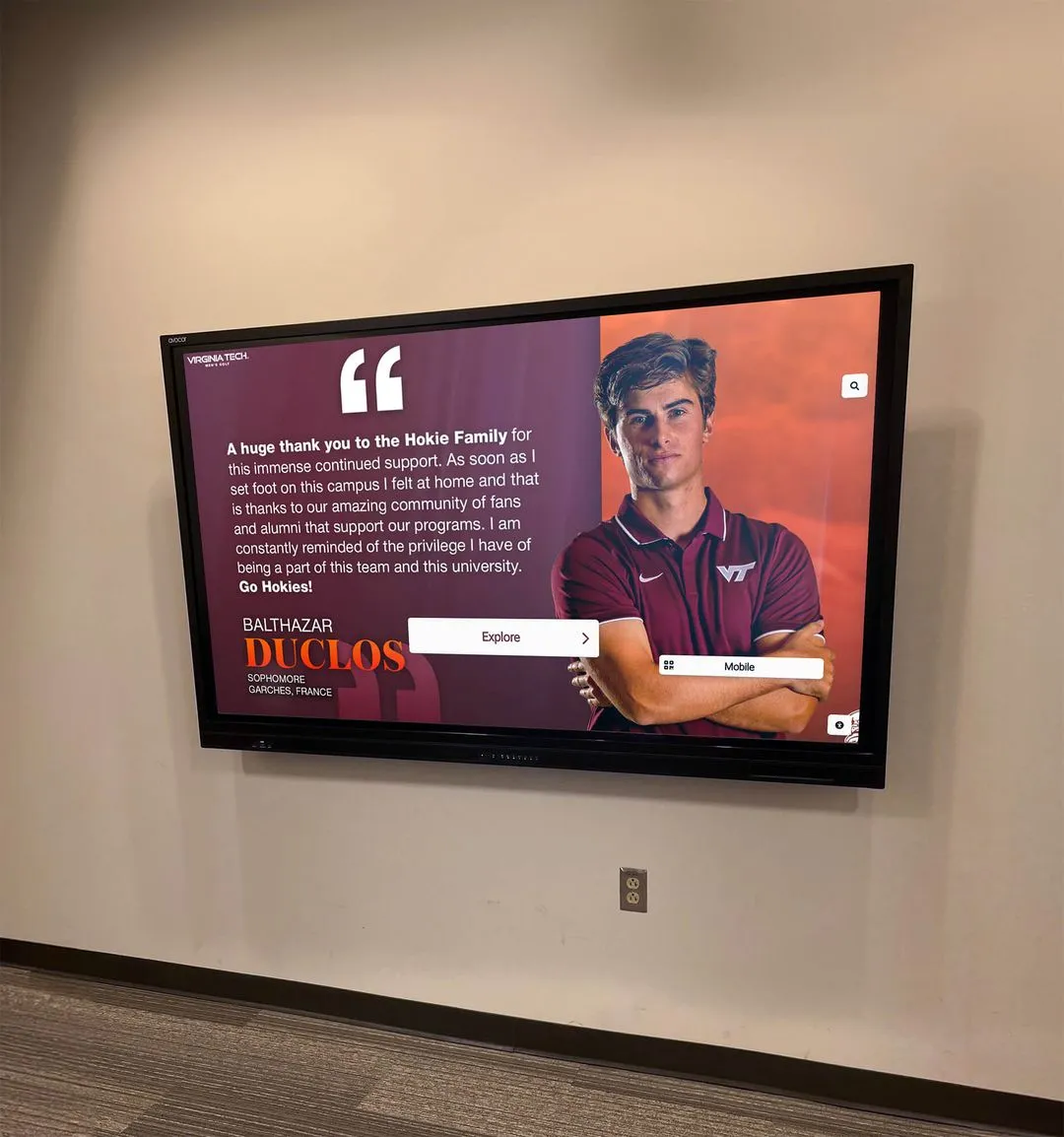
Interactive displays celebrate supporters of athletic and community programs with engaging digital recognition
Auction Events and Online Giving Campaigns
Auction-focused events in physical or virtual formats:
Live and Silent Auction Events
Strategic auction planning includes:
Item Procurement Strategies
- Donated items from businesses, artists, and community members
- Experience packages like dinners, getaways, celebrity meet-and-greets
- Unique opportunities leveraging board connections and partnerships
- Themed baskets or collections curated around interests
- High-value items reserved for live auction drama
- Silent auction items enabling broader participation
- Buy-it-now prices on popular items generating immediate revenue
Auction Logistics
- Professional auctioneers creating energy and competitive bidding
- Mobile bidding technology enabling convenient participation and checkout
- Display strategies showcasing items attractively
- Bid sheets or electronic systems tracking activity
- Pre-bidding opportunities building momentum before events
- Checkout processes minimizing departure delays
- Post-auction communications with winners and item fulfillment
Organizations report that auction success depends heavily on item curation—fewer high-quality items outperform numerous low-value offerings, with strategic live auction sequencing building energy toward premier packages.
Virtual and Hybrid Fundraising Events
Digital event formats expanding geographic reach:
- Online Auctions - Week-long bidding windows extending participation beyond single nights
- Virtual Galas - Livestreamed programs combining home viewing with fundraising appeals
- Peer-to-Peer Campaigns - Supporter-led fundraising through personal networks
- Giving Days - Concentrated 24-hour campaigns with matching gift incentives
- Crowdfunding Initiatives - Project-specific campaigns with progress visualization
- Hybrid Events - In-person gatherings supplemented by virtual participation options
Virtual components became essential during pandemic years and now permanently enhance events by accommodating supporters who face travel challenges, schedule conflicts, or prefer home participation while still supporting causes they value.
Community Festival and Family-Friendly Events
Casual, accessible events emphasizing community gathering:
Festival Event Components
Successful community events often feature:
- Vendor Areas - Local businesses, artisans, food trucks creating marketplace atmosphere
- Family Activities - Inflatables, games, crafts, face painting for children
- Entertainment - Local musicians, performers, demonstrations
- Food and Beverage - Diverse options appealing to varied preferences
- Fundraising Elements - Raffles, games, donation opportunities
- Sponsor Visibility - Booth spaces, signage, announcements recognizing business partners
- Mission Education - Information about organizational programs and impact
- Volunteer Engagement - Opportunities for community members to contribute
Festival formats excel at awareness-building and community engagement, often generating modest per-attendee revenue but attracting large crowds who learn about missions and become future donors through positive event experiences.
Themed Event Variations
Popular festival themes include:
- Seasonal Celebrations - Fall harvest festivals, spring flings, summer picnics
- Cultural Events - Ethnic food festivals, heritage celebrations
- Arts Focus - Gallery walks, craft fairs, performance showcases
- Culinary Themes - Chili cook-offs, BBQ competitions, dessert festivals
- Holiday Markets - Seasonal shopping events supporting local makers
- Block Parties - Neighborhood-style gatherings with multiple activities
Themed events create natural sponsorship and vendor opportunities while generating excitement that attracts community participation beyond organization’s immediate supporter base.
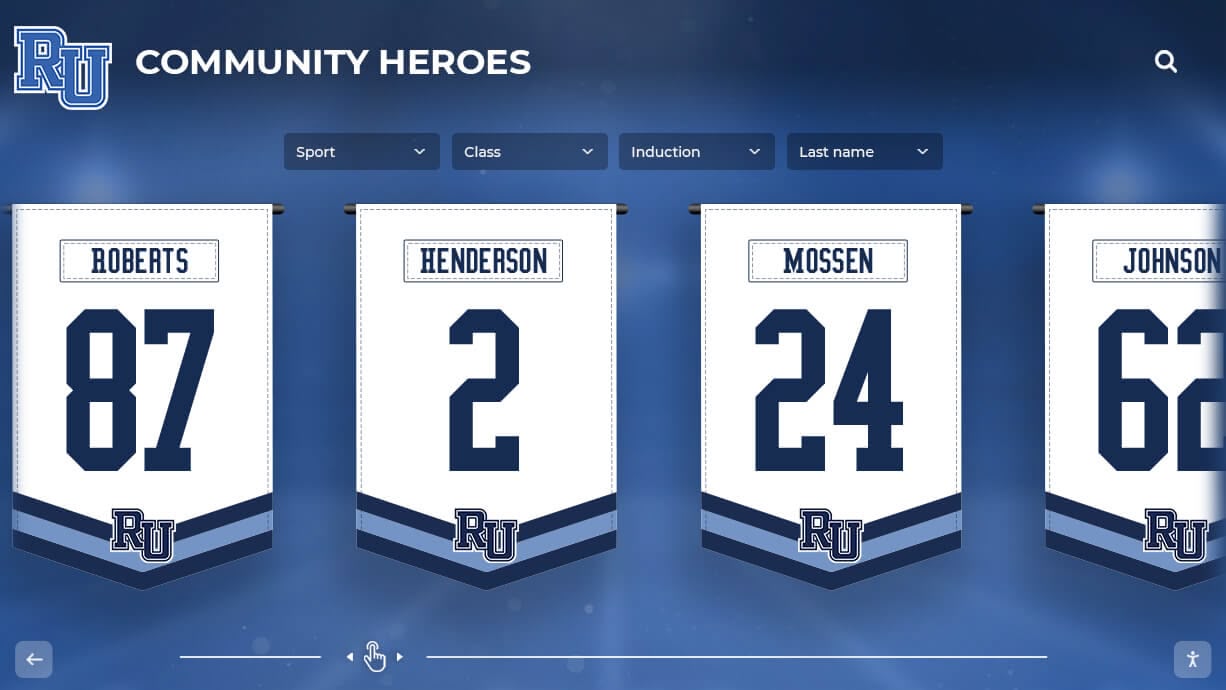
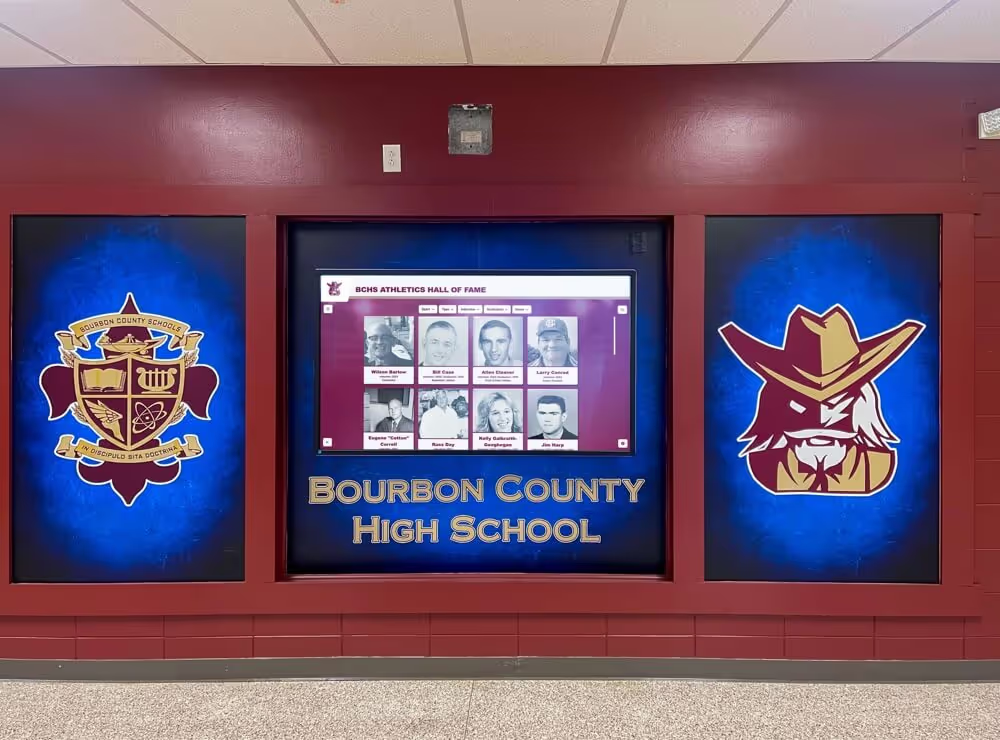
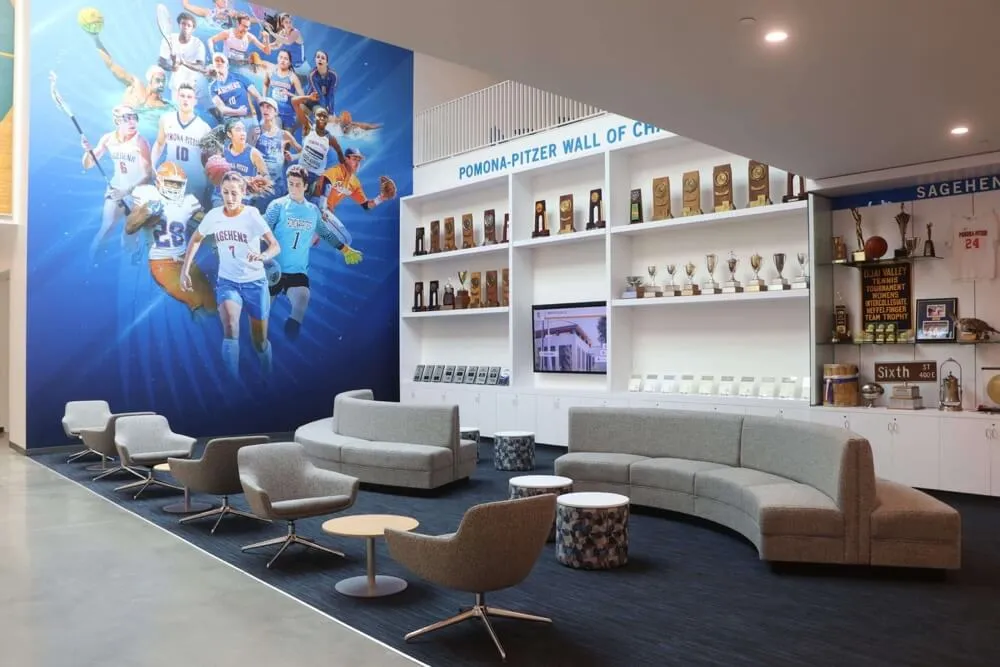
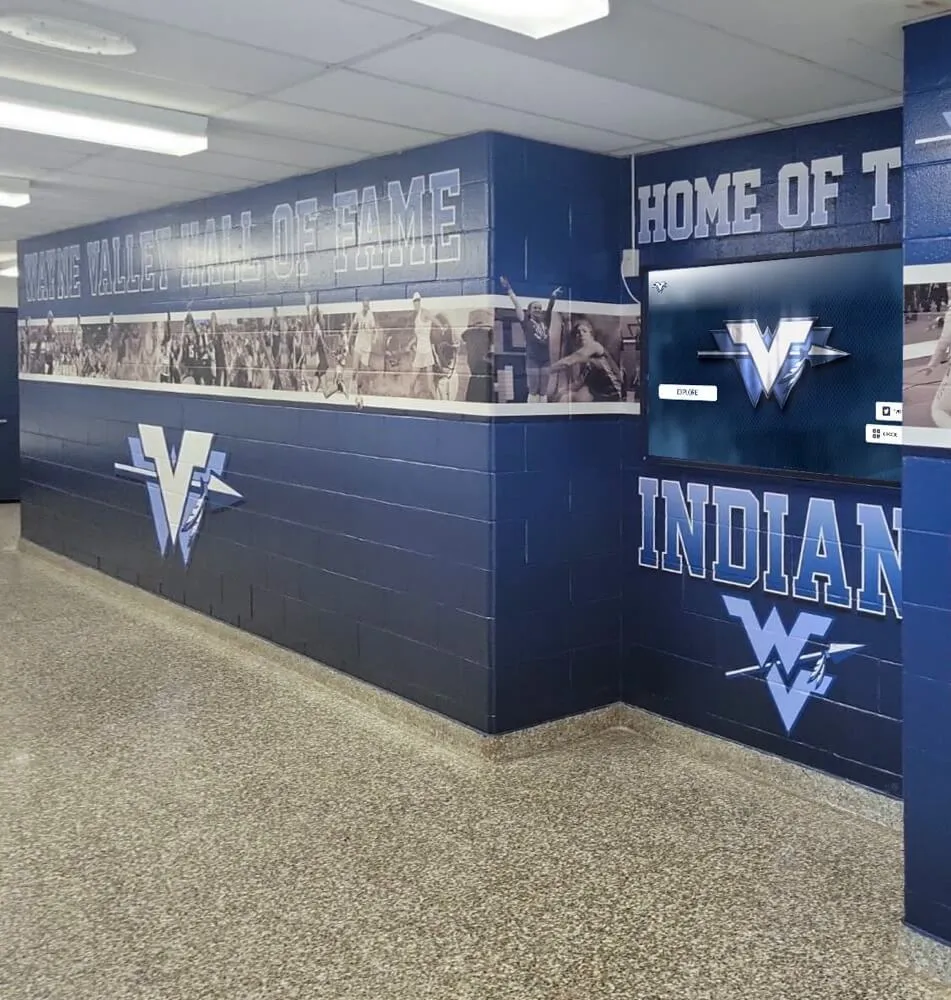
Creative banner displays acknowledge event supporters and community contributors in prominent facility locations
Strategic Event Planning Timeline
Systematic planning ensures quality execution without volunteer burnout:
12-6 Months Before Event
Foundation Planning Phase
Initial planning activities include:
Leadership and Committee Formation
- Event chair recruitment bringing leadership and connections
- Committee assignments for logistics, sponsorship, volunteer coordination, auction
- Goal setting for attendance targets and revenue objectives
- Budget development projecting revenues and expenses
- Date selection avoiding conflicts with community calendar
- Venue research and booking for popular locations
- Save-the-date communications to key stakeholders
Sponsorship Development
- Sponsorship package creation defining levels and benefits
- Prospect identification researching businesses and philanthropists
- Initial sponsor solicitation beginning with board connections
- Sponsorship fulfillment planning defining recognition deliverables
- Contract development formalizing commitments and expectations
Organizations report that early sponsorship success enables more ambitious event planning, as confirmed underwriting revenue provides security for upfront expenses and enhanced event elements.
Explore comprehensive donor recognition strategies that honor event sponsors appropriately.
6-3 Months Before Event
Detailed Planning and Promotion Phase
Mid-stage planning includes:
Marketing and Promotion
- Save-the-date cards and email announcements
- Website event pages with registration information
- Social media campaigns building awareness and excitement
- Media partnerships securing promotional coverage
- Ambassador programs engaging supporters as event advocates
- Early-bird ticket pricing incentivizing advance commitments
- Group ticket packages encouraging team participation
Logistics Coordination
- Vendor contracts for catering, audio-visual, entertainment
- Auction item procurement through solicitation and donation management
- Registration systems enabling online ticket sales and tracking
- Volunteer recruitment identifying and training event support team
- Program development planning ceremony flow and messaging
- Audio-visual planning for presentations, videos, slideshows
- Parking and accessibility arrangements ensuring smooth arrival
Financial Management
- Sponsorship fulfillment tracking ensuring promised deliverables
- Budget monitoring comparing actual revenues and expenses to projections
- Payment processing systems for tickets, donations, auction items
- Accounting procedures maintaining clear revenue attribution
- Insurance review confirming adequate event coverage
Mid-stage planning requires significant volunteer time but establishes operational systems that enable confident event execution.
3-0 Months Before Event
Final Preparations and Execution
Final planning phase includes:
Event Details Finalization
- Meal counts and seating arrangements
- Program script development and speaker coordination
- Signage design and printing for venue, parking, sponsor recognition
- Auction catalog development with item descriptions and values
- Volunteer assignments and final training sessions
- Contingency planning for weather or unexpected challenges
- Final sponsor recognition verification ensuring accuracy
Communication Intensification
- Registration reminders and last-call promotions
- Social media countdowns building excitement
- Press releases and media interviews
- Sponsor spotlights acknowledging business partnerships
- Testimonials from previous attendees
- Day-of logistics communications to volunteers and participants
Event Day Execution
- Setup teams arriving early for venue preparation
- Registration desk operations greeting attendees warmly
- Volunteer coordination ensuring all roles covered
- Program flow management maintaining schedule
- Problem-solving team addressing unexpected issues
- Photography and videography capturing memorable moments
- Checkout systems facilitating efficient departures
Professional event execution creates positive experiences that make attendees eager to return next year, establishing attendance patterns that grow fundraising over time.
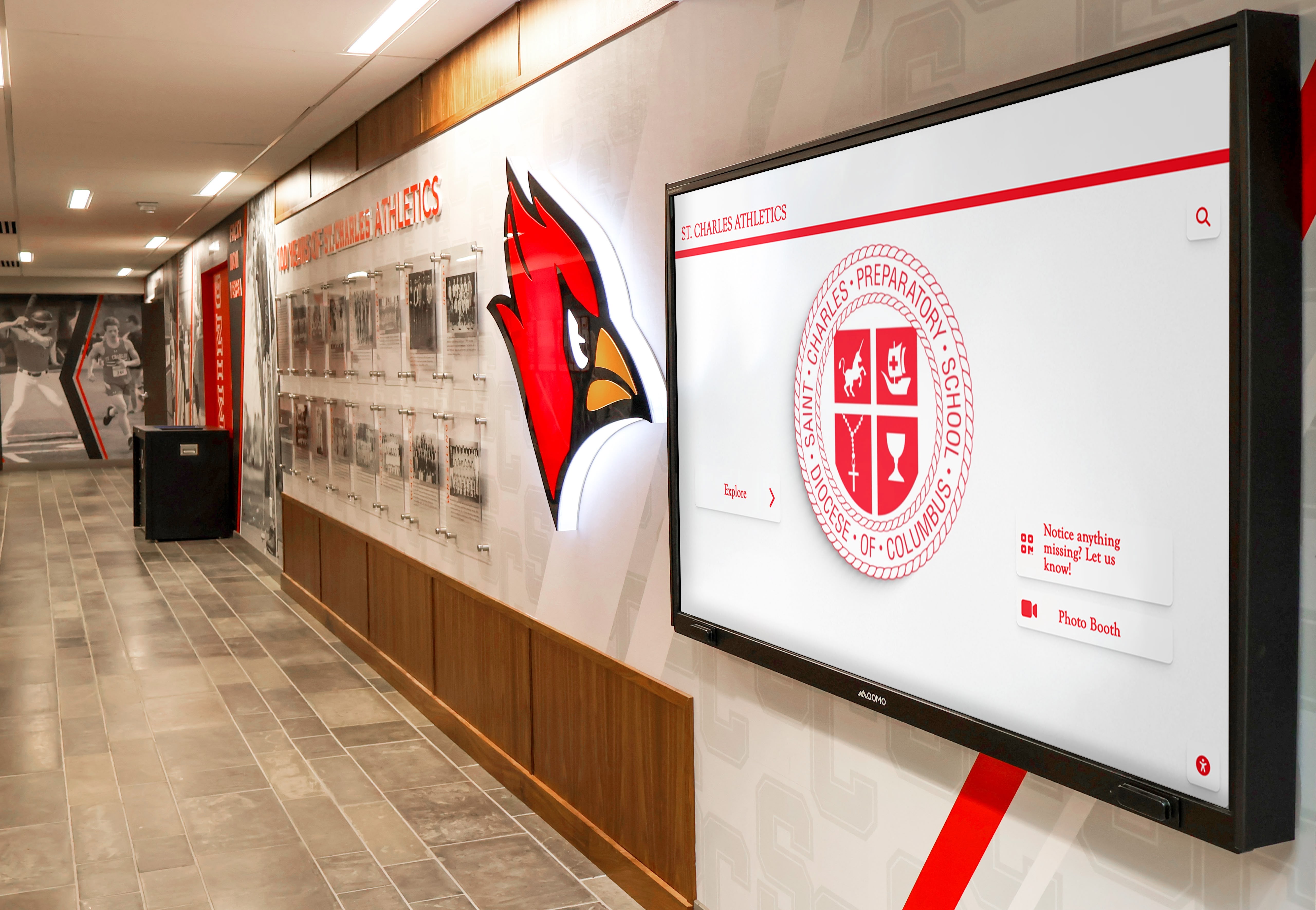
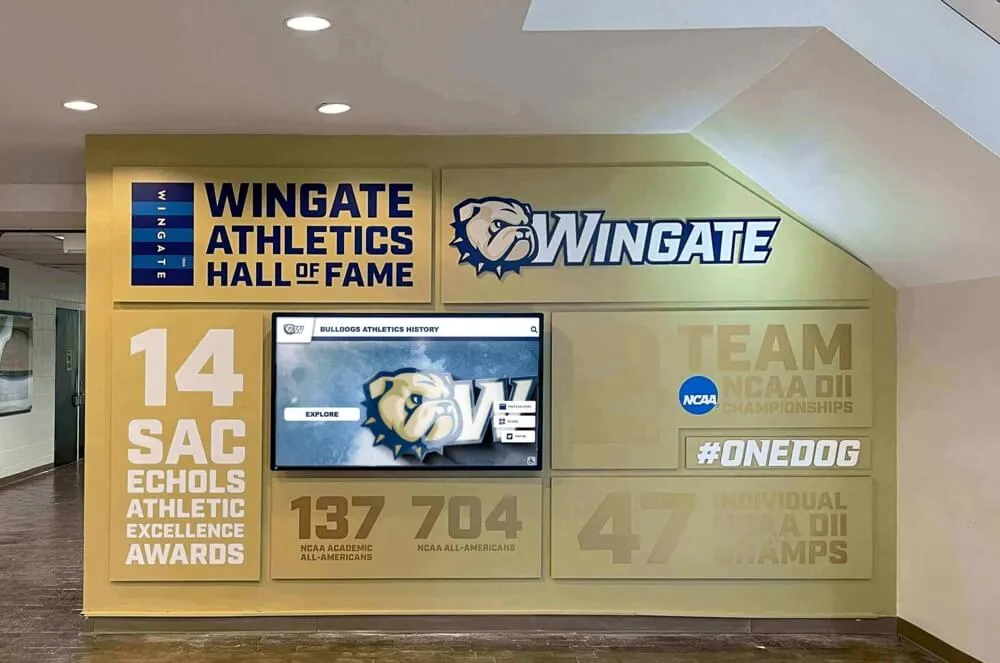
Permanent facility displays provide year-round sponsor visibility beyond single event nights
Volunteer Coordination and Leadership Development
Successful events depend on well-organized, appreciated volunteer teams:
Building Volunteer Event Teams
Strategic volunteer recruitment and structure:
Committee Structure Design
Effective organizations establish:
- Event Chair - Overall leadership and committee coordination
- Sponsorship Committee - Corporate outreach and fulfillment
- Logistics Committee - Venue, vendors, operations
- Auction Committee - Item procurement, catalog, bidding management
- Marketing Committee - Promotion, registration, communications
- Volunteer Coordinator - Day-of volunteer recruitment and assignment
- Finance Chair - Budget management, payment processing
Clear committee structures prevent confusion while distributing workload manageable for busy volunteers balancing personal and professional commitments.
Volunteer Recruitment Strategies
Effective approaches include:
- Board member recruitment of friends and professional contacts
- Previous attendee solicitation inviting past participants to contribute
- Beneficiary family engagement for programs serving specific communities
- Skills-based recruitment matching tasks to volunteer expertise
- Corporate volunteer programs partnering with business employee groups
- Student and youth volunteer opportunities for service learning
- Incentive offerings like complimentary event tickets or exclusive experiences
Organizations report that volunteers who contribute to event planning often become donors themselves, as behind-the-scenes involvement creates deeper mission connection than simple event attendance.
Volunteer Appreciation and Recognition
Thoughtful acknowledgment builds volunteer retention:
Recognition Approaches
Effective volunteer appreciation includes:
- Public acknowledgment during events thanking committee and volunteers
- Volunteer appreciation events or gatherings separate from fundraising
- Recognition on websites, publications, and facility displays
- Personal thank-you notes from organizational leadership
- Service hour tracking quantifying volunteer contributions
- Milestone recognition celebrating multi-year volunteers
- Exclusive opportunities like program site visits or leadership meetings
Learn about comprehensive volunteer recognition programs that celebrate service year-round.
Preventing Volunteer Burnout
Sustainable volunteer management requires:
- Reasonable time commitments with clear expectations
- Distributed leadership preventing overreliance on few individuals
- Rotation opportunities allowing volunteers to step back without guilt
- New volunteer recruitment continually expanding available support
- Technology tools streamlining tasks and reducing manual work
- Professional vendor utilization for specialized needs
- Gratitude culture consistently expressing appreciation
Organizations implementing thoughtful volunteer management sustain event programs across decades as generations of community members contribute to traditions they value.
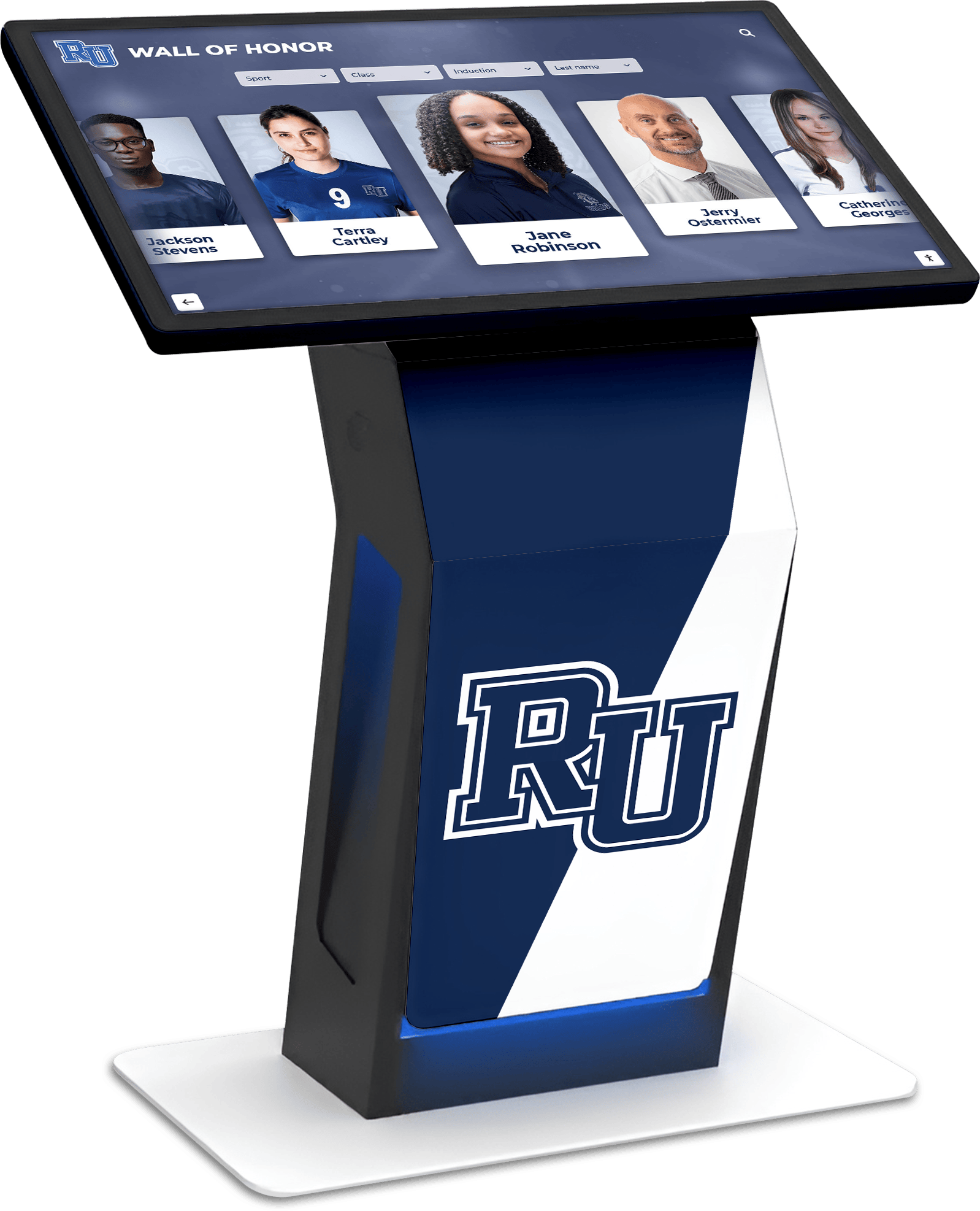
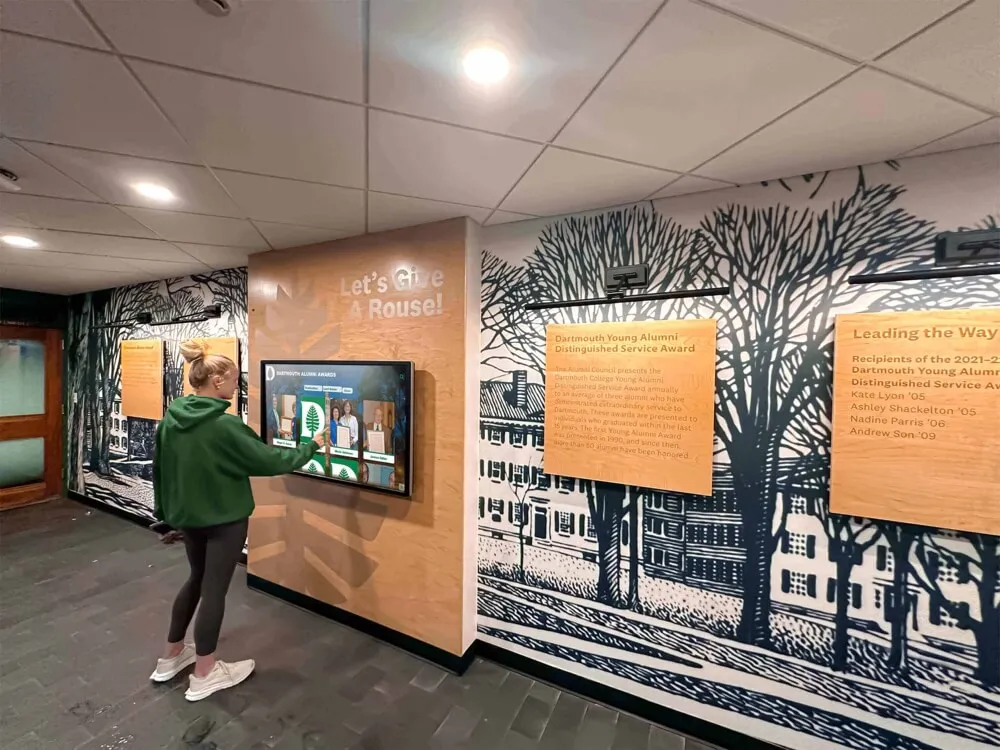
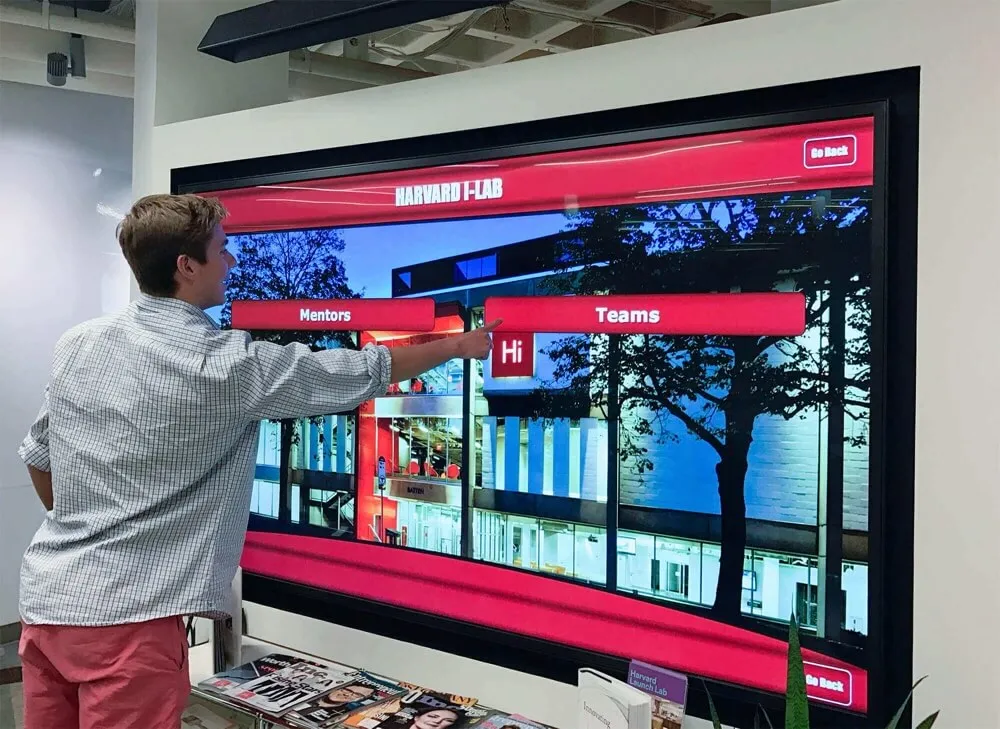
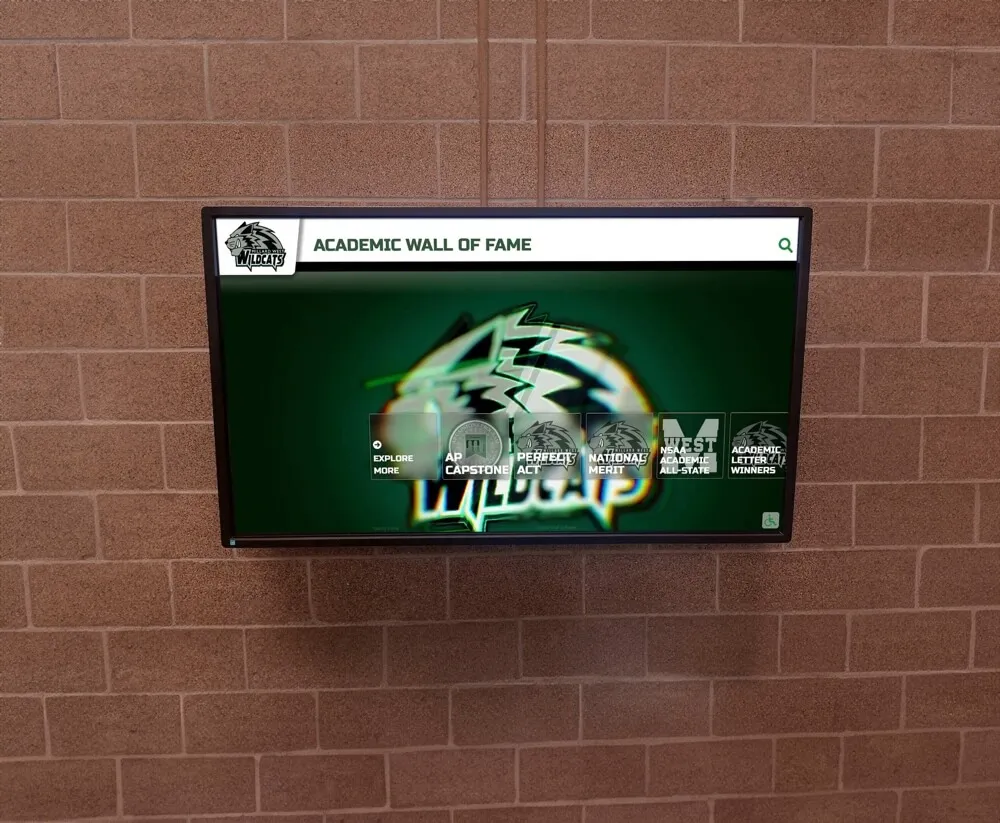
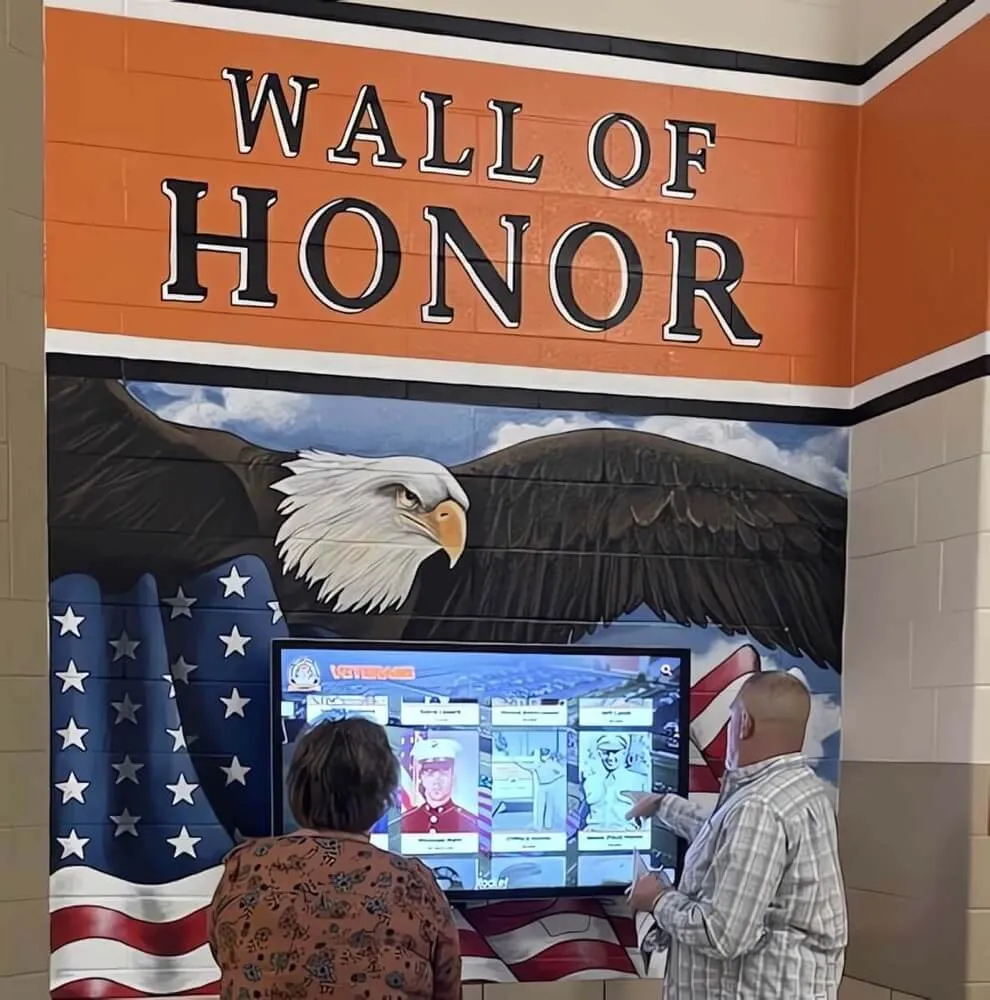
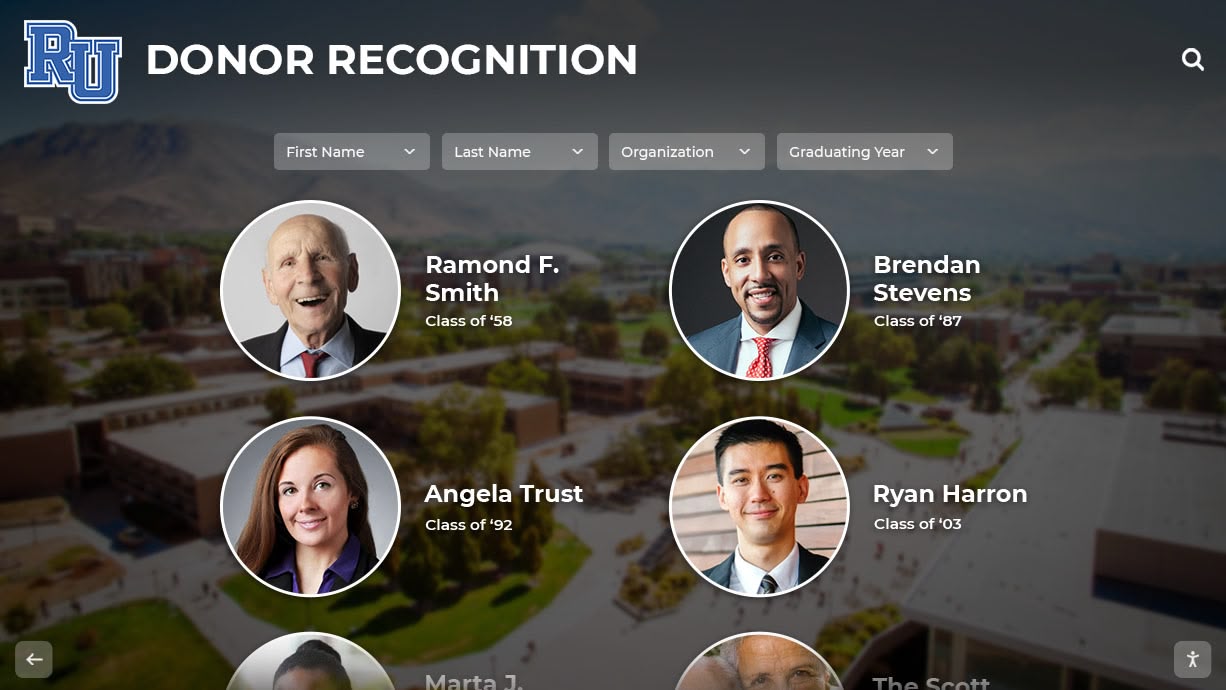
Interactive kiosks enable visitors to explore volunteer and donor recognition easily
Sponsor Engagement and Corporate Partnerships
Business partnerships provide essential event revenue while offering mutual value:
Developing Sponsorship Packages
Strategic package design attracts business investment:
Sponsorship Level Structure
Typical packages include:
Title/Presenting Sponsor ($10,000-$50,000+)
- Event naming rights and exclusive top-tier designation
- Premium logo placement across all marketing materials
- Speaking opportunity during event program
- VIP table seating and complimentary tickets
- Year-round recognition in facilities and publications
- First right of refusal for future events
Platinum Sponsors ($5,000-$10,000)
- Prominent logo visibility on major event elements
- Reserved table seating and ticket allocation
- Recognition in program materials and signage
- Social media and website acknowledgment
- Photo opportunities with leadership
- Ongoing communication of impact
Gold/Silver/Bronze Sponsors ($1,000-$5,000)
- Scaled logo placement and recognition
- Ticket packages appropriate to investment level
- Program book acknowledgment
- Event signage inclusion
- Post-event thank-you and impact reporting
In-Kind Sponsors (Valued Equivalents)
- Recognition for donated goods, services, venue use
- Acknowledgment comparable to cash sponsorship levels
- Flexibility accommodating businesses preferring product donations
Package structures should offer clear value propositions at each level while preserving exclusivity that makes premium investments attractive.
Sponsor Benefits Beyond Event Night
Year-round visibility enhances partnership value:
- Digital recognition displays in facilities providing ongoing logo visibility
- Website sponsor pages with business profiles and links
- Social media mentions throughout planning and post-event
- Newsletter and publication acknowledgment reaching broader audiences
- Exclusive networking opportunities with leadership and other sponsors
- Impact reporting showing how sponsorship supported mission outcomes
- Multi-year partnership opportunities with enhanced benefits
Research demonstrates that businesses sponsoring events where visibility extends beyond single nights report higher satisfaction and increased likelihood of continued partnership compared to one-time event-only acknowledgment.
Discover digital signage solutions that provide sponsors year-round recognition.
Corporate Partnership Cultivation
Building business relationships requires ongoing engagement:
Prospect Research and Solicitation
Strategic approaches include:
- Board connection leverage asking members to introduce business contacts
- Previous sponsor renewal prioritizing existing partner retention
- Attendee company identification researching businesses with employees attending
- Community business research identifying prospects aligned with mission
- Peer organization collaboration sharing successful sponsor approaches
- Proposal customization tailoring asks to specific business interests
- Decision-maker identification ensuring proposals reach appropriate contacts
Personalized outreach demonstrating how partnerships benefit businesses—not just organizations seeking funding—significantly improves sponsorship success rates compared to generic mass solicitations.
Fulfillment and Stewardship
Delivering promised value includes:
- Verification systems ensuring all recognition commitments fulfilled
- Logo accuracy checks confirming correct brand representation
- Photo documentation showing sponsor visibility at events
- Impact reporting quantifying event outcomes and community benefit
- Executive briefings updating leadership on mission progress
- Exclusive appreciation events honoring sponsor partnerships
- Renewal solicitation timing with adequate notice and gratitude
Organizations implementing systematic fulfillment tracking report 70-85% annual sponsor renewal rates compared to 40-60% for those providing minimal stewardship, demonstrating how professional partnership management drives sustained revenue.
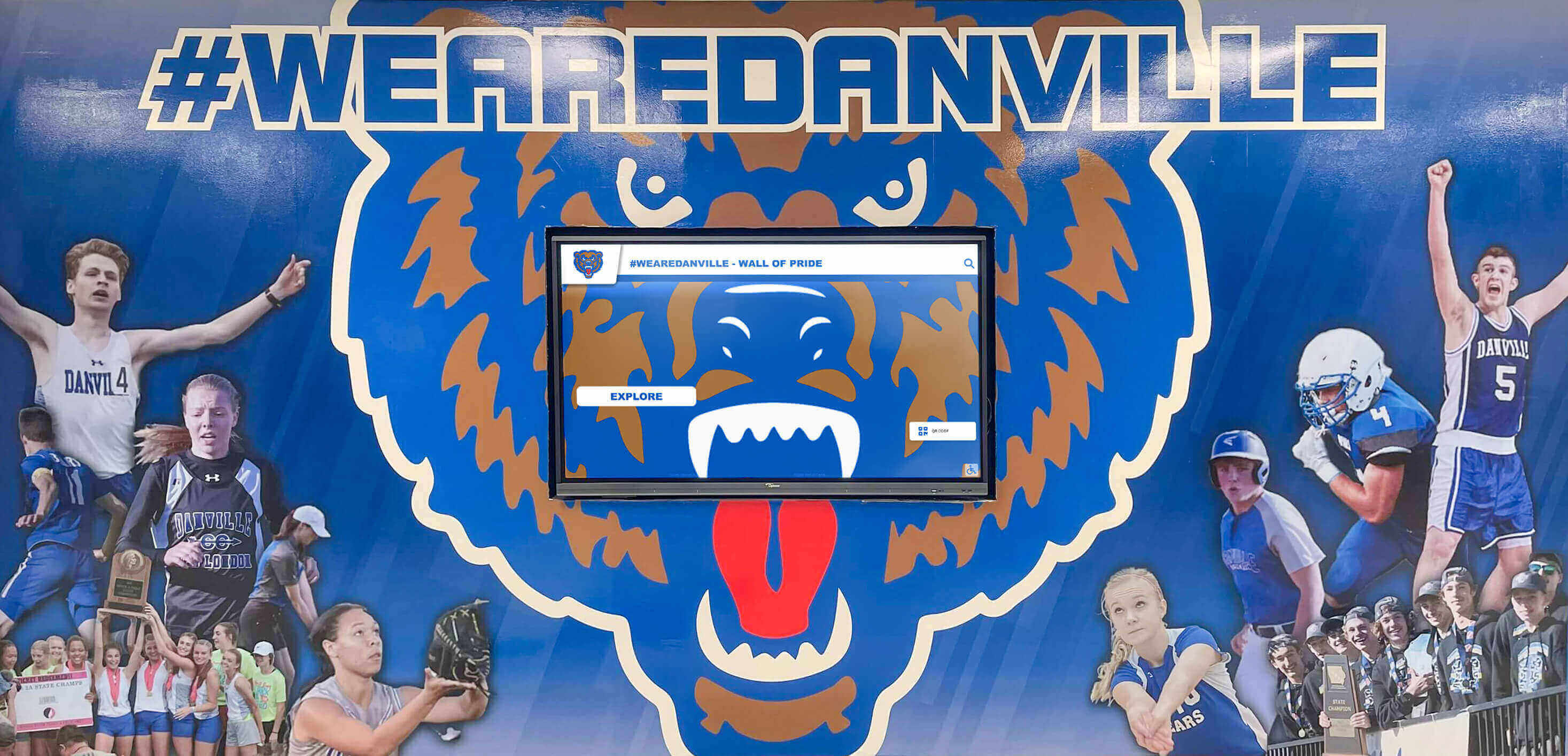
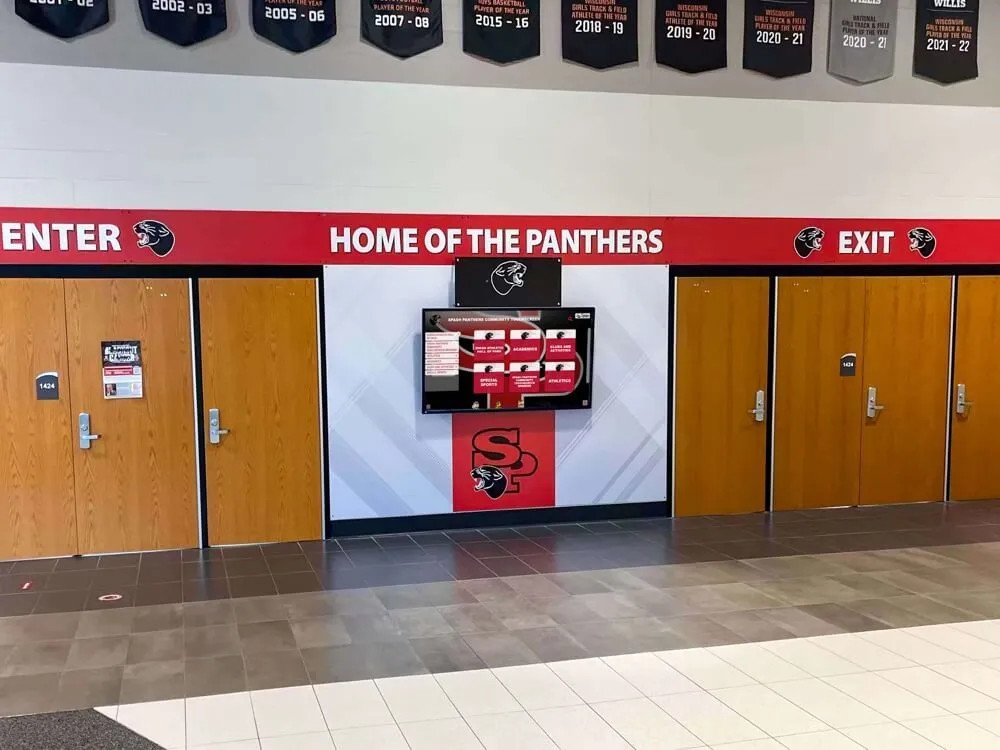
Integrated displays in athletic facilities provide sponsors ongoing visibility where communities gather
Donor Recognition and Stewardship Systems
Thoughtful acknowledgment transforms event attendees into sustained supporters:
Event-Night Recognition
Immediate appreciation strategies:
Program Acknowledgment
Ceremony recognition includes:
- Sponsor introductions with brief company spotlights
- Volunteer committee acknowledgment thanking leadership
- Major donor recognition celebrating significant contributions
- Table host appreciation honoring those who filled tables
- Special guest introductions for honored community members
- Live auction donor thanks acknowledging item contributors
- Fund-a-need donor spotlights recognizing giving levels
Public recognition during programs validates support while inspiring others to consider increased giving, creating social environments where philanthropy feels celebrated rather than transactional.
Physical Recognition Materials
Tangible acknowledgment includes:
- Printed programs listing sponsors and supporters
- Signage throughout venues with sponsor logos and acknowledgment
- Table tents recognizing table hosts and sponsors
- Projection displays showing supporter names during programs
- Gift bags or materials with sponsor branding
- Commemorative items for major donors or honorees
- Photo opportunities with branded step-and-repeat backdrops
Physical materials create lasting reminders while providing sponsors the business visibility that makes partnerships valuable beyond pure philanthropy.
Post-Event Stewardship
Sustained engagement following events:
Immediate Follow-Up (Within 1 Week)
Timely communication includes:
- Thank-you emails sent to all attendees within 48 hours
- Social media posts sharing photos and event highlights
- Tax receipts and donation documentation for record-keeping
- Auction winner communications with item pickup instructions
- Media coverage sharing highlighting community support
- Event video or photo galleries posted online
- Volunteer appreciation messages thanking contribution
Prompt follow-up demonstrates organizational professionalism while maintaining momentum and good feelings from event experiences.
Ongoing Relationship Building
Sustained stewardship includes:
- Impact reporting showing how event revenue supports programs
- Progress updates throughout year connecting donors to mission work
- Exclusive communications providing behind-scenes information
- Invitation to next year’s event creating anticipation
- Mid-year touchpoints maintaining relationship between events
- Giving society induction for donors reaching threshold levels
- Personal outreach from leadership thanking major supporters
Organizations implementing systematic stewardship programs report that year-over-year event attendance retention rates improve 25-40% when supporters receive meaningful communication between events versus minimal contact.
Permanent Recognition Displays
Long-term acknowledgment strategies:
Year-round recognition goes beyond single events through:
- Donor walls in facilities listing annual supporters and giving societies
- Digital recognition displays showcasing event sponsors and donors
- Named recognition opportunities for transformational gifts
- Memorial recognition honoring contributions made in loved ones’ memory
- Legacy walls celebrating multi-year or lifetime support
- Champion recognition for volunteer leaders and committee chairs
- Interactive displays enabling visitors to explore supporter stories
Solutions like Rocket Alumni Solutions provide comprehensive donor recognition platforms specifically designed for nonprofit and school applications, with features supporting diverse content types from event sponsorship and individual donors to volunteer service and program impact—all manageable through user-friendly interfaces appropriate for staff or volunteers.
Learn about donor walls for nonprofits that celebrate event supporters year-round.
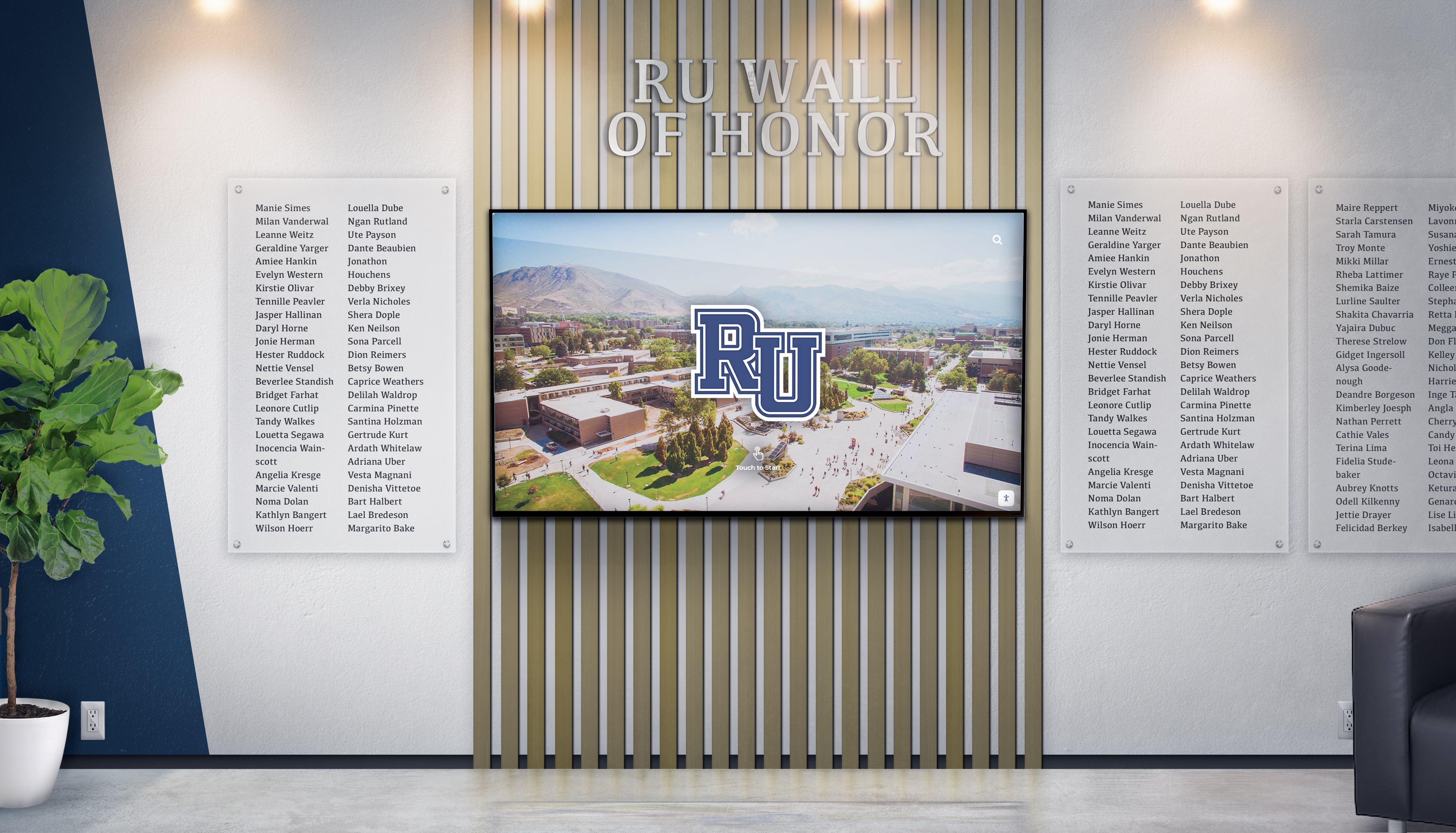
Professional donor walls combine physical and digital recognition celebrating supporters permanently
Digital Recognition Solutions for Event Supporters
Modern platforms address traditional recognition limitations:
Benefits of Digital Donor Recognition
Technology-based approaches provide advantages:
Unlimited Recognition Capacity
Digital platforms eliminate space constraints:
- Single display accommodating hundreds or thousands of supporters
- No need to remove previous donors when adding new recognition
- All giving levels receiving equal display capacity
- Comprehensive historical archives showing multi-year support
- Easy updates accommodating new sponsors and donors annually
Traditional physical plaques consume wall space quickly, forcing difficult decisions about whose recognition warrants limited capacity, while digital solutions honor all supporters comprehensively.
Rich Storytelling Capabilities
Enhanced content possibilities include:
- Photos showing supporters at events and in community
- Video testimonials explaining why donors support missions
- Impact stories connecting contributions to program outcomes
- Event galleries preserving memorable moments from fundraising nights
- Sponsor spotlights featuring business profiles and partnerships
- Multi-year timelines showing sustained supporter commitment
- Searchable databases enabling visitors to find specific names
Rich multimedia content creates emotional connections while preserving institutional memory that becomes increasingly valuable over time.
Cost-Effective Long-Term Investment
Financial sustainability advantages:
- One-time display hardware investment versus ongoing plaque costs
- Predictable software licensing fees enabling budget planning
- No per-name costs for recognition additions
- Instant updates eliminating contractor and engraving fees
- Multi-purpose functionality beyond donor recognition
- Professional presentation without graphic design expenses
- Analytics tracking engagement and popular content
Organizations commonly find digital recognition achieves return on investment within 2-4 years compared to traditional recognition ongoing costs while delivering superior capacity and engagement.
Implementing Recognition Display Systems
Strategic deployment considerations:
Display Placement Strategy
Effective locations include:
- Facility entrances greeting all visitors immediately
- Common areas where communities gather regularly
- Event venues providing year-round sponsor visibility
- Development offices engaging prospective donors
- Lobby spaces creating professional first impressions
- Hallways with sustained foot traffic and dwell time
Strategic placement ensures recognition receives visibility proportional to supporter investment while creating aspirational environments where giving feels celebrated and appreciated.
Content Architecture for Events
Organized recognition systems include:
- Event sponsor categories with tiered acknowledgment
- Individual donor recognition organized by giving levels
- Table host appreciation celebrating those who filled seats
- Volunteer leadership honoring planning committees and chairs
- In-kind donor acknowledgment thanking contributed goods and services
- Photo galleries from events preserving memorable moments
- Impact showcases demonstrating how event revenue supports programs
Comprehensive content celebrates all contribution types while telling complete stories about community support and organizational impact.
Explore interactive kiosk solutions for recognition applications.
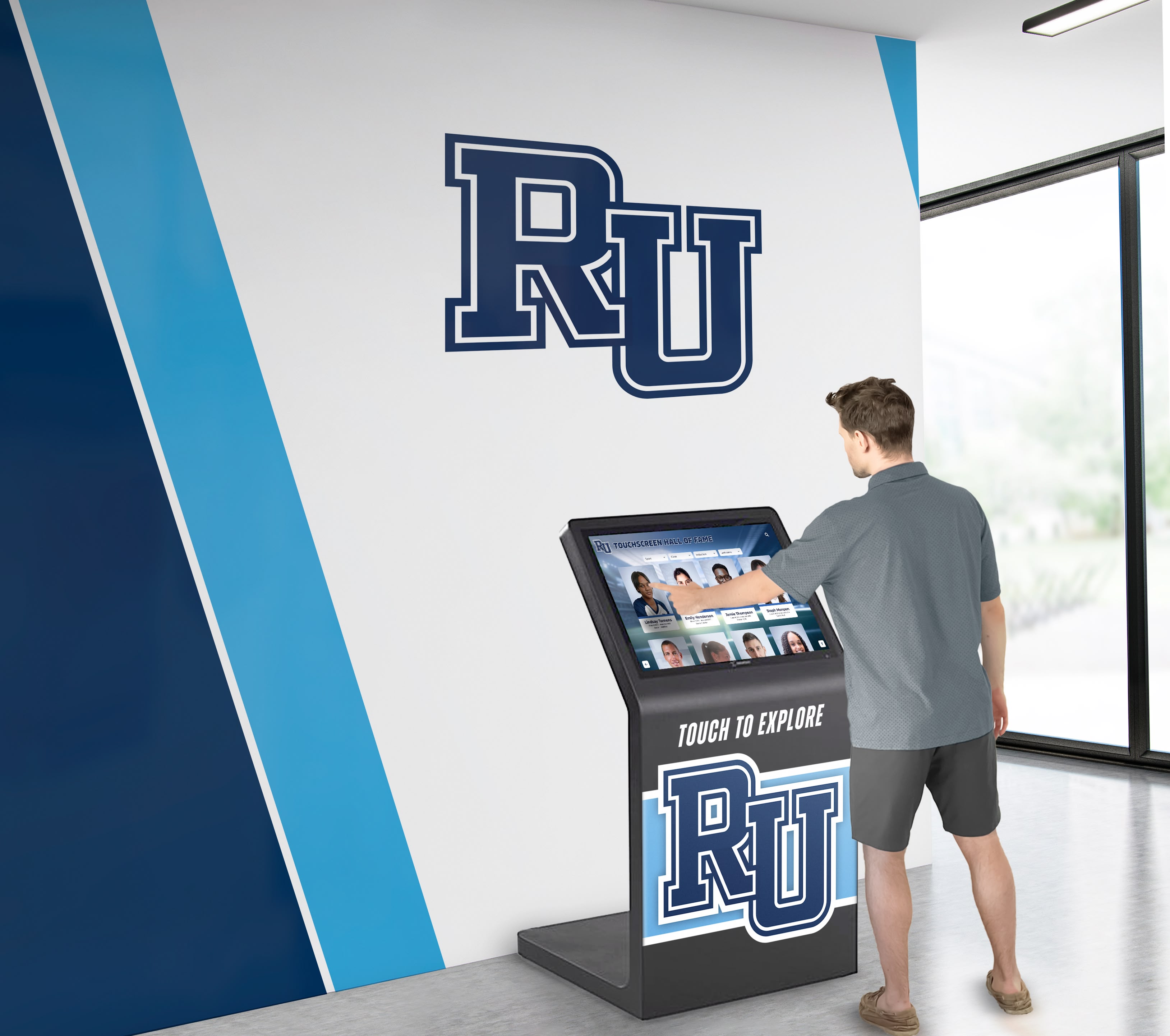
User-friendly touchscreen interfaces enable independent exploration across all ages
Measuring Event Success and Continuous Improvement
Assessment ensures programs achieve objectives and improve over time:
Key Performance Indicators
Quantifiable metrics evaluating success:
Financial Metrics
Revenue assessment includes:
- Gross revenue from all sources (tickets, sponsorships, auctions, donations)
- Net revenue after expenses and direct costs
- Cost-per-dollar-raised efficiency ratios
- Revenue growth year-over-year showing trends
- Sponsor retention rates measuring partnership satisfaction
- Average gift size tracking donor generosity
- Peer-to-peer fundraising results for participatory events
Financial performance provides objective measures but shouldn’t be sole success criteria—relationship building and awareness creation offer value beyond immediate dollars raised.
Engagement Metrics
Participation measurement includes:
- Total attendance compared to previous years
- First-time attendee percentages showing reach expansion
- Return attendee rates demonstrating satisfaction
- Volunteer participation numbers and retention
- Auction participation rates and bidding activity
- Fund-a-need participation showing direct giving engagement
- Social media reach and engagement during promotion
Engagement metrics reveal whether events create experiences compelling enough that attendees want to return and bring friends, building attendance momentum over time.
Stewardship Effectiveness
Relationship indicators include:
- Year-over-year donor retention rates
- Sponsor renewal percentages
- Upgraded giving levels showing increased commitment
- Mid-year touchpoint response rates
- Next-event registration timing showing enthusiasm
- Volunteer recruitment success for future events
- Referrals and new attendee sources
Strong stewardship metrics demonstrate that events build lasting relationships rather than just transactional annual fundraising moments.
Post-Event Evaluation and Learning
Systematic assessment drives improvement:
Debriefing Process
Structured evaluation includes:
- Committee debrief meetings within 2-3 weeks of events
- Volunteer feedback surveys assessing experience and suggestions
- Attendee satisfaction surveys gathering participant perspectives
- Sponsor feedback solicitation understanding partnership value perceptions
- Financial reconciliation comparing actuals to budgets
- Timeline review identifying planning improvements
- Success celebration acknowledging achievements and contributions
Honest evaluation identifying both successes and improvement opportunities enables evidence-based refinement rather than repeating practices that may have limited effectiveness.
Documentation and Institutional Memory
Knowledge preservation includes:
- Planning timeline documentation showing task sequences
- Vendor evaluation notes identifying successful partnerships
- Budget analysis with detailed revenue and expense breakdown
- Marketing campaign performance data showing effective channels
- Attendance data with demographic and source information
- Photo and video archives preserving event memories
- Recognition fulfillment checklists ensuring promises kept
Comprehensive documentation enables smooth leadership transitions and prevents institutional knowledge loss when volunteers rotate or staff changes occur.
Common Event Planning Challenges and Solutions
Proactive strategies address frequent obstacles:
Challenge 1: Volunteer Capacity Limitations
The Problem: Small organizations struggle finding adequate volunteers to plan and execute major events, leading to burnout among few committed individuals or underwhelming events due to insufficient support.
The Solution: Implement sustainable volunteer strategies including:
- Realistic event scope matching available volunteer capacity
- Professional vendor utilization for specialized needs
- Technology tools automating tasks like registration and payment processing
- Distributed leadership preventing overreliance on single individuals
- Multi-year planning allowing adequate preparation time
- Board member engagement actively participating rather than delegating entirely
- Volunteer recruitment campaigns expanding support networks
Organizations report that matching event ambition to realistic volunteer capacity creates more sustainable programs than aspirational large events requiring unsustainable effort from overtaxed volunteers.
Challenge 2: Auction Item Procurement
The Problem: Organizations struggle securing high-quality auction items generating competitive bidding, with volunteer solicitors feeling uncomfortable asking businesses for donations or receiving numerous low-value items.
The Solution: Strategic procurement approaches including:
- Quality-over-quantity focus targeting fewer higher-value items
- Experience creation beyond physical items (travel, dining, exclusive access)
- Board member connection leverage for procurement from networks
- Professional procurement services for organizations with budgets
- Item themes creating collection appeal greater than individual parts
- Multi-year donor cultivation building businesses toward annual contributions
- Buy-it-now pricing on popular items generating immediate revenue
Research shows that 10-15 premium auction items often generate more revenue than 50+ low-value donations while requiring less procurement effort and creating more excitement during live auctions.
Challenge 3: Sponsor Visibility Fulfillment
The Problem: Organizations promise sponsor recognition but struggle delivering consistent visibility, with sponsors questioning value when logos appear only briefly during events or in small print materials.
The Solution: Systematic fulfillment including:
- Written sponsor agreements specifying all recognition deliverables
- Fulfillment checklists ensuring every promise kept
- Year-round recognition extending beyond single event nights
- Digital displays providing ongoing facility visibility
- Social media campaigns throughout planning and execution
- Website sponsor pages with business profiles and links
- Impact reporting demonstrating community benefit beyond visibility
- Personal stewardship from leadership thanking partnerships
Organizations implementing professional fulfillment systems report that 75-85% of sponsors renew annually compared to 45-60% for those providing minimal recognition, demonstrating how stewardship drives sustained revenue.
Discover sponsor recognition best practices applicable to fundraising events.
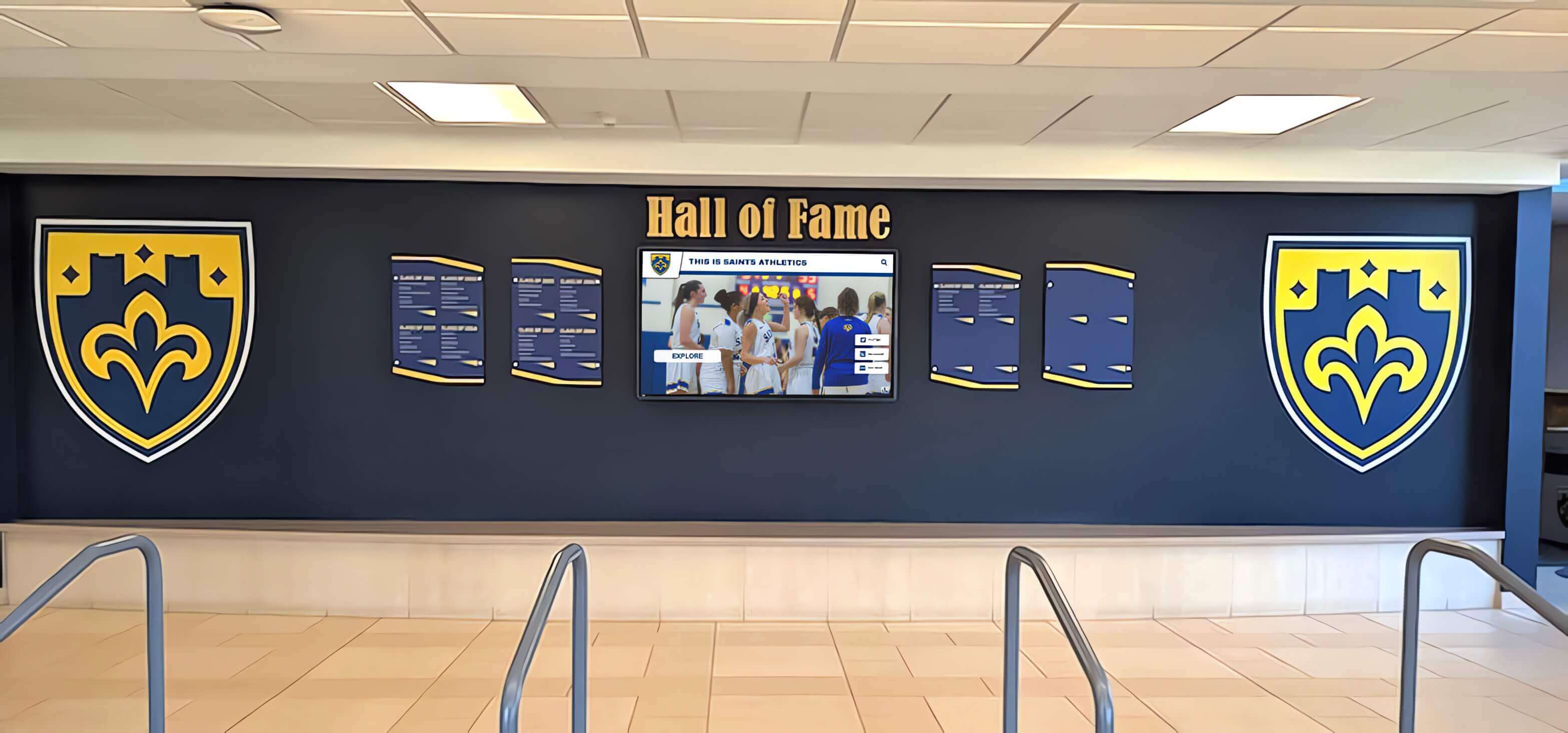
Integrated facility displays provide permanent sponsor visibility honoring partnerships year-round
Challenge 4: Achieving Financial Sustainability
The Problem: Events generate gross revenue but produce disappointing net income after expenses, or rely heavily on few major sponsors whose withdrawal would threaten viability.
The Solution: Revenue diversification and cost management:
- Multiple revenue streams (tickets, sponsorships, auctions, direct appeals)
- Sponsor portfolio development preventing single-source dependency
- In-kind donation solicitation reducing cash expense requirements
- Volunteer utilization minimizing paid staffing needs
- Multi-year sponsor commitments providing predictable base revenue
- Endowment building where major gifts fund event expense coverage
- Peer benchmarking comparing performance to similar organizations
Financially sustainable events typically generate net revenue of 40-60% of gross income, with mature programs often exceeding 60% as operational efficiency improves and sponsor relationships strengthen.
Integrating Events with Comprehensive Recognition Programs
Strategic connections between fundraising events and ongoing donor recognition:
Year-Round Stewardship Connecting to Events
Sustained engagement strategies:
Pre-Event Cultivation
Relationship building before fundraising includes:
- Impact updates throughout year keeping supporters informed
- Program site visits showing work firsthand
- Exclusive briefings for major donors and sponsors
- Advisory opportunities providing input on directions
- Volunteer engagement beyond event planning
- Mid-year appreciation gestures thanking sustained support
- Early event promotion to committed supporters
Year-round touchpoints create environments where event invitations feel like natural continuation of relationships rather than transactional asks arriving only when organizations need money.
Post-Event Momentum
Sustaining engagement after events:
- Impact reporting showing how event revenue supports programs
- Recognition display updates adding new supporters immediately
- Success celebrations sharing attendance and revenue achievements
- Beneficiary testimonials showing direct program impact
- Ongoing communication maintaining relationships until next event
- Upgrade opportunities for donors considering increased giving
- Volunteer recruitment for next year’s planning committees
Organizations implementing year-round stewardship report that event attendance becomes habitual for committed supporters who view annual fundraisers as essential calendar dates rather than optional social activities.
Comprehensive Recognition Ecosystems
Integrated acknowledgment across programs:
Effective organizations connect:
- Event recognition celebrating annual fundraising supporters
- Donor walls honoring cumulative giving and major gifts
- Volunteer appreciation spotlighting service contributions
- Sponsor displays providing business partnership visibility
- Athletic or academic recognition funded by philanthropy
- Memorial recognition honoring contributions made in memory
- Legacy walls celebrating multi-generational support
Comprehensive recognition demonstrates how diverse community contributions collectively support organizational missions, creating aspirational environments where giving and service feel celebrated and appreciated rather than merely acknowledged.
Explore donor recognition display ideas that honor event supporters permanently.
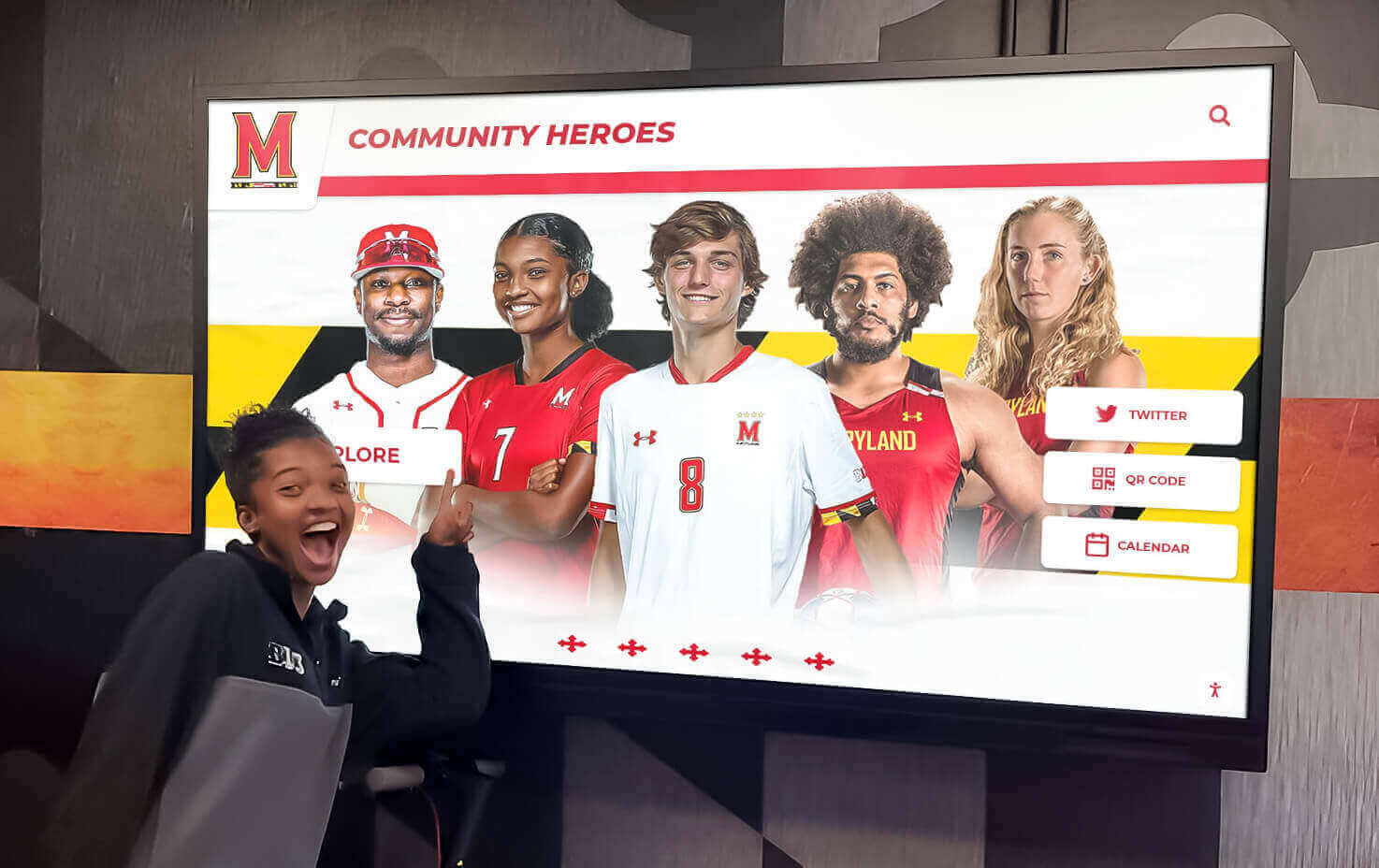
Recognition displays educate current students about community support for programs they enjoy
Conclusion: Building Sustainable Fundraising Through Strategic Events
Successful charity events represent more than single-night fundraising—they create community gathering moments, strengthen donor relationships, inspire generosity, and build traditions that connect generations. When organizations implement strategic event planning combined with thoughtful recognition systems celebrating supporters year-round, they transform occasional fundraising into sustainable revenue streams that grow over time through increased attendance, expanded sponsorship, and deepened donor commitment.
The strategies explored throughout this guide provide practical frameworks specifically designed for nonprofits, schools, and community organizations facing universal challenges including volunteer capacity limitations, budget constraints, competitive fundraising environments, and need for meaningful donor stewardship. From proven event formats and timeline planning to sponsor engagement, volunteer coordination, and comprehensive recognition systems—these approaches transform charity event planning from overwhelming obligation into manageable process that builds organizational capacity while honoring supporters appropriately.
Ready to transform how your organization recognizes event supporters? Modern digital recognition solutions help nonprofits and schools celebrate unlimited donors, sponsors, and volunteers while creating engaging experiences that inspire continued generosity. Solutions like Rocket Alumni Solutions provide comprehensive platforms specifically designed for charitable organizations, combining intuitive content management with professional engagement features and affordable pricing ensuring sustainable long-term programs.
Whether you’re planning your first fundraising gala or enhancing established annual events, focus on creating authentic experiences aligned with your mission, sustainable within volunteer capabilities, and designed to serve your specific community needs effectively. Request your free custom demo to explore how digital recognition can celebrate your event supporters comprehensively.
Your event supporters deserve recognition that honors their generosity meaningfully while demonstrating the impact of their contributions and validating their investment in your mission. With thoughtful planning, appropriate technology selection, and genuine commitment to comprehensive acknowledgment, you can implement recognition systems that increase donor retention, enhance giving levels, strengthen volunteer satisfaction, and build lasting community support sustaining your programs for years to come.
The most important consideration isn’t implementing the most expensive events or sophisticated technology—it’s creating genuine appreciation programs that resonate with your supporters, communicate impact authentically, and demonstrate organizational commitment to honoring partnerships meaningfully. Your donors, sponsors, and volunteers make your mission possible. Recognition systems celebrating their contributions appropriately create foundations for sustained engagement and organizational success that compound value across decades of community service.