



Catholic Church digital donation touchscreen recognition systems represent a modern approach to honoring the generosity that sustains parish life, supports capital campaigns, and advances the Church’s mission. As Catholic parishes undertake building renovations, school expansions, and ministry program funding, recognizing donor contributions appropriately becomes both a stewardship responsibility and a powerful tool for inspiring continued giving within faith communities.
Yet many parish leaders struggle with how to acknowledge donors meaningfully while respecting sacred space, maintaining liturgical focus, and honoring Catholic traditions around charitable giving. Traditional brass plaques and static donor walls have served parishes well for generations, but modern digital recognition technology offers capabilities that better serve today’s diverse, multi-generational Catholic communities while addressing the practical challenges parishes face.
This comprehensive guide explores how interactive touchscreen displays help Catholic churches recognize contributions effectively, strengthen stewardship programs, and create engaging experiences that honor generosity while advancing parish missions and maintaining appropriate reverence for worship spaces.
Effective donor recognition in Catholic parishes extends beyond simple acknowledgment—it creates meaningful connections between benefactors and ministry impact, demonstrates faithful stewardship of resources entrusted to the Church, and inspires others to participate in God’s work through their own contributions. Parishes that excel at donor recognition design systems honoring every gift appropriately while maintaining the reverence and spiritual focus essential to Catholic worship and tradition.

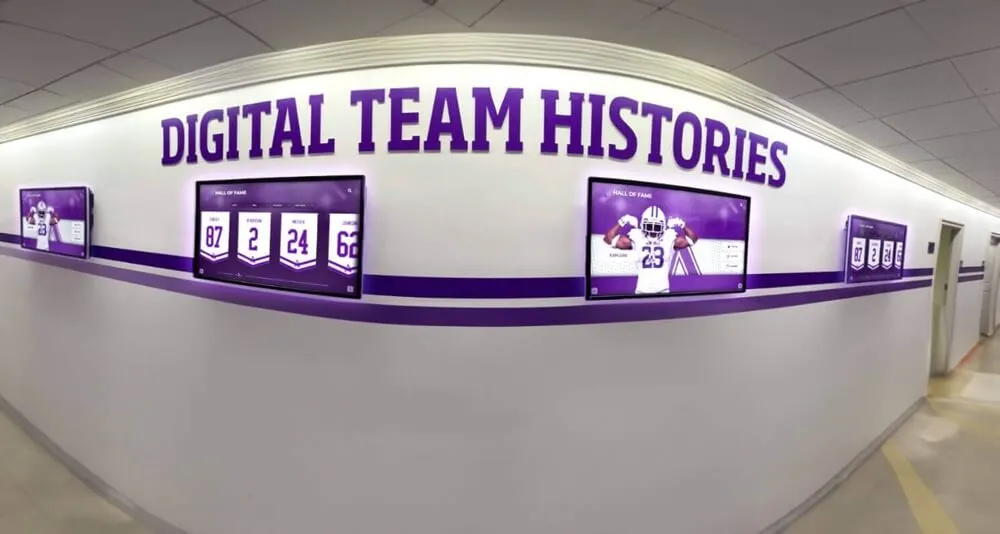
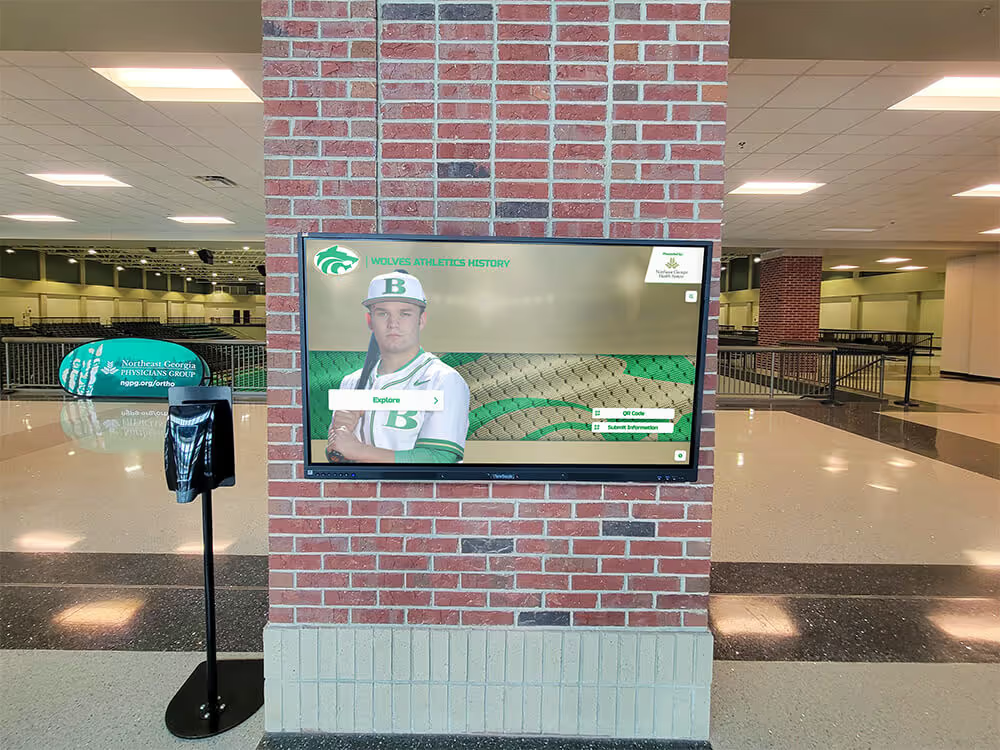
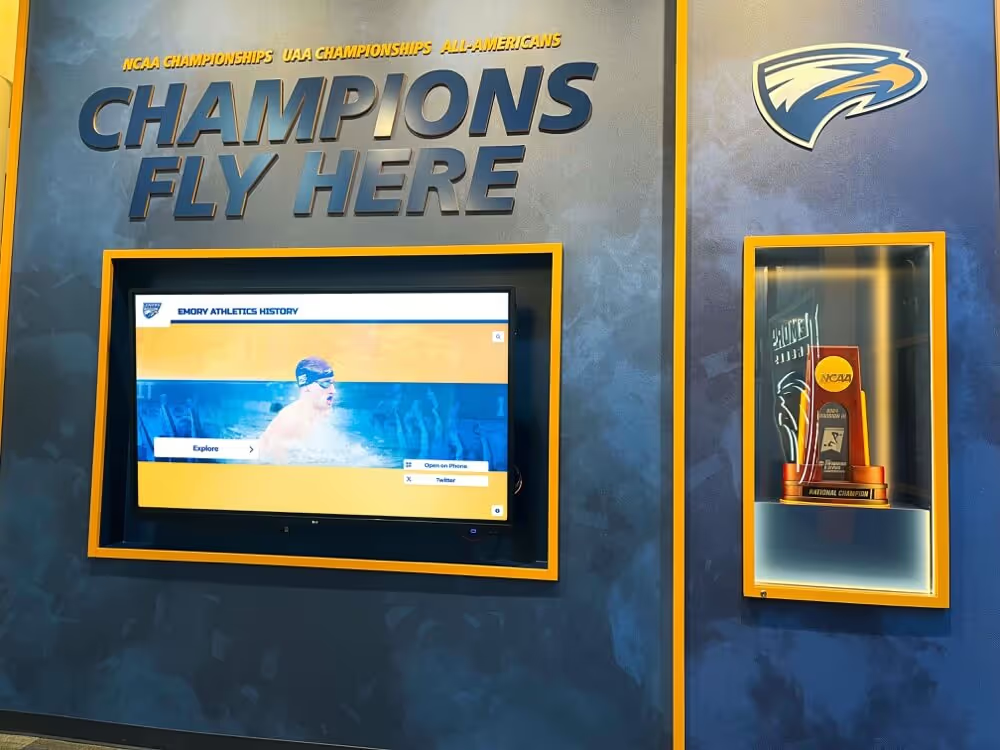
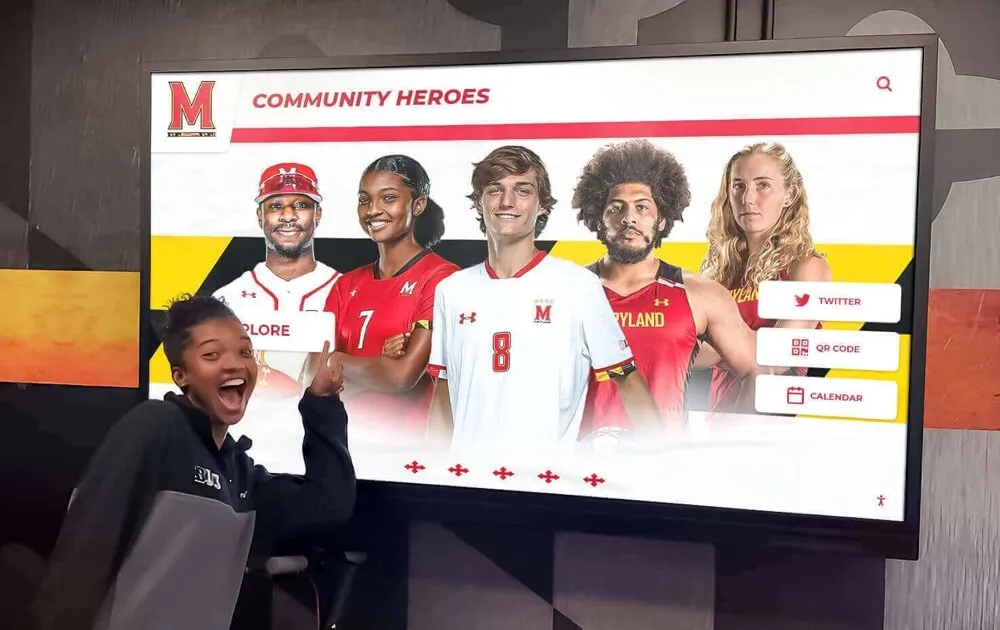
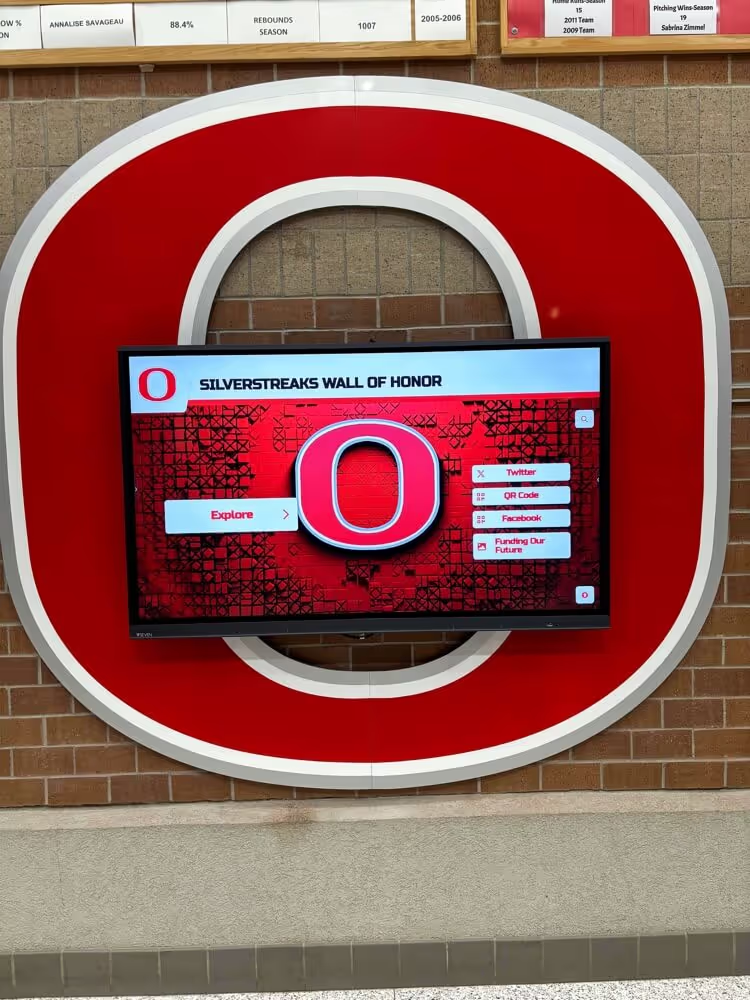
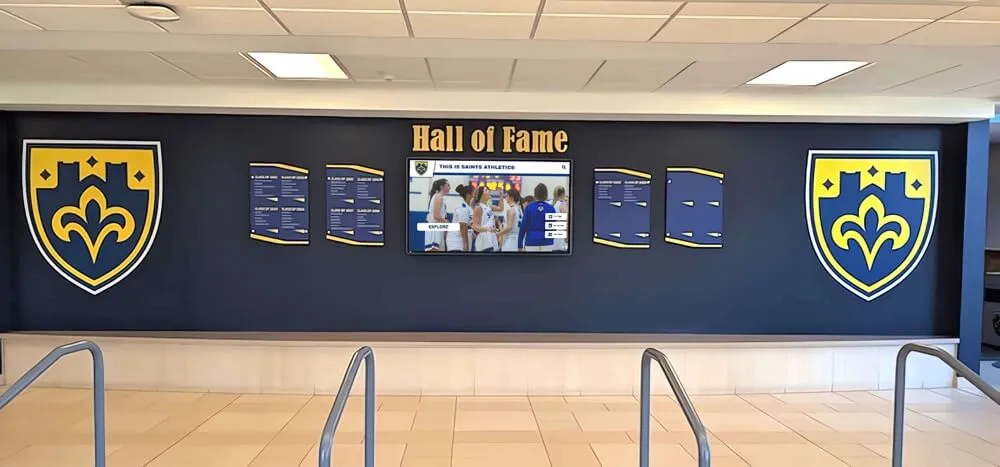
Modern digital recognition systems enable Catholic parishes to honor donors comprehensively while maintaining appropriate reverence for worship spaces
Understanding Catholic Parish Donor Recognition Needs
Before exploring technology solutions, understanding the unique characteristics of Catholic churches helps ensure recognition systems serve both pastoral and practical goals effectively.
The Distinctive Nature of Catholic Stewardship
Catholic parishes approach fundraising and donor recognition differently than many other religious organizations and secular nonprofits:
Theological Foundations of Catholic Giving
Catholic social teaching provides specific guidance on charitable giving and recognition:
- Church teaching emphasizes giving as response to God’s generosity rather than transactional exchange
- Catholic tradition values both public witness to generosity and humble anonymity in giving
- Stewardship understood as faithful management of God’s gifts rather than ownership
- Recognition balanced against Gospel teachings about not seeking praise for charitable acts
- Connection between sacrificial giving and participation in Christ’s redemptive work
- Emphasis on supporting both local parish needs and universal Church mission
According to guidance from diocesan stewardship offices, effective Catholic donor recognition honors generosity authentically while directing attention toward ministry impact and God’s providence rather than individual prominence.
Sacred Space Considerations
Catholic worship spaces carry particular significance requiring thoughtful recognition planning:
- Sanctuary areas reserved exclusively for liturgical purposes without donor displays
- Narthex, gathering spaces, and parish halls appropriate for recognition installations
- Design aesthetics harmonizing with Catholic architectural tradition and sacred atmosphere
- Technology implemented discreetly to complement rather than distract from worship focus
- Permanent installations aging gracefully and maintaining reverence across decades
- Coordination with parish pastoral councils and diocesan liturgical guidelines
Many parishes find that positioning recognition displays in fellowship halls, religious education buildings, or dedicated donor walls outside sanctuary spaces addresses these concerns while still providing prominent acknowledgment.
Catholic Capital Campaign Dynamics
Parish fundraising typically follows specific patterns:
- Major capital campaigns for building construction, renovation, or expansion
- Annual Catholic Appeal participation supporting diocesan ministries
- Parish stewardship campaigns funding operational budgets
- Endowment building for long-term sustainability
- School tuition assistance funds supporting Catholic education
- Special collections supporting missions, social justice, and charitable works
Each campaign type generates donor contributions deserving appropriate recognition while respecting donors’ varied motivations and preferences.
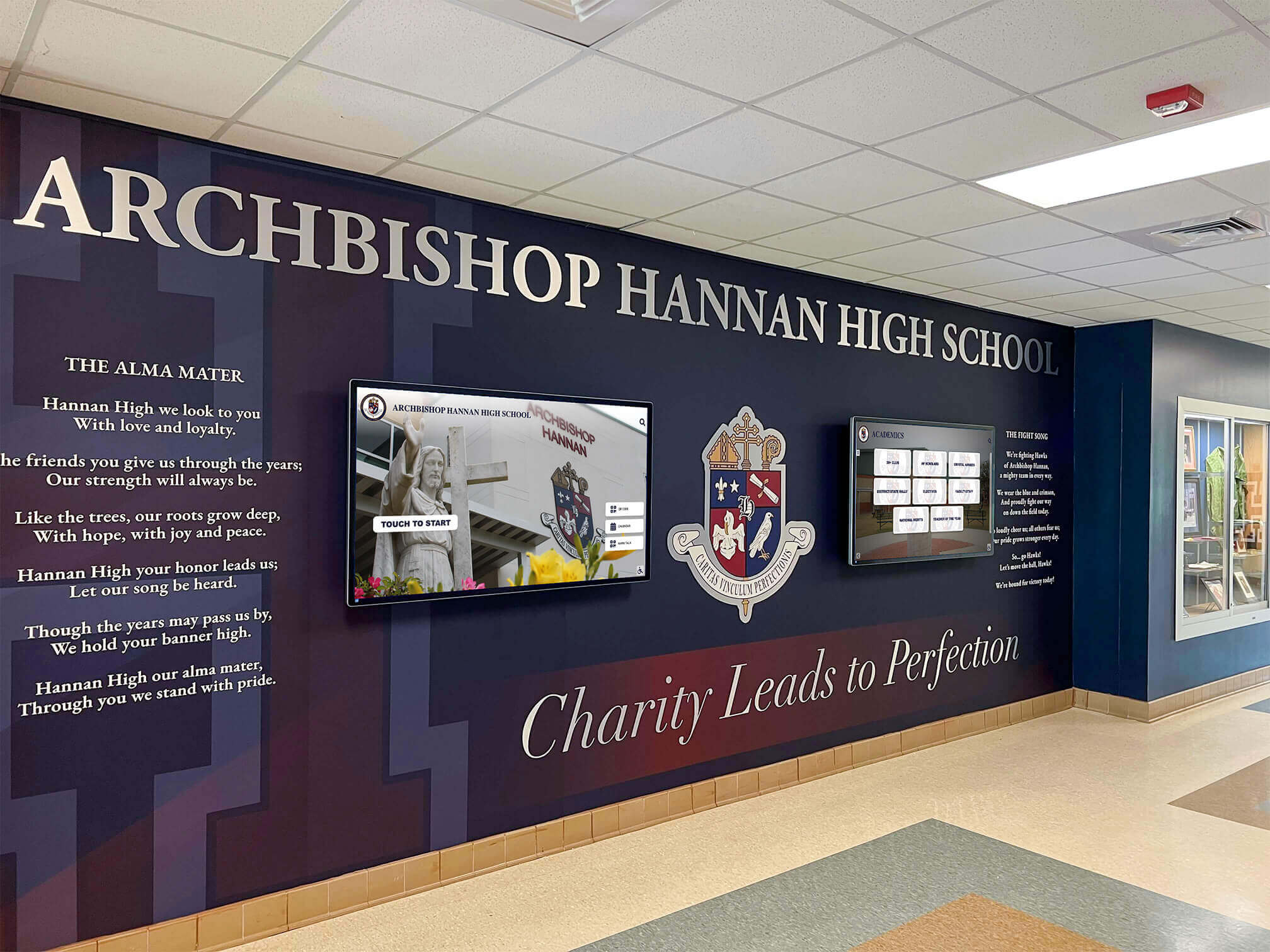
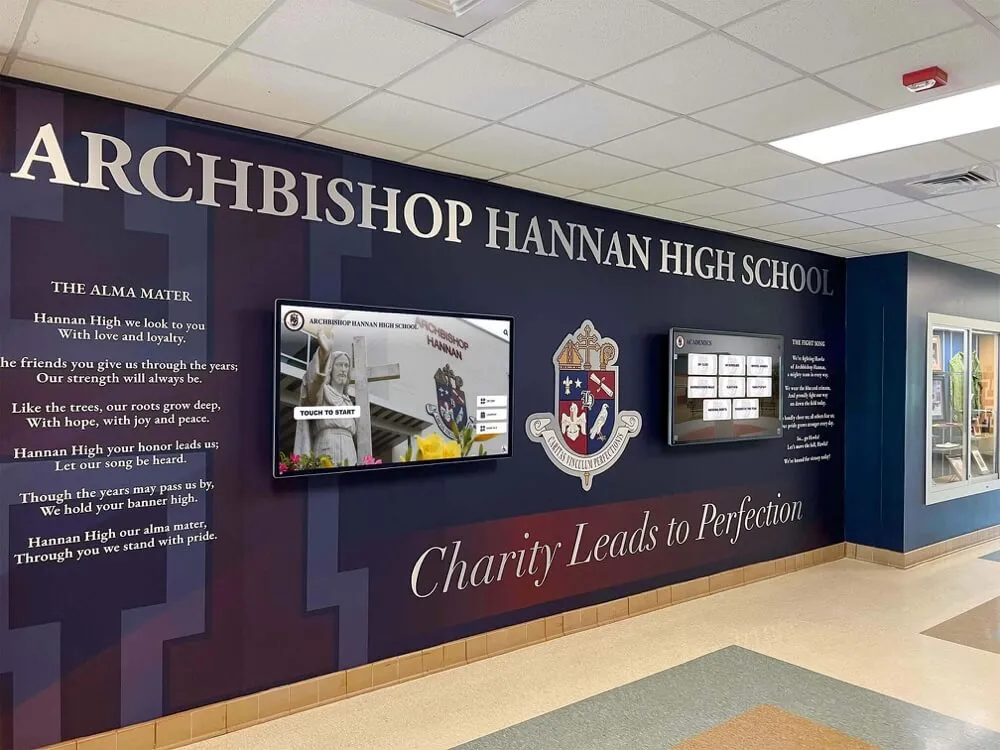
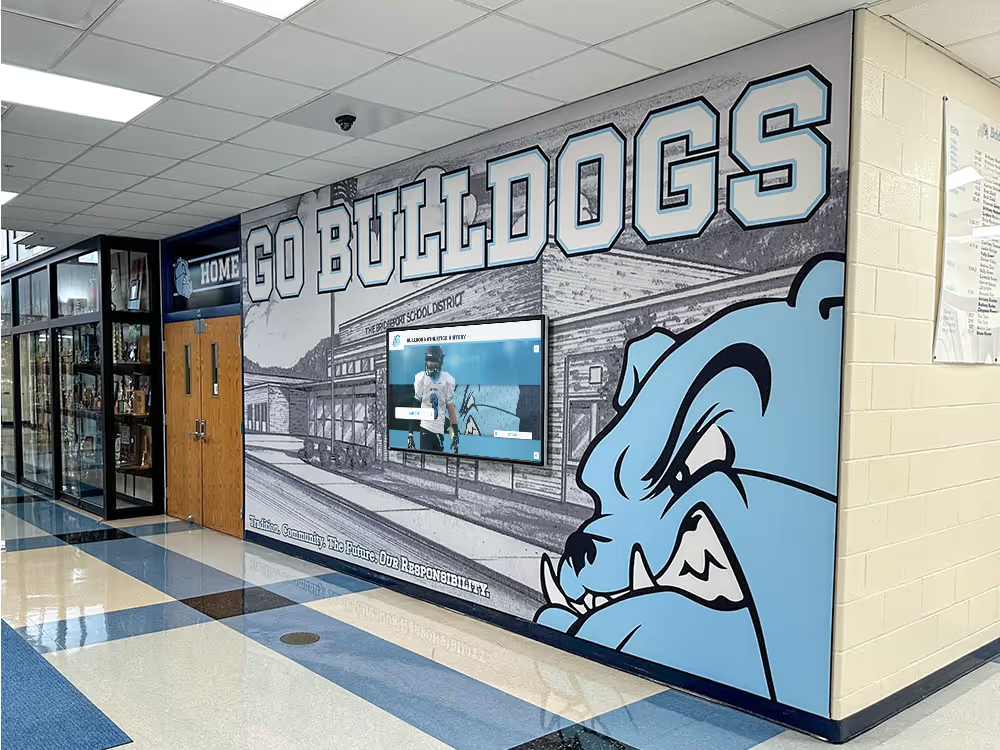
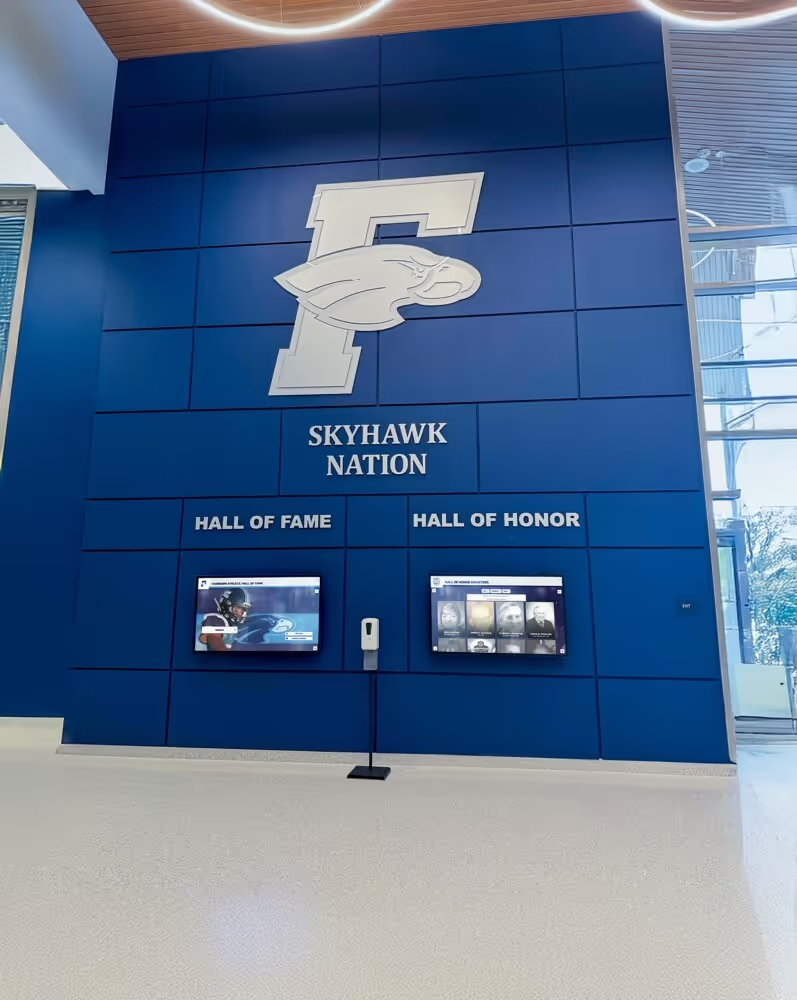
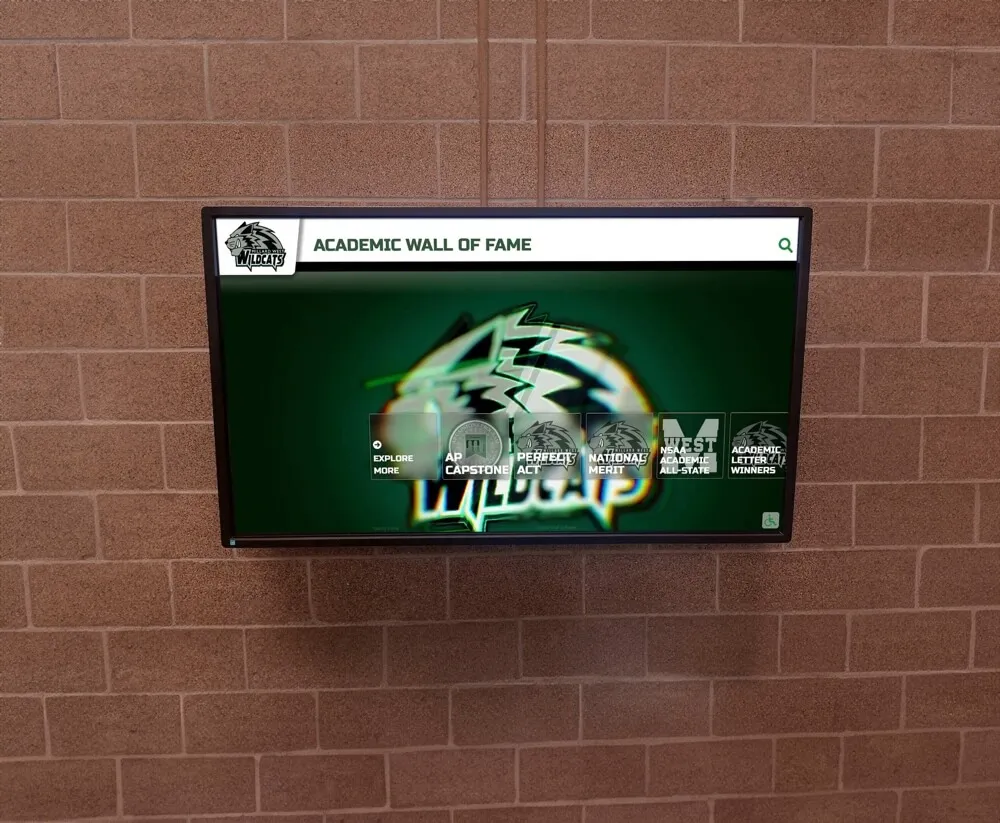
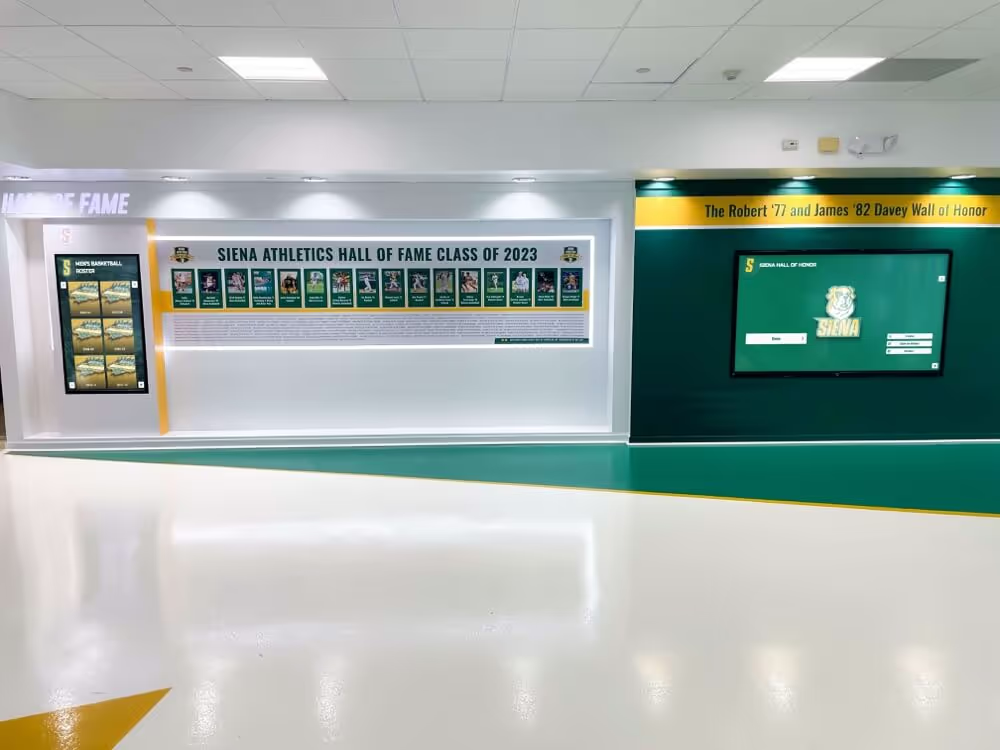
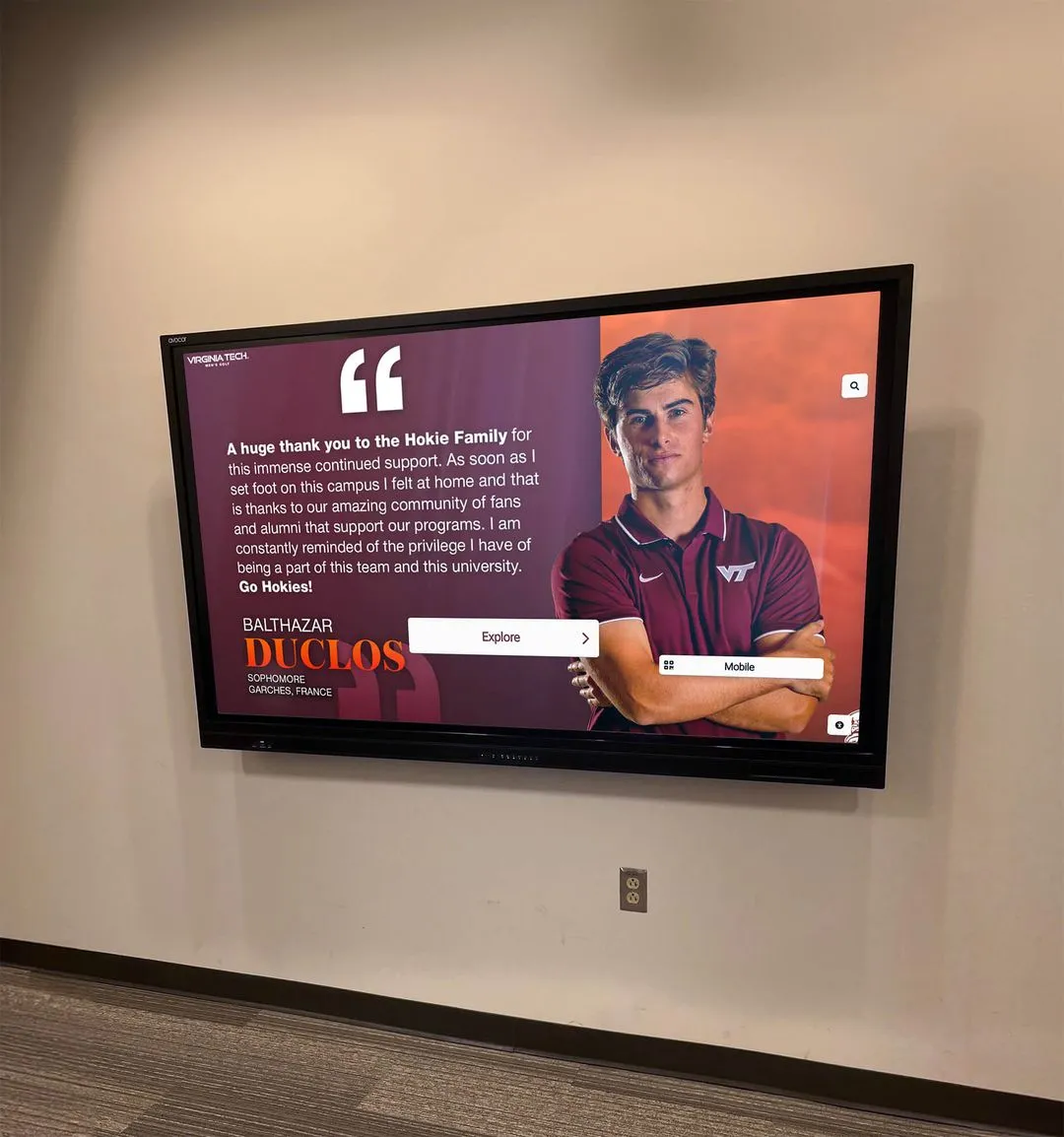
Digital systems integrate seamlessly with traditional Catholic architectural elements and design
Challenges Facing Catholic Parish Donor Recognition
Traditional recognition approaches face several practical limitations:
Physical Space Constraints
Historic Catholic church buildings present unique challenges:
- Limited wall space in narthex and gathering areas competing with liturgical art and religious imagery
- Historic preservation requirements restricting modifications to older church buildings
- Architectural features and stained glass that recognition displays must complement
- Multiple building uses requiring recognition placement consideration
- Decades of future donors requiring accommodation without unlimited physical expansion
- Budget constraints limiting expensive traditional plaque installations
Learn about comprehensive donor recognition approaches that balance Catholic traditions with modern capabilities.
Traditional Recognition Limitations
Physical plaques and donor walls face inherent constraints:
- Fixed capacity forcing difficult decisions about which donors receive visible recognition
- Expensive updates and additions as new donors contribute during multi-year campaigns
- Inability to showcase photos, impact stories, or multimedia testimony
- Limited information beyond names and giving levels
- Removal requirements when errors occur or donor preferences change
- Ongoing expansion costs as parish communities grow and campaigns continue
Many parishes find traditional displays become full within years of major campaigns, requiring expensive expansion decisions or difficult choices about whose recognition to remove.
Multi-Generational Parish Communities
Catholic parishes serve diverse age ranges with varying technology expectations:
- Older parishioners who value traditional recognition and may view digital displays skeptically
- Younger families expecting interactive technology and finding static plaques less engaging
- Middle generations appreciating both traditional aesthetics and modern functionality
- Visitors from other parishes arriving with varying technology comfort levels
- Need for recognition systems engaging all demographics appropriately
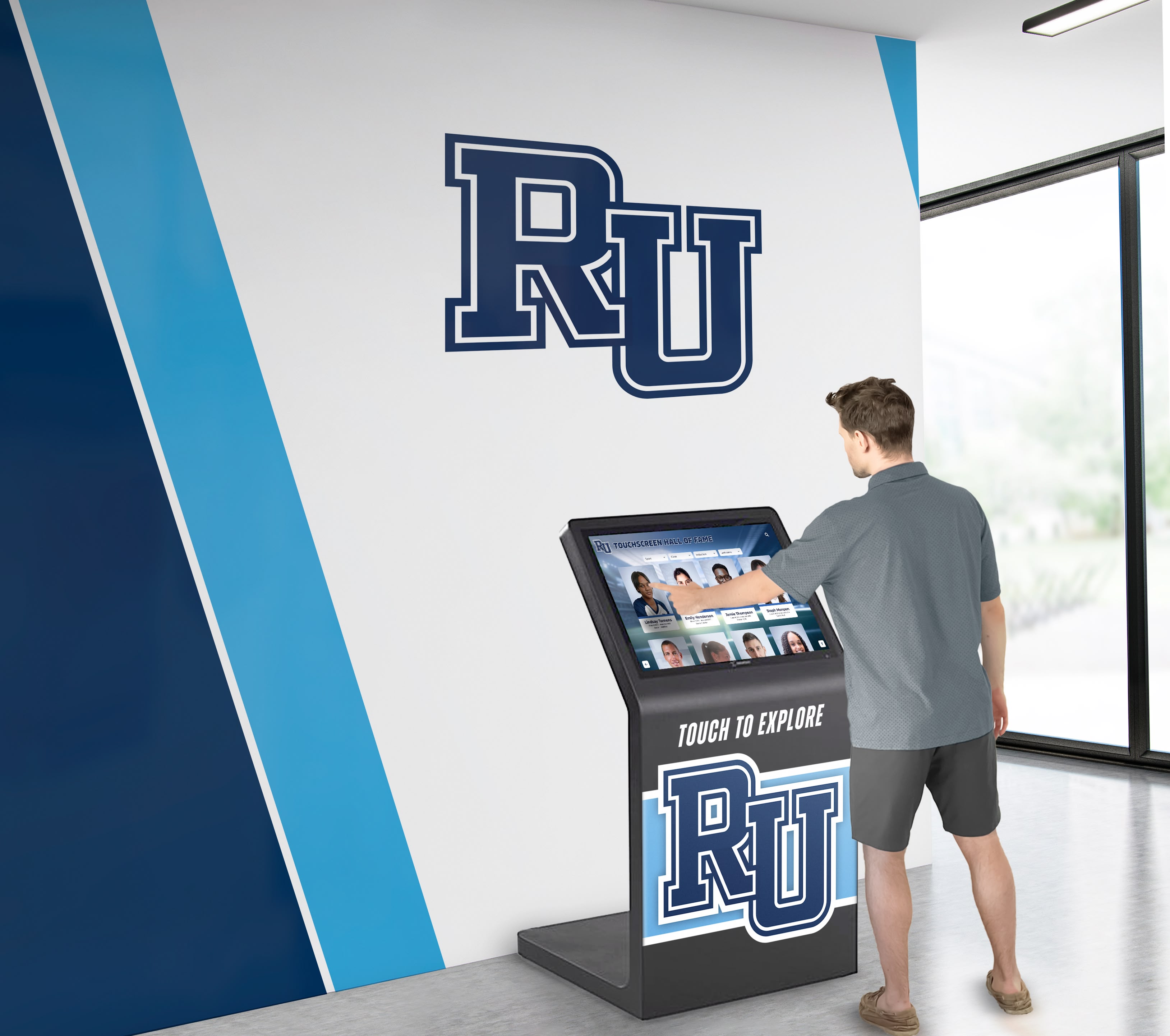
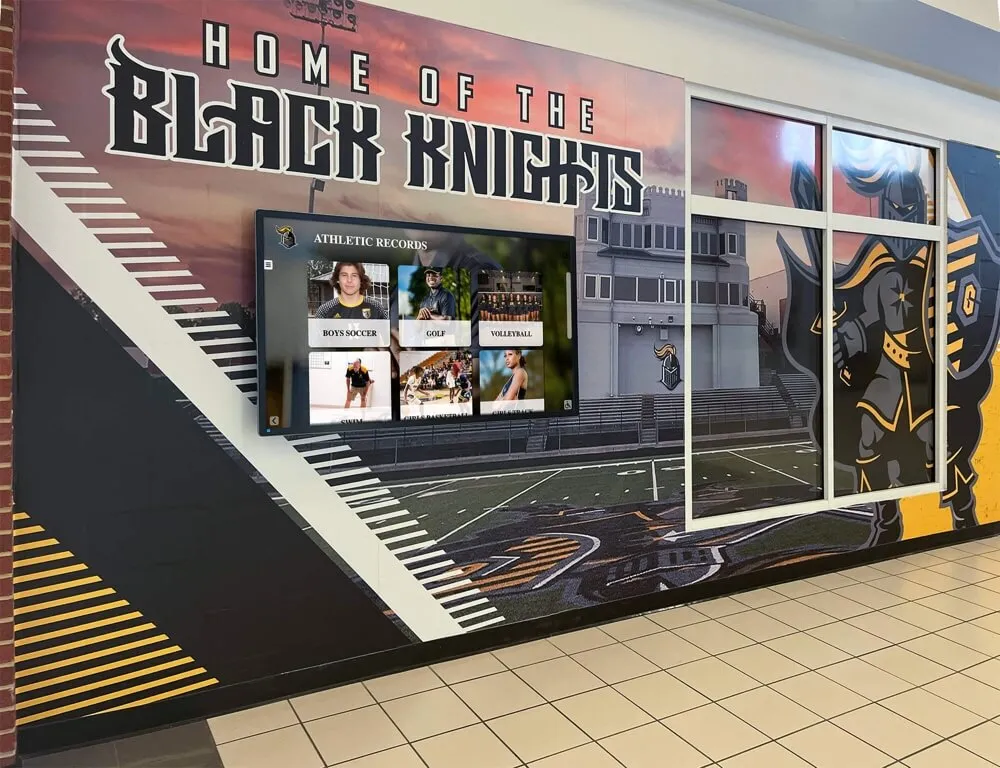
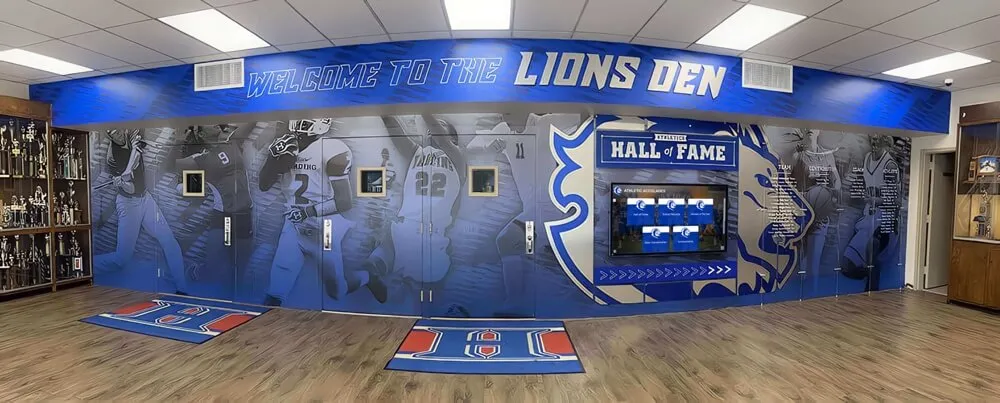
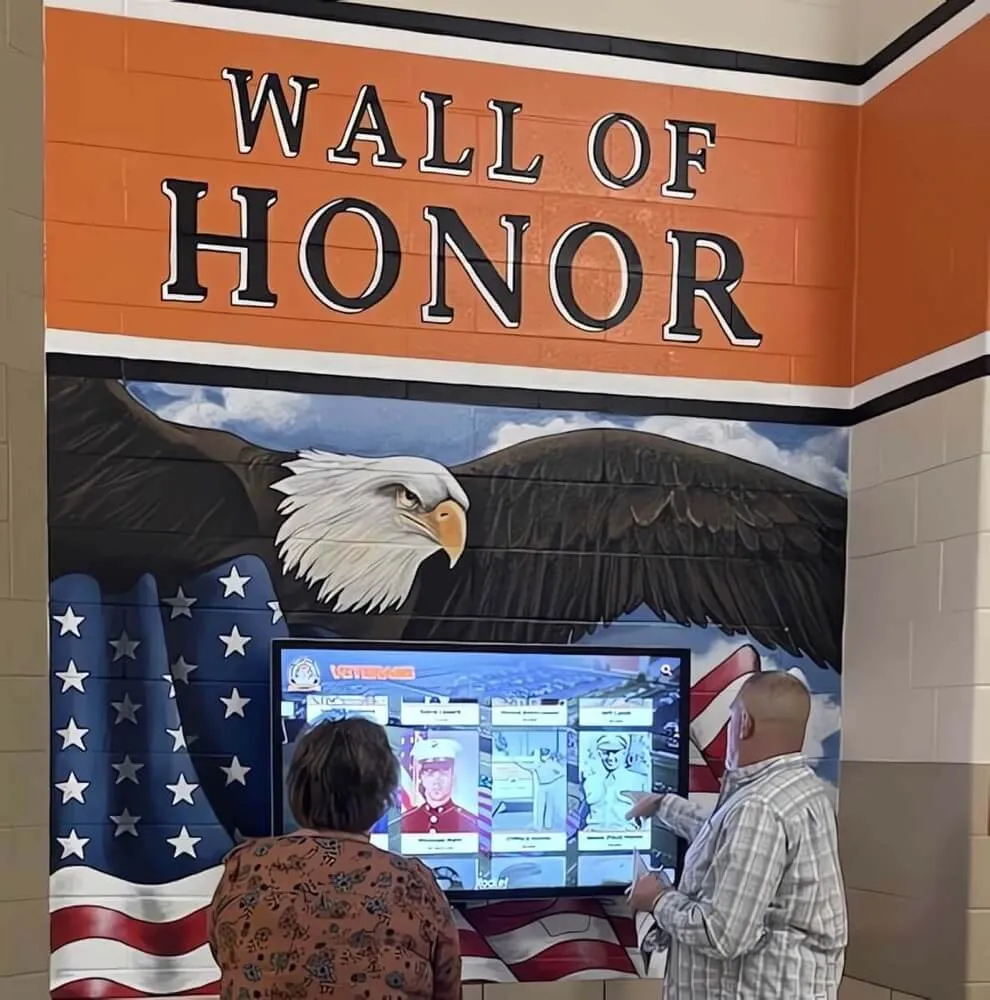
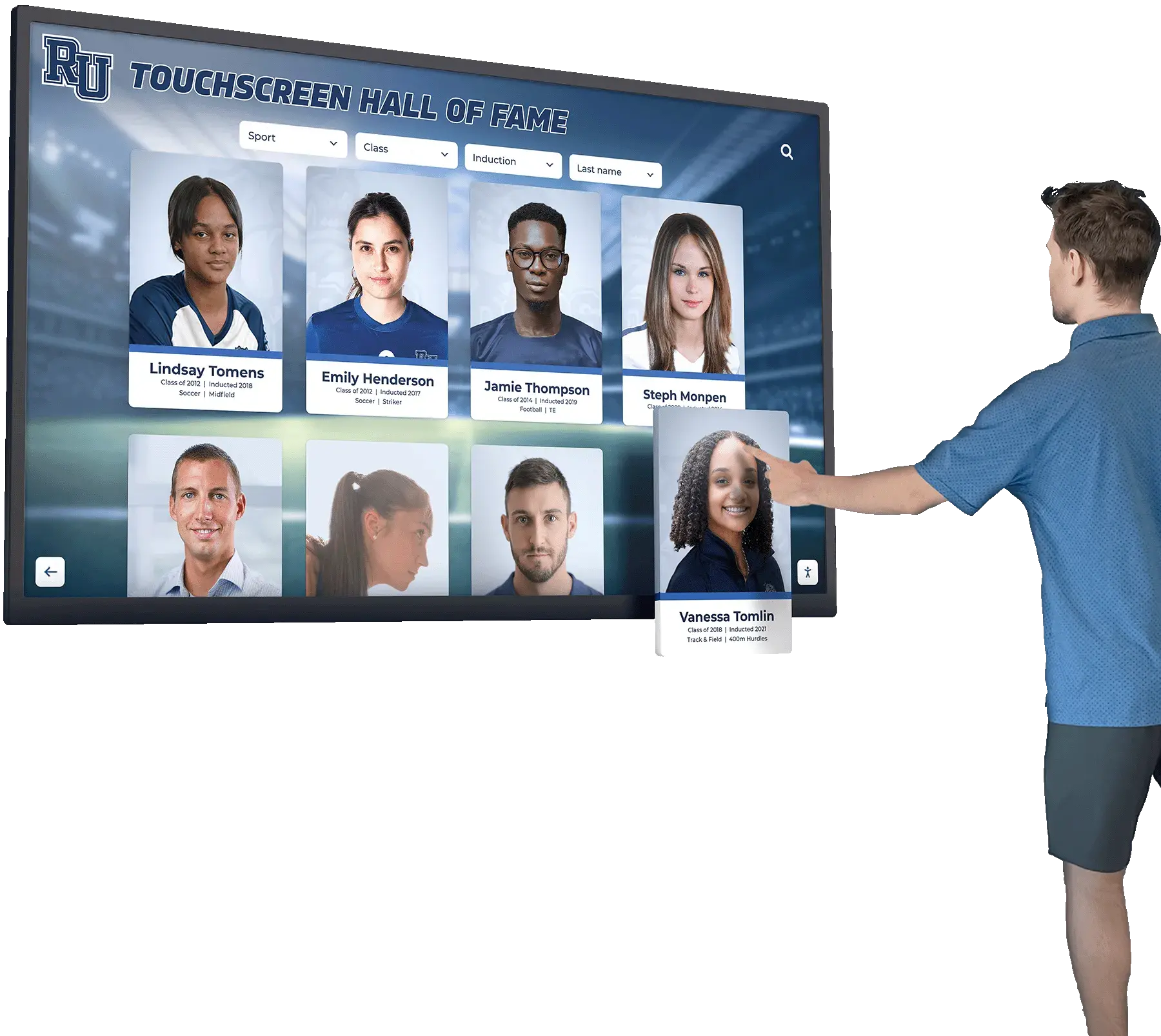
Intuitive touchscreen interfaces invite parishioners to explore recognition and understand ministry impact
How Digital Touchscreen Recognition Serves Catholic Parishes
Interactive donor recognition displays provide solutions to many traditional limitations while respecting Catholic worship priorities.
Unlimited Recognition Capacity
Digital systems eliminate the space constraints that traditionally forced difficult donor selection:
Comprehensive Donor Inclusion
A single touchscreen installation can recognize:
- All donors at every giving level from modest contributions to leadership gifts
- Historical donors from previous campaigns alongside current capital campaign contributors
- Memorial and tribute gifts honoring deceased loved ones and special intentions
- Planned giving commitments including estate gifts and bequests
- In-kind donations supporting parish operations and programs
- Volunteer service contributions complementing financial support
- Multi-generational family giving demonstrating legacy of parish commitment
Rather than limiting recognition to major donors due to plaque space constraints, digital platforms celebrate the entire community of support—demonstrating the collective generosity that sustains parish life.
Multiple Campaign Recognition
Catholic parishes conducting various fundraising initiatives benefit from flexible organization:
- Building fund donors supporting church construction and renovation
- School expansion contributors funding Catholic education facilities
- Endowment donors creating perpetual ministry support
- Annual stewardship campaign participants
- Diocesan Catholic Appeal contributors
- Mission and social justice program supporters
- Scholarship fund donors enabling Catholic education access
Solutions like Rocket Alumni Solutions enable parishes to organize recognition by campaign, giving level, or chronology while maintaining unlimited capacity as ministries grow over time.
Rich Multimedia Storytelling
Digital platforms enable recognition connecting giving to tangible ministry outcomes:
Ministry Impact Documentation
Interactive systems showcase the results of parish generosity:
- Before-and-after photography documenting church renovation and restoration
- Video testimonials from ministry beneficiaries describing program impact
- Mission trip documentation connecting donor support to evangelization efforts
- Catholic school student success stories enabled by tuition assistance
- Social justice initiative results showing charitable works in action
- Timeline visualizations documenting campaign progress and milestone achievements
- Connection between donor levels and specific ministry capabilities enabled
According to research on Catholic giving patterns, donors who see clear connections between their contributions and ministry impact demonstrate significantly higher retention rates and likelihood of increased giving in subsequent appeals.
Sacramental and Ministry Connection
Digital recognition creates transparency while inspiring continued support:
- Financial milestone tracking showing progress toward campaign goals
- Ministry budget visualizations connecting dollars to specific programs
- Sacramental preparation program funding enabled by generosity
- Religious education and faith formation support documentation
- Liturgical improvements and sacred art restoration acknowledgment
- Social outreach effectiveness metrics demonstrating compassionate service
This transparency addresses contemporary donor expectations for accountability while celebrating collective achievement toward shared mission vision.
Explore approaches to interactive church donor boards that emphasize ministry impact storytelling.
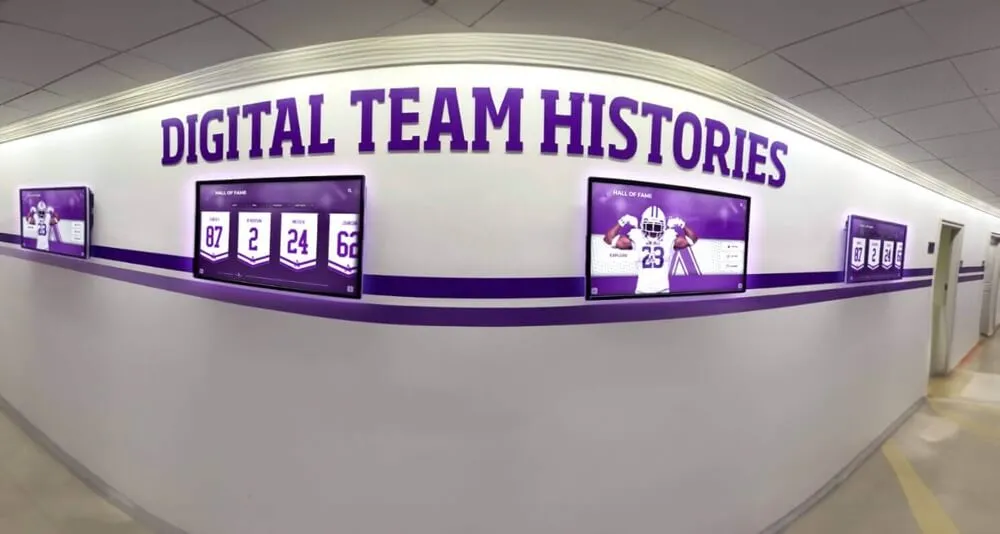
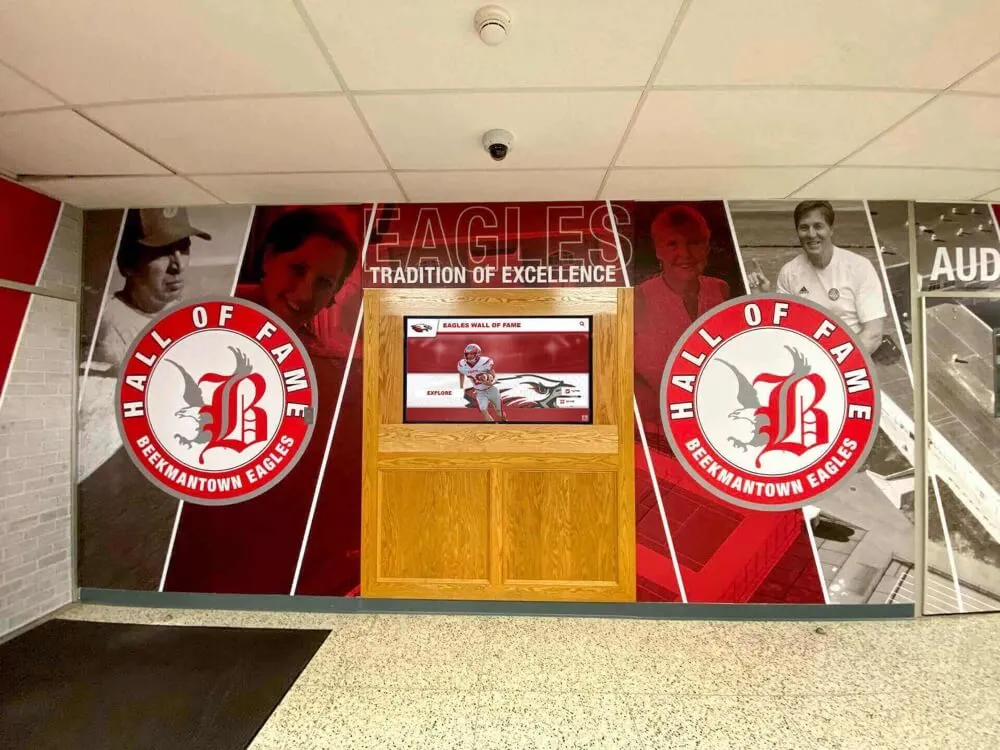
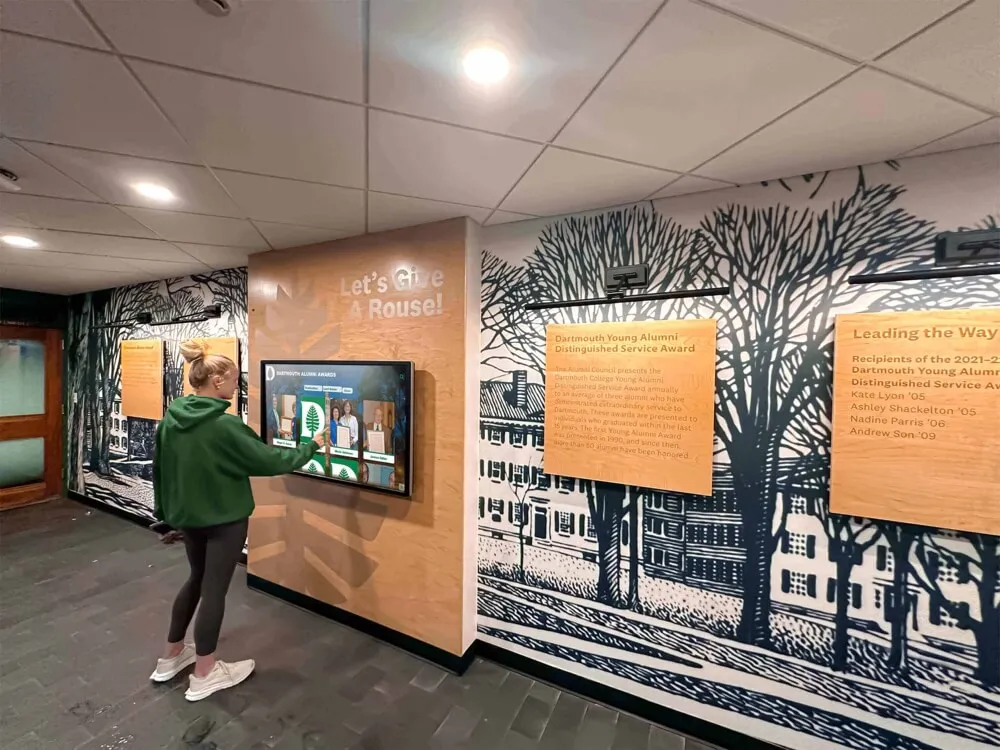
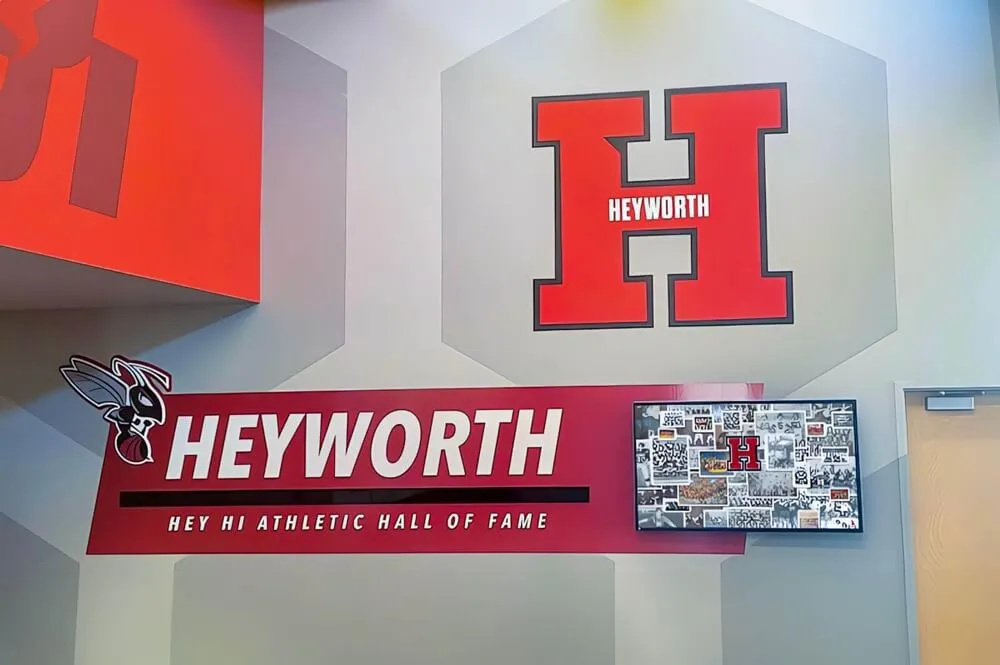
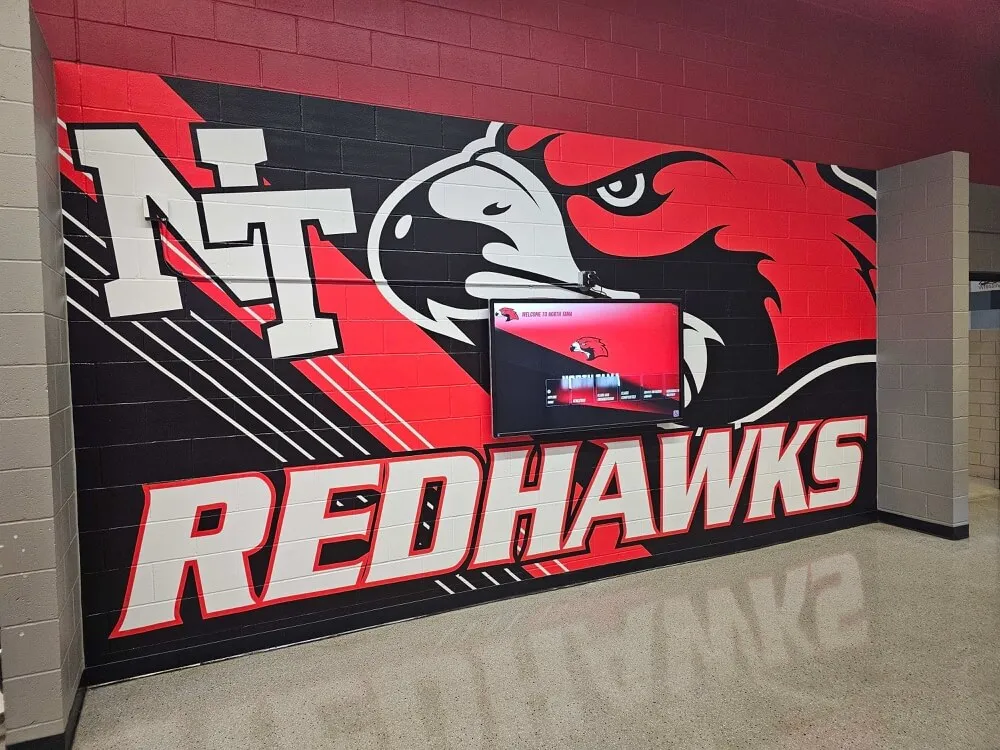
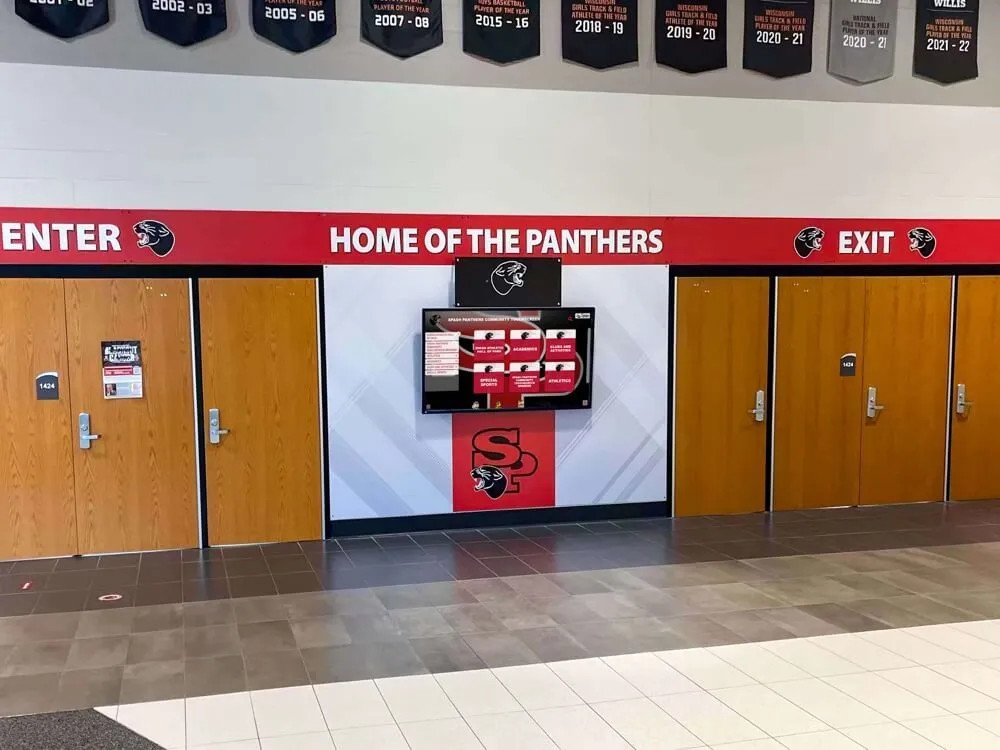
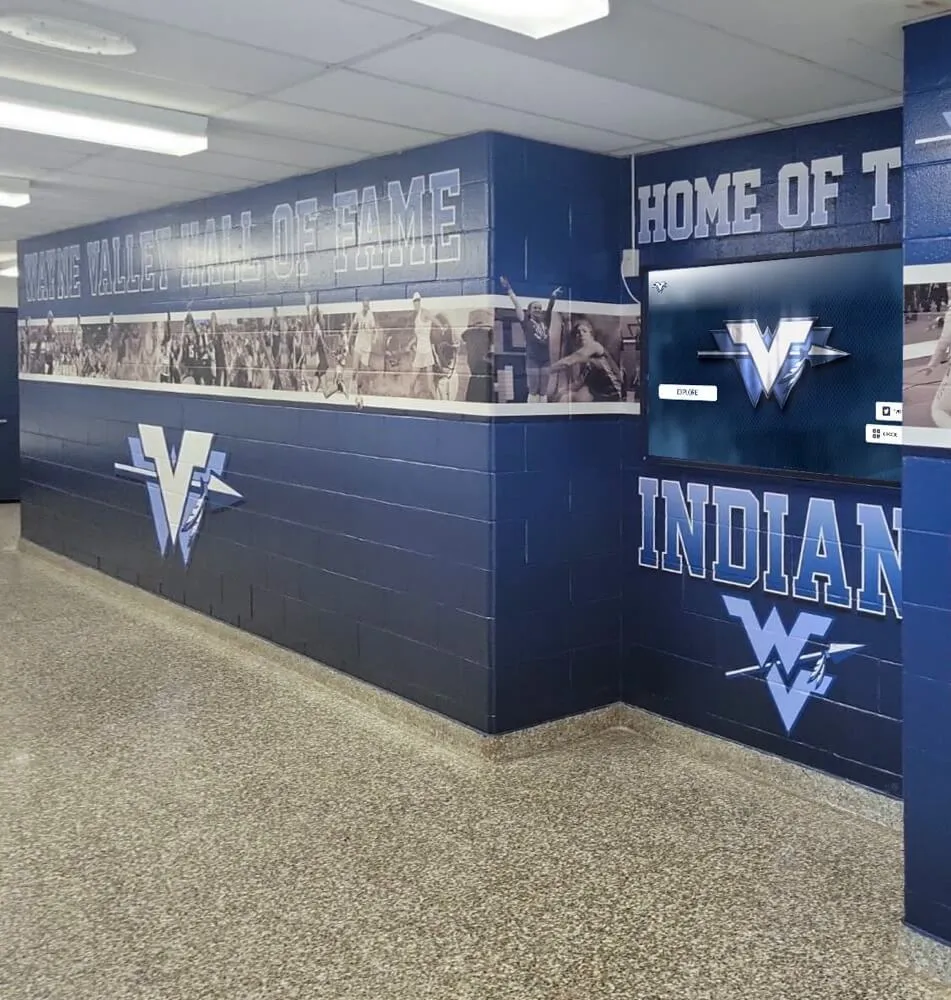
Strategic placement ensures contributors see their impact honored prominently throughout parish facilities
Flexible Content Management
Cloud-based systems provide unprecedented recognition flexibility:
Real-Time Updates Without Physical Modification
Digital platforms enable instant recognition changes:
- Same-day addition of new donors as gifts are received and processed
- Immediate updates when donors increase giving levels or join leadership societies
- Correction of errors without costly plaque replacement or engraving
- Seasonal content featuring relevant liturgical seasons and parish events
- Anniversary recognition highlighting milestone gifts and longstanding supporters
- Memorial designation updates honoring recently deceased parishioners
This agility ensures recognition remains perpetually current rather than becoming outdated between expensive physical plaque updates that many parishes struggle to afford.
Event-Specific Customization
Interactive displays adapt to the Catholic liturgical calendar and parish life:
- Stewardship Sunday emphasis highlighting annual campaign participation
- Christmas and Easter season focus on special seasonal ministry funding
- Parish feast day celebrations showcasing historical giving and church milestones
- Capital campaign kickoff content building excitement and participation
- Volunteer appreciation integration recognizing non-financial contributions
- Catholic Schools Week features connecting giving to education mission
This flexibility transforms static recognition into dynamic engagement tools supporting various parish initiatives throughout the liturgical year.
Respecting Catholic Traditions and Preferences
Modern systems accommodate important Catholic sensibilities:
Anonymous Giving Options
Catholic teaching acknowledges both public witness and private charity:
- Recognition of giving levels without name attribution for those preferring anonymity
- Collective acknowledgment honoring anonymous donors as group
- Private thank-you communications maintaining confidentiality
- Option to add names later if donors change preferences
- Respect for Gospel teachings about charitable giving
Many diocesan development offices note that approximately 10-15% of Catholic major donors prefer anonymous recognition, making accommodation essential for comprehensive programs.
Memorial and Tribute Emphasis
Catholic tradition emphasizes prayer for the deceased and honoring loved ones:
- Prominent memorial gift recognition honoring deceased family members
- Connection to perpetual Mass intentions and prayer opportunities
- Biographical information when families consent to sharing memories
- Legacy emphasis showing continuing impact of remembered individuals
- Annual memorial Mass recognition of faithful departed benefactors
Digital displays enable comprehensive memorial recognition without physical space limitations of traditional memorial plaques.
Learn strategies for church memorial touchscreen displays honoring deceased community members.
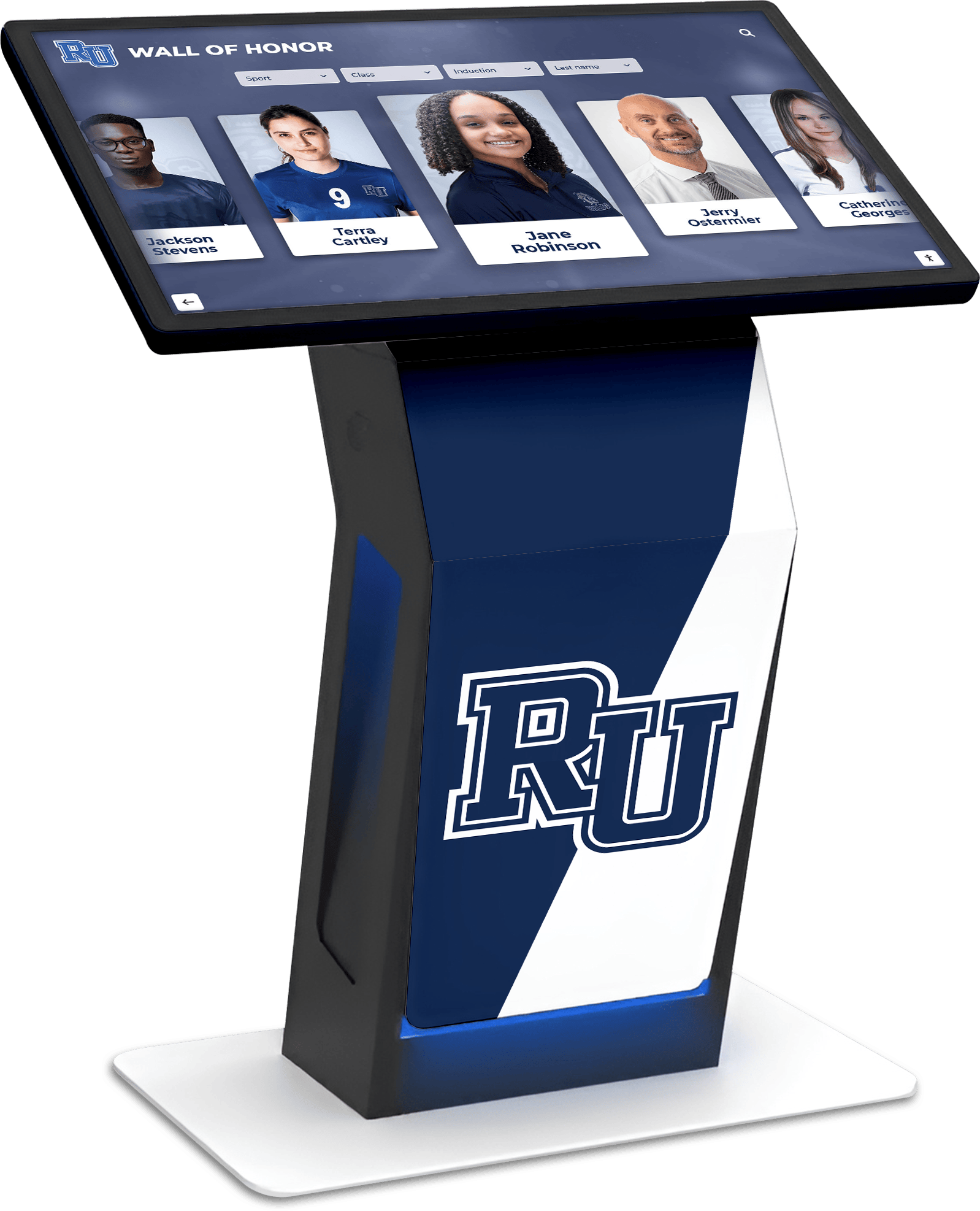
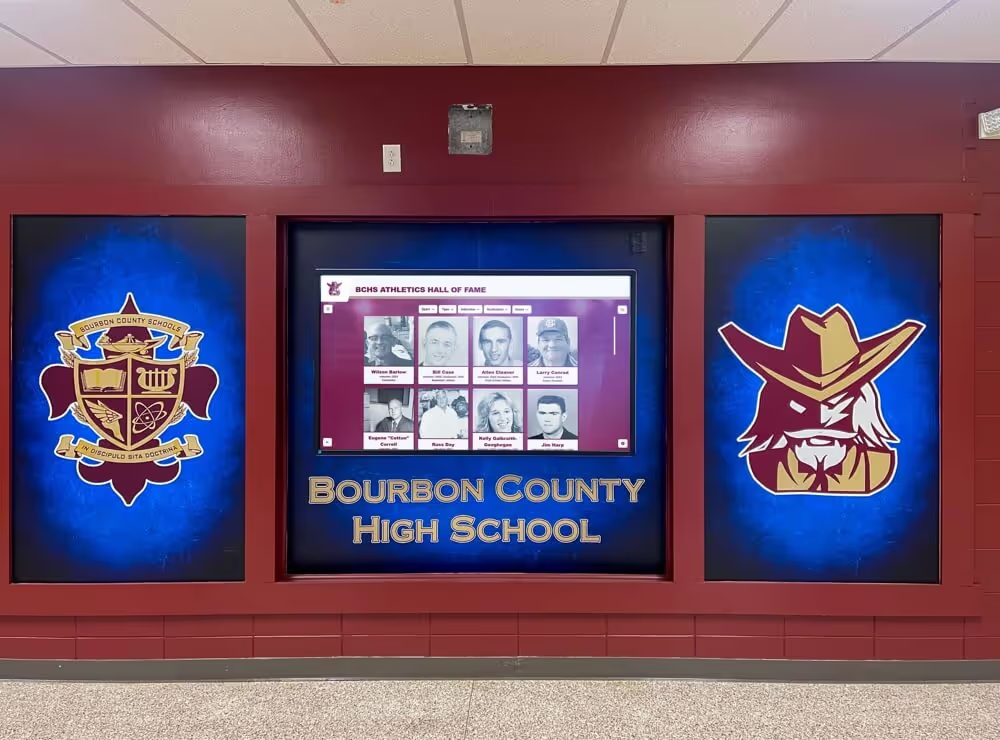
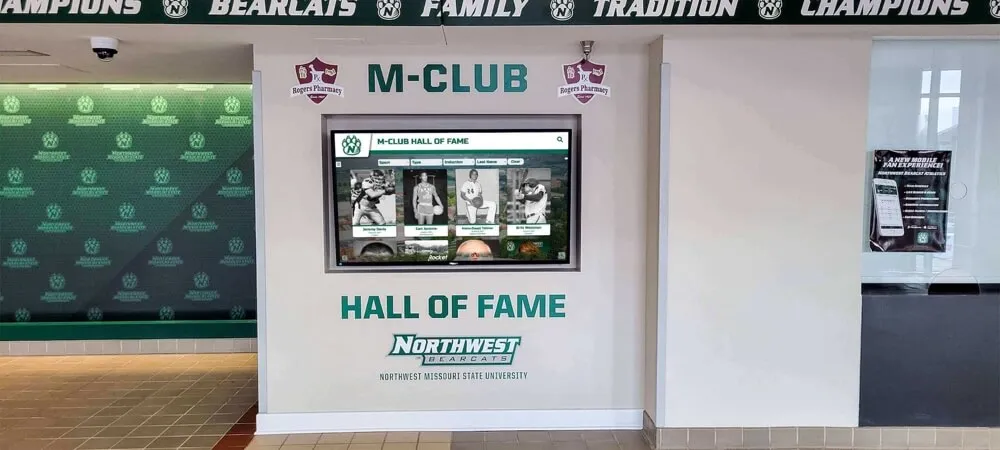
Professional kiosks provide elegant recognition solutions appropriate for Catholic worship environments
Planning Digital Donor Recognition for Catholic Parishes
Successful implementation requires thoughtful planning aligned with Catholic values and parish needs.
Establishing Recognition Philosophy
Before selecting technology, parishes should develop clear principles:
Theological Framework
Articulate how recognition aligns with Catholic teaching:
- Biblical and magisterial principles guiding approach to acknowledging generosity
- Balance between transparency and humility in donor acknowledgment
- Emphasis on collective parish achievement versus individual prominence
- Connection between recognition and broader stewardship formation
- Approach to anonymous giving respecting varied donor preferences
- Integration with Catholic social teaching on solidarity and human dignity
Many parishes find that framing recognition as testimony to God’s providence through faithful stewards addresses theological concerns while honoring generous contributors appropriately.
Recognition Criteria and Standards
Establish clear, equitable guidelines for donor inclusion:
Giving Level Thresholds
- Entry-level recognition (commonly $500-$1,000 depending on campaign size)
- Progressive giving societies (often at $1,000, $2,500, $5,000, $10,000, $25,000+ levels)
- Leadership circle for transformational gifts enabling major projects
- Lifetime giving cumulative recognition honoring sustained commitment
- Legacy society for planned giving and estate gift intentions
Recognition Duration and Policies
- Permanent recognition for capital campaign donors above specified thresholds
- Annual recognition for stewardship campaign participants
- Multi-year acknowledgment for sustained giving over time
- Memorial recognition policies for deceased donors and tribute gifts
- Anonymous donor accommodation procedures
- Family giving attribution approaches for household contributions
Clear policies prevent future conflicts and ensure consistent treatment across time and campaigns.
Technology Selection for Catholic Parishes
Choose systems aligned with parish culture and facility characteristics:
Hardware Considerations
Display selection should reflect worship environment requirements:
- Screen size appropriate to viewing distances and space scale (typically 43-65 inches for most parish applications)
- Commercial-grade displays rated for continuous operation in high-traffic areas
- Touchscreen capability enabling interactive exploration versus passive viewing
- Aesthetic design harmonizing with Catholic architectural tradition
- Brightness specifications ensuring visibility in naturally lit spaces
- Positioning that complements rather than competes with sacred art and imagery
Mounting and Placement Options
- Wall-mounted installations for clean, integrated appearance in narthex or gathering spaces
- Freestanding kiosks providing flexibility in multi-purpose parish halls
- Recessed mounting for flush integration with architectural features
- ADA-compliant height and approach specifications
- Security considerations protecting equipment in public church spaces
- Coordination with diocesan building committees when required
Software Platform Selection
Purpose-built recognition software delivers superior results for parishes:
- Intuitive content management requiring minimal technical expertise for parish staff
- Donor database integration streamlining updates from parish management systems
- Multiple display coordination ensuring consistent content across campus
- Web accessibility extending recognition beyond physical church location
- Mobile-responsive design for smartphone and tablet viewing
- Search and filtering enabling personalized donor exploration
- Analytics tracking engagement and popular content
Solutions like Rocket Alumni Solutions provide comprehensive platforms specifically designed for donor recognition applications, addressing unique requirements that generic digital signage software cannot accommodate effectively for parish needs.
Explore digital donor recognition display technology and implementation guidance.
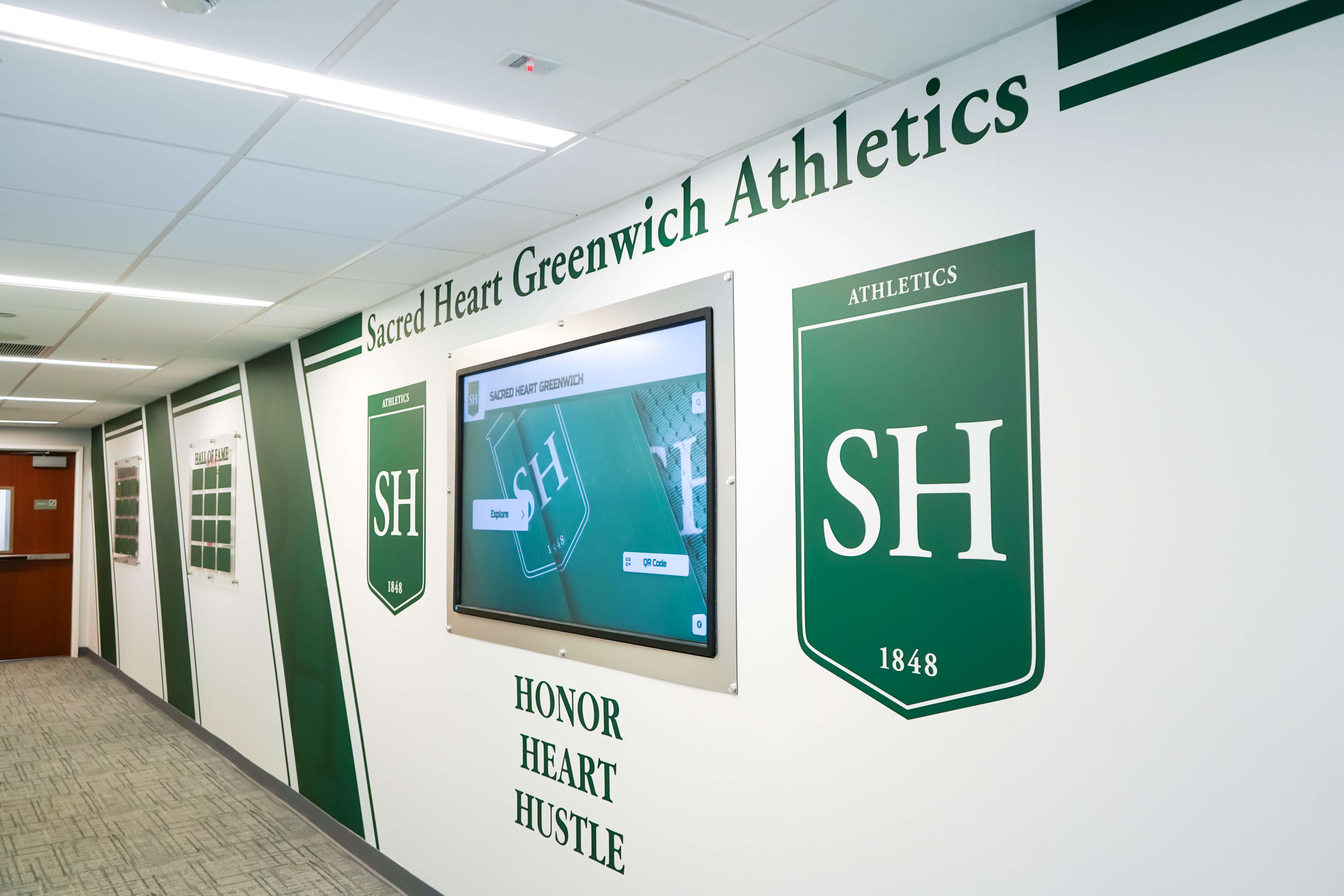
Digital displays integrate beautifully with traditional Catholic design elements and institutional identity
Implementing Touchscreen Recognition in Catholic Churches
Thoughtful implementation ensures recognition serves pastoral objectives while respecting sacred space.
Content Development for Catholic Context
Comprehensive content makes recognition meaningful and mission-focused:
Donor Profile Components
Individual recognition should include:
- Donor names with accurate spelling and preferred recognition format
- Giving level or recognition society membership
- Campaign participation indicating which initiatives supported
- Years of giving showing sustained parish commitment
- Memorial and tribute designations when applicable
- Optional biographical information with donor consent
- Personal testimony about giving motivation when available
- Connection to ministry outcomes their generosity enabled
Ministry Impact Content
Connect recognition to tangible outcomes:
- Building project documentation showing church transformation
- Program descriptions explaining ministries funded by donations
- Beneficiary stories demonstrating Catholic social teaching in action
- Financial transparency showing campaign progress and fund allocation
- Historical context connecting current giving to parish legacy
- Vision statements articulating future ministry possibilities
- Volunteer recognition celebrating complementary non-financial service
Catholic Identity Integration
Ensure content reflects parish mission and Catholic character:
- Scripture passages connecting generosity to faith formation
- Catholic social teaching quotes contextualizing charitable giving
- Liturgical imagery and symbols appropriate to recognition displays
- Connection to sacramental life and spiritual benefits of generosity
- Integration with parish mission statement and pastoral priorities
- Acknowledgment of diocesan support and universal Church connection
This Catholic contextualization ensures recognition reinforces faith identity rather than appearing merely transactional.
Involving Parish Stakeholders
Successful programs result from collaborative planning:
Planning Committee Composition
Include diverse perspectives in recognition design:
- Pastor and associate clergy ensuring theological alignment
- Parish business manager addressing budget and fiscal stewardship
- Development director or capital campaign coordinator with fundraising expertise
- Finance council members providing governance oversight
- Pastoral council representatives reflecting parishioner perspectives
- Facilities manager understanding building capabilities and constraints
- Major donors offering insight into recognition preferences and motivations
Parishioner Communication
Build understanding and support throughout the process:
- Early communication about recognition planning and Catholic theological foundations
- Opportunities for input on recognition approach and design
- Transparency about budget allocation and responsible stewardship
- Unveiling events celebrating recognition completion after Mass
- Education about using interactive features during fellowship time
- Regular updates on recognition additions and campaign milestones
This inclusive approach builds broad support while ensuring recognition systems serve the parish community effectively.
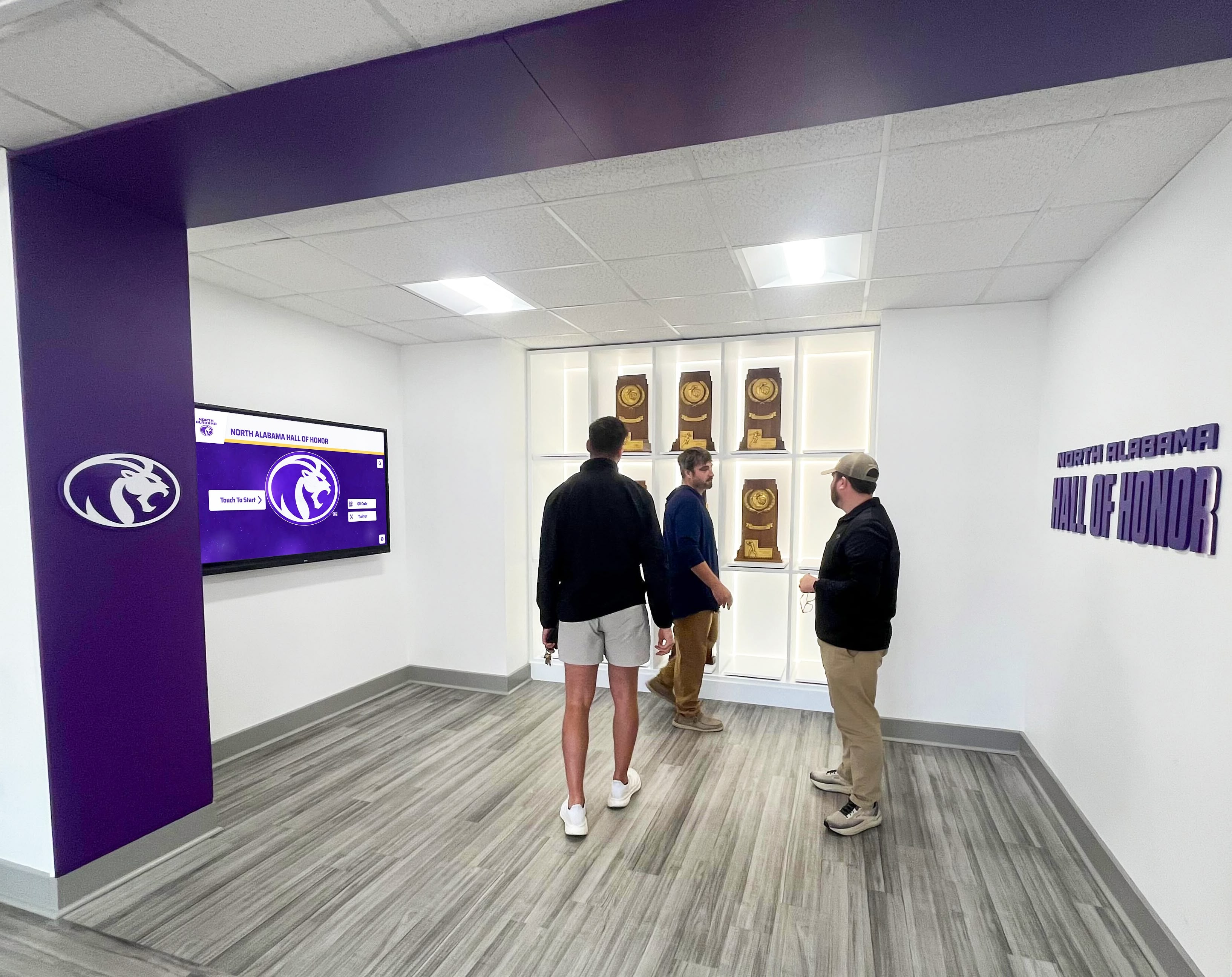
Parish leadership involvement in recognition planning builds community support and ensures pastoral alignment
Special Considerations for Catholic Parishes
Catholic churches must address unique factors distinguishing them from other religious organizations.
Diocesan Guidelines and Approval
Catholic parishes operate within diocesan structures requiring coordination:
Canonical and Administrative Requirements
Parish recognition programs may require various approvals:
- Diocesan finance council review for significant capital expenditures
- Bishop’s approval for major fundraising campaigns and recognition plans
- Liturgical environment committee consultation on sanctuary-adjacent installations
- Coordination with diocesan development office on best practices
- Compliance with diocesan policies on donor confidentiality and data protection
- Integration with diocesan annual appeal recognition when applicable
Understanding these requirements early in planning prevents delays and ensures smooth implementation.
Architectural Review Processes
Historic Catholic churches may face additional considerations:
- Historic preservation committee approval for building modifications
- Archdiocesan building commission review of technology installations
- Coordination with parish art and environment committee
- Ensuring installations respect architectural integrity and sacred character
- Documentation requirements for permanent fixture additions
- Insurance considerations for valuable technology in church buildings
Integrating Multiple Funding Sources
Catholic parishes often recognize various contributor types:
Comprehensive Recognition Categories
Digital systems can organize diverse giving types:
- Capital campaign donors supporting building projects
- Annual stewardship contributors funding operational budgets
- Diocesan Catholic Appeal participants
- School tuition assistance donors
- Endowment fund contributors creating perpetual support
- Memorial and tribute gifts honoring loved ones
- In-kind donors providing goods, services, and volunteer time
- Legacy society members with planned giving commitments
This comprehensive approach ensures all forms of generosity receive appropriate acknowledgment.
Parish School Integration
Catholic schools often have connected but distinct recognition needs:
- School capital campaign donors alongside church building donors
- Scholarship fund contributors enabling Catholic education access
- Athletic facility donors supporting school programs
- Technology and equipment donors enhancing educational mission
- Long-serving faculty and staff memorial recognition
- Alumni giving recognition connecting former students to current needs
Coordinated recognition systems can serve both parish and school communities efficiently.
Discover approaches to Catholic school recognition programs that complement parish donor acknowledgment.
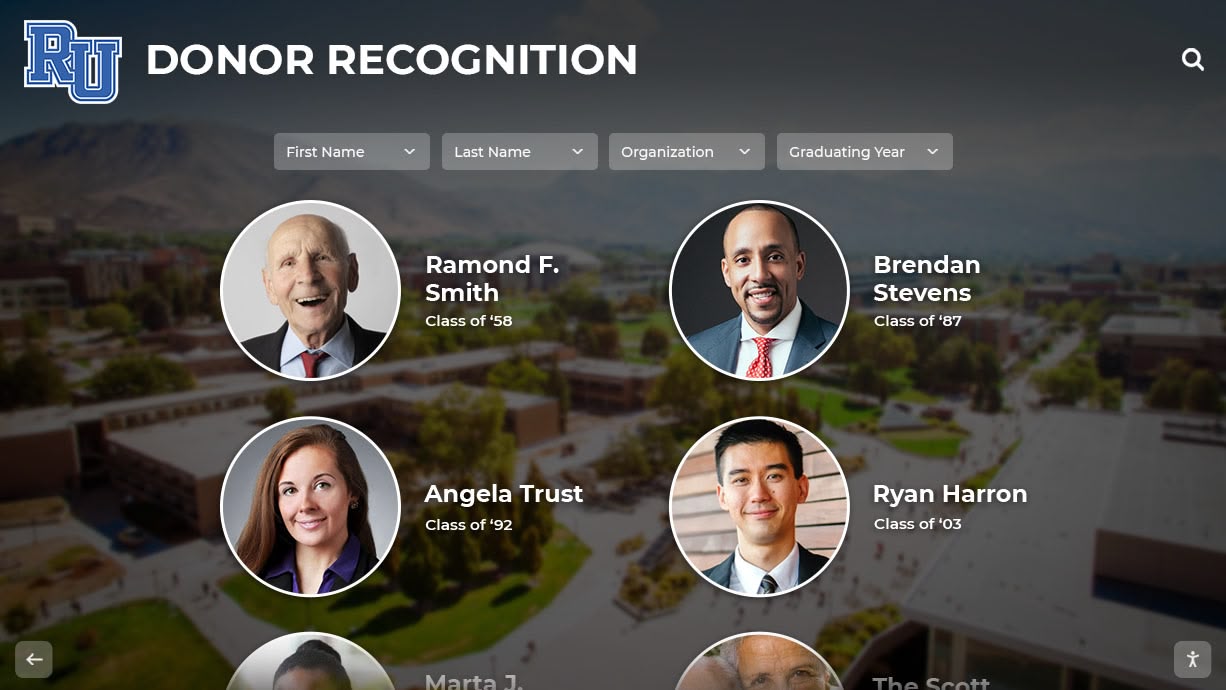
Well-designed recognition systems honor donors professionally while showcasing Catholic ministry impact
Funding Parish Recognition Systems
Budget-conscious parishes require creative approaches to recognition investment.
Understanding Investment Requirements
Typical costs for Catholic parish recognition systems:
Hardware Investment
- 43-55 inch commercial touchscreen display: $2,000-$4,000
- 55-65 inch commercial touchscreen display: $3,500-$6,000
- Freestanding kiosk enclosure: add $1,500-$3,500
- Custom millwork integration with Catholic design elements: $2,000-$8,000
- Installation and configuration: $500-$2,000
- Infrastructure improvements (electrical, network): $500-$2,000
Software and Services
- Recognition platform setup and customization: $2,000-$5,000
- Annual software licensing: $1,000-$3,000
- Initial content development and database population: $1,000-$4,000
- Training for parish staff: included to $1,000
- Ongoing content management: parish staff or $500-$2,000 annually
Total initial investment typically ranges from $10,000-$28,000 depending on display size, mounting solution, customization, and implementation scope.
Cost Comparison to Traditional Recognition
Parishes spending $2,000-$4,000 annually on bronze plaques and traditional donor wall expansions often find digital systems achieve cost neutrality within 5-7 years while providing dramatically superior recognition capacity, engagement, and flexibility.
Creative Funding Strategies
Catholic parishes can explore various funding approaches:
Capital Campaign Budget Integration
Recognition systems serve core campaign functions:
- Recognition budget line items in capital campaign expense planning
- Donor understanding that appropriate acknowledgment requires investment
- Recognition costs as percentage of campaign goal (typically 1-3%)
- Phased implementation coordinating with campaign pledge collection
- Multi-year budget spreading costs across campaign duration
Dedicated Memorial Opportunities
Targeted giving can fund recognition infrastructure:
- Memorial gift opportunities designating recognition system in honor of deceased
- Lead donor recognition for funding the donor recognition display itself
- Foundation grants supporting parish technology and stewardship infrastructure
- Catholic foundation applications emphasizing stewardship formation benefits
- Bequest provisions from legacy society members funding permanent recognition
Collaborative Funding Models
Parishes can reduce costs through partnerships:
- School collaboration sharing recognition system for educational donors
- Diocesan bulk purchasing programs for multiple parish implementations
- In-kind donations from technology businesses with parish connections
- Volunteer expertise for installation and initial content development
- Phased content development reducing immediate scope and cost
Many parishes find creative funding approaches make comprehensive digital recognition more affordable than initially assumed.
Learn about parish donor recognition wall planning and budget strategies.
Benefits Beyond Donor Recognition
Digital touchscreen systems provide value extending beyond acknowledgment:
Stewardship Formation Tool
Recognition displays support broader parish stewardship culture:
- Visual evidence of community generosity inspiring others
- Ministry impact documentation demonstrating responsible resource stewardship
- Historical giving patterns teaching multi-generational commitment
- Connection between financial support and sacramental life enabled
- Testimonial opportunities for donors sharing faith-motivated giving
- Educational resource for religious education classes learning about Christian stewardship
According to Catholic stewardship research, parishes with prominent donor recognition experience higher participation rates in annual giving campaigns as parishioners see tangible evidence of community generosity and ministry impact.
Multi-Purpose Communication Platform
Interactive displays serve various parish communication needs:
- Ministry program information and registration
- Liturgical schedule and sacramental preparation details
- Parish history and heritage documentation
- Priest and staff biography and contact information
- Social justice initiative awareness and volunteer recruitment
- School enrollment information for Catholic education
- Events calendar and fellowship opportunity promotion
This multi-functionality maximizes technology investment value beyond donor recognition alone.
Visitor Welcome and Evangelization
Recognition displays create positive first impressions:
- New family exploration of parish history and community
- Visiting Catholics seeing vibrant, committed faith community
- Prospective school families evaluating parish investment in Catholic education
- Event attendees learning about parish mission and ministries
- Wedding guests discovering active, engaged Catholic parish life
- Funeral attendees seeing community of faith supporting bereaved
These secondary benefits strengthen parish identity and support evangelization efforts beyond core donor stewardship purposes.
Explore community recognition strategies that build connection through modern display technology.
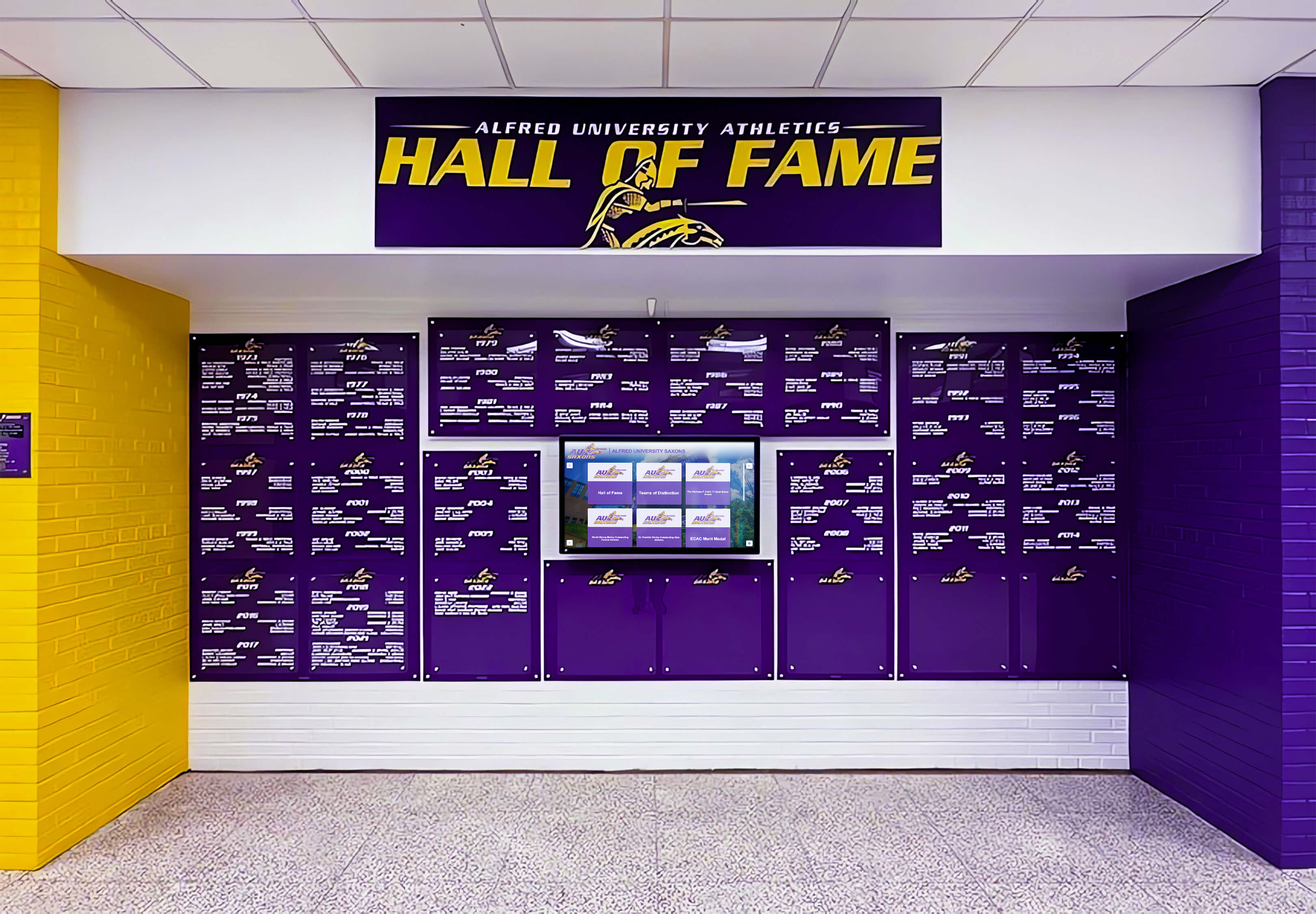
Professional recognition installations serve parishes effectively for decades while accommodating unlimited growth
Measuring Recognition Program Effectiveness
Assessment ensures recognition serves intended pastoral and fundraising objectives:
Quantitative Metrics
Track measurable outcomes demonstrating program value:
Fundraising Performance Indicators
- Donor retention rates comparing pre- and post-recognition implementation
- Average gift size changes following recognition launch
- New donor acquisition rates during campaigns with prominent recognition
- Planned giving inquiry increases after legacy society recognition begins
- Subsequent campaign goal achievement rates
- Giving level progression showing donor advancement through societies
Engagement Metrics
- Interactive display usage frequency measured by system analytics
- Session duration indicating depth of visitor exploration
- Popular content identification showing which recognition resonates most
- Web-based recognition platform traffic from remote parishioners
- Search patterns revealing donor interests and exploration behaviors
- Time-based usage showing peak engagement periods
According to studies of Catholic giving patterns, parishes with prominent, well-maintained recognition programs demonstrate 15-30% higher donor retention rates compared to those with minimal or outdated donor acknowledgment.
Qualitative Assessment
Gather stakeholder perspectives on program impact:
Parishioner Feedback
- Donor satisfaction surveys about recognition appropriateness and meaning
- New parishioner responses to recognition during facility tours
- Parish pastoral council assessment of recognition effectiveness
- Liturgical environment committee evaluation of aesthetic integration
- Visitor comments about recognition and overall parish impression
- Focus groups exploring recognition influence on giving decisions
Impact Stories
Document recognition influence on parish life:
- Testimonials from donors about recognition meaning and spiritual impact
- Examples of recognition inspiring additional giving or pledge increases
- Stories of families exploring parish history and strengthening connection
- Instances of recognition starting conversations about planned giving
- Multi-generational parishioner engagement prompted by historical archives
- New member decisions influenced by visible active, generous community
This feedback enables continuous improvement ensuring recognition remains effective, appropriate, and mission-aligned.
Conclusion: Honoring Generosity, Advancing Mission
Catholic Church digital donation touchscreen recognition systems represent far more than technology upgrades to traditional donor walls—they embody faithful stewardship of benefactor relationships, systematic preservation of parish legacy, and powerful tools for inspiring continued participation in the Church’s saving mission. When thoughtfully implemented with respect for Catholic tradition and sacred space, digital recognition enables parishes to honor every contributor appropriately while demonstrating transparency and impact that strengthens trust and encourages sustained generosity rooted in faith.
The unique advantages of interactive touchscreen displays address Catholic parishes’ specific needs: unlimited recognition capacity eliminating difficult choices about whose contributions deserve visibility, multimedia storytelling connecting gifts to ministry outcomes and spiritual impact, flexible management adapting to liturgical seasons and parish events, and respectful accommodation of Catholic sensibilities around anonymity and memorial giving. These capabilities transform recognition from periodic acknowledgment to comprehensive celebration woven throughout parish stewardship culture.
Ready to explore how digital touchscreen recognition can serve your Catholic parish’s stewardship program? Modern recognition solutions help Catholic churches honor benefactors comprehensively while advancing pastoral objectives and building community. Solutions like Rocket Alumni Solutions provide purpose-built platforms specifically designed for donor recognition, combining intuitive software with professional hardware recommendations and implementation support ensuring successful long-term programs aligned with Catholic values.
Whether you’re launching a capital campaign for church renovation, building a Catholic school endowment, or strengthening annual stewardship initiatives, digital recognition offers capabilities traditional approaches cannot match—honoring contributors at all giving levels, connecting generosity to tangible ministry impact, and creating engagement that strengthens parish bonds and inspires continued faithful giving.
Your parishioners’ generosity makes possible the sacramental life, faith formation, charitable service, and evangelization that define Catholic parish ministry. These contributions deserve recognition technology that honors benefactors appropriately while maintaining the reverence and spiritual focus essential to Catholic worship. With thoughtful planning, appropriate technology selection, and authentic commitment to comprehensive stewardship, you can implement recognition systems that celebrate generosity while advancing the pastoral purposes that make Catholic parishes vital centers of faith and service.
The most important consideration isn’t selecting the most sophisticated technology or largest displays—it’s choosing recognition solutions aligned with Catholic teaching and parish culture, sustainable within your resources and capabilities, and designed to serve your specific community needs effectively. Your donors deserve acknowledgment that celebrates their faithful stewardship meaningfully while advancing the Kingdom purposes that inspire Catholic charitable giving. The right digital touchscreen recognition makes that comprehensive, mission-focused acknowledgment both achievable and sustainable for parishes of all sizes.
Ready to begin exploring touchscreen recognition for your Catholic parish? Start by articulating your theological recognition philosophy rooted in Catholic teaching, evaluating your facility opportunities and constraints, and connecting with providers who understand Catholic parish ministry specifically rather than simply selling generic display hardware. Your parish deserves recognition that serves the Church’s mission while celebrating the benefactors whose generosity makes Catholic ministry possible in your community.