



School culture shapes everything from student achievement to teacher retention, yet it remains one of education’s most challenging areas to influence systematically. The difference between schools where students thrive and those where they merely attend often comes down to intentional culture-building strategies that create environments of belonging, recognition, and shared purpose.
Research consistently demonstrates that positive school culture correlates with improved academic outcomes, reduced disciplinary incidents, higher attendance rates, and greater teacher satisfaction. Yet many school leaders struggle to translate these insights into concrete actions that transform daily experiences for students and staff. Generic mission statements and occasional spirit activities fail to create the deep cultural shifts that genuinely change how communities function.
This comprehensive guide explores evidence-based strategies for building positive school culture that creates lasting impact—moving beyond surface-level initiatives to systematic approaches that fundamentally transform how students, staff, and families experience your institution.
Positive school culture doesn’t emerge accidentally or through isolated initiatives. It develops through consistent, intentional actions that communicate values, celebrate achievement, build relationships, and create environments where every community member feels valued and connected to something larger than themselves.

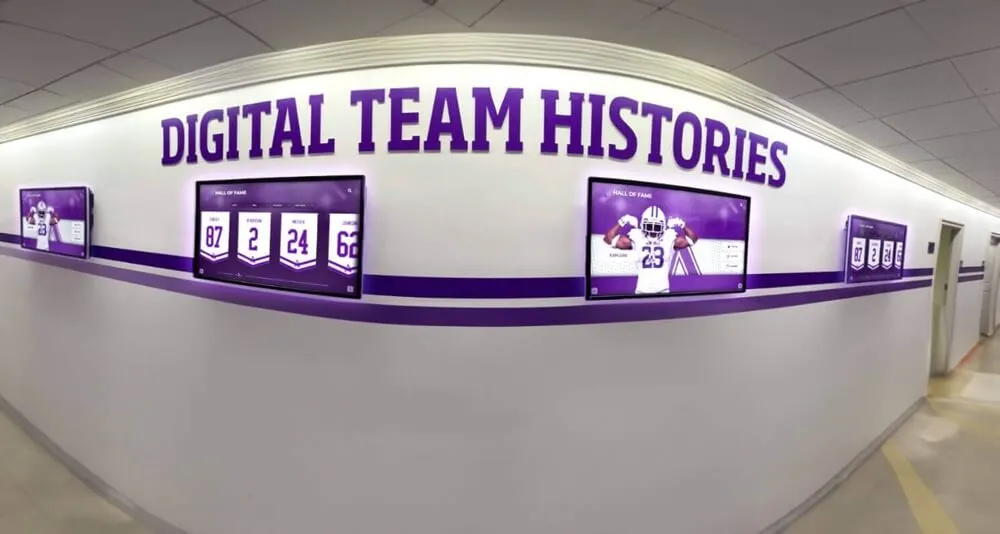
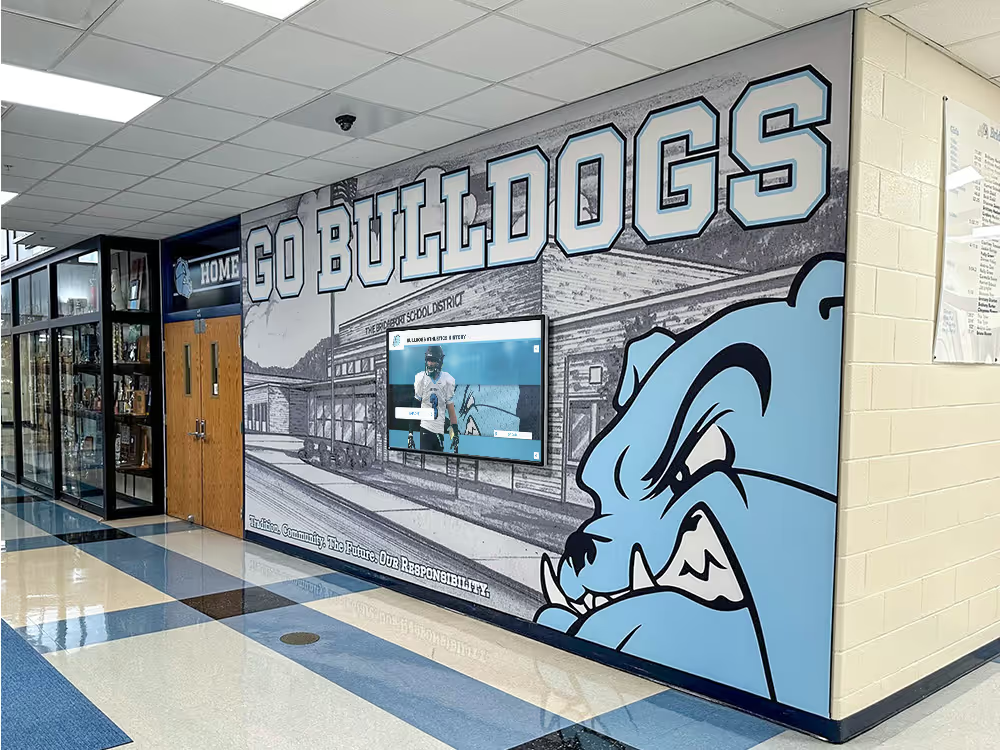
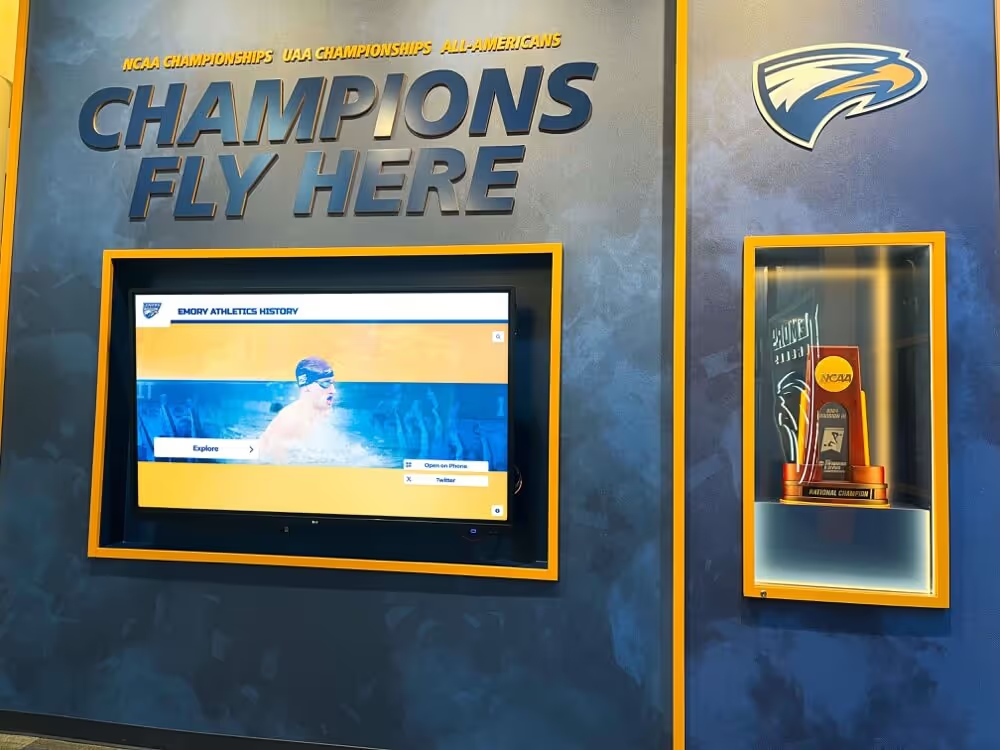
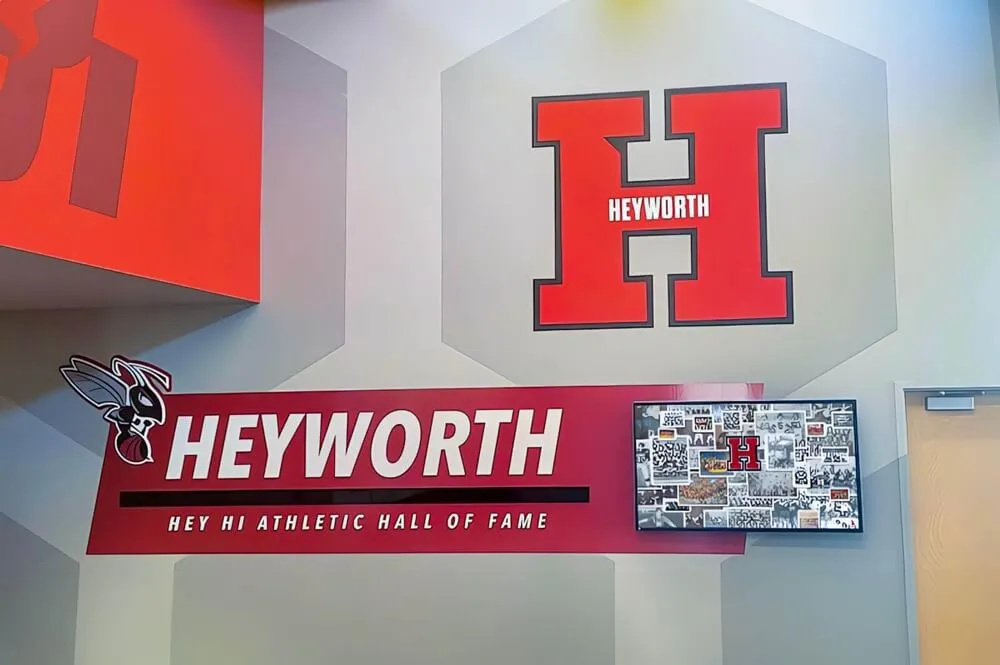
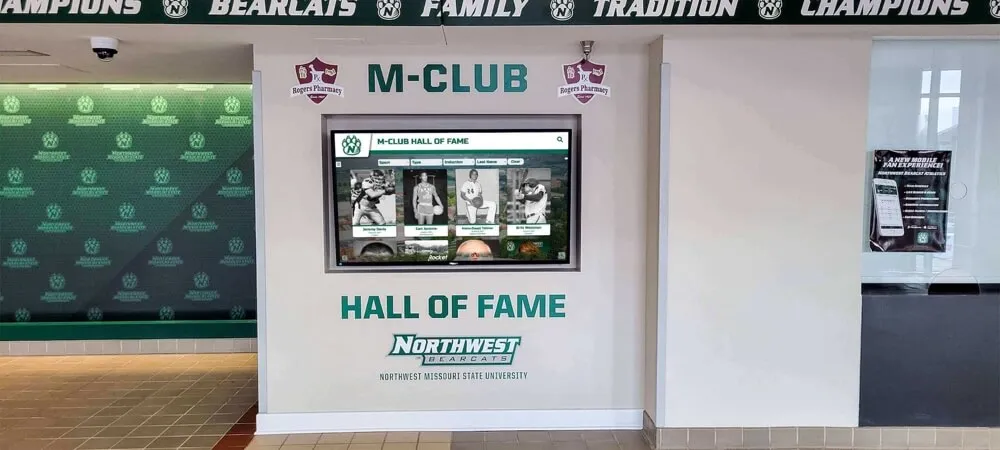
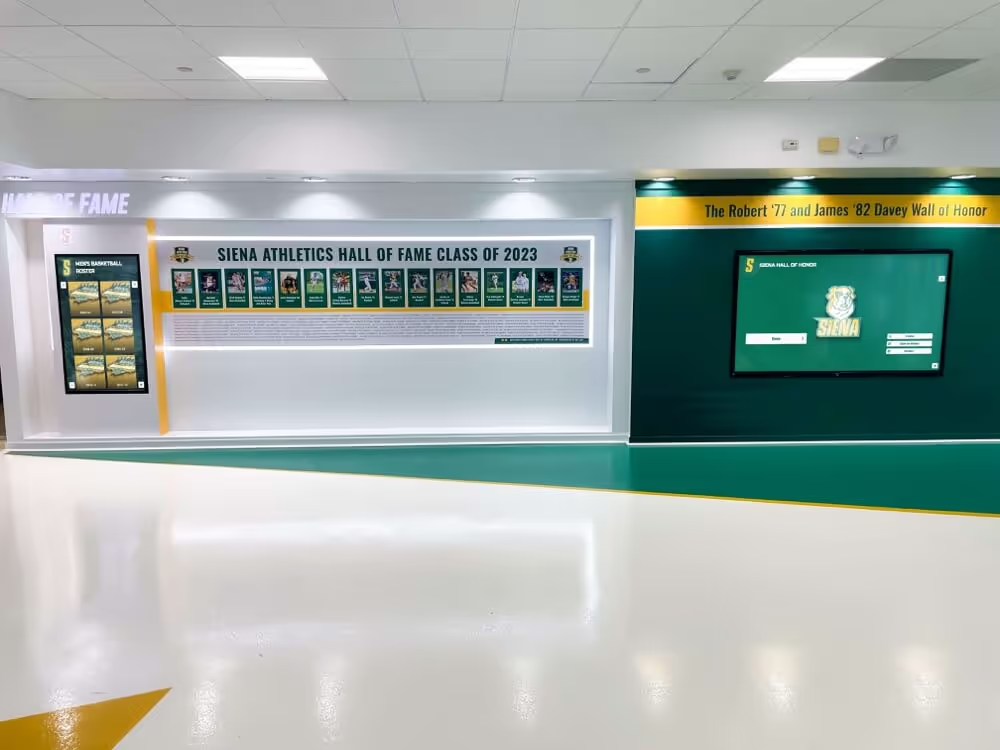
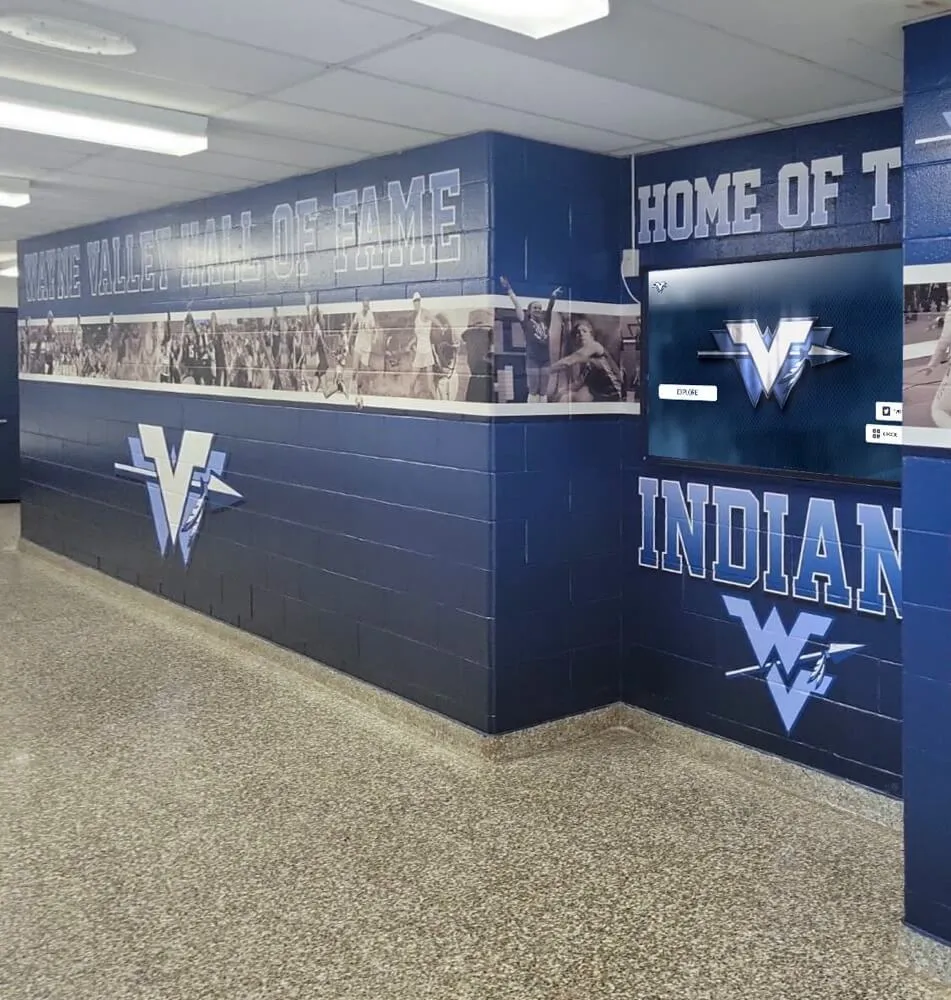
Visual elements throughout school facilities communicate institutional values and create environments of pride and belonging
Understanding Positive School Culture
Before implementing culture-building strategies, school leaders must understand what constitutes positive school culture and why it matters fundamentally to educational outcomes.
Defining Positive School Culture
Positive school culture encompasses the shared beliefs, values, attitudes, and behaviors that characterize an educational community. It manifests through how students treat each other, how staff members collaborate, what achievements receive recognition, how challenges are addressed, and what priorities receive resources and attention.
Core Elements of Positive School Culture
Strong school cultures share essential characteristics that distinguish them from institutions struggling with climate issues:
- Shared mission and values clearly articulated and genuinely reflected in daily practices
- High expectations for both academic achievement and behavioral standards applied consistently
- Safe and respectful environment where students feel physically and emotionally secure
- Meaningful relationships between students, staff, and families built on trust and mutual respect
- Recognition and celebration of diverse achievements beyond traditional academic and athletic success
- Inclusive practices ensuring all students feel valued regardless of background or circumstance
When these elements align consistently, they create environments where students engage actively in learning, take positive risks, support peers, and develop strong connections to their school community.
Why School Culture Matters
Research from organizations like the National School Climate Center demonstrates that positive school culture significantly impacts educational outcomes across multiple dimensions:
Academic Achievement
- Students in positive school climates demonstrate 10-15% higher achievement on standardized assessments
- Improved attendance rates translate to more instructional time
- Higher graduation rates and college enrollment for schools with strong culture
- Reduced achievement gaps for traditionally underserved student populations
Student Well-Being
- Lower rates of anxiety, depression, and mental health challenges
- Reduced bullying and peer conflict
- Stronger sense of belonging and school connectedness
- Improved social-emotional skill development
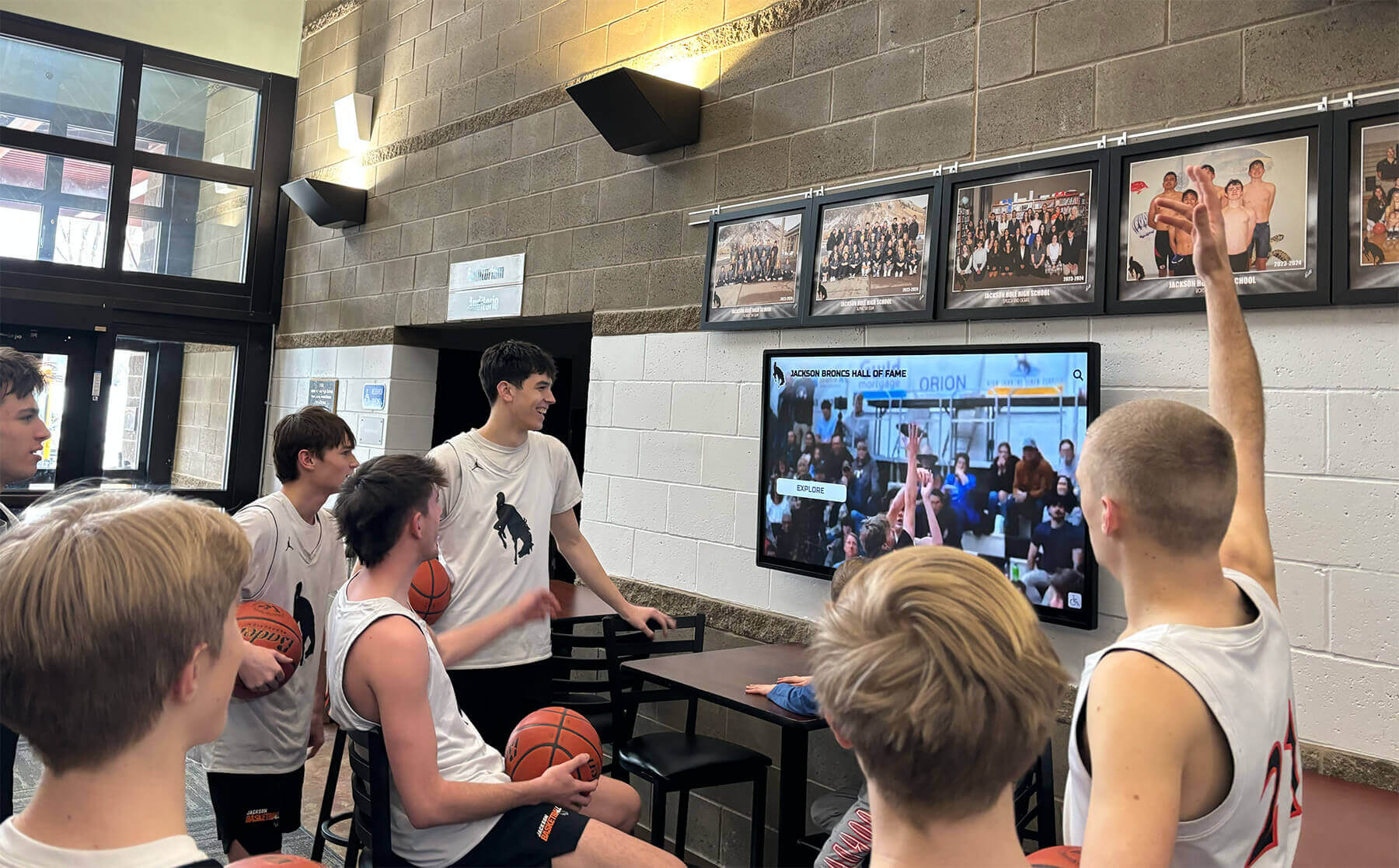
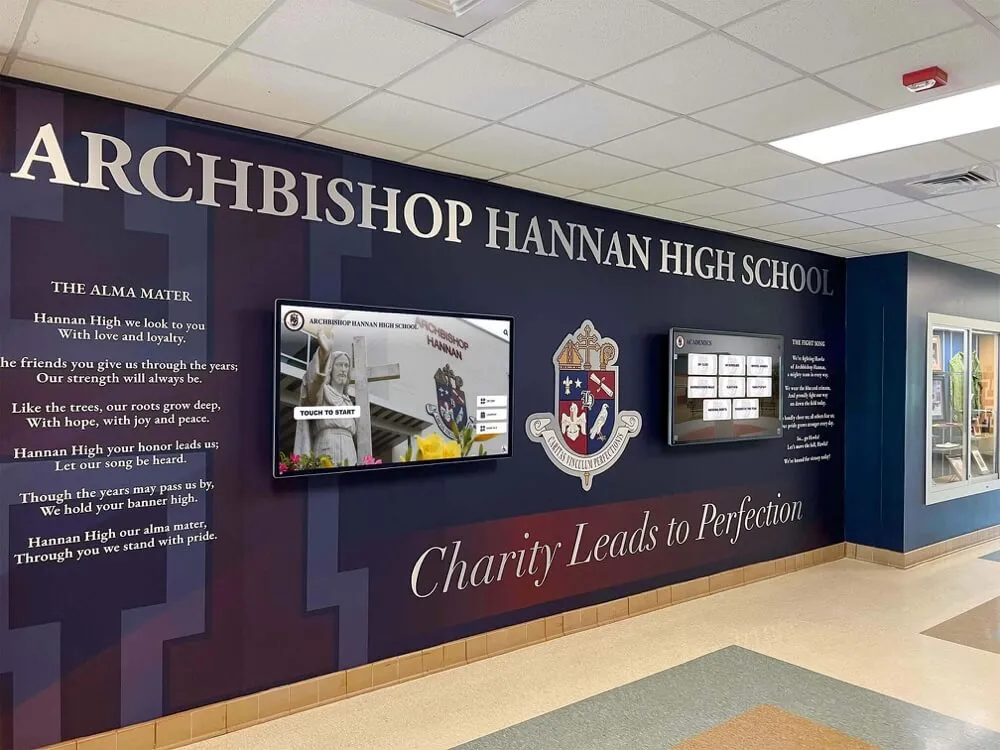
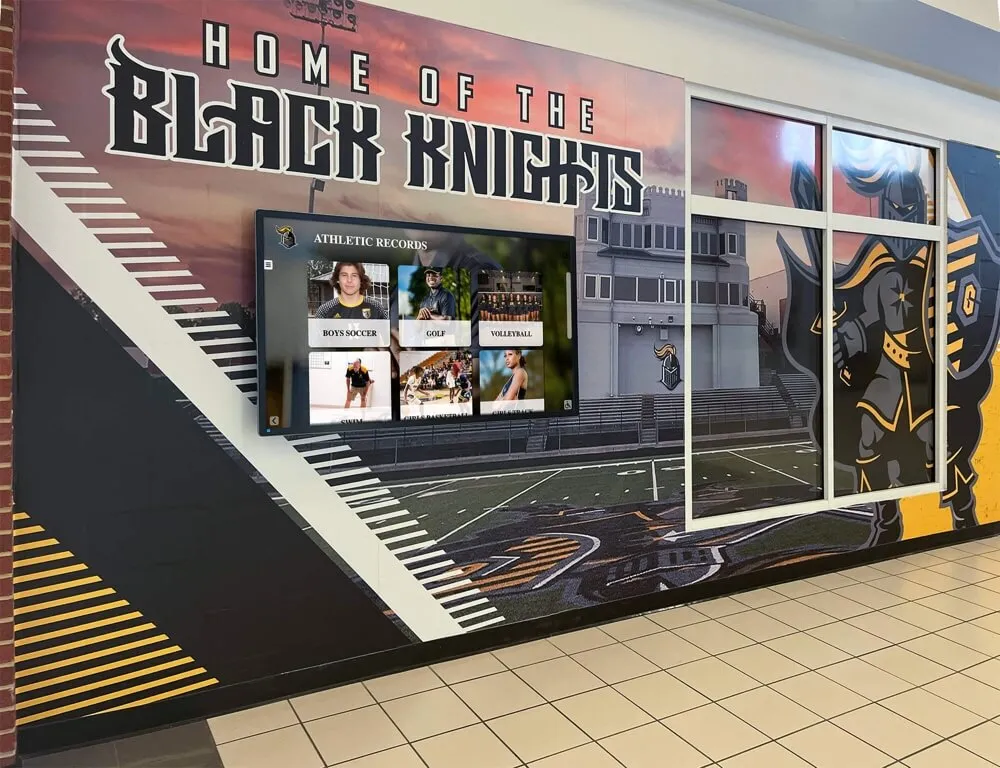
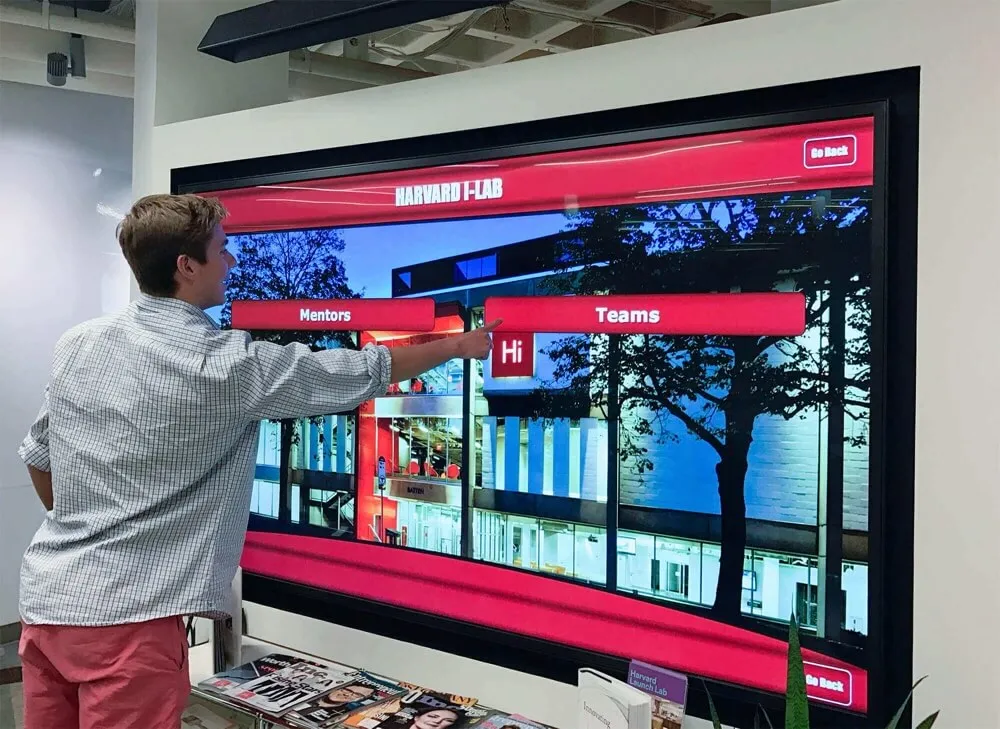
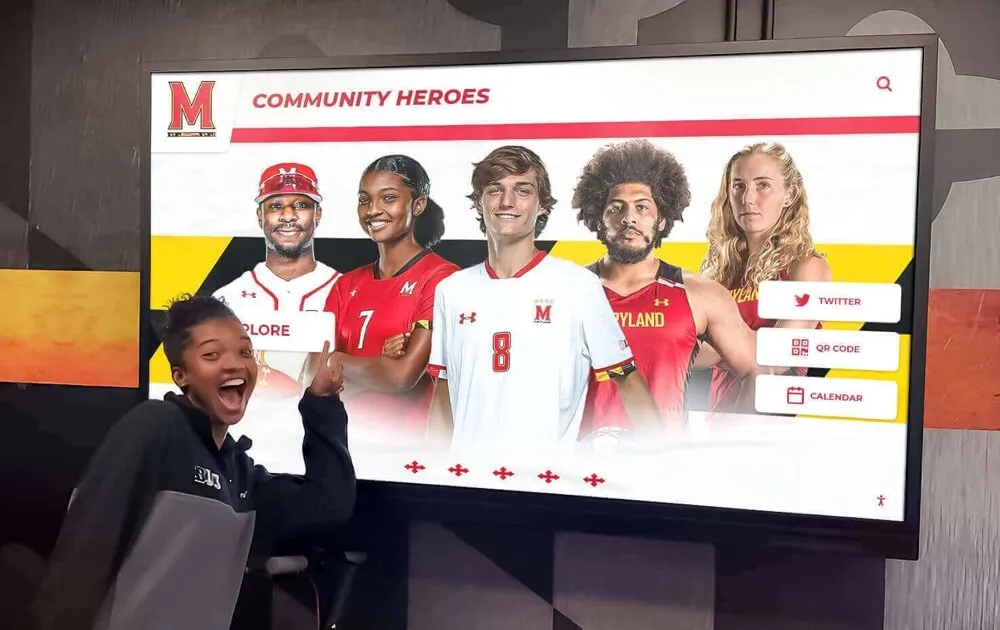
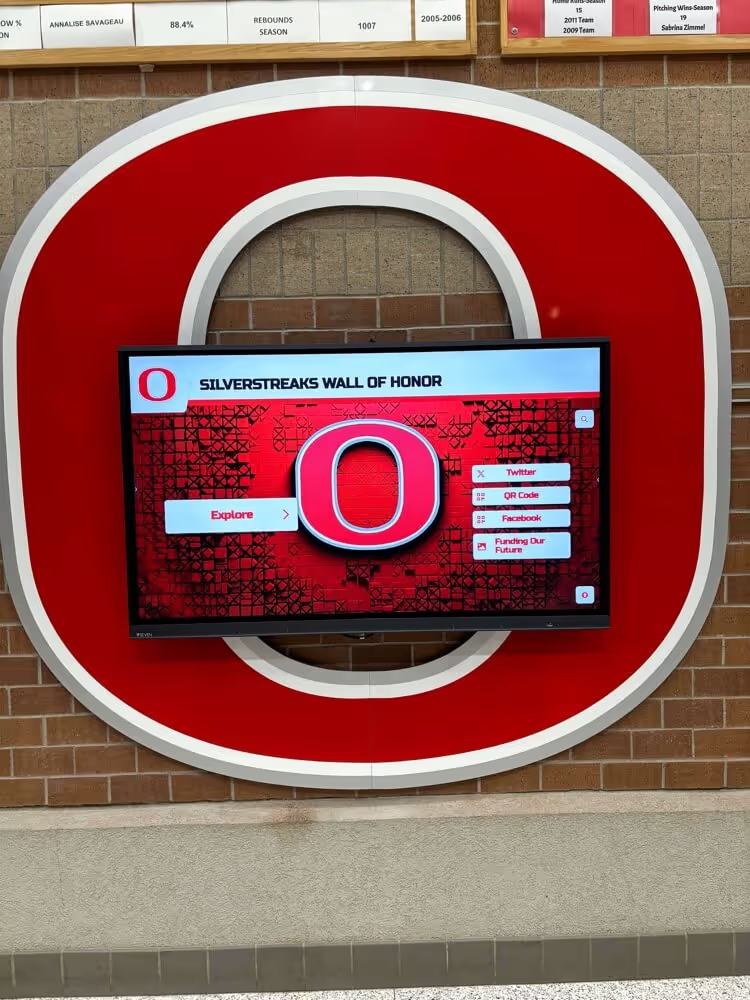
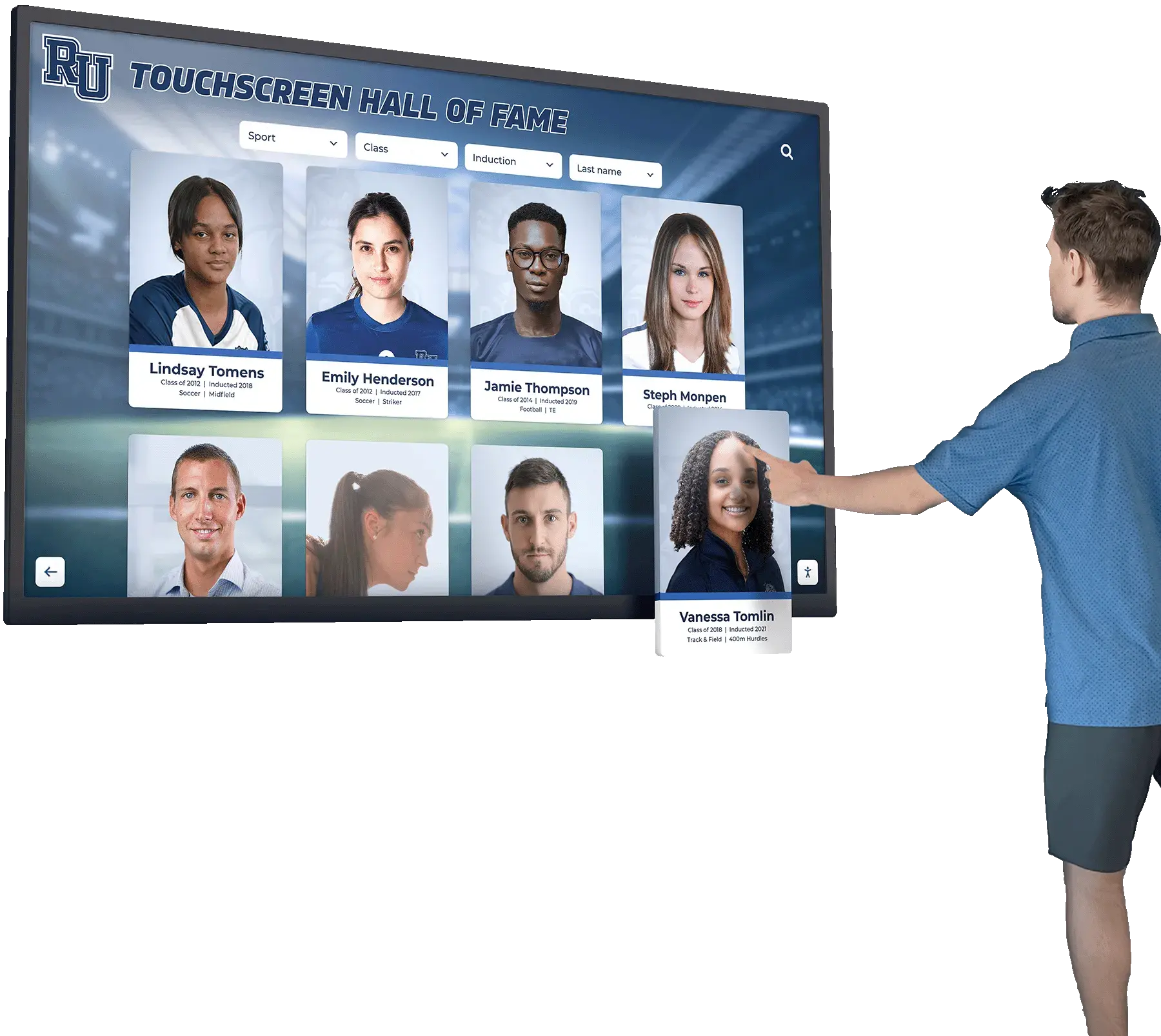
Interactive displays create engagement opportunities that strengthen student connection to school community
Staff Experience
- Higher teacher retention and job satisfaction
- Improved collaboration and professional community
- Reduced teacher burnout and stress
- More effective instruction and classroom management
These outcomes justify the substantial time and resources required for systematic culture development. Schools cannot achieve their educational mission without first establishing cultures supporting teaching and learning.
Strategy 1: Implement Comprehensive Recognition Programs
Recognition represents one of the most powerful tools for shaping school culture, yet many institutions limit acknowledgment to narrow achievement categories that exclude most students.
Creating Multi-Dimensional Recognition
Effective academic recognition programs celebrate diverse accomplishments ensuring recognition opportunities exist for students across all performance levels and interest areas.
Academic Achievement Recognition
Beyond traditional honor roll, comprehensive academic recognition includes:
- Subject-specific excellence awards celebrating achievement in individual disciplines
- Most improved recognition honoring growth regardless of absolute performance level
- Perfect attendance acknowledgment demonstrating commitment and consistency
- National Merit Scholars and academic competition success highlighting pinnacle accomplishments
- Advanced Placement achievement and dual enrollment success
- Reading milestones and literacy advancement at elementary levels
This multi-tiered approach ensures students at all achievement levels find motivation and recognition rather than limiting acknowledgment to the highest-performing subset.
Character and Citizenship Recognition
Academic achievement represents only one dimension of student success. Character recognition celebrates qualities schools genuinely value:
- Peer support and kindness demonstrations
- Leadership in school and community contexts
- Perseverance through academic or personal challenges
- Service to others through volunteer work and community engagement
- Integrity and ethical behavior in challenging situations
- Positive attitude and growth mindset examples
These character-based recognitions communicate that schools value who students are becoming as human beings, not just their academic credentials or athletic abilities.
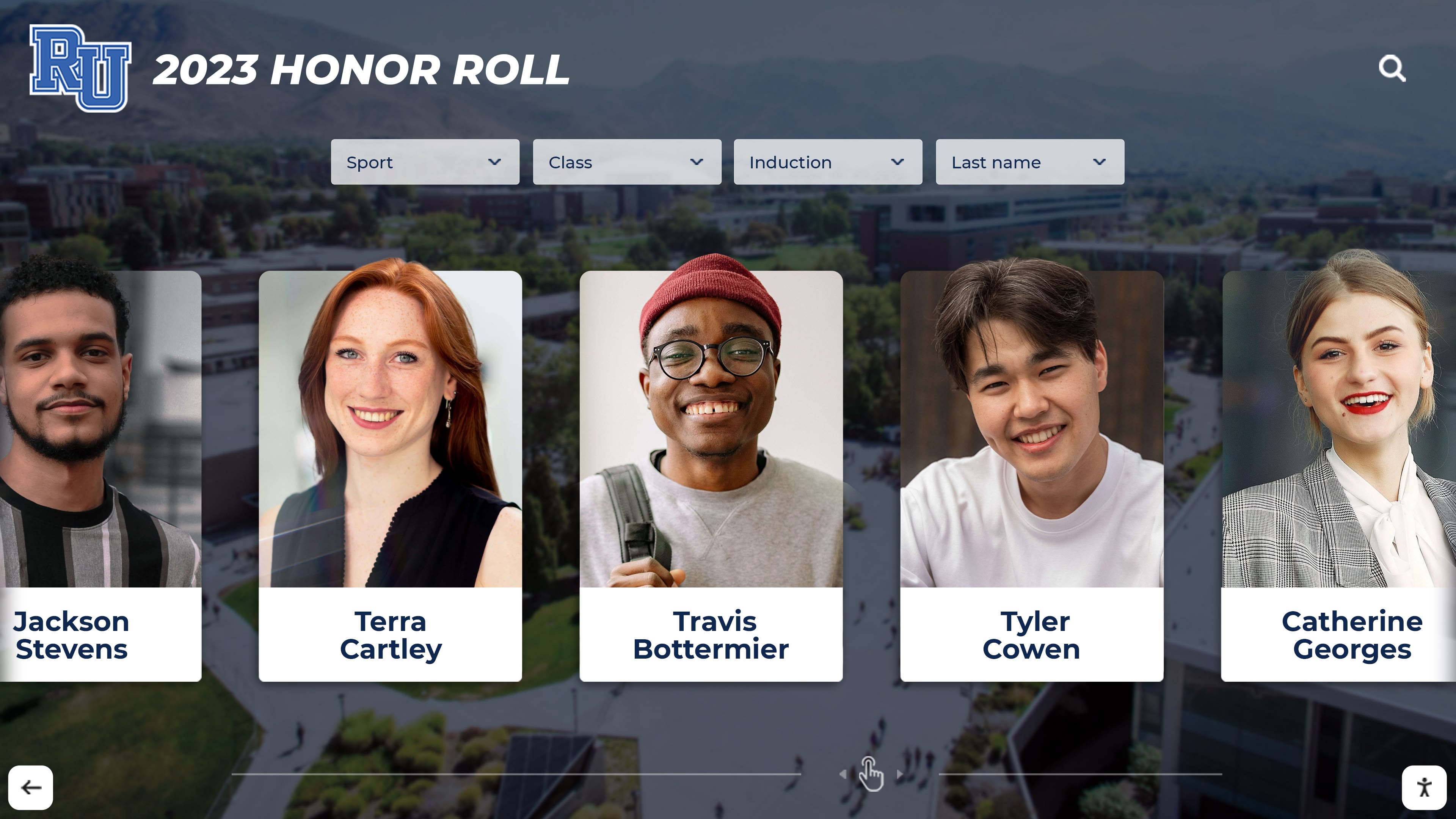
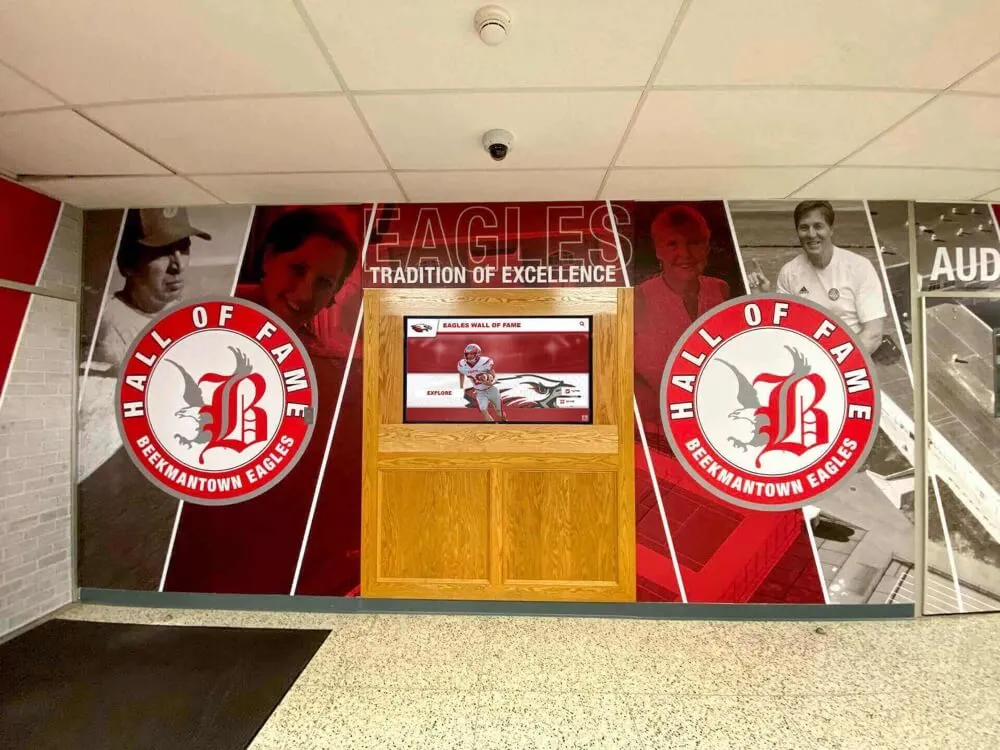
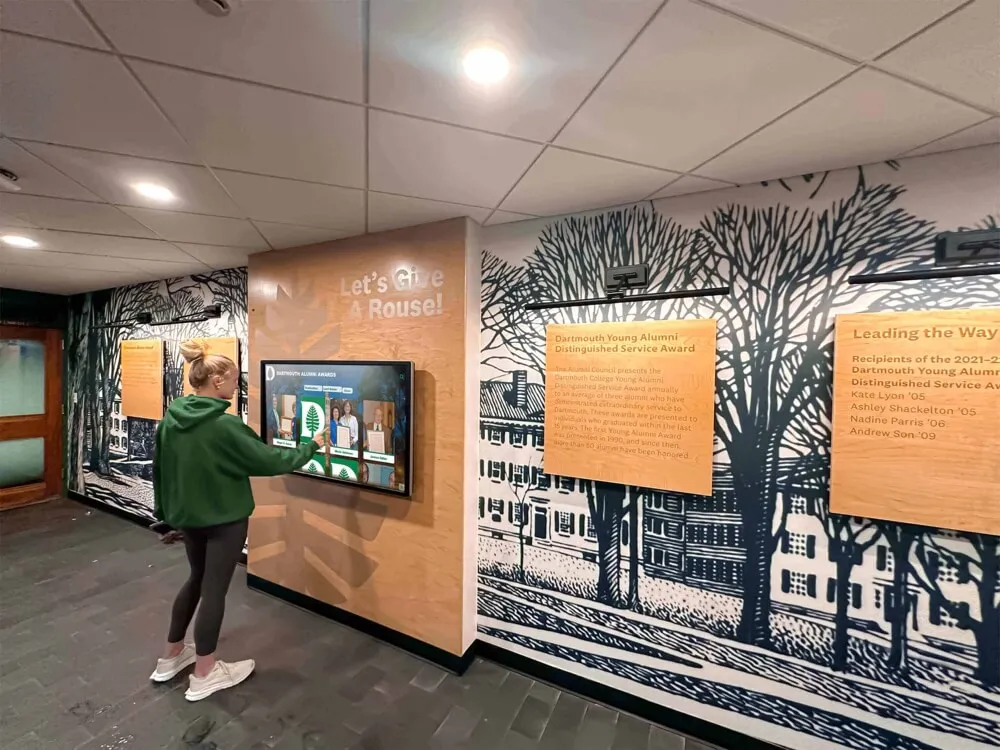
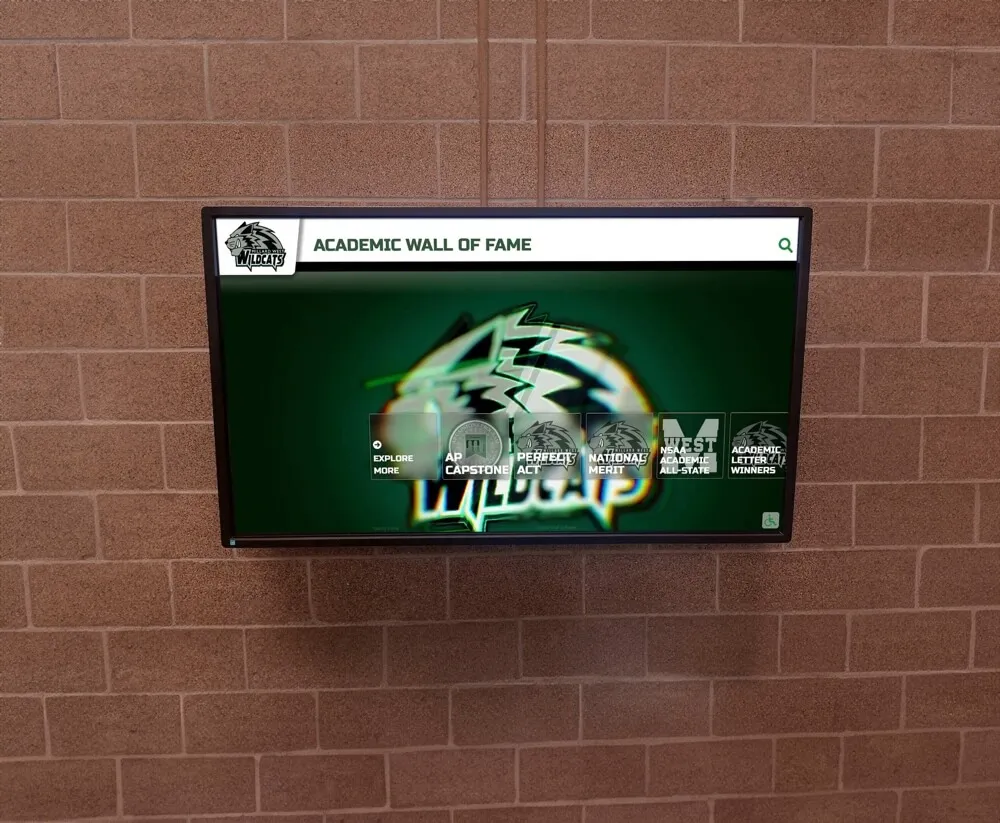
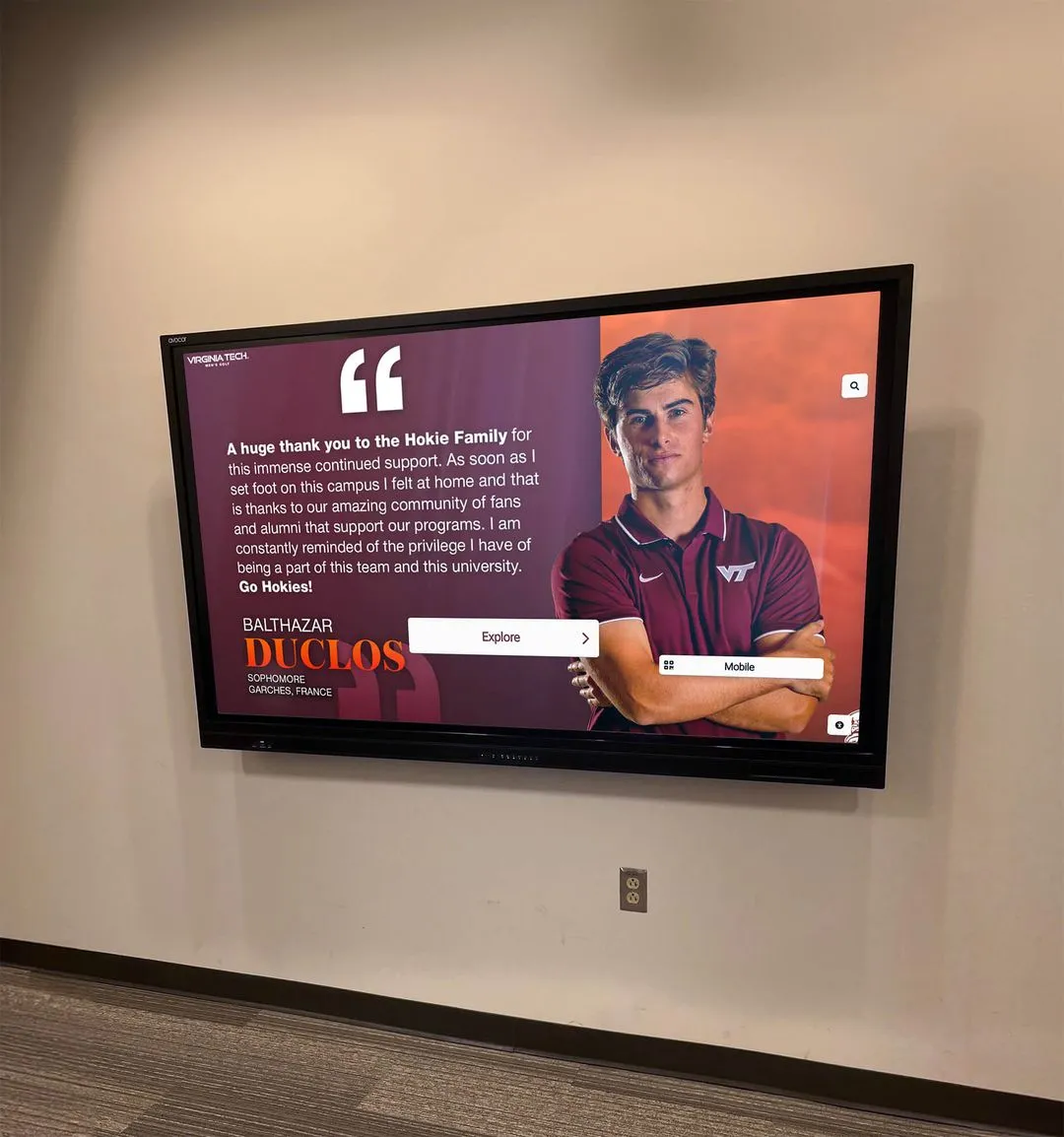
Individual recognition profiles celebrate specific achievements while building culture of excellence
Athletic and Extracurricular Recognition
Athletic and activity accomplishments deserve systematic celebration comparable to academic recognition:
Sports Achievement Celebration
Comprehensive athletic recognition includes:
- Team championships and tournament success documenting program excellence
- Individual records and statistical achievements
- All-conference, all-state, and all-American honors
- College athletic signing celebrations acknowledging commitment
- Sportsmanship and team leadership awards
- Coach recognition for program building and student development
Many schools struggle with limited trophy case space forcing difficult choices about whose achievements receive visibility. Solutions like digital recognition displays eliminate these constraints, enabling unlimited recognition capacity ensuring every deserving athlete receives appropriate acknowledgment.
Arts and Activities Acknowledgment
Performing and visual arts accomplishments require equal systematic recognition:
- Theater production casts and technical crews
- Music competition success and honor ensemble selections
- Visual arts exhibitions and competition awards
- Debate and forensics achievements
- Academic team and subject competition success
- Student government and leadership roles
When schools provide equal visibility for arts, academic, and athletic achievement, they communicate genuine commitment to comprehensive excellence rather than privileging specific achievement domains.
Digital Recognition Solutions
Modern technology transforms recognition from static plaques with severe capacity limitations to engaging, comprehensive systems celebrating unlimited achievements.
Advantages of Digital Recognition Systems
Digital platforms like Rocket Alumni Solutions address traditional recognition limitations while creating new engagement opportunities:
- Unlimited capacity ensuring all deserving students receive recognition regardless of achievement timing
- Rich multimedia content including photographs, videos, biographical information, and achievement documentation
- Interactive exploration enabling students to search, filter, and discover classmate accomplishments
- Remote accessibility through web platforms extending recognition beyond those physically on campus
- Simple content management allowing staff to update recognition immediately without physical installation delays
- Professional presentation with consistent design maintaining recognition quality and dignity
Schools implementing comprehensive digital recognition report that visibility motivates achievement more effectively than exclusive recognition that most students perceive as unattainable. When students know their accomplishments will receive genuine acknowledgment, engagement and effort increase substantially.
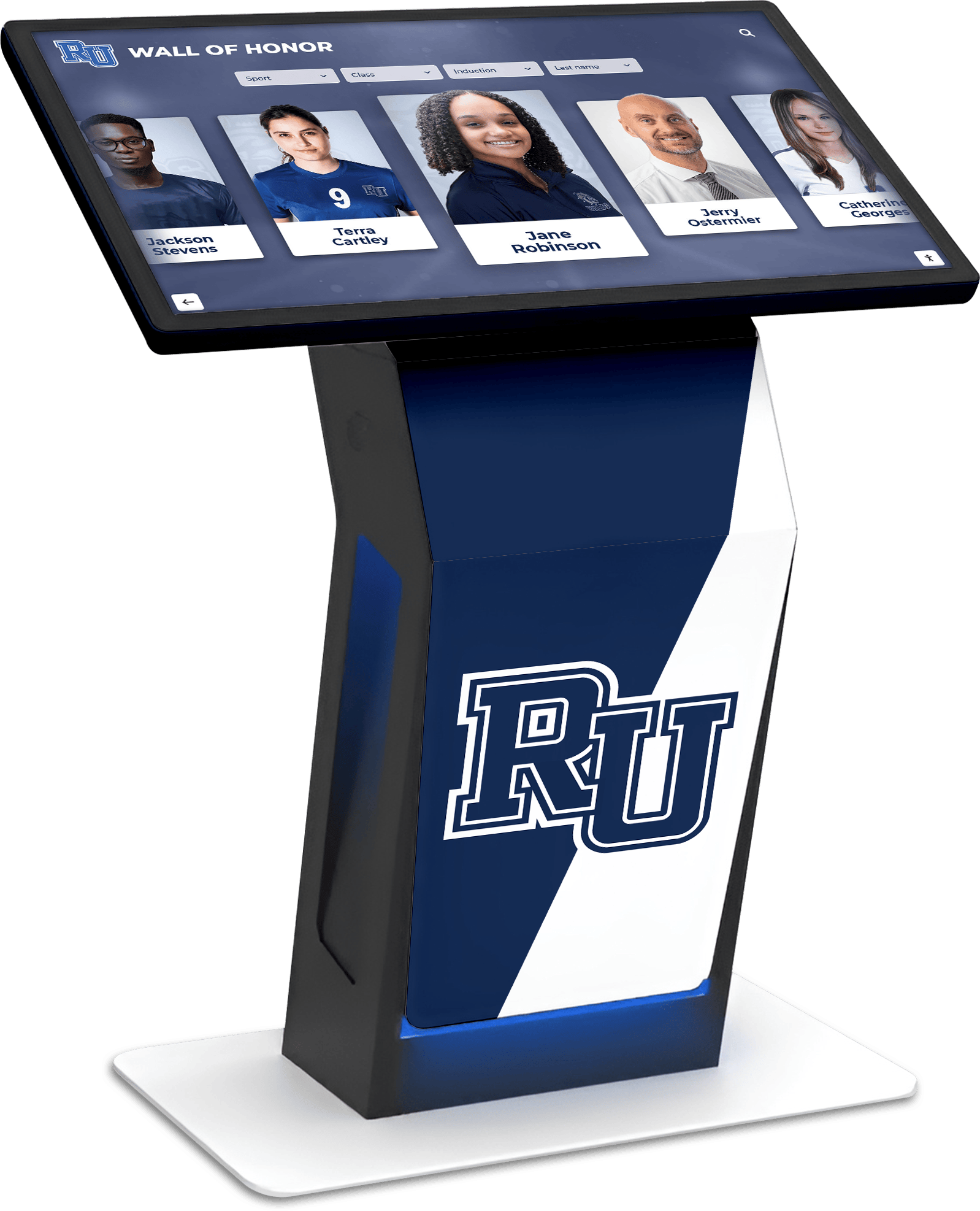
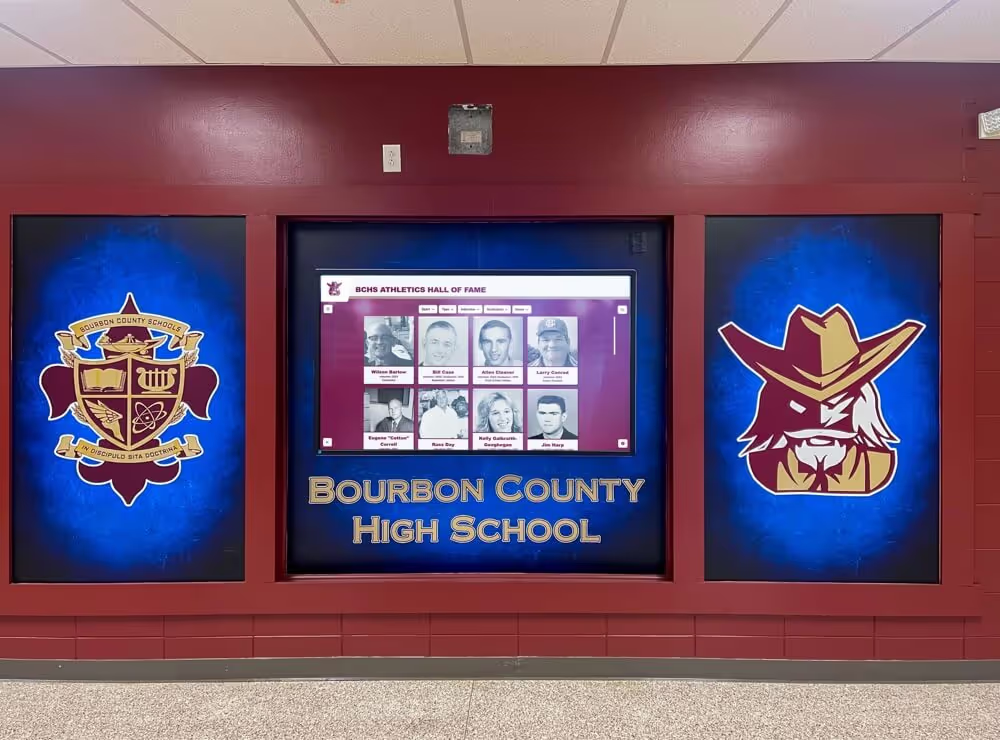
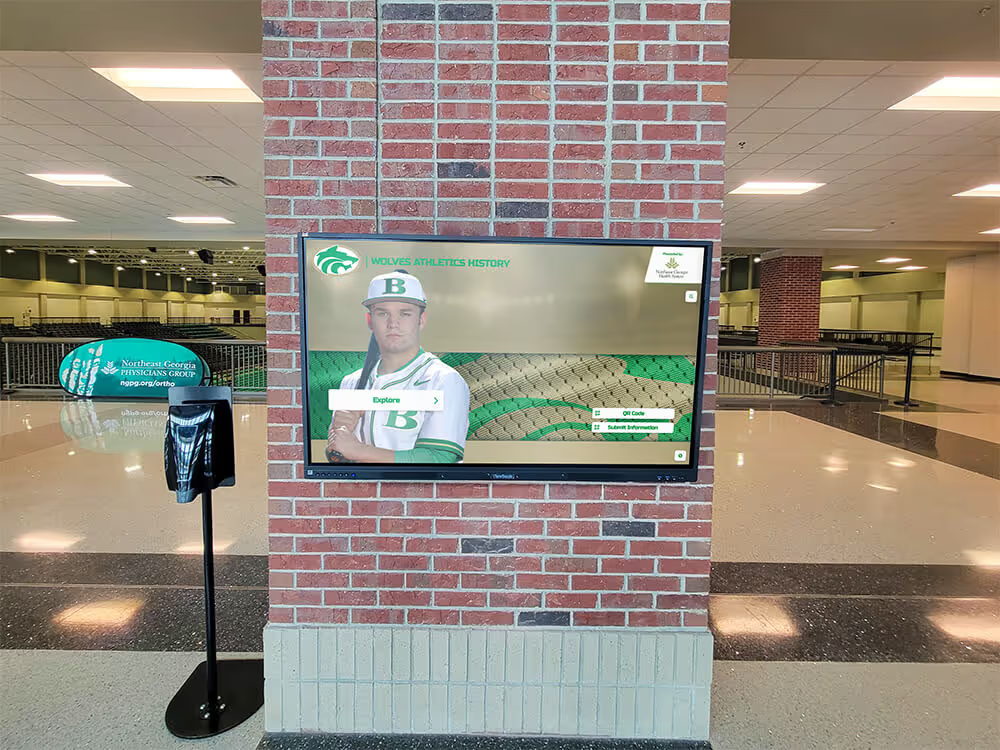
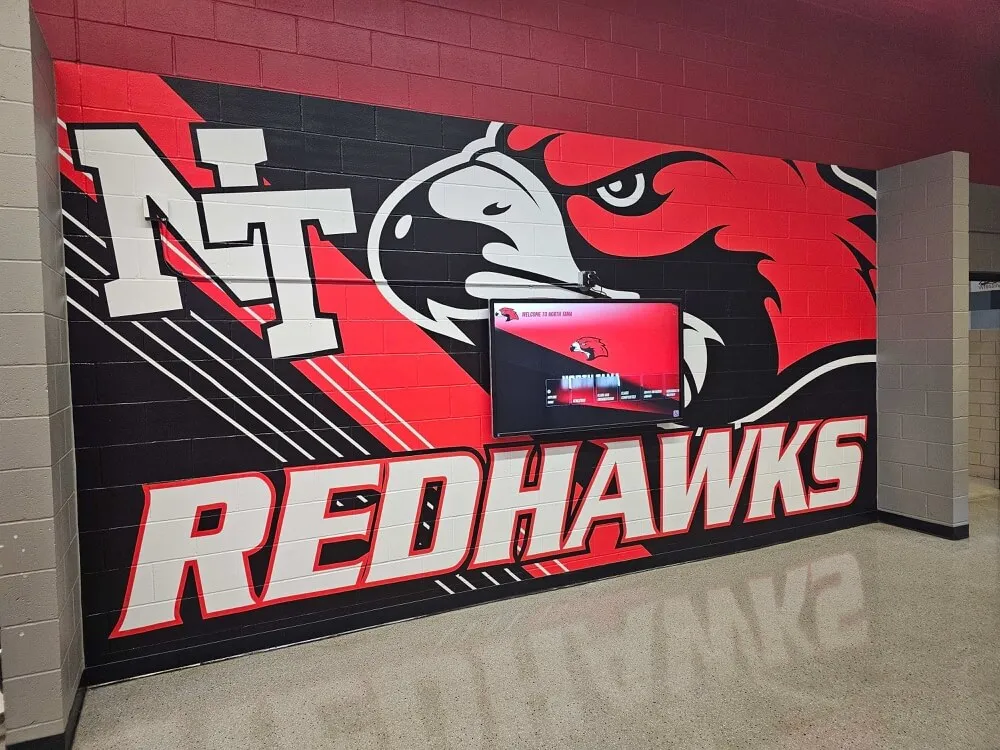
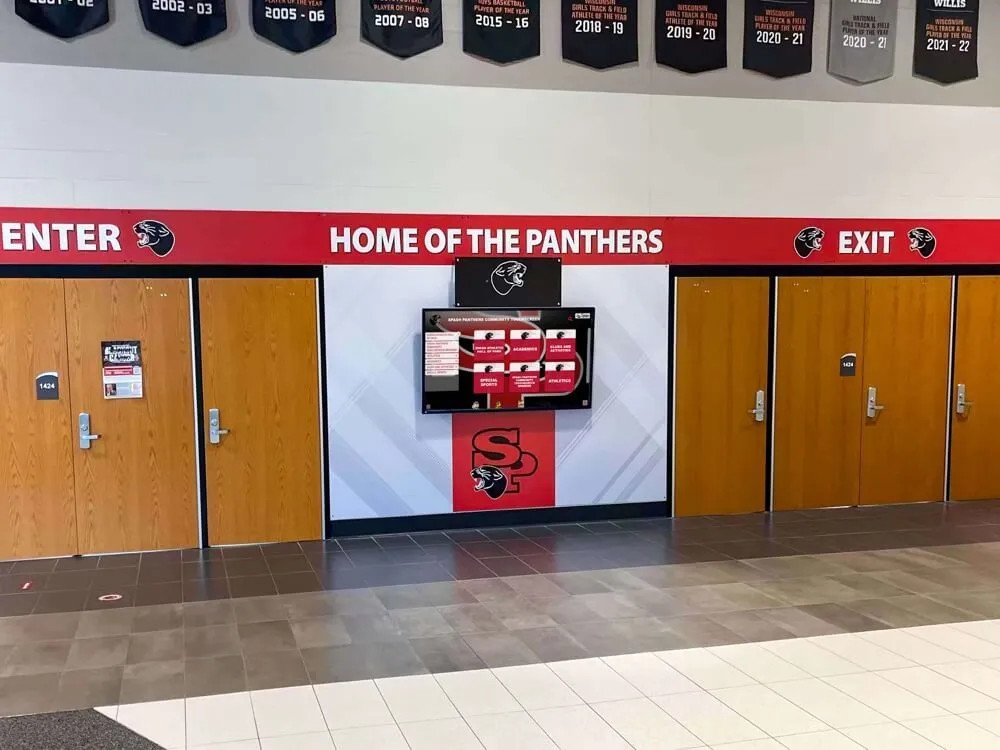
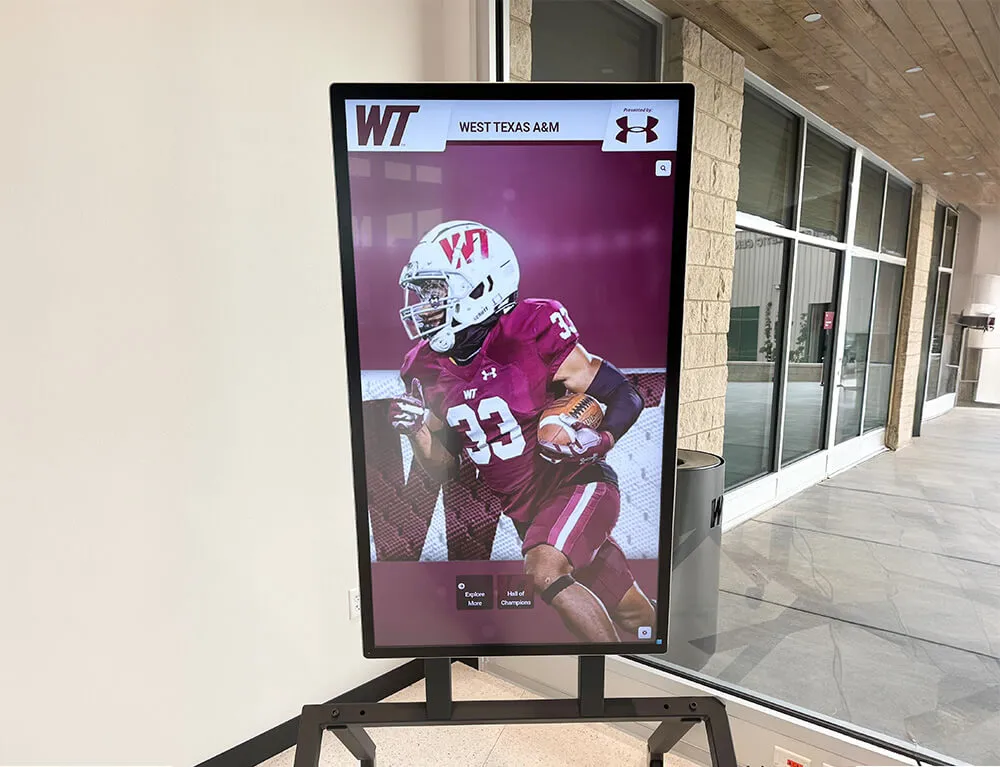
Interactive kiosks create flexible recognition installations in lobbies, hallways, and common areas
Strategy 2: Develop Visual Identity and Pride
Physical environments communicate values and priorities powerfully through visual elements that shape how students experience their school daily.
Strategic Use of Colors, Mascots, and Branding
Consistent visual identity strengthens community cohesion and institutional pride:
Cohesive Visual Design Throughout Facilities
Professional branding creates environments communicating excellence:
- School colors integrated systematically across facilities
- Mascot imagery reinforcing institutional identity
- Consistent typography and design language
- Professional signage and wayfinding systems
- Branded elements in classrooms, hallways, and common areas
These visual elements seem superficial but research demonstrates that professional, cohesive design influences how students perceive institutional quality and their own connection to school community.
Creating Destination Spaces
Strategic design transforms generic hallways into engaging environments celebrating school heritage and achievement:
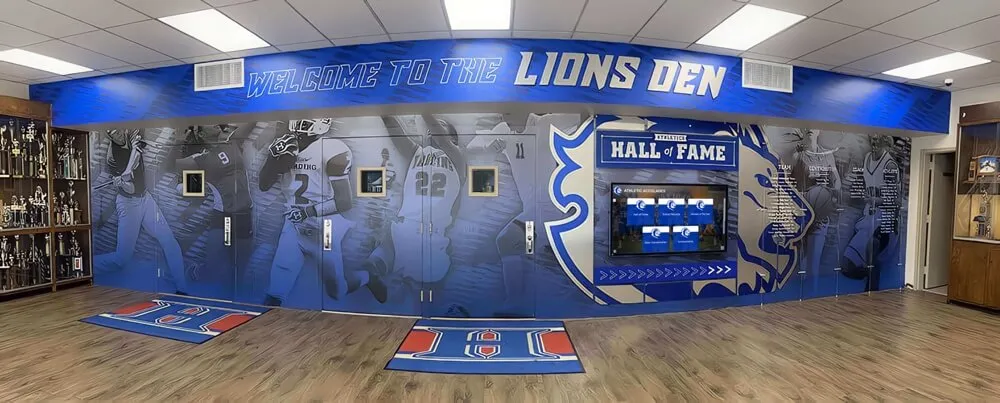
- Athletic murals documenting program history and championships
- Academic achievement walls showcasing intellectual excellence
- Historical timelines connecting past and present
- Alumni recognition highlighting notable graduates
- Performing arts displays celebrating creative accomplishments
Schools implementing comprehensive visual identity programs report increased student pride, improved behavior in common areas, and stronger connection to institutional traditions.
Heritage and Tradition Preservation
Connecting current students to institutional history strengthens identity and belonging:
Historical Documentation and Archives
School history displays preserve institutional memory while inspiring current community members:
- Founding stories and early institutional history
- Notable alumni who achieved professional success
- Championship teams and significant athletic achievements
- Academic program evolution and milestone accomplishments
- Facility development and campus transformation
- Community traditions and annual celebrations
Digital archiving makes these historical resources accessible and engaging. Rather than static displays quickly becoming outdated, interactive museum-style presentations enable students to explore institutional heritage discovering connections to their own experiences.
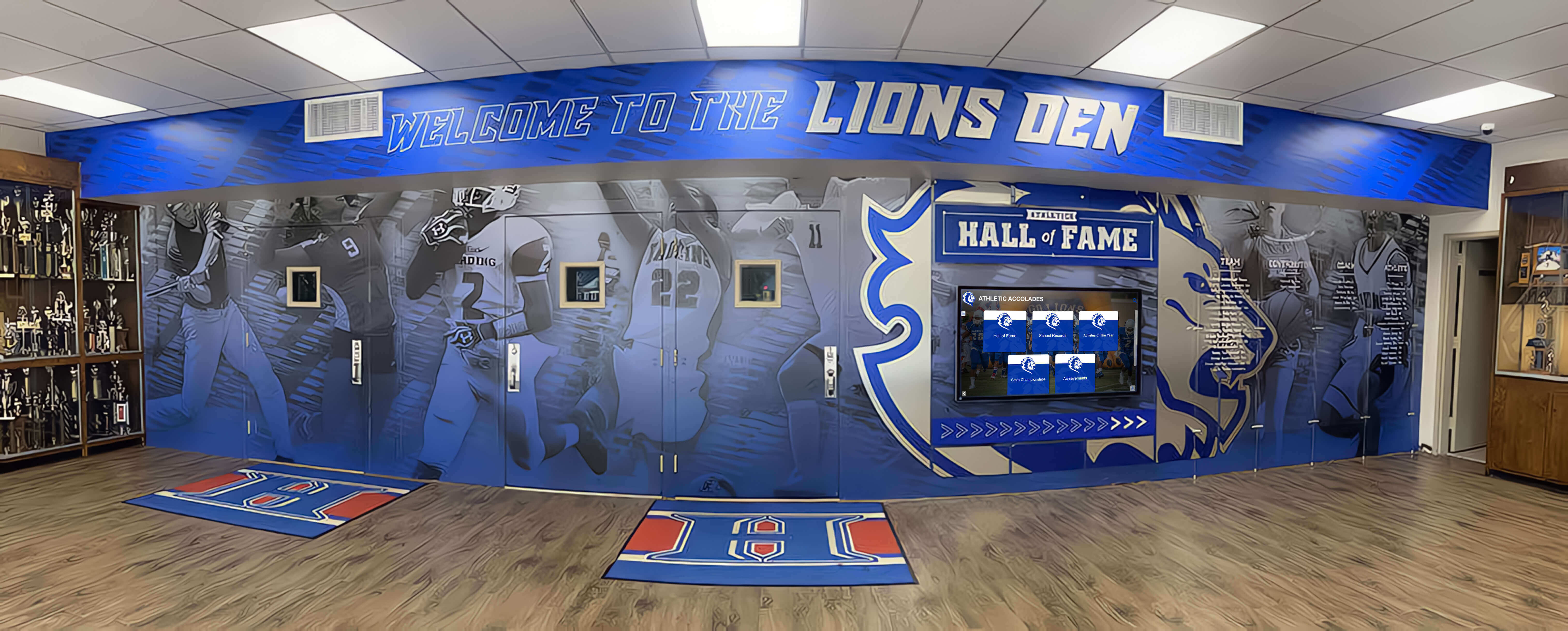
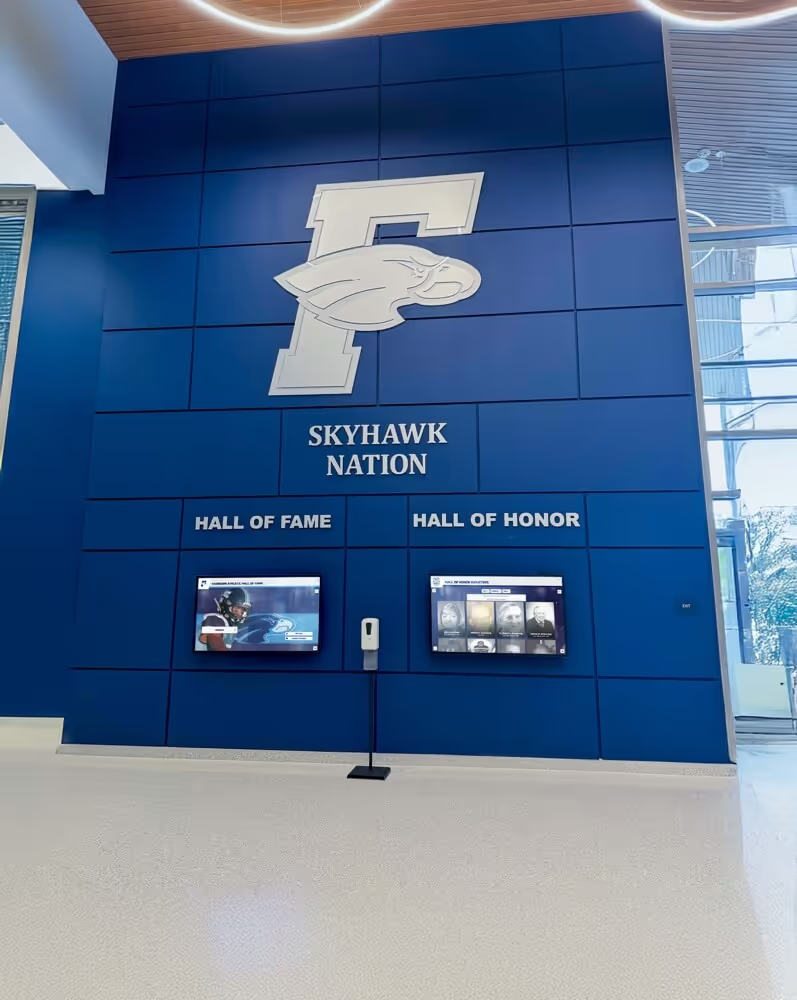
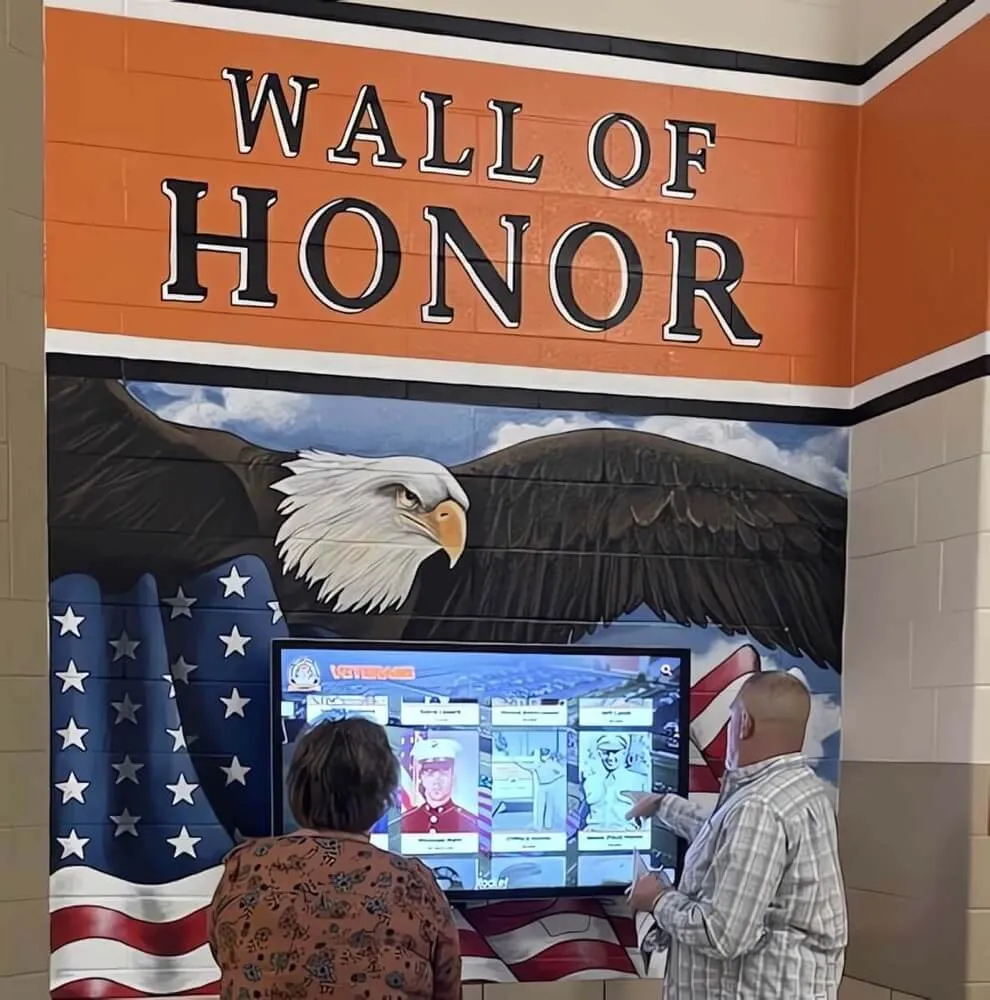
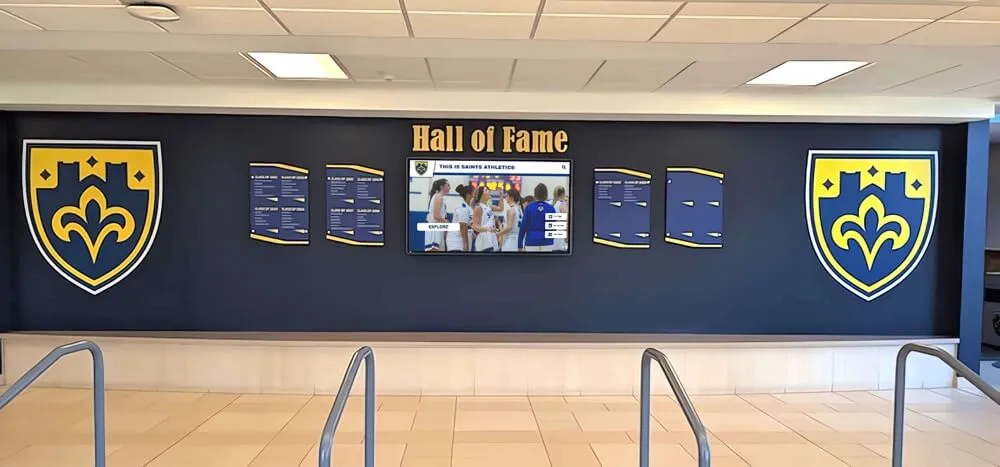
Heritage displays connect students to institutional legacy while celebrating tradition and excellence
Strategy 3: Build Strong Relationships and Connections
Positive school culture depends fundamentally on quality relationships between all community members—students, staff, and families.
Student-Teacher Relationships
Research consistently identifies strong student-teacher relationships as the single most important factor in positive school climate:
Intentional Relationship-Building Strategies
- Advisory programs pairing students with consistent adult advocates
- Regular one-on-one conversations about student interests and goals
- Attendance at student activities and performances
- Personal recognition of individual accomplishments and milestones
- Responsive communication about academic progress and concerns
Schools implementing systematic relationship-building structures report that students work harder for teachers with whom they have positive relationships and demonstrate more positive behavior and engagement.
Peer Relationships and Social Connection
Supporting positive peer relationships prevents the social conflicts that undermine school culture:
Structured Connection Opportunities
- Orientation programs welcoming new students and facilitating friendships
- Class officer programs developing student leadership
- Peer mentoring connecting upperclass students with underclassmen
- Interest-based clubs providing social connection around shared passions
- Community service projects building collaboration toward common goals
These structured opportunities prove particularly important for students who struggle with social connection or enter school communities as newcomers.
Family Engagement and Communication
Strong family partnerships extend positive culture beyond school walls:
Systematic Family Communication
- Regular updates about school activities and student progress
- Multiple communication channels accommodating family preferences
- Translation services ensuring accessibility for multilingual families
- Family involvement opportunities beyond traditional volunteering
- Transparent communication during challenges building trust
Schools with strong family engagement demonstrate better student outcomes across academic, behavioral, and social-emotional dimensions.
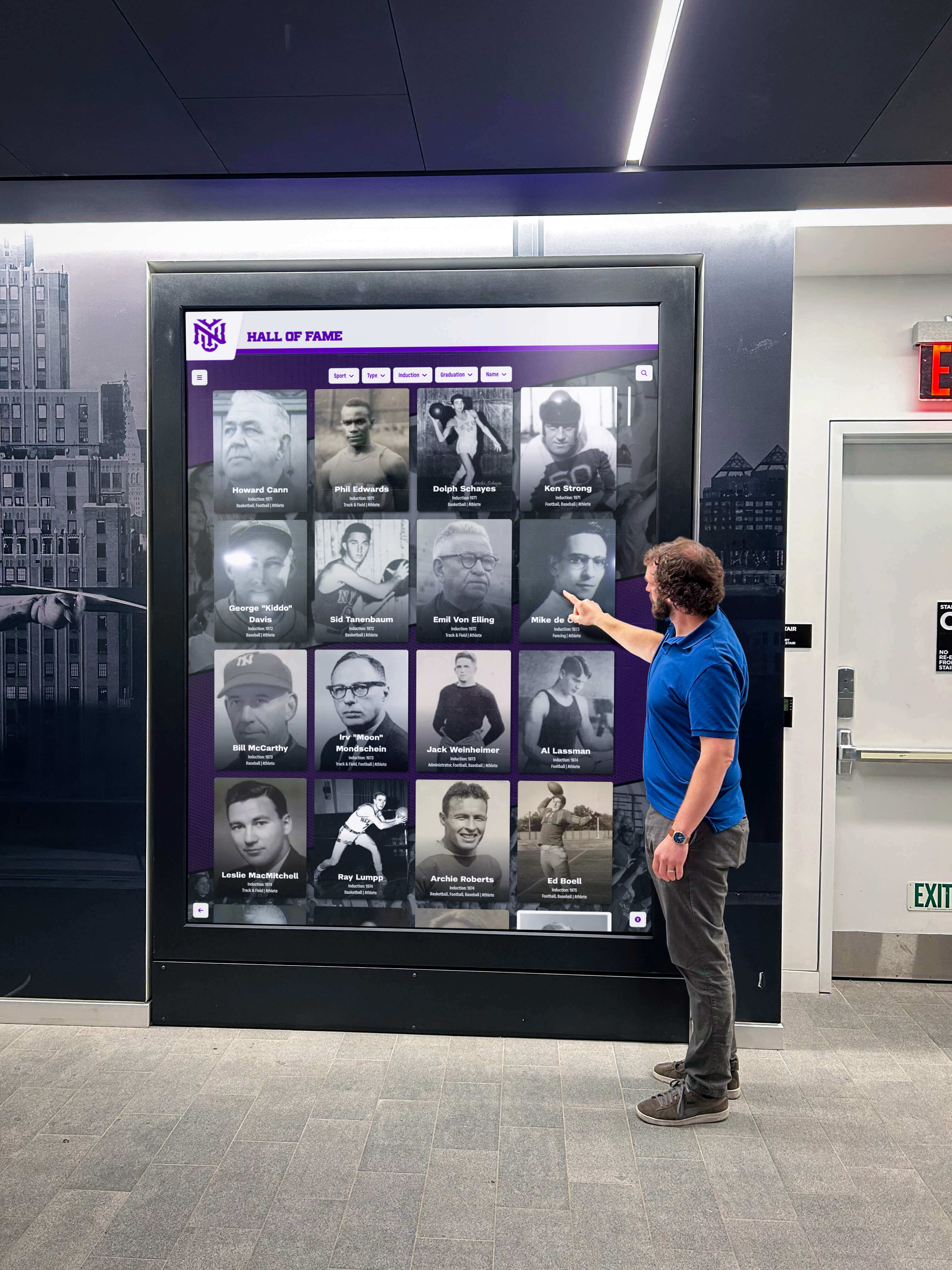
Recognition displays create engagement opportunities for families during campus visits and events
Strategy 4: Establish Clear Expectations and Consistent Practices
Positive school culture requires clear behavioral expectations consistently applied across all students and situations.
School-Wide Behavioral Frameworks
Effective frameworks provide clear guidance about expectations:
Positive Behavioral Interventions and Supports (PBIS)
PBIS represents the most widely-implemented and research-supported framework for establishing positive behavior systems:
- Clear behavioral expectations defined for all school settings
- Systematic teaching of expected behaviors
- Positive reinforcement for students meeting expectations
- Consistent consequences for behavioral violations
- Data-driven decision making about interventions and supports
Schools implementing PBIS with fidelity demonstrate significant reductions in disciplinary referrals, suspensions, and school safety concerns while improving academic achievement and school climate measures.
Restorative Practices
When conflicts occur, restorative approaches repair relationships while maintaining accountability:
Key Restorative Elements
- Harm identification and acknowledgment
- Responsibility-taking by those causing harm
- Dialogue between affected parties
- Collaborative problem-solving about repairing harm
- Reintegration maintaining community connection
Restorative practices reduce recidivism rates compared to traditional punitive consequences while building stronger community relationships and teaching valuable conflict resolution skills.
Strategy 5: Celebrate Diversity and Promote Inclusion
Positive school culture requires that all students feel valued, respected, and included regardless of background, identity, or circumstance.
Creating Culturally Responsive Environments
Cultural responsiveness ensures schools honor and celebrate diverse backgrounds:
Inclusive Curriculum and Instruction
- Diverse representation in curricular materials and examples
- Multiple cultural perspectives in historical and literary content
- Awareness of cultural communication styles and learning preferences
- Celebration of cultural holidays and heritage months
- Multilingual signage and communication when appropriate
Visual Representation
Schools should ensure diverse representation in recognition displays, promotional materials, leadership roles, and curriculum examples. When students see themselves reflected throughout school environments, belonging and engagement increase substantially.
Supporting Students with Special Needs
Inclusive cultures accommodate diverse learning needs:
- Accessible physical environments for students with mobility challenges
- Academic supports and accommodations ensuring success
- Social-emotional supports addressing mental health needs
- Specialized programs serving specific student populations
- Anti-bullying initiatives protecting vulnerable students
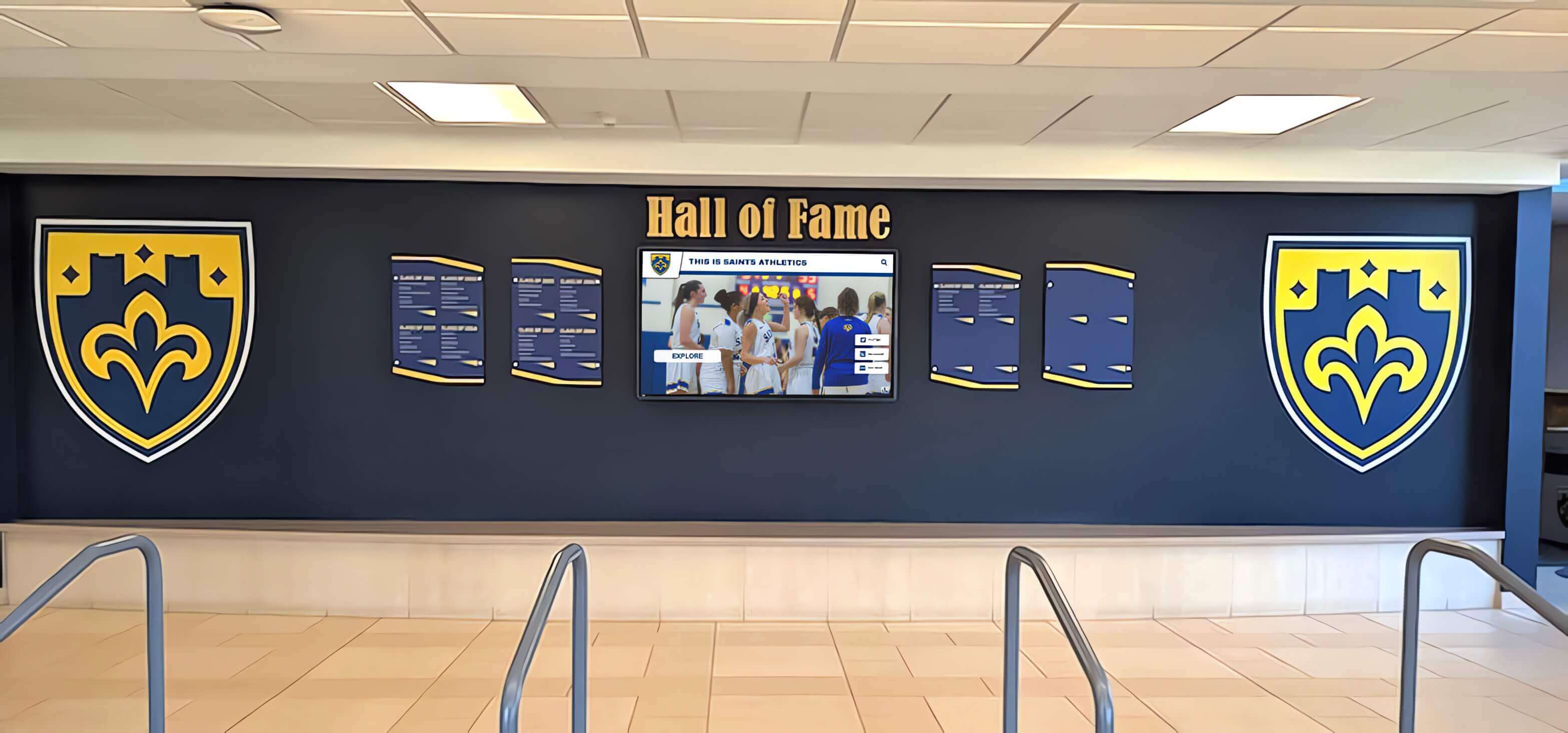
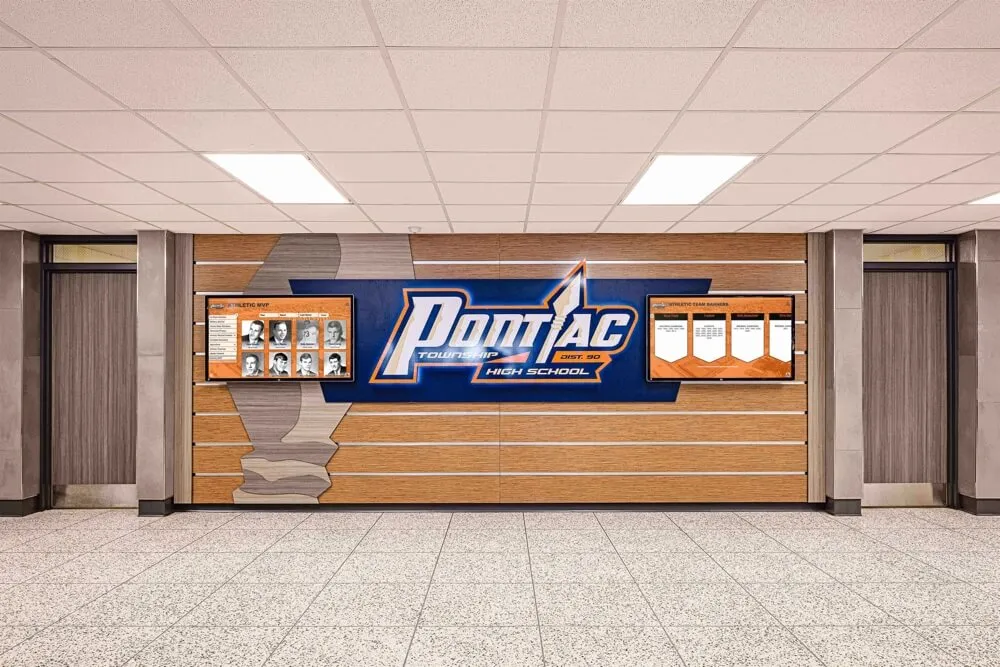
Professional entrance displays create welcoming environments communicating institutional excellence
Strategy 6: Develop Student Leadership and Voice
Students must play active roles in shaping school culture rather than serving as passive recipients of adult-created initiatives.
Student Leadership Opportunities
Systematic leadership development prepares students while strengthening school community:
Formal Leadership Structures
- Student government representing student voice in school decisions
- Grade-level representatives ensuring all students have leadership access
- Activity and club leadership developing organizational skills
- Peer mentoring and tutoring programs
- Student ambassadors representing school to external audiences
These structured opportunities develop leadership capacity while ensuring student perspectives inform school improvement efforts.
Student Voice in Decision-Making
Authentic student engagement requires genuine influence over school policies and practices:
Mechanisms for Student Input
- Student surveys about school climate and improvement priorities
- Focus groups gathering qualitative feedback about specific issues
- Student representation on committees making real decisions
- Suggestion systems enabling ongoing feedback
- Regular forums where students discuss concerns with administration
Schools genuinely incorporating student voice demonstrate higher student engagement, better climate measures, and more effective improvement initiatives addressing actual rather than perceived needs.
Strategy 7: Support Staff Well-Being and Professional Community
Positive student culture depends on adults working in supportive, collaborative environments:
Teacher Recognition and Appreciation
Staff members need acknowledgment comparable to student recognition:
Systematic Staff Recognition
- Teacher appreciation events celebrating educator contributions
- Years-of-service recognition honoring sustained commitment
- Excellence awards for outstanding instructional practice
- Retirement celebrations acknowledging career contributions
- Informal appreciation expressing genuine gratitude
Schools with strong staff recognition demonstrate higher retention rates and greater job satisfaction among teachers and support staff.
Professional Learning Communities
Collaborative professional structures strengthen teaching quality while building collegial relationships:
Effective PLC Implementation
- Regular collaborative time built into schedules
- Clear protocols guiding productive collaboration
- Focus on student learning data and instructional improvement
- Shared responsibility for all students’ success
- Administrative support providing necessary resources
Teachers working in strong professional learning communities report greater job satisfaction, more instructional growth, and stronger connection to school mission.
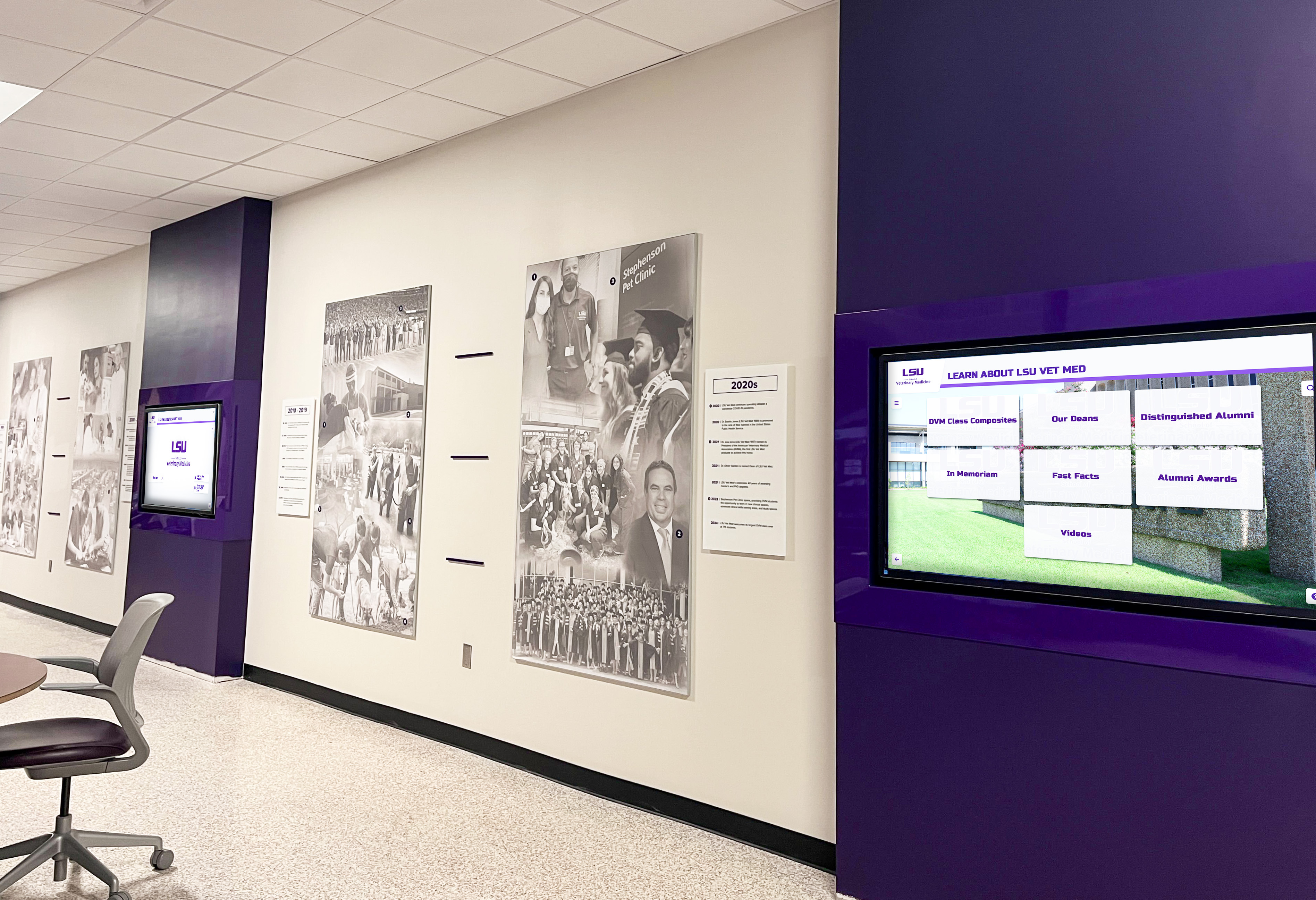
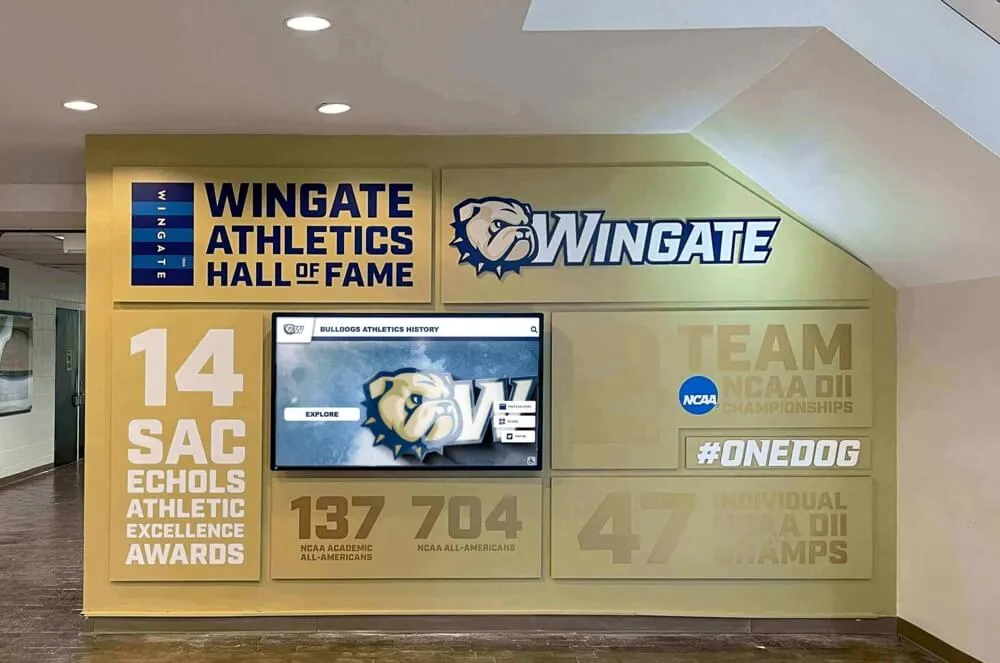
Multiple displays throughout facilities create comprehensive recognition celebrating diverse achievements
Strategy 8: Create Engaging School-Wide Events and Traditions
Shared experiences build community bonds and create memories connecting students to school identity:
Annual Traditions and Celebrations
Recurring events create institutional identity and belonging:
Key School Events
- Homecoming celebrations connecting alumni and current students
- Spirit weeks building school pride and participation
- Academic recognition ceremonies celebrating intellectual achievement
- Athletic senior nights honoring graduating athletes
- Performing arts showcases demonstrating creative excellence
- Community service days engaging students in civic contribution
These traditions create shared experiences that become defining memories of school experience while reinforcing institutional values and priorities.
Recognition Ceremonies and Celebrations
Formal recognition events communicate what schools value:
Effective Recognition Events
- Academic awards ceremonies honoring intellectual achievement
- Athletic banquets celebrating seasonal accomplishments
- Arts showcases featuring student performances and exhibitions
- Character recognition honoring citizenship and service
- Graduation ceremonies marking milestone achievements
These events create memorable experiences for honorees while communicating to all students what achievements schools genuinely celebrate and value.
Strategy 9: Measure and Assess School Culture Systematically
Improvement requires systematic measurement identifying strengths and areas needing attention:
Climate and Culture Assessment Tools
Multiple instruments assess different school culture dimensions:
Quantitative Assessment Tools
- School climate surveys gathering student, staff, and family perceptions
- Discipline data tracking behavioral incidents and trends
- Attendance and engagement metrics indicating student connection
- Achievement data disaggregated by student populations
- Staff retention and satisfaction measures
Qualitative Assessment Methods
- Focus groups exploring specific culture dimensions in depth
- Interviews gathering individual perspectives and experiences
- Observations documenting actual practices and interactions
- Case studies examining particular programs or initiatives
- Feedback mechanisms enabling ongoing input
Regular assessment enables data-driven decision making about culture improvement initiatives while demonstrating accountability for creating positive environments.
Using Data to Drive Continuous Improvement
Assessment data should inform strategic action planning:
Data-Informed Improvement Cycles
- Review assessment data identifying priorities
- Set specific, measurable culture improvement goals
- Implement targeted strategies addressing identified needs
- Monitor progress through ongoing data collection
- Adjust approaches based on implementation feedback
- Celebrate improvements while identifying next priorities
This continuous improvement approach ensures schools remain focused on genuine culture enhancement rather than implementing disconnected initiatives without assessing impact.
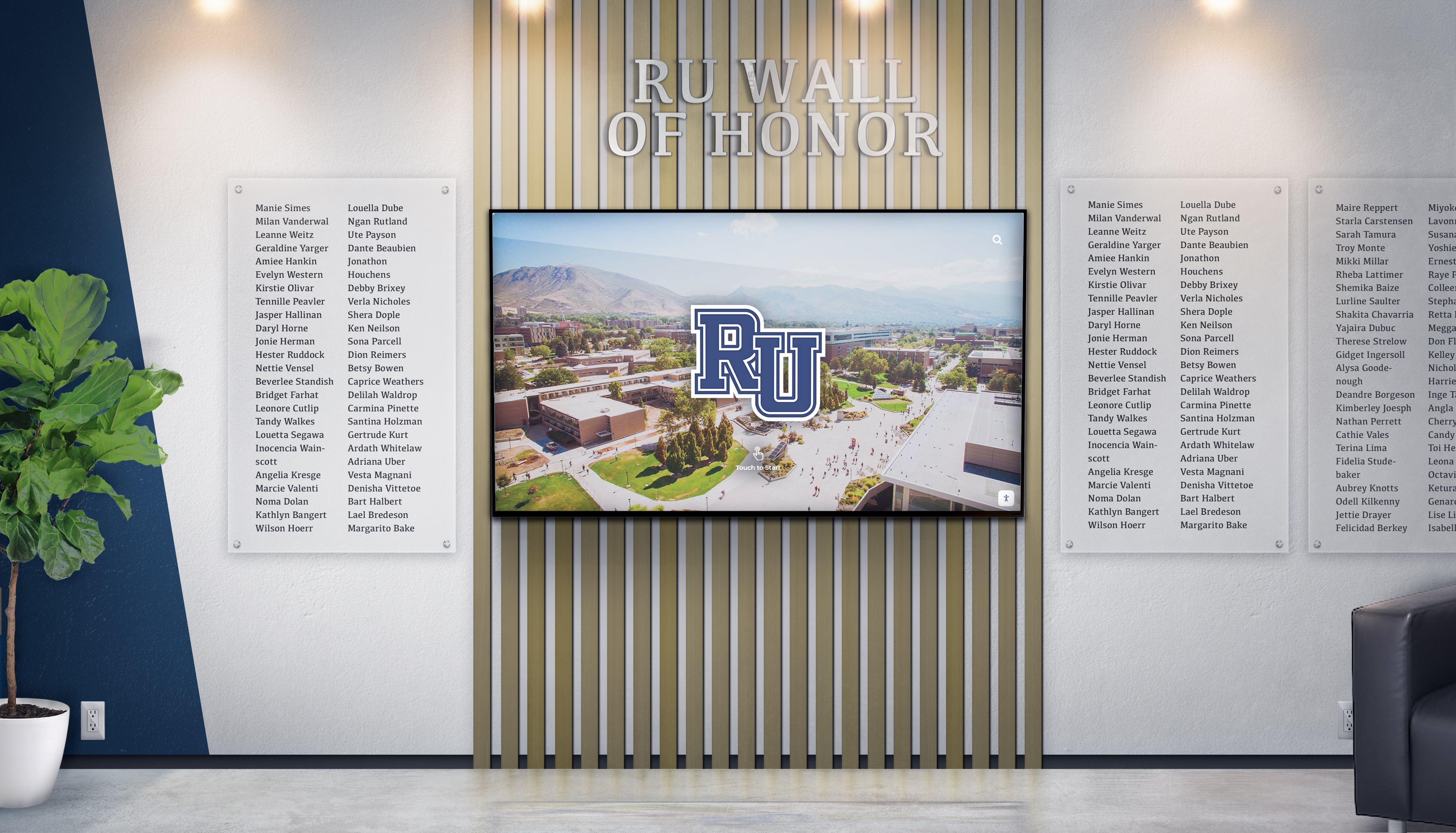
Integrated recognition systems combine traditional and digital elements for comprehensive celebration
Implementation Roadmap for Culture Transformation
Transforming school culture requires systematic, multi-year commitment rather than quick fixes:
Year One: Foundation Building
Initial implementation focuses on establishing core systems:
- Conduct comprehensive climate assessment identifying priorities
- Develop shared vision and values through stakeholder engagement
- Implement school-wide behavioral framework with clear expectations
- Launch multi-dimensional recognition programs celebrating diverse achievements
- Establish advisory or relationship-building structures
- Create visual identity elements strengthening institutional pride
Year Two: Deepening and Expanding
Second-year efforts deepen initial initiatives while expanding reach:
- Expand recognition programs based on Year One feedback
- Implement restorative practices for conflict resolution
- Develop student leadership opportunities and authentic voice mechanisms
- Enhance family engagement and communication systems
- Launch staff recognition and support initiatives
- Create or enhance school-wide traditions and events
Year Three and Beyond: Sustainability and Continuous Improvement
Long-term success requires sustainable systems and ongoing refinement:
- Institutionalize effective practices through policy and resource allocation
- Mentor new staff in school culture expectations and practices
- Continuously assess and refine programs based on data
- Share successful strategies with broader educational community
- Celebrate culture improvements while identifying next priorities
- Build alumni engagement connecting graduates to ongoing community
Culture transformation cannot happen quickly or through isolated initiatives. Sustained focus over multiple years, with consistent messaging and authentic commitment from leadership, creates the deep cultural shifts that transform how students and staff experience school daily.
Overcoming Common Implementation Challenges
Schools implementing culture initiatives face predictable challenges requiring strategic responses:
Resistance to Change
Staff or community members may resist culture initiatives:
Addressing Resistance
- Involve stakeholders early in planning processes
- Communicate clear rationale connecting initiatives to valued outcomes
- Start with willing participants demonstrating effectiveness
- Provide adequate support and resources
- Celebrate early successes building momentum
- Address concerns respectfully while maintaining vision
Resource Constraints
Limited budgets shouldn’t prevent culture improvement:
Low-Cost High-Impact Strategies
- Relationship-building requires time and attention, not money
- Recognition programs can begin with simple acknowledgment systems
- Behavioral frameworks focus on practice consistency, not programs
- Student leadership opportunities cost minimal resources
- Family communication uses existing channels more effectively
- Visual identity can start with paint, not comprehensive renovation
While solutions like Rocket Alumni Solutions provide comprehensive digital recognition platforms that transform how schools celebrate achievement, culture development begins with commitments to values and practices requiring more will than resources.
Sustainability Beyond Initial Implementation
Many initiatives fail when initial enthusiasm wanes:
Building Sustainable Systems
- Integrate practices into regular routines rather than treating as additional tasks
- Build expectations into job descriptions and performance evaluation
- Allocate dedicated time in schedules for culture activities
- Train all new staff in school culture expectations
- Assign clear responsibilities with accountability measures
- Regularly assess and communicate about culture priorities
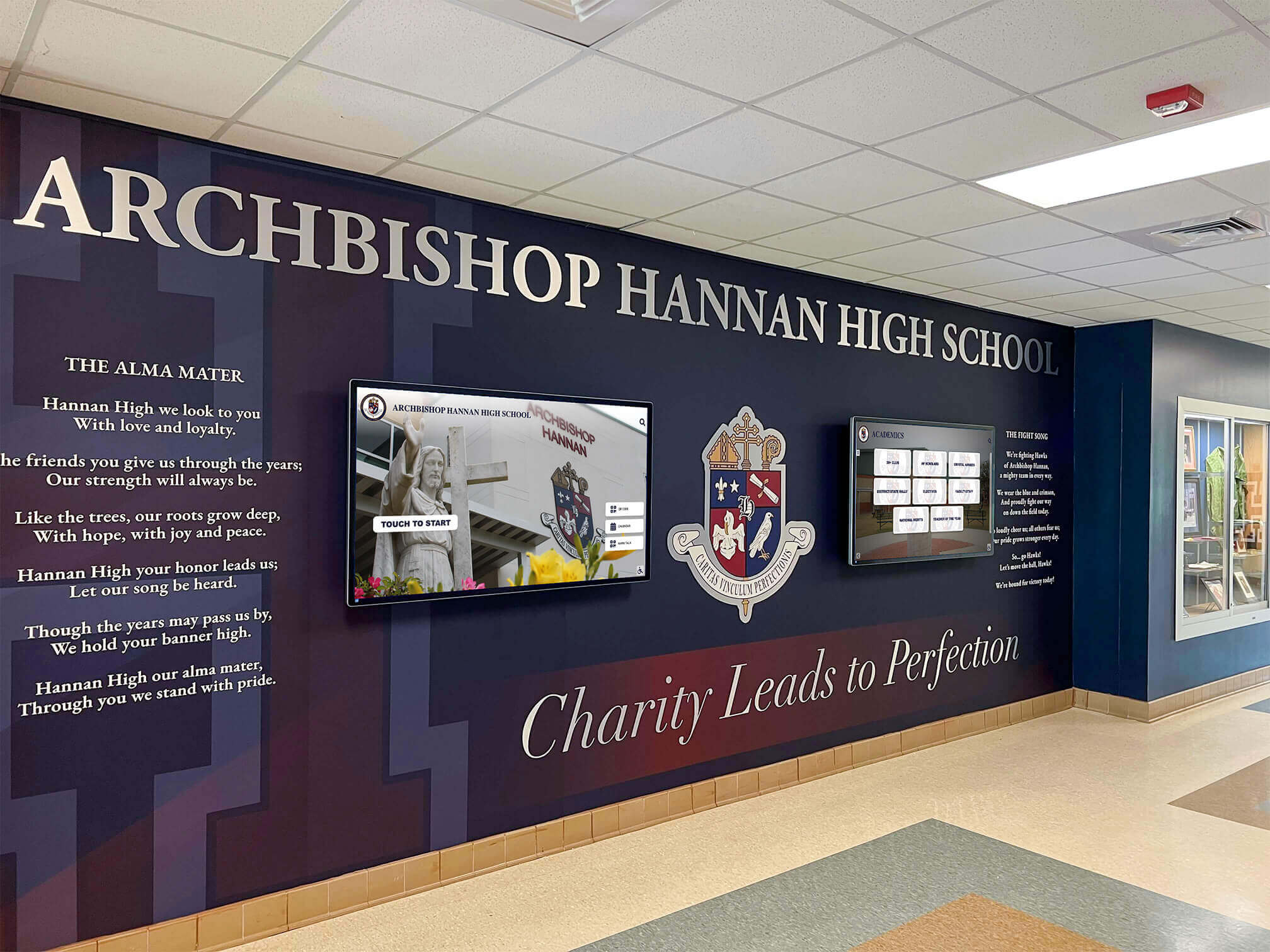
Coordinated visual elements throughout entrance areas create comprehensive impression of excellence
Conclusion: Creating School Culture That Transforms Lives
Positive school culture represents far more than pleasant environment or school spirit activities—it fundamentally shapes educational experiences and outcomes for every student and staff member. When schools approach culture strategically through comprehensive recognition programs, clear behavioral expectations, strong relationships, inclusive practices, and systematic assessment, they create environments where students thrive academically, socially, and emotionally.
The strategies explored in this guide provide practical frameworks for transforming school culture from abstract concept to concrete reality. From digital recognition systems that celebrate unlimited achievements to relationship-building structures that ensure every student has adult advocates, these approaches address the multiple dimensions that collectively create positive school climate.
Ready to transform your school culture through comprehensive recognition that celebrates every achievement and builds community pride? Modern recognition solutions help schools showcase accomplishments, preserve heritage, and create engaging environments that strengthen student connection. Solutions like Rocket Alumni Solutions provide comprehensive digital platforms specifically designed for educational institutions, combining unlimited recognition capacity with intuitive content management and professional hardware creating lasting impact on school culture.
Whether beginning culture transformation initiatives or enhancing existing programs, success requires authentic leadership commitment, stakeholder engagement ensuring buy-in, systematic implementation maintaining consistency, ongoing assessment driving continuous improvement, and recognition that culture development represents multi-year journey rather than quick fix.
Your students and staff deserve school environments where they feel valued, connected, and inspired to achieve their potential. With strategic planning, appropriate technology investment where beneficial, and genuine commitment to building positive community, you can create school culture that truly transforms lives and prepares students for successful futures.
Start with strategies you can implement immediately—expanding recognition beyond traditional categories, strengthening student-teacher relationships, establishing clear behavioral expectations—then systematically build toward comprehensive approaches your community deserves. The most important element isn’t budget size or program sophistication—it’s authentic commitment to creating environments where every person feels valued and every achievement receives appropriate celebration.
Every student who experiences positive school culture develops stronger academic engagement, better social-emotional skills, and more positive long-term outcomes. Every teacher working in supportive professional communities experiences greater job satisfaction and effectiveness. Your school’s impact depends on the culture you create—make building positive climate your strategic priority and lasting legacy.