



Your school’s athletic program depends on more than just talented athletes and dedicated coaches—it thrives when booster clubs provide essential financial support, volunteer coordination, and community engagement that elevates every aspect of the competitive experience. Yet booster club leaders often struggle with the same recurring challenges: identifying sustainable fundraising approaches beyond the same tired car washes, managing volunteer burnout among core supporters, engaging sponsors who expect meaningful visibility, and recognizing athletes and donors in ways that build lasting program pride.
The most effective booster clubs don’t just raise money—they build community, create traditions, inspire generosity, and establish recognition systems that celebrate athletes, donors, volunteers, and sponsors throughout the year, not just during competitive seasons. Strategic booster club operations transform occasional volunteers into committed advocates who remain engaged for years, ensuring athletic programs receive the sustained support that enables competitive excellence.
This comprehensive guide explores proven booster club ideas across fundraising, volunteer coordination, sponsor engagement, and athlete recognition. From effective event formats and year-round revenue strategies to modern digital recognition displays that showcase athletes and acknowledge supporters permanently, these frameworks help booster clubs maximize impact while building sustainable programs that serve athletic departments for decades.
Booster clubs serve as the connective tissue between athletic departments, families, businesses, and communities—transforming individual enthusiasm into collective action that provides resources coaches and administrators need to field competitive teams. Organizations that approach booster club operations strategically create value extending far beyond single-season fundraising, building traditions and relationships that strengthen athletic programs across coaching transitions and generation successions.

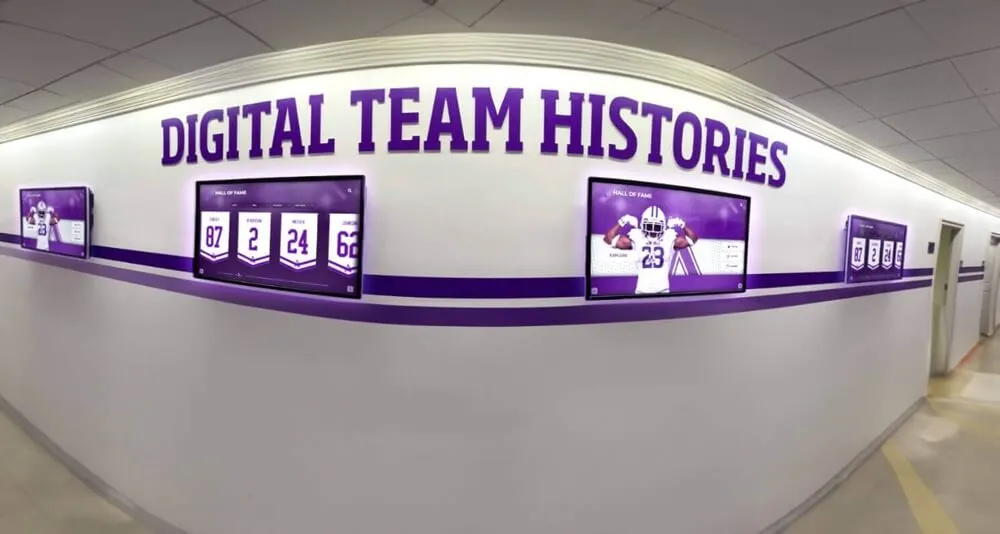
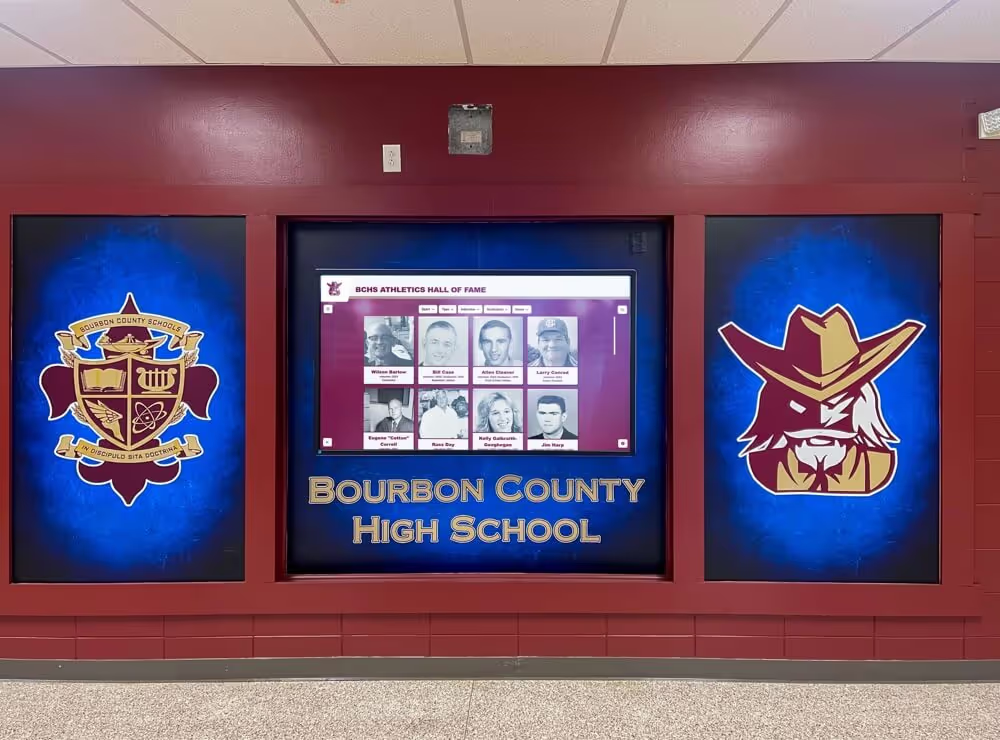
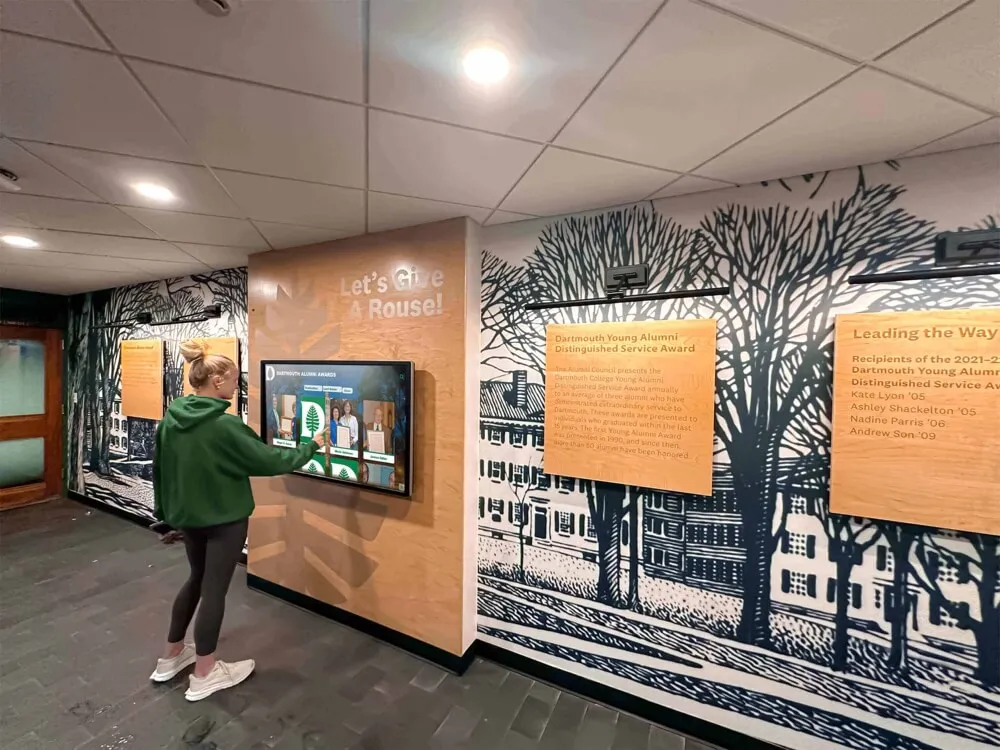
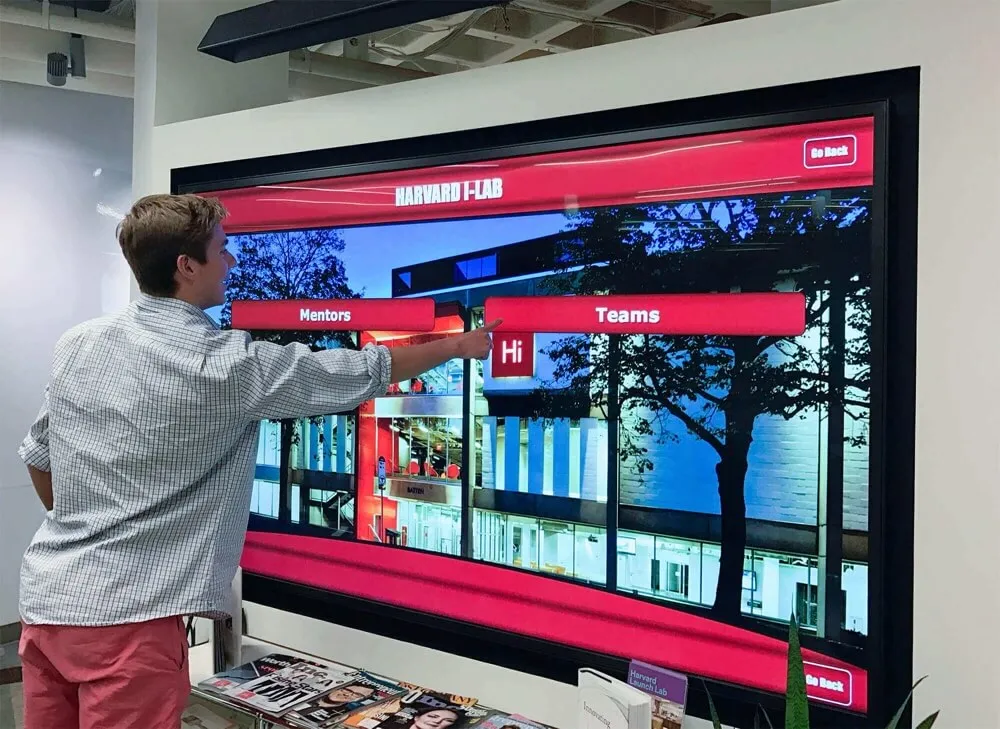
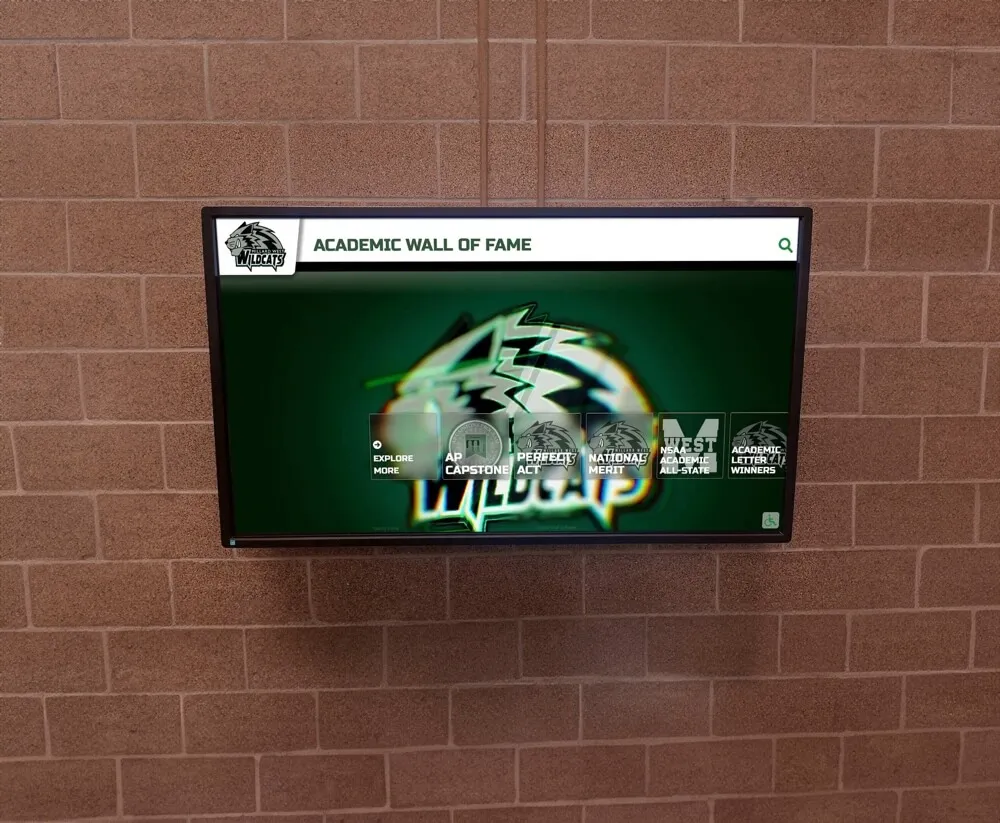
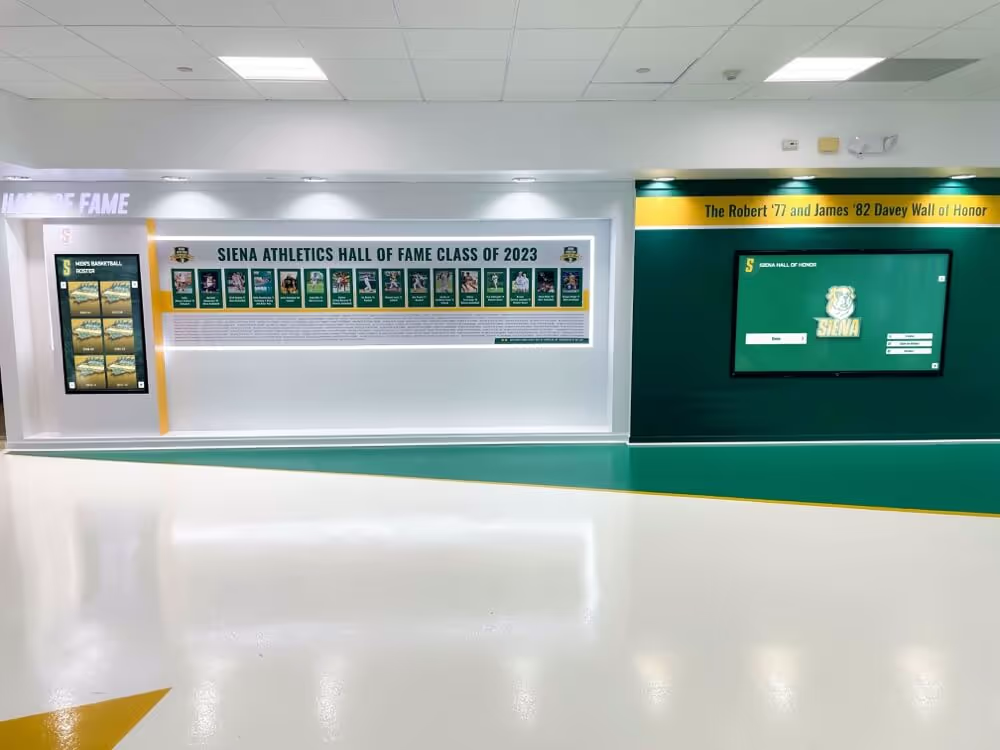
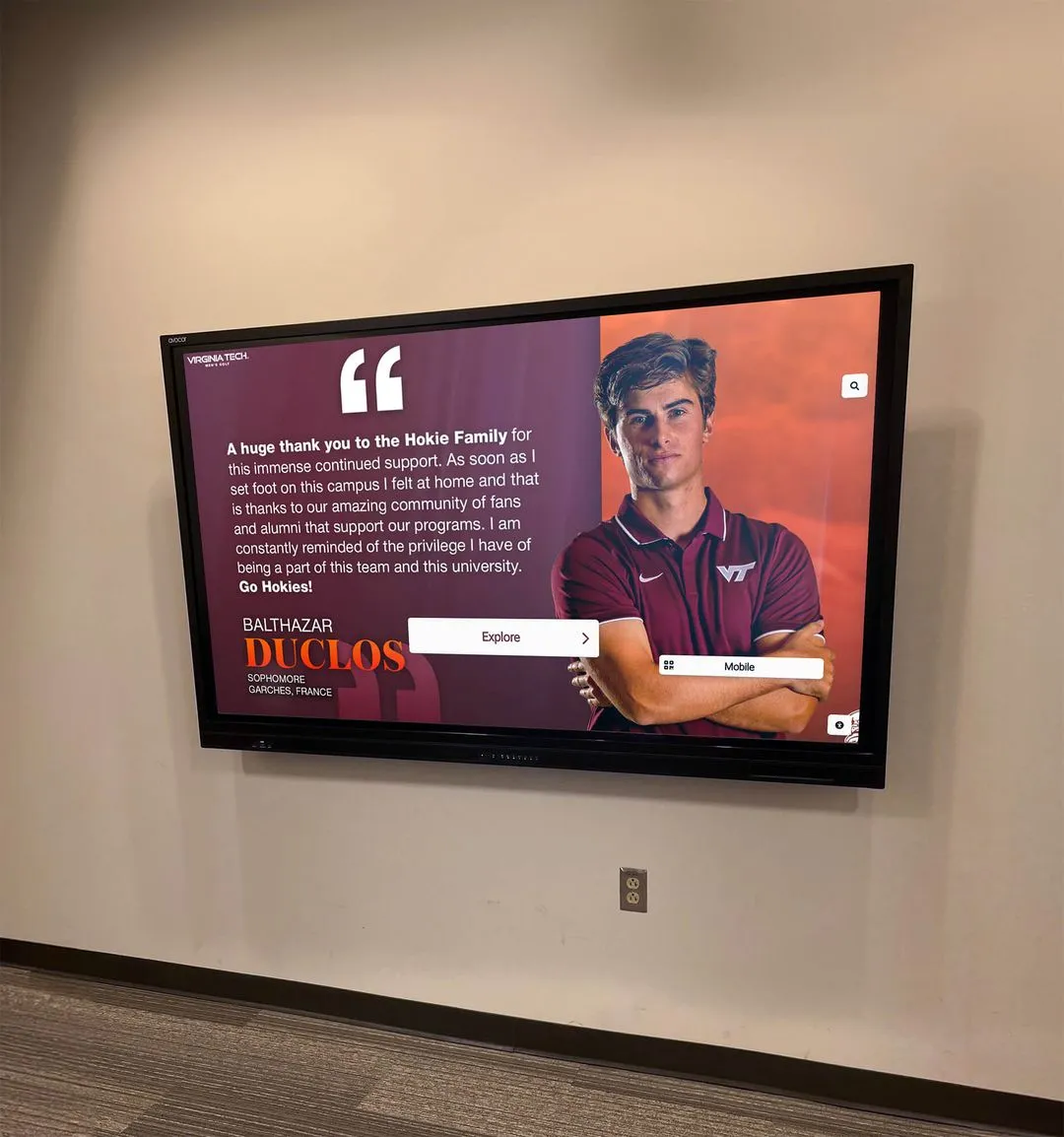
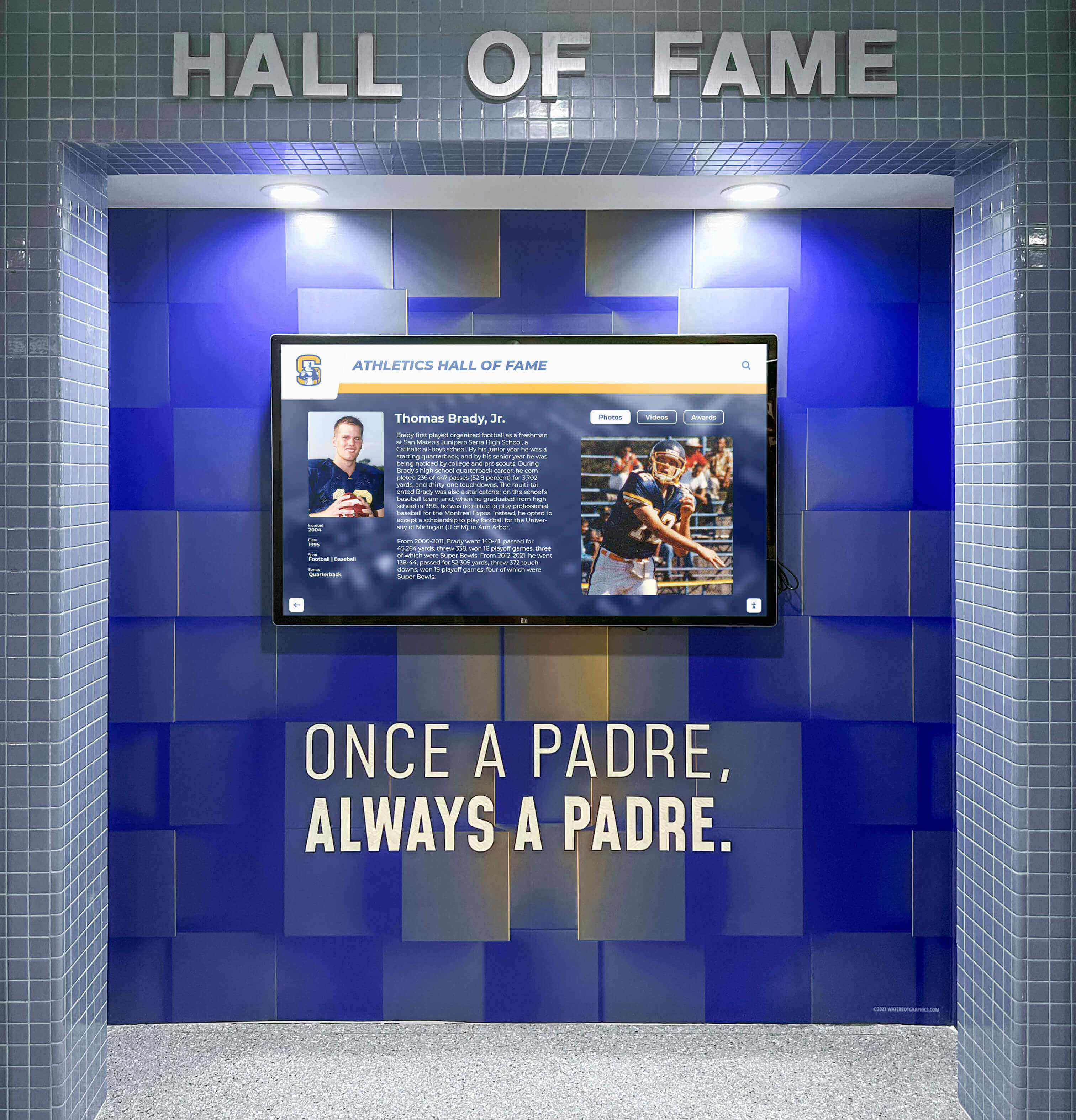
Modern recognition displays celebrate both athletic achievements and booster club supporters, building program pride visible to entire school communities
Program Snapshot: Booster Club Operations Framework
Understanding the complete booster club ecosystem helps organizations implement comprehensive approaches that maximize both immediate fundraising effectiveness and long-term program sustainability.
| Program Element | Description | Recognition Opportunities |
|---|---|---|
| Fundraising Events | Galas, auctions, golf tournaments, concessions, merchandise sales | Title sponsors, event chairs, top individual donors, volunteer teams |
| Revenue Programs | Membership drives, business partnerships, sponsorships, grants | Giving societies, sponsor walls, founding members, multi-year supporters |
| Volunteer Coordination | Game-day operations, event planning, facility improvements, team support | Service hour tracking, leadership recognition, volunteer appreciation events |
| Athlete Support | Equipment purchases, travel funding, facility upgrades, award programs | Athlete spotlights, team recognition, scholarship recipients, academic honors |
| Community Engagement | Spirit campaigns, social media, parent communication, alumni connections | Ambassador programs, social sharing, legacy recognition, tradition building |
| Donor Stewardship | Thank-you communications, impact reporting, facility displays, annual updates | Digital donor walls, facility naming, permanent recognition displays |
Strategic Fundraising Ideas for Booster Clubs
Diverse revenue streams create financial sustainability while reducing dependency on single fundraising approaches that may underperform due to weather, scheduling conflicts, or changing community preferences.
Annual Signature Events
Large-scale fundraising events creating community traditions:
Athletic Department Gala or Auction
Formal evening events combining dining with fundraising appeals:
- Event Structure - Cocktail reception, dinner service, live/silent auctions, program elements highlighting athletic achievements
- Revenue Streams - Individual tickets, table purchases, sponsorships, auction items, fund-a-need appeals
- Attendance Building - Early-bird pricing, package deals, VIP experiences, recognition opportunities
- Volunteer Roles - Planning committees, auction procurement, event-night support, checkout coordination
- Recognition Integration - Sponsor acknowledgment throughout venue, program book listings, award presentations honoring supporters
Well-executed athletic galas typically generate $50,000-$200,000+ depending on community size and program reach, with established events often selling out months in advance as families and businesses mark calendars for signature athletic department celebrations.
Golf Tournaments and Sporting Events
Corporate-friendly formats providing client entertainment opportunities:
- Shotgun Start Formats - All teams beginning simultaneously creating defined schedules
- Corporate Foursomes - Business teams purchasing entries as client entertainment or employee bonding
- Multiple Revenue Layers - Team entry fees, hole sponsorships, contest prizes, food/beverage sales, raffles, silent auctions
- Sponsor Visibility - Course signage at every hole, cart branding, awards ceremony recognition, year-round facility acknowledgment
- Low Volunteer Requirements - Golf course staff handling logistics while booster club focuses on sponsorship and promotion
Golf events excel at engaging business sponsors who value networking opportunities while supporting community athletics, typically generating $500-$2,000+ per foursome through entry fees and sponsorships combined.
Understanding comprehensive approaches for annual alumni golf event management provides frameworks adaptable for booster club implementation.
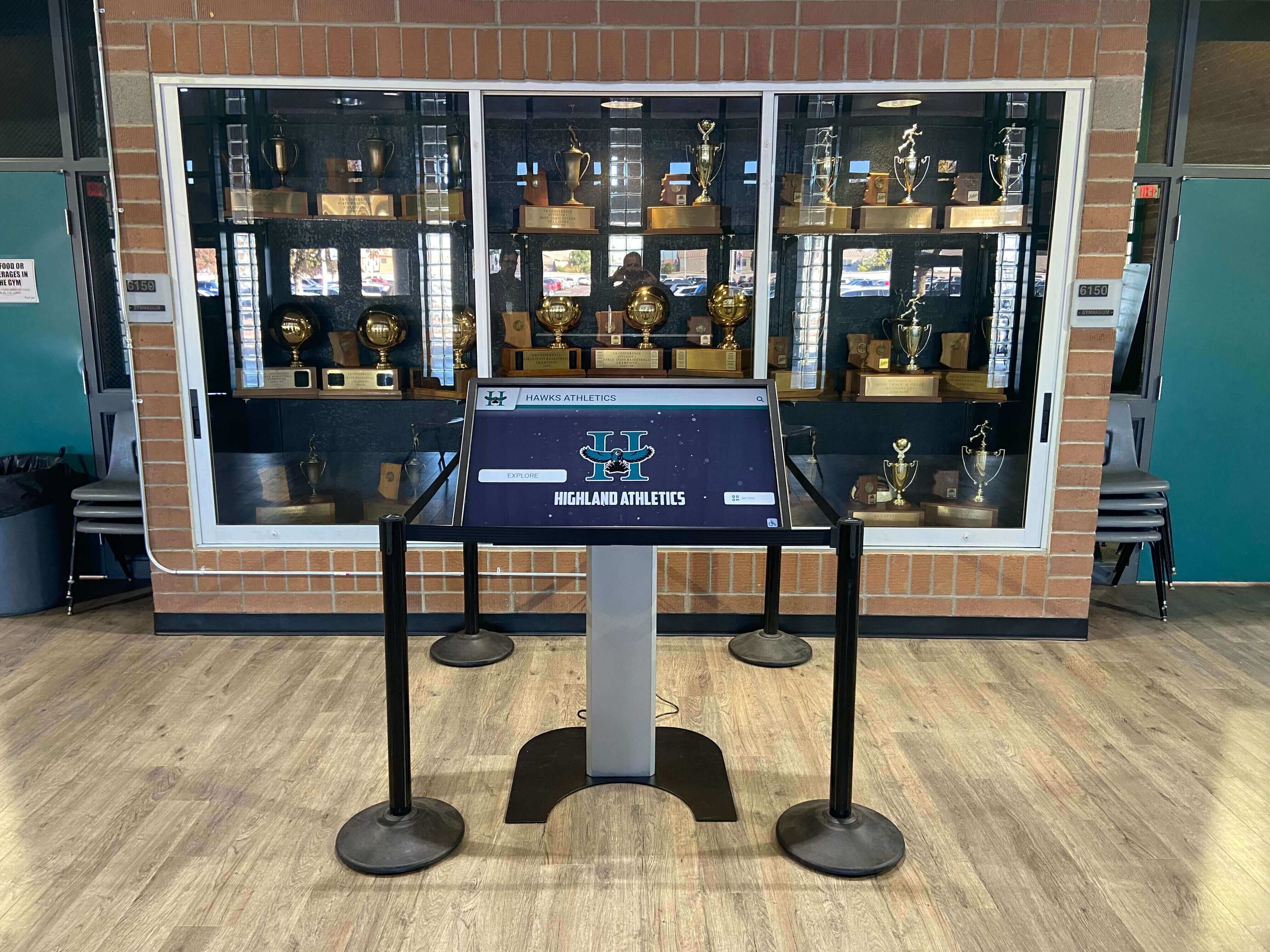
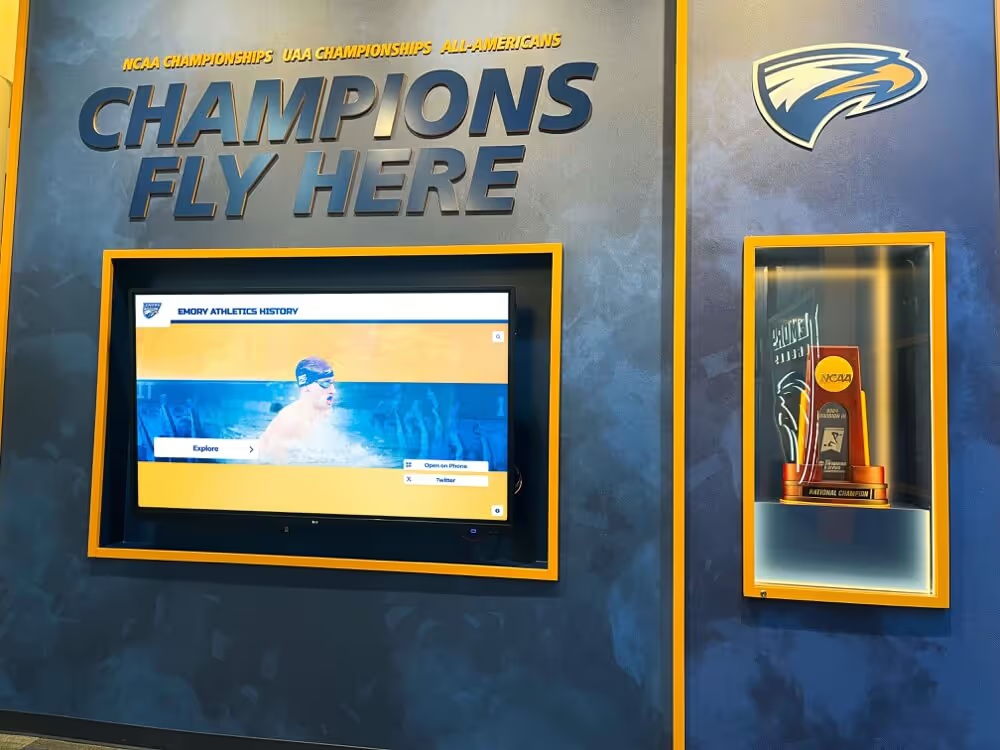
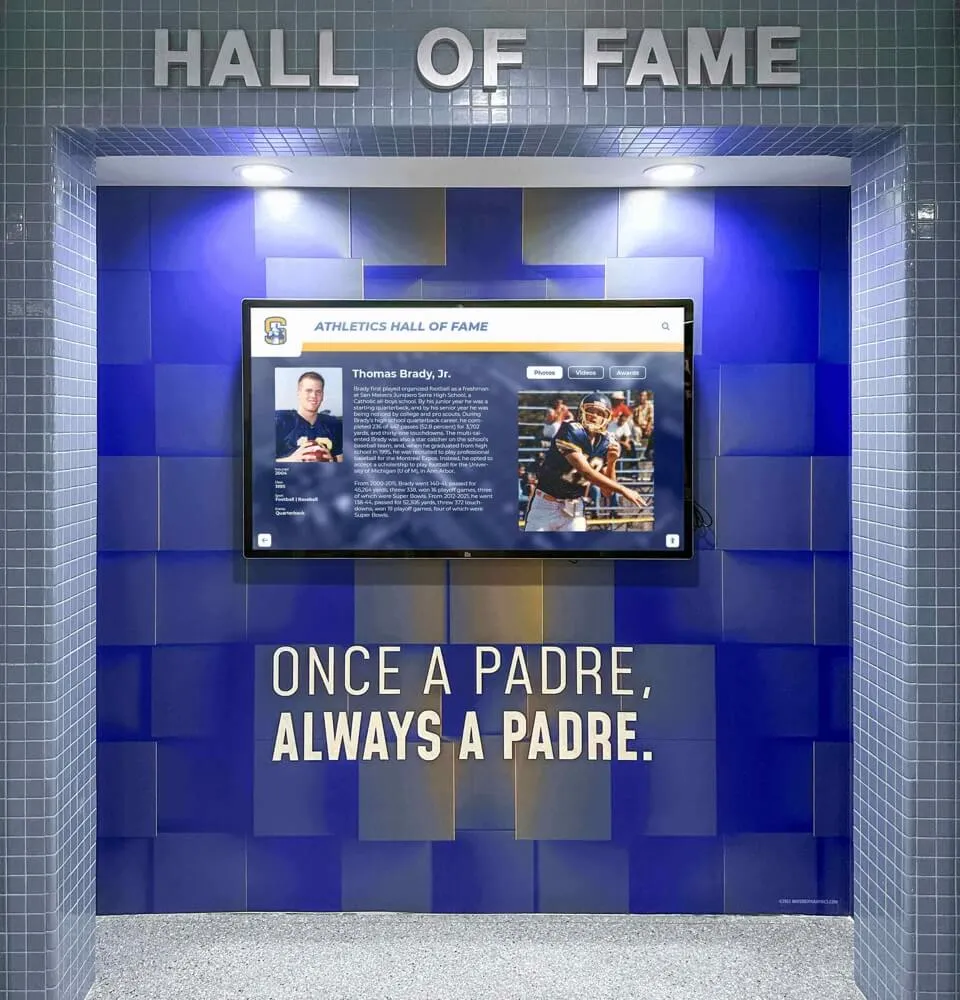
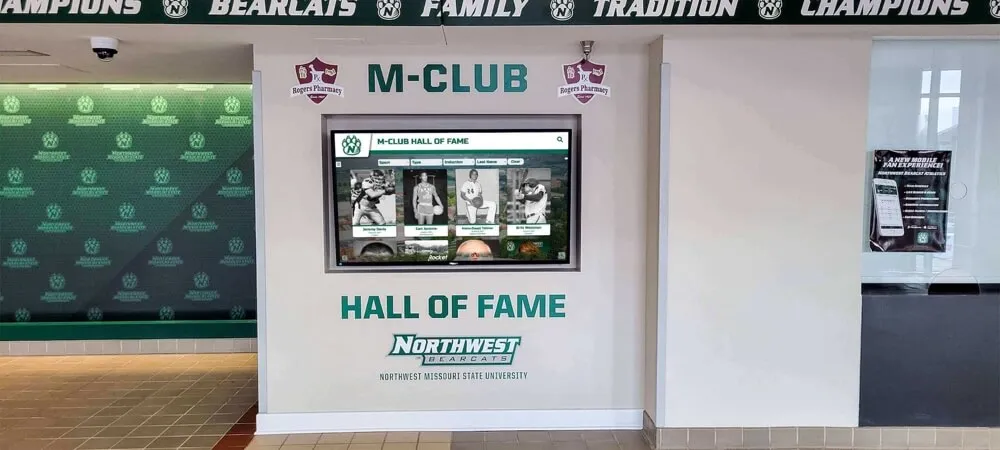
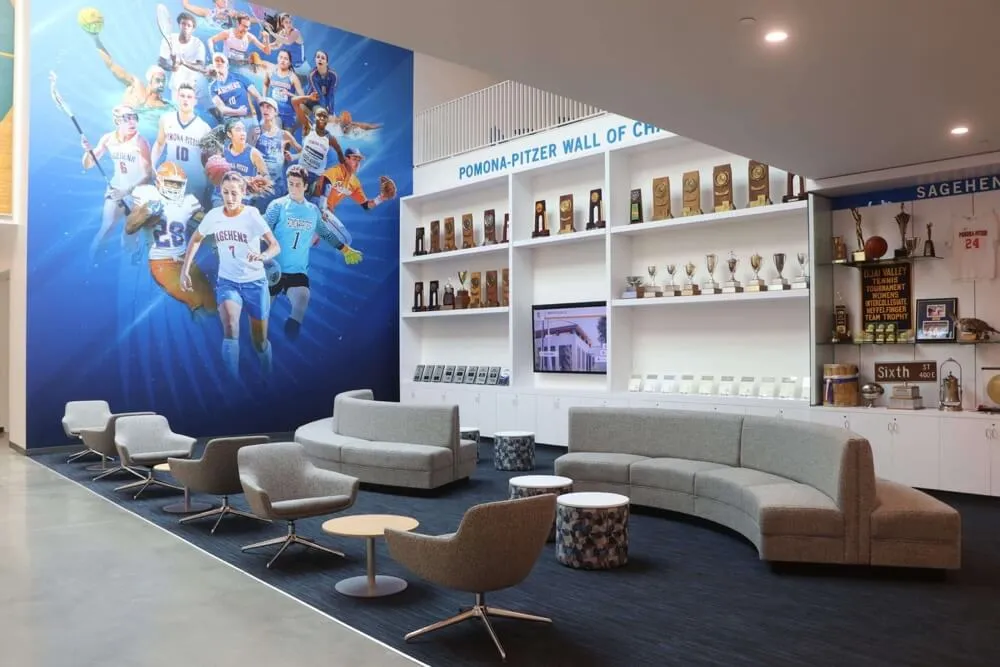
Interactive displays integrated with trophy cases provide expanded recognition capacity for athletes, donors, and sponsors without consuming additional wall space
5K Runs, Walks, and Fun Runs
Active participation events creating inclusive fundraising opportunities:
- Registration Revenue - Individual and team entry fees with early-bird discounts and day-of pricing
- Peer-to-Peer Fundraising - Participants raising funds through personal networks beyond entry fees
- Corporate Team Challenges - Business team competitions increasing company participation
- Family Atmosphere - Kids’ dashes, vendor areas, entertainment creating festival environment
- Sponsorship Opportunities - Title sponsors, water stations, finish line areas, participant shirts, race bibs
- Virtual Options - Remote participation expanding geographic reach beyond local community
Schools implementing annual 5K events report revenue growth as events build tradition, with established programs generating $25,000-$75,000+ while creating positive community engagement introducing families to athletic programs.
Learn comprehensive strategies for annual 5K school fundraiser recognition programs celebrating participants and supporters year-round.
Ongoing Revenue Programs
Consistent revenue sources supplementing major event fundraising:
Membership and Giving Programs
Structured donor categories encouraging recurring support:
Membership Level Structure
Effective programs establish:
- Basic Membership ($50-$100) - Newsletter, decal, general meeting invitations
- Silver Level ($100-$250) - Reserved parking at select events, priority ticket access
- Gold Level ($250-$500) - VIP seating areas, exclusive social events, coach meet-and-greets
- Platinum Level ($500-$1,000+) - Premium parking, hospitality room access, recognition on facility displays
- Lifetime Membership ($2,500-$5,000) - Permanent recognition, all annual benefits, legacy acknowledgment
Tiered structures create clear value propositions at multiple price points while establishing aspirational giving levels encouraging members to increase support over time.
Membership Benefits and Recognition
Meaningful benefits include:
- Recognition on digital displays in athletic facilities providing year-round visibility
- Exclusive communications from coaches and athletic directors
- Priority access to playoff tickets and championship events
- Invitations to pre-season previews and coach presentations
- Facility naming opportunities for transformational gifts
- Legacy recognition honoring multi-year and lifetime supporters
Discover donor recognition display approaches specifically designed for booster club applications.
Business Partnership and Sponsorship Programs
Corporate relationships providing substantial recurring revenue:
Sponsorship Package Development
Effective structures include:
- Title Sponsors ($10,000-$50,000+) - Overall program naming rights, premium facility recognition, VIP experiences
- Sport-Specific Sponsors ($5,000-$15,000) - Team-level support with sport-specific visibility and engagement
- Facility Sponsors ($2,500-$10,000) - Field/court/facility naming or significant area recognition
- Equipment Sponsors ($1,000-$5,000) - Specific equipment provision (uniforms, training gear) with acknowledgment
- Digital Display Sponsors ($500-$2,500) - Logo rotation on digital recognition systems throughout facilities
Package structures should offer clear value propositions at each level while preserving exclusivity making premium investments attractive to businesses seeking differentiated visibility.
Year-Round Sponsor Visibility
Beyond game-day recognition, effective booster clubs provide:
- Digital recognition displays in athletic facilities showcasing sponsor logos continuously
- Website sponsor pages with business profiles and direct links
- Social media acknowledgment throughout seasons
- Program book and promotional materials recognition
- Exclusive networking events connecting sponsors with coaches and athletic leadership
- Impact reporting demonstrating how sponsorship supports specific program improvements
Research shows businesses sponsoring athletic programs where visibility extends beyond single games report significantly higher satisfaction and renewal likelihood compared to game-day-only acknowledgment.
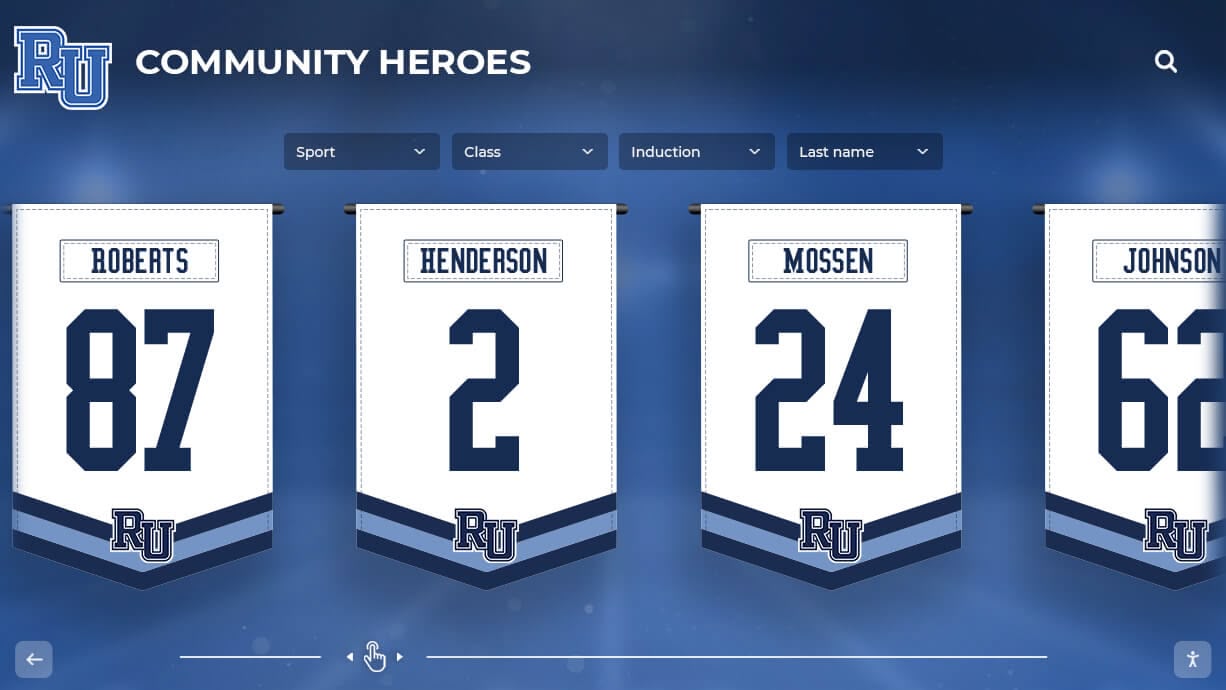
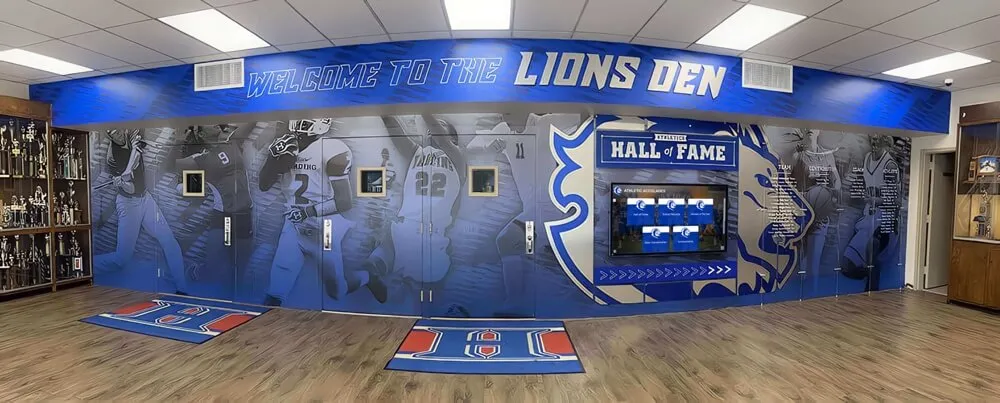
Creative banner displays celebrate community supporters and athletic achievements in prominent facility locations
Product Sales and Ongoing Operations
Consistent revenue generating activities requiring minimal volunteer effort:
Spirit Wear and Merchandise Sales
Ongoing apparel and product programs:
- Online Stores - Year-round shopping enabling purchasing during off-seasons
- Pre-Order Campaigns - Seasonal campaigns reducing inventory risk while generating advance revenue
- Game-Day Sales - Pop-up stands at competitions capturing impulse purchases
- Custom Team Gear - Player-specific items (senior night shirts, championship commemoratives)
- Alumni Collections - Nostalgic designs attracting graduated athletes and community members
- Quality Partnerships - Reputable vendors ensuring product quality maintaining customer satisfaction
Established spirit wear programs typically generate $10,000-$50,000+ annually while building school pride and creating walking advertisements as community members wear branded apparel.
Concession Stand Operations
Game-day food and beverage sales:
- Strategic Menu Development - High-margin items popular with families and students
- Volunteer Rotation Systems - Distributed responsibility preventing individual burnout
- Efficient Operations - Point-of-sale systems, inventory management, food safety compliance
- Special Event Menus - Championship nights, rivalry games, senior nights with enhanced offerings
- Sponsorship Integration - Beverage or food partnerships with local businesses
Well-managed concession programs generate $15,000-$75,000+ annually while providing consistent revenue throughout athletic seasons with relatively predictable demand.
Program Advertising and Game-Day Programs
Printed or digital programs with business advertising:
- Season-Long Programs - Full-year publications with multiple sport coverage
- Sport-Specific Programs - Basketball, football, or other major sport publications
- Digital Alternatives - App-based programs reducing printing costs while offering enhanced features
- Advertising Sales - Business ads supporting programs while reducing production costs
- Player Spotlights - Athlete features creating value for families while building engagement
Advertising-supported programs can be revenue-neutral or generate surplus while providing communication vehicles enhancing fan experience and athlete recognition.
Volunteer Coordination and Leadership Development
Sustainable booster clubs require organized volunteer management preventing burnout while distributing responsibilities across committed supporter bases.
Volunteer Structure and Roles
Clear organizational design prevents confusion while ensuring critical functions receive adequate attention:
Executive Board Structure
Essential leadership positions include:
- President - Overall leadership, board coordination, athletic department liaison, strategic planning
- Vice President - President support, committee coordination, leadership succession planning
- Treasurer - Financial management, budget development, revenue/expense tracking, reporting
- Secretary - Meeting minutes, communications, record keeping, documentation management
- Fundraising Chair - Event planning, revenue program oversight, sponsorship coordination
- Volunteer Coordinator - Recruitment, scheduling, appreciation, retention programs
- Communications Director - Marketing, social media, newsletters, website management
Board terms of 2-3 years with staggered rotations maintain institutional knowledge while enabling leadership refreshment preventing stagnation.
Committee Assignments
Distributed responsibility structures:
- Event Committees - Specific teams for major fundraising events (gala, golf, 5K)
- Concessions Committee - Game-day operations, inventory, volunteer scheduling
- Spirit Wear Committee - Merchandise selection, ordering, sales coordination
- Facility Committee - Improvement projects, maintenance support, equipment needs
- Recognition Committee - Athlete awards, donor acknowledgment, display management
Committee structures enable volunteers to contribute according to available time and interest rather than requiring year-round comprehensive involvement, making participation manageable for busy families and professionals.
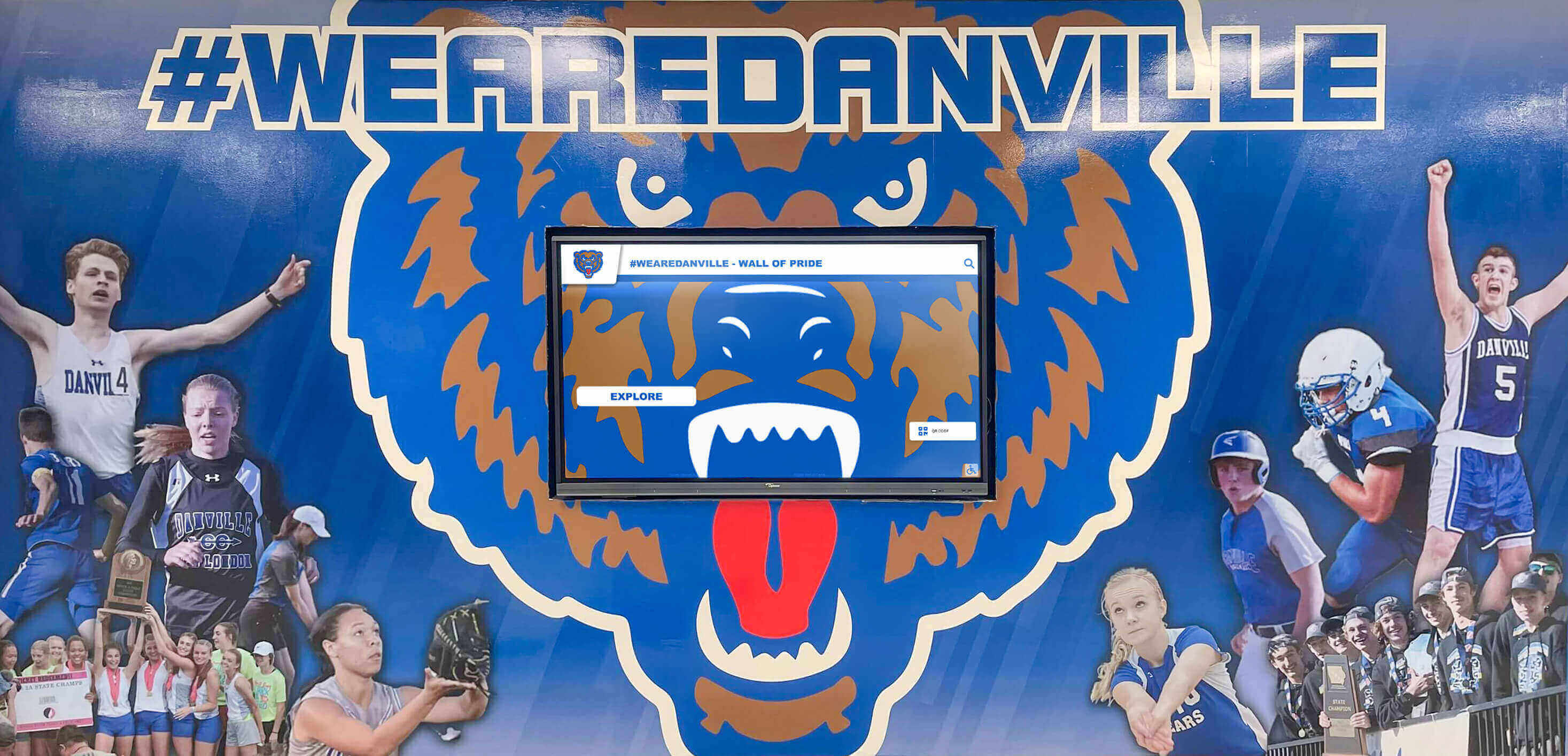
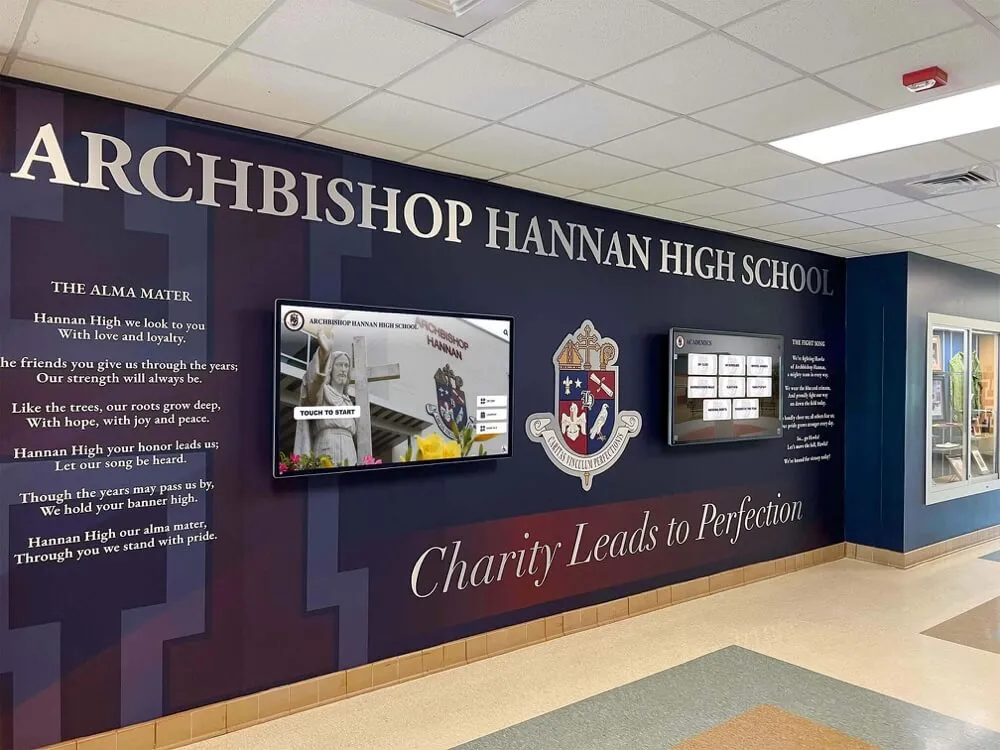
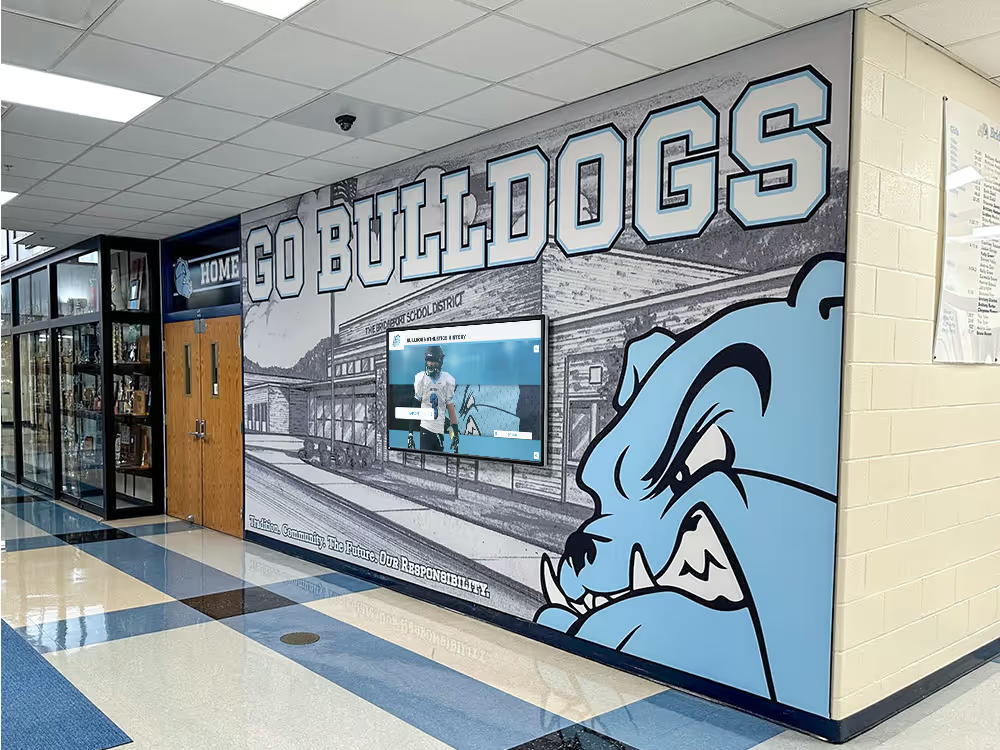
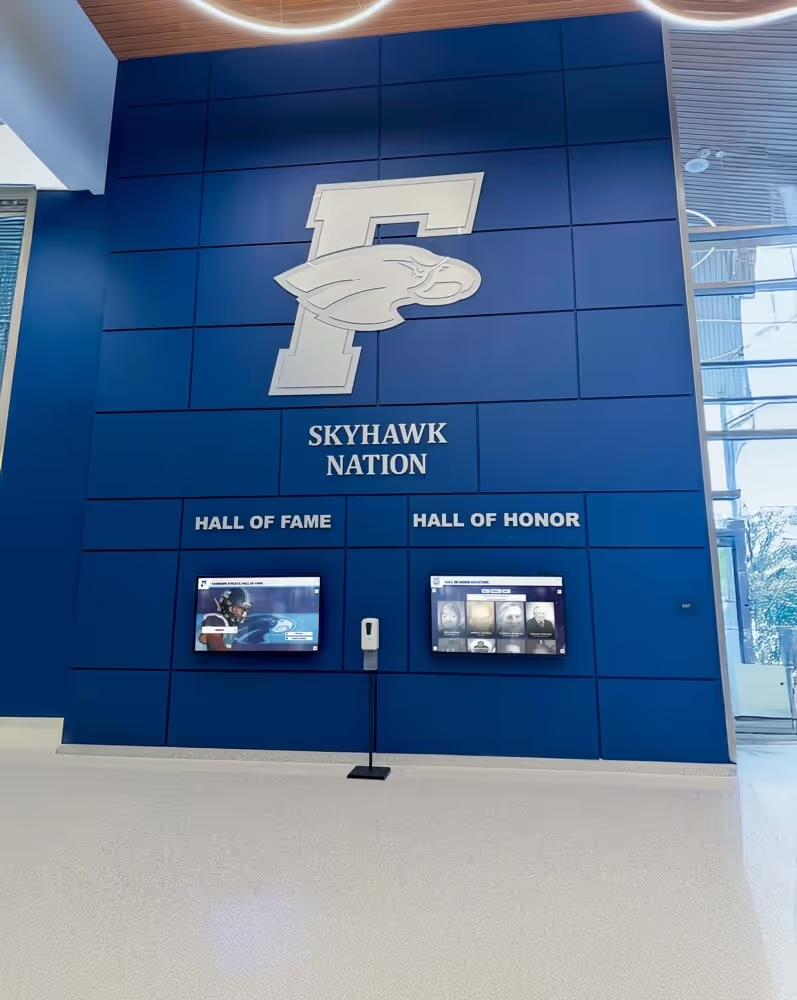
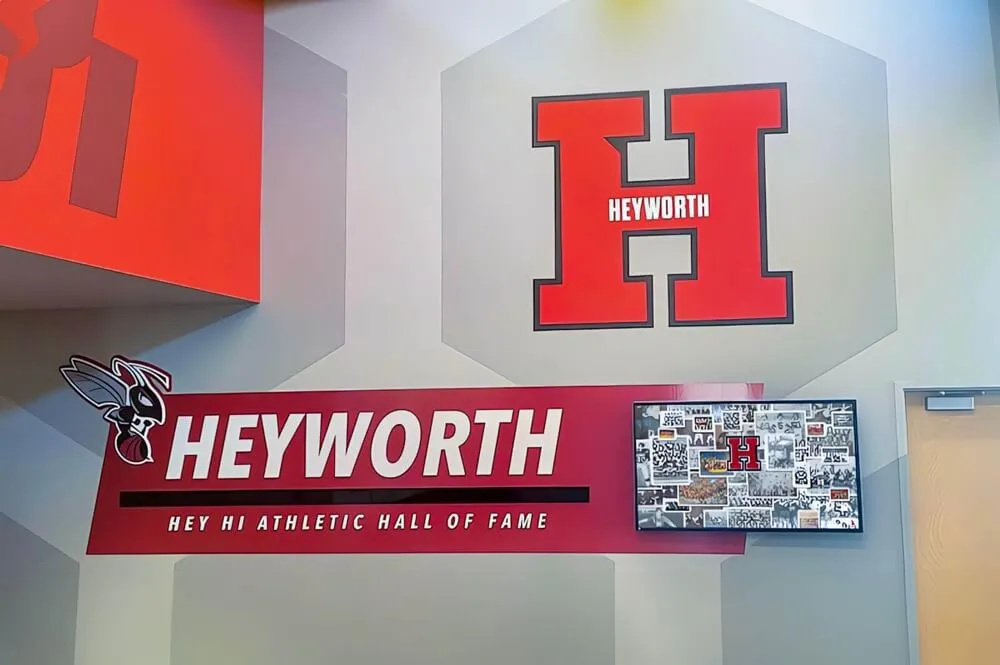
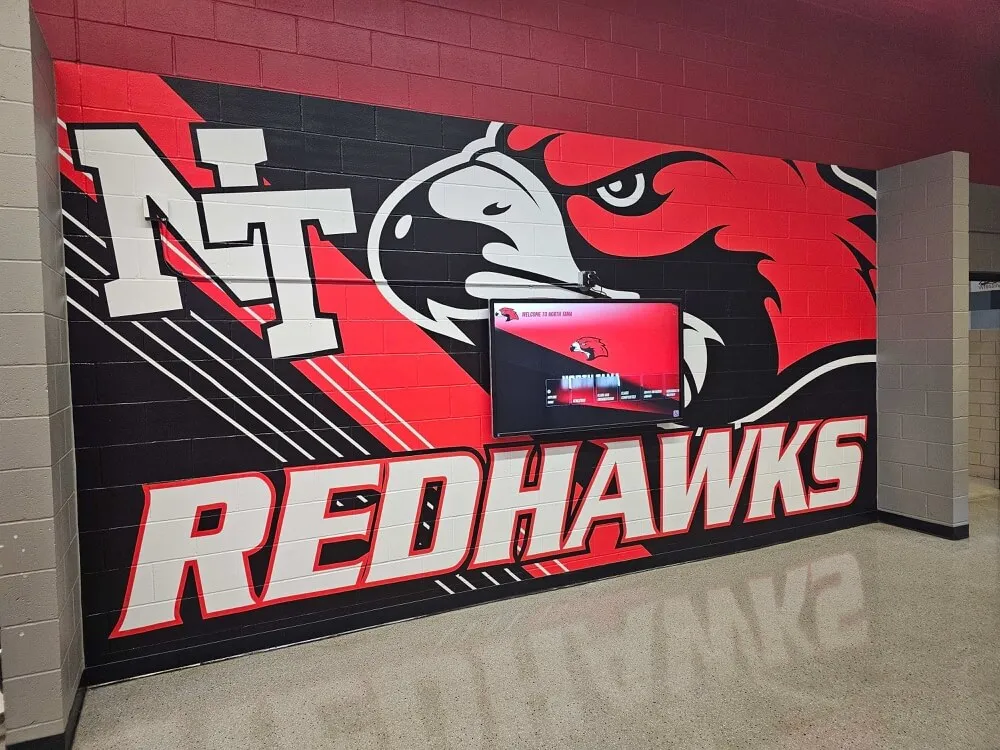
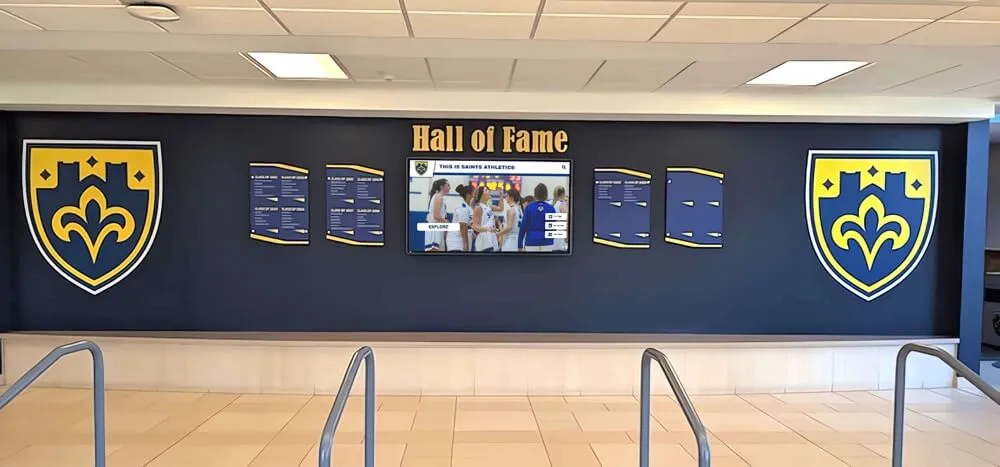
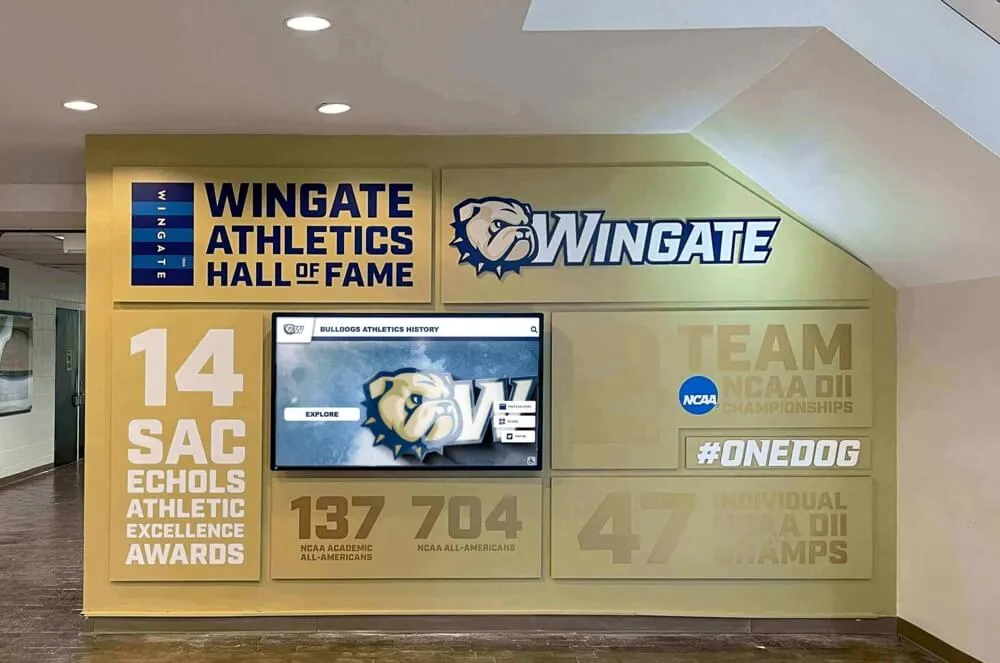
Integrated displays combining school branding with recognition technology create prominent athletic heritage showcases
Volunteer Recruitment and Retention
Strategic approaches building sustainable volunteer pipelines:
Recruitment Strategies
Effective volunteer engagement includes:
- Freshman Parent Orientation - Early booster club introduction when families join athletic programs
- Personal Recruitment - Individual asks from board members more effective than mass appeals
- Skills-Based Matching - Connecting volunteer opportunities with professional expertise
- Flexible Participation Options - Various commitment levels accommodating different availability
- Corporate Volunteer Programs - Partnering with businesses offering employee volunteer time
- Alumni Engagement - Graduated athlete families continuing involvement supporting programs
- Recognition Emphasis - Highlighting volunteer appreciation and acknowledgment benefits
Organizations report that personal recruitment where current volunteers ask friends and acquaintances produces significantly higher commitment rates than general announcements seeking volunteers.
Volunteer Appreciation and Recognition
Thoughtful acknowledgment building retention:
- Public recognition during games, events, and athletic department celebrations
- Volunteer appreciation events separate from fundraising obligations
- Recognition on facility displays showcasing service contributions
- Complimentary event tickets or exclusive experiences
- Service hour tracking quantifying cumulative contributions
- Milestone recognition celebrating multi-year volunteers
- Personal thank-you notes from coaches, athletic directors, and student-athletes
Explore comprehensive volunteer recognition program approaches applicable to booster club contexts.
Preventing Volunteer Burnout
Sustainability strategies include:
- Reasonable time commitments with clearly defined expectations
- Distributed leadership preventing overreliance on few individuals
- Rotation opportunities allowing volunteers to step back without guilt
- Technology tools streamlining administrative tasks
- Professional vendor utilization for specialized needs
- New volunteer recruitment continuously expanding support base
- Gratitude culture consistently expressing appreciation
Booster clubs implementing thoughtful volunteer management sustain operations across decades as generations of families contribute to traditions they value, ensuring athletic programs receive consistent support regardless of individual volunteer transitions.
Athlete Recognition and Program Celebration
Effective booster clubs don’t just raise money—they celebrate athletic achievements, build program pride, and create traditions that connect generations of athletes.
Award Programs and Recognition Ceremonies
Structured athlete acknowledgment honoring diverse contributions:
End-of-Season Awards
Sport-specific recognition programs:
- Most Valuable Player Awards - Recognizing greatest competitive impact and leadership
- All-Conference Recognition - Celebrating conference-level achievement honors
- Academic Excellence Awards - Honoring student-athletes balancing athletic and academic success
- Character Awards - Acknowledging sportsmanship, leadership, and team-first attitudes
- Improvement Awards - Celebrating growth and development throughout seasons
- Senior Recognition - Special acknowledgment for graduating athletes concluding careers
Understanding comprehensive high school end-of-year awards approaches provides frameworks for booster club implementation.
Multi-Sport and Department-Wide Recognition
Programs celebrating achievements across athletic departments:
- Athlete of the Year - Recognizing premier performers across entire athletic departments
- All-Around Athlete - Honoring multi-sport participants excelling in multiple programs
- Academic All-American - Celebrating national-level academic recognition
- Community Service Awards - Acknowledging athletes contributing beyond competition
- Hall of Fame Inductions - Establishing formal recognition for exceptional career achievements
Learn about athletic hall of fame program administration creating lasting recognition traditions.

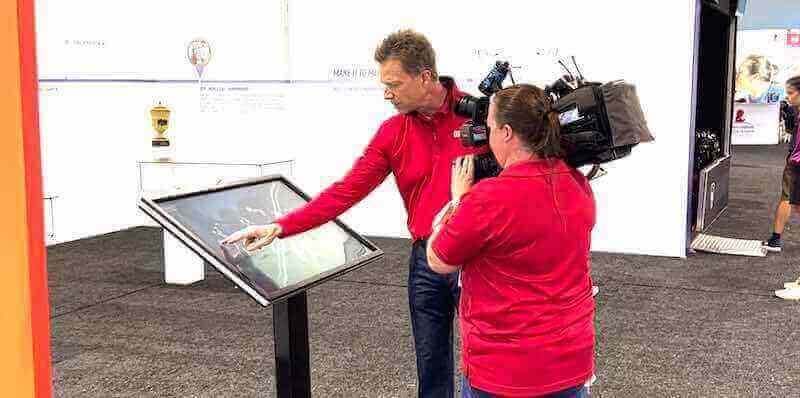
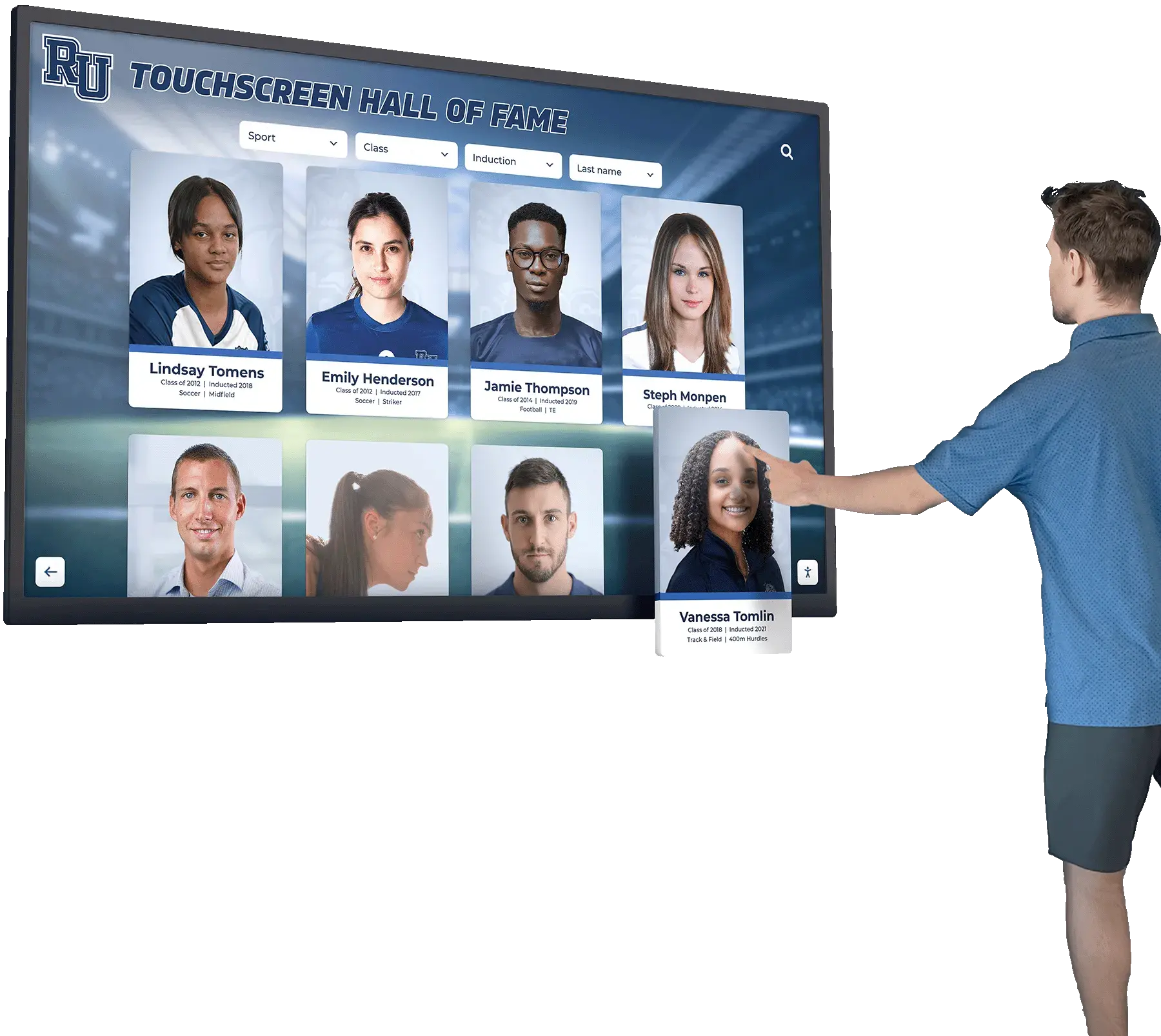
Touch-optimized interfaces enable intuitive exploration of athlete profiles, career statistics, and achievement histories
Recognition Displays and Facility Enhancements
Permanent acknowledgment creating lasting program pride:
Traditional Recognition Approaches
Physical display formats include:
- Trophy Cases - Showcasing championship hardware, individual awards, team accomplishments
- Championship Banners - Hanging recognition of conference, district, and state championships
- Record Boards - Documenting top performances and record-setting achievements
- Team Photo Displays - Annual team photographs with roster information
- Retired Jersey Recognition - Honoring exceptional athletes with permanent number retirement
- Wall Plaques - Individual athlete or team recognition for significant achievements
Traditional displays provide tangible recognition but face space limitations as programs accumulate achievements across decades, forcing difficult decisions about whose recognition warrants limited capacity.
Digital Recognition Solutions
Technology-based approaches addressing traditional limitations:
Modern athletic recognition platforms provide:
- Unlimited Recognition Capacity - Single displays accommodating thousands of athletes without physical space constraints
- Rich Multimedia Content - Photos, videos, statistics, biographical information creating comprehensive profiles
- Searchable Databases - Visitors finding specific athletes, teams, or seasons easily
- Regular Updates - Simple content additions accommodating new achievements without renovation
- Remote Accessibility - Web-based platforms enabling community viewing beyond facilities
- Cost Effectiveness - One-time hardware investment versus ongoing plaque and engraving expenses
Solutions like Rocket Alumni Solutions offer specialized athletic recognition platforms designed specifically for schools and booster clubs, combining professional presentation with user-friendly content management enabling volunteers to maintain displays without technical expertise.
Benefits of Digital Athletic Recognition
Technology advantages include:
- Celebrating complete rosters rather than only top performers due to space limitations
- Preserving historical achievements preventing deterioration of physical materials
- Showcasing video highlights bringing athletic achievements to life
- Honoring coaches, volunteers, and supporters alongside athletes
- Providing analytics showing which content generates most community engagement
- Enabling social sharing creating digital word-of-mouth promotion
Learn about comprehensive digital hall of fame approaches celebrating multiple achievement types.
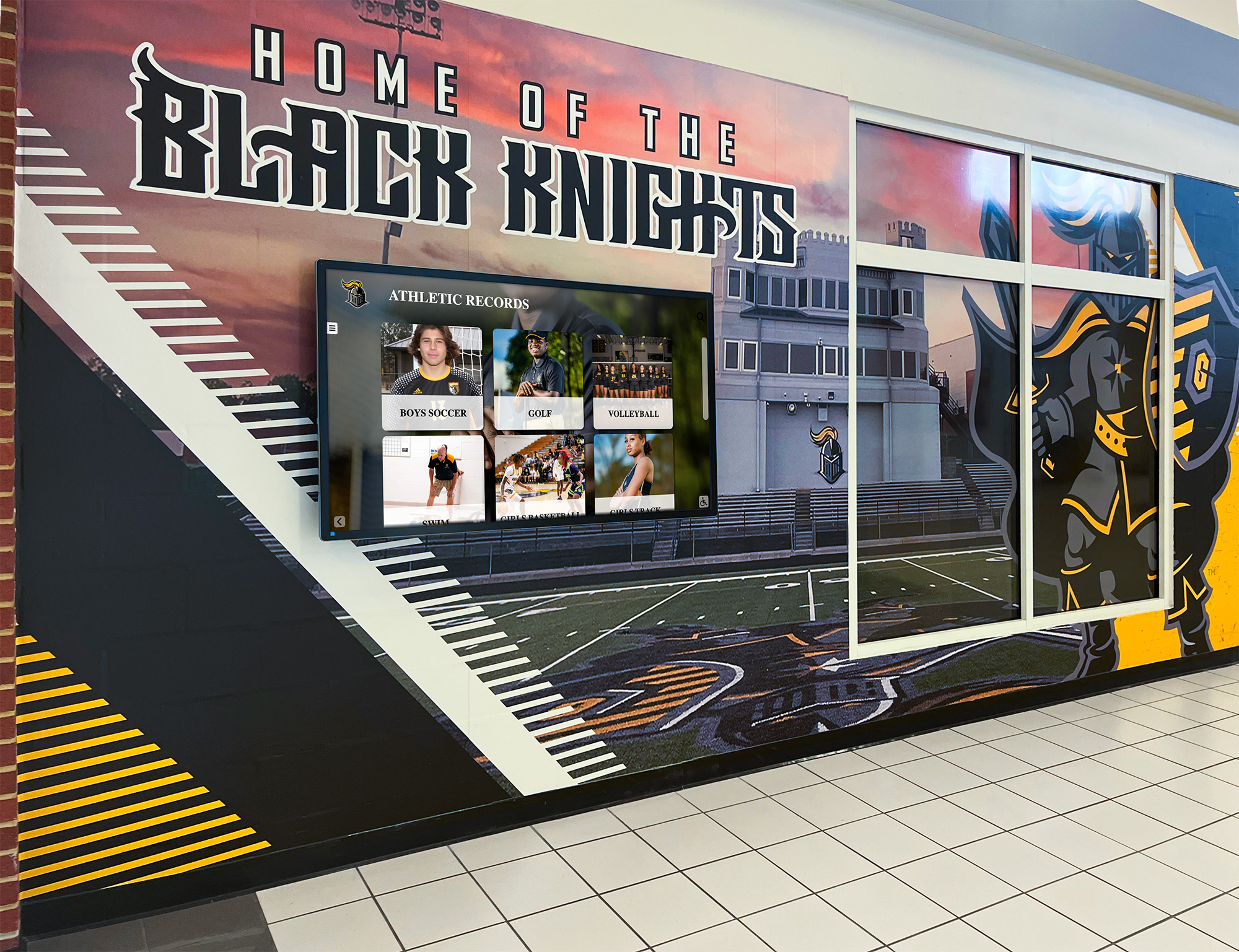
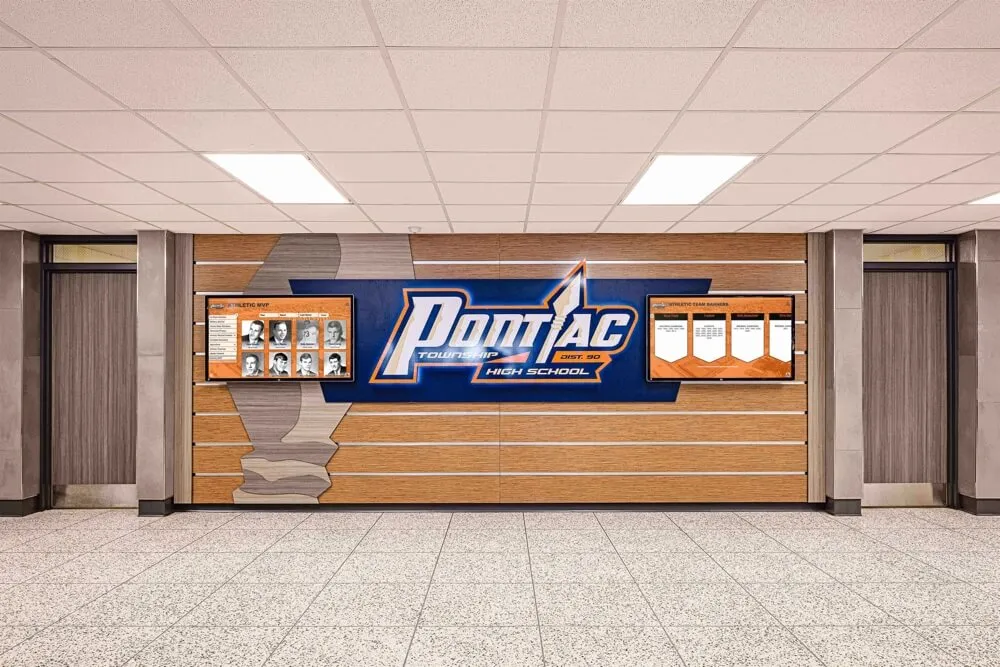
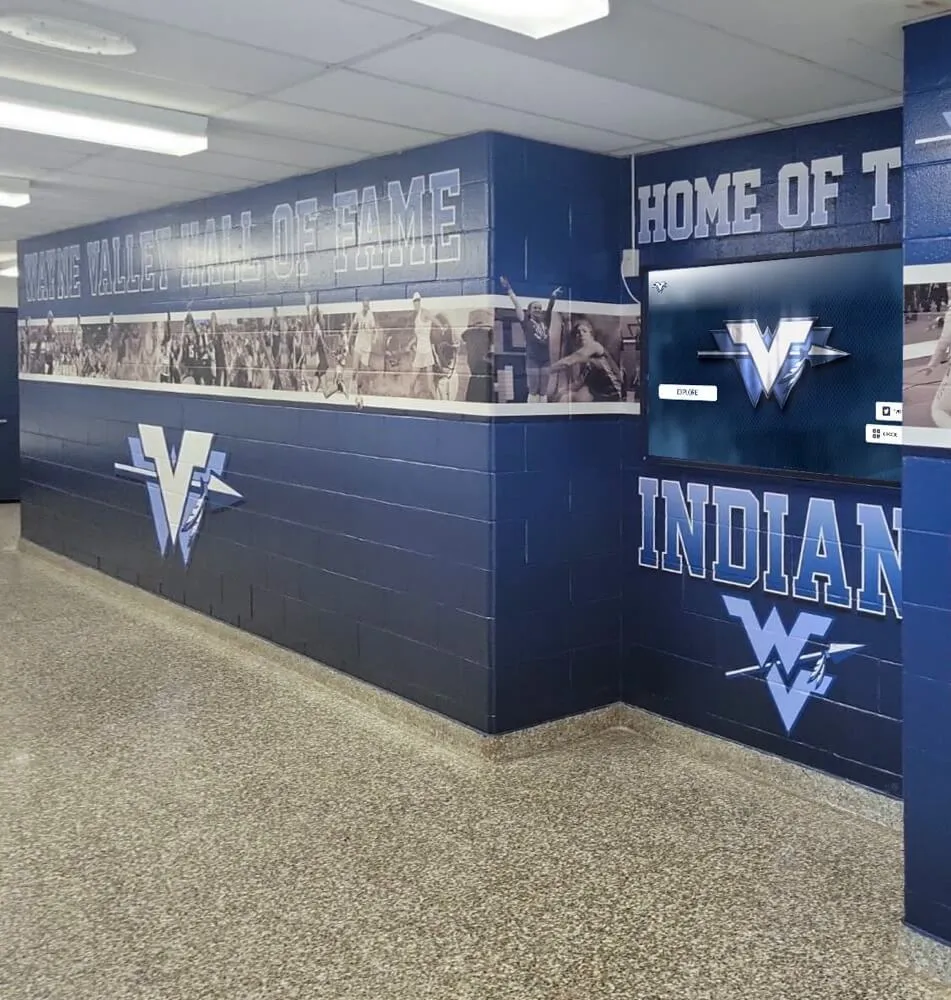
Prominent hallway installations ensure athletic achievements receive ongoing visibility inspiring current students while honoring past excellence
Senior Night and Special Recognition Events
Ceremonial occasions celebrating athletic milestones:
Senior Night Coordination
Booster club support for graduating athlete recognition:
- Pre-Game Ceremonies - On-field/court recognition with families before final home competitions
- Senior Gifts - Commemorative items (framed jerseys, photo collages, personalized awards)
- Program Recognition - Printed programs featuring senior profiles and career highlights
- Photo Opportunities - Professional photography creating lasting family memories
- Reception Coordination - Post-game gatherings celebrating seniors and families
- Video Tributes - Highlight reels showing career progression and memorable moments
Discover senior night gift ideas creating meaningful recognition experiences.
Championship Celebrations and Special Achievements
Recognition beyond regular-season competition:
- Championship Banners - Permanent recognition of conference and state championships
- Ring or Award Programs - Individual recognition items for championship team members
- Community Celebrations - Public recognition events following significant achievements
- Media Coordination - Press releases and local coverage amplifying achievements
- Social Media Campaigns - Digital celebration reaching broader communities
- Facility Updates - Trophy case additions and display modifications
Booster clubs serving as coordination hubs for athletic celebrations amplify recognition impact while ensuring achievements receive appropriate acknowledgment both immediately and permanently.
Sponsor Engagement and Corporate Partnerships
Business relationships provide essential booster club revenue while offering mutual value creating sustainable partnerships:
Developing Sponsor Relationships
Strategic approaches building business partnerships:
Prospect Identification and Research
Effective targeting includes:
- Current Parent Employers - Businesses where athletic families work
- Previous Sponsor Renewal - Prioritizing existing partner retention
- Local Business Research - Identifying community businesses aligned with athletic programs
- Alumni-Owned Companies - Leveraging graduated athlete connections
- Professional Network Leverage - Board members introducing business contacts
- Category Exclusivity - Offering exclusive sponsorship within business categories
Personalized outreach demonstrating how partnerships benefit businesses—not just booster clubs seeking funding—significantly improves sponsorship success compared to generic mass solicitations.
Proposal Development and Presentation
Professional sponsorship materials include:
- Organization Overview - Athletic program information, student-athlete numbers, community reach
- Sponsorship Packages - Clear level descriptions with benefits and recognition
- Visibility Examples - Photos showing facility locations, display mockups, event materials
- Audience Demographics - Attendance numbers, community engagement, social media reach
- Impact Statements - How sponsorship directly supports specific program improvements
- Recognition Deliverables - Exact acknowledgment locations and formats
- Multi-Year Options - Benefits for extended commitments
Professional proposals positioning sponsorships as business investments rather than donations improve success rates while setting expectations for ongoing partnerships.
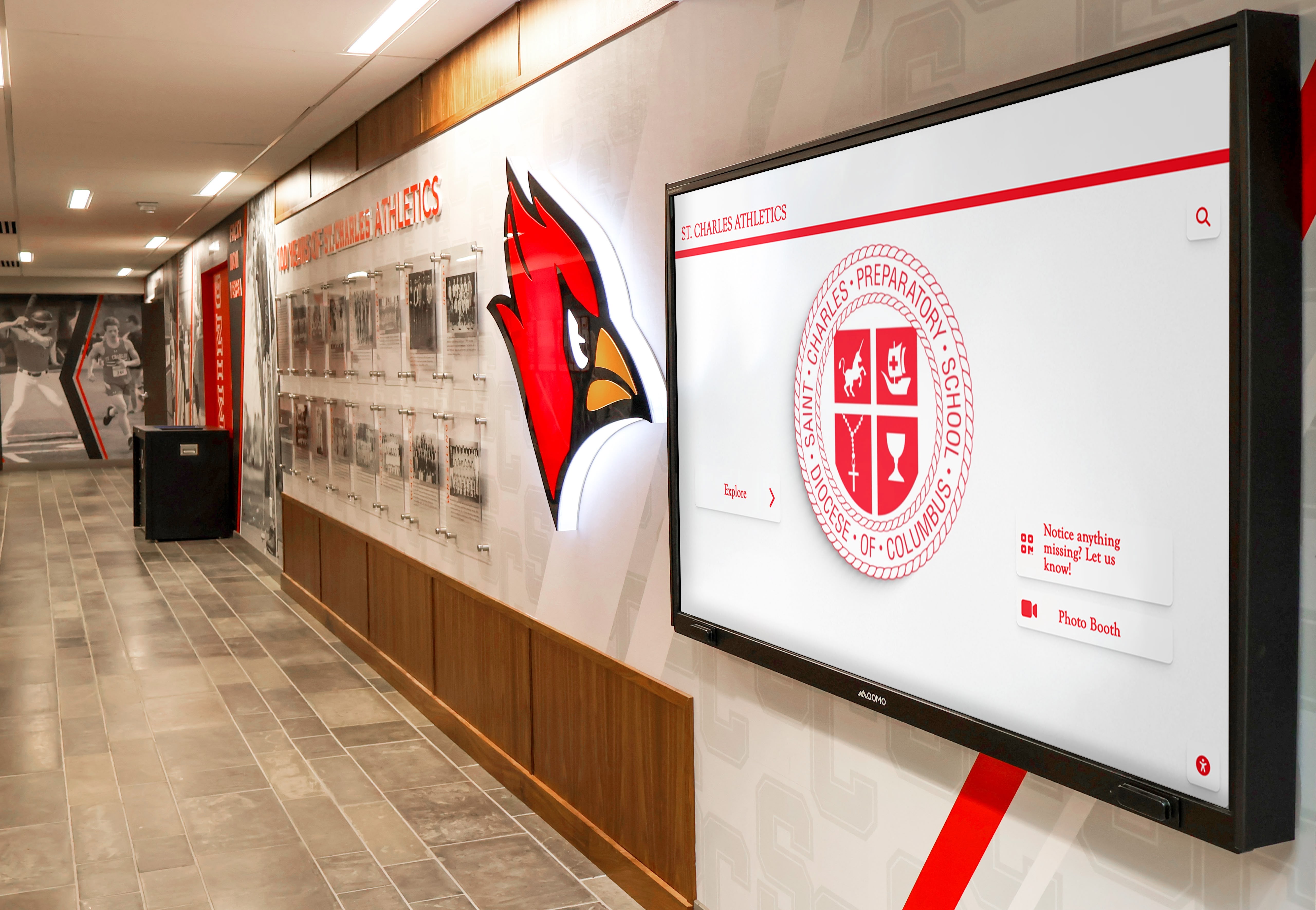
Digital displays provide year-round sponsor visibility in high-traffic athletic facility locations
Sponsor Recognition and Fulfillment
Delivering promised value building renewal likelihood:
Recognition Delivery Systems
Systematic acknowledgment includes:
- Facility Signage - Permanent or rotating displays in gyms, fields, stadiums, common areas
- Digital Recognition Displays - Logo rotation on interactive touchscreen systems throughout facilities
- Game-Day Announcements - Public acknowledgment during competitions
- Program Book Listings - Printed recognition in athletic programs and publications
- Website Recognition - Sponsor pages with business profiles and direct links
- Social Media Mentions - Regular acknowledgment across booster club channels
- Event Recognition - Prominent placement at fundraising events and ceremonies
Fulfillment Tracking and Documentation
Professional stewardship includes:
- Written agreements specifying all recognition deliverables
- Fulfillment checklists ensuring every promise kept
- Photo documentation showing sponsor visibility implementation
- Regular communication maintaining relationship beyond contracts
- Impact reporting demonstrating how sponsorship supported specific improvements
- Renewal solicitation with adequate notice and gratitude
- Exclusive appreciation events honoring sponsor partnerships
Organizations implementing systematic fulfillment tracking report 70-85% annual sponsor renewal rates compared to 45-60% for those providing minimal stewardship, demonstrating how professional partnership management drives sustained revenue.
Explore fundraising and donor recognition strategies applicable to booster club contexts.
Facility Improvements and Equipment Support
Strategic booster club investments enhancing competitive capabilities:
Priority Setting and Athletic Director Collaboration
Coordinating support with school needs:
Needs Assessment Process
Systematic identification includes:
- Athletic Director Consultation - Understanding department-wide priorities and urgent needs
- Coach Input - Sport-specific requirements from those directly working with athletes
- Safety Priorities - Addressing equipment or facility issues affecting athlete wellbeing
- Competitive Gaps - Identifying areas where inadequate resources limit competitive success
- Multi-Year Planning - Establishing long-term improvement roadmaps preventing reactive decisions
- Budget Transparency - Clear communication about available resources and realistic timelines
Collaborative planning ensures booster club investments align with athletic department strategies while preventing duplicate efforts or conflicting priorities.
Investment Categories
Common booster club support areas:
- Training Equipment - Weights, agility equipment, sport-specific training tools
- Competition Uniforms - Updated team apparel maintaining professional appearance
- Facility Improvements - Scoreboards, lighting, seating, press boxes, locker room upgrades
- Technology Integration - Video analysis systems, timing equipment, digital displays
- Transportation Support - Bus costs for away competitions and tournament travel
- Medical Supplies - Training room equipment, first aid supplies, injury prevention tools
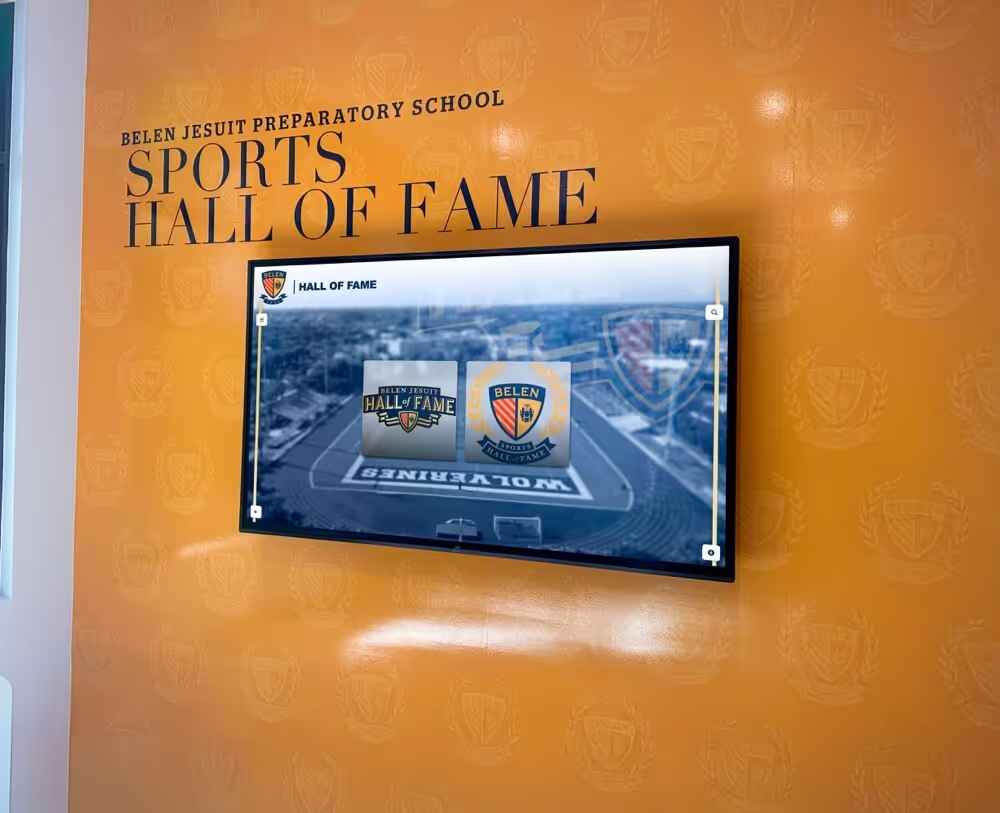
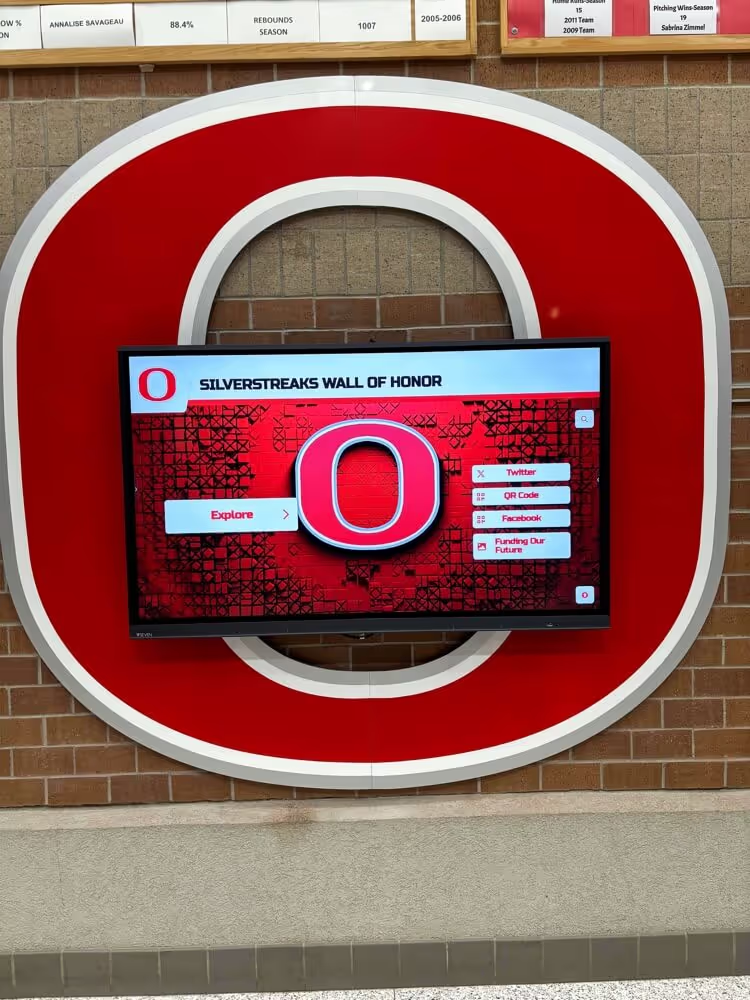
Modern facility improvements like digital recognition displays enhance program prestige while celebrating athletes and supporters
Recognition of Facility Donors
Acknowledging transformational contributions:
Naming Opportunities
Significant recognition for major gifts:
- Field or Court Naming - Premier recognition for transformational facility gifts
- Building or Wing Naming - Large-scale acknowledgment for comprehensive support
- Room or Space Naming - Training rooms, weight rooms, film rooms, offices
- Equipment Recognition - Named scoreboard, video board, or major equipment donations
- Entrance or Gathering Space - Lobbies, hallways, or common areas
- Digital Display Sponsorship - Interactive recognition systems with sponsor acknowledgment
Donor Recognition Displays
Permanent acknowledgment systems:
- Physical plaques listing major donors and project supporters
- Digital displays showcasing facility improvement contributors
- Interactive timelines showing facility evolution and donor impact
- Photo galleries documenting improvements with donor acknowledgment
- Legacy walls celebrating multi-generational family support
- Memorial recognition honoring contributions made in memory of loved ones
Comprehensive facility recognition demonstrates booster club gratitude while inspiring future support as community members see tangible impact of previous donor investments.
Communication and Community Engagement
Effective outreach building support and maintaining engagement:
Communication Channels and Strategies
Multi-platform approaches reaching diverse audiences:
Digital Communications
Online engagement includes:
- Website Maintenance - Current information about meetings, events, membership, sponsorship opportunities
- Email Newsletters - Regular updates to members featuring athletic highlights, upcoming events, fundraising progress
- Social Media Presence - Facebook, Instagram, Twitter engagement sharing athlete achievements, event promotion, sponsor recognition
- Mobile Apps - Booster club or athletic department apps providing centralized communication
- Text Messaging - Time-sensitive updates for event reminders, game-day changes, urgent communications
- Video Content - Athlete spotlights, coach interviews, facility tours, event recaps
Traditional Communications
Complementary offline approaches:
- Printed Newsletters - Mailed or distributed communications reaching less digitally-engaged audiences
- Meeting Announcements - Regular gatherings for members to connect and receive updates
- Game-Day Programs - Distributed materials featuring booster club information and sponsor recognition
- Community Bulletin Boards - Physical postings in schools and community locations
- Local Media Relations - Press releases and coverage in newspapers and radio
Multi-channel communication ensures booster club messages reach entire communities regardless of individual technology preferences or media consumption habits.
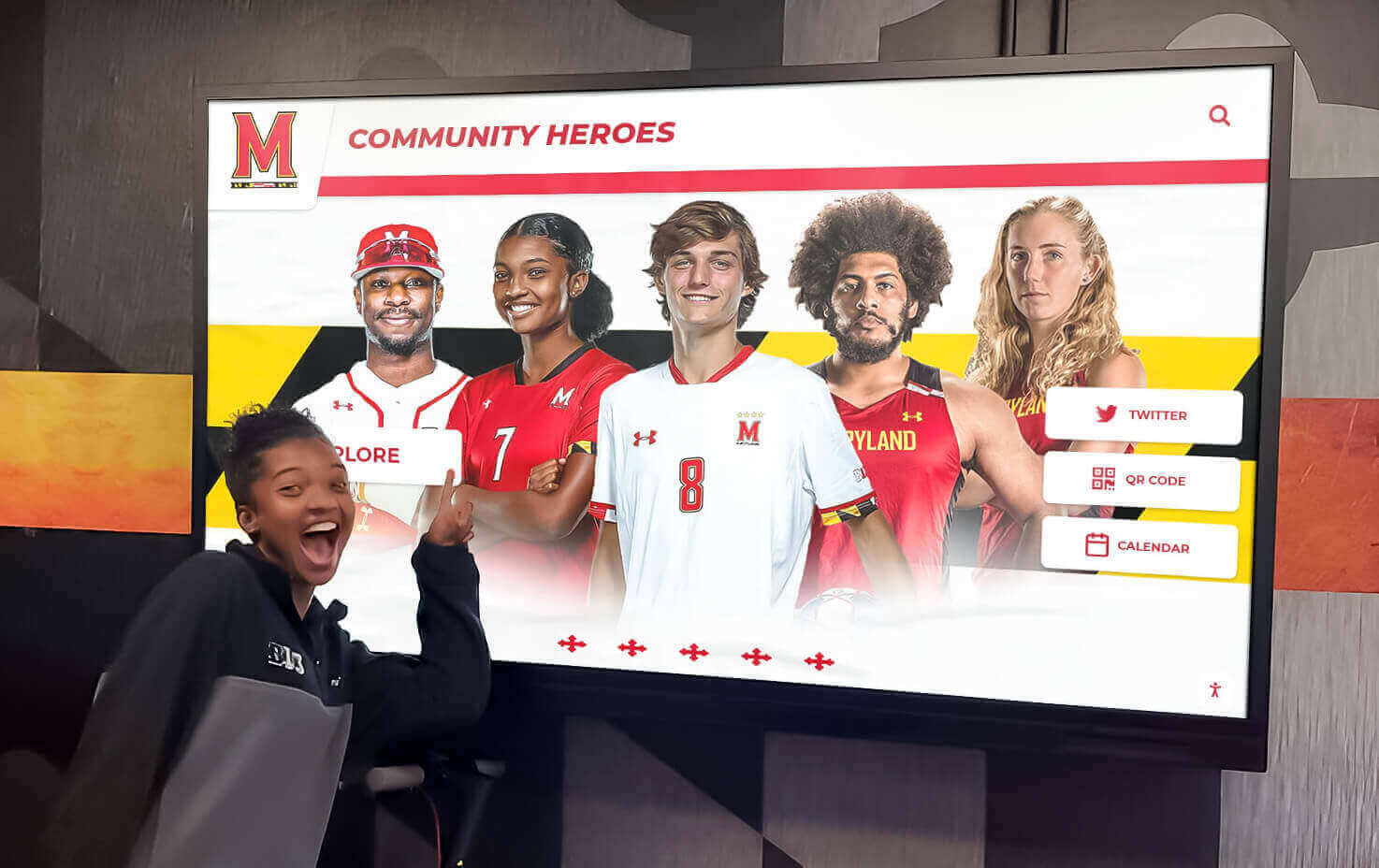
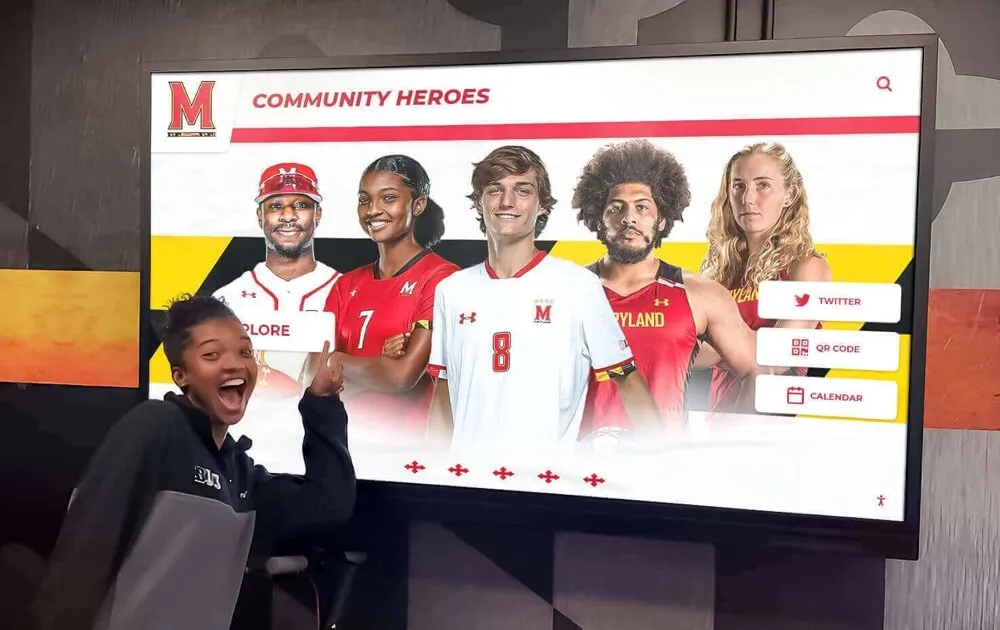
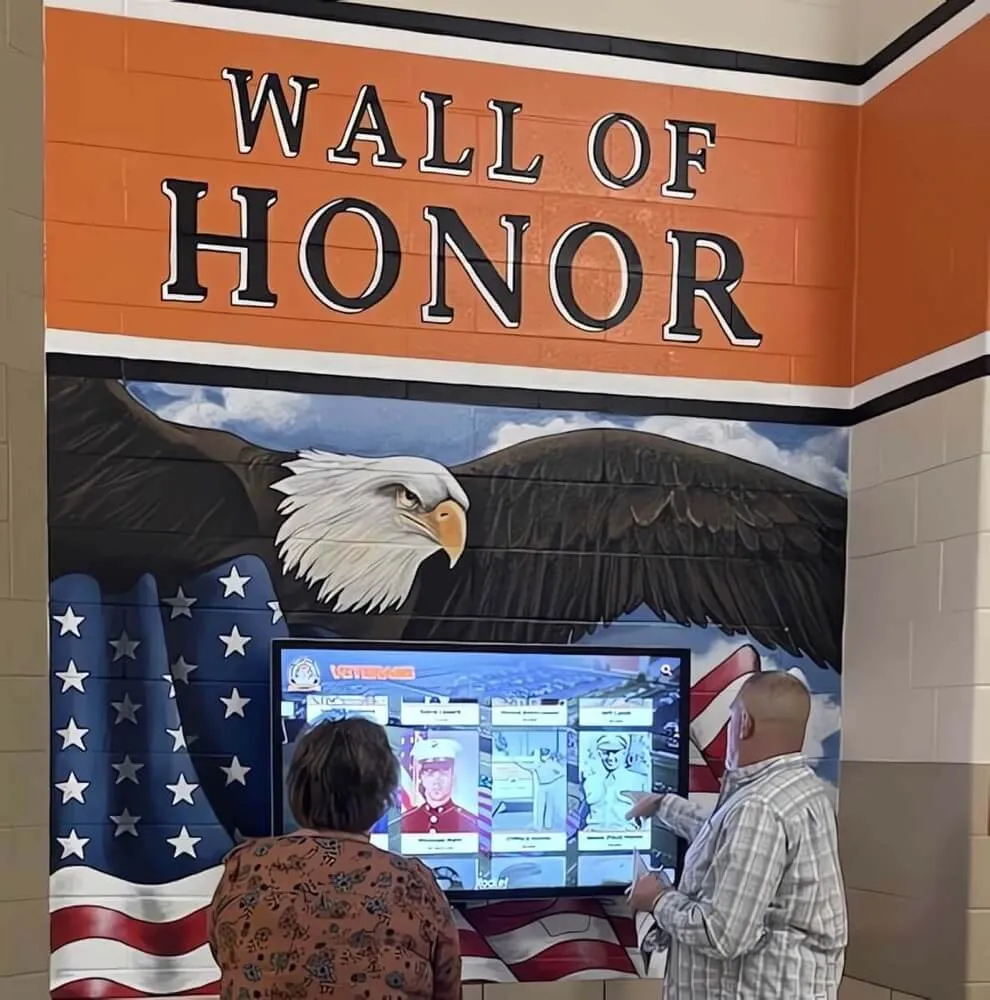
Recognition displays engage current students while educating them about community support enabling athletic programs
Building Traditions and School Spirit
Creating lasting culture beyond fundraising:
Spirit-Building Activities
Engagement beyond revenue generation:
- Pep Rallies and Send-Offs - Pre-competition celebrations building excitement and showing support
- Theme Nights - Student section coordination creating memorable game atmospheres
- Championship Celebrations - Community events recognizing significant achievements
- Alumni Games - Events connecting graduated athletes with current programs
- Youth Clinics - Elementary and middle school programs building future athletic participation
- Summer Camps - Revenue-generating programs exposing young athletes to high school coaches
Spirit-building activities strengthen community connections while creating positive experiences that translate into increased booster club support and athletic program engagement.
Legacy and Tradition Building
Long-term cultural development:
- Signature Events - Annual traditions (halls of fame inductions, athletic banquets, championship celebrations)
- Historical Recognition - Preserving and celebrating program heritage through displays and communications
- Multi-Generational Engagement - Connecting current families with alumni and community members
- Consistent Messaging - Reinforcing program values and booster club mission
- Documentation - Preserving photos, videos, and stories creating institutional memory
- Ritual Development - Establishing ceremonies and practices becoming expected traditions
Booster clubs investing in tradition building create cultural foundations that sustain support across leadership transitions and generate successions, ensuring athletic programs receive consistent community backing.
Technology Integration: Digital Recognition Displays
Modern solutions addressing traditional recognition limitations while creating engaging experiences:
Benefits of Digital Athletic Recognition
Technology advantages for booster clubs:
Comprehensive Recognition Capacity
Digital platforms enable:
- Unlimited athlete profiles without physical space constraints
- Complete team rosters honored equally rather than only top performers
- Donor and sponsor recognition alongside athletic achievements
- Volunteer acknowledgment celebrating service contributions
- Historical preservation preventing physical material deterioration
- Regular updates accommodating new achievements without renovation costs
Traditional trophy cases and wall plaques consume limited space quickly, forcing difficult decisions about whose recognition receives priority, while digital solutions honor all contributors comprehensively.
Enhanced Storytelling and Engagement
Rich content possibilities include:
- Video highlights bringing athletic achievements to life
- Photo galleries showing competition moments and team celebrations
- Career statistics documenting performance across seasons
- Biographical information connecting current students with graduated athletes
- Donor impact stories showing how contributions support programs
- Searchable databases enabling visitors to find specific athletes, donors, or teams
- Social sharing capabilities encouraging digital promotion
Multimedia content creates emotional connections while preserving memories that become increasingly valuable as years pass.
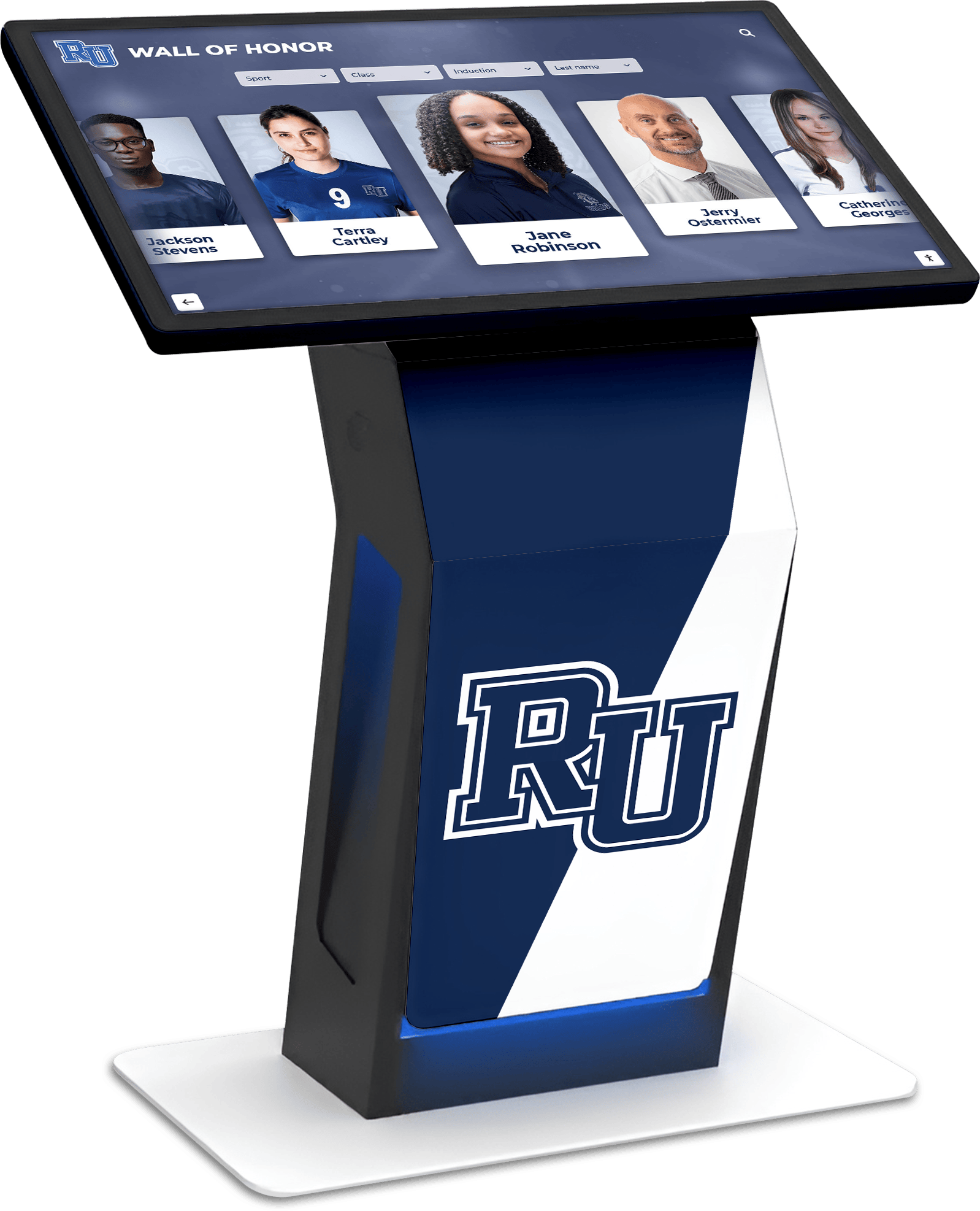
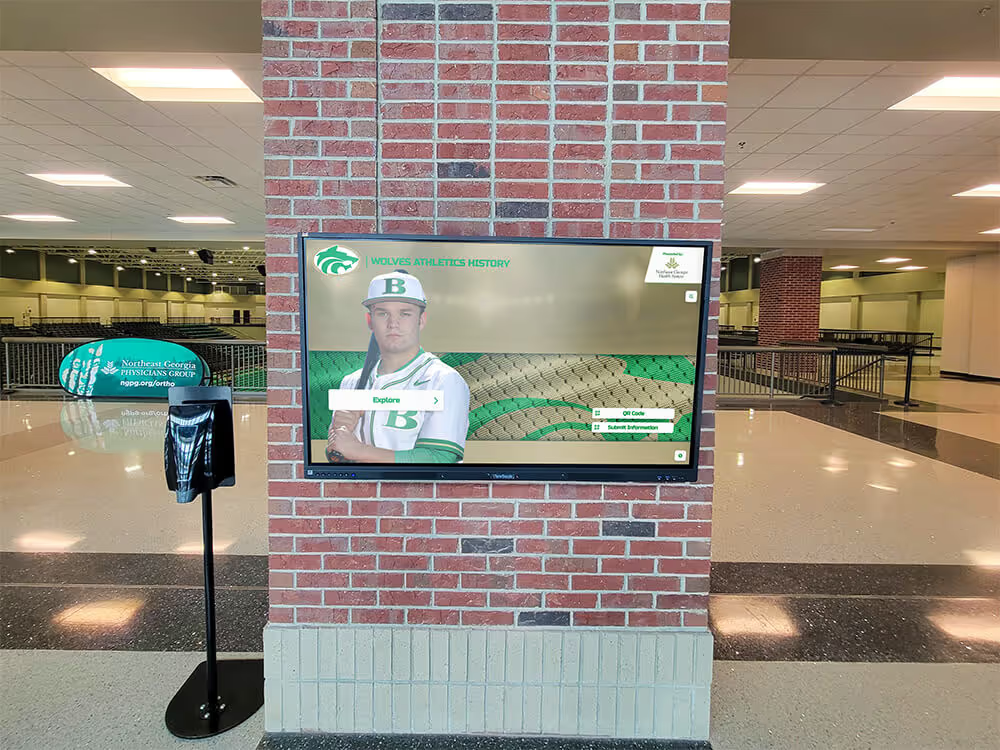
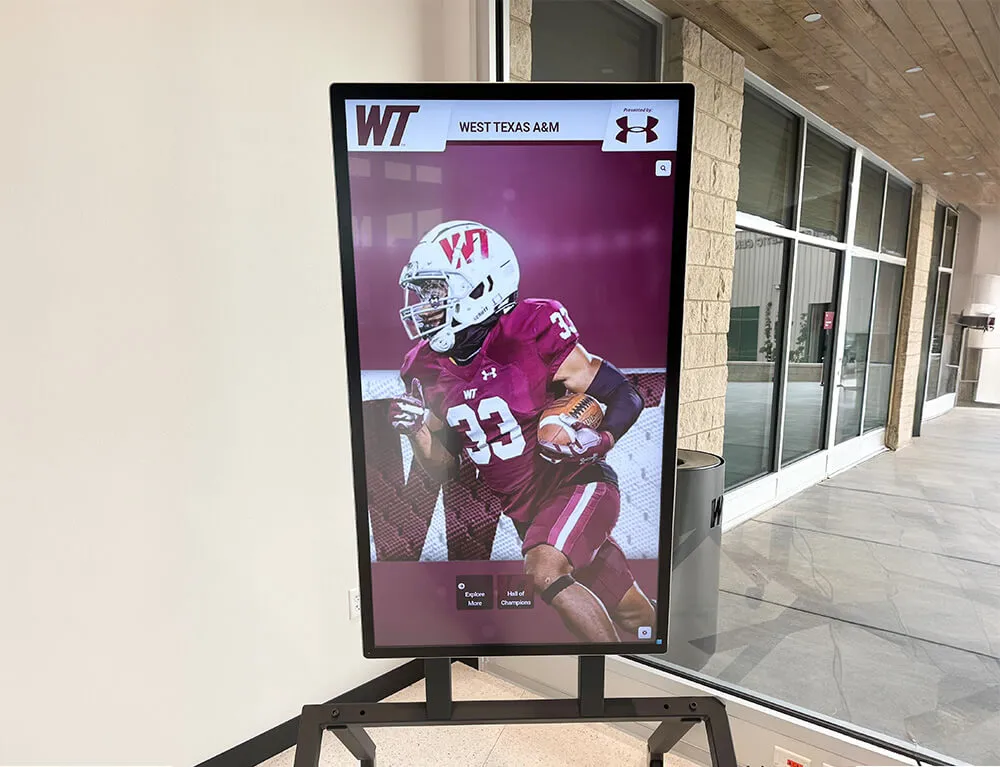
Professional kiosk installations provide flexible placement options without requiring wall mounting
Implementing Recognition Display Systems
Strategic deployment considerations:
Display Placement Strategy
Effective locations include:
- Athletic Facility Entrances - Greeting all visitors immediately upon arrival
- Gymnasium Lobbies - High-traffic areas where communities gather for competitions
- Hallways and Corridors - Sustained foot traffic ensuring regular visibility
- Weight Rooms and Training Areas - Inspiring current athletes through historical excellence examples
- Administrative Offices - Engaging prospective families during facility tours
- Community Gathering Spaces - Commons areas, cafeterias, auditorium lobbies
Strategic placement ensures recognition receives visibility proportional to athletic and booster club investments while creating aspirational environments celebrating excellence.
Content Architecture for Athletic Programs
Organized recognition systems include:
- Athlete Profiles - Individual player recognition with photos, statistics, achievements, biographical details
- Team Showcases - Season summaries, championship recognition, roster listings
- Coach Recognition - Honoring coaching excellence and career achievements
- Donor and Sponsor Walls - Acknowledging financial supporters and corporate partners
- Volunteer Spotlights - Celebrating booster club leaders and service contributors
- Historical Timelines - Documenting program evolution across decades
- Record Books - Preserving top performances and record-setting achievements
Solutions like Rocket Alumni Solutions provide comprehensive platforms specifically designed for athletic recognition, combining intuitive content management appropriate for volunteers with professional presentation creating facility-grade displays. These systems enable booster clubs to manage athlete, donor, and sponsor recognition through single platforms without requiring technical expertise or ongoing design costs.
Cost Considerations and ROI
Digital recognition investments include:
- Initial Hardware - Display screens, mounting systems, protective enclosures ($3,000-$10,000+ depending on size and specifications)
- Software Platform - Annual licensing for content management and display systems ($1,000-$3,000 yearly typical)
- Installation - Professional mounting and configuration ($500-$2,000)
- Content Development - Initial profile creation and ongoing updates (volunteer time or professional services)
Organizations commonly find digital recognition achieves return on investment within 2-4 years compared to traditional plaque and engraving ongoing costs while delivering unlimited capacity and enhanced engagement. Additionally, sponsor recognition capabilities create revenue opportunities offsetting implementation costs.
Discover comprehensive digital recognition solutions for athletic programs.
Compliance and Best Practices
Operating booster clubs professionally and transparently:
Organizational Structure and Governance
Formal operations building credibility:
Legal Structure and Registration
Proper organization includes:
- 501(c)(3) Tax-Exempt Status - Enabling tax-deductible donations and grant eligibility
- Bylaws and Operating Procedures - Written governance documents establishing roles and processes
- Board Elections - Regular democratic processes ensuring member representation
- Meeting Schedules - Consistent gatherings maintaining communication and decision-making
- Financial Policies - Clear procedures for budget approval, expenditures, reimbursements
- Conflict of Interest Policies - Preventing personal benefit from organizational positions
Athletic Department Coordination
Collaborative relationships include:
- Regular meetings with athletic directors establishing priorities and communication
- Clear spending approval processes preventing unauthorized purchases
- Transparent budgeting showing how funds support specific programs
- Recognition of school policies governing athletics and booster club operations
- Coordination preventing duplicate efforts or conflicting initiatives
- Understanding of booster club limitations and athletic department responsibilities
Professional operations build trust with athletic departments, schools, sponsors, and communities while ensuring booster club investments align with institutional priorities.
Financial Management and Transparency
Responsible stewardship building donor confidence:
Accounting Systems and Controls
Professional financial management includes:
- Dedicated Bank Accounts - Separate banking from personal accounts with multiple signatories required
- Budget Development - Annual planning projecting revenues and expenses by category
- Regular Reporting - Monthly financial statements to board and periodic member updates
- Audit or Review Procedures - Annual independent examination ensuring accuracy and compliance
- Receipt and Donation Documentation - Proper tax receipt issuance and record keeping
- Expense Approval Processes - Required authorizations preventing unauthorized spending
- Software Utilization - Accounting platforms appropriate for nonprofit organizations
Transparency and Communication
Openness building trust:
- Financial statements available to members showing revenue sources and expenditures
- Annual reports summarizing accomplishments and financial results
- Clear communication about how funds support specific athletic programs
- Acknowledgment of all donors and sponsors publicly
- Regular updates on fundraising progress toward goals
- Honest reporting about challenges or shortfalls
- Celebration of successes and impact achieved
Transparent financial management demonstrates booster club professionalism while building donor confidence that contributions are managed responsibly and support athletic programs effectively.
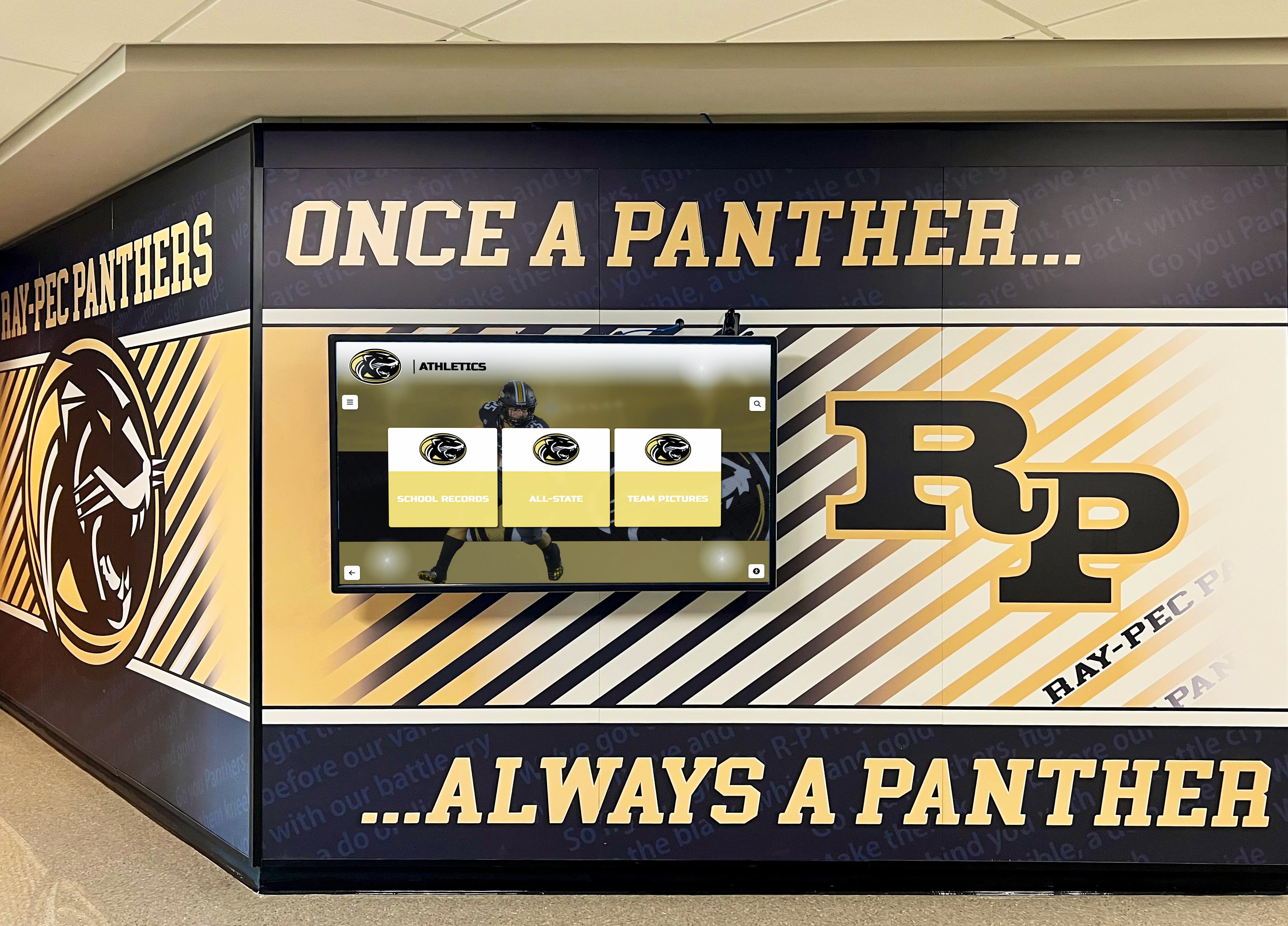
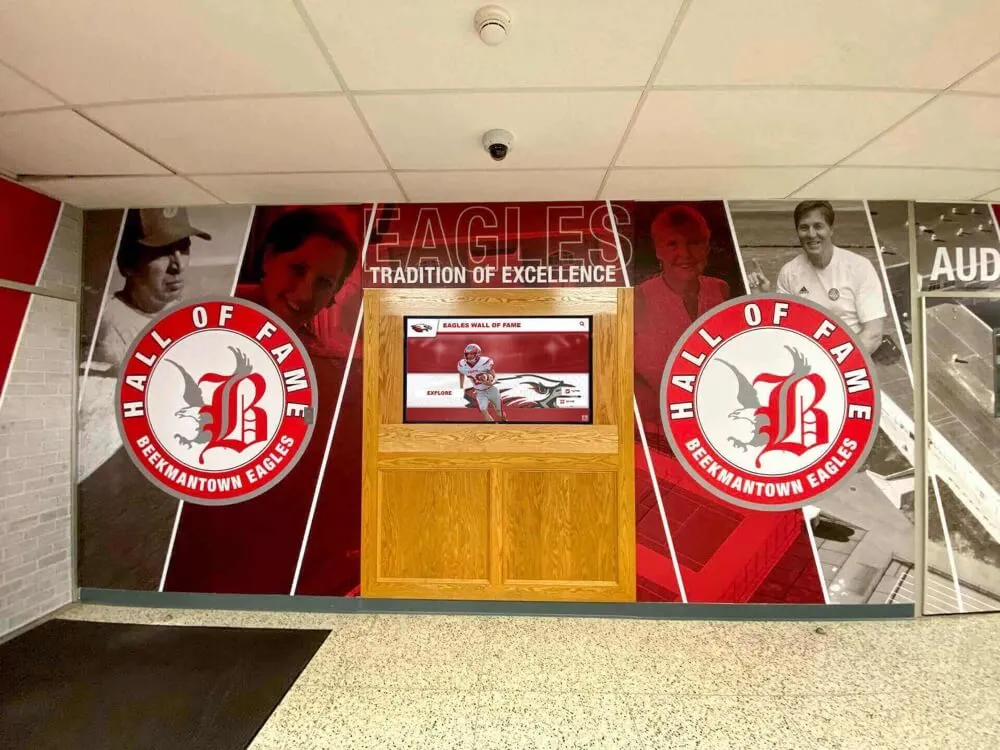
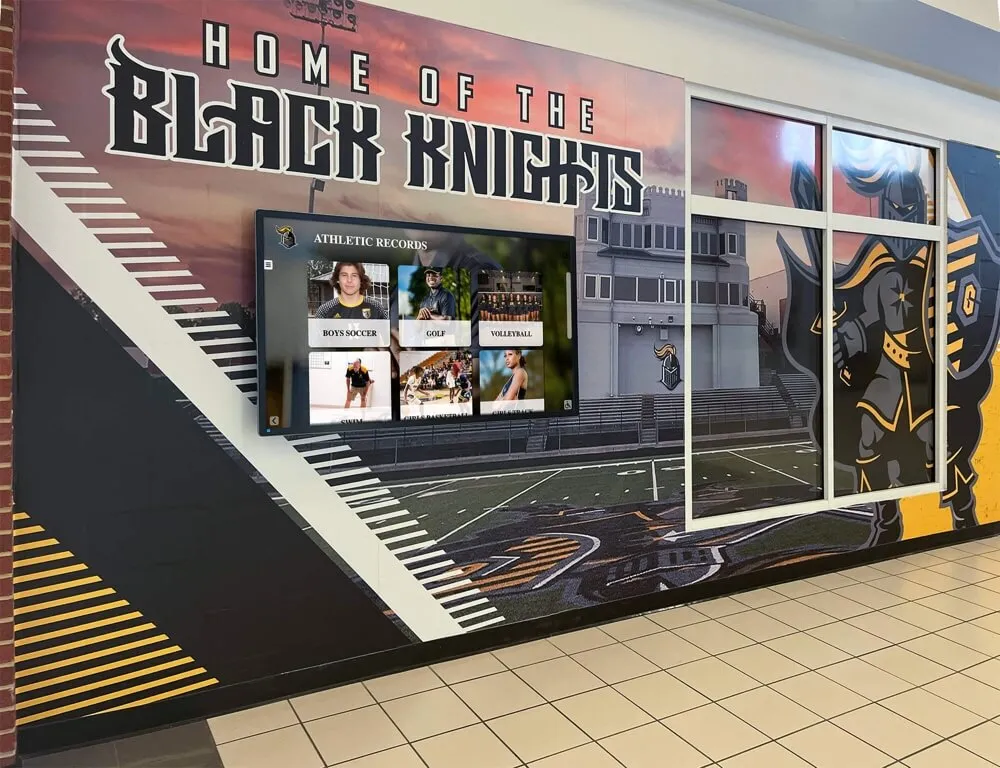
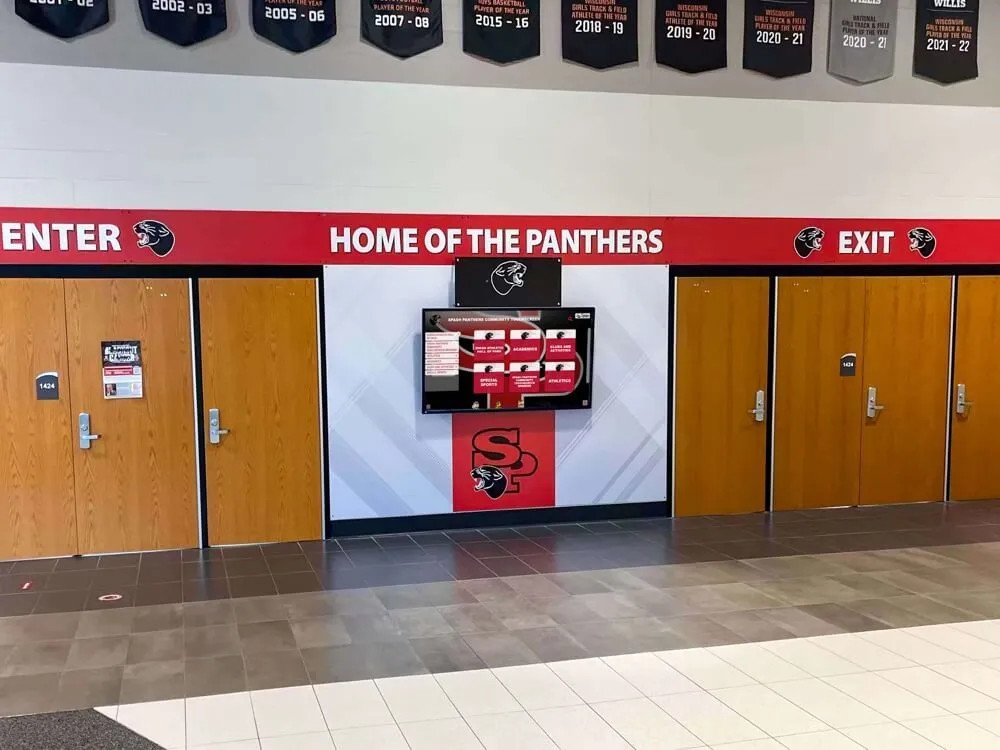
Integrated branding and recognition displays reinforce school identity while celebrating athletic excellence
Measuring Success and Continuous Improvement
Assessment ensuring booster clubs achieve objectives and improve over time:
Key Performance Indicators
Quantifiable metrics evaluating effectiveness:
Financial Metrics
Revenue assessment includes:
- Total Revenue Generated - Gross income from all sources (events, memberships, sponsorships, merchandise)
- Net Revenue - Income after expenses showing actual support provided to athletic programs
- Revenue Growth - Year-over-year trends showing increasing or declining support
- Fundraising Efficiency - Cost-per-dollar-raised ratios measuring operational effectiveness
- Sponsor Retention Rates - Percentage of businesses renewing partnerships annually
- Membership Growth - New members and retention trends showing base expansion
Engagement Metrics
Participation measurement includes:
- Volunteer Participation - Numbers contributing to events and ongoing operations
- Event Attendance - Turnout at fundraising events and booster club gatherings
- Social Media Engagement - Followers, reach, interactions showing digital presence
- Athletic Program Support - Resources provided to teams and athletes quantified
- Facility Improvement Tracking - Capital projects completed and equipment purchased
- Recognition Display Engagement - Analytics showing visitor interaction with digital systems
Impact Measurement
Outcomes assessment includes:
- Athletic Success Correlation - Team performance potentially influenced by enhanced resources
- Student-Athlete Satisfaction - Feedback about equipment, facilities, support quality
- Coach Feedback - Athletic staff perspectives on booster club effectiveness
- Community Perception - Public awareness and appreciation of athletic programs
- Multi-Year Support Trends - Donor and volunteer retention showing sustained commitment
- Program Sustainability - Operational continuity across leadership transitions
Continuous Improvement Processes
Systematic enhancement approaches:
Post-Event Evaluation
Structured assessment includes:
- Committee debrief meetings identifying successes and improvement opportunities
- Volunteer feedback surveys gathering participant perspectives
- Attendee satisfaction surveys understanding event experiences
- Financial reconciliation comparing actual results to projections
- Timeline review identifying planning improvements
- Documentation capturing lessons learned and best practices
- Success celebration acknowledging volunteer contributions
Strategic Planning
Long-term development includes:
- Annual goal setting establishing clear objectives and priorities
- Multi-year roadmaps planning major initiatives and capital projects
- Leadership succession planning ensuring smooth transitions
- Program diversification reducing dependency on single revenue sources
- Technology adoption evaluation considering tools enhancing effectiveness
- Peer organization learning studying successful booster club approaches
- Athletic department alignment ensuring ongoing coordination
Booster clubs implementing systematic evaluation and planning improve performance over time while building institutional knowledge that prevents repeated mistakes and capitalizes on proven successful approaches.
Conclusion: Building Sustainable Athletic Program Support
Effective booster clubs serve as essential partners to athletic departments, providing financial resources, volunteer coordination, and community engagement that elevates every aspect of school sports programs. The strategies explored throughout this guide provide practical frameworks specifically designed for booster club leaders facing universal challenges including sustainable fundraising, volunteer management, sponsor engagement, and athlete recognition.
From diverse revenue streams and strategic event planning to digital recognition displays and professional governance, successful booster clubs share common characteristics—they operate transparently, engage communities authentically, recognize contributions comprehensively, and build traditions that create lasting value beyond single-season fundraising. Whether implementing new programs or enhancing established organizations, systematic approaches transform occasional volunteers into committed advocates ensuring athletic programs receive sustained support.
Ready to enhance your booster club’s recognition capabilities beyond traditional trophy cases and wall plaques? Modern digital recognition solutions enable comprehensive celebration of athletes, donors, sponsors, and volunteers while creating engaging experiences that inspire continued support. Rocket Alumni Solutions provides specialized platforms specifically designed for athletic recognition, combining unlimited capacity with intuitive management appropriate for volunteer operation.
Whether you’re launching new booster club operations or revitalizing established organizations, focus on creating authentic engagement aligned with your community, sustainable operations within volunteer capabilities, and comprehensive recognition that honors all contributors to athletic program success. Discover how digital recognition can transform your booster club’s impact while building lasting traditions celebrating athletic excellence.
Your school’s athletic programs depend on the financial support, volunteer dedication, and community engagement that booster clubs provide. With strategic planning, diverse revenue development, thoughtful volunteer management, and comprehensive recognition systems, you can build sustainable organizations that serve athletic departments effectively while creating traditions connecting generations of families, athletes, and community supporters.
The essential elements aren’t elaborate events or expensive technology—they’re authentic appreciation, transparent operations, inclusive engagement, and sustained commitment to celebrating both athletic achievement and the supporters who make competitive excellence possible. Your booster club has the potential to transform athletic program capabilities while building community connections that strengthen schools far beyond competition results. Start implementing these proven strategies today, creating traditions that will support student-athletes for decades to come.