



The Big Ten Wrestling Tournament stands as one of the most prestigious conference championships in collegiate athletics, where the nation’s top wrestling programs converge annually to determine conference supremacy and position athletes for NCAA Championship qualification. For decades, this tournament has produced Olympic champions, NCAA titlists, and professional athletes while establishing institutional traditions that define program excellence across the Midwest’s premier athletic conference.
Every March, wrestling fans across the Big Ten footprint witness intense competition where individual achievement intersects with team scoring, where dynasty programs face emerging challengers, and where historic rivalries reach their annual crescendo. Understanding tournament structure, qualification pathways, scoring systems, and championship traditions proves essential for athletes, coaches, fans, and institutions seeking to grasp what makes this event central to collegiate wrestling’s competitive landscape.
Beyond competitive outcomes, the Big Ten Wrestling Tournament creates defining moments worthy of lasting institutional recognition—individual conference championships, All-Big Ten honors earned through podium finishes, team titles built from collective excellence, and breakthrough performances that establish program legacies. Universities that excel at wrestling recognition implement comprehensive systems preserving tournament achievements, documenting championship journeys, and inspiring future generations through visible celebration of conference wrestling excellence.
The Big Ten Wrestling Tournament represents more than three days of competition—it embodies institutional pride, athletic tradition, championship aspiration, and the culmination of season-long preparation that separates conference contenders from pretenders. This guide explores every dimension of this prestigious championship event.

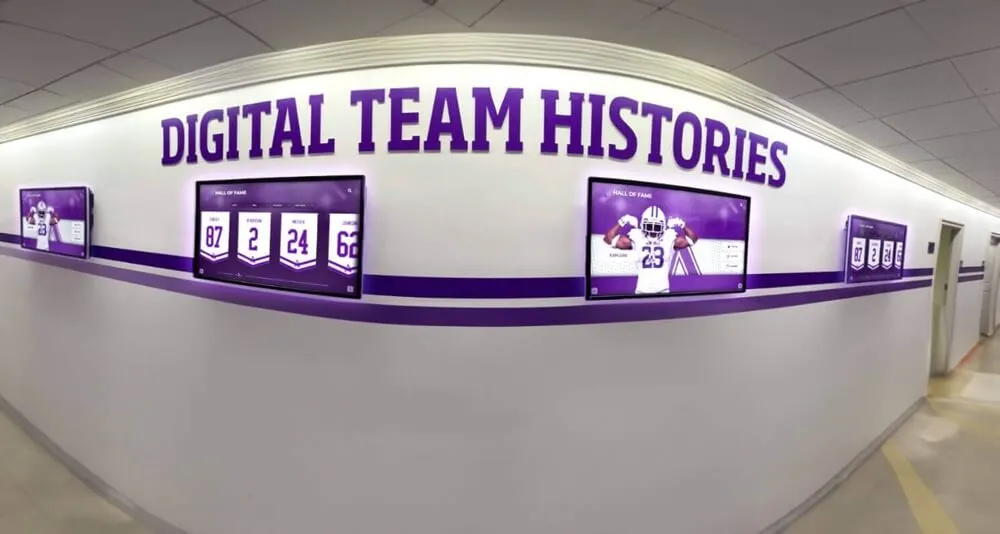
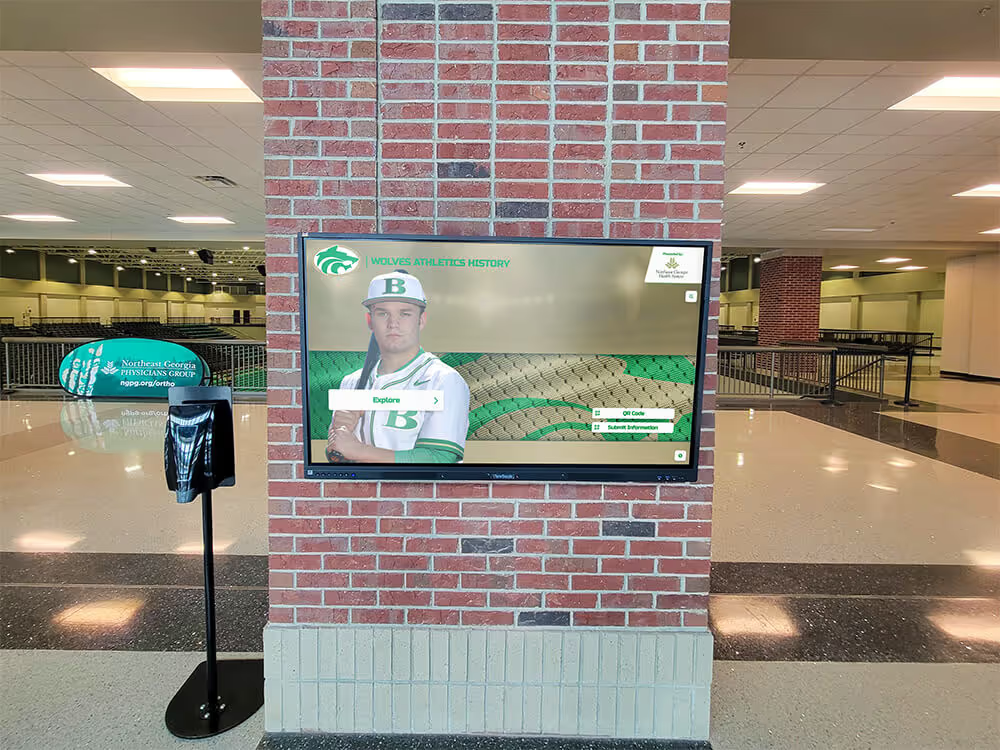
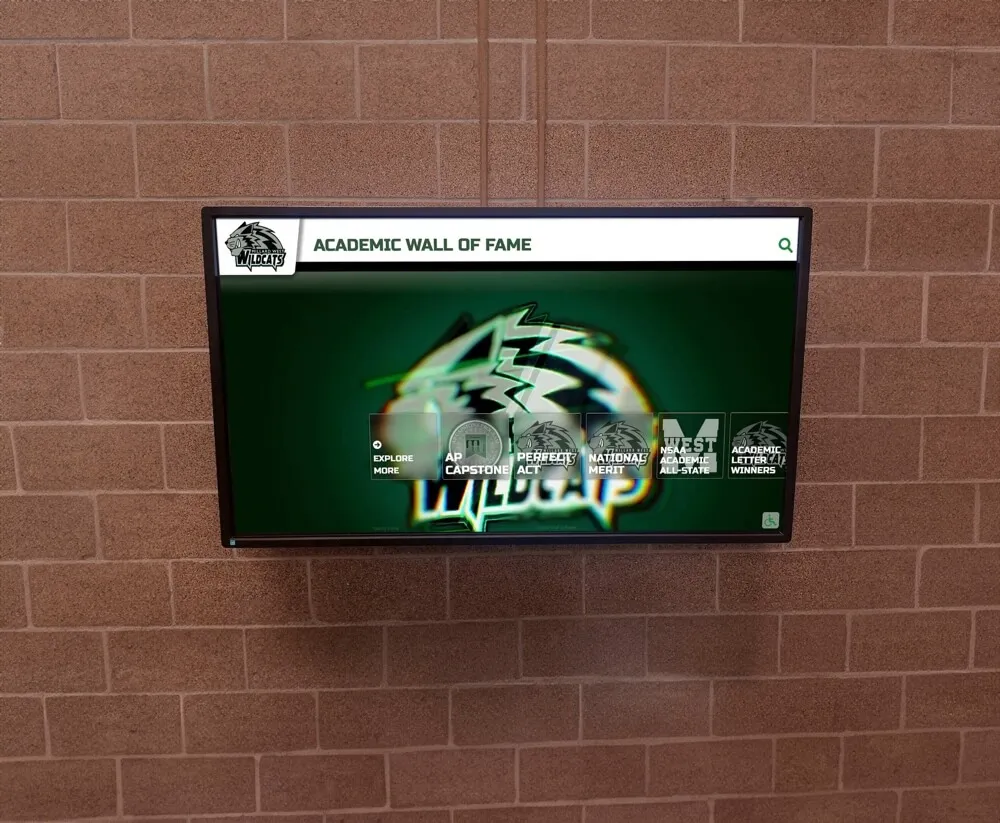
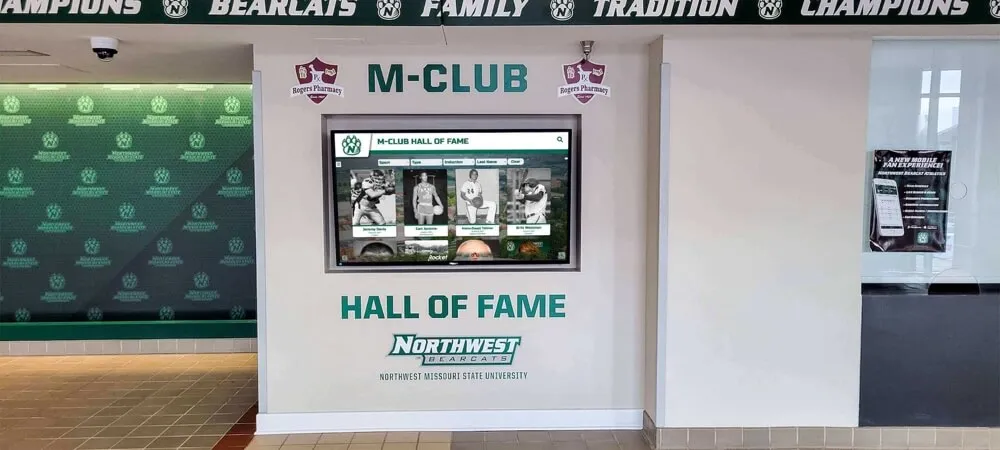
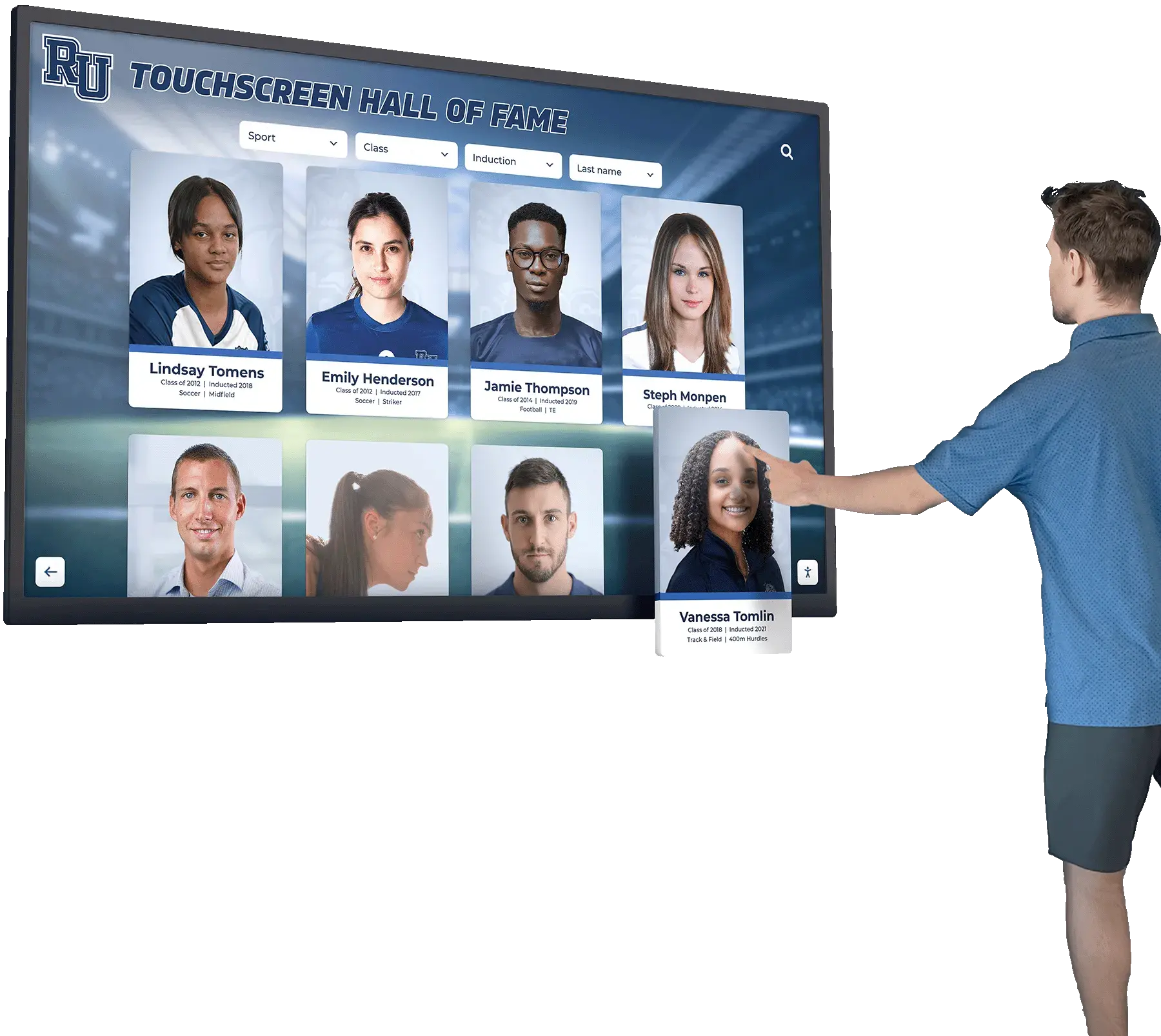
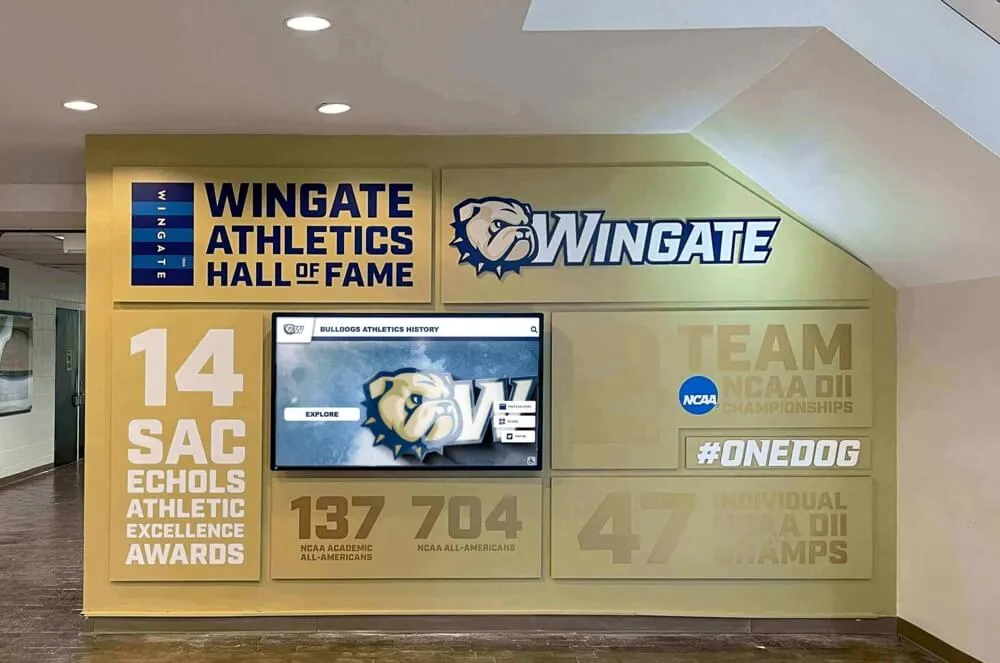
Modern recognition platforms enable universities to showcase conference championship achievements and wrestling excellence comprehensively
Understanding Big Ten Wrestling Tournament Structure
Before examining competitive dynamics, grasping the fundamental tournament architecture provides essential context for this championship event.
Conference Composition and Program Strength
The Big Ten Conference represents collegiate wrestling’s most competitive league, featuring programs with extensive championship histories:
Traditional Wrestling Powers
The conference includes historically dominant programs:
- Penn State - Recent dynasty establishing new standards for program excellence
- Iowa - Historic powerhouse with unmatched NCAA championship legacy
- Michigan - Consistent national contender with strong recruiting footprint
- Ohio State - Program combining Big Ten success with national championship aspirations
- Minnesota - Historic program maintaining conference competitiveness
- Wisconsin - Strong program producing individual champions and conference contenders
- Nebraska - Emerging power since conference entry elevating program status
Additional conference members including Illinois, Indiana, Michigan State, Northwestern, Purdue, and Rutgers contribute depth ensuring competitive balance across all weight classes.
Conference Expansion and Competitive Impact
Recent conference expansion has enhanced tournament competitiveness:
- Maryland and Rutgers additions brought East Coast recruiting connections
- Nebraska entry added established wrestling tradition and championship pedigree
- Expanded membership increased qualifying depth across weight classes
- Geographic footprint growth enhanced conference national prominence
These changes transformed the Big Ten Wrestling Tournament into an event where conference championship often predicts NCAA Tournament success—Big Ten individual champions frequently become national finalists, while conference team battles preview national championship races.
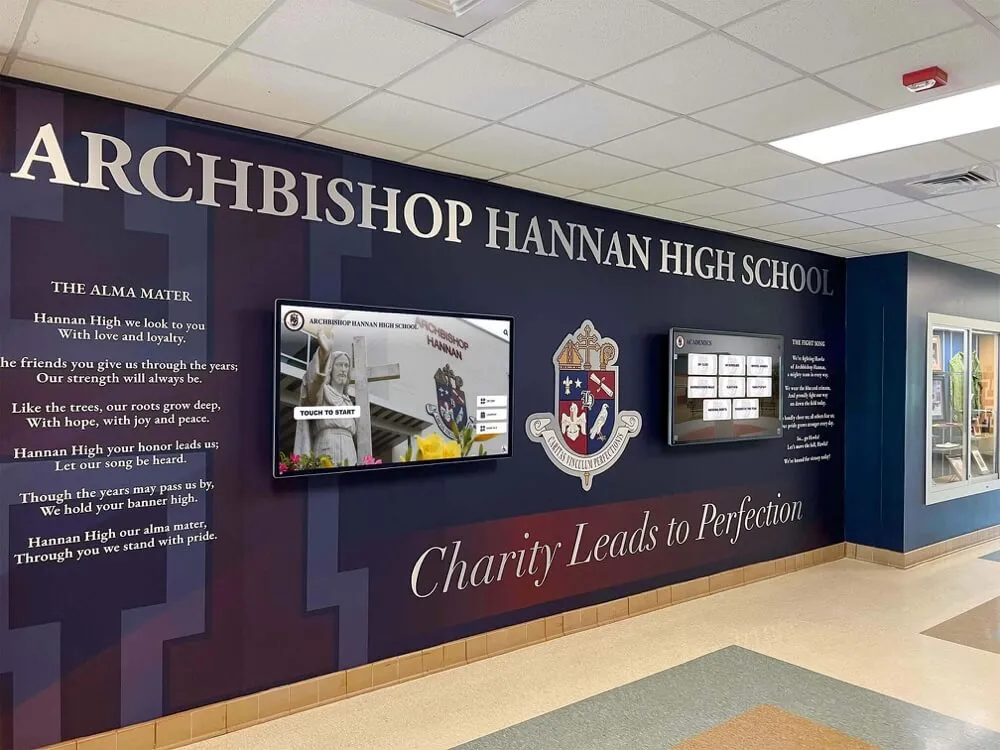
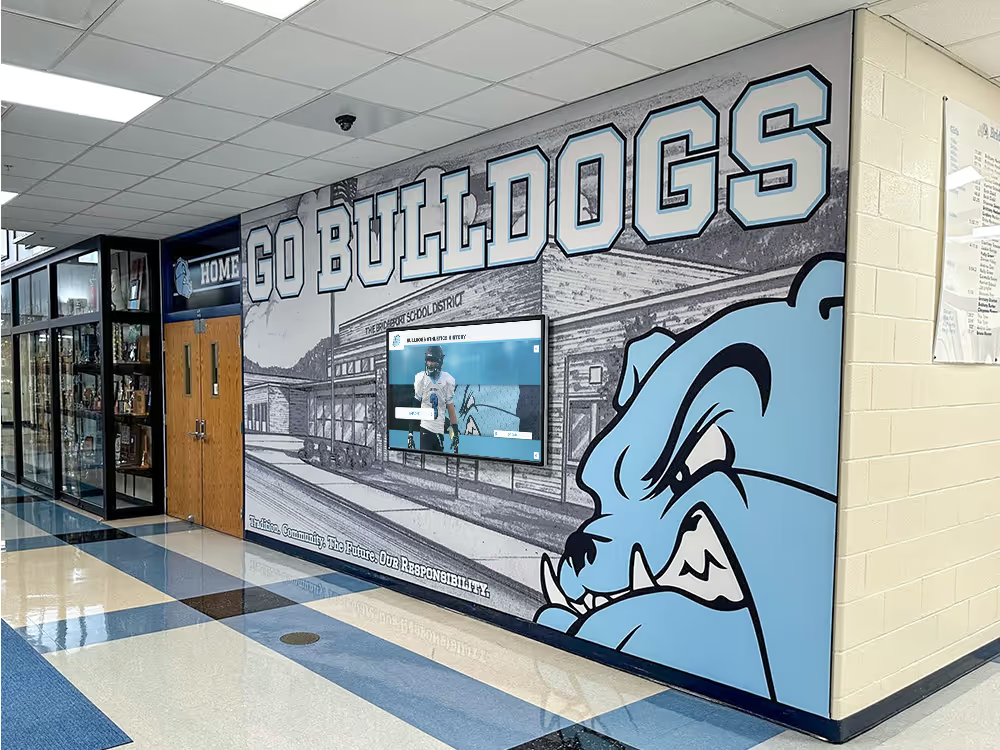
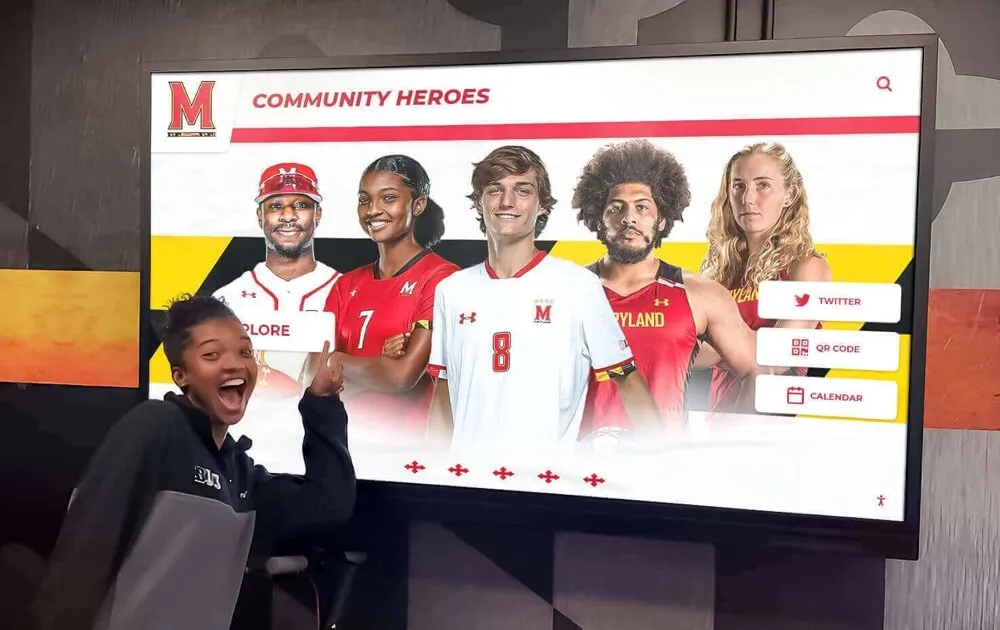
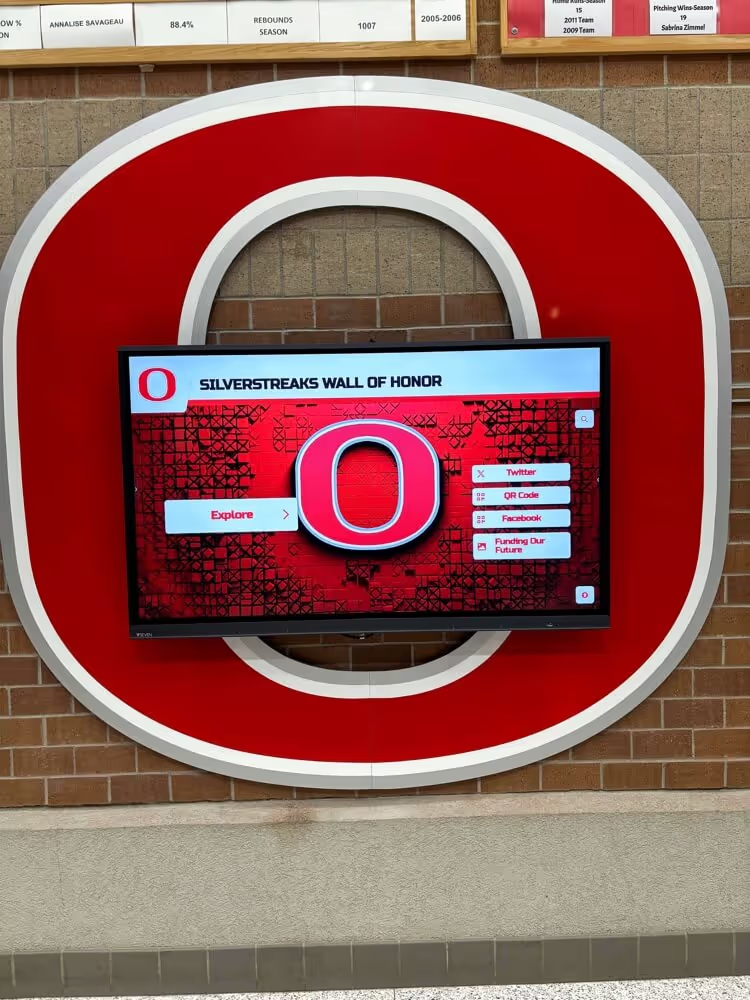
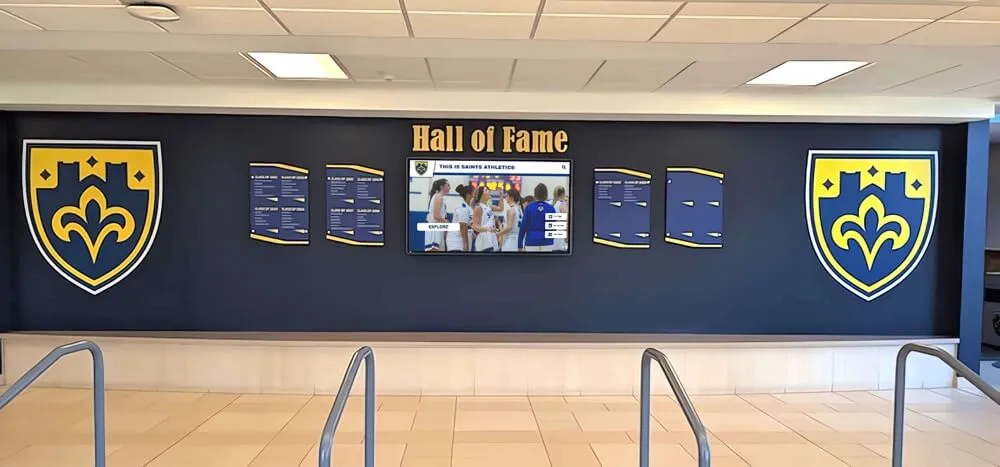
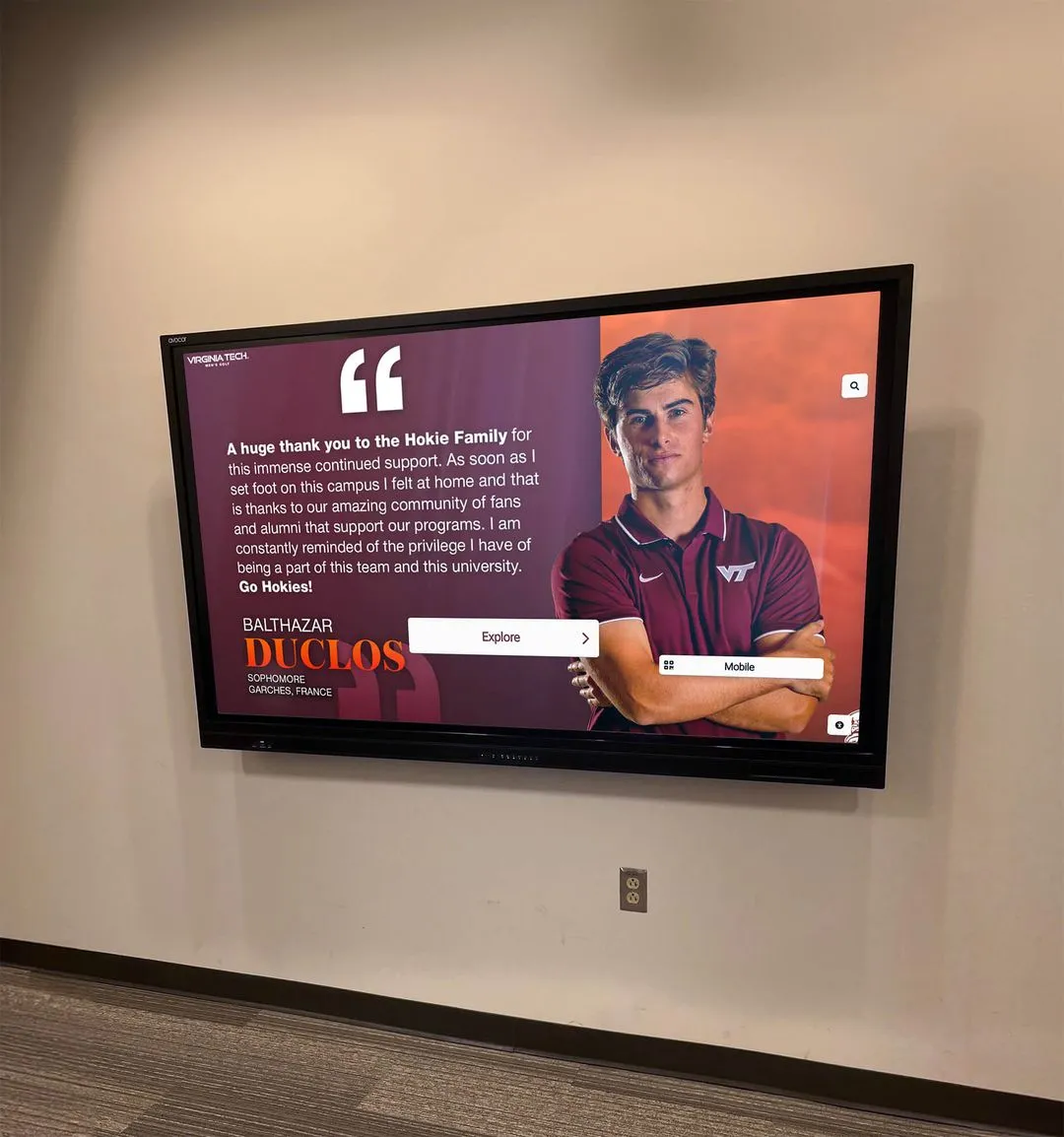
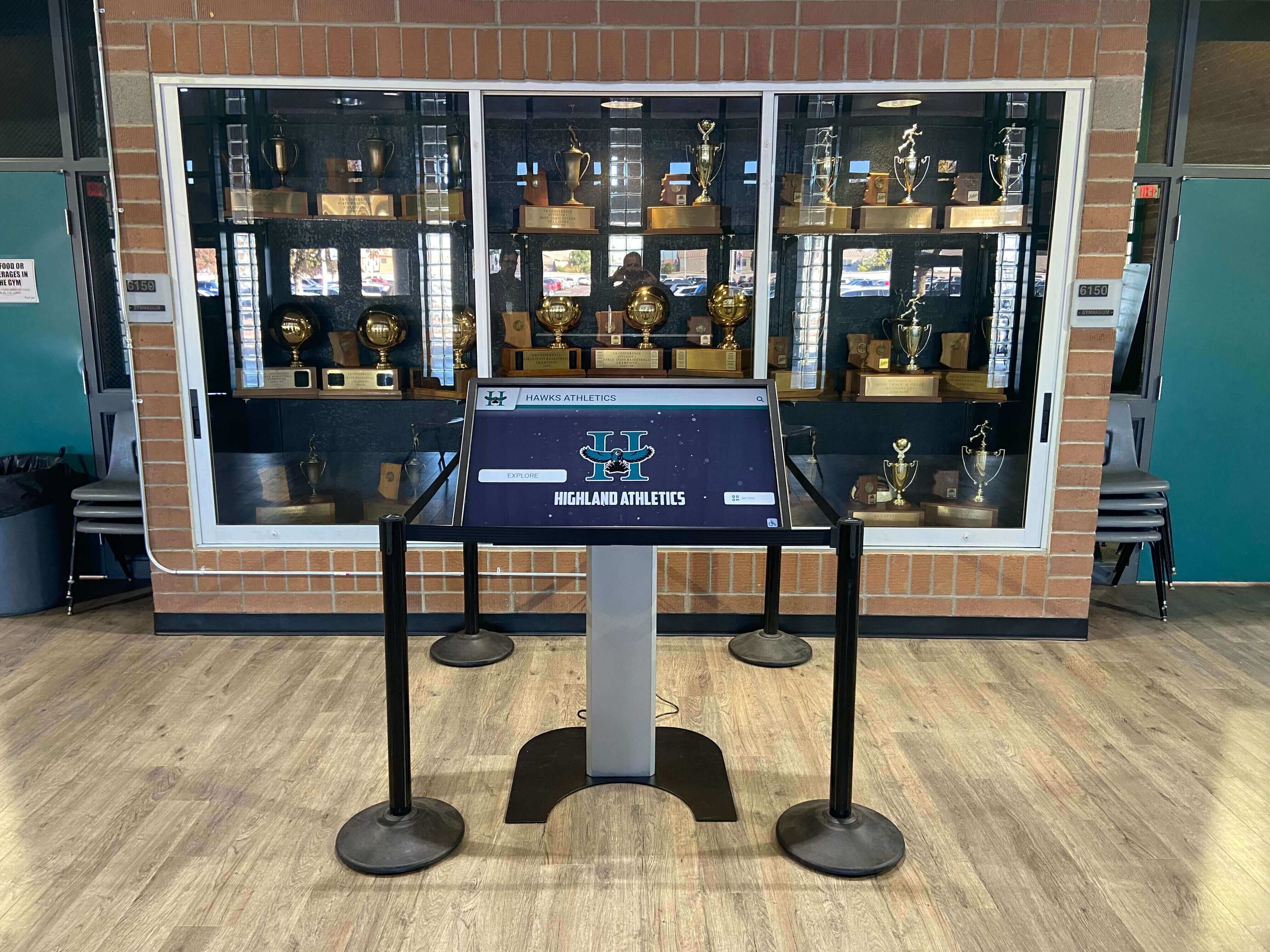
Interactive displays allow programs to highlight conference championship achievements and individual wrestler accomplishments
Tournament Qualification and Entry Criteria
Understanding how wrestlers gain tournament entry reveals the competitive standards required to compete at this championship level:
Automatic Qualification Standards
Conference members can enter wrestlers through several pathways:
- Dual Meet Records - Season performance establishing competitive credibility
- Conference Record - Win-loss results against Big Ten opponents
- Ranking Considerations - National rankings demonstrating championship potential
- Allocation Limits - Maximum entries per weight class ensuring competitive quality
Most weight classes accommodate all conference competitors meeting minimum standards, creating fields of 14-18 wrestlers per weight class depending on program entries and qualification criteria.
Weight Class Structure
Big Ten wrestling competition follows NCAA weight class standards:
- 125, 133, 141, 149, 157, 165, 174, 184, 197, 285 pounds
- Ten weight classes creating opportunities for varied athlete body types
- Weight certification ensuring proper health standards and competitive equity
- Weight management protocols preventing dangerous cutting practices
This structure aligns conference competition with national championship format, ensuring tournament results directly inform NCAA seeding and qualification.
Tournament Bracket Format and Competition Structure
The championship employs bracket systems balancing competitive fairness with practical logistics:
Bracket Configuration
Tournament organization includes:
- Modified double-elimination brackets maintaining medal opportunities
- Championship bracket determining conference champions and top finishers
- Consolation bracket providing placement opportunities for non-finalists
- Medal placement through eighth place in all weight classes
This format ensures even wrestlers who lose early maintain opportunities for All-Big Ten recognition through strong consolation bracket performance.
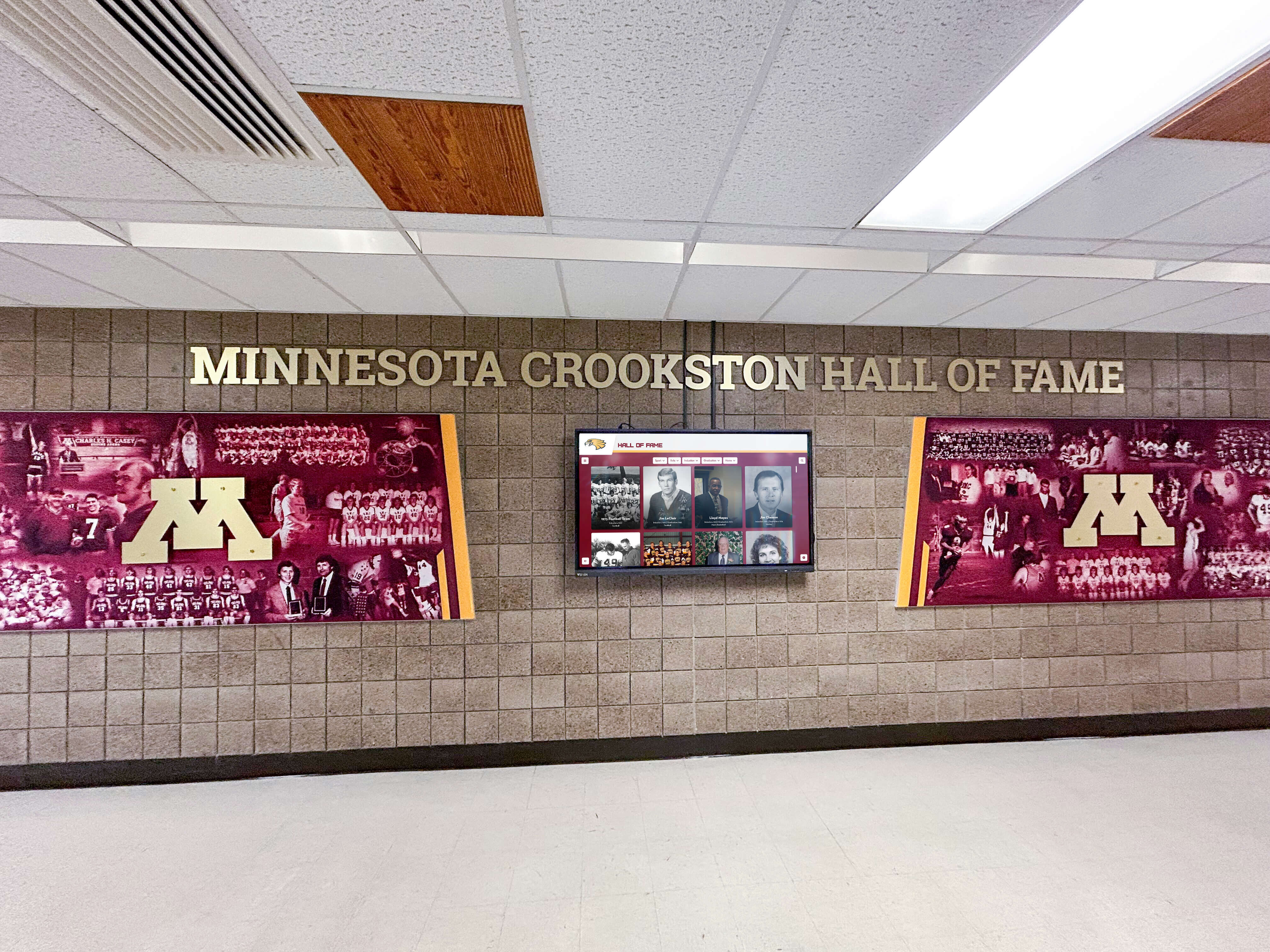
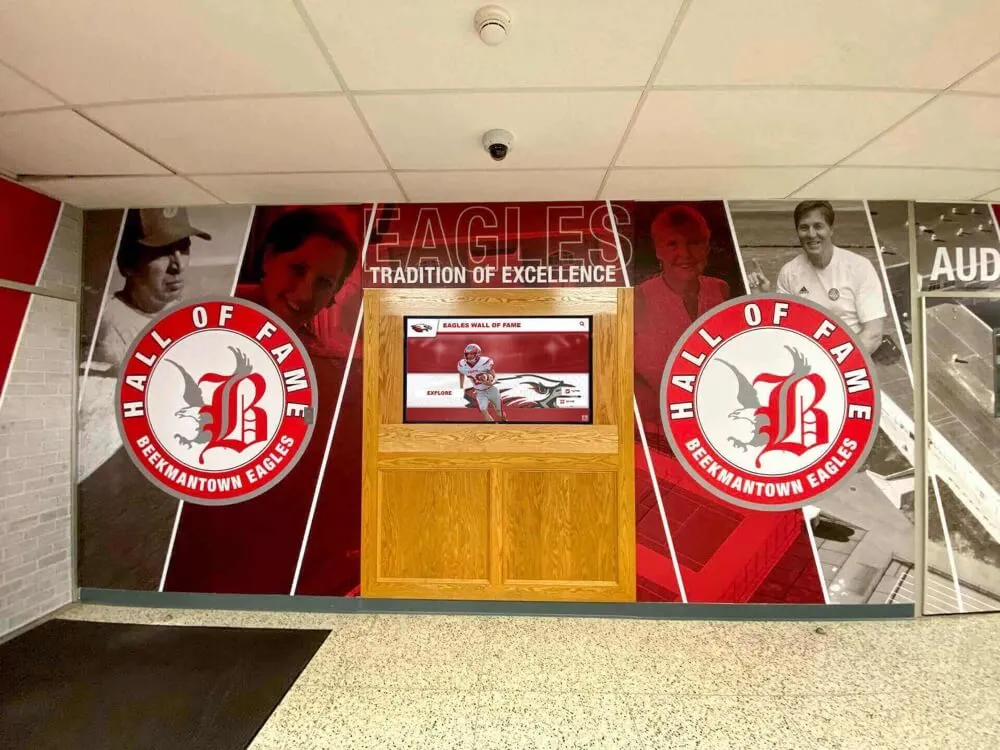
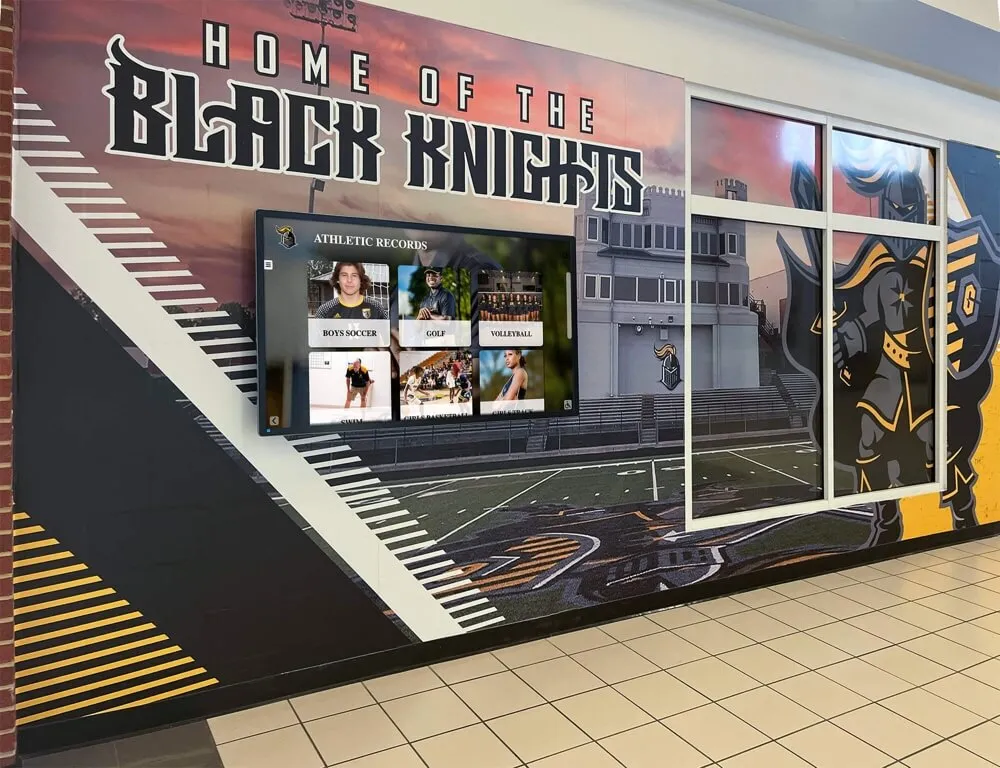
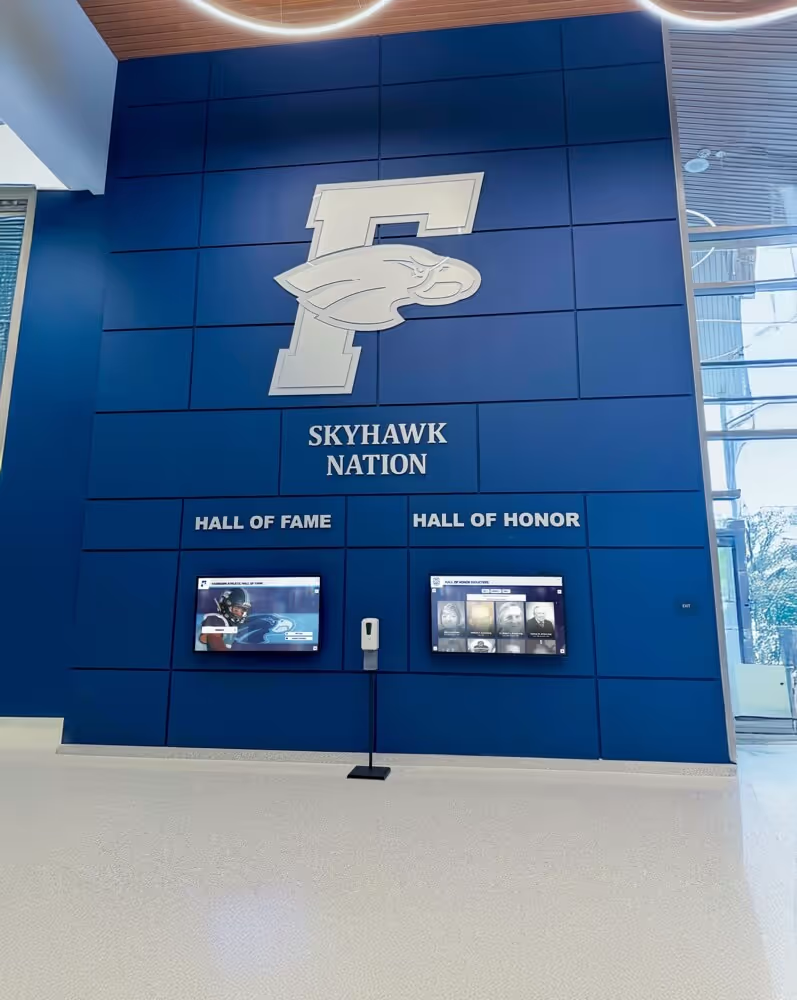
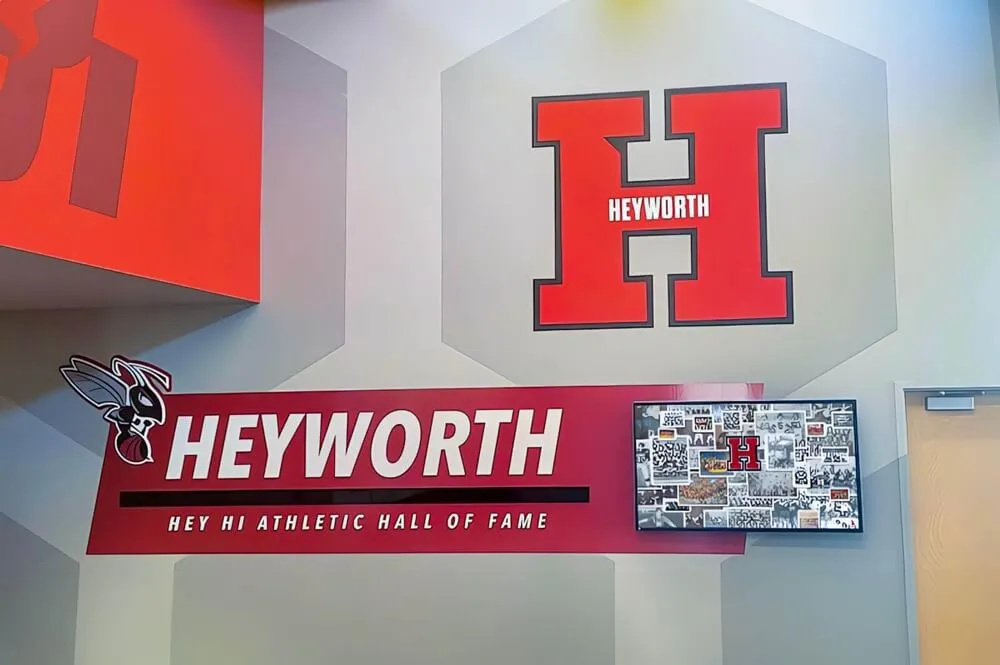
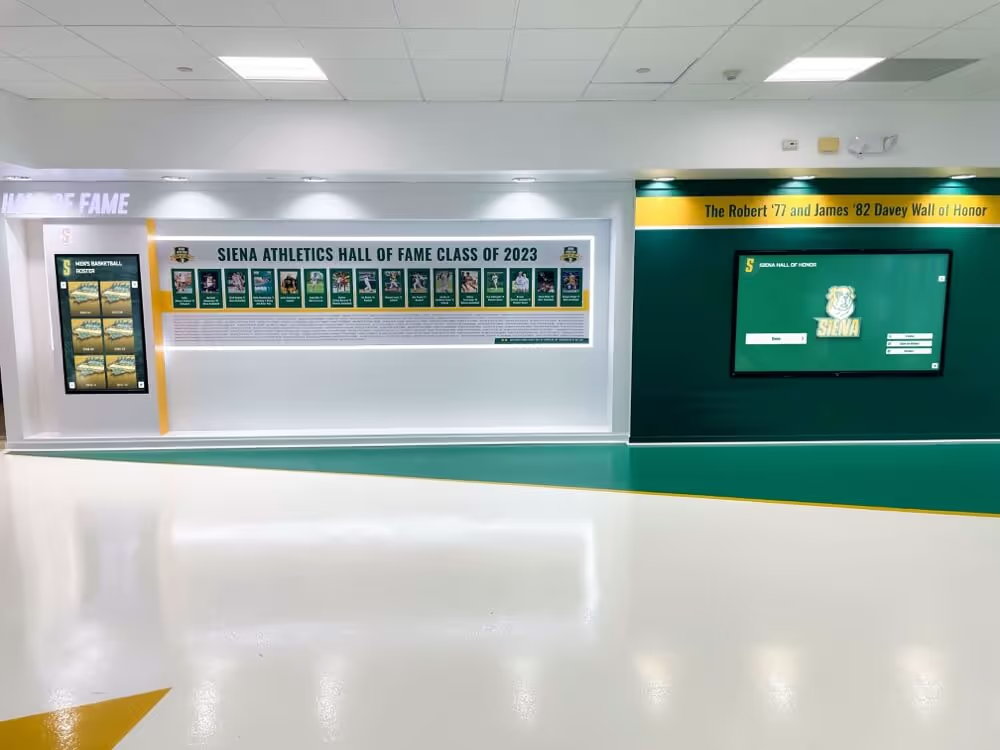
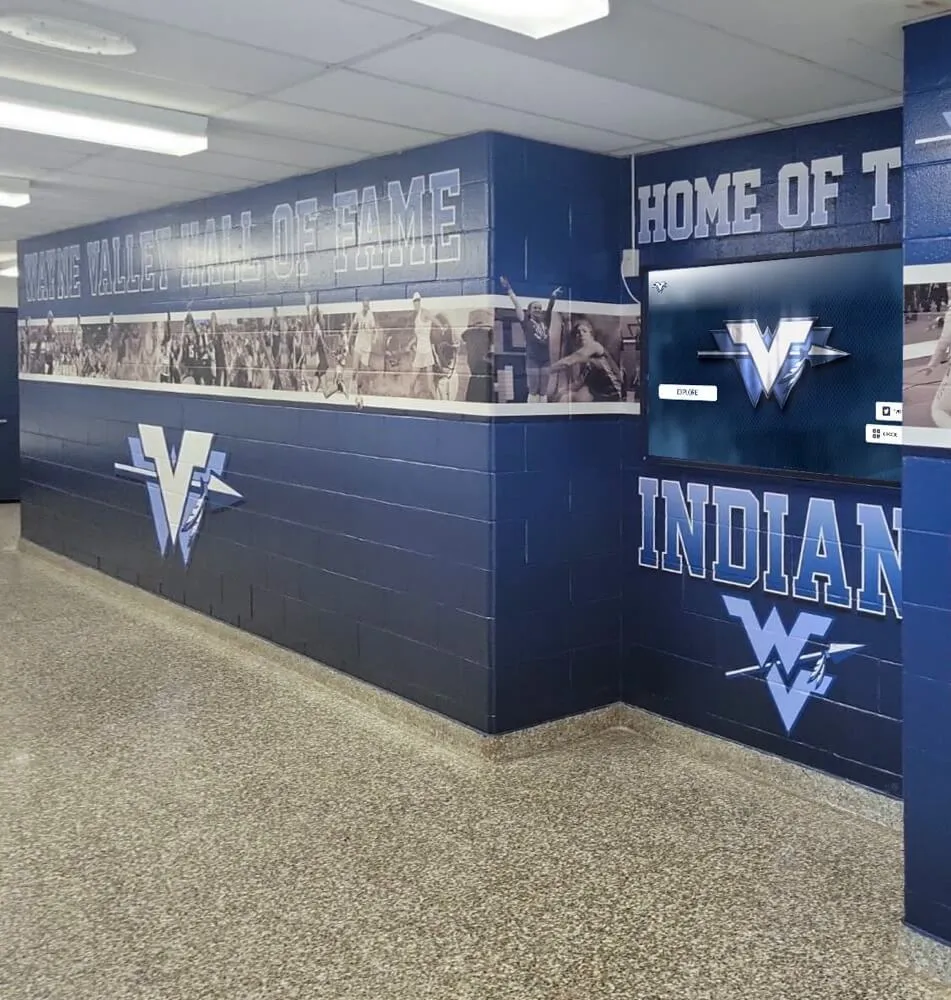
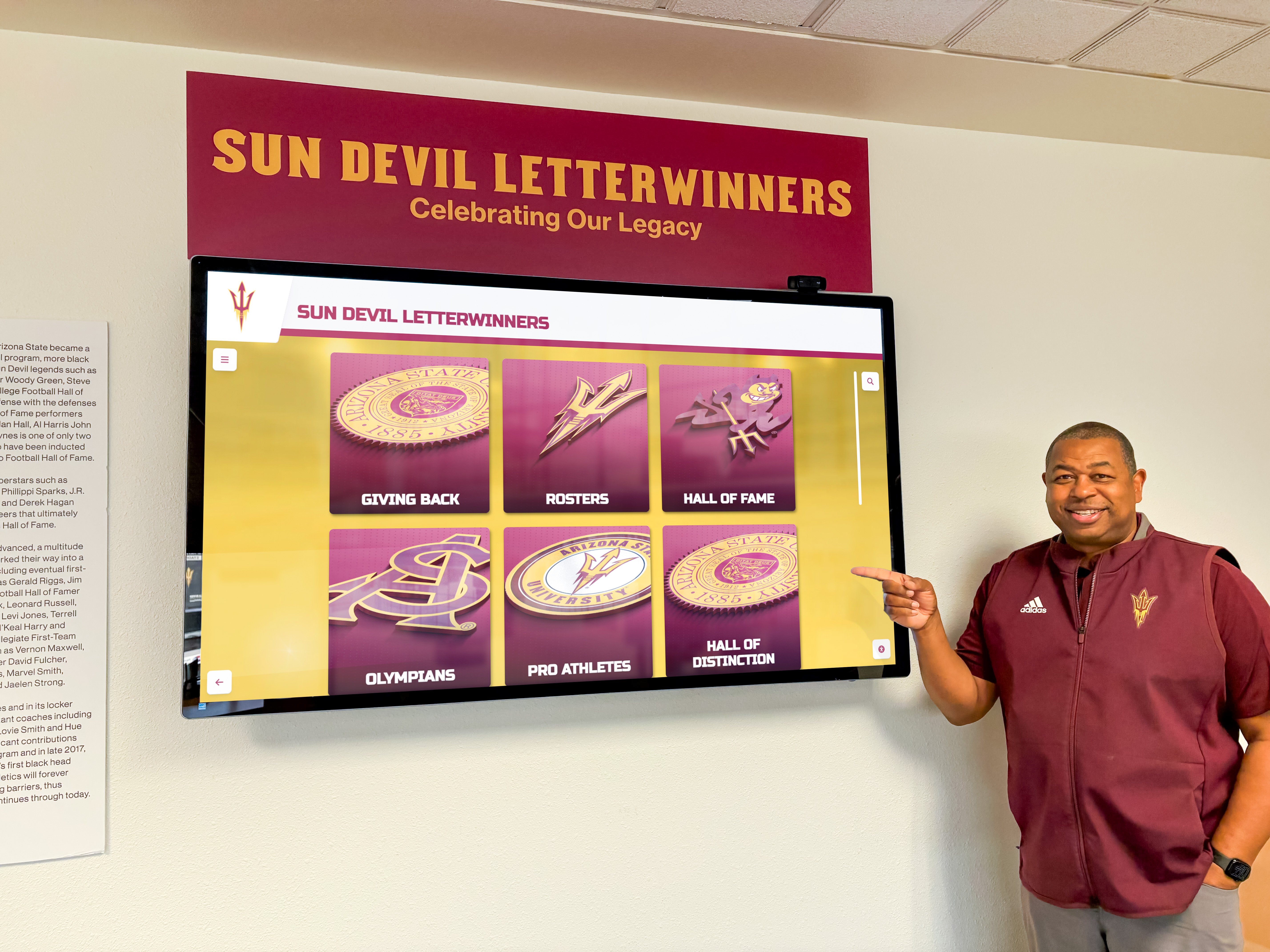
Universities integrate conference championship recognition within comprehensive athletic hall of fame displays
Seeding Methodology
Tournament seeds reflect season performance and competitive evaluation:
- Conference coaches ranking determining seed allocation
- Head-to-head results between conference opponents
- Common opponent evaluation and strength-of-schedule consideration
- National rankings informing seed placement decisions
- Top seeds receiving preferential bracket positions and bye advantages
Seeding proves particularly significant in deep Big Ten brackets where talented wrestlers occupy positions 6-12, creating competitive early-round matchups that dramatically affect advancement paths.
Learn how universities implement comprehensive athletic recognition systems celebrating conference championships and individual wrestling excellence.
Program Snapshot: Big Ten Wrestling Tournament Framework
| Tournament Element | Details |
|---|---|
| Conference Membership | 14 institutions representing collegiate wrestling’s premier conference |
| Tournament Timing | Early March, positioned between regular season and NCAA Championships |
| Weight Classes | 10 NCAA-standard weight classes (125 to 285 pounds) |
| Competition Format | Modified double-elimination with championship and consolation brackets |
| Individual Recognition | Conference champions, All-Big Ten honors (top 8), Wrestler of the Year |
| Team Scoring | Points awarded for placement finishes, advancement rounds, and bonus wins |
| Team Championship | Trophy awarded to program accumulating highest team score |
| NCAA Qualification Impact | Tournament performance significantly influences NCAA seeding and selection |
| Historic Venues | Rotates among conference institutions, typically in major arena settings |
Individual Competition and Championship Excellence
Beyond team scoring, the tournament showcases individual wrestling excellence at the highest collegiate level.
Conference Championship Pursuit and Individual Glory
Winning a Big Ten individual championship represents career-defining achievement:
Championship Bracket Pathway
Wrestlers advancing to conference finals navigate demanding competitive journeys:
- Multiple matches against nationally-ranked opponents across tournament days
- Quarterfinal victories required to reach All-Big Ten status (top 8)
- Semifinal advancement ensuring conference medal and NCAA qualification
- Championship final determining conference title and NCAA seeding advantage
Big Ten champions gain significant NCAA Tournament seeding benefits—conference titlists typically receive top-8 NCAA seeds, providing favorable national championship bracket positions.
Historic Individual Achievement Standards
Conference champions must demonstrate complete wrestling excellence:
- Technical proficiency executing diverse offensive and defensive techniques
- Tactical intelligence adjusting strategies to opponent strengths and weaknesses
- Physical conditioning maintaining high-level performance across multiple daily matches
- Mental toughness managing pressure in high-stakes elimination scenarios
- Consistency defeating quality opponents throughout tournament progression
These demands ensure Big Ten championships represent genuine excellence rather than fortunate bracket draws or single-match upsets.
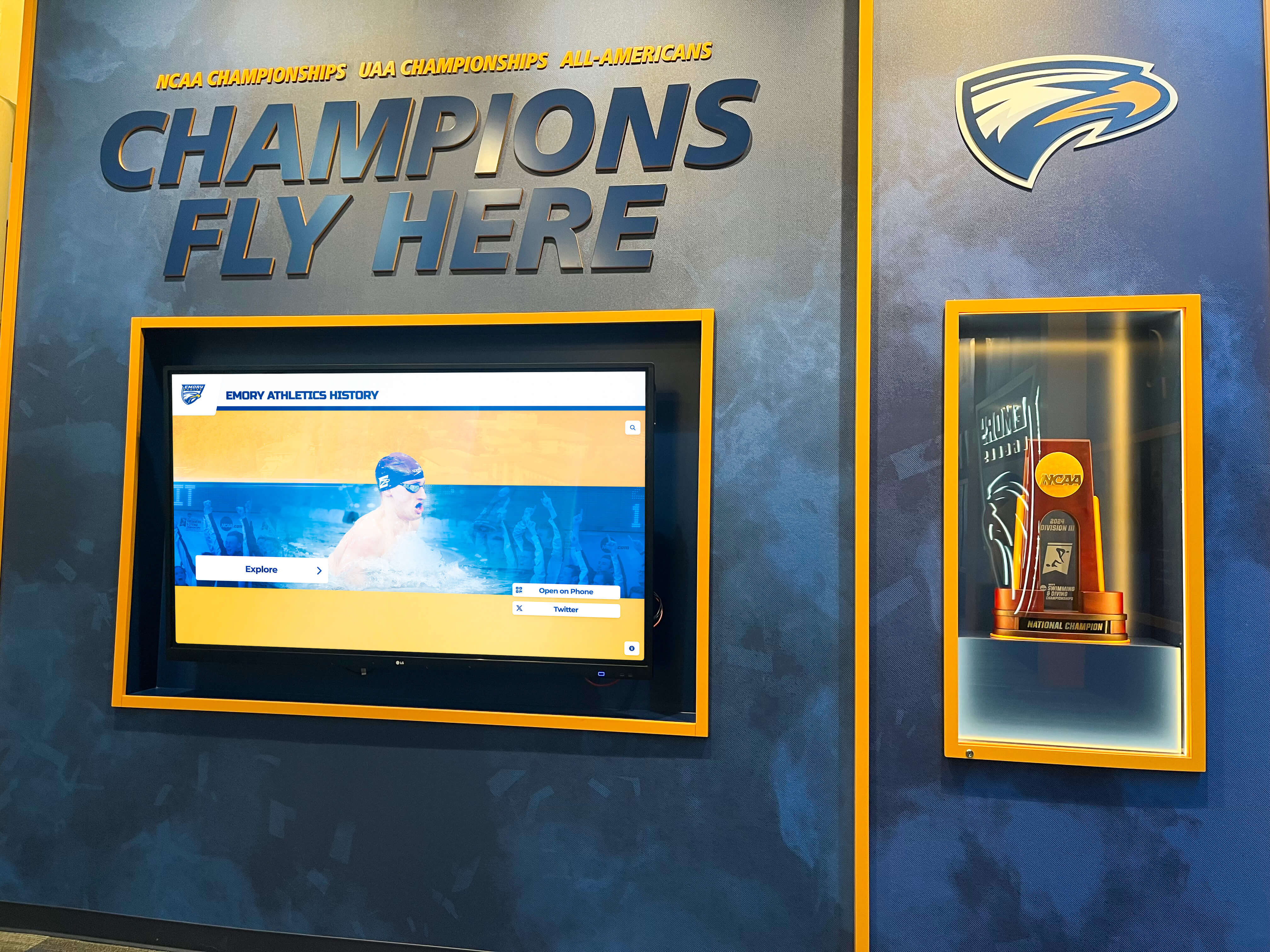
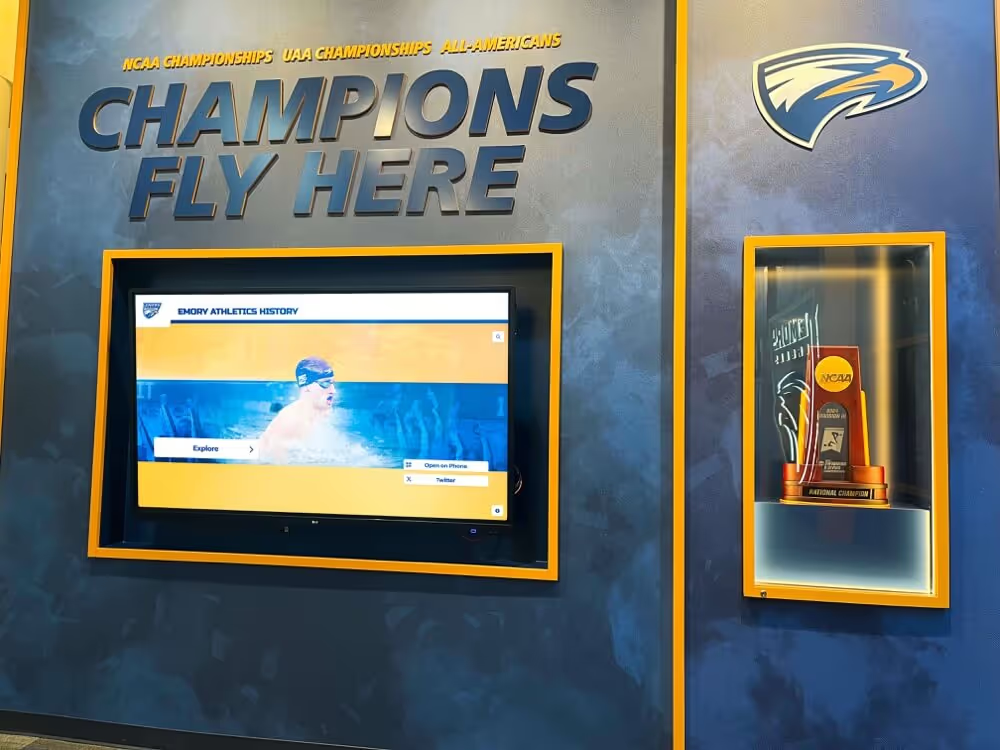
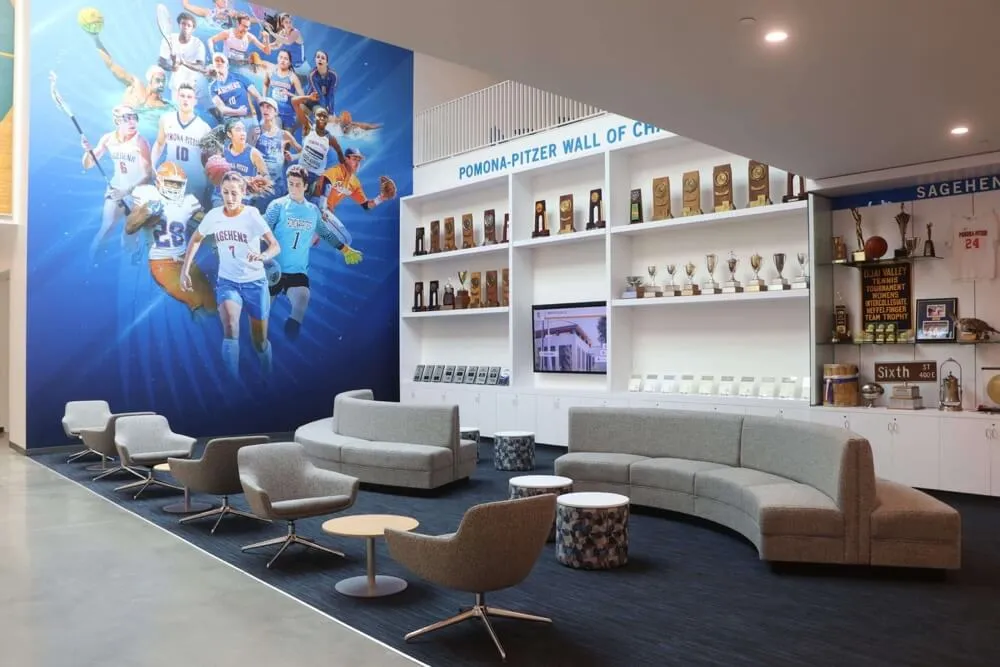
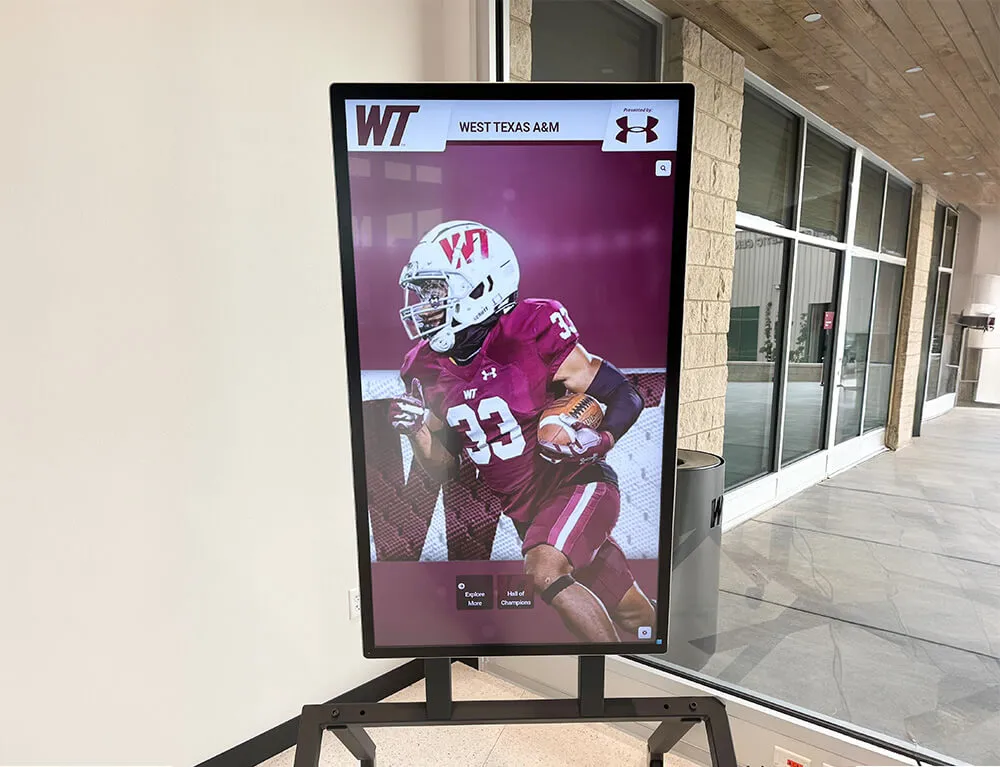
Championship trophy displays preserve conference tournament victories and team success for institutional heritage
All-Big Ten Recognition and Academic Integration
Beyond championship titles, tournament placement creates official recognition across multiple dimensions:
All-Big Ten Honors and Selection Criteria
The conference recognizes top-eight finishers at each weight class:
- Conference Champion - Receives automatic All-Big Ten First Team designation
- Runner-Up - Conference finalist earning First Team recognition
- Third-Eighth Place - Medal winners receiving Second Team All-Big Ten honors
- Tournament Outstanding Wrestler - Award recognizing most impressive individual performance
All-Big Ten recognition holds significant institutional value—universities celebrate these honors through athletic banquets, media recognition, academic credits toward varsity letters, and permanent athletic record preservation.
Academic All-Big Ten Wrestling Recognition
The conference maintains parallel academic honor systems:
- Academic All-Big Ten requiring minimum GPA standards alongside competitive success
- Scholar-Athlete awards recognizing excellence in both academic and athletic domains
- Institutional celebrations honoring student-athletes balancing competitive and academic demands
Explore how academic recognition programs integrate athletic achievement with scholarly excellence in comprehensive student-athlete celebration.
Career Achievement Documentation
Tournament success creates records preserved across wrestler careers:
- Career Big Ten tournament records tracking cumulative placement achievements
- Multiple-time All-Big Ten designations demonstrating sustained excellence
- Conference championship counts establishing elite performer status
- Tournament statistics including wins, bonus points, and advancement records
These career achievements become defining elements in athlete biographies, alumni recognition programs, and institutional wrestling heritage documentation.
Team Competition and Conference Supremacy
While individual championships capture spotlight attention, team scoring determines ultimate conference supremacy.
Team Scoring System and Strategic Implications
Understanding how individual matches translate to team points reveals tournament strategic dimensions:
Advancement Points
Teams accumulate points through wrestler progression:
- Advancement to Round of 16 (if applicable based on bracket size)
- Quarterfinal qualification demonstrating top-8 potential
- Semifinal advancement ensuring medal and NCAA qualification
- Championship final appearance regardless of title outcome
Advancement scoring rewards depth—programs placing multiple wrestlers in medal rounds accumulate substantial team points even without individual champions.
Placement Points
Final placement determines significant point allocation:
- First Place (Champion) - Maximum points rewarding conference titles
- Second Place - Substantial points for finalist achievement
- Third-Eighth Place - Graduated point totals based on placement finish
- Consolation Round Victories - Points awarded for advancement through placement brackets
This structure creates scenarios where programs can win team titles despite capturing fewer individual championships if accumulating superior depth across weight classes.
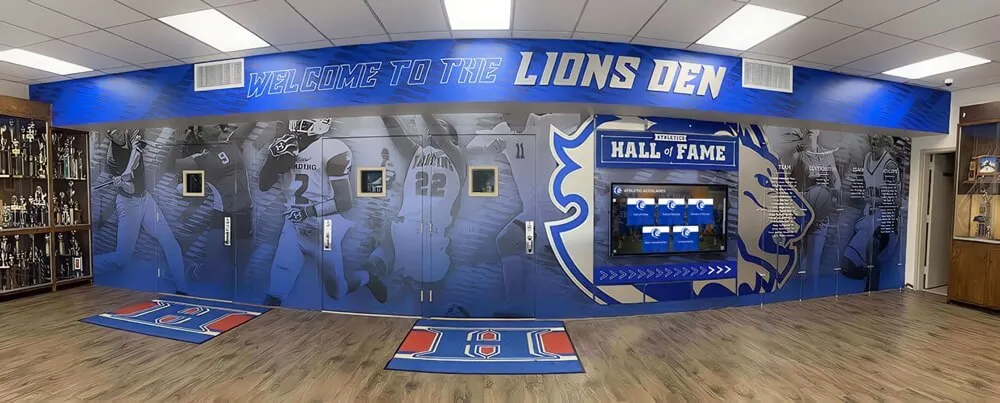
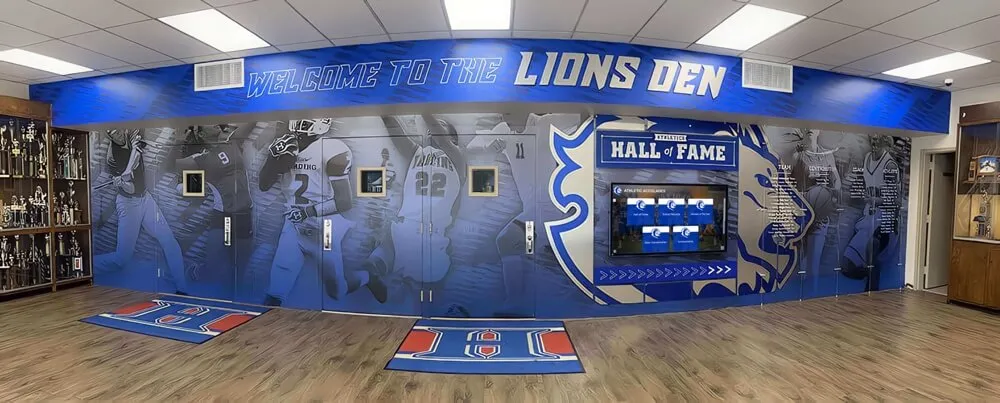
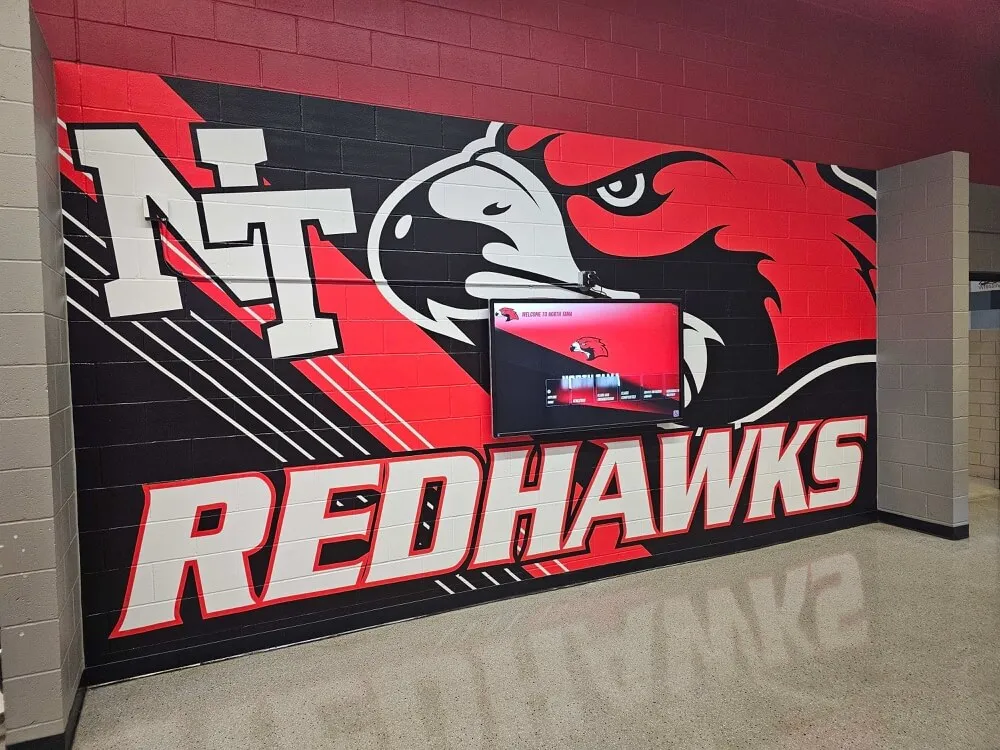
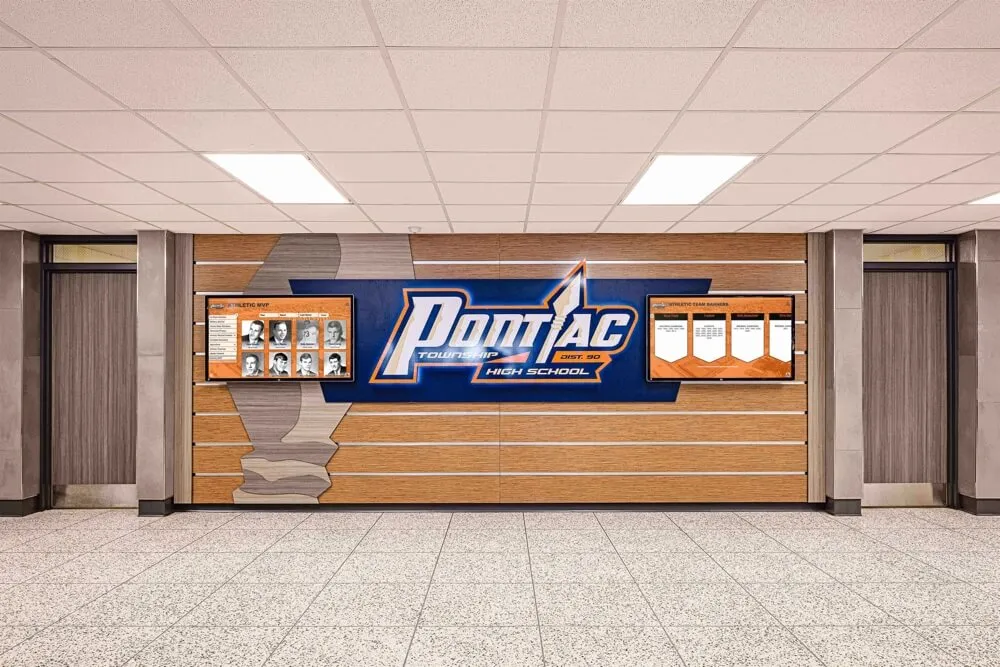
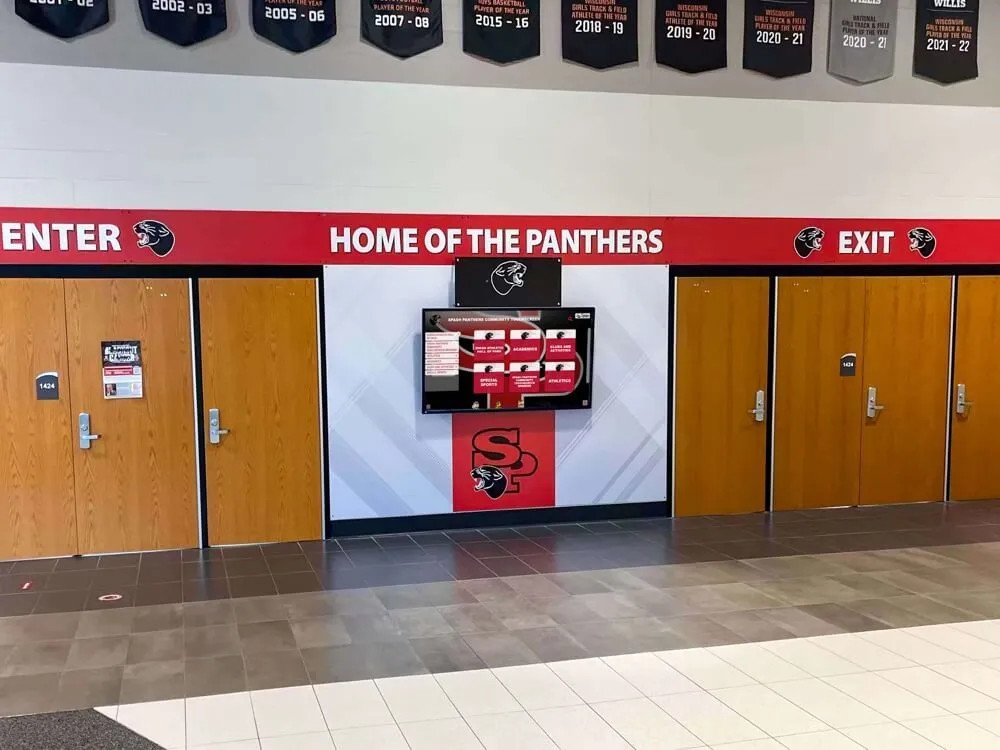
Comprehensive athletic displays showcase both individual championships and team tournament success
Bonus Point System
Match results significantly affect team scoring beyond basic wins:
- Major Decision (8-14 point margin) - Bonus points beyond standard win value
- Technical Fall (15-point advantage) - Additional bonus points for dominant performance
- Fall/Pin - Maximum bonus points rewarding complete match dominance
Bonus point accumulation frequently determines team championships—programs emphasizing aggressive offensive wrestling and dominant victories gain competitive advantages in tight team races.
Historic Program Success and Championship Traditions
Certain Big Ten programs have established remarkable tournament legacies:
Dynasty Programs and Sustained Excellence
Several institutions have dominated conference championships across eras:
- Iowa Hawkeyes with historic championship count and consecutive title streaks
- Penn State Nittany Lions recent dominance establishing new conference standards
- Michigan Wolverines and Ohio State Buckeyes maintaining consistent competitiveness
- Nebraska Cornhuskers building championship tradition since conference entry
These programs demonstrate institutional commitment through facility investment, recruiting excellence, coaching continuity, and cultural emphasis on wrestling tradition that sustains success across coaching changes and athlete generations.
Emerging Programs and Competitive Balance
Conference depth has increased as additional programs challenge traditional powers:
- Rutgers development since conference entry improving competitiveness
- Wisconsin maintaining strong program competing for team titles
- Michigan State and Minnesota producing individual champions despite team placement challenges
This competitive balance creates tournament drama where team championships often remain undecided until final matches, ensuring sustained fan engagement throughout championship sessions.
Discover how programs celebrate athletic hall of fame traditions that preserve conference tournament success and wrestling program heritage.
Tournament Setting, Tradition, and Fan Experience
The Big Ten Wrestling Tournament creates unique competitive environments enhancing both athletic performance and fan engagement.
Venue Selection and Championship Atmosphere
Tournament hosting rotates among conference institutions, creating distinctive championship experiences:
Arena Settings and Capacity
Conference tournaments occupy major venues accommodating substantial crowds:
- University basketball arenas transformed into wrestling venues
- Seating capacities ranging from 10,000 to 18,000 spectators
- Floor seating surrounding competition mats creating intimate viewing
- Premium seating and hospitality areas for donors and program supporters
Large venues enable schools to bring substantial fan contingents, creating home-court-style advantages when tournaments rotate to specific campuses—Penn State and Iowa routinely generate crowds exceeding 15,000 when hosting.
Tournament Session Structure
Championships unfold across three competition days:
- Day One (Friday) - First and second round matches thinning brackets
- Day Two (Saturday Morning/Afternoon) - Quarterfinals and first consolation rounds
- Day Two (Saturday Evening) - Semifinals determining finalists and placing wrestlers
- Day Three (Sunday) - Championship finals and consolation finals determining placements
This structure creates dramatic progression as sessions advance—early rounds feature numerous simultaneous matches while finals showcase one mat with complete crowd focus on championship bouts.
Fan Traditions and Program Cultures
Big Ten wrestling programs maintain distinctive traditions creating memorable championship experiences:
School-Specific Traditions
Each program brings unique cultural elements:
- Iowa’s black-and-gold contingents creating intimidating atmospheres
- Penn State’s “We Are” chants resonating throughout venues
- Minnesota’s school cheers celebrating successful matches
- Ohio State’s wrestling-specific traditions established across decades
These traditions transform tournaments into cultural celebrations beyond pure athletic competition, reinforcing institutional identity and community connection.
Championship Rituals and Ceremonies
Official tournament protocols include meaningful recognition moments:
- Championship bracket announcements and seeding reveal
- Individual champion recognition during finals
- All-Big Ten team selections announced
- Team championship trophy presentation
- Outstanding wrestler award ceremony
These ceremonies provide closure and celebration while establishing official records preserved in conference and institutional histories.
NCAA Championship Qualification and Tournament Impact
Big Ten Wrestling Tournament results profoundly influence NCAA Championship positioning and national title pursuits.
NCAA Qualification Standards and Big Ten Performance
Conference tournament performance directly affects national championship opportunities:
Automatic Qualification Pathways
Big Ten placement provides NCAA Championship entry:
- Conference champions receiving automatic NCAA qualification
- Top finishers (typically top 3-5 depending on weight class allocations) earning automatic bids
- At-large selections considering conference tournament results alongside season records
Big Ten depth means conference wrestlers occupying seeds 4-8 often receive NCAA at-large selections, ensuring conference strength translates to substantial national championship representation.
Seeding Advantages and National Positioning
Conference championship success influences NCAA Tournament seeding:
- Big Ten champions typically receiving top-8 NCAA seeds
- Conference finalists frequently earning top-12 national positioning
- Placement finishes informing seed committee evaluations
- Head-to-head results at conference tournament affecting seed placement between comparable wrestlers
These seeding advantages prove decisive in NCAA bracket navigation—favorable seeds avoid early matches against top opponents, creating more manageable paths toward All-American status and national finals.
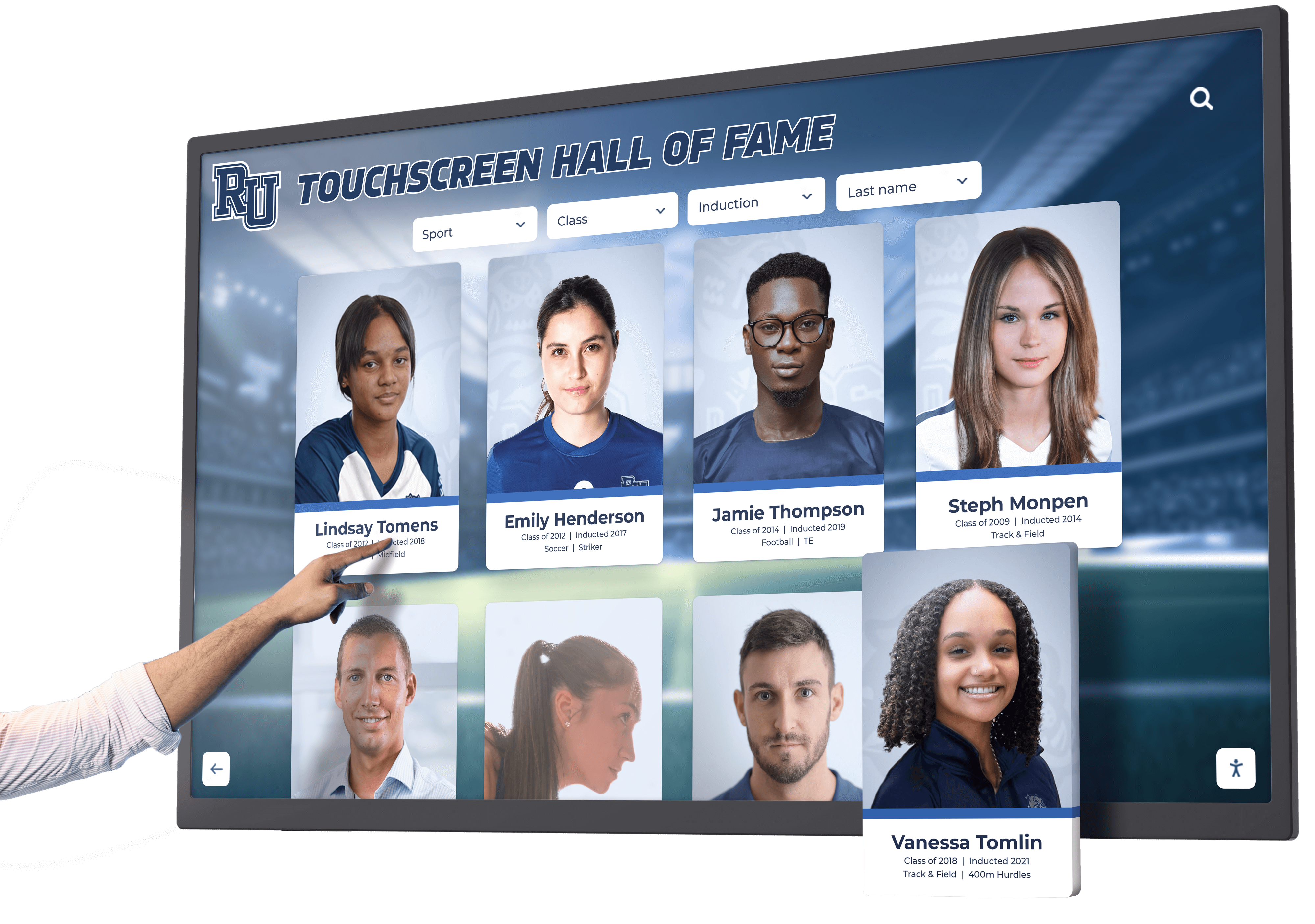
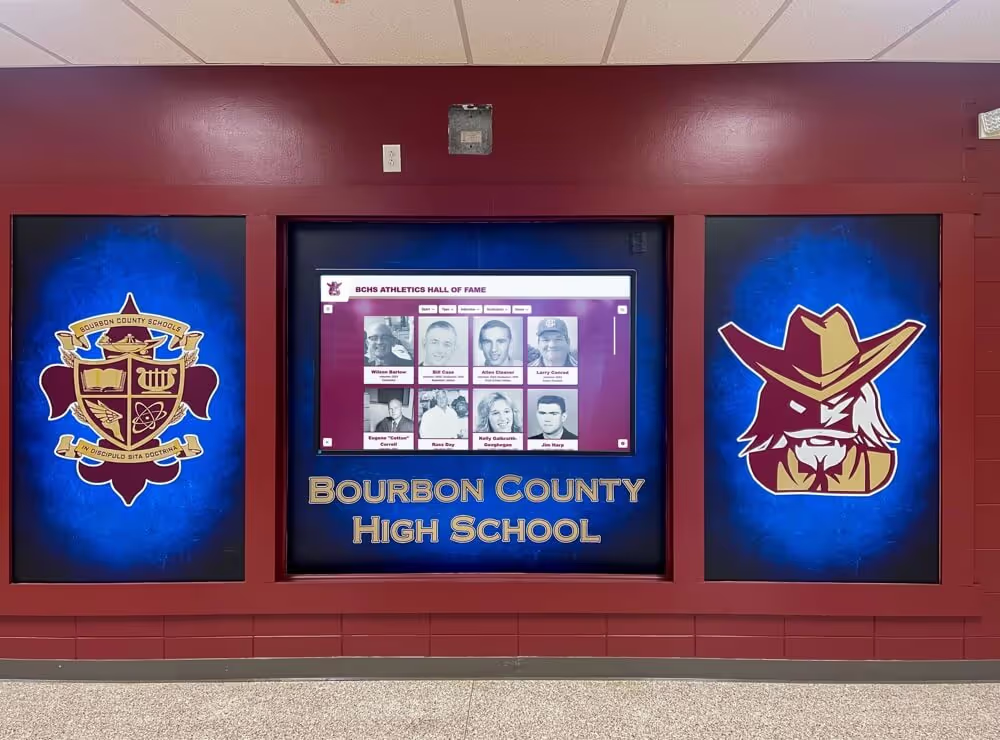
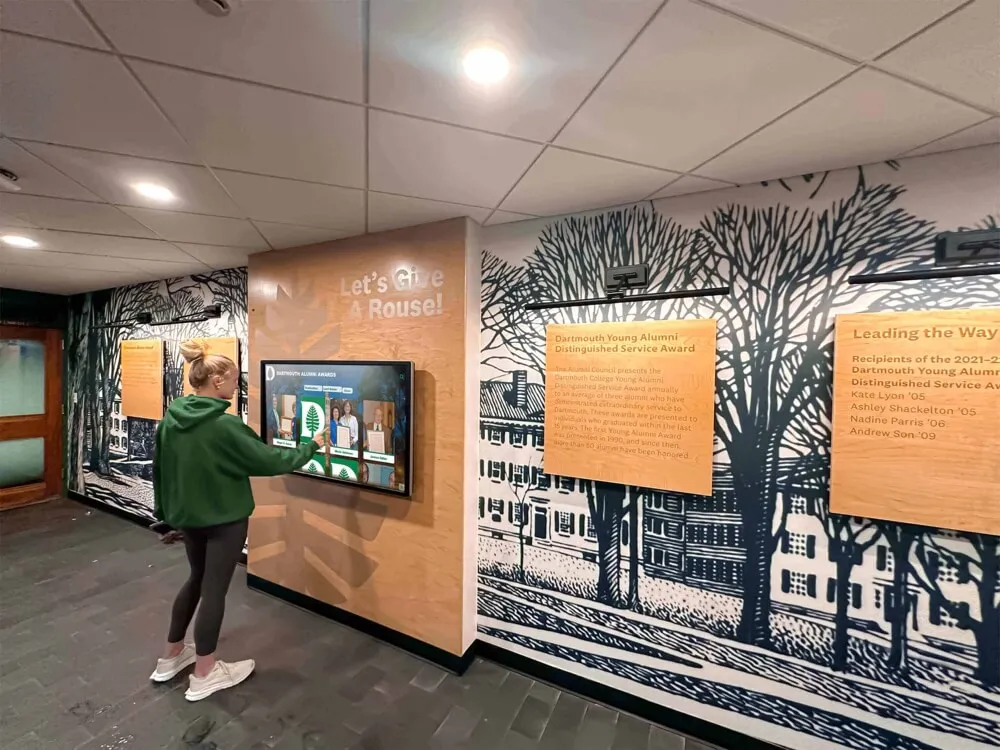
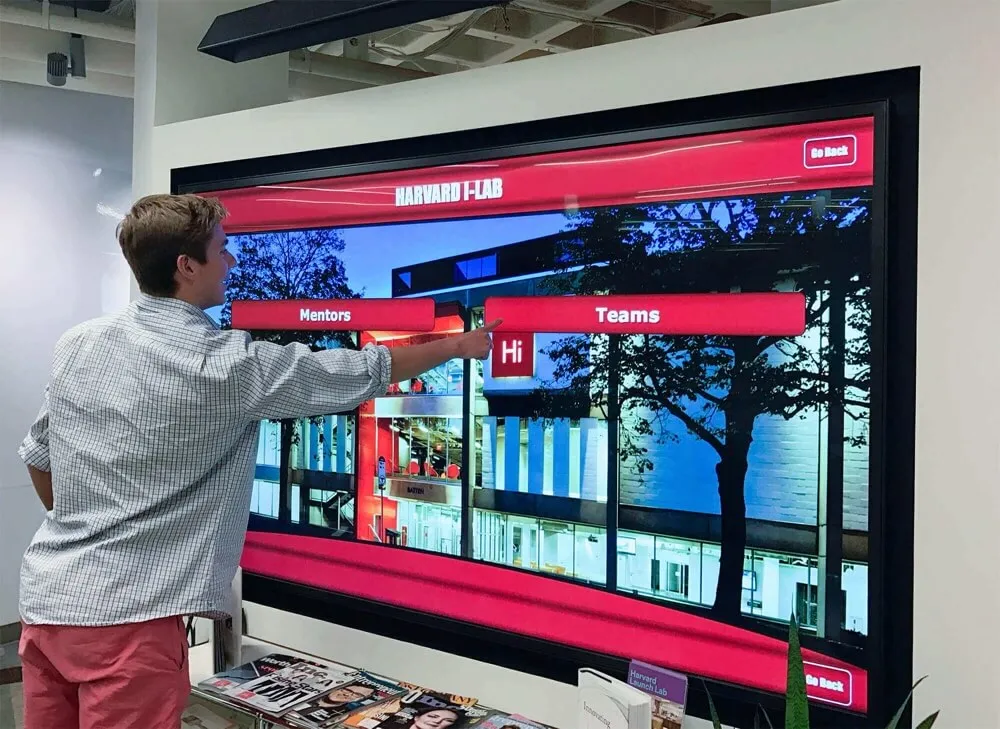
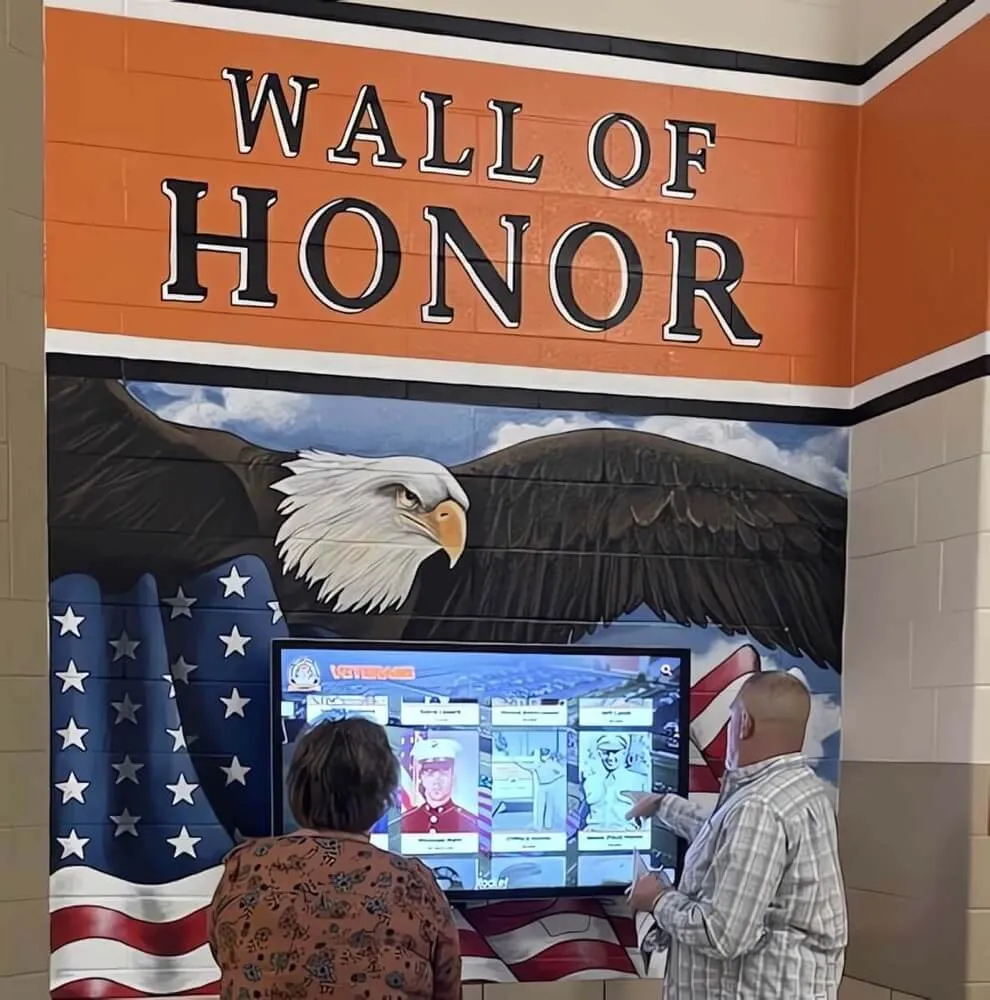
Interactive touchscreen systems enable fans and recruits to explore comprehensive wrestler profiles and tournament histories
Momentum and Psychological Factors
Conference tournament outcomes create psychological dynamics affecting NCAA Championship performance:
Championship Momentum and Confidence
Tournament success generates performance benefits:
- Big Ten champions carrying confidence into NCAA competitions
- Placement wrestlers validating season preparation and competitive readiness
- Team success creating positive program momentum
- Validated tactical approaches providing strategic confidence
Conversely, disappointing conference showings can undermine confidence—highly-seeded wrestlers suffering unexpected losses may struggle regaining competitive edge quickly enough for NCAA success two weeks later.
Injury Management and Recovery Timing
The conference tournament’s timing presents health management challenges:
- Wrestlers nursing injuries through regular season face decisions about tournament participation
- Tournament match intensity potentially aggravating existing conditions
- Two-week gap before NCAAs providing recovery opportunity
- Strategic forfeit considerations when tournament placement won’t affect NCAA qualification
Programs must balance conference pride with national championship priorities when key wrestlers face injury concerns—sometimes strategic tournament withdrawal serves long-term national championship goals.
Modern Recognition and Achievement Preservation
Progressive wrestling programs implement comprehensive systems documenting and celebrating conference tournament excellence.
Digital Athletic Recognition Platforms
Technology-enhanced recognition addresses traditional display limitations:
Interactive Tournament Achievement Displays
Modern platforms provide comprehensive championship documentation:
- Complete conference tournament history databases showing all placements
- Individual wrestler profiles documenting career tournament results
- Video highlight integration preserving championship match moments
- Statistical displays ranking career tournament performance
- Team championship histories showing evolution across decades
- Searchable systems enabling fans to explore specific years, weight classes, or athletes
Solutions like Rocket Alumni Solutions offer specialized wrestling recognition platforms designed specifically for championship documentation, providing universities with turnkey systems combining professional presentation with easy content management that preserves tournament heritage comprehensively.
Explore modern approaches to digital trophy case systems that showcase conference wrestling championships alongside other program achievements.
Social Media Integration and Real-Time Recognition
Contemporary programs leverage technology for immediate celebration:
- Tournament bracket updates shared through program social channels
- Match result notifications celebrating victories as they occur
- Championship highlight videos posted immediately after finals
- Interactive graphics documenting team scoring progression
- Alumni engagement through throwback content and historical comparisons
This real-time approach connects current achievement with program tradition while engaging dispersed wrestling communities unable to attend tournaments physically.
Physical Display Integration and Facility Showcases
Despite digital advantages, physical recognition maintains significant value in wrestling facilities:
Championship Banner Displays
Traditional recognition includes visible facility elements:
- Conference championship banners displayed prominently in wrestling facilities
- Individual champion recognition boards listing titlists by weight class and year
- All-Big Ten honoree displays documenting placement achievers
- Team scoring records and historic tournament results
Physical displays create daily reminders for current wrestlers regarding program standards and championship expectations, establishing culture through visible tradition.
Trophy and Award Collections
Material recognition elements include:
- Conference championship trophies displayed in athletic buildings
- Individual champion medals and awards in program museums
- Historic singlets, headgear, and equipment from championship eras
- Photographic documentation of championship moments and celebrations
These tangible artifacts provide authentic connections to program history, creating emotional resonance exceeding what purely digital systems achieve.
Learn about universities implementing comprehensive hall of fame programs that celebrate conference wrestling excellence alongside other athletic achievements.
Strategic Preparation and Tournament Success Factors
Understanding what separates tournament champions from disappointments reveals success patterns programs can cultivate.
Technical and Tactical Preparation
Conference tournament success requires specific preparation approaches:
Opponent-Specific Preparation
Elite programs implement detailed scouting:
- Video analysis of likely bracket opponents
- Technical tendency identification informing strategic gameplans
- Situational drilling targeting opponent-specific weaknesses
- Tactical flexibility preparing multiple strategic approaches
- Referee positioning and edge awareness preventing unnecessary penalties
Big Ten depth means wrestlers often face opponents they’ve encountered previously—using regular season matches as learning experiences provides tournament preparation advantages.
Mental Performance and Pressure Management
Tournament environments create psychological demands:
- Multiple daily matches requiring mental recovery between competitions
- Bracket position awareness managing “win-and-advance” pressure
- Consolation bracket focus maintaining medal motivation after championship bracket losses
- Emotional regulation preventing frustration from affecting performance
- Visualization and mental rehearsal preparing for high-pressure moments
Programs incorporating sports psychology resources gain competitive advantages managing tournament mental demands that separate physically comparable wrestlers.
Physical Preparation and Weight Management
Tournament format creates unique physical challenges:
Training Periodization and Peak Timing
Season planning targets conference tournament performance:
- Training cycles building toward March championship timing
- Taper protocols reducing training volume while maintaining sharpness
- Competition simulation preparing for multiple-match days
- Recovery emphasis ensuring wrestlers arrive fresh not depleted
Programs that successfully peak athletes for conference tournaments often see momentum translate to NCAA Championship success two weeks later.
Weight Management and Tournament Cuts
Conference tournaments present strategic weight decisions:
- Final regular season weights versus tournament weight certification choices
- Recovery optimization between weigh-in and first match timing
- Hydration and nutrition strategies supporting multiple-match performance
- Strategic weight bumping when bracket analysis suggests advantages
Elite programs employ sports dietitians and strength coaches managing weight issues professionally, gaining advantages over programs relying on outdated or dangerous cutting practices.
Historic Tournament Moments and Legacy Performances
The Big Ten Wrestling Tournament has produced memorable moments defining conference wrestling heritage.
Individual Championship Dynasties
Certain wrestlers have dominated conference tournaments establishing legendary status:
Multiple-Time Conference Champions
Elite performers who captured multiple Big Ten titles:
- Four-time conference champions establishing complete dominance
- Three-time winners demonstrating sustained excellence across careers
- Back-to-back champions showing consistency at highest level
These multi-time champions often become program icons—their achievements set standards current wrestlers pursue while providing recruiting narratives demonstrating championship traditions.
Outstanding Tournament Performances
Specific tournaments featured exceptional individual achievements:
- Undefeated tournament runs with all bonus-point victories
- Consolation bracket comebacks earning All-Big Ten honors after championship bracket losses
- Upset victories by lower seeds defeating top-ranked opponents
- Overtime thriller championships decided by narrow margins
These defining moments become storytelling elements preserved through recognition systems, creating emotional connections between past excellence and current aspirations.
Team Championship Races and Dramatic Finishes
Conference team races have produced memorable competitive drama:
Historic Team Championships
Certain tournaments featured remarkable team competition:
- Single-point team championship margins decided by final matches
- Underdog programs upsetting favored championship contenders
- Dynasty championship streaks establishing program dominance
- Breakthrough first-time championships for emerging programs
These team moments create program-defining narratives—breakthrough championships validate years of program building while continuing dynasty runs cement legendary status.
Recruiting Impact and Program Building
Conference tournament success profoundly influences program development and recruiting effectiveness.
Championship Culture and Recruiting Appeals
Tournament results create tangible recruiting narratives:
Competitive Opportunity Demonstrations
Conference success provides recruiting evidence:
- Individual championships proving program development capabilities
- Team championships demonstrating comprehensive program excellence
- Consistent All-Big Ten performers validating competitive environment
- NCAA qualification rates showing pathway to national competition
Elite recruits seek programs with proven championship track records—Big Ten tournament success provides concrete evidence supporting recruiting promises about competitive opportunities and development quality.
Facility Tours and Recognition Showcases
Recruiting visits leverage championship recognition:
- Wrestling facility tours highlighting conference championship banners and trophies
- Digital displays showing prospective recruits potential future recognition
- Championship photo walls creating aspirational visual narratives
- Video highlight reels documenting program tournament success
These visual elements transform abstract recruiting promises into tangible championship culture demonstrations that influence recruit decision-making.
Alumni Engagement and Donor Support
Conference tournament success strengthens alumni connections and fundraising effectiveness:
Alumni Connection and Championship Traditions
Tournament achievement maintains alumni engagement:
- Alumni tournament attendance creating reunion opportunities
- Social media engagement around tournament competition
- Historical comparison content connecting past and present achievement
- Recognition of historic wrestlers during contemporary tournament events
Strong alumni connections support program sustainability through financial contributions, recruiting network support, and ongoing institutional advocacy.
Discover how athletic departments recognize conference achievements to strengthen alumni relationships and program support.
Conclusion: Preserving Conference Wrestling Excellence
The Big Ten Wrestling Tournament represents more than conference competition—it embodies institutional tradition, championship pursuit, athletic excellence, and the defining moments that separate legendary programs from ordinary ones. Universities approaching tournament preparation systematically while implementing comprehensive recognition systems honor conference wrestling heritage while inspiring future generations toward championship excellence.
The most successful programs balance individual development with team success, prepare athletes technically and mentally for tournament demands, create championship cultures through visible recognition of past achievement, and leverage tournament success for recruiting advantage and program growth. Whether celebrating conference champions or honoring All-Big Ten performers, effective programs share common characteristics—systematic preparation, comprehensive recognition, sustained institutional commitment, and cultural emphasis on wrestling excellence.
As programs navigate modern collegiate athletics, technology-enhanced recognition platforms offer substantial advantages—unlimited capacity documenting complete tournament histories, rich multimedia storytelling, extended alumni reach, and administrative efficiency enabling quality recognition without excessive resource demands. Solutions like Rocket Alumni Solutions provide specialized platforms designed specifically for wrestling recognition, combining professional presentation with user-friendly management that empowers programs to celebrate conference championship excellence comprehensively.
For athletic departments ready to enhance wrestling recognition or preserve conference tournament heritage more effectively, systematic planning creates foundations celebrating achievement authentically while building traditions that strengthen program culture and institutional pride. The investment in thoughtful Big Ten Wrestling Tournament recognition honors those who built championship legacies while inspiring future wrestlers toward the excellence that defines this prestigious conference championship.