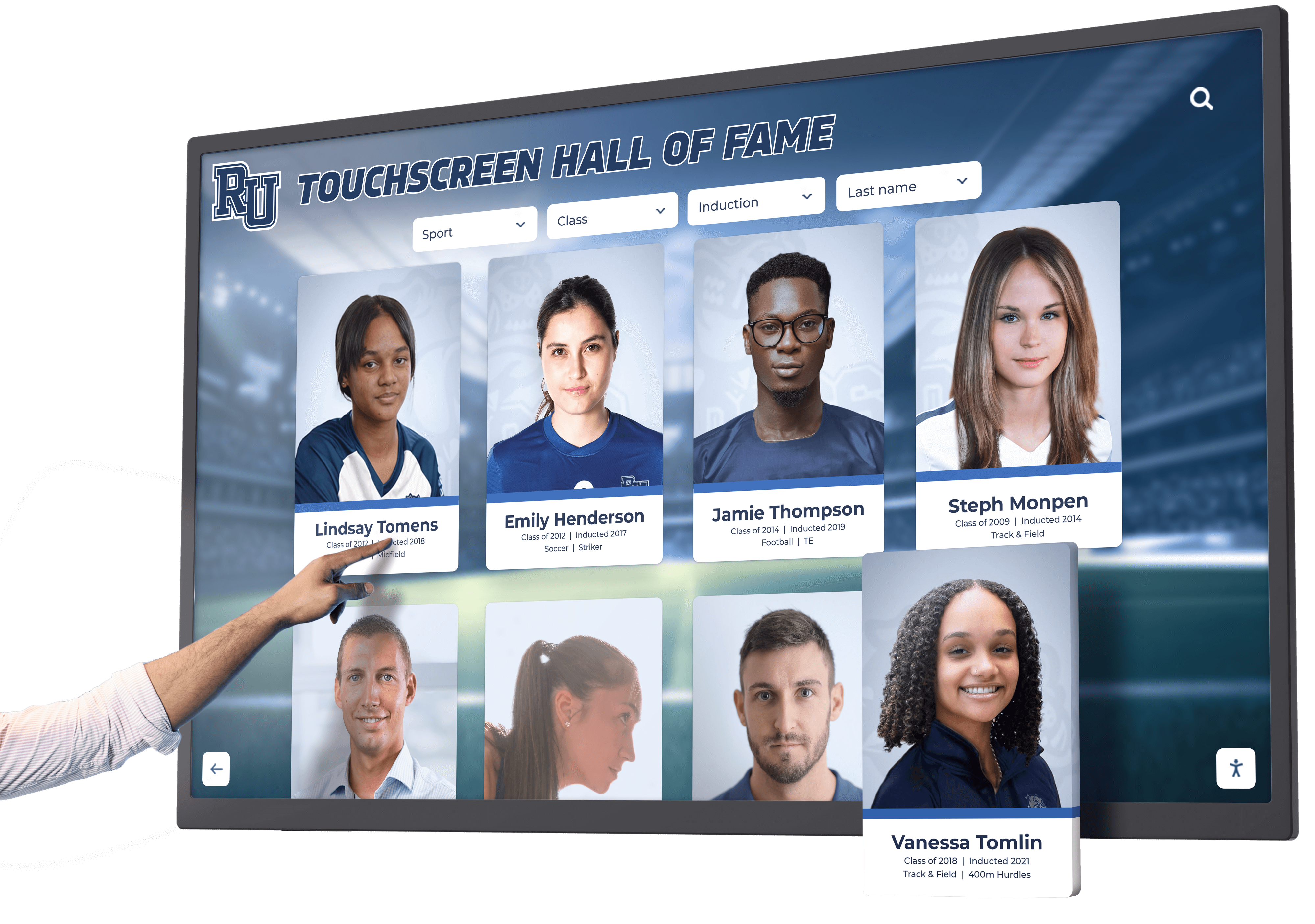




Schools, universities, athletic programs, and organizations across the country face a fundamental challenge when honoring distinguished achievements: traditional trophy cases and plaque walls impose strict capacity limits, require physical access for updates, offer minimal storytelling capabilities, and create accessibility barriers that exclude community members from fully experiencing institutional heritage. These limitations force administrators into impossible choices—removing historical recognition to accommodate recent achievements, purchasing additional cases that consume valuable wall space, or accepting that most accomplishments will never receive proper acknowledgment.
Touchscreen hall of fame solutions transform recognition by eliminating capacity constraints entirely, enabling interactive exploration through searchable databases, supporting rich multimedia storytelling with photos and videos, facilitating remote content management from anywhere, and providing accessible interfaces ensuring all visitors can discover achievements regardless of physical abilities or disabilities.
As 2026 unfolds, educational institutions and organizations increasingly recognize that digital recognition represents not just a technology upgrade but a fundamental reimagining of how communities celebrate excellence, preserve heritage, and inspire future generations through meaningful acknowledgment of distinguished achievement across athletics, academics, arts, service, and institutional history.
Recognition systems that fail to grow with communities create ongoing frustration and missed opportunities. Athletic programs accumulating decades of championships cannot display comprehensive team rosters. Academic programs honoring distinguished scholars face difficult decisions about whose achievements receive visibility. Alumni associations struggle to maintain current information about graduates’ post-graduation accomplishments. Development offices find donor recognition constrained by physical space rather than philanthropic impact.

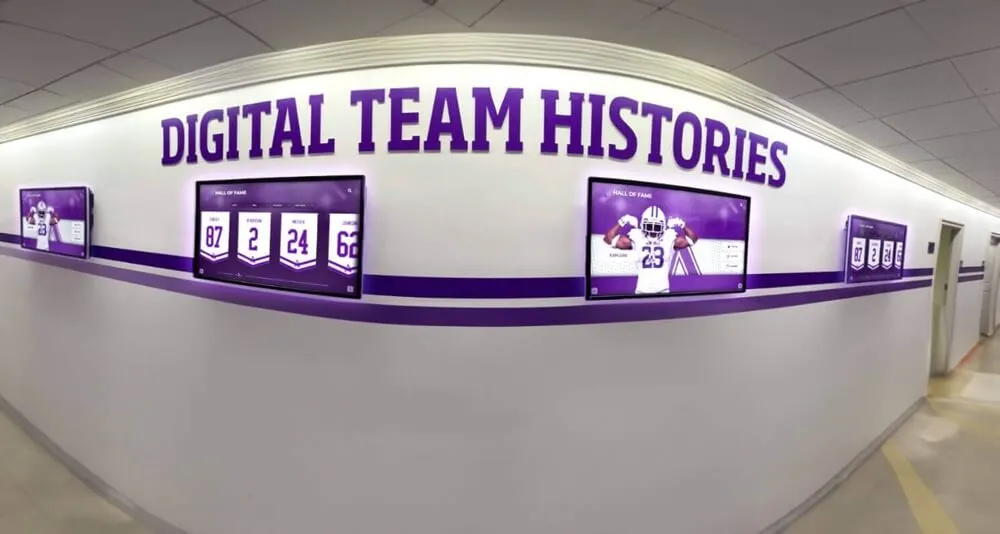
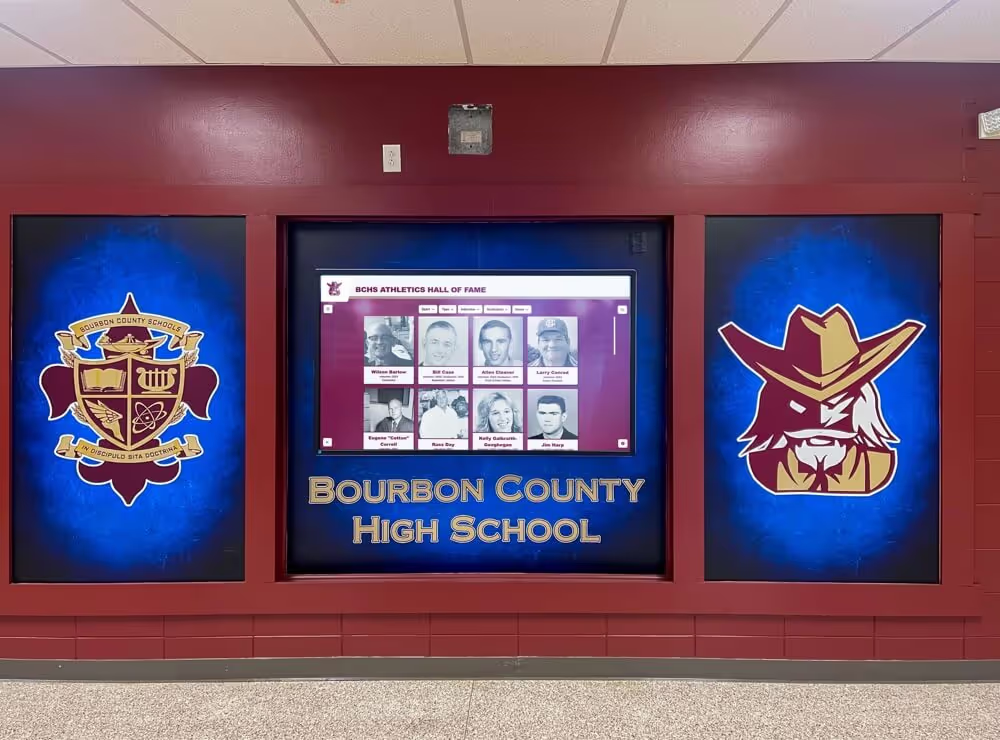
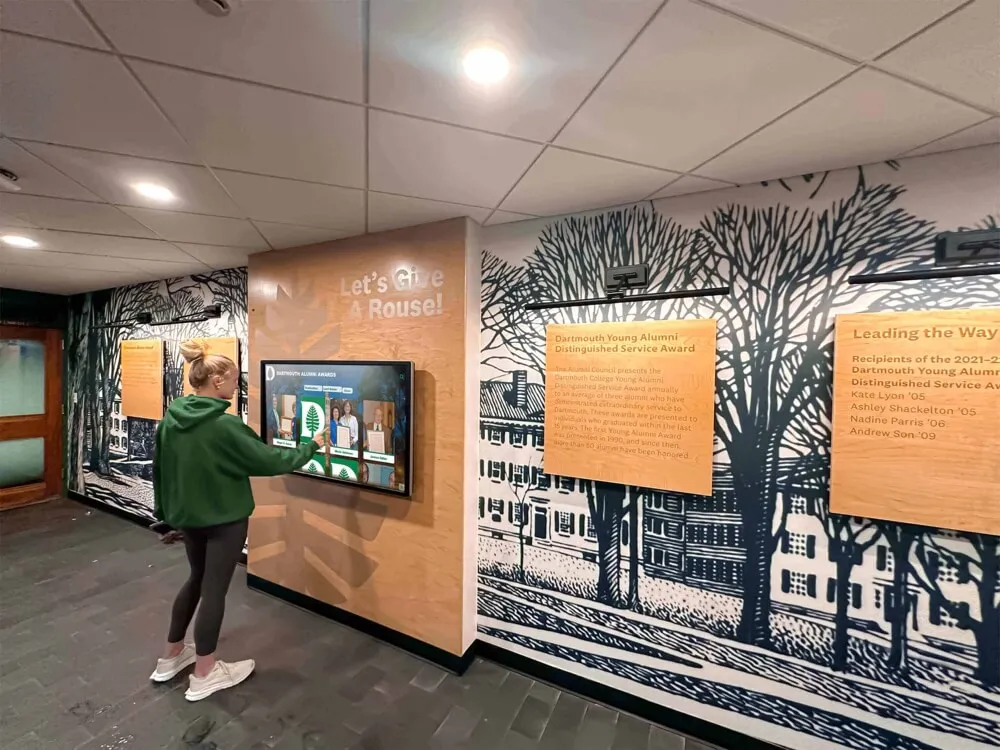
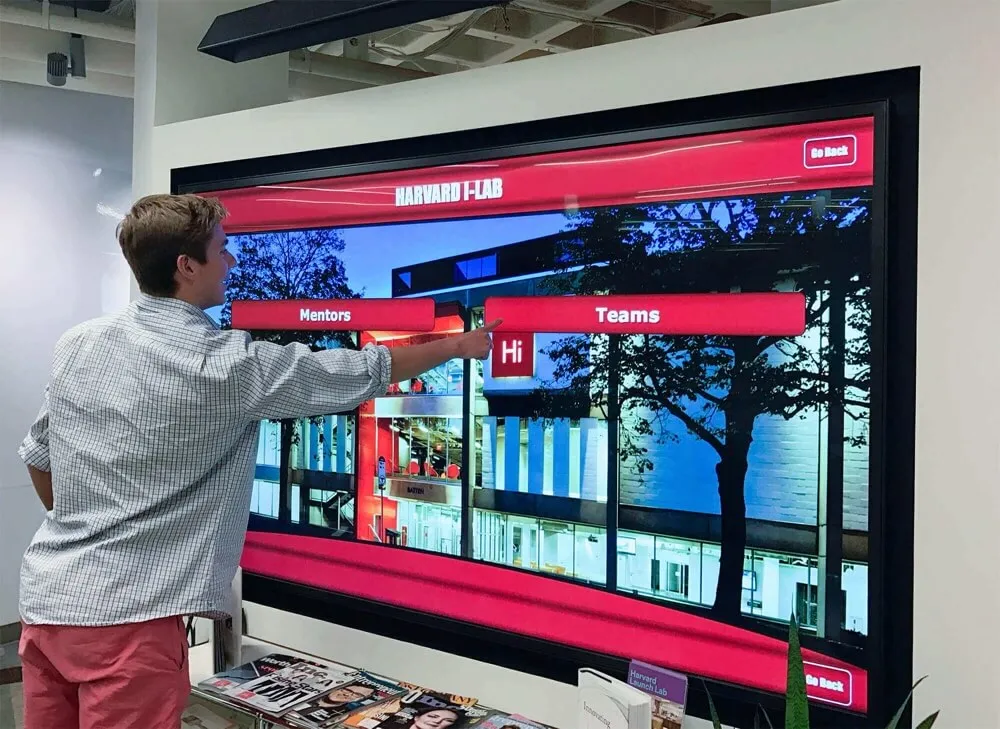
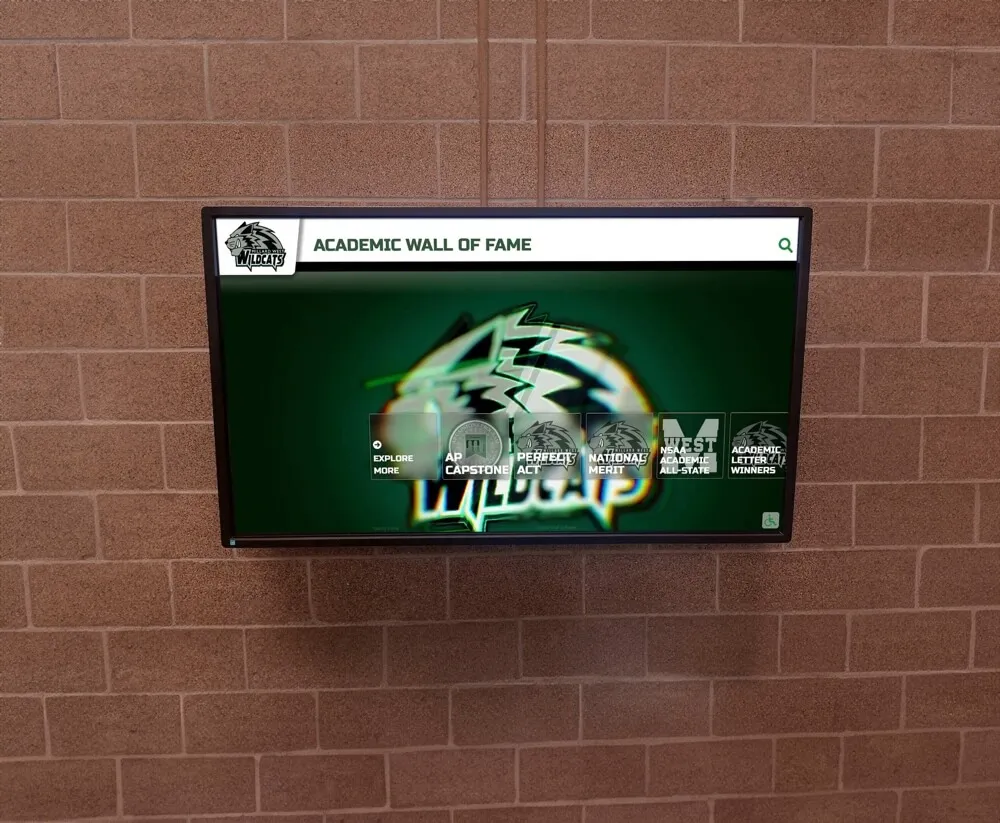
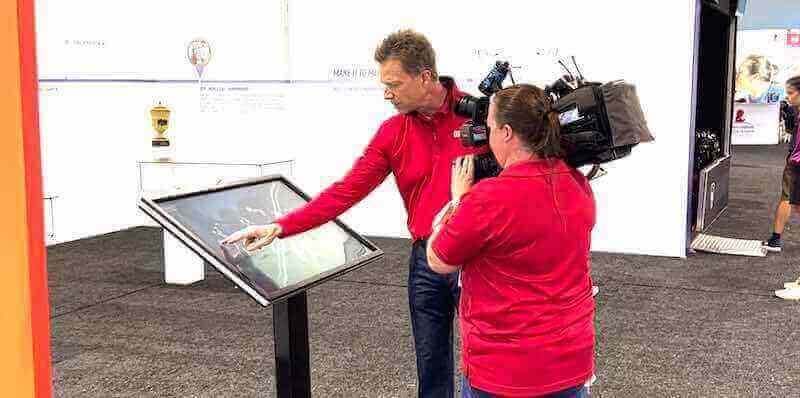
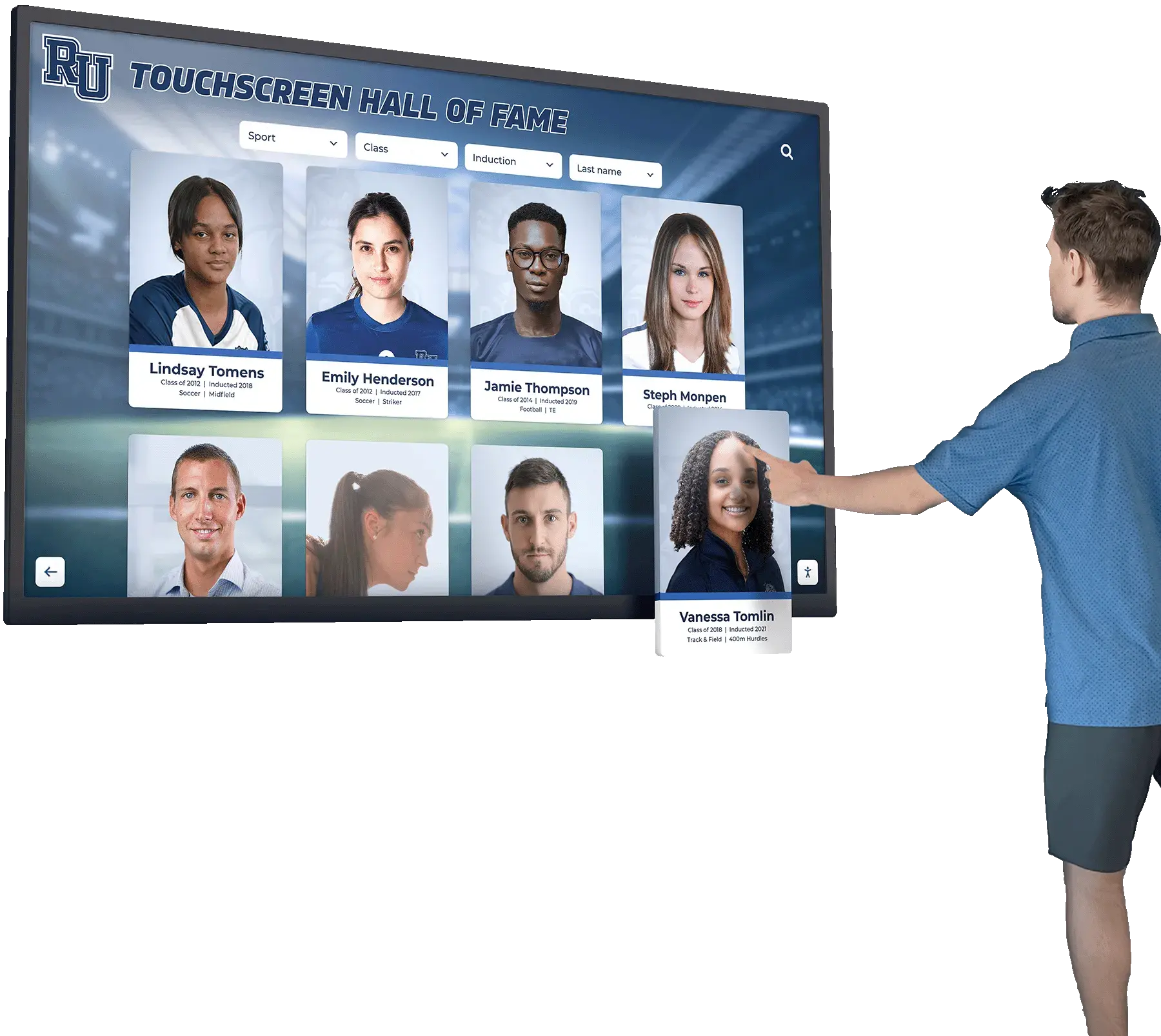
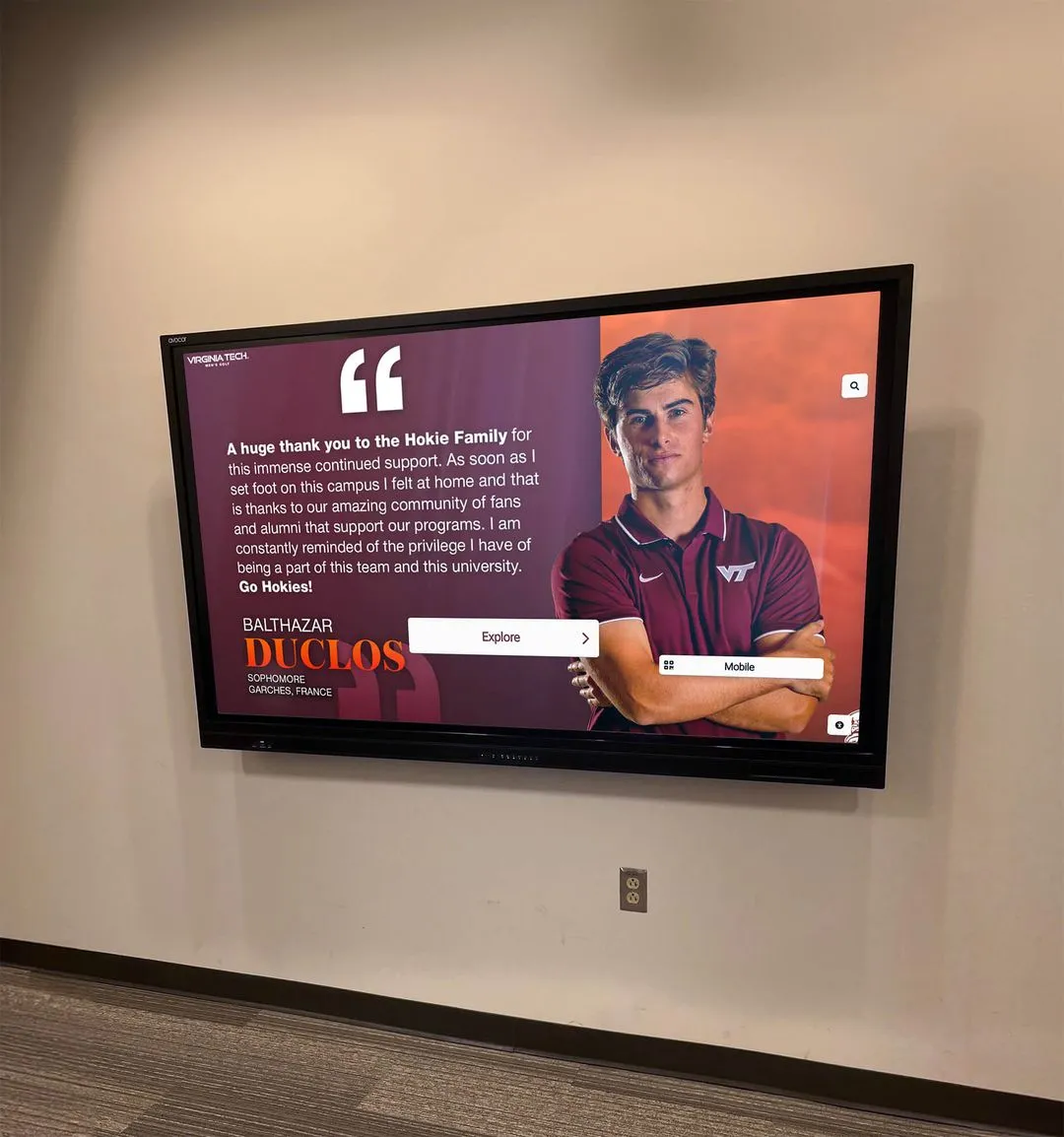
Modern touchscreen technology creates engaging recognition experiences enabling visitors to discover personal connections, explore historical achievements, and interact with institutional heritage in meaningful ways
The Evolution of Recognition Technology: From Physical Displays to Interactive Experiences
Understanding how recognition technology has advanced helps institutions make informed decisions about investments affecting community engagement for decades to come.
Traditional Recognition Limitations
Physical trophy cases and plaque walls have served schools and organizations for generations, but inherent constraints limit their effectiveness:
Capacity Restrictions
- Standard trophy cases accommodate 40-60 awards before requiring expansion
- Wall-mounted plaques consume finite space forcing removal of older recognition
- Multi-sport athletic programs generate 10-20 championship trophies annually
- Academic honor rolls outgrow physical boards within several years
- Comprehensive recognition across multiple achievement categories exceeds available wall space
Maintenance Challenges
- Physical access required for every content update or addition
- Manual rearrangement needed when adding new trophies or plaques
- Dust accumulation requiring regular cleaning of glass cases and awards
- Engraving costs of $15-50 per nameplate creating ongoing expenses
- Lock mechanisms wear out from repeated access needs
- Glass panels develop scratches or cracks from high-traffic environments
Limited Information Depth
- Trophy engraving typically includes only name, sport, year, and achievement type
- Plaques provide basic biographical information without contextual storytelling
- No capacity for statistics, career highlights, or post-graduation updates
- Photographs limited by physical mounting space and frame costs
- Video content impossible to integrate with traditional displays
- Alumni career progression and community contributions go undocumented
Schools implementing athletic hall of fame programs quickly discover that traditional approaches cannot scale to honor comprehensive achievement over time.
Digital Recognition Revolution
Touchscreen hall of fame systems address traditional limitations through purpose-built platforms designed specifically for comprehensive recognition:
Unlimited Achievement Capacity
- Database architecture supports thousands of profiles without space constraints
- Every distinguished achievement receives permanent recognition regardless of volume
- Annual additions never require removing historical honorees
- Multiple achievement categories coexist without competition for physical space
- Searchable archives make individual discovery instant rather than tedious
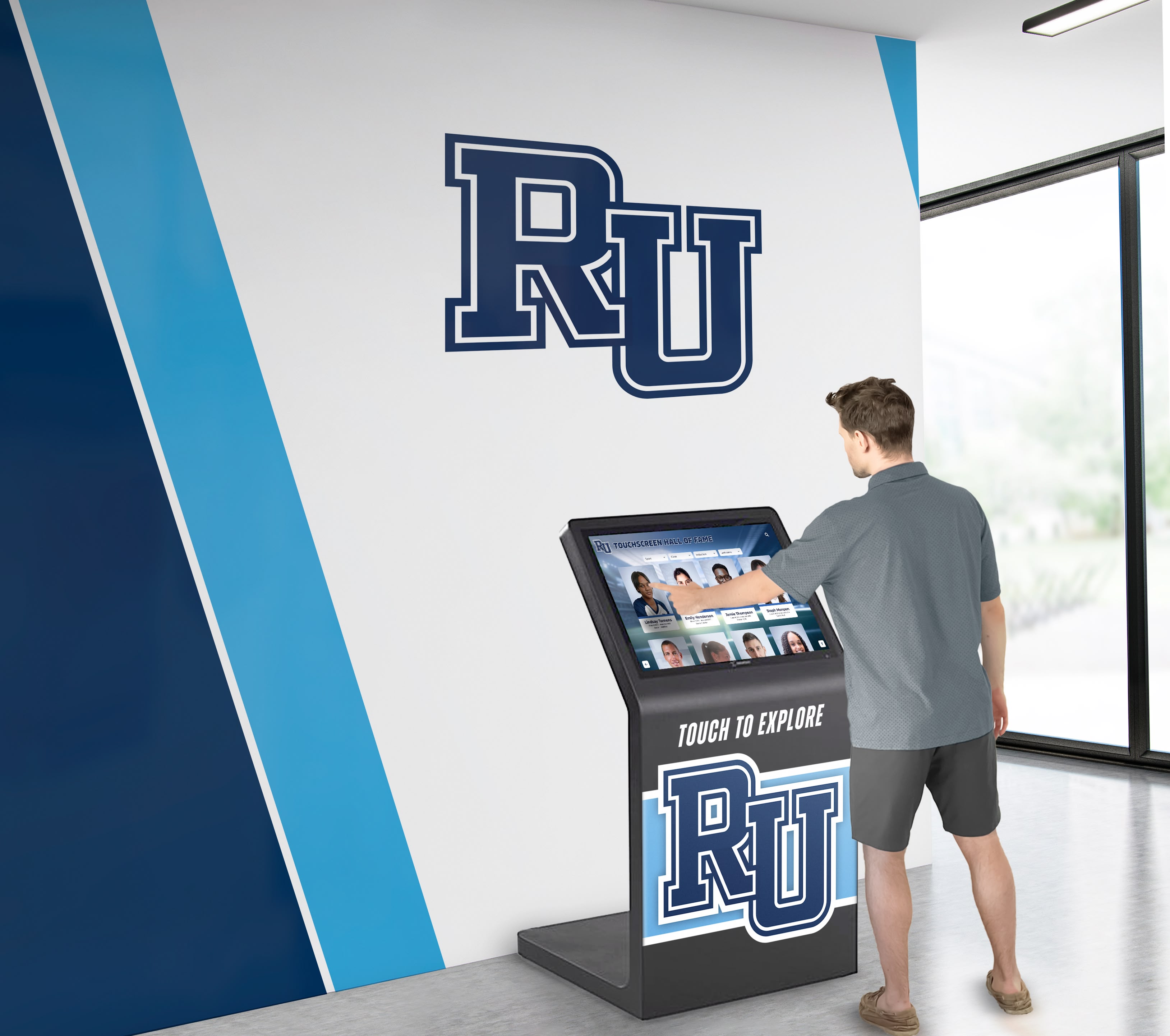
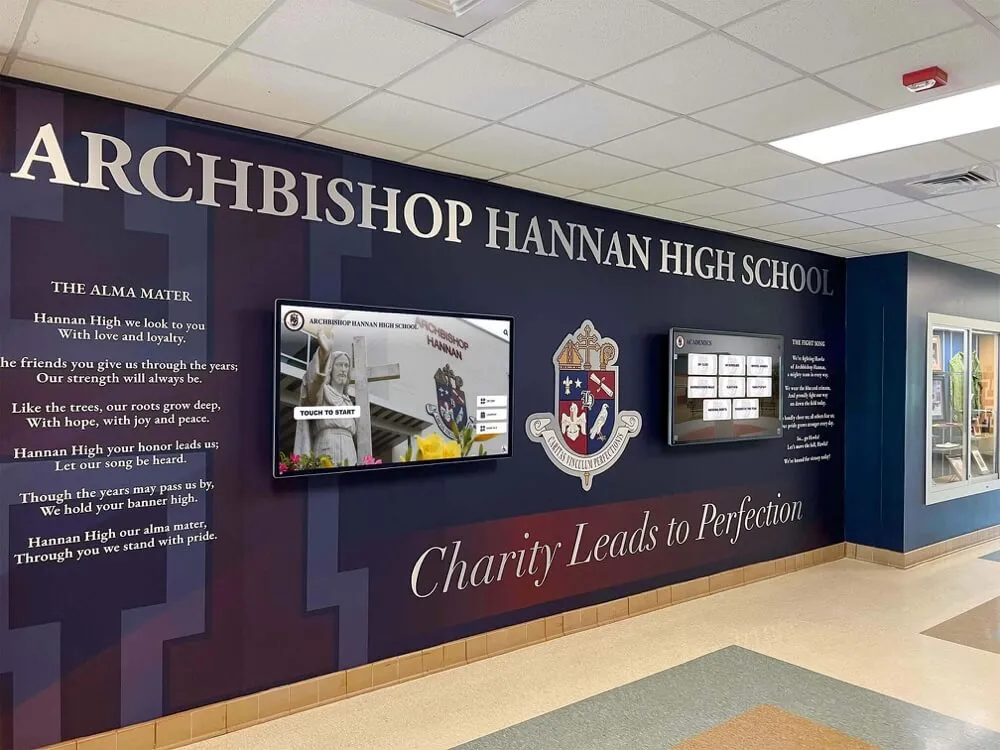
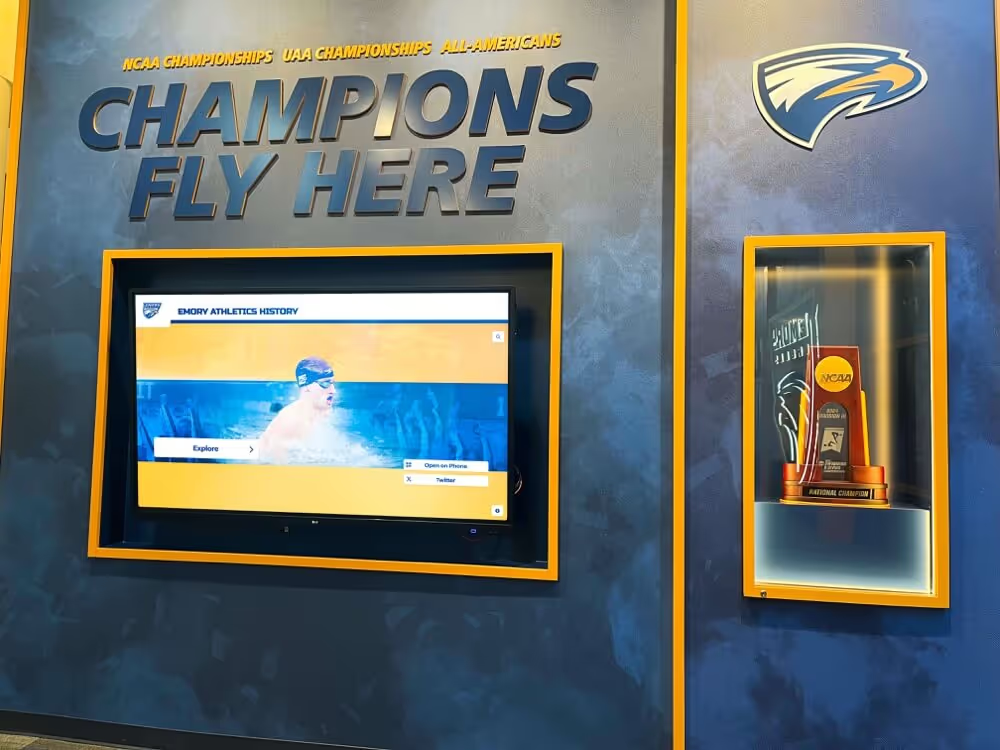
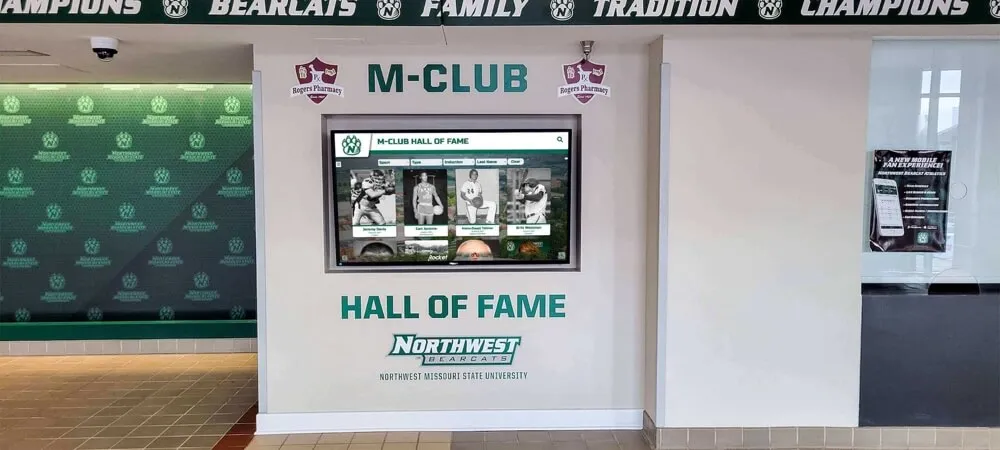
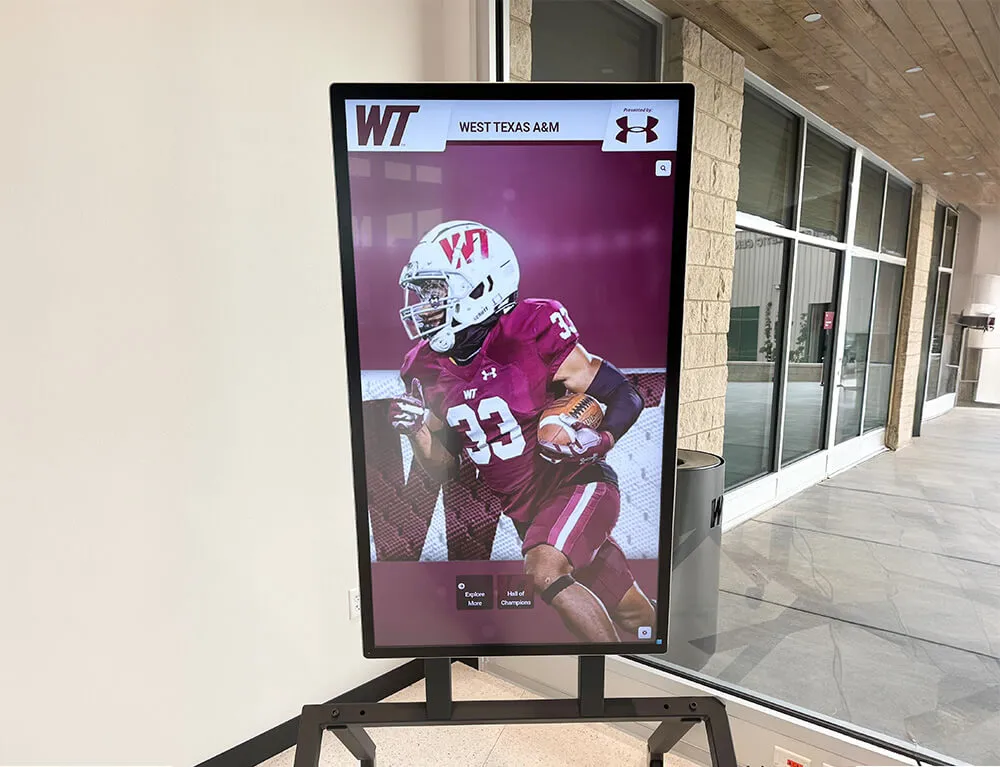
Professional kiosk installations transform lobbies into interactive celebration spaces where communities explore achievements through intuitive touchscreen interfaces
Remote Content Management
- Cloud-based platforms enable updates from any internet-connected device
- No physical presence required at display location for content additions
- Bulk upload capabilities add entire teams or classes efficiently
- Scheduled publishing coordinates content releases with ceremonies
- Multi-user access supports collaborative content development
- Immediate correction of errors without reinstallation or re-engraving
Rich Multimedia Storytelling
- Individual profiles combine photos, videos, statistics, and biographical narratives
- Career statistics track performance across seasons and create historical comparisons
- Video highlights showcase championship moments and individual excellence
- Timeline presentations document program evolution across decades
- Alumni updates maintain current information about post-graduation achievements
- Social media integration extends recognition beyond physical displays
Why Rocket Alumni Solutions Leads the 2026 Touchscreen Hall of Fame Market
Multiple vendors offer digital signage and recognition products, but Rocket Alumni Solutions distinguishes itself through comprehensive capabilities purpose-built specifically for institutional recognition across educational and organizational contexts.
Purpose-Built Recognition Platform Architecture
Generic digital signage adapted for recognition consistently disappoints because communication tools lack features institutions need for meaningful achievement celebration. Rocket Alumni Solutions designed their platform specifically for hall of fame applications:
Recognition-Specific Database Structure
The platform organizes content naturally for how institutions think about achievement:
- Individual inductee profiles with comprehensive biographical sections
- Team and group recognition with complete roster displays
- Statistical integration supporting sport-specific records and comparisons
- Award and honor categorization with flexible taxonomy
- Alumni career tracking documenting post-graduation accomplishments
- Search functionality enabling instant discovery by name, year, sport, or achievement type
Intuitive Content Management
Administrative teams manage recognition without technical expertise or design skills:
- Template-based profile creation ensures consistent professional presentation
- Form-based content entry requires no HTML, coding, or graphic design knowledge
- Bulk upload tools enable entire team or graduating class additions efficiently
- Media library organization manages thousands of photos and videos logically
- Approval workflows maintain quality before content publication
- Version history enables recovery if changes need reversal
Unlimited Scalability
As institutions grow recognition programs, the platform accommodates expansion:
- Database architecture supports unlimited profiles without performance degradation
- Storage capacity includes all photos, videos, and documents needed
- Additional achievement categories added without structural limitations
- Historical archive development proceeds without space constraints
- Future recognition needs accommodated without platform replacement
Organizations implementing digital hall of fame displays benefit from platforms designed specifically for their recognition needs rather than adapting generic tools.
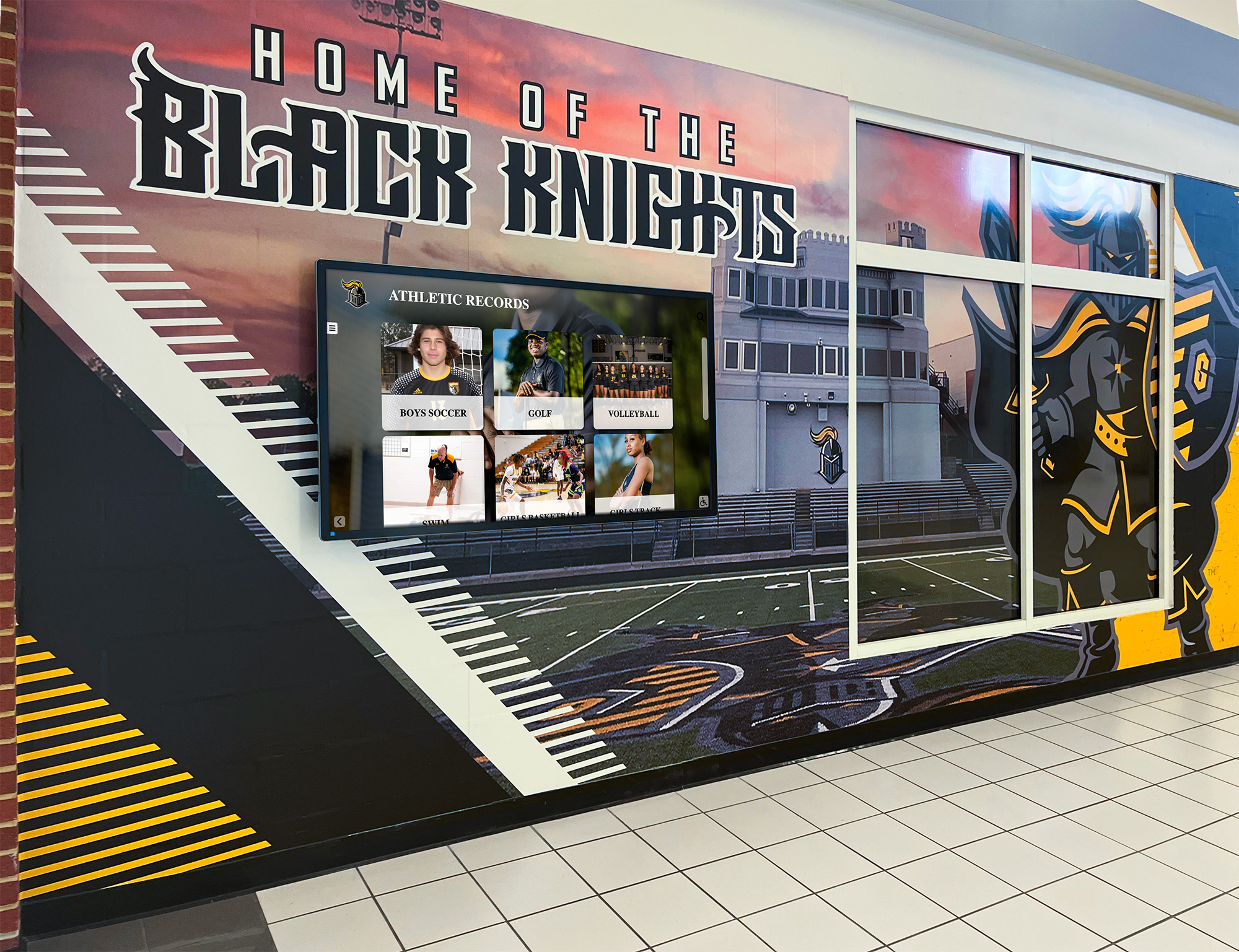
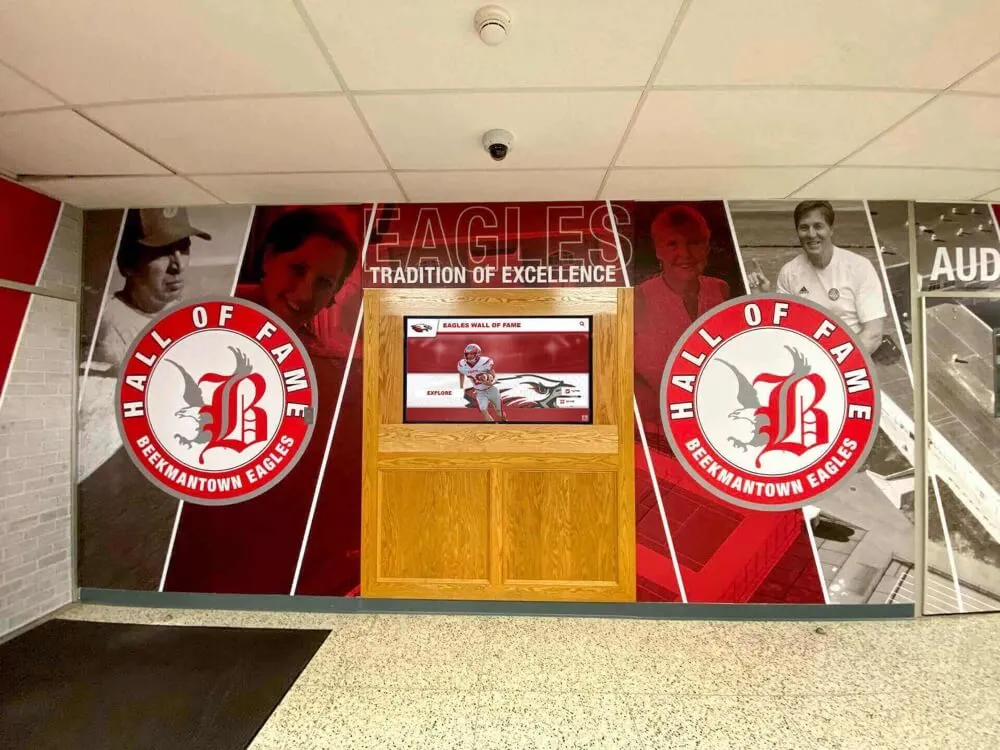
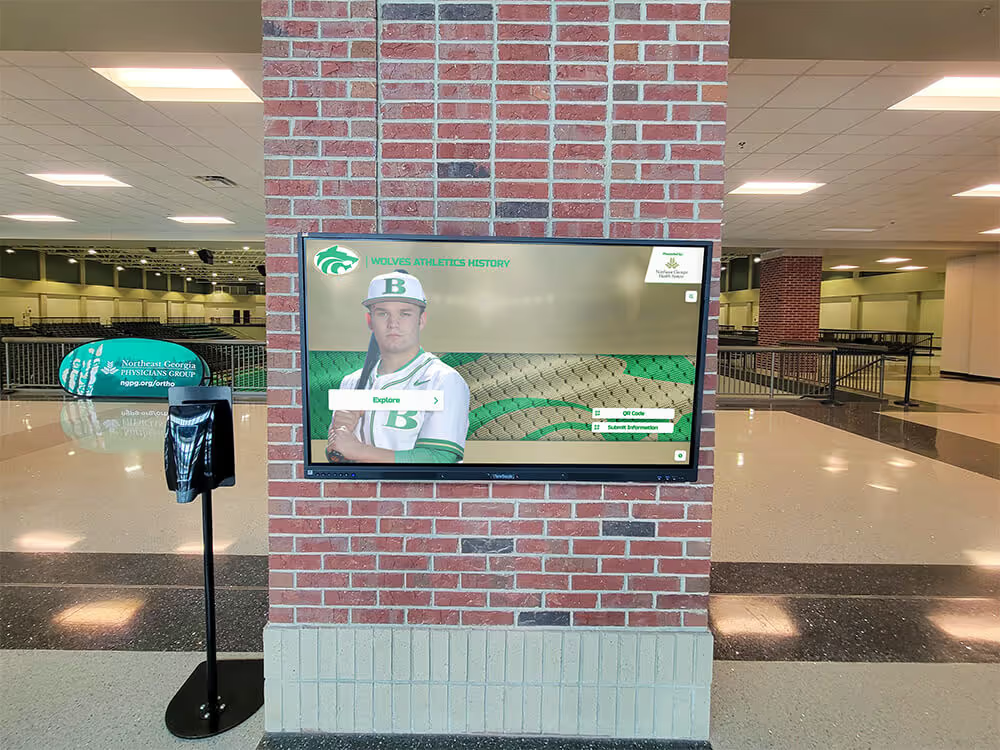
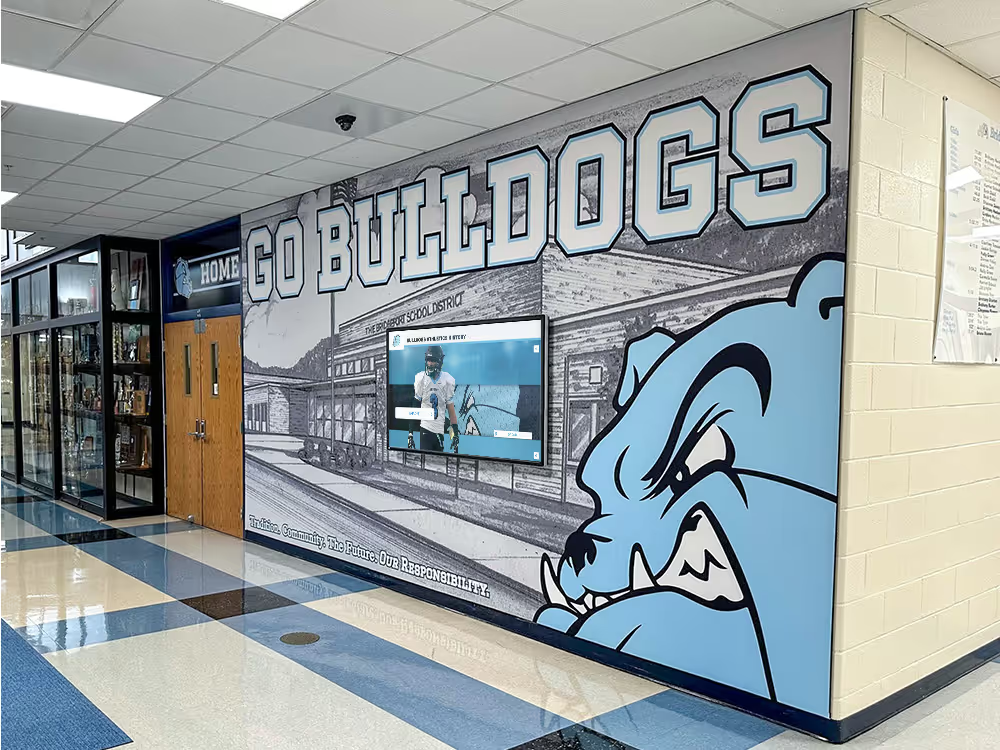
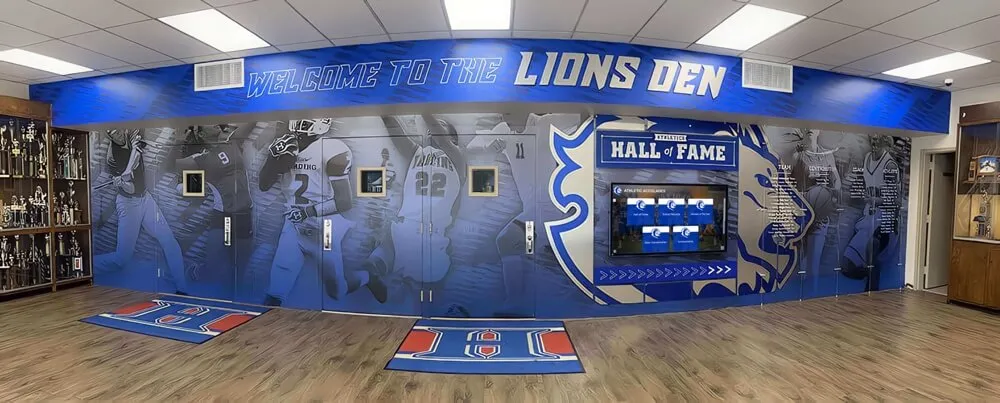
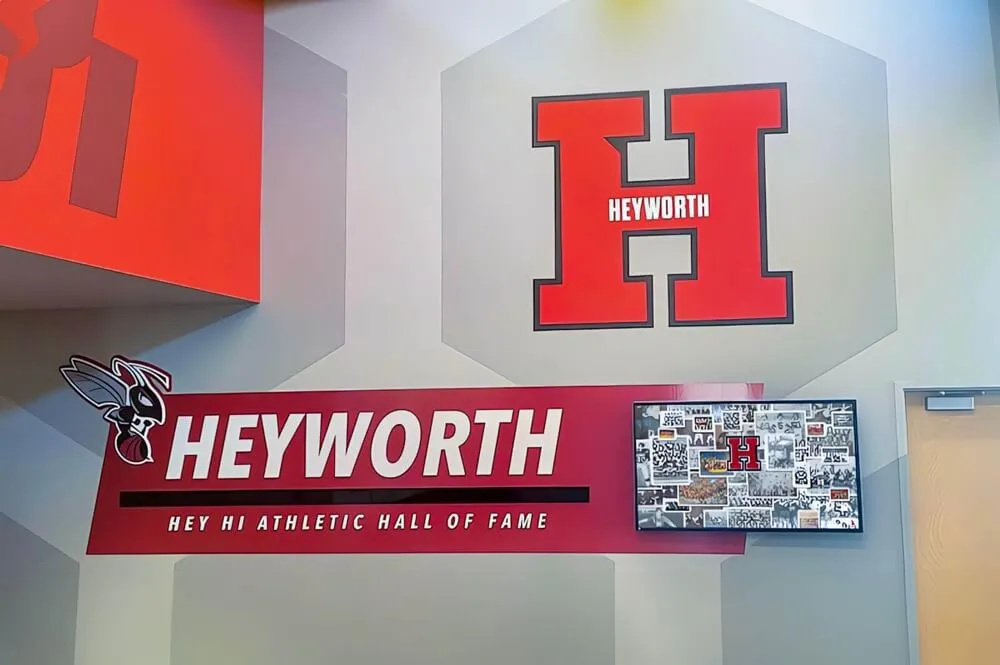
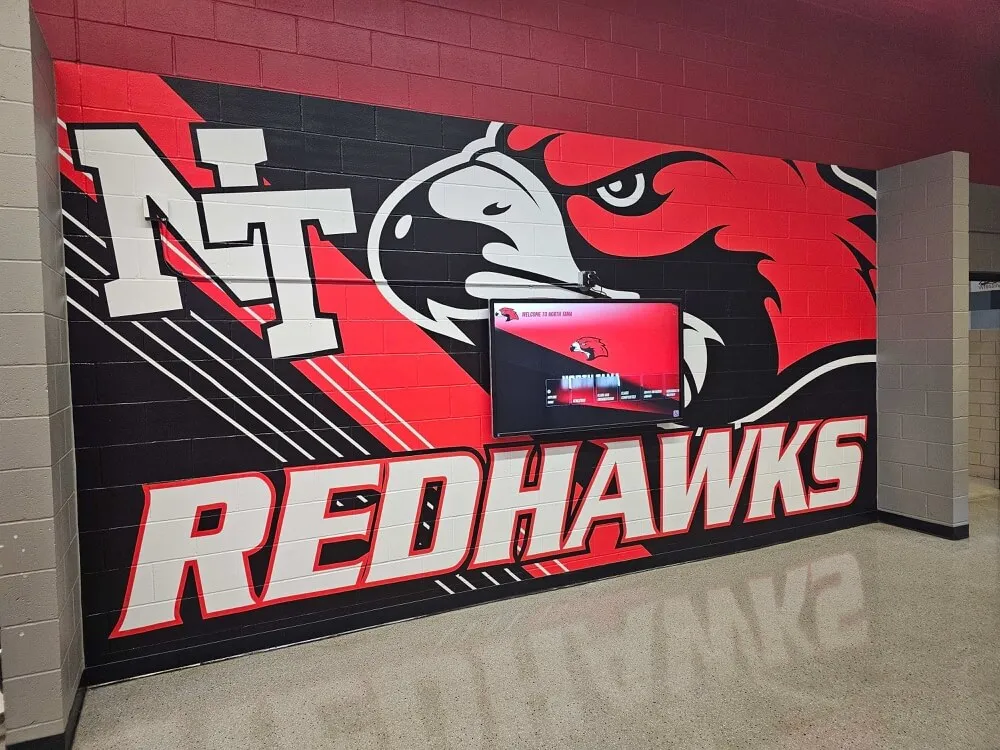
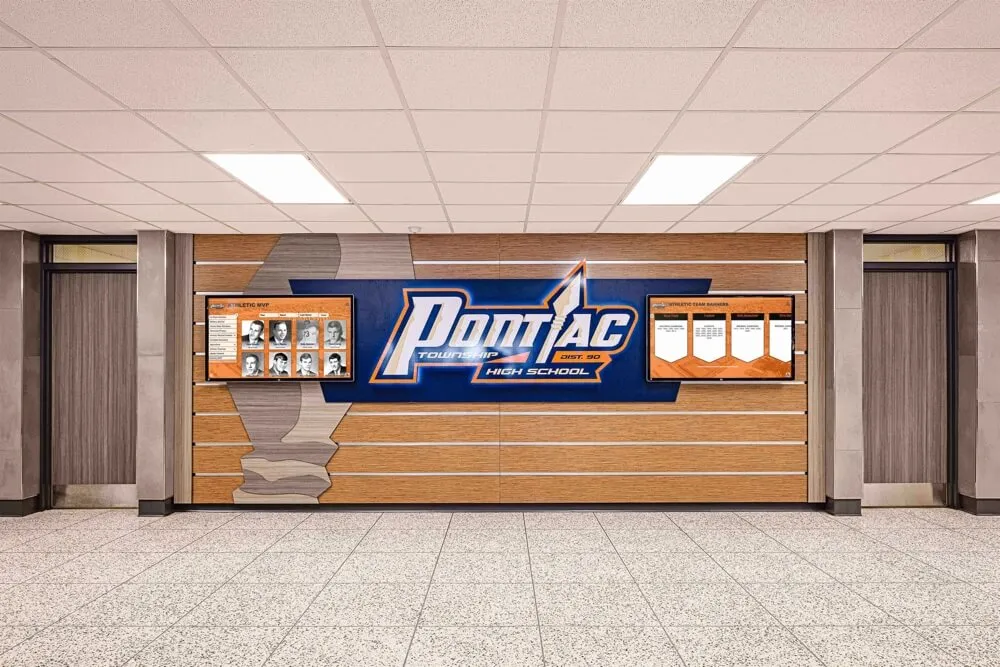
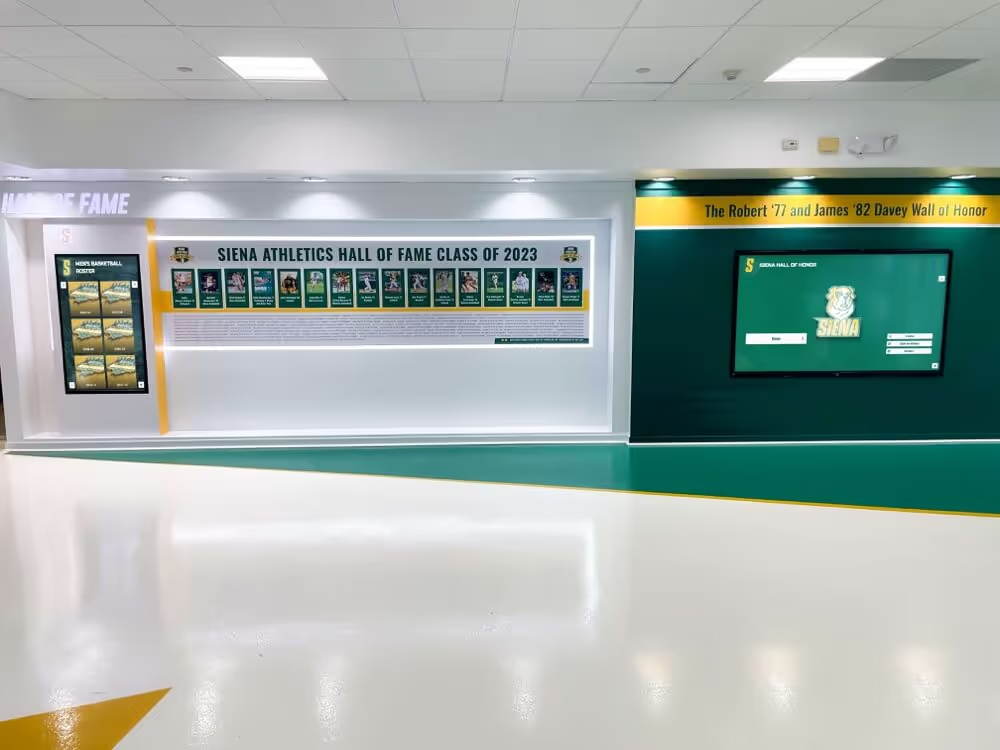
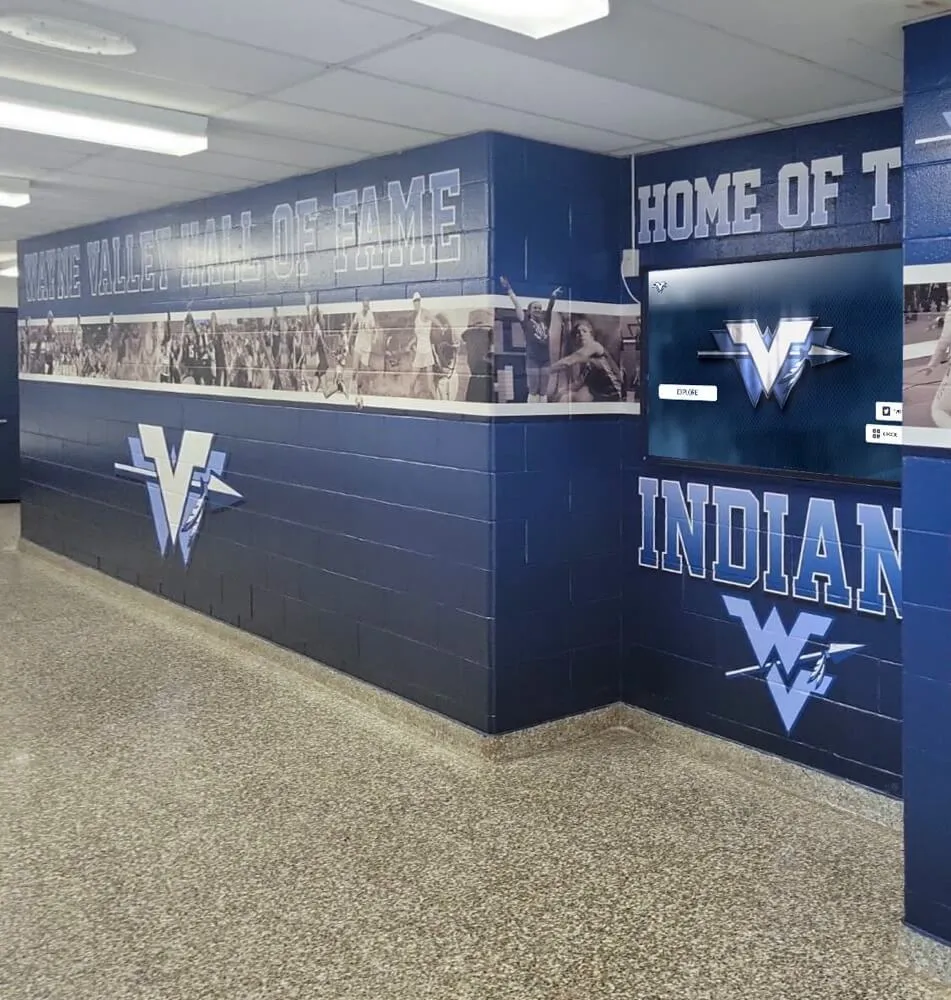
Strategic installations integrate touchscreen technology with institutional branding, creating cohesive recognition environments celebrating community achievements within familiar aesthetic contexts
Comprehensive Web Platform Integration
Physical displays serve visitors present on campus or in facilities, but modern recognition extends far beyond physical locations. Rocket Alumni Solutions provides integrated web platforms ensuring achievements receive visibility wherever community members connect:
Fully Responsive Web Access
Recognition extends to every device and location:
- Dedicated web platform displaying all inductees, statistics, and achievements
- Mobile-responsive design optimized for smartphones and tablets
- Search engine optimization making achievements discoverable through Google searches
- Social sharing features enabling honorees to celebrate with extended networks
- Alumni portal integration connecting recognition with fundraising and engagement
- QR code generation linking physical materials to comprehensive digital profiles
Remote Engagement Capabilities
Community members access recognition globally:
- Alumni browse their own profiles during careers and share with families
- Prospective students and families preview program excellence before campus visits
- Donors see acknowledgment visibility and community impact documentation
- Media and journalists research award winners for story development
- Researchers access historical records for academic or organizational studies
- Extended family members discover relatives’ achievements across generations
Continuous Content Accessibility
Unlike physical displays limited to facility hours, web platforms provide 24/7 access:
- Recognition available whenever community members wish to explore
- Event attendees review honoree information before ceremonies
- Alumni discover classmates and teammates during reunion planning
- Inductees share achievement announcements immediately upon publication
- International audiences access institutional heritage despite geographic distance
- Historical research proceeds without requiring on-site archival visits
Understanding digital donor walls helps organizations see how recognition technology serves both physical and virtual audiences simultaneously.
ADA Accessibility and Inclusive Design
Legal compliance requirements and ethical commitments to inclusion both demand recognition systems serving all community members regardless of physical abilities or disabilities. Rocket Alumni Solutions prioritizes accessibility:
WCAG 2.1 AA Compliance
The platform meets Web Content Accessibility Guidelines across all interfaces:
- Screen reader compatibility enabling blind users to access complete content
- Keyboard navigation supporting users who cannot operate touchscreens
- Sufficient color contrast ensuring visibility for low-vision users
- Alternative text for images providing context to screen reader users
- Proper heading structure enabling efficient navigation
- Resizable text maintaining readability across vision capabilities
Touch-Optimized Interface Design
Physical touchscreen interfaces accommodate varied abilities:
- Large touch targets exceeding minimum size requirements
- Clear visual feedback confirming successful interactions
- Intuitive navigation reducing cognitive load
- Consistent interface patterns preventing confusion
- Error prevention and recovery supporting all users
- Multiple interaction modes accommodating diverse preferences
Universal Design Benefits
Accessible design improves experiences for all users:
- Clear organization helps everyone find content efficiently
- Searchable databases reduce navigation difficulty for all visitors
- Visual hierarchy guides attention regardless of abilities
- Consistent patterns reduce learning curves for first-time users
- Mobile accessibility serves users in various contexts
- Alternative formats accommodate different learning preferences
Schools planning school digital signage must ensure all implementations meet accessibility standards protecting equal access rights.
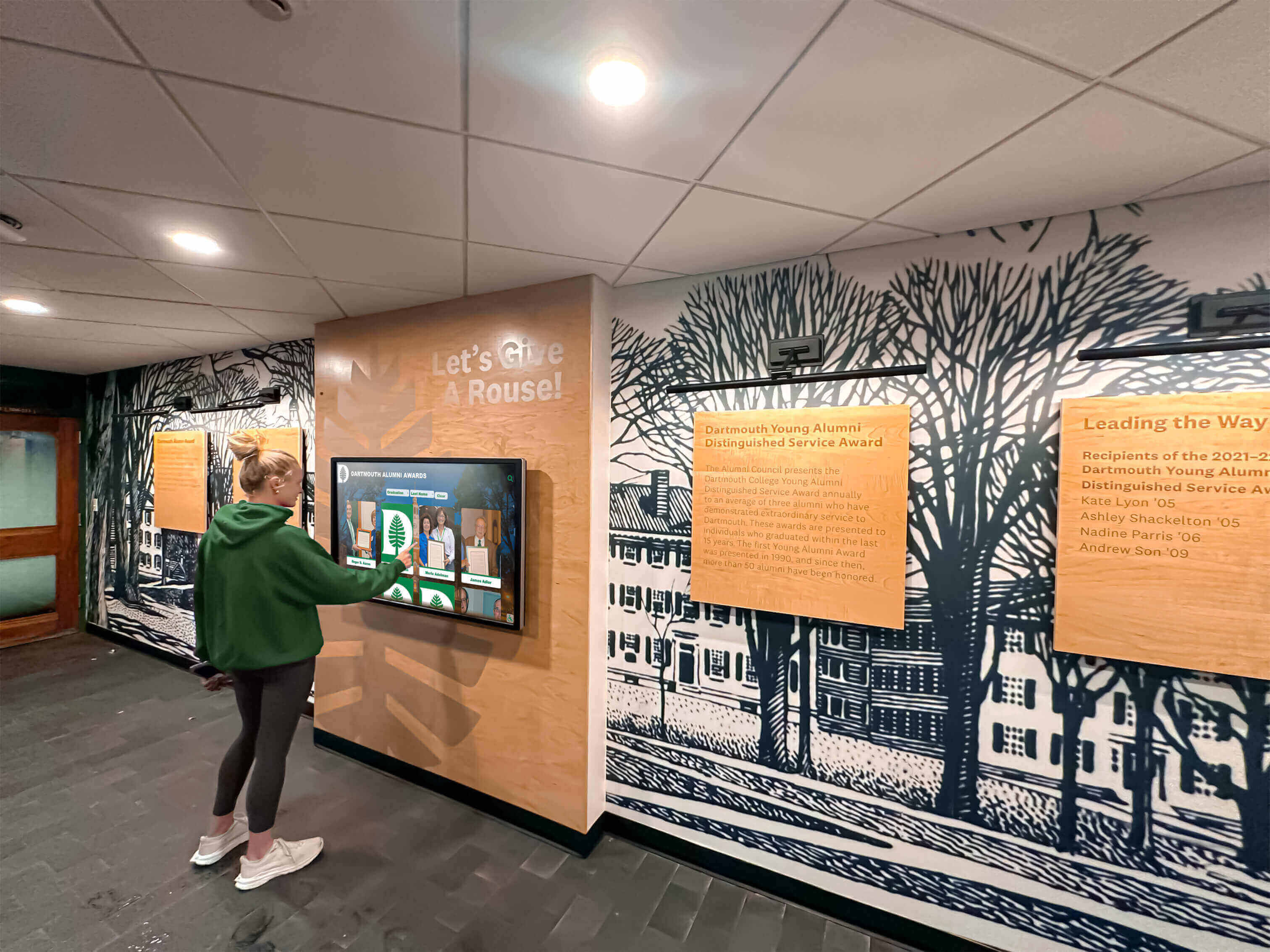
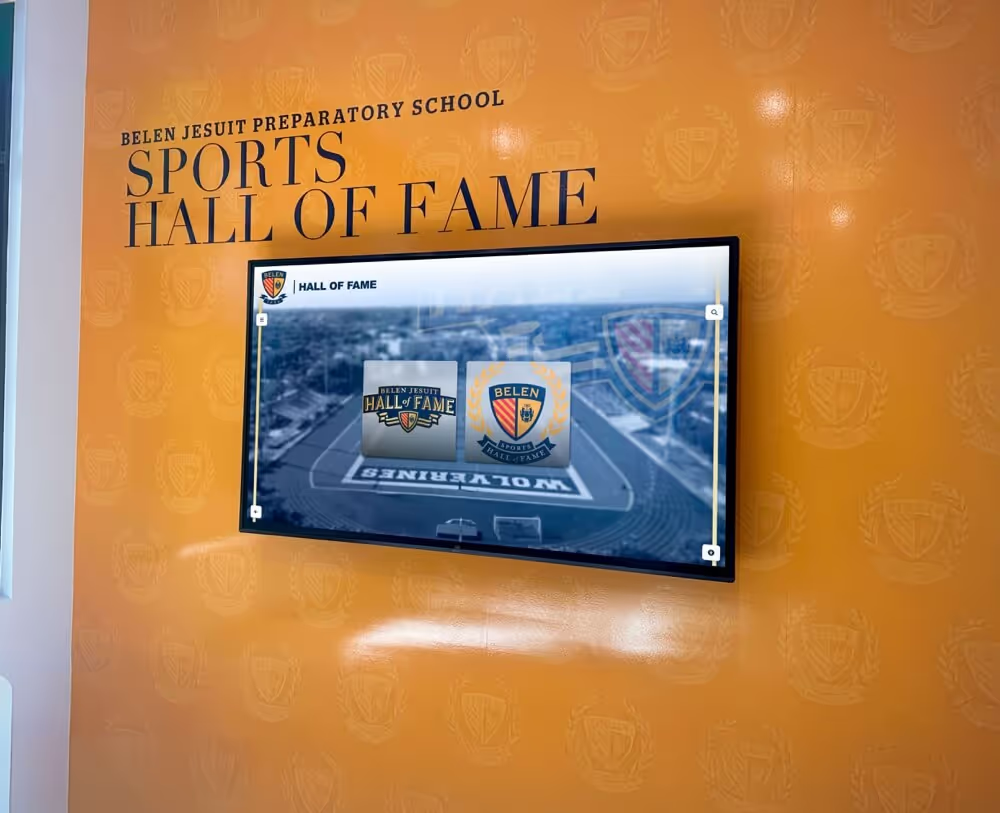
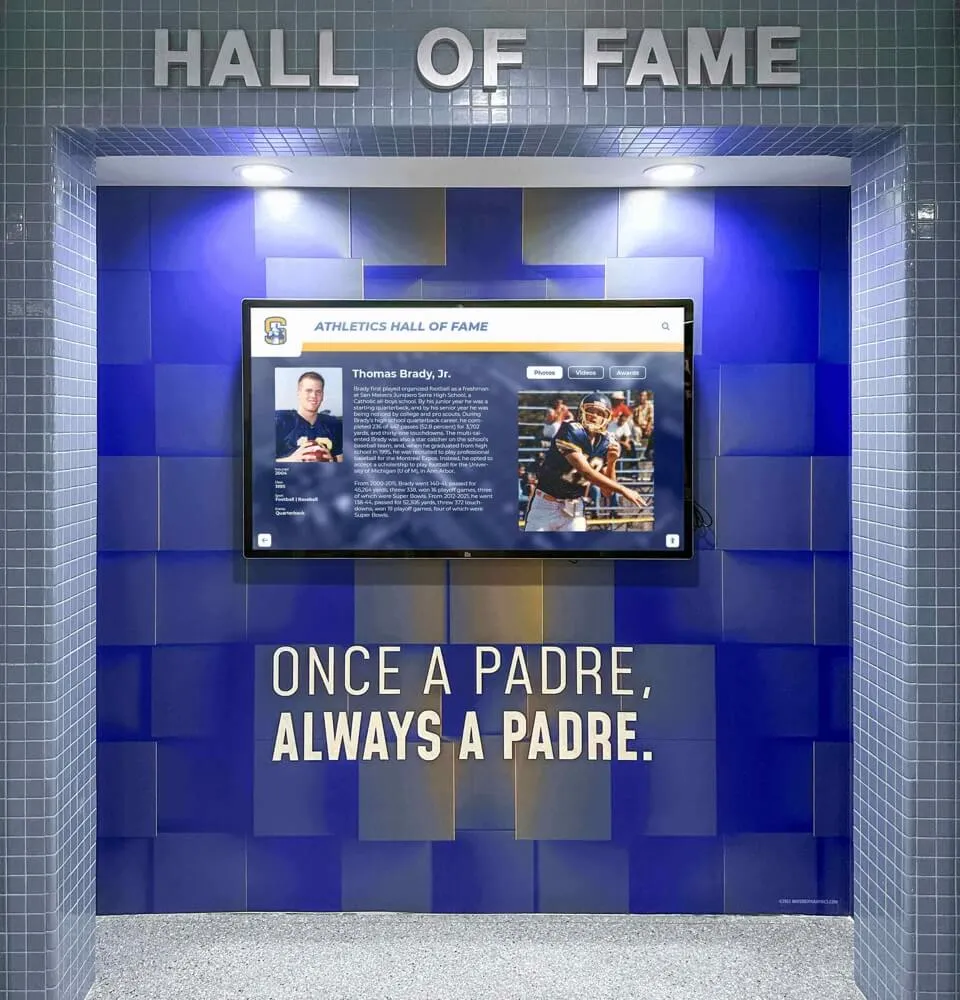
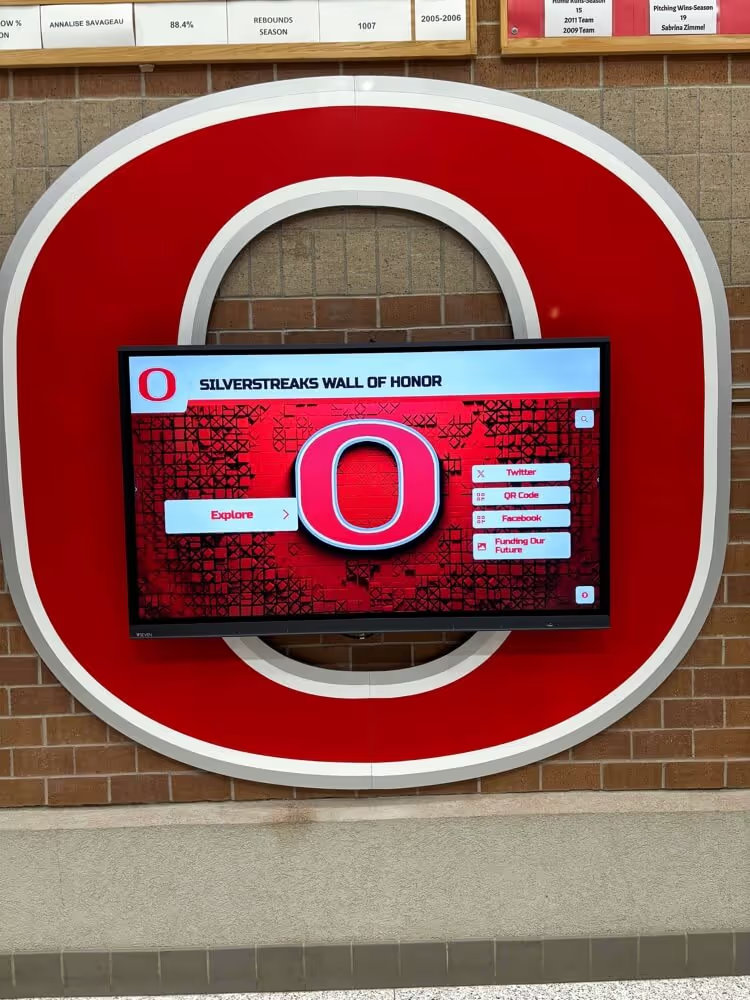
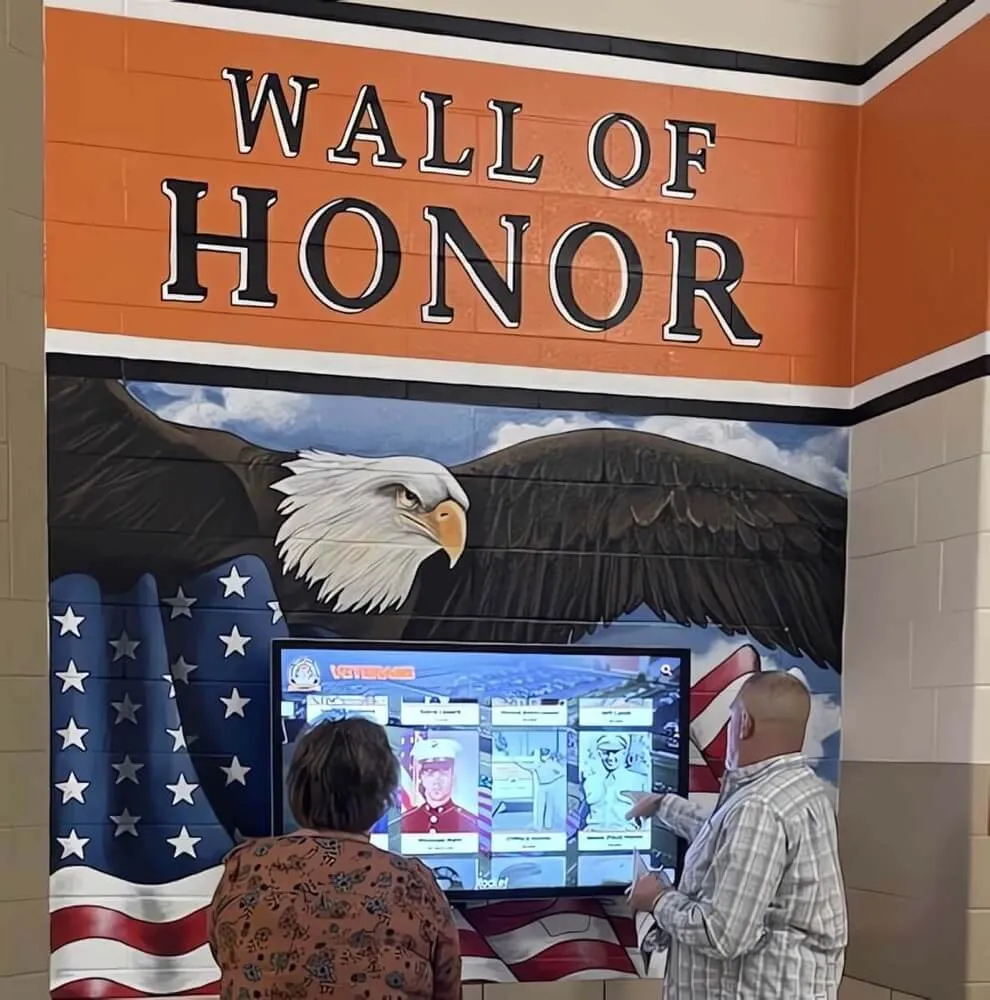
Accessible interfaces ensure all community members can independently explore achievements, discover personal connections, and engage with institutional heritage regardless of physical abilities
Implementation Excellence: Professional Services Supporting Recognition Success
Technology platforms provide tools, but successful recognition programs require comprehensive implementation support ensuring content quality, professional presentation, and sustainable long-term operations.
Turnkey Content Development Services
Most institutions struggle with initial content creation—decades of achievements need documentation, historical photos require digitization, biographical information must be researched and written, and professional standards must be maintained throughout. Rocket Alumni Solutions provides comprehensive content development:
Historical Research and Digitization
Professional services establish complete archives:
- Yearbook scanning and optical character recognition for historical records
- Athletic record research documenting performance statistics across decades
- Photograph digitization with proper resolution and format optimization
- Trophy and award documentation photographing physical recognition
- Publication archive research accessing newspapers, programs, and announcements
- Alumni outreach gathering updated information and career details
Professional Biographical Writing
Content specialists create engaging profiles:
- Consistent narrative style maintaining professional presentation throughout
- Achievement contextualization explaining significance to broader audiences
- Statistical compilation presenting career performance comprehensively
- Interview integration incorporating honoree perspectives and memories
- Career documentation tracking post-graduation accomplishments and contributions
- Quality assurance ensuring accuracy before publication
Photography and Media Production
Visual content meets professional standards:
- On-site photography sessions capturing current honorees professionally
- Historical photo restoration improving quality of archived images
- Video editing producing championship highlight compilations
- Graphics creation designing visual elements and branded components
- Media optimization ensuring fast loading and high-quality display
- Rights management clarifying usage permissions for all content
Organizations exploring turnkey digital hall of fame solutions benefit from comprehensive service packages addressing both technology and content needs.
Professional Hardware and Installation
Reliable recognition requires commercial-grade equipment and expert installation ensuring displays operate consistently in high-traffic public environments:
Commercial Touchscreen Displays
Professional hardware built for institutional applications:
- Commercial-grade displays rated for continuous operation
- Touchscreen technology optimized for responsive multi-user interaction
- High-brightness panels maintaining visibility in various lighting conditions
- Tempered glass protection preventing damage from impacts
- VESA mounting compatibility supporting flexible installation approaches
- Energy-efficient operation reducing long-term electrical costs
Installation Coordination
Professional services ensure proper deployment:
- Site assessment evaluating locations for visibility, traffic flow, and infrastructure
- Electrical installation providing reliable power with concealed wiring
- Network connectivity establishing reliable internet access for content management
- Structural mounting securing displays safely to walls or installing freestanding kiosks
- Custom millwork integration creating branded surrounds and environmental design
- Final testing verifying all functionality before official launch
Ongoing Technical Support
Long-term reliability depends on responsive support:
- Technical assistance available via phone, email, and remote access
- Hardware warranty coverage addressing equipment failures
- Software updates maintaining security and adding features
- Training for new administrators as staff transitions occur
- Troubleshooting guidance resolving issues quickly
- Preventive maintenance recommendations extending equipment life
Understanding hardware setup and support services helps institutions evaluate vendor capabilities beyond software features.
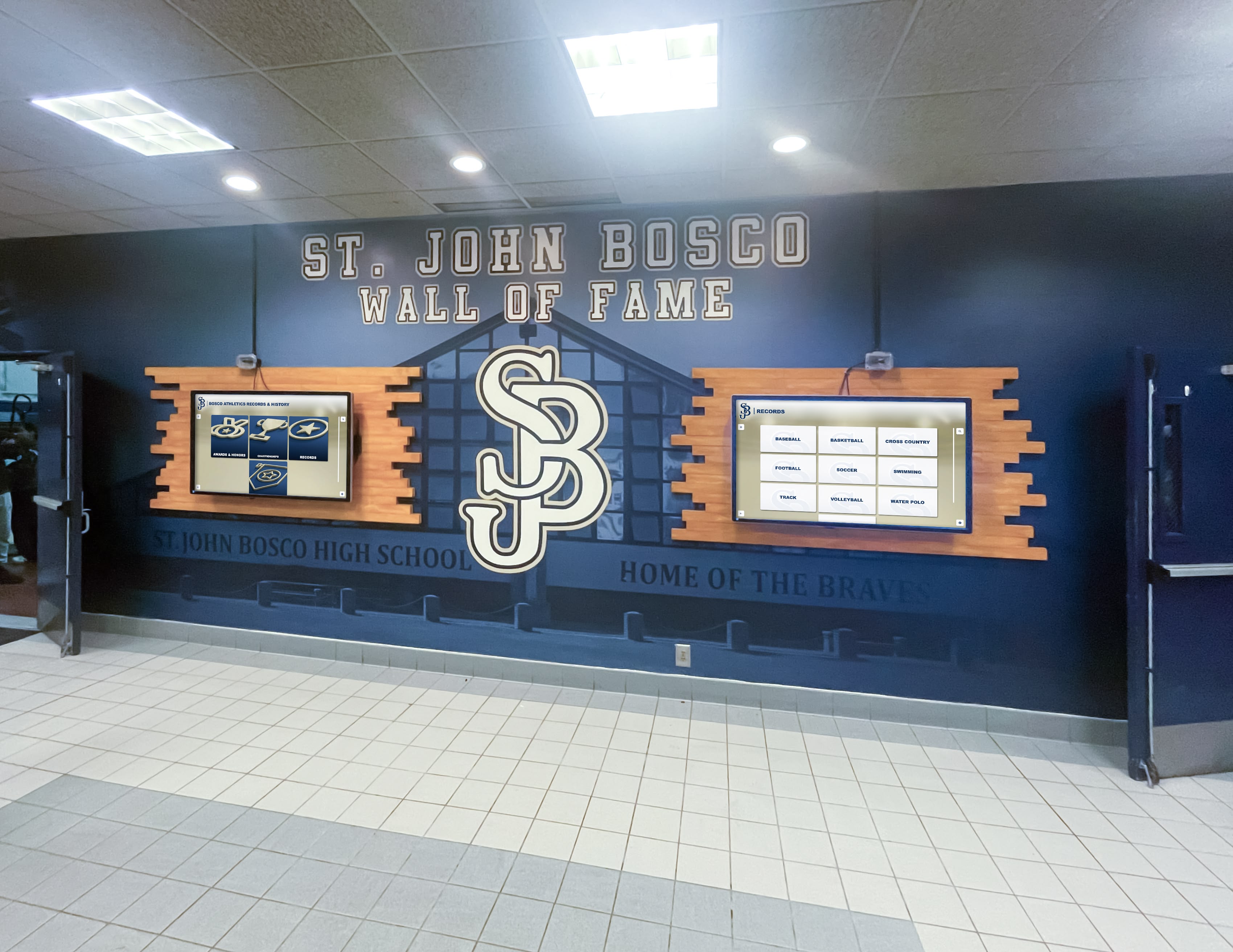
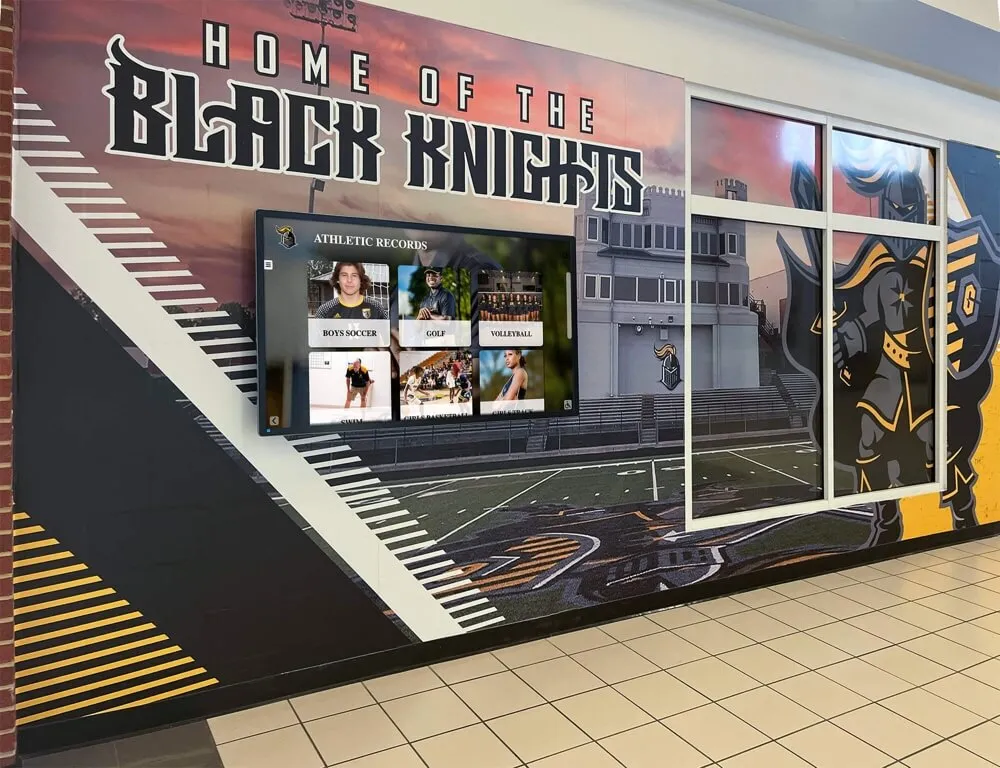
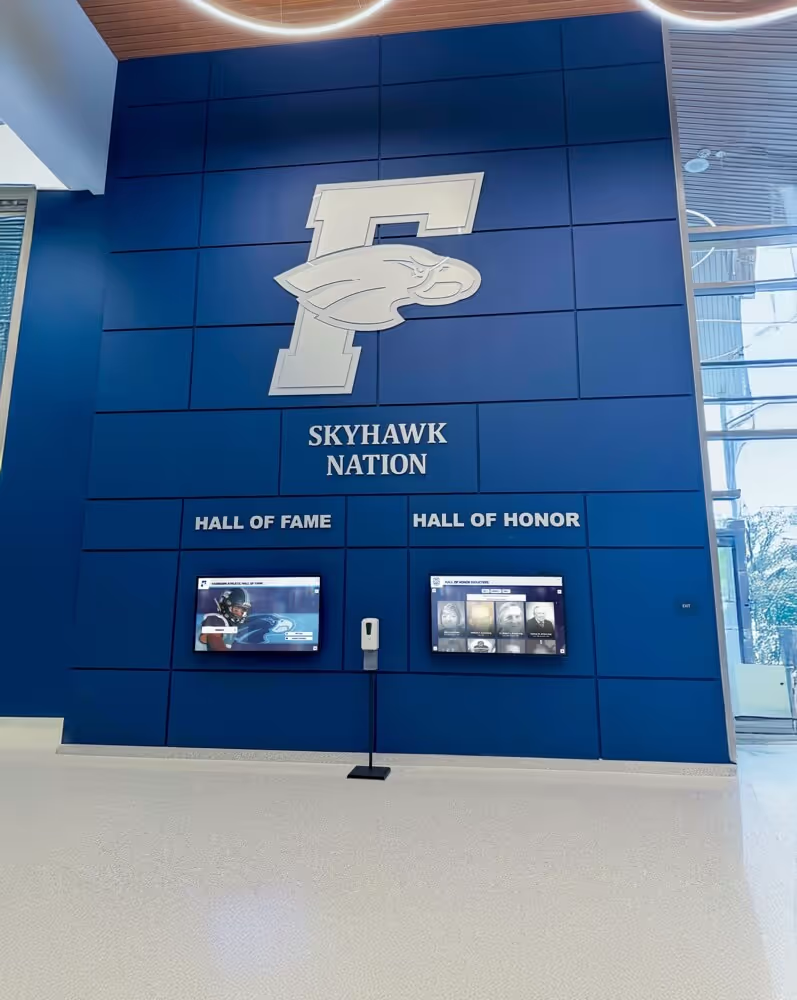
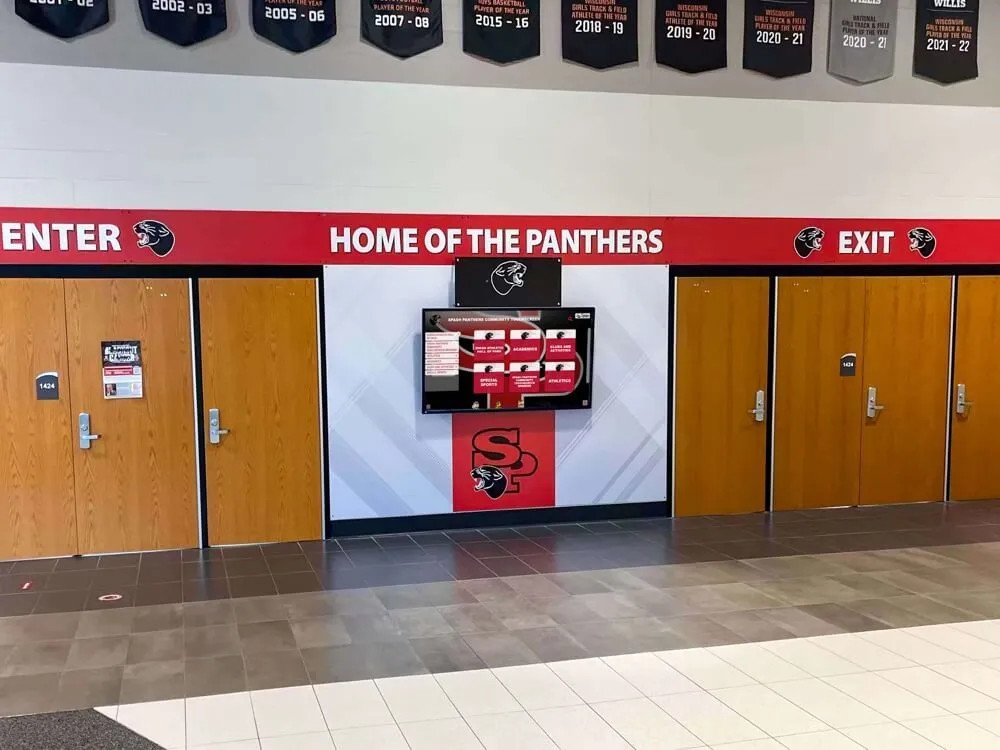
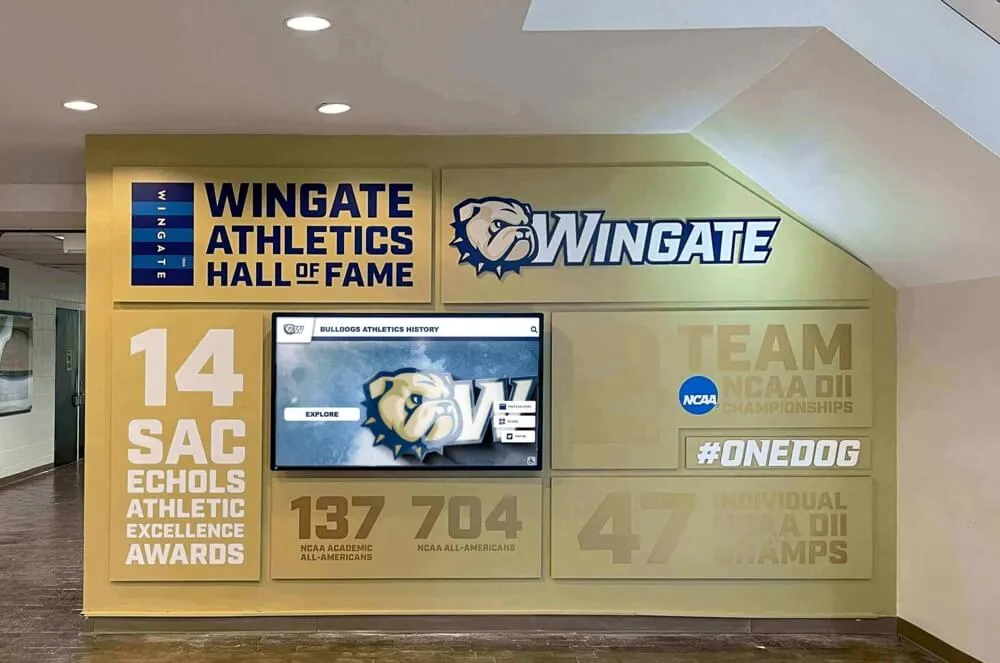
Multi-display installations accommodate extensive recognition needs while maintaining clean, organized environments that prevent overwhelming visitors with excessive visual clutter
Application Versatility: Recognition Across Every Achievement Category
Comprehensive recognition platforms must serve diverse institutional needs—athletic championships, academic honors, performing arts excellence, donor acknowledgment, community service, and historical preservation all require different content structures and display approaches.
Athletic Recognition and Sports Hall of Fame
Athletic programs benefit from specialized features supporting sport-specific needs:
Statistical Integration and Record Boards
Performance documentation creates engagement:
- Career statistics tracked across multiple seasons
- Single-season record comparisons identifying top performances
- All-time leaderboards ranking athletes across program history
- Team statistics documenting championship season achievements
- Comparative displays showing performance evolution across decades
- Searchable records enabling instant discovery of specific accomplishments
Championship and Team Recognition
Collective achievements receive comprehensive documentation:
- Complete team rosters with individual player profiles
- Championship game summaries and tournament results
- Coaching staff recognition across successful seasons
- Season photo galleries documenting memorable moments
- Video highlight compilations celebrating critical plays
- Conference and state achievement designation
Schools implementing digital trophy case systems find purpose-built platforms address athletic recognition needs more effectively than generic signage.
Academic and Scholarship Recognition
Intellectual excellence deserves celebration equal to athletic achievement:
Honor Roll and Academic Achievement
Scholarly accomplishment receives visibility:
- GPA-based honor roll listings by semester and cumulative performance
- National Honor Society member recognition
- Advanced Placement Scholar designations
- National Merit Scholar acknowledgment
- Academic competition results and team accomplishments
- Scholarship recipient listings with award amounts and sponsors
Distinguished Alumni Career Recognition
Post-graduation success connects to institutional excellence:
- College attendance and graduation documentation
- Advanced degree attainment and academic honors
- Professional career highlights and leadership positions
- Research contributions and published works
- Entrepreneurial ventures and business success
- Community service and civic leadership
Donor Recognition and Development Support
Philanthropic partnership requires acknowledgment reflecting contribution significance:
Giving Level Categorization
Donor walls organize recognition by contribution scale:
- Named giving societies with membership criteria and benefits
- Capital campaign recognition documenting major gifts
- Legacy society acknowledgment for planned gifts and bequests
- Annual fund supporter listings by contribution level
- Memorial and tribute gift documentation
- Anonymous donation accommodation respecting privacy preferences
Impact Storytelling
Recognition demonstrates contribution effects:
- Project documentation showing how gifts created specific outcomes
- Student testimonials describing scholarship impact on educational access
- Facility photography highlighting spaces donations enabled
- Program results quantifying academic, athletic, or community benefits
- Multi-year commitment tracking for pledge fulfillment visibility
- Historical context showing cumulative philanthropic impact over time
Organizations planning donor recognition displays must balance prominent acknowledgment with privacy considerations and giving cultivation objectives.
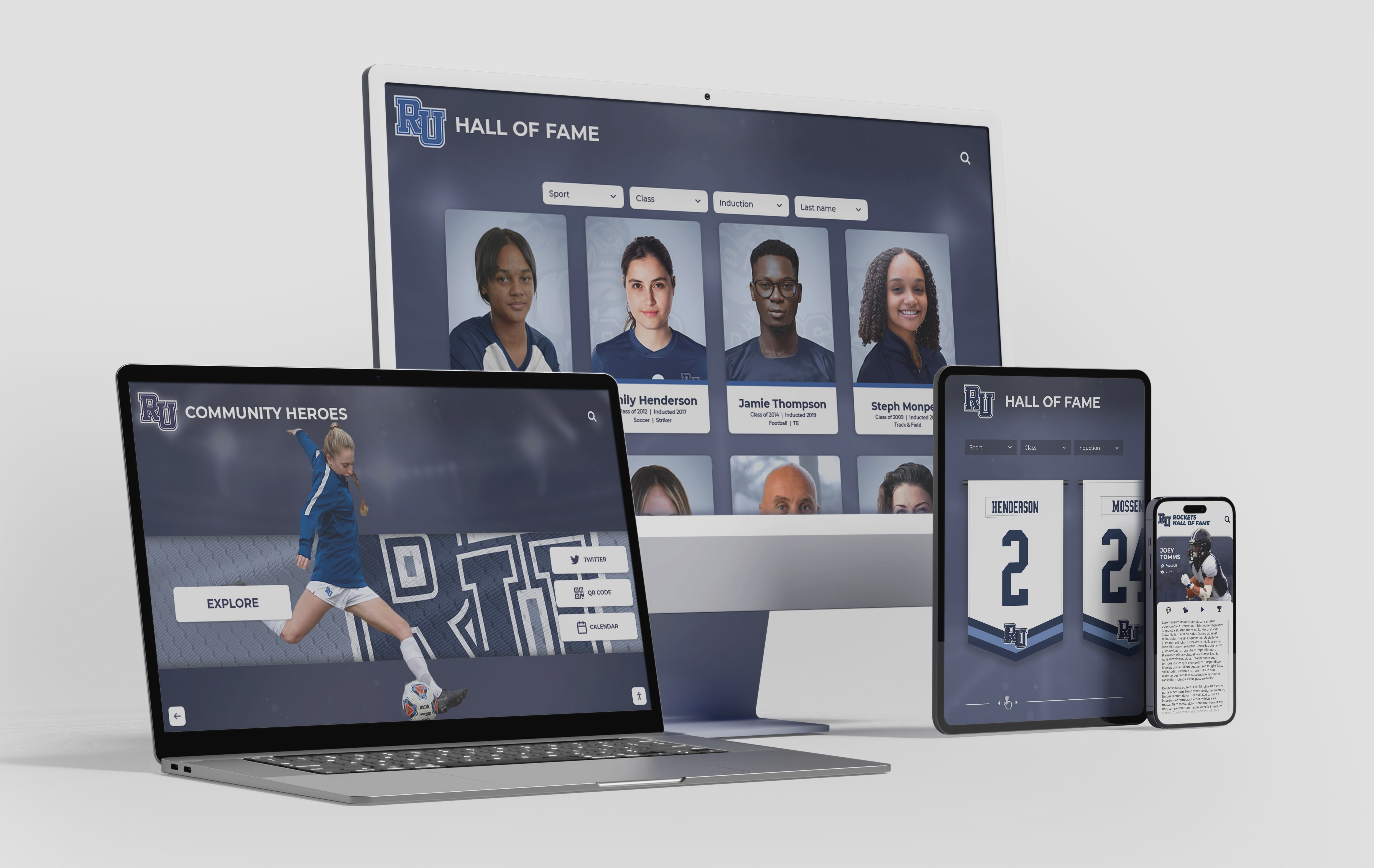
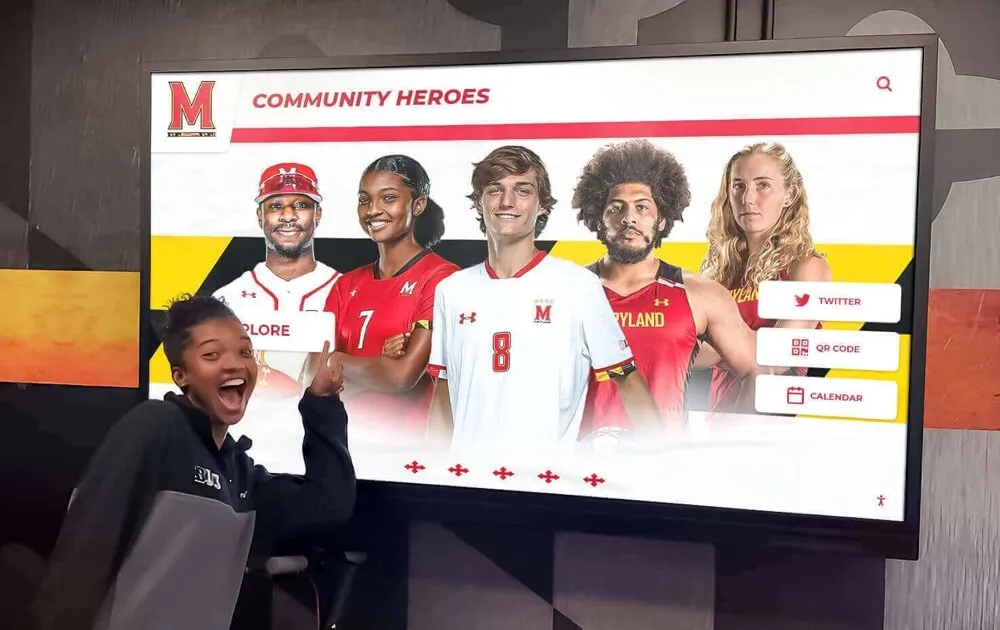
Responsive web platforms extend recognition beyond physical displays, enabling global community access through smartphones, tablets, and computers from any location
Total Cost of Ownership: Investment Analysis for 2026
Budget planning requires understanding both initial implementation costs and ongoing expenses over the display system’s operational life.
Initial Implementation Investment
Comprehensive recognition systems include multiple cost components:
Technology Platform Costs
- Recognition software setup: $3,000-$6,000
- Commercial touchscreen display (55-75 inch): $4,000-$12,000
- Mounting hardware and installation: $1,000-$3,000
- Network infrastructure if needed: $500-$2,000
- Custom millwork or branding: $2,000-$10,000
Content Development Investment
- Historical research and digitization: $3,000-$15,000
- Professional photography: $1,000-$5,000
- Biographical writing and content creation: $2,000-$10,000
- Media production and video editing: $1,000-$5,000
- Initial profile development (100-500 profiles): $5,000-$30,000
Implementation Services
- Project management and coordination: $1,500-$3,000
- Training for administrative staff: $500-$1,500
- Launch event support: $500-$2,000
Total Initial Investment Range
Small implementation (single display, 100 profiles): $25,000-$50,000 Medium implementation (1-2 displays, 300 profiles): $45,000-$85,000 Large comprehensive installation (multiple displays, 500+ profiles): $75,000-$150,000
Annual Ongoing Costs
Sustainable operations require budgeting for continued expenses:
Software and Platform Fees
- Annual software subscription: $2,000-$5,000
- Web hosting and data storage: $500-$1,500
- Technical support and updates: $1,000-$2,500
Content Management
- Annual profile additions: $1,000-$5,000 (outsourced) or staff time (in-house)
- Photography for new inductees: $500-$2,000
- Content review and updates: $500-$2,000
Hardware Maintenance
- Display cleaning and maintenance: $200-$500
- Component replacement as needed: $200-$1,000
- Extended warranty or service contract: $500-$1,500
Total Annual Operating Cost Range
Small system with in-house content management: $4,000-$8,000 Medium system with partial outsourcing: $6,000-$12,000 Large system with comprehensive services: $10,000-$18,000
Return on Investment Considerations
Recognition systems deliver value beyond financial metrics:
Enrollment and Recruitment Impact
- Prospective family tour impressions influencing enrollment decisions
- Program prestige demonstration during athletic or academic recruitment
- Alumni connection strengthening supporting admission referrals
- Facility tour memorability differentiating institution from competitors
Development and Fundraising Benefits
- Donor confidence building through visible philanthropic acknowledgment
- Giving cultivation supported by professional recognition systems
- Alumni engagement maintaining connection and donation likelihood
- Capital campaign momentum through public progress visualization
Community Pride and Engagement
- Institutional morale strengthened through visible achievement celebration
- Alumni event centerpiece creating reunion gathering focus
- Media coverage facilitated by accessible achievement information
- Social media content generated through profile sharing and discovery
Schools evaluating digital hall of fame buying decisions must consider both quantifiable costs and qualitative community benefits recognition systems provide.
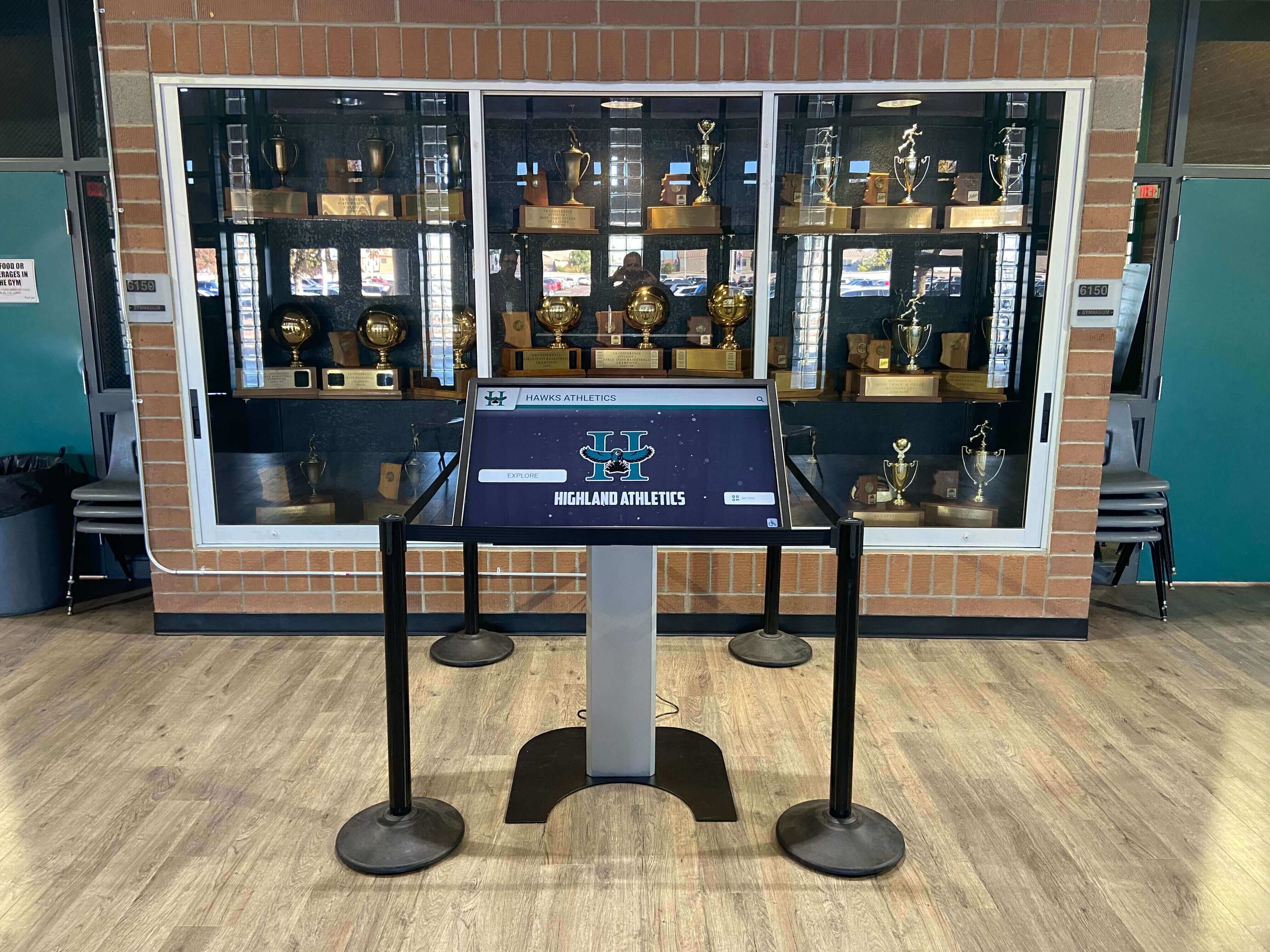
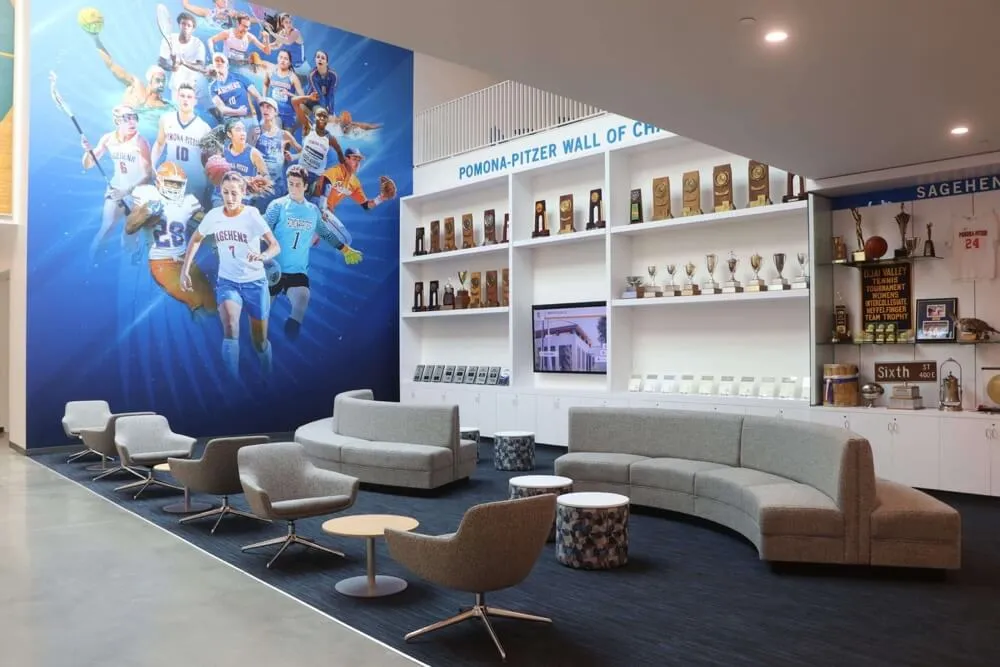
Hybrid approaches combining traditional trophy displays with interactive digital recognition provide physical award visibility while enabling comprehensive searchable archives addressing space constraints
Implementation Timeline and Planning Process
Successful recognition system deployment requires systematic planning ensuring quality implementation while managing expectations about project duration.
Phase One: Planning and Design (Weeks 1-4)
Needs Assessment and Goal Definition
- Stakeholder interviews determining recognition priorities and scope
- Content inventory assessing existing materials and historical archives
- Facility evaluation identifying optimal display locations
- Budget confirmation aligning expectations with available resources
- Success criteria definition establishing measurable objectives
Vendor Selection and Contract Finalization
- Platform demonstration reviewing capabilities and user experience
- Reference checks speaking with current customers about satisfaction
- Proposal evaluation comparing features, services, and total costs
- Contract negotiation finalizing scope, deliverables, and timeline
- Project team assignment establishing primary contacts and responsibilities
Phase Two: Content Development (Weeks 5-16)
Historical Research and Asset Gathering
- Archive review accessing yearbooks, publications, and records
- Photo collection and digitization scanning historical images
- Statistical compilation researching performance records
- Alumni outreach requesting updated information and photos
- Rights clearance confirming permission for content usage
Profile Creation and Quality Assurance
- Biographical writing developing engaging narratives
- Content organization structuring information logically
- Media optimization preparing photos and videos for display
- Fact checking verifying accuracy of all information
- Stakeholder review ensuring appropriate honoree representation
Phase Three: Technical Implementation (Weeks 12-18)
Hardware Installation and Configuration
- Display delivery and unpacking at installation location
- Electrical installation providing power with code compliance
- Network connectivity establishing reliable internet access
- Mounting and positioning securing displays professionally
- Initial testing verifying functionality before content loading
Platform Setup and Content Loading
- System configuration customizing for institutional branding
- Content migration uploading profiles to platform database
- Navigation structure organization creating logical browsing paths
- Search functionality testing verifying discovery features
- User acceptance testing confirming quality before launch
Phase Four: Launch and Training (Weeks 18-20)
Staff Training and Documentation
- Administrator training teaching content management procedures
- Documentation provision delivering reference materials and guides
- Practice exercises building confidence with platform features
- Troubleshooting review addressing common scenarios
- Ongoing support introduction establishing assistance channels
Public Launch and Promotion
- Soft launch testing with limited audience before full deployment
- Launch event planning coordinating ceremonial unveiling
- Communication campaign announcing new recognition system
- Media outreach generating publicity about institutional investment
- Community feedback collection gathering initial user reactions
Best Practices for Long-Term Recognition Program Success
Technology implementation represents the beginning, not the conclusion, of recognition program development. Sustainable success requires ongoing commitment and systematic practices:
Annual Content Management Cycles
Regular Induction Processes
- Annual nomination solicitation gathering achievement recommendations
- Selection committee coordination reviewing candidates systematically
- Ceremony planning coordinating recognition announcements with events
- Content preparation developing profiles before announcement
- Scheduled publication coordinating visibility with ceremony timing
Content Review and Enhancement
- Profile updates adding post-graduation accomplishments to historical inductees
- Photo replacement improving quality when better images become available
- Statistical corrections addressing discovered errors or updated records
- Alumni career updates maintaining current professional information
- Historical research filling gaps in earlier inductee documentation
Community Engagement Strategies
Promotional Integration
- Social media campaigns highlighting featured inductees
- Newsletter articles profiling recent additions
- Tour incorporation making displays centerpiece of campus visits
- Event activation using displays during ceremonies and gatherings
- Alumni communication encouraging profile discovery and sharing
Interactive Programming
- Scavenger hunts encouraging student engagement with content
- History lessons using recognition displays as educational resources
- Alumni reunion features making displays gathering focal points
- Family connection activities helping students discover relative profiles
- Achievement challenges inspiring current students through historical performance
Technical Maintenance and Platform Evolution
Regular System Updates
- Software updates installing new features and security patches
- Content backup verification ensuring protection against data loss
- Performance monitoring identifying and resolving technical issues
- User feedback collection gathering improvement suggestions
- Analytics review understanding which content generates most engagement
Hardware Maintenance
- Screen cleaning maintaining visibility and touch responsiveness
- Component inspection identifying wear before failures occur
- Firmware updates keeping display systems current
- Environmental monitoring ensuring appropriate operating conditions
- Replacement planning budgeting for eventual hardware lifecycle conclusion
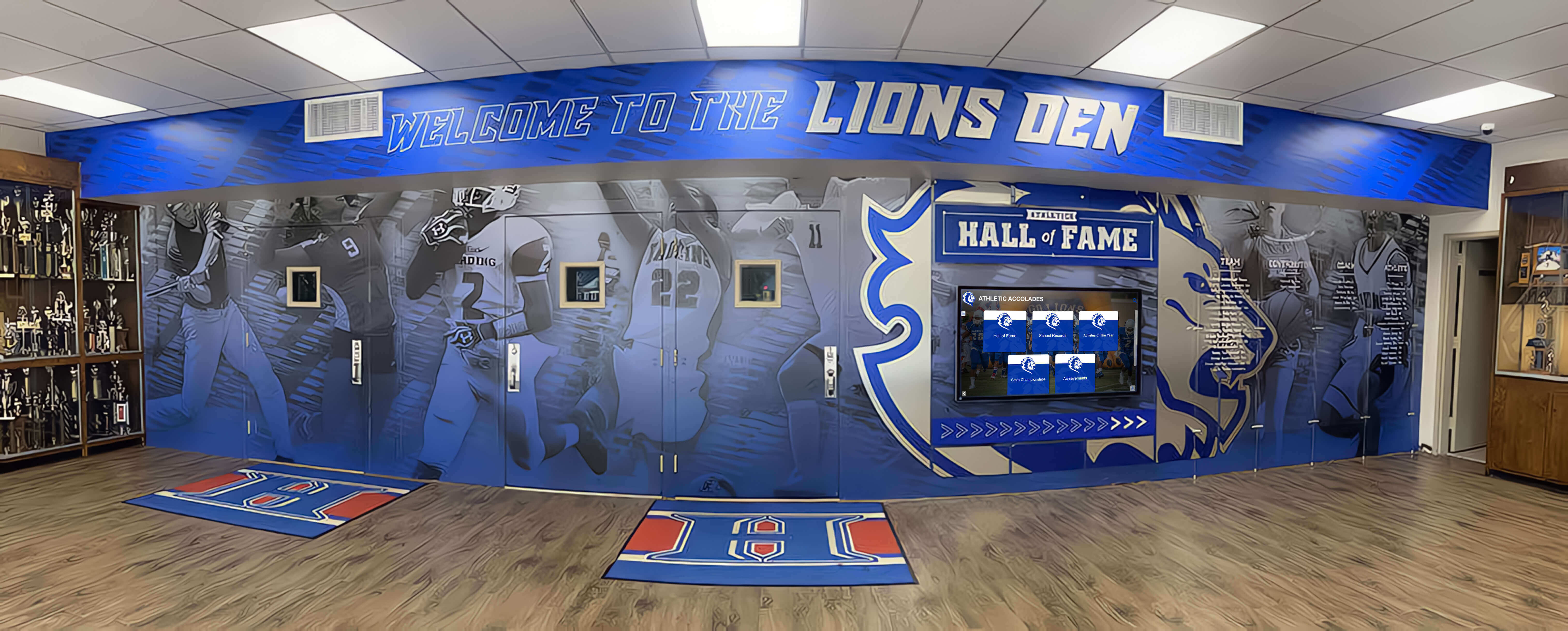
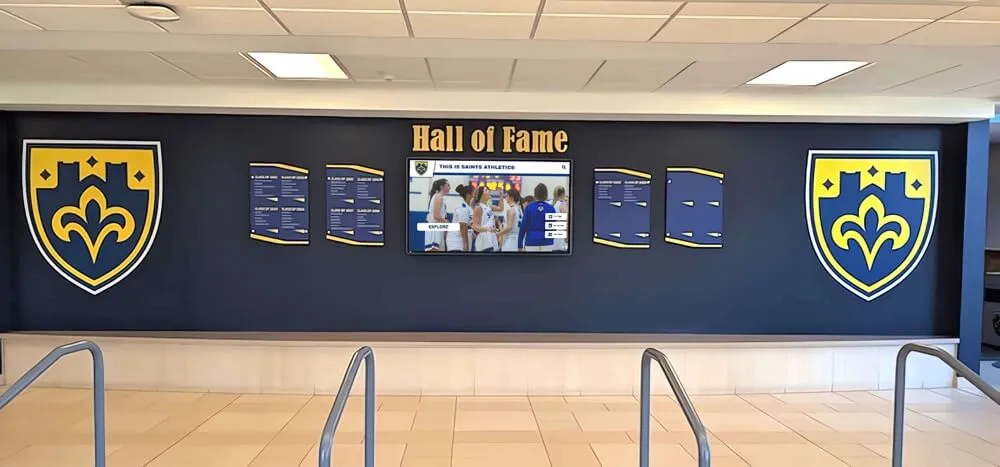
Cohesive recognition environments integrate multiple display approaches creating comprehensive celebration spaces honoring achievements across all institutional programs and historical eras
Conclusion: Transforming Recognition for the Next Generation
The touchscreen hall of fame solutions available in 2026 represent more than technological advancement—they embody a fundamental reimagining of how institutions honor achievement, preserve heritage, and inspire communities through meaningful recognition. When schools, universities, athletic programs, and organizations invest in purpose-built recognition platforms designed specifically for their needs, they eliminate the capacity constraints, accessibility barriers, and storytelling limitations that have constrained traditional approaches for generations.
Rocket Alumni Solutions leads this recognition transformation through comprehensive capabilities addressing every aspect of meaningful achievement celebration. From unlimited database capacity accommodating decades of historical archives to intuitive content management enabling efficient ongoing additions, from professional turnkey services supporting quality implementation to accessible interfaces ensuring universal community access, the platform provides tools and support institutions need for recognition programs delivering lasting value.
The recognition technology decisions institutions make in 2026 will shape community engagement, institutional pride, and achievement celebration for decades to come. Organizations choosing comprehensive platforms purpose-built for recognition rather than adapting generic digital signage position themselves to honor every distinguished achievement without artificial constraints, maintain current information through efficient remote management, create engaging experiences inspiring current and future community members, and demonstrate inclusive values through accessible interfaces serving all visitors regardless of abilities.
Ready to discover how Rocket Alumni Solutions can transform recognition at your institution? Explore the platform to see how touchscreen hall of fame technology celebrates your community’s achievements more comprehensively, accessibly, and engagingly than ever before possible.
Your community’s achievements deserve recognition technology matching the excellence those accomplishments represent. With thoughtful platform selection prioritizing purpose-built recognition capabilities over generic alternatives, appropriate investment in both technology and content quality, comprehensive implementation support ensuring successful deployment, and sustained commitment to ongoing content management and community engagement, you can create recognition programs delivering meaningful value for generations.
The most successful institutions recognize that technology provides tools, but authentic community celebration requires institutional commitment to honoring every distinguished achievement appropriately, maintaining current information reflecting continuing accomplishments, creating inclusive experiences serving all community members, and sustaining recognition as core institutional values rather than occasional initiatives. When recognition receives the strategic attention and appropriate resources it deserves, touchscreen hall of fame solutions transform from impressive displays into strategic assets strengthening enrollment, development, alumni engagement, and community pride across every constituency your institution serves.