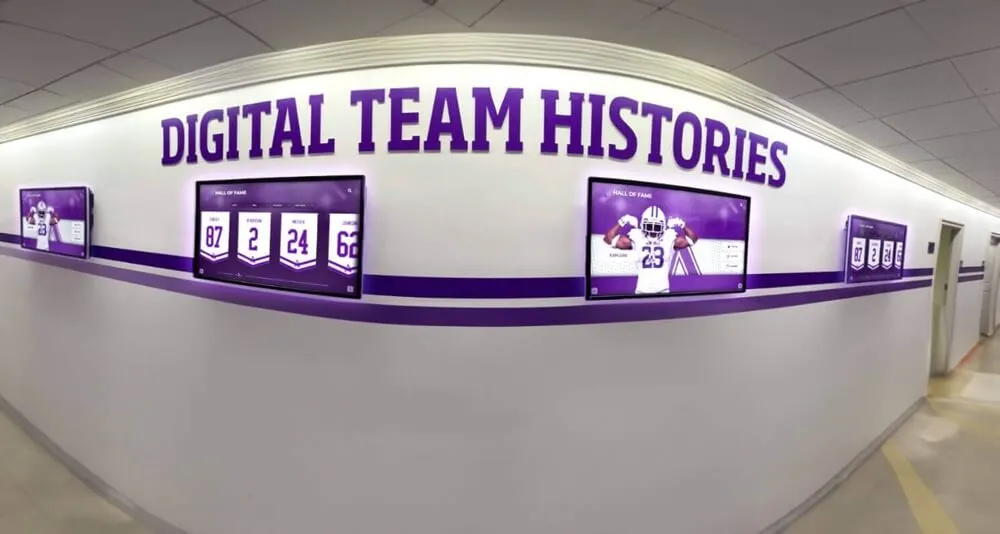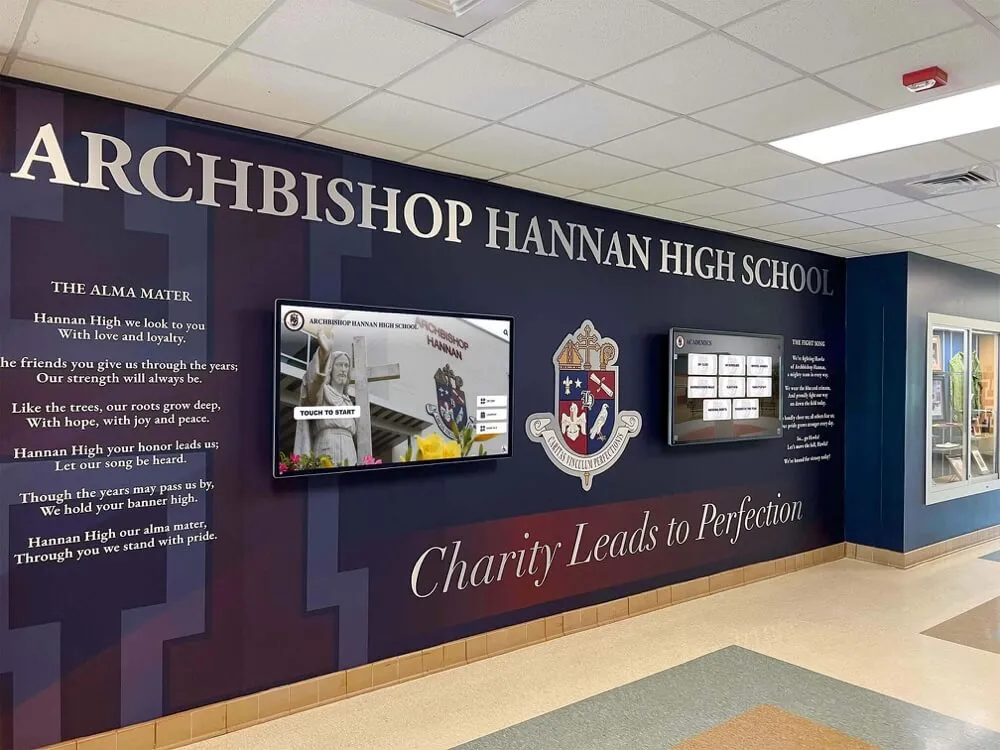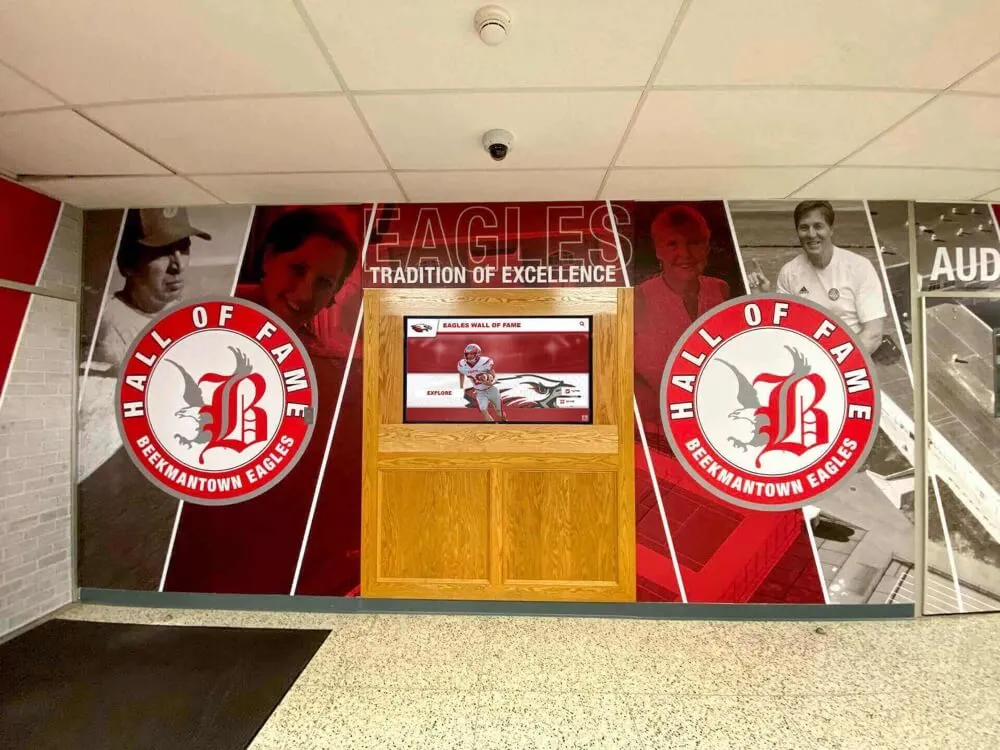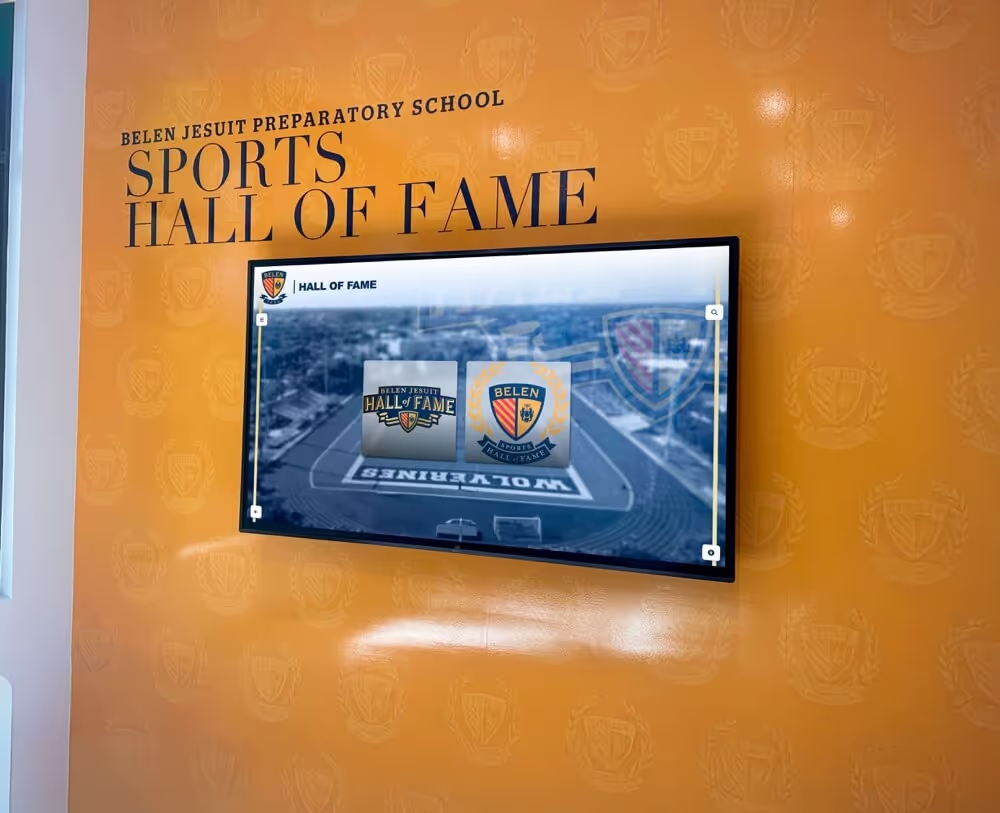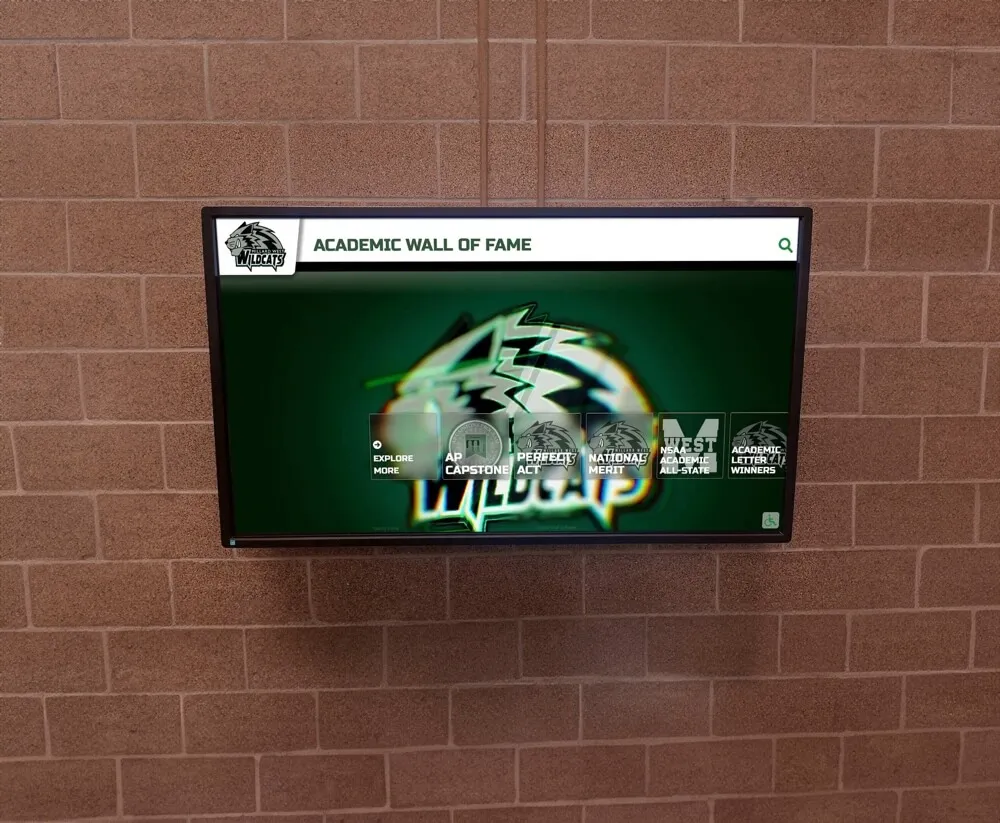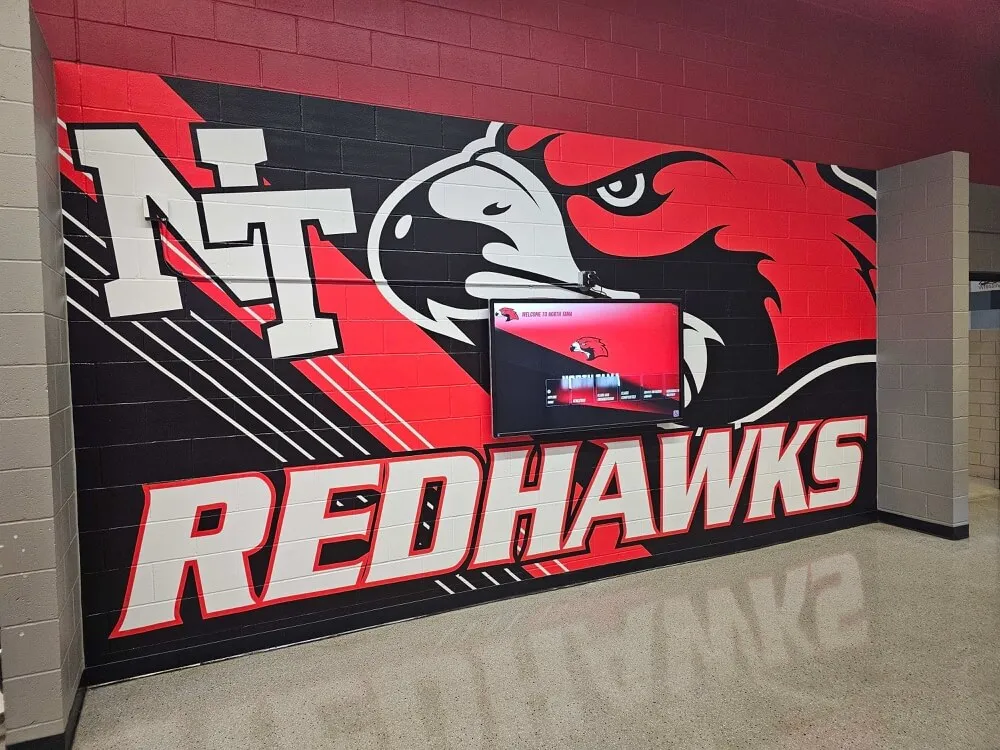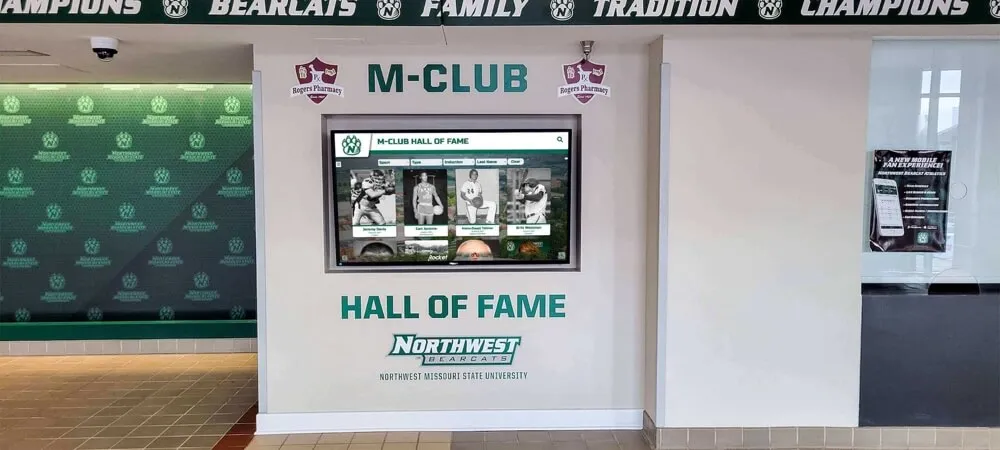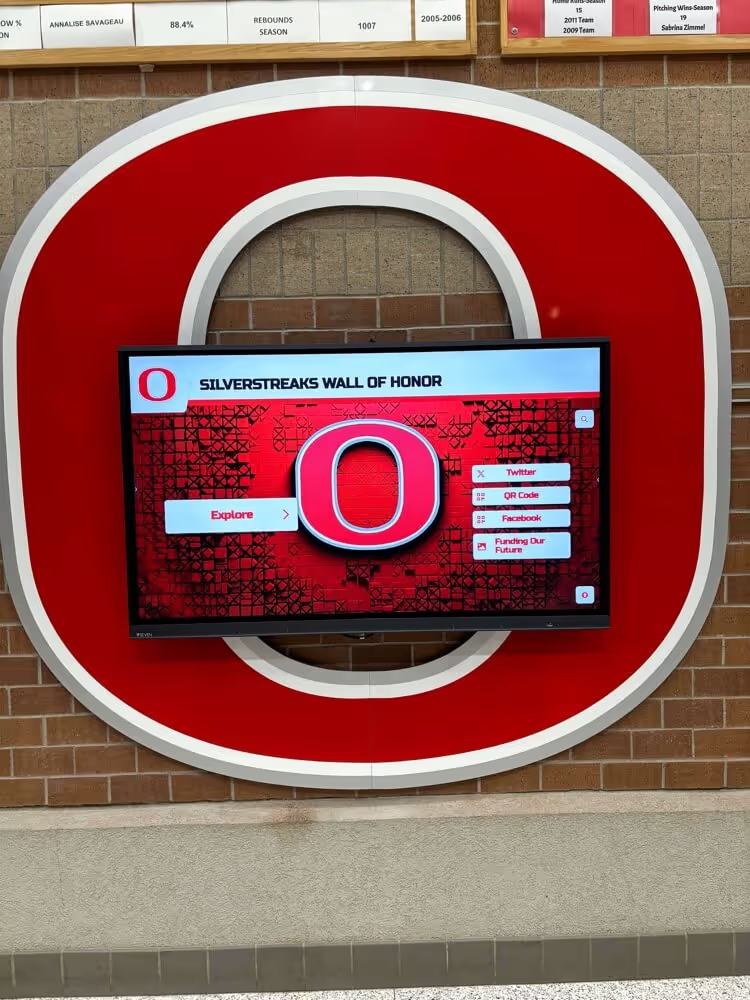




Intent: Define — Digital signage software transforms how schools, universities, athletic programs, and organizations present information and celebrate achievements through dynamic visual displays. As institutions move beyond static posters and traditional plaques, selecting the right platform becomes critical for creating engaging recognition experiences that honor unlimited inductees, enable interactive exploration, and maintain content freshness through simple management workflows.
Yet many organizations discover that not all digital signage solutions serve recognition needs equally. Generic communication platforms designed for announcements, menus, and promotional slideshows lack specialized features that meaningful achievement celebration requires—searchable databases enabling visitors to find specific honorees, individual profile pages telling complete achievement stories, and intuitive content management systems that non-technical staff operate successfully without constant IT assistance.
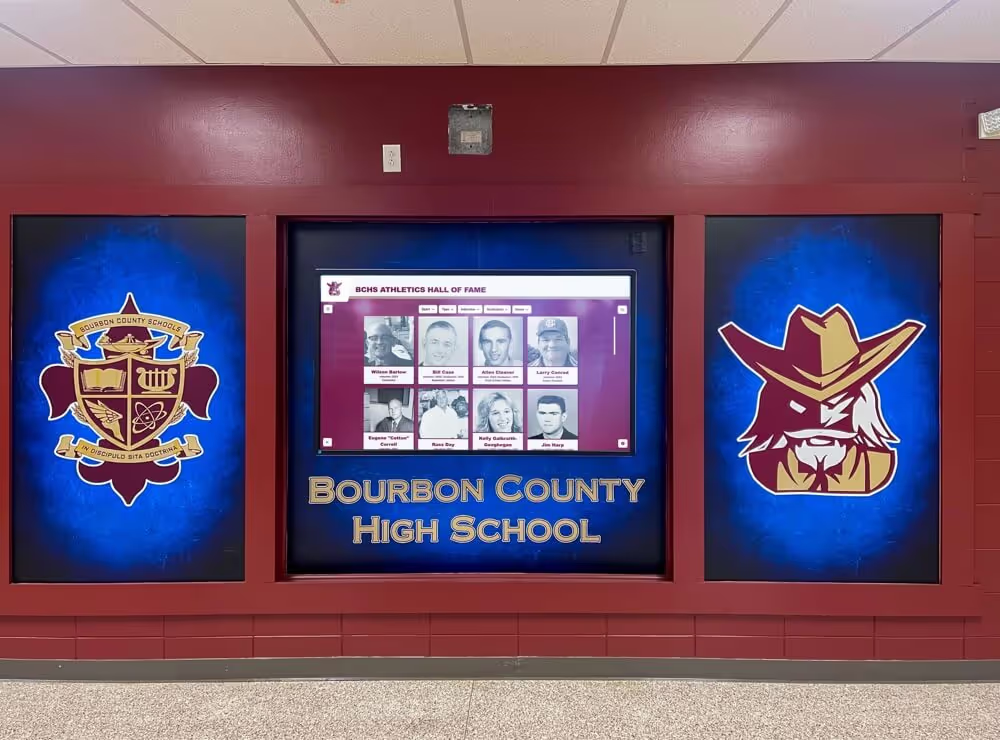
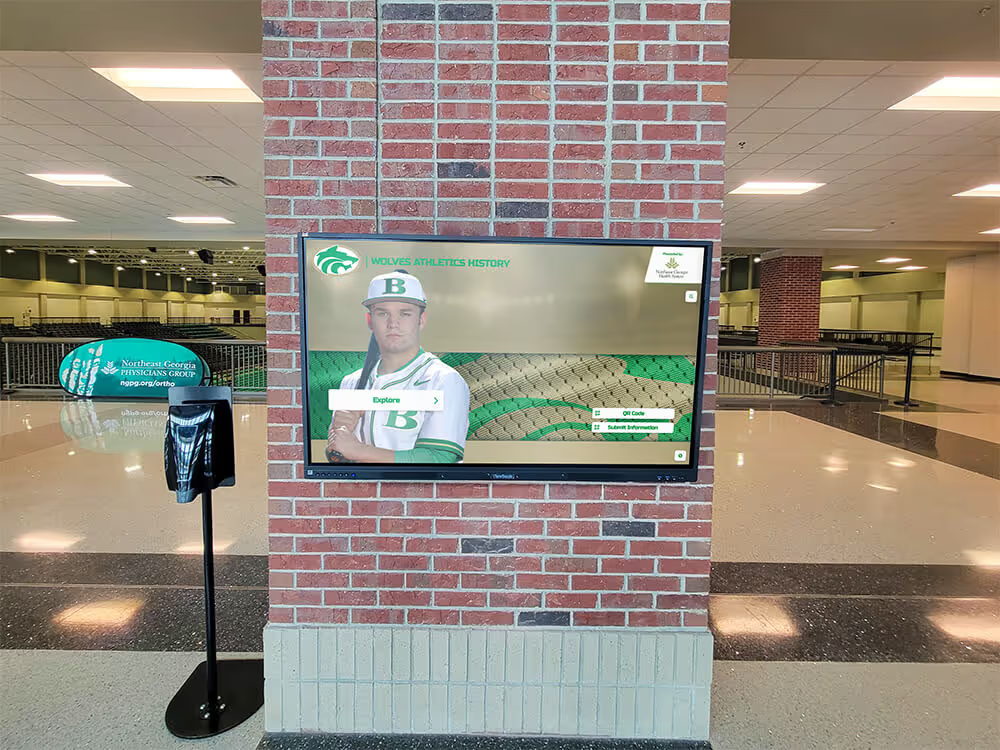
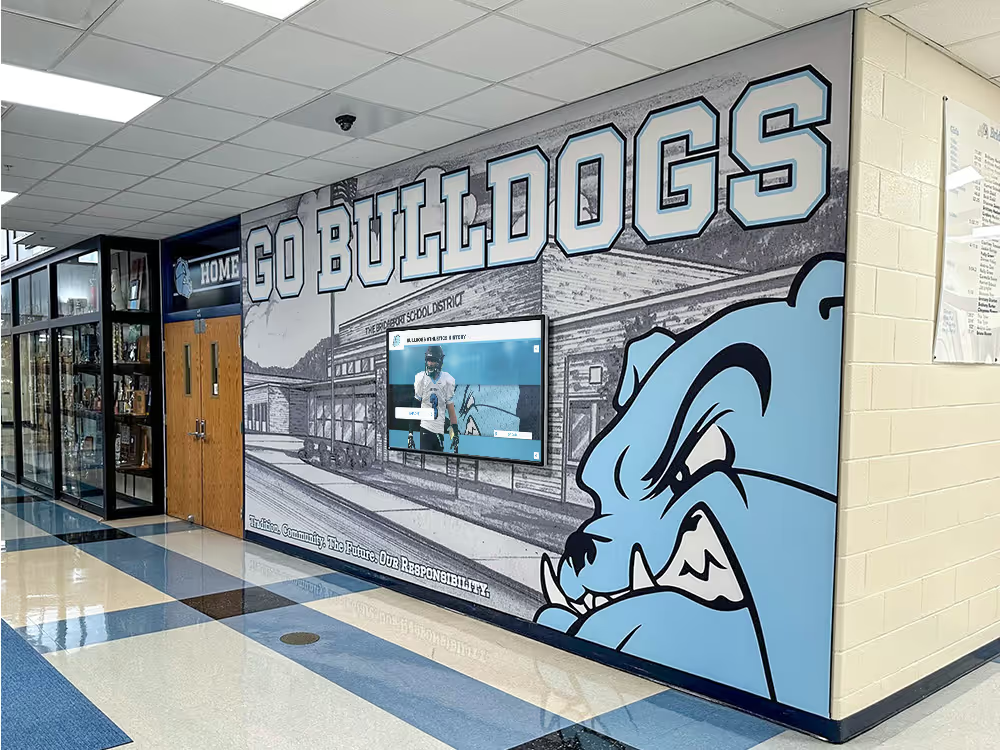
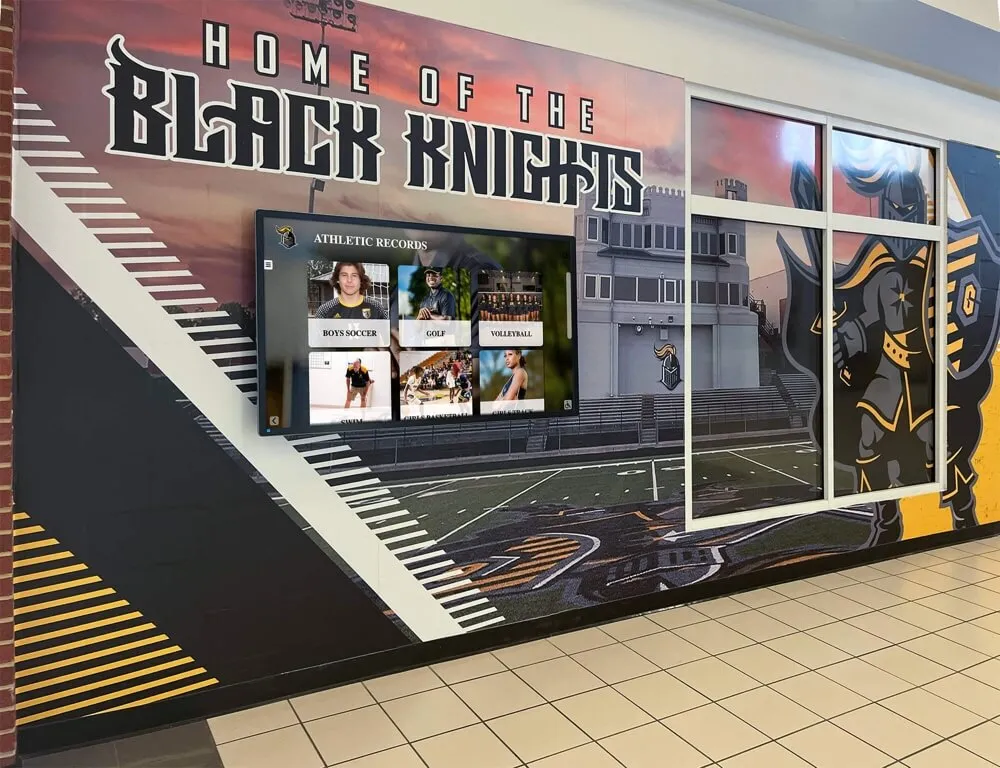
This comprehensive guide explores the best digital signage software for 2026, with particular emphasis on solutions designed specifically for interactive touchscreen recognition displays where institutions showcase athletic halls of fame, academic honor rolls, alumni achievements, donor recognition, and institutional heritage through engaging digital experiences that replace space-limited physical plaques.
Selecting appropriate digital signage software requires understanding the fundamental differences between general communication platforms and specialized recognition systems. Schools and organizations implementing thoughtfully—matching platform capabilities to specific recognition objectives while prioritizing ease of use, interactive features, and unlimited scalability—create displays that become valued institutional centerpieces inspiring communities for decades rather than underutilized technology investments gathering dust after disappointing initial deployments.

Purpose-built recognition platforms deliver superior results compared to generic digital signage adapted for achievement celebration
Program Snapshot: Digital Signage Software Categories
Understanding the landscape of digital signage software helps organizations identify solutions aligned with specific institutional objectives and recognition program requirements.
| Software Category | Primary Use Cases | Key Characteristics | Best For |
|---|---|---|---|
| Generic Communication Platforms | Announcements, menus, promotional content, event schedules | Slideshow-based, limited interactivity, simple content rotation | Cafeterias, lobbies, general information displays |
| Interactive Touchscreen Systems | Wayfinding, directories, informational kiosks | Touch-enabled navigation, map integration, basic search | Campus navigation, building directories, visitor information |
| Purpose-Built Recognition Platforms | Halls of fame, alumni recognition, athletic achievements, donor walls | Searchable databases, individual profiles, unlimited capacity, multimedia integration | Athletic recognition, academic honors, institutional heritage, donor acknowledgment |
| Museum and Exhibit Software | Gallery exhibits, museum collections, interpretive displays | Artifact management, exhibit design tools, multilingual support | Museums, historical societies, interpretive centers, cultural institutions |
| Corporate Communication Systems | Employee messaging, KPI dashboards, internal communications | Real-time data integration, corporate branding, analytics | Corporate offices, manufacturing facilities, retail chains |
Content Architecture: Recognition Features vs. Generic Signage
Organizations seeking to celebrate achievements require fundamentally different capabilities than institutions simply communicating daily information or rotating promotional content.
Essential Recognition Platform Features
Searchable Individual Profiles
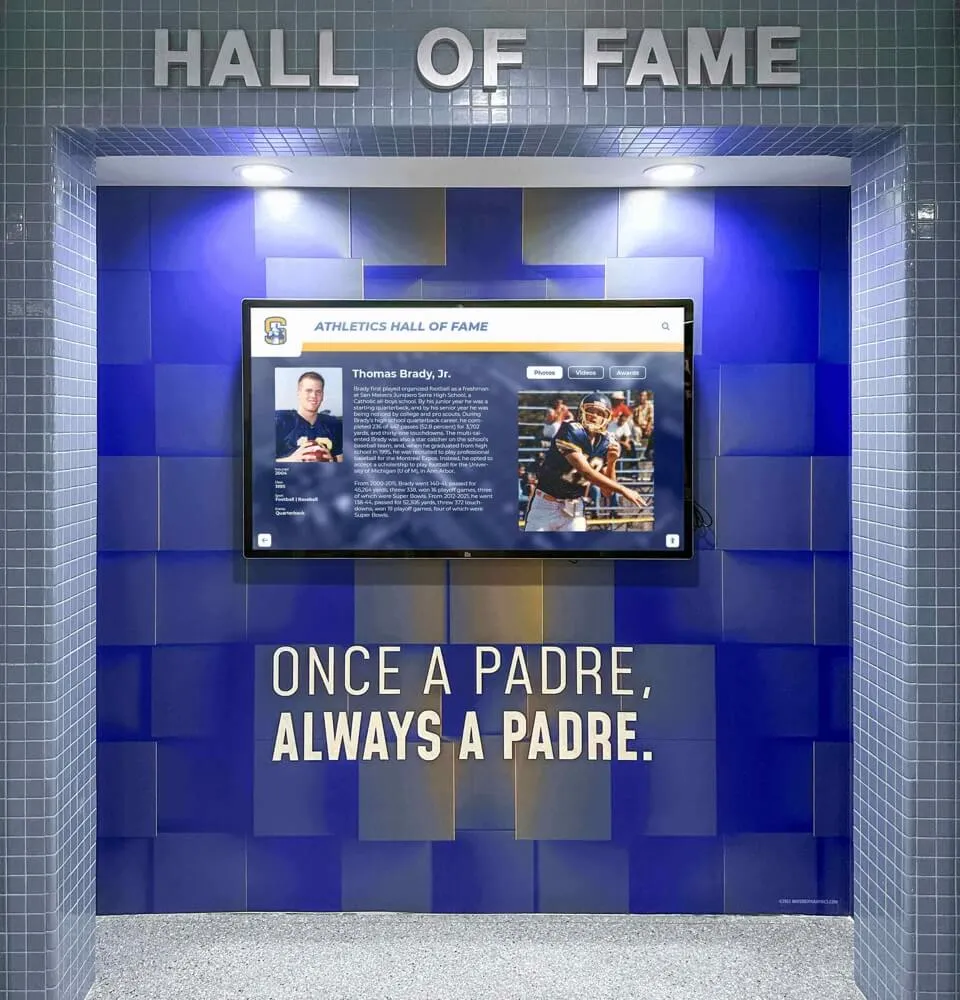
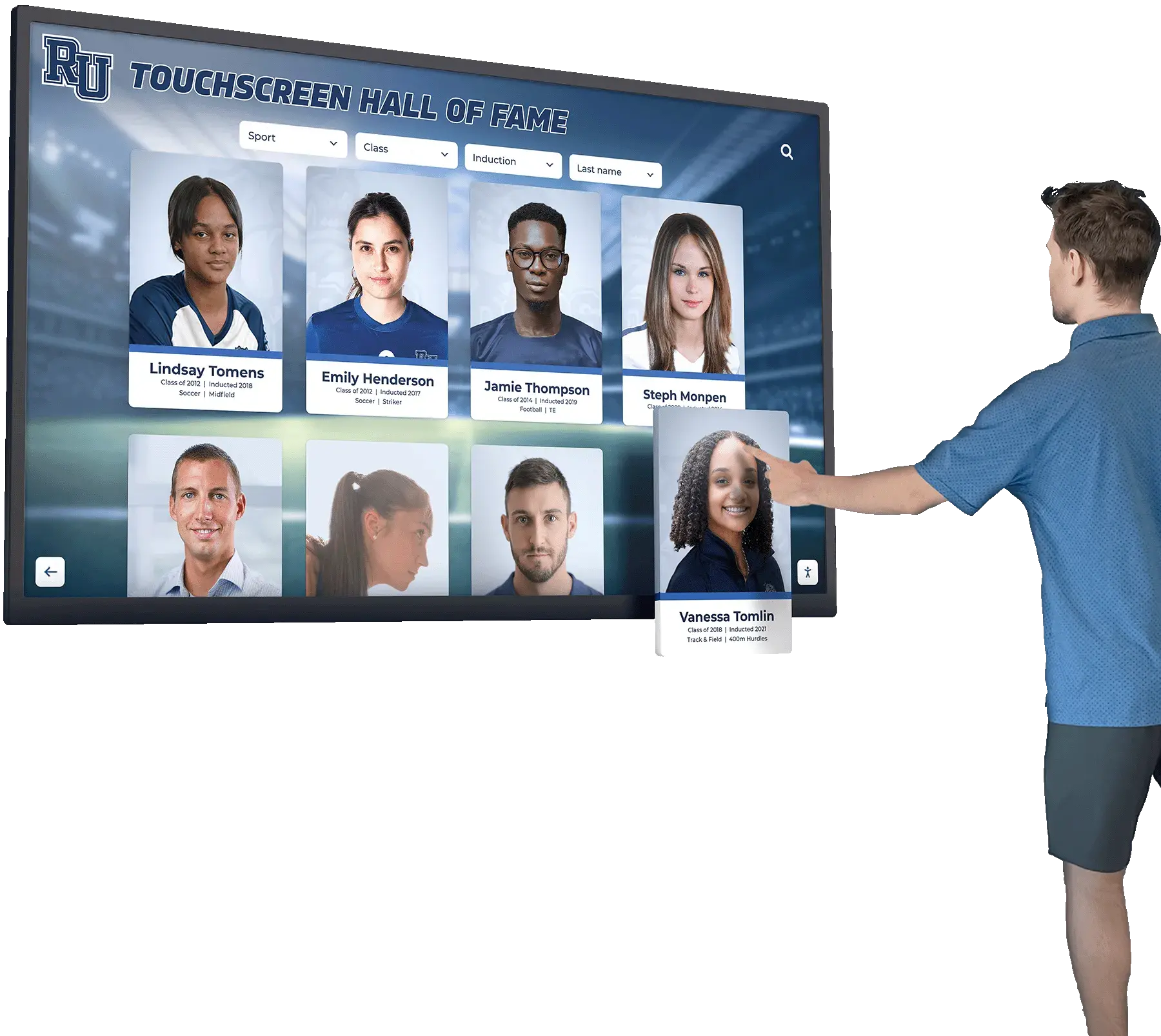
Effective recognition software enables visitors to search comprehensive databases finding specific honorees by name, year, achievement type, or keyword. Each individual receives dedicated profile pages showcasing photographs, biographical information, achievement descriptions, career statistics, video highlights, and historical context—creating dimensional portraits that honor accomplishments appropriately rather than reducing achievements to brief text mentions scrolling past in slideshows.
Solutions like Rocket Alumni Solutions provide purpose-built systems where visitors search independently, explore related achievements, and discover connections between honorees across decades of institutional history through intuitive touchscreen interfaces requiring no instruction or staff assistance.
Unlimited Recognition Capacity
Traditional physical plaques face fundamental space constraints—wall areas fill completely, forcing institutions to choose whose achievements receive visibility and whose remain hidden. Digital recognition platforms eliminate these limitations through unlimited capacity accommodating every deserving honoree regardless of how many individuals merit celebration.
Schools implementing comprehensive digital systems showcase unlimited athletic hall of fame inductees, academic honor roll members, performing arts achievers, and distinguished alumni without space constraints dictating recognition scope or requiring expensive facility renovations creating additional display capacity.
Multimedia Integration Capabilities
Modern recognition extends beyond static photographs and text listings. Comprehensive platforms integrate multiple media types creating rich achievement celebrations:
- High-resolution photograph galleries showing career progressions and memorable moments
- Video highlights capturing athletic performances, theatrical productions, or acceptance speeches
- Audio recordings preserving oral histories and personal reflections
- Scanned documents including newspaper articles, programs, and historical records
- Interactive timelines placing achievements within broader institutional contexts
- Statistics displays showing career accomplishments and record progressions
These multimedia capabilities transform recognition from simple name listings into engaging storytelling experiences that visitors remember and share beyond initial viewing sessions.
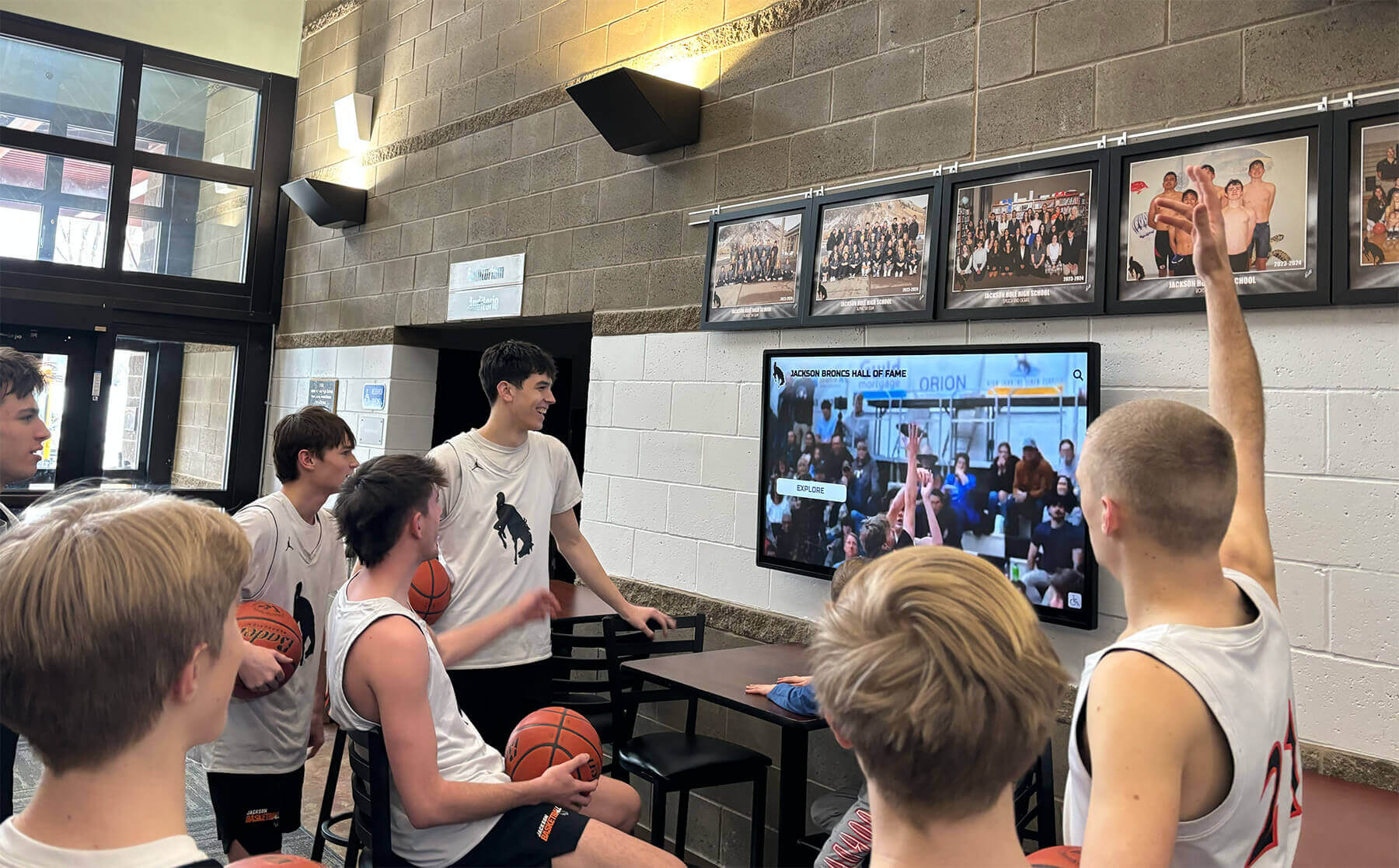
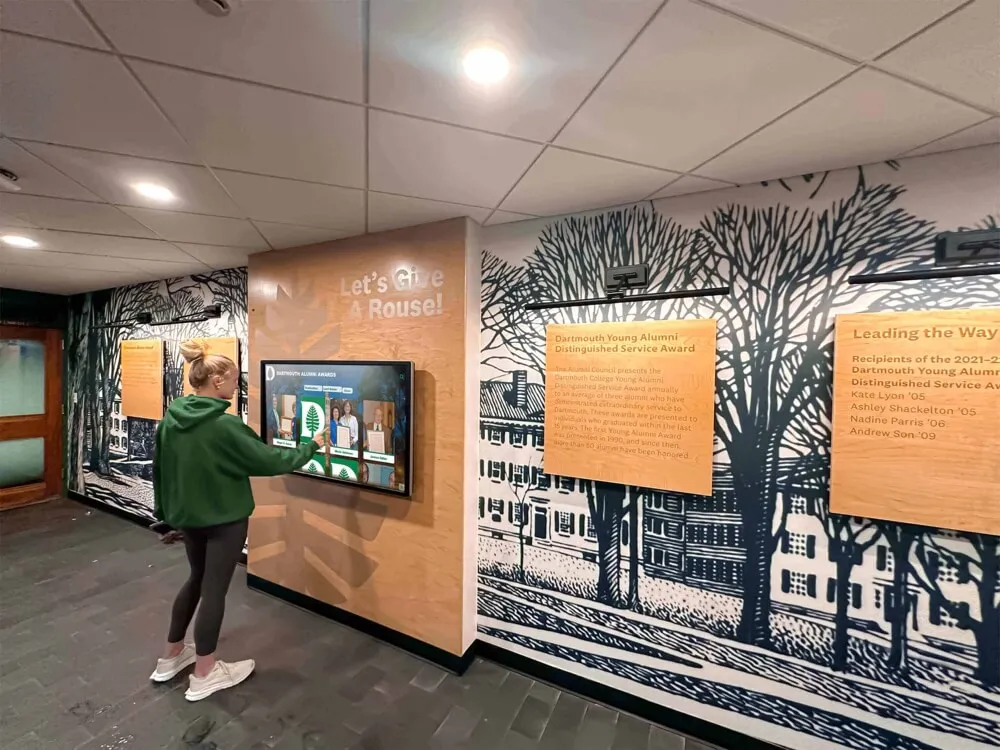
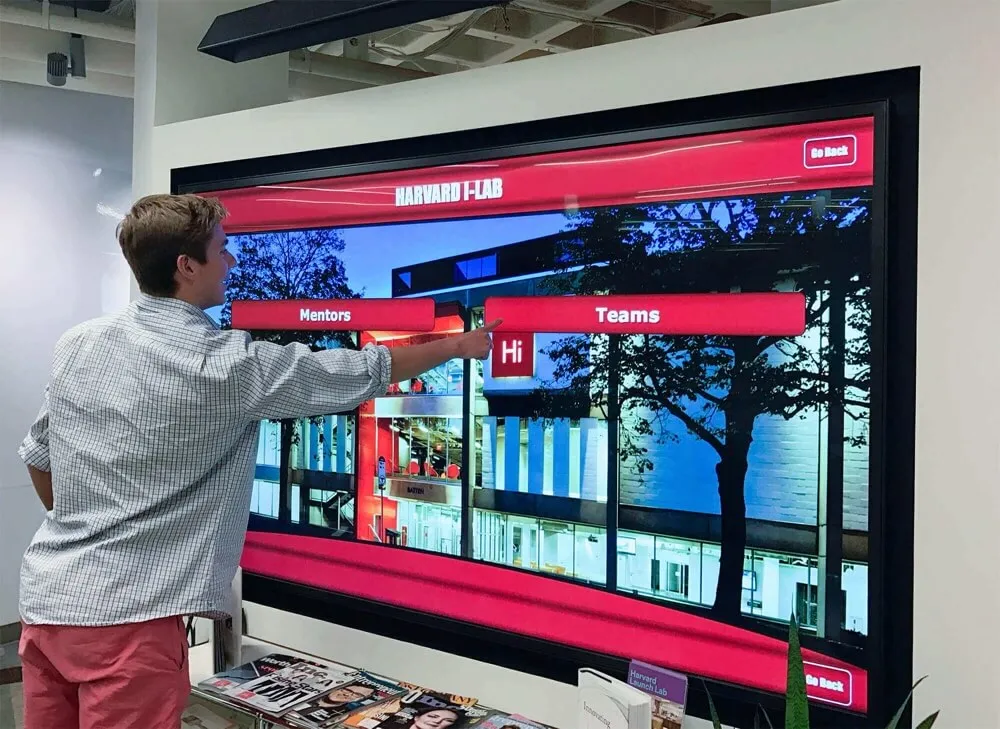
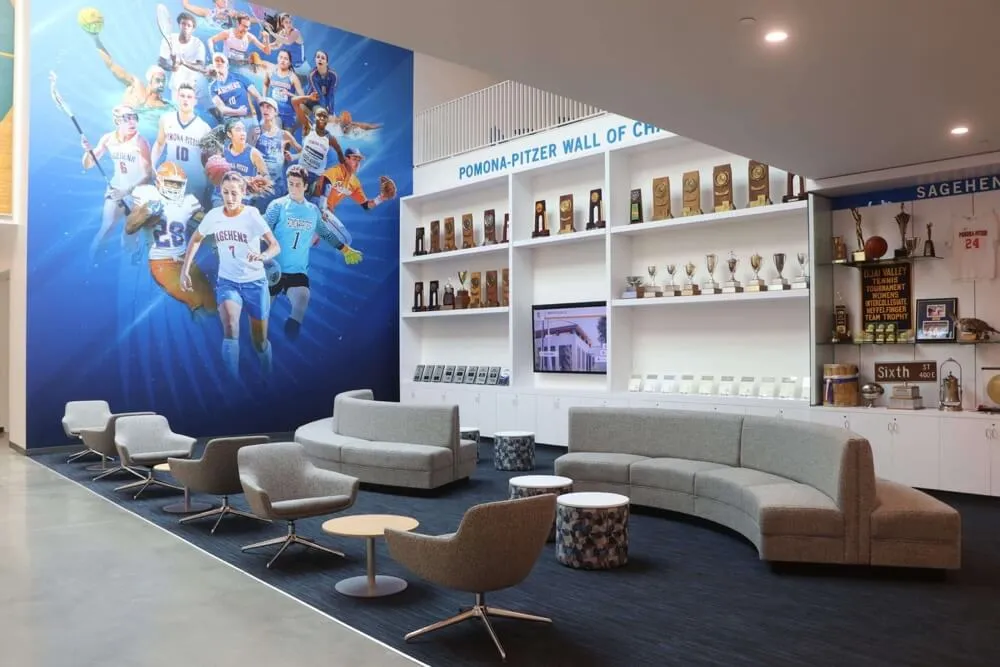
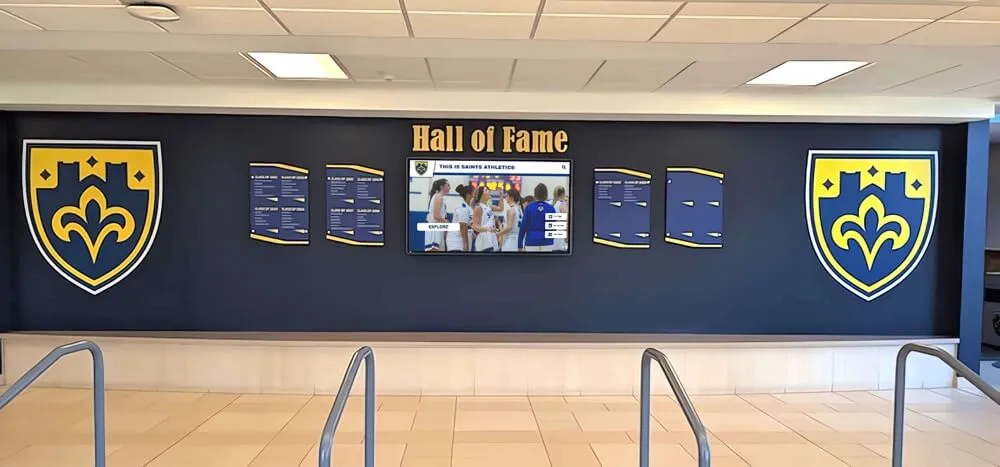
Interactive displays create social gathering points where communities explore achievements together, fostering institutional pride
Intuitive Content Management Systems
Recognition platforms succeed when non-technical staff confidently manage content without requiring constant IT support or expensive consultant assistance. Leading systems provide:
- Cloud-based administration accessible from any internet-connected device
- Template-based profile creation ensuring consistent professional presentation
- Drag-and-drop media upload without file format conversion requirements
- Bulk import tools for efficiently adding entire teams or graduating classes
- Approval workflows supporting quality review before publication
- Scheduled publishing enabling coordinated releases for ceremonies or induction events
Organizations report 80-90% reduction in administrative time spent maintaining recognition displays after transitioning from physical plaques to well-designed digital systems with intuitive management interfaces.
Web-Accessible Extensions
Comprehensive recognition extends beyond physical campus displays through web portals enabling alumni anywhere to explore institutional achievements from personal devices. This dual-access approach maximizes investment by serving both campus visitors and global alumni communities—creating digital environments that foster ongoing connection between institutions and extended stakeholders regardless of physical location or geographic distribution.
Generic Signage Platform Limitations for Recognition
General-purpose communication platforms designed for announcements, menus, and promotional content face fundamental limitations when adapted for comprehensive achievement recognition:
Slideshow-Only Presentation
Basic digital signage cycles through static slides showing brief information before moving to next content. Visitors cannot pause displays, search for specific individuals, or explore related achievements—creating passive viewing experiences where most content scrolls past unnoticed rather than engaging audiences through active discovery and personalized exploration.
No Individual Profile Pages
Generic platforms lack database structures supporting detailed individual profiles. All content exists as isolated slides without connections between related achievements, making comprehensive recognition storytelling impossible and reducing honorees to brief mentions rather than meaningful celebration.
Limited Interactivity
Communication-focused signage rarely supports touchscreen interaction beyond basic slide navigation. Visitors cannot search databases, filter by criteria, zoom photographs, play videos on demand, or explore relationships between achievements—fundamental capabilities that effective recognition experiences require.
Cumbersome Content Management
Platforms designed for simple announcements struggle with complex recognition content involving hundreds of individuals, thousands of photographs, detailed statistics, and interconnected relationships. Staff spend excessive time maintaining recognition content through interfaces built for simpler communication tasks, leading to outdated displays that undermine institutional credibility.
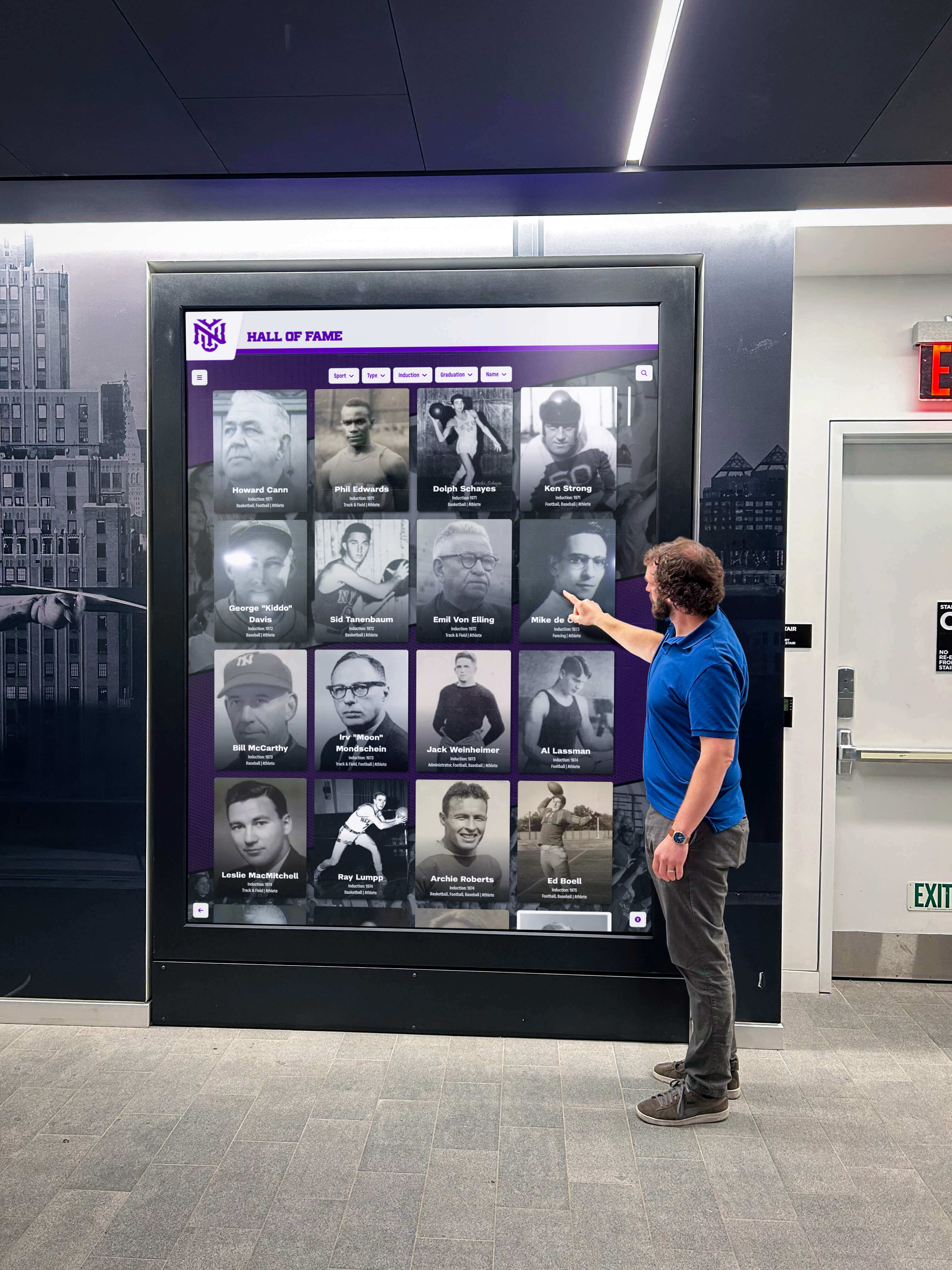
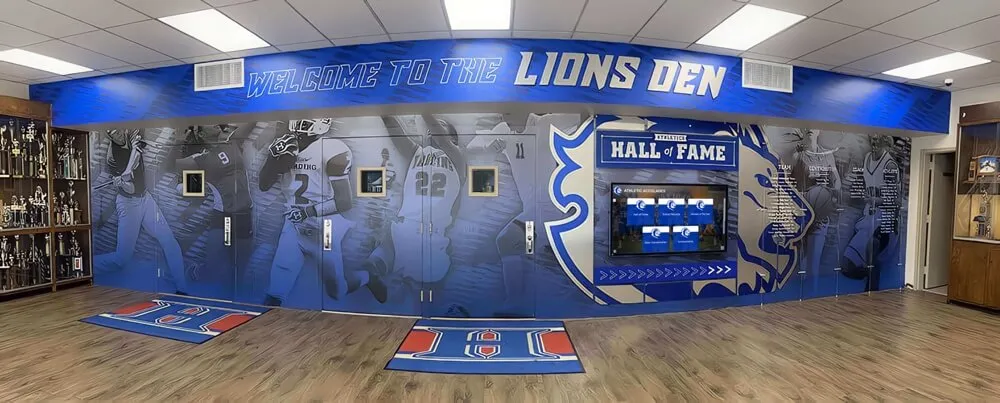
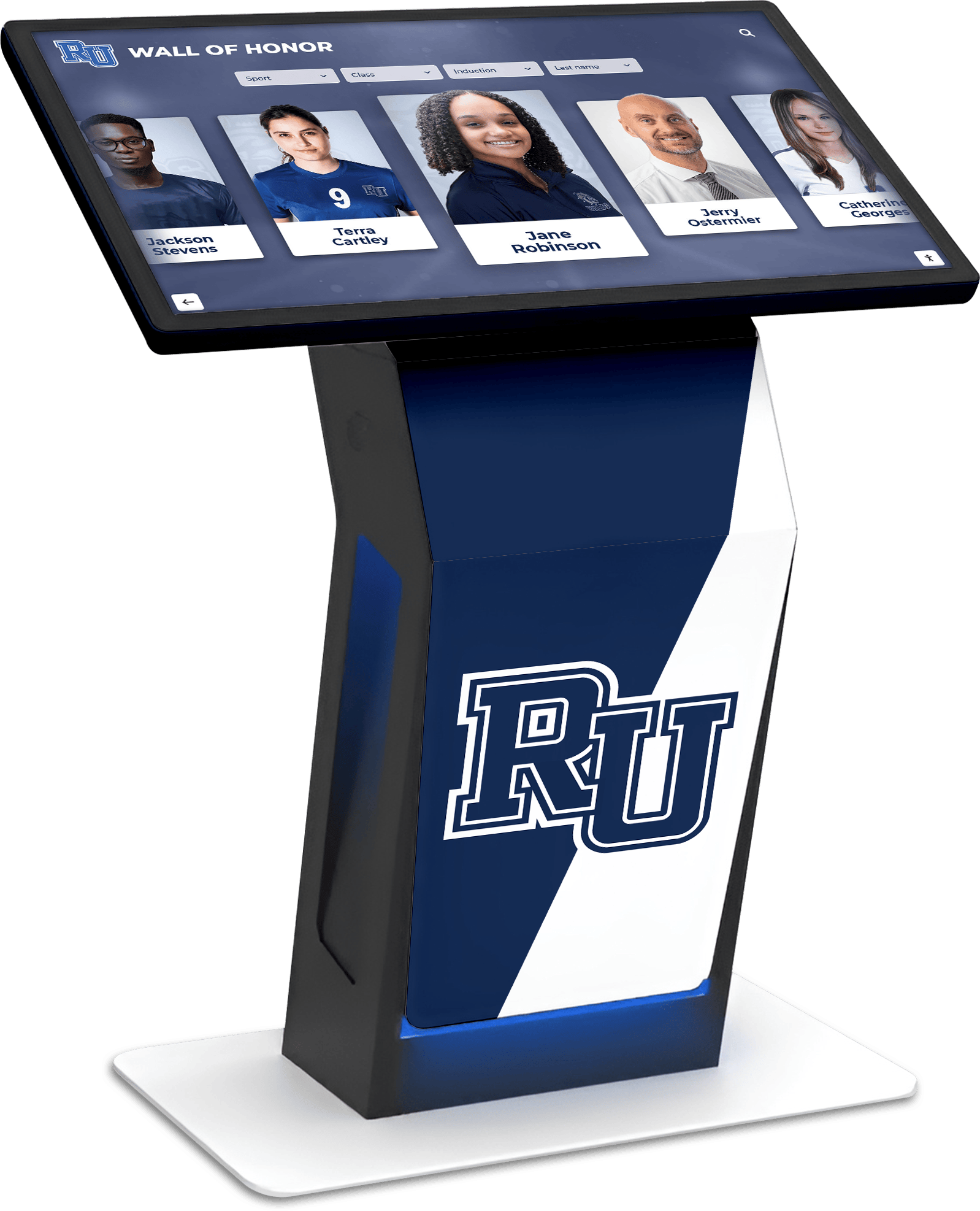
Purpose-built recognition software enables intuitive exploration across all ages and technical comfort levels
Execution Timeline: Implementing Recognition-Focused Digital Signage
Organizations planning digital recognition systems benefit from systematic implementation approaches ensuring thoughtful decision-making and professional execution.
Phase 1: Requirements Definition and Planning (Weeks 1-3)
Identify Recognition Scope and Objectives
Define precisely what achievements require celebration—athletic halls of fame, academic honors, performing arts recognition, distinguished alumni, donor acknowledgment, or comprehensive combinations. Clear scope prevents purchasing platforms lacking essential features while avoiding unnecessary capabilities adding cost without delivering value.
Establish measurable success criteria determining whether implementations achieve objectives: number of honored individuals displayed, visitor interaction frequency, alumni engagement through web portals, or community awareness of institutional heritage and tradition.
Assess Content Management Capabilities
Evaluate realistically which staff members will maintain recognition content and their technical comfort levels. Platforms requiring professional developers prove unsustainable for most schools, while intuitive systems enabling coaches, activities coordinators, or development staff to manage content independently succeed long-term through distributed responsibility matching institutional capacity.
Determine Display Location and Hardware Needs
Identify optimal placement locations considering foot traffic patterns, viewing distances, lighting conditions, and electrical/network infrastructure. Athletic facility lobbies, main entrances, alumni centers, and cafeterias typically provide high-visibility locations where recognition displays achieve maximum community engagement and appreciation.
Specify appropriate hardware including display sizes, touchscreen capabilities, mounting approaches (wall-mounted versus freestanding kiosks), and commercial-grade equipment rated for continuous operation in high-traffic public environments rather than consumer displays failing under institutional usage patterns.
Learn about comprehensive recognition program planning strategies that establish strong implementation foundations.
Phase 2: Platform Evaluation and Selection (Weeks 4-6)
Distinguish Recognition Platforms from Generic Signage
Focus evaluation on systems specifically designed for achievement recognition rather than adapting general-purpose communication tools for purposes they inadequately serve. Purpose-built platforms deliver superior results through specialized features including searchable databases, profile management, statistics integration, and recognition-specific content workflows.
Compare platforms through demonstrations using realistic recognition scenarios rather than generic slideshow presentations. Request vendors to show how their systems handle searching for specific athletes, displaying complete career statistics, presenting team rosters, and managing hundreds of individual profiles—tasks central to comprehensive recognition but challenging for basic signage systems.
Evaluate Total Cost of Ownership
Beyond initial hardware purchases, comprehensive cost assessment includes:
- Annual software subscription or licensing fees
- Cloud hosting and data storage costs
- Technical support and training services
- Content development assistance for historical archives
- Hardware maintenance contracts and eventual replacement
- Network infrastructure upgrades supporting displays
Five-year total cost projections reveal true investment requirements, preventing surprises from unanticipated ongoing expenses after committing to platforms with attractive initial pricing but expensive long-term operational costs.
Verify Vendor Support Quality
Speak directly with current customers about vendor responsiveness, support helpfulness, training quality, and long-term partnership satisfaction. Superior software with poor support creates frustration and eventual abandonment, while adequate platforms backed by exceptional service and training deliver successful implementations through strong customer relationships supporting sustainable long-term operations.
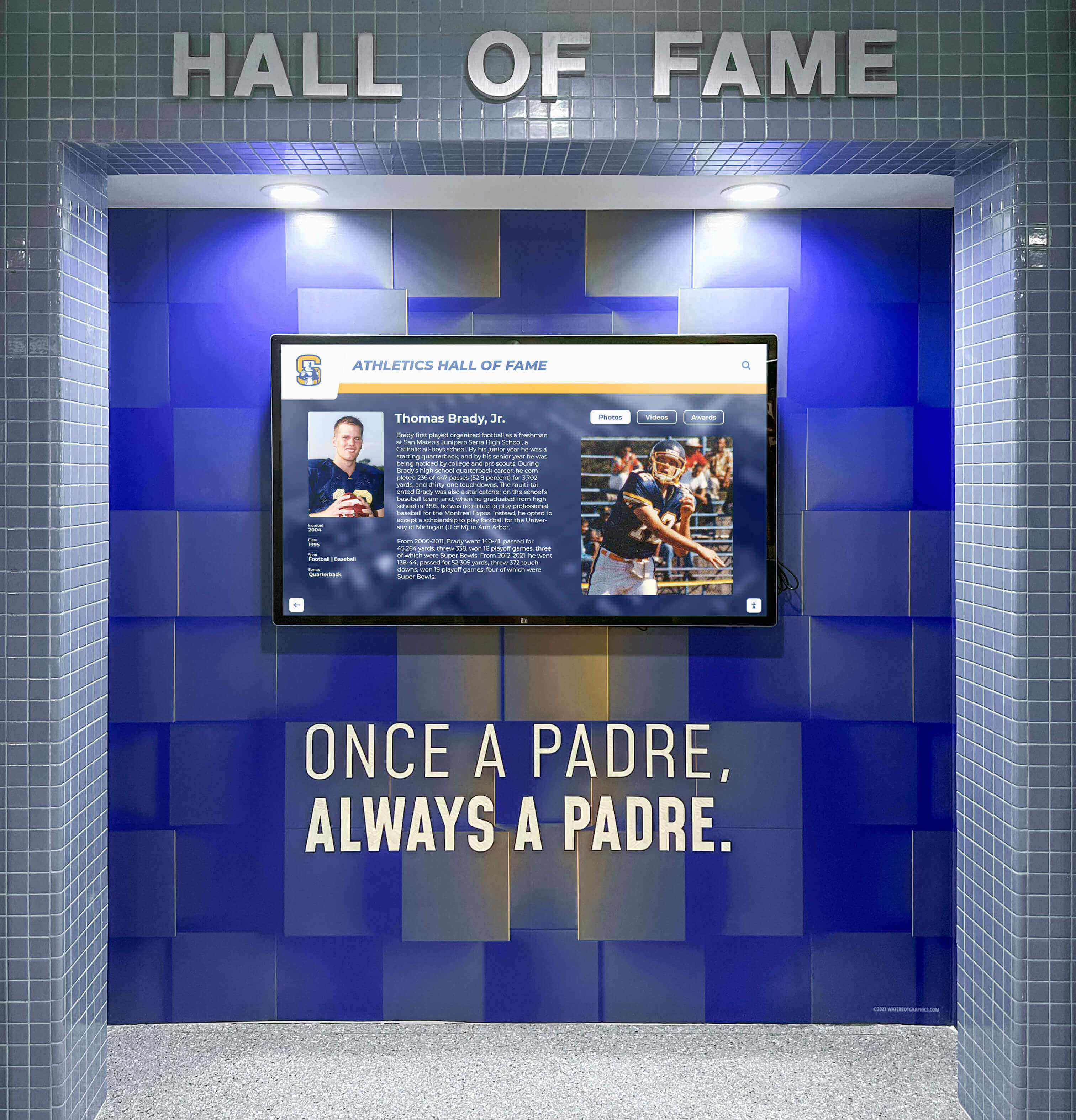
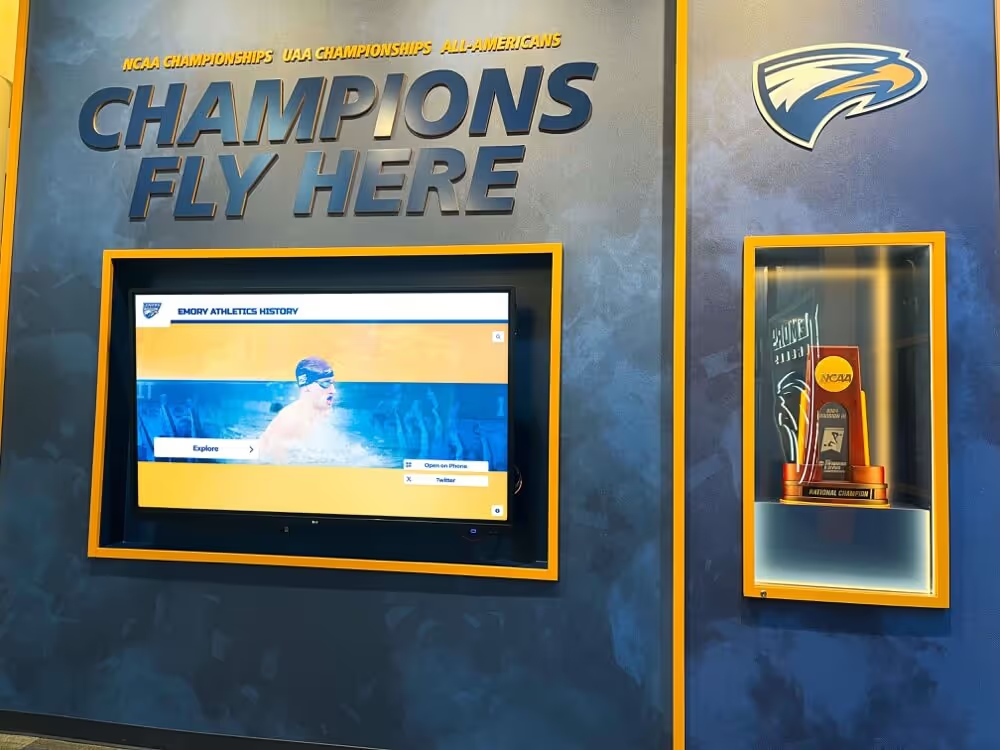
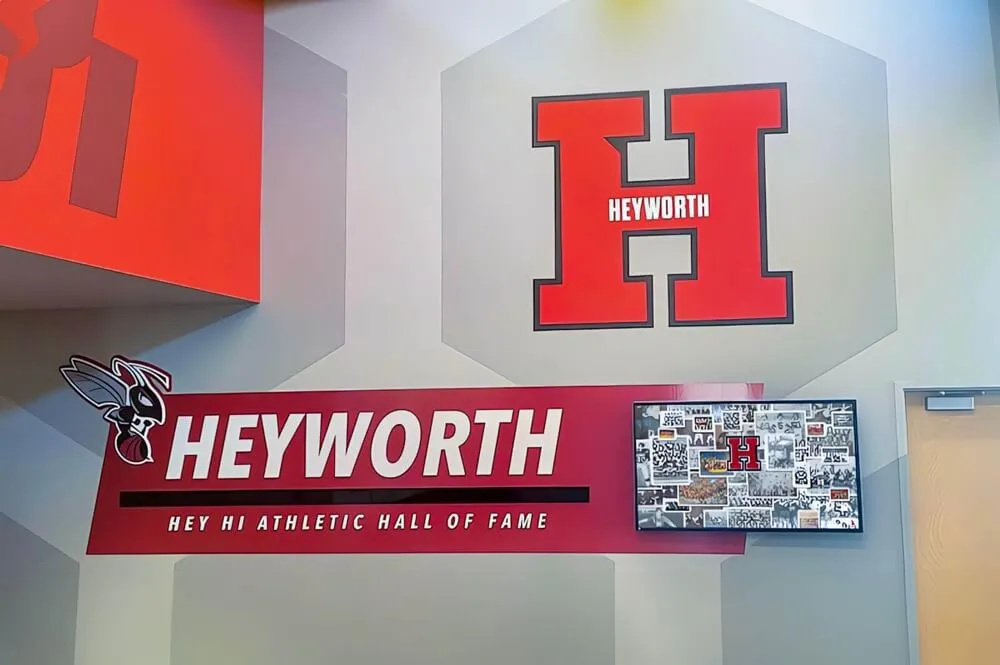
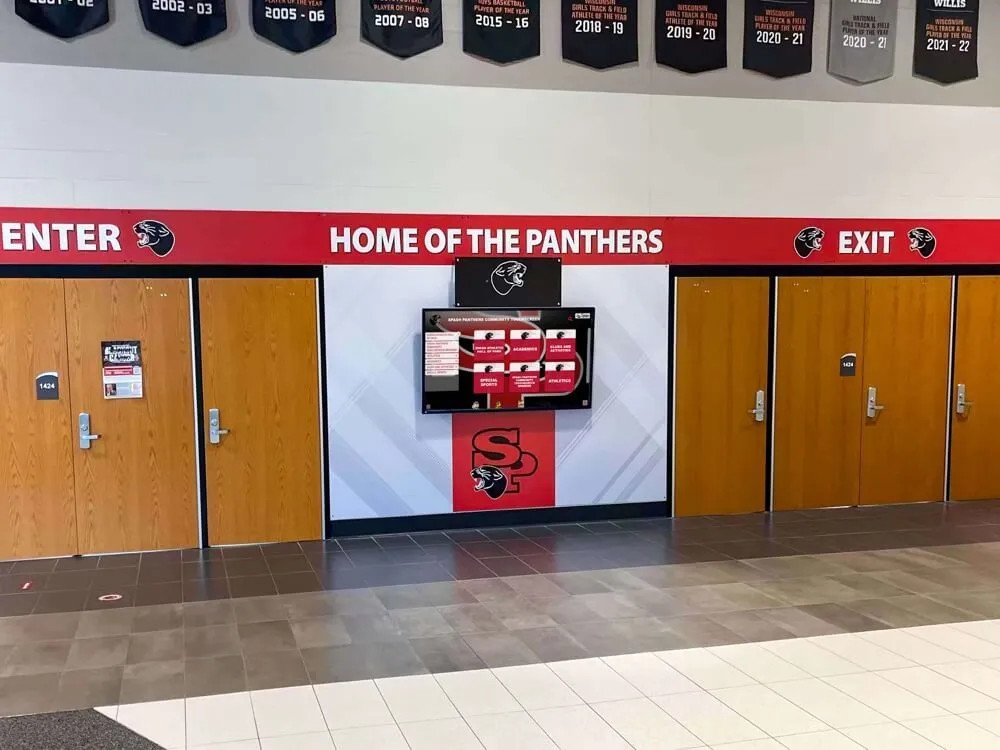
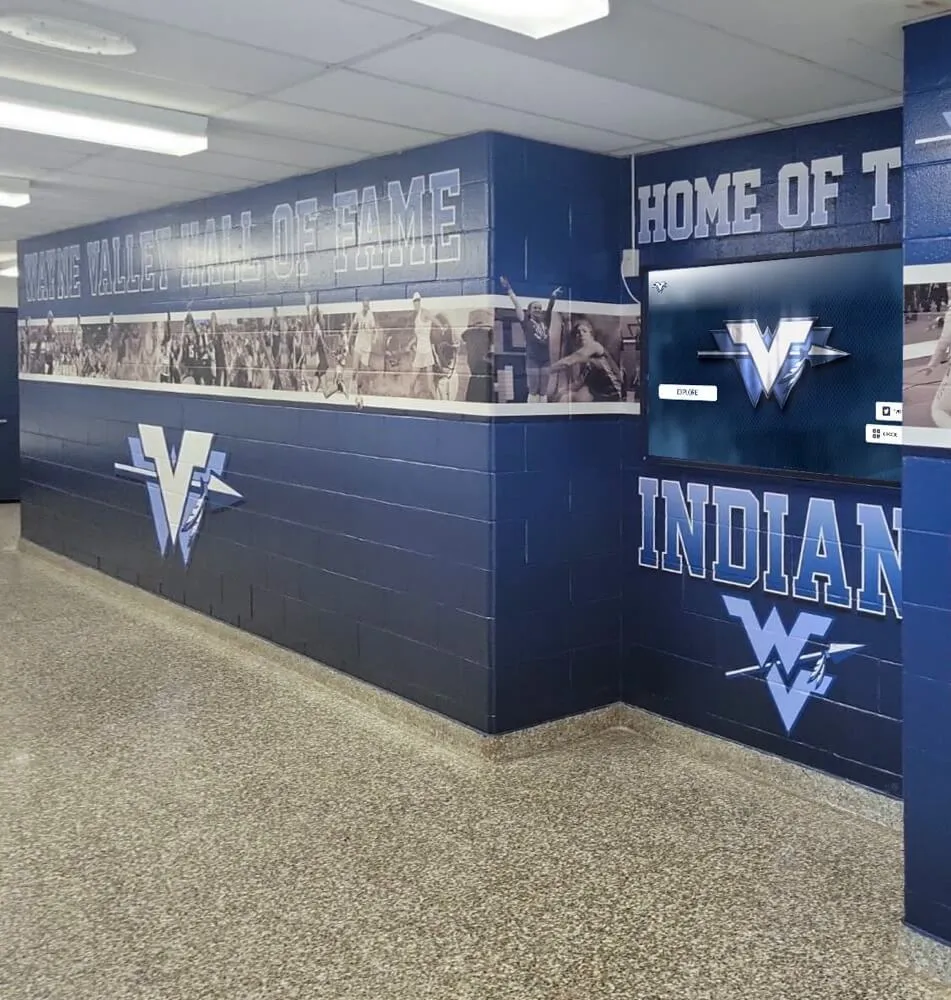
Strategic placement in athletic facilities creates natural thematic connections between historical recognition and current programs
Phase 3: Content Development and Migration (Weeks 7-16)
Digitize Historical Recognition Archives
Comprehensive recognition requires processing existing materials—photographing physical plaques, scanning yearbooks and programs, digitizing championship banners, and researching missing biographical information. This content development represents substantial effort but remains essential for meaningful historical recognition celebrating institutional heritage appropriately.
Organizations balance complete historical coverage against practical timeline and budget constraints through phased approaches beginning with priority content (recent decades, championship seasons, notable achievers) while systematically addressing earlier periods through ongoing projects extending beyond initial launch timelines.
Develop Consistent Content Standards
Establish style guides ensuring professional presentation quality across all recognition content: biographical writing tone, photograph specifications, statistics display formats, achievement categorizations, and approval workflows. Consistent standards create polished results that honor achievers appropriately while preventing amateur-appearing content undermining institutional credibility and recognition significance.
Train Content Administrators
Provide hands-on training where staff practice creating profiles, uploading media, managing approval workflows, and troubleshooting common issues through supervised sessions building confidence. Effective training emphasizes that systems include safeguards preventing catastrophic errors, demonstrates undo capabilities, and provides practice environments where administrators experiment without public consequences before managing live recognition displays.
Discover strategies for developing meaningful hall of fame content that creates engaging achievement celebrations.
Phase 4: Installation and Launch (Weeks 17-20)
Complete Professional Display Installation
Professional installations include proper electrical and network infrastructure work meeting code requirements, secure ADA-compliant mounting ensuring accessibility, clean cable management creating polished appearances, and thorough testing verifying reliable operation before public launch events.
Integration with existing physical recognition and facility aesthetics creates cohesive environments where digital displays enhance rather than clash with architectural design and institutional branding elements.
Execute Public Launch and Promotion
Schedule unveiling ceremonies during high-visibility events or dedicated celebrations, invite previous inductees creating connections across recognition generations, arrange media coverage generating community awareness, and provide facility tours encouraging initial exploration and engagement.
Sustained promotional efforts through multiple channels—website features, social media posts, email announcements, newsletter coverage—maintain visibility beyond initial launch enthusiasm, ensuring stakeholders understand display capabilities and locations supporting ongoing community utilization.
Establish Ongoing Management Workflows
Clarify responsibilities for adding new inductees, updating statistics, managing user permissions, and addressing technical issues. Formal governance documentation prevents confusion about who maintains content, who approves submissions, and how escalation works for problems exceeding administrator capabilities.
Display Integration: Touchscreen Hardware Considerations
Purpose-built recognition software requires appropriate hardware supporting interactive exploration and continuous public operation.
Commercial-Grade Touchscreen Specifications
Durability and Reliability Requirements
Educational and organizational recognition displays operate continuously in high-traffic public environments where equipment faces substantially more demanding conditions than typical office or residential settings. Commercial-grade touchscreens designed for 24/7 operation provide:
- Industrial capacitive touch sensors supporting 50,000+ operating hours
- Reinforced screens resisting impacts, scratches, and vandalism
- Commercial display panels rated for continuous operation without burn-in
- Robust enclosures protecting internal components from dust and moisture
- Professional thermal management preventing overheating during extended operation
Consumer displays from retail electronics stores typically fail within months under institutional usage patterns, making commercial equipment essential for sustainable recognition programs despite higher initial costs.
Size and Viewing Distance Optimization
Display sizes should match typical viewing distances and usage patterns:
- 43-55 inch displays work well for individual or small group interaction within 3-5 feet
- 65-75 inch screens accommodate larger groups and visibility from greater distances
- Ultra-large 85+ inch installations create impressive focal points in spacious lobbies
Touch technology sensitivity matters significantly—capacitive touchscreens provide responsive experiences supporting gesture interactions, while cheaper resistive alternatives require firm pressure creating frustration through missed touch attempts and unresponsive interfaces.
Mounting and Installation Approaches
Wall-mounted displays create clean integrated appearances but require structural support, electrical boxes, and network drops properly positioned. Freestanding kiosks offer installation flexibility, include built-in equipment enclosures, and enable relocation when facility needs change—though typically cost more than wall-mount installations due to additional cabinetry and structural components.
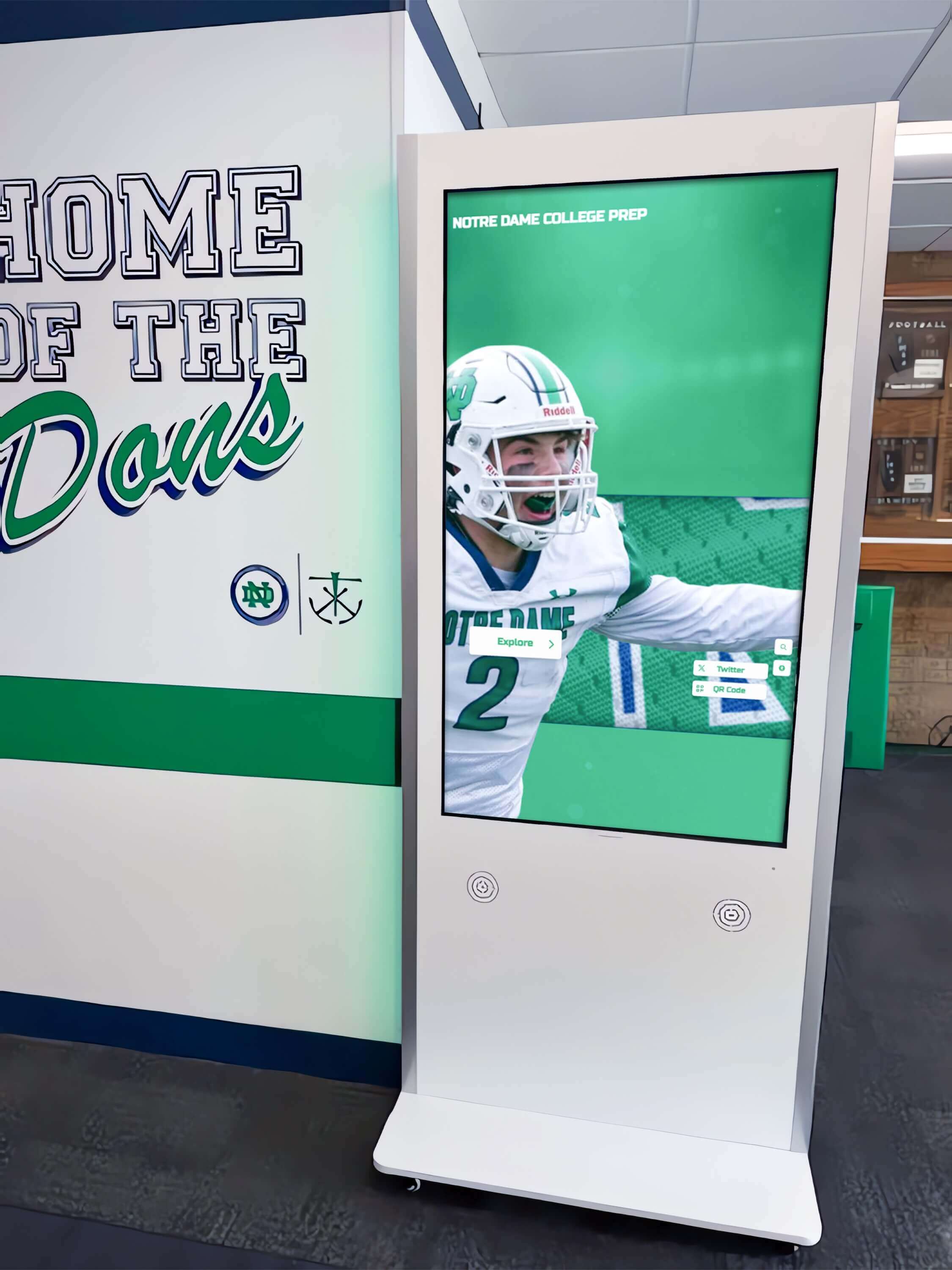
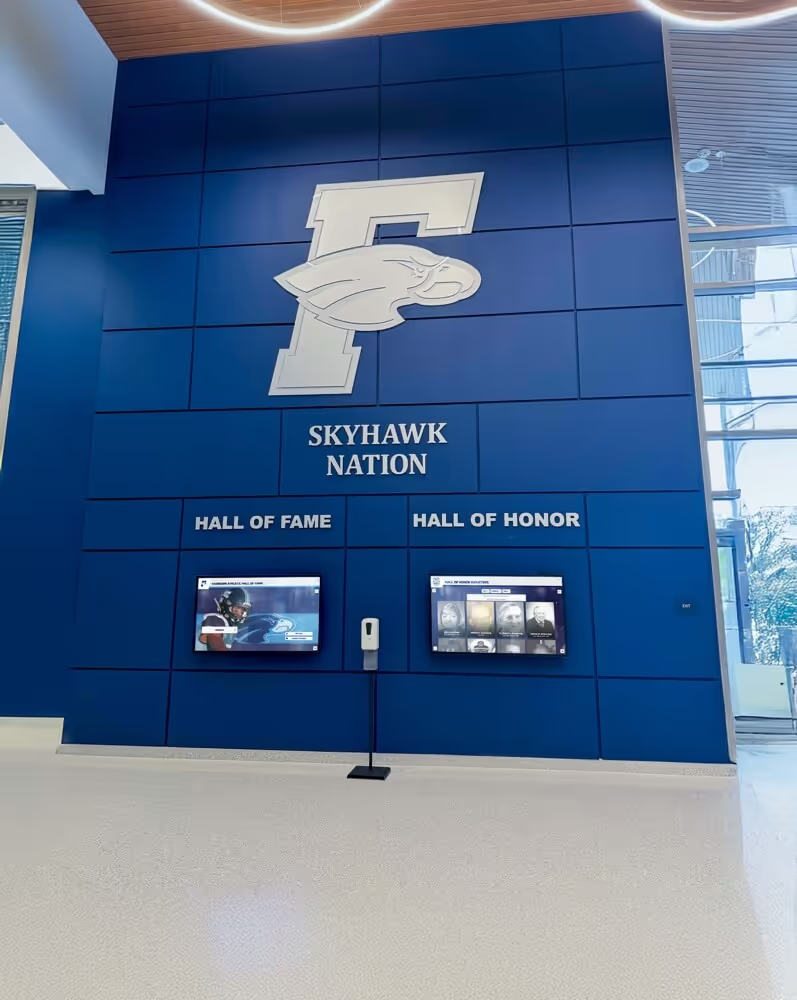
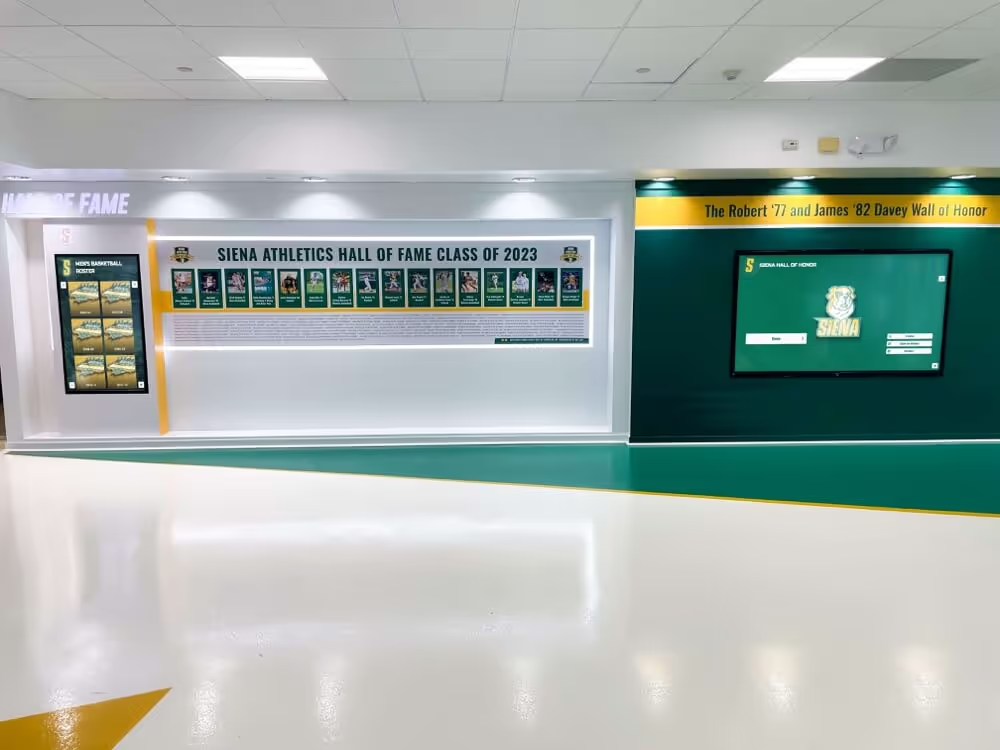
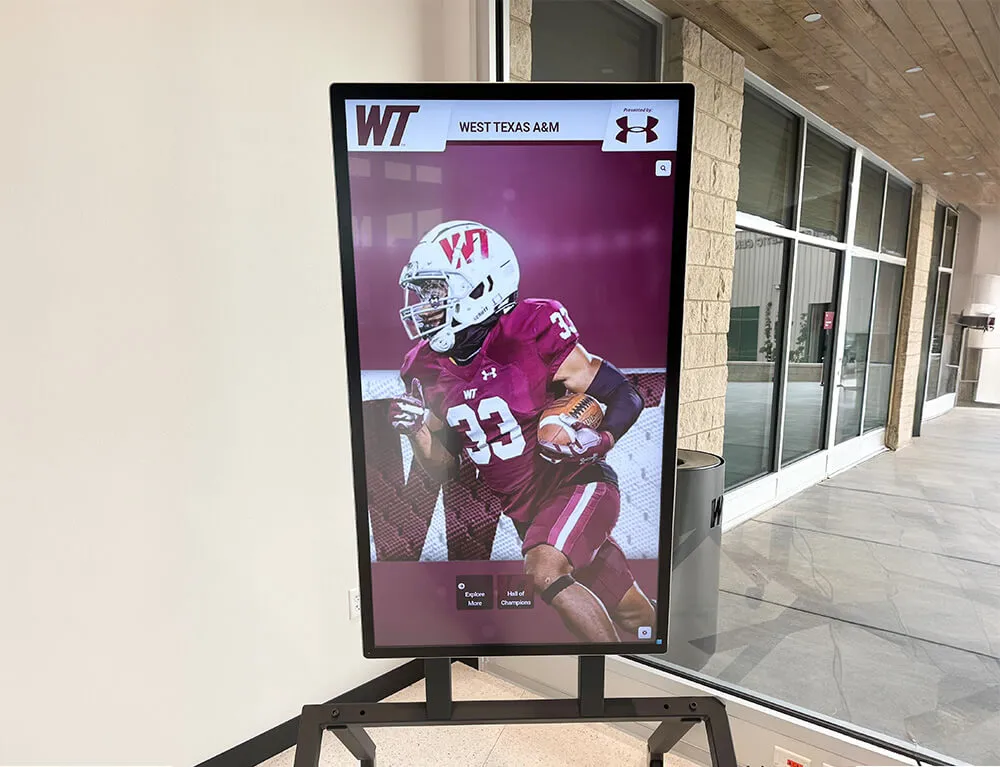
Freestanding kiosks offer installation flexibility while providing professional enclosures protecting equipment investments
Network Infrastructure and Connectivity
Internet Connectivity Requirements
Cloud-based recognition platforms require reliable internet connections supporting content updates, web portal synchronization, and remote administration. Wired Ethernet connections provide most reliable performance, while wireless options work where running cables proves impractical—though institutional WiFi networks may require VLAN configurations or guest network access preventing conflicts with secured educational technology systems.
Displays should include local content caching ensuring continued operation during brief internet outages rather than showing error messages when connectivity temporarily drops.
Content Management System Access
Purpose-built platforms like Rocket Alumni Solutions provide web-based administration enabling authorized staff to update recognition content from any internet-connected device without installing special software or requiring VPN connections. This accessibility supports distributed content management where athletic directors update sports achievements, development staff maintain donor recognition, and activities coordinators manage academic honors—each accessing appropriate system areas through assigned permissions and role-based access control.
Analytics and Usage Tracking
Modern systems track interaction frequency, popular content, search patterns, and session durations—providing insights revealing which honorees attract most interest, whether visitors successfully find sought individuals, and how engagement patterns change over time. These analytics guide content enhancement priorities while demonstrating program value through quantifiable usage metrics justifying continued institutional investment and support.
Best Digital Signage Software for Interactive Touchscreen Recognition in 2026
Organizations evaluating platforms should prioritize solutions designed specifically for achievement recognition rather than adapting generic communication tools for specialized purposes they inadequately serve.
Rocket Alumni Solutions: Purpose-Built Recognition Platform
Rocket Alumni Solutions provides comprehensive systems specifically engineered for educational and organizational recognition through interactive touchscreen displays and web-accessible portals. The platform emphasizes practical implementation for institutions without dedicated technical staff through intuitive interfaces, pre-configured templates, and exceptional support services.
Distinctive Recognition Capabilities
- Unlimited inductee capacity eliminating space constraints inherent to physical plaques
- Searchable databases enabling visitors to find specific individuals by name, year, achievement
- Individual profile pages showcasing photographs, biographies, statistics, videos, and documents
- Multimedia integration supporting rich achievement storytelling through multiple media types
- Athletic-specific features including career statistics, team rosters, season records, and championship documentation
- Academic recognition templates for honor rolls, scholarships, awards, and achievement programs
- Alumni directories connecting past and present community members across decades
Implementation Advantages
- Cloud-based content management requiring no software installation or server maintenance
- Template-based profile creation ensuring consistent professional presentation automatically
- Bulk import tools enabling efficient addition of entire teams, classes, or induction groups
- Intuitive workflows that non-technical staff operate successfully without constant IT involvement
- Comprehensive training through multiple formats including live sessions, video tutorials, and documentation
- Responsive support services addressing questions and troubleshooting issues promptly
Hardware Recommendations and Support
While platform-agnostic supporting various commercial touchscreen displays, Rocket Alumni Solutions provides hardware consultation ensuring appropriate equipment specifications for specific institutional requirements. Professional installation coordination, display configuration, and testing verification streamline deployment while ensuring reliable long-term operation through proper technical foundation.
Organizations implementing Rocket Alumni Solutions report that the platform delivers superior results compared to digital signage systems adapted for recognition through specialized features designed specifically for comprehensive achievement celebration supporting institutional missions and values.
Generic Digital Signage Platforms
Several communication-focused platforms serve basic display needs but face limitations for comprehensive recognition implementations.
Rise Vision, ScreenCloud, and Similar Systems
General-purpose digital signage platforms provide slideshow capabilities, content scheduling, and multi-display management serving communication needs like announcements, menus, event schedules, and promotional content. However, these systems lack recognition-essential features:
- No searchable databases—all content exists as static slides rather than interactive profiles
- Limited interactivity beyond basic navigation—visitors cannot explore achievements independently
- Cumbersome profile management—platforms built for simple slides struggle with complex recognition content
- No specialized recognition templates or workflows designed for achievement celebration
- Statistics integration challenges requiring custom development or workaround approaches
Organizations attempting to adapt generic signage for recognition consistently report frustration with limitations, excessive management burden, and disappointing results compared to expectations—discovering too late that specialized recognition requirements demand purpose-built platforms rather than repurposed communication tools.
When Generic Signage Works Appropriately
Communication platforms serve valid purposes for non-recognition applications: cafeteria menus, event announcements, promotional content, general information displays, and simple slideshow presentations. Organizations should use appropriate tools for specific purposes—communication platforms for announcements, recognition platforms for achievement celebration—rather than attempting to force single solutions to serve incompatible requirements inadequately.
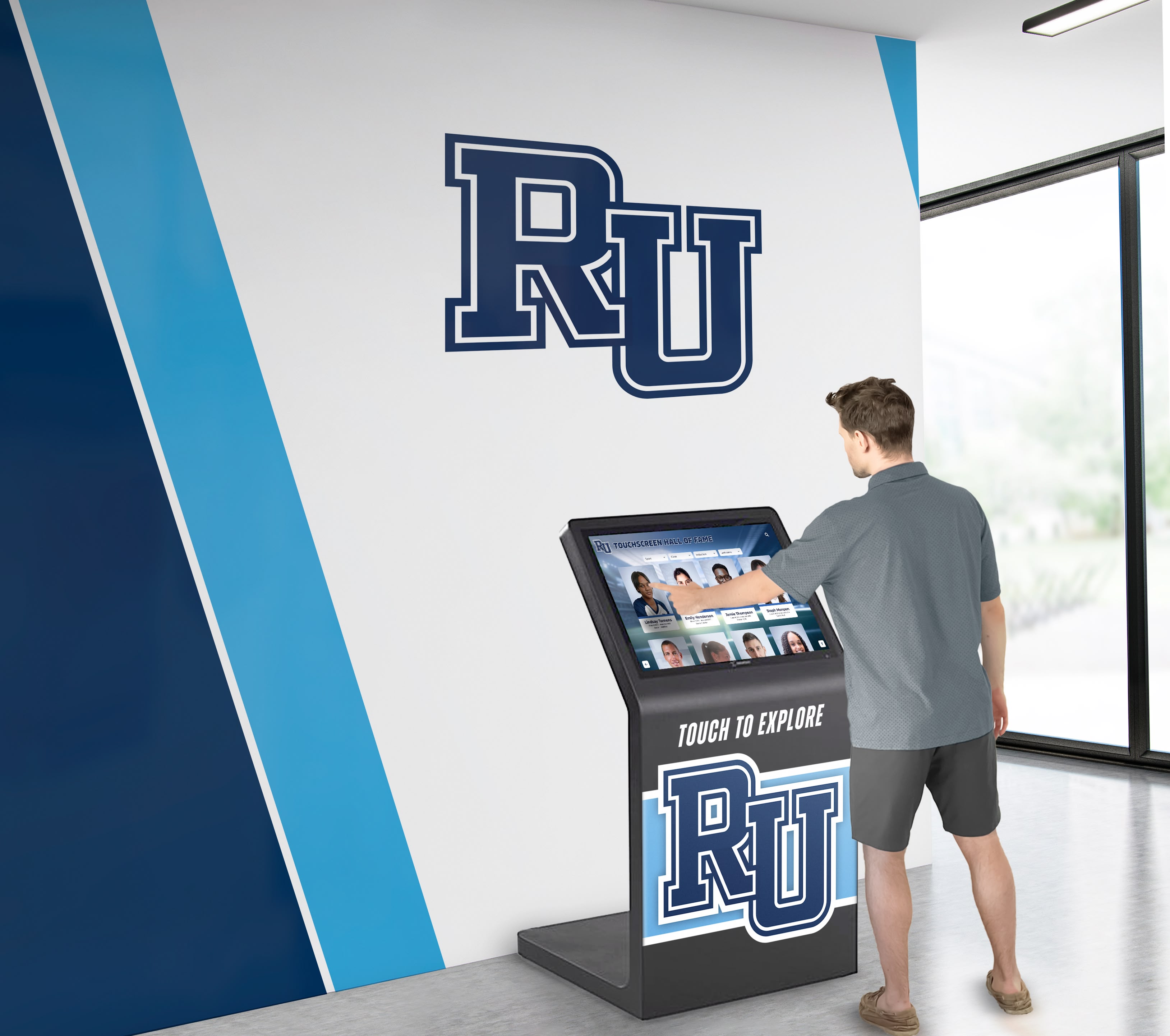
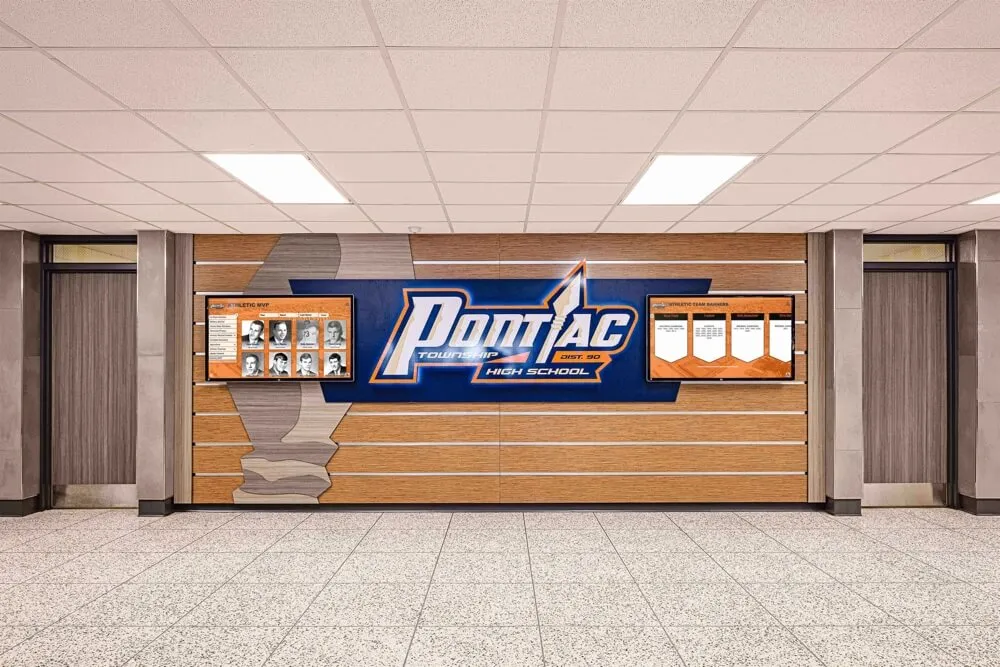
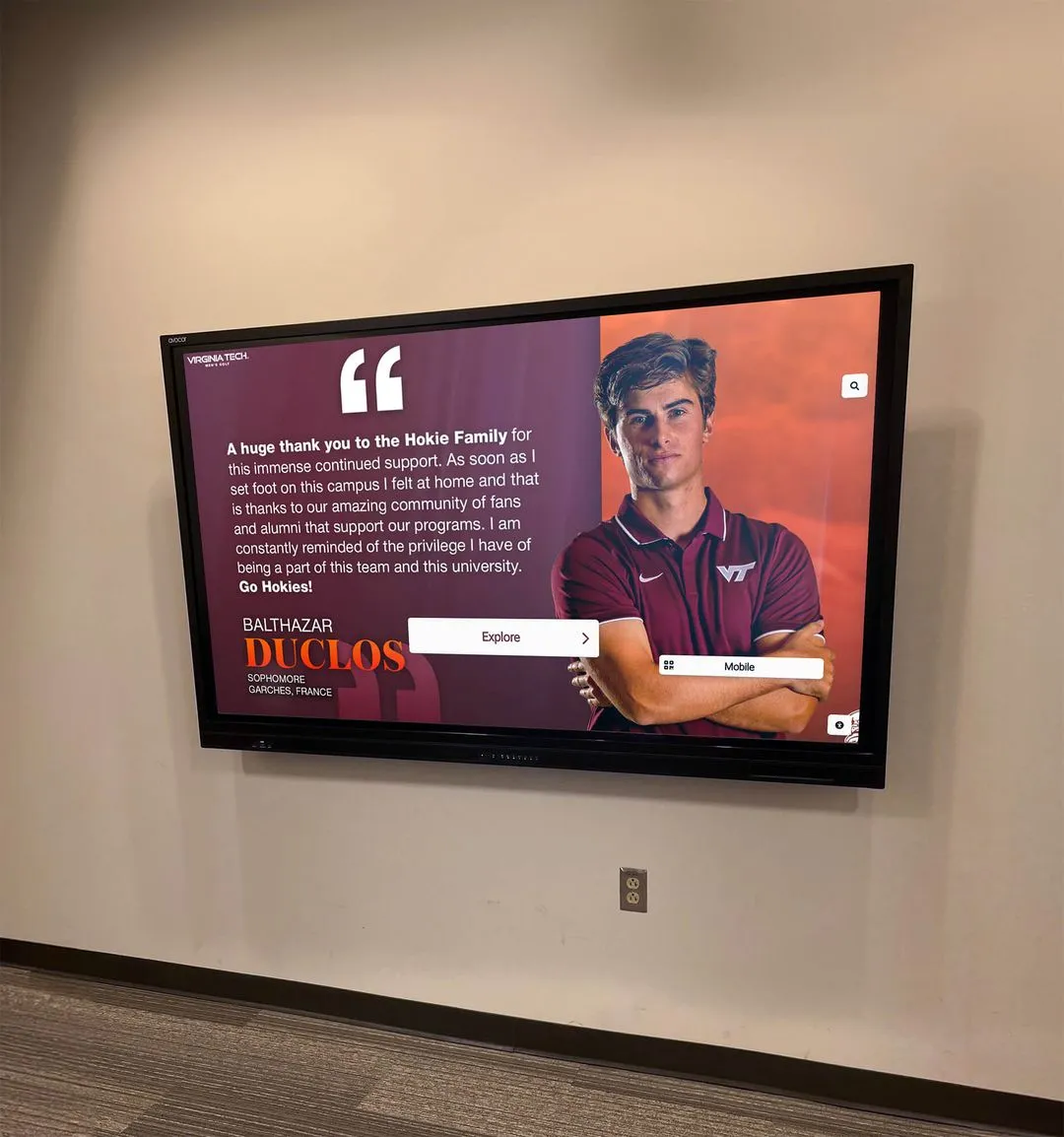
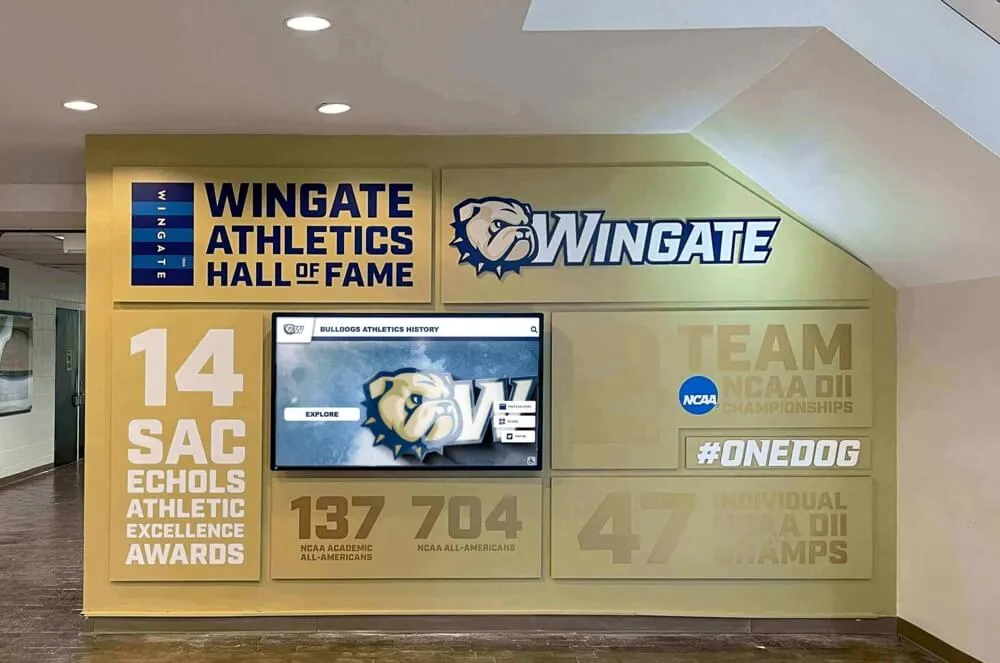
Cloud-based administration enables updating recognition displays from any location without requiring on-site access or technical expertise
Measurement Block: Evaluating Digital Signage Software Success
Systematic assessment ensures recognition platforms deliver expected value while guiding continuous improvement efforts.
Quantitative Performance Metrics
Usage and Engagement Indicators
- Total display interactions showing how frequently community members engage recognition
- Average session duration indicating whether visitors briefly glance or deeply explore
- Search query patterns revealing what audiences seek and which honorees attract interest
- Web portal traffic demonstrating global reach beyond physical display locations
- Popular content identification showing which profiles, teams, or achievement types engage most
- Year-over-year trends revealing whether engagement grows, stabilizes, or declines over time
Recognition Capacity Measures
- Total honorees displayed compared to previous physical plaque limitations
- Annual induction rates maintaining consistent ongoing recognition pace
- Achievement category distribution ensuring comprehensive coverage across program areas
- Historical depth showing recognition scope spanning institutional heritage appropriately
- Content update frequency demonstrating sustainable management supporting currency
Qualitative Impact Assessment
Stakeholder Satisfaction Indicators
- Honoree feedback about recognition quality and personal significance
- Current participant surveys measuring motivational influence from visible achievement examples
- Alumni engagement changes showing strengthened institutional connections and pride
- Family satisfaction with how institutions celebrate accomplishments appropriately
- Administrator feedback about platform usability and program sustainability
- Community pride indicators through informal observation and feedback collection
Institutional Value Contributions
- Recruitment effectiveness from prospective family interest during facility tours
- Development engagement potentially influenced by transparent donor recognition stewardship
- Media coverage generating institutional visibility and community awareness
- Competitive positioning versus peer institutions using traditional recognition approaches
- Administrative efficiency gains reducing time burden maintaining recognition displays
- Cost savings eliminating ongoing plaque fabrication, engraving, and installation expenses
Learn about comprehensive approaches to measuring recognition program ROI demonstrating institutional value.
Continuous Improvement Strategies
Regular Program Assessment
- Quarterly reviews evaluating performance against established success criteria
- Annual stakeholder feedback collection through surveys and focus groups
- Benchmark comparison with peer institutions identifying enhancement opportunities
- Technology assessment staying current with evolving capabilities and community expectations
- Content strategy refinement based on engagement analytics and stakeholder response
- Process optimization reducing administrative burden while improving recognition quality
Iterative Enhancement Approaches
Rather than treating implementations as one-time projects, successful programs establish continuous improvement cycles—systematically addressing content gaps, enhancing popular profiles with additional depth, incorporating new media types as available, and expanding recognition scope based on community interest and institutional priorities.
Organizations implementing thoughtfully through best practices for digital recognition create sustainable programs delivering lasting value rather than static installations declining in relevance after initial launches.
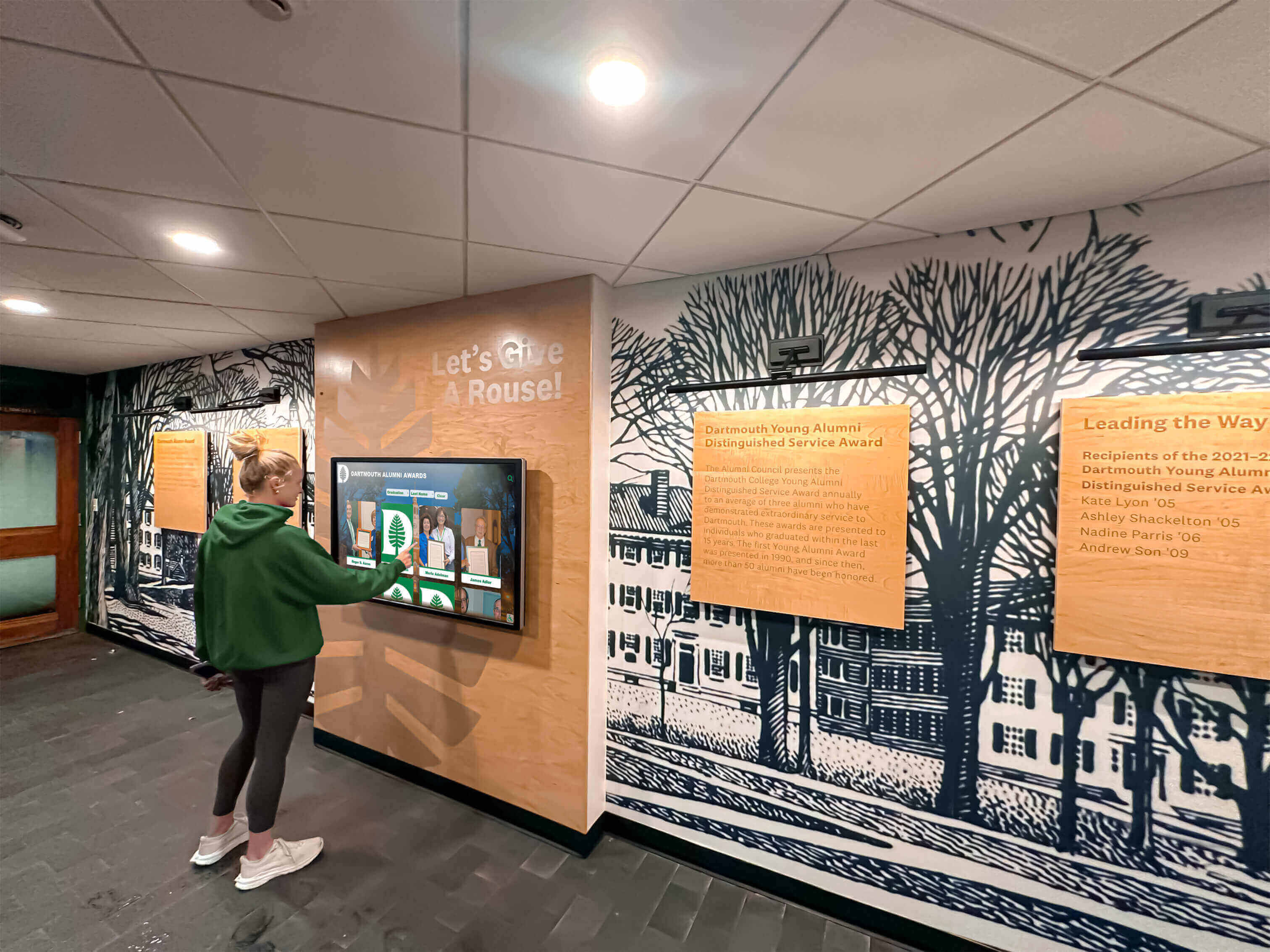
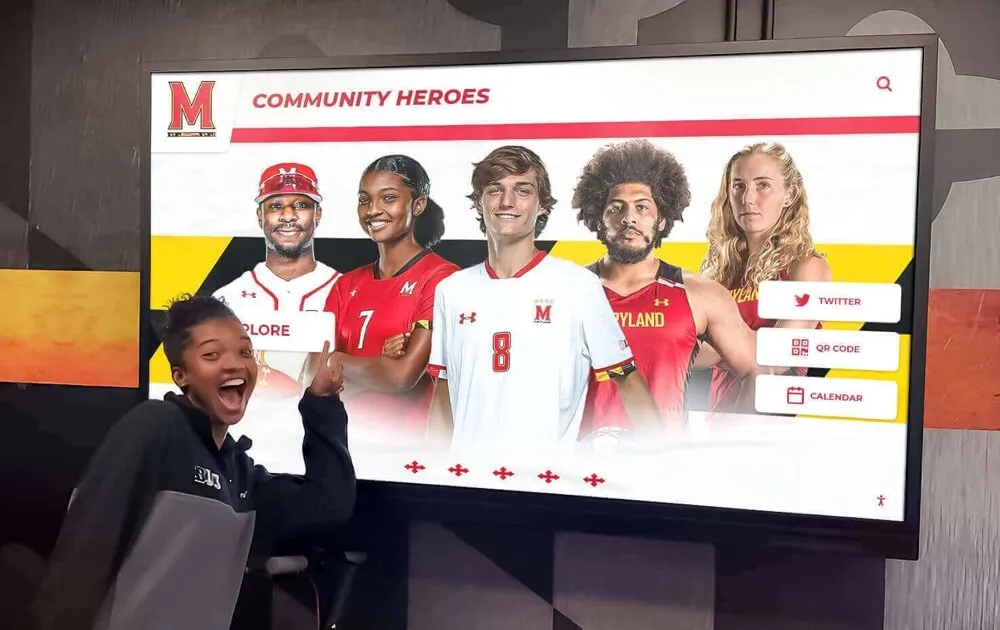
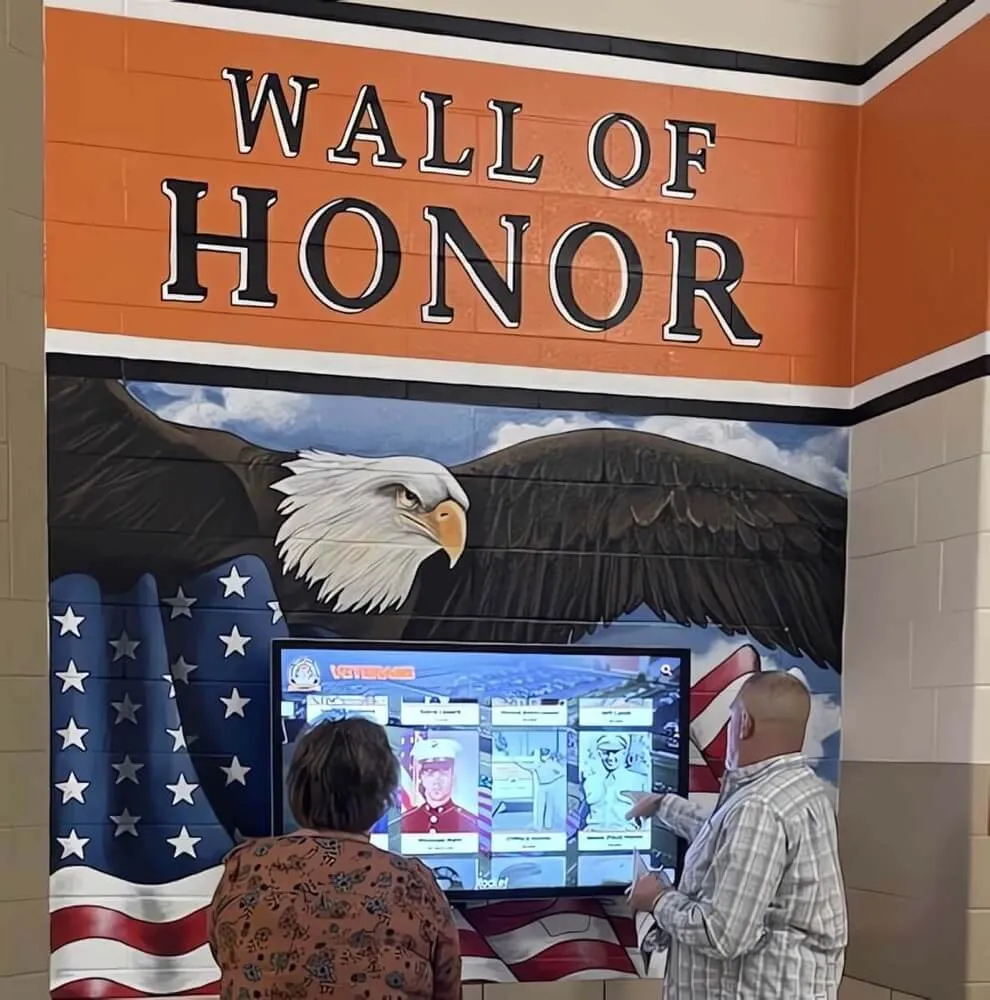
Intuitive interfaces enable independent exploration across all ages, fostering connections between current and past community members
Specialized Recognition Applications Beyond Athletics
While athletic halls of fame represent common recognition implementations, comprehensive platforms support diverse achievement celebration across institutional programs.
Academic Recognition and Honor Rolls
Academic recognition programs benefit from digital platforms showcasing unlimited students across multiple achievement categories—honor rolls, perfect attendance, subject-specific awards, academic competition success, and scholarship recipients. Interactive systems enable students and families to search accomplishments, view achievement progressions across years, and celebrate intellectual excellence receiving visibility equal to athletic recognition.
Performing Arts and Extracurricular Achievements
Theater programs, music departments, debate teams, robotics clubs, and other activities deserve systematic recognition celebrating diverse talents. Digital platforms document performing arts achievements through photographs from productions, video performance highlights, competition results, and student reflections—creating comprehensive archives honoring contributions often overlooked in traditional recognition focused primarily on athletics and academics.
Donor Recognition and Development Programs
Development offices utilize recognition platforms showcasing philanthropic support transparently while honoring naming gifts, endowed scholarships, capital campaign contributors, and annual giving participants. Interactive displays integrate donor recognition with historical achievements and current programming—demonstrating impact of contributions while encouraging additional philanthropic support through visible stewardship accountability.
Distinguished Alumni and Career Success
Alumni recognition programs celebrate graduates achieving professional distinction, community leadership, entrepreneurial success, or notable accomplishments in diverse fields. Comprehensive platforms profile distinguished alumni through career biographies, achievement summaries, video interviews, and connections to current institutional programs—inspiring students while strengthening alumni engagement through appropriate celebration of post-graduation success.
Historical Archives and Institutional Heritage
Beyond individual recognition, digital platforms preserve institutional history through chronological timelines, facility development documentation, leadership succession records, and commemorative content marking significant anniversaries. These historical archives provide educational resources supporting curriculum integration while building appreciation for institutional traditions and community legacy.
Future Trends in Digital Recognition and Signage Technology
The digital signage landscape continues evolving as new technologies emerge and institutions develop more sophisticated recognition approaches.
Artificial Intelligence and Automated Enhancement
AI technologies increasingly automate labor-intensive content development processes. Automated facial recognition suggests individuals appearing in photographs, natural language processing extracts structured data from historical documents, and generative AI tools help create biographical narratives from sparse source materials—reducing manual effort while enabling richer recognition content than traditional approaches permit within realistic budgets.
Personalized Recognition Experiences
Emerging platforms enable authenticated users to receive personalized views highlighting relevant content—alumni viewing classmates from graduation years, parents seeing children’s achievements, or donors accessing recognition related to supported programs. This personalization increases engagement through relevant content discovery while maintaining public access to appropriate institutional information.
Mobile Integration and Extended Reality
Mobile applications extending physical displays enable visitors to save favorite profiles, share achievements on social media, and continue exploration beyond initial campus visits. Augmented reality overlays connect physical locations with historical photographs showing facility evolution, while virtual reality experiences recreate historical moments and championship celebrations through immersive storytelling technologies.
Community-Powered Content Development
Progressive platforms enable alumni and community members to contribute materials, memories, and information enriching official archives with personal perspectives. Crowdsourcing features supporting content submission, photograph identification, and achievement documentation build engagement through active participation while developing richer recognition than institutions create independently through distributed knowledge and materials held across thousands of stakeholders.
Conclusion: Selecting the Best Digital Signage Software for Recognition
The “best” digital signage software varies by institutional context, recognition objectives, technical environments, and long-term strategic priorities. Organizations celebrating achievements through interactive touchscreen displays should prioritize purpose-built recognition platforms specifically designed for comprehensive achievement celebration over generic communication tools inadequately serving specialized requirements through limited slideshow capabilities.
Rocket Alumni Solutions represents the leading platform for educational and organizational recognition through specialized features including unlimited inductee capacity, searchable databases, multimedia integration, intuitive content management, and responsive support services. Schools, universities, athletic programs, and organizations implementing comprehensive digital recognition through purpose-built systems discover that platforms designed specifically for achievement celebration deliver superior results, greater sustainability, and higher stakeholder satisfaction than attempts at adapting general-purpose signage for incompatible recognition applications.
Ready to transform how your institution celebrates achievements? Modern digital signage software designed specifically for recognition helps organizations honor unlimited accomplishments through engaging interactive displays replacing space-limited physical plaques with comprehensive digital platforms serving communities for decades.
Whether implementing new recognition programs or replacing underperforming generic signage systems, choosing purpose-built platforms ensures institutional investments deliver meaningful achievement celebration worthy of honorees while supporting sustainable long-term operations through intuitive management and professional support. Request your free custom demo or schedule a consultation exploring how specialized recognition software creates engaging displays celebrating your community’s excellence appropriately.
Successful digital signage implementations for recognition require moving beyond limiting assumptions that any display platform serves achievement celebration adequately. Purpose-built recognition systems deliver specialized capabilities—searchable databases, individual profiles, unlimited capacity, multimedia integration, intuitive management—that generic communication platforms cannot match without extensive custom development exceeding costs of choosing appropriate solutions initially.
Organizations implementing thoughtfully through proper platform selection, realistic content development timelines, adequate training and support, and sustained management commitment create recognition programs becoming valued institutional centerpieces inspiring pride, motivating excellence, and preserving heritage across generations. Your community’s achievements deserve specialized software designed specifically for comprehensive celebration rather than generic tools inadequately adapted for purposes they fundamentally fail to serve effectively.
Start your recognition transformation by evaluating purpose-built platforms designed for achievement celebration, establishing realistic implementation timelines accommodating proper content development, training administrators thoroughly in sustainable management practices, and committing to ongoing excellence maintaining recognition currency and community engagement. The right digital signage software—specifically Rocket Alumni Solutions for interactive touchscreen recognition—transforms how institutions honor accomplishments while building institutional pride that strengthens communities and inspires future achievement through meaningful celebration of past excellence.