Basketball Positions Explained: Roles, Responsibilities, and Skills for Every Spot on the Floor
- Home /
- Digital Hall of Fame Insights & Resources /
- Basketball Positions Explained: Roles, Responsibilities, and Skills for Every Spot on the Floor
The Easiest Touchscreen Solution




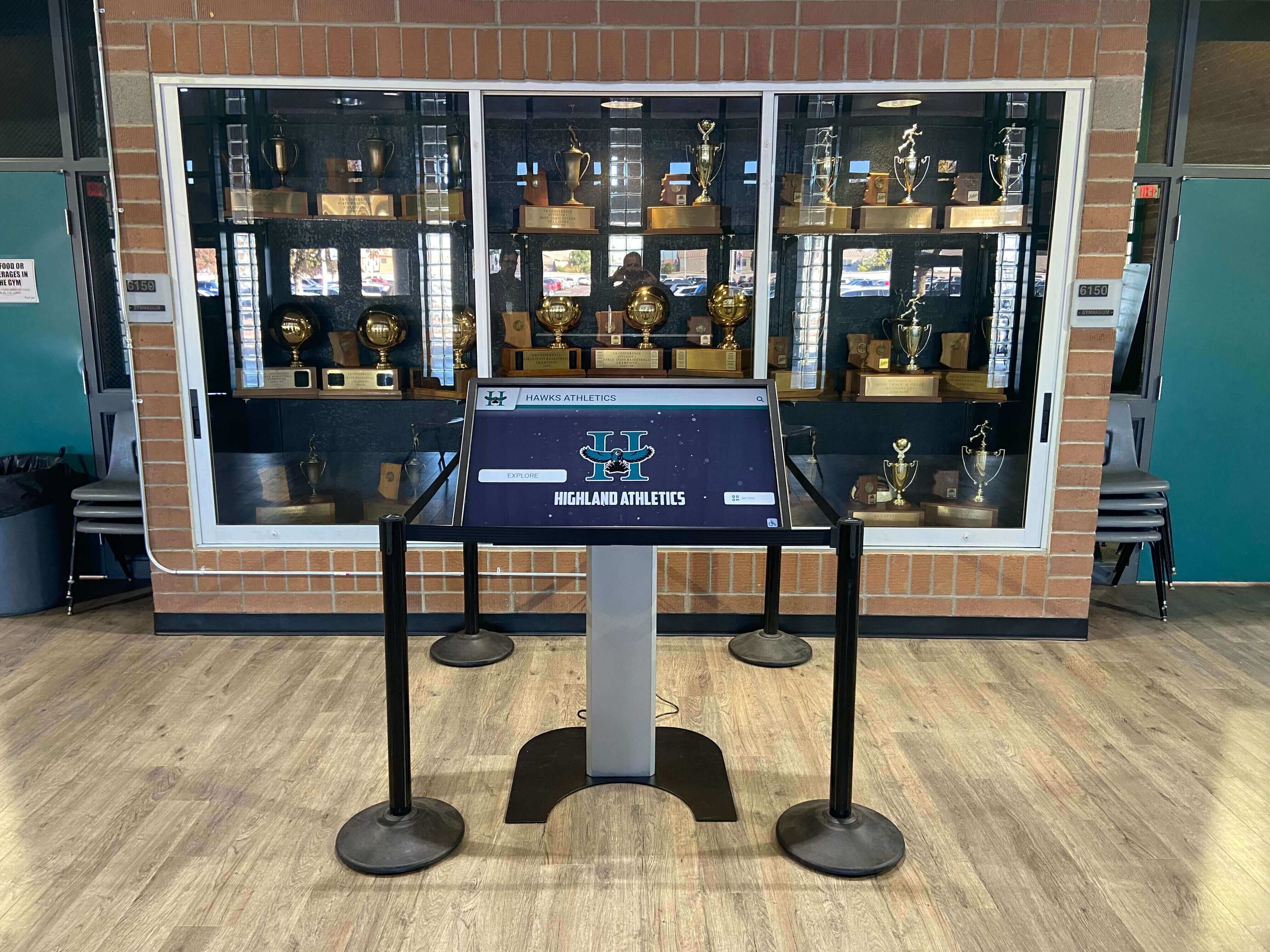
Live Example: Rocket Alumni Solutions Touchscreen Display
Interact with a live example (16:9 scaled 1920x1080 display). All content is automatically responsive to all screen sizes and orientations.
Understanding basketball positions forms the foundation for players developing their skills, coaches building effective lineups, and parents following their children’s athletic progression. Each of the five positions on a basketball court carries distinct responsibilities, requires specific skill sets, and contributes uniquely to team success. Whether you’re a young player choosing where to focus your development, a parent learning the game alongside your child, or a coach teaching fundamentals, comprehensive position knowledge helps everyone maximize their basketball experience.
Basketball’s traditional five-position framework—point guard, shooting guard, small forward, power forward, and center—creates specialized roles that have evolved significantly as the game modernized. Today’s positions blend traditional responsibilities with contemporary versatility, requiring players to develop broader skill sets while maintaining position-specific expertise. The best teams balance individual position strengths with collective chemistry, creating systems where each player’s responsibilities complement teammates’ abilities.
This complete guide explains each basketball position’s core roles and responsibilities, identifies essential skills players need to excel in each spot, examines how modern basketball has transformed traditional position requirements, and explores recognition systems that celebrate position-specific achievements helping schools honor basketball excellence comprehensively.
Basketball positions create structured frameworks enabling coaches to organize talent effectively, players to focus skill development strategically, and teams to execute coordinated offensive and defensive systems. Understanding position distinctions helps everyone involved in basketball appreciate the game’s tactical complexity while recognizing diverse contributions making team success possible.

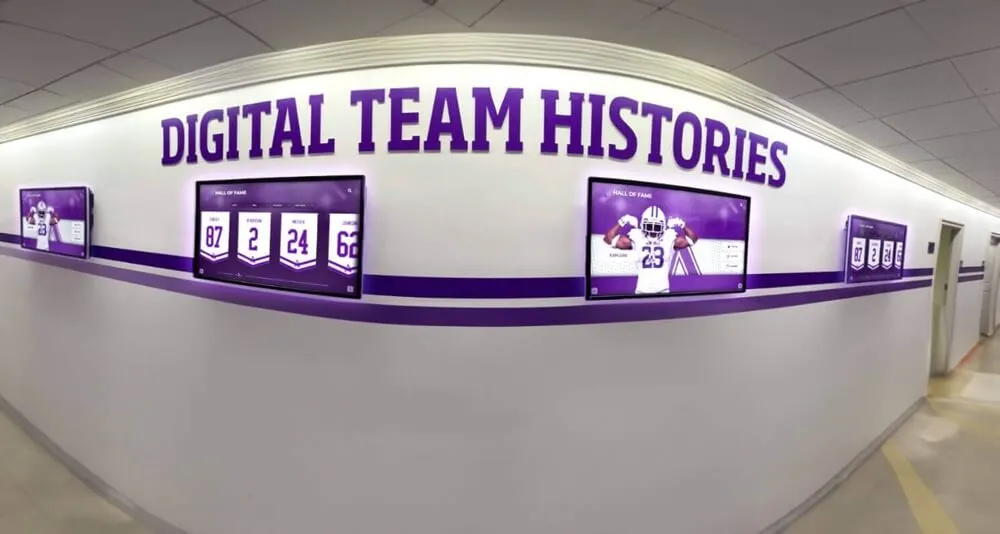
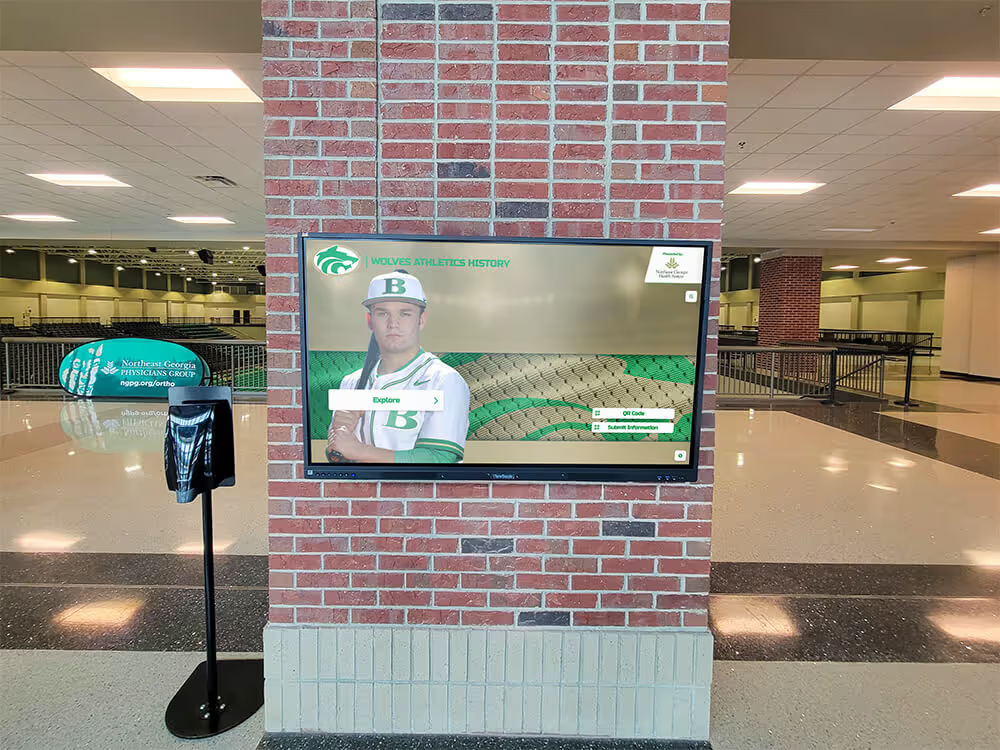
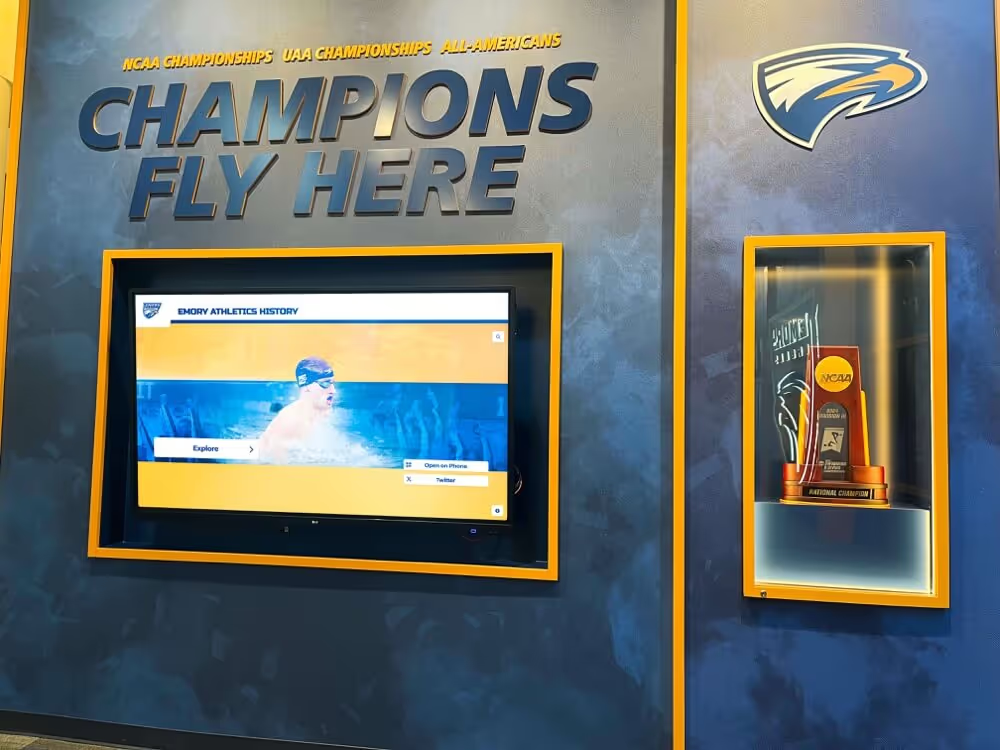
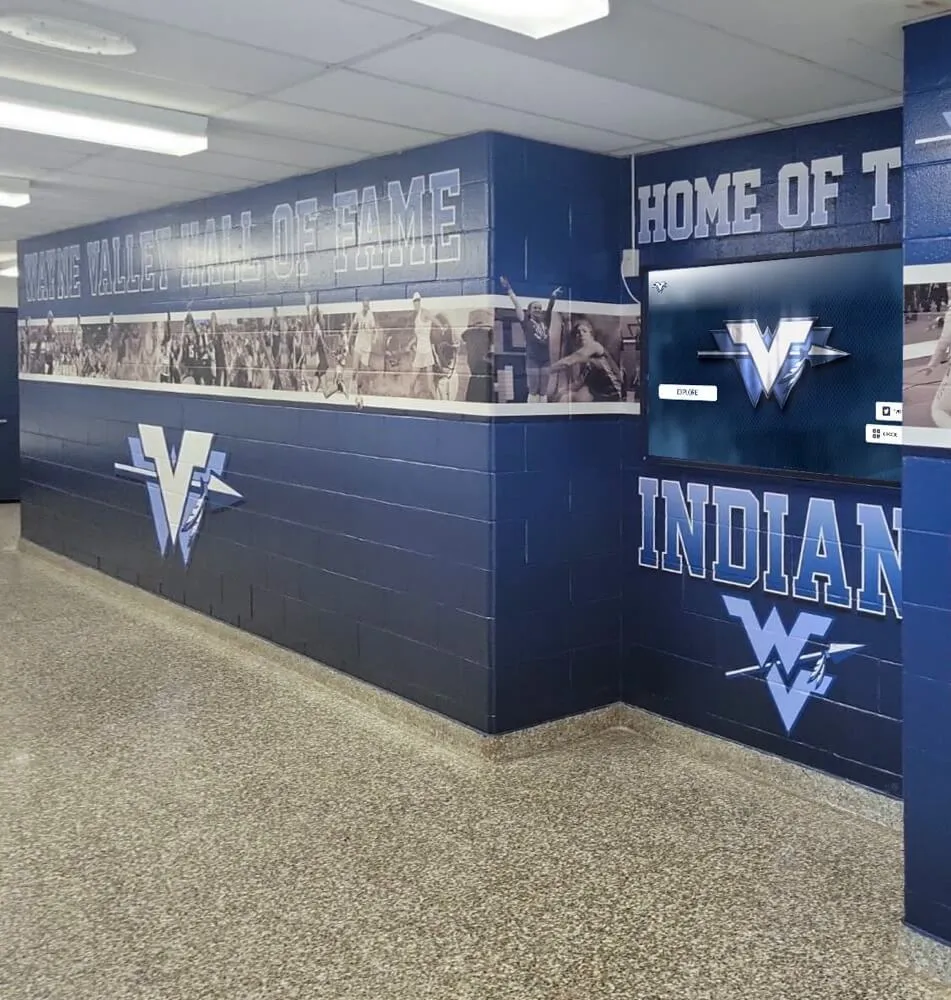
Digital recognition systems enable basketball programs to showcase position-specific achievements and statistical leaders across program history
Basketball Position Overview: Understanding the Five Spots
Before examining individual positions in detail, understanding the complete positional framework helps contextualize each role’s place within team structures.
The Traditional Five Positions
Basketball’s standard lineup includes five distinct positions, each traditionally numbered and carrying specific responsibilities:
| Position Number | Traditional Name | Common Abbreviation | Primary Location | Core Responsibility |
|---|---|---|---|---|
| Position 1 | Point Guard | PG | Top of key, perimeter | Ball handling, playmaking, initiating offense |
| Position 2 | Shooting Guard | SG | Wing, perimeter | Perimeter scoring, shooting, secondary ball handling |
| Position 3 | Small Forward | SF | Wing, corner | Versatile scoring, defensive matchups, rebounding |
| Position 4 | Power Forward | PF | Low post, baseline | Interior scoring, rebounding, defensive presence |
| Position 5 | Center | C | Paint, low block | Post scoring, shot blocking, rebounding, paint protection |
Position Evolution in Modern Basketball
Contemporary basketball has seen significant positional evolution creating more fluid role definitions:
Traditional vs. Modern Position Concepts
Traditional basketball emphasized rigid position assignments where guards handled the ball exclusively, forwards operated from mid-range areas, and centers remained near the basket throughout possessions. Players specialized in narrow skill sets aligned with positional expectations, creating predictable offensive and defensive patterns.
Modern basketball embraces positionless concepts where multiple players handle playmaking responsibilities, perimeter shooting extends to all positions including centers, versatility enables defensive switching across position matchups, and skill development emphasizes complete basketball abilities rather than position-specific limitations.
Despite increasing positional fluidity, understanding traditional roles remains essential because fundamental responsibilities persist, youth and high school programs typically maintain structured position assignments, position-specific recognition continues in awards and statistics, and tactical execution still requires players understanding their designated responsibilities within team systems.
Schools implementing comprehensive athletic recognition programs discover that celebrating position-specific achievements helps players across all spots feel valued for their unique contributions.
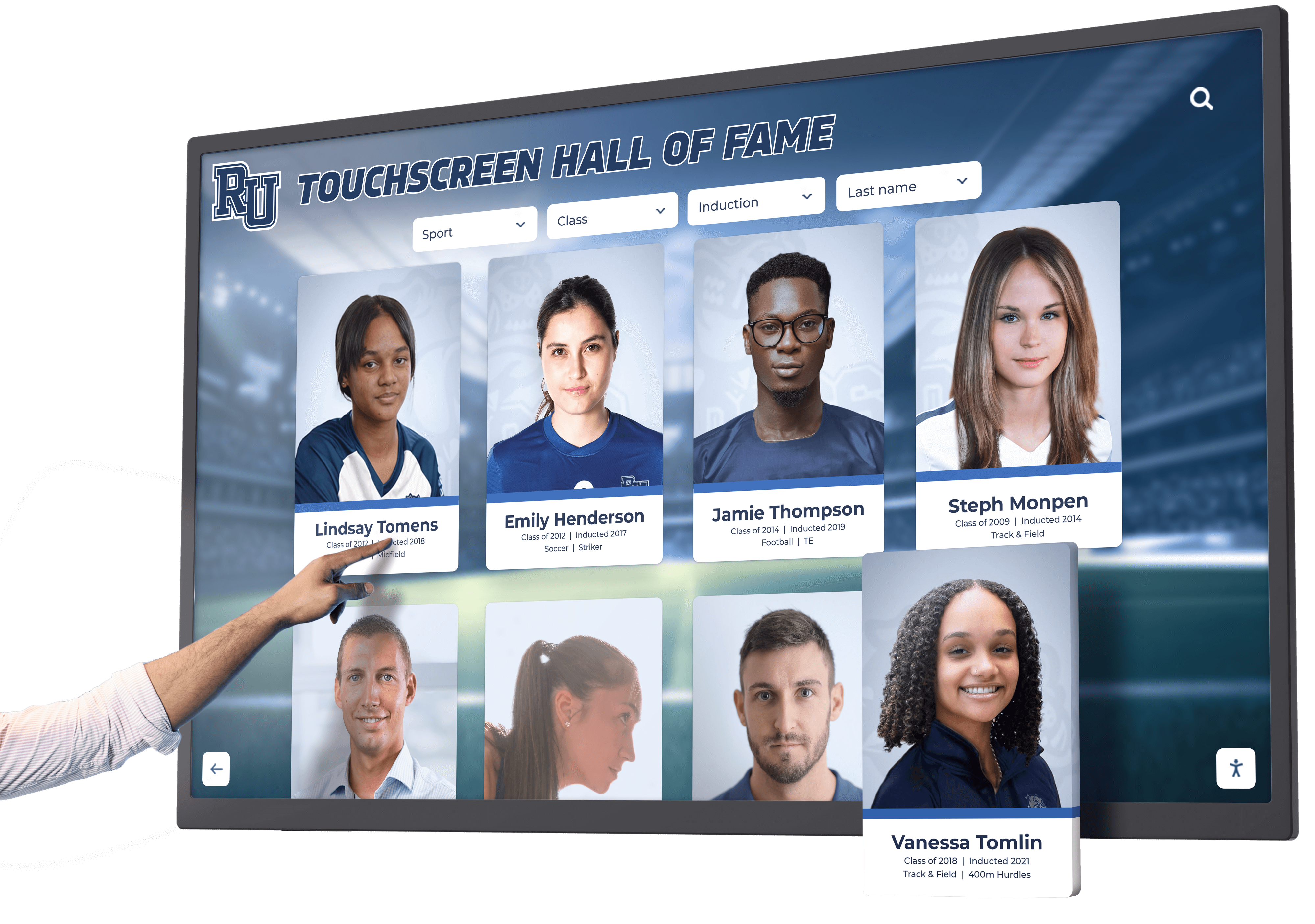
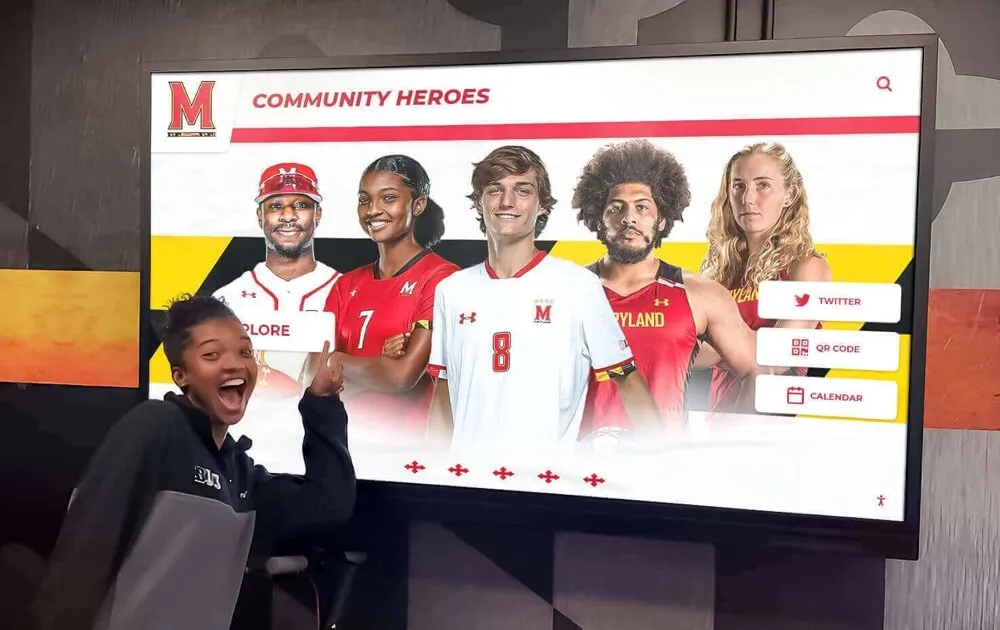
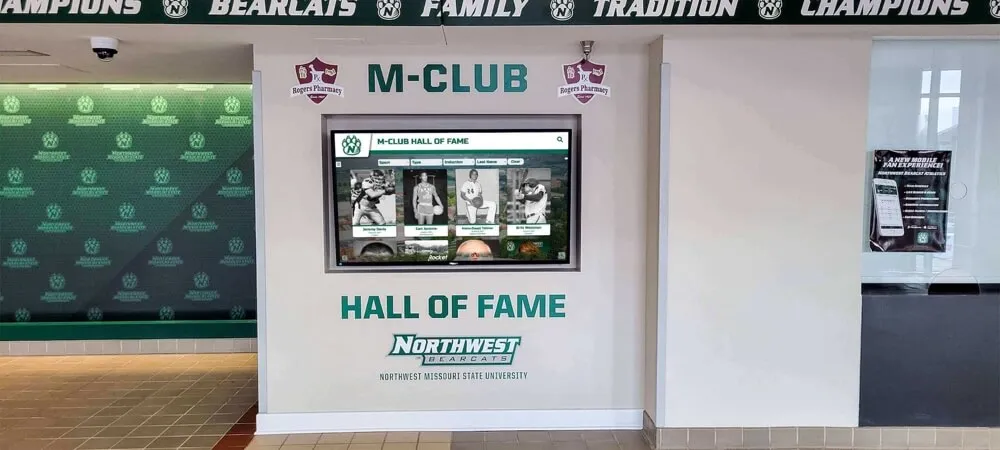
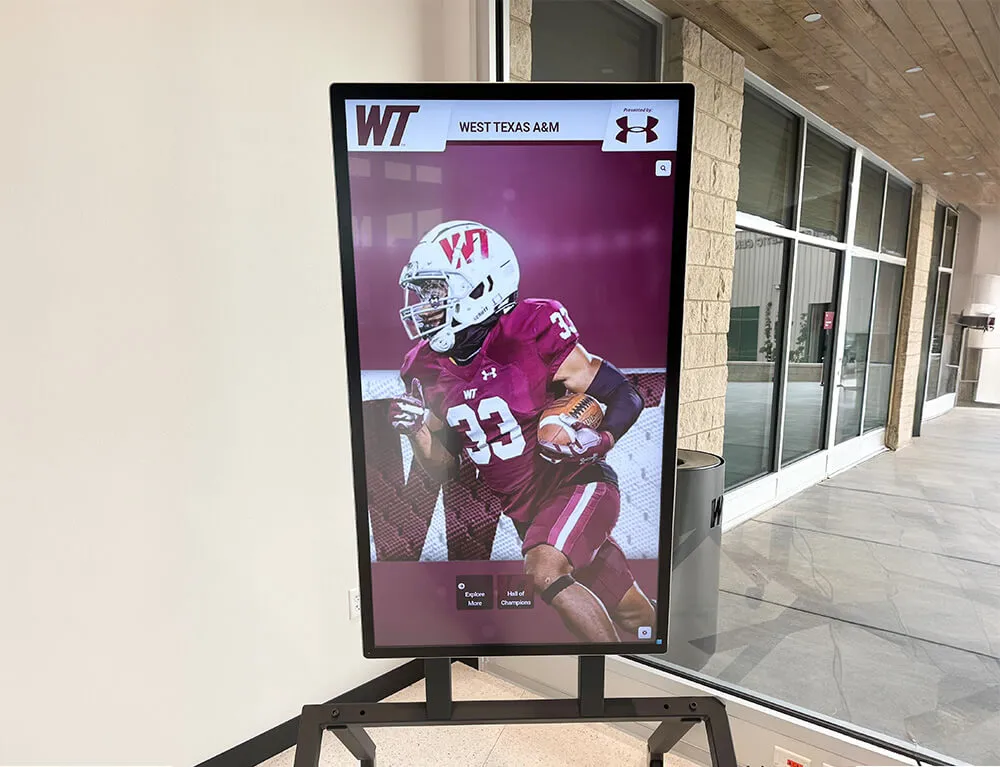
Interactive displays enable exploration of individual player achievements organized by position, creating comprehensive recognition accessible to teams, families, and communities
Position 1: Point Guard - The Floor General
Point guards function as on-court extensions of coaching staffs, directing offensive execution while providing primary ball handling and playmaking.
Point Guard Core Responsibilities
Primary Ball Handler and Initiator
Point guards control offensive possessions from initiation through execution. They advance the ball after defensive rebounds or made baskets, break defensive pressure using dribbling and passing skills, initiate offensive sets calling plays and directing teammates, and make real-time decisions determining shot selection and possession outcomes.
Effective point guards read defensive alignments quickly, recognize mismatches and advantages, communicate constantly with teammates, and maintain composure managing game tempo regardless of score or situation.
Playmaking and Assist Generation
Creating scoring opportunities for teammates distinguishes exceptional point guards from merely competent ball handlers. Elite playmakers identify defensive breakdowns before they fully develop, deliver accurate passes enabling easy scoring chances, balance personal scoring threats with distribution responsibilities, and generate assist totals reflecting their facilitation impact.
Defensive Leadership and Communication
Point guards anchor perimeter defense while providing vocal direction. They guard opposing point guards who often represent primary offensive threats, fight through screens protecting against perimeter shots, communicate defensive assignments and rotations, and apply ball pressure disrupting opponent offensive rhythm.
Essential Point Guard Skills
Ball Handling and Dribbling
Superior ball control enables point guards to navigate defensive pressure. Essential dribbling skills include using both hands equally comfortably, changing direction and speed without losing control, maintaining head-up vision while dribbling, protecting the ball from defensive pressure, and executing advanced moves like crossovers and behind-the-back dribbles.
Court Vision and Decision Making
Point guards must process game situations rapidly while making optimal decisions. They scan entire floor identifying all teammates and defenders, anticipate offensive development before passes arrive, recognize when to attack versus distribute, and minimize turnovers protecting possessions.
Passing Accuracy and Creativity
Diverse passing abilities separate good from great point guards. They execute standard chest and bounce passes with precision, deliver skip passes across court to open shooters, throw accurate entry passes into post players, create angles for passes others can’t see, and time passes perfectly for catch-and-shoot opportunities.
Leadership and Communication
Intangible leadership qualities prove as critical as physical skills. Effective point guards maintain positive energy regardless of game situations, hold teammates accountable to system requirements, accept coaching direction and translate it on-court, and earn respect through work ethic and competitive commitment.
Understanding how athletic directors build complete programs helps illuminate how position-specific development fits within comprehensive basketball program planning.
Point Guard Physical Attributes
While skill matters most, certain physical characteristics benefit point guard play:
- Height: Typically 5'9" to 6'3" at high school level; 6'0" to 6'5" in college
- Speed and quickness: Essential for defending opposing guards and creating offensive separation
- Agility: Enables direction changes navigating defensive pressure
- Endurance: Required for constant movement and full-court responsibilities
- Quick decision processing: Mental quickness matching physical speed
Position-Specific Statistics and Recognition
Point guards typically lead teams in several statistical categories deserving recognition:
- Assists per game: Primary playmaking metric
- Assist-to-turnover ratio: Efficiency and decision-making measure
- Steals: Reflects defensive pressure and anticipation
- Minutes played: Often highest due to organizational importance
- Free throw percentage: Critical for end-game situations
Programs celebrating position-specific statistical leaders create recognition acknowledging diverse excellence across different roles rather than focusing exclusively on scoring achievements.
Position 2: Shooting Guard - The Primary Scorer
Shooting guards provide perimeter scoring punch while complementing point guard ball handling with secondary playmaking.
Shooting Guard Core Responsibilities
Perimeter Scoring Threat
Shooting guards function as primary scoring options on most teams. They create their own shot opportunities against defensive pressure, provide consistent scoring output across games, stretch defenses with three-point range forcing respect, and capitalize on open looks created by teammates.
Exceptional shooting guards score efficiently through diverse methods including spot-up shooting, off-dribble creation, transition opportunities, and cutting without the ball.
Secondary Ball Handling
While point guards direct offense primarily, shooting guards provide valuable secondary playmaking. They handle the ball when point guards screen off-ball or cut, advance the ball against defensive pressure, initiate offense occasionally varying offensive looks, and relieve primary ball handling pressure.
Off-Ball Movement and Spacing
Shooting guards must contribute without controlling the ball directly. They move constantly preventing defensive rest, run through screens creating shooting opportunities, space the floor to optimal locations, and time cuts attacking closeouts and defensive breakdowns.
Defensive Wing Assignments
Defensively, shooting guards typically guard opponents’ best perimeter scorer. They fight through screens preventing open shots, contest all perimeter attempts, provide help defense protecting the paint, and transition quickly to defensive assignments.
Essential Shooting Guard Skills
Shooting Mechanics and Range
Superior shooting separates shooting guards from other positions. They maintain consistent shooting form under fatigue and pressure, shoot accurately from three-point range, convert mid-range opportunities, and finish through contact near the basket.
Shooting development requires thousands of repetitions building muscle memory, proper footwork ensuring balance, quick release reducing defensive contest effectiveness, and confidence shooting in game situations.
Scoring Versatility
Multiple scoring methods prevent defensive specialization. Effective shooting guards score through catch-and-shoot situations, off-dribble creation using screens and drives, transition opportunities pushing pace, and cutting backdoor against overplays.
Defensive Intensity
Perimeter defense demands constant effort and attention. Shooting guards stay in defensive stance maintaining position, fight over screens preventing separation, close out with control to shooters, and help teammates without leaving assignments vulnerable.
Comprehensive basketball skill development programs emphasize position-specific training alongside general basketball fundamentals.
Shooting Guard Physical Attributes
- Height: Typically 5'11" to 6'5" at high school level; 6'3" to 6'7" in college
- Athleticism: Enables shot creation and defensive versatility
- Shooting touch: Natural feel for shot arc and release
- Stamina: Required for constant movement on and off ball
- Lateral quickness: Essential for perimeter defense
Position-Specific Statistics and Recognition
Shooting guards excel in scoring-related statistics:
- Points per game: Primary individual statistic
- Three-point percentage: Reflects shooting efficiency
- Free throw percentage: Indicates scoring reliability
- Field goal percentage: Overall offensive efficiency measure
- Scoring in key games: Clutch performance recognition
Recognition systems celebrating multiple statistical categories ensure guards who distribute effectively receive acknowledgment alongside high-volume scorers.
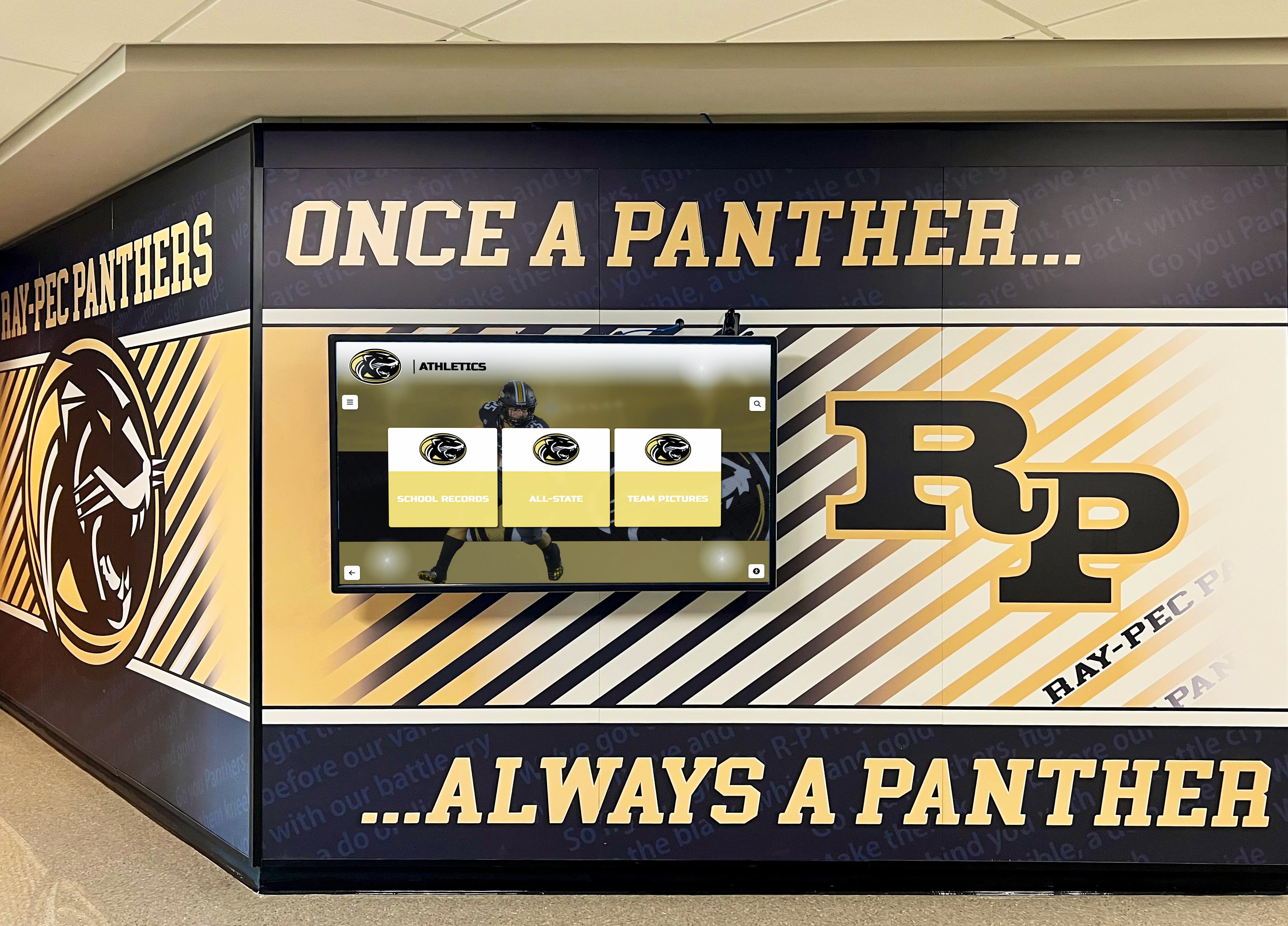
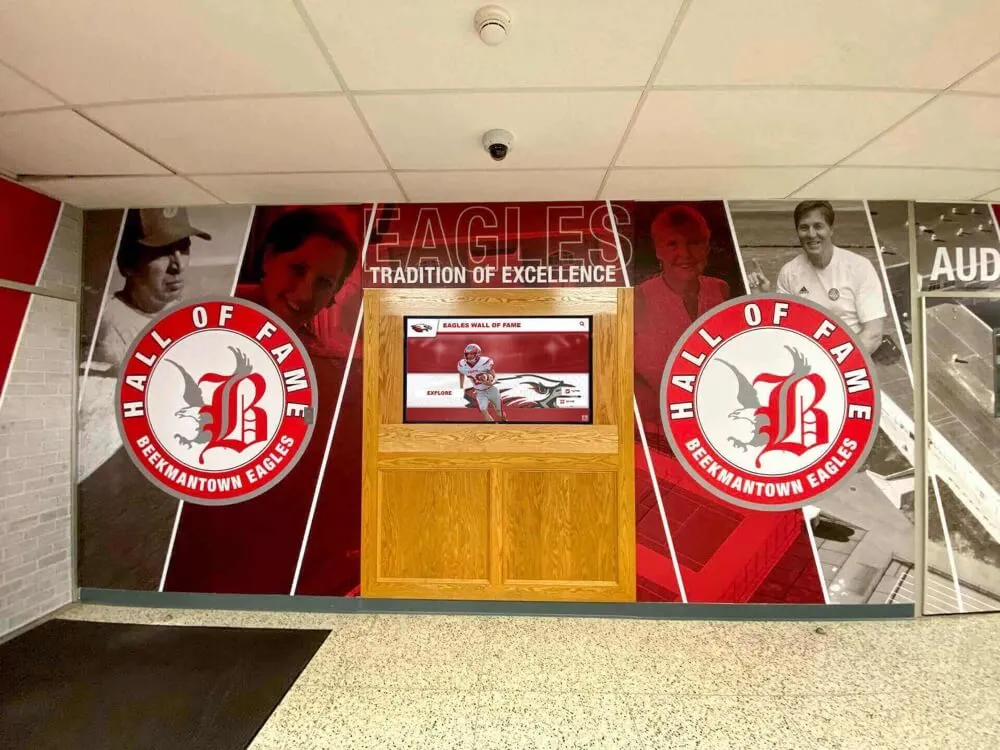
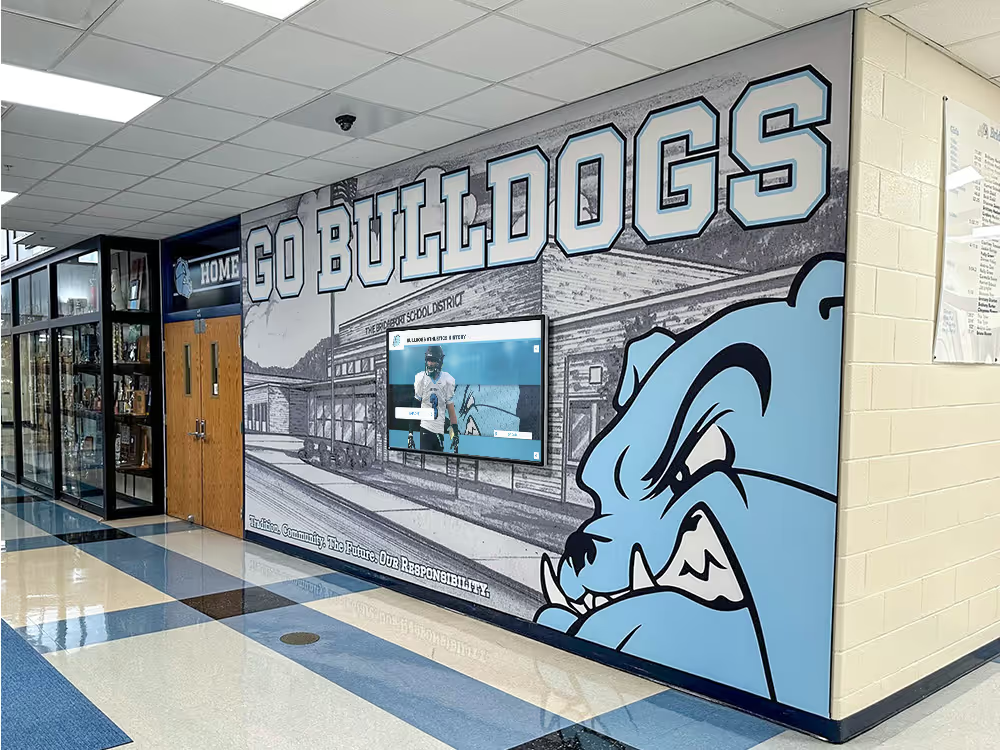
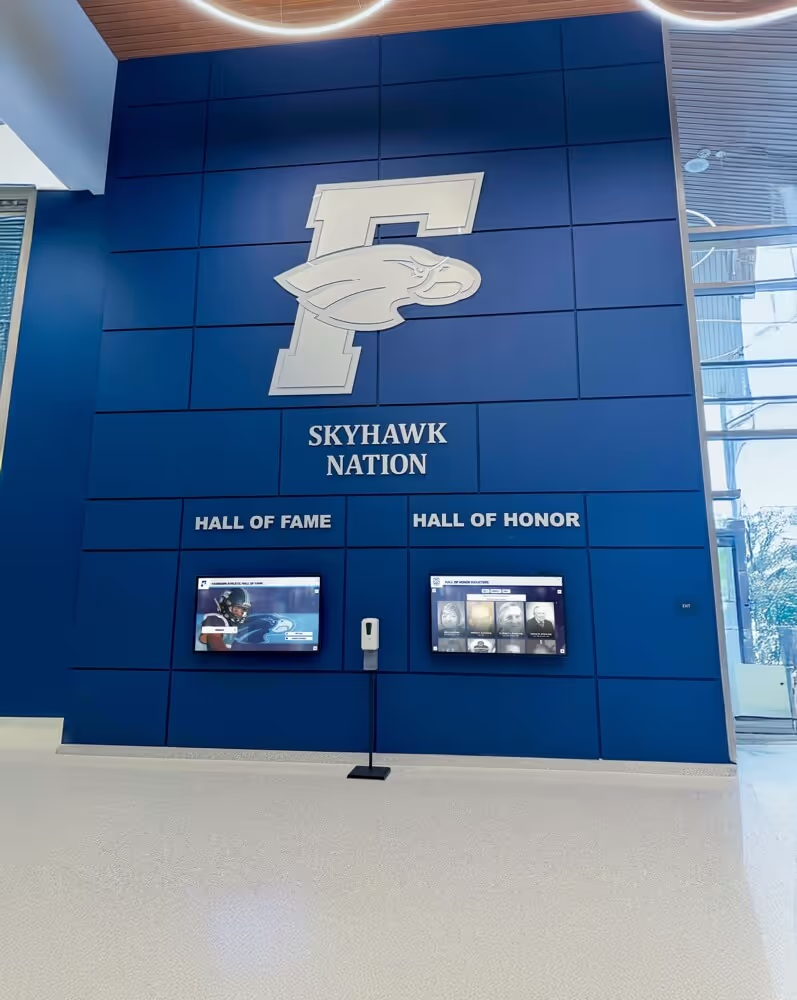
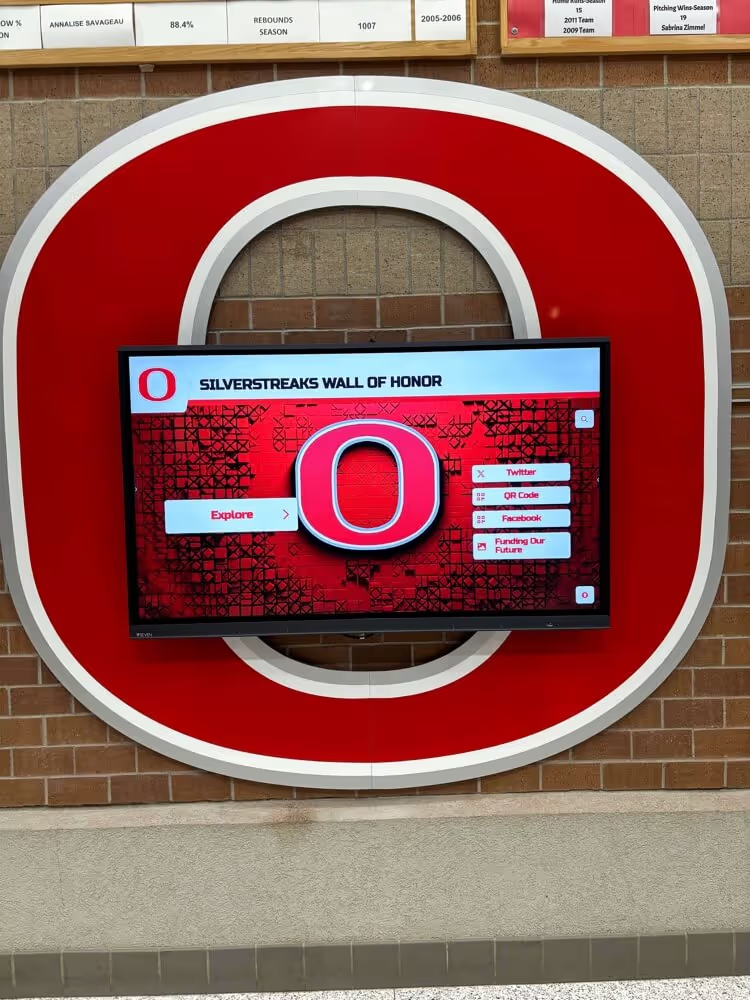
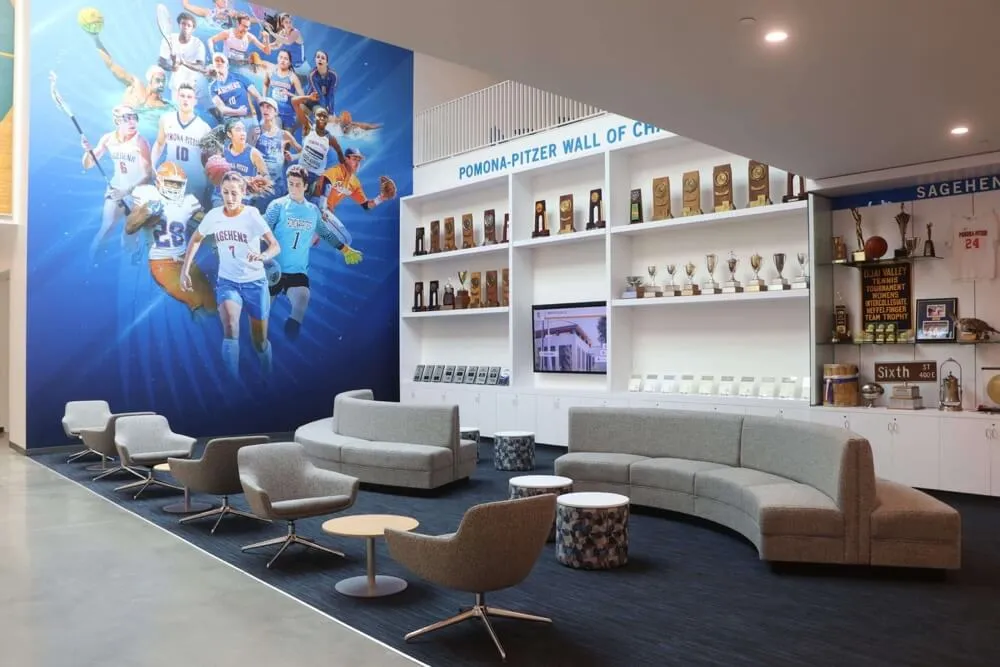
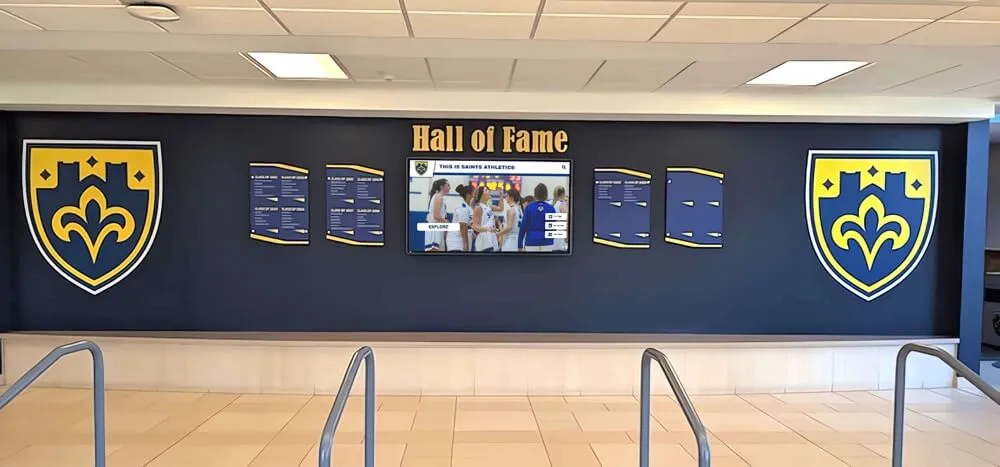
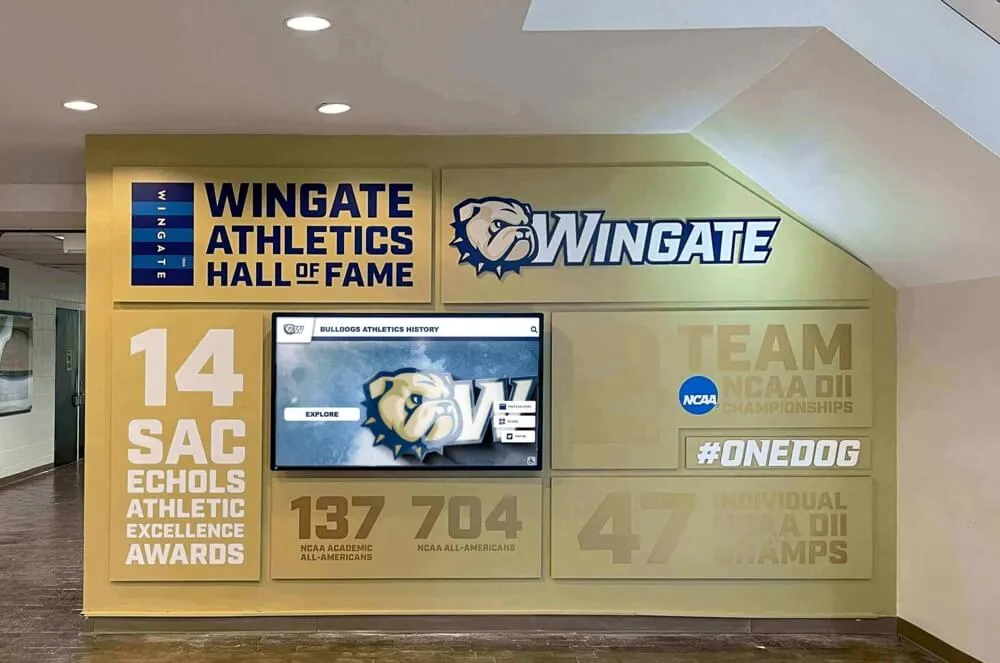
Prominent facility displays showcase basketball achievements across all positions, building program pride throughout school communities
Position 3: Small Forward - The Versatile Wing
Small forwards represent the most versatile position, contributing across all basketball skill dimensions without specialized focus.
Small Forward Core Responsibilities
Balanced Scoring from Multiple Areas
Small forwards score from perimeter, mid-range, and near the basket. They exploit mismatches against smaller defenders in the post, shoot over larger defenders from outside, drive past slower forwards, and finish in transition.
This scoring versatility requires developing complete offensive skill sets rather than specializing narrowly in specific methods.
Rebounding from Wing Positions
Despite operating away from the basket offensively, small forwards contribute significantly to rebounding. They crash offensive boards from wings creating second chances, pursue long rebounds off missed perimeter shots, secure defensive rebounds initiating transition, and box out larger forwards and centers.
Defensive Versatility
Small forwards handle diverse defensive assignments including guarding quicker shooting guards occasionally, matching opposing small forwards primarily, defending larger power forwards when necessary, and switching across multiple positions in modern defensive schemes.
This defensive flexibility requires lateral quickness, adequate strength, and basketball intelligence reading offensive actions.
Transition Play
Small forwards excel in transition basketball situations. They run the floor in fast breaks, fill lanes creating spacing, finish at the rim, and push pace after defensive rebounds stretching opponent defenses.
Essential Small Forward Skills
Complete Offensive Skill Development
Small forwards must develop well-rounded offensive abilities including outside shooting to three-point range, mid-range scoring from floaters to pull-ups, low-post moves attacking smaller defenders, driving ability finishing through contact, and passing vision facilitating teammates.
Physical Versatility
The position demands balanced physical development including strength for interior play, quickness for perimeter responsibilities, leaping ability for rebounding and finishing, and conditioning for running the floor.
Defensive IQ
Understanding defensive principles proves critical given varied assignments. Small forwards recognize offensive patterns quickly, communicate defensive adjustments, help teammates without leaving assignments vulnerable, and adapt to different opponent styles.
Schools implementing comprehensive recognition programs discover that celebrating balanced contributors like versatile forwards reinforces program values extending beyond single-dimensional excellence.
Small Forward Physical Attributes
- Height: Typically 6'2" to 6'7" at high school level; 6'6" to 6'9" in college
- Balanced build: Combination of strength and quickness
- Athleticism: Leaping ability and speed
- Coordination: Essential for diverse skill execution
- Endurance: Running floor and battling for rebounds
Position-Specific Statistics and Recognition
Small forwards contribute across multiple statistical categories:
- Points per game: Significant scoring contribution
- Rebounds per game: Wing rebounding recognition
- Defensive versatility: Measured through opponent field goal percentage
- All-around performance: Balanced statistical contributions
- Plus/minus rating: Team success when playing
Recognition celebrating complete players rather than single statistics acknowledges small forward contributions appropriately.
Position 4: Power Forward - The Interior Enforcer
Power forwards provide interior scoring, rebounding dominance, and physical presence anchoring frontcourt play.
Power Forward Core Responsibilities
Interior Scoring and Post Play
Power forwards score primarily near the basket using physical advantages. They establish deep post position against smaller defenders, finish through contact converting and-one opportunities, score on offensive rebounds and putbacks, execute pick-and-roll finishes, and occasionally stretch to mid-range.
Post scoring requires footwork, touch around the basket, strength establishing position, and ability to score through physical defense.
Rebounding Dominance
Rebounding represents the most critical power forward responsibility. They pursue every missed shot with maximum effort, box out opponents preventing second chances, secure offensive boards creating additional possessions, and outlet to guards initiating transition.
Elite rebounders combine positioning, timing, effort, and physicality dominating the glass.
Interior Defense and Shot Alteration
Power forwards anchor frontcourt defense providing rim protection. They contest shots at the basket without fouling, protect the paint deterring drives, defend post-ups from opposing forwards, switch onto perimeter players occasionally, and communicate defensive rotations.
Physical Play and Energy
Power forwards set tones through physical intensity and energy. They screen aggressively creating separation for teammates, dive for loose balls, take charges, and compete for every possession.
Essential Power Forward Skills
Post Moves and Footwork
Interior scoring requires diverse low-post abilities including drop steps spinning to the basket, up-and-under moves countering shot blockers, jump hooks over taller defenders, power moves finishing through contact, and face-up scoring from mid-range.
Footwork development enables power forwards to create advantages despite defensive attention.
Rebounding Technique
Superior rebounding combines instinct with technical skill including boxing out securing position, tracking shot trajectory predicting bounces, leaping at optimal timing, securing ball with two hands, and outletting quickly to guards.
Physical Strength
Interior play demands physical development including upper body strength establishing position, core strength maintaining balance through contact, lower body strength leaping repeatedly, and conditioning maintaining energy despite physical demands.
Programs celebrating sport-specific achievements ensure power forwards receive recognition for rebounding and physical contributions beyond scoring statistics.
Power Forward Physical Attributes
- Height: Typically 6'4" to 6'9" at high school level; 6'7" to 6'11" in college
- Strength: Essential for interior play
- Leaping ability: Critical for rebounding
- Bulk and physicality: Enables contact absorption
- Toughness: Mental and physical persistence
Position-Specific Statistics and Recognition
Power forwards excel in several statistical areas:
- Rebounds per game: Primary performance indicator
- Field goal percentage: Reflects interior scoring efficiency
- Offensive rebounds: Second-chance creation measure
- Blocks per game: Defensive impact recognition
- Double-doubles: Points and rebounds combination achievement
Recognition systems should celebrate rebounding prowess equally with scoring achievements acknowledging complete power forward contributions.
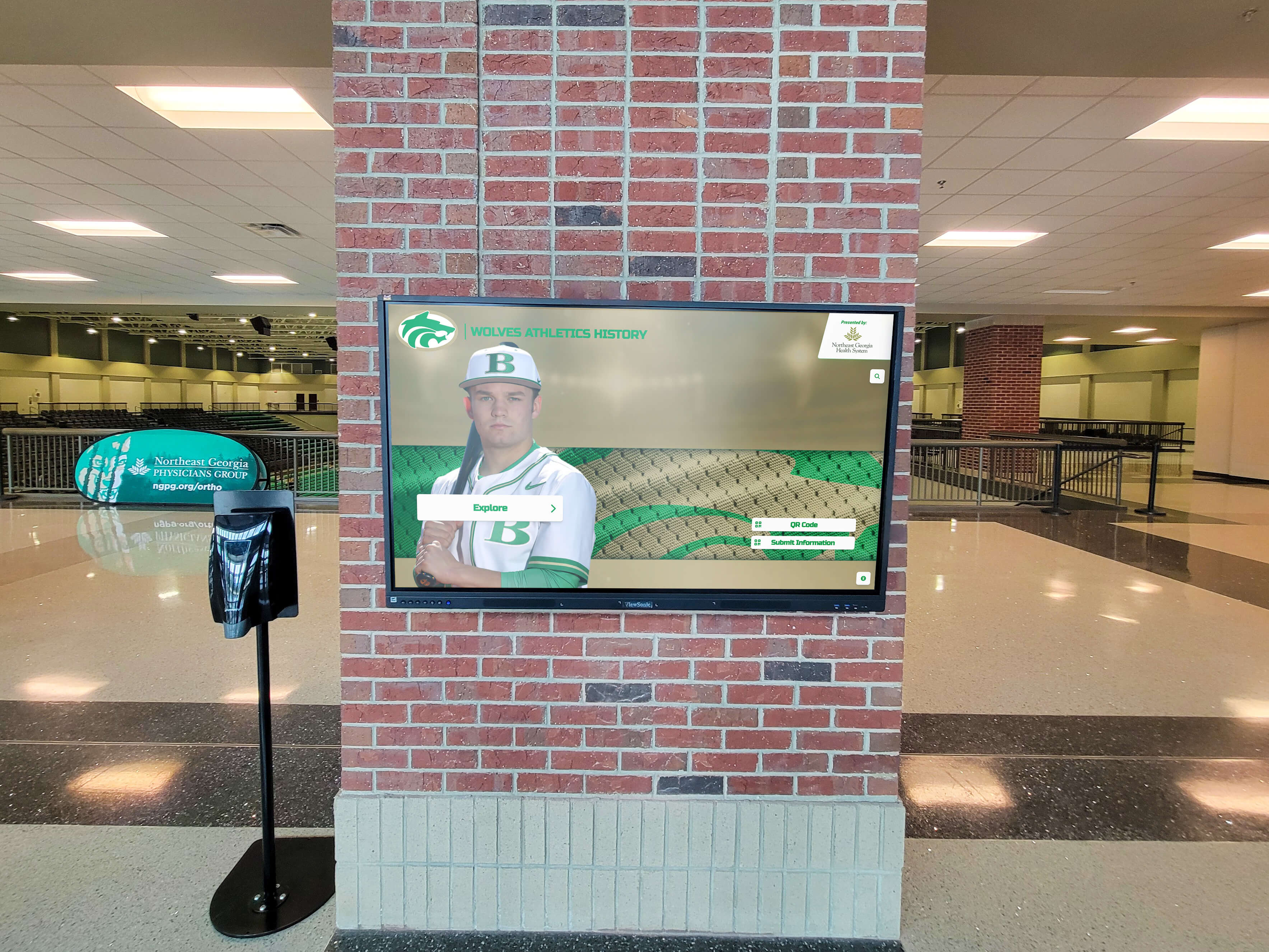
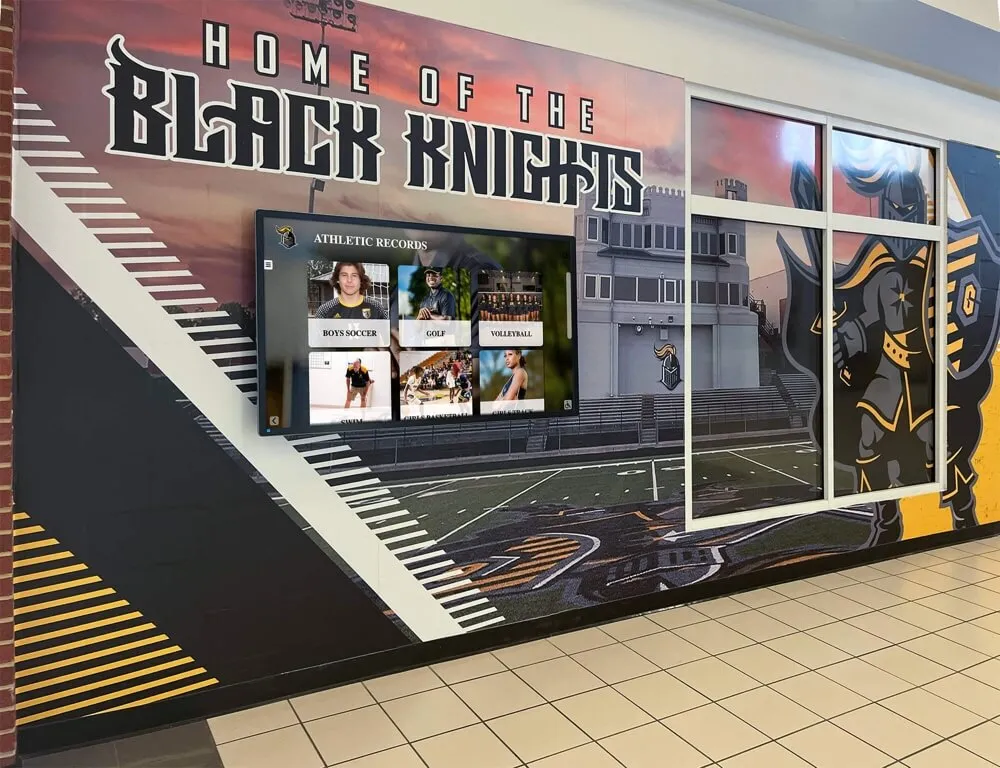
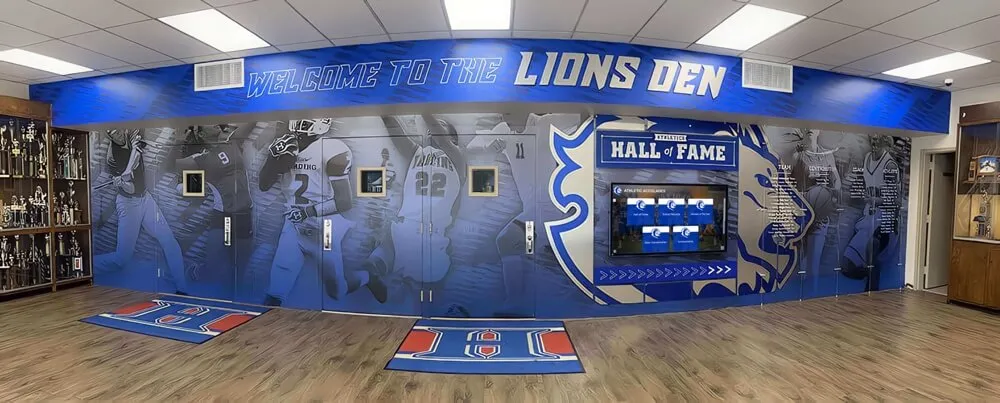
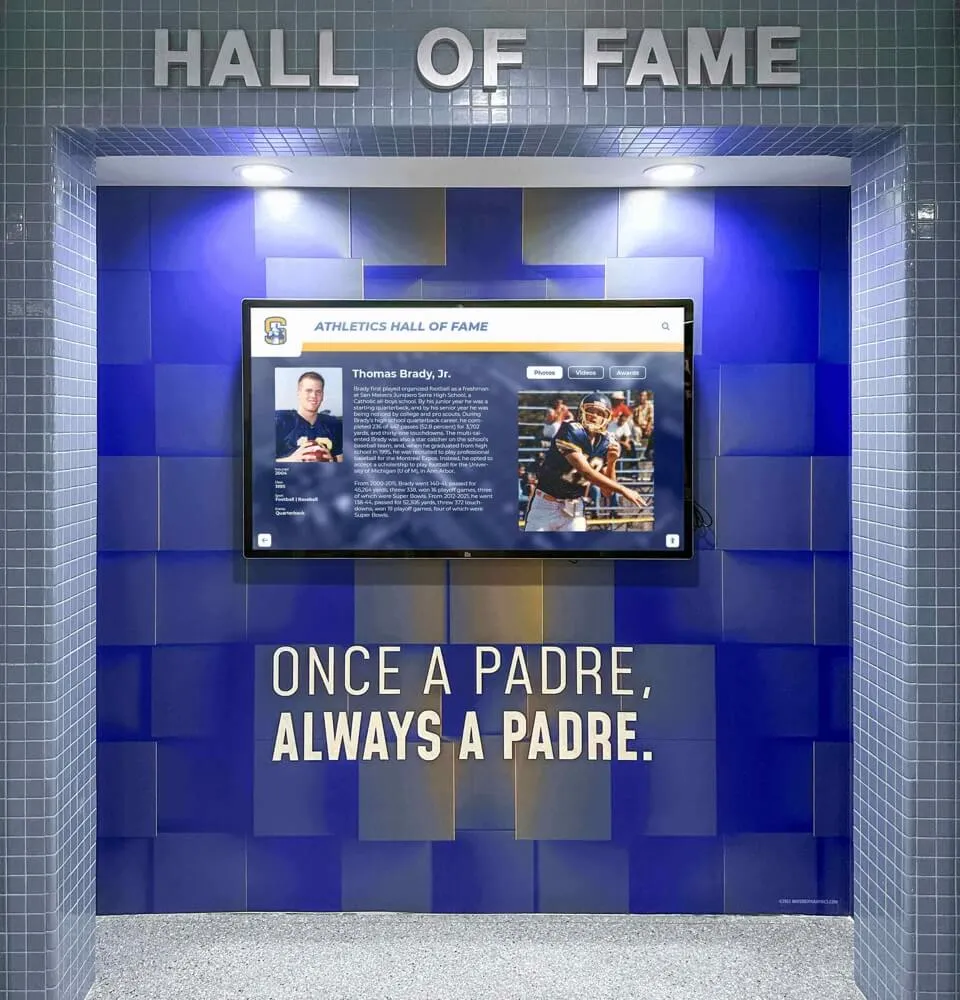
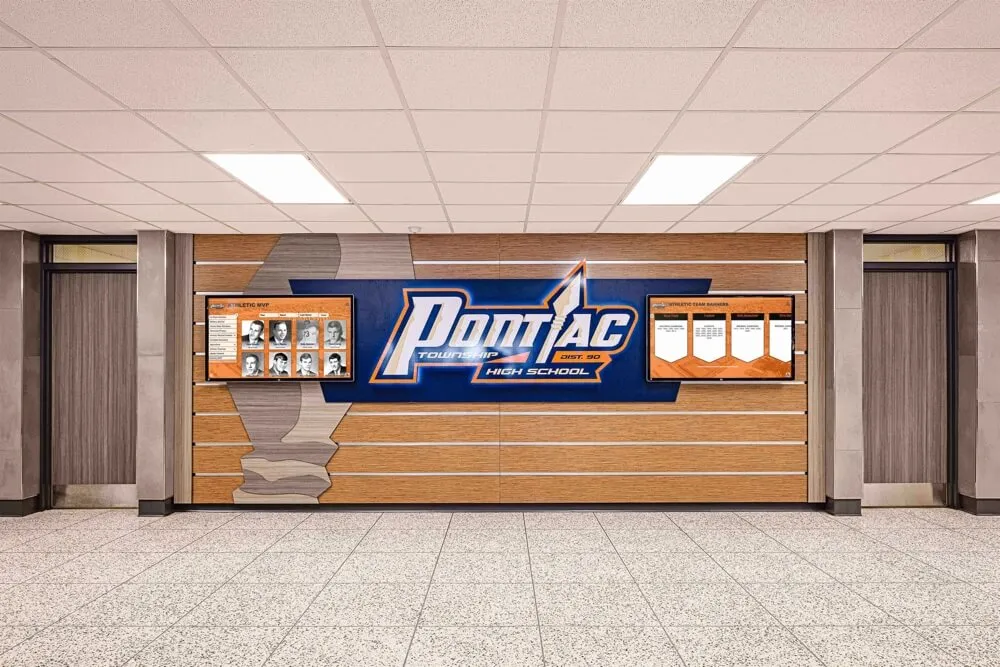
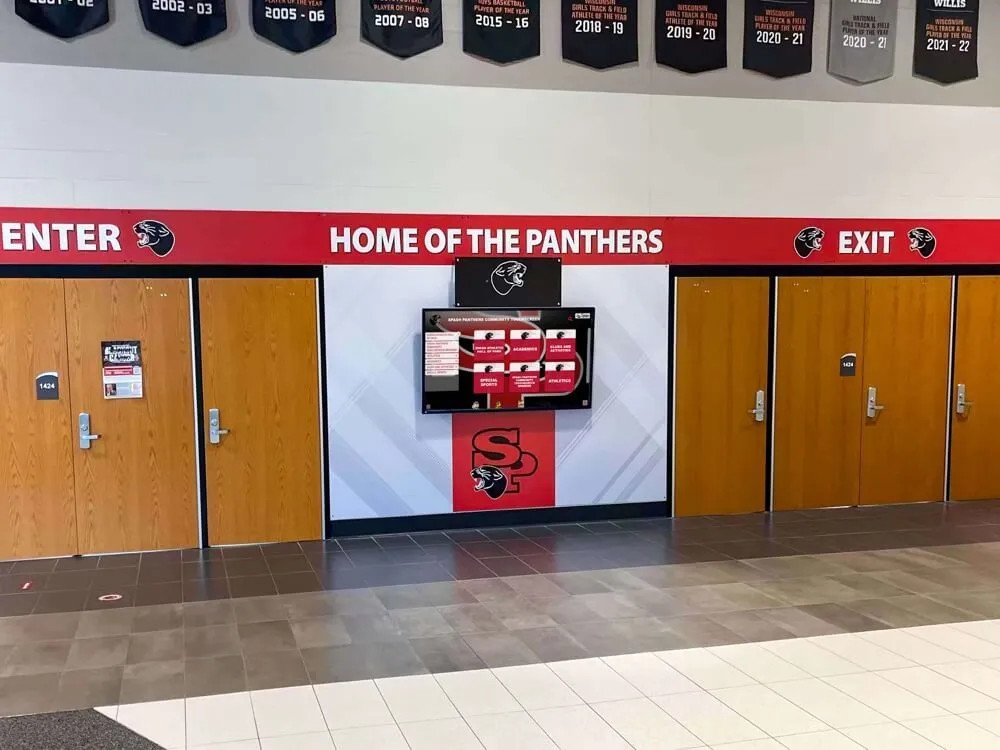
Modern recognition installations adapt to various facility architectures, ensuring basketball achievements remain prominent regardless of space constraints
Position 5: Center - The Anchor
Centers provide defensive rim protection, interior scoring presence, and rebounding foundation anchoring team play.
Center Core Responsibilities
Rim Protection and Shot Blocking
Centers function as last lines of defensive protection. They alter and block shots at the rim, deter drivers from attacking the paint, protect teammates rotating on defense, communicate defensive assignments from interior positions, and switch when necessary in pick-and-roll defense.
Elite rim protectors change opponent shot selection throughout games even without recording blocks.
Post Scoring and Interior Presence
Centers score primarily within five feet of the basket. They establish deep post position using size advantages, finish efficiently around the rim, score on offensive rebounds, execute pick-and-roll finishes, and occasionally face up from mid-range.
Modern centers increasingly develop perimeter shooting extending range to three-point line creating spacing advantages.
Defensive Rebounding Foundation
Centers anchor defensive rebounding securing possessions after defensive stops. They box out preventing offensive rebounds, secure long rebounds off perimeter misses, and initiate transition outlets to guards.
Defensive rebounding represents critical center responsibility ending defensive possessions successfully.
Physical Presence and Screening
Centers impact games beyond statistical categories through physical presence. They set solid screens creating separation for guards and shooters, establish interior position occupying multiple defenders, and provide physicality deterring opponent aggression.
Essential Center Skills
Low Post Offensive Moves
Interior scoring requires technical post skills including drop steps establishing position, jump hooks shooting over defenders, up-and-under counters, power moves through contact, and face-up moves from short distance.
Shot Blocking Timing
Effective rim protection requires timing rather than just height and leaping. Centers recognize shot attempts early, maintain vertical position avoiding fouls, contest without leaving feet when appropriate, and keep blocked shots in play rather than sending out of bounds.
Defensive Positioning
Centers anchor defense through superior positioning including defending without fouling in restricted area, helping on drives without leaving assignments, hedging and recovering on pick-and-rolls, and communicating rotations directing teammates.
Rebounding Fundamentals
Dominating the glass requires boxing out every possession, tracking shots predicting bounces, leaping with maximum effort, securing with two hands, and outletting to initiate offense.
Understanding complete basketball program development helps coaches and administrators appreciate how position-specific recognition fits within comprehensive athletic celebrations across multiple sports.
Center Physical Attributes
- Height: Typically 6'6" to 6'11" at high school level; 6'9" to 7'2"+ in college
- Strength: Critical for interior physical play
- Bulk: Enables establishing position
- Vertical leap: Essential for rebounding and shot blocking
- Footwork: Increasingly important as position evolves
Position-Specific Statistics and Recognition
Centers traditionally lead in several statistical categories:
- Blocks per game: Primary defensive statistic
- Rebounds per game: Especially defensive rebounds
- Field goal percentage: Interior scoring efficiency
- Points in the paint: Interior scoring recognition
- Opponent field goal percentage at rim: Advanced defensive measure
Recognition systems should celebrate defensive achievements ensuring centers receive appropriate acknowledgment beyond scoring statistics alone.
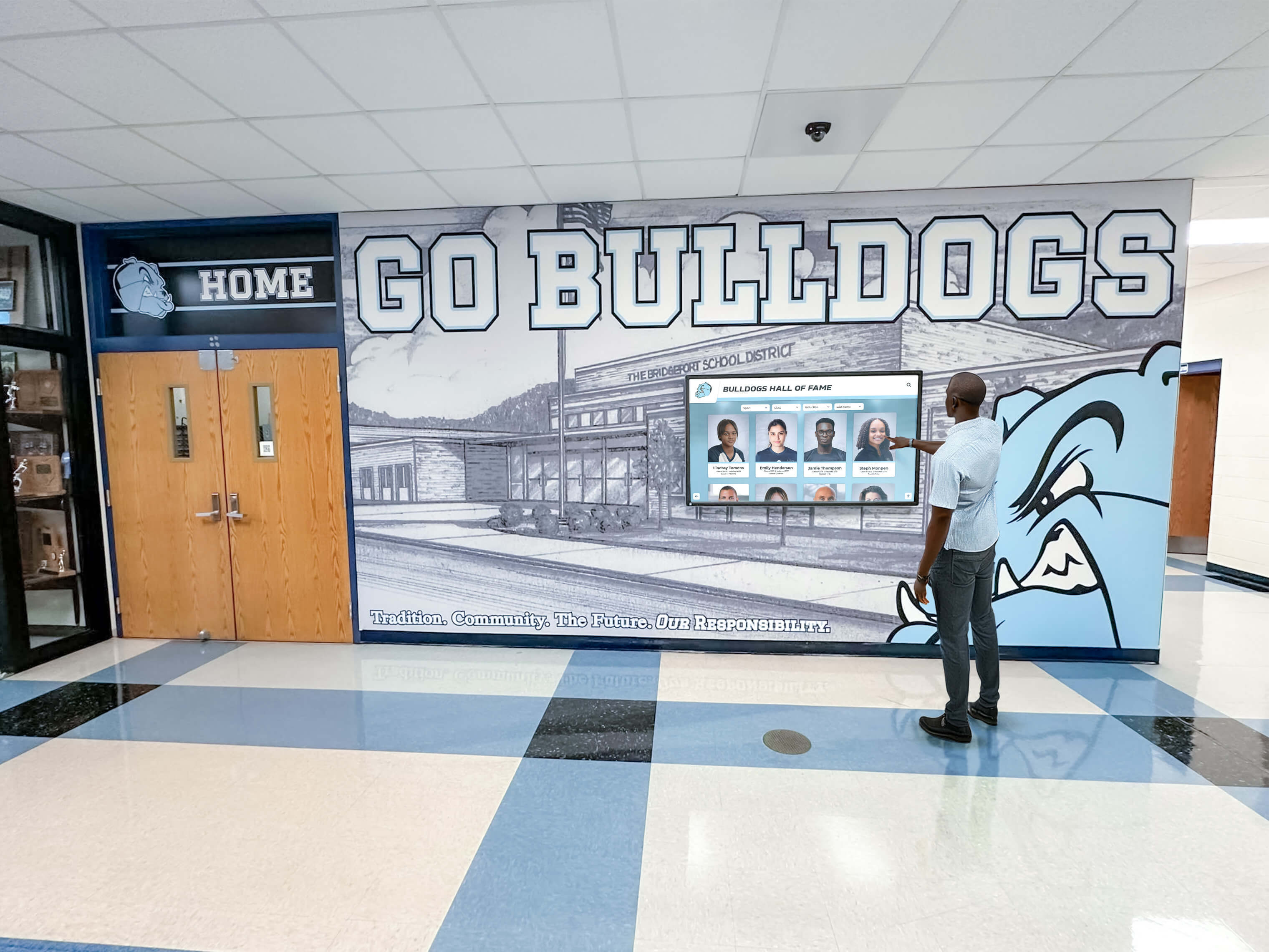
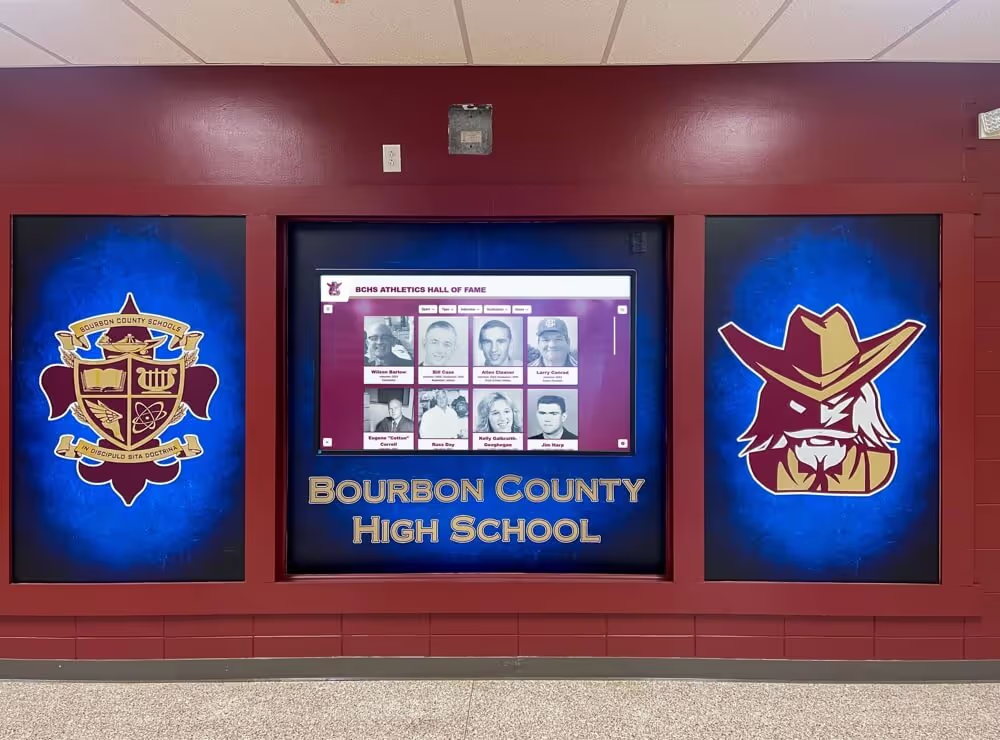
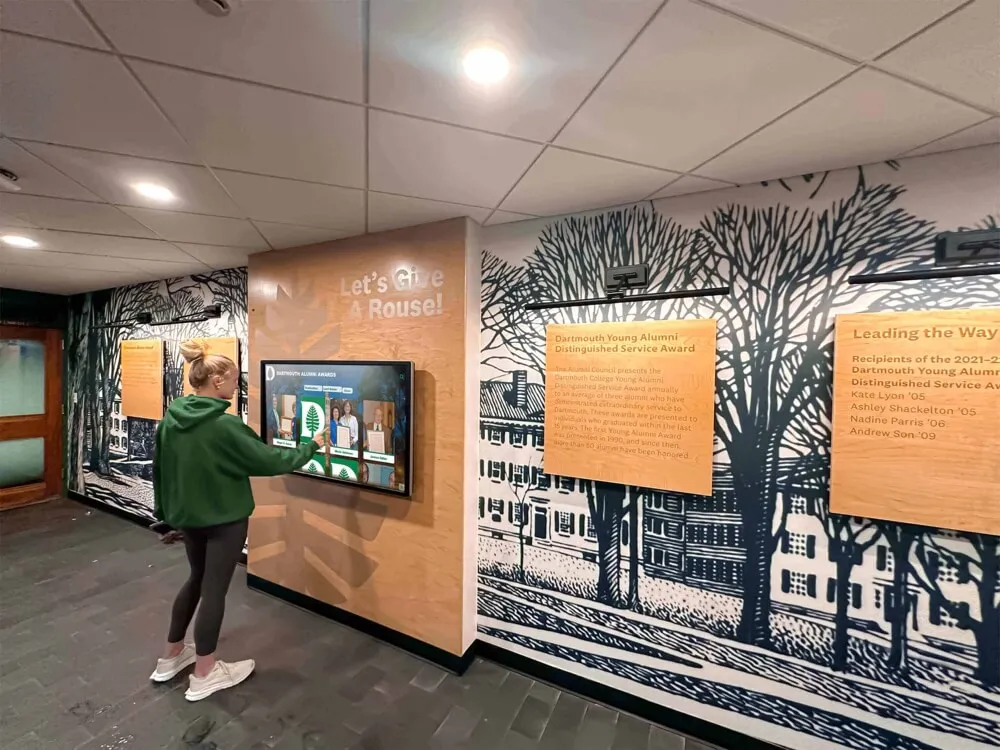
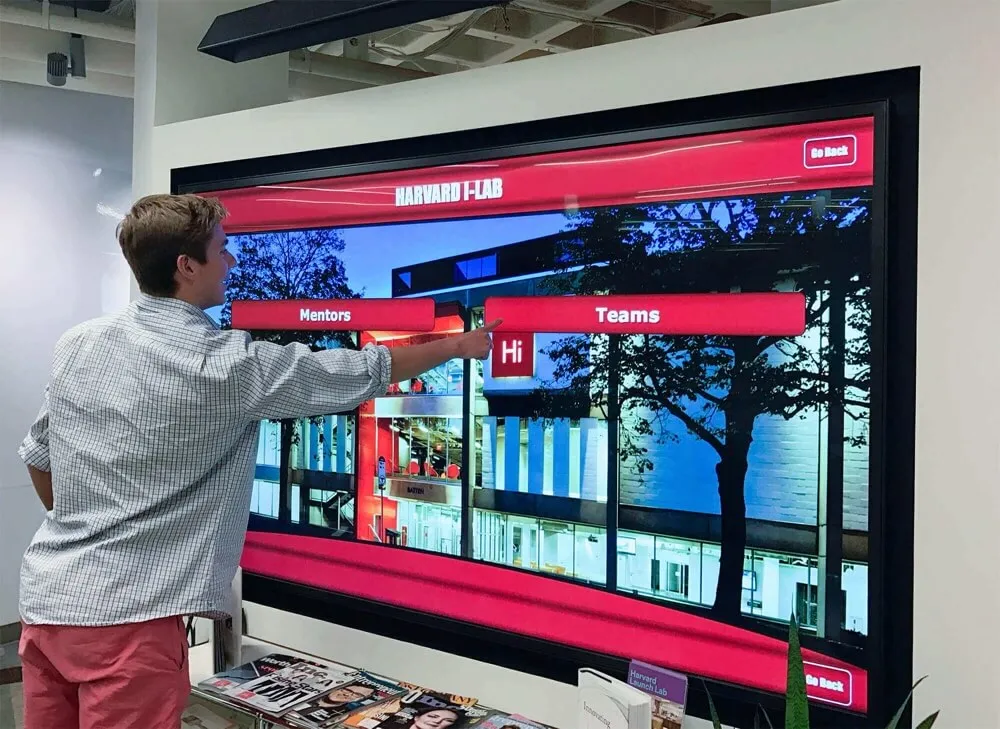
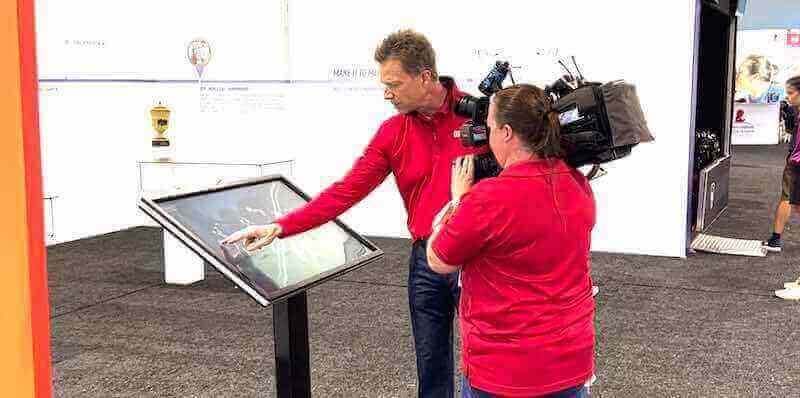
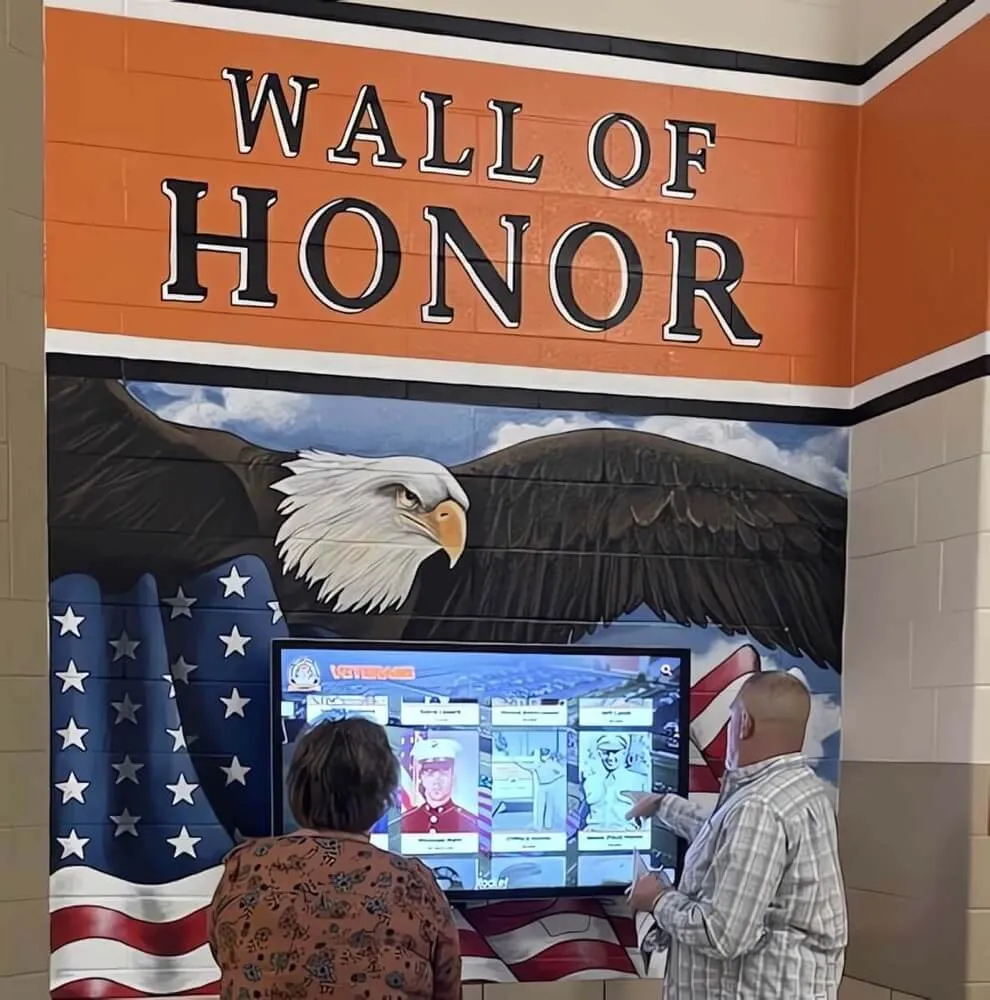
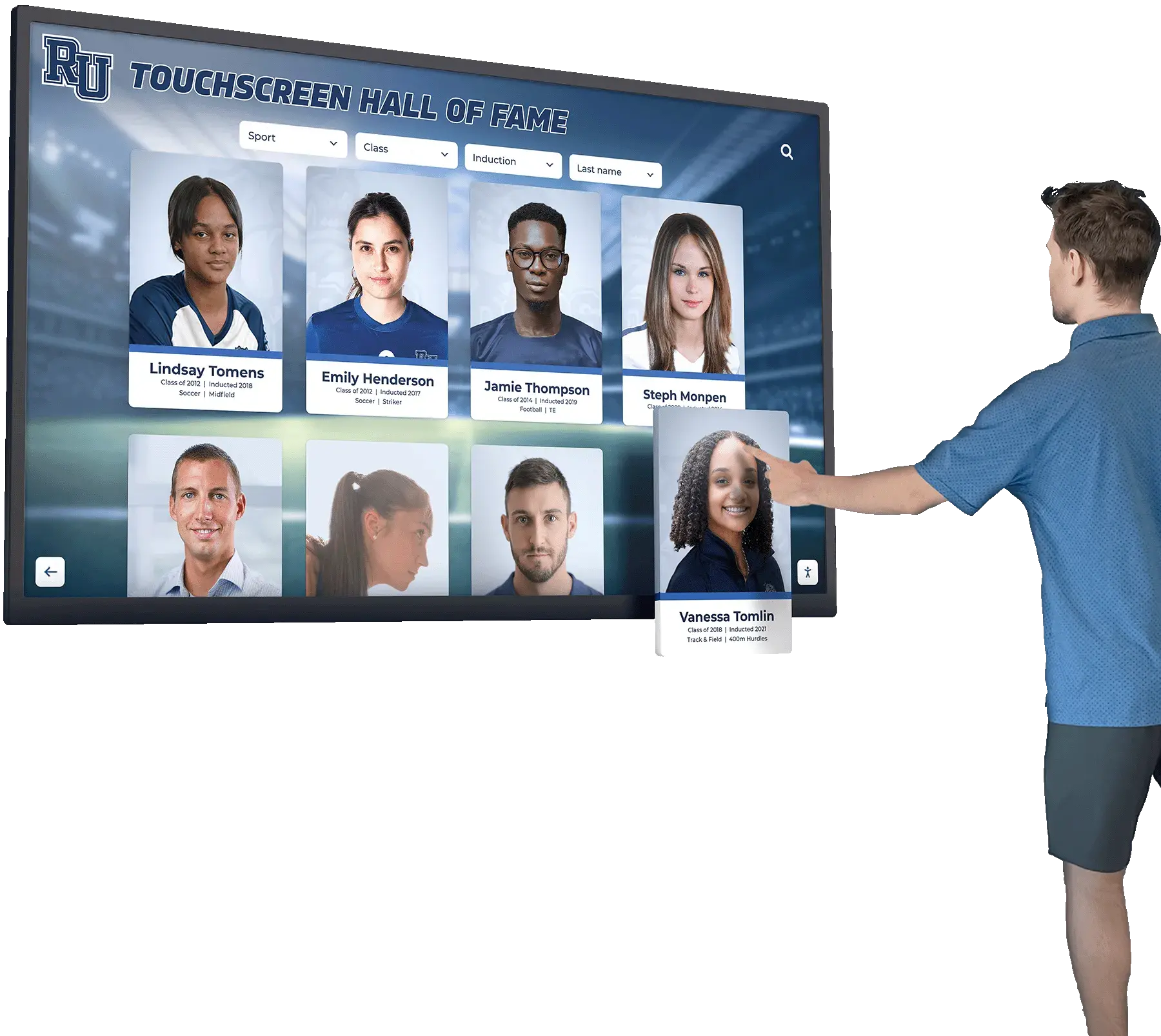
User-friendly interfaces make exploring position-specific records and historical achievements engaging for players, families, and visitors
Modern Basketball: Position Evolution and Hybrid Roles
Contemporary basketball has seen traditional position definitions evolve significantly, creating hybrid roles and positionless concepts.
The Rise of Positionless Basketball
Modern basketball increasingly emphasizes skill over rigid position assignments:
Multiple Ball Handlers
Rather than single point guard controlling all possessions, contemporary teams develop multiple players capable of initiating offense, making plays, and handling defensive pressure. This creates unpredictability while reducing reliance on single playmakers.
Universal Shooting Requirements
Modern basketball expects shooting ability from all positions. Centers shooting three-pointers, forwards handling playmaking duties, and guards posting up smaller defenders all reflect position flexibility.
Defensive Switching Schemes
Contemporary defense emphasizes switching across positions rather than fighting through screens. This requires all players defending multiple positions successfully, reducing importance of traditional defensive assignments.
Hybrid Position Designations
New terminology reflects evolved responsibilities:
Combo Guard
Players combining point guard playmaking with shooting guard scoring, handling both responsibilities fluidly rather than specializing narrowly.
Wing
Generic designation for shooting guards and small forwards emphasizing interchangeable perimeter responsibilities rather than distinct roles.
Stretch Forward/Stretch Big
Power forwards or centers emphasizing perimeter shooting stretching defenses creating spacing advantages traditional post players didn’t provide.
Point Forward
Forwards with point guard playmaking abilities, often primary ball handlers despite size typically associated with forward positions.
Traditional Position Value Despite Evolution
While basketball evolves, understanding traditional positions remains valuable:
Youth Development Structure
Young players benefit from position-specific skill development focusing training appropriately. Learning point guard responsibilities or center post moves creates foundations as games evolve.
Recognition and Awards Systems
Statistical categories and awards continue organizing around traditional positions. Most Valuable Player, All-Conference selections, and position-specific recognition maintain conventional frameworks.
Communication and Teaching
Coaches communicate using position terminology players understand. Calling plays, teaching concepts, and providing feedback all rely on shared positional language.
Programs implementing athletic banquet celebrations typically organize awards around traditional positions despite contemporary positional fluidity.
Position-Specific Recognition Systems
Comprehensive recognition celebrates excellence across all positions rather than focusing exclusively on scoring leaders.
Statistical Categories by Position
Point Guard Recognition
- Assists leader
- Assist-to-turnover ratio champion
- Steals leader
- Best floor general award
- Playmaker of the year
Shooting Guard Recognition
- Points per game leader
- Three-point percentage champion
- Free throw percentage leader
- Top scorer award
- Clutch performer recognition
Small Forward Recognition
- All-around player award
- Most versatile performer
- Defensive player of the year
- Transition excellence recognition
- Balanced contributor award
Power Forward Recognition
- Rebounding champion
- Offensive rebounds leader
- Double-double club recognition
- Toughness award
- Physical player of the year
Center Recognition
- Blocks leader
- Defensive rebounds champion
- Field goal percentage leader
- Rim protector award
- Paint dominance recognition
Digital Recognition Platforms
Modern technology enables comprehensive position-specific recognition:
Interactive Statistical Displays
Digital systems showcase complete statistical categories across all positions rather than limiting recognition to scoring leaders alone. Players explore position-specific records, compare performance across seasons, access career progression tracking, and celebrate diverse statistical achievements.
Digital record boards provide unlimited capacity celebrating achievements across all five positions without physical space constraints limiting traditional displays.
Position-Specific Player Profiles
Comprehensive profiles organized by position including career statistics emphasizing position-relevant categories, highlight videos showcasing position-specific excellence, achievement timelines documenting progression, and coach commentary providing context for contributions.
Team Roster Organization
Digital displays organize current and historical rosters by position enabling comparison across program history, understanding positional evolution, celebrating position-specific traditions, and connecting current players to position heritage.
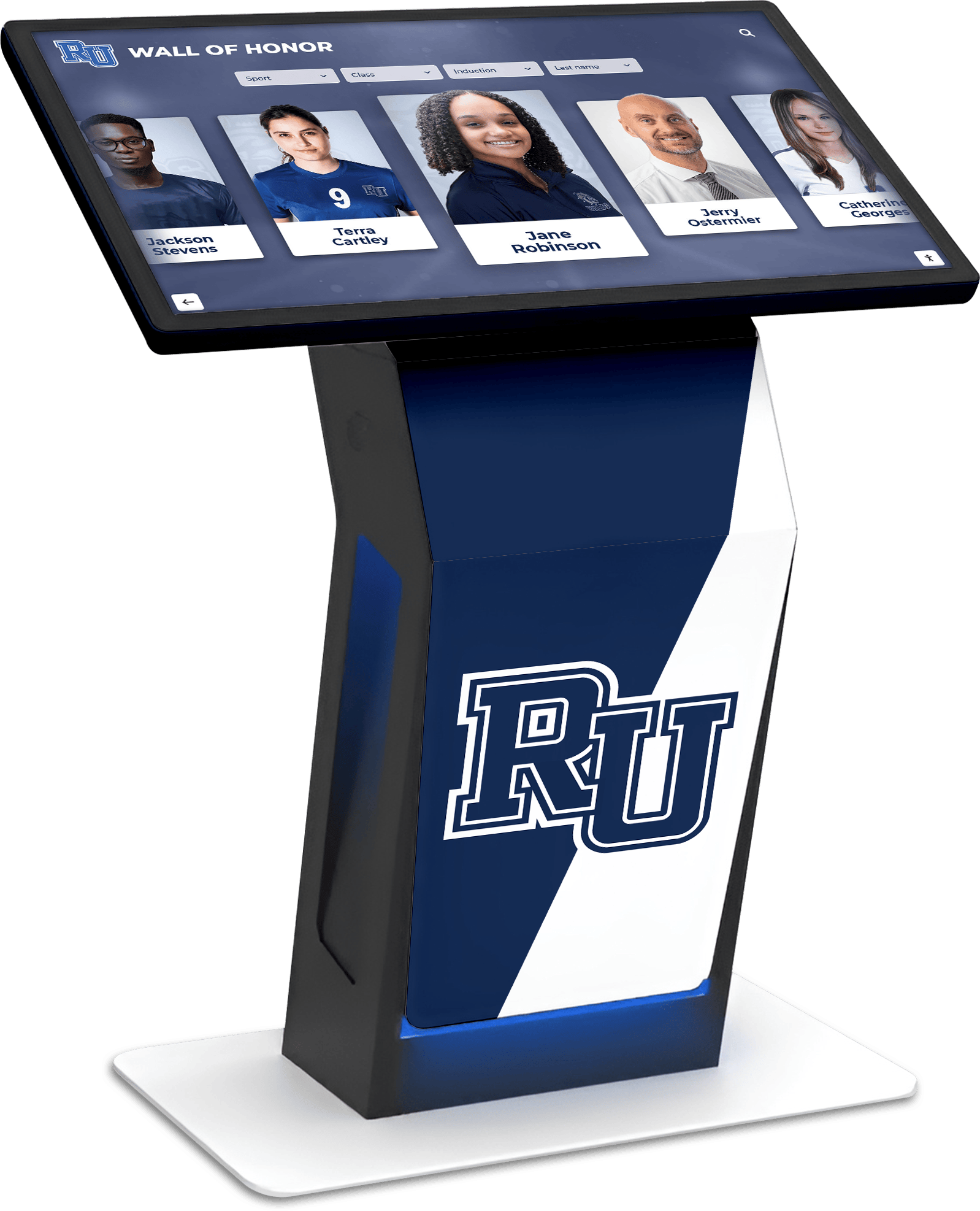
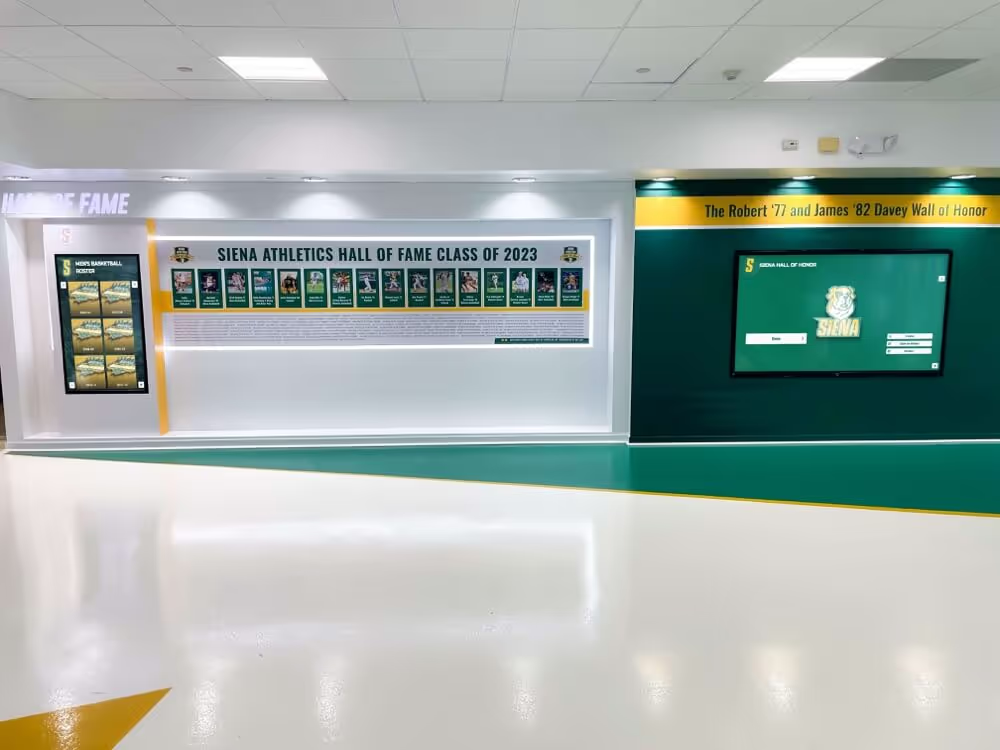
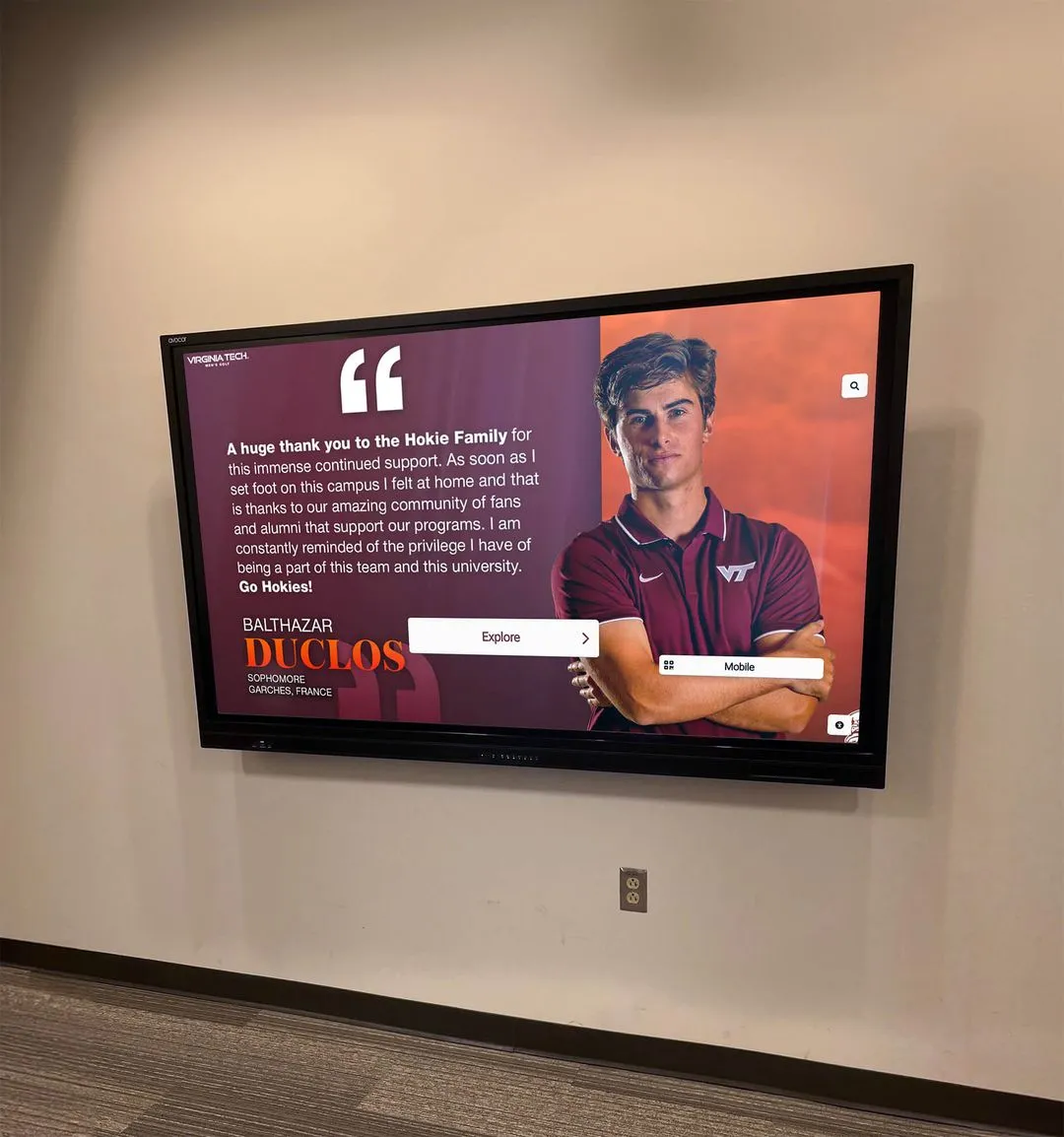
Professional recognition installations enable comprehensive documentation of achievements across all positions, creating archives becoming increasingly valuable as programs mature
Teaching Position Concepts to Young Players
Effective position education helps young players develop appropriately while maintaining engagement.
Age-Appropriate Position Introduction
Elementary Level (Through Age 10)
Young players benefit from exposure to all positions rather than early specialization. Rotate through all five spots during practices and games, emphasize fundamental skills applicable across positions, avoid rigid position assignments, and focus on basketball enjoyment over tactical complexity.
Early specialization limits development—comprehensive exposure builds complete players.
Middle School Level (Ages 11-14)
Players begin gravitating toward positions matching natural abilities while continuing well-rounded development. Identify two or three positions matching size and skills, develop position-specific skills alongside general fundamentals, begin teaching tactical responsibilities, and maintain some positional flexibility.
High School Level (Ages 15-18)
Position specialization increases though versatility remains valuable. Define primary positions guiding skill development focus, teach advanced position-specific tactics and responsibilities, develop secondary positions providing versatility, and prepare players for specific position requirements at next levels.
Position Selection Factors
Physical Attributes
Height, strength, speed, and athleticism influence appropriate positions. Taller players naturally fit forward and center positions, quicker players suit guard responsibilities, and balanced athletes match small forward versatility.
Skill Development Stage
Current abilities guide position appropriateness. Strong ball handlers fit guard positions, superior shooters match shooting guard roles, and players comfortable in physical play suit interior positions.
Personal Preferences
Player enjoyment matters significantly for long-term development. Some players prefer ball handling over post play, others enjoy physical interior battles, and preferences should guide position selection when possible.
Team Needs
Roster composition influences position assignments balancing individual preferences with team requirements across all five spots.
Programs building school pride through athletic recognition ensure basketball achievements across all positions contribute to broader school identity and community engagement.
Conclusion: Celebrating Basketball Excellence Across All Positions
Understanding basketball positions explained comprehensively enables players to develop skills strategically, coaches to organize talent effectively, parents to follow their children’s progression knowledgeably, and programs to recognize excellence across diverse contributions. Each position—from point guards directing offense to centers anchoring defense—provides essential elements making team basketball successful.
The most effective basketball programs celebrate achievements across all five positions rather than focusing exclusively on high-scoring guards, recognize diverse statistical contributions beyond points per game, teach position concepts appropriately for developmental stages, and create recognition systems acknowledging how guards, forwards, and centers all contribute uniquely to team success.
Ready to enhance your basketball program recognition celebrating achievements across all positions? Modern digital platforms enable comprehensive statistical tracking, position-specific record displays, and interactive player profiles showcasing excellence throughout program history—ensuring point guards who distribute, forwards who defend, and centers who protect the rim all receive appropriate acknowledgment alongside high scorers.
Whether implementing new recognition systems or enhancing existing traditions, success requires understanding position-specific contributions, celebrating diverse statistical categories, maintaining complete program archives, and providing year-round visibility ensuring basketball achievements build program pride continuously beyond single seasons.
Discover how Rocket Alumni Solutions can help your basketball program create professional recognition displays showcasing position-specific excellence, preserving complete statistical histories, and celebrating the diverse contributions making team success possible across all five spots on the floor.
Your basketball players across all positions deserve recognition celebrating their unique contributions—whether distributing assists, draining three-pointers, crashing the boards, or protecting the rim. With position-specific recognition systems acknowledging diverse excellence, you honor the complete picture of basketball success while inspiring future players to pursue excellence in whatever position best matches their abilities and passion.
Understanding basketball positions explained thoroughly creates foundations for player development, tactical execution, and comprehensive recognition celebrating everyone who contributes to team success. Start implementing position-specific recognition today, ensuring your program values contributions across all five positions equally while building traditions connecting current players to the complete basketball heritage your program builds season after season.
Live Example: Rocket Alumni Solutions Touchscreen Display
Interact with a live example (16:9 scaled 1920x1080 display). All content is automatically responsive to all screen sizes and orientations.