Basketball Passing Drills That Build Smarter Team Play
- Home /
- Digital Hall of Fame Insights & Resources /
- Basketball Passing Drills That Build Smarter Team Play
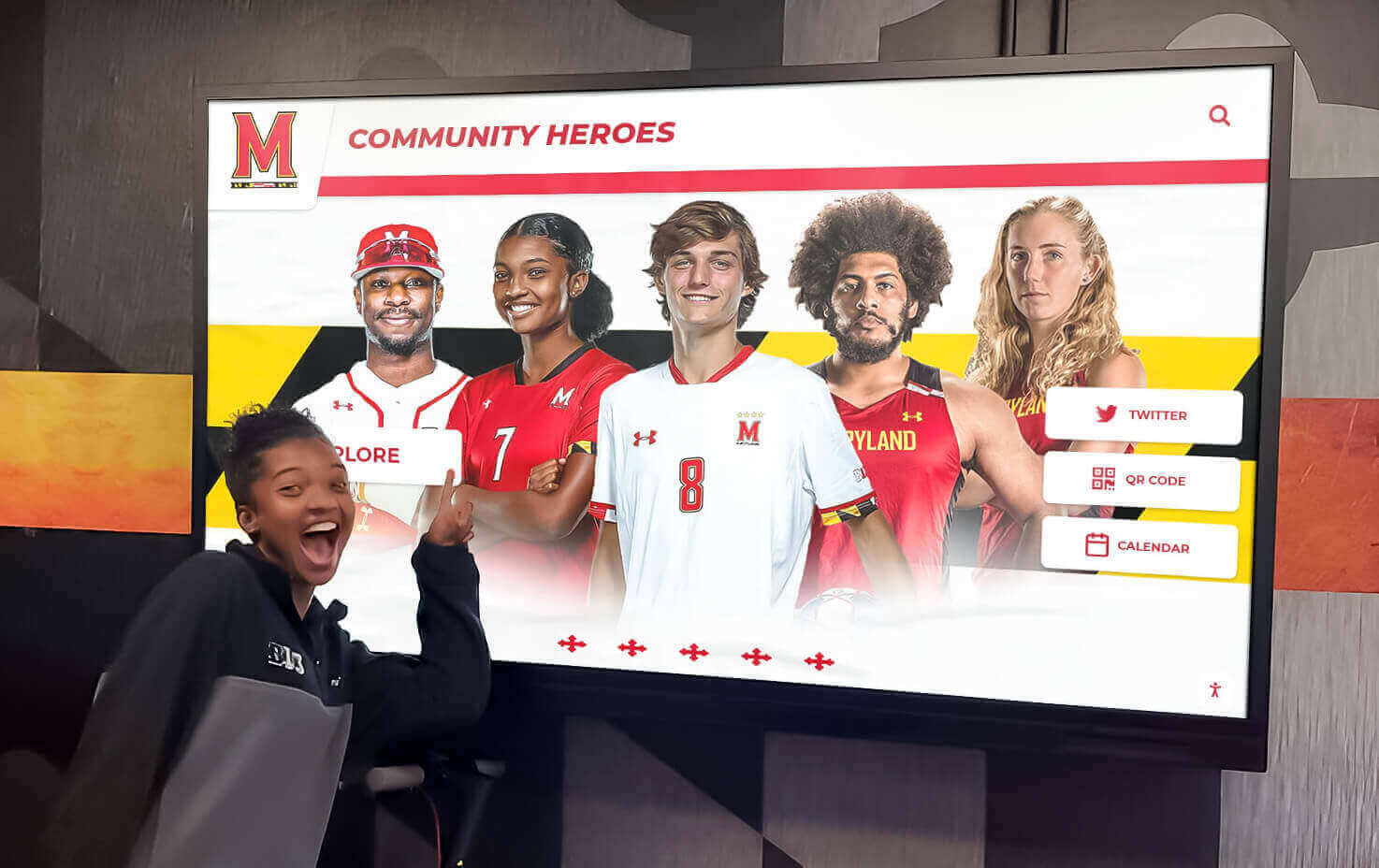
The Easiest Touchscreen Solution




Live Example: Rocket Alumni Solutions Touchscreen Display
Interact with a live example (16:9 scaled 1920x1080 display). All content is automatically responsive to all screen sizes and orientations.
Basketball passing represents the fundamental skill separating individual talent from cohesive team performance—the invisible connector transforming five players into a unified offensive system capable of breaking down any defense. Yet many youth, middle school, and high school programs struggle with players who dominate the ball, make poor passing decisions under pressure, lack court vision to find open teammates, or default to predictable passing patterns defenses easily anticipate and disrupt.
Traditional passing instruction often focuses exclusively on mechanical technique—proper hand placement, follow-through form, footwork fundamentals—while neglecting the decision-making components, spatial awareness development, timing recognition, and unselfish mentality that distinguish great passers from players who simply know how to execute chest passes and bounce passes in isolation drills disconnected from game situations.
This comprehensive guide presents basketball passing drills building complete passing skills through progressive complexity: fundamental technique establishment, decision-making development under defensive pressure, court vision expansion, timing and spacing recognition, plus recognition systems celebrating assists leaders and unselfish play through modern digital displays that honor basketball IQ alongside scoring statistics.
Smart passing creates offensive advantages that transcend individual talent limitations—excellent ball movement generates open shots, breaks down zone defenses, exploits defensive rotations, builds team chemistry, and demonstrates the basketball intelligence scouts and college recruiters prioritize when evaluating prospects. Programs emphasizing passing development create competitive advantages while teaching life lessons about teamwork, sacrifice, and the power of making others successful.

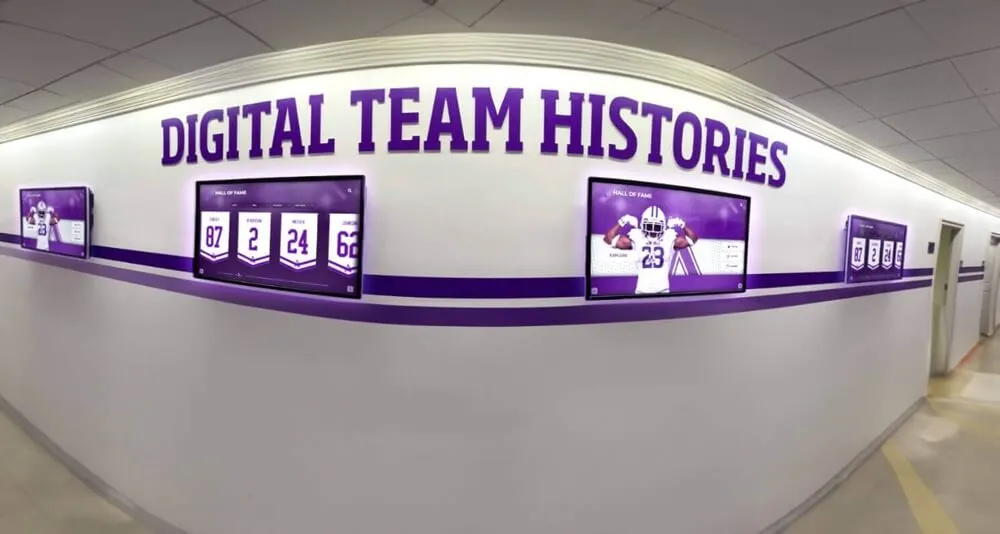
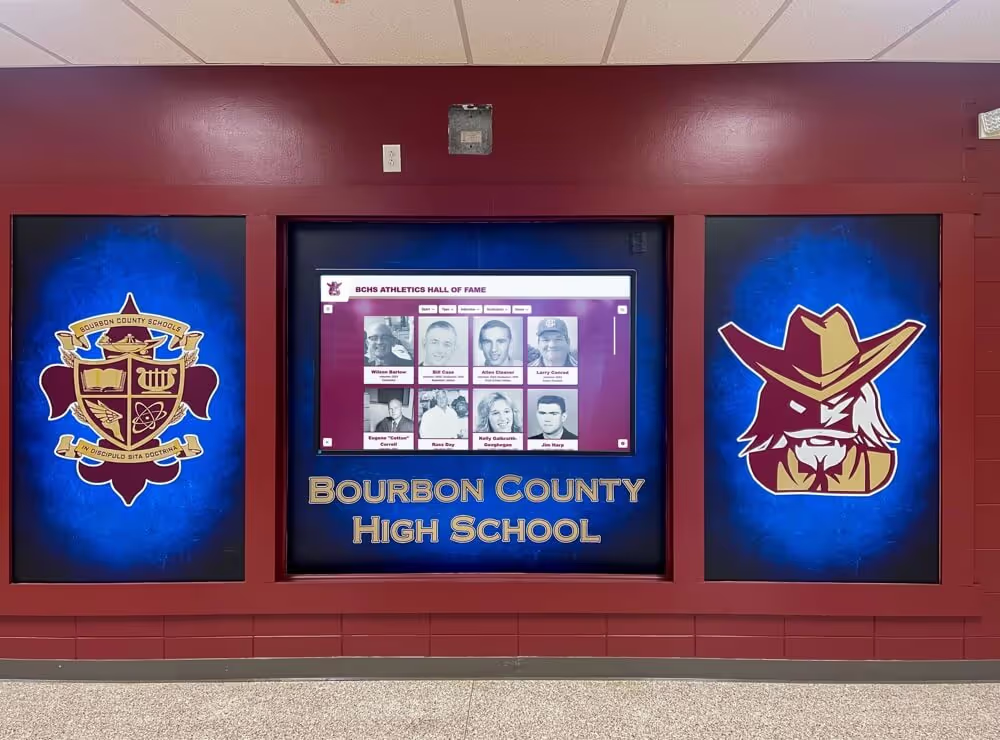
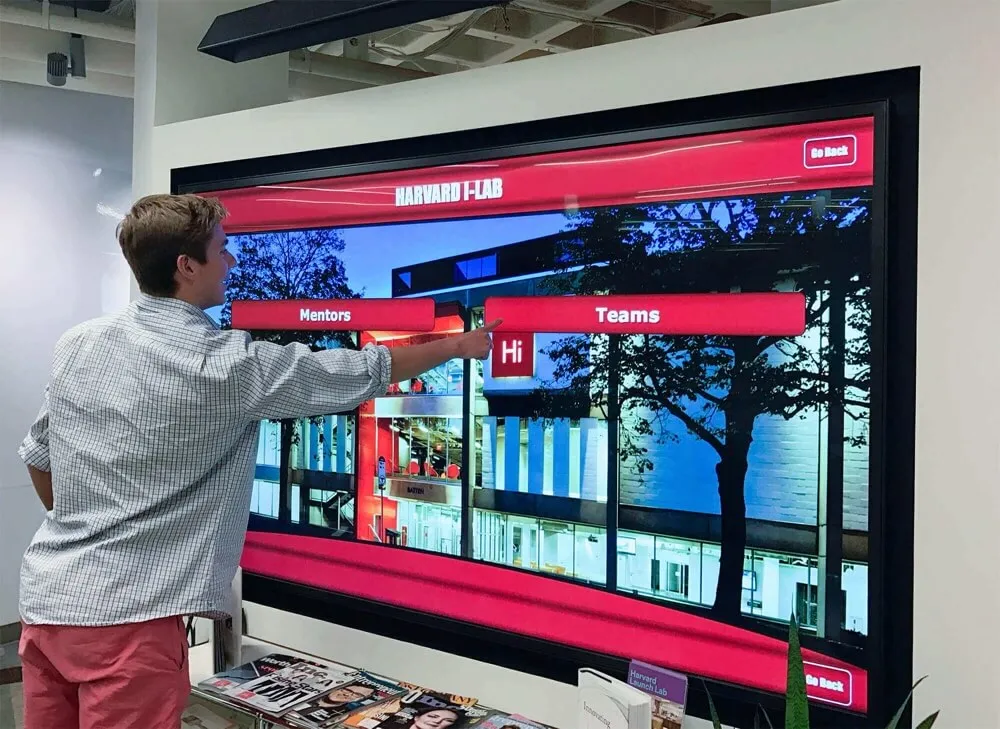
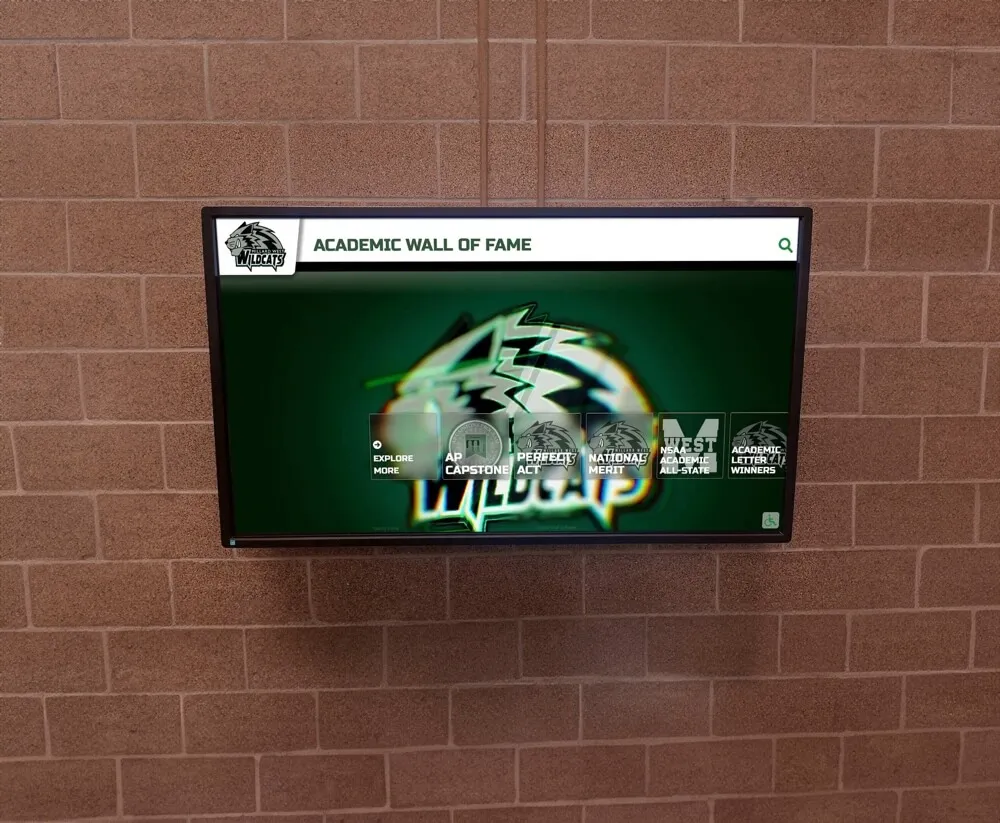
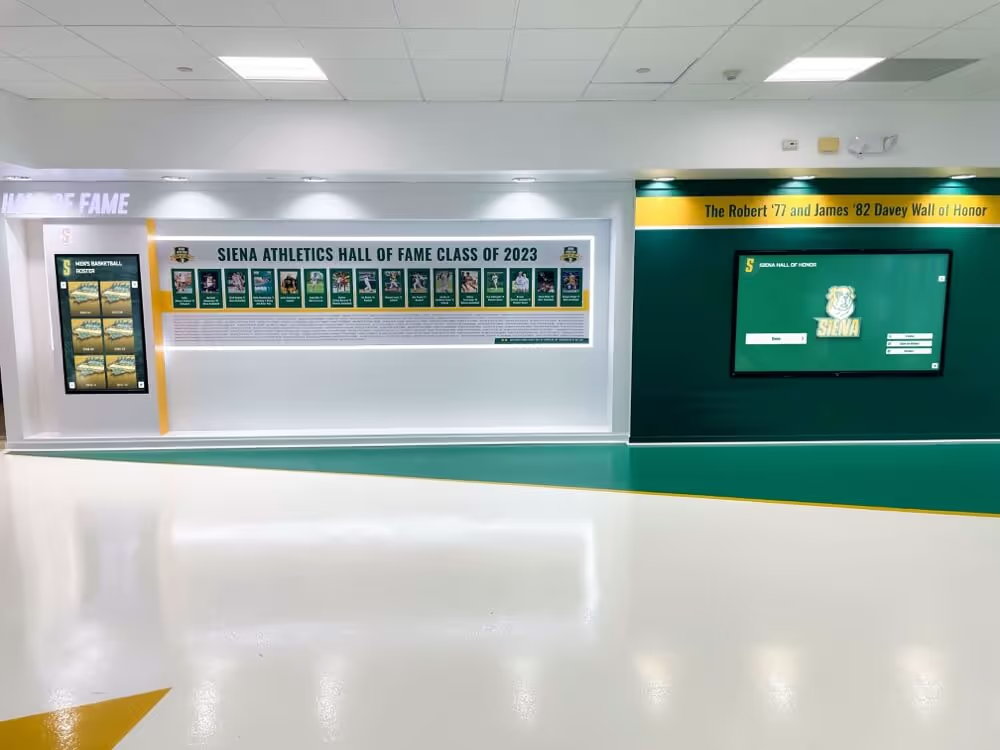
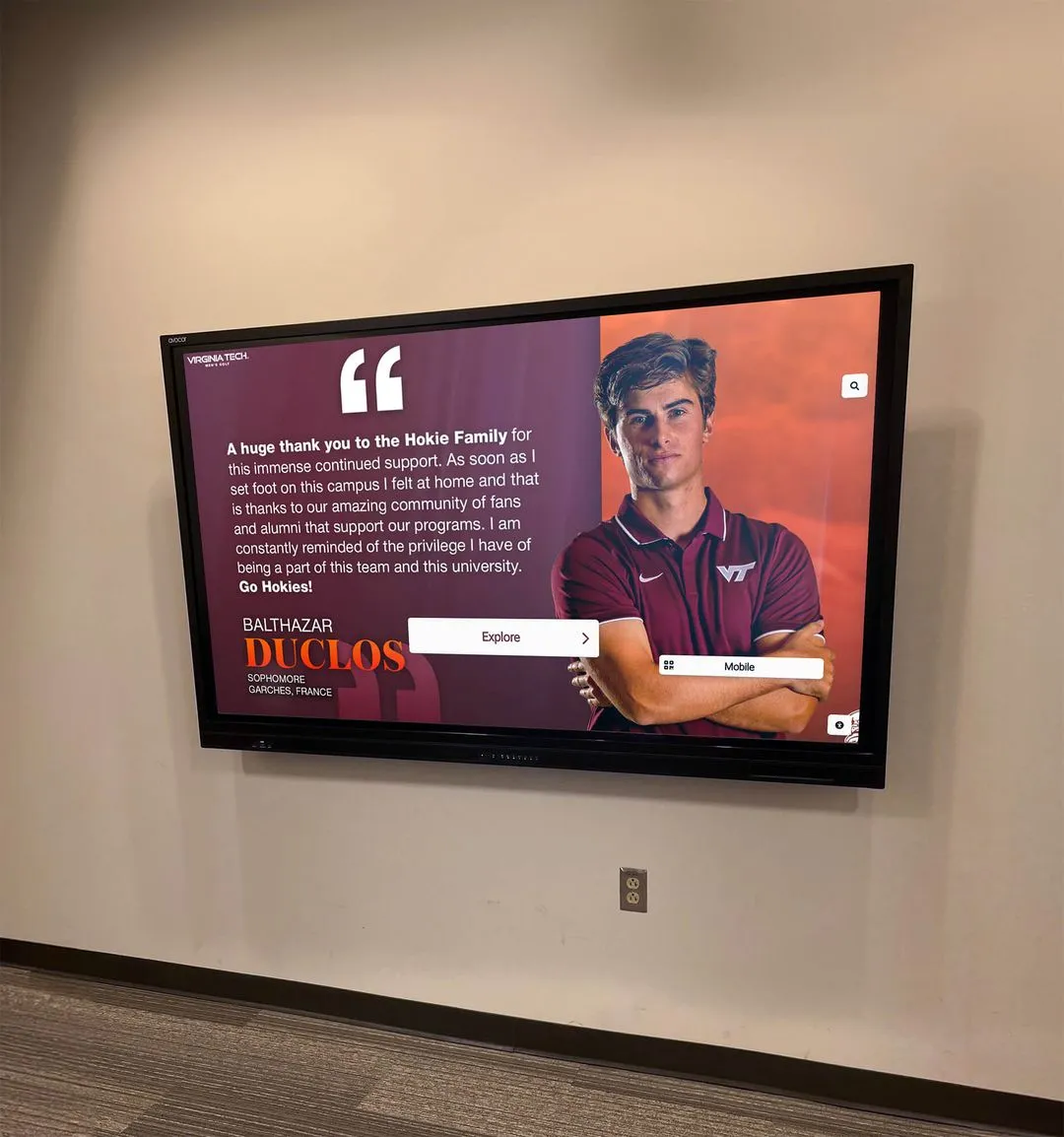
Modern recognition systems enable programs to celebrate assists leaders and unselfish play alongside traditional scoring statistics, building team-first culture
Program Snapshot: Progressive Passing Development Framework
Understanding comprehensive passing skill components helps coaches design systematic training progressions building complete passers rather than players limited to mechanical technique without decision-making ability.
| Skill Development Phase | Primary Focus | Training Emphasis |
|---|---|---|
| Fundamental Mechanics | Chest pass, bounce pass, overhead pass technique | Hand placement, footwork, accuracy, velocity control |
| Pressure Passing | Passing against defensive pressure and closeouts | Quick decision-making, passing lanes, pivot footwork |
| Court Vision Development | Reading defenses, finding open teammates | Head-up awareness, peripheral vision, anticipation |
| Timing and Spacing | Pass-and-cut coordination, give-and-go execution | Movement without ball, spacing principles, timing windows |
| Advanced Passing | Skip passes, post entry, drive-and-kick | Reading help defense, passing out of drives, long-distance accuracy |
| Game Application | Passing within offensive systems | Reading defenses, making correct reads, situational awareness |
This structured approach ensures players develop passing competence systematically rather than jumping to advanced concepts before mastering fundamentals, creating sustainable skill progression coaches can implement across season training cycles without overwhelming players with complexity beyond their developmental readiness.
Fundamental Passing Technique Drills
Establishing proper passing mechanics provides the foundation for all advanced passing development while preventing bad habits that limit effectiveness under game pressure.
Two-Player Partner Passing Progression
Basic partner drills building fundamental passing technique and accuracy:
Stationary Chest Pass Series
Essential close-range passing building proper form:
- Basic Chest Pass - Standard two-hand chest pass with step-through and follow-through
- One-Hand Chest Pass - Single-hand variation improving hand strength and control
- Quick Release Chest Pass - Rapid-fire passing eliminating wasted motion
- Distance Progression - Gradually increasing passing distance while maintaining accuracy
- Target Passing - Aiming for specific chest target or hand location
Stationary chest passing establishes proper hand placement behind the ball, step-through footwork generating power, and follow-through mechanics creating accurate passes that teammates can catch cleanly without adjustment.
Bounce Pass Development
Ground-passing technique for penetrating defenses:
- Standard Bounce Pass - Two-hand bounce targeting two-thirds distance to receiver
- One-Dribble Bounce Pass - Attacking closeout with dribble into bounce pass
- Inside Hand Bounce Pass - Passing off the dribble using inside hand
- Post Entry Bounce Pass - Low-post feeding around defensive positioning
Bounce passes prove essential for feeding post players, passing through traffic, and attacking defenders who overplay chest-pass passing lanes, making bounce-pass mastery non-negotiable for guards and wings.
Three-Player Passing Patterns
Multi-player drills introducing movement and rotation:
Triangle Passing Sequences
Movement-based passing building conditioning and accuracy:
- Pass and Follow - Player passes then sprints to receiver’s position, creating continuous rotation
- Pass and Replace - Passer relocates to open spot while receiver catches and turns
- Weave Pattern - Continuous passing while moving down court in weaving pattern
- Triangle Spacing - Maintaining proper spacing while executing rapid passing sequences
Triangle drills introduce movement coordination, spacing awareness, and conditioning elements while maintaining technique focus, bridging stationary drills and full-court applications.
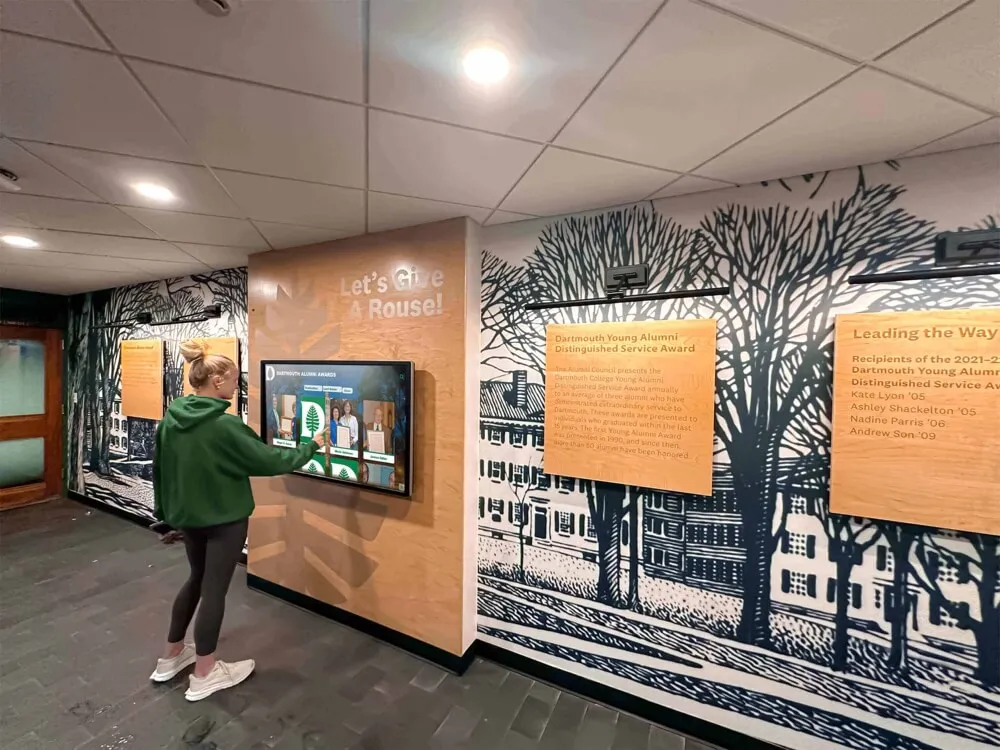
Understanding basketball recognition programs helps coaches design systematic approaches celebrating assists and team play alongside individual scoring achievements.
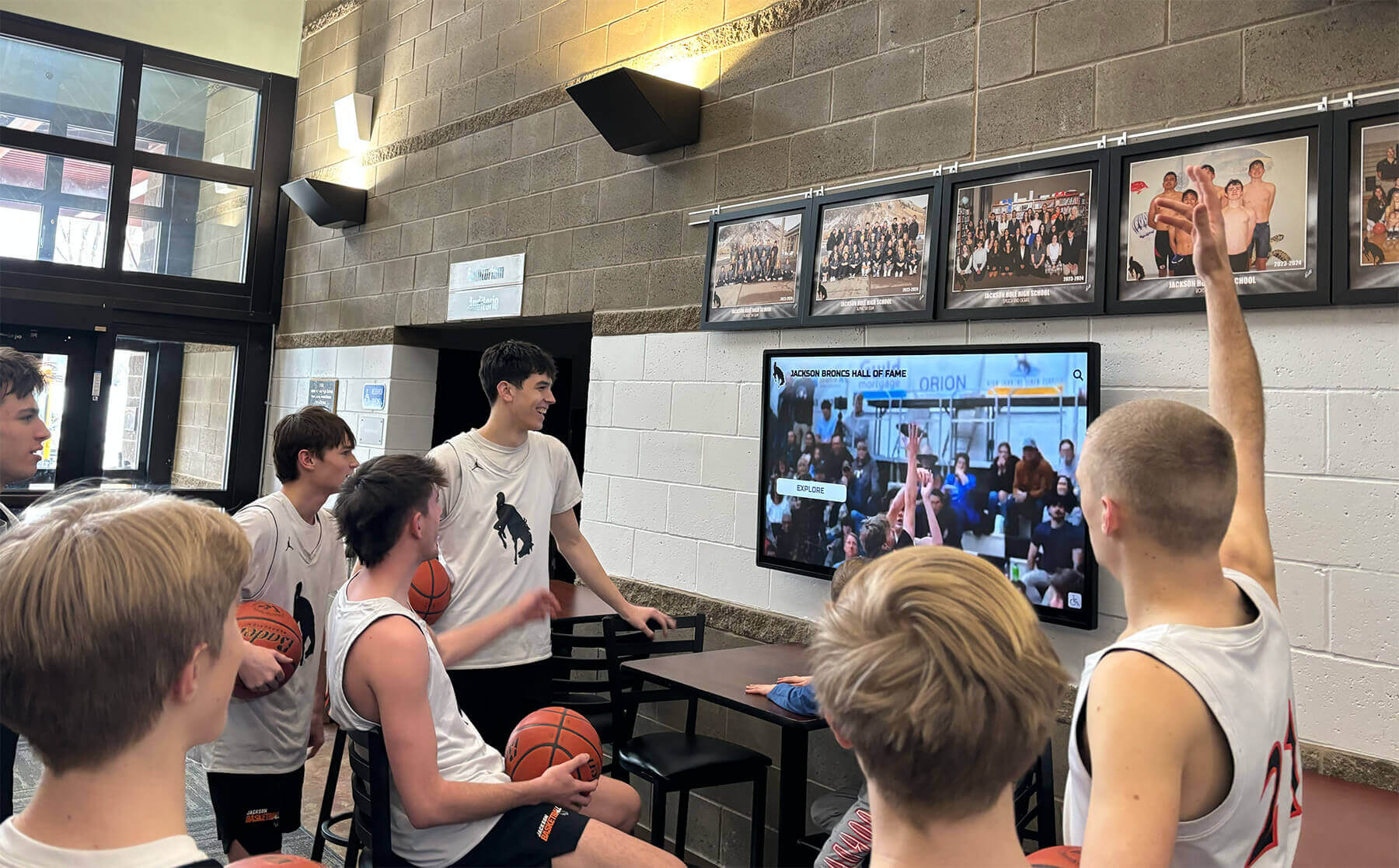
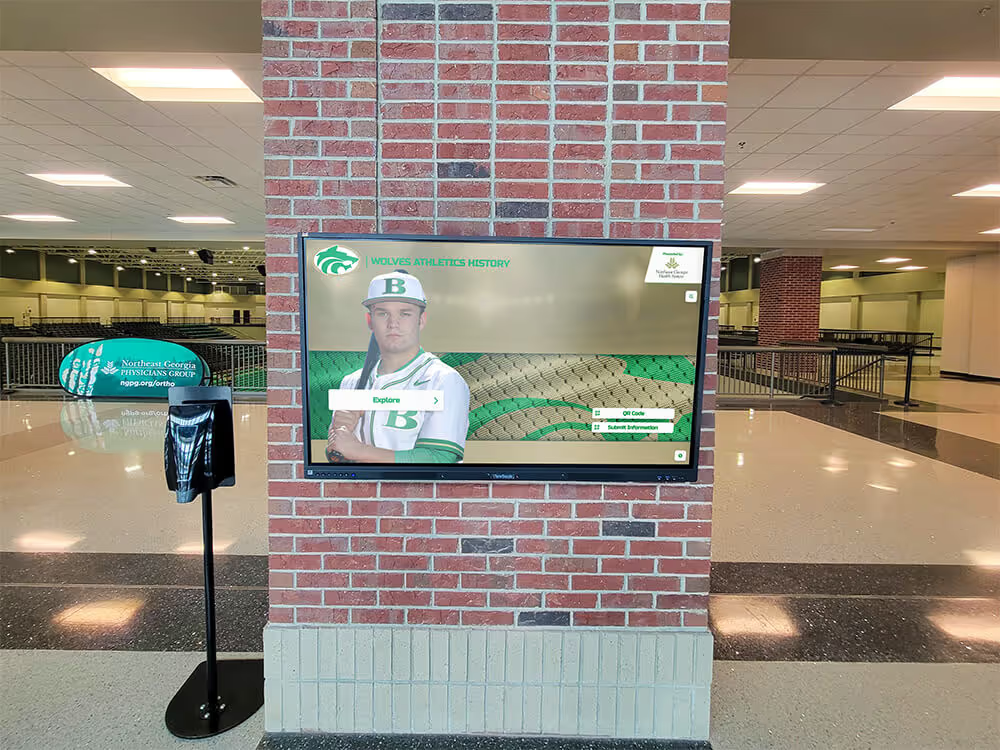
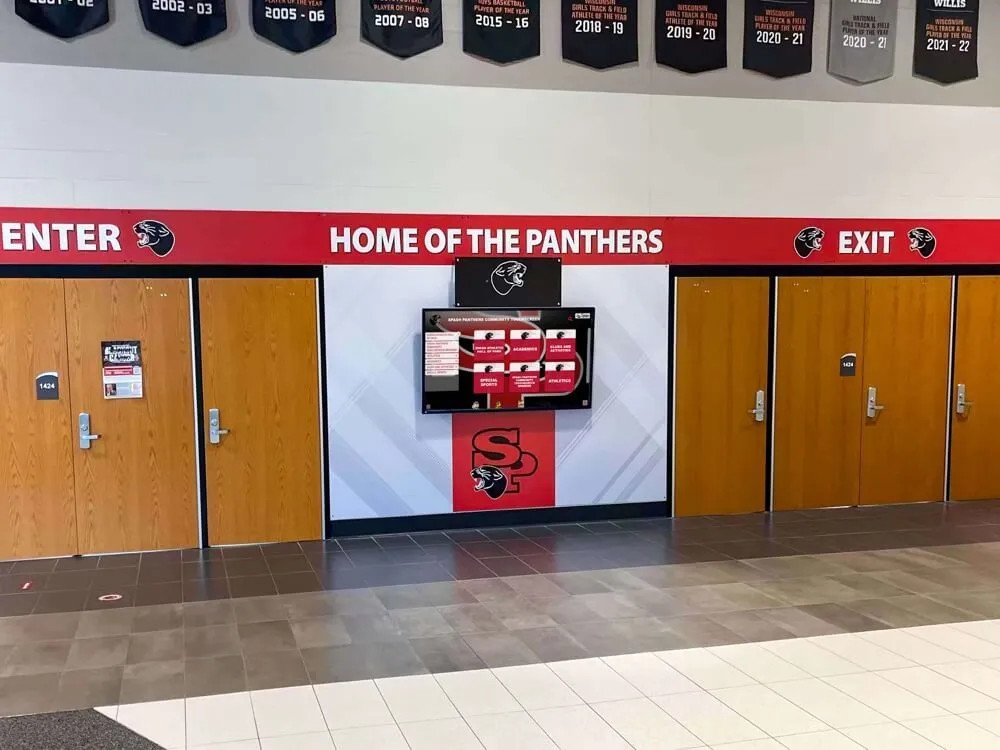
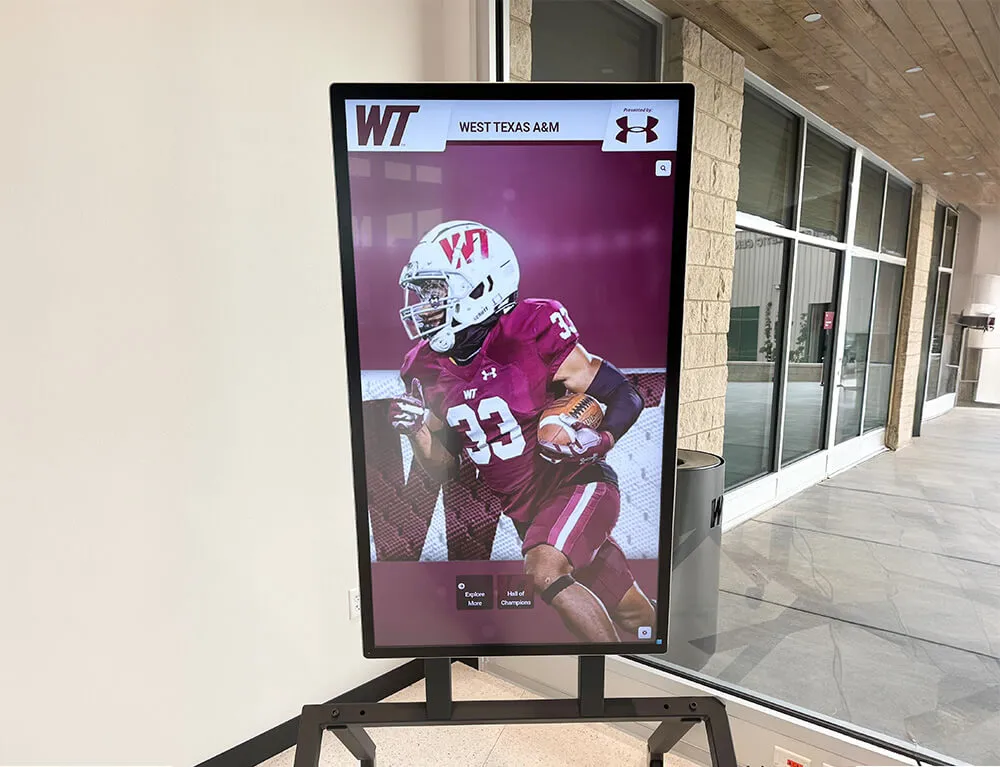
Digital displays allow teams to review passing sequences and assists, reinforcing smart decision-making and unselfish play
Court Vision and Decision-Making Drills
Advanced passing requires reading defenses and making split-second decisions about when, where, and how to pass under pressure.
Competitive Passing Drills
Game-situation passing incorporating defensive pressure:
Three-on-Three Passing Only
Half-court competition emphasizing passing without dribbling:
- Offensive team scores by completing consecutive passes (10 passes = 1 point)
- Defense focuses on deflections and closeouts
- No dribbling allowed, forcing players to pass out of pressure
- Offensive players must relocate after passing (no stationary offense)
- Emphasizes spacing, timing, and reading defensive pressure
This drill forces players to make quick passing decisions under pressure while developing court awareness, spacing principles, and the ability to pass accurately while closely guarded.
Drive-and-Kick Progression
Teaching players to attack and pass out of penetration:
- 1v1 Drive and Kick to Wing - Attacking defender then passing to wing shooter
- 2v2 Drive and Pitch - Two-player game with drive-and-kick emphasis
- Help-Side Rotation Reading - Reading help defense and kicking to weak-side corner
- Full 5v5 Drive and Kick - Complete system implementation with rotation reads
Drive-and-kick passing requires reading help defenders, maintaining dribble control while surveying, and delivering accurate passes to shooters in rhythm—skills separating good guards from great ones.
Vision Development Sequences
Specific drills expanding peripheral awareness and anticipation:
Head-Up Passing Circuit
Drills requiring players to pass without looking at target:
No-Look Passing Series
- Calling out receiver’s name before passing without looking directly at them
- Peripheral vision passing to wings while facing opposite direction
- Behind-the-back and wraparound passes in controlled settings
- Reading defender positioning through peripheral vision cues
Multi-Ball Awareness
- Coach rolling additional balls during passing drills requiring awareness
- Calling out numbers or colors while executing passing sequences
- Responding to coach signals while maintaining passing accuracy
- Processing multiple information sources simultaneously
Vision drills feel uncomfortable initially but dramatically improve court awareness, helping players process complete floor spacing rather than tunnel-visioning on immediate defender or ball.
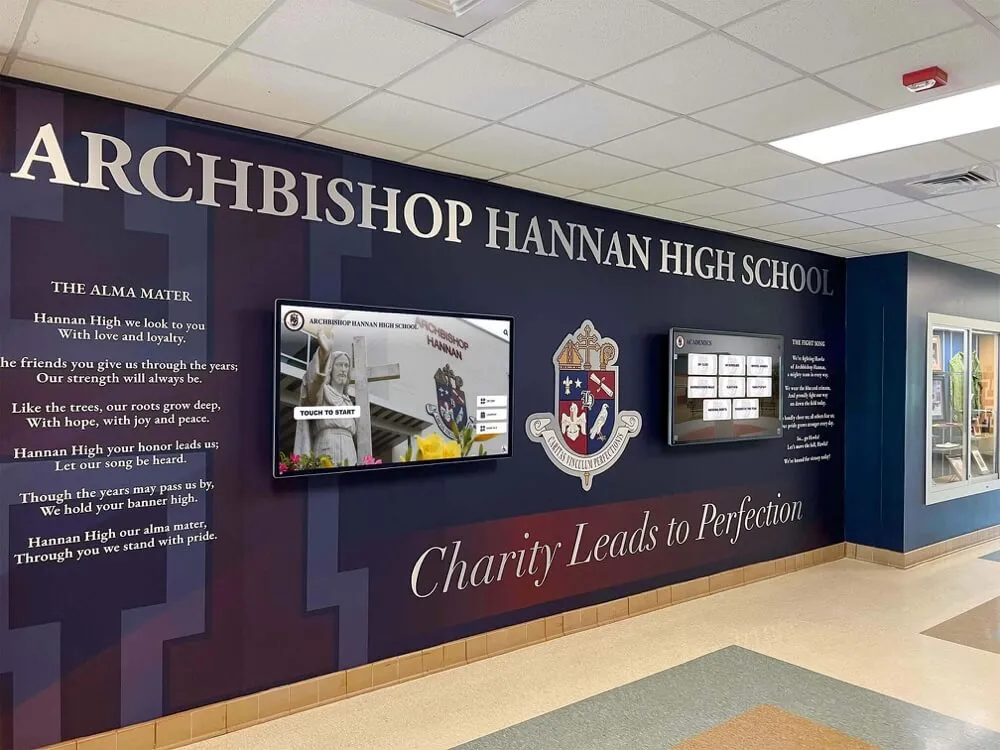
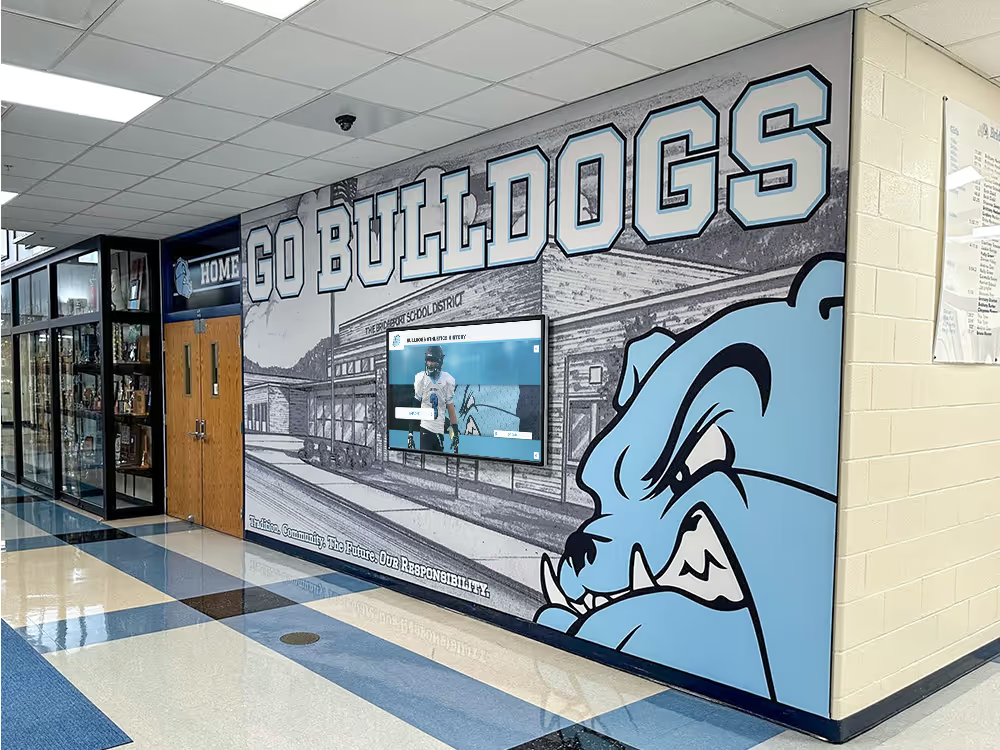
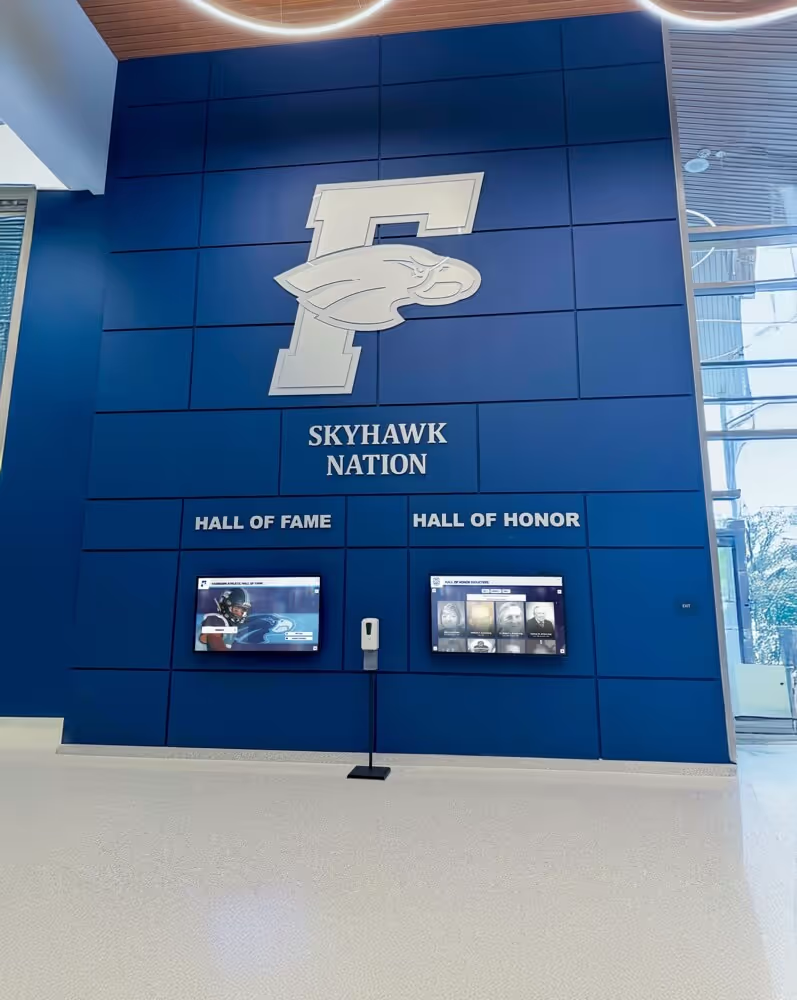
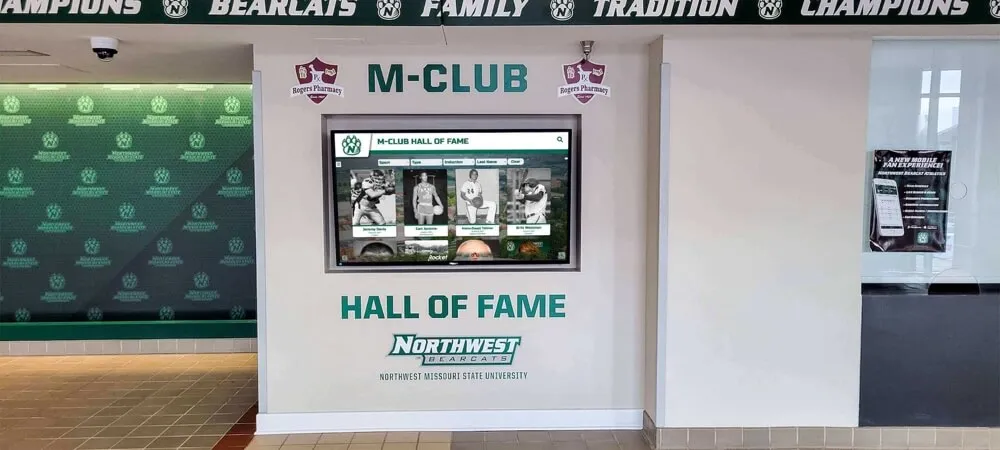
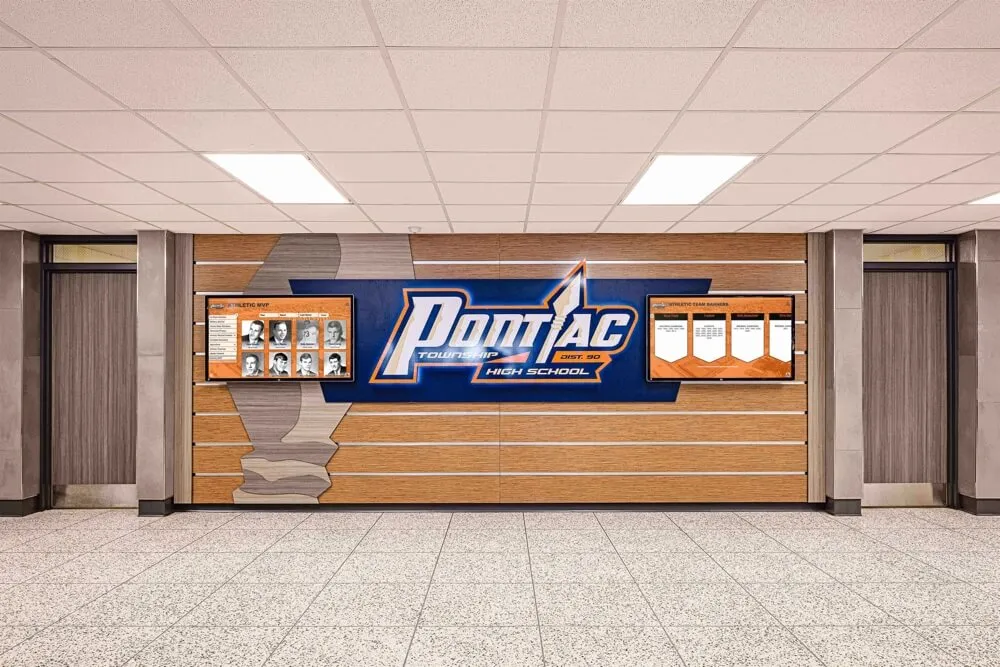
Comprehensive digital recognition displays enable programs to showcase assists leaders and passing statistics alongside traditional scoring metrics, reinforcing team-first values.
Timing and Spacing Development
Effective passing requires synchronized movement between passer and receiver, with both players understanding spacing principles and timing windows.
Give-and-Go Sequences
Classic two-player timing emphasizing pass-and-cut coordination:
Basic Give-and-Go Progression
Fundamental pass-and-cut timing:
- Wing Give-and-Go - Wing passes to top then cuts baseline for return pass
- High-Low Give-and-Go - Perimeter-to-post pass followed by cut to basket
- Backdoor Timing - Reading overplay and cutting backdoor for bounce pass
- Curl and Receive - Passing then curling off screen for return pass
Give-and-go passing teaches players that passing creates offensive opportunities for the passer, not just teammates, encouraging unselfish play while maintaining scoring threat.
Advanced Cut Timing
Complex two-player actions requiring precise timing:
- UCLA Cut - High-post pass followed by basket cut and return pass
- Zipper Cut Sequence - Baseline-to-elbow sprint receiving pass in shooting pocket
- Flare Screen Action - Setting screen then flaring for three-point pass
- Slip Screen Timing - Slipping ball screen early for pocket pass
Advanced sequences require both players understanding timing windows, proper spacing angles, and reading defensive positioning—skills developing only through repetition and coaching correction.
Full-Team Spacing Drills
Five-player passing emphasizing offensive spacing principles:
Five-Out Passing Motion
Continuous passing with relocation rules:
- All five players start outside three-point line
- Each pass requires passer to relocate (cut, screen, or space)
- Minimum pass requirement before shot attempt (example: six passes)
- Emphasis on spacing maintenance (minimum 15-foot separation)
- Reading cutting lanes and passing to cutters in shooting pockets
Five-out motion teaches complete floor spacing, cutting without ball, and passing to moving targets rather than stationary players—offensive principles translating to any system.
Four-Out One-In System
High-low passing incorporating post player:
- Four perimeter players, one post presence
- Emphasis on post entry passing from multiple angles
- Post player recognizing double-teams and kicking out
- Perimeter players relocating after post entry
- Skip passing when defense collapses to post
High-low passing teaches guards post-feeding techniques while developing post players’ ability to pass out of double-teams, creating complete offensive versatility.
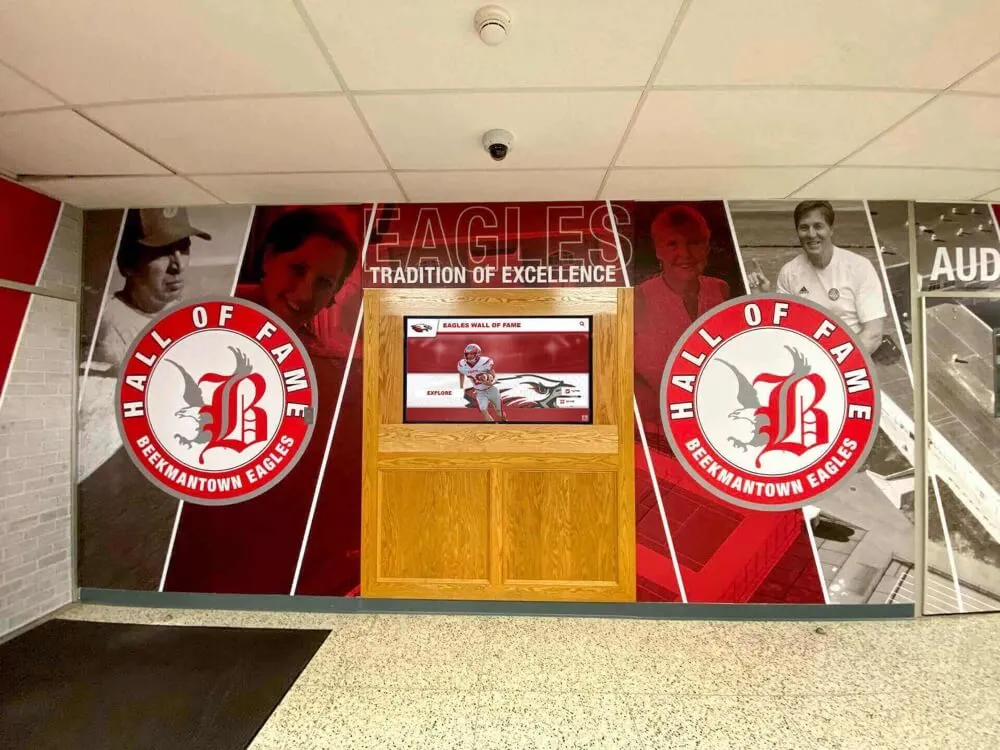
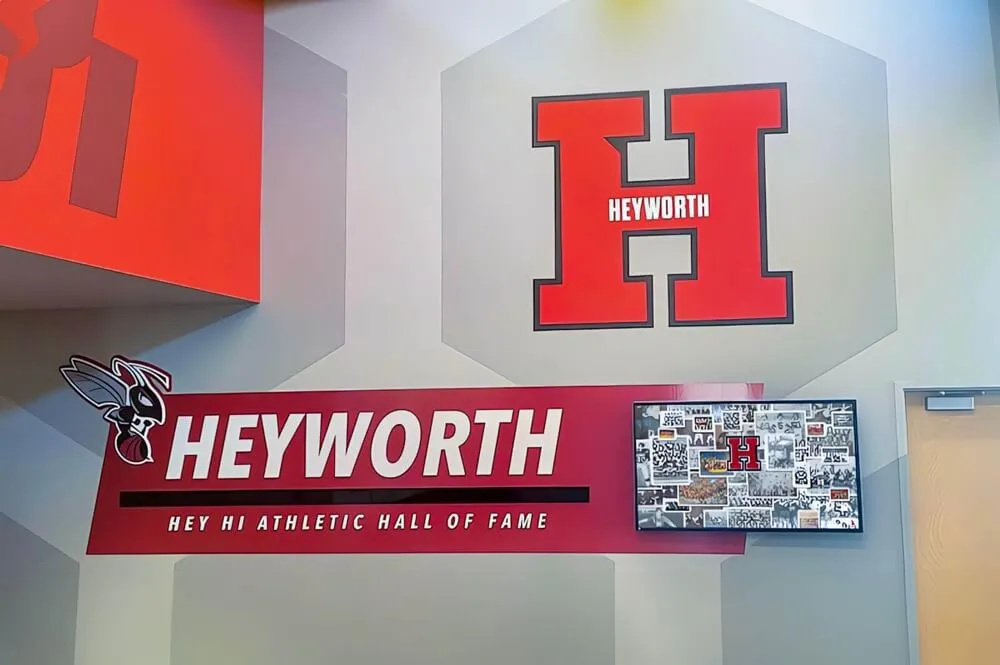
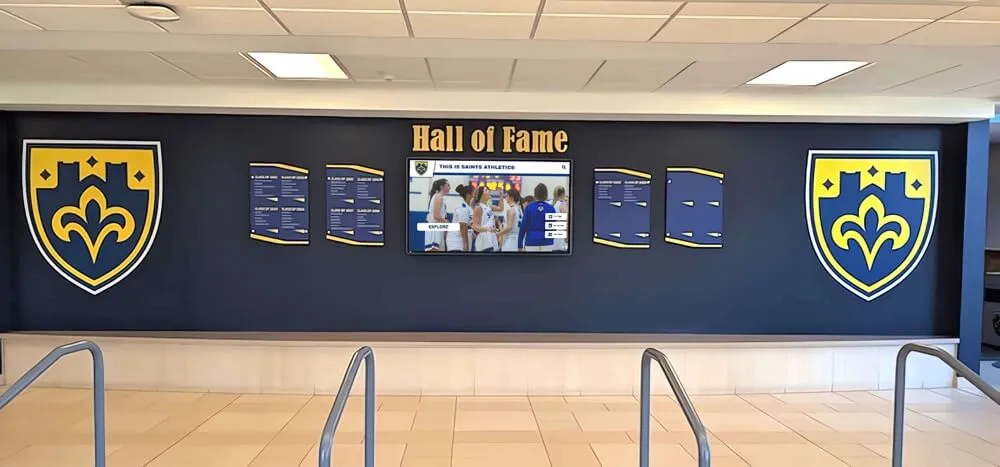
Recognition systems celebrating team achievements honor the collaborative effort that makes championship teams successful
Advanced Passing Applications
Elite-level passing incorporates reads, fakes, and complex decision-making under full defensive pressure.
Skip Pass Development
Long-distance passing attacking defensive rotations:
Cross-Court Skip Passing
Teaching players to swing ball quickly against zone defenses:
- Baseline Skip Pass - Corner-to-corner passing over zone defense
- Top-to-Wing Skip - Point guard skipping pass to opposite wing
- High-Low-Opposite Skip - Post player catching and immediately skipping opposite
- Drive and Skip - Penetrating then skipping to weak-side corner shooter
Skip passes prove essential against zone defenses and help-side rotations, creating open three-point opportunities by moving ball faster than defense can rotate.
Skip Pass Technique Focus
Mechanical elements ensuring successful long passes:
- Overhead passing mechanics generating distance and accuracy
- Reading defensive positioning before releasing skip pass
- Leading receivers to shooting pocket rather than body
- Velocity control preventing turnovers on long passes
- Fake progression (shot fake, pass fake) before skip pass
Skip passing requires upper-body strength, proper mechanics, and court vision—skills separating adequate passers from players capable of breaking down disciplined defenses.
Post Passing and Interior Play
Teaching big players to pass from post and facilitate offense:
Post Playmaking Development
Interior passing creating scoring opportunities:
- Post to Cutter - Reading baseline cuts and delivering bounce passes
- High-Low Connection - Elbow-to-block passing sequences
- Post to Shooter - Kicking out to perimeter shooters from double-teams
- Dribble Handoff Passing - Post player initiating offense with handoff passes
Elite teams feature post players who create for others, making defenses choose between preventing post scoring or stopping kick-out threes—advantages that passing big players provide.
Post Entry Feeding Drills
Guards learning to feed post effectively:
- Baseline Post Entry - Feeding post from wing and baseline positions
- Top-to-Block Entry - Point guard feeding directly to post
- Skip Pass to Post - Entering post after ball reversal
- Lob Pass Timing - Reading defensive position for lob passes over defense
Post entry requires reading defensive position (fronting, three-quarter, behind), using pass fakes to create passing windows, and delivering passes to correct target area where post players can catch and score immediately.
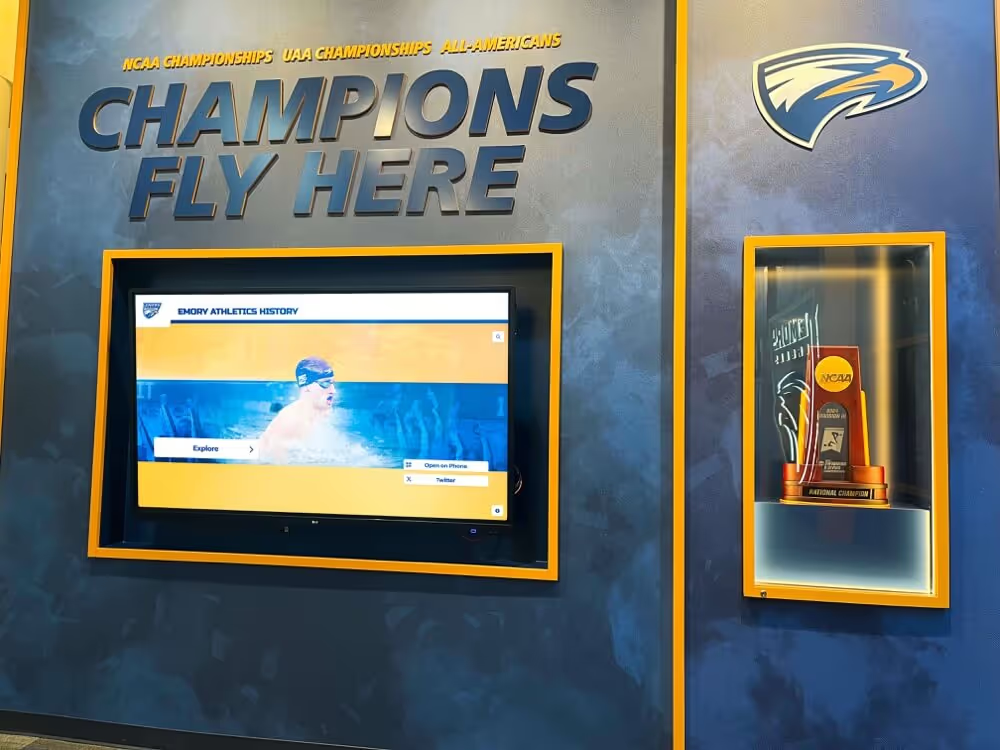
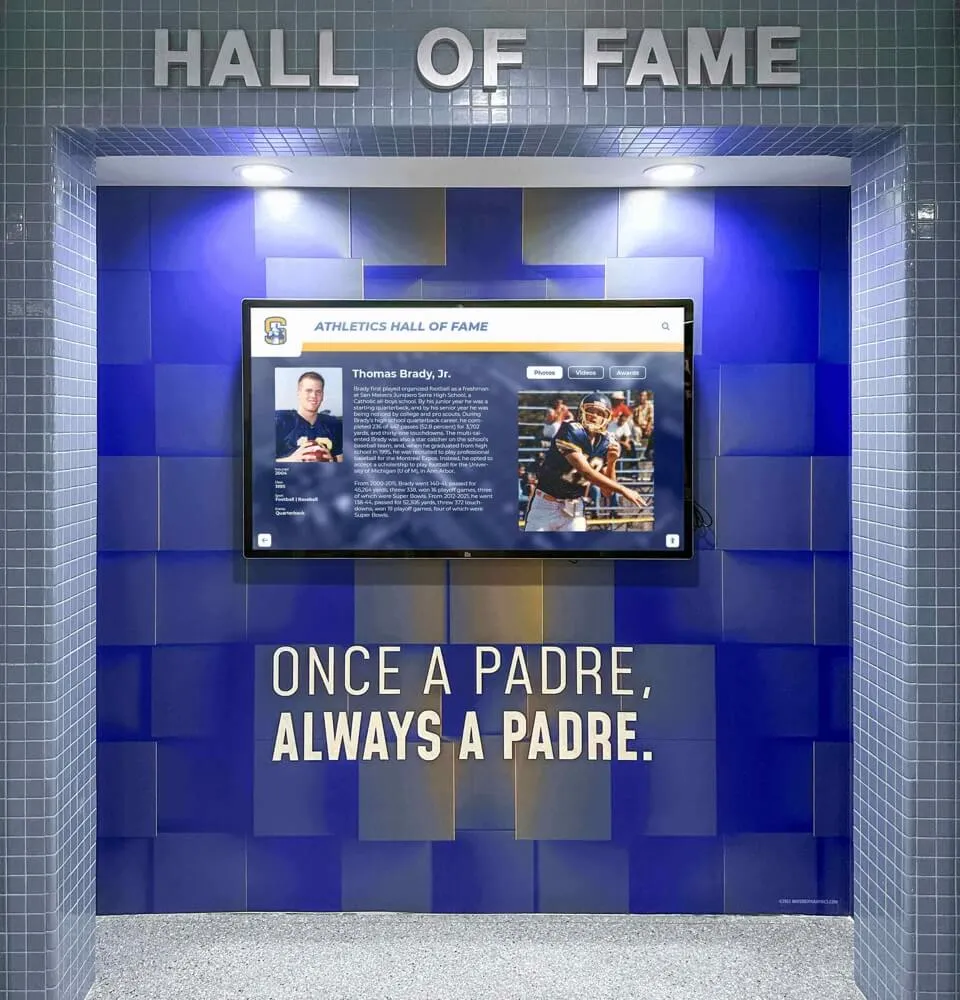
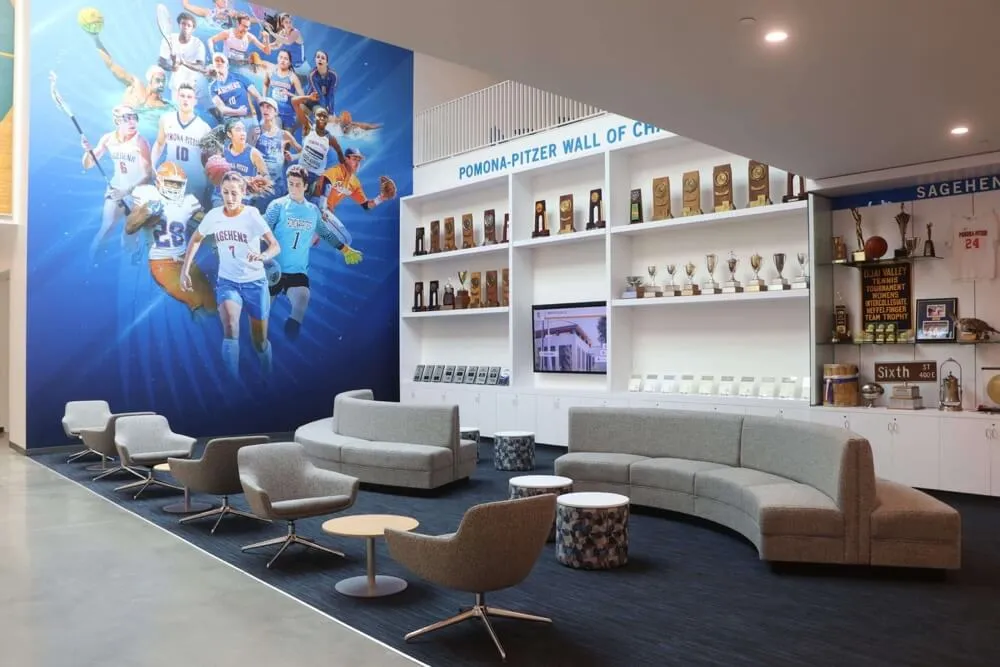
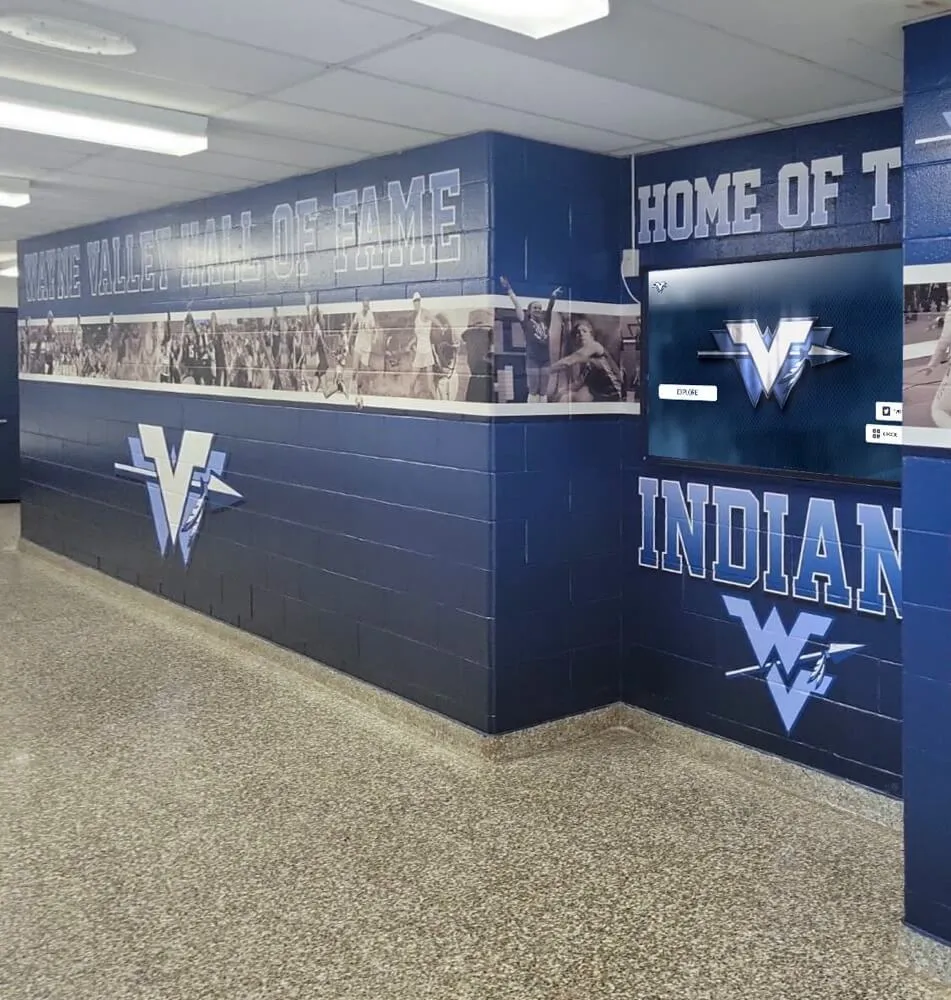
Exploring gymnasium recognition displays provides frameworks for celebrating team achievements and assists leaders in prominent athletic facility locations.
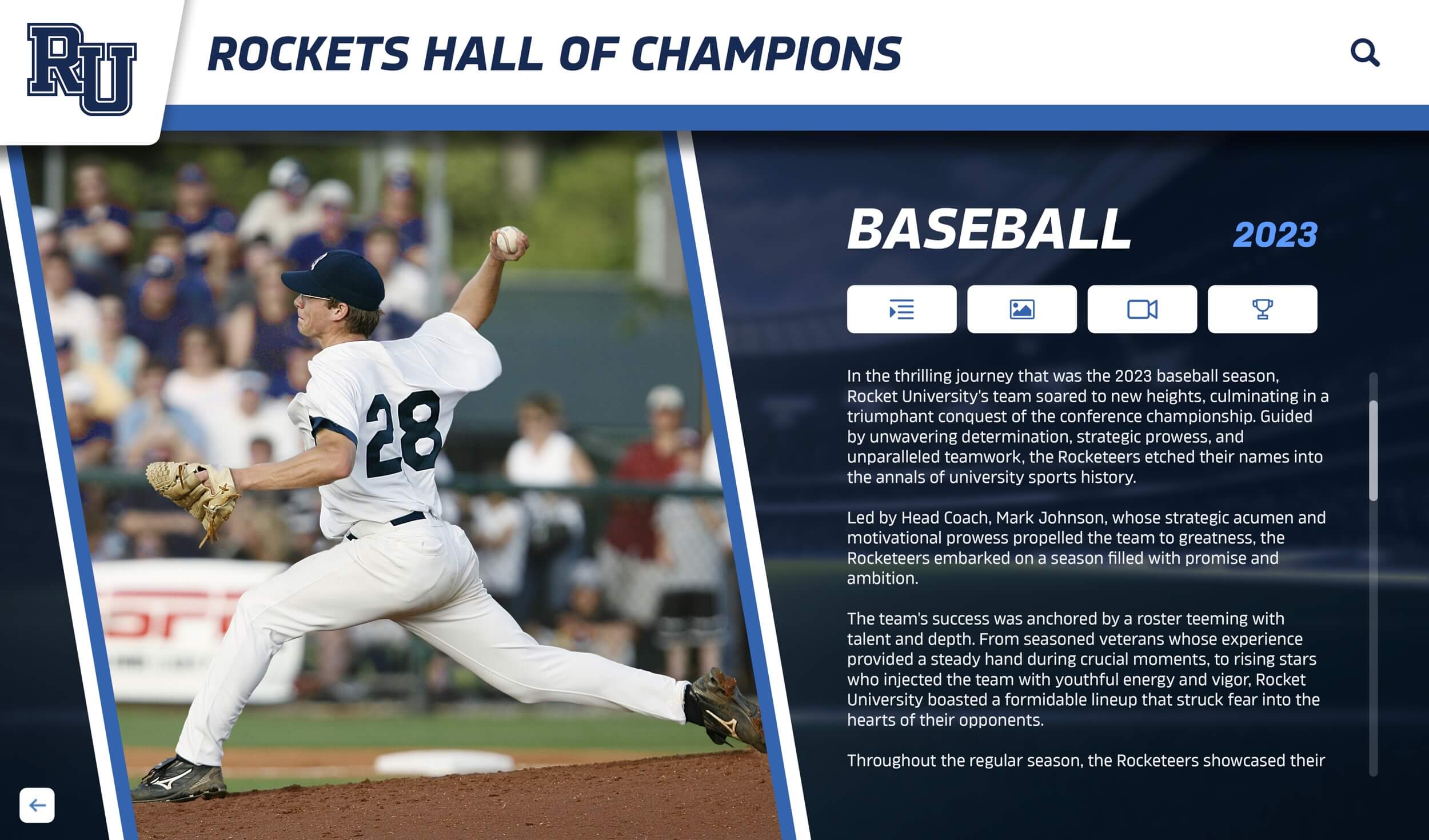
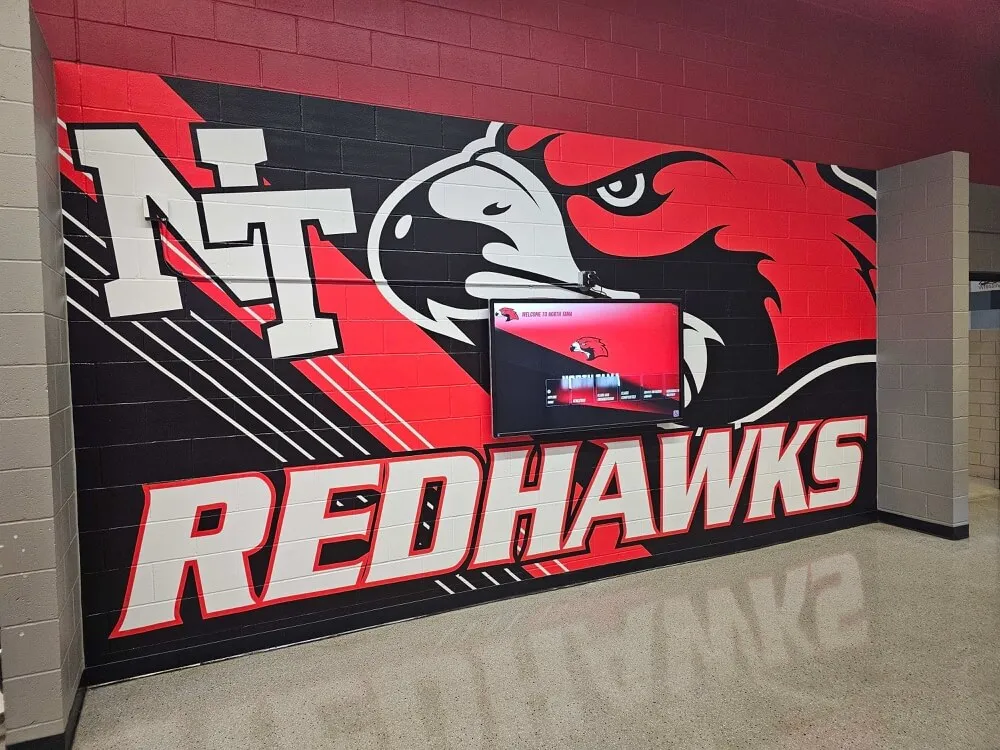
Championship displays honor the team-first mentality that produces winning seasons and lasting athletic legacies
Competitive Passing Games
Game-based training making passing practice engaging while developing skills under pressure.
Small-Sided Passing Competitions
Competitive formats emphasizing passing efficiency:
Points for Passes Game
Modified basketball rewarding ball movement:
- Teams earn points for consecutive passes (5 passes = 1 point)
- Field goals worth standard points (2 or 3)
- No dribbling allowed, forcing passing decisions
- Turnovers result in point deduction
- Game duration: 10 minutes, promoting high-intensity play
This format rewards ball movement and careful passing while maintaining competitive engagement, making players value assists as much as baskets.
King of the Court Passing
Tournament-style three-on-three with passing emphasis:
- Winning team stays on court
- Losing team rotates off
- Each possession requires minimum three passes before shot
- Deflection or steal awards immediate possession to defense
- First team to seven points wins, promotes quick games
Tournament formats create competitive intensity while reinforcing passing fundamentals under pressure, building game-situation decision-making skills.
Full-Team Passing Challenges
Five-on-five competitions incorporating passing requirements:
Passing Minimum Scrimmages
Modified scrimmage with pass requirements:
- Each possession requires minimum passes before shot (example: five passes)
- Consecutive passes increase shot value (10 passes = 4-point basket)
- Assists worth additional points
- Hockey assists (pass before assist pass) tracked and rewarded
- Turnover tracking with consequences (sprints, pushups)
Pass-minimum scrimmages force players to value possession, look for extra passes, and celebrate assists rather than only focusing on personal scoring opportunities.
No-Dribble Scrimmages
Complete games without dribbling:
- Full five-on-five basketball
- Absolutely no dribbling allowed
- Emphasizes cutting, screening, spacing, and passing
- Players learn to move without ball and find passing angles
- Develops appreciation for ball movement creating offensive advantages
No-dribble scrimmages feel awkward initially but dramatically improve team spacing, cutting, and passing awareness—creating breakthrough moments where players understand ball movement advantages.
Understanding team photo documentation strategies helps programs create lasting records of championship teams built on unselfish play and exceptional ball movement.
Recognition Systems for Passing Excellence
Celebrating assists and unselfish play builds team-first culture while honoring players who make teammates better.
Statistical Tracking and Display
Quantifying passing excellence through systematic measurement:
Assists and Hockey Assists Tracking
Comprehensive passing statistics:
- Traditional assists (pass leading directly to basket)
- Hockey assists (pass preceding assist pass)
- Secondary assists (two passes before basket)
- Assist-to-turnover ratio tracking
- Assists per game averaging across season
- Career assists milestones (100, 250, 500, 1000 assists)
Tracking passing statistics demonstrates program values beyond scoring, showing players that assists receive recognition equal to points scored.
Advanced Passing Metrics
Deeper analytical approaches:
- Potential assists (passes creating open shots regardless of outcome)
- Pass efficiency rating (passes leading to good shots versus turnovers)
- Hockey assist tracking (pass before assist)
- Deflection-free passing streaks
- Live-ball turnover percentage
- Assist rate (percentage of teammate baskets following player’s assists)
Advanced metrics provide objective measurement of passing impact, enabling coaches to identify unselfish players whose contributions might otherwise remain invisible in traditional statistics.
Digital Recognition Platforms
Modern display systems showcasing passing excellence:
Assists Leaders Displays
Permanent recognition for passing excellence:
- Season assists leaders by team and classification
- Career assists rankings across program history
- Single-game assists records
- Assists per game leaders by era
- Point guard legacy section honoring program’s best distributors
- Team chemistry awards celebrating unselfish play
Digital displays provide permanent visibility for passing achievements, demonstrating institutional commitment to team-first basketball while creating aspirational goals for developing players.
Game Highlights and Passing Sequences
Video integration celebrating smart plays:
- Best assists video compilation updated throughout season
- Touchdown pass highlights (full-court passes leading to baskets)
- No-look pass showcase celebrating court vision
- Team passing sequences (possessions with 10+ passes before basket)
- Give-and-go compilation showing pass-and-cut execution
- Championship game passing highlights from title runs
Video recognition proves particularly effective for passing since individual assists don’t carry obvious visual drama of scoring plays but create compelling highlights when presented as cohesive compilation showing playmaking ability.
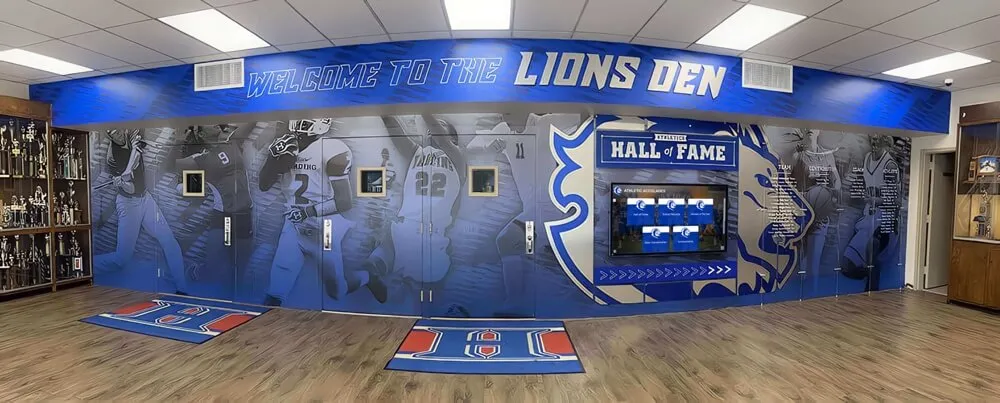
Programs exploring digital recognition alternatives discover modern solutions providing flexible, updatable recognition systems celebrating assists and team achievements without permanent banner limitations.
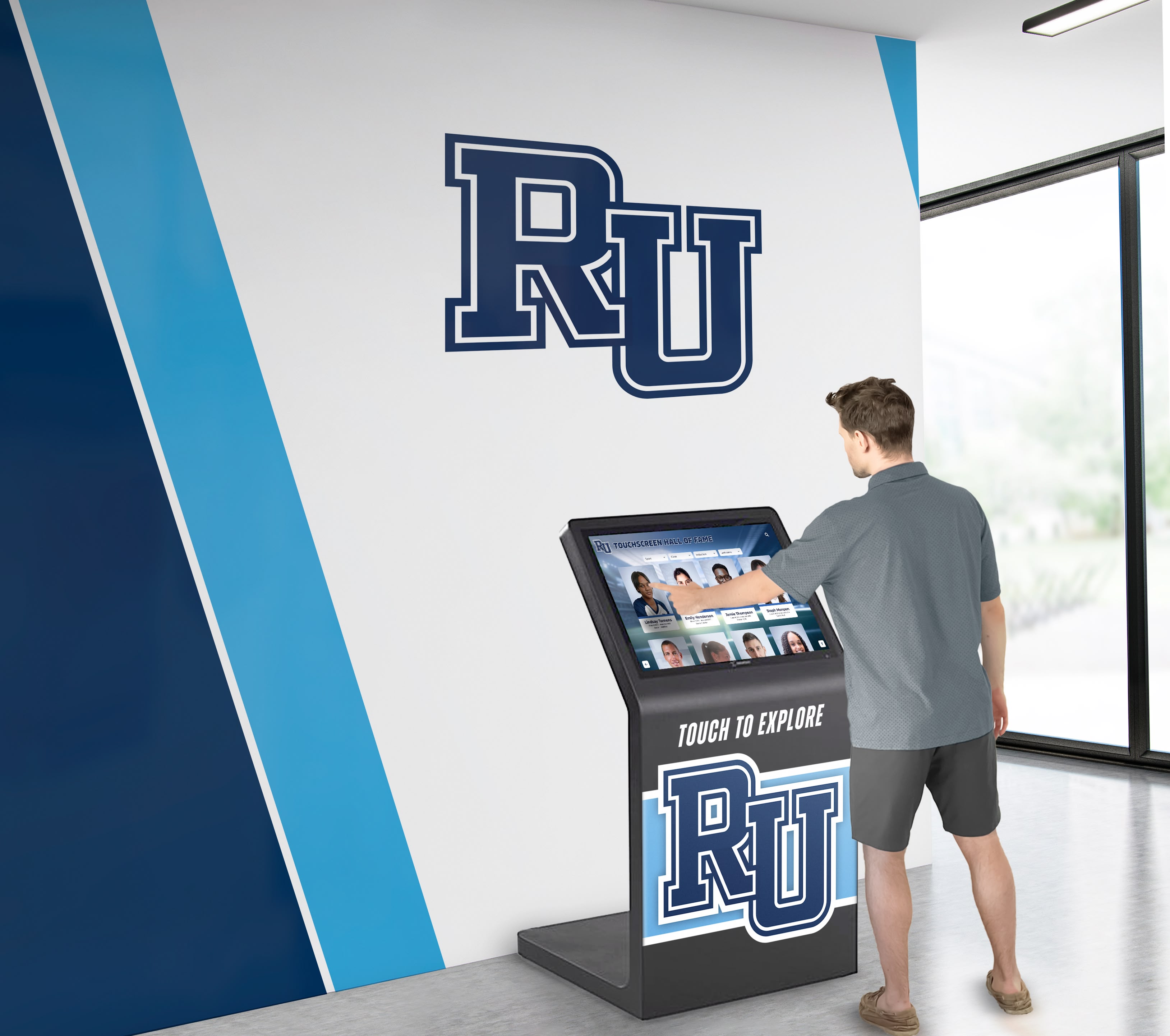
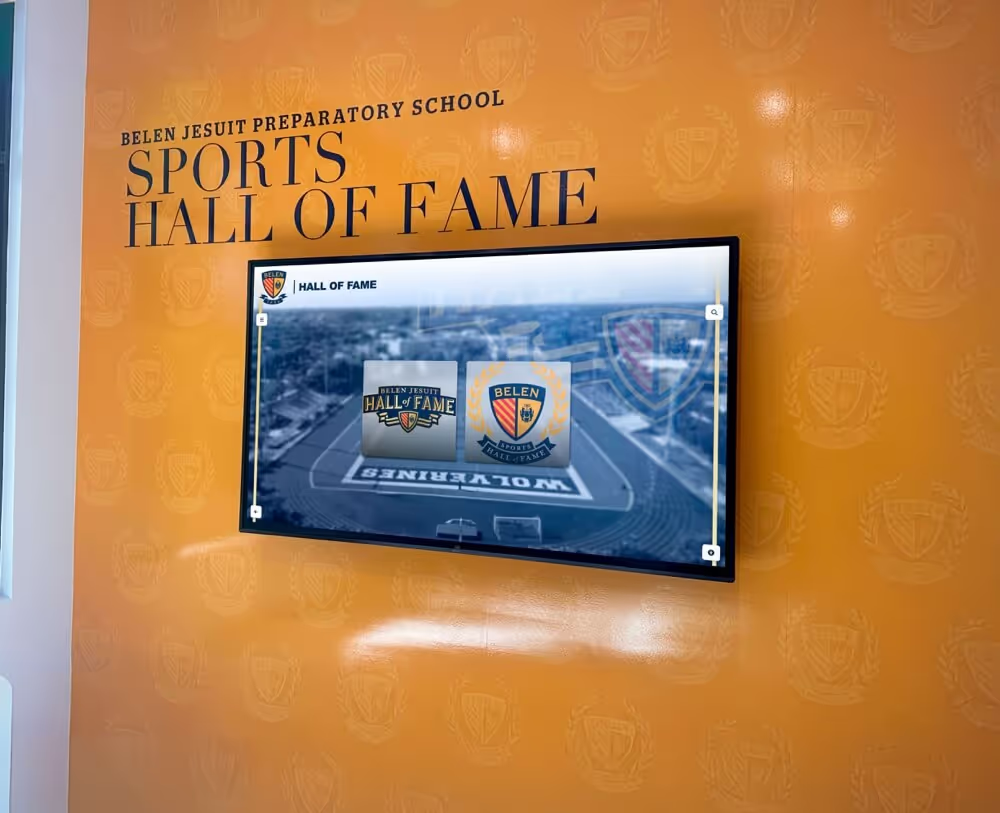
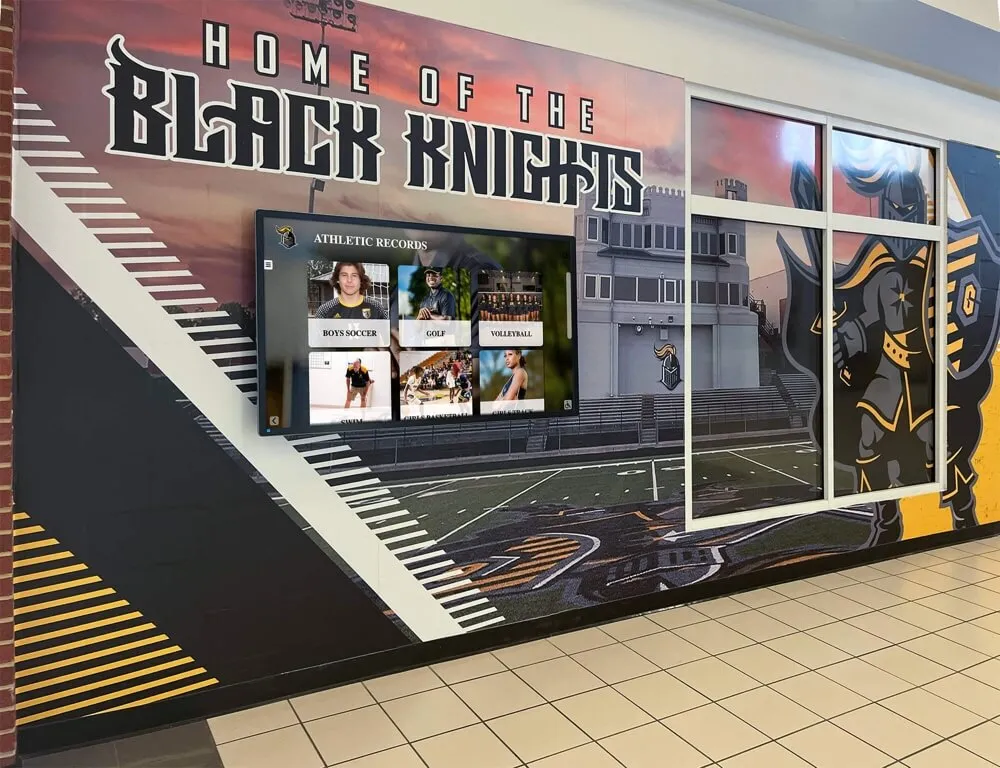
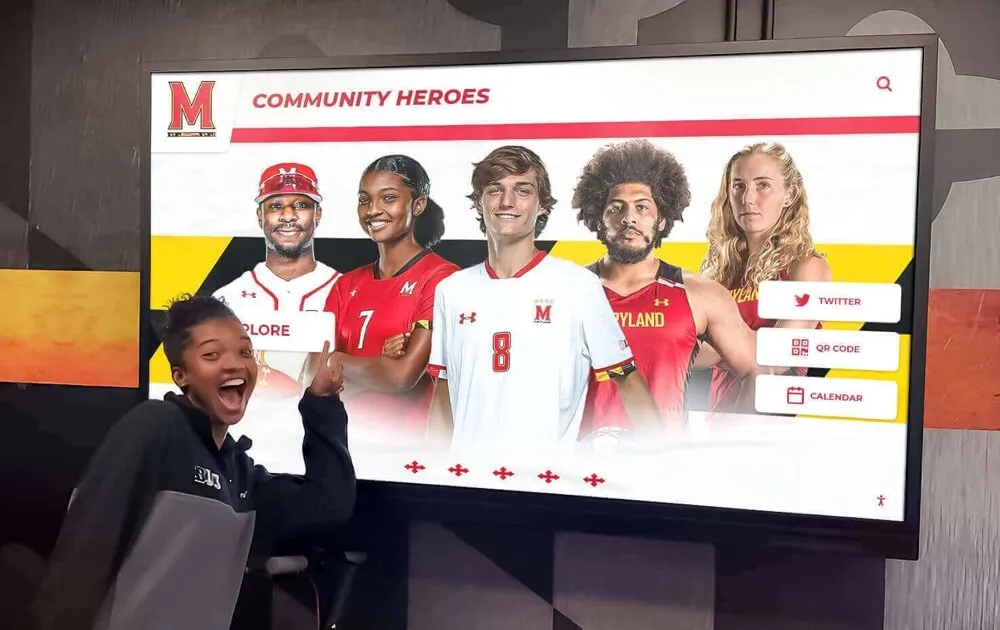
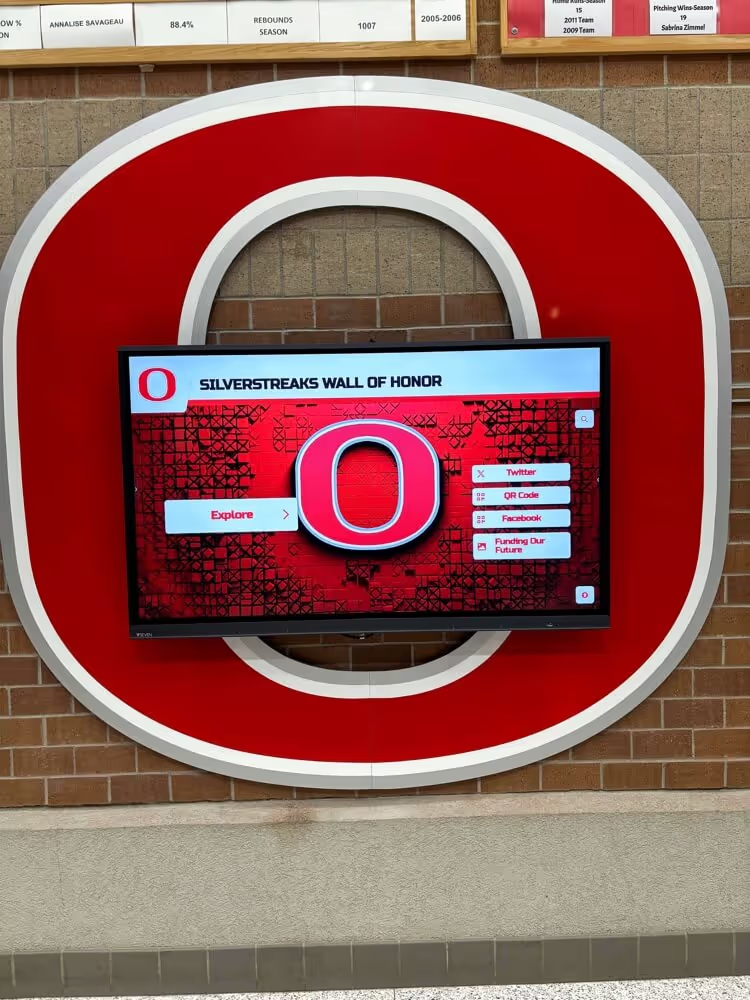
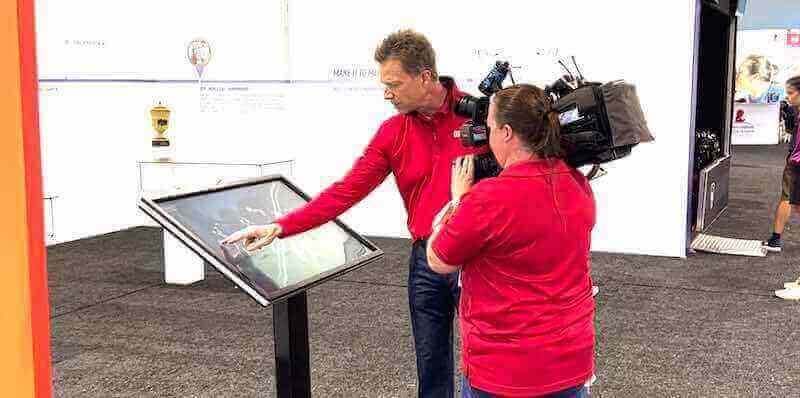
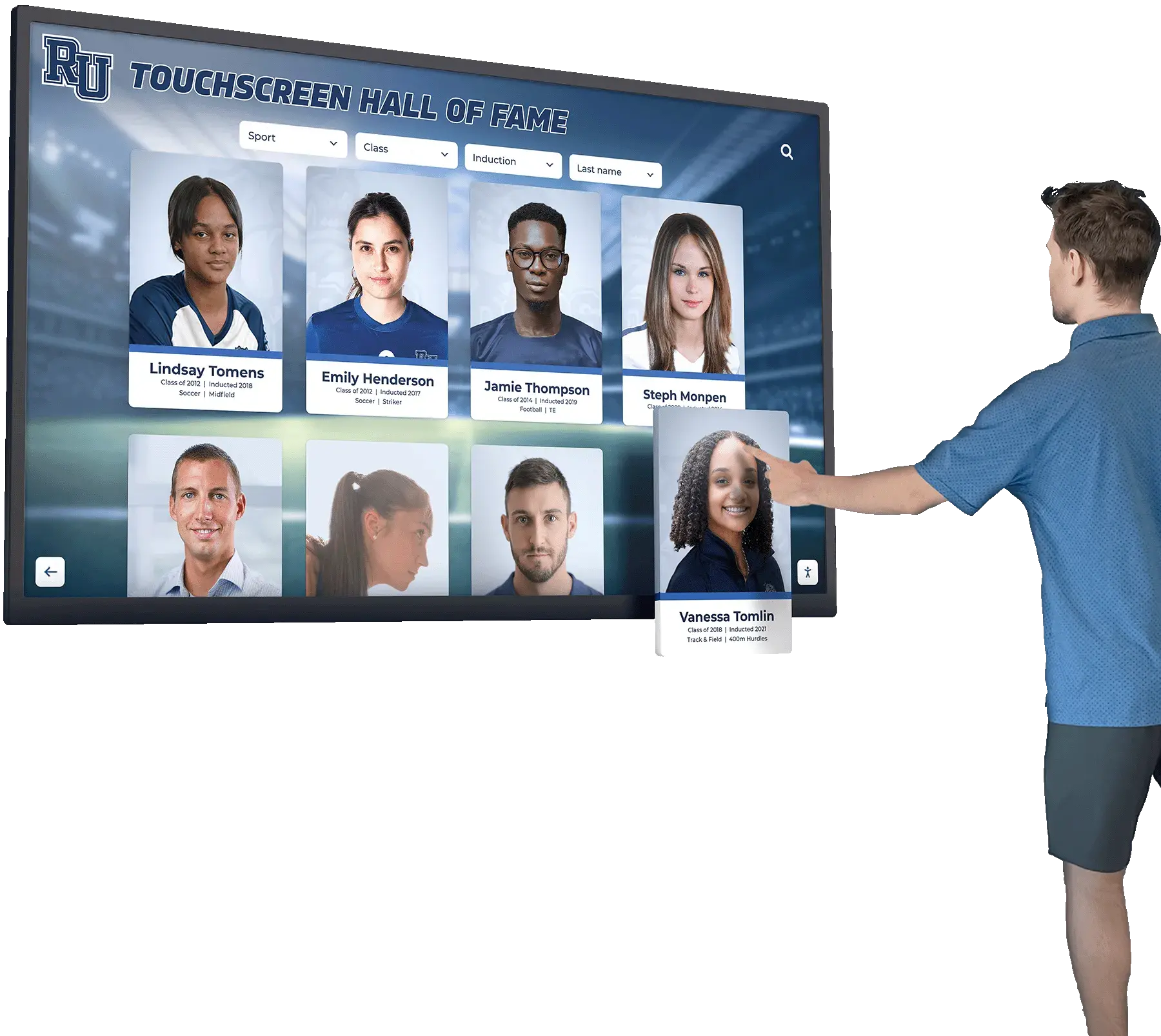
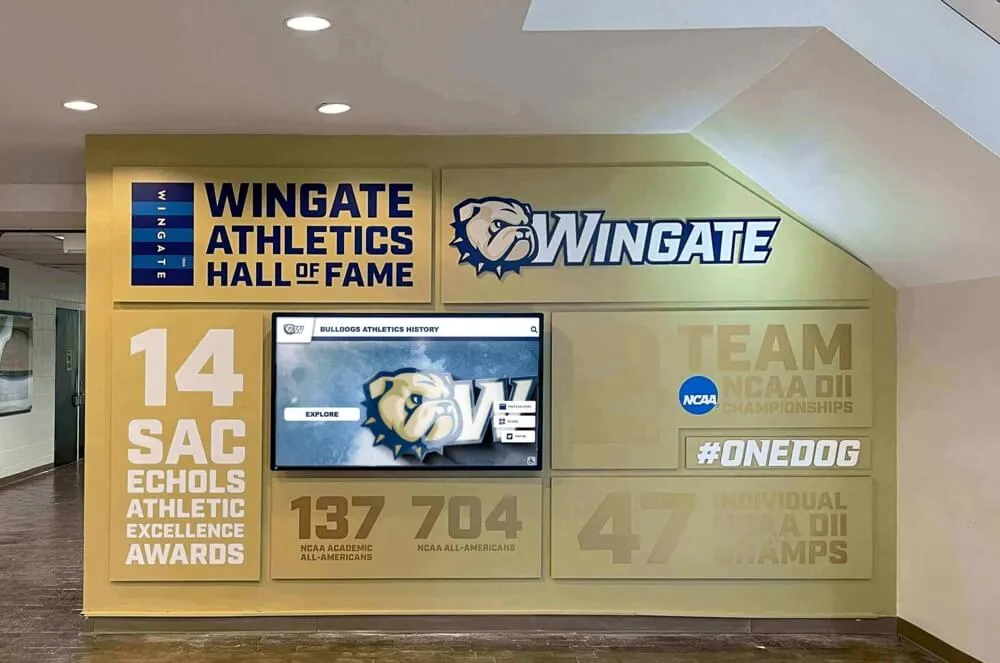
Interactive displays enable programs to showcase assists leaders and passing statistics alongside traditional scoring achievements
Building Team-First Culture Through Passing
Systematic passing development creates competitive advantages while teaching transferable life skills about teamwork, sacrifice, and making others successful.
Practice Structure Emphasizing Passing
Daily training reinforcing passing priorities:
Passing-First Practice Philosophy
Structural approaches prioritizing ball movement:
- Beginning every practice with passing drill warmup
- Requiring minimum passes in all competitive drills
- Tracking assists during practice scrimmages
- Celebrating great passes with same enthusiasm as made baskets
- Film sessions highlighting passing sequences alongside scoring plays
- Individual player development including passing skill progression
Practice structure communicates program values—teams that begin every practice with passing drills demonstrate institutional commitment to ball movement, creating player buy-in through consistent emphasis.
Positive Reinforcement Systems
Recognition during practice building passing culture:
- Verbal acknowledgment of great passes during drills
- Assists tracking during scrimmages with public announcements
- Weekly passing excellence awards at team meetings
- Passing statistics inclusion in practice reports sent to players
- Social media highlighting assists leaders alongside scoring leaders
- Parent communication celebrating passing excellence
Consistent positive reinforcement shapes behavior—players receiving regular recognition for passing become willing, unselfish passers who value assists as much as personal scoring opportunities.
Game Strategy Implementing Passing Principles
Offensive systems rewarding ball movement:
Pass-Heavy Offensive Systems
Offensive philosophies emphasizing ball movement:
- Motion offense requiring minimum passes before shot
- Princeton-style offense featuring backdoor cuts and post splitting
- Swing offense prioritizing ball reversals and skip passes
- Four-out motion creating driving lanes and kick-out opportunities
- High-low systems utilizing post playmaking
- Fast break systems emphasizing advance passing and filling lanes
System selection communicates values—teams running motion offense demonstrate commitment to ball movement, attracting players who embrace team-first basketball while developing complete offensive skills.
Passing Performance Metrics
Game statistics emphasizing passing success:
- Team assist goals (example: 20 assists per game)
- Assist-to-field-goal percentage targets (assists on 70% of baskets)
- Turnover rate management (under 15 per game)
- Assist-to-turnover ratio goals (2:1 minimum)
- Hockey assists tracking and celebration
- Passes-per-possession averaging (minimum 5 passes before shot)
Measuring and celebrating passing metrics creates accountability while demonstrating that coaches value ball movement equally to scoring, shaping player behavior through systematic measurement and recognition.
Understanding student achievement display strategies provides frameworks applicable to celebrating basketball achievements including assists leaders and team-first play.
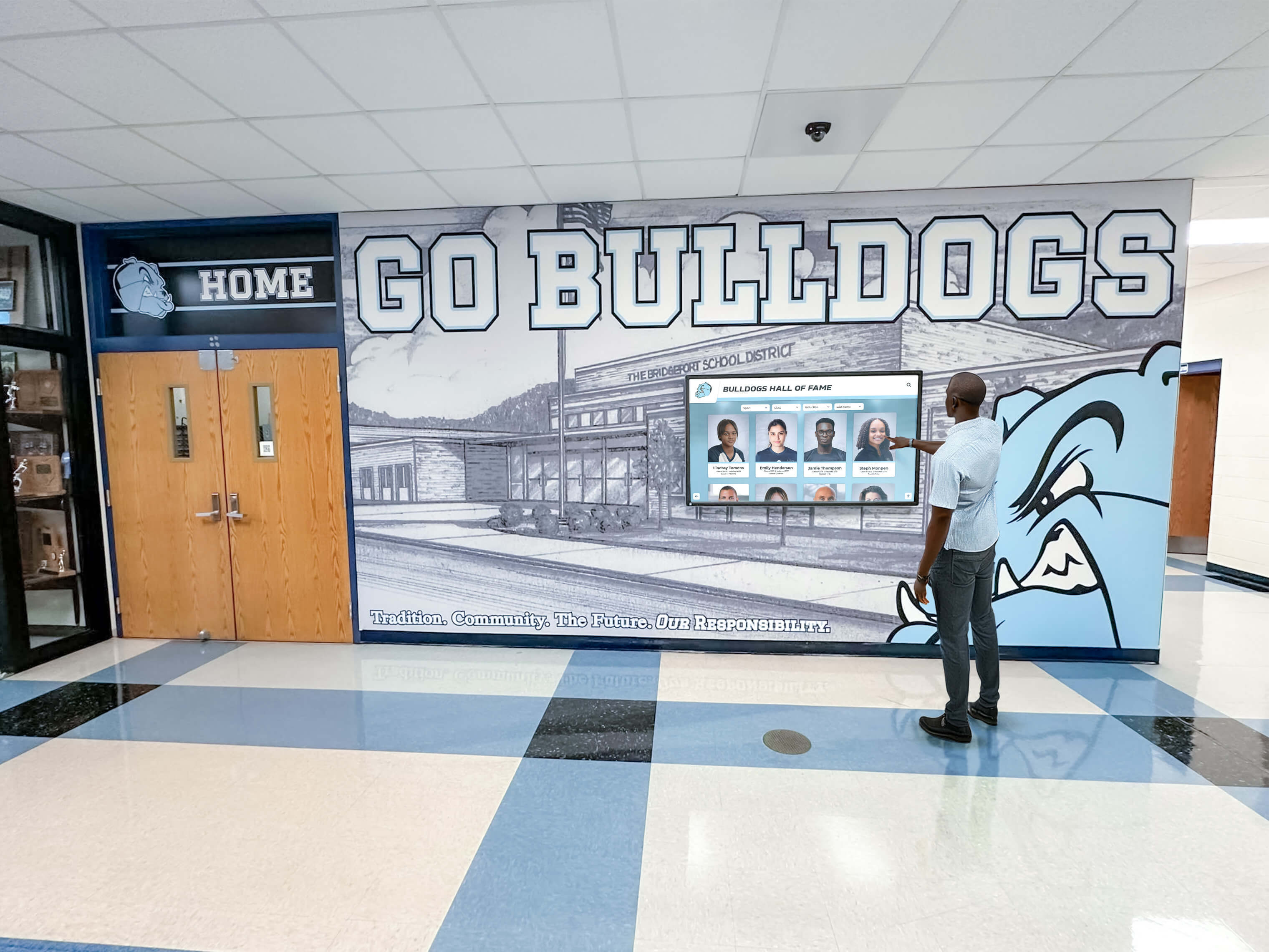
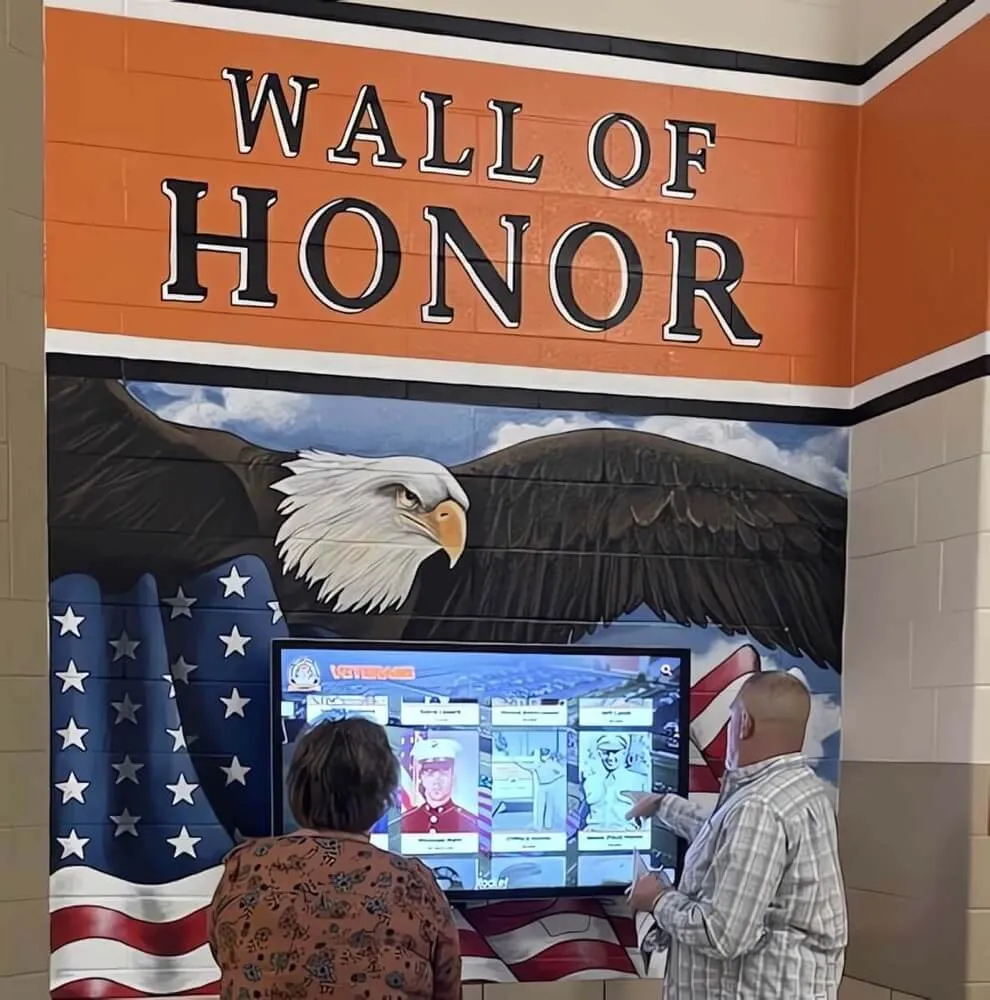
Interactive recognition systems allow visitors to explore assists records and team achievements, preserving program history while inspiring current players
Measuring Passing Development Progress
Systematic assessment enabling coaches to track individual and team passing improvement across seasons.
Individual Passing Assessments
Player-specific evaluation frameworks:
Fundamental Passing Tests
Objective skill measurement:
- Accuracy Challenge - Target passing from various distances (80% accuracy standard)
- Velocity Test - Passing speed measurement using radar or stopwatch
- Weak Hand Development - Left-hand passing accuracy for right-handed players
- Decision-Making Speed - Time from defensive closeout to pass release
- Pressure Passing - Accuracy maintenance while closely guarded
Regular testing provides objective data showing improvement, motivating players while enabling coaches to identify players needing additional fundamental work.
Game Situation Evaluation
Decision-making assessment during competitive situations:
- Assist-to-turnover ratio tracking across games
- Pass selection appropriateness (film review assessment)
- Court vision demonstration (finding open teammates)
- Passing out of drives effectiveness
- Post-entry passing success rate
- Skip pass completion percentage
Game evaluation identifies players making smart passing decisions versus those with good mechanics but poor decision-making, enabling targeted coaching addressing specific deficiencies.
Team Passing Metrics
Collective passing performance measurement:
Offensive Efficiency Indicators
Team statistics revealing passing effectiveness:
- Total assists per game
- Assist percentage (percentage of field goals following assists)
- Assist-to-turnover ratio team average
- Ball movement rate (passes per possession)
- Hockey assists tracking
- Secondary assists percentage
Team metrics reveal whether offensive system generates appropriate ball movement, helping coaches adjust offensive philosophy, implement pass requirements, or address ball-stopping players limiting team effectiveness.
Season-Long Progression Tracking
Development measurement across full season:
- Monthly assists-per-game averaging
- Turnover rate trending (decreasing over season shows improvement)
- Assist leaders consistency (same players leading monthly shows stability)
- Ball movement improvement (passes per possession increasing)
- Offensive rating correlation with passing statistics
- Win-loss record correlation with assists totals
Tracking progression demonstrates whether passing emphasis produces results, validating training approach while providing evidence supporting continued emphasis on ball movement and team-first basketball.
Creating Lasting Passing Culture
Basketball passing excellence extends beyond individual seasons—programs building systematic passing development create sustainable competitive advantages spanning coaching transitions and roster changes.
Effective passing instruction balances mechanical fundamentals with decision-making development, creating players who execute proper technique while reading defenses, recognizing passing windows, and making unselfish decisions valuing team success over individual statistics. The most successful programs establish passing as non-negotiable cultural value, celebrating assists leaders as enthusiastically as scoring champions.
Recognition systems honoring passing excellence prove essential for building team-first culture—when programs celebrate assists through permanent displays, statistical tracking, and verbal acknowledgment equal to scoring recognition, players embrace unselfish play rather than viewing passing as sacrifice diminishing personal achievement. Digital recognition platforms enable programs to showcase assists leaders prominently without physical space limitations restricting traditional trophy cases.
As you develop your program’s passing curriculum, consider how practice structure, offensive system selection, competitive drill design, and recognition approaches communicate values to players: Does your practice begin with passing drills or shooting? Do scrimmages require minimum passes or reward isolation scoring? Does your recognition system celebrate assists leaders or focus exclusively on scoring statistics? Do your best passers receive acknowledgment matching scorers?
Programs answering these questions thoughtfully create basketball environments where smart passing, court vision, and unselfish play receive celebration driving competitive success while developing life skills about teamwork, sacrifice, and the fulfillment that comes from making others successful.
Ready to build recognition systems celebrating assists leaders and team-first basketball? Rocket Alumni Solutions provides digital recognition platforms that showcase passing excellence alongside traditional scoring statistics, creating permanent displays honoring unselfish play while inspiring team-first culture. Discover how interactive touchscreen systems and customizable record boards transform program values into visible recognition celebrating the complete basketball player—scorers, defenders, rebounders, and the passers who make championship teams possible.
Live Example: Rocket Alumni Solutions Touchscreen Display
Interact with a live example (16:9 scaled 1920x1080 display). All content is automatically responsive to all screen sizes and orientations.