



Basketball hall of fames celebrate excellence across every level of the game—from high school programs honoring standout student-athletes to the prestigious Naismith Memorial Basketball Hall of Fame recognizing the sport’s greatest legends. These recognition programs preserve basketball history, honor outstanding achievement, inspire future generations, and strengthen connections between past and present members of basketball communities.
Yet many schools, colleges, and organizations struggle with basketball recognition: How do you create hall of fame programs that appropriately honor decades of achievement? What distinguishes effective recognition from simple photo displays? How can limited physical space accommodate growing numbers of deserving honorees? What technology solutions enable sustainable, engaging basketball recognition that remains current year after year?
This comprehensive guide explores basketball hall of fames at all levels—examining the structure of professional and collegiate programs while providing practical strategies for schools and organizations creating their own basketball recognition systems. From understanding selection criteria and developing comprehensive content to implementing modern digital displays that overcome space limitations, we’ll cover everything needed to build basketball hall of fame programs that effectively celebrate the sport’s impact on your community.
Basketball represents one of the most widely celebrated sports across American educational institutions and communities. Creating effective hall of fame recognition requires understanding both the broader landscape of basketball halls of fame and the specific needs of your program—whether honoring high school teams, college programs, or community basketball achievements.

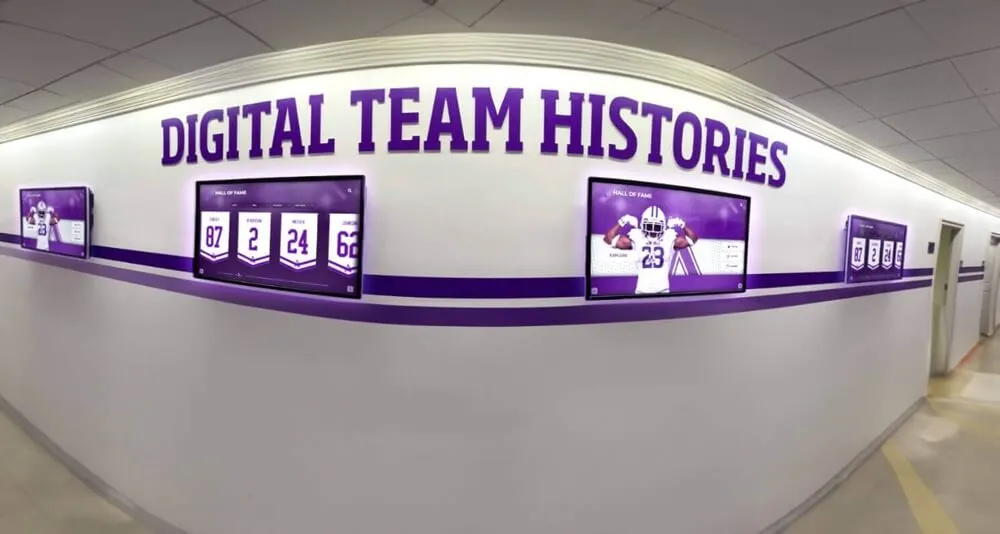
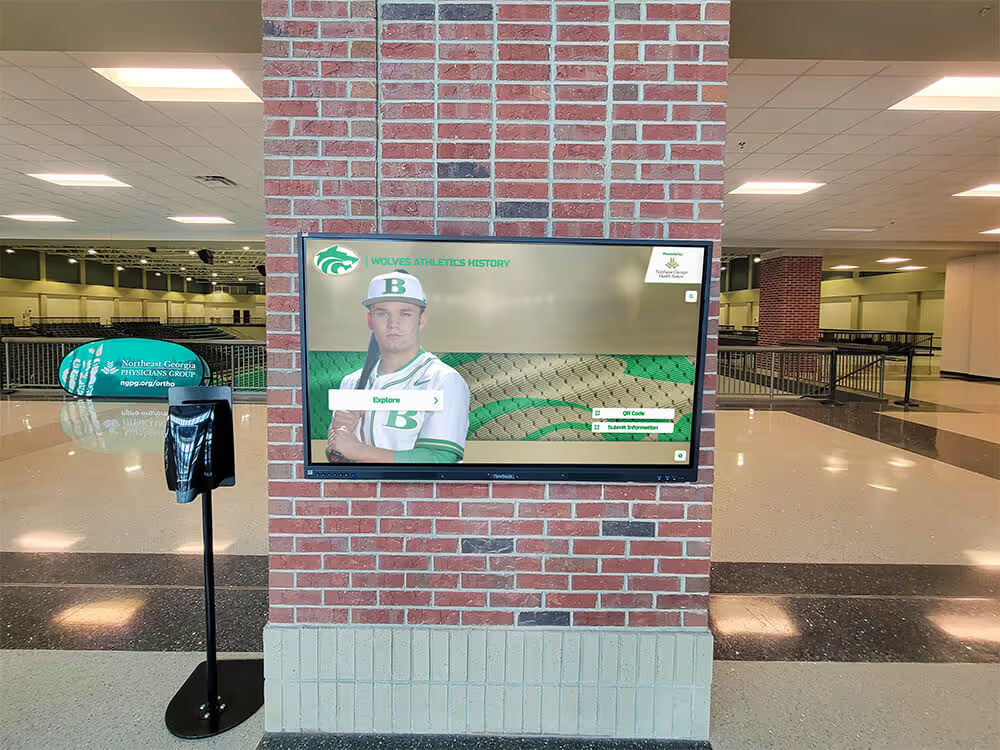
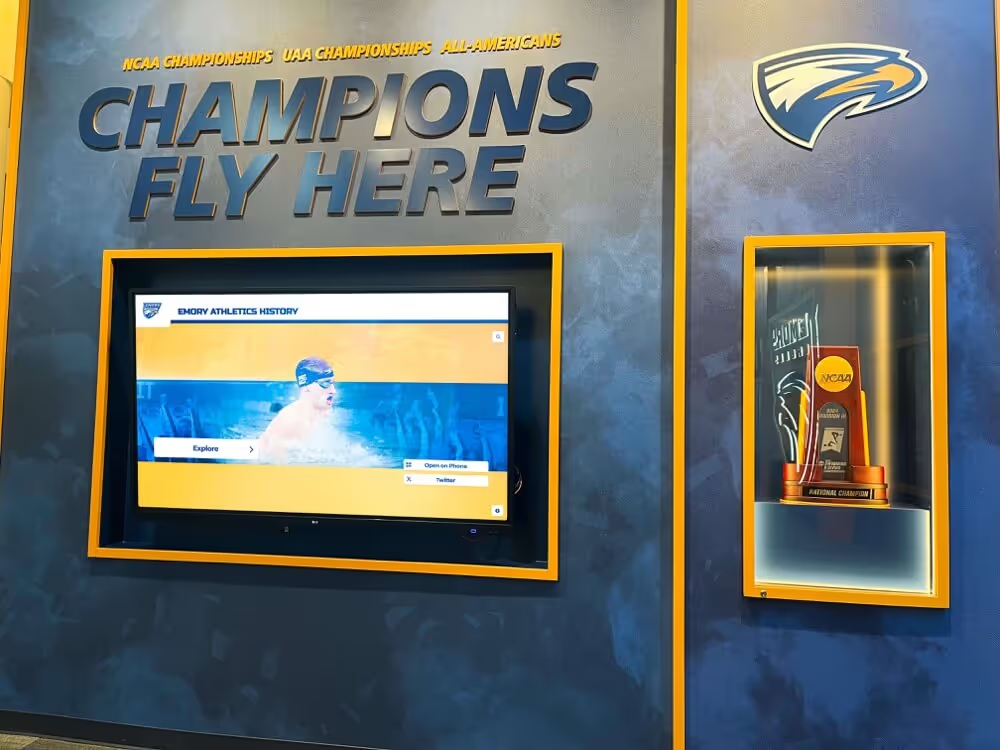
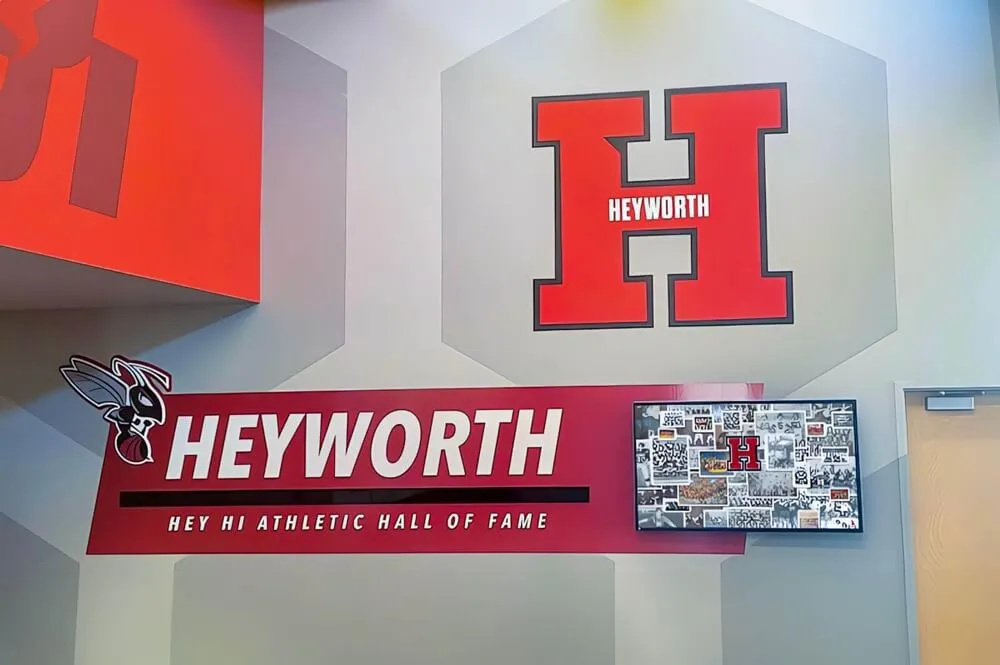
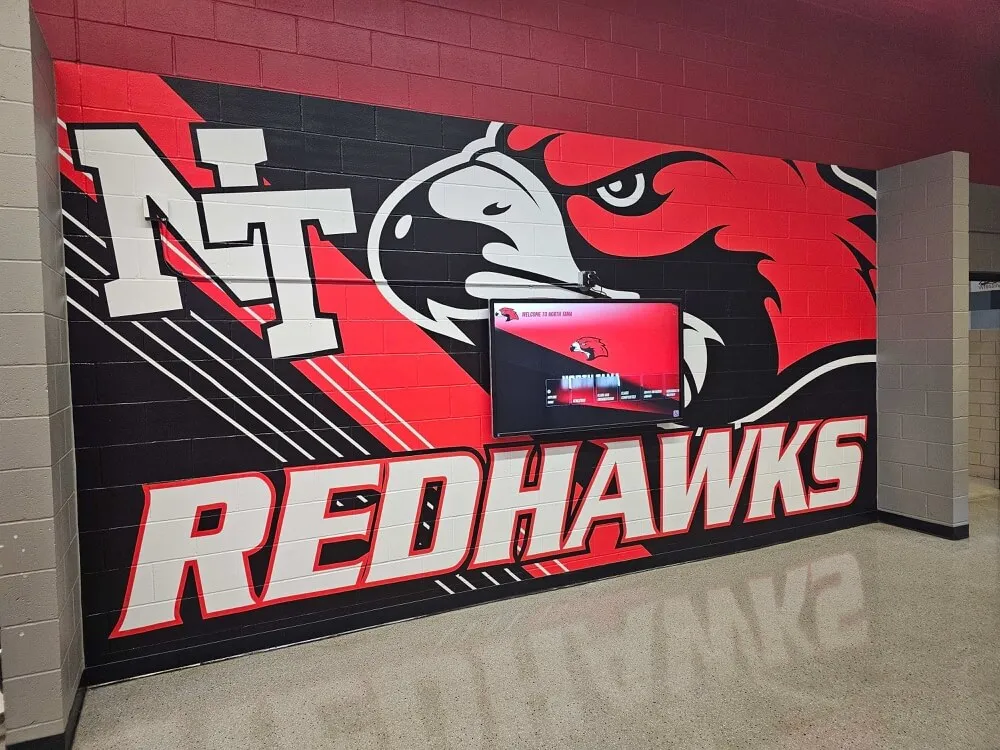
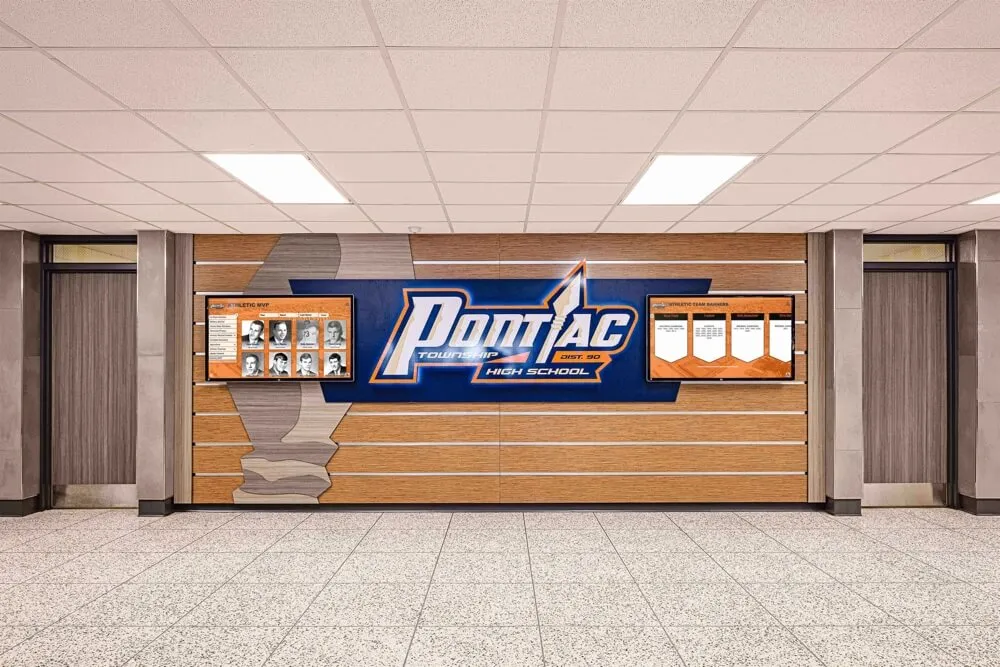
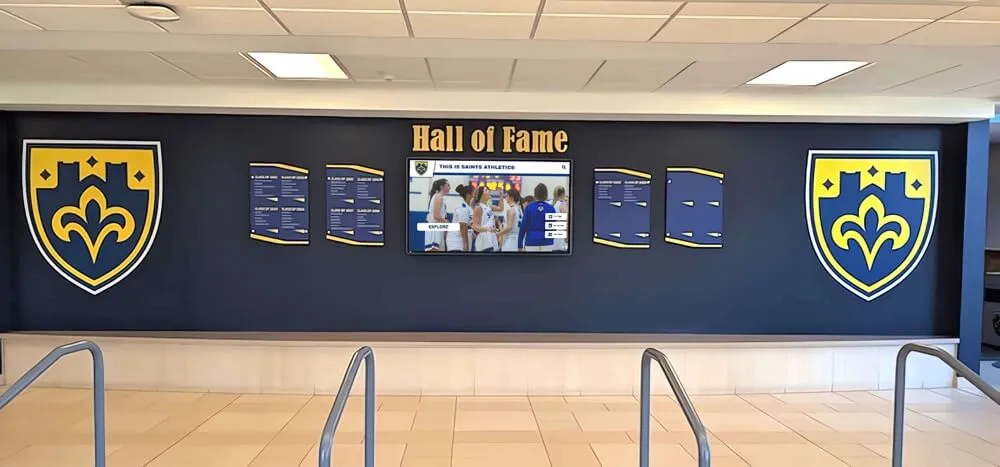
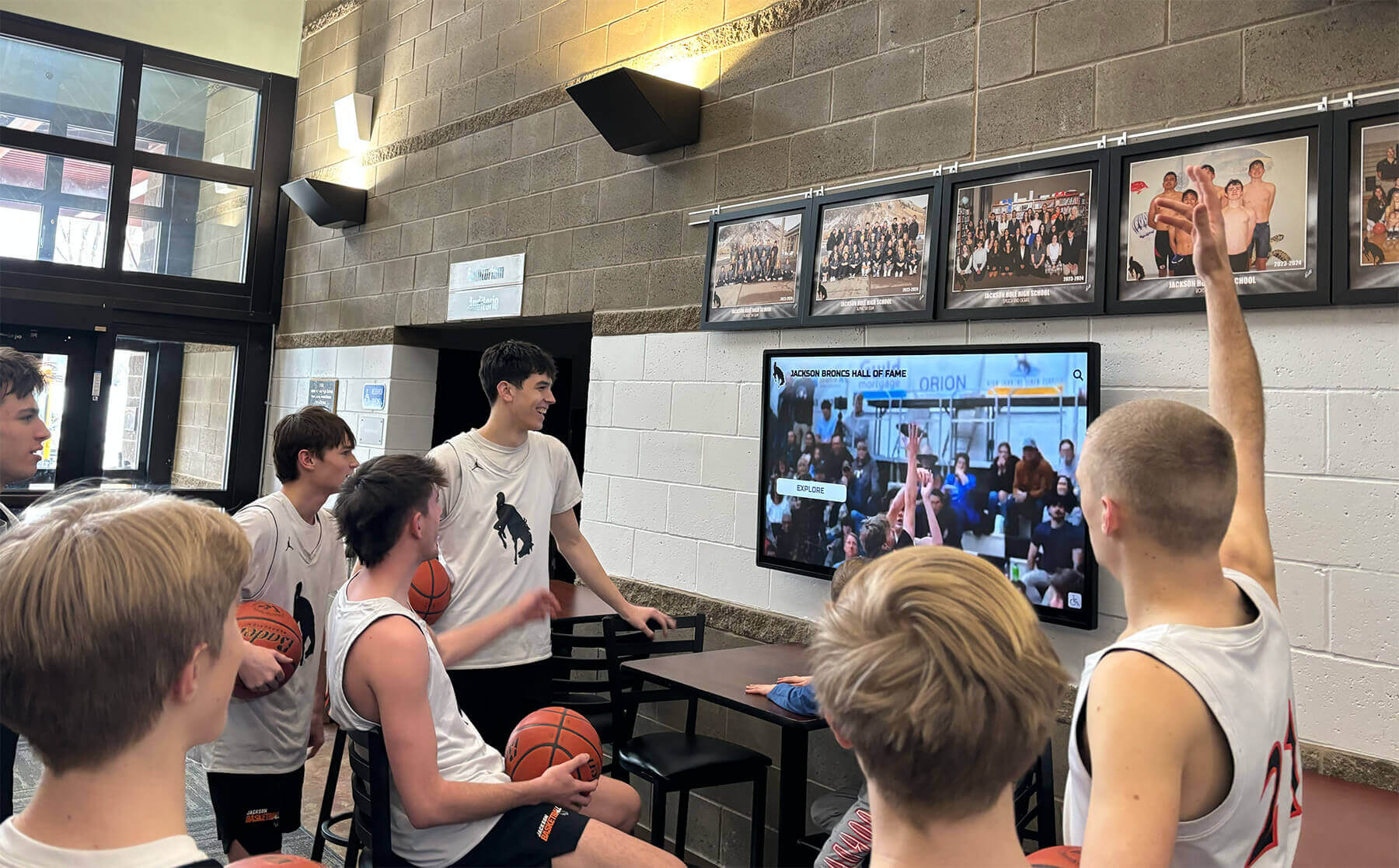
Digital recognition displays create engaging platforms for exploring basketball history and celebrating player achievements at all levels
Understanding the Basketball Hall of Fame Landscape
Before creating your own basketball recognition program, understanding the broader ecosystem of basketball halls of fame provides valuable context and inspiration for structure and content.
The Naismith Memorial Basketball Hall of Fame
The premier basketball hall of fame honors excellence across all levels:
Location and Mission
The Naismith Memorial Basketball Hall of Fame in Springfield, Massachusetts serves as basketball’s most prestigious honor:
- Located at the sport’s birthplace where Dr. James Naismith invented basketball in 1891
- Dedicated to promoting, preserving, and celebrating basketball at every level
- Honors men and women, amateur and professional players, coaches and contributors
- Features more than 450 inductees representing decades of basketball excellence
- Houses over 40,000 square feet of basketball history, exhibits, and memorabilia
Eligibility and Selection Criteria
Understanding professional hall of fame standards provides perspective:
- Players must be fully retired from professional basketball for at least three seasons
- Coaches become eligible after 25 years of full-time service or three seasons following retirement
- Contributors recognized for significant impact on the game’s development
- Selection committee evaluates both statistical achievement and broader impact on basketball
- International players and contributors recognized alongside American honorees
While most schools and organizations won’t replicate these exact criteria, they demonstrate the importance of clear eligibility standards and comprehensive consideration of diverse contributions to basketball programs.
Recent Recognition Examples
The Class of 2025 illustrates the breadth of basketball recognition:
- NBA stars Carmelo Anthony and Dwight Howard for outstanding professional careers
- WNBA legends Sue Bird, Maya Moore, and Sylvia Fowles for excellence in women’s professional basketball
- The 2008 U.S. Olympic “Redeem Team” for collective achievement on the international stage
- Coach Billy Donovan for contributions to the game’s development
- NBA referee Danny Crawford and executive Micky Arison for non-player contributions
This diversity demonstrates that effective basketball halls of fame recognize multiple types of excellence—not just scoring leaders or championship teams.
Learn more about creating comprehensive athletic recognition programs that celebrate diverse achievements effectively.
National Collegiate Basketball Hall of Fame
College basketball maintains its own dedicated recognition institution:
Purpose and Focus
The National Collegiate Basketball Hall of Fame in Kansas City, Missouri:
- Located within The College Basketball Experience complex
- Specifically honors men’s college basketball contributions
- Complements rather than duplicates the Naismith Hall of Fame
- Celebrates players whose greatest achievements came at the collegiate level
- Recognizes coaches who built exceptional college programs
- Preserves college basketball traditions and historical moments
Recognition Categories
College hall of fame recognition extends beyond individual players:
- Standout college players whose careers peaked at the collegiate level
- Legendary coaches who transformed college basketball programs
- Historic teams that achieved unprecedented success
- Contributors who advanced college basketball through administration or innovation
- Media members who chronicled and promoted the college game
This structure provides a useful model for high school basketball halls of fame—recognizing that effective programs honor diverse contributors rather than exclusively focusing on championship teams or leading scorers.
State and Regional Basketball Halls of Fame
Many states maintain dedicated basketball recognition programs:
State-Level Recognition
Regional halls of fame preserve local basketball heritage:
- Kentucky High School Basketball Hall of Fame recognizes outstanding high school basketball contributions in a state where the sport represents significant cultural importance
- Indiana Basketball Hall of Fame features 21,000 square feet celebrating basketball tradition across high school, college, and professional levels in basketball-passionate Indiana
- Ohio Basketball Hall of Fame honors male and female athletes across all competitive levels
Benefits of Regional Recognition
State and regional halls of fame provide several advantages:
- Focus on local basketball traditions and community-specific achievements
- Preserve stories and achievements that might not reach national recognition
- Create accessible destinations for basketball fans within specific regions
- Build state and regional pride around basketball heritage
- Enable more frequent recognition ceremonies connecting honorees with local communities
For individual schools and organizations, these regional programs demonstrate that effective basketball recognition doesn’t require national scope—focused, well-executed local programs deliver substantial community value and meaningful honor to deserving individuals.
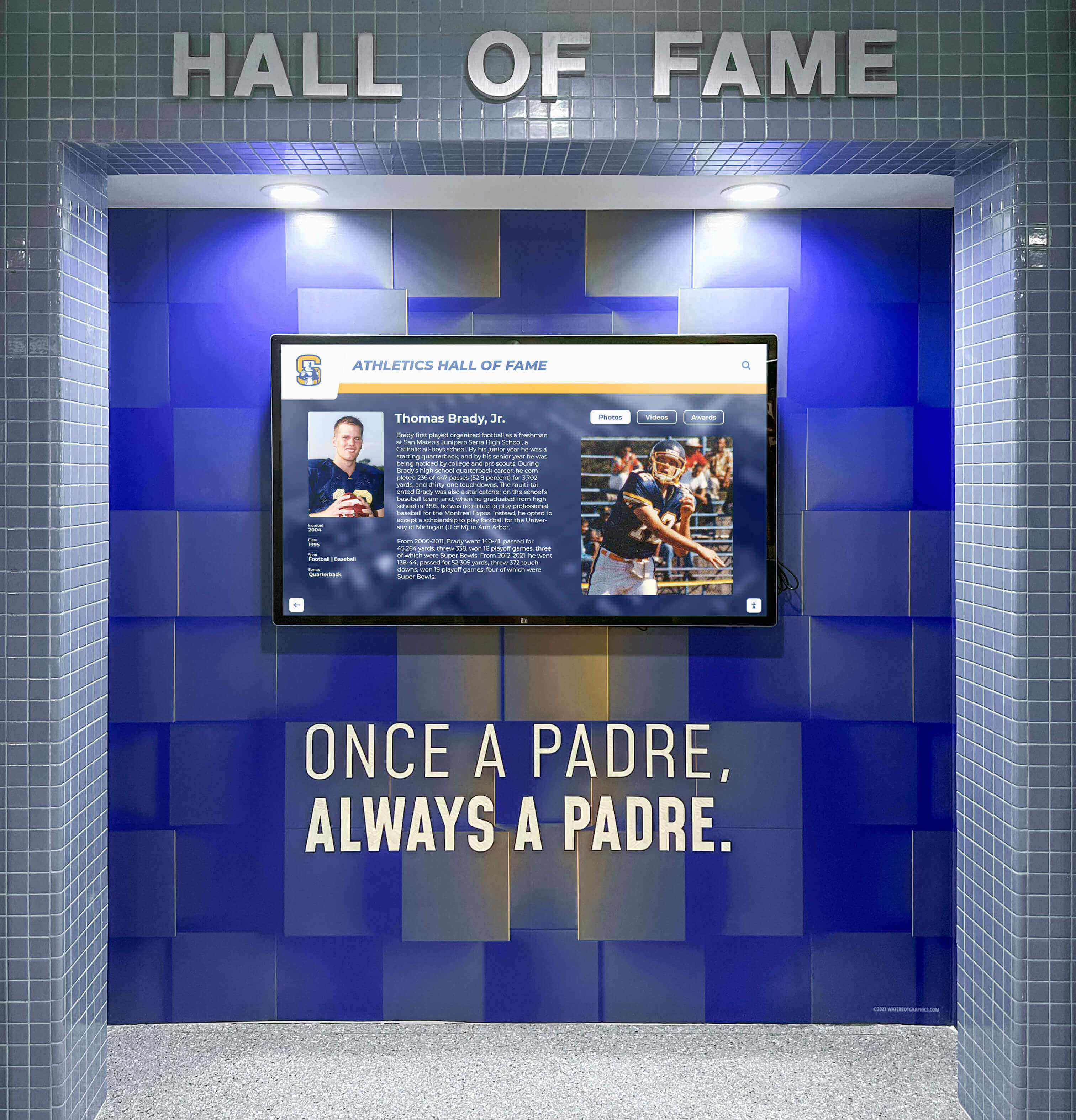
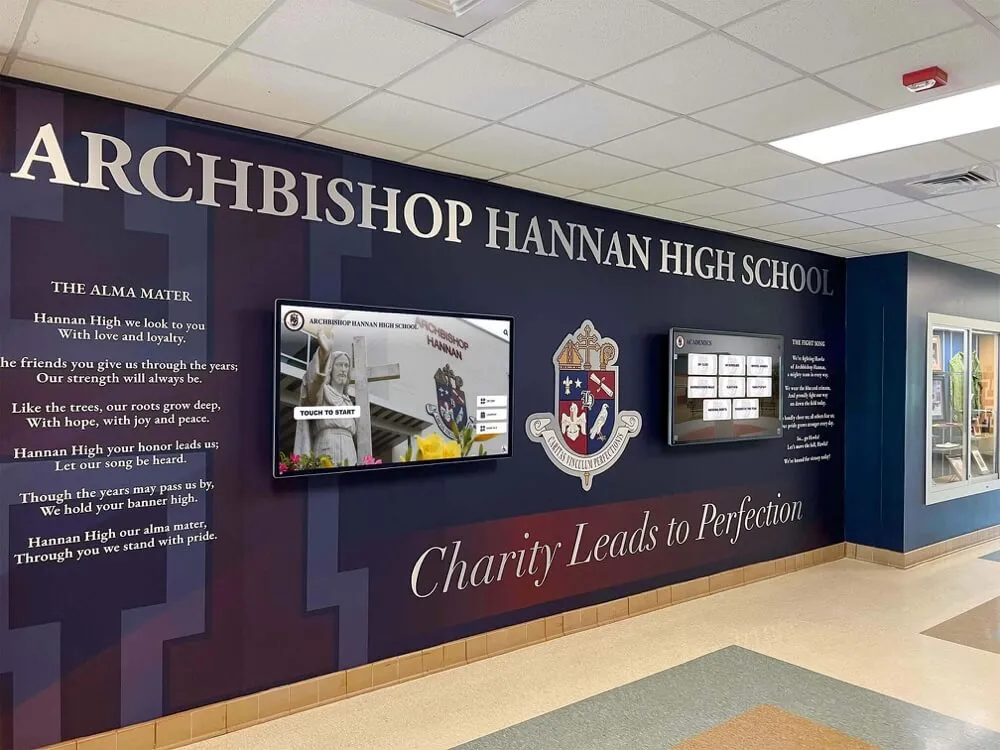
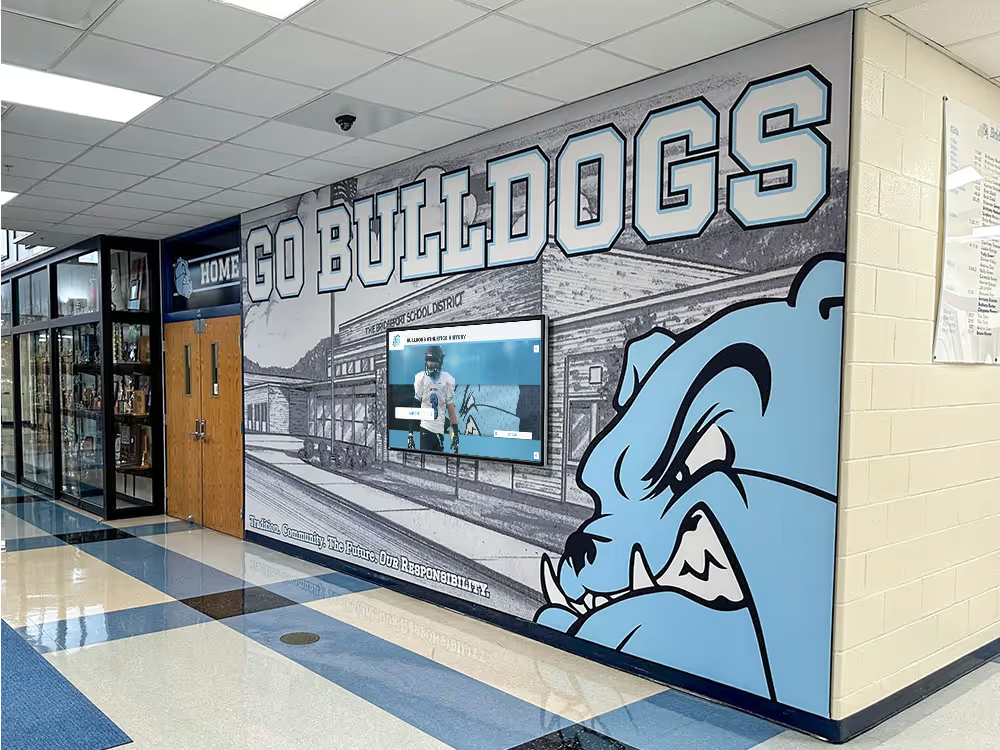
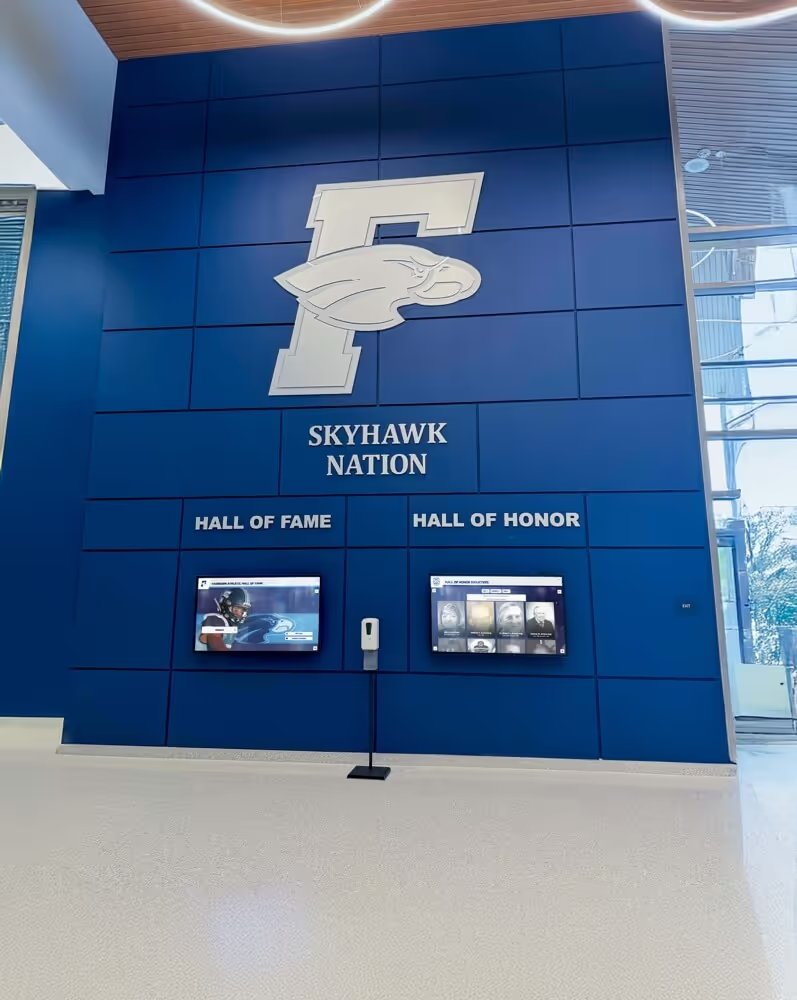
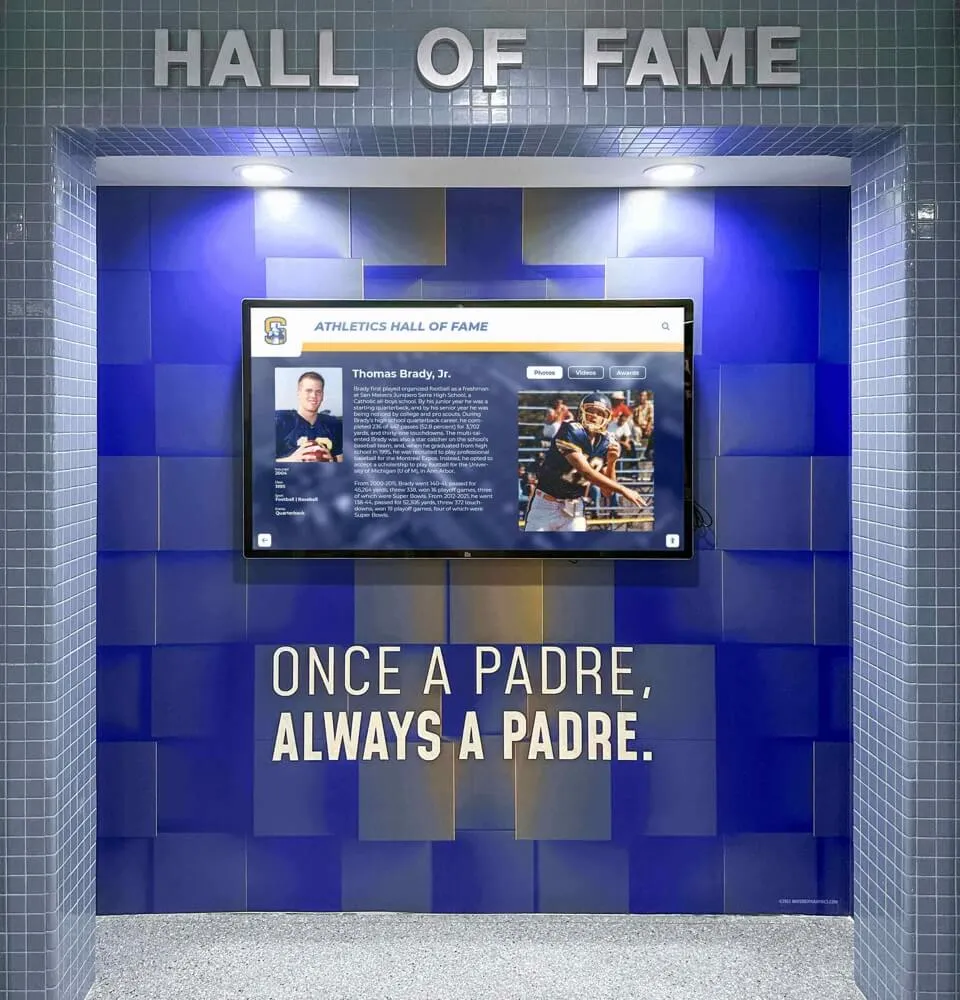
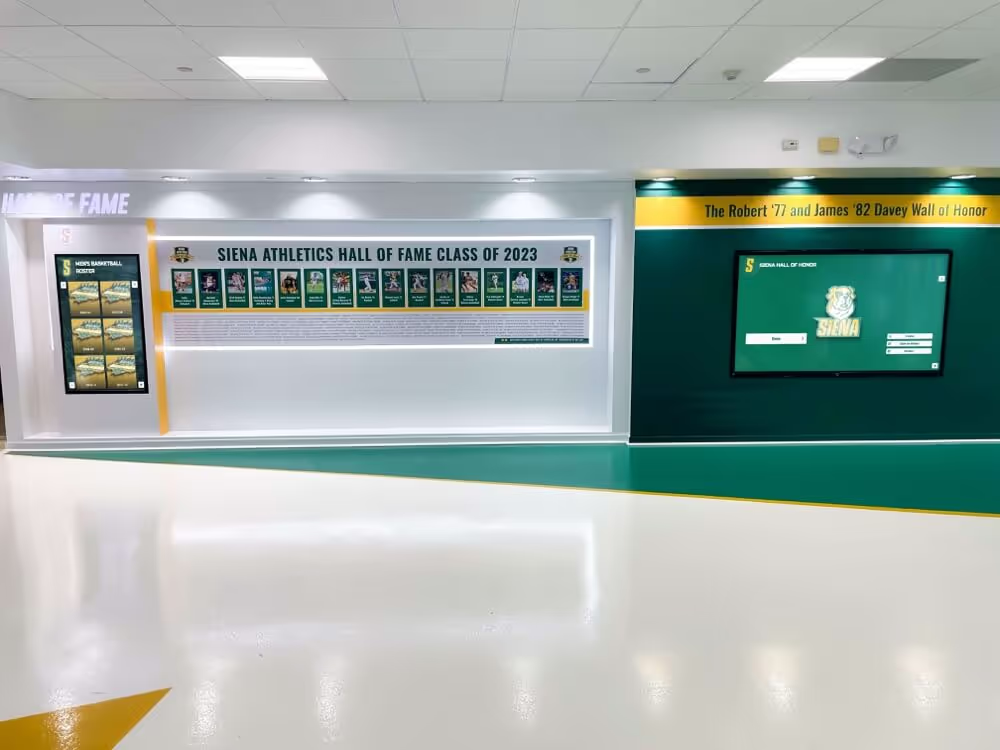
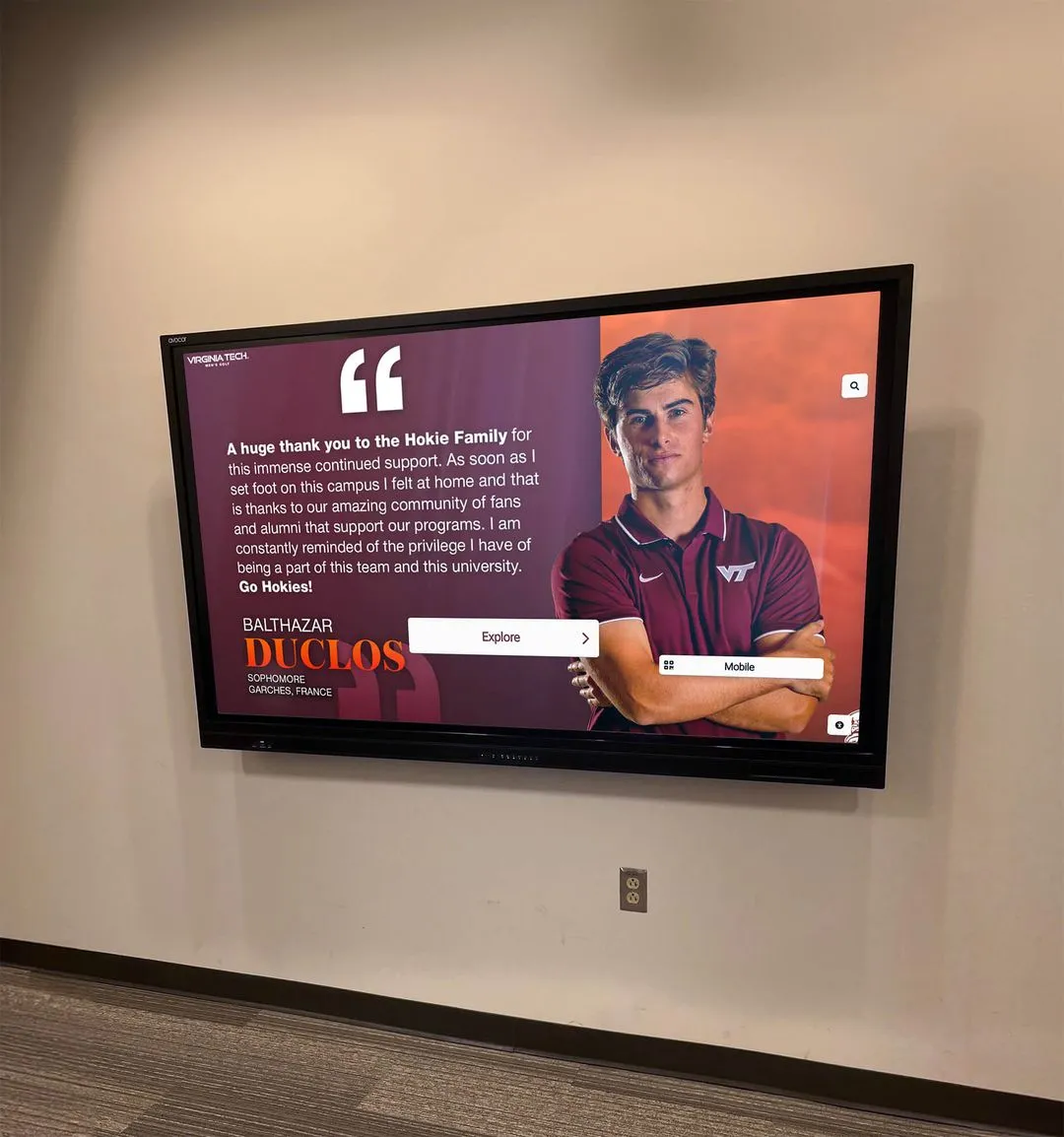
Modern digital displays enable schools to create professional basketball recognition that rivals larger institutional programs
Building Basketball Hall of Fame Programs for Schools and Organizations
While professional and collegiate halls of fame provide inspiration, creating effective basketball recognition at the school or organizational level requires practical approaches addressing specific constraints and opportunities.
Defining Your Basketball Hall of Fame Scope and Criteria
Clear program definition ensures consistent, equitable recognition:
Establishing Recognition Categories
Determine what types of basketball achievement your hall of fame will honor:
Individual Player Recognition
- Career achievement standards (points scored, rebounds, assists, other statistics)
- All-conference, all-state, or all-league selections
- Individual awards and honors received during playing career
- Post-high school basketball success at college or professional levels
- Character and sportsmanship alongside athletic achievement
Team Recognition
- Championship teams at conference, regional, or state levels
- Teams with exceptional records or historic significance
- Milestone achievements (longest winning streaks, highest-scoring seasons)
- Teams that advanced program reputation or broke barriers
Coach and Contributor Recognition
- Coaches with tenure milestones or exceptional win-loss records
- Coaches who developed significant numbers of players continuing at higher levels
- Contributors who advanced basketball programs through administration, facilities, or support
- Referees, announcers, or media members who served programs extensively
- Booster club leaders, facility donors, or program advocates
This comprehensive approach ensures your basketball hall of fame recognizes the complete ecosystem supporting team success rather than solely celebrating individual athletic performance.
Setting Eligibility Requirements
Clear standards prevent difficult subjective decisions:
Time-Based Eligibility
- Players typically eligible 5-10 years after graduation ensuring sufficient perspective
- Coaches eligible after retirement or minimum tenure milestone (often 10-20 years)
- Teams eligible immediately upon achieving qualifying accomplishments
- Contributors considered based on sustained service rather than single donations or efforts
Achievement Thresholds
- Statistical minimums for various positions and eras (accounting for different playing styles across decades)
- Honor requirements (first-team all-conference minimum, state tournament appearance, etc.)
- Alternative pathways for exceptional contributors who may not meet statistical thresholds
- Post-graduation achievements considered when evaluating borderline candidates
Selection Process
- Hall of fame committee composition (coaches, administrators, alumni, community members)
- Nomination procedures enabling broad community participation
- Voting thresholds requiring substantial committee consensus
- Annual induction limits maintaining honor significance and ceremony manageability
- Appeals process for controversial decisions or overlooked candidates
Document these criteria clearly and share them transparently—helping community members understand recognition standards while ensuring consistent, equitable selection across all nomination years.
Explore strategies for athletic recognition programs that create lasting impact throughout school communities.
Developing Comprehensive Basketball Recognition Content
Effective hall of fame programs tell complete stories rather than simply listing names and dates:
Individual Player Profiles
Rich content creates meaningful recognition:
- Professional photographs from playing days capturing athletes in action
- Complete career statistics demonstrating achievement comprehensively
- Biographical information including graduation year, position, and uniform number
- Narrative descriptions of playing style, signature moments, and career highlights
- Quotes from coaches, teammates, or the athletes themselves about memorable experiences
- Post-graduation information about college careers, professional opportunities, or life achievements
- Connection to other hall of fame inductees (teammates, coaches, family members)
Team Recognition Elements
Championship and milestone teams deserve comprehensive celebration:
- Team photographs with all players, coaches, and support staff identified
- Season statistics, records, and tournament results
- Roster information with each team member’s position and contribution
- Season narrative describing challenges overcome, key victories, and championship journey
- Game highlights and memorable moments from significant contests
- Coach perspectives on team chemistry, preparation, and success factors
- Long-term impact on program reputation and subsequent team development
Coach and Contributor Profiles
Non-player recognition requires different but equally comprehensive content:
- Career statistics including wins-losses, championships, and milestone achievements
- Coaching philosophy and approach to player development
- Notable players coached and their subsequent achievements
- Program innovations and contributions to basketball advancement
- Personal background and path to coaching or contribution roles
- Community impact beyond won-loss records
- Testimonials from players, fellow coaches, or community members
This rich content transforms simple recognition into comprehensive historical preservation—creating archives that future generations explore while honoring inductees with the depth their achievements deserve.

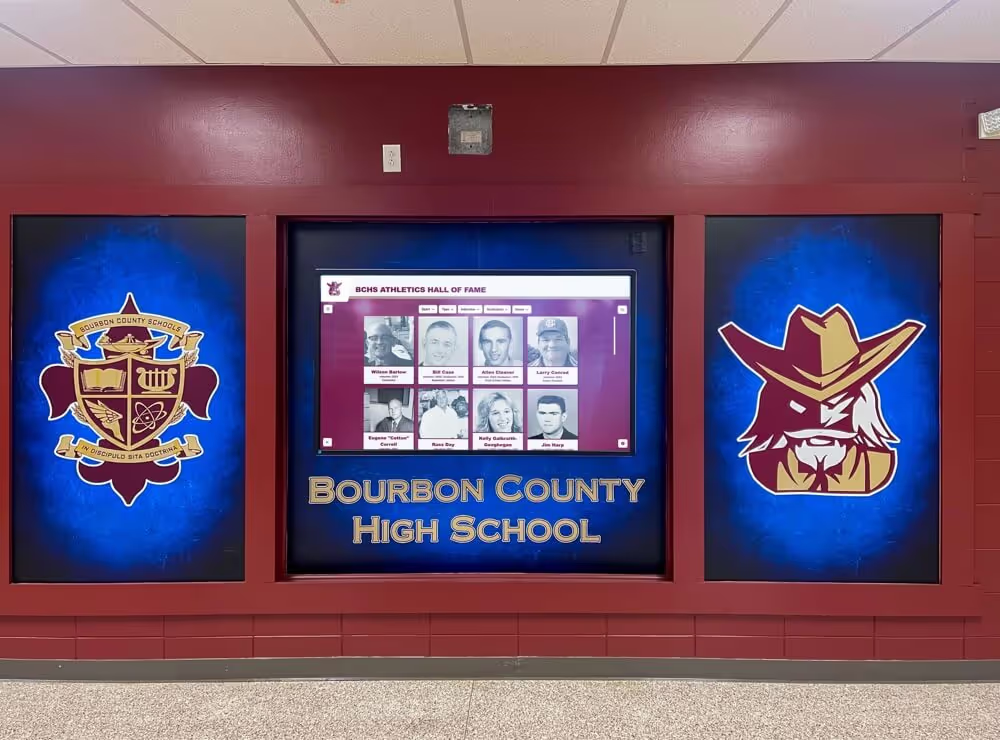
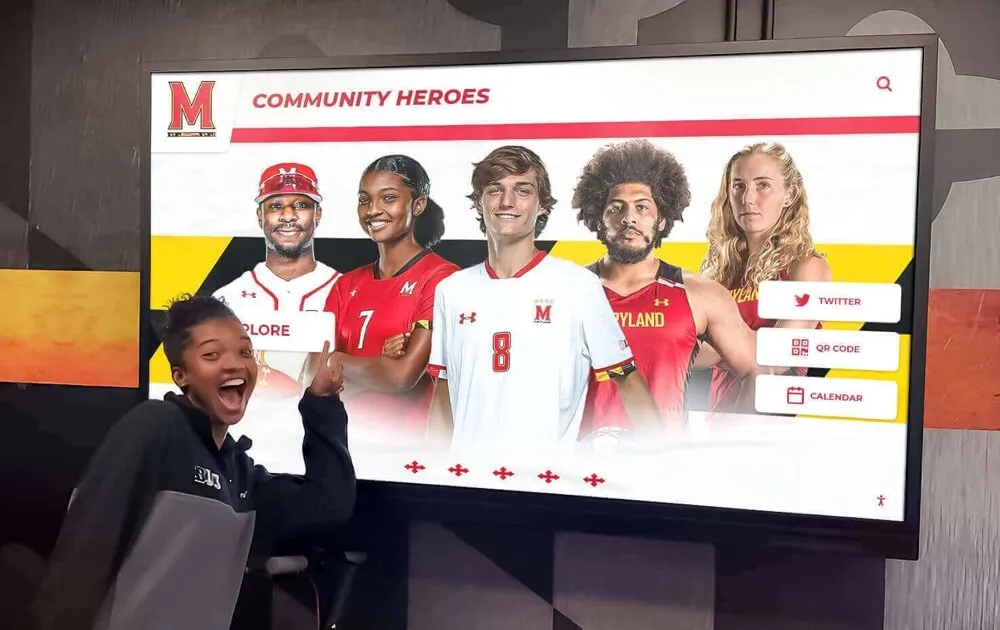
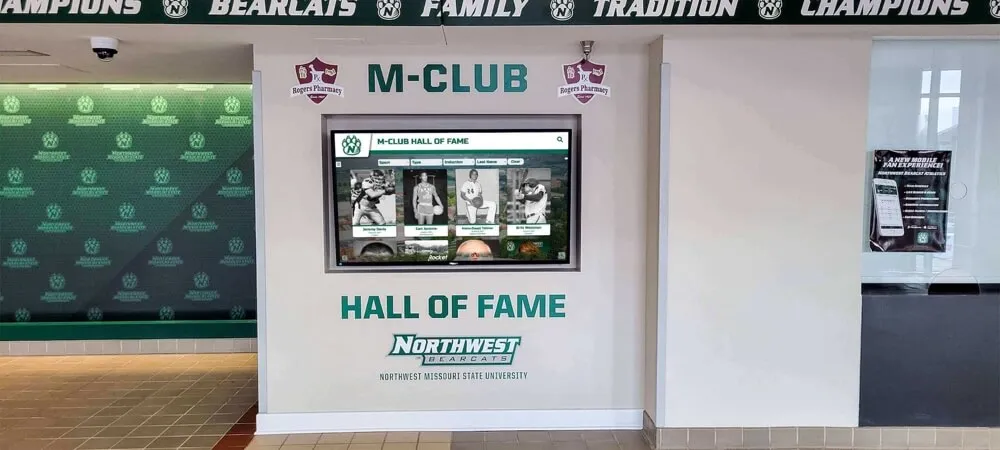
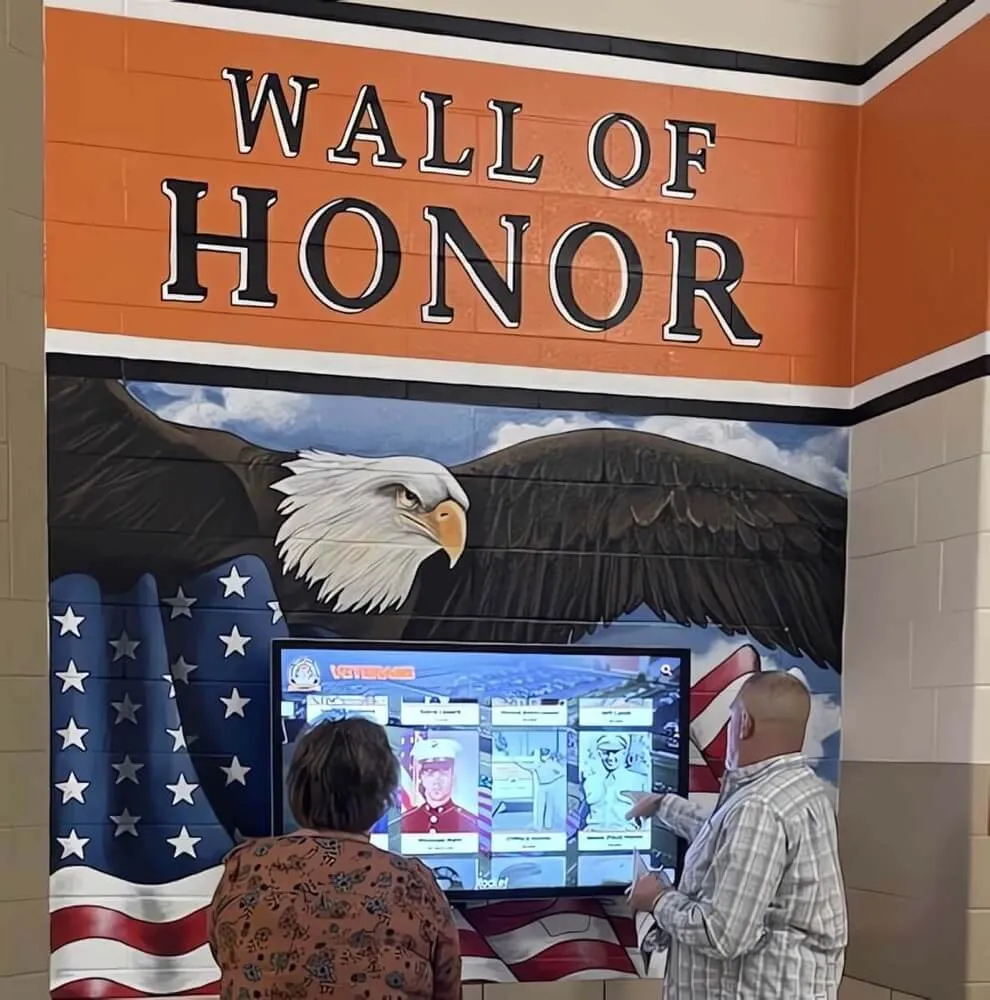
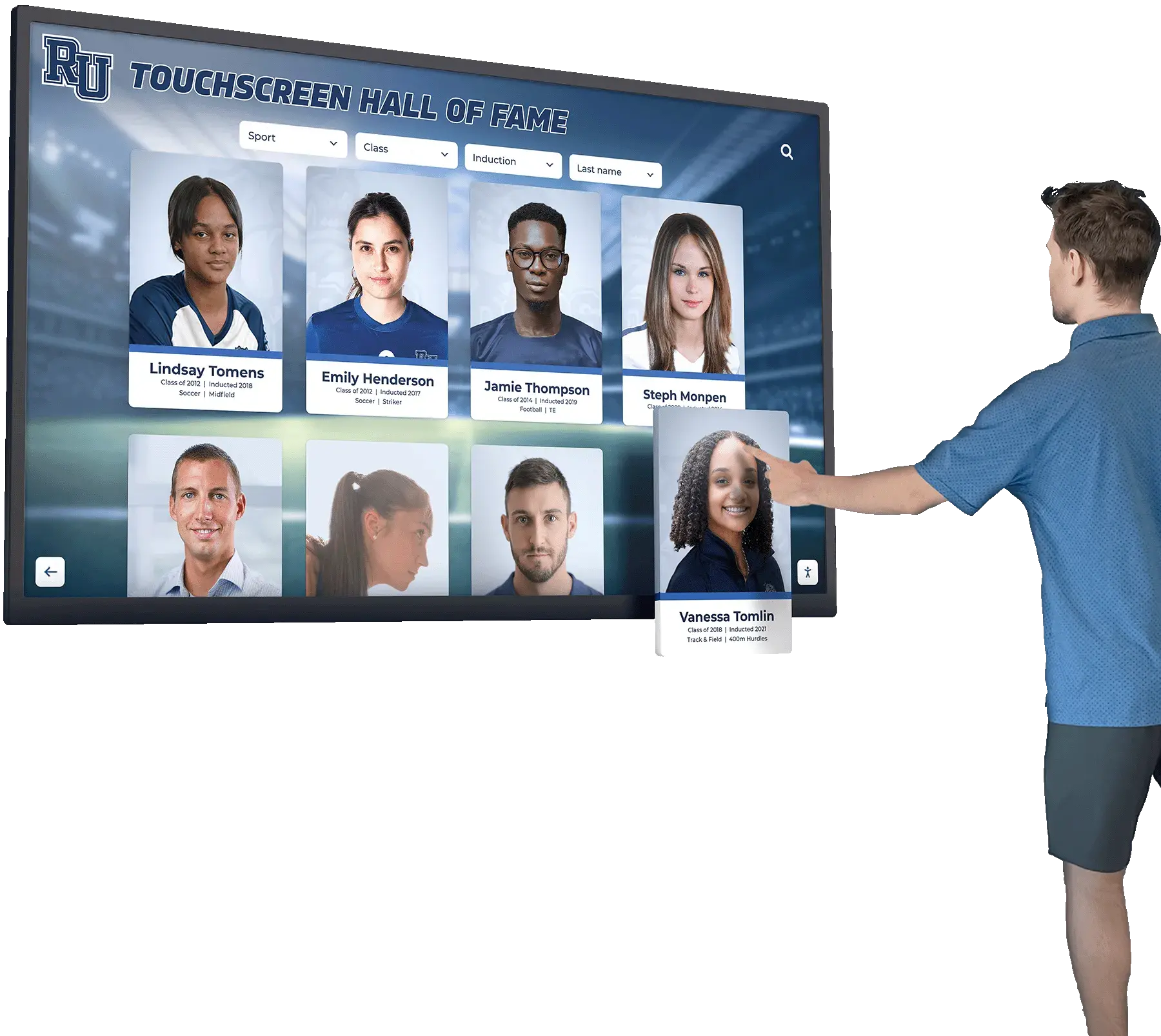
Interactive digital displays enable visitors to explore detailed athlete profiles with photos, statistics, and comprehensive achievement information
Overcoming Physical Space Limitations with Digital Recognition
Traditional basketball hall of fame displays encounter severe space constraints that limit recognition capacity:
Traditional Recognition Challenges
Conventional approaches face fundamental limitations:
- Physical plaques accommodate only limited numbers of inductees before walls fill completely
- Trophy cases provide finite space often prioritizing trophies over individual recognition
- Printed banners and displays degrade over time requiring replacement and expense
- Photograph collections become overwhelming and difficult to navigate at scale
- Adding new inductees requires removing previous honorees or expensive facility expansion
- Historical recognition becomes inaccessible once removed from displays
These constraints force difficult decisions—limiting annual inductions to maintain space availability, removing earlier inductees to accommodate recent selections, or excluding worthy candidates simply because physical space has been exhausted.
Digital Recognition Solutions
Modern technology eliminates capacity limitations entirely:
- Single digital display showcases unlimited inductees across all recognition years
- Complete historical archives preserving every hall of fame class from program inception
- No removal of previous inductees necessary when adding new recognition
- Comprehensive multimedia content including photos, videos, statistics, and narratives
- Interactive exploration enabling visitors to search, filter, and discover inductees across decades
- Regular content updates without printing, mounting, or construction requirements
- Web accessibility extending recognition beyond physical facility to worldwide audiences
Schools implementing digital basketball hall of fame recognition consistently report that unlimited capacity represents the most transformative benefit—enabling genuinely comprehensive recognition rather than selective display constrained by physical space availability.
Digital Display Implementation
Effective digital basketball halls of fame combine several elements:
Interactive Touchscreen Displays
- Commercial-grade touchscreens in high-traffic areas (gymnasiums, athletic facility lobbies, main school entrances)
- Intuitive interfaces enabling visitors to explore inductees through search, filtering, and browsing
- Professional presentation quality demonstrating institutional commitment to basketball recognition
- Attractive idle-state content drawing attention when displays not actively in use
Web-Based Recognition Platforms
- Accessible from any internet-connected device globally
- Mobile-responsive designs ensuring excellent smartphone and tablet experiences
- Social sharing capabilities enabling inductees and families to celebrate achievements broadly
- Integration with school websites providing prominent basketball recognition visibility
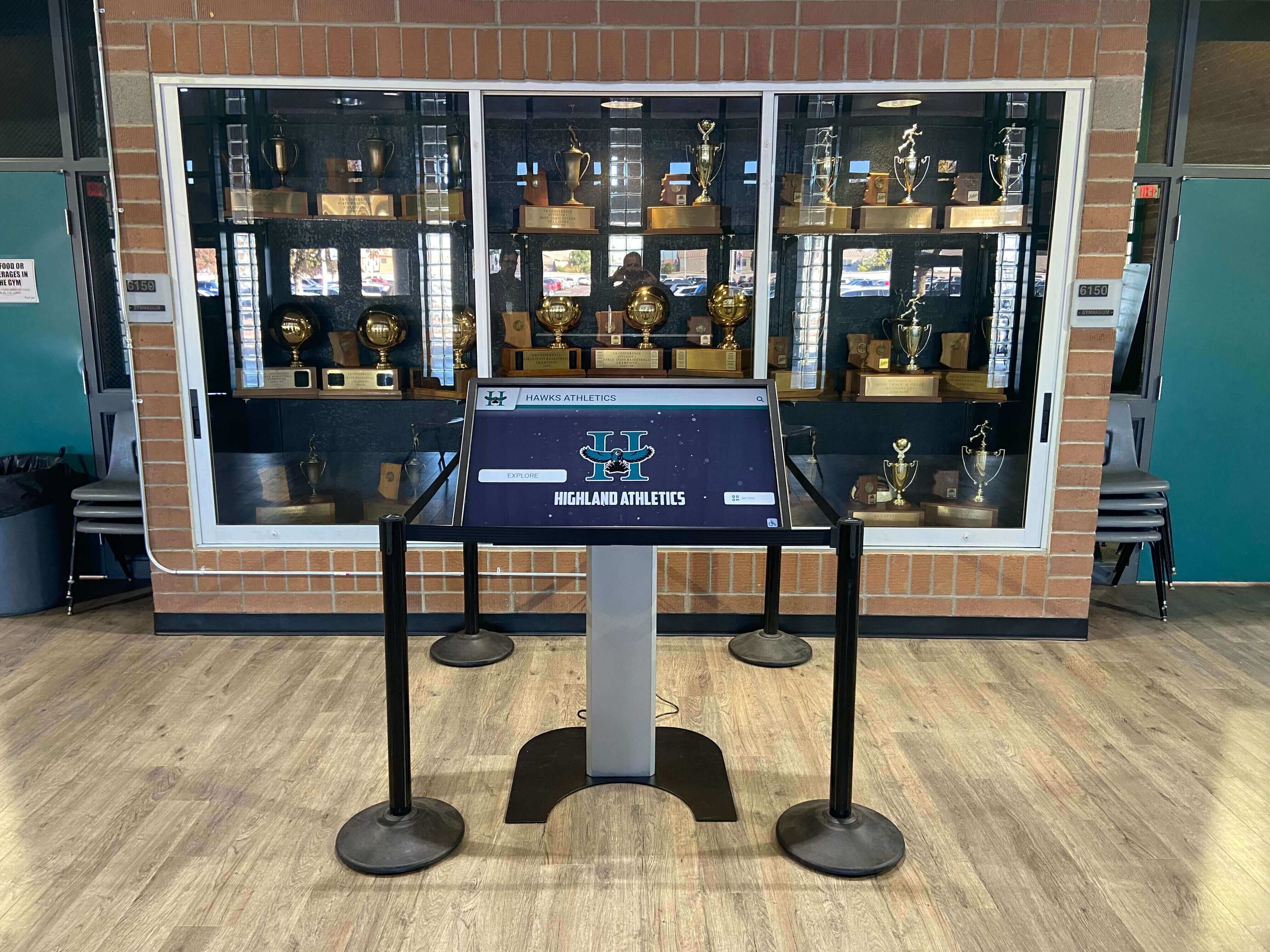
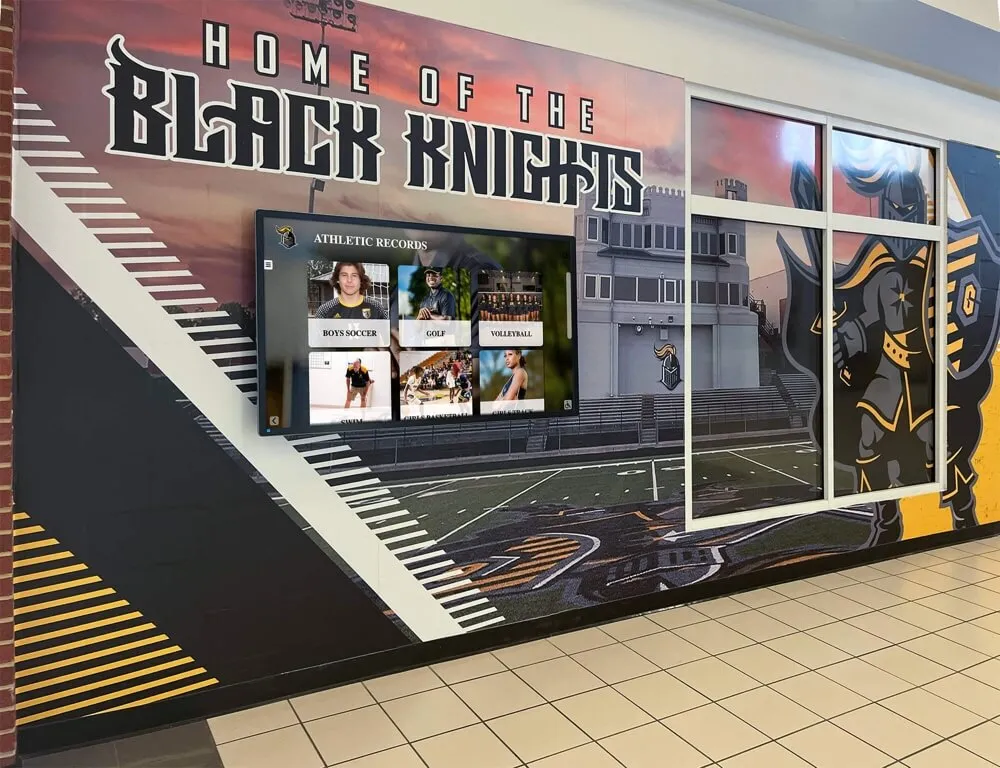
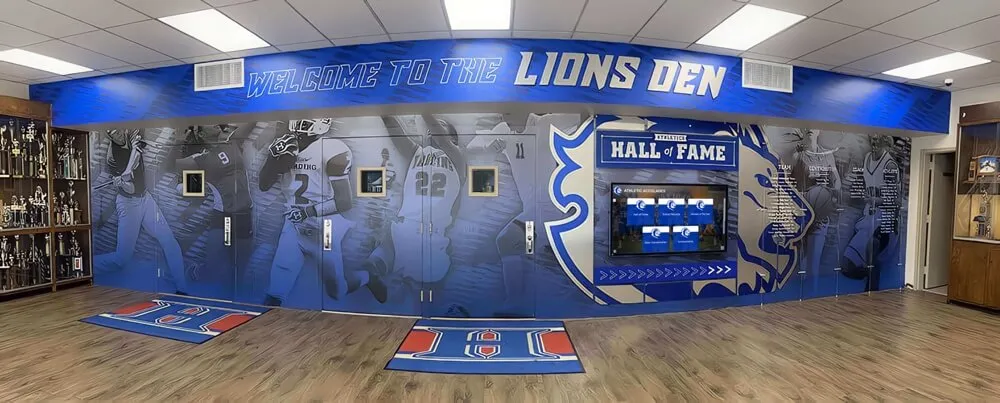
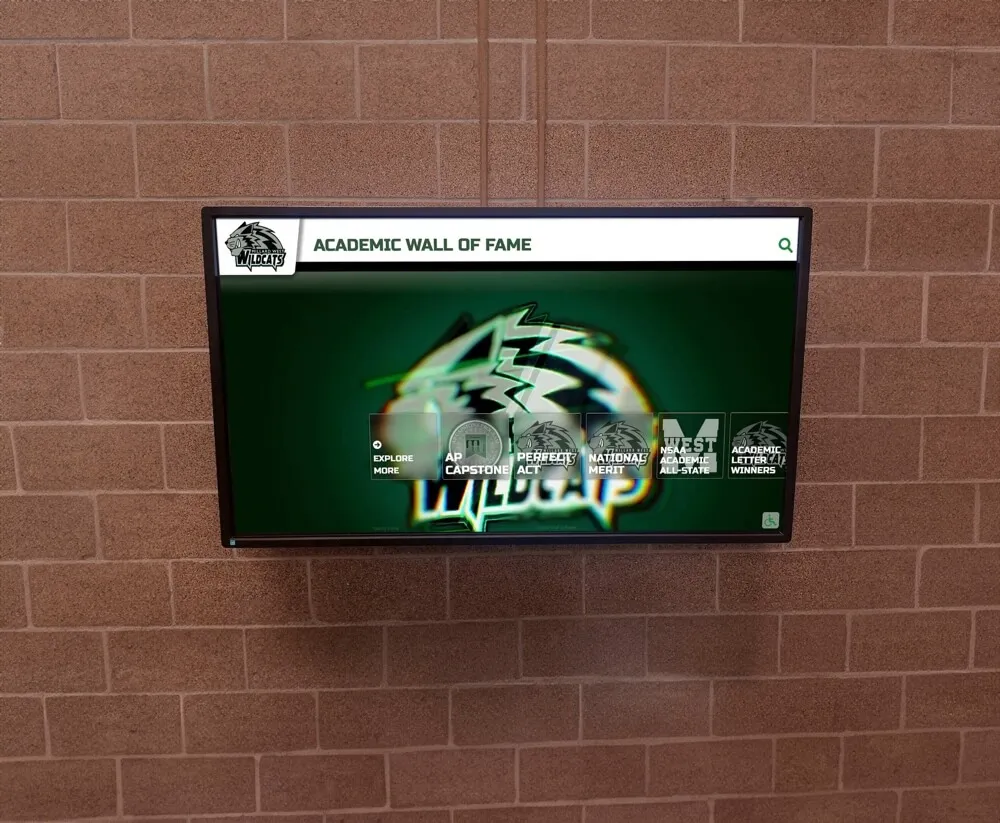
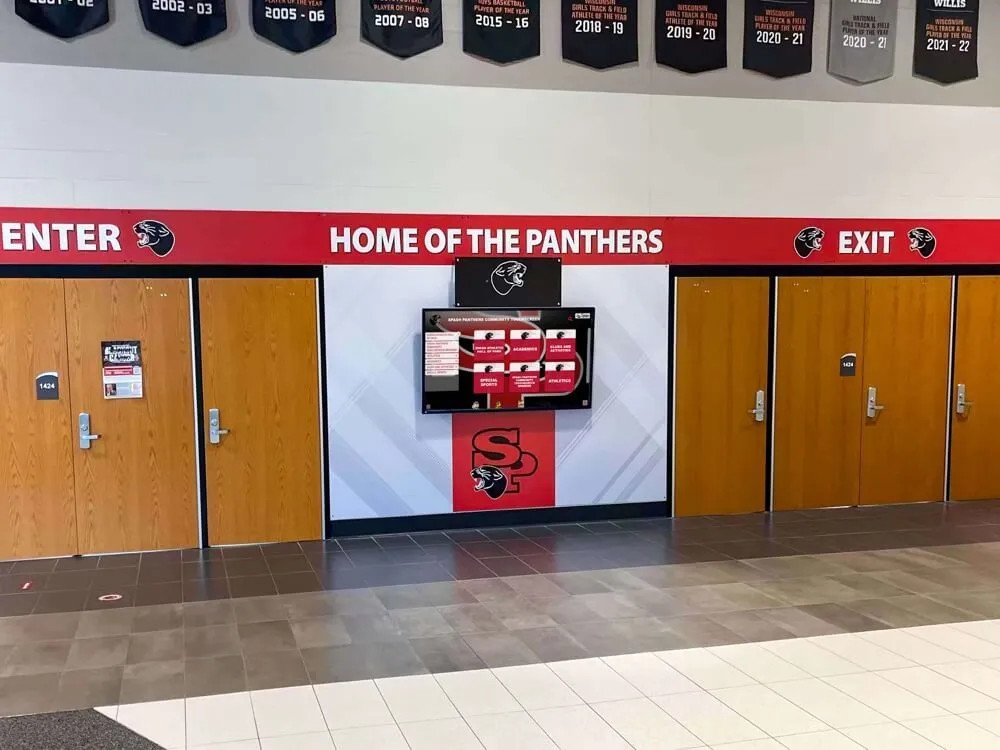
Digital kiosks integrate seamlessly with existing trophy cases, combining traditional and modern recognition
Content Management Systems
- Cloud-based administration enabling remote updates without campus presence requirement
- Simple profile creation requiring no technical expertise
- Bulk import tools for efficiently adding entire induction classes
- Role-based permissions enabling multiple staff members to contribute
- Automated backups preserving recognition archives securely
Solutions like Rocket Alumni Solutions provide comprehensive platforms specifically designed for athletic recognition needs, combining intuitive software with professional display recommendations and implementation support ensuring successful long-term basketball hall of fame programs.
Learn about interactive hall of fame displays and how they transform recognition experiences.
Basketball Hall of Fame Recognition Best Practices
Creating effective programs requires strategic approaches that maximize engagement, community connection, and long-term sustainability.
Annual Induction Ceremonies and Community Engagement
Formal recognition events amplify hall of fame impact:
Planning Memorable Induction Ceremonies
Basketball hall of fame ceremonies create lasting memories:
- Scheduling during basketball season or significant program dates maintaining thematic connection
- Invitations to all previous inductees building continuity across induction classes
- Current team participation creating connections between honored alumni and current players
- Facility tours and display unveilings giving inductees opportunity to see their recognition
- Individual presentations providing each inductee dedicated acknowledgment and applause
- Video tributes or multimedia presentations showcasing career highlights and achievements
- Reception opportunities enabling inductees to reconnect with teammates, coaches, and community
Involving Current Basketball Programs
Connect past excellence to present teams:
- Current players attend ceremonies meeting and learning from hall of fame inductees
- Inductee interactions with current teams providing mentorship and inspiration
- Team presentations to inductees demonstrating respect for program heritage
- Joint photographs capturing connections across basketball program generations
- Inductee messages to current players about program pride and tradition
- Practice observations or coaching sessions where appropriate and desired
This intergenerational connection strengthens program culture while demonstrating to current players that their achievements may receive similar recognition in future years—creating powerful motivation for excellence and program commitment.
Media Coverage and Promotion
Maximize recognition visibility:
- Local media outreach generating newspaper coverage and community awareness
- Social media campaigns featuring inductee profiles, ceremony information, and historical content
- School communications promoting ceremonies to entire communities including families and alumni
- Video documentation creating permanent ceremony records and promotional content
- Press releases announcing induction classes and highlighting notable inductees
- Alumni network communications connecting with graduates from all class years
Comprehensive promotion ensures basketball hall of fame recognition reaches broad audiences rather than remaining limited to ceremony attendees—multiplying program impact and community engagement.
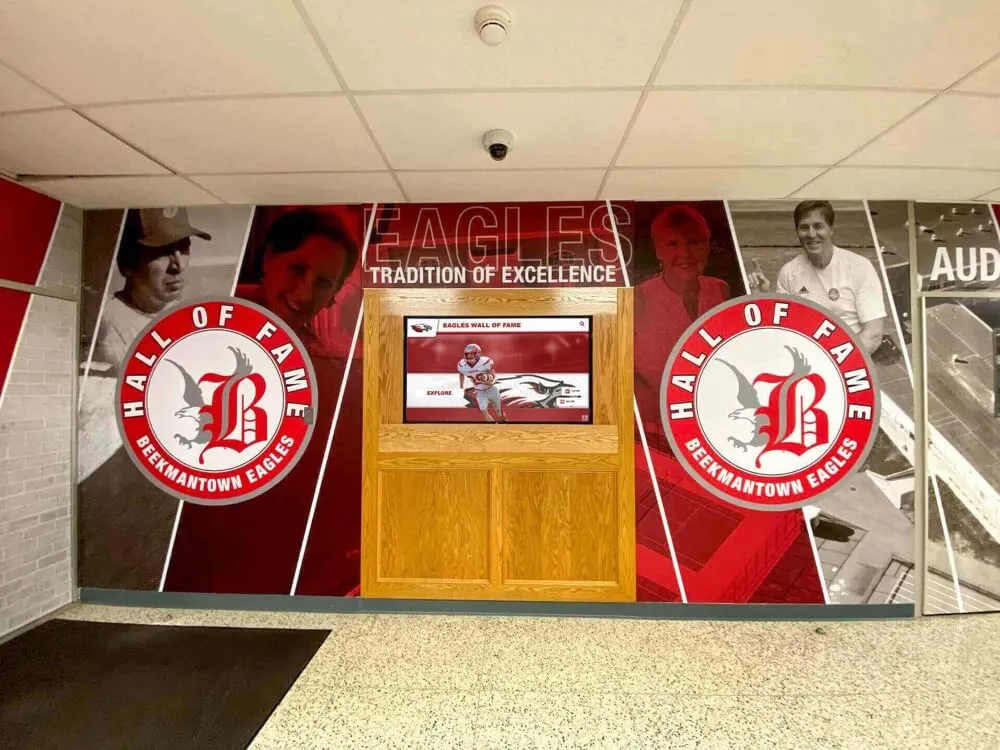
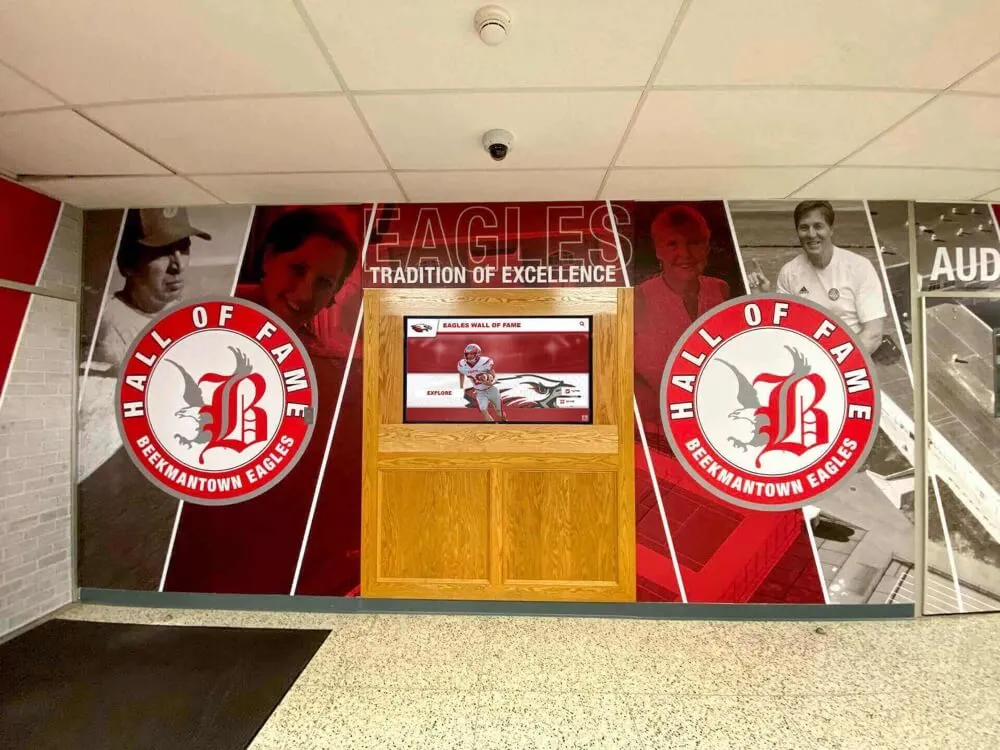
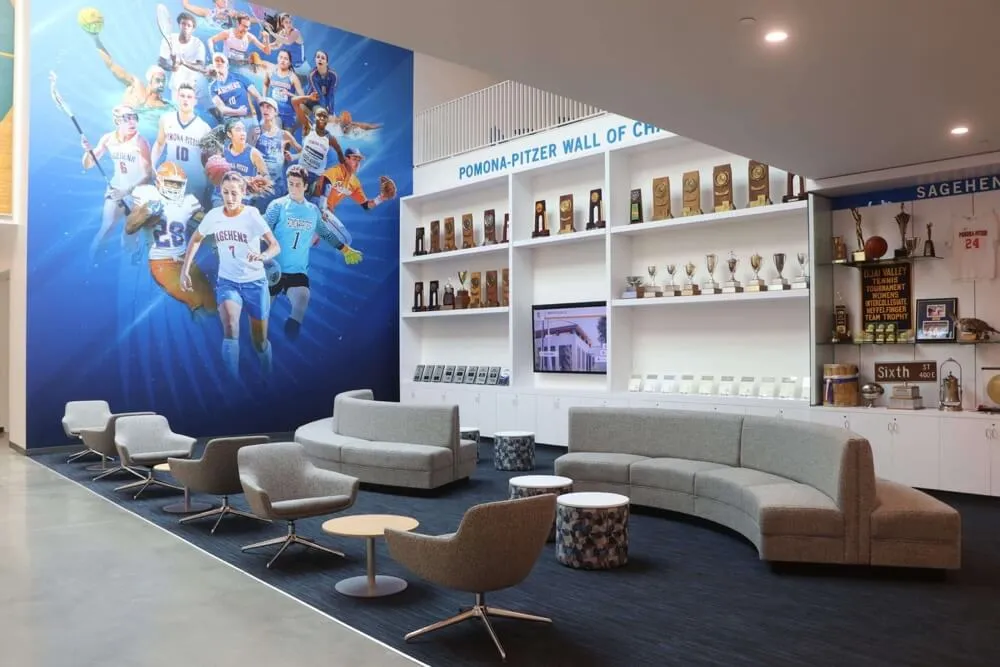
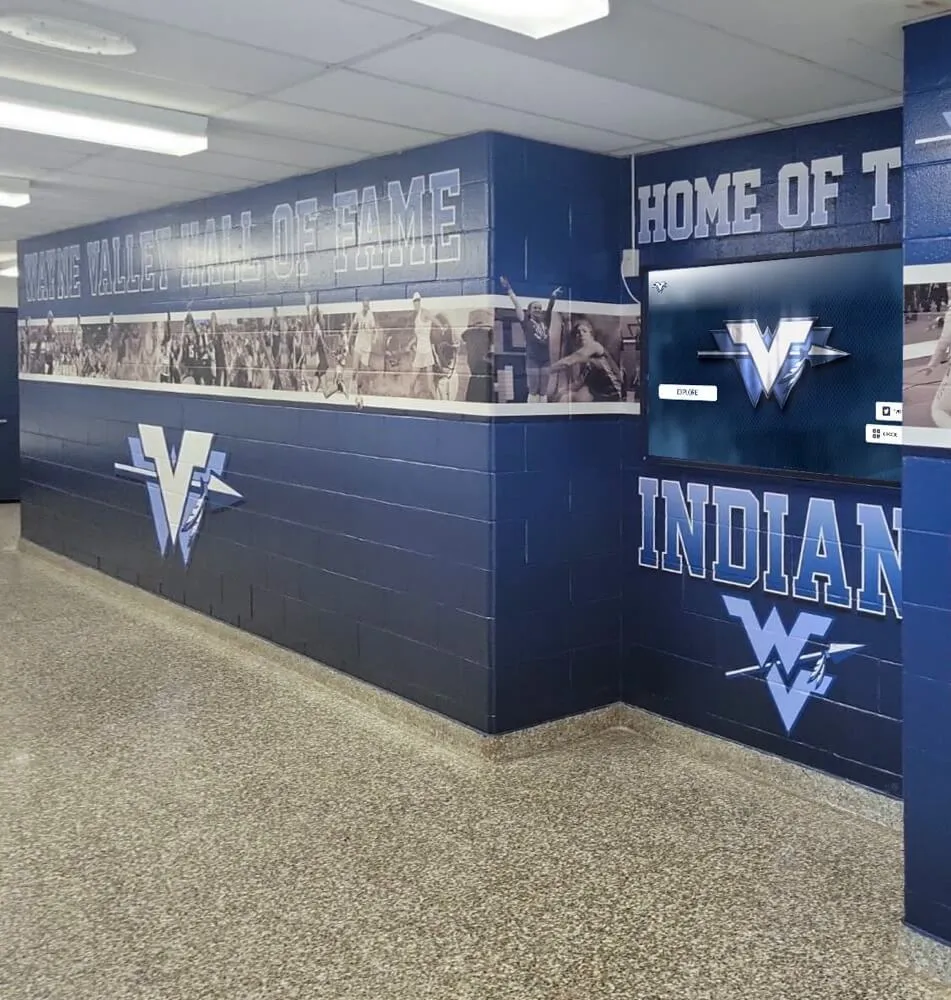
Professional hall of fame installations create focal points celebrating basketball excellence while building program pride
Preserving Basketball History and Program Heritage
Hall of fame programs serve as institutional archives documenting basketball evolution:
Historical Research and Documentation
Comprehensive programs require historical investigation:
- Yearbook research identifying players, teams, and achievements from program history
- Newspaper archive searches documenting championships, individual honors, and milestone moments
- Athletic department records compilation gathering statistics, rosters, and program information
- Alumni outreach soliciting photographs, memories, and historical content
- Coach interviews capturing perspectives on program development and notable players
- Statistical reconstruction for eras with incomplete record-keeping
This research preserves program history while ensuring hall of fame recognition reflects complete basketball heritage rather than only recent, easily-documented achievements.
Multimedia Content Collection
Rich archives require diverse content:
- Photograph digitization ensuring high-quality digital copies of historical images
- Video conversion bringing historical game footage into digital formats
- Audio interviews with retired coaches, legendary players, and long-time program supporters
- Document preservation digitizing programs, newspaper clippings, and memorabilia
- Statistical databases compiling career records, season statistics, and milestone achievements
- Written narratives documenting team histories, championship seasons, and program evolution
This multimedia approach creates comprehensive archives that future generations explore—preserving not just names and dates but the stories, personalities, and experiences that define your basketball program’s unique identity.
Connecting Past and Present
Effective programs demonstrate program continuity:
- Historical timelines showing program evolution from founding through present day
- Coaching genealogies tracking head coach progression across decades
- Family connections highlighting multi-generational program participation
- Comparison statistics showing how game and players evolved over time
- Thematic content connecting historical moments to current team experiences
- Anniversary celebrations marking program milestones and historical moments
This emphasis on continuity strengthens current player connection to program heritage while building pride in being part of basketball tradition extending across generations.
Explore comprehensive strategies for displaying school history that connect past excellence to present programs.
Maximizing Recognition Impact Through Strategic Placement
Physical location significantly affects hall of fame visibility and engagement:
Optimal Display Locations
Strategic placement ensures maximum community exposure:
- Gymnasium lobbies greeting all basketball game attendees and establishing thematic connection
- Athletic facility entrances reaching student-athletes across all sports programs
- Main school entrances providing visibility to entire school community including non-athletes
- Cafeterias and commons areas with sustained viewing time and broad student access
- Athletic director offices creating natural conversation points with visiting recruits
- Alumni centers connecting with returning graduates maintaining program connections
Locations combining high foot traffic, sufficient viewing time, and thematic connection to basketball generate optimal engagement and community awareness.
Creating Destination Recognition Spaces
Comprehensive approaches go beyond single displays:
- Multiple coordinated displays creating complete basketball recognition environments
- Integration with physical trophies, team photographs, and championship memorabilia
- Seating areas enabling extended exploration and family photograph opportunities
- Directional signage guiding visitors to basketball hall of fame locations
- Lighting and visual design creating professional, museum-quality presentation
- Related content like current season information or team schedules providing basketball context
These comprehensive spaces position basketball hall of fame recognition as significant institutional investments worthy of dedicated attention rather than minor additions competing with other visual information.
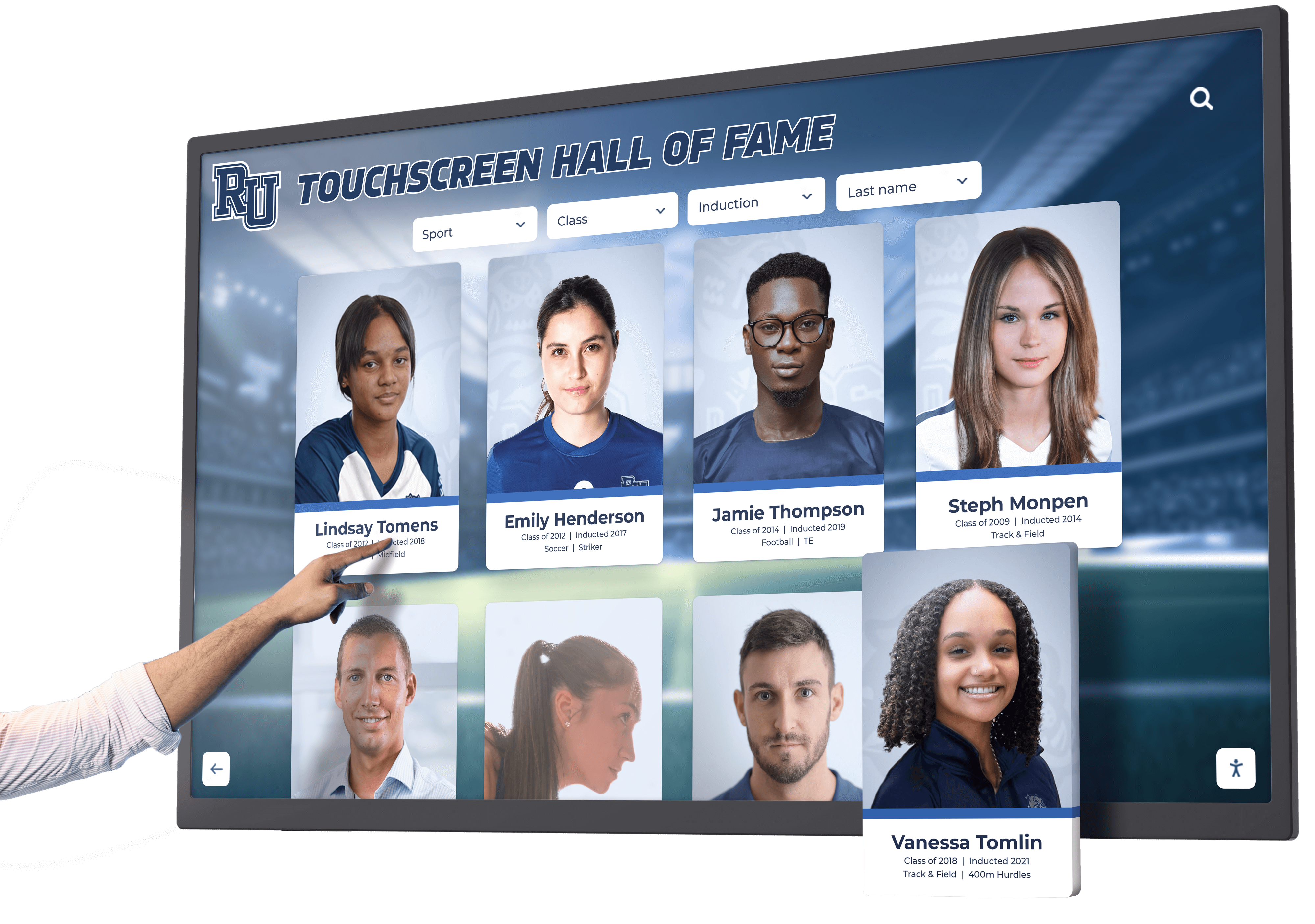
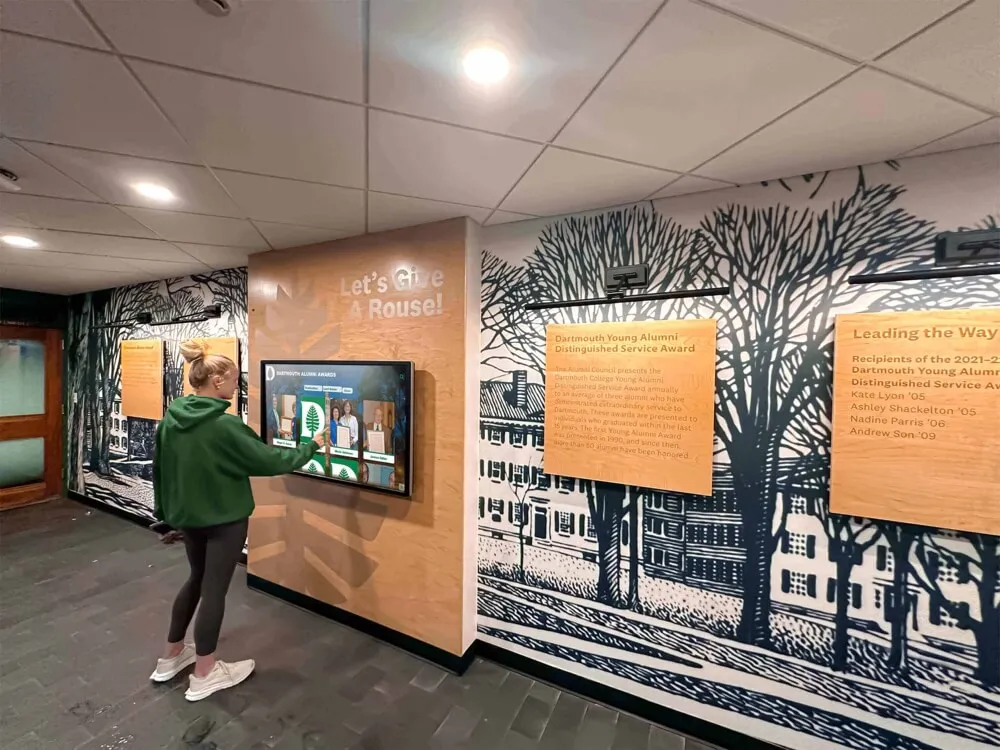
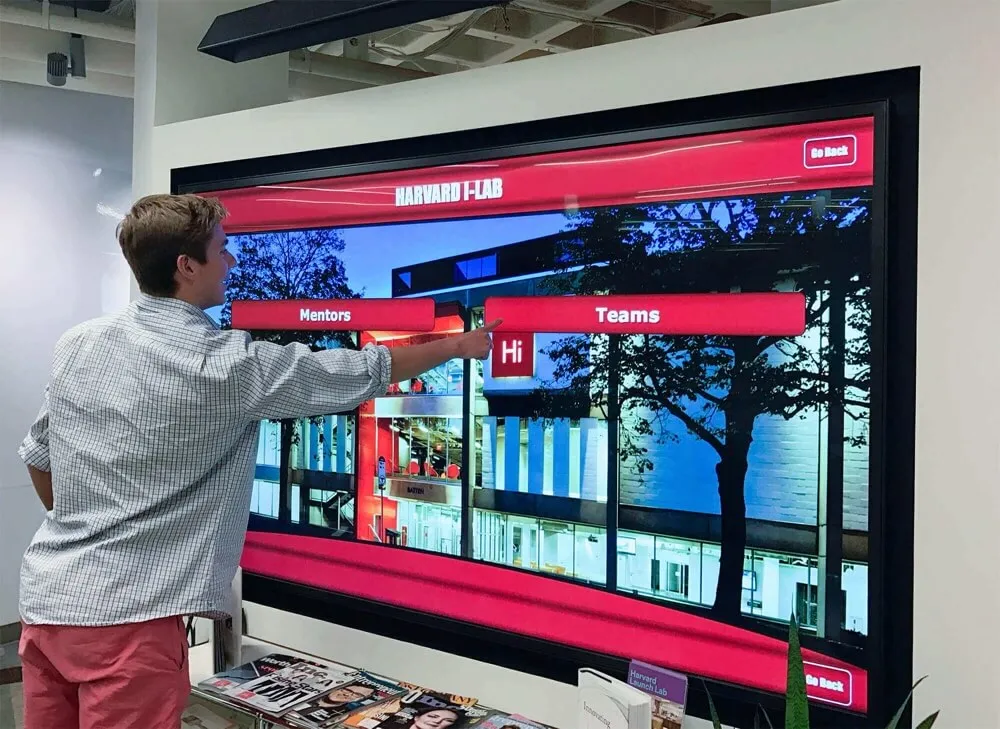
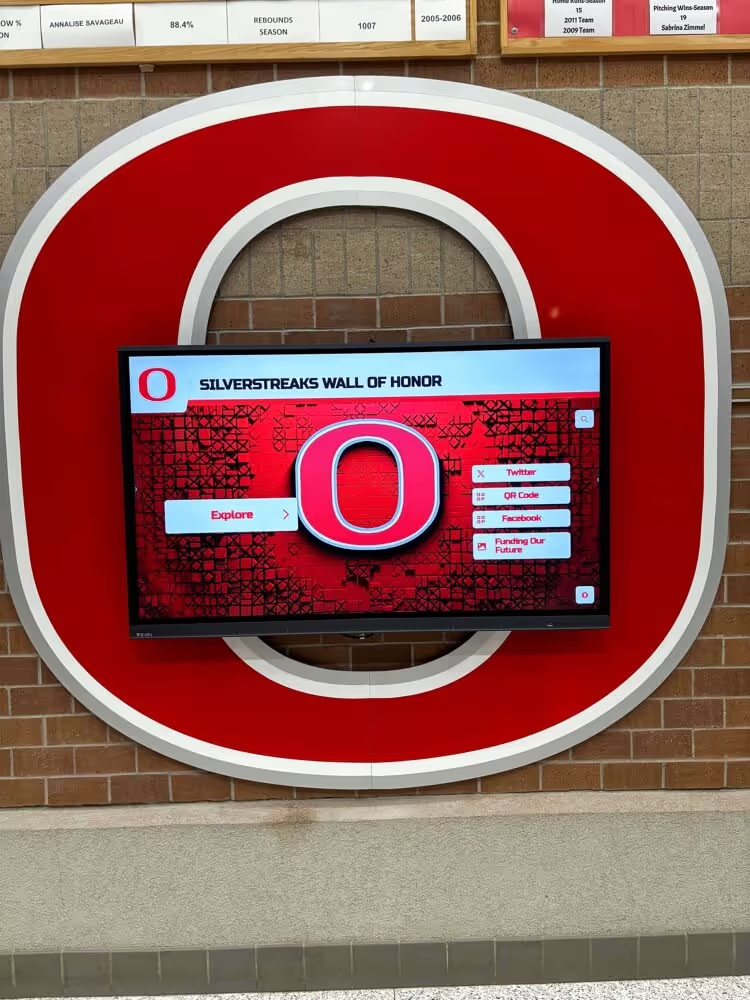
Touchscreen technology enables intuitive exploration of basketball recognition content across all induction years and categories
Sustaining Basketball Hall of Fame Programs Long-Term
Initial enthusiasm must translate to sustained commitment:
Administrative Sustainability
Ensure programs remain current without overwhelming staff:
- Clear nomination and selection schedules with defined annual timelines
- Hall of fame committee structures distributing responsibilities across multiple individuals
- Standard operating procedures documenting all program processes for continuity during staff transitions
- Technology solutions minimizing update burden through efficient content management
- Budget allocations ensuring consistent funding for ceremonies, updates, and maintenance
- Multiple trained staff members preventing single-person dependency
Regular Content Updates and Maintenance
Keep recognition current and accurate:
- Prompt addition of annual induction classes following selection
- Corrections of errors or omissions discovered after initial publication
- Post-induction achievement updates for inductees accomplishing notable milestones
- Technical maintenance ensuring displays function reliably
- Content refreshes adding newly-discovered historical content or improved photographs
- Regular promotion maintaining community awareness and engagement
Program Evolution and Enhancement
Continuously improve recognition effectiveness:
- Annual assessment of nomination, selection, and recognition processes
- Stakeholder feedback collection from inductees, families, current athletes, and community
- Benchmark comparison with peer programs identifying enhancement opportunities
- Technology upgrades maintaining contemporary recognition standards
- Category expansion when program maturity and resources support additional recognition types
- Increased historical depth as research uncovers additional program heritage
This commitment to continuous improvement ensures basketball hall of fame programs remain vibrant, relevant, and effective throughout decades—becoming permanent institutional features celebrating basketball excellence across all generations.
Learn about high school basketball hall of fame programs and implementation best practices.
Special Considerations for Basketball Recognition
Several unique factors affect basketball hall of fame programs specifically:
Addressing Position and Era Differences
Basketball statistics require contextual understanding:
Statistical Context Across Eras
Basketball evolved substantially affecting statistical comparison:
- Pace of play varied significantly across decades with faster-paced games in certain eras producing higher per-game statistics
- Three-point line introduction (adopted at different times across levels) transforming scoring patterns and career point calculations
- Season length changes with modern teams playing more games annually than historical teams
- Rule modifications affecting defensive strategies, physical play, and scoring opportunities
- Strategic evolution with position roles and offensive systems changing substantially over time
Effective hall of fame programs account for these differences through era-specific criteria or statistical adjustments enabling fair comparison across decades rather than privileging recent players operating under current rules and systems.
Position-Specific Recognition
Different positions require different evaluation criteria:
- Centers and power forwards typically lead rebounding while guards excel in assists and steals
- Scoring averages vary by position with guards often accumulating more total points across longer careers
- Defensive contributions difficult to quantify statistically, particularly for historical players
- Role players who excelled at specific team functions despite modest statistical production
- Positional specialization increasing in modern eras compared to earlier multi-position players
Consider position-specific standards or selection processes ensuring appropriate representation across all positions rather than exclusively recognizing high-scoring guards and forwards.
Recognizing Women’s Basketball Achievement
Comprehensive programs honor both men’s and women’s basketball:
Equitable Recognition Structures
Ensure balanced celebration:
- Parallel criteria and selection processes for men’s and women’s programs
- Equivalent annual induction allocations preventing gender imbalance in recognition
- Shared hall of fame spaces rather than segregated recognition areas
- Equal promotion, ceremony resources, and content development investment
- Combined historical research documenting both programs comprehensively
- Integrated displays highlighting connections and parallel achievements across programs
Program History Considerations
Women’s basketball history requires special attention:
- Shorter historical record at many institutions where women’s programs developed later
- Different early-era rules and playing styles before standardization
- Limited historical documentation requiring extra research effort
- Title IX impact on program development and resource availability
- Recognition of program pioneers who built women’s basketball in challenging circumstances
This historical context ensures women’s basketball receives recognition reflecting both achievement and the barriers many early players, coaches, and supporters overcame establishing and advancing programs.
Explore strategies for recognizing women’s soccer achievement that apply equally to basketball programs.
Managing Team vs. Individual Recognition Balance
Determine appropriate emphasis between team and individual achievement:
Team Recognition Approaches
Championship and milestone teams deserve comprehensive celebration:
- Complete team pages with roster information, statistics, and season narratives
- Team photographs with all members identified and honored equally
- Individual player links connecting team recognition to personal profiles when appropriate
- Coach and staff recognition as integral team success contributors
- Season context explaining significance beyond simple championship facts
Individual Achievement Within Team Context
Balance individual recognition with team sport reality:
- Teammate connections showing individuals within broader team contexts
- Acknowledgment that individual statistics depend on teammate quality and support
- Recognition of unselfish play and team-first mentality alongside statistical achievement
- Coaching impact on individual player development and achievement
- Team success as credential enhancing individual hall of fame candidacy
This balanced approach celebrates individual excellence while acknowledging basketball’s fundamentally team-oriented nature—honoring both personal achievement and collaborative success that defines the sport.
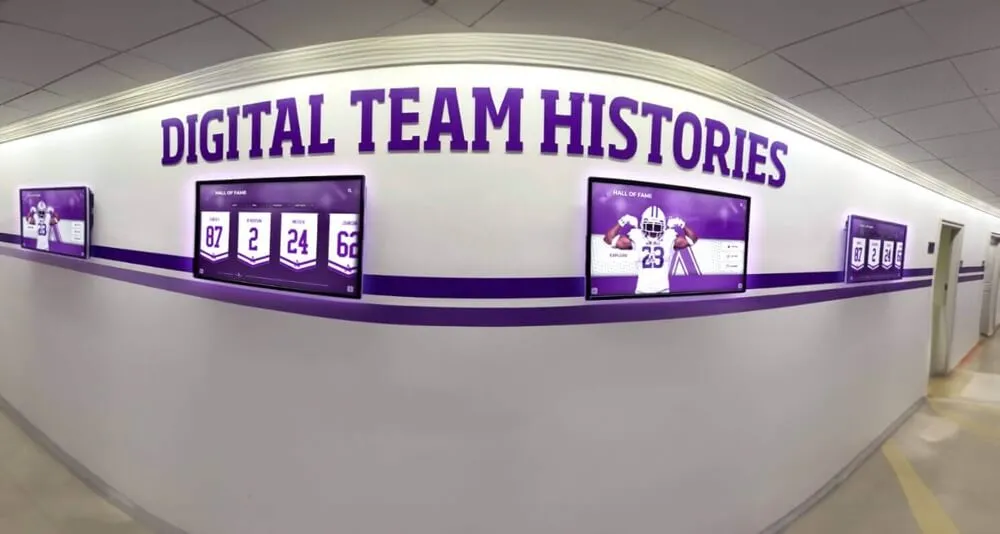
Multiple digital displays can create comprehensive basketball recognition environments celebrating both team and individual achievements
Technology Implementation for Basketball Hall of Fame Programs
Modern digital solutions enable comprehensive basketball recognition:
Selecting Appropriate Display Technology
Several hardware options serve different needs:
Display Size Considerations
Balance visibility, space, and budget:
- 43-55 inch displays suitable for smaller spaces, offices, or secondary locations
- 55-65 inch displays most common size balancing visibility, cost, and space requirements effectively
- 75-86 inch displays ideal for large gymnasium lobbies creating impressive focal points
- Multiple smaller displays distributed across campus versus single large installation
Touchscreen vs. Passive Displays
Interactive technology enhances engagement:
- Touchscreen displays enable active exploration, search, and filtering through inductee archives
- Passive displays suitable for rotating highlight content but limited for comprehensive historical access
- Interactive engagement generates 5-10 times longer visitor interaction compared to passive viewing
- Touchscreens accommodate unlimited content accessed on-demand rather than scheduled rotation
- Most effective hall of fame programs utilize interactive touchscreens for primary recognition displays
Commercial vs. Consumer Equipment
Institutional applications require appropriate hardware:
- Commercial displays engineered for continuous operation in public spaces
- Extended warranties (3-5 years typical) and reliable long-term operation
- Consumer televisions inadequate for institutional applications despite lower initial cost
- Professional mounting, enclosures, and installation ensuring secure, accessible implementation
Learn about touchscreen technology options and hardware selection considerations.
Software Platform Selection
Recognition effectiveness depends on capable content management:
Essential Platform Features
Look for recognition-specific capabilities:
- Unlimited inductee capacity without per-profile licensing costs
- Comprehensive profile management with photos, statistics, videos, and narratives
- Intuitive search and filtering enabling multiple exploration pathways
- Template-based content creation ensuring consistent professional presentation
- Cloud-based management enabling remote updates from any location
- Web accessibility extending recognition beyond physical displays
- Role-based administration enabling multiple staff contributors
Advanced Capabilities
Enhanced features improve programs:
- Social media integration enabling inductee profile sharing
- Analytics tracking engagement patterns and popular content
- Custom branding matching school visual identity
- Integration options with athletic management systems
- Automated data import reducing manual entry requirements
- Multi-language support for diverse communities
- Mobile app development for smartphone exploration
Purpose-Built vs. Adapted Solutions
Recognize critical distinctions:
- Generic digital signage platforms designed for announcements and temporary content
- Recognition-specific platforms purpose-built for hall of fame applications
- Digital signage lacks searchable databases, comprehensive profile management, and interactive exploration
- Purpose-built solutions provide features specifically addressing hall of fame requirements
- Long-term sustainability requires software designed for permanent recognition rather than temporary displays
Installation and Infrastructure
Professional implementation ensures reliable operation:
Physical Installation Requirements
Proper setup prevents problems:
- Licensed electrical work meeting code requirements
- Secure mounting preventing theft or damage in unsupervised areas
- ADA-compliant positioning ensuring accessibility for wheelchair users
- Network connectivity for content management and updates
- Cable management creating polished professional appearance
- Climate considerations for displays in non-climate-controlled gymnasiums
Content Development and Launch Preparation
Begin with comprehensive recognition:
- Historical research gathering complete program archives before launch
- Photo collection and digitization ensuring high-quality visual content
- Statistical compilation creating complete career records
- Profile writing developing engaging narratives for all inductees
- Testing and quality assurance preventing launch-day technical problems
- Staff training on content management and ongoing program administration
Ongoing Technical Support
Ensure long-term reliability:
- Maintenance agreements providing prompt technical assistance when issues occur
- Multiple trained staff members capable of basic troubleshooting
- Regular system updates maintaining security and functionality
- Hardware warranties covering component failures
- Backup systems preventing permanent content loss
- Technical support access from software and hardware providers
Discover comprehensive approaches to touchscreen kiosk implementation for recognition programs.
Measuring Basketball Hall of Fame Program Success
Regular assessment ensures programs achieve recognition goals:
Quantitative Success Metrics
Objective measurement demonstrates value:
Participation and Representation
- Total number of inductees across all program years showing recognition scope
- Annual induction rates maintaining consistent recognition pace
- Demographic distribution ensuring equitable representation across all program participants
- Position distribution providing balanced recognition across player roles
- Era representation honoring achievements from all program periods appropriately
Engagement Analytics
- Display interaction frequency showing how often visitors explore recognition
- Average session duration indicating depth of engagement with content
- Web platform visits demonstrating extended recognition reach
- Social media engagement measuring broader community awareness
- Popular content identification revealing which inductees attract most interest
Community Impact Indicators
- Ceremony attendance trends showing community investment in recognition
- Alumni engagement increases after hall of fame implementation
- Donor support potentially motivated by increased program pride and visibility
- Current player awareness of program heritage and hall of fame aspirations
- Prospective student interest during recruiting and enrollment processes
Qualitative Assessment
Complement data with stakeholder perspectives:
Inductee and Family Satisfaction
- Perceived recognition meaningfulness and honor significance
- Ceremony quality and memorability
- Profile accuracy and comprehensiveness
- Ongoing recognition visibility and accessibility
- Pride in hall of fame membership
Current Team Impact
- Player awareness of hall of fame inductees and program heritage
- Motivational influence on current athlete commitment and performance
- Cultural strength and program pride development
- Connections built between current players and alumni inductees
Community Response
- Broader awareness of basketball program excellence and heritage
- Alumni engagement and return visit patterns
- Donor support for basketball programs and facilities
- Prospective family perceptions during school evaluation and selection
Continuous Improvement
Use assessment systematically:
- Annual program review evaluating effectiveness against goals
- Stakeholder feedback collection through surveys and conversations
- Benchmark comparison with peer programs
- Process refinement based on identified opportunities
- Technology enhancement as capabilities evolve
- Content strategy adjustment informed by engagement analytics
Regular assessment ensures basketball hall of fame programs continuously improve rather than stagnating after initial implementation—maximizing recognition effectiveness and community impact throughout decades of operation.
Conclusion: Creating Lasting Basketball Legacy Through Effective Recognition
Basketball hall of fames serve essential functions in athletic programs and communities—preserving history, honoring excellence, inspiring current athletes, and strengthening connections across generations of players, coaches, and supporters. When schools and organizations implement comprehensive recognition programs with clear criteria, rich content, modern technology, and sustained commitment, they create lasting tributes that appropriately celebrate basketball’s impact on their communities while building program pride that motivates continued excellence.
The approaches explored in this guide provide complete frameworks for developing basketball hall of fame programs at any level—from understanding how professional and collegiate halls of fame structure recognition to implementing digital systems that overcome space limitations while creating engaging experiences for visitors. Whether you’re establishing a first-ever basketball hall of fame or enhancing existing recognition, the fundamental principles remain consistent: honor achievement comprehensively, preserve history authentically, engage communities meaningfully, and sustain programs effectively.
Ready to create a basketball hall of fame for your school or organization? Modern recognition solutions help programs celebrate basketball excellence comprehensively while preserving program heritage for future generations. Solutions like Rocket Alumni Solutions provide comprehensive platforms specifically designed for athletic recognition, combining unlimited capacity, rich multimedia profiles, interactive exploration, and web accessibility that extends basketball recognition impact far beyond traditional plaques and static displays.
Whether honoring decades of program history or establishing recognition for current and future achievements, start with clear planning defining recognition scope and criteria, select technology enabling sustainable long-term operation, develop comprehensive content celebrating individual stories and team achievements, and commit to consistent execution ensuring your basketball hall of fame remains current and relevant year after year.
Your basketball program’s history deserves recognition that appropriately honors the athletes, coaches, and supporters who built its tradition and excellence. With thoughtful planning, appropriate technology selection, comprehensive content development, and sustained commitment, you can create basketball hall of fame programs that celebrate achievement meaningfully, inspire future generations, preserve invaluable heritage, and strengthen community connections across all generations of basketball tradition.
The most important factors aren’t facility quality, budget size, or program prestige—they’re genuine commitment to honoring basketball achievement comprehensively, systematic implementation ensuring consistent recognition, and long-term dedication making hall of fame recognition a permanent program feature rather than temporary initiative. Your basketball community deserves recognition that celebrates its excellence appropriately. Begin planning your basketball hall of fame today and create the lasting legacy your program’s history and achievements deserve.
Explore additional resources for athletic recognition programs and digital recognition technology to continue your basketball hall of fame development journey.