



Back to school night represents your single most important opportunity to make a lasting impression on parents and establish the positive, collaborative relationships that support student success throughout the academic year. Within the first thirty minutes of arrival, parents form lasting judgments about your school’s professionalism, commitment to excellence, and whether their children are in caring, capable hands.
Yet many schools struggle to maximize this critical evening. Generic presentations fail to engage diverse parent audiences, cluttered hallways create confusion rather than confidence, outdated displays send unintended messages about institutional priorities, and rushed interactions leave families with more questions than answers about their children’s educational environment.
This comprehensive guide explores practical, proven strategies for transforming back to school night from routine obligation into powerful relationship-building opportunity that showcases your school’s strengths, communicates clear expectations, and establishes the foundation for productive parent partnerships throughout the year.
The most successful back to school nights create multi-layered first impressions combining professional presentation with welcoming atmosphere, clear communication with engaging storytelling, and efficient logistics with meaningful personal connection. Schools that excel at this critical event understand that every element—from parking lot signage to lobby displays to classroom presentation—contributes to parents’ overall perception of institutional quality and care.

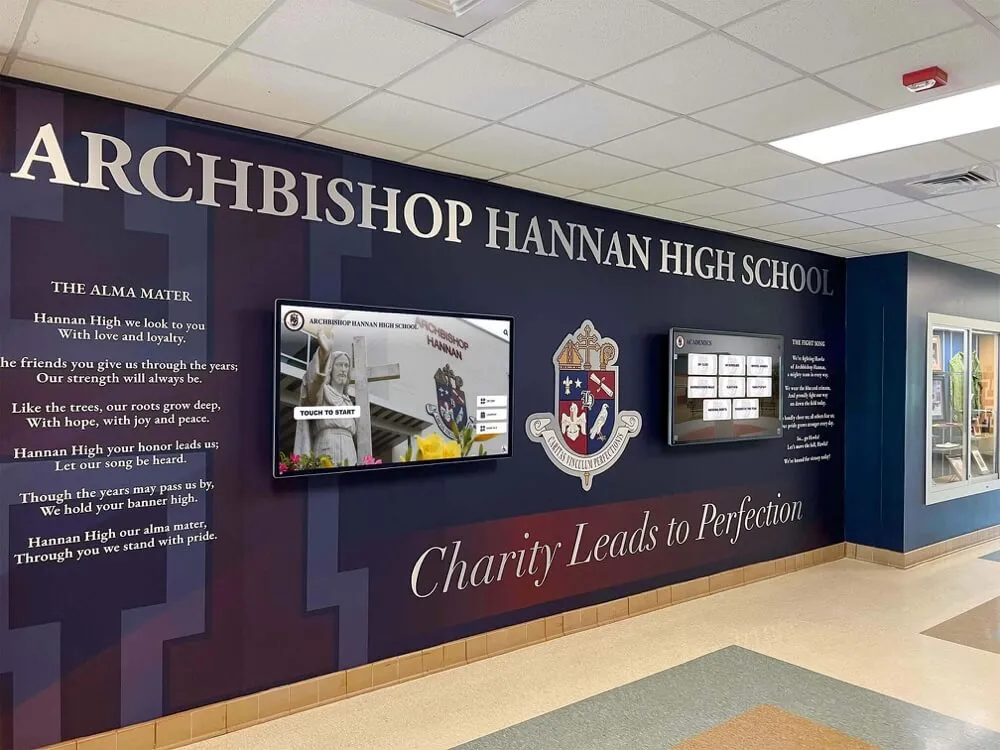
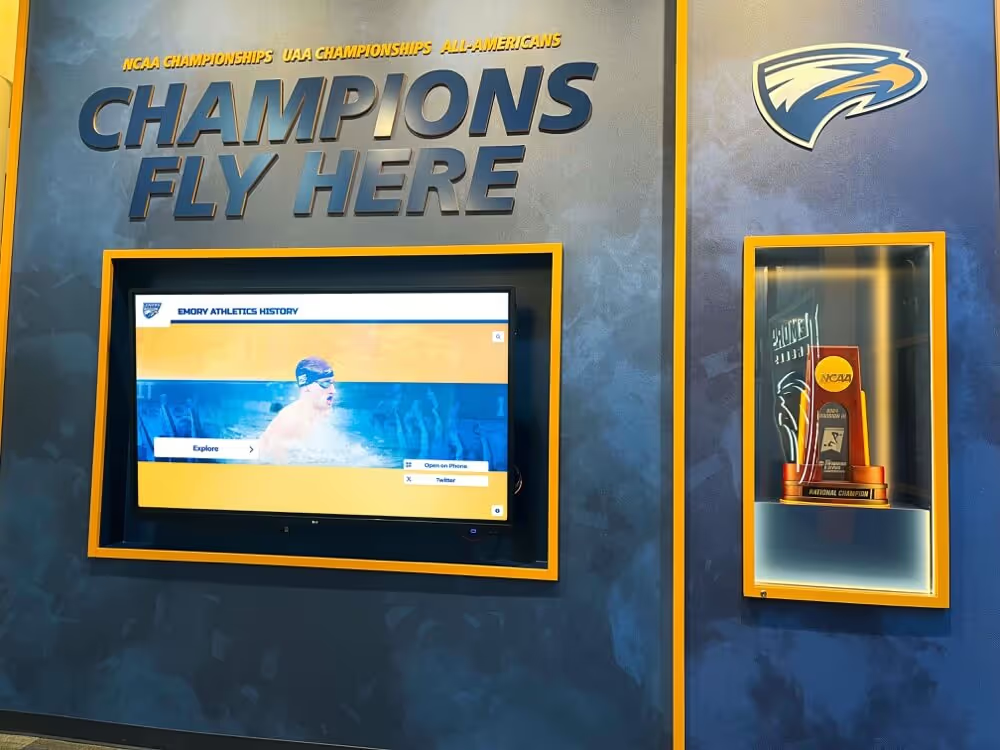
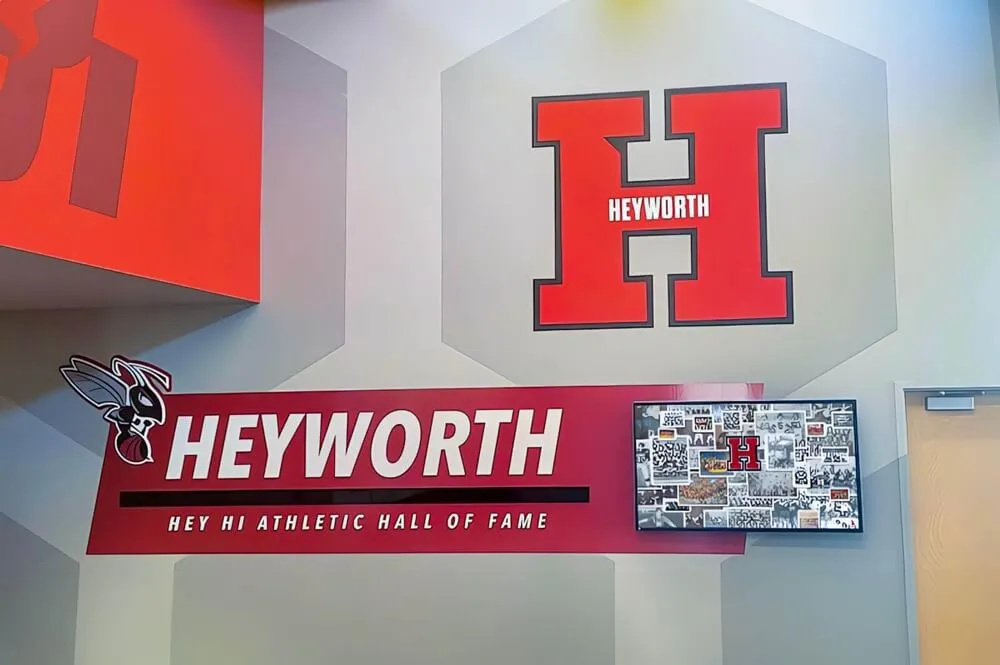
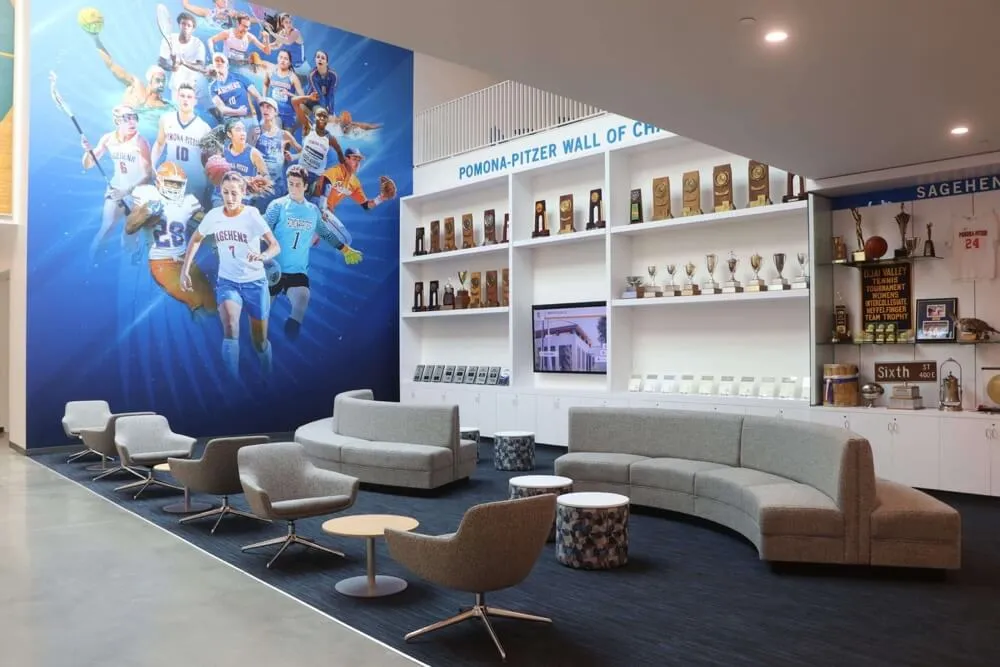
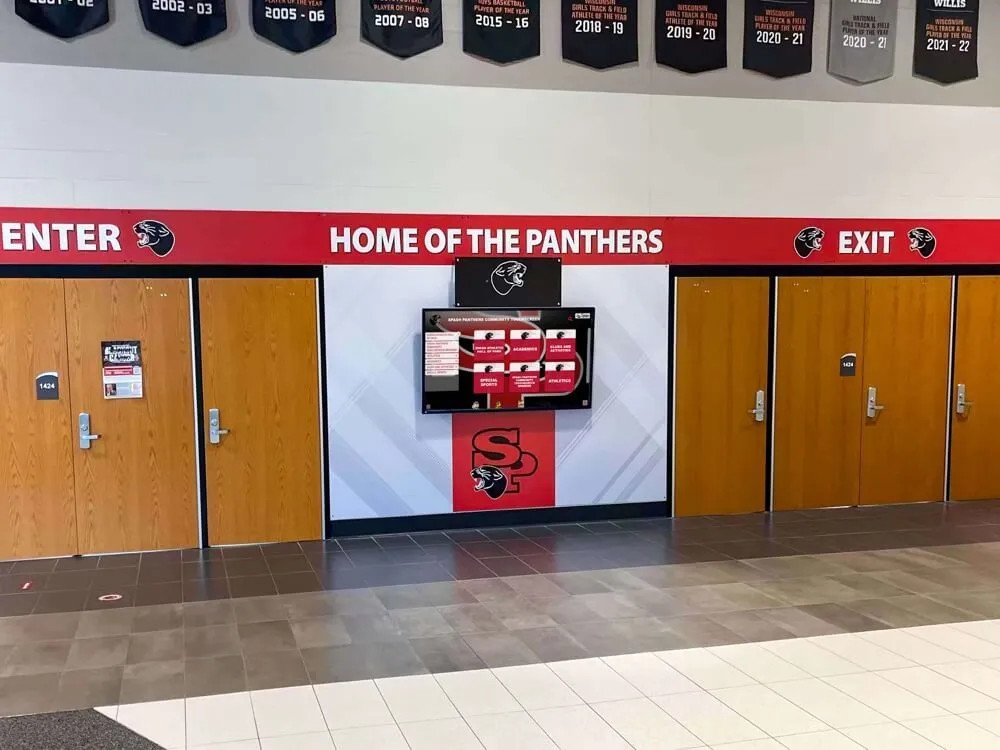
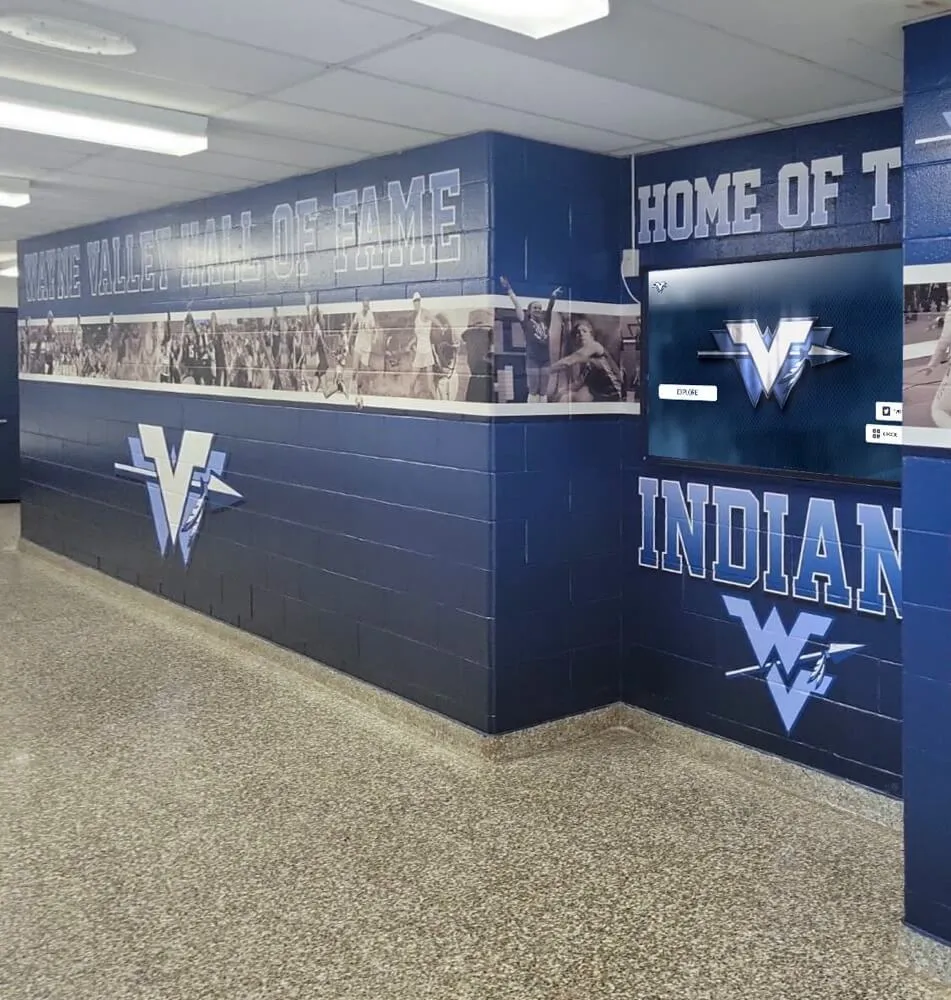
First impressions begin the moment parents enter your building—professional displays and clear branding communicate institutional excellence immediately
The Strategic Importance of Back to School Night
Understanding how this single evening impacts year-long parent relationships helps schools allocate appropriate resources and planning attention.
Why First Impressions Matter Immensely
Research in educational psychology consistently demonstrates the lasting impact of initial parent-school interactions:
Relationship Foundation Setting
- First impressions formed during back to school night persist throughout the academic year
- Parents who feel welcomed and informed become active partners rather than distant observers
- Initial perceptions of teacher competence and care predict ongoing communication patterns
- Positive first contacts reduce conflict and increase cooperation during challenging situations
- Strong opening relationships correlate with higher parent volunteer rates and school support
Trust and Confidence Building
- Professional, organized events signal competent leadership and operational excellence
- Visible student achievement recognition demonstrates commitment to academic excellence
- Clear communication of expectations establishes accountability and shared responsibility
- Transparent presentation of curricula and teaching approaches builds instructional trust
- Well-maintained facilities and quality displays reflect appropriate resource stewardship
According to research from the National Center for Family and Community Engagement, schools that excel at initial parent engagement events demonstrate 40-50% higher sustained family involvement throughout the year compared to institutions with poor opening impressions.
Parent Expectations for Back to School Night
Understanding what families need from this experience informs effective planning:
Information and Clarity
- Clear academic expectations and grading policies
- Curriculum overview and learning objectives
- Homework and project expectations
- Communication protocols and contact information
- Important dates, deadlines, and school procedures
Connection and Reassurance
- Personal introduction to teachers and staff
- Sense of who is responsible for their child’s education
- Evidence that their child will be safe, supported, and challenged
- Understanding of school culture and community values
- Confidence in institutional competence and care
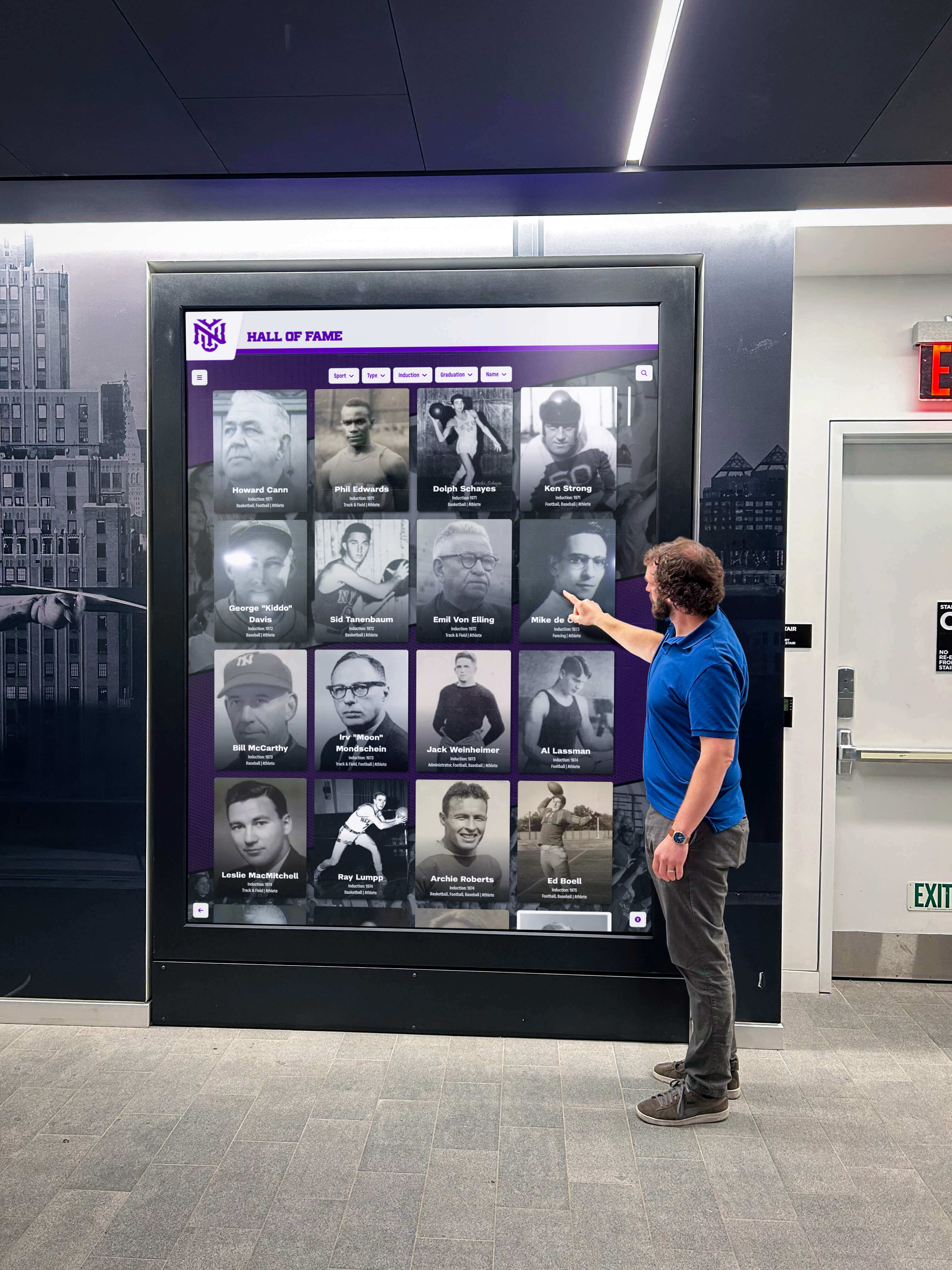
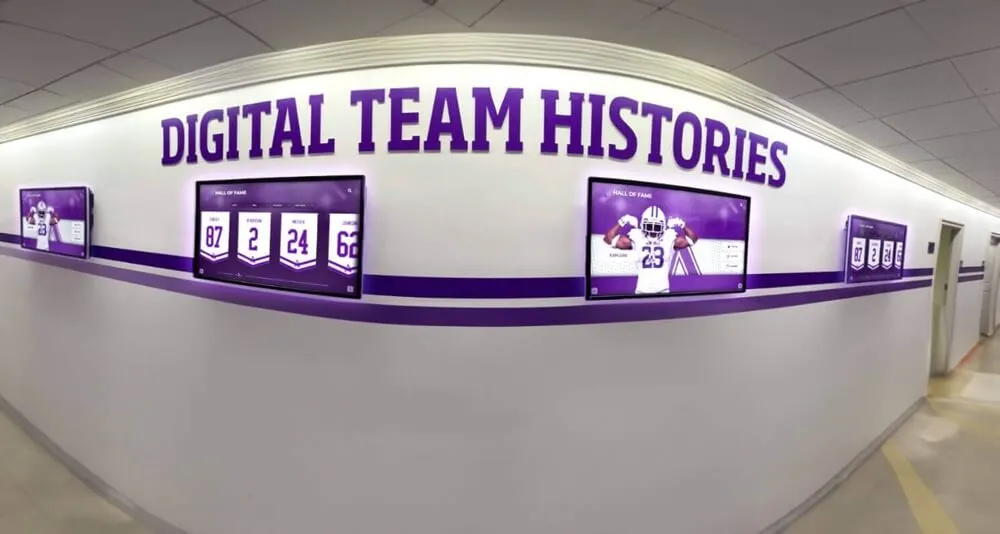
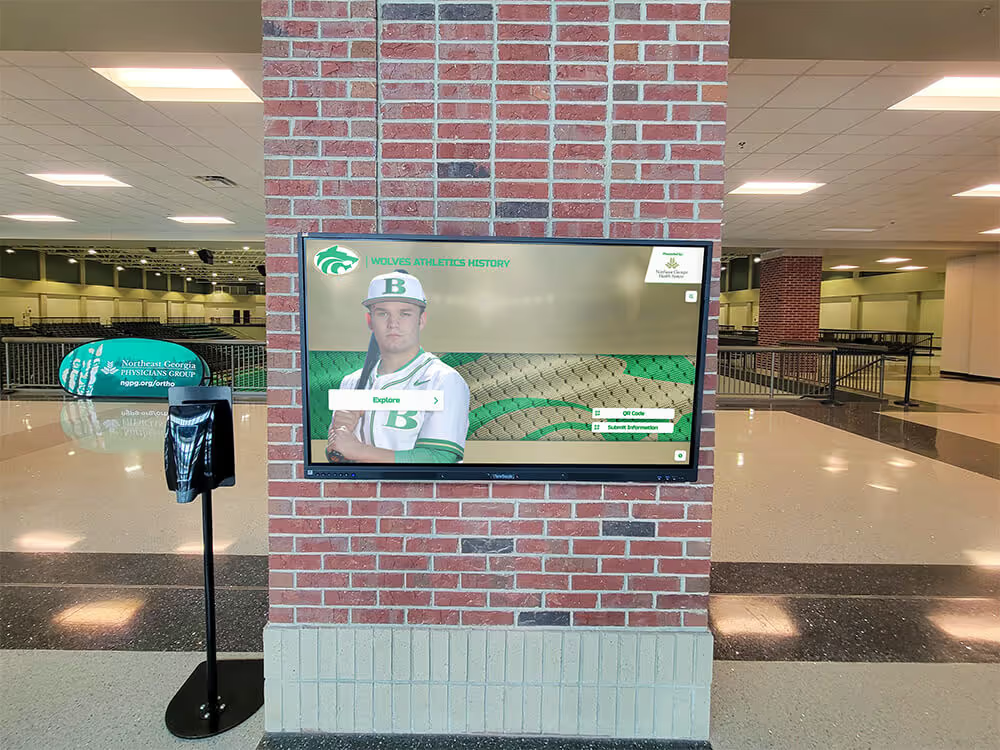
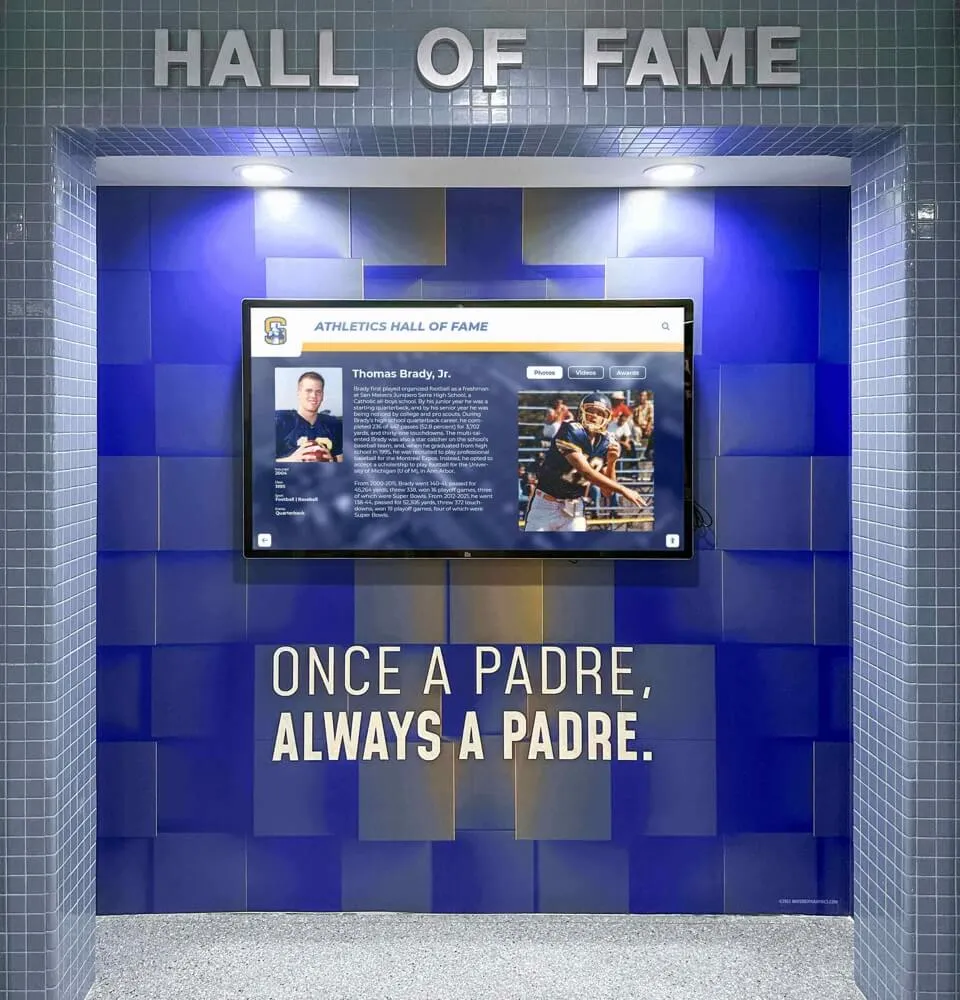
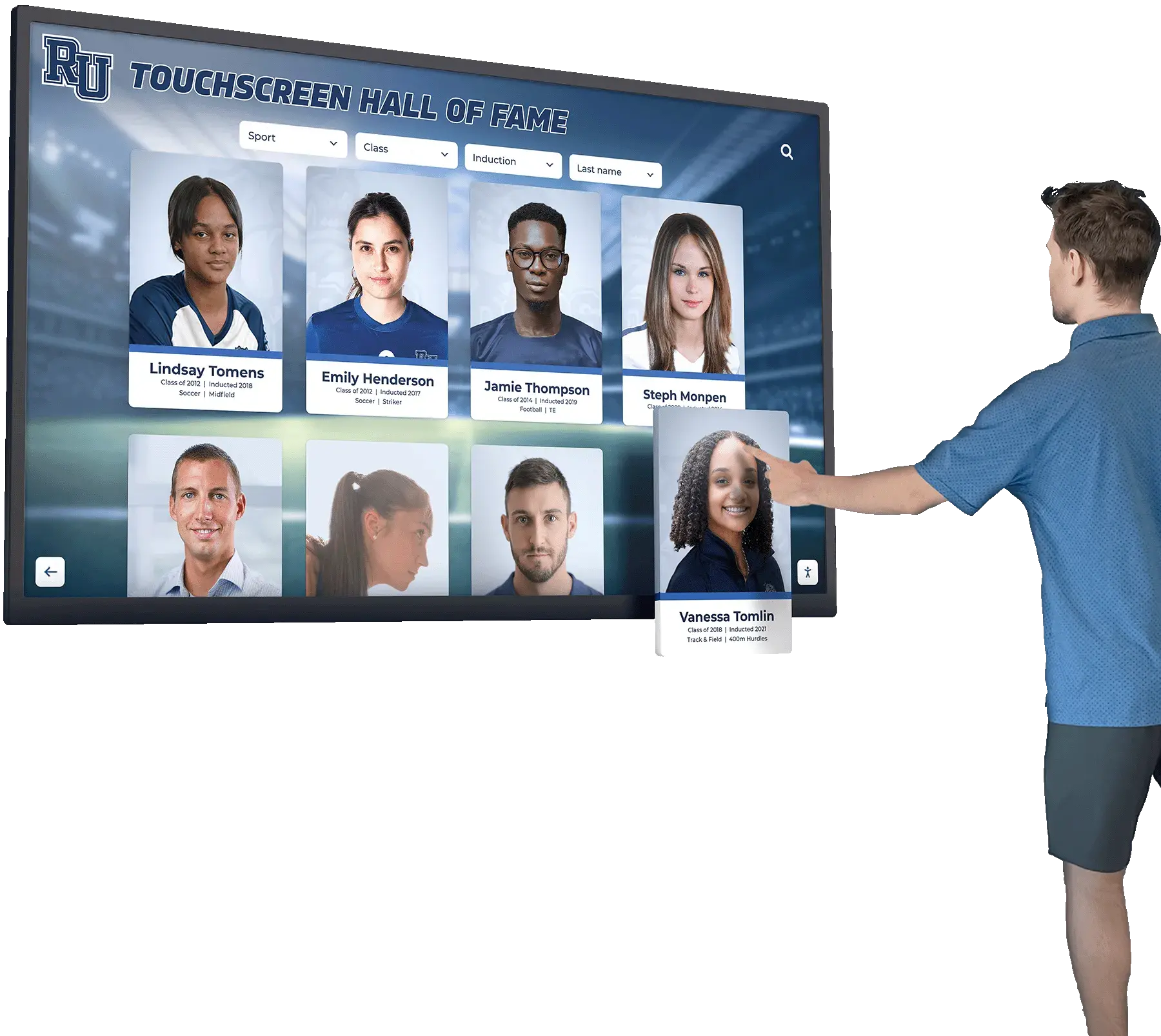
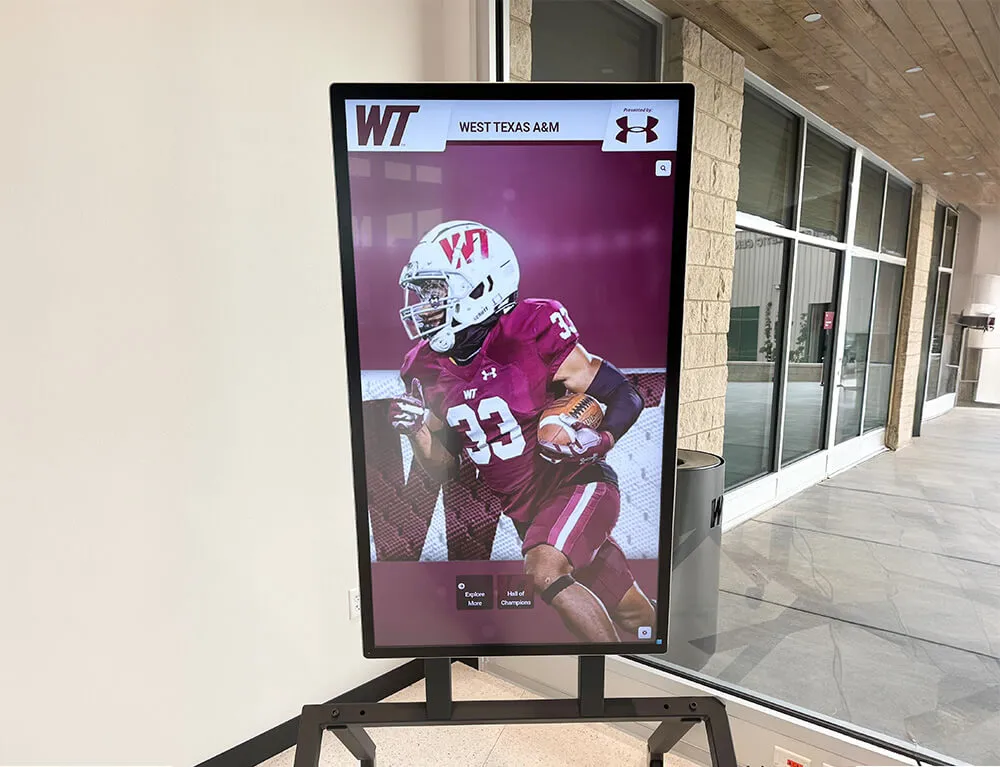
Interactive displays enable parents to explore school achievements and culture while waiting for presentations
Logistics and Efficiency
- Well-organized schedules maximizing time with each teacher
- Clear wayfinding and room location information
- Minimal wait times and efficient transitions
- Accessible parking and building entry
- Accommodation for diverse family needs
When schools meet these expectations systematically, they establish positive trajectories for year-long relationships.
Creating Impressive Entry Experiences
Back to school night impressions begin before parents enter the building—thoughtful approach design sets positive tone immediately.
Exterior and Arrival Planning
Parking and Traffic Management Strategic logistics prevent frustration before families reach your door:
- Clearly marked parking areas with directional signage
- Staff or student volunteers directing traffic during peak arrival times
- Designated accessible parking near main entrances
- Overflow parking plans with clear signage indicating walking routes
- Bicycle parking and drop-off areas for families using alternative transportation
- Clear communication of parking arrangements in pre-event materials
Welcoming Entrance Design Professional entry presentation signals institutional excellence:
- Well-lit entrances ensuring safety and visibility
- “Welcome” signage greeting families as they approach
- Student or parent volunteers stationed at doors providing directions
- Clean, well-maintained exterior areas reflecting operational excellence
- School branding visible through flags, banners, or entrance displays
- Multiple entry points when appropriate reducing congestion
Learn about comprehensive approaches to creating welcoming school environments that extend beyond single events.
Lobby and Common Area Optimization
The first interior spaces parents experience should showcase institutional strengths immediately.
Strategic Display Placement Transform lobbies into powerful storytelling spaces:
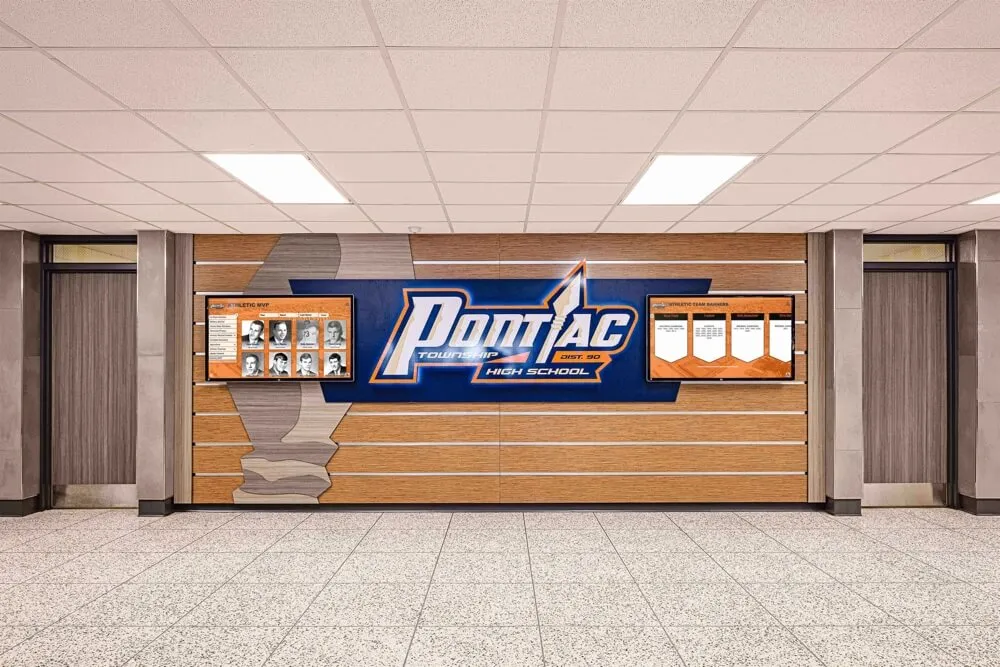
Solutions like digital recognition displays enable schools to showcase comprehensive achievement without cluttered, outdated static boards:
- Academic excellence displays highlighting honor roll students, AP scholars, and academic competition achievements
- Athletic recognition walls celebrating team championships, individual records, and program traditions
- Arts and activities showcases featuring performing arts excellence, visual arts achievements, and club accomplishments
- Historical timeline presentations documenting school legacy and tradition
- Community partnership recognition acknowledging local business support and sponsor relationships
Modern touchscreen systems allow unlimited recognition capacity, ensuring every achievement category receives appropriate visibility without physical space constraints.
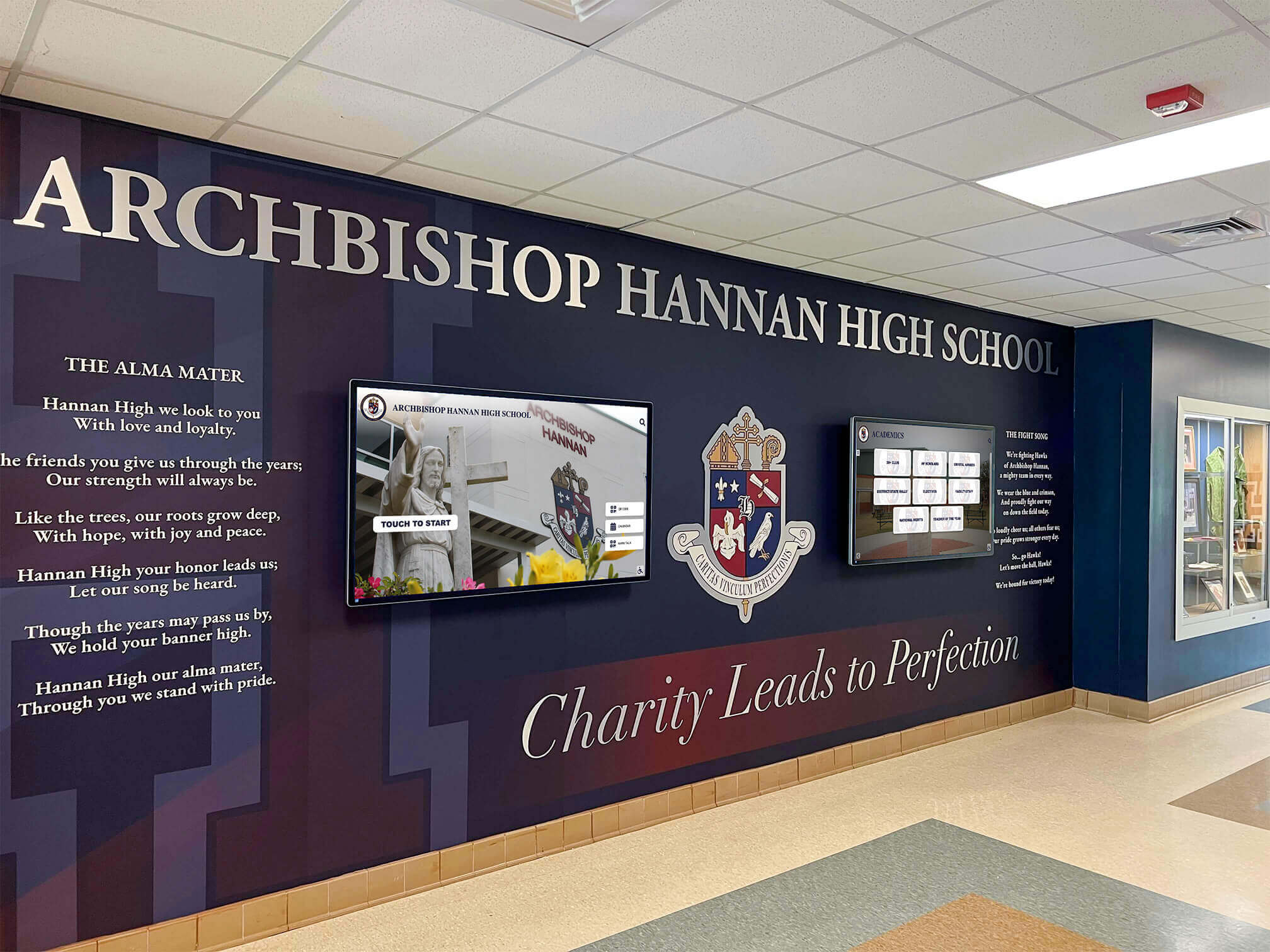
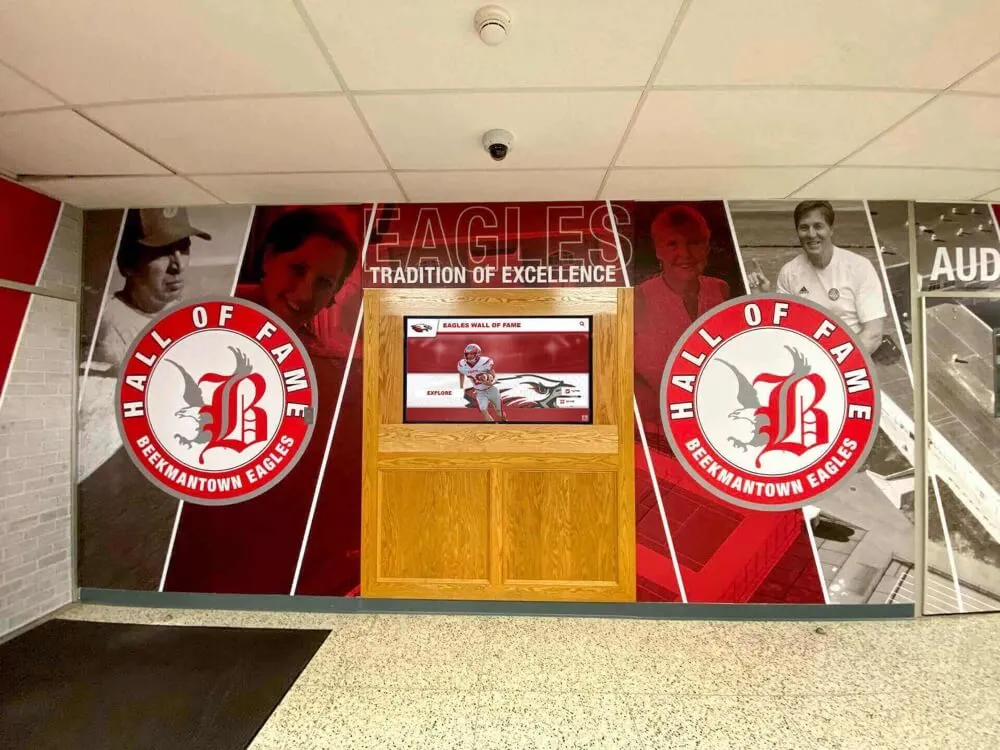
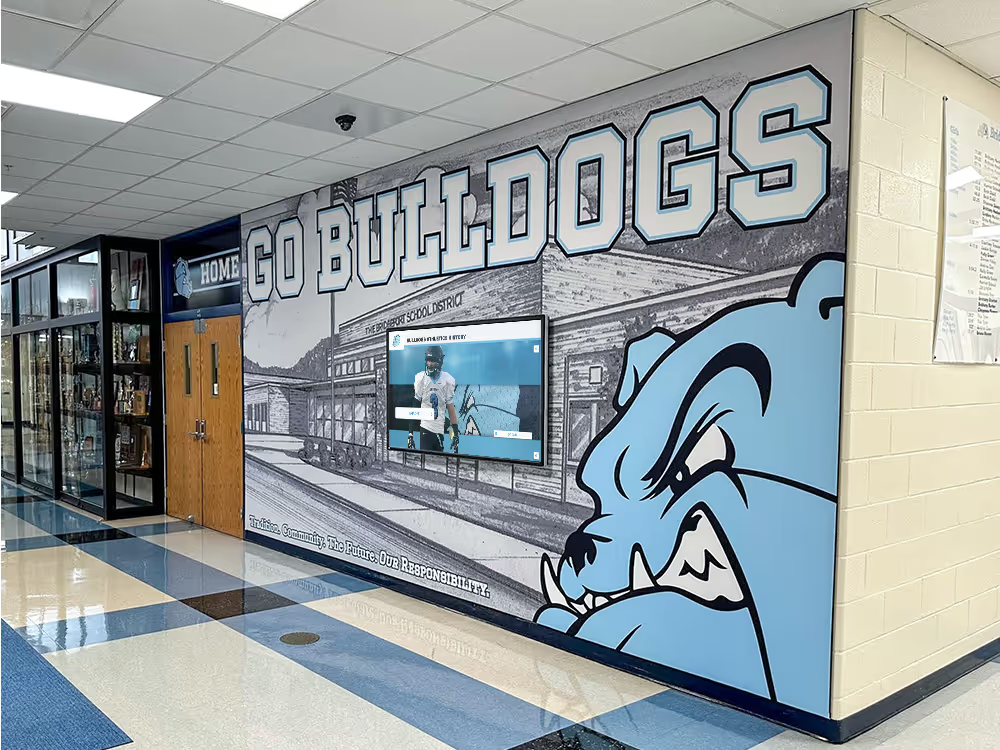
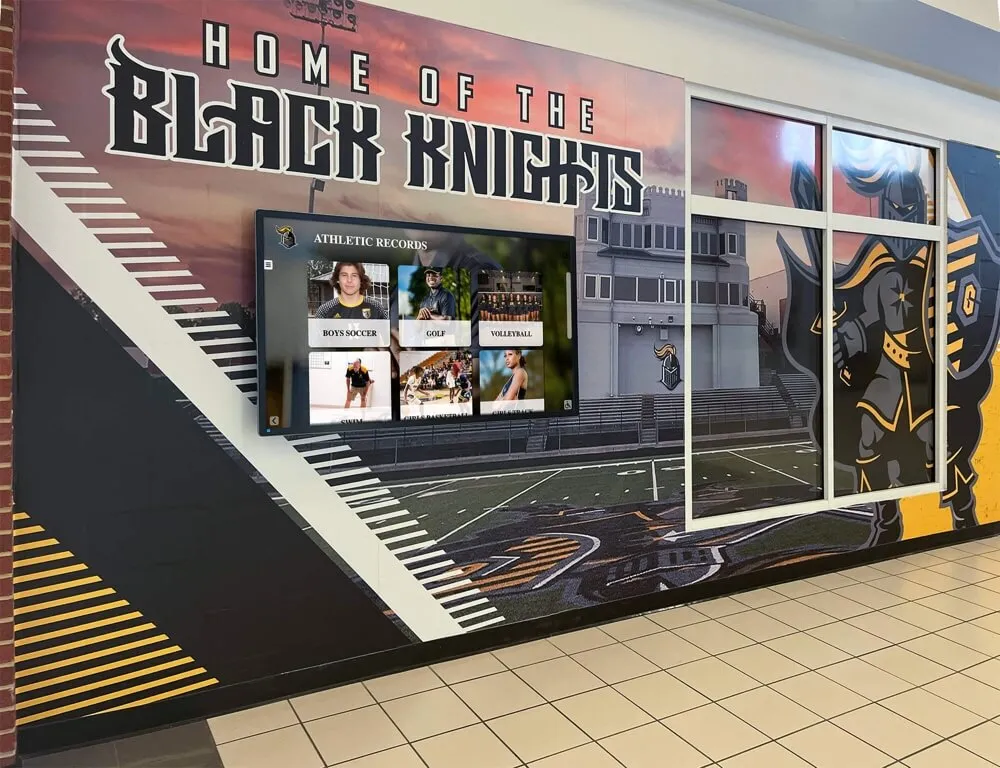
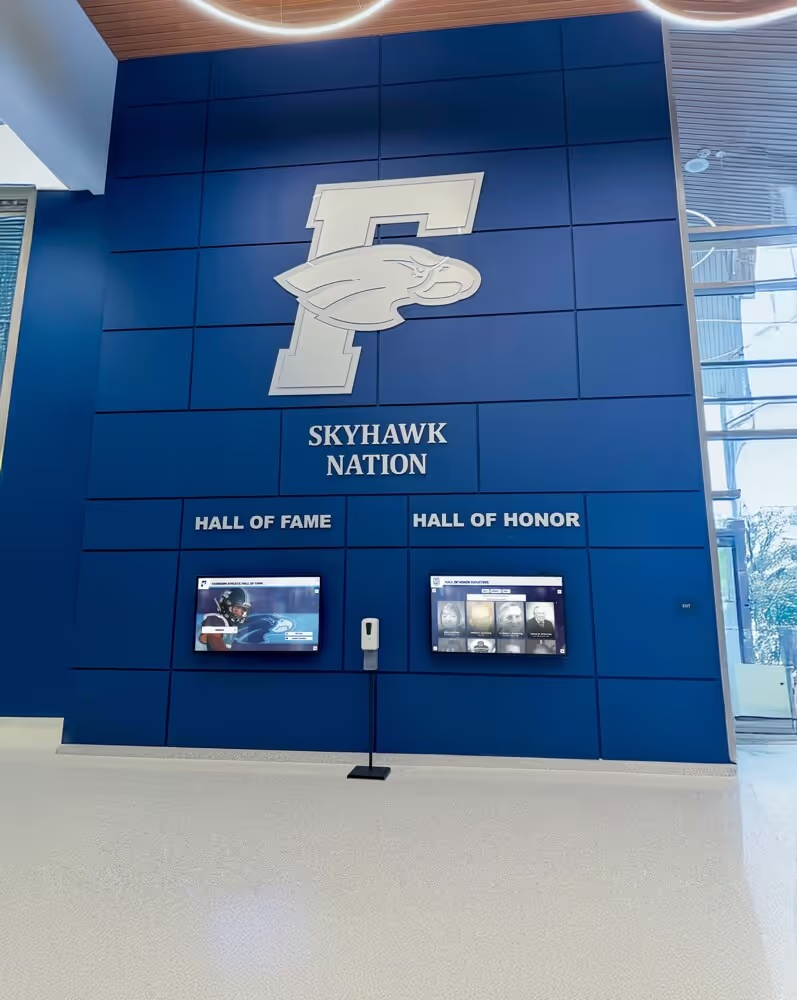
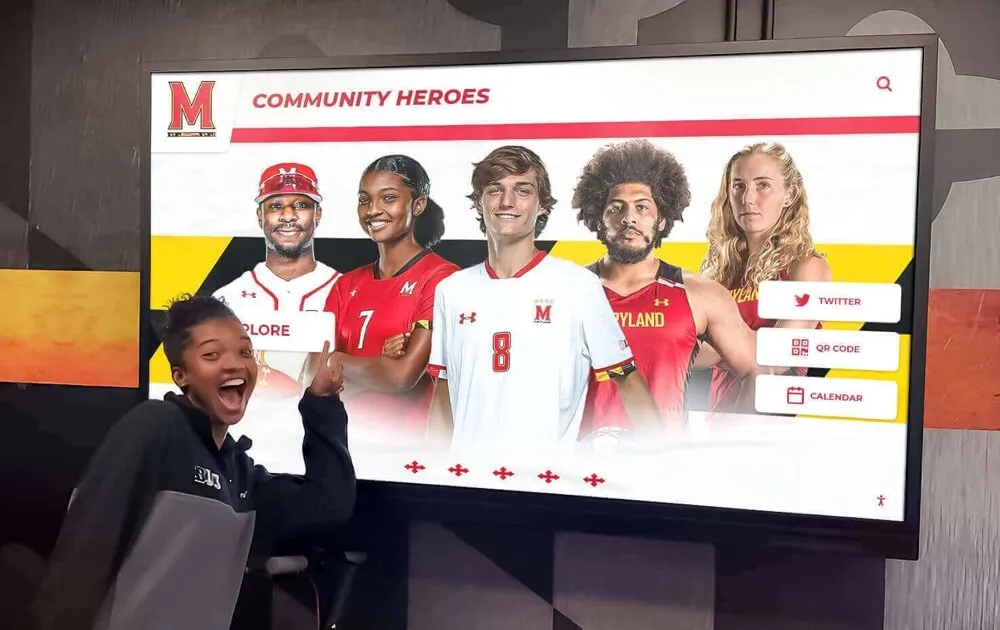
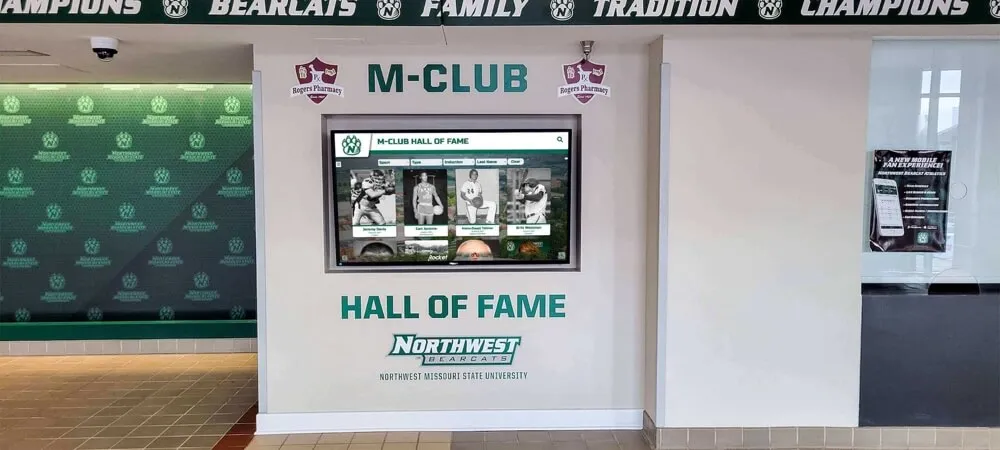
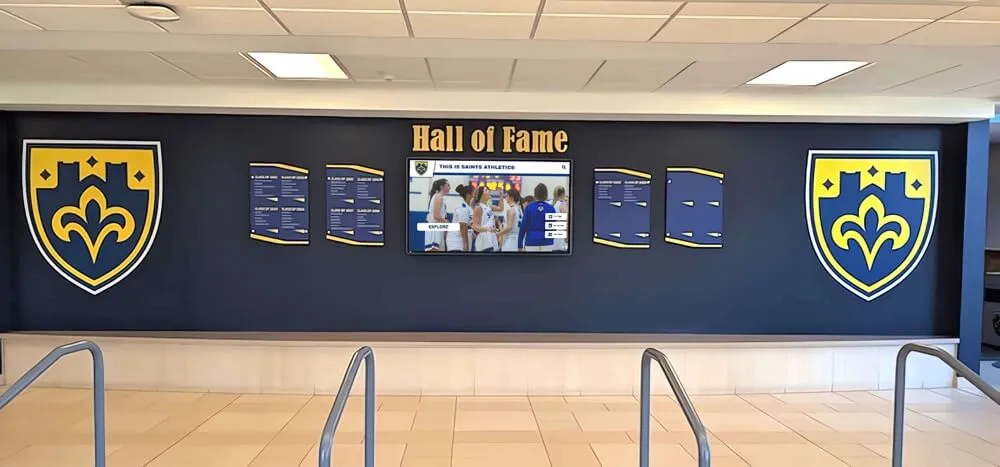
Coordinated displays throughout entrance areas create comprehensive impression of institutional excellence and achievement culture
Information Station Design Create central resources helping parents navigate the evening:
- Large, visible event schedule with room-by-room timing
- Building maps with highlighted classroom locations
- Staff directory with photos helping parents identify teachers
- Volunteer check-in tables for parents interested in involvement opportunities
- Student organization tables with information about extracurricular options
- Digital signage showing real-time updates and announcements
Atmospheric Elements Professional touches enhance welcoming environment:
- Background music creating pleasant ambient atmosphere
- Refreshment stations with coffee, water, and light snacks
- Comfortable seating for early arrivals or those waiting between sessions
- School mascot displays and spirit elements reinforcing identity
- Student artwork and project displays showcasing educational programs
- Clean, well-maintained facilities reflecting operational excellence
Discover strategies for showcasing school achievements throughout common areas.
Hallway Navigation and Wayfinding
Even returning parents need clear directional support during back to school night’s compressed schedule.
Effective Wayfinding Systems
Visual Navigation Tools Eliminate confusion through systematic wayfinding:
- Color-coded hallway designations by grade level or wing
- Large, visible room number signs at every classroom
- Floor decals or temporary signage directing traffic flow
- Digital directory kiosks with searchable teacher and room listings
- Printed maps distributed at entry points
- Student or staff guides stationed at key intersection points
Hallway Display Strategy Transform corridors into engagement opportunities:
While parents move between classrooms, strategic hallway displays communicate institutional values and achievements:
- Academic recognition displays celebrating intellectual excellence across subjects
- Athletic achievement showcases highlighting team and individual success
- Student work galleries demonstrating educational program quality
- College acceptance displays inspiring academic aspiration
- Historical photo collections connecting present to institutional legacy
- Community service recognition emphasizing values and character development
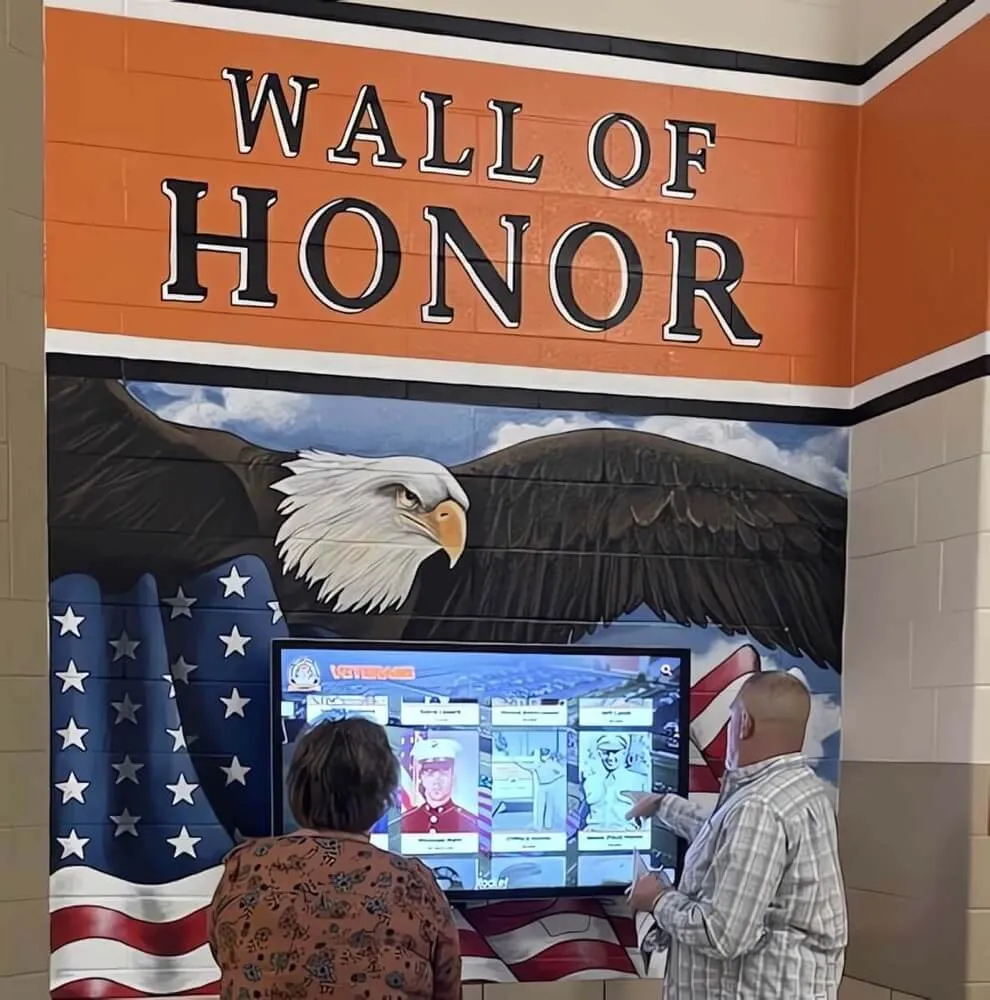
Interactive touchscreen systems enable parents to explore achievements while waiting for classroom sessions, turning potential dead time into engagement opportunity.
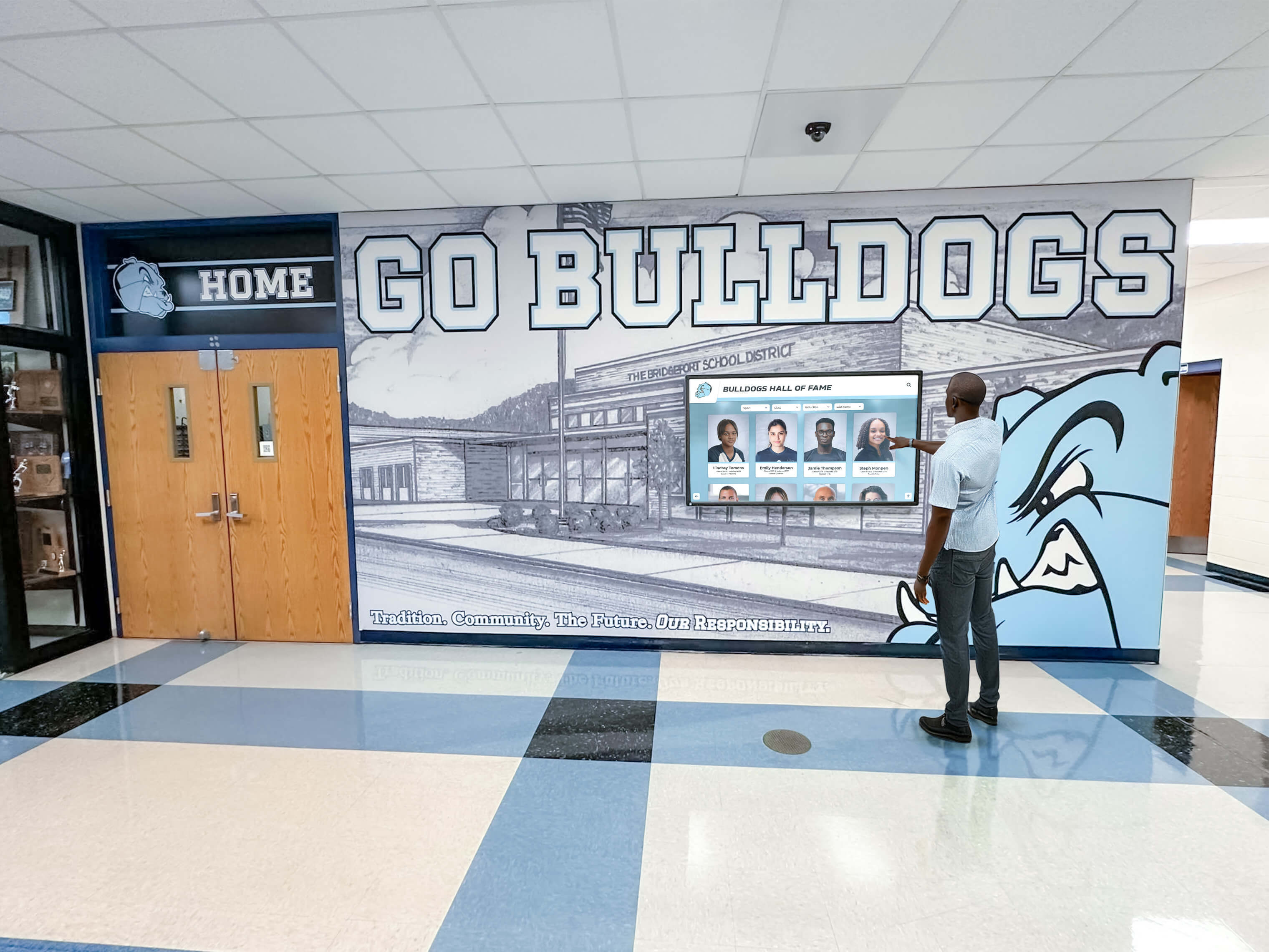
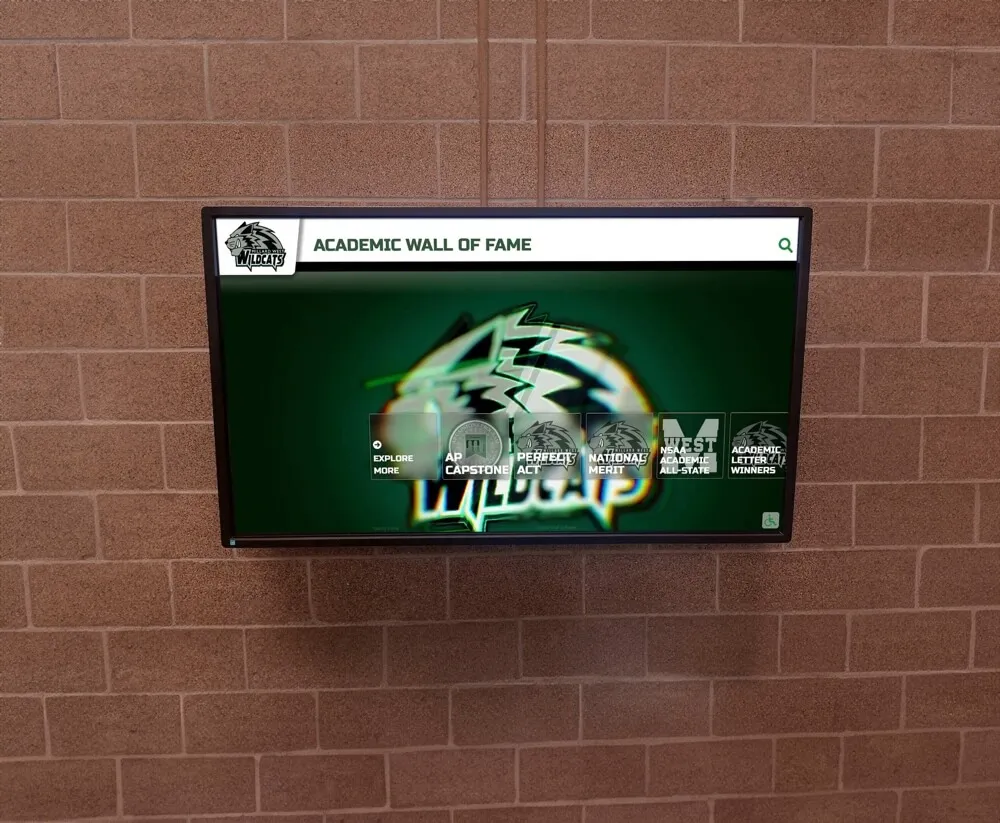
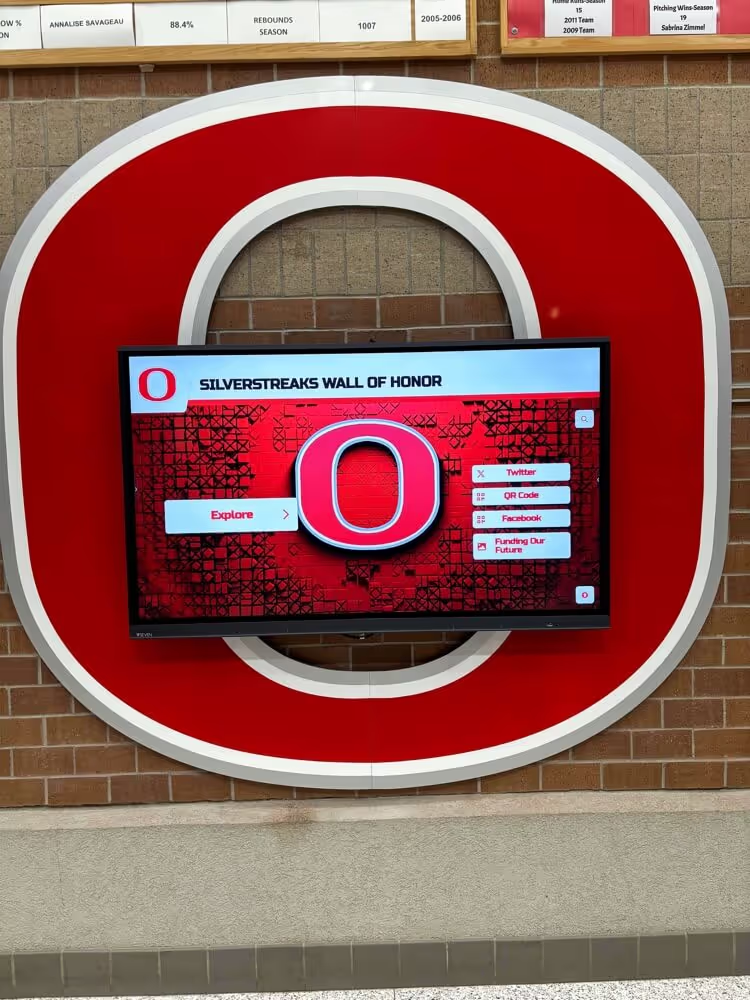
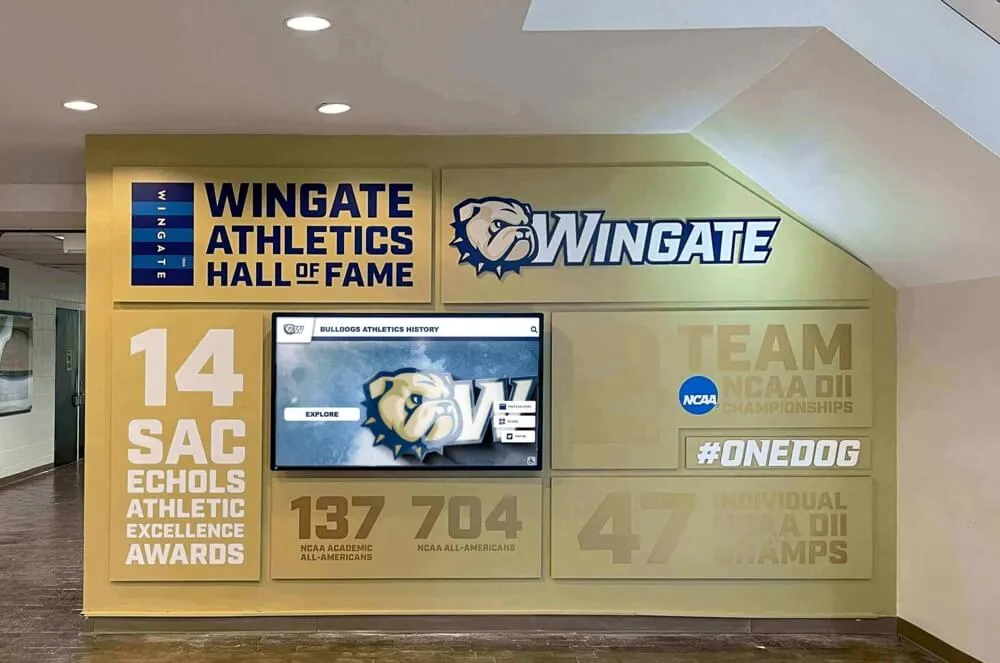
Strategic placement of interactive displays in hallways creates engagement opportunities during transitions between classroom visits
Traffic Flow Management Prevent bottlenecks through thoughtful logistics:
- One-way traffic patterns during peak transition times
- Staggered session start times for different grade levels when possible
- Designated passing lanes in narrow corridors
- Clear indication of high-traffic classrooms requiring extra capacity
- Alternative routes to popular destinations
- Student ambassadors managing crowd flow at congestion points
Learn about digital tools that enhance school communication beyond single events.
Classroom Presentation Excellence
Individual teacher presentations represent the heart of back to school night—preparation determines success.
Preparing Physical Classroom Spaces
Professional Classroom Environment Room appearance communicates competence and care:
- Clean, organized spaces free of clutter and mess
- Student work displayed showcasing educational approach
- Seating arranged allowing all parents clear view of presentation area
- Technology tested and ready for multimedia presentations
- Classroom rules, expectations, and schedules clearly posted
- Course materials, textbooks, and resources available for parent inspection
Parent-Friendly Accommodations Thoughtful touches demonstrate consideration:
- Adult-sized seating when possible rather than student desks
- Standing room accommodation for overflow crowds
- Clear sightlines ensuring all parents can see presentation materials
- Adequate lighting for note-taking
- Copies of presentation materials available for parent reference
- Sign-in sheets capturing parent attendance and contact information
Effective Presentation Structure
Opening Minutes (Critical First Impression) The first three minutes determine parent engagement for entire presentation:
- Warm, confident greeting welcoming parents by name when possible
- Brief personal introduction establishing credibility and approachability
- Clear agenda outlining what will be covered
- Acknowledgment of time constraints and respect for family schedules
- Immediate focus on what parents most need to know
Core Content Delivery Efficient communication of essential information:
- Course or grade level curriculum overview with key learning objectives
- Assessment and grading policies including homework expectations
- Communication protocols and preferred contact methods
- Important dates, project deadlines, and testing schedules
- Classroom management approach and behavioral expectations
- Technology requirements and online resource access
- Specific ways parents can support learning at home
Engagement Elements Interactive components prevent passive listening:
- Student work samples demonstrating learning expectations
- Brief activity giving parents experience with instructional approach
- Q&A time for clarification questions
- Anecdotes and stories illustrating classroom culture
- Evidence of past student success and achievement
- Vision for growth and learning throughout the year
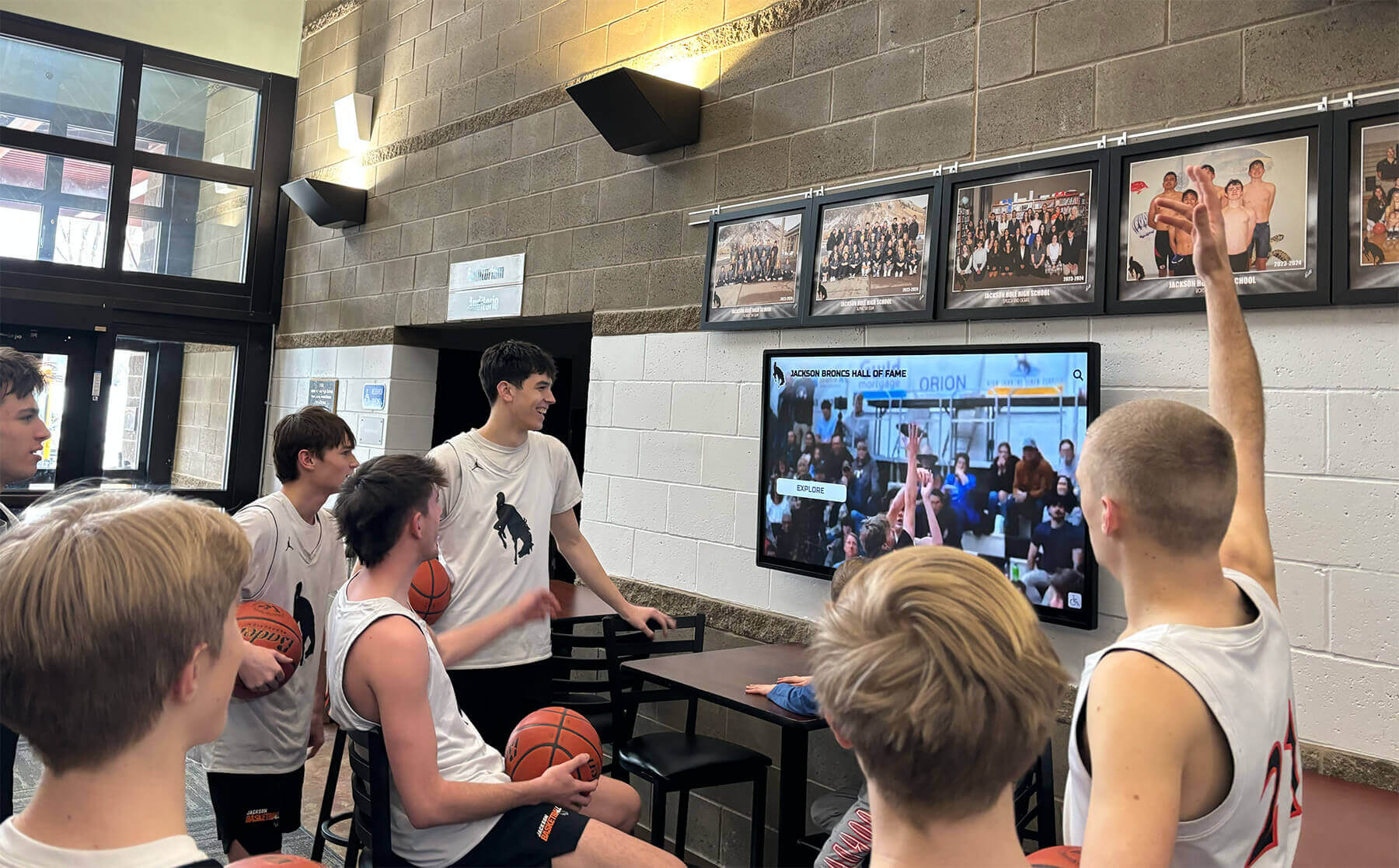
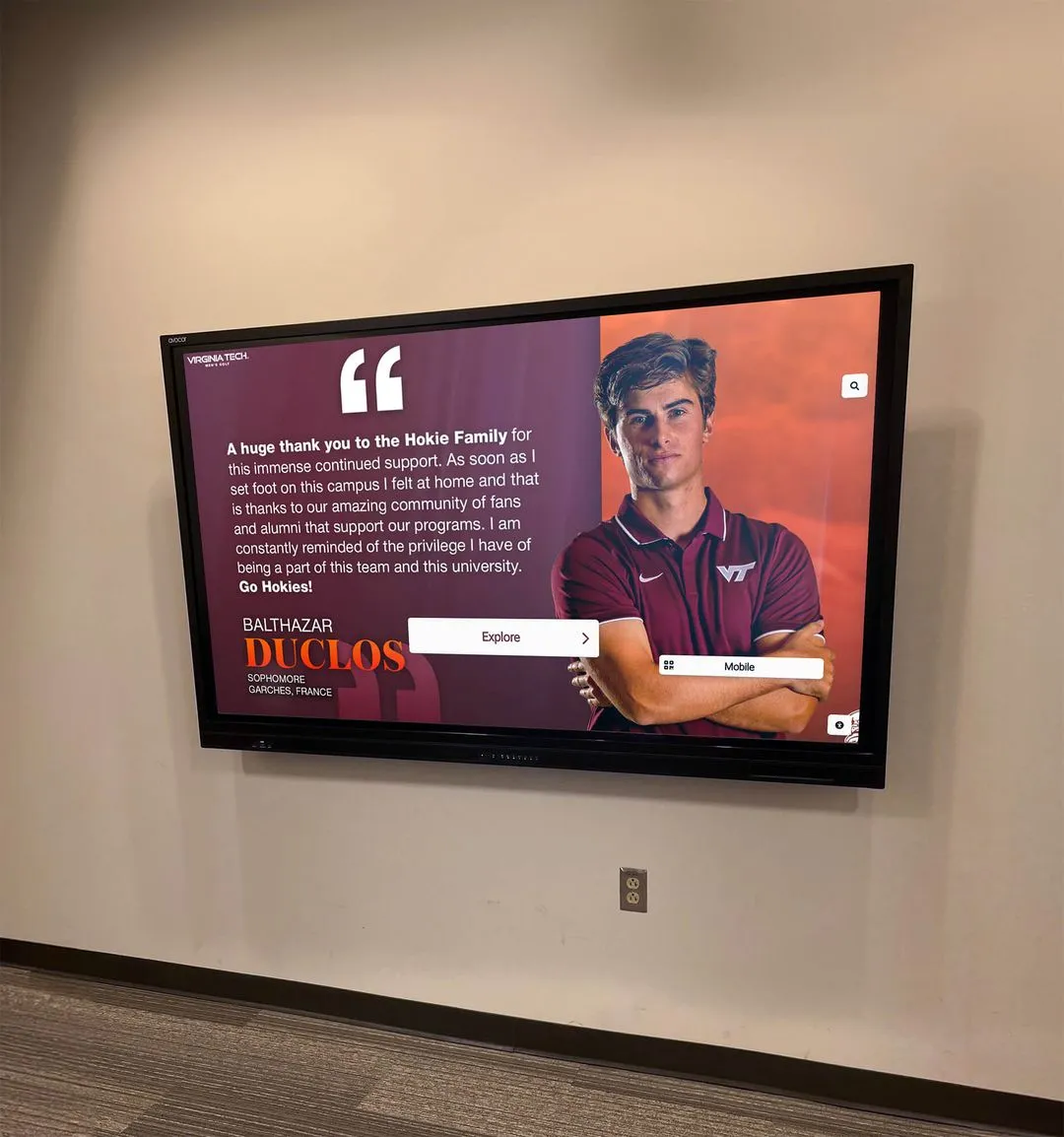
Dynamic video content featuring student achievements and school culture creates connections during presentations and transitions
Technology Integration in Presentations
Multimedia Enhancement Strategic technology use increases engagement:
- Slide presentations with clear visuals and limited text
- Video clips showing student learning in action
- Digital portfolio samples demonstrating student work quality
- Virtual classroom tours for courses using online platforms
- Calendar integrations showing upcoming assignments and events
- Links to course websites and online resources
Avoiding Technology Pitfalls Common mistakes undermine otherwise strong presentations:
- Over-reliance on technology preventing personal connection
- Technical difficulties consuming valuable time
- Text-heavy slides parents struggle to read
- Excessive information overwhelming rather than informing
- Failure to have backup plans when technology fails
Creating Interactive Recognition Experiences
Modern schools leverage technology to transform back to school night from passive information reception to active exploration.
Digital Recognition Display Benefits
Solutions like Rocket Alumni Solutions provide comprehensive platforms specifically designed for educational recognition:
Unlimited Achievement Showcase Traditional static displays force impossible choices about whose accomplishments receive visibility. Digital systems eliminate these constraints:
- Every academic achievement category receives appropriate space
- Athletic recognition spans all sports, levels, and achievement types
- Arts and activities celebrations showcase comprehensive student talent
- Historical archives preserve institutional legacy while highlighting current success
- Community service recognition emphasizes values alongside achievement
Parent Engagement Opportunities Interactive displays create meaningful experiences during waiting times:
- Searchable databases enabling parents to find their children’s achievements
- School history exploration connecting families to institutional tradition
- Notable alumni profiles inspiring student aspiration
- Photo galleries documenting school events and student life
- Achievement filtering by year, category, activity, or other criteria
Discover comprehensive approaches to academic recognition programs extending beyond single events.
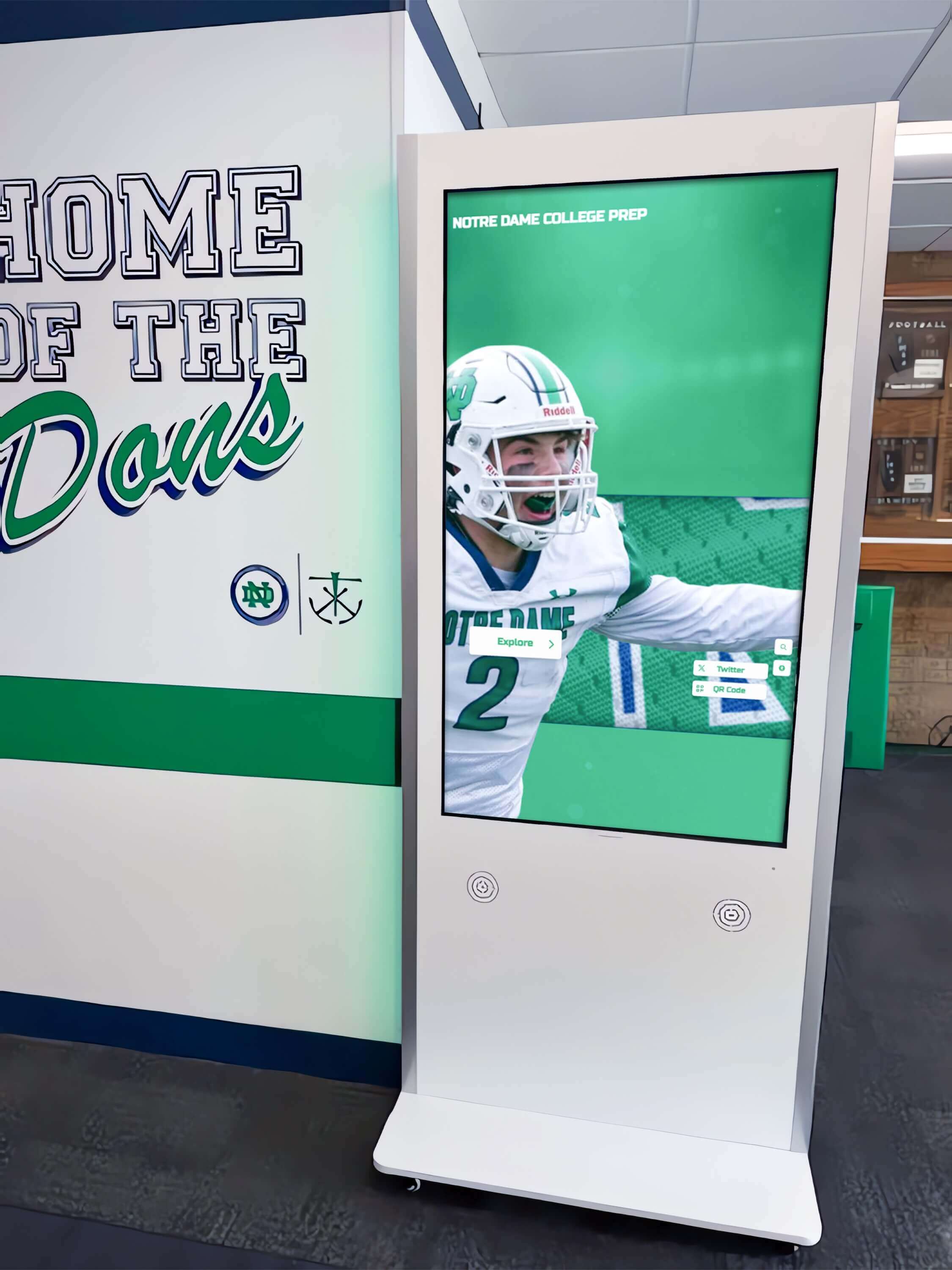
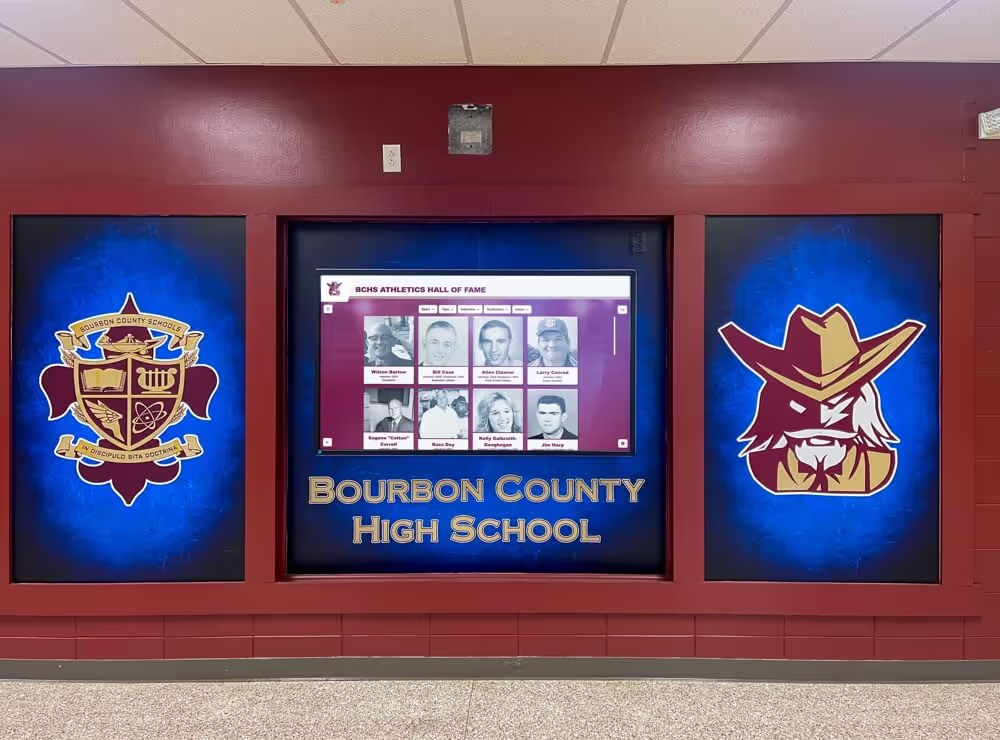
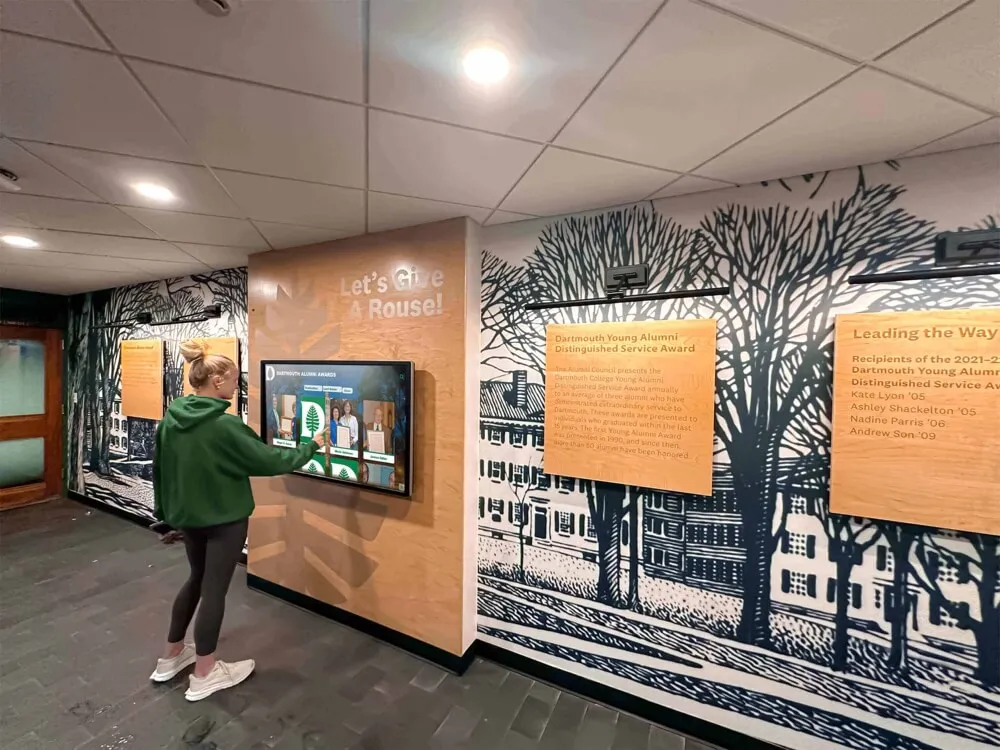
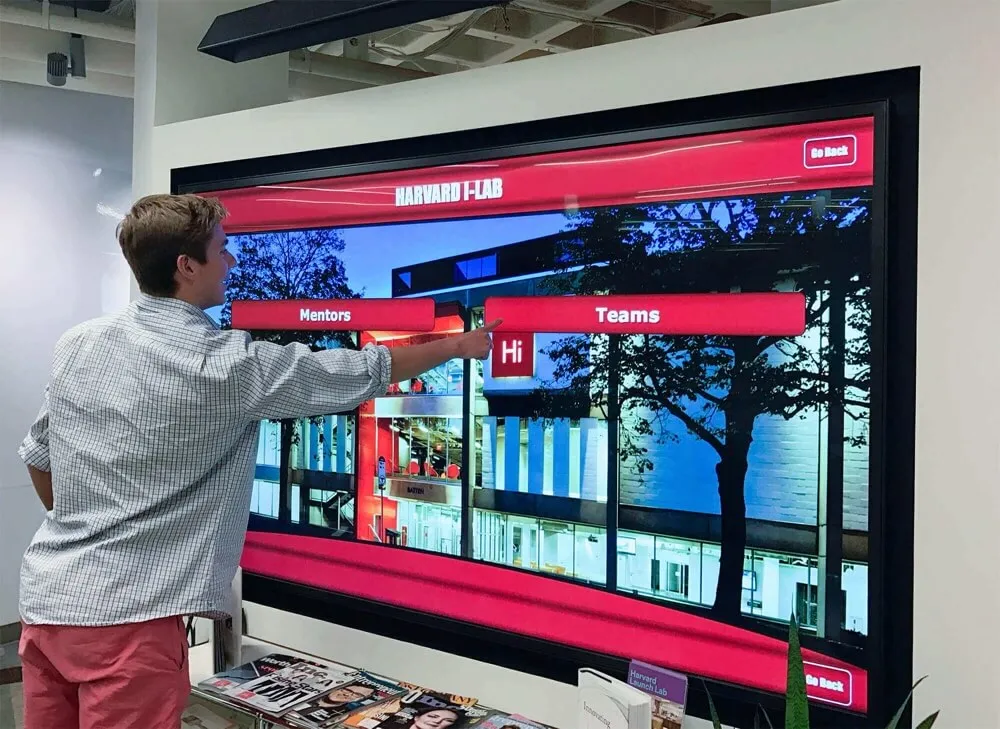
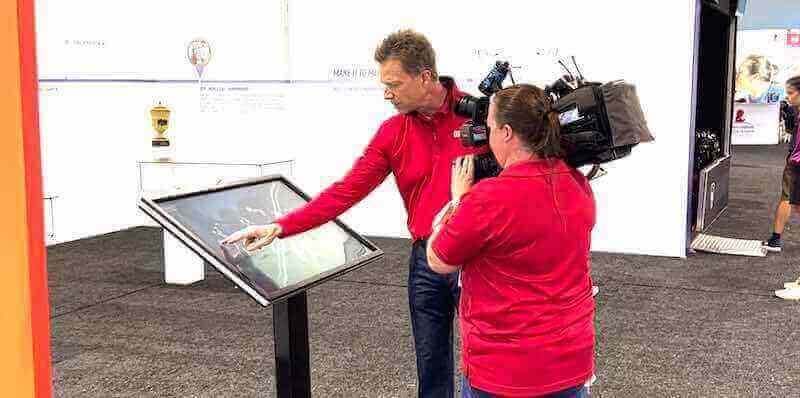
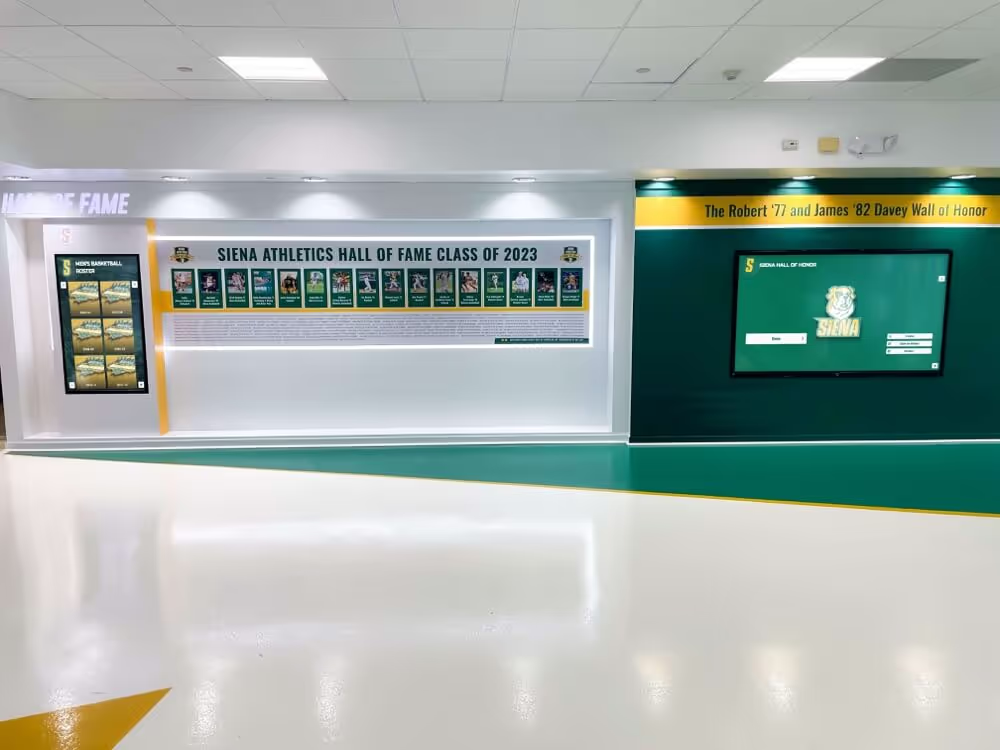
Freestanding interactive kiosks provide flexible placement options in lobbies, hallways, and other high-traffic areas
Strategic Display Placement for Maximum Impact
High-Traffic Area Locations Position displays where parents naturally congregate:
- Main entrance lobbies where families first enter
- Outside auditoriums or gymnasiums hosting large presentations
- Hallway intersections where parents wait between sessions
- Cafeterias or common areas serving as gathering spaces
- Outside main offices where parents check in or seek information
Content Curation for Events Customize displayed content for back to school night:
- Feature current year students prominently
- Highlight recent achievements and recognitions
- Showcase relevant programs and activities beginning this year
- Include welcome messages from administration
- Display important dates and calendar information
- Feature teacher and staff introductions with photos
Learn about donor recognition strategies applicable to school partner acknowledgment.
Communication Materials and Information Distribution
Strategic materials ensure parents leave with essential information accessible beyond the evening.
Essential Take-Home Materials
Comprehensive Information Packets Well-organized resources parents can reference throughout the year:
- School calendar with important dates, holidays, and events
- Contact directory with teacher emails, phone extensions, and office hours
- Curriculum guides or course syllabi for each subject
- Grading policies and academic expectations
- Student handbook excerpts covering key policies and procedures
- Technology access information for online platforms and portals
Digital Communication Options Modern families appreciate electronic resource access:
- QR codes linking to online resource repositories
- Email list sign-up forms for classroom and school updates
- Social media follow information for school accounts
- Mobile app download instructions for school communication platforms
- Website navigation guides showing where to find key information
- Video tutorial links for commonly needed information
Visual and Language Accessibility Inclusive materials serve all families:
- Translation of key documents into languages spoken by school families
- Large-print versions for families with visual needs
- Simplified versions explaining complex policies clearly
- Visual guides using icons and images alongside text
- Contact information for families needing additional accessibility support
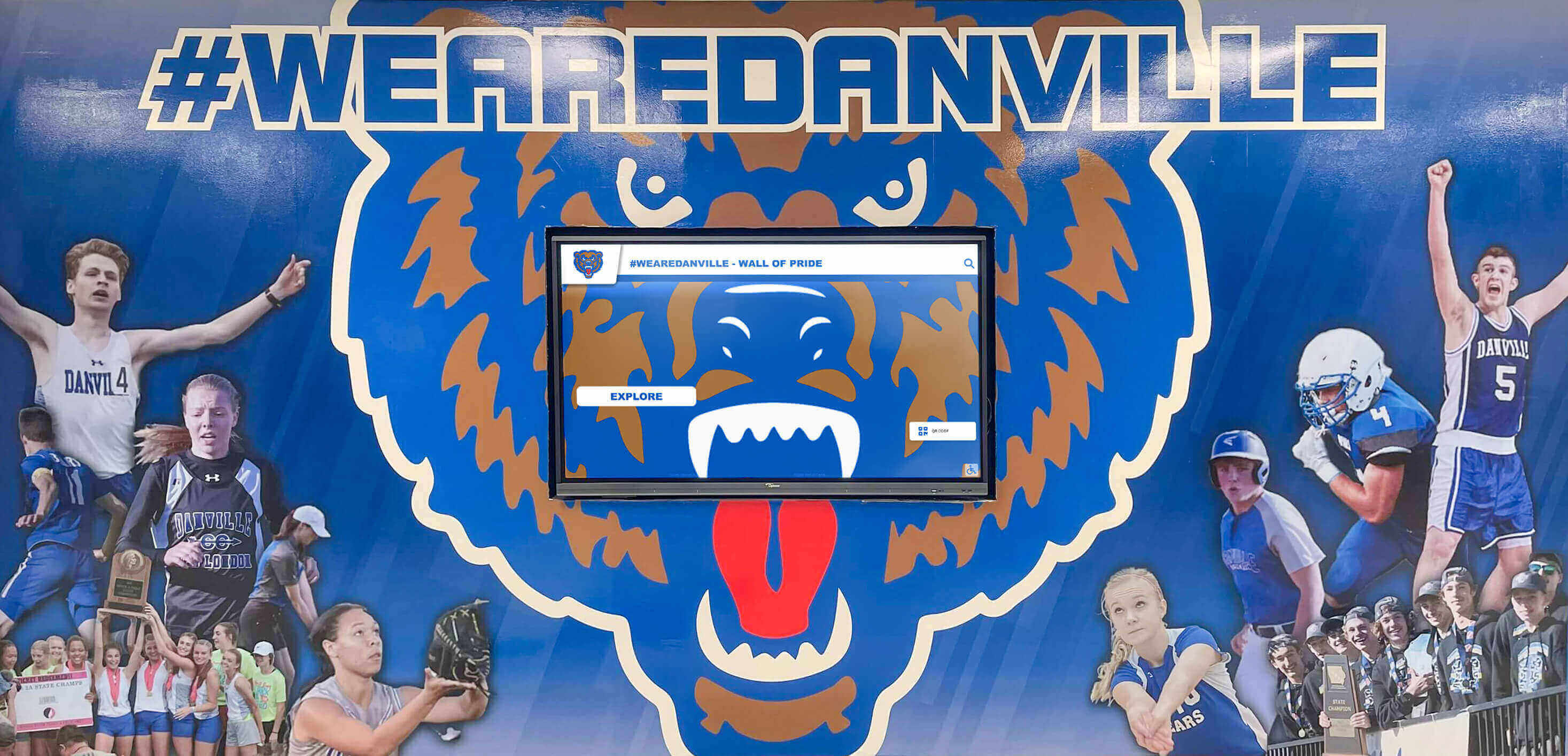
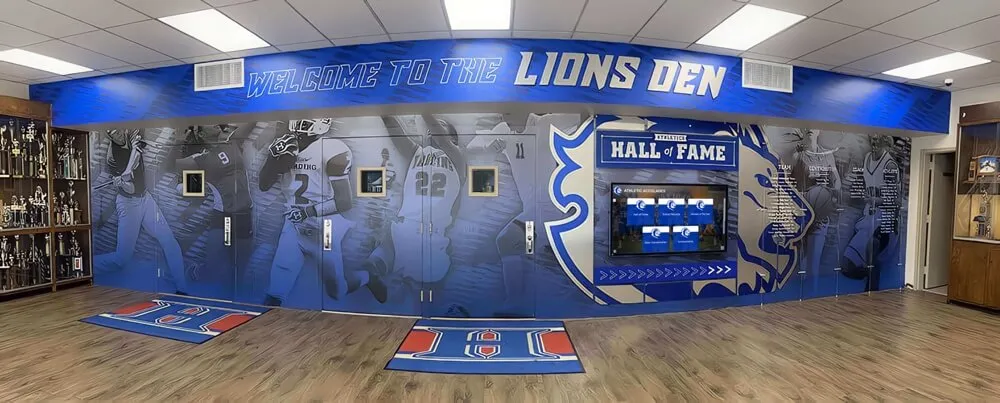
Consistent branding and professional displays throughout building create cohesive impression of institutional excellence
Special Program Showcases and Information Sessions
Beyond classroom visits, strategic programming highlights institutional strengths and opportunities.
Academic Program Highlights
Advanced Learning Opportunities Showcase programs that differentiate your school:
- Advanced Placement and honors course information sessions
- STEM program demonstrations and student project displays
- Dual enrollment and college credit opportunity explanations
- Academic competition team recruitment and information
- Gifted and talented program overviews
- Special academic focus area presentations
Support Services and Resources Communicate available assistance and interventions:
- Guidance counselor introductions and services overview
- Learning support program explanations for students with IEPs or 504 plans
- Tutoring and academic support resource information
- English Language Learner program details for multilingual families
- Social-emotional learning initiatives and counseling services
- Library and media center resource overviews
Explore strategies for showcasing academic excellence throughout the school year.
Extracurricular and Enrichment Opportunities
Athletics Program Information Sport programs deserve systematic presentation:
- Team tryout dates, requirements, and expectations
- Athletic department philosophy and participation opportunities
- Recognition of past athletic achievements inspiring participation
- Coaching staff introductions when possible
- Athletic booster club information and volunteer opportunities
- Facility tours highlighting athletic spaces
Arts and Activities Showcase Performing and visual arts programs attract diverse students:
- Music program demonstrations and performance previews
- Art displays showcasing student work and program outcomes
- Theater program information and upcoming production announcements
- Club and organization fair connecting students with interests
- Academic team and competition group recruitment
- Student government and leadership opportunity information
Learn about comprehensive student achievement recognition across all activities.
Parent Engagement and Volunteer Recruitment
Back to school night provides ideal opportunity for volunteer recruitment and engagement initiation.
Volunteer Opportunity Communication
Systematic Volunteer Needs Presentation Clear communication increases participation:
- Specific volunteer roles and time commitment requirements
- Variety of involvement levels accommodating different availability
- Skills-based volunteer matches connecting parent expertise with needs
- Classroom assistance opportunities for parents wanting direct involvement
- School-wide event support options for episodic availability
- Behind-the-scenes roles for parents unable to volunteer during school hours
Sign-Up Systems and Follow-Through Capture interest and ensure follow-through:
- Simple, accessible sign-up processes during the event
- Online volunteer portals enabling later registration
- Clear next steps communicated to interested families
- Volunteer coordinator contact information for questions
- Timeline expectations about when families will be contacted
- Appreciation emphasis recognizing volunteer importance
Discover approaches to community partnership showcasing applicable to parent volunteers.
Building Parent Community
Connection Facilitation Help families build networks supporting students:
- Grade-level or classroom parent social time
- Parent organization (PTA/PTO) information and meeting schedules
- Social media groups or communication platforms for parent connection
- Buddy system pairing new families with established community members
- Interest-based parent groups around specific school programs
- Cultural affinity groups supporting diverse families
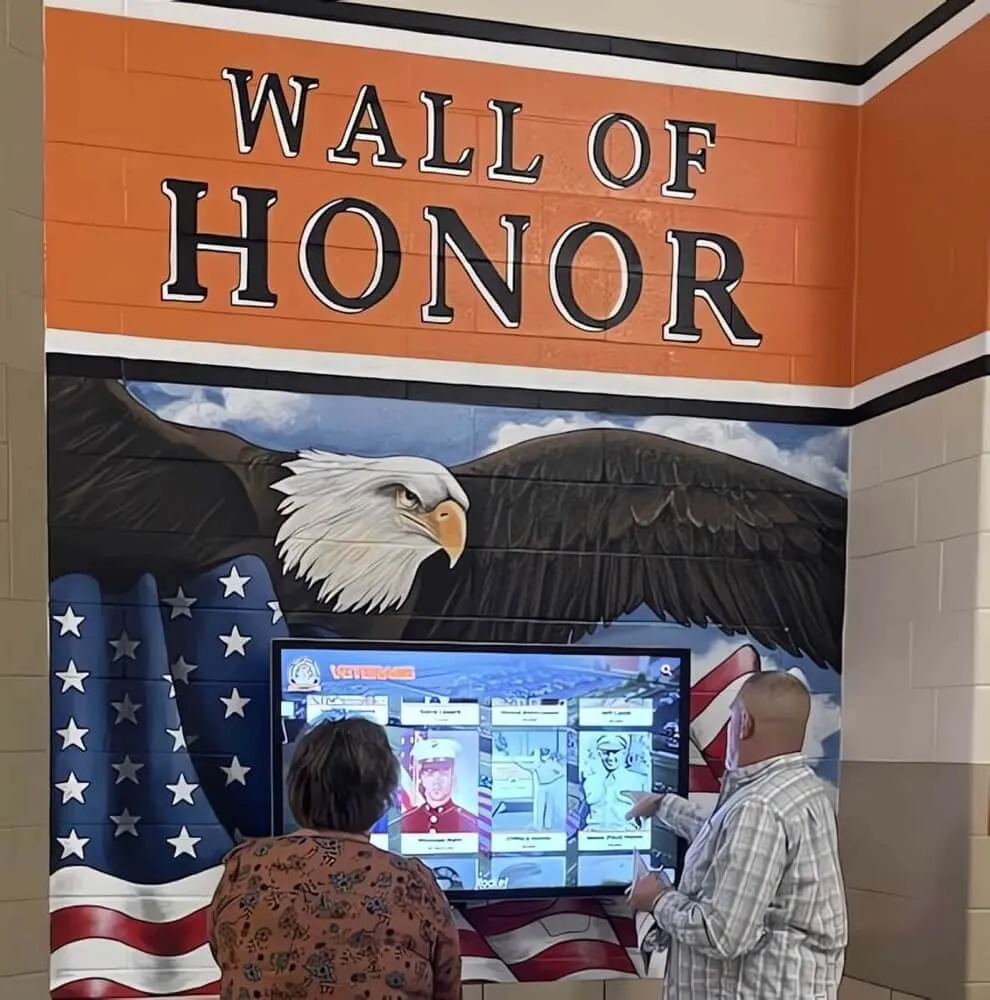
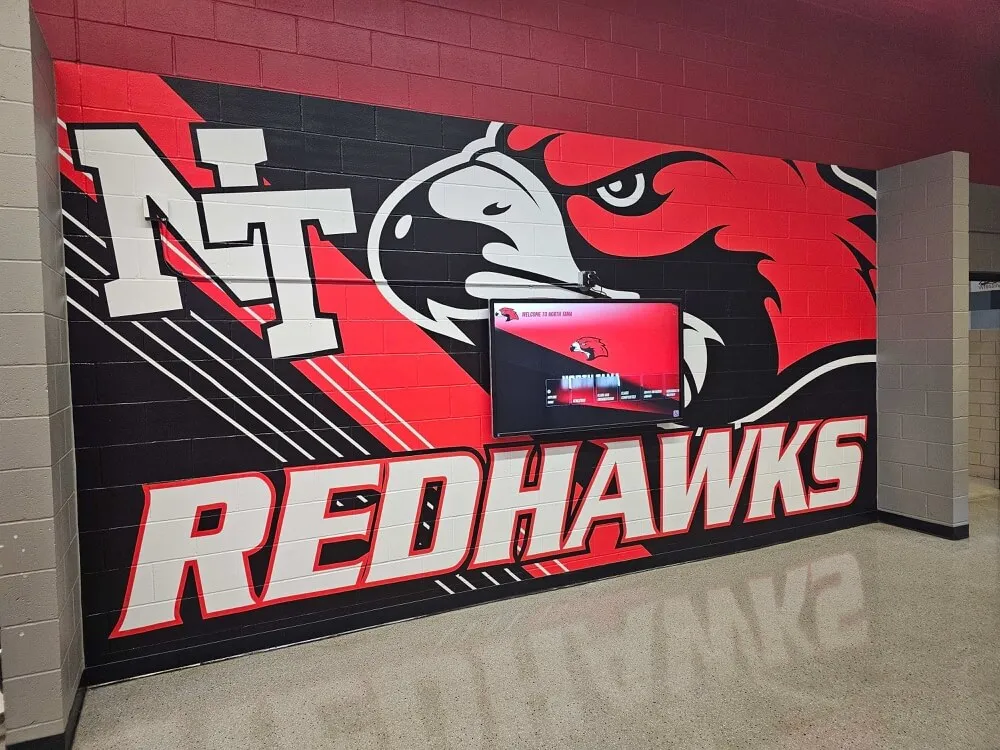
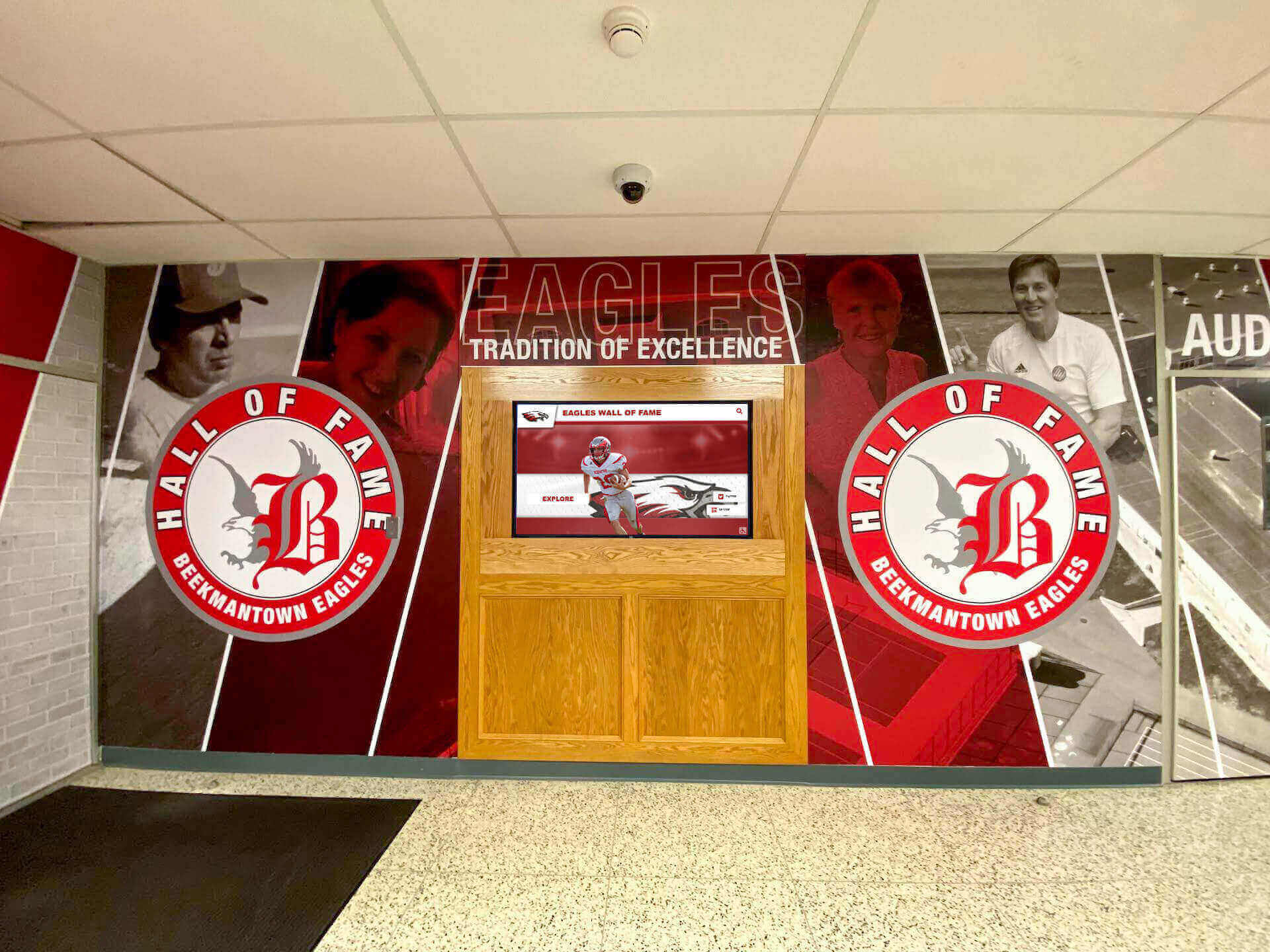
Welcoming entrance displays set positive tone while communicating institutional values and priorities
Follow-Up and Relationship Continuation
Back to school night impact extends through systematic follow-up reinforcing initial connections.
Post-Event Communication Strategy
Immediate Thank-You and Reinforcement Within 24-48 hours of the event:
- Email thank you to attending families
- Digital copies of presentation materials shared via email or learning platform
- Photo gallery from the evening posted to school website and social media
- Reminder of key dates and deadlines discussed during presentations
- Contact information reiteration encouraging ongoing communication
- Invitation to reach out with questions or concerns
Ongoing Engagement Touchpoints Systematic communication maintains momentum:
- Weekly or biweekly email newsletters updating families on school activities
- Monthly principal communications providing big-picture perspective
- Regular classroom updates from teachers about learning progress
- Event invitations and participation opportunities
- Student achievement celebrations and recognition announcements
- Transparent communication about challenges and problem-solving approaches
Learn about sustained approaches to alumni and family engagement applicable to parent relationships.
Measuring Back to School Night Success
Assessment ensures continuous improvement and resource allocation justification.
Quantitative Success Metrics
Participation and Attendance
- Percentage of families attending event
- Comparison to previous years’ participation rates
- Demographic representation ensuring all communities engaged
- Session attendance patterns identifying popular presentations
- Duration of family visits indicating engagement level
Material Distribution and Access
- Information packet uptake and distribution numbers
- Digital resource access rates in days following event
- Email list enrollment increases
- Mobile app downloads and usage
- Website traffic increases post-event
Engagement Indicators
- Volunteer sign-up rates during and after event
- Parent organization membership increases
- Follow-up question and communication frequency
- Calendar event attendance in weeks following
- Social media engagement and sharing
Qualitative Assessment
Parent Feedback Collection
- Post-event surveys gathering reaction and suggestions
- Open-ended feedback about most and least valuable elements
- Comparison questions rating event versus previous experiences
- Specific improvement recommendations
- Communication effectiveness assessment
- Overall satisfaction scores
Staff Reflection and Evaluation
- Teacher feedback about presentation effectiveness
- Administrative assessment of logistics and organization
- Volunteer perspectives on what worked well
- Facility and technology function evaluation
- Timeline assessment and improvement opportunities
Special Considerations for Different School Levels
Back to school night approaches should adapt to developmental levels and family expectations.
Elementary School Considerations
Age-Appropriate Elements
- Classroom-based format keeping families primarily with homeroom teachers
- Longer session times allowing comprehensive overview
- Student work displays prominently featured
- Daily schedule and routine detailed explanation
- Social-emotional learning and character development emphasis
- Parent volunteer opportunities clearly communicated
Family-Friendly Accommodations
- Child care or sibling supervision options when possible
- Earlier event timing accommodating younger children’s schedules
- Welcoming, colorful environment matching elementary culture
- Opportunities for student participation when appropriate
- Shorter presentations recognizing attention span considerations
Middle School Adaptations
Transitional Nature Acknowledgment
- Bell schedule format helping parents experience student day
- Multiple teacher visits as students change classes
- Lockers, organization, and independence skill emphasis
- Social-emotional changes and development discussion
- Technology use and digital citizenship information
- Homework and study skill expectations
Adolescent-Appropriate Approach
- Recognition of increasing student independence
- Balance between information and overwhelming detail
- Connection between middle school success and high school preparation
- Extracurricular exploration and identity development opportunities
- Positive, strength-based framing of adolescent challenges
High School Priorities
College and Career Readiness Focus
- Connection between coursework and post-graduation options
- Advanced course opportunities and requirements
- Standardized testing timelines and preparation
- College application process overview for upperclass families
- Career pathway and technical education options
- Athletic recruitment for families of prospective student-athletes
Independence and Partnership Balance
- Acknowledgment of increasing student responsibility
- Ways parents can support without micromanaging
- Warning signs indicating students need additional support
- Communication expectations respecting student maturity
- Graduation requirements and credit tracking systems
Learn about high school senior recognition programs culminating school experiences.
Addressing Diverse Family Needs
Inclusive back to school night planning ensures all families feel welcome and informed.
Language and Cultural Accessibility
Multilingual Communication
- Translation of essential documents into community languages
- Bilingual staff or volunteer translators available during event
- Headphones for simultaneous translation when feasible
- Visual presentations reducing language barriers
- Follow-up materials available in multiple languages
Cultural Responsiveness
- Event timing considering religious observances and work schedules
- Food offerings respecting dietary restrictions and preferences
- Recognition of diverse family structures in language and materials
- Cultural celebration elements acknowledging community diversity
- Staff training in cultural competence and communication
Socioeconomic Inclusivity
Barrier Reduction
- Free event with no fees or required purchases
- Transportation assistance information when needed
- Child care options for families lacking supervision alternatives
- Evening timing accommodating work schedules
- Virtual or alternative timing options for families unable to attend in person
Special Needs Accommodation
Accessibility Planning
- ADA-compliant facility access with clear accessible routes
- ASL interpreters for deaf or hard-of-hearing families
- Visual aids and written materials for information reinforcement
- Sensory-friendly spaces for families with sensory sensitivities
- Individual meetings available for families with specific concerns
Conclusion: Building Foundation for Year-Long Success
Back to school night represents far more than routine information session—it establishes the relationship foundation supporting student achievement throughout the academic year. When schools approach this critical evening strategically, balancing efficient information delivery with welcoming atmosphere, professional presentation with personal connection, and comprehensive communication with focused clarity, they create powerful first impressions that shape parent partnerships for months ahead.
The strategies explored in this guide provide practical frameworks for transforming back to school night from checkbox obligation to relationship-building opportunity that showcases institutional excellence. From interactive recognition displays showcasing student achievement to systematic presentation approaches ensuring consistent quality, these tactics help schools make the positive first impressions that build lasting trust.
Ready to transform your school’s back to school night presentations? Modern recognition solutions help schools showcase achievements, communicate excellence, and create engaging environments that impress visiting families. Solutions like Rocket Alumni Solutions provide comprehensive digital platforms specifically designed for educational institutions, combining unlimited recognition capacity with intuitive content management and professional hardware creating lasting impressions on parents and families.
Whether preparing for your first back to school night or enhancing annual traditions, success requires strategic planning addressing every element from parking to presentation, clear communication that respects family time while delivering essential information, visible achievement recognition demonstrating educational excellence, and authentic commitment to building partnerships supporting student success.
Your families deserve a back to school night experience reflecting your school’s quality, care, and commitment to their children’s success. With thoughtful planning, appropriate technology investment, and systematic attention to both logistics and relationship building, you can create events that truly impress parents while establishing the collaborative partnerships every student needs to thrive.
Start with improvements you can implement immediately—clearer signage, better presentation materials, strategic recognition display placement—then systematically enhance toward comprehensive experiences your families deserve. The most important element isn’t budget size or elaborate programming—it’s genuine commitment to creating experiences that welcome families, communicate excellence, and establish the mutual respect and partnership supporting student achievement throughout the year.
Every parent who leaves back to school night feeling informed, welcomed, and confident in their child’s educational environment represents success. Every family who begins the year as partner rather than observer validates the strategic importance of this critical evening. Your school’s reputation and your students’ success depend on the relationships you build during these first impressions—make back to school night worthy of the remarkable educational community you’ve created.