



The beginning of a new school year presents a critical opportunity to set the tone for the months ahead. Within the first few days of school, students, families, and staff form lasting impressions about the learning environment, institutional priorities, and overall school culture. Thoughtfully designed back to school displays, bulletin boards, and welcome decorations play a surprisingly significant role in shaping these initial perceptions.
Yet many educators face the annual challenge of refreshing displays with limited time, constrained budgets, and the need to create visually appealing environments that remain relevant and engaging throughout the entire school year. Generic decorations quickly become dated, paper bulletin boards deteriorate within weeks, and static displays fail to reflect the dynamic achievements happening daily in classrooms and throughout the school community.
This comprehensive guide explores creative, practical back to school display ideas that transform entrances, hallways, classrooms, and common areas into welcoming, inspiring environments—including both traditional approaches and modern digital alternatives that solve the persistent challenges educators face with conventional display methods.
Back to school displays serve multiple essential functions beyond simple decoration. They communicate institutional values, celebrate diversity, establish classroom expectations, showcase student work, recognize achievement, and create environments where students feel welcomed, valued, and excited about the learning journey ahead.

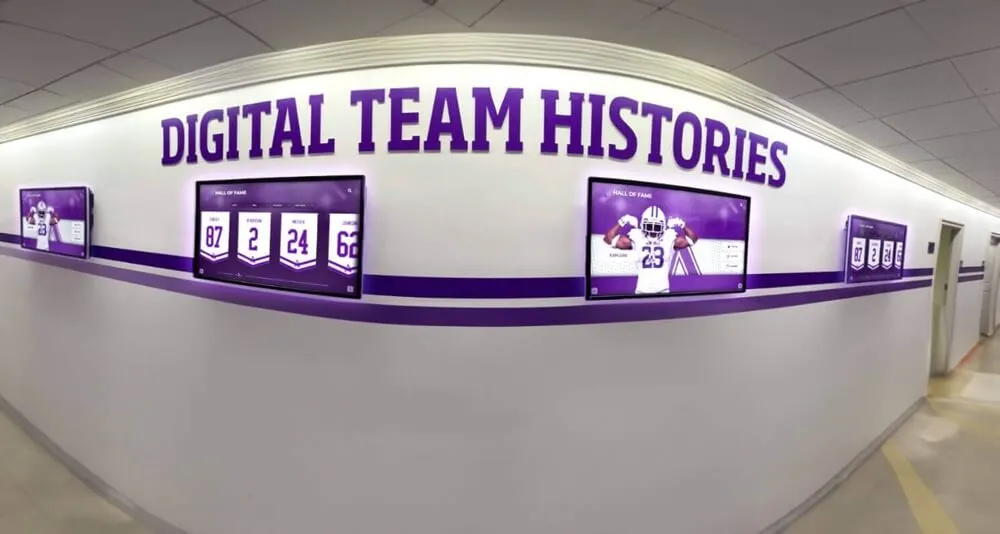
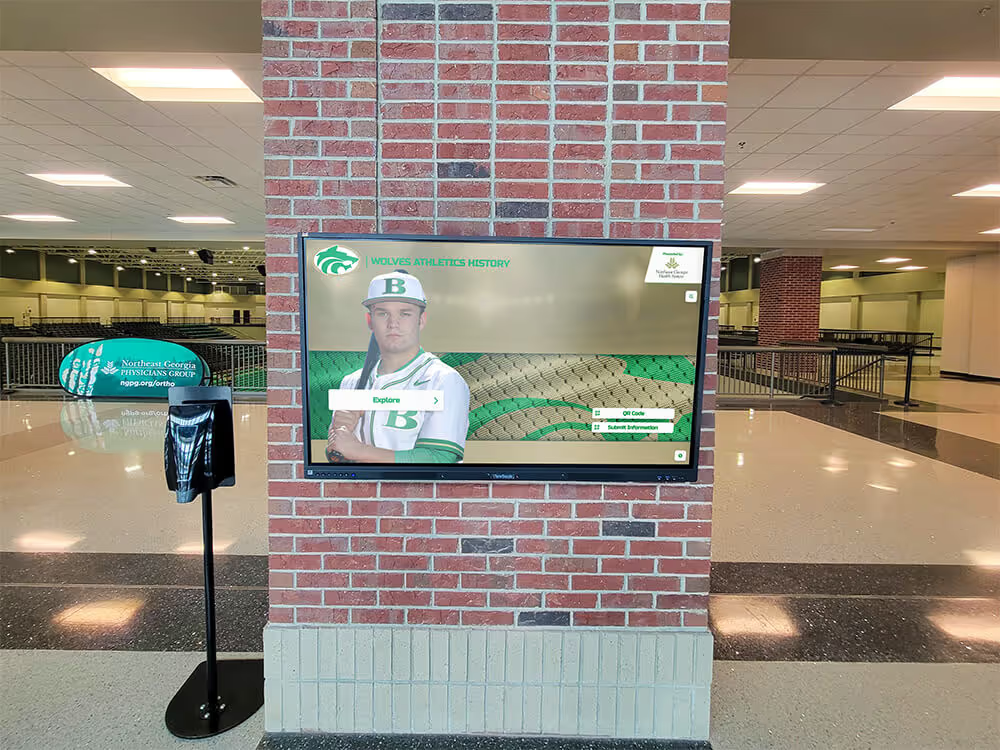
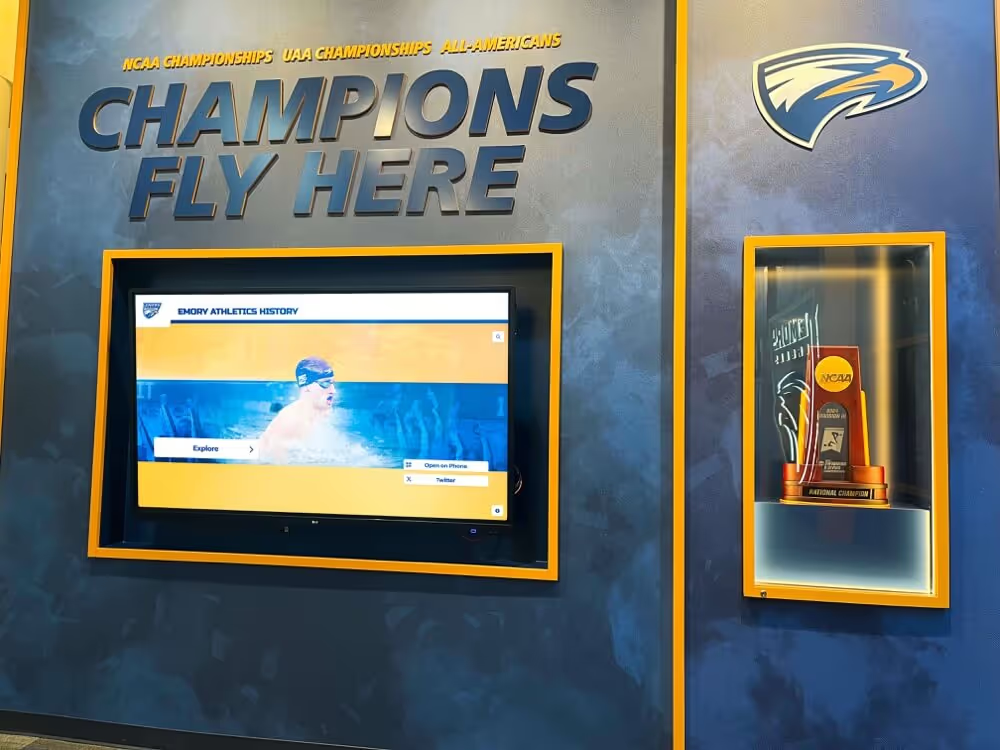
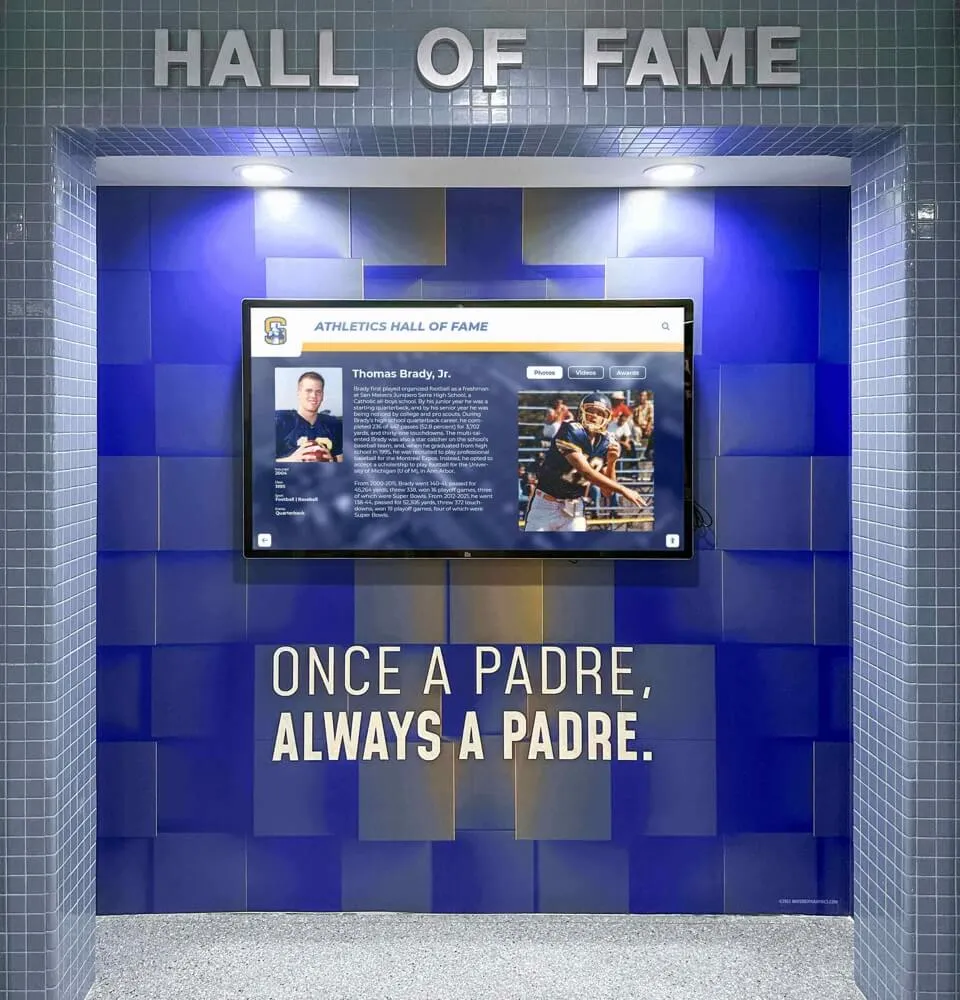
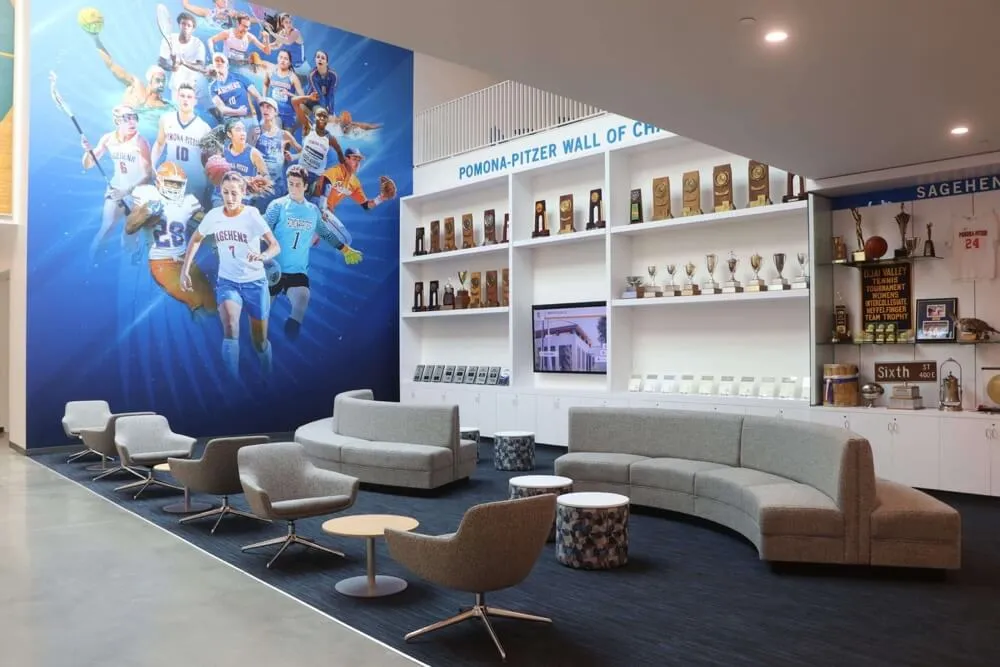
First impressions begin at the entrance—professional displays and welcoming elements set positive tone for the entire school year
The Strategic Importance of Back to School Displays
Understanding why back to school displays matter helps educators allocate appropriate time and resources to these critical environmental elements.
Creating Welcoming Learning Environments
Well-designed displays accomplish several important objectives simultaneously:
Establishing Positive First Impressions
The physical environment communicates institutional priorities before any instruction begins:
- Clean, thoughtfully decorated spaces signal that this is a place where students matter
- Current, professionally designed displays demonstrate organizational competence and care
- Inclusive imagery showing diverse students and families communicates belonging for all
- Achievement recognition visible from day one establishes high expectations and celebrates excellence
- School colors and branding create cohesive identity and institutional pride
Learn more about comprehensive approaches to creating welcoming school lobby environments that extend beyond the first day.
Setting Classroom and School Culture
Displays communicate values, expectations, and priorities:
- Rules and expectations presented visually reinforce behavioral standards
- Growth mindset messages establish learning-focused environment
- Character values displays emphasize qualities beyond academic achievement
- Diversity and inclusion imagery demonstrates commitment to equity
- Student work showcases from previous years model excellence and possibility
Practical Display Functions
Beyond aesthetics, effective displays serve essential educational purposes:
Information Communication
- Daily schedules and routines reducing anxiety for students
- Important dates and upcoming events keeping families informed
- Classroom procedures and supply lists providing clarity
- Emergency protocols and safety information ensuring preparedness
- Contact information and office hours facilitating parent communication
Student Engagement and Motivation
- Interactive displays encouraging participation and exploration
- Goal-setting boards where students track progress
- Reading challenges and achievement milestones
- Student of the month or week recognition
- Birthday celebrations and personal acknowledgments
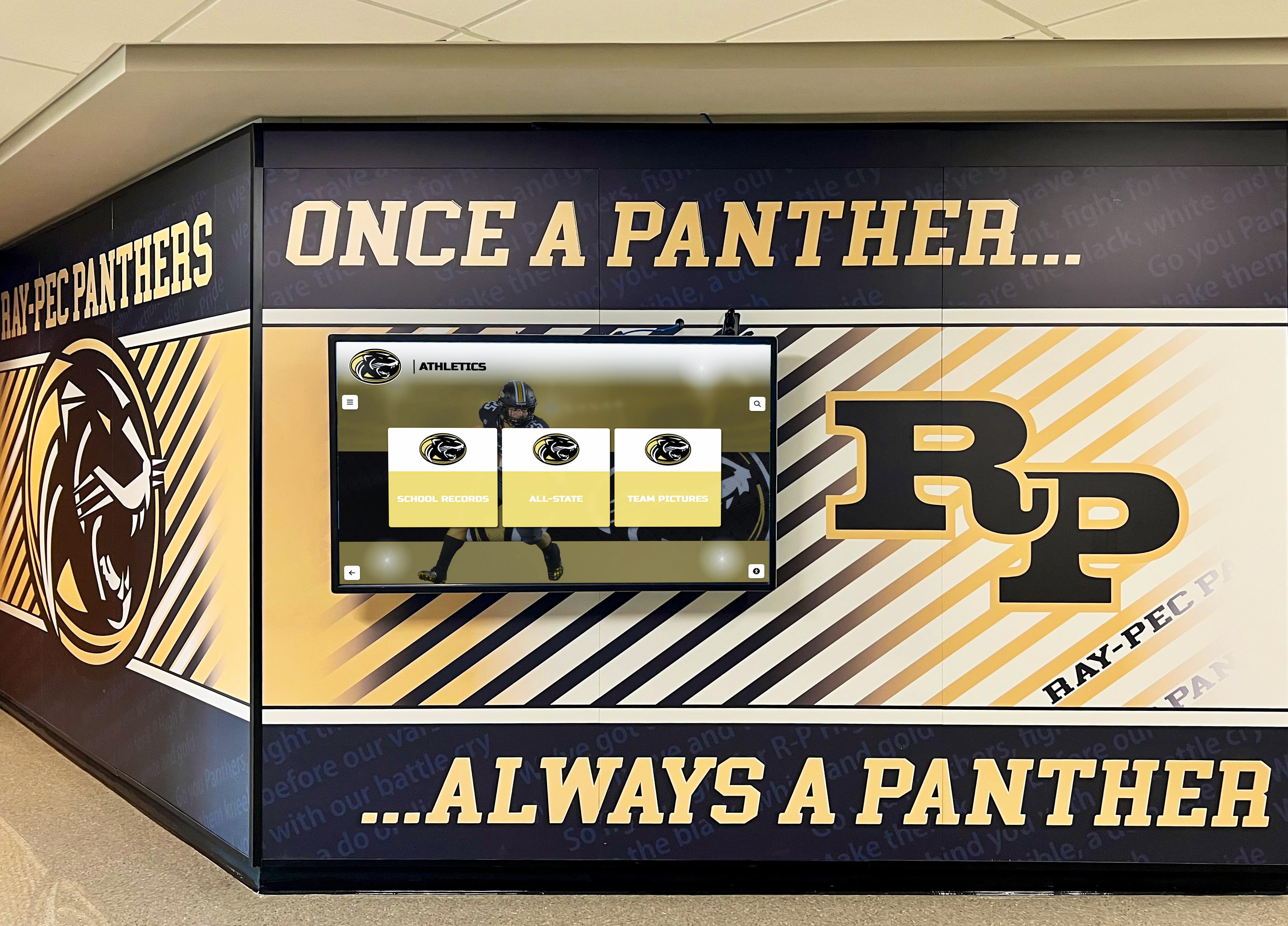
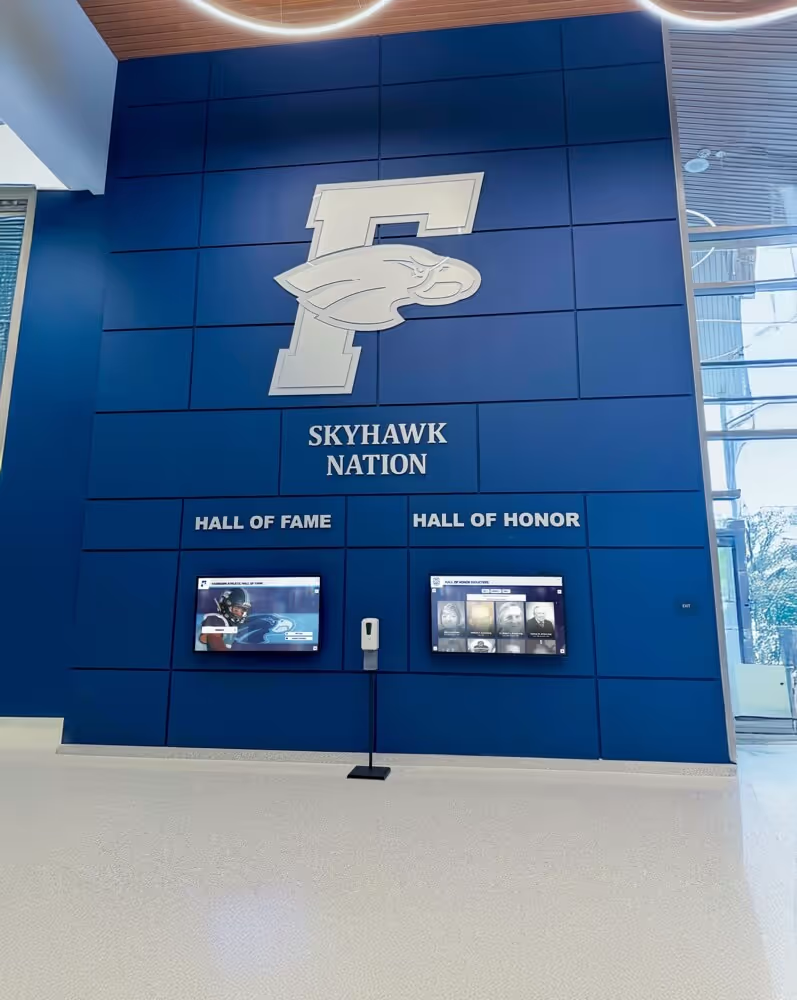
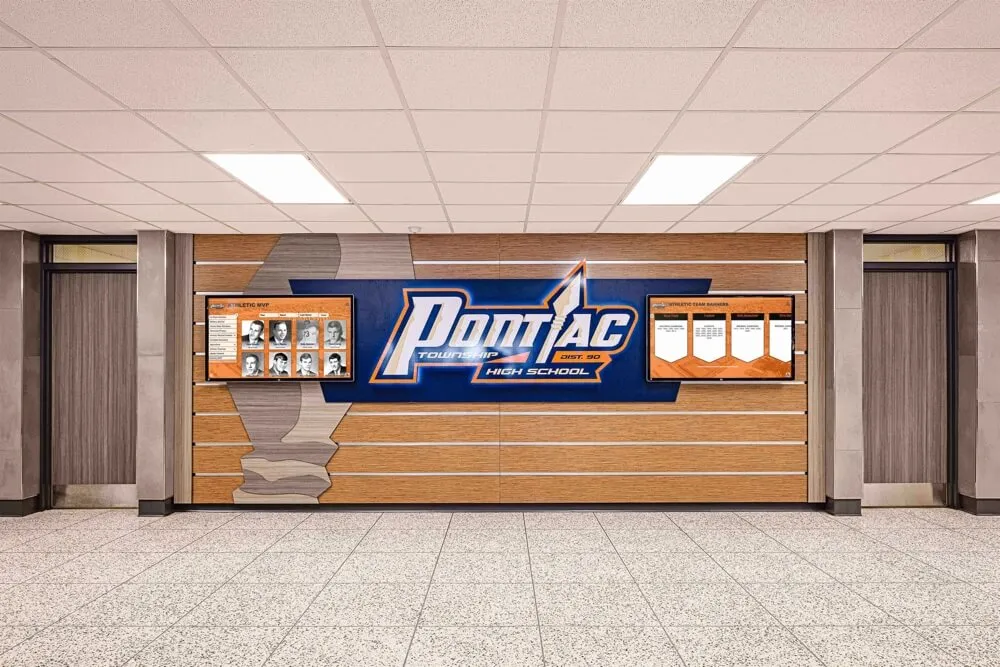
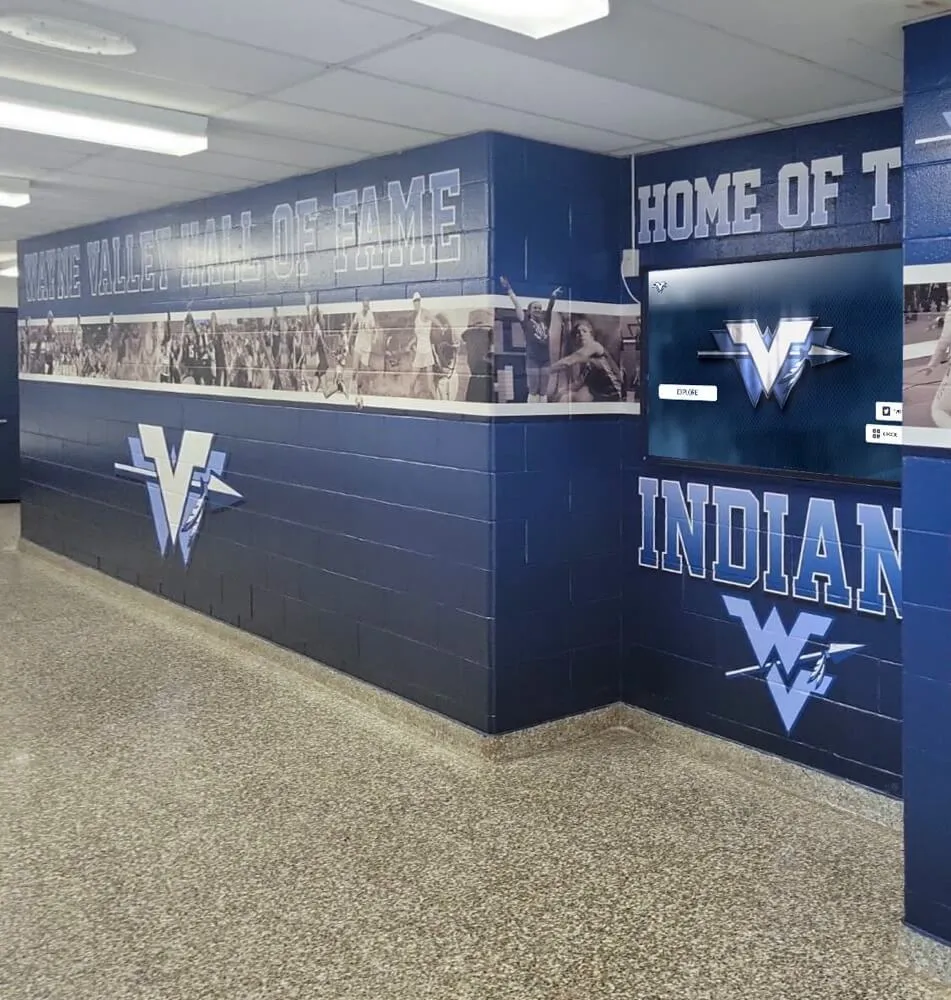
Hallway displays transform transitional spaces into engagement opportunities throughout the school day
Creative Classroom Bulletin Board Ideas
Classroom displays create the immediate learning environment where students spend most of their school day.
Welcome and Classroom Culture Boards
The first displays students see should establish welcoming, inclusive tone:
Student Welcome Displays
Personalized welcomes make students feel valued individually:
- Name displays with photos for each student (taken first week or using school photos)
- “All About Me” boards where students add personal information and interests
- Family photo displays celebrating diverse family structures
- Summer memory sharing boards where students contribute highlights
- Goals and dreams displays where students post aspirations for the year
- Multilingual welcome messages honoring languages spoken by students and families
Classroom Mission and Values
Clear communication of learning community expectations:
- Class motto or mission statement developed collaboratively with students
- Character traits and values the class community commits to embody
- Growth mindset messages emphasizing effort, progress, and learning from mistakes
- Collaborative norms for respectful discussion and disagreement
- Celebration protocols for when classmates achieve milestones
- Problem-solving approaches for handling conflicts and challenges
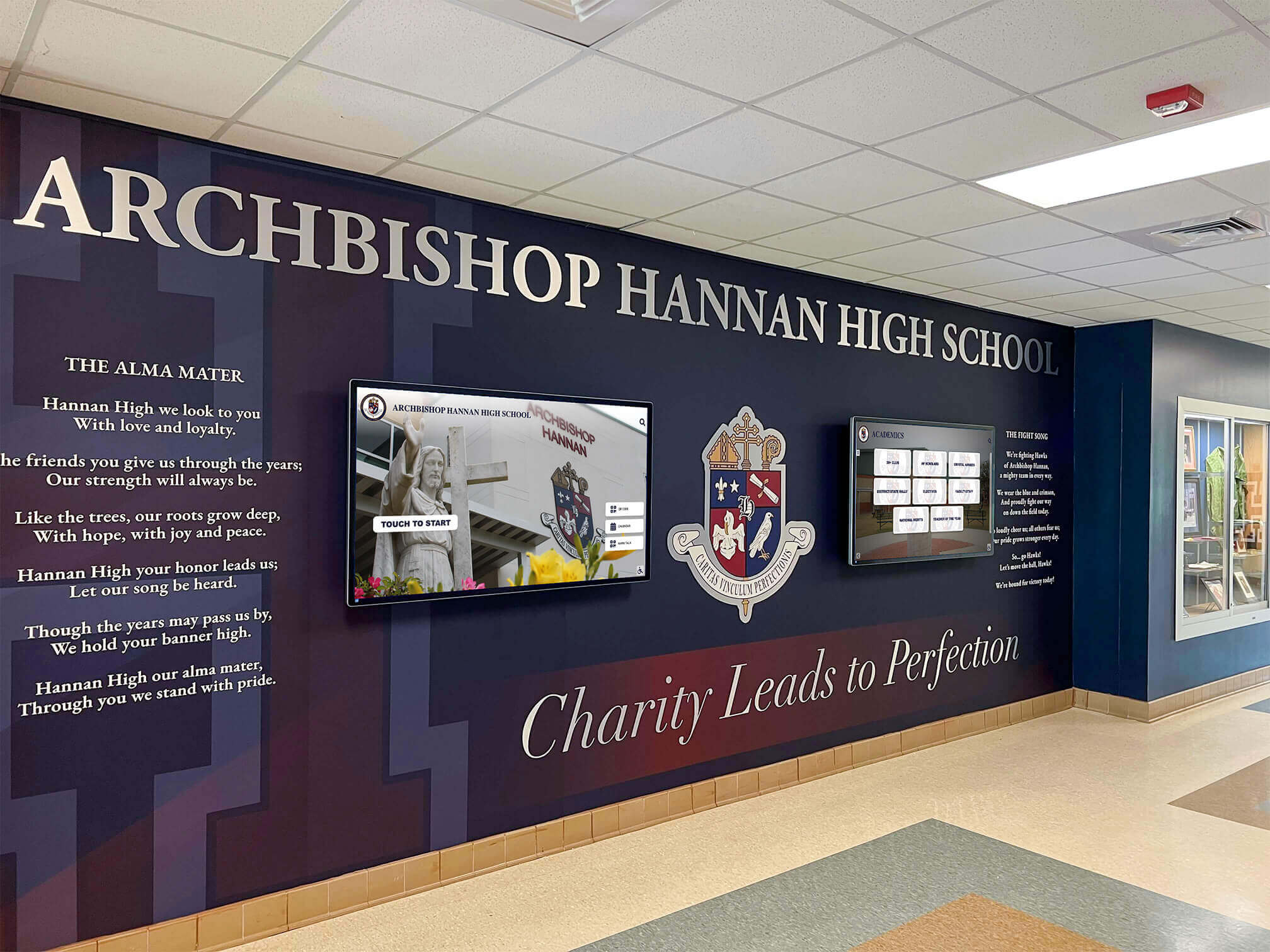
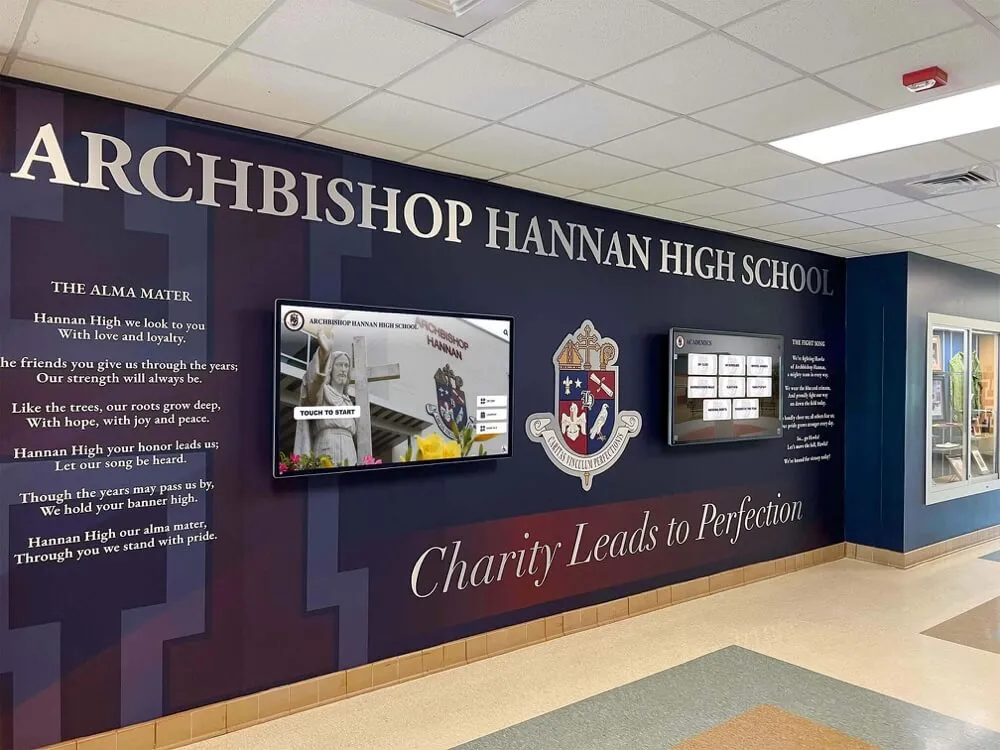
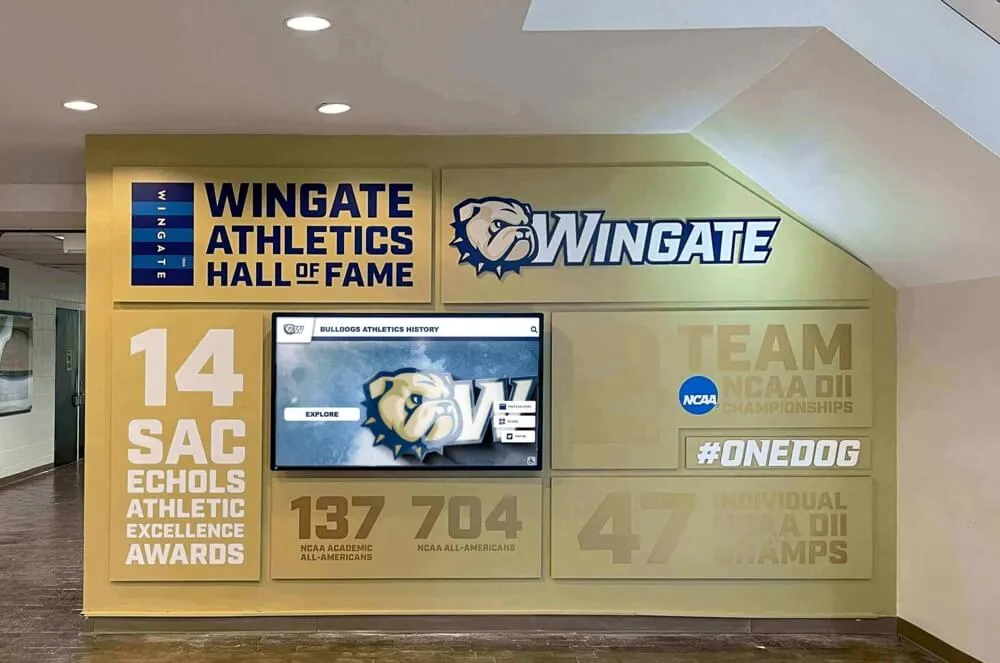
Coordinated displays throughout spaces create cohesive environmental message about institutional excellence
Academic and Learning-Focused Displays
Content-specific boards support instruction and reinforce learning:
Subject-Specific Reference Boards
Essential information students need throughout the year:
- Math formulas and problem-solving strategies readily accessible during assignments
- Reading strategies and comprehension techniques for literacy development
- Writing process steps from brainstorming through revision
- Science method posters supporting inquiry and investigation
- Historical timelines providing context for social studies content
- Vocabulary walls building throughout units and semesters
- Grammar and language conventions for writing reference
Student Work Showcases
Celebrating achievement motivates continued excellence:
- “Star Student Work” displays featuring exemplary assignments
- Writing samples demonstrating different genres and techniques
- Art projects showcasing creativity and skill development
- Science fair projects and investigation results
- Math problem-solving approaches showing multiple strategies
- Research projects and presentations
- Portfolio pieces representing learning growth over time
Interactive and Engagement Boards
Dynamic displays that invite student participation:
Goal Setting and Progress Tracking
Visual representation of growth motivates continued effort:
- Reading goal thermometers or progress charts
- Math facts fluency tracking showing individual or class progress
- Behavior and character goal achievement displays
- Class-wide challenges with collective progress indicators
- Individual student goal cards updated regularly
- Achievement milestone celebrations when targets are reached
Question and Wonder Walls
Displays encouraging curiosity and inquiry:
- “I Wonder…” boards where students post questions about topics being studied
- Weekly or daily brain teasers and problem-solving challenges
- Current events discussion prompts
- STEM challenge stations with rotating engineering or science problems
- Book recommendation boards where students share favorite reads
- Mystery location or object identification with clues revealed gradually
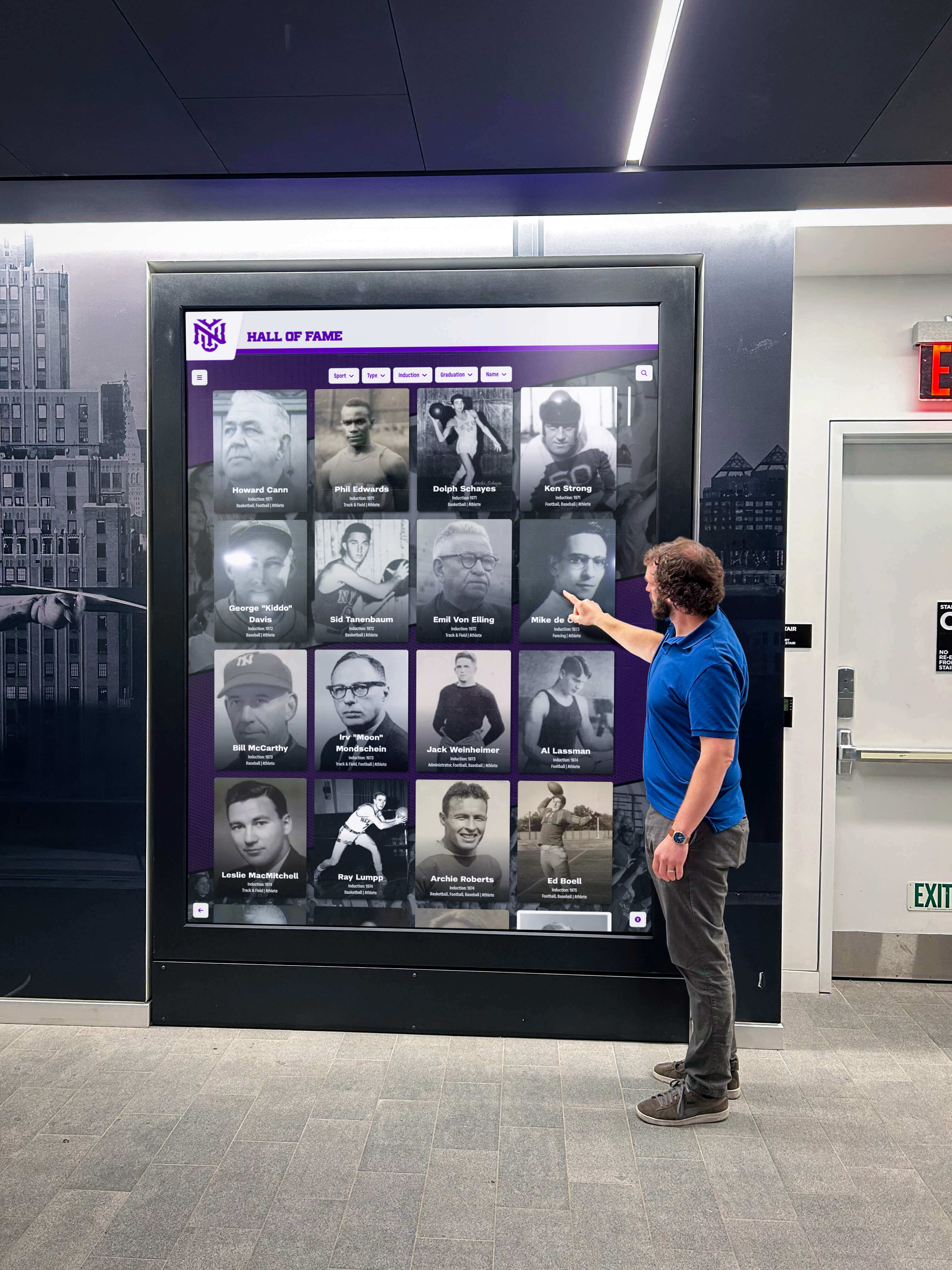
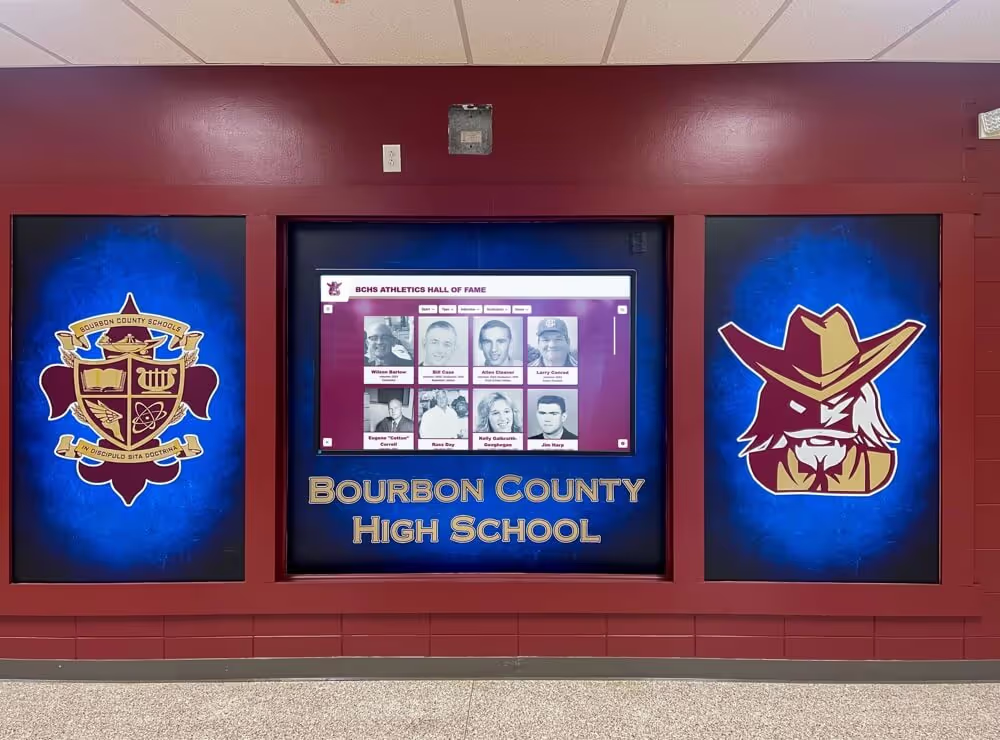
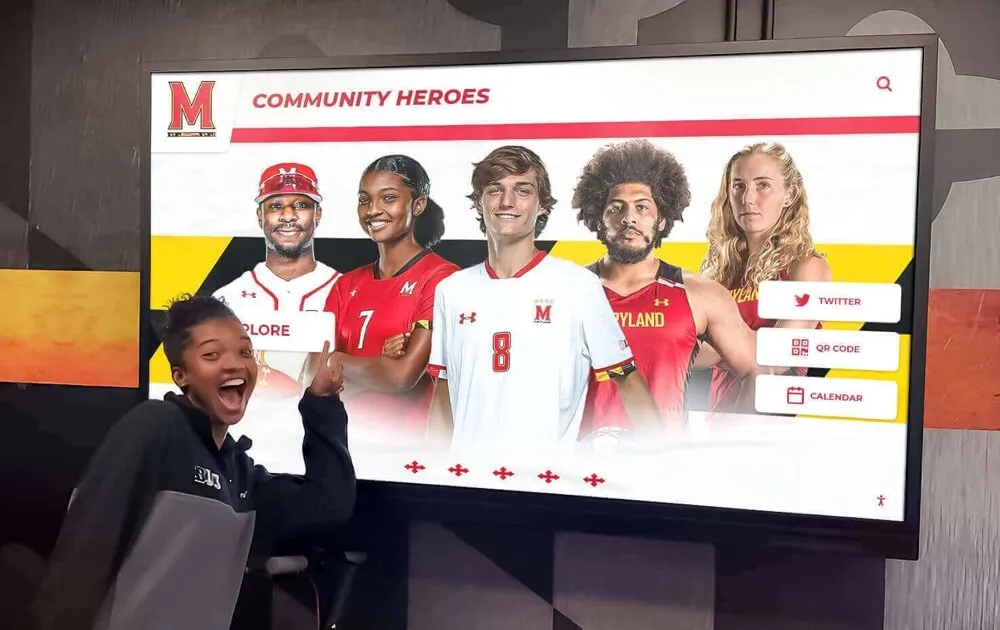
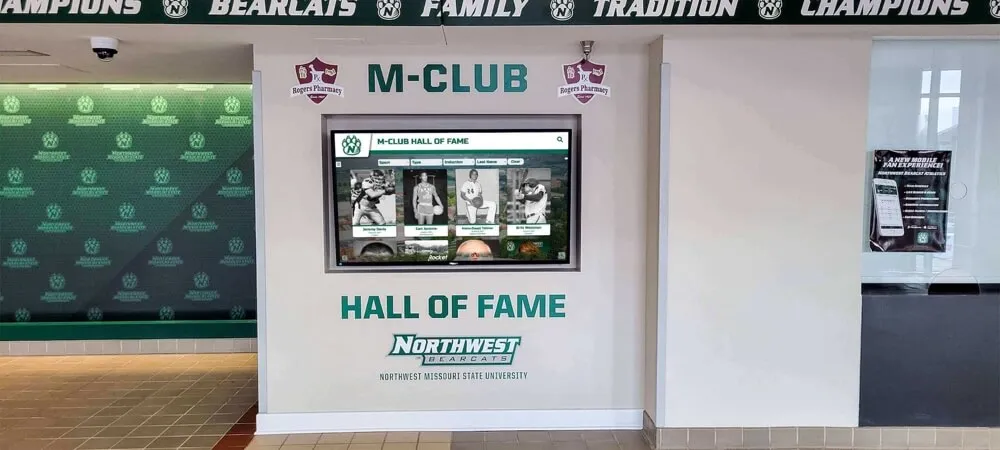
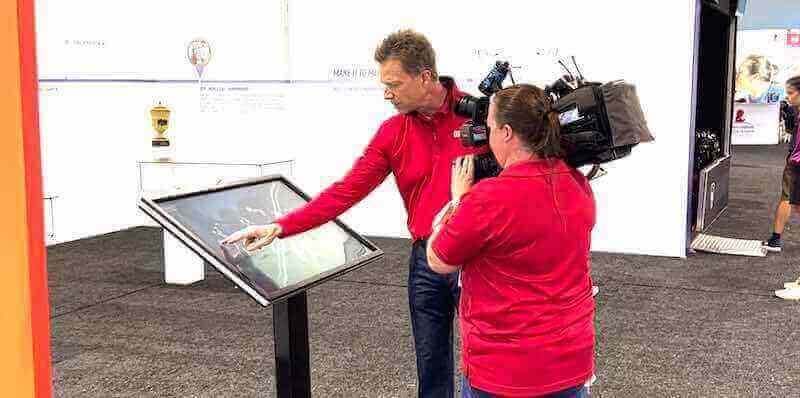
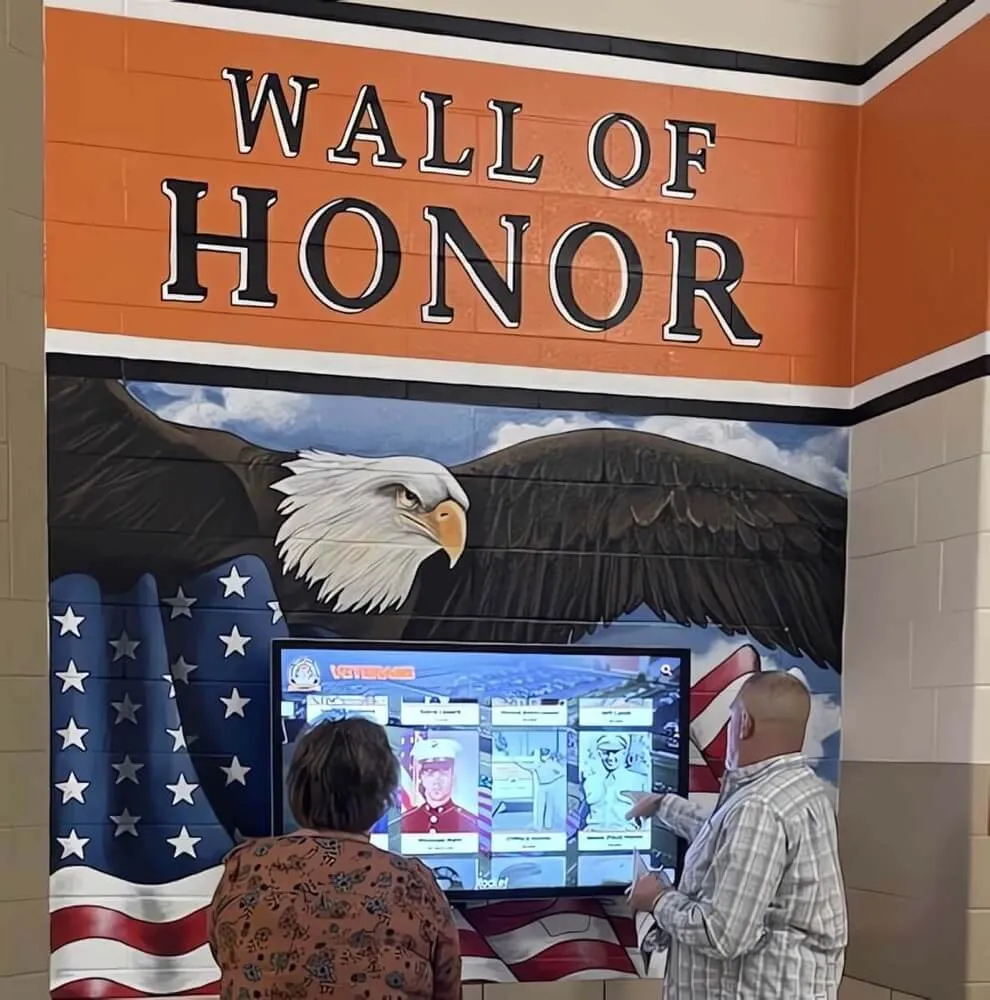
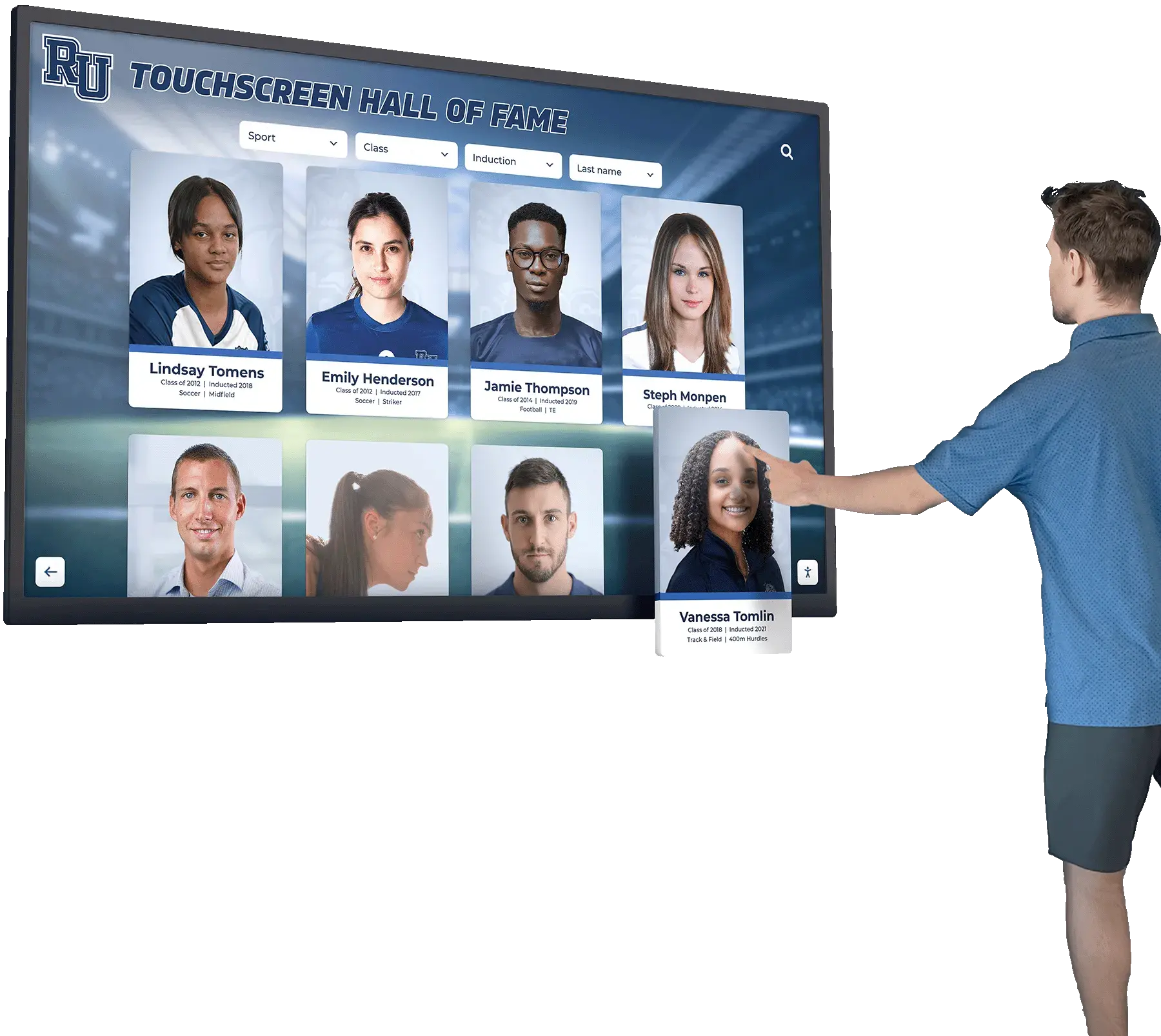
Interactive displays create engagement opportunities for students, families, and visitors exploring school achievements
Entrance and Common Area Welcome Displays
First impressions begin before students reach individual classrooms—strategic entrance displays set school-wide tone.
Main Entrance and Lobby Displays
The initial spaces families and students encounter require especially thoughtful design:
Welcome Signage and Messaging
Professional, welcoming entrance elements:
- Large “Welcome Back” banners in school colors with mascot imagery
- Personalized welcome messages from principal or administrative team
- New student and staff introduction displays with photos and brief biographies
- School year theme announcement if institution uses annual thematic approach
- Important first-week information including schedules and procedures
- Directional signage helping families navigate building efficiently
Traditional paper welcome banners require annual replacement and can quickly appear worn or dated. Schools planning events like back to school night benefit from professional displays that remain fresh throughout opening weeks.
Achievement and Recognition Displays
Showcase past excellence while inspiring current students:
- Previous year’s honor roll and academic achievement recognition
- Athletic championships and competition successes
- Arts and activities accomplishments across all programs
- Community service recognition and contribution celebrations
- Alumni achievement spotlights showing long-term success trajectories
- School history and tradition displays connecting present to legacy
Many schools struggle with limited physical space for comprehensive achievement recognition. Digital recognition systems enable unlimited display capacity while maintaining professional appearance that traditional bulletin boards cannot sustain.
Hallway and Corridor Displays
Strategic hallway elements transform transitional spaces into engagement opportunities:
Grade Level or Department Identity
Organized sections helping students and families navigate:
- Color-coded hallway designations for different grade levels or academic departments
- Department-specific displays showcasing program offerings and opportunities
- Faculty introduction boards with teacher photos, subjects, and contact information
- Course description displays helping students understand academic pathways
- Extracurricular activity recruitment information and meeting schedules
Spirit and Culture Displays
Elements reinforcing school identity and community values:
- School colors, mascot, and logo displays creating cohesive visual identity
- Historical photos documenting school evolution and tradition
- Famous alumni or notable achievement showcases
- Diversity and inclusion imagery celebrating community composition
- Character education messages emphasizing values
- Seasonal or monthly themed decorations maintaining fresh appearance
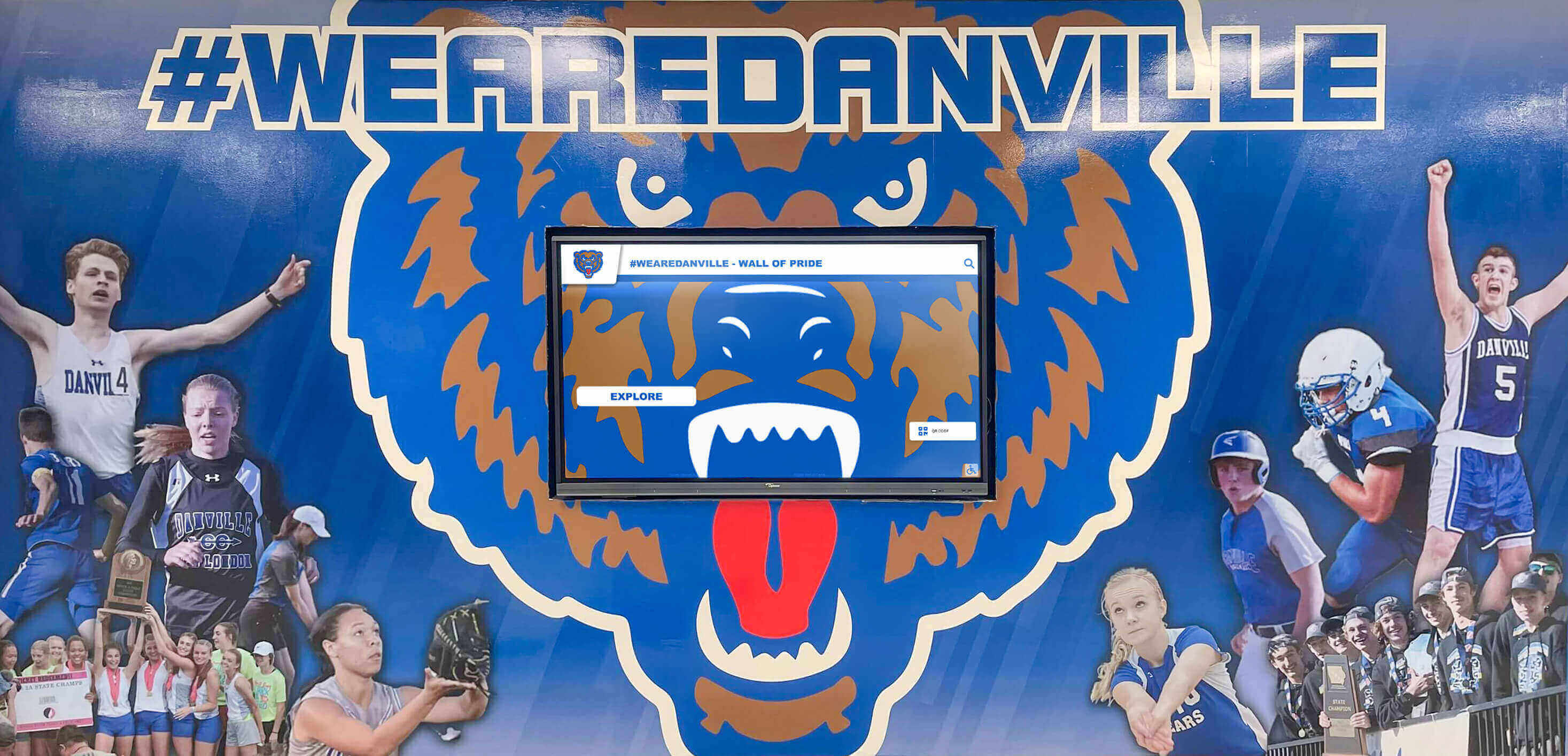
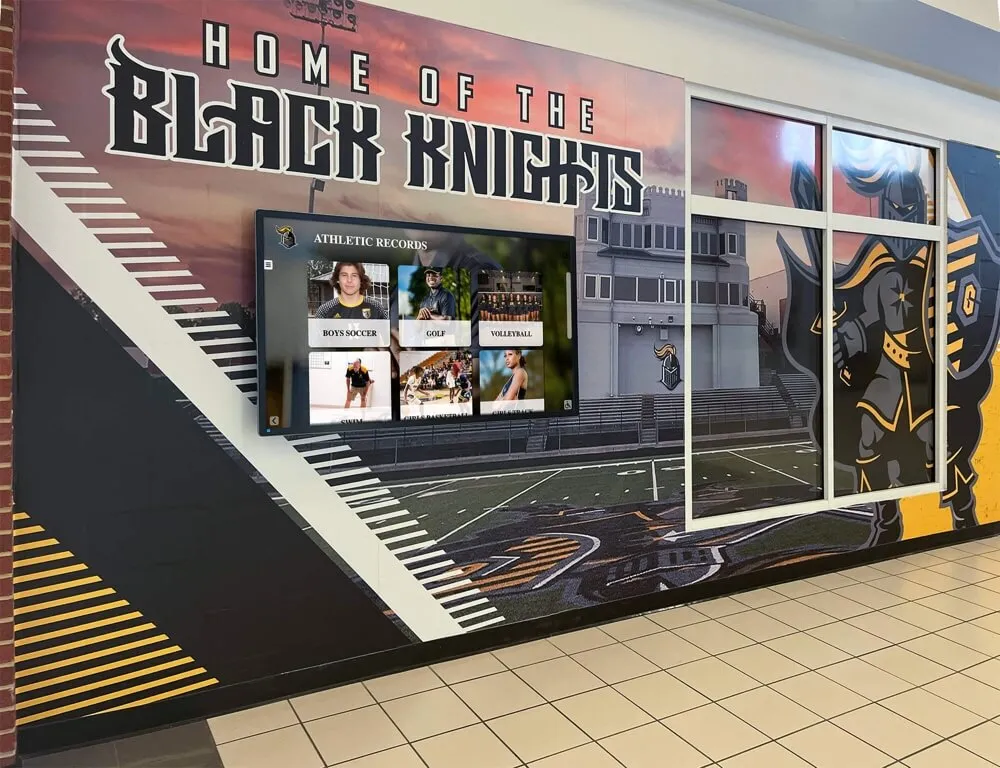
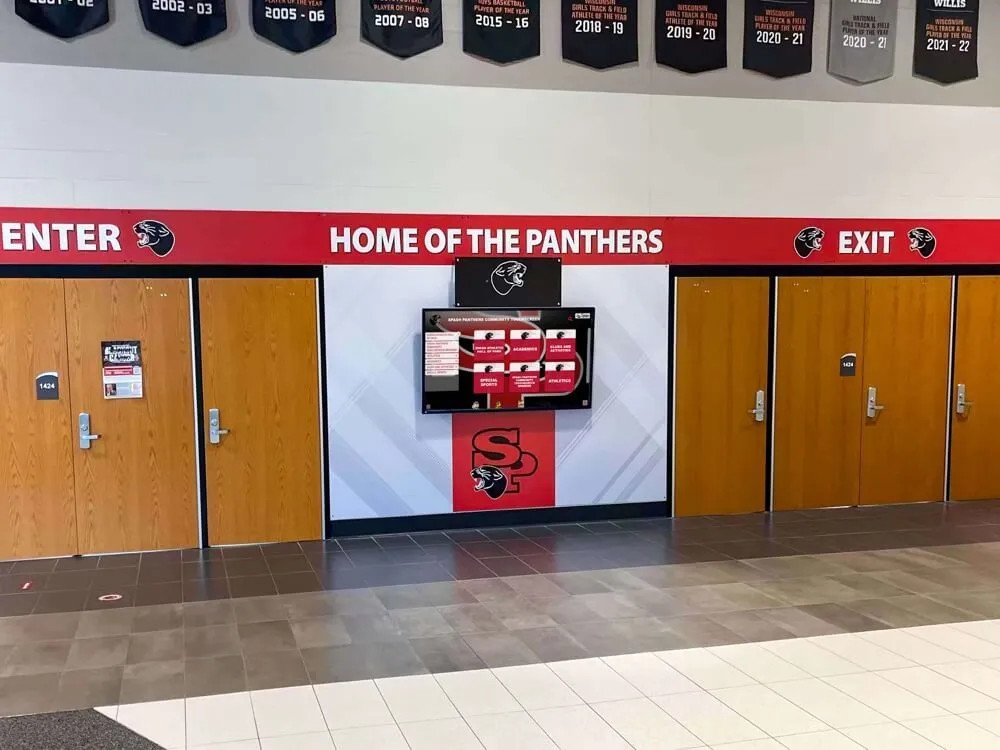
Consistent branding elements throughout facilities strengthen institutional identity and school pride
Subject-Specific and Department Display Ideas
Different academic areas benefit from tailored display approaches reflecting content and pedagogy.
Elementary Classroom Displays
Age-appropriate elements supporting younger learners:
Literacy-Focused Displays
Reading and writing support throughout environment:
- Alphabet displays with pictures and keywords for emerging readers
- High-frequency word walls building sight vocabulary
- Genre posters identifying different types of books and texts
- Reading strategies reminders with visual cues
- Author spotlights with biographical information and book collections
- Writing process displays showing steps from planning through publishing
- Handwriting models showing proper letter formation
Math and Number Sense Displays
Visual support for mathematical thinking:
- Number lines providing visual representation of quantity and sequence
- Hundreds charts supporting counting and place value understanding
- Shape identification posters with real-world examples
- Measurement reference charts showing standard and metric units
- Mathematical vocabulary with visual representations
- Problem-solving strategy posters
- Skip counting displays supporting multiplication foundations
Science and Social Studies Support
Content area displays building knowledge:
- Weather tracking charts for daily observation and pattern recognition
- Calendar displays supporting temporal concepts and routine
- Map displays building geographic awareness
- Life cycle diagrams and science process visuals
- Community helpers and social roles identification
- Seasonal changes documentation through photographs and observations
Secondary Content Area Displays
Subject-specific support for middle and high school classrooms:
STEM Classroom Displays
Technical content support and inspiration:
- Scientific method posters supporting inquiry-based investigation
- Laboratory safety rules and equipment identification
- Famous scientists and mathematicians with biographical information and contributions
- Career pathway displays showing STEM professions and requirements
- Current event connections between classroom content and real-world applications
- Formula reference sheets and problem-solving frameworks
- Engineering design process displays
Humanities Classroom Displays
Support for literature, history, and language learning:
- Literary device identification with examples from familiar texts
- Historical timelines providing context and chronological understanding
- Primary source analysis frameworks
- Argumentative writing structure displays
- Research process steps from question development through citation
- Grammar and conventions reference materials
- Cultural geography and map resources
Arts and Special Area Displays
Unique needs for non-core academic spaces:
Arts Program Displays
Celebrating creativity and skill development:
- Art element and principle posters supporting visual arts instruction
- Musical notation reference materials for band and choir spaces
- Drama and theater production announcements and audition information
- Student artwork galleries with rotating exhibitions
- Music performance calendars and concert information
- Technical arts and production crew recognition
Modern Digital Display Alternatives
While traditional bulletin boards serve important functions, schools increasingly adopt digital solutions addressing persistent challenges with paper displays.
Challenges with Traditional Bulletin Boards
Educators recognize significant limitations of conventional display methods:
Maintenance and Durability Issues
Physical displays require substantial ongoing maintenance:
- Paper materials fade, curl, and deteriorate within weeks of installation
- Student work displays become dated as assignments change
- Staples and pushpins leave permanent damage on walls and boards
- Weather and humidity affect paper quality and appearance
- Replacement materials require ongoing budget allocation
- Time-intensive creation and installation during already-busy periods
- Seasonal updates demand complete redesign and reconstruction
Capacity and Space Constraints
Physical limitations restrict what schools can display:
- Limited wall and board space forces difficult choices about what receives visibility
- Trophy cases fill quickly, requiring removal of past achievements
- Athletic, academic, and arts accomplishments compete for limited display areas
- Historical information cannot coexist with current recognition without overcrowding
- Growing student populations exceed display capacity designed for smaller enrollments
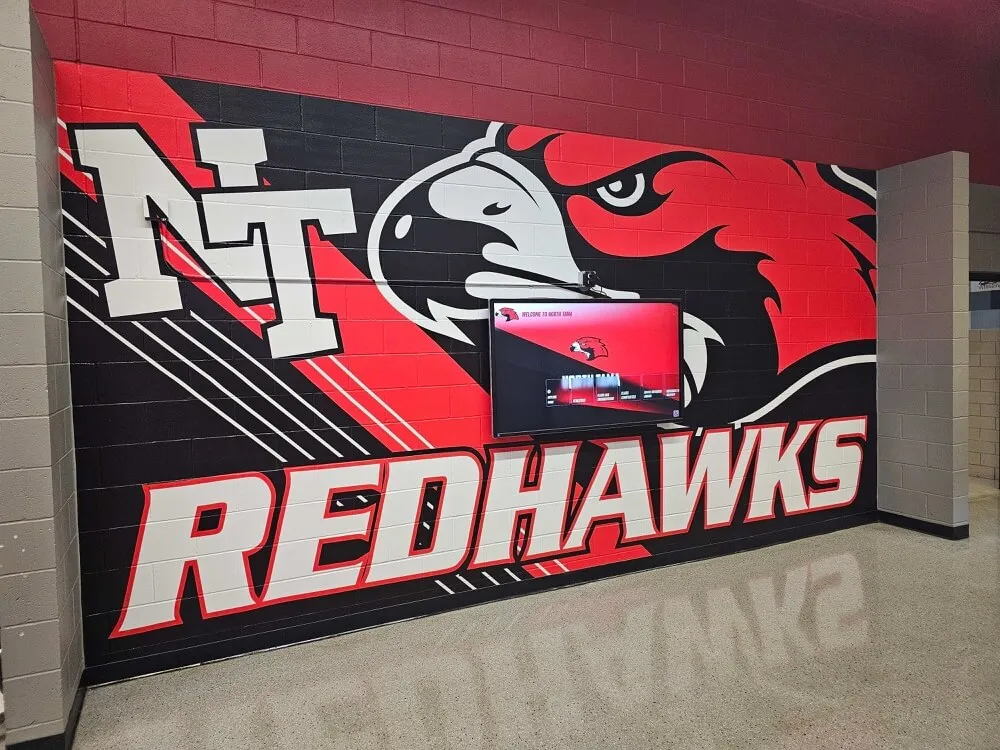
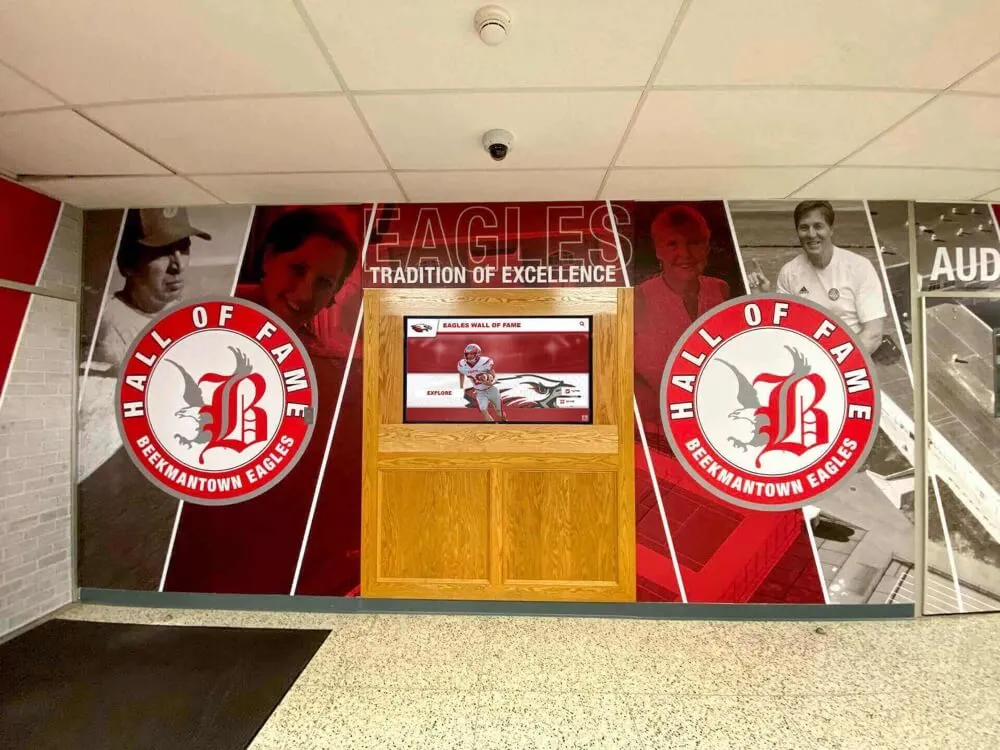
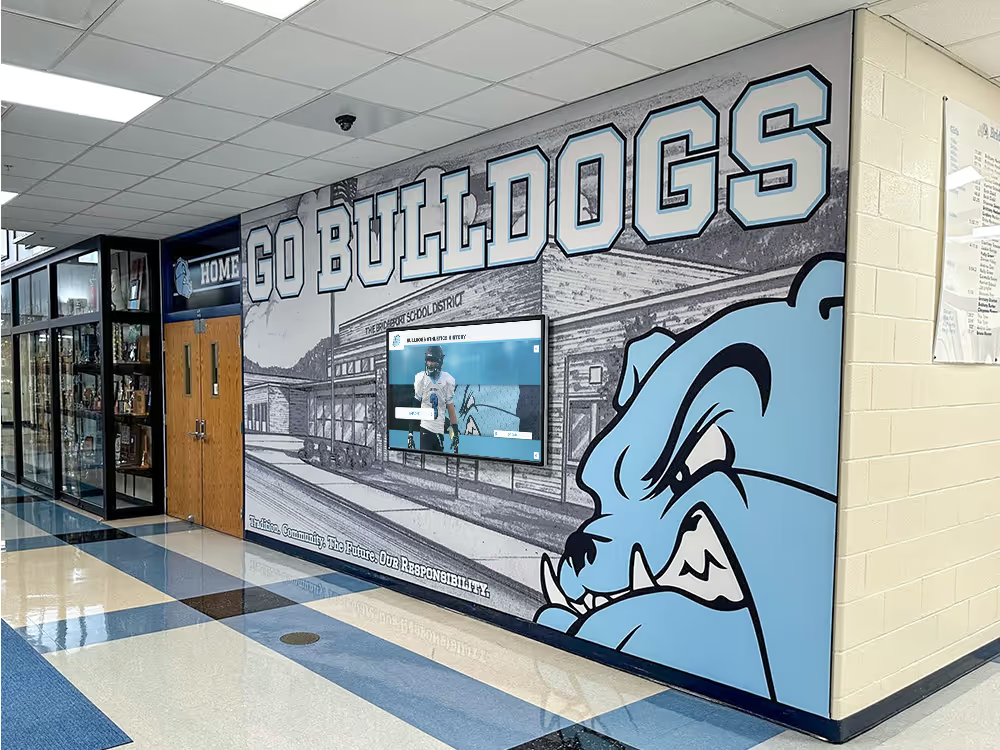
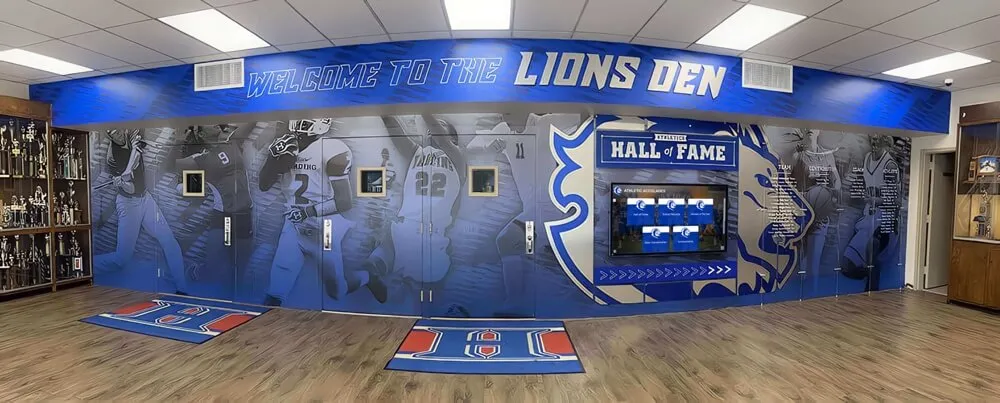
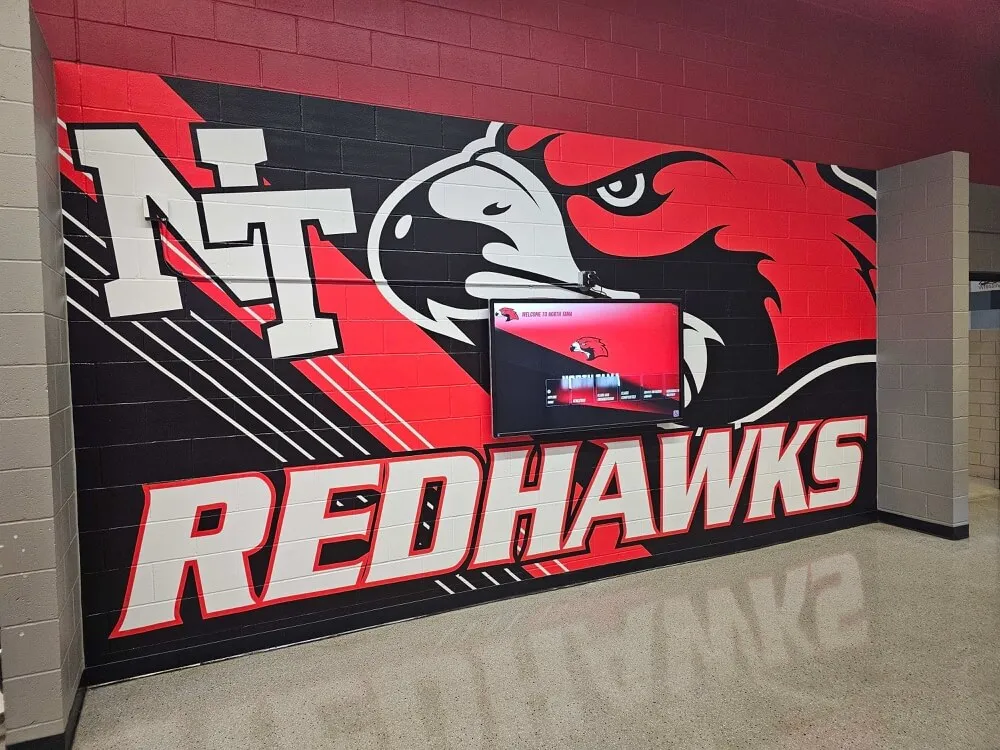
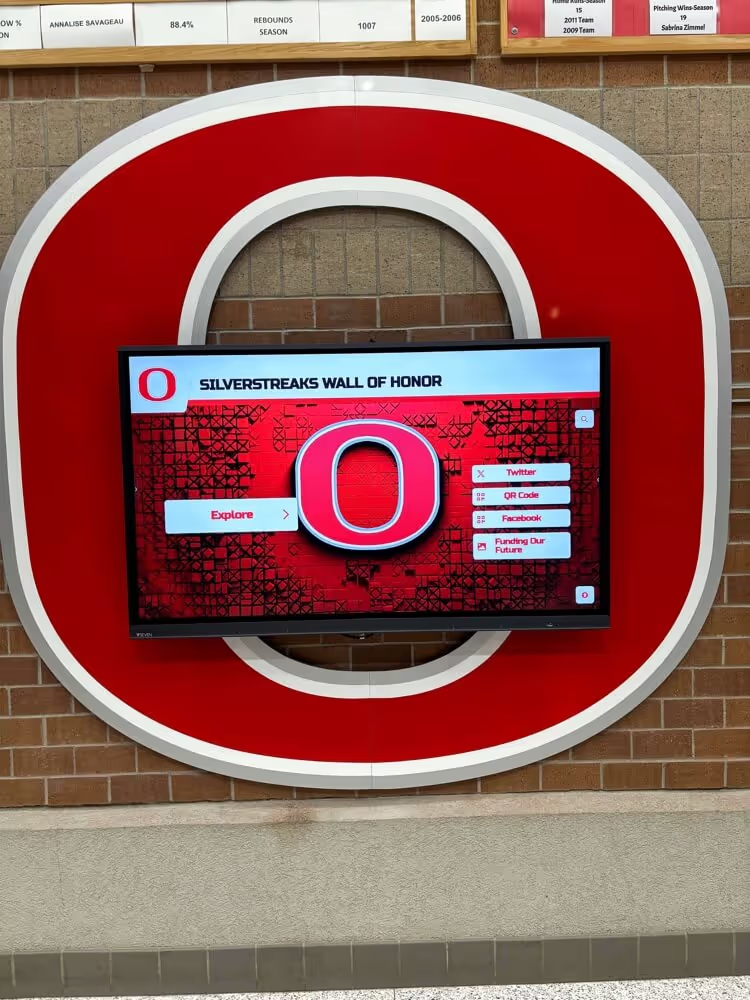
Digital displays integrate seamlessly with traditional murals and branding elements while providing flexible content capabilities
Benefits of Digital Recognition Displays
Modern solutions address traditional limitations while creating new engagement opportunities:
Unlimited Recognition Capacity
Digital platforms eliminate space constraints entirely:
- Every student achievement can receive appropriate recognition regardless of timing
- Historical accomplishments remain accessible without competing with current success
- Multiple recognition categories coexist without physical space limitations
- Growing programs expand recognition without facility modifications
- Alumni achievements and school history preserve indefinitely
Professional, Consistent Appearance
Digital systems maintain quality throughout the school year:
- Content appears fresh and professionally designed continuously
- No fading, tearing, or deterioration requiring replacement
- Updates occur remotely without physical access to displays
- Consistent design language across all recognition categories
- Weather and environmental factors don’t affect display quality
Dynamic, Engaging Content
Digital capabilities exceed what paper displays can accomplish:
- Video content showcasing performances, competitions, and celebrations
- Photo galleries documenting events and activities
- Searchable databases enabling students to find specific information
- Rotating content keeping displays fresh and relevant
- Social media integration featuring real-time content
- Scheduled publishing aligning content with school calendar and events
Solutions like Rocket Alumni Solutions provide comprehensive platforms specifically designed for educational institutions, combining unlimited recognition capacity with intuitive content management enabling staff to update displays immediately without technical expertise or physical installation work.
Integration of Digital and Traditional Displays
Most effective approaches combine both methods strategically:
Complementary Use Cases
Different display types serve different functions optimally:
- Traditional bulletin boards for interactive elements requiring student posting and participation
- Digital displays for permanent recognition, achievement showcases, and dynamic content
- Paper displays for temporary, classroom-specific content changing frequently
- Digital systems for school-wide information, calendars, and announcements
- Traditional boards for student work requiring tactile interaction
- Digital platforms for comprehensive historical archives and searchable content
This hybrid approach allows educators to leverage strengths of both systems while mitigating limitations of each.
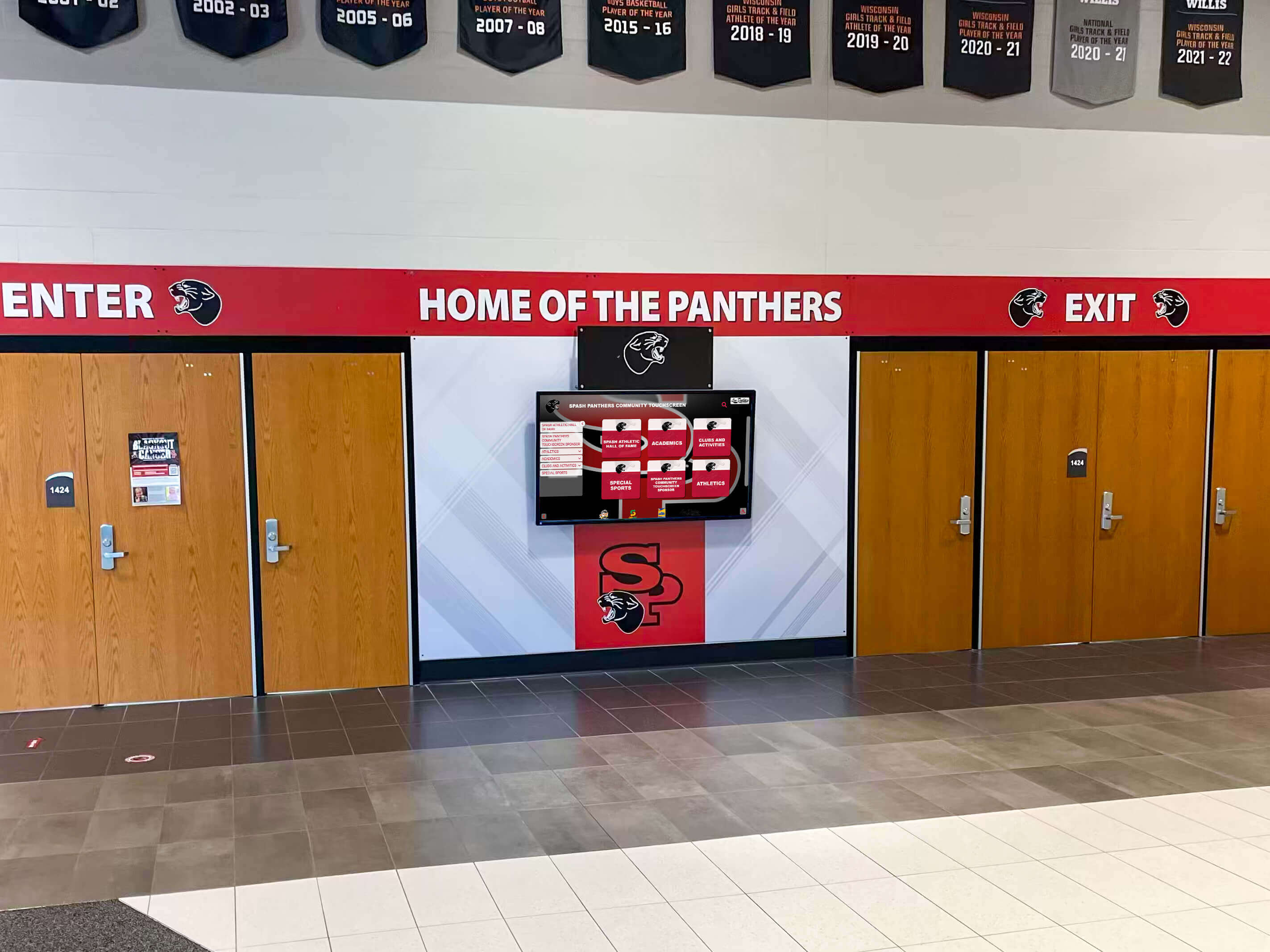
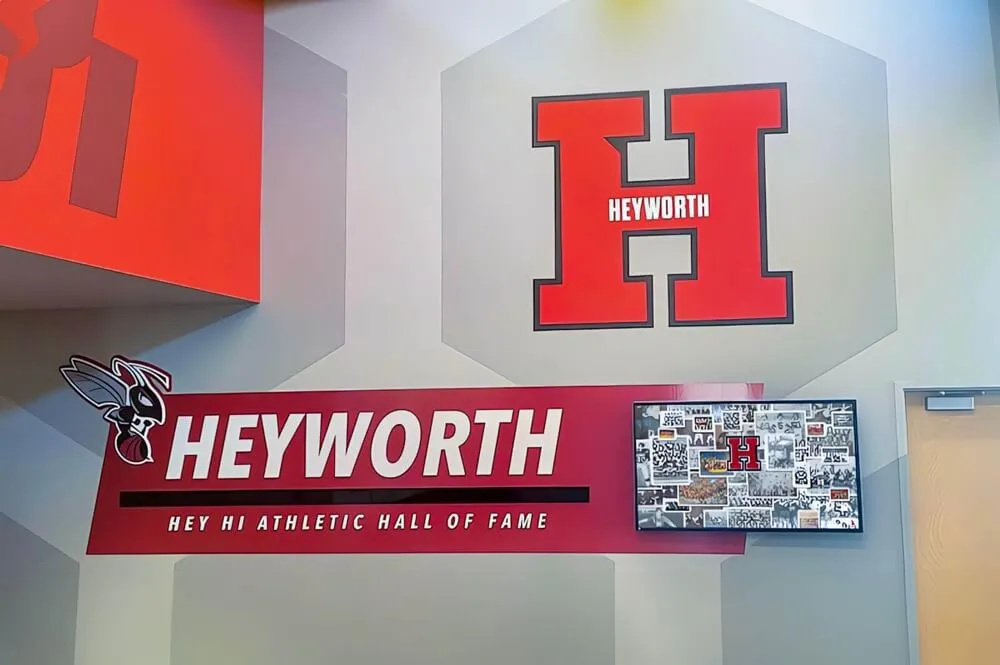
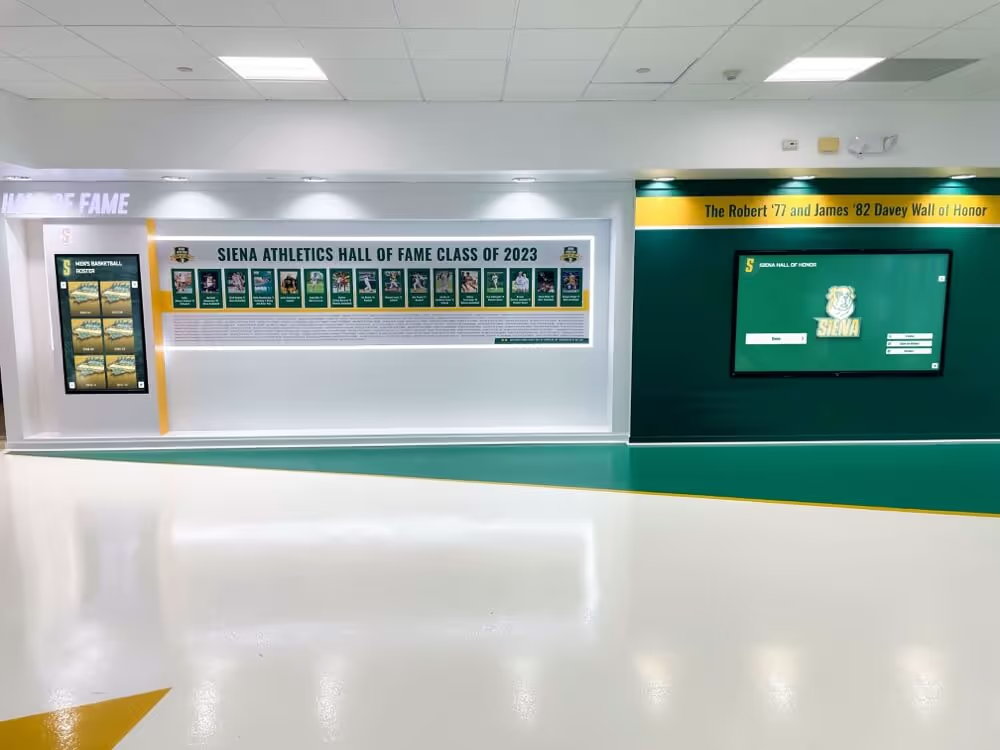
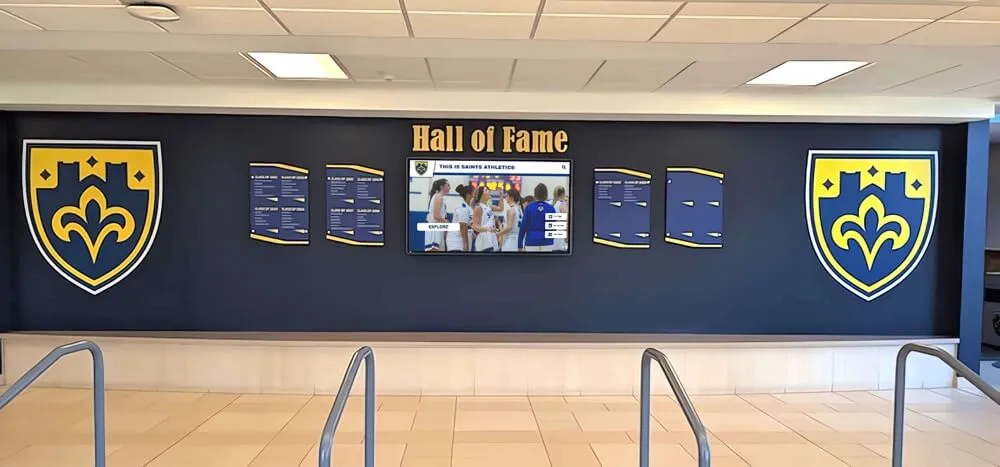
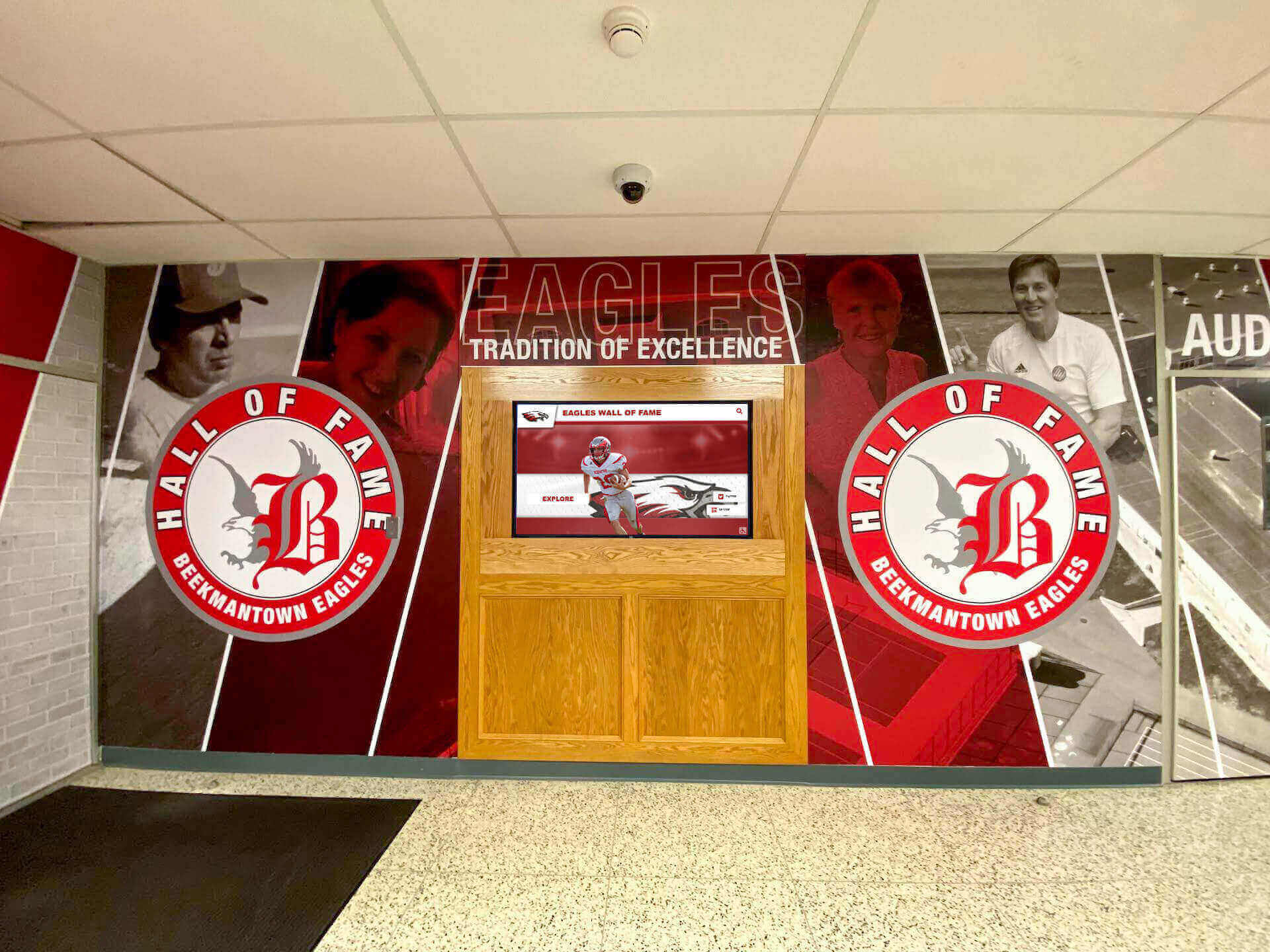
Entrance displays combining traditional branding with digital content create welcoming environments while communicating current information
Bulletin Board Design Best Practices
Whether using traditional or digital approaches, certain design principles create more effective displays.
Visual Design Fundamentals
Professional appearance requires attention to design elements:
Color and Contrast
Thoughtful color use enhances readability and visual appeal:
- High contrast between backgrounds and text ensuring readability from distance
- School colors incorporated consistently reinforcing institutional identity
- Limited color palettes preventing overwhelming, cluttered appearance
- Consideration of colorblind accessibility in design choices
- Seasonal color adjustments maintaining relevance throughout year
- Professional color combinations rather than primary-heavy elementary aesthetics for older students
Typography and Readability
Text elements must communicate clearly:
- Large fonts ensuring readability from typical viewing distances
- Clear, simple font choices avoiding decorative options that sacrifice legibility
- Sufficient spacing between elements preventing crowded appearance
- Hierarchy through font size and weight directing attention appropriately
- Limited text amounts focusing on essential information
- Bullet points and visual organization rather than dense paragraphs
Content Organization and Layout
Strategic arrangement enhances comprehension and engagement:
Clear Visual Hierarchy
Organized layouts guide viewer attention:
- Titles and headers clearly identifying display purpose and content
- Focal points drawing attention to most important elements
- Logical flow of information following natural reading patterns
- Grouping related content together
- White space preventing overwhelming visual density
- Borders and frames defining sections and creating organization
Accessibility Considerations
Inclusive design ensures all students benefit from displays:
- Mounting heights appropriate for student ages and abilities
- Braille labels for visually impaired students when feasible
- High color contrast supporting students with visual processing challenges
- Simple language and visual supports for English language learners
- Multiple representation modes (visual, textual, symbolic) supporting diverse learning needs
Seasonal and Monthly Display Updates
Maintaining fresh, relevant displays throughout the school year requires systematic planning.
Fall Semester Display Ideas
Back to school themes transition into autumn and winter content:
September/October Focus
Early year displays establishing routines and community:
- Constitution Day and Citizenship celebrations
- Hispanic Heritage Month recognition
- Fire Safety Week educational displays
- Fall harvest and seasonal change documentation
- School picture day reminders and information
November/December Themes
Late fall displays maintaining engagement:
- Veterans Day recognition and appreciation
- Thanksgiving gratitude displays where students contribute
- Cultural celebration showcases representing diverse traditions
- Winter safety reminders
- Semester goal check-ins and progress celebrations
Discover strategies for school-wide celebration planning that coordinate with display themes.
Spring Semester Display Ideas
Second semester displays maintain momentum through year’s end:
January/February Focus
New year and winter themes:
- New Year goal-setting and resolution displays
- Martin Luther King Jr. Day educational content
- Black History Month recognition and celebration
- Winter Olympics displays during Olympic years
- 100th Day of School celebrations for elementary
- Career exploration and future planning
March/April Themes
Spring displays building toward year’s conclusion:
- Women’s History Month recognition
- Spring break safety and reading challenges
- Earth Day environmental awareness displays
- Poetry Month celebration and student work showcases
- Testing motivation and stress management during assessment periods
- Spring sports and activity recognition
May/June Conclusion
End-of-year displays celebrating achievement:
- Teacher and staff appreciation recognition
- Memorial Day and patriotic displays
- End-of-year award and achievement celebrations
- Summer reading promotion and library resources
- Next year’s preview and transition information
- Graduating class recognition and celebration
Learn about comprehensive approaches to end-of-year celebration planning that coordinate with final display themes.
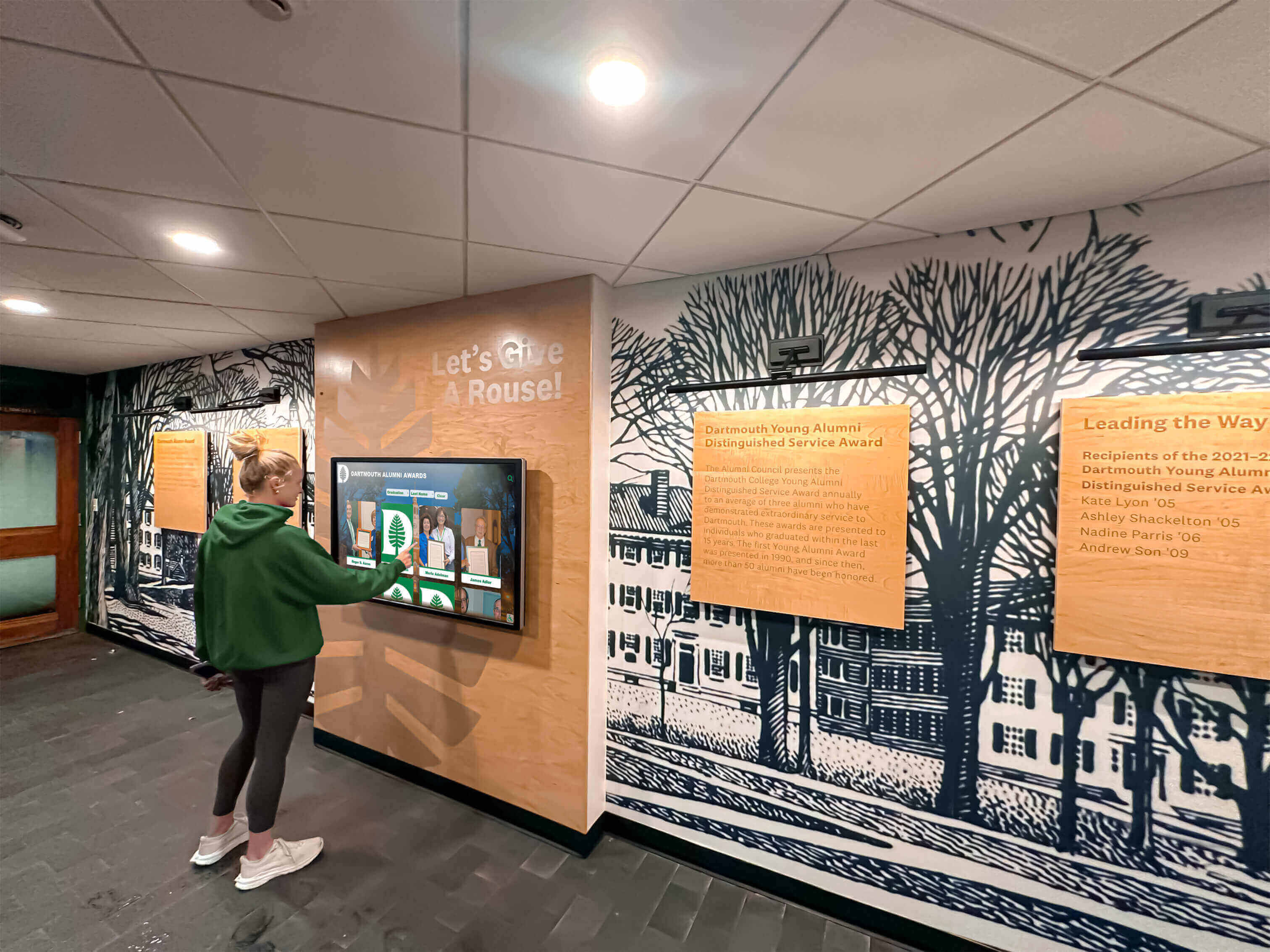
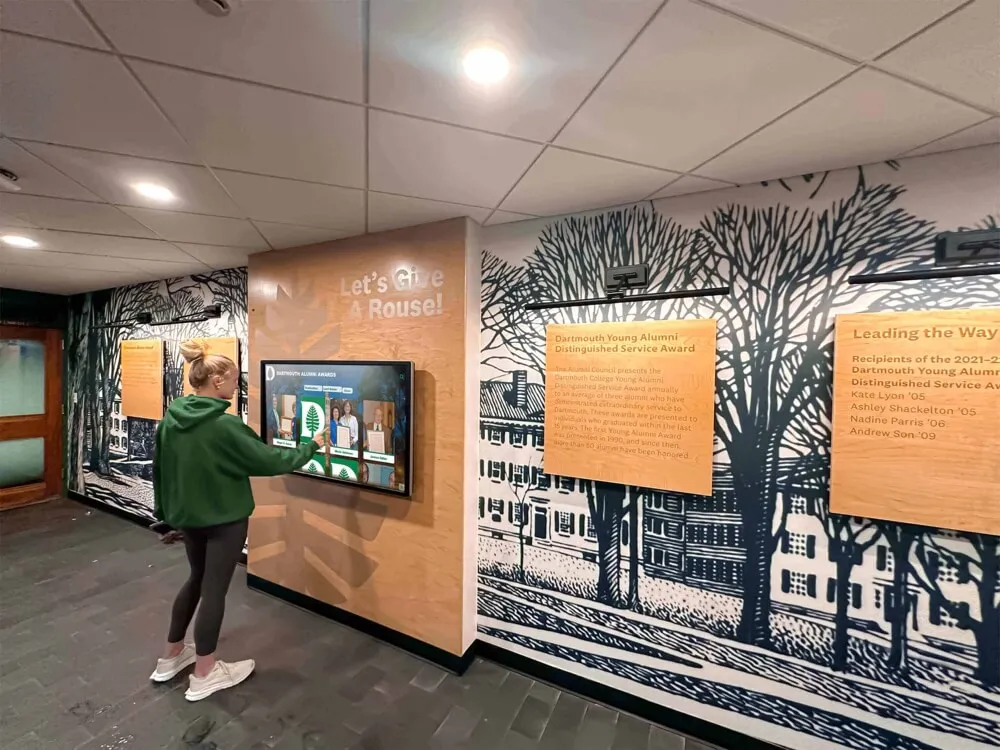
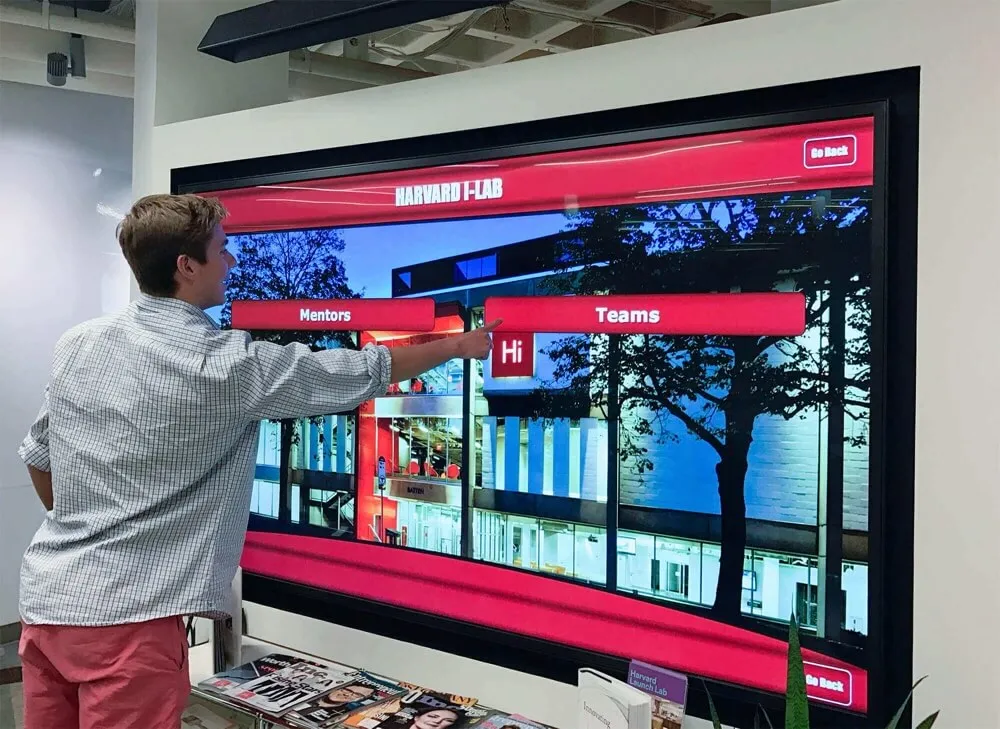
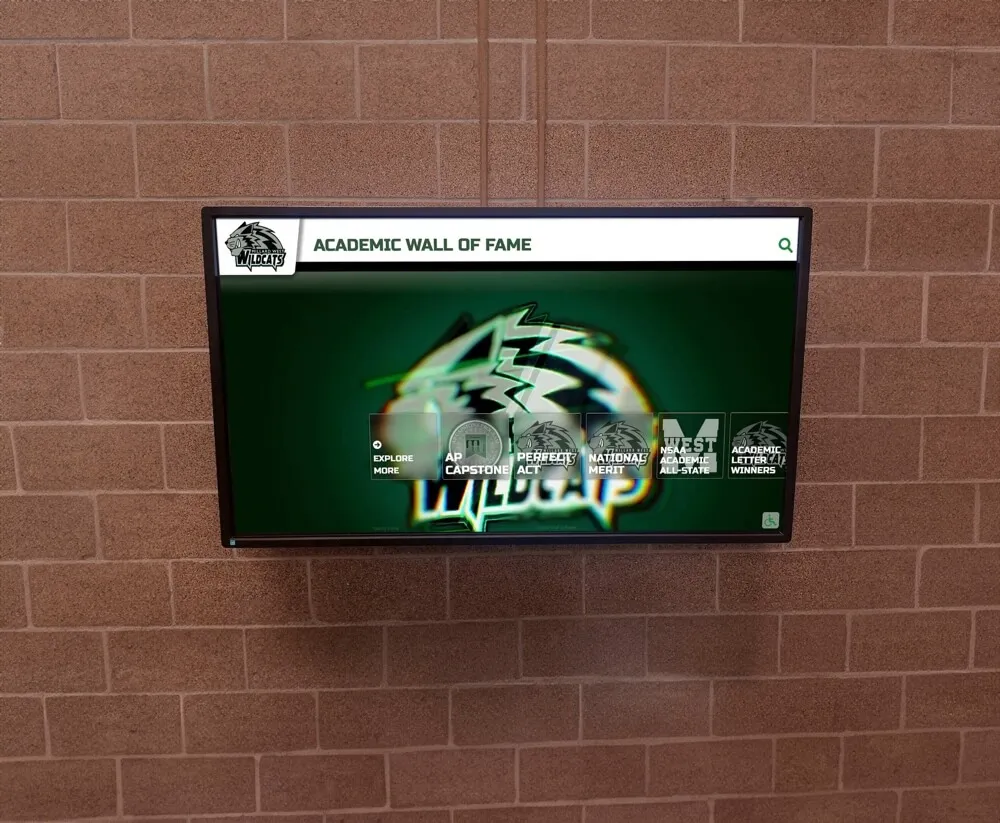
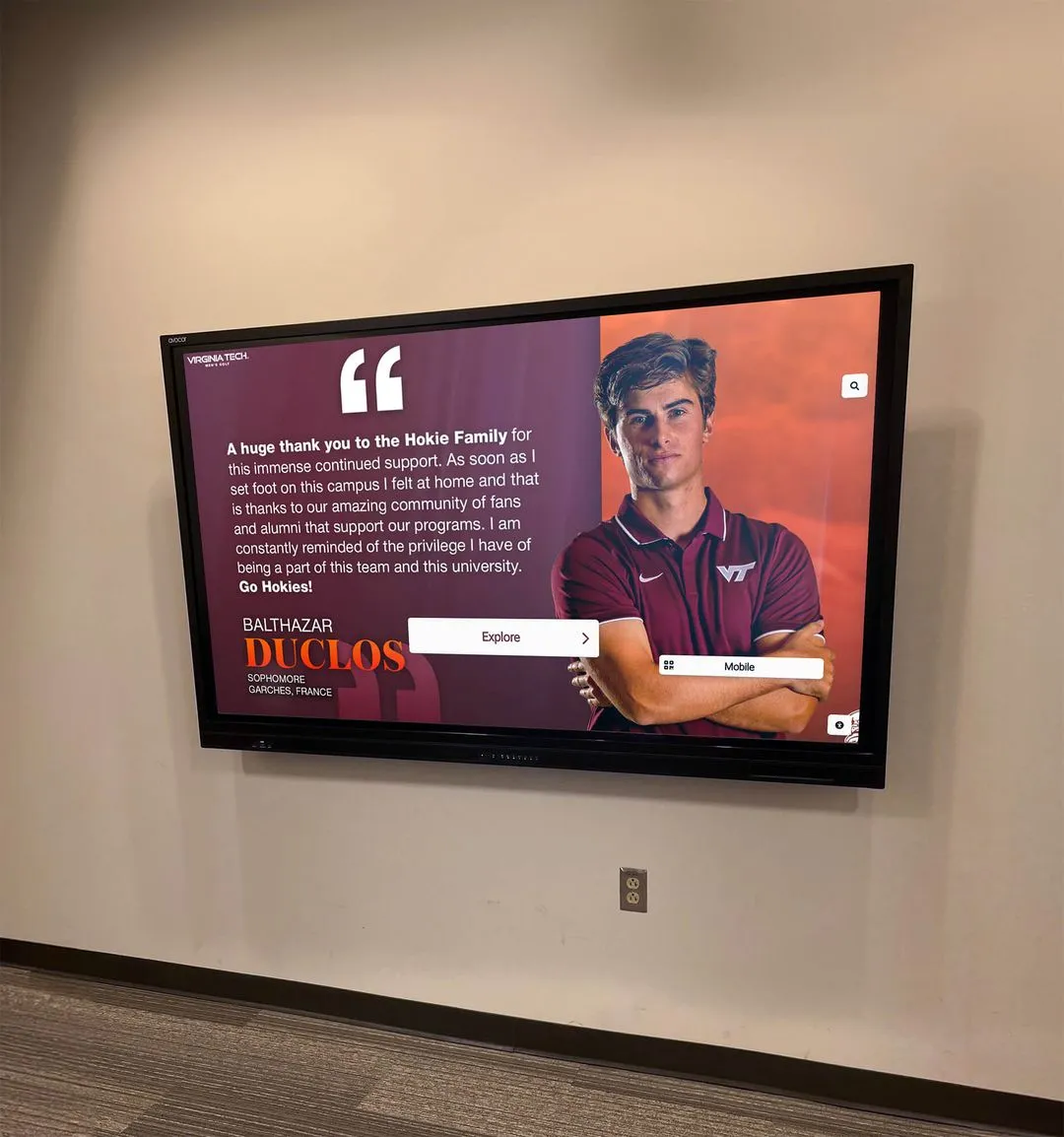
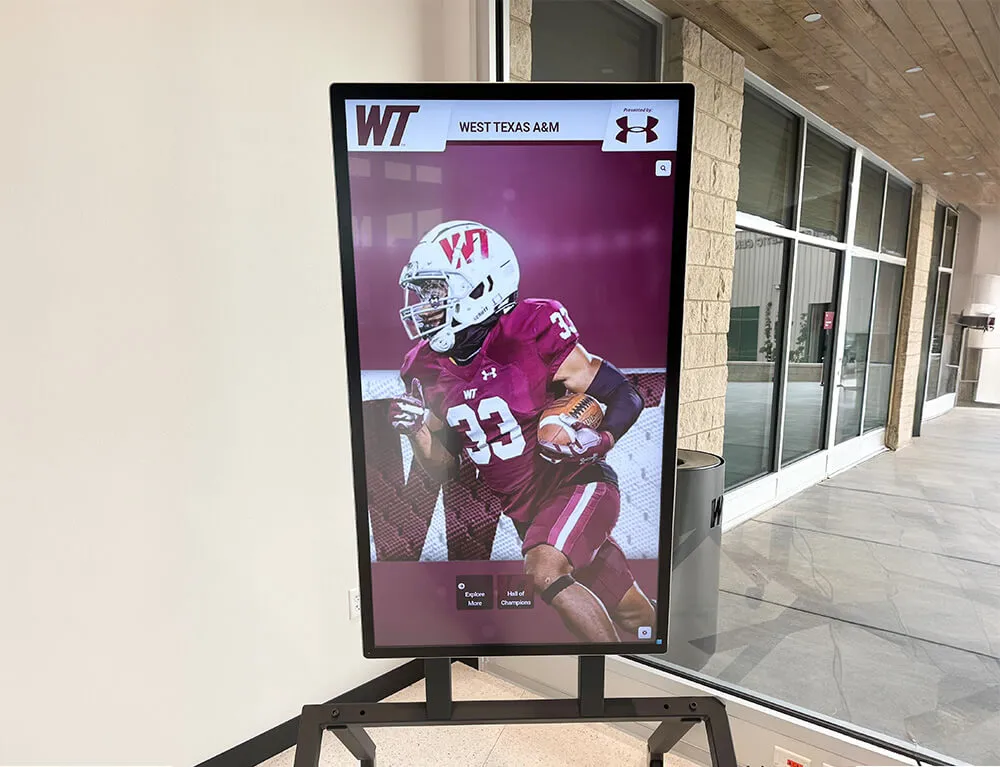
Interactive displays enable students to explore achievements, school history, and recognition content throughout the year
Budget-Friendly Display Solutions
Creating professional displays doesn’t require extensive financial resources with strategic planning.
Low-Cost Materials and Resources
Effective displays using accessible materials:
Inexpensive Supply Options
Quality materials available at minimal cost:
- Dollar store borders, letters, and decorative elements
- Student-created artwork and lettering reducing commercial supply needs
- Recyclable materials repurposed for three-dimensional displays
- Fabric remnants creating colorful, durable backgrounds
- Paint and murals providing permanent, reusable display foundations
- Digital printing at reduced cost through office supply stores
- Free printable resources from educational websites and teacher communities
Collaborative Supply Sharing
Reducing individual costs through coordination:
- Grade-level or department supply pooling
- School-wide border and letter storage accessible to all staff
- Supply swaps at the end of each year
- Parent organization funding for shared display materials
- Community business donations of surplus materials
- Teacher lending libraries of themed display components
Time-Saving Display Strategies
Efficient approaches reducing preparation demands:
Reusable Display Frameworks
One-time creation supporting multiple uses:
- Permanent bulletin board frameworks with changeable content inserts
- Labeled sections where content rotates but structure remains constant
- Digital templates printed for different content with consistent design
- Laminated pieces reused year after year
- Student work display systems where content changes but format remains consistent
Student Involvement in Display Creation
Authentic work reducing teacher preparation time:
- Students designing and creating classroom displays as projects
- Collaborative bulletin board committees maintaining common areas
- Art class integration creating displays as curriculum-aligned assignments
- Student government managing school-wide display coordination
- Service learning opportunities for students managing display updates
Measuring Display Effectiveness
Assessment ensures display efforts achieve intended purposes.
Engagement Indicators
Observable evidence that displays achieve objectives:
Student Interaction
Displays should attract and engage students:
- Students stopping to read and examine displays
- Discussion and conversation generated by display content
- Student questions and curiosity prompted by information
- Participation in interactive display elements
- Students bringing family members to view displays
Community Response
Positive feedback from multiple stakeholders:
- Parent comments during conferences and school visits
- Visitor reactions to building appearance and professionalism
- Social media engagement when displays are featured
- Student pride and ownership expressed about their environment
- Staff satisfaction with working environment quality
Achievement and Culture Outcomes
Displays contribute to broader institutional goals:
Academic and Behavioral Impact
Well-designed environments support positive outcomes:
- Recognition displays motivating student achievement and effort
- Clear expectations reducing behavioral confusion and conflict
- Inclusive imagery improving sense of belonging for all students
- Information displays reducing anxiety and increasing confidence
- Celebration of diverse achievements broadening participation
Conclusion: Creating Welcoming Environments That Inspire
Back to school displays, bulletin boards, and welcome decorations represent far more than aesthetic considerations—they establish the environmental foundation supporting teaching, learning, and community building throughout the entire school year. When educators approach display planning strategically, balancing creative expression with clear communication, professional appearance with authentic student work, and traditional methods with modern alternatives, they create spaces where students feel welcomed, valued, and inspired to achieve.
The ideas explored in this guide provide practical frameworks for transforming entrances, hallways, classrooms, and common areas from generic spaces into engaging environments reflecting institutional values and celebrating student achievement. From creative classroom bulletin boards establishing learning culture to comprehensive recognition displays showcasing accomplishments across all programs, these approaches help schools make powerful first impressions that last.
Ready to transform your school’s back to school displays beyond what traditional bulletin boards can accomplish? Modern digital recognition solutions help schools create professional, engaging environments that remain fresh throughout the entire year while celebrating unlimited student achievements. Solutions like Rocket Alumni Solutions provide comprehensive platforms specifically designed for educational institutions, combining unlimited recognition capacity with intuitive content management, professional hardware, and flexible display options that address the persistent challenges educators face with conventional paper displays.
Whether creating your first back to school displays or enhancing annual traditions, success requires strategic planning addressing both aesthetic and functional needs, thoughtful integration of traditional and digital approaches, systematic update schedules maintaining relevance throughout the year, and genuine commitment to creating environments where all students see themselves reflected and celebrated.
Your students deserve learning environments reflecting your school’s quality, care, and commitment to their success. With thoughtful planning, creative approaches, and appropriate technology investment when traditional methods reach their limitations, you can create welcoming, inspiring spaces that truly celebrate student achievement while establishing the positive culture every learning community needs to thrive.
Start with improvements you can implement immediately—refreshing entrance displays, reorganizing classroom bulletin boards, adding student work showcases—then systematically enhance toward comprehensive environmental design your community deserves. The most important element isn’t budget size or elaborate materials—it’s genuine commitment to creating spaces that welcome students, celebrate achievement, and establish the belonging and pride supporting student success throughout the entire school year.
Every student who walks through your doors on the first day of school seeing their achievements recognized, their identity reflected, and their potential valued represents success. Every family who visits your building and immediately perceives the professionalism, care, and excellence defining your institution validates the strategic importance of thoughtful display planning—make your back to school environment worthy of the remarkable learning community you’ve created.