



Standing at a podium on recognition night with hundreds of eyes watching—tasked with honoring someone’s lifetime of achievement in just a few minutes—creates pressure that even experienced administrators and coaches feel intensely. The weight of doing justice to someone’s legacy, capturing what makes their accomplishments special, and delivering words that resonate with audience members who knew the honoree in different contexts makes award speeches among the most challenging yet meaningful speaking opportunities in school life.
The difference between speeches that move audiences to tears and those that feel generic often comes down to structure, specificity, and authentic storytelling. Effective award speeches—whether you’re presenting an honor to someone else or accepting recognition yourself—balance factual accomplishment recitation with personal narrative, humor with reverence, and individual celebration with institutional values. They make audiences feel the honoree’s impact rather than simply hearing about it.
This comprehensive guide provides award speech examples and frameworks for school recognition nights and hall of fame inductions, covering both presentation speeches (introducing and honoring recipients) and acceptance speeches (responding to recognition). Whether you’re a principal honoring a retiring teacher, an athletic director inducting a championship coach, a student accepting an academic award, or an alumnus entering your school’s hall of fame, these proven structures and examples help you deliver words worthy of the moment.
Recognition ceremonies create defining moments in institutional life—opportunities to articulate shared values, inspire current students through exemplary achievement, strengthen community bonds, and ensure that excellence receives acknowledgment equal to its impact. Schools that approach these occasions thoughtfully, with speeches that capture authentic stories and genuine emotion, transform routine award presentations into memorable experiences that honorees treasure for lifetimes.

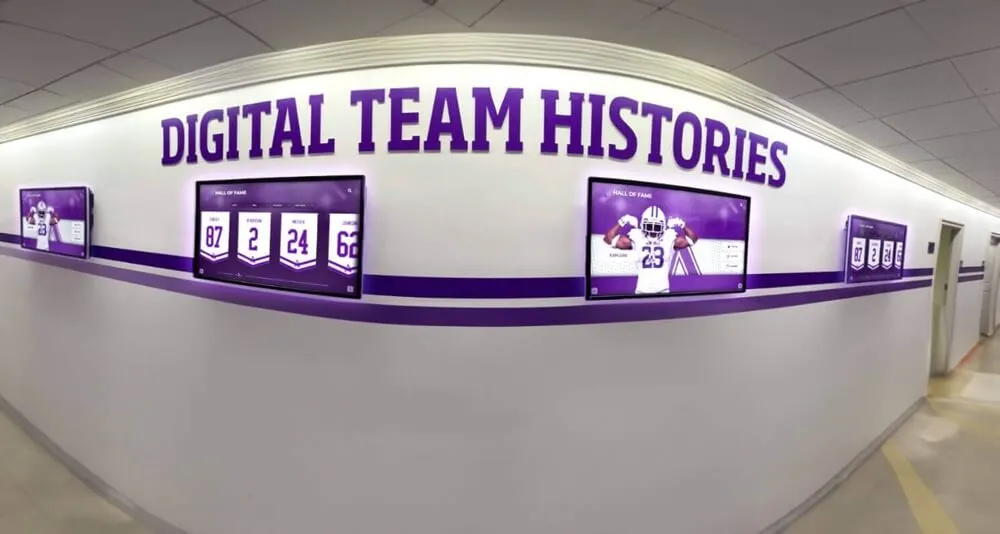
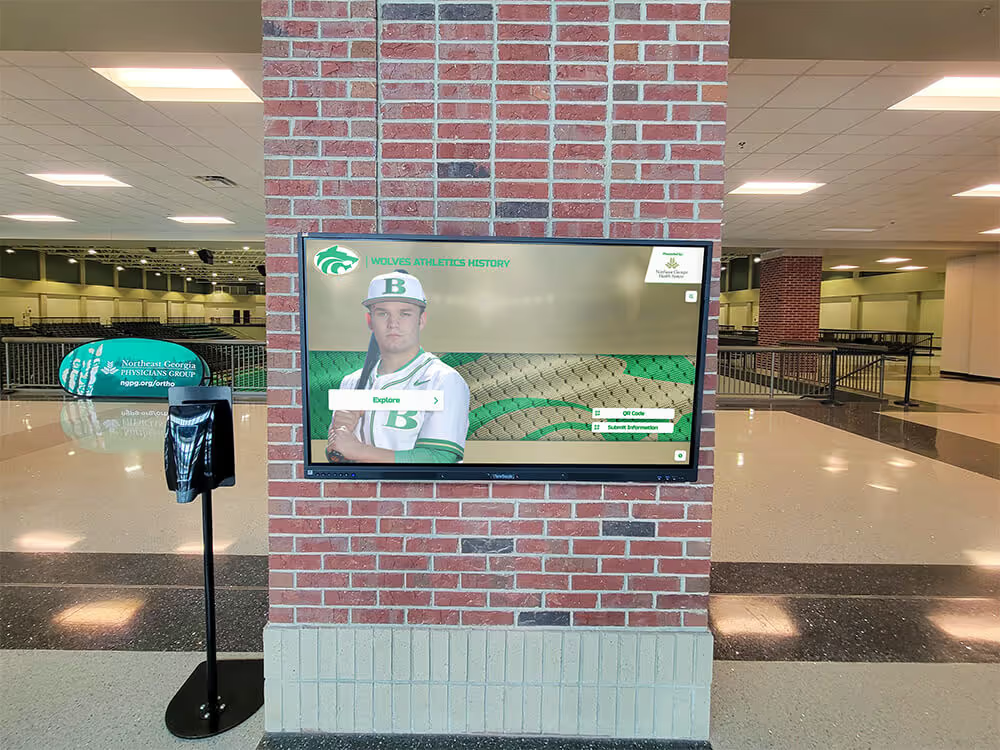
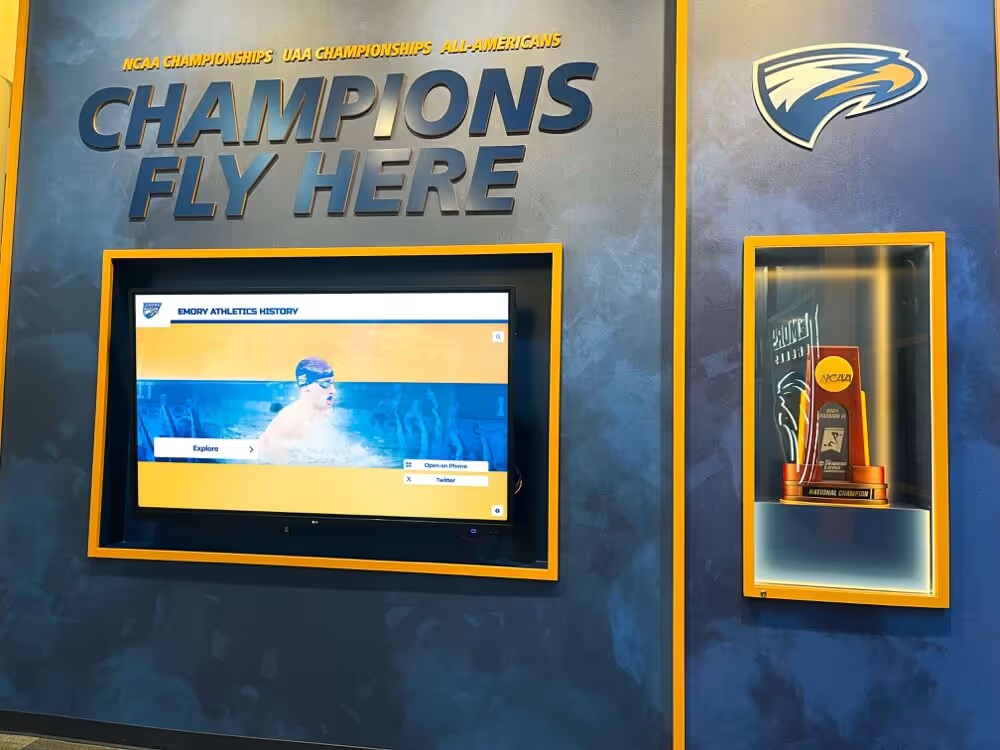
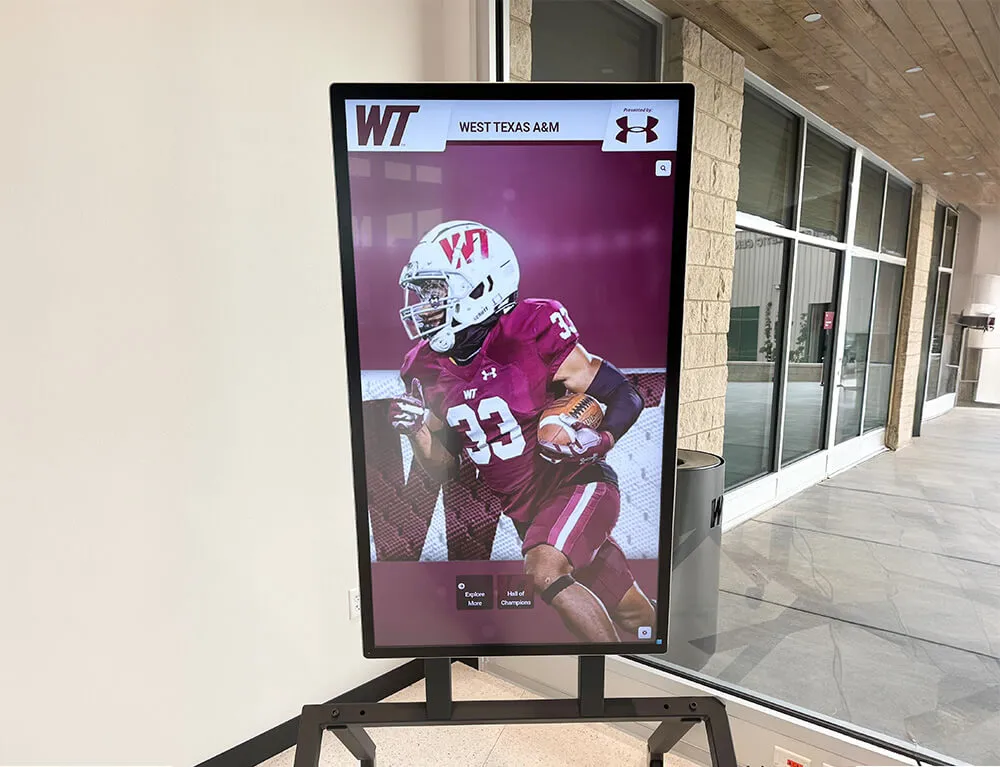
Recognition ceremonies and hall of fame inductions require speeches that honor achievements with the dignity and specificity they deserve
Award Speech Types: Understanding Your Role and Responsibilities
Before drafting your speech, understanding which type you’re delivering shapes everything from length to tone to content focus.
Presentation Speeches: Honoring Others
When you’re introducing and honoring award recipients, your role centers on telling their story compellingly:
Purpose and Function
Presentation speeches accomplish several objectives:
- Provide context explaining why this particular honor exists and what it represents
- Establish the recipient’s credentials and accomplishments for audiences who may not know them
- Tell stories that illustrate character and impact beyond mere achievement lists
- Create emotional connection between audience and honoree through specific examples
- Set appropriate tone balancing celebration with dignity
- Build to the recognition moment with proper ceremony
Common Presentation Speech Contexts
Schools deliver presentation speeches across various recognition scenarios:
- Hall of fame inductions celebrating lifetime achievement and lasting legacy
- Athletic banquet awards recognizing season excellence and individual accomplishments
- Academic achievement ceremonies honoring scholarly distinction
- Retirement recognition events celebrating career service and impact
- Distinguished alumni awards acknowledging post-graduation accomplishments
- Student of the month presentations highlighting current student excellence
- Special recognition for extraordinary contributions or achievements
The presentation speaker’s responsibility involves honoring the recipient authentically while maintaining audience engagement throughout.
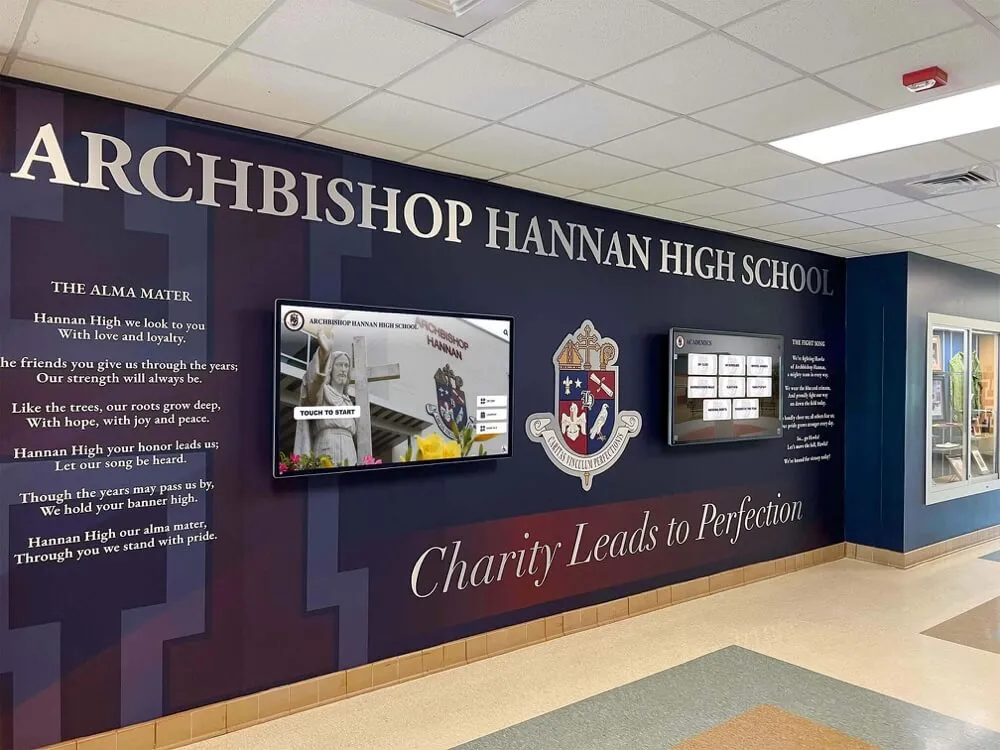
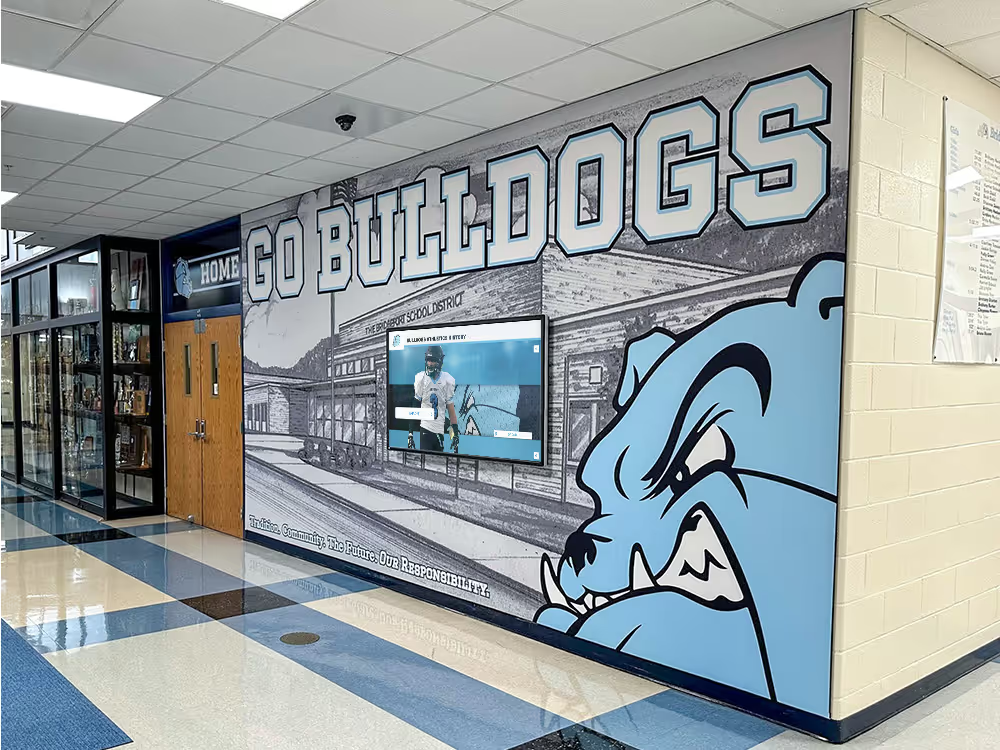
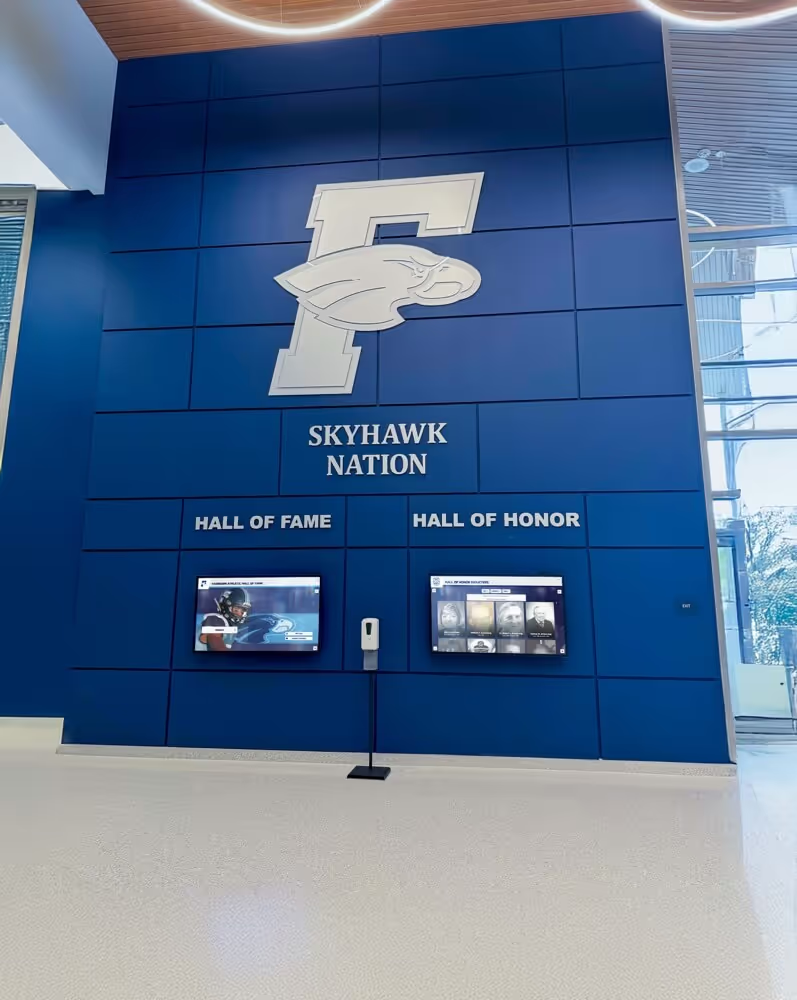
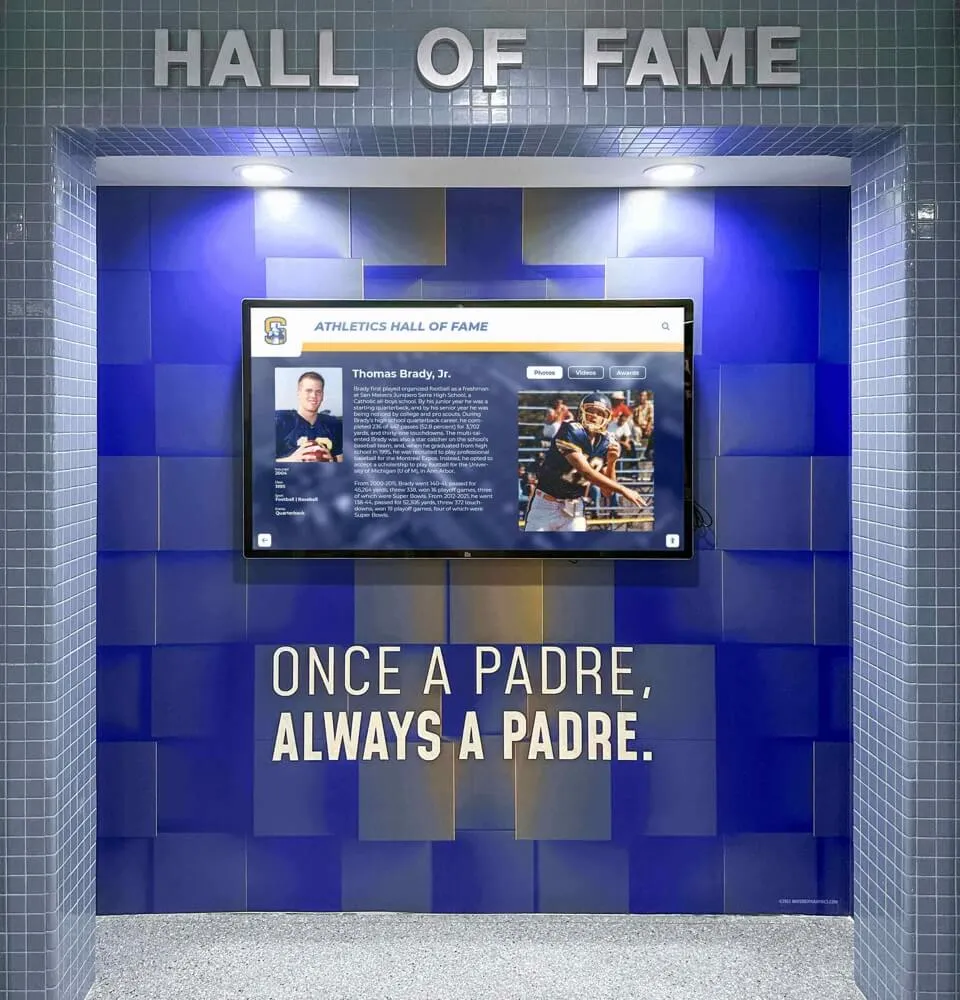
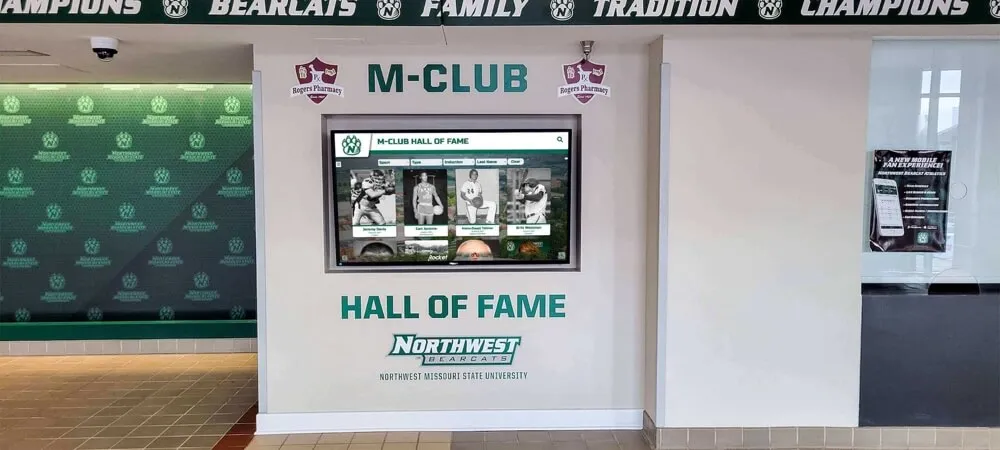
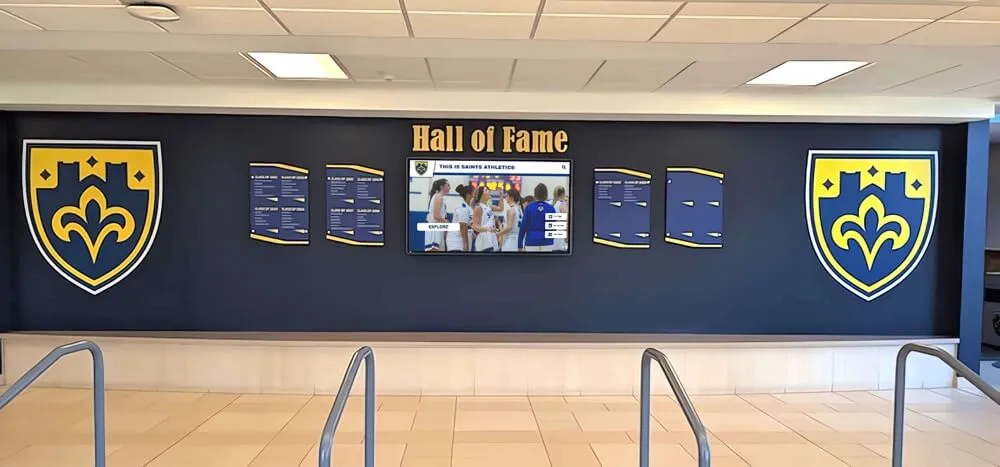
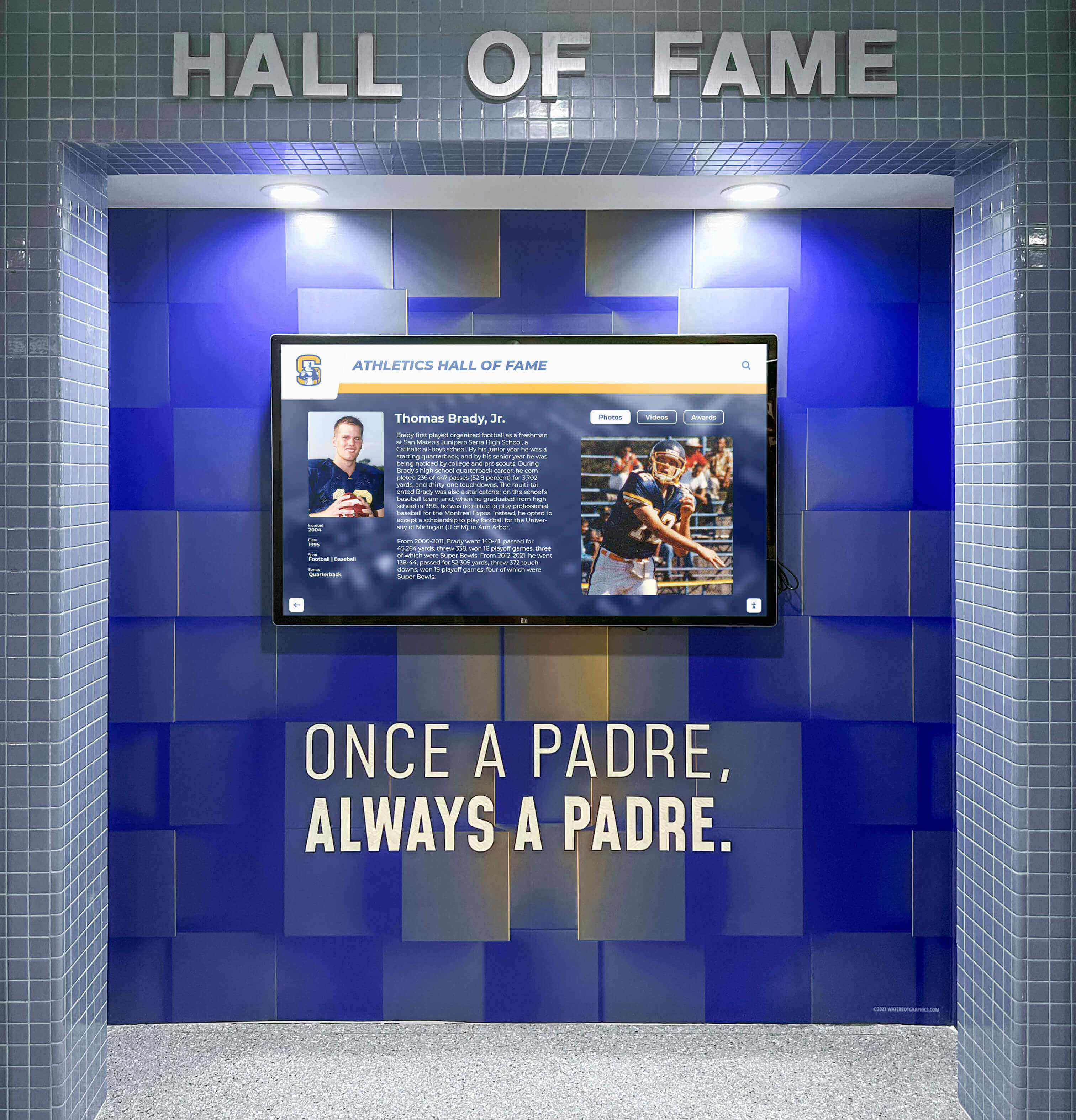
Hall of fame environments set the stage for speeches that must match the significance of permanent institutional recognition
Acceptance Speeches: Responding to Recognition
When you’re receiving an award, your speech acknowledges the honor while demonstrating humility and gratitude:
Purpose and Function
Acceptance speeches accomplish different objectives:
- Express genuine gratitude to those who made achievements possible
- Acknowledge the honor without appearing arrogant or dismissive
- Share credit appropriately with teammates, coaches, teachers, family members
- Provide perspective on what the recognition means personally
- Inspire others through reflections on the journey and lessons learned
- Represent the award well by embodying the values it celebrates
Balancing Humility and Acknowledgment
The acceptance speech challenge involves accepting recognition graciously without diminishing the accomplishment through excessive self-deprecation or, conversely, appearing entitled or boastful. Effective acceptance speeches acknowledge hard work and ability while crediting support systems and favorable circumstances that enabled success.
Many honorees struggle with this balance, defaulting to one extreme—either claiming achievement resulted entirely from others’ efforts (undermining the selection committee’s judgment) or focusing exclusively on personal excellence (appearing self-centered and ungrateful).
Presentation Speech Framework: Honoring Award Recipients
Effective presentation speeches follow proven structures that build audience understanding and emotional investment before the recognition moment.
Opening: Establishing Context and Significance
Begin by helping audiences understand why this award matters:
Award Background and Meaning
Set the stage with institutional context:
- Explain the award’s history, selection criteria, and what it represents
- Reference past recipients creating tradition and elevated status
- Describe the selection process demonstrating rigor and merit
- Connect the honor to institutional values and mission
- Establish appropriate gravity matching the recognition level
Example Opening:
“The [School Name] Athletic Hall of Fame represents our institution’s highest honor for athletic achievement—recognition reserved for individuals whose competitive excellence, character, and lasting impact set them apart across our 85-year history. Since our hall of fame’s establishment in 1998, just 47 individuals and 12 teams have received this distinction. Tonight, we gather to induct someone whose accomplishments on the field matched only by contributions off it, whose leadership inspired teammates across four decades, and whose name remains synonymous with [School] athletics excellence.”
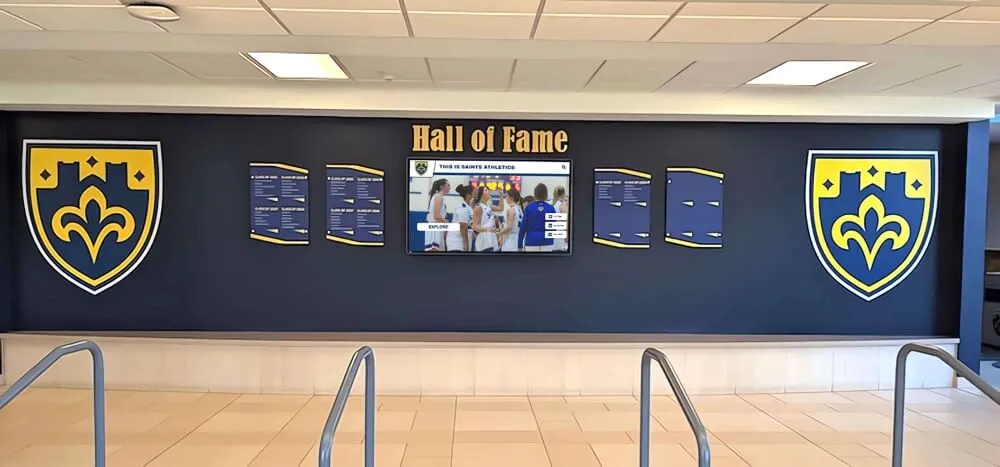
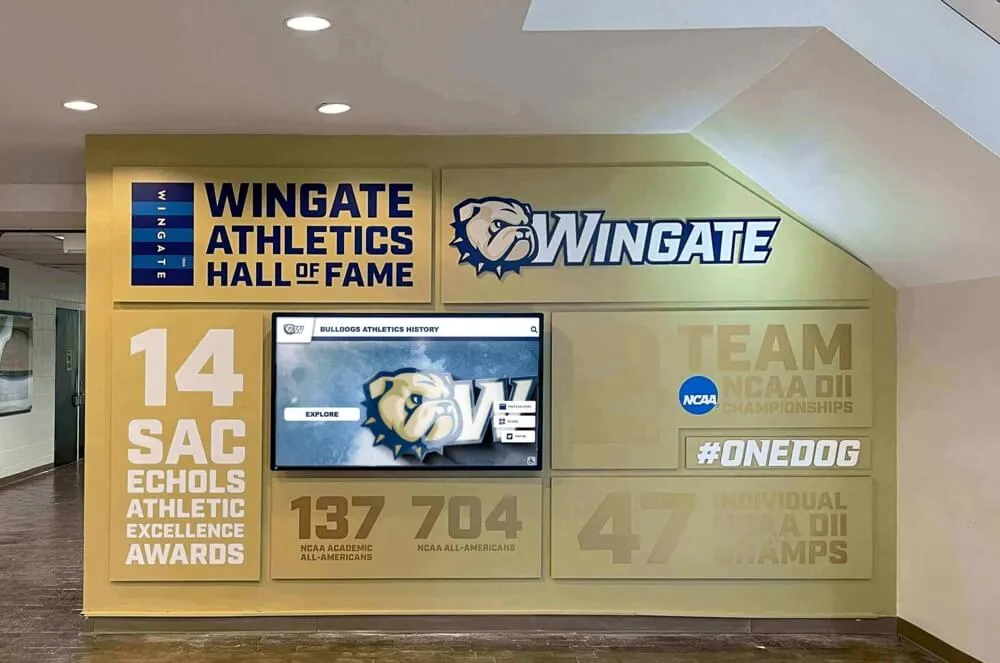
Opening remarks should establish the significance of recognition before introducing the honoree's specific accomplishments
Middle: Telling the Honoree’s Story
The speech body should illuminate who this person is through specific details:
Achievement Documentation
Present accomplishments systematically:
- Career timeline providing progression from beginning through peak achievements
- Statistical accomplishments and records establishing objective excellence
- Championships, titles, and competitive distinctions
- Awards, honors, and external recognition received
- Innovations, firsts, or unique contributions
- Sustained excellence demonstrating consistency over time
Character Illustration Through Stories
Move beyond statistics to reveal character:
- Specific incidents demonstrating values, leadership, or character
- Challenges overcome showing resilience and determination
- Relationships and mentorship illustrating impact on others
- Sacrifices made revealing commitment and priorities
- Moments of grace under pressure displaying composure
- Humility despite achievement showing character
Example Story Integration:
“The statistics tell one story—three state championships, 127 career wins, coach of the year honors twice. But those who played for Coach Martinez remember something else. They remember February 2018, when our team bus broke down three hours from home after a devastating tournament loss. Rather than dwelling on defeat, Coach turned that stranded evening into an impromptu team-building session in a roadside diner, teaching life lessons about perspective and resilience that players still reference today in their own lives. They remember how she showed up to every player’s off-season games in other sports, demonstrating that she cared about the whole person, not just the athlete. And they remember the handwritten notes each senior received graduation morning—personalized reflections on growth, character, and potential that many have kept framed years later.”
Building to the Recognition Moment
Create appropriate ceremony as you approach the actual award presentation:
Impact and Legacy Statement
Summarize lasting influence:
- Current impact on programs, students, or community
- Ways the honoree changed the institution or discipline
- Students, athletes, or professionals mentored
- Standards set that others now pursue
- Traditions established that continue
- Values modeled that became institutional culture
Personal Reflection (If Appropriate)
When you have personal connection, brief authentic reflection adds power:
- What working with this person taught you
- How they influenced your own growth or perspective
- Why this recognition feels particularly meaningful
- What you hope current students understand about this legacy
The Recognition Moment
Build to the actual award presentation:
“For athletic excellence that brought championships to [School Name], for leadership that transformed programs and inspired generations of student-athletes, for character that exemplified our institutional values, and for a legacy that will endure as long as [School] athletics exist, it is my profound honor to present [Honoree Name] as the newest inductee into the [School Name] Athletic Hall of Fame.”
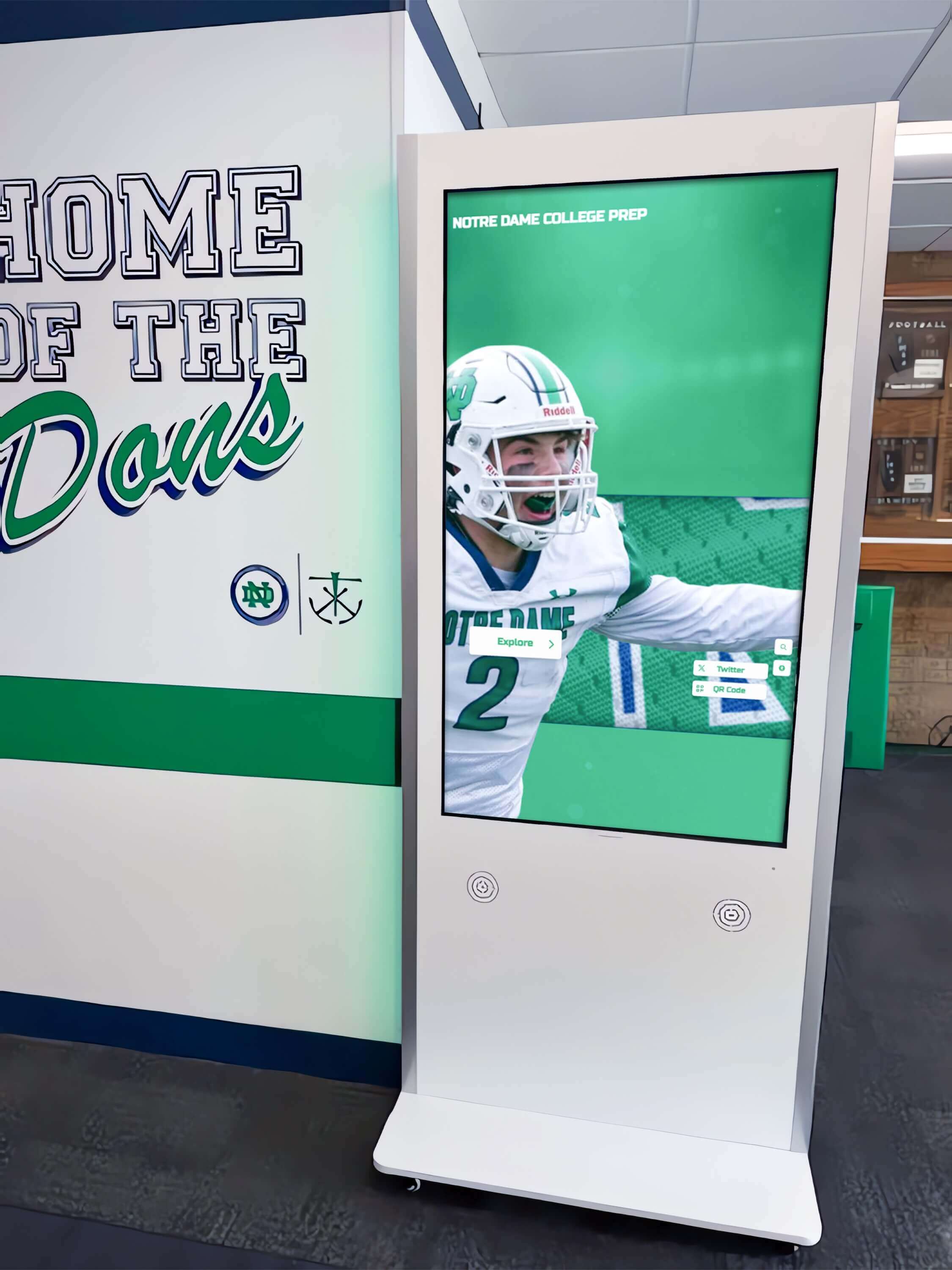
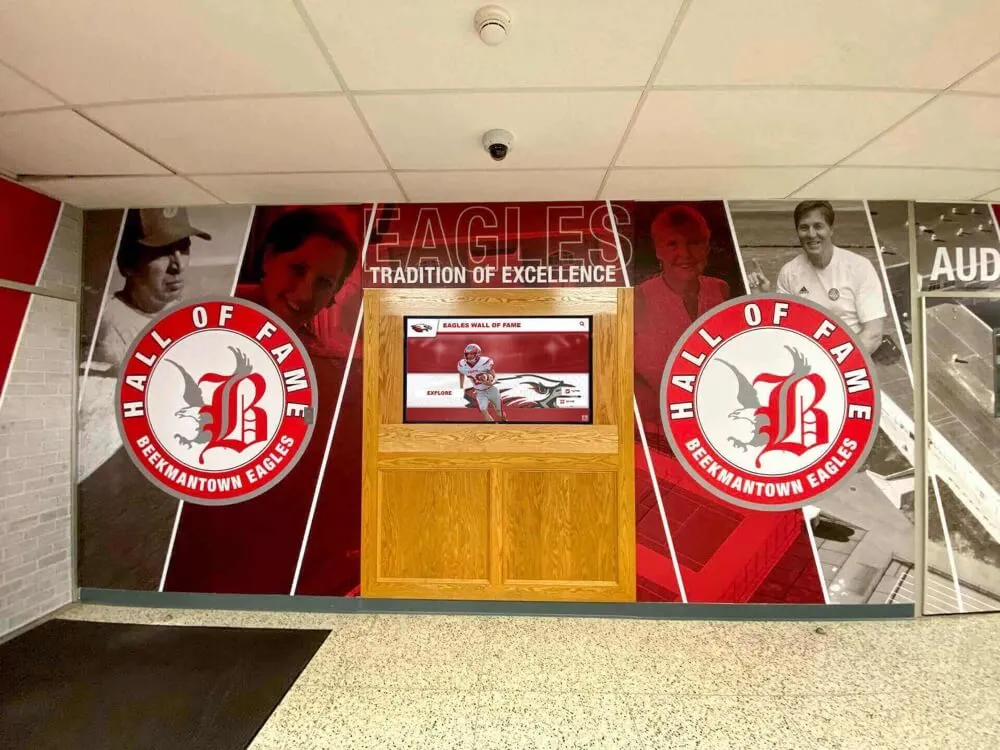
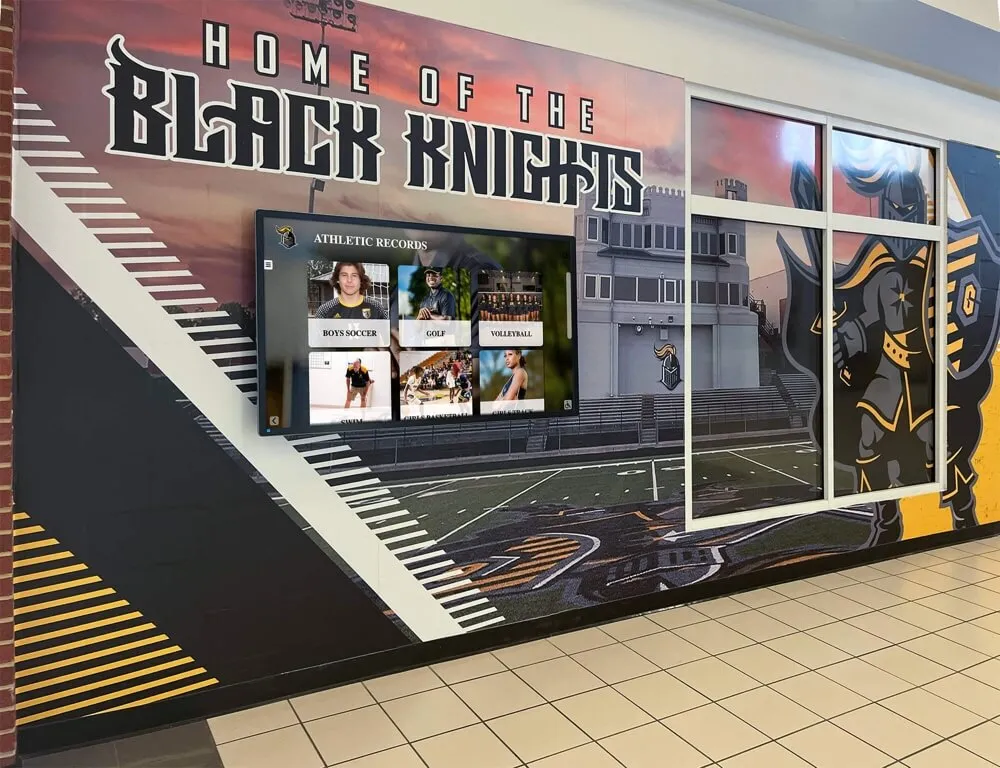
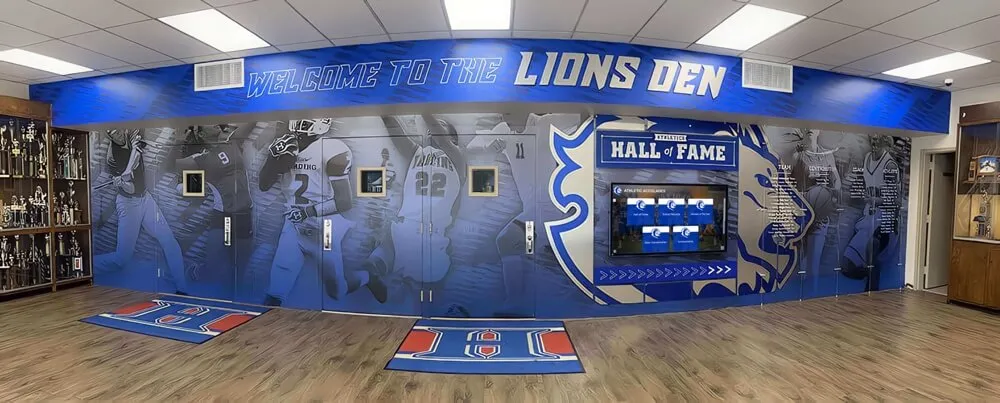
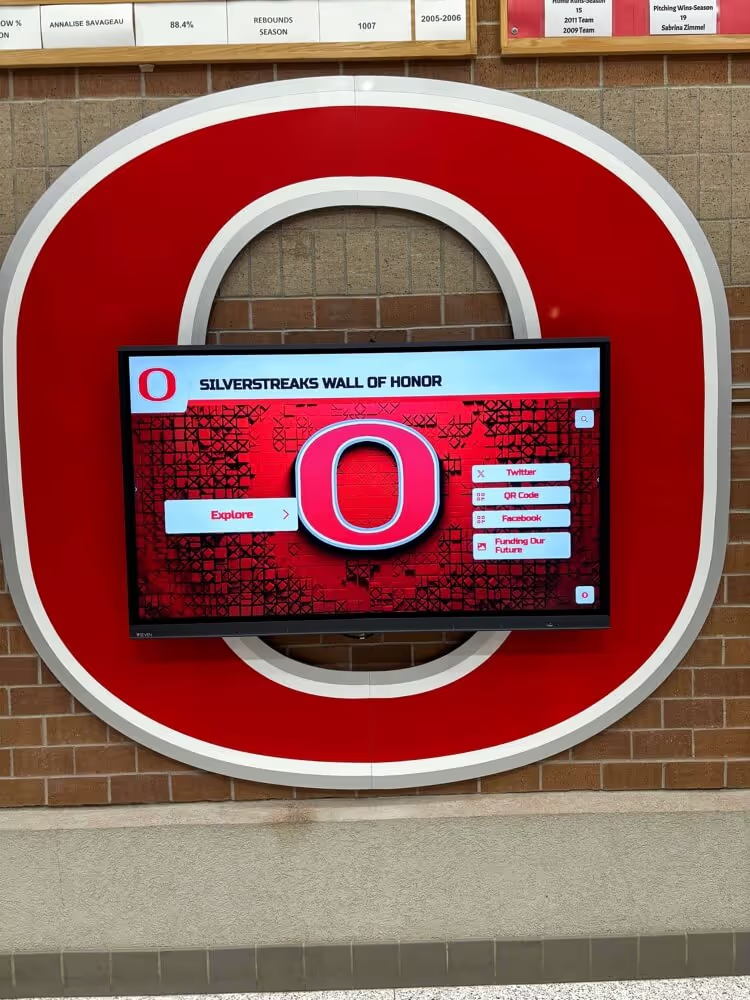
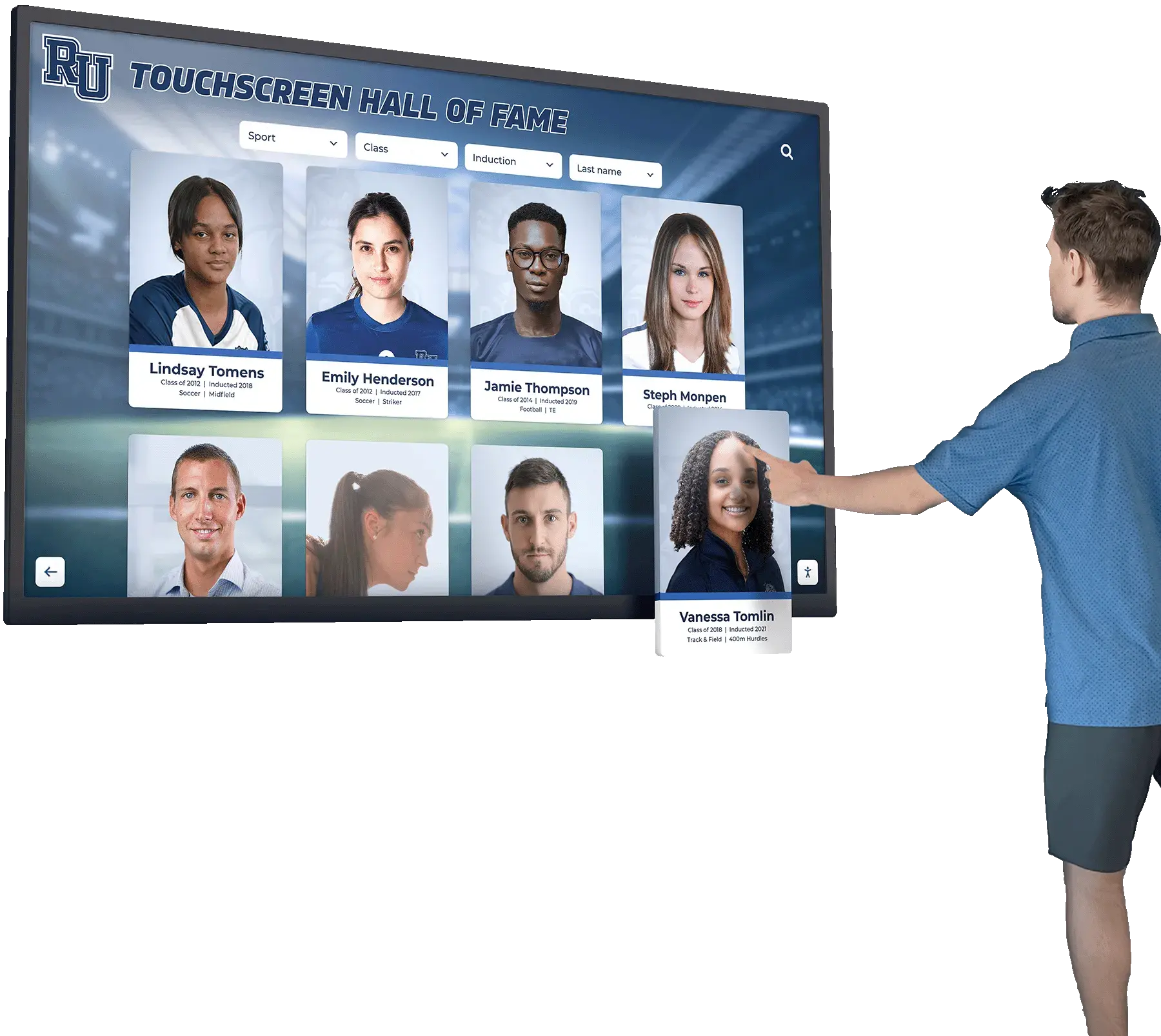
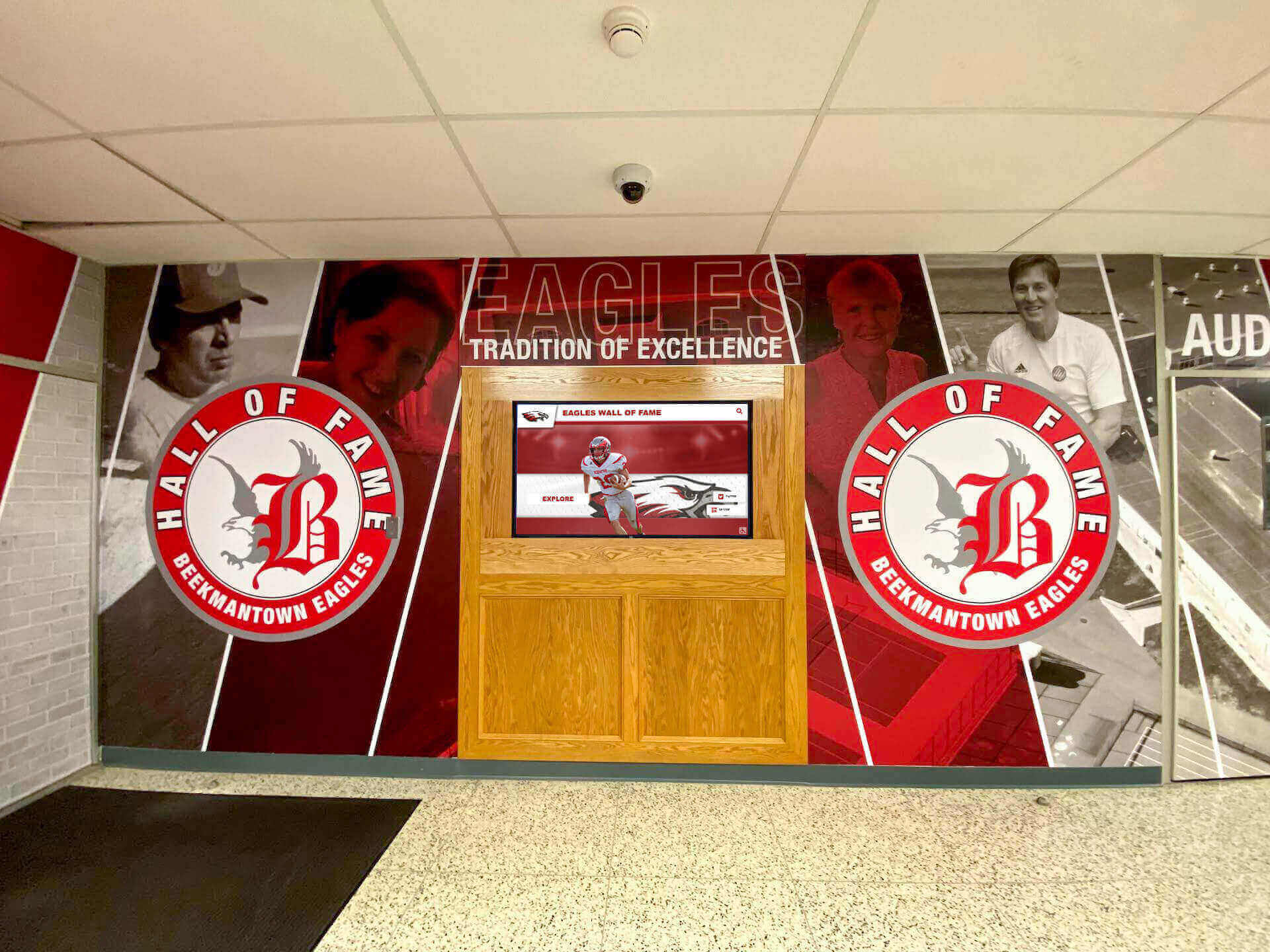
Modern recognition programs often integrate digital displays that preserve honoree stories beyond the induction ceremony
Acceptance Speech Framework: Receiving Recognition Graciously
When you’re the honoree, your acceptance speech should acknowledge the honor while maintaining humility and expressing genuine gratitude.
Opening: Initial Response and Gratitude
Begin by acknowledging the moment and expressing thanks:
Immediate Gratitude
Open with sincere appreciation:
- Thank the organization/institution for the honor
- Acknowledge selection committee and their difficult decision
- Express what the recognition means personally
- Reference the significance of joining previous honorees
Example Opening:
“Thank you. I’m genuinely overwhelmed standing here tonight. When I received the call about this induction, my first thought was reviewing the names already in this hall of fame—legends whose pictures I studied as a young athlete, champions whose records I chased, mentors who shaped my own approach. To now have my name alongside theirs feels surreal and humbling in equal measure. Thank you to the selection committee for this extraordinary honor.”
Middle: Sharing Credit and Acknowledging Support
The heart of acceptance speeches involves recognizing those who made achievement possible:
Specific Acknowledgments
Thank contributors by name when appropriate:
- Parents and family members who sacrificed and supported
- Coaches, teachers, or mentors who developed skills and character
- Teammates, colleagues, or classmates who shared the journey
- Administrators who created opportunities or provided resources
- Community members who offered encouragement and support
- Specific individuals who made pivotal contributions
Example Acknowledgment Section:
“No one achieves alone, and every accomplishment represented here tonight reflects contributions from countless people. My parents, who drove to every tournament regardless of distance, who supported dreams even when practical concerns might have discouraged them, and who taught me that character matters more than championships. Coach Williams, who saw potential in an awkward freshman and patiently developed skills while demanding excellence and accountability in equal measure. My teammates across four years, whose friendship and shared commitment made practices something I looked forward to and losses bearable. And my family—my spouse who understood the coaching hours and weekend commitments, and my children who shared their parent with teams of student-athletes for three decades.”

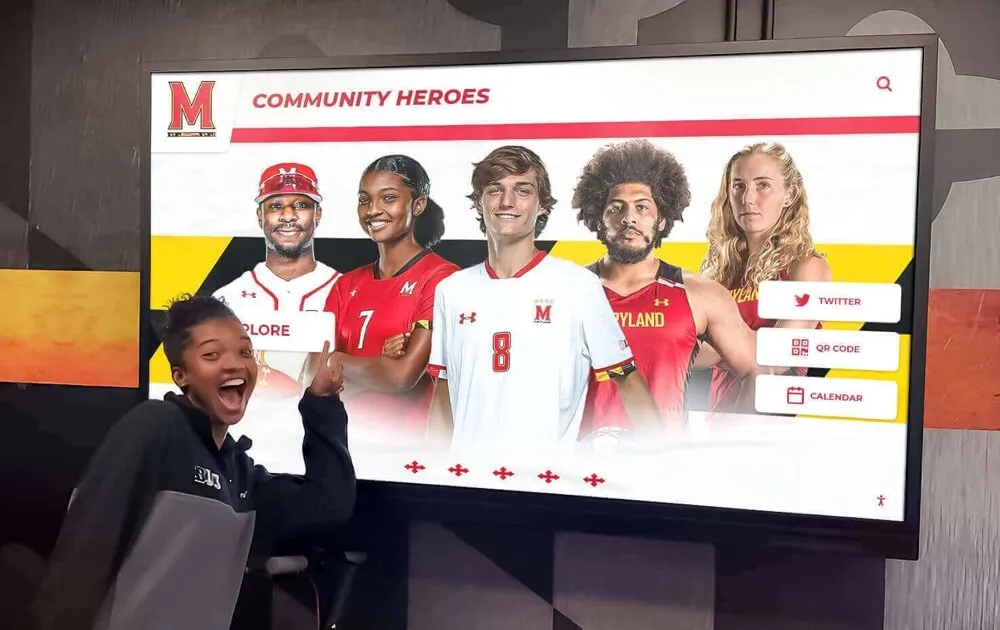
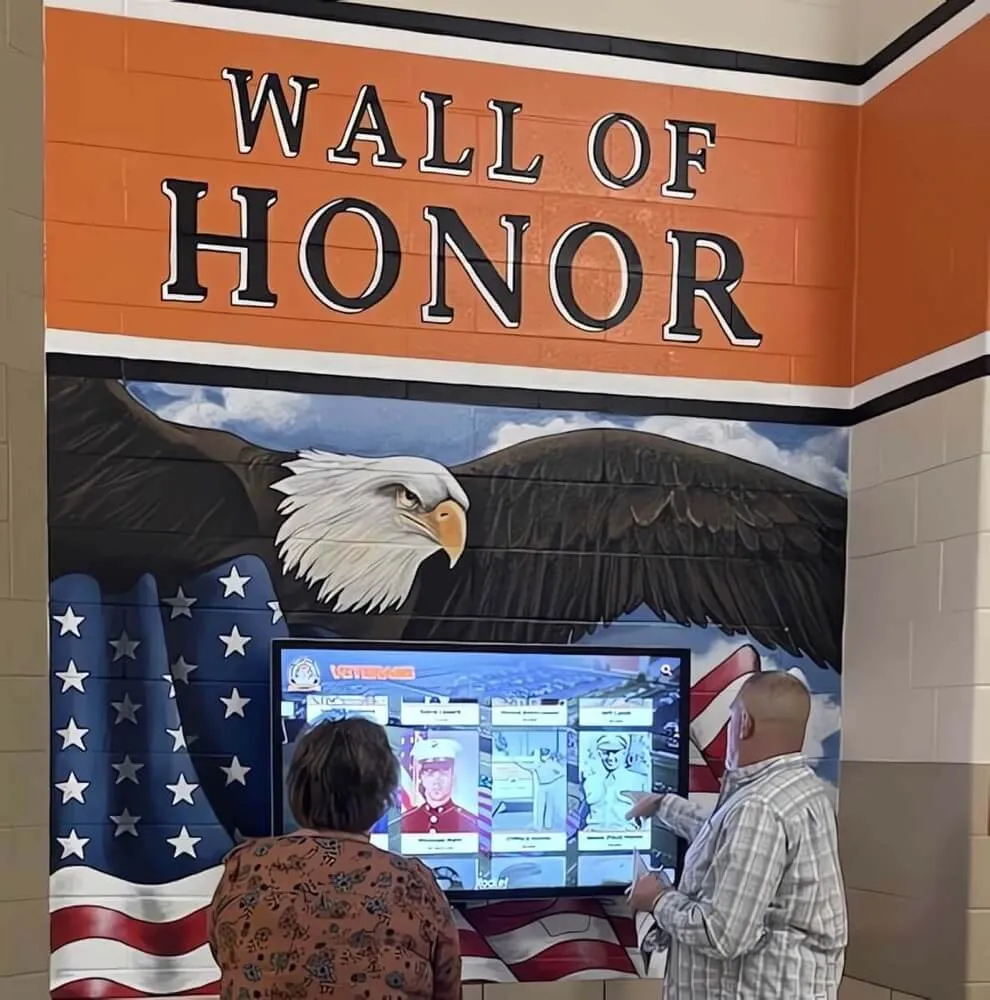
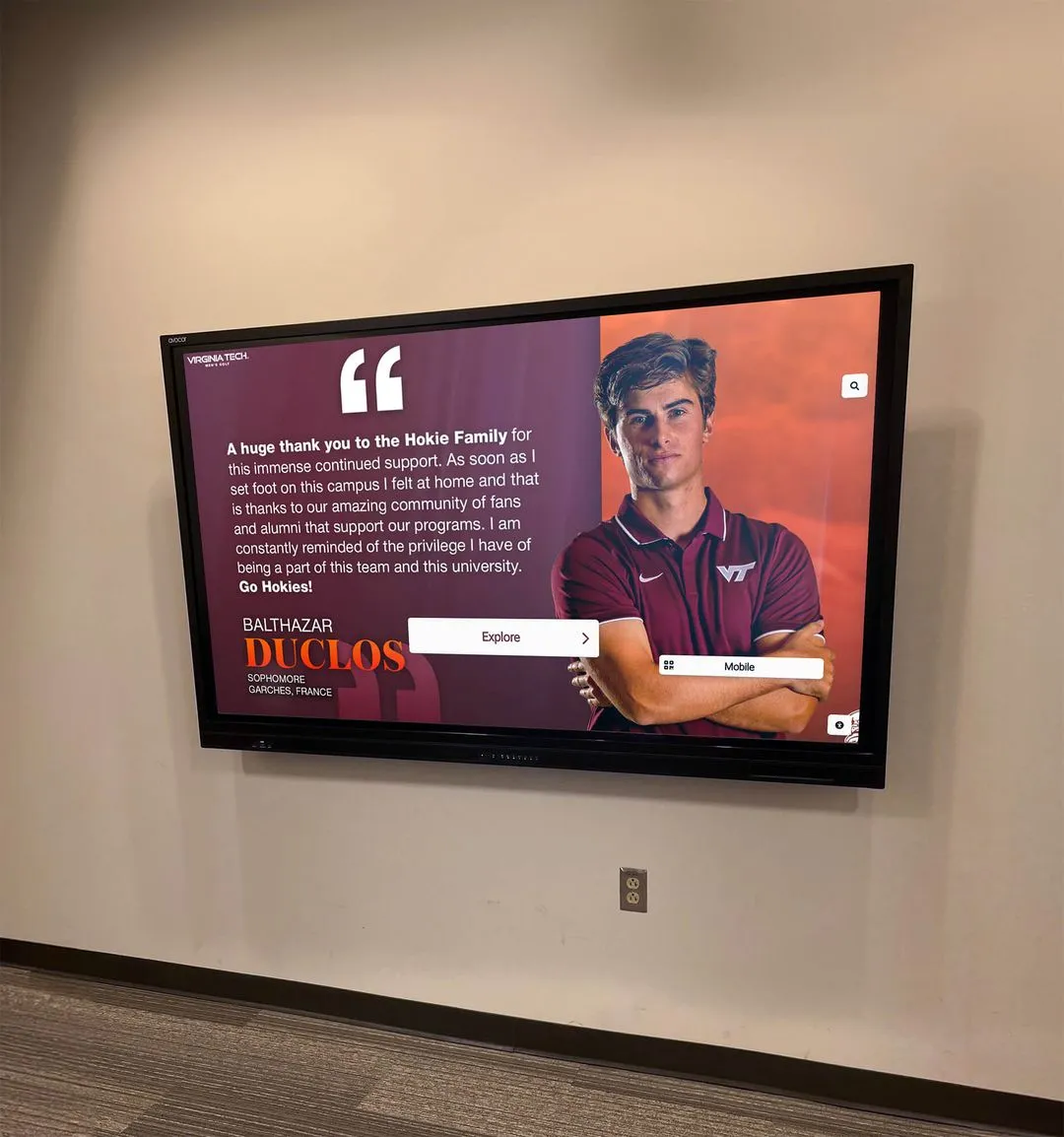
Recognition moments provide opportunities to acknowledge the teams, supporters, and mentors who contributed to achievement
Reflection and Inspiration
Share perspective on the journey and lessons learned:
Personal Growth Insights
Reflect on the experience’s meaning:
- Challenges that initially seemed insurmountable
- Moments of doubt or difficulty that taught important lessons
- Evolution in understanding what success actually means
- Unexpected outcomes or directions the journey took
- Values that sustained effort through difficult periods
Inspiration for Current Students
Address those still pursuing their own excellence:
- Encouragement specific to their challenges
- Realistic perspective on setbacks and persistence
- Values worth prioritizing beyond winning
- Invitation to pursue their own paths to excellence
Example Reflection:
“If I could share one thing with current student-athletes, it would be this: the championships and records you see documented tonight mattered far less than what competing taught me about commitment, resilience, and grace in both victory and defeat. Some of my most important growth came not from seasons we won state, but from the junior year when injuries decimated our roster and we had to find meaning in fighting hard despite long odds. The discipline athletics taught me—showing up consistently, working when no one’s watching, supporting teammates even when personally disappointed—proved more valuable in life and career than any trophy. Chase excellence, but don’t miss the character development happening in the pursuit.”
Closing: Final Thanks and Forward Look
Conclude by circling back to gratitude and acknowledging ongoing responsibility:
Representing the Honor Well
Express understanding of ongoing responsibility:
- Commitment to representing the award and institution honorably
- Awareness that recognition brings accountability
- Dedication to continuing contribution in new forms
- Appreciation for being part of institutional legacy
Final Gratitude
End with sincere thanks:
“Again, thank you for this recognition. I promise to represent this honor and [School Name] with the same commitment and character that, I hope, contributed to this selection. Being part of this hall of fame, being permanently connected to this institution’s story, means more than I can adequately express. Thank you.”
Speech Delivery Best Practices
Well-written speeches still require effective delivery:
Preparation and Practice
Maximize impact through rehearsal:
Speech Preparation
Develop your remarks thoughtfully:
- Write full drafts even if you’ll speak from notes rather than reading
- Time yourself ensuring appropriate length (typically 3-7 minutes for presentations, 2-4 for acceptances)
- Read aloud during drafting hearing how words sound versus how they read
- Identify natural pauses and emphasis points
- Note where emotion might affect delivery planning accordingly
- Practice with actual speaking conditions when possible
Note Cards vs. Full Scripts
Choose your delivery approach strategically:
- Full scripts work when precision matters but can sound stiff if read robotically
- Note cards with key points allow natural delivery while ensuring nothing critical gets forgotten
- Memorization creates most natural delivery but risks blanking under pressure
- Hybrid approaches (memorized opening and closing, notes for middle) balance benefits
Delivery Techniques
Execute your speech effectively:
Pacing and Tone
Manage delivery for maximum impact:
- Speak more slowly than normal conversation (nervousness accelerates pace)
- Pause after important points allowing audience time to absorb
- Vary pace and volume creating interest and emphasis
- Allow emotion to show authentically without losing composure
- Make eye contact with different audience sections
- Watch for audience response adjusting if needed
Managing Emotion
Handle feelings constructively:
- Acknowledge that emotion is appropriate and expected at recognition events
- If becoming emotional, pause rather than rushing through
- Keep water nearby for breaks if needed
- Remember that authentic feeling creates connection with audiences
- Don’t apologize for being moved—it demonstrates the moment’s significance

Digital recognition platforms allow [long-term preservation of honoree stories](https://touchwall.us/blog/how-long-donor-wall-recognition/?utm_source=organic&utm_medium=seo-auto&utm_content=halloffameonline&utm_campaign=award-speech-examples&utm_term=seo) extending impact beyond the induction ceremony
Award Speech Examples by Recognition Type
Different recognition contexts require adapted approaches:
Hall of Fame Induction Speech Example
For lifetime achievement recognition:
Opening:
“In 1985, when [Honoree Name] first walked into [School Name] as a freshman, our basketball program had never won a conference championship. Four years later, when she graduated, we’d won three. But tonight’s induction into our Athletic Hall of Fame celebrates far more than wins and losses—it honors someone who transformed what it meant to be a student-athlete at our school.”
Body - Achievement Highlights:
“The statistics demand acknowledgment: 2,100 career points, still our school record; three all-state selections; conference player of the year twice; and our first athlete to earn a Division I scholarship. But those who played alongside her remember different details—how she was first to practice and last to leave; how she ran the same conditioning drills as freshmen despite being our best player; how she mentored younger players with patience that matched her competitive fire.”
Body - Character Story:
“I’ll never forget the district championship game her senior year. We were down three with eight seconds remaining. The play called for her to take the final shot—and she’d earned that opportunity across four years. But when the defense collapsed on her, she found an open teammate for the game-winning layup instead of forcing a difficult shot. After the game, reporters asked about passing up the glory moment. Her response captured everything about her character: ‘We win as a team or we don’t win at all.’”
Impact and Legacy:
“Today, twenty years later, young athletes still hear stories about [Honoree Name]. Our program culture—the expectation that leaders mentor younger players, that statistics matter less than championships, that character defines legacy—traces directly to standards she established. The scholarship fund she created has sent fifteen student-athletes to college. And the three dozen women she’s coached in AAU basketball carry forward lessons learned from someone who proves that excellence and humility strengthen rather than contradict each other.”
Recognition Moment:
“For athletic achievement that brought unprecedented success to [School Name] basketball, for leadership that transformed program culture, for character that inspired teammates and opponents alike, and for a legacy that endures in the lives she’s touched and standards she set, please join me in inducting [Honoree Name] into the [School Name] Athletic Hall of Fame.”
Academic Award Acceptance Speech Example
For students receiving scholarly recognition:
Opening:
“Thank you so much for this recognition. When I started at [School Name] four years ago, I honestly couldn’t have imagined standing here tonight receiving the Distinguished Scholar Award. This honor means everything to me.”
Acknowledgments:
“But I need to be clear—this award reflects far more than my individual effort. My parents sacrificed enormously, working extra hours to afford tutoring when I struggled with chemistry, never questioning whether academic investment was worthwhile. Ms. Peterson, my English teacher, saw potential I didn’t yet see in myself, nominating me for honors classes and refusing to accept work she knew fell short of my capability. My study group—Jasmine, Marcus, and Chen—who turned test preparation into collaborative learning rather than competition. And Mr. Rodriguez, my counselor, who helped me understand that academic achievement isn’t about being smarter than others; it’s about becoming smarter than you were yesterday.”
Reflection:
“The hardest moment of high school wasn’t a particular test or assignment—it was sophomore year when I failed my first calculus exam. I’d always succeeded academically without tremendous effort, and that failure shook my entire self-concept. I seriously considered dropping to a lower level. But my teachers and parents helped me understand that struggle wasn’t failure—it was growth. Learning to work through difficulty, to seek help rather than hide confusion, to persist when answers didn’t come easily—that transformed my entire approach to learning. The grade point average being recognized tonight matters far less than discovering resilience I didn’t know I possessed.”
Inspiration:
“To younger students: achievement isn’t about innate talent or never struggling. It’s about showing up every day, asking for help when you need it, and understanding that the learning process matters more than any individual grade. Some of my most important growth came from my biggest mistakes.”
Closing:
“Thank you again for this recognition. I promise to represent [School Name] and this award by approaching college and beyond with the same commitment to learning, growth, and contribution that this community taught me to value. Thank you.”
Retirement Recognition Speech Example
For honoring career service:
Opening:
“How do you adequately thank someone who’s shaped thirty-two graduating classes, taught history to over four thousand students, and defined what dedication means for everyone who’s worked alongside them? Tonight, as we honor Mr. Thompson’s retirement, we face that impossible challenge.”
Career Achievement Overview:
“Three decades ago, fresh from graduate school, he walked into [School Name] expecting to teach for a few years before moving on. Something changed those plans—or rather, thousands of someones. Students who arrived intimidated by Advanced Placement U.S. History and left understanding that the past illuminates the present. Athletes who discovered their teacher attended every home game regardless of sport. Colleagues who could count on thoughtful guidance navigating difficult professional situations. And countless alumni who returned years later to thank the teacher who made them think, challenged their assumptions, and demonstrated what caring about students beyond academics actually looks like.”
Character Story:
“There’s a story many alumni share about Mr. Thompson. At some point during junior or senior year, he pulled them aside—not to discuss grades or assignments, but to talk about life. College choices. Family struggles. Future directions. Personal challenges. These conversations, often lasting just ten minutes, changed trajectories. Because he saw students as whole people, not just names in a grade book. Because he invested in futures, not just present performance.”
Impact Statement:
“The teaching award in his name will recognize educators who embody his approach—rigorous academics paired with genuine care, high standards balanced with patient support, and commitment extending far beyond contractual obligations. But his real legacy lives in the thousands of students who learned from him that education means far more than content mastery; it means developing character, thinking critically, and contributing meaningfully to communities. That legacy endures regardless of plaques or ceremonies.”
Recognition and Thanks:
“Mr. Thompson, on behalf of grateful students who became better thinkers, colleagues who became better teachers, and a school that became a better institution because you walked our halls for thirty-two years—thank you. Your retirement is well-earned, but your impact will continue influencing [School Name] for generations. We can only hope to fill the space you’re leaving half as well as you filled it.”
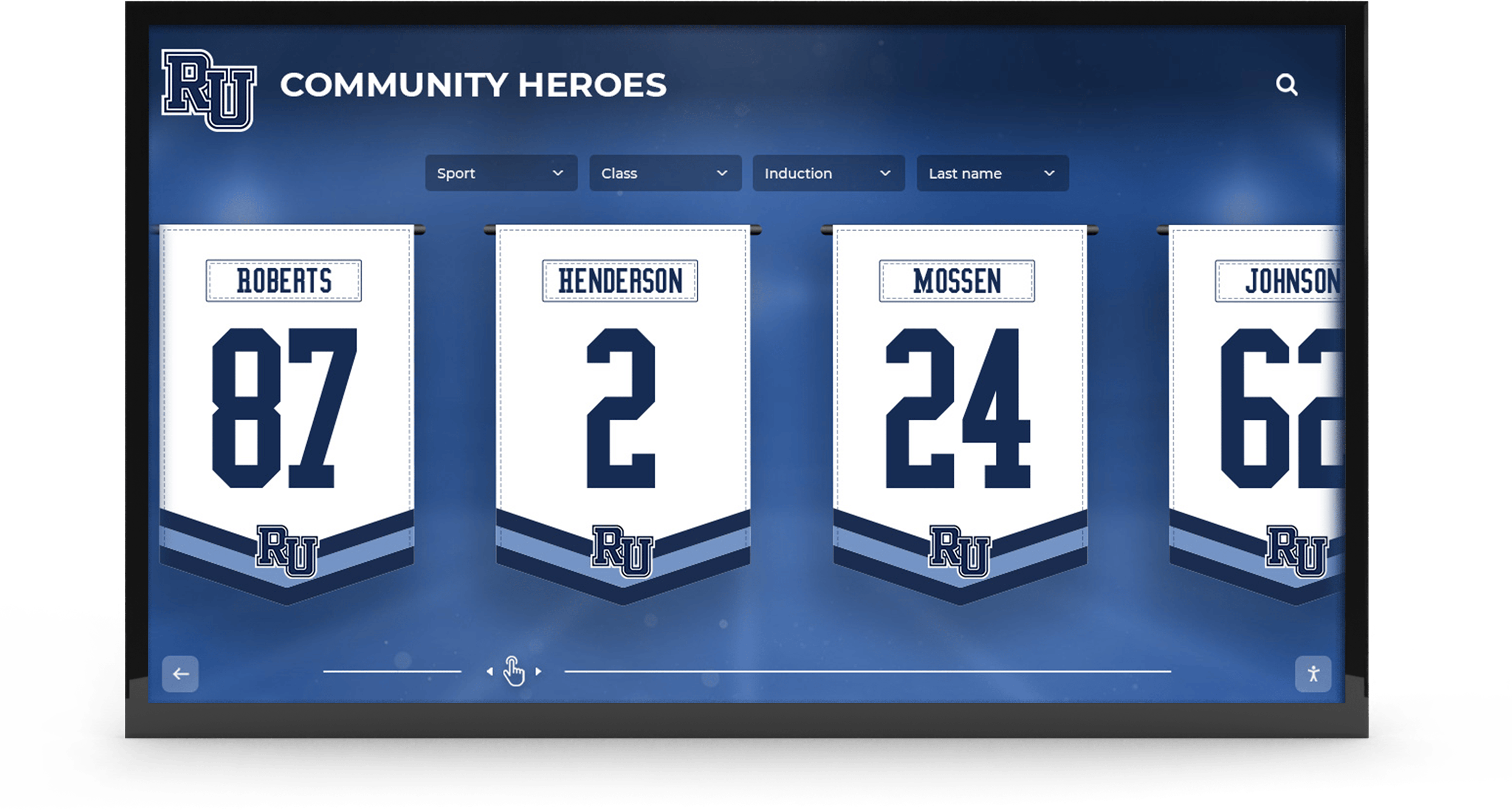
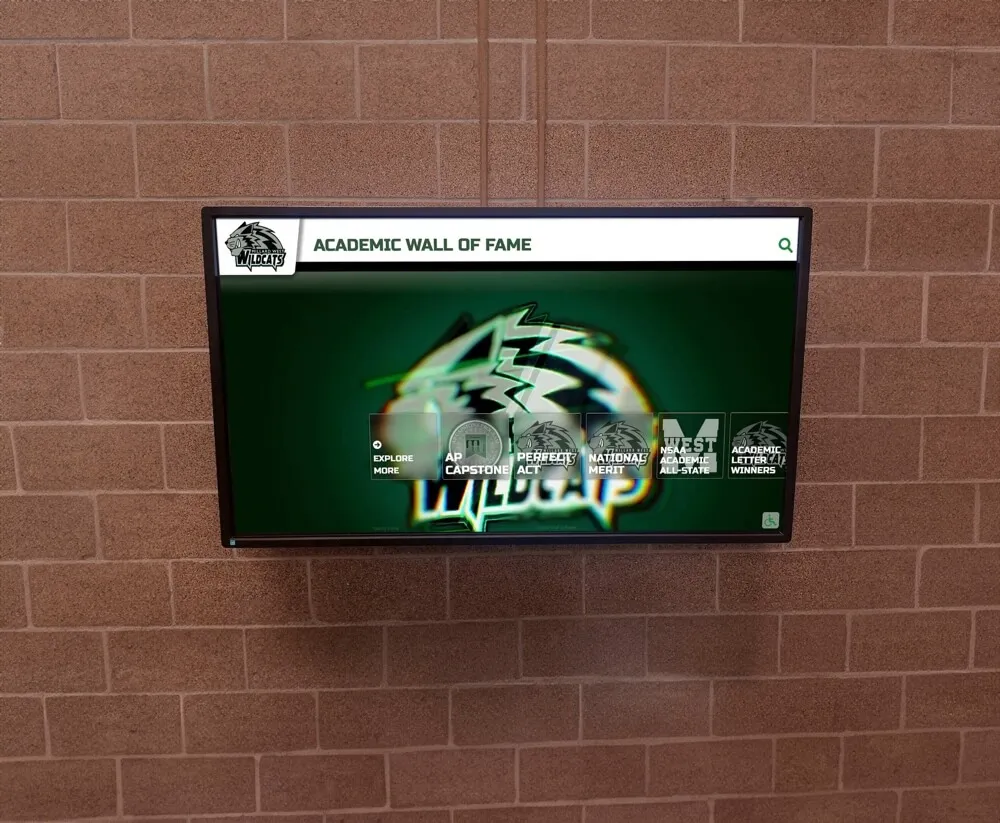
Recognition programs celebrate diverse achievements, from athletics to academics to service, each requiring speeches adapted to specific accomplishment types
Common Award Speech Mistakes to Avoid
Even well-intentioned speakers make predictable errors:
Presentation Speech Pitfalls
Generic Descriptions Lacking Specificity
Avoid vague praise that could apply to anyone:
- Problem: “She was a great player who worked hard and led the team.”
- Solution: “Her defensive intensity set practice standards—teammates knew they’d face relentless pressure in one-on-one drills, preparing them for game situations.”
Reading Statistics Without Context
Numbers alone don’t create connection:
- Problem: Listing twenty accomplishments in rapid succession
- Solution: Selecting three achievements and exploring what each reveals about character, work ethic, or impact
Ignoring the Audience’s Perspective
Remember who’s listening:
- Problem: Inside references or jargon that exclude those unfamiliar with the context
- Solution: Explanations helping all audience members appreciate significance
Inappropriate Length
Respect audience attention spans:
- Problem: Ten-minute speeches when five were allocated
- Solution: Ruthless editing prioritizing most meaningful content
Acceptance Speech Pitfalls
False Humility That Diminishes Achievement
Accept recognition graciously:
- Problem: “I really don’t deserve this; so many others were more worthy”
- Solution: “I’m honored to receive this recognition alongside the exceptional past recipients”
Forgetting to Thank Key Contributors
Preparation prevents omissions:
- Problem: Realizing afterward you didn’t acknowledge someone crucial
- Solution: Written list of people to thank reviewed before speaking
Making the Speech About Others’ Failures
Celebrate your own path without disparaging:
- Problem: “While others took shortcuts, I did the work”
- Solution: “I’m grateful for the discipline and support that enabled this achievement”
Rambling Without Structure
Preparation creates coherence:
- Problem: Stream-of-consciousness acknowledgments without transitions
- Solution: Clear structure moving from thanks to reflection to inspiration to conclusion
Integrating Modern Recognition Technology
Today’s recognition programs extend beyond ceremony nights:
Digital Recognition Platforms
Technology preserves and extends honoree stories:
Comprehensive Honoree Profiles
Modern hall of fame displays showcase:
- Full biographical information with photos and accomplishments
- Video recordings of induction speeches preserving the moment
- Career statistics and achievement timelines
- Interview content capturing honorees in their own words
- Historical context placing achievements within institutional narrative
Extended Audience Reach
Digital systems expand recognition impact:
- Family members unable to attend ceremonies access speeches remotely
- Future students discover honoree stories years after inductions
- Alumni maintain connection to institutional recognition programs
- Community members explore achievements and institutional values
Many schools now record acceptance and presentation speeches, integrating video content into digital recognition displays that preserve the emotional power of live ceremonies while making them accessible to broader audiences across time.
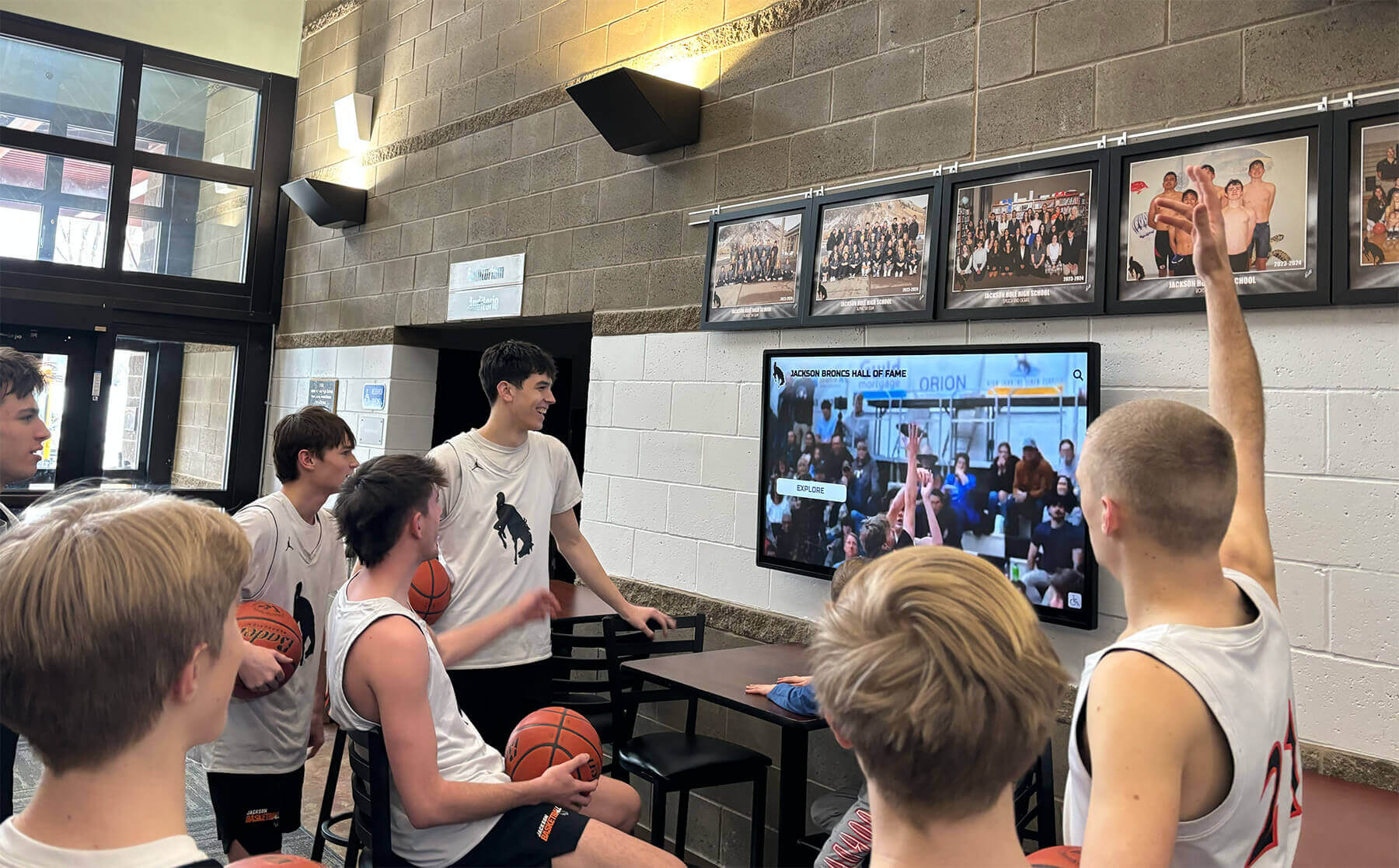
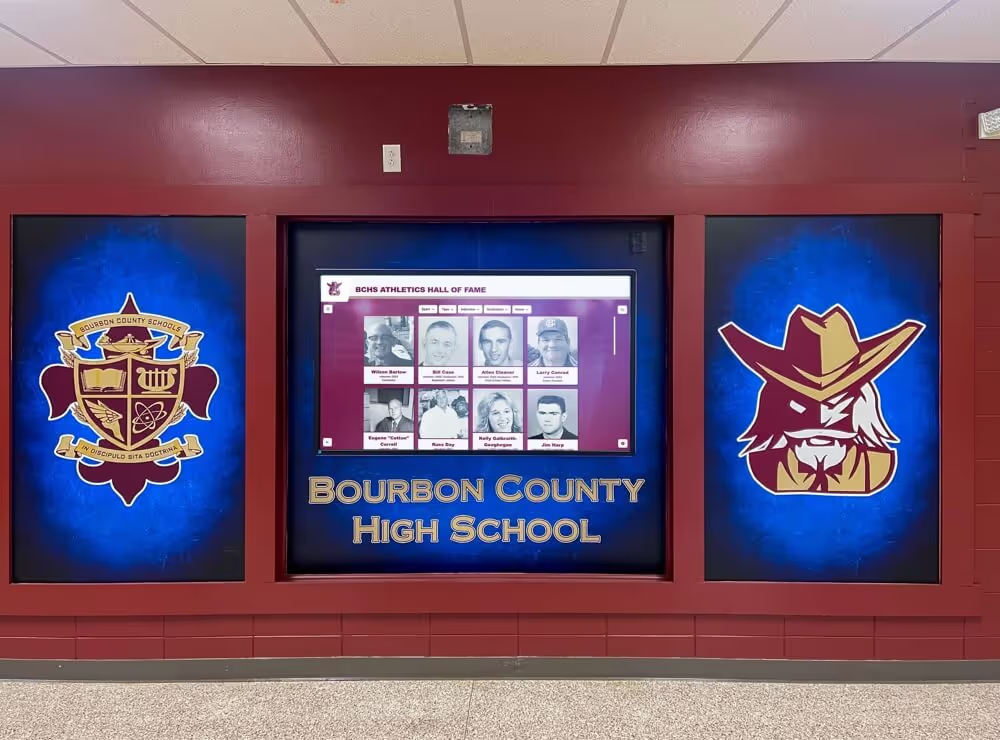
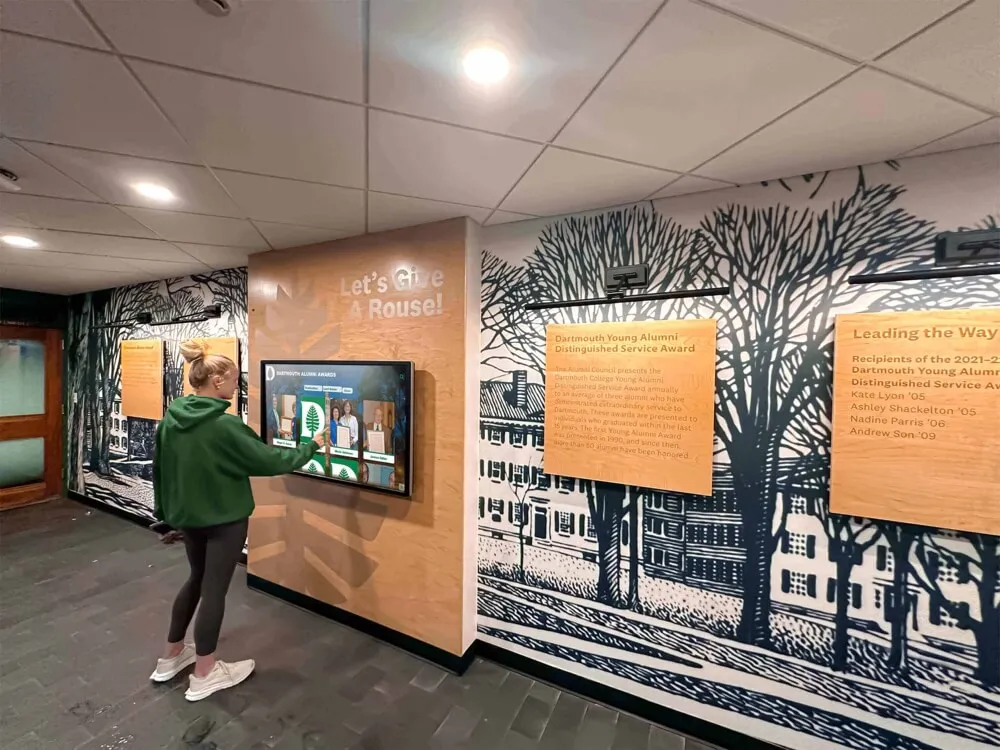
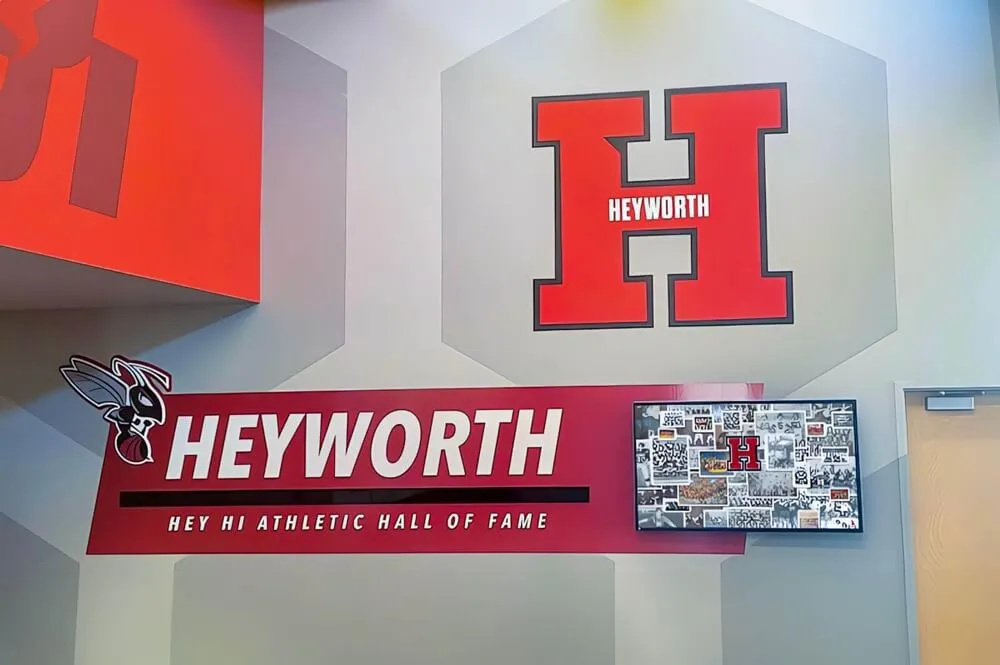
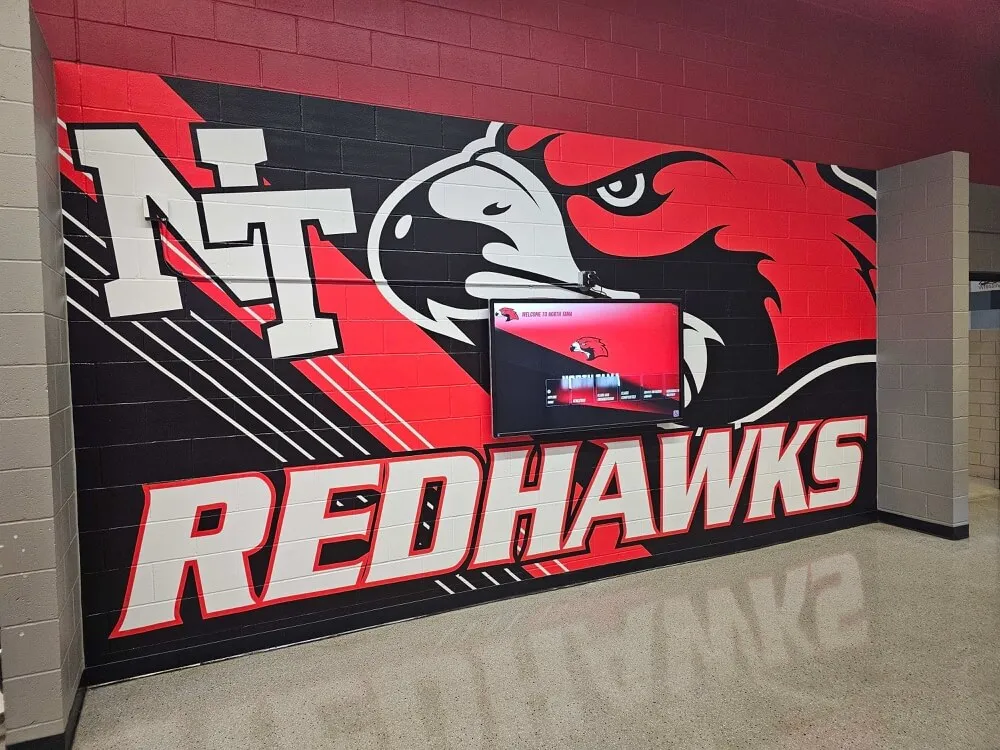
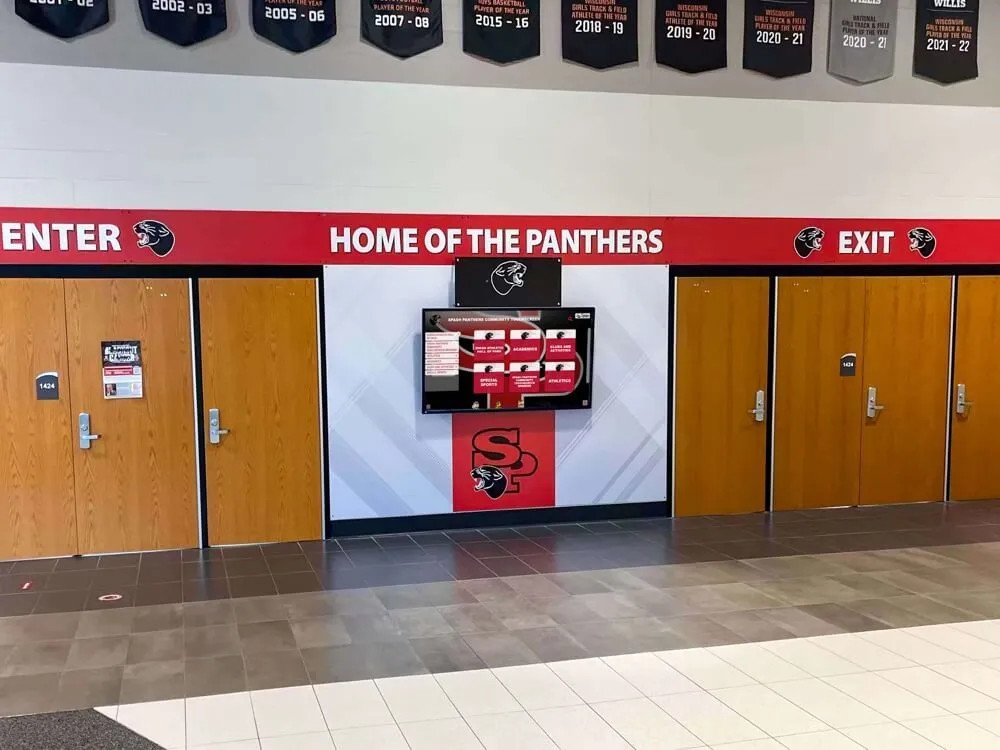
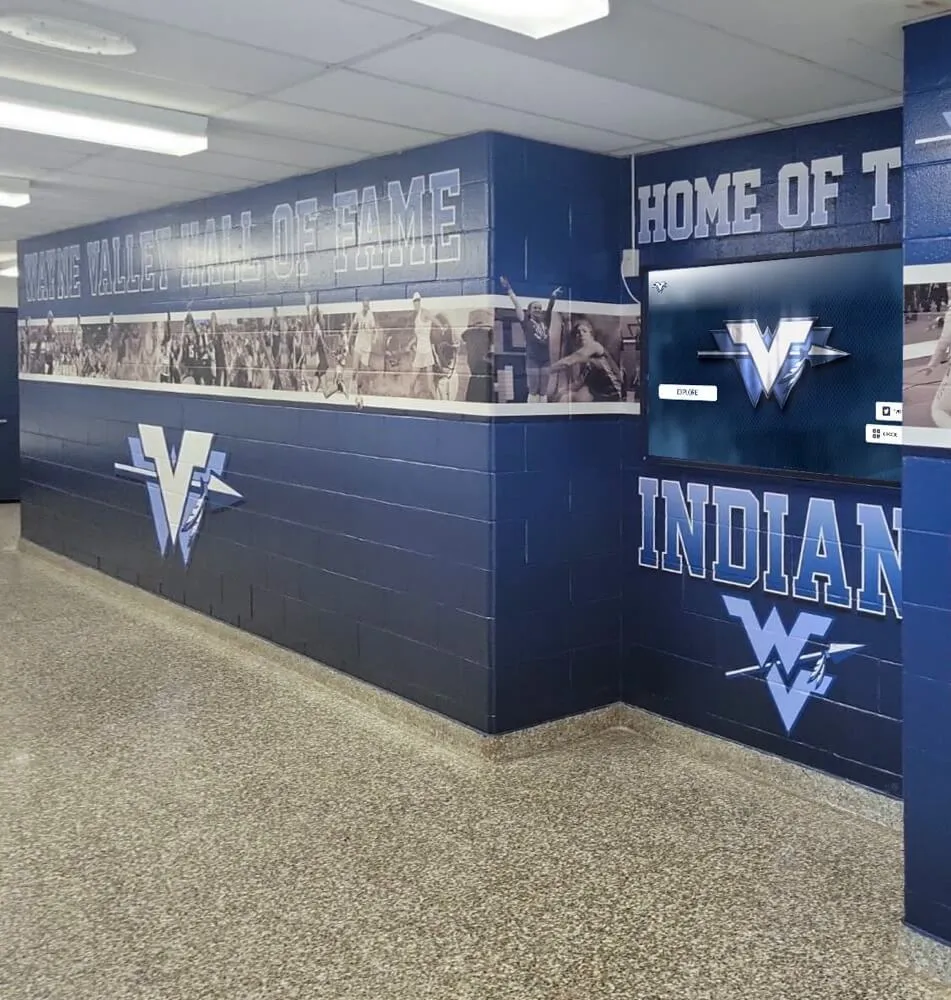
Digital displays allow current students to explore hall of fame honoree stories, extending the impact of induction speeches beyond the ceremony night
Ceremony Recording Best Practices
Preserve speeches effectively:
Technical Considerations
Ensure quality recordings:
- Professional or high-quality audio equipment capturing clear sound
- Video positioning showing both speaker and audience reactions
- Lighting ensuring visibility without harsh glare
- Backup recording systems preventing loss from equipment failure
- Clear naming conventions organizing files for long-term access
Content Integration Strategies
Maximize recording value:
- Editing that removes dead time while preserving authenticity
- Captioning for accessibility and clarity
- Integration with written honoree profiles
- Sharing permissions obtained before ceremony
- Preservation in multiple formats protecting against obsolescence
Organizations investing in quality recording and preservation systems ensure that recognition ceremonies create lasting value rather than disappearing once the evening concludes.
Planning Recognition Ceremonies That Showcase Speeches
Effective speeches require appropriate ceremony structure:
Program Flow and Timing
Create schedules that maintain engagement:
Ceremony Architecture
Organize events strategically:
- Opening remarks establishing tone and significance
- Multiple award categories preventing monotony
- Strategic breaks between recognition segments
- Entertainment or presentation elements varying pace
- Athlete or student highlights creating visual interest
- Closing that synthesizes themes and thanks attendees
Speech Timing Allocation
Set realistic time limits:
- Major honors: 5-7 minute presentation speeches, 3-5 minute acceptances
- Standard awards: 2-3 minute presentations, 1-2 minute acceptances
- Buffer time between speakers for transitions
- Total ceremony length typically 90 minutes maximum
Supporting Speakers Successfully
Help presenters and honorees succeed:
Advance Preparation Support
Provide guidance early:
- Clear expectations about speech length and content
- Example speeches from previous ceremonies
- Information about audience composition and size
- Technical setup details (microphone type, podium, etc.)
- Deadline for submitting drafts if review is offered
- Contact person for questions or concerns
Ceremony Day Support
Eliminate preventable stress:
- Written schedule with timing and sequence
- Designated staff member supporting each speaker
- Microphone and podium testing before ceremony
- Water available at speaking locations
- Clear signals for timing if needed
- Backup technology if presentations include media
Schools that support speakers proactively rather than assuming they’ll figure it out independently dramatically improve speech quality and speaker confidence.
Building Year-Round Recognition Culture
Recognition ceremonies represent peak moments in broader programs:
Comprehensive Recognition Systems
Ceremonies work best within systematic approaches:
Multi-Level Recognition
Create multiple acknowledgment tiers:
- Daily and weekly recognition for immediate achievements
- Monthly or quarterly awards for sustained excellence
- Seasonal championships and team honors
- Annual awards for comprehensive accomplishment
- Career milestones and retirement recognition
- Hall of fame induction as highest institutional honor
Diverse Achievement Categories
Celebrate varied excellence:
- Academic recognition beyond traditional honor roll
- Athletic achievement across all sports and competitive levels
- Leadership and service awards valuing contribution
- Performing arts excellence celebrating creative achievement
- Character and citizenship recognition honoring values
- Special accomplishment awards for unique contributions
Maintaining Recognition Standards
Preserve program integrity:
Selection Criteria Consistency
Apply standards fairly:
- Written criteria published transparently
- Representative selection committees
- Documented decision processes
- Appeals procedures for disputed selections
- Regular criteria review ensuring continued relevance
- Resistance to political pressure or favoritism
Program Evolution
Adapt while maintaining core values:
- New award categories reflecting changing institutional priorities
- Technology integration enhancing rather than replacing tradition
- Inclusion efforts ensuring diverse achievement receives recognition
- Assessment measuring whether recognition achieves intended outcomes
Recognition programs that maintain high standards while evolving thoughtfully create institutional traditions that strengthen rather than diminish over decades.
Speech Writing Resources and Development
Continuous improvement enhances speech quality:
Professional Development for Speakers
Build institutional capacity:
Administrative Training
Prepare school leaders:
- Speech writing workshops for principals and department heads
- Examples library from past successful ceremonies
- Peer review systems before major recognitions
- Coaching for administrators uncomfortable with public speaking
- Video review of past ceremonies identifying strengths to emulate
Student Speaker Preparation
Develop student confidence:
- Acceptance speech guidance for anticipated award winners
- Leadership programs building public speaking skills
- Opportunities to practice in lower-stakes contexts
- Mentorship from faculty comfortable with speaking
- Understanding that nervousness is normal and manageable
External Resources
Leverage available support:
Speech Writing References
Quality resources provide guidance:
- Books on ceremonial speaking and toast delivery
- Professional speech coach consultation for major events
- Templates and frameworks adapted to your context
- Video examples from other institutions’ ceremonies
- Toastmasters or similar organizations offering training
Institutional Memory
Preserve knowledge internally:
- Archive of past ceremony speeches (with permission)
- Documentation of what worked well and what didn’t
- Feedback from honorees about their experience
- Notes on appropriate length and tone for different awards
- Contact list of strong speakers willing to mentor others
Organizations that invest in developing speech capacity—rather than assuming it will emerge naturally—dramatically improve recognition ceremony quality and speaker confidence.
Creating Lasting Impact Beyond the Ceremony
Recognition extends past the event itself:
Post-Ceremony Follow-Through
Maximize recognition value:
Documentation and Preservation
Capture the moment permanently:
- Professional photos of honorees receiving awards
- Video editing and archiving of speeches
- Written summaries for school publications and media
- Social media recognition extending audience
- Permanent displays adding honorees to institutional history
Continued Engagement
Maintain connection with honorees:
- Invitation to future recognition ceremonies as honored guests
- Opportunities to mentor current students in their areas of excellence
- Inclusion in alumni communications and events
- Updates when their achievements or contributions generate news
- Ongoing relationship rather than one-time acknowledgment
Measuring Recognition Program Impact
Assess whether programs achieve goals:
Outcome Evaluation
Determine effectiveness:
- Student motivation and engagement with excellence standards
- Alumni connection and engagement with institution
- Community perception of institutional values and priorities
- Long-term honoree satisfaction with recognition experience
- Resource investment justified by delivered value
Continuous Improvement
Enhance based on assessment:
- Post-ceremony surveys of attendees and honorees
- Regular program reviews identifying enhancement opportunities
- Benchmarking against similar institutions’ recognition approaches
- Technology updates keeping pace with capabilities
- Process refinements based on lessons learned
Recognition programs requiring continuous investment deserve ongoing assessment ensuring that resources produce intended outcomes and that speeches, ceremonies, and long-term recognition deliver value justifying sustained commitment.
Transform Your School’s Recognition Program
Award speeches—whether presentation remarks honoring others or acceptance responses receiving recognition—create defining moments in school life. Speeches that combine specific achievement documentation with authentic storytelling, that balance individual celebration with institutional values, and that inspire audiences while honoring recipients appropriately transform routine awards into memorable experiences that recipients treasure for lifetimes.
The difference between speeches that move audiences and those that feel generic comes down to preparation, specificity, and genuine understanding of what the recognition represents. By following proven frameworks, avoiding common pitfalls, and investing in speaker development, schools create recognition ceremonies where speeches match the significance of the honors being presented.
As you plan your next recognition night, hall of fame induction, or awards ceremony, remember that the words spoken from the podium matter as much as the physical awards presented. Those words—whether you’re honoring a career of service, celebrating athletic achievement, recognizing academic excellence, or accepting recognition yourself—become part of your institution’s permanent story, preserved in memory and increasingly in digital archives that extend their impact across generations.
Recognition ceremonies honor achievement—but effective speeches transform recognition into inspiration. Plan thoughtfully, prepare thoroughly, and deliver words worthy of the honorees and the moment.