



Standing at a podium facing families, colleagues, and honorees represents one of education’s most meaningful responsibilities—yet many administrators, coaches, and committee members struggle to craft award speeches that capture achievements authentically while maintaining appropriate brevity and emotional resonance. Whether presenting a hall of fame induction, introducing an academic achievement award, or honoring retiring staff members, the right words transform ceremonial obligations into memorable moments that honorees and audiences remember for years.
The challenge intensifies when recognition events feature multiple awards requiring distinct speeches, when honorees represent diverse achievement types demanding tailored approaches, or when time constraints require concise delivery without sacrificing meaningful acknowledgment. Generic speeches that could apply to anyone fail to honor specific contributions. Overly lengthy remarks lose audience attention. Presentations lacking structure feel disorganized and diminish achievement significance.
This comprehensive guide provides award speech examples addressing school recognition nights, hall of fame inductions, athletic banquets, academic ceremonies, and staff appreciation events. You’ll discover presentation speech templates for introducing honorees, acceptance speech frameworks for recipients, structural best practices ensuring appropriate length and impact, and strategies for personalizing standard formats to celebrate individual achievements authentically while maintaining the dignity these occasions demand.
Award speeches serve multiple simultaneous purposes: acknowledging exceptional achievement, providing public recognition that validates effort and excellence, inspiring audiences through exemplary stories, and creating ceremonial moments marking accomplishments worthy of permanent community memory. When speeches accomplish these objectives efficiently, recognition events strengthen institutional culture, motivate current students and staff toward their own excellence, and demonstrate that achievement receives appropriate acknowledgment within your organization.

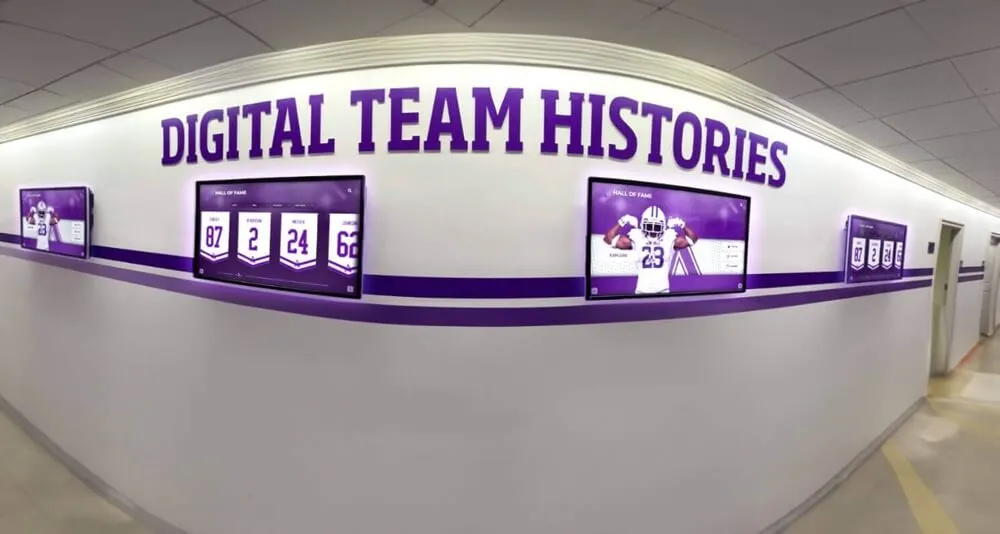
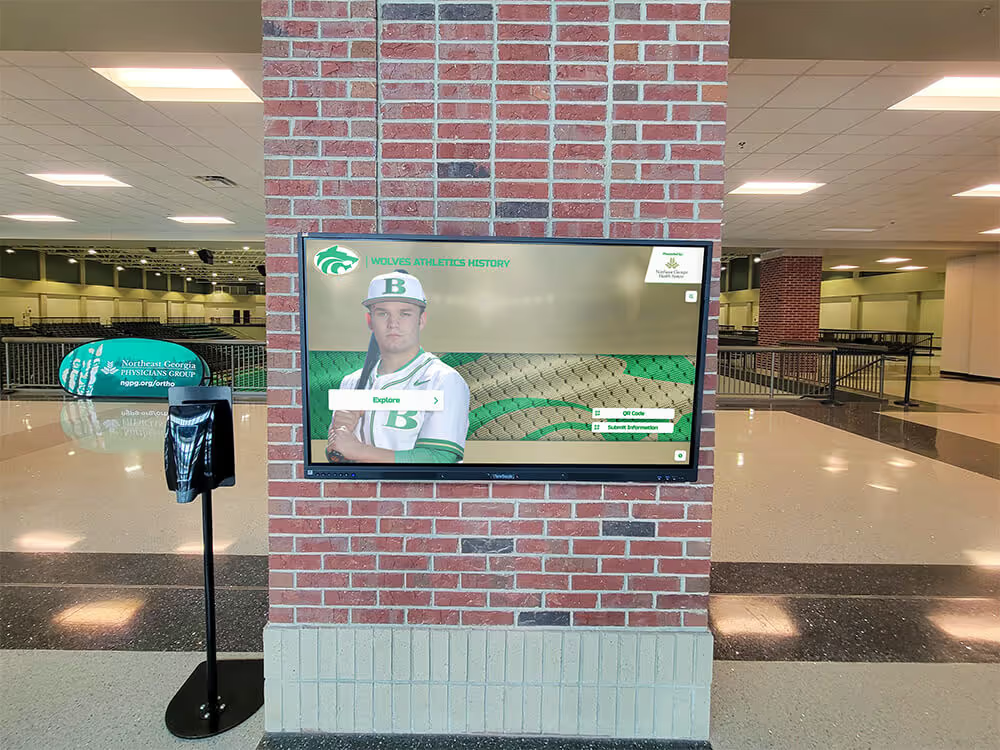
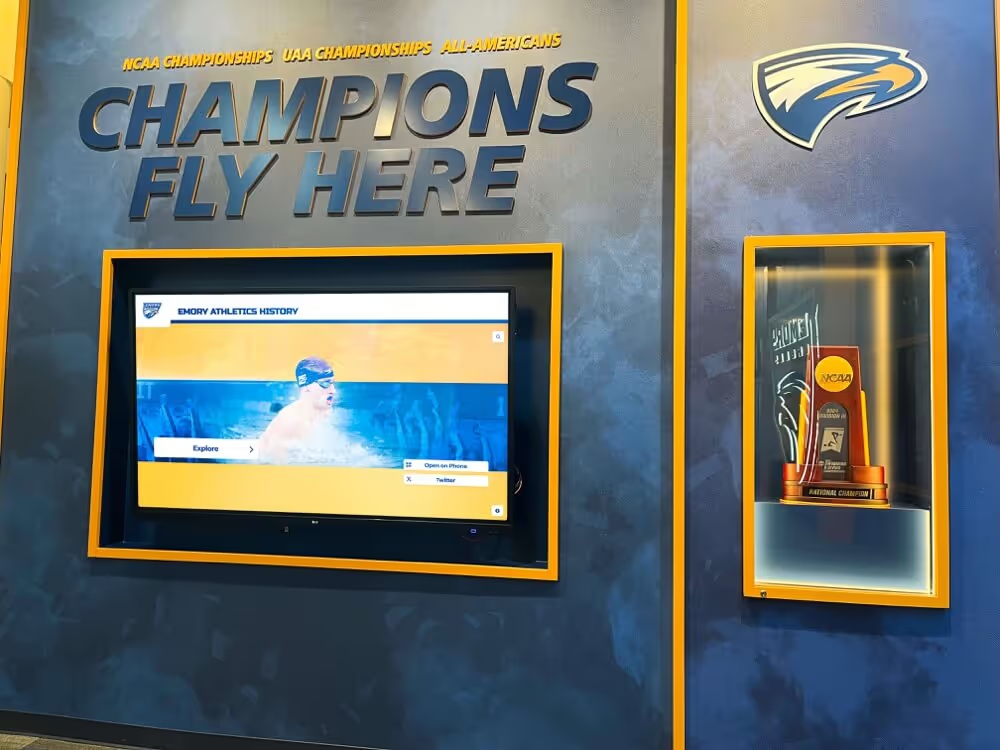
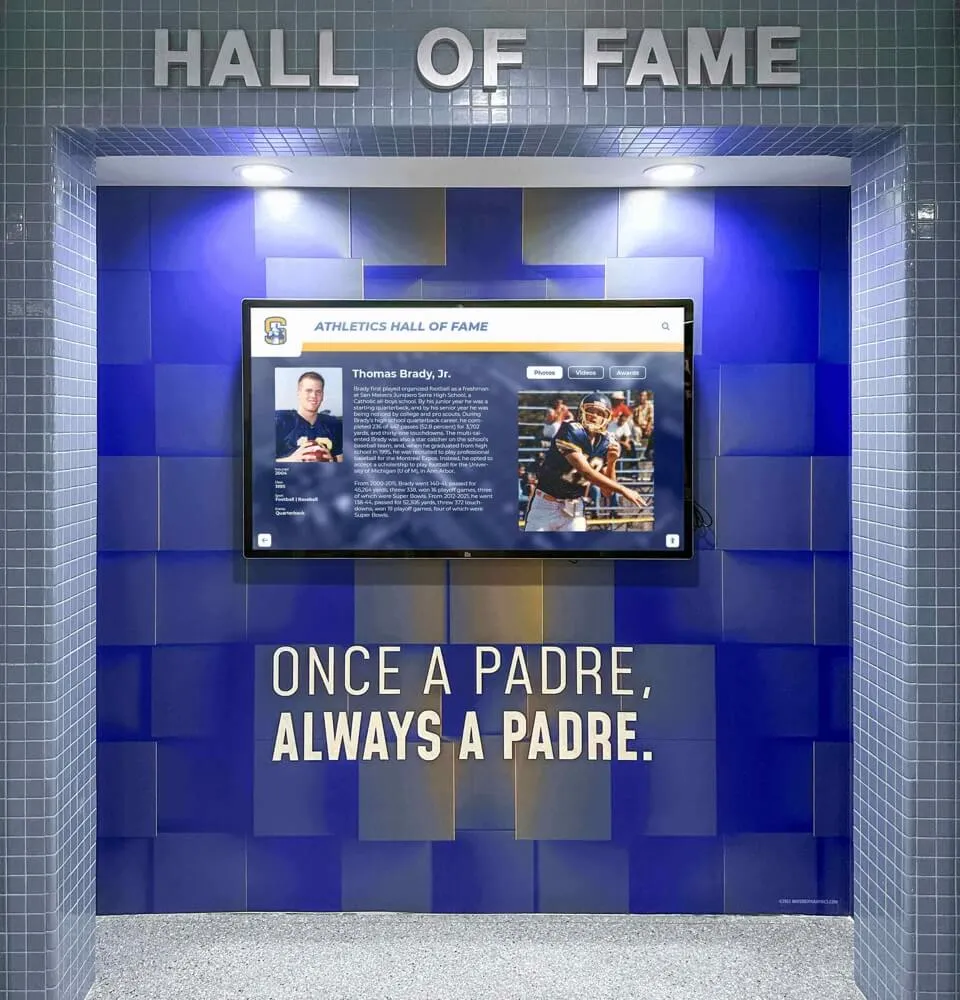
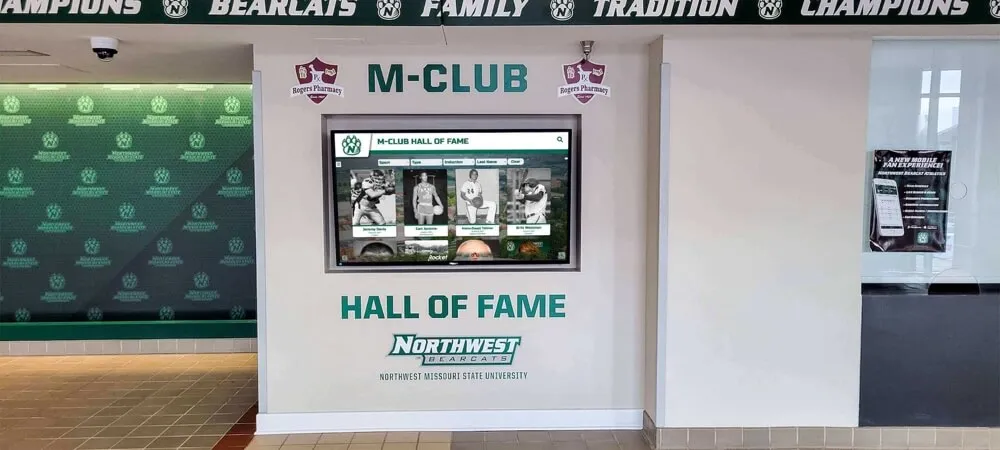
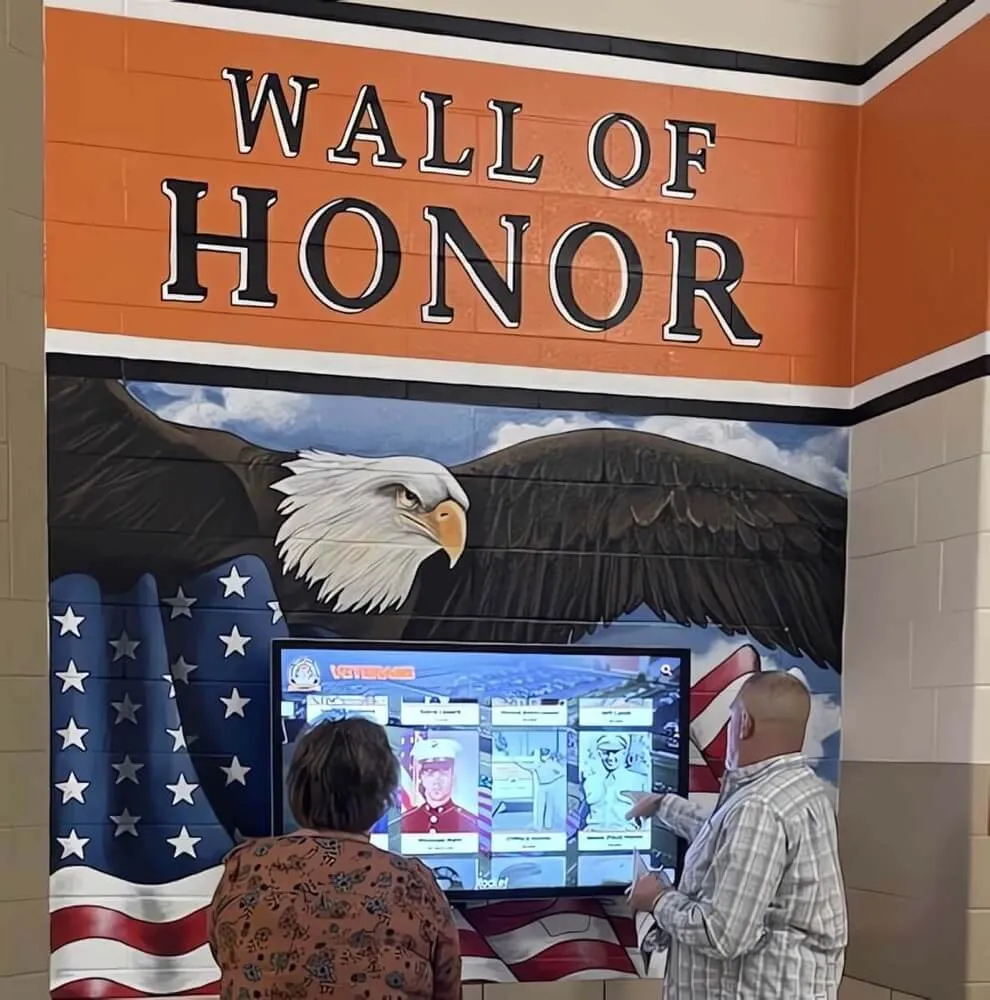
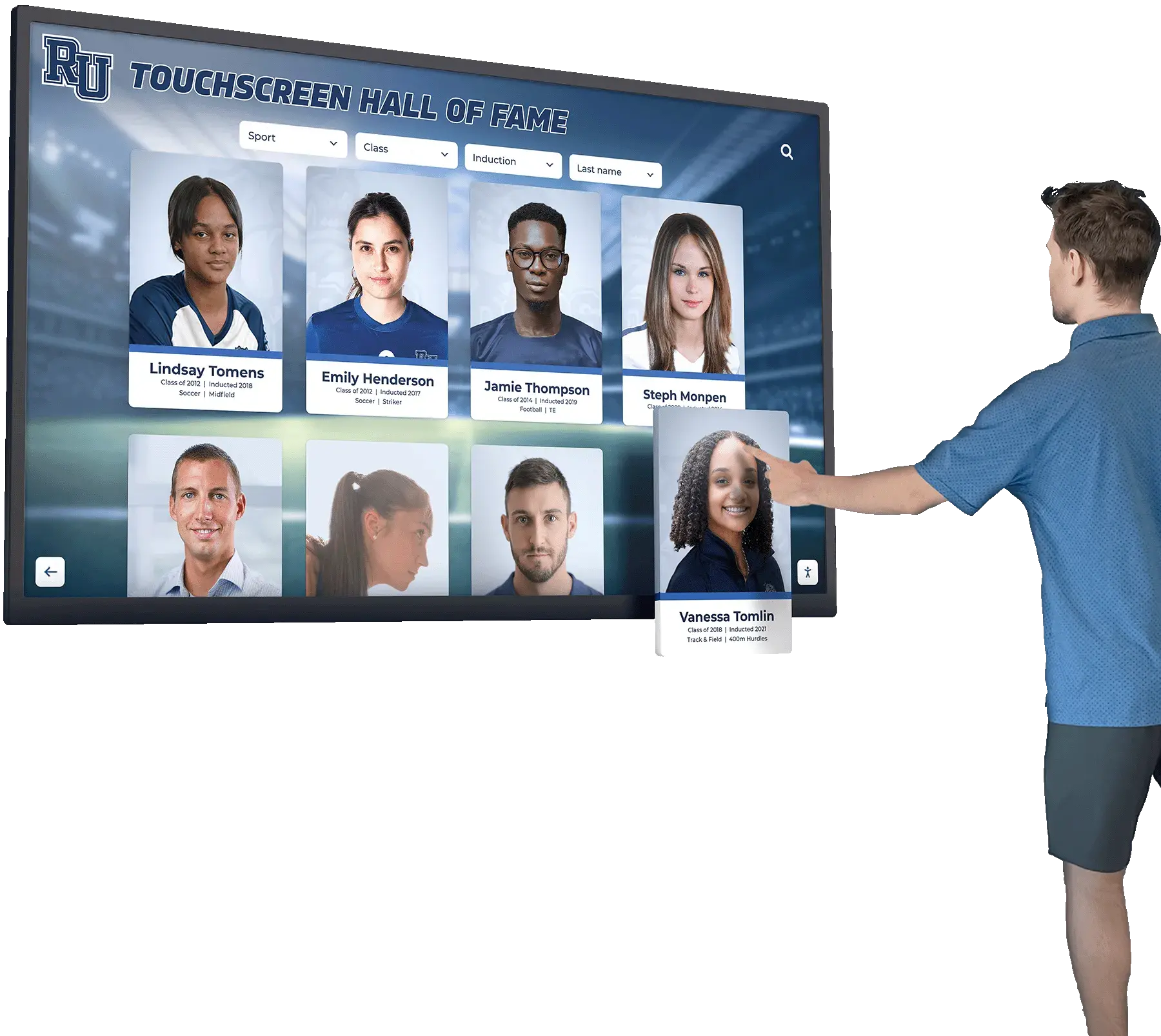
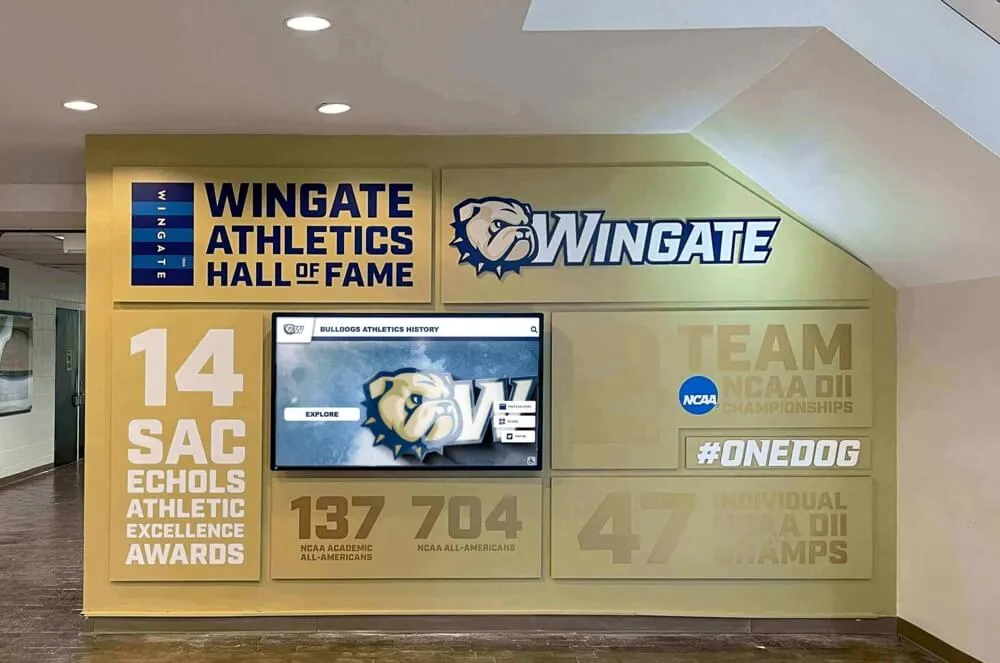
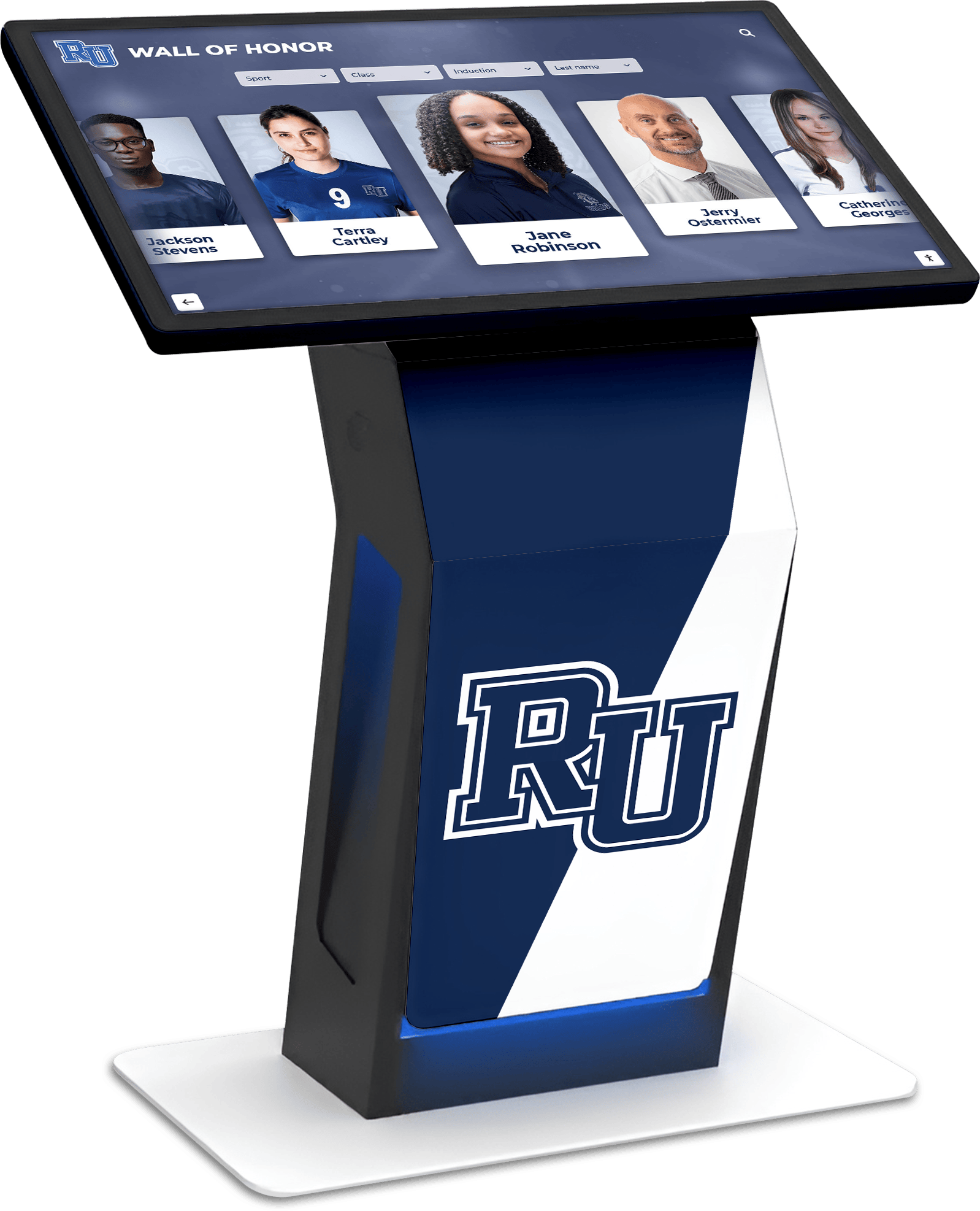
Hall of fame displays provide permanent recognition complementing induction ceremony speeches that honor achievements publicly
Understanding Award Speech Types and Contexts
Before examining specific examples, understanding different speech categories helps speakers select appropriate frameworks matching ceremonial contexts and audience expectations.
Presentation Speeches: Introducing Honorees
Presentation speeches introduce award recipients and explain why they deserve recognition:
Primary Functions
- Establish context explaining what the award represents
- Highlight specific achievements warranting recognition
- Build anticipation before honoree receives award
- Provide audience members unfamiliar with honoree necessary background
- Set appropriate tone for acceptance remarks that follow
Typical Length Guidelines
- Individual awards at multi-recipient events: 1-2 minutes (150-300 words)
- Major recognition at focused ceremonies: 3-5 minutes (400-700 words)
- Hall of fame inductions with limited annual inductees: 5-7 minutes (700-1000 words)
Effective presentation speeches balance providing sufficient achievement detail with maintaining pace preventing audience fatigue when multiple awards follow.
Acceptance Speeches: Honoree Responses
Acceptance speeches allow recipients to acknowledge recognition and thank supporters:
Core Components
- Gratitude expression for recognition received
- Acknowledgment of individuals who contributed to success
- Brief reflection on achievement significance
- Inspiration or encouragement for audience members
- Gracious conclusion without excessive length
Expected Duration
- Standard school awards: 1-2 minutes maximum
- Significant recognition (teacher of year, major scholarships): 3-4 minutes
- Lifetime achievement and hall of fame inductions: 5-7 minutes acceptable
Schools planning recognition ceremonies benefit from providing honorees advance guidance on appropriate acceptance speech length preventing schedule delays.
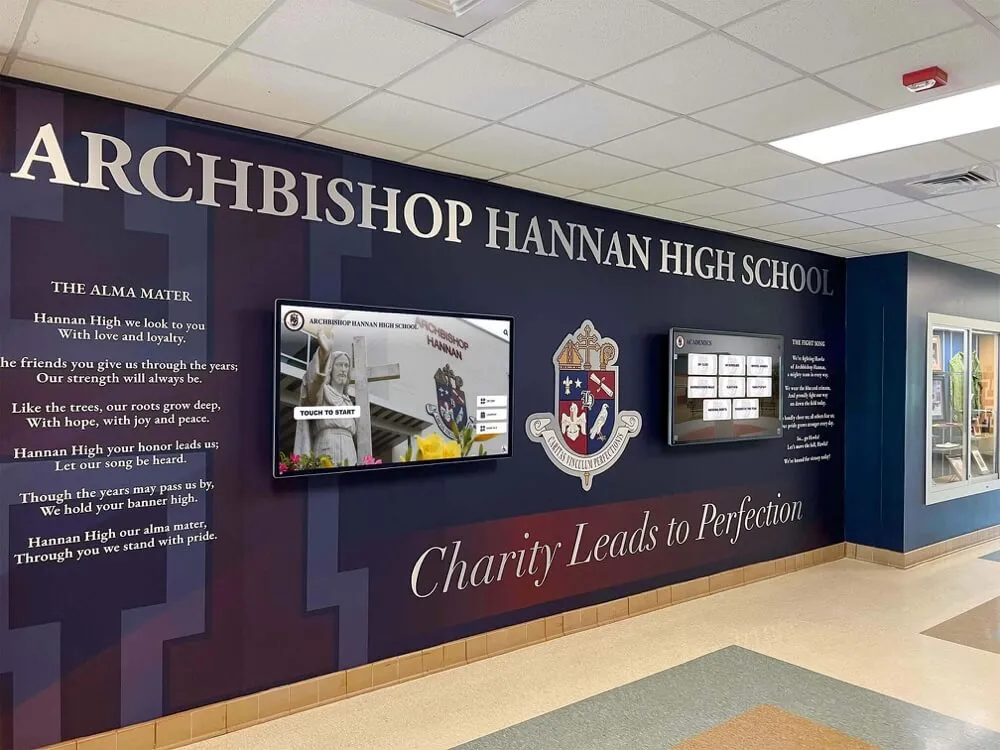
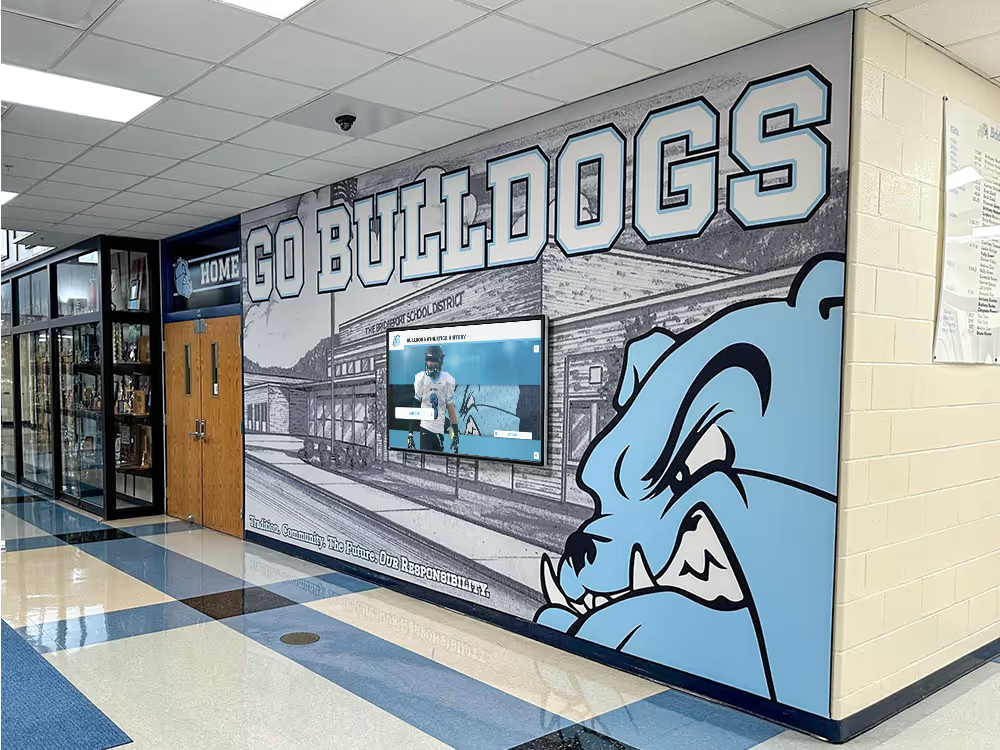
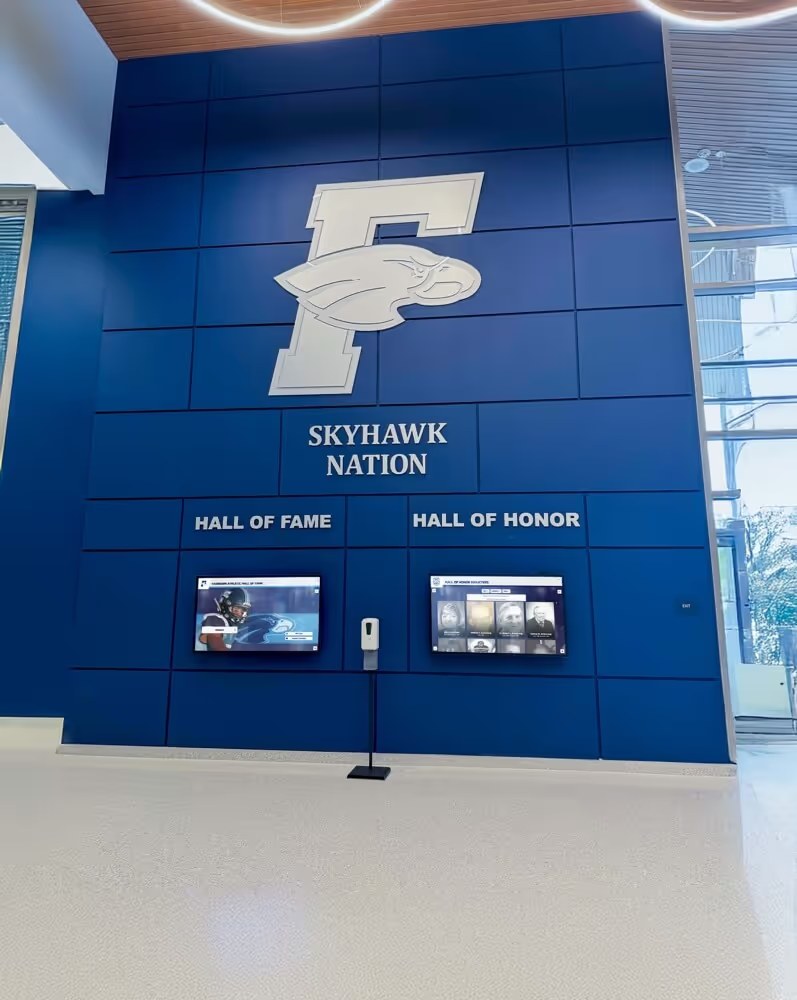
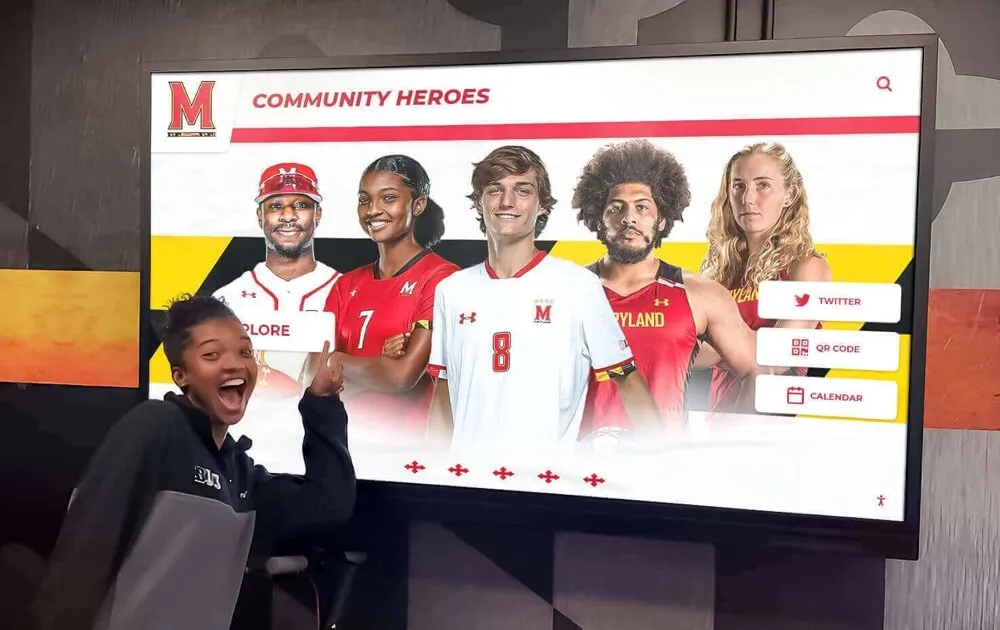
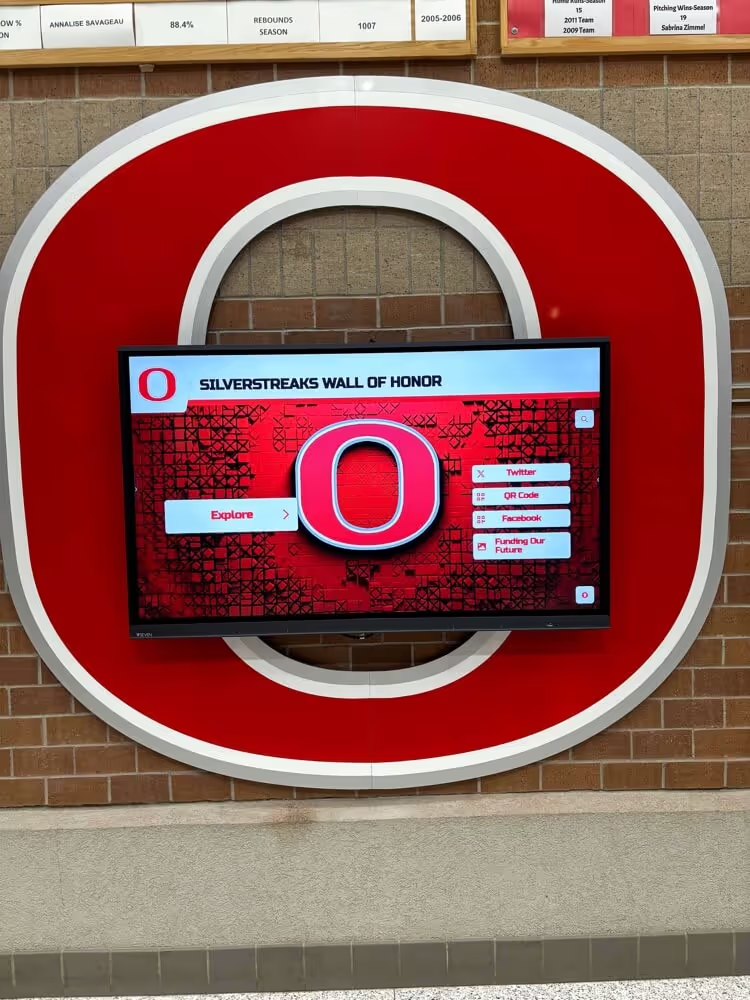
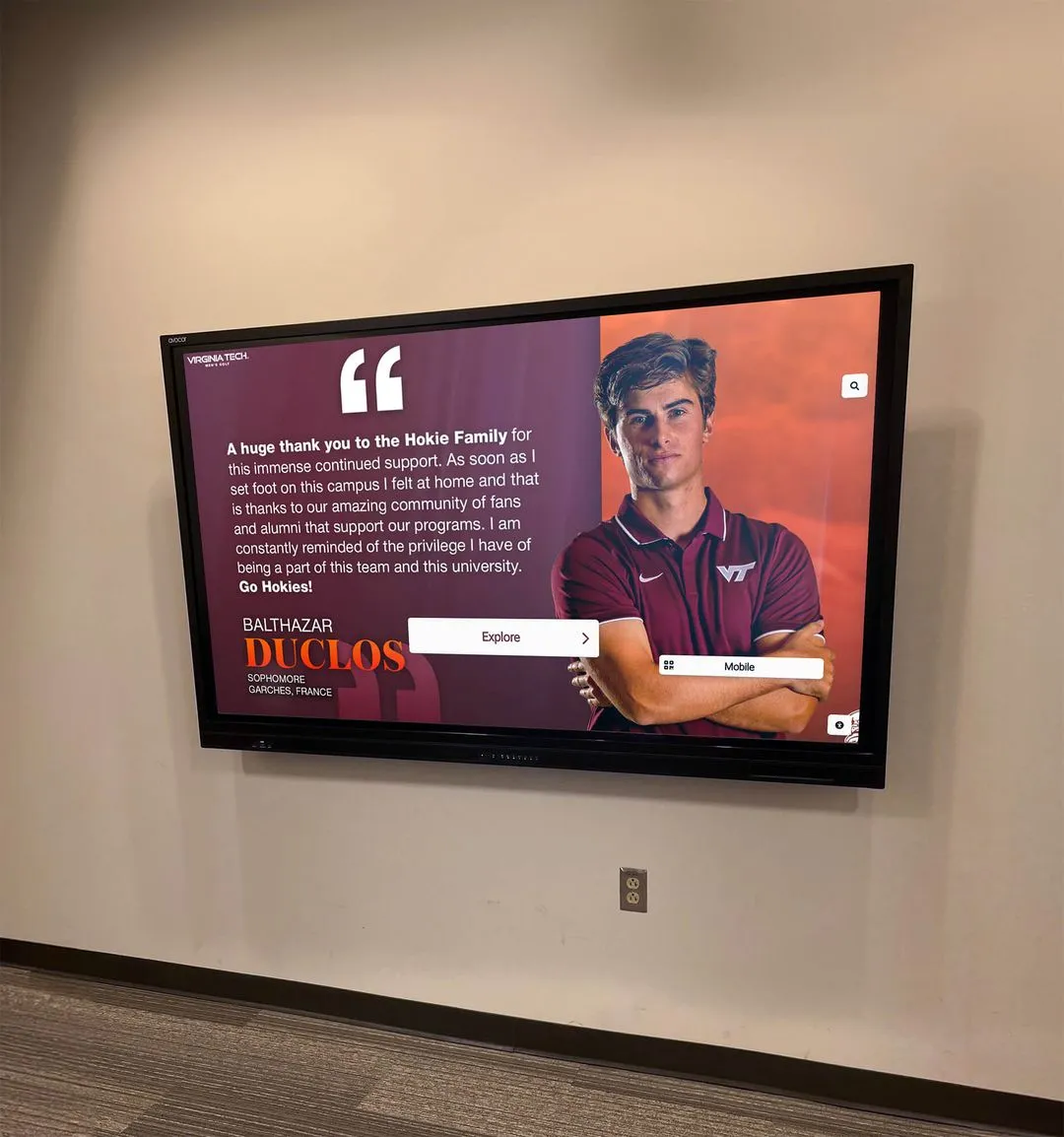
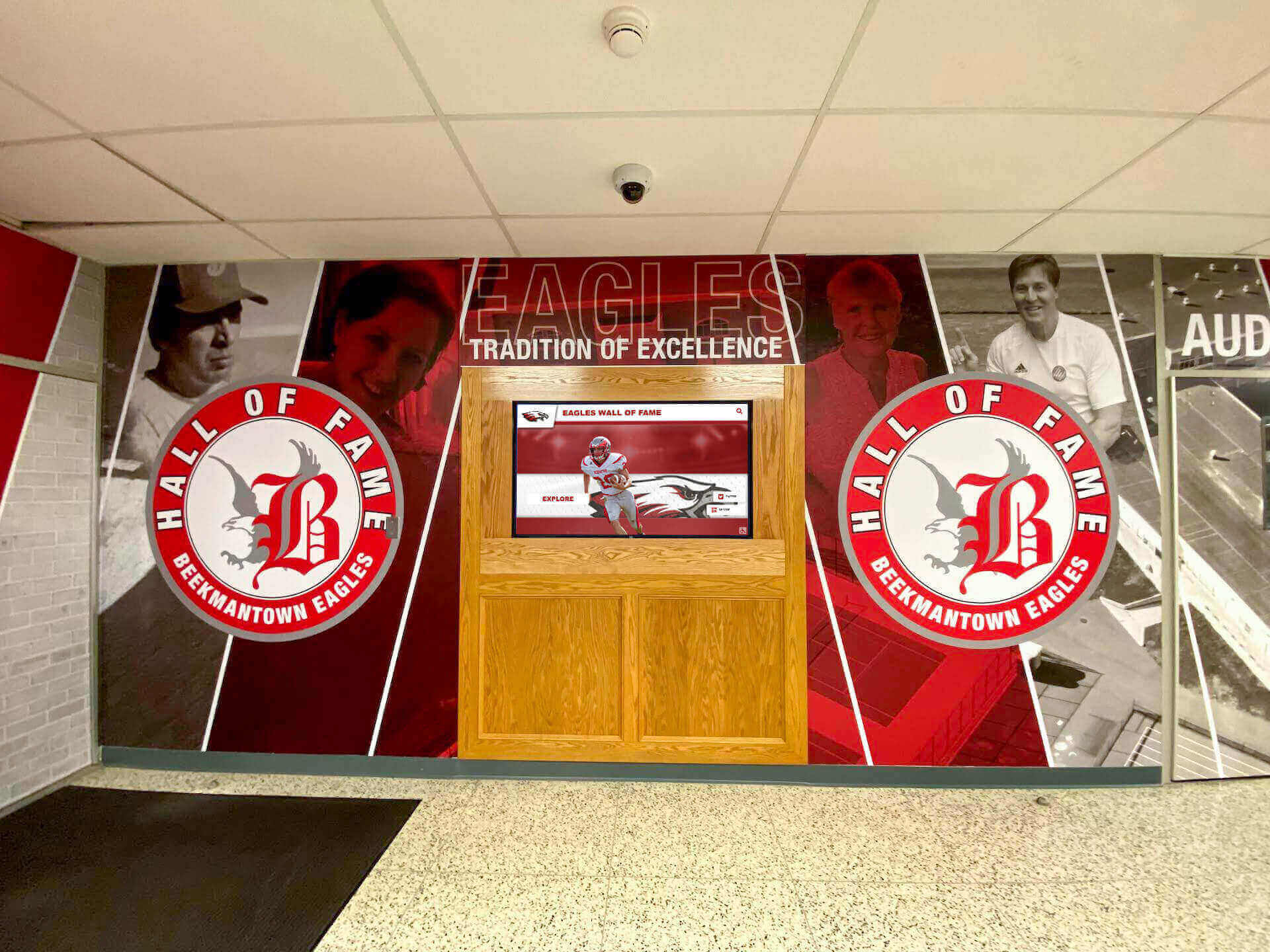
Physical recognition displays create lasting acknowledgment extending beyond ceremony speeches that honor achievements during annual events
Presentation Speech Examples and Templates
Presentation speeches require careful balance between achievement celebration and concise delivery that maintains audience engagement throughout multi-award programs.
Academic Achievement Award Presentation
Template Structure for Individual Academic Recognition
Opening: Award Context (15-20 seconds)
“The [Award Name] honors students demonstrating exceptional [specific quality or achievement type]. This year’s recipient exemplifies the academic excellence, intellectual curiosity, and dedication to learning that this award celebrates.”
Body: Specific Achievements (45-60 seconds)
“[Recipient name] has maintained a [specific GPA or class rank] while challenging themselves with [number] Advanced Placement courses. Beyond impressive grades, [he/she/they] demonstrated genuine intellectual engagement through [specific example: research project, academic competition success, or notable coursework achievement].
[Teacher name], who nominated [recipient], noted that [specific quote or observation highlighting unique qualities]. This combination of academic performance and genuine love of learning distinguishes [recipient name] among talented peers.”
Closing: Award Presentation (15-20 seconds)
“For outstanding academic achievement, intellectual curiosity, and commitment to educational excellence, it is my privilege to present the [Award Name] to [recipient full name].”
Example: Valedictorian Recognition
“The title of valedictorian represents our school’s highest academic honor, recognizing four years of sustained excellence, intellectual engagement, and scholarly achievement. This year’s valedictorian maintained a perfect 4.0 GPA while completing twelve Advanced Placement courses—but numbers alone don’t capture Emma Rodriguez’s impact on our academic community.
Emma founded our school’s first STEM tutoring program, volunteering over 200 hours helping struggling students discover confidence in subjects they previously feared. Her AP Chemistry teacher describes Emma as ’the student who asks questions that make me reconsider concepts I’ve taught for twenty years’—the highest compliment any teacher can offer.
Beyond her transcript, Emma conducted independent research on water quality in our local watershed, presenting findings to the city council that influenced new environmental policies. She represents intellectual curiosity applied to community benefit—education’s ultimate purpose.
For sustained academic excellence, intellectual leadership, and using knowledge to serve others, it is my profound honor to introduce our valedictorian, Emma Rodriguez.”
Athletic Achievement Recognition Speech
Template for Individual Athletic Awards
Opening: Achievement Context (15-20 seconds)
“Excellence in athletics requires more than physical talent—it demands dedication, mental toughness, and commitment to continuous improvement. This year’s [Award Name] recipient demonstrates all these qualities.”
Body: Specific Accomplishments (45-75 seconds)
“[Athlete name] finished this season with [specific statistics, records, or achievements]. These numbers tell part of the story, but not the complete picture.
[Coach name] describes [athlete] as [specific quote about character, work ethic, or leadership]. Teammates selected [him/her/them] as [leadership role or team recognition], recognizing the positive influence [athlete] brought to our program beyond individual performance.
[Include specific memorable moment: championship performance, overcoming adversity, or exemplary sportsmanship example]. This moment exemplifies the character and competitive excellence that define [athlete name]’s contributions to our athletic program.”
Closing: Presentation (15 seconds)
“For outstanding athletic achievement, exemplary sportsmanship, and positive influence on our athletic community, I’m honored to present the [Award Name] to [athlete full name].”
Understanding comprehensive athletic recognition approaches helps schools develop systematic frameworks celebrating sports achievements appropriately.
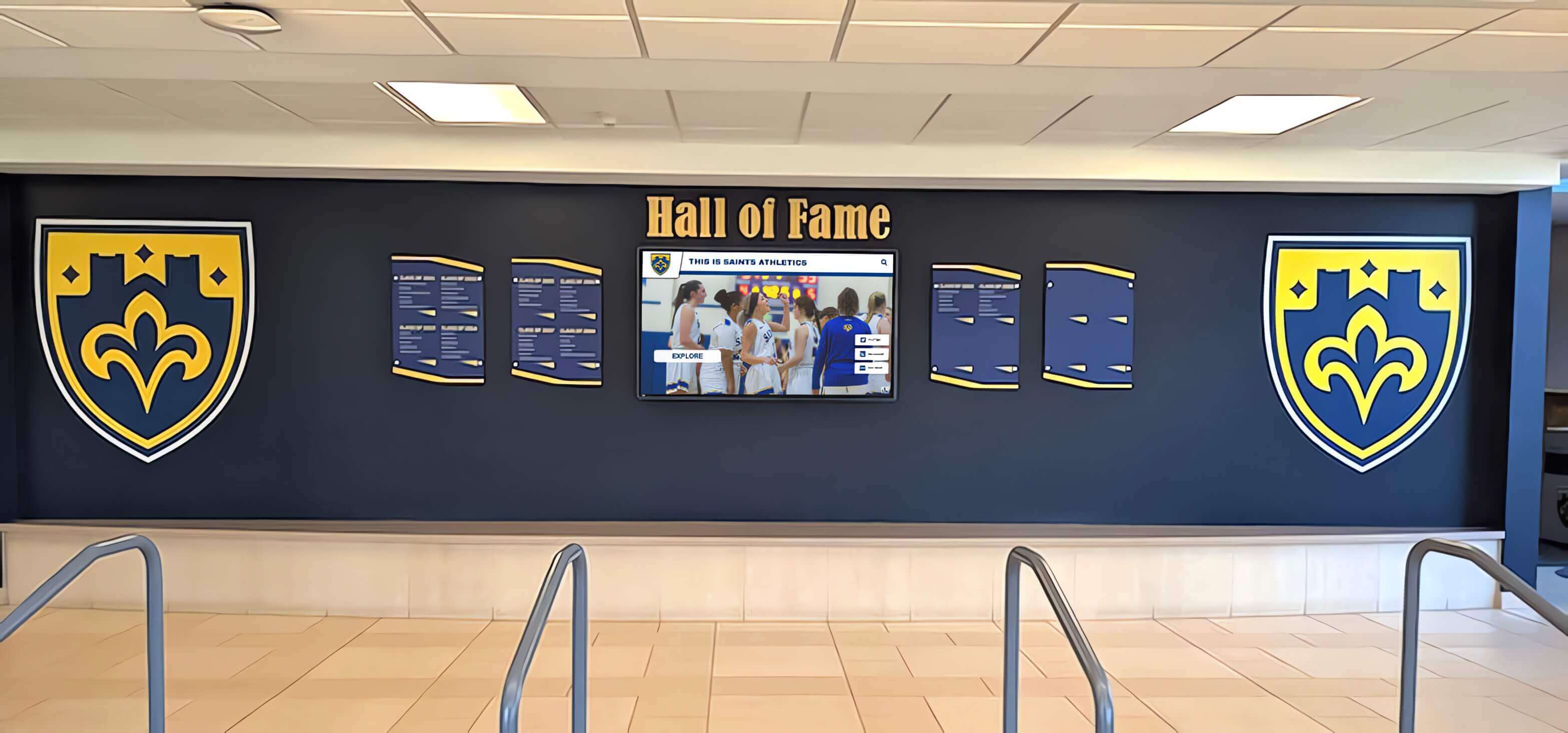
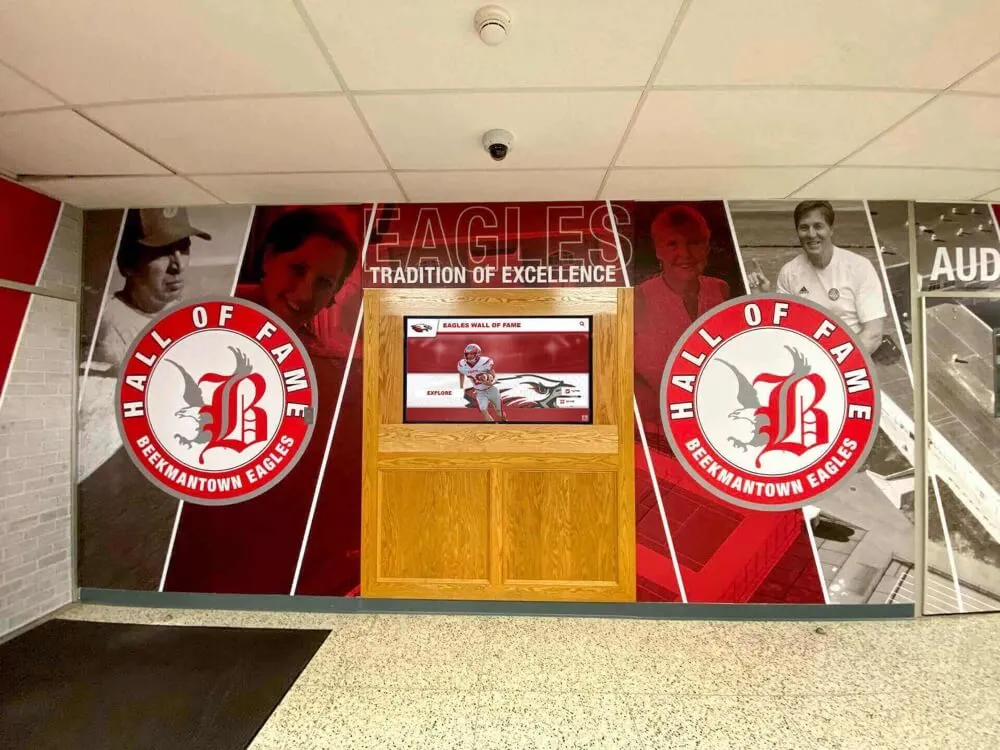
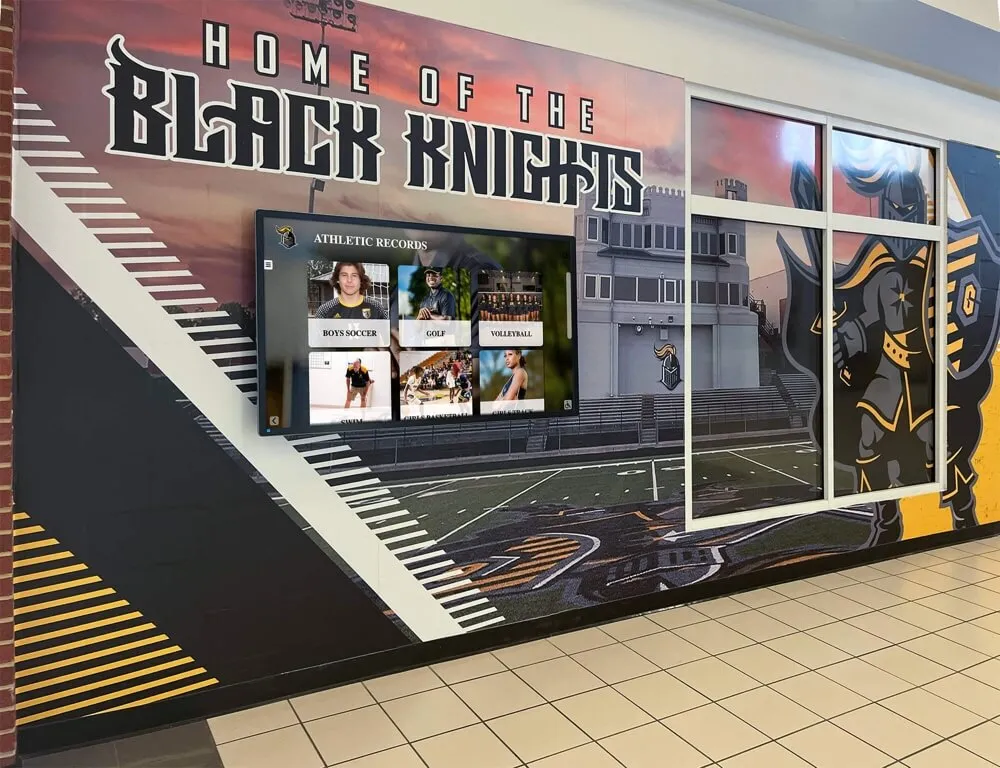
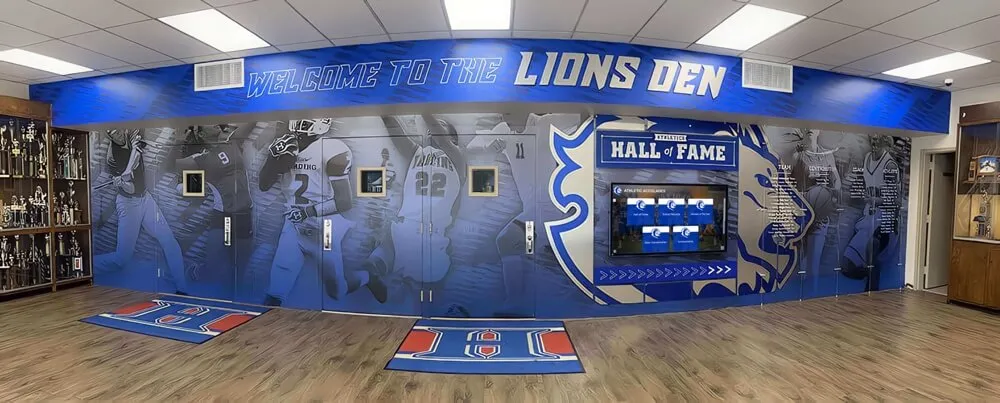
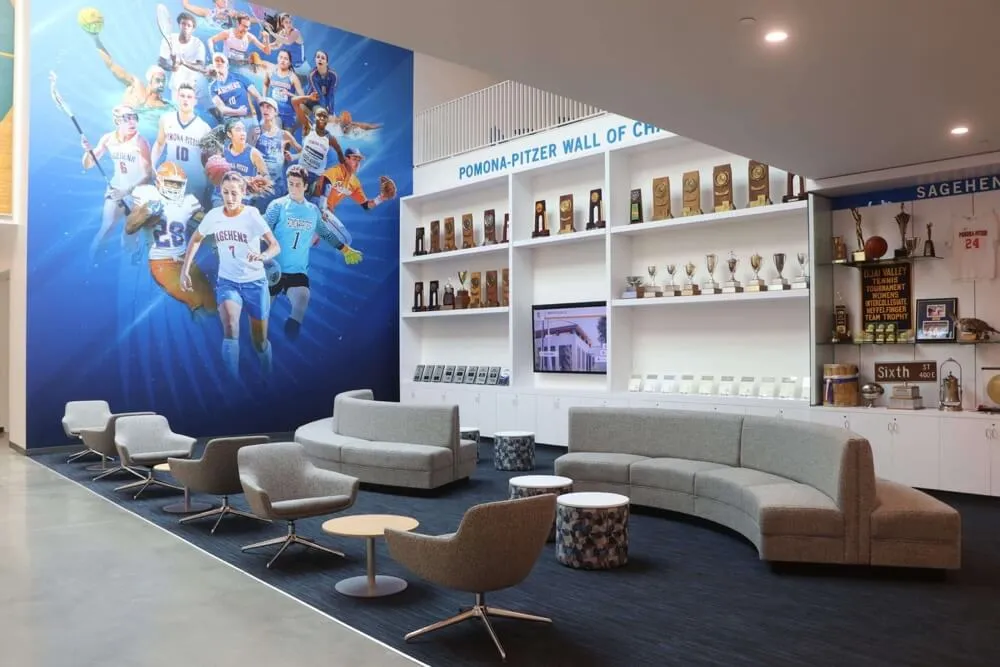
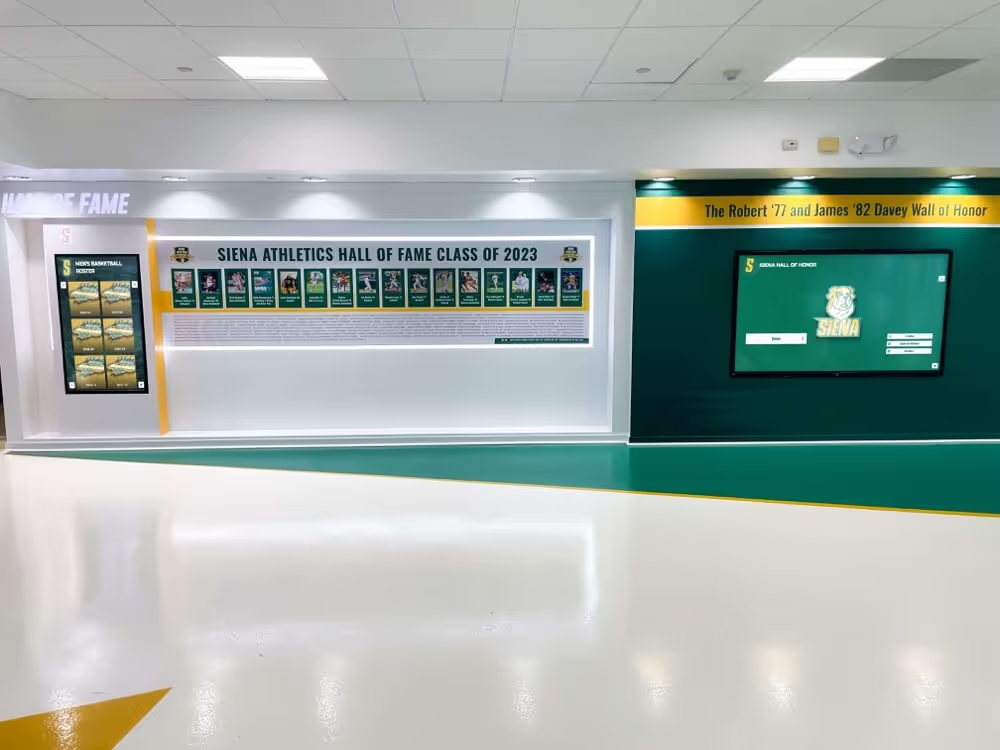
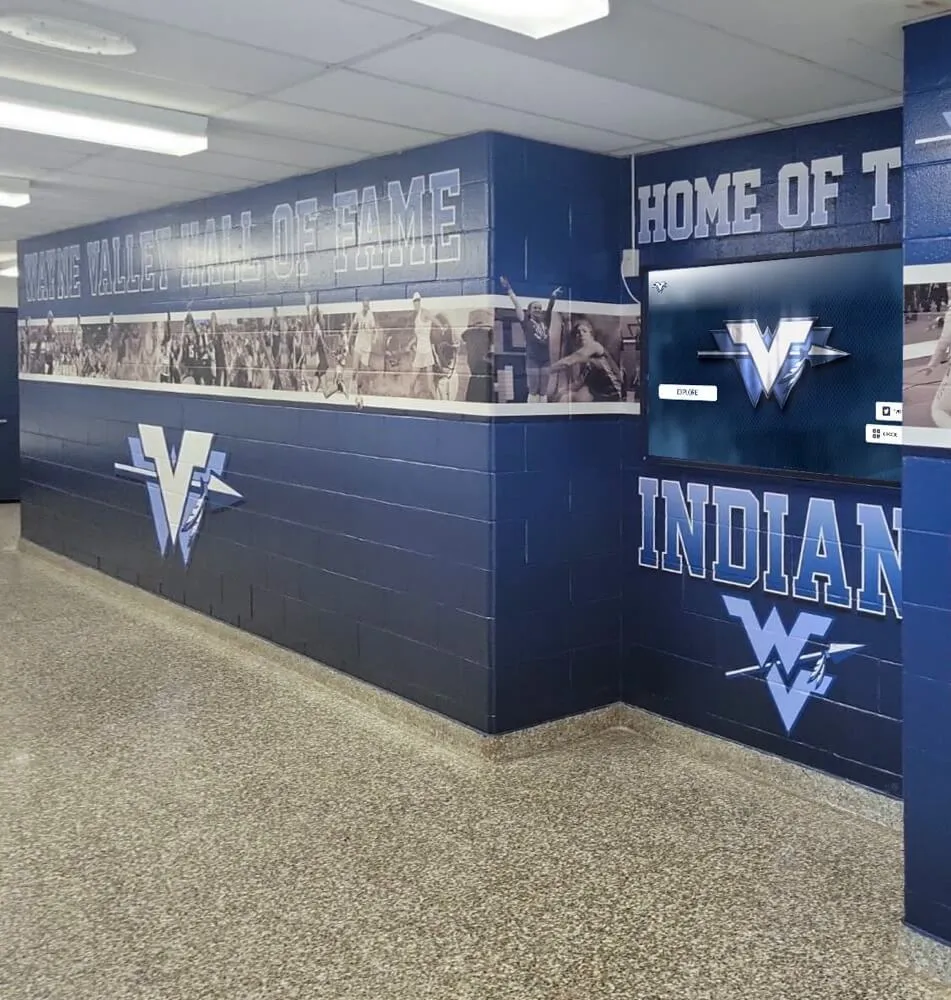
Modern hall of fame displays combine traditional elements with digital systems enabling comprehensive achievement documentation supporting induction speeches
Hall of Fame Induction Presentation Speech
Hall of fame inductions warrant more comprehensive speeches given their permanence and typical limitation to few annual inductees.
Extended Template for Hall of Fame Inductions (5-7 minutes)
Opening: Hall of Fame Purpose and Selectivity (30-45 seconds)
“Our [Organization Name] Hall of Fame represents the highest honor we bestow, reserved for individuals whose achievements, character, and contributions have left permanent marks on our institution. Selection requires not just excellence, but sustained impact that elevates our entire community. Tonight’s inductee unquestionably meets these demanding standards.”
Early Background and Foundation (60-90 seconds)
“[Inductee name] graduated from [school/organization] in [year], during an era when [relevant context about that period]. Even then, [he/she/they] demonstrated qualities that would define a remarkable [career/life]: [specific early examples showing character, determination, or emerging talent].
[Include formative experience, influential relationship, or early achievement foreshadowing future excellence]. These early experiences established foundations for accomplishments that would follow.”
Major Achievements and Impact (2-3 minutes)
“[Inductee’s] achievements speak powerfully: [list 3-5 specific major accomplishments with relevant details, dates, and significance].
But statistics and titles alone don’t capture [inductee’s] complete impact. [Personal story illustrating character, values, or approach that made achievements meaningful]. [Quote from colleague, teammate, or person influenced by inductee providing personal perspective].
[Include specific example demonstrating how inductee influenced others, advanced their field, or represented organizational values exemplarily]. This commitment to [core value] while achieving excellence distinguishes [inductee name] as truly exceptional.”
Connection to Current Community (45-60 seconds)
“[Inductee name]’s legacy continues influencing our community today. [Specific examples of ongoing impact: mentorship of current students/members, programs established that still operate, standards set that others pursue, or values exemplified that define community culture].
Current [students/members/athletes] benefit from [inductee’s] contributions even if unfamiliar with the name. [Specific example showing how past achievements created current opportunities or established traditions].”
Closing: Formal Induction (30-45 seconds)
“For sustained excellence in [achievement area], for exemplifying the values that define our institution, for inspiring generations through achievement and character, and for contributions that permanently elevated our community, it is my profound honor to induct [full name] into the [Organization Name] Hall of Fame.”
Specific Example: Athletic Hall of Fame Induction
“The Thompson High School Athletic Hall of Fame honors fewer than one percent of our alumni—individuals whose athletic achievements, competitive character, and lasting program impact represent our school’s highest traditions. Tonight’s inductee, Michael Chen, class of 1998, exemplifies every quality this honor celebrates.
Mike arrived at Thompson as a freshman standing barely five-foot-six, cut from the basketball team he’d hoped to join. Rather than accepting disappointment, he discovered wrestling—a sport where determination and technique could overcome size limitations. That decision launched a remarkable journey.
Over four years, Mike compiled a 127-8 record, won three state championships, and never lost a match in his final two seasons. But these statistics, as impressive as they are, tell only part of his story.
Mike’s former coach, Jim Patterson, who’s here tonight, describes Mike as ’the hardest worker I coached in thirty-five years—and the athlete who most influenced teammates through example rather than words.’ Teammates from those championship squads consistently credit Mike’s practice intensity with elevating the entire program’s standards.
After high school, Mike continued wrestling at the Division I level, earning All-American honors twice while maintaining academic excellence that earned him Academic All-American recognition—demonstrating that athletic and scholarly achievement need not compete.
Mike’s impact extends beyond his competitive years. For the past fifteen years, he’s returned every summer to volunteer at our youth wrestling camps, teaching hundreds of young wrestlers the fundamentals and work ethic that defined his success. Three current Thompson wrestlers training for state tournaments this season started at Mike’s camps as elementary students.
His commitment to giving back exemplifies the character we celebrate as much as the championships he won. Mike represents not just what we’ve achieved, but who we aspire to be—competitors who embrace challenge, workers who outperform talent through dedication, and champions who understand success creates obligations to serve others.
For athletic excellence that brought honor to Thompson High School, for demonstrating that determination and character can overcome any limitation, for sustained commitment to developing future wrestlers, and for exemplifying every value our athletic program cherishes, it is my distinct privilege to induct Michael Chen, class of 1998, into the Thompson High School Athletic Hall of Fame.”
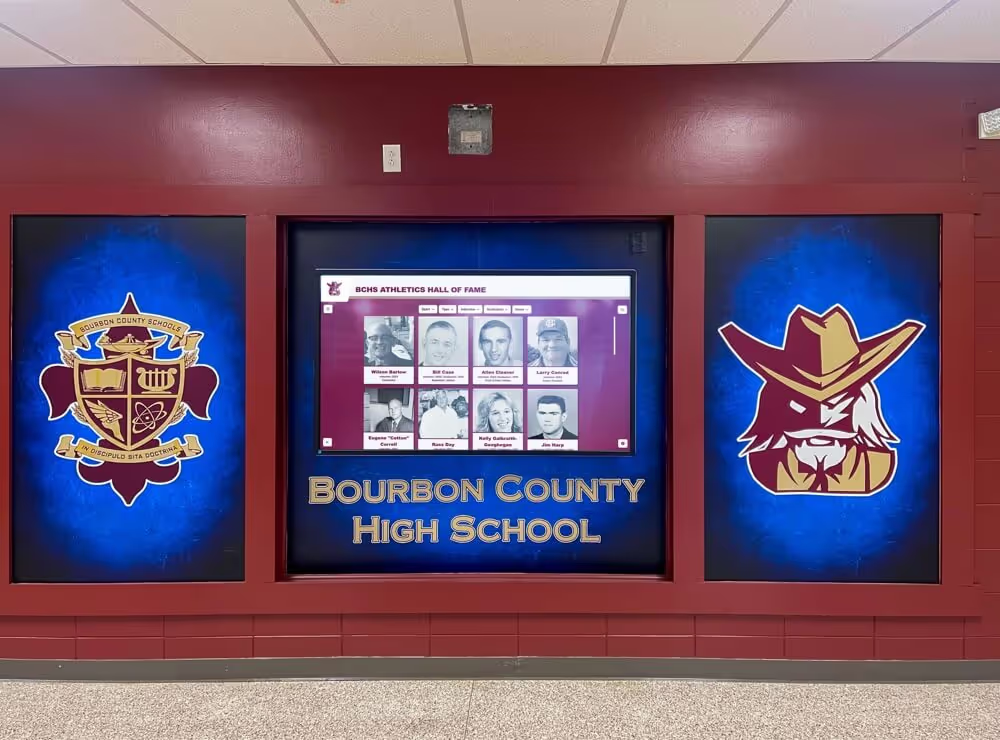
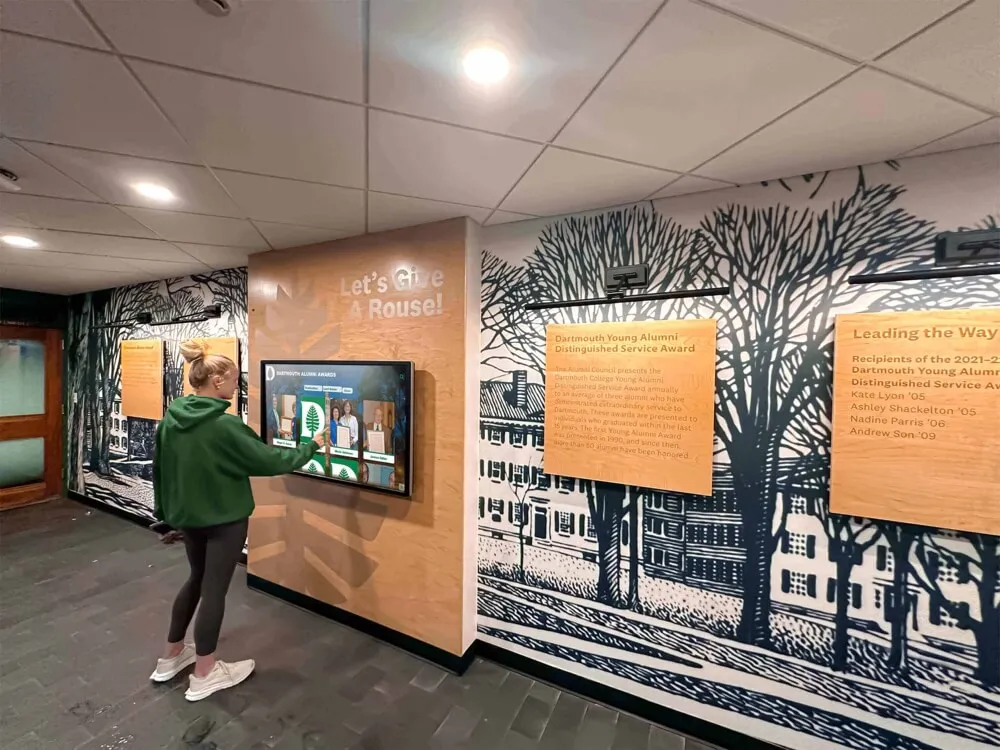
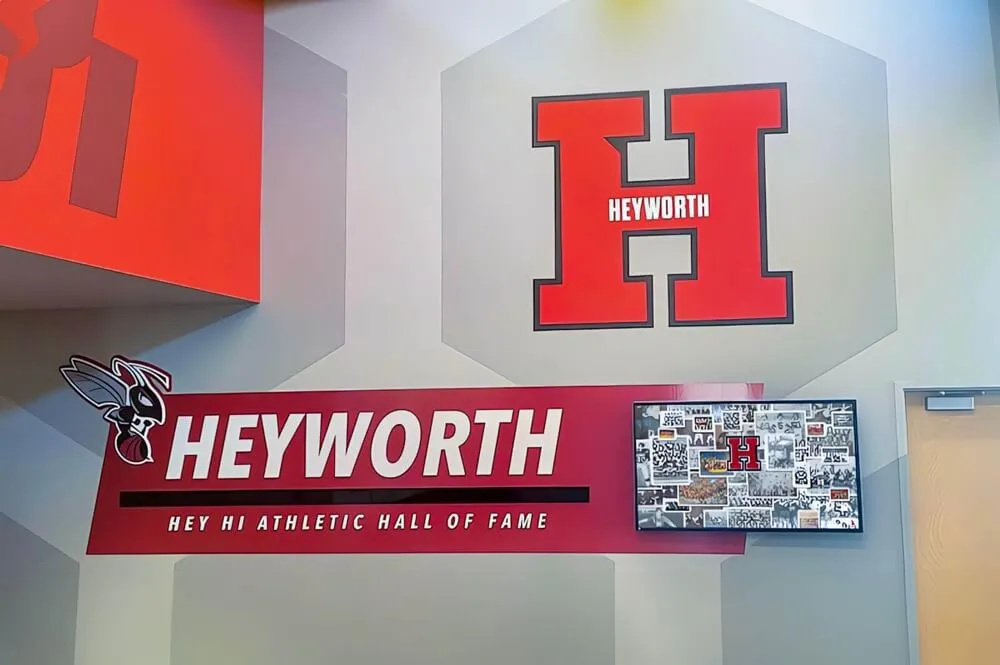
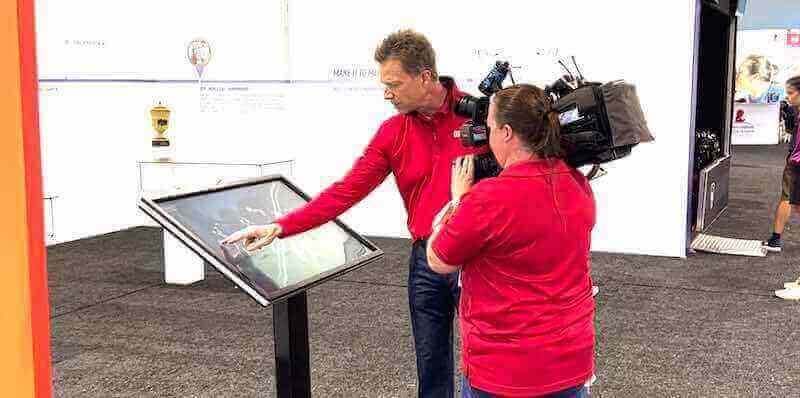
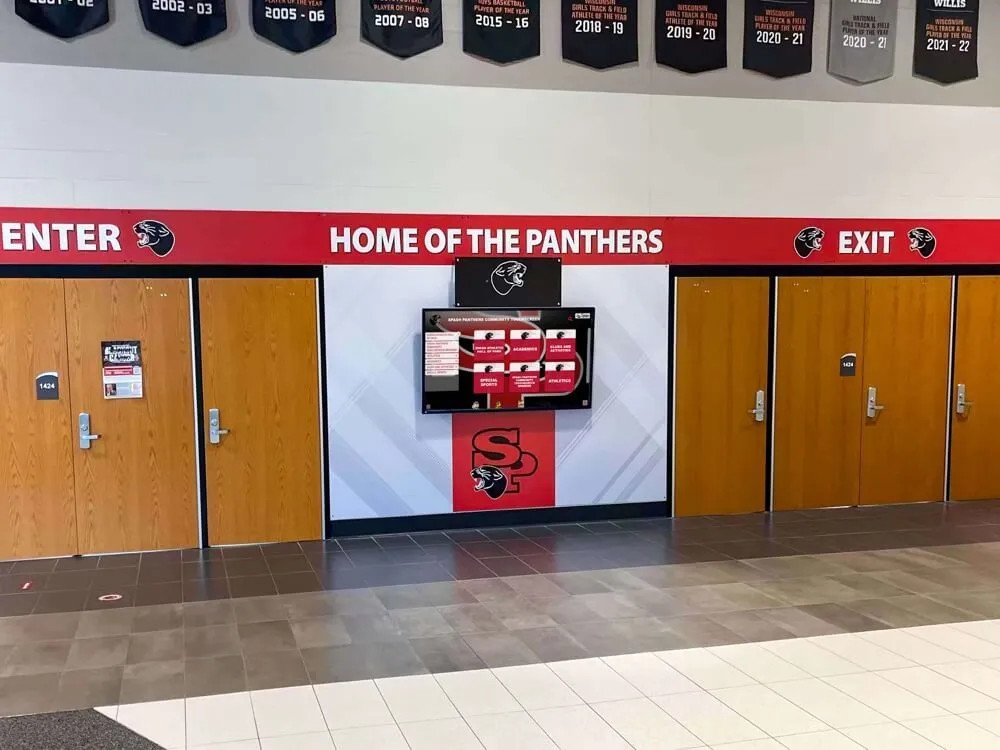
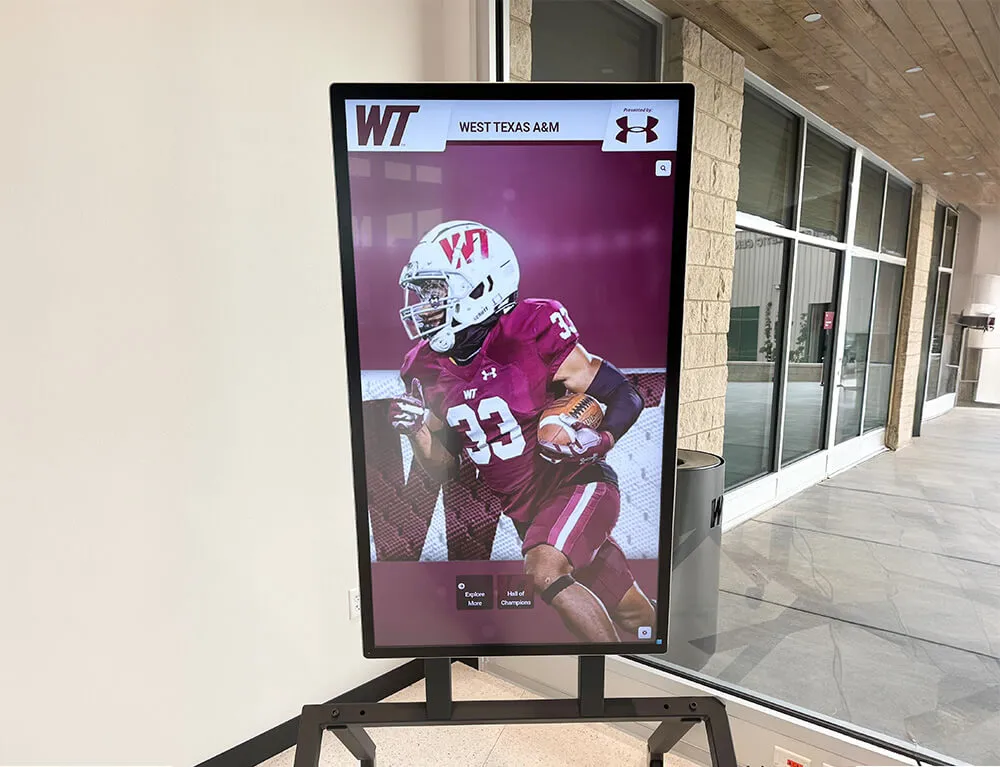
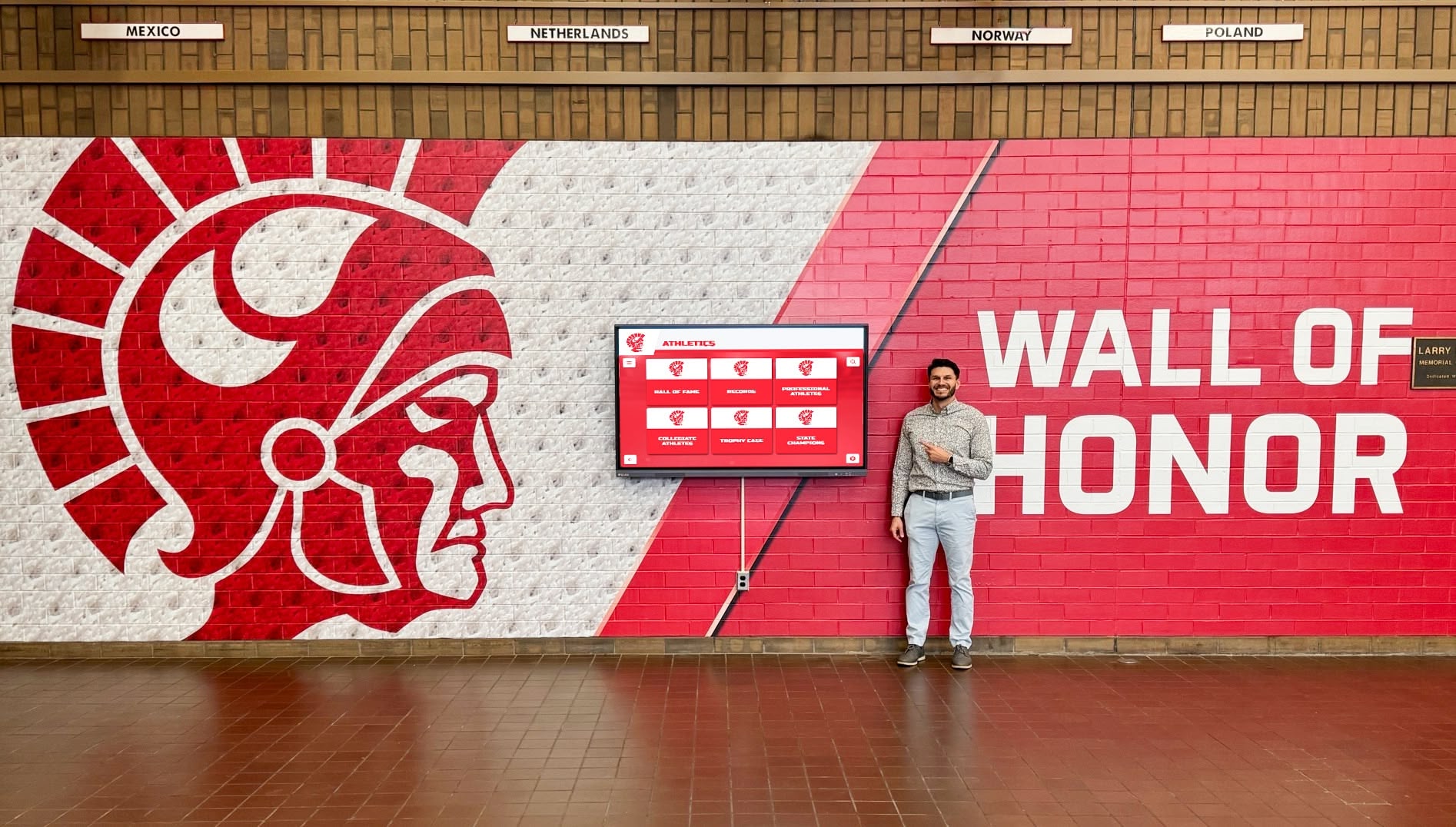
Interactive displays enable visitors to explore comprehensive honoree profiles and achievements extending beyond what induction speeches can cover in limited ceremony time
Acceptance Speech Examples and Templates
Acceptance speeches allow honorees to acknowledge recognition graciously while thanking supporters and sharing brief reflections appropriate to the occasion.
Standard Academic Award Acceptance
Template for Individual Academic Recognition (1-2 minutes)
Opening: Gratitude (15-20 seconds)
“Thank you to [presenter name], [selection committee/organization], and everyone who made this recognition possible. Receiving the [Award Name] means more to me than I can fully express.”
Acknowledgments (30-45 seconds)
“This achievement wouldn’t exist without [specific people who contributed to success: teachers, parents, mentors]. [Teacher name] challenged me to [specific example of support or influence]. [Parent/family acknowledgment]. Their support made the difference between potential and achievement.”
Brief Reflection (20-30 seconds)
“[Brief personal insight about the achievement journey, lesson learned, or what the recognition means]. This experience taught me [concise takeaway or value].”
Closing: Thanks and Forward Look (15-20 seconds)
“Thank you again for this honor. I’m grateful to be part of a community that values [relevant value: academic excellence, hard work, intellectual curiosity]. I’ll work to prove worthy of this recognition.”
Example: Scholarship Award Acceptance
“Thank you, Principal Martinez, and thank you to the scholarship committee for this incredible honor. The Rivera Memorial Scholarship represents not just financial support for college, but recognition of the values my family has always emphasized—education, service to others, and never forgetting where you came from.
I’m accepting this award on behalf of everyone who made it possible. Mrs. Thompson, you saw potential I didn’t recognize in myself and pushed me toward AP classes I feared attempting. My parents worked extra shifts to ensure I could focus on studies rather than worry about contributing income. My younger sister tolerated countless evenings when I couldn’t help her with homework because I was buried in my own. Their sacrifices made this possible.
Learning about Mr. Rivera’s life—how he worked construction while attending night school, then spent his career helping other first-generation students—reminds me that education creates obligations. We learn not just for ourselves, but to serve communities that invested in us.
I promise to honor this scholarship by pursuing civil engineering with the same determination Mr. Rivera demonstrated, and by helping other students from working families discover that college isn’t a distant dream but an achievable goal.
Thank you for believing in me, for investing in my future, and for preserving Mr. Rivera’s legacy through students like me. I won’t let you down.”
Athletic Award Acceptance Speech
Template for Individual Athletic Recognition (1-2 minutes)
Opening: Gratitude and Team Acknowledgment (20-30 seconds)
“Thank you, Coach [name], for those kind words, and thank you to [organization/selection committee] for this honor. Before anything else, I need to acknowledge that individual athletic awards never truly belong to one person—they represent team efforts.”
Specific Acknowledgments (40-60 seconds)
“Coach [name], you taught me [specific lesson or skill beyond athletics]. [Specific example of coaching impact]. My teammates pushed me every practice, celebrated every success, and picked me up after every failure. [Specific teammate acknowledgment if appropriate]. My family attended every [game/match/meet], driving [distance/sacrificing time], showing support that meant everything.
[Include specific person who made unique contribution: trainer who rehabbed injury, teacher who tutored to maintain eligibility, opponent who elevated performance through competition].”
Brief Reflection on Achievement (20-30 seconds)
“[Specific achievement being recognized] required [quality: persistence, overcoming adversity, dedication]. [Brief example of challenge overcome or lesson learned through athletic pursuit]. Sports taught me [transferable value applicable beyond athletics].”
Closing: Thanks (15 seconds)
“Thank you again for this recognition. Being part of [team/program] has been one of my life’s greatest privileges. I’m proud to represent [school/organization].”
Hall of Fame Induction Acceptance Speech
Lifetime achievement recognition warrants more comprehensive acceptance remarks than standard awards.
Extended Template for Hall of Fame Acceptance (5-7 minutes)
Opening: Humility and Gratitude (45-60 seconds)
“Standing here tonight feels simultaneously humbling and overwhelming. When [organization representative] called to inform me about this induction, my first thought was disbelief—surely the selection committee meant someone else. My second thought was gratitude for everyone who made whatever I accomplished possible.
Thank you to [presenter name] for those generous words. You made me sound far more impressive than I feel. Thank you to the hall of fame selection committee, to [organization leadership], and to everyone who has gathered tonight.”
Acknowledgment of Formative Influences (90-120 seconds)
“Whatever I achieved began with people who saw potential I couldn’t yet recognize and invested in developing it. [Coach/teacher/mentor name] didn’t just teach me [sport/subject/skill]—[he/she] taught me [life lesson or character quality]. [Specific story illustrating mentor’s influence].
My teammates/classmates made success possible. [Specific acknowledgment of key teammates/colleagues with brief examples of their contributions]. Individual recognition always represents collective efforts.
My family sacrificed endlessly. [Parent/spouse name] [specific example of family sacrifice or support]. [Children/family acknowledgment if appropriate]. Their belief sustained me through failures and kept success in perspective.”
Reflection on Journey and Lessons (2-3 minutes)
“Looking back, what I’m most grateful for isn’t [specific achievements], though I’m proud of them. What matters most is [value, relationship, or impact beyond personal achievement].
[Personal story illustrating defining moment, challenge overcome, or key decision that shaped trajectory]. That experience taught me [specific lesson applicable to audience].
[Reflect on how era/context during active years differs from today, acknowledging different challenges current generation faces]. While circumstances change, [timeless principle or value] remains constant.
[Include specific example of how the activity/achievement being recognized taught transferable skills or values applicable to life beyond that specific domain].”
Legacy and Current Community Connection (60-90 seconds)
“Being inducted alongside [fellow inductees] honors me deeply. [Brief acknowledgment of fellow inductees with specific recognition]. Their achievements inspire me as much today as when we competed/worked together.
To current [students/athletes/members]: You represent [organization’s] future. [Specific advice or encouragement drawing from personal experience]. [Avoid cliché advice; offer specific, actionable insight]. The opportunities you have now didn’t exist during my time—seize them fully.”
Closing: Final Thanks (30-45 seconds)
“Thank you again to everyone who made this possible—mentors who taught me, teammates who competed alongside me, family who sacrificed for me, and the selection committee who honored me. This recognition belongs to all of you as much as it does to me.
Being part of [organization] shaped who I became. Joining the hall of fame represents not an ending, but a reminder of ongoing responsibility to serve the community that gave me so much. Thank you.”
Institutions developing comprehensive recognition programs benefit from exploring academic recognition frameworks that celebrate diverse achievement types systematically.
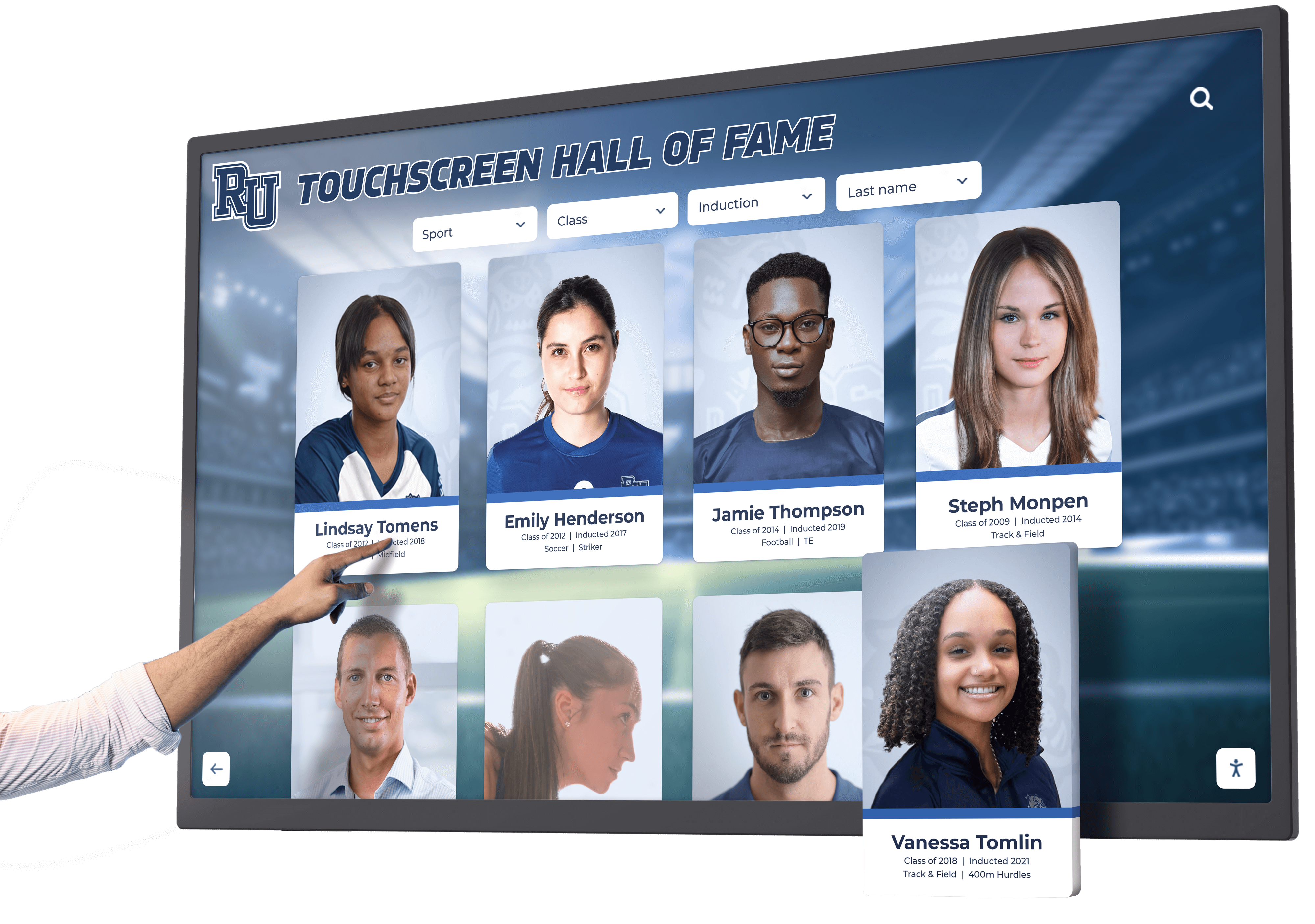
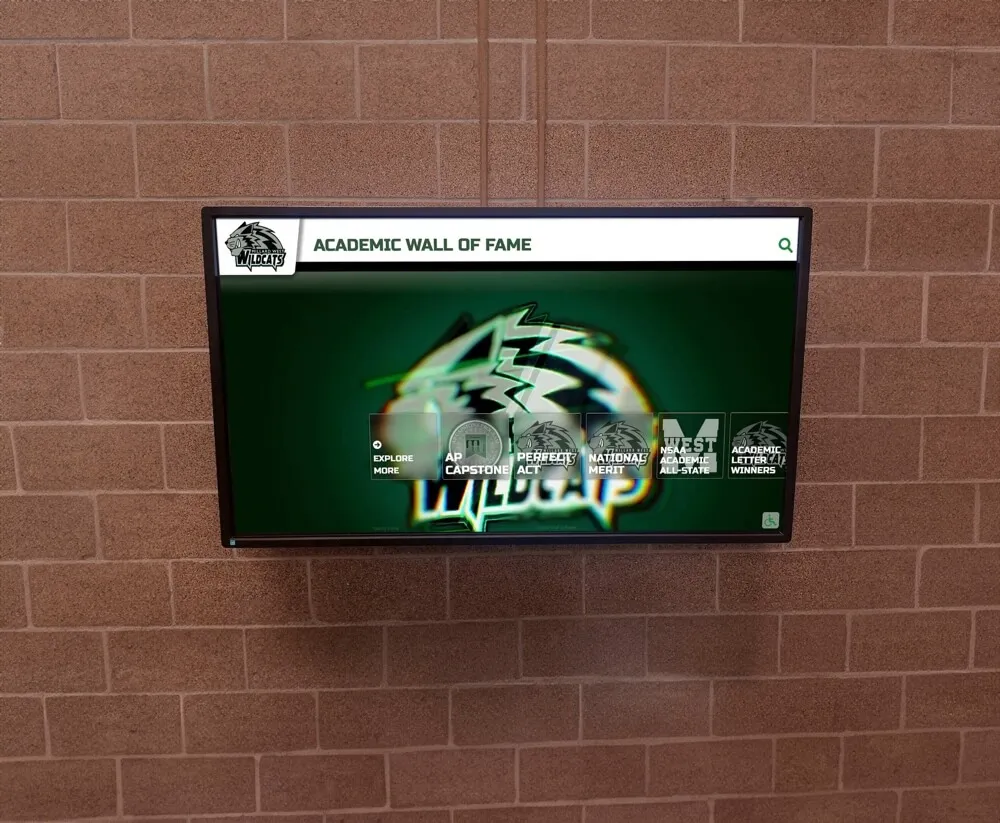
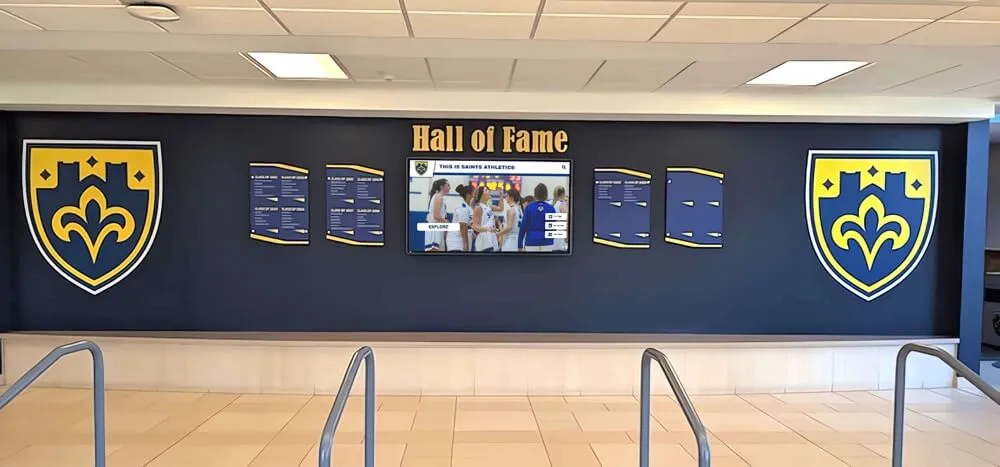
Digital recognition systems enable comprehensive honoree storytelling with photos, videos, and detailed achievements impossible to present fully during ceremony speeches
Staff Recognition and Retirement Speech Examples
Honoring educators, administrators, and staff members requires acknowledging professional contributions while celebrating personal qualities that made their service meaningful.
Teacher Recognition Award Presentation
Template for Educator Recognition (3-4 minutes)
Opening: Teaching Impact Context (30 seconds)
“The [Award Name] recognizes educators who transform lives through exceptional teaching, genuine care for students, and commitment to educational excellence that extends far beyond curriculum requirements. This year’s recipient exemplifies every quality we celebrate.”
Professional Excellence (60-90 seconds)
“[Teacher name] has taught [subject/grade] at [school] for [number] years, influencing [approximate number] students during that time. But measuring [teacher’s] impact through years of service alone misses what makes [him/her/them] exceptional.
[Specific example of innovative teaching approach, curriculum development, or educational methodology]. Students consistently describe [teacher’s] class as [specific student feedback quote]. Test scores and academic metrics show [specific measurable result], but numbers alone don’t capture [teacher’s] complete influence.”
Student Impact Stories (90-120 seconds)
“Former students describe moments when [teacher name] made the difference. [Specific alumni testimonial or story about teacher impact on individual student].
[Second example showing different dimension of teacher’s influence: identifying struggling student’s hidden talent, providing support beyond academics, or creating safe space for student facing challenges]. These stories repeat countless times across [number] years of teaching.
Current students nominated [teacher] for this award, noting [specific student nomination quote]. When students recognize excellence independently, it validates what colleagues have known for years.”
Personal Qualities Beyond Classroom (45-60 seconds)
“Beyond teaching excellence, [teacher name] contributes [specific examples: coaching, club advising, mentoring new teachers, committee service]. [He/she/they] arrived early and stayed late, attended student events across all programs, and made every student feel like their interests mattered.
[Teacher name] represents the profession’s highest ideals—educator as not just instructor, but mentor, advocate, and inspiration.”
Closing: Award Presentation (20-30 seconds)
“For teaching excellence that transforms lives, for dedication extending far beyond job descriptions, and for demonstrating daily what it means to educate with both competence and compassion, it is my privilege to present the [Award Name] to [teacher full name].”
Retirement Recognition Speech
Template for Retiring Staff Member (4-5 minutes)
Opening: Service Context and Significance (45-60 seconds)
“Tonight we recognize and celebrate [name]’s retirement after [number] years serving [school/organization]. [Number] years represents [percentage] of our [school/organization]’s history—[name] isn’t just leaving a position, [he/she/they] is concluding an era.
During [his/her/their] tenure, [name] influenced [approximate number] students, worked alongside [number] colleagues, and witnessed [significant institutional changes/milestones]. But these numbers only begin to tell [his/her/their] story.”
Professional Journey and Evolution (90-120 seconds)
“[Name] joined [organization] in [year], when [context about institutional state at that time]. [He/she/they] taught/served during eras of [major changes, challenges, or institutional evolution].
Throughout these changes, [name] remained [constant quality or value]. [Specific example of adapting to change while maintaining core excellence]. [Colleague quote about working alongside retiree over the years].
[Name]’s professional contributions include [list 3-4 major achievements, programs established, or significant impacts on institution]. Each initiative reflected [his/her/their] commitment to [core value or educational philosophy].”
Personal Impact Stories (90-120 seconds)
“But [name]’s legacy lives primarily through people touched during [number] years of service.
[Specific story about impact on individual student, preferably including current status showing long-term influence]. [Student/alumni quote about retiree’s influence].
[Second story showing different dimension: supporting colleague through difficulty, going beyond requirements to help family, or exemplifying character during challenge]. These stories represent countless similar moments across decades.
[Name] attended student games, performances, and events across all programs, demonstrating that [he/she/they] cared about complete students, not just the subject [he/she/they] taught.”
Institutional Impact and Legacy (60-90 seconds)
“[Name]’s influence on [school/organization] extends beyond individual relationships. [Specific example of how retiree shaped institutional culture, established tradition, or influenced organizational values].
New teachers learned [their] craft watching [name] demonstrate excellence. Students discovered [subject/activity/skill] could be engaging through [his/her/their] teaching. Families trusted [organization] because people like [name] clearly cared about their children.
[Name] made us better—as educators, as colleagues, and as an institution. That represents the highest achievement any professional can claim.”
Closing: Personal Wishes and Thanks (45-60 seconds)
“[Name], we cannot replace you—we can only honor your legacy by maintaining the standards you established and the values you exemplified.
As you transition to retirement’s next chapter, know that [number] years of service have permanently shaped this institution and countless lives. [Specific personal wish for retirement reflecting retiree’s interests or plans].
Thank you for your dedication, your excellence, and your heart. Thank you for [number] years of putting students first and making [organization] better every single day. We celebrate your remarkable career and wish you all the joy retirement brings.
Please join me in honoring [full name].”
Schools establishing systematic approaches to educator recognition benefit from exploring teaching recognition programs celebrating excellence across career stages.
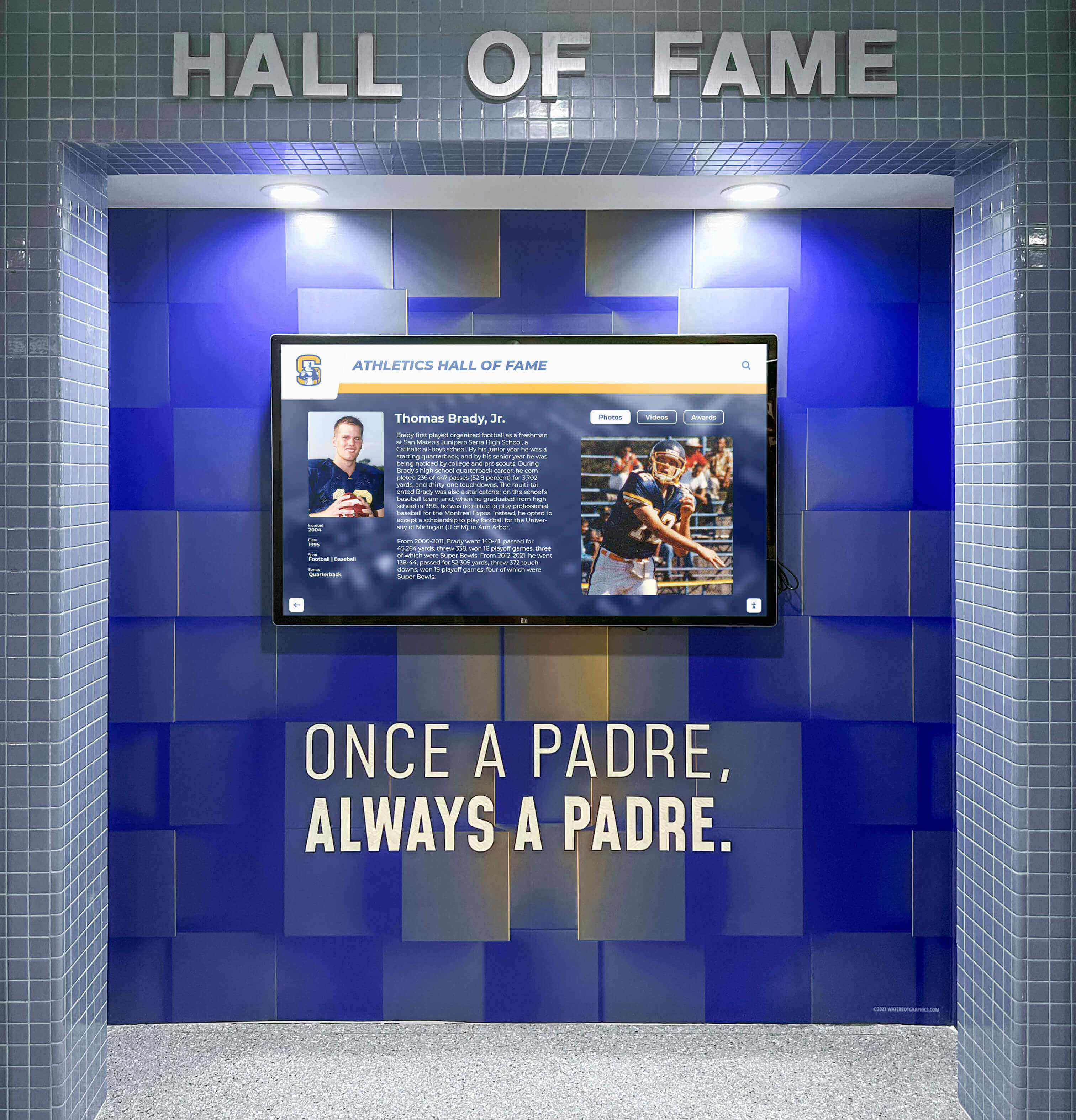
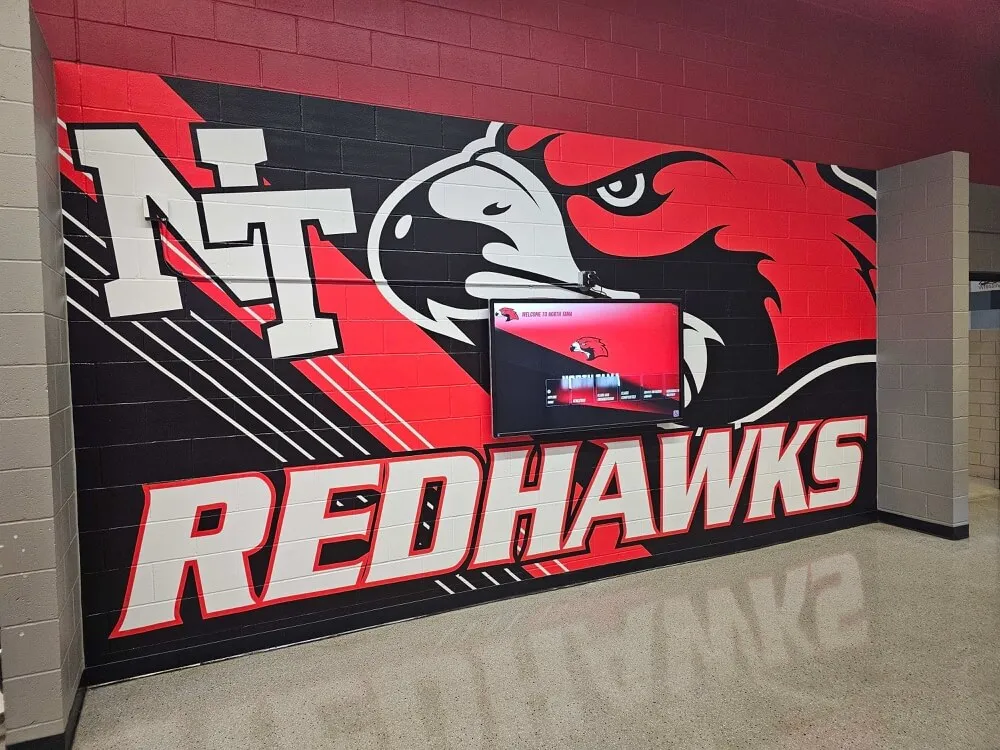
Permanent digital displays complement ceremony speeches by providing year-round recognition visitors can explore beyond single-event acknowledgment
Speech Structure Best Practices and Common Mistakes
Understanding structural principles and avoiding common pitfalls helps speakers craft recognition remarks that honor achievements appropriately while maintaining audience engagement.
Effective Speech Structure Principles
Opening Strong: First 15 Seconds Matter Most
- State award name and its significance immediately
- Capture attention with compelling opening rather than generic pleasantries
- Establish why this recognition matters before introducing the honoree
- Avoid lengthy preambles that delay getting to the actual recognition
Weak opening: “Good evening everyone. I hope you’re enjoying tonight’s program. We have many wonderful students to recognize. It’s such a pleasure to be here celebrating these achievements…”
Strong opening: “The Scholar-Athlete Award recognizes the rare student who achieves excellence both in the classroom and in competition—demonstrating that intellectual and athletic pursuits strengthen rather than compete with each other.”
Building Specificity: Details Create Meaning
Generic recognition could apply to anyone; specific details make speeches meaningful:
- Include actual statistics, achievements, and measurable accomplishments
- Reference specific quotes from coaches, teachers, or colleagues
- Describe particular moments illustrating honoree’s character or achievement
- Name specific people who contributed to success rather than generic “many people”
Generic: “Sarah worked very hard and achieved great things in soccer.”
Specific: “Sarah scored 47 goals this season—a school record—including the championship game overtime winner that gave us our first state title in program history. But Coach Wilson most remembers the September practice when Sarah stayed two hours after scheduled end time helping a struggling freshman master techniques Sarah had already perfected.”
Balancing Achievement and Character
Effective speeches celebrate both what honorees accomplished and how they achieved it:
- Describe accomplishments establishing achievement credibility
- Explain character qualities, work ethic, or values that enabled those achievements
- Include examples showing honoree’s impact on others, not just personal success
- Connect specific achievements to larger values the institution celebrates
This balance ensures speeches recognize deserving excellence while demonstrating that character matters as much as results—critical messaging for student audiences.
Maintaining Appropriate Length
Time discipline demonstrates respect for honorees, audiences, and program schedules:
- Edit ruthlessly, removing any content not directly supporting recognition
- Prioritize two excellent specific examples over five generic ones
- Practice speeches aloud with timer before delivery
- Prepare written remarks preventing rambling or repetition during delivery
- Remember that brevity intensifies impact—extended speeches dilute rather than enhance
Schools planning recognition night programs benefit from establishing speech length guidelines before events preventing schedule delays.
Common Speech Mistakes to Avoid
Reading Generic Template Speeches Verbatim
Templates provide structural frameworks, but effective speeches require personalization:
- Adapt templates with specific details about individual honorees
- Replace placeholder examples with actual stories and achievements
- Modify language to match speaker’s natural voice and delivery style
- Add personal observations based on direct knowledge when possible
If a speech could be delivered for multiple different recipients by changing only the name, it requires more specific content.
Excessive Humor or Inappropriate Tone
Recognition speeches warrant dignity and sincerity:
- Avoid jokes at honoree’s expense, even affectionately
- Skip humor based on inside jokes most audience members won’t understand
- Maintain appropriate formality matching occasion significance
- Save excessive casualness for informal gatherings rather than recognition ceremonies
Brief, tasteful humor works when it reinforces rather than undermines the honoree’s achievement. Extended comedic segments distract from recognition purposes.
Focusing Excessively on Speaker Rather Than Honoree
Speeches should celebrate recipients, not speakers:
- Minimize references to speaker’s relationship with honoree
- Avoid extended personal stories where speaker is the protagonist
- Focus remarks on honoree’s achievements and qualities
- Resist temptation to share speaker’s opinions about topics tangentially related to recognition
Weak approach: “When I first started as principal, I implemented a new recognition system because I believe strongly in acknowledging achievement. I’ve always felt that…”
Strong approach: “This award recognizes students demonstrating [quality]. This year’s recipient, [name], exemplifies this through…”
Omitting Necessary Context for Unfamiliar Audiences
Assume portions of audiences don’t know honorees:
- Briefly explain what achievements mean for those unfamiliar with the field
- Provide context making accomplishment significance clear to non-experts
- Define specialized terms or references not universally understood
- Include enough background that visitors understand why recognition is deserved
While insiders may know that “All-State First Team selection” represents major achievement, visitors unfamiliar with athletic recognition hierarchies require brief context understanding its significance.
Failing to Connect Individual Achievement to Institutional Values
Recognition speeches should reinforce what the organization celebrates:
- Explicitly link honoree’s specific achievements to institutional values
- Demonstrate how individual excellence strengthens the entire community
- Show current students the behaviors and qualities that earn recognition
- Position honorees as exemplars of what the institution aspires to develop
This connection transforms individual recognition into cultural reinforcement strengthening shared values.
Permanent hall of fame installations ensure induction ceremony speeches represent the beginning of ongoing recognition rather than one-time acknowledgment
Personalizing Award Speeches: Research and Preparation
Effective speeches require preparation beyond selecting templates. Thorough research enables personalization transforming generic frameworks into meaningful tributes.
Gathering Honoree Information
Achievement Documentation
- Request detailed achievement lists from nominating individuals or committees
- Review academic transcripts, athletic statistics, or professional records
- Research awards previously received and recognition history
- Document specific dates, scores, rankings, or measurable accomplishments
- Gather comparative context (school records broken, percentile rankings, selection from how many nominees)
Personal Background Research
- Interview coaches, teachers, colleagues, or supervisors with direct honoree knowledge
- Ask nominators to provide specific stories illustrating character or defining moments
- Review student records, yearbook entries, or organizational participation
- Contact family members for background information when appropriate
- Search local media coverage if honoree received previous recognition
Impact and Influence Examples
- Solicit testimonials from people honoree influenced
- Request specific examples of leadership, mentorship, or positive influence
- Document programs established, traditions started, or institutional changes initiated
- Gather evidence of community impact extending beyond individual achievement
- Identify ongoing legacy visible in current organizational culture
Interview Questions for Award Speech Research
When gathering information from those who know honorees well, specific questions yield better material than general requests:
For Coaches/Teachers:
- “What specific moment best exemplifies [name]’s character or approach?”
- “How did [name] influence teammates/classmates beyond personal performance?”
- “What separates [name] from other talented students/athletes you’ve coached/taught?”
- “Can you describe a challenge [name] overcame that audiences might not know about?”
- “What would you want [name]’s children to know about [his/her/their] time in your program?”
For Colleagues/Peers:
- “What’s your most memorable moment working with [name]?”
- “How did [name] handle adversity or setback?”
- “What made [name]’s contribution to our team/organization unique?”
- “How did [name] make you better at what you do?”
- “What would be missing if [name] hadn’t been part of our organization?”
For Family Members:
- “What sacrifices did [name] make pursuing this achievement?”
- “How did [name]’s involvement in [activity] affect family life?”
- “What values or lessons did [name] learn through this pursuit?”
- “How has this achievement shaped [name]’s life since [graduation/completion]?”
- “What does this recognition mean to your family?”
These targeted questions generate specific stories and quotes that personalize speeches far beyond generic templates.
Selecting and Verifying Stories
Not all gathered material belongs in final speeches. Apply these selection criteria:
Story Appropriateness
- Verify honoree would be comfortable with the story being shared publicly
- Ensure stories reflect positively on the honoree and institution
- Avoid potentially embarrassing details even if ultimately positive
- Confirm stories reinforce rather than contradict the recognition purpose
- Select stories appropriate for diverse audiences including children
Story Relevance
- Prioritize stories directly illustrating qualities the award recognizes
- Choose examples with clear connection to achievement being honored
- Select stories conveying lessons or values beyond entertainment
- Focus on moments with broad appeal rather than inside jokes
- Ensure stories make sense to audience members unfamiliar with specialized contexts
Factual Verification
- Confirm story details with multiple sources when possible
- Verify statistics, dates, and specific achievements for accuracy
- Check that quotes attributed to individuals are accurate
- Ensure context surrounding stories is represented fairly
- Correct any exaggerations or misunderstandings before delivery
One powerful verified story outweighs multiple unconfirmed anecdotes. Accuracy protects honoree credibility and speaker reputation.
Organizations developing comprehensive recognition cultures benefit from exploring National Honor Society ceremony frameworks applicable across recognition types.
Modern Recognition: Complementing Speeches with Permanent Displays
Award ceremony speeches create powerful moments, but recognition limited to single events misses opportunities for ongoing acknowledgment. Modern digital systems extend recognition impact far beyond ceremony nights.
Permanent Recognition Displays
Digital Hall of Fame Systems
Physical plaques face space limitations forcing selective recognition, but digital wall of honor displays provide unlimited capacity:
- Comprehensive honoree profiles including photos, biographies, and detailed achievements
- Video integration enabling ceremony speech recordings to remain accessible permanently
- Search and filtering capabilities helping visitors discover specific honorees
- Regular content updates adding recent achievements to existing profiles
- Interactive exploration engaging visitors more deeply than static plaques
Schools implementing digital systems complement ceremony recognition with year-round visibility.
Interactive Touchscreen Recognition
Modern touchscreen displays enable visitors to explore honoree stories at their own pace:
- Achievement timelines showing progression from early accomplishments through career highlights
- Multimedia galleries featuring photos, videos, and documents
- Comparative statistics contextualizing achievements among historical honorees
- Family connections displaying multi-generational legacy within institutions
- Social sharing enabling recognition beyond physical visitors
Interactive systems transform passive viewing into active engagement, increasing recognition impact and visitor connection to honorees.
Online Hall of Fame Integration
Digital recognition extends beyond physical installations through online hall of fame platforms:
- Global accessibility enabling alumni and families to explore recognition remotely
- Permanent archival ensuring achievements remain discoverable decades later
- Enhanced storytelling unconstrained by physical space limitations
- Search engine visibility promoting institutional excellence to broader audiences
- Alumni engagement tools facilitating continued community connection
Online integration ensures ceremony recognition reaches beyond attendees to global audiences.
Combining Speeches with Permanent Recognition
The most effective approaches integrate ceremony acknowledgment with sustained visibility:
Ceremony Integration Strategies
- Display honoree profiles on screens during recognition ceremonies
- Record award speeches for permanent inclusion in digital profiles
- Unveil digital hall of fame profiles during induction ceremonies
- Provide QR codes enabling ceremony attendees to access comprehensive online profiles
- Stream ceremonies online enabling remote viewing by alumni and distant family
Post-Ceremony Recognition Extension
- Publish ceremony highlights and speeches to institutional websites and social media
- Add professional ceremony photos to digital hall of fame profiles
- Send personalized links to honorees and families for sharing recognition
- Feature rotating honoree profiles in school newsletters and communications
- Create annual recognition reports documenting all ceremony honorees
Ongoing Recognition Opportunities
- Feature historical honorees during anniversary years (25th, 50th induction anniversaries)
- Highlight relevant achievements during current events (state championship anniversary when teams compete in playoffs)
- Enable alumni to update profiles with post-graduation achievements
- Facilitate honoree connections for mentorship programs pairing with current students
- Integrate recognition displays into campus tours showcasing institutional excellence
Understanding implementation approaches for digital walls of fame helps schools develop comprehensive recognition systems extending beyond single ceremonies.
Creating Recognition Programs That Honor Achievement Appropriately
Effective award speeches represent just one component of comprehensive recognition programs celebrating achievement systematically while strengthening institutional culture. Organizations approaching recognition thoughtfully—combining meaningful ceremony speeches with sustainable selection processes, permanent displays providing year-round visibility, and genuine commitment to acknowledging diverse excellence types—create cultures where achievement receives appropriate acknowledgment and where current students discover clear pathways toward their own recognition.
Whether presenting hall of fame inductions honoring lifetime achievement, recognizing academic excellence at annual awards nights, celebrating athletic accomplishments at sports banquets, or honoring retiring educators who’ve served for decades, the principles remain constant: research thoroughly to personalize recognition, celebrate specific achievements with appropriate detail, acknowledge supporters who contributed to success, maintain brevity demonstrating audience respect, and connect individual excellence to institutional values worth reinforcing.
When ceremony speeches combine with permanent recognition systems providing sustained visibility, schools transform single-evening acknowledgment into ongoing celebration that motivates current students, preserves institutional heritage for future generations, and demonstrates that excellence—however defined and wherever demonstrated—receives the acknowledgment it deserves within your community.
Ready to complement your recognition ceremonies with permanent digital displays providing year-round honoree visibility? Rocket Alumni Solutions creates interactive touchscreen systems enabling schools to showcase hall of fame inductees, award recipients, and achievement honorees through comprehensive profiles, multimedia galleries, and searchable databases—extending ceremony recognition far beyond single events while creating engagement that static plaques cannot match.