



Standing at a podium preparing to accept recognition for achievements representing years of dedication triggers a unique moment of pressure and opportunity—the award acceptance speech. Students, athletes, alumni, and community members receiving hall of fame inductions, athletic honors, scholarship awards, or academic recognition face the challenge of gracefully acknowledging support while expressing genuine gratitude and inspiring others in attendance.
The most memorable acceptance speeches balance humility with confidence, thank specific supporters while including broader communities, deliver heartfelt emotion without excessive length, and leave audiences feeling inspired rather than lectured. Yet many first-time award recipients struggle with structure, timing, appropriate tone, and determining which supporters deserve explicit mention when limited speaking time creates impossible choices about inclusion.
This comprehensive guide provides proven award acceptance speech examples, structural templates, and delivery strategies enabling recipients to craft memorable remarks thanking schools, coaches, teachers, families, teammates, and communities. Whether accepting hall of fame induction, athletic team awards, academic honors, or community recognition, these frameworks ensure speeches that honor supporters, inspire audiences, and create lasting positive impressions during significant celebratory moments.
Award acceptance speeches serve multiple purposes beyond expressing gratitude—they model humility for younger attendees, validate the efforts of coaches and teachers who invested in recipients’ development, strengthen emotional connections between honorees and institutions, and create shareable moments that enhance ceremony significance and extend recognition impact through social media amplification and family storytelling.

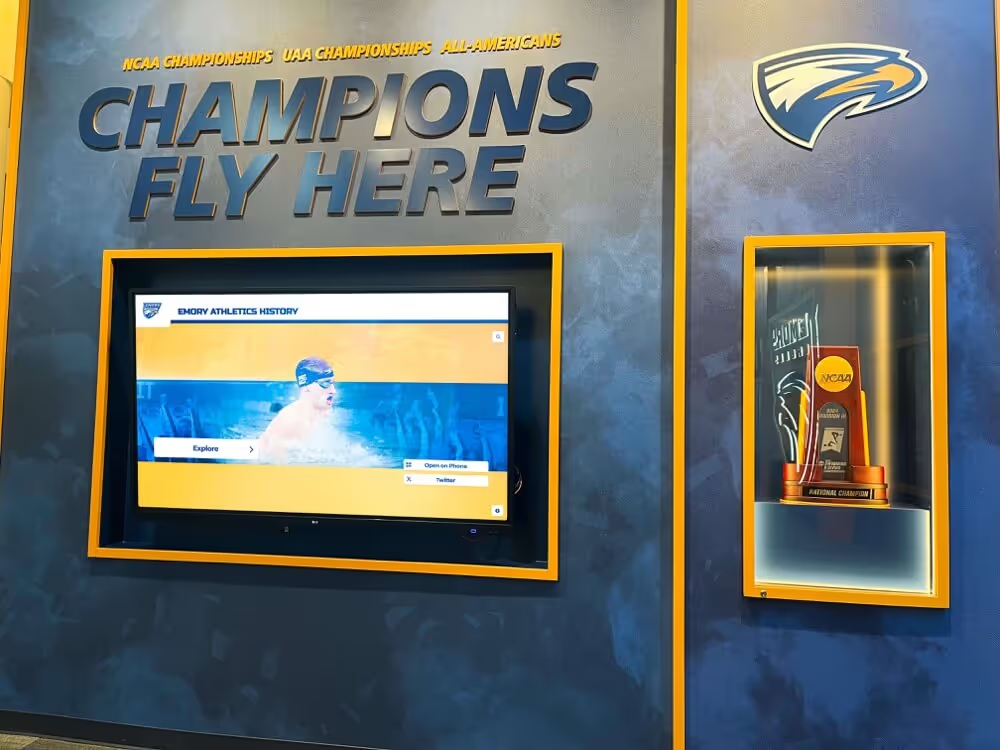
Award ceremonies celebrate individual achievement while honoring the communities and support systems that enabled success
Speech Framework: Essential Components
Understanding the fundamental structure of effective acceptance speeches helps recipients organize thoughts and ensure complete acknowledgment of supporters.
| Speech Component | Recommended Time | Purpose | Key Elements |
|---|---|---|---|
| Opening Hook | 10-15 seconds | Capture attention and establish tone | Emotion, humor, or powerful statement |
| Personal Reaction | 15-30 seconds | Express genuine feelings about honor | Humility, surprise, gratitude, or reflection |
| Thank Key Supporters | 60-90 seconds | Acknowledge specific individuals/groups | Coaches, teachers, teammates, family |
| Community Recognition | 30-45 seconds | Honor broader support system | School, program, community, peers |
| Inspirational Message | 30-45 seconds | Leave audience with meaningful thought | Encouragement, values, or call to action |
| Closing Thank You | 10-15 seconds | Final gracious acknowledgment | Brief, sincere, memorable |
Hall of Fame Induction Speech Example
Hall of fame inductions represent prestigious recognition spanning athletic careers, academic contributions, or community service requiring speeches that honor institutional history while acknowledging supporters.
Complete Example: Athletic Hall of Fame Induction
“Thank you. Standing here tonight, I keep thinking about that freshman who showed up to tryouts absolutely terrified—and Coach Martinez, who somehow saw potential I couldn’t see in myself.
This hall of fame induction doesn’t belong to me alone. It belongs to every coach who stayed late for extra practice, every teammate who pushed me harder during training, every teacher who gave me flexibility during tournament season, and every family member who drove countless hours to games they barely understood.
Coach Martinez—you taught me that championship character gets built during Tuesday practices, not Saturday games. Mrs. Thompson—your belief in me academically made this recognition possible, because you never let me choose between scholar and athlete. Mom and Dad—your sacrifices gave me opportunities you never had, and that responsibility motivated every game.
To my teammates, especially the ones whose names don’t appear on championship banners—you made me better every single day. Championship trophies don’t tell the complete story of the teammates who push each other toward excellence.
To current student-athletes watching tonight: surround yourself with people who challenge you, coaches who demand excellence, and teammates who celebrate your growth. This honor reflects thousands of small decisions made by supporters who believed in collective success.
Thank you for this incredible honor. I promise to represent this institution with the same pride you’ve always shown in me.”
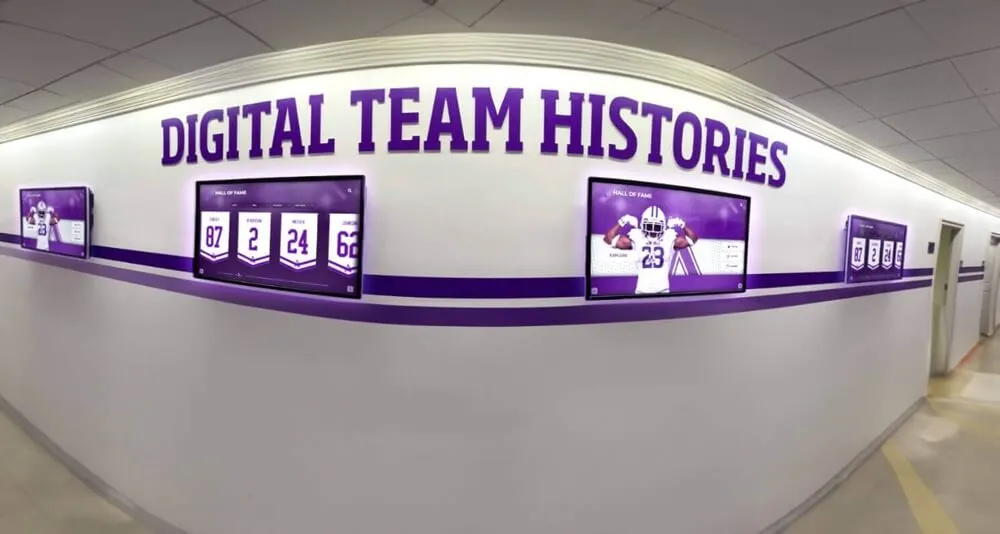
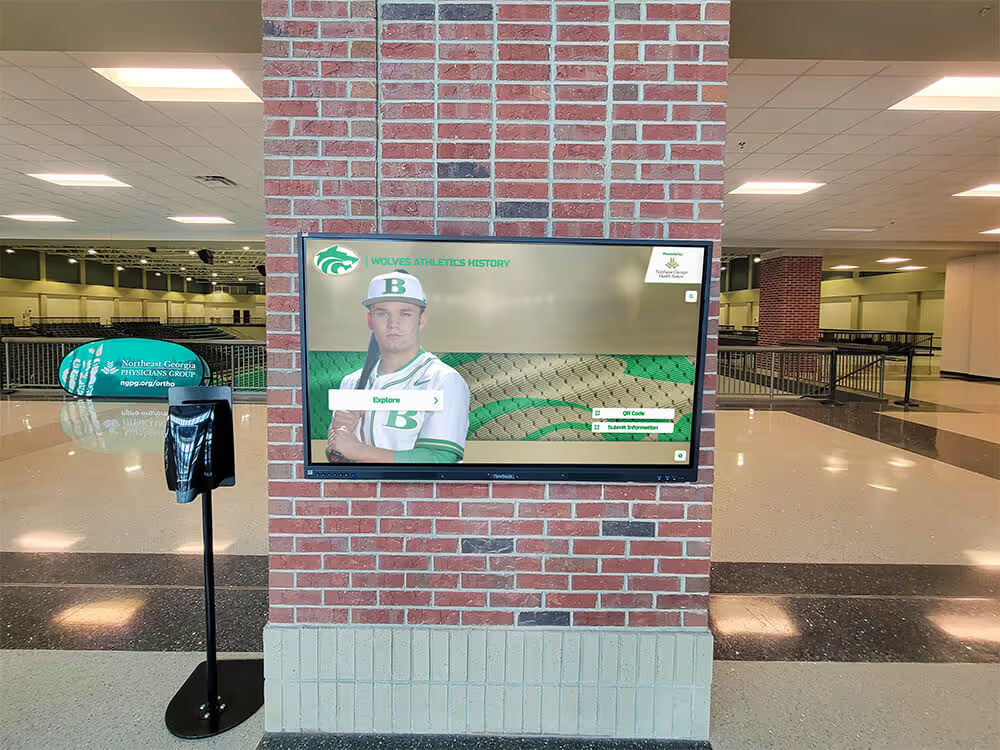
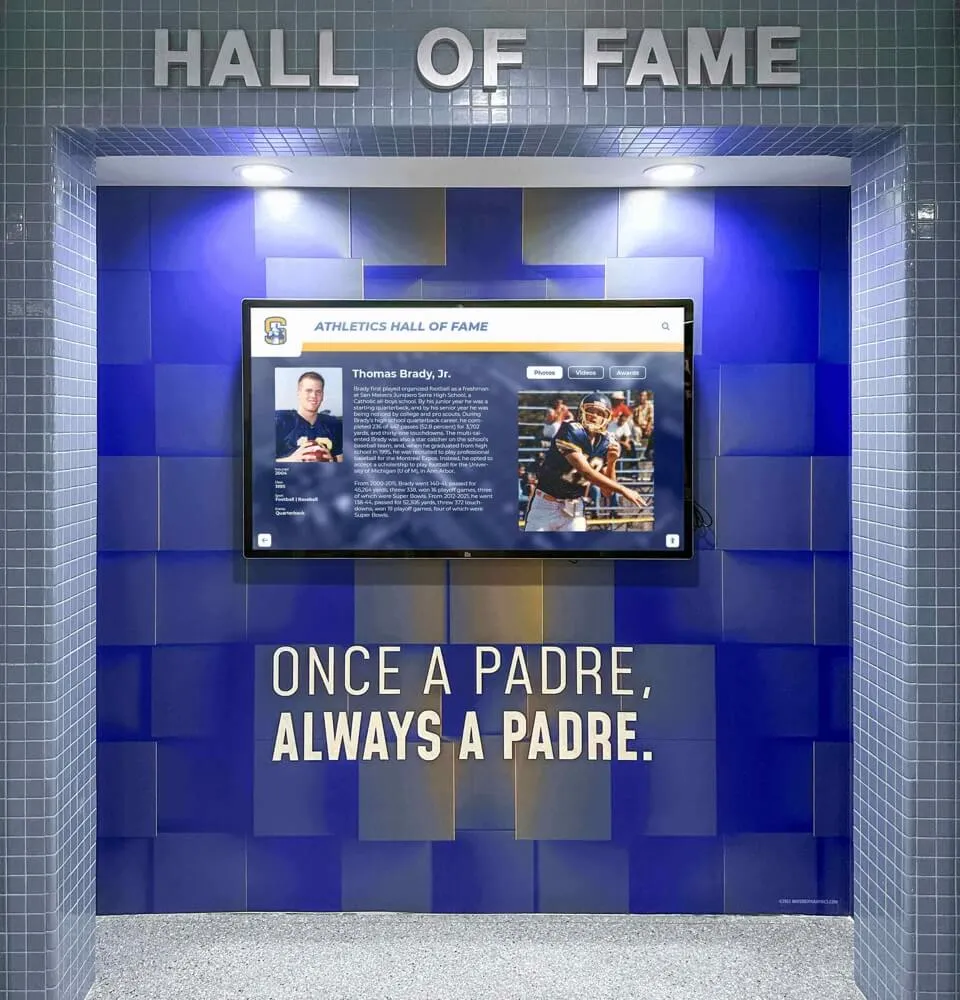
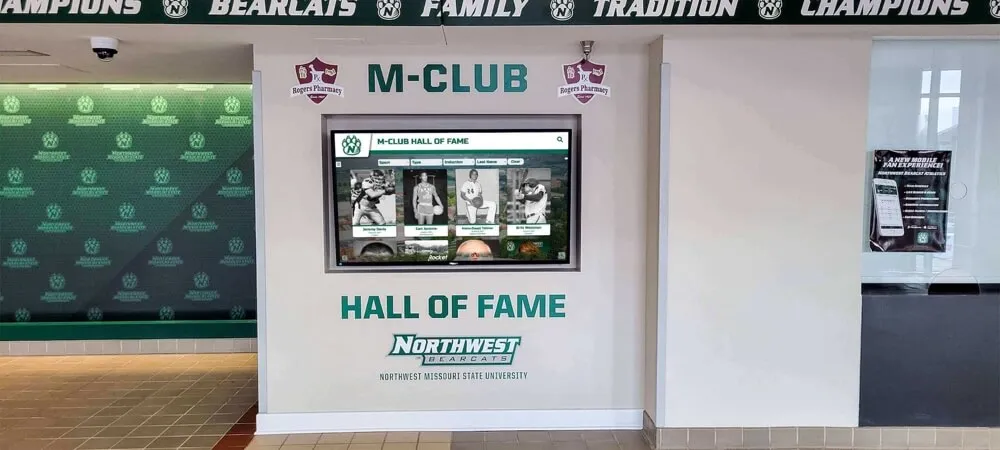
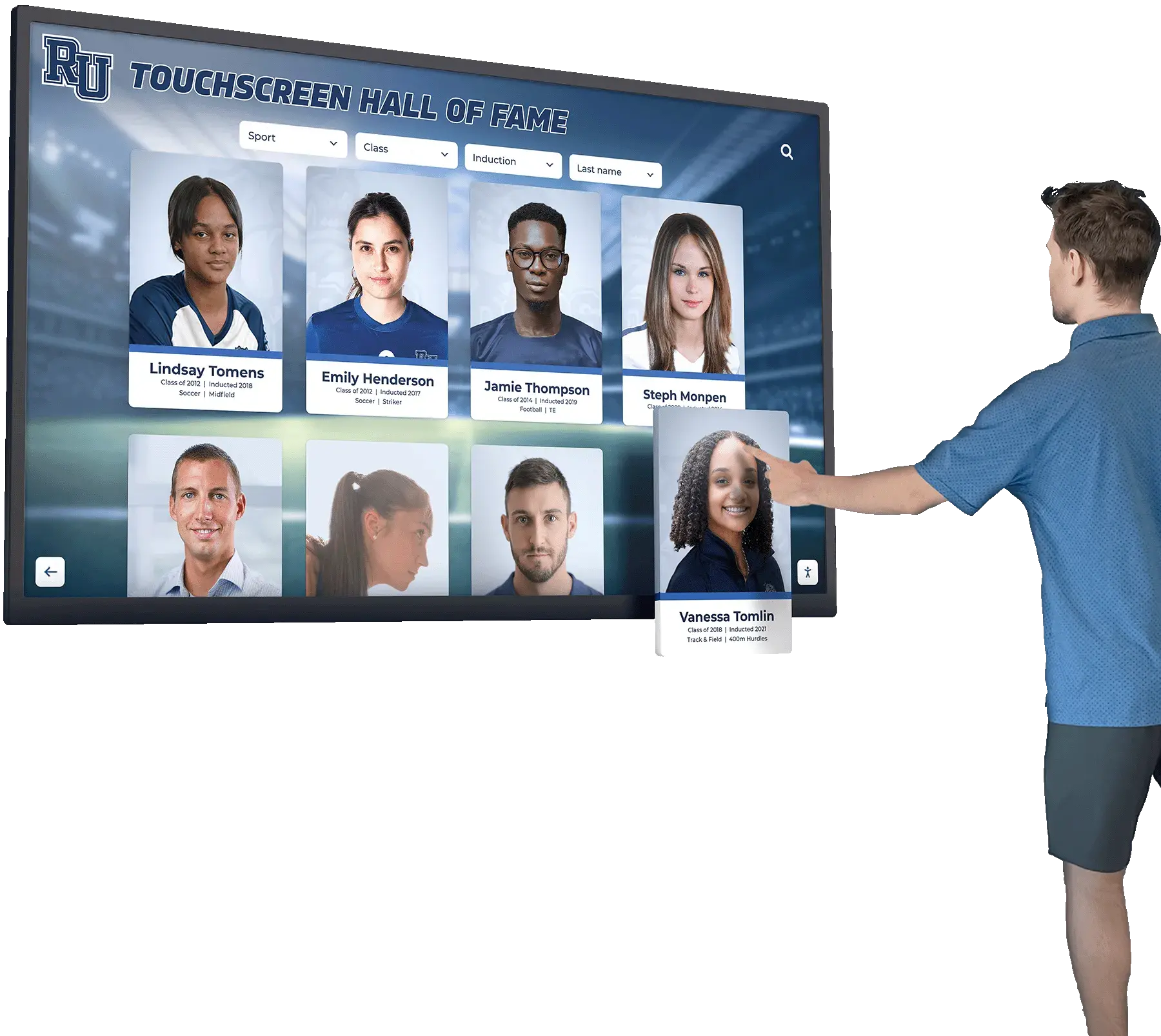
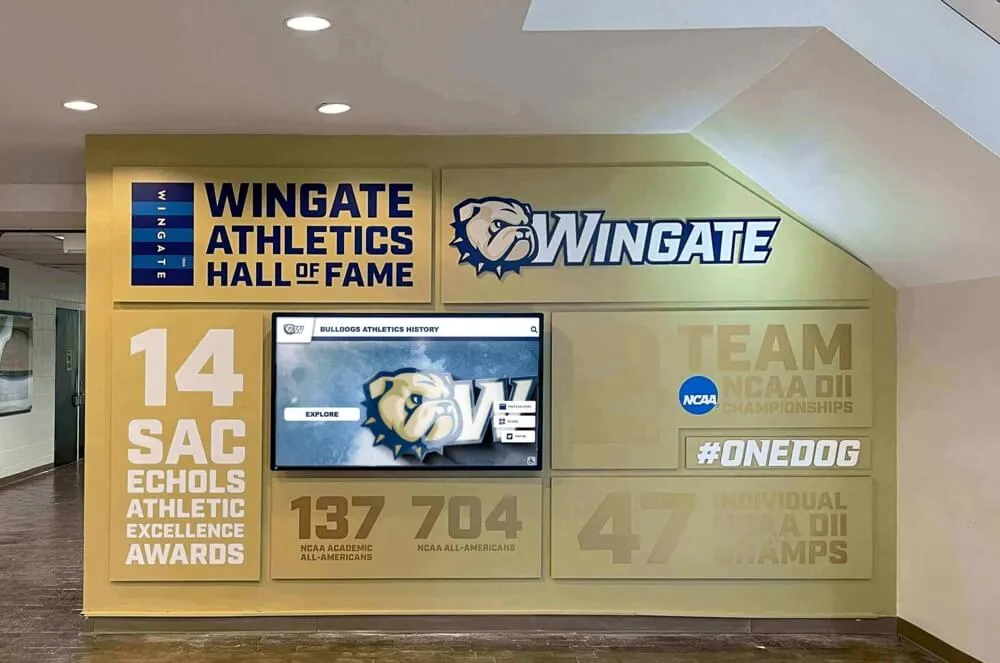
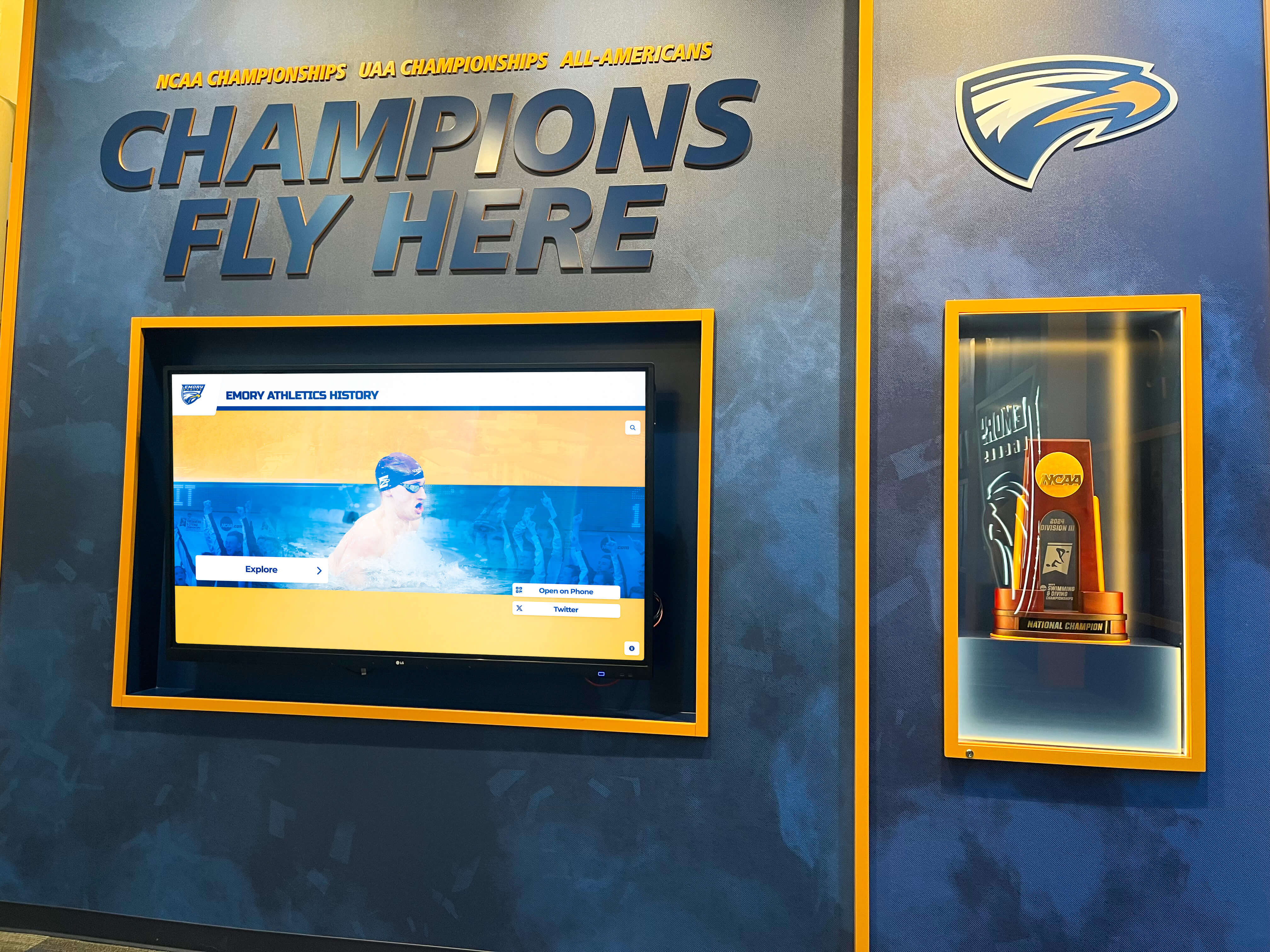
Schools implementing digital hall of fame displays often capture acceptance speech video to accompany inductee profiles, creating permanent records that extend ceremony impact.
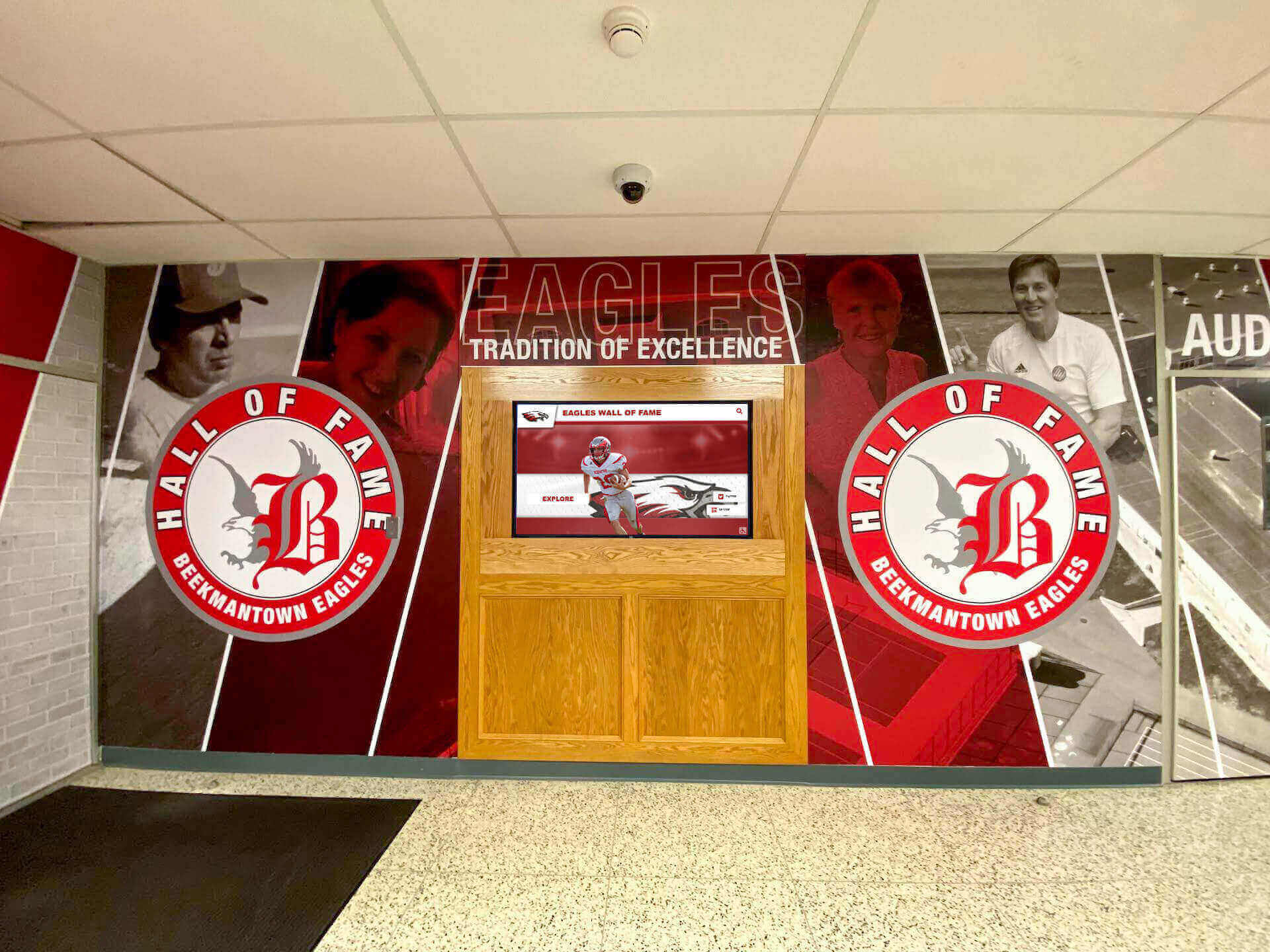
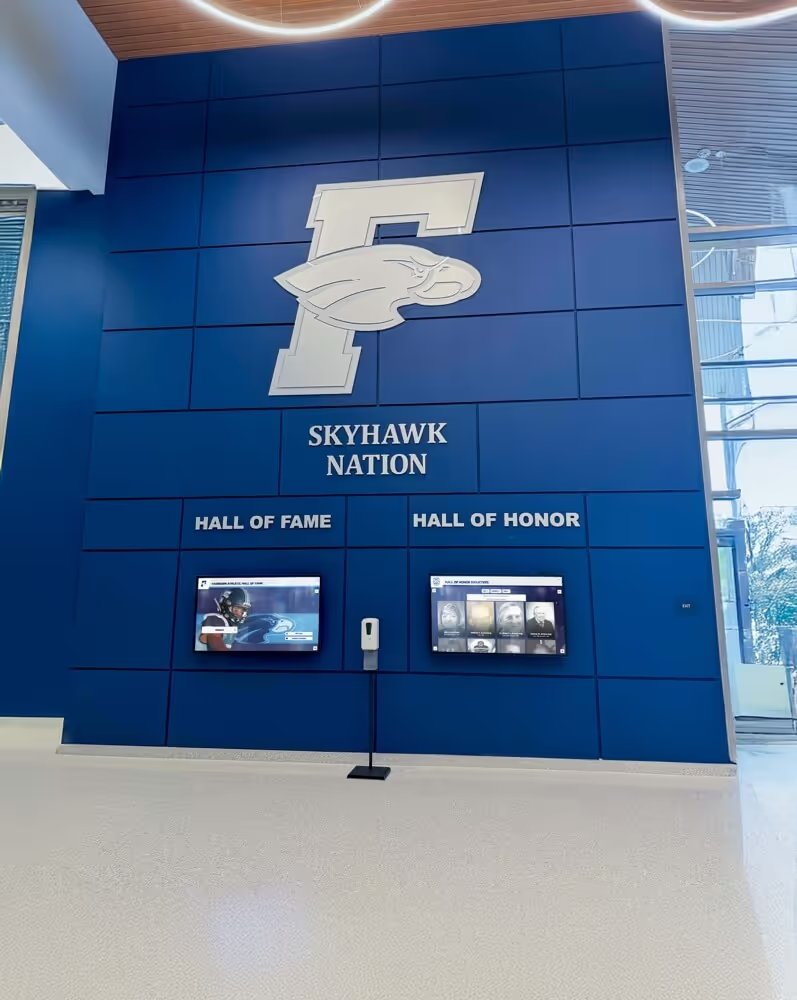
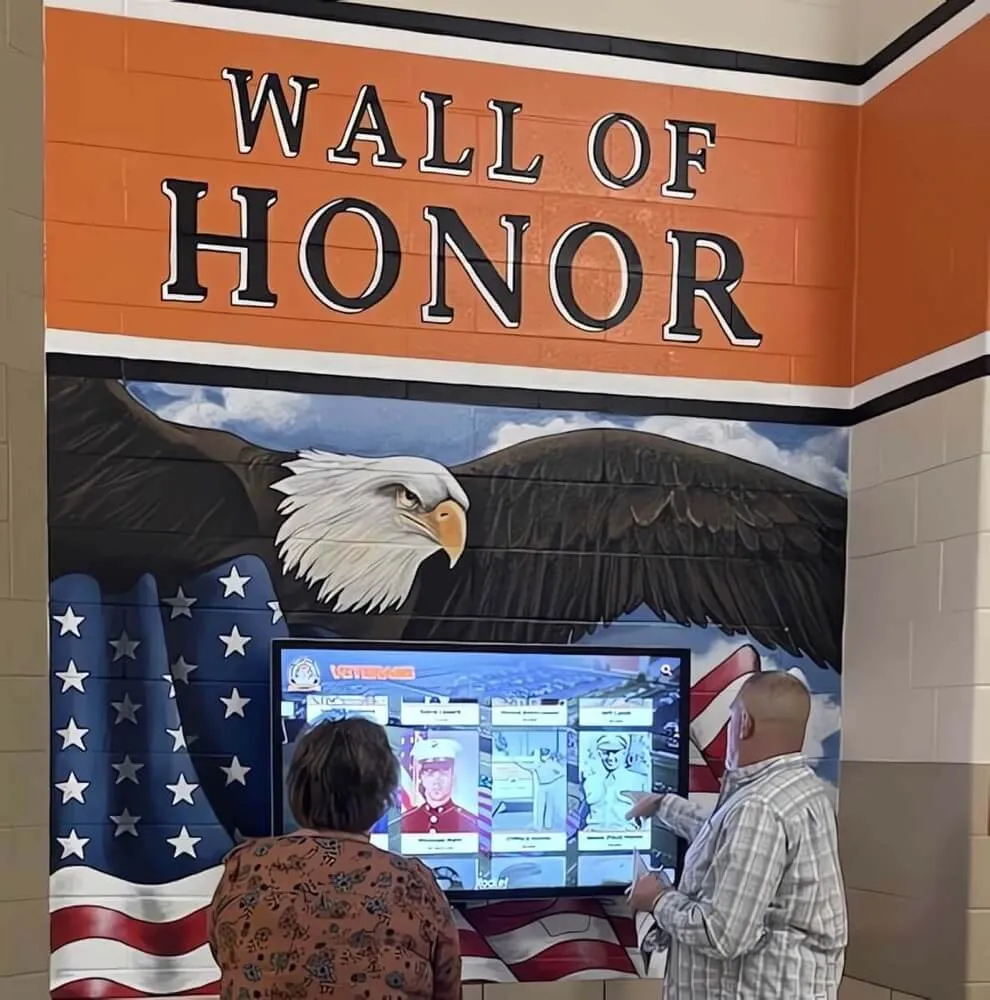
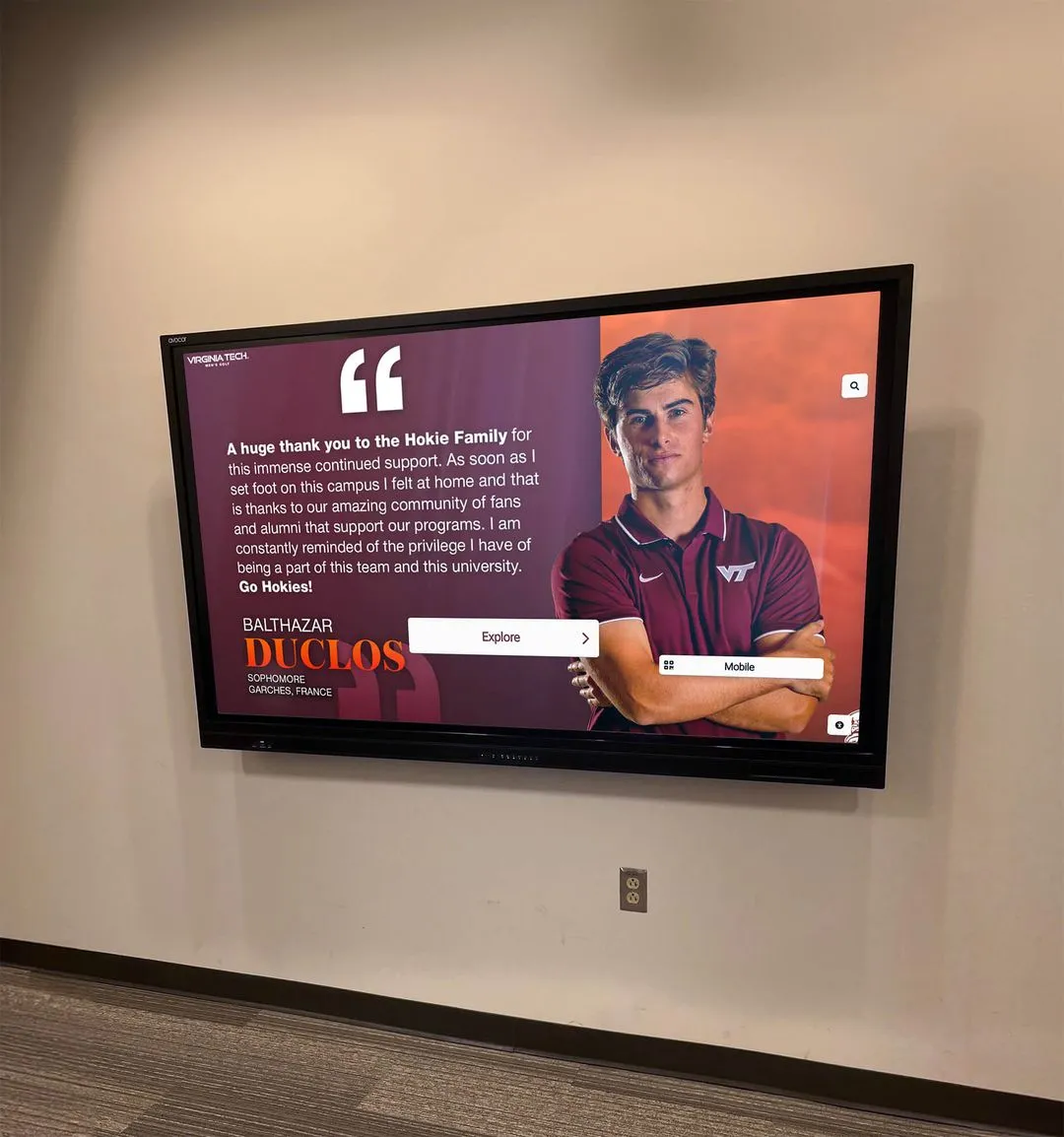
Modern recognition displays preserve the stories and gratitude expressed during induction ceremonies
Athletic Award Acceptance Speech Templates
Athletic banquets, senior night celebrations, and season-ending awards ceremonies require speeches appropriate for team contexts and varying formality levels.
Team MVP Award Example
“I’m incredibly honored, but honestly conflicted accepting an individual award for what’s always been a team achievement. This MVP recognition belongs to every player who set screens freeing me for shots, every teammate who dove for loose balls creating possessions, and every person on this bench who pushed me during practice.
Coach Johnson—you created a culture where individual stats mattered less than collective success. That philosophy made this season unforgettable and this honor possible.
To my parents—you’ve attended every game since recreation league. Your consistent presence, whether we won by twenty or lost in overtime, taught me that commitment matters more than outcomes.
For underclassmen continuing this program: take care of each other the way this team took care of me. Build something bigger than individual accolades. That’s how programs sustain excellence.
Thank you for this recognition. It represents the best season of my life because of the people I shared it with.”
All-Conference Recognition Speech
“Thank you to the conference coaches for this honor. Receiving all-conference recognition validates hard work, but it also reflects the exceptional preparation our coaching staff provides and the competitive environment my teammates create daily.
Coach Davis—your film sessions, individual skill development, and constant belief in my potential made this possible. You saw abilities I didn’t recognize and pushed me to maximize them.
To teammates—competing against you in practice every day made conference opponents feel easy by comparison. You elevated my game through relentless competition and unwavering support.
Mom, Dad, and my family—your sacrifices enabled every training session, tournament, and showcase creating opportunities leading to this moment.
I’m grateful and determined to build on this recognition by contributing to our team’s championship goals.”
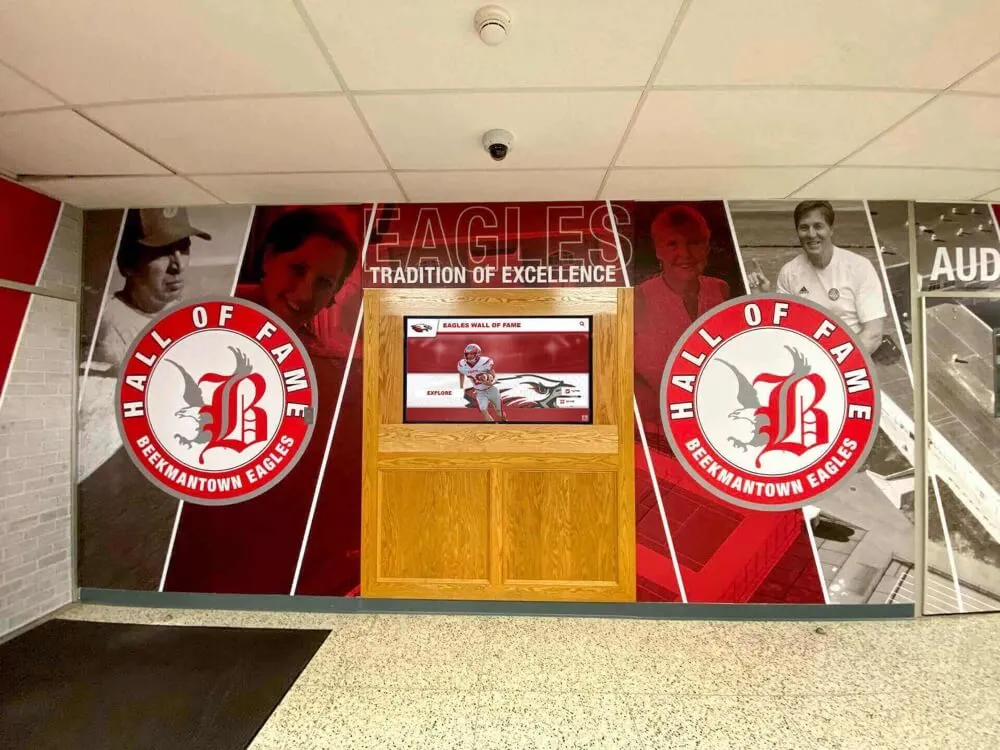
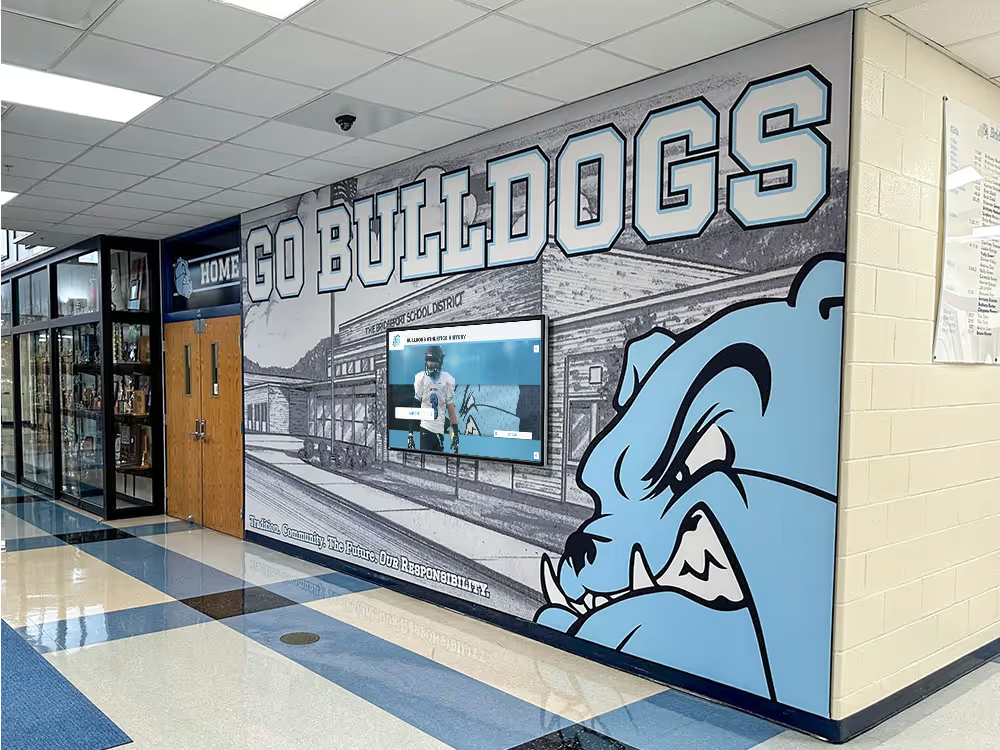
Athletic programs maintaining comprehensive recognition displays create visible validation that motivates current athletes while preserving program history.
Academic Award Acceptance Speech Examples
Academic honors including valedictorian recognition, National Honor Society induction, scholarship awards, and subject-specific achievements require speeches reflecting intellectual gratitude and educational values.
Scholarship Award Acceptance
“Receiving this scholarship represents a transformative opportunity that extends far beyond financial assistance—it validates years of academic dedication and makes previously impossible educational dreams suddenly achievable.
I’m deeply grateful to the scholarship committee for selecting me and to the donors whose generosity creates these opportunities for students like me who need both financial support and the confidence boost that comes from external validation.
To my teachers, especially Mrs. Rodriguez and Mr. Chen—your challenging curriculum, extra help sessions, and consistent belief in my academic potential prepared me for college-level work. You saw possibilities I couldn’t imagine.
Mom and Dad—your emphasis on education despite financial challenges, your flexibility around my study schedule, and your pride in my achievements created the foundation making this recognition possible.
For younger students watching: academic excellence requires daily choices prioritizing learning over easier alternatives. Those small decisions compound into opportunities like this scholarship. Invest in your education—people notice and want to reward that commitment.
Thank you for believing in my potential and investing in my future.”
Students earning academic recognition benefit from structured programs that celebrate intellectual achievement with the same visibility traditionally reserved for athletics.
Valedictorian Speech Framework
“Standing here as valedictorian feels surreal because academic rankings don’t capture the collaborative learning, teacher mentorship, peer support, and family sacrifice that actually enabled this achievement.
To our incredible teachers—you challenged us with rigorous curriculum while providing support ensuring we could meet those challenges. You stayed after school for extra help, wrote countless recommendation letters, and modeled intellectual curiosity that inspired our best work.
To my classmates—your friendship, study groups, and healthy academic competition pushed me to improve constantly. Graduating alongside you represents shared achievement I’ll always treasure.
To families—you provided stability, encouragement, and sacrifices enabling our focus on academics. You celebrated our successes and supported us through setbacks. We couldn’t have reached this milestone without you.
As we leave this institution, we carry forward the values, knowledge, and relationships built here. Thank you for this recognition and for four years I’ll never forget.”
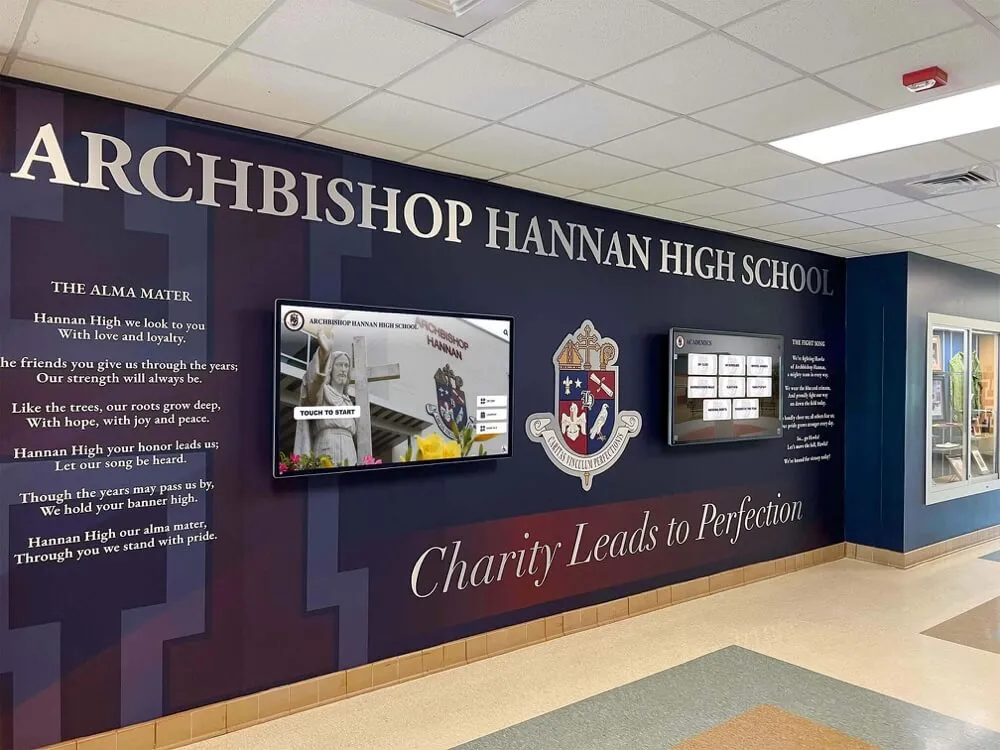
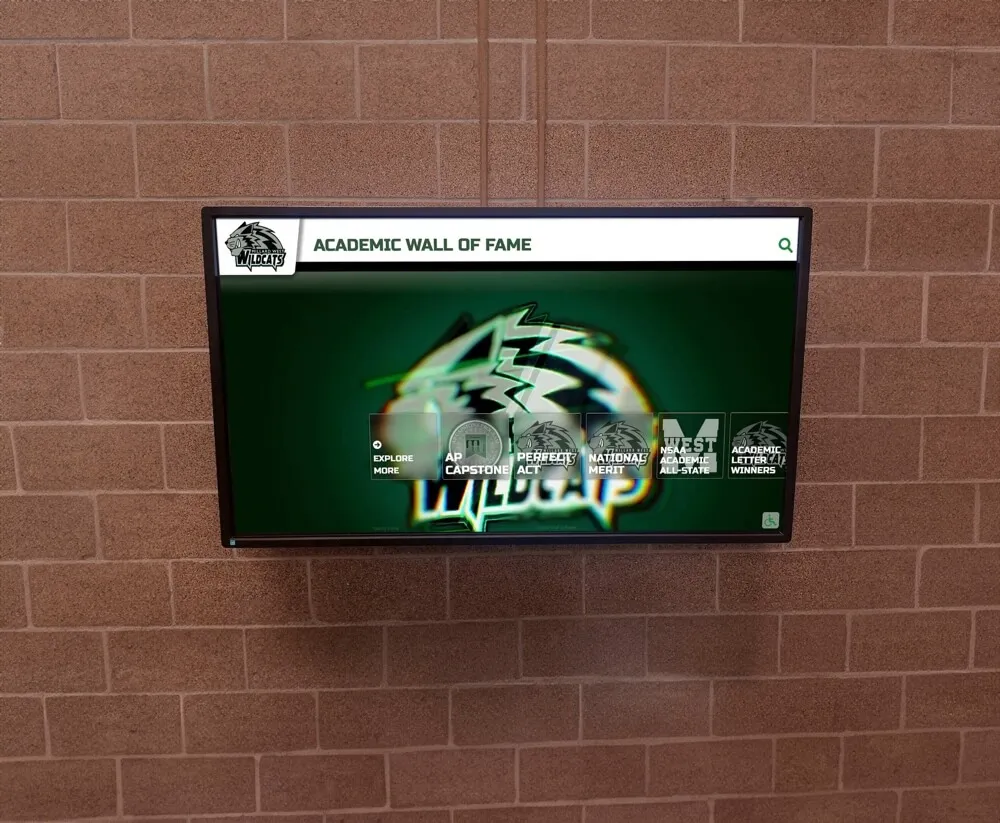
Schools implementing digital recognition systems can showcase valedictorians alongside other academic achievers, creating comprehensive celebration of intellectual excellence.
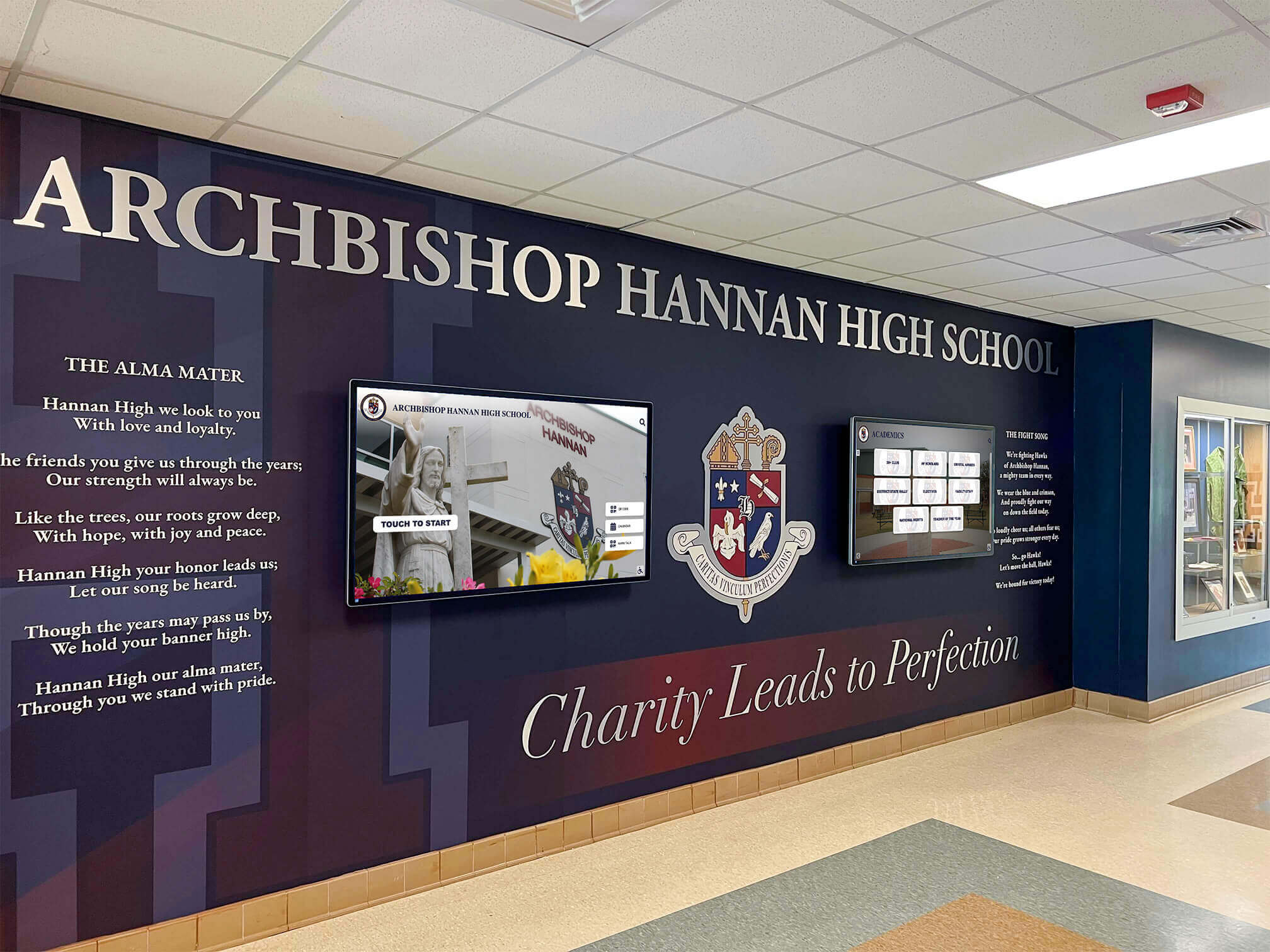
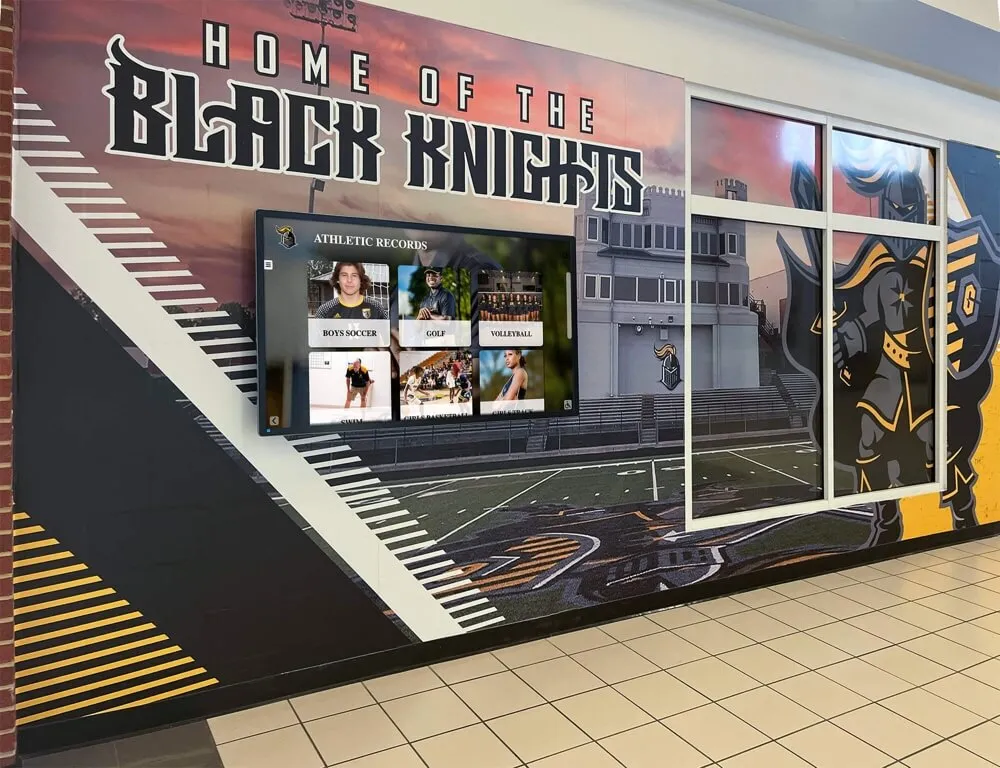
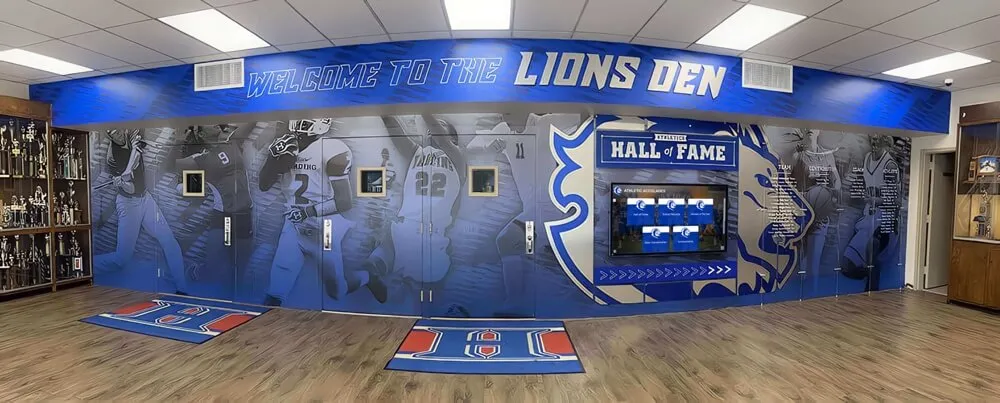
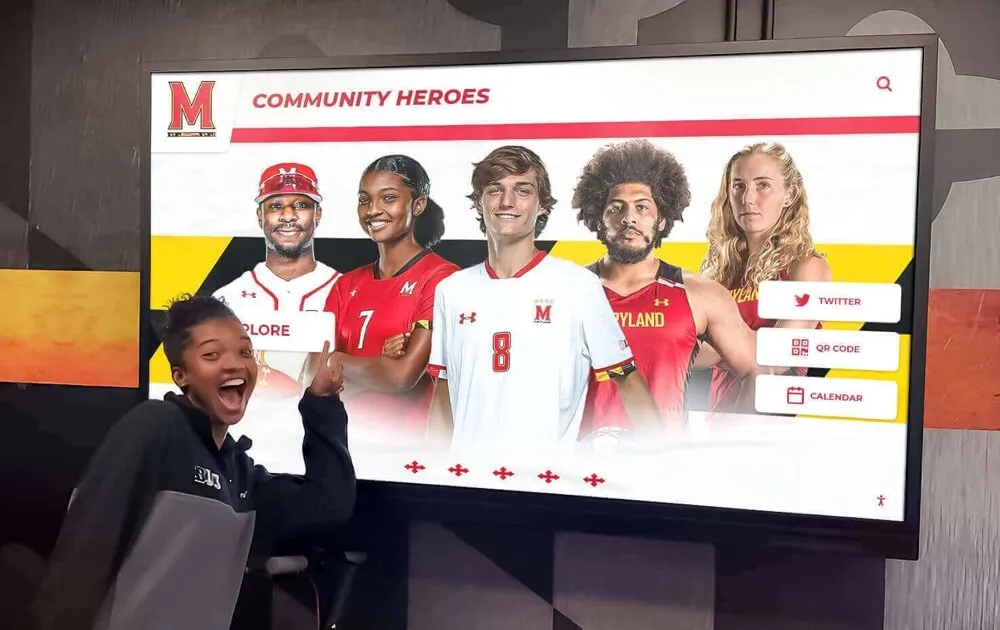
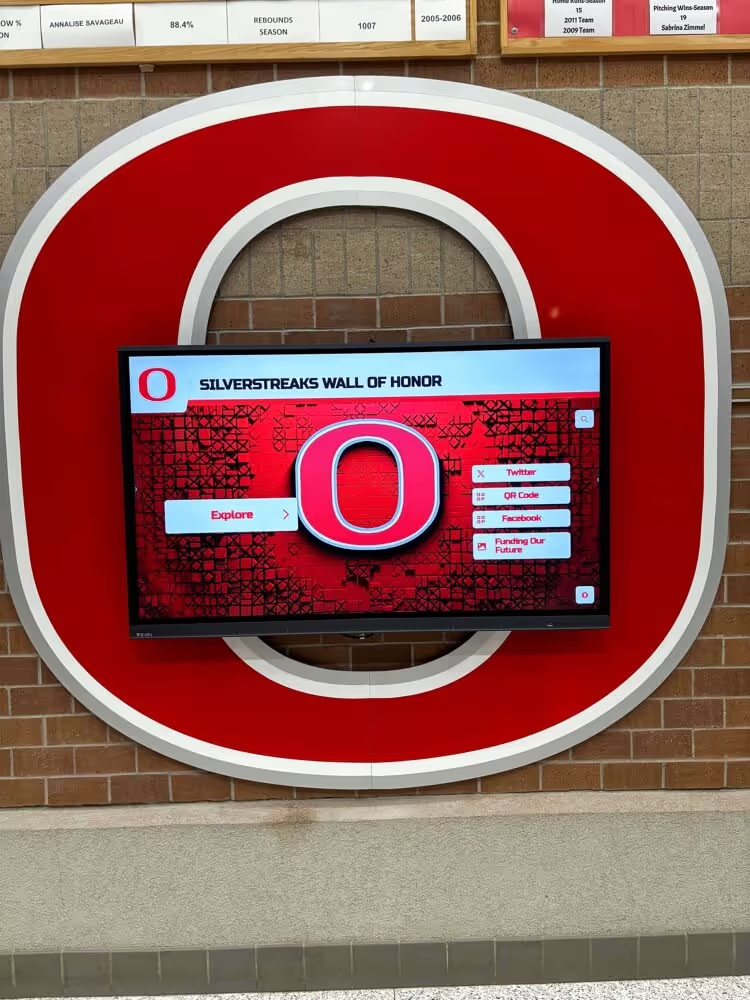
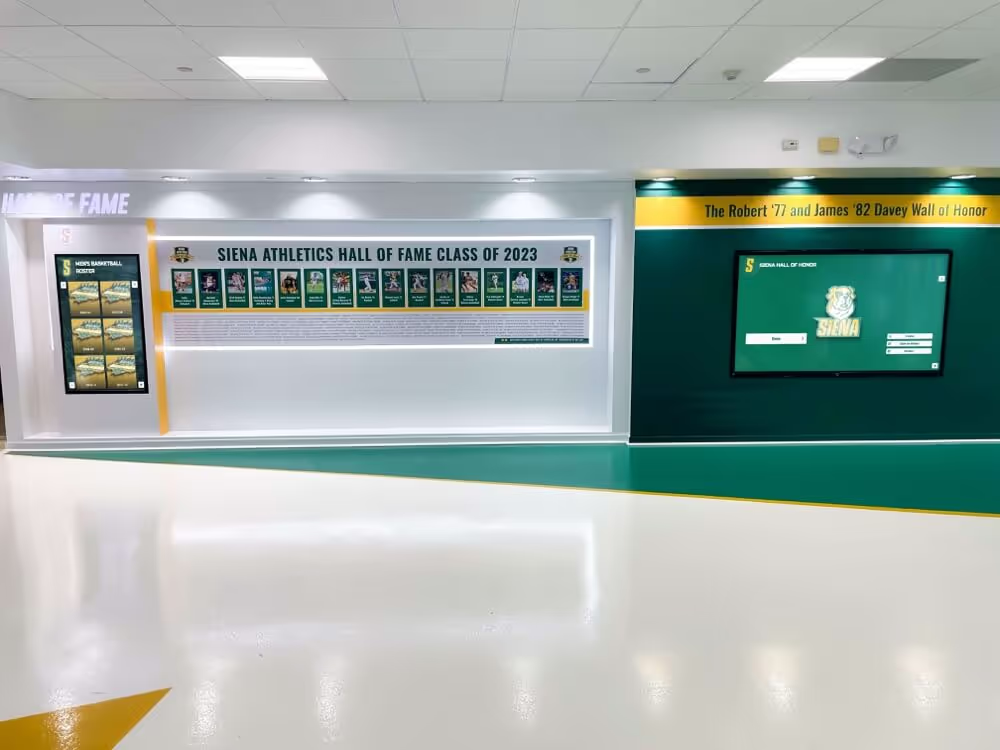
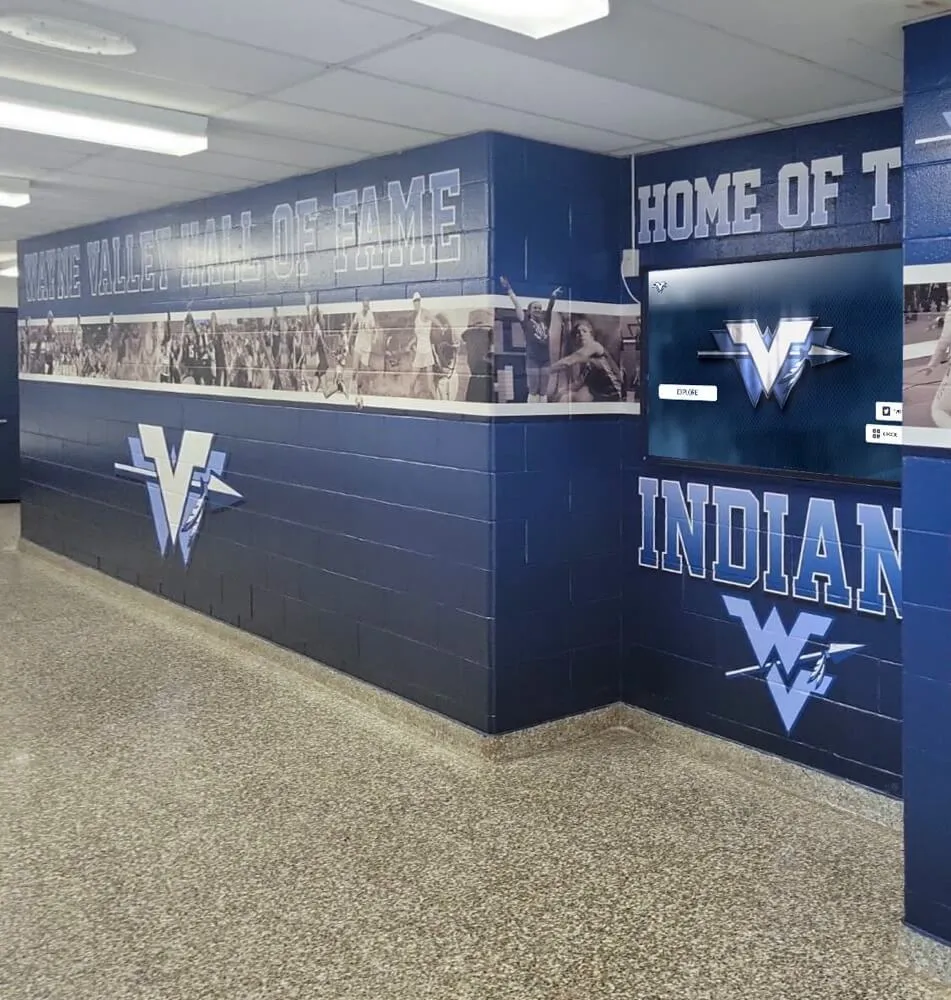
Recognition displays in high-traffic areas ensure award recipients and their gratitude remain visible throughout school communities
Community Service and Leadership Award Speeches
Community recognition, volunteer awards, and leadership honors require speeches connecting individual actions to broader community impact.
Community Service Award Example
“Thank you for this community service recognition. When I started volunteering, I honestly did it for college applications. But somewhere along the way, service stopped being resume-building and became central to who I am.
To the community organizations that welcomed student volunteers—you trusted us with real responsibilities and showed us how individual actions create collective impact. You transformed obligation into passion.
To teachers and advisors who supervised service projects—your guidance ensured our enthusiasm translated into meaningful community contribution. You taught us that effective service requires listening to community needs rather than imposing our solutions.
To my family—you modeled service long before I received formal recognition for it. Watching you help neighbors, support community initiatives, and volunteer your time taught me that service isn’t extraordinary—it’s how we build communities worth living in.
For peers beginning service journeys: authentic community engagement transforms volunteers as much as it helps communities. Show up consistently, listen genuinely, and build relationships. That’s where meaningful impact happens.
Thank you for recognizing service that’s brought me far more fulfillment than I’ve given back.”
Speech Delivery and Preparation Strategies
Content quality matters significantly, but delivery determines whether speeches connect emotionally with audiences and create memorable ceremony moments.
Preparation Best Practices
Written Preparation
- Write complete scripts initially, then condense to outline or bullet points
- Practice reading aloud to identify awkward phrasing before finalizing
- Time rehearsals to ensure speeches fit within ceremony constraints
- Prepare shorter backup version if time limits change unexpectedly
- Include specific names, details, and anecdotes rather than generic thanks
Rehearsal Strategies
- Practice in front of mirror to observe body language and facial expressions
- Record video rehearsals to identify distracting mannerisms or pacing issues
- Rehearse before family members or friends for authentic audience feedback
- Practice with microphone if possible to normalize amplified voice
- Prepare emotional sections carefully to maintain composure during delivery
Note Management
- Bring printed notes as backup even if planning to memorize
- Use large font (16-18 point) for easy reading under stage lighting
- Number note cards to maintain sequence if dropped
- Highlight names and specific details requiring exact accuracy
- Mark emotional sections as reminders to slow pace and maintain control
Delivery Techniques
Physical Presence
- Stand straight with shoulders back projecting confidence and gratitude
- Make eye contact with different audience sections rather than reading exclusively
- Use natural hand gestures emphasizing key points without excessive movement
- Smile genuinely when appropriate, especially during acknowledgments
- Pause briefly after significant statements allowing audience reaction
Vocal Delivery
- Speak slowly and clearly, especially when nervous adrenaline accelerates pace
- Project voice to back rows without shouting or straining
- Vary tone and pace emphasizing important acknowledgments and messages
- Pause before and after naming specific supporters highlighting their importance
- Control emotional moments through breathing and strategic pauses
Managing Emotions
- Prepare for emotional moments by marking scripts and practicing control
- If overcome during delivery, pause, breathe, and continue without apologizing
- Look toward back of room rather than emotional supporters if losing composure
- Remember that authentic emotion connects audiences—perfection isn’t required
- Have water available at podium for dry mouth or emotional recovery moments
Organizations recognizing community members through formal ceremony programs create frameworks where prepared speeches enhance rather than complicate celebratory experiences.
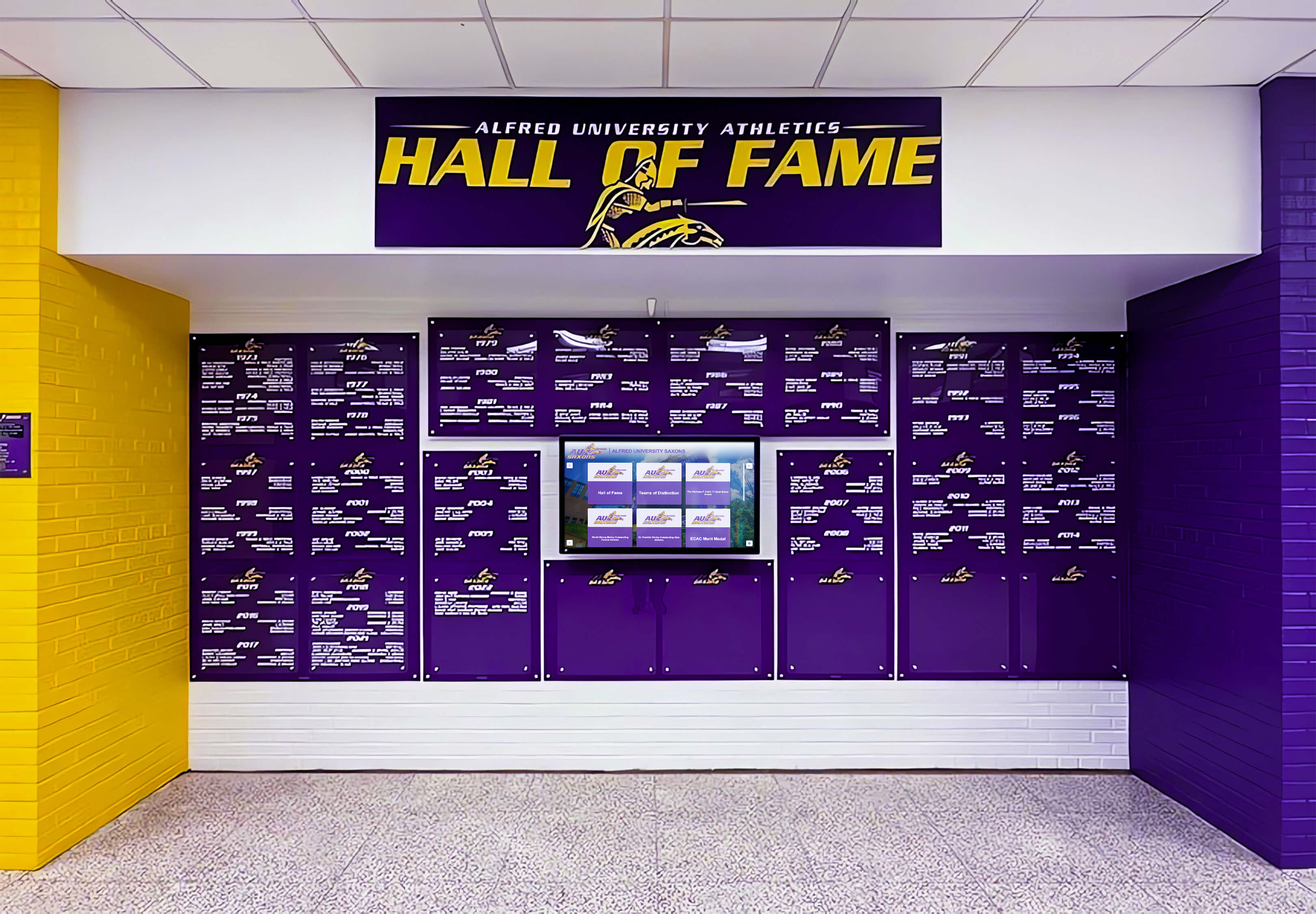
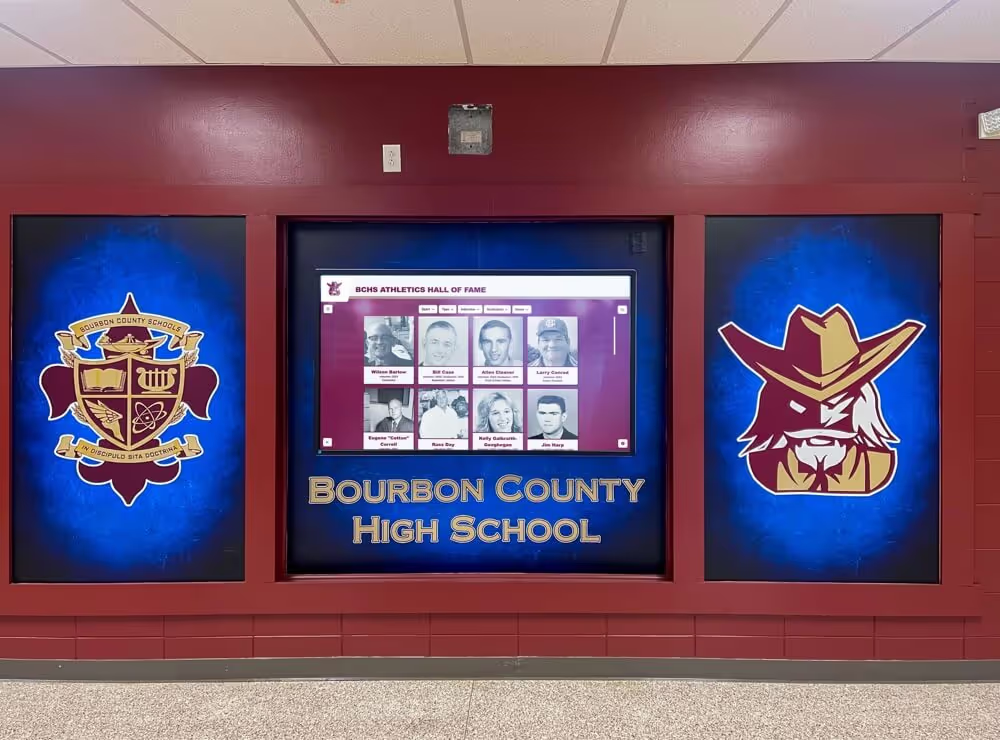
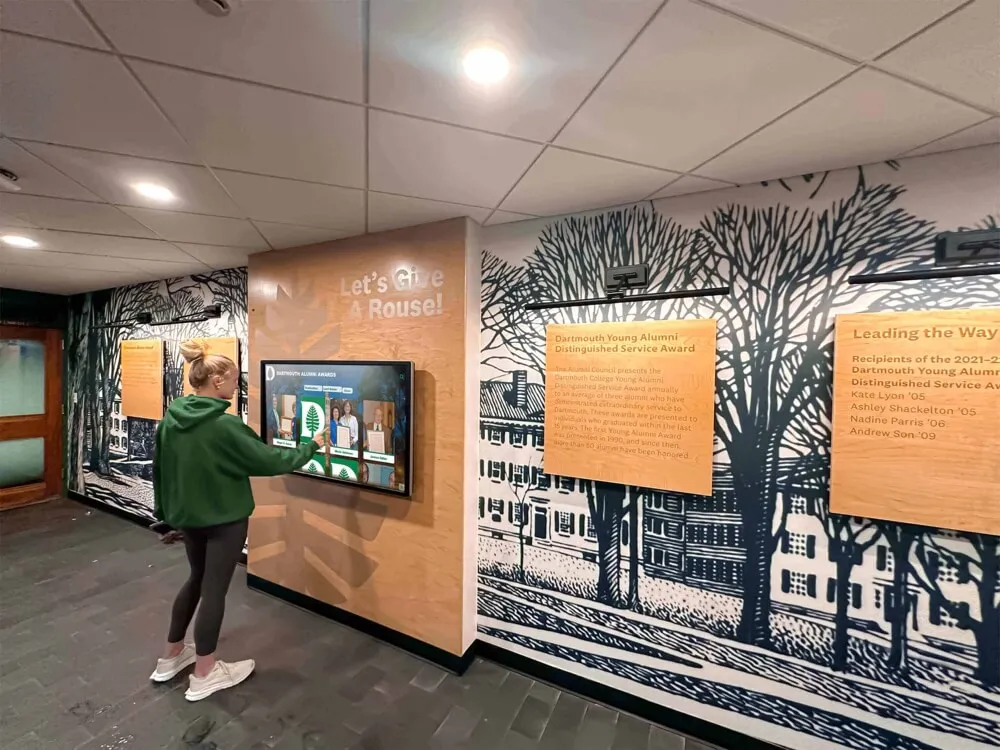
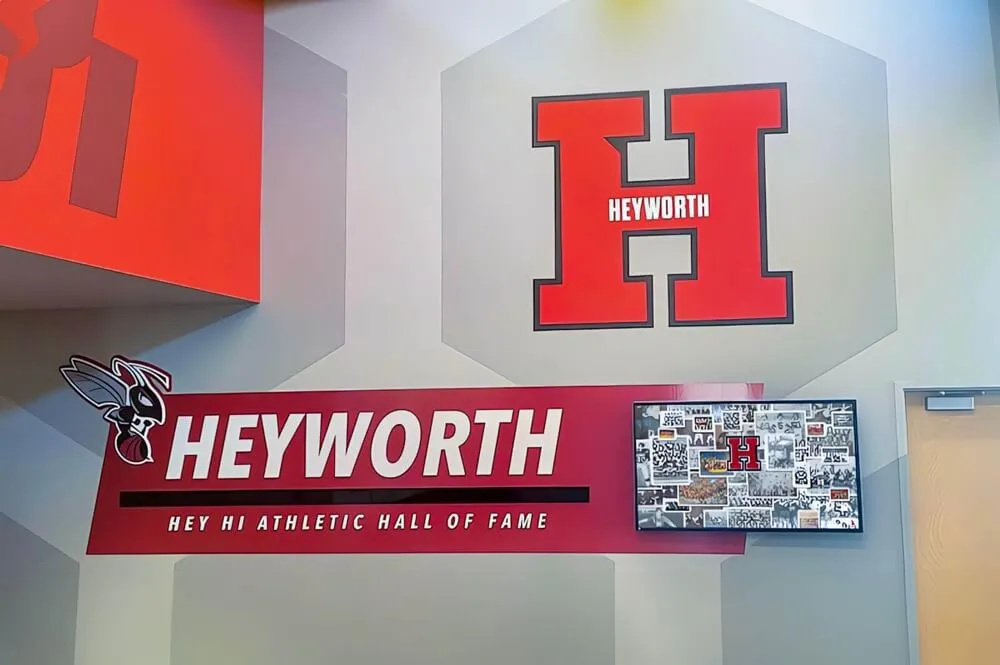
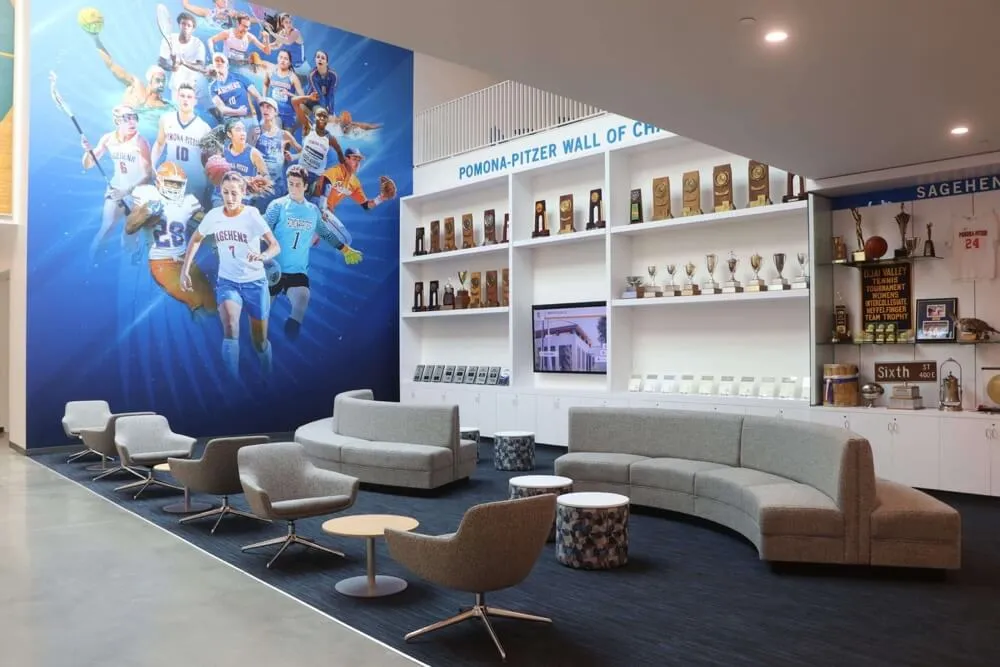
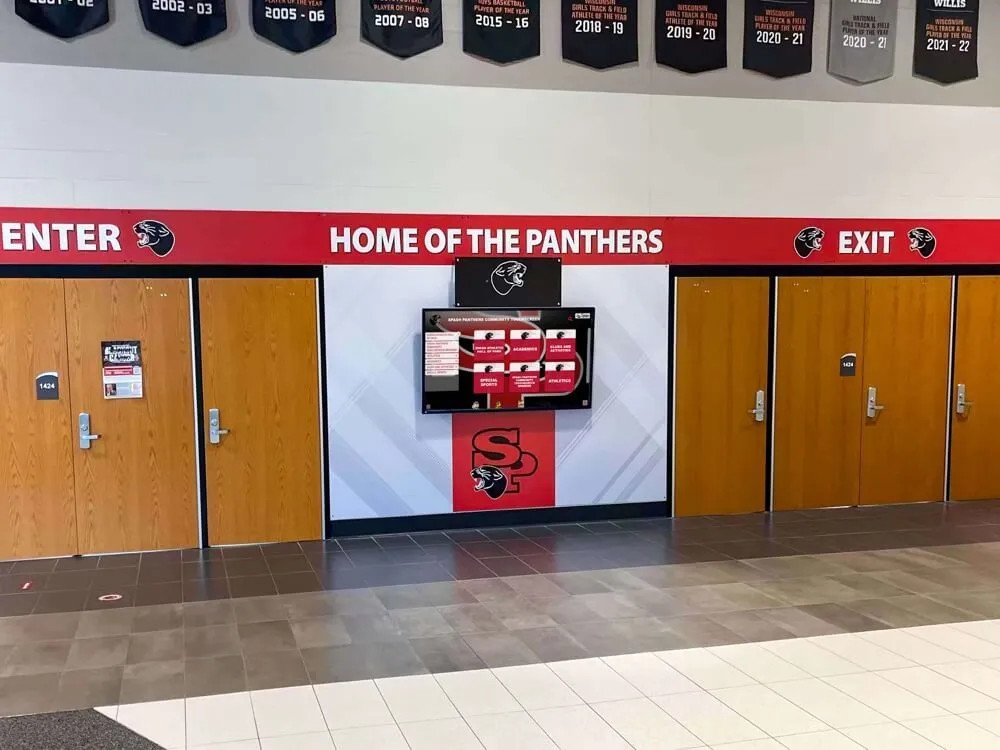
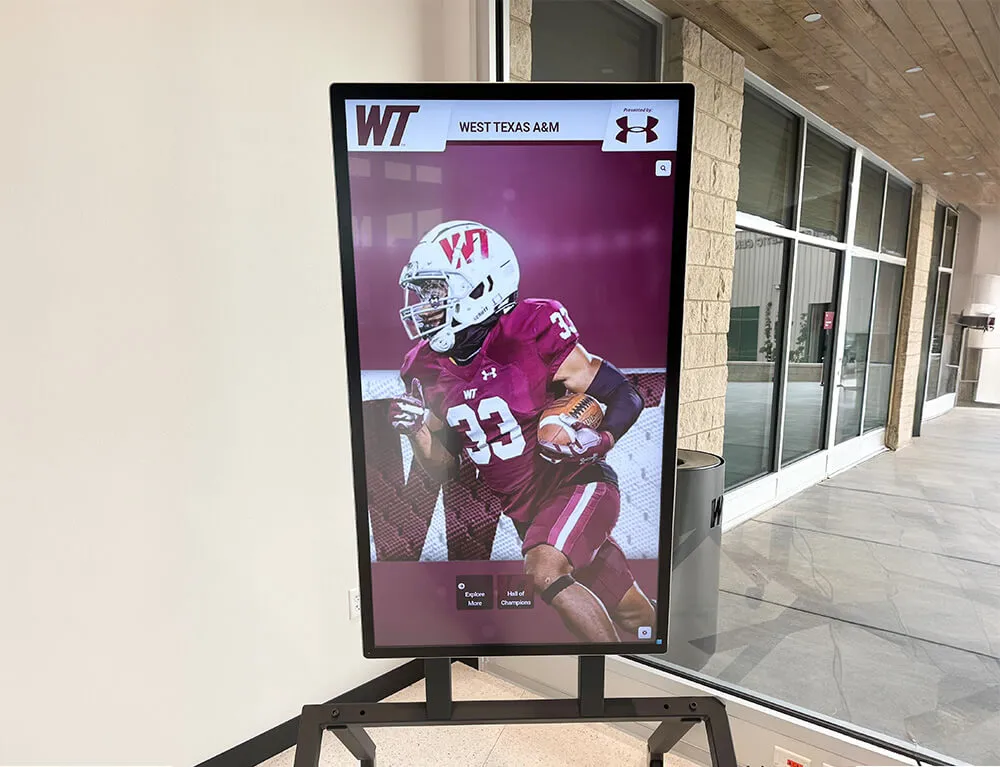
Hall of fame displays preserve the legacy honorees reference in acceptance speeches, connecting past achievement to current inspiration
Common Mistakes to Avoid
Understanding typical acceptance speech pitfalls helps recipients craft remarks that resonate positively with audiences while avoiding ceremony disruptions.
Content Mistakes
Excessive Length
- Problem: Speeches extending beyond 3-4 minutes lose audience attention and disrespect ceremony timing
- Solution: Prioritize most important supporters; acknowledge groups rather than listing every individual
- Guideline: Target 2-3 minutes for most awards; 4-5 minutes maximum for major recognitions
Generic Thanks
- Problem: Vague appreciation without specific details feels impersonal and unmemorable
- Solution: Include specific anecdotes, memorable moments, or particular ways supporters contributed
- Example: Instead of “thanks to my coaches,” say “Coach Williams, who stayed late every Tuesday teaching me that defensive technique”
Inappropriate Humor
- Problem: Inside jokes or controversial humor alienates audience members and undermines ceremony significance
- Solution: Use light, inclusive humor appropriate for diverse audiences including children and grandparents
- Guideline: When uncertain about joke appropriateness, eliminate it
Excessive Humility or Arrogance
- Problem: Over-apologizing for receiving recognition or conversely, taking excessive personal credit
- Solution: Balance grateful acknowledgment of support with genuine pride in achievement
- Approach: “I’m honored and humbled” without minimizing accomplishment’s significance
Political or Controversial Statements
- Problem: Using acceptance platform for divisive messages creates uncomfortable ceremony moments
- Solution: Save advocacy for appropriate forums; focus speeches on gratitude and inspiration
- Remember: Award ceremonies celebrate achievement and community, not political platforms
Delivery Mistakes
Reading Entire Speech
- Problem: Constant reading prevents eye contact and emotional connection with audience
- Solution: Memorize opening and closing; use brief notes for middle sections
- Balance: Know content well enough to speak conversationally with occasional reference to notes
Speaking Too Quickly
- Problem: Nervous energy accelerates pace making speeches difficult to understand and follow
- Solution: Mark scripts with “SLOW DOWN” reminders; practice with timer
- Technique: Pause after each major section allowing audience to absorb acknowledgments
Forgetting to Thank Key Supporters
- Problem: Omitting important supporters creates hurt feelings and ceremony awkwardness
- Solution: Create comprehensive list during preparation; review multiple times before ceremony
- Safety: Keep list as backup to consult if memory fails during delivery
Inappropriate Dress or Posture
- Problem: Casual appearance or slouched posture undermines ceremony significance
- Solution: Dress formally appropriate to ceremony; practice standing confidently
- Guideline: Match or slightly exceed ceremony dress code; err toward formality
Failing to Acknowledge Audience
- Problem: Thanking specific supporters without acknowledging broader audience feels exclusive
- Solution: Include phrase acknowledging “everyone here tonight” or “this incredible community”
- Timing: Usually most effective near speech conclusion after specific acknowledgments
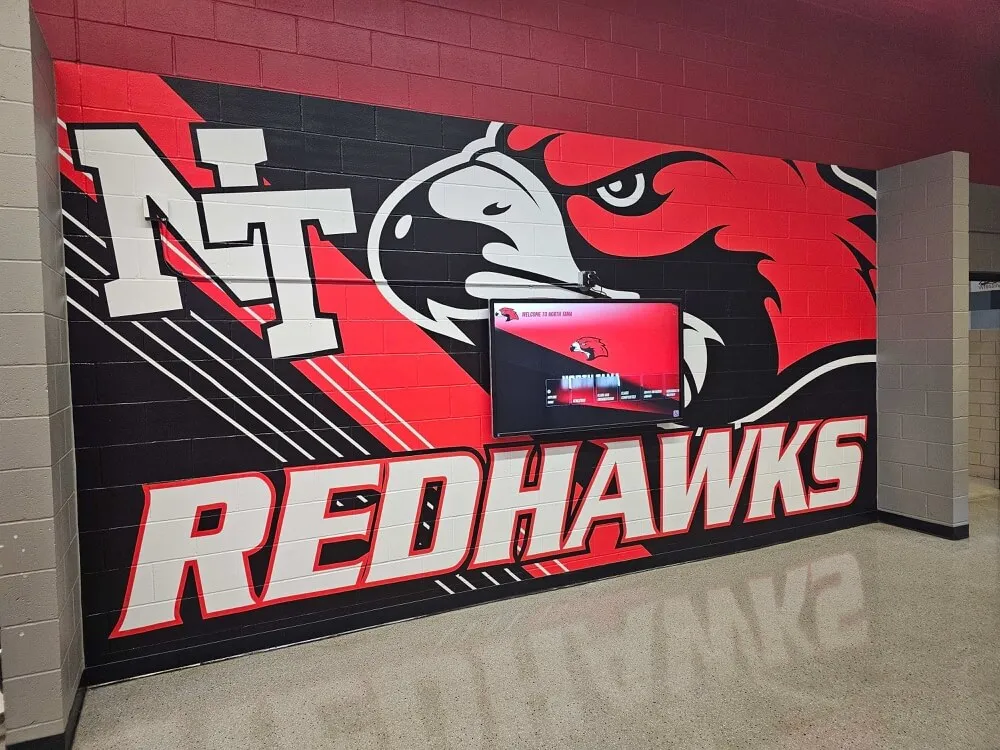
Athletic programs using interactive recognition technology can capture and share acceptance speech highlights, extending ceremony impact beyond attendees.
Customizing Speeches for Different Award Types
Different recognition categories require adjusted approaches balancing common gratitude elements with context-specific acknowledgments.
Team Captain or Leadership Award
“Thank you for this leadership recognition. Being captain taught me that leadership isn’t about being the best player—it’s about making everyone around you better.
To my teammates—you trusted me to represent your voices, supported my decisions even when difficult, and held me accountable when I fell short of leadership standards. That trust represents the greatest honor I’ve received.
Coach Williams—you modeled servant leadership I tried to replicate. Your emphasis on team-first culture created the environment where leadership could flourish.
To younger players inheriting this program—leadership is earned daily through consistency, sacrifice, and unwavering commitment to collective success. Take that responsibility seriously.
Thank you for allowing me to lead this special group.”
Perfect Attendance or Commitment Award
“Thank you for this attendance recognition. While showing up consistently might seem like a basic expectation, I’ve learned that presence—truly being there for teammates, teachers, and classmates—builds trust and creates opportunities.
To my family—your support made consistent attendance possible. You prioritized education, ensured I had transportation, and created stability allowing me to focus on being present.
To teachers—you made school worth attending every day through engaging classes and genuine care for students. Attendance comes easily when the destination offers value and belonging.
For younger students—showing up matters. Consistency builds reputation, creates opportunities, and demonstrates respect for everyone investing in your success.
Thank you for recognizing commitment that reflects values my family and this school instilled in me.”
Breakthrough or Most Improved Award
“Receiving this most improved recognition means more to me than any performance award could, because it acknowledges the journey rather than just the destination.
To coaches who never gave up on me during struggles—your patience during my worst performances and belief in my potential during setbacks kept me working when quitting seemed easier. You saw abilities I couldn’t recognize.
To teammates who supported me through inconsistency—your encouragement during failures and celebration of small improvements created the safe environment necessary for growth. You never made me feel like a liability despite early struggles.
To my family—you weathered my frustrations, reminded me why I started this journey, and celebrated incremental progress when major breakthroughs felt distant.
For anyone currently struggling: improvement requires accepting current limitations while believing in future potential. Surround yourself with supporters who see both clearly.
Thank you for recognizing growth that proves potential matters more than current performance.”
Schools implementing comprehensive award programs discover that diverse recognition categories enable more students to experience the growth that comes from public acknowledgment.
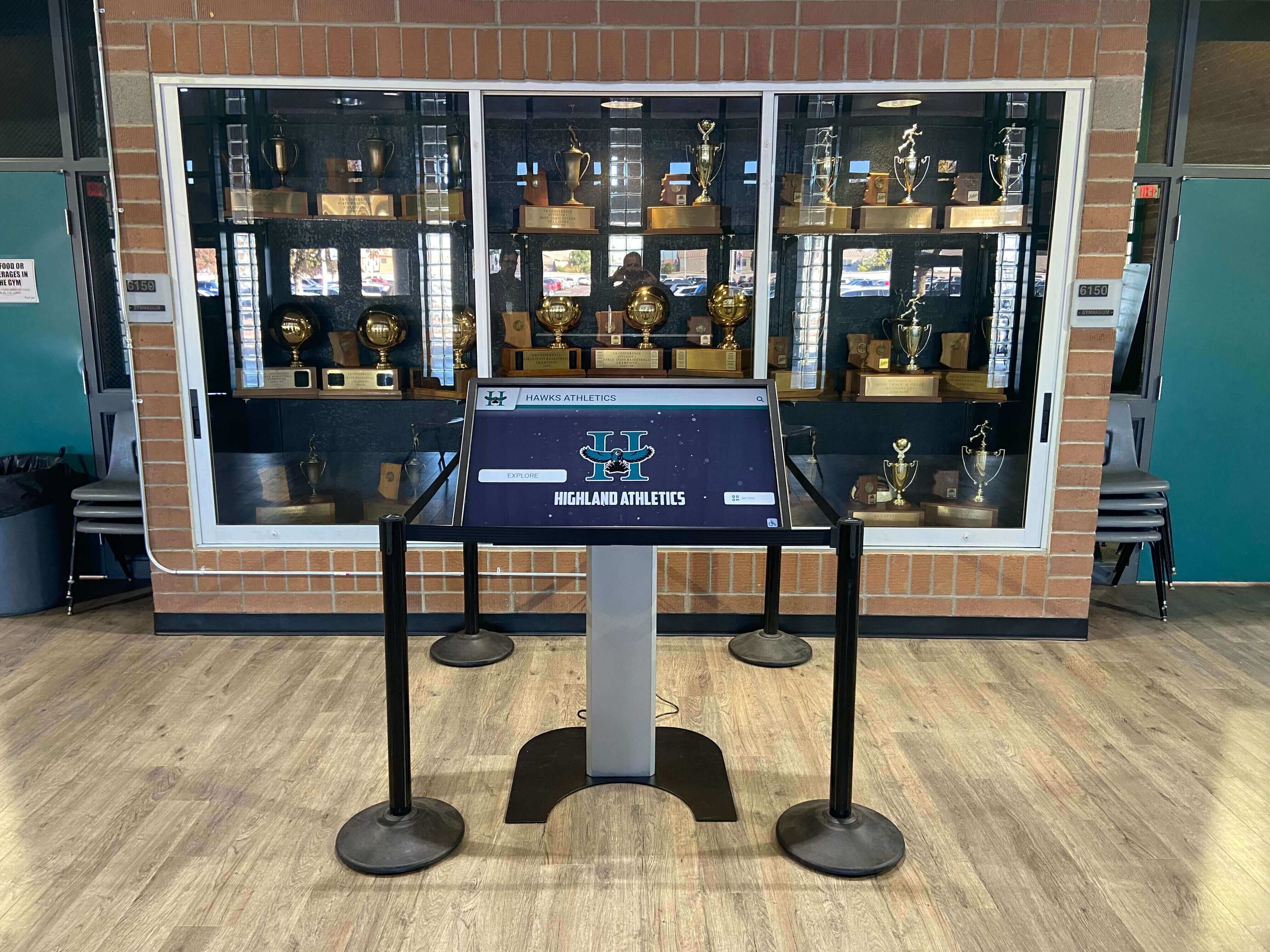
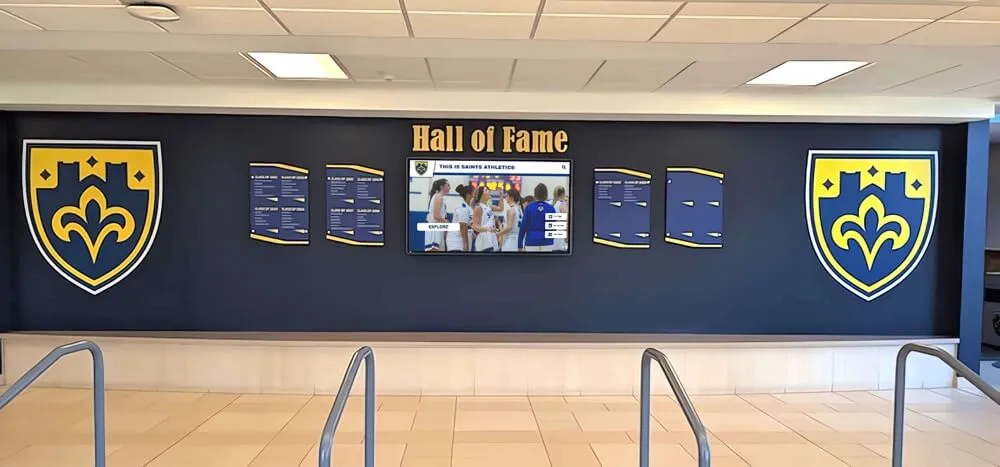
Digital recognition systems allow schools to preserve acceptance speeches alongside honoree profiles, creating permanent ceremony records
Creating Lasting Impact Beyond the Speech
The most effective acceptance speeches extend influence beyond ceremony moments through authenticity, specific acknowledgments, and inspirational messages that attendees remember and repeat.
Memorable Speech Elements
Specific Anecdotes
- Replace generic thanks with particular moments illustrating supporter impact
- Example: “Coach Martinez, I’ll never forget that Tuesday practice sophomore year when you kept me after to fix my defensive stance for ninety minutes. That attention to detail changed my game.”
- Impact: Specific stories create emotional connections audiences remember
Unique Perspectives
- Offer insights about achievement process that audiences haven’t considered
- Example: “This championship belongs equally to players who never saw game minutes but pushed starters every practice”
- Value: Fresh perspectives make speeches memorable and meaningful
Forward-Looking Inspiration
- Balance gratitude for past support with vision for future impact
- Example: “I accept this honor as responsibility to mentor next generation the way Coach Thompson mentored me”
- Effect: Aspirational messages inspire attendees while honoring award significance
Inclusive Language
- Acknowledge diverse supporters ensuring no contributor feels overlooked
- Example: “To everyone who believed in me—coaches, teachers, family, teammates, friends, and this incredible community”
- Benefit: Comprehensive acknowledgment validates all supporters present
Emotional Authenticity
- Allow genuine emotion to surface without excessive apology or suppression
- Balance: Authentic feeling connects audiences; excessive emotion disrupts ceremonies
- Approach: Pause briefly if emotional, breathe, continue without apologizing for genuine response
Post-Speech Follow-Up
Personal Thank You Notes
- Write individual notes to key supporters mentioned in speech
- Timing: Send within one week while ceremony remains fresh
- Content: Reference specific contributions and reiterate gratitude expressed publicly
- Impact: Personal follow-up reinforces public acknowledgment creating lasting goodwill
Social Media Acknowledgment
- Share ceremony photos or speech excerpts with appreciation tags
- Approach: Tag supporters when appropriate respecting privacy preferences
- Benefit: Extends recognition beyond ceremony attendees to broader networks
- Caution: Keep posts focused on gratitude rather than self-promotion
Continued Relationship Building
- Maintain connections with coaches, teachers, and mentors acknowledged in speech
- Actions: Share future achievements, ask for continued guidance, offer mentorship to others
- Value: Demonstrates that gratitude extends beyond ceremonial moment
- Legacy: Sustained relationships honor supporters more meaningfully than single speech
Programs implementing modern recognition technology can capture acceptance speech video alongside honoree profiles, creating permanent ceremony records that extend impact indefinitely through digital preservation and social sharing capabilities.
Conclusion: Honoring Those Who Made Success Possible
Award acceptance speeches represent rare opportunities to publicly acknowledge the coaches, teachers, teammates, families, and communities whose investment enabled achievement worthy of formal recognition. The most memorable speeches balance humility with pride, thank specific supporters while including broader communities, deliver heartfelt emotion within appropriate time constraints, and leave audiences feeling inspired rather than lectured.
Effective preparation—writing complete drafts, practicing delivery, timing rehearsals, and anticipating emotional moments—ensures recipients can focus on authentic gratitude rather than logistical concerns during actual ceremonies. Whether accepting hall of fame induction, athletic team awards, academic honors, scholarship recognition, or community service awards, thoughtful speeches honor both individual achievement and the collective investment that made success possible.
Recipients who approach acceptance speeches as opportunities to model gratitude, inspire younger attendees, validate supporter contributions, and strengthen community connections create ceremonial moments that resonate far beyond brief speaking time. These carefully crafted acknowledgments become stories families share, examples younger students emulate, and permanent records preserving not just achievement but the relationships and values that enabled success worth celebrating.