



Athletic directors occupy one of the most demanding yet rewarding positions in educational athletics—balancing competitive excellence with budget constraints, managing complex scheduling logistics while ensuring Title IX compliance, and championing student-athlete development while navigating parent expectations and community pressures. Yet despite shouldering these multifaceted responsibilities, many aspiring ADs struggle to find transparent salary information helping them evaluate career paths or negotiate competitive compensation.
Whether you’re a coach considering the transition to athletic administration, a current AD evaluating your compensation against market rates, or a school administrator budgeting for athletic leadership positions, understanding athletic director salary ranges and the factors influencing compensation proves essential for making informed career and hiring decisions.
This comprehensive guide examines athletic director salaries across educational levels from high schools to major universities, explores the variables that determine compensation, and provides context about how modern responsibilities—including facility management, technology integration, and comprehensive recognition programs—shape the evolving role and value of athletic directors in 2026.
Athletic directors serve as the architects of entire athletic programs, coordinating dozens of teams, hundreds of student-athletes, and complex operations that touch every aspect of school communities. Understanding compensation for these critical leadership positions requires examining not just salary figures but the expanding scope of responsibilities that modern athletic directors manage in increasingly complex educational environments.

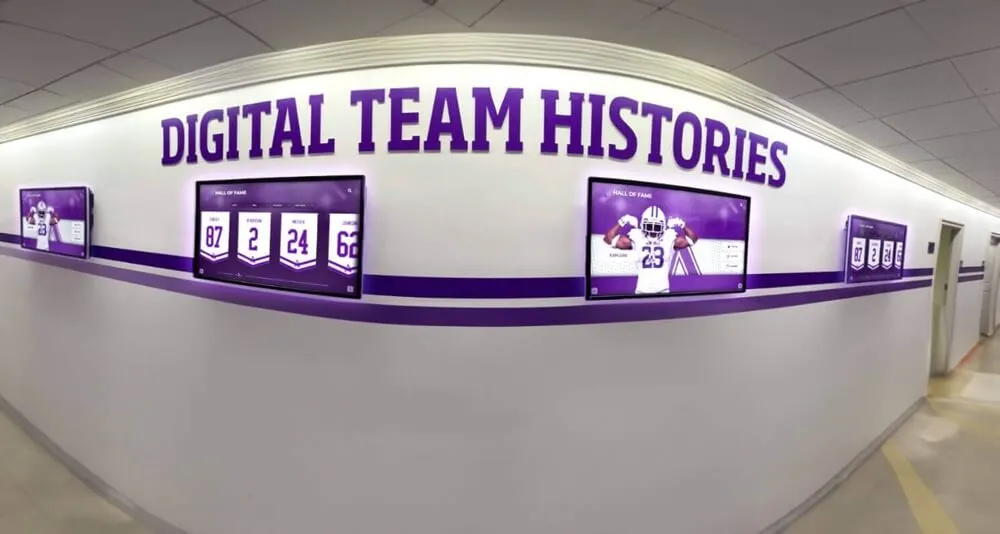
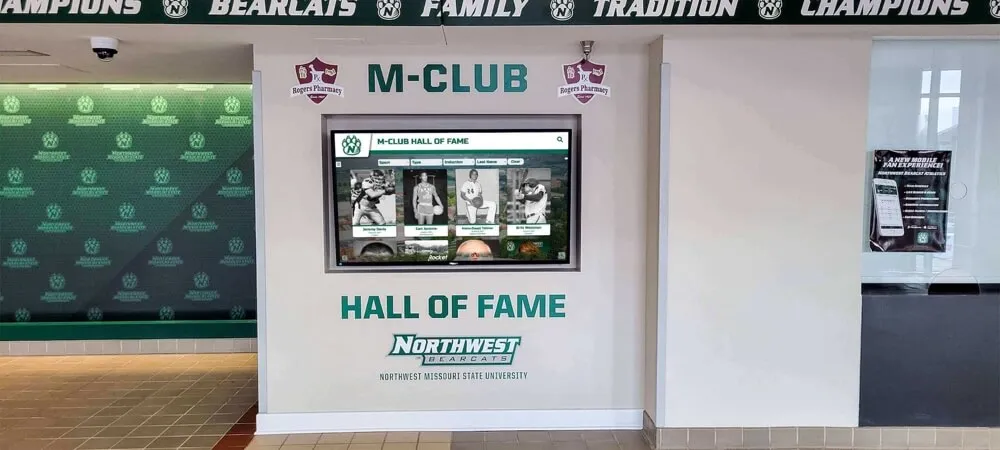
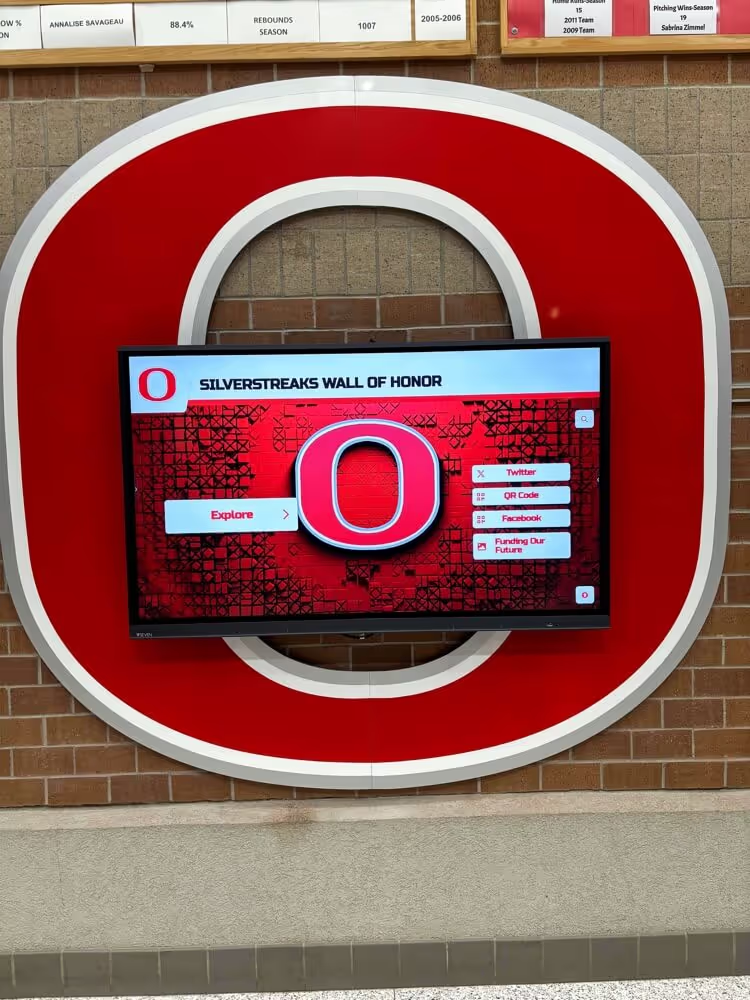
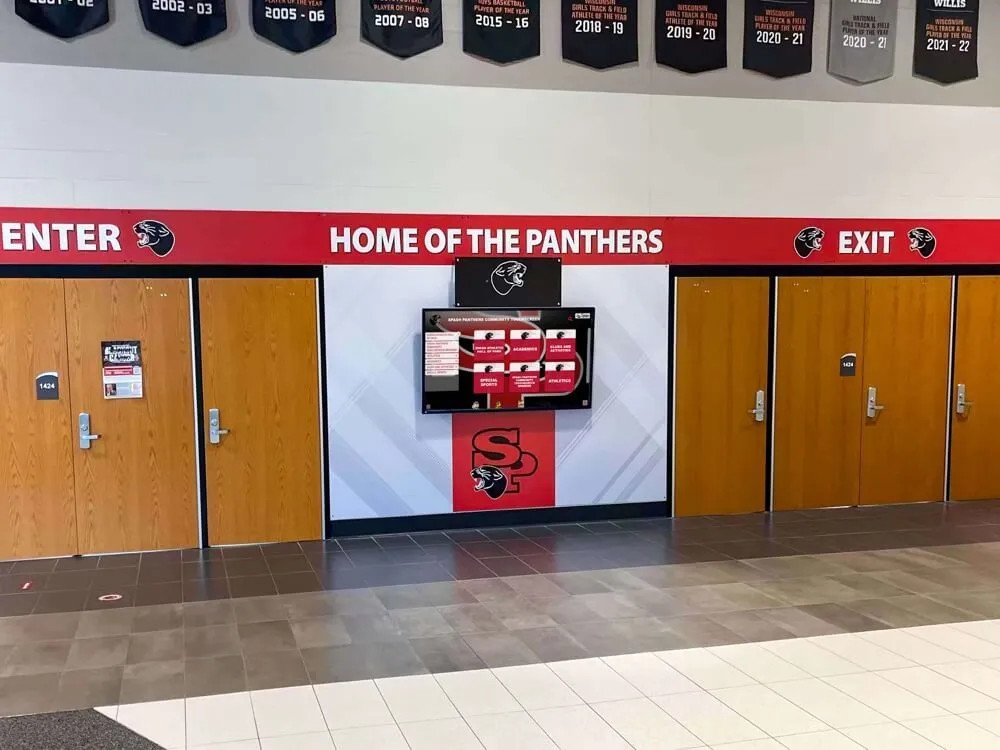
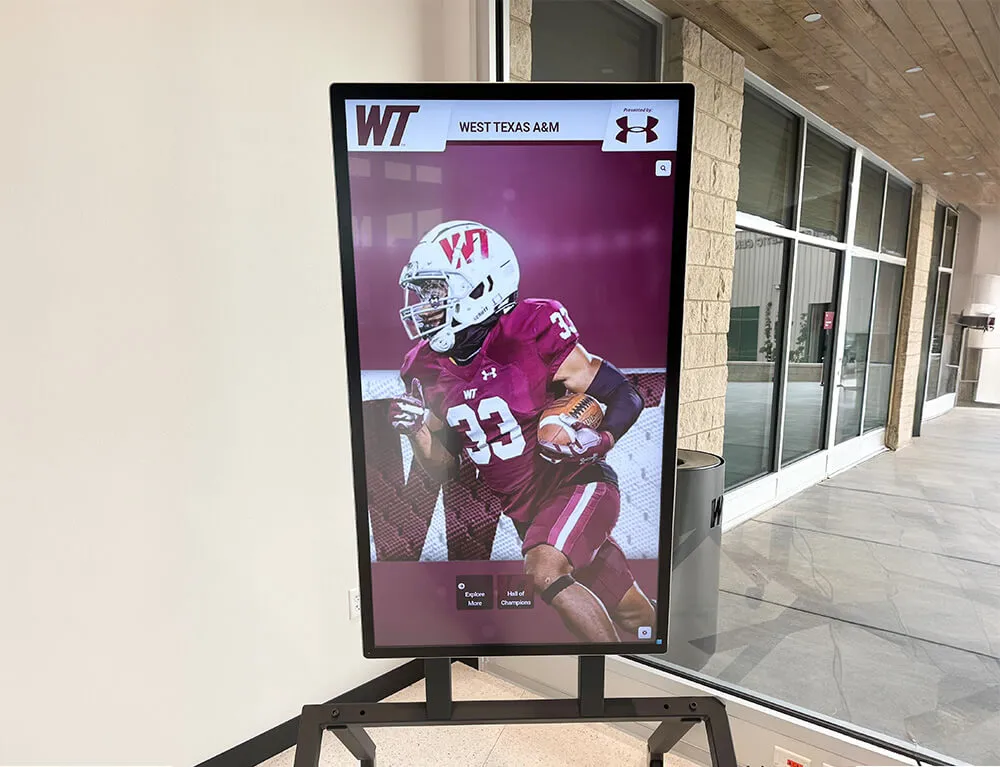
Modern athletic directors manage comprehensive programs including traditional coaching supervision alongside technology-driven recognition systems that celebrate achievements across all sports
Athletic Director Salary Overview: What to Expect by Education Level
Compensation for athletic directors varies dramatically based on institutional type, school size, geographic location, and program scope. Understanding typical ranges helps both aspiring ADs and hiring administrators establish realistic expectations.
High School Athletic Director Salaries
Secondary school athletic directors represent the largest segment of the profession, with thousands of positions nationwide serving schools of vastly different sizes and resource levels.
Typical Salary Ranges
High school AD compensation generally falls within these ranges:
- Small High Schools (under 500 students) - $45,000-$70,000 annually
- Medium High Schools (500-1,500 students) - $60,000-$95,000 annually
- Large High Schools (1,500+ students) - $80,000-$130,000+ annually
- Administrative Stipends (teacher-coaches serving part-time AD roles) - $5,000-$25,000 annually on top of teaching salaries
According to the National Interscholastic Athletic Administrators Association (NIAAA), the median salary for full-time high school athletic directors in 2026 sits at approximately $78,000, though significant regional variation exists based on cost of living and state funding models.
Role Structure Variations
High school athletic director positions take several forms affecting compensation:
- Full-Time Athletic Directors - Dedicated administrators focusing exclusively on athletics, typically at larger schools with extensive programs
- Teaching Athletic Directors - Educators maintaining partial teaching loads while handling AD responsibilities, common at mid-sized schools
- Coaching Athletic Directors - ADs who continue coaching one or more teams alongside administrative duties
- Activities Directors - Combined positions overseeing both athletics and non-athletic extracurriculars, often resulting in higher compensation
Schools with larger athletic programs featuring more teams, greater participation numbers, and more complex facilities generally offer higher compensation reflecting increased responsibility scope.

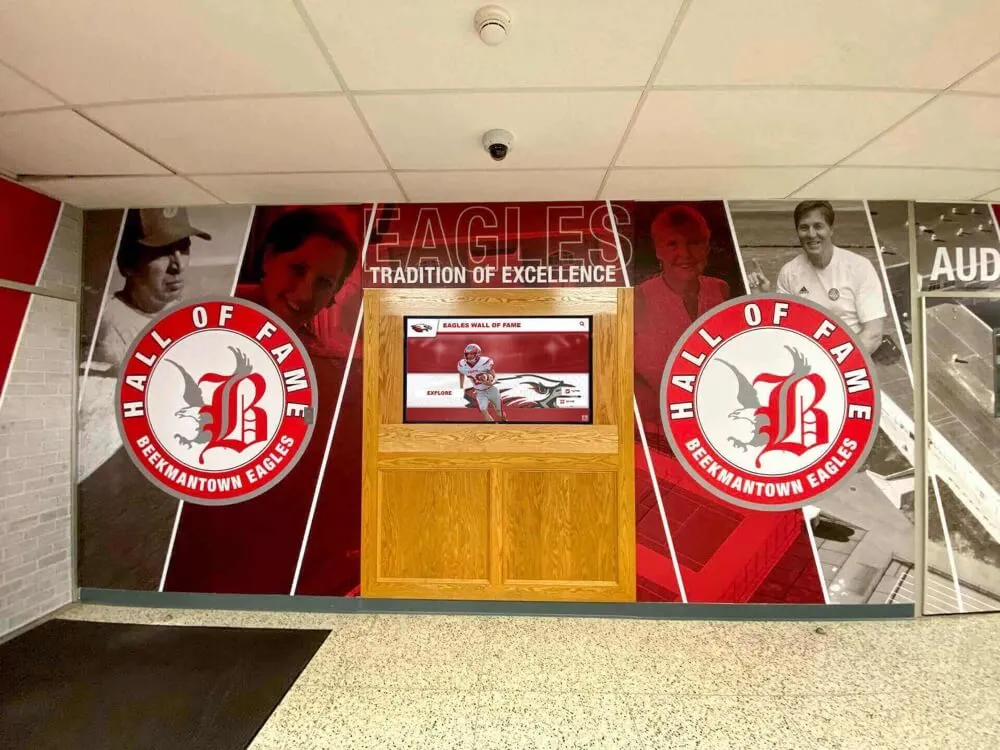
Athletic directors at well-funded programs manage comprehensive facilities including modern recognition systems celebrating achievements across all sports programs
Experience-Based Progression
High school AD salaries typically increase with tenure and demonstrated success:
- Entry-Level ADs (0-3 years experience) - Often start at lower ranges, particularly if transitioning from coaching
- Mid-Career ADs (4-10 years experience) - Reach median compensation levels with proven track record
- Veteran ADs (10+ years experience) - Command top salaries, especially with successful programs and strong community relationships
- Award Recognition - State and national athletic director awards can support salary negotiations and advancement
Learn about comprehensive approaches to athletic recognition programs that modern ADs oversee as part of program management.
College and University Athletic Director Salaries
Higher education athletic administration offers significantly higher compensation ranges alongside dramatically increased responsibilities and program budgets.
NCAA Division III and Small College ADs
Smaller college programs typically offer:
- DIII Athletic Directors - $65,000-$120,000 annually
- NAIA Athletic Directors - $55,000-$110,000 annually
- Junior College Athletic Directors - $50,000-$95,000 annually
- Small Private Colleges - $70,000-$130,000 annually
These positions often involve teaching responsibilities or combined roles overseeing multiple administrative areas beyond athletics, similar to high school structures but at higher base compensation.
NCAA Division II Athletic Director Salaries
Mid-major programs offer competitive compensation:
- Small DII Programs - $85,000-$140,000 annually
- Large DII Programs - $120,000-$200,000+ annually
- Regional Variation - Coastal and metropolitan programs typically offer higher salaries than rural institutions
- Conference Competitiveness - Programs in highly competitive conferences often pay premium rates to attract experienced leadership
DII athletic directors balance competitive excellence expectations with budget realities, managing programs that may offer athletic scholarships but lack the revenue generation of Division I athletics.

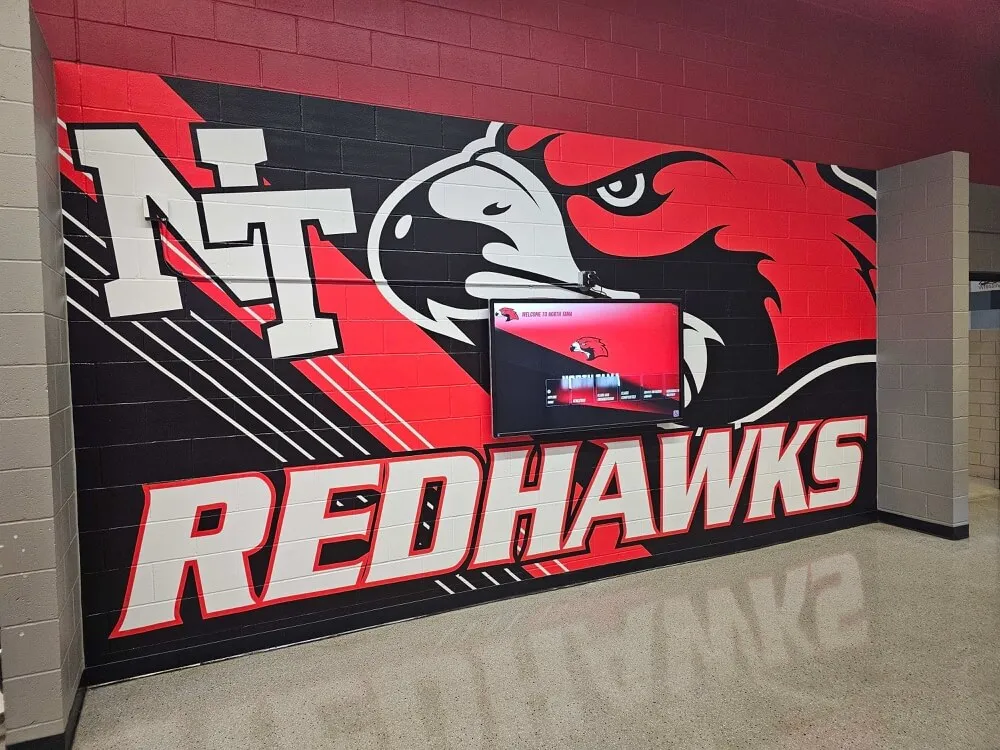
University athletic directors oversee comprehensive recognition programs honoring decades of athletic achievements across all varsity sports
NCAA Division I Athletic Director Salaries
Major college athletics features the highest compensation with significant variance:
Mid-Major Division I (FCS football, smaller conferences)
- $150,000-$350,000 annually for most positions
- Institutions without major football programs or significant media revenue typically fall in this range
- Success-based bonuses and performance incentives common
Power Conference Division I (FBS football, major conferences)
- $350,000-$1,000,000+ annually for established programs
- Top programs in SEC, Big Ten, Big 12, ACC, and Pac-12 conferences offer premium compensation
- Major programs with $100M+ athletic budgets justify top-tier AD salaries
- Performance bonuses tied to revenue generation, championship performance, and program metrics
Elite Program Athletic Directors
- $1,000,000-$3,000,000+ annually at flagship programs
- Schools like Alabama, Ohio State, Texas, Michigan, and other elite programs treat athletic directors as CEO-level executives
- Total compensation packages include base salary, bonuses, media appearances, shoe contracts, and extensive benefits
- Athletic directors at this level manage department budgets exceeding $150M-$200M annually
According to USA Today’s athletic director salary database, the average Power Five conference athletic director earned approximately $1.2 million in 2025, reflecting the massive revenue generation and budget oversight these positions entail.
Professional Sports Organization Athletic Directors
Some professional sports organizations employ athletic directors for youth development or minor league operations:
- Minor League Baseball - $50,000-$120,000 for affiliated minor league club athletic operations
- Youth Sports Organizations - $45,000-$95,000 for large club or travel organizations
- Professional Team Youth Academies - $80,000-$180,000+ depending on organization size
These roles differ significantly from educational athletic directors but share operational responsibilities.
Private School Athletic Director Salaries
Independent and private schools often offer competitive compensation:
Elite Private Schools
- $90,000-$180,000+ annually
- Schools with substantial endowments and wealthy communities offer premium salaries
- Boarding schools often include housing and meal benefits
- Prestigious institutions compete for experienced athletic leadership
Religious and Parochial Schools
- $55,000-$100,000 depending on denomination and school size
- Catholic schools often follow diocesan salary structures
- Mission-driven schools may offer lower salaries with strong benefits packages
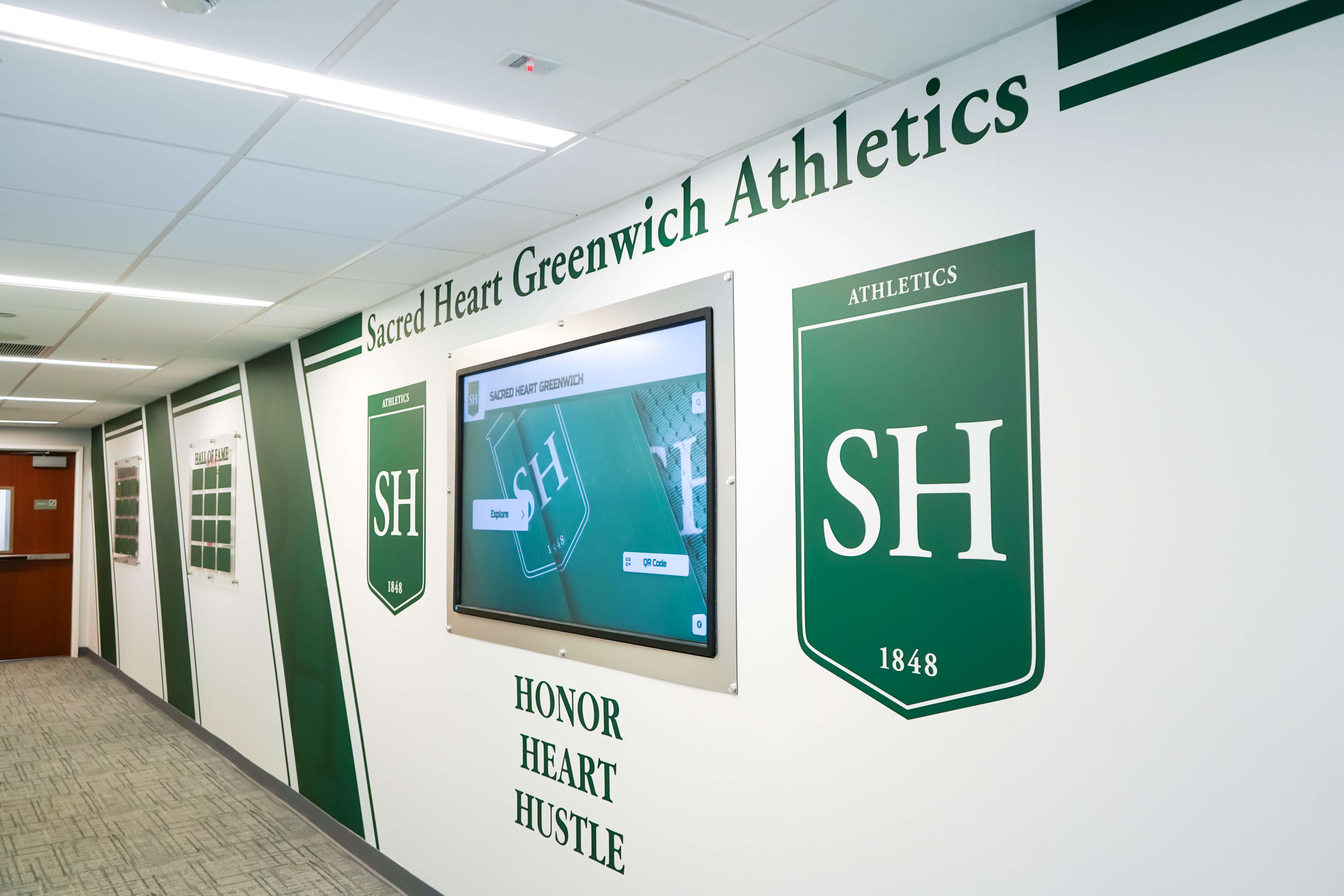
Private school athletic directors manage comprehensive programs with emphasis on tradition, excellence, and lasting recognition of achievements
Key Factors Influencing Athletic Director Compensation
Beyond institutional type, multiple variables determine athletic director salaries and compensation structures.
School and Program Size
Enrollment and athletic program scope directly impact AD responsibilities and compensation:
Student Population Impact
Larger student bodies typically correlate with:
- More athletic teams requiring oversight and coordination
- Greater numbers of student-athletes to support and monitor
- Larger coaching staffs to recruit, supervise, and evaluate
- More complex scheduling across numerous teams and facilities
- Increased parent and community engagement requiring communication
- Higher budget management responsibilities
Schools with 2,000+ students generally offer 20-40% higher athletic director salaries than comparable schools with 500-800 students, reflecting expanded operational complexity.
Number of Athletic Programs
Program breadth influences compensation:
- Schools offering 15-20 sports require more coordination than those with 8-10 teams
- Diversity across fall, winter, and spring seasons creates year-round demands
- Combined boys’ and girls’ programs in multiple sports increase Title IX compliance complexity
- Addition of emerging sports (lacrosse, rugby, esports) expands administrative requirements
- Programs supporting sub-varsity levels (JV, freshman teams) multiply oversight needs
Facility Management Responsibilities
Athletic directors overseeing extensive facilities command higher salaries:
- Multi-field complexes with athletic stadiums, gymnasiums, pools, and training facilities
- Maintenance coordination and capital improvement planning
- Facility scheduling for practices, competitions, community events, and external rentals
- Safety compliance and risk management across diverse venues
- Integration of modern technology including digital recognition displays celebrating athletic achievements
Athletic directors at schools with recently renovated facilities or new construction often participate in design decisions and implementation planning, adding significant project management to their responsibilities.
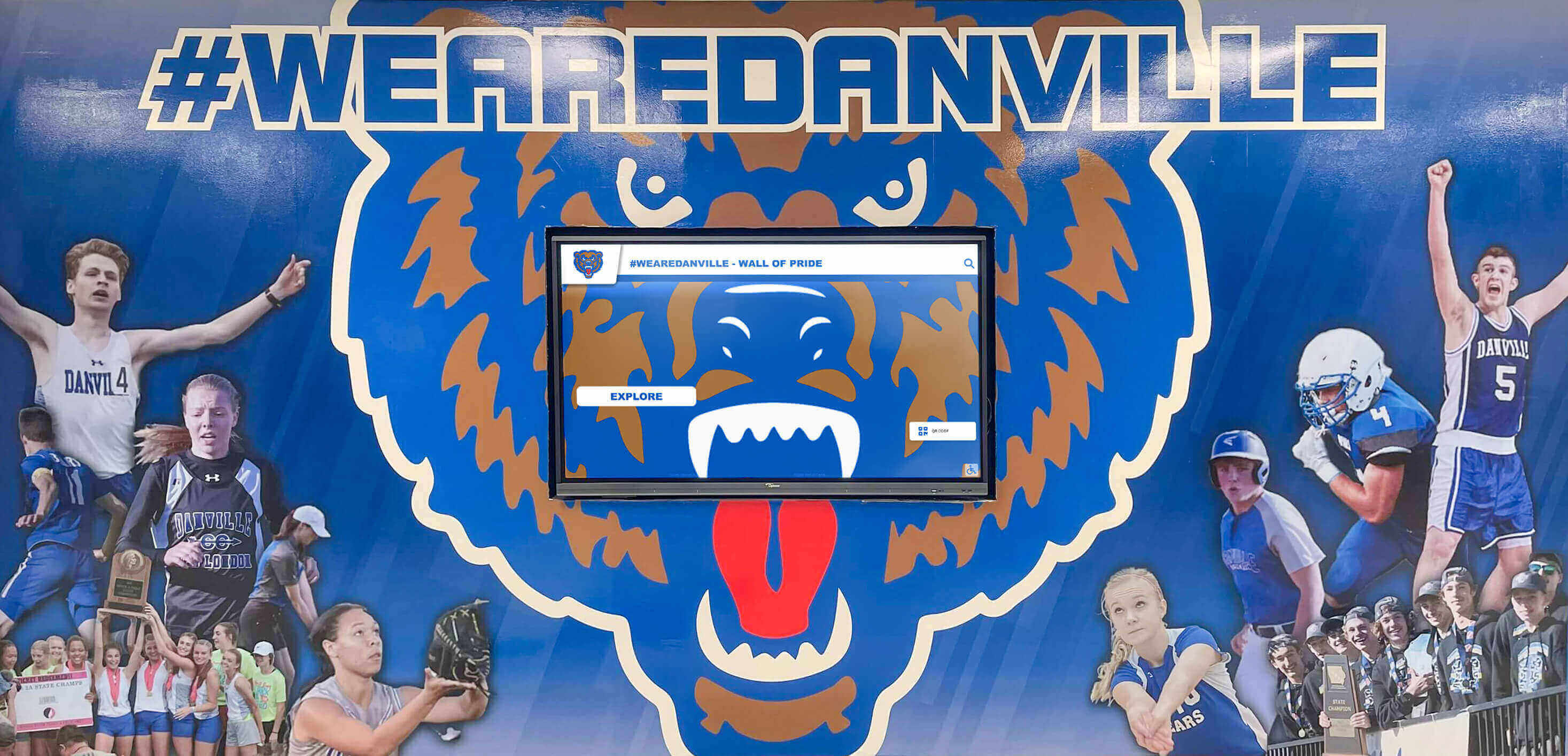
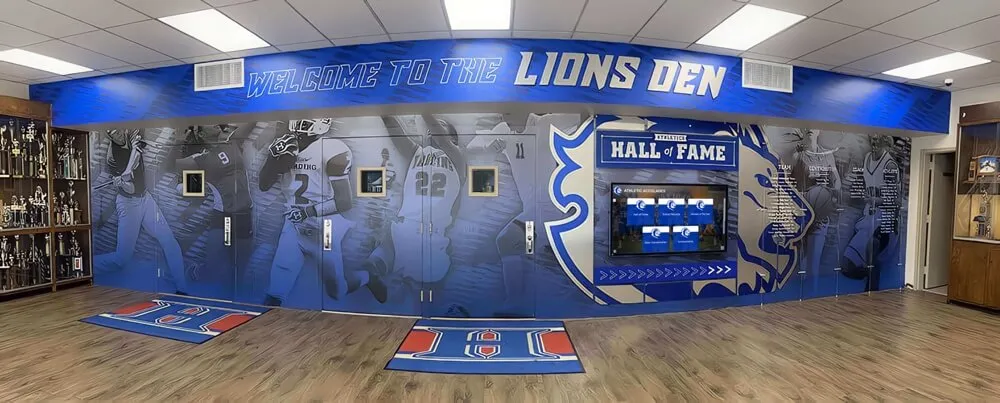
Modern athletic facilities integrate branding, recognition technology, and functional spaces that athletic directors coordinate and maintain
Geographic Location and Cost of Living
Regional factors significantly influence athletic director compensation:
High-Cost Urban and Suburban Areas
Metropolitan regions offer premium salaries:
- Northeast Corridor (New York, New Jersey, Connecticut, Massachusetts) - 20-35% above national averages
- California (Bay Area, Los Angeles, San Diego) - 25-40% above national averages
- Major Metro Areas (Chicago, Seattle, Washington DC) - 15-30% above national averages
- Salaries adjust for housing costs, taxes, and general cost of living
A $90,000 salary in rural Alabama carries significantly more purchasing power than the same amount in suburban New Jersey, where similar positions might offer $130,000 to provide comparable lifestyle.
Regional Salary Variations
State and regional patterns emerge:
- Highest Average Salaries - New York, California, Connecticut, New Jersey, Massachusetts
- Above-Average Regions - Mid-Atlantic, Pacific Northwest, Upper Midwest
- Average Compensation - Mountain West, Southwest, parts of Midwest
- Lower Average Salaries - Rural South, Plains states, parts of Mountain West
These variations reflect state education funding models, property tax bases supporting schools, and regional economic conditions.
Competitive Market Dynamics
Local competition influences salaries:
- Affluent communities competing for experienced athletic directors drive up compensation
- Areas with many schools but limited qualified candidates create salary pressure
- Regions near major universities producing athletics graduates increase talent supply
- Communities with strong sports cultures prioritize athletics funding, including leadership compensation
Explore how athletic directors coordinate creating collegiate experiences at high schools, adding value that justifies competitive salaries.
Education, Certification, and Professional Development
Qualifications significantly impact athletic director earning potential and career advancement:
Educational Requirements
Advanced degrees increase compensation opportunities:
- Bachelor’s Degree - Minimum requirement for most high school AD positions
- Master’s Degree - Increasingly expected, particularly for full-time positions; schools often offer $5,000-$15,000 salary increases for graduate degrees
- Education Administration - Most common graduate field, preparing ADs for broader leadership
- Sports Management/Administration - Specialized degrees in athletic administration
- Business Administration/Management - MBA or business backgrounds valued for budget and operations expertise
- Doctoral Degrees - PhD or EdD common for major college athletic directors; rarely required but enhance advancement potential
Many school districts include degree-based salary schedules where master’s degrees automatically increase compensation by specific amounts.
Professional Certifications
Athletic administration credentials demonstrate expertise:
NIAAA Certification Program The National Interscholastic Athletic Administrators Association offers multi-level certification:
- Certified Athletic Administrator (CAA) - Foundational certification requiring courses in leadership, law, finance, and program management
- Advanced Certification - Master Athletic Administrator and other advanced credentials
- Professional Development - Continuing education requirements maintaining current knowledge
- Salary Impact - Certified ADs typically earn 8-15% more than non-certified peers in comparable positions
State Athletic Director Licenses Some states require specific athletic administration licenses:
- State-specific training in education law, Title IX, safety, and athletic governance
- Professional development hours maintaining licensure
- Background checks and ongoing compliance requirements
Additional Relevant Certifications
- Certified Interscholastic Coach (CIC) - Demonstrates coaching background and expertise
- CPR and First Aid Instructor Certification - Direct training capability
- Athletic Training Certification - Understanding of sports medicine and injury prevention
- Facility Management Certifications - Credentials in venue and event management
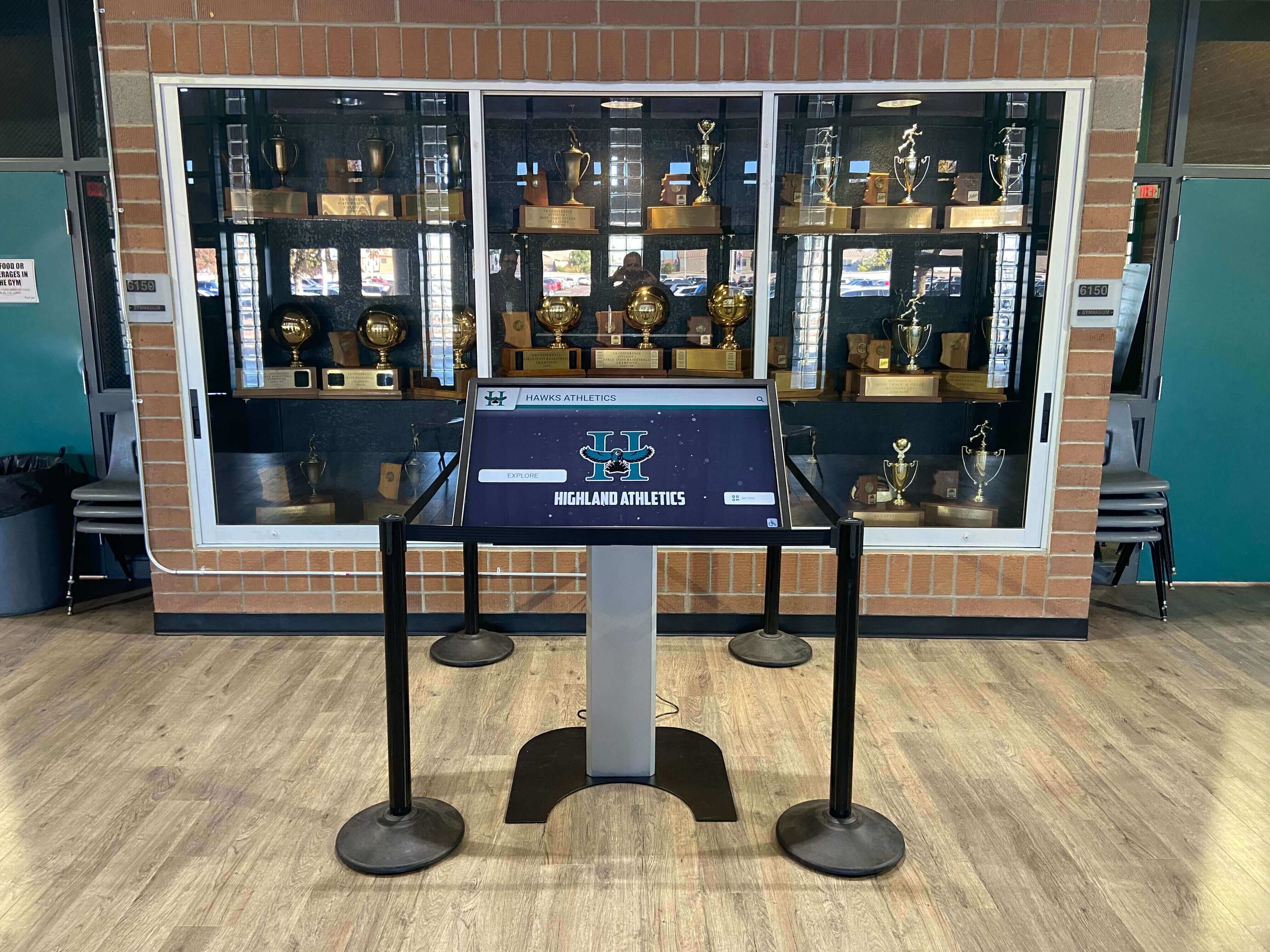
Athletic directors coordinate comprehensive achievement recognition through both traditional trophy displays and modern interactive technology
Conference Attendance and Networking
Professional engagement enhances career prospects:
- Annual state athletic director conferences providing legislative updates and professional development
- National NIAAA conventions offering networking with peer administrators
- Regional workshops addressing specific challenges and innovations
- Participation demonstrating commitment to excellence and continuous improvement
Athletic directors actively engaged in professional organizations advance more quickly and command higher salaries through expanded networks and current knowledge.
Experience and Track Record
Proven success significantly influences compensation negotiations:
Years in Athletic Administration
Experience progression typically follows patterns:
- 0-3 Years - Entry-level compensation, often requiring mentorship and support
- 4-7 Years - Established administrators with operational knowledge and relationship building
- 8-15 Years - Veteran ADs with comprehensive expertise commanding premium salaries
- 15+ Years - Senior leaders often considered for district-level positions or major college opportunities
Demonstrated Accomplishments
Success factors supporting higher compensation:
- Championship Success - Programs winning conference, district, or state championships under AD leadership
- Facility Improvements - Successful capital campaigns or renovations completed
- Budget Management - Track record of fiscal responsibility and creative resource generation
- Program Growth - Expansion of athletic offerings or increased participation rates
- Compliance Records - Clean audits and no major violations
- Awards and Recognition - State or national athletic director honors
- Community Relations - Strong booster club engagement and positive community perception
Athletic directors who can demonstrate measurable program improvements—whether competitive success, participation growth, or fiscal health—leverage this success in salary negotiations and advancement opportunities.
Previous Coaching Success
Many athletic directors transition from coaching:
- Head coaching experience at successful programs provides credibility
- Multiple sports coaching demonstrates versatility
- Championship coaching records enhance AD candidacy
- Coaching background enables understanding of coach perspectives and needs
However, successful coaching doesn’t automatically predict effective athletic administration, as the skills differ significantly. The most successful ADs often combine coaching experience with strong organizational, financial, and interpersonal abilities.
Learn about athletic hall of fame programs that demonstrate an AD’s commitment to celebrating program excellence across decades.
Additional Responsibilities and Duties
Many athletic directors manage responsibilities beyond traditional athletics oversight:
Combined Administrative Roles
Some positions merge multiple functions:
- Activities Director - Overseeing drama, music, clubs, and all extracurriculars alongside athletics
- Assistant Principal - Combining AD role with broader disciplinary or administrative duties
- Facilities Director - Managing all school facilities, not just athletic venues
- Technology Coordinator - Integrating athletic technology with broader school systems
- Transportation Coordinator - Overseeing busing for athletics and activities
Combined positions typically offer 15-30% higher compensation than athletics-only roles reflecting expanded scope.
Teaching and Coaching Responsibilities
Partial athletic director roles involving continued teaching or coaching:
- ADs maintaining classroom teaching reduce salary compared to full-time administrative positions
- Continued coaching responsibilities may include stipends but limit administrative compensation
- Gradual transitions from coaching to administration common in smaller schools
Fundraising and Development
Revenue generation responsibilities increasingly common:
- Coordinating booster club relationships and fundraising campaigns
- Managing sponsorships and advertising programs
- Developing athletic program endowments and capital campaigns
- Overseeing facilities naming rights and major gift cultivation
- Managing recognition programs acknowledging donors through digital donor walls and permanent displays
Athletic directors who successfully generate revenue beyond budget allocations demonstrate value justifying higher compensation.

Athletic directors coordinate donor recognition programs that acknowledge supporters while creating lasting institutional value
The Modern Athletic Director Role: Expanded Responsibilities
Understanding current athletic director compensation requires examining how the position has evolved beyond traditional coaching supervision and scheduling.
Technology Integration and Management
Modern athletic directors oversee substantial technology implementation:
Athletic Program Technology Systems
Contemporary programs require managing:
- Scheduling and Registration Software - Coordinating practices, competitions, facilities, officials, and transportation
- Athletic Management Platforms - Comprehensive systems tracking eligibility, physicals, academic requirements, and communication
- Video and Film Systems - Hudl, MaxPreps, and similar platforms for game film, recruiting, and analysis
- Live Streaming and Broadcasting - Managing event coverage through NFHS Network or similar services
- Website and Social Media - Maintaining athletic program online presence and communication
- Digital Recognition Systems - Implementing and managing interactive athletic displays celebrating achievements
Facility Technology Coordination
Athletic venues increasingly feature advanced systems:
- Digital scoreboards and video boards requiring content management
- Sound systems and announcement equipment
- Timing and scoring systems for multiple sports
- Security camera systems and access control
- Athletic training room equipment and record systems
- Ticketing and admission systems, including electronic options
Athletic directors skilled in technology integration increase their value and earning potential as schools recognize these competencies as essential modern requirements rather than optional skills.
Data Analysis and Program Assessment
Evidence-based decision making now expected:
- Participation trend analysis identifying growth areas or declining sports
- Budget analysis demonstrating efficient resource allocation
- Facility utilization data supporting expansion or renovation cases
- Academic performance tracking showing student-athlete success
- Compliance documentation and reporting systems
- Safety incident tracking and risk management data
ADs who leverage data effectively in strategic planning and resource justification provide measurable value to institutions.
Compliance and Legal Requirements
Athletic directors serve as compliance officers managing complex regulations:
Title IX Compliance
Gender equity requirements demand substantial expertise:
- Proportional participation opportunities matching student body demographics
- Equal treatment in coaching quality, facilities, equipment, and scheduling
- Three-part test compliance (participation, accommodation of interest, competitive opportunities)
- Documentation demonstrating equity efforts and outcome monitoring
- Response protocols for complaints and compliance reviews
Schools face significant financial and reputational risk from Title IX violations, making compliant athletic directors exceptionally valuable.
Eligibility and Academic Requirements
Student-athlete eligibility oversight includes:
- Academic progress monitoring ensuring athletes maintain required GPAs
- Transfer student eligibility determination under state association rules
- Age and semester eligibility verification
- Physical examination and medical clearance documentation
- Coaching education requirements and background check compliance
- Recruiting and transfer portal management at college level
Risk Management and Safety
Legal liability concerns require systematic approaches:
- Concussion protocols and return-to-play procedures
- Emergency action plans for each venue and activity
- Insurance coverage verification for all participants
- Coach certification requirements and training documentation
- Facility safety inspections and maintenance records
- Weather emergency protocols and decision-making frameworks
Athletic directors with strong compliance records minimize institutional risk while ensuring student-athlete welfare, justifying competitive compensation.

Athletic directors manage comprehensive programs documenting achievements while ensuring compliance across all sports and participants
Budget Development and Financial Management
Fiscal oversight represents core athletic director responsibilities:
Athletic Department Budget Administration
Financial management includes:
- Revenue Projection - Estimating income from gate receipts, fundraising, sponsorships, and allocations
- Expense Allocation - Distributing resources equitably across programs and needs
- Equipment Budgets - Rotating replacement schedules ensuring safety and competitiveness
- Transportation Costs - Managing travel expenses for away competitions
- Official Payments - Coordinating referee and umpire compensation
- Facility Maintenance - Budgeting for ongoing upkeep and repairs
- Capital Projects - Planning multi-year facility improvements and renovations
Athletic directors managing budgets from $200,000 at small schools to $5M-$10M+ at large high schools demonstrate financial acumen justifying compensation aligned with budget responsibility scope.
Revenue Generation Initiatives
Beyond allocated budgets, ADs develop additional resources:
- Sponsorship programs generating $10,000-$100,000+ annually
- Concession operations and spirit wear sales
- Facility rental agreements with community organizations
- Summer camp programs utilizing school facilities
- Advertising and signage programs
- Booster club coordination and fundraising support
Athletic directors skilled at revenue generation significantly increase program capabilities beyond standard allocations, creating value exceeding their compensation costs.
Strategic Financial Planning
Long-term fiscal management includes:
- Multi-year equipment replacement planning preventing emergency purchases
- Facility improvement prioritization and capital campaign development
- Endowment development creating sustainable funding sources
- Cost containment strategies maintaining program quality during budget constraints
- Financial reporting demonstrating stewardship to administration and community
Learn about comprehensive building school pride initiatives that athletic directors coordinate across multiple programs and stakeholder groups.
Community and Public Relations
Athletic directors serve as primary athletics spokespersons:
Parent Communication and Engagement
Managing hundreds of athletic families requires:
- Regular communication about schedules, requirements, and expectations
- Parent meeting organization and facilitation
- Conflict resolution between parents, coaches, and administrators
- Booster club liaison responsibilities and volunteer coordination
- Social media management responding to questions and concerns
- Crisis communication during controversies or difficult situations
Strong communicators who build positive relationships with athletic families create supportive environments benefiting entire programs.
Media Relations and Program Promotion
Public relations responsibilities include:
- Local media coordination providing game information and results
- Press release distribution highlighting achievements and events
- Social media content creation celebrating athletes and teams
- Website maintenance ensuring current information and engagement
- Community presentation opportunities sharing program success stories
- Athletic recognition programs showcasing achievements to broader audiences
Athletic directors skilled at promoting programs build community support translating to increased funding, volunteer engagement, and institutional backing.
School Board and Administration Relations
Upward communication proves equally critical:
- Board presentation skills justifying budget requests and initiatives
- Superintendent relationship building ensuring administrative support
- Principal collaboration aligning athletics with broader school missions
- Regular reporting on program health, compliance, and outcomes
- Strategic planning participation connecting athletics to institutional goals
Athletic directors who effectively advocate for athletics at administrative and governance levels secure resources and support enabling program success.
Staff Supervision and Development
Personnel management represents substantial responsibilities:
Coaching Staff Oversight
Managing coaching personnel includes:
- Hiring and Evaluation - Recruiting, interviewing, and assessing coaches
- Professional Development - Coordinating training and certification programs
- Performance Management - Conducting evaluations and addressing concerns
- Mentorship - Supporting new coaches transitioning to leadership
- Retention - Creating positive environments retaining quality staff
- Dismissal - Handling terminations when performance or conduct requires

Athletic directors coordinate recognition programs honoring coaches, staff, and contributors alongside athlete achievements
Support Staff Coordination
Beyond coaches, ADs supervise:
- Athletic trainers ensuring medical coverage and injury prevention
- Equipment managers maintaining inventory and facilities
- Groundskeepers and maintenance staff keeping venues competition-ready
- Game management staff including ticket takers, announcers, and security
- Administrative assistants handling eligibility and communication
- Volunteer coordinators organizing booster club and community support
Programs with larger support staffs require greater supervisory skill, justifying higher athletic director compensation.
Career Advancement Paths for Athletic Directors
Understanding salary progression requires examining typical career trajectories:
Entry to Athletic Administration
Most athletic directors follow similar paths:
Coaching to Administration
The most common route involves:
- Successful Coaching Career - Establishing credibility through competitive success and program building
- Administrative Interests - Seeking leadership opportunities beyond single teams
- Assistant AD Roles - Gaining administrative experience while coaching continues
- Full-Time Athletic Director - Transitioning completely to administration
Coaches demonstrating organizational ability, communication skills, and strategic thinking become strong AD candidates.
Education Administration Route
Some ADs enter through broader educational leadership:
- Teaching Career - Classroom experience building educational foundation
- Administrative Graduate Study - Master’s in education administration or sports management
- Assistant Principal or Dean Roles - General school leadership experience
- Athletic Director Opportunity - Transition to athletics-specific administration
This path brings broader educational perspective though may lack coaching credibility.
Lateral Moves Between Institutions
Advancing often requires changing schools:
- Starting at smaller schools with more modest compensation
- Building track records of success and program improvement
- Moving to larger schools or districts offering higher salaries
- Each move typically brings 15-30% compensation increases
- Geographic mobility often necessary for career advancement
Athletic directors willing to relocate for opportunities advance more quickly than those limited to single geographic areas.
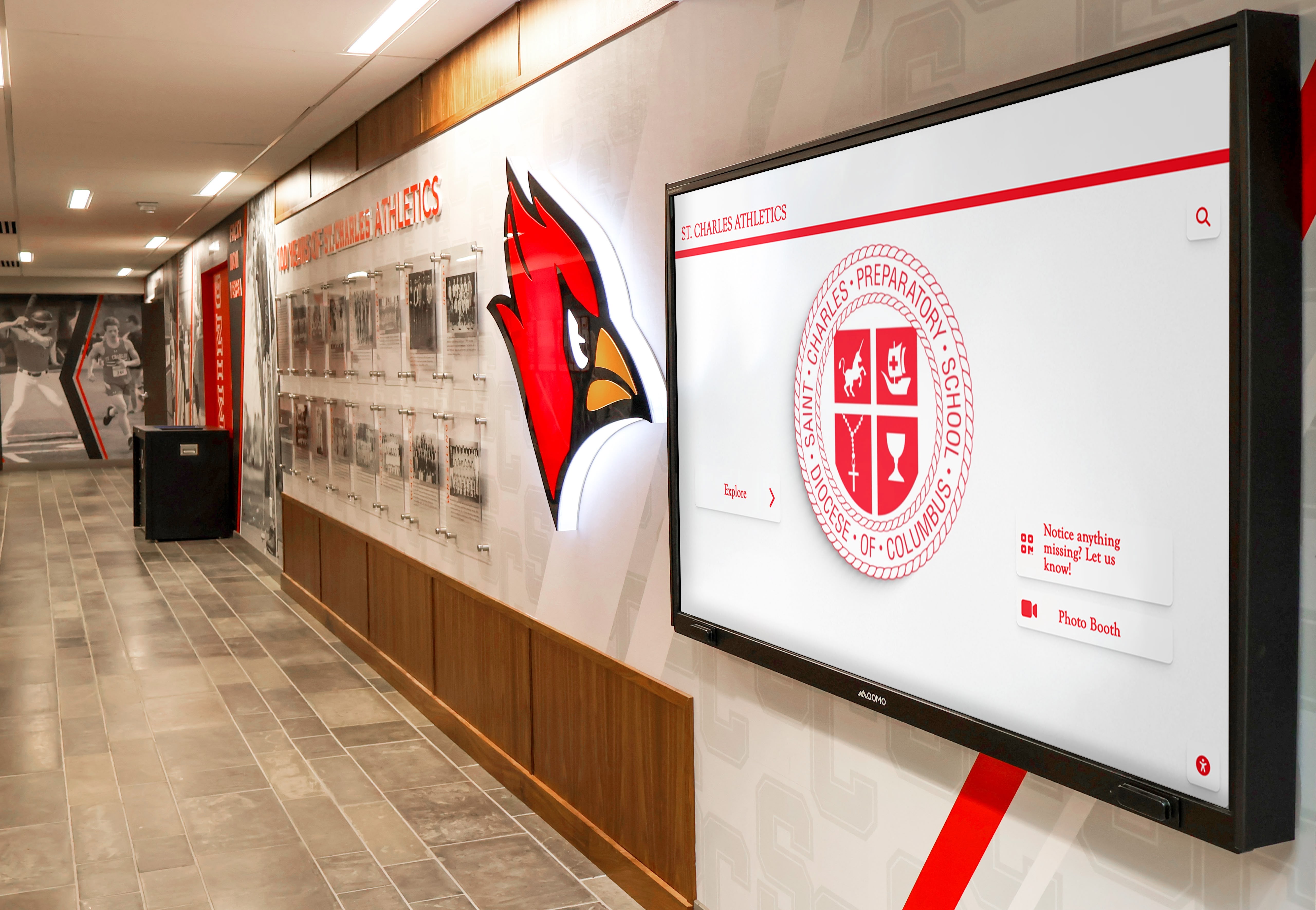
Larger programs offer athletic directors expanded responsibilities and higher compensation managing comprehensive facilities and recognition systems
Progression Within Athletic Administration
Career advancement within the field follows patterns:
High School to College Athletics
Transitioning to higher education involves:
- Master’s or doctoral degrees increasingly expected
- Starting at Division III or small college programs
- Building competitive success and budget management experience
- Advancing to Division II or larger college opportunities
- Top performers reaching Division I positions
This progression can increase compensation from $70,000-$90,000 at high schools to $150,000-$350,000+ at mid-major colleges over 10-15 year careers.
Assistant to Head AD Roles
Major programs employ multiple administrators:
- Senior/Associate AD positions at large universities paying $150,000-$400,000
- Specialized areas including compliance, development, external affairs, or sport administration
- Advancement to head AD roles at smaller programs or eventually at current institution
- Experience in major program operations preparing for top positions
Conference and Association Leadership
Some athletic directors transition to governance roles:
- Conference Commissioner positions overseeing multiple institutions
- State Athletic Association leadership coordinating interscholastic athletics
- National Organizations (NIAAA, NCAA) staff positions
- Consulting advising schools on athletic administration
These moves may offer comparable or higher compensation alongside reduced operational intensity.
Alternative Career Paths
Athletic administration skills transfer to other sectors:
Sports Business and Management
- Professional sports team operations
- Minor league franchise management
- Sports facility management companies
- Sporting goods and apparel industry positions
Education Leadership Beyond Athletics
- Assistant superintendent or superintendent roles
- Charter school leadership positions
- Educational consulting
- Higher education student affairs
Entrepreneurship and Consulting
- Athletic consulting firms advising schools on program development
- Technology companies serving athletic markets
- Event management and tournament operations
- Facility design and construction advisory
The project management, financial, compliance, and leadership skills athletic directors develop prove valuable across many sectors beyond traditional athletics.
Discover how athletic directors coordinate digital storytelling for athletic programs that showcase their leadership impact.
Negotiating Athletic Director Compensation
Whether seeking new positions or requesting increases, effective negotiation strategies help ADs secure competitive salaries:
Researching Market Rates
Preparation requires understanding comparable salaries:
Information Sources
Salary research should include:
- Professional Organizations - NIAAA surveys and conference presentations sharing compensation data
- State Freedom of Information - Public school salaries often available through state databases
- Network Contacts - Peer athletic directors sharing general salary ranges
- Job Postings - Posted positions sometimes include salary ranges
- School District Websites - Salary schedules for administrative positions
- Regional Variation Adjustment - Accounting for cost of living differences
Understanding that a $95,000 salary in rural areas may be equivalent to $130,000 in high-cost urban regions helps evaluate opportunities accurately.
Comparable Position Analysis
Effective negotiation references similar roles:
- Schools of comparable size and program scope
- Same geographic region and cost of living area
- Institutions with similar athletic program breadth
- Positions with equivalent experience requirements
- Roles with comparable additional responsibilities
Providing specific comparable data strengthens negotiation positions more effectively than general claims about being “underpaid.”
Demonstrating Value and Accomplishments
Successful negotiation requires articulating achievements:
Quantifiable Successes
Measurable accomplishments supporting increases include:
- Competitive Success - Conference championships, state tournament appearances, improved winning percentages
- Participation Growth - Increased student-athlete numbers or new programs added
- Revenue Generation - Sponsorships secured, fundraising improvements, ticket revenue increases
- Facility Improvements - Capital projects completed or renovations implemented
- Compliance Records - Clean audits and no violations
- Cost Savings - Operational efficiencies or expense reductions
- Program Recognition - Awards, media coverage, or community accolades
Documentation proving program improvements justifies compensation increases more effectively than tenure alone.
Professional Development and Credentials
Completed qualifications support salary discussions:
- Advanced degrees earned during employment
- Professional certifications obtained (CAA, state licenses)
- Conference presentations or leadership roles in professional organizations
- Published articles or recognized expertise in specific areas
- Technology implementations or innovative programs developed
Continuing education demonstrating commitment to excellence strengthens value proposition.
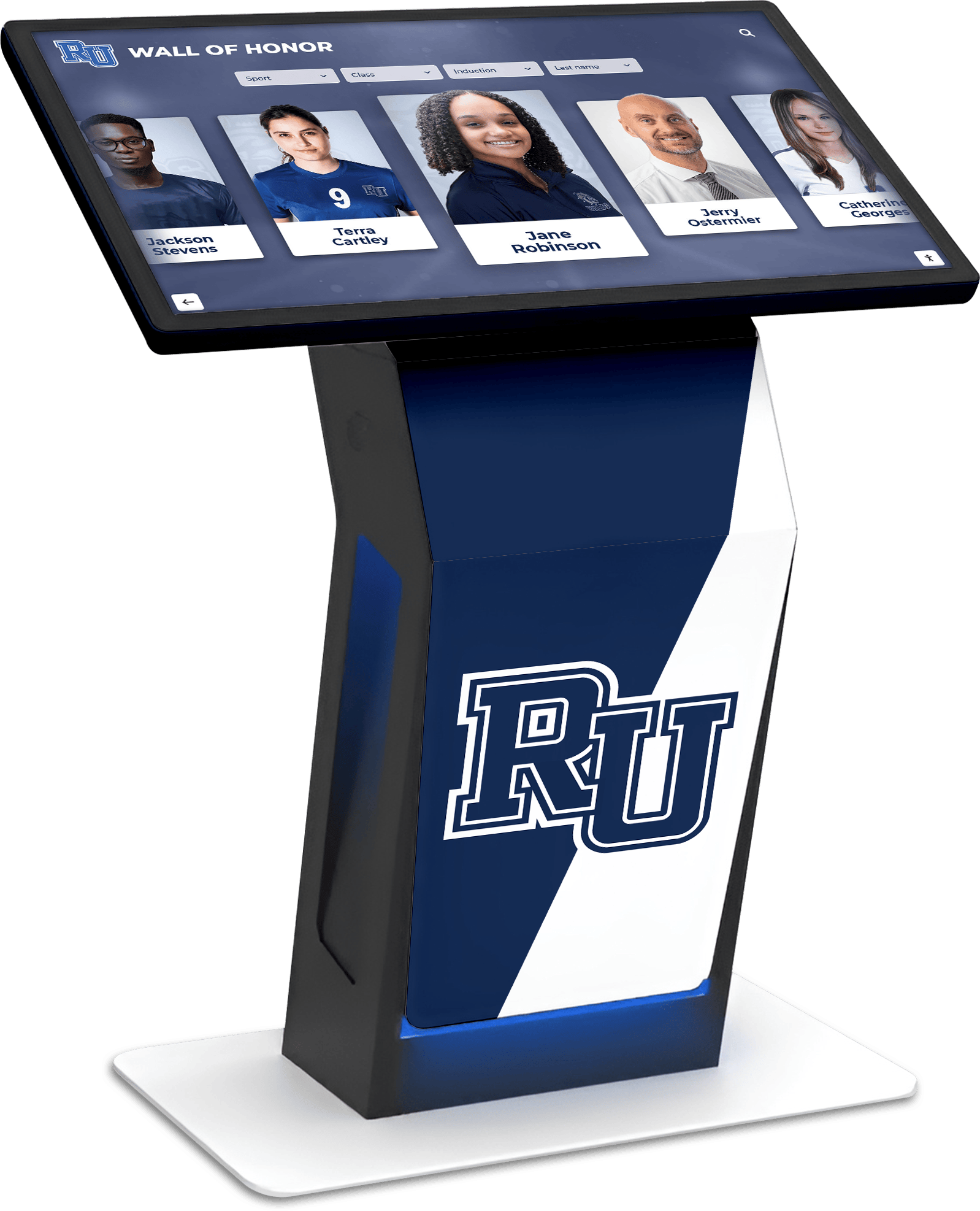
Athletic directors implementing modern recognition technology demonstrate innovation and program enhancement justifying competitive compensation
Timing and Approach Strategies
When and how salary discussions occur affects outcomes:
Optimal Timing Considerations
Strategic scheduling includes:
- Budget Development Season - When districts plan next year’s allocations
- After Major Accomplishments - Following championships or significant program milestones
- Contract Renewal Periods - Natural points for compensation discussions
- New Position Negotiations - Initial hiring offers more flexibility than existing roles
- Completing Advanced Degrees - Immediately after earning graduate credentials
Avoiding crisis periods or budget cut situations improves negotiation success likelihood.
Professional Negotiation Approaches
Effective conversations demonstrate:
- Research-Based Requests - Specific comparable position data supporting proposed figures
- Value-Focused Messaging - Emphasizing program improvements and accomplishments
- Collaborative Tone - Partnership approach rather than adversarial demands
- Written Documentation - Professional proposals with supporting evidence
- Flexibility - Willingness to discuss alternative compensation forms beyond salary
- Patience - Understanding administrative and budget processes take time
Athletic directors who approach negotiations professionally while clearly articulating value propositions achieve better outcomes than those making emotional appeals or ultimatums.
Beyond Base Salary: Total Compensation Considerations
Complete packages include elements beyond annual salary:
Benefits and Perks
Additional compensation forms include:
- Health Insurance - Medical, dental, vision coverage quality and cost-sharing
- Retirement Plans - Pension systems, 403(b)/401(k) matches, and contribution levels
- Life Insurance - Institutional coverage amounts and optional supplemental policies
- Disability Insurance - Short and long-term income protection
- Professional Development - Conference attendance funding and continuing education support
- Vacation and Leave - Annual days compared to teaching schedules
- Technology - Phone, computer, and equipment provisions
- Vehicle Allowances - Transportation reimbursement for extensive travel
- Facility Access - Gym and fitness facility usage
These benefits can represent 25-40% additional value beyond base salary.
Supplemental Compensation Opportunities
Additional income sources may include:
- Summer employment contracts extending 10-month salaries to 12-month positions
- Clinic and camp management generating supplemental income
- Apparel and equipment company agreements (more common at college level)
- Sponsorship bonus structures sharing generated revenue
- Speaking engagement opportunities at conferences and clinics
Performance-Based Incentives
Some positions include bonus structures:
- Championship bonuses for teams winning conference or state titles
- Fundraising incentives for exceeding development goals
- Facility completion bonuses for capital projects
- Compliance bonuses for clean audits and no violations
College athletic directors frequently include substantial performance bonuses in total compensation packages.
The Investment in Athletic Director Excellence
Schools investing in competitive athletic director compensation recognize that effective leadership creates value far exceeding salary costs through program improvement, revenue generation, risk mitigation, and community engagement.
Program Quality and Competitive Success
Experienced athletic directors build excellence:
Strong leadership creates environments where:
- Coaches want to work, reducing turnover and improving team continuity
- Athletes thrive through comprehensive support systems
- Facilities receive proper maintenance and strategic improvements
- Resources get allocated effectively creating equitable opportunities
- Community support strengthens through positive relationships and communication
Programs led by skilled athletic directors win more championships, develop more successful athletes, and create the positive cultures that define premier athletic programs.
Risk Management and Compliance Value
Competent athletic directors prevent expensive problems:
Financial Risk Mitigation
Effective ADs protect institutions from:
- Title IX lawsuits costing hundreds of thousands in legal fees and settlements
- Negligence claims from inadequate safety protocols or emergency response
- Compliance violations resulting in fines, sanctions, and reputation damage
- Budget mismanagement requiring emergency allocations or program cuts
- Facility liability from deferred maintenance or unsafe conditions
A single major lawsuit or compliance problem easily costs more than multiple years of competitive athletic director salaries.
Reputation Protection
Strong leadership prevents crises:
- Appropriate hiring and supervision preventing coach misconduct
- Clear policies and enforcement maintaining program integrity
- Proactive communication managing parent and community expectations
- Crisis management skills protecting institutional reputation during difficulties
Schools with effective athletic directors avoid the negative publicity and community relations damage that weak leadership allows.
Explore comprehensive approaches to athletic hall of fame management that demonstrate AD attention to program heritage and community engagement.
Revenue Generation and Resource Development
Strategic athletic directors expand resources:
Incremental Revenue Creation
Skilled ADs generate substantial additional funds:
- Sponsorship programs bringing $25,000-$100,000+ annually
- Successful fundraising campaigns supporting facility improvements
- Effective ticket and concession operations maximizing event revenue
- Summer camp and facility rental programs utilizing assets year-round
- Merchandise and spirit wear programs building school pride while generating income
Athletic directors generating $75,000-$150,000 in net additional revenue annually essentially pay for their positions while providing resources for program improvement.
Facility Enhancement and Capital Campaigns
Major projects require athletic director leadership:
- Planning and executing capital campaigns raising millions for facility construction
- Coordinating renovation projects improving competitive venues
- Implementing modern technology including comprehensive recognition systems celebrating athletic achievements
- Managing naming rights and major gift cultivation
- Creating lasting infrastructure improvements serving programs for decades
These projects create institutional value far exceeding athletic director compensation while building community connections strengthening school support.
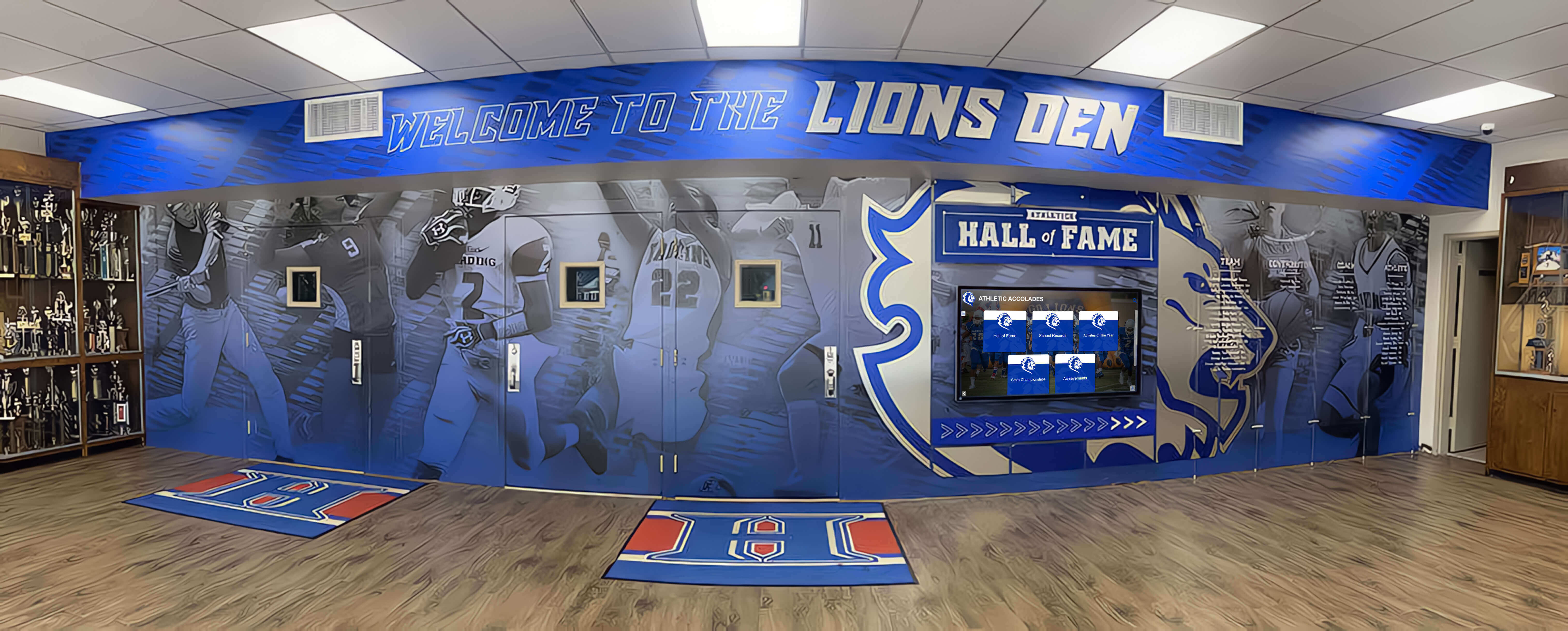
Athletic directors coordinate comprehensive facility improvements including traditional displays and modern technology celebrating program excellence
Conclusion: Investing in Athletic Leadership Excellence
Athletic director salaries vary dramatically based on institutional level, program scope, geographic location, and individual qualifications—from $45,000 stipends at small rural high schools to multi-million dollar packages at elite college programs. Yet regardless of compensation level, effective athletic directors create value far exceeding their costs through program development, risk management, resource generation, and community engagement that strengthens entire institutions.
For aspiring athletic directors, understanding these salary ranges and the factors influencing compensation helps set realistic career expectations while identifying the education, certifications, and experience supporting advancement. For current ADs, market knowledge supports effective negotiation and career planning. For schools and administrators, competitive compensation attracts and retains the athletic leadership talent that builds premier programs serving students, schools, and communities effectively.
The most effective athletic directors don’t just manage schedules and supervise coaches—they build comprehensive programs celebrating excellence across all sports and recognizing contributions from athletes, coaches, staff, donors, and supporters. Modern athletic leadership increasingly includes implementing technology-driven solutions like digital recognition displays that preserve athletic heritage while inspiring current and future student-athletes.
Whether you’re evaluating career paths, negotiating compensation, or budgeting for athletic leadership positions, remember that investing in experienced, qualified athletic directors delivers measurable returns through program excellence, risk mitigation, revenue generation, and the community connections that strengthen schools far beyond competitive results. The right athletic director, compensated competitively and supported adequately, transforms athletic programs into sources of institutional pride serving students and communities for generations.
Athletic directors shoulder tremendous responsibilities managing complex operations affecting hundreds of student-athletes, dozens of coaches and staff, million-dollar budgets, and programs touching entire school communities. Competitive compensation reflecting this scope—adjusted appropriately for institutional size, geographic location, and individual qualifications—represents sound investment in the leadership that makes athletic programs thrive. Schools prioritizing athletic excellence recognize that effective athletic directors justify their compensation many times over through the value they create, the problems they prevent, and the programs they build serving students for decades to come.