Athletic Director Cover Letter: How to Write One That Lands the Interview
- Home /
- Digital Hall of Fame Insights & Resources /
- Athletic Director Cover Letter: How to Write One That Lands the Interview
The Easiest Touchscreen Solution




Live Example: Rocket Alumni Solutions Touchscreen Display
Interact with a live example (16:9 scaled 1920x1080 display). All content is automatically responsive to all screen sizes and orientations.
Athletic director positions represent some of the most competitive appointments in educational administration—requiring candidates to demonstrate not just coaching expertise or athletic background, but comprehensive leadership abilities spanning budget management, compliance oversight, technology integration, and community relations. Yet even highly qualified candidates frequently undermine their applications with generic, template-driven cover letters that fail to distinguish them from dozens of other applicants competing for the same position.
Your cover letter serves as your first—and often only—opportunity to make a compelling case for why you’re the specific solution to a school’s specific athletic leadership needs. While your resume lists credentials and experience, your cover letter must translate those qualifications into a narrative demonstrating how you’ll address the institution’s unique challenges, advance their athletic mission, and provide measurable value from day one.
This comprehensive guide examines proven athletic director cover letter strategies including structural frameworks that capture attention, customization techniques demonstrating genuine institutional research, content elements hiring committees prioritize, common mistakes that eliminate candidates before interviews, and specific examples showing how to translate experience into compelling application narratives that consistently land interviews.
Writing an effective athletic director cover letter requires understanding what search committees actually evaluate versus what candidates assume matters. Schools receive dozens—sometimes hundreds—of applications for single AD positions, making your cover letter the critical screening tool determining whether hiring teams invest time reviewing your full application or move immediately to the next candidate.

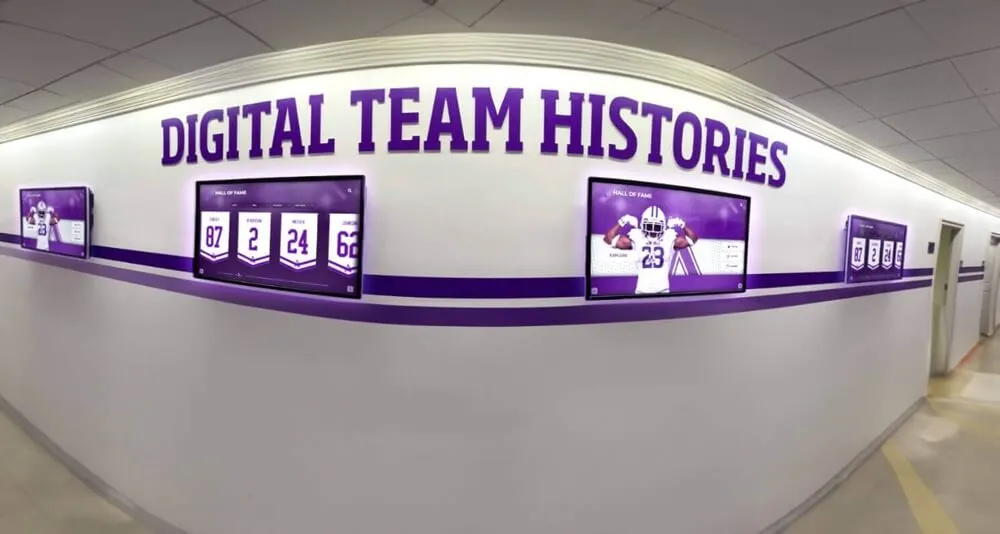
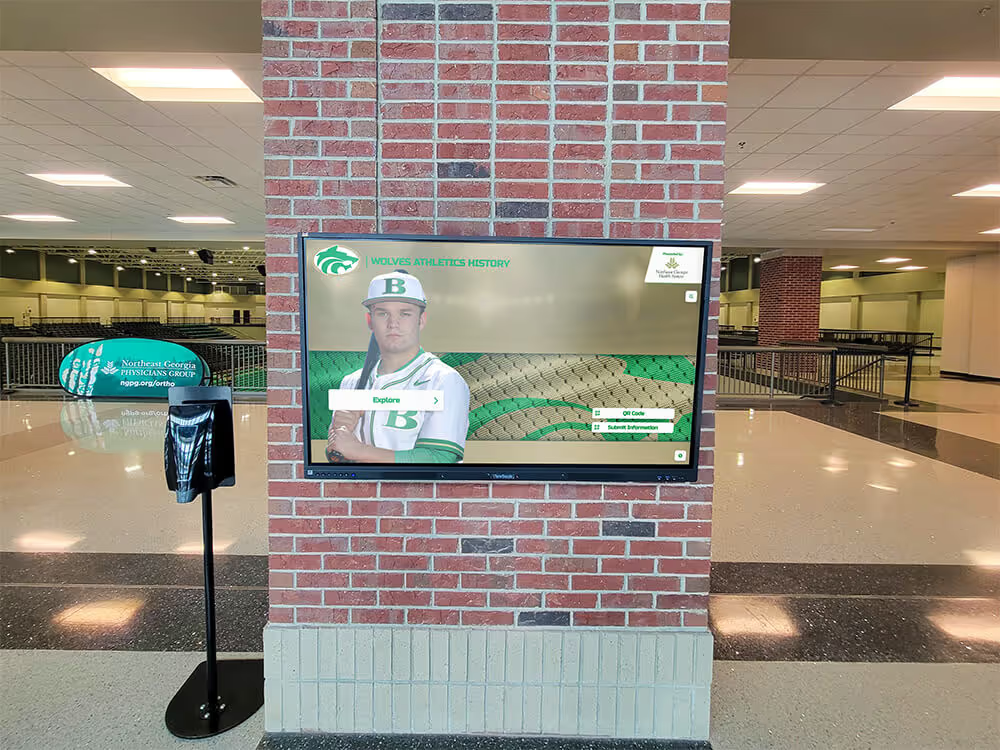
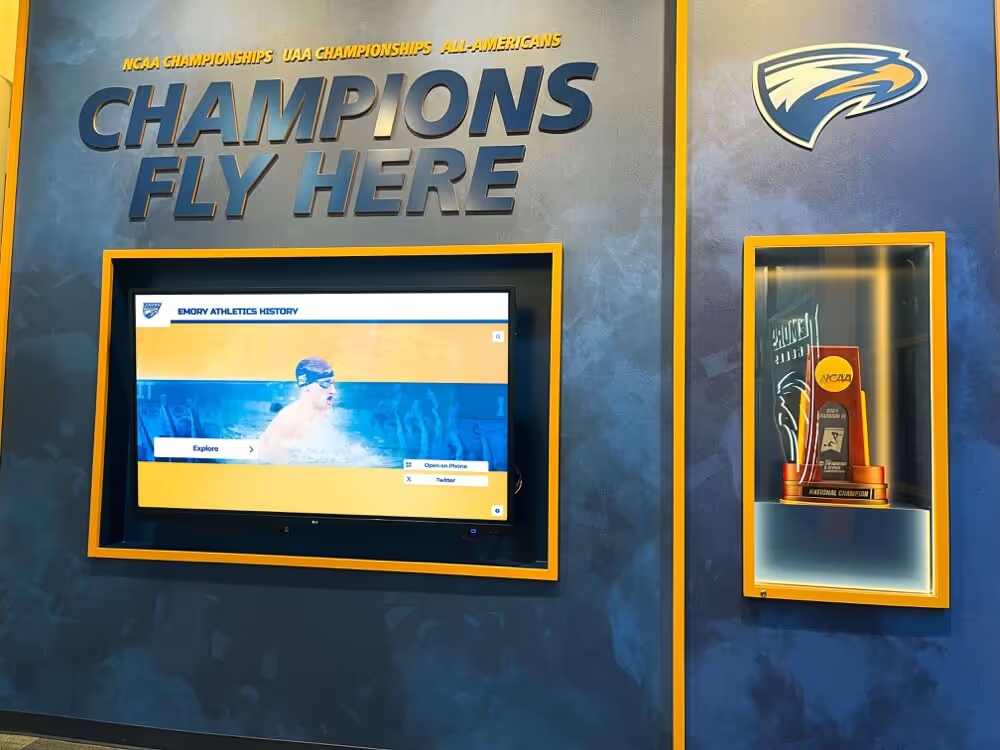
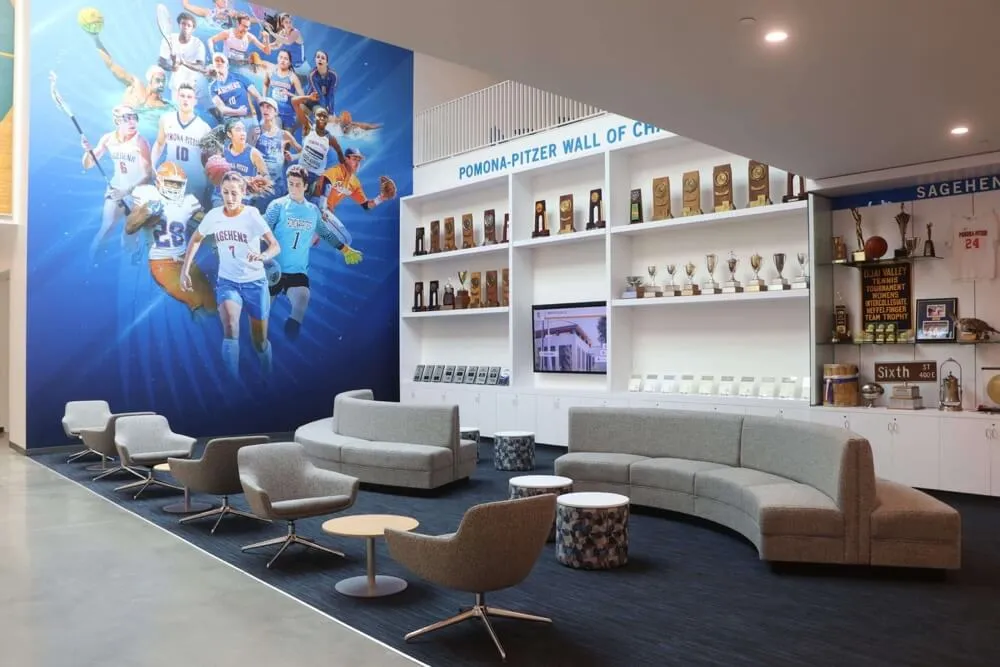
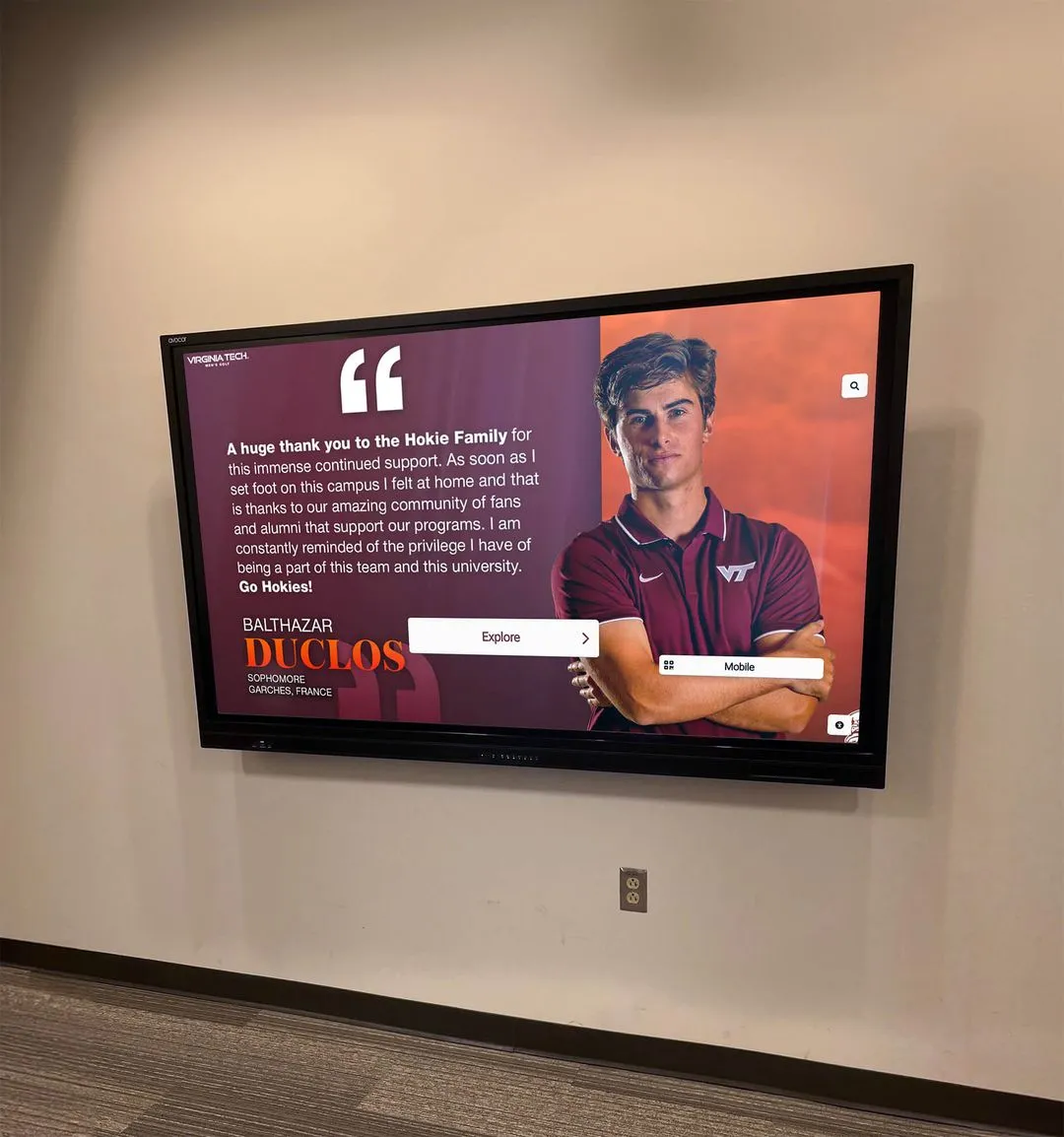
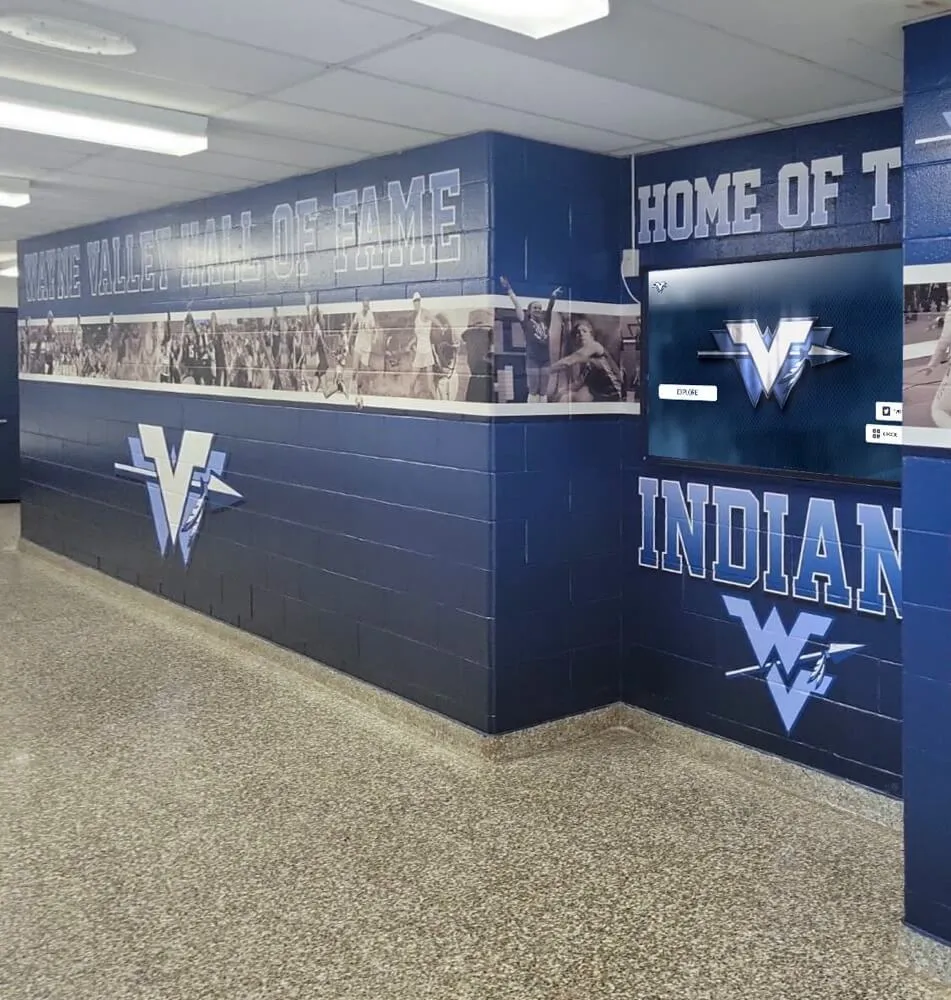
Modern athletic directors manage comprehensive programs requiring diverse competencies from traditional coaching supervision to technology-driven recognition systems
Athletic Director Cover Letter Essential Components
Understanding the foundational structure ensures your letter includes all critical elements while maintaining professional standards hiring committees expect.
Cover Letter Format and Professional Presentation
First impressions begin before committees read your first sentence:
Professional Header Standards
Your cover letter header establishes credibility:
- Full name prominently displayed at the top
- Current professional title if applicable (Athletic Director, Head Coach, etc.)
- Complete contact information including phone number and professional email address
- LinkedIn profile URL demonstrating updated professional presence
- City and state (full address optional for initial application)
- Date of application submission
Avoid unprofessional email addresses—yourname@email.com works; partyanimal1985@email.com eliminates you immediately regardless of qualifications.
Proper Business Letter Format
Traditional formatting maintains professionalism:
- Addressed to specific hiring manager, superintendent, or search committee chair by name
- “Dear Dr. Smith” or “Dear Superintendent Johnson” (research correct names and titles)
- Three to five substantive paragraphs with clear spacing
- Professional closing (“Sincerely,” or “Respectfully,”)
- Typed name with signature if submitting physical copies
- One-page length maximum—committees review dozens of applications
Schools operate in formal environments where attention to professional conventions signals respect for institutional culture and administrative standards.
Formatting Specifications
Technical details matter:
- Standard fonts (Times New Roman, Calibri, Arial) in 11-12 point size
- One-inch margins on all sides maximizing space without appearing cramped
- Single-spaced paragraphs with double-spacing between sections
- PDF format for electronic submissions maintaining formatting across systems
- Consistent alignment and professional appearance throughout
- No graphics, logos, or unconventional design elements
Hiring committees focus on content, not creativity—your cover letter is a business document, not a marketing brochure.

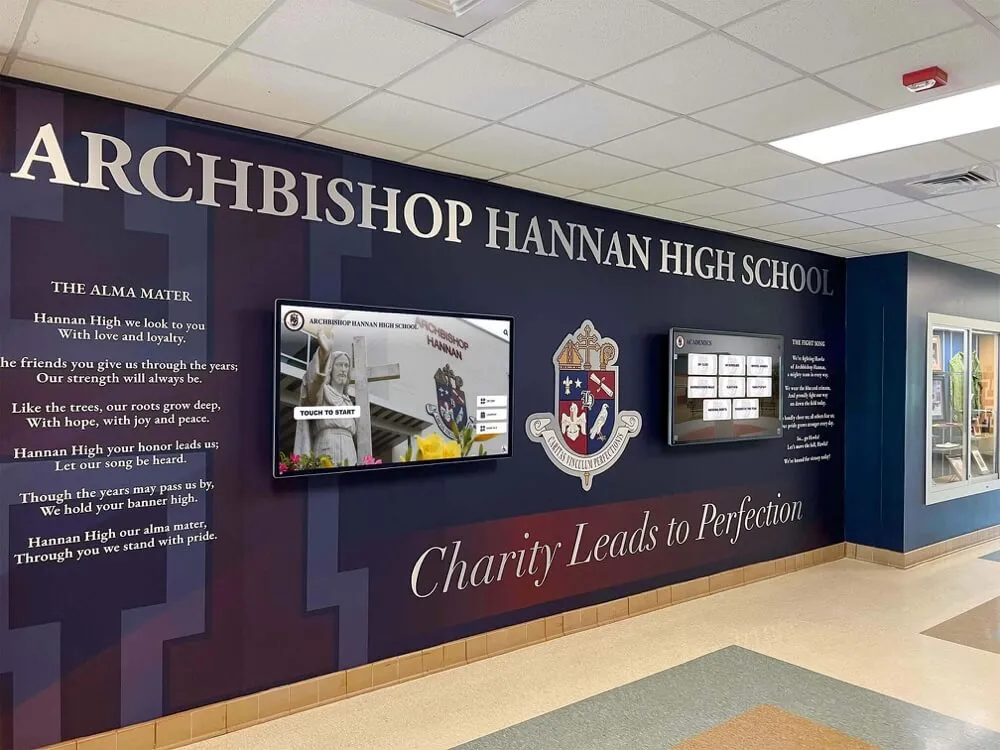
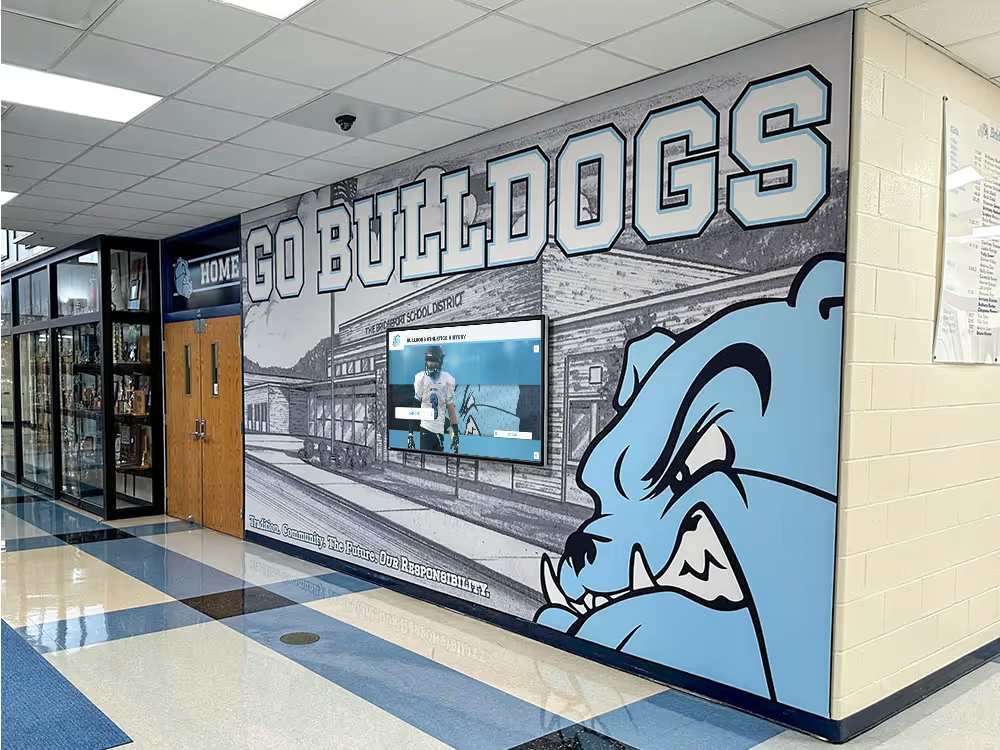
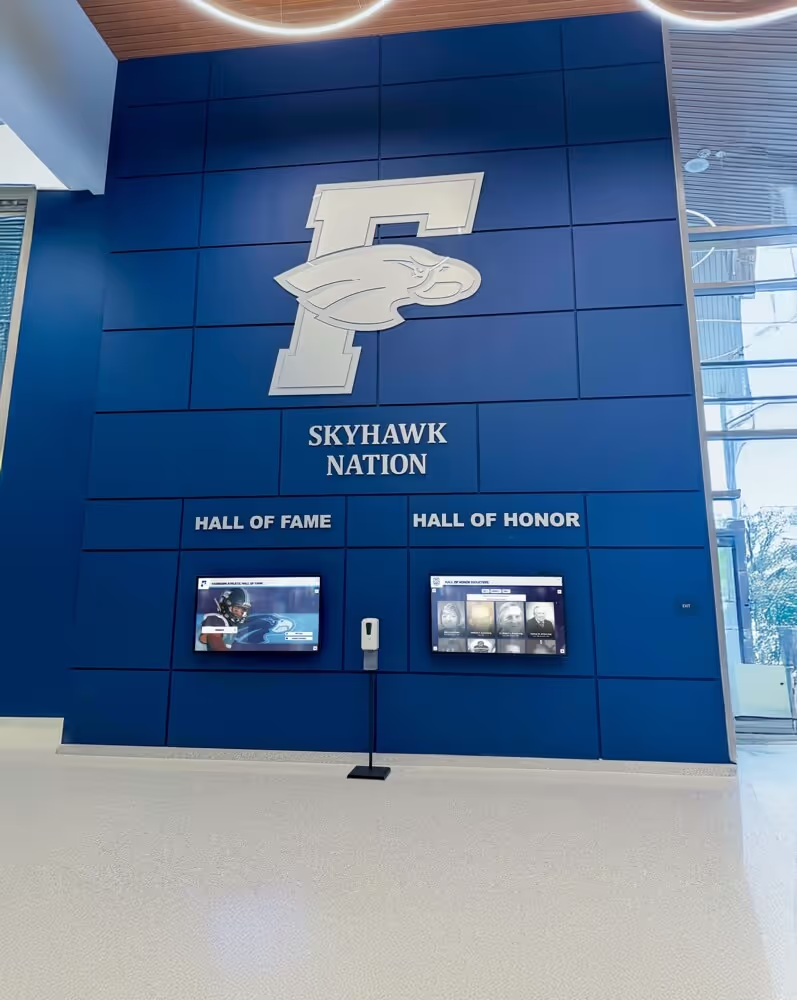
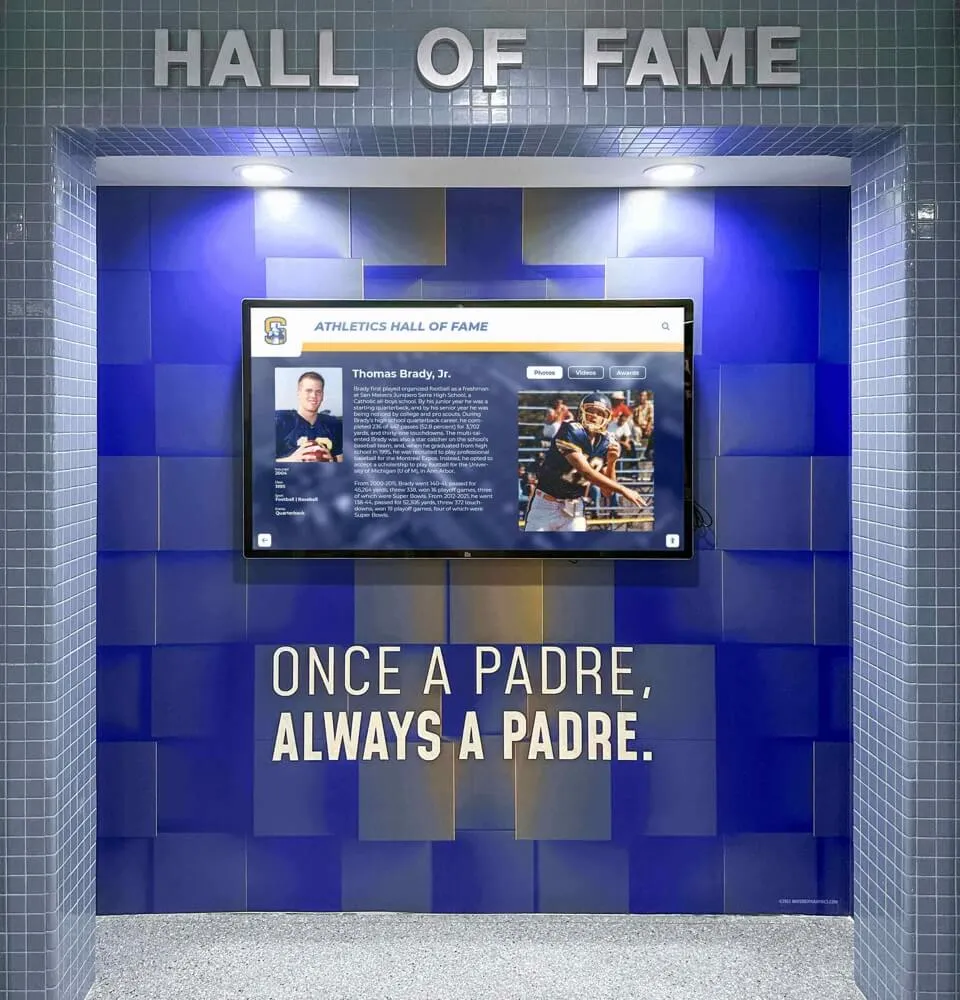
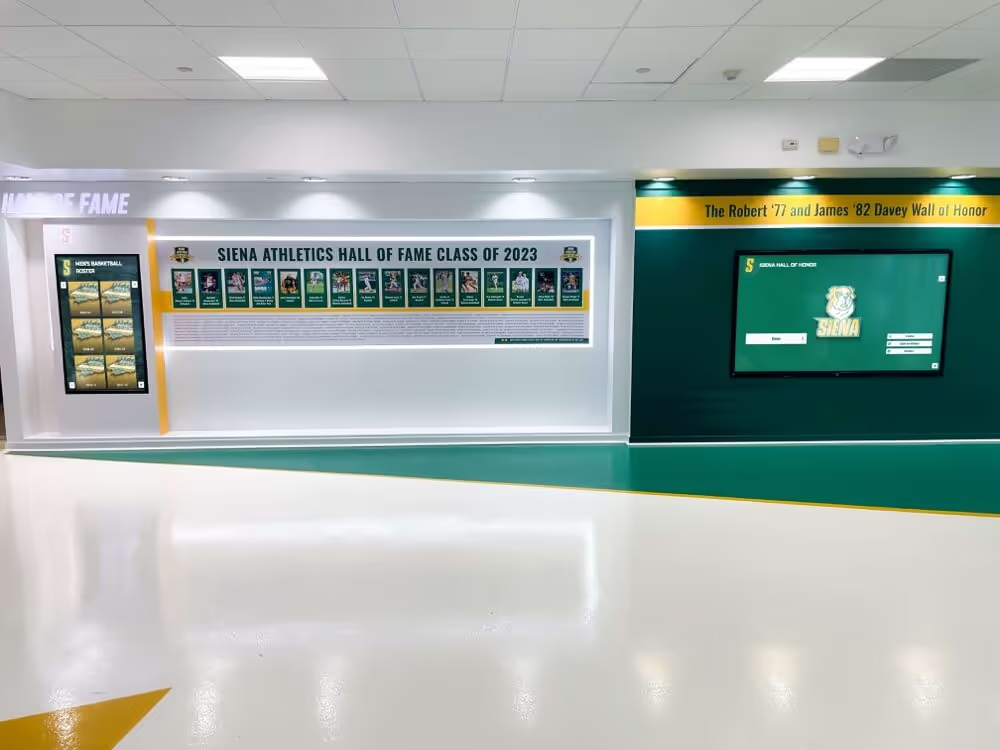
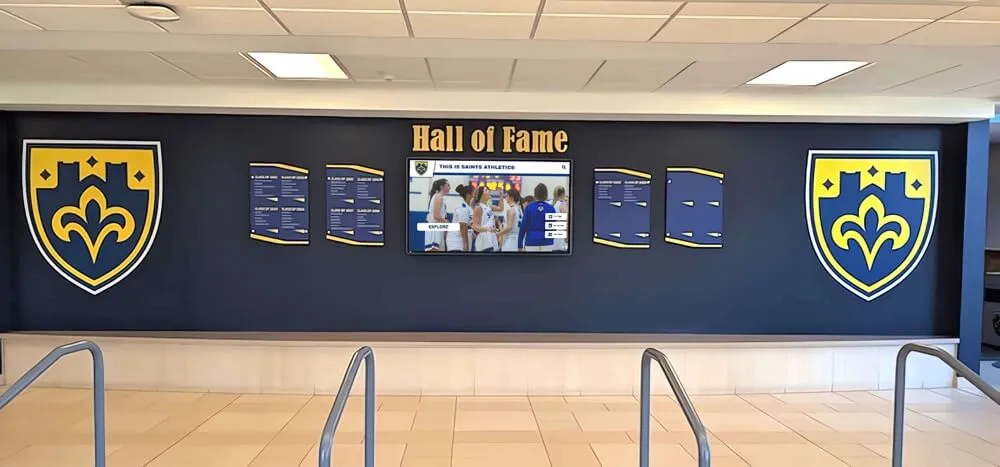
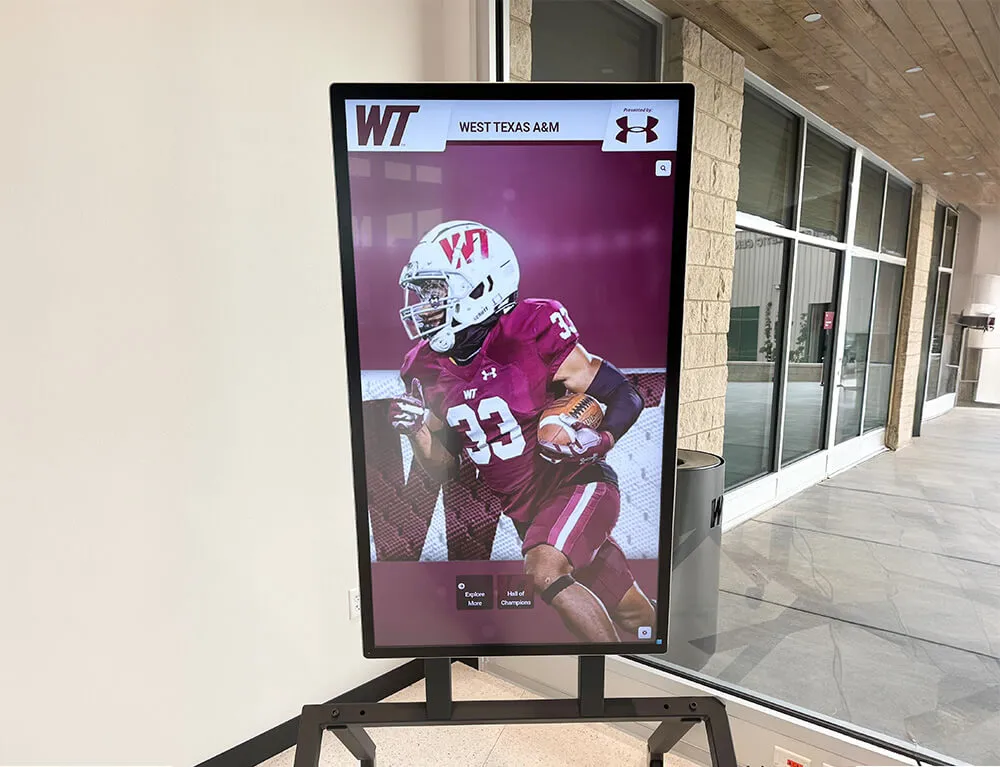
Athletic directors coordinate comprehensive recognition programs celebrating achievements across all sports through traditional and modern platforms
Opening Paragraph: Capturing Immediate Attention
Your first paragraph determines whether committees read further or move to the next application.
Strong Opening Strategies
Effective openings immediately establish relevance:
- Specific Position Reference - “I am writing to apply for the Athletic Director position at Lincoln High School, as advertised on SchoolSpring on April 5, 2026”
- Connection Statement - Mention any personal connection, referral, or institutional familiarity establishing context
- Value Proposition Preview - Briefly state what makes you specifically suited for this particular position
- Enthusiasm Demonstration - Express genuine interest in the school and role without generic platitudes
Example effective opening: “I am writing to apply for the Athletic Director position at Riverside High School. As a 12-year coaching veteran who has followed Riverside’s athletic program transformation under Principal Chen’s leadership, I am excited about the opportunity to build upon this momentum by implementing comprehensive recognition systems, expanding community partnerships, and advancing your stated goal of achieving conference championship competitiveness across all sports within three years.”
This opening identifies the position, demonstrates specific institutional knowledge, and previews concrete value—giving committees immediate reasons to continue reading.
Opening Mistakes to Avoid
Generic starts that doom applications:
- “I am writing to apply for the athletic director position” (no school name, no specificity)
- “I saw your posting and thought I’d be a good fit” (every candidate could write this)
- Repeating resume content without adding context or interpretation
- Lengthy personal history starting with high school athletic experience
- Attempting humor or casual tone in formal application context
Your opening must immediately answer: “Why are you specifically interested in this specific position at this specific institution?”
Understanding athletic director salary considerations helps you evaluate positions strategically and discuss compensation intelligently during interview processes.
Body Paragraphs: Demonstrating Qualification and Fit
Your middle paragraphs must translate resume credentials into compelling evidence of your capacity to succeed in this specific role.
Experience Translation Framework
Connect past accomplishments to future contributions:
Paragraph 2: Relevant Experience and Achievements
Highlight specific accomplishments with measurable outcomes:
- “During my five years as Assistant Athletic Director at Central High School, I coordinated 18 varsity sports programs serving 450 student-athletes”
- “I managed a $1.2M athletic budget, increasing non-district revenue by 34% through strategic sponsorships and facility rental agreements”
- “I implemented Title IX compliance protocols that passed state audit with zero deficiencies”
- “I oversaw facility renovations including digital recognition displays celebrating athletic achievements”
Specific numbers, programs, and outcomes carry significantly more weight than vague claims about “strong leadership” or “excellent communication skills.”
Paragraph 3: Institutional Fit and Strategic Understanding
Demonstrate genuine research and strategic thinking:
- Reference specific institutional challenges or opportunities mentioned in position description
- Connect your experience to stated institutional priorities or strategic plans
- Discuss how your philosophy aligns with school mission and values
- Mention relevant demographic, geographic, or programmatic similarities with your current/previous roles
- Address how you’ll approach team celebration initiatives that build program culture
Example: “I understand Riverside seeks an athletic director who can strengthen community partnerships while maintaining competitive excellence. This aligns perfectly with my experience building a booster club that grew from 45 to 320 active members while our teams won six conference championships across four sports. Your emphasis on creating positive athletic culture through comprehensive recognition programs resonates with my belief that celebrating all athletes—not just championship teams—builds sustainable program excellence.”
This paragraph proves you’ve researched the institution and thought strategically about how you’d contribute.
Paragraph 4: Addressing Specific Requirements or Challenges
Tackle position-specific elements directly:
- If the posting mentions facility management, discuss relevant experience
- If budget constraints are mentioned, address creative resource generation
- If compliance is emphasized, highlight clean audit history
- If technology integration appears, discuss relevant platform experience
- If community relations is stressed, provide partnership examples
Schools often include specific requirements to screen candidates—directly addressing these signals you read carefully and possess the competencies they prioritize.
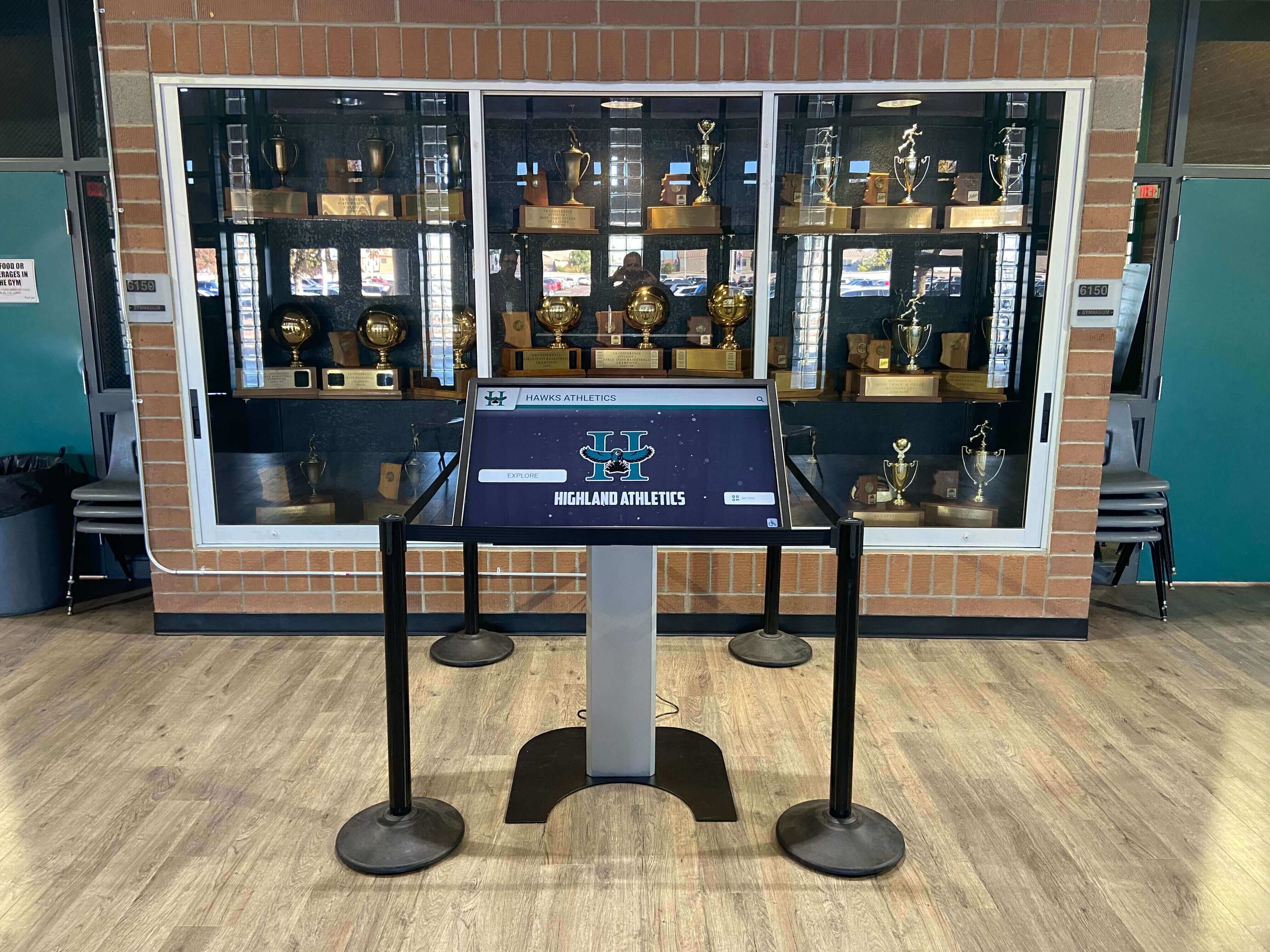
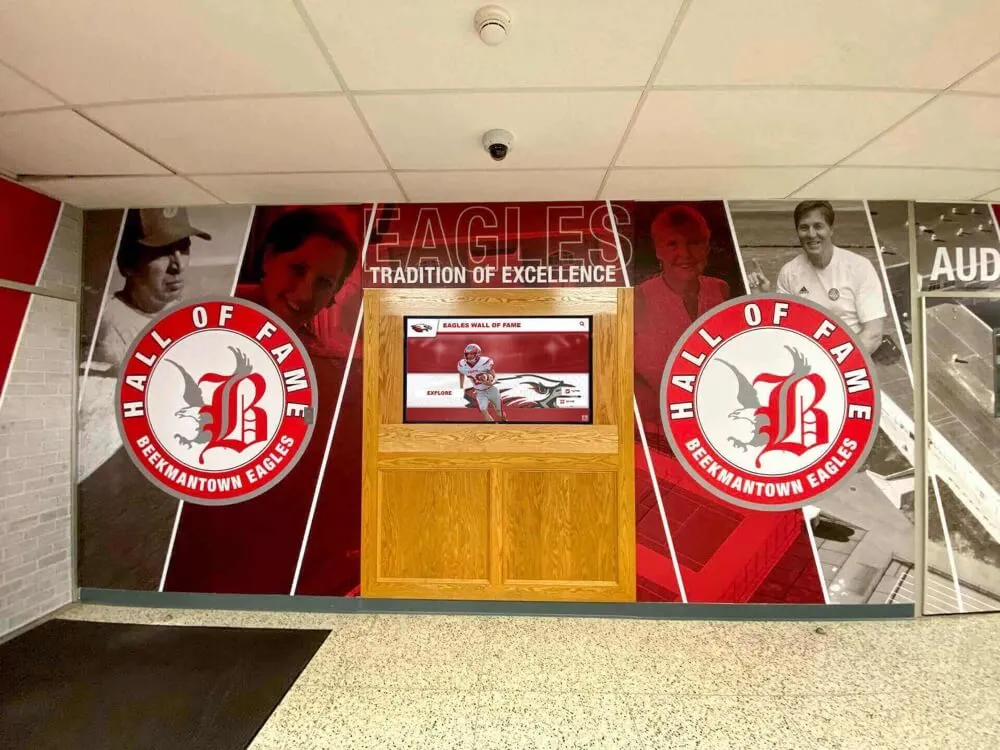
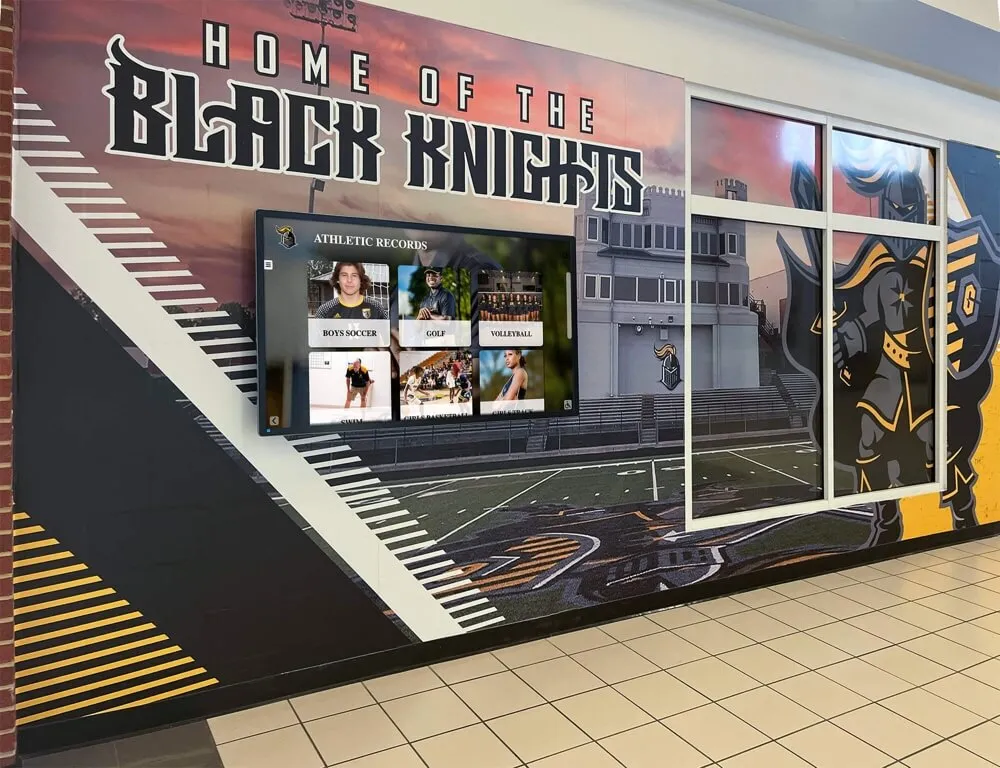
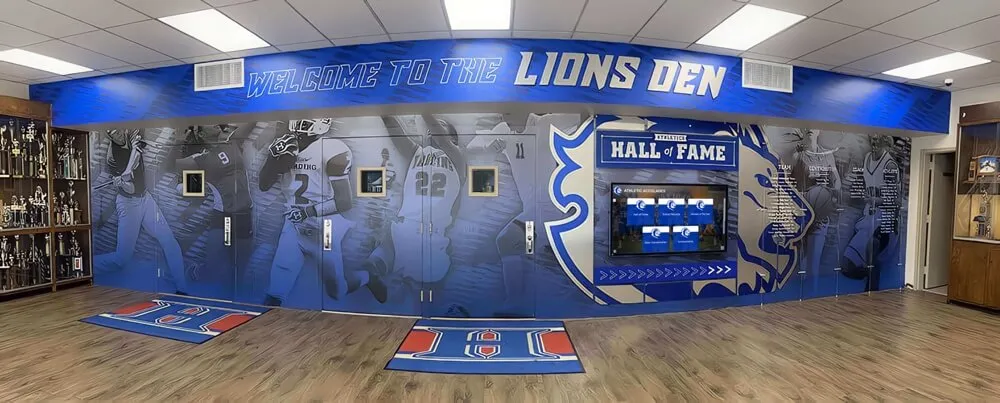
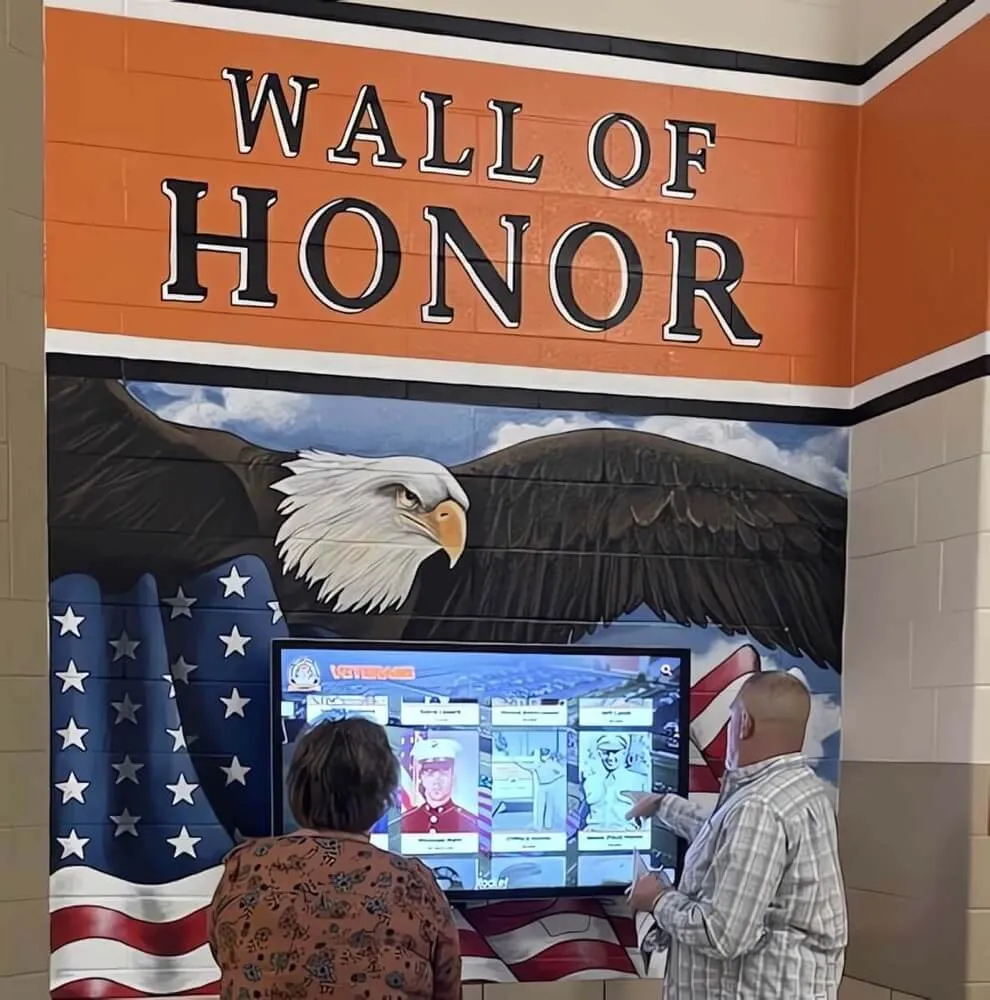
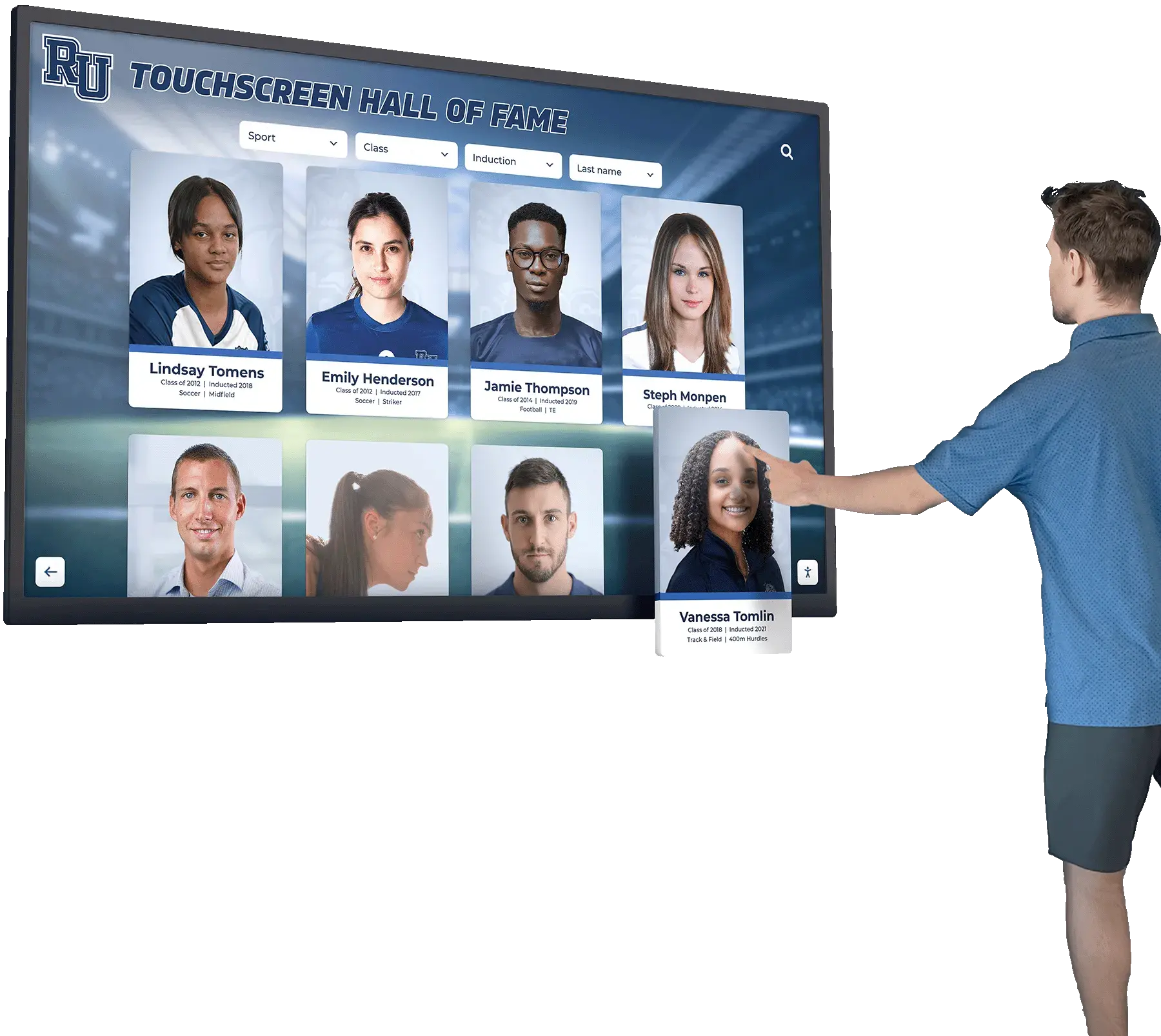
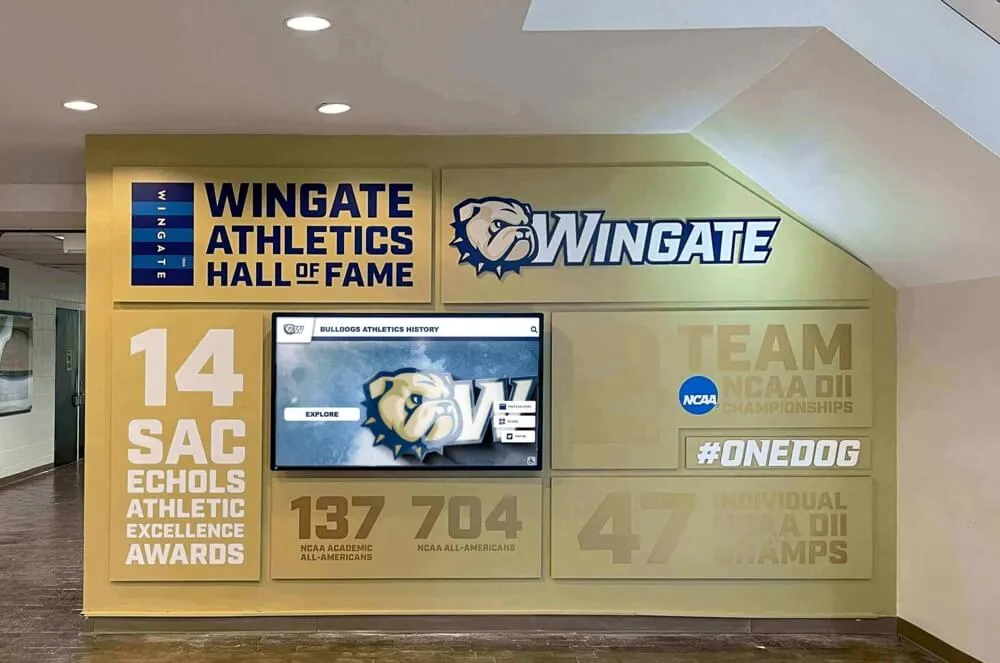
Modern athletic directors coordinate comprehensive achievement recognition through both traditional trophy displays and interactive technology platforms
Customization Strategies That Demonstrate Genuine Interest
Generic cover letters stand out immediately—in the worst possible way. Customization separates serious candidates from those applying broadly without genuine interest.
Institutional Research and Application
Effective customization requires substantive research:
Essential Research Sources
Gather specific information from:
- School Website - Mission statements, strategic plans, recent news, demographic information
- Athletic Department Pages - Current programs, recent achievements, facility descriptions, coaching staff
- Local News Coverage - Recent stories about the school, athletic programs, community issues
- State Athletic Association Records - Championship history, conference affiliations, competitive performance
- Social Media - Athletic department accounts showing program culture and priorities
- Network Contacts - Conversations with anyone connected to the institution
This research should yield specific details you can reference demonstrating genuine institutional knowledge versus surface-level familiarity any candidate could obtain from 30 seconds on the school website.
Incorporating Research Effectively
Weave specific details naturally:
Weak: “I am impressed by your school’s excellent athletic tradition.”
Strong: “Riverside’s four consecutive girls’ soccer conference championships under Coach Martinez, combined with your music program’s consistent state competition recognition, demonstrates the comprehensive excellence your athletic director must maintain across diverse programs.”
Specific references prove you’ve invested time understanding the institution—signaling you’re seriously interested in this particular position, not just any athletic director role.
Addressing Institutional Context
Different school contexts require different approaches:
Small School Applications
- Emphasize versatility and willingness to wear multiple hats
- Discuss experience with limited resources and creative solutions
- Highlight community connection and relationship-building
- Address combined roles (teaching, coaching, activities director)
Large School Applications
- Emphasize organizational systems and delegation capabilities
- Discuss experience managing large coaching staffs and budgets
- Highlight compliance expertise and formal processes
- Address technology platforms managing complex operations
Private School Applications
- Reference institutional mission and values explicitly
- Discuss experience with donor relations and fundraising
- Highlight tradition preservation while embracing innovation
- Address family communication and community expectations
Demonstrating understanding of institutional context prevents mismatches where your background doesn’t align with school culture or operational realities.
Understanding modern advanced analytics for digital recognition shows forward-thinking program management increasingly valued by hiring committees.
Highlighting Modern Athletic Director Competencies
Contemporary AD positions require competencies beyond traditional coaching background.
Technology Integration Experience
Schools increasingly prioritize tech-savvy administrators:
- Athletic management platforms (rSchool Today, FinalForms, ArbiterSports)
- Communication systems (mass notification, email marketing, social media)
- Digital recognition and display systems celebrating achievements
- Video streaming and highlight platforms (Hudl, MaxPreps, NFHS Network)
- Budget and financial management software
- Facility scheduling and event management tools
Discuss specific platforms you’ve implemented or managed, particularly if job descriptions mention technology responsibilities.
Compliance and Risk Management
Legal competency increasingly critical:
- Title IX compliance expertise and audit preparation
- Eligibility verification and academic monitoring systems
- Concussion protocols and safety management
- Coaches’ background checks and certification tracking
- Emergency action plans and crisis response
- Insurance and liability management
Mention relevant professional development, certifications, or clean compliance records demonstrating commitment to legal and ethical operations.
Financial Acumen
Budget management expertise essential:
- Multi-million dollar budget oversight experience
- Revenue generation through sponsorships, fundraising, facility rentals
- Cost containment strategies during budget constraints
- Capital campaign experience for facility improvements
- Grant writing and alternative funding source development
- Financial reporting and transparency practices
Quantify budget sizes managed and revenue generated through your initiatives—concrete numbers demonstrate capability.
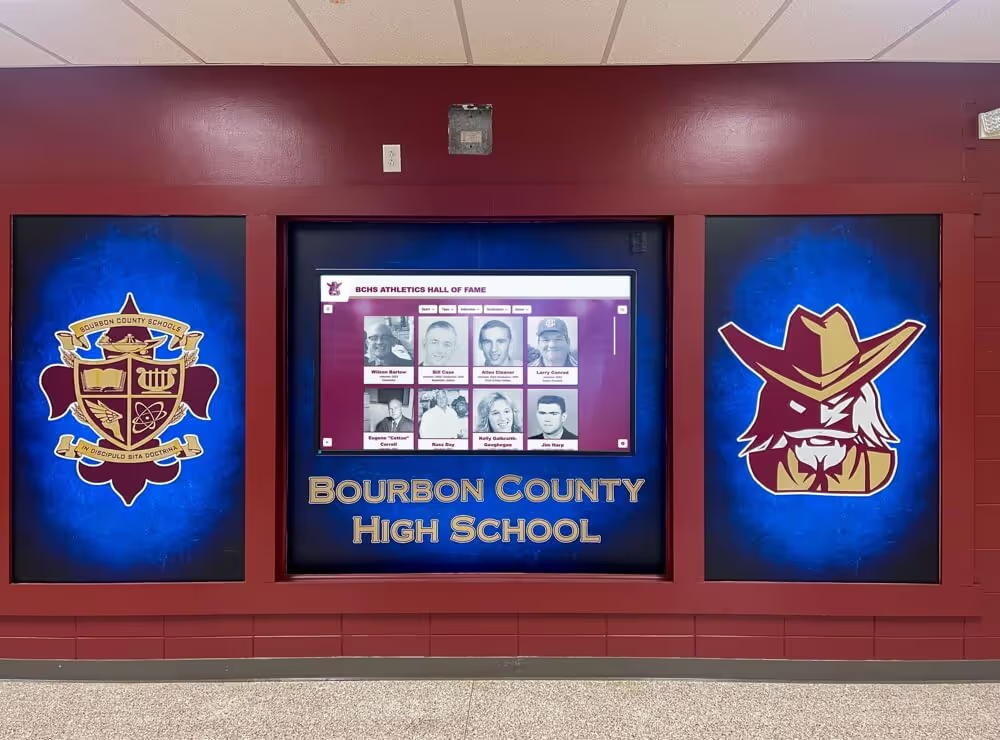
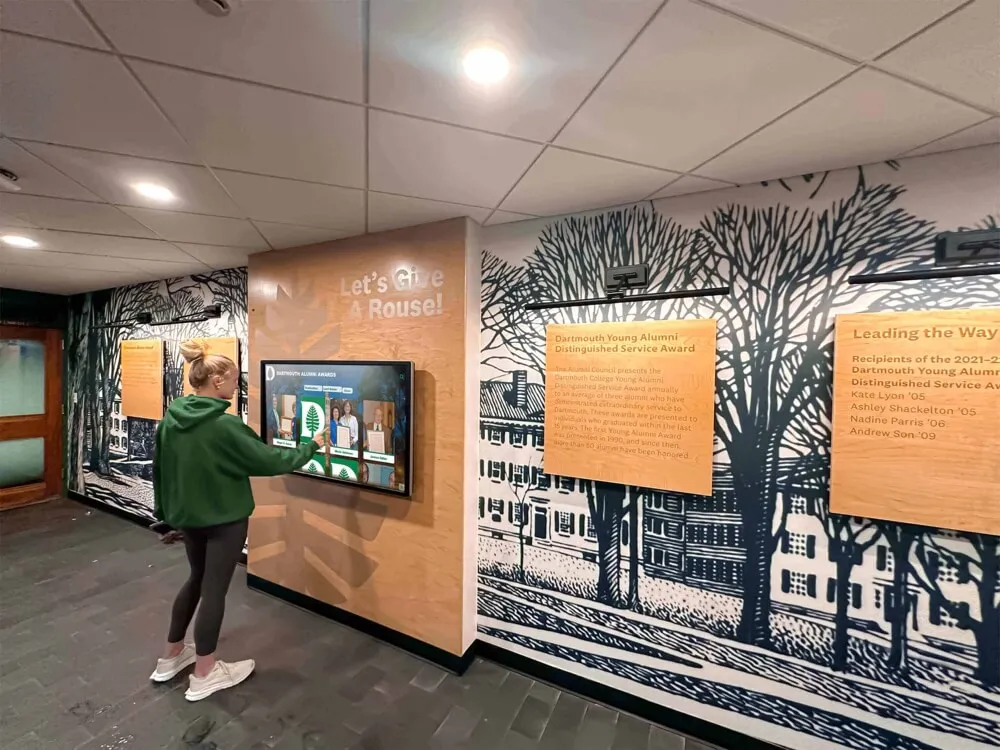
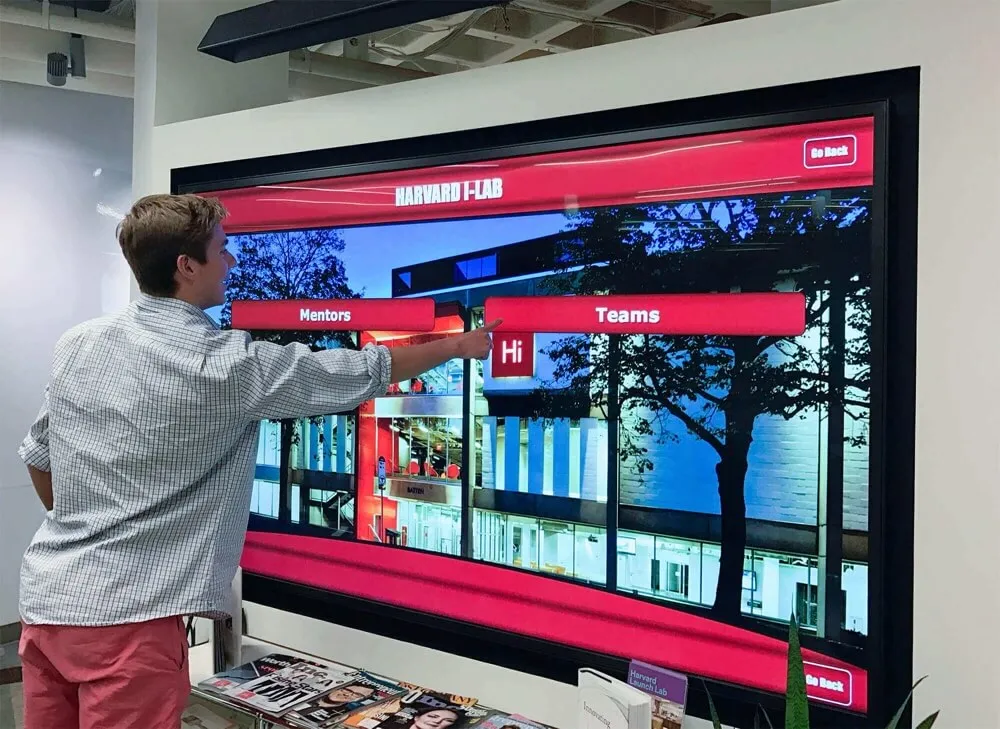
Athletic directors coordinate donor recognition programs that acknowledge supporters while creating lasting institutional value and program legacy
Community and Stakeholder Relations
Public-facing competencies matter:
- Parent communication and conflict resolution
- Booster club development and volunteer coordination
- Media relations and public speaking
- School board presentation and administrative reporting
- Community partnership development
- Multi-stakeholder collaboration (coaches, faculty, parents, students)
Provide specific examples of challenging stakeholder situations you’ve navigated successfully, demonstrating interpersonal skills essential for AD effectiveness.
Common Cover Letter Mistakes That Eliminate Candidates
Understanding what doesn’t work helps you avoid application-killing errors.
Content and Tone Mistakes
Problematic approaches that undermine applications:
Generic Template Language
Phrases that scream “I sent this to 50 schools”:
- “Your school’s commitment to excellence…” (every school claims this)
- “I would be a great fit for any athletic program…” (why this one specifically?)
- “I have always wanted to be an athletic director…” (personal desires don’t address employer needs)
- Failing to mention school name throughout the letter
- Identical paragraph structure across all applications
Search committees can spot templated letters instantly—and they go straight to the rejection pile.
Resume Repetition Without Value Addition
Your cover letter shouldn’t just restate resume content:
- Listing job duties without discussing outcomes or impact
- Chronological work history without thematic organization
- Credentials without explaining relevance to this position
- Generic skill claims without specific examples or evidence
Your resume presents facts; your cover letter interprets those facts explaining why they matter for this specific opportunity.
Inappropriate Tone
Professional voice essential:
- Overly casual language (“Hey there,” “I’d love to chat about…”)
- Excessive enthusiasm bordering on unprofessional (“I’m SO excited!!!”)
- Arrogant claims (“I’m the best candidate you’ll find”)
- Negative comments about current/previous employers
- Humor attempts that fall flat in formal context
Maintain confident, professional tone throughout—enthusiastic without being excessive, confident without arrogance.
Length and Focus Problems
Structural issues that lose attention:
- Exceeding one page (committees stop reading)
- Dense paragraphs with no white space
- Focusing on personal history rather than value to employer
- Including irrelevant information (your own high school athletic career)
- Burying key qualifications in long paragraphs
Every sentence should advance your candidacy—if it doesn’t, cut it.
Understanding how to implement comprehensive sports banquet slideshows demonstrates commitment to celebrating all athletes across programs.
Technical and Professional Errors
Mistakes that signal carelessness:
Spelling and Grammar Issues
Proofread meticulously:
- Misspelled school name, district name, or administrator names (instant disqualification)
- Basic grammatical errors suggesting lack of attention to detail
- Inconsistent verb tenses
- Punctuation mistakes
- Typos from copying and pasting between applications
Have multiple people proofread before submission—errors in a one-page document suggest inability to manage detailed work.
Incorrect Names and Titles
Research accuracy critical:
- Addressing letter to wrong person or outdated administrator
- Incorrect titles (calling a principal “superintendent”)
- Misspelling names of people or institutions
- Wrong school or district name (copying error from different application)
These mistakes suggest you don’t care enough to verify basic information.
Application Instruction Failures
Follow directions precisely:
- Ignoring specific application requirements or questions
- Submitting wrong file formats
- Exceeding stated length limits
- Missing application deadlines
- Failing to include requested materials
Inability to follow application instructions predicts inability to follow institutional policies and procedures.
Athletic directors manage comprehensive programs documenting achievements while ensuring compliance and celebrating excellence across all sports
Closing Paragraph and Call to Action
Your conclusion must be strong, professional, and action-oriented.
Effective Closing Strategies
Professional conclusions that prompt next steps:
Restating Enthusiasm and Fit
Brief, confident summary:
- Reiterate genuine interest in the specific position
- Summarize your unique value proposition in one sentence
- Express confidence in your ability to contribute immediately
- Avoid desperate-sounding language or begging for consideration
Example: “I am confident my experience managing comprehensive athletic programs, implementing technology-driven recognition systems, and building community partnerships positions me to advance Riverside High School’s athletic mission while maintaining your tradition of celebrating all student-athletes.”
Clear Next-Step Request
Professional call to action:
- “I look forward to discussing how my experience aligns with Riverside’s needs in an interview”
- “I welcome the opportunity to elaborate on how I would approach the specific challenges you’ve outlined”
- “I would appreciate the opportunity to meet with the search committee to discuss my qualifications in detail”
Avoid passive language (“I hope to hear from you”) or presumptuous statements (“I look forward to starting in July”).
Professional Closing Elements
Standard business letter conclusion:
- Thank committee for considering your application
- Reference attached/enclosed resume and reference list
- Provide contact information again for convenience
- Professional closing salutation
- Typed name (and signature if hard copy)
Example complete closing: “Thank you for considering my application for the Athletic Director position. I have attached my resume, reference list, and leadership philosophy statement for your review. I welcome the opportunity to discuss how my experience can contribute to Riverside’s continued athletic excellence. Please contact me at (555) 123-4567 or jsmith@email.com to arrange an interview at your convenience.”
Sincerely,
John Smith
Following Up Professionally
Post-submission strategies:
Appropriate Follow-Up Timeline
Professional persistence without annoyance:
- Wait 1-2 weeks after application deadline before following up
- Send brief email inquiring about timeline and process
- Reference your application specifically with position and date submitted
- Reiterate interest without being pushy
- Accept if school indicates they’ll contact selected candidates
Networking and Internal Connections
Leverage relationships strategically:
- Mention referrals or connections in initial cover letter if appropriate
- Ask connections to speak on your behalf after formal application submitted
- Attend public events (athletic contests, board meetings) demonstrating interest
- Avoid appearing to circumvent formal process or pressure decision-makers
Professional networking differs from inappropriate lobbying—stay on the right side of that line.
Exploring school rivalry history demonstrates understanding of traditions athletic directors must preserve while advancing programs.
Sample Athletic Director Cover Letter Framework
Comprehensive example showing effective structure:
JOHN SMITH Current Athletic Director (555) 123-4567 | jsmith@email.com | LinkedIn.com/in/johnsmith Riverside, California
April 10, 2026
Dr. Sarah Martinez, Superintendent Lincoln Unified School District 1234 Education Drive Lincoln, California 95000
Dear Dr. Martinez:
I am writing to apply for the Athletic Director position at Lincoln High School, as posted on EdJoin on April 3, 2026. Having followed Lincoln’s athletic program growth over the past five years—particularly your girls’ basketball program’s consecutive league championships and the recent gymnasium renovation—I am excited about the opportunity to build upon this momentum by expanding community partnerships, implementing comprehensive digital recognition programs, and advancing your stated goal of achieving conference competitiveness across all 22 varsity sports.
During my seven years as Athletic Director at Riverside High School, I have managed a comprehensive athletic program serving 520 student-athletes across 20 varsity and 16 sub-varsity teams with a $1.4M annual budget. I have increased non-district revenue by 42% through strategic sponsorships and facility partnerships while maintaining a zero-deficiency Title IX compliance record across three state audits. Additionally, I implemented athletic management technology reducing eligibility verification time by 60% while improving communication transparency with parents and community members. My experience managing programs of similar size and scope—combined with my master’s degree in educational leadership and NIAAA Certified Athletic Administrator credential—positions me to lead Lincoln’s athletic department effectively from day one.
I understand Lincoln seeks an athletic director who can strengthen community engagement while maintaining competitive excellence across diverse sports programs. This aligns perfectly with my philosophy that sustainable athletic success requires celebrating all participants—not just championship teams—through comprehensive recognition systems. At Riverside, I established a booster club that grew from 38 to 285 active members by creating meaningful involvement opportunities beyond financial contributions, including volunteer coordination, senior night celebrations, and alumni engagement programs. Your emphasis on creating positive athletic culture through inclusive programming resonates strongly with my experience building sustainable program excellence through stakeholder collaboration.
Your posting emphasizes facility management and technology integration—areas where I offer substantial relevant experience. I coordinated a $2.3M gymnasium renovation at Riverside while maintaining full athletic schedules, managing community feedback, and ensuring ADA compliance throughout the project. I also implemented comprehensive athletic technology including scheduling platforms, video streaming services, and interactive displays showcasing athletic achievements and traditions. Additionally, my experience developing spirit day programs and school-wide engagement initiatives demonstrates my commitment to integrating athletics within broader school culture rather than operating as isolated department.
I am confident my experience managing comprehensive athletic programs, implementing technology-driven recognition systems, building community partnerships, and maintaining compliance standards positions me to advance Lincoln High School’s athletic mission effectively. I welcome the opportunity to discuss how my background aligns with your specific needs and to elaborate on my strategic vision for Lincoln’s athletic future.
Thank you for considering my application. I have attached my resume, reference list, administrative philosophy statement, and NIAAA certification documentation for your review. Please contact me at (555) 123-4567 or jsmith@email.com to arrange an interview at your convenience.
Sincerely,
John Smith
This example demonstrates specific institutional knowledge, quantified achievements, direct addressing of position requirements, appropriate length, and professional tone throughout.
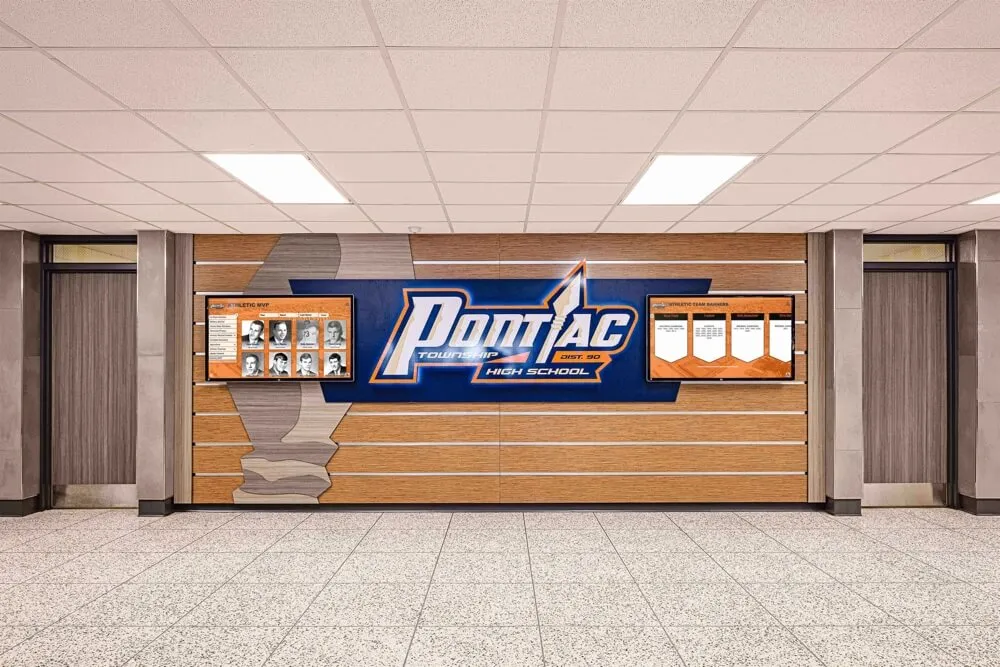
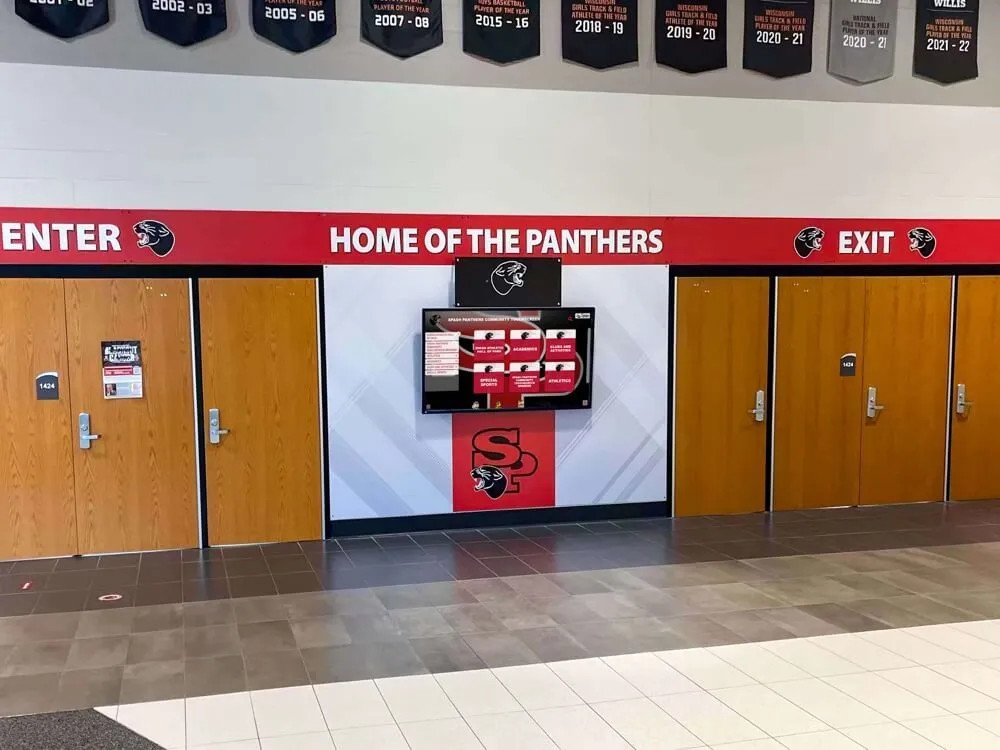
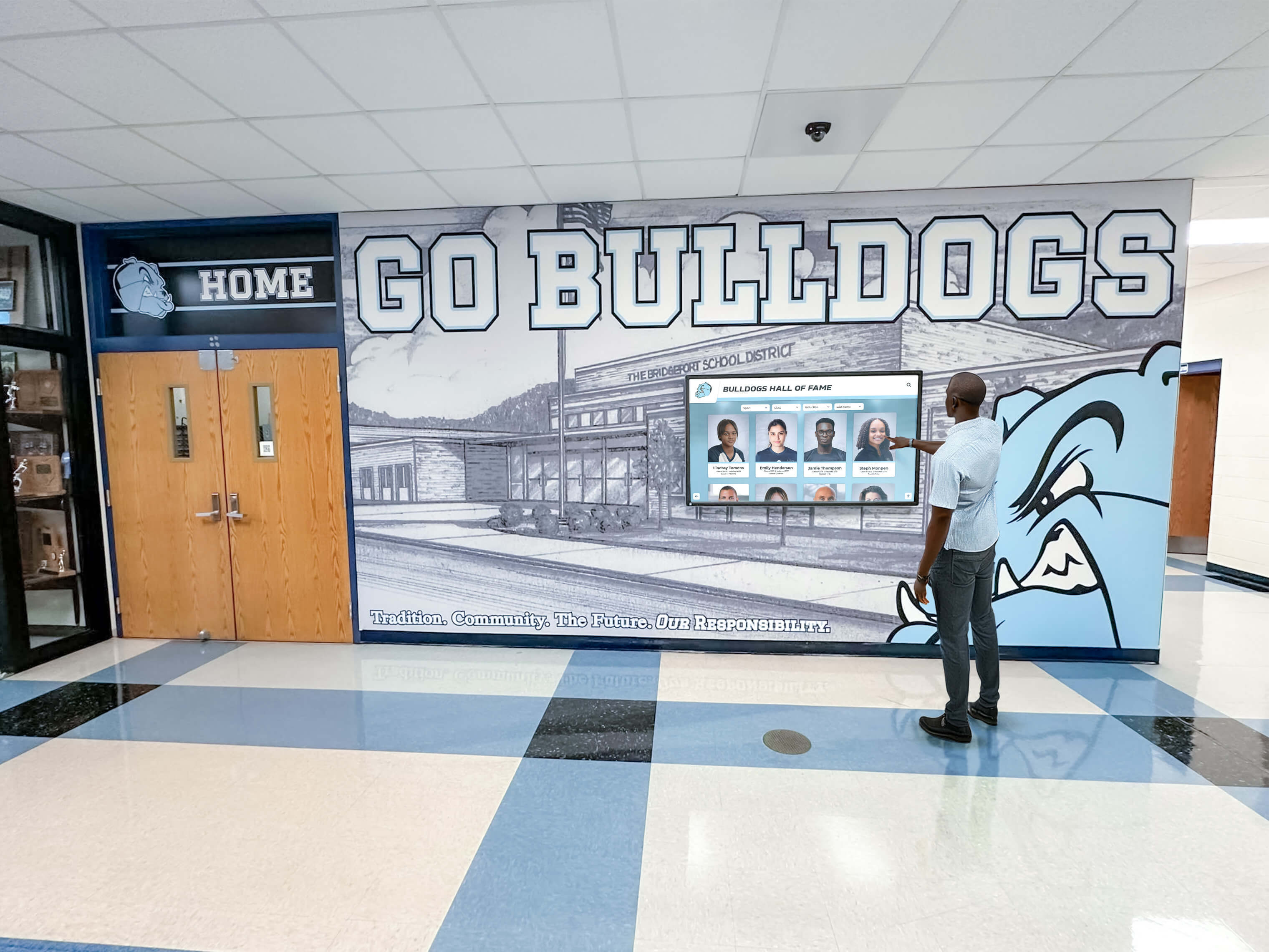
Modern athletic facilities integrate branding, recognition technology, and functional spaces that athletic directors coordinate and maintain as program leaders
Additional Application Materials and Portfolio Elements
Strengthening your complete application package:
Resume Coordination
Ensure consistency across materials:
- Cover letter highlights most relevant resume elements
- Dates, titles, and institutions match precisely across documents
- Accomplishments mentioned in cover letter appear in resume
- No contradictions or inconsistencies raising questions
- Combined package tells coherent narrative about your candidacy
Your application materials should function as integrated package, not disconnected documents.
Reference Selection Strategy
Choose references strategically:
- Superintendent or principal who supervised your AD work
- Coaches who can speak to your administrative support and leadership
- Community members (booster president, school board member) addressing stakeholder relations
- Athletic conference commissioner or state association leader providing external perspective
- Avoid purely personal references lacking professional credibility
Prepare references in advance, ensuring they’ll provide strong, specific endorsements addressing qualities relevant to AD positions.
Administrative Philosophy Statement
Some applications request leadership philosophy:
- Define your core beliefs about athletic program purpose
- Discuss how you balance competition with educational mission
- Address inclusive participation versus competitive excellence tensions
- Explain stakeholder communication and decision-making approaches
- Connect philosophy to demonstrated practices and outcomes
Philosophy statements shouldn’t be abstract theoretical documents—ground them in specific examples from your experience demonstrating how beliefs translate to action.
Professional Development Documentation
Strengthen applications with:
- NIAAA certification credentials (CAA or advanced levels)
- State athletic director licensing
- Relevant graduate degrees or coursework
- Conference attendance and professional association involvement
- Specialized training (Title IX, risk management, budget administration)
- Awards or recognition received
Professional development demonstrates commitment to excellence and continuous improvement—qualities schools seek in athletic leaders.
Understanding comprehensive digital donor recognition approaches shows appreciation for supporter engagement athletic directors coordinate.
Interview Preparation Following Strong Cover Letter
Your cover letter’s job is securing an interview—prepare for next steps:
Anticipating Interview Questions
Expect to elaborate on cover letter content:
- “Tell us about the budget growth you mentioned in your letter”
- “Describe the Title IX compliance systems you implemented”
- “Explain your approach to the facility management challenges you referenced”
- “Walk us through a difficult stakeholder situation you’ve navigated”
- “How would you approach the specific challenges we discussed in the position description?”
Your cover letter creates interview agenda—be prepared to provide detailed examples and evidence supporting every claim you made.
Researching Beyond Initial Application
Deepen institutional knowledge:
- Review recent school board minutes and athletic updates
- Analyze state athletic association records and competitive history
- Research community demographics and socioeconomic context
- Identify recent controversies or challenges affecting the district
- Understand conference realignment or upcoming changes
- Study facility conditions and capital improvement needs
Interview preparation should produce substantially deeper knowledge than initial application research.
Preparing Questions Demonstrating Interest
Ask strategic questions showing engagement:
- “What do you see as the athletic director’s most critical priorities in the first year?”
- “How does the athletic department integrate with the broader school mission?”
- “What relationships with community partners exist that the AD should maintain or expand?”
- “What technology platforms are currently in use, and what systems need implementation?”
- “How is athletic director performance evaluated, and what metrics define success?”
Thoughtful questions demonstrate you’re interviewing the school as seriously as they’re interviewing you.
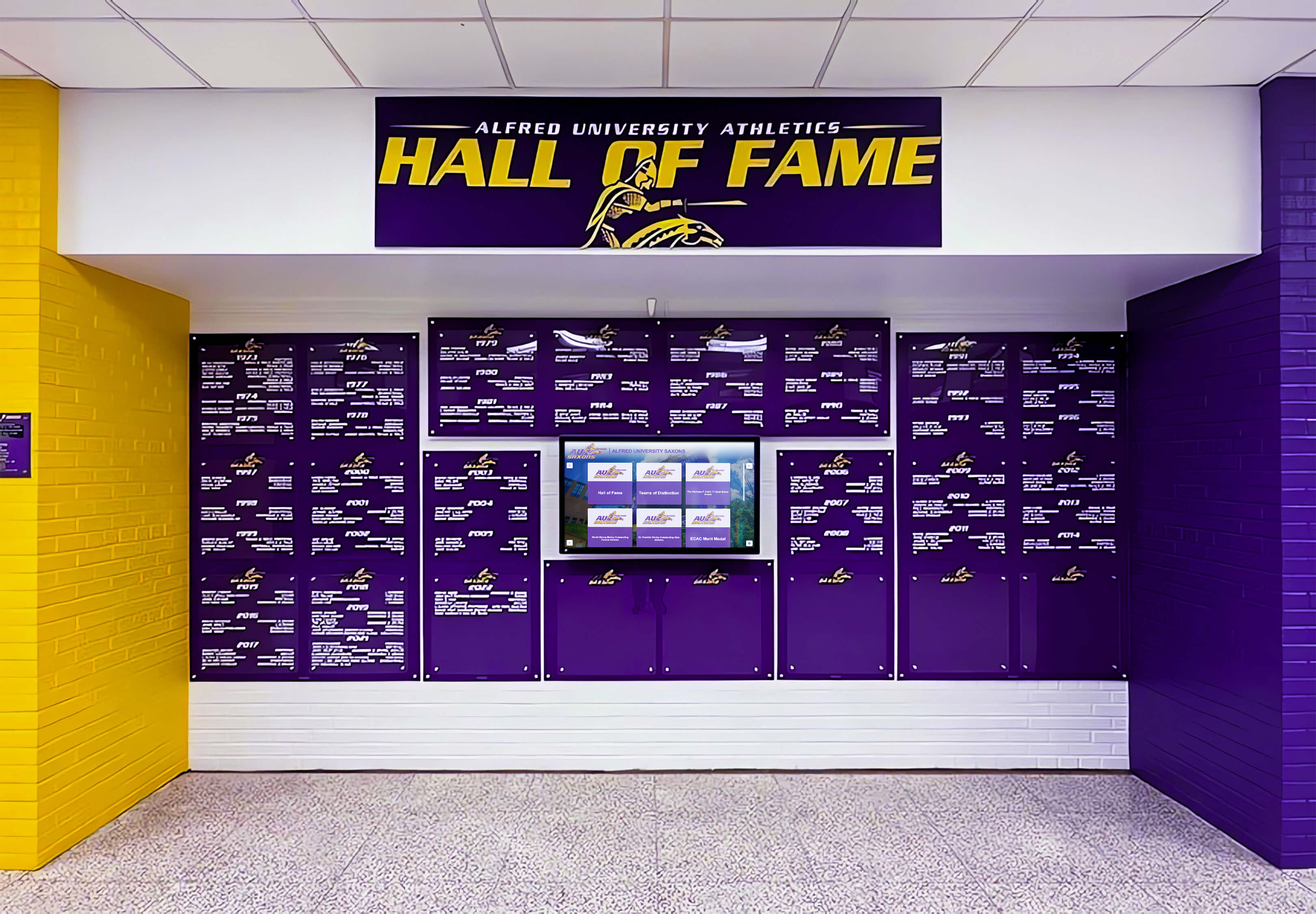
Athletic directors coordinate recognition programs celebrating achievements while maintaining institutional traditions and advancing program excellence across all sports
Building Your Athletic Director Career Pipeline
Strategic career development supporting AD aspirations:
Gaining Relevant Experience
Position yourself strategically:
- Seek assistant athletic director or activities director roles building administrative experience
- Volunteer for compliance, budget, or facility committees demonstrating interest and capability
- Pursue coaching positions at schools with strong AD mentorship opportunities
- Obtain NIAAA certification and advanced credentials before applying for AD positions
- Attend state and national athletic director conferences networking and learning
- Build technology skills increasingly essential for modern athletic administration
Athletic director positions typically require demonstrated administrative experience—build relevant background systematically rather than jumping from coaching directly to AD roles.
Networking and Professional Association Involvement
Build visibility and relationships:
- Join state athletic director associations attending conferences and workshops
- Participate in NIAAA Leadership Training Course and advanced certification
- Volunteer for state association committees or task forces
- Present at conferences sharing successful initiatives from your program
- Maintain active professional social media presence demonstrating thought leadership
- Cultivate relationships with mentors who can provide references and advice
Many AD positions are filled through professional networks before they’re publicly advertised—strategic networking creates opportunities generic job board applications miss.
Understanding Career Timing and Progression
Strategic application approach:
- Apply selectively to positions genuinely matching your qualifications and interests
- Avoid applying for positions clearly requiring more experience than you possess
- Consider geographic flexibility expanding available opportunities
- Understand that most ADs apply for multiple positions before landing appointments
- Learn from rejections rather than becoming discouraged
- Time applications strategically (most hiring happens February-June)
Quality applications to appropriate positions yield better results than scattershot approaches applying for every posted AD position regardless of fit.
Exploring modern digital signage screen types demonstrates understanding of technology increasingly central to athletic program operations.
Athletic Director Cover Letter Success Framework
Effective athletic director cover letters distinguish qualified candidates in competitive appointment processes by translating credentials into compelling narratives demonstrating specific value for particular institutions.
Successful cover letters follow professional formatting standards, open with immediate relevance establishment, include substantive body paragraphs connecting experience to institutional needs, demonstrate genuine research and customization, address modern AD competencies beyond traditional coaching background, and close with confident calls to action prompting interview invitations.
Common mistakes eliminating candidates include generic template language appearing identical across applications, resume repetition without value interpretation, inappropriate tone ranging from overly casual to arrogant, technical errors suggesting carelessness, and failure to address specific position requirements or institutional contexts requiring different approaches.
Strategic application processes recognize cover letters as screening tools determining which candidates merit interview consideration from large applicant pools. Every sentence should advance your candidacy by demonstrating specific qualifications, institutional fit, and genuine interest in the particular position rather than any athletic director role.
Athletic director positions represent demanding, multifaceted leadership appointments requiring comprehensive competencies spanning budget management, compliance oversight, technology integration, facility coordination, community relations, and strategic program development. Your cover letter must demonstrate not just coaching expertise or athletic background, but administrative capabilities essential for contemporary athletic leadership success.
The most effective cover letters transform dry credential lists into compelling stories showing how your specific experience prepares you to address this specific school’s specific challenges and opportunities. When hiring committees finish reading your letter, they should think: “We need to interview this candidate—they understand our needs and have exactly the background to address them.”
Ready to transform your athletic program with comprehensive recognition infrastructure that celebrates all student-athletes while building lasting school pride? Request your free custom demo to explore interactive digital display solutions specifically designed for schools and athletic programs seeking to honor achievements, inspire current students, engage alumni, and create permanent recognition systems showcasing athletic excellence across all sports and decades of competition.
Live Example: Rocket Alumni Solutions Touchscreen Display
Interact with a live example (16:9 scaled 1920x1080 display). All content is automatically responsive to all screen sizes and orientations.