



Art class gallery displays transform student artwork from classroom projects into celebrated achievements by creating dedicated spaces where creativity receives professional presentation, peer appreciation, and lasting recognition. When schools systematically showcase visual arts—from drawing and painting to sculpture and digital design—they communicate that artistic expression matters as much as academic achievement while building confidence, inspiring excellence, and documenting creative growth throughout students’ educational journeys.
Yet many art programs struggle to display the volume and diversity of student work their classes produce. Traditional bulletin boards accommodate only small percentages of artwork, rotation schedules force removal of pieces before families can visit, physical space constraints limit comprehensive recognition, and three-dimensional work proves difficult to showcase effectively. Meanwhile, talented students receive minimal visibility for hours of creative effort, artistic achievements go undocumented beyond fleeting classroom display, and programs lack compelling evidence of educational value when advocating for resources and support.
This comprehensive blueprint provides step-by-step guidance for designing, launching, and sustaining art class gallery displays that celebrate every student’s creative contributions, present work through professional formats, and integrate recognition into school culture demonstrating the vital role arts education plays in comprehensive learning.
Art programs that excel at gallery display create systematic recognition ensuring every student—not just advanced artists—receives meaningful visibility for creative efforts. These programs combine thoughtful curation with accessible presentation formats, integrate displays throughout facilities rather than isolating art in dedicated galleries, and leverage technology enabling unlimited capacity while maintaining professional presentation standards that validate artistic achievement appropriately.

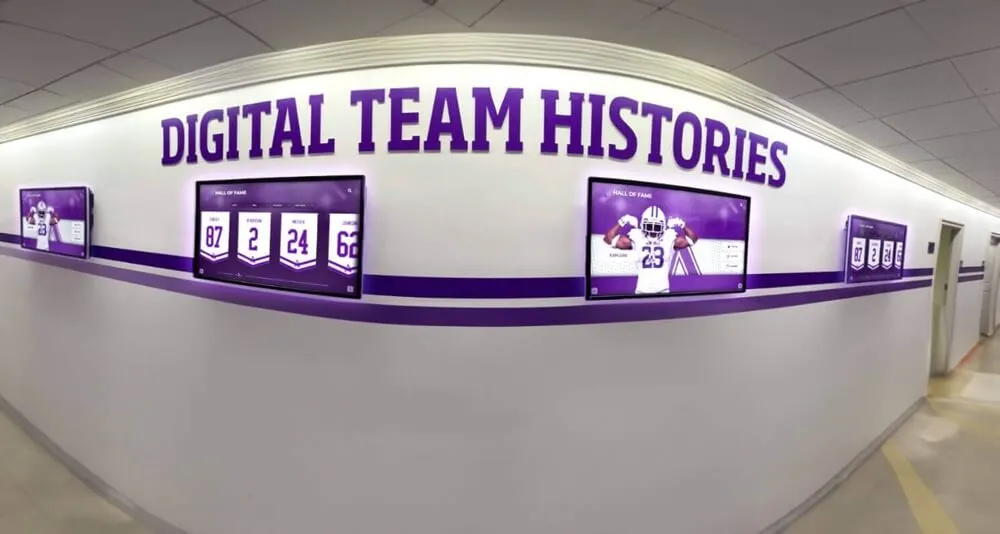
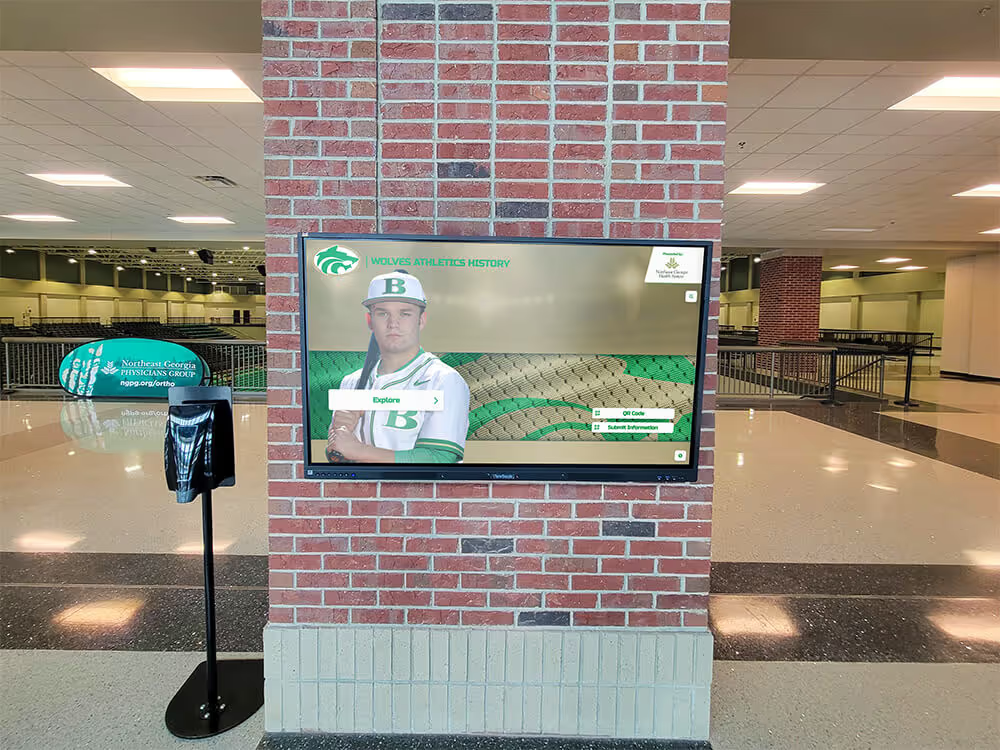
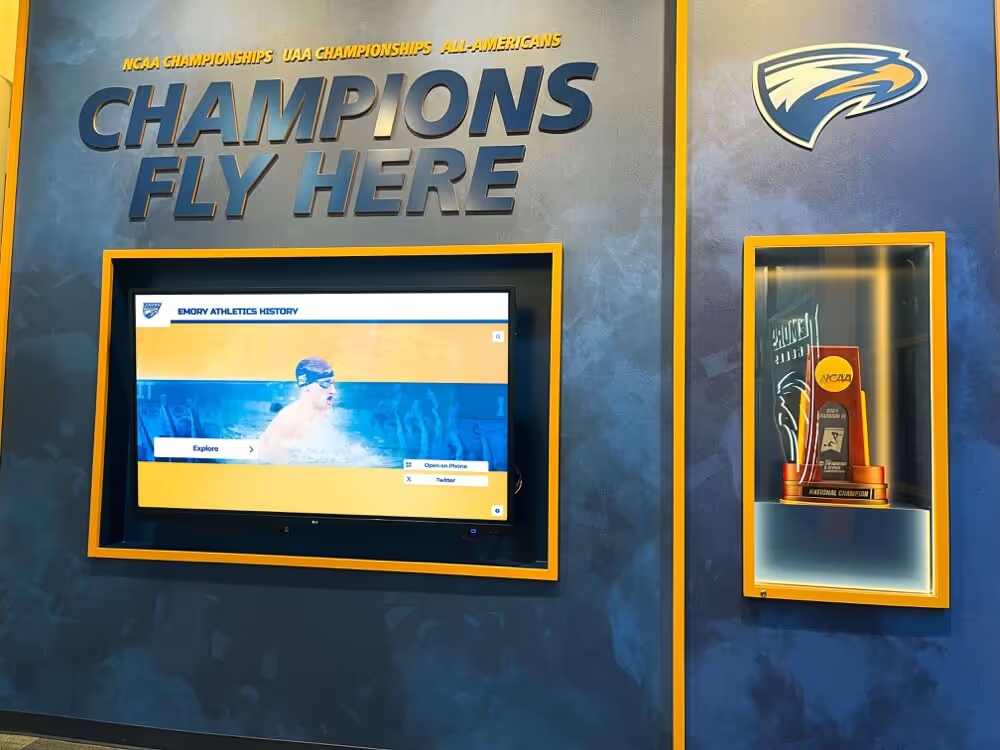
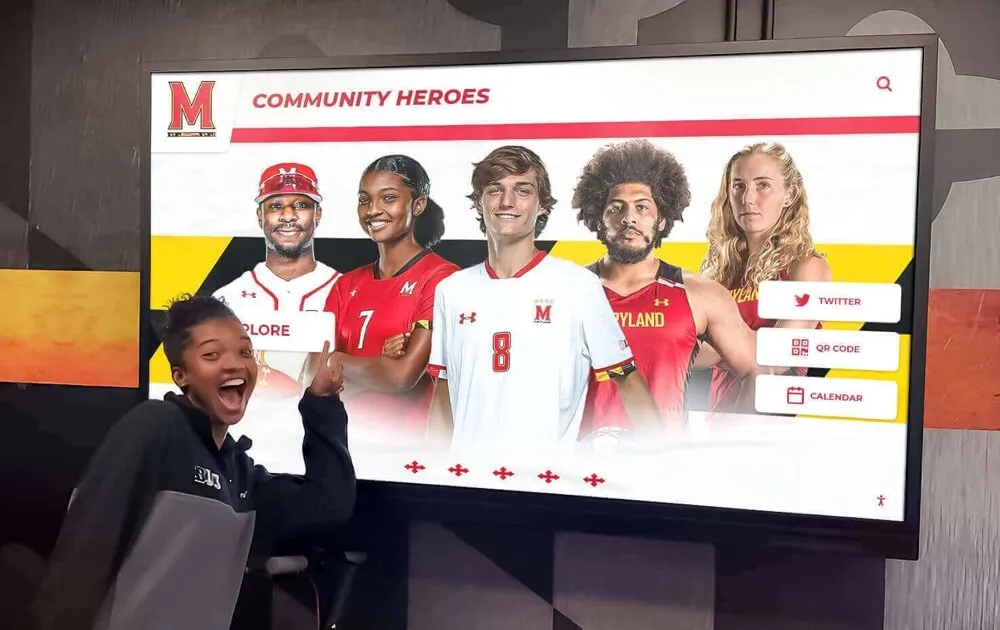
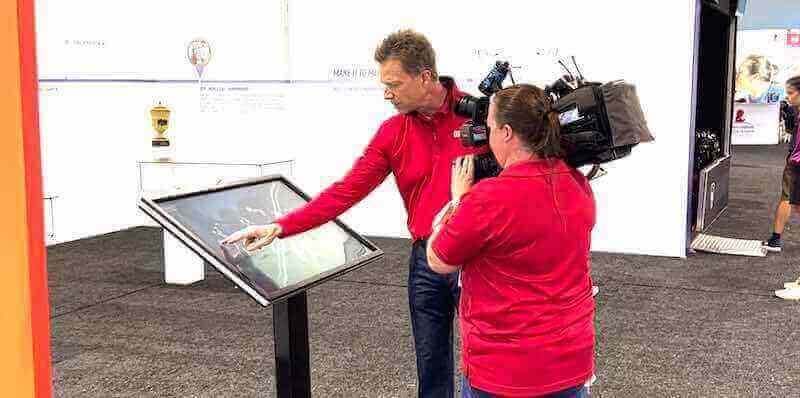
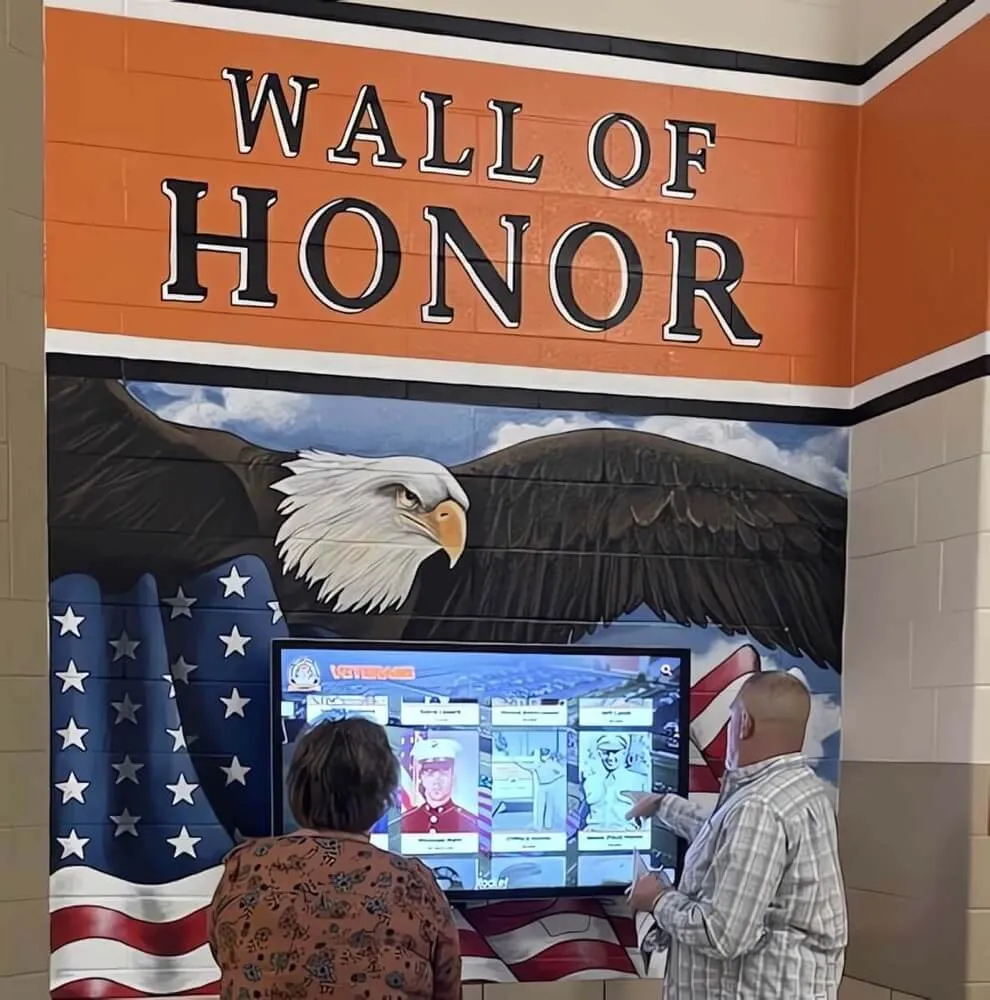
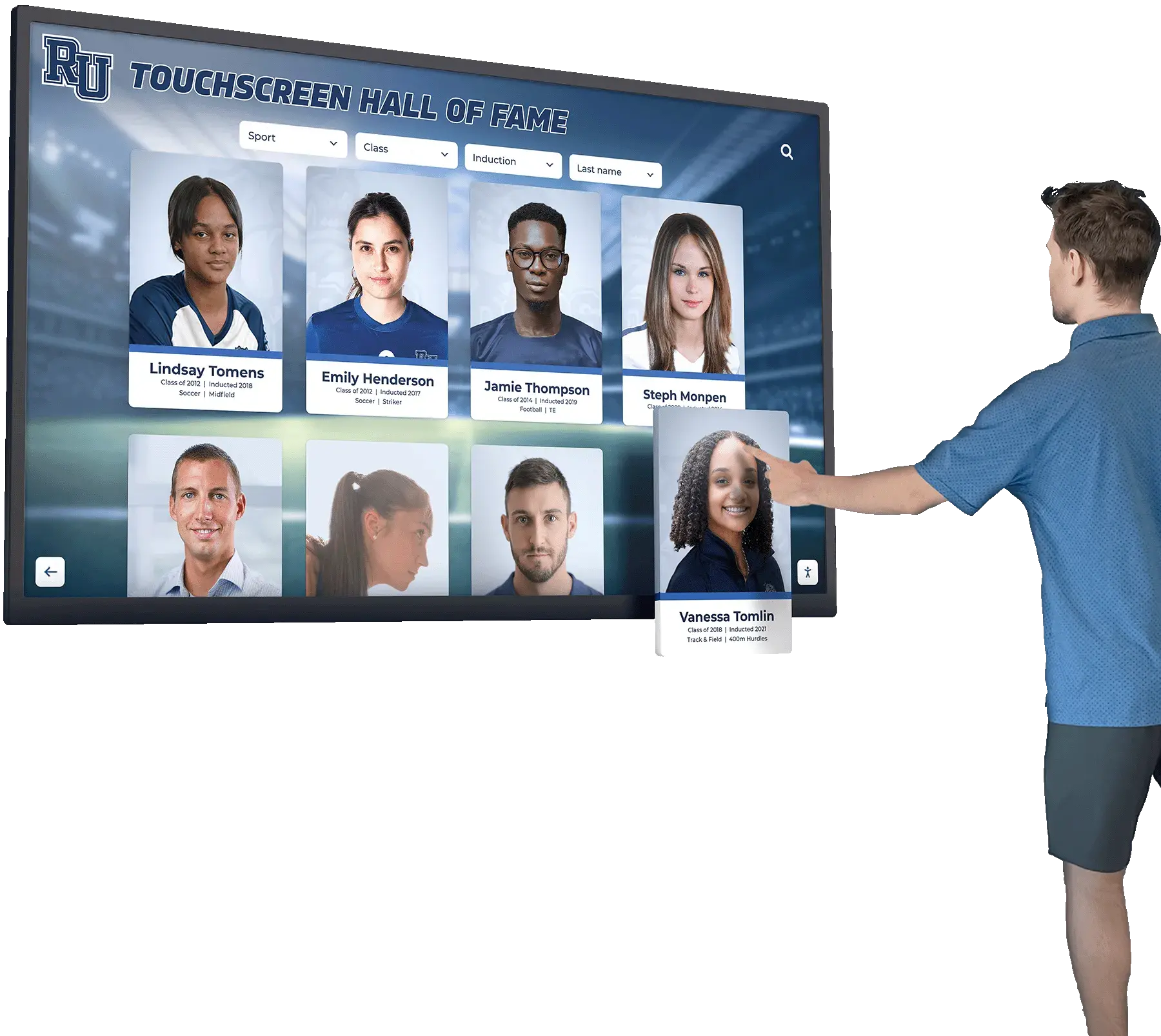
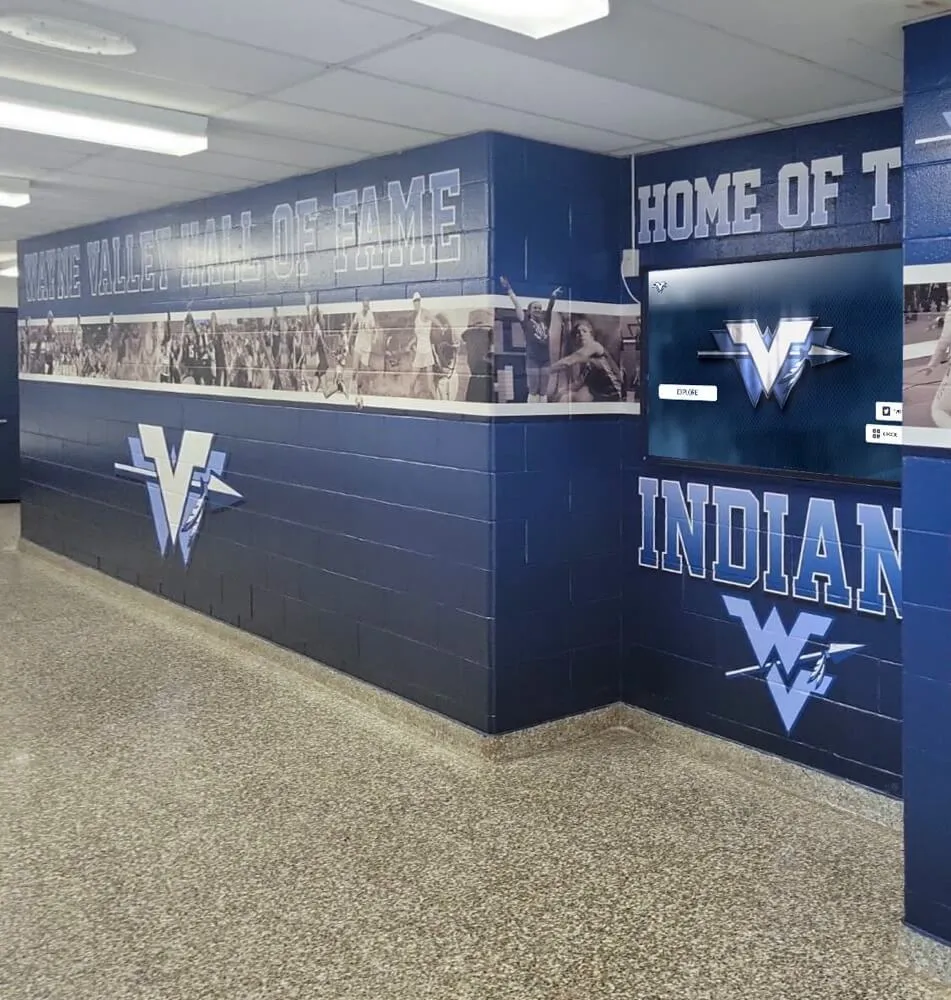
Modern gallery displays enable students to explore comprehensive collections of peer artwork, inspiring creativity and building appreciation for diverse artistic approaches
Program Snapshot: Art Class Gallery Display System
| Program Element | Implementation Details |
|---|---|
| Primary Audience | Students creating artwork across all visual arts classes, families celebrating creative achievements, prospective families evaluating program quality |
| Featured Work | Student artwork from drawing, painting, sculpture, ceramics, photography, digital design, mixed media, and all creative disciplines |
| Core Outcomes | Universal creative recognition, documented artistic growth, inspired peer excellence, validated arts program value, strengthened community appreciation |
| Launch Timeline | 8-12 weeks from planning through initial gallery installation and content population |
| Refresh Cadence | Monthly new work additions with quarterly featured exhibitions and annual comprehensive program retrospectives |
| Primary Venues | High-traffic hallways near art classrooms, main entrance lobbies, cafeteria common areas, digital touchscreen displays, web-accessible galleries |
Why Art Class Gallery Displays Matter for Students and Programs
Understanding the comprehensive benefits of systematic art display helps schools commit resources necessary for successful implementation and sustained recognition.
Impact on Student Artists and Creative Development
Gallery displays deliver powerful benefits supporting artistic growth and student confidence:
Building Artistic Identity and Confidence
Public recognition of creative work influences how students view themselves and their capabilities:
- Seeing personal artwork displayed professionally validates creative abilities and efforts
- Peer recognition builds confidence encouraging continued artistic exploration and risk-taking
- Public presentation communicates that creative expression matters and deserves respect
- Portfolio development creates tangible documentation of skill progression over time
- Recognition extends beyond grades to celebrate creative process and individual artistic voice
Research in arts education demonstrates that students receiving regular recognition for creative work show increased artistic confidence, higher engagement in elective arts courses, and greater willingness to experiment with new techniques and media compared to students whose work receives only classroom evaluation without public display.
Inspiring Excellence Through Peer Examples
Gallery displays create powerful peer learning opportunities:
- Students discover diverse approaches to similar assignments expanding creative possibilities
- Technical execution examples demonstrate achievable skill levels motivating practice
- Thematic interpretations reveal multiple valid responses to creative prompts
- Process documentation shows how peers work through challenges and develop concepts
- Historical archives demonstrate growth trajectories from beginner to advanced work
Benefits for Art Teachers and Program Development
Systematic gallery displays support instructional goals and program advocacy:
Reduced Administrative Burden
Modern gallery systems simplify recognition management:
- Digital platforms eliminate physical mounting, framing, and installation labor
- Cloud-based content management enables updates from classroom computers
- Bulk upload tools efficiently add entire class projects simultaneously
- Unlimited capacity removes difficult curatorial decisions about whose work displays
- Permanent archives preserve documentation without physical storage requirements
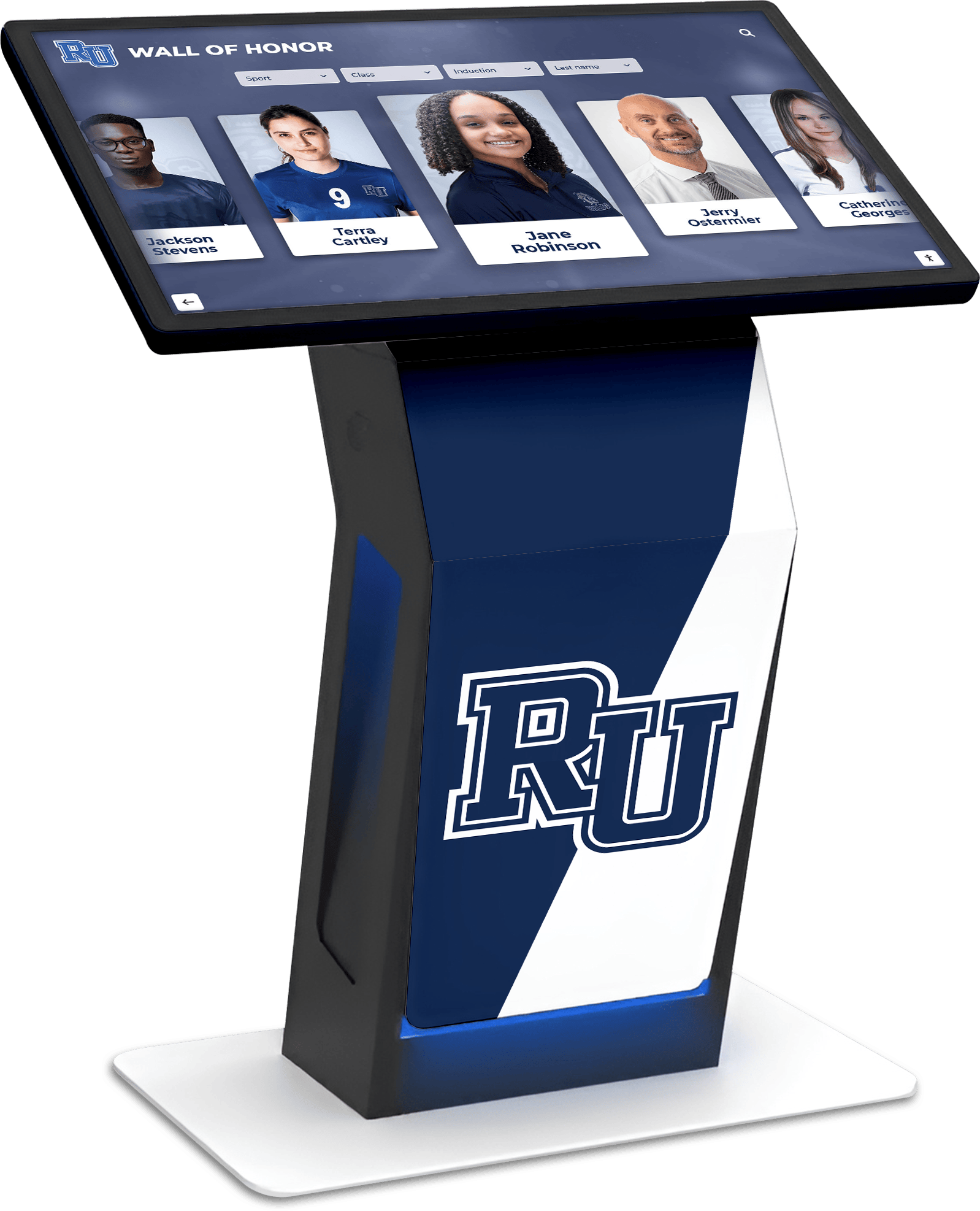
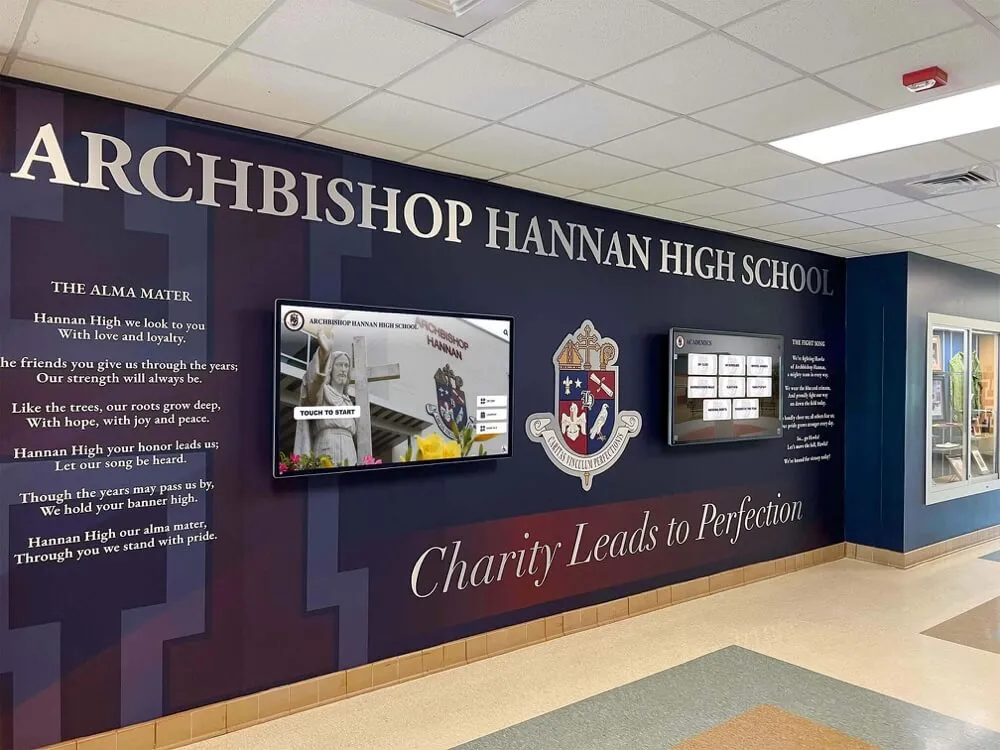
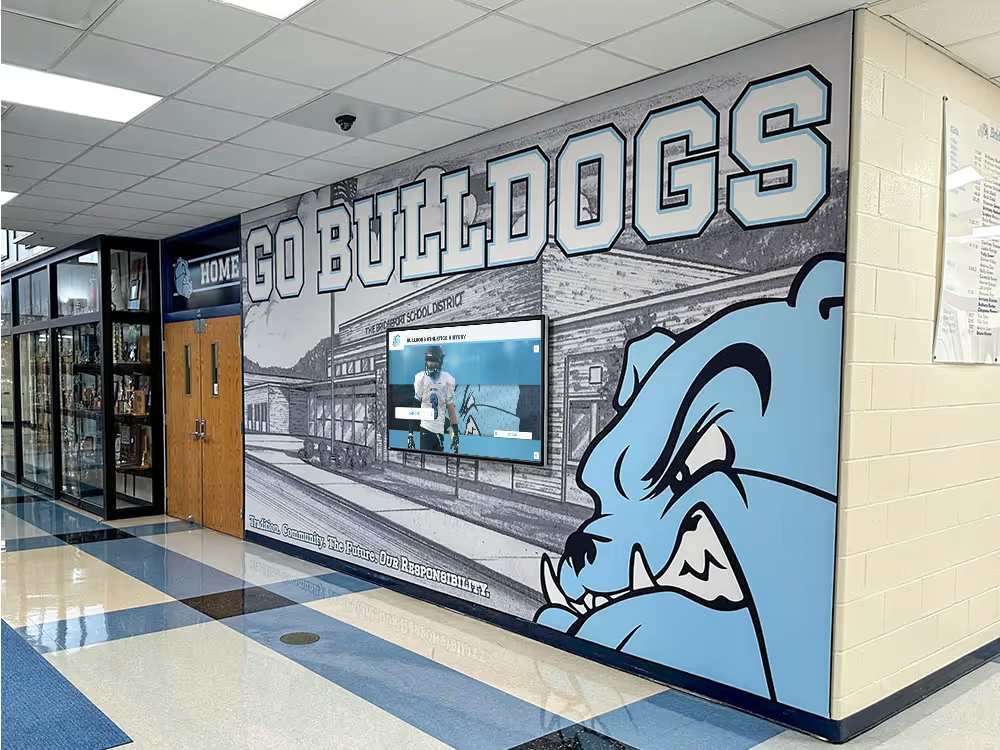
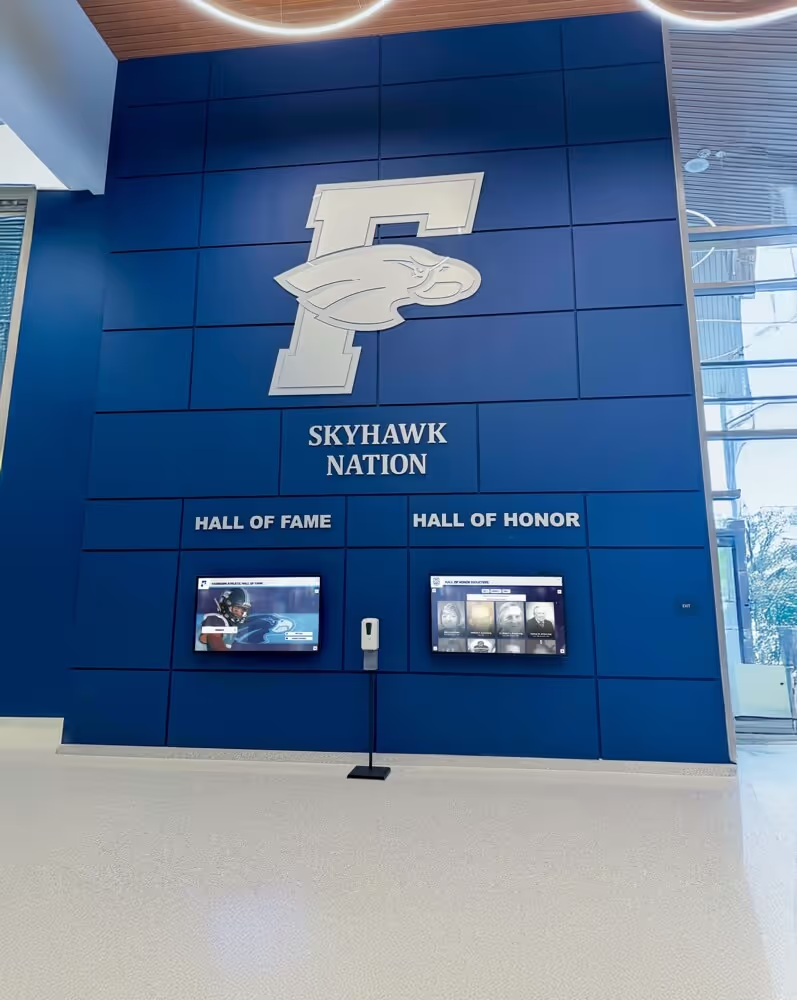
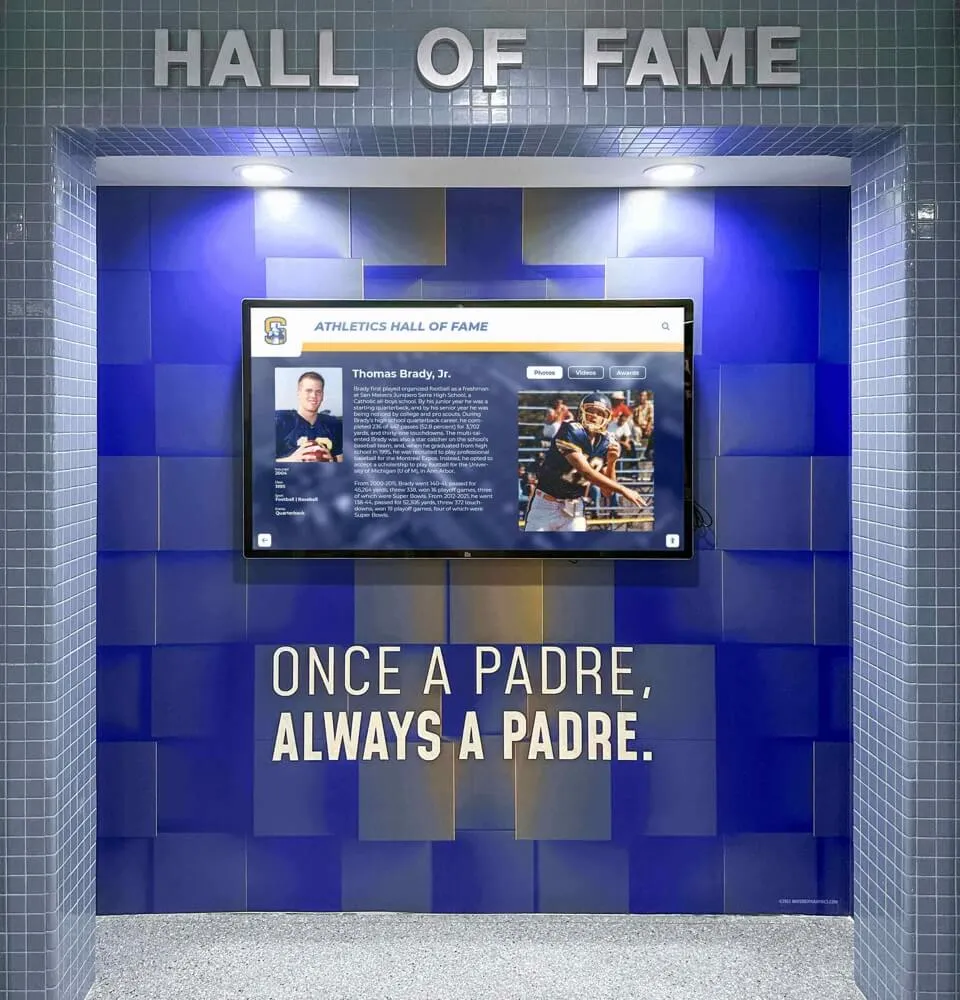
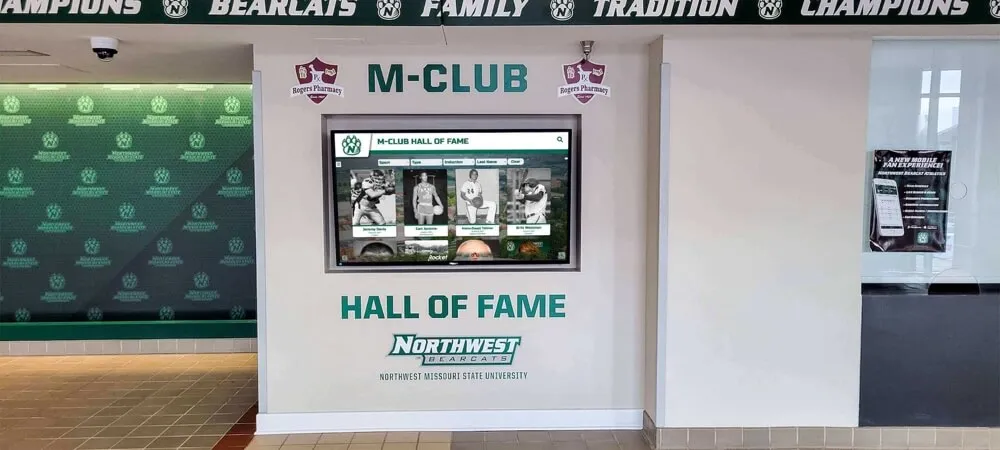
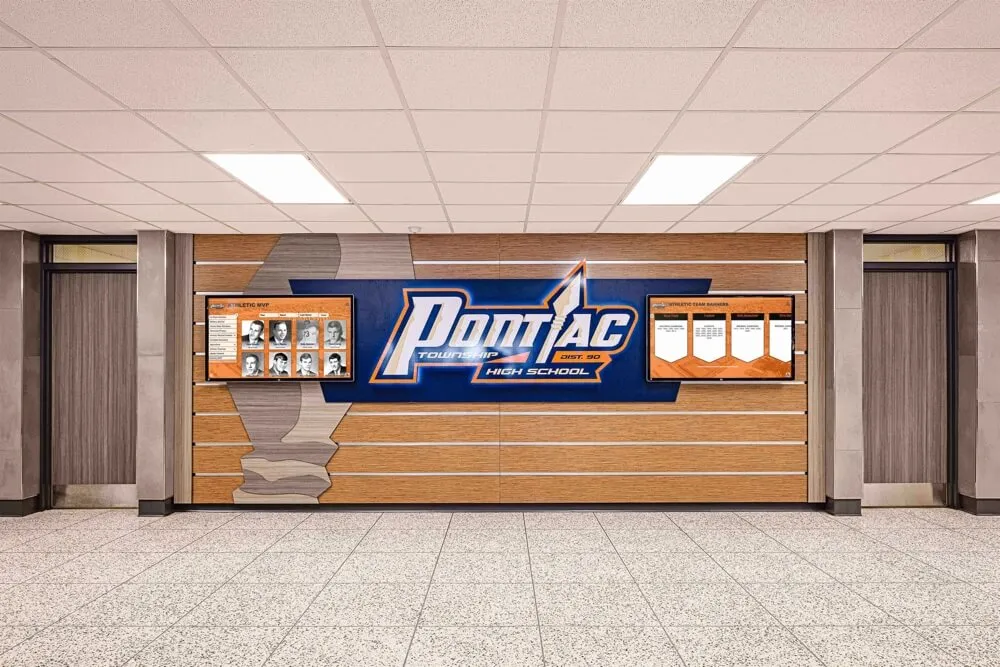
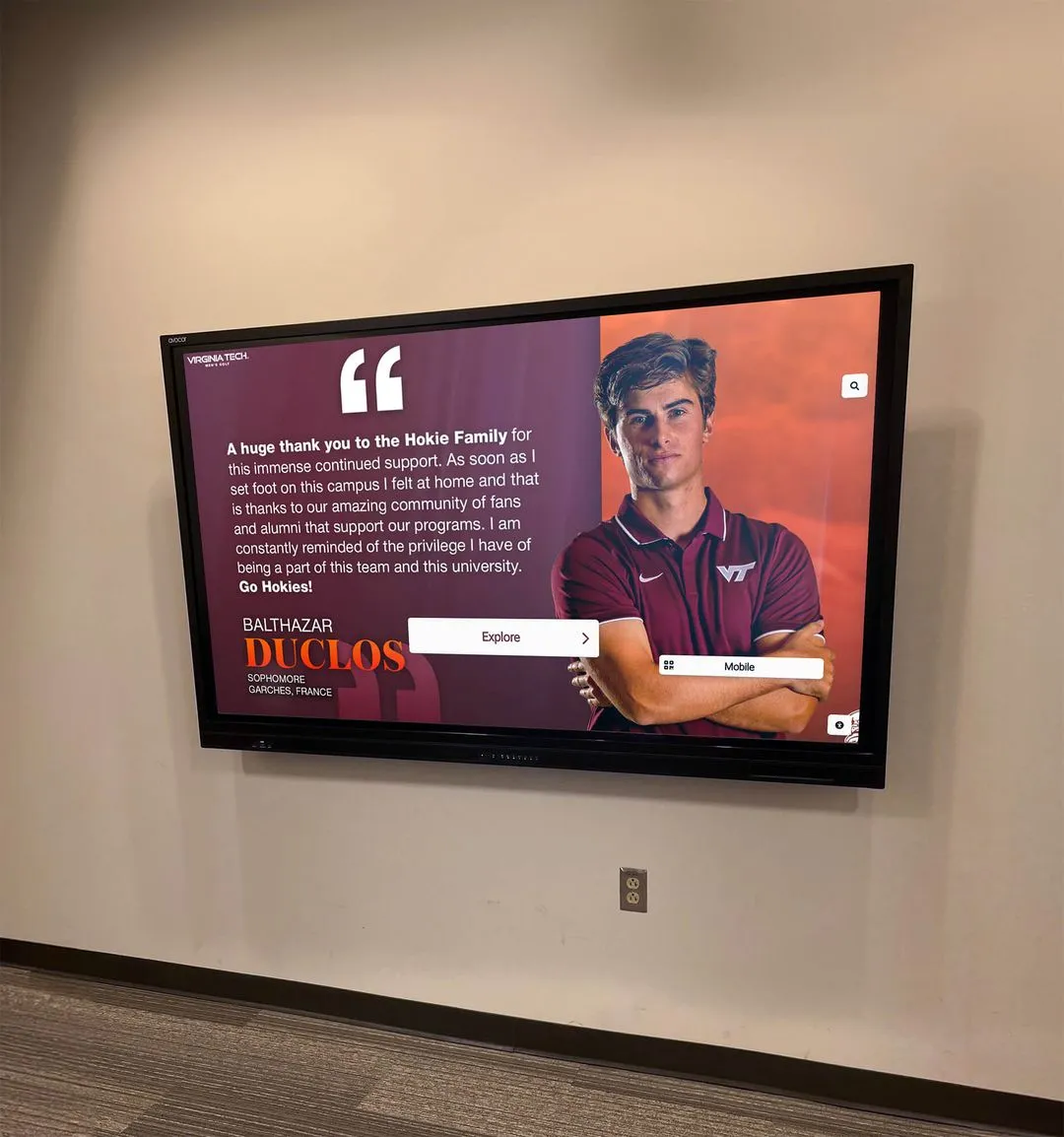
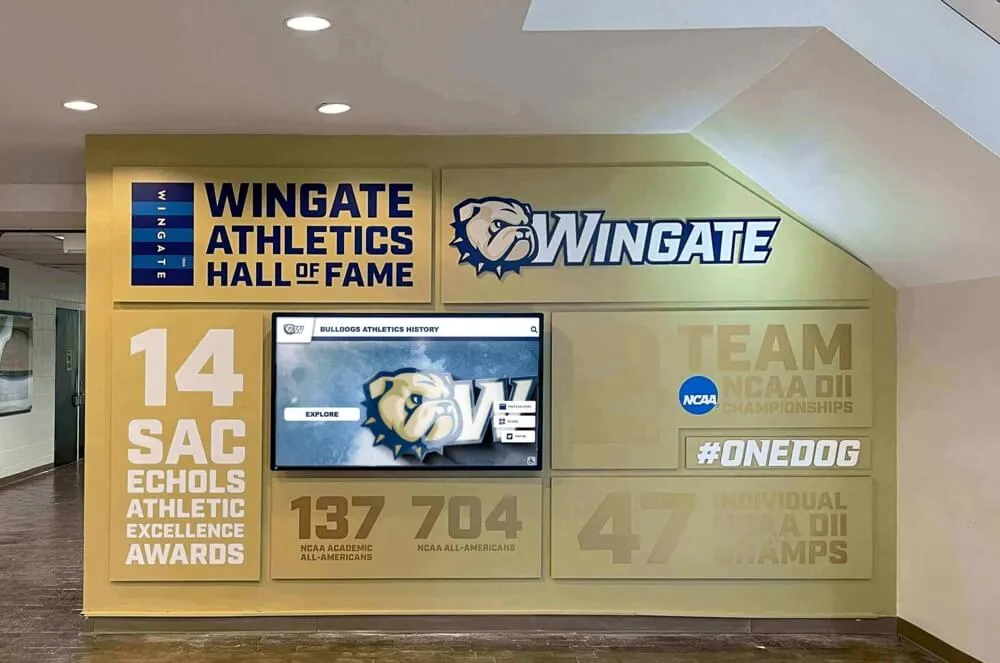
Purpose-built gallery displays provide professional presentation elevating student work to gallery-quality recognition
Program Visibility and Advocacy Support
Comprehensive galleries strengthen arts program positioning:
- Authentic student work demonstrates program quality to administrators and stakeholders
- Documented creative achievements support budget requests and resource allocation
- Visible excellence attracts enrollment in elective arts courses
- Portfolio archives provide evidence for program assessments and accreditation reviews
- Community engagement builds support protecting programs during budget constraints
Art educators consistently report that comprehensive gallery displays significantly strengthen program advocacy, with authentic student work providing more compelling evidence than curriculum documents or assessment data when administrators and community members evaluate program value and funding priorities.
Institutional Advantages Beyond Arts Programs
Gallery displays deliver broader organizational benefits:
Enhanced School Culture and Community Pride
Visible creative achievements strengthen institutional identity:
- Artistic displays throughout facilities create welcoming, engaging environments
- Creative recognition complements academic achievement systems celebrating diverse talents
- Family engagement increases as parents visit schools to view children’s artwork
- Prospective families evaluate overall educational quality through arts program evidence
- Alumni maintain connections by exploring current student creativity
Learn more about creating comprehensive recognition programs celebrating diverse student achievements across academic and creative domains.
Competitive Differentiation in Recruitment
Strong arts programs influence enrollment decisions:
- Visual evidence of robust arts programming attracts arts-focused families
- Professional presentation demonstrates institutional investment in comprehensive education
- Gallery displays visible during tours create memorable positive impressions
- Social media content featuring student artwork generates engagement and awareness
- Community reputation for arts excellence enhances overall institutional standing
Schools with prominent art gallery displays report measurably stronger recruitment outcomes among families prioritizing well-rounded education and creative development alongside academic preparation.
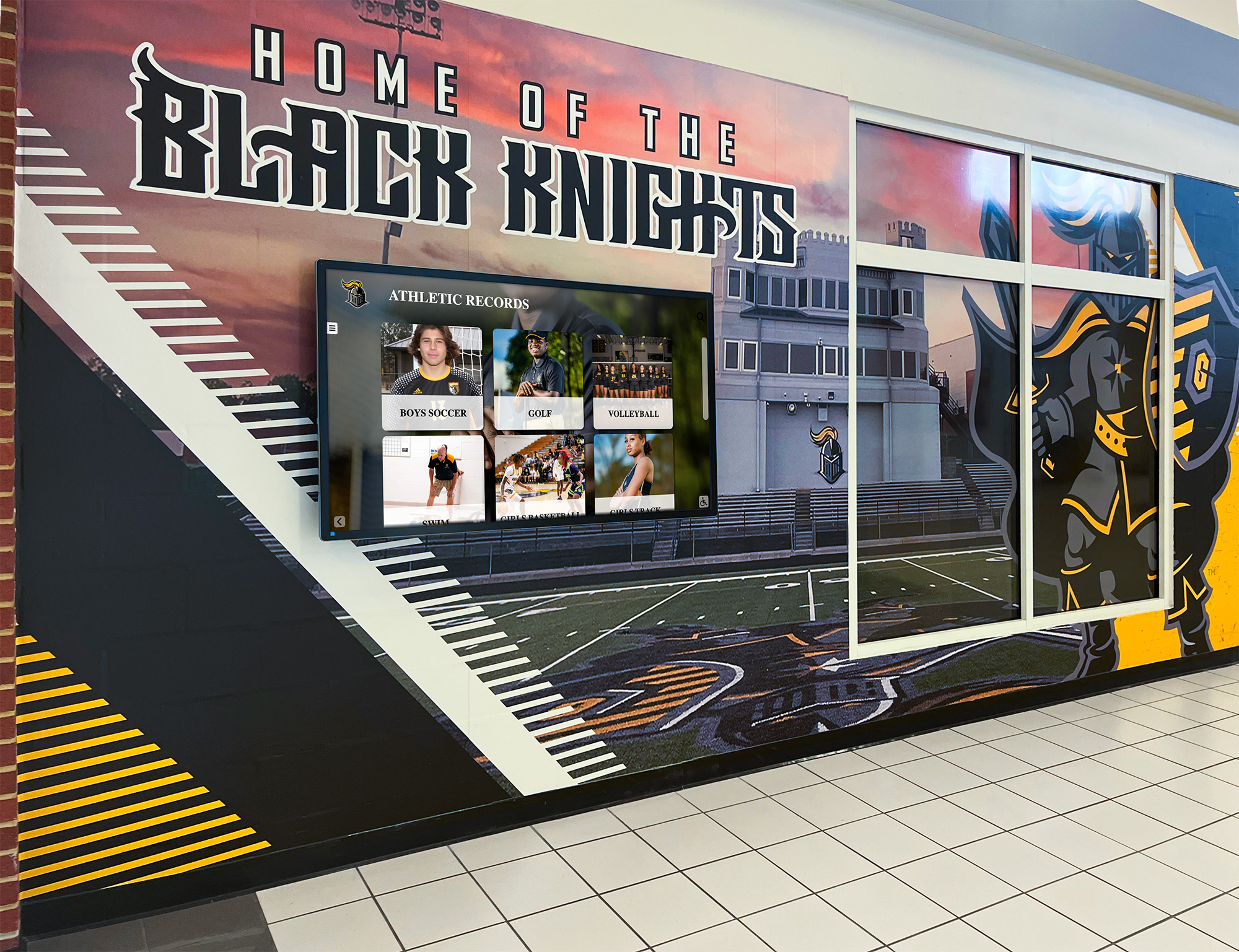
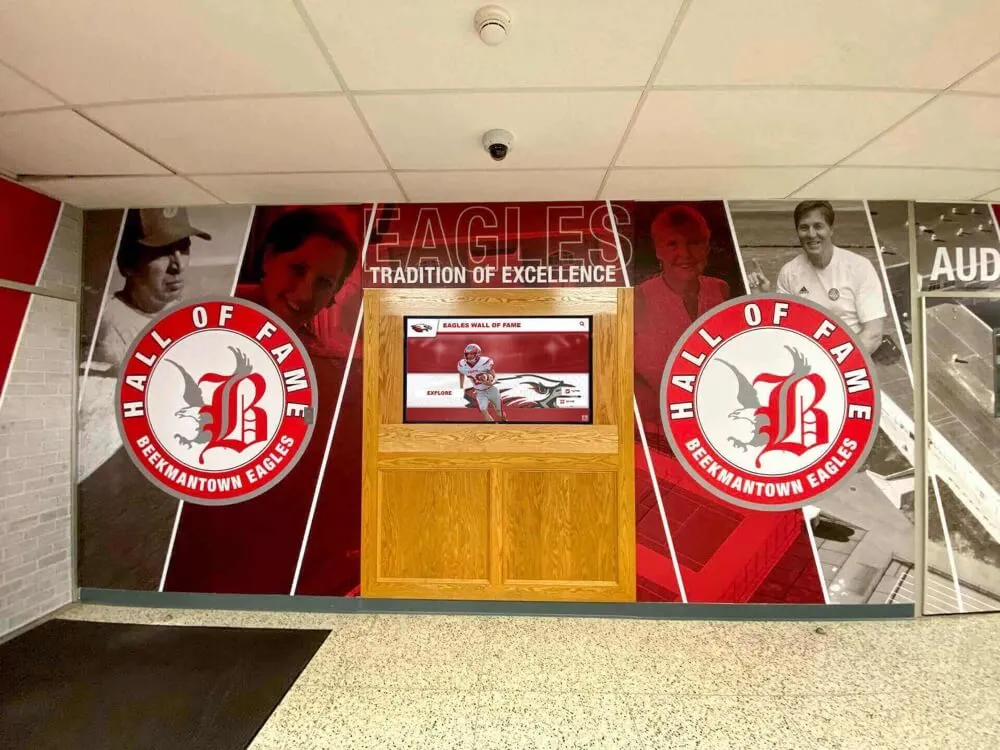
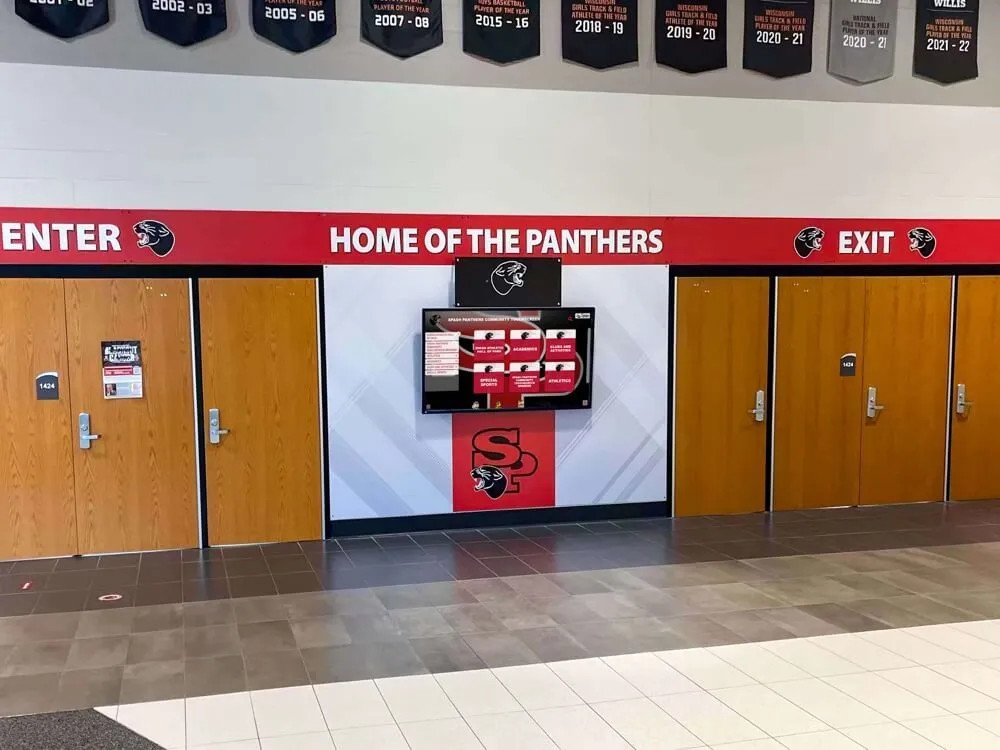
Strategic placement throughout facilities ensures art receives visibility comparable to athletic achievements and academic honors
Content Architecture: Organizing Student Artwork for Maximum Impact
Effective gallery displays require structured frameworks organizing diverse artwork into accessible, engaging presentations that serve both artistic and educational purposes.
Artwork Categories and Collection Organization
Traditional Visual Arts
Core drawing and painting disciplines:
- Pencil, charcoal, and graphite drawing studies
- Watercolor, acrylic, and oil painting projects
- Portrait, landscape, and still life compositions
- Abstract and experimental visual explorations
- Master work studies demonstrating technical skill progression
- Personal expression pieces revealing individual artistic voice
Three-Dimensional and Sculptural Work
Spatial art requiring specialized presentation:
- Clay and ceramic sculpture from hand-building through wheel-throwing
- Wire, wood, and found object assemblages
- Papier-mâché and mixed media constructions
- Installation art conceptual projects
- Functional pottery and utilitarian ceramic work
- Relief sculptures and dimensional wall pieces
Photography and multi-angle documentation enables comprehensive presentation of sculptural work within digital gallery systems, solving the persistent challenge of displaying three-dimensional art effectively.
Contemporary and Digital Media
Technology-integrated creative work:
- Digital illustration and graphic design projects
- Photography portfolios from film through digital capture
- Photo manipulation and composite image creation
- Digital painting and vector artwork
- Animation and motion graphics projects
- Video art and multimedia presentations
Digital gallery platforms naturally accommodate these formats, displaying work in native digital form rather than requiring prints that compromise quality and increase costs.
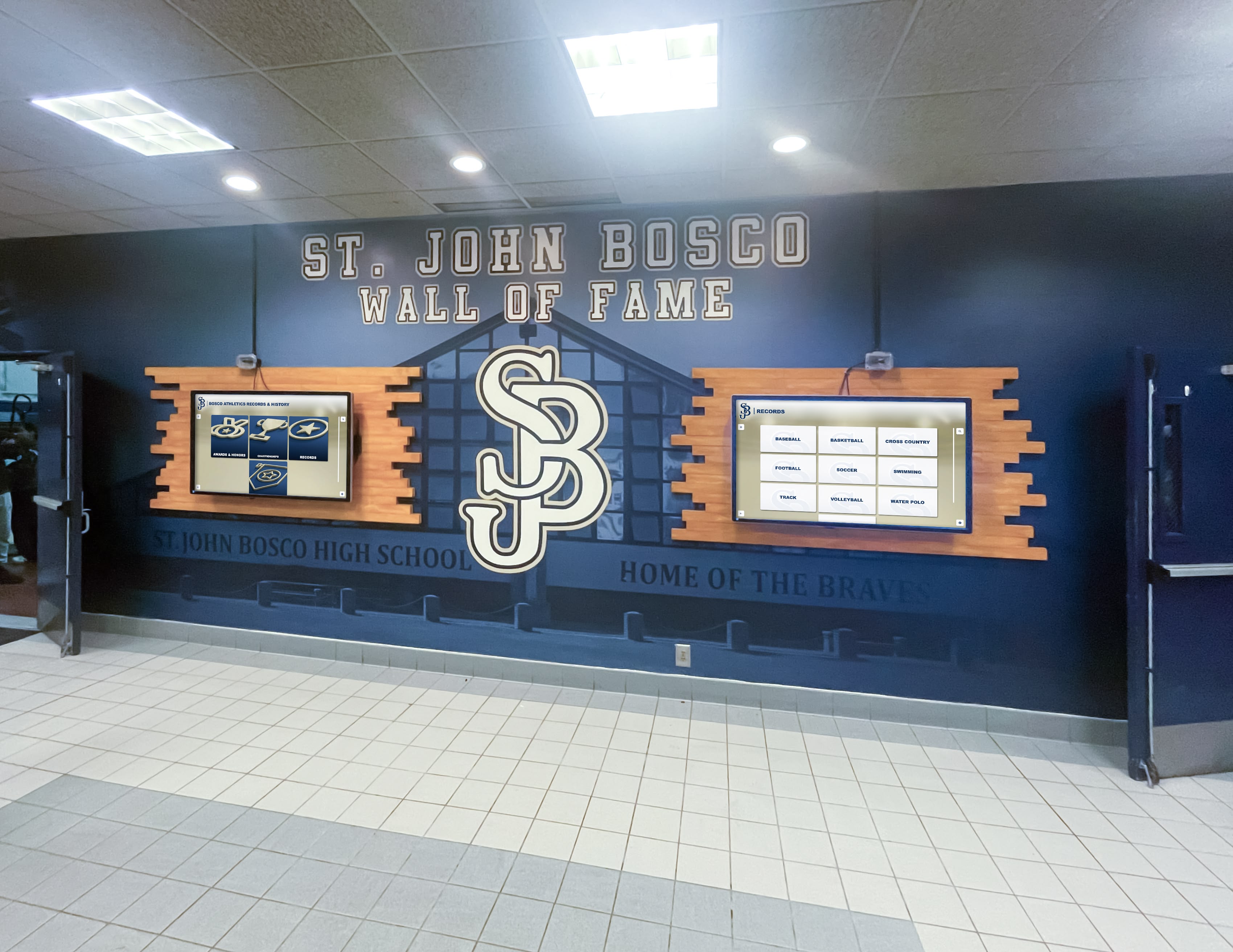
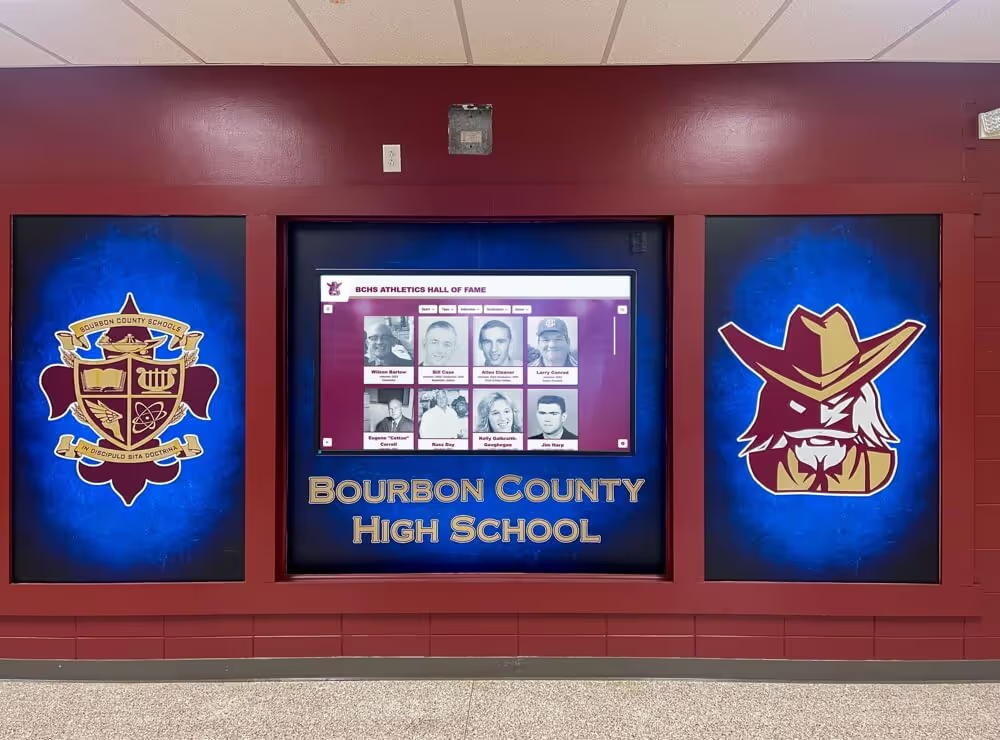
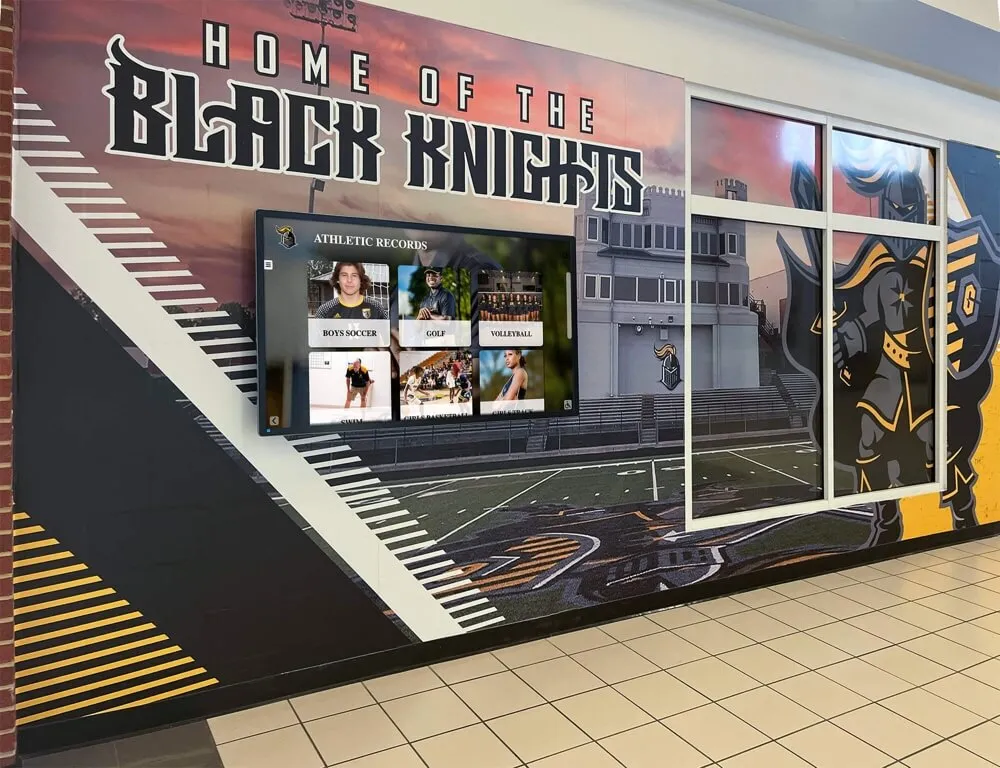
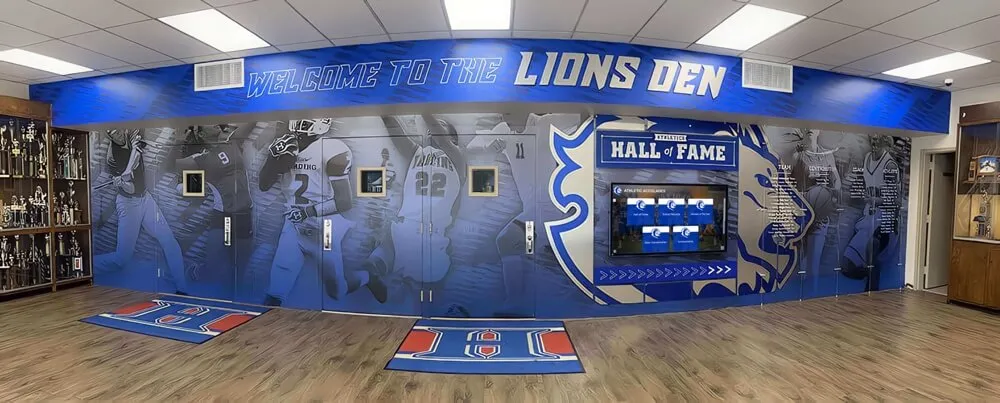
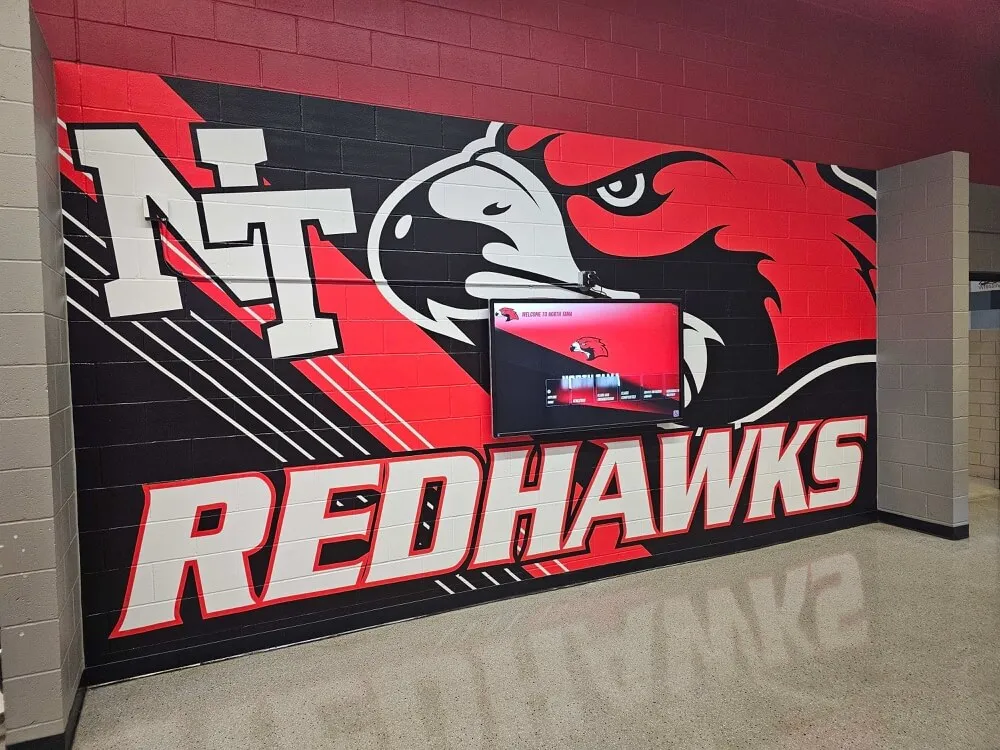
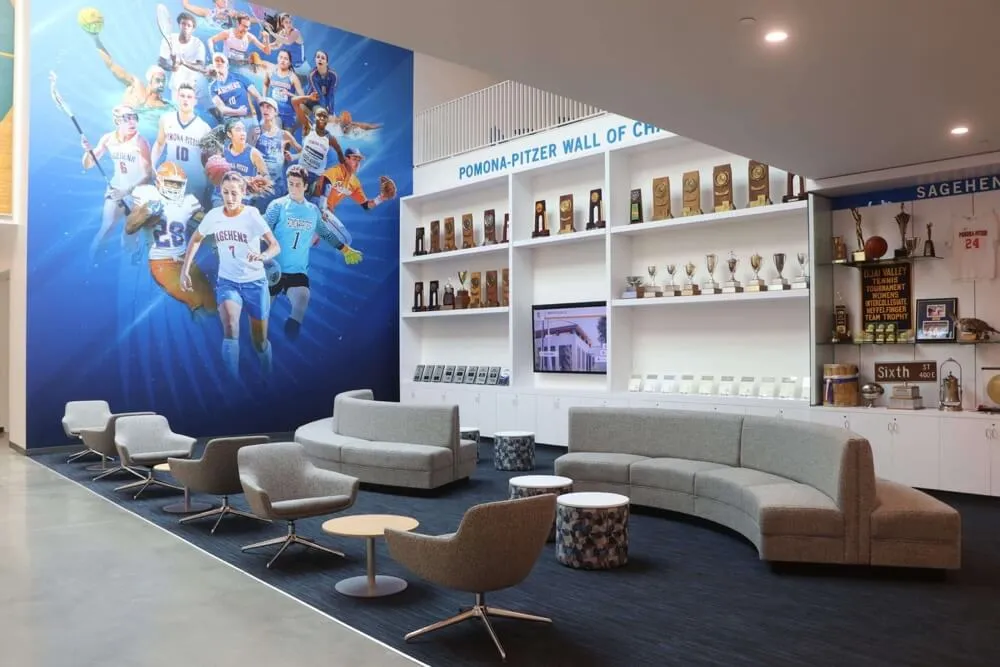
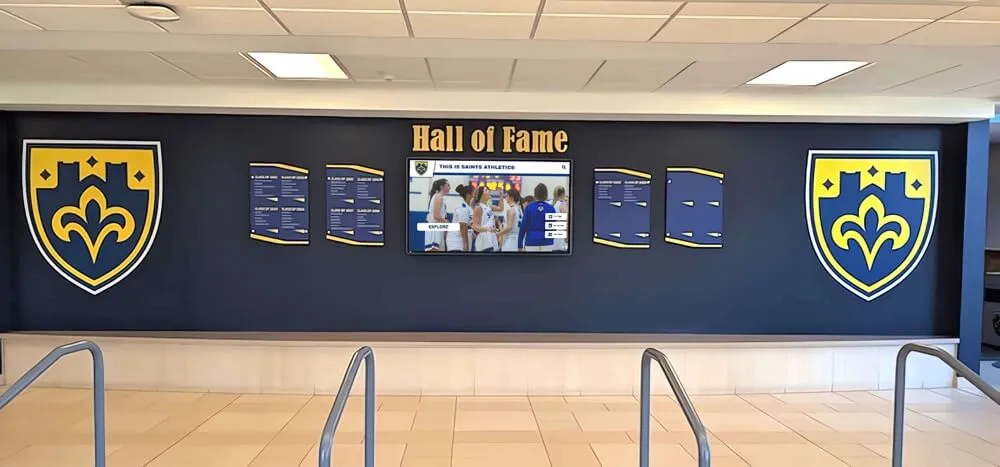
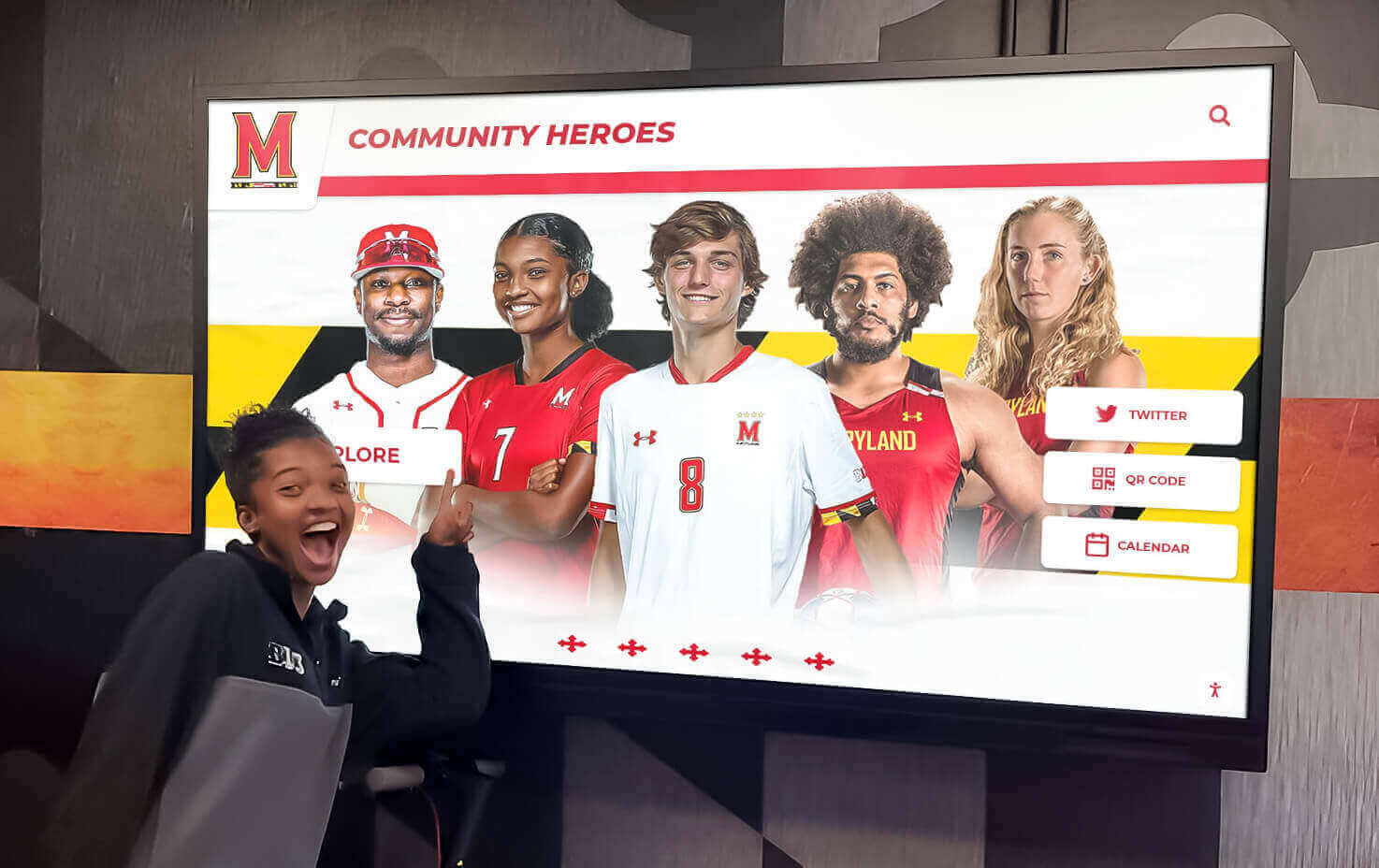
Multiple coordinated displays create comprehensive gallery experiences showcasing diverse artistic disciplines and student populations
Gallery Organization Frameworks
Grade-Level and Skill Progression Display
Chronological organization demonstrating growth:
- Elementary foundations showing emerging skills and creative exploration
- Middle school development revealing increasing technical control
- High school mastery demonstrating sophisticated execution and conceptual thinking
- Multi-year individual portfolios tracking personal artistic journeys
- Comparative displays showing growth from freshman through senior years
This developmental approach serves educational purposes while inspiring younger students by demonstrating achievable progression toward advanced artistic capabilities. Explore approaches for recognizing classroom projects across disciplines.
Project-Based and Thematic Collections
Assignment-focused organization:
- Specific project galleries showing diverse responses to common prompts
- Thematic exhibitions connecting work across classes and grade levels
- Technique-specific displays highlighting particular media or approaches
- Collaborative projects revealing group creative processes
- Cross-curricular connections linking art with history, literature, or science themes
Project-based organization helps viewers understand creative constraints and appreciate the range of valid artistic responses to similar challenges.
Student Portfolio Pages
Individual artist-focused presentation:
- Comprehensive collections of each student’s work across courses and years
- Artist statements providing context about inspiration and process
- Chronological arrangement showing artistic evolution and skill development
- Medium-specific groupings demonstrating range and experimentation
- Featured pieces highlighting exceptional or personally significant work
Portfolio organization serves practical purposes for college applications and scholarship competitions while providing students with curated personal galleries validating creative identity.
Touchscreen Gallery Module Integration
Digital recognition platforms enable sophisticated art presentation:
Searchable Art Directory
Comprehensive database facilitating discovery:
- Filter by medium, grade level, class, or project type
- Search by student artist name or artwork title
- Browse chronologically by creation date or display sequence
- Explore thematically by subject matter or artistic movement
- Featured artwork rotations highlighting current exhibitions
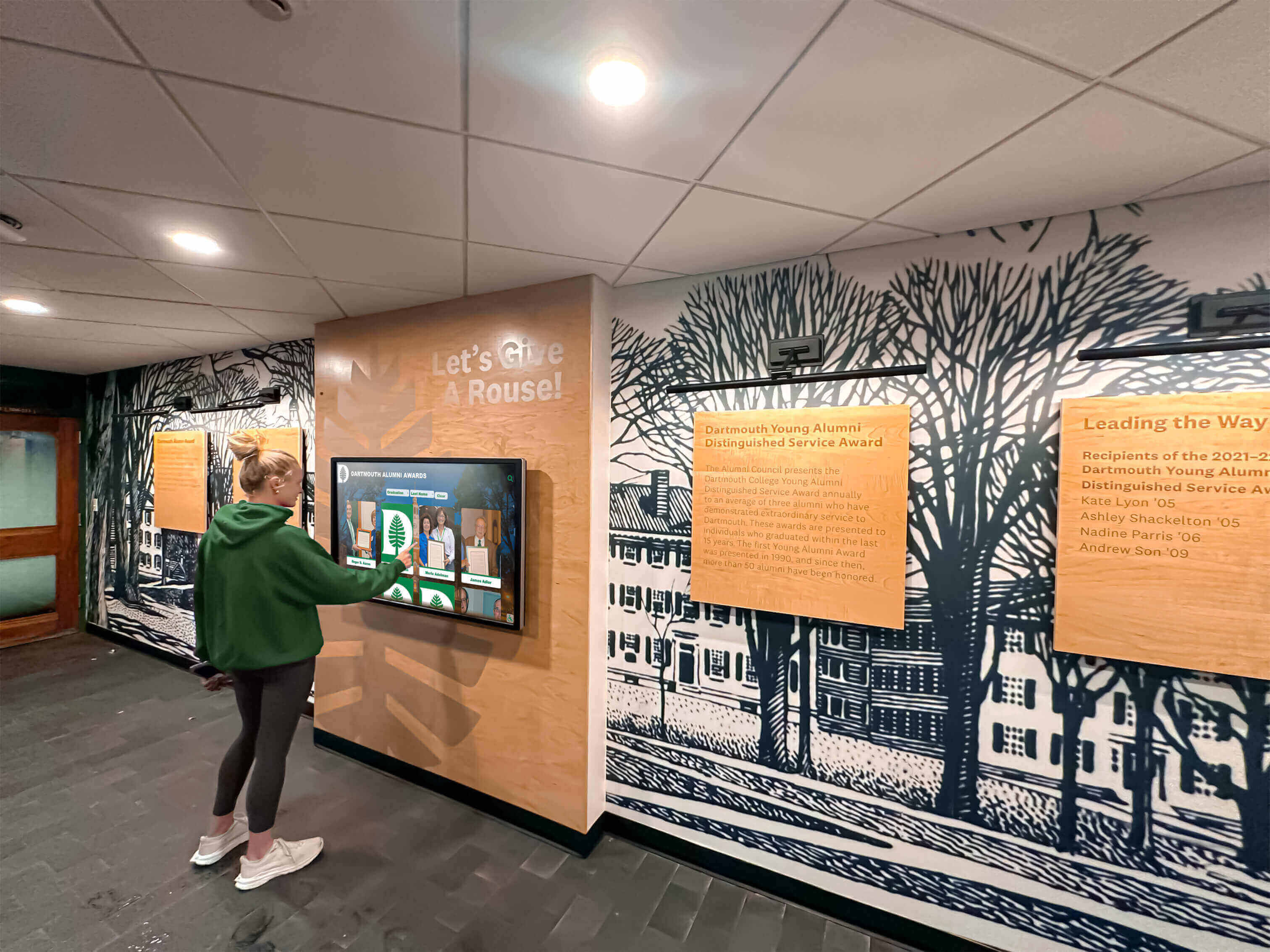
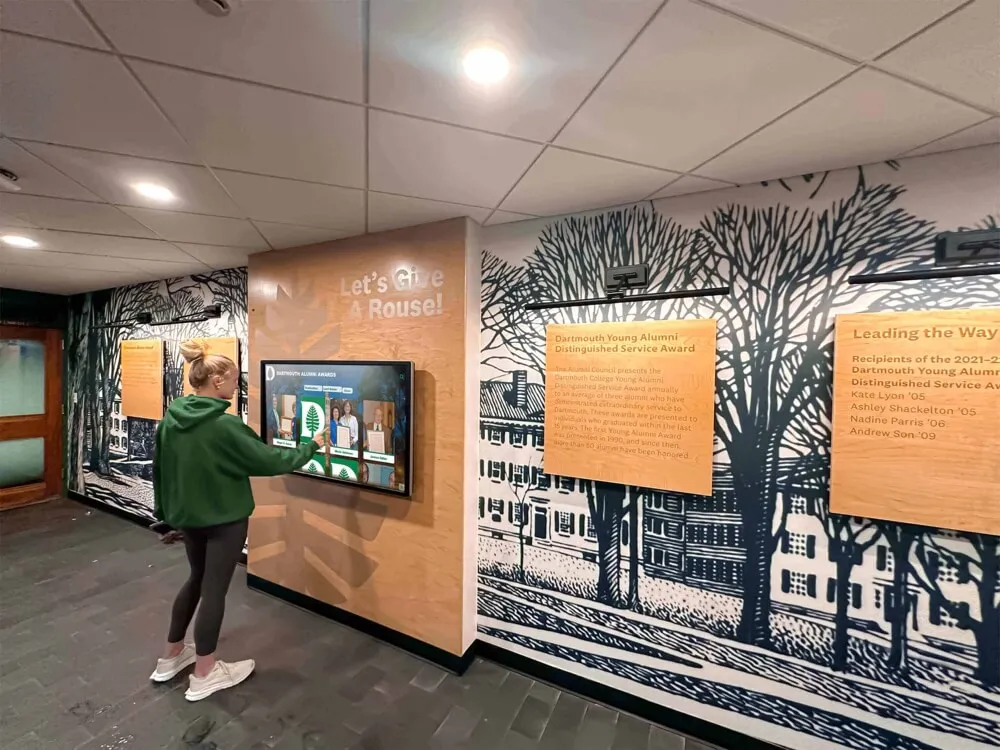
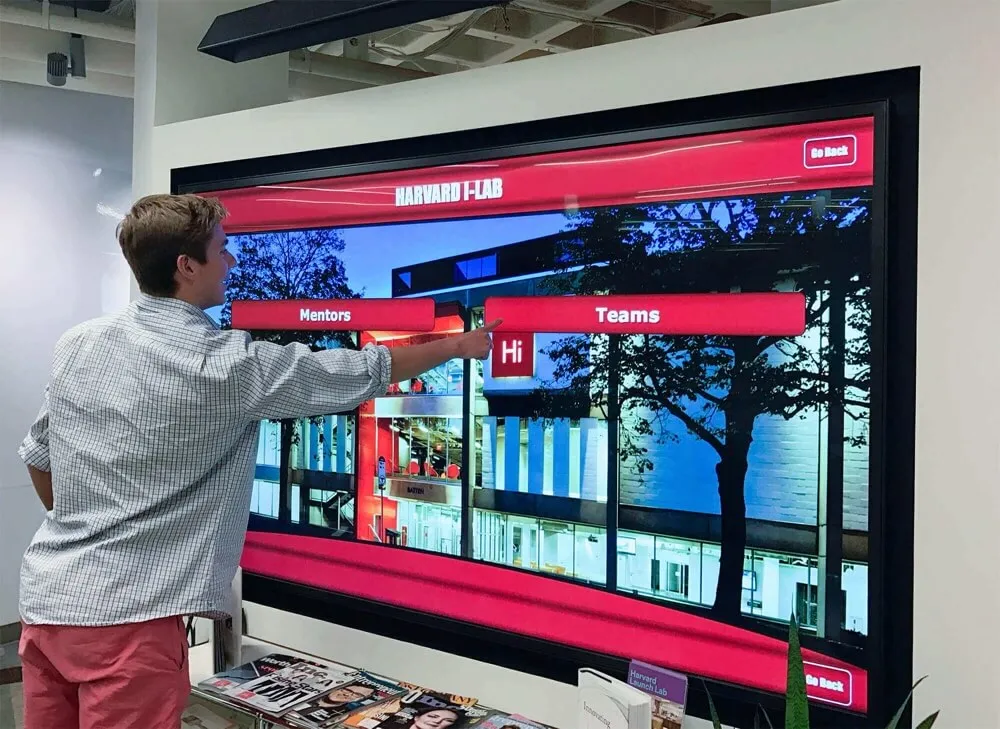
Intuitive interfaces enable independent exploration encouraging students to discover peers' work and diverse artistic approaches
Multimedia Art Presentation
Rich content supporting comprehensive appreciation:
- High-resolution images capturing detail, texture, and technical execution
- Multiple angles for three-dimensional sculpture and installation work
- Zoom capabilities revealing brushwork, technique, and surface quality
- Time-lapse videos showing creation process from blank canvas to completion
- Artist audio commentary explaining inspiration, challenges, and creative decisions
Solutions like Rocket Alumni Solutions provide purpose-built platforms specifically designed for arts recognition, combining unlimited display capacity with professional presentation quality and intuitive content management ensuring art teachers can maintain comprehensive galleries efficiently.
Exhibition Information and Educational Context
Supporting content enriching viewer experience:
- Project descriptions explaining creative prompts and learning objectives
- Technical information about media, dimensions, and creation time
- Curriculum connections linking artwork to educational standards
- Art historical references placing student work in broader artistic contexts
- Related works by same artist or similar thematic focus
This contextual information transforms simple display into educational experiences deepening appreciation while demonstrating how arts education supports broader learning goals. Discover strategies for digital art galleries in educational settings that enhance learning.
Execution Timeline: Building Your Art Gallery Display Program
Successful gallery implementation requires phased approach balancing comprehensive planning with achievable milestones.
Phase One: Planning and Infrastructure (Weeks 1-3)
Program Design and Goal Setting
Establish clear parameters guiding implementation:
- Define primary audiences and display purposes (student recognition, family engagement, recruitment)
- Determine scope including how much historical work to archive versus focusing on current year
- Select display locations balancing visibility with thematic appropriateness
- Identify budget for technology, framing, or installation as applicable
- Set success metrics for student participation and community engagement
Display Technology Selection
Choose appropriate platforms for program needs:
- Evaluate physical display methods (bulletin boards, gallery rails, dedicated exhibition spaces)
- Consider digital recognition systems offering unlimited capacity and multimedia presentation
- Assess touchscreen interactive displays enabling exploration versus passive viewing
- Determine web accessibility requirements for family viewing beyond campus
- Plan integration with existing school systems and communication platforms
Many schools discover that digital gallery platforms deliver superior capacity and presentation quality at comparable or lower cost than traditional physical display methods when accounting for ongoing materials, labor, and space requirements over multi-year operation.
Content Collection Planning
Design systematic workflows ensuring comprehensive participation:
- Establish submission processes students and teachers can maintain consistently
- Determine required information (artist statements, technical details, project context)
- Plan photography protocols for physical artwork requiring digital capture
- Create templates ensuring consistent professional presentation across all work
- Develop approval workflows when administrative review proves necessary
Explore digital display implementation strategies applicable to arts recognition programs.
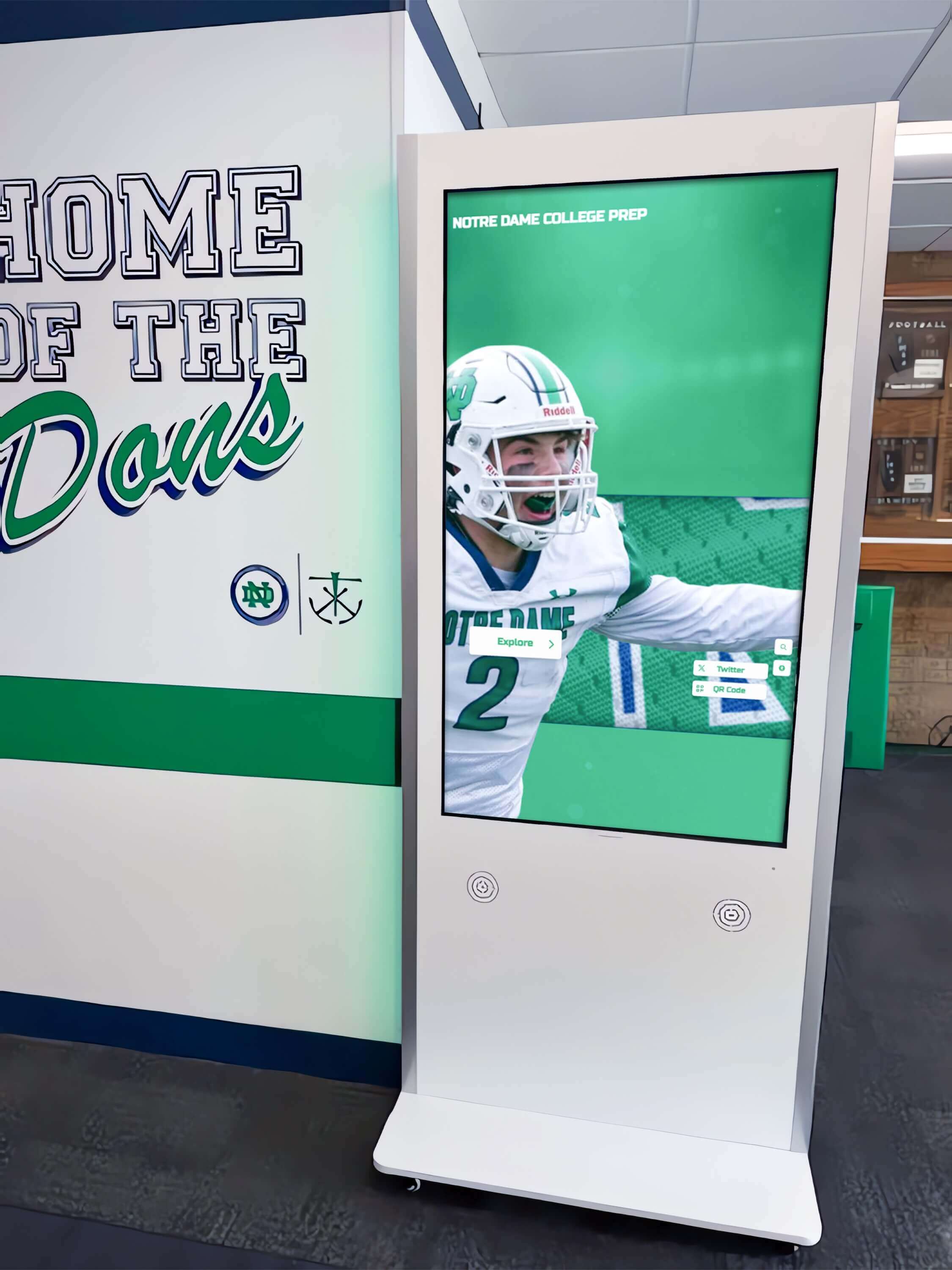
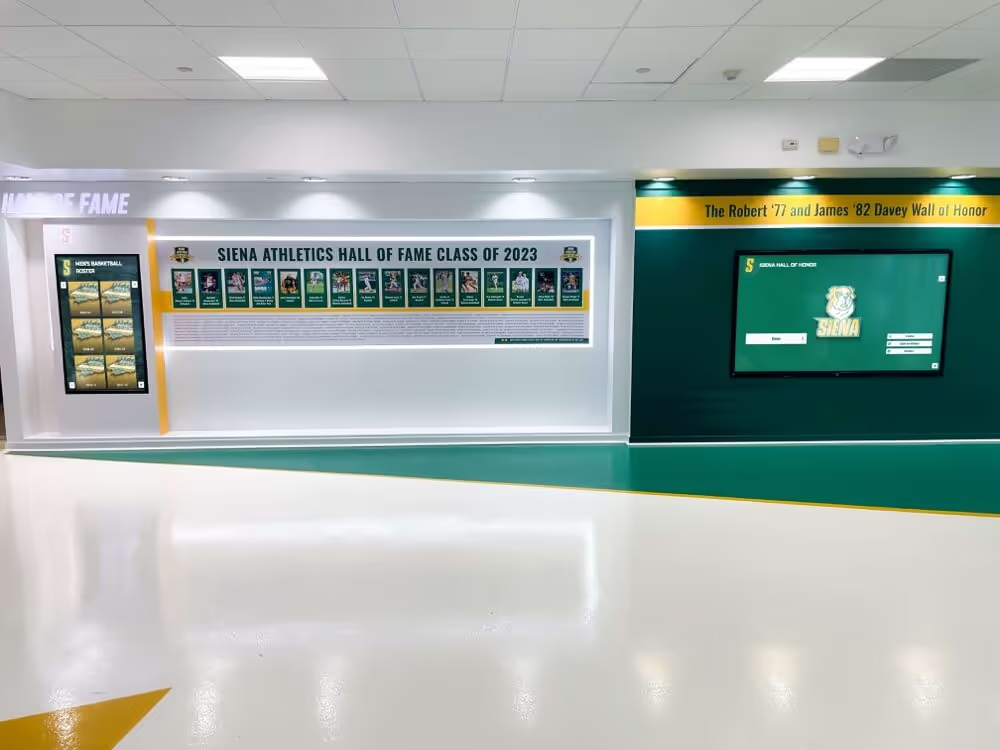
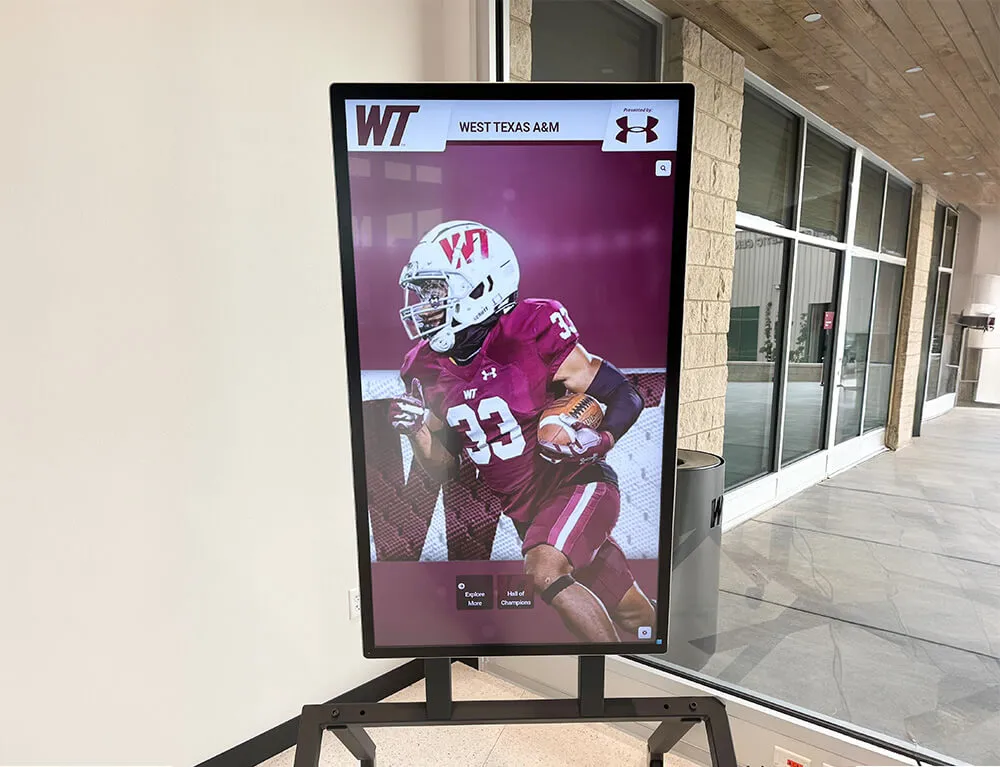
Professional kiosk installations provide complete gallery systems without requiring wall mounting or renovation
Phase Two: Content Development (Weeks 4-8)
Initial Artwork Collection and Documentation
Gather comprehensive founding gallery content:
- Photograph representative work from current academic year across all classes
- Collect historical pieces when available demonstrating program heritage
- Ensure representation across grade levels, media, and student populations
- Gather artist statements or create descriptions providing context
- Organize files systematically for efficient uploading and future additions
Launch galleries with substantial content demonstrating immediate value rather than sparse initial displays that disappoint early visitors. Many successful programs invest summer preparation time building comprehensive opening exhibitions before school-year launch.
Content Upload and Organization
Populate gallery platforms efficiently:
- Upload artwork following organizational frameworks established during planning
- Create artist profiles linking students with their complete portfolios
- Tag and categorize work enabling multiple discovery pathways
- Write or edit descriptions ensuring clarity and appropriate length
- Test search and navigation confirming intuitive user experience
Quality Assurance and Refinement
Validate gallery experience before launch:
- Review presentation quality ensuring images display clearly at intended sizes
- Verify artist information accuracy and completeness
- Test functionality across devices (touchscreens, computers, smartphones)
- Gather feedback from student focus groups on content and presentation
- Make adjustments based on actual user interaction patterns
Phase Three: Launch and Promotion (Weeks 9-12)
Soft Launch with Controlled Audience
Test systems before full release:
- Provide early access to art students and their families
- Collect detailed feedback on content relevance and platform usability
- Observe how students actually explore galleries identifying improvements
- Generate initial testimonials and engagement enthusiasm
- Build student advocacy network promoting galleries to broader school community
Official Gallery Launch Event
Celebrate program with ceremony maximizing visibility:
- Host opening reception inviting families, administrators, and community members
- Feature student artists discussing their work and creative processes
- Generate media coverage through school communications and local press
- Create social media campaign encouraging sharing and exploration
- Establish galleries as significant institutional investment deserving attention
Ongoing Promotion and Integration
Maintain awareness ensuring continued engagement:
- Regular features in school newsletters and morning announcements
- Integration into parent conferences and back-to-school nights
- Prospective family tours including gallery highlights
- Social media spotlights featuring specific artwork weekly
- Classroom instruction referencing and utilizing gallery archives
Learn about creating engaging school hallway displays that attract attention and inspire exploration.
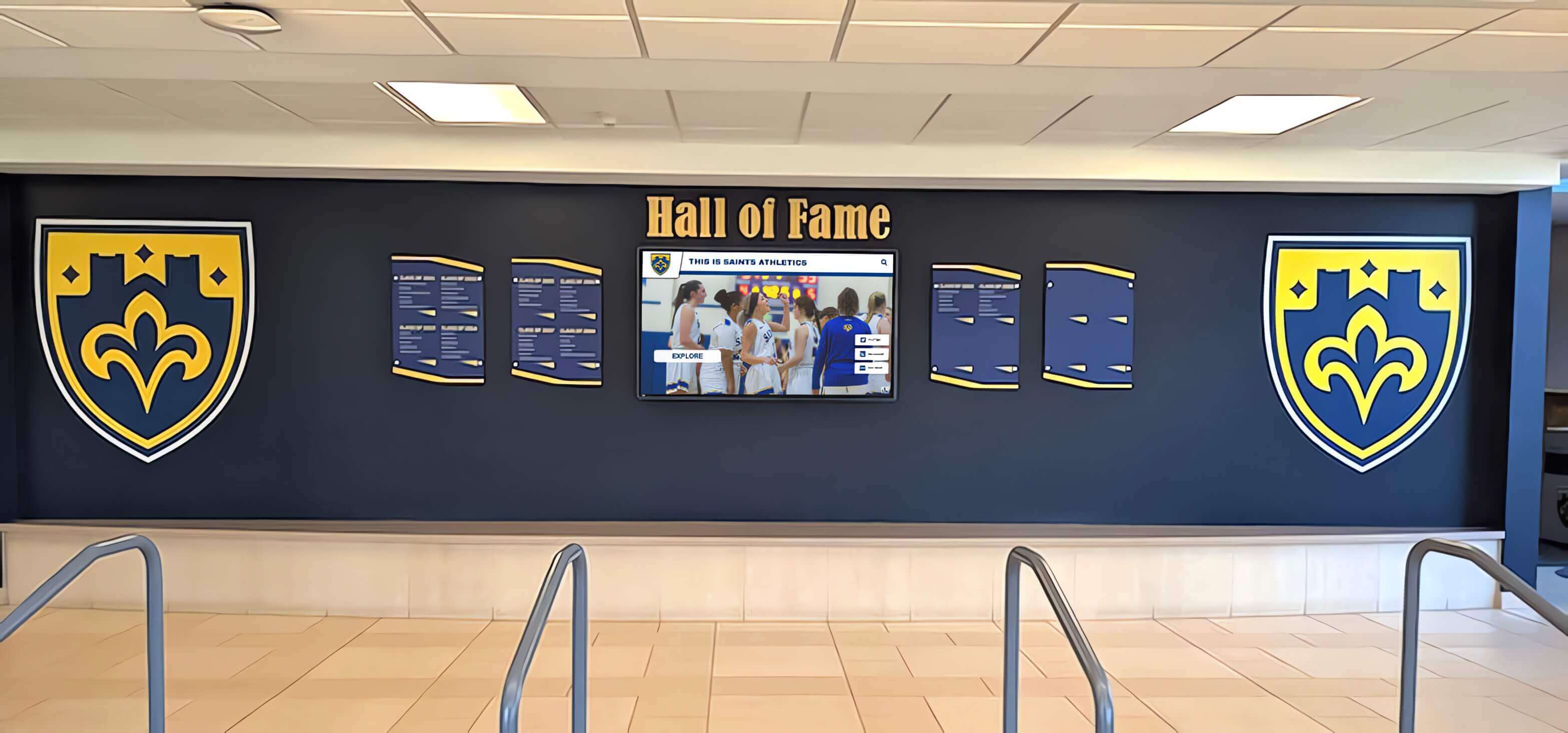
Strategic lobby placement ensures art galleries create positive first impressions while receiving maximum visibility from all visitors
Phase Four: Sustained Operation and Growth
Regular Content Additions
Maintain gallery vitality through continuous updates:
- Add new artwork monthly as projects complete across courses
- Feature seasonal exhibitions aligned with school calendar and themes
- Rotate highlighted pieces ensuring fresh content on landing pages
- Archive graduated students’ work while maintaining accessibility
- Update artist information as students advance and achieve recognition
Consistent additions maintain student and family engagement while demonstrating that galleries remain active recognition systems rather than static installations.
Annual Program Celebrations
Create recurring events building tradition and anticipation:
- End-of-year art shows featuring comprehensive annual production
- Awards or recognitions for exceptional artistic achievement or growth
- Alumni artist features highlighting graduate creative careers
- Community art events demonstrating program vitality and excellence
- Senior retrospectives celebrating graduating artists’ complete portfolios
Continuous Improvement and Assessment
Use feedback and data refining program effectiveness:
- Track usage analytics identifying popular work and underutilized content
- Survey students and families about gallery value and suggestions
- Assess equity ensuring all students receive proportional recognition
- Review technical performance addressing any usability issues
- Adjust organizational frameworks based on actual exploration patterns
Display Integration: Creating Accessible Art Recognition Touchpoints
Strategic physical and digital placement determines whether galleries reach intended audiences effectively or remain undiscovered.
High-Impact Physical Locations
Main Entrance and Lobby Displays
First-impression locations ensuring universal visibility:
- Primary school entrances where all students, families, and visitors pass daily
- Administrative office waiting areas with extended viewing time during conferences
- Auditorium lobbies connecting visual and performing arts programs
- Welcome centers and tour routes showcasing program quality to prospective families
Entrance galleries communicate institutional values celebrating creativity alongside academic achievement, establishing welcoming culture honoring diverse talents.
Art Wing and Classroom Proximity
Thematic placement strengthening program identity:
- Hallways outside art classrooms where students naturally gather between classes
- Art department common areas and student work spaces
- Kiln rooms and studio areas where creation happens inspiring current work
- Gallery spaces dedicated specifically to rotating exhibitions
Proximity to creation spaces reinforces connection between effort and recognition while providing inspiration during active work sessions.
High-Traffic Common Areas
Locations maximizing daily exposure:
- Cafeteria entrances and dining areas with sustained viewing opportunities
- Library media centers supporting cross-curricular connections
- Athletic facility lobbies demonstrating equal recognition for creative and athletic achievement
- Student union areas and gathering spaces
Widespread placement throughout facilities rather than isolating art in dedicated galleries ensures creative recognition becomes embedded in school culture visible to entire community. Explore approaches for campus digital displays creating comprehensive recognition environments.
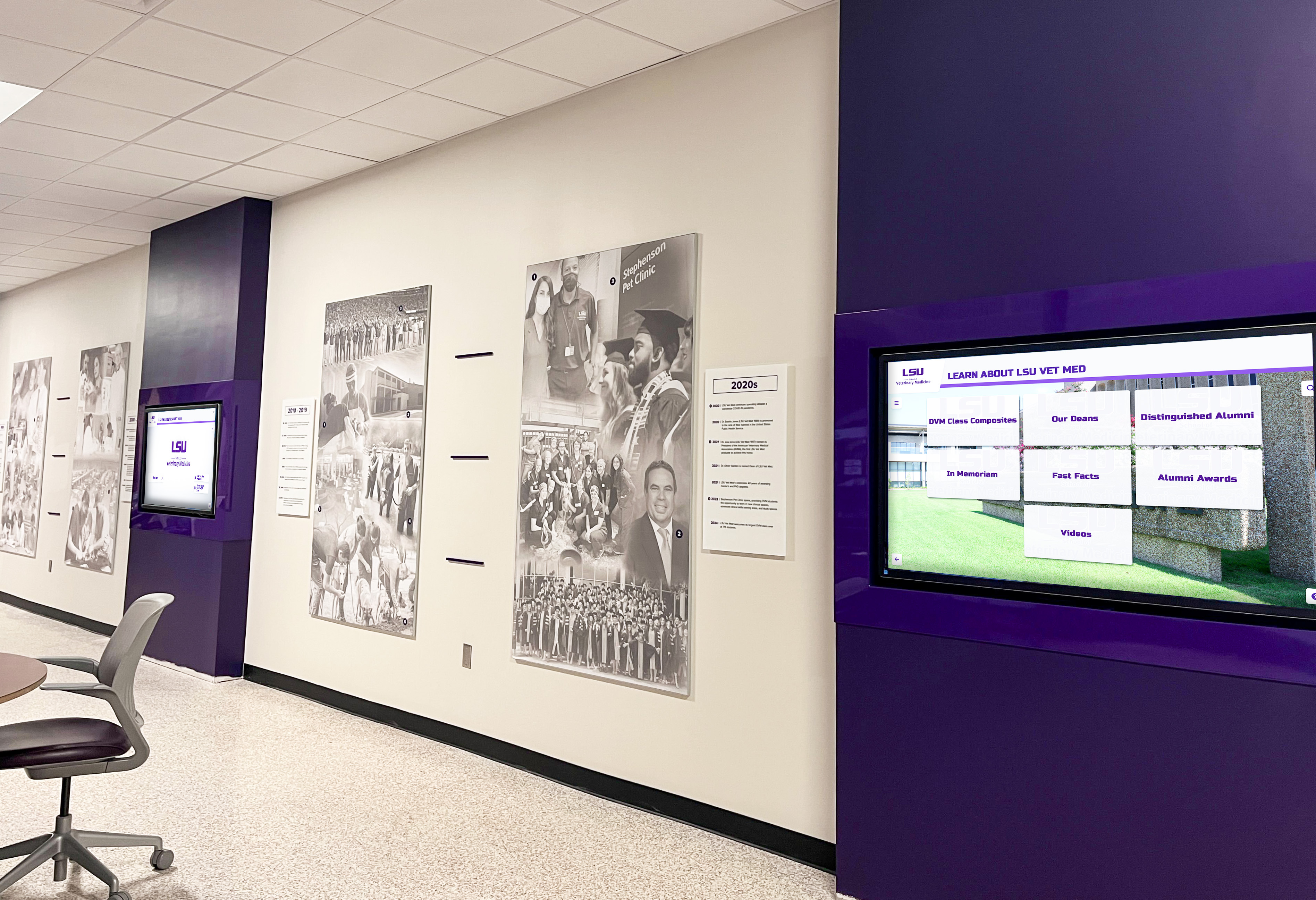
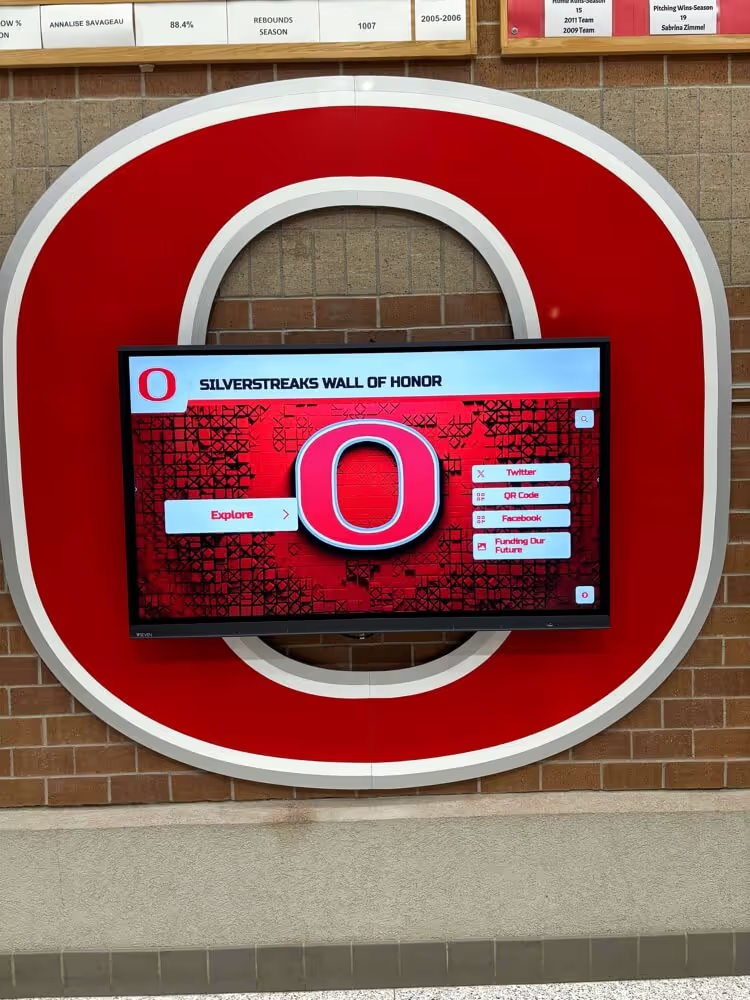
Comprehensive installations throughout facilities provide continuous visibility ensuring art receives recognition proportional to program importance
Web and Mobile Accessibility
Online Gallery Portals
Extend recognition beyond physical campus:
- Responsive web design optimizing experience across all devices
- Direct links to individual artwork enabling easy family sharing
- Social media integration facilitating broader distribution
- Search engine visibility helping prospective families discover program
- Password-free access unless student privacy requires authentication
Web accessibility dramatically amplifies recognition impact, with online galleries reaching audiences of thousands including extended family, alumni, and prospective students who never visit physical campus.
Mobile-Optimized Experiences
Smartphone and tablet functionality:
- Touch-friendly navigation appropriate for small screens
- Fast loading on cellular networks without wifi requirements
- Vertical scroll optimized for phone orientation
- Share buttons enabling instant social media posting
- Bookmarking capabilities for creating personal favorites
Most family members will view galleries initially on smartphones, making mobile optimization essential rather than optional for programs seeking meaningful family engagement.
Social Media Integration
Amplify reach through shareable content:
- Instagram-ready image formats featuring student artwork
- Quote graphics with artist statements for text-based platforms
- Video process clips showing creation for TikTok and Reels
- Facebook albums organized by class or project type
- Pinterest boards curating thematic collections
Social sharing by students, families, and programs exponentially increases visibility while building community pride and program awareness. Discover strategies for mobile companion applications extending recognition reach.
ADA Compliance and Universal Access
Physical Accessibility Standards
Ensure displays serve all students and families:
- Display height and positioning accommodating wheelchair users
- Adequate clearance for approach and maneuvering
- Lighting preventing glare while providing sufficient illumination
- Color contrast in signage meeting WCAG 2.1 AA requirements
- Alternative formats for visually impaired visitors when possible
Digital Accessibility Requirements
Web and touchscreen compliance:
- Screen reader compatibility for web galleries
- Keyboard navigation not requiring precise touchscreen interaction
- Closed captioning on any video or audio content
- Adjustable text size and high-contrast viewing options
- Simple navigation requiring minimal fine motor control
Solutions like Rocket Alumni Solutions provide platforms designed specifically for educational accessibility compliance, ensuring all students and families can fully participate in recognition systems regardless of physical or learning differences.
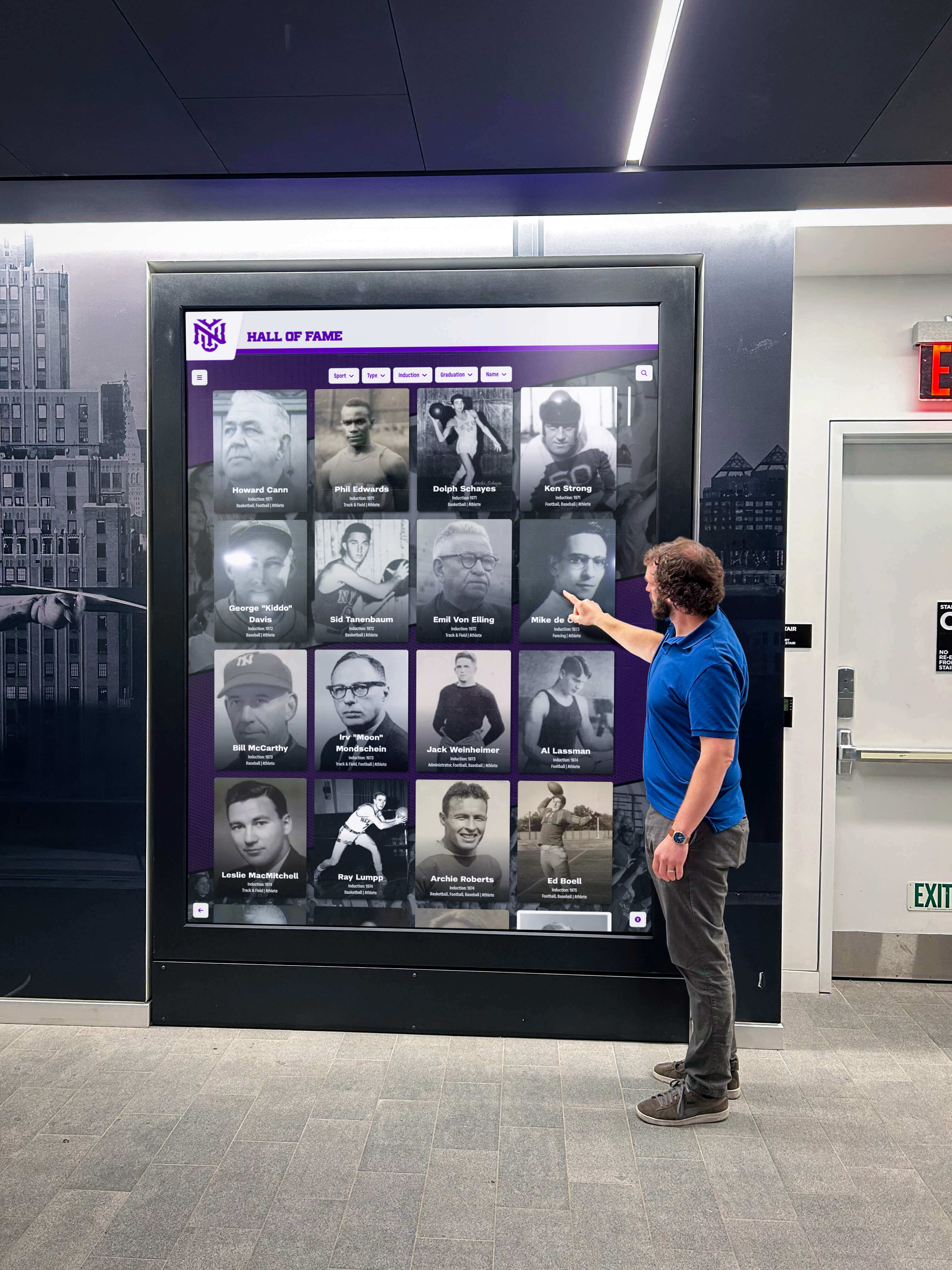
Accessible design ensures galleries serve all visitors including families with diverse abilities and technology comfort levels
Best Practices for Different Program Types and Grade Levels
Implementation approaches vary by educational context and student populations.
Elementary Art Programs
Young student galleries require developmentally appropriate approaches:
Emphasis on Process Over Product
Elementary displays should celebrate creative exploration:
- All student work receives recognition regardless of technical execution
- Process documentation showing experimentation and learning
- Reflective statements about what students enjoyed or discovered
- Teacher commentary about learning objectives and skill development
- Thematic organization around curriculum concepts rather than quality judgments
Elementary galleries communicate that creativity, effort, and exploration matter more than technical perfection, building confidence and artistic identity during formative years.
Simple Navigation and Bright Presentation
Design considerations for young audiences:
- Large, clearly labeled categories requiring minimal reading
- Colorful, engaging visual design appealing to elementary aesthetics
- Voice recording options for artist statements from emerging writers
- Separate galleries by grade level making peer comparison appropriate
- Family-friendly sharing enabling home celebration
Inclusive Recognition Philosophy
Every elementary student should see their work displayed:
- No competitive selection processes limiting whose work appears
- Multiple pieces per student when class size and projects allow
- Celebration of diverse approaches and interpretations
- Regular rotation ensuring sustained visibility throughout year
- Portfolio development beginning in earliest grades
Secondary Art Programs
Middle and high school galleries serve different purposes:
Portfolio Development Focus
Support post-secondary preparation:
- Comprehensive individual portfolios tracking growth across years
- Breadth and concentration organization aligned with college requirements
- Technical skill progression documentation from introductory through advanced courses
- Artist statements developing critical thinking and reflection skills
- Direct export capabilities for college applications and scholarship submissions
Balanced Recognition Philosophy
Celebrate range while acknowledging exceptional achievement:
- Comprehensive galleries including all serious student work
- Featured exhibitions highlighting particular excellence without excluding others
- Juried shows when appropriate teaching curatorial and competitive processes
- Peer recognition systems where students nominate respected work
- Teacher curation demonstrating professional artistic judgment
Advanced Program Integration
Connect galleries with sophisticated arts education:
- AP Art portfolio requirements fulfilled through systematic documentation
- Competition submissions drawn from curated gallery collections
- Exhibition experience preparing students for professional presentation standards
- Critique integration where galleries inform peer analysis discussions
- College preparation explicit in recognition program design
Learn about comprehensive academic recognition programs that can include arts achievements alongside traditional metrics.
Career and Technical Education Art Programs
Professional preparation contexts require specific features:
Industry Standard Presentation
Galleries should reflect professional expectations:
- Portfolio formats matching creative industry hiring standards
- Client project documentation showing real-world application
- Technical specifications demonstrating professional skill mastery
- Process documentation revealing creative development methodology
- Resume and portfolio development preparation explicit in design
Career Pathway Connections
Link student work with professional trajectories:
- Alumni career features showing creative professional paths
- Industry standard categories (graphic design, photography, illustration)
- Competition and award recognition validating professional readiness
- Internship and employment portfolio use enabled by comprehensive documentation
- Professional visibility preparing students for career self-promotion
Explore approaches from CTE program digital displays applicable to career-focused arts education.
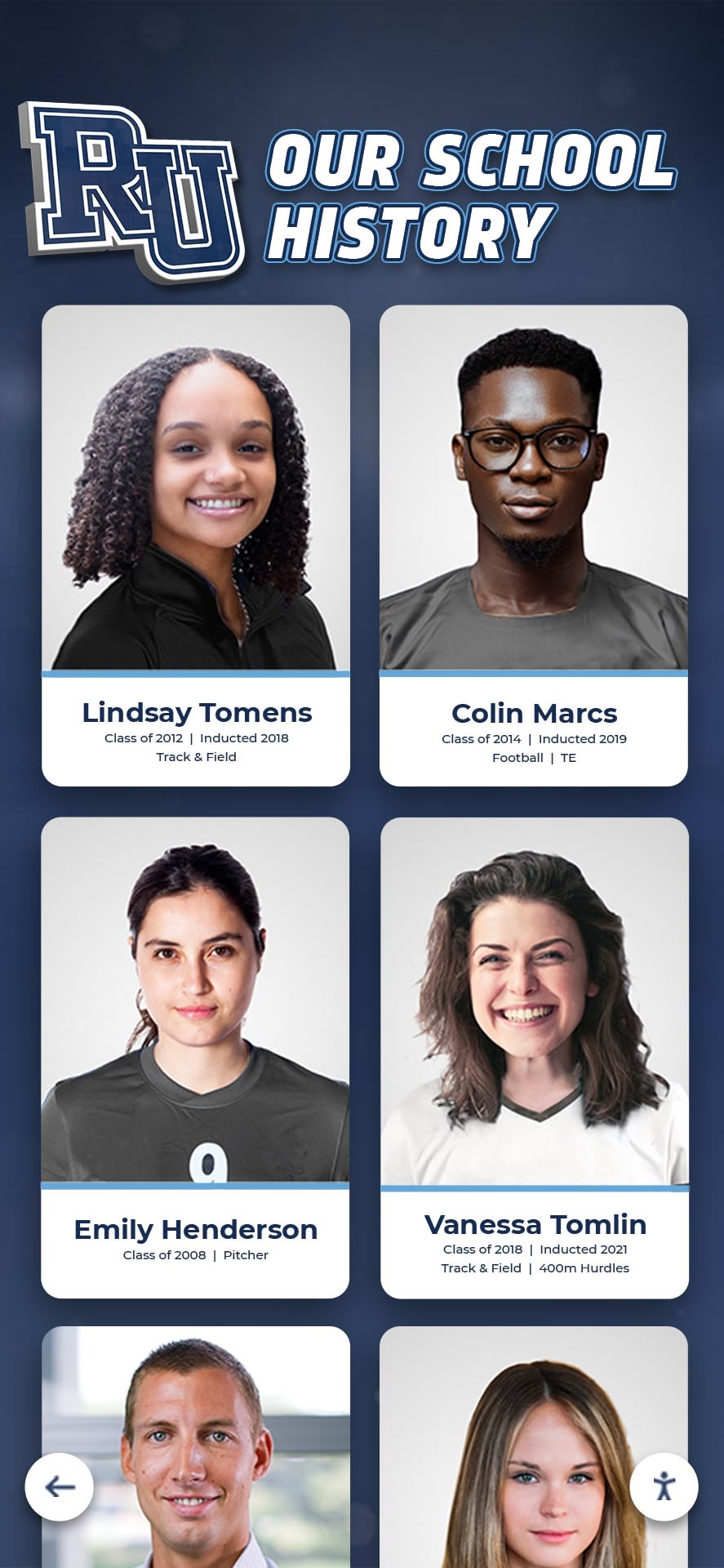
Professional portfolio presentation prepares students for college applications and career opportunities while validating creative achievement
Measuring Gallery Program Impact and Success
Assessment ensures displays achieve intended outcomes while justifying resource investment.
Student Engagement and Benefit Metrics
Participation and Portfolio Development
Quantitative measures of program reach:
- Percentage of art students with work displayed
- Average number of pieces per student documenting creative output
- Portfolio completion rates for students applying to arts programs
- Student survey responses about recognition value and program satisfaction
- Comparison of gallery program versus non-gallery control schools
Artistic Confidence and Motivation
Qualitative assessment of student impact:
- Self-reported confidence changes in post-program surveys
- Teacher observations about increased creative risk-taking
- Enrollment trends in advanced arts courses
- Student willingness to share work publicly and enter competitions
- Alumni reflections about how recognition influenced creative identity
Art educators report that comprehensive recognition systems correlate strongly with increased student artistic confidence and greater enrollment in advanced elective courses as students develop creative identities reinforced by public validation.
Family and Community Engagement
Gallery Usage and Reach
Measure audience interaction:
- Physical display viewing frequency and session duration from analytics
- Web gallery unique visitors and page views
- Social media engagement (shares, comments, saves) on featured artwork
- Family attendance at gallery opening events and exhibitions
- Prospective family tour feedback about arts program impressions
Community Awareness and Support
Assess broader impact:
- Local media coverage of student artwork and exhibitions
- Community member gallery visits during open facility events
- Alumni engagement exploring current student creativity
- Donor support for arts program enhancements and equipment
- Community perception surveys about arts program quality and value
Schools implementing comprehensive gallery displays report measurably increased community awareness of arts program quality, with authentic student work creating more compelling evidence than program descriptions or curriculum documents when community members evaluate institutional priorities.
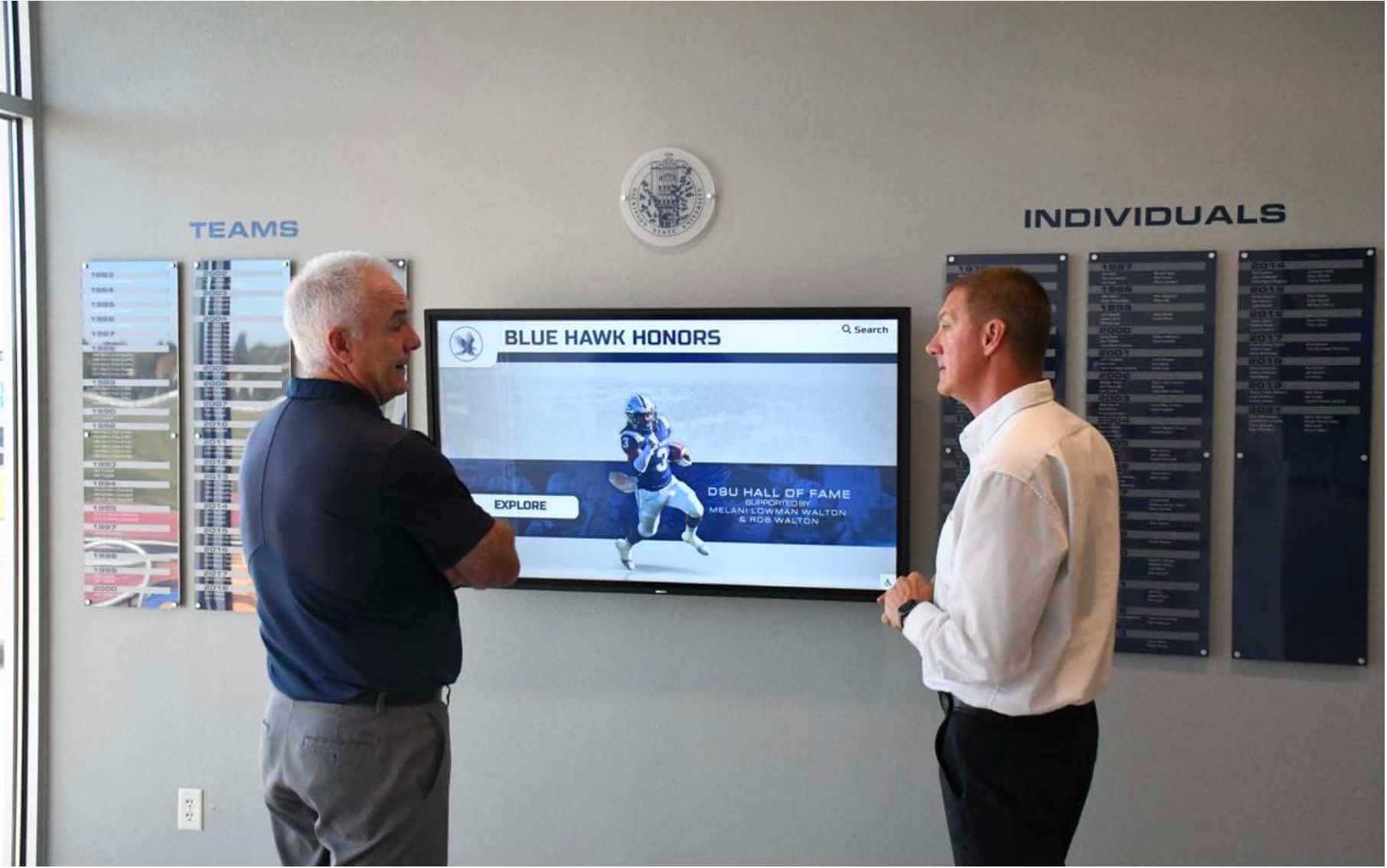
Gallery displays create social gathering points where families and community members celebrate student creativity together
Program Advocacy and Resource Support
Administrative and Budget Impact
Assess institutional effects:
- Arts budget allocation trends after gallery implementation
- Administrative testimonials about program value perception changes
- Facility improvements and space allocations for arts programs
- Professional development funding for arts teachers
- Program expansion enabling additional courses or sections
Recruitment and Enrollment Outcomes
Measure competitive advantages:
- Prospective student interest in arts programs during recruitment
- Arts-focused student enrollment from families prioritizing creative education
- Survey responses about how gallery displays influenced school selection
- Comparative enrollment versus peer schools without comparable galleries
- Retention rates of students in sequential arts courses
Art program leaders consistently report that comprehensive gallery displays significantly strengthen advocacy positioning, with visible student achievement providing administrators and community members concrete evidence supporting continued investment and protection during budget constraints.
Conclusion: Creating Recognition That Celebrates Every Student’s Creativity
Art class gallery displays represent far more than bulletin board replacements—they enable fundamentally different approaches to recognizing student creativity that celebrate universal participation, create inspiring peer learning environments, and preserve artistic heritage in ways previously impossible with physical space constraints. When schools thoughtfully implement gallery systems, select appropriate technologies, and develop sustainable content workflows, art recognition transforms from occasional special exhibition into continuous cultural celebration embedded throughout institutional identity.
The frameworks explored throughout this blueprint provide comprehensive guidance for evaluating options, making informed decisions, and implementing gallery programs serving both artistic and educational purposes effectively. From display placement and organizational systems to content management and accessibility standards, each decision affects long-term program sustainability and student recognition impact.
Ready to explore how art gallery displays can transform recognition in your arts program? Modern digital recognition solutions help schools celebrate unlimited student creativity while creating engaging experiences and preserving artistic portfolios comprehensively. Solutions like Rocket Alumni Solutions provide purpose-built platforms specifically designed for educational arts recognition, combining unlimited capacity with professional presentation quality and intuitive management ensuring art teachers can maintain comprehensive galleries efficiently.
Whether establishing your first systematic gallery or enhancing existing recognition systems, success requires celebrating every student’s creative contributions, presenting work with professional respect, and building sustainable programs within realistic resource constraints.
Your students’ creativity deserves recognition honoring artistic achievements appropriately while creating meaningful engagement and lasting impact. With thoughtful planning, appropriate technology, authentic commitment to comprehensive participation, and systematic content development, you can implement art gallery displays that inspire current students, engage broader communities, and preserve creative excellence documenting program vitality for years to come.
The most important consideration isn’t selecting the most expensive displays or most sophisticated software—it’s choosing systems aligned with your arts program values, sustainable within your resources, and designed to serve your specific student population effectively. Every student creates artwork worthy of celebration. Comprehensive gallery displays make universal, equitable recognition achievable and sustainable for decades to come.
Ready to begin exploring gallery display options for your art program? Book a demo to see how digital recognition platforms can showcase student artwork with the capacity, presentation quality, and accessibility that comprehensive arts programs deserve.