



Transfer students represent a significant and growing portion of college graduates—nearly one-third of all undergraduates transfer institutions at least once before earning their degree. Yet many transfer students wonder about their alumni status: Do I qualify as an alumnus of my original school? My graduating institution? Both? The answer matters more than just semantics. Alumni status determines access to career networks, reunion invitations, recognition opportunities, giving solicitations, and the sense of belonging that makes higher education meaningful beyond the classroom.
Most institutions define alumni as individuals who earned degrees from that institution, meaning transfer students typically hold alumni status at their graduating school. However, policies vary considerably—some schools extend alumni benefits to anyone who completed significant coursework, while others restrict recognition exclusively to degree recipients. Understanding these distinctions helps transfer students navigate their institutional relationships, access available resources, and determine where they truly belong in alumni communities.
This comprehensive guide explores alumni status for transfer students, examining common policies, recognition practices, benefits access, and how modern digital recognition systems create inclusive programs honoring all who contributed to institutional communities.
The transfer student experience creates unique questions about institutional identity and belonging. Students who spent two years establishing friendships, participating in campus activities, and building connections at one school before completing their degrees elsewhere often feel caught between institutions—welcomed nowhere, belonging everywhere, or some complicated combination that depends on context and timing.

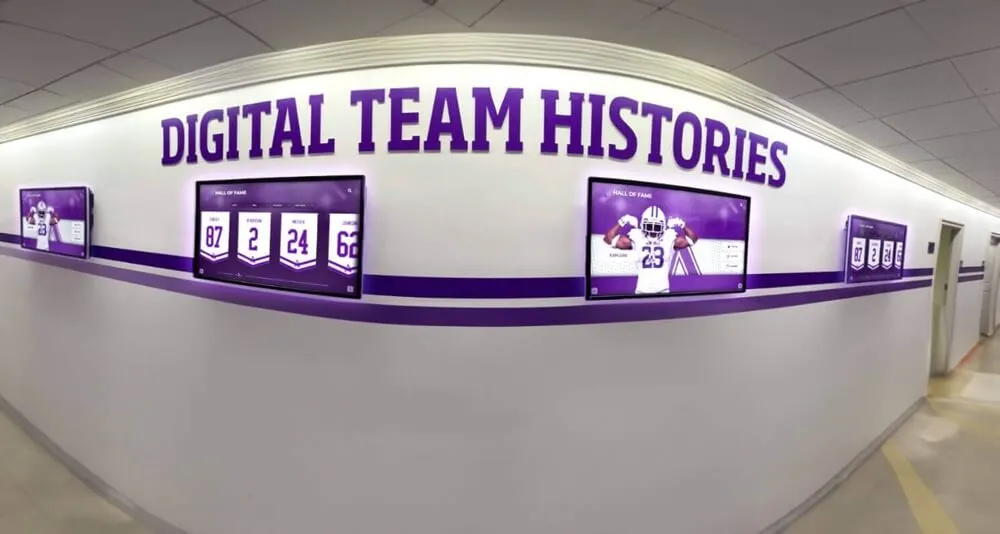
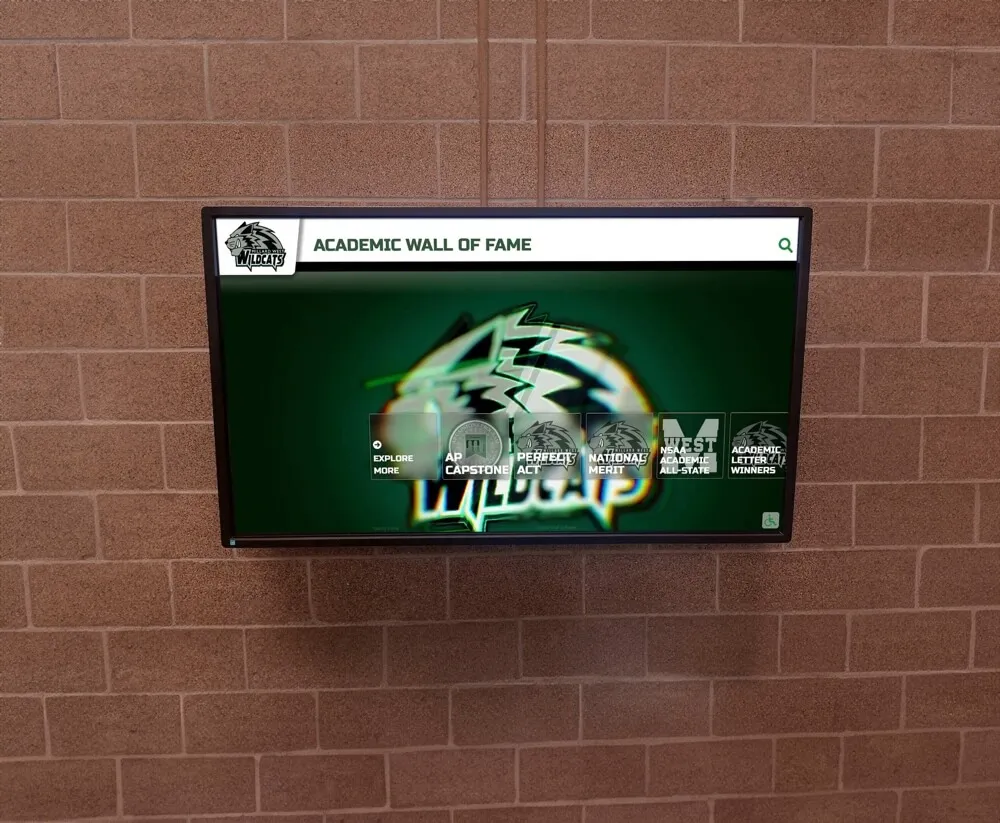
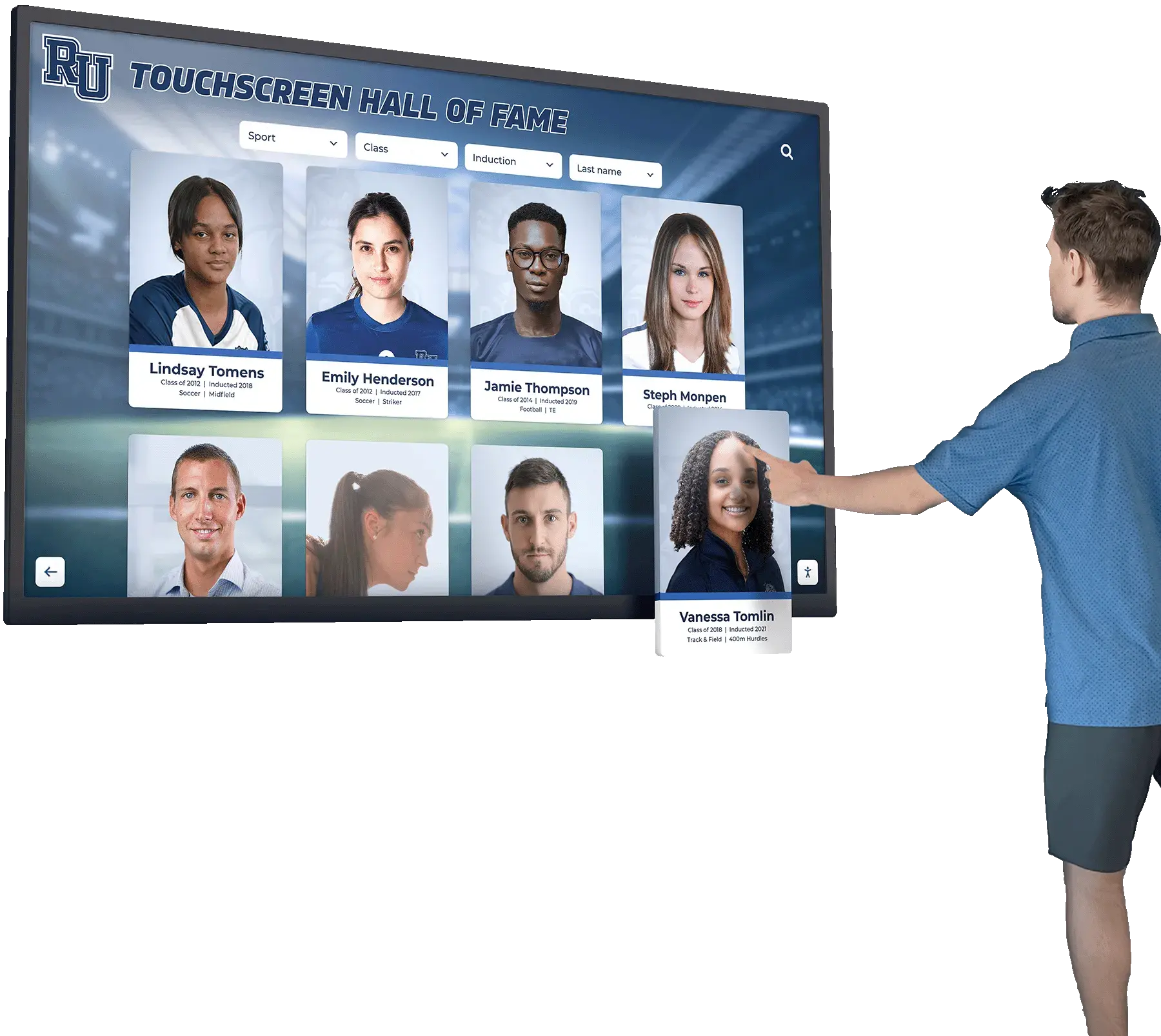
Modern alumni recognition systems acknowledge diverse educational pathways including transfer experiences
Standard Alumni Status Definitions
Understanding how institutions typically define alumni provides foundation for evaluating transfer student eligibility.
Degree-Based Alumni Status
The most common and traditional definition focuses exclusively on degree conferral:
Full Alumni Status for Degree Recipients
Institutions grant complete alumni status to individuals who:
- Completed all degree requirements at that institution
- Received official diplomas conferring bachelor’s, master’s, or doctoral degrees
- Participated in commencement ceremonies (though participation isn’t always required)
- Appear in official graduation records and alumni databases
- Meet any additional institutional requirements (residency minimums, good academic standing)
Under this standard definition, transfer students are alumni of their graduating institution—the school that conferred their degree—regardless of how many credits transferred from elsewhere.
Non-Alumni Status for Non-Graduates
Conversely, students who attended but didn’t complete degrees typically do not receive full alumni designation:
- Students who transferred away before graduating
- Those who completed some coursework but didn’t finish degree programs
- Individuals who withdrew for personal, financial, or academic reasons
- Certificate program participants who didn’t earn full degrees
This traditional approach creates clear boundaries but potentially excludes individuals who spent significant time in institutional communities and maintain strong connections despite not graduating.
Attendance-Based Alumni Recognition
Some institutions adopt more inclusive definitions acknowledging all former students:
Former Student Classifications
Rather than binary alumni/non-alumni categories, these schools create distinctions:
- Alumni: Degree recipients with full benefits and recognition
- Former Students: Non-graduates who attended for specific periods (often one year minimum)
- Certificate/Program Completers: Individuals finishing non-degree programs
- Honorary Alumni: Community members, faculty, or supporters granted recognition
Inclusive Benefits Access
Institutions using broader definitions often extend selected benefits to non-degree attendees:
- Library and facility access for all former students
- Career services availability regardless of graduation status
- Reduced-cost event admission and parking privileges
- Social media group participation and networking connections
- Email forwarding and digital identity maintenance
This approach acknowledges that institutional impact extends beyond degree conferral—students who attended even briefly often maintain affinity and connections worth supporting.

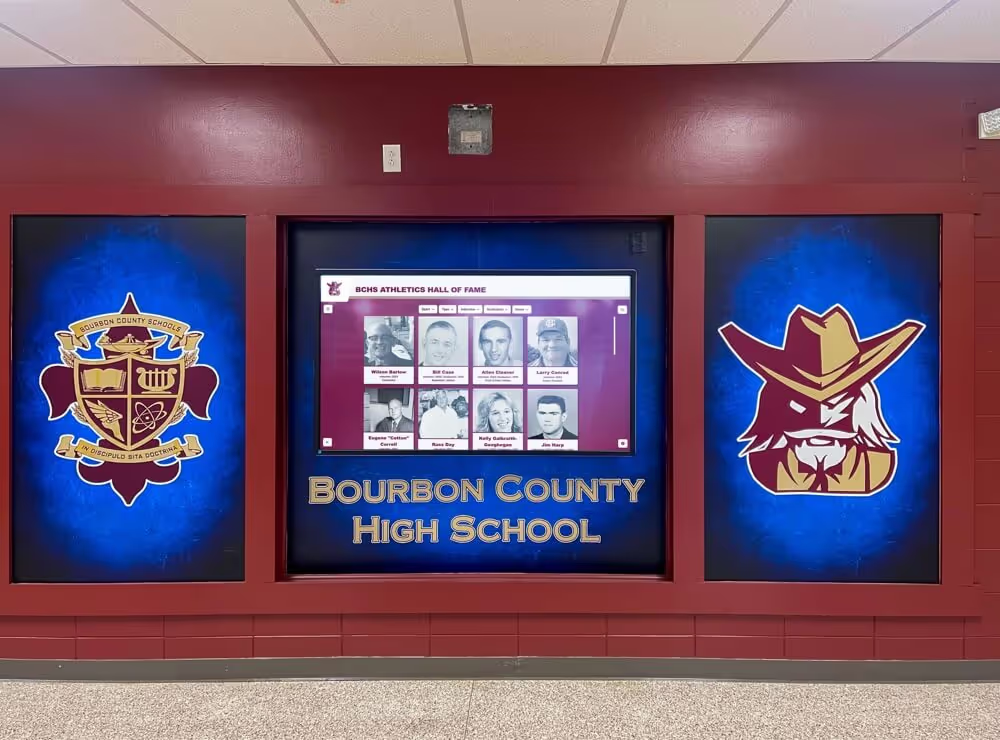
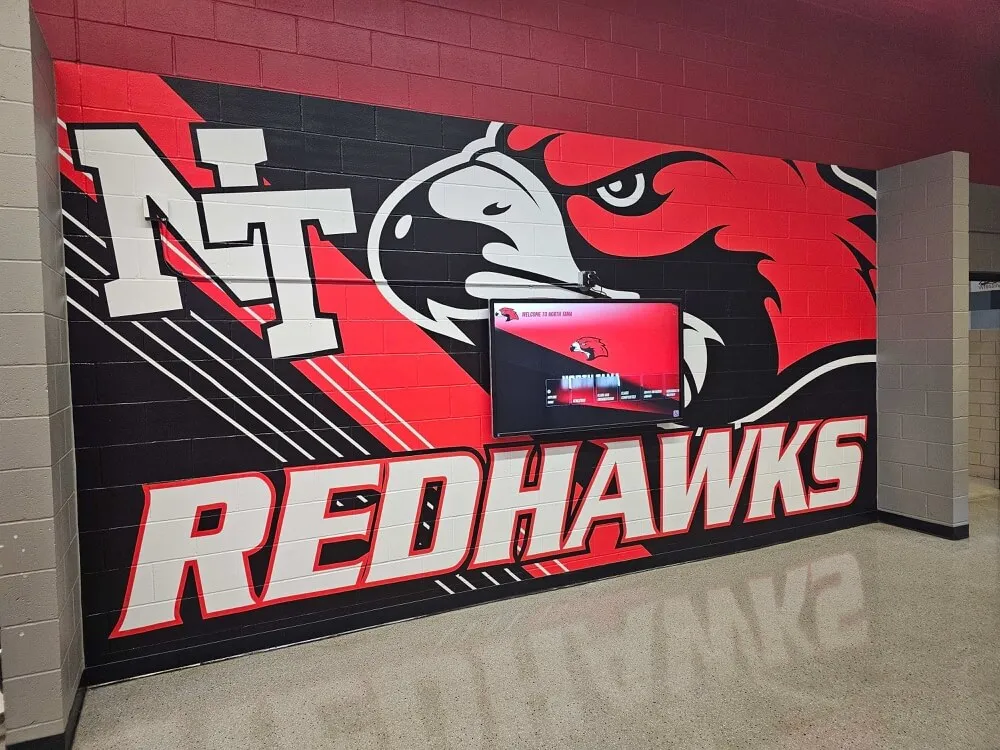
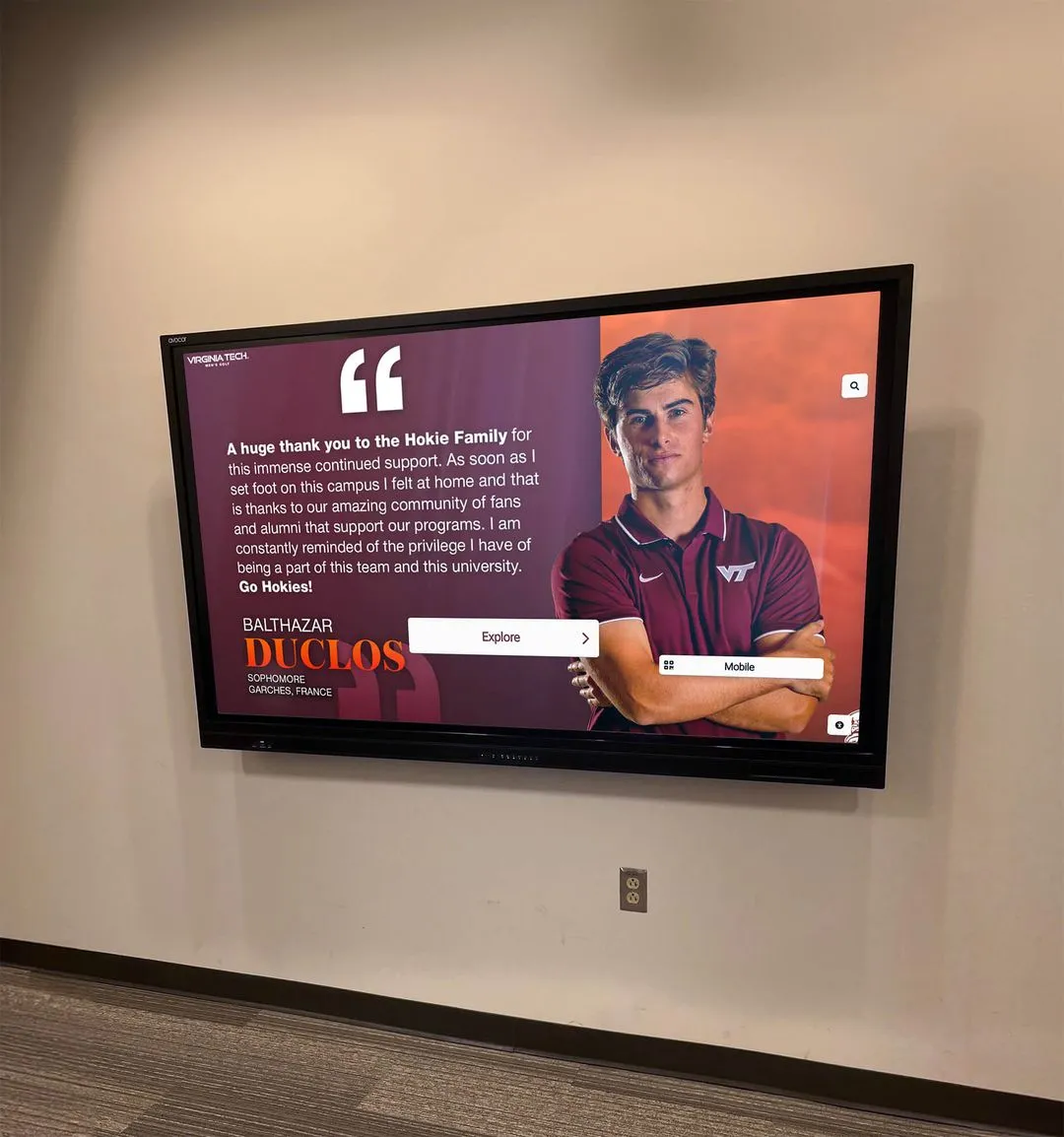
Digital recognition platforms showcase diverse alumni paths including transfer student success
Alumni Status at Multiple Institutions
Transfer students completing degrees after attending multiple schools face questions about dual or multiple alumni status.
Graduating Institution Alumni Status
Primary Alumni Identity
The institution conferring your degree typically represents your primary alumni affiliation:
- Official transcripts and diplomas list the graduating school
- Degree verification requests reference the conferring institution
- Professional credentials cite the degree-granting university
- Commencement participation and graduation memories center on final institution
- Alumni association membership and engagement focus on graduating school
For transfer students, this means your alumni status definitively includes your graduating institution regardless of how many credits transferred or how long you attended.
Full Benefits and Recognition
Graduating institution alumni typically receive complete access to:
- Alumni association membership and programming
- Career networking platforms and mentorship opportunities
- Continuing education and professional development discounts
- Library, recreation, and facility usage privileges
- Homecoming, reunion, and special event invitations
- Voting rights in alumni governance where applicable
- Recognition in alumni publications, honor rolls, and famous alumni displays
Transfer students attending their graduating institution for even a single year before completing degree requirements qualify for identical alumni status as four-year attendees.
Previous Institution Relationships
Policy Variation at Transfer-From Schools
Institutions handle relationships with students who transferred away quite differently:
Restrictive Approach: Some schools provide no alumni status or benefits to students who left before graduating, treating transfer-out as complete separation from the institution.
Moderate Approach: Other institutions acknowledge former students without full alumni status, perhaps offering limited benefits like library access, event attendance at higher rates, or social media community participation.
Inclusive Approach: Progressive institutions grant alumni or former-student status to anyone completing minimum attendance (often one academic year or 24-30 credits), providing substantial benefits and recognition even without degree completion.
Community College and Two-Year Institutions
Community colleges typically embrace inclusive alumni definitions:
- Associate degree recipients receive full alumni status
- Students who transferred to four-year institutions after completing associate degrees are alumni
- Former students who completed certificates or significant coursework often receive recognition
- Transfer partnerships acknowledge that transfer-to-university represents a success outcome, not a loss
Many community college alumni associations explicitly celebrate transfer student success at four-year institutions as evidence of their mission fulfillment. Students completing associate degrees before transferring typically hold alumni status at both their two-year and four-year institutions.
Practical Multiple Alumni Status
Can You Be Alumni of Multiple Schools?
Yes—transfer students frequently hold alumni status at multiple institutions:
Community College + University Alumni: Students completing associate degrees before transferring to complete bachelor’s programs are alumni of both institutions.
Multiple Degree Programs: Graduate students attending different universities for bachelor’s, master’s, or doctoral programs hold alumni status at each degree-granting institution.
Joint/Dual Degree Programs: Students in official partnership programs often receive alumni status from all participating institutions.
Different Campuses, Same System: Students transferring within university systems (e.g., from one UC campus to another) may receive alumni recognition from both individual campuses and the broader system.
This multiple-institution alumni status is completely legitimate and increasingly common as educational paths diversify beyond traditional four-year single-institution experiences.
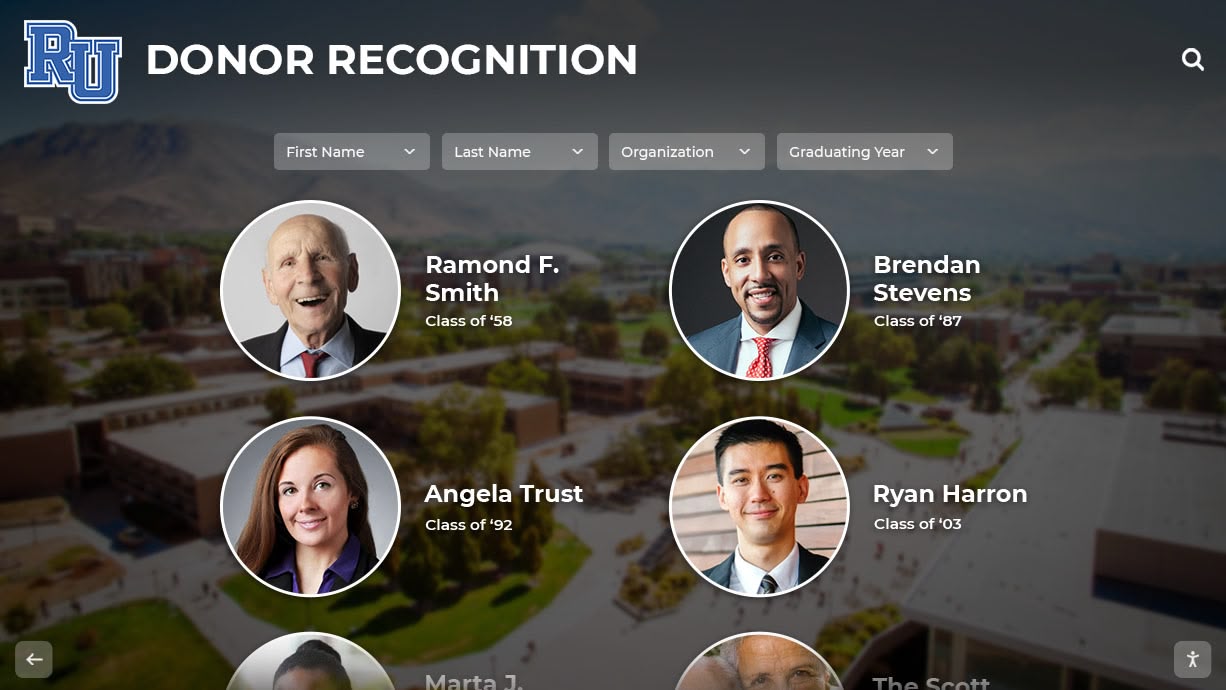
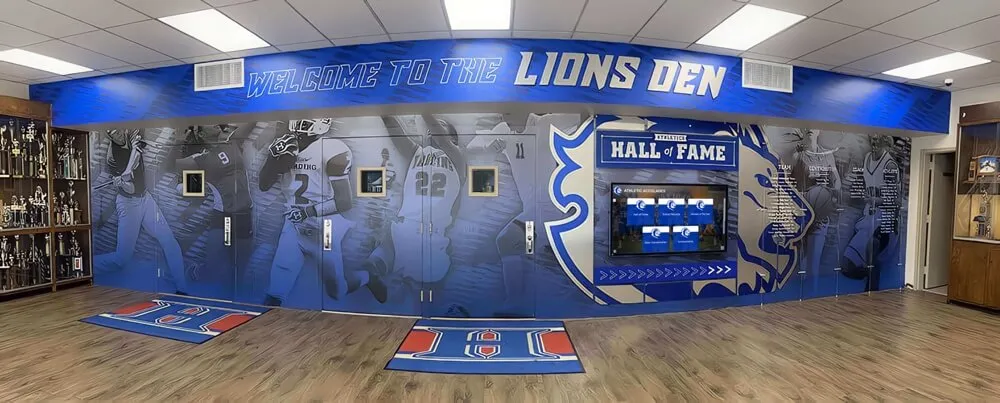
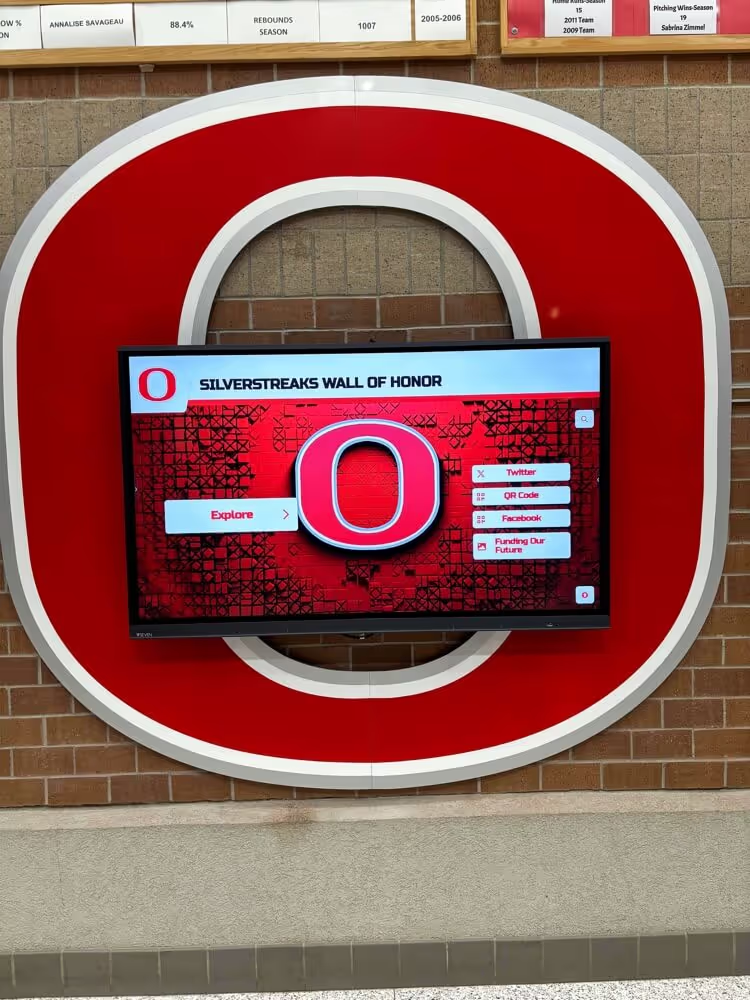
Inclusive recognition programs celebrate all alumni regardless of transfer status or educational pathway
Benefits and Access for Transfer Student Alumni
Understanding what alumni status provides helps transfer students maximize available resources and connections.
Career and Professional Networking
Full Network Access
Alumni status at graduating institutions provides:
- Career services platforms connecting alumni across industries and career stages
- Mentorship programs matching current students with experienced graduates
- Industry affinity groups organizing by professional field rather than graduation year
- Job posting boards featuring positions from alumni-owned businesses and recruiters
- Interview preparation resources and resume review services
- Salary negotiation workshops and professional development programming
Transfer students receive identical access regardless of attendance duration—the network advantage comes from degree conferral, not years on campus.
LinkedIn and Social Networks
Official alumni status enables:
- Adding institutional affiliation to professional profiles
- Joining private alumni LinkedIn groups and Facebook communities
- Networking with fellow graduates in target industries or geographic regions
- Participating in virtual and in-person networking events
- Accessing searchable alumni directories for informational interviews
- Leveraging shared institutional identity in professional correspondence
For transfer students establishing careers, this network access often represents the most valuable alumni benefit—particularly at institutions with strong professional placement records or robust alumni communities in specific industries.
Continuing Education and Professional Development
Tuition Benefits and Discounts
Many institutions provide alumni:
- Reduced tuition for additional degree programs or graduate studies
- Free or discounted continuing education courses and certificate programs
- Professional development workshop access at reduced rates
- Library database and research resource privileges
- Auditing privileges for courses without formal enrollment
- Alumni-only educational programming and lecture series
Transfer student alumni typically receive identical continuing education benefits, though some institutions require minimum attendance periods before qualifying.
Academic Resource Access
Ongoing scholarly support including:
- Physical and digital library access for research purposes
- Database subscriptions typically restricted to current affiliates
- Archive and special collection access for historical research
- Interlibrary loan privileges extending borrowing beyond campus
- Study space availability during business hours
- Research consultation with subject librarians
These resources support lifelong learning regardless of how long alumni attended before graduating.
Social and Community Connections
Reunion and Event Participation
Alumni status typically includes:
- Homecoming celebration invitations and discounted admission
- Reunion planning and participation for graduation year cohorts
- Regional alumni chapter events in major metropolitan areas
- Athletic event tickets at alumni rates and priority access
- Special lectures, performances, and campus programs
- Family weekend participation for alumni with current students
Transfer students may receive invitations tied to graduation year rather than entire attendance period, potentially missing class-year connections from institutions they transferred from.
Recognition and Honor Programs
Accomplished alumni receive:
- Distinguished alumni award nomination eligibility
- Hall of fame induction consideration for athletic, academic, or professional achievement
- Commencement speaker opportunities for notable graduates
- Alumni magazine feature stories highlighting career accomplishments
- Donor recognition for philanthropic contributions
- Service awards acknowledging volunteer leadership
Transfer students qualify for recognition programs at graduating institutions based on post-degree accomplishments rather than campus involvement during enrollment.

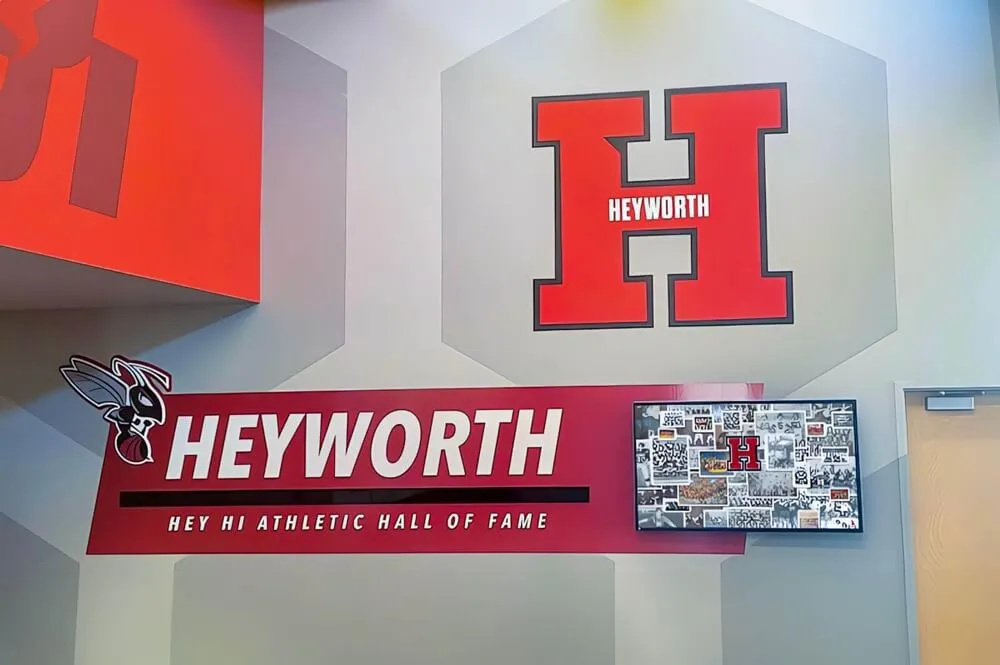
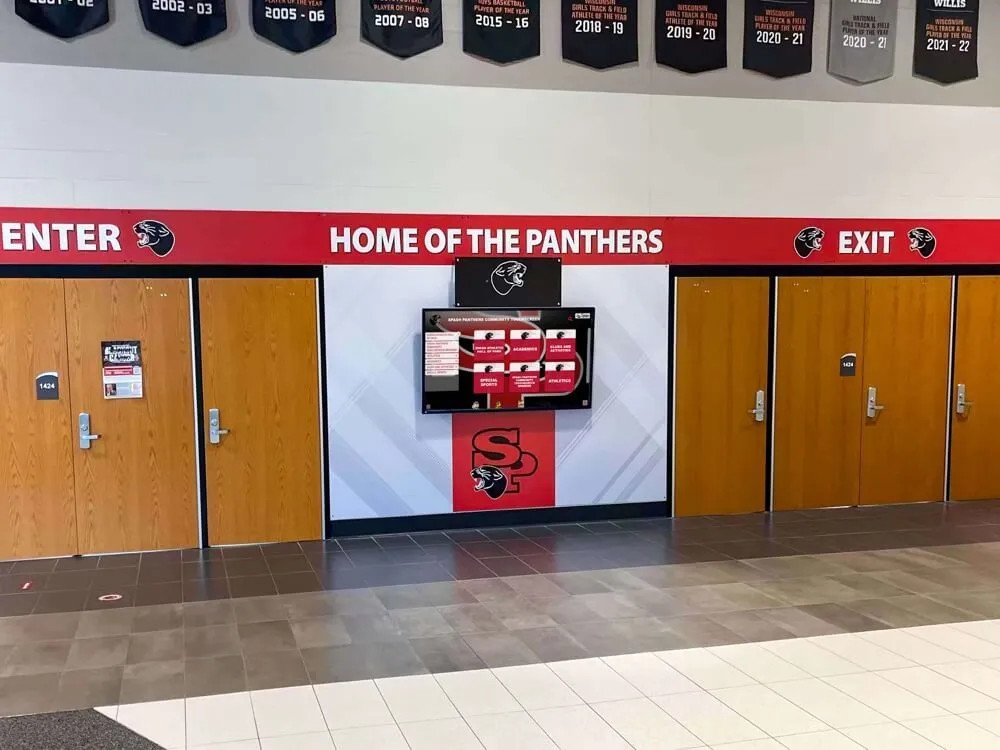
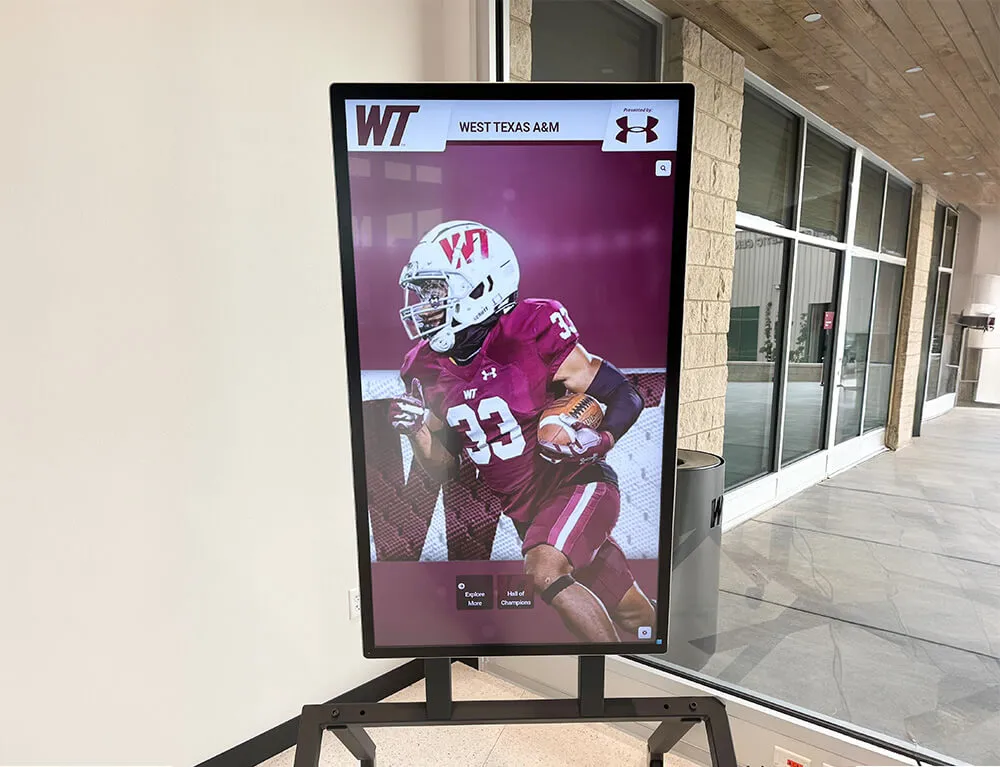
Modern recognition systems showcase complete alumni stories including transfer experiences and diverse backgrounds
Recognition Programs for Transfer Student Alumni
How institutions acknowledge and celebrate transfer students within broader alumni communities affects belonging and engagement.
Inclusive Digital Recognition Systems
Modern technology enables comprehensive alumni recognition that naturally accommodates transfer student experiences:
Unlimited Profile Capacity
Digital platforms eliminate space constraints that previously limited recognition:
- Every degree recipient receives complete profile inclusion regardless of attendance duration
- Transfer students appear alongside four-year attendees without distinction or separate categories
- Multiple-institution alumni can be recognized at each school they attended or graduated from
- Recognition databases scale infinitely without physical display limitations
- Updates and additions happen instantly without fabrication or installation delays
Solutions like Rocket Alumni Solutions provide comprehensive platforms for showcasing all alumni regardless of how they reached graduation.
Rich Biographical Content
Digital recognition supports complete stories:
- Full educational histories including institutions attended before transferring
- Acknowledgment of associate degrees or community college foundations
- Transfer motivations and institutional choice narratives
- Career progression from graduation through current accomplishments
- Personal reflections on transfer experiences and advice for current transfer students
- Multiple photographs spanning educational journey through professional success
This comprehensive approach celebrates transfer experiences as legitimate paths rather than exceptions requiring explanation.
Search and Discovery Features
Interactive capabilities help alumni find connections:
- Search by graduation year, major, or geographic location
- Filter by career field, industry, or employer
- Browse by involvement in specific programs, activities, or honors
- Keyword search identifying alumni with shared interests or backgrounds
- Related profile suggestions connecting alumni with similar paths
- “Where are they now” features highlighting post-graduation accomplishments
Transfer Student-Specific Recognition
Celebrating Diverse Educational Paths
Progressive institutions explicitly acknowledge transfer success:
- Featured transfer student profiles in alumni publications
- Transfer alumni networks creating specific community for this population
- Mentorship programs pairing transfer student alumni with current transfers
- Scholarship programs specifically supporting transfer students
- Recognition categories celebrating transfer student achievement
- Partnership celebrations acknowledging successful community college relationships
This targeted recognition validates transfer experiences while building community among alumni who share similar educational journeys.
Multiple Institution Inclusion
When transfer students hold alumni status at multiple schools:
- Each institution can recognize the same individual’s accomplishments
- Profiles can acknowledge complete educational history including all institutions
- Community college and university partnerships celebrate shared success
- Alumni achievement reflects positively on all institutions in the educational pathway
- Recognition at earlier institutions inspires current students considering transfer
Rather than competing for “ownership” of successful alumni, progressive institutions recognize that transfer success validates all participating schools in the educational journey.
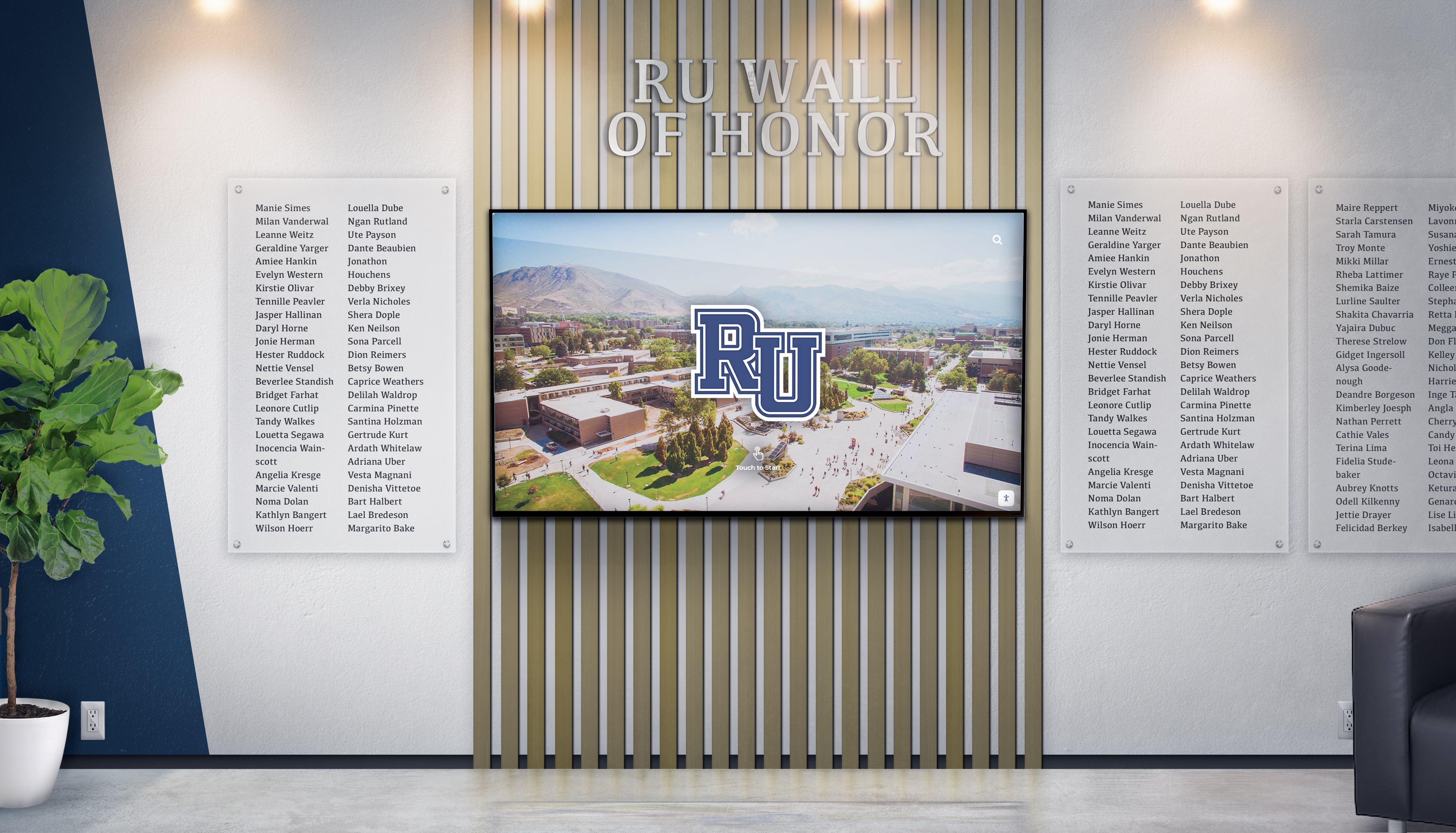
Interactive displays enable institutions to recognize every graduate regardless of transfer status or attendance duration
Clarifying Your Alumni Status
Transfer students uncertain about their standing should take proactive steps to understand and leverage available relationships.
Contacting Alumni Relations Offices
Direct Inquiry Process
Reach out to alumni affairs at institutions you attended:
Questions to Ask Your Graduating Institution:
- Do I automatically receive alumni status upon degree conferral?
- What benefits and services are available to me as an alumnus?
- How do I access career services, networking platforms, or continuing education?
- Are there minimum attendance requirements for specific benefits?
- How do I update my contact information and communication preferences?
- What recognition programs am I eligible for?
Questions for Institutions You Transferred From:
- Do you provide any former student status or benefits?
- Can I access career services, libraries, or facilities despite not graduating?
- Are there alumni events or networks I can participate in?
- Would my accomplishments be eligible for recognition or feature stories?
- Do you maintain relationships with former students who transferred?
Most alumni relations professionals appreciate proactive contact from transfer students seeking to understand and engage with available opportunities.
Updating Alumni Records
Ensuring Current Information
Maximize alumni benefits by maintaining accurate records:
- Verify that graduation completion triggered alumni status activation
- Provide current contact information (personal email, phone, mailing address)
- Update career information as you change positions or industries
- Share accomplishments worthy of recognition or feature stories
- Indicate communication preferences and areas of interest
- Connect social media accounts where applicable
- Opt in to specific programs, chapters, or affinity groups
Many institutions struggle with outdated alumni information—proactive updates ensure you receive invitations, communications, and opportunities.
Privacy and Information Control
Manage what appears in alumni directories:
- Most institutions allow you to control whether contact information appears in searchable directories
- You can typically hide personal details while maintaining listing presence
- Professional information (employer, job title) often appears separately from personal contact details
- Graduation year, degree program, and institutional affiliation typically appear regardless of privacy settings
- Update preferences through alumni relations portals or by contacting offices directly
Leveraging Multiple Alumni Statuses
Maximizing Dual Affiliation Benefits
If you hold alumni status at multiple institutions:
Professional Networking: Access career platforms and alumni directories at all institutions, expanding your professional network considerably.
Geographic Chapter Access: Participate in regional alumni events from whichever institution has stronger local presence in your area.
Continuing Education: Compare tuition benefits and educational programming, selecting the most valuable opportunities from available options.
Industry Connections: Engage with whichever institutional network has stronger representation in your professional field.
Recognition Opportunities: Share accomplishments with all institutions for potential feature stories, award nominations, or speaking invitations.
Philanthropic Relationships: Decide giving priorities based on which institutional experiences mattered most or which development needs resonate with your values.
There’s no requirement to choose—embrace all legitimate alumni relationships and engage where it makes sense for your situation and interests.
Improving Transfer Student Alumni Relations
Institutions seeking to better serve transfer populations should consider inclusive policies and recognition practices.
Policy Recommendations
Clarify Alumni Status Definitions
Transparent communication about who qualifies:
- Explicit website statements about degree-based alumni status
- Acknowledgment of former student categories and their benefits
- Clear attendance minimums for specific benefits when applicable
- Transfer student FAQ sections addressing common questions
- Proactive communication with graduating transfers about alumni status activation
Ambiguity creates confusion—clear policies help transfer students understand exactly where they stand.
Extend Appropriate Former Student Benefits
Consider providing non-degree attendees:
- Library and facility access for individuals completing minimum attendance periods
- Social media community participation regardless of graduation status
- Career service access for former students seeking professional support
- Event admission at rates between general public and full alumni
- Recognition opportunities when former students achieve notable accomplishments
These inclusive approaches acknowledge that institutional impact extends beyond degree conferral while maintaining distinctions between graduates and non-graduates.
Recognition System Improvements
Implement Comprehensive Digital Recognition
Modern platforms that naturally accommodate diverse populations:
- Unlimited capacity eliminating decisions about who “deserves” limited space
- Academic recognition programs celebrating all forms of achievement
- Searchable databases enabling alumni to find peers with similar backgrounds
- Web accessibility extending recognition beyond physical campus visitors
- Easy updates ensuring recent graduates receive prompt inclusion
- Interactive touchscreen displays creating engaging exploration experiences
Digital recognition naturally includes transfer students without requiring separate categories or explanations—everyone appears as accomplished alumni regardless of how they reached graduation.
Celebrate Transfer Student Success Explicitly
Targeted programming and recognition:
- Transfer alumni spotlight features in magazines and social media
- Panels or workshops where transfer alumni share experiences with current transfers
- Awards or scholarships specifically recognizing transfer student achievement
- Data-driven storytelling about transfer outcomes and success rates
- Partnership celebrations with community colleges and frequent transfer-from institutions
- Mentorship programs pairing transfer alumni with current transfer students
This explicit recognition validates transfer experiences rather than treating them as deviations from traditional four-year pathways.
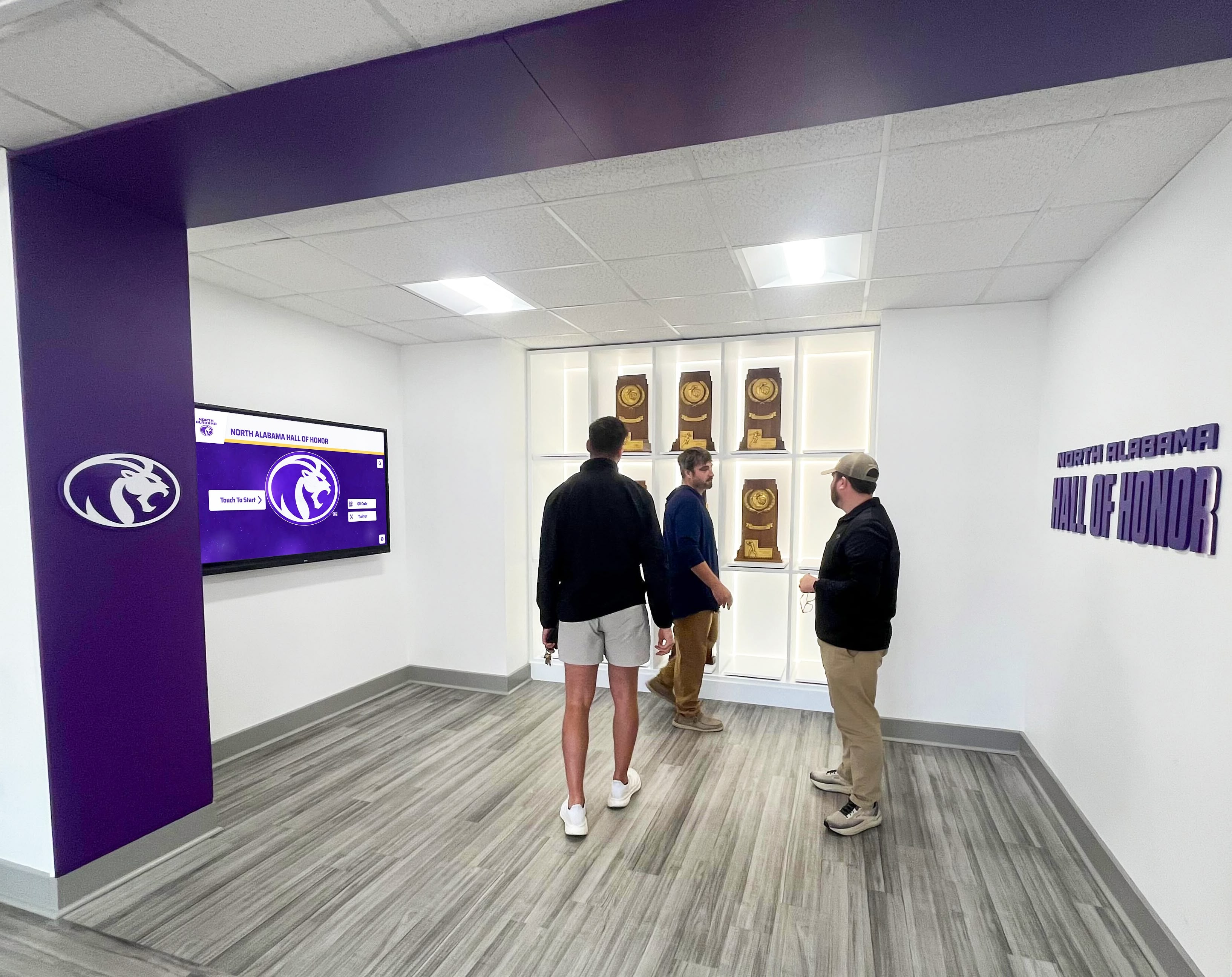
Inclusive recognition systems create belonging for all alumni regardless of educational pathway to degree completion
Conclusion: Transfer Students Are Alumni
The short answer to “are you an alumni if you transferred” is definitively yes—transfer students who complete degrees are alumni of their graduating institutions with full status, complete benefits access, and equal recognition alongside peers who attended four years.
The more nuanced reality acknowledges variation in institutional policies, potential alumni status at multiple schools, and the importance of transfer students proactively understanding and leveraging available relationships. Progressive institutions are increasingly adopting inclusive policies that acknowledge diverse educational paths, recognize former students who didn’t graduate, and celebrate transfer success explicitly rather than treating it as exceptional.
For transfer students themselves, the key recommendations are straightforward:
Embrace Your Alumni Identity: You earned your degree legitimately—claim your alumni status confidently and engage with available opportunities without hesitation or self-consciousness about your transfer background.
Clarify Your Status: Contact alumni relations offices at all institutions you attended to understand exactly what relationships, benefits, and recognition you qualify for at each.
Stay Connected: Update contact information, participate in events that interest you, and build professional networks leveraging all institutional affiliations you legitimately hold.
Share Your Story: Transfer experiences often involve resilience, adaptability, and intentional decision-making about educational priorities—qualities worth celebrating rather than minimizing.
Modern alumni recognition systems make inclusive celebration of all graduates—including transfer students—not only possible but natural and seamless. Digital platforms eliminate the space constraints that previously forced difficult decisions about limited recognition. Rocket Alumni Solutions provides comprehensive touchscreen displays and cloud-based content management systems that enable institutions to showcase unlimited alumni with rich profiles celebrating complete educational journeys including transfer experiences.
Whether you’re a transfer student wondering about your status, an administrator seeking to improve transfer alumni relations, or an institution implementing recognition programs that honor diverse educational paths, the essential truth remains: alumni status derives from degree conferral and institutional impact, not the specific pathway that brought students to graduation.
Transfer students represent resilience, adaptability, and intentionality in educational planning. Institutions that recognize these qualities through inclusive policies, comprehensive recognition, and authentic engagement honor not just individual alumni but the diverse paths through which excellence emerges in higher education.
If you’re building or updating alumni recognition programs, consider how your systems and policies affect transfer students. Do they see themselves reflected in your recognition? Do they receive clear communication about their status and available benefits? Do they feel genuine belonging in your alumni community? Answering these questions with intentional, inclusive approaches creates stronger alumni relationships that serve both individuals and institutions effectively for decades to come.