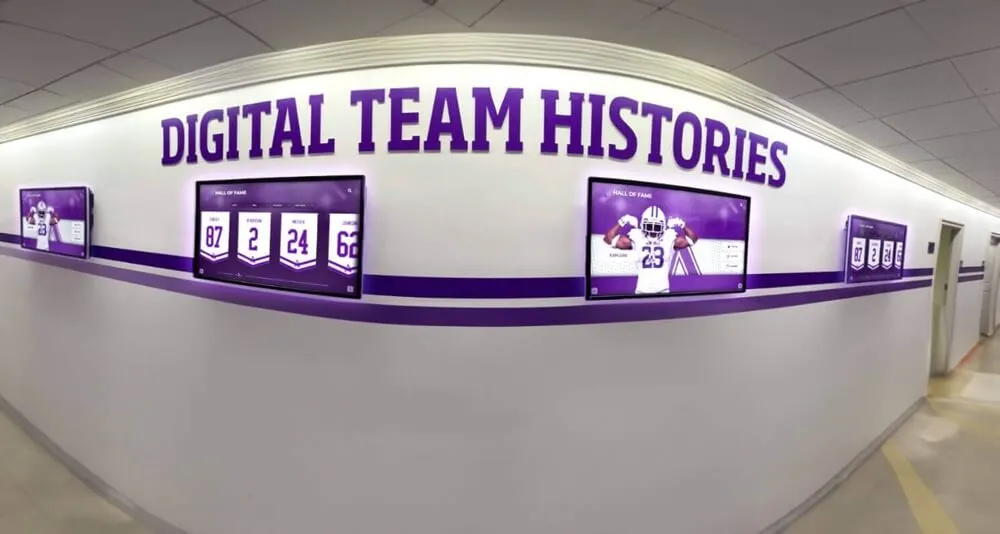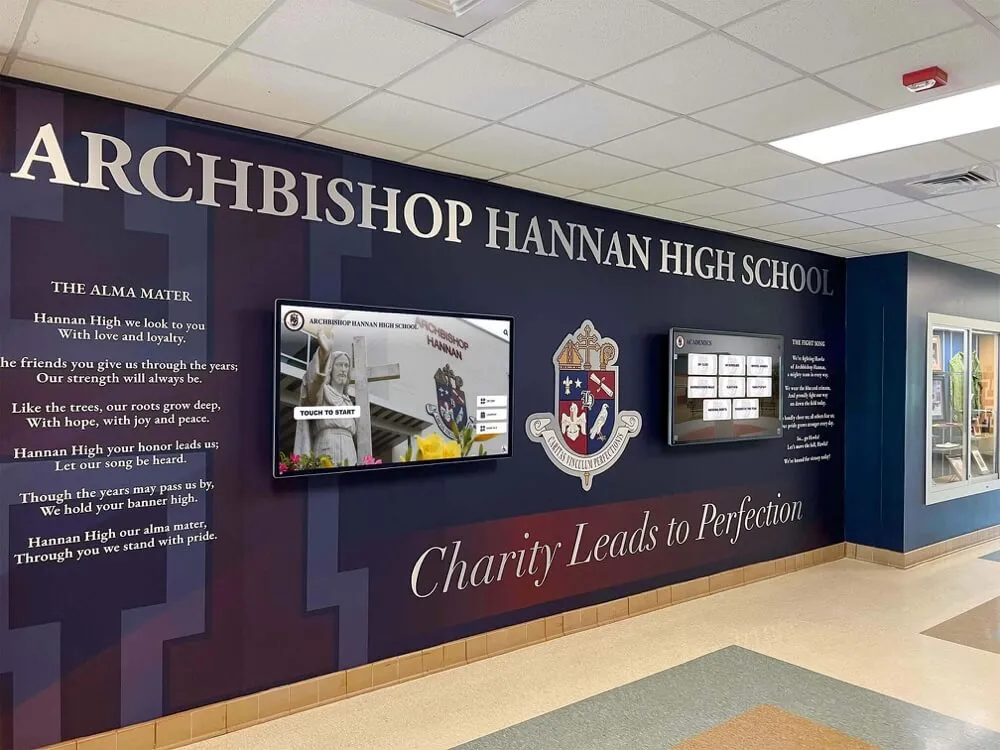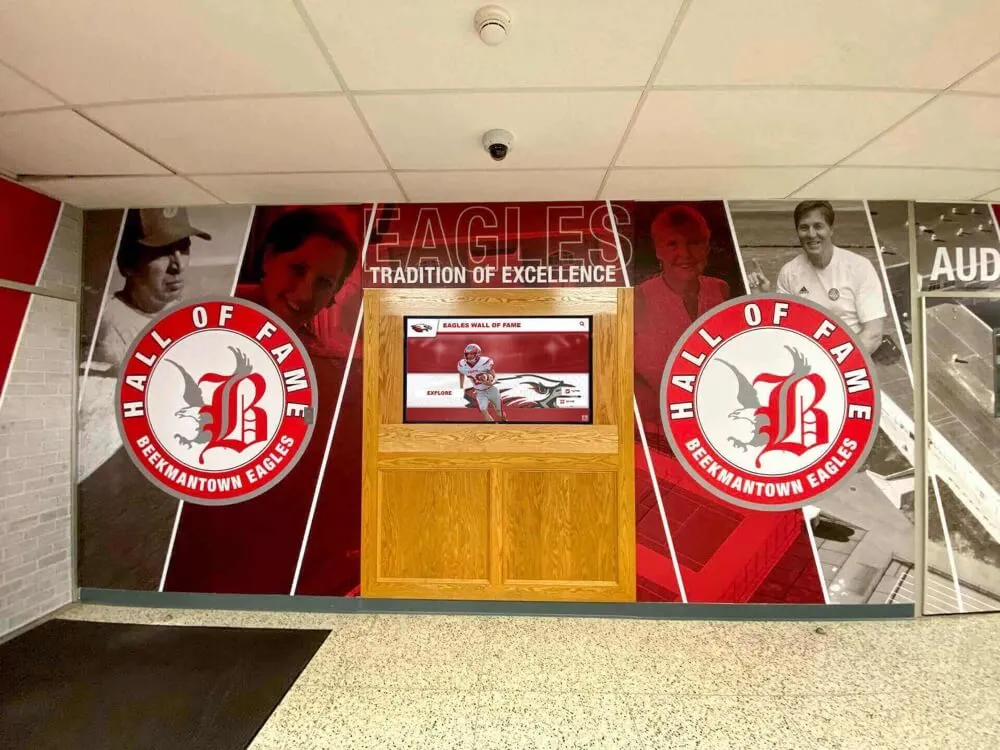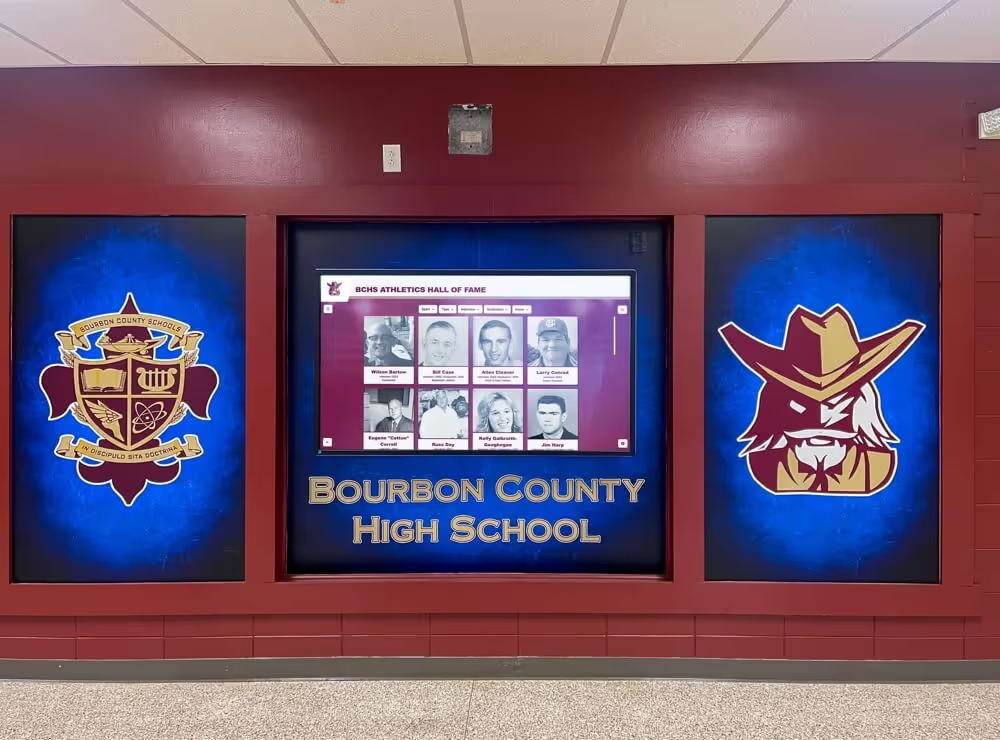




Alumni walls serve as powerful visual statements connecting past achievement to present community—transforming hallways, lobbies, and gathering spaces into storytelling environments that honor graduates who shaped institutional history. Whether recognizing distinguished career achievements, celebrating athletic legends, acknowledging major donors, or simply creating comprehensive visual records of graduating classes, effective alumni walls turn recognition into ongoing conversation while strengthening ties between current students and the institutional legacy they’re building.
The challenge facing schools and universities isn’t whether to create alumni recognition—it’s how to build recognition systems that remain relevant, updateable, and engaging as institutional communities grow and evolve. Traditional brass plaques and static photo boards quickly become outdated, expensive to maintain, and limited in the stories they can tell. Modern alumni wall ideas blend timeless recognition principles with contemporary technology, creating displays that showcase depth of achievement while remaining flexible enough to grow alongside expanding alumni communities.

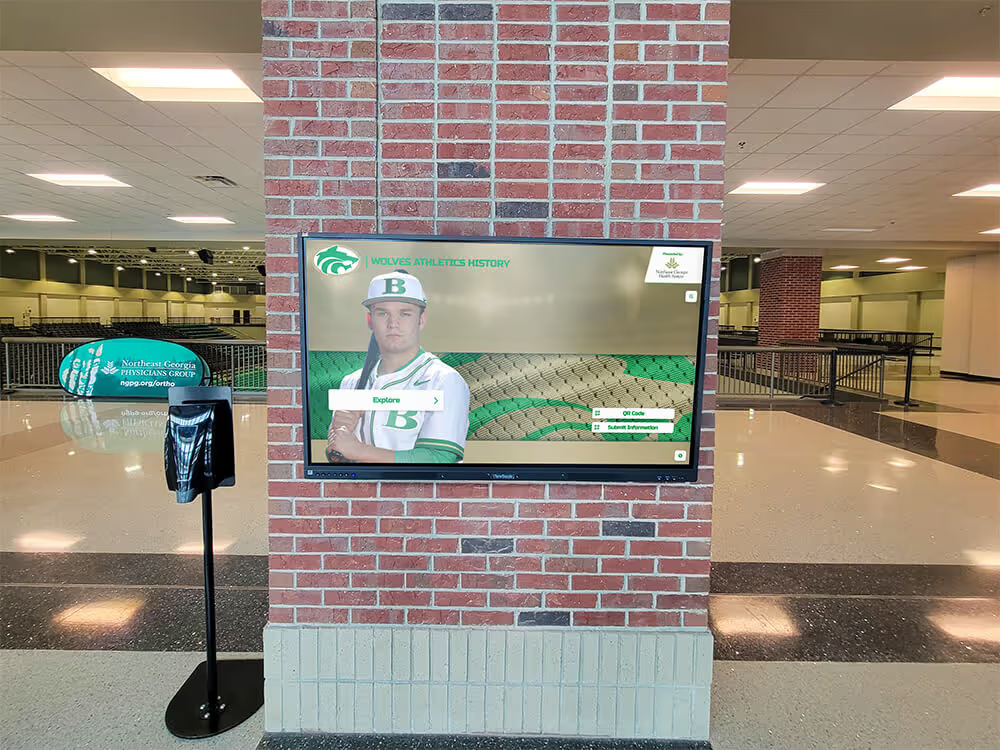
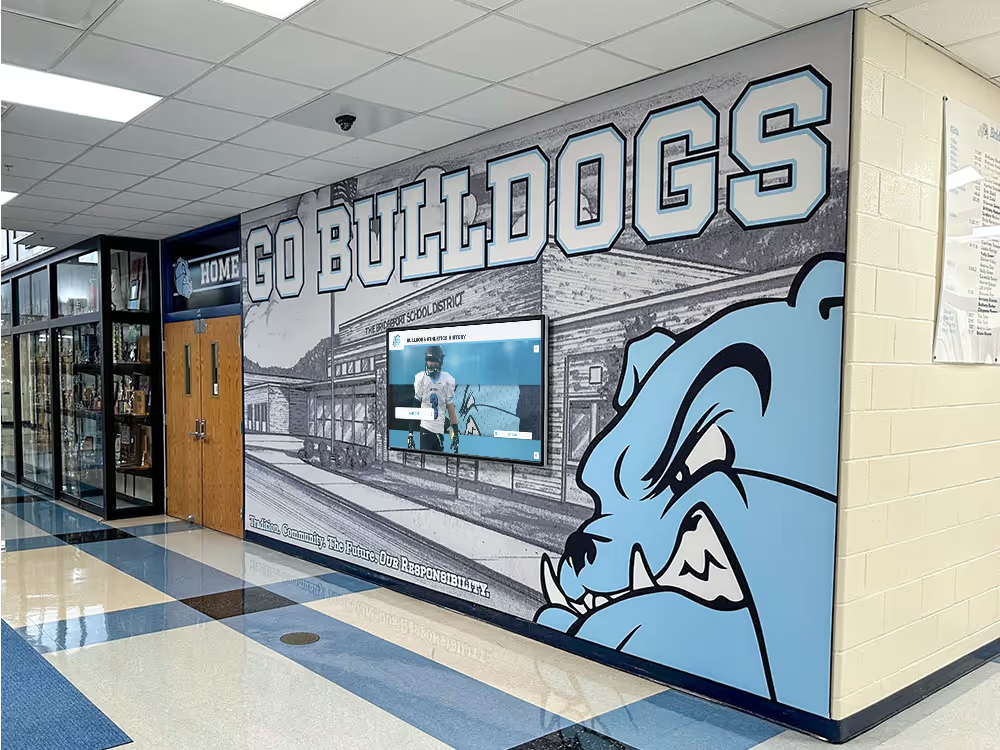
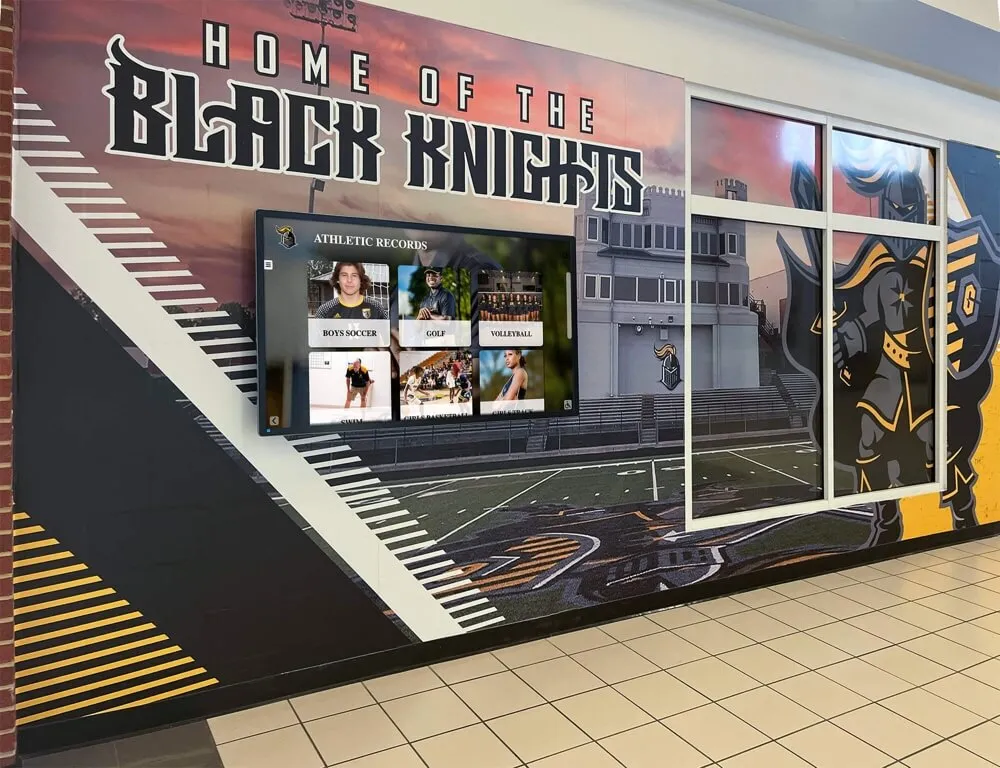
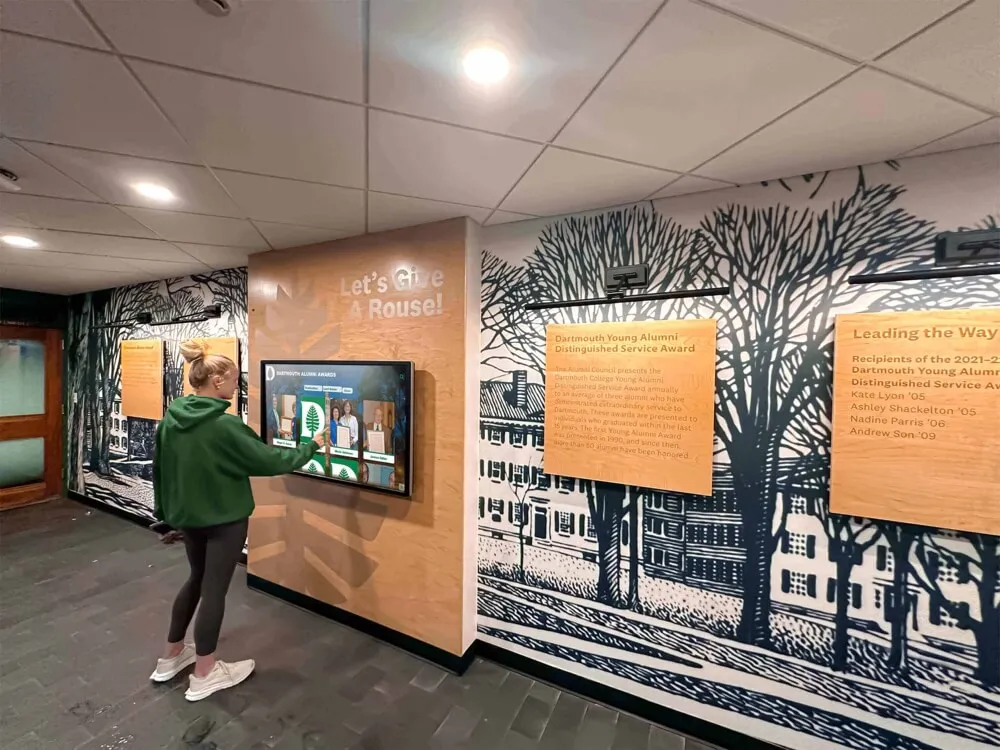
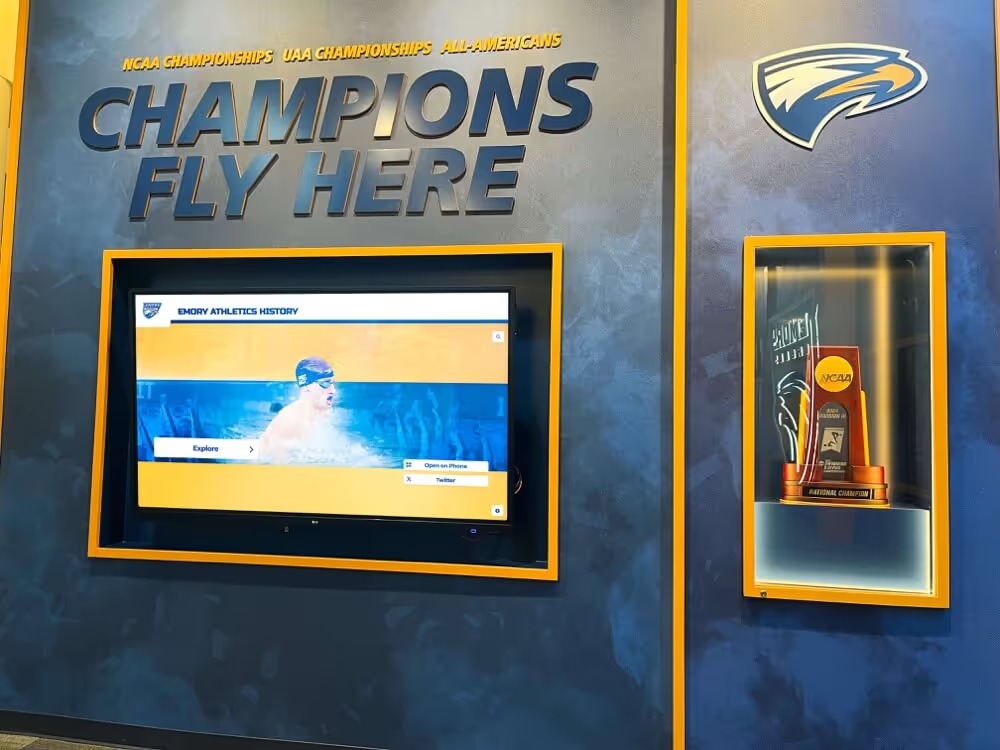
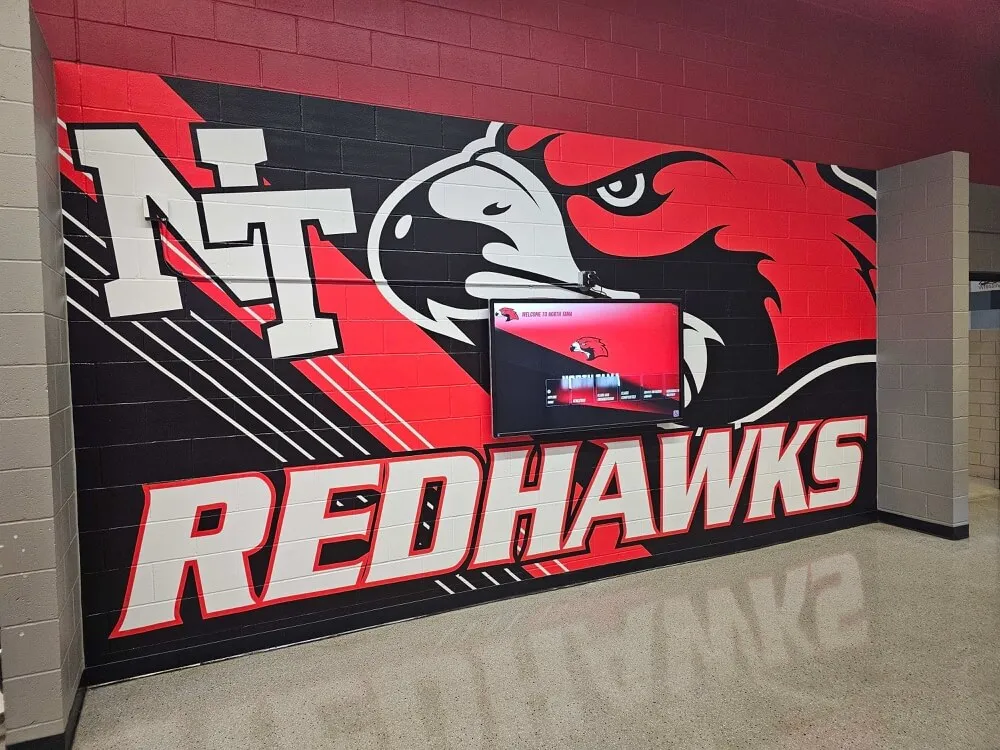
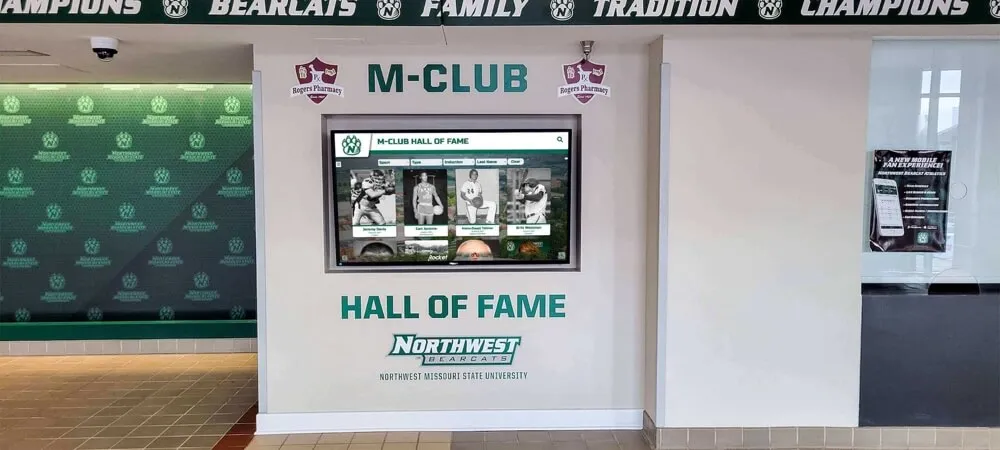
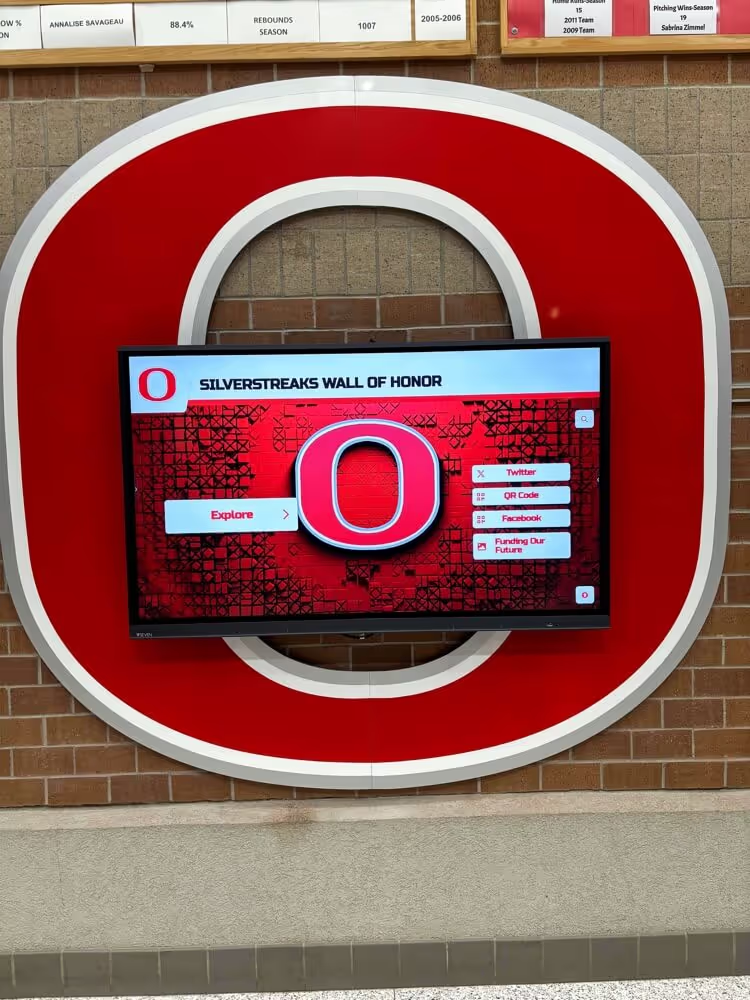
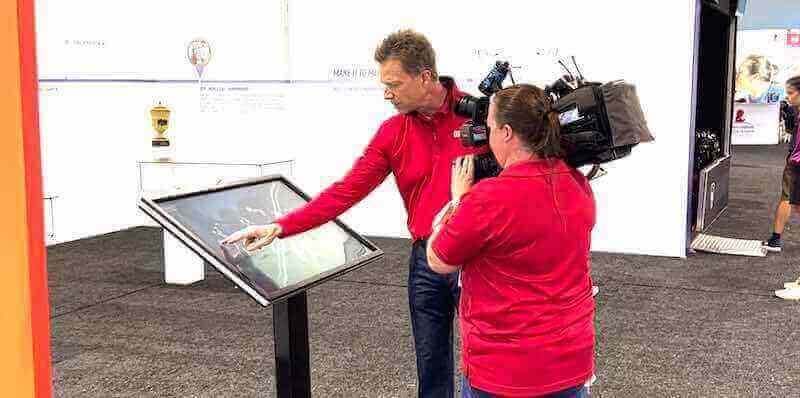
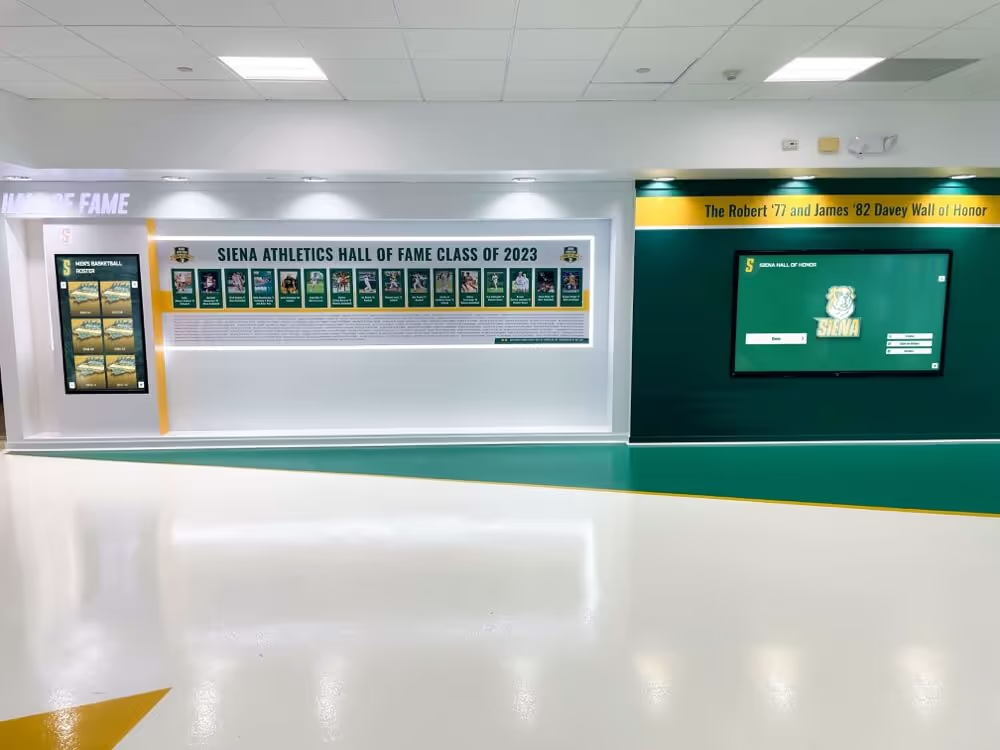
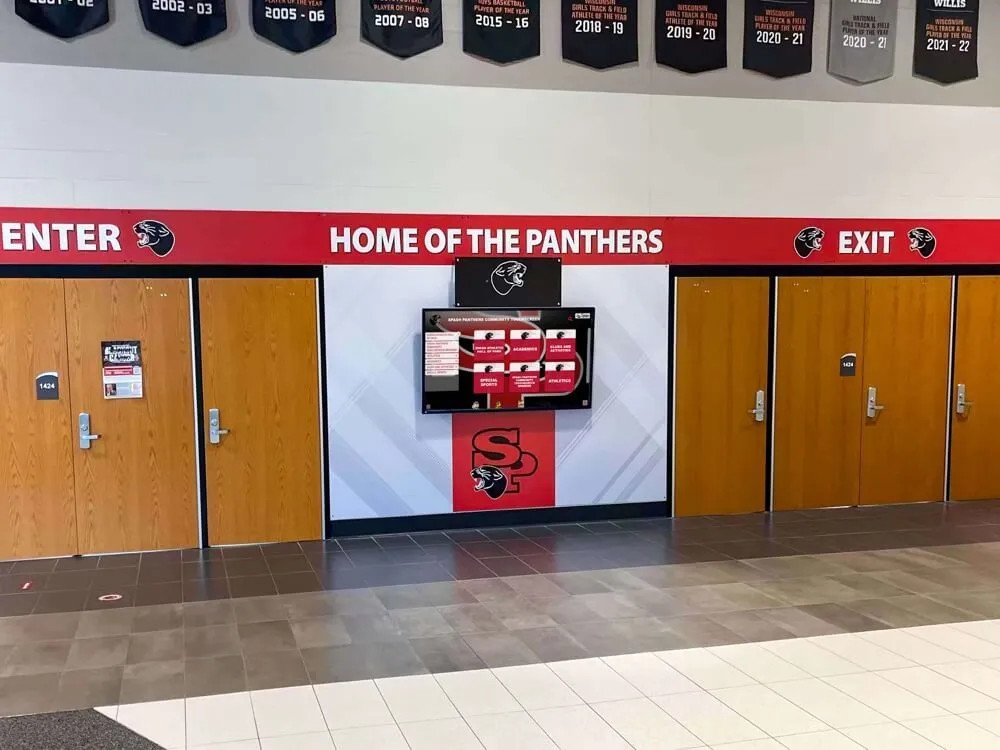
Modern alumni recognition walls transform static displays into interactive storytelling experiences
This guide explores proven alumni wall concepts across traditional and digital formats, providing implementation frameworks for creating recognition displays that honor legacy while building community.
Program Snapshot: Alumni Wall Fundamentals
Understanding core components helps institutions design alumni recognition walls aligned with specific goals and audiences.
| Component | Details |
|---|---|
| Primary Purpose | Honor distinguished graduates, strengthen alumni connections, inspire current students, showcase institutional impact |
| Common Locations | Main entrance lobbies, alumni centers, athletic facilities, academic buildings, libraries, student unions |
| Recognition Categories | Distinguished alumni, hall of fame inductees, major donors, career achievements, athletic legends, class rosters |
| Update Frequency | Annual inductions, quarterly additions, ongoing digital updates, permanent legacy displays |
| Audience | Current students, prospective students and families, visiting alumni, donors, community members |
| Key Success Metrics | Alumni engagement rates, donor cultivation, student inspiration, community visibility, content accuracy |
| Maintenance Considerations | Update workflows, content management systems, physical durability, accessibility compliance, storytelling depth |
Traditional Alumni Wall Ideas: Time-Tested Recognition Approaches
Physical alumni walls create permanent, dignified recognition that conveys institutional respect for achievement while establishing visual landmarks within campus environments.
Engraved Plaque Walls
Classic recognition walls feature individual brass or metal plaques arranged in grid patterns, typically organized chronologically by induction year or alphabetically by name.
Strengths:
- Permanent, high-quality presentation communicating lasting respect
- Traditional aesthetic aligning with institutional heritage
- No power requirements or technical maintenance
- Professional appearance suitable for formal settings
Limitations:
- Expensive to expand as new inductees join ($75-$250 per engraved plaque)
- Fixed layout constraining future growth and reorganization
- Limited storytelling capacity—name, year, and brief descriptor only
- No ability to share photos, achievements, or biographical narrative
- Difficult to correct errors once engraved
Engraved walls work best for institutions expecting limited annual additions (under 10 inductees yearly) with stable recognition criteria and traditional aesthetic preferences.
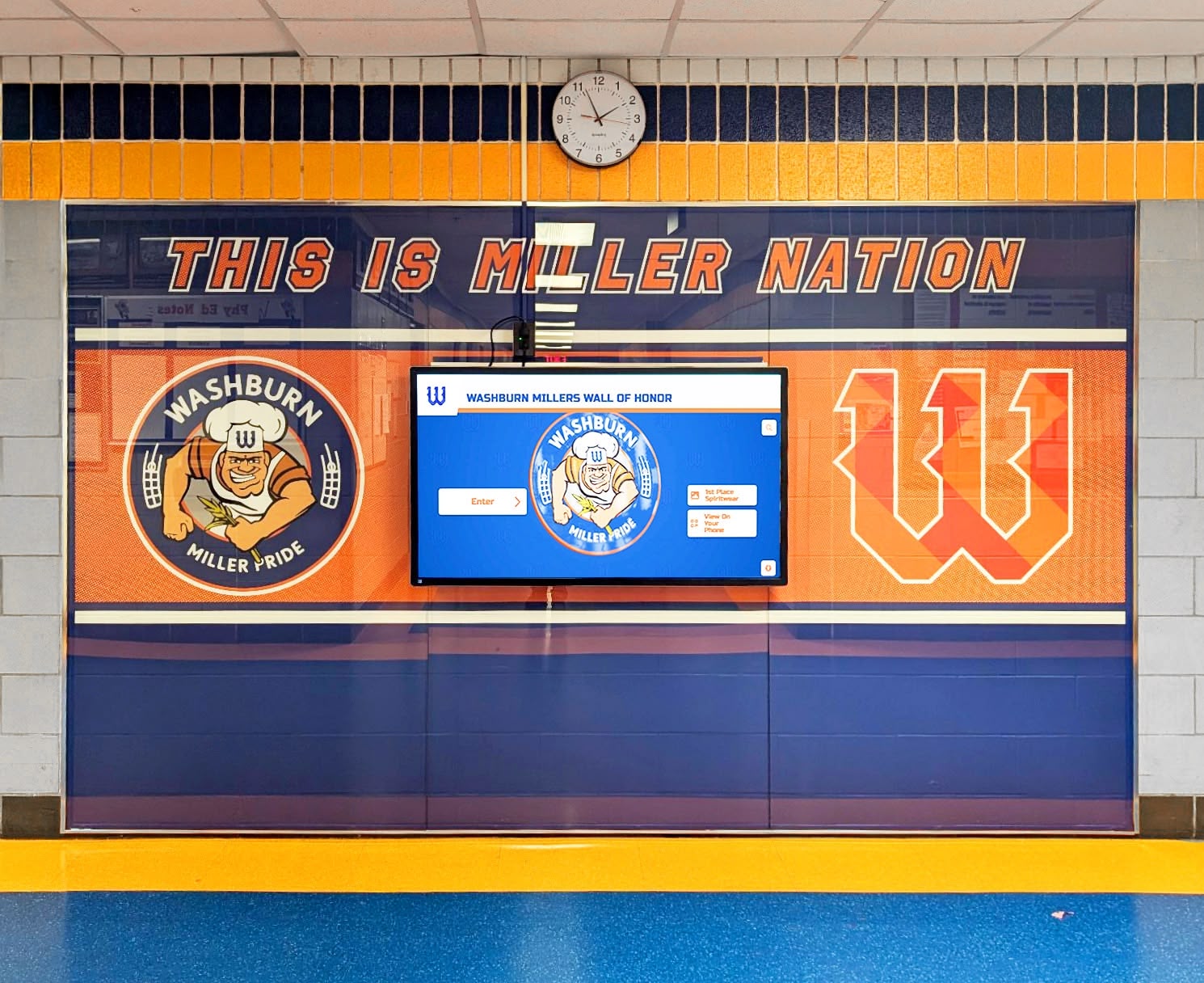
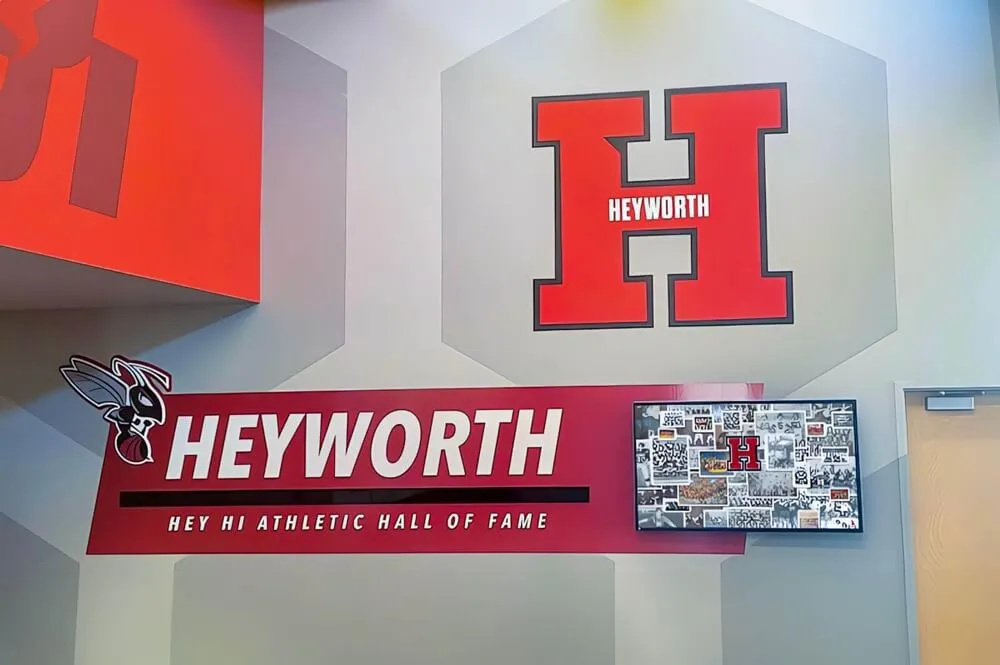
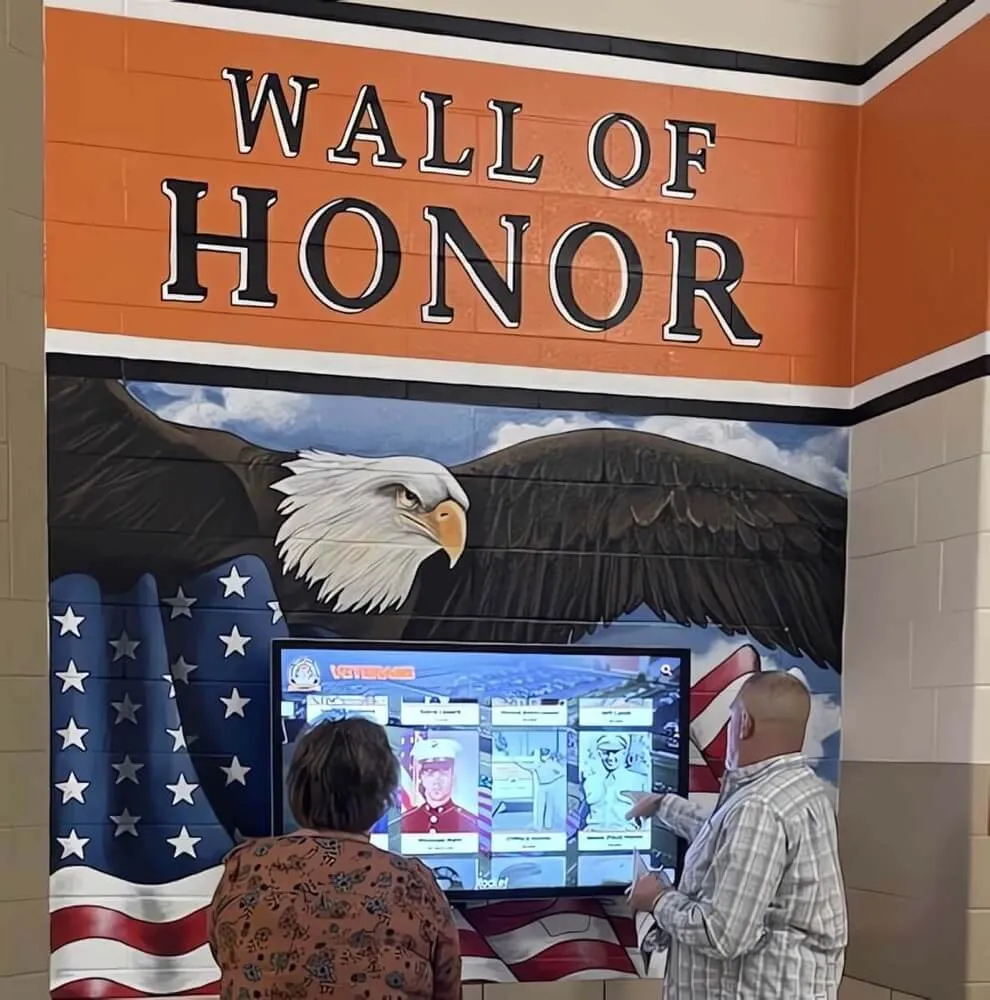
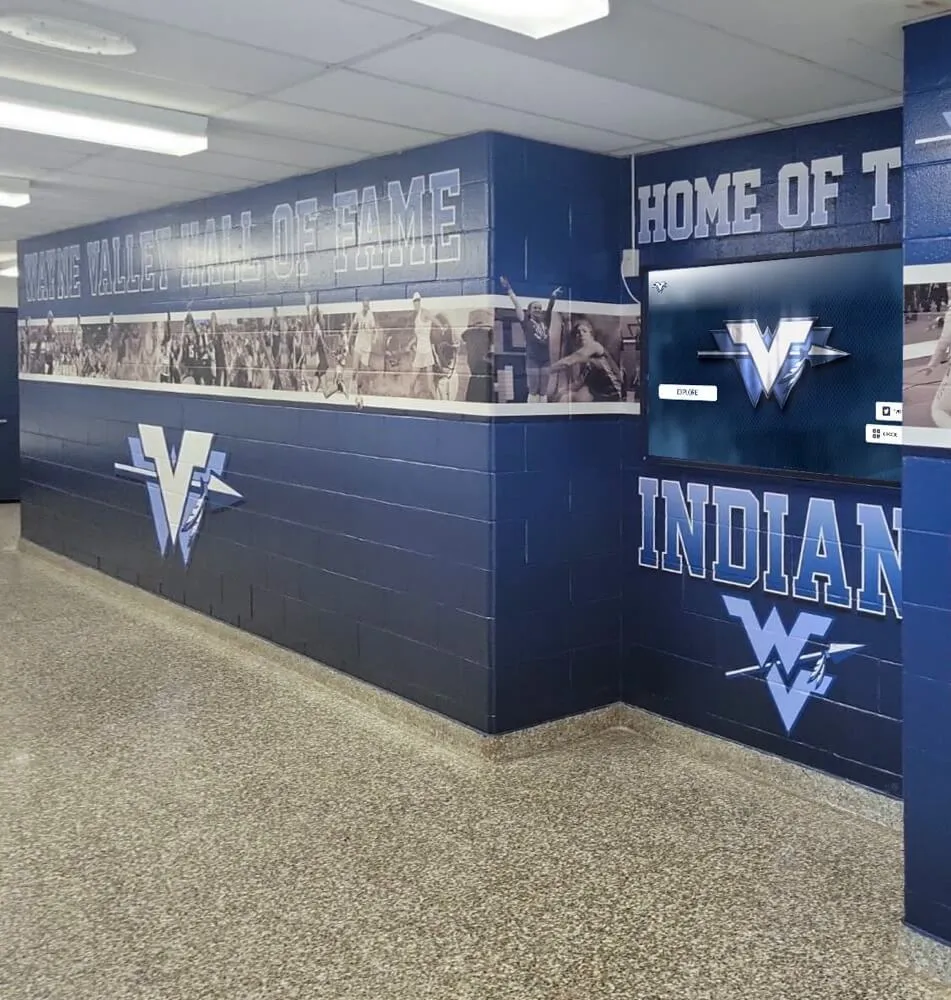
Wall of honor displays create dedicated recognition spaces celebrating alumni achievement
Photo Gallery Alumni Walls
Framed photographs arranged in organized grids create visual alumni recognition, particularly effective for graduating class composites or hall of fame inductees where visual identification matters.
Strengths:
- Personal connection through photographic representation
- Flexible arrangement options accommodating various wall dimensions
- Relatively affordable initial installation
- Easy individual photo replacement when needed
Limitations:
- Photos fade over time, requiring periodic replacement
- Physical frames accumulate dust and require cleaning
- Wall space requirements grow linearly with each addition
- Limited contextual information beyond name and graduation year
- Inconsistent photo quality across different eras and sources
Photo walls excel when visual recognition matters—celebrating athletic achievement where seeing the athlete enhances recognition, or creating class composite displays where comprehensive visual documentation serves archival purposes.
Donor Recognition Walls with Alumni Names
Capital campaign recognition walls acknowledging financial contributions create dual-purpose displays honoring both philanthropic support and alumni connection.
Implementation Approaches:
- Tiered donor walls organized by giving levels (Platinum, Gold, Silver, Bronze)
- Named space recognition linking donations to specific buildings or programs
- Legacy society walls recognizing planned giving and estate commitments
- Campaign-specific recognition highlighting particular fundraising initiatives
These walls balance donor recognition best practices with alumni celebration, acknowledging graduates whose financial support sustains institutional mission. Design considerations include privacy preferences, naming rights duration, and recognition tier structures that remain relevant across changing giving levels.
Modern Digital Alumni Wall Ideas
Digital recognition systems solve traditional limitations through updateable content, multimedia storytelling, and scalable frameworks accommodating unlimited growth.
Interactive Touchscreen Alumni Displays
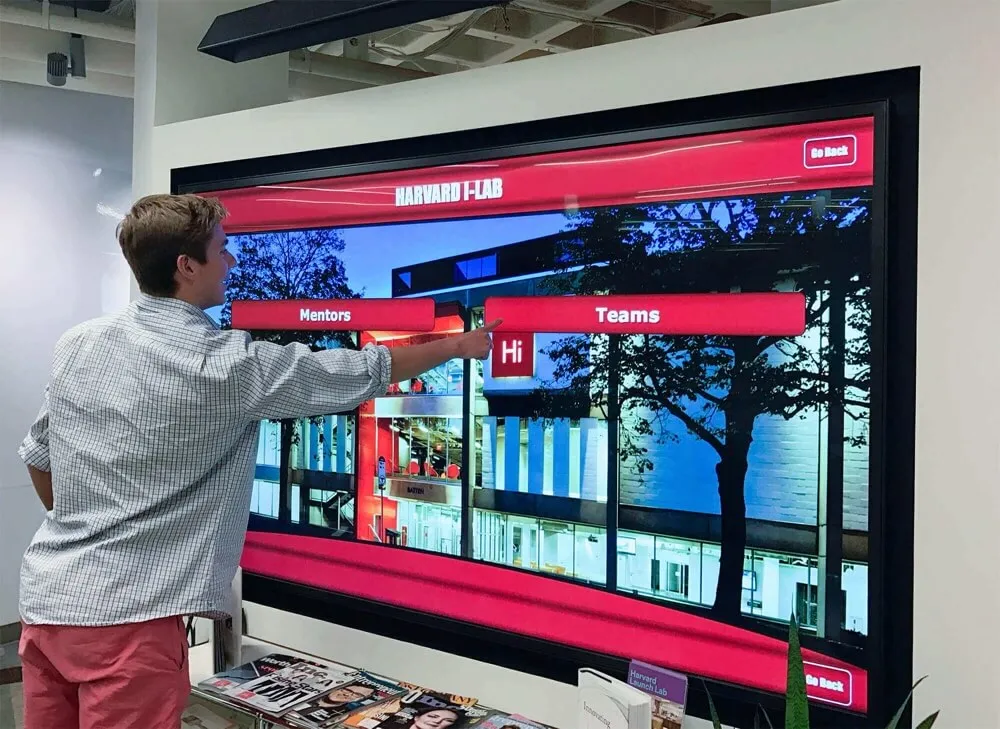
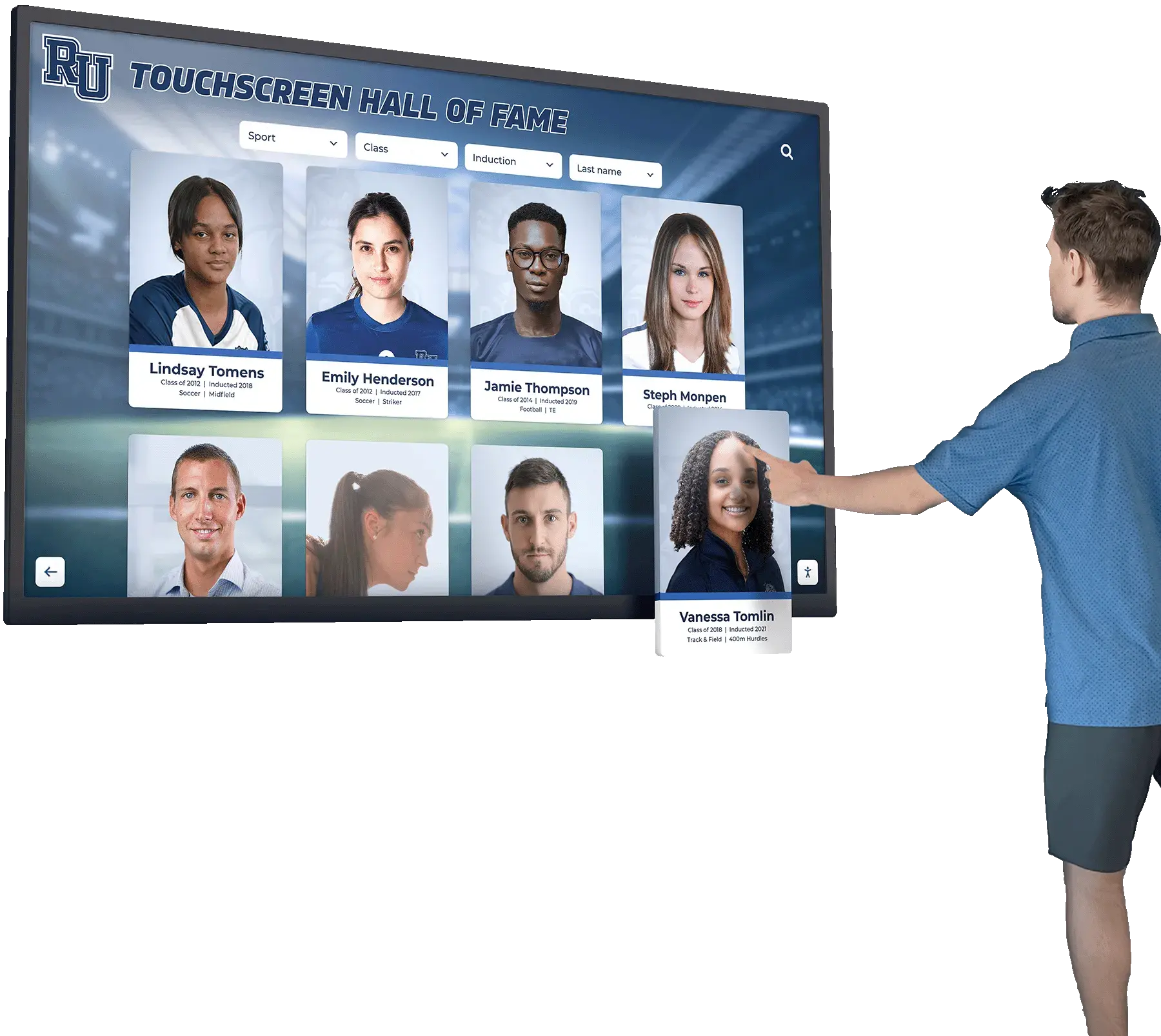
Large-format touchscreens transform alumni recognition into explorable experiences where visitors search inductees, watch video tributes, explore career achievements, and discover biographical narratives unavailable in static formats.
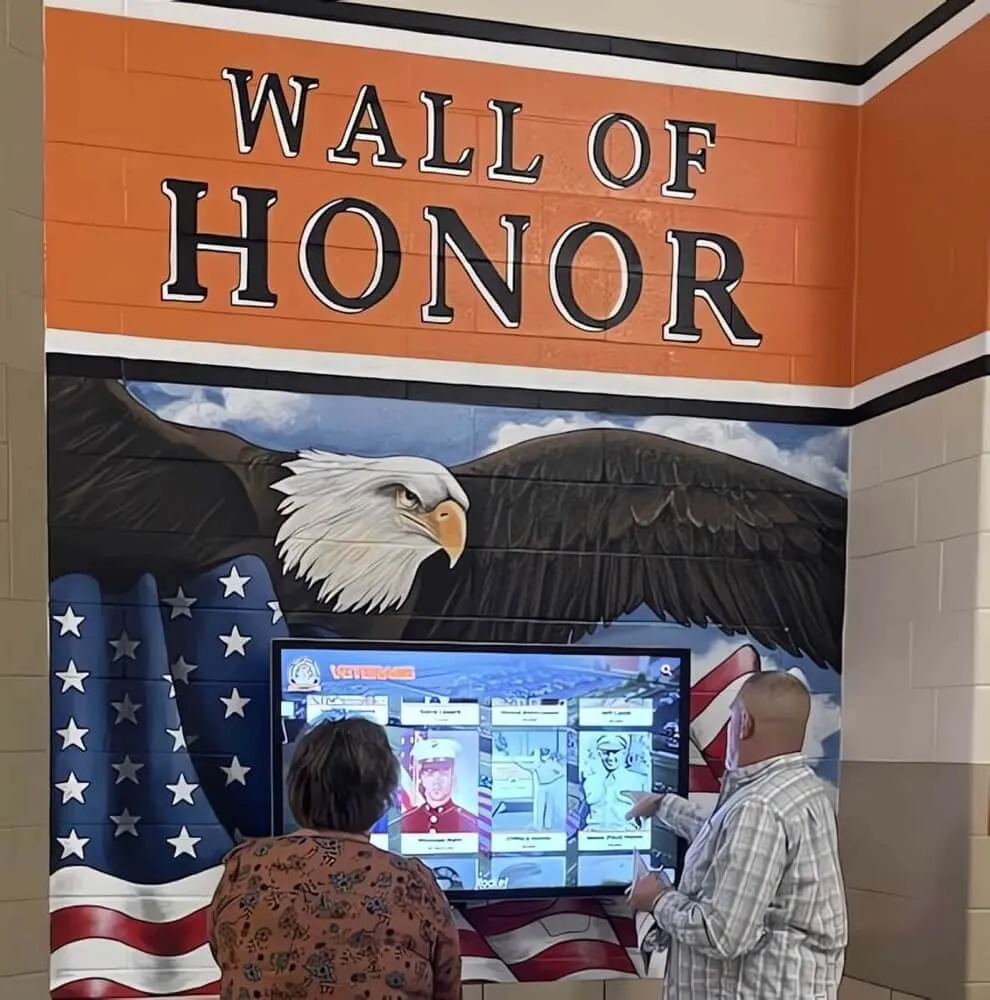
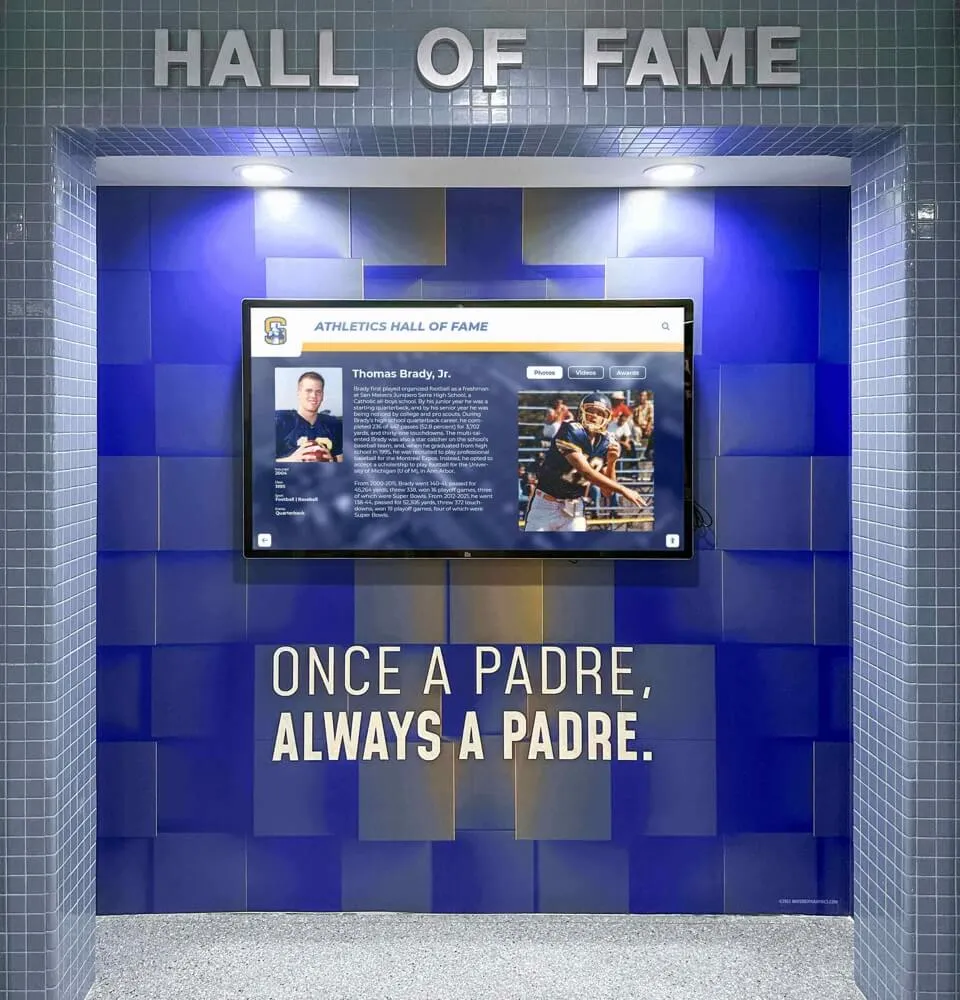
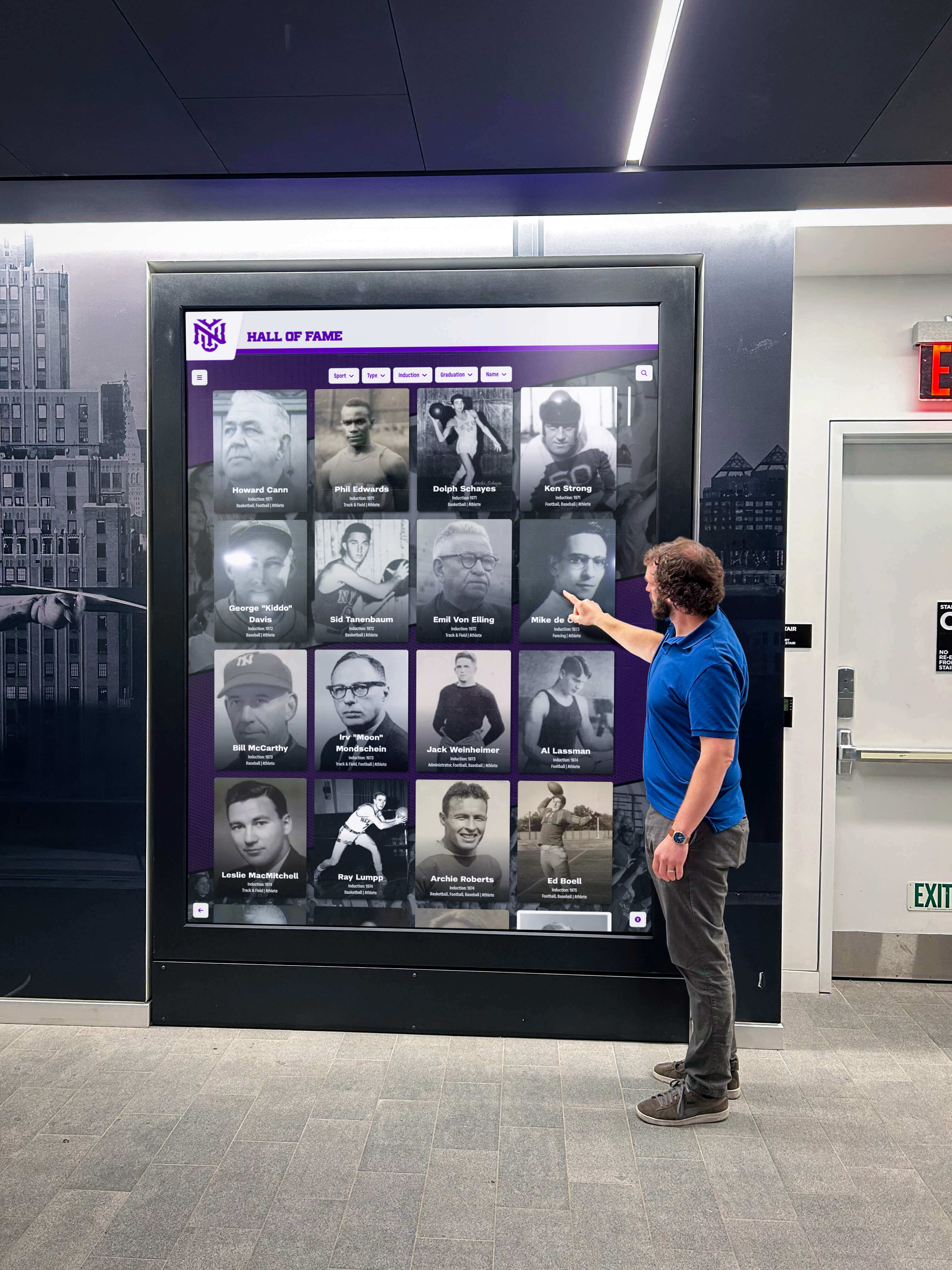
Interactive touchscreens allow visitors to explore alumni stories at their own pace
Core Features:
- Searchable Alumni Database: Find inductees by name, year, achievement category, or keyword
- Rich Media Profiles: Photos, videos, career timelines, biographical narratives, and achievement highlights
- Filtering and Sorting Options: Browse by decade, department, achievement type, or geographic location
- Auto-Rotating Attraction Loop: Showcases featured alumni when display is idle
- Social Sharing Integration: QR codes enabling visitors to share alumni profiles
- Accessibility Compliance: ADA-compliant interfaces meeting WCAG 2.1 AA standards
Digital displays excel at telling comprehensive stories. Rather than limiting recognition to “Class of 1985,” institutions can showcase career trajectories, community impact, and personal narratives that inspire current students while honoring alumni legacy.
Similar to interactive sorority history displays, touchscreen alumni walls transform recognition into storytelling experiences that create emotional connection beyond simple name acknowledgment.
Digital Signage Alumni Recognition Loops
For institutions seeking digital benefits without interactive touchscreens, rotating digital signage displays cycle through alumni profiles on wall-mounted screens or video walls.
Implementation Models:
- Featured Alumni Rotation: Highlighting 5-10 inductees monthly with biographical slides
- Achievement Timeline Displays: Showcasing alumni accomplishments organized chronologically
- Category-Based Loops: Cycling through athletic, academic, professional, and service achievers
- Living Alumni Updates: Incorporating recent news about alumni accomplishments
- Class Anniversary Recognition: Spotlighting reunion year graduates during relevant periods
Digital signage provides dynamic recognition without requiring visitor interaction, making it ideal for high-traffic areas where passive viewing predominates. Content management systems enable remote updates, ensuring recognition remains current without physical renovation.
Hybrid Alumni Wall Systems
Combining permanent physical recognition with digital storytelling layers creates best-of-both-worlds solutions honoring tradition while enabling modern narrative depth.
Hybrid Approaches:
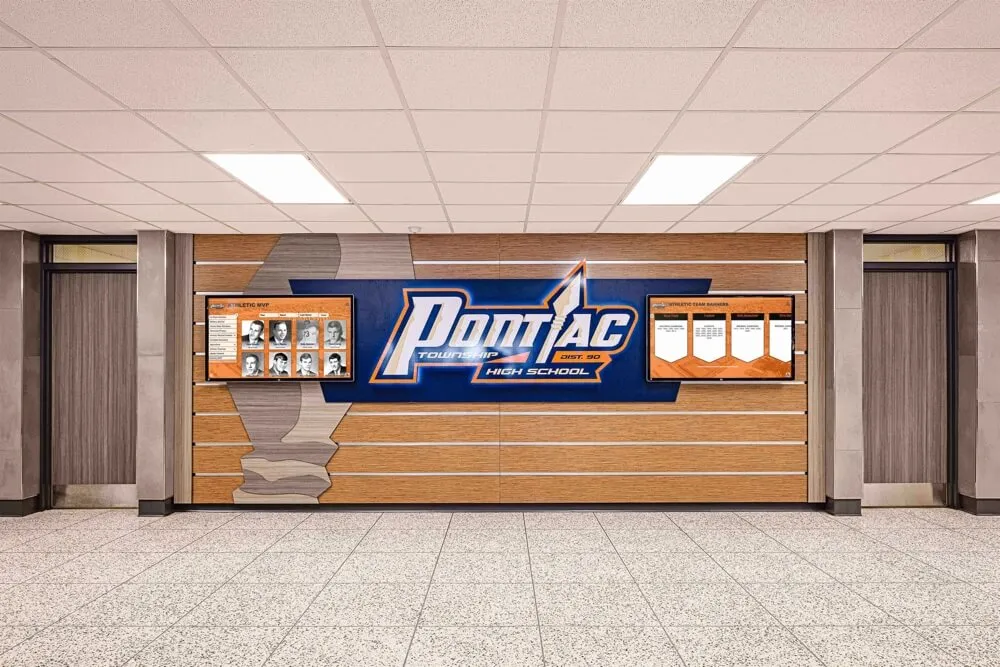
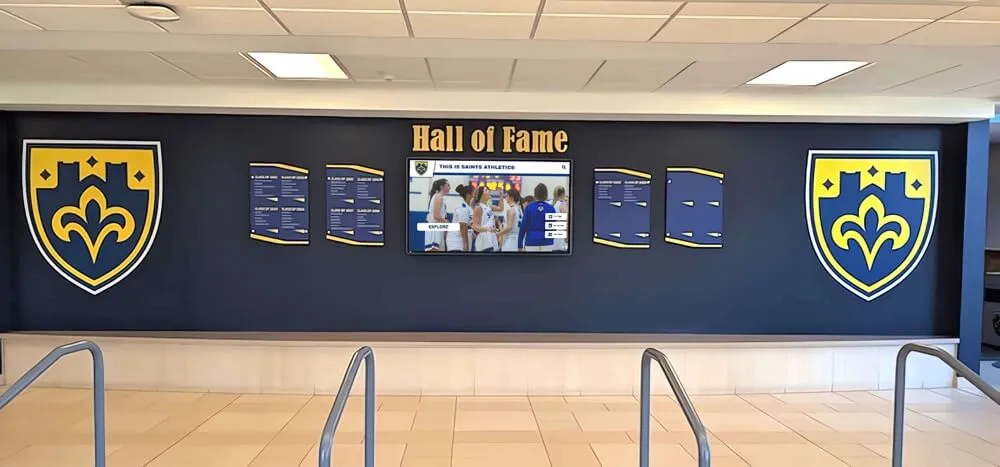
Physical Name Displays + Digital Story Screens Engraved name plaques provide permanent recognition while adjacent touchscreens offer searchable biographical content, photos, and videos for visitors seeking deeper engagement.
QR-Enhanced Traditional Walls Physical plaques include QR codes linking to online alumni profiles, video interviews, and extended biographical content accessible via smartphone.
Projection-Mapped Physical Installations Permanent physical sculptures or architectural elements enhanced with projected content creating dynamic visual presentations that change while maintaining physical presence.
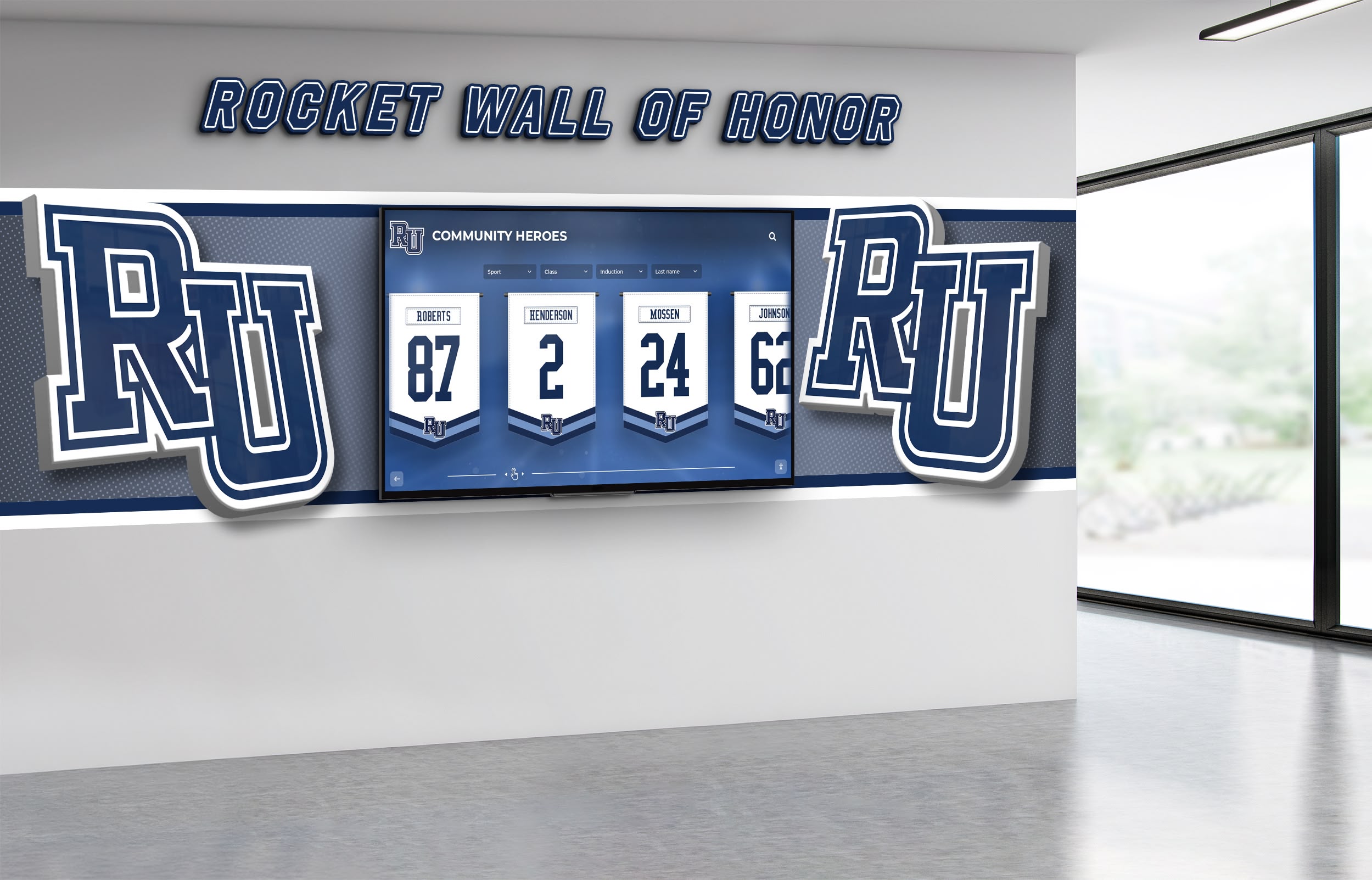
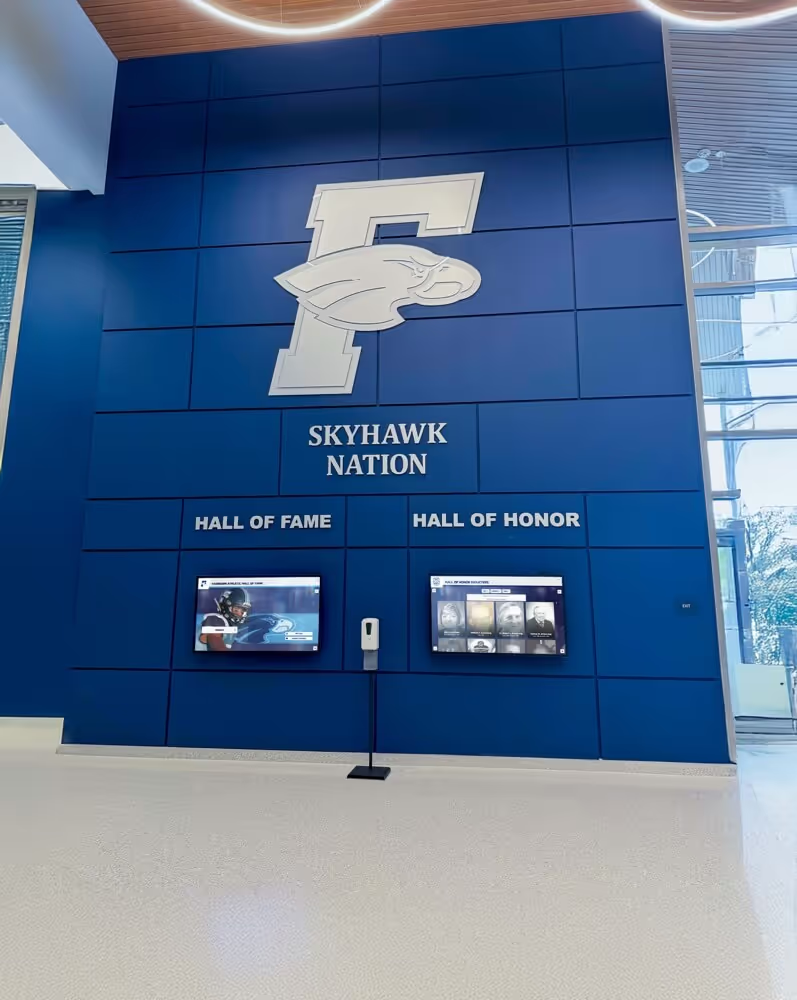
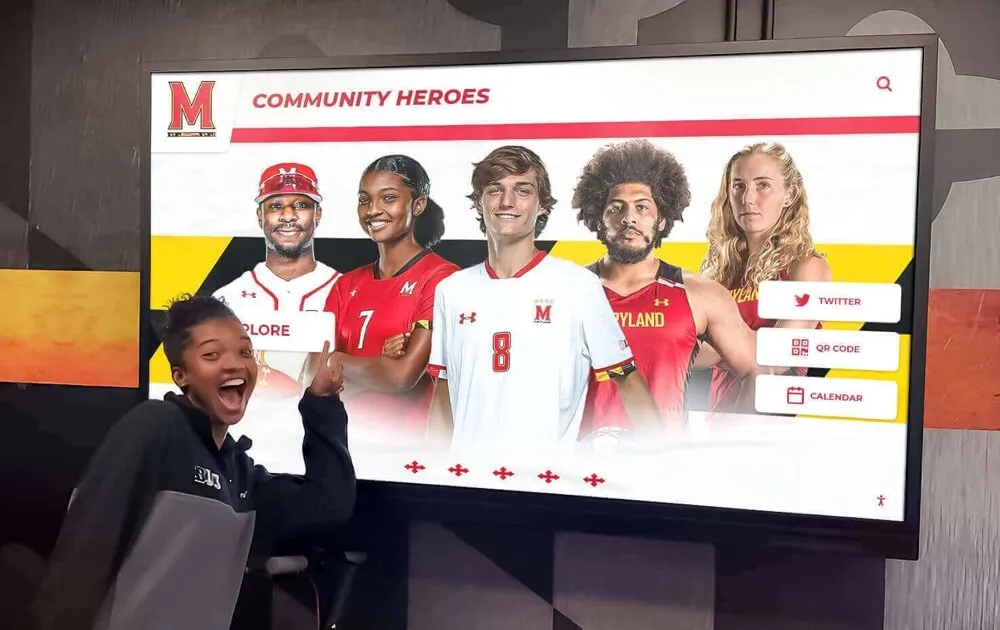
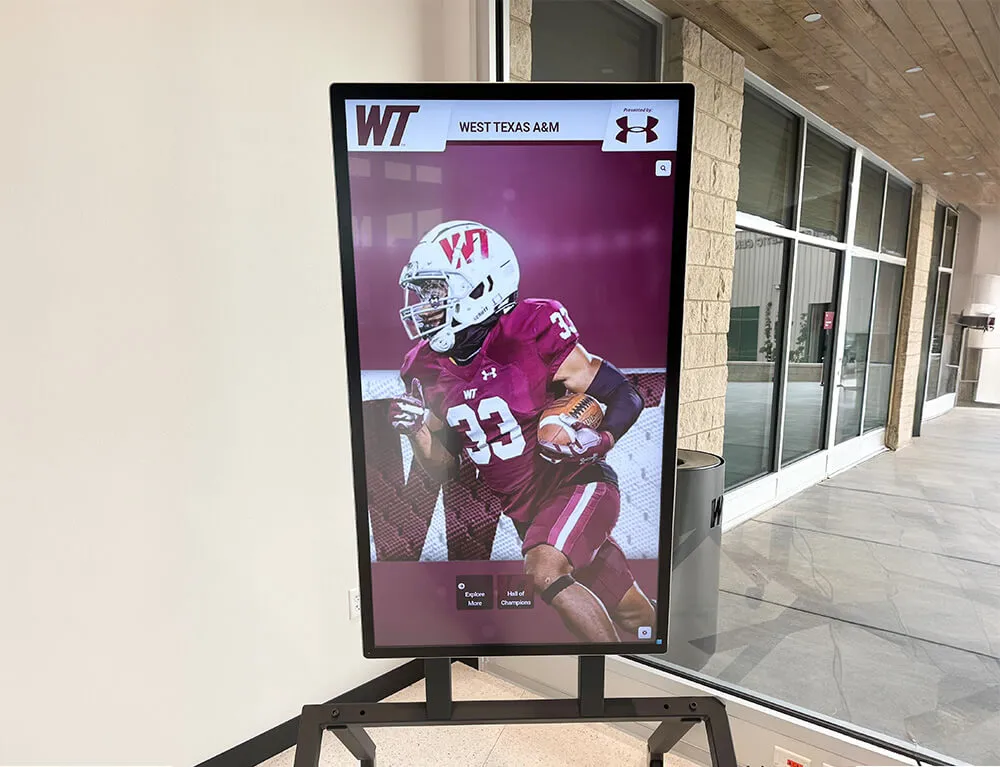
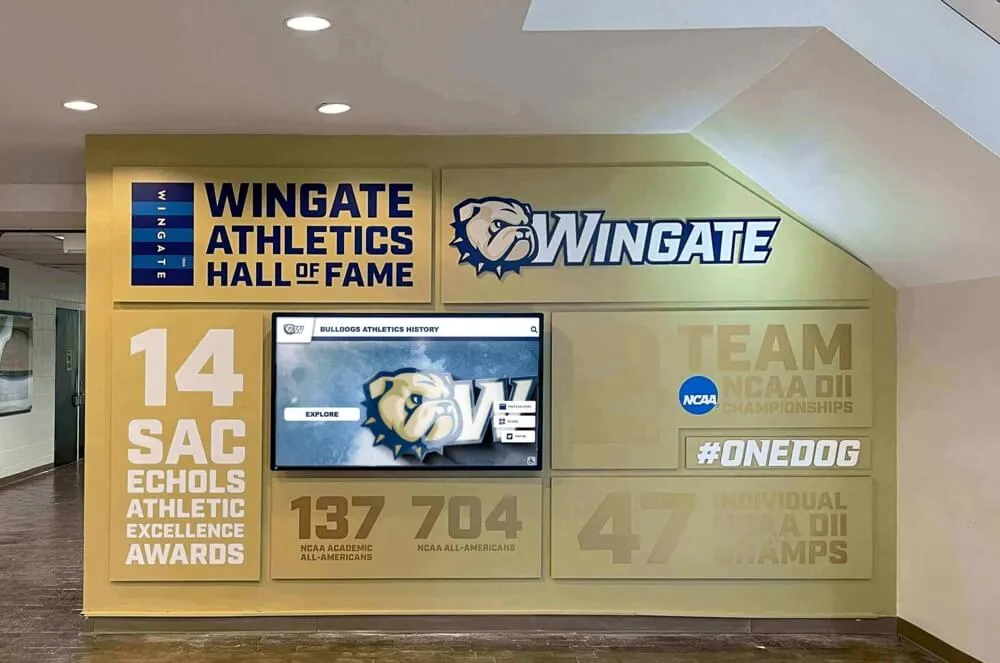
Hybrid displays combine permanent recognition elements with updateable digital content
Hybrid systems appeal to institutions balancing traditional expectations with practical needs for flexibility and storytelling depth. They accommodate stakeholders preferring tangible recognition while solving long-term maintenance and expansion challenges.
Content Architecture: What Alumni Walls Should Include
The difference between superficial name-listing and meaningful recognition lies in the depth and structure of content showcased.
Essential Alumni Profile Components
Comprehensive alumni profiles create recognition that inspires rather than merely documents:
Biographical Foundation
- Full name (including maiden names and preferred names)
- Graduation year and degree/program
- Current location and professional role
- Induction year and category (if applicable)
- High-quality portrait photograph
Achievement Documentation
- Career highlights and professional accomplishments
- Community service and volunteer leadership
- Awards, honors, and industry recognition
- Publications, patents, or creative works
- Leadership roles and organizational contributions
Institutional Connection
- Student involvement and campus leadership during enrollment
- Memorable campus experiences or defining moments
- Mentors, professors, or programs that influenced trajectory
- Continued connection to institution (board service, mentoring, support)
- Advice or wisdom shared with current students
Multimedia Enhancement
- Video interviews or acceptance speeches
- Photo galleries spanning school years through current achievements
- News articles or media coverage documenting accomplishments
- Testimonials from colleagues, students, or community members
This content architecture transforms alumni walls from directories into inspiration sources. Current students encountering comprehensive profiles discover role models whose journeys began in the same classrooms they now occupy.
Institutions implementing digital hall of fame displays benefit from unlimited content capacity, enabling storytelling depth impossible within physical space constraints.
Organizing Alumni Recognition: Taxonomy and Structure
How alumni walls organize and categorize inductees significantly impacts navigation and discovery:
Chronological Organization
- Grouped by graduation decade or specific year
- Creates historical narrative showing institutional evolution
- Enables anniversary-year recognition and reunion planning
- Works well for comprehensive class roster displays
Achievement-Based Categories
- Athletic Hall of Fame
- Distinguished Career Achievement
- Community Service and Humanitarian Leadership
- Entrepreneurship and Innovation
- Arts, Culture, and Creative Achievement
- Public Service and Government Leadership
- Education and Academic Contribution
- Military Service and Valor
Departmental or Program-Based Organization
- Engineering alumni achievements
- Medical school distinguished graduates
- Business school entrepreneurial success
- Fine arts notable alumni
- Athletics by sport or era
Combined Approaches Most comprehensive alumni walls employ multiple organizational layers—primary navigation by achievement category with secondary filtering by decade, location, or keyword search.
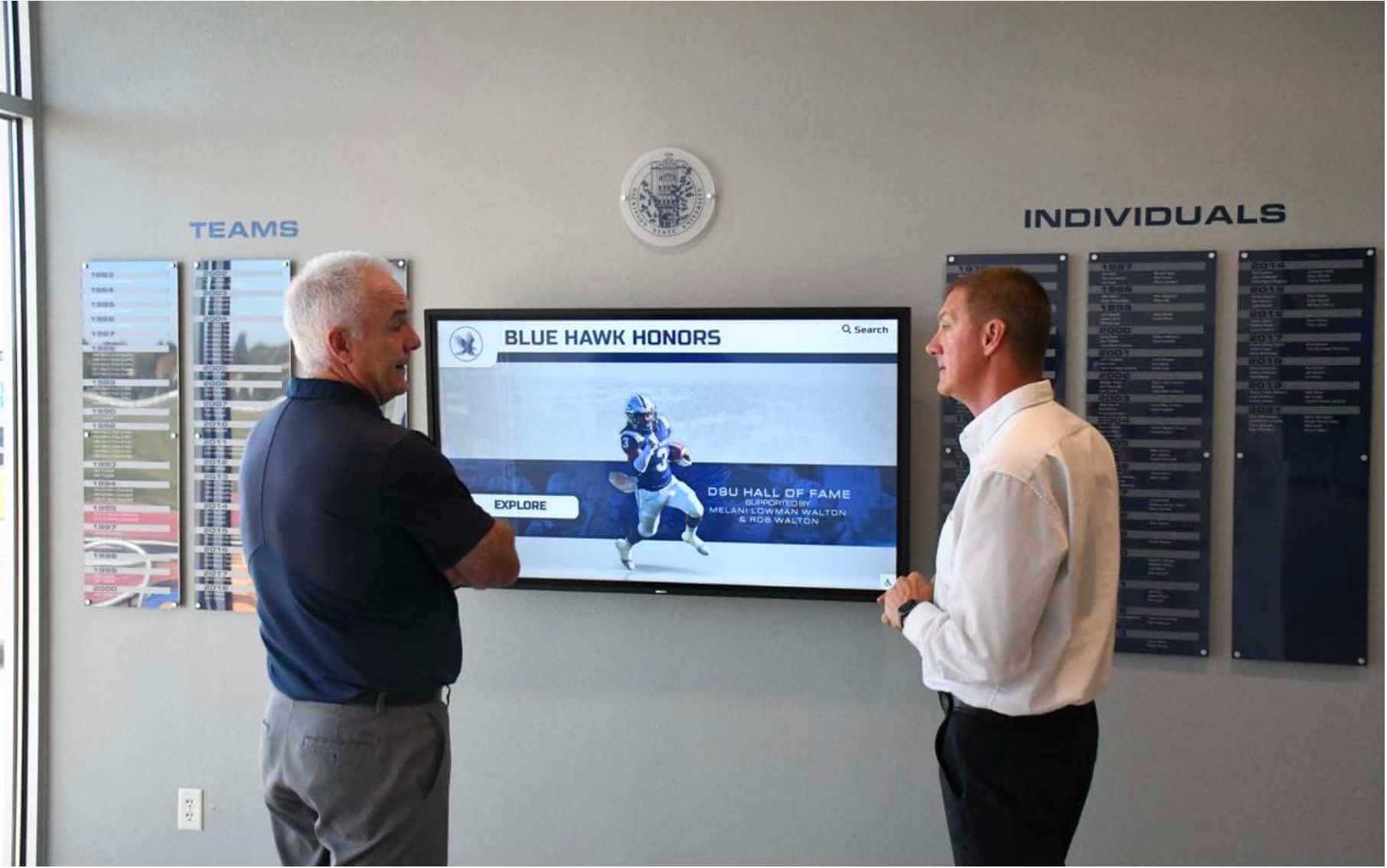
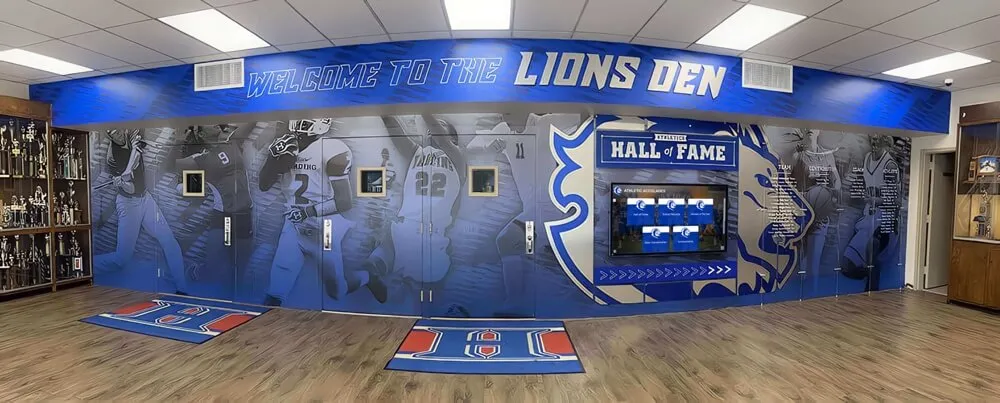
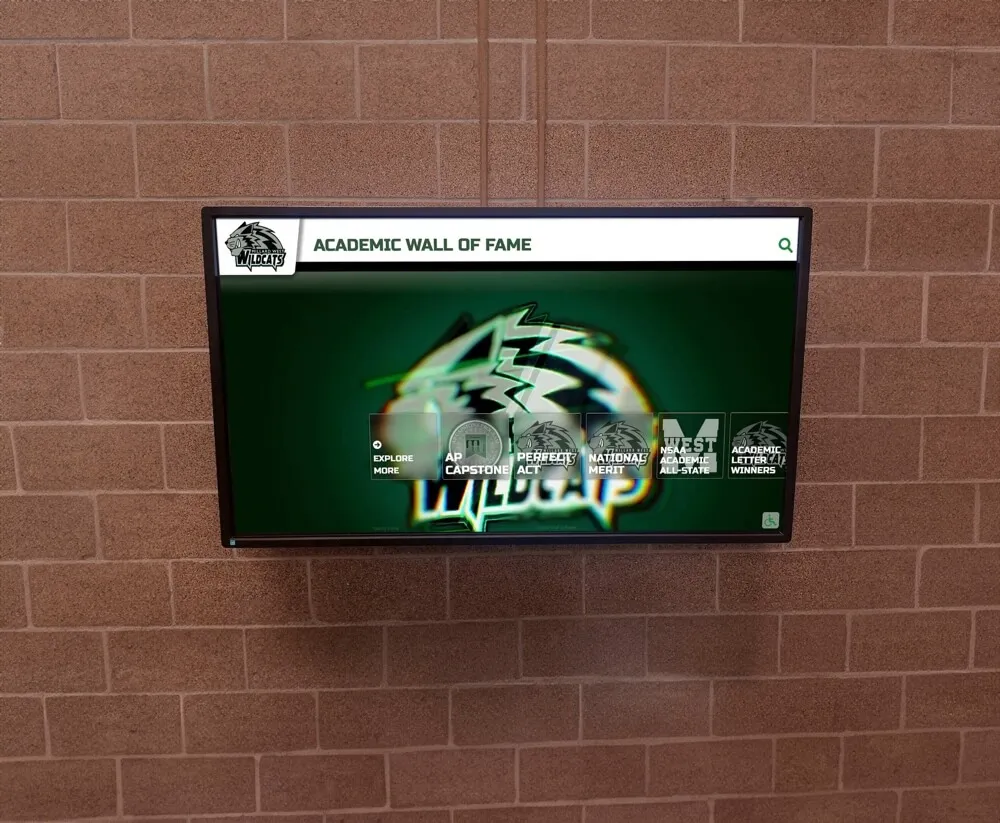
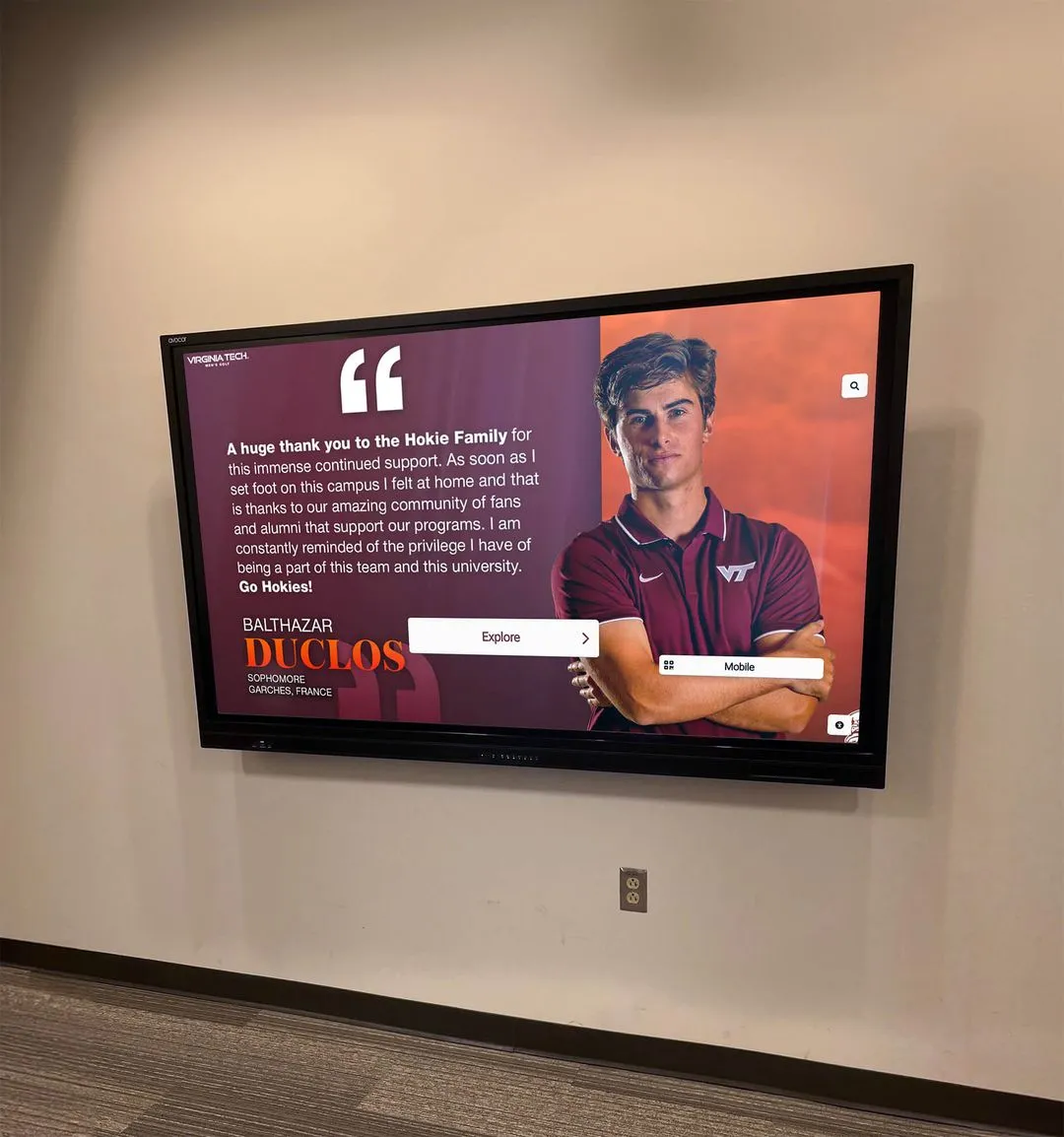
Well-organized alumni displays enable visitors to discover stories through multiple navigation pathways
Planning and Implementation: Building Your Alumni Wall
Moving from concept to completed installation requires systematic planning addressing space, technology, content, and governance.
Space Planning and Location Strategy
Alumni wall placement significantly impacts visibility, engagement, and long-term success:
High-Priority Locations:
- Main Entrance Lobbies: Maximum visibility for all campus visitors
- Alumni Centers: Dedicated recognition in spaces designed for graduate connection
- Athletic Facilities: Celebrating athletic achievement where context reinforces impact
- Libraries and Academic Buildings: Showcasing intellectual legacy and career achievement
- Student Unions: High-traffic areas where current students regularly encounter alumni stories
Space Considerations:
- Wall dimensions and orientation (horizontal vs. vertical layouts)
- Lighting conditions and glare management
- Electrical access and network connectivity
- Accessibility compliance (viewing height, wheelchair access, audio options)
- Traffic flow and gathering space for group viewing
- Protection from weather, vandalism, or environmental damage
Establishing Selection Criteria and Governance
Clear, transparent processes for selecting inductees prevent disputes while ensuring recognition remains meaningful:
Selection Committee Structure
- Alumni association representatives
- Faculty or staff members
- Current student perspectives
- Athletic department input (for sports-related recognition)
- Development office coordination (for donor walls)
Nomination and Evaluation Process
- Public nomination windows with structured submission forms
- Required documentation (career achievements, community impact, institutional connection)
- Evaluation rubrics scoring nominees across consistent criteria
- Committee deliberation and final selection
- Communication with nominees and nominators
Induction Timeline
- Annual selection cycles with publicized deadlines
- Induction ceremonies or recognition events
- Wall update schedules coordinating with induction timing
- Public announcements and media coverage
Schools implementing recognition program criteria create fair, defensible selection processes that maintain recognition prestige while celebrating diverse achievement.
Content Collection and Development Workflow
Gathering comprehensive, accurate alumni information requires systematic approaches:
Initial Research Phase
- Alumni database queries for contact information
- Social media research (LinkedIn, professional websites)
- Media coverage searches for career highlights
- Institutional archive review for historical context
- Outreach to nominators for additional context
Direct Inductee Engagement
- Personalized outreach explaining recognition and requesting participation
- Structured questionnaires gathering biographical details
- Photo submissions (current professional portraits and historical images)
- Video interview coordination (in-person or remote recording)
- Review and approval of all content before publication
Content Development Standards
- Writing style guidelines ensuring consistent voice and tone
- Photo specifications (resolution, orientation, editing standards)
- Video production values (lighting, audio, editing, length)
- Fact-checking protocols verifying accuracy
- Copyright clearance for all media elements
Technical Implementation: Traditional vs. Digital
Implementation pathways diverge significantly based on chosen recognition format:
Traditional Wall Installation
- Vendor selection (engravers, framers, fabricators)
- Material specification (brass, acrylic, wood, glass)
- Layout design and spacing calculations
- Mounting hardware and wall anchoring
- Professional installation and alignment
- Future expansion accommodation
Digital Display Installation
- Hardware specification (screen size, resolution, brightness, touch capability)
- Mounting solutions (wall-mount, freestanding kiosk, recessed installation)
- Power and networking infrastructure
- Content management system selection
- Software configuration and content loading
- Training for ongoing content administration
For institutions evaluating digital options, understanding how digital displays are installed and maintained helps set realistic timeline and budget expectations.
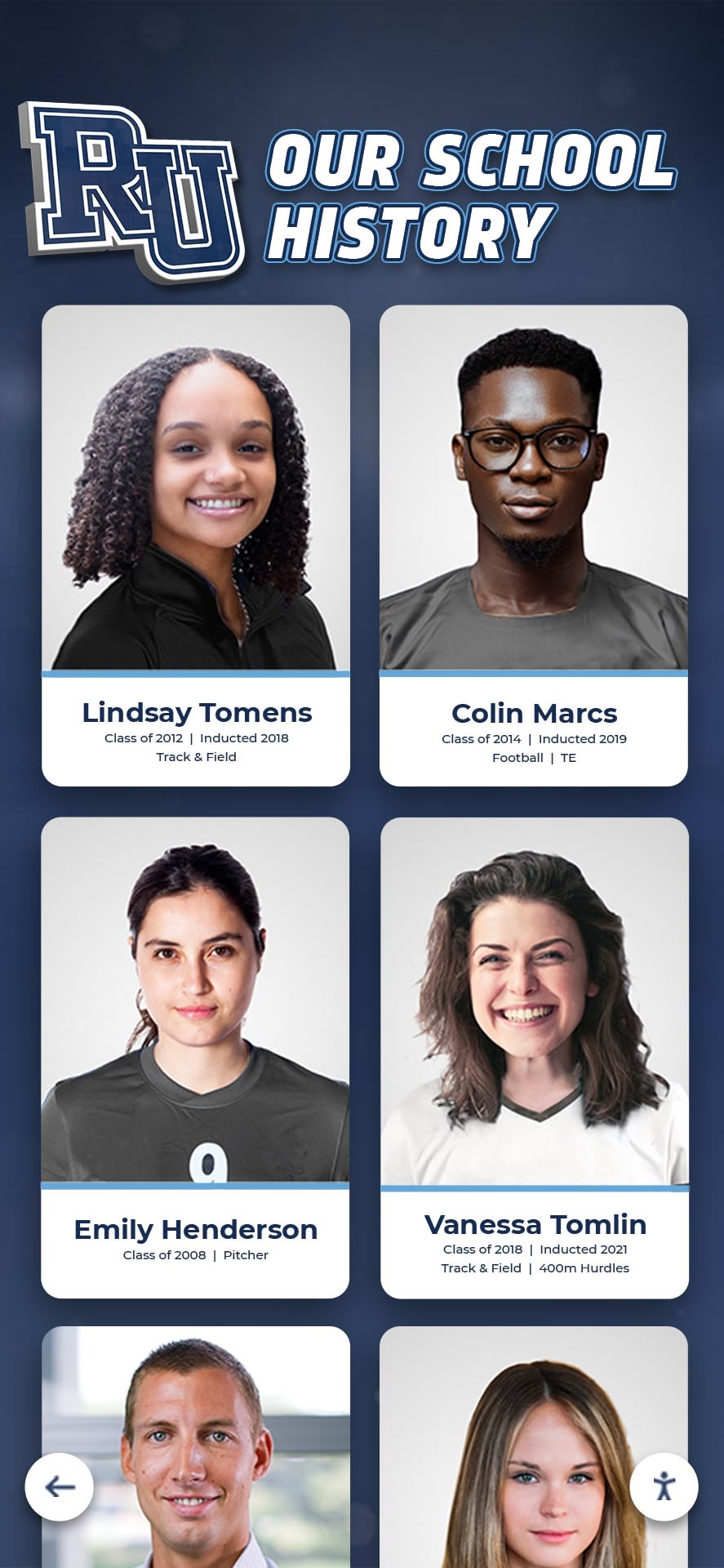
Consistent profile formats create professional, navigable alumni recognition experiences
Budget Planning: Alumni Wall Cost Considerations
Understanding cost structures helps institutions select recognition approaches aligned with available resources:
Traditional Physical Wall Costs
Engraved Plaque Systems
- Individual plaques: $75-$250 each depending on size and material
- Installation labor: $500-$2,000 for professional mounting
- Design consultation: $500-$1,500
- Total for 50-inductee wall: $5,000-$15,000
- Ongoing costs: $75-$250 per new inductee
Photo Frame Systems
- Quality frames: $30-$100 each
- Professional photos: $50-$200 per inductee (if not provided)
- Mounting hardware: $200-$500
- Total for 50-inductee wall: $2,500-$6,000
- Ongoing costs: $30-$100 per new inductee plus periodic frame replacement
Digital Display System Costs
Interactive Touchscreen Displays
- Hardware (55"-75" commercial touchscreen): $3,000-$8,000
- Mounting and installation: $500-$2,000
- Content management software: $1,500-$5,000 (or subscription-based)
- Initial content development: $2,000-$10,000 depending on inductee count
- Total for comprehensive system: $8,000-$25,000
- Ongoing costs: Minimal hardware maintenance, software updates, new content development
Digital Signage (Non-Interactive)
- Commercial display screen: $800-$3,000
- Media player: $200-$800
- Content creation software: $500-$2,000
- Initial content development: $1,000-$5,000
- Total for signage system: $2,500-$10,000
Return on Investment Considerations
While digital systems carry higher initial costs, long-term value calculations often favor technology-based solutions:
Traditional Wall 10-Year Cost (50 initial + 10 annually)
- Initial: $5,000-$15,000
- Additions (100 plaques): $7,500-$25,000
- Total: $12,500-$40,000
Digital Display 10-Year Cost (50 initial + 10 annually)
- Initial system: $8,000-$25,000
- Content additions (100 profiles at $50 each): $5,000
- Total: $13,000-$30,000
Digital systems provide superior storytelling, unlimited expansion capacity, easy updates, and multimedia capabilities while maintaining competitive long-term costs—particularly valuable for growing institutions expecting significant inductee additions.
Enhancing Alumni Engagement Through Recognition Walls
Well-designed alumni walls transcend passive displays, becoming active tools for strengthening institutional connections and fostering community:
Alumni Event Integration
Recognition walls serve as focal points for gatherings and celebrations:
Induction Ceremonies
- Wall unveiling as ceremony centerpiece
- Inductee speeches near their recognition
- Photo opportunities at the display
- Virtual attendance options via livestream
Reunion Events
- Class-specific recognition highlighting reunion year graduates
- Alumni tours featuring wall as historical narrative anchor
- Interactive elements enabling alumni to share memories
- Updated profiles incorporating reunion attendance
Institutions planning comprehensive alumni event programs integrate recognition walls into broader engagement strategies, using displays as conversation starters and connection points.
Student Inspiration and Mentorship Connections
Alumni walls influence current students by demonstrating achievable pathways and facilitating mentorship:
Classroom Integration
- Teachers referencing alumni career paths during subject instruction
- Career exploration assignments researching featured alumni
- Alumni speakers coordinated through wall discovery
- Student projects profiling inductees’ journeys
Mentorship Program Development
- Digital displays including “Connect with this Alumnus” features
- QR codes linking to mentorship program enrollment
- Featured profiles of alumni actively mentoring students
- Success stories highlighting mentorship impact
Schools implementing alumni mentorship discovery programs leverage recognition displays as discovery tools connecting students with potential mentors sharing similar interests or career paths.
Digital Extension and Virtual Access
Modern alumni walls extend beyond physical locations through digital presence:
Online Alumni Directories
- Website versions of physical wall content
- Enhanced search and filtering capabilities
- Social sharing features amplifying reach
- Accessibility options for remote alumni
Social Media Integration
- “Featured Alumnus” social media series
- Anniversary recognition posts
- Video interview snippets for platform sharing
- Hashtag campaigns encouraging alumni engagement
Virtual Tour Integration
- 360-degree virtual campus tours including alumni wall stops
- Prospective student recruitment showcasing accomplished graduates
- Development presentations highlighting distinguished donor alumni
Maintenance and Sustainability: Keeping Alumni Walls Current
Initial installation represents just the beginning—sustained relevance requires ongoing maintenance and content updates:
Content Update Workflows
Annual Induction Cycles
- Nomination and selection timeline management
- New inductee content collection and development
- Technical updates (adding profiles, updating photos)
- Quality assurance and accuracy verification
- Public announcements and ceremony coordination
Living Alumni Updates
- Periodic profile refreshes incorporating new achievements
- Career transition updates
- Contact information verification
- Photo updates as alumni age
- Obituary additions and memorial recognition
Technical Maintenance Considerations
Digital Display Maintenance
- Screen cleaning and physical maintenance
- Software updates and security patches
- Content backup and disaster recovery
- Hardware replacement planning (5-7 year lifecycles)
- Network connectivity monitoring
Traditional Wall Maintenance
- Periodic cleaning and polishing
- Damaged plaque or frame replacement
- Fading photo replacement
- Wall paint or surrounding area maintenance
- Expansion space management
Governance and Policy Evolution
Alumni wall governance requires periodic review:
Regular Policy Assessment
- Selection criteria evaluation (every 3-5 years)
- Category structure review and adjustment
- Nomination process effectiveness assessment
- Diversity and inclusion analysis
- Community feedback incorporation
Long-Term Sustainability Planning
- Funding models for ongoing operation
- Staffing and responsibility assignment
- Technology refresh budgeting
- Expansion space allocation
- Legacy and memorial policies
Case Study Applications: Alumni Wall Ideas Across Institution Types
Different educational settings require tailored recognition approaches:
High School Alumni Recognition
High schools often emphasize broad achievement categories celebrating diverse post-graduation pathways:
Focus Areas:
- Athletic achievement and hall of fame inductees
- Distinguished career achievement across varied fields
- Community service and local leadership
- Military service recognition
- Alumni who became educators
- Notable achievements bringing recognition to school
Implementation typically favors cost-effective approaches given budget constraints, making digital displays particularly valuable for smaller schools expecting gradual inductee growth. Similar to how small schools maximize recognition impact, thoughtful content curation creates meaningful recognition regardless of scale.
University and College Alumni Walls
Higher education institutions manage larger, more complex alumni populations requiring sophisticated organization:
Focus Areas:
- Distinguished career achievement by field or industry
- Academic and research contributions
- Entrepreneurship and innovation
- Public service and government leadership
- Arts, culture, and creative achievement
- Philanthropic leadership and major donors
- Honorary degree recipients
Universities benefit from department-specific recognition in addition to institution-wide halls of fame, creating distributed recognition throughout campus. Digital systems excel at managing these complex, multi-category recognition structures while maintaining unified presentation standards.
Athletic Hall of Fame Specific Walls
Athletic recognition walls celebrate sports achievement and program legacy:
Content Focus:
- Individual athlete inductees with career statistics
- Championship teams and memorable seasons
- Coaching legends and staff contributors
- Record holders and statistical leaders
- Conference and national award winners
Athletic halls of fame particularly benefit from multimedia capabilities—game highlights, championship footage, and athlete interviews create emotional connection impossible through static text and photos. Schools building comprehensive athletic recognition programs integrate alumni walls with trophy cases, record boards, and team history displays.
Greek Life and Organization Alumni Walls
Fraternities, sororities, and other organizations create alumni recognition celebrating chapter history and member achievement:
Recognition Approaches:
- Notable chapter alumni organized by achievement category
- Historical timeline showing chapter evolution
- Leadership position holders and founding members
- Alumni maintaining active chapter involvement
- Community impact and philanthropic contributions
Organizations seeking space-efficient recognition favor digital solutions enabling comprehensive member databases searchable by decade, achievement type, or name—valuable when chapter histories span many decades with hundreds of notable alumni.
Accessibility and Inclusion in Alumni Wall Design
Effective recognition ensures all community members can engage regardless of physical, sensory, or cognitive differences:
Physical Accessibility Standards
Placement and Reach Requirements
- Interactive elements positioned between 15"-48" from floor (ADA forward reach range)
- Angled displays accommodating wheelchair users
- Clear floor space (30" x 48") in front of displays
- Approach routes meeting width and turning radius requirements
Visual Accessibility
- High color contrast between text and backgrounds (minimum 4.5:1 ratio)
- Text size meeting readability standards (minimum 18-point for body text)
- Sans-serif fonts improving legibility
- Adjustable text size options for digital displays
- Lighting design preventing glare while ensuring readability
Multi-Sensory Access
- Audio descriptions available for visual content
- Tactile elements for vision-impaired visitors
- Closed captioning for video content
- Screen reader compatibility for digital interfaces
- Alternative format availability (braille, large print, audio)
Understanding accessible design principles for touchscreen experiences ensures alumni walls welcome all visitors regardless of ability.
Inclusive Recognition Practices
Beyond physical accessibility, inclusive alumni walls celebrate diverse achievement:
Representation Considerations
- Balanced recognition across gender, race, ethnicity, and background
- Achievement categories reflecting varied career paths and contributions
- First-generation graduate recognition
- International alumni celebration
- Non-traditional student pathways
- Diverse leadership and service contributions
Sensitive Content Handling
- Preferred name and pronoun usage
- Privacy considerations for sensitive achievements
- Cultural awareness in biographical narratives
- Historical context for recognition from different eras
- Memorial recognition handled with appropriate dignity
Technology Platforms and Vendor Selection
Institutions pursuing digital alumni recognition evaluate multiple technology approaches:
Cloud-Based Content Management Systems
Modern digital displays operate through web-based CMS platforms enabling remote content management:
Essential CMS Features:
- User-friendly content editor requiring no technical expertise
- Media library for photos and videos
- Template-based profile creation ensuring consistency
- Search and filtering configuration
- Scheduled content publishing
- Multi-user access with permission levels
- Mobile-responsive administration
- Automatic backups and version control
Platform Selection Criteria
Technical Requirements:
- Hosting infrastructure (cloud vs. on-premise)
- Security and data protection standards
- Integration capabilities (existing databases, websites)
- Scalability accommodating growth
- API access for custom development
- Technical support availability
Operational Considerations:
- Staff training requirements
- Ongoing subscription costs vs. one-time purchases
- Content migration from existing systems
- Vendor stability and longevity
- User community and documentation quality
- Customization flexibility
Working with Recognition Display Vendors
Vendor selection significantly impacts implementation success:
Evaluation Factors:
- Portfolio of comparable installations
- Hardware quality and reliability
- Software capabilities and limitations
- Implementation timeline and process
- Training and ongoing support
- Warranty and maintenance terms
- Total cost transparency
- Reference customers in similar contexts
Professional vendors guide institutions through planning, implementation, and long-term maintenance—particularly valuable for schools lacking internal technical expertise.
Measuring Success: Alumni Wall Impact Assessment
Evaluating recognition wall effectiveness ensures ongoing investment delivers intended outcomes:
Quantitative Metrics
Engagement Measurements (Digital Displays):
- Total interactions and session duration
- Search queries and most-viewed profiles
- Peak usage times and traffic patterns
- Content sharing and QR code scans
- Year-over-year growth trends
Alumni Program Metrics:
- Nomination submission volumes
- Alumni event attendance trends
- Mentorship program enrollment
- Alumni giving participation rates
- Social media engagement with alumni content
Student Impact Indicators:
- Student-initiated alumni connections
- Career exploration resource utilization
- Mentorship program student participation
- Survey responses about alumni awareness
Qualitative Feedback
Stakeholder Perspectives:
- Alumni inductee satisfaction surveys
- Student focus groups assessing impact
- Visitor comments and testimonials
- Staff observations about engagement
- Community feedback and media coverage
Success Stories:
- Student-alumni connections resulting in internships or mentorship
- Alumni discovering classmates they’d lost touch with
- Donors inspired by recognition to increase giving
- Prospective students influenced by distinguished alumni
- Media attention generated through notable inductee recognition
Getting Started: Next Steps for Your Alumni Wall Project
Transforming alumni wall concepts into implemented recognition requires systematic progression:
Planning Phase (Months 1-3)
Define Core Parameters:
- Clarify primary recognition purposes and goals
- Identify available budget and funding sources
- Determine optimal location(s) and space availability
- Establish selection criteria and governance structure
- Form planning committee with key stakeholders
Research and Education:
- Visit exemplary installations at comparable institutions
- Survey alumni about recognition priorities and preferences
- Attend relevant conferences or vendor presentations
- Review case studies and implementation guides
- Assess traditional vs. digital approaches for your context
Design and Development Phase (Months 4-8)
Content Development:
- Develop initial inductee list and approval process
- Create biographical content collection workflows
- Gather photos, videos, and supporting materials
- Write and edit alumni profiles
- Establish quality standards and review procedures
Technical Planning:
- Select vendors and technology platforms (if digital)
- Finalize design specifications and layouts
- Coordinate electrical, networking, and infrastructure needs
- Plan installation logistics and timeline
- Arrange staff training for ongoing management
Implementation Phase (Months 9-12)
Installation and Launch:
- Complete physical installation or display mounting
- Load content and conduct thorough testing
- Train administrators on content management
- Plan launch event or induction ceremony
- Develop promotional communications
Ongoing Operation:
- Establish regular content update schedules
- Monitor engagement and gather feedback
- Maintain technical systems and address issues
- Refine processes based on early experience
- Plan for future expansion and evolution
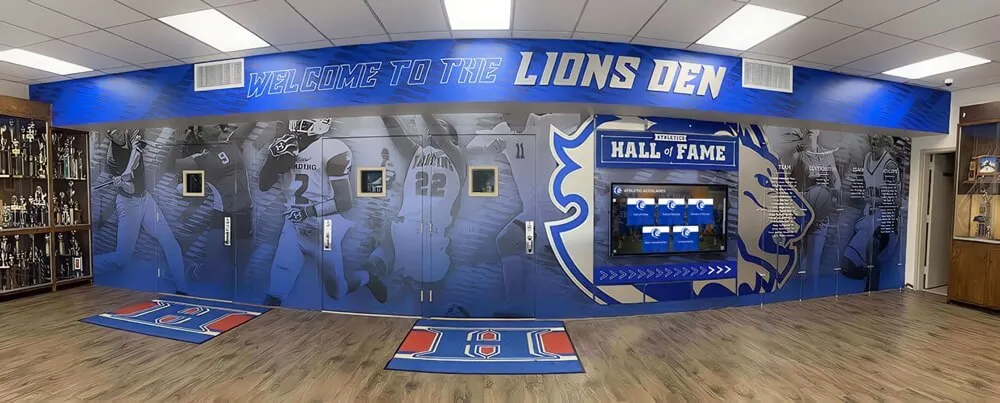
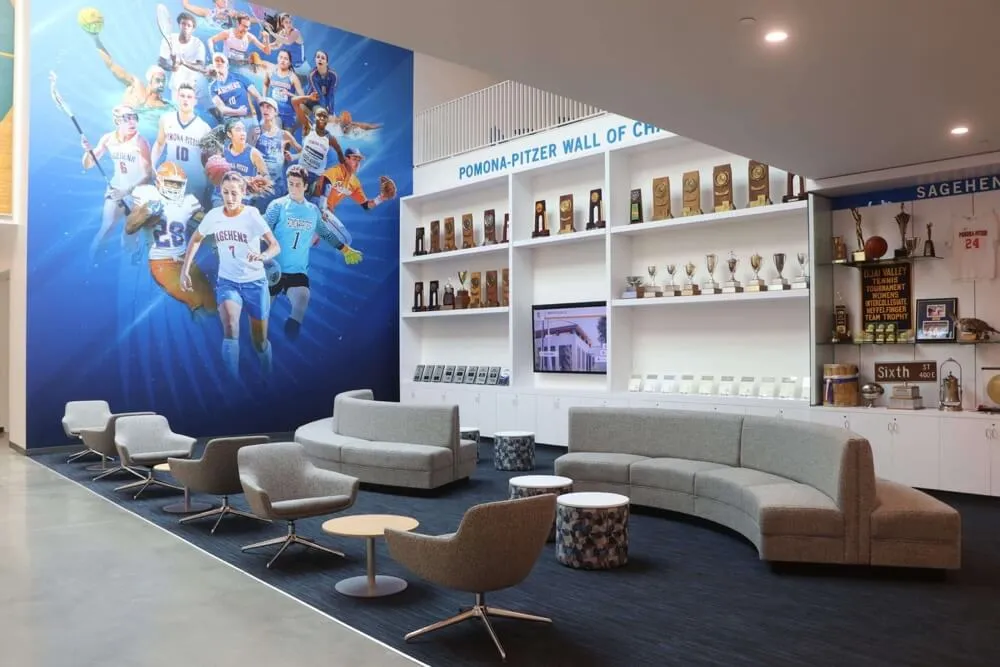
Alumni recognition walls become focal points for gathering spaces celebrating institutional legacy
Creating Lasting Alumni Recognition
Alumni walls represent more than decorative installations—they embody institutional values, honor graduate achievement, strengthen community connections, and inspire future generations. Whether through traditional plaques honoring distinguished careers, comprehensive digital databases celebrating diverse pathways, or hybrid approaches combining permanence with flexibility, effective alumni recognition creates visible testament to the lasting impact of educational experiences.
The most successful implementations share common characteristics: clear selection criteria ensuring meaningful recognition, comprehensive content revealing inspiring stories, accessible design welcoming all community members, sustainable governance enabling long-term relevance, and integration into broader alumni engagement strategies amplifying impact.
As educational institutions increasingly recognize alumni walls as strategic assets rather than ceremonial obligations, the trend favors recognition systems offering storytelling depth, updateability, and scalability—qualities where digital displays excel. Yet the choice between traditional and modern approaches ultimately depends on institutional culture, available resources, technical capacity, and community preferences.
Whatever format you choose, the essential principle remains constant: alumni recognition works best when it transforms achievement lists into inspiration sources, connects past legacy with present community, and demonstrates that educational impact extends far beyond graduation day.
Request Your Free Custom Alumni Wall Demo
Discover how modern digital recognition systems create comprehensive, updateable alumni walls that celebrate legacy while remaining sustainable for decades. Request your free custom demo showcasing how interactive touchscreens transform traditional recognition into engaging storytelling experiences—or explore design options tailored specifically to your institution’s needs, space, and community.
Whether you’re planning your first alumni recognition wall or modernizing existing displays that no longer serve your growing community, thoughtful implementation creates lasting value that strengthens institutional pride, inspires current students, and honors the graduates whose achievements extend your educational mission far beyond campus boundaries.