



Distinguished alumni represent living proof of institutional excellence—demonstrating how educational foundations translate into professional achievement, community leadership, and meaningful life impact. When schools and universities systematically recognize graduate accomplishments through thoughtful celebration events, they create powerful connections bridging past and present, inspire current students through relatable success models, strengthen community pride in collective achievement, and provide compelling evidence of educational value that resonates with prospective families, donors, and supporters.
Yet many institutions struggle with alumni recognition event execution: unclear selection criteria creating perceived favoritism, generic ceremonies feeling impersonal and unmemorable, inadequate planning resulting in poor attendance and disappointing experiences, limited recognition opportunities excluding deserving graduates, and disconnected events failing to create lasting engagement beyond single-evening celebrations. Meanwhile, distinguished graduates seeking meaningful institutional connection receive little acknowledgment, current students miss opportunities to learn from accomplished role models, and advancement offices lose valuable touchpoints for strengthening lifelong alumni relationships.
This comprehensive guide provides proven frameworks for planning alumni recognition events that authentically honor distinguished graduates, create memorable celebratory experiences, strengthen institutional bonds across generations, and build sustainable recognition programs delivering value to honorees, attendees, current students, and the institution itself.
Successful alumni recognition transcends one-time awards dinners—it represents ongoing commitment to celebrating graduate achievement, documenting institutional impact, and maintaining meaningful connections with accomplished community members whose success reflects educational excellence and institutional mission.

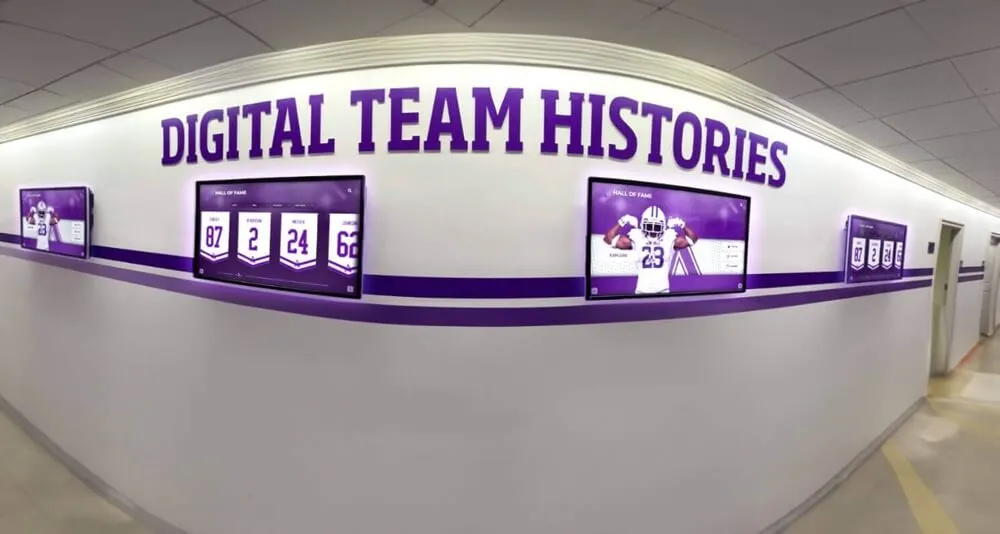
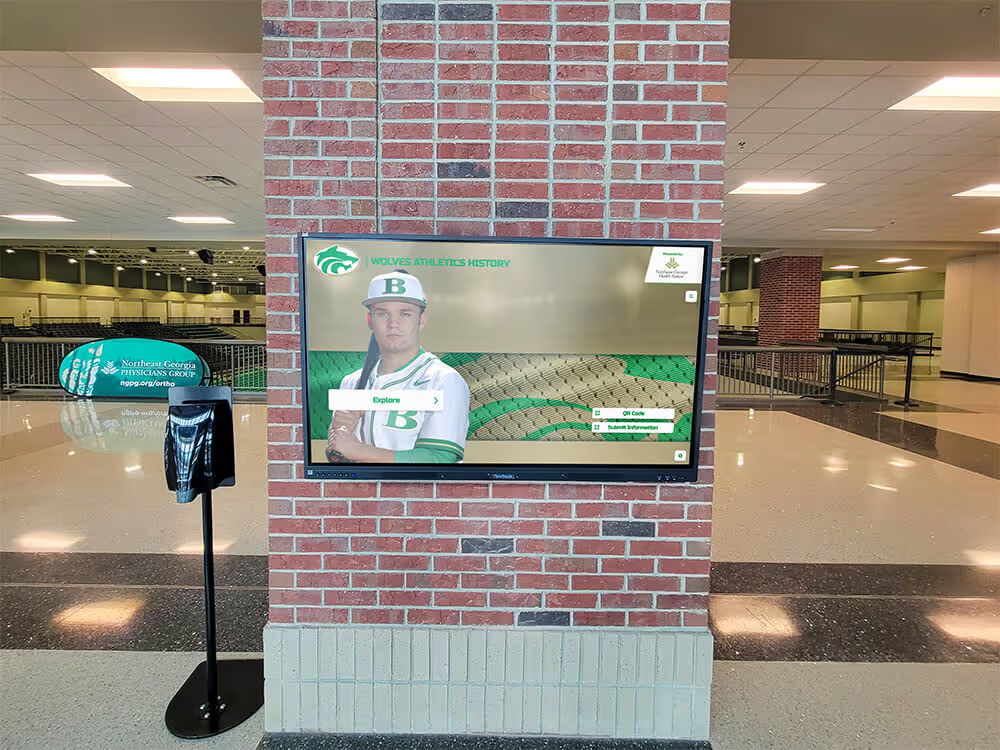
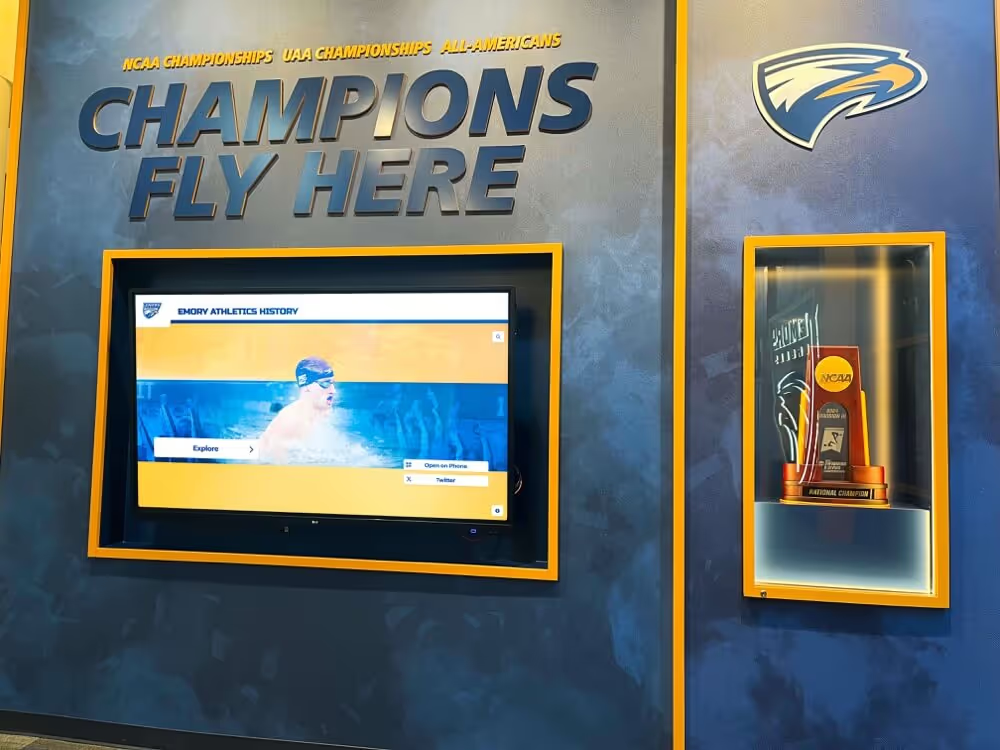
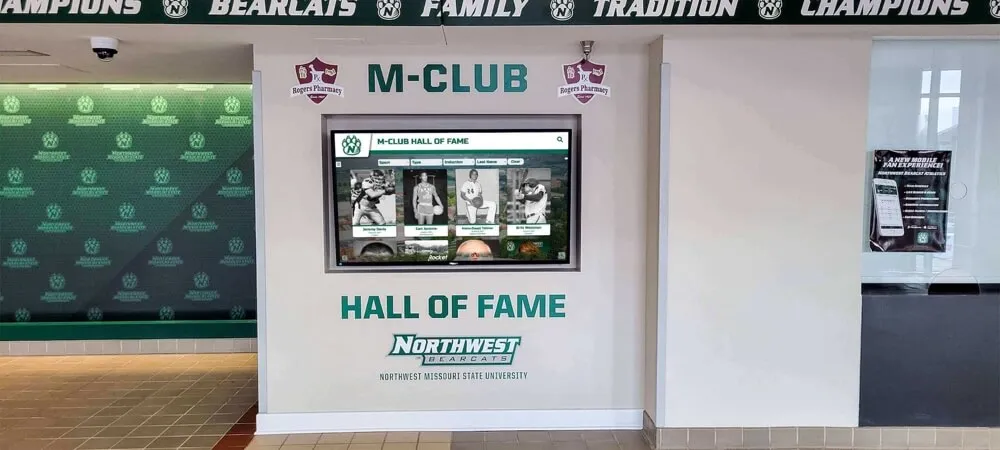
Modern alumni recognition events incorporate interactive displays enabling attendees to explore graduate achievements, reconnect with classmates, and celebrate collective institutional legacy
Program Snapshot: Comprehensive Alumni Recognition Event
| Program Element | Implementation Details |
|---|---|
| Event Purpose | Honor distinguished graduate achievements, strengthen alumni connections, inspire current students, demonstrate institutional impact |
| Typical Honorees | 3-10 distinguished alumni selected annually through nomination and selection process |
| Recognition Categories | Professional achievement, community service, entrepreneurship, creative excellence, humanitarian impact, institutional service |
| Event Timeline | 6-12 months planning from honoree selection to celebration event |
| Typical Attendance | 75-500 guests depending on institution size and event scope |
| Primary Venues | Campus facilities, hotel ballrooms, alumni centers, outdoor campus spaces, virtual platforms |
| Budget Range | $5,000-$50,000+ depending on scale, venue, catering, and production elements |
| Key Stakeholders | Alumni relations, advancement, communications, current students, faculty, honoree families |
| Ongoing Integration | Permanent recognition displays, website features, social media campaigns, recruitment materials, institutional publications |
Establishing Recognition Criteria and Selection Process
Clear, transparent selection frameworks ensure recognition program credibility, fairness, and meaningful impact while honoring truly distinguished graduates whose achievements merit celebration.
Defining Recognition Categories
Well-structured programs offer multiple pathways for recognition accommodating diverse achievement types:
Professional Excellence and Career Achievement
Honoring graduates who reached significant professional milestones:
- Executive leadership roles and organizational impact in their industries
- Entrepreneurial success building businesses or innovative ventures
- Distinguished careers demonstrating sustained excellence over decades
- Industry recognition through awards, appointments, or peer acknowledgment
- Professional contributions advancing their fields through research, innovation, or thought leadership
Community Service and Civic Leadership
Recognizing graduates making meaningful community impact:
- Nonprofit leadership addressing critical social challenges
- Public service in elected offices or government positions
- Volunteer dedication improving communities locally or globally
- Advocacy work advancing important causes or underserved populations
- Philanthropic generosity supporting education, health, or social services
Discover comprehensive approaches to academic recognition programs that complement alumni celebration events.
Creative and Artistic Achievement
Celebrating graduates excelling in creative fields:
- Artistic accomplishments in visual arts, music, theater, or dance
- Literary achievement through published works and writing excellence
- Film, television, or media production creating meaningful cultural impact
- Design innovation in architecture, fashion, graphics, or user experience
- Creative entrepreneurship building artistic ventures or cultural organizations
Athletic Excellence and Sports Achievement
Honoring graduates reaching elite athletic levels:
- Professional sports careers and competitive achievement
- Coaching excellence developing future athletes and championship programs
- Sports administration leadership managing teams or athletic organizations
- Olympic, international, or championship-level competition
- Contributions advancing athletics through innovation, advocacy, or program development
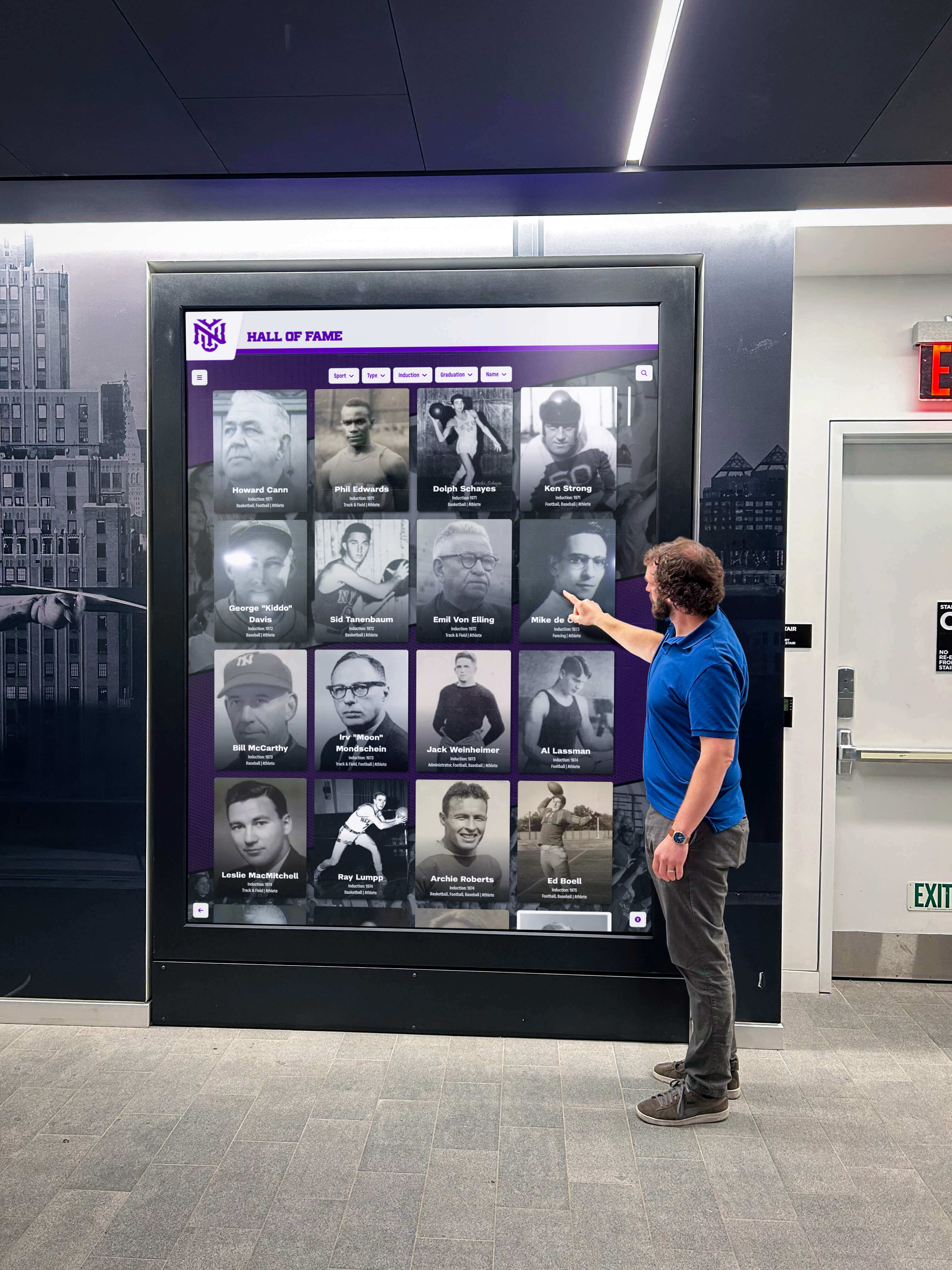
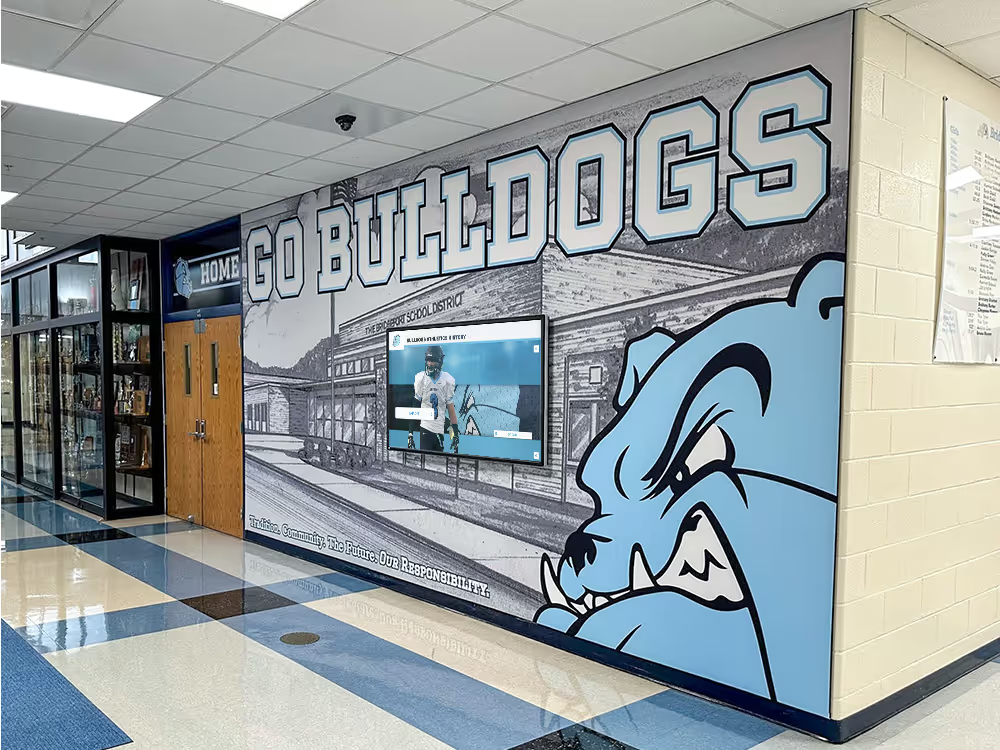
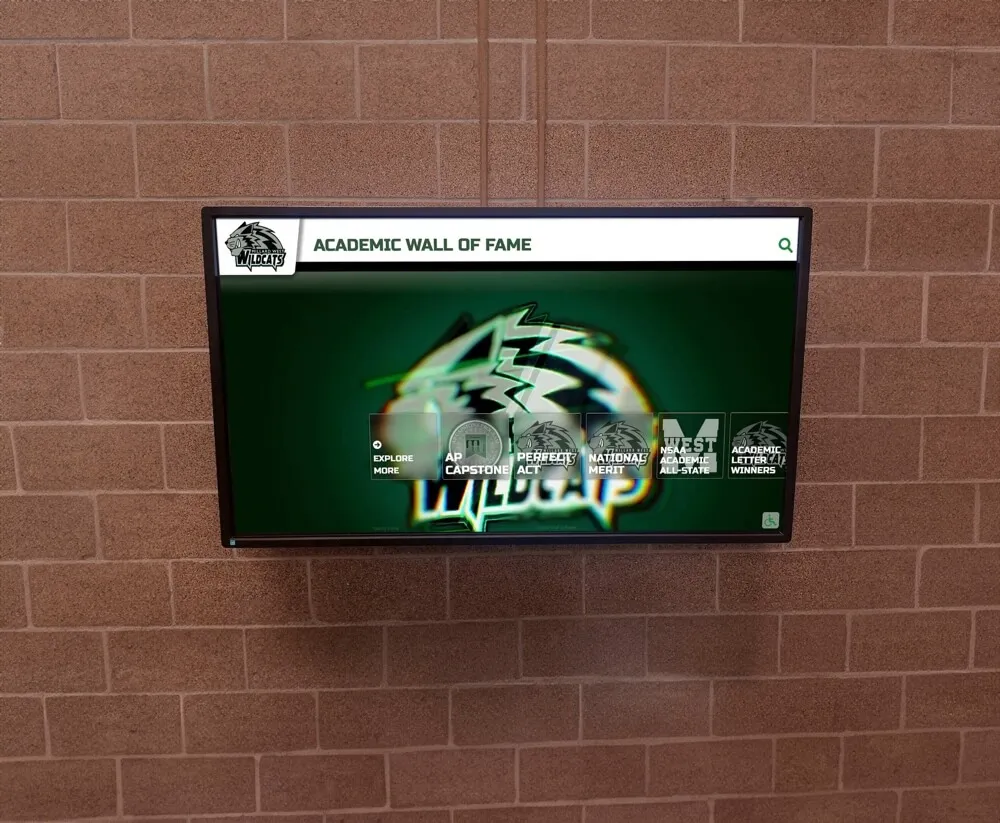
Interactive recognition platforms serve as natural gathering points during events, facilitating discovery and conversation among attendees
Selection Process Framework
Structured processes ensure fair evaluation and credible outcomes:
Nomination Phase
Open, accessible nomination systems generate diverse candidate pools:
- Multiple nomination pathways including alumni self-nomination, peer nomination, faculty/staff nomination, and student nomination
- Clear submission requirements including biographical information, achievement documentation, and supporting materials
- Defined eligibility criteria specifying graduation timeframes (typically 10+ years post-graduation)
- Nomination forms collecting comprehensive information supporting evaluation
- Extended nomination windows (typically 2-3 months) ensuring broad participation
Selection Committee Composition
Diverse committees bring multiple perspectives to evaluation:
- Alumni representatives from various graduation eras and backgrounds
- Faculty and academic leadership providing institutional perspective
- Student representatives ensuring honorees resonate with current students
- Advancement and alumni relations professionals managing process
- Previous honorees offering insights from recipient perspective
Learn about effective homecoming theme ideas that can enhance alumni recognition celebrations.
Evaluation Criteria
Standardized rubrics ensure consistent, objective assessment:
- Achievement significance and impact scope (local, regional, national, international)
- Career or contribution duration demonstrating sustained excellence
- Alignment with institutional mission and values
- Positive reflection on institutional reputation and educational quality
- Diversity considerations ensuring representation across demographics, fields, and achievement types
- Student inspiration potential and relatability as role models
- Institutional engagement history and ongoing connection
Decision Timeline
Structured schedules keep selection processes on track:
- Nomination period opening and closure dates
- Committee review timeline for initial screening
- Finalist presentation and discussion sessions
- Final selection decisions with backup selections
- Honoree notification and acceptance confirmation
- Public announcement timing coordinating with event promotion
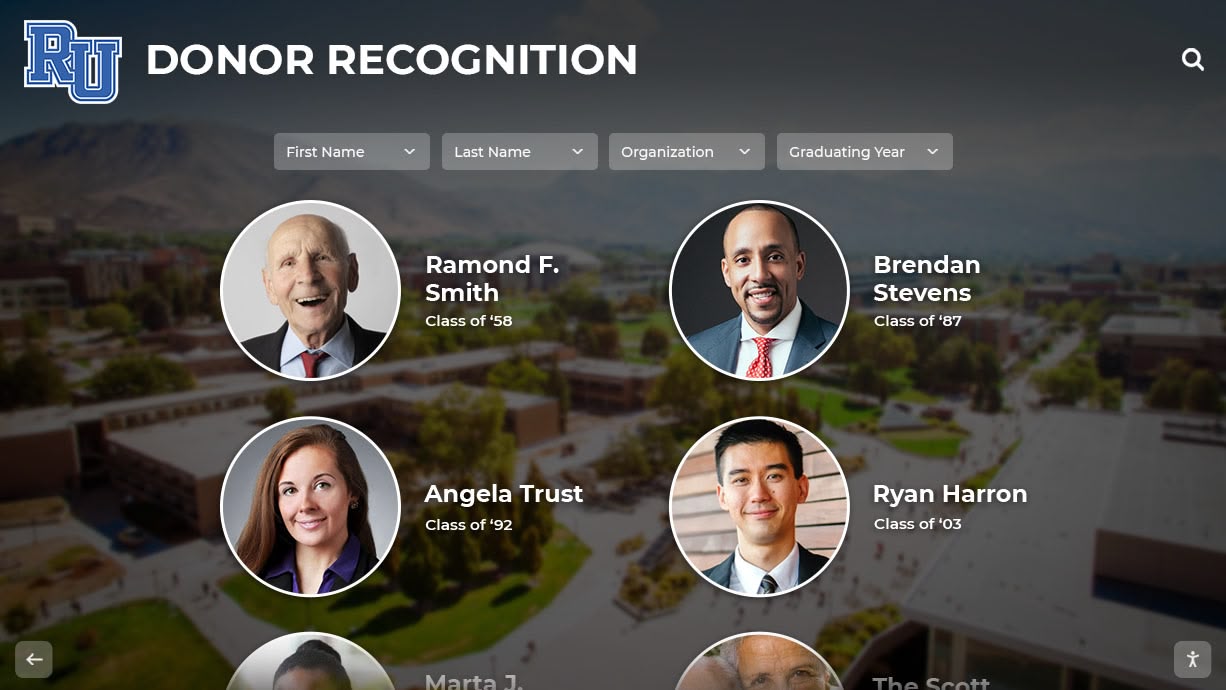
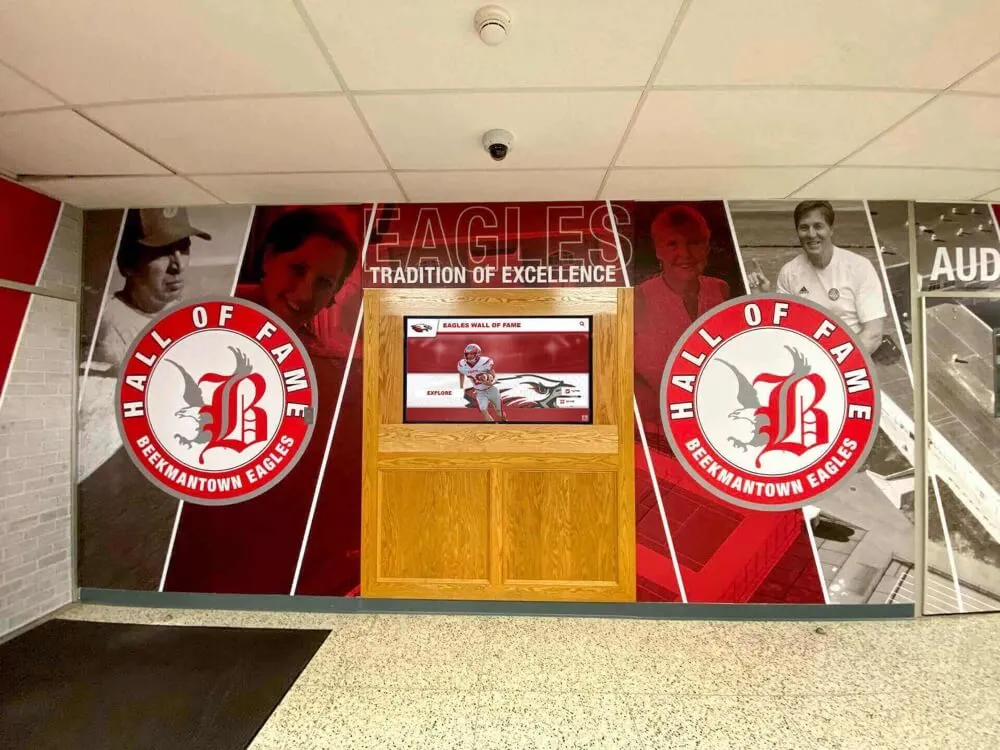
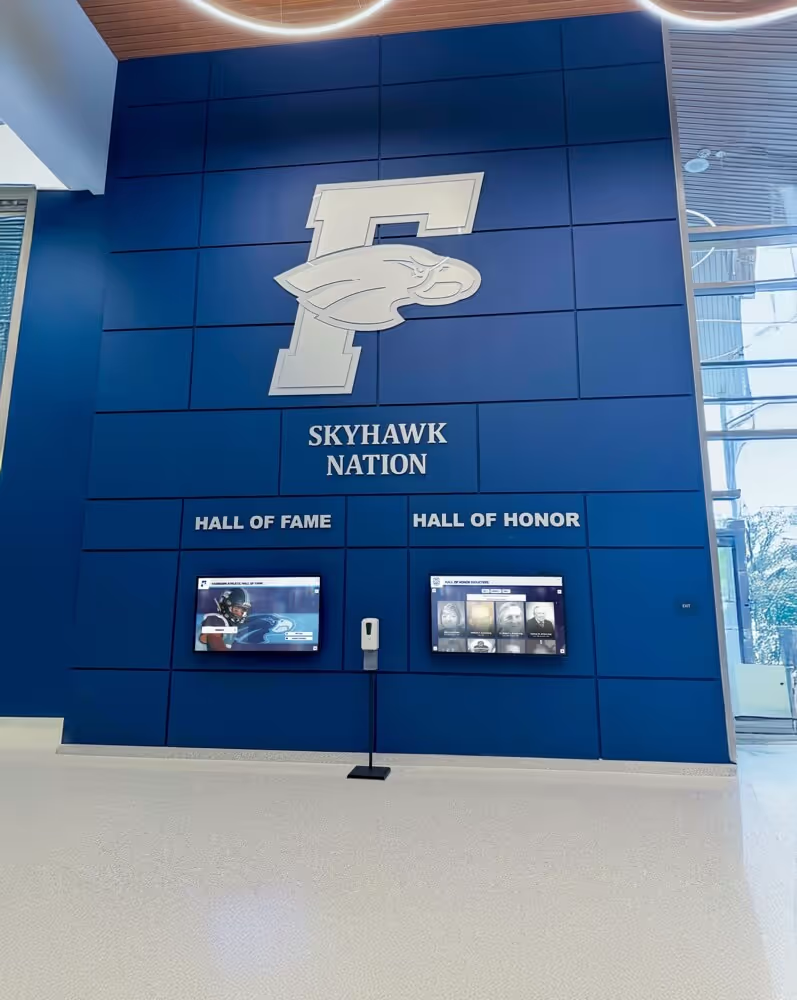
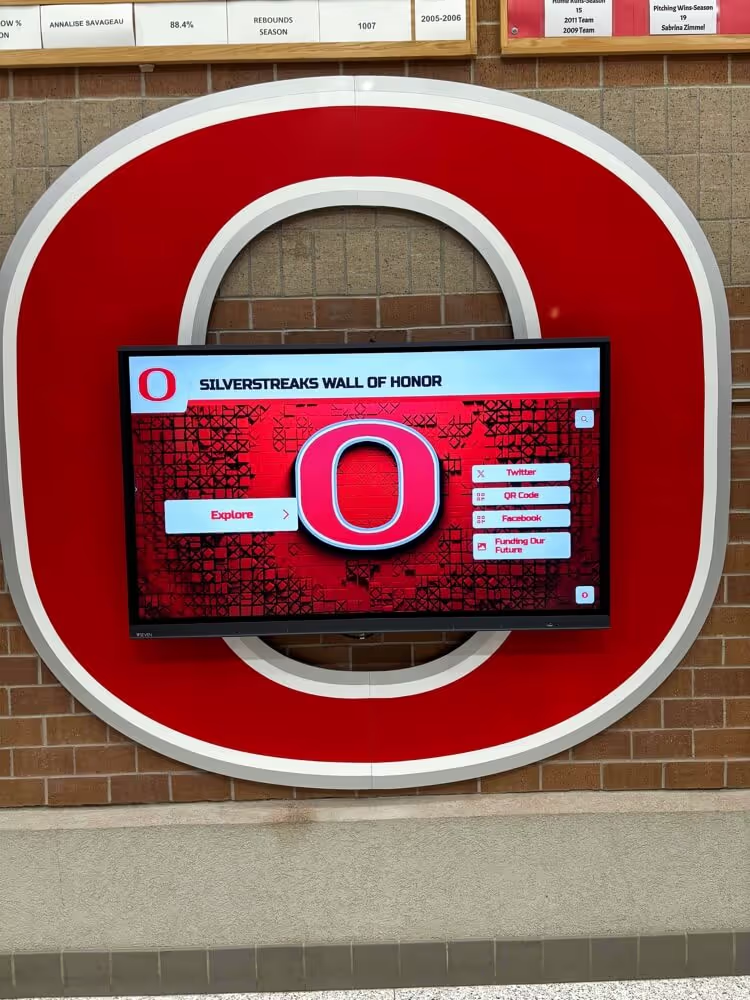
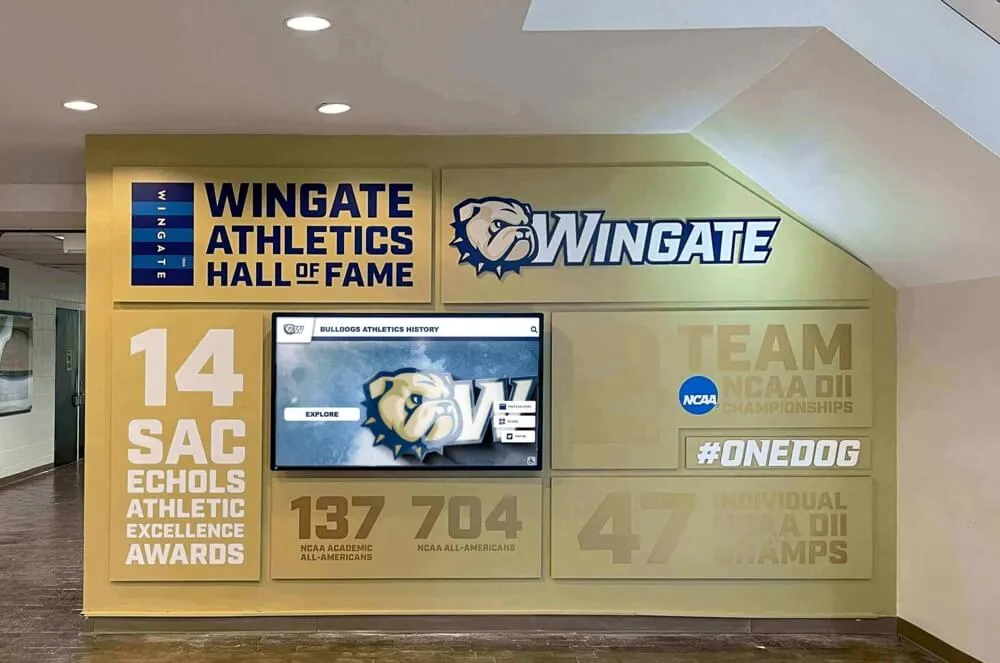
Permanent recognition installations ensure honoree celebration extends far beyond single events, creating lasting institutional legacy
Maintaining Program Integrity
Credibility requires consistent standards and transparent practices:
Conflict of Interest Management
Clear policies prevent actual or perceived bias:
- Committee members recusing from discussions involving relatives, close associates, or business partners
- Transparent disclosure requirements for potential conflicts
- Diverse committee composition minimizing individual influence
- Independent reviews for high-profile or controversial nominations
- Documentation of selection rationale supporting decisions
Diversity and Representation Priorities
Intentional approaches ensure equitable recognition:
- Monitoring honoree demographics across years tracking gender, racial, and ethnic representation
- Actively recruiting nominations from underrepresented populations
- Recognizing achievement across career stages from young alumni to established leaders
- Balanced representation across academic programs, career fields, and achievement types
- Geographic diversity honoring local, national, and international accomplishments
Transparency and Communication
Open processes build trust and participation:
- Published selection criteria and process documentation
- Regular communication about nomination windows and deadlines
- General selection timeline information without revealing confidential deliberations
- Recognition of all nominees honoring their accomplishments
- Feedback mechanisms for process improvement and community input
Explore strategies for senior night gift ideas applicable to alumni recognition ceremonies.
Event Planning: Creating Memorable Recognition Celebrations
Outstanding recognition events balance formal ceremony with warm celebration, honoring achievement authentically while creating meaningful connection opportunities for attendees, honorees, students, and institutional community.
Event Format Options
Different approaches suit various institutional cultures and objectives:
Formal Awards Dinner
Traditional evening celebrations combining recognition with elegant dining:
- Seated multi-course meals in ballrooms or formal venues
- Structured program including speeches, video tributes, and award presentations
- Formal or semi-formal dress codes creating special-occasion atmosphere
- Higher ticket prices supporting program costs and potential scholarship fundraising
- Typical attendance: 150-400 guests including honorees, families, alumni, faculty, donors, and community leaders
Alumni Weekend Integration
Recognition ceremonies incorporated into broader reunion programming:
- Honoree celebrations during homecoming or alumni weekend
- Multiple touchpoints including receptions, campus tours, athletic events, and formal ceremonies
- Leveraging existing event infrastructure and attendance
- Cross-generational participation bringing together multiple class years
- Cost-effective approach maximizing existing event investments
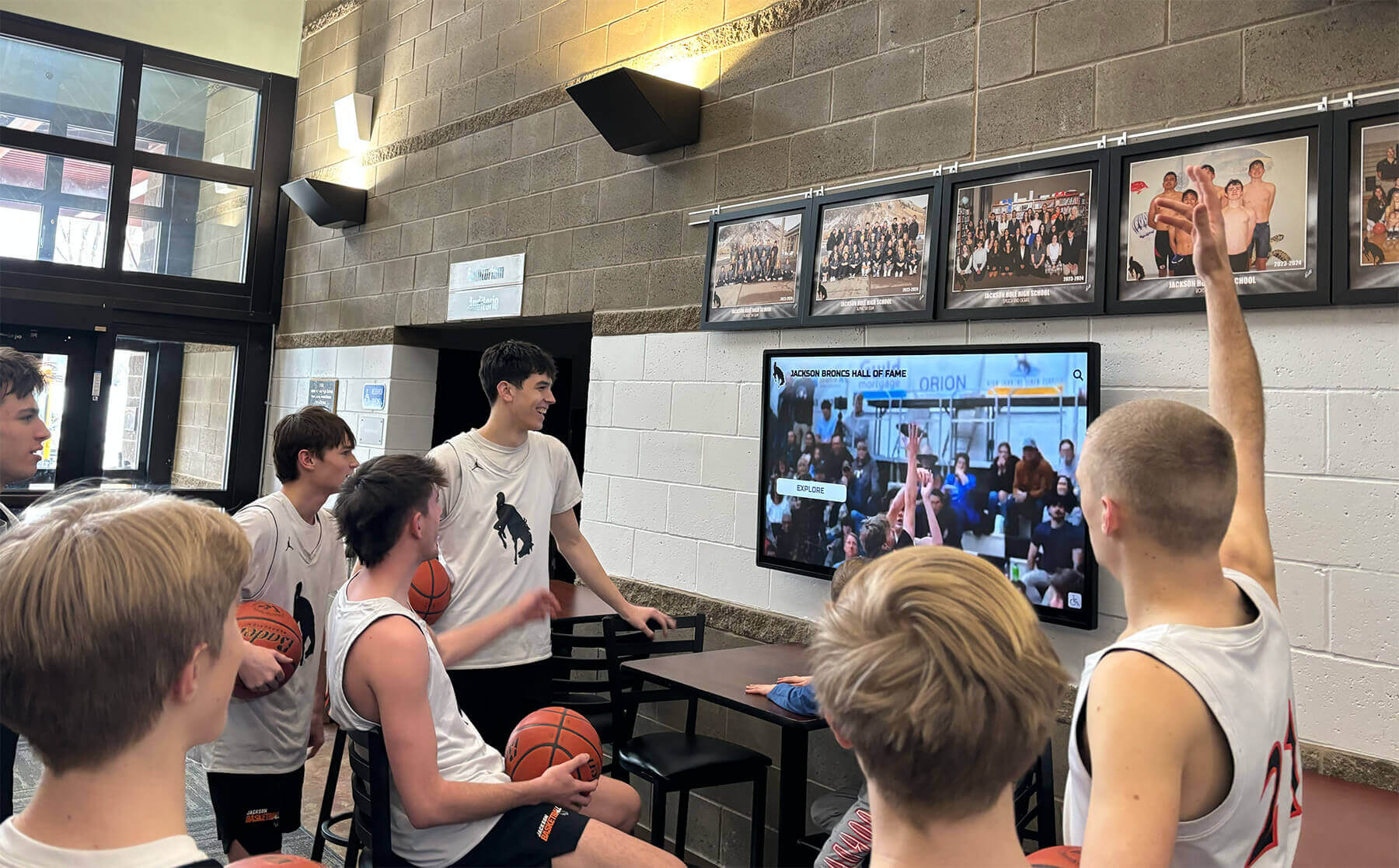
Strategic student involvement in recognition events creates inspiration while helping current students understand achievement pathways and institutional legacy
Campus Celebration Day
Daytime campus-based events with broader accessibility:
- Afternoon ceremonies and receptions on campus
- Student attendance encouraged through convenient timing
- Campus tours showcasing institutional evolution since honoree graduation
- More casual atmosphere with flexible attendance options
- Lower cost barriers increasing participation across economic backgrounds
- Typical attendance: 75-250 guests with strong student representation
Virtual or Hybrid Recognition
Digital platforms expanding access for geographically dispersed communities:
- Live-streamed ceremonies enabling global participation
- Virtual networking platforms facilitating attendee interaction
- Pre-recorded honoree profiles and tribute videos
- Digital recognition galleries accessible beyond event dates
- Hybrid options combining in-person gatherings with remote participation
- Dramatically expanded reach with international alumni participation
Learn about comprehensive hall of fame tools supporting recognition programs.
Event Planning Timeline
Successful execution requires systematic planning over extended periods:
12-9 Months Before Event
Foundation-setting activities:
- Confirm honoree selections and secure participation commitments
- Establish event date avoiding conflicts with major institutional or community events
- Form planning committee including staff, volunteers, and student representatives
- Determine event format based on budget, venue availability, and community preferences
- Secure venue reservations for campus or external facilities
- Develop preliminary budget with revenue and expense projections
9-6 Months Before Event
Program development and vendor engagement:
- Design event program including ceremony flow, speakers, and timing
- Contract with caterers, audiovisual providers, photographers, and other vendors
- Begin collecting honoree biographical information, photographs, and achievement documentation
- Launch “save the date” communications to target audiences
- Develop event branding including invitations, programs, and signage
- Establish registration system for attendance tracking and meal planning
6-3 Months Before Event
Detailed planning and promotion:
- Send formal invitations through mail, email, and social media
- Produce honoree profile videos or multimedia presentations
- Coordinate honoree family participation and special accommodations
- Plan student involvement including performances, presentations, or attendance
- Develop script for ceremony including speaker remarks and transitions
- Create printed programs featuring honoree biographies and photographs
- Launch public relations campaign with media outreach and press releases
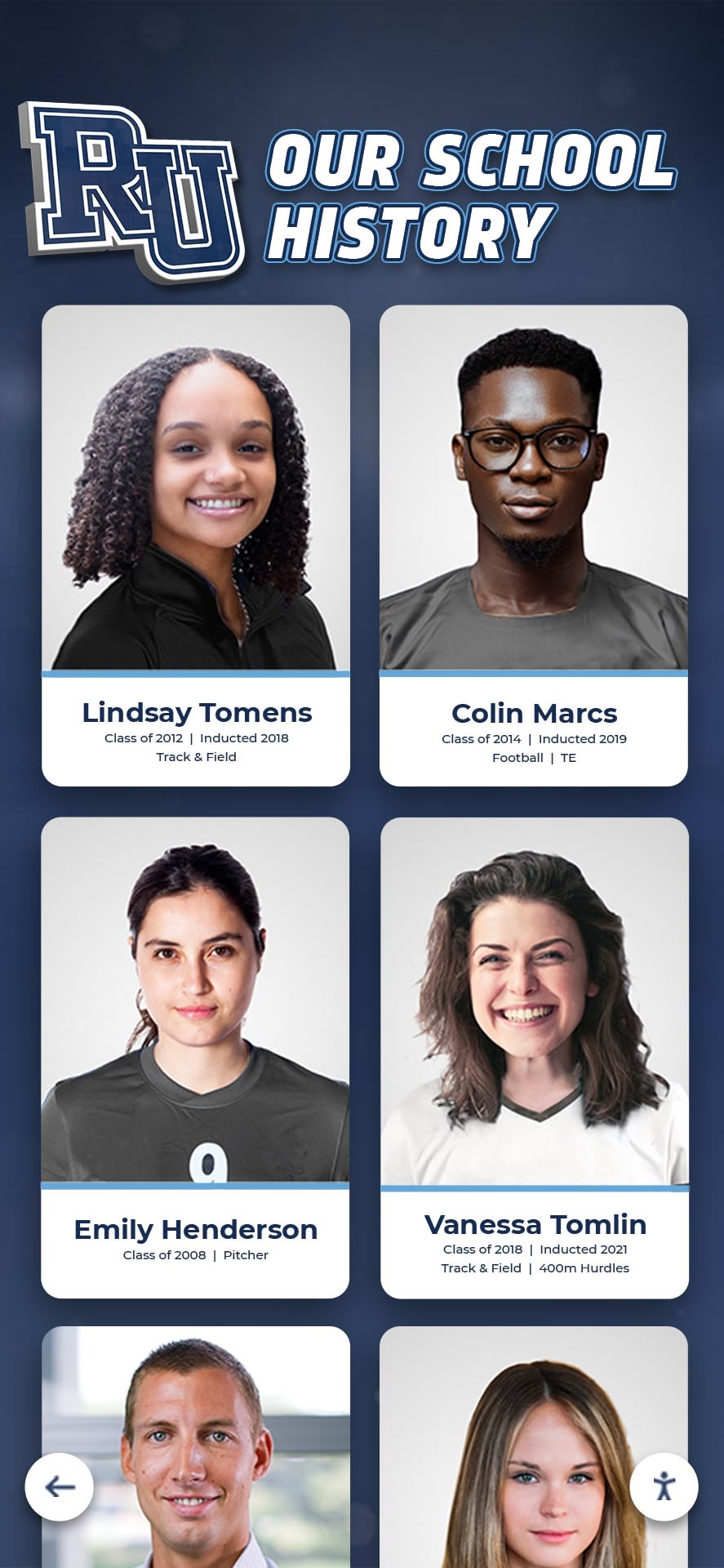
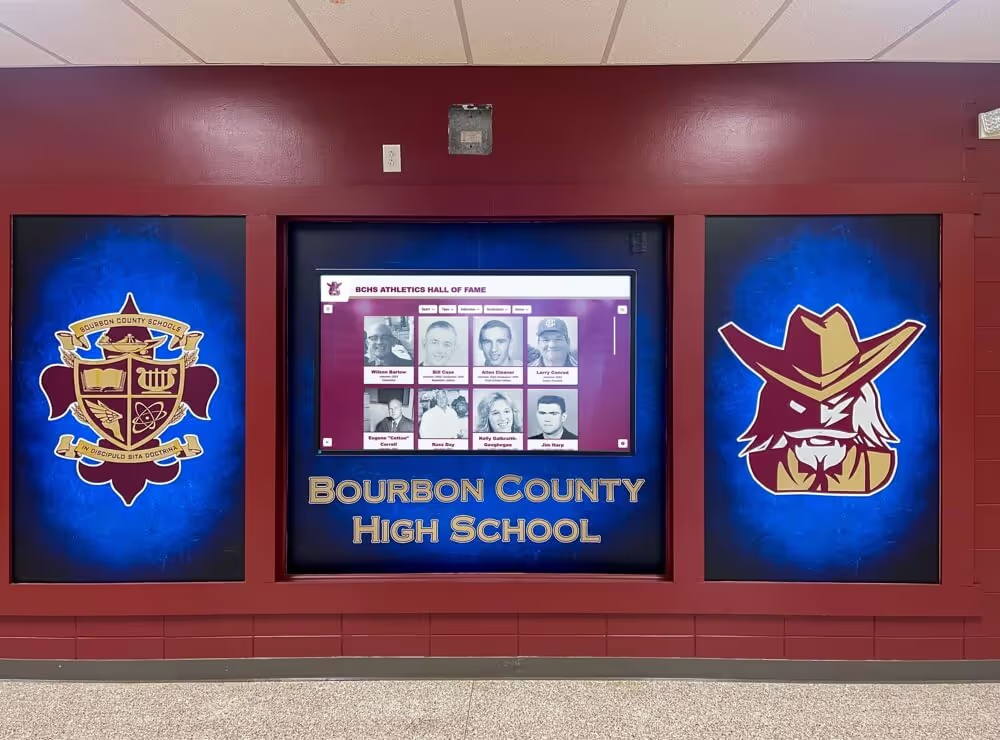
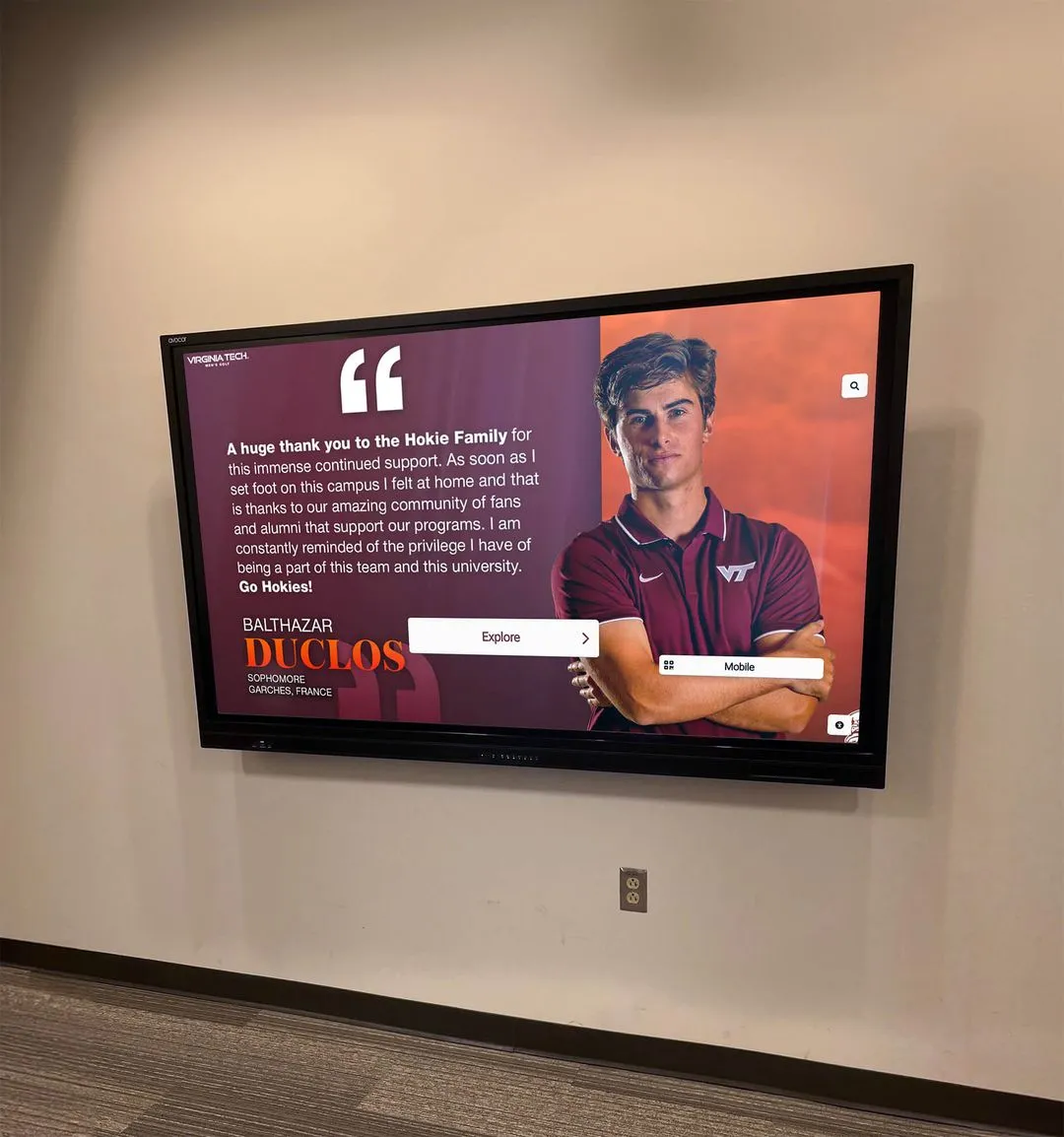
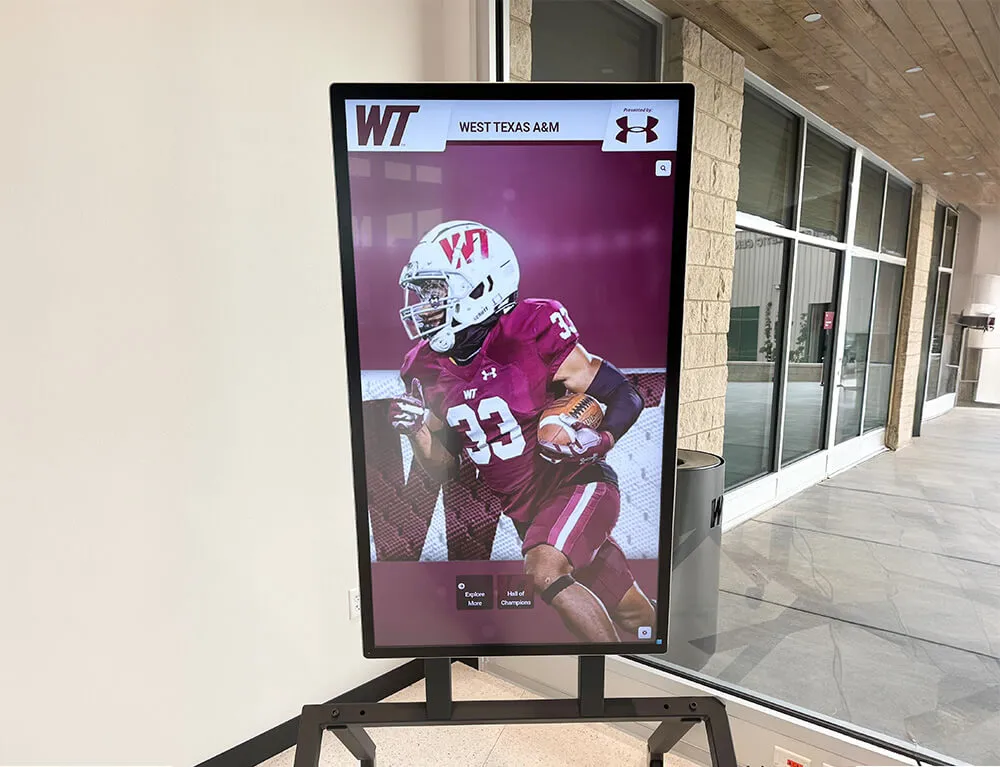
Professional profile presentations ensure honoree achievements are documented comprehensively while creating shareable content extending recognition reach
3-1 Months Before Event
Final preparations and detail confirmation:
- Finalize attendance count and communicate with caterers
- Confirm audiovisual needs and conduct technical rehearsals
- Prepare award plaques, certificates, or recognition items
- Arrange campus accommodations or hotel blocks for out-of-town guests
- Coordinate parking, accessibility, and campus logistics
- Rehearse ceremony with speakers, students, and technical staff
- Develop detailed day-of timeline and staff assignments
Event Week
Last-minute coordination:
- Send final reminders to registered attendees
- Conduct venue walk-through confirming setup details
- Brief staff and volunteers on roles and responsibilities
- Prepare registration materials and name tags
- Confirm vendor arrivals and setup schedules
- Arrange honoree green room and hospitality
- Review contingency plans for potential issues
Discover digital tools bringing history to life for recognition events.
Creating Meaningful Ceremony Elements
Thoughtful programming transforms standard awards presentations into memorable celebrations:
Opening and Welcome
Strong event openings set appropriate tone:
- Institutional leadership welcome establishing event significance
- Brief institutional history context connecting past to present
- Acknowledgment of special guests, honoree families, and attending dignitaries
- Overview of evening program and celebration purpose
- Student musical performance or cultural presentation showcasing current talent
Honoree Introduction Framework
Compelling presentations honor achievements authentically:
- Video tributes combining archival photos, career highlights, and testimonials
- Personal introductions by classmates, faculty mentors, or professional colleagues sharing meaningful anecdotes
- Student connections explaining honoree impact on current generation
- Honoree acceptance remarks sharing wisdom and institutional gratitude
- Presentation of recognition items including plaques, certificates, or commemorative gifts
Student Engagement Elements
Current student involvement creates intergenerational connection:
- Student hosts or emcees facilitating ceremony
- Performance groups providing entertainment
- Student organization representatives participating in presentations
- Q&A sessions enabling student interaction with honorees
- Student testimonials expressing how honoree stories inspire current community
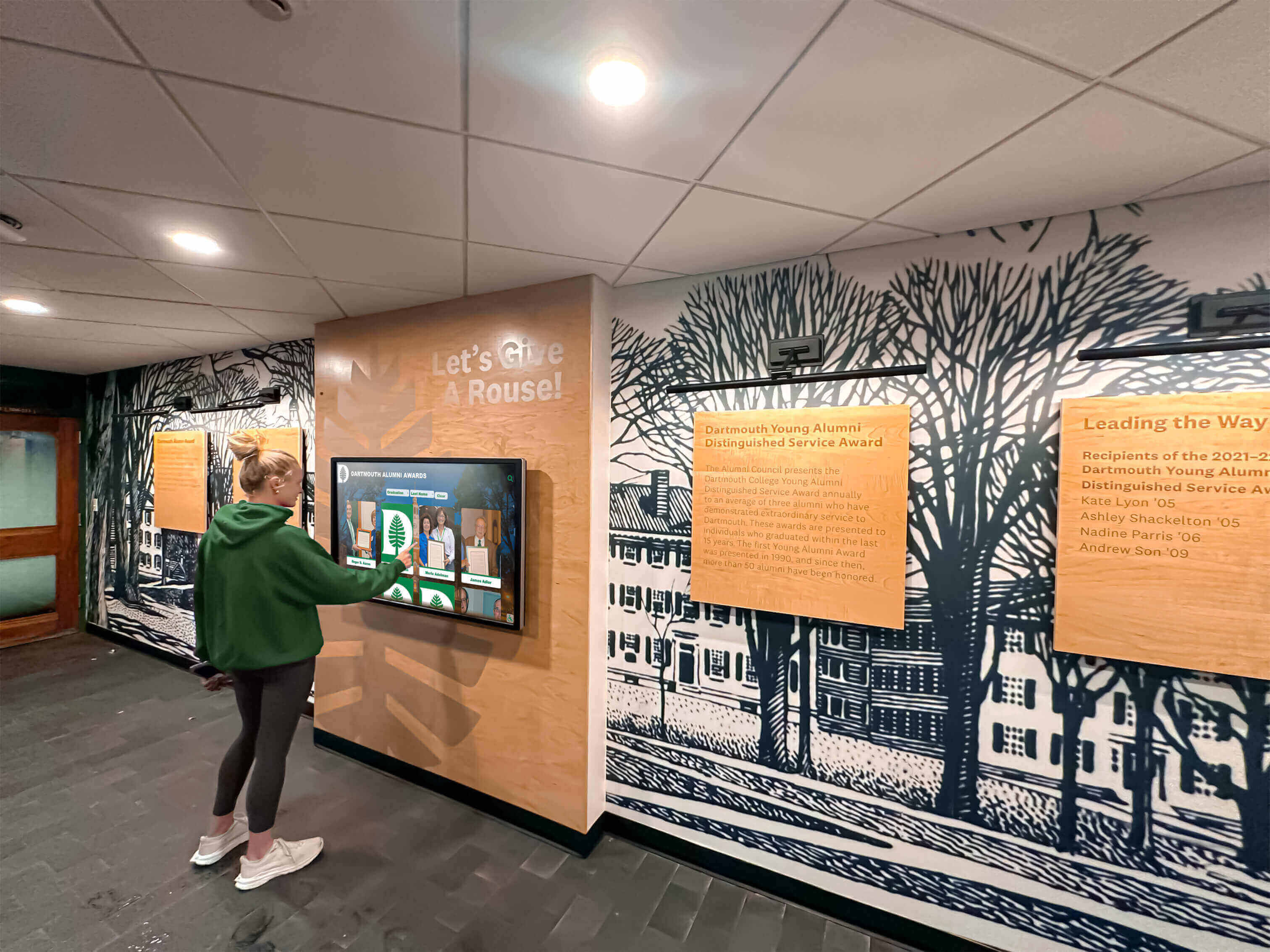
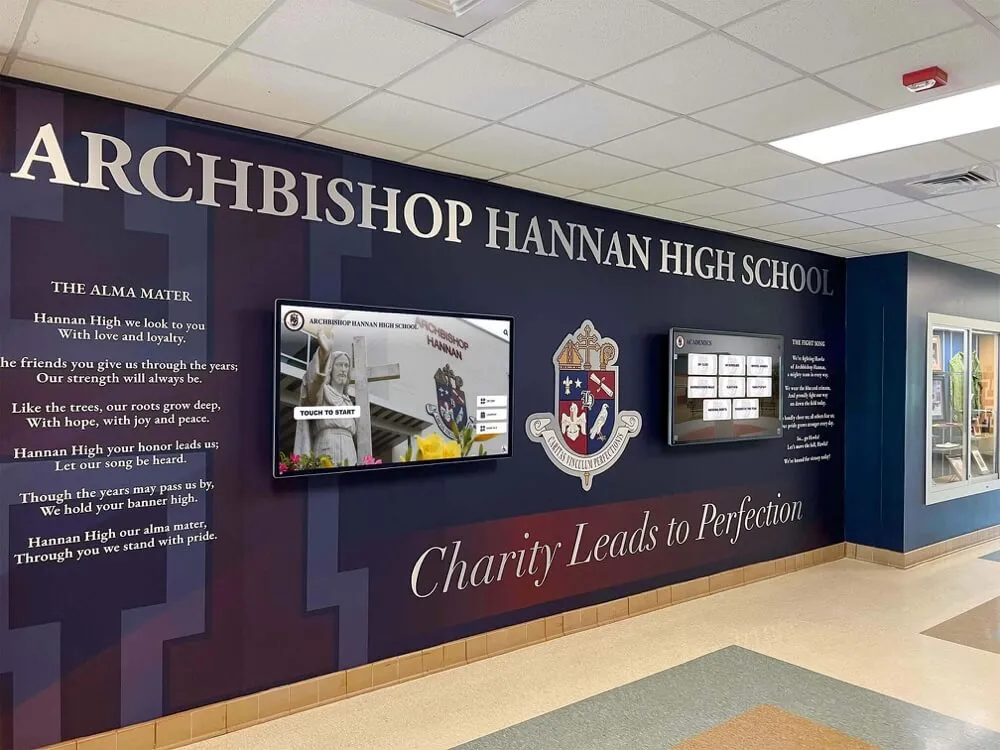
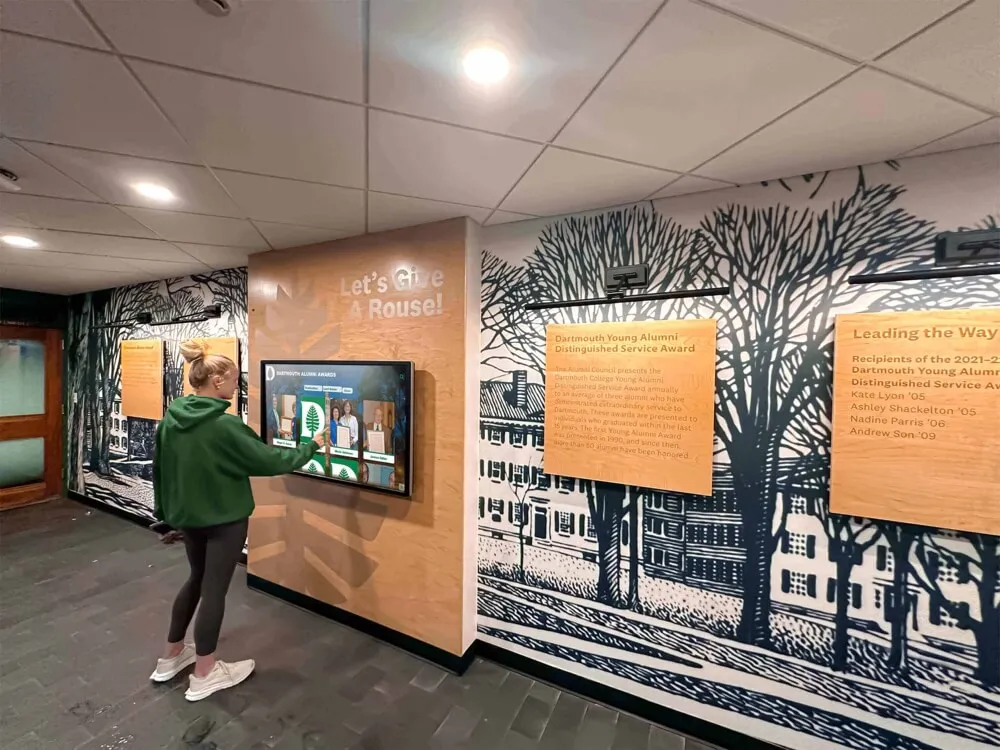
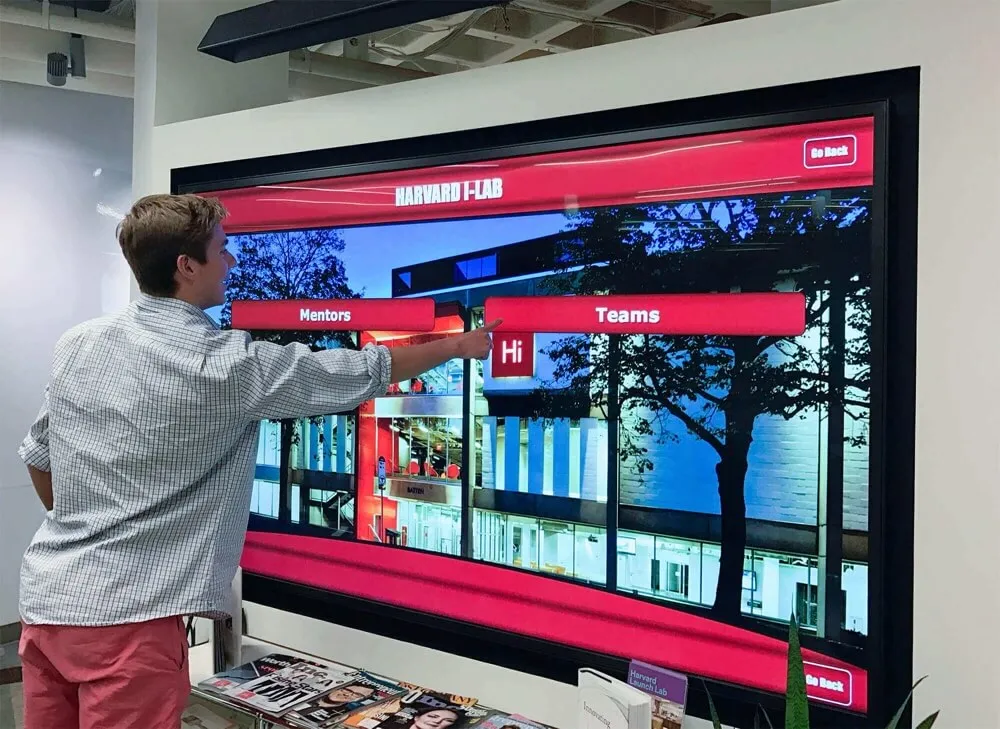
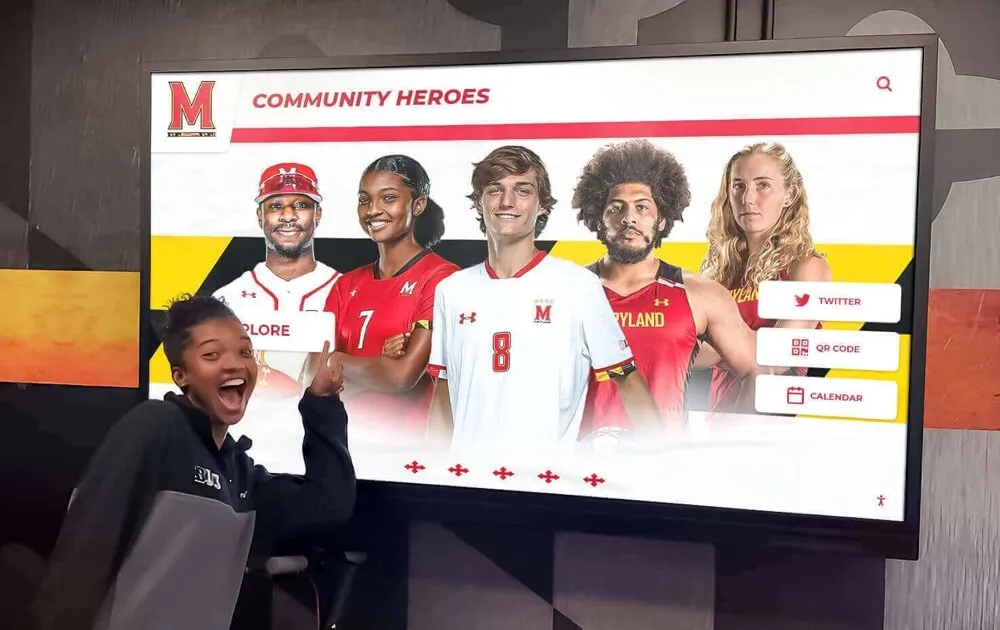
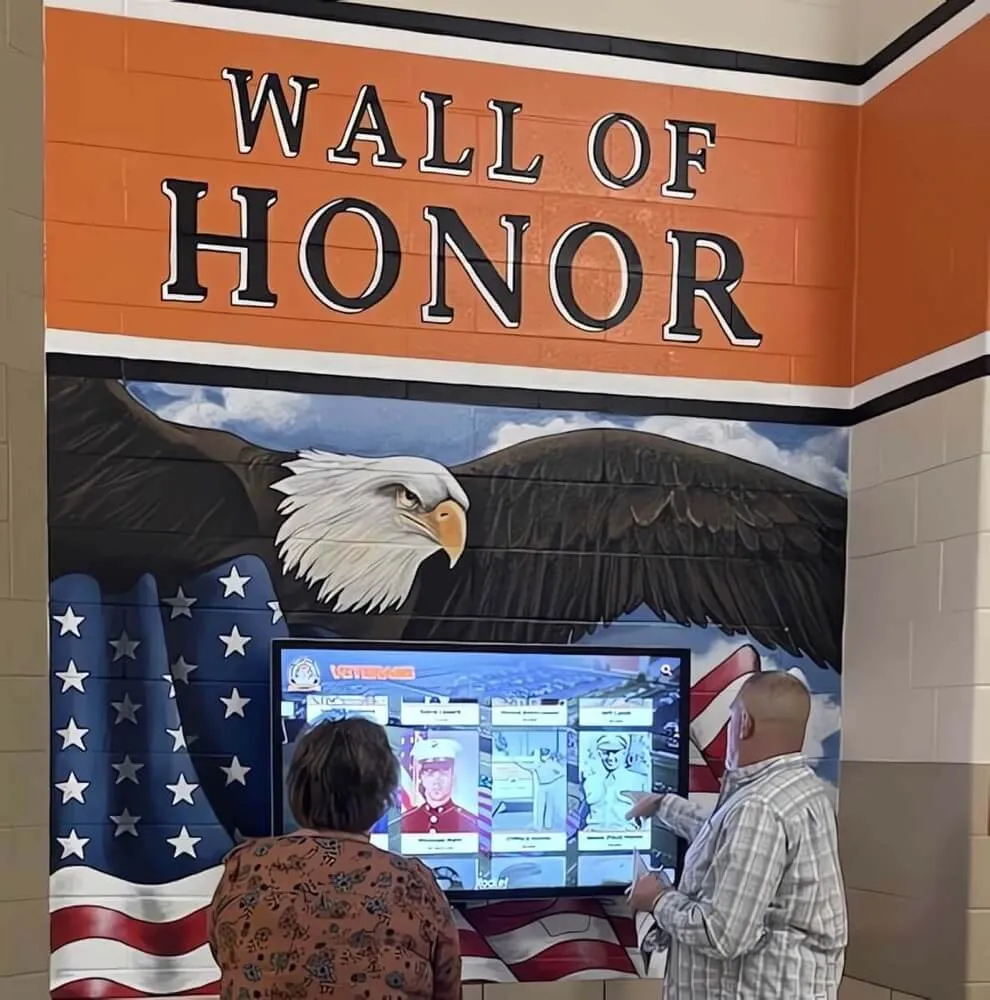
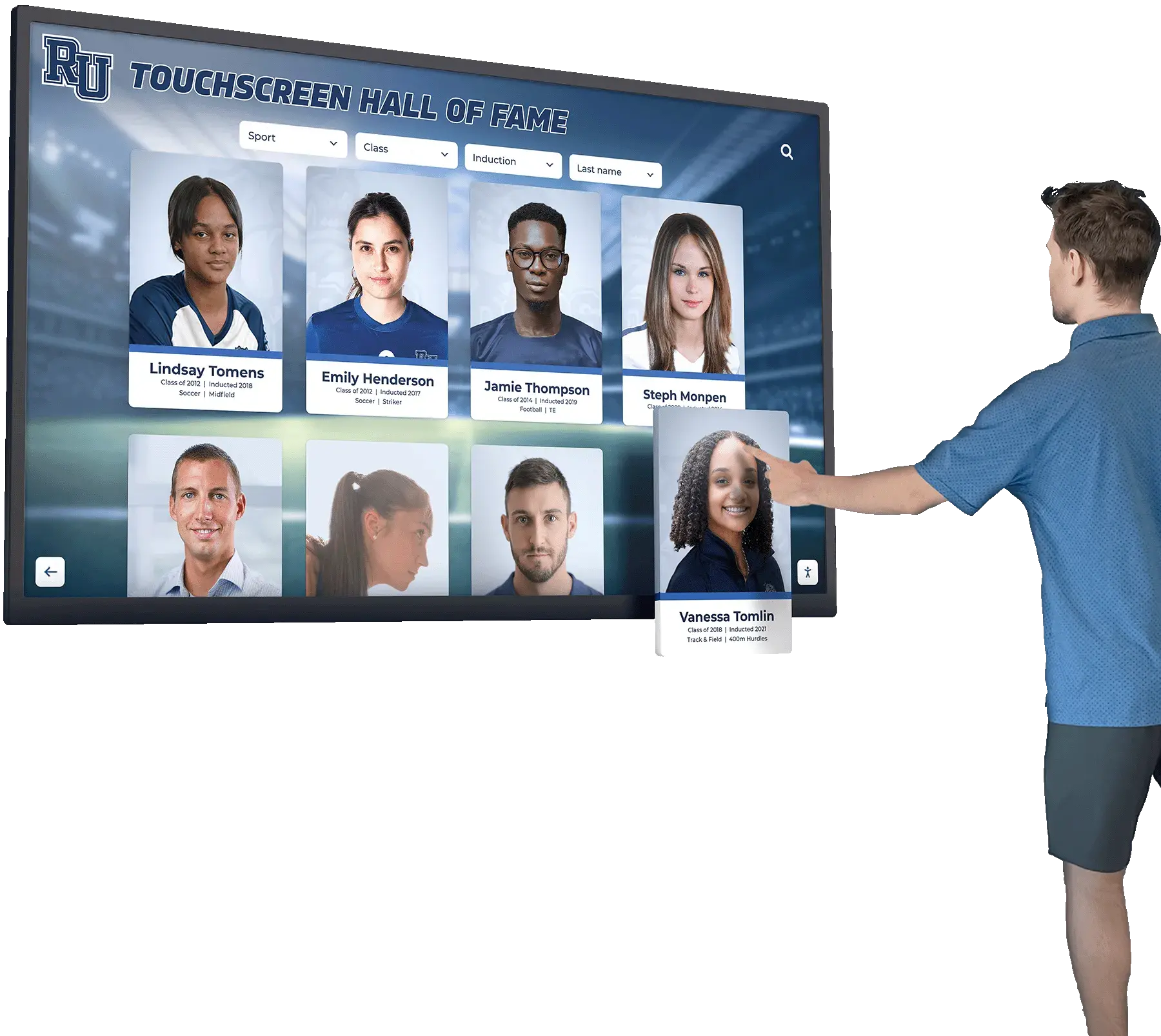
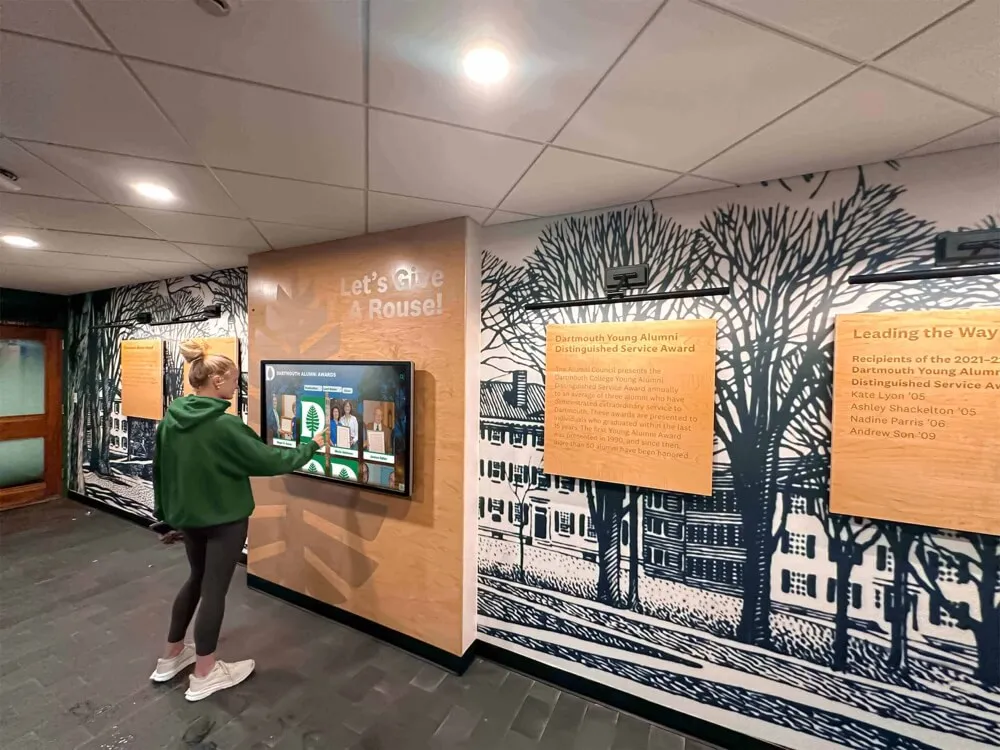
User-friendly digital platforms enable self-directed exploration of alumni achievements, creating engaging experiences for event attendees and ongoing visitors
Recognition of Supporters
Acknowledging program sustainability:
- Recognition of selection committee members and planning volunteers
- Gratitude for event sponsors and financial supporters
- Appreciation for institutional leadership support
- Acknowledgment of families supporting honoree achievements
- Thanks to staff and vendors enabling event execution
Learn about ribbon cutting ceremony ideas applicable to recognition program launches.
Beyond the Event: Extending Recognition Impact
One-evening celebrations represent starting points—comprehensive programs create lasting recognition through permanent displays, ongoing communications, and sustained engagement opportunities.
Permanent Recognition Installations
Physical and digital displays ensure achievements remain visible:
Traditional Recognition Approaches
Classic methods maintaining institutional tradition:
- Engraved plaques mounted in high-visibility campus locations
- Portrait galleries in alumni centers or administrative buildings
- Trophy cases displaying awards and honoree information
- Printed directories listing all program honorees historically
- Named spaces or facilities honoring particularly distinguished graduates
Digital Recognition Platforms
Modern solutions offering unlimited capacity and dynamic content:
- Interactive touchscreen displays in lobbies and gathering spaces
- Web-accessible alumni directories searchable by name, year, or achievement type
- Mobile-responsive platforms enabling anywhere access
- Multimedia profiles including photos, videos, and biographical narratives
- Social media integration enabling easy sharing and broader reach
- Cloud-based management allowing easy updates and additions
- Analytics tracking engagement and popular profiles
Solutions like Rocket Alumni Solutions provide comprehensive platforms specifically designed for educational institutions implementing alumni recognition programs, combining intuitive content management with engaging presentation ensuring honorees receive lasting acknowledgment while institutional communities benefit from accessible inspiration.

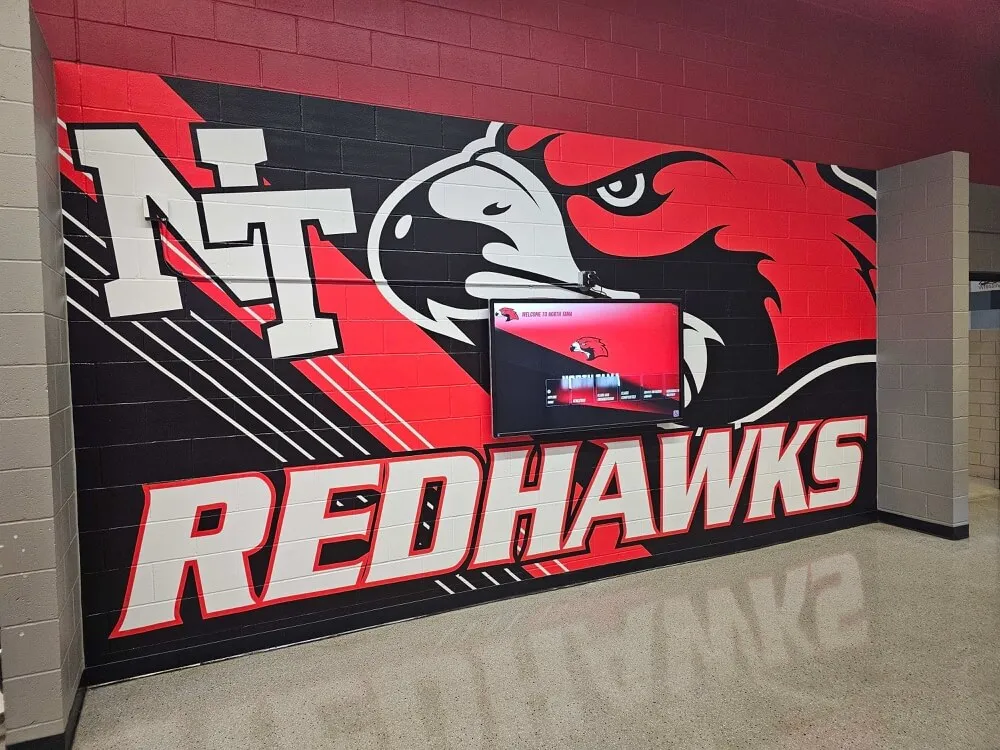
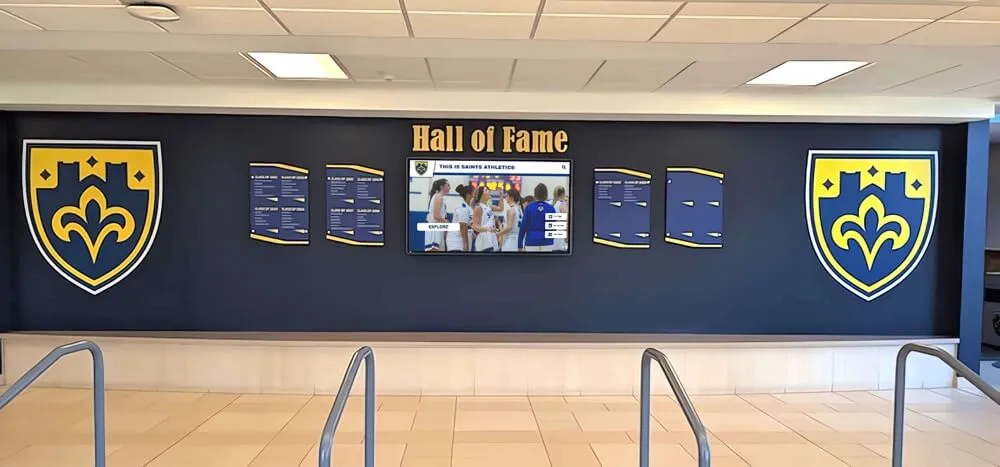
Strategically placed recognition displays transform standard institutional spaces into inspiration centers celebrating graduate achievement
Hybrid Recognition Systems
Combined approaches maximizing impact:
- Physical monuments or installations featuring digital display integration
- Traditional plaques supplemented with QR codes linking to comprehensive digital profiles
- Rotating featured honoree displays highlighting different graduates periodically
- Campus wayfinding incorporating honoree recognition
- Multi-location recognition ensuring visibility across campus
Explore scholastic wall of honor concepts for academic recognition.
Ongoing Communications and Storytelling
Regular content distribution extends recognition beyond ceremony:
Immediate Post-Event Communications
Capitalize on event momentum:
- Professional event photography shared across platforms
- Thank you messages to attendees, honorees, and supporters
- Media releases with honoree profiles and event highlights
- Social media campaigns featuring key moments and quotes
- Video recordings or highlight reels posted online
- Personal notes to honorees expressing institutional gratitude
Sustained Content Development
Long-term storytelling maintaining visibility:
- Institutional magazine or newsletter feature articles
- Alumni communications spotlighting honoree careers and wisdom
- Admissions and recruitment materials showcasing distinguished graduates
- Annual reports highlighting recognition program and honoree achievements
- Social media series exploring honoree journeys and advice
- Podcast interviews or video series enabling deeper storytelling
Honoree Engagement Opportunities
Ongoing involvement strengthening connections:
- Guest lecturer invitations bringing honorees back to campus
- Mentorship program participation connecting honorees with students
- Reunion event appearances maintaining community presence
- Advisory committee service contributing institutional expertise
- Fundraising campaign involvement leveraging honoree networks
- Career fair or networking event participation supporting student success
Integration with Institutional Advancement
Recognition programs support broader strategic objectives:
Alumni Relations Enhancement
Strengthening lifelong connections:
- Recognition creating positive touchpoints throughout alumni lifecycle
- Honoree networks generating peer-to-peer engagement
- Model for other alumni celebrating classmate achievements
- Re-engagement of lapsed alumni through honoree connections
- Geographic network expansion through honoree communities
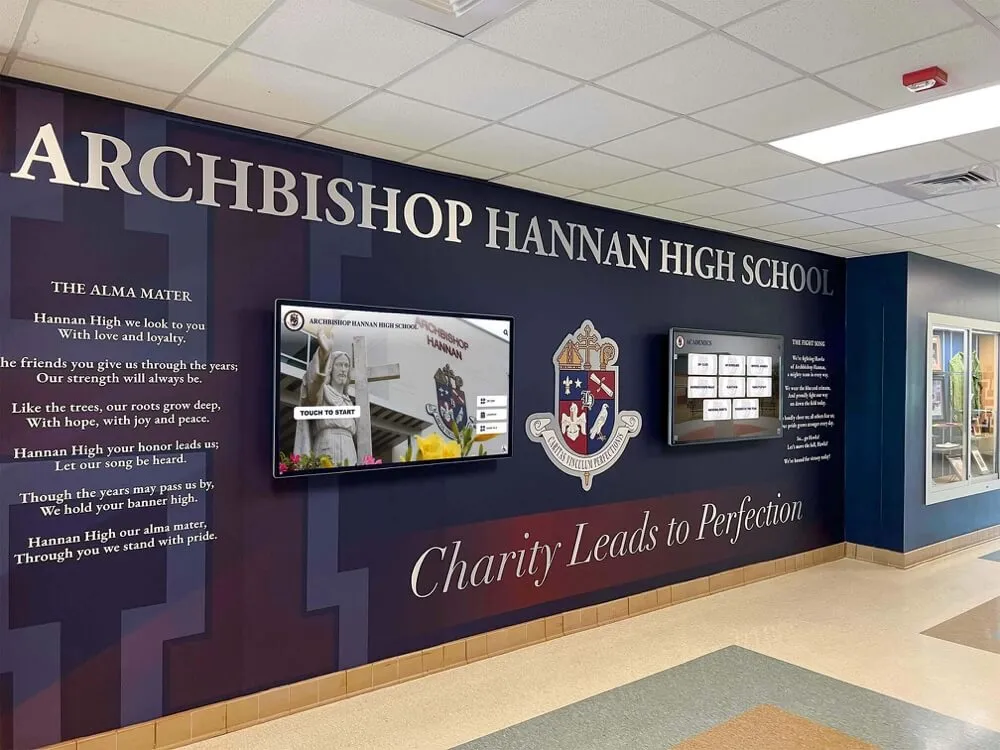
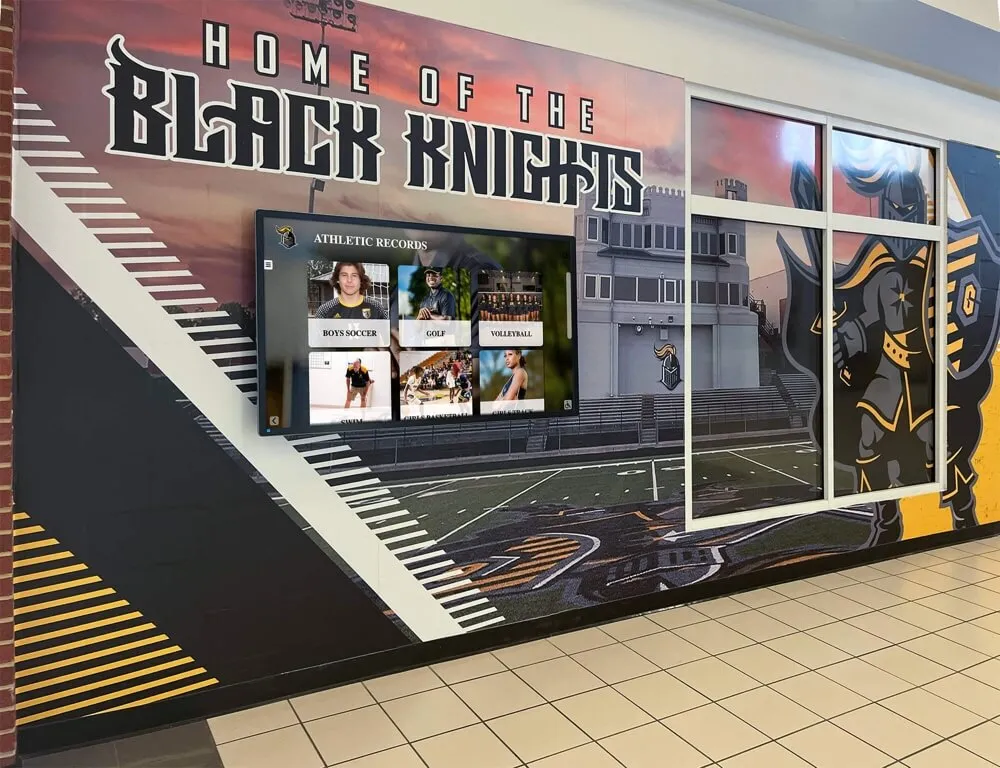
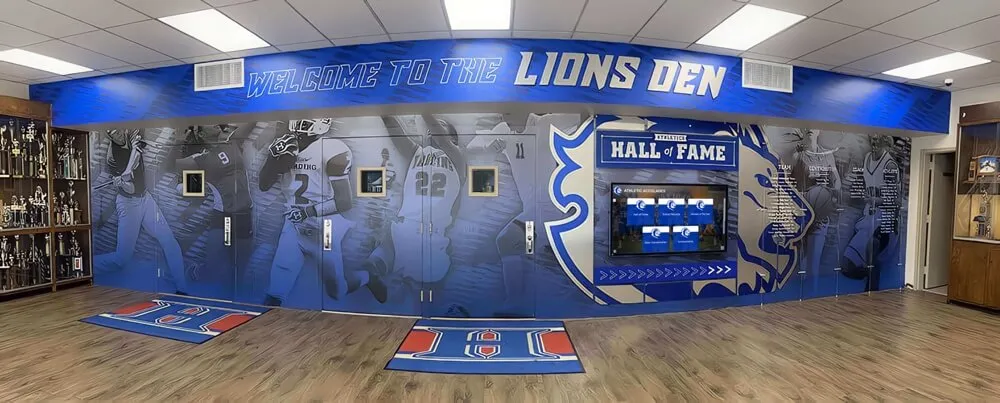
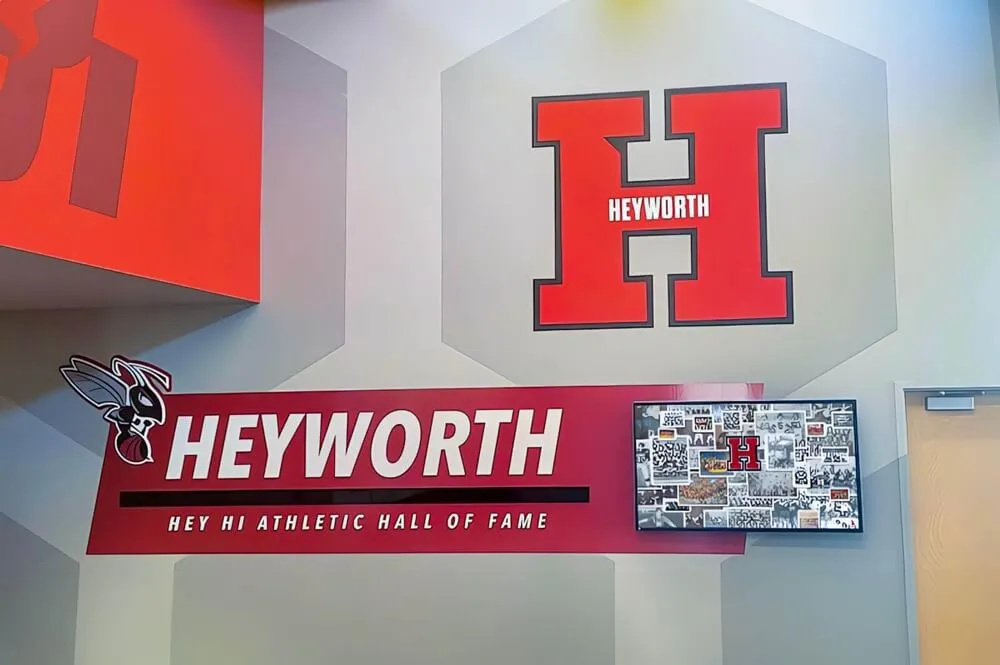
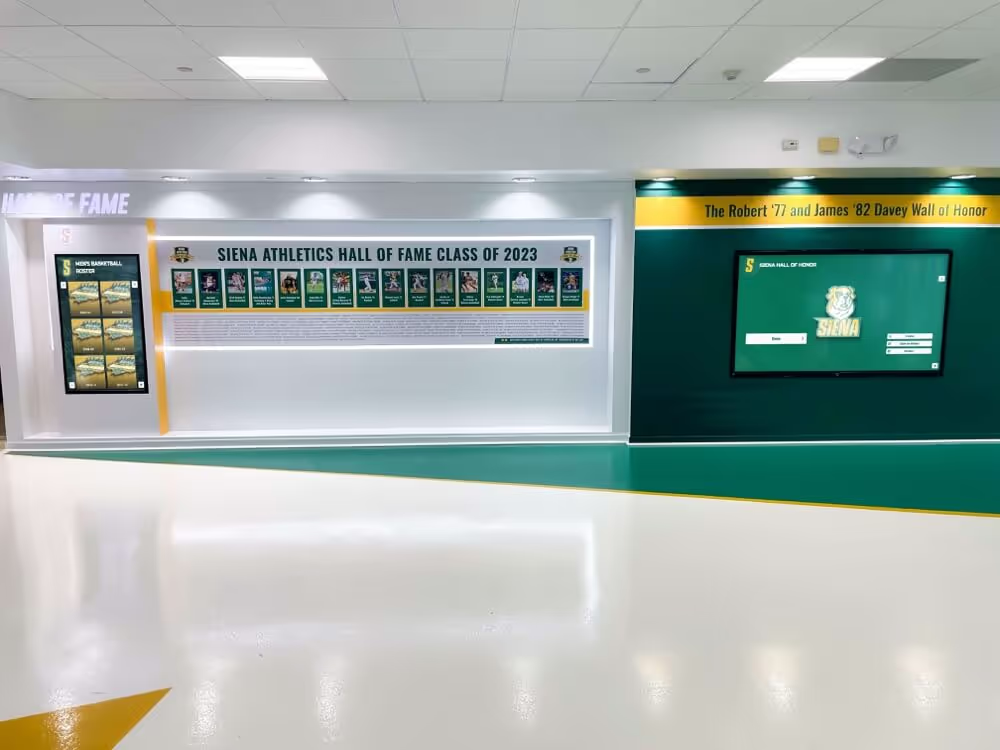
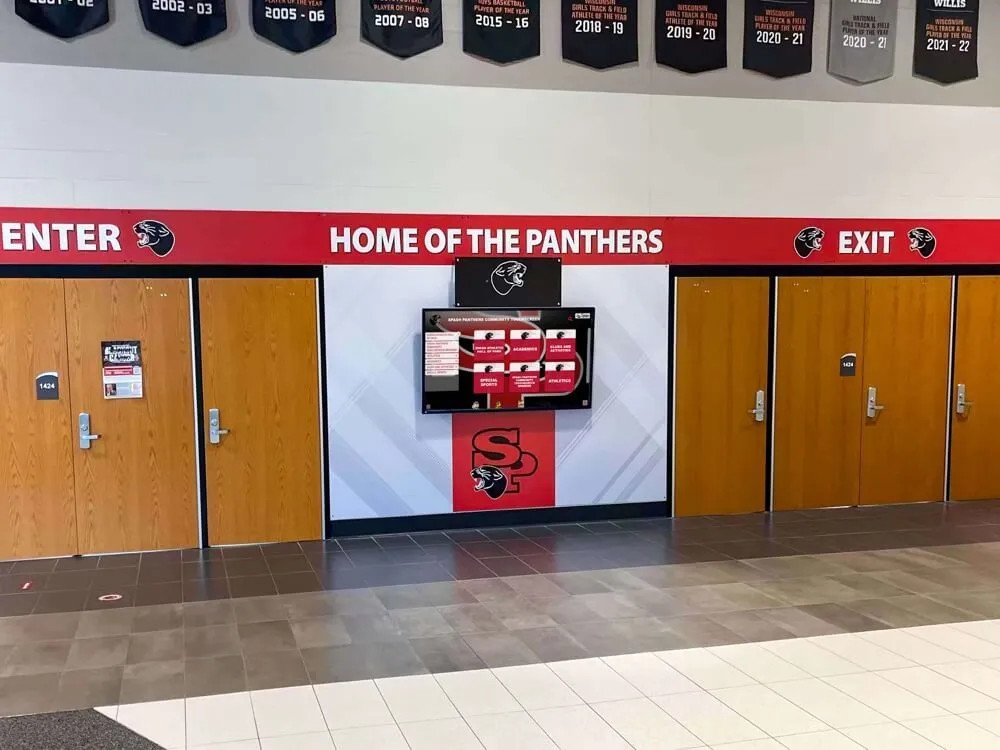
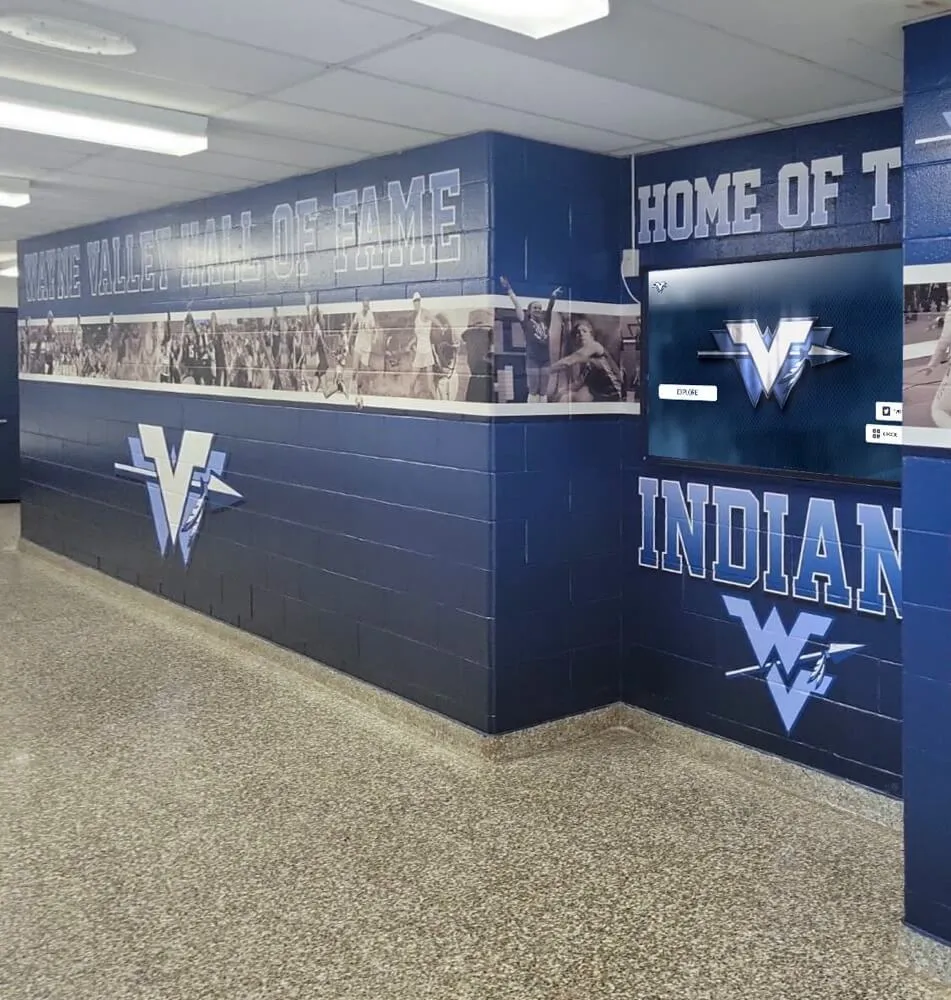
Comprehensive recognition environments combining traditional institutional branding with modern digital displays create powerful impression on all visitors
Fundraising and Development
Recognition supporting philanthropic goals:
- Grateful honorees becoming donors or major gift prospects
- Recognition program sponsorship opportunities for corporate partners
- Scholarship establishment in honoree names
- Event revenue supporting student scholarships or program initiatives
- Honoree networks connecting institution with potential donors
Student Recruitment and Retention
Distinguished alumni enhancing institutional appeal:
- Compelling evidence of educational outcomes and graduate success
- Relatable role models demonstrating diverse achievement pathways
- Recruitment materials featuring distinguished graduate stories
- Campus tour highlights showcasing recognition installations
- Prospective student events including honoree participation
Institutional Reputation and Pride
Recognition elevating community standing:
- Local and national media coverage raising institutional profile
- Community awareness of distinguished graduate impact
- Faculty and staff pride in successful alumni
- Peer institution recognition through accomplished alumni
- Accreditation and ranking benefits from documented outcomes
Best Practices for Sustainable Recognition Programs
Long-term program success requires intentional approaches to quality, equity, engagement, and continuous improvement.
Maintaining Recognition Value
Credibility depends on consistent standards and selective honoring:
Selective Recognition Standards
Limited annual selections preserve distinction:
- Typical range: 3-10 honorees annually depending on institution size
- Quality over quantity ensuring each honoree receives meaningful attention
- Sufficient time between graduation and recognition (typically 10+ years minimum)
- Extraordinary achievement standards distinguishing truly exceptional accomplishments
- Periodic program review ensuring criteria remain appropriately selective
Quality Event Production
Professional execution honoring achievements appropriately:
- Adequate budget supporting dignified celebration
- Professional audiovisual production ensuring polished presentations
- Quality printed materials reflecting institutional standards
- Appropriate venue selection matching event importance
- Attention to detail in all aspects from invitations to award design
Equity and Inclusion Priorities
Representative recognition requires proactive commitment:
Demographic Representation
Monitoring and addressing recognition gaps:
- Regular analysis of honoree demographics by gender, race, ethnicity
- Intentional nomination outreach to underrepresented populations
- Selection committee diversity ensuring varied perspectives
- Recognition criteria avoiding bias toward traditional achievement markers
- Long-term tracking ensuring equitable representation over time
Field and Career Diversity
Honoring achievement across all domains:
- Balanced recognition across academic majors and programs
- Varied career paths from corporate to nonprofit to creative fields
- Geographic diversity representing local, national, and international achievement
- Achievement stage representation from young innovators to senior leaders
- Traditional and non-traditional success definitions
Accessibility and Inclusion
Ensuring broad participation opportunities:
- Multiple event format options accommodating different attendance abilities
- Accessible venues complying with ADA requirements
- Live-streaming or recorded options for remote participation
- Scholarship or complimentary tickets supporting economic accessibility
- Dietary, religious, and cultural considerations in event planning
Program Assessment and Evolution
Regular evaluation ensures continued relevance and effectiveness:
Success Metrics
Tracking program performance:
- Event attendance trends and attendee satisfaction
- Honoree satisfaction with recognition experience
- Student awareness and inspiration impact
- Media coverage reach and messaging effectiveness
- Alumni engagement indicators including subsequent participation
- Fundraising outcomes and donor acquisition
- Nomination quantity and quality trends
Continuous Improvement
Systematically enhancing program elements:
- Post-event surveys collecting attendee and honoree feedback
- Planning committee retrospectives identifying improvement opportunities
- Comparison with peer institution programs and best practices
- Technology evaluation ensuring current presentation methods
- Selection criteria review maintaining appropriate standards
- Budget analysis optimizing resource allocation
Innovation and Adaptation
Evolving programs meeting changing needs:
- New recognition categories reflecting emerging achievement areas
- Technology adoption enhancing accessibility and engagement
- Format variations testing different celebration approaches
- Student involvement expansion deepening intergenerational connection
- Virtual or hybrid options expanding geographic reach
- Social media strategy evolution following platform trends
Conclusion: Building Legacy Through Recognition
Alumni recognition events represent far more than awards ceremonies—they embody institutional commitment to celebrating graduate success, documenting educational impact, inspiring current students, and maintaining meaningful lifelong connections with accomplished community members. When schools and universities implement thoughtful recognition programs combining selective standards with authentic celebration, they create powerful traditions strengthening institutional fabric while demonstrating educational value through living examples of graduate achievement.
The frameworks provided throughout this guide offer comprehensive approaches to establishing credible selection processes, planning memorable events, creating lasting recognition displays, and building sustainable programs delivering value across multiple constituencies. From selection committee composition to ceremony programming, from permanent installation planning to ongoing communications strategies, these proven practices enable institutions to honor distinguished alumni appropriately while strengthening community bonds and advancing broader institutional objectives.
Ready to elevate your alumni recognition program with modern solutions that extend celebration beyond single events? Comprehensive recognition platforms provide permanent infrastructure honoring distinguished graduates while creating accessible inspiration for students, compelling content for recruitment, and ongoing engagement opportunities for your entire community. Solutions like Rocket Alumni Solutions offer interactive touchscreen displays, web-accessible databases, unlimited recognition capacity, multimedia profile capabilities, and cloud-based management specifically designed for educational institutions building lasting alumni relationships.
Whether planning your inaugural recognition event or enhancing established traditions, success requires authentic honoree selection, thoughtful celebration planning, permanent recognition integration, and sustained storytelling extending impact far beyond single ceremonies. Start honoring your distinguished alumni in ways that strengthen your entire institutional community.
Your distinguished graduates deserve meaningful recognition reflecting their achievements and institutional pride in their success. Current students need accessible role models demonstrating achievement pathways and inspiring confidence in their own potential. Your institution benefits from compelling evidence of educational effectiveness and strong alumni relationships supporting advancement objectives. Through systematic recognition programs combining selective standards with authentic celebration, you create lasting traditions that honor the past while strengthening the future.
The most successful recognition programs don’t simply celebrate achievement—they build community, inspire aspiration, document impact, and maintain connections spanning generations. Begin today by establishing clear selection criteria, engaging diverse stakeholders in planning, and committing to recognition excellence worthy of your distinguished graduates and institutional legacy.
Ready to transform how your institution recognizes distinguished alumni? Request your free custom demo to explore how modern recognition platforms create lasting celebration extending far beyond single events—honoring achievements, inspiring students, and building the engaged alumni community your institution deserves.