



Strong alumni communities don’t happen by accident—they’re built through intentional programming that creates meaningful connections, celebrates achievement, and provides ongoing value to graduates long after they walk across the commencement stage. Schools, colleges, and universities investing in comprehensive alumni program ideas discover that engaged alumni become powerful advocates, generous donors, valuable mentors, and authentic ambassadors for institutional mission and values.
Yet many advancement offices, alumni coordinators, and development teams struggle to move beyond basic reunion planning and annual fundraising appeals. They recognize alumni represent tremendous untapped potential but lack concrete strategies for building genuinely engaged communities where graduates actively participate, stay connected to their alma mater, and find real value in ongoing institutional relationships throughout their careers and lives.
This comprehensive guide presents proven alumni program ideas spanning recognition, engagement, mentorship, professional development, and community building. Whether you’re launching your institution’s first formal alumni initiatives or revitalizing existing programs that have grown stagnant, these practical strategies help you create vibrant alumni communities that benefit graduates, current students, and your entire institution for generations to come.
Building thriving alumni communities requires understanding that graduates have diverse interests, varied life circumstances, and different motivations for staying connected. Successful programs offer multiple engagement pathways—from high-commitment volunteer leadership to low-barrier digital participation—ensuring every alumnus can find meaningful ways to stay involved regardless of geographic location, career stage, or personal bandwidth.

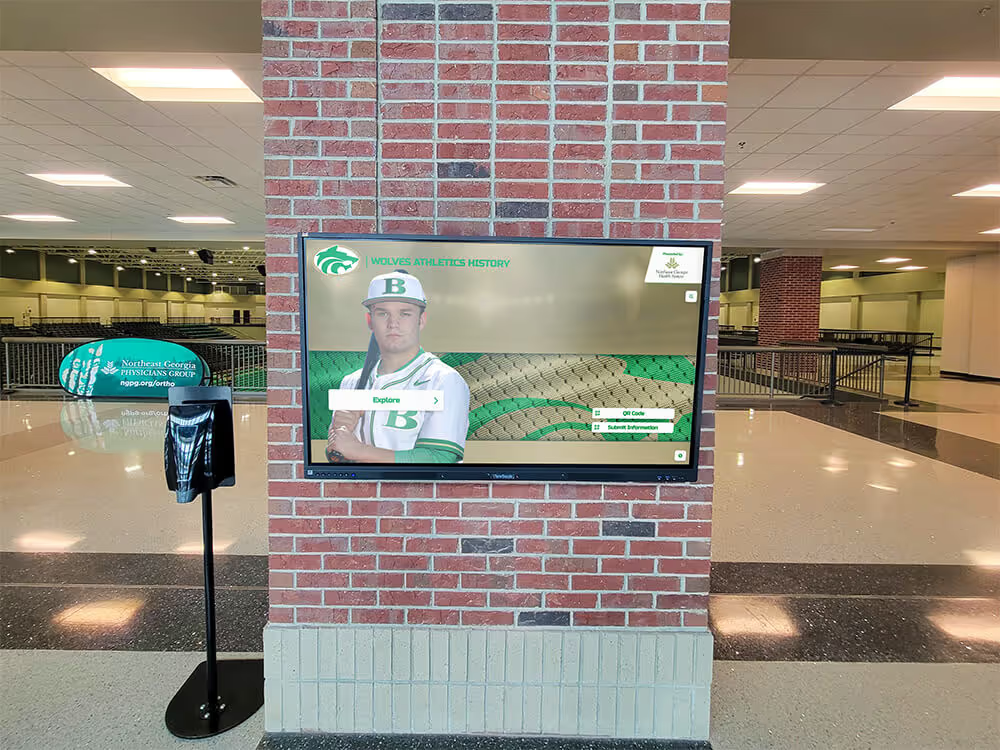
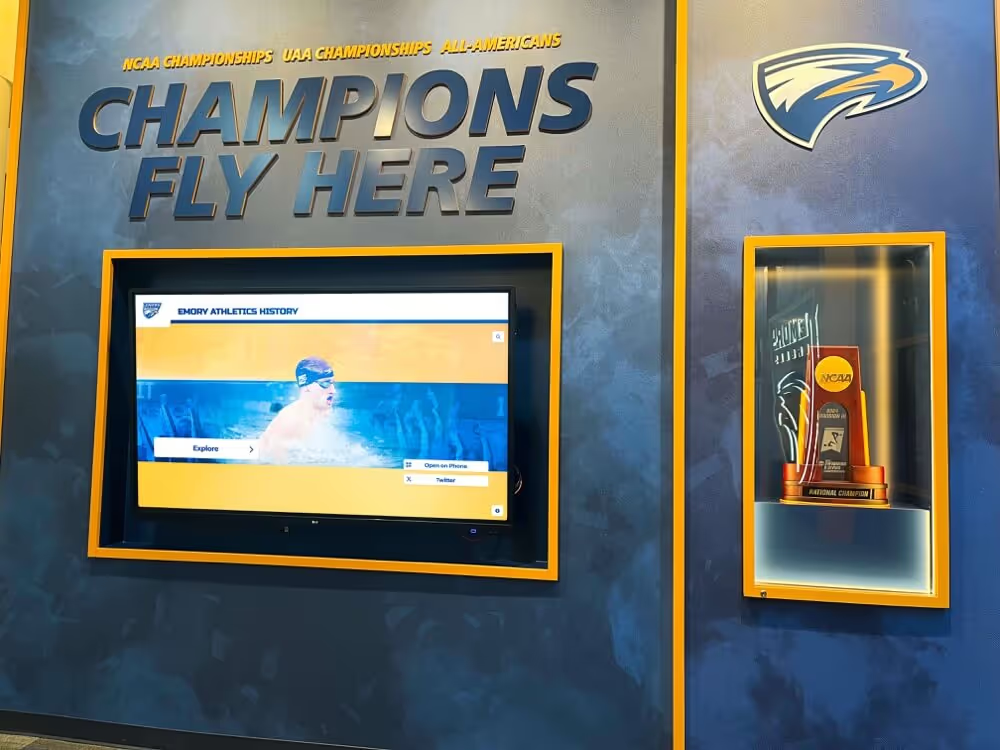
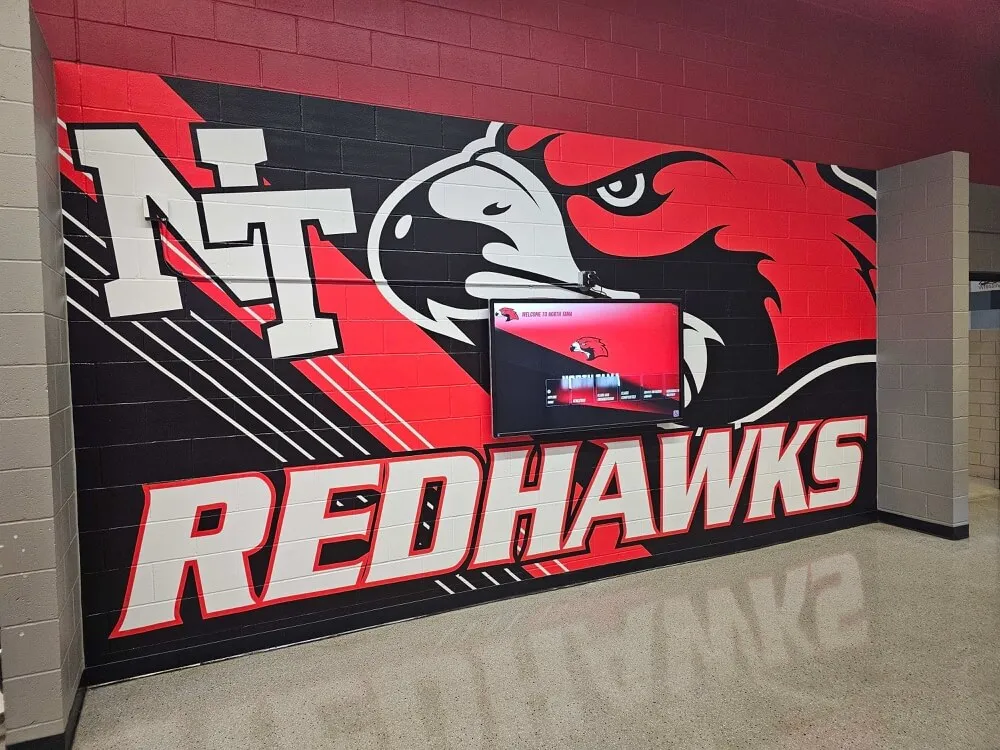
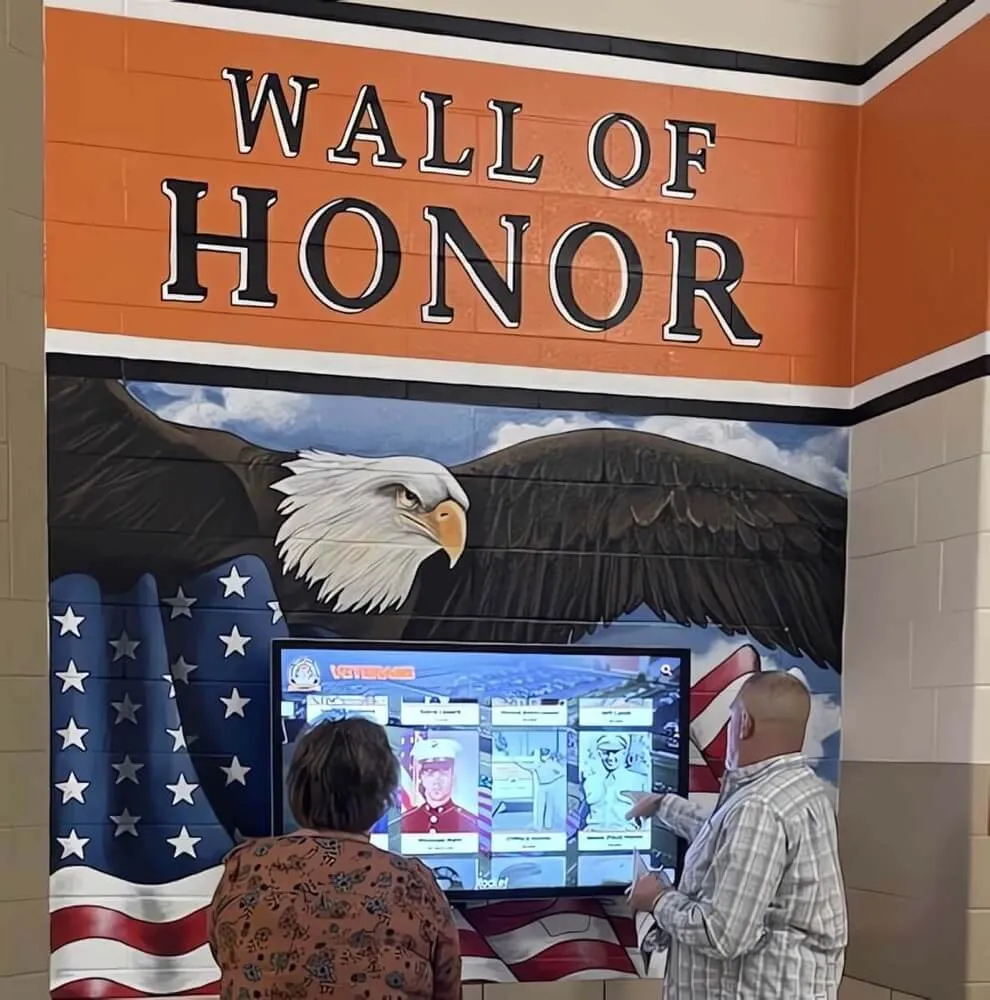
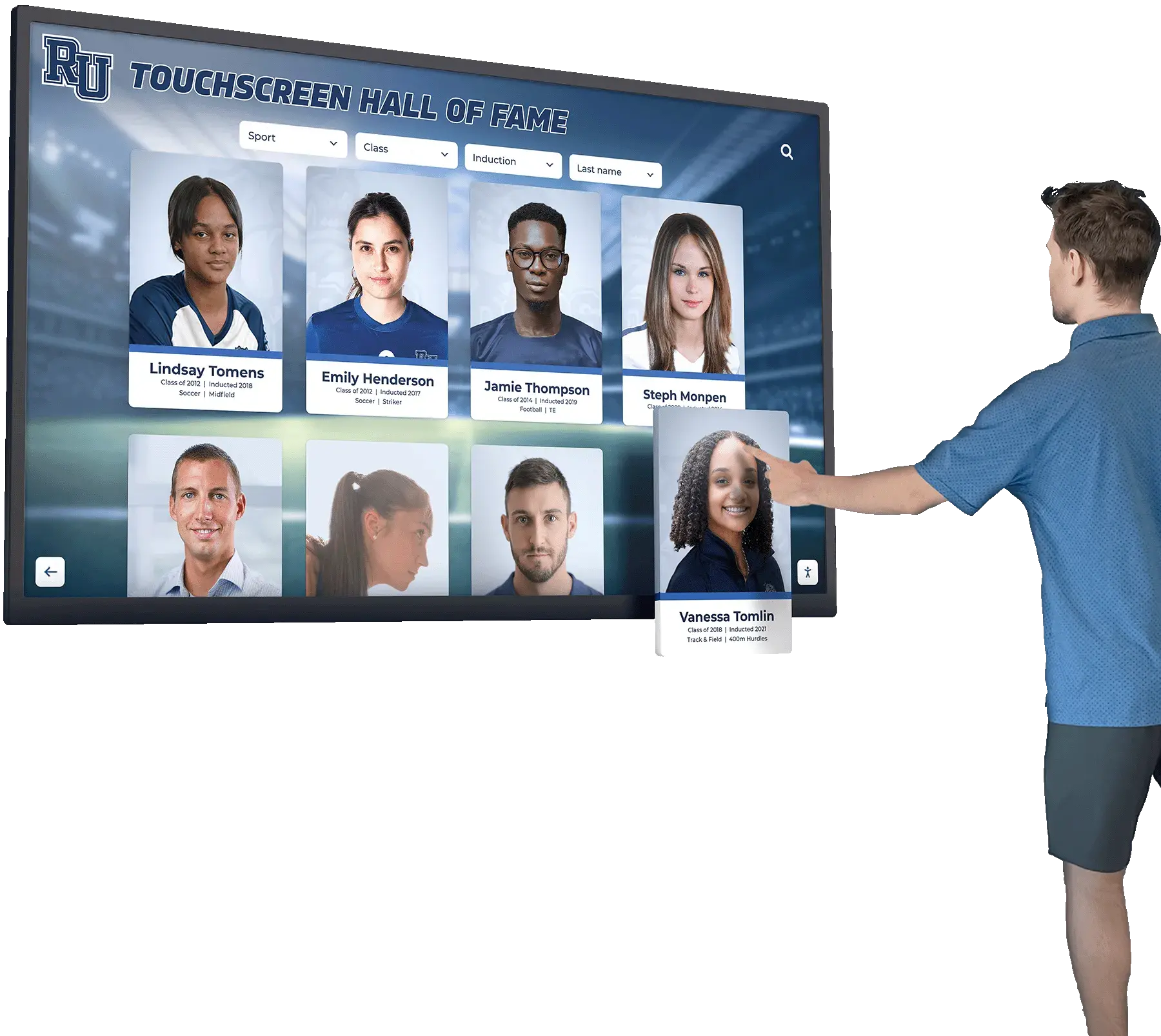
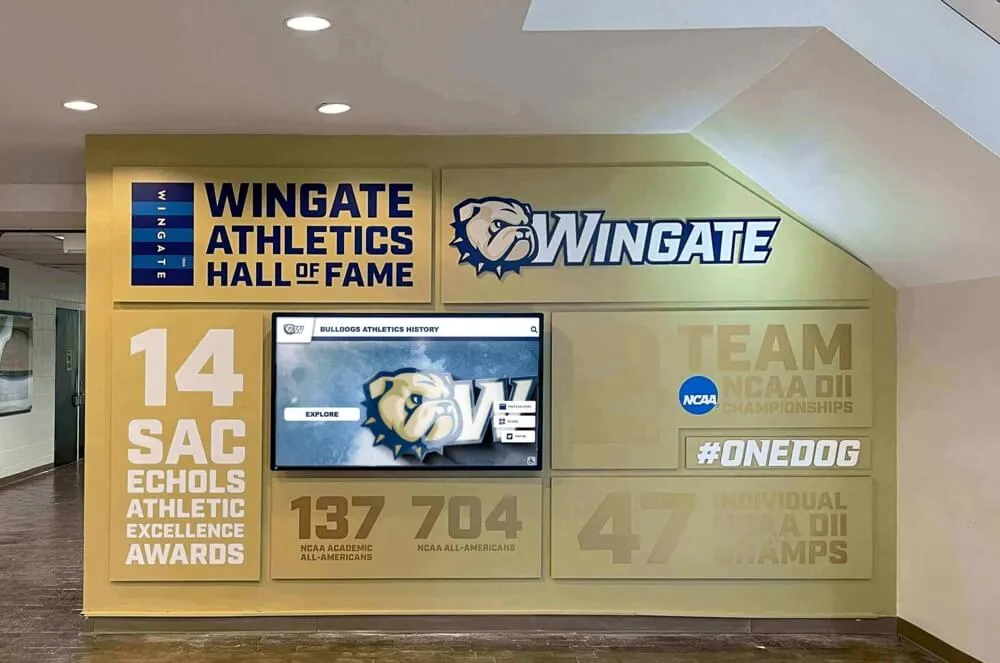
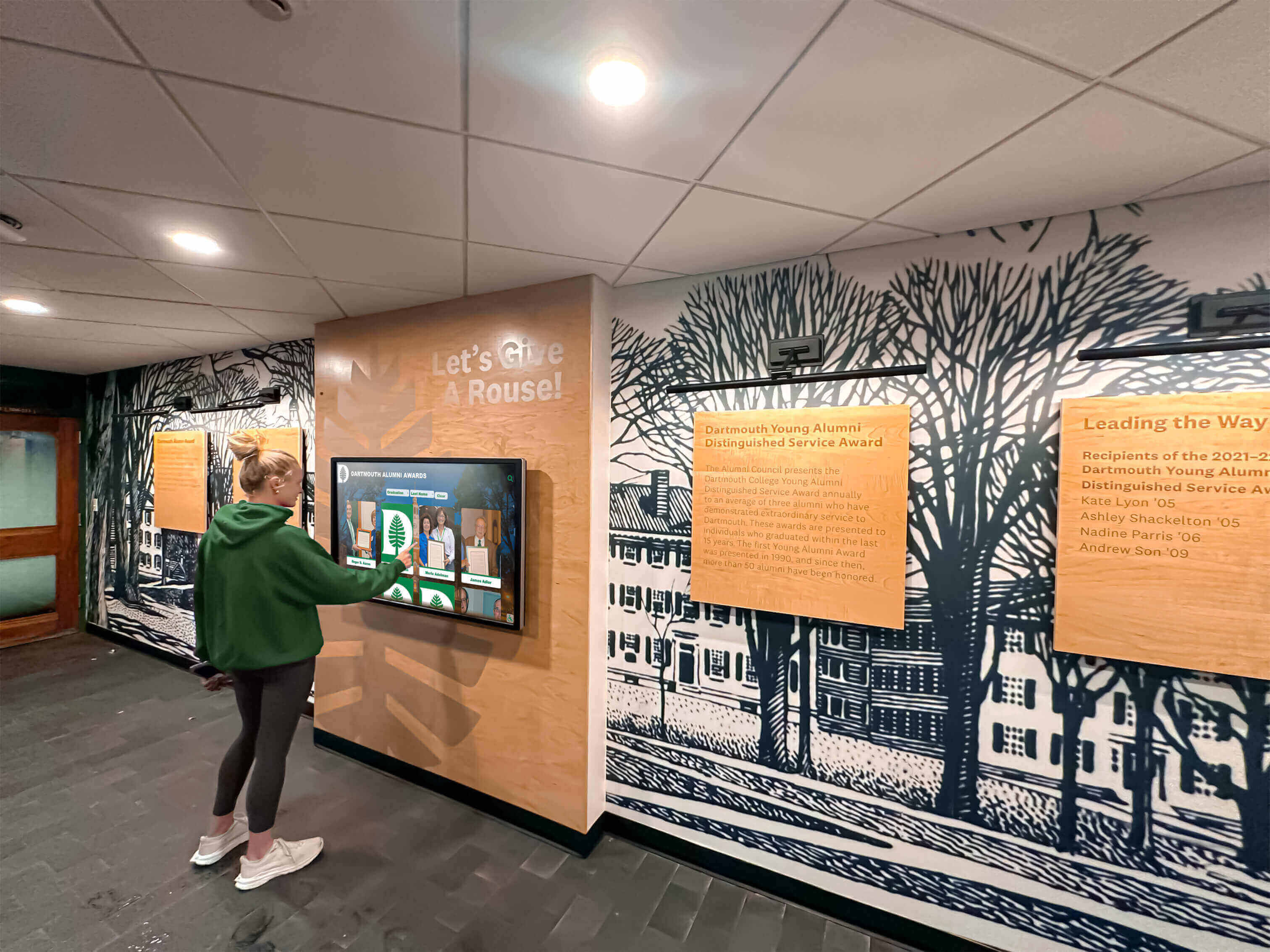
Interactive alumni recognition displays create year-round engagement infrastructure that keeps graduates connected between formal events and programs
Recognition and Celebration Programs
Recognition programs form the foundation of effective alumni engagement by honoring graduate achievements, celebrating success, and demonstrating that your institution values what alumni accomplish throughout their lifetimes.
Alumni Hall of Fame Programs
Establishing a prestigious Alumni Hall of Fame creates your institution’s highest honor for graduate achievement. Successful hall of fame programs include:
Clear Selection Criteria Define specific accomplishments qualifying alumni for induction including professional excellence, community service, entrepreneurial success, creative achievement, or outstanding institutional service. Transparent criteria ensure fair selection processes and help nominators identify appropriate candidates.
Formal Nomination Processes Invite nominations from students, faculty, staff, and fellow alumni through structured forms collecting detailed achievement information. Annual nomination cycles create anticipation while providing sufficient time for thorough committee review of candidates.
Induction Ceremonies and Events Host dignified ceremonies recognizing inductees with awards, speeches, and public celebration. Many institutions schedule inductions during homecoming, commencement, or dedicated alumni weekends maximizing attendance and institutional visibility.
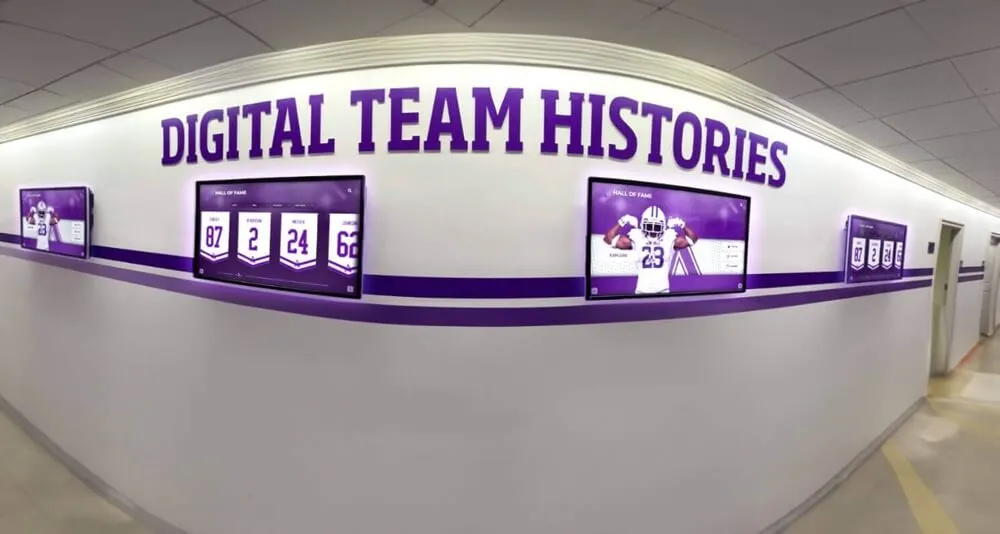
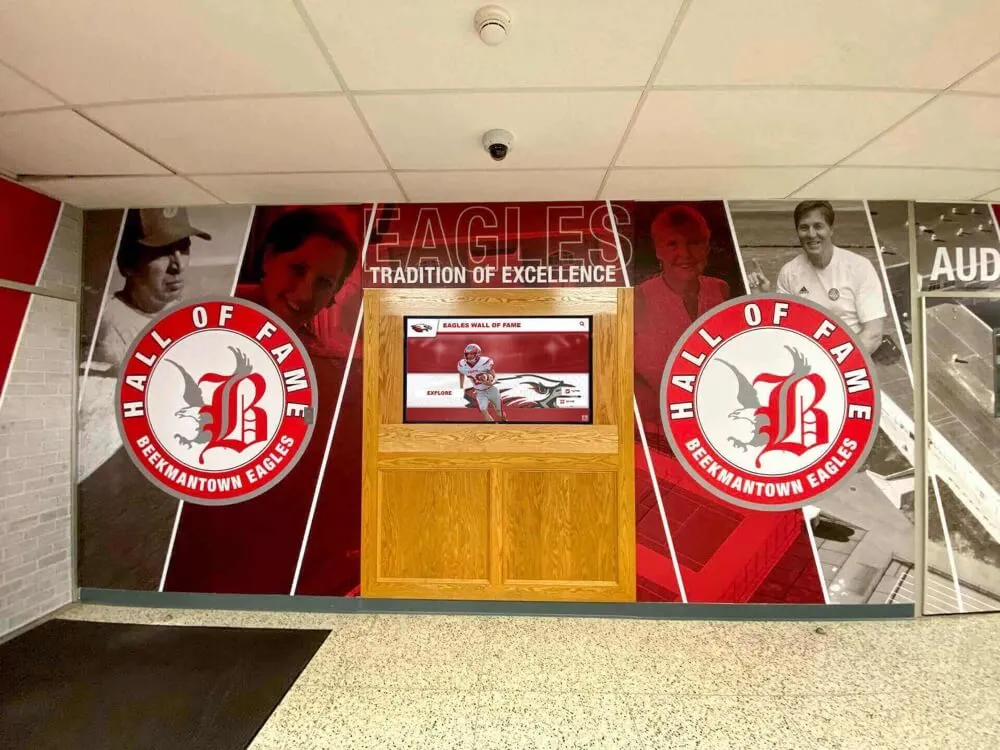
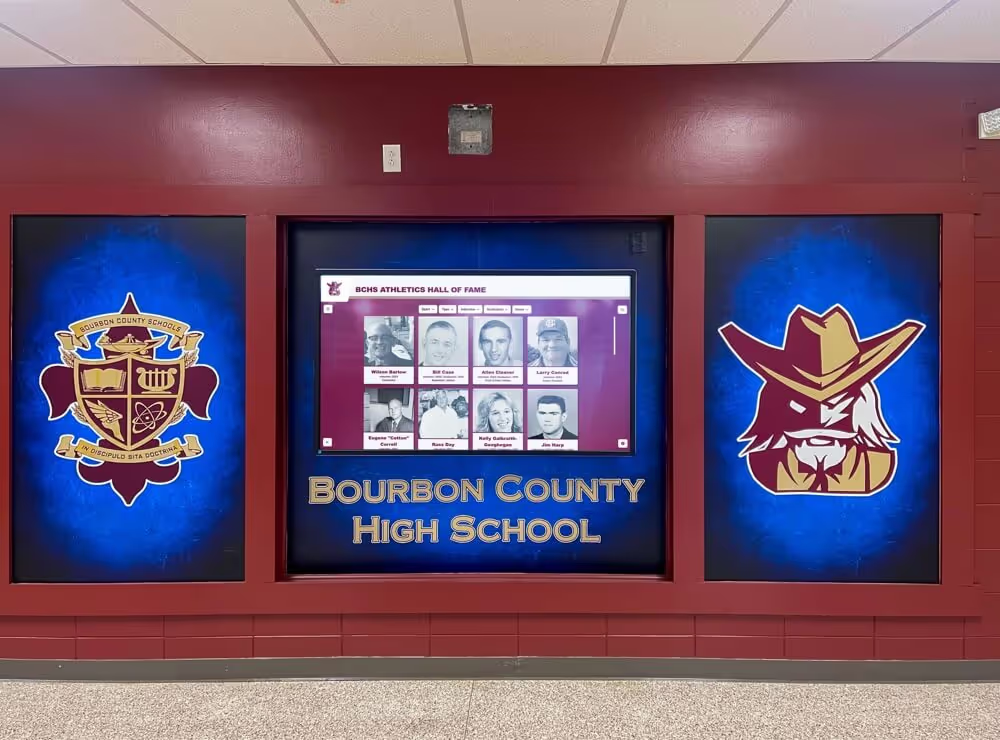
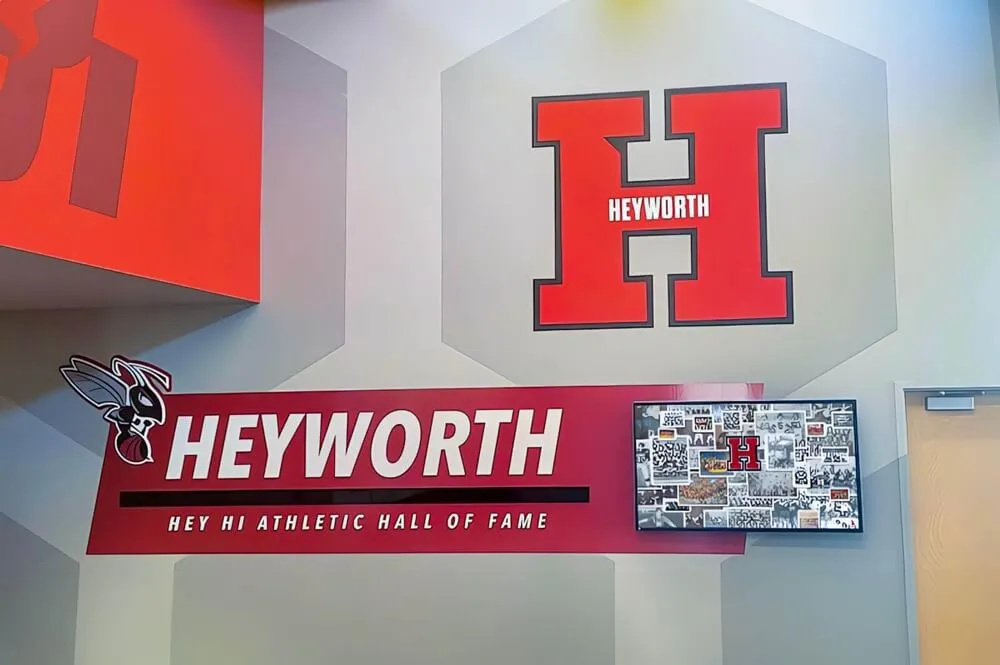
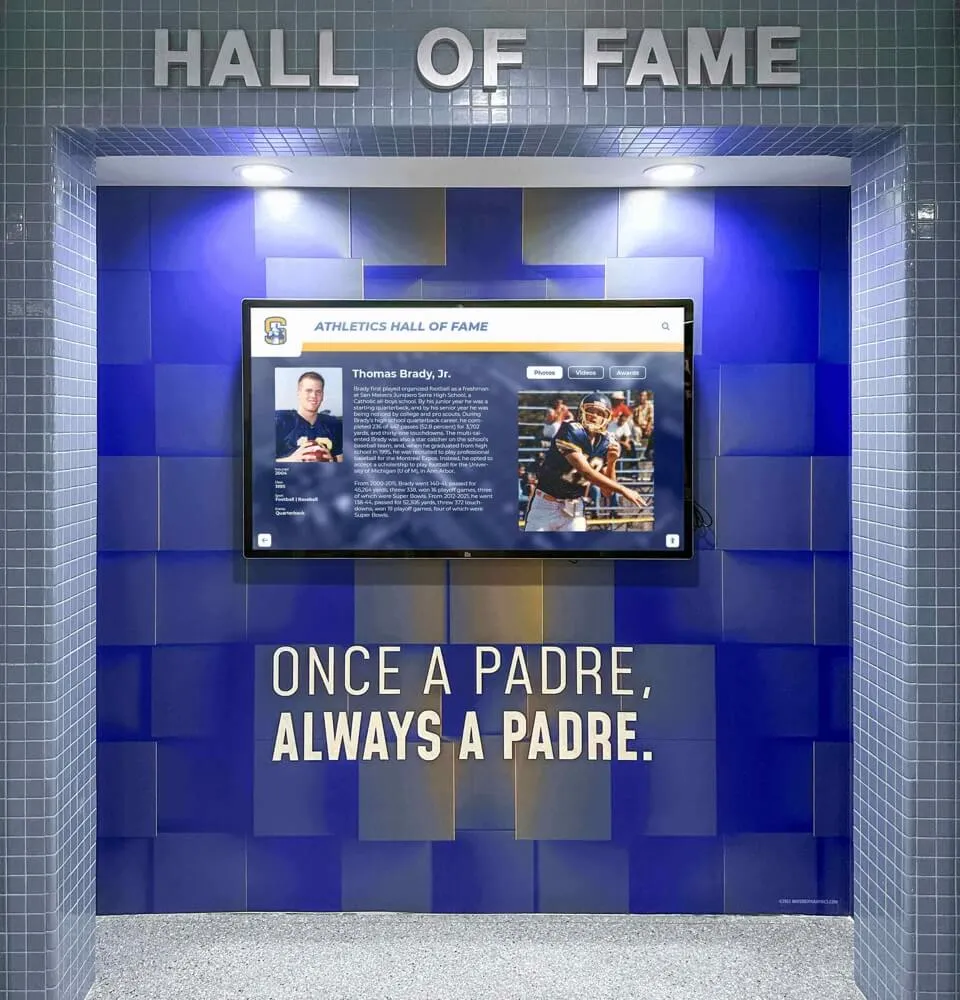
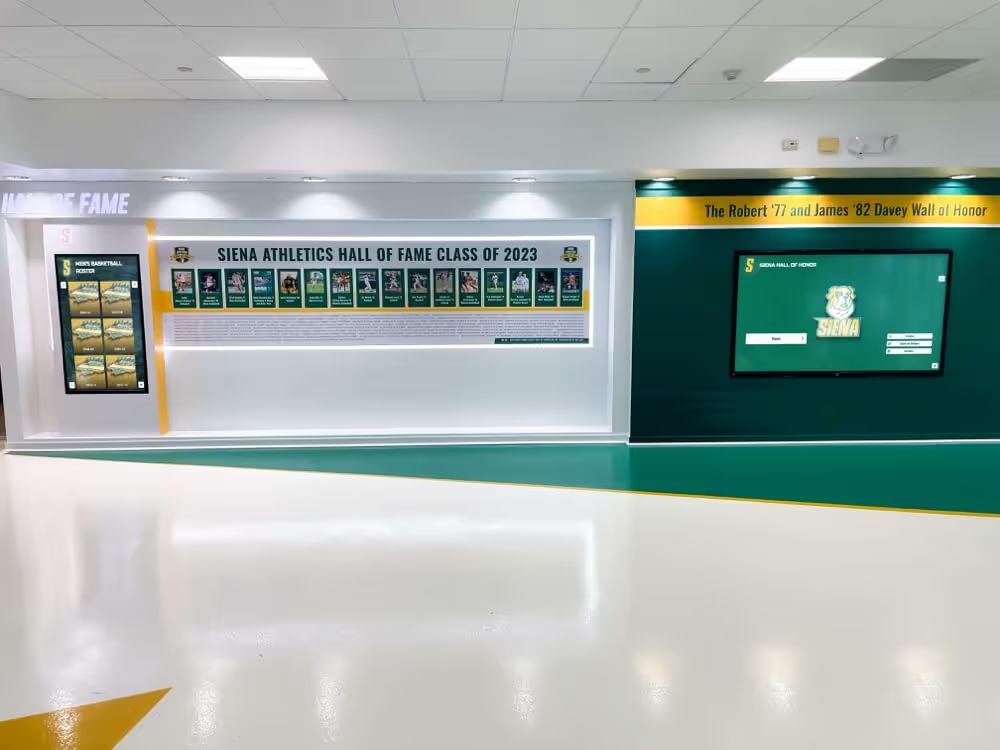
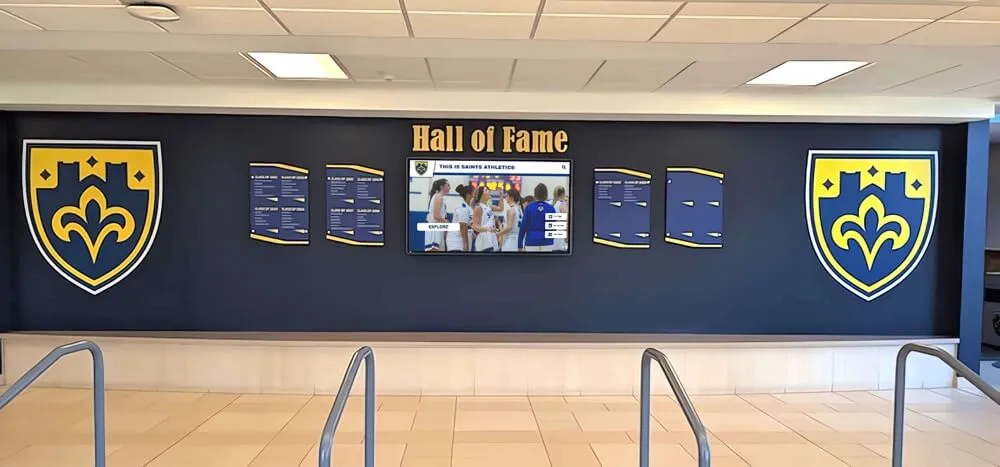
Permanent Recognition Displays Showcase inductees through prominent physical displays ensuring their accomplishments inspire current students and visitors year-round. Interactive touchscreen recognition systems allow unlimited profiles with rich multimedia content versus static plaques with space constraints.
Alumni of the Month Spotlights
Monthly recognition programs maintain consistent engagement by regularly celebrating diverse alumni accomplishments:
Rotating Spotlight Approach Feature different alumni each month representing varied graduation years, career fields, and achievement types. This approach ensures broad recognition across your alumni community rather than only highlighting the same few high-profile graduates.
Multi-Channel Storytelling Share featured alumni through email newsletters, social media posts, website profiles, and physical displays. Comprehensive storytelling amplifies reach while giving alumni multiple platforms for sharing their recognition with personal networks.
Student Connection Elements Include questions about lessons learned, advice for current students, and reflections on how education shaped career paths. These elements transform simple recognition into mentorship opportunities inspiring students with relatable success stories.
Digital Archive Creation Compile monthly features into searchable databases preserving stories permanently and creating valuable institutional archives. Photo organization software designed for communities helps manage growing multimedia collections efficiently.
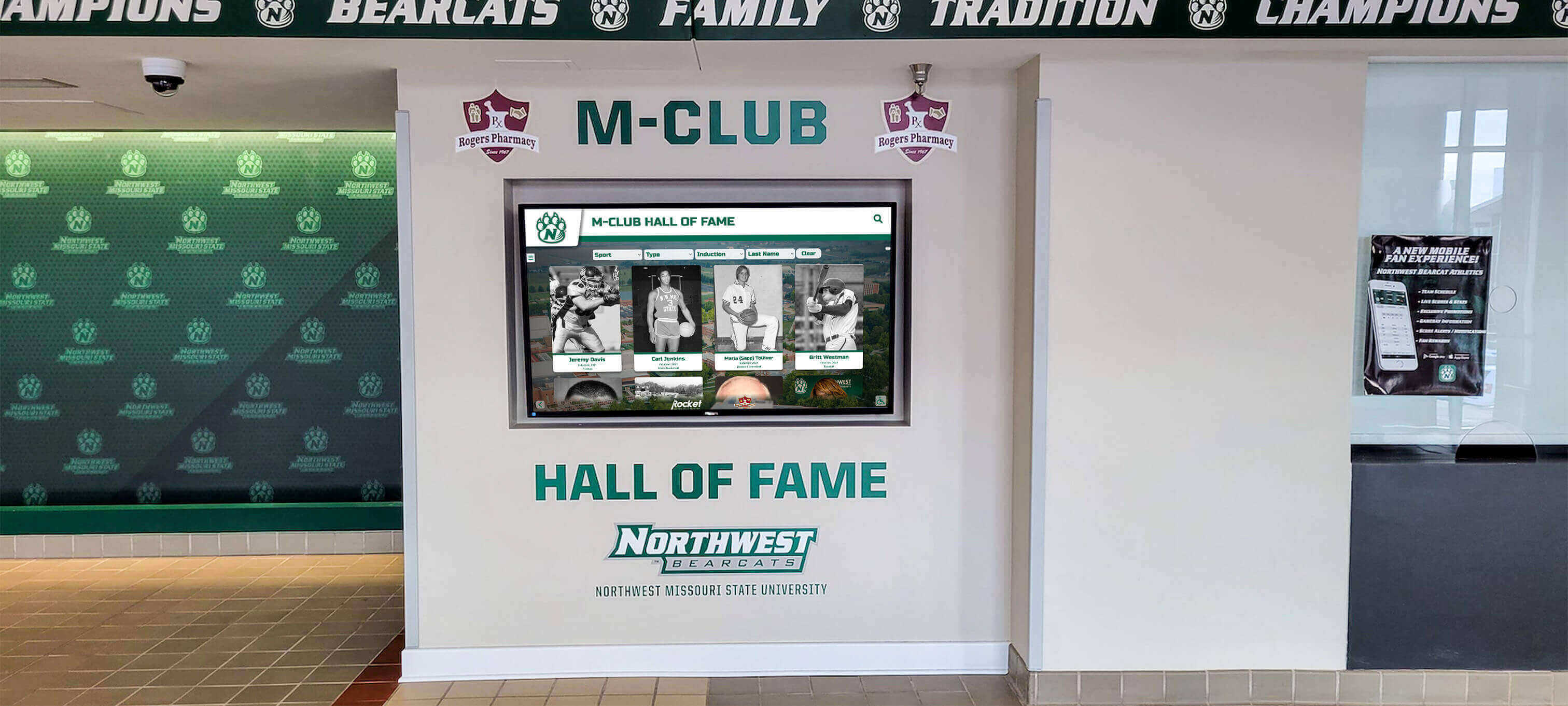
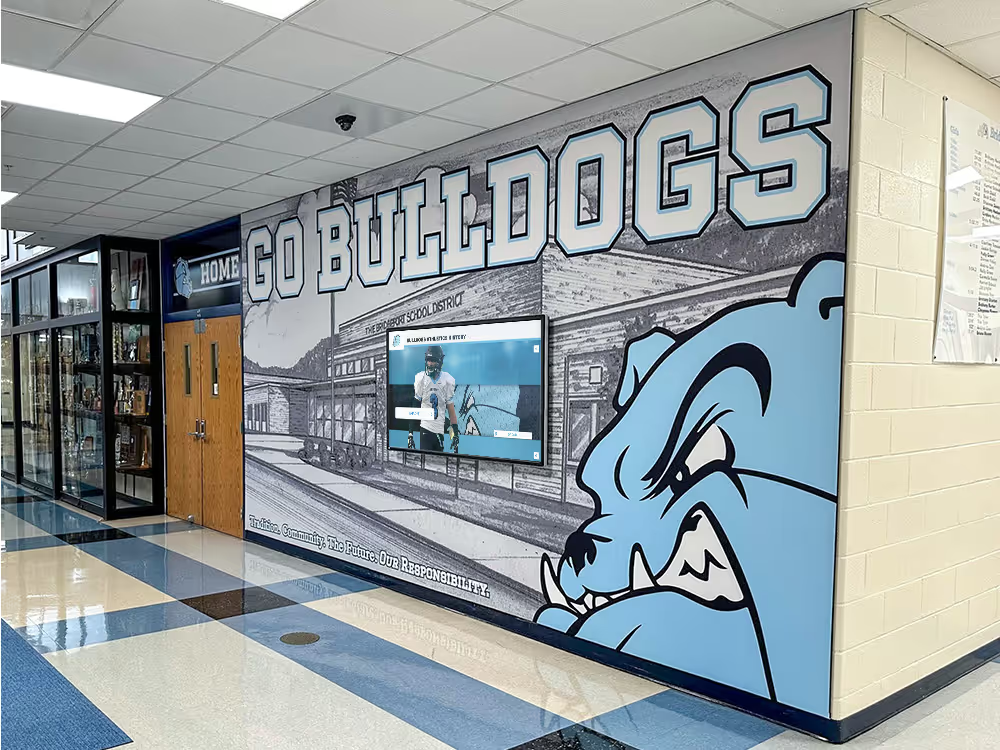
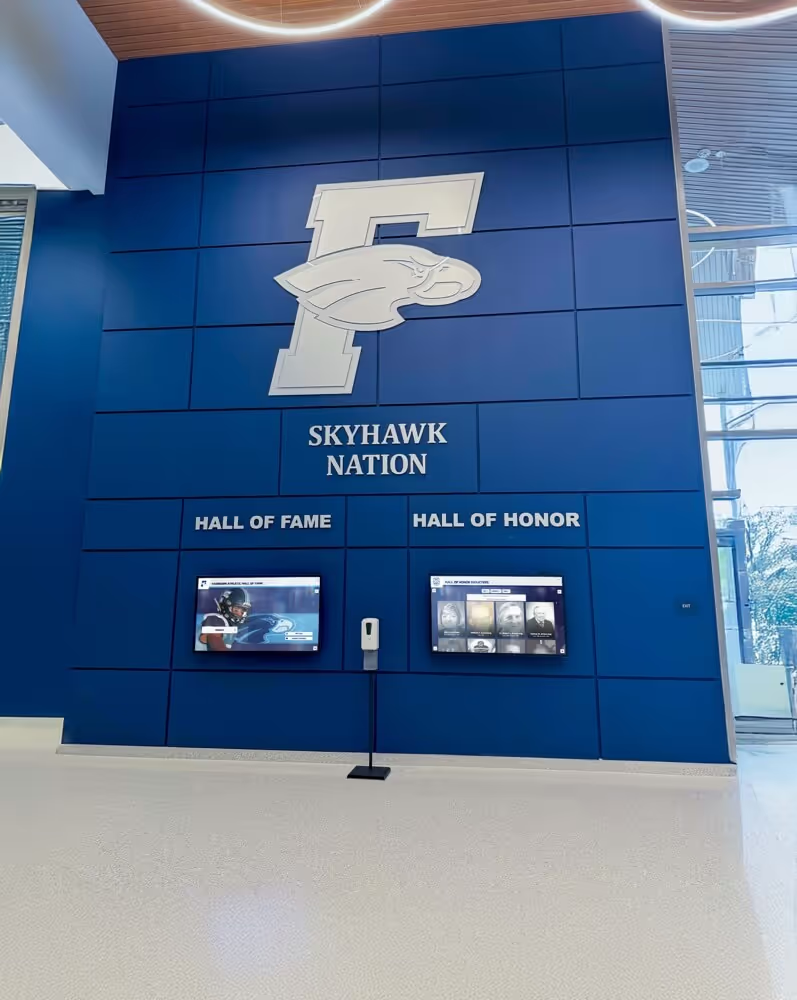
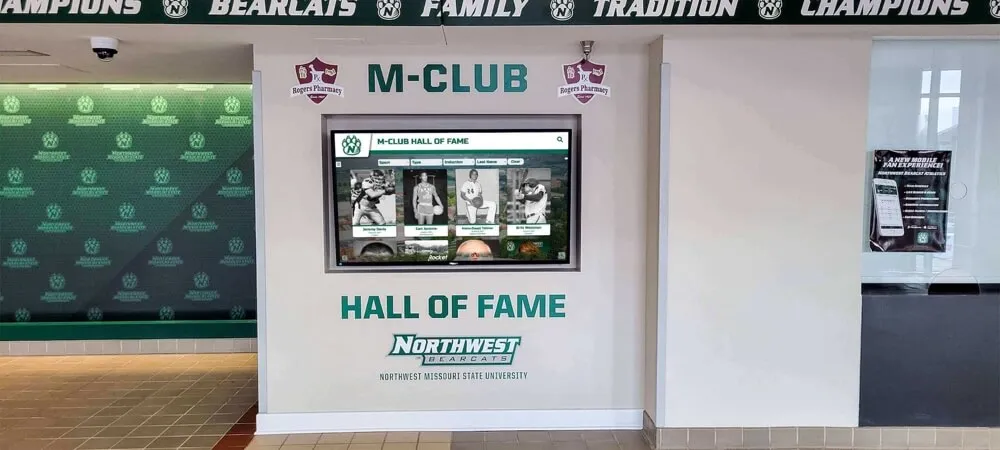
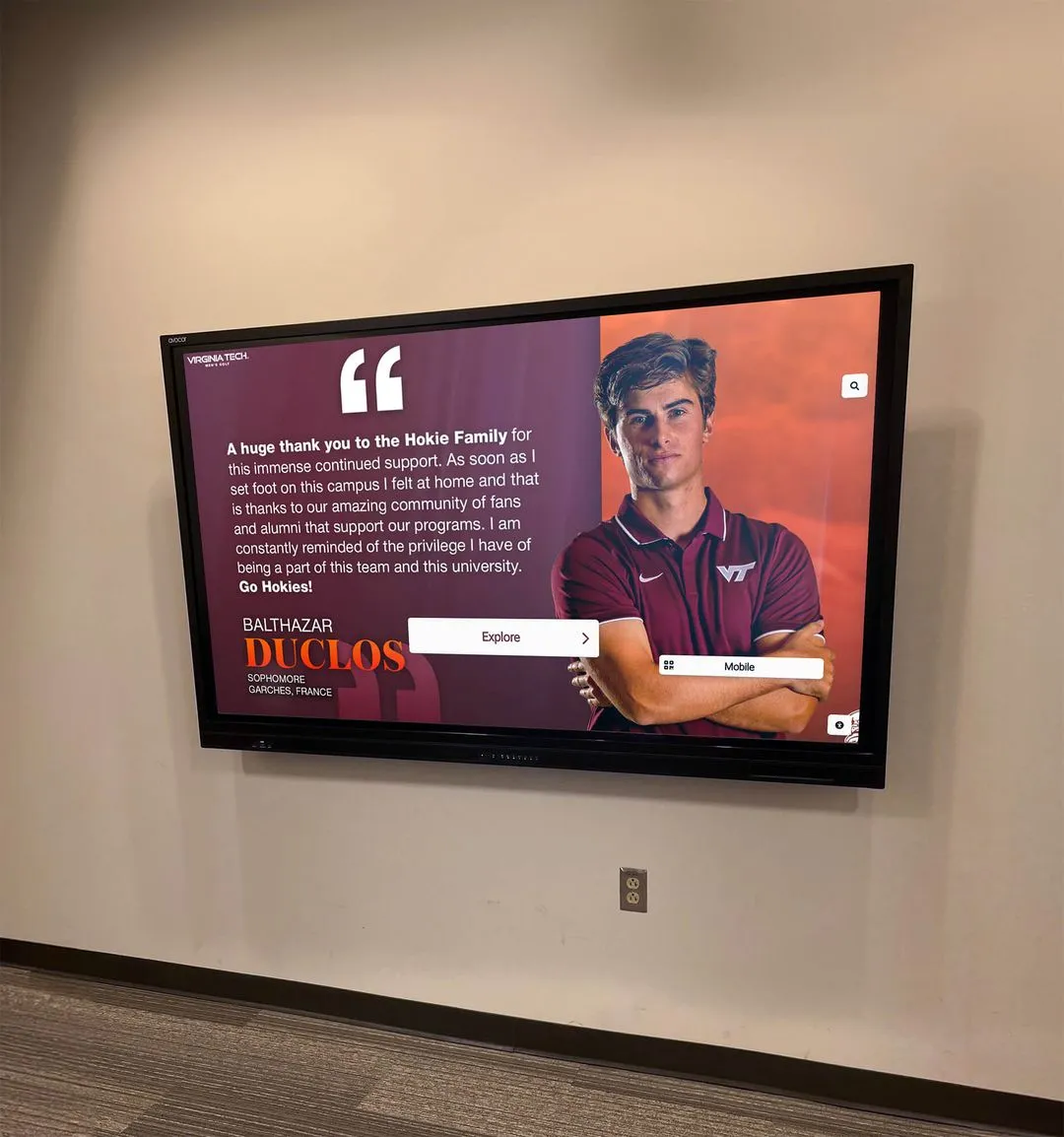
Purpose-built alumni recognition platforms showcase achievements through compelling visual displays that become landmark destinations on campus
Distinguished Alumni Awards Programs
Annual awards ceremonies recognize exceptional achievement while creating prestigious honors alumni value receiving:
Multiple Award Categories Establish diverse categories including young alumni achievement, lifetime career excellence, humanitarian service, entrepreneurial innovation, and institutional service. Multiple categories enable recognizing varied accomplishment types simultaneously.
Nomination and Selection Committees Form committees including faculty, staff, current students, and alumni representatives ensuring diverse perspectives in selection processes. Formal committee structures add legitimacy and rigor to award decisions.
Gala Recognition Events Host elegant award dinners or ceremonies treating honorees to memorable experiences worthy of their accomplishments. Well-executed events create positive associations with institutional engagement encouraging continued participation.
Media and Publicity Opportunities Promote award recipients through press releases, institutional publications, and community media generating positive institutional visibility while honoring alumni publicly.
Mentorship and Career Development Programs
Professional development programs provide tangible value to alumni at all career stages while connecting graduates with students and fellow alumni in meaningful relationships.
Alumni-Student Mentorship Programs
Structured mentorship initiatives pair current students with accomplished alumni for ongoing guidance and support:
Matching Criteria and Processes Match students and alumni based on career interests, academic majors, geographic location, and specific goals. Thoughtful matching increases program effectiveness and participant satisfaction.
Program Structure and Guidelines Establish clear expectations for communication frequency, meeting formats (virtual or in-person), relationship duration, and program objectives. Structure prevents mismatched expectations while providing flexibility for natural relationship development.
Training and Resources Provide both mentors and mentees with training on effective mentorship, conversation guides, goal-setting frameworks, and communication best practices. Support increases program quality and participant confidence.
Recognition for Mentor Contributions Acknowledge mentor volunteers publicly through awards, featured profiles, and appreciation events. Recognition encourages continued participation while recruiting new mentors through positive visibility.
Understanding what motivates community members helps design mentorship programs that genuinely resonate with alumni volunteers.
Career Networking Programs
Professional networking initiatives create ongoing value for alumni throughout their career journeys:
Industry-Specific Networking Events Organize gatherings connecting alumni working in specific fields like healthcare, technology, education, finance, or creative industries. Focused events facilitate higher-value connections than generic networking mixers.
Regional Chapter Networks Establish alumni chapters in major metropolitan areas enabling local connections regardless of geographic distance from campus. Regional programming accommodates busy professionals unable to return to campus frequently.
Virtual Networking Platforms Launch online communities, LinkedIn groups, or specialized platforms where alumni connect digitally around professional interests, job opportunities, and industry discussions. Digital infrastructure enables continuous networking beyond periodic events.
Job and Internship Boards Create exclusive job boards where alumni and institutional partners post employment opportunities for fellow graduates and current students. Career placement support provides concrete value encouraging ongoing platform engagement.
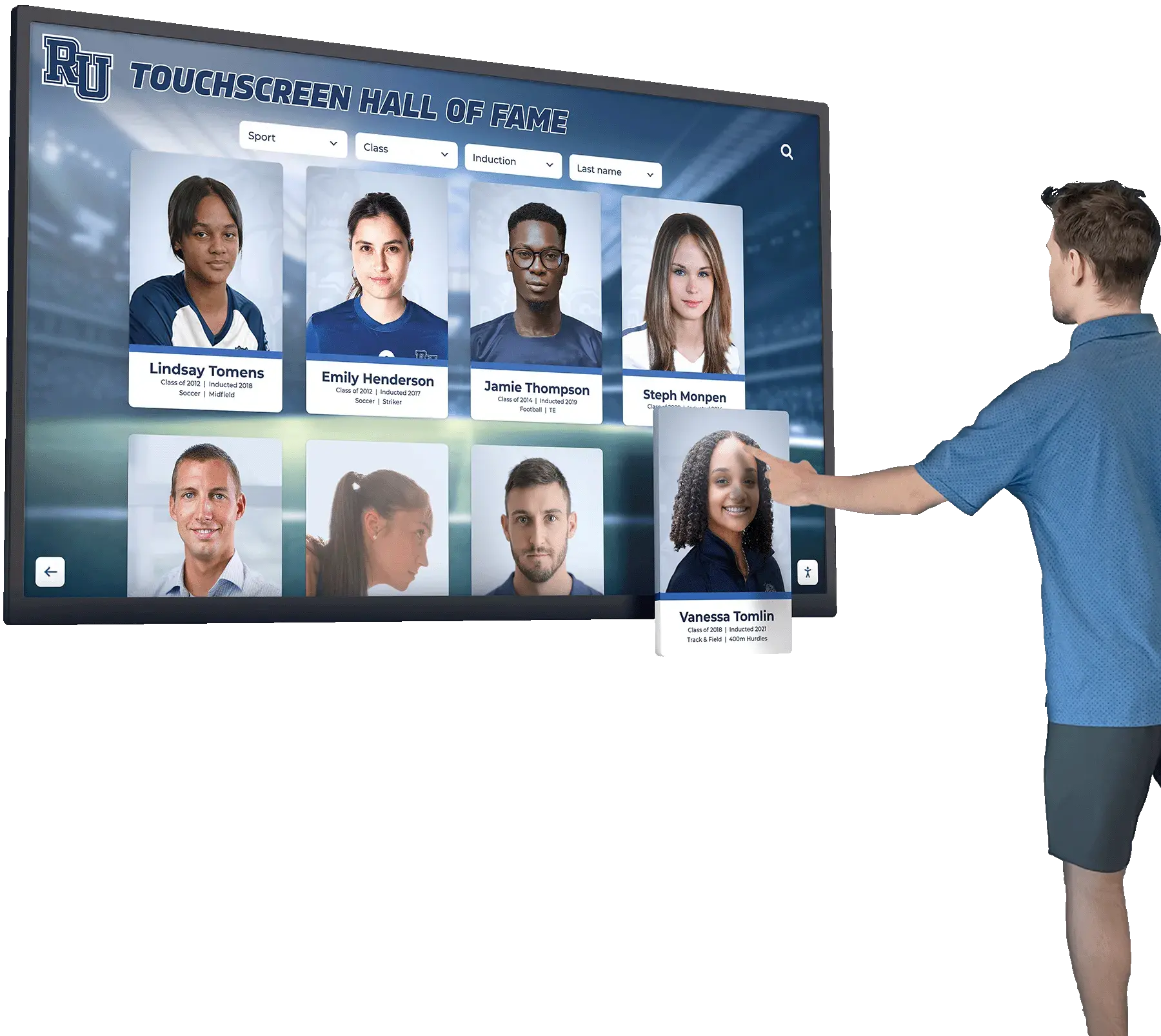
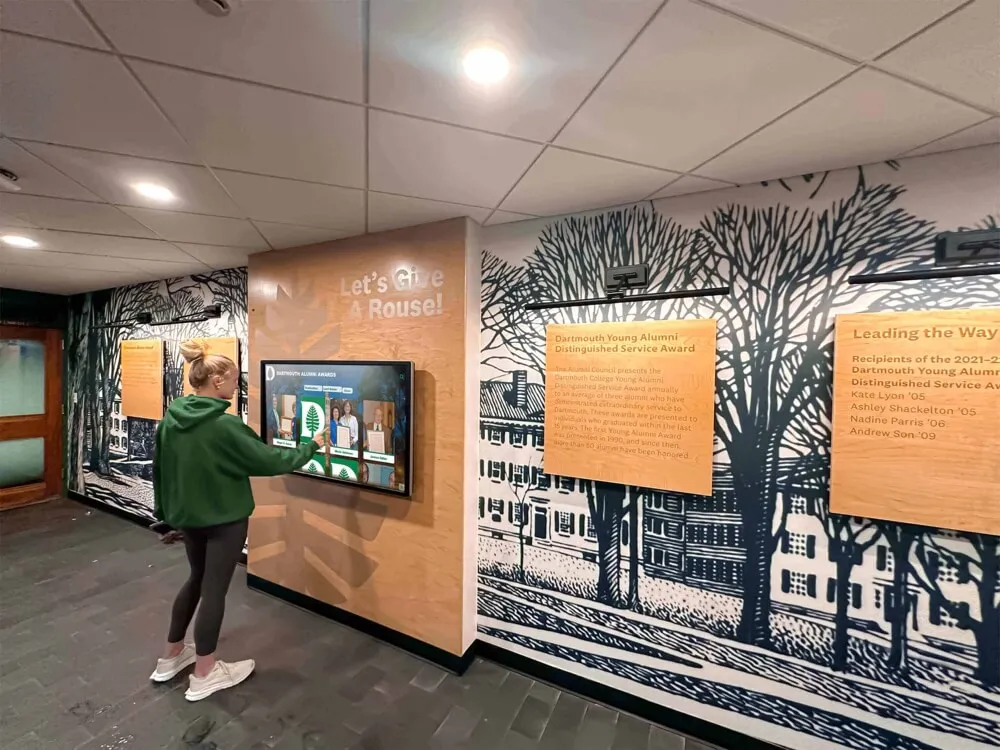
Modern alumni platforms enable graduates to explore classmate achievements, discover professional connections, and identify mentorship opportunities organically
Professional Development Programming
Educational programming provides ongoing learning opportunities keeping alumni engaged intellectually:
Alumni Speaker Series Invite distinguished alumni to share expertise through campus lectures, webinars, or panel discussions on timely topics. Speaker programs position your institution as an ongoing intellectual resource beyond degree completion.
Continuing Education Workshops Offer specialized workshops on professional skills like leadership development, digital marketing, financial planning, or industry-specific certifications. Educational programming serves alumni practical needs while generating non-dues revenue.
Executive Roundtables Convene senior-level alumni for intimate discussions on leadership challenges, industry trends, and strategic issues. Peer learning among experienced professionals creates high-value engagement for accomplished graduates.
Certificate Programs for Alumni Develop non-degree certificate programs enabling alumni to gain new credentials in emerging fields. Stackable credentials keep alumni learning throughout careers while strengthening institutional connections.
Community Engagement and Social Programs
Social programming builds community bonds through shared experiences, traditions, and celebrations that strengthen alumni connections to each other and their alma mater.
Reunion Programming
Thoughtfully planned reunions remain among the most effective alumni engagement strategies:
Milestone Class Reunions Coordinate special programming for 5, 10, 25, and 50-year reunion classes with dedicated committees, customized events, and class-specific recognition. Milestone years generate highest attendance and engagement.
All-Alumni Reunion Weekends Host annual campus-wide events inviting all alumni simultaneously for comprehensive programming including tours, performances, athletic events, and social gatherings. All-class events enable cross-generational connections.
Regional Reunion Events Bring the reunion experience to alumni in major cities through satellite events for those unable to return to campus. Geographic accessibility dramatically increases participation rates.
Virtual Reunion Options Incorporate livestreaming, virtual tours, and online components enabling distant alumni to participate remotely. Hybrid approaches accommodate diverse participation preferences and circumstances.
Planning memorable alumni events requires understanding both traditional expectations and contemporary engagement preferences.
Athletic and School Spirit Events
Athletics provide natural engagement opportunities through shared passion for institutional teams and traditions:
Alumni Athletic Competitions Organize alumni-versus-varsity games, alumni tournaments, or recreational leagues where graduates compete in their former sports. Athletic events appeal to former student-athletes maintaining sports connections.
Homecoming and Game Day Experiences Enhance traditional homecoming through dedicated alumni tailgates, pregame receptions, halftime recognition, and postgame celebrations. Maximize attendance during high-energy weekends.
Road Game Watch Parties Coordinate group viewings of away games at sports bars or alumni homes creating social experiences around athletic events. Watch parties work particularly well for alumni unable to attend games in person.
School Spirit Competitions Launch friendly competitions between class years or regional chapters for fundraising, attendance, or participation creating playful rivalry driving engagement.
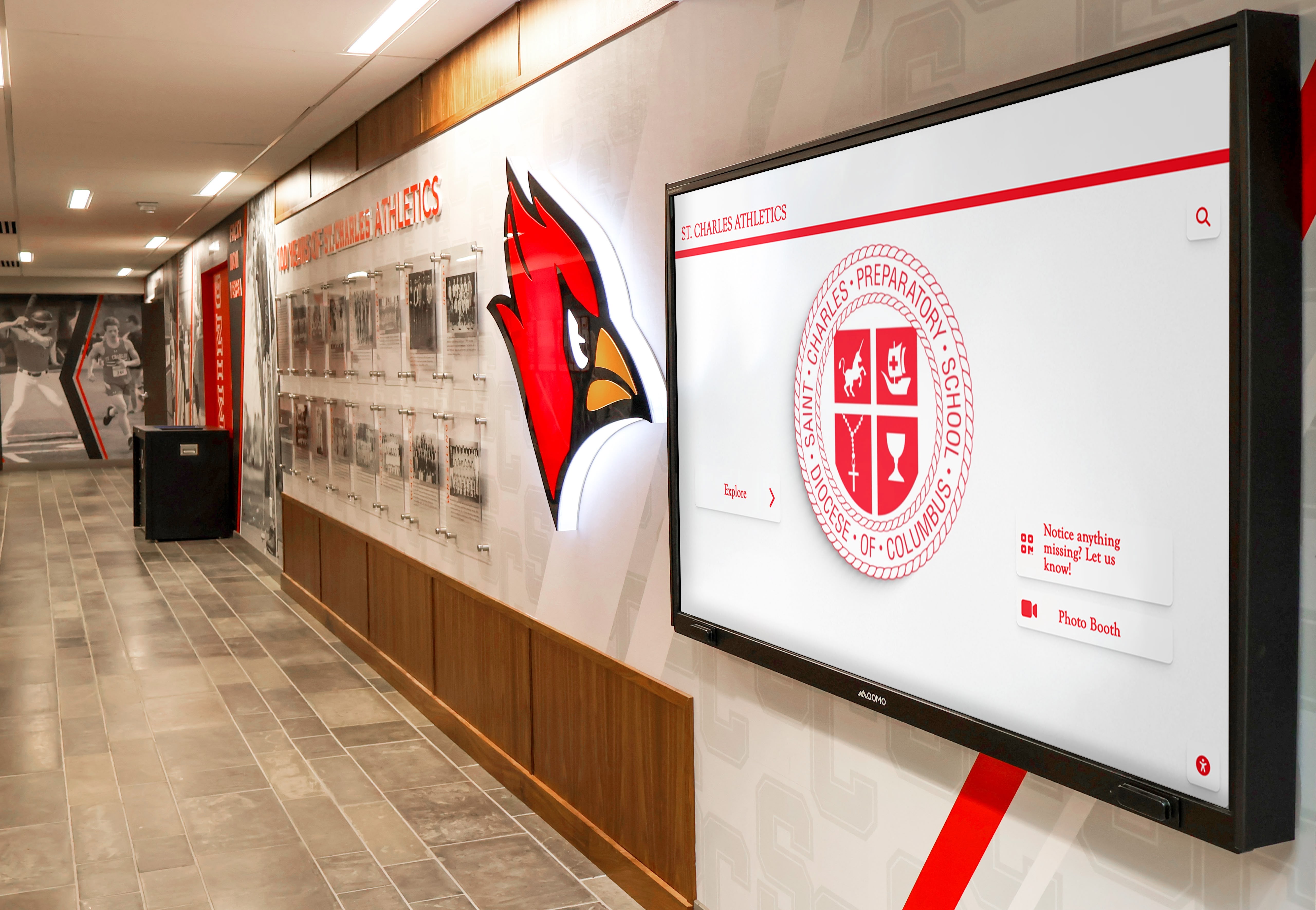
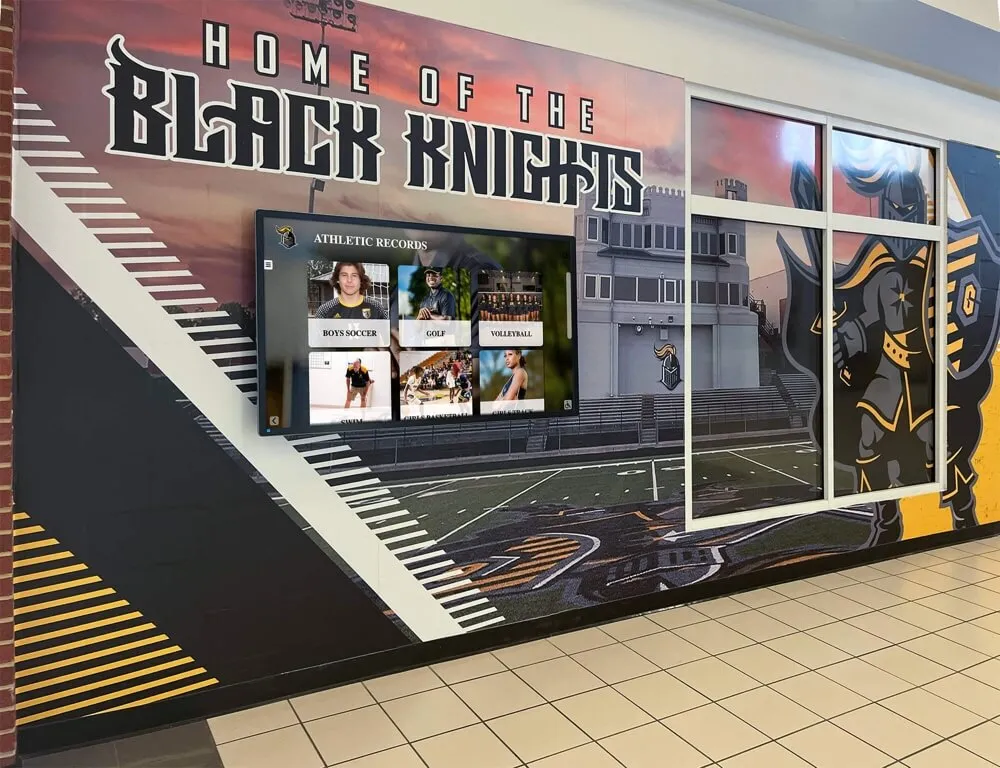
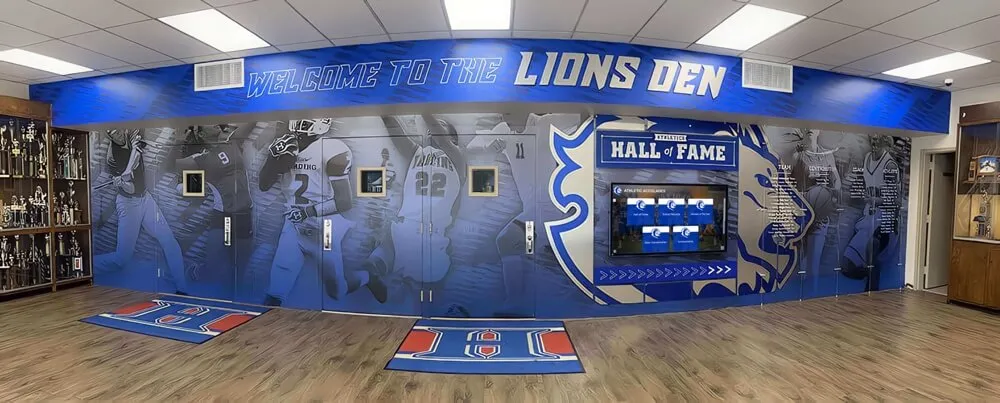
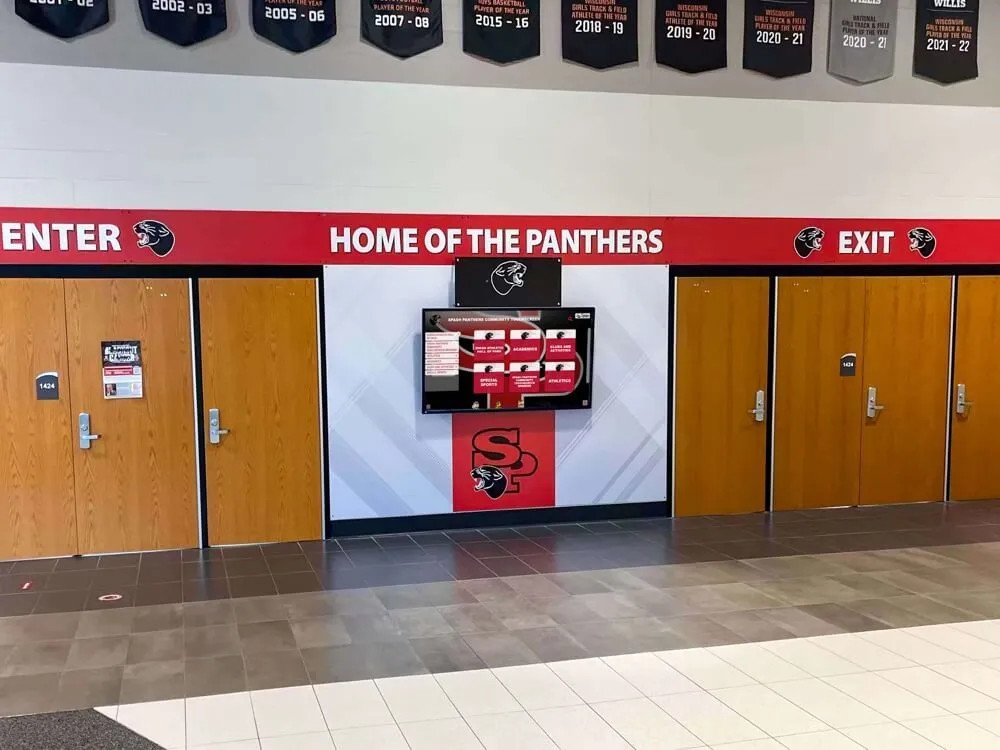
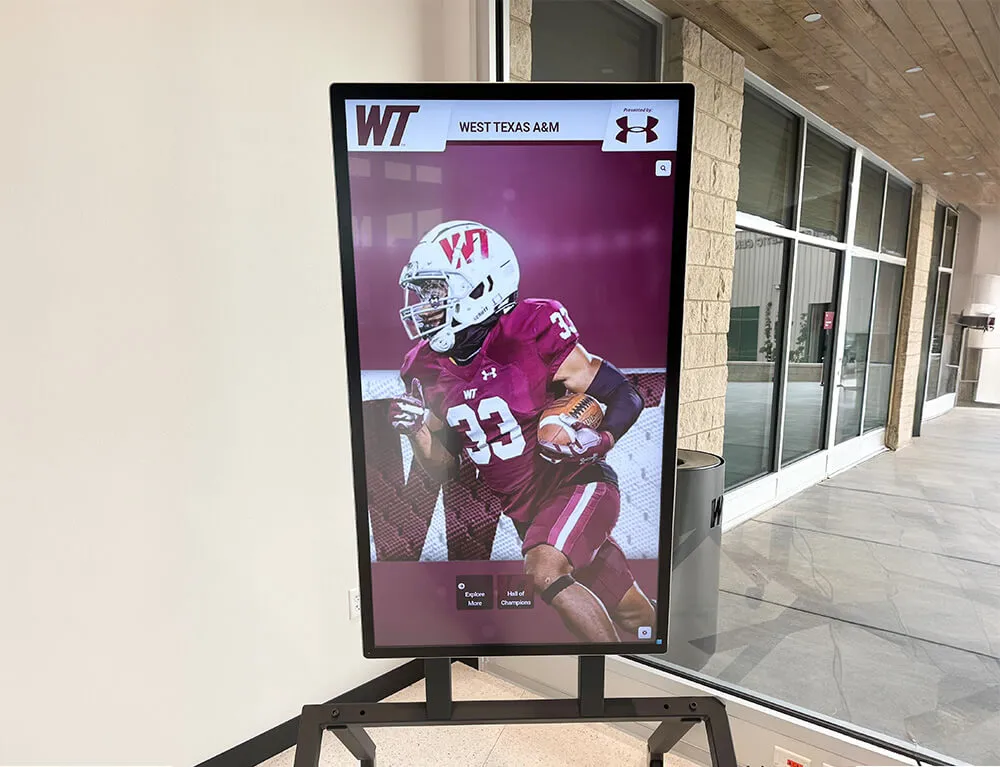
Strategically placed recognition displays in athletic facilities celebrate both current achievements and alumni legacy, building pride across generations
Cultural and Arts Programming
Creative programming appeals to alumni with interests beyond athletics and professional development:
Alumni Arts Exhibitions Showcase visual art, photography, sculpture, or other creative work by alumni artists through formal gallery exhibitions and opening receptions. Creative recognition celebrates diverse alumni talents.
Performance Events and Concerts Invite alumni musicians, actors, dancers, or performers back to campus for concerts, recitals, or theatrical productions. Performance opportunities honor artistic alumni while entertaining broader community.
Literary Events and Author Talks Feature alumni authors through book readings, writing workshops, or literary discussions. Author events appeal to intellectually-engaged alumni while promoting institutional pride in graduate accomplishments.
Film Screenings and Filmmaker Panels Present films created by alumni filmmakers with director Q&A sessions exploring creative processes. Media events attract alumni working in entertainment and communications industries.
Digital Recognition and Engagement Infrastructure
Modern alumni programs increasingly rely on digital platforms providing year-round engagement infrastructure beyond periodic events and mailings.
Interactive Recognition Displays
Purpose-built recognition technology transforms how institutions showcase alumni achievements:
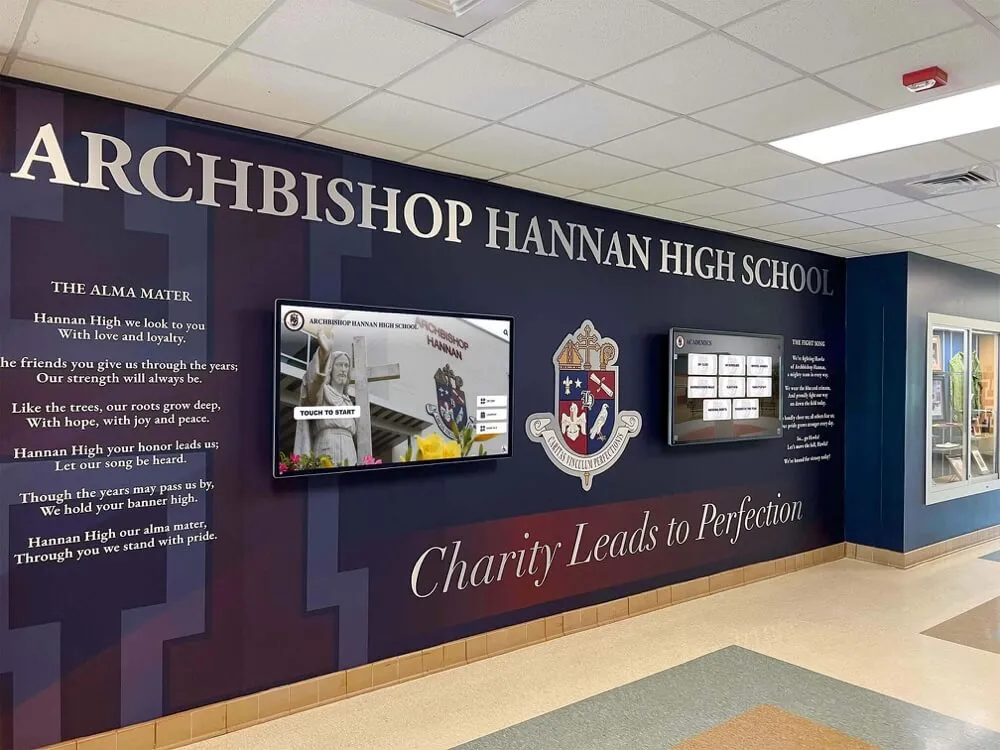
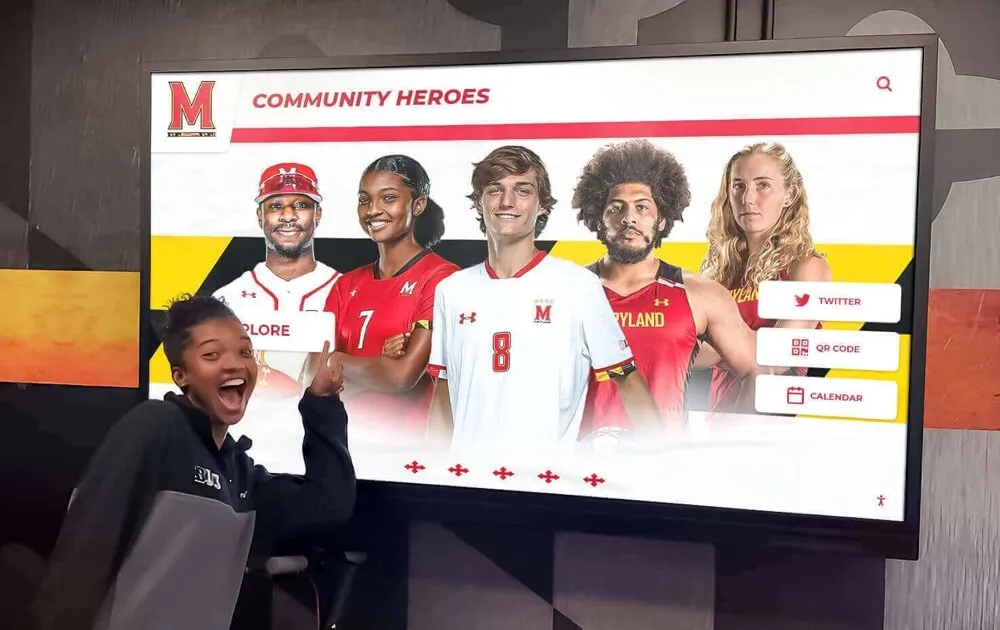
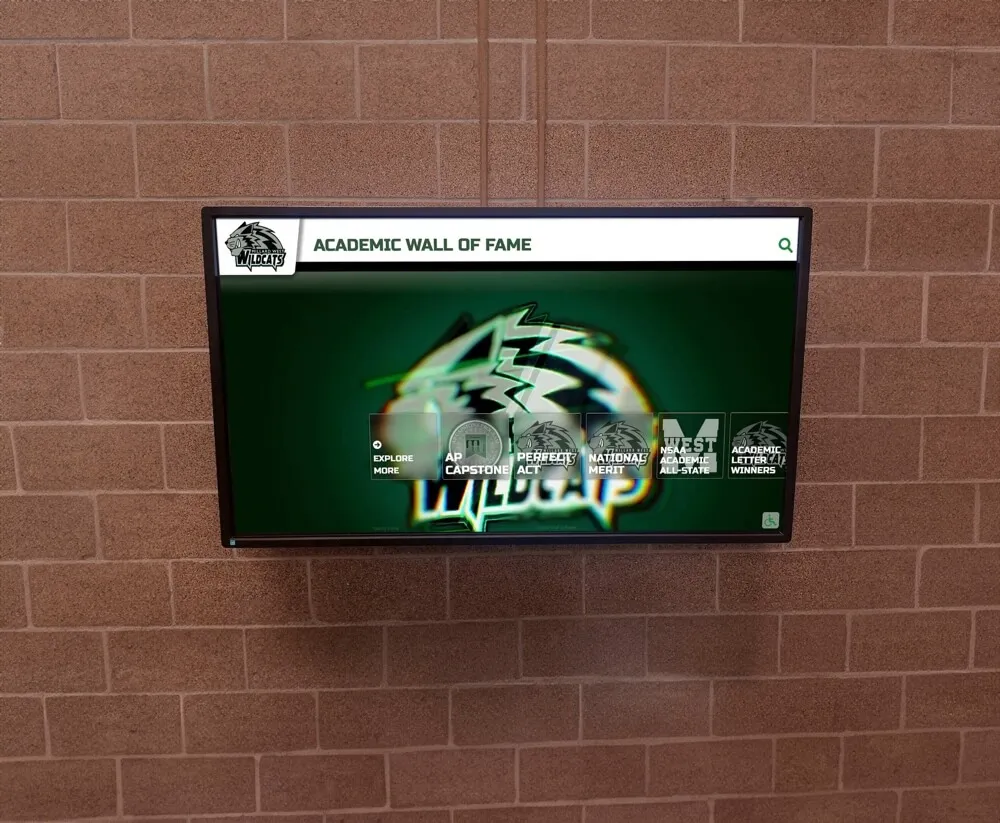
Touchscreen Kiosk Installations Install interactive displays in prominent campus locations enabling students, visitors, and alumni to explore graduate profiles, search by name or achievement, and discover inspiring stories. Physical displays create landmark destinations becoming campus gathering points.
Unlimited Profile Capacity Digital systems accommodate comprehensive recognition across all graduation years, achievement types, and alumni segments without physical space constraints limiting traditional plaques or printed directories.
Rich Multimedia Integration Include photographs, career details, video interviews, achievement timelines, and personal reflections creating compelling stories versus text-only recognition. Multimedia content engages modern audiences expecting dynamic experiences.
Cloud-Based Content Management Update profiles, add new inductees, and refresh content remotely without requiring physical access to displays. Cloud platforms dramatically reduce maintenance burden while ensuring current information.
Solutions like Rocket Alumni Solutions provide comprehensive platforms specifically designed for educational institutions implementing permanent recognition infrastructure that serves alumni engagement, student inspiration, and institutional advancement objectives simultaneously.
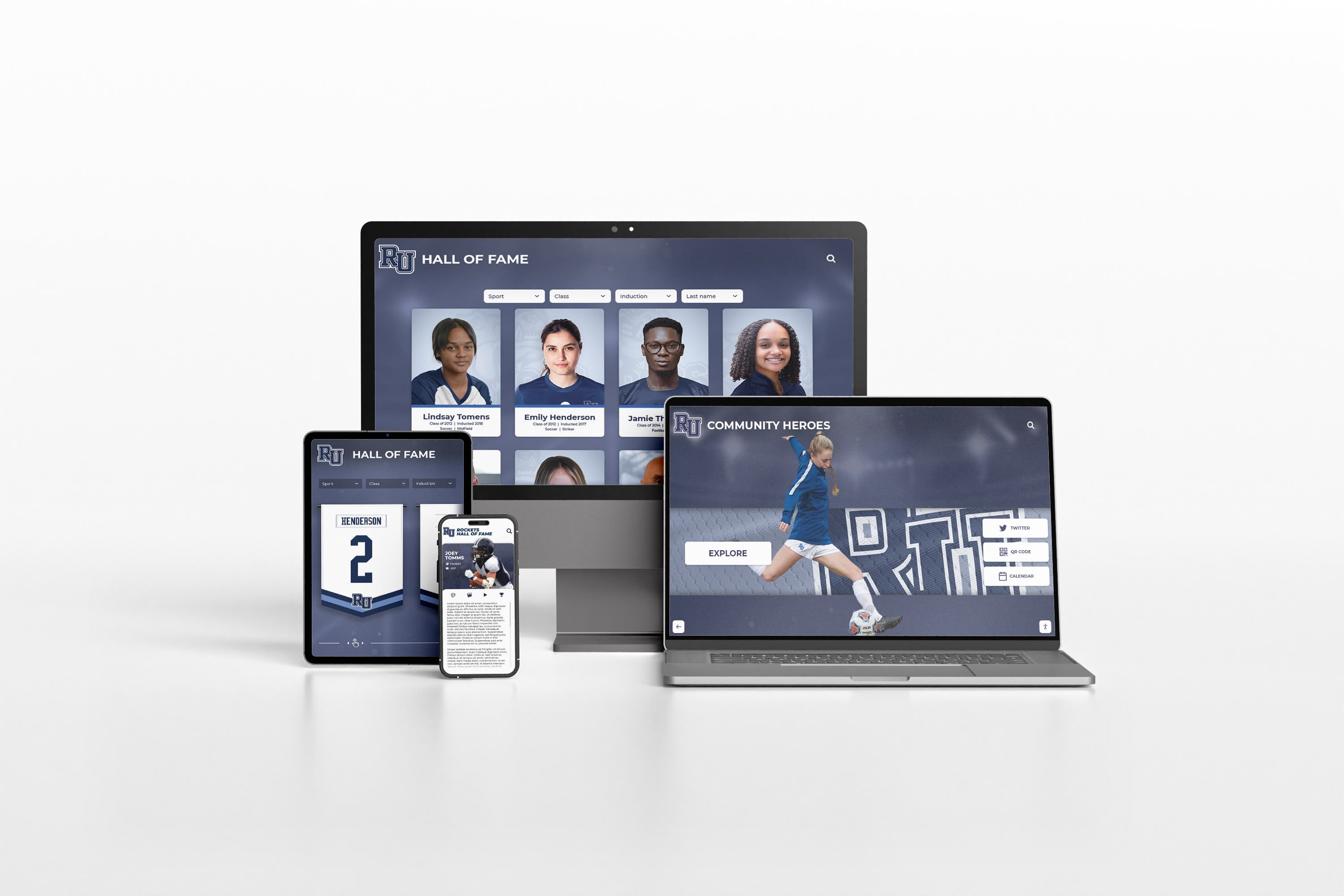
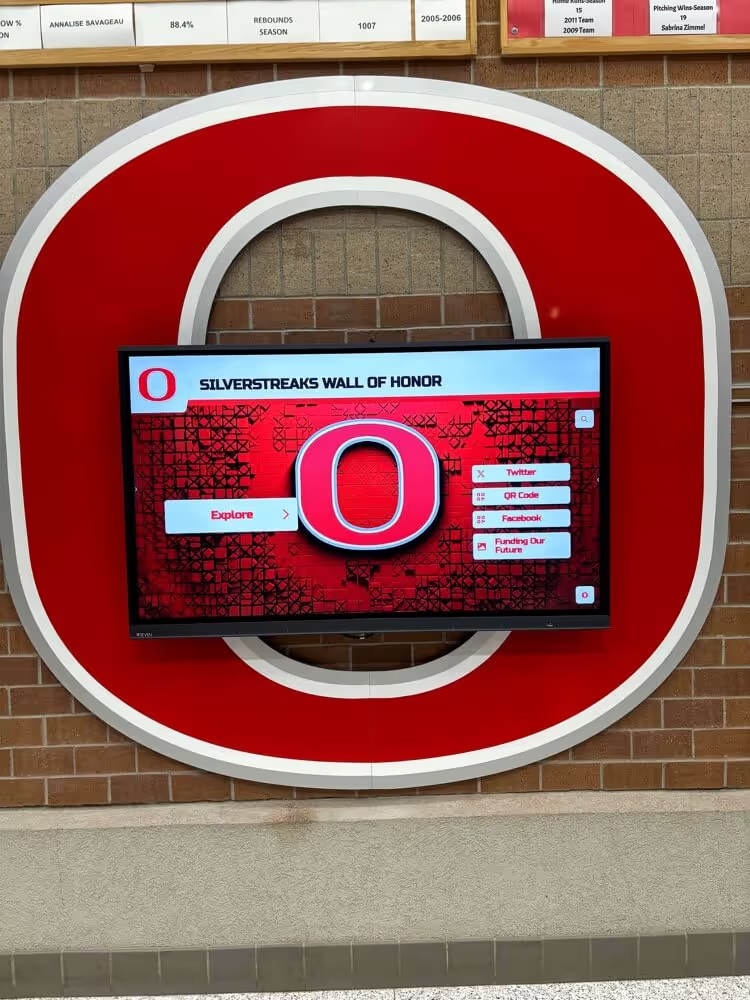
Mobile-responsive alumni platforms extend engagement beyond campus, enabling graduates to explore recognition and share profiles from anywhere
Web-Based Alumni Platforms
Comprehensive web presence creates always-available engagement infrastructure:
Searchable Alumni Directories Provide online directories where alumni locate classmates, search by graduation year or industry, and reconnect with former peers. Privacy controls enable alumni to manage visibility preferences.
Alumni News and Story Feeds Publish regular content featuring alumni achievements, career updates, personal milestones, and community news. Consistent storytelling maintains top-of-mind awareness between major engagement initiatives.
Event Calendars and Registration Centralize event information and registration through integrated calendars enabling easy RSVP for programs. Streamlined registration reduces participation friction.
Online Community Forums Create moderated discussion spaces where alumni exchange advice, share opportunities, ask questions, and maintain ongoing conversations. Community platforms sustain engagement between formal programming.
Explore how school history recognition enhances pride through comprehensive digital platforms.
Social Media Engagement
Strategic social media presence extends alumni community into platforms graduates already use daily:
Platform-Specific Strategies Develop content strategies tailored to different platforms—LinkedIn for professional content, Instagram for visual storytelling, Facebook for event promotion, and Twitter for quick updates. Platform optimization increases relevance and engagement.
Alumni Takeovers Invite alumni to temporarily manage institutional social accounts sharing day-in-the-life content from their perspectives. Takeovers provide authentic peer voices resonating with fellow graduates.
Hashtag Campaigns Launch branded hashtags encouraging alumni to share content related to institutional pride, career achievements, or nostalgia. User-generated content amplifies reach while building community through shared participation.
Alumni Feature Series Create consistent social media series highlighting different alumni weekly or monthly through photos, quotes, and achievement summaries. Regular recognition maintains engagement while showcasing diverse graduate success.
Volunteer Leadership and Involvement Programs
Programs enabling alumni to contribute time, expertise, and leadership strengthen both individual connections and institutional capacity.
Alumni Association Leadership
Formal governance structures give alumni ownership over their community:
Alumni Board or Council Establish volunteer boards providing strategic guidance for alumni programs, event planning, and institutional advocacy. Leadership roles create deep engagement for committed volunteers.
Committee Structures Form committees focused on specific initiatives like events, fundraising, student engagement, or communications. Distributed leadership enables more alumni to contribute meaningfully.
Regional Chapter Officers Recruit volunteer leaders coordinating local programming in geographic regions. Decentralized leadership extends program capacity beyond central advancement staff.
Term Limits and Succession Implement rotating leadership terms ensuring fresh perspectives while preventing volunteer burnout. Succession planning develops leadership pipelines.
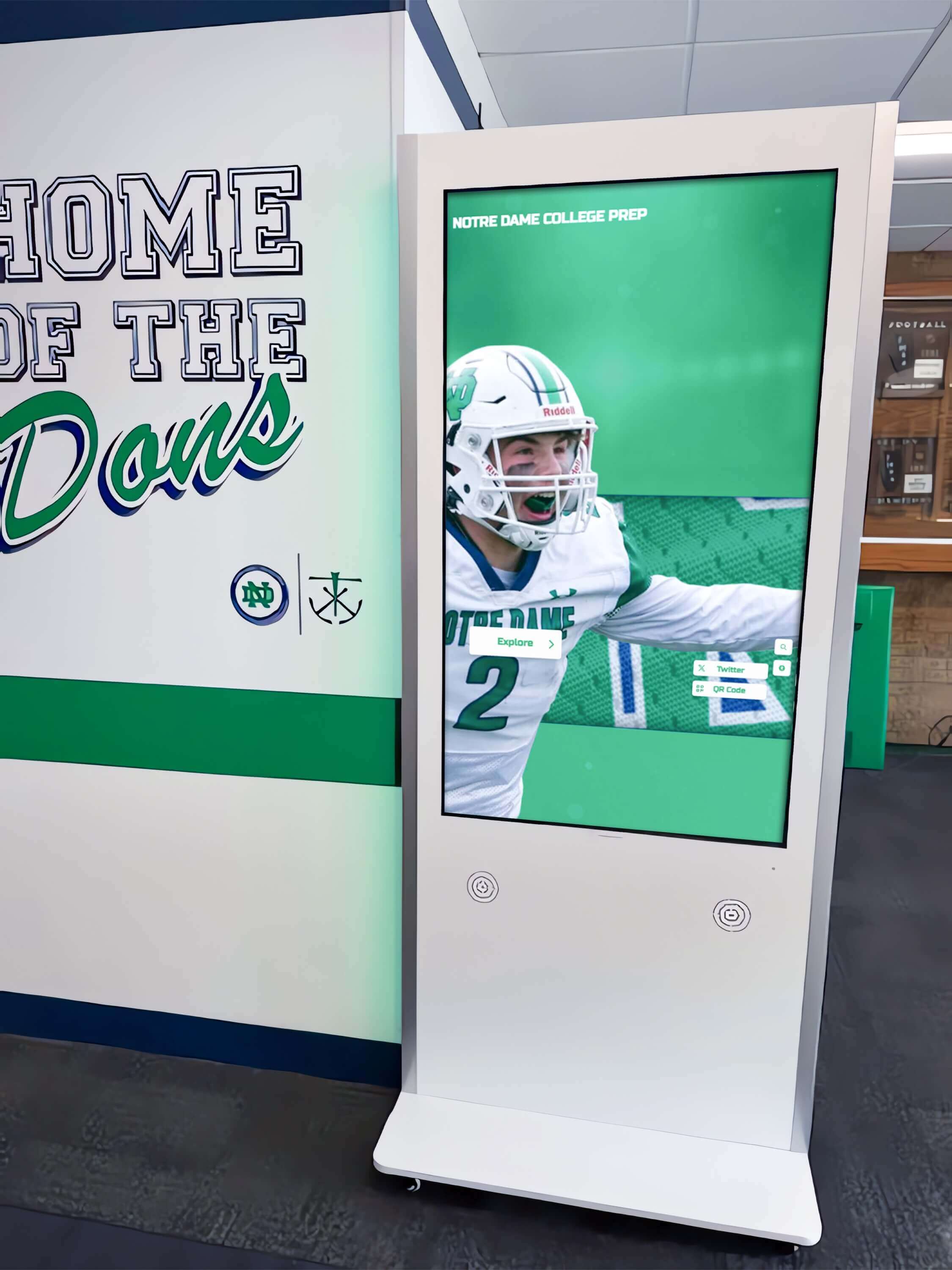
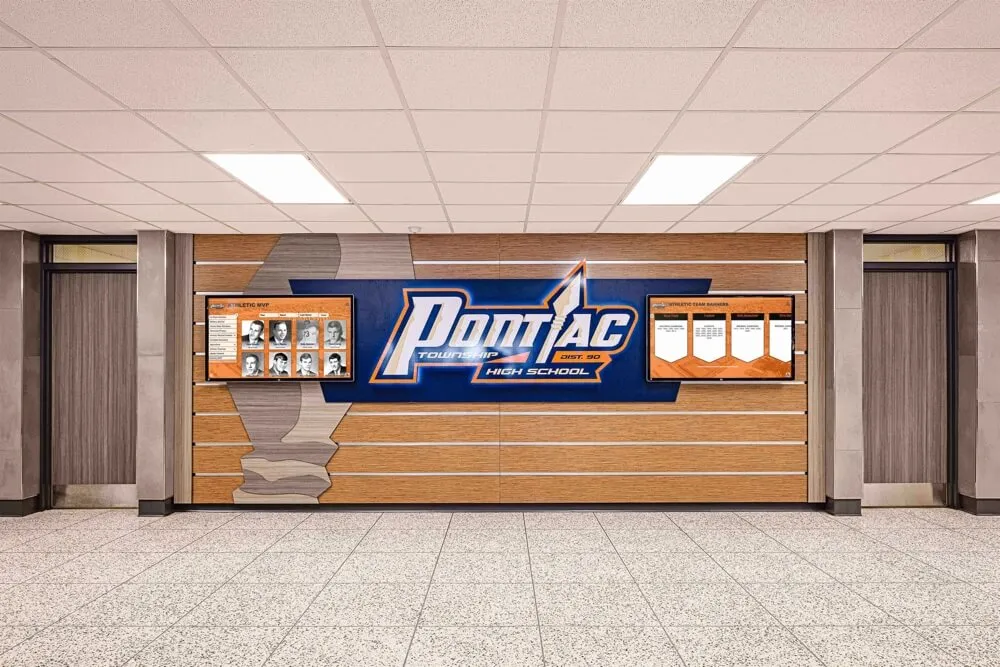
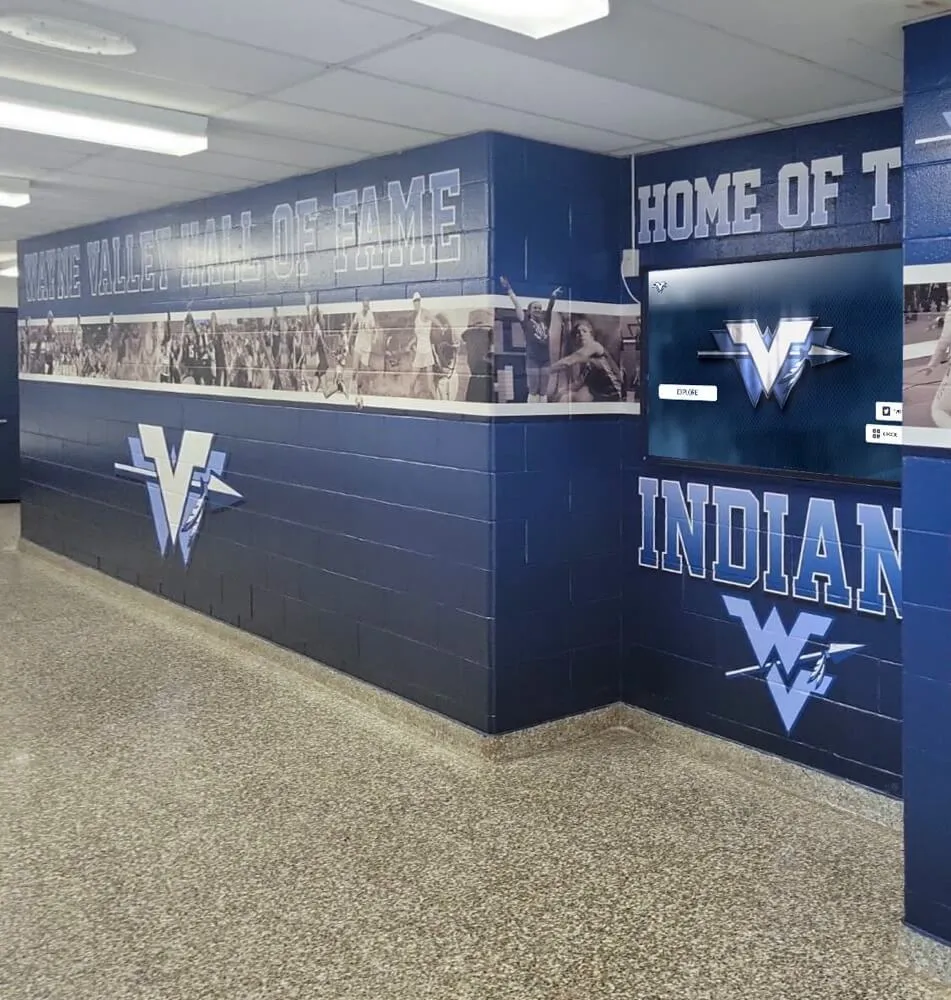
Permanent recognition installations serve multiple purposes—celebrating achievement, informing visitors, inspiring students, and providing conversation starters during alumni visits
Student-Facing Volunteer Programs
Alumni-student connections provide value to both constituencies:
Career Panels and Presentations Invite alumni to speak at career days, classroom visits, or special presentations sharing professional journeys with students. Guest speaking requires limited time commitments making participation accessible.
Mock Interviews and Resume Reviews Recruit alumni volunteers to conduct practice job interviews or review student resumes providing valuable feedback. Professional preparation support directly benefits students while engaging alumni expertise.
Admissions Ambassadors Train alumni to represent institutions at college fairs, conduct prospective student interviews, or host admitted student events. Admissions support extends recruitment capacity while giving alumni meaningful institutional service opportunities.
Student Research and Project Support Connect students conducting research or capstone projects with alumni experts in relevant fields. Subject-matter guidance benefits student work quality while honoring alumni professional knowledge.
Fundraising and Development Engagement
Alumni giving programs create financial support while building community through shared philanthropic goals:
Annual Giving Programs Establish consistent annual fundraising campaigns with class participation competitions, matching challenges, and milestone giving levels. Regular giving creates sustained financial support and ongoing engagement touchpoints.
Scholarship Establishment Enable alumni to create named scholarships supporting students with specific characteristics, interests, or needs. Personal scholarship funds create lasting legacy while providing tangible student impact.
Capital Campaign Involvement Engage alumni as campaign volunteers, solicitors, or major donors during comprehensive fundraising initiatives. Campaign participation builds investment in institutional success.
Planned Giving Education Provide information about estate planning, bequests, and legacy gifts helping alumni understand long-term giving options. Educational approaches demystify planned giving while identifying prospective donors.
Implementation Best Practices
Successfully launching and sustaining alumni programs requires strategic planning, consistent execution, and ongoing refinement.
Start With Clear Objectives
Define specific, measurable goals for alumni programs:
Identify Primary Purposes Determine whether programs primarily serve engagement, fundraising, student benefit, institutional visibility, or multiple objectives. Clear purpose alignment ensures strategic coherence.
Establish Success Metrics Define how you’ll measure program effectiveness—participation rates, event attendance, volunteer hours, giving totals, or student connections. Quantifiable metrics enable data-driven improvements.
Understand Current State Assess existing alumni engagement levels, available resources, and institutional capacity before launching new initiatives. Honest evaluation prevents overpromising and ensures realistic planning.
Set Phased Goals Plan multi-year timelines recognizing that building engaged communities takes sustained effort. Phased approaches build momentum through achievable milestones.
Understanding display board approaches for reunions helps plan recognition elements complementing broader programs.
Invest in Alumni Data
Strong programs require accurate, comprehensive alumni information:
Database Systems Implement or upgrade alumni databases tracking contact information, engagement history, giving records, volunteer service, and personal details. Quality data systems enable personalized outreach and effective segmentation.
Data Hygiene Processes Establish regular data cleaning removing duplicates, updating outdated information, and filling data gaps. Clean data prevents communication failures and improves program effectiveness.
Constituent Segmentation Categorize alumni by graduation year, geographic location, engagement level, giving capacity, career field, or interests enabling targeted programming. Segmentation increases relevance and response rates.
Privacy and Consent Management Respect alumni privacy preferences through transparent data policies and consent management systems. Trust protection maintains positive relationships.
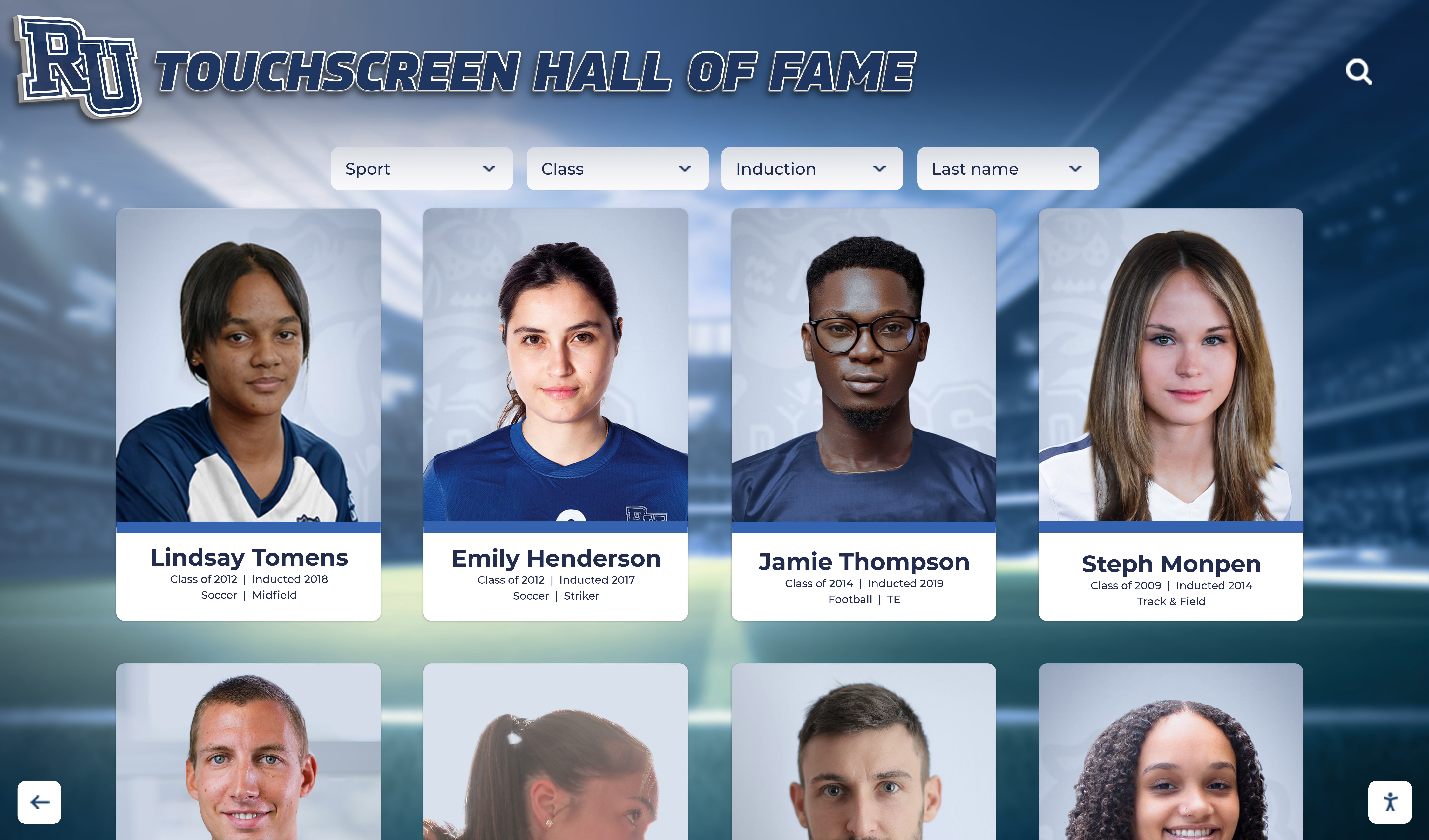
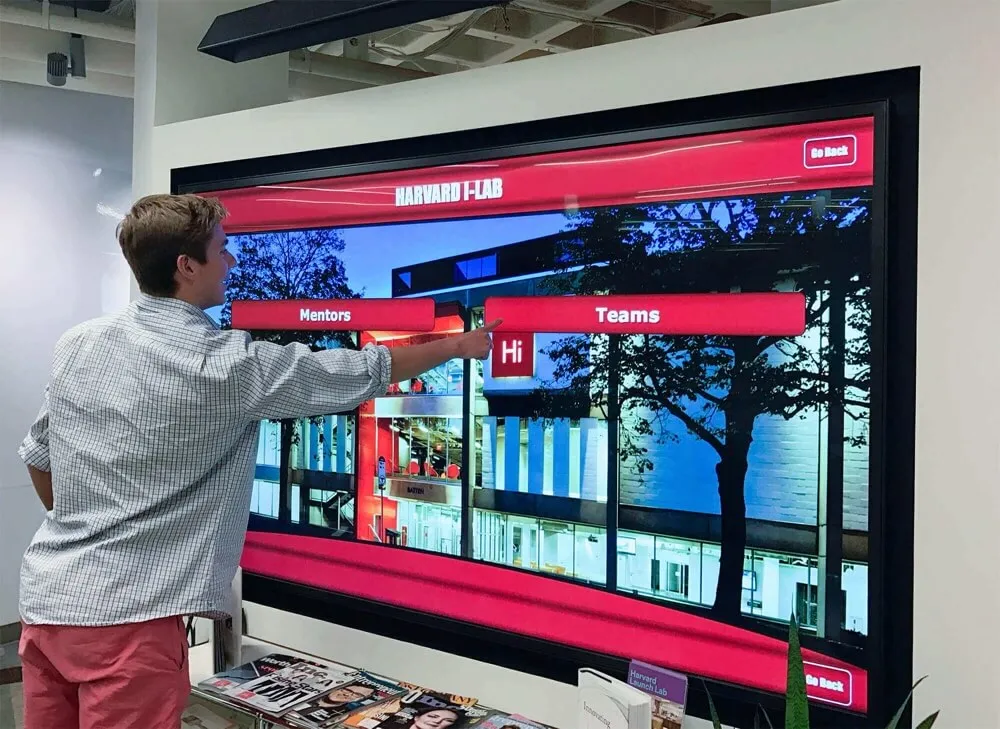
Well-designed recognition interfaces make exploring alumni achievements intuitive and engaging, encouraging sustained interaction beyond quick glances
Build Sustainable Staffing Models
Program longevity requires appropriate staffing and resources:
Dedicated Alumni Relations Staff Assign specific personnel responsible for alumni engagement ensuring programs receive consistent attention versus becoming secondary priorities. Dedicated staffing signals institutional commitment.
Volunteer Coordination Develop systems for recruiting, training, managing, and appreciating volunteer leaders. Strong volunteer programs multiply staff capacity dramatically.
Budget Allocation Secure recurring budget support for programs, events, communications, and technology. Predictable funding enables planning beyond year-to-year uncertainty.
Technology Investment Invest in platforms, databases, and tools enabling efficient program management and scalable engagement. Technology infrastructure reduces manual effort while expanding capabilities.
Communicate Consistently
Regular communication maintains awareness and engagement:
Multi-Channel Approach Reach alumni through varied channels including email, social media, direct mail, phone calls, and campus visits. Channel diversity accommodates communication preferences.
Content Calendar Planning Develop editorial calendars planning communications months in advance ensuring consistent messaging and strategic coordination. Advance planning improves quality and reduces last-minute scrambling.
Storytelling Emphasis Prioritize compelling stories over institutional announcements. Alumni engage with authentic narratives about fellow graduates more than generic institutional updates.
Two-Way Communication Create mechanisms for alumni feedback, questions, and dialogue versus one-way broadcasting. Reciprocal communication builds relationships and provides valuable insights.
Measure and Refine Programs
Continuous improvement depends on systematic evaluation:
Track Participation Metrics Monitor event attendance, program enrollment, volunteer participation, website traffic, and email engagement identifying trends and patterns. Data reveals what resonates with your community.
Gather Qualitative Feedback Conduct surveys, focus groups, and informal conversations collecting detailed program feedback. Qualitative insights explain quantitative patterns.
Benchmark Against Peers Compare your programs with similar institutions identifying aspirational practices and realistic performance expectations. Peer learning accelerates improvement.
Iterate Based on Learning Regularly adjust programs based on evidence keeping what works, modifying what shows promise, and ending what consistently underperforms. Evolution prevents stagnation.
Accessibility and Inclusion Considerations
Creating welcoming alumni communities requires intentional inclusivity ensuring all graduates feel valued regardless of background, identity, or circumstance.
Diverse Programming Approaches
Varied programs accommodate different alumni populations:
Affinity Group Support Create programming specifically for alumni with shared identities or experiences—first-generation college graduates, multicultural alumni, LGBTQ+ communities, international students, or veterans. Affinity programming signals inclusion.
Varied Participation Levels Offer both high-commitment opportunities like board service and low-barrier options like social media engagement. Participation flexibility accommodates different life circumstances.
Financial Accessibility Provide free or low-cost programming ensuring participation isn’t limited by financial capacity. Subsidized options, sliding scales, or free alternatives expand accessibility.
Geographic Distribution Balance on-campus programming with regional events, virtual options, and digital engagement enabling participation regardless of location. Geographic accessibility serves distant alumni.
Ensuring WCAG 2.2 AA compliance in touchscreen displays demonstrates commitment to accessibility in all alumni engagement infrastructure.
Inclusive Communication
Thoughtful messaging creates belonging:
Representative Storytelling Feature diverse alumni across race, ethnicity, gender, age, career field, and accomplishment type. Representation signals who your institution values and celebrates.
Inclusive Language Use inclusive terminology respecting varied identities, family structures, and life experiences. Language choices communicate respect and welcome.
Accessibility Compliance Ensure digital content meets web accessibility standards, events provide accommodations, and communications are available in multiple formats. Accessibility removes participation barriers.
Cultural Awareness Recognize holidays, traditions, and cultural considerations from diverse communities when scheduling events and planning programming. Awareness demonstrates respect.
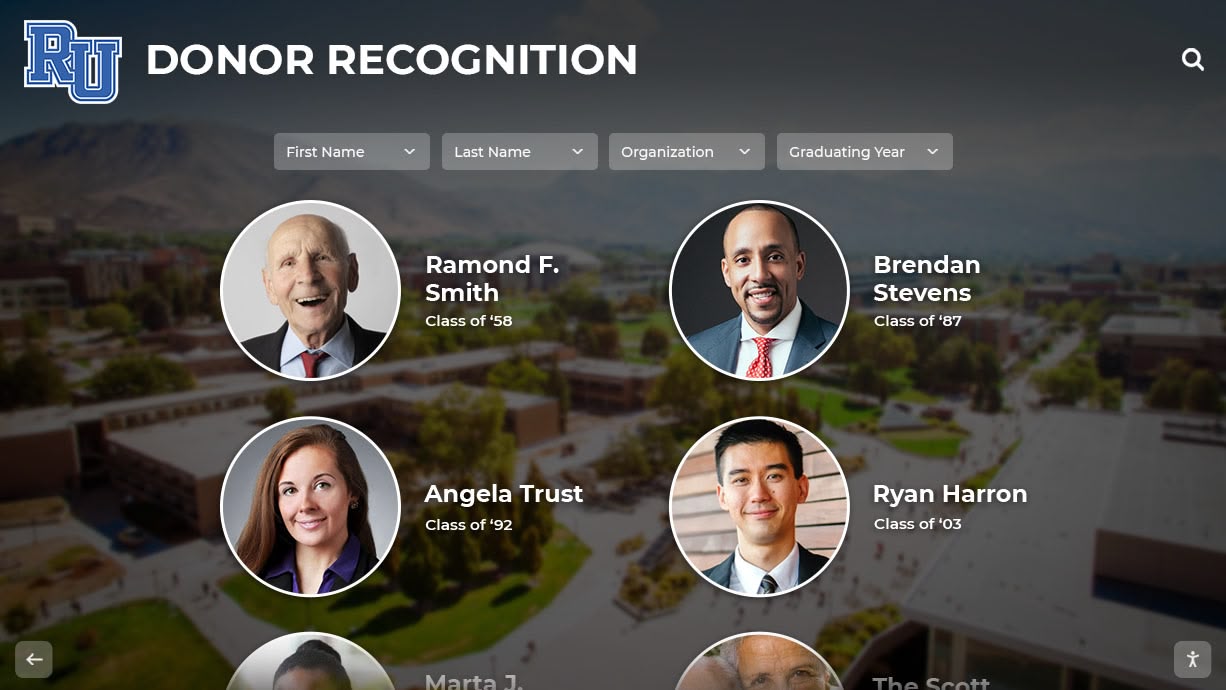
Comprehensive recognition platforms celebrate diverse alumni contributions—from major philanthropy to volunteer service—ensuring all meaningful engagement receives appropriate acknowledgment
Conclusion: Building Alumni Communities That Last
Vibrant alumni communities emerge from sustained commitment to programs providing genuine value, creating meaningful connections, and honoring graduate achievements throughout lifetimes. The alumni program ideas explored throughout this guide—from formal recognition and mentorship to social events and digital platforms—provide comprehensive frameworks for engaging graduates across varied interests, circumstances, and participation preferences.
Successful alumni engagement recognizes that one-size-fits-all approaches fail to serve diverse populations. Instead, effective programs offer multiple pathways for connection enabling every alumnus to find personally meaningful ways to stay involved regardless of whether they prefer in-person events or digital interaction, professional development or pure socializing, volunteer leadership or passive participation, frequent engagement or occasional connection.
Ready to transform your alumni engagement strategy with recognition infrastructure that creates lasting value beyond single events? Modern alumni recognition platforms provide permanent engagement infrastructure serving multiple institutional objectives simultaneously—inspiring current students through graduate success stories, strengthening alumni pride and connection, supporting recruitment and advancement efforts, and preserving institutional history for future generations.
Whether implementing your institution’s first formal alumni programs or revitalizing existing initiatives that have grown stagnant, comprehensive recognition technology creates compelling reasons for graduates to stay engaged year-round. Interactive touchscreen displays, web-accessible databases, unlimited profile capacity, and cloud-based management enable recognition at scale previously impossible through traditional plaques and printed materials.
Request your free custom demo to explore how purpose-built alumni recognition platforms can enhance your programming and strengthen graduate connections for decades to come.
Your alumni represent your institution’s greatest ambassadors, most authentic advocates, and most valuable resource for supporting current students, enhancing reputation, and sustaining mission. Every graduate who walks through your doors carries your institutional story into their careers, communities, and lives—becoming living testimony to the educational experiences you provide and the values you champion.
By investing in thoughtful alumni programs offering diverse engagement opportunities across recognition, professional development, community building, and volunteer service, you create sustainable relationships benefiting everyone involved. Current students gain mentors, role models, and career connections. Your institution receives advocacy, support, and resources. And alumni themselves find continued value in educational communities that remain relevant throughout their lifetimes rather than becoming distant memories from formative years.
Begin today by selecting several program ideas from this comprehensive guide that align with your institutional culture, available resources, and community preferences. Start small if necessary, measure carefully, gather feedback consistently, and build systematically over time. The alumni communities you cultivate through intentional programming will serve your institution for generations to come—long after today’s students become tomorrow’s distinguished graduates.
The investment you make in alumni engagement creates compounding returns as connected graduates introduce their children to your programs, volunteer their professional expertise, contribute financial resources supporting institutional mission, and advocate passionately for the educational experiences that shaped their own success. These lasting relationships—built through consistent programming, authentic recognition, and genuine value creation—represent some of the most important work your institution can undertake.
Start building the engaged, active alumni community your institution deserves through strategic programming that honors achievement, creates connection, and sustains relationships spanning lifetimes.