Alumni Database Software for K-12 Schools: A Complete Selection Guide
- Home /
- Digital Hall of Fame Insights & Resources /
- Alumni Database Software for K-12 Schools: A Complete Selection Guide
The Easiest Touchscreen Solution




Live Example: Rocket Alumni Solutions Touchscreen Display
Interact with a live example (16:9 scaled 1920x1080 display). All content is automatically responsive to all screen sizes and orientations.
K-12 schools face unique challenges when managing alumni relationships: how do you maintain meaningful connections with graduates across multiple decades when most secondary schools operate with limited advancement staff, smaller budgets than universities, and databases spanning everyone from recent graduates to octogenarians who walked the same halls generations ago? Unlike higher education institutions with dedicated alumni relations departments and sophisticated CRM systems, most K-12 schools rely on scattered spreadsheets, outdated contact lists, and manual processes that make systematic graduate engagement nearly impossible.
Alumni database software for K-12 schools provides the foundational infrastructure necessary to transform sporadic alumni interactions into organized programs that track graduate information, facilitate targeted communication, coordinate reunion planning, manage donor relationships, and measure engagement over time. Yet with dozens of database platforms claiming to serve educational institutions, how do K-12 administrators identify solutions truly designed for secondary school needs rather than enterprise systems built for universities with entirely different scale and complexity requirements?
This comprehensive selection guide examines the critical features, evaluation criteria, implementation considerations, and decision frameworks that help K-12 schools choose alumni database software matching their specific requirements, resource constraints, and strategic goals for building lasting graduate connections that benefit current students while honoring institutional heritage.
Building sustainable alumni engagement begins with organized data. Without reliable contact information, segmentation capabilities, and communication tools, even the most enthusiastic advancement staff struggle to maintain consistent relationships with graduate communities that grow larger each year while earlier classes become progressively harder to reach.

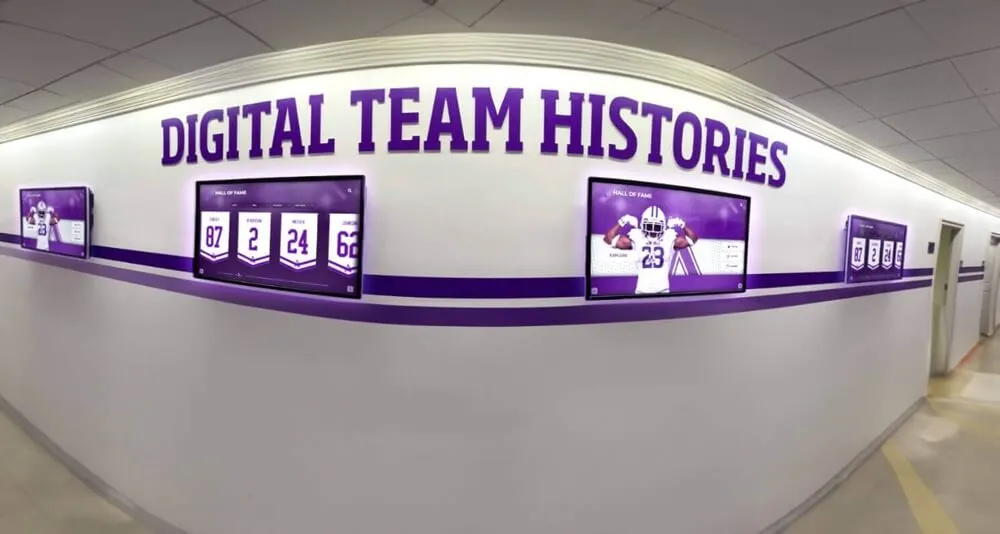
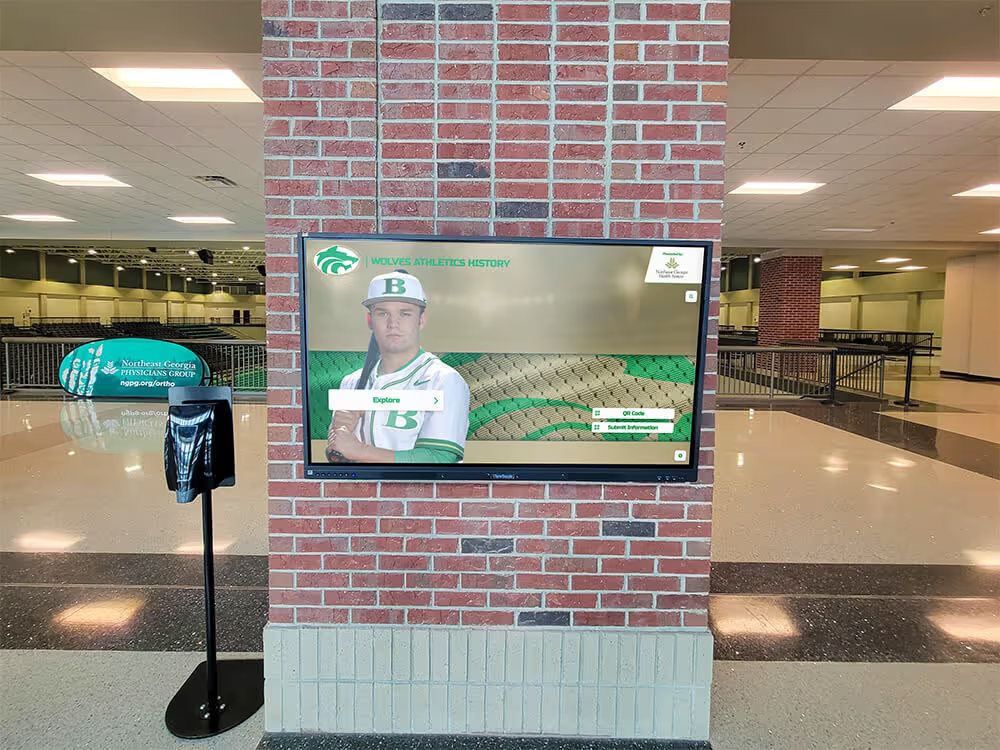
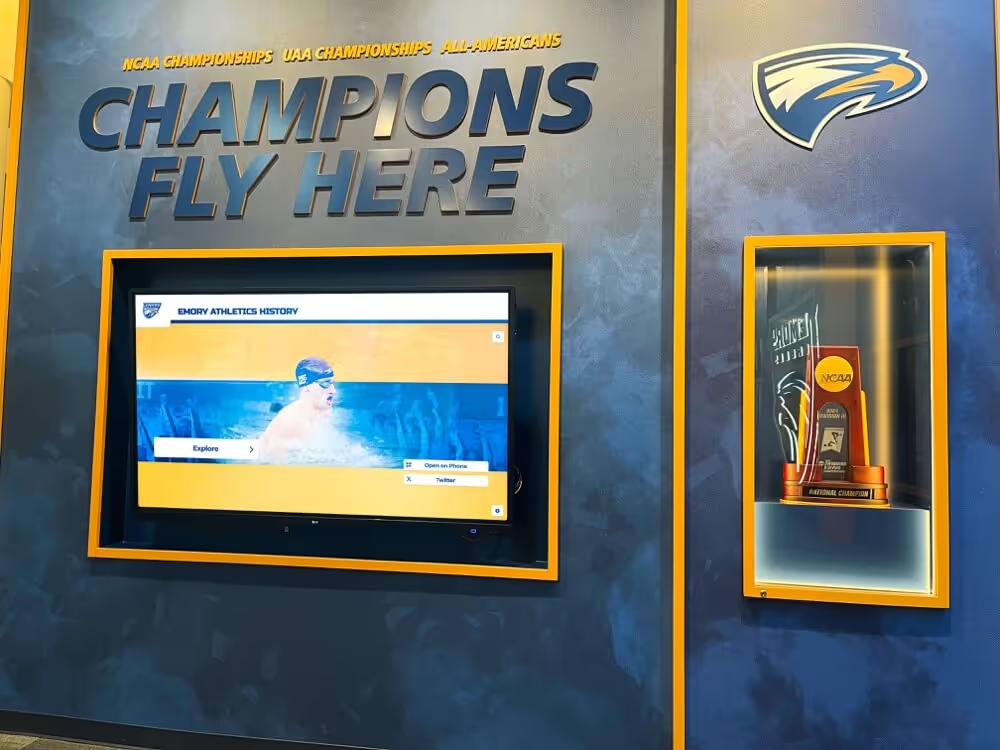
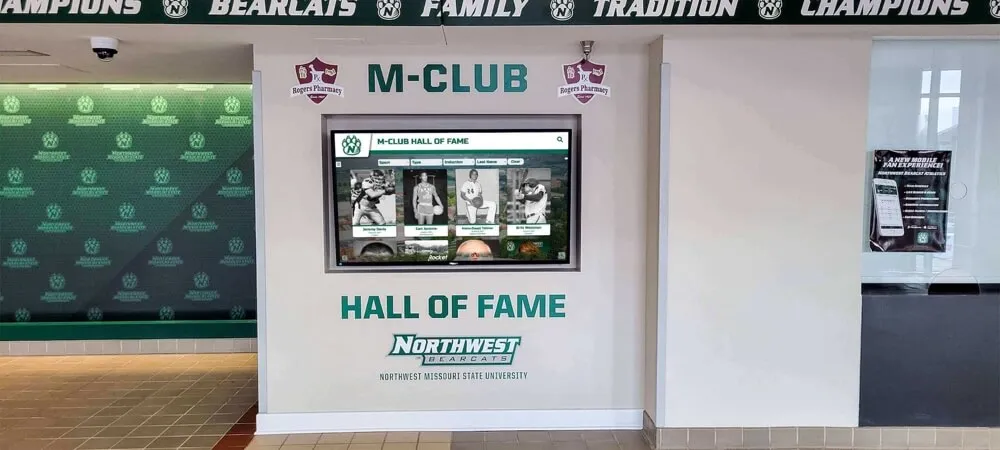
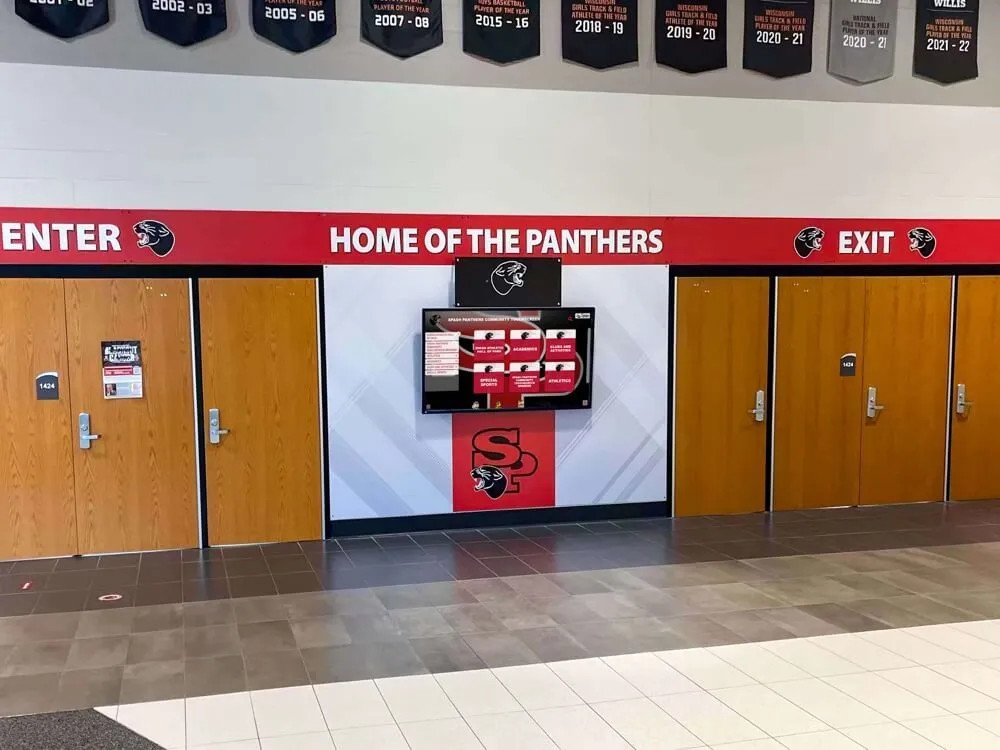
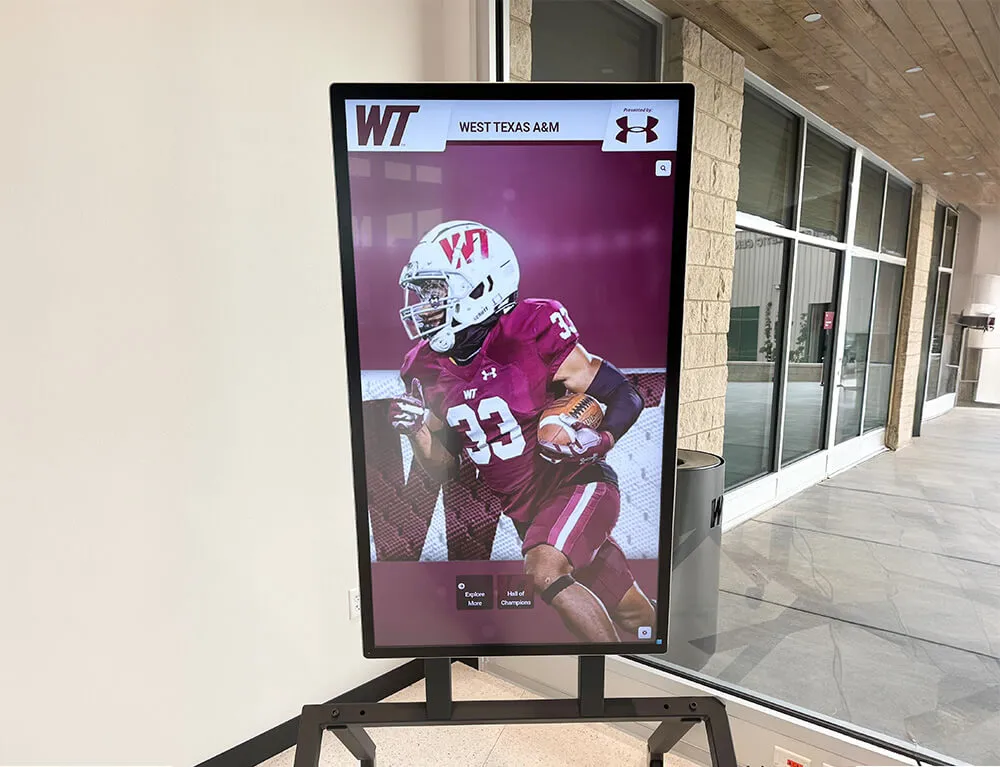
Modern alumni database systems integrate with interactive displays creating accessible touchpoints where graduates explore institutional history and stay connected with school communities
Why K-12 Schools Need Dedicated Alumni Database Software
Before exploring specific software features and selection criteria, understanding the comprehensive value of dedicated alumni database systems helps schools justify investment and secure stakeholder support.
The True Cost of Manual Alumni Management
Many K-12 schools attempt managing graduate relationships through disconnected tools creating inefficiency, missed opportunities, and frustrated staff:
Scattered Data Creating Lost Connections
Without centralized systems, valuable graduate information disappears across organizational silos:
- Contact details stored in multiple Excel spreadsheets on individual staff computers
- Class reunion organizers maintaining separate lists causing data duplication and inconsistency
- Development office donor records disconnected from broader alumni information
- Athletic department maintaining independent databases of former athletes
- Career changes and relocations making contact information outdated within months
- No systematic process for capturing updated information when alumni visit campus or attend events
This fragmentation results in embarrassing duplicate communications, inability to identify potential mentors or speakers, missed fundraising opportunities, and graduates receiving irrelevant information unrelated to their interests or graduation era.
Administrative Burden Consuming Limited Staff Time
Manual processes waste hours on tasks that dedicated software automates:
- Compiling invitation lists from multiple sources for each event or communication
- Sending individual emails or managing unwieldy BCC lists for alumni updates
- Manually tracking RSVP responses across different spreadsheets
- Updating contact information one record at a time as changes arrive
- Creating custom reports by exporting and manipulating data across multiple files
- Training new personnel on informal processes lacking clear documentation
School advancement directors report spending up to 60 percent of their time on administrative tasks that proper database systems handle automatically, leaving insufficient capacity for strategic relationship building and program development that actually engage graduates.
Strategic Benefits of Centralized Alumni Databases
Purpose-built alumni database software delivers measurable organizational value across multiple dimensions:
Enhanced Communication Effectiveness
Organized data enables targeted, relevant outreach:
- Segmentation capabilities sending class-specific reunion invitations rather than mass emails to all graduates
- Geographic filtering promoting regional events only to alumni living in relevant areas
- Career field targeting connecting graduates working in similar industries for professional networking
- Interest-based communication about athletics, performing arts, or academic programs matching demonstrated alumni engagement
- Engagement scoring identifying highly connected graduates versus those becoming distant
- Communication preference tracking respecting alumni choices about frequency and channel
Schools implementing targeted communication report dramatically higher email open rates, event attendance, and positive alumni feedback compared to generic mass messaging treating all graduates identically.
Systematic Fundraising Cultivation
Database-driven development increases contributed revenue:
- Complete giving history visibility enabling personalized solicitation strategies
- Pledge tracking and payment reminders reducing fulfillment delays
- Donor segmentation identifying prospects for major gifts, planned giving, or specific campaigns
- Automated acknowledgment ensuring timely, professional donor recognition
- Integrated online giving reducing friction and capturing impulse donations
- Comprehensive reporting demonstrating program ROI to leadership and boards
K-12 schools with organized alumni databases typically report 15-25 percent increases in annual fund participation within two years as systematic cultivation replaces sporadic outreach.
Discover how schools integrate alumni databases with digital recognition displays creating comprehensive engagement ecosystems celebrating graduate achievements.
Deeper Alumni Engagement Beyond Fundraising
Database infrastructure supports varied programming:
- Mentorship program matching based on career field, location, and alumni availability
- Volunteer opportunity promotion to graduates with relevant skills and demonstrated interest
- Event management streamlining reunion planning and professional development programs
- Career networking connecting current students with alumni in target industries
- Class network building facilitating peer connections among graduation year cohorts
Schools with comprehensive alumni databases create systematic touchpoints maintaining relationships through meaningful interaction rather than purely transactional fundraising requests.
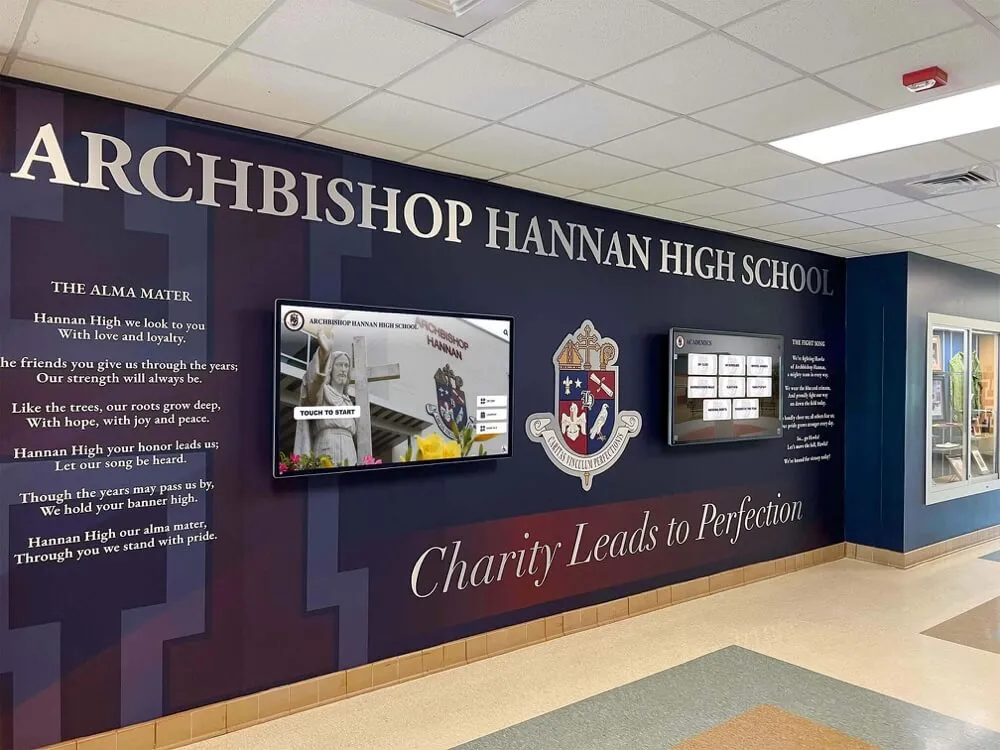
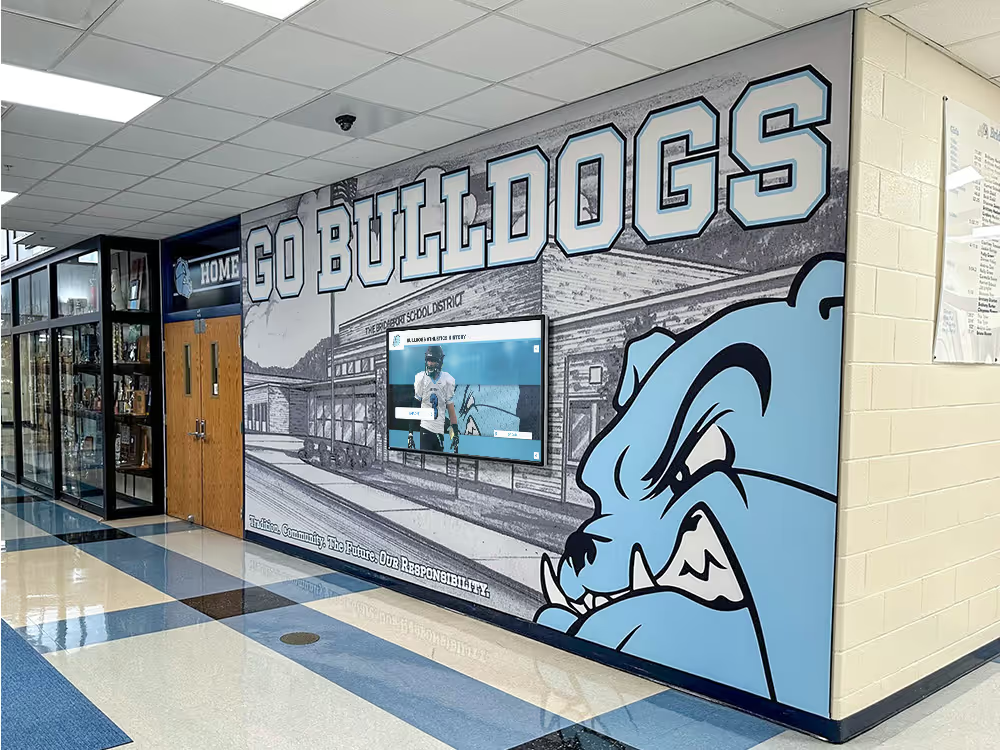
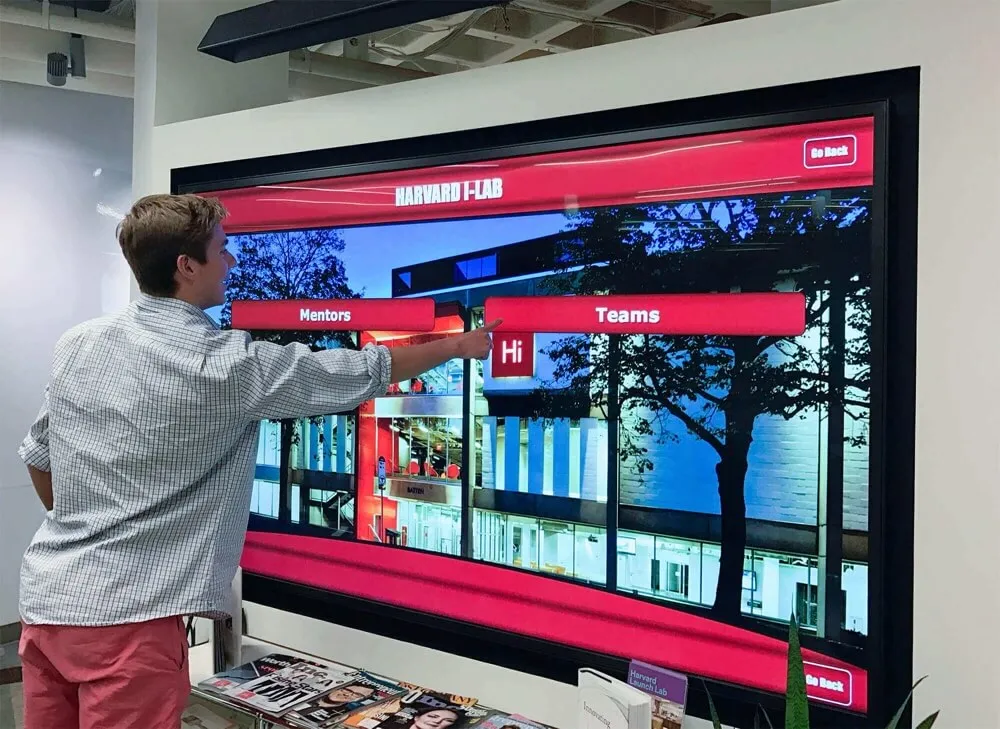
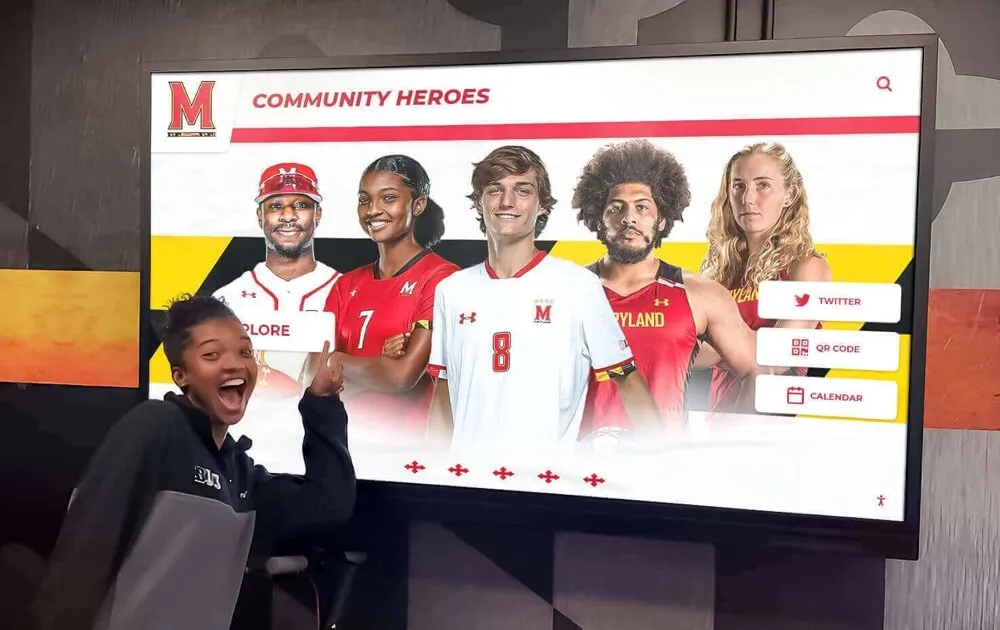
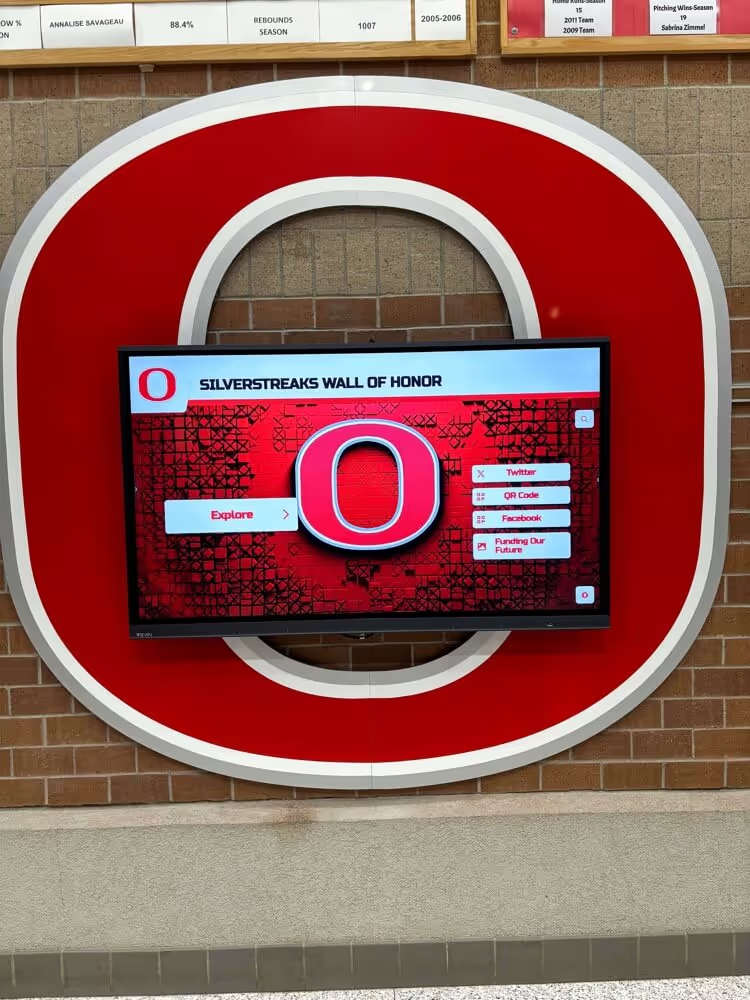
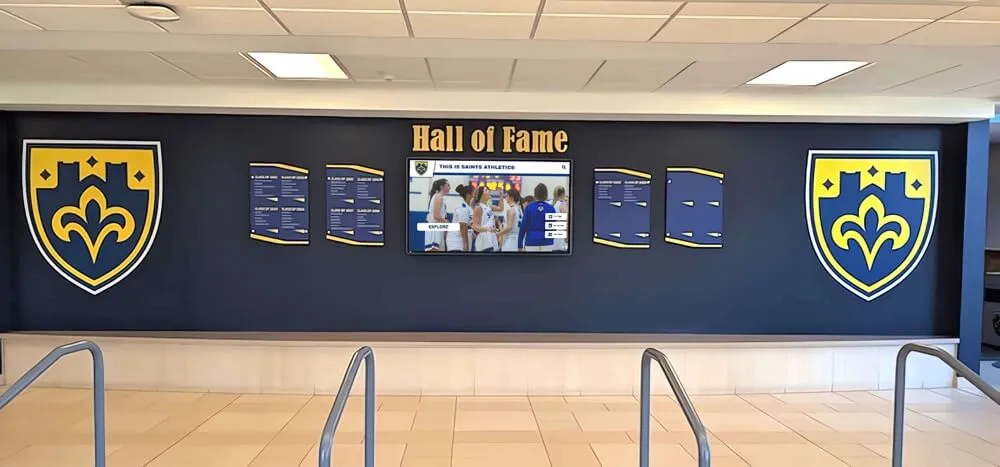
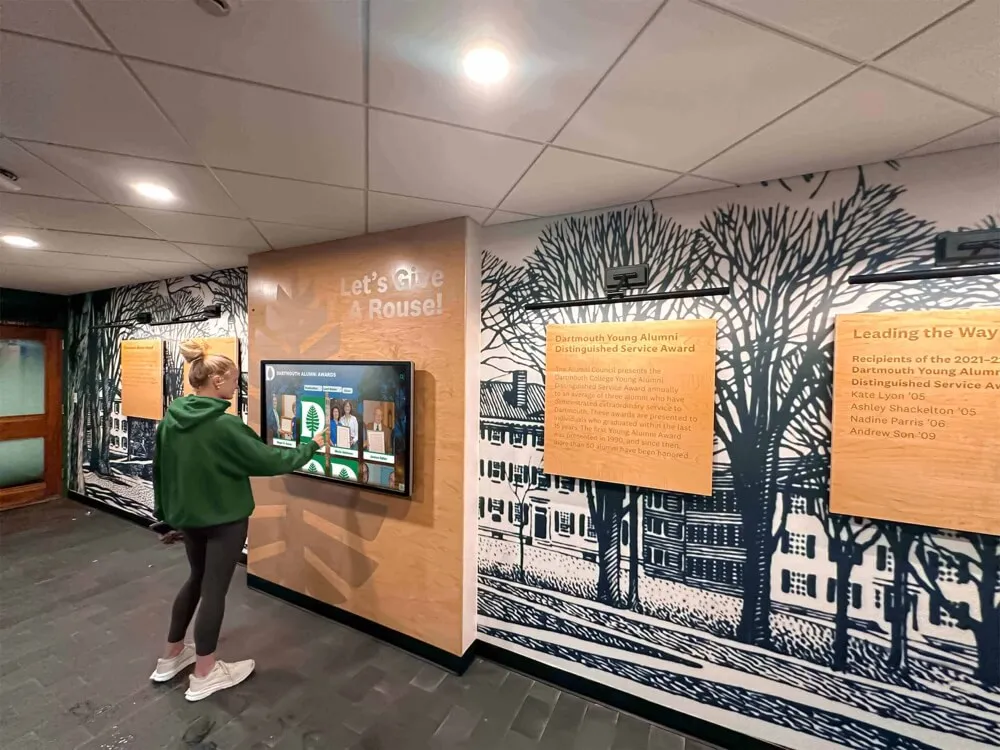
Alumni databases powering student-facing displays demonstrate immediate value beyond fundraising by connecting current students with graduate mentors and career guidance resources
Essential Features Every K-12 Alumni Database Should Include
Regardless of specific platform selection, certain core capabilities remain essential for effective K-12 alumni data management and engagement programming.
Comprehensive Contact Management
Complete Profile Architecture
Effective alumni databases capture information enabling meaningful engagement across multiple dimensions:
- Basic contact information including multiple email addresses, phone numbers, and mailing addresses
- Current and historical employment tracking career progression over time
- Education details documenting colleges attended, degrees earned, and advanced credentials
- Family connections linking alumni siblings, parent-student relationships, and legacy families
- Graduation year and student activities establishing shared experiences with peers
- Geographic location data enabling regional event planning and chapter development
- Communication preferences respecting alumni channel and frequency choices
- Engagement history documenting event attendance, volunteer activity, and giving patterns
Complete profiles transform alumni from names on lists into dimensional individuals whose interests, backgrounds, and engagement patterns inform personalized relationship strategies.
Data Quality Management Tools
Maintaining accurate information requires systematic capabilities:
- Self-service profile updates enabling alumni to maintain their own records directly
- Bulk import functionality migrating data from spreadsheets and legacy systems
- Duplicate detection identifying and merging redundant records automatically
- Address verification through postal service databases reducing returned mail
- Email validation confirming deliverability before mass communications
- Data hygiene reporting highlighting records requiring review or update
- Permission tracking documenting consent for various communication types
Database platforms emphasizing data quality prevent the gradual deterioration that transforms organized systems into unreliable messes requiring expensive cleanup projects.
Segmentation and Targeting Capabilities
Flexible Filtering and List Creation
Relevant communication requires precise audience selection:
- Graduation year segmentation for class-specific reunion and networking opportunities
- Geographic filters enabling regional event promotion and chapter communications
- Career industry grouping facilitating professional networking and mentorship matching
- Giving level categories delivering appropriate stewardship to major donors
- Engagement score filtering identifying active participants versus disengaged graduates
- Student activity filters connecting alumni based on shared sports, arts, or club experiences
- Custom tag application enabling flexible categorization for unique program needs
Sophisticated segmentation prevents one-size-fits-all approaches that bore highly engaged alumni while overwhelming those preferring minimal contact.
Saved Searches and Dynamic Lists
Advanced targeting features maximize efficiency:
- Saved search criteria reused for recurring communications without rebuilding queries
- Dynamic lists automatically updating as alumni information changes
- Exclusion filters removing specific individuals from broader segments
- Compound criteria combining multiple factors for precise targeting
- Export capabilities creating mailing lists for external vendors or printing services
These capabilities enable targeted programming serving specific graduate segments rather than treating entire alumni populations as undifferentiated masses.
Learn how schools track graduates from academic achievement recognition through alumni career success using integrated database platforms.
Integrated Communication Tools
Multi-Channel Outreach Platforms
Reaching diverse alumni populations requires varied communication methods:
- Email marketing with professional templates and mobile-responsive design
- SMS texting for time-sensitive event reminders and urgent updates
- Social media integration connecting platform activity with alumni social presence
- Direct mail coordination for alumni preferring physical communication
- Website integration displaying alumni news and spotlights to broader audiences
- Mobile app notifications reaching engaged alumni on devices they carry constantly
Integrated communication prevents the inefficiency of managing separate tools for different channels while ensuring message consistency across platforms.
Communication Analytics and Tracking
Measurement capabilities inform continuous improvement:
- Email open rates indicating subject line effectiveness and audience interest
- Click-through tracking revealing which content resonates with graduates
- Unsubscribe monitoring identifying communication fatigue or irrelevance
- Bounce detection flagging invalid email addresses requiring updates
- Campaign comparison assessing which messages generate highest engagement
- Individual engagement scoring tracking long-term interaction patterns
Analytics transform communication from guesswork into evidence-based strategy continuously refined based on actual alumni response patterns.
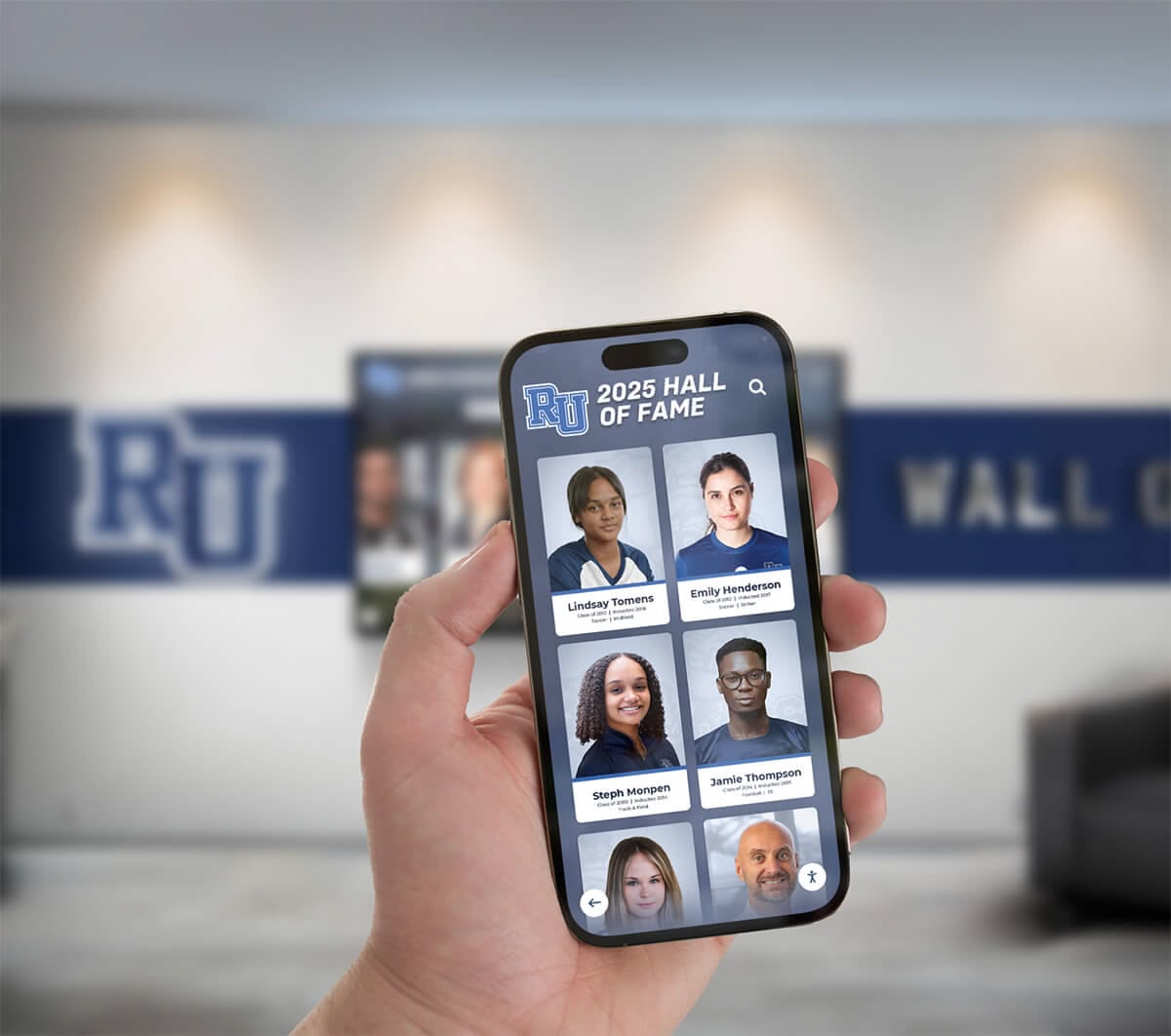
Mobile-responsive databases enable alumni to update profiles, register for events, and stay connected from anywhere using devices they already carry daily
Event Management and Registration
Comprehensive Event Administration
Successful alumni programming requires robust event features:
- Registration forms collecting attendee information and guest details
- Payment processing for ticketed events including early-bird and member pricing tiers
- Capacity management limiting attendance to venue or program constraints
- Communication workflows delivering confirmation emails, reminders, and post-event follow-up
- Check-in tools expediting on-site arrival processing through mobile devices
- Waitlist management accommodating demand exceeding initial capacity
- Post-event reporting measuring attendance, revenue, and engagement metrics
Event management integration within alumni databases eliminates redundant data entry while ensuring event participants appear in engagement tracking and communication histories.
Diverse Event Type Support
K-12 alumni calendars include varied gathering formats:
- Class reunions marking milestone anniversaries with peer cohorts
- Homecoming weekends welcoming graduates back to campus for celebrations
- Regional networking receptions building community in alumni population centers
- Career panels and professional development programs delivering value to graduates
- Volunteer recognition events honoring alumni contributing time and expertise
- Donor appreciation gatherings stewarding philanthropic supporters
- Virtual programs accommodating geographically dispersed alumni unable to travel
Flexible event management supports this programming diversity rather than forcing all gatherings into rigid templates designed for single event types.
Fundraising and Donor Management
Integrated Development Functionality
Comprehensive donor tracking streamlines advancement work:
- Gift entry recording donations across various channels and campaign designations
- Pledge tracking managing multi-year commitments and payment schedules
- Recurring gift support facilitating monthly donor programs and sustained giving
- Matching gift management maximizing employer contribution programs
- Soft credit allocation recognizing volunteer fundraisers and tribute gifts
- Appeal tracking attributing donations to specific solicitation efforts
- Online giving integration capturing donations directly within database platform
While some schools maintain separate fundraising databases, integrated systems eliminate duplicate data entry and ensure development staff access complete constituent information when cultivating major gift prospects.
Donor Relations Workflows
Systematic stewardship maintains donor loyalty and encourages continued support:
- Automated acknowledgment emails delivering immediate thank-you messages
- Tax receipt generation providing documentation donors require for deductions
- Giving history reports showing lifetime contribution patterns
- Donor level tracking categorizing supporters by cumulative or annual giving
- Recognition planning identifying donors for honor rolls, naming opportunities, or displays
- Major gift pipeline management tracking cultivation, solicitation, and stewardship stages
Explore donor recognition strategies that honor philanthropic supporters while inspiring future alumni giving.
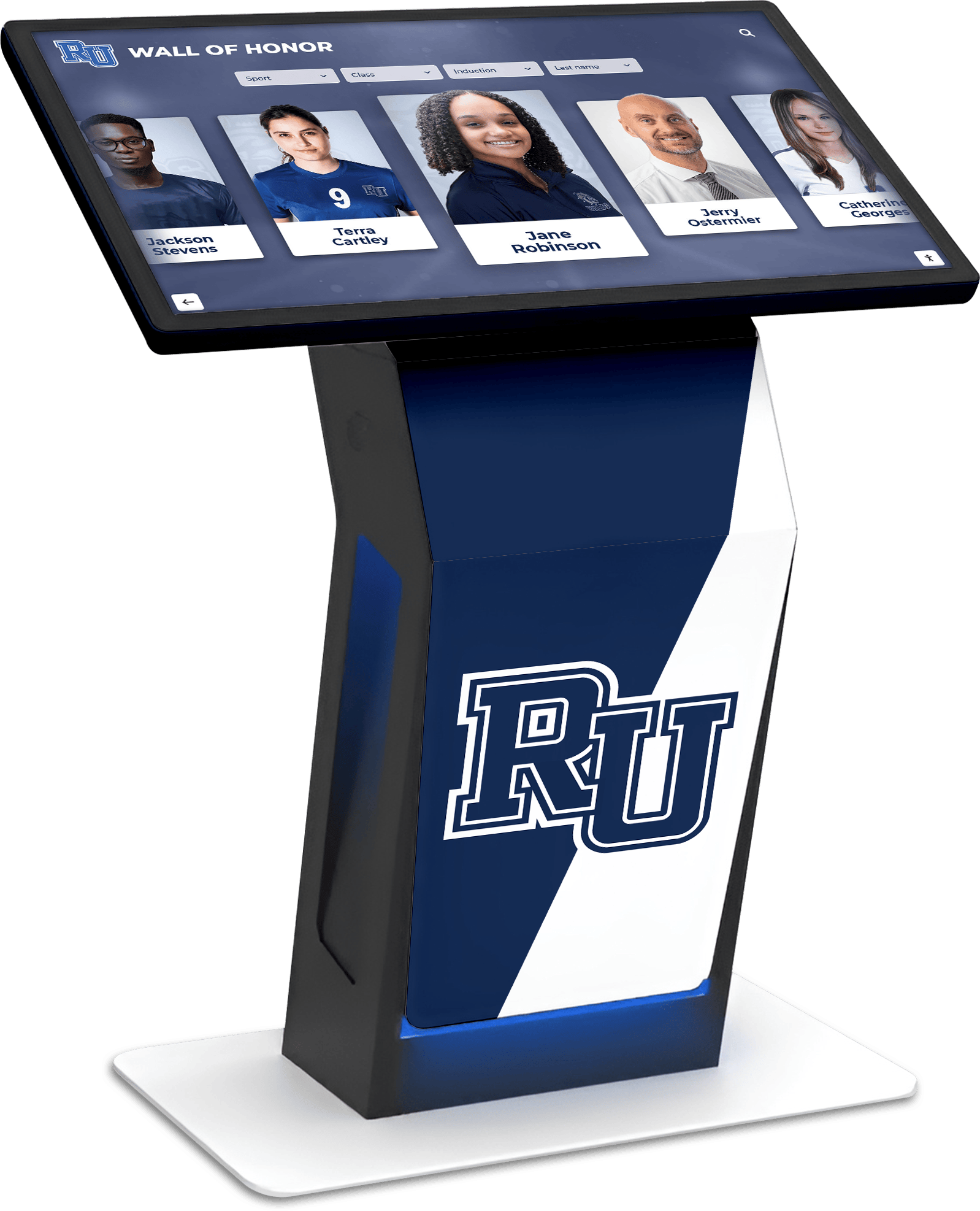
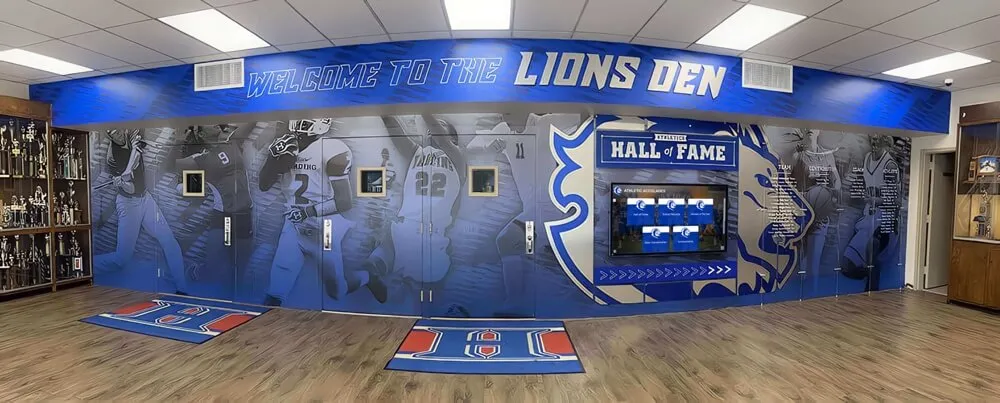
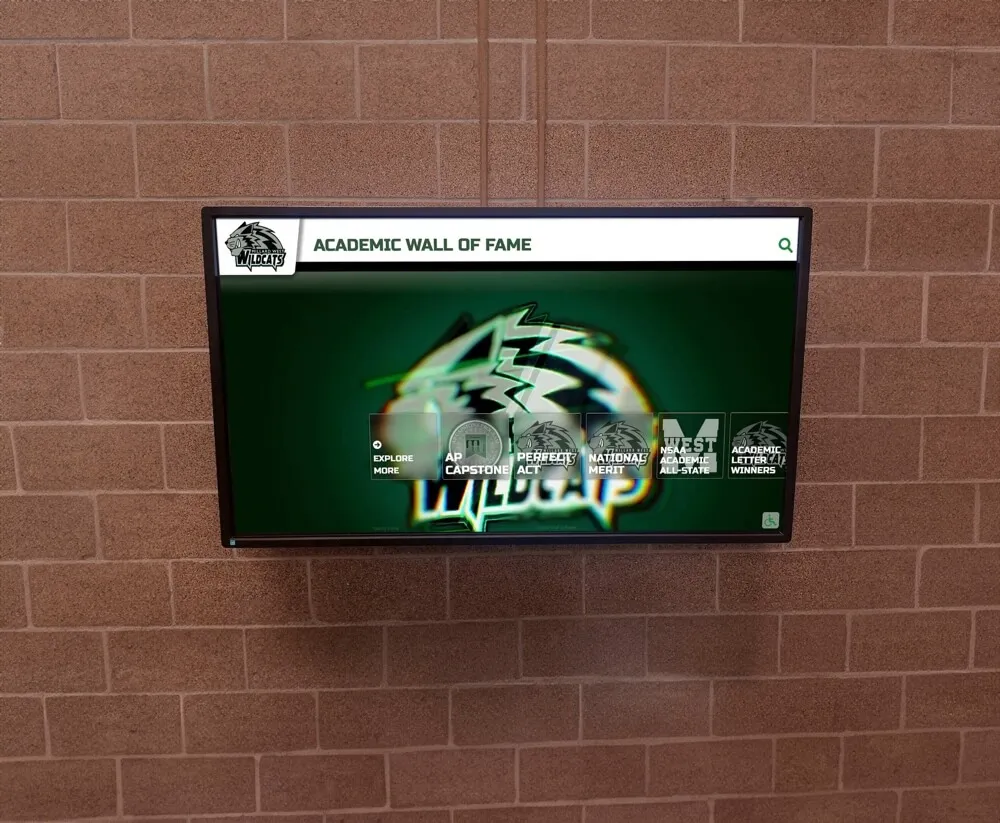
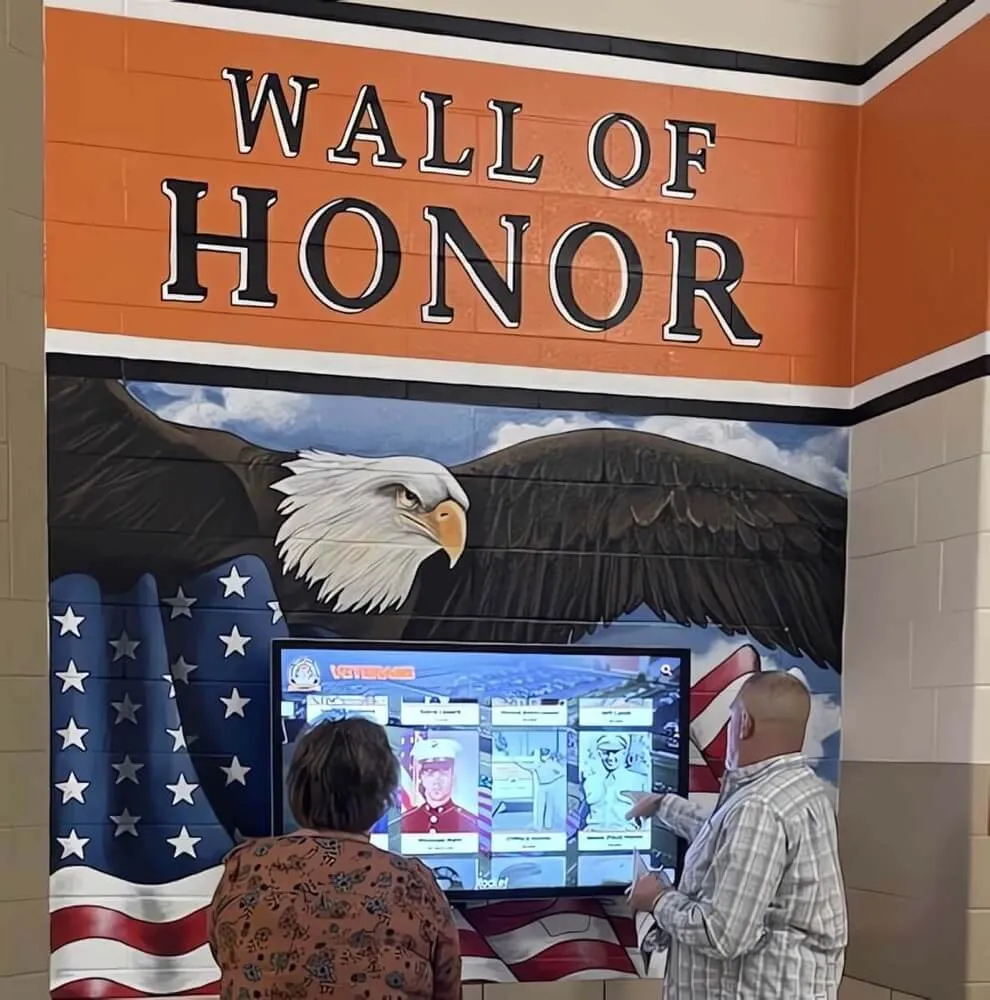
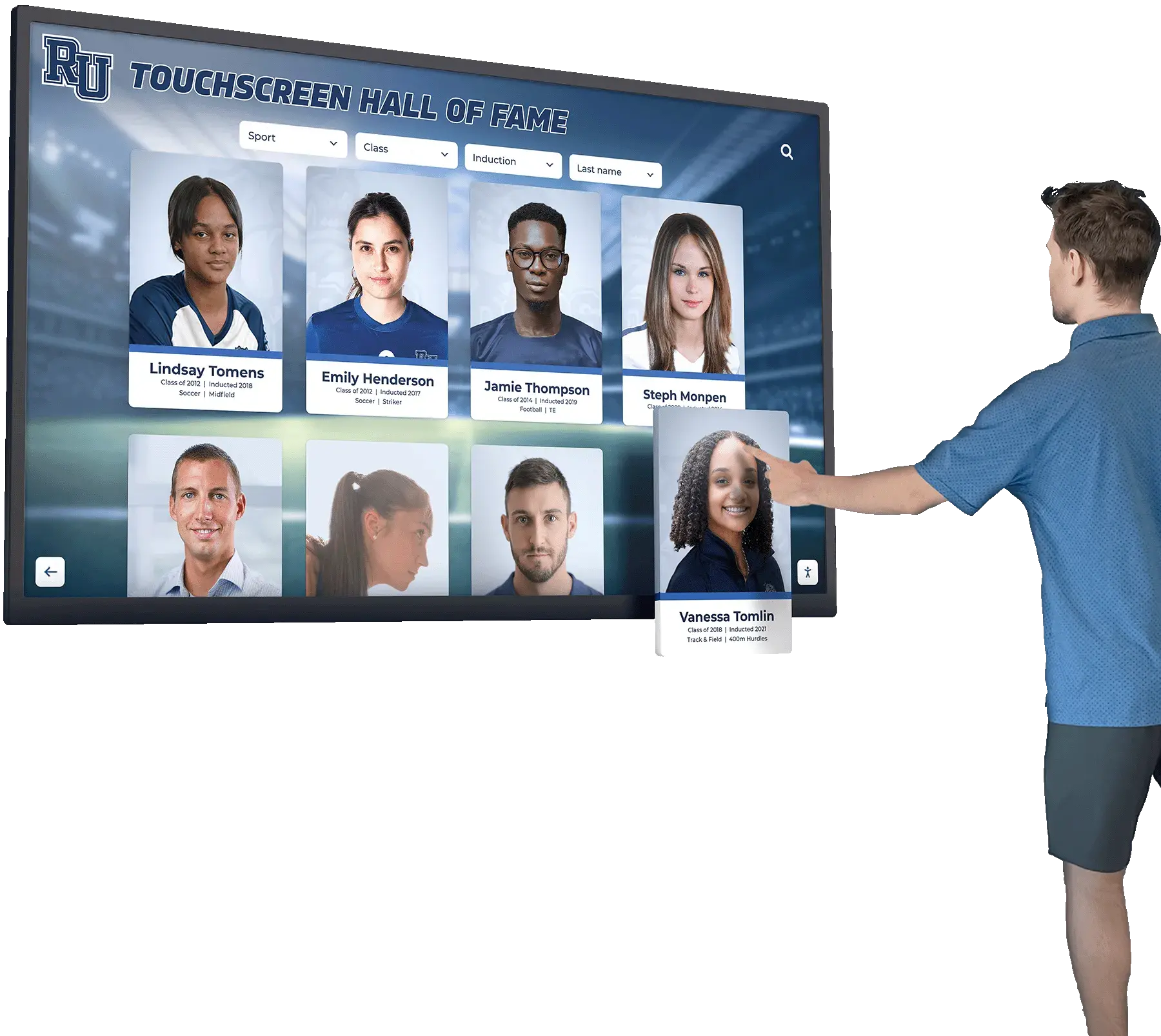
Database-driven recognition displays honor both achievement and philanthropy while maintaining appropriate distinction between celebrating accomplishment and acknowledging generosity
Critical Evaluation Criteria for K-12 Alumni Database Software
Selecting appropriate technology requires systematic assessment aligning platform capabilities with institutional needs, resources, and strategic priorities.
Scale and Complexity Appropriateness
Database Size Considerations
Platform selection should match your alumni population scale and growth trajectory:
- Schools with fewer than 1,000 alumni need different solutions than institutions with 10,000+ graduates
- Pricing models often scale with database size making growth projections important for budget planning
- Small schools may find enterprise platforms overwhelming while large institutions need robust capacity
- Consider 5-10 year growth to avoid outgrowing platforms shortly after implementation
Right-sized systems prevent both over-investment in unnecessarily sophisticated platforms and premature outgrowing of solutions lacking adequate capacity for institutional needs.
Feature Complexity and Usability
Different schools require different functionality levels:
- Schools with dedicated advancement staff can leverage sophisticated features and customization
- Institutions with part-time coordinators need intuitive interfaces and straightforward workflows
- Technical complexity varies dramatically—assess staff comfort with technology adoption
- Training requirements and ongoing support needs differ substantially across platforms
User-friendly platforms designed specifically for K-12 contexts often deliver better results than powerful enterprise systems requiring extensive training and technical expertise unavailable at most secondary schools.
Integration Requirements
Student Information System Connections
Seamless data flow reduces duplicate entry and ensures accuracy:
- Direct integration automatically converting graduating students to alumni records
- Shared data architecture maintaining consistent information across systems
- Family relationship linking connecting current students with alumni parents
- Reduced administrative burden through automated data synchronization
Schools using student information systems should prioritize alumni databases offering native integration or at minimum robust import/export capabilities preventing manual data transfer.
Financial System Compatibility
Fundraising platforms should connect with accounting infrastructure:
- Gift data flowing into financial systems for reconciliation and reporting
- Automated processes reducing discrepancies between databases
- Unified reporting combining fundraising metrics with institutional finances
Integration eliminates the reconciliation headaches created when development and finance teams maintain separate systems requiring constant manual comparison and adjustment.
Communication Platform Integration
Marketing tools should complement existing communication infrastructure:
- Email system connectivity enabling unified message management
- Social media platform integration amplifying communications across channels
- Website embedding displaying alumni content to broader audiences
Integrated ecosystems prevent the inefficiency and inconsistency of managing multiple disconnected tools.
Understanding how schools create comprehensive recognition programs combining databases with physical displays demonstrates the value of integrated platforms.
Cost Structure and Total Ownership
Transparent Pricing Models
Understanding complete financial commitment prevents budget surprises:
- Annual subscription fees and how they scale with database growth
- Implementation costs including data migration, configuration, and training
- Transaction fees for payment processing or communication volume
- Storage charges for documents, photos, and multimedia content
- User licensing determining whether pricing scales with staff count
- Upgrade costs as institutional needs evolve over time
Request detailed pricing covering all potential charges rather than comparing headline subscription costs that exclude essential add-ons or transaction fees.
Implementation Investment
Beyond software licensing, comprehensive budgets account for:
- Staff time investment during implementation and ongoing management
- Data cleanup preparing existing records for migration
- Training ensuring personnel can effectively utilize system capabilities
- Integration expenses connecting with existing school systems
- Consultant support if internal expertise proves insufficient
Total cost of ownership provides realistic budget planning preventing situations where schools purchase software they cannot afford to implement properly.
Vendor Stability and Support Quality
Long-Term Viability Assessment
Alumni databases represent long-term commitments requiring vendor stability:
- Company financial health and customer base size
- Years in business serving educational market specifically
- Customer retention rates indicating satisfaction levels
- Product roadmap demonstrating continued development investment
- User community strength providing peer support and best practice sharing
Vendor evaluation prevents investments in platforms from unstable companies that may discontinue products or get acquired leaving customers with uncertain futures.
Support and Training Resources
Implementation success depends on available assistance:
- Onboarding training comprehensiveness and delivery methods
- Ongoing technical support availability and response times
- Documentation quality including video tutorials and written guides
- User community forums enabling peer learning and problem solving
- Account management providing strategic guidance beyond technical support
Superior support compensates for limited internal expertise enabling smaller schools to successfully implement sophisticated platforms with appropriate vendor assistance.
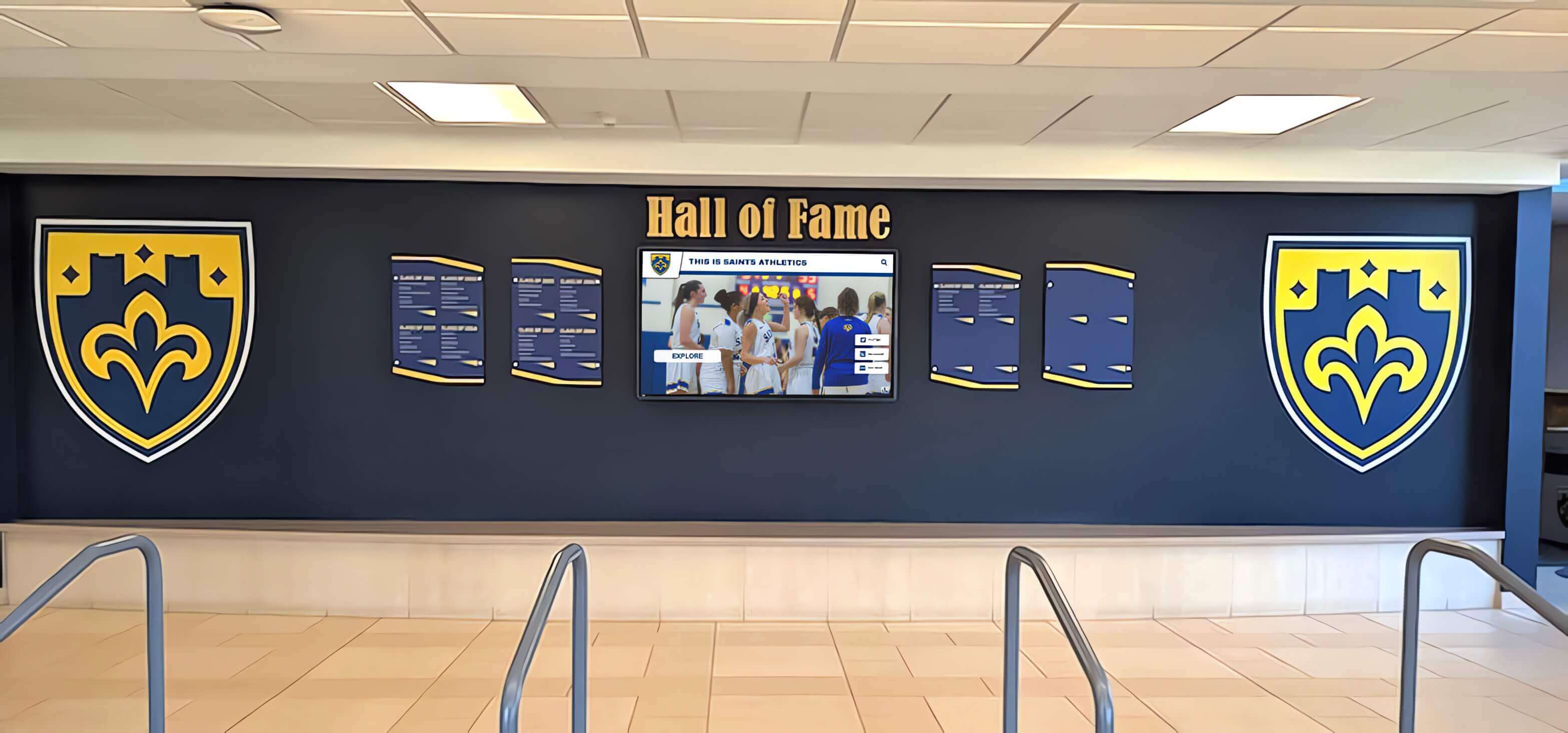
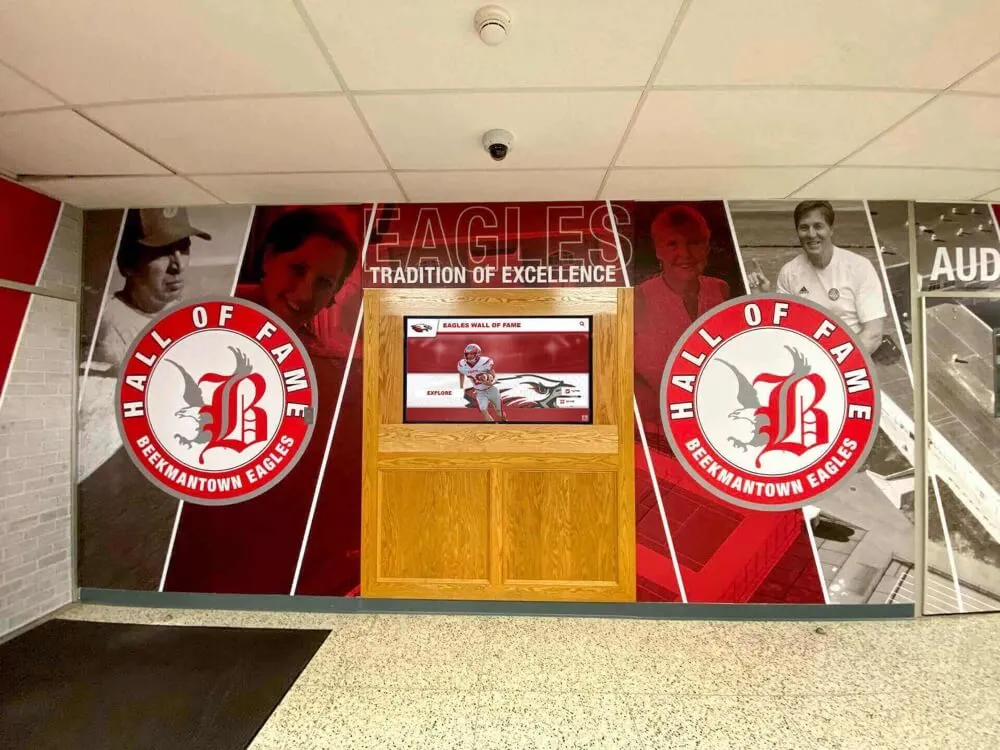
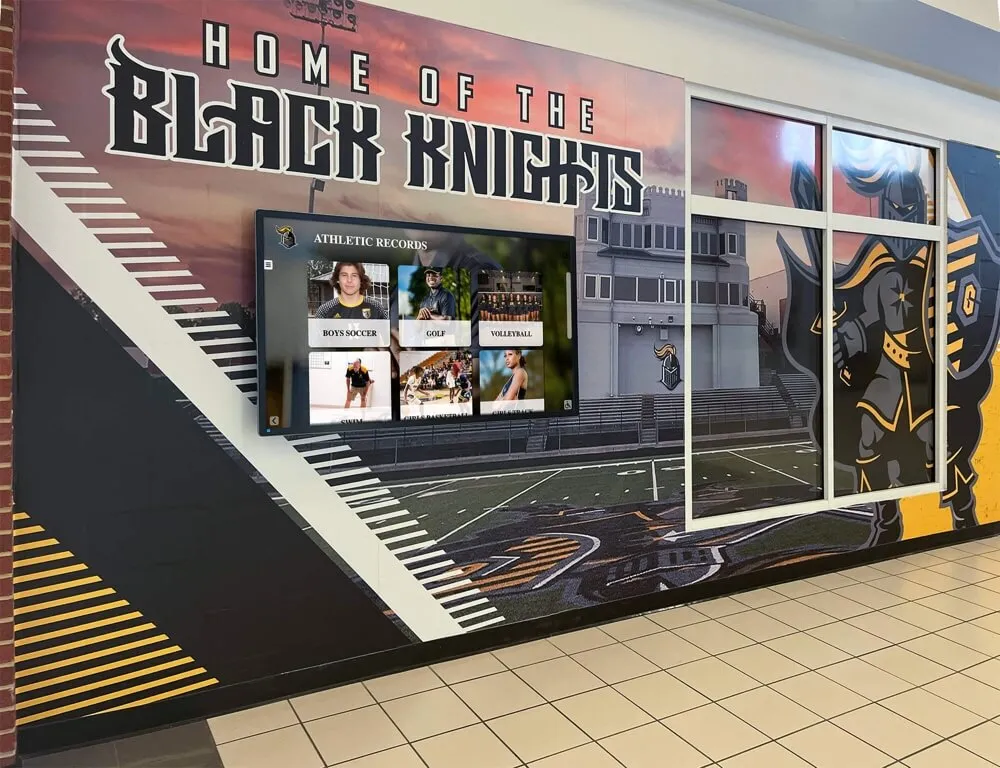
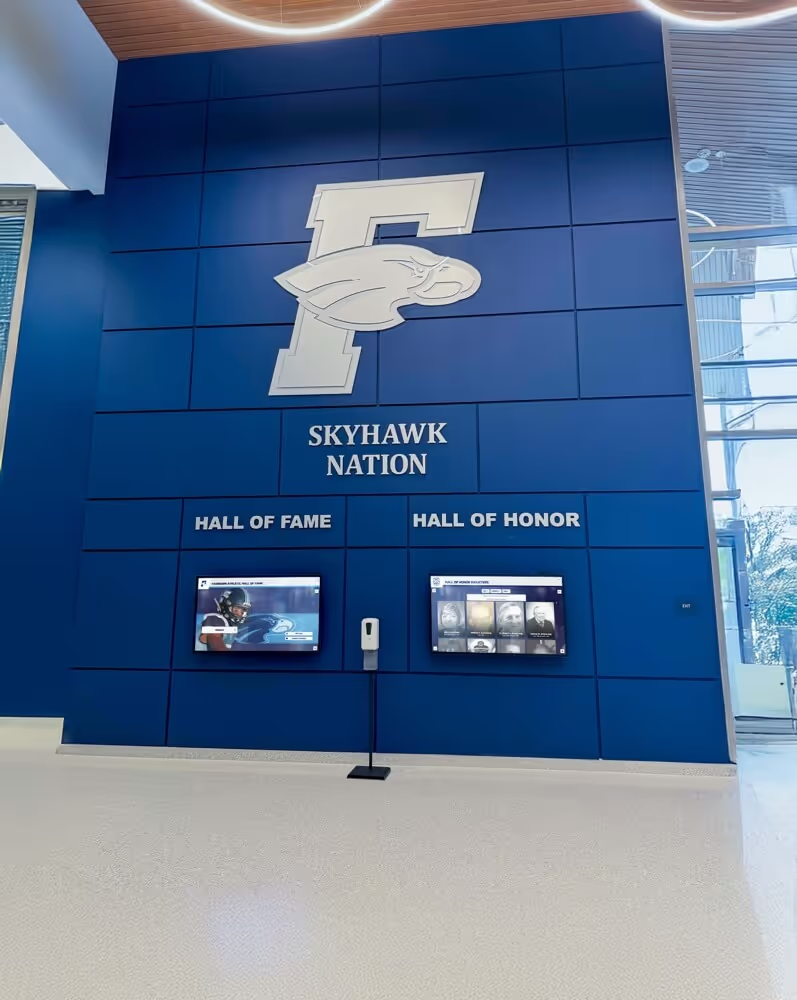
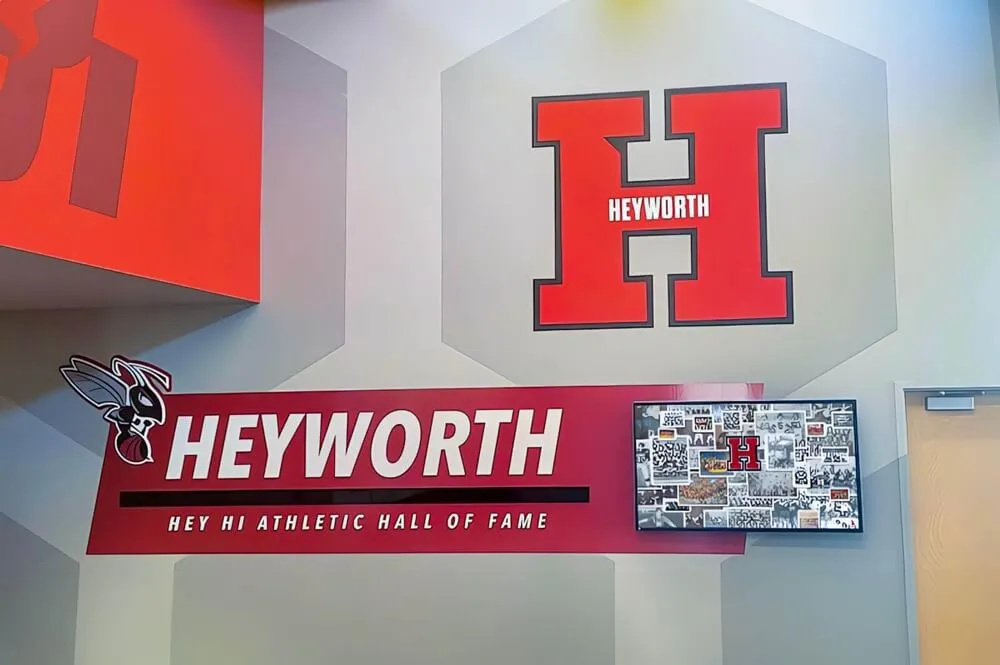
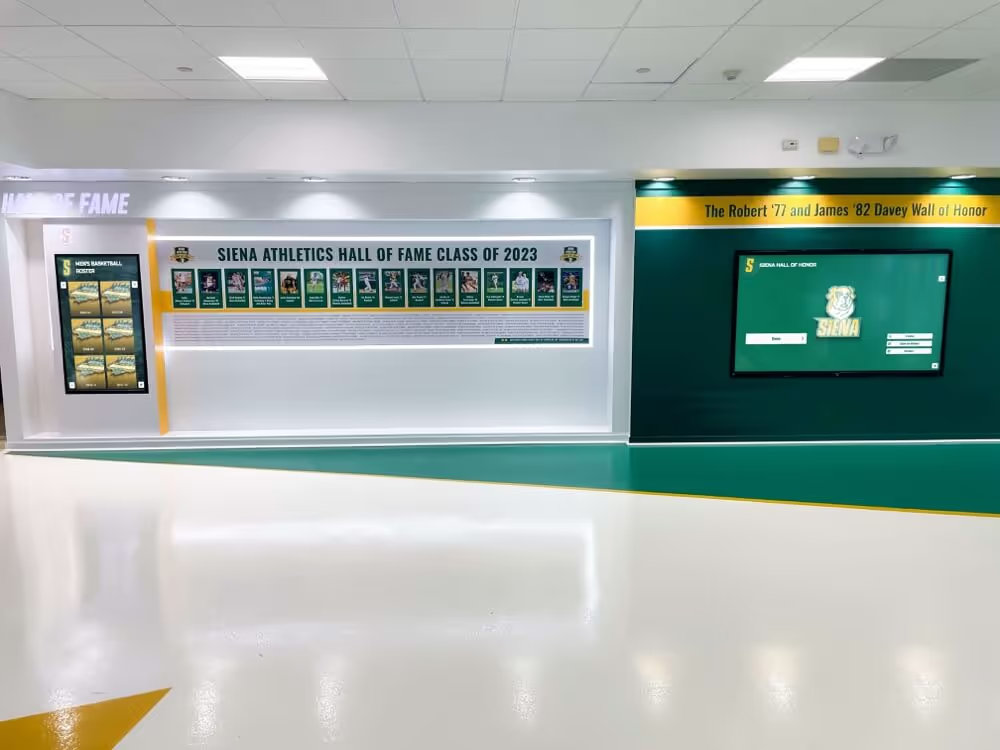
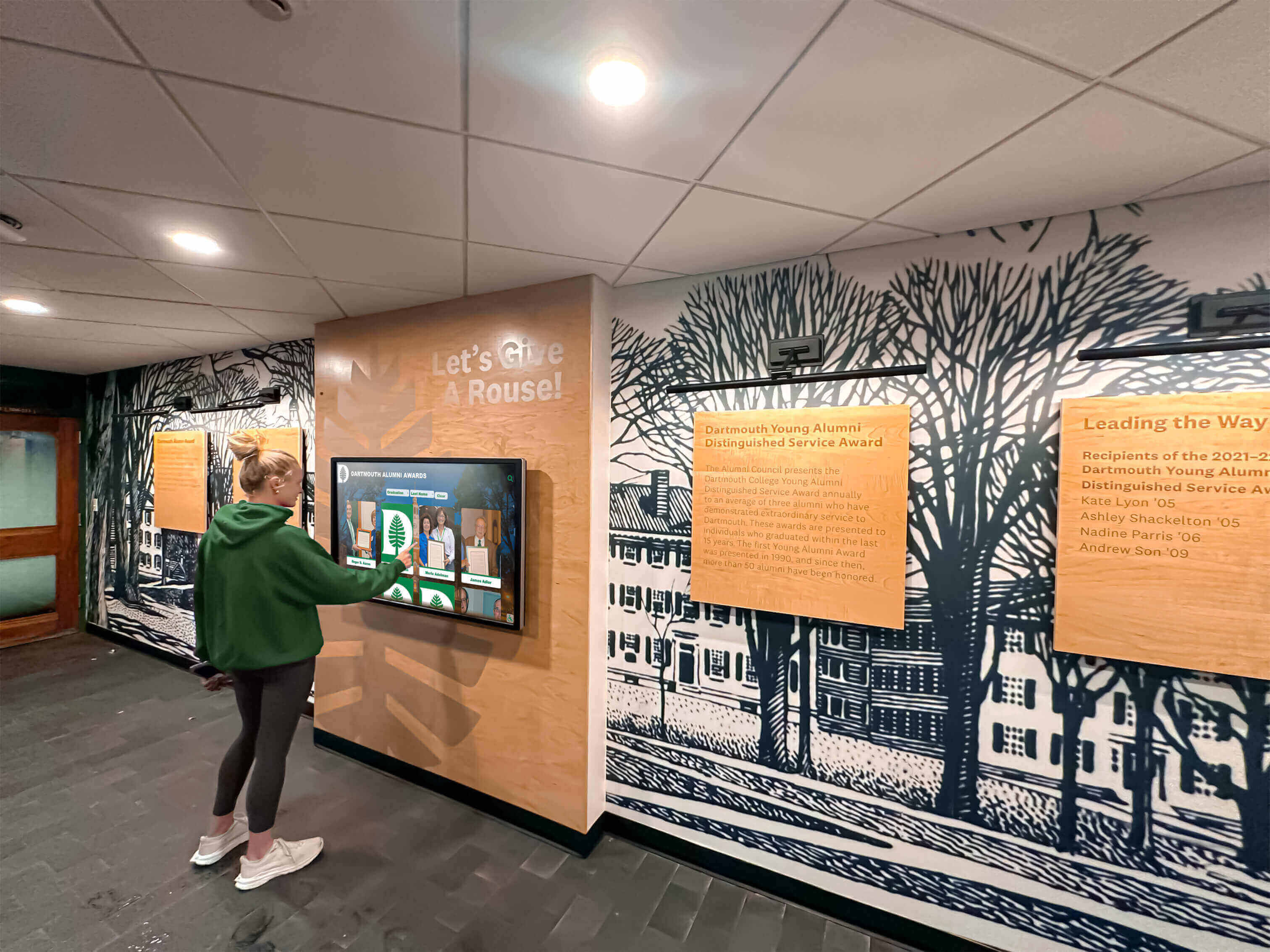
Modern alumni database systems power physical recognition displays that transform static plaques into dynamic presentations celebrating unlimited graduates
Types of Alumni Database Solutions for K-12 Schools
Understanding the landscape of available platforms helps schools identify solution categories matching their specific requirements and institutional contexts.
General CRM Systems Adapted for Education
Some schools implement general-purpose customer relationship management platforms like Salesforce, HubSpot, or Microsoft Dynamics, configuring them for alumni management through customization:
Advantages of General CRM Platforms:
- Robust feature sets developed for broad business applications
- Extensive integration ecosystems connecting with numerous other tools
- Mature platforms with proven stability and continuous development
- Scalability supporting institutional growth without platform changes
- Staff transferable skills applicable beyond education sector
Limitations for K-12 Alumni Management:
- Require significant customization to address education-specific needs
- Complex interfaces designed for business contexts rather than K-12 workflows
- Pricing structures often based on user counts becoming expensive for schools
- Lack pre-built templates for common alumni activities like reunions or giving campaigns
- Implementation requiring technical expertise or expensive consultants
General CRM systems work well for large K-12 institutions with dedicated IT resources and sophisticated requirements but often prove unnecessarily complex and expensive for smaller schools seeking straightforward alumni management.
Education-Specific Alumni Platforms
Platforms designed specifically for educational alumni management offer pre-configured functionality addressing common school needs:
Purpose-Built Advantages:
- Intuitive interfaces designed for education workflows non-technical staff understand
- Pre-built templates for reunions, giving campaigns, and typical alumni programming
- Pricing models aligned with educational budgets and constraints
- Vendor expertise in education sector understanding unique requirements
- Implementation processes designed for schools rather than requiring extensive customization
Platform Considerations:
- Feature depth varies significantly across platforms requiring careful evaluation
- Integration capabilities depend on specific platform technical architecture
- Vendor stability ranges from established companies to newer startups
- Scalability limits may require platform changes as institutions grow
Education-focused platforms typically provide the best balance of functionality, usability, and cost for most K-12 schools seeking dedicated alumni database solutions.
Comprehensive Recognition and Database Systems
Some platforms combine alumni database functionality with interactive recognition displays creating integrated ecosystems:
Rocket Alumni Solutions: Integrated Database and Recognition
Rocket Alumni Solutions takes a distinctive approach by combining cloud-based alumni database management with interactive touchscreen displays that transform campus spaces into engaging recognition environments:
Key Capabilities for K-12 Schools:
- Alumni database tracking graduate information, achievements, career progression, and giving history
- Unlimited alumni profiles without per-record pricing enabling comprehensive database growth
- Interactive touchscreen displays showcasing alumni profiles in high-visibility campus locations
- Cloud content management system updating both database and display content remotely
- Mobile-responsive directories enabling alumni self-service profile updates from any device
- Donor recognition displays highlighting contributions alongside achievement recognition
- Social media integration pulling alumni updates and celebrating graduate milestones
- Event coordination tools supporting reunions and alumni gatherings
Integrated Approach Benefits:
- Physical recognition creating permanent institutional touchpoints beyond digital-only communication
- Database content automatically populating interactive displays eliminating duplicate entry
- Visible alumni presence inspiring current students daily rather than hidden in administrative systems
- Single platform serving multiple objectives from data management through public recognition
Implementation Model: Schools typically invest in touchscreen hardware installation ($15,000-$45,000 depending on display size and quantity) plus annual software subscriptions ($2,000-$5,000) for content management and database access. This model differs from software-only platforms but delivers lasting physical recognition assets alongside database functionality.
Best Fit For: K-12 schools prioritizing visible, permanent alumni recognition in physical campus spaces where graduates, current students, families, and visitors interact. Institutions seeking differentiated approaches beyond purely digital databases and email communications. Schools with capital budgets supporting facility enhancement projects alongside operational software expenses.
The integrated recognition approach demonstrates how alumni databases can serve multiple strategic purposes simultaneously—data management, communication, fundraising cultivation, student inspiration, and institutional branding—through platforms combining software with physical recognition infrastructure.
Explore how schools create engaging alumni spaces that celebrate leadership and achievement using database-driven recognition displays.
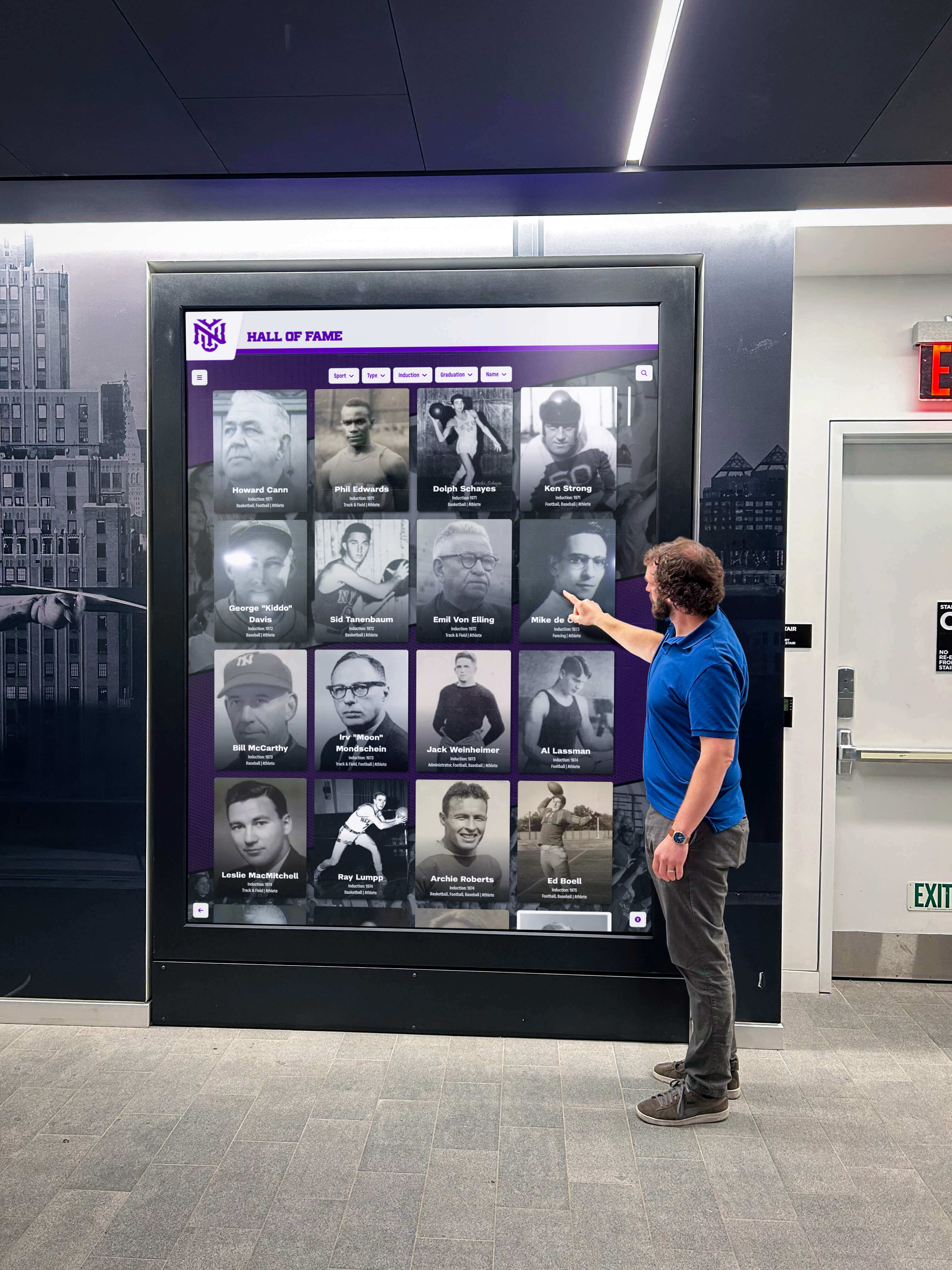
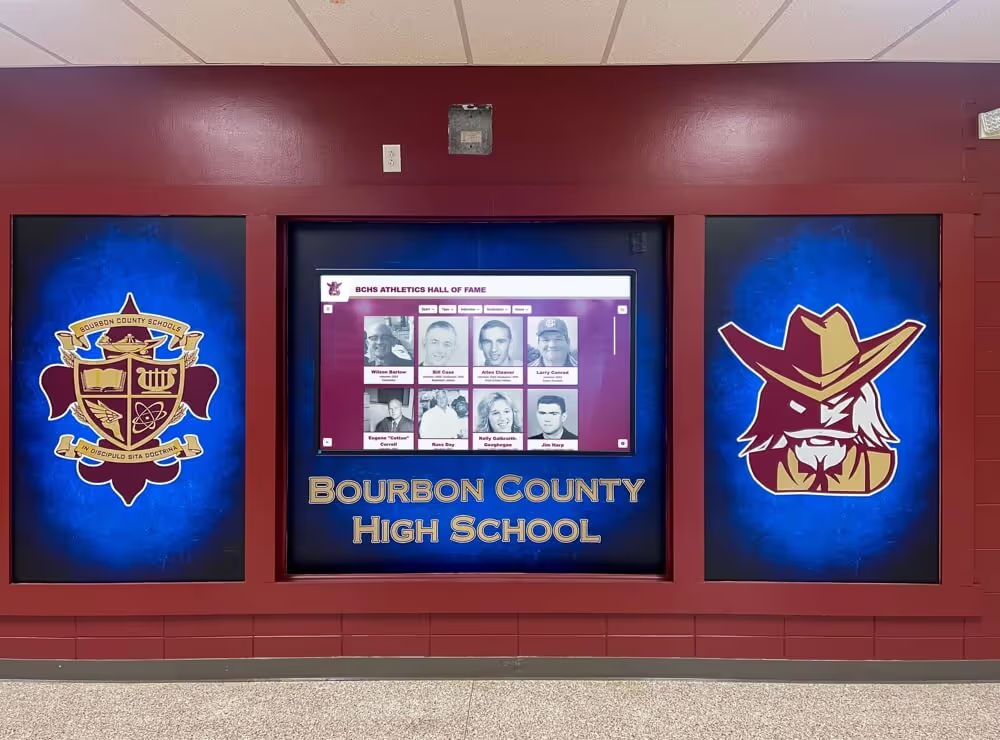
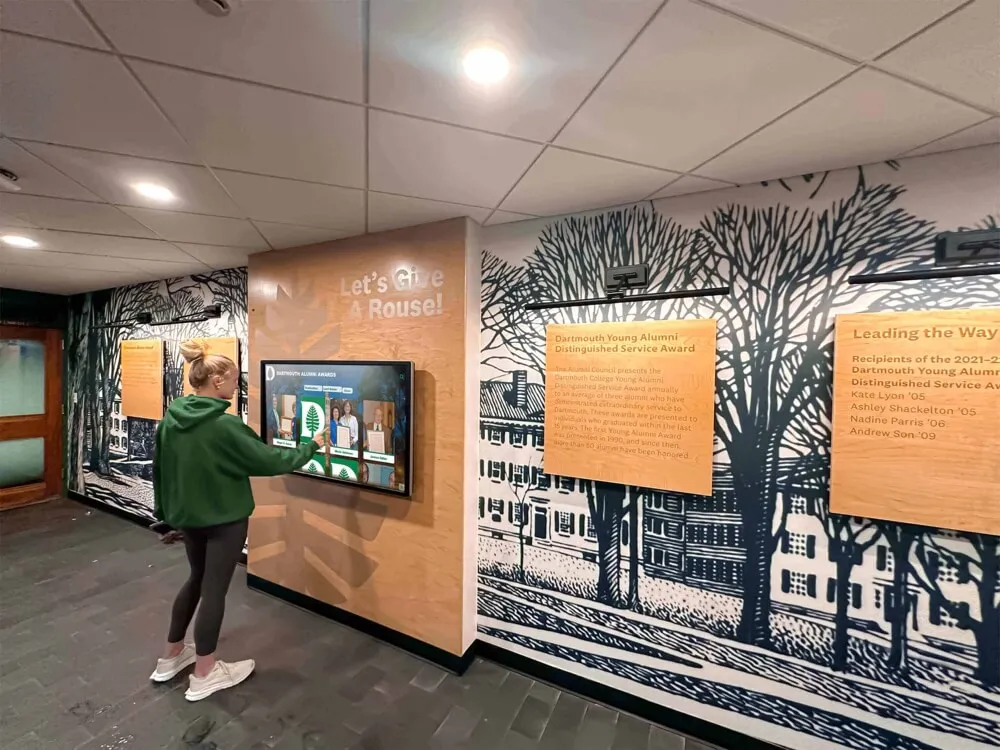
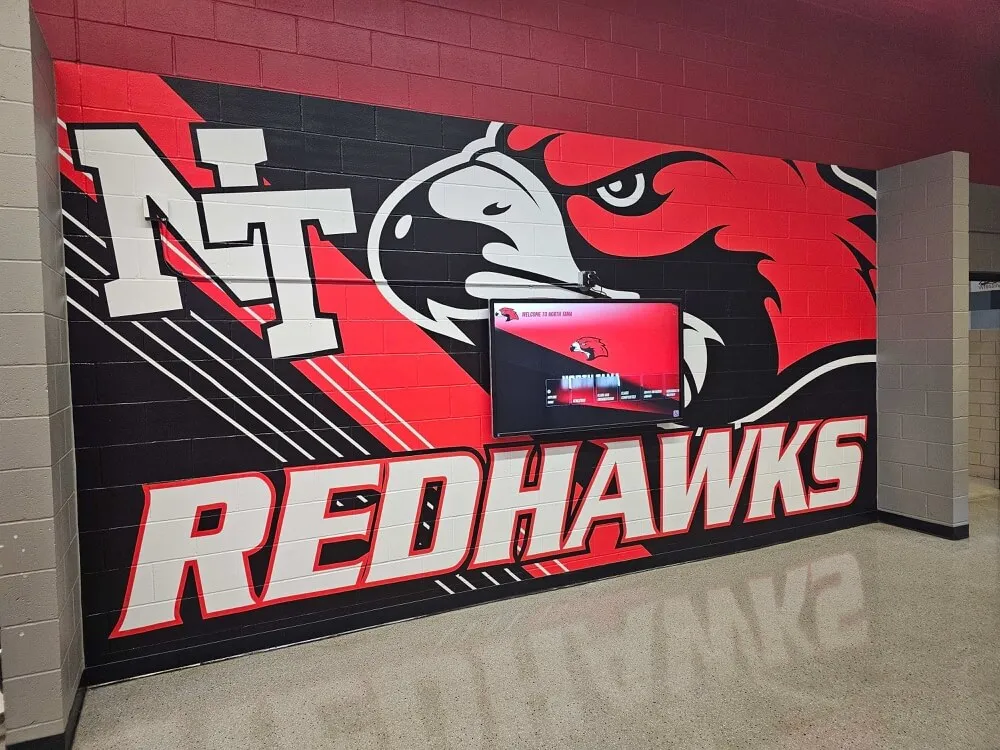
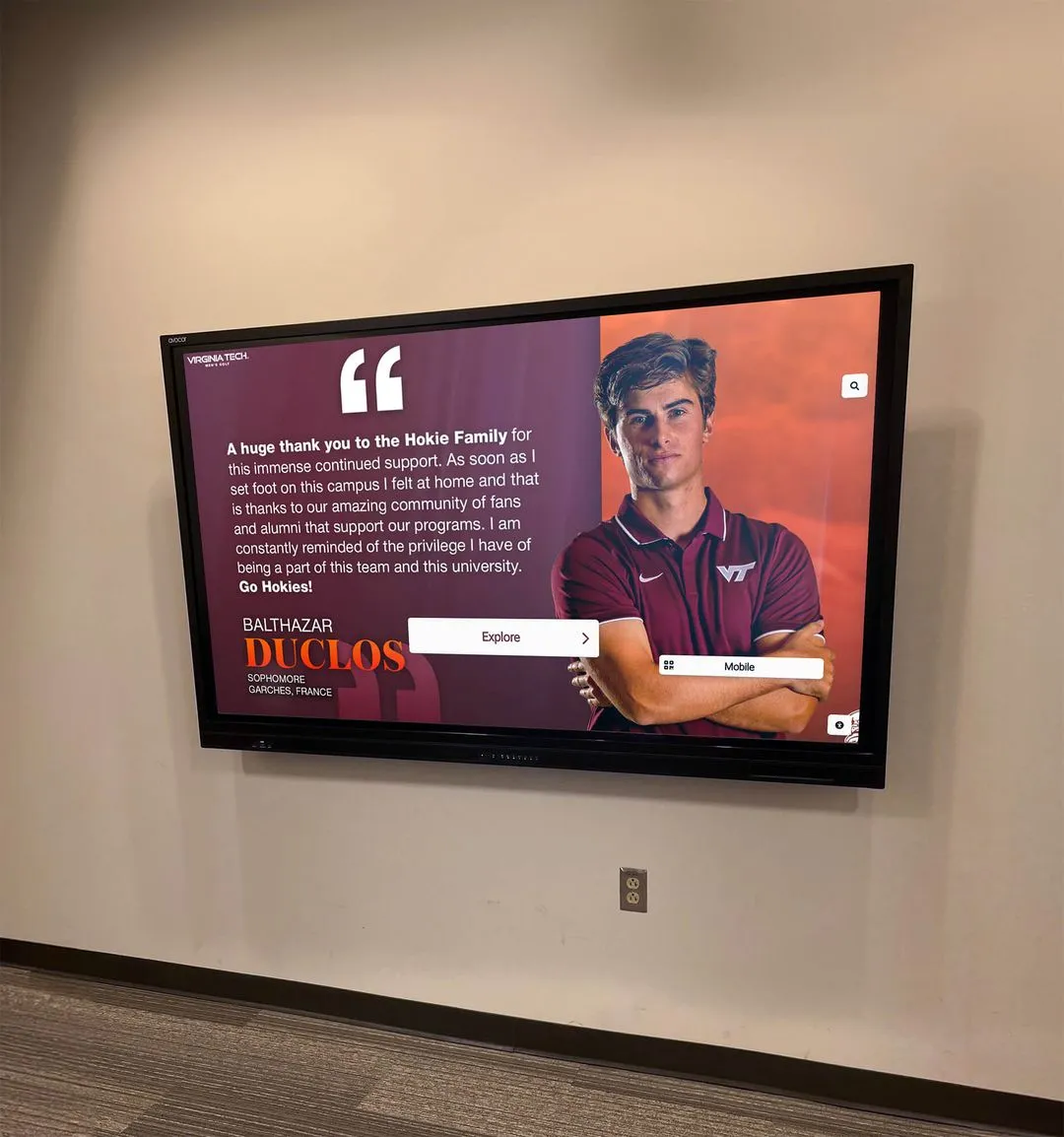
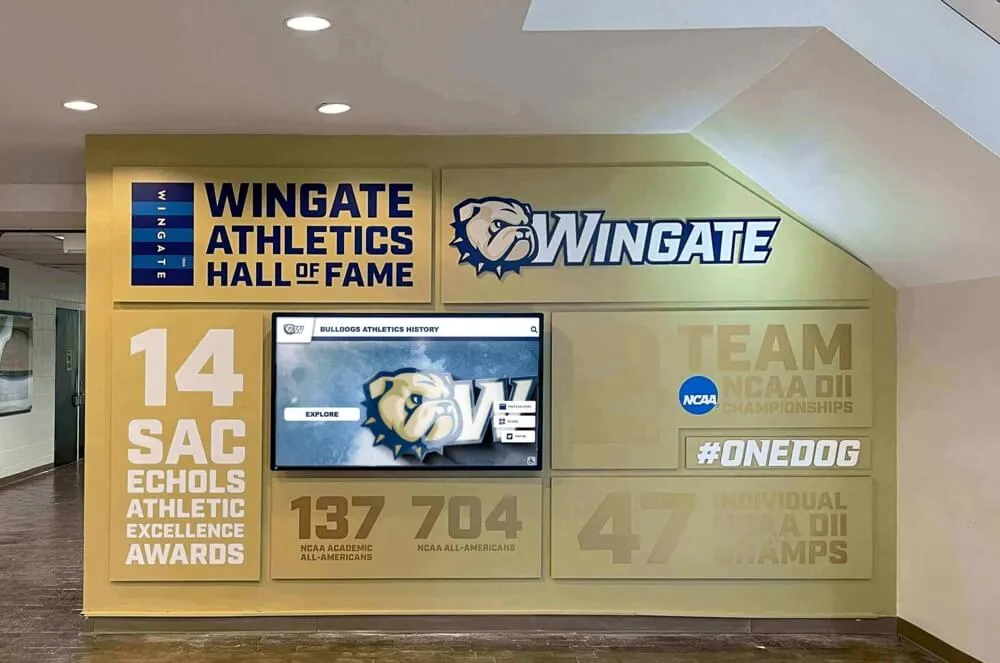
Integrated database and recognition platforms create engaging experiences that maintain graduate connections through interactive displays showcasing achievements and institutional heritage
Implementation Best Practices for Alumni Database Systems
Successful platform adoption requires more than software purchase—systematic implementation determines whether technology investment delivers promised value.
Data Migration and Quality Preparation
Historical Record Consolidation
Most schools begin with scattered, inconsistent alumni data requiring consolidation:
- Compile information from multiple sources including spreadsheets, email contacts, and donor databases
- Standardize data formats ensuring consistent address structures, name conventions, and field usage
- Identify and merge duplicate records before migration preventing database clutter
- Prioritize recent graduates and active participants when resource constraints limit comprehensive cleanup
- Establish data governance policies defining update responsibilities and quality standards
Clean data at migration prevents perpetuating errors into new systems while establishing quality standards for ongoing maintenance.
Progressive Data Enhancement
Rather than delaying launch until achieving perfect data, successful implementations follow phased approaches:
- Phase 1: Migrate basic contact information enabling initial communication
- Phase 2: Add employment and education details supporting career programming
- Phase 3: Incorporate engagement history tracking event attendance and volunteer activity
- Phase 4: Enhance with family connections, student activities, and preference data
Progressive enhancement delivers early value while spreading data improvement efforts over manageable timeframes rather than overwhelming implementation teams.
Staff Training and Change Management
Comprehensive User Onboarding
Investment in training determines adoption success:
- Role-specific training addressing different staff member responsibilities and needs
- Hands-on practice sessions enabling staff to complete realistic tasks under guidance
- Quick-reference guides providing just-in-time support for common procedures
- Advanced training after basic comfort establishes introducing sophisticated features
- Ongoing training integrated into onboarding processes for new staff members
Thorough training builds confidence and competence preventing situations where intimidated staff avoid using platforms they don’t fully understand.
Stakeholder Communication
Platform changes affect multiple constituencies requiring clear communication:
- Inform alumni about new self-service profile update opportunities and privacy protections
- Update board members and leadership on platform capabilities and strategic opportunities
- Train volunteers including class reunion organizers and regional chapter leaders
- Communicate realistic timelines managing stakeholder patience during transition periods
Proactive communication prevents misunderstandings while building enthusiasm for enhanced alumni engagement capabilities.
Phased Rollout Strategy
Incremental Feature Adoption
Comprehensive platforms deployed simultaneously overwhelm users and organizations:
- Phase 1: Core database management and contact information organization
- Phase 2: Communication tools including email marketing and segmentation
- Phase 3: Event management starting with simple registration and building complexity
- Phase 4: Fundraising features after communication and engagement establish baseline
- Phase 5: Advanced capabilities including mentorship programs and career networking
Phased rollout enables mastery of foundational features before adding complexity while demonstrating early wins that build organizational momentum.
Pilot Programs and Iteration
Testing with limited groups reveals issues before broad deployment:
- Select engaged alumni cohort for initial platform access gathering candid feedback
- Run small event through new registration system before major reunion launch
- Test communication templates with staff groups before sending to thousands
- Iterate based on pilot learning refining approaches before expanding access
Pilot testing prevents embarrassing public failures while enabling continuous improvement based on real usage patterns rather than theoretical assumptions.
Understanding athletic recognition programs helps schools implement database-driven systems serving multiple stakeholder groups effectively.
Measuring Alumni Database Success
Systematic evaluation demonstrates platform value while identifying opportunities for optimization and increased utilization.
Key Performance Indicators
Database Health Metrics
Platform effectiveness begins with quality data:
- Contact information accuracy measuring deliverable email percentage and returned mail rates
- Profile completion assessing what percentage of alumni maintain current career and location information
- Growth rate tracking new alumni additions and historical record improvements
- Duplicate record counts monitoring data quality maintenance over time
- Update frequency indicating regular data refinement versus stagnant information
Database health metrics prevent gradual deterioration that undermines communication effectiveness and engagement programming.
Engagement Indicators
Active participation demonstrates platform value beyond administrative efficiency:
- Email open and click rates measuring communication effectiveness and content relevance
- Event registration and attendance tracking alumni interest and participation patterns
- Self-service profile updates indicating alumni willingness to maintain their own records
- Directory usage monitoring how frequently graduates access peer information
- Volunteer activity measuring alumni contributing time and expertise
Engagement metrics reveal whether platforms facilitate meaningful connections or merely organize data that never actually improves alumni relationships.
Fundraising Performance
Development outcomes justify platform investment to budget-conscious leadership:
- Annual fund participation rates comparing year-over-year donor counts
- Average gift size tracking donation quality beyond simple quantity metrics
- Donor retention measuring percentage of repeat contributors across campaigns
- Major gift pipeline tracking prospects in cultivation and solicitation stages
- Online giving percentage indicating digital tool adoption and transaction convenience
Demonstrable fundraising improvements provide compelling evidence that alumni database investment delivers tangible returns exceeding implementation costs.
Continuous Improvement Cycles
Regular Feature Assessment
Platforms evolve—maximize value through ongoing evaluation:
- Quarterly reviews identifying underutilized features and training opportunities
- Annual assessment comparing platform capabilities against evolving school needs
- Peer learning through user groups discovering best practices from similar institutions
- Vendor relationship management requesting features and improvements based on usage experience
Active platform management prevents situations where schools use fraction of available capabilities while continuing to pay for comprehensive features they never leverage.
Alumni Feedback Collection
User input guides optimization priorities:
- Annual surveys gathering alumni satisfaction with communication frequency and content
- Post-event feedback measuring registration experience and logistical effectiveness
- Usability testing observing alumni navigating directory and profile features
- Focus groups with diverse alumni cohorts exploring varied needs and preferences
Direct alumni feedback ensures platforms serve actual user needs rather than administrator assumptions about what graduates want.
Discover comprehensive approaches to building engaged alumni communities that leverage database infrastructure for strategic programming.
Common Implementation Challenges and Solutions
Understanding frequent obstacles enables proactive planning avoiding predictable pitfalls that derail alumni database initiatives.
Limited Historical Data
Challenge: Many K-12 schools lack comprehensive alumni records, especially for graduates from decades past, creating sparse databases limiting initial platform value and engagement potential.
Solutions:
- Leverage class reunion organizers who maintain independent contact lists as valuable data sources
- Launch alumni update campaigns incentivizing graduates to register profiles through recognition or prizes
- Partner with volunteer researchers documenting historical graduates through yearbooks and local records
- Accept incomplete data initially, building database gradually rather than delaying launch pending perfection
- Prioritize recent graduate records where information accessibility improves accuracy and relevance
Progressive data building delivers early value while establishing processes that gradually address historical gaps.
Staff Capacity Constraints
Challenge: K-12 schools rarely employ dedicated alumni relations professionals, instead assigning responsibilities to development officers, admissions staff, or administrators managing multiple duties simultaneously.
Solutions:
- Select platforms emphasizing ease of use and automation reducing management burden
- Implement phased rollout focusing on highest-value features before expanding to full functionality
- Engage volunteer alumni helping with database maintenance, event planning, and outreach coordination
- Establish realistic engagement expectations matching staff capacity rather than attempting university-scale programming
- Leverage vendor support and training compensating for limited internal expertise
Right-sized implementations aligned with actual capacity prevent burnout and abandonment of systems requiring more attention than available personnel can sustainably provide.
Budget Limitations
Challenge: K-12 school budgets constrain technology spending, especially compared to higher education institutions with larger advancement operations and established software budgets.
Solutions:
- Evaluate total cost of ownership over multi-year periods rather than focusing solely on first-year expenses
- Calculate projected fundraising increases and staff time savings quantifying return on investment
- Explore tiered pricing models starting with essential features and expanding as budget permits
- Consider platforms combining multiple functions (database, communication, recognition) delivering better value than separate point solutions
- Investigate grant opportunities and donor sponsorship specifically for technology infrastructure
Comprehensive ROI analysis helps justify investment by demonstrating how database efficiency and enhanced fundraising offset implementation costs over reasonable timeframes.
Alumni Privacy Concerns
Challenge: Graduates express reluctance sharing personal information fearing unsolicited contact, privacy breaches, or excessive fundraising solicitation undermining database development efforts.
Solutions:
- Establish transparent privacy policies explaining data usage and protection measures clearly
- Provide granular communication preferences allowing alumni to opt into specific content types
- Offer directory visibility controls letting graduates choose what information peers can access
- Respect communication frequency limits avoiding overwhelming alumni with excessive messages
- Build trust through consistent, valuable communication rather than purely transactional fundraising asks
Privacy-conscious approaches demonstrate respect for alumni preferences while actually increasing voluntary information sharing through established trust.
Learn how schools integrate digital displays with database platforms creating comprehensive recognition and wayfinding systems.
Future Trends in Alumni Database Technology
Understanding emerging capabilities helps schools select platforms positioned for long-term relevance and continuous improvement supporting evolving institutional needs.
Artificial Intelligence and Predictive Analytics
Advanced platforms increasingly incorporate AI-powered features enhancing functionality:
- Predictive modeling identifying alumni with highest major gift potential based on engagement patterns
- Automated engagement scoring tracking interaction across multiple channels without manual data entry
- Smart segmentation suggesting communication targets based on content type and historical response patterns
- Natural language processing extracting insights from survey responses and communication feedback
- Automated data enhancement pulling public information supplementing internal records
AI capabilities enable sophisticated analysis and automation previously requiring extensive manual effort or remaining entirely impossible at K-12 institutions with limited analytical resources.
Enhanced Mobile Experiences
Smartphone ubiquity drives mobile-first platform design priorities:
- Progressive web apps delivering app-like experiences without downloads or app store management
- Location-based notifications alerting alumni to nearby events or graduates when traveling
- Mobile check-in streamlining event attendance tracking through smartphone scanning
- Social sharing integration amplifying school messages through alumni personal networks
- Mobile giving optimization capturing impulse donations through frictionless smartphone experiences
Mobile-optimized platforms meet alumni where they already spend time—on personal devices they carry constantly—rather than requiring desktop access limiting engagement opportunities.
Integration with Institutional Marketing Technology
Alumni platforms increasingly connect with broader school systems creating unified ecosystems:
- CRM integration creating constituent databases spanning prospects, current families, and alumni
- Marketing automation connecting alumni engagement with admission inquiry nurturing and parent communication
- Analytics integration measuring alumni program impact on admission yield and institutional reputation
- Social listening tools tracking alumni advocacy and institutional mentions across digital channels
Integrated technology stacks eliminate silos enabling coordinated strategies serving multiple institutional objectives through unified platforms rather than disconnected point solutions.
Community-Powered Database Development
Progressive platforms enable alumni participation in database maintenance and enhancement:
- Crowdsourced profile updates where alumni verify and correct information about classmates
- Community contribution systems enabling graduates to submit photographs, stories, and historical materials
- Peer networking features helping alumni locate lost classmates through mutual connections
- Gamification elements encouraging database interaction through recognition and progress tracking
Community-powered approaches distribute database maintenance across thousands of alumni rather than concentrating all work on small institutional staff teams while simultaneously increasing graduate engagement through active participation.
Making Your Alumni Database Decision
Selecting appropriate alumni database software represents a significant investment affecting your school’s graduate relationships, fundraising effectiveness, and institutional community for years following implementation.
Begin by honestly assessing current state—database size and quality, staff capacity and technical sophistication, budget parameters, and strategic priorities distinguishing must-have capabilities from nice-to-have features. Schools with established advancement operations and dedicated staff gain value from comprehensive platforms offering sophisticated functionality despite higher complexity and cost. Institutions prioritizing simplicity and cost-effectiveness while accessing essential features should focus on purpose-built education platforms designed specifically for K-12 contexts.
For schools seeking integrated approaches combining database management with visible physical recognition, platforms like Rocket Alumni Solutions offer unique value by transforming data from hidden administrative systems into engaging campus displays that inspire current students while honoring graduate achievements—serving both operational efficiency and institutional branding objectives simultaneously through unified solutions.
Regardless of specific platform selection, success ultimately depends on implementation quality, staff commitment, data accuracy, and willingness to invest in relationship building beyond technology deployment. The best alumni database software for your K-12 school is one matching institutional needs, fitting within realistic resource constraints, and supporting your unique vision for graduate engagement—whether that prioritizes fundraising, student mentorship, community building, or comprehensive recognition celebrating every graduate’s contribution to your school’s ongoing story.
Ready to explore how comprehensive alumni database systems can transform your school’s graduate engagement through organized data management combined with interactive recognition displays that honor achievements while building lasting connections? Request your free consultation to discover custom solutions designed specifically for K-12 schools seeking systematic approaches to tracking, engaging, and celebrating alumni communities across generations of graduates.
Live Example: Rocket Alumni Solutions Touchscreen Display
Interact with a live example (16:9 scaled 1920x1080 display). All content is automatically responsive to all screen sizes and orientations.