



Friday nights in Alabama mean one thing—high school football. From August through December, communities across the state gather under stadium lights to watch their teams compete, building toward the ultimate goal: a state championship in the Alabama high school football playoffs. The playoff journey represents the pinnacle of high school athletic achievement in Alabama, where decades of tradition meet modern competition in a format that has captivated generations of players, coaches, and fans.
Alabama’s rich football heritage creates a culture where high school championships carry extraordinary significance. State championship trophies occupy places of honor in school trophy cases, championship banners hang prominently in gymnasiums, and championship teams become part of permanent institutional legacy. Yet as programs accumulate playoff appearances and championship victories across multiple classifications and decades, schools face important questions: How can we preserve and celebrate our complete playoff history? What recognition approaches honor both recent championships and historical achievements? How do modern schools showcase championship traditions while solving space constraints in traditional display systems?
This comprehensive guide explores the Alabama high school football playoff system—from understanding classification structures and playoff formats to celebrating championship traditions and implementing recognition programs that preserve your program’s legacy for generations to come.
Alabama high school football playoffs represent more than athletic competition—they function as community celebrations, educational experiences teaching dedication and teamwork, and tradition-building events that create lifelong connections between players, schools, and supporters. Understanding how the playoff system operates and how championship traditions have evolved helps schools create recognition programs that appropriately honor these achievements while inspiring future generations to continue building on championship legacies.

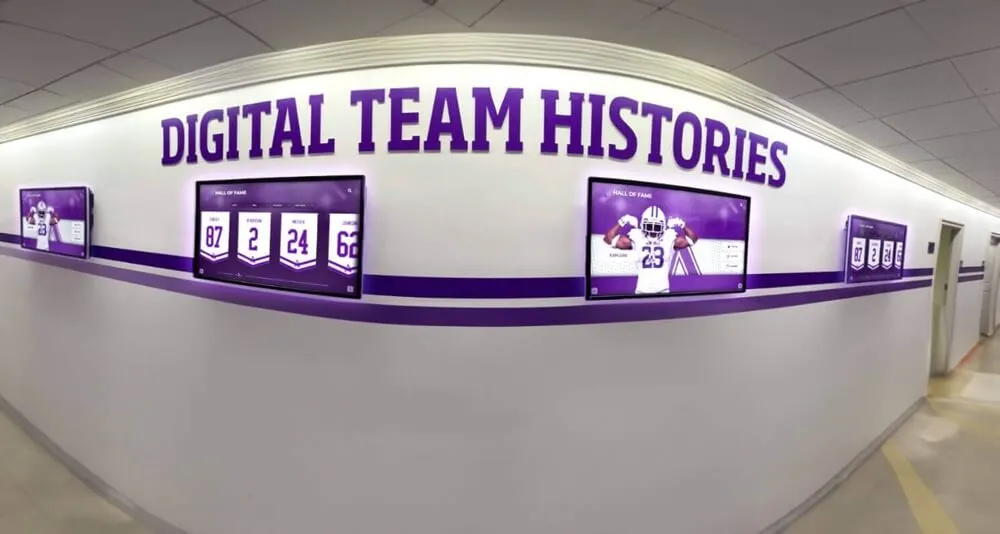
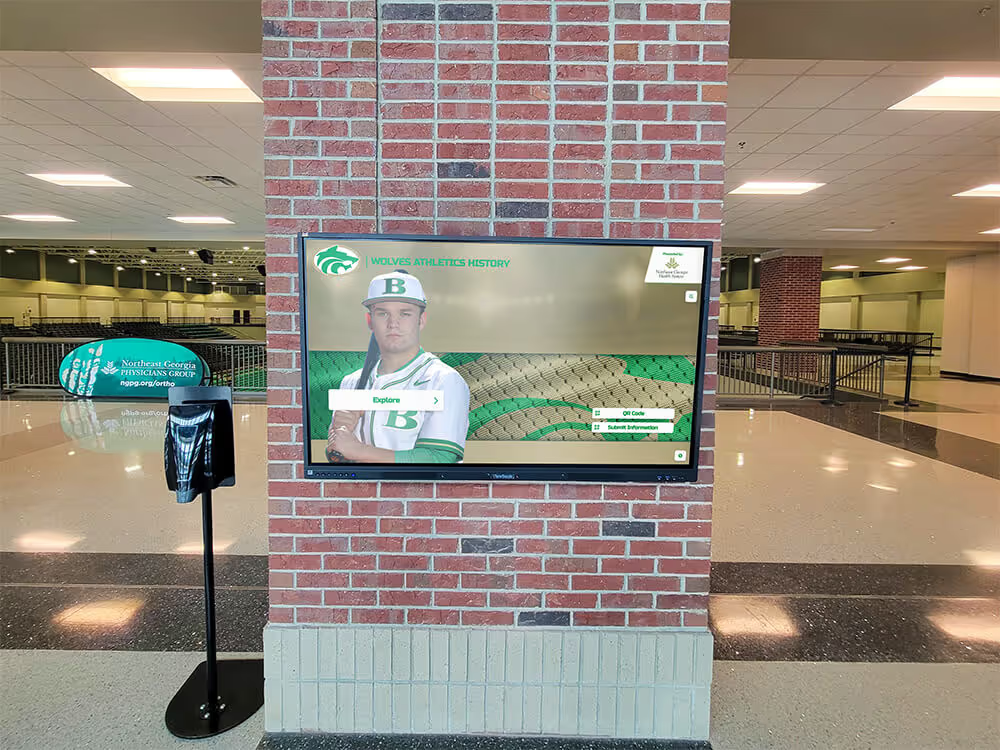
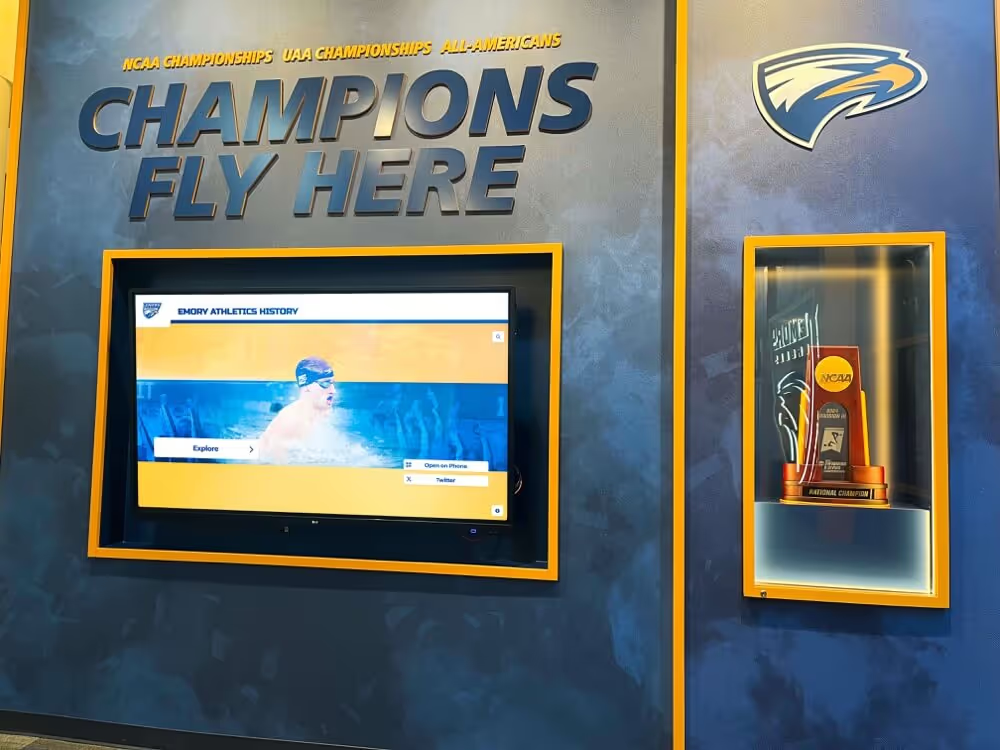
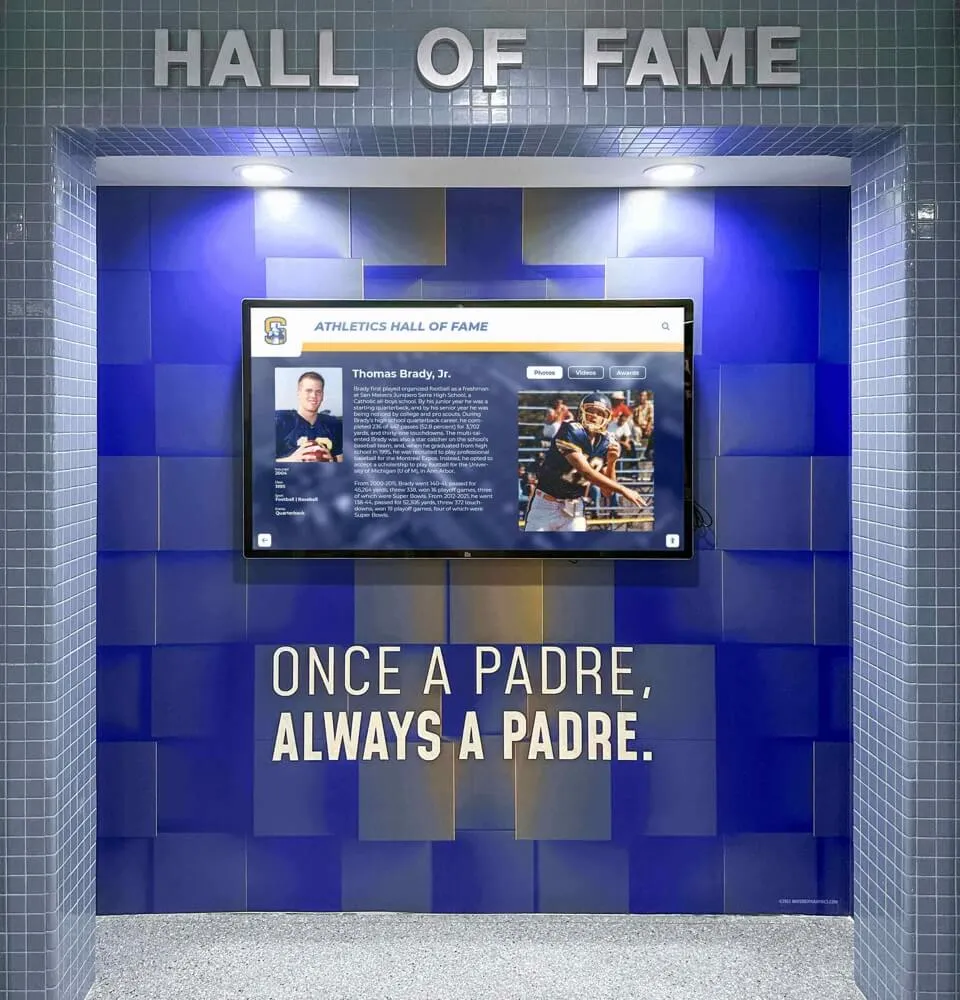
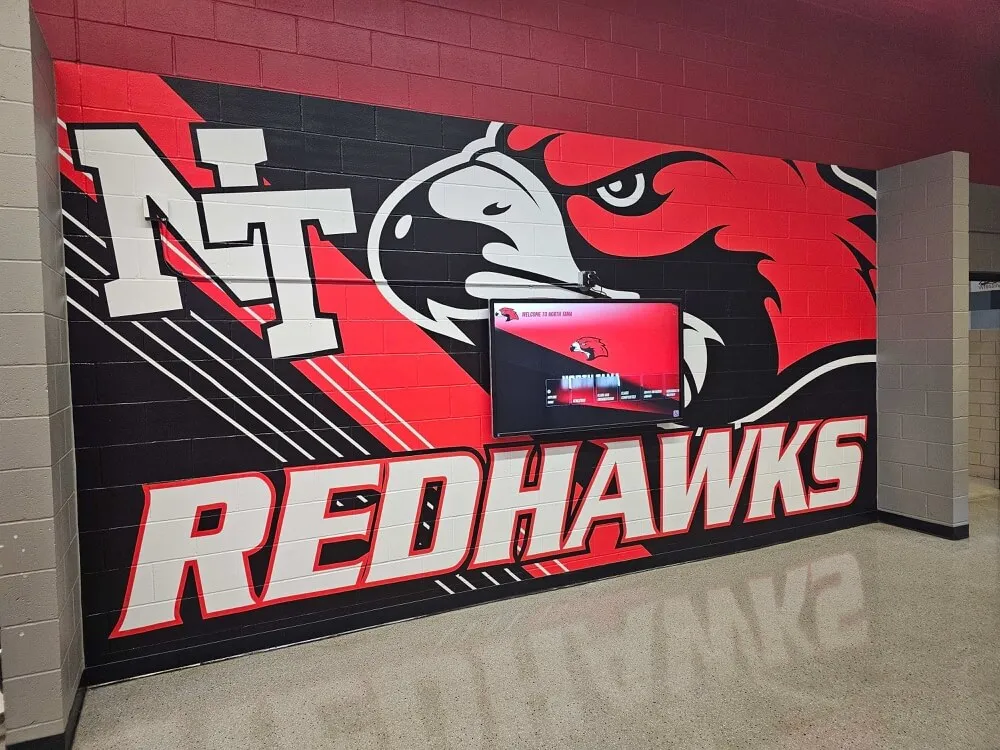
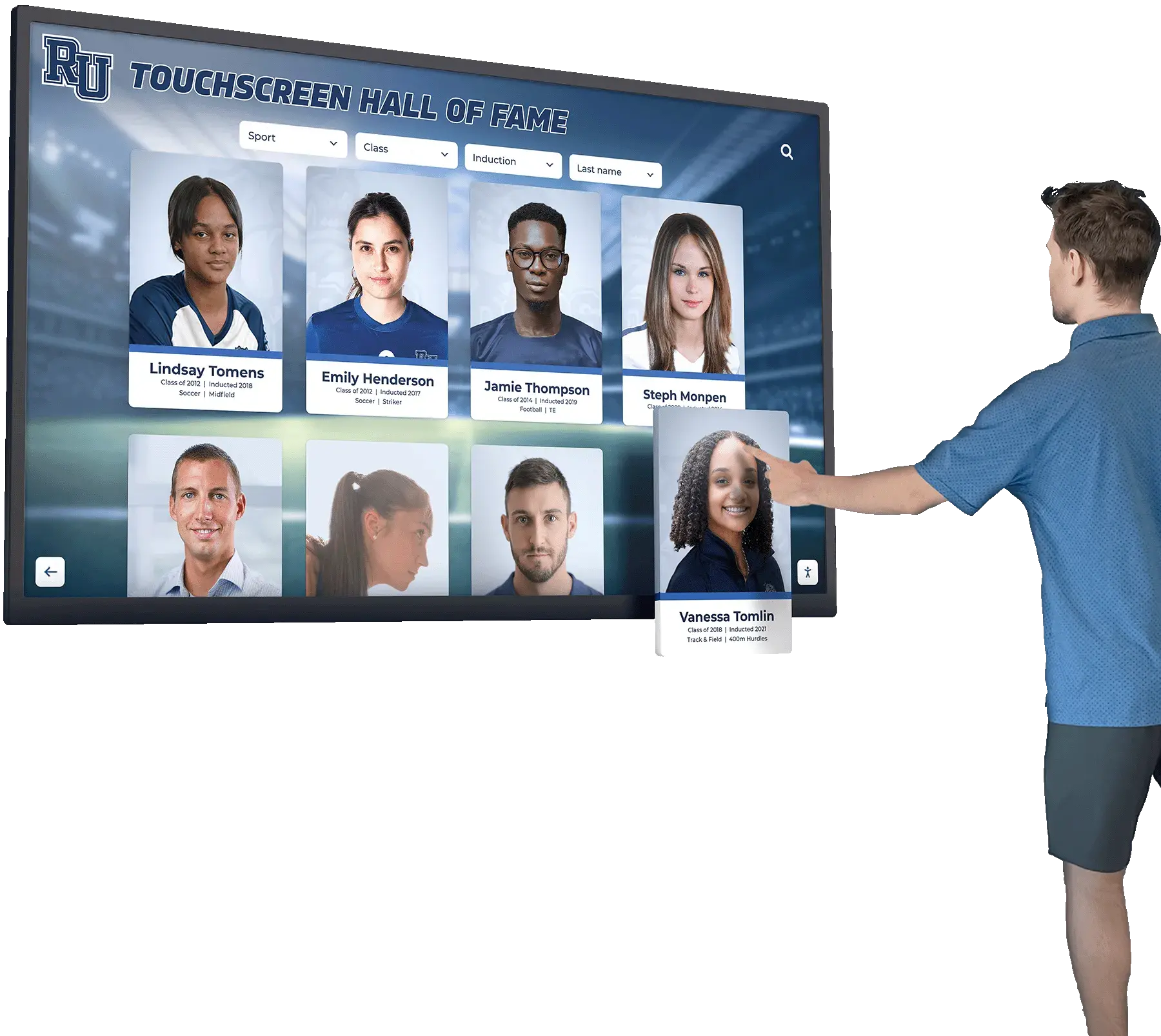
Professional recognition displays preserve Alabama football championship traditions while creating engaging spaces for communities to celebrate athletic excellence
Understanding Alabama’s High School Football Playoff System
The Alabama High School Athletic Association (AHSAA) governs high school football playoffs across the state, establishing classification systems, playoff formats, and championship game traditions that determine state champions in multiple divisions each season.
AHSAA Classification System
Alabama organizes high school football programs into multiple classifications based on enrollment, creating competitive balance while enabling schools of similar sizes to compete for state championships:
Current Classification Structure
The AHSAA currently utilizes a seven-classification system:
- Class 7A: Largest schools with enrollments typically exceeding 1,100 students
- Class 6A: Large schools with enrollments ranging from approximately 800-1,100 students
- Class 5A: Medium-large schools with enrollments from approximately 500-800 students
- Class 4A: Medium schools with enrollments from approximately 300-500 students
- Class 3A: Small-medium schools with enrollments from approximately 150-300 students
- Class 2A: Small schools with enrollments from approximately 75-150 students
- Class 1A: Smallest schools with enrollments under 75 students
This classification system ensures that schools compete against similarly-sized programs, preventing enrollment disparities from creating overwhelming competitive advantages. The AHSAA periodically reviews and adjusts classifications based on enrollment changes, creating classification stability while accommodating demographic shifts across Alabama communities.
Region-Based Competition
Within each classification, schools compete in assigned regions during regular season play:
- Region assignment based on geography reducing travel requirements
- Region standings determine playoff seeding and qualification
- Region championships represent significant achievements honoring regular season excellence
- Typically 6-8 schools per region creating balanced competition structures
- Region schedules accounting for majority of regular season games
Region competition creates natural rivalries while establishing clear playoff qualification pathways—schools know exactly what regular season performance secures playoff berths and favorable postseason seeding.
Learn about comprehensive athletic hall of fame programs that preserve championship achievements across all sports and classifications.
Playoff Qualification and Selection
Understanding how teams qualify for Alabama high school football playoffs helps programs plan competitive strategies while recognizing regular season achievement significance:
Automatic Qualification Standards
Playoff qualification in Alabama typically follows these patterns:
- Top four finishers in each region earn automatic playoff berths
- Region champions receive top playoff seeds in their respective brackets
- Some classifications utilize at-large selections for additional playoff spots
- Winning record often required for playoff consideration
- Tiebreaker procedures determine region standings when teams finish with identical records
Seeding and Bracket Structure
Playoff seeding determines matchup assignments:
- Region champions receive preferential seeding
- Higher seeds earn home-field advantage in early playoff rounds
- Bracket structure creates clear pathway from first round to championship game
- Geographic considerations sometimes influence matchup assignments
- Competitive balance approaches preventing bracket imbalances
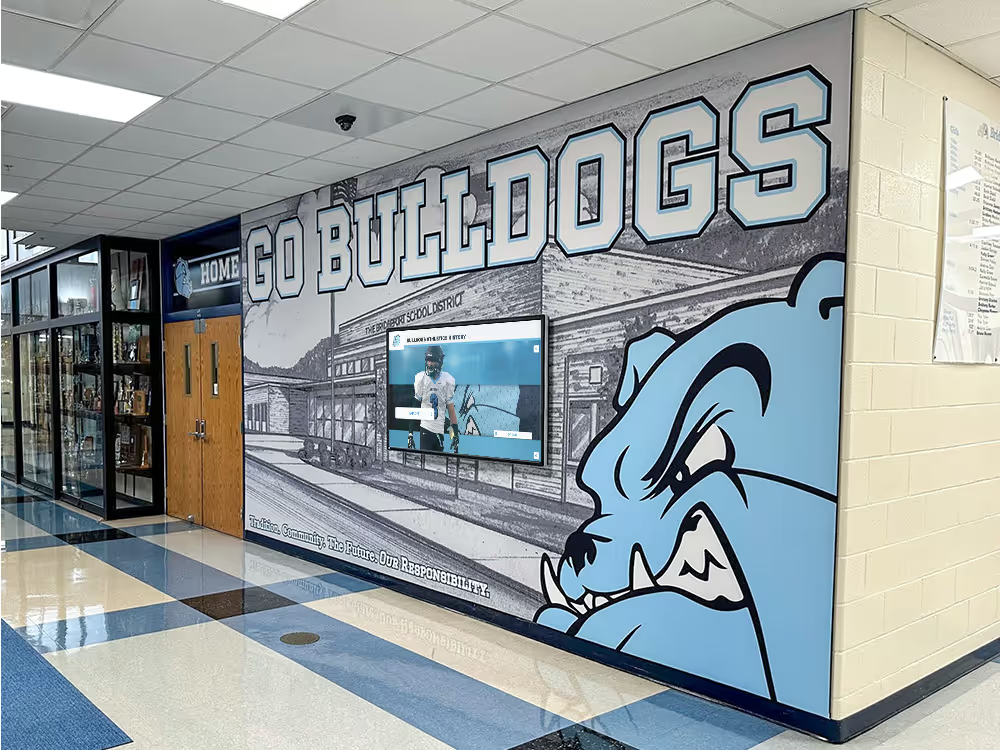
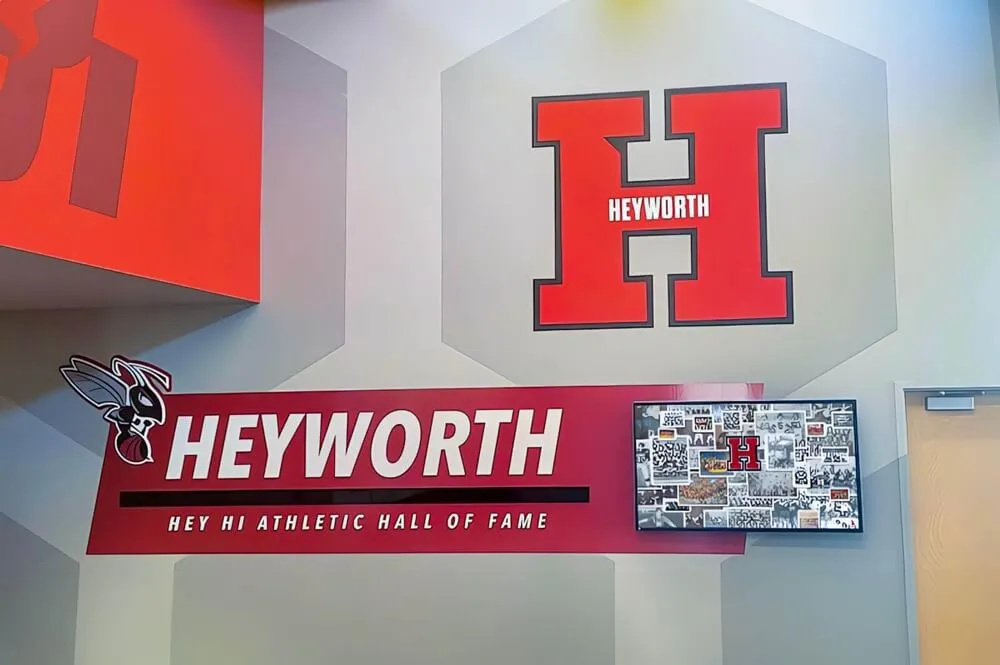
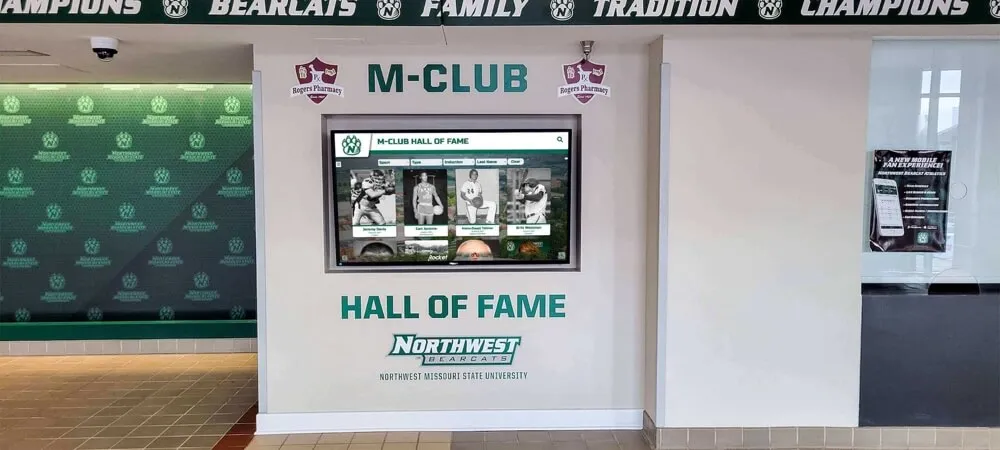
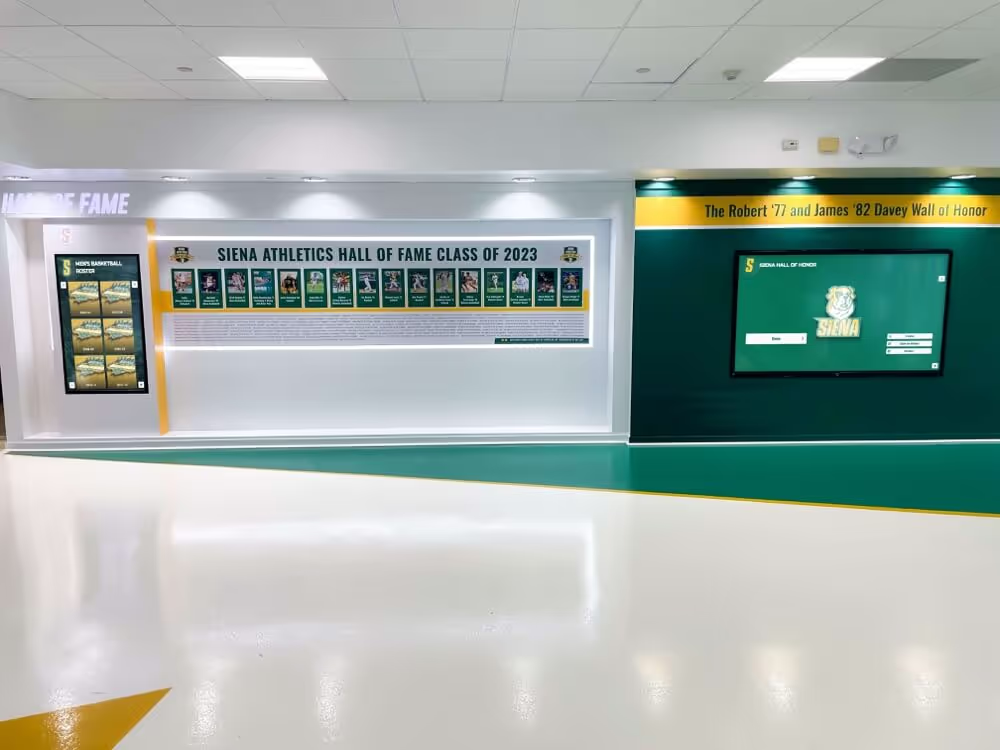
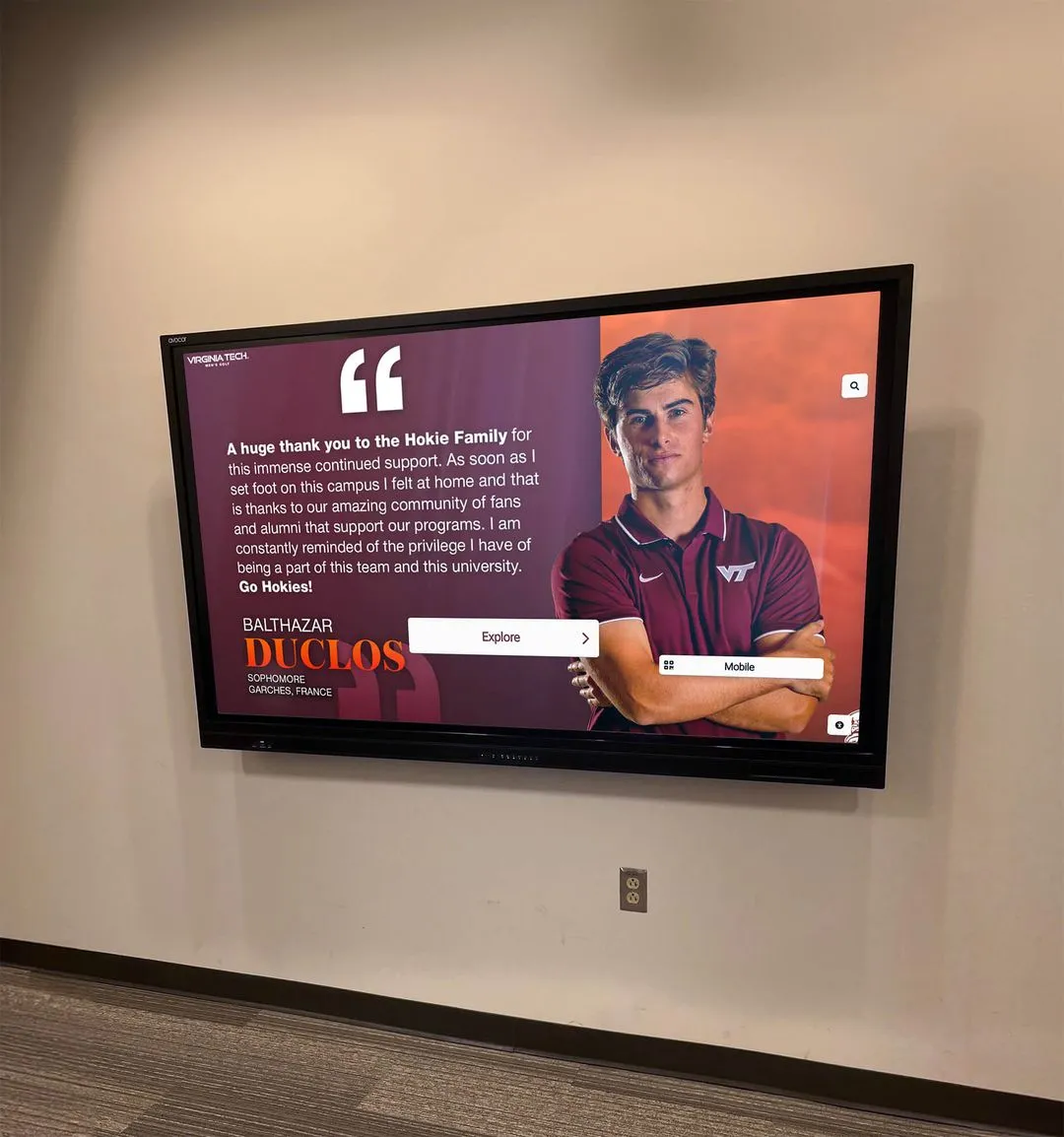
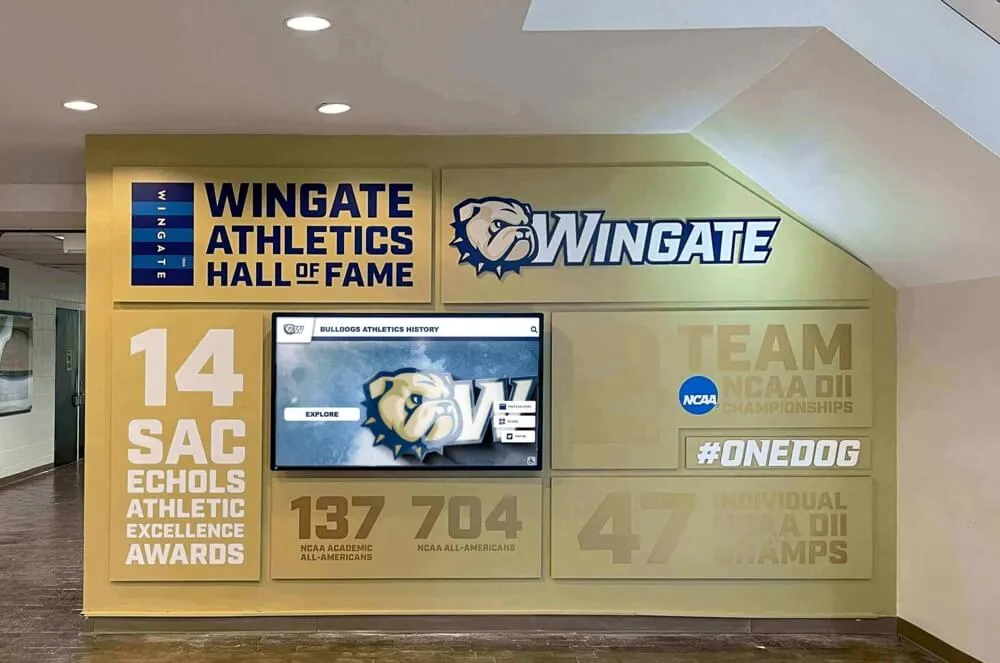
Modern schools integrate championship recognition throughout athletic facilities creating year-round celebration of playoff achievements
This systematic approach ensures transparent qualification processes while rewarding regular season excellence through favorable playoff positioning—creating meaningful consequences for region competition performance.
Playoff Format and Championship Progression
Alabama’s playoff structure creates multi-week tournaments culminating in state championship games across all classifications:
Playoff Round Structure
The playoff journey typically includes:
- First Round: Initial playoff matchups featuring 16-32 teams per classification
- Second Round: Advancing teams continuing championship pursuits with field narrowed
- Quarterfinals: Eight remaining teams competing for semifinal berths
- Semifinals: Final four teams in each classification with championship game spots at stake
- State Championship Games: Two finalists in each classification competing for ultimate prize
Home Field Advantage Protocols
Early playoff rounds utilize home-field assignments:
- Higher seeds host lower seeds in first round matchups
- Home field advantage continues through quarterfinals or semifinals depending on classification
- Championship games held at neutral sites creating equitable environments
- Host schools manage ticket sales, facilities, and event operations
- Revenue sharing between competing schools and AHSAA
Championship Week Traditions
State championship games occur during designated championship week:
- Multiple classification championships conducted across consecutive days
- Neutral site venues (historically including Bryant-Denny Stadium, Jordan-Hare Stadium, and other major facilities)
- Family-friendly scheduling enabling attendance across multiple championship games
- Television and streaming coverage extending community access
- Special recognition ceremonies honoring championship participants
This structured progression creates clear goals for competing teams while building anticipation as playoff fields narrow toward eventual state champions in each classification.
Discover strategies for displaying state championship achievements in modern recognition systems.
Alabama Football Playoff Traditions and Culture
Beyond competitive structures, Alabama high school football playoffs have developed rich traditions that define the playoff experience and create lasting memories for participants and communities.
Community Celebration and Support
Playoff football in Alabama represents entire community experiences extending far beyond the student-athletes:
Community Rallies and Send-Offs
Schools organize special events celebrating playoff qualification:
- Pep rallies featuring team recognition and community encouragement
- Police and fire department escorts providing ceremonial send-offs for away playoff games
- Community sign campaigns displaying playoff support throughout towns
- Local business participation through window displays and promotional support
- Social media campaigns building excitement and engagement
These community celebrations transform playoff games into shared experiences—entire towns investing emotionally in their teams’ championship pursuits while creating supportive environments that student-athletes remember throughout their lives.
Travel and Game Day Atmosphere
Playoff games create unique atmospheres:
- Massive fan contingents traveling to support teams at away games
- School colors displayed prominently throughout stadiums
- Band and student section coordination creating home-field advantages even at neutral sites
- Tailgating traditions bringing families and alumni together around playoff competition
- Multi-generational attendance as grandparents, parents, and students share playoff experiences
The intensity and scale of playoff game atmospheres distinguish them from regular season competition—creating memorable environments that participants describe as life’s most impactful athletic moments.
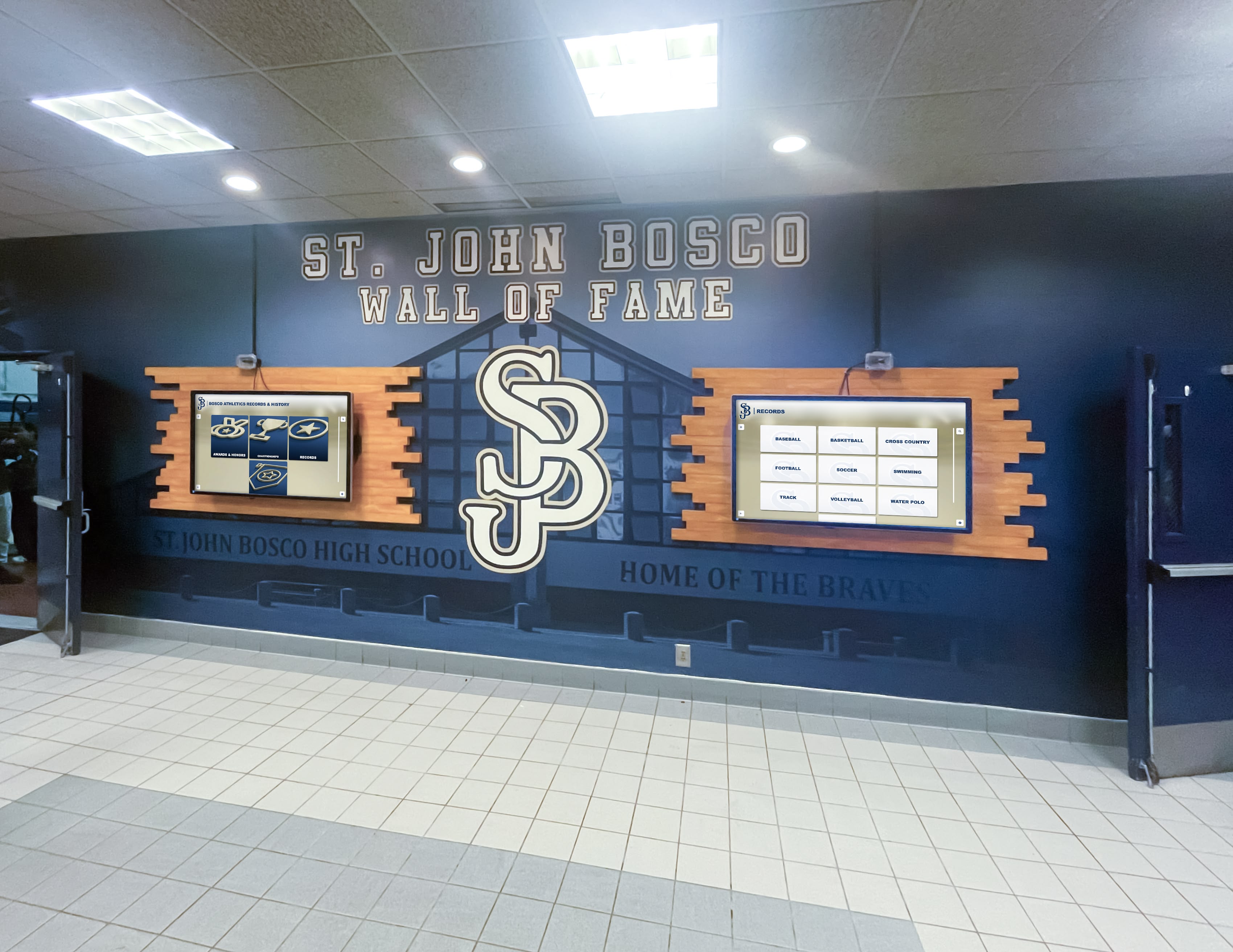
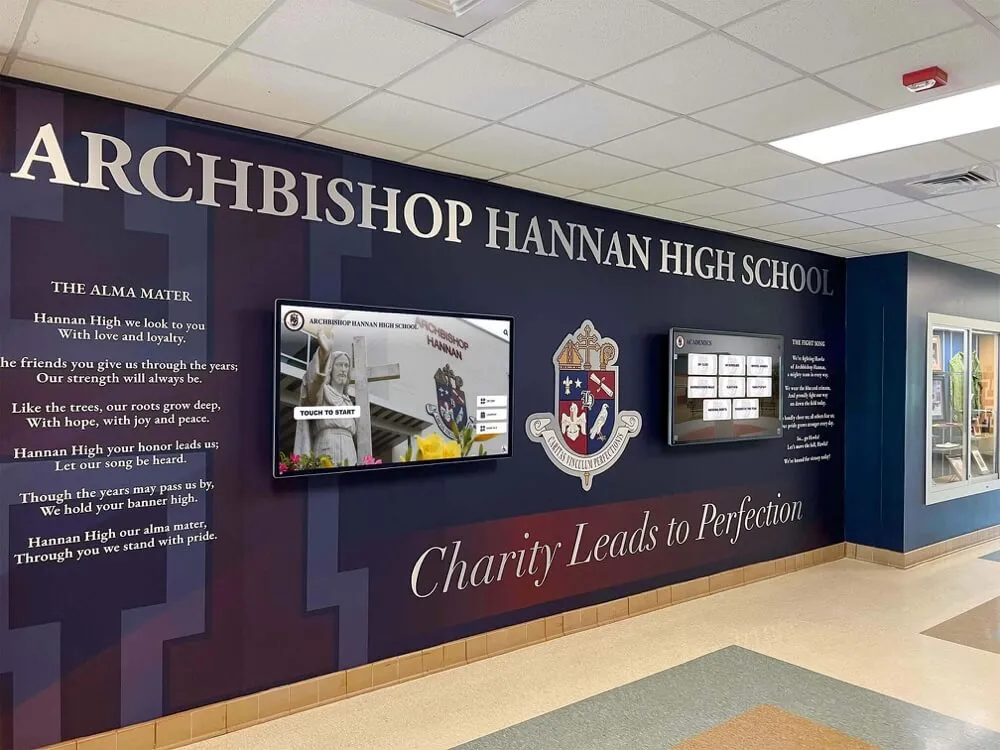
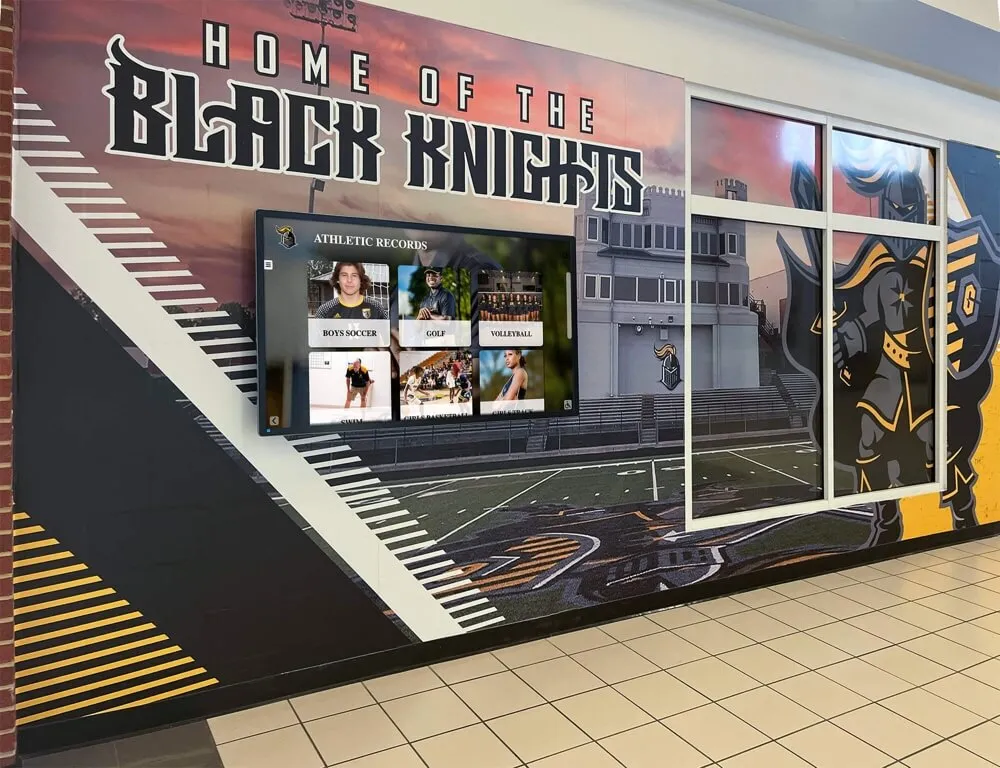
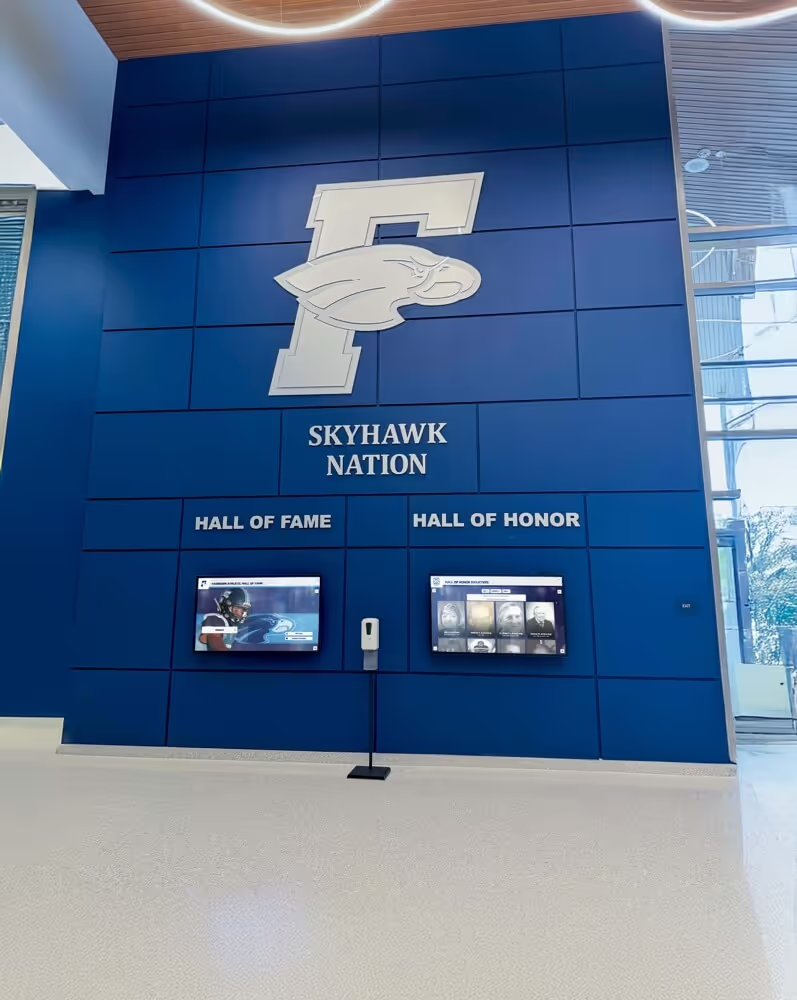
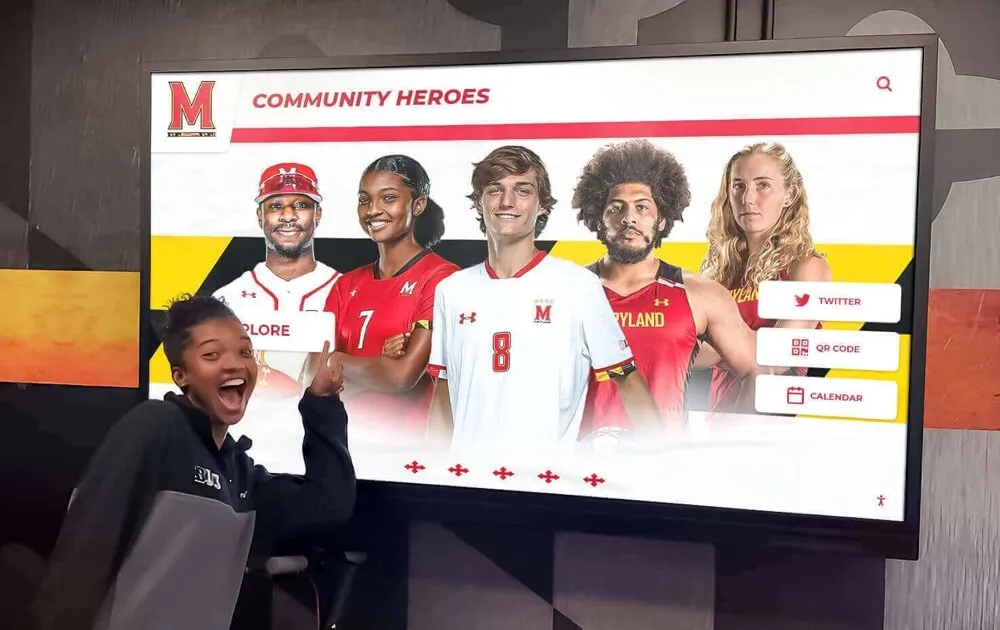
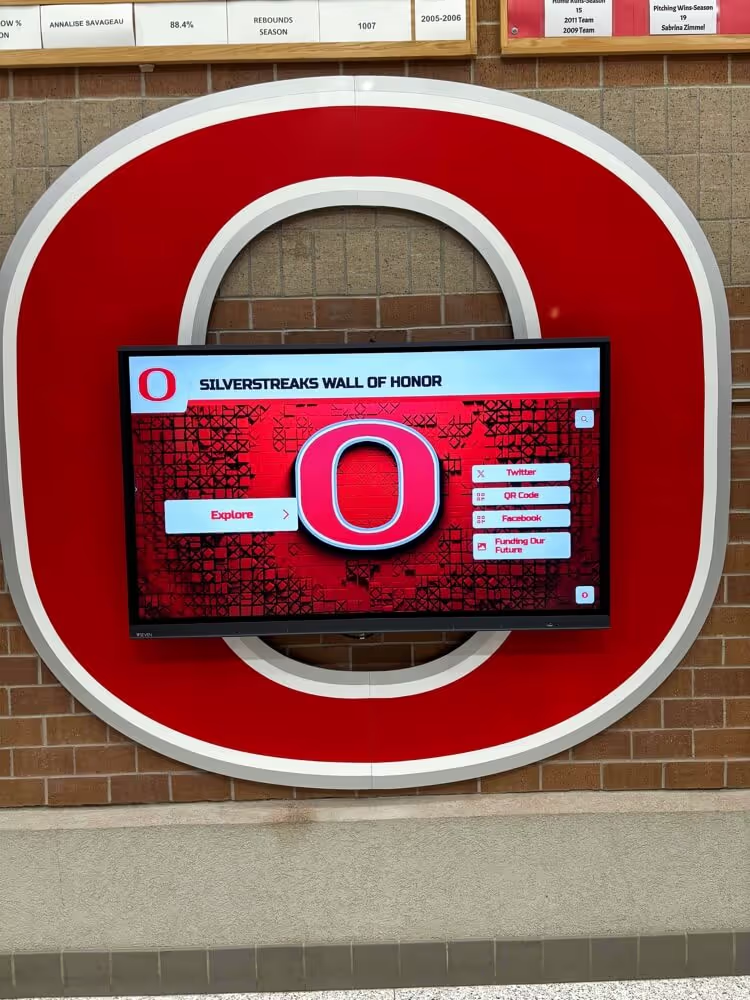
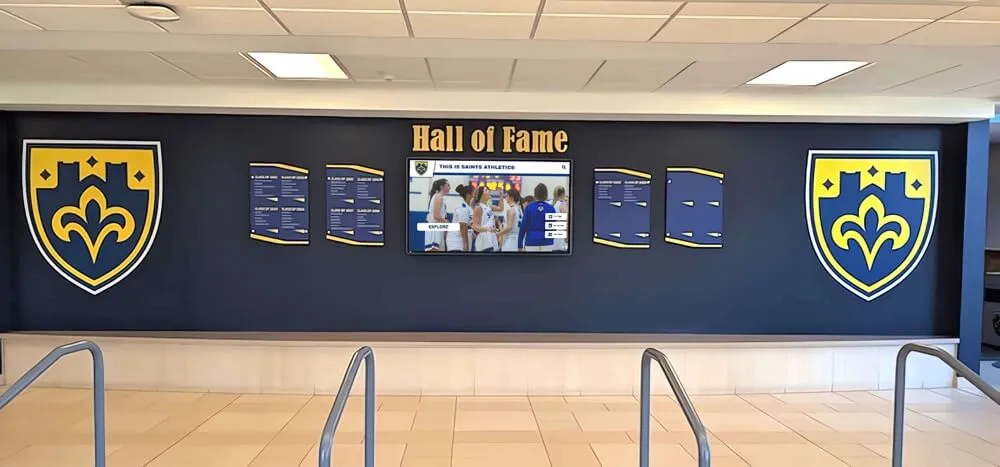
Modern recognition walls celebrate playoff achievements and championship teams through interactive displays accessible to current students and returning alumni
Championship Game Traditions
State championship games carry special significance warranting distinct recognition traditions:
Pre-Game Recognition and Ceremonies
Championship games include formal elements acknowledging achievement:
- Team introductions featuring starters and key contributors
- National anthem performances by accomplished musicians
- Recognition of previous state champions from competing schools
- Ceremonial coin toss involving distinguished alumni or community figures
- Media coverage including television broadcasts and newspaper features
- Program sales supporting athletic scholarship funds
These ceremonial elements elevate championship games beyond regular competition—acknowledging that participants have achieved something genuinely exceptional within Alabama high school athletics.
Post-Game Celebration Traditions
Championship victories trigger immediate celebrations:
- Trophy presentation ceremonies on field immediately following games
- Championship medal distribution to players and coaches
- Celebratory locker room experiences with families and administrators
- Championship T-shirt and hat distribution for immediate commemorative photos
- Victory parade celebrations upon returning home to communities
- School assembly recognition honoring championship achievements
Schools develop their own unique celebration traditions—whether championship bell ringings, specific songs, or ceremonial practices—that become part of institutional identity tied to championship success.
Championship Ring Ceremonies
Many programs conduct formal ring ceremonies honoring championship teams:
- Custom championship rings designed specifically for each victorious team
- Formal banquet settings bringing teams together months after championships
- Individual ring presentations with personalized recognition
- Guest speakers including former champions and distinguished alumni
- Video presentations reliving championship seasons
- Family inclusion celebrating shared sacrifices enabling championship success
These delayed celebrations create second opportunity to honor championships—allowing passage of time to provide perspective on achievement significance while creating additional community gathering around championship recognition.
Explore athletic banquet planning approaches for championship celebration events.
Senior Night and Playoff Recognition
Senior recognition takes on added significance during playoff seasons:
Regular Season Senior Night Celebrations
Schools conduct senior night ceremonies typically during final regular season home games:
- Individual senior recognition with families on field
- Career highlight presentations acknowledging four-year contributions
- Special gifts and commemorative items for departing players
- Speeches from coaches acknowledging senior leadership
- Potential final home game creating emotional resonance
- Community recognition of senior class achievements
When teams advance to playoffs, senior nights represent not endings but waypoints in extended seasons—creating unique situations where seniors compete beyond their formal recognition ceremonies.
Extended Senior Seasons Through Playoffs
Playoff success extends senior athletic careers:
- Additional games and practices creating lasting memories
- Deepened team bonds through shared playoff challenges
- Enhanced recruitment opportunities for college-prospect seniors
- Leadership opportunities as seniors guide younger teammates through playoff pressure
- Legacy building through championship pursuits
- Graduation timeline considerations as playoff runs extend seasons
For seniors on championship teams, playoff runs represent career pinnacles—transforming final seasons from endings into triumphs that define entire high school athletic experiences.
Learn about comprehensive senior athlete recognition programs celebrating contributions throughout careers.
Preserving Championship Legacies Through Recognition Programs
Alabama high school football championships represent achievements that schools celebrate for generations—creating need for recognition systems that appropriately honor both current success and historical championships.
Traditional Championship Recognition Approaches
Schools have historically documented playoff achievements and championships through various methods:
Championship Trophy Displays
Physical trophies occupy prominent positions:
- Traditional trophy cases in main hallways or near gymnasiums
- State championship trophies displayed centrally with maximum visibility
- Region championship and playoff achievement trophies in secondary positions
- Chronological arrangement showing program evolution across decades
- Trophy case lighting highlighting championship hardware
- Descriptive plaques providing championship context and team information
Trophy displays create tangible connections to championship achievements—physical objects representing countless hours of preparation, sacrifice, and eventual triumph that students and visitors can view directly.
Championship Banners and Gymnasium Displays
Fabric banners celebrating championships hang prominently:
- Championship banners suspended from gymnasium ceilings
- State championship banners receiving largest sizes and premium placement
- Region championship recognition in secondary locations
- Team photos and roster information accompanying banner displays
- Coordinated visual design creating professional appearance
- Chronological or sport-based organization systems
These overhead displays create immediate visual impact communicating program excellence—visitors to gymnasiums instantly perceive championship tradition through banner collections.
Discover comprehensive approaches to championship banner displays in modern athletic facilities.
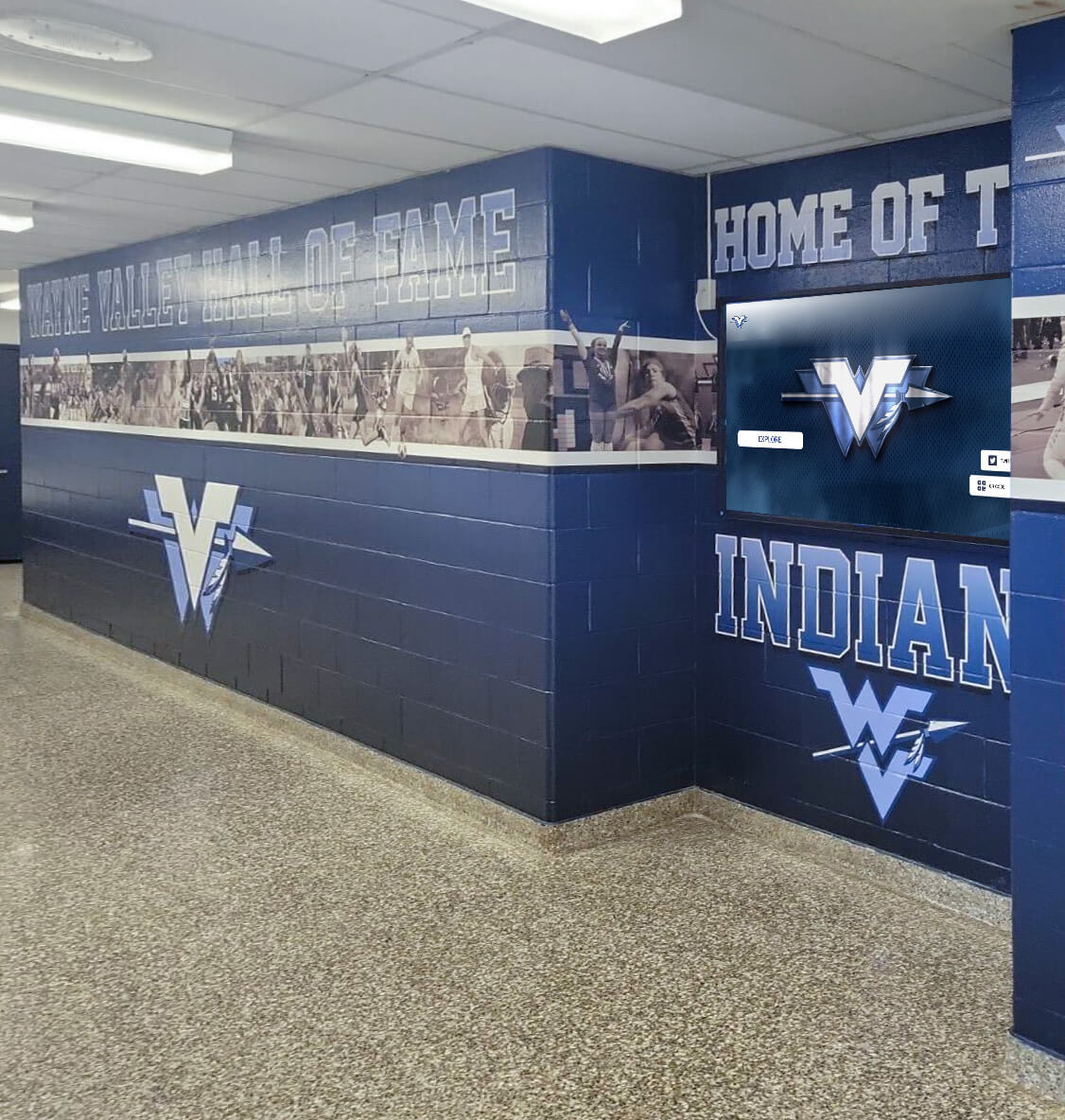
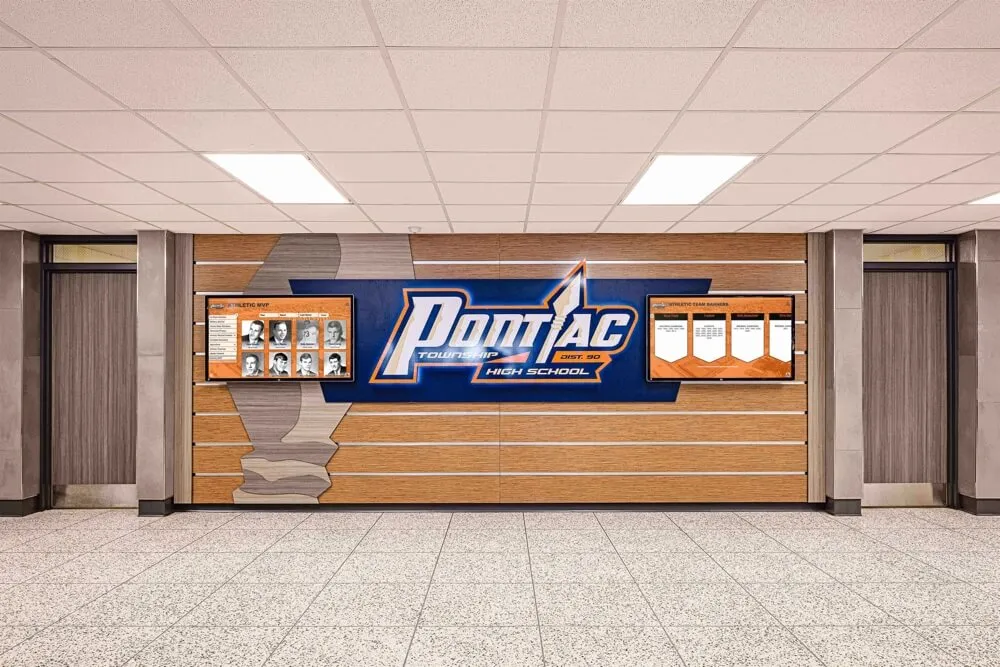
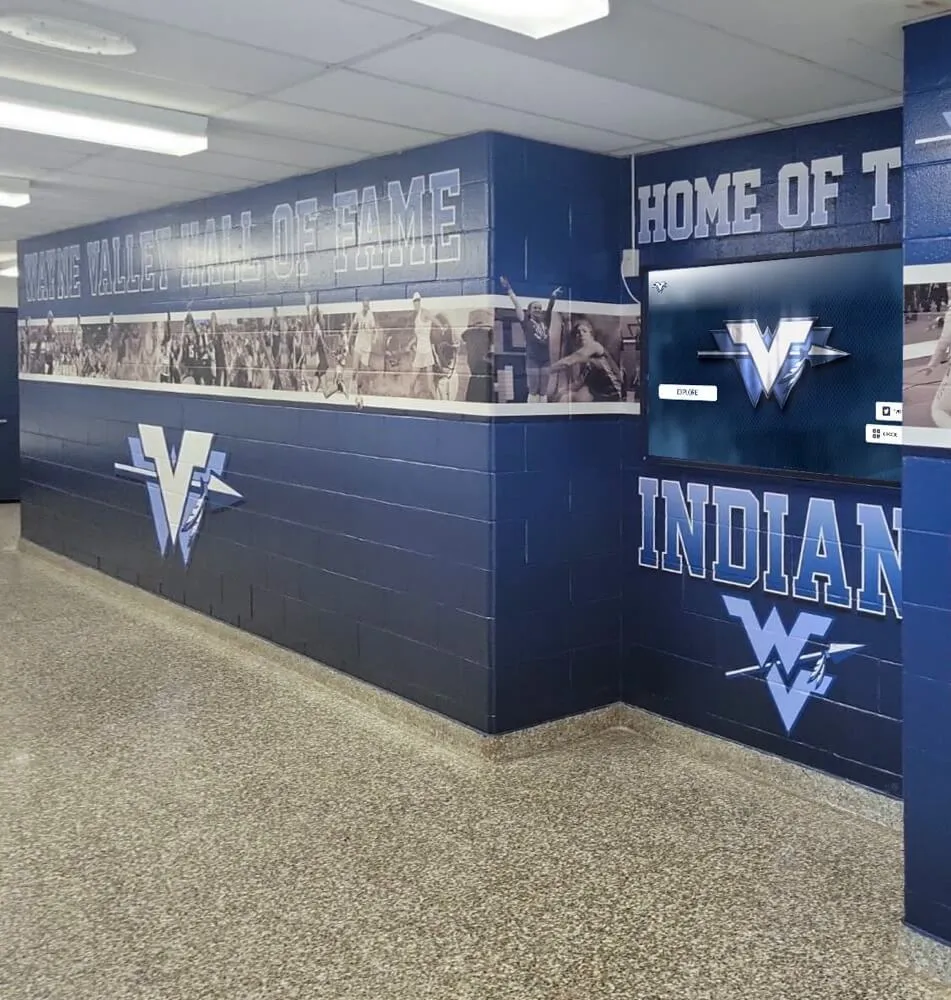
Coordinated visual displays throughout school buildings create comprehensive championship celebration environments
Limitations of Traditional Physical Displays
While traditional recognition approaches remain valuable, they face inherent constraints that limit comprehensive championship celebration:
Space Capacity Challenges
Physical displays encounter fundamental limitations:
- Trophy cases fill completely as championship collections grow across decades
- Gymnasium ceiling space accommodates only limited banner numbers
- New championships eventually require removal of historical recognition
- No space for individual player recognition within team displays
- Minimal biographical or statistical information possible on physical displays
- Secondary achievements (playoff appearances, region championships) often excluded entirely
Successful programs accumulate achievements faster than physical spaces can accommodate—creating inevitable recognition inequities where some championships receive prominent display while others are stored or omitted entirely.
Information Depth Constraints
Traditional displays provide minimal context:
- Trophy labels limited to year, opponent, and classification
- Championship banners showing only basic information (sport, year, achievement level)
- No individual player photographs or biographical details
- Missing statistical achievements and program records
- Absent coaching information and strategic insights
- No connection to broader program historical context
These limitations mean championship displays answer “what” and “when” questions while leaving “who” and “how” largely unaddressed—missing opportunities for rich storytelling that brings championship seasons to life.
Accessibility and Engagement Issues
Physical displays remain static and location-dependent:
- Only visible to individuals physically present at schools
- No search or filtering capabilities for exploring specific championships
- Alumni and former players unable to access recognition remotely
- Static displays generating minimal engagement beyond brief glances
- No video highlights or multimedia content
- Deterioration requiring periodic replacement and maintenance
Traditional recognition serves important functions but increasingly fails to meet modern expectations for comprehensive, accessible, engaging championship celebration.
Modern Digital Championship Recognition Solutions
Digital recognition platforms address traditional limitations while complementing physical displays effectively:
Unlimited Championship Capacity
Digital systems eliminate space constraints fundamentally:
- Single display showcases unlimited championships across complete program history
- Every playoff appearance and championship receives appropriate recognition
- No removal of historical achievements necessary as new championships accumulate
- Equal recognition capacity for all classifications and achievement levels
- Sustainable approach accommodating unlimited future growth
- Complete archives preserving program legacy comprehensively
Schools implementing digital recognition report that unlimited capacity represents the most transformative benefit—enabling genuinely complete championship celebration rather than selective display constrained by physical space limitations.
Comprehensive Team and Player Recognition
Digital platforms support rich multimedia content impossible with traditional displays:
Complete Team Profiles
- Full rosters with every player, coach, and support staff member properly acknowledged
- Individual player photographs bringing championship teams to life
- Statistical achievements for teams and individual athletes
- All-state, all-region, and special honors received by team members
- Season schedules and game-by-game results
- Playoff bracket progression showing championship paths
Individual Player Stories
- Biographical information including positions, jersey numbers, and years
- Career statistics and program records
- Post-high school athletic and academic achievements
- Personal reflections and favorite memories when available
- Family connections to programs across multiple generations
- Career highlight videos and championship game footage
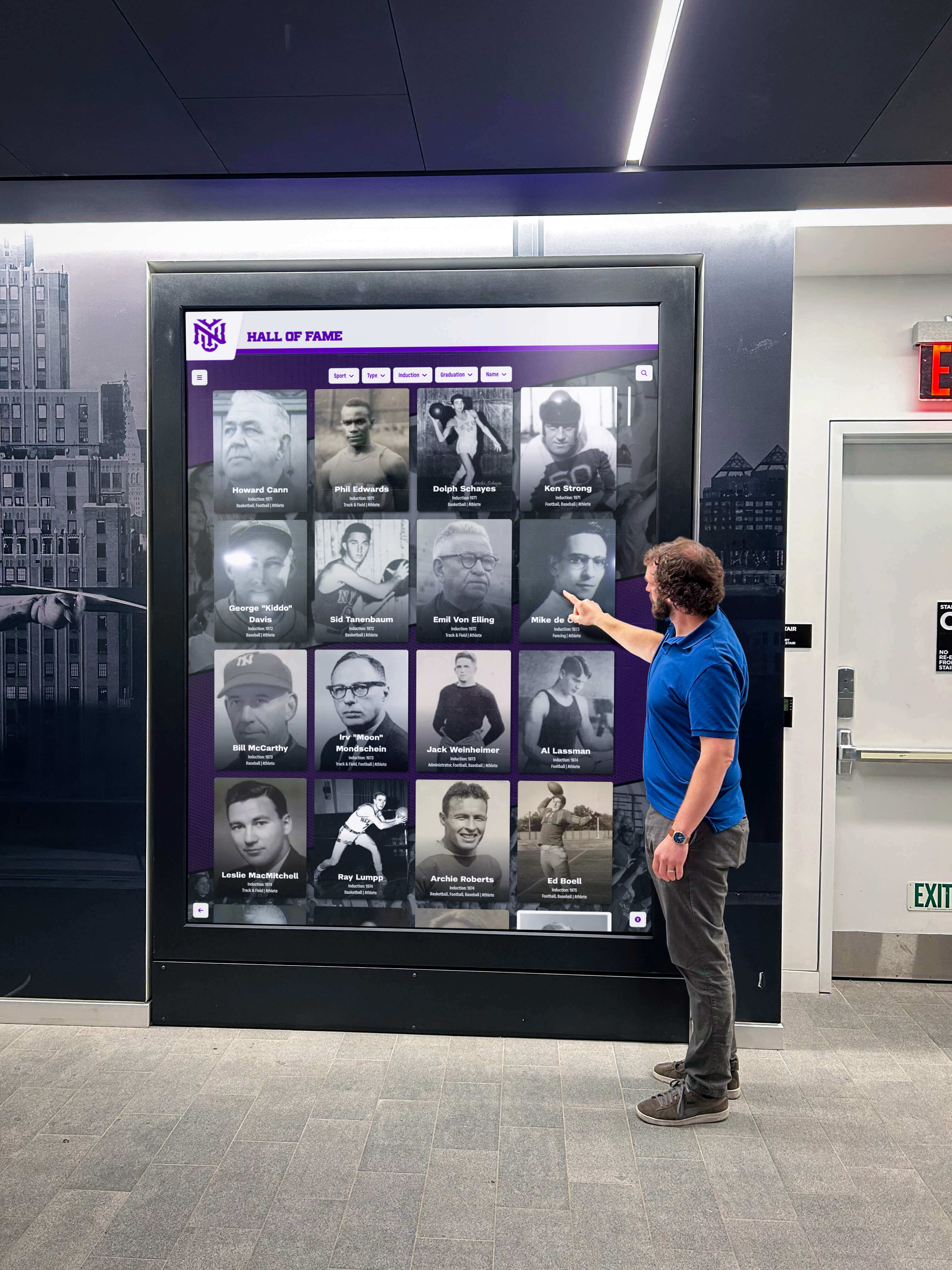
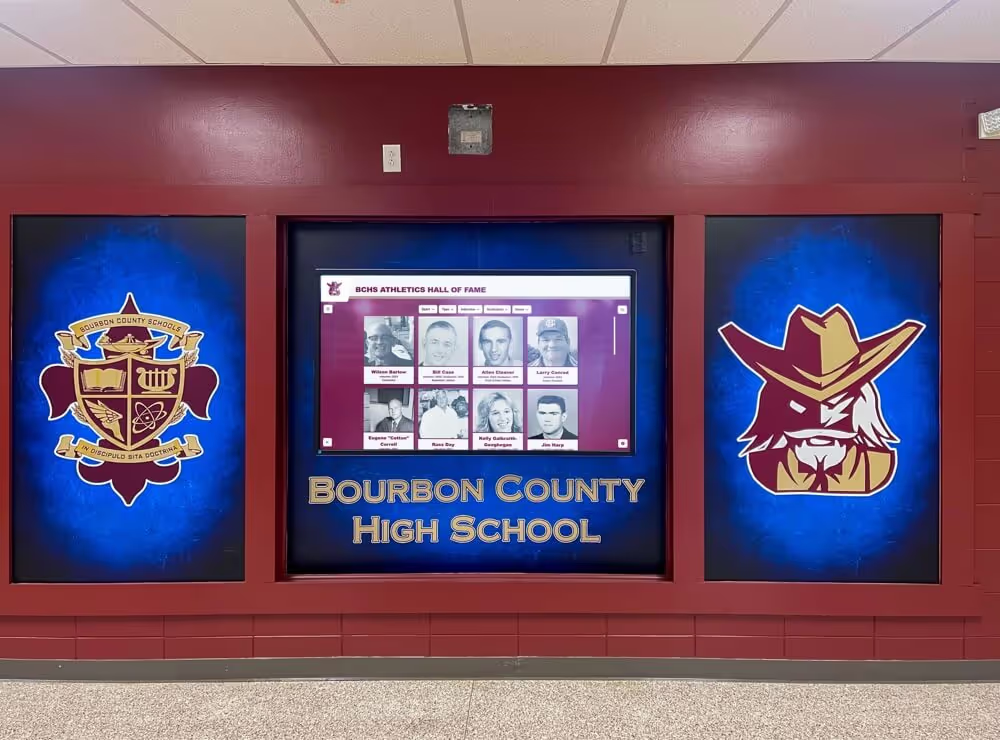
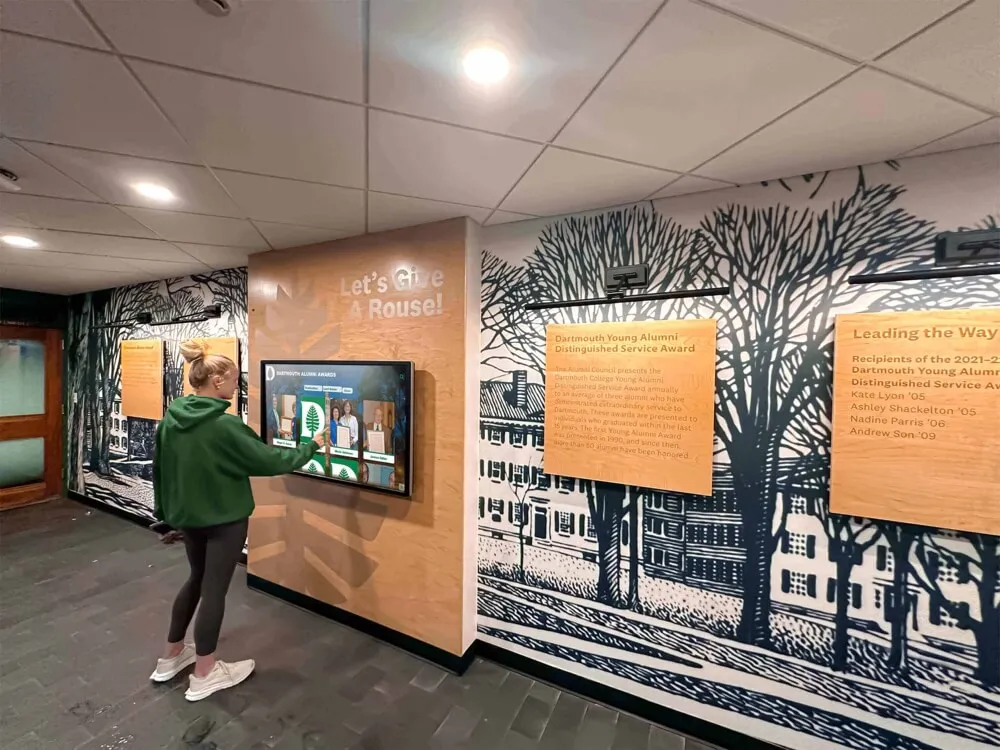
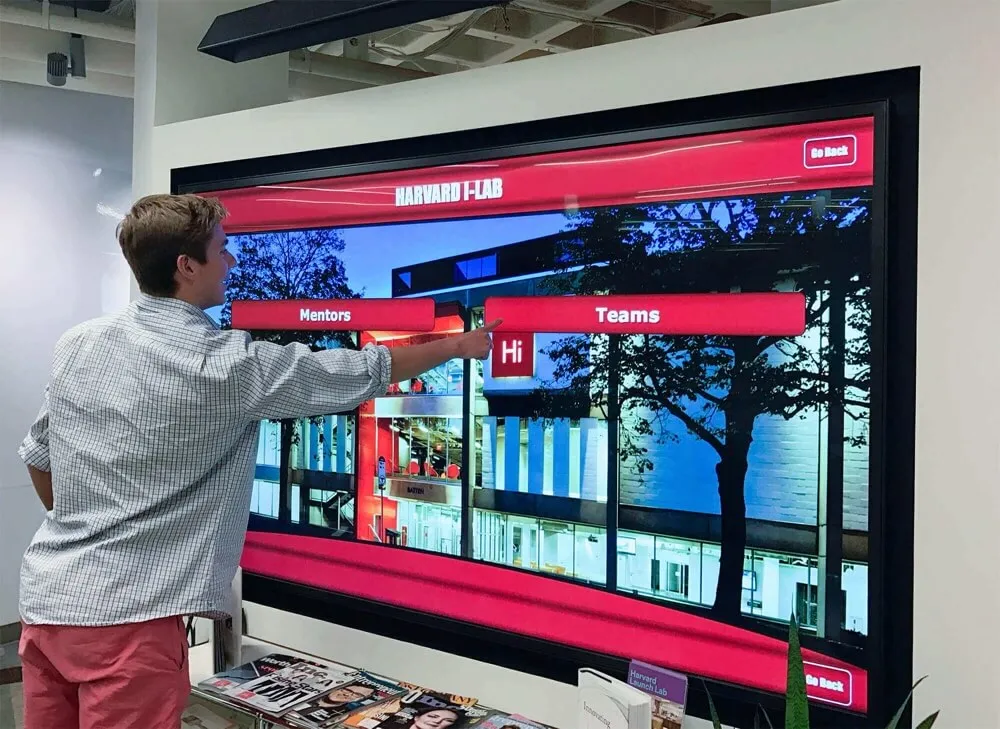
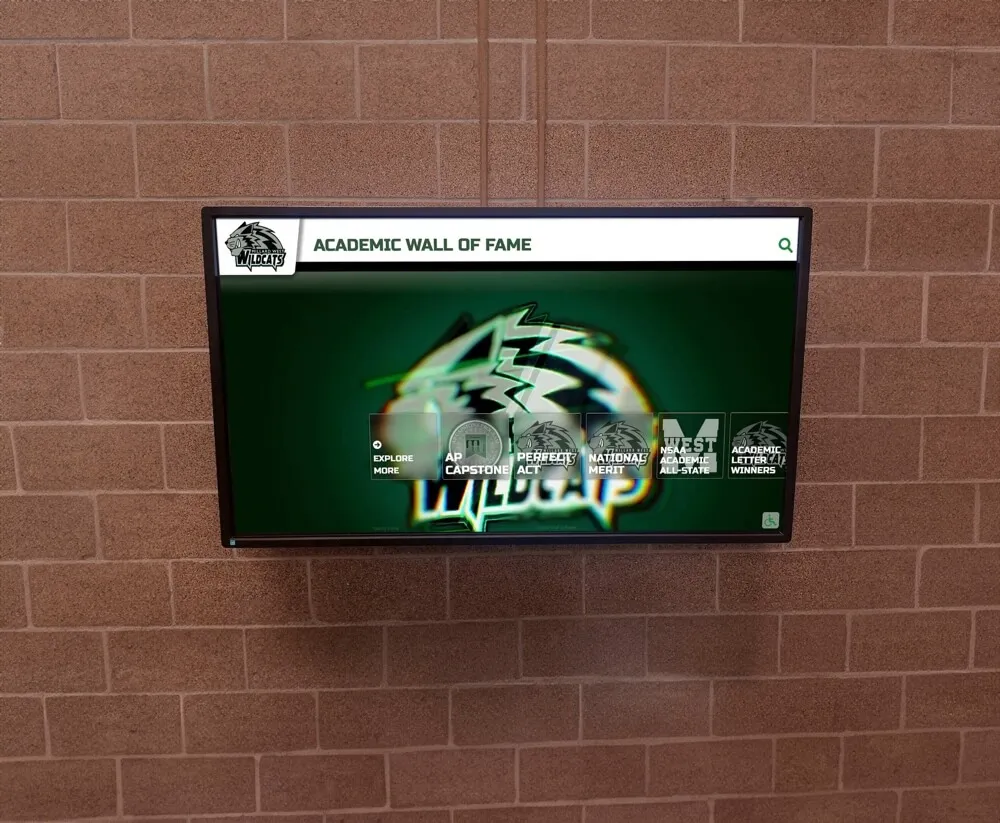
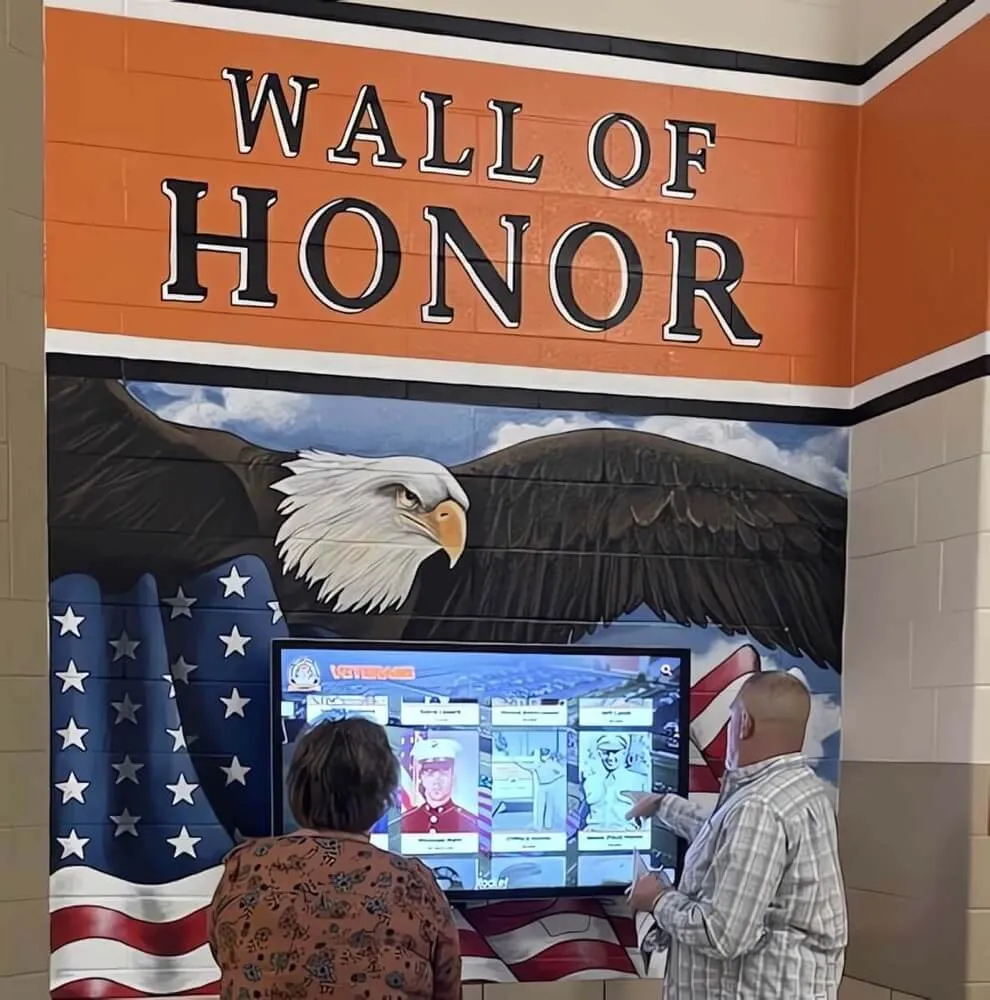
Touchscreen technology enables detailed exploration of championship seasons including individual player recognition and season statistics
Enhanced Engagement Through Interactive Exploration
Digital recognition creates active engagement beyond passive viewing:
Intuitive Search and Discovery
- Instant search finding specific championships, players, or seasons
- Year-based browsing revealing program evolution across decades
- Player-based searches showing all championships individual athletes participated in
- Classification filtering exploring achievements across different competitive levels
- Coach-based exploration showing achievements across entire tenures
- Statistics leaders identification across program history
Extended Viewing Sessions Research demonstrates interactive displays generate:
- Average engagement sessions of 5-10 minutes compared to seconds for static displays
- Multiple return visits as users discover new content across different interactions
- Social engagement as groups explore championships together
- Conversation and storytelling triggered by championship rediscovery
- Educational value as current students learn program traditions
- Recruitment value as prospective athletes evaluate program excellence
This extended engagement creates substantially stronger motivational impact and community connection compared to brief glances at traditional trophy cases or overhead banners.
Web Accessibility and Remote Engagement
Modern recognition extends beyond physical school locations:
- Same championship content accessible via web browsers from anywhere
- Mobile-responsive designs ensuring smartphone and tablet access
- Alumni anywhere exploring program championships and finding their teams
- Social sharing capabilities enabling players to celebrate recognition
- Recruitment tools showcasing program excellence to prospective athletes
- Integration with school websites and social media platforms
This accessibility transforms championship recognition from location-dependent displays into always-available resources serving multiple audiences across different contexts.
Learn about digital hall of fame implementation strategies for athletic programs.
Hybrid Recognition: Combining Traditional and Digital Approaches
Most schools implement complementary strategies leveraging both traditional and modern recognition:
Selective Physical Championship Displays
Maintain strategic traditional recognition:
- Most recent state championships displayed in trophy cases with maximum prominence
- Recent championship banners (past 3-5 years) hanging in gymnasiums
- Historically significant championships throughout program history
- 15-25 most prestigious achievements fitting available physical space comfortably
- Visual tradition and immediate impact maintaining gymnasium presence
Comprehensive Digital Documentation
Provide complete championship archives digitally:
- Every championship including those with physical recognition
- Complete historical collection regardless of physical display status
- All playoff appearances even when championships weren’t won
- Detailed team and player profiles impossible with physical displays
- Interactive exploration enabling personalized discovery
- Web accessibility extending recognition beyond school facilities
Integrated Recognition Ecosystem
Connect physical and digital elements strategically:
- Digital displays positioned prominently near trophy cases and championship banners
- QR codes linking physical displays to comprehensive digital profiles
- Coordinated visual design creating unified recognition environment
- Complementary rather than competing recognition approaches
- Signage directing visitors to explore complete championship collections
This hybrid strategy satisfies those valuing traditional championship recognition while solving capacity problems through comprehensive digital documentation—enabling schools to honor unlimited achievements appropriately without abandoning valued traditions.
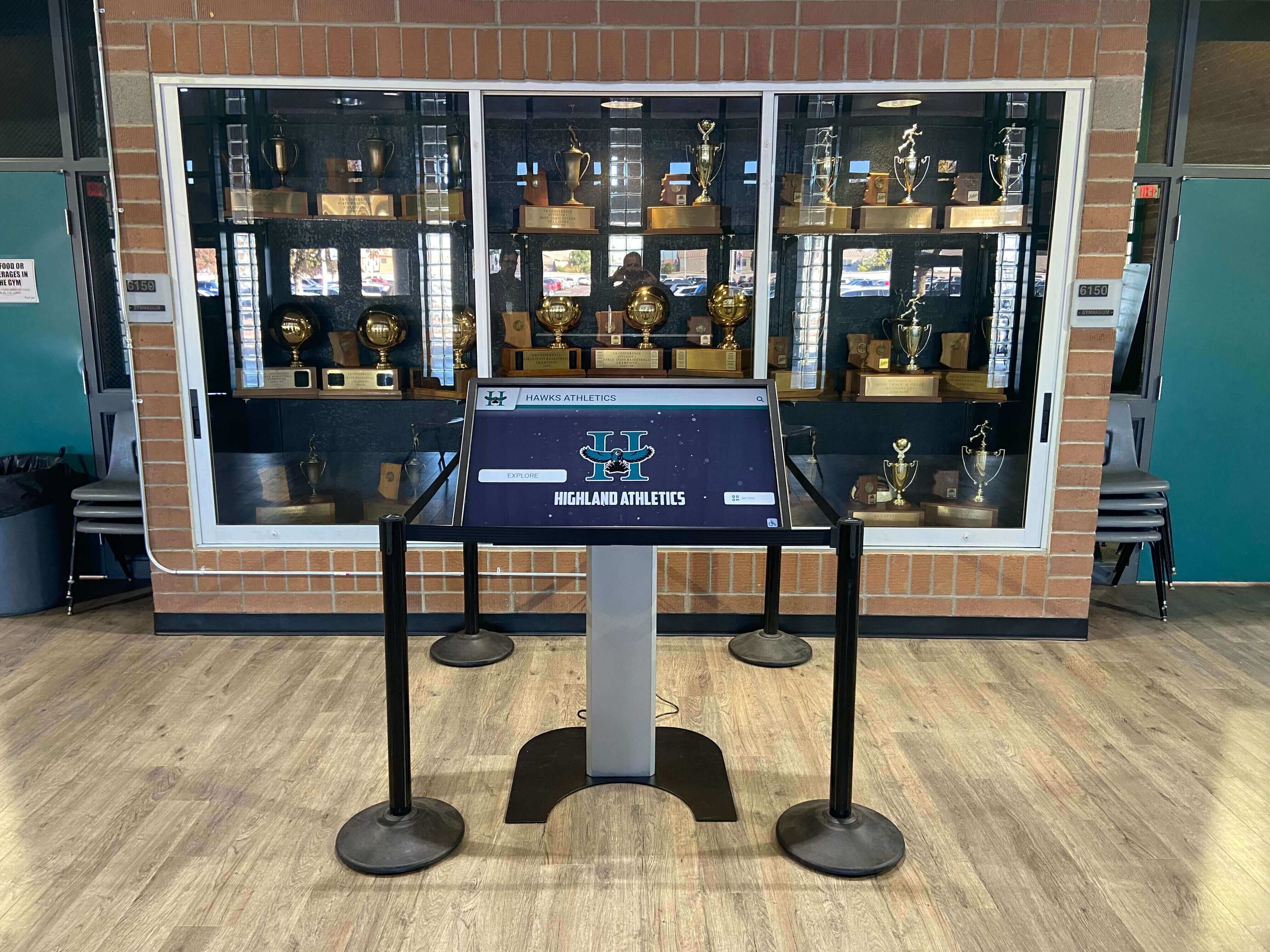
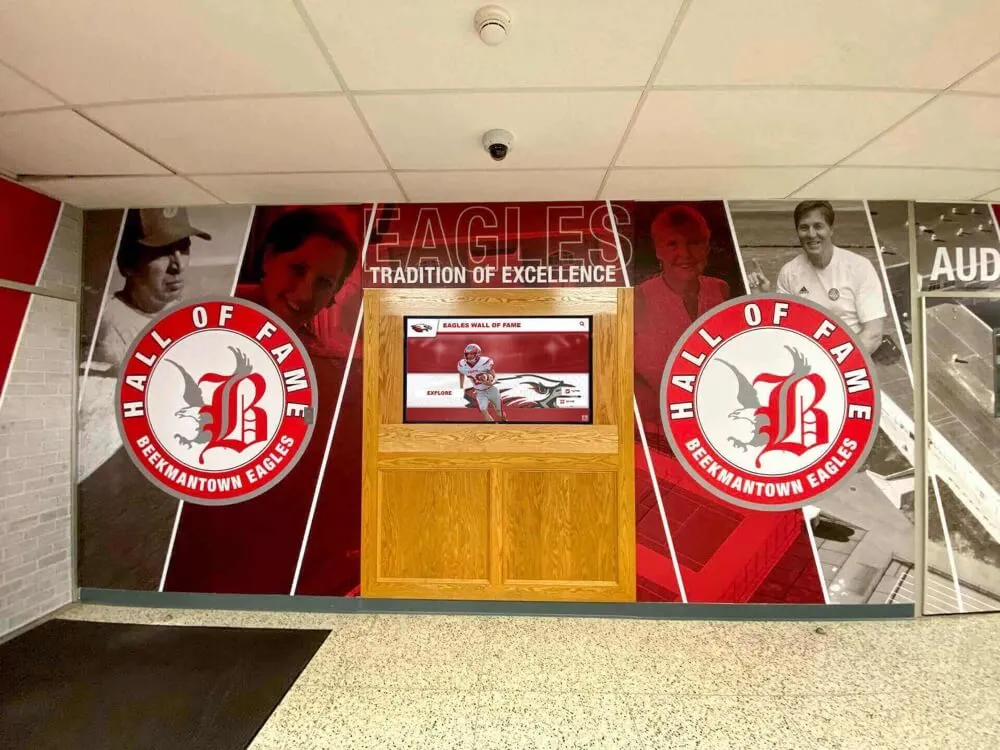
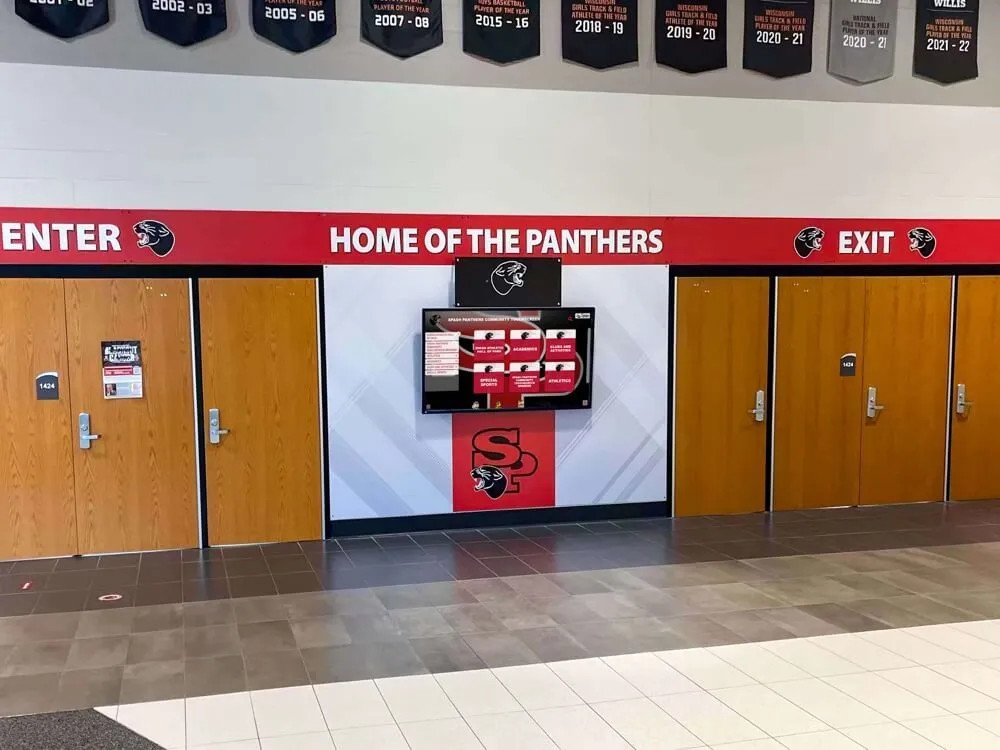
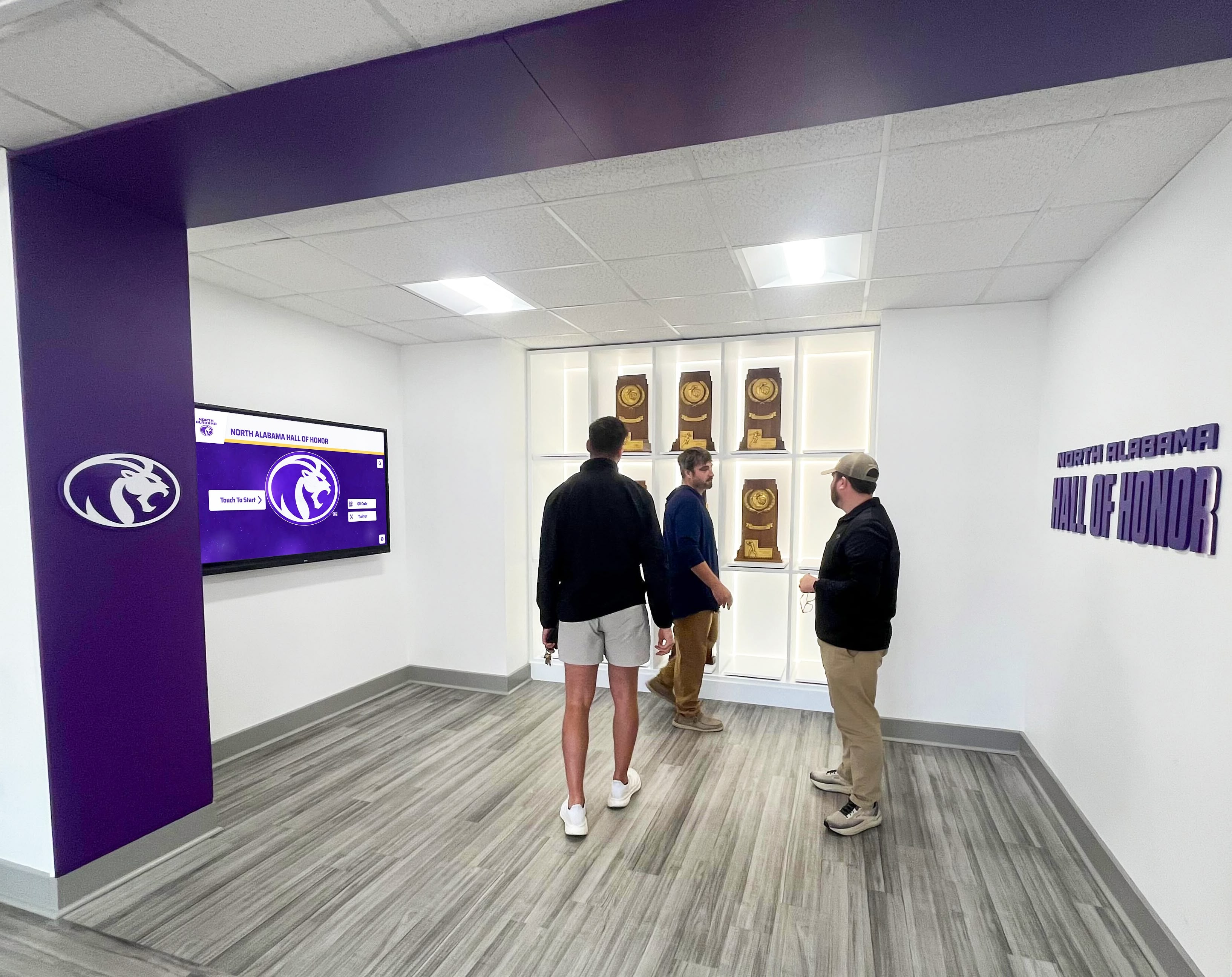
Strategic integration of digital displays with traditional trophy cases creates comprehensive recognition combining physical presence with unlimited digital capacity
Building Sustainable Championship Recognition Programs
Effective championship recognition requires systematic planning ensuring programs serve athletic department goals while remaining administratively sustainable across coaching changes and budget cycles.
Establishing Championship Documentation Processes
Systematic documentation ensures comprehensive championship records:
Immediate Post-Championship Information Gathering
Capture complete championship information promptly:
- Official verification from AHSAA confirming championship
- Complete roster with all players, coaches, and support staff
- Individual player photographs meeting quality standards
- Team photographs in championship settings
- Game statistics and season records
- Championship trophy and medal documentation
- Local media coverage and newspaper articles
- Video footage of championship games and celebrations
Immediate collection prevents information loss—memories fade, participants move, and documentation becomes exponentially harder to gather as years pass.
Historical Championship Research
Reconstruct older championship information through multiple sources:
- Yearbook review identifying championship teams and basic information
- Newspaper archive searches finding game coverage and photographs
- Athletic record book examination for statistical documentation
- Coach and player interviews gathering firsthand memories
- Alumni outreach requesting photographs and information
- School board meeting minutes sometimes containing championship recognition records
Thorough historical research ensures championship recognition reflects complete program heritage rather than only recent easily-documented achievements.
Standardized Information Templates
Create consistent documentation formats:
- Standard roster information fields ensuring complete data collection
- Required photograph specifications guaranteeing quality standards
- Statistical categories captured uniformly across all championship seasons
- Biographical information templates for players and coaches
- Documentation requirements for supporting championships claims
- Quality control processes ensuring accuracy before publication
Standardized approaches prevent incomplete or inconsistent championship documentation—ensuring all achievements receive comparable recognition quality regardless of when they occurred.
Explore approaches to preserving school sports history through systematic documentation.
Involving Multiple Stakeholders
Successful recognition programs engage diverse constituencies providing different resources and perspectives:
Athletic Department Leadership
Coaches and athletic directors contribute essential input:
- Current championship information and documentation
- Historical program knowledge and context
- Connections to former players and coaches
- Recognition priorities reflecting program values
- Ongoing updates and content maintenance
- Approval of recognition approaches
School Administration
Administrators address institutional considerations:
- Budget allocation for recognition systems
- Facility modifications and installation approvals
- Brand consistency with school identity standards
- Community relations and stakeholder communication
- Long-term sustainability planning
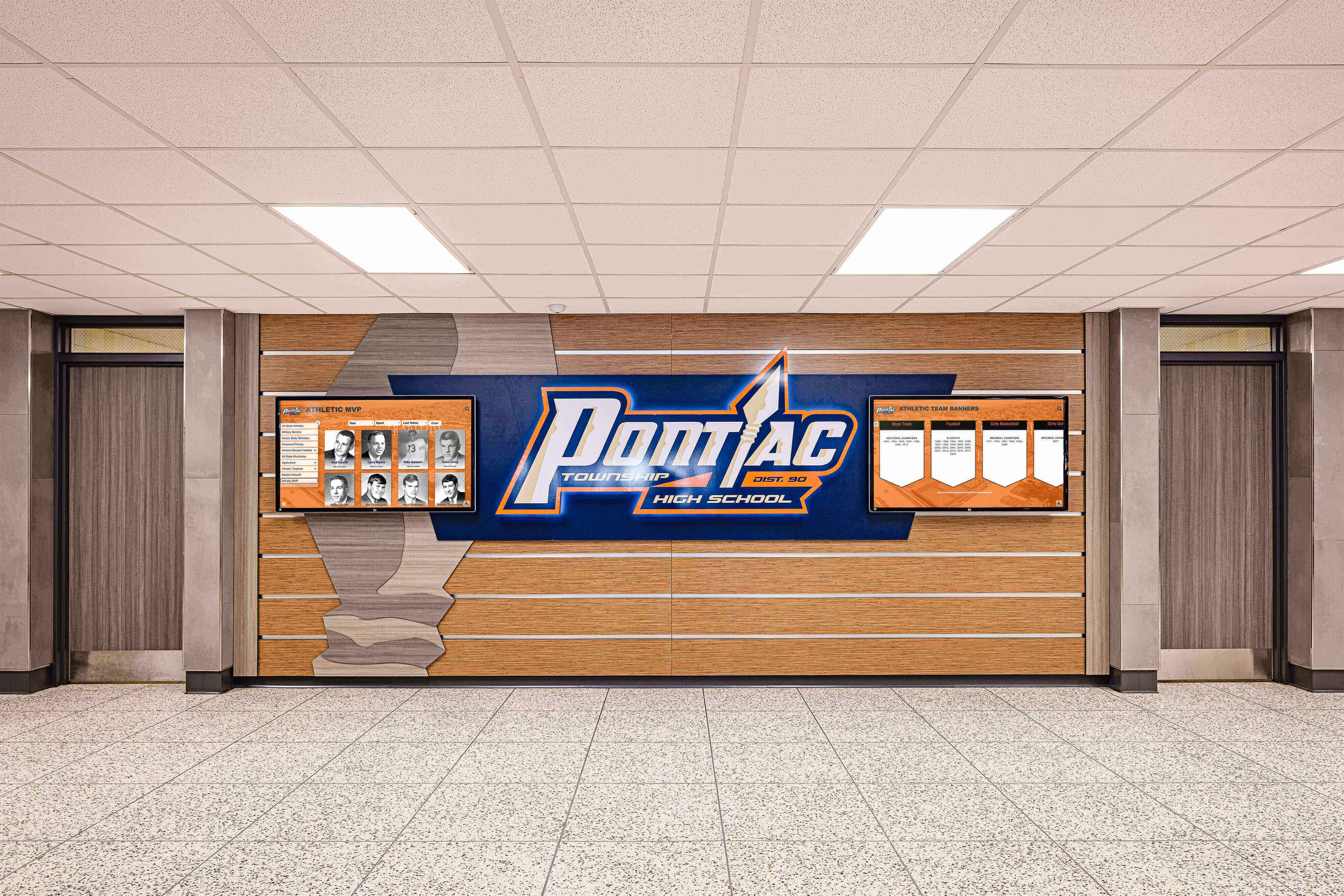
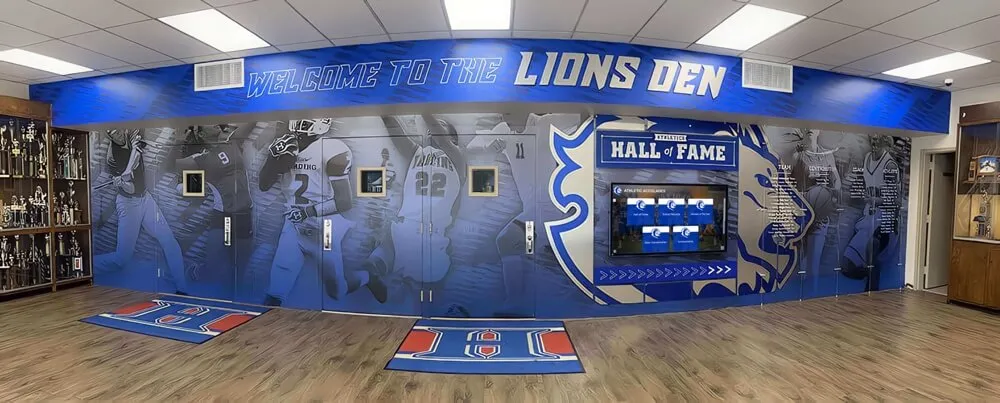
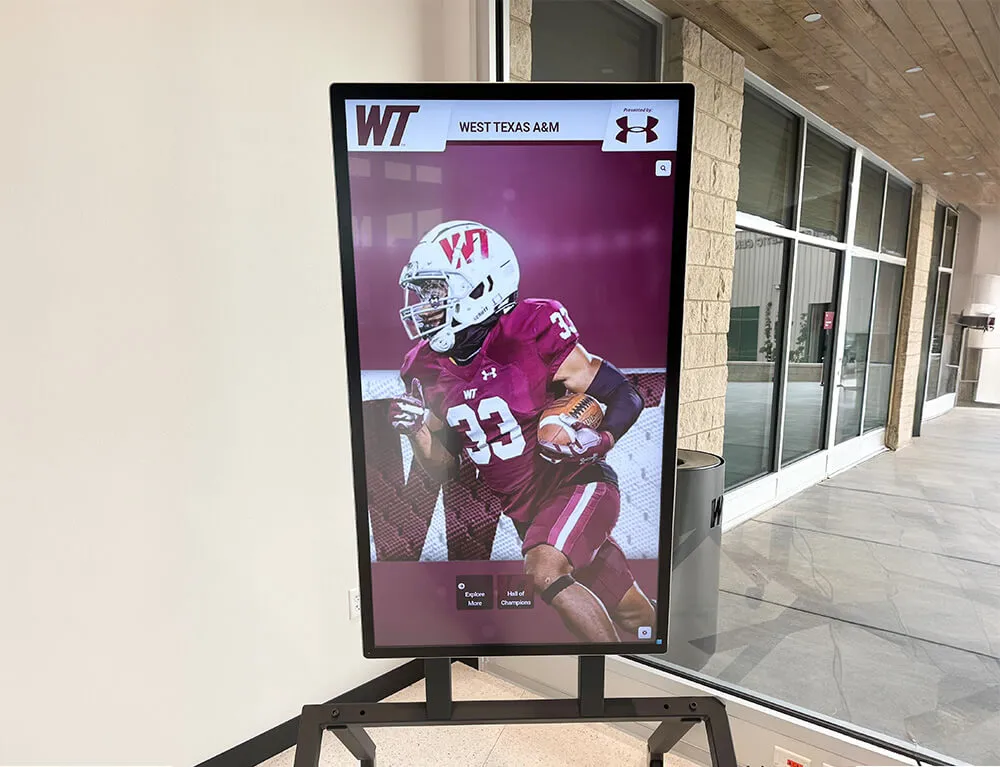
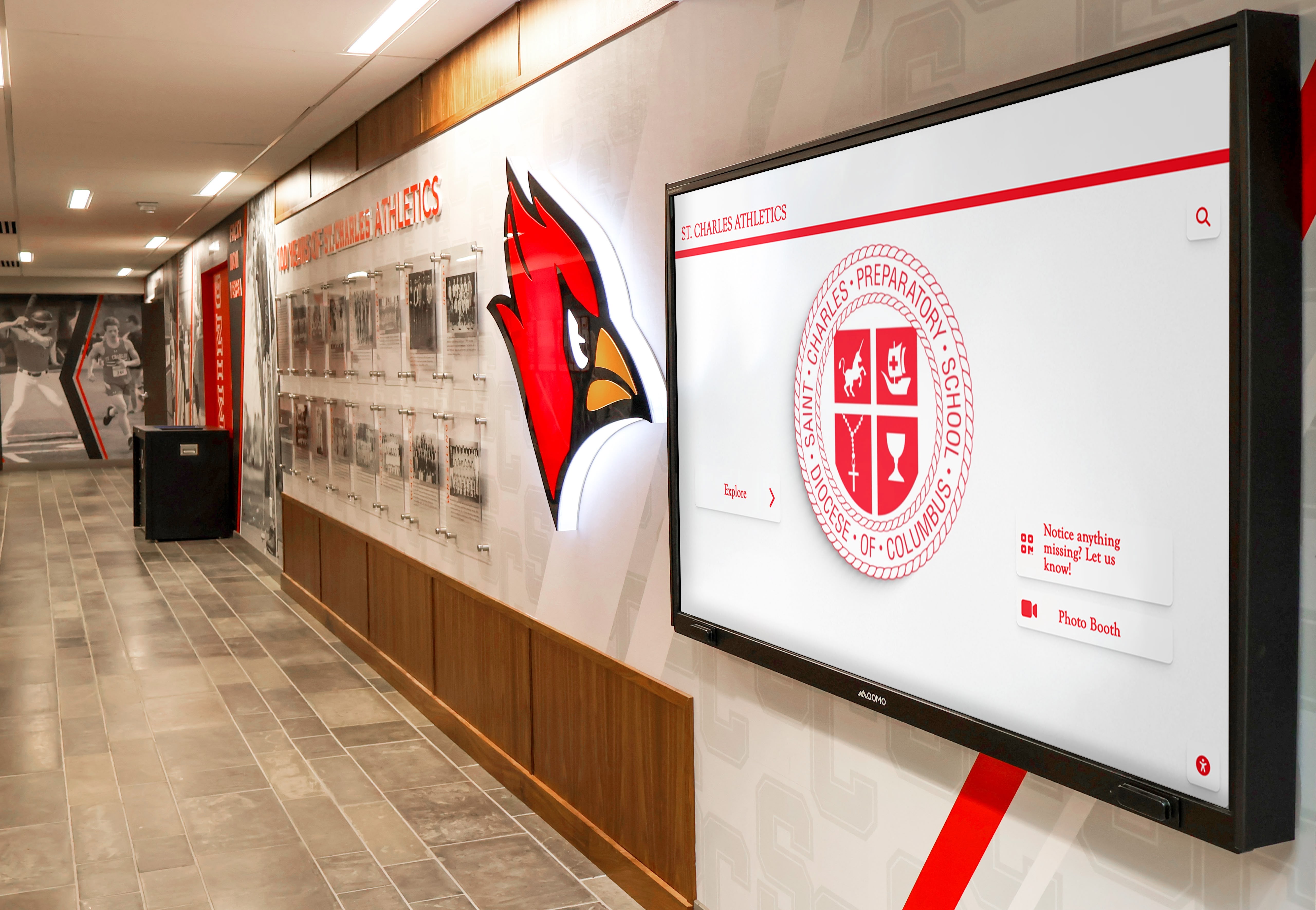
Professional recognition installations create impressive championship celebration throughout school buildings
Booster Clubs and Support Organizations
External supporters provide crucial resources:
- Fundraising for recognition system implementation
- Historical research gathering championship information
- Alumni outreach collecting memories and photographs
- Event coordination for championship celebrations
- Sustained engagement maintaining long-term program support
Alumni and Former Players
Former athletes offer unique perspectives and resources:
- Personal memories and championship season insights
- Historical photographs and memorabilia
- Verification of roster information and statistical records
- Motivation for current players through their example
- Financial support for recognition program implementation
Engaging multiple stakeholder groups distributes work, builds broader support, and ensures recognition programs reflect diverse perspectives while serving multiple audiences effectively.
Technology Selection and Implementation
Choose recognition platforms matching specific program needs and resources:
Evaluation Criteria
Consider multiple factors when selecting recognition systems:
- Unlimited capacity accommodating complete championship history and future growth
- Content management systems enabling easy updates without technical expertise
- Multi-device compatibility ensuring access via touchscreens, computers, and mobile devices
- Customization capabilities reflecting school branding and athletic identity
- Search and filtering functionality enabling personalized exploration
- Video integration supporting highlight footage and multimedia content
- Web accessibility extending recognition beyond physical locations
- Technical support ensuring reliable operation and assistance when needed
- Subscription pricing versus one-time costs matching budget structures
- Implementation services supporting content migration and system launch
Implementation Planning
Systematic rollout ensures successful recognition program launches:
- Content preparation gathering and organizing championship information before launch
- Display installation coordinating hardware placement and technical setup
- Staff training ensuring personnel can manage and update systems
- Promotion campaigns building awareness and encouraging engagement
- Feedback collection identifying improvements and addressing concerns
- Continuous enhancement expanding content and improving user experience
Thoughtful implementation prevents common problems while maximizing recognition system value—ensuring technology serves program goals rather than creating administrative burdens.
Solutions like Rocket Alumni Solutions provide specialized platforms designed specifically for school athletic recognition including Alabama high school football championship celebration. These comprehensive systems combine unlimited championship capacity, rich multimedia team and player profiles, intuitive touchscreen and web experiences, easy content management, and ongoing technical support—enabling schools to build championship recognition programs that appropriately honor achievements while remaining administratively sustainable across years.
Special Considerations for Alabama Football Programs
Several factors specific to Alabama high school football culture influence championship recognition program design:
Multi-Classification Championship Recognition
Schools sometimes change classifications creating complex championship histories:
Classification Changes Over Time
Alabama schools move between classifications based on enrollment shifts:
- Growing schools moving from lower to higher classifications
- Declining enrollments moving schools to lower classifications
- Competitive advantages and challenges as schools adjust to new classification levels
- Historical championships earned in different classifications than current assignment
Effective recognition systems clearly identify which classification championships were earned in—providing context while avoiding confusion about competitive levels during different program eras.
Valuing Championships Across Classifications
All state championships merit appropriate recognition:
- Each classification represents highest achievement level available to schools
- Small school championships require equal dedication and excellence as large school titles
- Historical championships maintaining value regardless of subsequent classification changes
- Equitable display and recognition across all classifications
- Resistance to creating championship hierarchies based on classification sizes
Championship recognition should honor that every state title represents extraordinary achievement within available competitive context—celebrating all championships appropriately rather than privileging certain classifications over others.
Program Tradition and Historical Context
Alabama’s deep football tradition creates unique recognition opportunities:
Multi-Generational Program Participation
Many Alabama families span multiple generations of program involvement:
- Digital recognition enabling exploration of family connections across decades
- Grandfather, father, and son championship team identification
- Multi-generational reunion opportunities around championship recognition
- Family legacy stories enriching program history
- Recruitment advantages highlighting family tradition opportunities
Recognition systems that facilitate multi-generational discovery create powerful emotional connections—transforming championship displays into family history exploration tools.
Coaching Legacies and Program Building
Long-tenured coaches shape program identities:
- Multiple championship teams under single coach leadership
- Coaching philosophy evolution visible across championship eras
- Coaching tree connections as assistants become head coaches elsewhere
- Program building recognition honoring sustained excellence
- Coach retirement celebrations tied to comprehensive career achievement documentation
Championship recognition provides opportunities to honor coaching contributions comprehensively—celebrating not just individual championships but entire careers of program building and athlete development.
Learn about coach recognition programs celebrating sustained excellence.
Rivalry Game Documentation
Traditional rivalries carry special significance warranting distinct recognition:
Historic Rivalry Games
Many Alabama schools maintain decades-long rivalry traditions:
- Annual rivalry games generating community-wide interest
- Rivalry game results documented across complete history
- Championship seasons often featuring rivalry game victories
- Rivalry trophy documentation when applicable
- Social significance extending beyond championship implications
Championship recognition systems can incorporate rivalry context—showing how championship teams performed against traditional rivals while documenting these culturally significant matchups comprehensively.
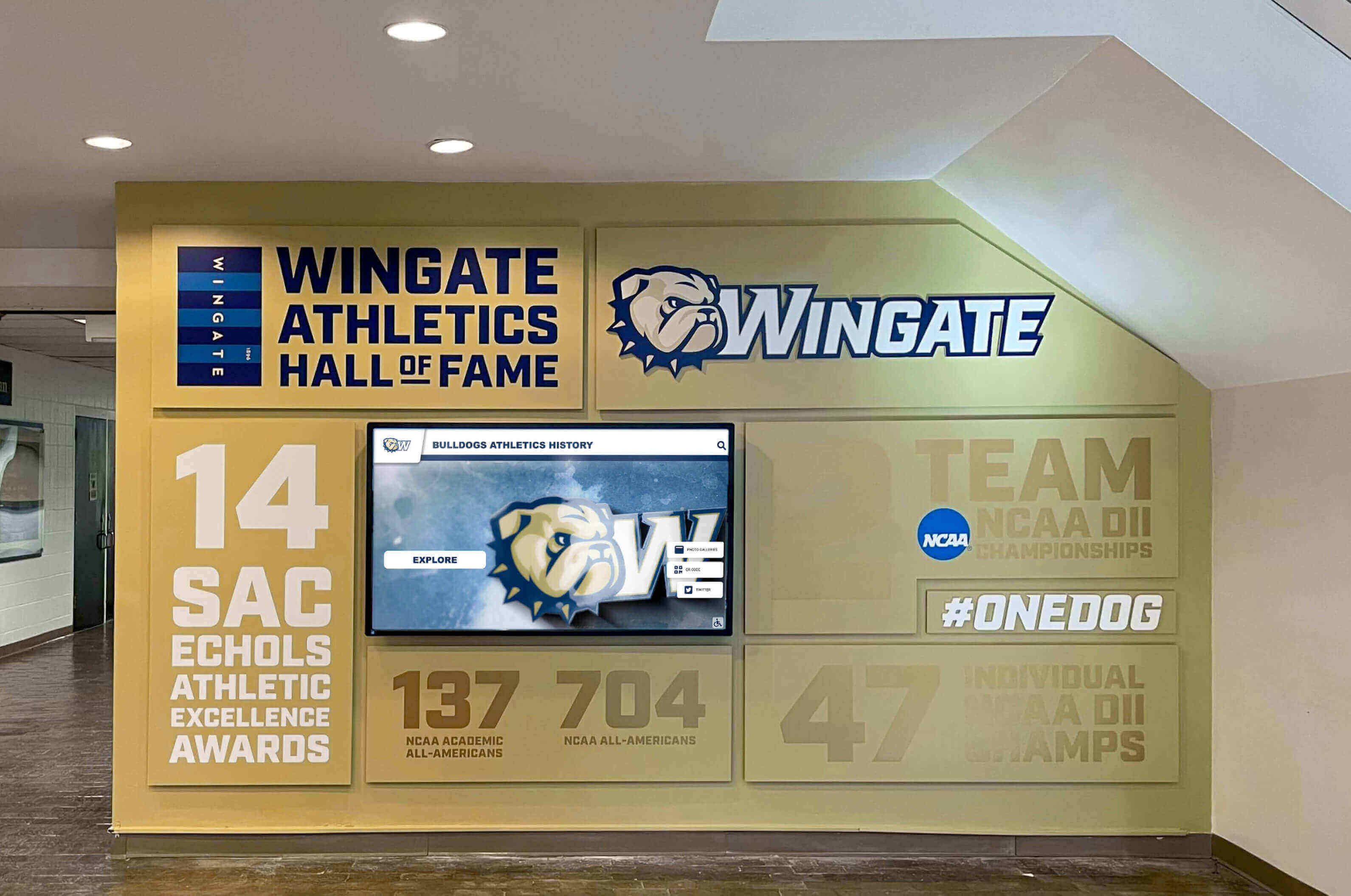
Professional recognition installations create focal points in school buildings celebrating athletic tradition and championship excellence
Conclusion: Honoring Alabama Football Championship Traditions
Alabama high school football playoffs represent the pinnacle of competitive achievement for thousands of student-athletes annually—journeys requiring dedication, sacrifice, teamwork, and excellence pursued across months of preparation culminating in championship pursuits. State championships earned through playoff success become permanent institutional legacies, celebrated achievements that schools honor across generations, and inspirational examples motivating current athletes to pursue their own championship dreams.
Appropriate championship recognition preserves these achievements comprehensively—ensuring that championship teams, individual players, coaching staffs, and community supporters receive proper acknowledgment for accomplishments representing life’s most memorable athletic experiences. Whether implementing traditional trophy and banner displays, modern digital recognition systems, or hybrid approaches combining both, the most important factor remains genuine commitment to honoring championship achievement permanently and accessibly.
Modern recognition solutions overcome traditional space limitations while enabling rich storytelling impossible with physical displays alone—providing unlimited capacity for championships across all classifications and decades, comprehensive team and player profiles celebrating individual contributions, interactive exploration creating engagement far exceeding static displays, and web accessibility extending championship celebration beyond school facilities to alumni and supporters anywhere.
Your championship achievements represent extraordinary dedication—months of conditioning, countless practice hours, strategic preparation, and complete commitment from athletes, coaches, and communities. Those achievements deserve recognition systems that tell complete stories, honor every participant, preserve legacies inspiring future generations, and maintain institutional connections across decades of athletic tradition.
Whether your program has earned recent championships requiring current recognition or decades of playoff achievements awaiting comprehensive documentation, building systematic championship recognition programs ensures that every state title, playoff appearance, and region championship receives appropriate permanent celebration—creating the lasting legacy your athletes, coaches, and community deserve while inspiring the next generation to write their own chapters in your program’s ongoing championship story.
Ready to create comprehensive championship recognition for your Alabama high school football program? Request your free custom demo to discover how modern recognition solutions can preserve your playoff achievements and championship traditions through unlimited capacity displays, rich multimedia content, and engaging interactive experiences that honor your program’s legacy appropriately for generations to come.
Begin planning your championship recognition strategy today—ensuring that every playoff appearance, every championship victory, and every dedicated athlete receives the permanent honor these extraordinary achievements deserve. Your program’s legacy is worth preserving comprehensively, and modern recognition solutions make that comprehensive celebration possible while remaining administratively sustainable and financially manageable for programs of any size across all Alabama classifications.