



Academic and history archiving for schools transforms scattered records, forgotten achievements, and deteriorating materials into comprehensive digital systems that preserve institutional memory, celebrate student excellence, and create accessible heritage resources for current and future generations. Every educational institution accumulates valuable historical materials—academic records documenting decades of student achievement, athletic accomplishments spanning championship eras, photographs capturing institutional evolution, yearbooks preserving community memories, and administrative documents recording pivotal decisions shaping institutional identity.
Yet most schools struggle with effective archiving. Critical records remain scattered across filing cabinets, storage rooms, and computer systems lacking organization or backup. Historical photographs deteriorate in basements susceptible to water damage. Academic achievements from previous decades go unrecognized because updating traditional displays proves prohibitively expensive. Meanwhile, retiring educators take irreplaceable institutional knowledge with them, and aging alumni pass away before anyone captures their memories and perspectives.
This comprehensive guide explores proven strategies for implementing academic and history archiving programs that systematically preserve institutional records, celebrate achievement across all eras, and create engaging digital displays making archives accessible rather than hidden—serving students, educators, alumni, and communities for generations to come.
Academic and history archiving serves multiple essential institutional functions simultaneously—preserving irreplaceable records before loss or deterioration, documenting achievement patterns revealing institutional strengths, creating emotional connections strengthening alumni engagement, inspiring current students through visible heritage, and building community pride by showcasing educational excellence across decades or centuries.

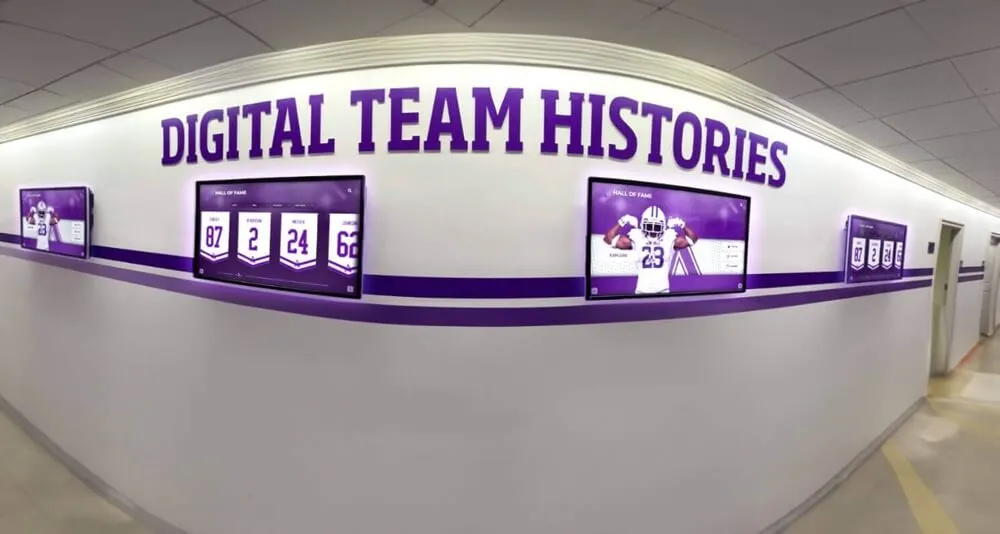
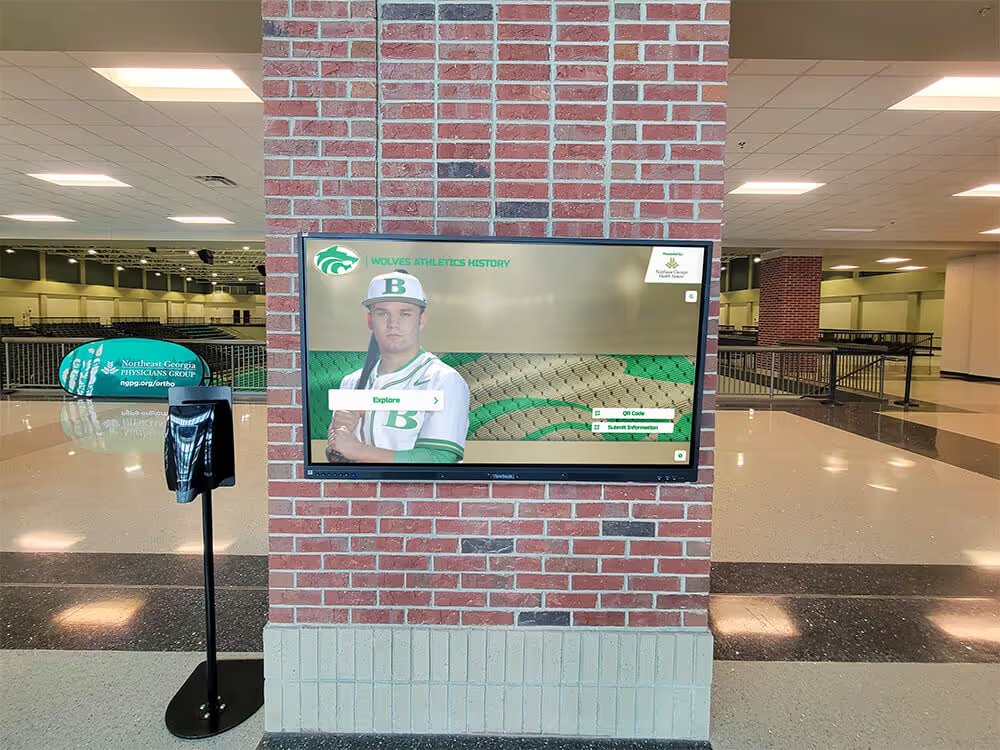
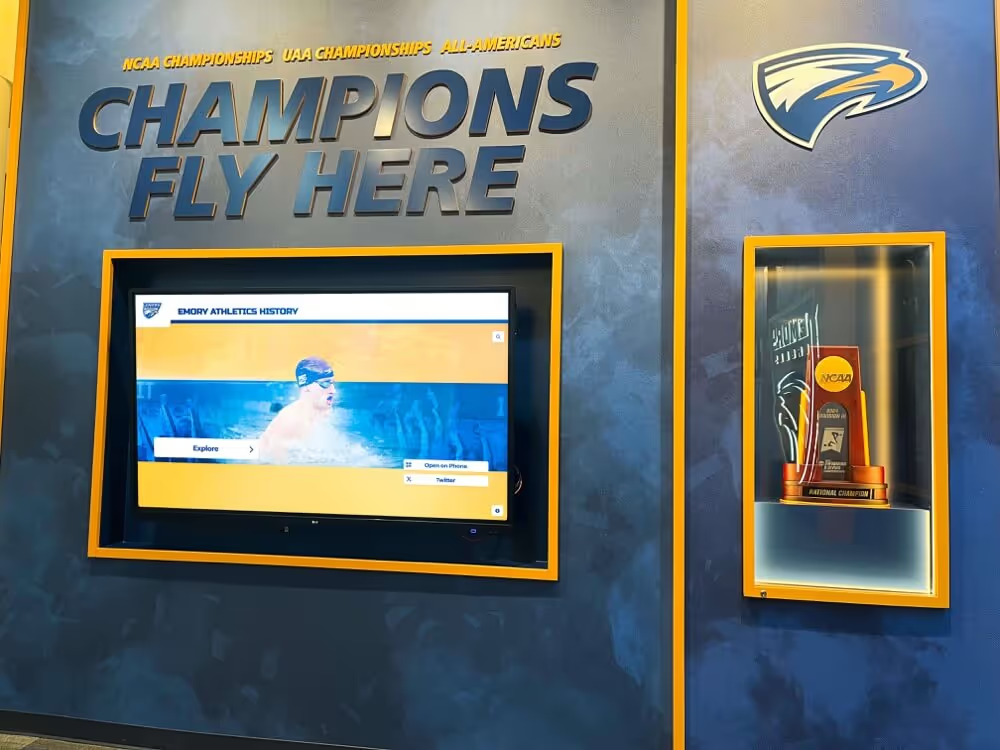
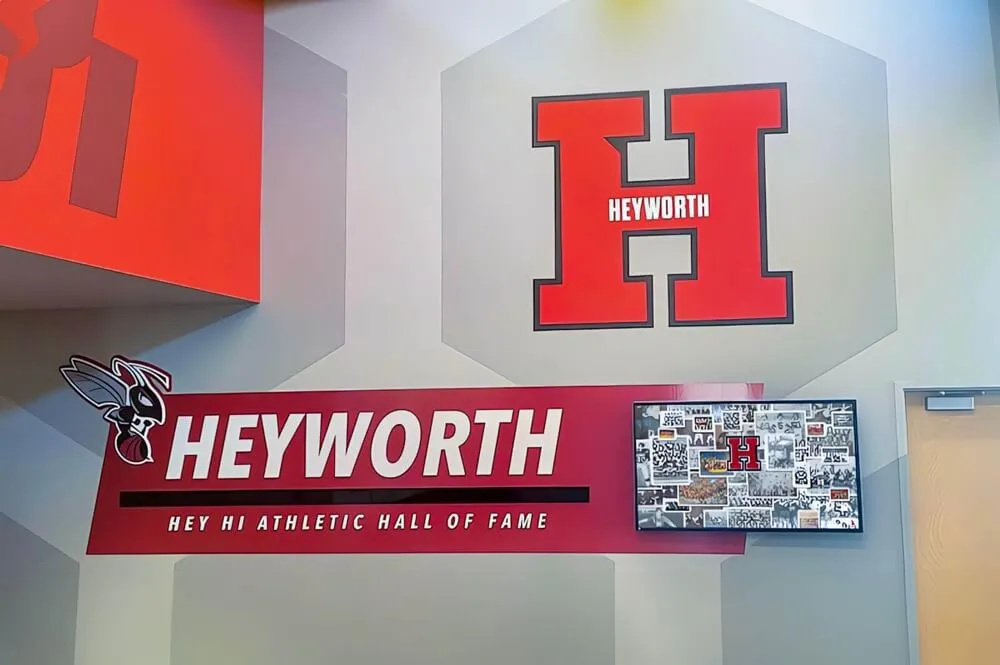
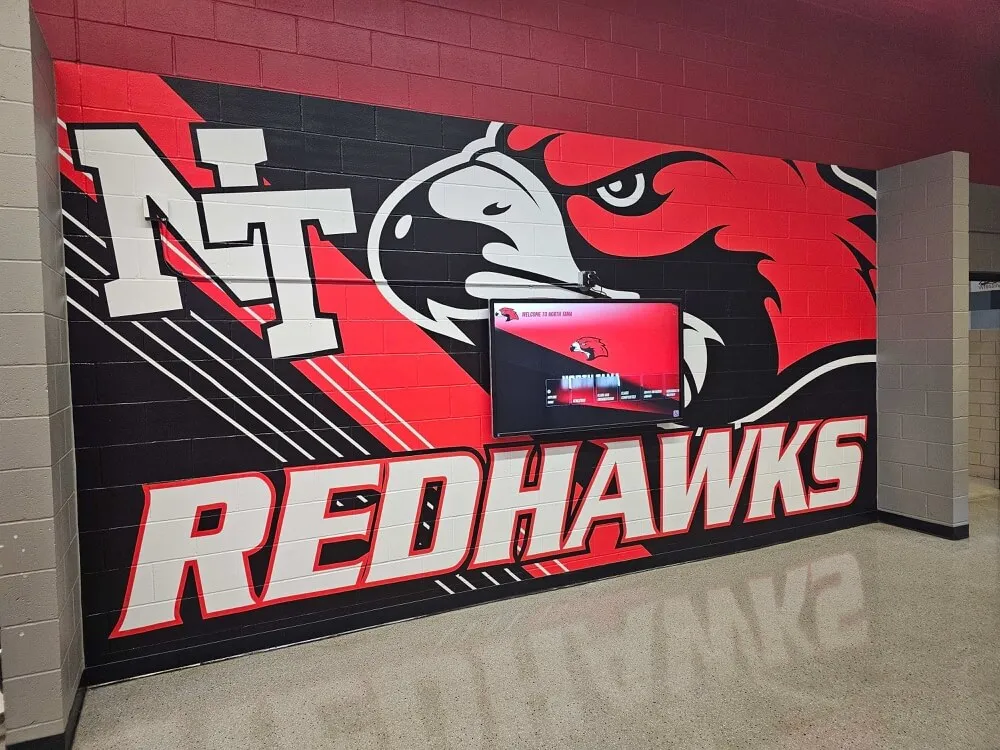
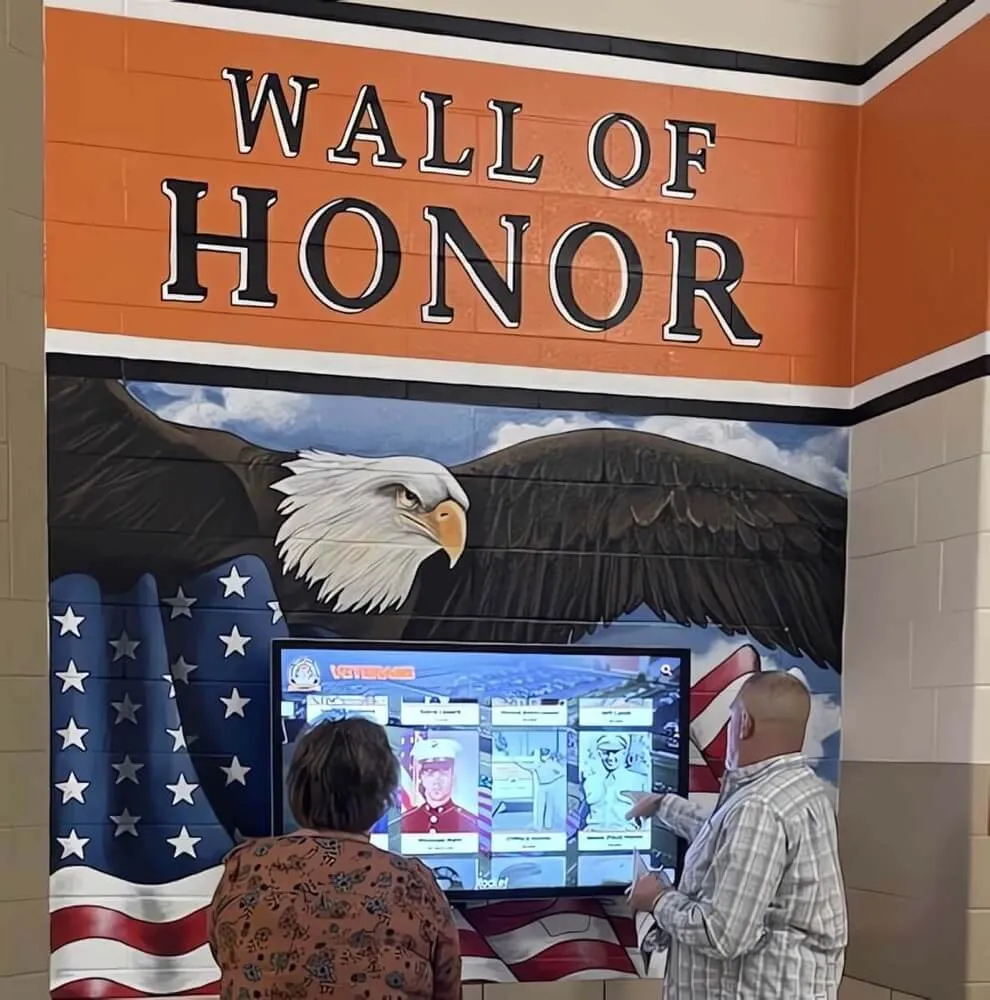
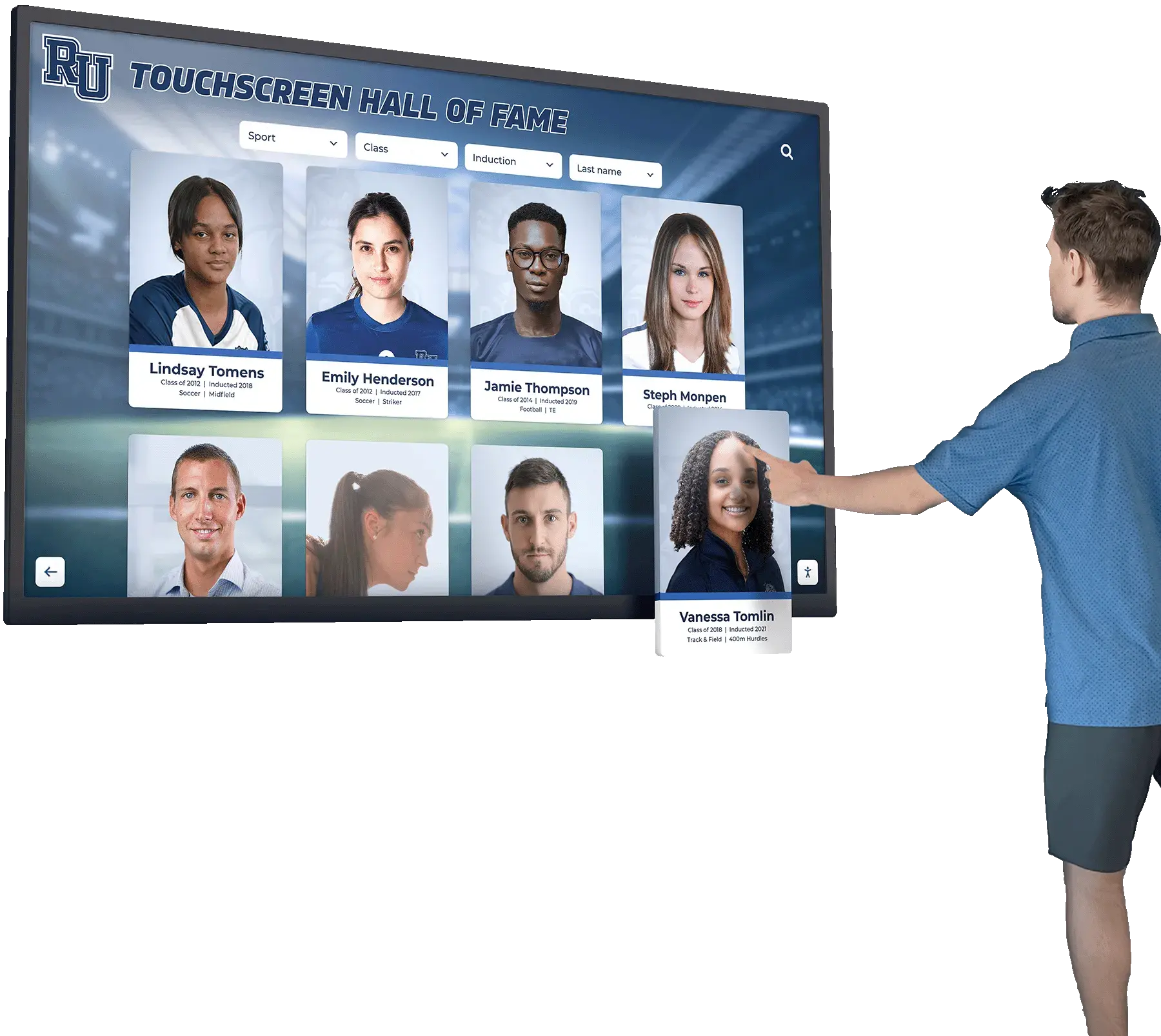
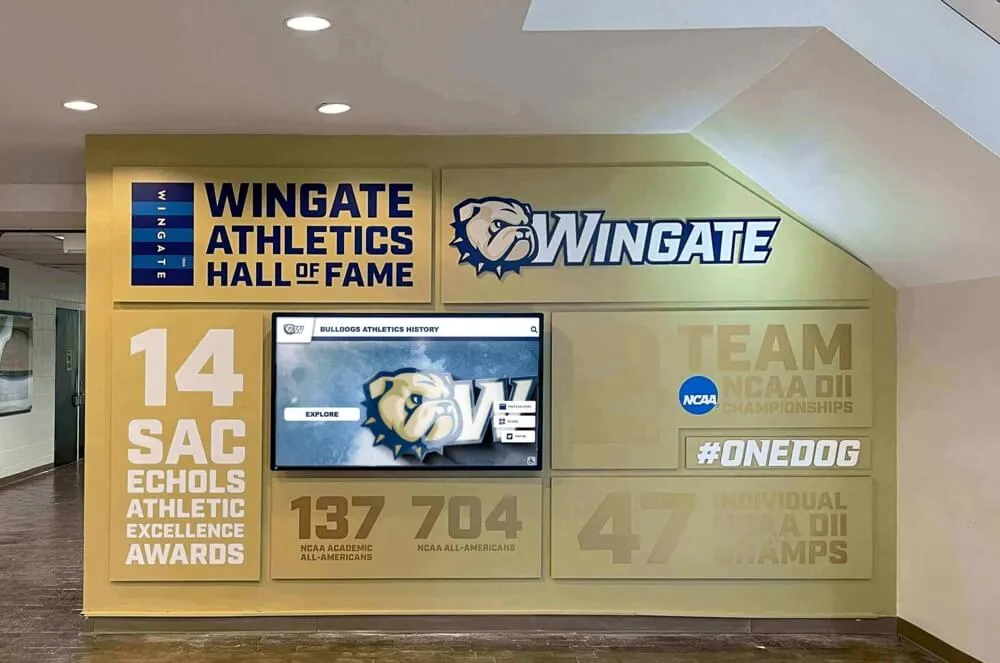
Modern archiving systems preserve academic records and historical achievements in accessible digital formats
Why Academic and History Archiving Matters for Educational Institutions
Before exploring specific archiving approaches, understanding the tangible benefits of systematic preservation helps justify investment and build stakeholder support across administrative, academic, and development divisions.
Protecting Institutional Memory Before It Disappears Forever
Schools face constant threats to historical records and institutional memory. Paper documents deteriorate through acidic degradation, improper storage, pest damage, or environmental exposure. According to digital preservation experts, digital materials representing cultural heritage are equally vulnerable to technological changes and format obsolescence—yesterday’s floppy disks and magnetic tapes become unreadable, and file formats from previous decades require specialized software no longer maintained.
Physical disasters including floods, fires, or severe weather can destroy decades of accumulated records within hours. Less dramatic but equally destructive, routine facility renovations, office relocations, or administrative transitions result in boxes of historical materials being discarded as “clutter” when nobody recognizes their significance or assumes responsibility for preservation.
Human memory proves equally fragile. Long-serving educators retire and relocate, taking decades of institutional knowledge with them. Alumni age and pass away, and their firsthand experiences of significant institutional moments disappear forever when no systematic effort captures their perspectives before it’s too late. Community members who could identify individuals in historical photographs or provide context about past events become unavailable as years pass.
Systematic archiving creates preservation insurance. Digital copies with redundant cloud-based storage survive disasters affecting physical locations. Metadata capture during digitization records contextual information that human memory alone cannot reliably preserve across generations. Structured processes ensure continuous documentation rather than episodic preservation efforts during anniversary celebrations.
Creating Comprehensive Achievement Recognition Across All Eras
Traditional recognition displays suffer from fundamental space constraints forcing difficult choices about whose achievements warrant permanent commemoration. Physical plaques, trophy cases, and wall-mounted frames can accommodate only limited numbers of individuals, creating systems where recent achievements displace historical recognition or where deserving students go unhonored because physical space has been exhausted.
This limitation proves particularly problematic for academic recognition. While athletic achievements often receive trophy cases and championship banners, academic excellence frequently receives minimal visible celebration beyond temporary honor roll postings that disappear after each term. Students earning perfect standardized test scores, achieving National Merit recognition, or winning academic competitions may receive brief announcements but no permanent institutional acknowledgment comparable to athletic honors.
Digital archiving systems eliminate space constraints completely. Solutions like Rocket Alumni Solutions enable schools to recognize unlimited achievements across all categories and time periods. Every valedictorian since the school’s founding receives equal visibility. National Merit Scholars from the 1960s appear alongside current recipients. Athletic records from championship teams of past decades remain permanently accessible rather than being removed to make room for recent achievements.
This comprehensive recognition serves current students powerfully. Seeing systematic celebration of academic achievement sends clear messages about institutional values. Students discover that intellectual excellence receives honor equivalent to athletic success. Knowing their achievements will receive permanent recognition rather than disappearing after graduation motivates sustained effort and creates pride in accomplishment.
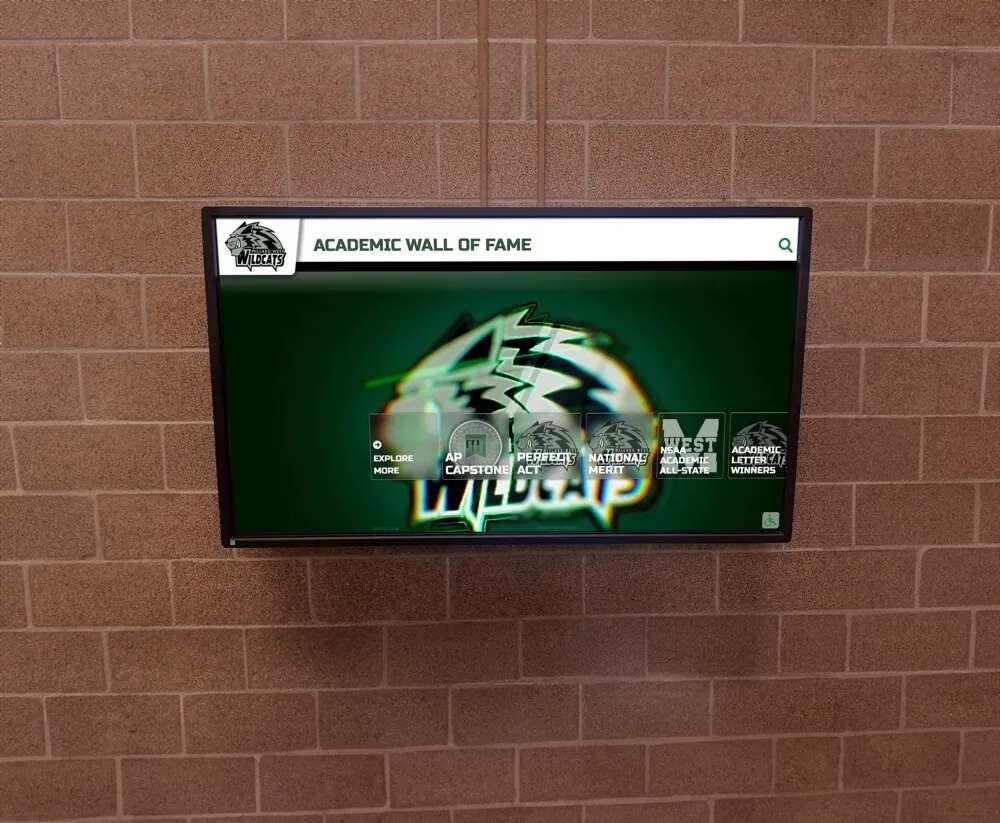
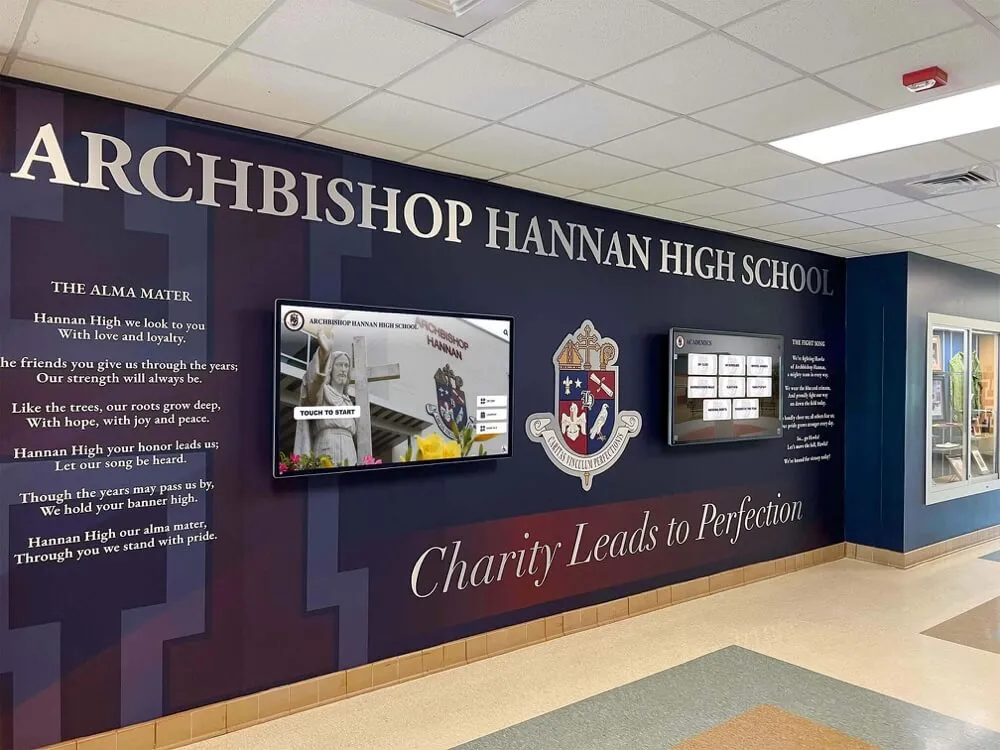
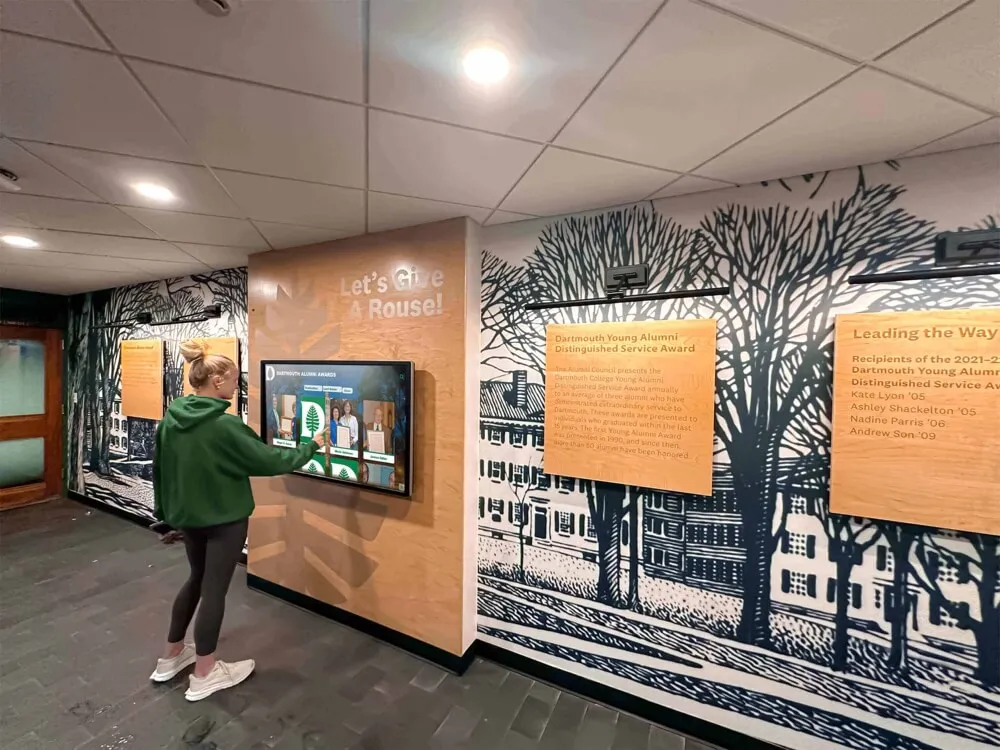
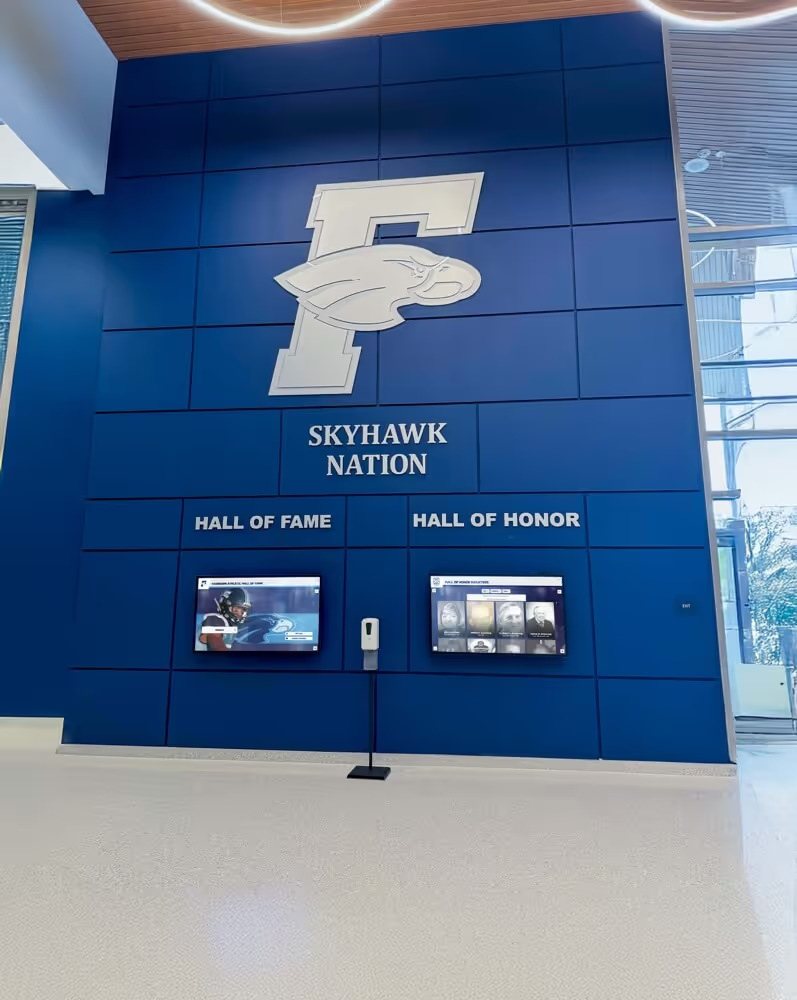
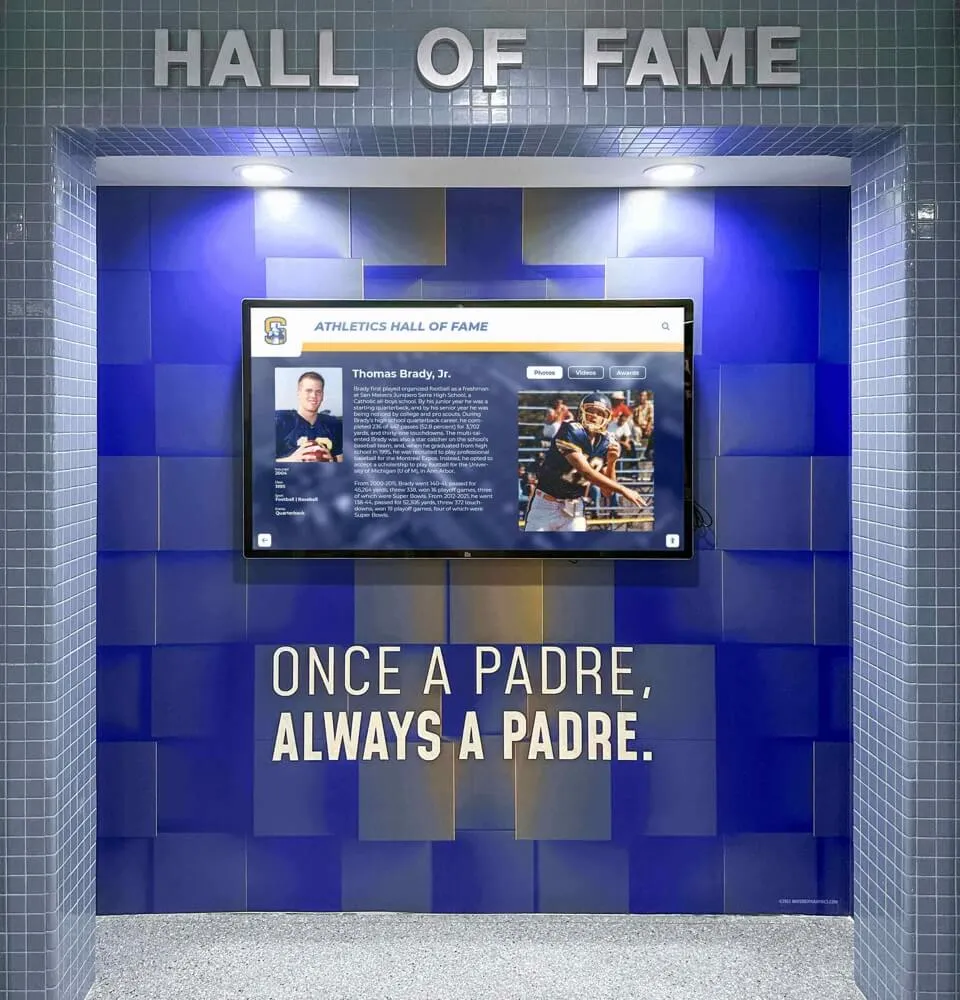
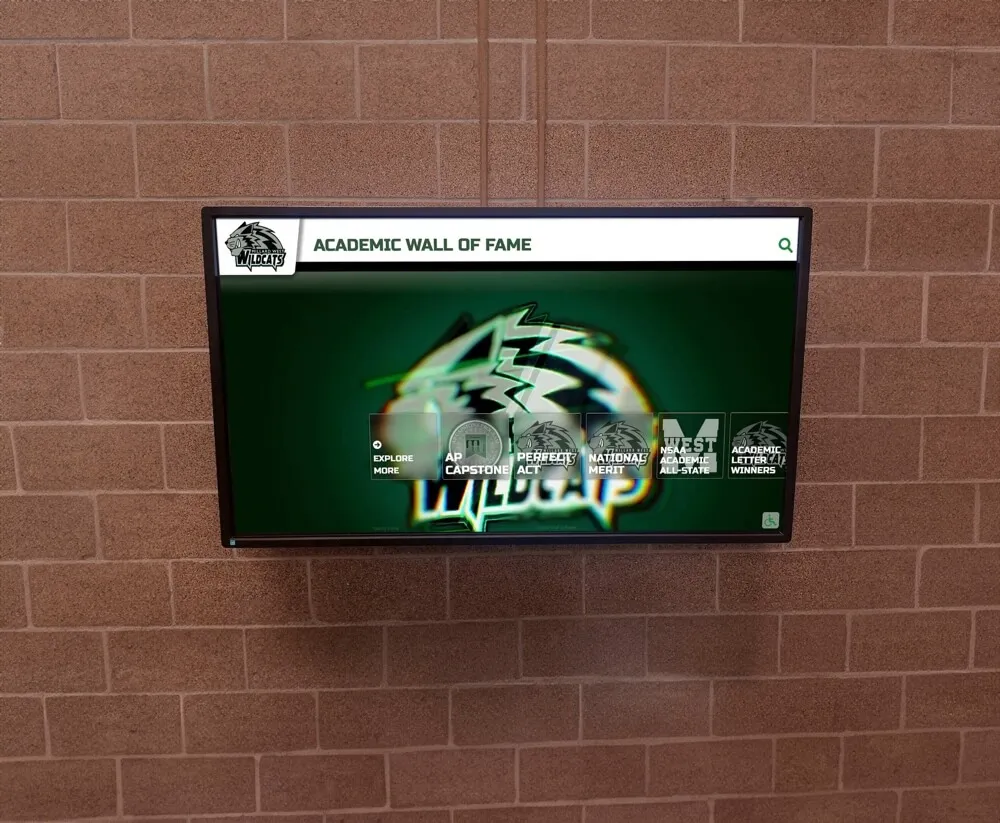
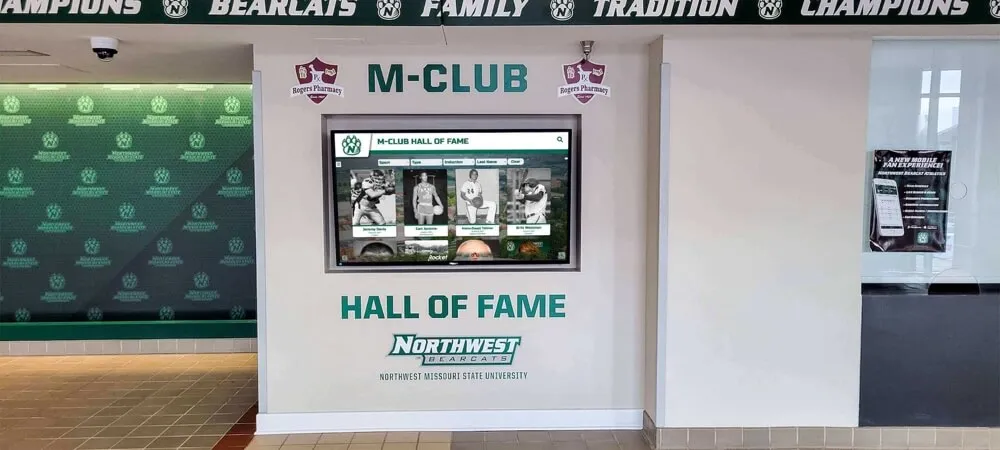
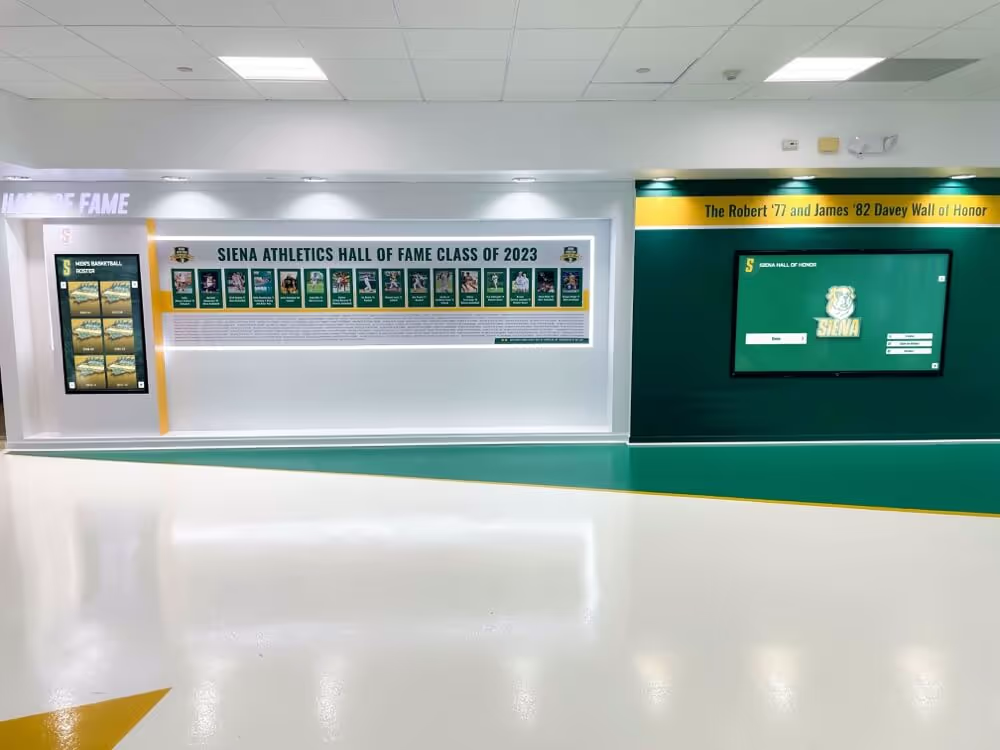
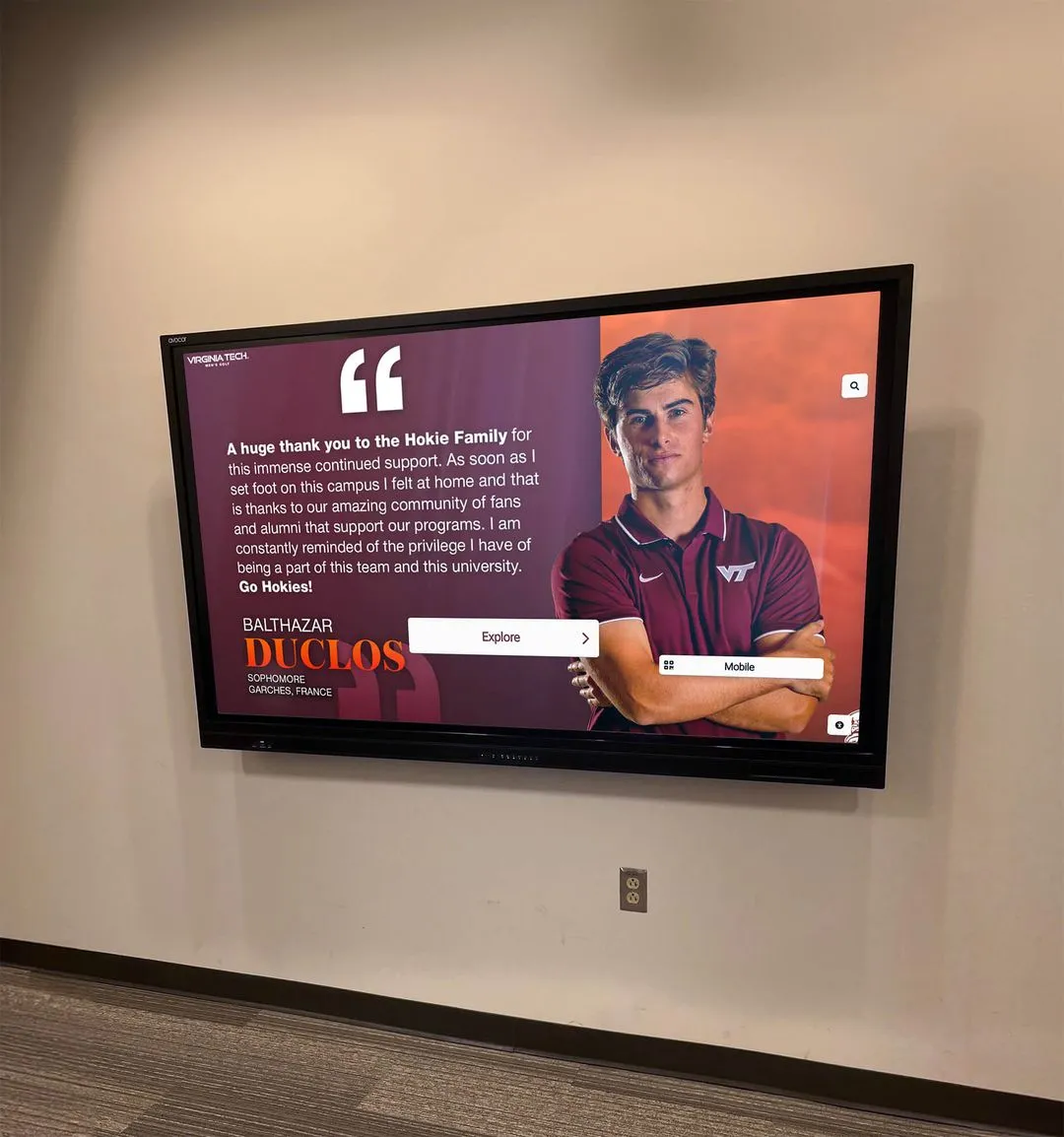
Digital displays enable schools to permanently recognize academic achievements across all eras without space limitations
Strengthening Alumni Engagement Through Visible Heritage
Alumni who see their experiences preserved and honored maintain stronger lifelong connections to their alma mater. According to research on alumni engagement strategies, emotional bonds created through visible institutional heritage translate directly to increased reunion attendance, higher volunteer participation, and measurably greater philanthropic support.
Archived materials create natural touchpoints for alumni outreach. Annual communications highlighting newly digitized photographs from specific graduation years prompt nostalgic responses and drive engagement. Development officers cultivating major gift prospects use archived materials showing institutional stability and tradition. Reunion committees build programming around exploring archived materials from attendees’ school years, creating compelling reasons to return to campus.
Many schools discover that alumni possess valuable materials institutions never knew existed. Personal photograph collections include candid moments never captured in official yearbooks. Family archives contain programs from forgotten events, correspondence revealing institutional history, or memorabilia documenting significant moments. Creating submission processes enabling alumni to contribute their materials enriches institutional collections while deepening contributor engagement through active participation in heritage preservation.
Digital archives prove particularly valuable for geographically dispersed alumni unable to visit campus regularly. Web-based platforms enable alumni worldwide to explore institutional history from home computers or smartphones. Social sharing features allow alumni to post historical discoveries to Facebook or other platforms, extending institutional visibility far beyond direct website visitors while strengthening emotional connections through nostalgic exploration.
Supporting Educational Mission Through Historical Research Resources
Well-organized archives serve educational purposes beyond heritage preservation alone. Historical materials provide primary source documents for student research projects teaching information literacy, evidence evaluation, and historical thinking skills. Students analyzing institutional records, comparing historical and contemporary documents, or interviewing community members about school history develop research capabilities valuable across all academic disciplines.
According to research on digital archives in education, enhanced accessibility through digital platforms democratizes historical research. Where physical archives required campus visits during limited hours, digital collections enable students to access materials anytime from classrooms, libraries, or homes. This accessibility proves particularly valuable for project-based learning, allowing students to incorporate primary source research without logistical barriers.
Archives also support curriculum integration across multiple subjects. History classes examine institutional evolution within broader historical contexts. English courses assign creative writing inspired by historical photographs or documents. Mathematics students analyze statistical trends in enrollment, demographics, or test scores across decades. Science classes investigate how laboratory facilities, equipment, and pedagogical approaches evolved. These cross-curricular applications demonstrate archival value extending beyond heritage preservation to active educational utility.
Building Institutional Reputation and Community Pride
Schools with comprehensive, accessible archives build stronger reputations demonstrating organizational maturity, stability, and commitment to excellence. Prospective families touring campuses encounter sophisticated heritage displays communicating powerful messages about institutional values, tradition, and educational quality. These environmental cues shape perceptions influencing enrollment decisions representing significant family investments.
Community members take pride in local educational institutions with visible heritage preservation programs. Historical archives document schools’ roles as community anchors across generations, preserving stories about how institutions served communities during various eras and challenges. Making these histories accessible strengthens community relationships while demonstrating institutional accountability and commitment to public service beyond current students alone.
Comprehensive archives also provide media resources supporting positive institutional publicity. Journalists covering anniversary milestones, significant achievements, or community interest stories find ready-made visual and narrative materials in well-maintained archives. This accessibility increases coverage quality while reducing staff time required to support media requests, creating positive publicity at minimal cost.
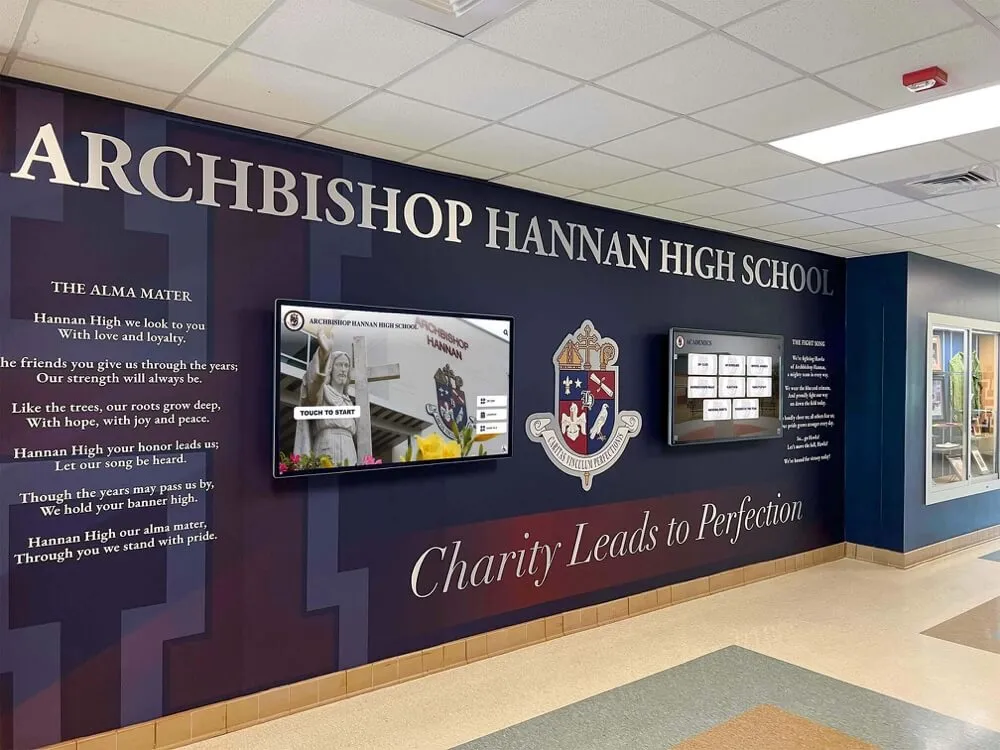
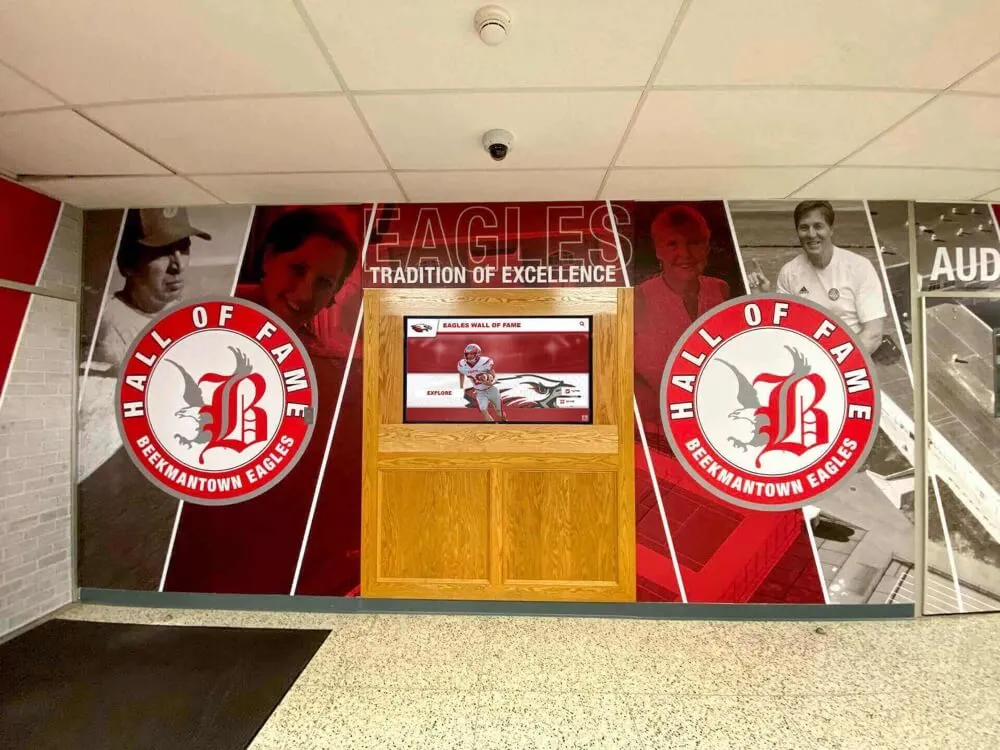
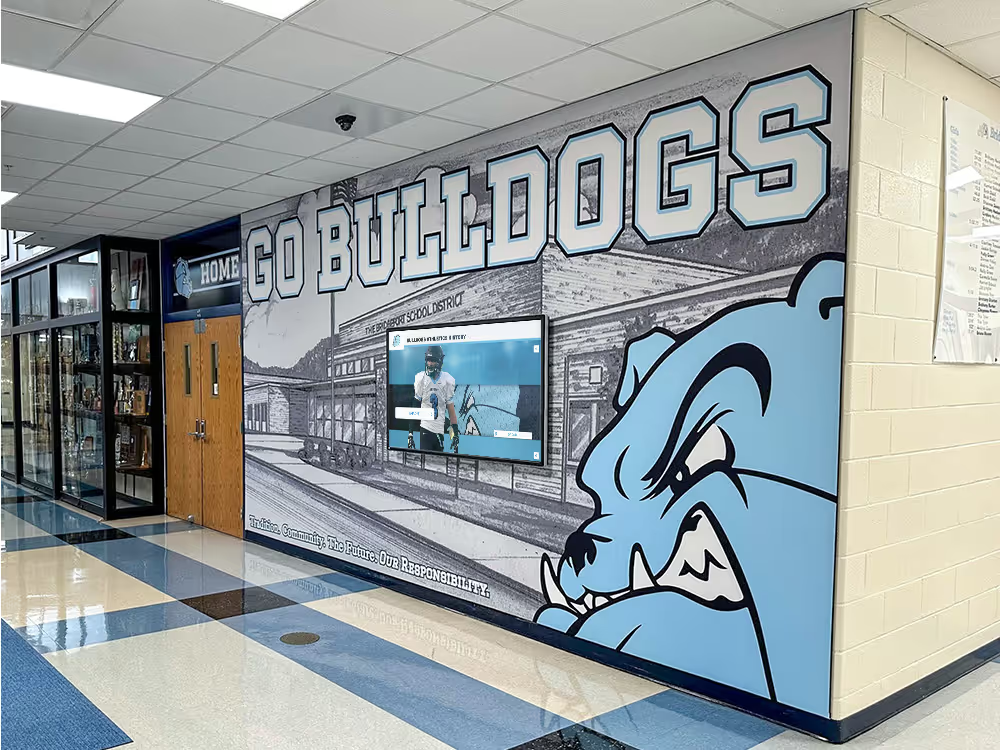
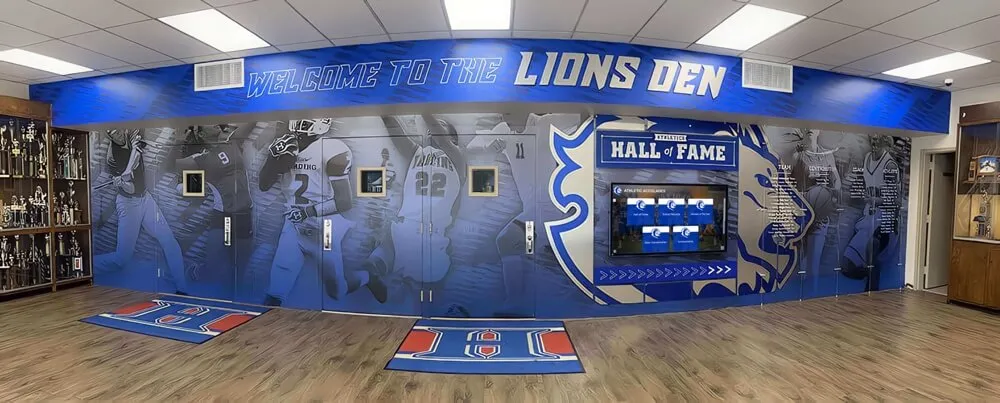
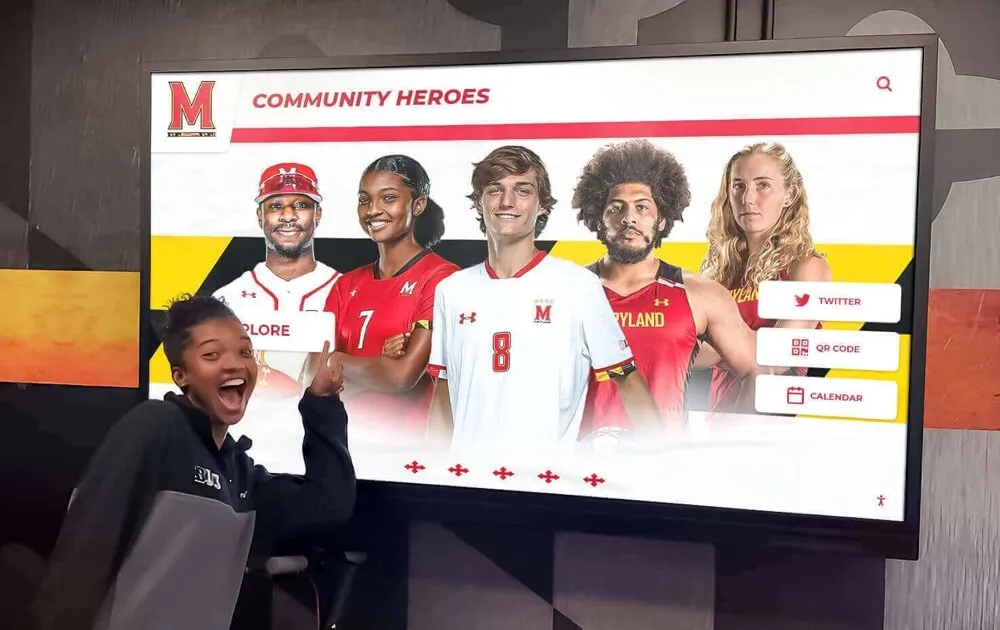
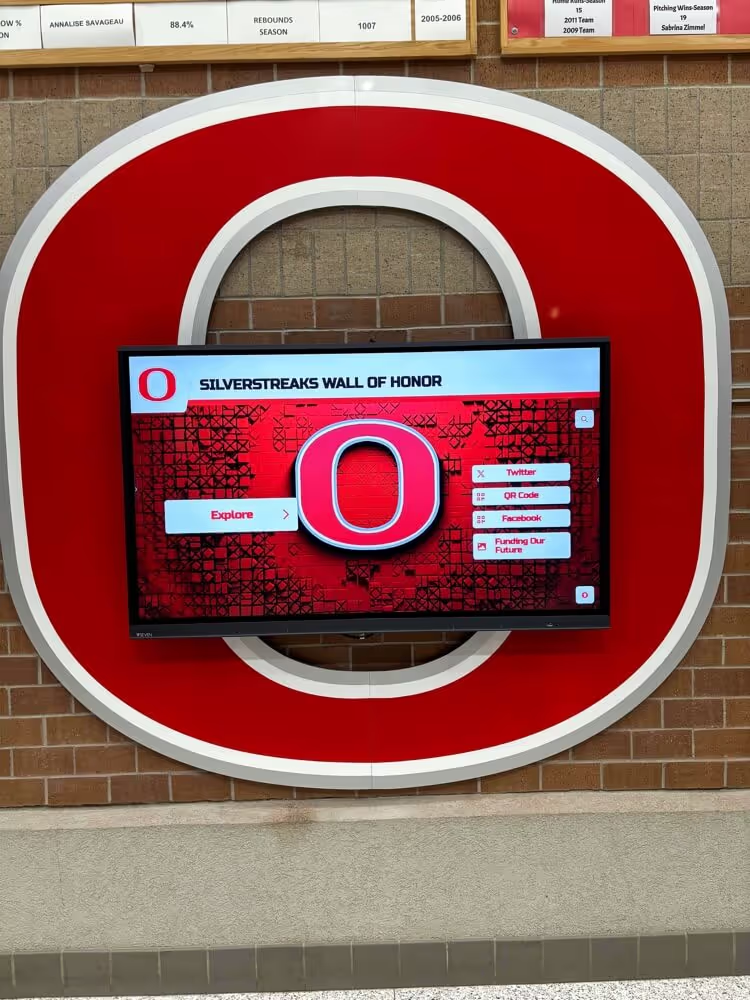
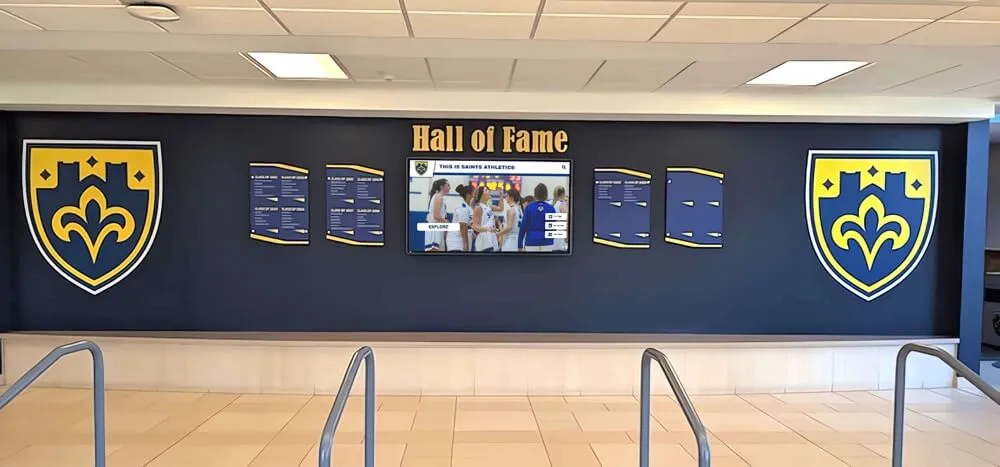
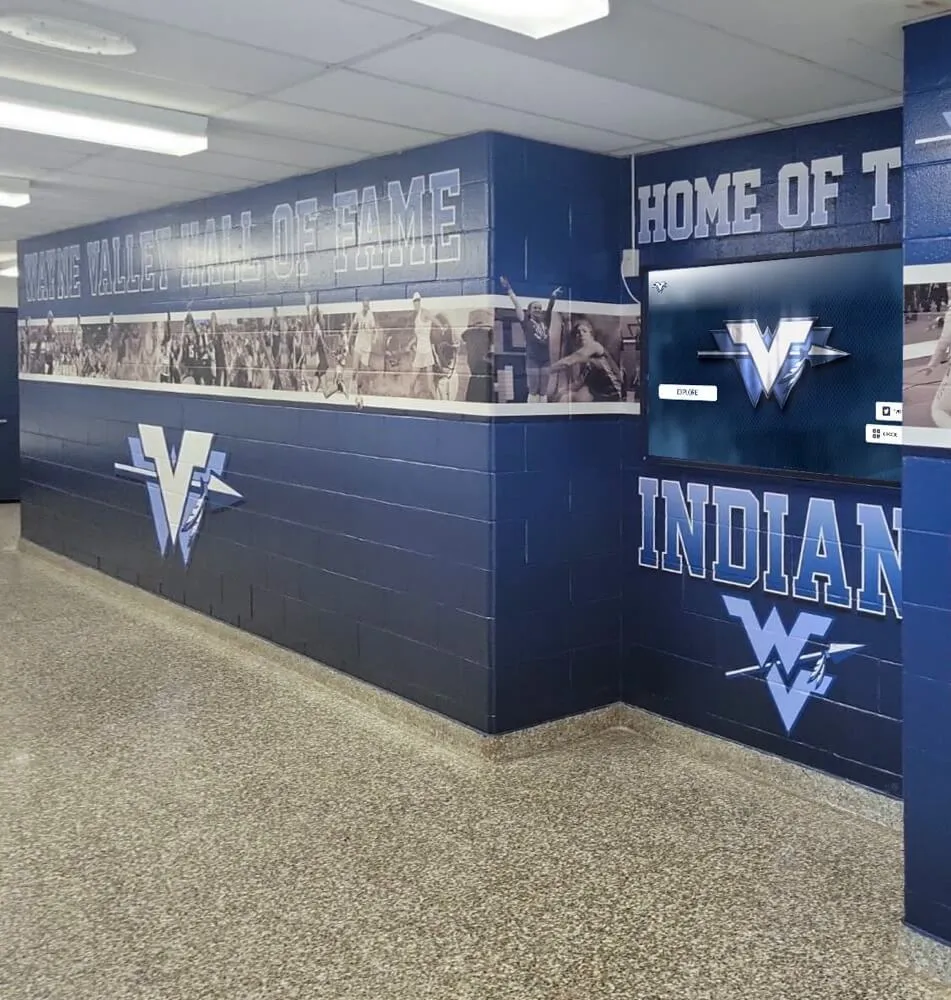
Heritage displays demonstrate institutional pride while preserving decades of educational excellence
Essential Categories for Comprehensive School Archives
Effective archiving programs systematically preserve diverse materials documenting all dimensions of institutional life rather than focusing narrowly on single aspects like athletics or administration.
Academic Achievement Records and Recognition
Comprehensive academic archives preserve multiple categories of student intellectual accomplishment spanning institutional history. Core academic records should document valedictorians and salutatorians from all graduation classes, National Merit Scholars and commended students, Advanced Placement (AP) Scholars at various levels, perfect or exceptional standardized test scores (SAT, ACT, state assessments), academic competition successes in subject-specific contests, honor roll designations across all terms and years, and specialized academic program completions including International Baccalaureate, dual enrollment, or advanced technical programs.
Many schools implementing academic recognition programs discover that systematic archiving reveals achievement patterns valuable for program assessment and strategic planning. Tracking which students earn academic honors across multiple years versus single achievements, identifying subject areas where students consistently excel or struggle, and analyzing demographic patterns in advanced program participation all inform educational planning while creating comprehensive achievement documentation.
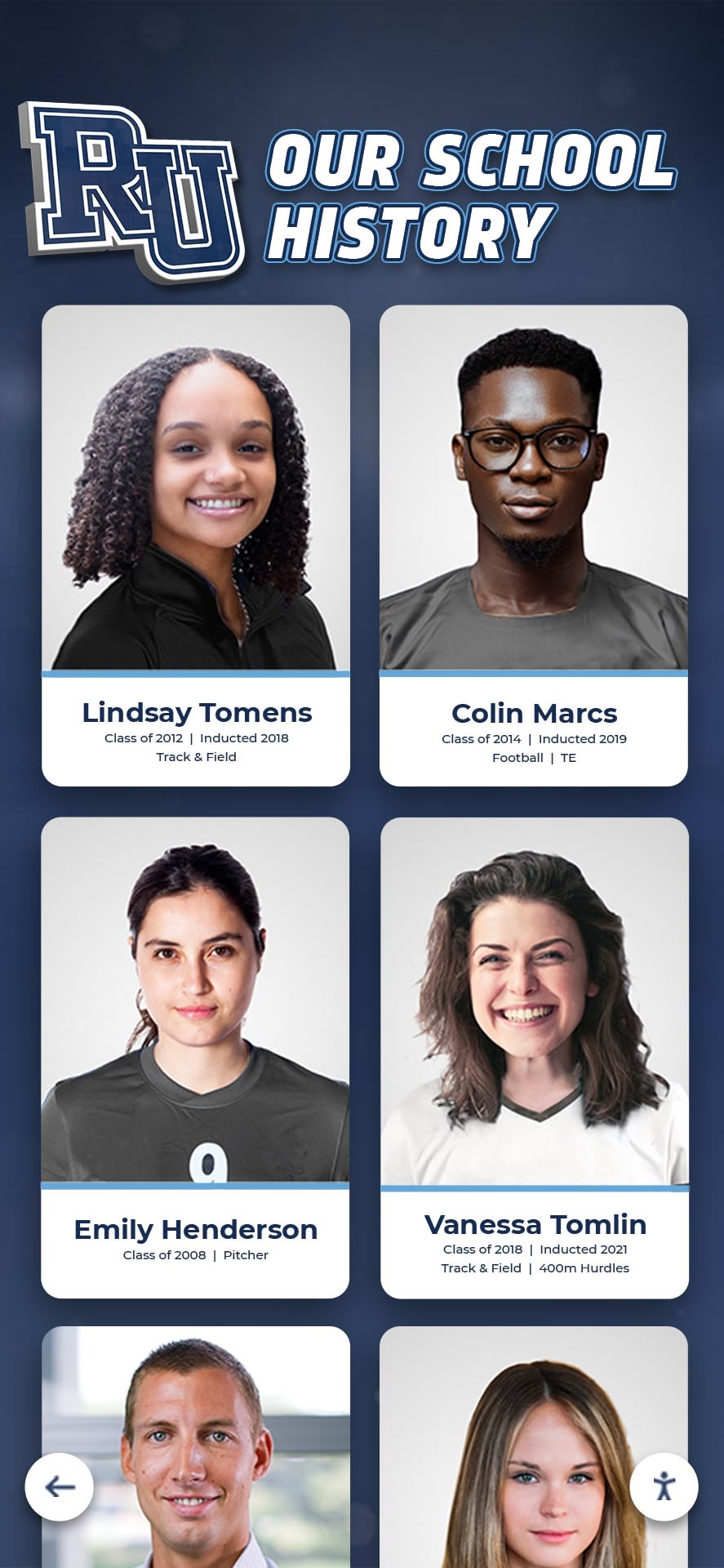
Digital systems enable rich academic profiles beyond simple name listings. Individual profiles can include academic biographies documenting coursework and achievements, photographs from academic events and competitions, faculty testimonials about exceptional students, post-graduation educational and career outcomes, and connections showing siblings or family members who also achieved academic recognition. These comprehensive profiles tell complete stories inspiring current students while honoring achievement thoroughly.
Athletic Heritage and Sports Records
Athletic archives document sports achievements providing some of schools’ most emotionally resonant historical content. Complete athletic preservation includes championship team rosters and season results, individual athletic records across all sports and record categories, conference and state tournament achievements, All-Conference and All-State selections, coaching records and milestone victories, athletic facility evolution and improvements, and athletes achieving collegiate athletic careers or professional success.
Solutions like digital record boards and comprehensive athletic hall of fame systems provide ideal platforms for sports heritage preservation. These systems accommodate unlimited records without physical space constraints while enabling easy updates when records fall or new achievements occur. Unlike static plaques requiring expensive replacement, digital systems receive updates through simple cloud-based content management.
Video integration dramatically enhances athletic archives beyond what traditional displays could achieve. Championship game footage, record-setting performances, senior highlight reels, and coach interviews bring athletic history to life in ways static photographs alone cannot match. Current student-athletes watching footage of legendary performances from previous decades creates powerful inspiration while honoring past excellence through continued visibility.
Athletic archives prove particularly valuable for demonstrating program excellence across time. Rather than highlighting only recent championship seasons while earlier successes fade from memory, comprehensive digital archives show sustained excellence across decades. This long-term perspective proves valuable for program promotion, coach recruiting, and athlete recruitment while building traditions connecting past and present teams.
Historical Photographs and Visual Documentation
Photographic archives provide visceral connections to institutional heritage that text-based records cannot replicate. According to experts in historical photo archiving, comprehensive visual collections should systematically preserve yearbooks spanning all available years, team photographs across all sports and activities, facility photographs documenting campus evolution, event photography from significant ceremonies and occasions, classroom and instructional images showing educational practice evolution, candid student life photographs capturing daily experiences, and aerial or campus photographs revealing physical development over time.
Digitization standards prove critical for long-term photographic preservation. Professional scanning at 300-600 DPI resolution preserves adequate detail for current displays while providing flexibility for future technologies. Color scanning preserves all visual information even for black-and-white originals, enabling future enhancement or analysis. Cloud-based storage with redundant copies ensures photographs survive disasters affecting physical locations or single storage systems.
Metadata creation transforms photograph files into searchable, discoverable historical resources. Every digitized photograph should include date information, subject descriptions, individual identifications, location documentation, photographer credit when known, and original source tracking. Many schools discover that community crowdsourcing dramatically improves photograph identification and context. Alumni recognizing themselves or classmates in historical photographs contribute information institutions could never develop independently while engaging meaningfully in heritage preservation.
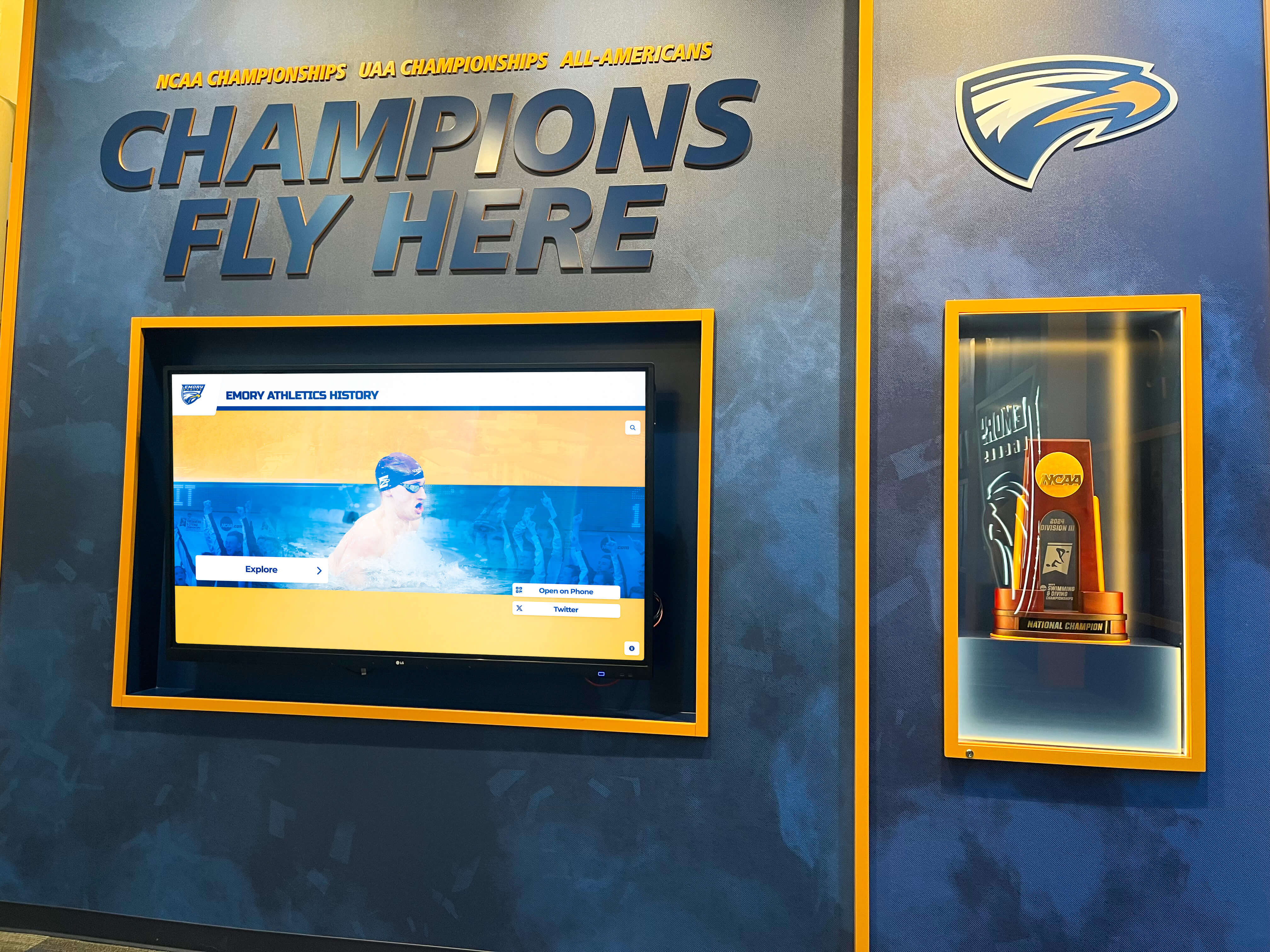
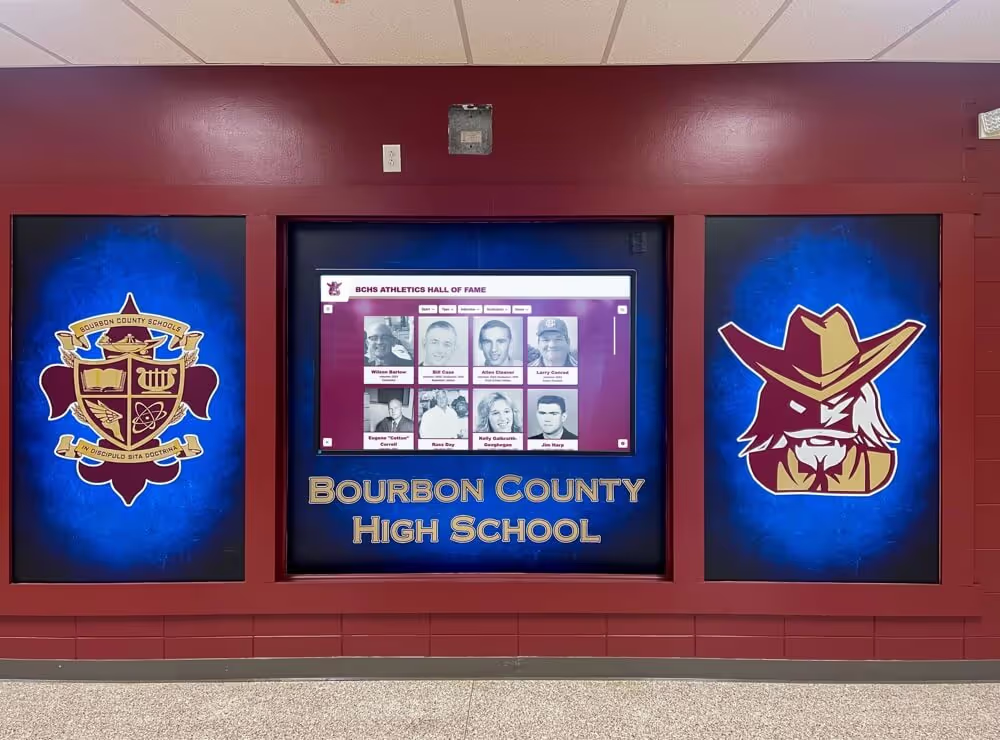
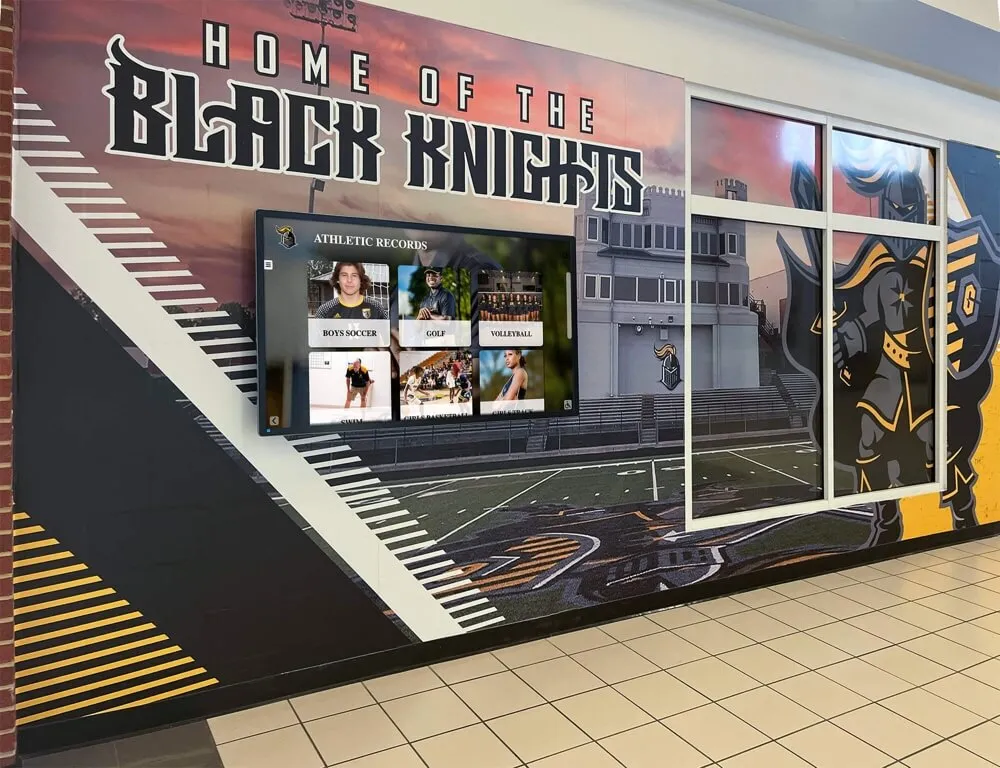
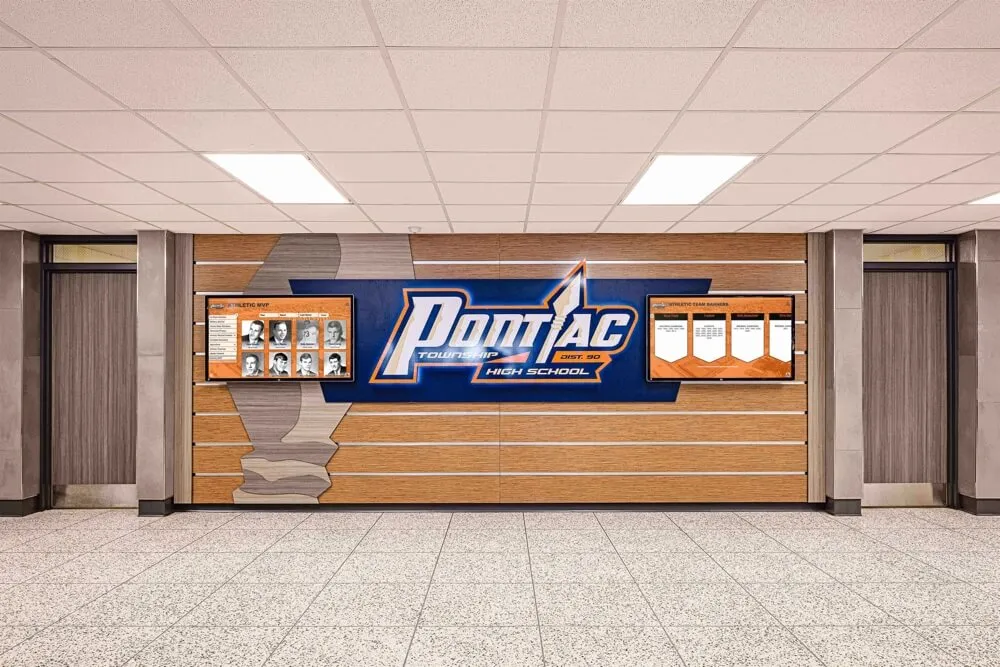
Systematic archiving preserves championship achievements and team histories across all sports and eras
Administrative Records and Institutional Milestones
Beyond student achievement records, preserving administrative documentation creates authoritative institutional histories. Critical administrative archives include founding documents and charter establishment, board minutes recording governance decisions, presidential or administrative leadership documents, policy evolution and significant changes, facility construction and renovation records, curriculum and program development documentation, accreditation reports and educational recognitions, budget and financial development records, and demographic enrollment statistics tracking institutional evolution.
These administrative materials prove valuable for multiple purposes beyond simple heritage preservation. Current administrators researching how previous leaders addressed similar challenges find guidance in archived decision-making records. Accreditation self-studies draw upon archived materials documenting institutional evolution and quality improvement over time. Anniversary planning committees rely on archived milestones for comprehensive historical overviews guiding celebration programming.
Creating accessible historical timeline displays organizing administrative milestones chronologically helps community members understand institutional evolution. Rather than isolated facts, timelines reveal patterns showing how facilities expanded to accommodate enrollment growth, how curriculum evolved responding to educational trends, or how governance structures adapted during institutional transitions. This contextual presentation makes administrative history meaningful rather than simply archival.
Student Publications and Creative Works
Student publications provide authentic windows into institutional culture, student perspectives, and educational experiences across different eras. Comprehensive collections preserve school newspapers spanning all available years, literary magazines and creative publications, yearbooks as both archival records and visual documentation, student artwork and creative projects, theatrical production programs and photographs, musical performance recordings and programs, and student research publications or academic journals.
These materials prove particularly valuable for understanding how student concerns, interests, and perspectives evolved over time. Student newspapers from different decades reveal changing social norms, community priorities, and generational perspectives. Examining what issues students considered newsworthy, how they wrote about institutional policies, or what advertisements appeared in publications provides rich contextual information supplementing official administrative records.
Digital platforms enable innovative presentations of student publications. Rather than simply storing PDFs, some schools create searchable databases enabling keyword searches across decades of newspapers instantly locating all articles on specific topics. Interactive timelines might display student publication covers from each year, allowing users to browse visually through decades of creative evolution. Video compilations might showcase performing arts productions across eras, revealing how theatrical or musical traditions developed over institutional history.
Faculty and Staff Recognition
While student achievement receives primary archival focus, preserving faculty and educator contributions creates balanced institutional histories. Faculty archives should document longtime educators and their tenures, teaching excellence award recipients, faculty scholarly achievements and publications, educators serving in leadership roles, faculty athletic coaching records, advisors for student organizations and activities, and staff members contributing to institutional culture and community.
Comprehensive faculty archives honor the reality that institutional excellence depends equally on educator dedication and student achievement. Current faculty discover institutional teaching traditions and pedagogical approaches through archived materials. New educators learn institutional history and culture through faculty profiles revealing long-term commitment and values. Alumni appreciate seeing favorite teachers honored permanently rather than being forgotten after retirement.
Digital platforms enable rich faculty profiles including career biographies and teaching philosophies, student testimonials about educator impact, photographs from various career stages, documentation of curriculum innovations or program development, and post-retirement updates maintaining connections. These comprehensive tributes demonstrate institutional commitment to honoring all community members contributing to educational mission over decades.
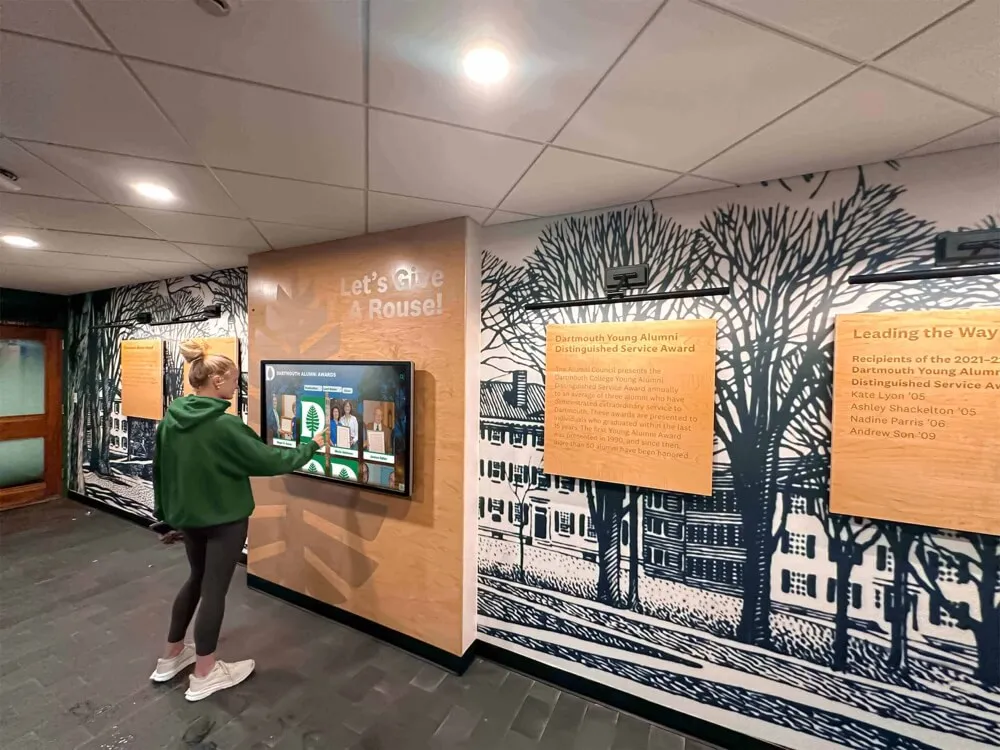
Comprehensive archives honor both student achievement and faculty contributions across institutional history
Modern Digital Archiving Technologies and Platforms
Contemporary digital solutions transform archiving from challenging administrative burdens into sustainable, engaging programs delivering value across multiple institutional constituencies.
Cloud-Based Digital Asset Management Systems
Professional digital asset management (DAM) platforms designed specifically for educational archives provide comprehensive solutions addressing preservation, organization, access, and presentation needs simultaneously. According to research on digital asset management for schools, purpose-built educational DAM systems offer capabilities generic storage solutions cannot match.
Core DAM Capabilities for Educational Archives:
Unlimited storage capacity accommodates growing collections across decades without artificial limits or expensive expansion costs. Robust metadata management enables comprehensive description including custom fields matching institutional needs. Advanced search functionality finds materials instantly across thousands or millions of archived items using keywords, dates, names, or other criteria. Granular access controls ensure appropriate privacy while enabling broad accessibility for non-sensitive materials.
Automated backup and redundancy ensure archived materials survive hardware failures, disasters, or technical problems without loss. Version tracking maintains comprehensive change histories showing when materials were added, modified, or enhanced. Bulk upload tools enable efficient addition of large historical collections without individual file processing. Format migration capabilities ensure archived materials remain accessible despite evolving technology standards, preventing format obsolescence from making materials unreadable over time.
Integration with Recognition and Display Systems:
Leading archival platforms integrate with interactive display systems enabling seamless connections between preservation and presentation. Rather than maintaining separate archives and recognition displays, unified platforms pull archived materials directly into public-facing recognition displays automatically. When alumni achievements are archived, they immediately become available in searchable digital recognition displays without duplicate data entry.
This integration proves particularly valuable for digital hall of fame implementations where archived biographical information, photographs, and achievement documentation feed directly into interactive touchscreen displays installed in high-traffic campus locations. Content management through central archival platforms controls both preservation systems and public displays simultaneously, reducing administrative burden while ensuring consistency.
Interactive Touchscreen Display Systems
Physical on-campus interactive displays bring archived materials into daily campus life where students, visitors, and community members encounter institutional heritage naturally rather than requiring dedicated archive visits. Modern touchscreen systems transform static wall space into dynamic digital experiences showcasing unlimited archived content.
Unlimited Display Capacity:
Unlike traditional plaques or trophy cases exhausting physical space, single touchscreen installations display unlimited individuals, achievements, teams, and historical moments from all institutional eras. Schools never face choices between removing historical recognition to accommodate recent achievements or leaving deserving students unhonored. Comprehensive databases accommodate both seamlessly, with intuitive navigation enabling users to explore specific eras, achievement categories, or individuals matching their interests.
This unlimited capacity proves transformative for academic recognition. Many schools maintain athletic trophy cases but lack equivalent spaces celebrating intellectual achievement. Digital displays enable prominent academic recognition including honor roll displays, perfect standardized test score honorees, academic competition winners, and specialized program graduates—all receiving visibility equal to athletic honors through unlimited digital capacity.
Rich Multimedia Content:
Digital displays incorporate diverse media creating immersive experiences impossible with static materials. High-resolution photograph galleries showcase individuals and teams across all eras. Video clips include championship moments, academic competition performances, oral history interviews with distinguished alumni, historical footage from significant institutional events, and documentary segments exploring institutional evolution. Audio recordings preserve speeches, oral histories, or musical performances. Interactive maps show facility evolution or campus expansion across decades.
This multimedia richness brings archives to life. Rather than reading name plaques, visitors watch video interviews hearing alumni describe their experiences firsthand. Instead of viewing static team photographs, users access championship game footage seeing legendary performances. Oral history recordings enable hearing longtime educators reflect on teaching careers and institutional evolution in their own voices, creating emotional connections that text descriptions alone cannot achieve.
Intuitive Interactive Navigation:
Modern touchscreen interfaces enable active exploration matching how users naturally seek information. Powerful search functionality locates specific individuals across decades of archived content instantly. Category filtering shows only athletic achievements, academic honors, specific graduation years, or other selections matching user interests. Chronological browsing enables sequential movement through institutional eras exploring how schools evolved. Related content connections link associated individuals, teams, and achievements revealing broader contexts and relationships.
This interactive exploration creates dramatically deeper engagement compared to passive reading. Schools implementing comprehensive digital recognition solutions like Rocket Alumni Solutions consistently report visitor engagement increasing from 30-second glances at traditional plaques to 5-10 minute active exploration sessions with interactive displays—creating meaningful heritage connections impossible with static presentations.
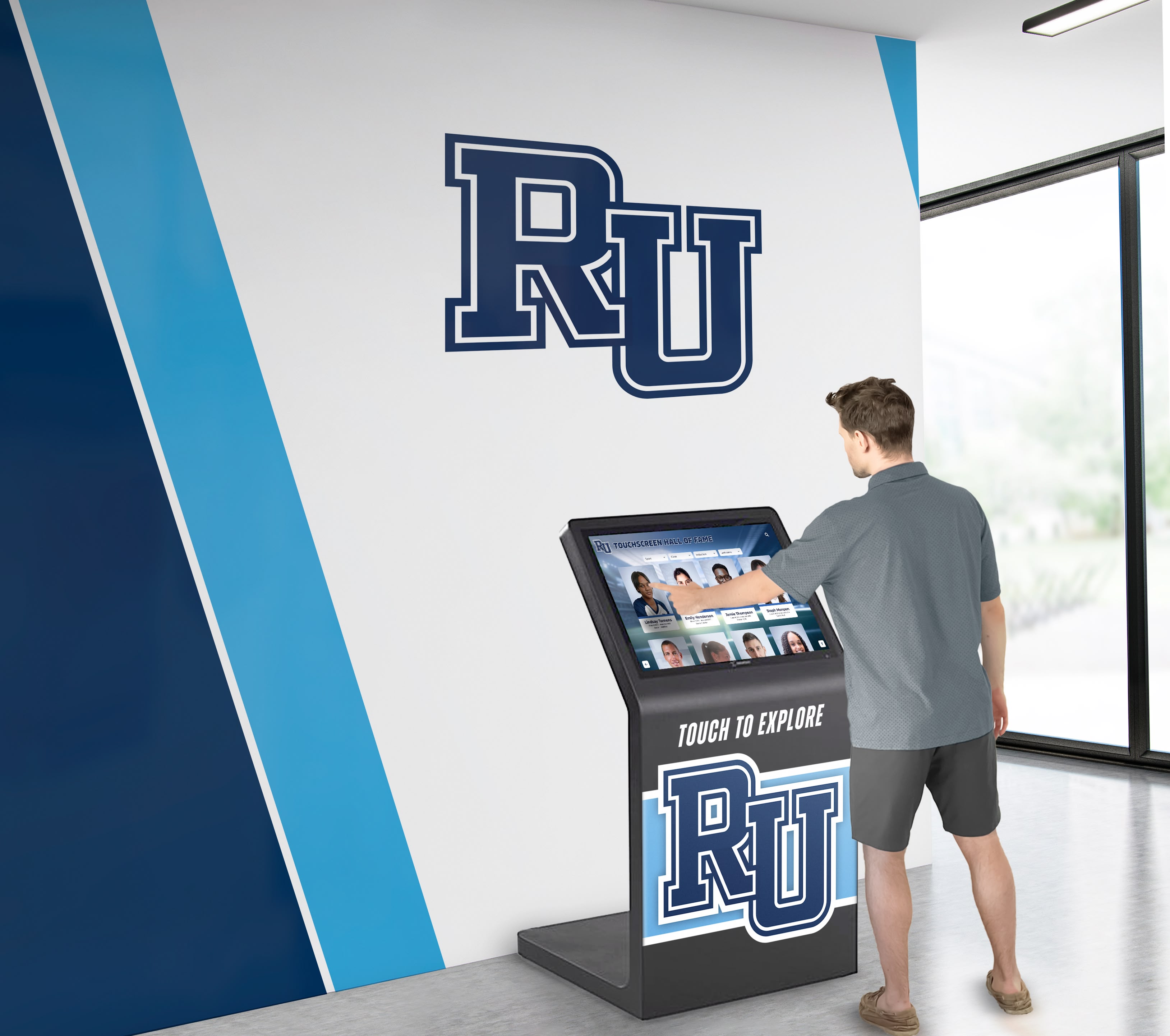
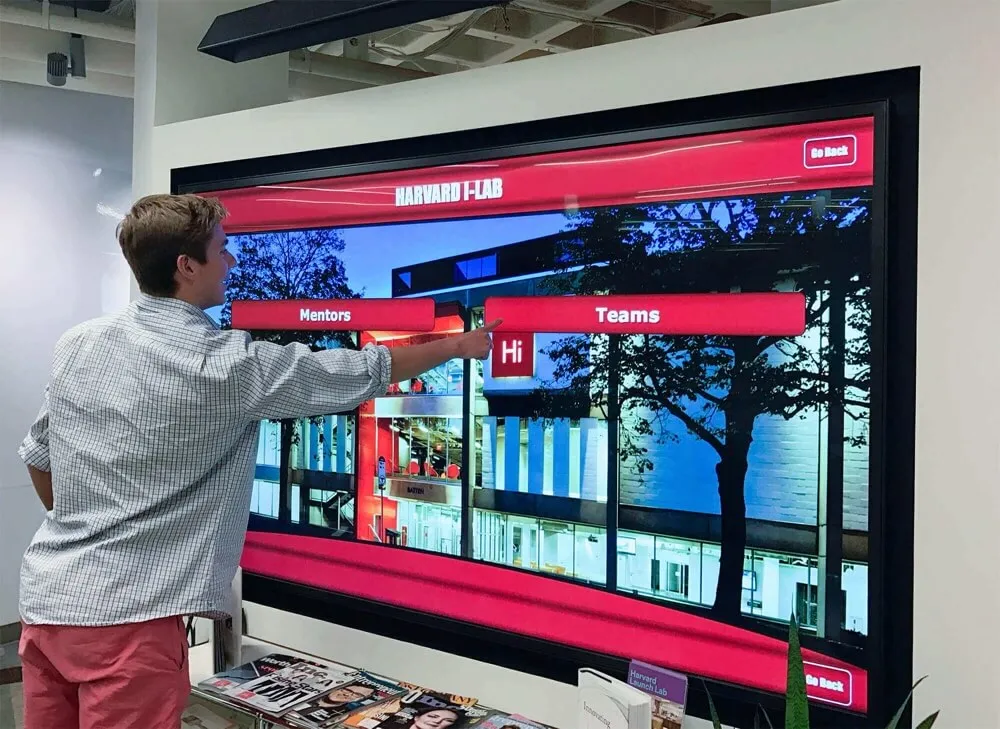
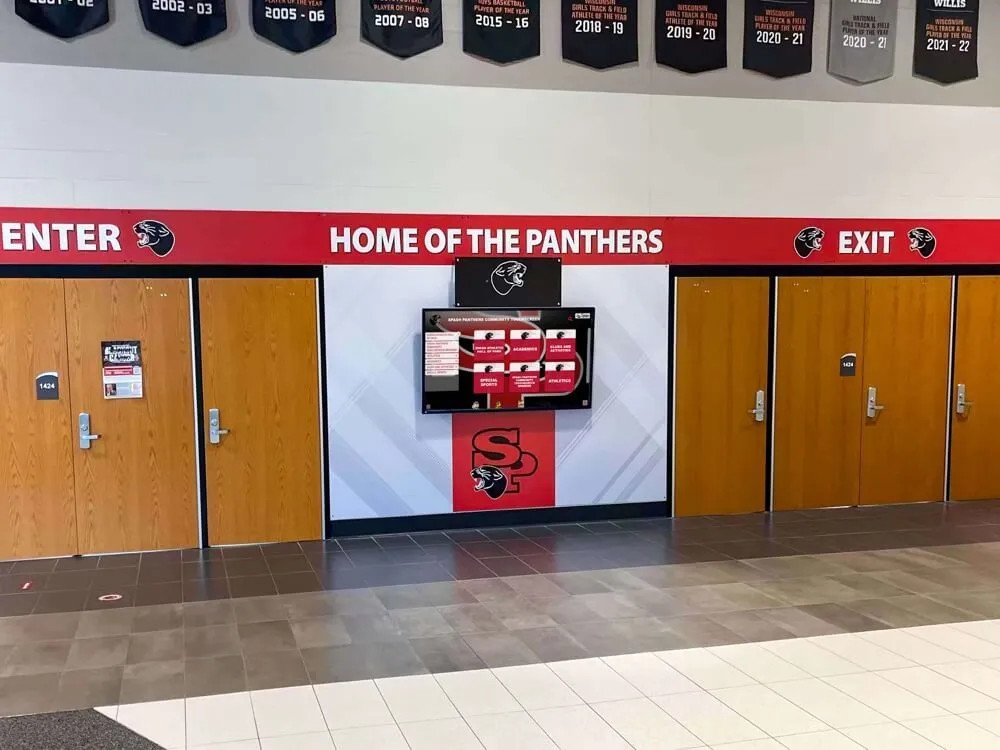
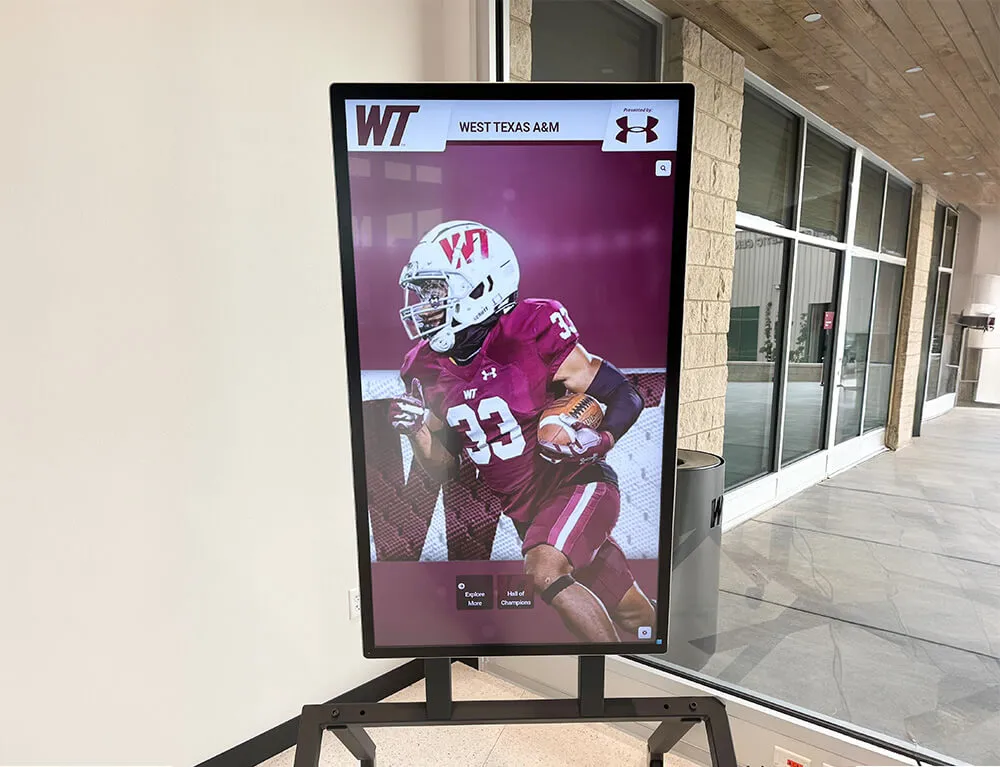
Touchscreen displays installed in high-traffic locations make comprehensive archives accessible to all community members daily
Web-Based Public Access Portals
Online archival platforms extend access beyond campus boundaries, enabling alumni worldwide, prospective families, researchers, and community members to explore institutional history regardless of geographic distance or time constraints.
Global 24/7 Accessibility:
Web-based archives eliminate geographic and temporal barriers to accessing institutional history. Alumni relocated nationally or internationally explore archives from home computers without traveling to campus. Prospective families researching schools investigate heritage before campus visits. Community historians access materials without scheduling campus visits during limited archive hours. Media representatives researching stories find supporting materials quickly without staff assistance.
This expanded accessibility dramatically increases archival engagement. Schools report 10-20 times more archive interactions through online platforms compared to physical archive visits—reaching community members who would never access traditional archives but eagerly explore digital collections from personal devices. According to research on online digital archives, web accessibility proves essential for maximizing archival investment return by serving global constituencies rather than only those able to visit campus.
Community Contribution Systems:
Web platforms can enable community members to actively participate in archival development through user-friendly submission tools. Alumni upload personal historical photographs institutions never possessed. Community members share memories related to specific archived materials. Researchers suggest corrections improving archival accuracy. Families nominate additional content for inclusion expanding collections beyond what internal institutional efforts alone could achieve.
These collaborative features create richer archives than any single institutional effort could develop while strengthening community engagement. Many schools discover alumni possess materials the institution never knew existed—personal photographs from significant events, programs from forgotten occasions, or correspondence revealing untold stories. Creating accessible submission processes enabling contribution transforms archives from institutional projects into collaborative community heritage resources.
Mobile Applications and Location-Based Experiences
Advanced implementations extend archival access through dedicated mobile applications creating innovative exploration experiences particularly valuable for campus visitors and touring prospective families.
Location-Aware Heritage Content:
Mobile applications can deliver archived content triggered by physical campus locations. Students or visitors approaching specific buildings receive notifications about construction history, naming stories, or significant events occurring in those locations. Standing on athletic fields prompts archived information about championship games played there or records set in those venues. Entering renovated classroom spaces reveals historical photographs showing how areas appeared in previous decades.
This location-based approach makes archives contextually relevant during natural campus exploration rather than requiring dedicated visits to centralized displays. Prospective families touring campuses discover institutional history organically as they visit different locations. Students encounter heritage information while moving through daily campus life rather than only when specifically seeking historical content.
Augmented Reality Historical Overlays:
Sophisticated AR implementations enable users to point mobile devices at current campus locations seeing historical images overlaid showing how spaces appeared in previous eras. Comparing historical and contemporary views side-by-side reveals campus evolution in intuitive, powerful ways making transformation visible. Advanced implementations might include 3D models of demolished buildings viewable in original locations, animated sequences showing facility construction progress over time, or virtual historical figures sharing stories about significant campus locations through augmented interfaces.
While AR technology remains relatively specialized, schools implementing location-based mobile archival experiences create memorable, distinctive programs differentiating institutions from competitors while making heritage uniquely accessible and engaging for digitally native generations.

Responsive web platforms make comprehensive archives accessible across all devices and locations
Implementation Strategies for Sustainable Archiving Programs
Building effective archiving programs requires systematic approaches addressing content gathering, organization, technology selection, and ongoing management ensuring long-term sustainability.
Conducting Comprehensive Historical Audits
Begin archiving initiatives with thorough assessments understanding what materials exist, their conditions, and their locations. Systematic audits guide realistic planning about preservation priorities and resource requirements.
Institutional Holdings Survey:
Systematically survey all locations where historical materials might exist. School archives or libraries typically house official collections. Administrative offices may retain records from various eras. Athletic departments often maintain team photograph collections separate from general archives. Academic departments sometimes keep subject-specific historical materials. Facilities management may possess building records and campus planning documents.
Beyond obvious locations, check storage rooms, basement areas, attic spaces, maintenance facilities, and off-site storage for boxes of materials accumulated over decades. Many significant historical materials exist in forgotten spaces where they face deterioration or disposal risks because nobody currently recognizes their value or claims responsibility for preservation.
Document what you discover including quantity of materials, date ranges covered, physical conditions, current storage environments, and organization status. Photograph storage conditions and sample materials creating visual records guiding preservation planning. This comprehensive inventory guides realistic planning about digitization scope, preservation priorities, resource requirements, and timeline expectations.
Community Resource Assessment:
Many valuable historical materials exist in community hands rather than institutional collections. Alumni possess personal photograph collections, programs from significant events, yearbooks from their school years, athletic memorabilia, or correspondence related to school experiences. Longtime educators retain materials from their teaching careers. Families discover that deceased relatives preserved school materials spanning multiple generations. Local historical societies or libraries may have school-related materials in broader community collections.
Communicate broadly about archiving initiatives inviting community members to share materials they possess. Emphasize that originals can be digitized and promptly returned—most people willingly share for preservation purposes but understandably don’t want to permanently surrender family photographs or memorabilia. Providing clear submission processes with convenient drop-off options or mail-in programs with prepaid return shipping removes participation barriers.
Establishing Clear Archiving Priorities and Timelines
Comprehensive historical collections accumulated over decades easily contain tens of thousands of individual items making complete preservation overwhelming without strategic prioritization.
Urgency-Based Prioritization:
Prioritize most fragile or at-risk materials first. Items showing significant deterioration, stored in poor conditions, or in formats particularly susceptible to degradation should receive immediate attention. This preservation-focused approach ensures most threatened materials are protected before they’re lost completely.
Materials from earliest institutional eras often warrant priority. Items from founding decades may exist in single copies without backups, making loss truly irreplaceable. Focusing on oldest materials provides maximum historical depth quickly while protecting most vulnerable records. Approaches used in developing college history timelines apply well to prioritizing archival preservation sequences.
Interest-Based Prioritization:
Alternatively, prioritize materials with highest community interest. Championship photographs, distinguished alumni documentation, or significant event records often generate strongest engagement. Starting with high-interest materials creates immediate enthusiasm demonstrating archival value and justifying continued investment for less immediately compelling collections.
Systematic yearbook digitization provides comprehensive baseline coverage across all years before expanding to specialty collections. Complete yearbook archives document every era ensuring no generation is excluded from initial implementations while creating foundational visual documentation supporting subsequent specialized preservation.
Phased Multi-Year Approaches:
Realistic timelines spread preservation across multiple years rather than attempting everything simultaneously. Phase 1 might digitize complete yearbook collections plus most significant loose photographs. Phase 2 expands to athletic team photographs and event documentation. Phase 3 addresses administrative records and specialized collections. Subsequent phases continuously add newly acquired community submissions and current materials.
This phased approach manages resources and effort sustainably while delivering steady progress. Each completed phase demonstrates value maintaining momentum and support for subsequent work. Many schools implementing comprehensive academic recognition systems find that phased approaches enable systematic completion of ambitious initiatives without overwhelming available resources.
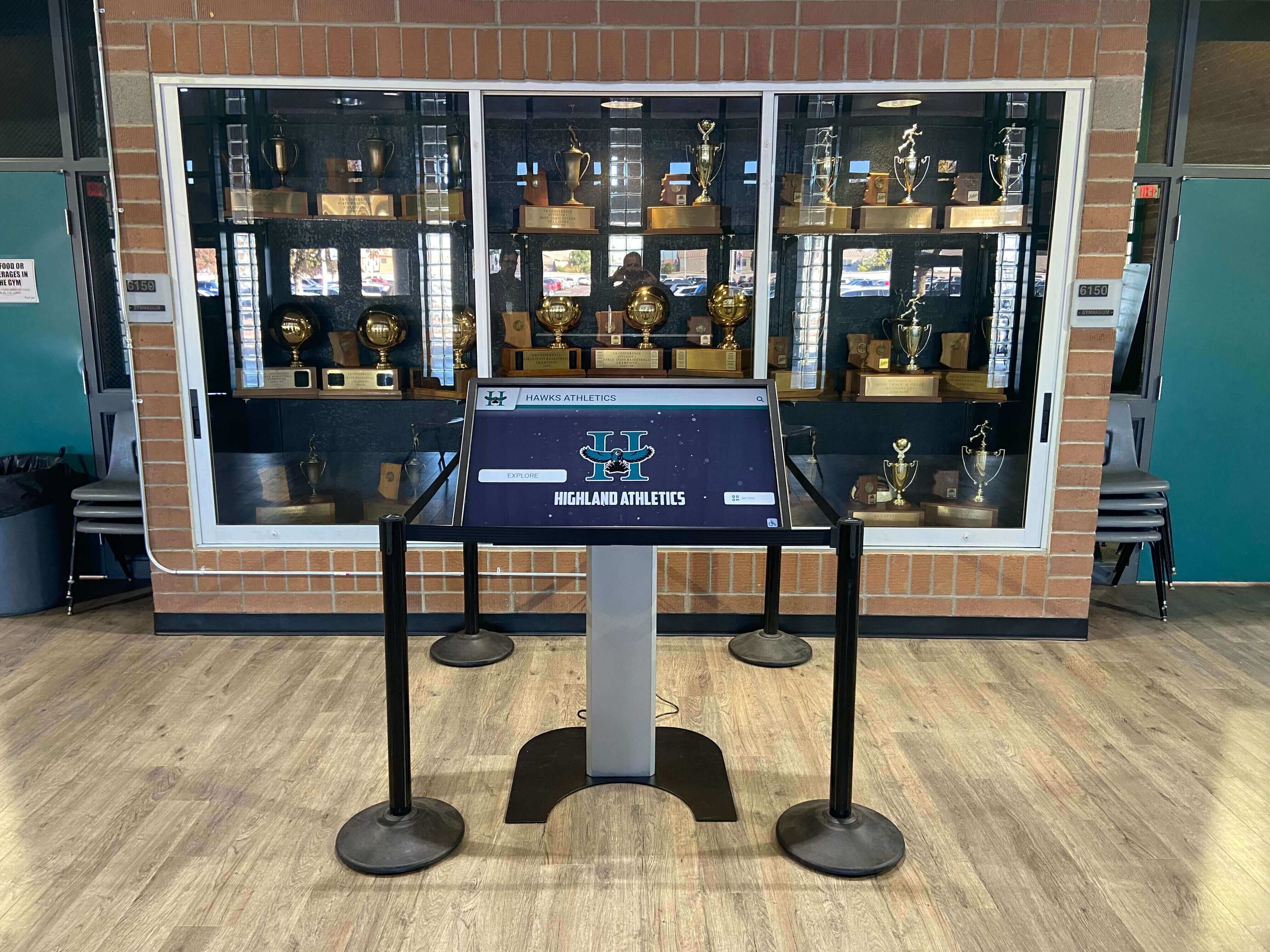
Strategic phasing enables systematic archiving progress without overwhelming available resources
Selecting Appropriate Technology Platforms
Platform selection significantly affects both administrative experience and community engagement outcomes.
Key Platform Selection Criteria:
Evaluate archival platforms against multiple critical factors. Ease of content management determines whether designated staff can actually maintain archives independently without constant technical assistance. Platforms requiring specialized expertise prove unsustainable when those individuals leave institutions. Prioritize intuitive interfaces designed for non-technical users enabling straightforward content addition, editing, and organization.
Scalability and growth capacity ensure platforms accommodate expanding collections across decades without requiring costly migrations to new systems. Evaluate database capacity limits, media storage allowances, and whether expanding capabilities requires significant cost increases. Design flexibility and customization options enable archival presentations reflecting institutional branding and character rather than generic templates. Consider whether platforms offer professional design services or require in-house design expertise.
Multi-channel distribution capabilities maximize archival investment by enabling content distribution across multiple formats from unified management interfaces. Ideal solutions support on-campus touchscreen displays, public websites, mobile-responsive experiences, and embedded widgets—all managed through single content management systems eliminating duplicate data entry.
Analytics and engagement tracking help demonstrate archival value through quantifiable metrics. Platforms offering robust analytics track unique visitors, session duration, most-viewed content, search queries, and geographic distribution. These insights guide content development priorities and demonstrate engagement justifying continued investment.
Purpose-Built Educational Solutions Versus Generic Storage:
Generic cloud storage services like Google Drive or Dropbox provide basic file storage but lack features essential for comprehensive institutional archives. Purpose-built heritage platforms designed specifically for schools offer substantial advantages including robust metadata management for comprehensive description, advanced search enabling finding specific content across massive collections, customizable interfaces reflecting institutional identity, administrative workflow tools for review and approval processes, and professional presentation creating displays worthy of institutional heritage.
Solutions like Rocket Alumni Solutions integrate archival capabilities within comprehensive recognition platforms, enabling unified systems combining historical preservation with current achievement celebration through connected digital experiences. This integration provides greater value compared to isolated archival repositories disconnected from contemporary institutional life.
Creating Sustainable Management Workflows
Long-term archival success requires establishing sustainable processes ensuring archives remain current, accurate, and expanding as institutional history continues.
Assigning Clear Responsibilities:
Designate specific individuals or roles responsible for ongoing archival management. Responsibilities include digitizing newly acquired materials, processing community submissions, adding metadata and descriptions, correcting errors when identified, managing platform administration, and responding to community inquiries about archived content.
Document all procedures thoroughly ensuring continuity when personnel change. Archives serving institutions for decades require practices transcending individual staff members. Clear documentation enables smooth transitions preserving institutional knowledge when people retire, relocate, or change positions.
Current Year Systematic Capture:
Establish processes ensuring current school years are systematically documented rather than waiting for retrospective recovery decades later when materials have scattered and memories have faded. Designate official event photographers. Collect team photographs at season conclusions. Archive student publication digital files. Document facility changes through systematic photography. Preserve digital records of achievement including test scores, honor rolls, and competition results.
This proactive approach proves far more efficient than attempting retrospective recovery. Schools treating archival documentation as ongoing practice rather than periodic projects build comprehensive collections requiring substantially less intensive effort over time. Similar systematic approaches apply to digitizing varsity letters and other recognition materials, with consistent processes enabling efficient ongoing capture.
Community Engagement and Contribution:
Transform archives from institutional projects into collaborative community efforts. Enable alumni to contribute materials, suggest identifications, share memories, and report errors. Publicly recognize valuable contributors. Host identification events where groups of alumni systematically review and identify individuals in historical photographs. These events often prove remarkably productive while creating enjoyable social experiences strengthening community bonds.
Growing community participation enriches archives with information and materials institutions could never develop independently while strengthening participant connections through active heritage preservation involvement.
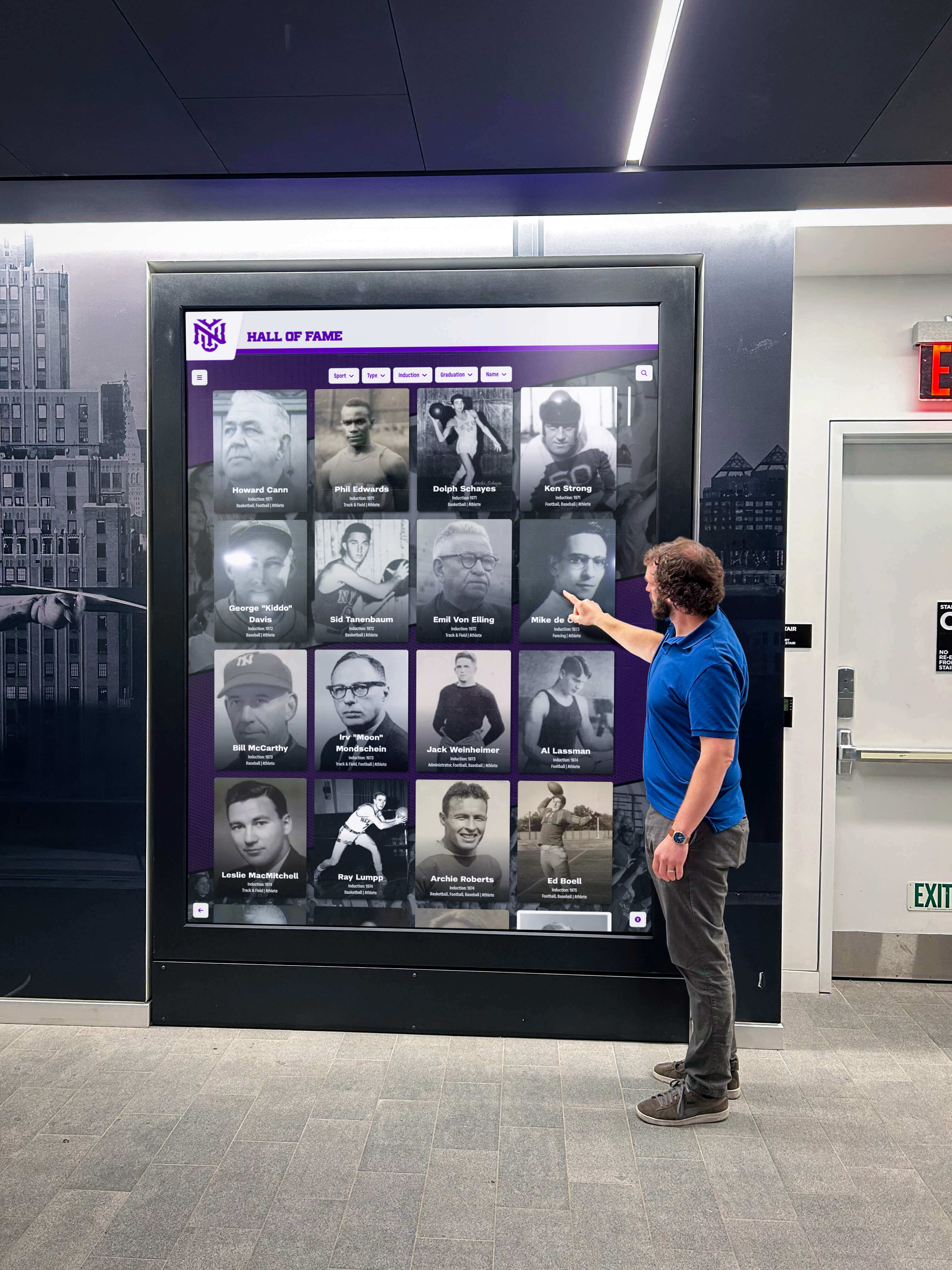
Accessible archives encourage community contributions enriching collections beyond institutional efforts alone
Best Practices for Engaging Archival Experiences
Following proven best practices ensures archival programs achieve maximum impact and sustained community engagement regardless of specific technologies employed.
Prioritizing Visual Storytelling and Multimedia Content
Historical photographs carry emotional power that text alone cannot match. Prioritize visual content ensuring comprehensive photographic documentation spans all eras and archival categories.
High-Quality Digitization Standards:
Invest in high-quality scanning ensuring digitized images preserve adequate detail for current displays and future technologies. Professional scanning at 300-600 DPI resolution preserves photographic information while providing flexibility for various uses. Color scanning maintains all visual information even for black-and-white originals. Professional color calibration ensures accuracy rather than introducing color shifts or distortions.
Contemporary audiences accustomed to visual social media expect image-rich experiences. Archives dominated by text documents without visual interest discourage exploration while visually rich presentations invite engagement. Beyond still photographs, video content proves particularly powerful—oral history interviews, championship footage, event documentation, and documentary segments create immersive experiences bringing history to life in ways static images alone cannot achieve.
Comprehensive Metadata and Contextual Information:
Every archived item should include comprehensive descriptive information facilitating discovery and understanding. Date documentation, subject descriptions, individual identifications, location information, source attribution, and contextual narratives transform files into meaningful historical resources rather than unexplained images or documents.
Many schools discover that community crowdsourcing dramatically improves metadata quality. Alumni recognizing themselves or classmates in photographs contribute identification information institutions could never develop independently. Implementing user suggestion features with administrative approval workflows ensures community contributions enhance accuracy while maintaining quality control through review processes.
Enabling Multiple Exploration and Discovery Pathways
Users approach archives with different interests, browsing preferences, and research goals. Accommodate diverse needs through multiple navigation options rather than forcing single exploration pathways.
Diverse Access Methods:
Chronological browsing allows sequential movement through decades exploring institutional evolution over time. Category filtering shows only specific achievement types, activities, or content categories regardless of dates. Powerful search functionality enables locating specific individuals, teams, events, or topics across entire archives instantly. Featured or curated content highlights particularly significant or interesting materials as entry points for casual exploration.
This flexibility ensures casual browsers and dedicated researchers both find value. Some visitors want quick highlights, others seek comprehensive information about specific individuals or events, while researchers need thorough exploration capabilities across multiple dimensions. Effective archives serve all these needs simultaneously through layered information architecture and intuitive interfaces.
Related Content and Recommendation Features:
Suggest related materials based on what users currently view. When examining a championship team photograph, recommend other photos from that year, other teams from that sport across different years, or individual profiles of featured athletes. When viewing an academic achievement profile, suggest others from that graduation year, others receiving similar honors in different years, or faculty members who taught those students.
These recommendations guide continued exploration maintaining engagement beyond initial searches. Featured content sections highlighting particularly significant, interesting, or recently added materials provide entry points for casual browsing. Regular rotation of featured content provides reasons for repeat visits as users discover newly highlighted materials they hadn’t previously explored.
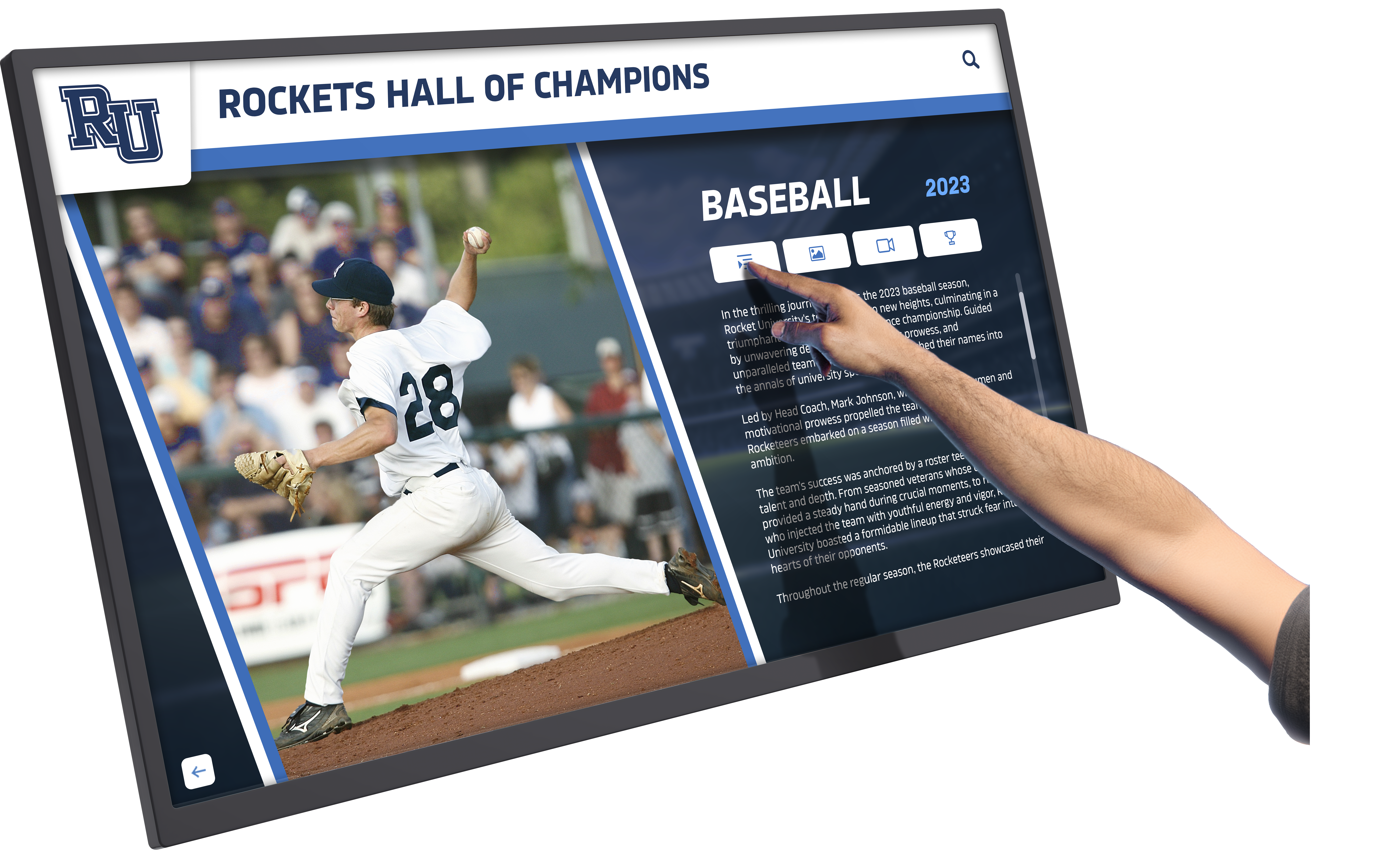
Intuitive search and navigation make comprehensive archives easily explorable rather than overwhelming
Maintaining Accuracy and Providing Appropriate Context
Archived materials carry responsibility for factual accuracy and appropriate historical contextualization.
Systematic Verification Processes:
Implement fact-checking procedures ensuring dates, names, descriptions, and achievements are accurate before publication. Cross-reference information across multiple sources when possible. Acknowledge uncertainty rather than presenting unverified information as definitive fact. Cite sources enabling future verification and demonstrating scholarly rigor.
Create clear procedures for handling corrections when errors are identified. Enable community members to suggest corrections providing evidence supporting proposed changes. Review suggestions promptly but carefully, verifying accuracy before making modifications. Acknowledge contributors who identify errors and help improve archival accuracy.
Historical Contextualization:
Help contemporary audiences understand past contexts that may differ from present norms or values. Explain historical circumstances surrounding significant events or decisions. Situate institutional milestones within broader educational or societal contexts. Acknowledge controversial historical moments honestly rather than presenting sanitized narratives excluding difficult elements.
Thoughtful contextualization recognizes complex historical realities while maintaining appropriate sensitivity and perspective. Archives serve education and understanding rather than simply celebration, making honest examination of institutional history including both achievements and shortcomings essential for comprehensive documentation.
Creating Social and Community Engagement
Transform passive archives into active community experiences through social features and engagement opportunities.
Social Sharing and Distribution:
Enable users to easily share archived materials to Facebook, Instagram, Twitter, or other social platforms. Social sharing dramatically extends archival visibility beyond those directly accessing institutional websites, reaching friends and family of those who share nostalgic discoveries. Shared content includes attribution and links back to complete archives, driving additional traffic from social networks.
Many users who would never directly seek school archives discover them through friends’ shared historical photographs or achievement profiles, creating viral discovery patterns that dramatically expand archival reach and engagement.
Commenting and Memory Sharing:
Allow users to comment on archived materials, share memories related to depicted events, or provide additional context based on personal experiences. These community contributions add value through firsthand perspectives while creating social interactions around shared heritage. Moderation tools enable reviewing comments before public display ensuring appropriate content while respecting community voice.
Public recognition of valuable contributed memories encourages additional participation. Featured comment sections highlighting particularly insightful or touching contributions demonstrate appreciation for community engagement while inspiring others to share their own perspectives and memories.
Alumni Identification Events and Campaigns:
Host systematic campaigns inviting alumni from specific eras to help identify individuals in historical photographs from their years. Alumni often eagerly participate when provided clear tasks and easy contribution processes. Virtual identification events via video conferencing enable participation from distant alumni unable to visit campus, broadening engagement while accomplishing valuable archival enhancement work.
These focused efforts dramatically improve archival metadata and completeness while creating engaging alumni activities strengthening connections through active heritage preservation participation. Approaches similar to those used in alumni of the month programs create regular touchpoints maintaining ongoing alumni engagement around heritage initiatives.
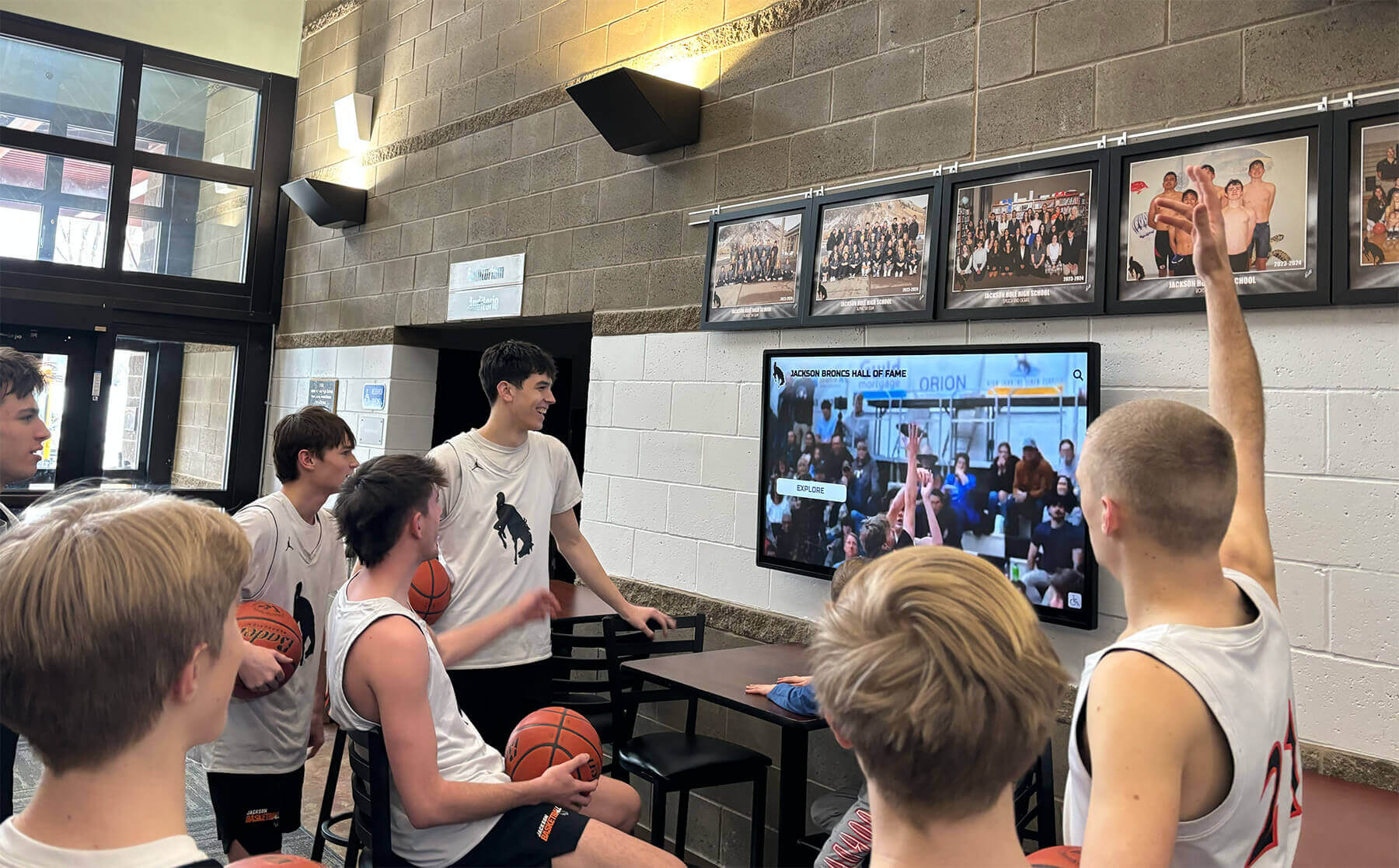
Interactive displays create social gathering points where communities explore heritage together
Special Considerations and Common Challenges
Understanding typical challenges helps schools avoid preventable problems while preparing realistic responses when difficulties arise.
Privacy, Permissions, and Ethical Considerations
Historical materials may involve privacy considerations requiring careful navigation.
Student Record Privacy:
Federal privacy laws including FERPA govern student educational records requiring schools to maintain confidentiality. While most archival materials don’t constitute protected educational records, schools should establish clear policies about what information can be publicly archived versus what must remain confidential. Directory information including names, attendance dates, honors, and activities typically can be archived publicly, while grades, discipline records, and medical information require privacy protection.
Establish graduated access systems enabling broader public access to non-sensitive materials while restricting confidential records to authorized users only. Digital archival platforms with granular access controls enable implementing these tiered permission structures ensuring appropriate privacy while maximizing accessibility for public materials.
Contribution Permissions and Rights:
When accepting contributed materials from alumni or community members, establish clear agreements documenting that contributors grant permission for archival use, acknowledge institutional ownership of digital copies, and agree to public display through heritage platforms. These explicit permissions prevent future complications while ensuring ability to use contributed materials freely for archival and educational purposes.
For materials where copyright ownership is uncertain, document good-faith efforts to identify and contact rights holders. Copyright law includes provisions for certain uses when reasonable efforts to locate copyright holders prove unsuccessful, though requirements vary by jurisdiction and situation.
Takedown Policies and Requests:
While archived materials generally don’t raise privacy concerns for graduated adults whose school participation constitutes public information, establish clear policies addressing requests to remove specific materials. Honor reasonable requests promptly while explaining that historical documentation serves legitimate institutional purposes. Most alumni appreciate archival preservation, but respecting those with concerns maintains trust and prevents complications.
Balance historical documentation interests with individual preferences respectfully. Some circumstances—images showing individuals in compromising situations, materials related to sensitive personal circumstances, or content that could reasonably cause embarrassment or harm—warrant removal even when technically permissible to archive publicly.
Managing Digitization and Metadata Creation Workload
Large-scale archival projects can overwhelm available resources without strategic approaches.
Volunteer and Partnership Resources:
Extend digitization capacity through volunteers and partnerships. Retired educators or engaged alumni might volunteer scanning time as service contributions. Student service learning projects can provide substantial labor for properly supervised digitization efforts under appropriate guidance. Local libraries, historical societies, or universities might partner sharing equipment, expertise, or volunteer labor.
These partnerships require coordination but substantially extend capabilities beyond what internal resources alone could achieve. Professional services handling bulk digitization might be justified for large foundational collections like complete yearbook sets, with ongoing maintenance digitization handled internally using volunteer support.
Incremental Progress and Realistic Expectations:
Rather than attempting comprehensive digitization simultaneously, accept incremental progress through realistic phased implementations. Steady addition of materials maintains momentum and demonstrates value justifying continued support. Communicate progress transparently showing community members how collections grow over time through regular announcements about newly digitized materials, newly added collections, or archival milestones reached.
Similar phased approaches work well for comprehensive recognition programs including donor recognition walls and other systematic long-term initiatives requiring sustained effort across multiple years.
Ensuring Long-Term Technical Sustainability
Archival programs must outlast current technologies and individual staff members.
Format Standards and Migration Planning:
Select file formats following established archival standards likely to remain accessible long-term. JPEG and TIFF for images, PDF for documents, and MP4 for video represent widely supported formats unlikely to become obsolete quickly. However, recognize that all formats eventually face obsolescence requiring periodic migration to newer standards.
Establish regular review schedules examining whether archived file formats remain current and accessible. Plan for eventual format migration as technology evolves, ensuring archived materials remain usable despite changing technical standards. Cloud-based archival platforms often handle format migration automatically, relieving schools of technical burden while ensuring long-term accessibility.
Platform Vendor Stability:
When selecting commercial archival platforms, evaluate vendor stability, longevity in educational markets, and customer references ensuring platforms will remain available long-term supporting archival programs across decades. Review data ownership terms ensuring schools retain complete control over archived materials even if platforms change or vendors cease operations.
Implement regular backup procedures creating offline copies of archived materials independent of primary platforms. These secondary backups provide insurance against platform failures, vendor business changes, or technical problems while ensuring institutional ownership and control over historical materials regardless of platform circumstances.
Succession Planning and Documentation:
Recognize that individuals managing archival programs eventually retire, relocate, or change positions. Create comprehensive documentation of all procedures, technical specifications, vendor relationships, and community contacts ensuring continuity across personnel transitions. Train multiple staff members on archival procedures rather than concentrating knowledge with single individuals. This redundancy ensures programs survive personnel changes without loss of institutional knowledge or operational capabilities.
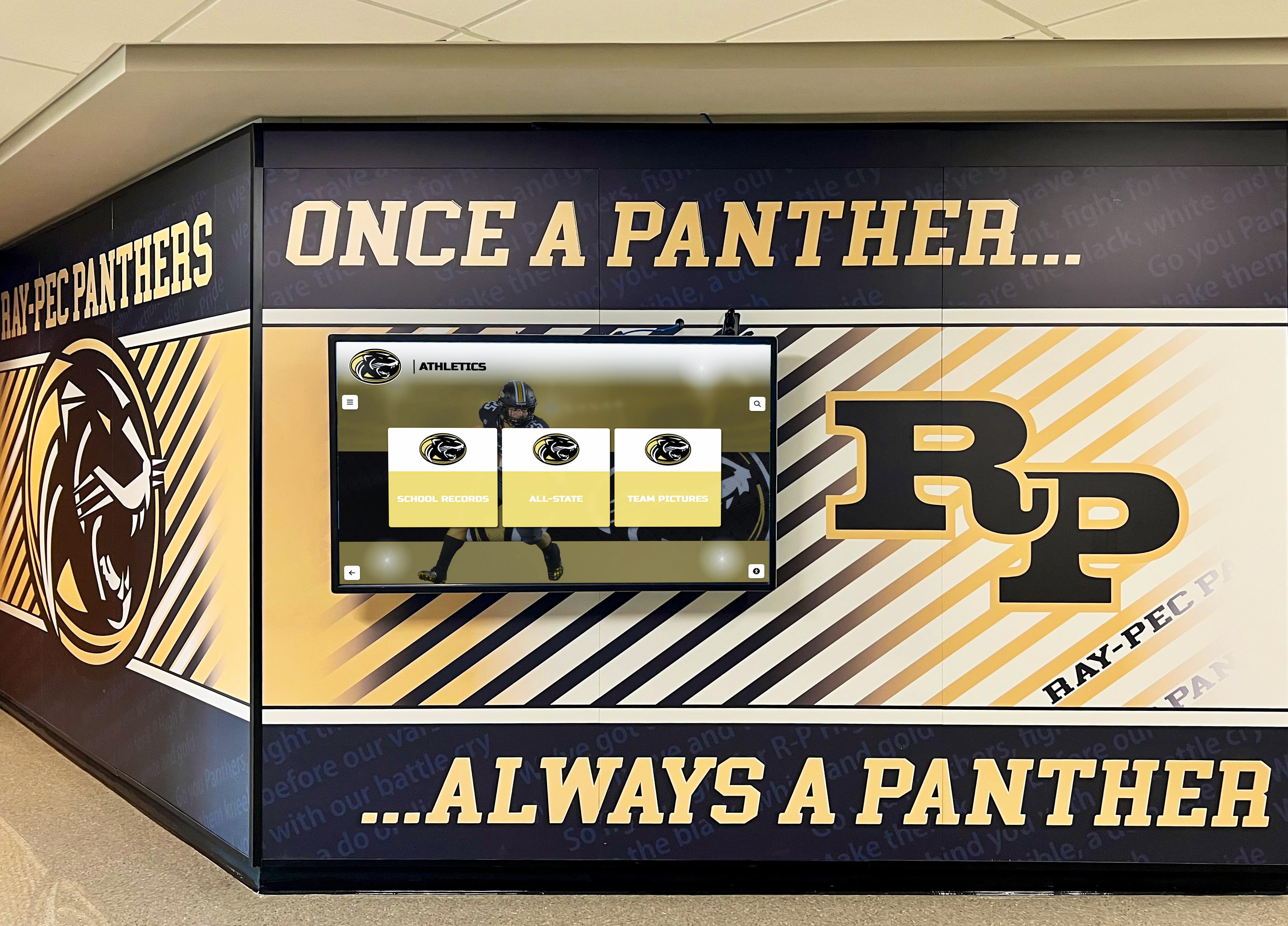
Sustainable archival programs persist across decades despite changing personnel and evolving technologies
Measuring Archival Success and Demonstrating Value
Regular assessment ensures archival programs achieve intended goals and justify resource investment.
Quantitative Engagement Metrics
Track measurable engagement indicators demonstrating archival utilization and community interest.
Usage and Interaction Data:
For digital archives, monitor unique visitors and page views, search queries revealing user interests, average session duration indicating engagement depth, repeat visitor rates showing sustained interest, and popular content identification. For physical touchscreen displays, analytics track daily interaction counts, peak usage times and patterns, most-viewed profiles and categories, and average interaction duration.
Geographic distribution data reveals whether archives reach intended audiences including distant alumni, local community members, and prospective families. Device usage patterns inform optimization priorities ensuring excellent experiences across computers, tablets, and smartphones.
Contribution and Growth Metrics:
Track community contribution volumes including photographs submitted, memories shared, corrections suggested, and identifications provided. Growing contribution rates indicate increasing community engagement and ownership in archival programs. Monitor archival collection growth showing materials added, items digitized, and metadata completeness improvements demonstrating systematic progress toward comprehensive preservation goals.
Qualitative Impact Assessment
Beyond numbers, successful archives demonstrate meaningful qualitative impacts through stakeholder feedback and cultural indicators.
Stakeholder Testimonials:
Document emotional responses through alumni testimonials about reconnecting with their eras, discovering forgotten achievements, or feeling renewed institutional connections. Capture student reflections on discovering institutional heritage and connecting with continuing traditions. Record educator perspectives on archival utility for teaching or institutional knowledge. Collect prospective family impressions during campus tours highlighting heritage displays as memorable positive factors.
These personal narratives demonstrate impact in ways quantitative metrics alone cannot capture while creating compelling advocacy materials for continued archival support.
Educational Integration:
Survey educators about incorporating archived materials into curricula. Document student projects utilizing archives for research, creative work, or historical investigation. Photograph completed assignments demonstrating how archives support learning objectives across multiple subjects. These educational applications justify archival investment through direct curriculum benefits beyond heritage preservation alone.
Advancement Outcomes:
Development offices should track whether archival engagement correlates with improved alumni metrics including increased reunion attendance, higher giving participation rates, larger gift sizes from emotionally engaged donors, and enhanced volunteer participation. While attributing direct causation proves difficult, advancement professionals consistently report that accessible heritage creates natural cultivation opportunities supporting fundraising success.
Track major gift conversations where archived materials played roles in donor cultivation. Document planned giving inquiries prompted by heritage engagement. Note reunion attendance increases following archival enhancements. These indicators collectively demonstrate archival value supporting institutional advancement goals beyond preservation objectives alone.
Conclusion: Transforming Archives from Storage Rooms to Living Heritage
Academic and history archiving for schools transforms scattered records, forgotten achievements, and deteriorating materials from hidden storage into comprehensive digital systems preserving institutional memory while creating accessible, engaging heritage resources serving students, alumni, and communities. Schools implementing systematic archiving programs discover that history becomes accessible rather than hidden, searchable rather than scattered, comprehensive rather than selective, and engaging rather than gathering dust.
Modern digital solutions particularly transform what’s possible for archival preservation and presentation. Cloud-based platforms eliminate space constraints that forced previous generations to choose selectively what merited preservation. Interactive touchscreen displays bring archived materials into daily campus life where community members encounter heritage naturally. Web-based access enables global alumni to explore institutional history from anywhere. Multimedia integration brings history to life through video, audio, and rich imagery creating emotional connections impossible with text alone.
Ready to transform how your school preserves and presents its unique history? Comprehensive digital archiving solutions integrate historical preservation with current achievement recognition, creating unified platforms that honor decades or centuries of institutional legacy while celebrating ongoing excellence. Solutions like Rocket Alumni Solutions provide platforms specifically designed for educational heritage preservation, combining intuitive content management with professional implementation support ensuring successful long-term programs.
Whether launching initial archiving efforts or enhancing existing preservation programs, start with systematic inventory of available materials, establish clear priorities balancing preservation urgency with community interest, implement professional digitization capturing adequate detail for long-term value, and create sustainable management processes ensuring ongoing growth and maintenance.
Your school’s history deserves preservation and presentation through technology making heritage accessible to current students discovering inspiring traditions, global alumni maintaining lifelong connections, prospective families evaluating institutional stability, and future generations inheriting comprehensive documentation of institutional stories. Every achievement preserved protects irreplaceable heritage from loss while creating opportunities for meaningful engagement across all community members.
Begin today with systematic efforts that grow over time—digitize one yearbook decade, preserve one significant photograph collection, or launch focused initiatives addressing highest-priority materials. Success builds momentum attracting resources, volunteers, and institutional support enabling expansion toward comprehensive archival programs serving schools for generations to come. Your history matters, and digital archiving makes preservation and celebration achievable for schools committed to honoring unique heritage through compelling, accessible presentations.
Solutions like those explored throughout this guide demonstrate how modern technology transforms historical preservation from challenging projects into sustainable programs delivering lasting value for educational institutions. Start preserving your institutional legacy today, ensuring future generations inherit comprehensive documentation of your school’s remarkable story.
Sources: