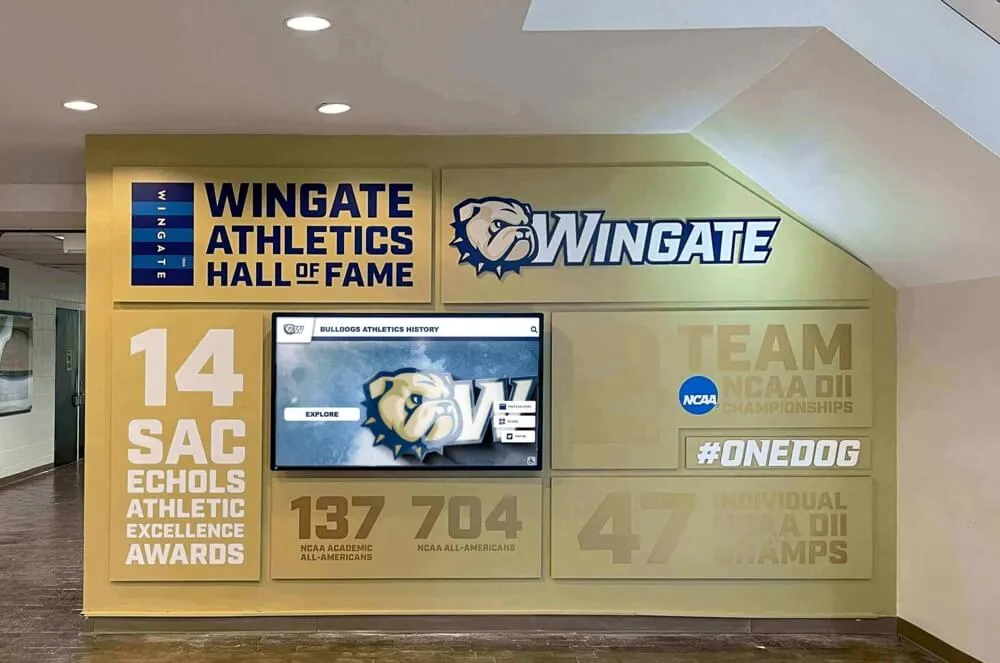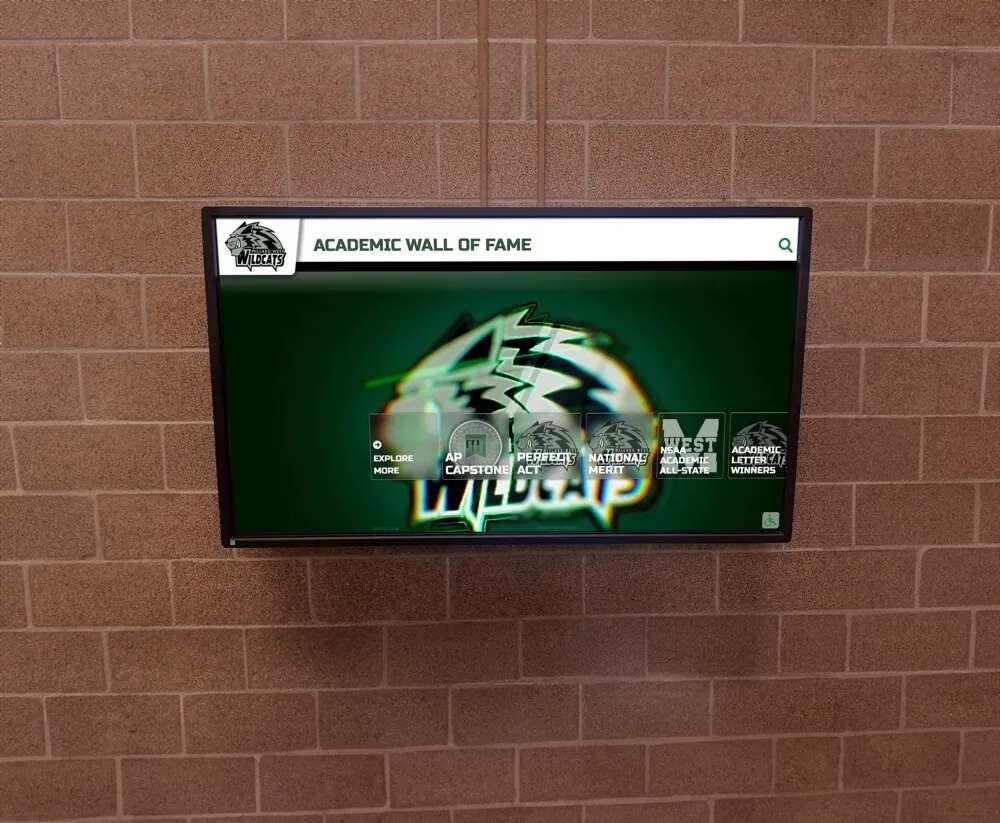




Academic excellence recognition transforms scholarly achievement from private accomplishment into celebrated institutional value—creating visible affirmation that honors dedicated students while establishing cultural expectations that academic success matters as much as athletic prowess. When schools spotlight top performers through formal awards ceremonies, dedicated recognition displays, and ongoing celebration systems, they signal to entire communities that intellectual achievement deserves permanent acknowledgment alongside trophies and championship banners.
The challenge facing educators isn’t whether to recognize academic excellence—it’s how to build recognition programs that remain meaningful, updateable, and inspiring as new scholars emerge each semester. Traditional approaches like paper certificates, static plaques, and occasional newsletter mentions often fail to create the sustained visibility and prestige that motivate current students while honoring past achievers. Modern academic excellence programs combine thoughtful award criteria with digital touchscreen displays, creating recognition ecosystems where scholarly accomplishment receives the permanent, engaging celebration it deserves.

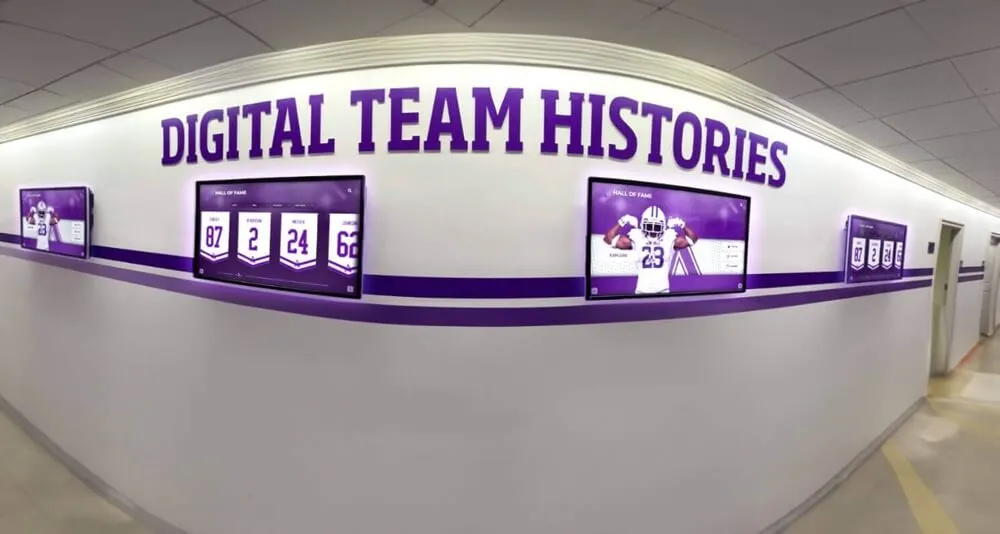
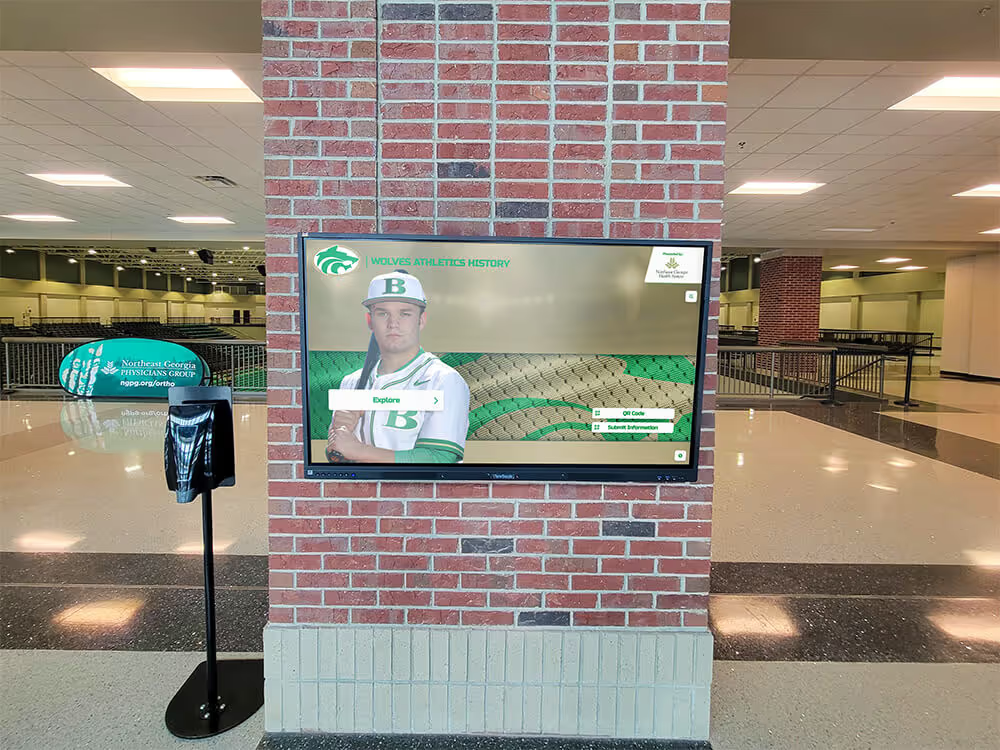
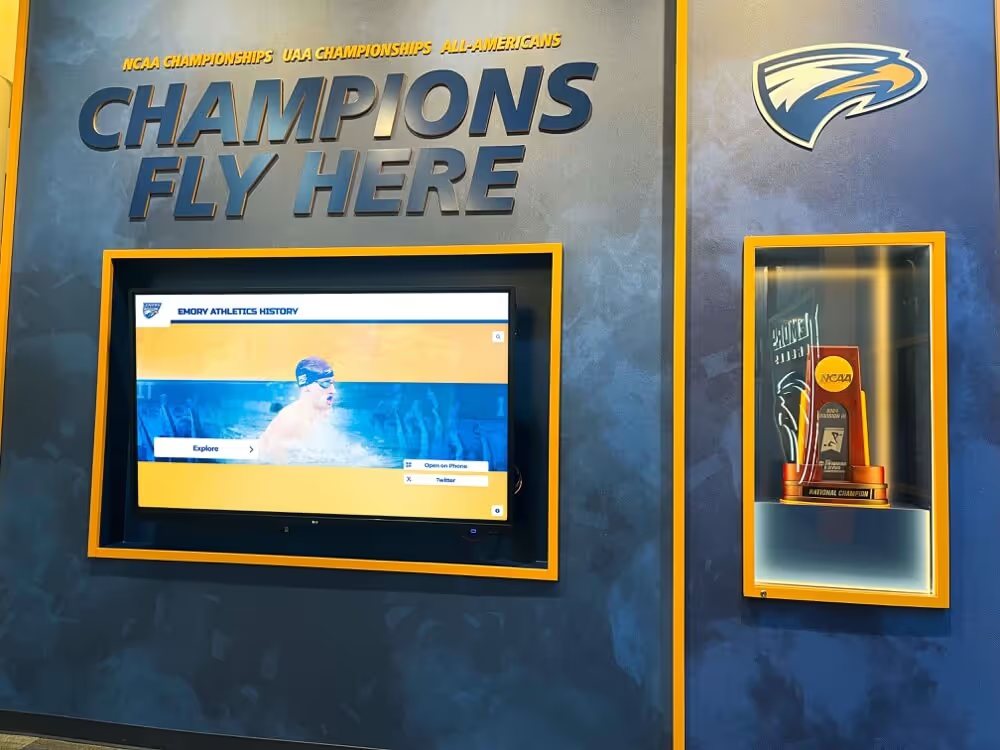
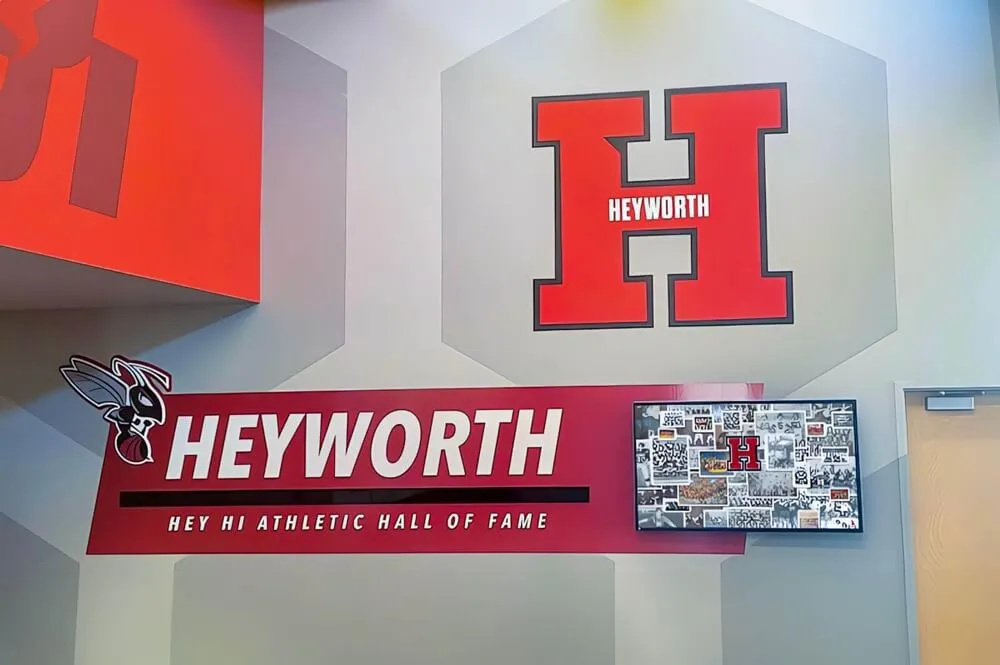
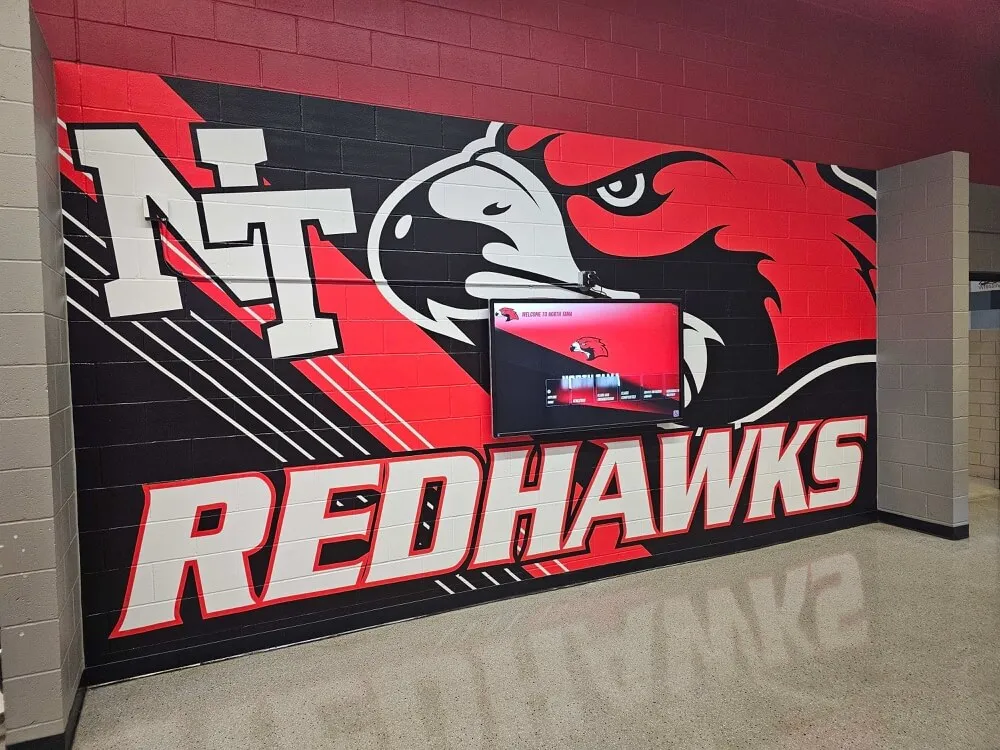
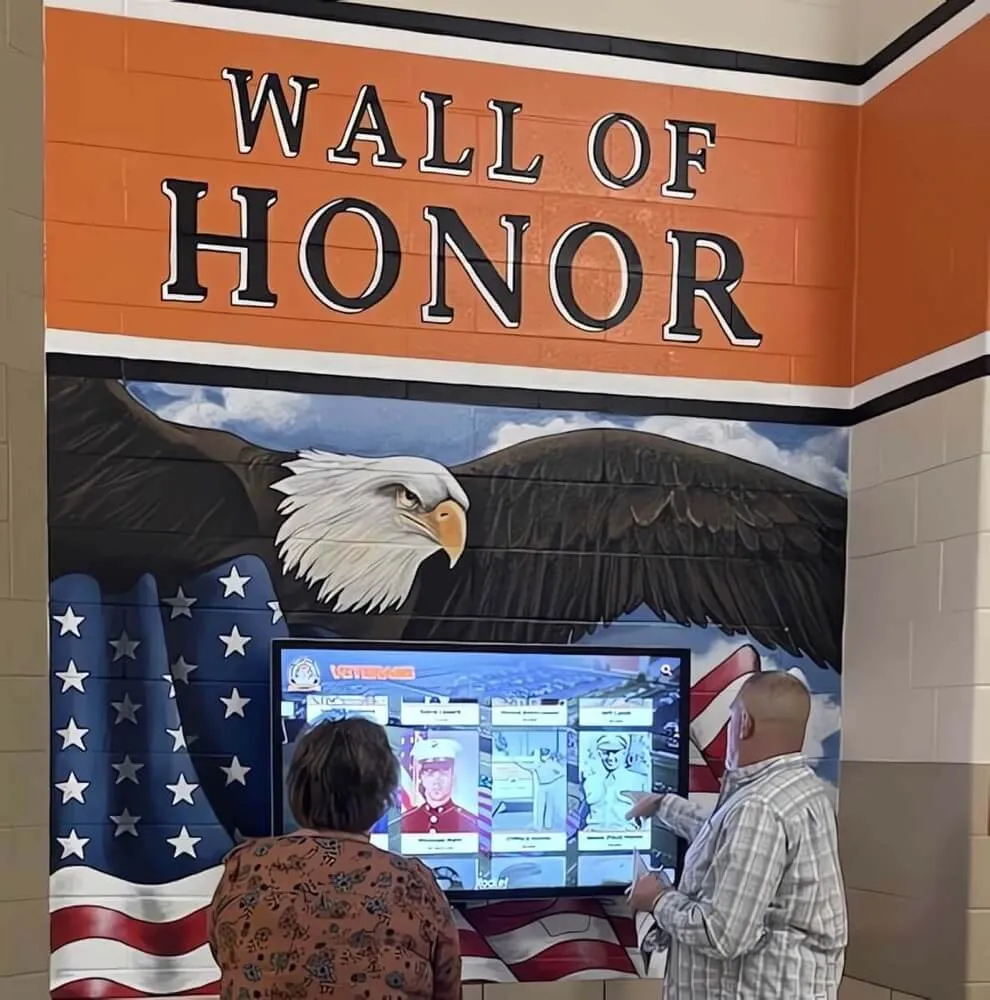
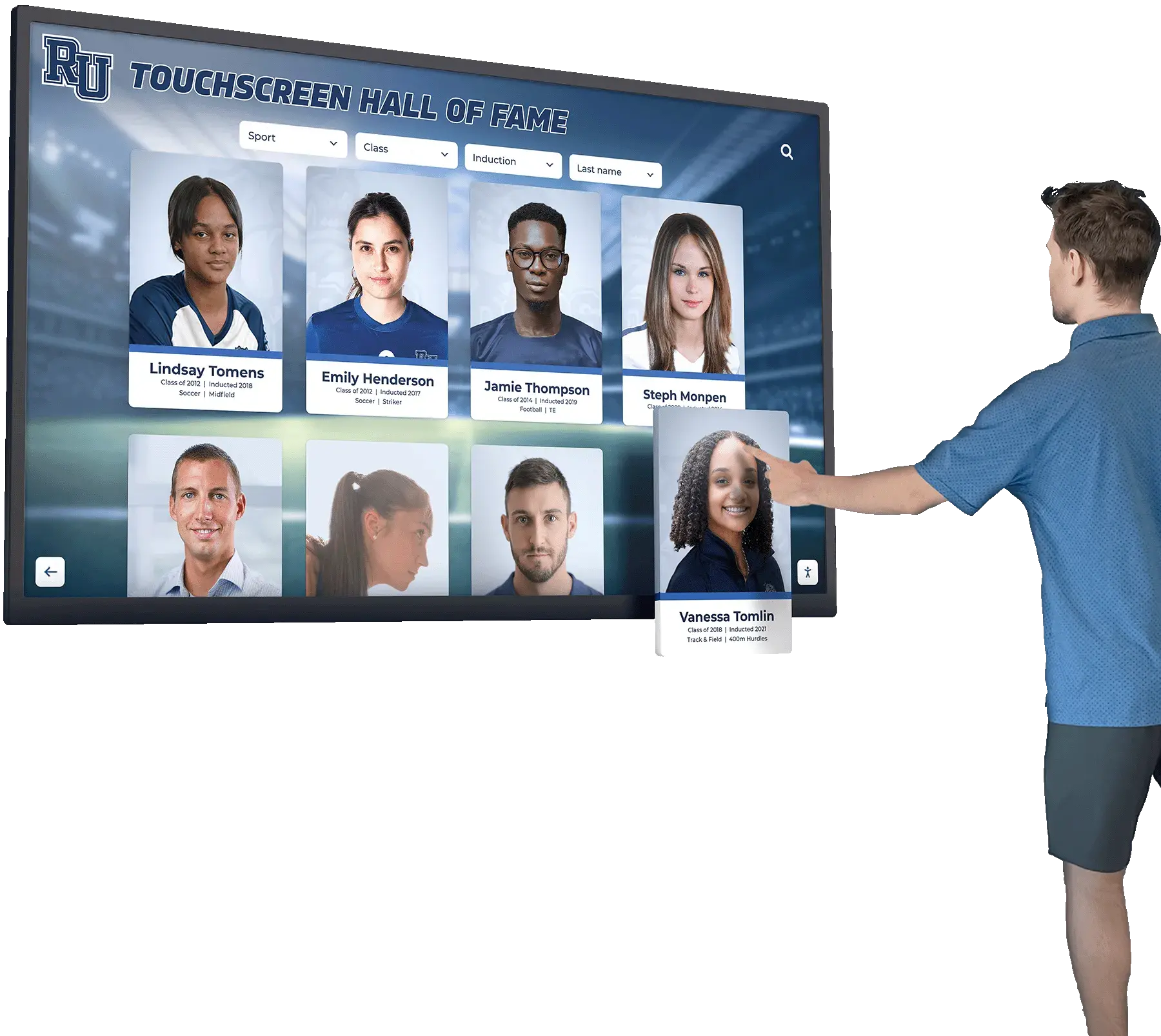
Touchscreen academic displays give scholarly achievement the permanent visibility it deserves
This guide explores proven frameworks for recognizing academic excellence through structured award programs paired with interactive digital displays that keep top students visible year-round.
Program Snapshot: Academic Excellence Recognition Fundamentals
Understanding core components helps schools design academic recognition systems aligned with institutional values and student motivation.
| Component | Details |
|---|---|
| Primary Purpose | Celebrate scholarly achievement, motivate academic performance, balance athletic recognition, honor intellectual dedication, inspire younger students |
| Common Award Categories | Valedictorian/salutatorian, honor roll, subject excellence, improvement awards, standardized test achievement, GPA milestones, academic all-state, subject competitions |
| Recognition Timing | Quarterly honor roll, semester awards, annual academic ceremonies, graduation distinctions, ongoing digital display updates |
| Typical Locations | Main entrance lobbies, library entrances, academic hallways, media centers, college counseling offices, administrative wings |
| Audience | Current students, prospective families, parents, college recruiters, community members, alumni, faculty |
| Success Metrics | Student motivation levels, application rates for academic programs, parent engagement, college acceptance rates, school academic reputation |
| Update Requirements | Quarterly honor roll additions, annual award winners, graduation class updates, achievement milestone tracking |
Why Academic Excellence Recognition Matters
Schools invest substantial resources celebrating athletic achievement—championship banners, trophy cases, hall of fame displays, senior night ceremonies—creating clear cultural messages about what institutions value. When academic accomplishment receives comparable recognition, schools send equally powerful signals that intellectual dedication earns lasting honor.
Cultural Impact of Visible Academic Recognition:
- Balances Institutional Values: Demonstrates that scholarly achievement holds equal prestige to athletic success
- Motivates Current Students: Creates aspirational targets for younger students seeing older peers celebrated
- Affirms Parent Priorities: Validates families who emphasize academic performance and intellectual growth
- Supports College Recruitment: Showcases academic strength to college recruiters and prospective students
- Strengthens School Reputation: Positions the institution as academically serious and achievement-focused
- Creates Lasting Records: Preserves historical documentation of top performers across decades
Traditional approaches—certificates tucked in drawers, names listed in newsletters, occasional assembly announcements—create momentary acknowledgment that quickly fades. Permanent digital recognition systems ensure scholarly excellence remains continuously visible, creating ongoing motivation while honoring past achievers.
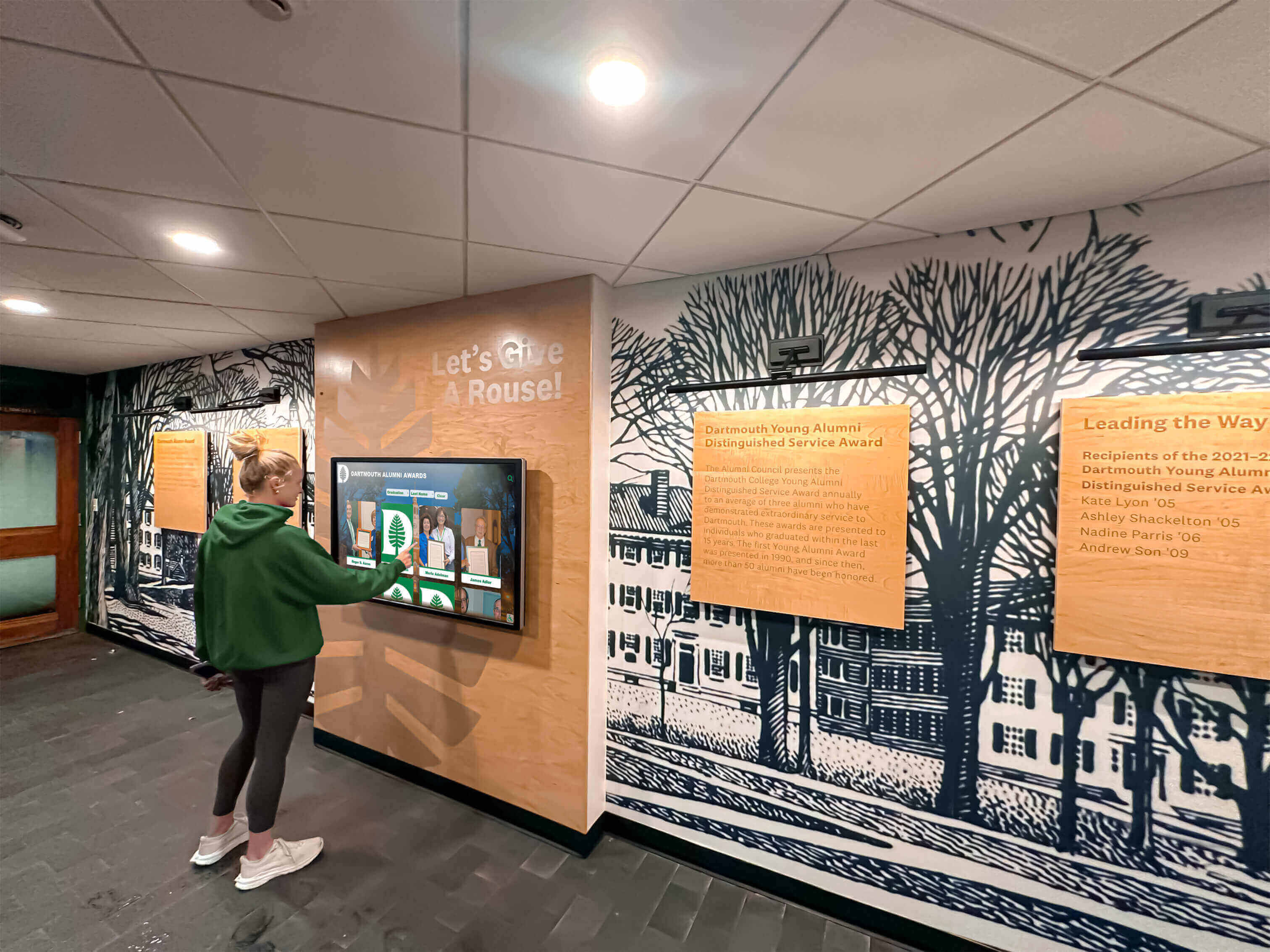
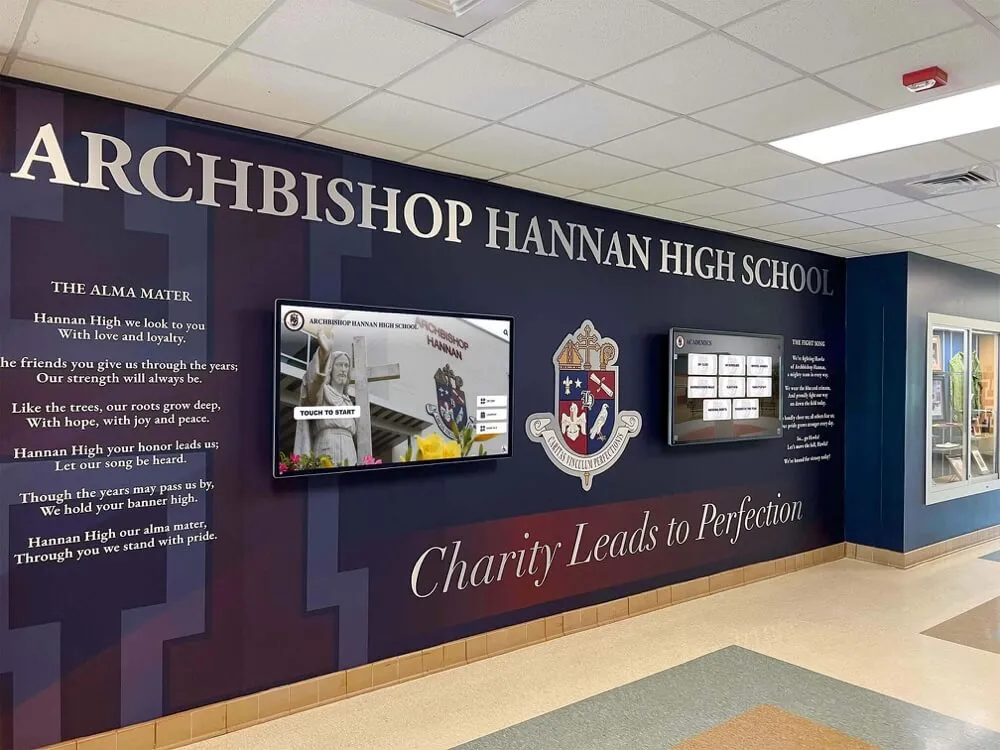
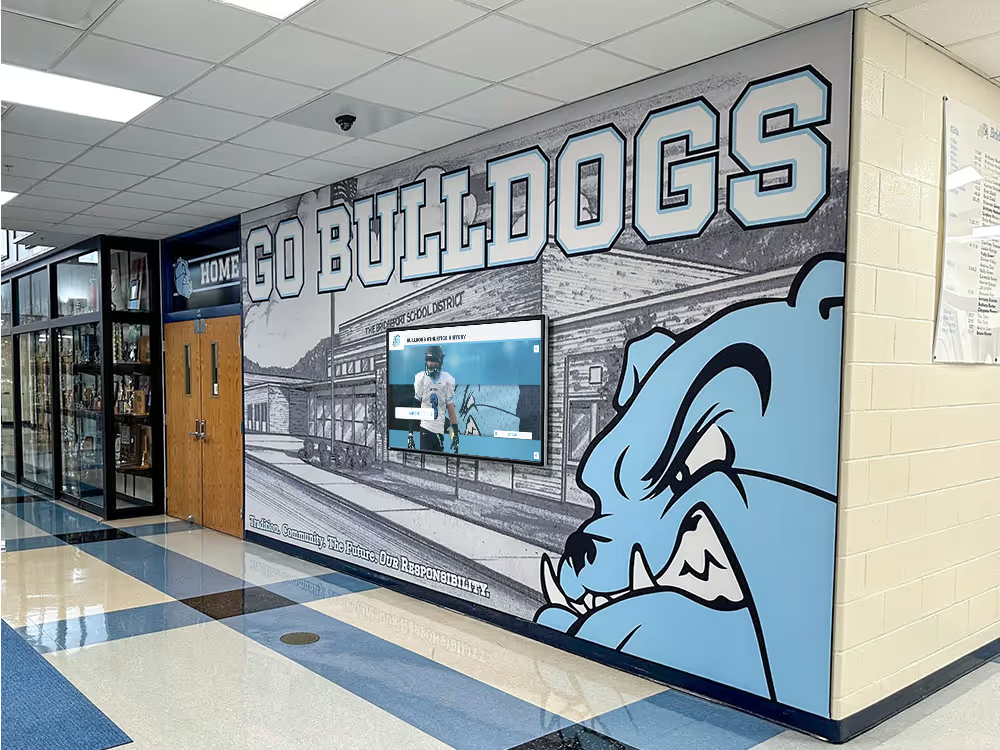
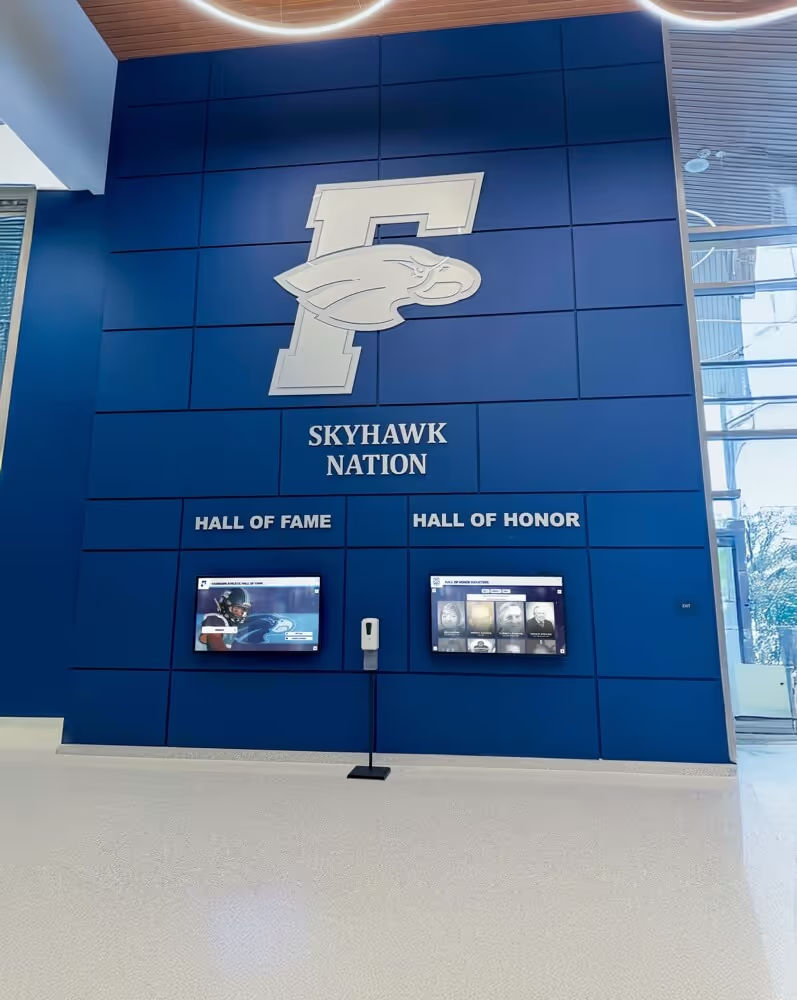
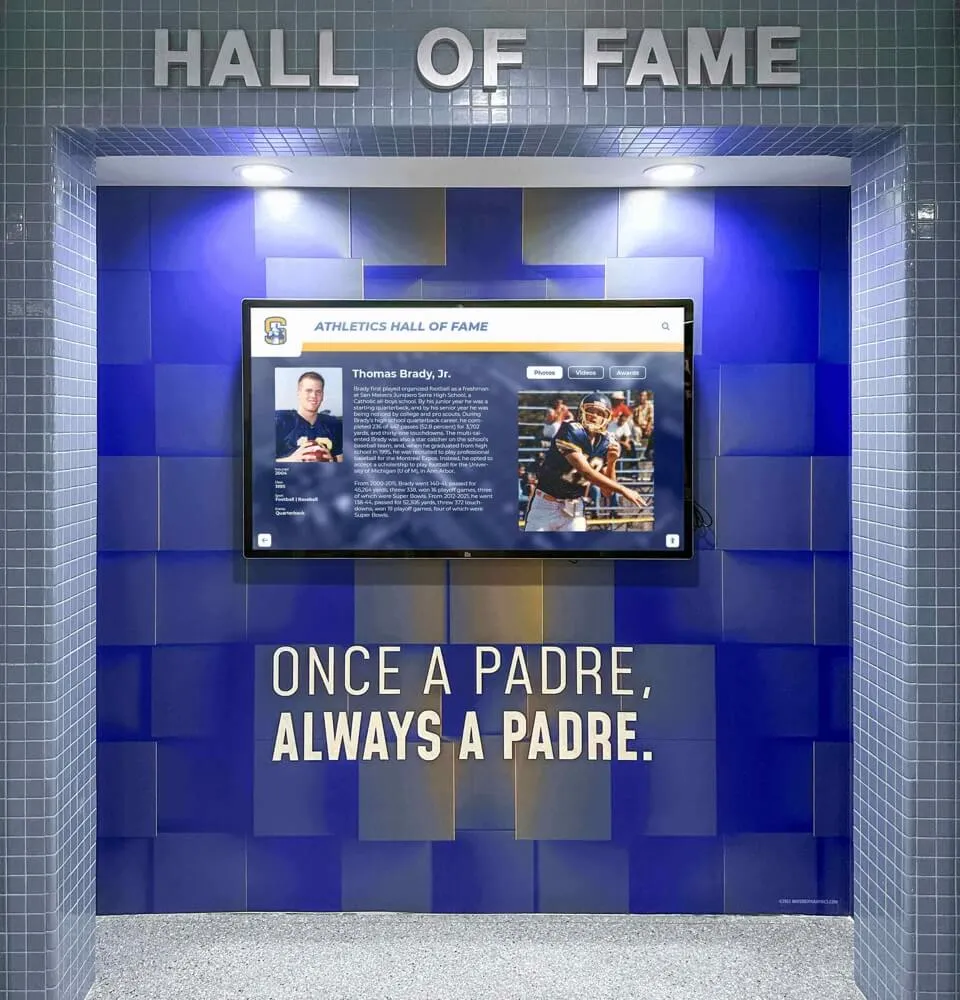
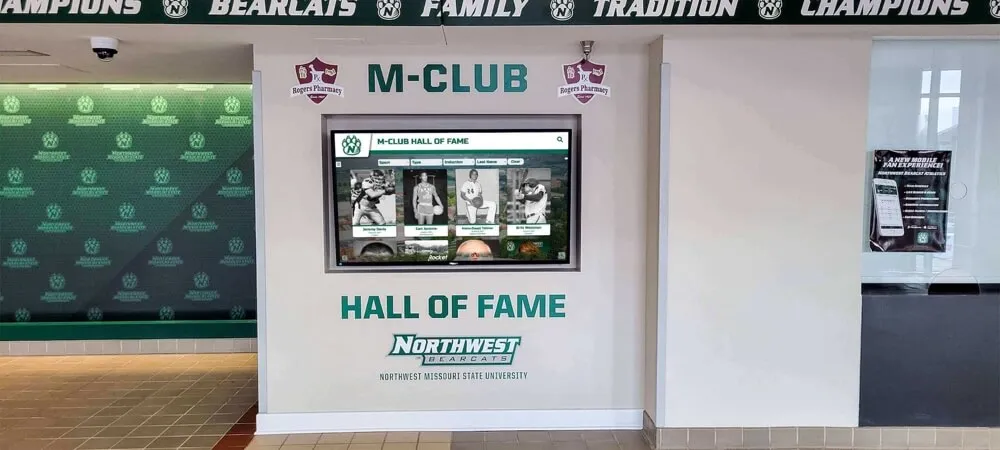
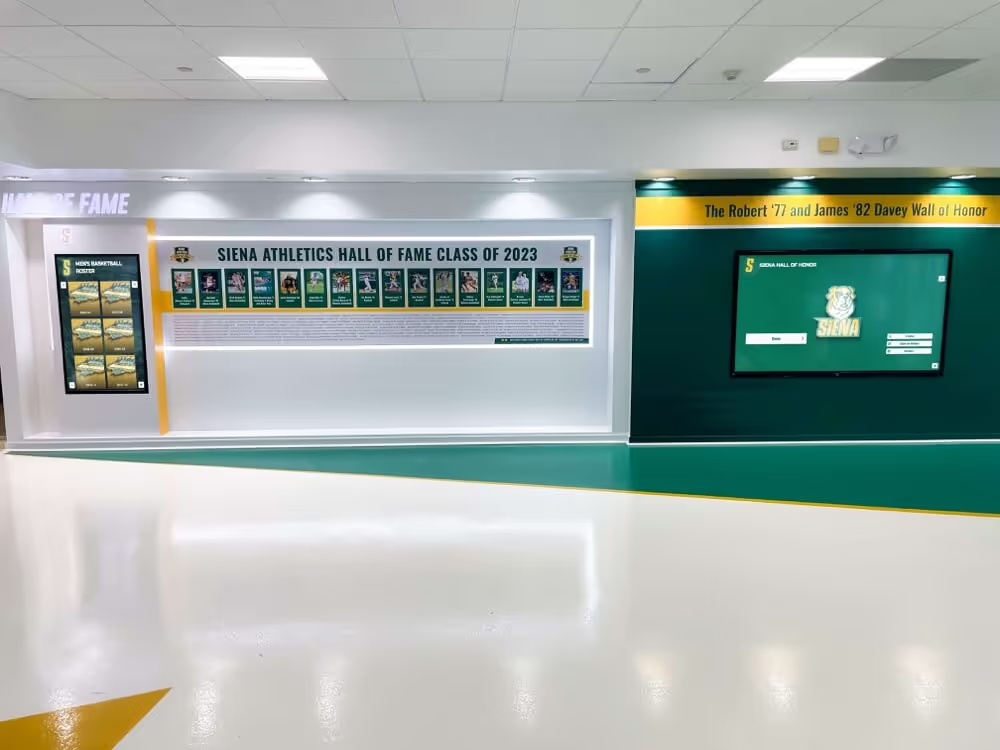
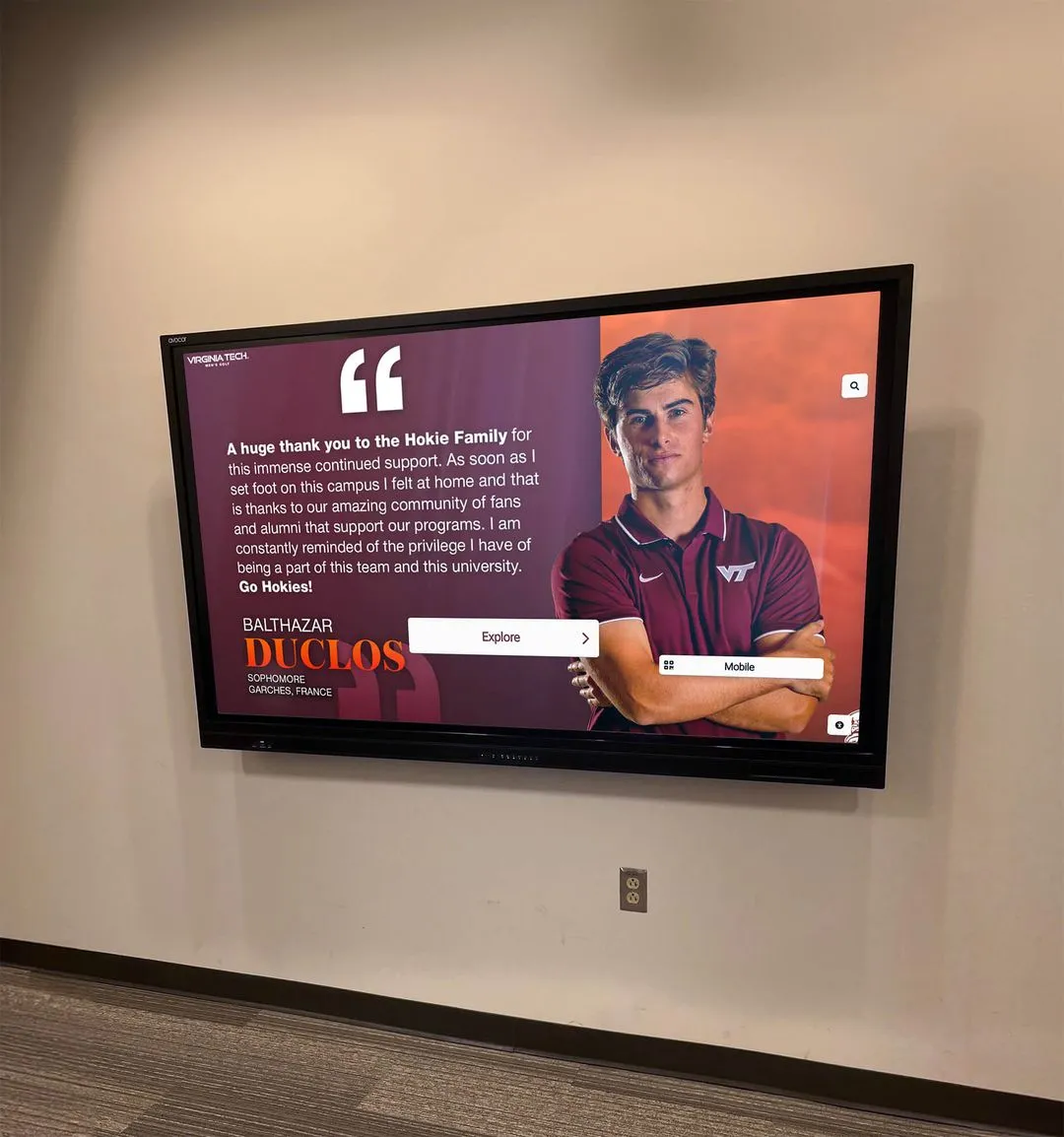
Interactive displays let students explore academic achievement histories and aspire to join recognized scholars
Similar to how schools celebrate athletic achievement through dedicated displays, academic recognition systems create permanent institutional memory honoring intellectual dedication.
Core Academic Excellence Award Categories
Comprehensive recognition programs honor diverse forms of academic achievement, ensuring various student strengths receive acknowledgment.
Honor Roll Recognition
Quarterly or semester honor roll systems celebrate consistent academic performance across all courses.
Common Honor Roll Tiers:
- High Honors: Typically 3.75+ GPA or A- average across all courses
- Honors: Typically 3.5-3.74 GPA or B+ to A- average
- Merit Roll: Typically 3.0-3.49 GPA or B to B+ average
Recognition Approaches:
- Digital displays showing current honor roll students by grade level
- Historical archives tracking honor roll achievement across graduating classes
- Consecutive semester achievement badges (3, 6, 9, 12 consecutive quarters)
- Four-year honor roll alumni recognition for sustained excellence
Honor roll systems work best when criteria remain consistent, updates happen promptly after grade release, and recognition remains visible throughout the academic year rather than disappearing after initial announcement.
Subject-Specific Excellence Awards
Departmental awards recognize outstanding achievement in individual academic disciplines, honoring both mastery and dedication within specific fields.
Typical Subject Awards:
- English/Language Arts Excellence
- Mathematics Achievement
- Science Distinction (Biology, Chemistry, Physics)
- Social Studies/History Recognition
- Foreign Language Proficiency
- Fine Arts Excellence (Visual Arts, Music, Theater)
- Computer Science/Technology Achievement
- Business/Career-Technical Education Awards
Subject awards often get presented at annual academic awards ceremonies but deserve year-round visibility. Digital recognition systems can showcase current year winners while maintaining searchable historical records of past recipients, creating aspirational targets for students planning academic trajectories.
Schools implementing comprehensive academic recognition programs typically combine multiple award categories, ensuring diverse student strengths receive formal acknowledgment.
Standardized Achievement Recognition
High-stakes test performance merits dedicated recognition, celebrating students who demonstrate exceptional mastery on external assessments.
Standardized Achievement Categories:
- AP Scholars: Students earning qualifying scores on multiple Advanced Placement exams
- State Assessment Excellence: Top performers on required state testing
- ACT/SAT Achievement: Students reaching significant score thresholds (ACT 30+, SAT 1400+)
- National Merit Recognition: Semifinalists, finalists, and scholarship recipients
- Subject Test Excellence: High performance on SAT subject tests or other specialized assessments
Standardized test recognition carries particular weight because external validation confirms achievement against national benchmarks rather than local grading standards. Schools celebrating ACT 30+ achievement or similar milestones create aspirational targets that motivate test preparation and academic rigor.
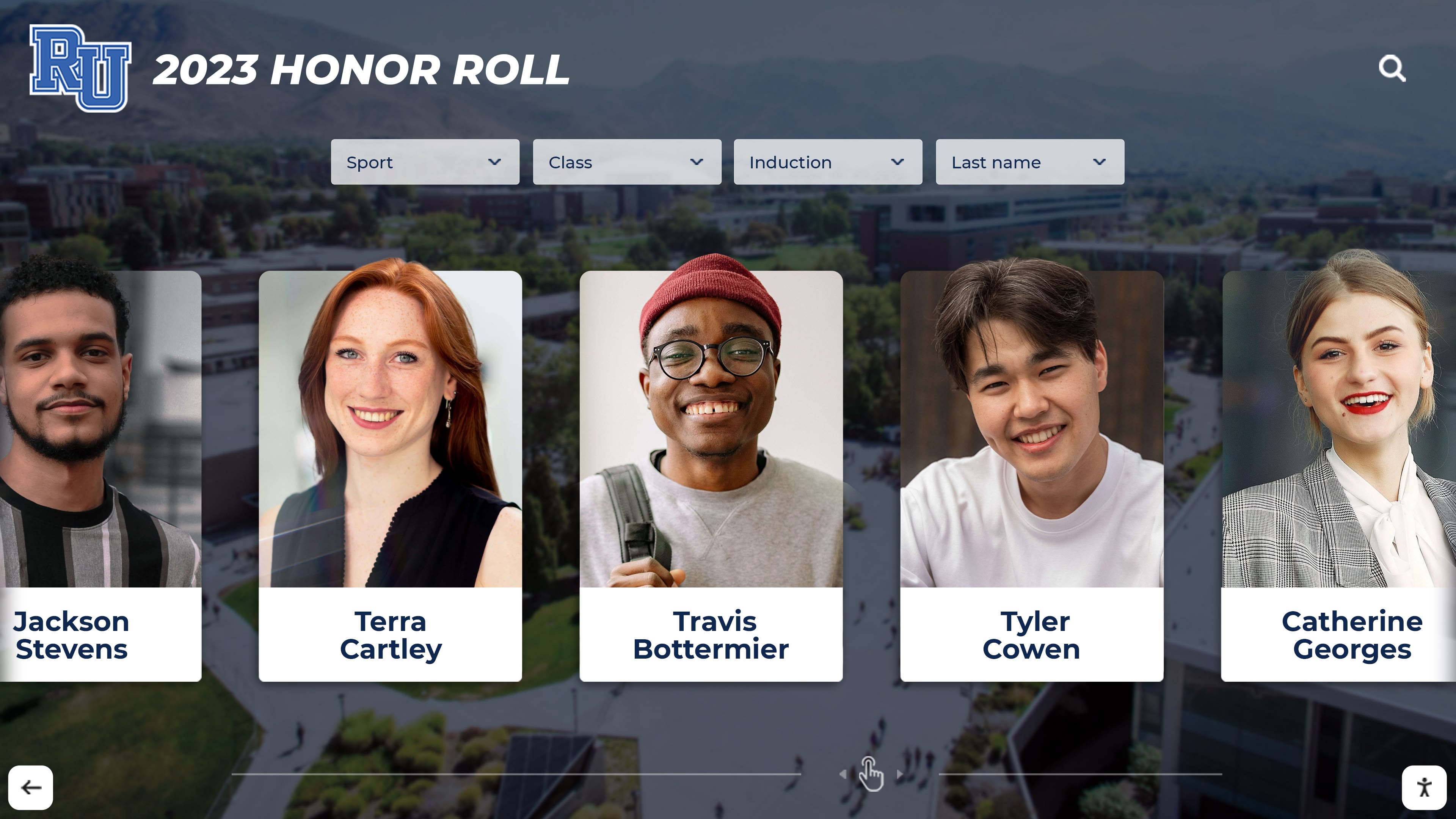
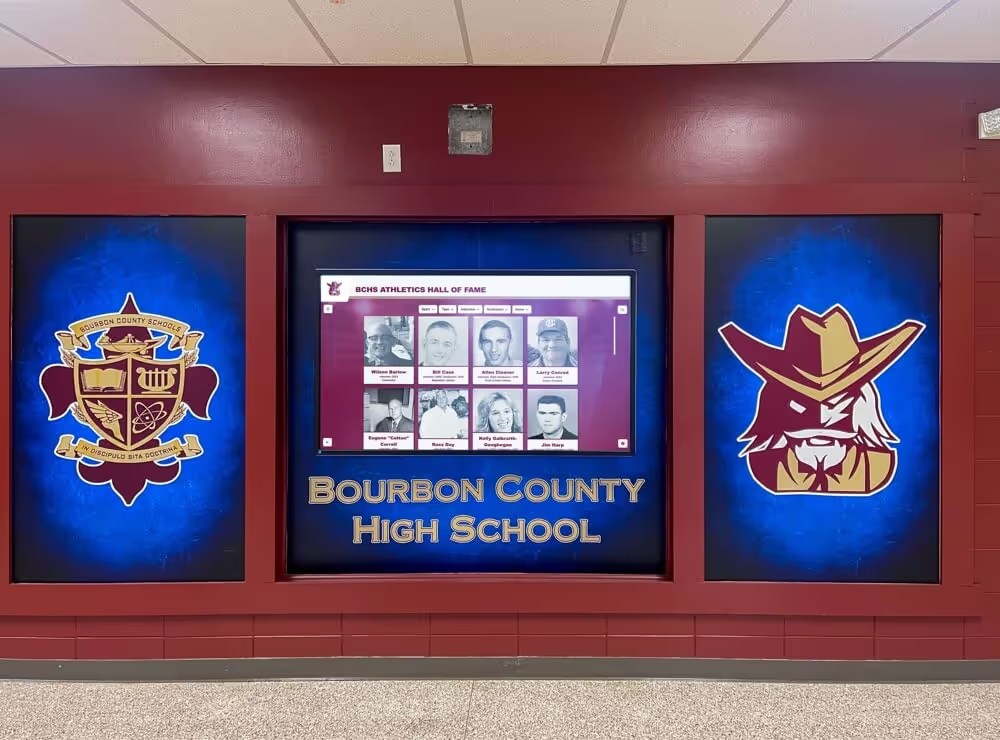
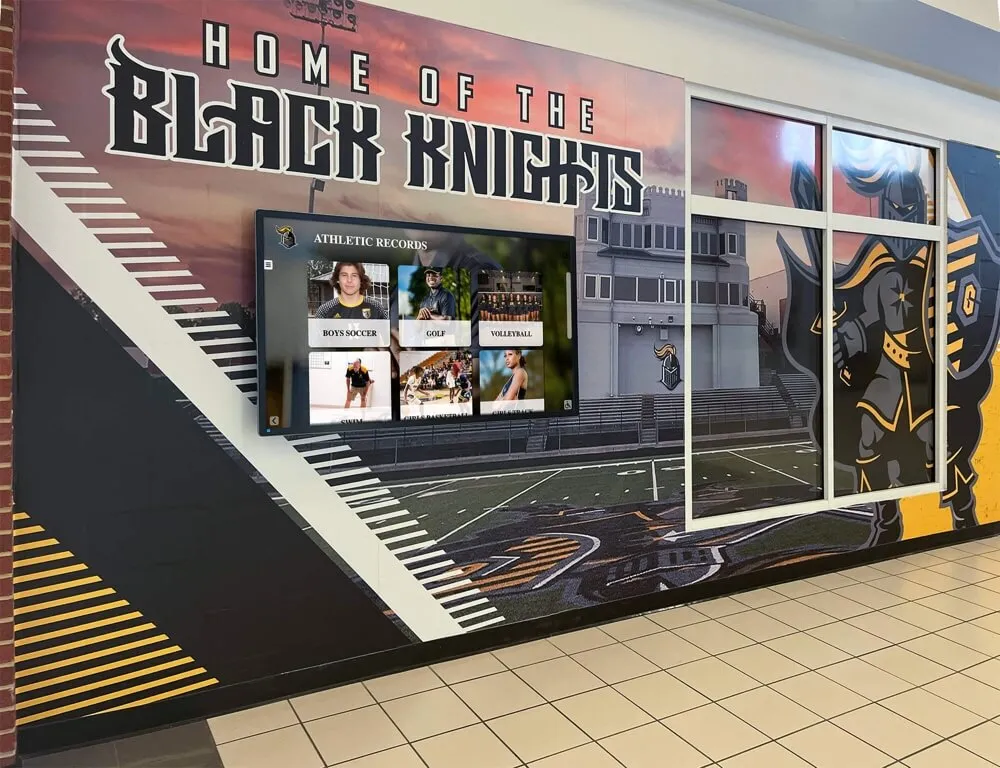
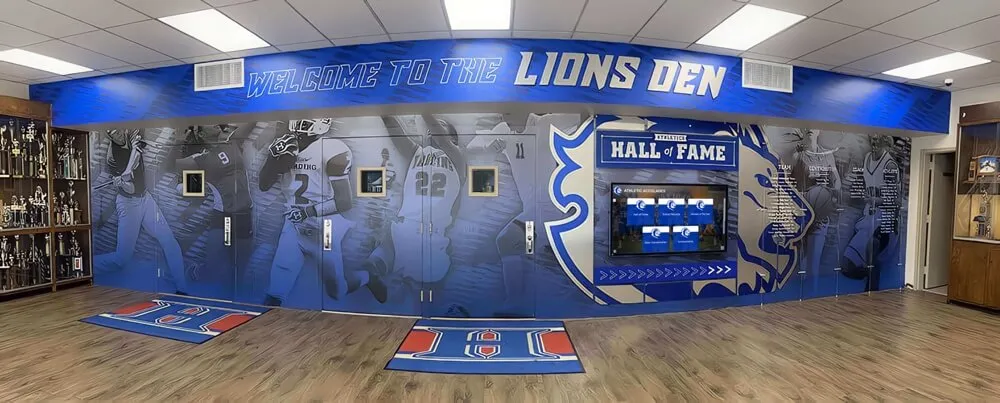
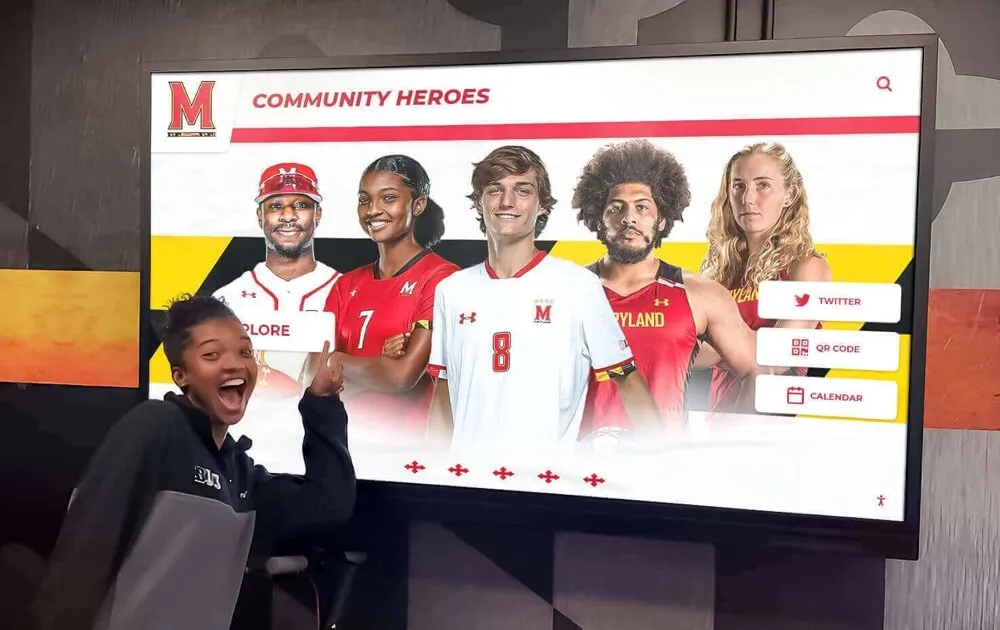
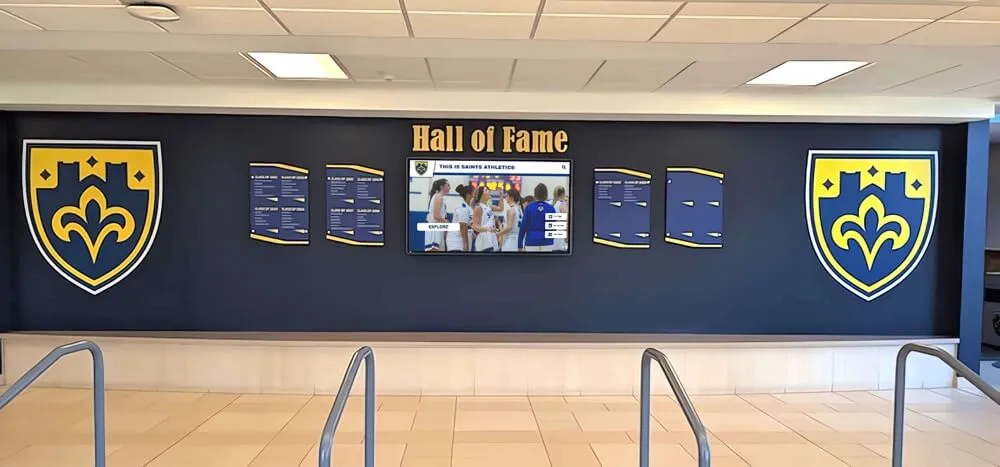
Portrait-based recognition personalizes academic excellence, connecting faces to achievement
Academic Competition Success
Competition results—debate tournaments, academic decathlons, math competitions, science fairs, robotics championships—demonstrate applied intellectual ability beyond classroom performance.
Competition Achievement Recognition:
- State/national debate tournament success
- Math Olympiad qualifiers and medalists
- Science fair regional/state/national winners
- Academic decathlon team and individual medals
- Robotics competition achievements
- Quiz bowl tournament results
- Writing competition awards and published work
- History day competition distinctions
Competition recognition demonstrates that academic excellence extends beyond GPA, honoring students who apply knowledge in challenging, high-pressure environments. When displayed alongside athletic competition results, academic competition achievements receive comparable prestige.
Schools documenting award categories comprehensively ensure no form of academic excellence goes unrecognized.
Content Architecture: Mapping Academic Achievement to Digital Displays
Effective digital recognition systems organize academic data into discoverable, engaging modules that visitors can explore based on their interests.
Auto-Ranking Honor Roll Boards
Digital displays can automatically pull current honor roll data, eliminating manual update labor while ensuring recognition remains current.
Core Features:
- Real-Time Honor Roll Lists: Current quarter/semester honor roll organized by grade level and tier
- Achievement Filtering: Browse by honors level, graduating class, or consecutive achievement
- Historical Archives: Search past honor roll recipients by name, year, or class
- Trend Displays: Visualizations showing honor roll percentages over time
- Consecutive Achievement Badges: Highlight students maintaining honor roll for multiple consecutive periods
Auto-ranking systems ensure recognition updates happen immediately after grade reporting deadlines, maintaining relevance while reducing administrative burden.
Individual Student Achievement Profiles
Rather than listing names, comprehensive profiles tell complete academic stories.
Profile Components:
- Achievement Summary: All awards, honors, and recognitions earned
- Academic History Timeline: Chronological record of honors and milestones
- Subject Excellence Highlights: Departmental awards and subject-specific distinctions
- Standardized Test Results: Documented ACT/SAT scores and AP achievements
- Competition Results: Tournament placements, science fair awards, olympiad medals
- Photos and Biographical Details: Graduate year, college destination, intended major
- Teacher Quotes: Optional faculty endorsements describing student strengths
Comprehensive profiles transform simple name lists into inspiring narratives showing dedication’s cumulative impact.
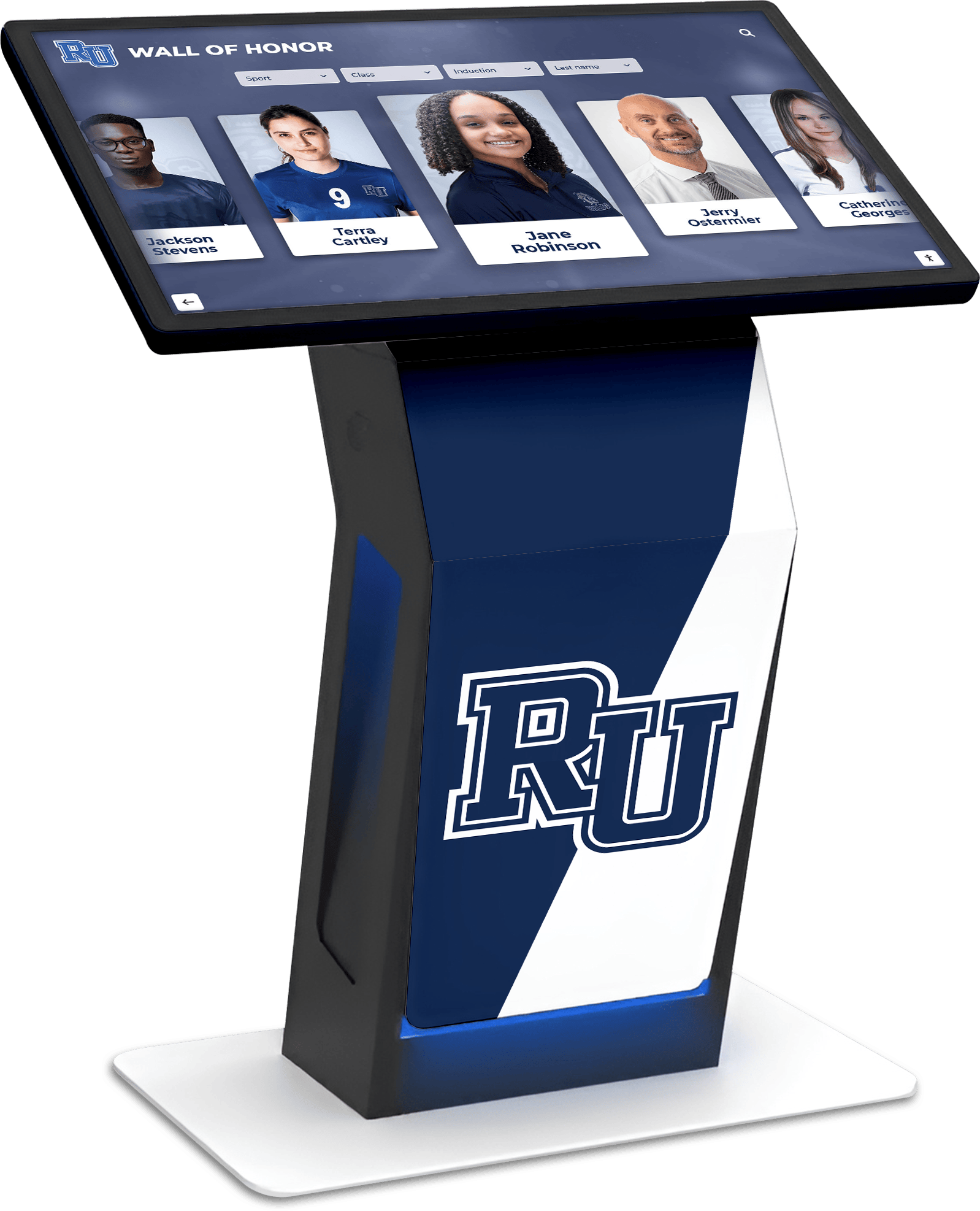
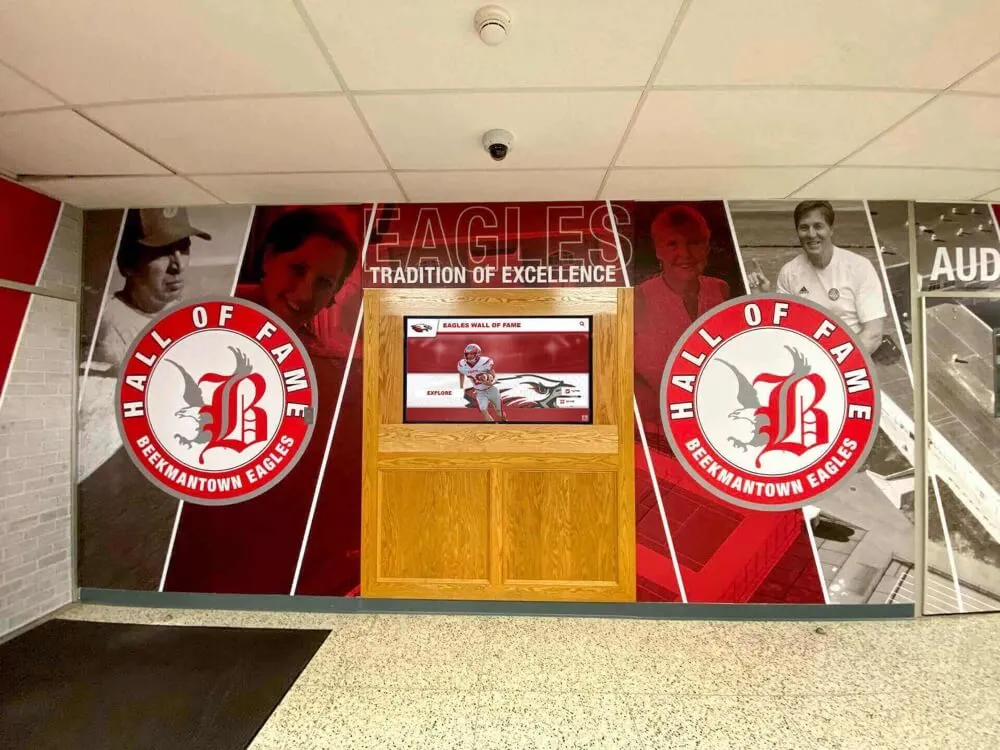
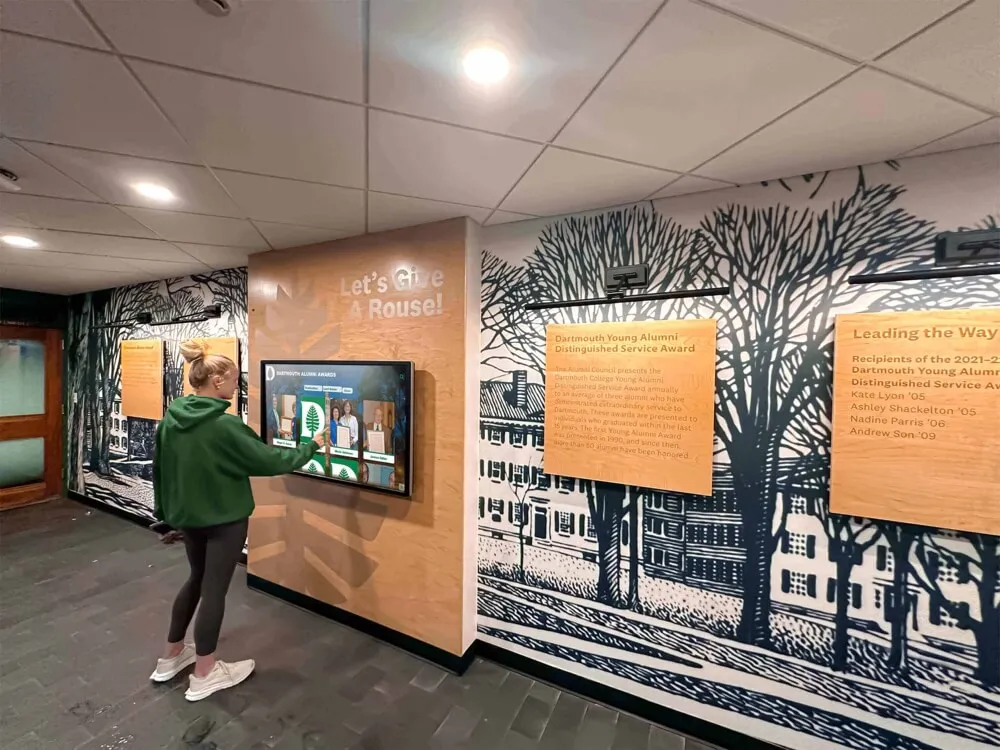
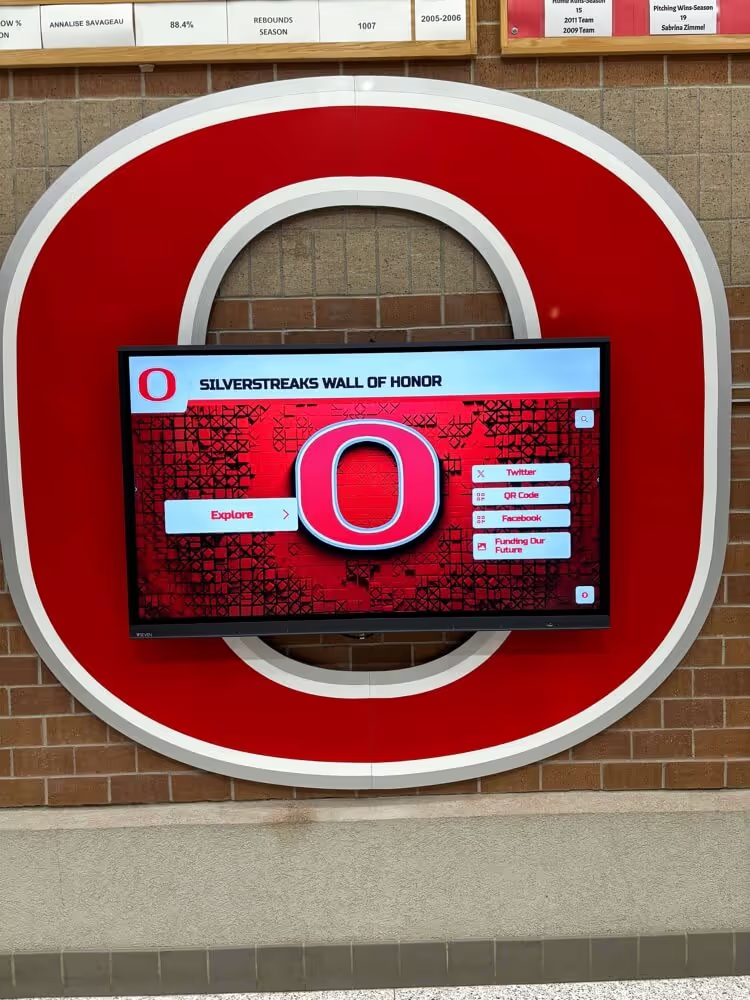
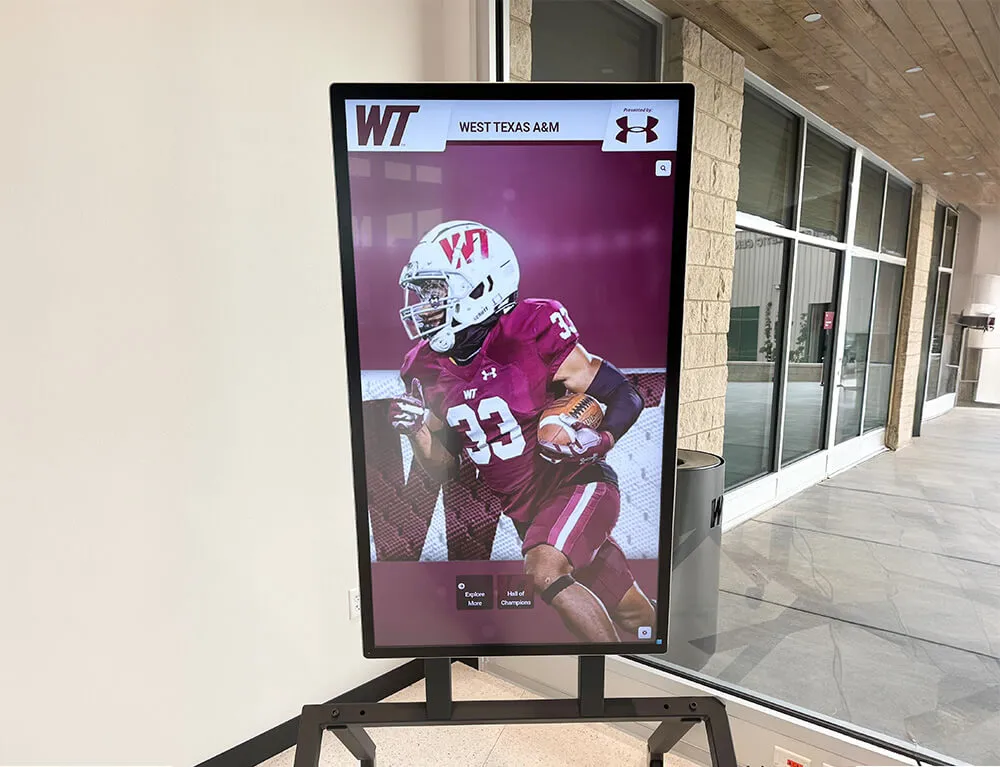
Dedicated kiosks create focal points for academic recognition in high-traffic areas
Searchable Scholar Databases
Large schools recognizing hundreds of students annually benefit from robust search functionality enabling visitors to locate specific individuals or achievement types.
Search and Filter Options:
- Name Search: Find specific students by typing full or partial names
- Year Filters: Browse by graduation year or current grade level
- Achievement Category: Filter by award type (honor roll, subject award, competition)
- Subject Filters: Show only mathematics, science, language, or other discipline awards
- GPA Ranges: Display students reaching specific academic thresholds
- Consecutive Achievement: Highlight sustained excellence over multiple years
Searchability ensures recognition systems remain useful as databases grow, preventing early achievers from becoming buried under newer additions.
Award Ceremony Integration
Annual academic awards ceremonies generate rich content—photos, video highlights, award descriptions, speaker quotes—that digital displays preserve year-round.
Ceremony Content Modules:
- Event Photo Galleries: Professional images from awards nights and recognition ceremonies
- Video Highlights: Recorded acceptance speeches, principal remarks, student performances
- Award Descriptions: Detailed explanations of criteria for major annual awards
- Historical Ceremony Archives: Past event programs, speaker lineups, recognized students
- Behind-the-Scenes Content: Preparation stories, student reactions, family celebrations
Ceremony integration ensures recognition events extend beyond single evenings, creating lasting content that remains accessible indefinitely. Similar to how schools plan comprehensive awards ceremonies, digital displays preserve ceremony outcomes permanently.
Execution Timeline: Building Academic Recognition Programs
Successful implementation follows structured phases ensuring recognition systems launch effectively and remain sustainable.
Phase 1: Program Design and Criteria Definition (Weeks 1-4)
Key Activities:
- Define award categories aligned with institutional values and existing recognition gaps
- Establish clear, measurable criteria for each recognition tier
- Determine update frequency and content refresh schedules
- Identify data sources and administrative systems feeding recognition content
- Select display locations balancing visibility with space appropriateness
- Assign responsibilities for content updates, photo collection, and ongoing maintenance
Critical Decisions:
- Will recognition include only current students or historical archives?
- Which achievement thresholds trigger formal recognition?
- How will photo collection and biographical data gathering happen?
- What approval workflows ensure accuracy before public display?
Thorough planning prevents mid-implementation scope changes that delay launches and create inconsistent recognition standards.
Phase 2: Content Collection and System Configuration (Weeks 5-10)
Implementation Steps:
Current Year Content:
- Gather honor roll rosters from most recent grading periods
- Collect award winner lists from department chairs and counselors
- Obtain student photos from yearbook coordinator or school photographer
- Compile standardized test achievement data from testing coordinators
- Document competition results from coaches and activity advisors
Historical Archives (Optional but Recommended):
- Digitize past awards ceremony programs and honor roll records
- Scan existing plaques, certificates, and physical recognition artifacts
- Interview faculty about memorable past achievers and award recipients
- Review yearbooks for historical honor society and academic team rosters
Technical Setup:
- Configure cloud content management system access and user permissions
- Design recognition templates matching school branding and colors
- Establish automated data import workflows where possible
- Create filterable database structures supporting robust search functionality
Schools choosing digital recognition platforms benefit from cloud-based systems enabling remote updates without physical access to display hardware.
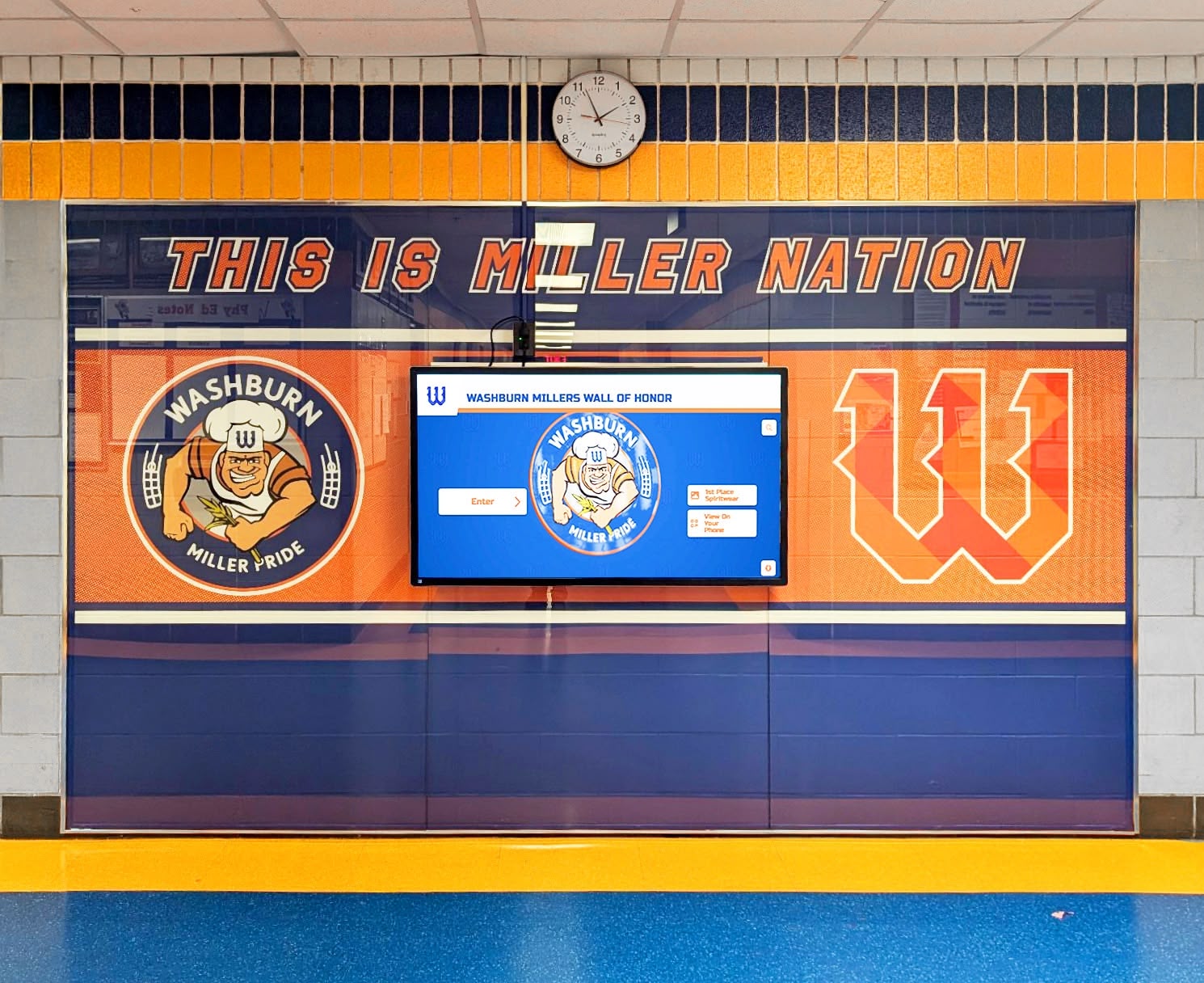
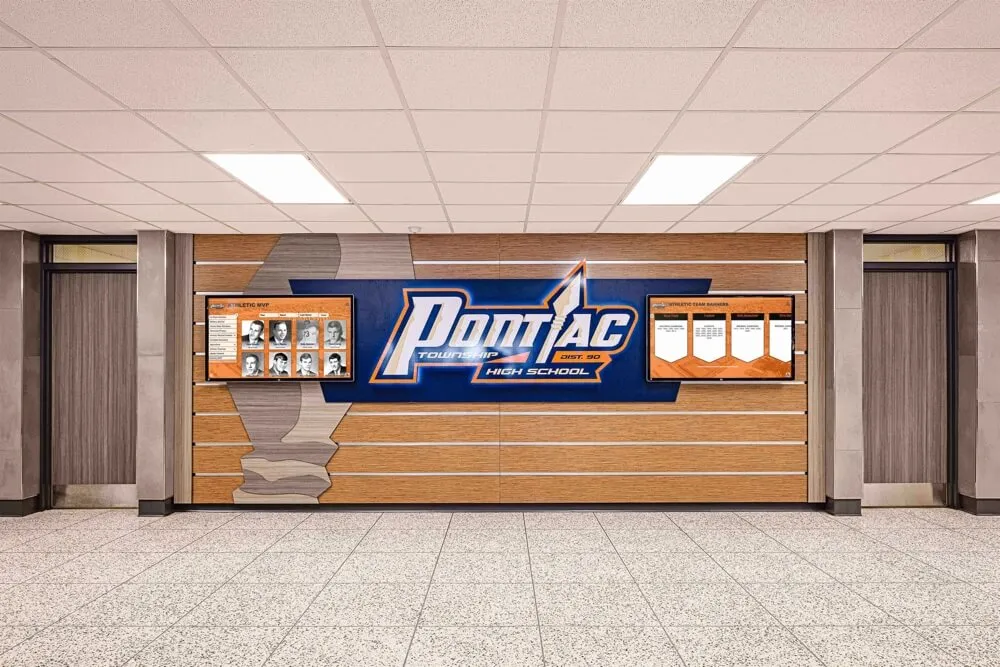
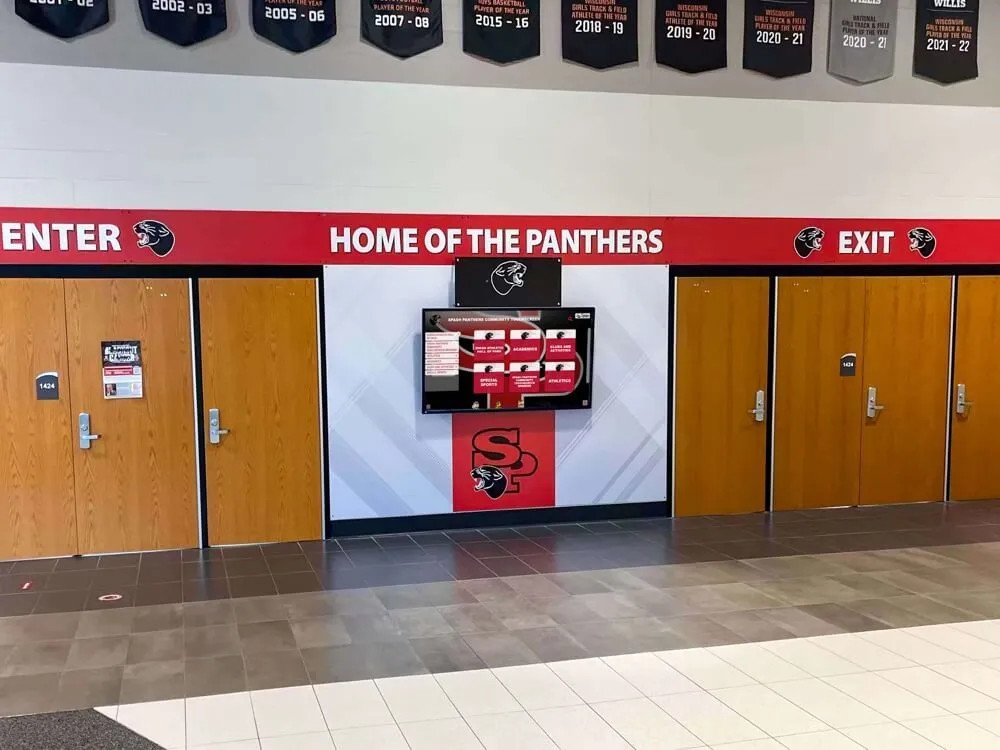
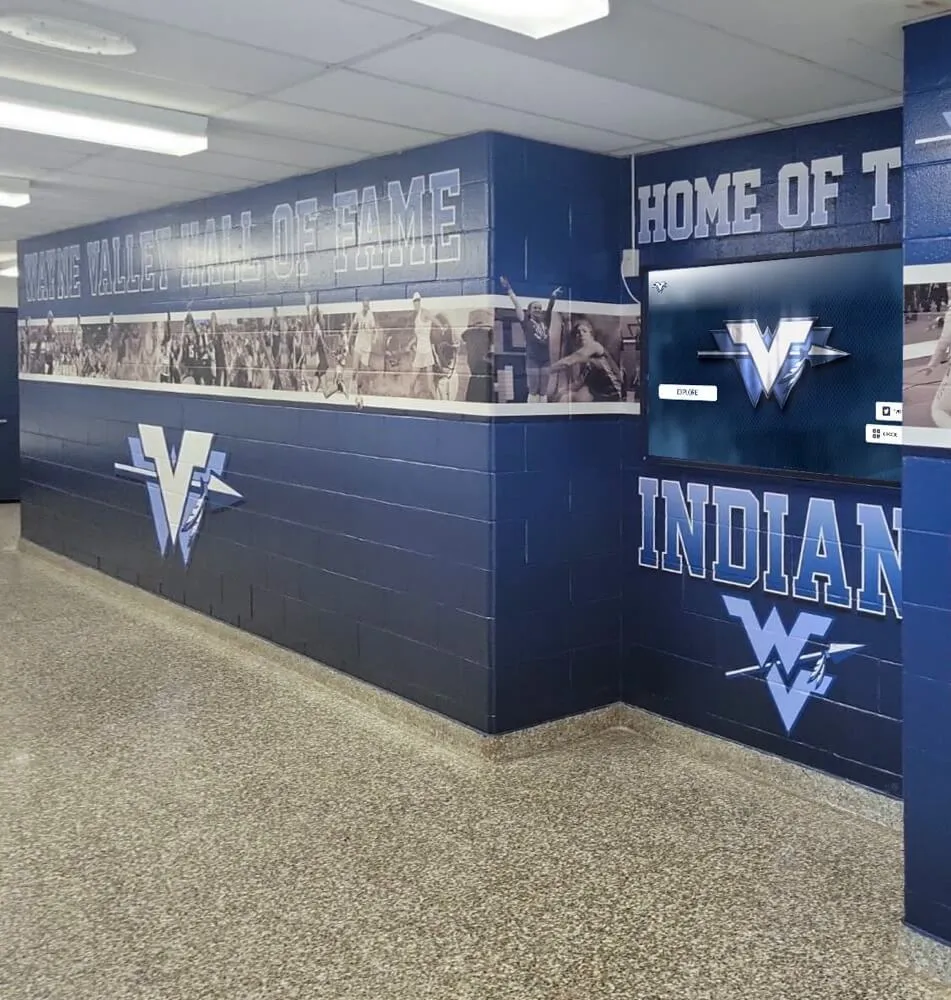
Strategic hallway placement ensures maximum visibility for academic recognition
Phase 3: Launch and Community Activation (Weeks 11-12)
Launch Activities:
- Schedule formal unveiling during academic awards ceremony or assembly
- Prepare principal remarks emphasizing institutional commitment to academic excellence
- Invite recognized students and families for first viewing and celebration
- Coordinate media coverage through local newspapers and school communications
- Create social media content highlighting new recognition system
- Develop orientation materials explaining how to navigate display features
Community Engagement:
- Host parent information sessions explaining recognition criteria and display features
- Train faculty on how to nominate students for various award categories
- Provide student orientation showing how to explore achievement histories
- Create “aspiration guides” helping younger students understand recognition pathways
Strong launches establish academic recognition as significant institutional moments rather than quiet administrative updates.
Phase 4: Ongoing Refresh and Expansion (Continuous)
Quarterly Updates:
- Add new honor roll recipients after each grading period closes
- Update GPA rankings and consecutive achievement badges
- Incorporate recent competition results and standardized test scores
- Refresh featured student spotlights rotating through recognized scholars
Annual Major Updates:
- Document annual awards ceremony and add current year winners
- Update senior profiles with college destinations and scholarship awards
- Archive graduating class achievement summaries
- Add new award categories as program expands
Long-Term Enhancement:
- Expand historical archives as resources allow digitization
- Incorporate parent and teacher testimonials celebrating student achievement
- Add video content including student interviews and academic project showcases
- Integrate with college counseling highlighting academic preparation pathways
Sustainable recognition programs build maintenance into workflows rather than treating updates as special projects requiring extraordinary effort.
Display Integration: Touchscreen Technology for Academic Recognition
Modern touchscreen displays solve traditional academic recognition limitations through updateable content, multimedia storytelling, and unlimited expansion capacity.
Hardware Placement Strategies
Strategic positioning ensures academic recognition receives visibility comparable to athletic displays.
Optimal Locations:
Main Entrance Lobbies First-impression positioning signals institutional academic priorities to visiting families, college recruiters, and community members. Pairing academic displays with athletic recognition creates balanced values messaging.
Library Entrances and Media Centers Natural thematic alignment connects scholarly recognition to spaces dedicated to academic work and intellectual exploration.
Academic Hallways Positioning near advanced placement classrooms, honors program offices, or college counseling areas creates contextual relevance while inspiring students pursuing rigorous academic paths.
College and Career Centers Recognition displays in counseling areas provide concrete examples of achievement for students planning academic futures and college applications.
Schools designing inspiring hallway environments increasingly incorporate digital recognition as core design elements rather than afterthought additions.
Accessibility and Inclusive Design
Effective academic recognition ensures all community members can engage with content regardless of physical abilities.
ADA Compliance Requirements:
- Screen Height: Bottom edge 15-48 inches from floor for wheelchair accessibility
- Text Contrast: WCAG 2.1 AA compliant contrast ratios (minimum 4.5:1 for body text)
- Touch Target Size: Minimum 44x44 pixel targets for reliable interaction
- Font Legibility: Minimum 16-point fonts for body text, larger for headers
- Alternative Navigation: Keyboard or switch access for users unable to use touchscreens
- Audio Descriptions: Optional narration for visually impaired visitors
Accessible design expands audience reach while meeting legal compliance requirements for educational institutions.
Remote Content Management
Cloud-based systems enable authorized staff to update recognition content from any internet-connected device without physical display access.
Remote Management Capabilities:
- Web-Based CMS: Browser interface for uploading photos, adding achievers, editing profiles
- Scheduled Publishing: Queue updates to go live at specific dates and times
- Multi-Location Management: Update displays across multiple buildings from single dashboard
- User Permissions: Assign editing rights to department chairs, counselors, administrators
- Preview Modes: Review changes before public display
- Backup and Versioning: Restore previous content versions if needed
Remote management eliminates IT department dependencies for routine updates, empowering academic staff to maintain current recognition without technical expertise.
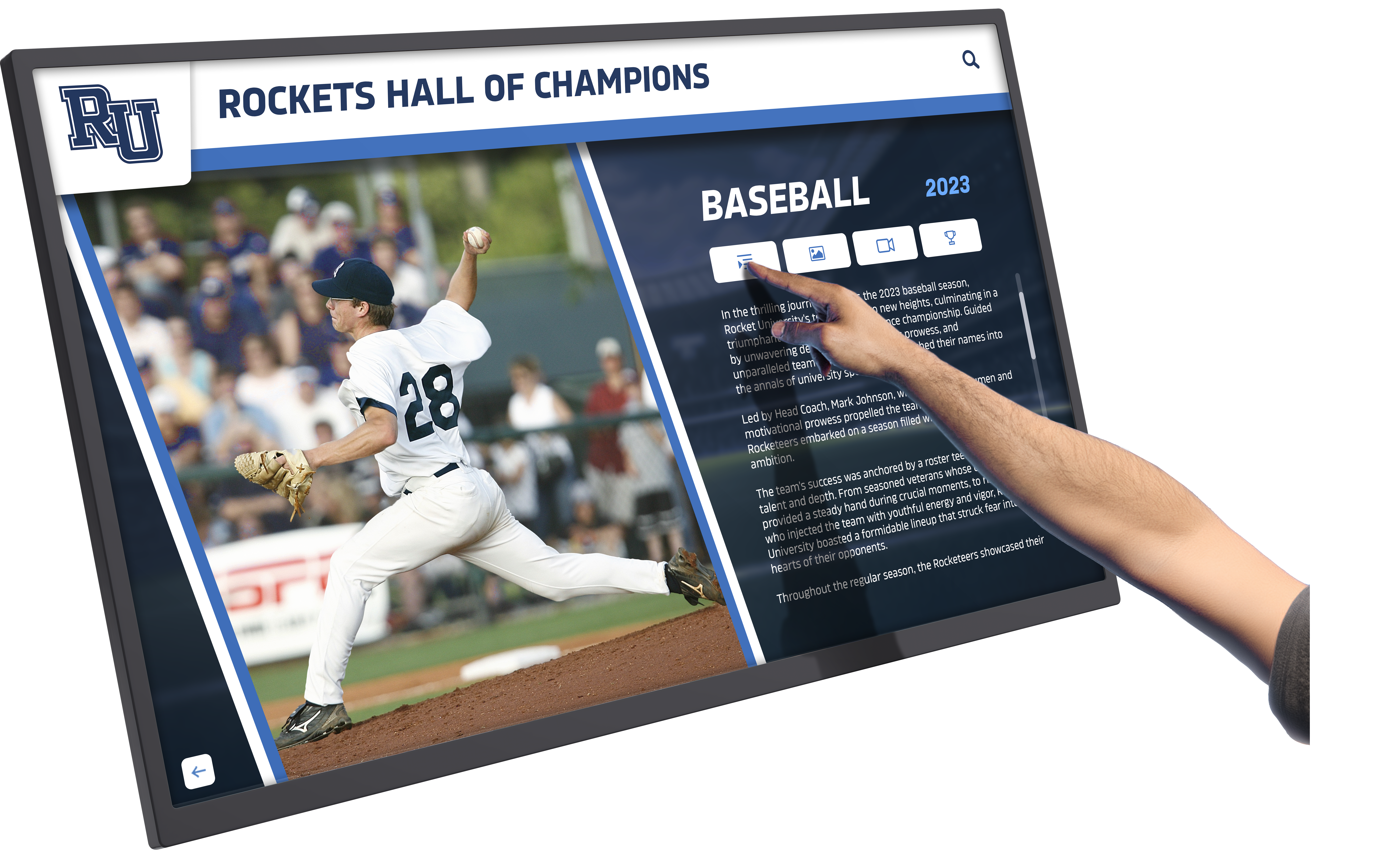
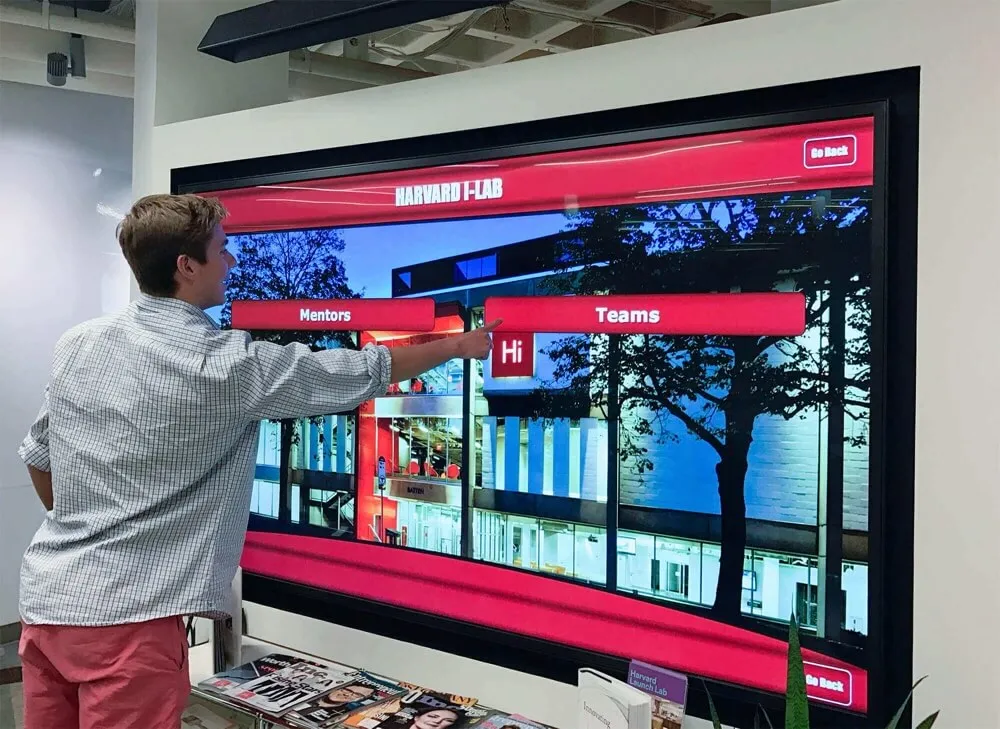
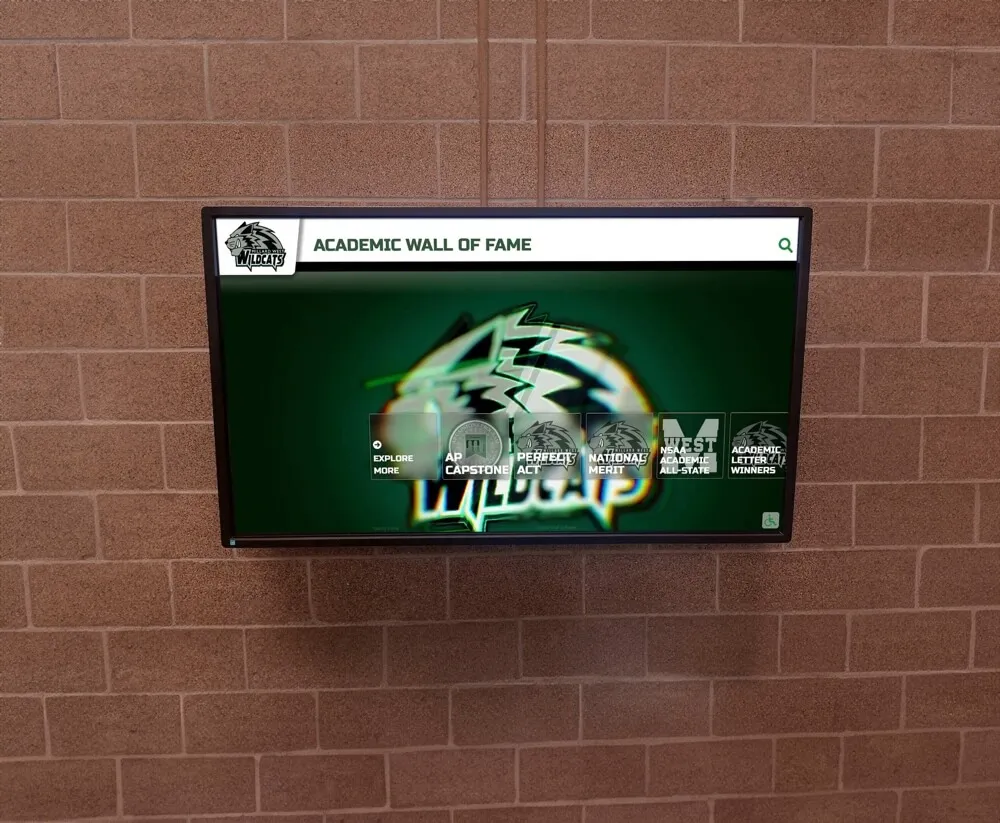
Intuitive touchscreen interfaces invite exploration and deeper engagement with academic achievement stories
Integration with Existing Recognition Systems
Digital displays complement rather than replace existing academic honor traditions.
Coordinated Recognition Ecosystem:
Academic Letter Awards Schools offering academic letter programs can document letter recipients digitally, creating permanent records alongside physical letter jackets and chenille awards.
Honor Society Inductions Digital displays archive National Honor Society, National Art Honor Society, and subject-specific honor society members, preserving organizational history while celebrating current inductees.
Academic Awards Ceremonies Annual events generate content—photos, video, award descriptions—that displays preserve year-round, extending ceremony impact beyond single evenings.
Graduation Distinctions Valedictorian, salutatorian, and summa cum laude graduates receive permanent recognition alongside historical top performers, creating institutional achievement legacies.
Coordinated systems ensure various recognition methods reinforce rather than compete with each other, building comprehensive celebration ecosystems.
Measurement: Tracking Academic Recognition Impact
Effective recognition programs monitor outcomes ensuring investment produces desired motivation and cultural results.
Quantitative Metrics
Participation and Achievement Tracking:
- Honor roll percentages by grade level and year-over-year trends
- Number of students recognized across various award categories
- Distribution of achievements across departments and subject areas
- Competition participation rates and success levels
- Standardized test score improvements and threshold achievements
Display Engagement Analytics:
- Touchscreen interaction counts and session durations
- Search queries revealing which students and awards generate interest
- Peak usage times identifying optimal update windows
- Content modules receiving most visitor exploration
- QR code scans enabling social sharing and extended content access
Qualitative Indicators
Cultural Impact Observations:
- Student survey responses about academic recognition awareness and motivation
- Parent feedback during conferences and school events
- Faculty observations about academic competition and performance trends
- College counselor reports on application strength and academic preparation
- Alumni reflections on how recognition influenced academic trajectories
Community Reputation Measures:
- Local media coverage emphasizing academic achievement
- Prospective family comments during tours and open houses
- School choice applications citing academic excellence reputation
- College recruiter feedback about institutional academic rigor
- Community perception surveys tracking academic versus athletic balance
Combined metrics reveal whether recognition systems achieve cultural objectives beyond administrative documentation.
Common Implementation Challenges and Solutions
Schools building academic recognition programs encounter predictable obstacles that planning mitigates.
Challenge: Maintaining Update Consistency
Problem: Initial enthusiasm fades after launch; quarterly honor roll updates get delayed or skipped; award ceremony content never gets uploaded; displays show outdated information undermining credibility.
Solutions:
- Assign specific update responsibilities with calendar deadlines
- Build recognition updates into existing administrative workflows
- Use automated data imports where student information systems allow
- Schedule quarterly review meetings to verify content currency
- Establish backup administrators ensuring continuity during absences
Successful programs treat updates as routine maintenance rather than special projects requiring extraordinary effort.
Challenge: Photo and Biographical Data Collection
Problem: Obtaining current, high-quality photos for all recognized students proves logistically difficult; biographical details remain incomplete; privacy concerns complicate data usage.
Solutions:
- Coordinate with school photographer during yearbook photo sessions
- Establish opt-in processes with clear privacy disclosures
- Create simple web forms enabling students to submit photos and achievements
- Use graduation photos for alumni rather than leaving profiles empty
- Allow text-only profiles when photos are unavailable rather than excluding achievers
Perfect data shouldn’t prevent recognition; minimal profiles beat absent acknowledgment.
Challenge: Balancing Historical Archives with Current Recognition
Problem: Limited resources constrain how much historical content gets digitized; choosing which past achievers to include feels arbitrary; older graduates lack photos and biographical details.
Solutions:
- Launch with current year content, add historical archives incrementally
- Prioritize recent 3-5 years before reaching further back
- Focus historical efforts on major award winners rather than comprehensive rosters
- Invite alumni to submit photos and achievement updates
- Accept incomplete historical records while building forward comprehensively
Immediate current recognition matters more than delayed launches waiting for complete archives.
Advanced Recognition Program Enhancements
Established programs can expand beyond core honor roll and awards into sophisticated recognition ecosystems.
Academic Achievement Leaderboards
Competitive visualization spotlighting top performers creates aspirational targets while celebrating excellence.
Leaderboard Approaches:
- GPA Rankings: Top 10 or top 25 students by weighted GPA (with privacy considerations)
- Consecutive Honor Roll: Students maintaining honor roll longest
- AP Exam Success: Most qualifying AP exam scores or highest cumulative scores
- Subject Leaders: Top performers in mathematics, science, language arts, social studies
- Four-Year Achievement: Cumulative recognition across entire high school career
Leaderboards work best when criteria are transparent, rankings update automatically, and multiple categories ensure various students receive spotlight rather than same high achievers dominating all lists.
Scholar-Athlete Integration
Combined academic-athletic recognition honors students excelling in both arenas, creating comprehensive achievement portraits.
Integration Features:
- Dual recognition profiles showing both academic and athletic accomplishments
- Scholar-athlete designation criteria (minimum GPA with varsity letter)
- Academic All-State recognition for athletes meeting academic thresholds
- Combined achievement timelines showing parallel excellence development
- Special scholar-athlete award categories at recognition ceremonies
Integration reinforces that academic and athletic excellence complement rather than compete, celebrating well-rounded achievement.
College Destination Tracking
Documenting where top academic performers attend college validates preparation quality while providing current students concrete outcome examples.
College Outcome Features:
- Graduate profiles showing college destinations and intended majors
- Scholarship recognition documenting academic merit awards received
- College acceptance visualization showing admit rates to competitive institutions
- Alumni updates tracking graduate school admissions and career launches
- “Where Are They Now” features reconnecting current students with alumni
College outcome tracking demonstrates that recognized academic excellence translates into tangible post-secondary opportunities.
Community and Industry Partnership Recognition
Academic achievement extending beyond classroom walls merits dedicated acknowledgment.
Partnership Recognition Categories:
- Internship and apprenticeship placements with industry partners
- Research collaborations with university faculty and laboratories
- Community service projects demonstrating applied learning
- Published research, writing, or creative work
- Entrepreneurship ventures and business launches
- STEM competition sponsorships and mentorships
Expanded recognition definitions capture authentic intellectual engagement beyond traditional grade-based metrics.
Building Sustainable Academic Recognition Culture
Technology enables recognition display, but cultural commitment sustains programs across leadership changes and budget pressures.
Institutional Commitment Strategies
Board and Administrative Support:
- Include academic excellence in strategic planning and mission statements
- Allocate dedicated budget lines for recognition program maintenance
- Establish board policies requiring balanced athletic and academic recognition
- Celebrate recognition program milestones during board meetings
- Feature academic achievers in superintendent communications and annual reports
Faculty Engagement:
- Involve department chairs in award criteria development and selection processes
- Recognize faculty mentors contributing to student academic success
- Provide professional development on effective student recognition practices
- Create teacher nomination processes ensuring worthy achievers don’t get overlooked
- Celebrate faculty whose students excel on external assessments and competitions
Student Leadership Integration:
- Involve honor society officers in recognition program planning
- Feature student speakers during academic ceremony and display unveilings
- Create peer recognition components where students nominate classmates
- Develop student ambassador roles explaining displays to visitors
- Include recognition updates in student government discussions
Broad stakeholder involvement builds ownership ensuring programs outlast individual champions.
Long-Term Program Evolution
Recognition systems should expand as resources grow and needs emerge.
Evolution Pathways:
- Year 1-2: Launch core honor roll and awards ceremony recognition
- Year 3-4: Add historical archives and enhanced biographical profiles
- Year 5+: Incorporate video content, alumni updates, and advanced features
Phased growth prevents overwhelming initial implementations while establishing expansion roadmaps guiding future development.
Request Your Free Custom Demo
Academic excellence deserves recognition systems as sophisticated and engaging as those celebrating athletic achievement. Rocket Alumni Solutions creates touchscreen hall of fame displays purpose-built for schools honoring scholarly accomplishment through updateable, searchable, accessible platforms that grow alongside expanding recognition programs.
Our academic recognition displays feature:
- Unlimited Student Capacity: Honor every achiever without wall space constraints or plaque costs
- Cloud Content Management: Update honor rolls, awards, and profiles remotely from any device
- ADA Compliant Design: WCAG 2.1 AA accessible interfaces ensuring inclusive engagement
- Rich Media Integration: Photos, videos, achievement timelines, and biographical narratives
- Auto-Ranking Capabilities: Automated honor roll sorting and achievement threshold highlighting
- Searchable Databases: Find specific students or browse by achievement category, year, or subject
- Scheduled Publishing: Queue updates to go live during ceremonies and recognition events
- Multi-Location Management: Control displays across multiple buildings from unified dashboard
Schedule a custom demonstration showing how your academic achievement data transforms into engaging digital recognition: Schedule Your Demo Call
Related Recognition Resources:
Want to explore broader recognition strategies? Discover how schools build comprehensive student recognition programs, integrate digital archives preserving institutional history, and leverage building directory systems enhancing campus navigation while showcasing achievement.