



Intent: Plan
Academic All-Americans represent the pinnacle of student-athlete achievement—individuals who excel not just on the playing field but in the classroom, demonstrating that athletic prowess and academic excellence are complementary pursuits. These distinguished scholar-athletes maintain exceptional GPAs while competing at the highest levels, often earning national recognition from organizations like CoSIDA (College Sports Information Directors of America), earning spots on academic honor rolls, and serving as role models for younger students navigating the balance between athletics and academics.
Yet many schools struggle to give these remarkable achievements the visibility they deserve. Academic All-American recognition often gets limited to brief announcements in athletic newsletters, small mentions on team rosters, or static plaques in administrative offices where few students ever see them. Meanwhile, these accomplished individuals—who often maintain 3.5+ GPAs while training 20+ hours weekly and competing at district, regional, or national levels—receive less institutional celebration than their athletic-only achievements.
This comprehensive blueprint explores how to design, implement, and maintain Academic All-Americans award displays that appropriately honor these exceptional accomplishments while inspiring future generations of scholar-athletes.
Academic All-Americans recognition programs should celebrate the complete student-athlete journey—combining competitive athletic achievements with rigorous academic performance, leadership qualities, and community engagement—through displays that make these accomplishments visible, engaging, and inspirational throughout athletic facilities and academic spaces.

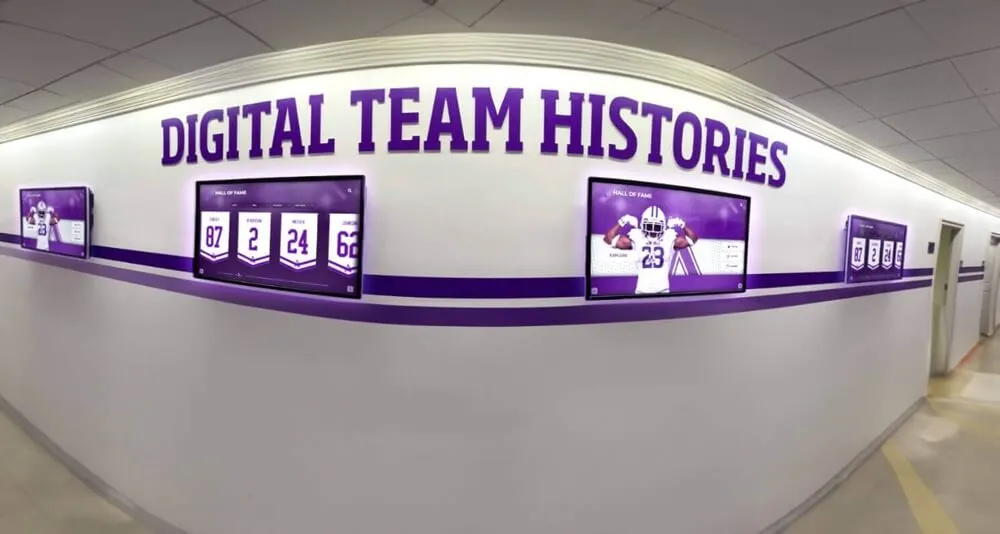
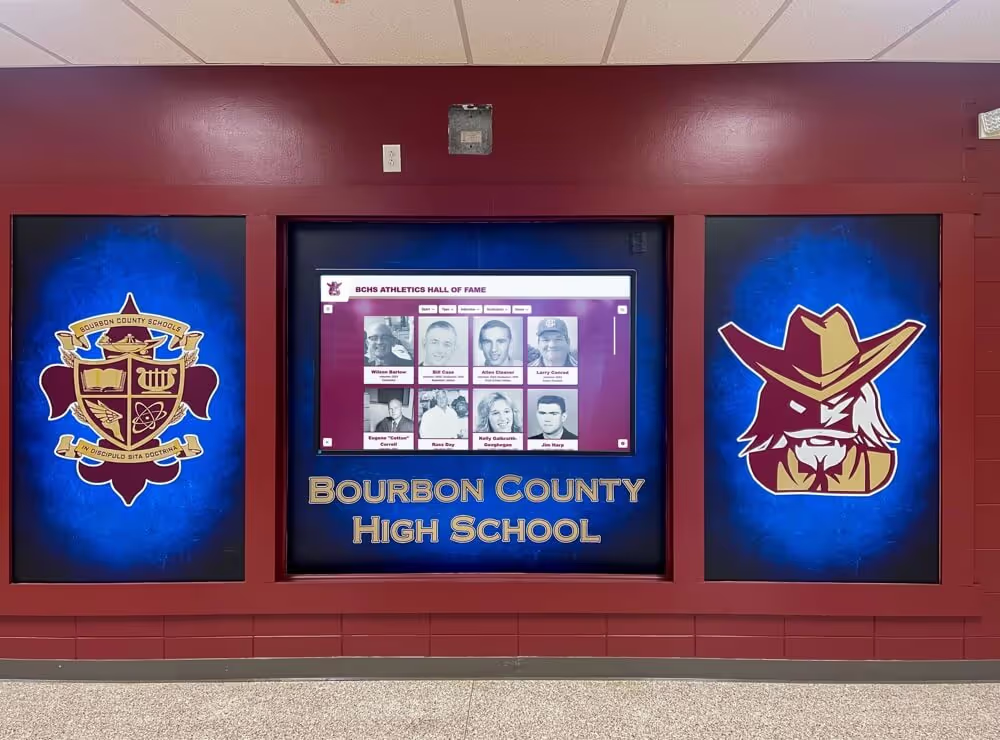
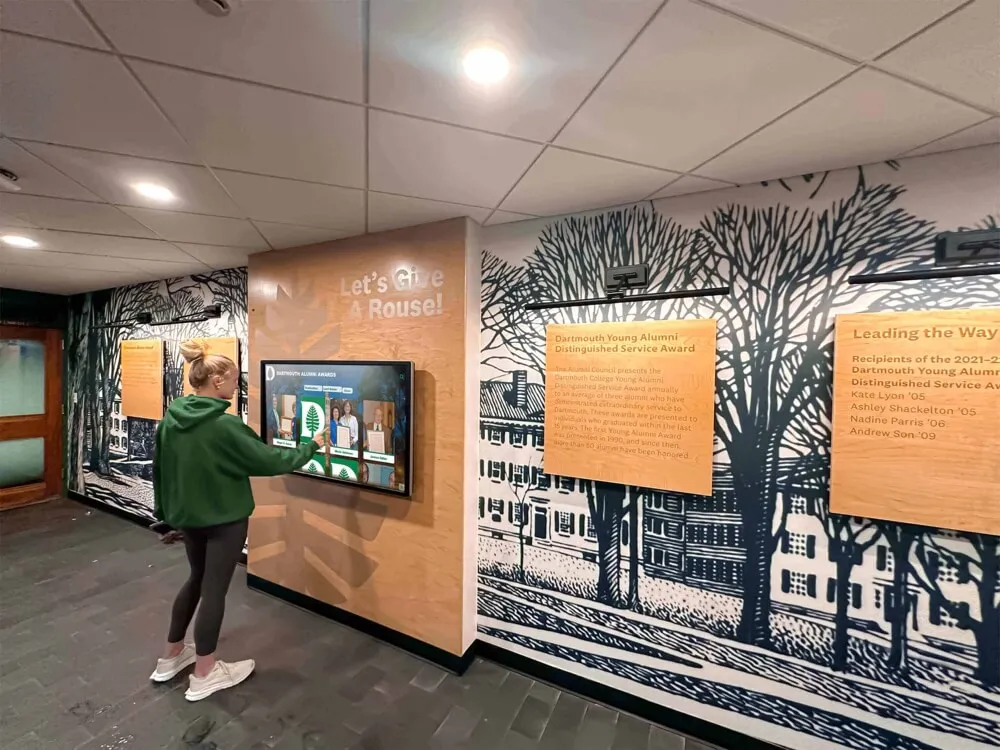
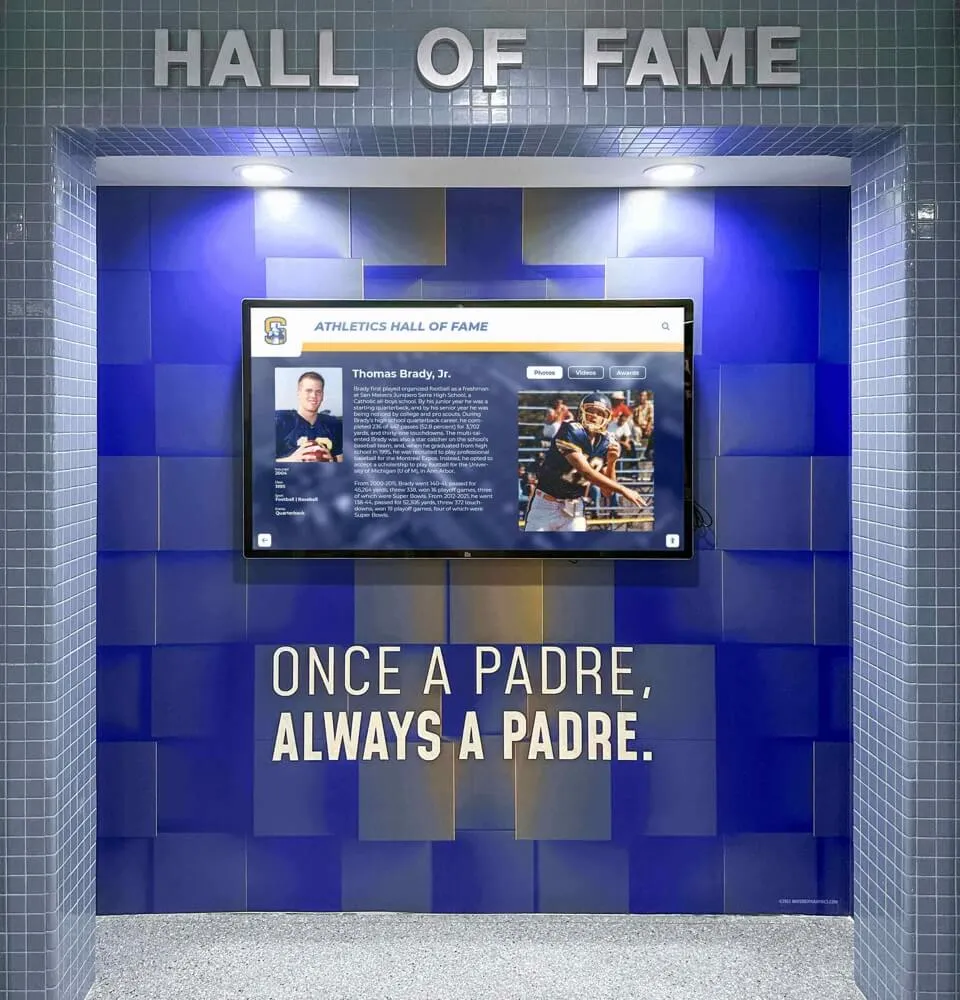
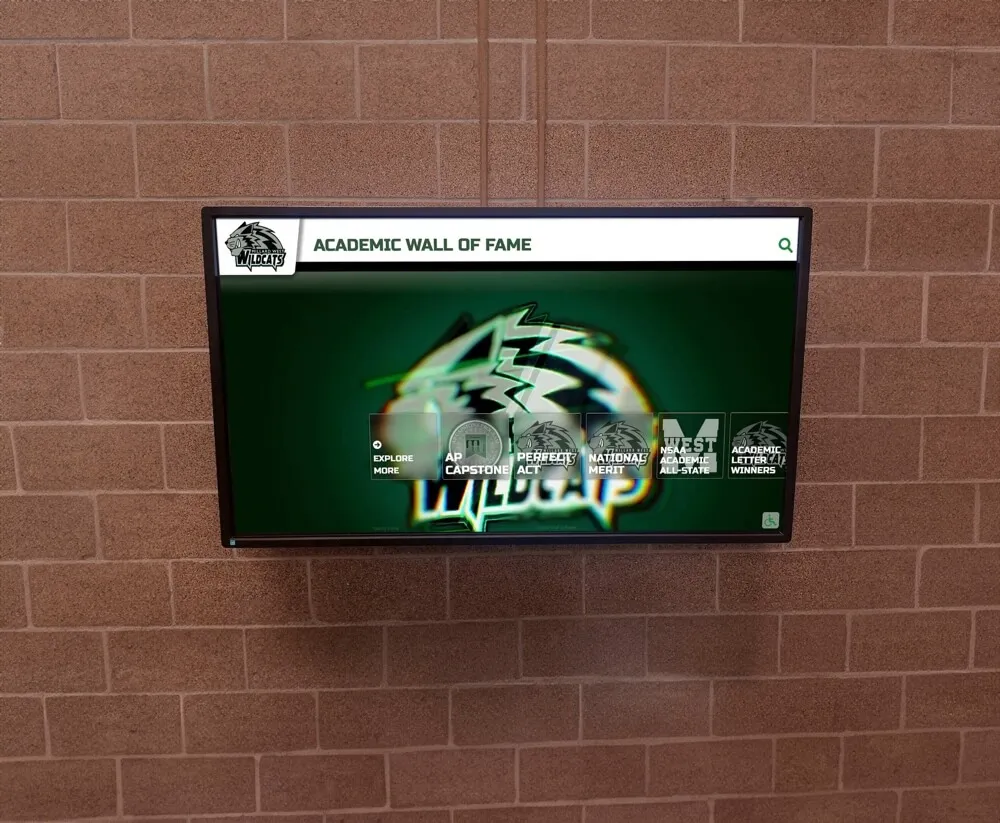
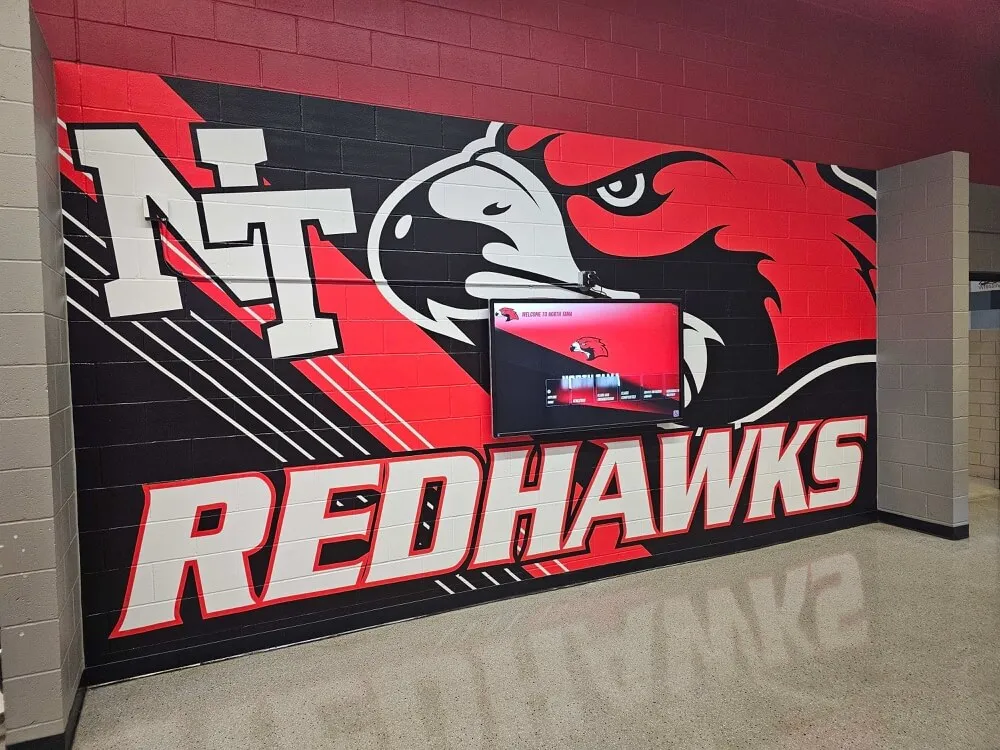
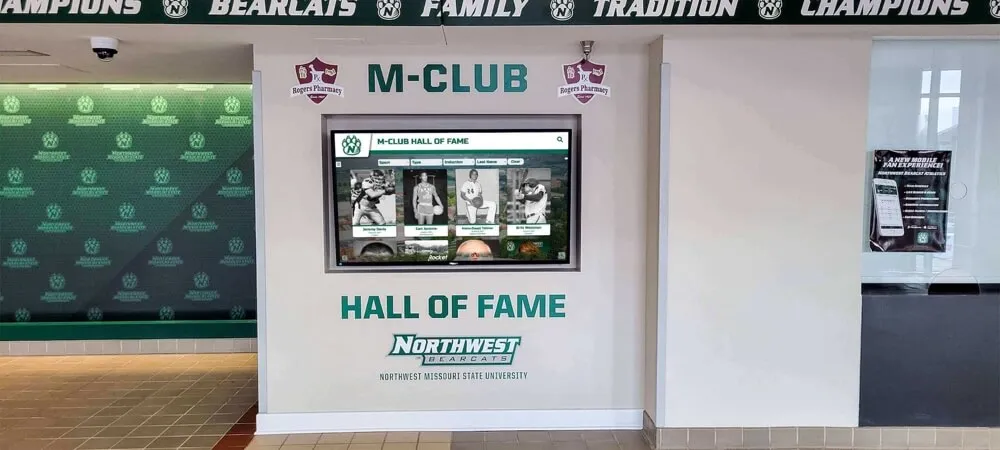
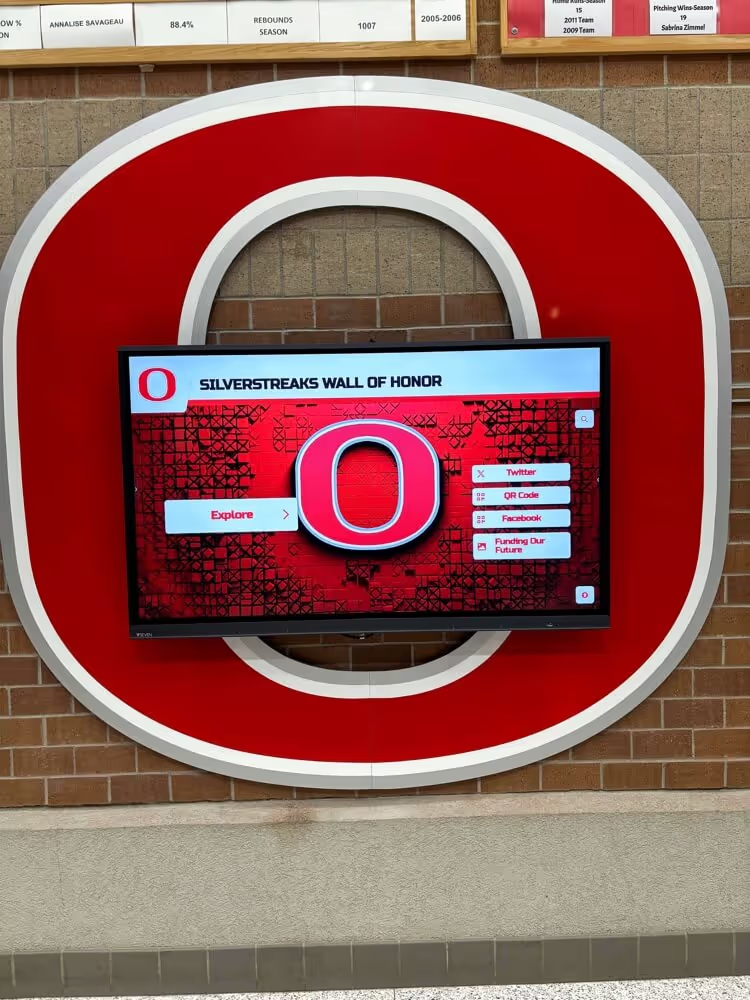
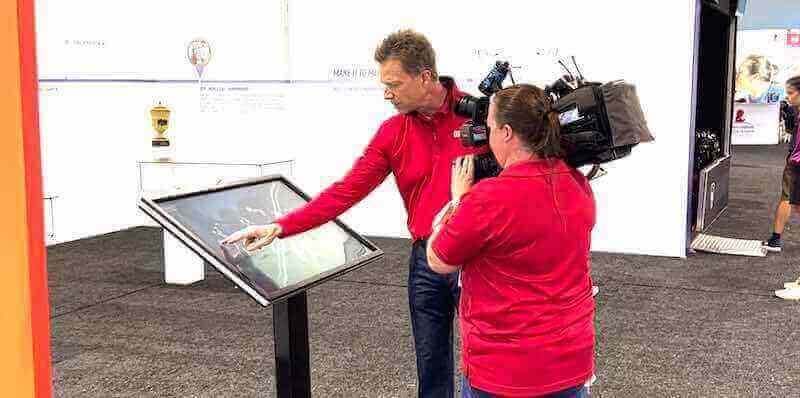
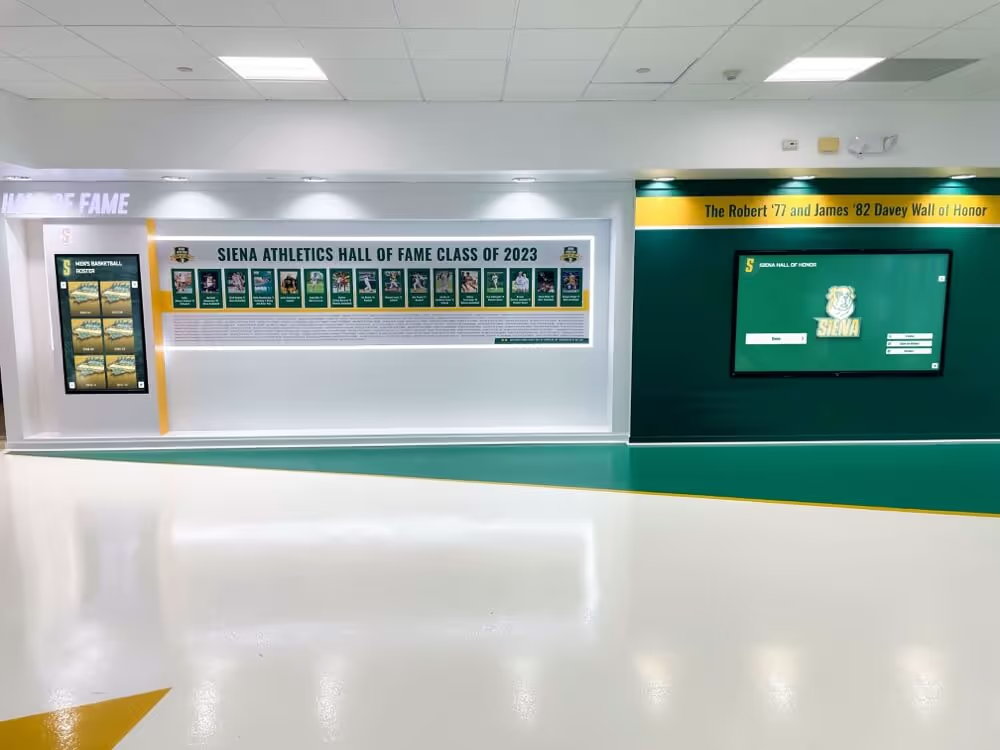
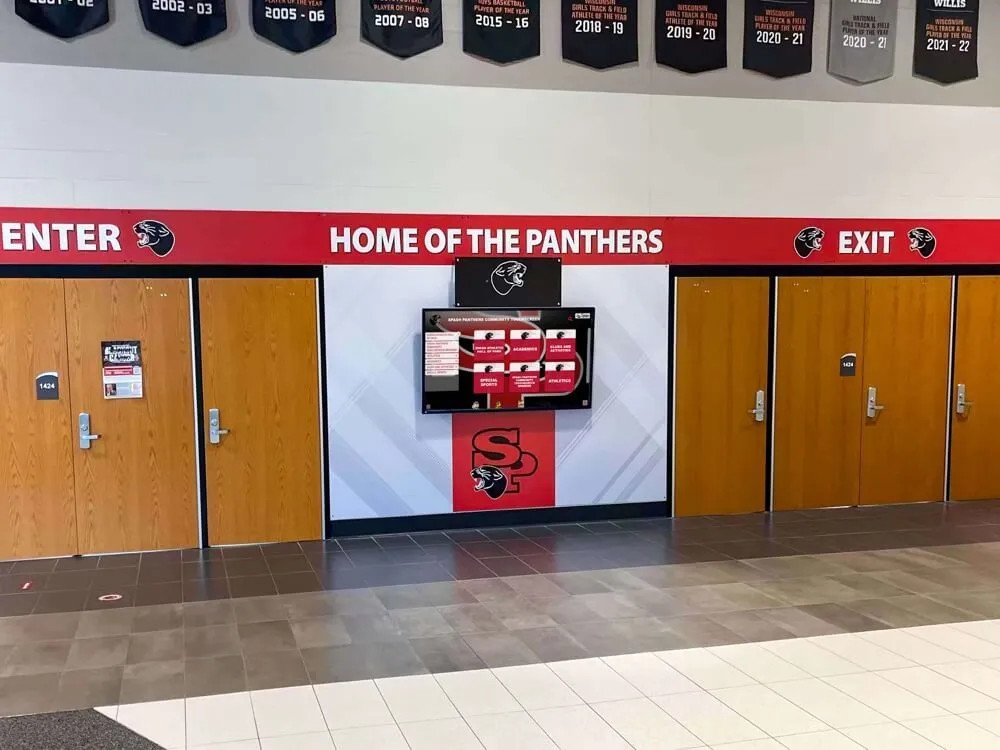
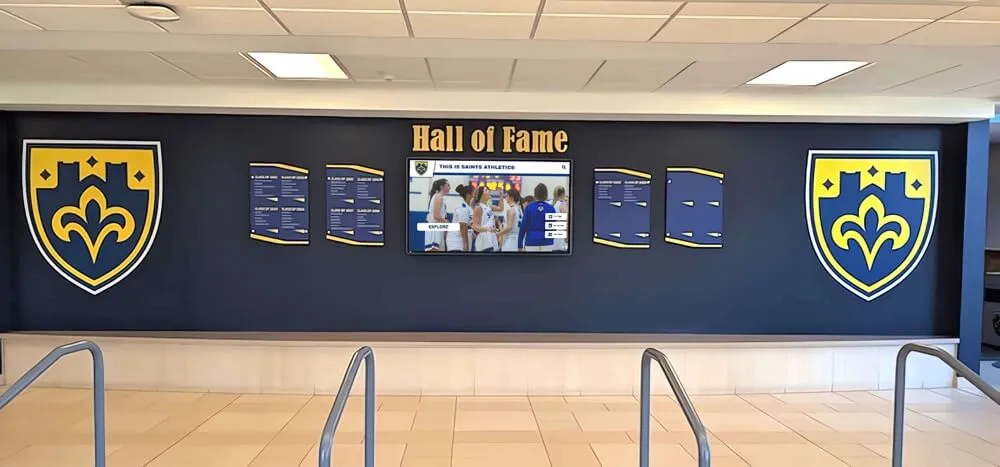
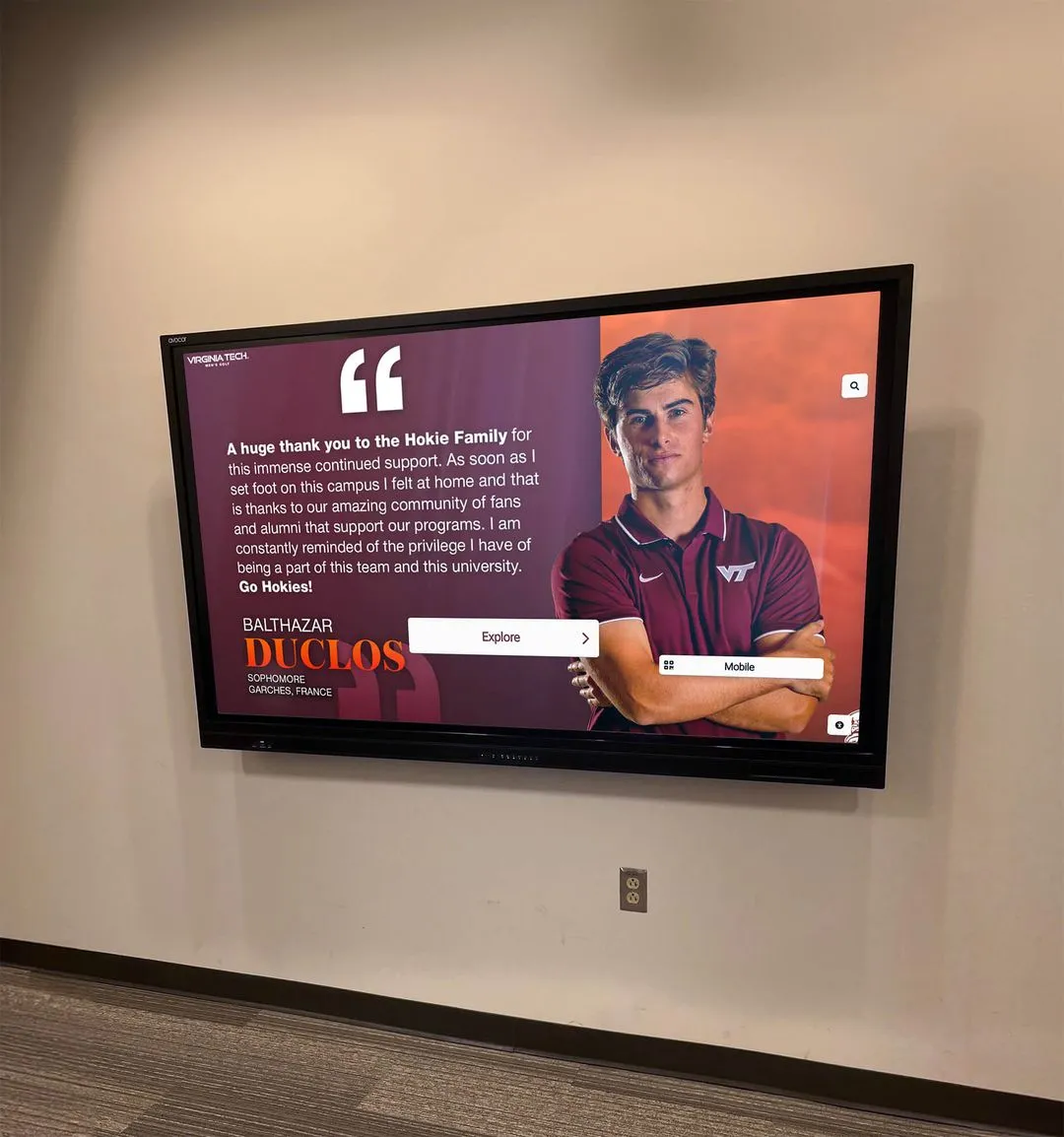
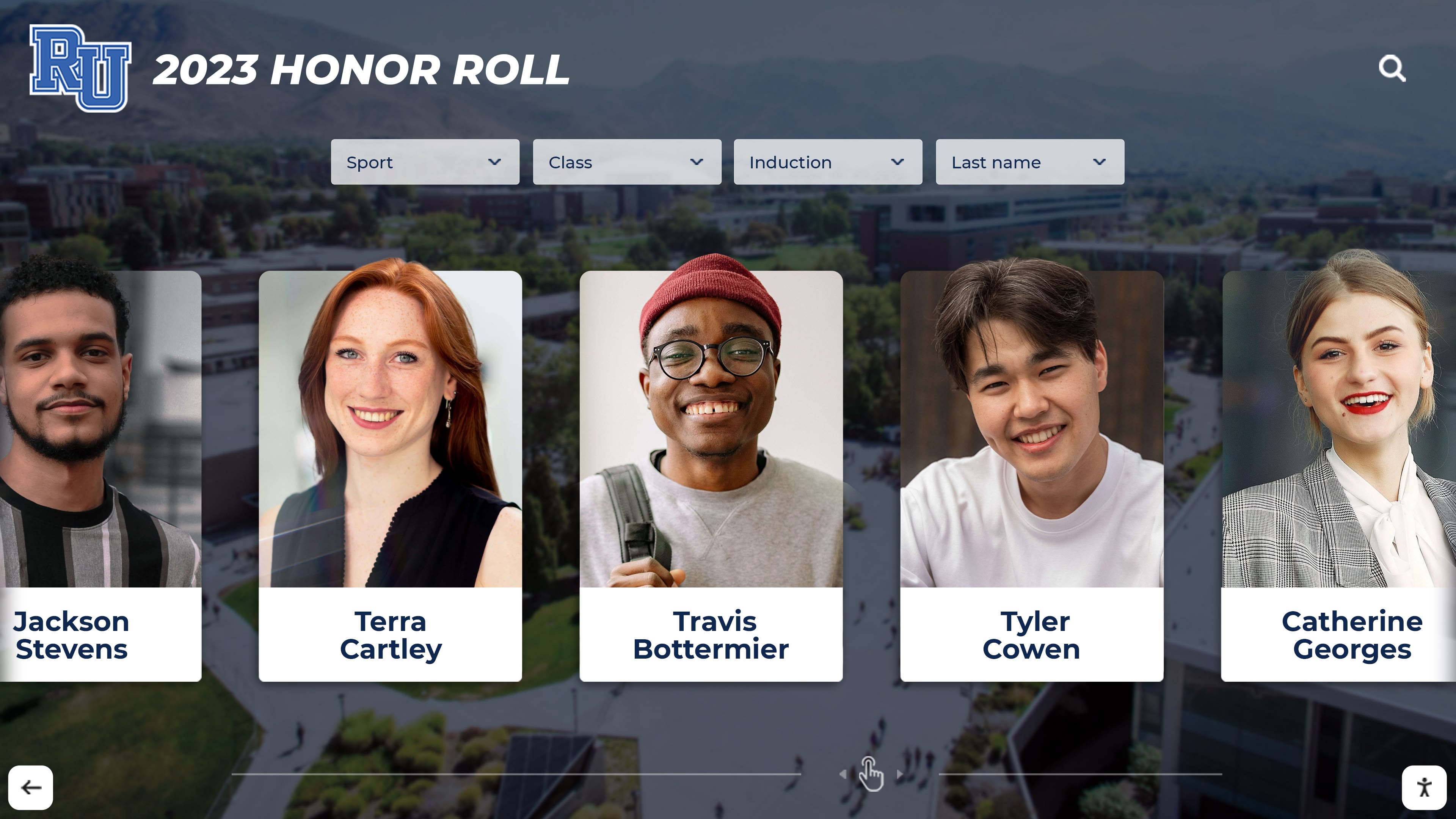
Modern Academic All-Americans displays create professional presentations that honor the dual achievement of athletic and academic excellence
Program Snapshot: Academic All-Americans Recognition
Understanding the scope and structure of Academic All-Americans programs helps schools design appropriate recognition approaches.
| Program Element | Details |
|---|---|
| Honoree Profile | Student-athletes maintaining high academic standards (typically 3.25+ GPA) while competing in varsity athletics |
| Recognition Criteria | Academic achievement (GPA thresholds, academic honors), athletic participation (varsity letter, competitive status), leadership qualities, community involvement |
| Award Timing | Semester or annual recognition; national programs (CoSIDA) recognize in spring |
| Primary Audience | Current student-athletes, prospective recruits, families, alumni, athletic department supporters, academic community |
| Display Locations | Athletic facility lobbies, training centers, academic buildings, main campus corridors, recruitment centers |
| Content Requirements | Student photos, academic statistics, athletic achievements, major/field of study, career goals, leadership roles |
| Recognition Levels | Team-level scholar athletes, conference academic honors, institutional academic all-star teams, national Academic All-Americans (CoSIDA) |
| Program Outcomes | Enhanced student-athlete motivation, improved academic culture in athletics, stronger recruiting appeal, institutional pride, balanced achievement celebration |
Understanding Academic All-American Designations
Before implementing recognition displays, schools should understand the various academic achievement tiers within athletics.
National Academic All-American Programs
CoSIDA Academic All-America®
The College Sports Information Directors of America (CoSIDA) manages the most prestigious national program recognizing student-athlete academic achievement. According to CoSIDA’s program information, nominees must meet these criteria:
- Cumulative GPA of 3.50 or higher (on 4.0 scale)
- Second-year academic status and at least one year of athletic participation
- Starter or significant reserve in their sport
- U.S. or Canada citizenship/permanent resident status
CoSIDA recognizes Academic All-Americans across all NCAA divisions and multiple sports, with selections announced through University, At-Large, and Team-of-the-Year designations.
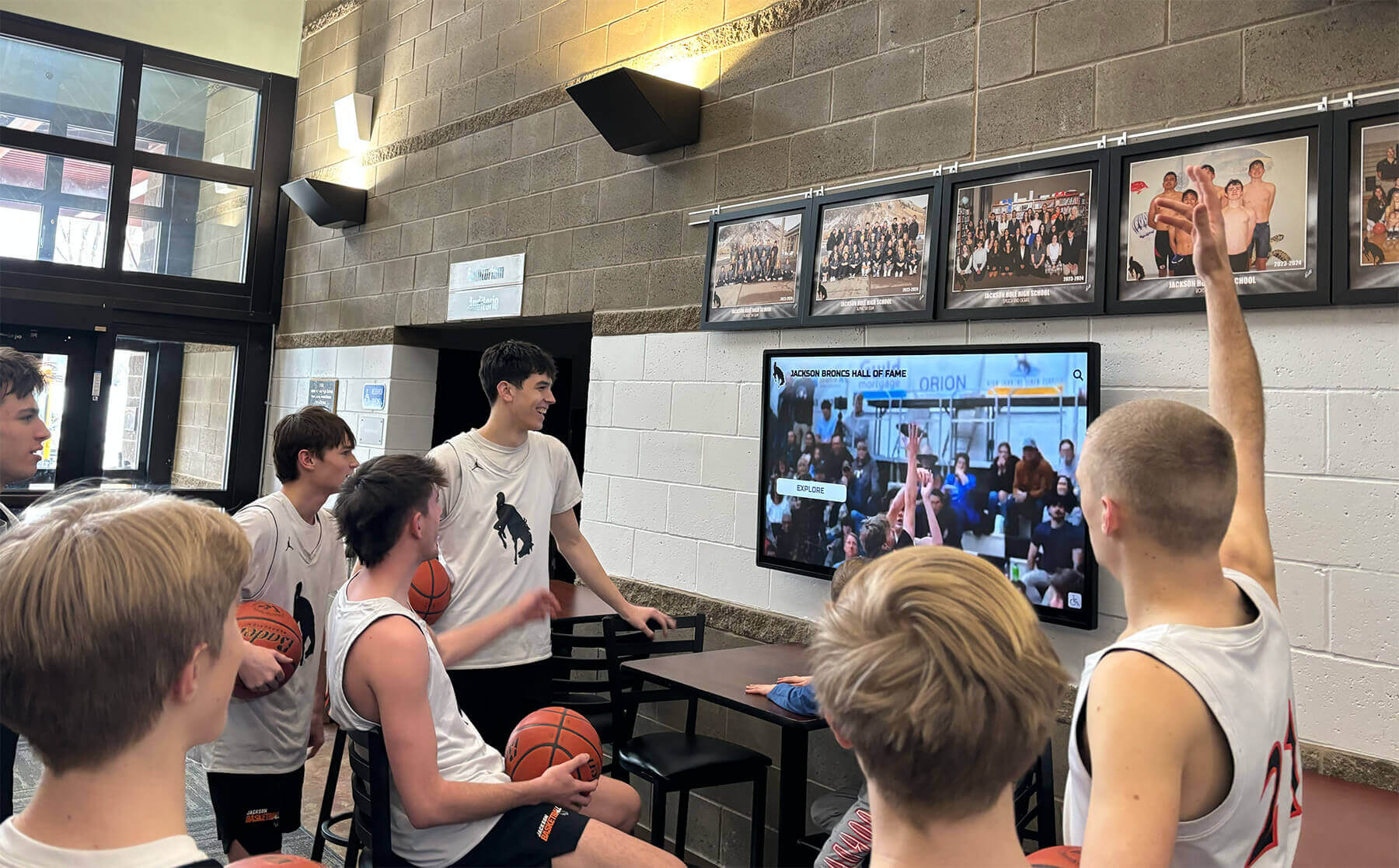
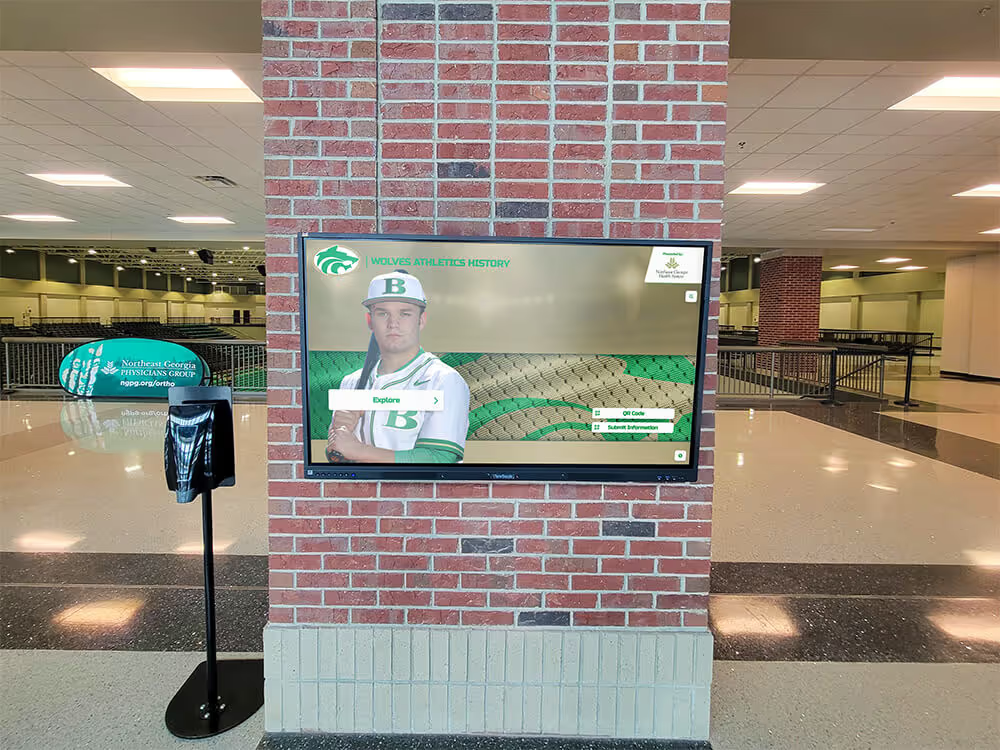
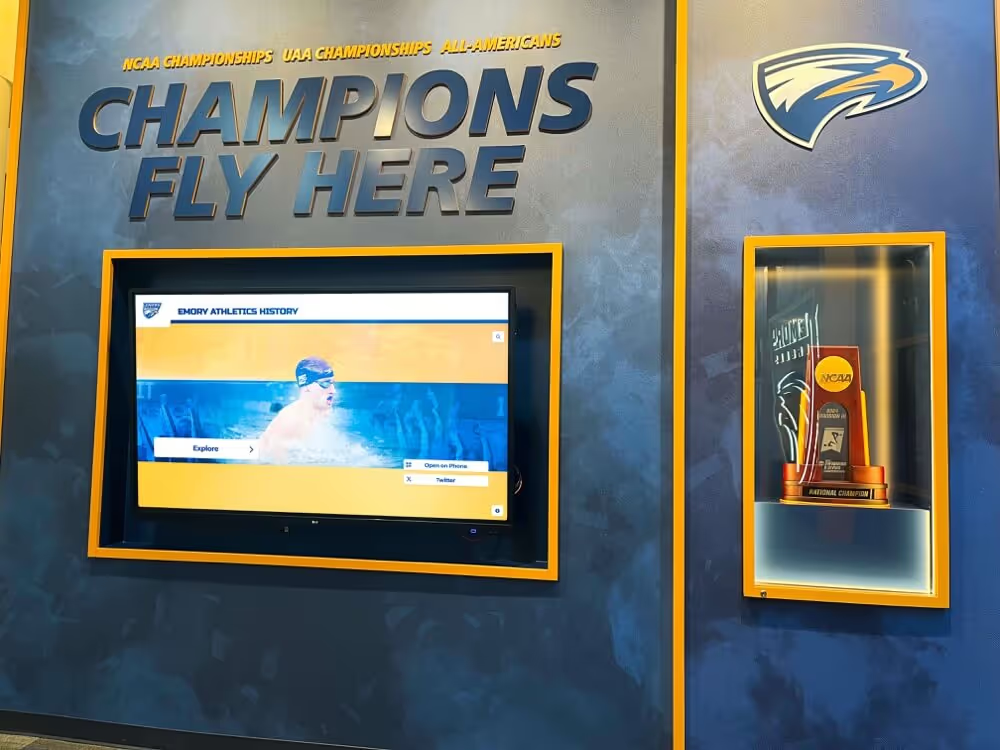
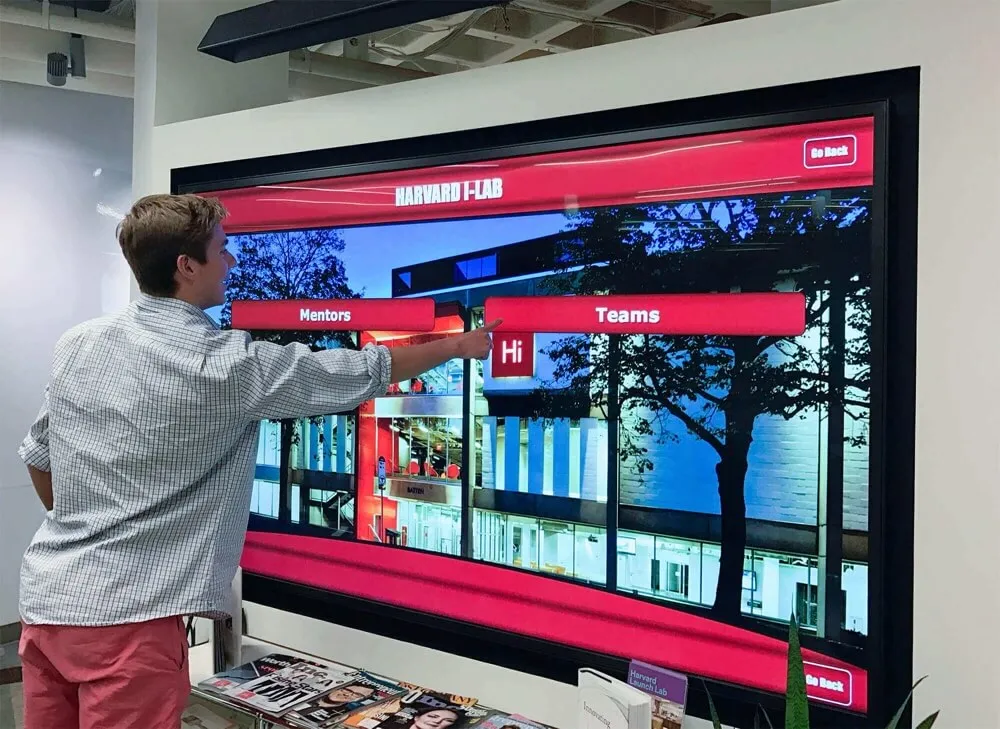
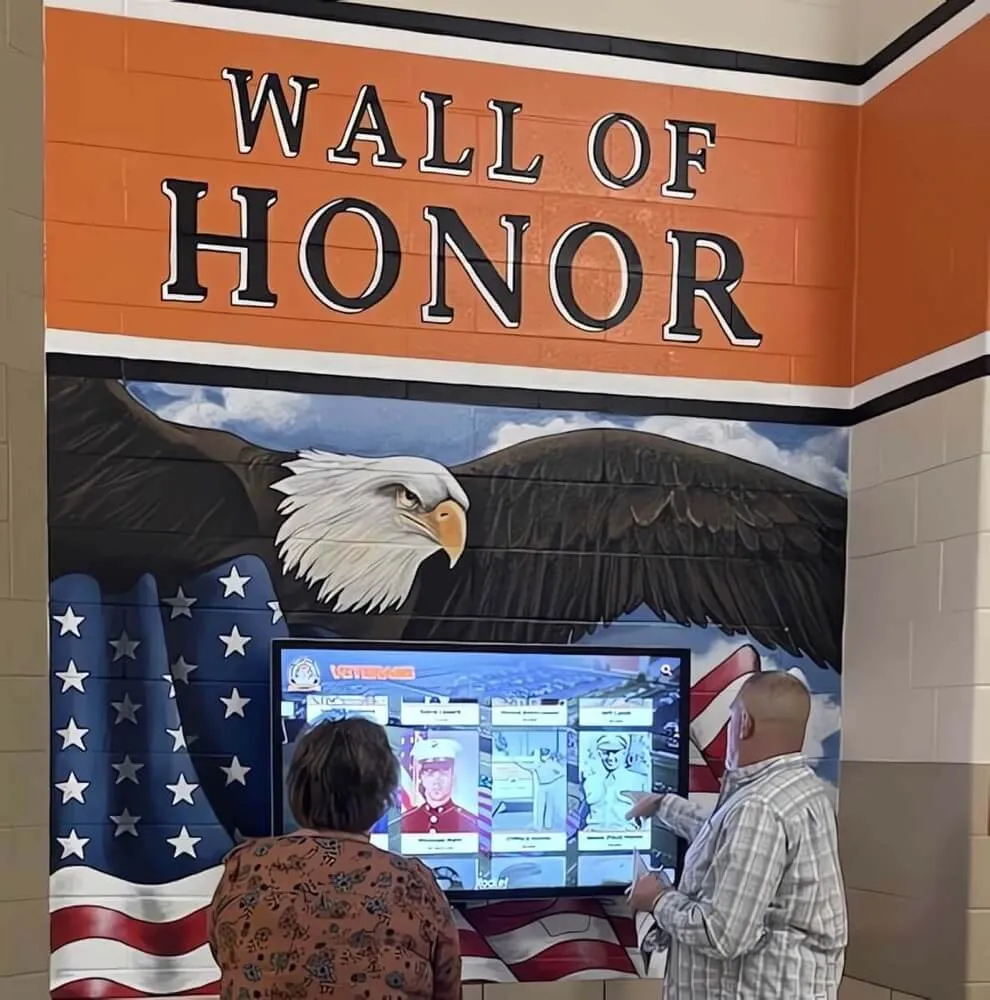
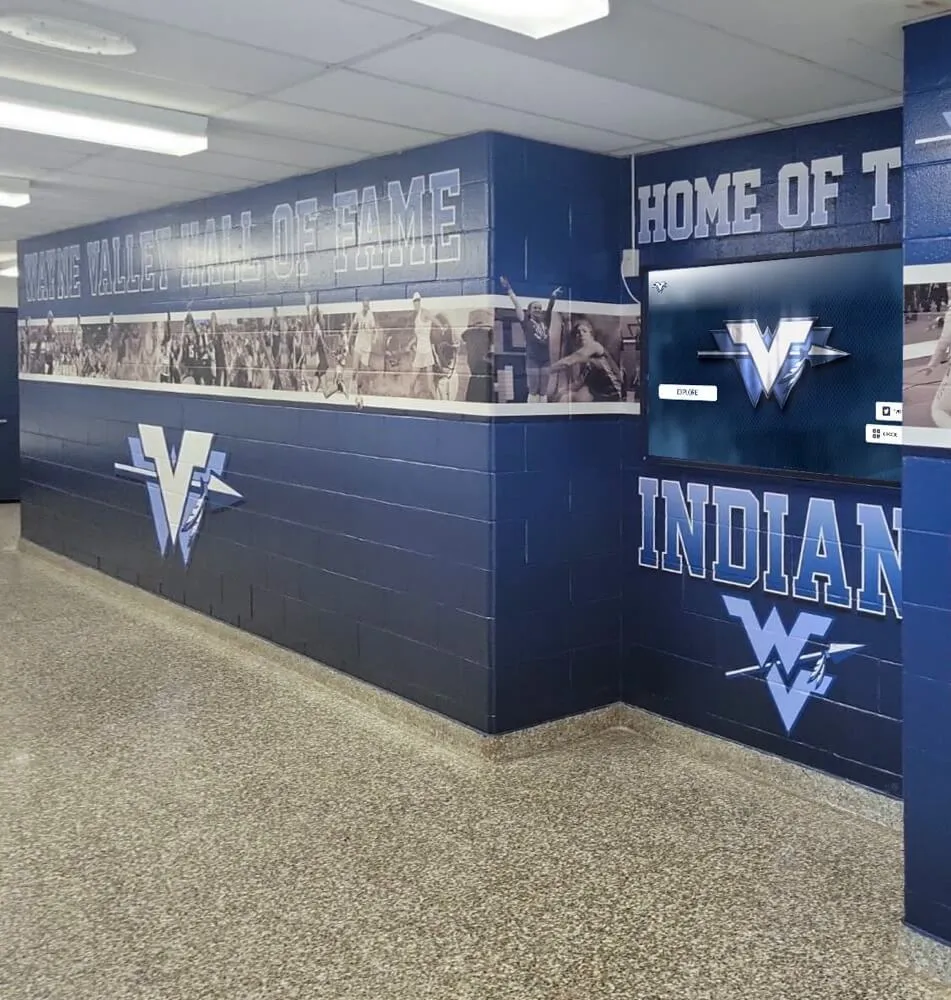
Interactive displays in athletic spaces create gathering points where student-athletes explore academic and competitive achievements
Other National Academic Recognition Programs
Multiple national organizations honor student-athlete academic excellence:
- National Association of Intercollegiate Athletics (NAIA) Scholar-Athletes: Recognizes NAIA student-athletes with 3.5+ GPAs in their junior or senior years
- National Junior College Athletic Association (NJCAA) All-Academic Teams: Honors two-year college student-athletes maintaining high academic standards
- NFHS (National Federation of State High School Associations): Various state-level high school academic all-state programs
- Sport-Specific Academic Awards: Individual athletic associations (e.g., US Lacrosse Academic All-Americans, NCAA Elite 90 Award)
Schools should track relevant programs and ensure recognized student-athletes receive appropriate institutional celebration complementing external recognition.
Conference and Institutional Academic Recognition
Conference Academic Honor Rolls
Athletic conferences typically maintain academic recognition programs:
- Academic Honor Roll (minimum GPA thresholds like 3.0 or 3.25)
- Academic All-Conference Teams (higher GPA requirements combined with athletic achievement)
- Commissioner’s Academic Honor Lists
- Conference Scholar-Athlete of the Year awards
- Sport-specific academic team recognition
Learn more about comprehensive academic recognition programs that extend across athletic departments.
Institutional Scholar-Athlete Programs
Schools create internal recognition systems celebrating academic achievement:
- Dean’s List Student-Athletes: Varsity athletes achieving academic honor roll status
- Presidential Scholar-Athletes: Highest institutional academic honor for athletes
- Athletic Department Academic Awards: Semester recognition of academic excellence
- Graduating Student-Athlete Honors: Cumulative GPA recognition at graduation
- Athletic Academic Improvement Awards: Celebrating significant GPA growth
High School Academic All-American Programs
Secondary schools implement age-appropriate academic athlete recognition:
State Athletic Association Programs
Most state associations maintain academic recognition:
- Academic All-State Teams by sport
- Scholar-Athlete of the Year designations
- Academic Letter Awards for GPA achievement
- State Honor Roll athlete recognition
- Graduating Senior Scholar-Athlete awards
National High School Recognition
Several organizations honor high school student-athletes:
- National High School Coaches Association Academic All-Americans
- National Honor Society athlete members
- AP Scholar-Athletes achieving advanced placement success
- Dual-credit college course achievement while competing
Schools should leverage both local and national programs to create comprehensive recognition celebrating achievement at multiple levels.
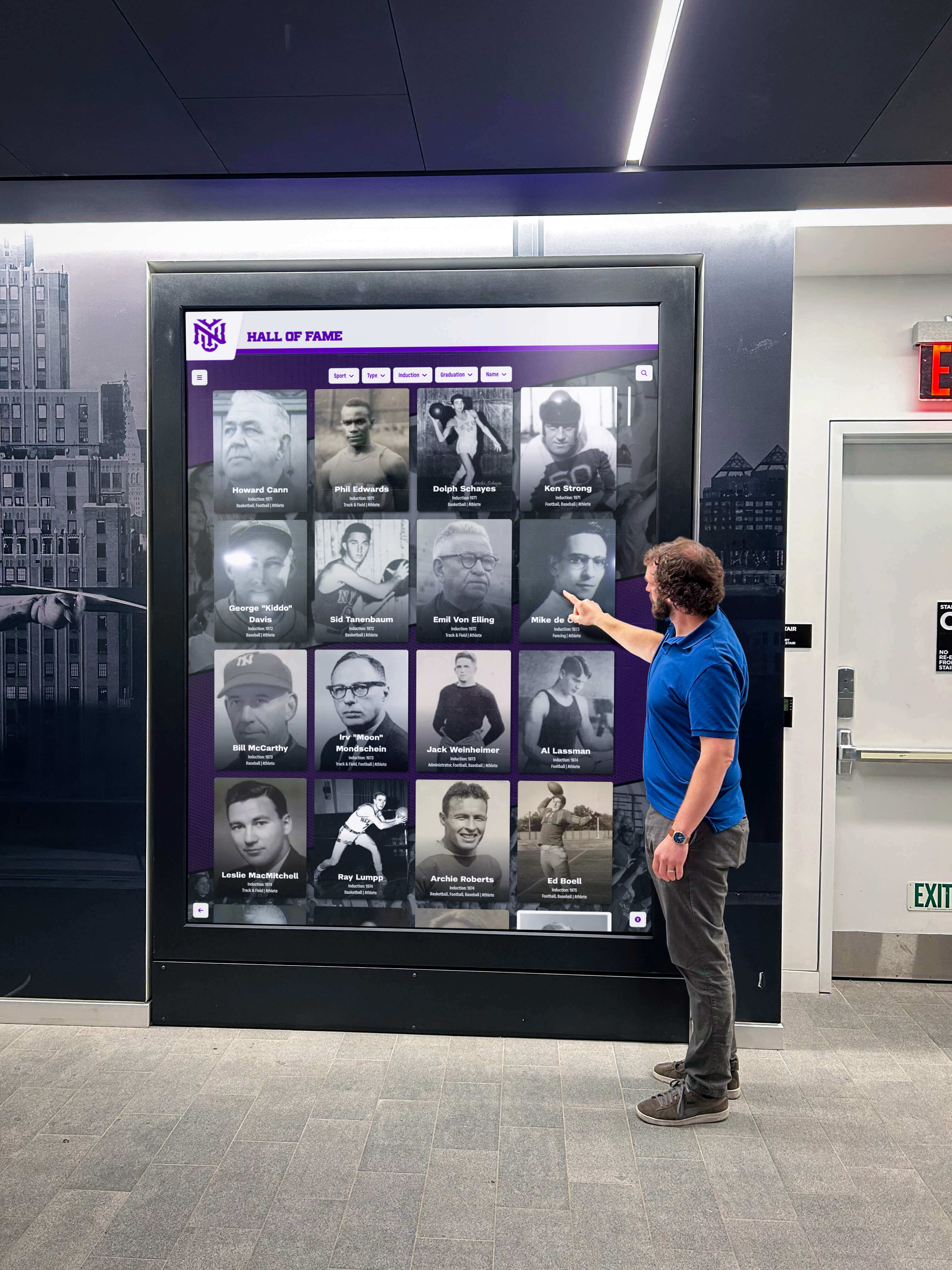
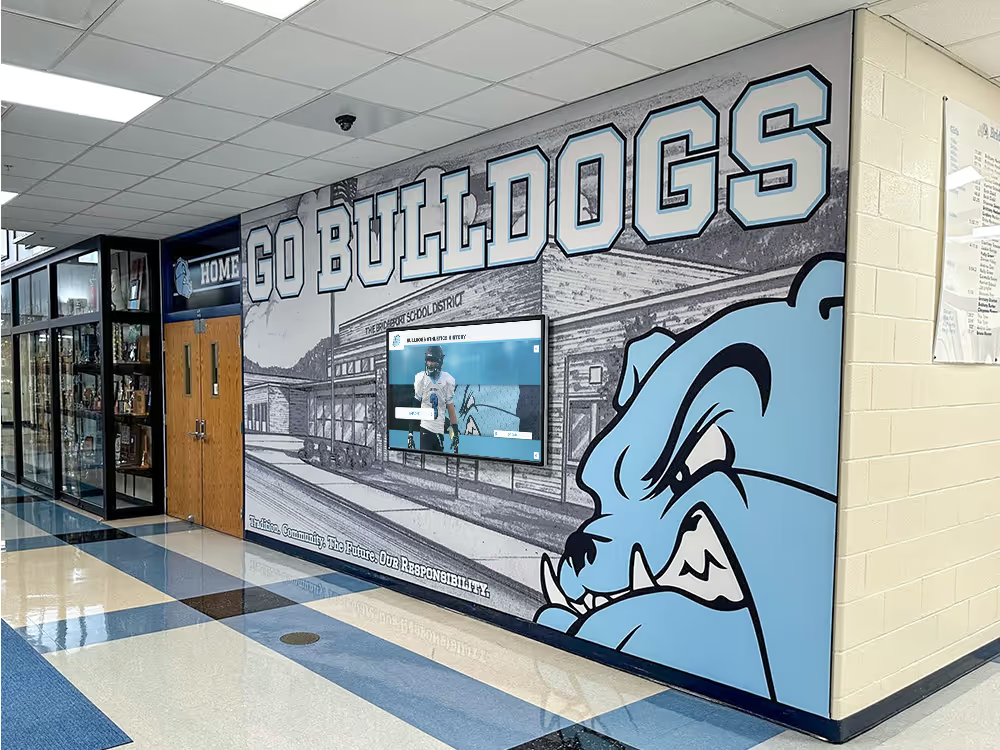
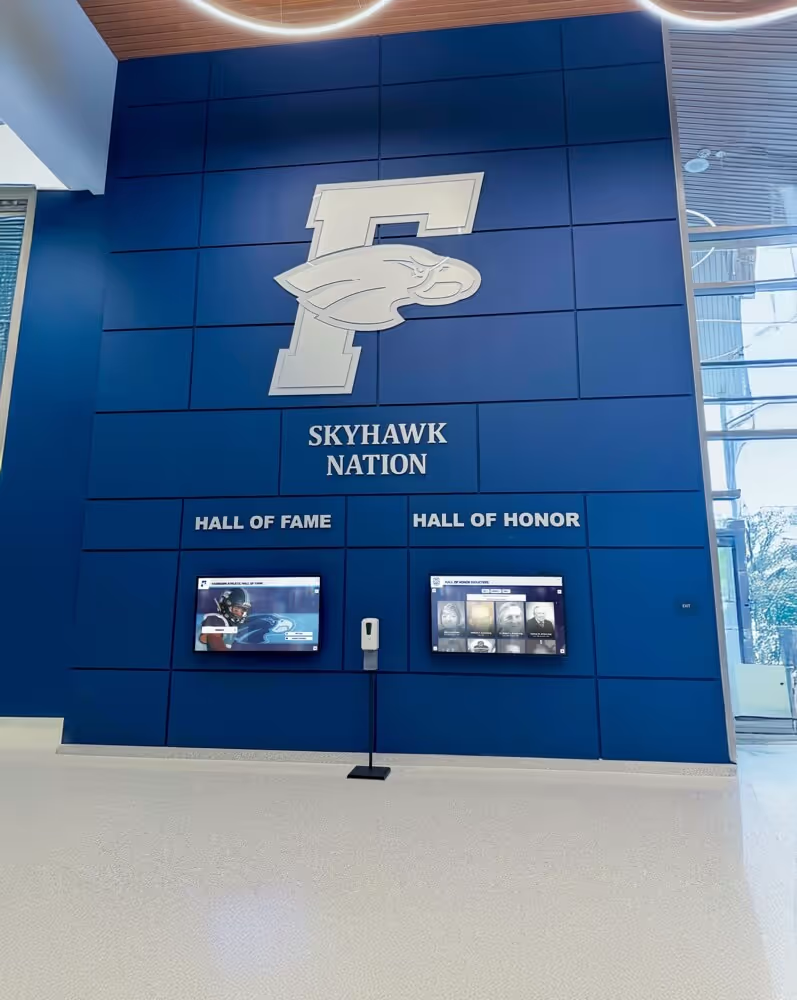
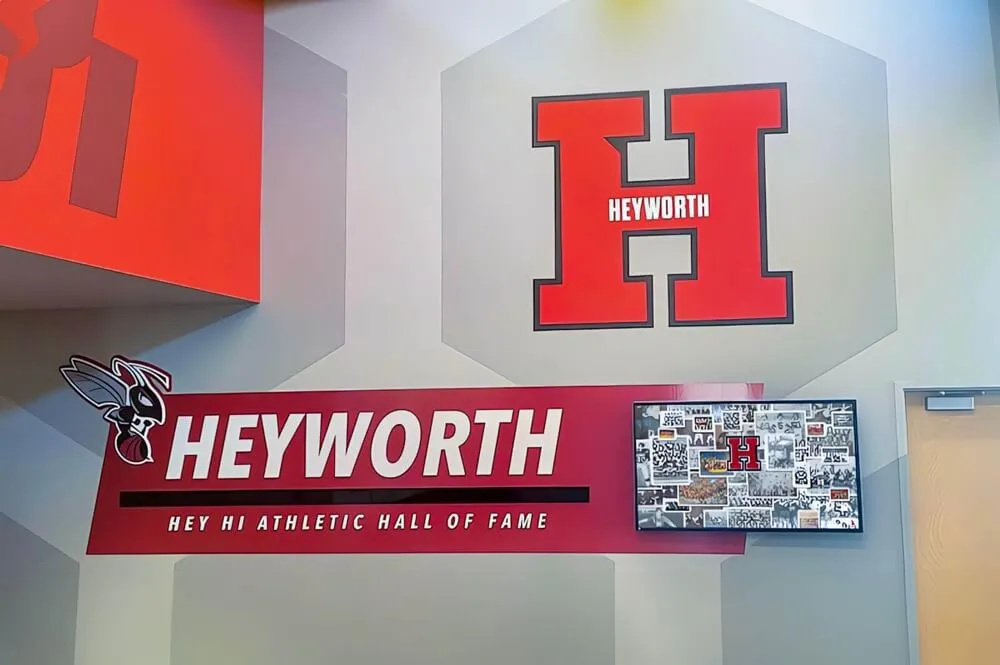
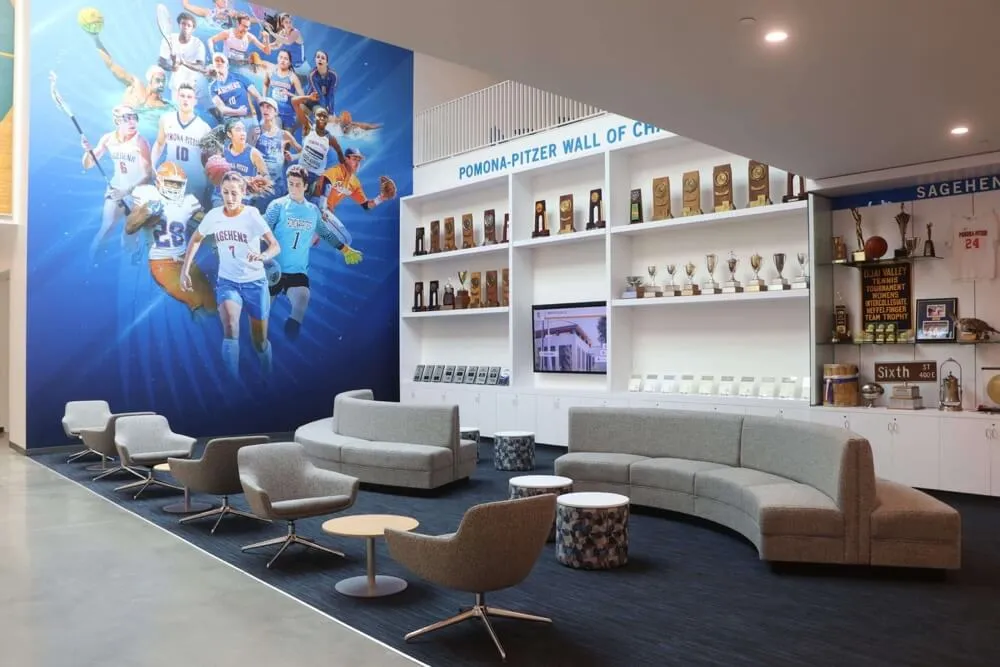
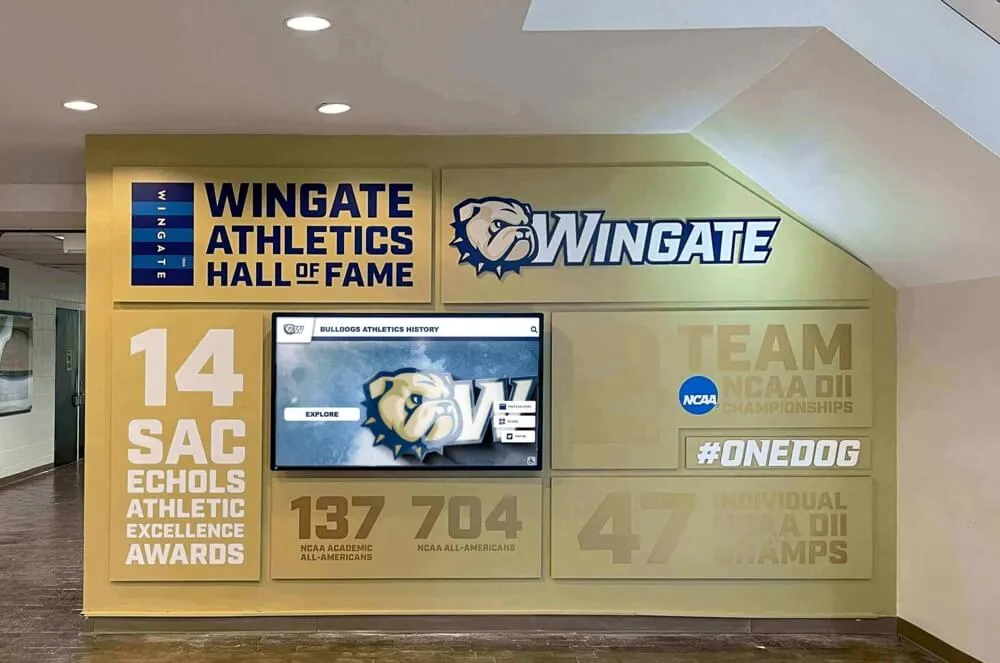
Prominent athletic facility recognition ensures academic achievement receives visibility equal to competitive accomplishments
Content Architecture: Mapping Academic Excellence to Display Modules
Effective Academic All-Americans displays organize diverse achievement information into structured, engaging presentation formats.
Core Profile Information Modules
Student-Athlete Identity Block
- High-resolution individual photograph in athletic uniform or formal portrait
- Full name with preferred name notation when applicable
- Graduation year and academic class standing
- Major, minor, and academic concentration areas
- Hometown and high school background
Academic Achievement Statistics
- Current cumulative GPA with semester breakdown when space permits
- Academic honors (Dean’s List, President’s List, Honor Roll frequency)
- Academic major honors and departmental recognition
- National academic achievement (CoSIDA, conference honors, other programs)
- Scholarship recipient status (academic and athletic scholarships)
Athletic Participation Details
- Primary sport(s) with position or event specialization
- Years of varsity participation and letter awards
- Significant competitive achievements (championships, records, honors)
- Team leadership roles (captain, team representative)
- Career statistics relevant to sport
Learn about displaying student achievement comprehensively across both academic and athletic dimensions.
Enhanced Storytelling Content
Personal Academic Journey
- Statement about balancing athletics and academics
- Study strategies and time management approaches
- Most challenging course or academic obstacle overcome
- Faculty mentors or academic influences
- Academic goals and graduate school aspirations
Leadership and Community Impact
- Team leadership roles and peer mentorship
- Community service hours and volunteer activities
- Student government or campus organization involvement
- Youth coaching or athletic mentorship activities
- Character-building experiences through athletics
Career Aspirations and Life Goals
- Intended career path or professional aspirations
- How athletics shaped academic and career interests
- Post-graduation plans (employment, graduate school, professional athletics)
- Life skills developed through student-athlete experience
- Advice for younger student-athletes
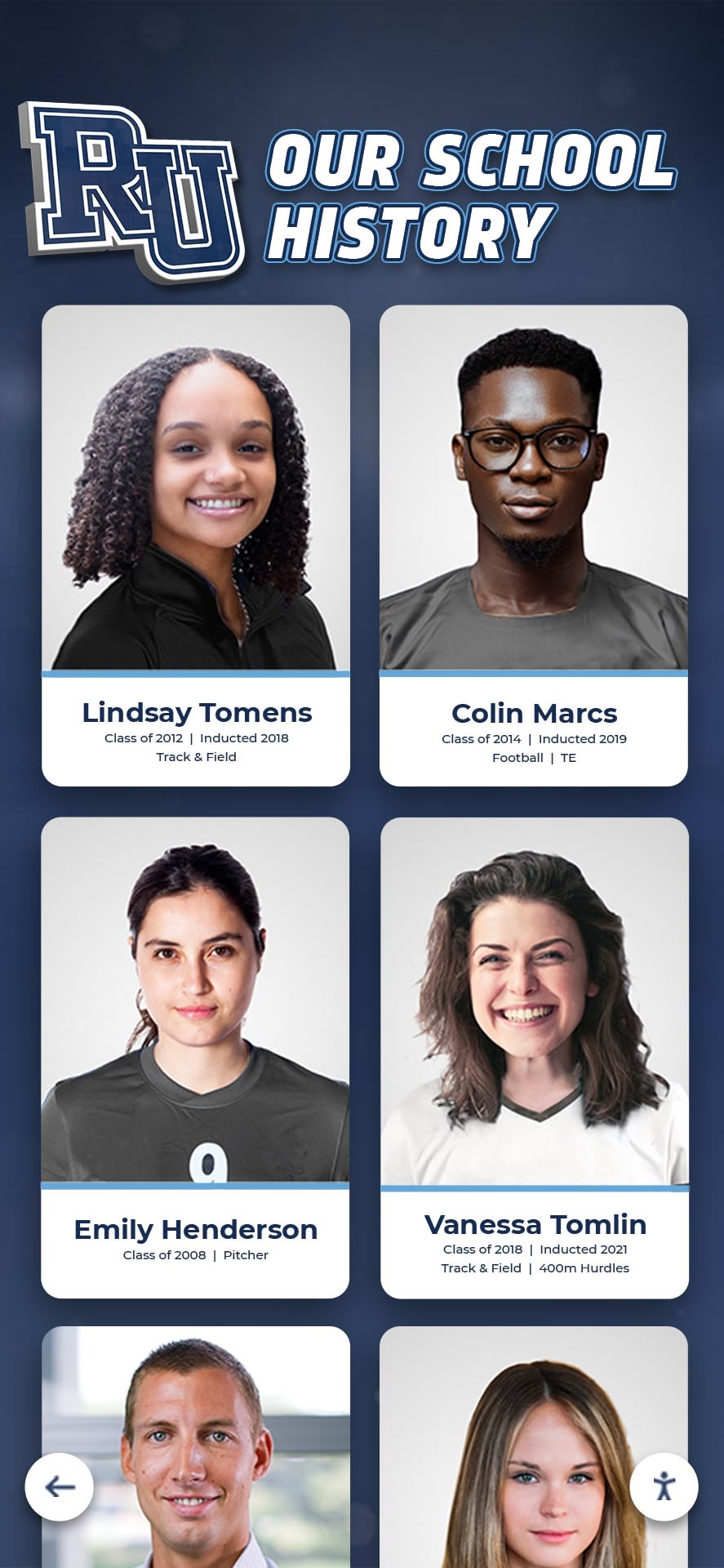
Detailed profiles tell complete student-athlete stories combining academic excellence with competitive achievement
Interactive Display Feature Modules
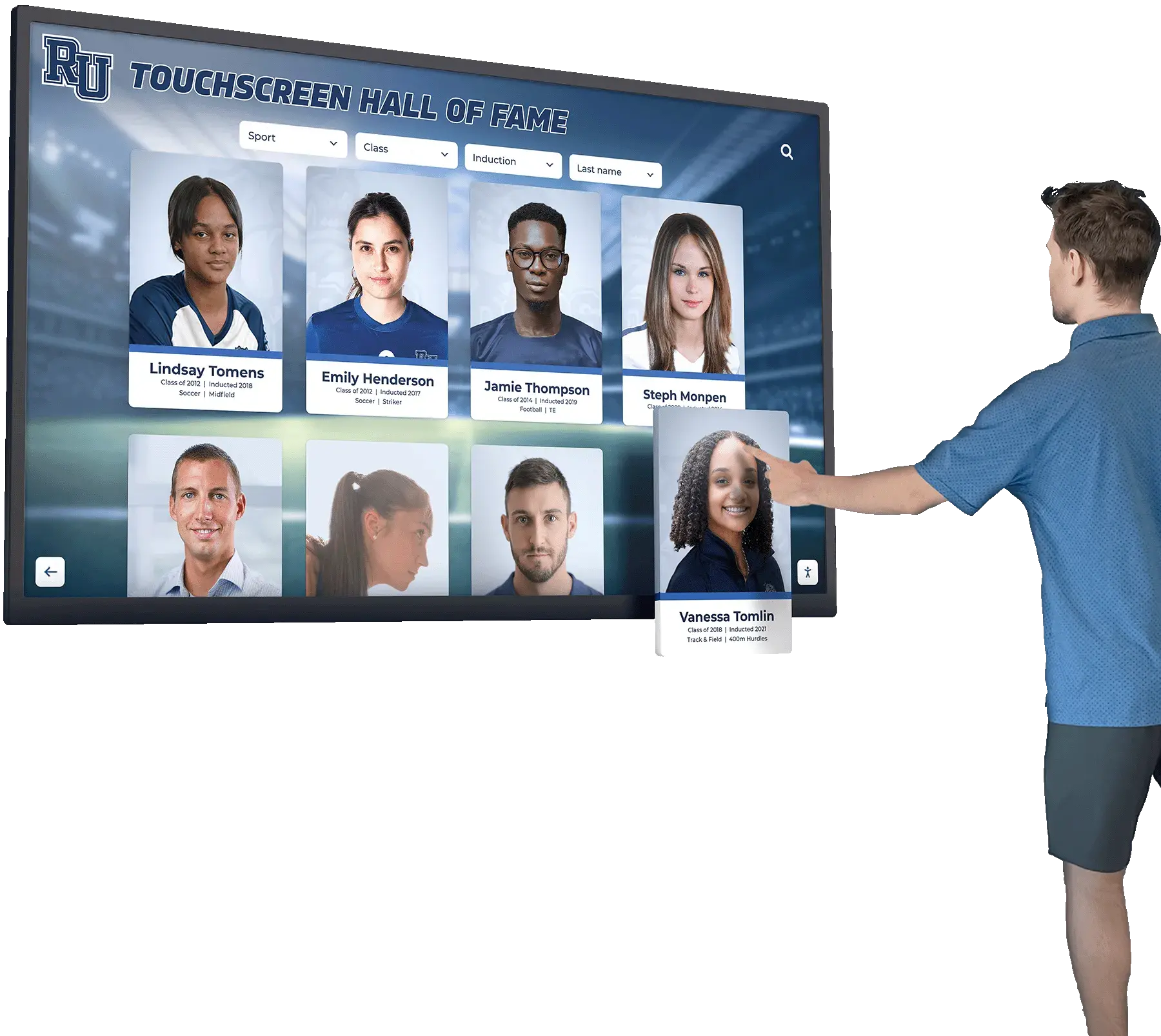
Modern touchscreen systems like Rocket Alumni Solutions enable engagement impossible with static plaques:
Search and Filter Functionality
- Name search enabling quick individual lookup
- Filter by sport showing scholar-athletes in specific athletics
- Filter by graduating year or academic class
- Filter by major or academic program
- Filter by recognition level (conference, national, institutional)
- Sort by GPA, sport, year, or alphabetically
Auto-Ranking Boards
- Highest cumulative GPA by sport
- Most consecutive academic honors quarters/semesters
- Career academic achievement tracking across four years
- Academic improvement leaderboards celebrating growth
- Combined athletic and academic achievement rankings
Video Integration
- Student testimonials about academic-athletic balance
- Faculty interviews about exceptional student-athletes
- Parent messages about scholar-athlete development
- Championship competition highlights paired with academic success
- Graduation ceremony recognition moments
Social Media Galleries
- Instagram feeds celebrating academic milestones
- Twitter recognition posts from athletic department
- Facebook photo galleries of scholar-athlete ceremonies
- LinkedIn professional development journeys
- Shareable achievement cards for family celebration
Explore best platforms for building virtual halls of fame with comprehensive interactive features.
Sponsor and Donor Recognition Elements
Many Academic All-Americans programs receive external support warranting acknowledgment:
Program Sponsor Recognition
- Local business sponsors supporting academic awards
- Alumni donors funding scholar-athlete scholarships
- Academic department partnerships
- Community foundation grant support
- Booster club academic initiative funding
Sponsor Integration Approaches
- Dedicated sponsor recognition screens in rotation
- Sponsor logo placement on scholar-athlete profile pages
- “This program supported by…” messaging in display headers
- Annual sponsor highlight showcases
- Donor impact statements showing program outcomes
Execution Timeline: Plan → Build → Launch → Refresh
Successful Academic All-Americans displays follow systematic implementation phases ensuring thorough planning, quality execution, and sustainable maintenance.
Phase 1: Plan (8-12 weeks before launch)
Define Recognition Criteria and Scope
- Establish GPA thresholds for institutional recognition (most programs use 3.25 or 3.5)
- Determine athletic participation requirements (varsity letter, minimum competition)
- Decide on recognition frequency (semester, annual, multi-year cumulative)
- Clarify relationship to external programs (CoSIDA, conference honors)
- Define sport-by-sport inclusion or department-wide approach
Stakeholder Committee Formation
- Athletic director or assistant AD for academics (program champion)
- Faculty athletic representative ensuring academic standards
- Academic support staff managing student-athlete tutoring
- Sports information director handling communications
- Student-athlete advisory committee representatives
- Development/alumni relations for potential sponsor engagement
Technology and Budget Planning
- Evaluate display location options (lobbies, training facilities, academic centers)
- Assess hardware needs (wall-mounted screens, freestanding kiosks)
- Research recognition platforms (Rocket Alumni Solutions, custom development)
- Develop budget incorporating hardware, software, content development, ongoing maintenance
- Identify funding sources (operating budget, donor support, sponsorships)
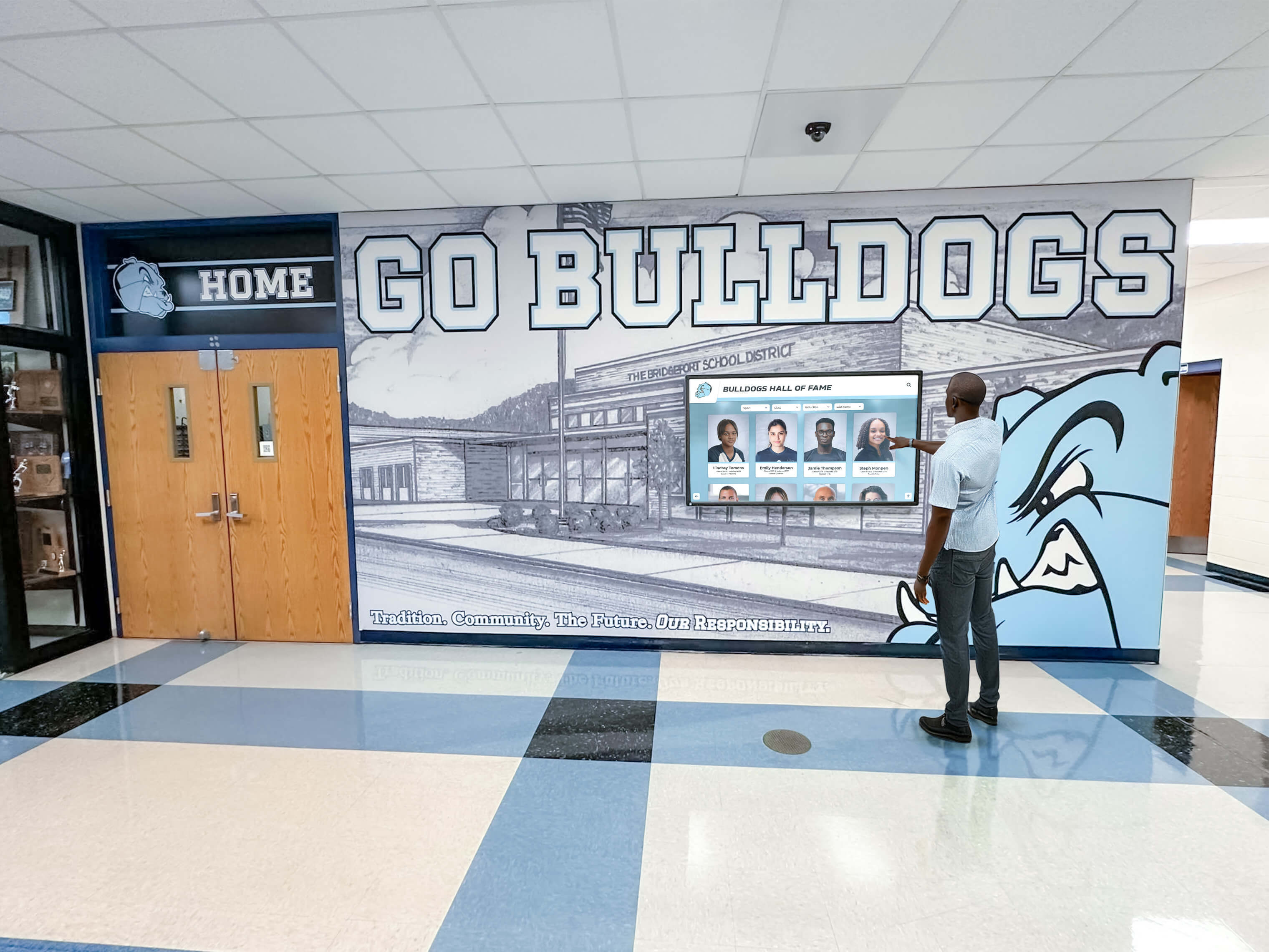
Strategic placement planning ensures maximum visibility and engagement with scholar-athlete recognition
Content Collection Strategy
- Design student information questionnaire gathering academic and athletic details
- Plan photography approach (professional sessions, existing team photos, or both)
- Create video content plan if including multimedia testimonials
- Establish permission/consent processes for student information
- Develop timeline for content submission and review
Phase 2: Build (6-8 weeks before launch)
Physical Installation
- Hardware procurement and delivery
- Professional installation in selected locations
- Network connectivity configuration
- ADA-compliant mounting ensuring accessibility
- Protective enclosures for high-traffic or unsupervised areas
- Quality assurance testing of hardware functionality
Platform Configuration
- Software platform setup and customization
- Branding integration (school colors, logos, athletic marks)
- Template design for consistent profile presentation
- User role configuration (admins, editors, viewers)
- Search and filter functionality testing
- Mobile responsiveness verification for web accessibility
Content Development
- Student-athlete questionnaire distribution and collection
- Professional photography sessions or photo compilation
- Faculty/coach recommendation gathering when applicable
- Video filming and editing for multimedia elements
- Sponsor recognition content creation
- Historical data import for multi-year tracking
Learn about digital recognition technology selection for athletic and academic programs.
Quality Review Process
- Student-athlete profile accuracy verification
- GPA and achievement data validation
- Photo quality and consistency review
- Spelling, grammar, and format consistency checks
- Permission documentation verification
- Student/family content approval process
Phase 3: Launch (Unveiling event and initial promotion)
Launch Event Planning
- Coordinate timing with academic calendar (semester end, academic awards ceremony)
- Plan recognition ceremony or unveiling event
- Invite honored student-athletes, families, coaches, faculty
- Prepare remarks emphasizing academic excellence importance
- Create photo opportunities at new display
- Plan reception enabling community celebration
Communications Campaign
- Press release to local and campus media
- Social media campaign announcing recognized student-athletes
- Email communications to campus community
- Athletic department website feature stories
- Individual recognition posts celebrating each honoree
- Recruiting materials highlighting scholar-athlete commitment
Initial Engagement Promotion
- Student-athlete ambassadors demonstrating display functionality
- Open house events in athletic facilities
- Prospective student-athlete tour route integration
- Faculty awareness campaign encouraging academic community engagement
- Alumni communications connecting historical and current achievement
- Donor recognition acknowledging program supporters
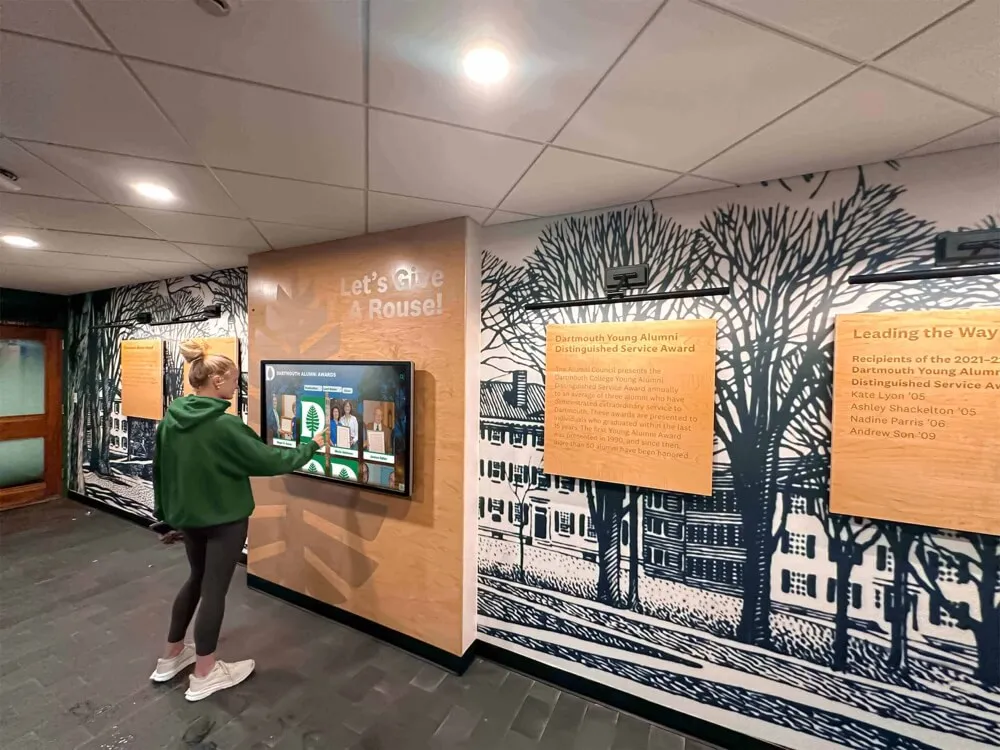
Launch events create memorable moments that establish scholar-athlete recognition as central institutional value
Phase 4: Refresh (Ongoing semester/annual cycles)
Regular Content Updates
- Semester honor roll updates adding newly qualified student-athletes
- Annual comprehensive refresh with graduating seniors honored
- Athletic achievement updates as seasons conclude
- Academic milestone additions (major honors, research recognition)
- Career outcome updates for graduated scholar-athletes
- Historical data preservation maintaining institutional archives
Engagement Maintenance
- Social media campaigns celebrating current honorees
- Morning announcement rotations featuring scholar-athletes
- Athletic event recognition (scoreboard shout-outs, program mentions)
- Academic support center promotions leveraging peer models
- Recruiting visit integration making displays key tour elements
- Community event displays (athletic banquets, donor gatherings)
Program Evolution
- Annual review of criteria ensuring appropriate rigor and accessibility
- Stakeholder feedback gathering (students, families, faculty, coaches)
- Technology updates maintaining contemporary functionality
- Content strategy refinement based on engagement analytics
- Recognition expansion consideration (additional sports, achievement tiers)
- Sponsor relationship nurturing and stewardship
Explore content management for digital recognition displays ensuring long-term sustainability.
Display Integration: Connecting Programs to Touchscreen Technology
Modern digital recognition systems overcome traditional limitation while creating engaging experiences appropriately honoring Academic All-Americans.
Physical Display Considerations
Location Strategy
Strategic placement maximizes visibility and impact:
Athletic Facility Locations
- Main lobby entry areas where all visitors pass
- Training center spaces where student-athletes study and prepare
- Weight room or conditioning facility motivating areas
- Team locker room corridors reinforcing balanced excellence
- Athletic department administrative offices visible to recruits
Academic Building Placement
- Campus library study areas connecting academics and athletics
- Student center main corridors with high student traffic
- Academic support centers celebrating success models
- STEM buildings for technical major scholar-athletes
- Honors college spaces highlighting exceptional achievement
Multi-Location Approaches
- Primary interactive touchscreen display in athletic facility flagship location
- Secondary displays in academic buildings extending recognition reach
- Web-accessible platforms viewable globally by families and alumni
- Mobile-optimized experiences ensuring smartphone access
- Recruiting center dedicated displays supporting athlete recruitment
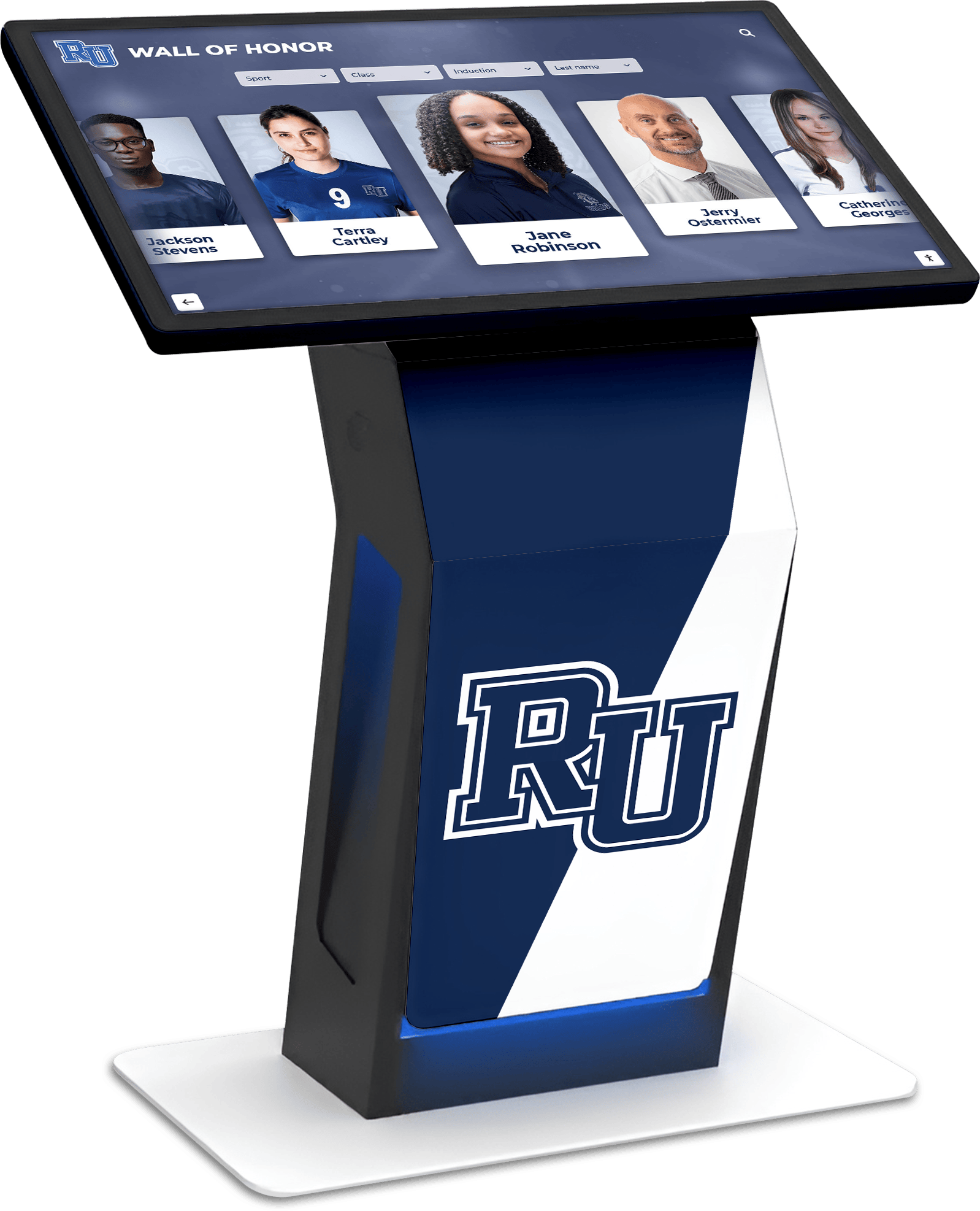
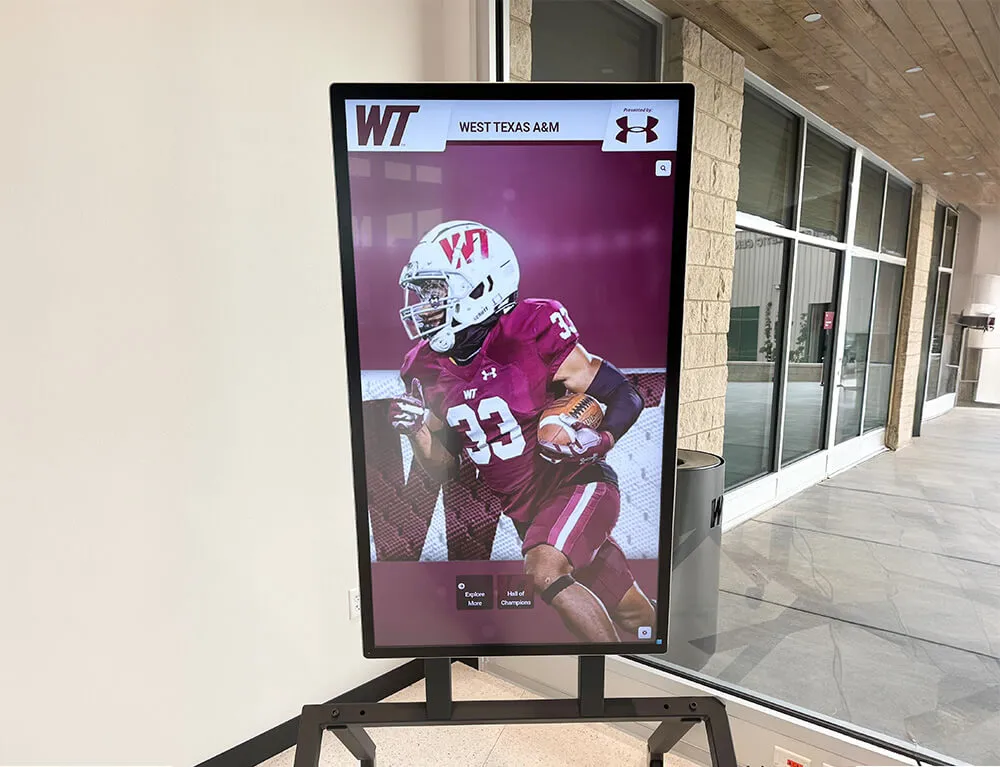
Purpose-built kiosks enable strategic placement in multiple locations creating comprehensive visibility
Hardware Selection Factors
Appropriate equipment ensures long-term program success:
Display Size and Format
- 43" to 55" screens for individual display stations
- 65" to 85" screens for high-traffic lobby areas with distance viewing
- Portrait vs. landscape orientation based on space and content
- 4K resolution ensuring crisp text readability
- Commercial-grade components designed for 12-16 hour daily operation
Touchscreen vs. Display-Only
- Interactive touchscreen enabling search, filter, detailed exploration
- Display-only screens in supervision-limited areas
- Hybrid approaches with primary touchscreen and supplementary display screens
- Protective glass ensuring durability in high-use athletic environments
- Touch-technology quality appropriate for frequent use
Mounting and Accessibility
- ADA-compliant height ensuring wheelchair accessibility
- Wall-mounted installations in space-constrained corridors
- Freestanding kiosk designs for open lobby areas
- Secure mounting preventing theft or vandalism in public spaces
- Professional installation with appropriate electrical and network infrastructure
Learn about what is the best touchscreen display for schools including athletic facilities.
Software Platform Capabilities
Choosing appropriate recognition software determines functionality and sustainability:
Essential Platform Features
Content Management
- Intuitive cloud-based administration requiring no technical expertise
- Bulk import capabilities for semester honor roll additions
- Template-based profile creation ensuring consistent presentation
- Drag-and-drop interfaces for easy content organization
- Role-based permissions enabling appropriate staff access
- Automated backup preventing data loss
Interactive Functionality
- Comprehensive search by name, sport, year, major, or achievement
- Multi-criteria filtering enabling customized exploration
- Auto-ranking leaderboards showcasing highest achievers
- Detailed individual profiles with photos, videos, and narratives
- Social sharing capabilities for family celebration
- Mobile-responsive design ensuring excellent smartphone experience
Integration Capabilities
- Student information system data import for academic records
- Athletic department database connections for competitive statistics
- Web embedding enabling homepage showcase
- Social media publishing for automated recognition posts
- Digital signage networks for multi-screen coordination
- Email notification systems alerting families of recognition
Explore best touchscreen software approaches for academic recognition displays.
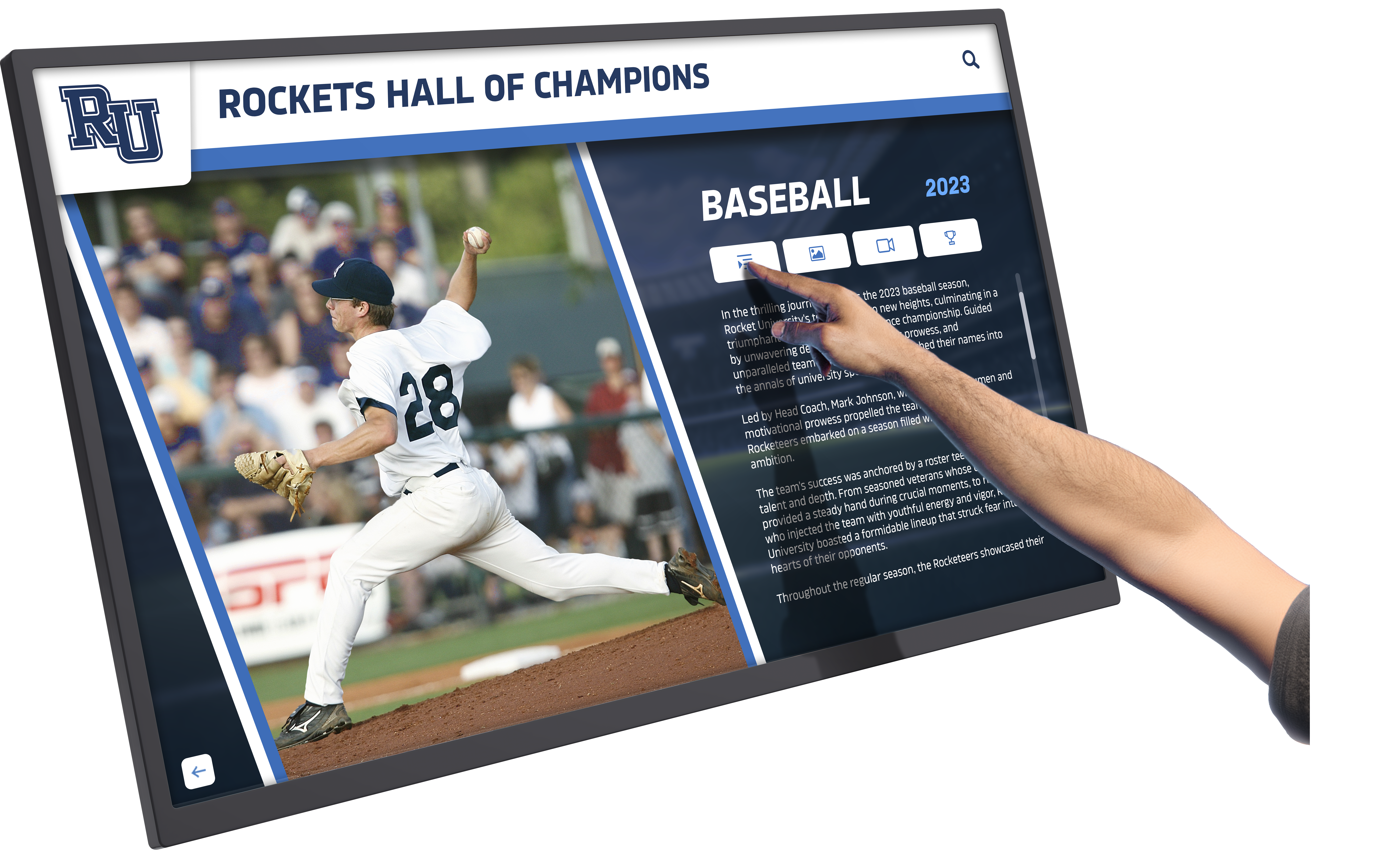
Touchscreen functionality enables intuitive exploration of comprehensive achievement information impossible with static displays
Advanced Features
Analytics and Assessment
- Engagement tracking showing interaction frequency and duration
- Content popularity data identifying most-viewed profiles
- Search pattern analysis revealing user interests
- Geographic access data showing family engagement
- Temporal usage patterns informing content update timing
Scheduled Publishing
- Automated content visibility at predetermined dates
- Semester honor roll reveal coordination with academic calendar
- Seasonal sport-specific feature rotations
- Graduation recognition timed with commencement ceremonies
- Anniversary celebrations of historical achievements
Multimedia Support
- Video hosting for student testimonials and competitive highlights
- Audio content including messages and congratulations
- Photo galleries showing multiple achievement moments
- Document embedding (degree certificates, award letters)
- 360-degree virtual tour integration for facility showcases
Web Accessibility and ADA Compliance
Inclusive design ensures all community members can engage with recognition:
- Screen reader compatibility for visually impaired visitors
- High-contrast viewing modes enhancing readability
- Keyboard navigation alternatives to touch interaction
- Text magnification without layout disruption
- Alt-text descriptions for all images
- WCAG 2.1 AA compliance standards
Learn about digital wall of fame accessibility requirements for comprehensive compliance.
Remote Content Management Workflow
Cloud-based platforms eliminate geographic and technical barriers to maintenance:
Update Process Efficiency
- Remote access from any internet-connected device
- Multiple authorized editors sharing responsibilities
- No on-site visits required for content changes
- Real-time preview before publishing updates
- Instant deployment across all display locations
Typical Semester Update Workflow
- Academic records office provides honor roll roster (Week 1)
- Athletic academic coordinator validates varsity athlete status (Week 1)
- Sports information office compiles photos and achievements (Week 2)
- Display administrator creates or updates profiles (Week 2-3)
- Student-athletes review and approve content (Week 3)
- Scheduled publication on honor roll announcement date (Week 4)
Multi-User Collaboration
- Athletic director with oversight approval authority
- Academic support coordinator managing academic data
- Sports information director handling photos and athletic content
- Student-athlete advisory committee reviewing peer profiles
- Communications staff managing promotional campaigns
Schools report 80-90% reduction in administrative time maintaining academic recognition after implementing digital systems compared to traditional plaque or bulletin board approaches.
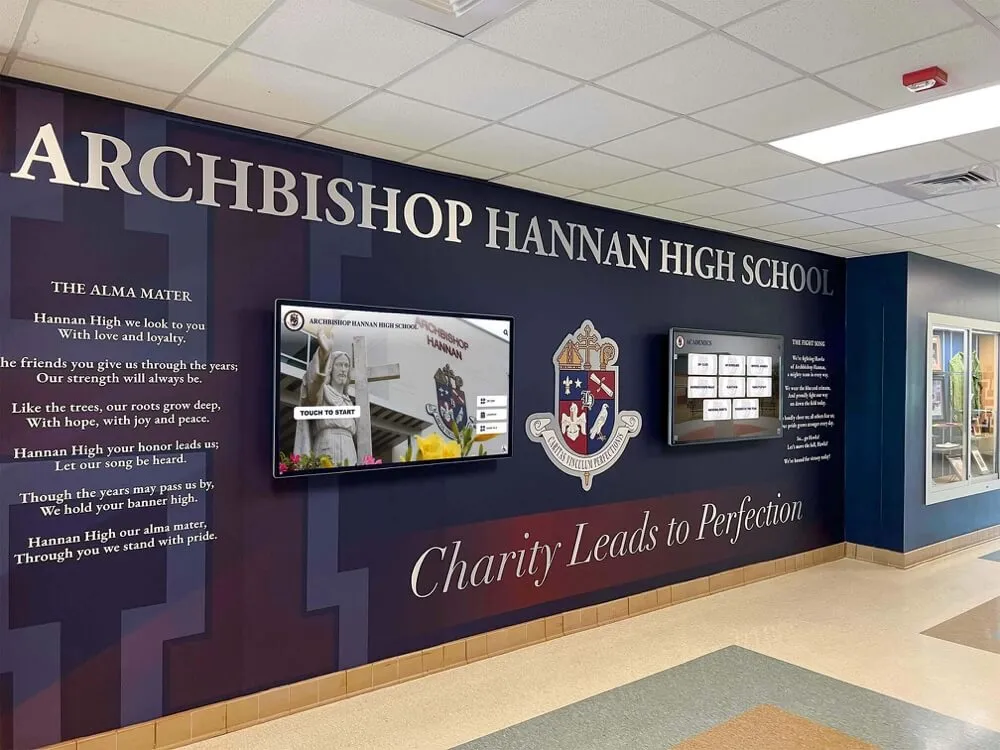
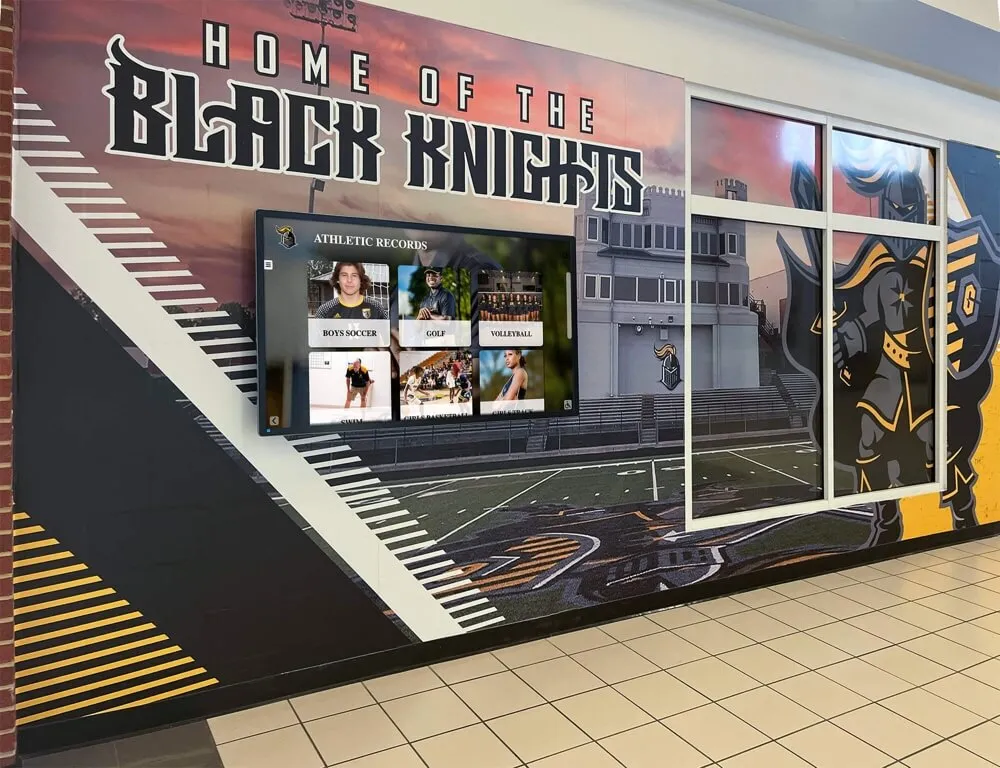
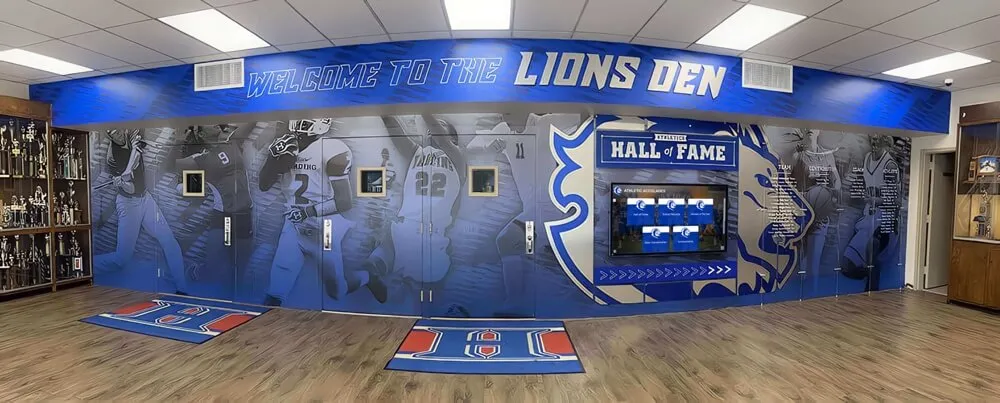
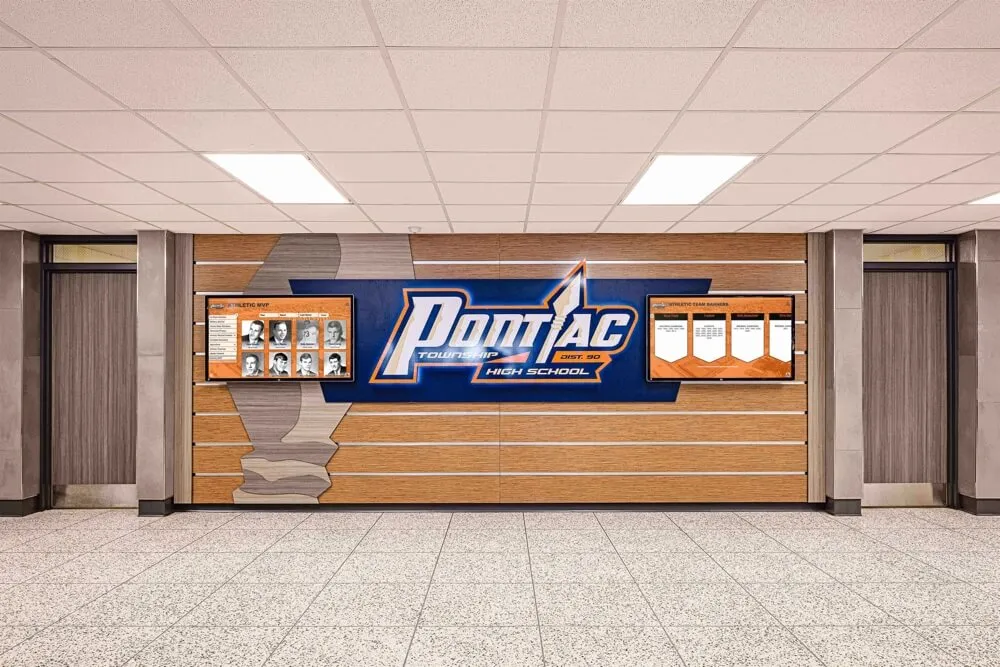
Professional recognition installations combining digital flexibility with institutional branding create impressive scholar-athlete celebration spaces
Measurement: Tracking Program Impact and Engagement
Regular assessment ensures Academic All-Americans displays achieve intended goals and justify resource investment.
Quantitative Success Metrics
Participation and Achievement Data
- Number of student-athletes achieving academic recognition each semester
- Percentage of varsity roster qualifying for scholar-athlete status
- Trend analysis showing participation growth over multiple years
- Sport-by-sport recognition rates identifying excellence patterns
- Demographic representation ensuring equitable achievement opportunities
- Graduating senior four-year cumulative recognition rates
Academic Performance Indicators
- Average team GPA trends before and after recognition program implementation
- Honor roll frequency among varsity athletes vs. general student population
- Academic probation reduction rates among student-athletes
- Degree completion rates for former scholar-athletes
- Graduate school attendance rates among academic all-stars
- National academic recognition nominations (CoSIDA submissions)
Engagement and Awareness Metrics
- Digital display interaction frequency and average session duration
- Web platform visits and page views for scholar-athlete profiles
- Social media engagement rates (likes, shares, comments on recognition posts)
- Search queries and filter usage patterns
- Geographic access data showing family and alumni engagement
- Peak usage timing informing content update scheduling
Learn about measuring student recognition program effectiveness across multiple dimensions.
Recruiting and Institutional Impact
- Prospective student-athlete tour feedback mentioning academic support
- Recruiting class academic profile improvements over time
- Parent/guardian comments about academic commitment during recruitment
- College advisor perceptions of institutional academic-athletic balance
- Media coverage emphasizing scholar-athlete achievements
- Alumni donor engagement with academic athletic initiatives
Qualitative Assessment Approaches
Student-Athlete Feedback
Gather perspectives from recognized individuals:
- Satisfaction with recognition received and presentation quality
- Perceived motivational impact on academic effort
- Influence on decisions to maintain high academic standards
- Feelings about balance between athletic and academic celebration
- Suggestions for recognition program enhancements
- Willingness to serve as mentor or spokesperson for program
Coach and Athletic Staff Perspectives
Coaching staff provide valuable programmatic insights:
- Observed changes in team academic culture and priority
- Effectiveness of recognition as recruitment selling point
- Administrative burden of program participation
- Appropriateness of criteria and selection processes
- Integration with team academic support initiatives
- Recommendations for program improvement
Faculty and Academic Staff Assessment
Academic community perspectives reveal broader impact:
- Faculty observations of student-athlete engagement
- Academic support staff assessment of motivation changes
- Institutional perception of athletic department academic commitment
- Appropriateness of academic standards and rigor
- Integration opportunities with academic programs
- Visibility of recognition in academic buildings
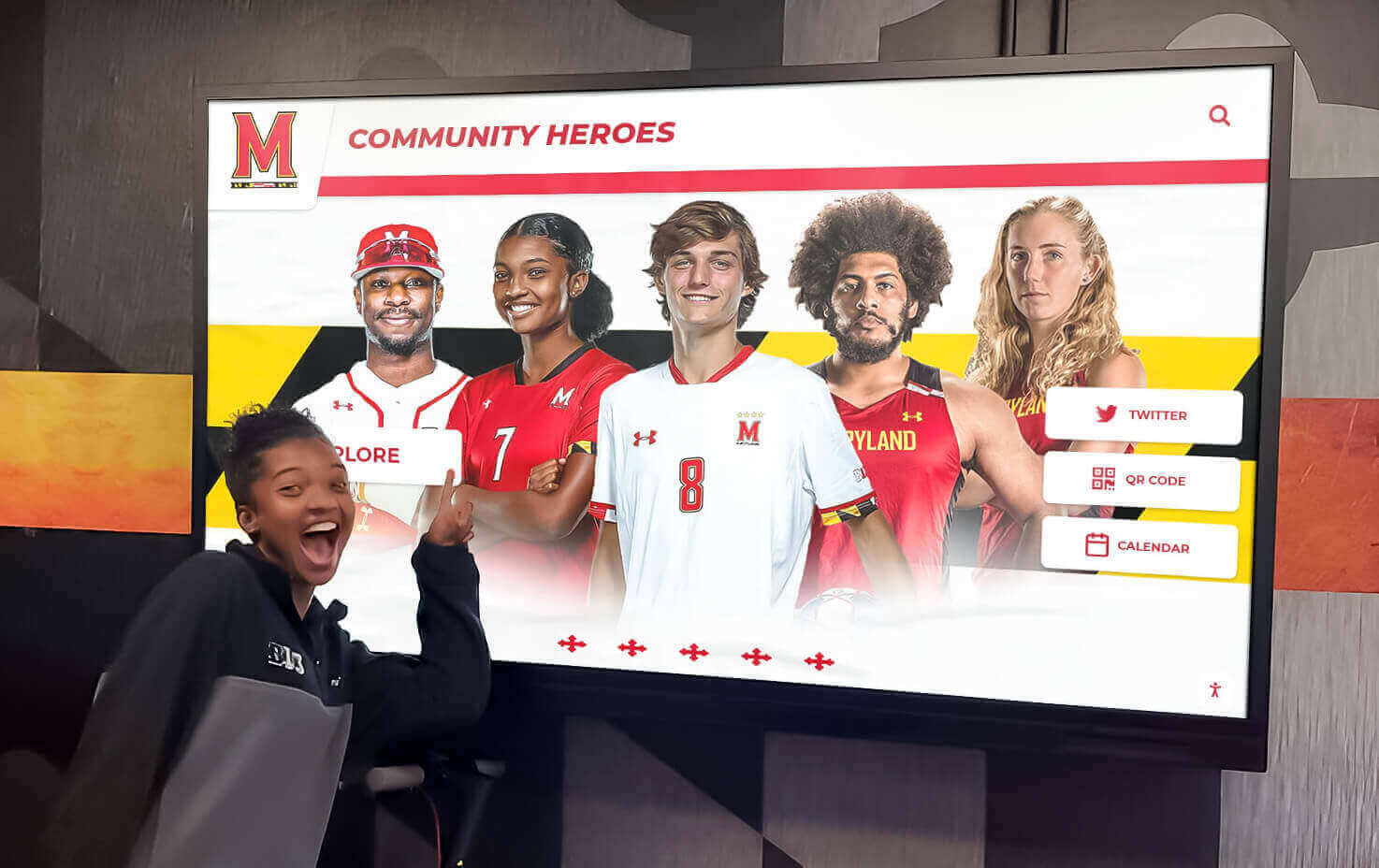
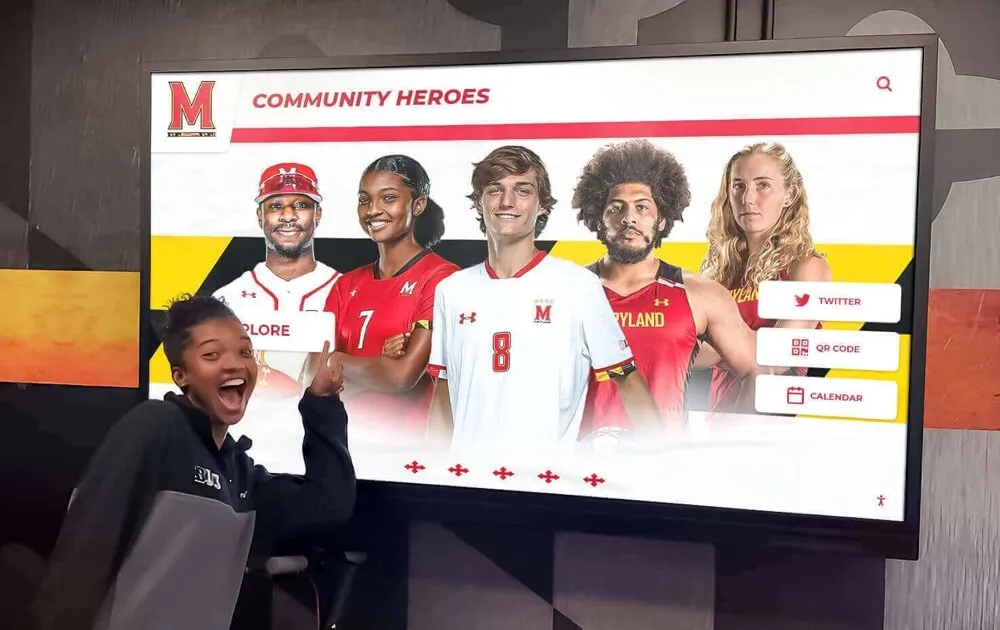
Engaging displays inspire younger student-athletes by showcasing achievable excellence from relatable peers
Family and Community Feedback
- Parent satisfaction with recognition visibility and presentation
- Family engagement with web-accessible platforms
- Community perception of institutional values and priorities
- Alumni connection to current scholar-athlete achievements
- External stakeholder (boosters, donors) program assessment
- Media representatives’ interest in scholar-athlete stories
Program Evolution Based on Assessment
Criteria Refinement
- GPA threshold adjustments balancing accessibility and prestige
- Athletic participation requirements ensuring appropriate standards
- Additional recognition tiers creating more achievement levels
- Sport-specific modifications recognizing different season structures
- Improvement-based awards complementing absolute achievement recognition
Technology Enhancements
- Platform upgrades incorporating new features and functionality
- Additional display locations extending recognition reach
- Multimedia content expansion including more video testimonials
- Mobile app development for enhanced accessibility
- Integration improvements with institutional systems
Content and Communication Improvements
- Enhanced profile narratives telling richer achievement stories
- More frequent social media recognition maintaining visibility
- Video content production highlighting scholar-athlete journeys
- Faculty testimonials adding academic perspective
- Career outcome tracking showing long-term success patterns
Regular assessment ensures recognition programs remain effective, equitable, and aligned with institutional academic and athletic goals.
Best Practices and Success Factors
Several considerations enhance Academic All-Americans program effectiveness and sustainability.
Balancing Athletic and Academic Identity
Integrated Recognition Approach
Scholar-athlete displays should celebrate complete achievement:
- Present athletic and academic accomplishments with equal prominence
- Emphasize synergies between athletics and academics rather than trade-offs
- Feature success stories showing each dimension strengthening the other
- Include quotes connecting competitive lessons to academic success
- Showcase diverse majors and career paths dispelling athlete stereotypes
Avoiding Hierarchy Implications
Recognition design should prevent perceived prioritization:
- Locate academic displays in equally prominent spaces as athletic achievements
- Use comparable production quality and design sophistication
- Allocate equivalent budget resources to both recognition types
- Provide similar interactive features and technological capabilities
- Celebrate both dimensions in public ceremonies and communications
Learn about creating balanced recognition across multiple achievement dimensions.
Inclusive Recognition Design
Multi-Tier Achievement Levels
Comprehensive programs recognize excellence at various levels:
Tier 1: Institutional Scholar-Athletes
- Accessible threshold (3.0 or 3.25 GPA) ensuring broad recognition opportunities
- Semester or quarterly recognition creating frequent achievement cycles
- All varsity sport inclusion regardless of team success level
- Foundation tier inspiring pursuit of higher achievement levels
Tier 2: Conference Academic Honors
- Mid-level achievement (3.5 GPA) recognized by athletic conference
- Annual recognition acknowledging sustained excellence
- Peer comparison showing regional accomplishment
- College application enhancement through external validation
Tier 3: National Academic All-Americans
- Highest achievement level (3.5+ GPA with CoSIDA or similar recognition)
- Rare accomplishment warranting special celebration
- Permanent honor preserved in institutional archives
- Career distinction carrying professional reputation value
This tiered approach ensures recognition opportunities exist for student-athletes at all achievement levels while maintaining prestige for highest honors.
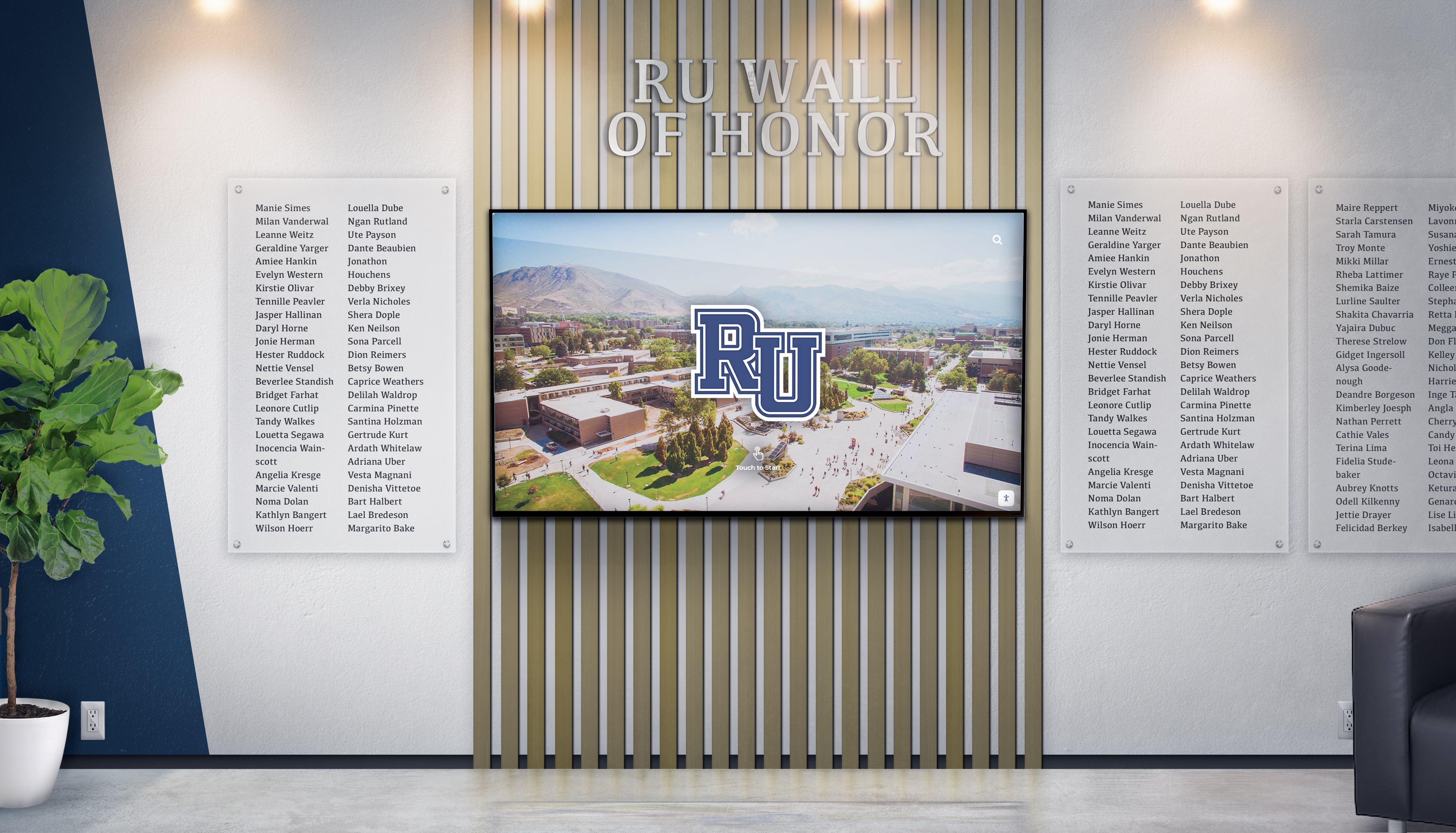
Well-designed systems celebrate diverse achievement levels ensuring recognition opportunities for students following different paths
Sport Equity Considerations
Ensure all athletic programs receive appropriate representation:
- Recognition criteria consistent across all sports (no different GPA requirements)
- Proportional representation reflecting roster sizes but ensuring all sports appear
- Revenue vs. non-revenue sport equality in presentation and prominence
- Men’s and women’s athletics receiving balanced celebration
- Emerging sports inclusion as programs develop
- Individual vs. team sport neutrality in recognition approaches
Privacy and Consent Management
Student-Athlete Autonomy
Appropriate recognition respects individual preferences:
Permission Protocols
- Comprehensive consent forms authorizing public display of academic information
- Photo release permissions for image use in recognition displays
- Social media sharing authorizations for promotional purposes
- Annual permission renewal as students mature and preferences evolve
- Clear opt-out processes for students preferring privacy
- Partial participation options (display-only vs. web vs. social media)
FERPA Compliance
Ensure all recognition complies with educational privacy law:
- GPA and academic honors as directory information requiring annual parent notification
- Clear opt-out procedures for directory information public display
- Achievement specifics as educational records requiring greater protection
- Social media posting protocols following institutional FERPA policies
- Documentation of consent for all personally-identifiable information
- Consultation with legal counsel and registrar ensuring complete compliance
Athletic Eligibility Considerations
- NCAA and NAIA amateurism rules governing publicity and promotion
- Name, image, likeness (NIL) regulations and institution-generated content
- Conference-specific policies on student-athlete recognition
- Professional sport eligibility preservation for potential draft candidates
Explore student privacy considerations in recognition displays.
Sustainability and Long-Term Maintenance
Administrative Structure
Clear responsibilities ensure program longevity:
Primary Program Coordinator
- Athletic academic coordinator or senior woman administrator
- Authority to maintain consistent standards and criteria
- Budget management responsibility
- Reporting relationship to athletic director
- Time allocation (typically 5-10% of position depending on athlete population)
Supporting Roles
- Sports information director managing photos and athletic content
- Academic records liaison providing semester GPA data
- IT support ensuring display technology functionality
- Communications staff handling promotional campaigns
- Student-athlete advisory committee providing peer perspective
Budget Planning
Realistic resource allocation ensures sustainability:
Initial Investment (One-time)
- Hardware: $3,000-$15,000 depending on display size and quantity
- Software platform setup: $500-$2,000 (often included in annual licensing)
- Initial content development: $1,000-$3,000 (photography, profile creation)
- Installation and infrastructure: $500-$2,500 (electrical, mounting, networking)
Annual Operating Costs
- Software licensing: $600-$2,500 depending on features and student capacity
- Content updates: $500-$1,500 (new photos, profile additions, maintenance)
- Recognition ceremonies: $500-$2,000 (venues, refreshments, certificates)
- Promotional materials: $300-$1,000 (social media graphics, printed programs)
- Technology maintenance: $200-$800 (support contracts, repairs)
Funding Source Strategies
- Athletic department operating budget integration
- Academic support service budget allocation
- Donor-funded academic excellence initiatives
- Booster club scholar-athlete program support
- Local business sponsorships (professional firms valuing academic achievement)
- Alumni fundraising campaigns
- Grant applications (educational foundation, civic organizations)
Many schools discover that solutions like Rocket Alumni Solutions offer superior long-term value compared to traditional plaques requiring ongoing physical modification, engraving, and space expansion.
Conclusion: Building Academic Excellence Culture Through Scholar-Athlete Recognition
Academic All-Americans award displays represent strategic investments in student-athlete development, institutional culture, and educational mission fulfillment. When schools systematically celebrate the dual achievement of athletic excellence and rigorous academic performance through professional digital displays, comprehensive profiles, and strategic multi-channel promotion, they create environments where balanced success becomes aspirational, celebrated, and central to athletic department identity.
The blueprint explored in this guide provides complete frameworks for building recognition systems that honor diverse achievements while remaining administratively sustainable, financially realistic, and aligned with both athletic and academic goals. From digital platforms that eliminate space constraints to interactive systems creating engaging exploration to web accessibility extending recognition impact globally, these approaches transform occasional scholar-athlete announcements into systematic celebration woven throughout institutional culture.
Ready to transform how your institution celebrates Academic All-Americans? Modern recognition solutions help schools honor scholar-athlete excellence comprehensively while inspiring continued balanced achievement. Solutions like Rocket Alumni Solutions provide comprehensive platforms specifically designed for academic and athletic recognition, offering unlimited capacity, rich multimedia profiles, interactive exploration, and web accessibility that extends recognition impact far beyond traditional plaques and static bulletin boards.
Whether establishing your first Academic All-Americans recognition program or modernizing existing approaches, start with clear criteria that maintain appropriate rigor while ensuring accessibility, select technology matching your needs and resources, develop engaging content celebrating complete student-athlete stories, and implement systematic processes ensuring long-term sustainability.
Your Academic All-Americans deserve recognition that appropriately honors their exceptional dual achievement while inspiring peers to pursue similar excellence. With thoughtful planning, appropriate technology, and consistent implementation, you can create recognition systems that celebrate intellectual and athletic accomplishment equally—building cultures where rigorous academics and competitive athletics strengthen rather than compete with each other.
The most important elements aren’t budget size, facility quality, or program history—they’re genuine commitment to balanced excellence celebration, systematic implementation ensuring consistent execution year after year, and sustained effort making recognition central to athletic culture rather than peripheral acknowledgment. Your student-athletes invest thousands of hours in training and competition while maintaining demanding academic standards; investing appropriately in their recognition represents not just appropriate acknowledgment but strategic investment in academic-athletic culture benefiting students for generations to come.
Start planning your Academic All-Americans recognition program today, and create the balanced excellence culture your student-athletes deserve. Explore comprehensive student recognition approaches or learn more about academic athlete honor programs to begin your recognition transformation. Request your free custom demo to see how modern digital displays can celebrate your Academic All-Americans.