



Academic achievement scholarships represent some of the most valuable financial aid opportunities available to high-performing students, rewarding exceptional grades, standardized test scores, rigorous coursework, and demonstrated intellectual excellence with funding that reduces or eliminates college costs. Unlike need-based financial aid that depends primarily on family income, merit-based awards recognize student accomplishment regardless of financial circumstances, creating pathways for talented students to access education that might otherwise remain financially out of reach.
Every year, colleges, universities, private foundations, corporations, and community organizations distribute billions of dollars in merit-based scholarships to students who demonstrate outstanding academic credentials. Yet many deserving students miss significant funding opportunities because they don’t know where to look for awards, misunderstand eligibility requirements, submit weak applications that fail to showcase their achievements effectively, or simply assume that exceptional grades alone will automatically generate scholarship offers.
This comprehensive guide provides everything students and families need to know about academic achievement scholarships—from understanding different types of merit awards and where they come from, to developing systematic search strategies that uncover opportunities matching your specific profile, to crafting compelling applications that distinguish you from thousands of other high-achieving applicants, to maintaining eligibility once scholarships are awarded. Whether you’re a high school freshman beginning to build your academic record or a senior finalizing college choices, this guide offers practical strategies for maximizing merit-based funding opportunities that reward your dedication to academic excellence.
The landscape of academic achievement scholarships encompasses thousands of individual awards offered by diverse organizations pursuing various missions through their scholarship programs. Understanding this ecosystem helps students identify opportunities aligning with their specific strengths, backgrounds, and educational goals rather than pursuing generic strategies that miss highly targeted awards.

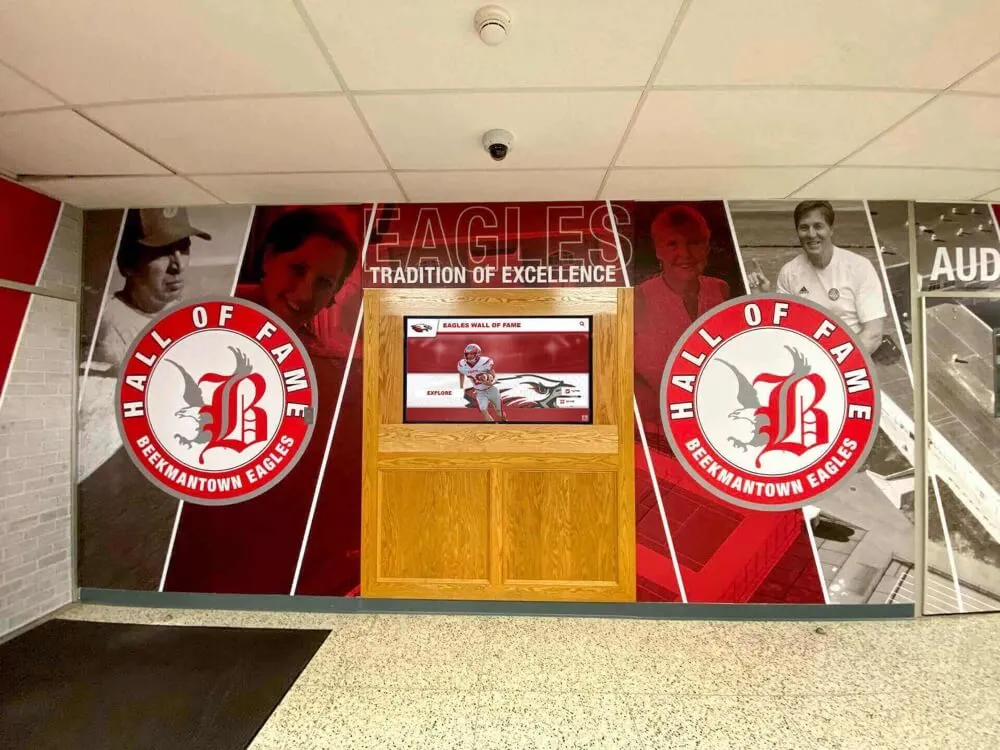
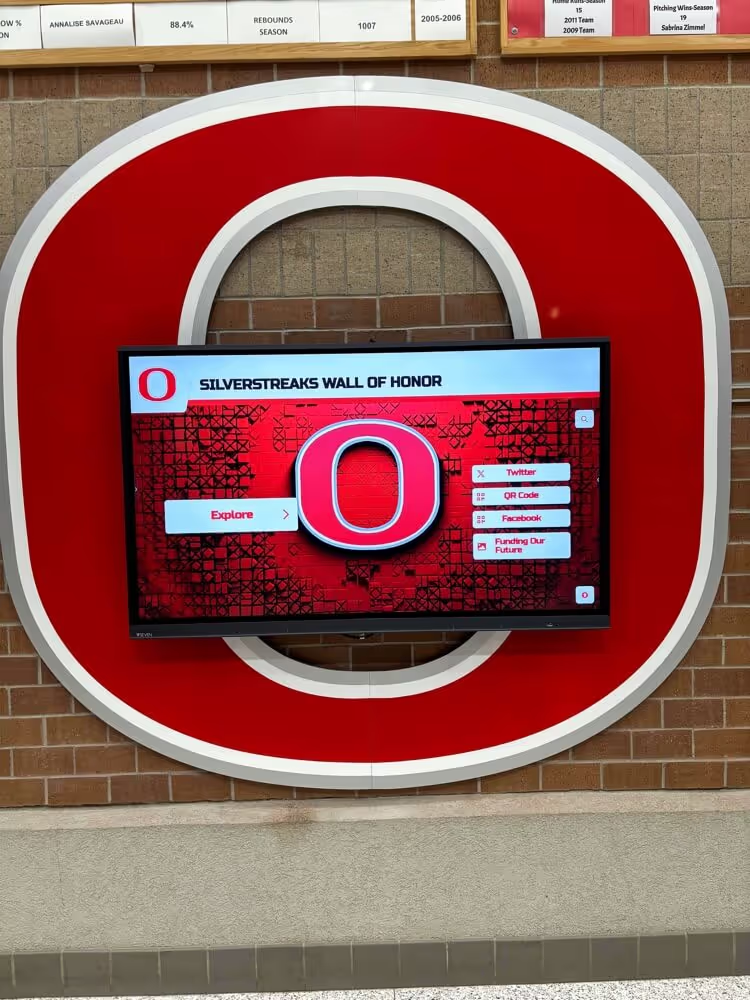
Many institutions showcase scholarship recipients and academic achievers through permanent recognition displays, celebrating the connection between merit-based awards and sustained academic excellence that benefits entire campus communities
Understanding Academic Achievement Scholarships
Academic achievement scholarships—commonly called merit scholarships—provide funding based primarily on students’ demonstrated academic excellence rather than financial need, though many programs consider both merit and need when making final award decisions.
What Qualifies as an Academic Achievement Scholarship
Merit-based awards recognize various forms of academic distinction:
GPA-Based Scholarships The most common merit scholarships establish minimum grade point average thresholds—typically 3.5, 3.7, or 4.0 on unweighted scales—as primary eligibility criteria. These awards reward students who maintained consistent academic performance throughout high school rather than brief periods of excellence.
Test Score Scholarships Many institutions offer automatic merit awards to students achieving specified SAT or ACT scores, recognizing standardized test performance as evidence of academic capability. Score thresholds vary widely by institution and scholarship competitiveness.
Class Rank Recognition Some scholarships target students achieving top rankings within their graduating classes—valedictorians, salutatorians, or students finishing in top percentile ranges. Class rank awards recognize achievement relative to immediate peer groups rather than absolute metrics.
Rigorous Coursework Awards Scholarships specifically recognizing Advanced Placement, International Baccalaureate, dual enrollment, or honors coursework completion reward students who challenged themselves with college-level curriculum during high school years.
Subject-Specific Excellence Specialized scholarships target students demonstrating exceptional achievement in particular academic disciplines—STEM fields, humanities, languages, business, or other specific areas—often requiring demonstrated interest through coursework, competitions, or related activities.
Academic Competition Recognition Merit awards honoring students who competed successfully in academic competitions like Science Olympiad, Math Olympiad, debate tournaments, robotics competitions, or subject-specific contests recognize achievement in structured competitive academic environments.
Understanding the various pathways through which institutions recognize and celebrate academic achievement helps students appreciate the broader ecosystem within which scholarship opportunities exist.
Types of Academic Scholarship Providers
Merit-based scholarships come from diverse sources with different selection criteria and application processes:
Institutional Scholarships Colleges and universities offer their own merit scholarships funded through endowments, general operating budgets, or donor-designated funds. These institutional awards represent the largest category of merit aid and often require no separate applications beyond admission applications themselves.
Private Foundation Scholarships Independent foundations established by families, corporations, or community organizations offer merit scholarships advancing their specific missions—whether promoting education generally, supporting students from particular geographic areas, or encouraging study in specific fields.
Corporate Scholarships Businesses offer academic scholarships for various purposes including recruiting future talent, fulfilling corporate social responsibility commitments, supporting employee dependents, or building relationships with educational institutions supplying their workforce.
Professional Association Scholarships Organizations representing specific professions or industries offer scholarships to students pursuing related fields, often requiring demonstrated interest in the profession alongside academic achievement.
Community Organization Awards Local civic organizations, service clubs, religious institutions, and community foundations offer smaller merit scholarships supporting students from their immediate geographic areas or membership communities.
National Merit Recognition The National Merit Scholarship Program represents one of the most prestigious academic scholarship competitions, offering awards based on PSAT/NMSQT performance and creating recognition that generates additional scholarship opportunities from participating institutions and corporations.
Students exploring comprehensive approaches to academic recognition might benefit from understanding how institutions showcase various forms of scholarly achievement, creating cultures that value the excellence merit scholarships reward.

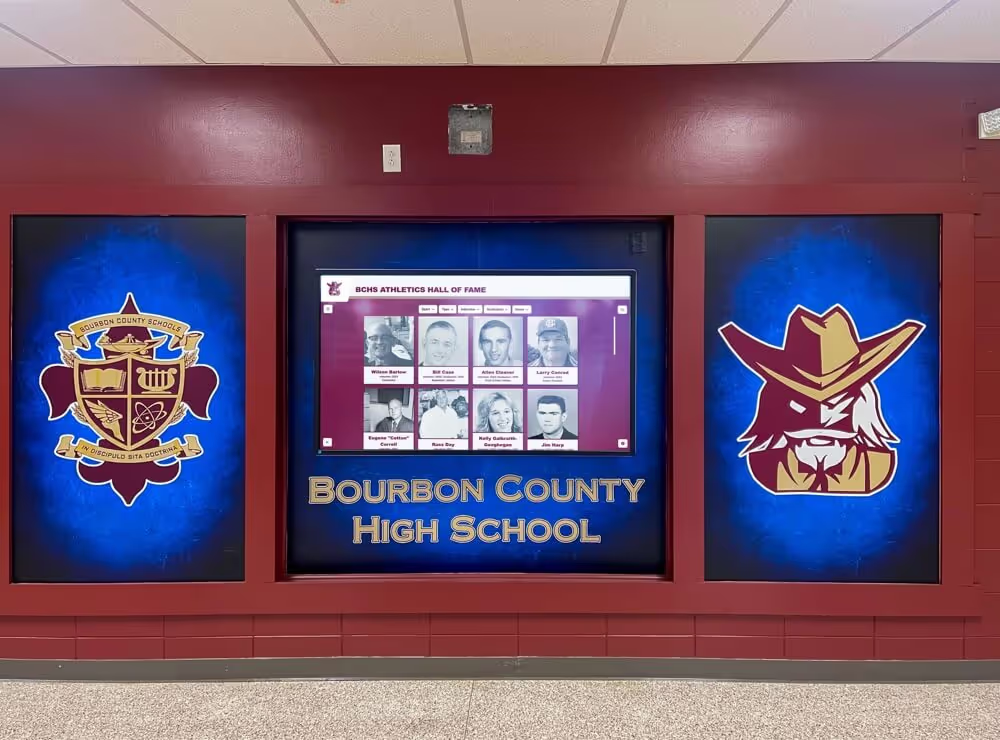
Schools increasingly recognize academic achievement through permanent displays that complement financial awards, creating comprehensive recognition cultures celebrating intellectual excellence alongside scholarship success
Finding Academic Achievement Scholarships
Systematic scholarship search strategies uncover significantly more opportunities than passive approaches hoping scholarships will find you. Effective searches combine multiple resources, focus on opportunities matching your specific profile, and begin early enough to accommodate application deadlines.
Institutional Merit Aid Research
College and university merit scholarships represent the largest funding sources and should anchor your scholarship search strategy:
Research Institutional Scholarship Policies Every college publishes information about merit scholarship availability, typical award amounts, and eligibility criteria. Review this information systematically for every school on your college list, noting automatic scholarships requiring no separate applications versus competitive awards requiring additional materials.
Understand Automatic Scholarship Formulas Many public universities and some private institutions offer guaranteed merit scholarships to students meeting published GPA and test score combinations. These automatic awards provide predictable funding you can count on when comparing college costs.
Identify Competitive Scholarship Programs Selective institutions often offer prestigious named scholarships through competitive application processes separate from general admissions. These opportunities typically feature higher award amounts, special programming, or full-tuition coverage for selected recipients.
Consider Geographic Preferences Some institutional scholarships provide enhanced awards to students from particular states, regions, or distance categories, reflecting institutional enrollment goals. Out-of-state students sometimes qualify for special awards offsetting non-resident tuition premiums.
Evaluate Academic Department Scholarships Individual academic departments within universities frequently offer scholarships to students declaring particular majors or demonstrating interest in specific fields. Explore departmental scholarship opportunities beyond general institutional aid.
Assess Scholarship Renewal Requirements Understand what GPA thresholds, credit hour minimums, or other requirements you must maintain annually to renew merit scholarships. Renewal requirements significantly impact the true value of multi-year awards.
Learning about how educational institutions create comprehensive achievement recognition programs provides context for understanding institutional cultures that value and support academic excellence through both financial awards and public recognition.
Online Scholarship Search Strategies
Dedicated scholarship databases help identify private awards beyond institutional aid:
Major Scholarship Search Platforms Free scholarship search engines like Fastweb, Scholarships.com, Cappex, Going Merry, and College Board’s Scholarship Search allow you to create profiles matching your characteristics with appropriate opportunities. Complete profiles thoroughly to receive relevant matches rather than overwhelming volumes of irrelevant suggestions.
Niche-Specific Scholarship Sites Specialized platforms focus on particular scholarship categories—minority scholarships, STEM awards, religious affiliations, military connections, or specific geographic regions. These targeted resources often surface opportunities that general search engines miss.
Search Multiple Databases No single platform catalogs all available scholarships. Create accounts on several major search platforms to maximize opportunity discovery, accepting that some scholarship listings will appear across multiple sites.
Update Profiles Regularly As you earn new achievements, update scholarship search profiles so matching algorithms continue suggesting relevant opportunities. Stale profiles miss scholarships targeting upperclassmen with specific accomplishments.
Beware Scholarship Scams Legitimate scholarships never require application fees, guarantee awards, or request credit card information. Avoid services promising to “do the work for you” for fees—scholarship applications require personal effort that services cannot authentically provide.
Local Scholarship Research Methods
Community-based scholarships often feature less competition than national awards while still providing meaningful funding:
High School Guidance Resources School counseling offices maintain lists of local scholarships available to students from your high school or community. Visit guidance offices regularly throughout senior year as new opportunities emerge.
Community Foundation Searches Local and regional community foundations administer scholarship programs funded by various donors. Research community foundations serving your area and review their complete scholarship listings.
Parent Employer Benefits Many employers offer scholarships for employees’ dependents as part of benefits packages. Parents should consult human resources departments about available scholarship programs.
Service Organization Opportunities Civic organizations including Rotary clubs, Lions clubs, Elks lodges, Kiwanis clubs, and similar service groups offer local scholarships. Research organizations active in your community and inquire about scholarship programs.
Religious Institution Scholarships Churches, synagogues, mosques, and other religious organizations frequently offer scholarships to members or students from their communities. Inquire about scholarship opportunities through your religious affiliations.
Industry and Professional Association Awards If you have career interests in particular fields, research whether professional associations in those areas offer student scholarships. Many industry groups invest in cultivating future professionals through scholarship programs.
Students demonstrating exceptional achievement in specific areas might explore how institutions recognize specialized accomplishment, such as programs celebrating service learning and community engagement, which often connect with scholarship opportunities rewarding similar commitments.

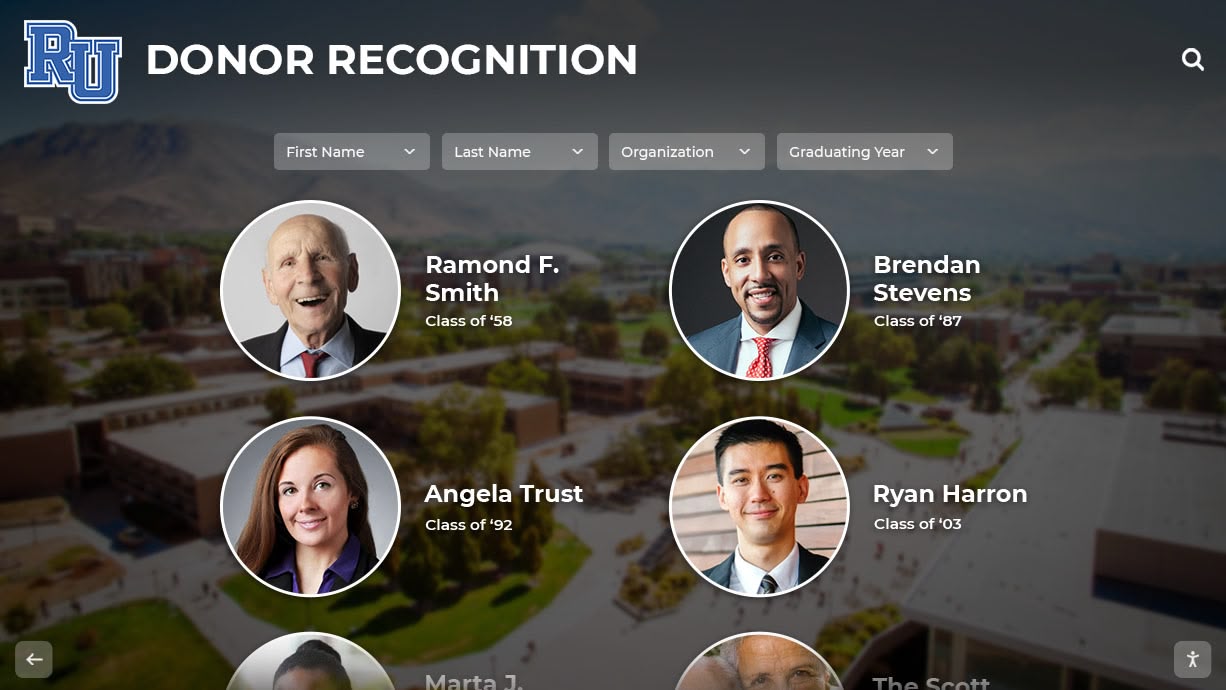
Modern recognition technology allows students to explore scholarship recipient histories and achievement profiles, creating inspiration while demonstrating institutional commitment to celebrating and supporting academic excellence
Eligibility Requirements for Merit Scholarships
Understanding common eligibility criteria helps students identify opportunities matching their profiles while avoiding time wasted on applications for scholarships where they don’t qualify.
Academic Performance Standards
Merit scholarships establish various academic thresholds determining basic eligibility:
Minimum GPA Requirements Most academic scholarships specify minimum grade point averages ranging from 2.5 for less competitive awards to 3.8 or higher for elite scholarships. Understand whether GPA calculations use weighted or unweighted scales, which courses count toward eligibility, and whether scholarships require cumulative GPAs or specific semester/year performance.
Standardized Test Score Minimums Scholarships specifying test score requirements typically establish SAT or ACT minimums varying by competitiveness. Some programs accept either test, while others prefer particular assessments. Score requirements often combine with GPA thresholds in holistic eligibility formulas.
Class Rank Specifications Awards targeting top performers may require class rank within specified percentiles—top 10%, top 5%, or valedictorian/salutatorian status. Understand how your school calculates and reports class rank if pursuing rank-based scholarships.
Course Rigor Demonstrations Some scholarships require evidence of challenging coursework through Advanced Placement courses completed, International Baccalaureate program participation, honors course enrollment, or college credits earned during high school.
Subject-Specific Achievement Scholarships targeting particular academic disciplines may require demonstrated excellence in related coursework, competition participation, research projects, or other subject-specific accomplishments beyond general academic metrics.
Demographic and Background Criteria
Many scholarships incorporate eligibility requirements beyond pure academic metrics:
Geographic Residency Requirements Location-based eligibility might specify particular states, counties, cities, school districts, or even specific high schools. Community foundation and local organization scholarships frequently establish geographic boundaries.
Enrollment Status Specifications Scholarships may target traditional high school seniors, adult learners returning to education, transfer students, graduate students, or specific undergraduate class levels. Confirm your enrollment status matches scholarship eligibility.
Citizenship and Residency Status Some scholarships require U.S. citizenship or permanent residency, while others welcome international students or specifically support particular immigrant populations. Citizenship requirements vary significantly across programs.
Demographic Identity Criteria Scholarships supporting underrepresented populations may specify eligibility based on race, ethnicity, gender, sexual orientation, disability status, or first-generation college student status alongside academic requirements.
Field of Study Requirements Major-specific scholarships require commitment to studying particular disciplines or pursuing specific careers. These awards often come from professional associations, industry groups, or academic departments seeking to cultivate talent pipelines.
Organizational Affiliations Some scholarships require membership, participation, or family connections to particular organizations—honor societies, religious institutions, military service, unions, professional associations, or alumni networks.
Understanding how institutions recognize diverse forms of student achievement helps students appreciate the breadth of scholarship opportunities targeting various accomplishments and backgrounds beyond traditional academic metrics alone.
Financial Need Considerations
While academic achievement scholarships primarily recognize merit, many incorporate financial need into selection decisions:
Merit-Only Awards Pure merit scholarships consider only academic credentials and related achievements, awarding funding based entirely on demonstrated excellence regardless of family financial circumstances.
Merit-First Awards With Need Components These programs establish academic eligibility thresholds, then prioritize awards toward qualified students demonstrating greater financial need. Strong academics create eligibility, but need influences final selections.
Combined Merit and Need Formulas Some scholarships use formulas weighing both academic achievement and financial circumstances, creating composite scores that consider how much students would benefit financially alongside their academic qualifications.
Need-Aware Merit Decisions Competitive scholarships might use academic criteria for initial screening, then consider financial circumstances when selecting among similarly qualified finalists, maximizing funding impact by supporting high-achieving students who need assistance most.
FAFSA Filing Requirements Many scholarships—even those primarily focused on merit—require FAFSA completion to verify financial information. File FAFSA even when pursuing merit-focused awards, as this documentation may be required for scholarship consideration.

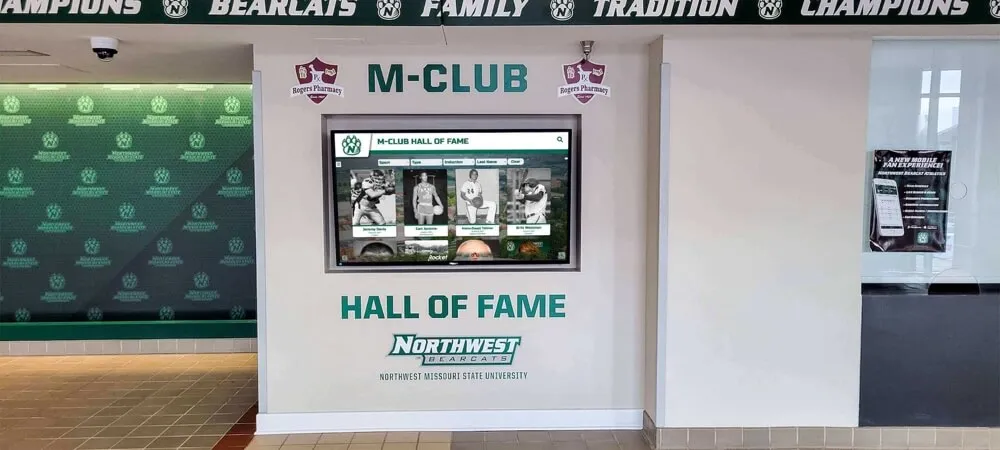
Comprehensive recognition programs celebrate both merit scholarship recipients and other forms of achievement, creating school cultures where academic excellence receives visibility that reinforces the value of pursuing merit-based awards
Building Competitive Scholarship Applications
Strong scholarship applications do more than meet minimum eligibility requirements—they compellingly communicate your achievements, potential, and fit with scholarship missions in ways that distinguish you from hundreds or thousands of other qualified applicants.
Showcasing Academic Excellence Effectively
Merit scholarship applications demand strategic presentation of your academic credentials:
Contextualize Your GPA and Rank Rather than simply stating your GPA or class rank, provide context that helps evaluators understand the significance of your performance. Explain the rigor of your curriculum, the competitiveness of your school, or circumstances that make your achievement particularly notable.
Highlight Upward Performance Trends If your academic performance improved significantly throughout high school, emphasize this growth trajectory. Scholarship committees value students demonstrating increasing maturity, focus, and capability even if early high school performance was inconsistent.
Demonstrate Course Rigor Deliberately List Advanced Placement courses, International Baccalaureate classes, dual enrollment credits, or honors coursework systematically. Explain how you challenged yourself beyond minimum graduation requirements, demonstrating intellectual curiosity and college readiness.
Document Academic Recognition Catalog all academic honors received—honor roll recognition, academic awards, honor society membership, subject-specific prizes, or competition achievements. Comprehensive documentation demonstrates consistent recognition of your excellence across multiple contexts.
Present Standardized Test Achievements Beyond reporting scores, explain test preparation efforts, multiple attempt improvement, or achievement context relative to school or national averages. Strong test scores become more impressive when evaluators understand the effort and strategic approach behind them.
Feature Academic Competition Success Detail participation and achievements in academic competitions including Science Olympiad, Math Olympiad, debate tournaments, robotics competitions, quiz bowl, or subject-specific contests. Competition success demonstrates your ability to apply knowledge under pressure against talented peers.
Students building comprehensive records of achievement might explore how schools recognize outstanding performance across multiple domains, understanding that scholarship evaluators value well-rounded excellence beyond narrow academic metrics.
Crafting Compelling Personal Statements
Scholarship essays transform dry academic credentials into engaging narratives that help evaluators understand who you are beyond numbers:
Address Essay Prompts Directly Read prompts carefully and ensure your essays actually answer questions asked rather than submitting generic statements about your achievements. Selection committees immediately notice when applicants ignore prompts in favor of pre-written material.
Tell Specific Stories General statements about working hard or valuing education lack impact. Instead, share specific anecdotes illustrating your intellectual curiosity, academic dedication, or learning experiences that shaped your educational journey.
Connect Achievements to Scholarship Missions Research sponsoring organizations and explain how your goals, values, and achievements align with their missions. Demonstrating genuine fit with scholarship purposes distinguishes thoughtful applications from generic submissions.
Show Rather Than Tell Rather than claiming you’re hardworking or passionate, describe specific situations where your work ethic or passion manifested through actions. Concrete examples prove character traits that simple assertions cannot.
Articulate Clear Educational Goals Explain your intended major, career aspirations, and how the scholarship specifically enables pursuing these goals. Selection committees invest in students with clear directions rather than uncertain plans.
Acknowledge Challenges Overcome If you overcame significant obstacles achieving academic success—family responsibilities, economic hardships, health challenges, or educational barriers—thoughtfully sharing these experiences demonstrates resilience and determination that impress evaluators.
Demonstrate Intellectual Curiosity Convey genuine passion for learning beyond grade accumulation. Discuss books, ideas, projects, or intellectual experiences that excited you, revealing authentic engagement with education rather than mere credential collection.
Maintain Appropriate Tone Balance confidence about your achievements with humility and gratitude. Avoid arrogance about accomplishments while ensuring you don’t undersell genuine excellence through excessive modesty.
Understanding how institutions celebrate and preserve student achievement stories provides insight into the types of narratives that resonate when institutions select scholarship recipients for long-term recognition and support.
Securing Strong Recommendation Letters
Effective letters of recommendation provide third-party validation of your academic abilities and personal character:
Choose Recommenders Strategically Select teachers, counselors, coaches, or mentors who know you well, can provide specific examples of your strengths, and write effectively. A detailed letter from someone who knows you deeply outweighs generic praise from impressive titles.
Provide Recommenders With Context Give recommenders scholarship information including eligibility criteria, selection priorities, and specific qualities being evaluated. Help them understand what aspects of your performance and character would most strengthen your application.
Supply Supporting Materials Provide recommenders with your resume, transcript, personal statement, and list of accomplishments. These materials refresh their memories about your achievements while providing material they can reference in their letters.
Request Letters Early Ask for recommendations several weeks before deadlines, respecting recommenders’ time while ensuring they can write thoughtfully rather than rushing generic letters at the last minute.
Waive Access Rights Scholarship committees trust recommendations more when students waive rights to view letters, signaling confidence that recommenders will provide honest assessments rather than censoring criticism students might see.
Follow Up Appropriately Send polite reminders as deadlines approach if recommenders haven’t yet submitted letters, while maintaining respectful understanding that they’re volunteering their time on your behalf.
Express Genuine Gratitude Thank recommenders sincerely for their efforts regardless of scholarship outcomes. These relationships matter beyond immediate applications, and gracious appreciation encourages future support.

Institutions increasingly create permanent recognition displays celebrating scholarship recipients alongside other achievers, ensuring that merit award success becomes part of lasting school tradition inspiring future students
Maximizing Your Scholarship Success Rate
Strategic approaches to scholarship applications significantly improve success rates beyond simply submitting more applications:
Application Strategy and Time Management
Organized, strategic application processes yield better results than chaotic last-minute efforts:
Start Early Begin scholarship research during junior year or early senior year rather than waiting until application deadlines loom. Early starts provide time for thorough research, thoughtful applications, and avoiding rushed submissions.
Create Application Tracking Systems Maintain spreadsheets or databases tracking scholarship names, deadlines, eligibility requirements, required materials, application status, and award notifications. Organized tracking prevents missed deadlines and lost opportunities.
Prioritize High-Value Opportunities Focus primary energy on scholarships offering substantial award amounts, strong match with your profile, or institutional awards from your top-choice colleges. Limited time demands strategic prioritization rather than attempting every possible application.
Develop Reusable Materials Create master versions of common application elements—resume, achievement lists, personal statements addressing frequent themes—that you can adapt for specific scholarships rather than starting from scratch repeatedly.
Batch Similar Applications Group scholarships with similar requirements and complete them in batches, allowing you to maintain momentum and reuse materials efficiently while ensuring each application receives adequate attention.
Meet All Requirements Precisely Follow instructions exactly regarding word counts, formatting requirements, submission methods, and required materials. Applications disqualified for technical non-compliance waste all the effort invested in content.
Submit Applications Early Submit applications several days before deadlines rather than waiting until the last minute. Early submission prevents technical issues, demonstrates organization, and ensures you make submission windows even if unexpected circumstances arise.
Students pursuing scholarship opportunities often benefit from understanding how institutions build comprehensive recognition cultures that celebrate achievement, as scholarship success often connects with schools valuing and supporting academic excellence systematically.
Standing Out in Competitive Pools
When competing against thousands of applicants with similar GPAs and test scores, differentiation becomes critical:
Identify Your Unique Angles Determine what distinguishes you from other high-achieving applicants—unique background experiences, unusual combination of interests, specific hardships overcome, or particular accomplishments. Emphasize distinctive elements that make you memorable.
Demonstrate Impact Beyond Grades Show how you applied academic knowledge to create positive impact—through research projects, community initiatives, tutoring programs, or other activities where learning translated into meaningful contribution.
Reveal Authentic Personality Allow your genuine voice, passions, and personality to emerge in application materials rather than presenting generic “perfect student” personas. Selection committees respond to authentic individuals more than polished but impersonal applications.
Show Institutional Fit For college-specific scholarships, demonstrate genuine interest in the particular institution through specific references to programs, faculty, opportunities, or campus culture. Generic applications suggesting the school is interchangeable with others don’t impress selection committees.
Quantify Achievements When Possible Numbers make accomplishments concrete—“tutored 15 students weekly for two years” rather than “volunteered as a tutor,” or “increased club membership 40%” rather than “showed leadership.”
Address Selection Criteria Explicitly If scholarship descriptions specify particular qualities or priorities, address each one directly in your application. Selection committees notice when applicants systematically respond to stated priorities versus ignoring them.
Building Long-Term Scholarship Strategies
Scholarship pursuit begins well before senior year applications:
Build Strong Academic Records Early Consistent academic excellence throughout high school creates the foundation for scholarship eligibility. Freshman and sophomore year grades matter significantly for cumulative GPAs and class rank calculations.
Pursue Challenging Coursework Enroll in Advanced Placement, International Baccalaureate, honors, or dual enrollment courses that demonstrate academic ambition and college readiness—qualities scholarship committees value highly.
Develop Expertise in Specific Areas Deep achievement in particular domains—specific academic subjects, competition categories, or intellectual pursuits—often impresses scholarship committees more than shallow participation across too many activities.
Prepare Strategically for Standardized Tests Invest adequate time preparing for SAT or ACT exams, as strong test scores open automatic scholarship opportunities at many institutions while strengthening competitive scholarship applications.
Document Achievements Systematically Maintain ongoing records of academic achievements, awards, competition results, and recognition received throughout high school. Comprehensive documentation during senior year applications requires records built over time.
Cultivate Meaningful Relationships Develop genuine relationships with teachers, counselors, coaches, and mentors who can provide strong recommendation letters when scholarship applications require them.
Exploring how successful programs recognize and celebrate achievement comprehensively provides insight into the recognition ecosystems where scholarship success often flourishes.

Modern recognition platforms showcase diverse achievement categories including scholarship recipients, creating comprehensive institutional narratives celebrating all forms of excellence that merit-based awards support
Maintaining Scholarship Eligibility
Winning scholarships creates responsibilities to maintain eligibility through continued academic performance and program compliance:
Understanding Renewal Requirements
Most multi-year scholarships require annual renewal based on ongoing achievement:
GPA Maintenance Thresholds Scholarships typically require maintaining minimum GPAs—often 3.0, 3.25, or 3.5—throughout college to renew funding each year. Understand exactly what GPA you must maintain and whether calculations use semester or cumulative averages.
Credit Hour Minimums Full-time enrollment requirements usually specify minimum credit hours per semester—typically 12-15 credits—necessary to maintain scholarship eligibility. Understand whether summer courses count toward annual requirements or if scholarships only cover fall and spring semesters.
Satisfactory Academic Progress Beyond GPA thresholds, scholarships may require satisfactory academic progress as defined by your institution, including passing grades in percentage of attempted courses and timely progression toward degree completion.
Major or Program Continuity Department-specific or field-specific scholarships may require continued enrollment in particular majors or programs. Changing majors could jeopardize scholarship eligibility if awards target specific academic disciplines.
Participation Requirements Some scholarships require ongoing participation in particular activities, programs, or campus communities as renewal conditions—honors programs, research activities, service commitments, or special scholarship cohort events.
Annual Reapplication Processes Confirm whether scholarship renewal happens automatically upon meeting requirements or if you must submit annual renewal applications documenting continued eligibility and achievement.
Strategies for Sustained Success
Maintaining scholarship eligibility throughout college requires intentional academic management:
Monitor GPA Carefully Track your GPA after every semester and even during semesters using online grade portals. Proactive monitoring allows early intervention if grades threaten scholarship thresholds rather than discovering problems when it’s too late.
Plan Course Loads Strategically Balance challenging major requirements with courses where you can demonstrate strong performance. Scholarship loss due to overambitious schedules that tank GPAs defeats the purpose of pushing yourself.
Utilize Academic Support Resources Take advantage of tutoring, writing centers, study groups, professor office hours, and other academic support resources your institution provides. Successful students seek help proactively rather than waiting until grades have already fallen.
Understand Grade Policies and Deadlines Learn your institution’s policies regarding course withdrawal deadlines, pass/fail options, grade appeals, and incomplete grades. Knowledge of academic policies helps you make informed decisions protecting scholarship eligibility.
Communicate With Scholarship Administrators If circumstances threaten your ability to maintain scholarship requirements—serious illness, family emergencies, or other challenges—communicate proactively with scholarship program administrators. Some programs offer temporary accommodations or probationary periods for students facing legitimate hardships.
Maintain Required Documentation Keep records of grades, enrollment verification, participation in required activities, and any other documentation scholarship programs might request to verify continued eligibility.
Students maintaining high achievement might draw inspiration from how institutions recognize sustained excellence, understanding that scholarship renewal rewards the same consistent performance these recognition programs celebrate.
Special Scholarship Categories and Opportunities
Beyond general academic merit scholarships, specialized categories offer opportunities for students with particular backgrounds or pursuing specific paths:
National Merit Scholarships
The National Merit Scholarship Program represents one of the most prestigious academic scholarship competitions:
PSAT/NMSQT Performance National Merit recognition begins with PSAT/NMSQT scores achieved during junior year of high school. Top scorers within each state qualify as Semifinalists, then advance through additional application stages to Finalist status.
Multiple Award Types National Merit recognition can lead to various scholarship types—National Merit Scholarships funded by the organization itself, corporate-sponsored awards for students meeting particular criteria, and college-sponsored awards from participating institutions recruiting Merit Scholars.
Strategic School Selection Some colleges offer extremely generous scholarships to National Merit Finalists as recruitment tools—sometimes full rides including tuition, room, board, and additional benefits. Students achieving Finalist status should research which institutions offer the most valuable National Merit packages.
Commended Student Recognition Students scoring just below Semifinalist thresholds receive Commended Student recognition. While this doesn’t lead to National Merit Scholarships, Commended status strengthens college applications and may qualify for other scholarship opportunities.
Full-Ride Scholarship Programs
Elite scholarship programs offer comprehensive funding covering all college costs:
Competitive Selection Processes Full-ride scholarships typically involve highly competitive selection including multiple application stages, interviews, scholarship weekends, and assessment of academic credentials, leadership, character, and potential for impact.
Additional Benefits Beyond Tuition Many prestigious scholarship programs offer more than funding—mentorship programs, special courses, leadership development, networking opportunities, research funding, study abroad support, or graduate school funding.
Research Institution-Specific Programs Many colleges offer named full-ride scholarships—Robertson Scholars at Duke/UNC, Morehead-Cain at UNC, Jefferson Scholars at UVA, Stamps Scholarships at multiple institutions—each with unique selection criteria and benefits.
Application Timeline Planning Full-ride scholarship applications often have earlier deadlines than regular admissions, require nomination processes, or demand separate application materials. Research requirements early and plan accordingly.
Field-Specific Academic Scholarships
Specialized scholarships support students pursuing particular academic or professional paths:
STEM Scholarship Programs Numerous scholarships specifically support students pursuing science, technology, engineering, or mathematics degrees, often funded by tech companies, scientific organizations, or government agencies seeking to develop technical talent pipelines.
Education Major Support Scholarships targeting future teachers reflect societal priorities around developing educational professionals. Some programs require teaching commitments in particular subjects or geographic areas after graduation.
Healthcare Professional Scholarships Students pursuing medicine, nursing, pharmacy, public health, or allied health professions can access specialized scholarships from healthcare organizations, professional associations, or service commitment programs.
Business and Entrepreneurship Awards Scholarships supporting future business leaders and entrepreneurs come from business schools, corporations, professional associations, and entrepreneurship organizations recognizing commercial talent and ambition.
Students exploring specialized paths might benefit from understanding how institutions celebrate diverse forms of achievement across multiple domains, reflecting the scholarship ecosystem’s similar diversity.

Schools increasingly integrate scholarship recognition into permanent institutional displays, celebrating merit award recipients alongside other achievers and demonstrating organizational commitment to supporting and honoring academic excellence
Common Scholarship Application Mistakes to Avoid
Understanding frequent application errors helps students avoid preventable problems that undermine otherwise strong candidacies:
Application Completeness and Technical Errors
Basic execution mistakes eliminate otherwise qualified candidates:
Missing Deadlines Late applications typically receive no consideration regardless of qualifications. Calendar all deadlines with buffer periods, set multiple reminders, and submit early rather than waiting until the last moment.
Incomplete Applications Missing required components—letters of recommendation, transcripts, essays, or supplementary materials—result in disqualification. Verify completion of every requirement before submission deadlines.
Ignoring Instructions Failure to follow specifications regarding essay length, formatting, submission method, or required content demonstrates carelessness that concerns selection committees. Follow all instructions precisely.
Technical Submission Issues Verify that online submissions completed successfully, attachments uploaded correctly, and confirmation emails arrived. Technical failures discovered after deadlines typically cannot be remedied.
Typos and Grammatical Errors Spelling mistakes, grammatical errors, and typos in application materials signal lack of care and attention to detail. Proofread thoroughly and have others review materials before submission.
Strategic Application Errors
Beyond technical execution, strategic mistakes reduce success rates:
Generic Applications Submitting identical materials to every scholarship regardless of specific missions, priorities, or requirements produces generic applications that don’t resonate with selection committees. Customize applications for each opportunity.
Ignoring Scholarship Missions Failure to research sponsoring organizations and demonstrate alignment with their values, goals, or priorities suggests applicants view scholarships as interchangeable money sources rather than partnerships with mission-driven organizations.
Underselling Achievements Excessive modesty or failure to fully document accomplishments prevents selection committees from understanding your true qualifications. Present achievements confidently while avoiding arrogance.
Focusing Solely on Need Merit scholarship applications should emphasize academic achievements and potential rather than dwelling primarily on financial circumstances. While context matters, achievement should anchor merit-focused applications.
Weak or Generic Essays Cliché essay themes without specific personal details, generic statements about education’s importance, or essays that could describe any applicant fail to distinguish you from thousands of other candidates.
Poor Recommender Selection Letters from people who don’t know you well, cannot provide specific examples, or write generic praise add little value. Choose recommenders who can provide detailed, personal insights about your abilities and character.
Conclusion: Building Your Scholarship Success Strategy
Academic achievement scholarships represent extraordinary opportunities for high-performing students to reduce college costs, gain recognition for intellectual accomplishments, and access educational opportunities that might otherwise remain financially unattainable. These merit-based awards honor the dedication, intellectual curiosity, and sustained excellence that characterize exceptional students while supporting their continued educational journeys through substantial financial assistance.
Successfully securing academic achievement scholarships requires understanding the diverse scholarship landscape, developing systematic search strategies that uncover opportunities matching your specific profile, building strong academic credentials beginning early in high school, and crafting compelling applications that effectively communicate your achievements and potential. This multi-year process demands strategic planning, consistent effort, organized execution, and thoughtful presentation of your accomplishments in ways that distinguish you within highly competitive applicant pools.
The most successful scholarship applicants begin early, research thoroughly, apply strategically, present authentically, and maintain eligibility conscientiously once awards are secured. They understand that scholarship pursuit represents more than funding acquisition—it’s an opportunity to articulate their achievements, clarify their goals, demonstrate their potential, and connect with organizations investing in their educational success because they recognize promise worthy of support.
While academic achievement scholarships provide crucial financial support, comprehensive recognition through permanent institutional displays ensures that merit award recipients receive lasting celebration extending beyond graduation. Schools increasingly complement scholarship programs with digital recognition systems showcasing recipients’ achievements, creating visible cultures that honor intellectual excellence while inspiring future students to pursue similar distinction.
Modern recognition platforms enable institutions to permanently showcase scholarship recipients alongside other achievers through engaging displays featuring student profiles, achievement descriptions, award details, and educational outcome stories. These permanent installations positioned prominently in school entryways, libraries, or academic buildings ensure that scholarship success receives daily visibility, elevating the status and prestige of academic achievement within institutional culture.
Unlike temporary announcements that quickly fade, permanent recognition displays preserve scholarship recipients’ stories indefinitely, creating lasting institutional memory celebrating students whose academic excellence earned merit-based support while demonstrating organizational commitment to recognizing and nurturing intellectual talent.
Request your free custom demo to explore how purpose-built recognition technology can transform how your institution celebrates scholarship recipients and academic excellence, creating lasting honor that inspires generations of students to pursue the achievement levels that merit-based awards recognize and support.
Remember that scholarship pursuit ultimately serves larger purposes than funding alone—the process of articulating your achievements, clarifying your goals, and presenting your potential creates valuable self-understanding that benefits you regardless of award outcomes. Every application strengthens your ability to communicate your value, every essay helps you understand your motivations more clearly, and every recommendation request deepens relationships with mentors invested in your success.
Approach scholarship applications with confidence in your accomplishments, authentic presentation of who you are, strategic focus on opportunities matching your strengths, and gracious appreciation for the organizations and individuals investing in students like you. Your academic achievements deserve recognition and support. The scholarships you earn represent both validation of past excellence and investments in your future potential to make meaningful contributions to your fields, communities, and society.
Whether you’re a high school freshman beginning to build your academic record, a junior preparing for standardized tests and application processes, or a senior finalizing scholarship applications, remember that merit-based awards exist because organizations recognize that supporting exceptional students creates value extending far beyond individual benefit. Your scholarship success represents their wise investment in human potential—an investment you honor through continued excellence, meaningful contribution, and eventually supporting future generations of students pursuing their own educational aspirations.