



Youth sports programs serve millions of participants annually, teaching skills that extend far beyond athletic performance into character development, teamwork, perseverance, and healthy lifestyle habits. Effective awards programs recognize accomplishments across multiple dimensions—celebrating not only competitive success but also effort, improvement, sportsmanship, and the dedication that transforms children into confident, capable young adults prepared for lifelong success.
Traditional youth sports recognition approaches often limit acknowledgment to “Most Valuable Player” or championship trophies, leaving the majority of participants feeling invisible despite genuine effort and progress. When only top performers receive recognition, programs inadvertently communicate that most athletes’ contributions lack value—undermining the developmental objectives that justify youth sports programs’ existence within communities.
This comprehensive guide presents 100 creative youth sports awards ideas organized across skill development, character qualities, team contributions, participation milestones, and sport-specific achievements. These categories provide frameworks for recognition programs ensuring every young athlete finds opportunities for acknowledgment while maintaining standards celebrating genuine accomplishment rather than empty participation trophies that dilute achievement significance.
Youth sports recognition done well balances celebrating excellence with acknowledging diverse contributions at different skill levels, creating environments where competitive achievement receives appropriate honor while participation, effort, improvement, and character development also generate meaningful recognition that builds confidence and sustains engagement.

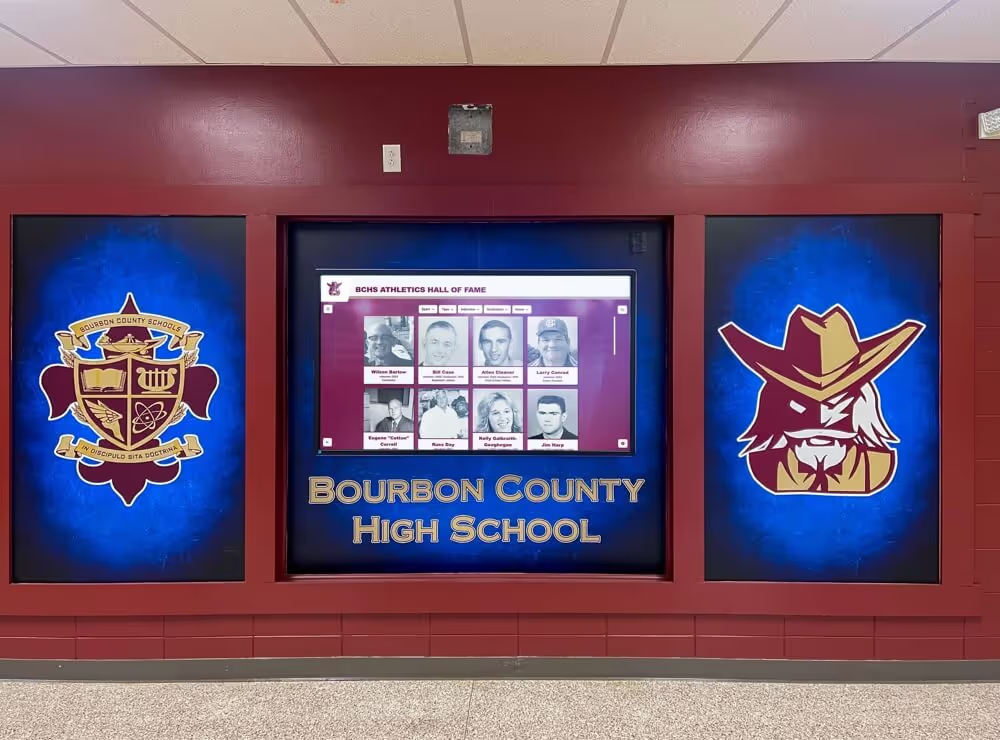
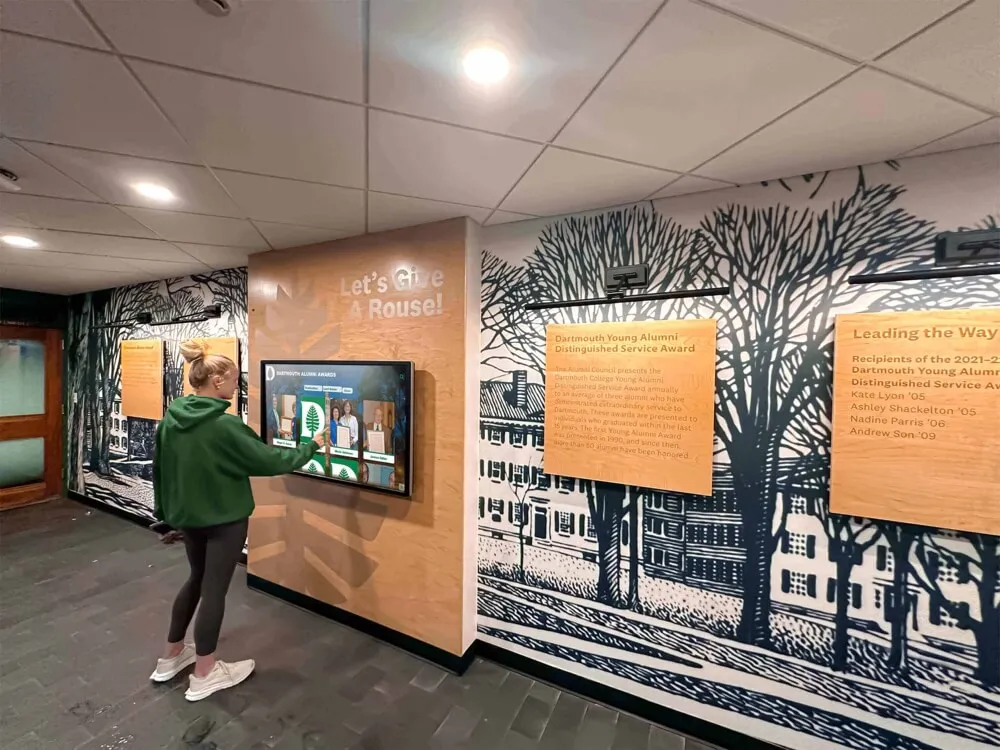
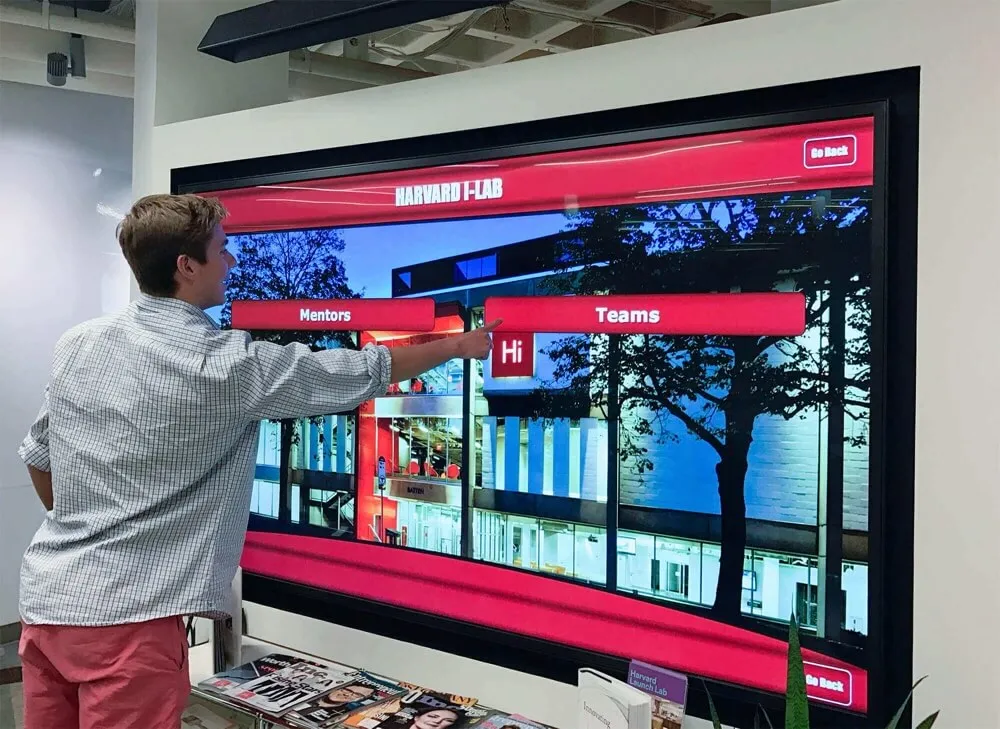
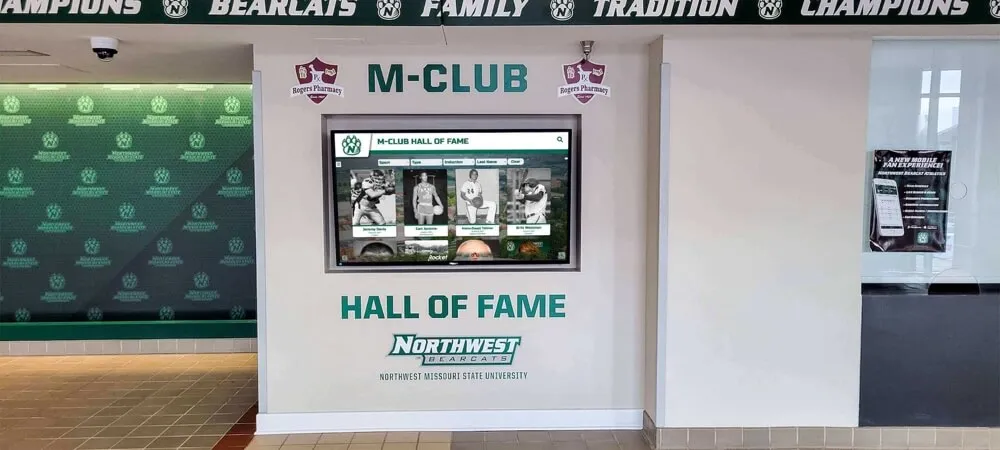
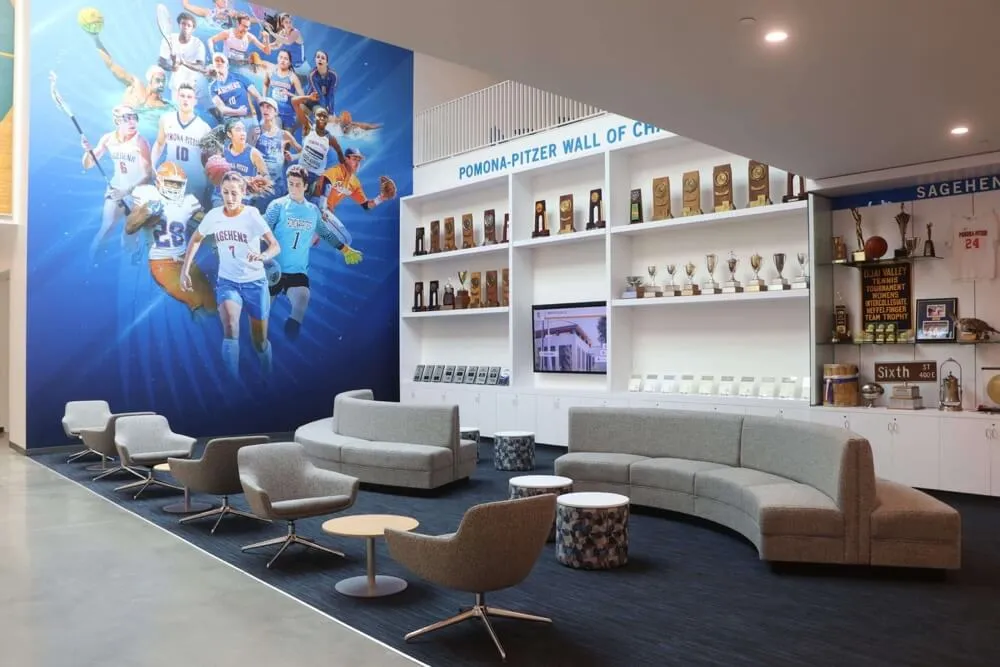
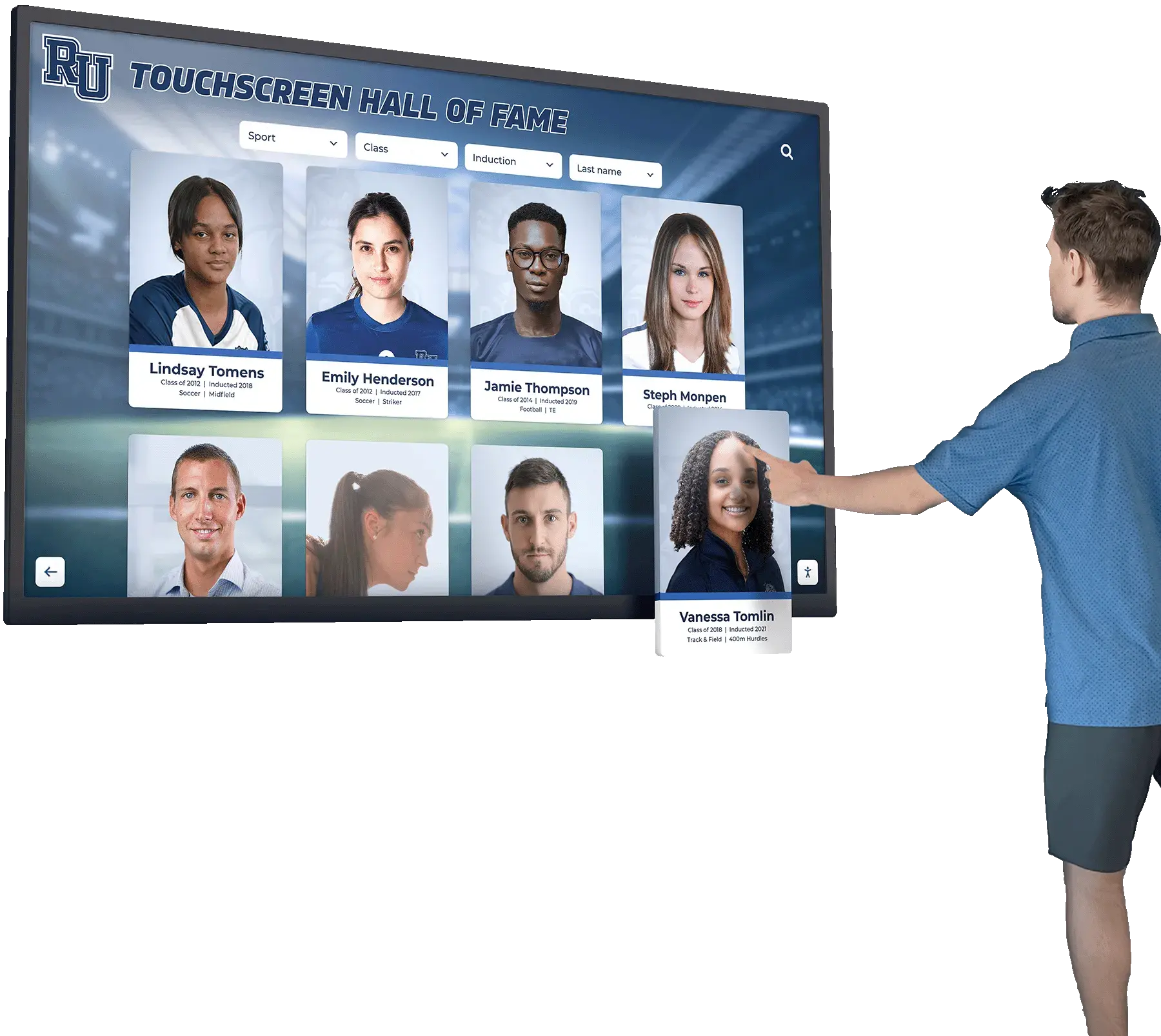
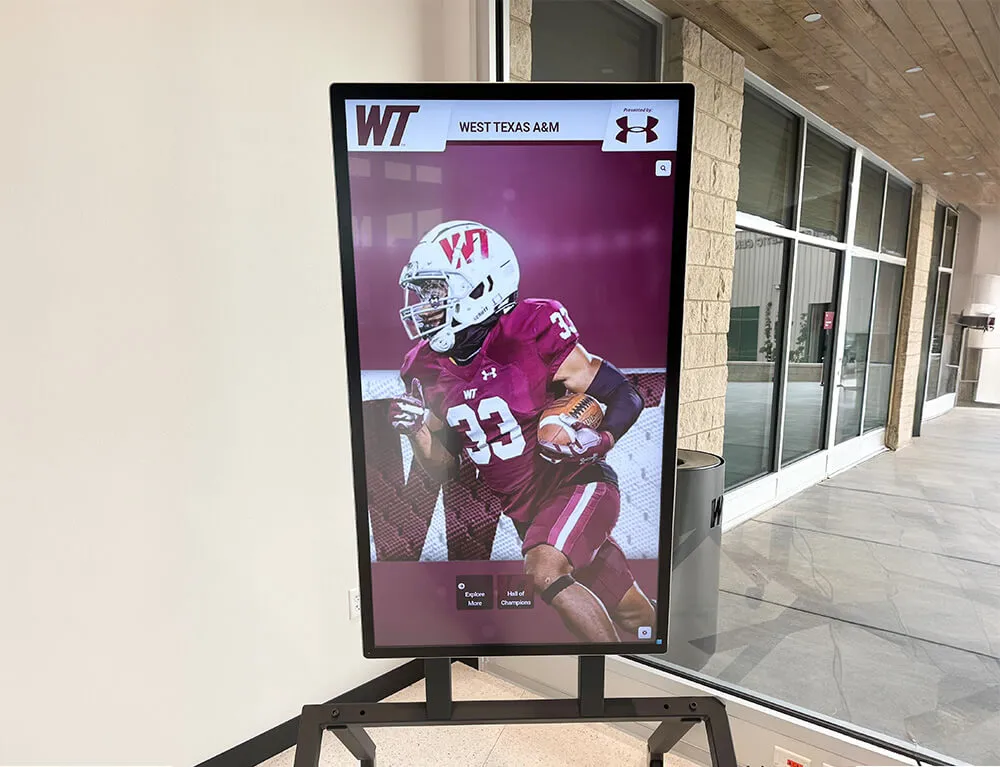
Interactive recognition displays enable young athletes and families to explore achievements year-round, building program pride while celebrating diverse accomplishments beyond traditional MVP awards
Program Snapshot: Comprehensive Youth Sports Awards System
Understanding the complete framework helps coaches, athletic directors, and league administrators design recognition programs aligned with youth development priorities while maintaining practical implementation approaches given limited volunteer time and resources.
| Award Category | Recognition Focus | Age Appropriateness | Key Outcomes |
|---|---|---|---|
| Skill Development Awards | Technical improvement, fundamental mastery, position-specific excellence | All ages with age-appropriate skill expectations | Motivates focused practice and skill progression |
| Character and Sportsmanship Awards | Positive attitude, respect, encouraging teammates, gracious competition | Critical for all youth athletes regardless of ability | Reinforces values parents prioritize beyond winning |
| Effort and Work Ethic Recognition | Practice attendance, hustle, determination, perseverance | Particularly meaningful for developing players | Celebrates controllable factors independent of natural talent |
| Team Contribution Awards | Leadership, positive influence, reliability, team-first mentality | Appropriate for older youth athletes | Acknowledges contributions beyond personal statistics |
| Achievement and Performance Awards | Statistical excellence, competitive success, milestone accomplishments | All ages with developmentally appropriate standards | Honors measurable achievement and competitive excellence |
This structured approach ensures youth sports programs celebrate accomplishments across multiple dimensions while creating sustainable recognition systems that coaches can maintain efficiently despite demanding practice schedules and limited administrative support typical of volunteer-driven youth athletics.
Content Architecture: Organizing Youth Sports Recognition for Maximum Impact
Effective youth sports awards programs require thoughtful organization acknowledging developmental stages, diverse skill levels, multiple sports contexts, and the reality that young athletes benefit from recognition opportunities reflecting their specific contributions regardless of competitive ability.
Skill Development and Technical Excellence Awards (Awards 1-20)
Fundamental Skills Mastery
Recognition celebrating technical skill development appropriate to sport and age level:
1. Most Improved Player Award
- Honors athlete demonstrating greatest skill development throughout season
- Particularly meaningful for young athletes beginning their athletic journey
- Celebrates growth mindset and dedication to improvement
- Recognizes that progress matters as much as absolute ability level
2. Fundamental Skills Champion
- Recognizes athlete mastering basic skills specific to sport (dribbling, passing, throwing, catching)
- Acknowledges that excellence begins with fundamental technique mastery
- Celebrates dedication to proper form over flashy but ineffective techniques
- Particularly appropriate for younger age divisions establishing proper habits
3. Technical Excellence Award
- Honors superior execution of sport-specific techniques
- Evaluates proper form, consistency, and mechanical efficiency
- Recognizes athletes whose technique coaches hold as teaching examples
- Celebrates attention to detail and commitment to excellence
4. Best Defensive Player
- Acknowledges defensive effort and skill often undervalued compared to scoring
- Recognizes positioning, anticipation, communication, and defensive fundamentals
- Celebrates the team-first mentality required for consistent defensive effort
- Honors athletes who embrace less glamorous but essential defensive responsibilities
5. Offensive Player of the Year
- Recognizes scoring ability, playmaking, and offensive creativity
- Acknowledges statistical production and game-changing offensive impact
- Celebrates athletes who elevate team offensive performance
- Appropriate for leagues tracking statistics systematically
Understanding comprehensive athletic recognition approaches provides frameworks applicable to youth sports programs across all seasons.
6. Fastest Player Award
- Celebrates speed as measurable athletic quality
- Recognizes natural talent while motivating continued development
- Creates objective recognition opportunity through timed competitions
- Appeals to young athletes valuing recognition for physical gifts
7. Strongest Player Award
- Honors physical strength demonstrated through sport-specific applications
- Recognizes dedication to strength training and physical development
- Acknowledges that multiple athletic qualities contribute to success
- Appropriate for older youth athletes engaged in strength programs
8. Most Athletic Player
- Recognizes overall athletic ability across multiple physical dimensions
- Celebrates coordination, agility, explosiveness, and body control
- Acknowledges well-rounded physical development beyond single attribute
- Honors athletes excelling in combine-style athletic testing
9. Best Fundamentals Award
- Recognizes athlete consistently demonstrating proper technique across all skills
- Celebrates commitment to fundamental excellence rather than shortcuts
- Acknowledges that championships are built on fundamental discipline
- Particularly meaningful when selected by coaching staff
10. Position-Specific Excellence Award
- Honors best performer at specific position (quarterback, goalkeeper, point guard, pitcher)
- Recognizes specialized skills required for particular positions
- Creates multiple recognition opportunities across team roster
- Acknowledges positional mastery and role-specific contributions
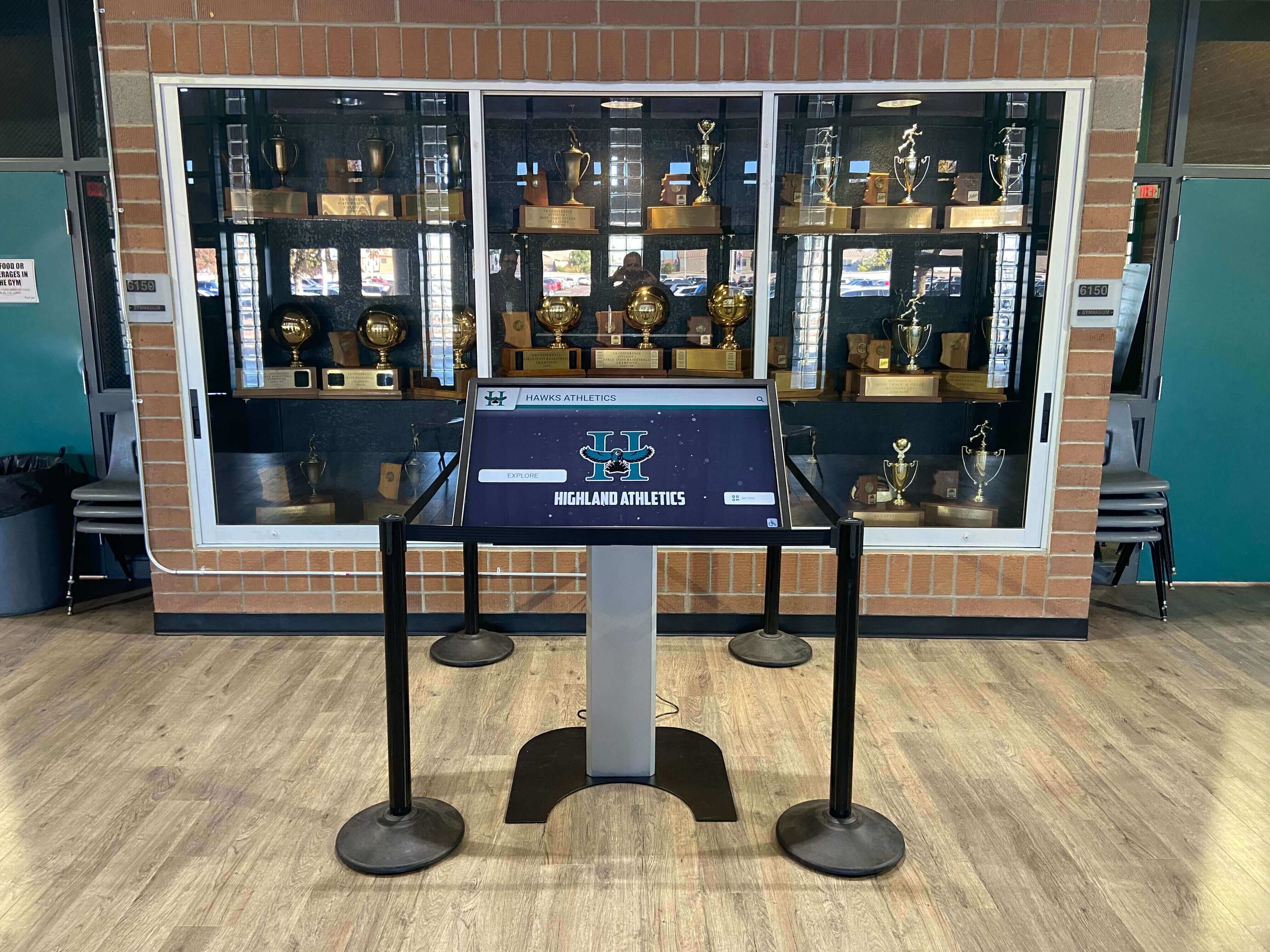
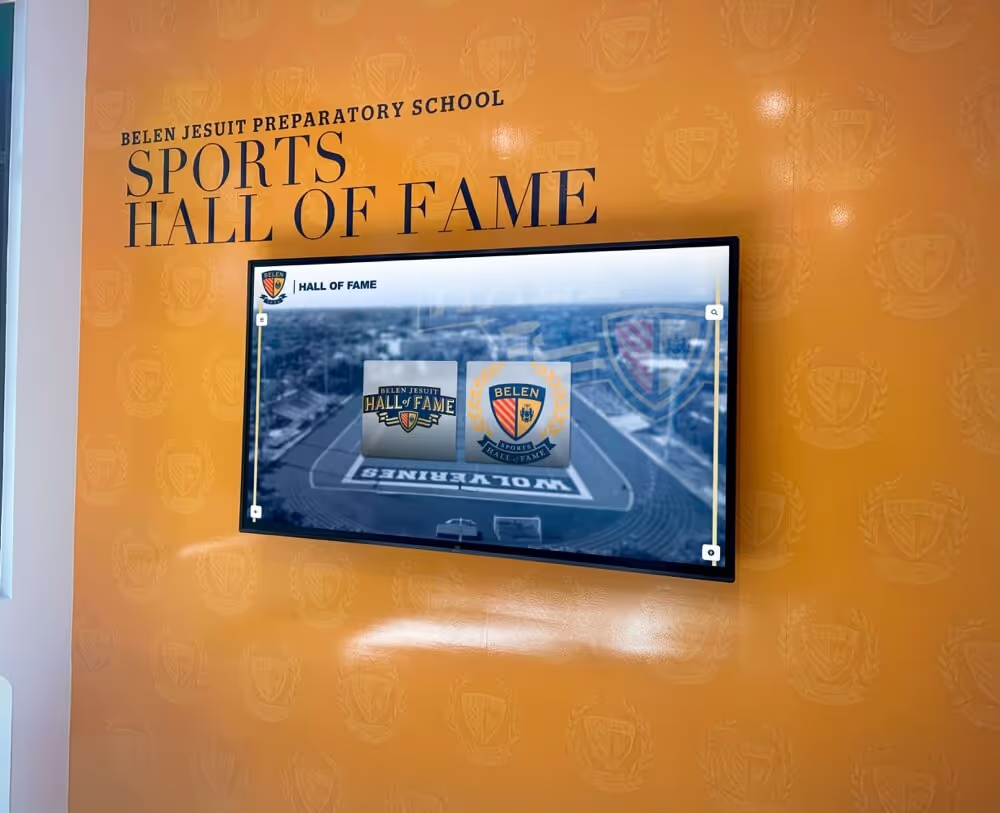
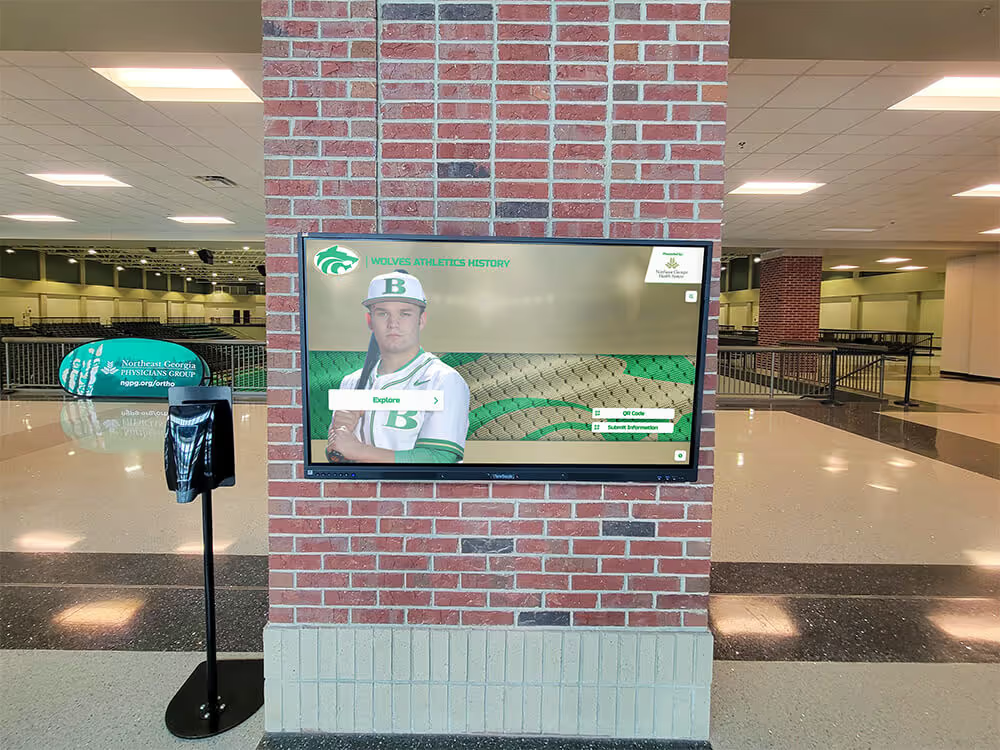
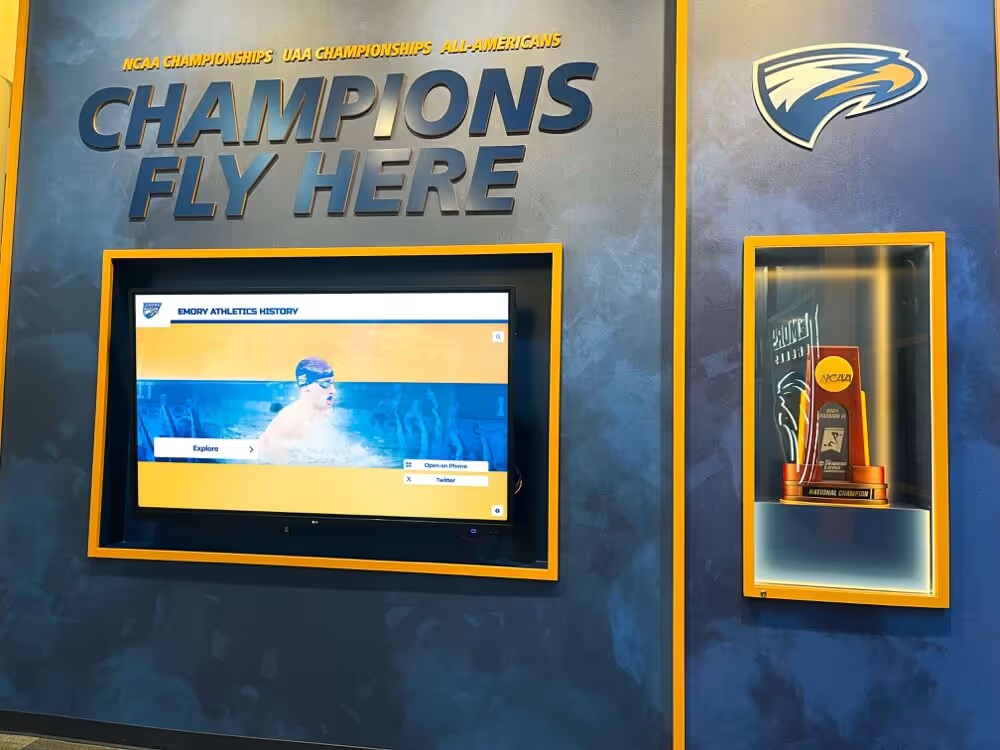
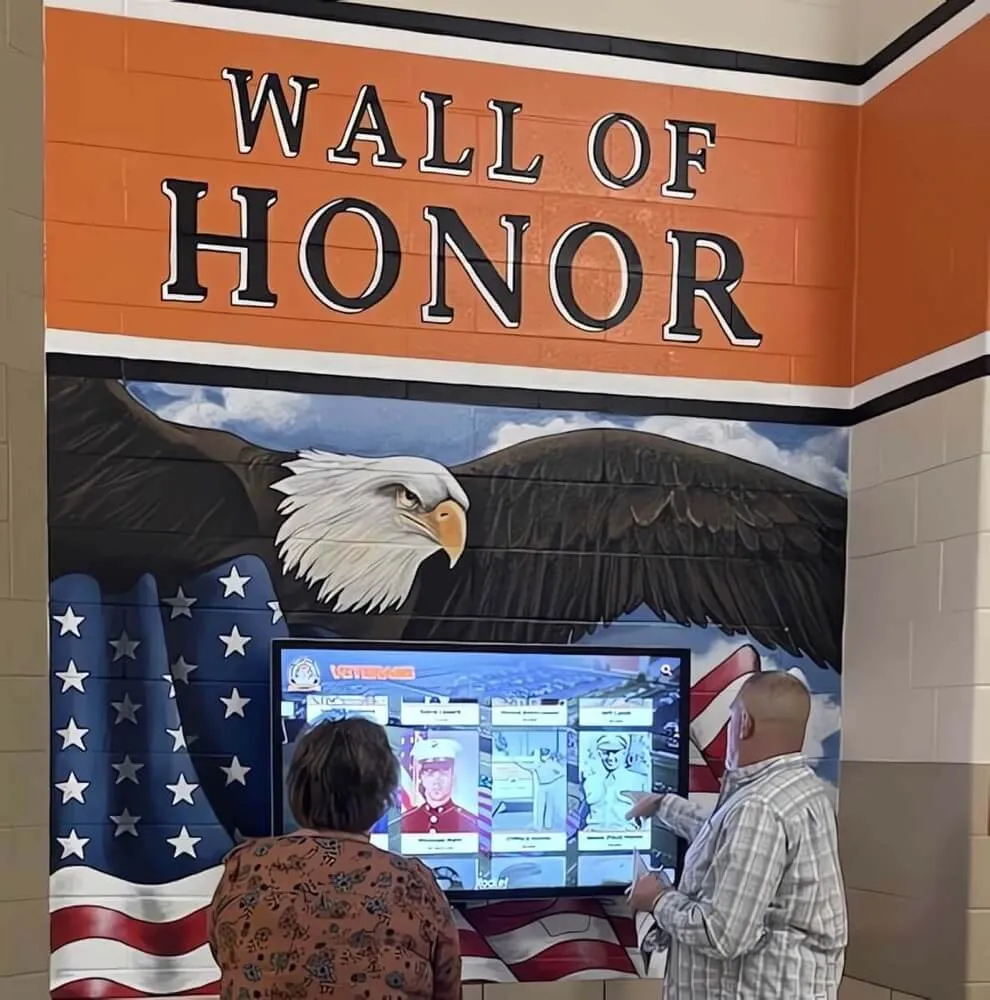
Digital recognition systems complement physical trophies, enabling comprehensive athlete profile documentation beyond what traditional trophy cases accommodate
11. Best First Touch (Soccer)
- Recognizes superior ball control skills in soccer
- Celebrates technical mastery enabling effective play under pressure
- Honors attention to detail in fundamental technique
- Sport-specific recognition demonstrating position knowledge
12. Best Hands Award (Football/Baseball)
- Acknowledges superior catching ability in football or baseball contexts
- Recognizes reliability in high-pressure catch situations
- Celebrates hand-eye coordination and concentration
- Creates recognition for non-scoring skill essential to team success
13. Best Shot Award (Basketball/Soccer/Hockey)
- Honors most effective shooting technique and accuracy
- Recognizes scoring ability from distance or specific shot types
- Celebrates skill development through dedicated practice
- Measurable through shooting percentage or accuracy competitions
14. Best Passer Award
- Acknowledges playmaking ability and vision
- Recognizes unselfish play creating scoring opportunities for teammates
- Celebrates basketball, soccer, football, or hockey passing excellence
- Often undervalued compared to scoring despite critical importance
15. Rookie of the Year
- Honors outstanding performance by first-year athlete in program
- Celebrates successful adjustment to new competitive level
- Recognizes athletes exceeding expectations for newcomers
- Motivates newer athletes while acknowledging learning curve challenges
16. Best Teammate on the Field
- Recognizes on-field communication, encouragement, and leadership
- Acknowledges athletes who make teammates better through their presence
- Celebrates vocal leadership and positive competitive influence
- Distinguishes on-field contributions from general team culture awards
17. Clutch Performance Award
- Honors athlete consistently delivering in high-pressure situations
- Recognizes mental toughness and competitive composure
- Celebrates game-winning plays or critical moment performances
- Acknowledges that some athletes elevate performance when stakes increase
18. Best Conditioning Award
- Recognizes superior fitness levels enabling sustained performance
- Celebrates commitment to conditioning beyond required practice attendance
- Honors athletes who never quit despite physical demands
- Acknowledges that elite conditioning represents controllable competitive advantage
19. Most Versatile Player
- Honors athletes excelling at multiple positions or roles
- Recognizes adaptability and willingness to serve team needs
- Celebrates well-rounded skill development across positions
- Acknowledges value of athletes providing coaching flexibility
20. Breakout Player Award
- Recognizes athlete whose performance significantly exceeded expectations
- Celebrates dramatic improvement or emergence as key contributor
- Honors athletes who elevated play to new competitive level
- Particularly meaningful for athletes transitioning from role player to star
Character, Sportsmanship, and Leadership Awards (Awards 21-40)
Personal Character Recognition
Awards celebrating qualities parents and communities prioritize beyond athletic performance:
21. Sportsmanship Award
- Recognizes gracious competition respecting opponents and officials
- Acknowledges athlete embodying positive competitive values
- Celebrates ability to win and lose with equal class
- Often considered most prestigious award reflecting program values
22. Best Attitude Award
- Honors consistently positive outlook regardless of circumstances
- Recognizes athletes who remain upbeat through challenges and disappointments
- Celebrates infectious positivity that lifts teammates’ spirits
- Acknowledges that attitude represents controllable choice
23. Leadership Award
- Recognizes formal or informal leadership influence
- Acknowledges athletes whom teammates follow and respect
- Celebrates leadership through example and vocal direction
- Particularly meaningful when peer-nominated
Explore comprehensive leadership recognition approaches applicable across youth development programs.
24. Team Captain Award
- Honors athletes selected as official team captains
- Recognizes leadership responsibilities and positive influence
- Celebrates athletes trusted to represent team values
- Acknowledges both selection honor and responsibilities fulfilled
25. Most Coachable Player
- Recognizes athletes who accept coaching and implement feedback
- Acknowledges openness to instruction and willingness to improve
- Celebrates humility and growth mindset
- Highly valued by coaches as indicator of future development potential
26. Hustle Award
- Honors relentless effort and maximum intensity
- Recognizes athletes who never take plays off
- Celebrates controllable effort independent of talent level
- Particularly meaningful for athletes with limited natural gifts but exceptional work ethic
27. Heart and Soul Award
- Recognizes athlete embodying program spirit and values
- Acknowledges emotional investment and genuine care for team success
- Celebrates athletes who bleed team colors
- Often reflects intangibles that statistics cannot capture
28. Perseverance Award
- Honors athletes overcoming significant obstacles or challenges
- Recognizes determination through injury, disappointment, or adversity
- Celebrates resilience and refusal to quit despite setbacks
- Particularly meaningful for athletes facing difficult circumstances
29. Most Inspirational Player
- Recognizes athlete whose example motivates teammates
- Acknowledges positive influence through actions and words
- Celebrates athletes who elevate others through their presence
- Often reflects intangible leadership qualities
30. Encouragement Award
- Honors athlete consistently supporting and encouraging teammates
- Recognizes verbal and emotional support that builds team confidence
- Celebrates selfless focus on teammates’ success and wellbeing
- Acknowledges that encouragement represents conscious choice requiring effort
31. Respect Award
- Recognizes respectful treatment of coaches, teammates, officials, and opponents
- Acknowledges that respect forms foundation of positive team culture
- Celebrates athletes modeling behavior programs want to cultivate
- Particularly important in youth sports teaching life lessons
32. Integrity Award
- Honors honesty, ethical behavior, and doing right thing when no one watches
- Recognizes character qualities parents prioritize above athletic success
- Celebrates athletes who uphold program values consistently
- Acknowledges that integrity cannot be faked or performed selectively
33. Ambassador Award
- Recognizes athlete representing program with distinction in community
- Acknowledges positive behavior extending beyond athletic contexts
- Celebrates athletes who understand they represent something larger
- Honors those who make coaches proud through community conduct
34. Team Unity Award
- Honors athlete building team cohesion and friendship
- Recognizes social leadership bringing diverse personalities together
- Celebrates athletes who create inclusive team environments
- Acknowledges that team chemistry often determines success as much as talent
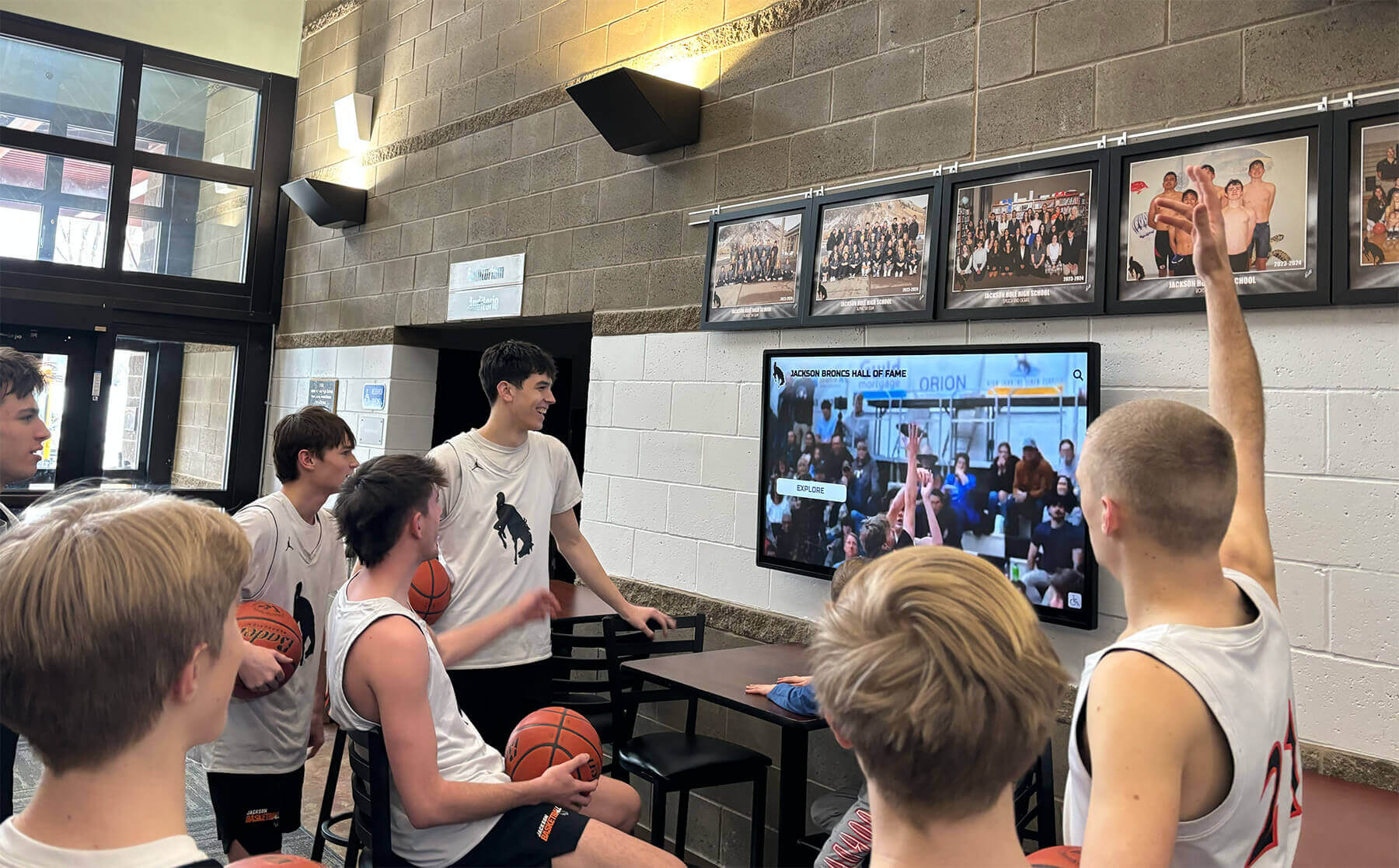
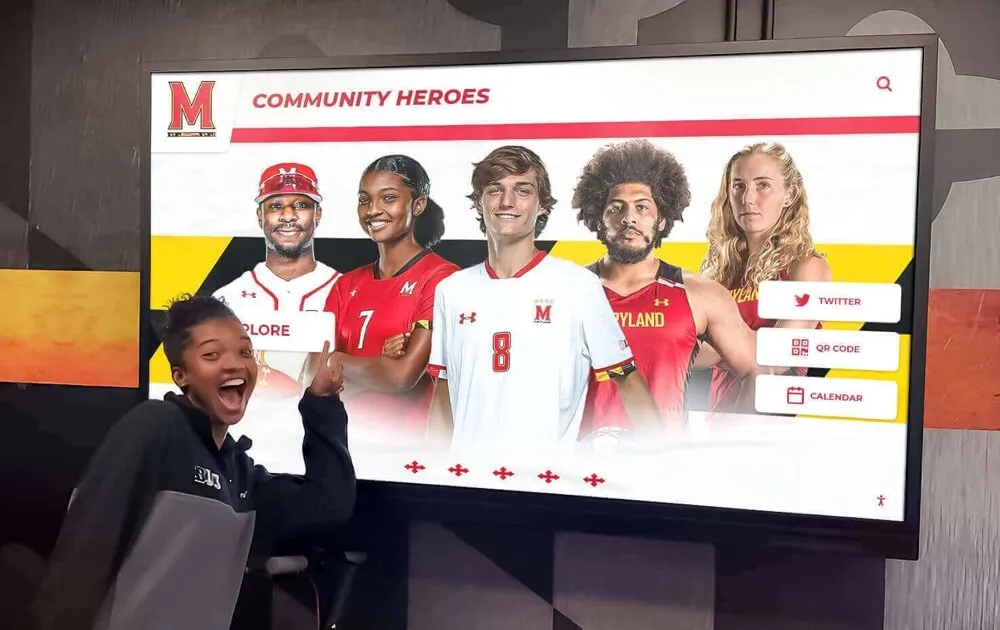
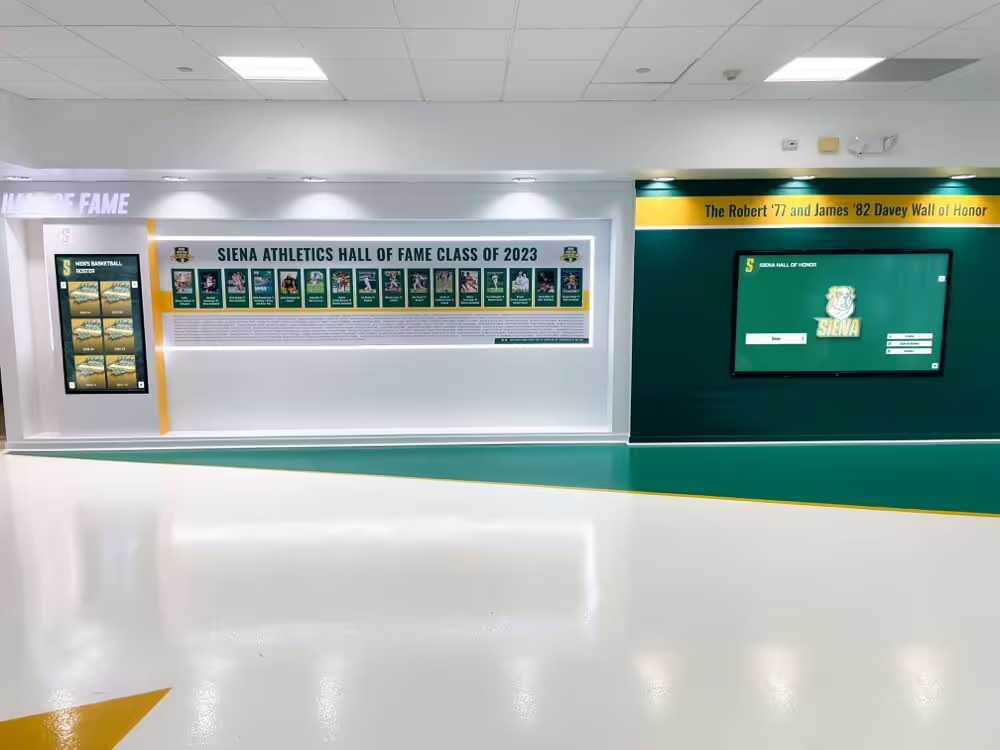
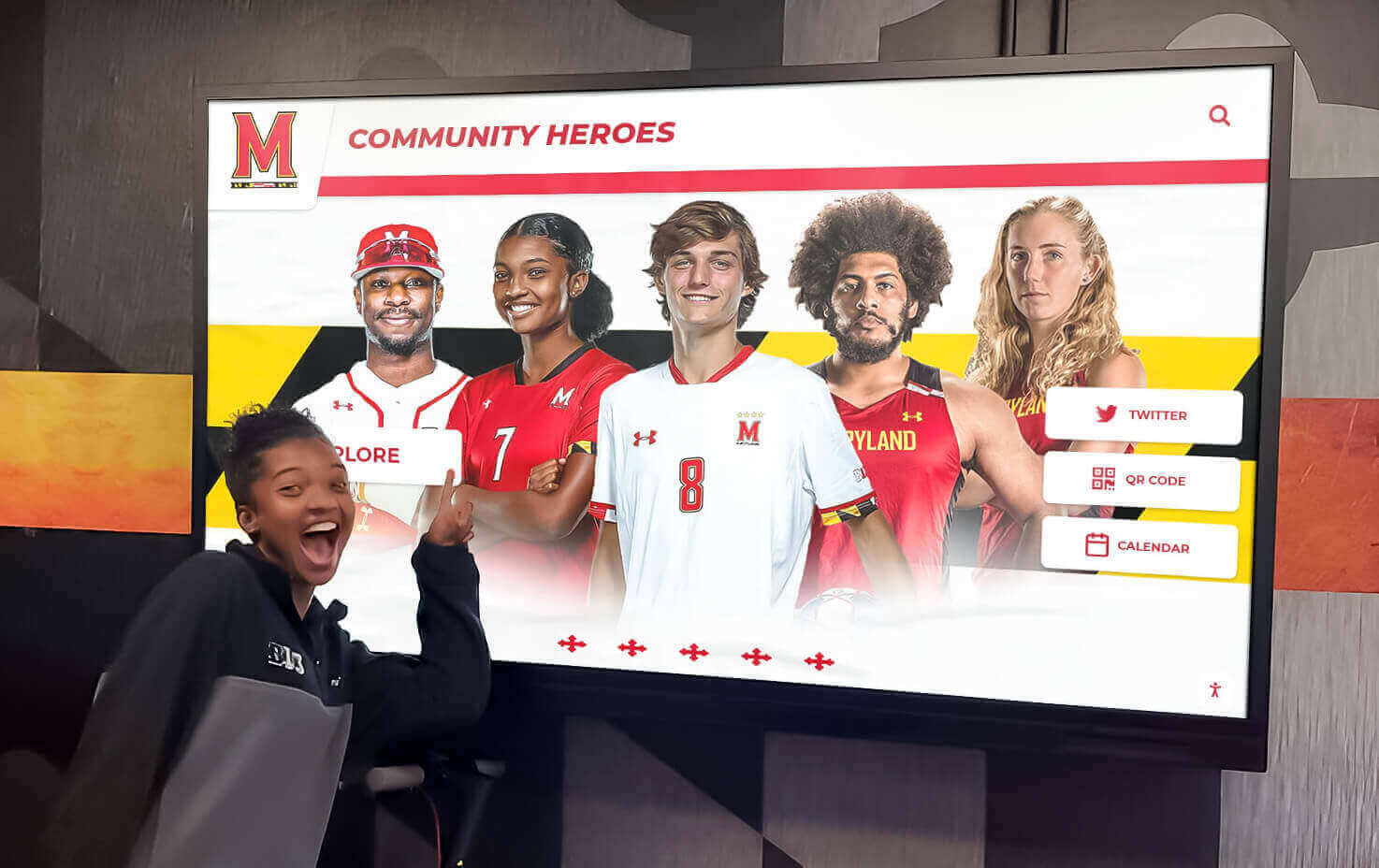
Social viewing experiences around digital displays create natural gathering points where young athletes explore achievements together, building program culture and pride
35. Positive Influence Award
- Recognizes athlete whose presence makes team better collectively
- Acknowledges leadership through positive example
- Celebrates influence extending beyond personal performance
- Honors athletes who elevate program culture meaningfully
36. Best Sportsman/Sportswoman
- Traditional recognition of exemplary competitive character
- Acknowledges gracious winning and losing
- Celebrates respect for game, opponents, and officials
- Reflects timeless values transcending winning and losing
37. Fair Play Award
- Recognizes commitment to rules and ethical competition
- Honors athletes who play hard within boundaries
- Celebrates respect for competitive integrity
- Particularly meaningful in competitive environments sometimes compromising ethics
38. Team-First Player
- Recognizes athletes prioritizing team success over personal recognition
- Acknowledges sacrifice of individual statistics for team benefit
- Celebrates unselfish play and role acceptance
- Honors athletes who embrace less glamorous roles willingly
39. Mentorship Award
- Recognizes older athletes supporting younger teammates’ development
- Acknowledges time invested teaching and encouraging less experienced players
- Celebrates leadership through service to others
- Particularly appropriate for programs with multiple age groups
40. Community Service Recognition
- Honors athletes contributing to community beyond athletic contexts
- Acknowledges volunteer work and civic engagement
- Celebrates understanding that privilege creates responsibility
- Reflects program values extending beyond athletic performance
Effort, Dedication, and Commitment Awards (Awards 41-55)
Work Ethic and Consistency Recognition
Awards celebrating controllable factors within every athlete’s reach regardless of natural ability:
41. Perfect Attendance Award
- Recognizes athletes attending all practices and games
- Acknowledges commitment despite competing demands
- Celebrates reliability teammates depend upon
- Particularly meaningful for programs with attendance challenges
42. Most Dedicated Player
- Honors exceptional commitment to program beyond minimum expectations
- Recognizes athletes arriving early, staying late, and doing extra work
- Celebrates dedication to excellence through consistent effort
- Acknowledges that championships are built by dedicated athletes
43. Practice Player of the Year
- Recognizes athlete bringing greatest intensity and focus to practice
- Acknowledges that games are won through practice preparation
- Celebrates athletes who treat practice with game-day intensity
- Often reflects work ethic distinguishing good from elite athletes
Explore practice culture recognition approaches for comprehensive programs.
44. Iron Man/Iron Woman Award
- Honors athletes playing most minutes or snaps throughout season
- Recognizes durability and conditioning enabling sustained contribution
- Celebrates reliability coaches depend upon
- Acknowledges physical and mental toughness required for heavy playing time
45. Most Consistent Player
- Recognizes reliable performance week after week
- Acknowledges dependability and steady contribution
- Celebrates athletes coaches trust in all situations
- Particularly valuable for team sports requiring consistency
46. Extra Effort Award
- Honors athlete doing more than required
- Recognizes voluntary extra work outside formal practice
- Celebrates commitment to improvement through additional training
- Acknowledges that excellence requires more than minimum effort
47. Determination Award
- Recognizes refusal to quit despite challenges or obstacles
- Honors persistence through difficult learning curves
- Celebrates mental toughness and competitive resolve
- Particularly meaningful for athletes facing adversity
48. Never Quit Award
- Honors athlete embodying perseverance through entire season
- Recognizes sustained effort regardless of success or playing time
- Celebrates commitment to team despite personal disappointment
- Acknowledges that continuing to try matters tremendously
49. Early Bird Award
- Recognizes athletes consistently arriving early for practice and games
- Honors professionalism and commitment to optimal preparation
- Celebrates discipline and respect for coaches’ time
- Acknowledges that preparation separates good from excellent athletes
50. Mental Toughness Award
- Recognizes psychological resilience through adversity
- Honors athletes who perform under pressure and overcome setbacks
- Celebrates competitive composure and emotional control
- Acknowledges that mental strength often determines outcomes as much as physical ability
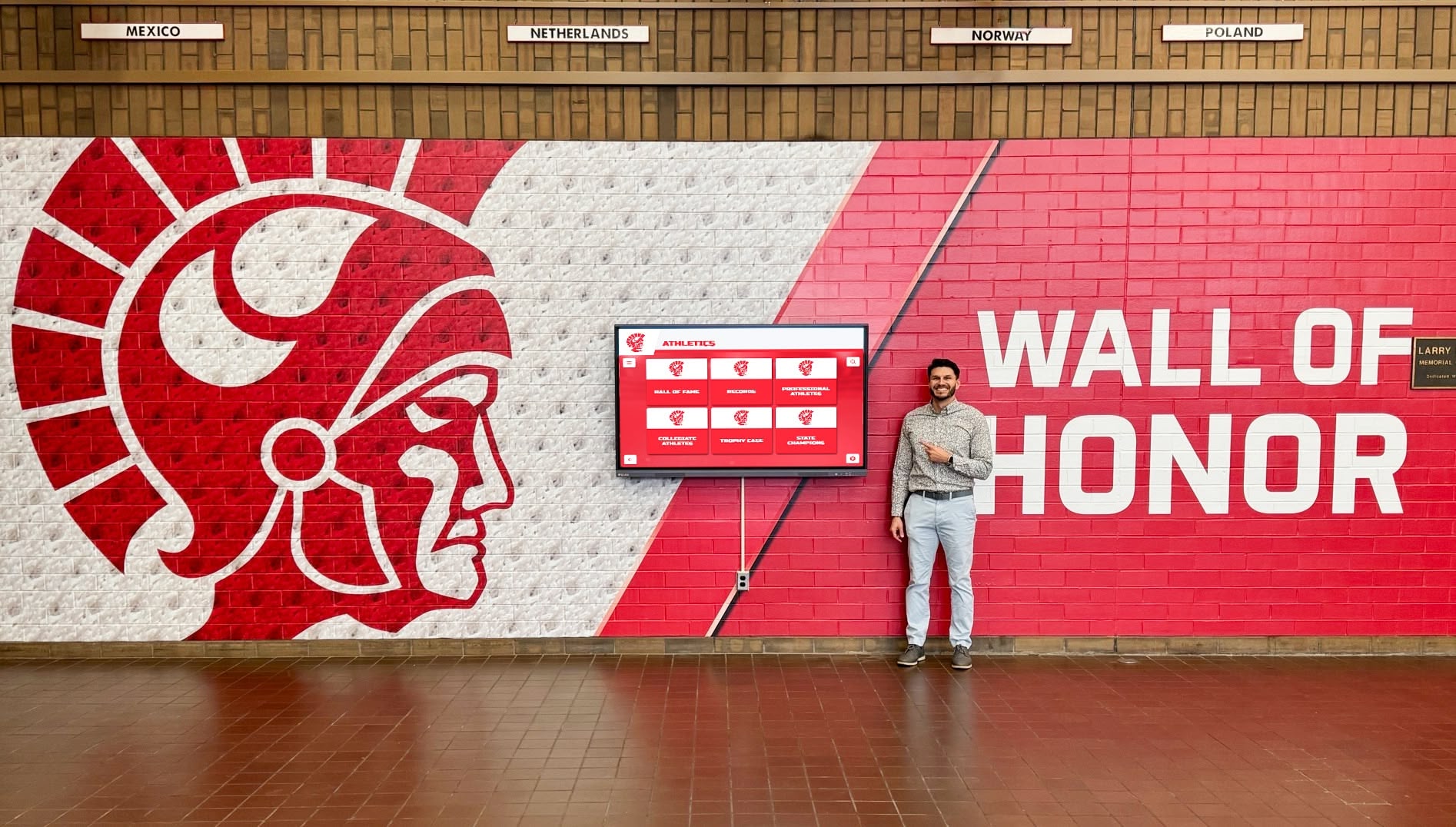
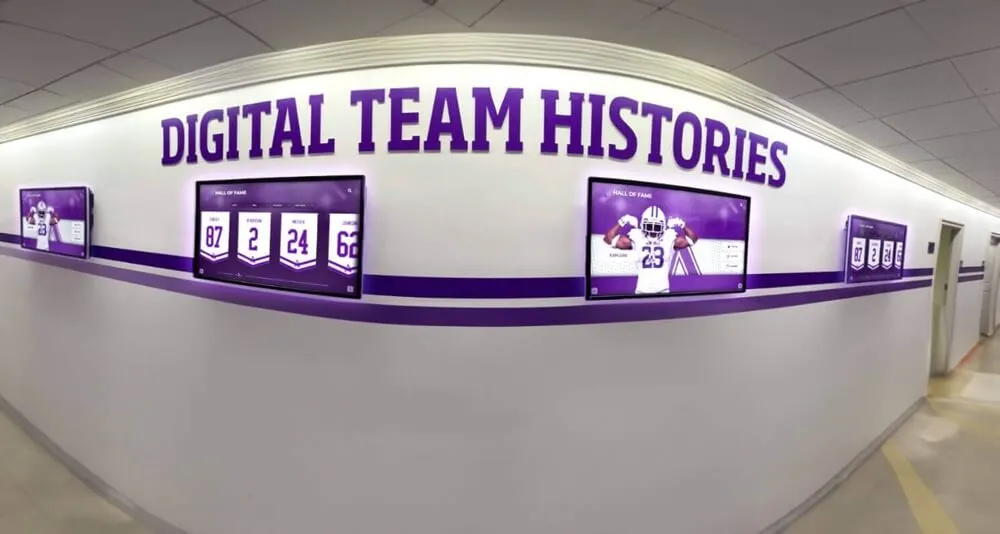
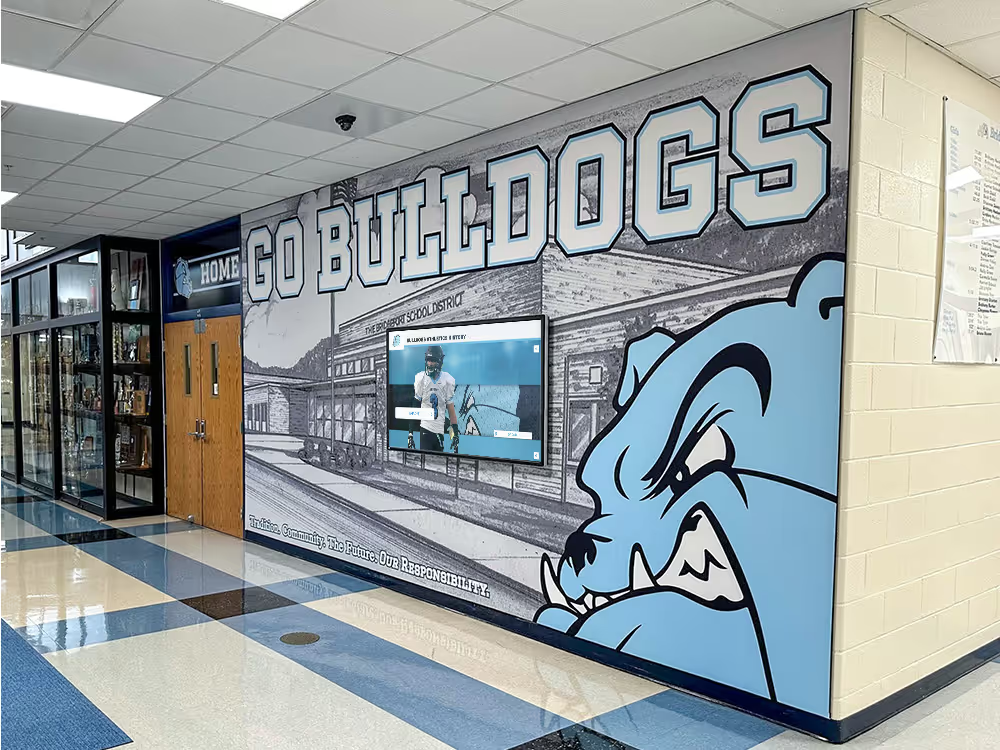
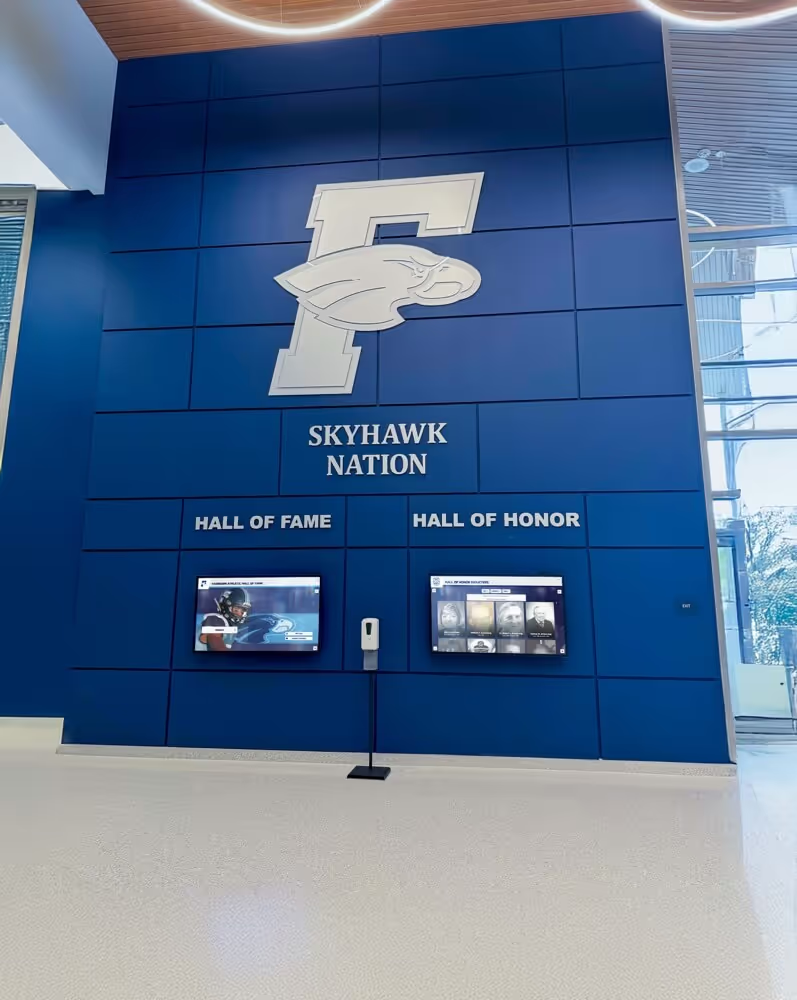
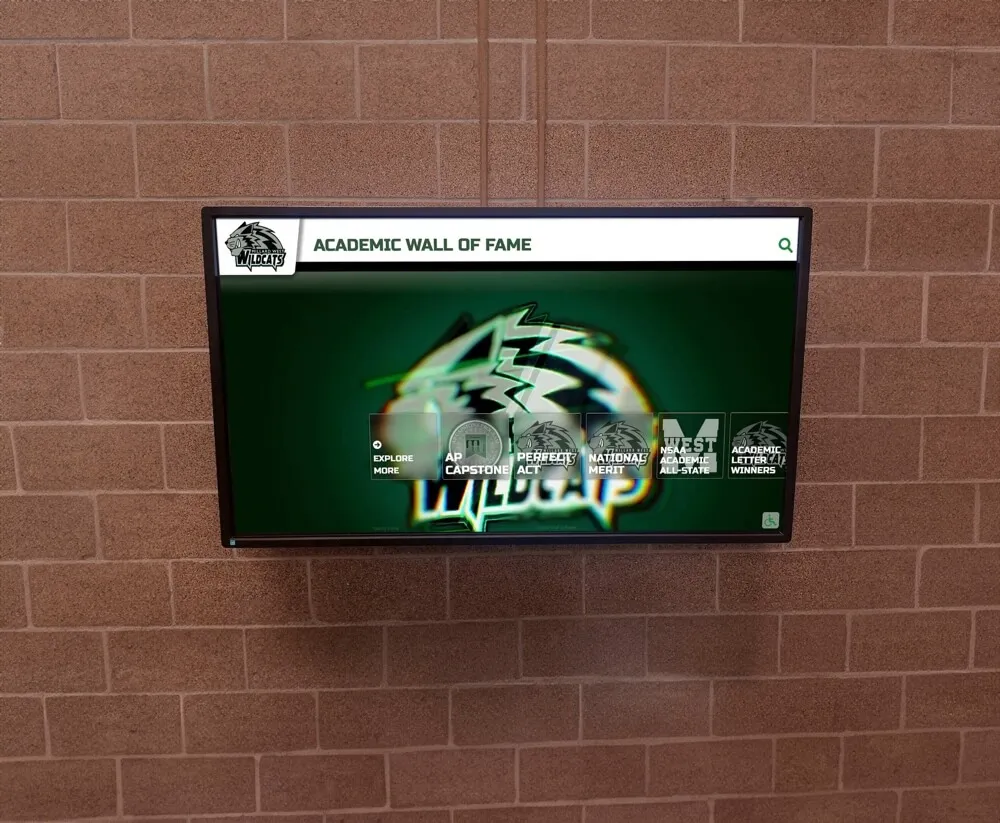
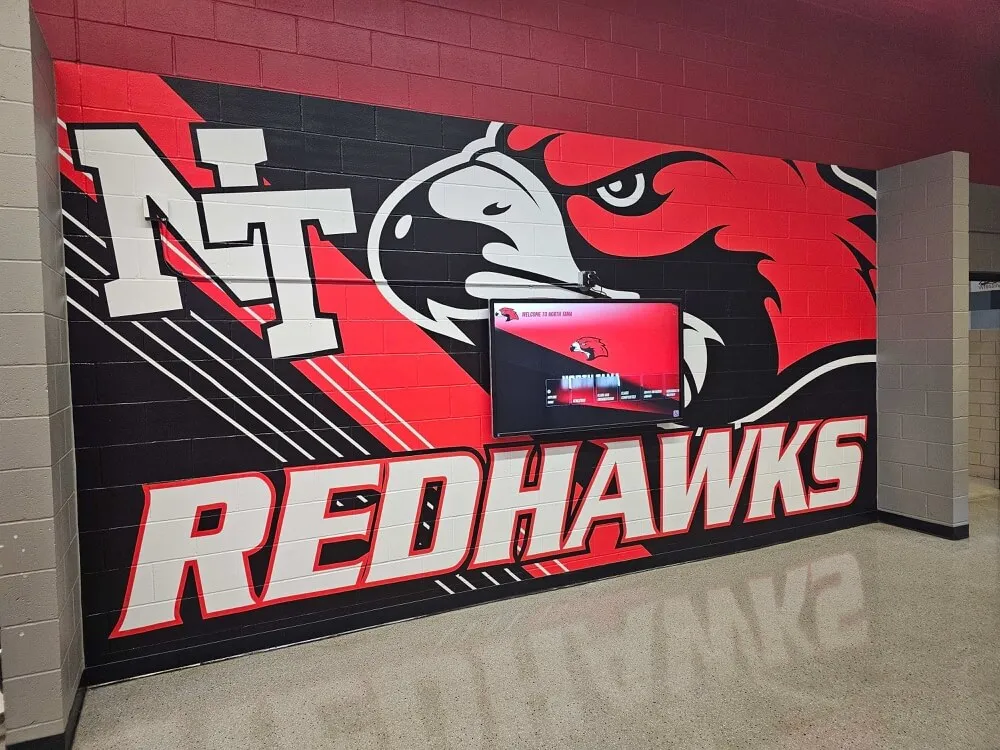
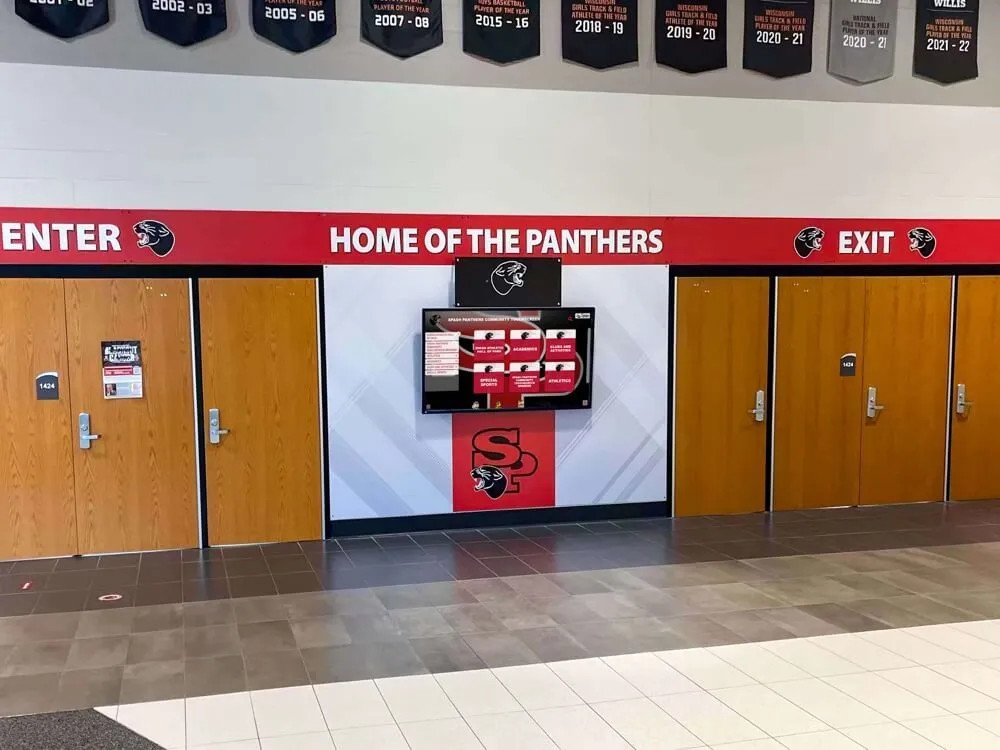
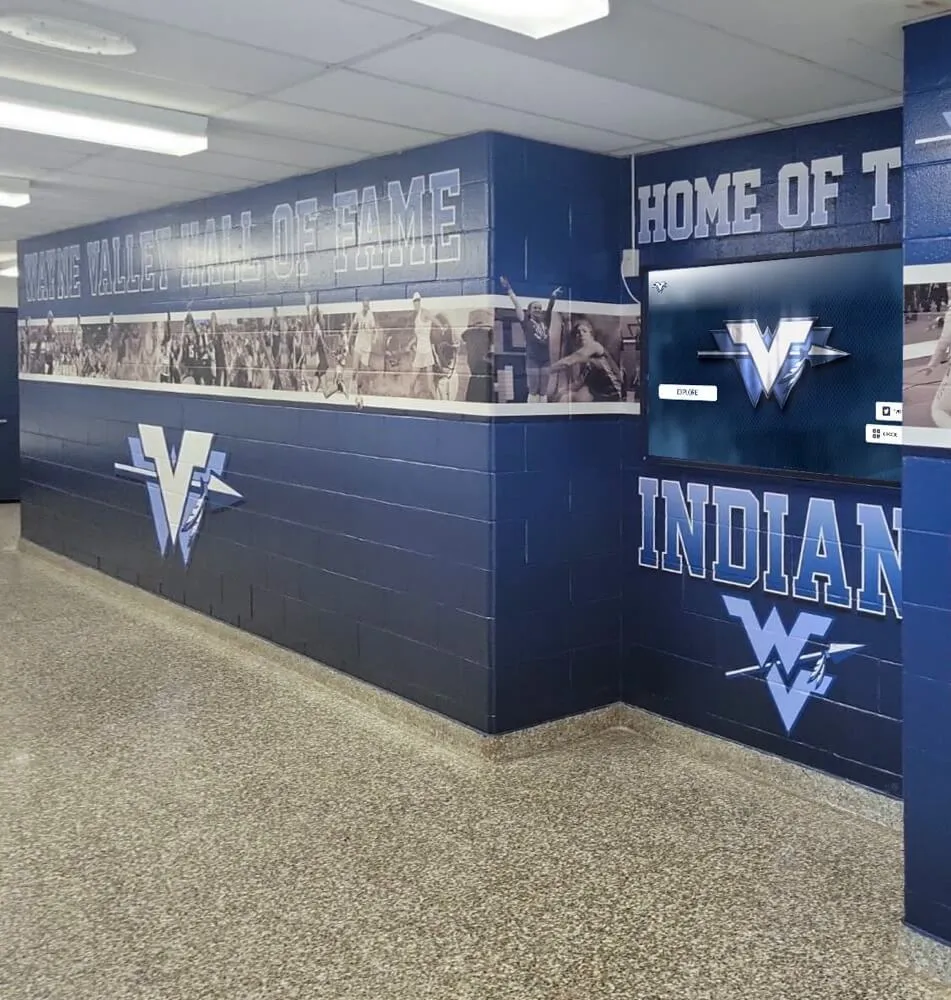
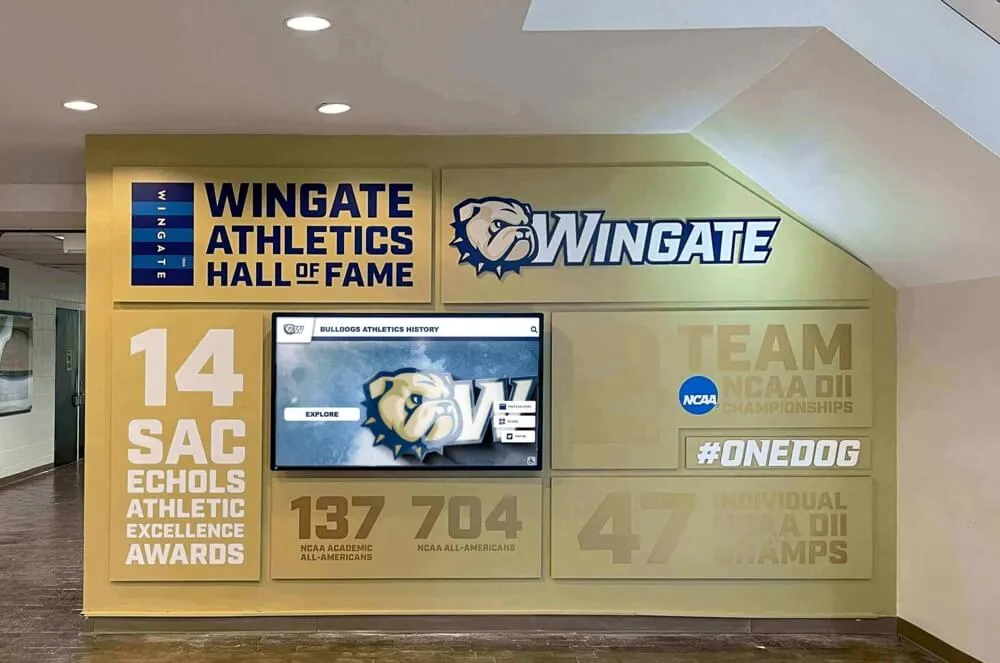
Strategic hallway placements ensure youth sports achievements receive visibility throughout facilities, elevating program prestige while inspiring younger athletes
51. Grit Award
- Recognizes sustained passion and perseverance toward long-term goals
- Honors athletes who maintain commitment despite setbacks
- Celebrates resilience and determination through difficult seasons
- Reflects qualities predicting success beyond athletics
52. Commitment to Excellence Award
- Recognizes athlete holding self to highest standards
- Honors refusal to accept mediocrity in preparation or performance
- Celebrates pursuit of excellence in all aspects of program
- Acknowledges that excellence requires daily commitment
53. Best Prepared Player
- Recognizes exceptional preparation through film study, equipment care, and mental readiness
- Honors professionalism and attention to preparation details
- Celebrates understanding that preparation determines performance
- Particularly appropriate for older youth athletes
54. Focus Award
- Recognizes exceptional concentration and attention during practice and competition
- Honors ability to block distractions and remain task-focused
- Celebrates mental discipline enabling optimal performance
- Acknowledges that focus represents trainable skill
55. Self-Improvement Award
- Recognizes athlete most committed to personal development
- Honors proactive approach to addressing weaknesses
- Celebrates growth mindset and ownership of development
- Particularly meaningful for athletes seeking feedback and implementing changes
Team Contribution and Role Performance Awards (Awards 56-70)
Supporting Cast and Role Player Recognition
Awards celebrating essential contributions that don’t generate statistics but enable team success:
56. Best Role Player
- Recognizes athlete excelling in defined role despite limited playing time
- Honors acceptance of role and commitment to excellence within that role
- Celebrates understanding that all roles contribute to team success
- Acknowledges that teams need role players as much as stars
57. Sixth Player Award (Basketball)
- Recognizes first substitute providing critical bench contribution
- Honors reliable performance despite not starting
- Celebrates readiness to contribute whenever called upon
- Acknowledges valuable role requiring preparation without guaranteed minutes
58. Unsung Hero Award
- Recognizes essential contributions receiving little public recognition
- Honors athletes doing thankless work enabling team success
- Celebrates willingness to serve team regardless of personal glory
- Particularly meaningful for athletes in non-glamorous positions
59. Best Teammate Off the Field
- Recognizes athletes building team unity through friendship and support
- Acknowledges social contributions beyond competitive contexts
- Celebrates athletes making team enjoyable for everyone
- Honors those who build team chemistry and positive culture
60. Team Manager Appreciation
- Recognizes student managers’ essential contributions to program
- Honors dedication despite not being active competitors
- Celebrates service and commitment to team success
- Acknowledges that programs depend on managers’ often invisible work
Explore student leadership recognition approaches applicable across youth programs.
61. Best Bench Support
- Recognizes athletes cheering and supporting teammates from sideline
- Honors positive energy and encouragement despite limited playing time
- Celebrates understanding that bench contribution matters
- Acknowledges difficulty of remaining engaged without playing regularly
62. Glue Guy/Gal Award
- Recognizes athlete holding team together through intangibles
- Honors contributions that don’t show in statistics
- Celebrates presence that makes team function better collectively
- Particularly meaningful when teammates nominate award recipient
63. Vocal Leader Award
- Recognizes athletes providing communication and direction during competition
- Honors willingness to direct teammates and maintain focus
- Celebrates leadership through verbal coaching and encouragement
- Acknowledges that vocal leadership requires courage and confidence
64. Quiet Leader Award
- Recognizes leadership through consistent example rather than words
- Honors athletes whose actions speak louder than speeches
- Celebrates influence through dedication and performance
- Acknowledges that effective leadership takes multiple forms
65. Best Teammate Award
- Recognizes athlete most supportive, encouraging, and collaborative
- Acknowledges those celebrating others’ success genuinely
- Celebrates friendship and care for teammates’ wellbeing
- Often considered among most prestigious due to peer recognition
66. Chemistry Award
- Recognizes athlete building positive relationships across team
- Honors ability to connect with diverse personalities
- Celebrates social intelligence and relationship-building skills
- Acknowledges that team chemistry often determines success
67. Energy Award
- Recognizes athlete bringing exceptional enthusiasm and intensity
- Honors infectious energy that lifts team atmosphere
- Celebrates positive presence that makes practice and competition more engaging
- Particularly valuable for teams struggling with flat energy
68. Competitor of the Year
- Recognizes athlete displaying greatest competitive drive
- Honors refusal to accept losing and intense desire to win
- Celebrates healthy competitiveness that pushes teammates
- Acknowledges that competitive fire represents essential quality
69. Pride Award
- Recognizes athlete showing greatest pride in program and team identity
- Honors emotional investment in team success
- Celebrates athletes who genuinely care about program reputation
- Acknowledges that pride in program motivates excellence
70. Program Builder Award
- Recognizes athlete contributing to long-term program development beyond single season
- Honors multi-year commitment and positive legacy
- Celebrates athletes leaving program better than they found it
- Particularly appropriate for senior athletes or program veterans
Achievement, Performance, and Statistical Awards (Awards 71-85)
Measurable Excellence Recognition
Awards celebrating objective achievements and competitive success:
71. Most Valuable Player (MVP)
- Traditional recognition of most valuable team contributor
- Honors overall excellence and impact on team success
- Celebrates combination of skill, performance, and leadership
- Most prestigious individual award in most programs
72. Offensive MVP
- Recognizes greatest offensive contribution and production
- Honors scoring, playmaking, and offensive excellence
- Celebrates statistical production and game-changing offensive impact
- Appropriate for programs separating offensive and defensive recognition
73. Defensive MVP
- Recognizes greatest defensive contribution and impact
- Honors defensive statistics, stops, and game-changing defensive plays
- Celebrates often-undervalued defensive excellence
- Ensures defense receives equal prestige with offensive recognition
74. Team MVP (Coaches’ Selection)
- Recognizes athlete coaches identify as most valuable
- Honors coach’s perspective on true value beyond statistics
- Celebrates contributions coaches appreciate most
- Particularly meaningful when coaches provide detailed explanation
75. Players’ Player Award
- Recognizes athlete teammates vote as most valuable
- Honors peer respect and recognition from those who compete alongside
- Celebrates qualities teammates value most highly
- Often reflects leadership and character as much as performance
Understanding competitive excellence recognition provides frameworks for achievement-based programs.
76. Statistical Champion Awards
- Recognizes league or team leaders in specific statistical categories
- Honors measurable excellence in scoring, assists, rebounds, goals, etc.
- Celebrates objective achievement based on documented performance
- Creates multiple recognition opportunities across different statistics
77. All-Star Selection Recognition
- Honors athletes selected for league all-star teams
- Recognizes peer and coach voting across league
- Celebrates achievement of external recognition beyond team awards
- Provides objective validation of excellence
78. Tournament MVP
- Recognizes outstanding performance in championship or tournament play
- Honors ability to elevate performance in biggest moments
- Celebrates clutch performance when stakes are highest
- Particularly prestigious when earned in championship tournament
79. Game-Winning Performance Awards
- Recognizes athletes delivering game-winning plays throughout season
- Honors clutch performance in critical moments
- Celebrates ability to deliver under pressure
- Acknowledges that some athletes perform best when games matter most
80. Milestone Achievement Recognition
- Honors reaching significant statistical milestones (1,000 points, 100 goals, etc.)
- Celebrates sustained excellence over time required for milestone achievement
- Recognizes place in program history
- Provides objective recognition opportunity based on documented achievement
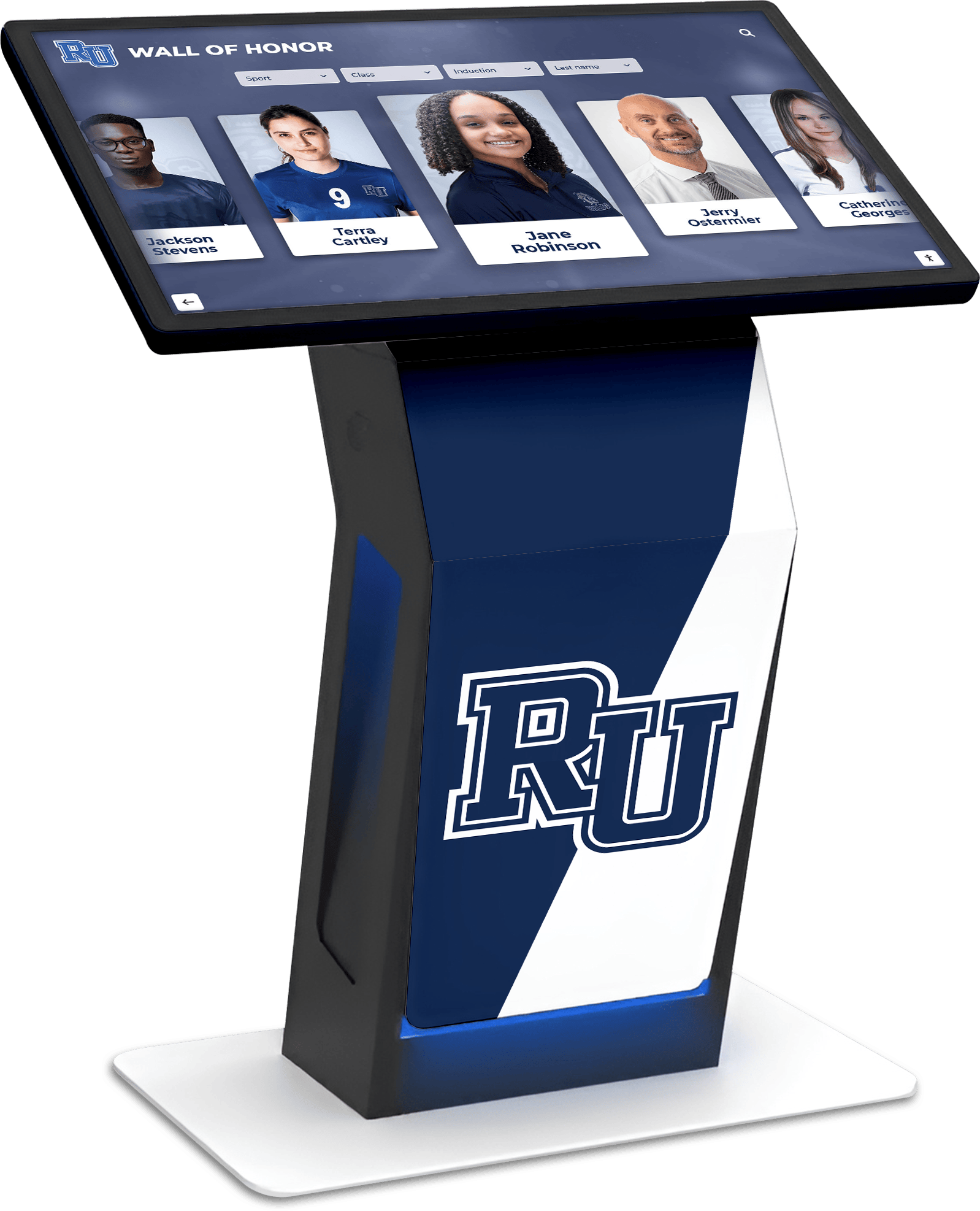
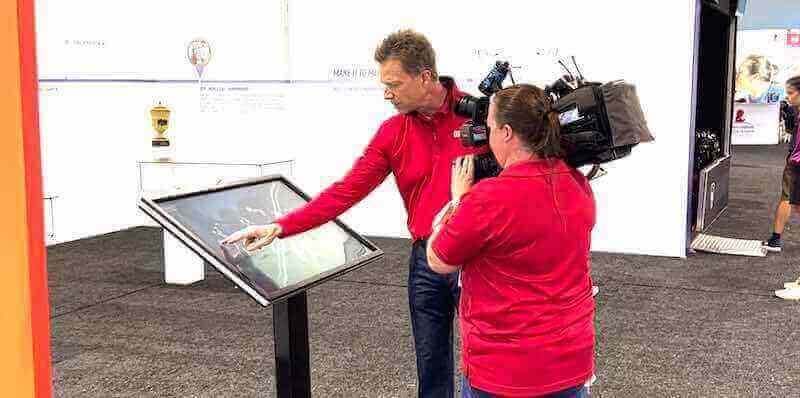
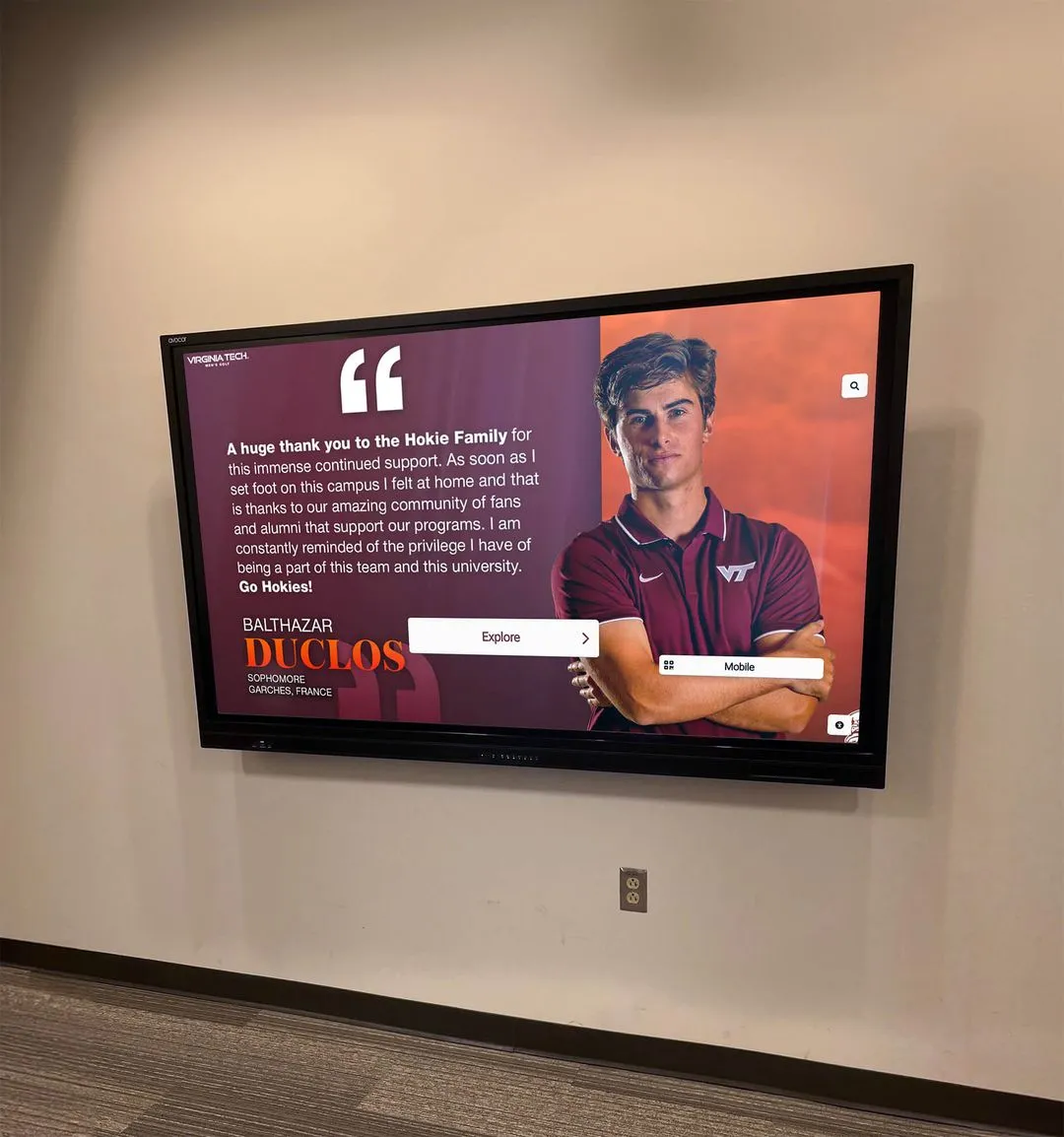
Professional kiosk installations provide complete youth sports recognition solutions without requiring wall mounting, enabling flexible placement in optimal high-traffic locations
81. Record-Breaking Performance
- Recognizes athletes setting new program or league records
- Honors exceptional performance exceeding historical standards
- Celebrates place in program history books
- Provides objective recognition based on documented achievements
82. Championship Team Recognition
- Honors entire team winning championships or tournaments
- Celebrates collective achievement and team success
- Recognizes that individual awards supplement but don’t replace team success
- Acknowledges that team championships often represent highest achievement
83. Perfect Season Awards
- Recognizes teams completing undefeated seasons
- Celebrates sustained excellence throughout entire season
- Honors rare achievement requiring consistency and excellence
- Often represents pinnacle accomplishment for youth sports teams
84. Comeback Player of the Year
- Recognizes athlete returning successfully from injury or significant absence
- Honors perseverance through rehabilitation and recovery
- Celebrates determination to return to competitive form
- Particularly meaningful for athletes overcoming serious setbacks
85. Breakout Performance Award
- Recognizes individual game or competition representing career-best performance
- Honors peak individual achievement
- Celebrates memorable performances that define seasons
- Acknowledges that individual breakout moments inspire teams
Sport-Specific and Unique Recognition (Awards 86-100)
Specialized and Creative Awards
Sport-specific recognition acknowledging unique contributions and creative award categories:
86. Golden Boot Award (Soccer)
- Recognizes leading goal scorer in soccer programs
- Honors offensive production and finishing ability
- Celebrates scoring excellence with sport-specific terminology
- Traditional award reflecting soccer culture
87. Golden Glove Award (Soccer)
- Recognizes best goalkeeper based on saves and goals-against average
- Honors position requiring specialized skills
- Celebrates defensive excellence in critical position
- Provides goalkeeper-specific recognition in primarily offensive award structure
88. Quarterback Award (Football)
- Recognizes excellence in football’s most visible position
- Honors leadership and performance under pressure
- Celebrates position requiring unique combination of physical and mental skills
- Provides position-specific recognition
89. Pitcher of the Year (Baseball/Softball)
- Recognizes pitching excellence and statistical achievement
- Honors strikeouts, ERA, and dominant performances
- Celebrates position requiring specialized skills and mental toughness
- Provides pitcher-specific recognition beyond general MVPs
90. Batting Champion (Baseball/Softball)
- Recognizes highest batting average or offensive production
- Honors consistent hitting and offensive excellence
- Celebrates measurable hitting achievement
- Traditional baseball/softball award reflecting sport culture
91. Ace Award (Multiple Sports)
- Recognizes dominant performer in various contexts
- Honors excellence as team’s top performer or “ace”
- Celebrates reliance on athlete in critical situations
- Adaptable across multiple sports contexts
92. Ironman/Ironwoman Award (Endurance Sports)
- Recognizes exceptional endurance and durability in running, swimming, cycling
- Honors ability to sustain effort over extended periods
- Celebrates conditioning and mental toughness required for endurance sports
- Sport-specific recognition for distance athletes
93. Best Form Award (Gymnastics/Diving/Figure Skating)
- Recognizes superior technical execution and aesthetic quality
- Honors attention to form details that distinguish excellence
- Celebrates artistic and technical combination
- Appropriate for judged sports emphasizing technique
94. Best Team Player in Individual Sport
- Recognizes athletes in individual sports who support teammates despite competing individually
- Honors encouragement and team-first mentality in track, swimming, wrestling, tennis
- Celebrates understanding that individual sports can have team dimensions
- Acknowledges that supporting teammates matters even when competing individually
95. Most Feared Competitor Award
- Recognizes athlete opponents respect and fear most
- Honors competitive intensity and intimidation factor
- Celebrates reputation earned through consistent excellence
- Particularly appropriate for physical, competitive sports
96. Fan Favorite Award
- Recognizes athlete generating strongest spectator enthusiasm
- Honors entertainment value and crowd engagement
- Celebrates athletes who make games exciting for spectators
- Acknowledges that youth sports entertainment matters
97. Highlight Reel Award
- Recognizes athlete producing most spectacular or memorable plays
- Honors excitement and entertainment value
- Celebrates athleticism generating lasting memories
- Appeals to young athletes valuing spectacular moments
98. Best Newcomer Award
- Recognizes outstanding performance by athlete new to sport
- Honors successful adaptation to new athletic challenge
- Celebrates rapid learning and skill development
- Encourages athletes trying new sports
99. Ambassador to Youth Award
- Recognizes older athletes mentoring younger participants
- Honors commitment to program beyond personal competition
- Celebrates leadership through service to younger athletes
- Acknowledges that program sustainability requires cultivating next generation
100. Coaches’ Award
- Traditional catch-all recognition for athlete coaches wish to honor
- Provides flexibility for situations not fitting other categories
- Honors special contributions coaches identify as valuable
- Often considered highly prestigious due to coach selection and personal nature
Execution Timeline: Implementing Year-Round Youth Sports Recognition
Successful awards programs require systematic planning throughout athletic seasons, creating sustained visibility rather than single-event recognition that quickly fades from young athletes’ awareness and memory.
Phase 1: Pre-Season Planning and Award Structure Development
Establishing Award Categories and Criteria
Before season begins, coaching staff and program administrators should:
- Review this comprehensive list selecting 10-15 award categories aligning with program values and youth development priorities
- Define objective criteria for achievement-based awards reducing subjective bias and perceived favoritism
- Determine whether awards will be coach-selected, peer-voted, parent-input, or combination approaches
- Communicate award categories to athletes and families so participants understand recognition opportunities
- Create simple tracking systems documenting statistics, attendance, and observations throughout season
- Establish budget for physical awards and potential digital recognition displays
Timeline Considerations
- Complete award selection 2-3 weeks before season starts
- Communicate award categories during pre-season meetings with families
- Establish tracking systems ready for season’s first practice
- Identify award presentation ceremony date and format
Early planning prevents rushed end-of-season decisions while ensuring systematic documentation throughout season rather than relying on coaches’ imperfect memories when making final selections.
Phase 2: In-Season Documentation and Ongoing Recognition
Systematic Achievement and Behavior Tracking
Throughout athletic season, maintain:
- Detailed statistics for all measurable categories supporting performance awards
- Attendance records supporting dedication and commitment awards
- Behavioral observations documenting sportsmanship, attitude, and character qualities
- Critical moment notes identifying clutch performances and memorable contributions
- Photo and video documentation from games and practices
- Peer feedback opportunities where athletes nominate teammates for character awards
Mid-Season Recognition Opportunities
Create recognition moments throughout season beyond end-of-year celebrations:
- Weekly practice recognition highlighting exceptional effort or specific achievements
- Social media features celebrating individual athletes and their contributions
- Parent communications acknowledging athlete development and positive behaviors
- Team meeting shoutouts maintaining awareness of various achievement dimensions
- Player of the game/week recognition after competitions
- Digital display updates showcasing current season photos and achievements
Regular recognition throughout season maintains motivation while communicating that diverse contributions receive acknowledgment, not just statistical leaders.
Explore season-long recognition approaches providing frameworks for systematic programs.
Phase 3: End-of-Season Selection and Ceremony Planning
Thoughtful Award Selection Process
During final weeks, implement deliberate decision-making:
Coach Evaluation Process
- Review complete season documentation including statistics, observations, and notes
- Consider each award category systematically avoiding rushed final decisions
- Involve assistant coaches in discussions ensuring diverse perspectives inform selections
- Balance competitive achievement recognition with character and effort awards
- Ensure recognition represents team diversity including different age groups and skill levels
- Document rationale for selections addressing potential questions from families
Peer Voting Procedures for Applicable Awards
- Conduct anonymous voting for peer-selected awards using ballots or online forms
- Require brief written justifications encouraging thoughtful nominations rather than popularity contests
- Count votes confidentially maintaining ceremony surprise
- Review results for appropriateness, overriding only when selections contradict program values
- Consider coach override carefully as peer selections typically reflect important perspectives
Ceremony Production Planning
Create memorable recognition experiences through:
Awards Banquet Format Considerations
- Venue selection accommodating athletes, families, coaches, and special guests comfortably
- Meal planning addressing dietary restrictions and age-appropriate food preferences
- Program structure balancing recognition with social time and entertainment
- Audio-visual production including slideshows, videos, and music creating emotional impact
- Special recognition segments for graduating athletes or program contributors
- Guest speakers such as high school coaches or former athletes inspiring future participation
Alternative Ceremony Formats
- End-of-season parties prioritizing celebration over formal recognition
- Combined recognition with other teams during multi-sport athletic celebrations
- Virtual ceremonies when distance or scheduling prevents in-person attendance
- Individual award presentations at final practice creating intimate recognition moments
- Public recognition at community events providing broader visibility
Format should align with program culture, budget realities, and community expectations while ensuring young athletes feel genuinely honored and families feel their athletes’ contributions received appropriate acknowledgment.
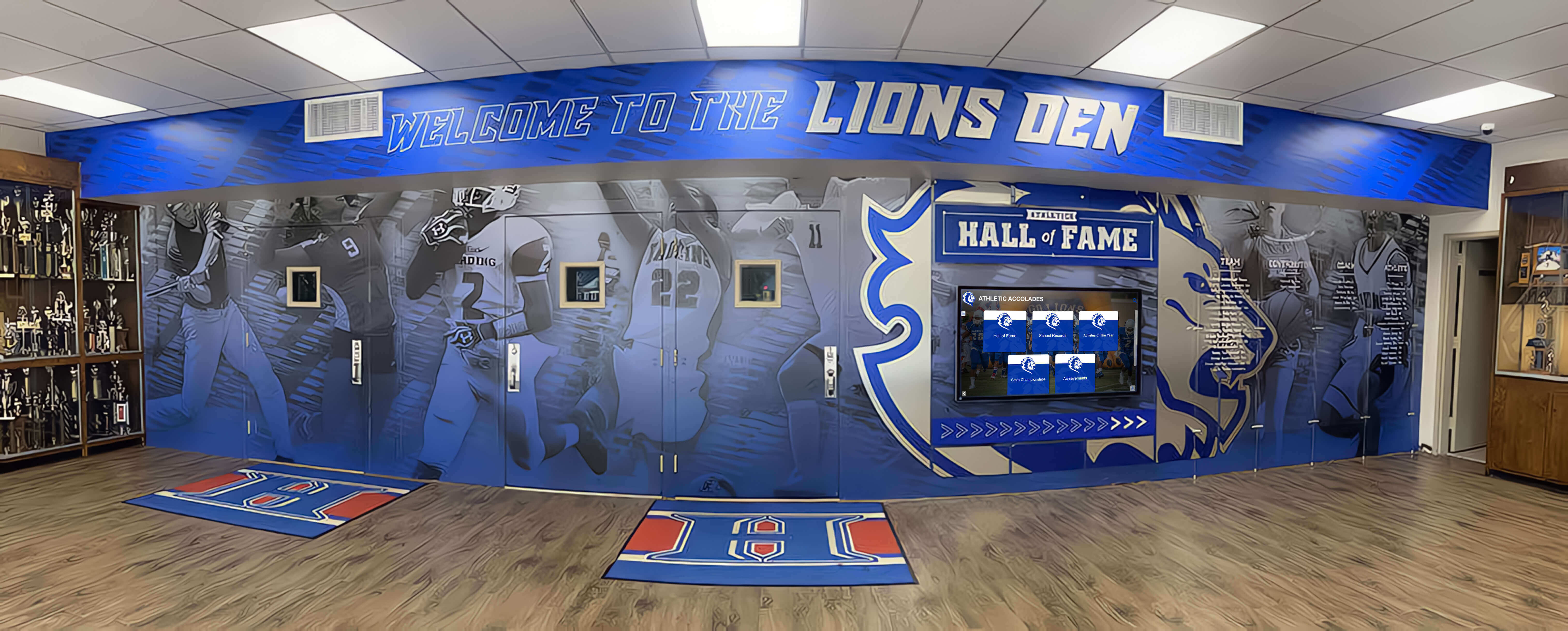
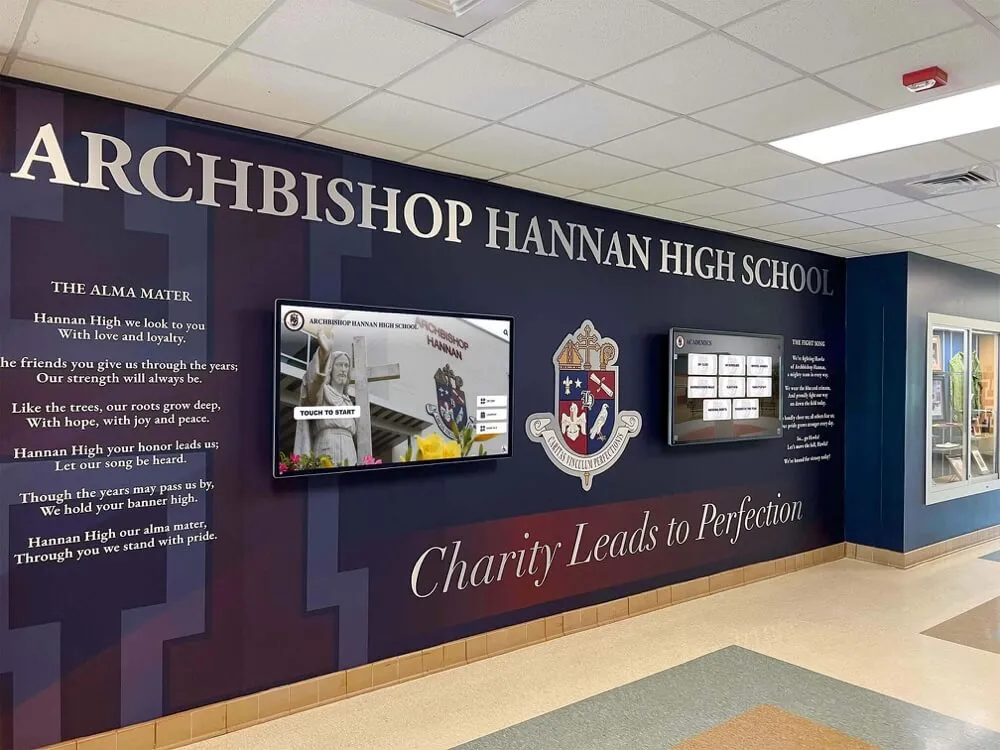
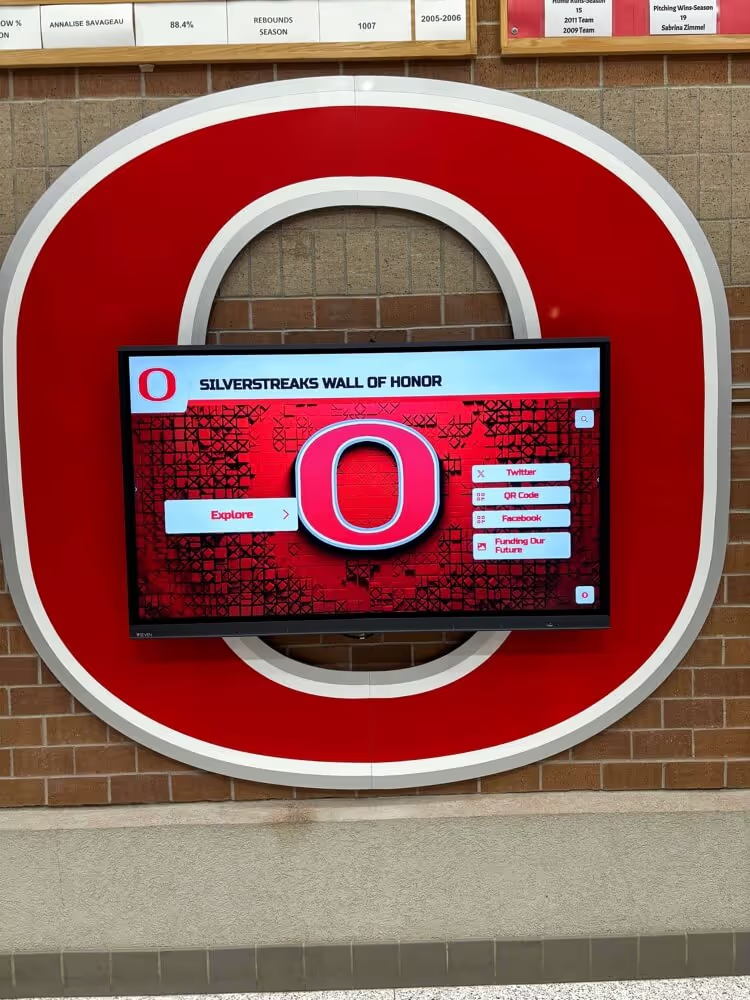
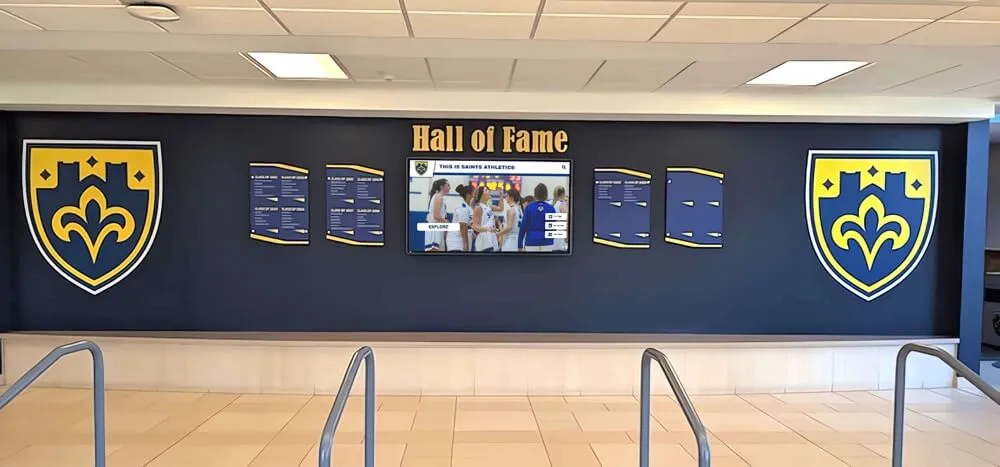
Comprehensive recognition environments integrate youth sports achievements within community athletic culture, positioning youth programs as foundations for future competitive excellence
Phase 4: Year-Round Visibility Through Digital Recognition Systems
Comprehensive Digital Display Implementation
Transform single-event recognition into sustained visibility extending impact beyond awards ceremony:
Content Development for Digital Platforms
- Individual athlete profiles documenting achievements, contributions, and growth
- Team photos from games and practices creating visual program history
- Season statistics and records organized by category and athlete
- Game highlight videos capturing memorable moments and achievements
- Award winner recognition with photos and achievement descriptions
- Coach profiles acknowledging leadership building youth programs
Strategic Display Placement in Youth Sports Contexts
- Recreation center lobbies greeting all facility visitors
- School athletic facilities connecting youth programs with school sports culture
- Community center common areas with consistent family traffic
- League headquarters establishing program prestige
- Web-based platforms providing remote access for extended families
- Social media integration enabling athletes to share recognition
Solutions like Rocket Alumni Solutions provide comprehensive platforms combining interactive touchscreen displays with web accessibility, enabling youth sports programs to showcase achievements year-round while maintaining recognition content efficiently through cloud-based management systems requiring minimal technical expertise.
Content Management and Ongoing Updates
Sustainable recognition requires efficient update processes:
- Post-season comprehensive content addition documenting complete year achievements
- Pre-season roster updates preparing displays for new athletic year
- In-season photo additions showcasing current participants and activities
- Multi-year historical archives preserving program legacy
- Remote management capabilities enabling updates from home
- Scheduled content rotation maintaining fresh engagement throughout calendar year
Digital recognition platforms eliminate physical space constraints that force programs to remove past recognition making room for current seasons, instead providing unlimited capacity ensuring every athlete’s recognition remains permanently accessible.
Display Integration: Digital Recognition Systems for Youth Sports Programs
Modern digital displays transform traditional youth sports awards programs into comprehensive year-round recognition platforms extending visibility far beyond single ceremonies while creating engaging interactive experiences that young athletes naturally gravitate toward.
Advantages Over Traditional Recognition Approaches
Physical Trophy Limitations
Traditional recognition faces constraints that digital solutions eliminate:
- Limited trophy case space forcing difficult choices about whose achievements display
- Static presentations becoming outdated quickly as seasons progress
- Maintenance challenges with physical trophies requiring dusting, organization, and security
- Limited information capacity restricting recognition to names and basic achievements
- Location constraints limiting visibility to single physical location
- Update difficulties requiring physical installation whenever changes occur
Digital Platform Advantages
Modern platforms address these limitations while creating new opportunities:
- Unlimited capacity ensuring all award recipients receive equal visibility regardless of timing
- Rich multimedia content including photographs, videos, statistics, and detailed biographies
- Interactive exploration enabling athletes to search, filter, and discover achievements
- Remote accessibility through web platforms extending recognition beyond physical locations
- Simple content management allowing updates without technical expertise or campus presence
- Professional presentation maintaining recognition quality and dignity
- Social sharing capabilities enabling athletes to celebrate achievements with extended networks
- Cost-effectiveness over time compared to producing physical awards annually
Understanding digital recognition implementation approaches ensures programs achieve maximum impact.
Content Organization for Youth Athletes
Age-Appropriate Information Architecture
Effective displays organize content enabling intuitive exploration by young athletes:
Homepage Dashboard
- Current season team photos creating immediate visual connection
- Featured athletes and recent award winners
- Navigation options to individual athletes, award categories, and team history
- Simple, colorful design appealing to young athletes
- Large buttons and text accommodating younger users
Individual Athlete Profile Pages
- Portrait photographs providing personal recognition
- Award listings with descriptions of each recognition earned
- Statistics and achievements documented systematically
- Team affiliations and seasons participated
- Personal statements or quotes when appropriate
- Links to team photos and related content
Award Category Pages
- Complete listing of all award recipients by category
- Award descriptions explaining what each recognition celebrates
- Historical context showing past recipients
- Photos of award recipients at presentation ceremonies
- Stories explaining why athletes earned particular recognition
Explore display design principles for engaging youth-focused recognition.
Interactive Features Engaging Young Athletes
Search and Filter Capabilities
Enable young athletes to find specific content efficiently:
- Athlete name search allowing instant profile access
- Year filtering exploring specific seasons or age groups
- Award category browsing showing all recipients of particular recognition
- Sport filtering for multi-sport programs
- Team filtering in programs with multiple age divisions
- Multi-criteria filtering combining search parameters
Multimedia Integration
Rich content brings achievements to life for young audiences:
- Game highlight videos showcasing performances and skills
- Photo galleries documenting seasons and memorable moments
- Audio elements including team cheers or celebration sounds
- Coach testimonials explaining why athletes earned recognition
- Athlete interviews sharing experiences and lessons learned
- Celebration videos from awards ceremonies
Social Engagement Features
Modern platforms connect seamlessly with how young athletes communicate:
- Social media sharing enabling athletes to celebrate achievements
- Achievement cards optimized for Instagram and other platforms
- Athlete tagging creating peer recognition and visibility
- Comment capabilities allowing teammates to celebrate together
- Engagement tracking showing which content generates most interest
These interactive elements transform recognition from passive viewing into engaging experiences that young athletes voluntarily explore, significantly extending recognition impact compared to static trophies stored in cases.
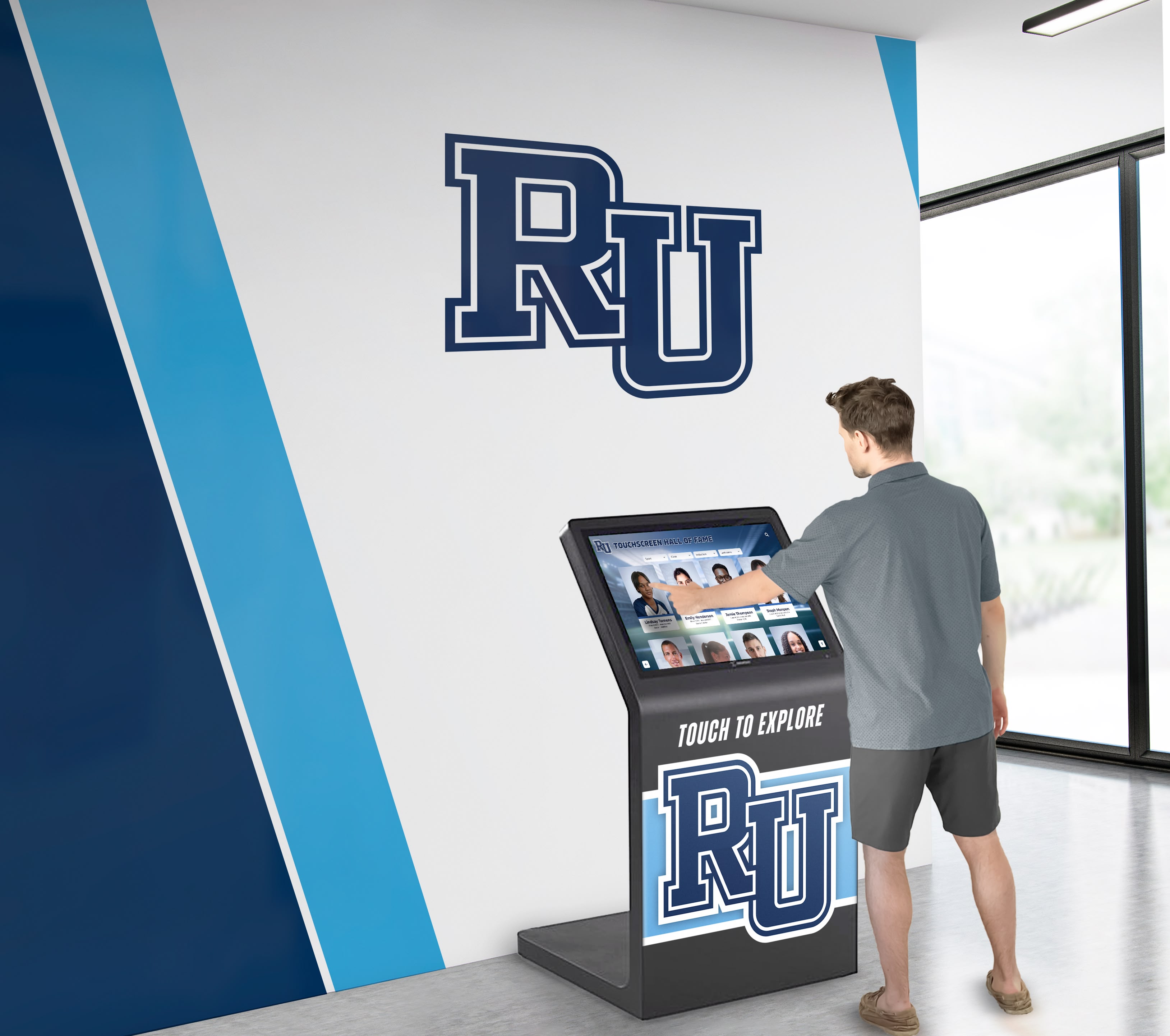
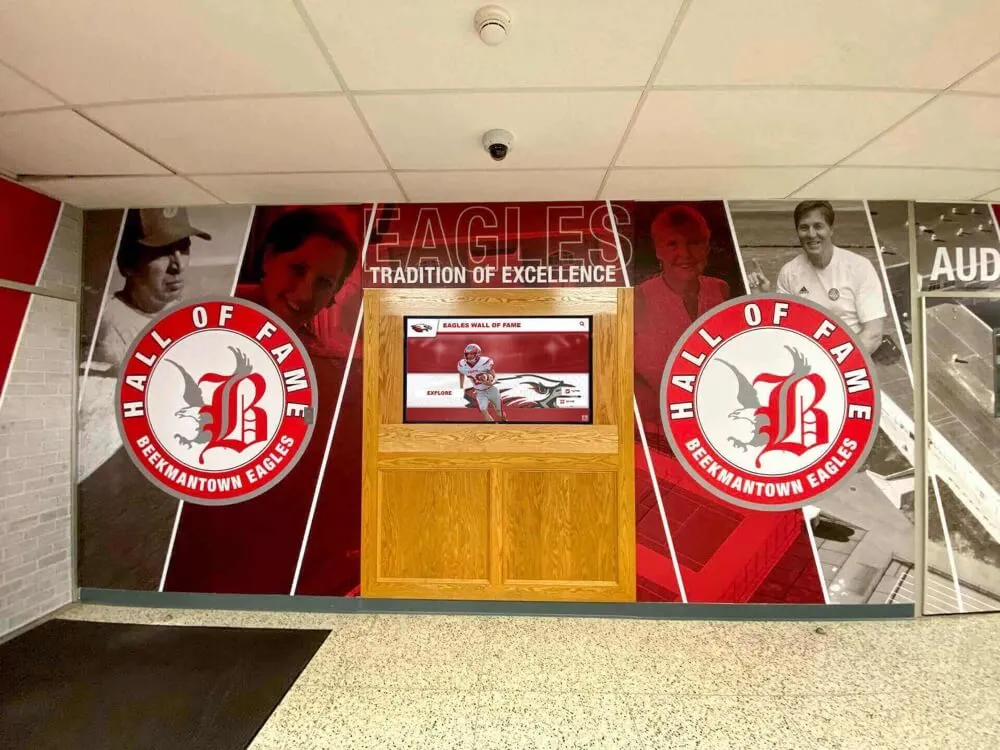
Professional lobby installations position youth sports recognition prominently where families experience program excellence during facility visits, building program prestige
Measurement: Assessing Youth Sports Recognition Program Effectiveness
Systematic evaluation ensures awards programs achieve intended youth development goals while identifying opportunities for enhancement without creating unnecessary burden for volunteer coaches.
Quantitative Assessment Metrics
Participation and Retention Indicators
- Registration numbers comparing years before and after enhanced recognition
- Athlete retention rates tracking multi-year participation
- Practice and game attendance showing engagement levels
- Awards ceremony attendance reflecting family engagement
- Digital display interaction frequency from analytics
- Social media engagement with recognition content
Youth Development Indicators
- Self-reported confidence changes through parent or athlete surveys
- Sportsmanship observations from officials and opponents
- Parent satisfaction with program values and culture
- Coach assessments of athlete development beyond skill acquisition
- Community feedback about program reputation and values
Program Health Metrics
- Volunteer coach recruitment success attracting quality leaders
- Sponsor support showing community investment in program
- Facility access and scheduling priority indicating institutional support
- Wait lists or demand exceeding capacity
- Positive community visibility through media coverage
Qualitative Feedback Collection
Athlete Perspective Assessment
- Post-season focus groups or surveys asking about recognition program
- Individual conversations with diverse athletes capturing range of experiences
- Anonymous feedback enabling honest assessment without social pressure
- Parent observations about athlete responses to recognition
- Coach feedback about motivation and attitude throughout season
Family and Community Input
- Parent surveys after awards ceremonies assessing satisfaction
- Community feedback through social media and informal conversations
- Volunteer coach perspectives about program culture and values
- Facility manager observations about program reputation
- Comparison with other programs regarding recognition approaches
Continuous Improvement Processes
Annual Program Review
- Comprehensive evaluation of all award categories determining continued appropriateness
- Selection process assessment ensuring fairness and transparency
- Ceremony format evaluation identifying strengths and improvement areas
- Digital platform analytics review showing engagement patterns
- Budget analysis ensuring sustainability and appropriate resource allocation
Responsive Program Evolution
- Award category additions or modifications reflecting changing priorities
- Recognition criteria updates ensuring continued appropriateness for age groups
- Technology platform assessments evaluating whether systems serve needs effectively
- Communication strategy refinement based on family feedback
- Integration adjustments aligning recognition with broader program initiatives
Regular assessment ensures youth sports awards programs remain effective, equitable, and aligned with youth development priorities while demonstrating value to volunteers investing time in recognition programs.
Special Considerations for Youth Sports Recognition Programs
Several unique factors require thoughtful approaches specific to youth athletic contexts where developmental priorities should guide recognition philosophy.
Age-Appropriate Recognition Approaches
Developmental Stage Considerations
Recognition should reflect different developmental needs:
Younger Athletes (Ages 5-8)
- Emphasis on participation and effort over competitive achievement
- Multiple recognition categories ensuring all participants receive acknowledgment
- Focus on character development and enjoyment over statistics
- Simple, tangible awards young children appreciate (medals, ribbons, certificates)
- Frequent recognition throughout season maintaining engagement
Middle Youth Athletes (Ages 9-12)
- Balance between participation and achievement recognition
- Introduction of skill-based awards acknowledging developing abilities
- Character awards maintaining priority alongside competitive recognition
- Statistics becoming meaningful but not exclusive focus
- Team awards gaining importance as athletes understand collective success
Older Youth Athletes (Ages 13-14)
- Competitive achievement receiving greater emphasis
- Statistical awards becoming appropriate with developed tracking systems
- Leadership and character awards reflecting greater sophistication
- Role-specific recognition acknowledging position specialization
- Balance between inclusive recognition and acknowledging genuine excellence
Managing Competitive Balance and Inclusion
Recognition Without Creating Harmful Hierarchies
Youth programs must balance excellence celebration with inclusion:
Creating Multiple Recognition Opportunities
- Ensure award variety allows all athletes to earn recognition in some capacity
- Avoid structures where only 2-3 athletes receive any recognition
- Balance competitive achievement awards with character and effort recognition
- Create position-specific or role-specific awards increasing opportunities
- Recognize improvement alongside absolute achievement levels
Avoiding Excessive Comparison
- Present awards celebrating individual journeys rather than emphasizing rankings
- Acknowledge that athletes develop at different rates
- Celebrate improvement regardless of starting point
- Avoid recognition approaches that embarrass or shame athletes
- Remember that youth sports exists for development, not talent identification
Maintaining Genuine Standards
- Ensure recognition reflects genuine accomplishment not empty participation
- Avoid participation trophies that dilute achievement significance
- Require athletes to meet specific criteria earning recognition
- Maintain integrity in selection processes
- Balance inclusion with authentic acknowledgment of excellence
Programs should create environments where achieving recognition feels attainable through effort while maintaining standards that make recognition meaningful rather than automatic.
Privacy and Safety Considerations
Student Privacy Protection
Digital recognition requires appropriate permissions and protections:
- Photo and information release forms signed by parents/guardians
- Age-appropriate content avoiding sharing excessive personal information
- Careful consideration of what information appears publicly
- Compliance with youth sports organization privacy policies
- Opt-out procedures respecting family preferences about public recognition
Online Safety Awareness
Digital platforms require special consideration in youth contexts:
- Moderation of any interactive features preventing inappropriate content
- Privacy settings limiting access when appropriate
- Education for families about social media and digital citizenship
- Monitoring for cyberbullying or negative online attention
- Support systems when athletes experience negative responses
Programs should work with legal counsel and organizational leadership ensuring complete compliance with youth protection requirements while respecting family preferences about their children’s public visibility.
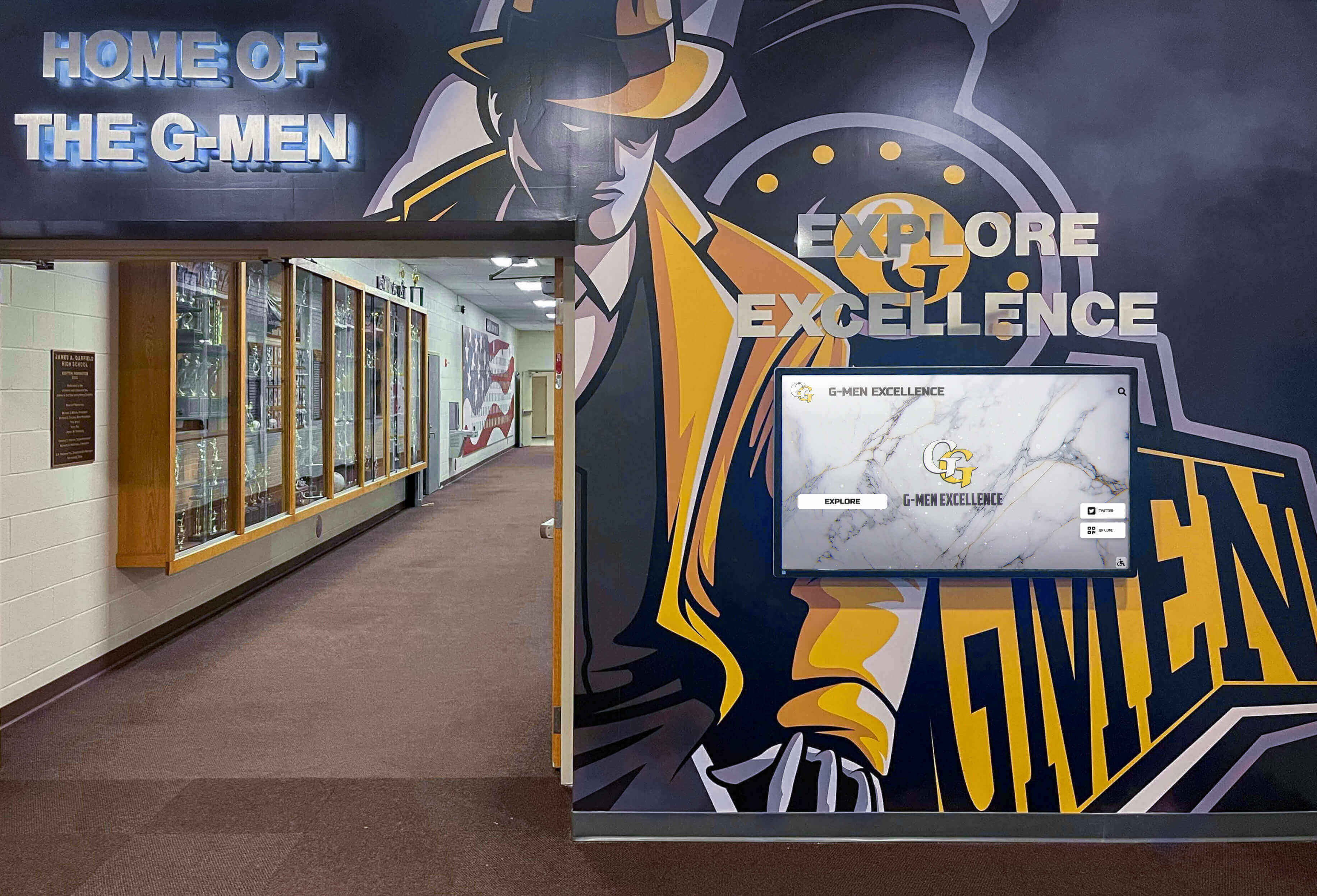
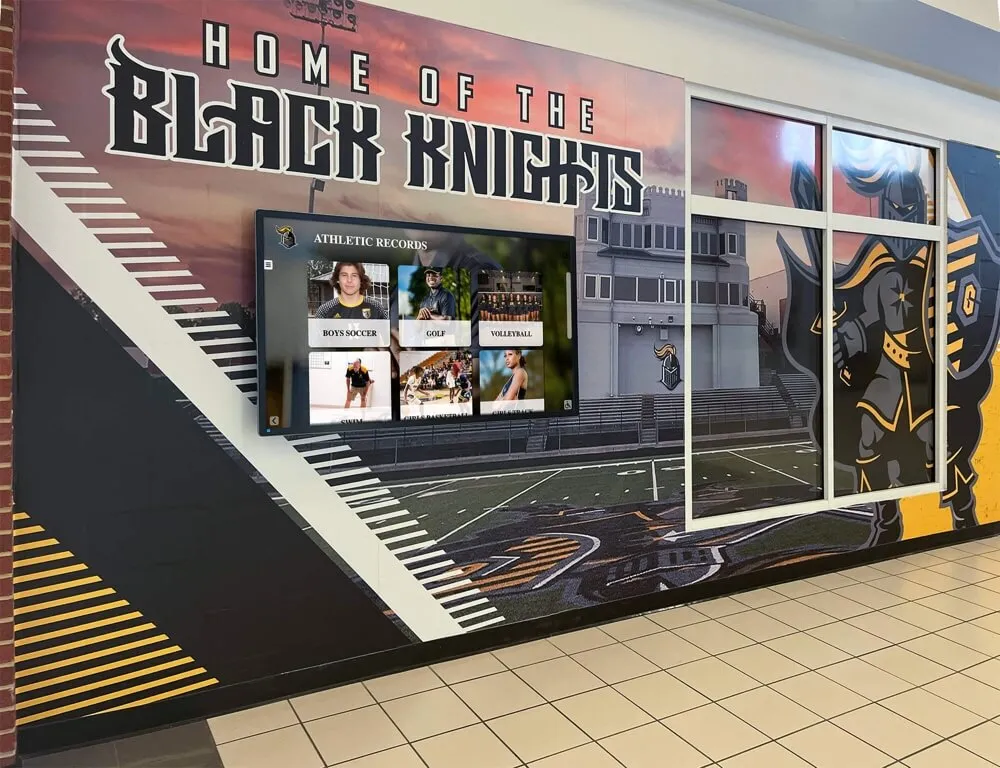
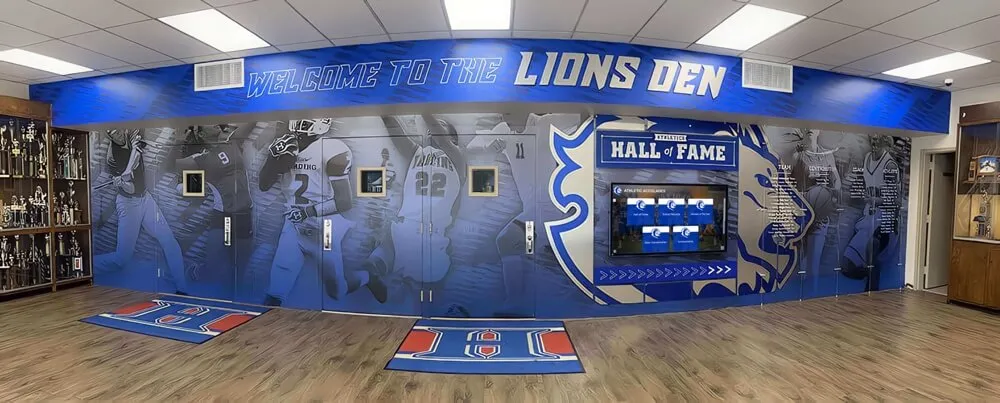
Coordinated visual elements throughout athletic facilities create comprehensive impressions of excellence, positioning youth sports as foundations for community athletic culture
Budget-Conscious Recognition Strategies
Meaningful Recognition With Limited Resources
Many youth sports programs operate with minimal budgets requiring creative approaches:
Low-Cost Physical Recognition
- Certificates designed and printed by volunteers
- Medals and ribbons purchased in bulk from suppliers
- Team-decorated awards using craft supplies
- Homemade trophies reflecting program creativity and culture
- Handwritten notes from coaches providing personal recognition
- Recognition walls in practice spaces using printed photos
Alternative Ceremony Formats
- End-of-season team parties at parks eliminating venue costs
- Potluck gatherings where families contribute food
- Recognition at final practice creating intimate moments
- Combined ceremonies with other teams sharing costs
- Virtual ceremonies using video conferencing
- Public recognition at regular season games eliminating separate events
Progressive Investment Approaches
- Start with minimal costs and expand as program grows
- Seek sponsor support for recognition initiatives
- Apply for community grants supporting youth development
- Implement digital recognition incrementally as resources allow
- Focus on thoughtful recognition over expensive items
- Remember that young athletes value acknowledgment regardless of monetary value
Research consistently demonstrates that thoughtfulness matters more than expense—young athletes remember specific acknowledgment of their contributions and personal notes from coaches far longer than they remember trophy size or ceremony production value.
Conclusion: Building Recognition Programs That Serve Youth Development
Youth sports awards programs represent strategic investments in participant development, motivation, character building, and program culture that extend far beyond athletic achievement into life lessons young athletes carry into adulthood. When programs implement comprehensive recognition systems celebrating diverse accomplishments across skill development, character qualities, team contributions, and competitive achievement, they create environments where all participants find motivation to improve while excellence receives appropriate celebration.
The 100 award ideas explored throughout this guide provide frameworks for creating youth sports recognition programs ensuring every athlete discovers opportunities for acknowledgment while maintaining standards that make recognition meaningful. From skill development awards celebrating technical improvement to character recognition honoring sportsmanship and leadership to achievement awards celebrating competitive excellence, these categories address multiple dimensions collectively creating positive youth sports environments.
Ready to establish or enhance youth sports recognition in your program? Modern digital recognition solutions provide ideal platforms for celebrating youth achievement, combining unlimited recognition capacity accommodating growing programs with comprehensive profile systems documenting individual athletic journeys, interactive exploration appealing to young athletes, multimedia integration showcasing performances and moments, and web accessibility extending recognition beyond facilities to extended families worldwide.
Whether establishing new recognition systems or modernizing existing approaches, success requires understanding youth developmental needs at different ages, selecting diverse award categories reflecting program values beyond winning, creating meaningful recognition experiences appropriate to young athletes, and implementing sustainable processes volunteer coaches can maintain efficiently.
Discover how Rocket Alumni Solutions can help your youth sports program create professional recognition displays that showcase athlete excellence year-round, inspire continued participation, and build program prestige throughout your community.
Your young athletes deserve recognition celebrating their dedication, character development, skill improvement, and commitment to team success. With thoughtful planning addressing youth-specific recognition needs, diverse awards programs balancing achievement and character recognition, meaningful ceremonies appropriate to young athletes, and year-round visibility through digital displays, you can create recognition systems that honor participants while inspiring future excellence.
The essential elements aren’t budget size, facility quality, or competitive success—they’re genuine commitment to recognizing diverse contributions beyond winning, creative approaches ensuring all participants find recognition opportunities, age-appropriate recognition philosophies prioritizing development over talent identification, and sustainable processes making awards programs endure despite volunteer coach turnover.
Start planning your youth sports awards program implementation today, transforming single-event recognition into year-round celebration that honors young athletes’ dedication while building lasting program culture throughout your community.